Diarmuid Breatnach
(Reading time: 3 mins.)
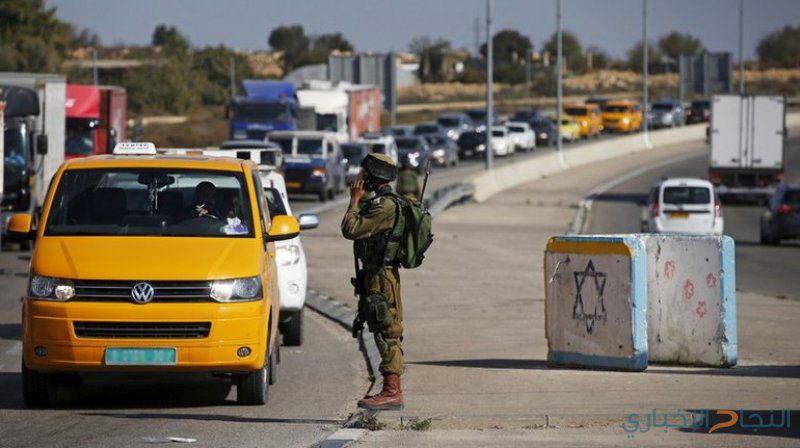
Most people in the Western world will have experienced being stopped at a checkpoint, usually feeling irritated at the delay to their journey, commonly afraid only if driving under the influence of alcohol or drugs.
Or curious perhaps – what is this stop about? In many parts of the world however, apprehension or fear are the normal emotions for drivers approaching a checkpoint. The mind wonders: Might I be arrested, beaten, robbed, raped, killed?
For people in a country invaded and occupied, those are rational fears; the people staffing the checkpoints are occupying soldiers or police; or perhaps auxiliaries, locals working for the occupation, perhaps from a different ethnic group. Which can sometimes be worse.
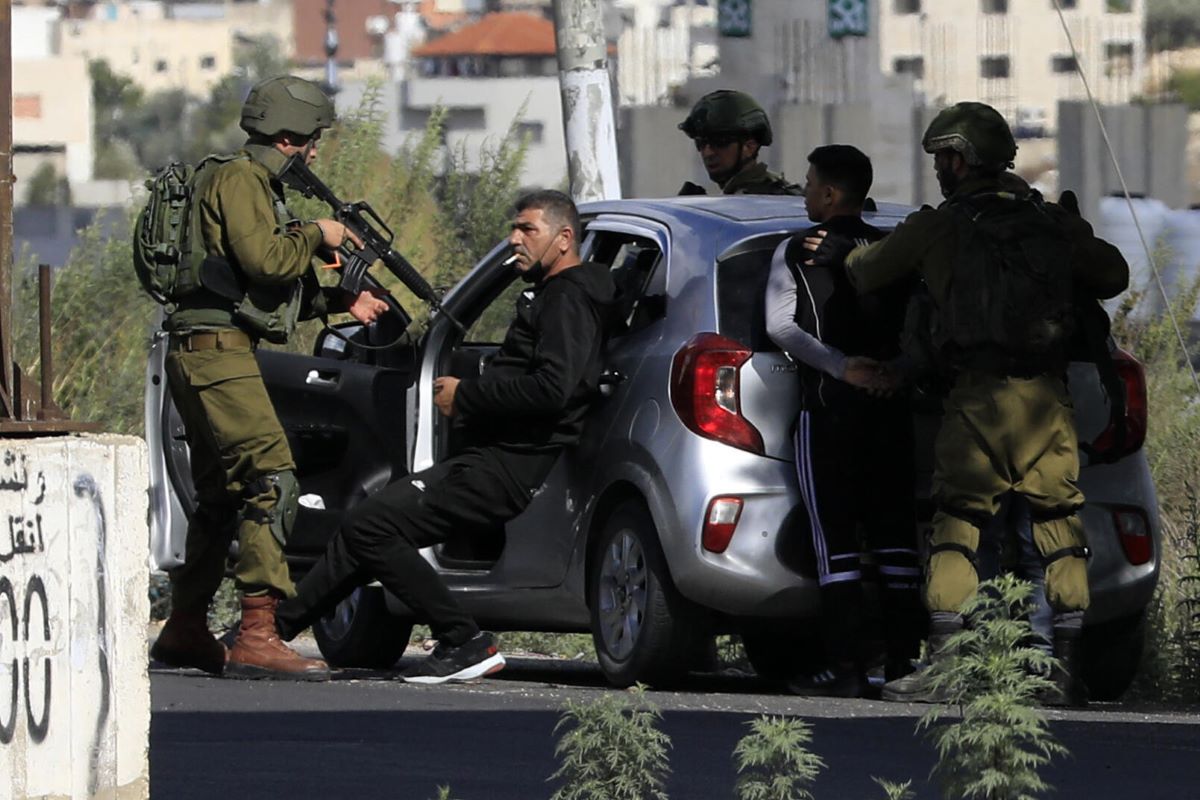
Many Palestinians have been arrested at checkpoints and certainly some have been killed there, while arrest does not mean one will not be killed anyway, or not be used as a human shield under threat of death, or even killed despite doing what their captors asked.
In those situations there are other negative experiences not necessarily including physical harm: humiliation, harassment, the display of power imbalance in how people are treated, delayed, mocked, insulted. An everyday experience for Palestinians passing through IOF checkpoints.

It was so also for many people going through British Army and colonial police checkpoints in the occupied Six Counties of Ireland. Cars with Irish registration plates might be held up for half an hour or longer. Or people who answered that their destination was Derry, instead of “Londonderry” (sic).
People have had their children upset by searches, cuddly toys ripped open, intimate adult clothing in luggage inspected, been body-searched, intimidated by loaded weapons pointed at them and, if known as activists, or even related to activists, been threatened with murder.
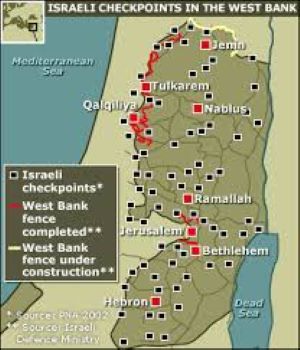
All of this happens to Palestinians at checkpoints where Israelis can pass through, hardly stopping. And there are LOTS of checkpoints throughout the West Bank or on the way into “Israel” (i.e. the lands seized and occupied by the Zionists since 1948).
The guards on checkpoints are often bored or irritated and take out their feelings on those trying to pass through. But the oppressing power wants that to happen: the checkpoints are part of the control structure, physical and mental in effect.
The structural effects and attitudes of the checkpoint guards affect Palestinians travelling to and from their jobs inside ‘Israel’ in addition to Palestinians travelling between one place and another in the occupied lands outside official ‘Israel’.
Those journeys can be for medical treatment (including emergencies), to work or apply for work, to school or university, shopping, to visit friends or relatives, to attend weddings, births, funerals, to support the elderly or disabled, to assist in community work, to take a break, attend festivals …
Apart from anything else, for the Palestinians queuing it may mean a long time in stifling heat in close proximity to other bodies, without water or with a limited supply, no access to a toilet, possibly in direct sun or, in winter, exposed to cold wind and rain …

VULNERABLE
Temporary checkpoints however are also vulnerable. A soldier or policeman approaching a vehicle or even pedestrians on foot has only his body armour and firearm standing between him and attack, even if having done this four hours a day for weeks without a single misadventure.
Because one day, just that once, it might be different.
In the past, a Palestinian might blow himself up at a checkpoint. More recently another who’d had enough drove his car through a checkpoint at speed, fatally wounding one of the guards and then shot another. On another occasion, a Palestinian seriously injured two guards by stabbing them.
Now, more and more frequently, IOF checkpoints are coming under fire. An incident might last no more than a minutes or two but how long does it take a bullet to travel and enter a body? And even without killing or wounding the body, what is the affect on the mind to feel like a stationary target?
These might seem easy operations but no armed action against the Zionist state is free from danger, especially with IOF drones to record or even fire at Palestinian fighters, to say nothing of artillery shells, bombs and missiles. Success rate in killed or injured IOF in such operations tends to be low.
But their psychological effects are quite significant and wars are not fought just by and on bodies; they are fought by and on minds too. The checkpoints, instruments and symbols of power and oppression have become vulnerable and targets … like the repressive forces staffing them.
End.
SOURCES & FURTHER INFORMATION
2023 report on obstacles to movement in Palestine: https://www.ochaopt.org/2023-movement
June 2024 article about military checkpoints in Palestine: https://www.btselem.org/freedom_of_movement/checkpoints_and_forbidden_roads
https://www.france24.com/en/live-news/20240209-israeli-checkpoints-paralyse-west-bank-life-as-gaza-war-rages
Checkpoints as deathtraps: https://reliefweb.int/report/occupied-palestinian-territory/israeli-checkpoints-have-become-death-traps-occupied
 rebelbreeze