It is reported that at some point in the near future a representative of the Palestine Authority will be officially received in Leinster House as part of the recognition of the Palestinian State by the Irish Government (and presumably by the Irish State).
This will be an important occasion and all who support the Palestinian people should get ready to give this representative of the Palestine Authority an appropriate welcome.
The PA is an unelected, unrepresentative, corrupt, repressive and occasionally murderous organisation colluding with the ‘Israeli’ occupation, feeding its Occupation master (and their master’s masters) with information on the activities and persons of the Palestinian Resistance.
In the course of the current genocidal offensive of the Occupation, operatives of the PA have seized weapons of the Resistance, dismantled explosives1 and for years have arrested and jailed activists. They also arrest Resistance activists to hand over to the Occupation.
In carrying out this dirty ‘duty’ for their masters, the PA encounter natural resistance and in overcoming that resistance the PA has executed and killed under interrogation dissidents and members of the Resistance, including since October last year.2
Palestinians objecting to repression face the security force of the Palestinian Authority. (Image sourced: Internet)
Elected once, then widely rejected
Since it was created in 1994 arising out of the Palestine Pacification (wrongly named ‘Peace’) Process,3 elections were held by the PA just twice. The Fatah political (and military) party under Yasser Arafat won the first ones in 1996 but Hamas overwhelmingly won the next, in 2006.
The largely secular-voting Palestinian society rejected Fatah in favour of an Islamist party largely because of Fatah’s corruption and nepotism in the PA and also due to its collusion with the Israeli state, formally and informally in fact.4
The Hamas electoral victory of 2006 was not accepted by the Western powers, nor by Fatah, who refused to vacate their administrative control. Eventually, after a short, sharp struggle in June 2007 Hamas evicted them from the positions in Gaza to which the electorate had voted Hamas.
However, Hamas refrained from doing the same in the West Bank, presumably to avoid all-out civil war and so Fatah remains in control of that section of Palestinian governance, which is the one universally known as “the Palestinian Authority” (and, since 2013, as “The State of Palestine”).
Since 2006, the PA has held no elections though it was supposed to do so every four years.5 The reason is clear: Hamas would win again and the Fatah leadership want to hold on to their corruption opportunities and are decidedly opposed to having their funding streams6 cut.
Currently Hamas runs the government of Gaza and is the leading element in the Palestine armed Resistance, a coalition of Islamist and secular organisations that are united in fighting the Israeli occupation and in the negotiation position of the Resistance.
Fatah had been invited to participate in talks in Beijing in April to present a united Palestinian front but at the last minute declined to attend. Nevertheless, in recent days they have been invited again; it is not known at present whether their representatives will attend or not.7
Hamas and others have called for a unified position on Palestinian self-determination and for participation in a broad united Palestinian government.
Netanyahu, with the support of his internal allies and with the US and Western powers externally, refuses to accept the verdict of the Palestinian electoral process and wants a pro-Israeli administration there which, for the Western powers, means a “revitalised”8 Palestine Authority.
US Middle East would-be ‘fixer’ Blinken, already mooted that9 and Mahmoud Abbas, sitting grossly at the head of the PA in the West Bank, indicated his willingness for the job.
Palestinian Authority President Mahmoud Abbas reads a statement as he meets French President Emmanuel Macron, in Ramallah, West Bank, October 24, 2023. Christophe Ena/Pool via REUTERS/File Photo. Note: The key on his jacket lapel is a symbol of the right of return of Palestinian refugees for which the PA has done nothing at all and which Fatah agreed to exclude from the Oslo Accords under which the PA was founded.
The USA also proposed a coalition of their Arab regime clients for that job but the Resistance has made it quite clear that managing Palestinian society and resources is for Palestinians elected democratically only and anyone else will be a usurper for the Occupation and treated accordingly.
The real purpose of Palestinian State ‘recognition’ by the Three
Sadly, it is in this context that we should see the Irish, Spanish and Norwegian recognition of the Palestinian State. It does not represent a break from the EU’s imperialist position of support for Israel in principle but rather only in tactical approach.
These states are giving the imperialists “good advice”. What they are saying in effect is this: “You have to make the Palestinians thing that they are gaining something and use Palestinians to control Palestinians. Otherwise they’ll continue resisting and you could lose the whole thing.”
Coat of arms of the Palestinian Authority (Image sourced: Internet)
They know of what they speak. This was what the British colonialists imposed on Ireland in 1922 and what the Spanish ruling class imposed on the southern Basque Country, Catalonia and Galicia after the Franco Dictatorship, granting them limited autonomy under Spanish control.
And cultivating “independent” locals to run these for them.
The program these states desire for the Palestinian people is one in which they will have their local autonomy in a Palestinian state on approximately 20% of their nation, with worst land and least water and under the guns and watchtowers of their expansionist and dominating neighbours.
The reality of Israeli genocidal colonisation and the “two-state solution” beloved of imperialists and liberals. (Image sourced: Internet)
The decision on what the Palestinian people accept or reject is ultimately theirs, of course. Equally, how we decide to receive representatives of this undemocratic, corrupt, treasonous and violent PA is ours.
Let us not fail to make it a hot welcome, both in solidarity with the Palestinian people and in apology for the neo-colonial proposals of this Gombeen state.
Let those Irish political parties that support the PA answer for their position. Ours should be clear, from which too our actions should flow.
End.
FOOTNOTES
142 times in the West Bank since October 7th and most recently this week as I was writing this piece, blowing some up at 3am on the morning of the 17thJuly.
4e.g. in concluding a deal that excluded the Palestinians still in “Israel” and any right of return for the millions of Palestinian refugees around the world.
Meta, the company that runs the social media platform Facebook, is banning1 the use of the word Zionism by FB users, claiming the word is used interchangeably with ‘Israel’ and Jewry and is ‘anti-semitic’ and that their ban is in defence of Jews.
The word Zionism is often used in connection with Israel but it does not follow that its use is synonymous with Judaism or that it is therefore antisemitic, any more than to use the word “Nazism” in the 1930s and 1940s would have necessarily been anti-German.
The word ‘Zionism’ is associated with the state of ‘Israel’ for a very good reason – it was founded precisely as a Zionist project, a homeland for people of Judaic background. Palestine happened to be already occupied and so the initiative became also a European settler project in the Middle East.
Christians who support the project for religious – as distinct from political — reasons, mostly in the US, are also regularly described as “Zionist Christians” and form the majority of US Zionists.
But Zionism, rather than describing a religious movement, is essentially political. The Israeli State gives right of citizenship to those from anywhere who can prove being of Judaic background but does not require them to practice the religion or, in fact, to believe any Judaic tenet.
A Gallup survey in 2015 had 65% of Israelis self-identifying as being either “not religious” or “convinced atheists”, while 30% identified as being “religious”. More recently, polls found only 55% identifying as non-secular.
But its Jewish citizens being religious or not, the State is Jewish and the result of a Zionist movement with 19th -Century origins.
Of course, not all Israelis are Jewish either – there are also Muslims, Christians of various Eastern varieties and some western, Druze and others.
The Israeli State came into being on 14 May 1948 as a Zionist state, the culmination of decades of Zionist planning and search for a location, also a settlement project in Palestine promoted by British imperialism and a terrorist campaign against the indigenous Palestinians.
Theodor Herzel, key founder of Zionist Movement and author of Der Judenstaat (The Jewish State) and one of his statements. (Image sourced: Internet)
“The political movement was formally established by the Austro-Hungarian journalist Theodor Herzl in 1897 following the publication of his book Der Judenstaat (The Jewish State).
“At that time, Herzl believed that Jewish migration to Ottoman Palestine, particularly among poor Jewish communities, unassimilated and whose ‘floating’ presence caused disquiet, would be beneficial to assimilated European Jews and Christians.
“Political Zionism was in some respects a dramatic break from the two thousand years of Jewish and rabbinical tradition.
“Deriving inspiration from other European nationalist movements, Zionism drew in particular from a German version of European enlightenment thought, with German nationalistic principles becoming key features of Zionist nationalism.
“Although initially one of several Jewish political movements offering alternative responses to Jewish assimilation and antisemitism, Zionism expanded rapidly. In its early stages, supporters considered setting up a Jewish state in the historic territory of Palestine.
“After World War II and the destruction of Jewish life in Central and Eastern Europe where these alternative movements were rooted, it became dominant in the thinking about a Jewish national state.
“During this period, Zionism would develop a discourse in which the religious, non-Zionist Jews of the Old Yishuv who lived in mixed Arab-Jewish cities were viewed as backwards in comparison to the secular Zionist New Yishuv.”
Jewish use of the word
It was the Jewish Zionists who tried to equate Judaism with Zionism, an effort that was initially repudiated by many (probably most) Jews around the world prior to the Holocaust. After that and in particular with the creation of ‘Israel’, the majority seemed to identify with the Israeli state.
But there was always opposition to that among Jews, including famous ones. The Jewish historian of nationalism Hans Kohn argued that Zionism nationalism “had nothing to do with Jewish traditions; it was in many ways opposed to them”.2
Zionism had its critics from early on and the cultural Zionist Ahad Ha’am in the early 20th century wrote that there was no creativity in Herzl’s Zionist movement, and that its culture was European and specifically German.3
“He viewed the movement as depicting Jews as simple transmitters of imperialist European culture.”4
In recent decades the Zionists worked harder to demonise anti-Zionist Jews, calling them “self-hating Jews” and hounding those who spoke out against Zionism and the apartheid and genocide of the Israeli state, even destroying the employment prospects of such academics.
However, increasingly non-Israeli Jews around the world, including some commentators think the majority of their youth in the USA, are non-Zionist and even anti-Zionist. Many have been prominent in Palestine solidarity and anti-Israel actions.
A well-established Jewish sect that rejects Zionism and therefore the State of Israel. (Image sourced: Internet)
Jews using the term “Zionism” seem to be clear about its meaning and increasingly tend to identify themselves as either Zionist or Anti-Zionist. But most Jews in Israel might be considered ‘Zionist’ in the de facto sense of special ethnic entitlement status and occupation of Palestinian land.
Meta’s ban on use of the word on its social media platform therefore has nothing to do with defending Jews from anti-Semitism and in fact is aligning itself with the Zionist coercion of Jews from which a large section around the world are escaping.
By equating Judaism with Zionism, with the genocidal actions of the Israeli State, Meta is actually strengthening anti-Semitic thinking in many parts of the world.
Jews in solidarity with Palestine and therefore presumably anti-Zionist, photographed on Palestine Solidarity march in London recently. (Photo: Morning Star)
Non-Jewish Use of the word
It may be that not everyone is clear on the difference between Jews and Zionists but the likelihood is that despite obfuscation by the Zionists themselves, most understand the difference.
It is also possible that some may disguise their anti-Semitism by denouncing Zionists when they mean “Jews”.
Even so, that cannot serve as an excuse for banning the use of an appropriately descriptive and historical word, one in addition based on a political movement created — and practice carried out — by Jewish Zionists themselves.
Effect of the ban
The immediate effect of the ban is to increase the one-sided censorship which is already prevalent in the West, sheltering the European Settler State in the Middle East from much criticism for its genocidal policy and actions against the Palestinians.
The effect of that “sheltering” (and in many cases its objective) is to assist that state to continue its genocide and also to facilitate the western states’ support for that genocide in politics, journalism, sport, culture, trade, finance and armament.
The longer-term effect will be to energise the search for other platforms that will not impose such bans on speech. Already Telegram is gaining many users on both Right and Left ends of the political spectrum. This does not mean however that the State cannot find the means to spy on them.
Those wishing to use terms that describe what the western imperialists do not wish described may abandon platforms owned by Meta in favour of others, at the same abandoning many mainstream Meta users to the dominant discourse and ideology.
Meta previously banned the word Shaheed, meaning “martyr”, which it lifted after a period of a year. This is a term regularly used by the Palestinians to describe their dead, their fallen Resistance fighters but also the huge number of civilians killed by the Israeli Occupation Forces.
The term is also used in a similar way in relation to other other Arab resistance groups from the Lebanon to Yemen. Meta suspends accounts or closes them for promotion of resistance organisations (termed “terrorists” by Western states) across the globe, not only in the Middle East.
Ex-Minister for Home Affairs for the UK Suella Braverman attempted to ban the slogan “From the river to the sea” in Palestine solidarity context,5 claiming that because it encapsulated the desire for a Palestinian state, it was anti-Israeli and therefore anti-Semitic, a giant anti-logical leap.
A small group of anti-Zionist protesters in ‘Israel’ some weeks ago was suppressed by Israeli police and one of the latter was filmed loudly declaring that any placard or banner including the word “genocide” would be removed, an attitude mirrored by police in Germany.
People, including supporters of Juedische Stimme (Jewish Voice), a Jewish organisation, gather for a ‘Global South United’ protest to demand freedom for Palestine on 28 October 2023 in Berlin, Germany. [Getty]
Challenging Israeli atrocity hoaxes of the Palestinian resistance beheading babies or mass raping Israeli women has also drawn fire and accusations of “anti-Semitism”. Placard representations likening Israeli actions to those of the Nazis were often suppressed in the West.6
The issue of banning publication of certain words is not an easy one though liberal and social-democratic trends present it uncritically. We may object to the use of any of a huge number of racist epithets, for example and understand that these can be used to build up racist cultures.
However, when the State is asked to ban these and other kinds of speech, it is in effect being publicly empowered to ban what is in the interests of the elite to ban, i.e those words that convey unpleasant images of the ruling class, however valid.
“Property speculator”, “vulture capitalists”, “imperialists”, “colonialists”, “sectarian”, “collaborators”, “quisling” and “settlers” could be on a future list for banning under “hate speech”, along with combinations of words such as “police” with “brutality” or “politician” with “corrupt”.
Liberals and social-democrats tend to forget at times where the real power lies and what interests are served by the State.
Meta’s ban will be circumvented in many ways of course but it represents a major attack in social media on democratic freedom, all in the service of a genocidal colonial state which itself is in the service of imperialism.
The role of culture in revolution is of great importance – greater even than that of the armed struggle, certainly in the initial and later stages. We are created by evolution but we are born into and raised in culture.
The question of whether that culture is to be revolutionary or liberal is of crucial importance.
I have remarked on how Mandela, jailed for his revolutionary armed activities, was marketed as a peacemaker and later became a figurehead of pacification of the South African struggle. Bobby Sands, a revolutionary fighter to the last, has also been represented as a peaceful icon.1
And so also was Terence McSwiney who, like Bobby Sands, died on hunger strike.2
The following article from Resistance News Network, reflecting on the work of the revolutionary writer Ghassan Kanafani who was murdered by Israeli Zionism and his subsequent representation as an icon is I think of substantial interest. D.Breatnach
Ghassan the poet? Ghassan the Palestinian? No, Ghassan the revolutionary!
In colonial wars, the creation and dissemination of symbols to the public is a crucial battle in the war of consciousness building, even if its effects are not clearly visible in the present.
Perhaps the most prominent example of these battles was the image of Che Guevara in the wars of liberation in Latin America. Ernesto Guevara’s persona represented an individual model that encapsulated the revolutionary spirit of people fighting for their freedom from American hegemony.
As the American empire recognized its inability to destroy Guevara’s image, they transformed his image into a consumer commodity.
This was to divert his image from its original revolutionary meanings and repurpose it in the service of economic and cultural agendas that contradicted Guevara’s own principles and what he represents.
In the Arab context, the war to liberate Arab symbols from the captivity of history monopolists continues to intensify, as it involves obscuring forgotten heroes in favour of fabricating mythical legends designed to tamper with the boundaries of nationalism and betrayal in the Arab mind.
In this context, the fiftieth anniversary of the assassination of the martyr Ghassan Kanafani is being observed, with pages and websites filled with commemorations of Ghassan’s life, his quotes, and his most significant works.
It is no longer surprising that Ghassan Kanafani is celebrated on both normalization platforms as well as liberal ones, when voices are raised to commemorate Ghassan even as they are in the heart of the hostile project under the umbrella of its military bases.
Thus, the question arises: which Ghassan Kanafani are we commemorating today? And how do we protect the Ghassan we know?
Ghassan Kanafani’s life provided rich material for readers, followers, and analysts after his martyrdom.
However, the perception of Ghassan was not independent of the political contexts of the recipient interpreting his word, resulting in multiple “versions” of Ghassan Kanafani, some of which we review below.
Ghassan Kanafani: The Writer (only?)
The most widespread version of Ghassan Kanafani is that of a “writer” who wrote stories, plays, and depicted the Palestinian reality.
The spread of this version may be justified since Ghassan’s literary works are the most popular among people and have played a significant role in spreading his name.
However, confining Ghassan Kanafani to the realm of “literature” is not always innocent, and in some respects, it is a deliberate reduction of Ghassan Kanafani’s political work.
Ghassan was responsible for mobilization, media, and was a part of the political decision-making circle in the Popular Front for the Liberation of Palestine since it was part of the Arab Nationalist Movement. He remained in this role until his martyrdom.
Moreover, Ghassan’s literary output never compromised or was at the expense of his political positions or took precedence at any point in his career.
In terms of production, his political studies, research, articles, and editorial journalism are as abundant and important as his narrative and theatrical works.
Even the latter were never detached from the political context; instead, the narrative served as a framework through which Ghassan conveyed his political, social, and even philosophical ideas.
Consequently, the image of Ghassan as “the writer engaged in politics” falls away, replaced by the truth of Ghassan — the politician who harnessed literature in the service of a political cause.
The danger of this deliberate reduction lies in paving the way for a sanitized image of Ghassan Kanafani, presented to the public by liberal (and even normalization) pages and platforms to gain credibility in Ghassan’s name.
Kanafani tackles a fundamental dilemma that burdens our political reality to this day, which is the crisis of “the prioritization of internal change over liberation.”
Thus, reductionism turns into deliberate distortion, making Ghassan Kanafani’s name a “honey” slipped into the poison of isolationist, liberal, and anti-resistance ideas on our land under the guise of freedom and liberation.
Otherwise, how can we understand the celebration of Ghassan Kanafani by liberal platforms and influencers at Al-Udeid Air Base?
Ghassan Kanafani: the Palestinian (only?)
One of the unjust reductions of Ghassan Kanafani is the confining of his personality and his works to “Palestine,” as delineated by colonialism.
Again, one can find an excuse for this reduction because Palestine represents the primary aspect of Kanafani’s political and literary identity, and his experience is closely tied to the general Palestinian experience of war, forced displacement, diaspora, and the struggle for return.
Some people overly emphasize Ghassan’s Palestinian identity, overshadowing his Arab dimension, which he never concealed.
In reality, examining Ghassan Kanafani’s political studies unveils to us the truth of Ghassan as an Arab nationalist thinker who worked hard and struggled to develop practical frameworks for Arab revolutionary theory.
This is made clear in his in-depth study, “The Arab Cause in the Era of the United Arab Republic,” where he discusses the essence of the imposed war on our region, identifying enemy and friend camps, and ultimately defining the main goal of the war: liberation as a condition for unity and renaissance.
Ghassan further elaborates on this study’s conclusions in another study titled “The Revolutionary Applications of Arab Nationalism,” published in 1959, in which he masterfully details the concept of Arab unity and the tools for its practical implementation.
Ghassan Kanafani goes beyond this by considering the confrontation of isolationist (regionalist) thought a revolutionary necessity, describing “isolationism” as something that “contradicts the nature of the formation of societies.”
Isolationism or “regionalism” are anti-unity tendencies, based on defining society’s interests from colonial borders and treating each Arab state as “independent” in itself, as Sykes and Picot intended.
Kanafani tackles a fundamental dilemma that burdens our political reality to this day: the crisis of “the prioritization of internal change over liberation.”
No better formulation to this question can be found than Ghassan’s own words when he stated that “raising the concept [of focusing on internal development first] is a deliberate exclusion of the popular current directed towards unity with determination,
and diverting it to side and regional battles that are easily manipulated (as long as each Arab country is not -nationally- at a level of complete liberation worthy of proper social construction).”
Ghassan concludes his argument by asserting that “unity is a prerequisite of the renaissance… even its regional aspect.”
We mention these ideas as examples of Ghassan Kanafani’s Arab nationalist thought, which fundamentally opposed isolationism and the canned projections of Marxism and others, with strength and clarity.
Therefore, the celebration of Ghassan by the proponents of these ideas indicates their exploitation of Ghassan’s legacy (from their side) and a significant failure in protecting Ghassan (from the side of those who believe in his ideas).
How, then, do we protect Ghassan Kanafani?
The starting point lies in defining ourselves. Are we believers in Ghassan Kanafani’s approach and vision for the ongoing conflict on our land, which comes at the expense of our blood, lives, and destinies?
If so, our foremost duty is to reclaim Ghassan Kanafani from the chains of cheap consumerism and to present him to the public in his true and impeccable form: an Arab nationalist fighter who made among the most significant contributions to modern Arab revolutionary theory.
Additionally, our responsibilities also include reviving the spirit of party work, in which Ghassan was a pioneer, and correcting the Arab party frameworks to harness the wasted energies in the prisons of virtual activism,
within the halls of “non-governmental organizations” and the labyrinths of despair and discouragement.
Our obligation towards Ghassan Kanafani demands that we comprehend our reality and its conditions and that we clearly define our goals, grounded in a deep conviction in our civilizational role as a nation.
We must believe that the liberation of the land is a step towards unity, and that unity is a prerequisite for the renaissance that will elevate us to our rightful civilizational status among nations. Finally, here is a part from Ghassan Kanafani’s ongoing will:
“A human being who does not live the average of sixty years will not find enough space to live peacefully; instead, they will carry the crisis from the moment they are born… and pass it on to their children at the hour of their death.
“The results of this struggle will be for a generation we do not know when it will arrive, even though we are optimistic about witnessing its early days towards the end of our lives…
“Our only reward may be that the next generation, the happy generation that will enjoy our victories, will envy us for having earned the honour of living in the age of struggle for life. And that is enough for us temporarily.”
End.
Footnotes
1In particular by the constant reproduction of his statement that “our revenge will be the laughter of our children”, completely abstracted from his role as an armed freedom fighter and what he wrote in support of that.
2Similarly to Bobby Sands, his statement that is those who who endure, rather than inflict the most who will triumph. The statement taken in isolation seems to endorse passive resistance but McSwiney was an officer of the IRA in the War of Independence, a role skated over in the Wikipedia entry dedicated to him.
It was an open secret that the US multinational, Chiquita, financed the paramilitaries. But the company always denied it, until one fine day, due to the insistence of the victims the company had to acknowledge its guilt and pay a fine of $25 million US.
On June 10th, this year, a tribunal in Florida ordered the company to pay $38 million to the families of 8 people who were murdered by the groups Chiquita financed.1
However, the victims in the same period for which Chiquita accepts it financed the paramilitaries and to have allowed them import weapons through their free zone port number more than eight victims, there are thousands.
But it is not just a matter of the number of victims but rather the number of victimisers. The judgement lays bare the discourse of the transitional justice system and that of all the governments, including the current one, about the nature of the conflict.
The peace agreement signed with the FARC, described the problem as one of some criminal guerrillas (and among their ranks there were) and some “rotten apples” in the armed forces (there weren’t any but rather it was a problem with the military institution itself).
The business people were designated as third parties and are not obliged to testify before the Special Jurisdiction for Peace (JEP). But the judgement in the US against Chiquita clearly shows that they are not “third parties” in the conflict but “first parties”.
Once upon a time the role of the multinationals in the conflict was the starting point for all of the left and the human rights groups too, but not anymore.
Before we look at the matter, we should bear in mind that among many of those who are now part of the government, those that signed or promoted the agreement with the FARC are various spokespersons that previously denounced many companies.
I had the honour of investigating the role of the British oil company BP and other companies in the case of Casanare, where the role of the company could be proven.
The company itself, partially acknowledged its bloody role in financing the 16th Brigade alleging that it was legal at that time.
Many organisations have denounced BP, and the voices raised against the company increase in number.2 But legally BP is as innocent as Chiquita once was. In Southern Bolívar we saw how mining companies fomented the war against communities.3
Carlos Castano, right, the leader of the right-wing paramilitary group United Self-Defense Forces of Colombia. (Photo cred: New York Post/ AP)
It wasn’t just in that region, but rather in the whole country and included national companies as well.4 The palm companies did their part and the cattle ranchers publicly accepted their role in fomenting paramilitaries,5 to name just a few sectors.
Other reports, as yet not proven to the same degree as the ones against Chiquita, cameout, but few doubt the reports against Coca Cola and Nestlé. Perhaps in a few years we can state it with the same legal certainty as we do now in relation to Chiquita.
And if we get there, it will be exclusively due to the struggle of the victims.
For the current government, the truth commission and many sectors of the Historic Pact (PH) the conflict is to be explained in terms of drug trafficking, minor disputes (never major ones) for land, corruption and the “culture of death in Colombia”.
But none of that is true. It is true that drug trafficking has, up to a point, played a role, and sometimes there are land disputes between neighbours that end badly and violence as a method of resolving problems is socially acceptable amongst many sectors of the country.
But none of this explains the conflict.
The Colombian conflict can be explained in terms of one between national capital, but above all international capital and the Colombian people and can be seen in the fight for land, the economic model, the war on unions, grassroots organisations etc.
Once upon a time it was not controversial on the left to say so, not even among the NGOs and even some politicians did so. Now, however, whoever states as much, dies politically.
Petro has given the excuse that he holds office but not power as a justification to explain the lack of operational capacity of his government and the lukewarm nature of his proposals. But we knew that, we always knew that, even when Petro on the campaign trail said he would “take power”.
People used to accept the idea that Colombian policies are not decided in the Nariño Palace (presidential palace) but rather in the White House and the cafés of Wall Street. The owners of the “cafés” decide more than do the Colombian people.
Those that serve the coffee are companies like Chiquita and it is the Colombians who wash the dishes.
President, are you the owner of one of these cafés, a waiter or a dishwasher? Tell us in detail. We would like to know who took the decision to allow Chiquita and the rest of the companies to kill left, right and centre.
We would like you to name those companies that kill peasants. Or, do you not as President have access to the military and police archives etc.?
On the election campaign, Petro said he was the Biden of Colombia.
But Biden and the Democrats have always received funds from multinationals, particularly from the agribusiness sector. So Petro should tell us whether he is still the Biden of Colombia and what he intends to do with Chiquita and other companies behind the Colombian conflict.
The peace process with the FARC and the rise of the PH as a party of government has left us a pernicious legacy, where we talk about the conflict in psychological terms, of evil, or individual responsibility (except when dealing with the insurgency).
And from the onset deny the role of the US in the conflict and the role of companies, particularly the multinationals. The business people are not on trial in the JEP, except those who voluntarily place themselves before the tribunal.
And that is only done by those who face a sure sentence in the ordinary justice system and see in the JEP the possibility of avoiding jail time. The Truth Commission excluded the business people.
In 2015, in the middle of his speech to the Colombian Oil Association, the then President Santos tried to reassure them and promised that he was not going to pursue them.
He gave them some advice, suggesting that if there was ever report made against them they could allege they were coerced.
Furthermore he stated, “Which businessman is guilty of war crimes or crimes against humanity? If there is even one, he might be put on trial, but I don’t see how, or where…”6
Well, for the moment we could reply that perhaps in Florida, but not in Bogotá and not due to the NGOs, state bodies and other personalities who sell us that image of the conflict in which companies are not the driving force behind the conflict.
End.
Comment by Rebel Breeze: Chiquita is the current manifestation of the infamous United Fruit Company which organised a massacre against striking fruit workers in December 1928:
Leaders of the 1928 strike including two martyrs. (Photo sourced: Wikipedia)
6 Cited in Sinaltrainal et al (2016) Ambiguo y decepcionante acuerdo: itinerario para la impunidad de crímenes de Estado. P.24 https://rebelion.org/docs/208980.pdf
Around 30 people demonstrated outside Dublin’s Criminal Court on Thursday, many of them displaying Irish flags (Tricolour and Starry Plough) along with those of Palestine in solidarity with three activists before the court.
The activists were charged under Public Order legislation arising out of protesting a British war ship at Dublin docks in November last year, in solidarity with Palestine and against NATO’s support for the Israeli state’s slaughter in Gaza.
It was alleged that the activists (variously from Saoirse Don Phalaistín and Anti-Imperialist Action organisations) had entered a restricted part of the Dublin Docks and, holding a Palestine flag, had approached a British warship docked there and then occupied the gangway.
British military displaying firearms on Irish state soilin November last year. (Photo: Anti-Imperialist Action)
Gardaí had been called and the activists had refused their instruction to leave under the Public Order legislation and they had then been arrested. No act of violence, physical or verbal, took place on either side other than the refusal to leave and the arrests.
The activists appeared in the Parkgate Street building before Justice John Hughes and all three were defended by Damien Coffey of Sheehan Partners, a law firm which often handles political and human rights cases. Three Gardaí from Store Street acted in the role of the Prosecution.
The Garda in charge of the prosecution and his two colleagues gave evidence as to the arrests. Questioned by Coffey for the Defence, all confirmed that although the protesters had refused to leave, there had been no violence offered by them during their arrests.
Strangely, as shall become evident and relevant, one did not recall the British military presence on the gangway to be armed, whereas another did and confirmed that a photo of the armed men was of those who had been present.
One of the Garda offered his opinion that whereas the vessel was regarded in law as “British soil”, the gangplank was legally “Irish soil” and, if the protesters had actually set foot on the ship, they might have been charged with piracy. This piece of evidence also had unintended consequences.
One of the placards displayed by supporters outside the courthouse (Photo: Rebel Breeze)
According to this evidence, the British in a foreign military uniform had been present on Irish state soil and all replied to the defence lawyer that they were unaware of any Ministerial permission to do so — or that this could have constituted an offence under Section 317 of the Defence Act 1954.1
Furthermore, none were aware of any special permission granted to them to carry firearms on Irish state ground. The British military personnel themselves were not present as witnesses as their superiors had not replied to the Garda request to discuss giving evidence in the case.
Port security camera footage was shown as evidence by which protesters could be seen at the gates of a fenced-off section of the docks and some time later proceeding through a gate. A port security employee had been summoned by the Gardaí as a witness.
After he had been taken through his evidence (and failed to respond to what seemed an attempted prompt) by the Garda in charge the only relevance of his evidence was that a) the area was restricted and b) that he was worried for the safety of the protesters.
This (and the reason for the possible attempted prompt) was of importance when Coffey developed his defence summary on the legal grounds that Section 14 (1) of the Public Order Act required there to be an element of fear arising from the actions of those to be charged under the Act.
None of the evidence for the Prosecution had shown the presence of fear of anyone from the defendants and, furthermore, he submitted, any element of fear was much more likely to arise from the presence of two men holding firearms, to whit, the British military personnel.
The second part of the Defence summary dealt with right to protest, Coffey quoting a number of legal sources, also referencing the Irish Government’s recognition of a Palestinian state and statistics of people killed by the Israeli state against which the activists had been protesting.
Judge Hughes announced that a recess was due for lunch and that he wished to consult legal authority (case law etc) so they would recess and reconvene in an hours’ time.
A number of supporters who had taken time off from other commitments left at this point while a few arrived instead.
THE JUDGEMENT
After reconvening Judge Hughes began his long drawn out summing up and it gradually became clear that he intended to find the accused guilty. However people awaited with varying degrees of patience for the details of the sentence.
The Judge referred to the right to protest but also to the restrictions upon it (usually limiting its effectiveness) though he did not say that, nor that powers exist to abolish those rights when the State feels it necessary.
With regard to the ‘element of fear’ required for conviction under the Public Order Act Hughes quoted a judgement as a reference that seemed neither relevant nor reasonable, involving a woman experiencing fear of being broken into and even fear of children playing outside her home.
Despite repeating the standard claim of capitalist law that judges cannot adjudicate emotionally nor be swayed by what was occurring in Palestine, John Hughes revealed his own political bias when he bizarrely claimed that a British fleet had been welcomed into an Irish port in 1820.
He revealed his political naivety also when he expressed surprise that the British had not replied to the Garda communication regarding the incident.
On submission by Coffey regarding the lack of previous convictions and effect of criminal convictions on the lives of the three, Johnson, again drawing out the moment, gave them what amounts to a conditional discharge with a provisional forfeit of 500 euro.2
No doubt the desire not to create martyrs around whom solidarity campaigns might intensify played at least as much a part as any concern for the lives of the activists.
The defendants and their supporters left; outside the court they were embraced by a number of supporters before the gathering broke up, some attending to other solidarity activities elsewhere. The show of support was a good sign of solidarity against state repression.3
View of some of the people outside the courthouse on Thursday in solidarity with the three activists (Photo: Rebel Breeze)
SERIOUS ISSUES AMONG ELEMENTS OF COMEDY
The name of the British naval vessel being The Penzance and the mention of a possible piracy charge brings to mind of course the Gilbert & Sullivan opera The Pirates of Penzance (1879).
The focus of the Gardaí on arresting peaceful protesters in preference to unauthorised people in foreign military uniform carrying unlicensed firearms on Irish soil and also trying to suggest that not they but the protesters would give rise to fear is not without its comedic elements.
However overall the whole matter is extremely serious, with regard to the zionist genocide in Palestine, the active collusion of the UK/NATO, the active collusion of the Irish ruling class4despite its verbal positions – and the repression of its State on more active and directed solidarity actions.
End.
FOOTNOTES
1 317. — (1) No person shall, save with the consent in writing of a Minister of State, enter or land in the State while wearing any foreign uniform. (2) No person shall, save with the consent in writing of a Minister of State, go into any public place in the State while wearing any foreign uniform.
2 It will not appear as a criminal record but in the event of a subsequent conviction, the 500 euro can be levied as a fine in addition to any other punishment in court sentence.
3 Though the absence of a number of political organisations and trends was also marked.
4 “Dual-use”exports to the zionist state which can be adapted to military use; failure to press for any economic, academic or cultural sanctions against the zionist state; shelving of the Occupied Territories Bill; failure to impose diplomatic sanctions of any kind.
On 25 May, a video surfaced on Israeli social networks in which an armed and masked man in an Israeli army uniform stood in front of a camera and threatened mutiny to Prime Minister Benjamin Netanyahu.
The message was also directed to Israeli Defense Minister Yoav Gallant and Chief of Staff Herzi Halevi, the reserve soldier said Gallant should resign.
He warned that 100,000 reservists in Gaza are not willing to “hand over the keys of Gaza to any Palestinian Authority” or other “Arab entity,” and said these soldiers would only take orders from Netanyahu.
Among the many that shared the video was Yair Netanyahu, son of the Israeli prime minister, who later deleted it following the resulting controversy.
Despite being masked, the rifle in the video appears to carry the name “Luzon,” which helped eventually identify the man a few days later as Ofir Luzon, a right-wing activist from Herzliya, a town north of Tel Aviv.
He is a supporter of the local Likud party, which is also the party of Netanyahu.
Luzon is a reserve soldier serving in Gaza, but the video probably wasn’t shot in Gaza but rather in an abandoned building in the Tel Aviv area. He was likely acting alone.
Israeli media have since published many of his social media posts in which he expresses right-wing views, is seen alongside Likud ministers and city council members in Herzliya, threatens leftists and Israeli protesters against the judicial overhaul and opposes Gallant.
He expresses enthusiasm about the approaching attack on Rafah.
Day after
The immediate context of the video was a recent ultimatum issued by Benny Gantz, a member of the Israeli war cabinet, to Netanyahu, in which Gantz demanded that his concerns over the management of Israel’s assault on Gaza and its aftermath be answered by 8 June.
And threatening to resign from government if they aren’t.
The “day-after” scenario is a heated subject of debate within the war cabinet. Gantz wants clarity around a “governing alternative” to Hamas to rule over Gaza, envisaging an international, Arab and Palestinian administration to handle civilian affairs in Gaza.
Netanyahu, however, is insisting there be no discussion of post-war scenarios or who should govern Gaza, arguing that as long as Hamas is not defeated, such discussions are “meaningless.”
Netanyahu has expressed strong opposition to the Palestinian Authority taking over, and maintains that Israel must keep “security control over the entire territory to the west of Jordan,” meaning Israel, the West Bank and the Gaza Strip, or all the area from the river to the sea.
This is in direct contrast to Gallant, who is pressuring Netanyahu to declare that Israel will not take over civil rule or maintain a military occupation in Gaza.
Disintegrating army
The wider context, however, is a bit different, and has to do with dynamics that some Israeli analysts describe as part of the “disintegration” of the military.
Luzon’s video may be the first time that an open expression of mutiny has been voiced from within the ranks of the Israeli military, but Israeli reservists in Gaza during the current genocide have regularly disobeyed orders right from the outset in October.
The Israeli military has admitted to disciplinary problems and difficulty in controlling the rank and file. So far, these issues have been seen on social media, especially TikTok, where soldiers have filmed themselves giving political speeches, trashing homes and vandalizing shops.
Or blowing up universities and committing other war crimes.
These disciplinary problems have also surfaced over nationalist graffiti on houses and properties in Gaza, some calling for revenge and some for the rebuilding of Jewish settlements in the territory.
The military has not investigated most of these incidents, perhaps out of fear of pressure from right-wing politicians or protest from within the military, borne out of experience.
In November, an order to soldiers in Gaza to erase their own graffiti led to a public outcry from right-wing politicians, including from minister of national security Itamar Ben-Gvir, who called on Gallant to rescind the order.
Some soldiers openly refused to obey the order.
Chain of command
In addition to disciplinary issues with reservists, problems in the chain of command have also been exposed, notably between the chief of staff and division commanders on the ground.
Infamous, of course, is Barak Hiram, who gave orders to bomb an Israeli settlement near Gaza during the 7 October attack, and also gave the order to bomb a university in Gaza, without, the army says, prior approval.
Brigadier General Dan Goldfuss, meanwhile, was reprimanded following a statement to the media in which he said that national leaders must be “worthy of the soldiers.”
Whether from division commanders or rank and file reserve soldiers, it is clear that the Israeli military has a growing problem with discipline.
It is a problem that stems not only from deepening political divisions within Israeli society, but also from class and identity conflicts. Many reservists and regular soldiers are traditionally drawn from marginalized areas, and are often from religious and right-wing backgrounds.
It’s difficult to predict whether 100,000 soldiers will actually disobey orders to withdraw from Gaza, should such an order eventually come down.
But Luzon’s video does not come in a vacuum. It is rather the latest expression of a growing rift within the Israeli military, and in Israeli society more generally.
End.
Mati Yanikov is a Haifa-based anti-colonial activist.
This version of the original is very slightly edited organisationally with no matter changed or removed.
In the western world we observe the manifestation of solidarity with Palestine in giant marches and in college solidarity encampments and building occupations. But there are many other manifestations to be seen every week and on specific occasions.
These other smaller actions take place of special occasions or on a regular weekly, monthly or even daily basis. The Bridges of Solidarity event was organised as a specific one-off but others are organised weekly, for example in Dublin where one of them, by coincidence is also on a bridge.
These solidarity events are seen by passing people away from the routes of the big marches and locations of encampments and allow those people at minimums to express their approval and, for a few seconds at least, to be part of that solidarity expression.
This contributes to the popular public opinion. Smaller or special events sometimes also pull in people who might not normally participate in marches for a variety of reasons.
The Solidarity Bridges protest day was set for Friday 31st May and Palestine solidarity flags were waved and banners hung from bridges over motorways and rivers across the nation, disregarding the foreign-imposed border.
In Dublin, motorway and main road bridges, over river and stream showed the Palestinian colours and were greeted every few seconds by motor horns sounding in support.
One of the Bridges of Solidarity with Palestine events that took place across different parts of Ireland on 31 May 2024, this one on the Dublin Fairview pedestrian bridge across the road.
On the “RTÉ Bridge”1 the numbers were small with Palestinian flags and a drop banner bearing the message “RTÉ LIES”. However the horns of passing traffic blowing in approval sounded every ten seconds or so, sometimes individually and sometimes in a chorus, accompanied by thumbs up.
Irish and Arabic recorded resistance music sounded out from an amplifier. On the UCD Bridge, chanted slogans replaced recorded music with a couple of songs too, sung accapella; the numbers here were boosted with students from the ongoing solidarity encampment there.
A huge “Ireland Stands With Palestine” banner figuring the watermelon slice2 hung off the southern side of the bridge with flags and a text banner facing north.
According to media reports and its FB on 28th June, the IPSC called for those bridge protests but none of the Dublin ones were listed and today there were no photos of any such events on its FB page; however its website lists nineteen such protests for next Friday 7th June.
Every Thursday evening in Dublin a solidarity picket takes place from six to seven o’clock in four areas in prominent locations passed by much motorised traffic: Annesley Bridge Fairview/ East Wall (alternating between them weekly); Ballymun; Cabra and Donnycarney.
One of weekly Palestine solidarity picket every Thursday in four Dublin city areas – this one on Annesley Bridge, Fairview, 30 May 2024.
The Ireland Palestine Solidarity Committee does not for some unexplained reason promote these events. In its weekly list of activities for participants around the country, it does not list the Thursday events.
The IPSC is long-established and the main organisation promoting Palestine solidarity across Ireland but this kind of censorship, for that is what it amounts to, is harmful to that solidarity. These initiatives are not even radical3 nor organised by people hostile to Palestinian solidarity in any way.
Bernadette McAlliskey joined the weekly protest on Annesley Bridge on 22nd May.
Of course in themselves these actions do not stop the genocide but nor do big marches, while the college encampments may force some limited divestments and academic boycotts. But all together form part of the political ambience of the country upon which yet other actions may be based.
End.
FOOTNOTES
1So called because of its proximity to the headquarters of Radio Teilifís Éireann, the national broadcasting service.
2The Palestinian Flag is forbidden in “Israel” and wherever else they exercise control in Palestine and, because the colours of the watermelon slice are those of their flag, the Palestinians have used it as a “legal” substitute (green and white in the rind, red in the flesh and black in the seeds). An interested 6th Year student cycling past asking the reason for the design had it explained to him and told participants, whom he thanked, that he’ll be taking Politics as a subject in university.
3 Not that there is anything wrong with radical protests and in fact they are needed but one might think that the IPSC was not supporting certain types of protest because it was concerned that they might be perceived as being too radical.
Responding to its latest genocidal atrocity which it claims was “a tragic error”,1 bombing a displaced person’s tent camp2, the zionist state offered some excuses for its general behaviour which are not only not acceptable but are not even true.
In fact the Israeli state does exactly the things of which it accuses its Palestinian resistance.
Palestinians look at the destruction after an Israeli strike on a camp for internally displaced people declared “safe area” by the Israeli military in Rafah, Gaza Strip, May 27, 2024 (Photo cred: AP Photo/Jehad Alshrafi)
Let’s examine one of its claims in the statement: “Israel says it does its best to adhere to the laws of war and says it faces an enemy that makes no such commitment, embeds itself in civilian areas and refuses to release Israeli hostages unconditionally.”3
Every phrase about its own conduct is the opposite of what the zionist state does. Every accusation directed at the ‘other’ is what it does itself.
The Israeli state embeds its armed forces in civilian areas by a) requiring military service of nearly every Israeli male and female and b) by providing military backing to its settlers, including those in areas of what international bodies recognise as ‘illegal occupation’.
The Israeli regime and its armed forces ignore the international rules of war with regard to attacks on (Palestinian and Arab) civilians, journalists, medical and aid personnel4 and civilian cultural, administrative, infrastructural, educational and religious locations and buildings.
It is the zionist state that refuses to release their captives unconditionally (even re-detaining those they’ve agreed to release under prisoner exchange deals). At the time of writing the zionist state has detained 8,875 Palestinians since 8th October last year, including about 295 women, 630 children, 76 journalists (49 still in detention) and has issued 5,210 “administrative detention orders” (i.e internment without trial).5
On the other hand, the resistance forces target mostly the Israeli armed forces but also settlers. They allow military helicopters to land and remove IOF dead and wounded but do not fire on them, unlike the IOF who fire on paramedics, doctors and hospitals, killing many medical personnel.
Of course the Resistance is embedded amongst the people because it is of it, born of the population’s will to resist and also fights to protect it, insofar as it can. Were this not so the Resistance would long ago have been expelled by the people or exposed to the occupying forces.
However, the Resistance does not base itself in hospitals, in mosques or in refugee centres, which the Occupation’s military does not hesitate to bomb or invade.
Two Medical Staff Kuwait Hospital Rafah, South Gaza, Killed by Israeli Missile 27 May 2024 (Photo sourced: Resistance News Network)
Recently, Netanyahu, Biden, Sunak and some others, in responding to the International Criminal Court’s statement that it was going to issue arrest warrants for Netanyahu and Gallant,6 along with three Hammas officials, exclaimed in rage that there is no equivalence between the two groups.
They are absolutely correct.
The Palestinian resistance has not stolen land, does not target Israeli women and children, hospitals, schools and universities nor are its members afraid to fight its enemies on the ground without armour or air cover.
Bodies of two workers of the Kuwait Hospital in Rafah killed by missile strike on othe gate of the hospital today. (Sourced at: Resistance News Network)
The symbolic decision of the Irish, Spanish and Norwegian states to recognise a Palestinian state drew the ire of the same parties as with the ICC statement, the Israeli Foreign Minister accusing the Irish State’s leaders in a racist video of having rewarded Palestinian “terrorism” with statehood.
This is yet another example of the zionists accusing others of what they themselves have done.
The zionist settlers waged a war against the English occupiers and the indigenous Palestinian people from the 1920s to the 1940s through the terrorist groups of the Irgun, Lehi, Haganah and Palmach, going on in 1948 to kill and rape Palestinians, burning villages and expelling 700,000 people.7
The Zionists declared their state in 1948 and demanded recognition, granted by the USSR and the USA, thereby rewarding their terrorism with recognition of their state, which was followed by other states later.
One of the terrorist groups, the Haganah, became the core of the army of the zionist state.
1At first they tried to justify it by saying that Resistance militants were gathered there, then remembered it was an area they had claimed safe from bombing and so changed their story to one of “tragic error”, blaming the chaos of war. But these bombings are ordered and directed far from any battle-chaos and with satellite and drone imagery to consult. Which means the area could not be confused with some other and the bombing was deliberate.
2On Sunday, 26th May 2024 killing 45 Palestinians and wounding 250 (at the time of writing), having also bombed a number of UNRWA displaced person centres.
4As recently as today the Occupation killed two medical workers as they shelled the doorway to Kuwait Hospital in southern Rafah, Gaza. There is not a medical centre in Gaza which the Occupation has not partially damaged or completely destroyed.
5Source: Adameer, Palestinian prisoner support organisation.
6Prime Minister and Minister for ‘Defence’ (sic) of ‘Israel’, respectively.
A Zionist march and rally was organised for Dublin today as an “Israel solidarity” event by the Ireland Israel Alliance. Despite prior publicity and drawing from around the country the attendance numbered only a few hundred.
Around a hundred anti-zionists with flags, banners, amplifier and loudhailer occupied the announced destination of the Zionist rally an hour prior to the scheduled arrival of the IIA march and had to wait even longer as the Zionist groups arrived at Stephens Green.
One of the banners displayed by among the anti-zionists outside Leinster House on Sunday (Photo: Rebel Breeze)(Photo: Rebel Breeze)
During the week the IIA issued a statement in line with the Israeli state’s Foreign Minister that “Ireland rewards Palestinian terrorism with a State”1 in response to the announcement by the Irish, Spanish and Norwegian states that they intended to formally recognise the Palestinian state.
Palestinian solidarity supporters in Dublin organised at short notice a counter-rally. “It’s a bit rich for Zionists who set up their settler state with terrorism”, said one in Dublin today, “claiming that Palestinian statehood rewards Palestinian ‘terrorism’!”2
One of the banners displayed by among the anti-zionists outside Leinster House on Sunday (Photo: Rebel Breeze)
Although Palestinian Christians are suppressed and killed by Israeli armed forces, the IIA were supported by right-wing Christian Zionists, among them the All Nations Church, the Irish branch of the International Christian Embassy Jerusalem and the TJCII.
According to advance releases to the press, the newly inaugurated Chief Rabbi of Ireland, Yoni Wieder was to speak at the zionist rally.3
Some Gardaí in Molesworth Street, stacked crowd barriers not yet erected at that point and contractor staff awaiting instructions. (Photo: Rebel Breeze)
The anti-zionists organised their event at a day or two’s notice and according to some sources the IPSC4 had called on its branches not to counter protest the Zionist event but around a hundred Palestinian supporters attended, mainly Irish but also with Palestinians and a sprinkling of others.
In their prior publicity the Zionists trotted out their usual claims that Palestinian solidarity is based on anti-Semitism and that Jews are being victimised,5 ignoring the fact that zionism does not equal judaism and that in fact a substantial number of Jews have opposed zionism.6
The population of Ireland went from being largely supportive of ‘Israel’ in 1948 to being mostly pro-Palestinian from the 1970s onwards because of their observation of the genocidal and ethnic cleansing actions of the Israeli state.
Placard displayed among the Palestine supporters (Photo: Rebel Breeze)
There was a fairly high Garda presence at the events and after some delay crowd barriers were erected across the east end of Molesworth Street with a second line of barriers a little further west beyond which the Zionists were setting up a stage.
The anti-Zionists in front of Leinster House awaited the arrival of the pro-Israel march which when it got going could be seen passing the Stephens Green end of Kildare Street, eventually coming down Dawson Street and turning into Molesworth Street.
View in distance of the zionist rally location before the arrival of their march from Stephens Green (Photo: Rebel Breeze)
As they arrived the Palestinian solidarity people attempted to move across the road but the Gardaí pushed back, individual Gardaí at times viciously shoving and being resisted; here and there an arrest seemed threatened but was evaded by solidarity action around the targeted person.
With the Palestinian supporters pushed to a couple of feet in front of the pedestrian pavement of Leinster House, the Gardaí stopped and by then two vans of the Public Order Unit had arrived and were deployed but some time later stood down, got in their vans and were driven off.
(Photo: Rebel Breeze)View northward in Kildare Street outside Leinster House on Sunday (Photo: Rebel Breeze)View southward in Kildare Street outside Leinster House on Sunday (Photo: Rebel Breeze)The arrival of a Garda prisoner transport van in Kildare Street outside Leinster House on Sunday raised tensions among some of the anti-zionist demonstrators (Photo: Rebel Breeze)
There could have been some confused impulses among the Gardaí given the public symbolic positions of the Government in recognition of the Palestinian state and the sharp and public diplomatic language flying between the Irish and Israeli states.
Two Garda vans were parked in front of the entrance to Molesworth St, partially blocking the views of the zionists and their opponents. The latter however stood with banners and flags on top of barriers and an amplifier was also strapped to a pole to better carry the message to the Zionists.
Palestinian supporters attaching an amplifier speaker to a pole outside Leinster House, directed at the Zionist rally in Molesworth Street (Photo: Rebel Breeze)
Despite the IIA having recommended its supporters to bring Israeli and Irish flags, only one Tricolour could be seen among their blue-and-white Israeli flags. One placard depicted the whole of Ireland covered with a menora, the traditional Jewish multi-candlestick.
Some of the Zionists’ placards repeated the debunked accusations of programmed mass rapes by the Palestinian resistance on October 7th last year, for which no evidence whatsoever or known victim exists despite Israeli state propaganda parroted by some of its western media supporters.
Zionist marchers arrive at their rally point in Molesworth Street, with two sets of barriers placed between them and the Palestine supporters (Photo: Rebel Breeze)
Among the Palestinian supporters the Palestine national flag was very much in evidence, also a couple of the PFLP7 and one in the colours of the anti-fascist Popular Front Government of 1930s Spain bearing the words “Connolly Column”, honouring the Irish who fought fascism there.
Here too there was only one Tricolour to be seen.
Flag of the PFLP seen against the trees (Photo: Rebel Breeze)
There were intermittent rain showers during the events, often persistent and somewhat heavy, streams running northwards along the road and pavement edge down Kildare Street but the demonstrators remained without shelter, many also without specific rain gear or umbrellas.
Women (mostly) speaking through amplification led the slogans that have become common on Palestine solidarity demonstrations in English, Irish and Arabic but with a few additions, including “Zionist scum – Off our streets!” Also “West-Brit Blueshirt scum – Off our streets!”
View of the rain’s ‘river’ running down between the Leinster House pedestrian pavement and the road. (Photo: Rebel Breeze)View of small section of Palestinian supporters’ line with police line in front and the rainwater swirling around their feet. The Zionist rally is taking place behind the police line and beyond two lines of metal crowd barriers. (Photo: Rebel Breeze)
At intervals Arabic resistance music was played and sections of the Palestine solidarity crowd began to sway or even dance, including one young woman from Gaza who seemed accomplished in traditional dance. Irish patriotic songs were played for a period also.
Among the Palestinian supporters the Zionist chants or speakers could not be heard, nor can one know how much of the Palestinian solidarity chants could be heard by the Zionists. Eventually the Zionists left to jeers from their opposition, a Garda helicopter watching over them in the sky.
The Gardaí left and the Palestinian supporters did too, mostly leaving together in a group.
(Photo: Rebel Breeze)
AFTERMATH – FIGHT IN PARNELL/ O’CONNELL STREET
That was not all however for perhaps an hour later a fight developed between what seemed to be a far-Right man against a group of Palestinian supporters in Parnell Street. According to some people, the man had approached them aggressively about their Palestine solidarity activism.
Disliking their response, he punched one of the Palestine solidarity demonstrators in the face and when the women in the group protested, struck a couple of them too. Another male in the group then launched at the Far-Right man and gave him a bloody face.
When observed by this reporter, the man was covered in tattoos, stripped to the waist and shouting about being “for the Irish” (which for some reason the Far-Right assume Palestinian supporters are not — though many have a far better track record in that respect than do Far-Right activists).
In Palestine that same day the zionist air force bombed a tent town of displaced people in northwest Gaza, which they had declared a safe area, murdering over 30 and injuring many more, some of whom will die. They also bombed 10 UNRWA displacement centres.
2The zionists had a number of terrorist organisation pushing the formation of the Israel State: Haganah, Irgun, Palmach … Haganah became the core of the Israeli armed forces.
Irish media on Thursday 9th reported that the authorities removed the tents of refugees and asylum-seekers from along the banks of the Grand Canal. These had set up there after being removed from the vicinity of the IPO1. Where could they go?
Apparently they are dispersed to Newmount Kennedy (where we’ve seen – if not fascist mobs, certainly mobs containing some fascists), Dundrum, Crooksling and City West. Hopefully they will get a roof, showers and food, though thrown out to outskirts without any plan of integration.
The tents were dismantled when Harris said they were unacceptable and that accommodation was now available. However, despite four dismantling actions by government, on each occasion many asylum seekers were not provided with accommodation, thus causing a new camp to be established each time.(Photo: SRI)
In the four months since January a thousand have applied to the International Protection Office. They get issued with a Temporary Residence Card2 (known as the “Blue book”) and not much else; if they lose that documentation (e.g during eviction) they are in trouble.
Photo ID is issued to them when they make their application for asylum at IPO. Finger prints are taken, statements recorded etc. All evidence is cross-checked with relevant authorities including Interpol. Hence, the notion that men are “unvetted” or “undocumented” is inaccurate.
They are told there is no accommodation available which is why they end up in tents, since clearly they cannot afford to rent, much less take out a mortgage to buy a property. But Róisín McAleer of Social Rights Ireland questions whether the IPO have been telling applicants the truth.
“We’ve got video showing empty beds inside Direct Provision Centres at City West and Dundrum” the activist says. The IPO admits that they have 5,000 empty beds but says that they have to keep those empty beds available in case they have to cater for women and children.
The response of the Irish Government has been to blame the refugees and remove their tents from their locations, while simultaneously funding NGOs who have recently supplied them with identical-type tents and “may provide access to meals, access to showers during the day.”3
“Taoiseach Simon Harris said that neither he, nor the Government, would accept tented encampments in the city” and “hundreds of tents were destroyed when two encampments were removed … in the capital in multi agency operations in the past week.”4
A slogan attacking the Green Party’s role in the Irish Coalition Government (Photo: SRI)(Photo: SRI)
A common line in discourse is that the refugees and asylum-seekers are “undocumented” apart from whatever documentation they are issued here, which they often are, of course.
What documentation would one expect to have when fleeing war, persecution or natural disaster, always on the move, crossing mountains, deserts, rivers, seas, national boundaries?
In some places, the ‘wrong’ documentation can get you killed, marking you as the ‘wrong’ religion, nationality, tribal group … Thousands of us emigrated undocumented too and what’s more, worked undocumented as well.
Yet Helen McEntee, Justice Minister of this Government, who will never have had anything like the experiences of refugees and asylum seekers, throws around the “undocumented” word, straight from the playbook of the Far-Right, whipping up fears, hinting at some kind of menace.
“Everyone fleeing persecution or serious harm in their own country has the right to ask for international protection. Asylum is a fundamental right and granting it to people who comply with the criteria set in the 1951 Geneva Convention relating to the status of refugees.”5
It “is an international obligation for States parties, which include EU Member States.”6 While applicants are waiting for a decision on their application for international protection, according to EU legislation the Irish State is required to supply accommodation, food and medical care.7
Róisín McAleer for Social Rights Ireland stated that the Irish Government was in breach of its EU obligations which oblige all states to provide seekers of asylum with accommodation at the point of presentation. A number of agencies have pointed out this serious breach.
Protest outside Dublin City Council’s main offices. (Photo: SRI)
McAleer states that SRI had been trying to get solicitors to take a case against the Irish Government under EU law but had found difficulty in doing so, some saying that immigration law was not their forte. “This is a case of human rights, not immigration law,” stated the interviewee.
What about Lawyers for Palestine, have they contacted them? “Yes,” is the answer “but no reply.”
THE FAR-RIGHT’S CAMPAIGN AGAINST REFUGEES
Not only the Irish Government but the Far-Right also have been working to mobilise public opinion against these refugees and asylum seekers. And at times actually physically attacking them also, going as far as to burn an encampment area in South Dublin dockland not far from the IPO.
Masquerading as “patriots” who “want to put the Irish first”, they repeat foreign-origin racist stories and false conspiracy tales,8 spread lies, false news and misinformation. Chief among those is that “Ireland is full”, which is untrue as even a little knowledge of our history will show.
In fact, being far from “full”, Ireland is UNDER-populated. The population of the whole of Ireland in the mid 1800s was 8 million but now hovers just over 7 million.9 Do those pushing that false story care about the real facts? If they don’t, then what is their real agenda?
One of the nastiest calls to action has been to “get them out” – no, not the Government, nor the ruling Gombeen class, not the British colonial occupiers. No, not any of the justifiable targets (but which might involve risk). No, they mean refugees, asylum seekers and really any migrants at all.
And why? Who are these groups harming? Well, apparently it’s because the Government should “house the Irish first”. But … how would evicting refugees from tents, repurposed buildings or Direct Provision Centres get any Irish person housed any quicker?
It wouldn’t of course, nor be of even the slightest help to people struggling to pay high rents to landlord companies, or to pay their mortgages to banks, or about to be evicted by vulture funds.
(Photo: SRI)
But the fascists and racists manipulating their followers don’t care, that’s not what they are there for. If they really did want to get ‘the Irish’ housed, they could occupy empty buildings to pressure the system, like the Revolutionary Housing League have been doing and calling on others to do.
No, the Far-Right prefer to torch buildings, including one in the south docklands that was earmarked for general homeless people.
Ironically, near the tents’ location a national liberation battle was fought around Mount Street Bridge in 1916 and the Commandant of that garrison was a migrant, as were many others, including two of the 1916 Proclamation’s Seven Signatories — of which another two were sons of migrants.
Mount Street Battle Monument on the Bridge over the Grand Canal. (Photo: D.Breatnach)
In April, according to the Department of Housing, 13,866 people were in emergency accommodation in the Irish state, including 4,147 children, with many others sleeping on the streets, others in hotel rooms, hostels or sofa-surfing with friends and relations.10
But of course, the Far-Right don’t occupy empty buildings, having no intention of taking on the powerful financial interests that are making money out of all this misery. In fact, the Far-Right are helping those parasites, by diverting attention from them on to refugees and asylum seekers.
“SINGLE, MILITARY-AGE MEN”
Yes, the men are alone, whether they left a partner and children behind to find a way out for them or indeed are single. And yes, they are “military age” – 18-45 years of age, just like most male migrants that left Ireland for work in the UK, USA, Australia, New Zealand, Canada …
That is the usual profile when the migrant is male. Because they can work and then send money back to family. And because in a risky endeavour they are generally less at risk and more willing to take the chance than females.11
(Photo: SRI)
But we never used that kind of description of our own emigrants, did we? We just said “young men” mostly. Where did that terminology come from, with its implied threat? From the USA, the hatchery of most Far-Right religious fundamentalism, conspiracy and racist theories and memes.12
We do have our own home-grown fascists of course with quite a high concentration of them among the Loyalists in the Six County colony. But also a few small crews this side of the British Border, well-linked to Loyalists and British fascists like Tommy “Robinson” and Nigel Farage.
The threat of sexual attack from foreigners is a version of that US fear propaganda, especially fear of black rape of white women — which is ironic since it was white slavers, slave-owners and plantation managers who raped black slaves and their children.
If we go through the media reports of court cases concerning rape, sexual assault and child sexual abuse, we find that by and large it’s the “indigenous Irish” who are the culprits. A minority of the population of course but Irish nevertheless.
How do volunteers working with the tent-living refugees experience them? “Respectful …. grateful” says one volunteer. “Quiet …. modest” is another description. “Some have high hopes of the values of western society but find themselves in shock and incomprehension at some of their treatment.”
Where have they come from? “Mostly Nigeria, Afghanistan, Jordan, Syria, Palestine …” Interestingly from an Irish point of view, all countries that the British have invaded at one time or another.
What causes waves of emigration from one area of the world and immigration to another? High on the list of causes are domestic unemployment, wars and natural disasters. Irish people have left Ireland pushed by all those factors.
Wars of occupation and ethnic cleansing, i.e plantations by England along with domestic resistance have sent Irish people outward from the 17th century onwards. In the mid-19th Century the natural disaster of the potato blight amongst imposed impoverishment flung out millions of migrants.
Throughout most of the decades of the Irish State’s existence, unemployment was the main driving force of emigration, so much so that until the years of the “Tiger economy”,13 Ireland remained underpopulated but with stable population figures despite a high birth and survival rate.
The factors that drive migrants to our shores are no different. When it comes to foreign wars of imperialism however, ironically the Far-Right deride socialist Republicans and socialists for protesting against those wars, going so far as to call them “traitors” for doing so.
When people are neglected, they often resent any focus on others. “What about me?” is their cry, whether voiced out loud or not. There is no doubt that many communities in Ireland have suffered government neglect, even been devastated by substance misuse and social crime.
Resolution of those social problems can only come about through organising against the culpable authorities and their pandering to the banks, property speculators and big landlords who benefit from the current situation – never by “punching down” on even more vulnerable people.
Homeless refugee tents along the Grand Canal, Dublin, before they were removed by the authorities. Simon Harris, Taoiseach (equivalent to Prime Minister) said that homeless tents in Dublin are not acceptable – however, homelessness apparently is. (Photo: SRI)
LIKE US
I called this article “emigrants and refugees like us” to make a number of points. One is that we too have been emigrants and refugees for centuries (and many still are). We went to Britain for seasonal work in the harvests and later for work on canals, roads and in factories.
We went to the USA too, Canada, Australia, New Zealand …
That’s about economic emigration. But we went as refugees too, fleeing religious and political persecution, fleeing ethnic cleansing, genocide and famine. Gaelic clans found asylum in Spain, Italy, France, Austria … Republicans found asylum in France and the USA …
Message in Irish to Roderic O’Gorman, Minister of Integration (and other social responsibilities). (Photo: SRI)
It wasn’t always easy. We faced racism, yes real anti-Irish racism14, slurs that we were dangerous, dirty, carrying disease, taking jobs of locals … And we had the cheek to organise ourselves and to make alliances with a number of other discriminated-against groups to win some power!
We fought racists like the “Know Nothings” and the Ku Kux Klan,15 Blackshirts and National Front16 on the streets. We fought rich mine, factory and railroad-owners, formed trade unions and associations and we were clubbed, shot, jailed and executed. And we clubbed and shot back too.17
There’s another reason I called this article “emigrants and refugees like us”: We are ALL descended from migrants or refugees. The Irish nation is composed, apart from the “native Irish”, of Viking, Norman, Scottish, English, Flemish, Dutch and Italian blood (remember, fish and chip shops, ice cream and cafés) before others came from further away.
And the “native indigenous Irish”? The Celts? Yes, migrants too, from central Europe, with iron tools and weapons. Before them? The bronze-metal people. And before them again? The Neolithic people who built the likes of Newgrange, Knowth and Dowth in the Boyne Valley.
The human race did not evolve in Ireland. We are all descended from migrants.
The third reason I called this article “emigrants and refugees like us” is because, like us, they are human. The feel hunger and fear just like we do. They need safety and warmth just like we do. If we deny them those things we diminish our own humanity in doing so.
That might seem a bit wishy-washy but to me, our humanity in its best sense is worth everything and if need be, it’s worth fighting for.
End.
FOOTNOTES
1 International Protection Agency, the Irish State’s agency with responsibility for processing refugees and people seeking asylum in the state.
2 This is photo ID issued to them when they make their application for asylum at IPO. Fingerprints are taken, statements recorded etc. All evidence is cross-checked with relevant authorities including Interpol. Hence, the notion that men are “unvetted” or “undocumented” is inaccurate.
8 Such as the “white replacement” conspiracy theory from settler colonies like South Africa and Rhodesia, then via white supremacist groups in the USA and through social media to Ireland.
14 Not the rubbish “racism” of which the Far-Right claim they are the “victims” whenever anyone calls out their racism or homophobia.
15 The “Know Nothings” were mostly white, Anglo-Saxon and Protestant settled nativists in the USA who organised against other European migrants such as the Irish and when brought to court for murder or riot, they would claim to “know nothing”. The Ku Klux Klan was set up primarily to suppress freed slaves and other black people in the USA but they also organised against the Irish. British fascist groups: Blackshirts (British Union of Fascists) in the 1930s and after WW2 and National Front in the 1960s and 1970s, later replaced by the British Movement.
16 Both British fascist organisations: the first from the 1930s and resurrected after WWII for a period; the second from the 1960s, later superseded by others (British Movement, EDL etc).
17 Not just in the Molly Maguires but also in the IWW and the Knights of Labor.


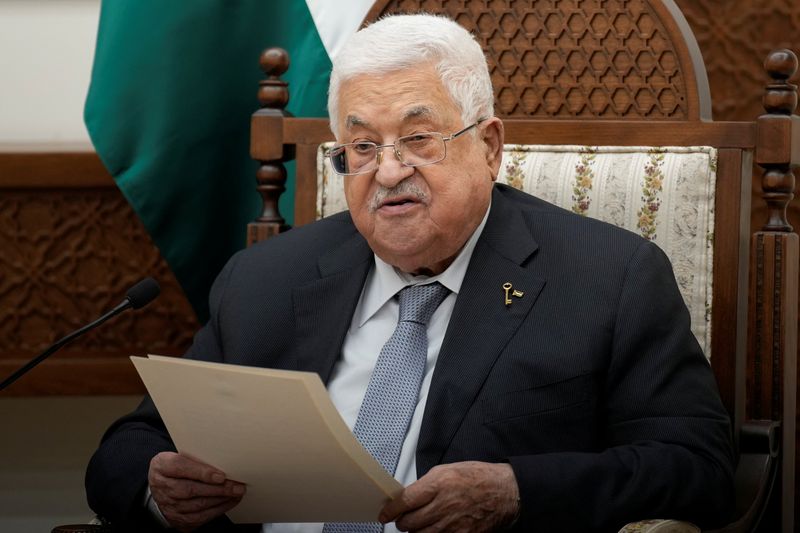


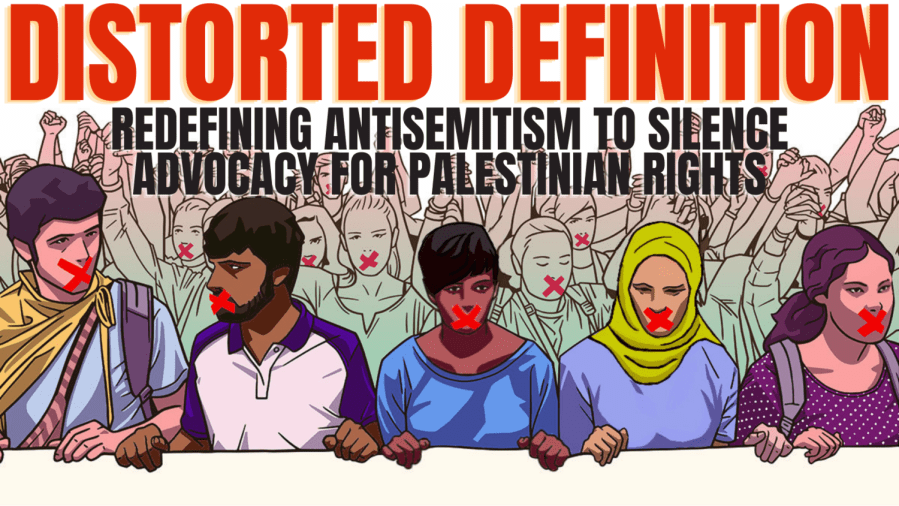
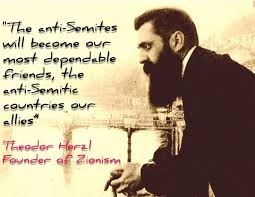
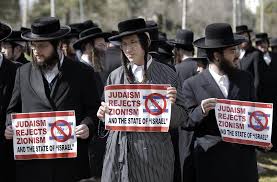


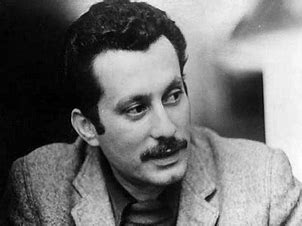
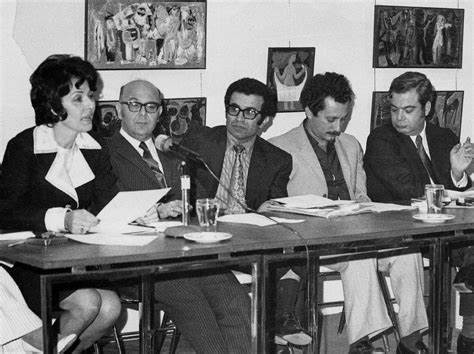

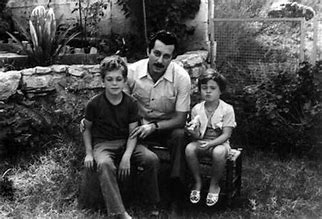


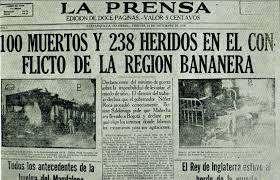


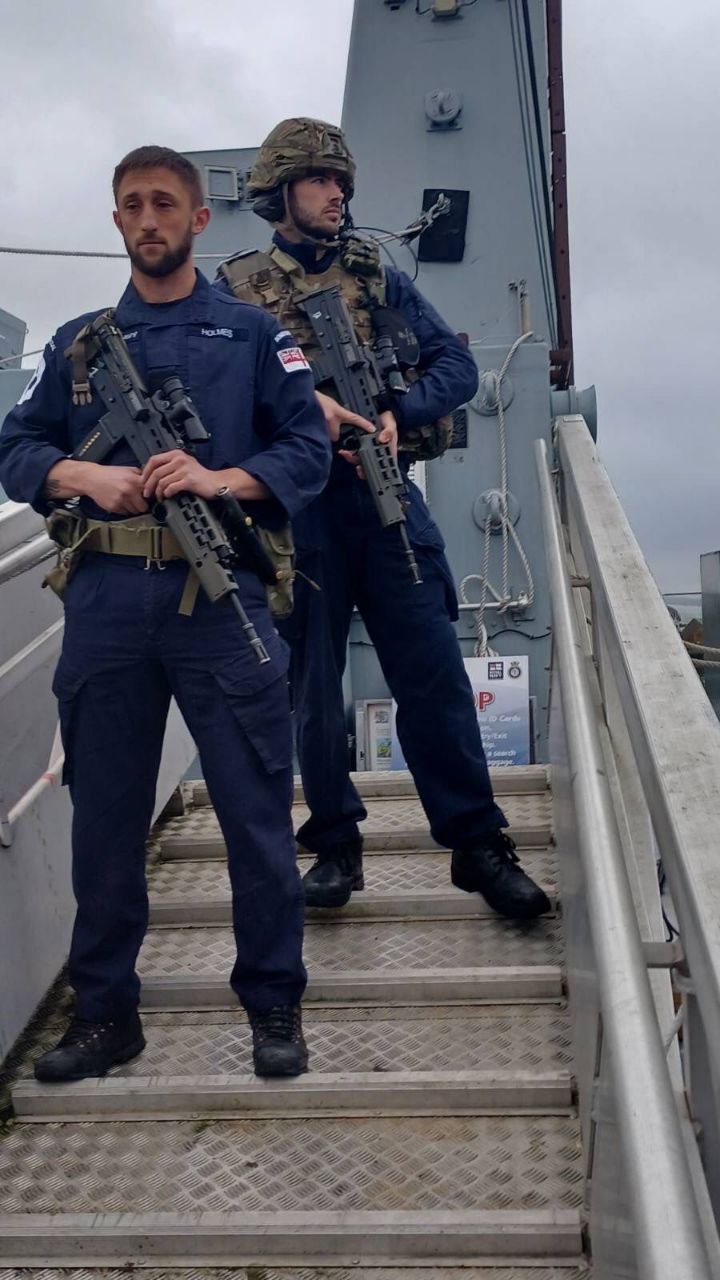


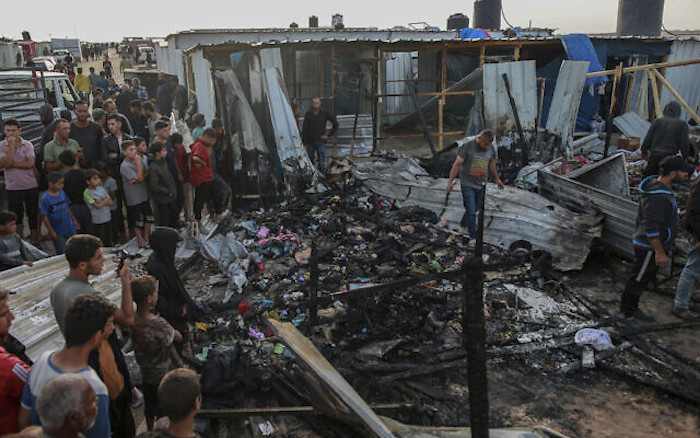


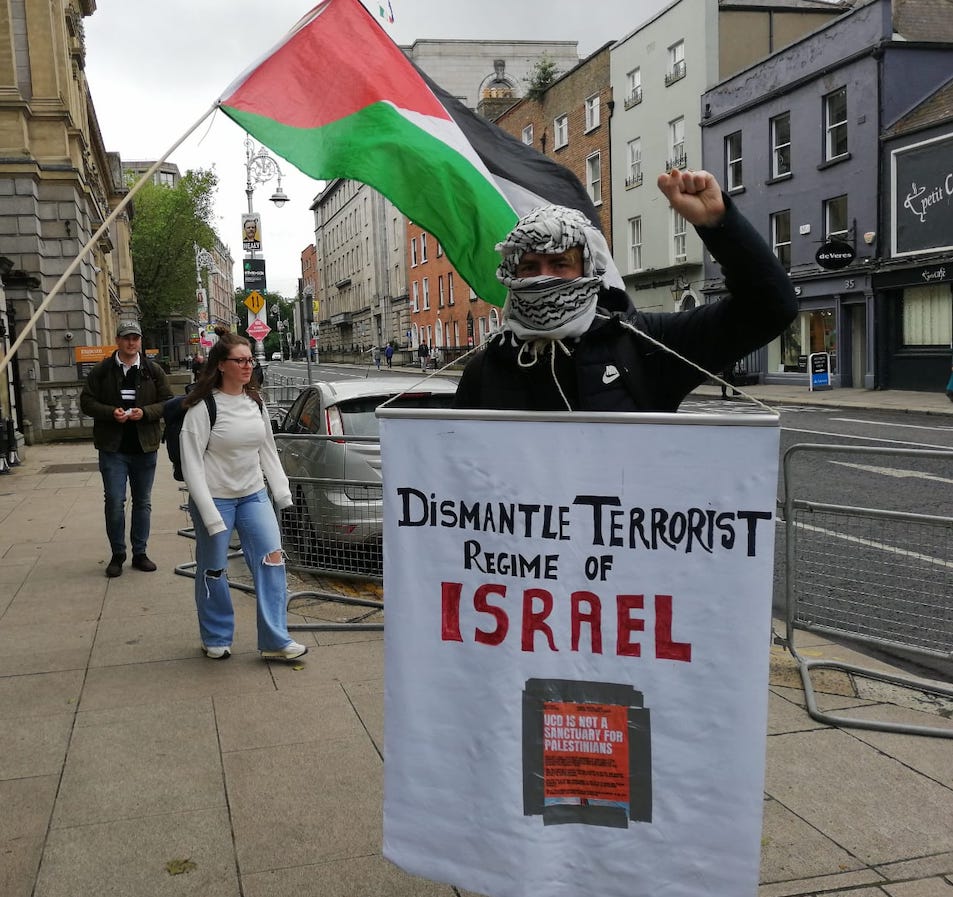

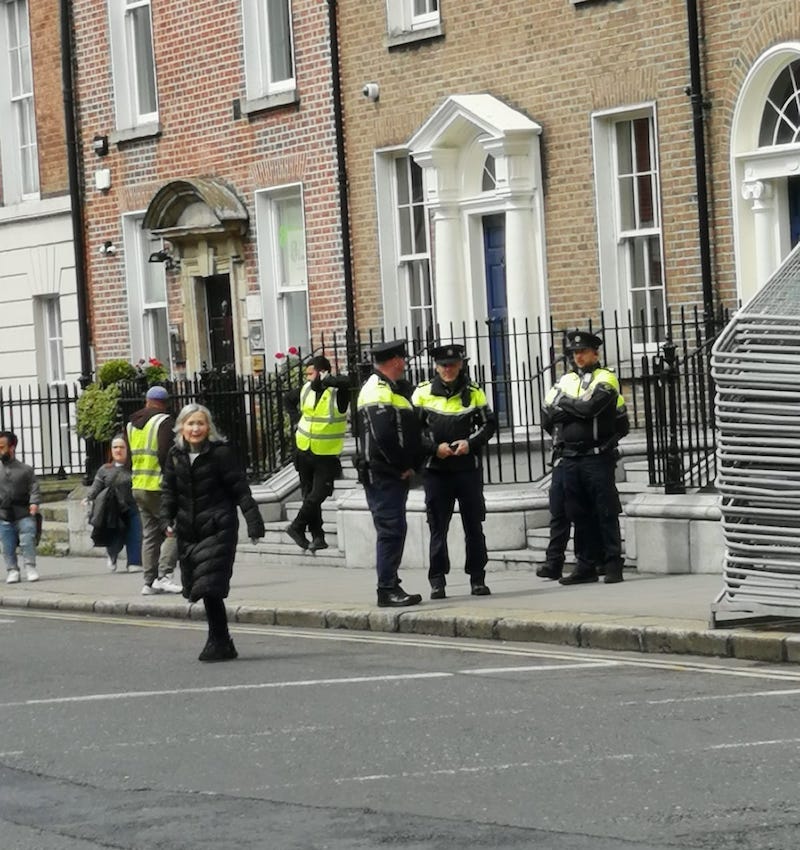


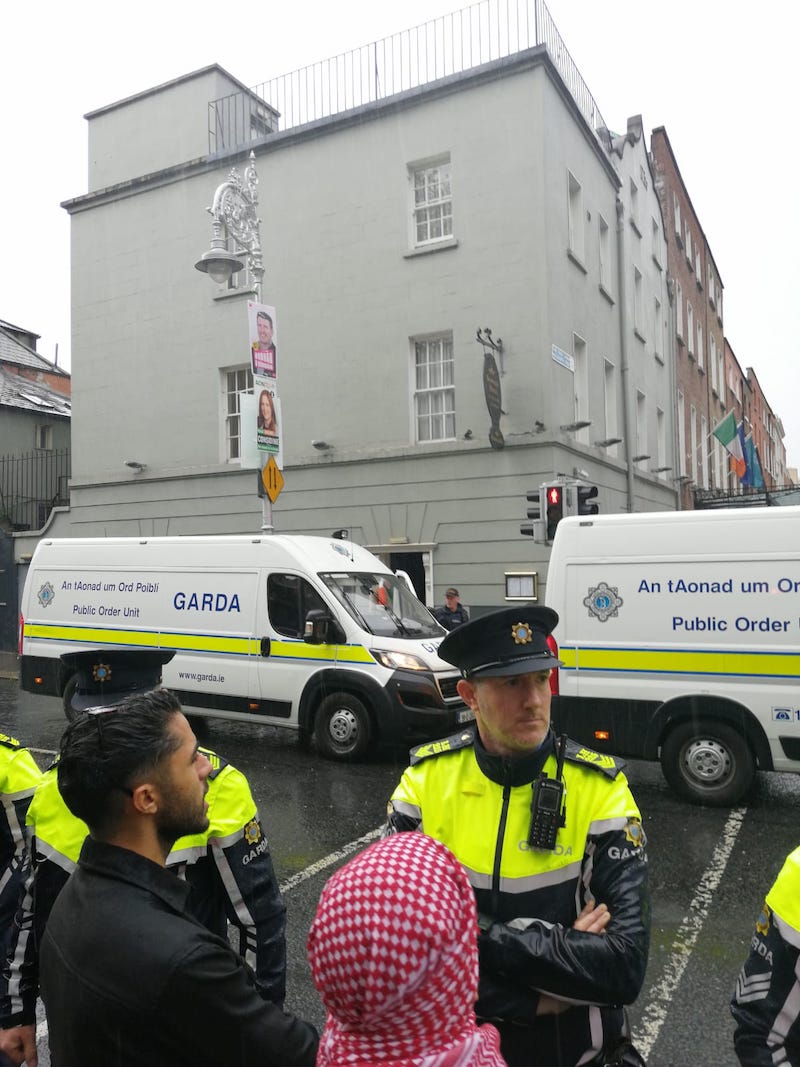
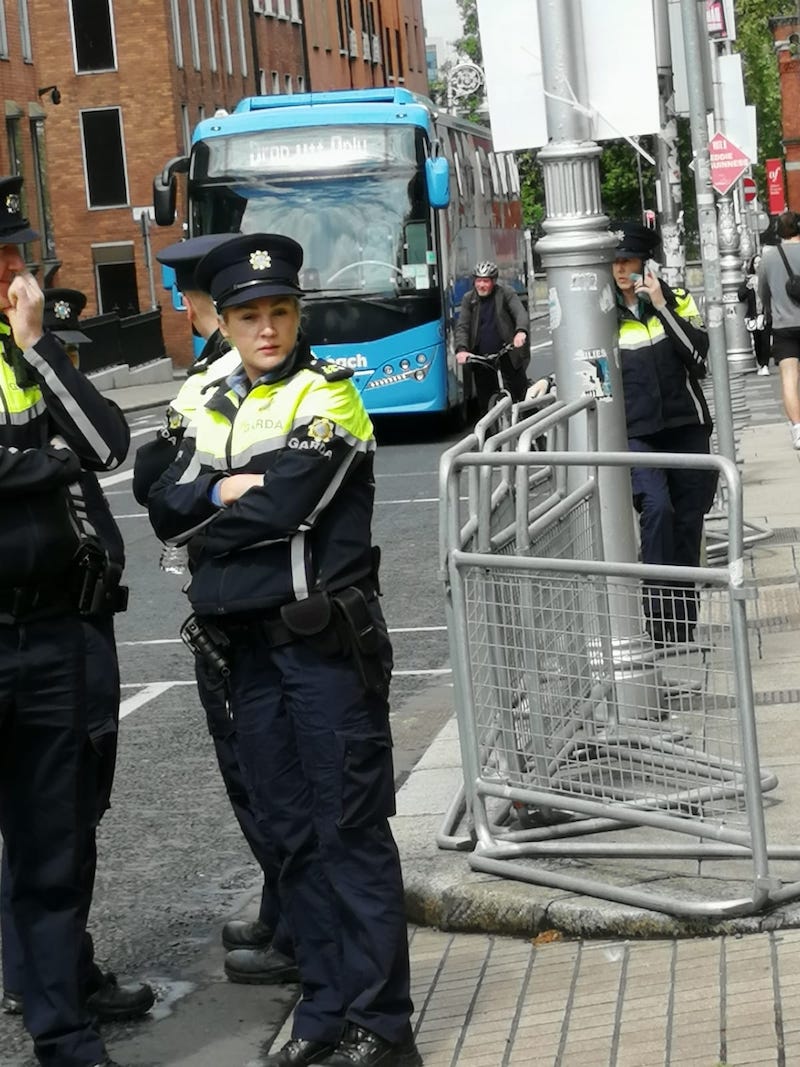

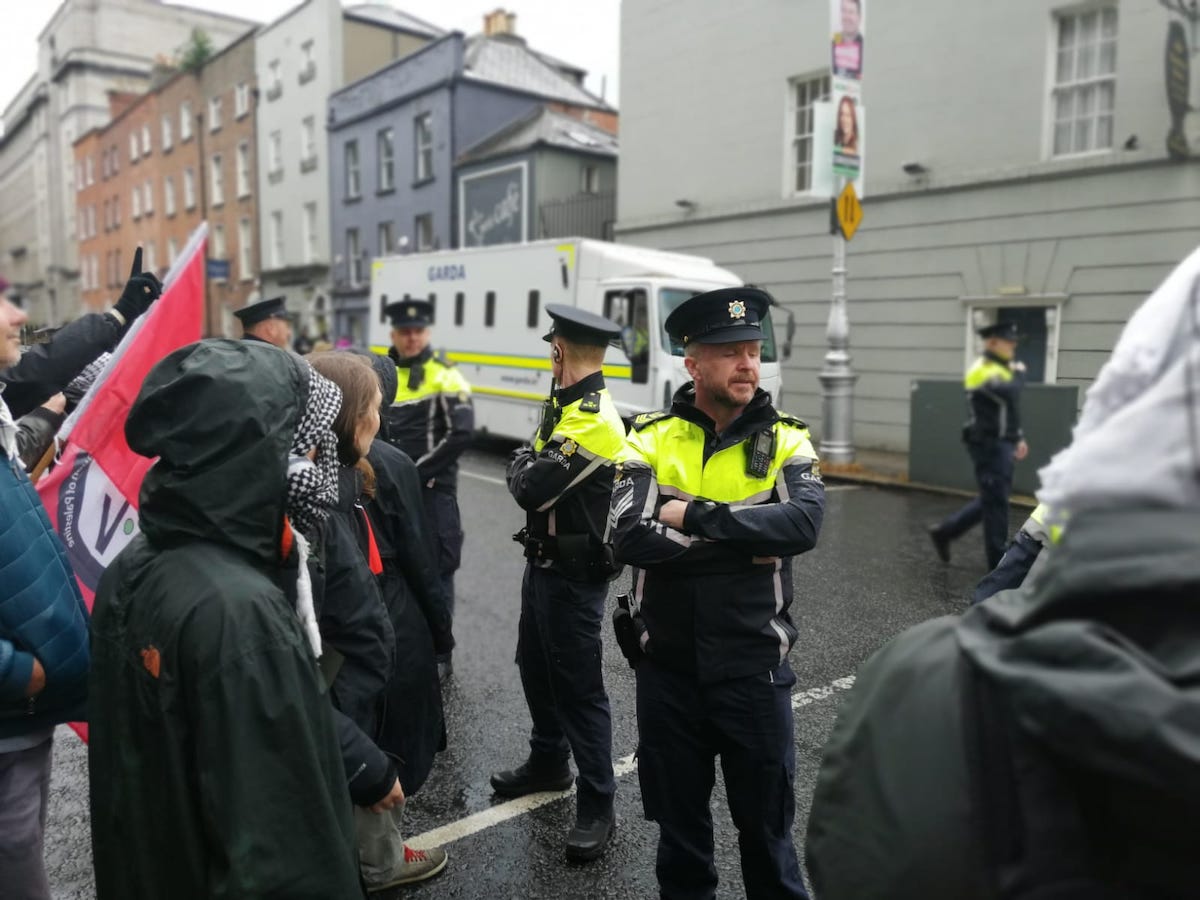
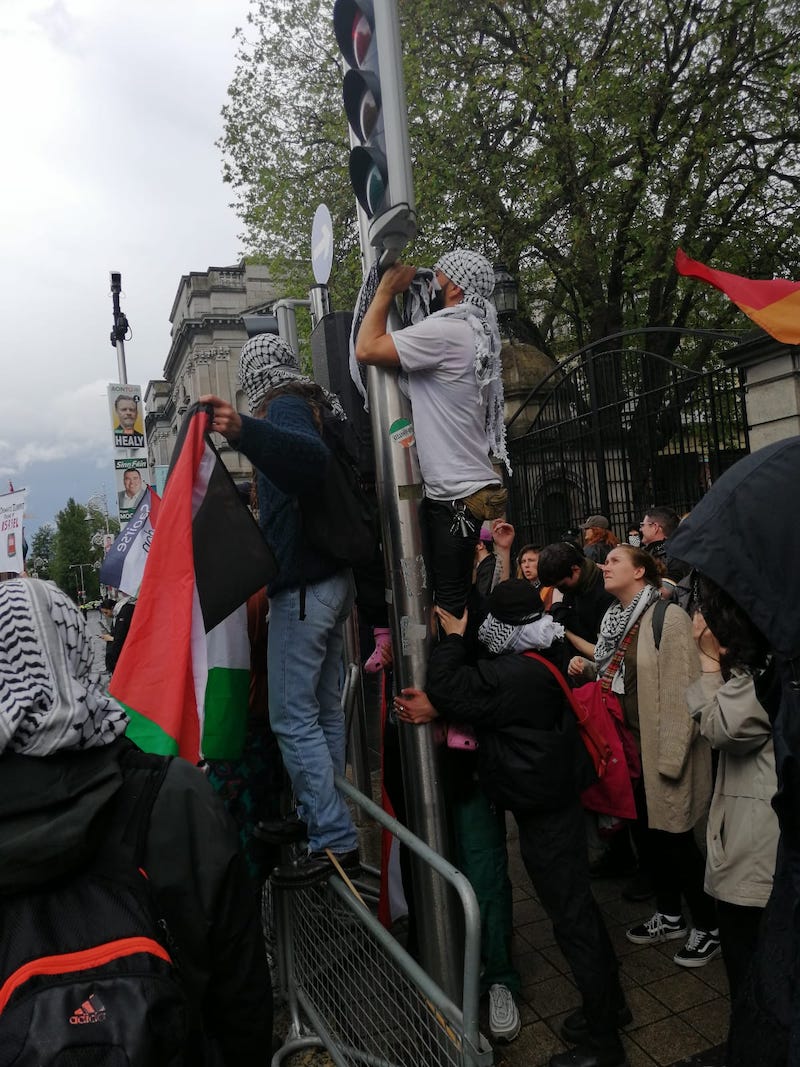

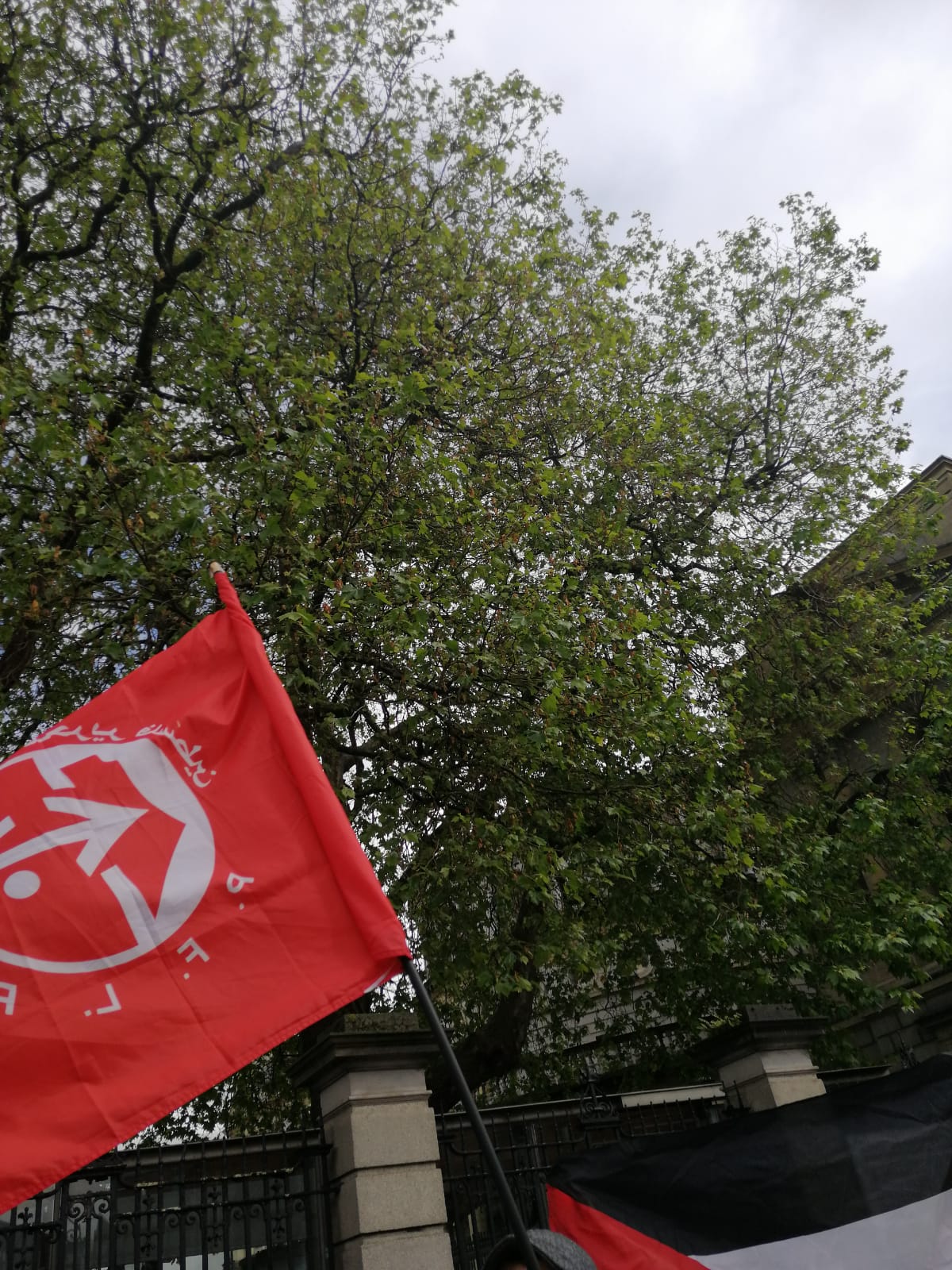


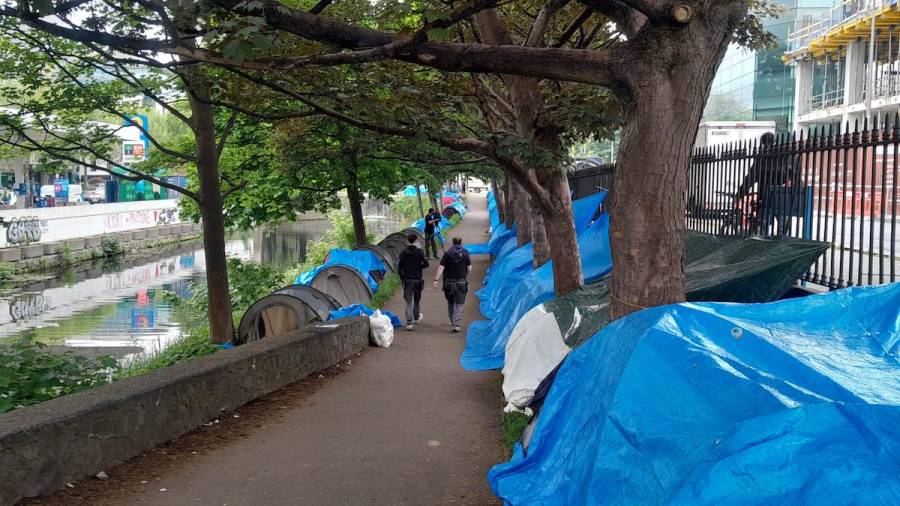
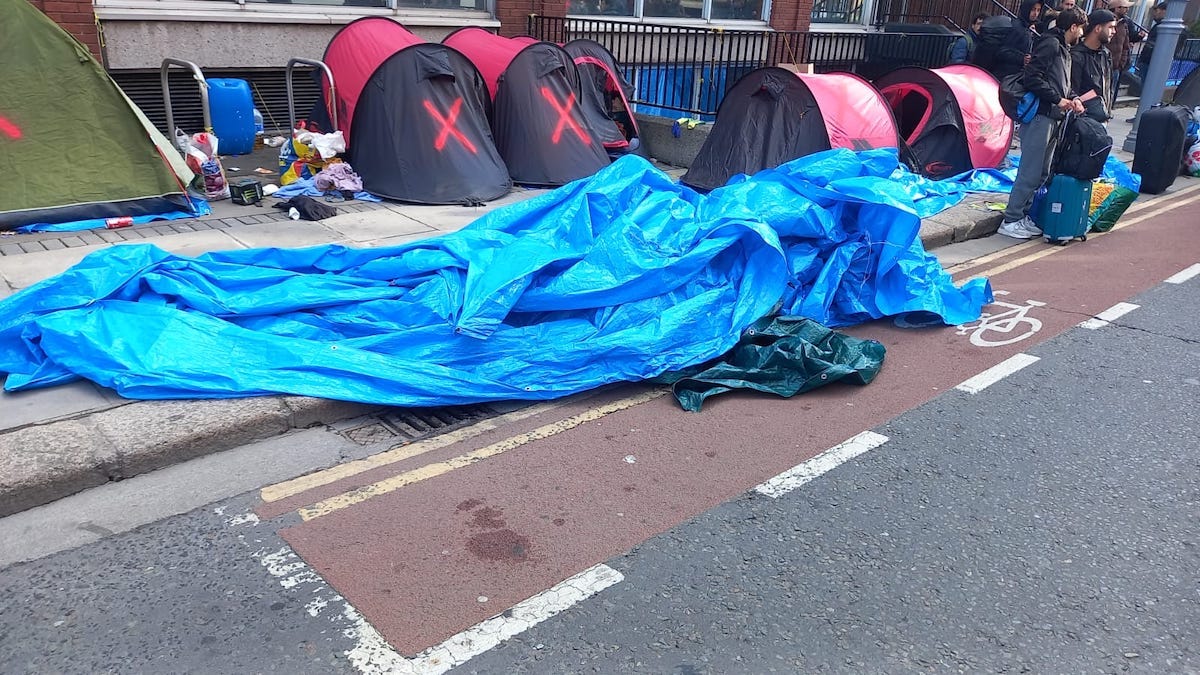
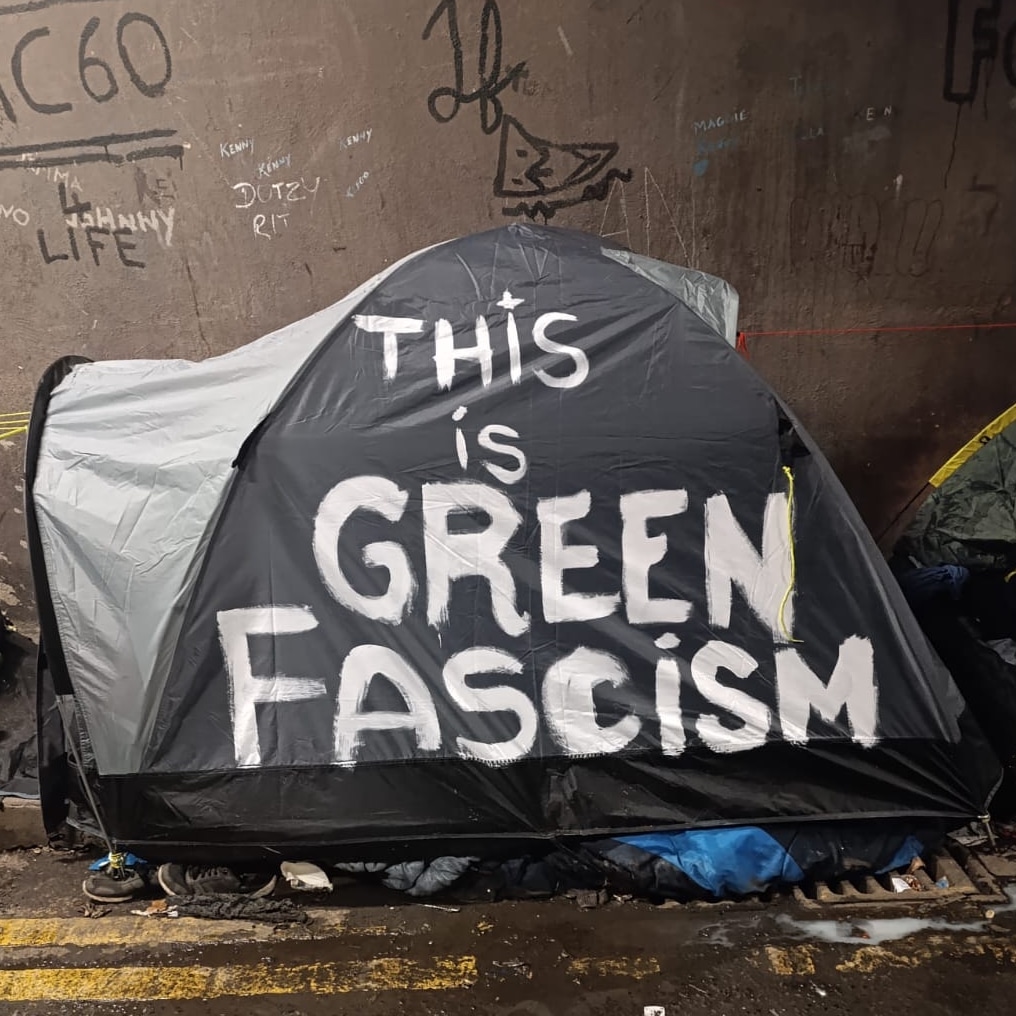
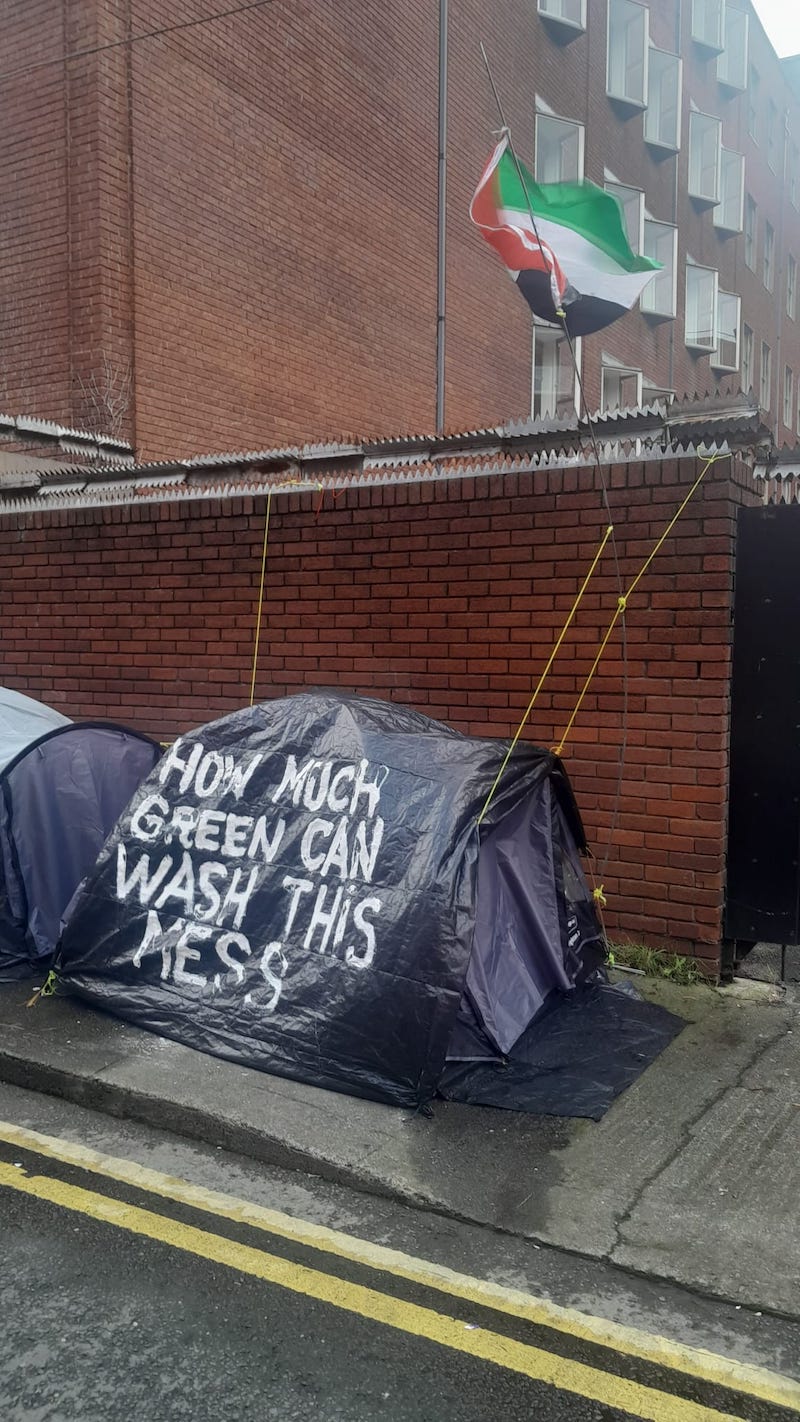
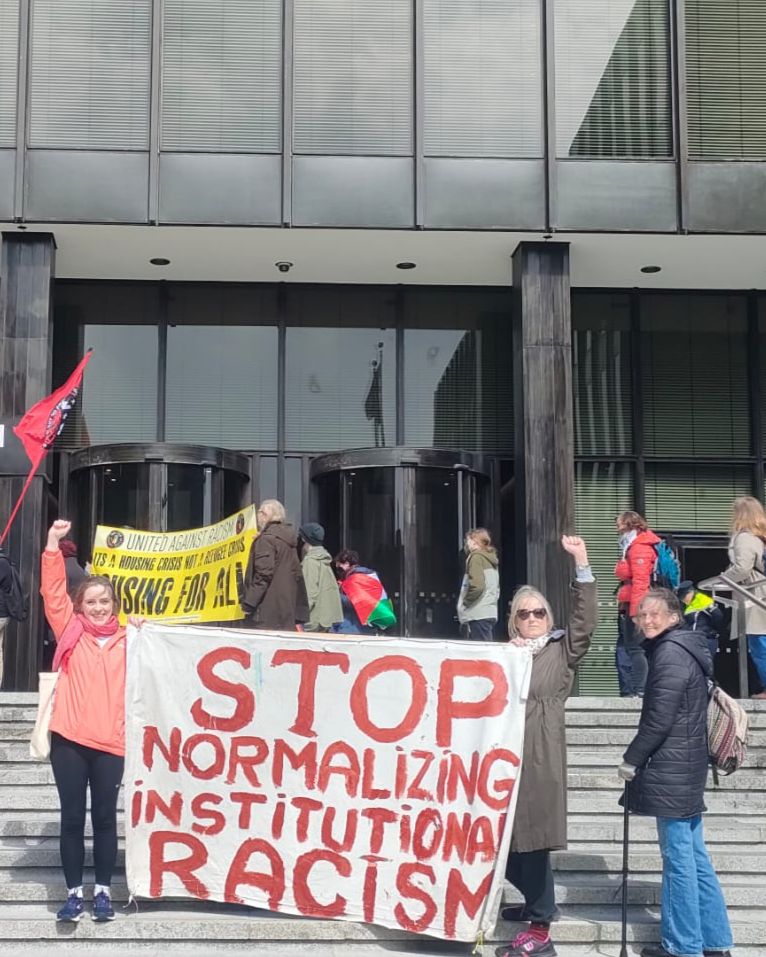
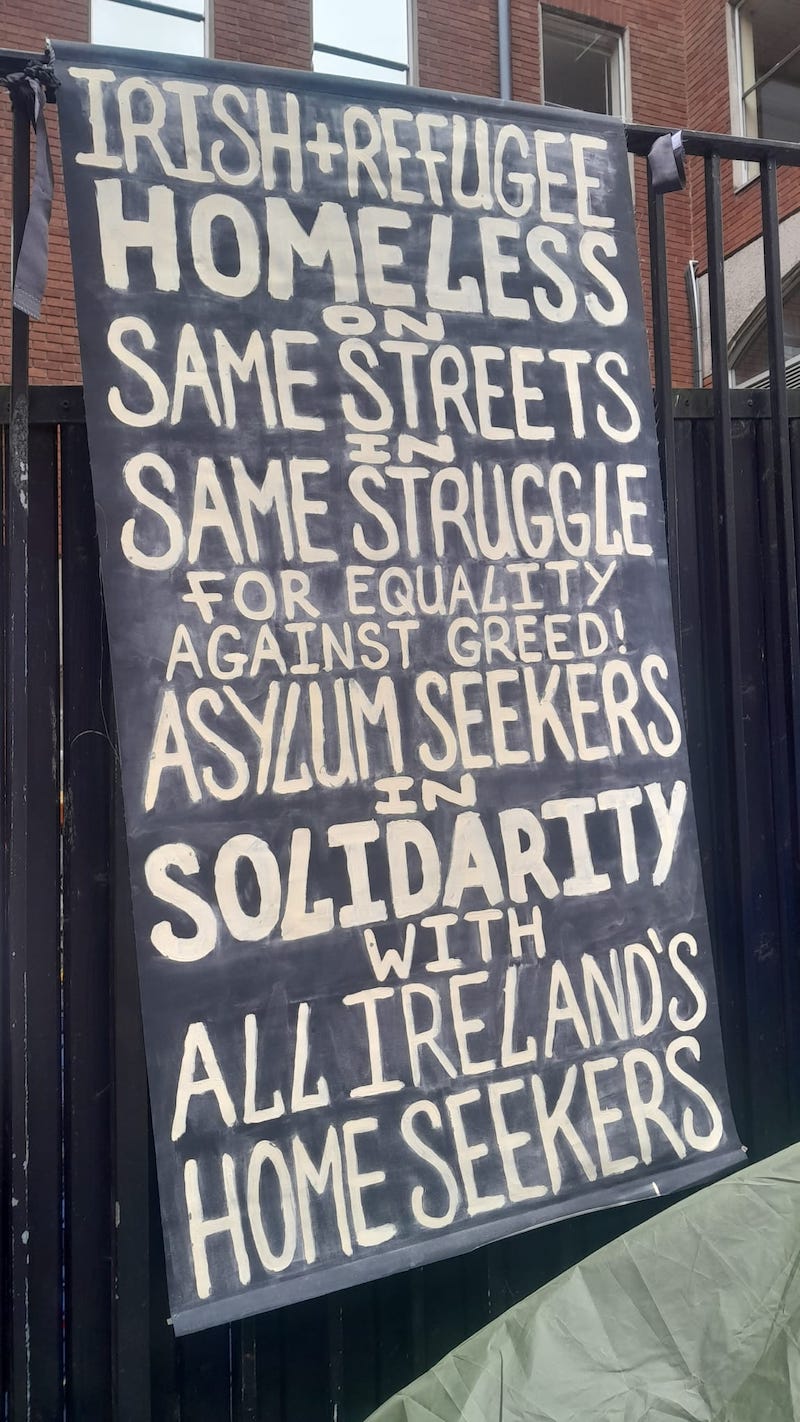
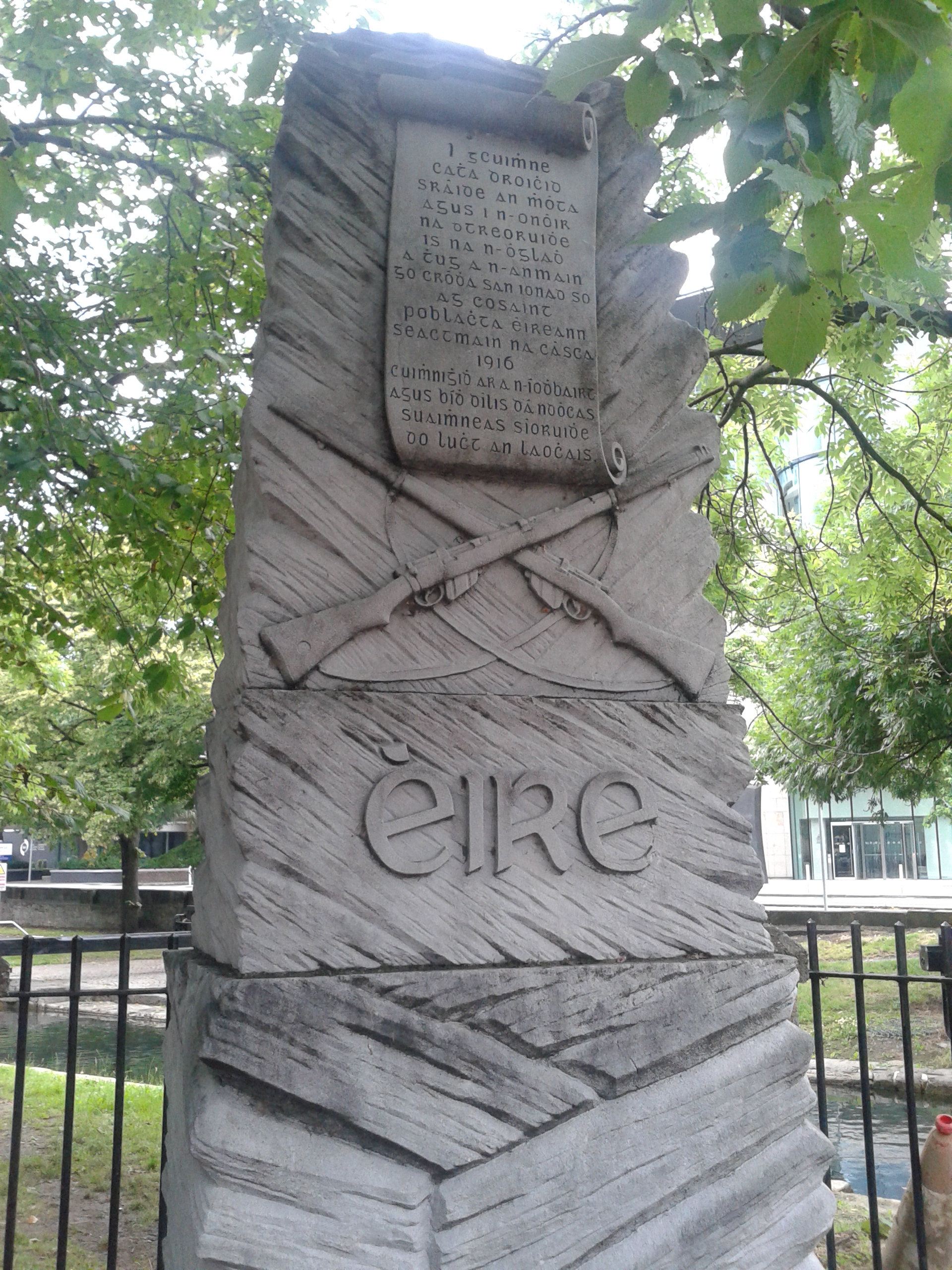
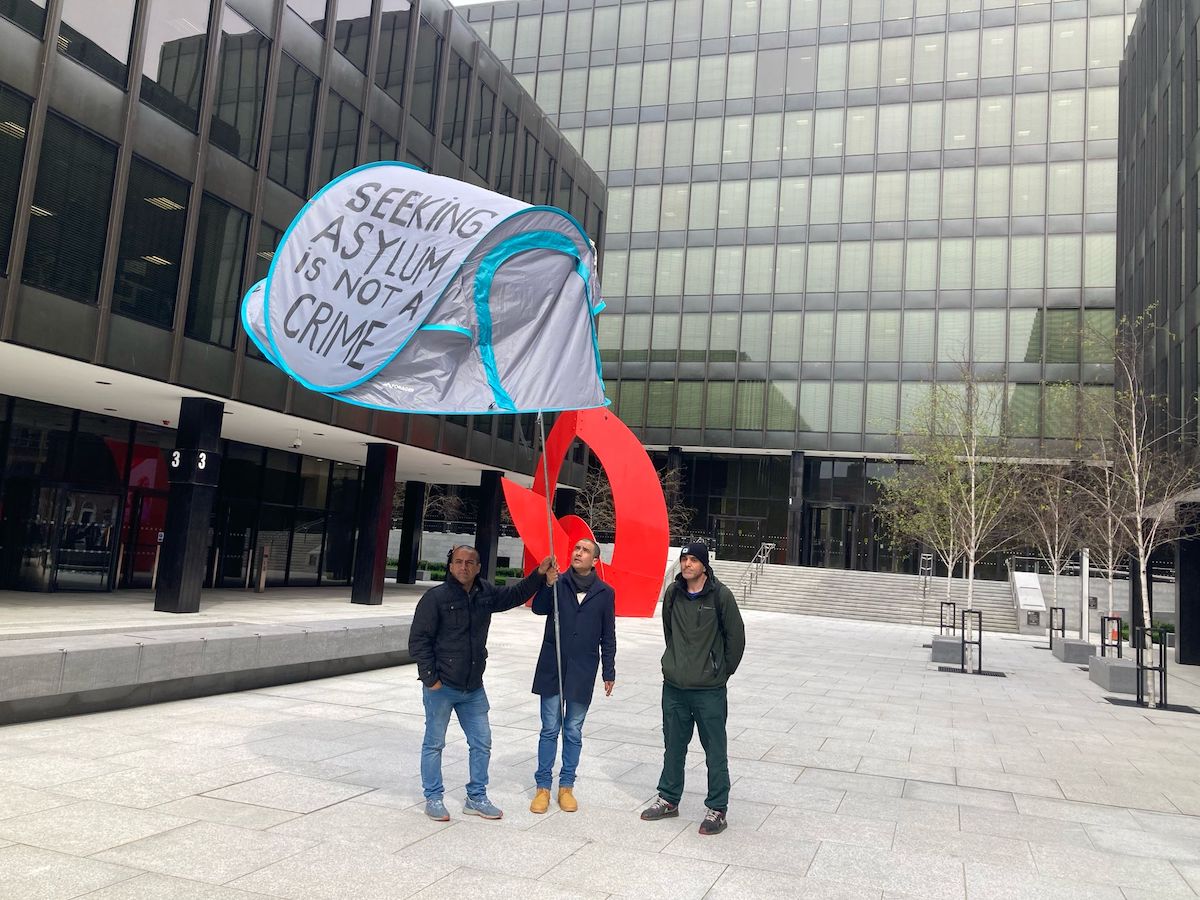
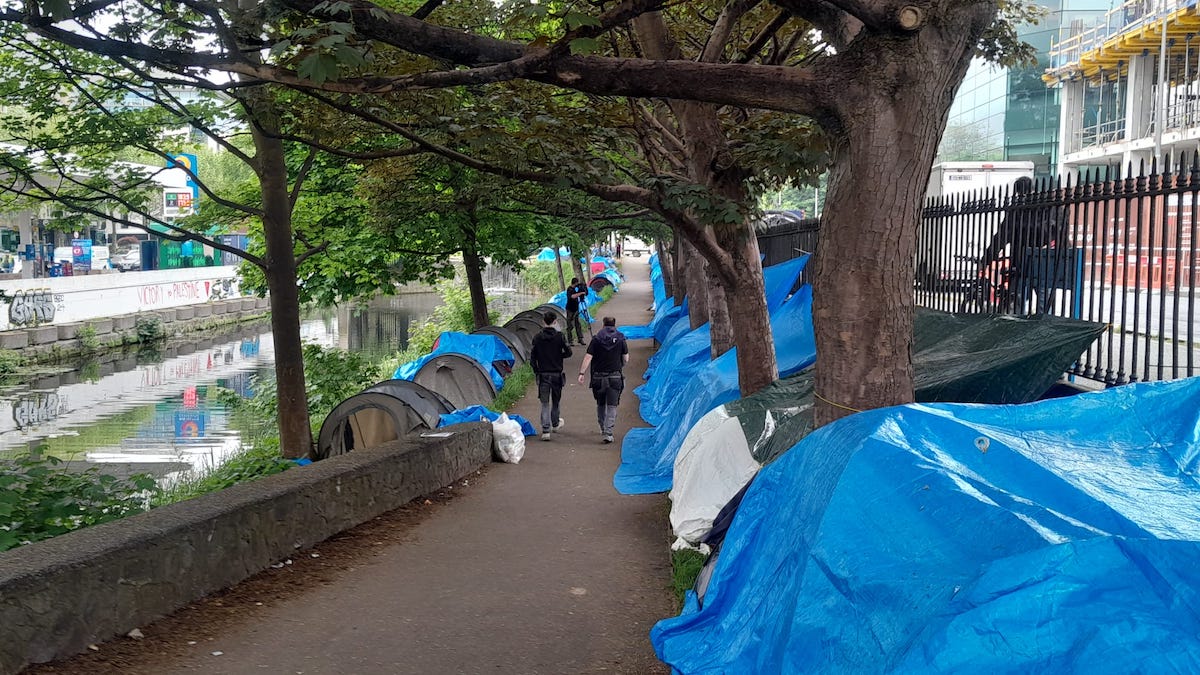
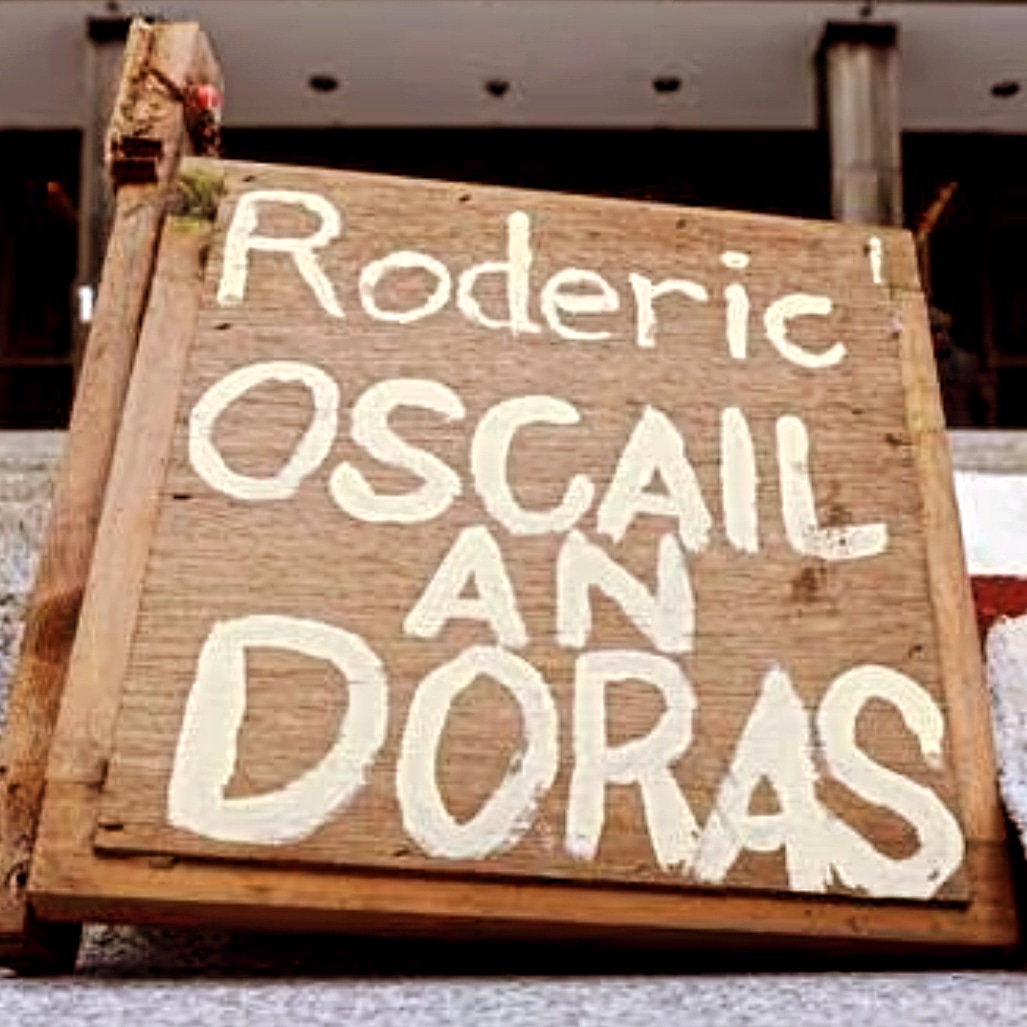
 rebelbreeze