That’s what she wrote — in response to a political statement I had written. And it was funny — but at the same time an expression of the gulf that separates people like her not only from people like me – but from reality too.
Her comment on a FB post was that the PSNI are not the same as the RUC, to which another woman had replied that the uniforms and the name are different but that’s all, the essence being still the same.
In turn, herself above had replied that anyone who thought that, didn’t understand the current realities and what the whole peace process is about.
To which I replied that I too agreed that all that happened was that the colonial gendarmerie had changed its name and uniform and what the pacification process (because let’s call it what it was and is) is about is holding on to the colony while dismantling the opposition.
And then she made that response, the “Oh. My. God!” — and quoth no more. I laughed but also recognised that her response, from her point of view (apart from the appeal to a nebulous deity, which I take as just an idiom to express shock), was entirely logical.
No, not her political position, which is entirely illogical – but her reaction, from where she stands, away on the other side of the chasm between us.
(Photo sourced: Internet)
AN UNBRIDGEABLE GULF BETWEEN WORLDS
She recognises the gulf that separates her world from mine and knows straight away that there is no bridge to cross it. There is no point in debate, not only because I may not be easily overcome in argument but because we don’t even agree on the reality of the world.
By which I mean the economic, political and philosophical reality of the world of humanity, rather than the physical world of gravity and weather.
In her world, I’m guessing, admittedly there were some horrible injustices in the history of “Northern Ireland” and then there was a horrible war which made things worse and now everything is changed (even “utterly”, perhaps!) and going in the right direction.
To call the “Northern Ireland” entity a colony is shocking to her, though she knows some people probably think that.
Seeing reality is useful for getting around but it can be very uncomfortable too. The Six Counties is of course a colony, taken by force and maintained by force since 1921.
PSNI raid and arrest of a pregnant woman in the Bone (‘nationalist’) area of Belfast March 2021 — this led to riot (Photo sourced: Internet)
Residents objecting to PSNI in riot gear invasion of Roseapenna Street (‘nationalist’), West Belfast, August 2015 (Photo sourced: Internet)
The whole of Ireland was a colony even when it had its tiny minority parliament1 and it continued to be one when that Parliament, under massive bribery, voted to abolish itself in 1800 without the vast majority of the population in Ireland, native AND planter, having any say in the matter.
When the level of anti-colonial struggle in Ireland rose to a certain level and the rulers of the UK were beset by difficulties on most sides, a deal was done with an Irish client bourgeoisie and the country partitioned.
Whatever the status of the Irish State thereafter, the status of the Six Counties was clearly that of a colony. That is and was so, regardless of whether it is sectarian or not, whether there are civil rights or not. It is part of our nation held for the Crown by force of arms.
Those arms were again very much in evidence during the fairly recent 30 Years’ War – in the hands of the formal British Army, formal colonial police and informal proxy murder gangs.
And yes, the PSNI today is an armed colonial police force – and it would be that even if it had no history, if it were created today. But as it happens, it does have a history. It is a variant of the Royal Ulster Constabulary. And the RUC was a variant of the Royal Irish Constabulary2. And the RIC was a gendarmerie.
RIC and British soldiers supporting an eviction in Galway during the Land War (Photo sourced: Internet)
A COLONIAL POLICE FORCE WITH A LONG HISTORY
Perhaps my opponent has heard the term before. Maybe she associates it with Turkey … or even with the Spanish state. But such things belong to foreign and authoritarian states, right? Couldn’t possibly be to do with here!
States that have conquered nations within them, resisting from time to time, or regions that are otherwise difficult to manage, need to control them by army or police. The first becomes problematical over time and the second needs to be coordinated from the centre, not mainly local.
The solution some states have found is to have a central quasi-militarised police force: the Guardia Civil of the Spanish State, the Turkish Gendarmerie, the Caribieneri of the Italian State, the French Gendarmerie.
Gendarmerie of the Spanish State: Guardia Civil in modern uniform (Photo sourced: Internet)
These forces typically live in barracks and are directly answerable to the central State. The Royal Irish Constabulary was such a gendarmerie also. And nothing like it existed in Britain.
It was a colonial armed quasi-militarised police force to spy on and suppress the Irish by force.
What was left of the RIC in Ireland became the RUC after Partition and the RUC became the PSNI after some reforms. They don’t live in barracks but they do sally forth from them and they are armed – still keeping ‘the natives’ down since 1836.3
All-Ireland gendarmerie Royal Irish Constabulary in front of their barracks, King Street, Dublin, viewed by local people after a Republican forces attack during the War of independence 1919-1921 (Photo sourced: Internet)
PACIFICATION FOR NORMALISATION
Then there was my shocking description of the role of the ‘Process’ that she described as for peace and I for pacification. She is shocked even by the title I give it, a title suggesting it is not about justice but rather about maintaining control, by trickery or violence.
And I actually stated that is its purpose! Oh. My. God indeed!
Any process which starts from the basis of normalising the colony is doing just that: normalising the foreign occupation of a part of the nation taken by force and which has never been accepted by the conquered population. It is “about is holding on to the colony”, as I described it.
But what is fundamentally abnormal can never be normalised.
That attempt requires pacification, by repression and coercion or by deception – or by a combination of both. The Occupier has used all but, since the late 1990s, mainly deception. The masking and twisting of reality, the blowing of smoke in eyes.
“Join the British Gendarmerie!” Recruitment drive for the PSNI supported by Unionists and Sinn Féin, February 2020 (Photo sourced: Internet)
Who is fooled? Mostly, those who want to be, some who see a workable future in the colony, under occupation.
The other deluded ones are those who are being deceived by their leaders, the latter who have given up not only the arms but any kind of struggle other than climbing into the elite.
Ultimately, the reality is so obvious that the deception is only possible when the deceived help it along themselves. Why do that? Because it’s comfortable, or seen as an alternative to hopelessness, or less frightening than the alternative – revolutionary struggle.
Oh. My. God! Yes indeed.
And yet we say, we who look at the reality, in the face of those who deny it, as Galileo is said to have muttered to his persecutors, who denied the world moved around the sun (rather than the reverse): “Eppur si muove”(“And yet it moves)”.4
We might also say, whether some find it shocking or just uncomfortable, something more mundane: Est quodcumque est. (It is what it is.)
end.
FOOTNOTES
1At various times Catholics were excluded from voting for representation in the Parliament and at all times from the Reformation onwards barred from being elected to the body or from holding high office. The vast majority of the Irish population were Catholics. Protestants other than Anglicans suffered discrimination too but not to the same degree.
3And they got the “Royal” in their name in 1867 for their role in suppression of the Fenian rising that year.
4Galileo di Vincenzo Bonaiuti de’ Galilei (15 February 1564 – 8 January 1642) was an Italian astronomer, physicist and engineer. He publicly ascribed to the theory of Copernicus before him that the sun’s position is static with the Earth revolving around it (heliocentrism) which had been attacked by the Protestant religions as contradicting the Christian Bible (Old Testament). But it was the Catholic Inquisition of which Galileo fell foul, firstly in 1616 when he was instructed not to hold that opinion. In 1633 he was forced to recant it after a long trial and lived under house arrest for the rest of his life.
A Dublin public meeting on Western Sahara attracted a high-powered attendance including ambassadors and other diplomats of four foreign states, along with the Prime Minister and Minister for Women and Social Affairs of Western Sahara.
Western Sahara – a Spanish colonial possession but then occupied by the Kingdom of Morocco, has been called “the last colony in Africa”, by which is meant the last African region remaining under formal occupation by its coloniser.1
The Western Sahara liberation politicians included the Prime Minister of the Polisario Front, the national political representation of the Saharawi nation, Mr. Boucharay Beyoun and Souilima Biruk, Minister for Women and Social Affairs.
Other diplomatic representation for the Saharawi people was provided by Mr. Oubi Bouchraya for the EU and Europe, Mr. Sidi Breika, for the UK and Mr. Nafi Sediki, for the Irish state.
For other countries, there were the Ambassadors to Ireland of Cuba Mr. Bernardi Guanche, of Algeria Mr. Mohammed Belaoura and of South Africa Ms. Yolisa Maya. For Colombia, Andres Echeverri, Deputy Chief of Mission and Consul attended.
Also in attendance at the meeting in the Teachers’s Club, in Dublin’s City centre were the diplomats’ support and security staff, a few solidarity activists and SIPTU officials. Earlier, the Saharawi delegation had met with TDs, members of the Irish parliament.
COLONIAL RULE AND RESISTANCE BACKGROUND
Western Sahara is a territory located between the internationally-recognised borders of Algeria to the south, Mauritania to the east and Morocco to the north. Along with much of North Africa it was colonised by the Spanish State in the latter’s various forms2 from 1884 to 1976.
In 1967 theHarakat Tahrir organisationwas formed and challenged Spanish rule peacefully but publicly. In 1970 the Spanish police destroyed the organisation and ‘disappeared’ its founder, Muhammad Basiri, widely believed murdered.
As the Spanish state left without making any arrangements for decolonisation, holding a referendum or handing over power to Saharawi representatives, armies of the Moroccan and Mauritanian states invaded. In response, the Frente Polisario was created, raising armed and political resistance.
Mauritania withdrew in 1979 and revoked its territorial claim but Morocco, supported by France, rather intensified its occupation and attendant repression. Large numbers of Saharawi people fled over the border into Algeria where they currently inhabit refugee camps.
The population is of part-Berber, part-Arabic descent, mostly Muslim in religion and in many aspects of culture. The people are universally at least bilingual, common languages in the occupied area being Arabic and Castilian (Spanish) along with, in the refugee camps in Algeria, Arabic and French3.
The Polisario Front has been resisting the Moroccan occupation from the moment it began in guerrilla war but in 1991 the United Nations brokered a ceasefire which was supposed to be followed by arrangements for the Saharawi people to determine the territory’s future.
All attempts in this direction have failed due to the irreconcilable differences between the objectives of the mass of Sahrawi people on the one hand, i.e self-determination and independence and those of the Moroccan State on the other, colonisation and extraction of natural resources.4
The Moroccan state has built a 2,700 km (1,700 mi) long wall or berm of rocks and sand fortified by bunkers, topped by surveillance and communication equipment. Artillery posts dot the wall with airfields on the Moroccan occupiers’ side.
Running along this is the minefield, the longest in the world. The wall even penetrates the Mauritanean side for several kilometres.
Popular demonstrations of the Saharawi people broke out at different points since, including a “protest camp” of 12,000 people broken up by Moroccan militarised police with disputed claims about numbers of injuries and fatalities and in 2020 more military action against Saharawi protests.
After the latter, the Polisario Front considered that the Moroccan forces had broken the truce and, declaring their own abandonment of it, resumed the guerrilla war last fought in 19915.
DUBLIN MEETING: PRESENTATIONS, SPEECHES AND EXCHANGES Mark McLoughlin opened the meeting welcoming people and giving a brief overview of the situation of the Saharawi, before introducing the first speaker.
Mark McLoughlin opening the meeting (Photo: Rebel Breeze)
Suelma Beirouk,Minister for Social Affairs and the Promotion of Women, spoke briefly in Spanish, with her words interpreted into English. The delegation had been received and listened to by representatives of most of the political parties, she said.
Ms Suelma Beirouk (centre), Minister for Social Affairs and Promotion of Women, speaking with her interpreter (left) and Oubi Bouchraya (right).
They had also met with some civil society organisations and were made welcome. Saharawi women, Ms Beirouk went on to say, were at the forefront of the struggle for the nation’s self-determination and had suffered much – including even rape — but continued to resist.
Mr. Oubi Bouchraya, Polisario representative for the EU and Europe was the next to speak and the main speaker. In fluent English he set out the current international situation regarding Western Sahara and the context of the Delegation’s visit to Ireland.
The speaker pointed to the diplomatic importance of Ireland with its presence in the United Nations Security Council in which the Saharawi would hope for its support when the question of a referendum is due to be discussed there at the end of the month.
The UN has had a mission called MINURSO based in W. Sahara since 1991, the only one in the world without a human rights observation role. If it is not going to oversee that referendum, what is the point of it being there? On the other hand, observing human rights would be useful.
Mr. Oubi Bouchraya speaking (Photo: Rebel Breeze)
As a member of the European Union, Ireland also has an important role to play. The EU’s Ministers negotiated economic agreements with Morocco which included access to resources in Western Sahara. As WS is a non-self-governing colony, by international law, those agreements were illegal.
The European Court of Justice has judged accordingly and, though it allows them to stand temporarily, the agreements must fall, stated Mr. Bouchraya.
Questions, Contributions and Responses
From the floor there was a question as to whether the Polisario could have a national delegation recognised by the Irish government, as had happened in the cases of South Africa before the end of apartheid and currently with Palestine.
This question is being explored by the Saharawi mission. An aide to the South African Ambassador pointed out that that recognition for South Africa and Palestine had been gained as a result of pressure “from the bottom up” and went on to speak of the ANC’s unequivocal support.
South African speaking from the floor, next to his state’s Ambassador. (Photo: Rebel Breeze)
A Dublin member of the audience, responding to the need for “bottom-upwards pressure”, related the history of the Western Sahara Action Ireland solidarity group some years ago which had been very active publicly to the extent of being harassed and even threatened by some Moroccans.
The WSAI group had however had suffered a number of departures of activists and with a number also active in other areas of struggle, was unable to maintain itself as an active group. He stated that he believed the group’s necessary reactivation needed an injection of some personnel.
A number of questions addressed the issue of the support for Western Sahara in Africa and generally. Over 80 states formally support the Saharawi people’s right to self-determination and most of those are in Africa, including the formal support of the African Union6.
(Photo: Rebel Breeze)
(Photo: Rebel Breeze)
FOOTNOTES
1Actually this is not accurate since Ceuta and Melilla are both colonial enclaves on the northern and north-eastern coasts of North Africa, surrounded on land by territory of the Kingdom of Morocco. It would be more accurate to say that Western Sahara is the only remaining un-decolonised large territory.
2The Spanish State was a monarchy until it became a French client 1807-1814, followed by monarchy again but interrupted briefly by the First Republic (1873-1874), a monarchy again until the Second Republic in 1931, in which it was briefly a military dictatorship, followed by a Popular Front democracy (1936-1939). A military-fascist rebellion against the Republic led to its defeat and rule by a military dictatorship 1939-1978, then to its current form, a monarchy once more.
3Algeria was colonised by the French in 1830, winning formal independence in 1962 after a fierce national liberation struggle.
4The major natural resources being exploited are the extremely rich fishing off the coast and phosphates being mined on land. Solar energy ‘farms’ are also being run without benefit to the indigenous people and though not discovered yet (“thank God!” commented a Saharawi in a meeting), sources of oil and gas are a possibility.
5And for which there had been sporadic periods of pressure in particular from Saharawi youth.
6Formed in 1963, the African all 55 states currently in Africa.
“Palestinian gunman wounds two Israelis in Jerusalem shooting” proclaims the headline. We don’t have to worry trying to figure out whose side we’re expected to be on, who’s in the wrong and who in the right. It’s right there in the headline.
“Gunman” is a heavy clue and the fact that the two he wounded are just “Israelis” – we are led to believe just ordinary civilians – does the rest of the job. That is, if indeed we are not somehow already prejudiced against Palestinians and in favour of Israelis.
However, should we bother to read further, we find that two of the wounded were far from being harmless civilians but in fact an Israeli soldier and a security guard, certainly armed for their job (even Israeli Jewish civilians are routinely permitted to carry firearms).1
The2 report tells us that the soldier was a woman. Why is this relevant? Like male soldiers, she was a serving member of the Israeli Zionist occupation armed forces, misleadingly named “Defence Forces”. Zionist female soldiers are present at all levels and all theatres of war.3
It is difficult to avoid the suspicion that this is being inserted in order to mitigate the impact of revelation that it was a soldier who was shot, which might possibly lessen sympathy for the victims on that score.
Perhaps the fact that the Palestinian in question appears to have initiated the incident justifies the appellation of “gunman”? OK, when Israeli armed forces initiate an action, do we ever see “Israeli gunmen open fire on Palestinians”?
Scene of shooting of two Israeli Zionist armed forces on Saturday in Jerusalem, one fatally (Photo credit: PA Images)
Certainly not in mainstream western media. And not just because of bias towards state armed forces, because even when the shooters are Israeli Zionist civilians, they are never called “gunmen”. And such incidents occurred on a monthly basis recently.4
MOTIVE, BACKGROUND, CONTEXT
Moving away from the actual incident, what about the background and context? “Israel already has been carrying out daily arrest raids in the occupied West Bank since a series of Palestinian attacks last spring killed 19 Israelis” the report informs us.
So the Palestinian “gunman” could have had an understandable motive in responding to Israeli Zionist oppression and repression but in case we should sympathise with him, we are reminded that “Palestinian attacks last spring killed 19 Israelis.”
After conditioning with that paragraph, the report gives us more recent possible motivation for the attack (even then, note the attempted justification for actions of “Israeli forces” fighting “gunmen” and “militants”).
“Earlier on Saturday, the Israeli military shot and killed two Palestinian teenagers during an arrest raid in the Jenin refugee camp, the site of repeated clashes between Israeli forces and local gunmen and residents. The camp is known as a stronghold of Palestinian militants.”
Body of 16-year-old Palestinian Ahmad Daraghmeh killed by Zionist Israeli soldiers carried in protest mourning. Also killed with him were Mahmoud as-Sous, 18. (Photo credit: Agence France Press)
“Palestinian officials said soldiers entered the camp early on Saturday and surrounded a house. In videos circulated on social media, exchanges of fire could be heard. The Palestinian Health Ministry reported two dead and 11 wounded, three of them critically.”
And let’s put that “killing of 19 Israelis” last spring in context too: Last year, “as a result of the violence, at least 256 Palestinians, including 66 children, were killed … In Israel, at least 13 people were killed, including two children”5. A search of any year will find a similar or worse story.
SOME OF THE TRUTH
Occasionally, we are supplied with truth, as when the report informs us that “Israel captured east Jerusalem in the 1967 Middle East war and annexed the area in a move that is not recognised internationally.”
“It considers the entire city, including east Jerusalem, home to the city’s most important holy sites, to be its capital. The Palestinians claim east Jerusalem as the capital of a future state.” Nor is East Jerusalem the only area occupied by Israel judged illegally by “international law”.6
But even this is partial truth because, whether “recognised internationally” or not, the whole territory of the state of Israel is an occupation by force of Palestinian land by European settlers in 1948, backed by some world superpowers and a constant source of conflict there ever since.
MAKING SENSE OF CONFLICTS
Context is crucial to understanding events but justification is a moral and practical judgement7 according to the standpoint of those doing the judging and evaluation. Clearly the standpoint of an occupier and a person displaced — an occupier and the oppressor – can never be the same.
It follows that those who support the occupier and more certainly invest in its support, are going to be biased against the displaced, the oppressed and repressed. The world’s biggest superpower, the USA, supports Israel hugely militarily, financially and politically.
The states of the world and their controlling elites are well aware of the balance of power and, for the moment, most support the superpower. This is even more so in the case of the geo-political area designated “the West”, location of most mainstream media agencies’ headquarters.
The bias is clear if we take the trouble to analyse and we’ll find it not only in the reporting on the Israeli Zionist state and the Palestinians but on all other conflicts, to greater or lesser degree. What stand we take depends on whether we align ourselves with the oppressor or the oppressed.
End.
FOOTNOTES
1See “Gun-carrying for Israeli citizens” in Sources.
2She has since died and headlines are now including her gender.
3“ … today women make up only about 40% of conscript soldiers and 25% of the office (sic officer?) corps.” This despite Orthodox Jewish men objecting to serve in the company of female soldiers https://jwa.org/encyclopedia/article/israel-defense-forces
4See “Absence of “gunman” when an Israeli Zionist civilian is the shooter” in Sources. Note that all these reports were taken from media sources one might suppose not sympathetic to Israeli Zionism; a quick search of Reuters only brought up a 2012 reference to such an incident and of Associated Press, not even one on the first search page.
On Monday, as the remains of Queen Elizabeth II were being conducted in State funeral in London, Socialist Republicans rallied against monarchy in front of the James Connolly1 monument in Dublin.
They displayed flags and placards, heard speeches and burned the flag of the UK.
They then marched to O’Connell Bridge carrying a “coffin” bearing the words “British Empire RIP”, dumped it into the Liffey and marched on to the General Post Office building, where a large force of Irish state police prevented their entry.
Bob Marley’s lyrics applied to the situation on a home-made placard at the event (Photo: Rebel Breeze)
The actions occurred as the royal funeral was taking place in London. In a move that drew public criticism from presenter of independent program Newstalk, national broadcaster RTÉ sent a crew to cover the funeral in London to film it in realtime for Irish national television.
Taoiseach (equivalent of Prime Minister) Mícheál Martin and President Michael D. Higgins in persons represented the Irish State at the British royal funeral.
Many Irish politicians (including leaders of the Sinn Féin political party) and public figures had sent fulsome messages of condolence and praise of the late British Queen.
“DOWN WITH THE MONARCHY!”
The chairperson of the event and speakers lambasted the “sycophancy” of Irish Government figures and other politicians and public figures. They drew attention of the past record of British Royalty and to the ongoing British occupation of Ireland.
The “RIP British Empire” ‘coffin’ parked temporarily next to James Connolly Monument (Photo: Rebel Breeze)
The event had been publicised on social media under the slogan of “Down with the Monarchy!” and that was very much the tone of the event as occupants in a police van watched from across the street.
The chairperson opened proceedings by reminding the attendance of Connolly’s slogan at the outbreak of WWI that “We serve neither King nor Kaiser but Ireland.” Passing vehicles occasionally tooted their horns in approval.
Police van surveilling events across street at James Connolly Monument (Photo: Rebel Breeze)
A young socialist Republican read out Connolly’s article in The Workers’ Republic of March 1902 on the occasion of the coronation of Edward VIII.
Connolly stated that to Socialists the replacement of one exploiter by another hardly mattered and would excite little comment.
“But although we would rather treat the matter thus philosophically, we find that the machinations of those in power do not leave us that possibility; with them, and because of them, the festivities attending the Coronation have taken on the aspect not merely of a huge parade of pomp and magnificence – cloaking the festering sores of that slave society on which it is built – but have also become an elaborately contrived and astutely worked piece of Royalist and Capitalist propaganda, designed to captivate the imagination of the unthinking multitude, and thus lead them to look askance upon every movement which would set up as an ideal to work for something less gorgeously spectacular, even if more solidly real.
The evil effects of private ownership of industries is thus illustrated once more in a manner that ought to appeal to those patriots in our midst who still dread the innovating effects of Socialism on the National spirit of the Irish people2.”
A home-made banner carried by participants at the event (Photo: Rebel Breeze)
DIVINE RIGHT AND WORKERS’ RIGHT
Diarmuid Breatnach quoted John Ball, a leader of the English Peasant’s Revolt of 1381 who, addressing the crowd in reference to the Christian Bible story of Adam and Eve, enquired: “When Adam delved (dug) and Eve span, who then was the gentleman?”
For that challenge to divine right to rule or right by birth, Breatnach related, King Richard II had John Ball hanged, drawn and quartered, his head stuck on a pike on London Bridge and a quarter of his body displayed at each of four different towns in England.
Breatnach contrasted this to the right of workers, who he said produce all things, to the ownership of all things and called on working people to take their place in history as conscious beings.
(Photo: Rebel Breeze)
Another speaker, on behalf of Spirit of Irish Freedom Republican Society and the Michael Fagan Fenian Society based in Westmeath also spoke and included the Sinn Féin leadership in his denunciation of Irish politicians who had accepted and praised British Royalty.
Seán Doyle spoke about the attitude of servility which works its way into many different aspects of life, for example into accepting the laws of the capitalist system and the housing crisis.
Doyle likened the acceptance of this right of capitalism to acceptance of the divine right to rule and stated that workers had to break from this acceptance, which is what the Revolutionary Housing League was advocating and practicing in action.
UNION JACK IN FLAMES AND COFFIN INTO THE RIVER
After the speeches a copy of the “Union Jack” flag was set on fire to symbolise the future of the forced union of nations — including a part of Ireland — under England rule.
(Photo: Rebel Breeze)
(Photo: Rebel Breeze)
Participants formed up into two columns flying flags, headed by four persons carrying a large pseudo-coffin. Taking to the road, they crossed Butt Bridge, turned right along the quay until they reached O’Connell Bridge.
There Gardaí and three Public Order Vehicles awaited them. Undeterred, the marchers cheered a short speech and chanted some slogans. Then at the count of “a h-aon, a dó, a trí” the “coffin” was heaved over the parapet into the Liffey river.
Marchers led by four carrying the “British Empire” ‘coffin’ crossing Butt Bridge (Photo: Rebel Breeze)
This action emulated a similar one carried out by James Connolly and revolutionary socialists in 1897 during Queen Victoria’s visit to Dublin.
It is worth recording too that Queen Victoria visited again in 1900 to affirm Ireland as part of the UK and to help recruit more Irish to go and fight the Boers in South Africa.
In response to that occasion, Iníní na hÉireann (Daughters of Ireland) led over 50 women in organising a Children’s Patriotic Party on the Sunday after the Wolf Tone Commemoration in July of that year.
Over 30,000 children had paraded from Beresford Place to Clonturk Park in north Dublin where they were served picnic lunches and listened to anti-recruitment speeches.
The marchers on O’Connell Bridge just before the “British Empire” ‘coffin’ is thrown into the Liffey (Photo: Rebel Breeze)
After disposing of the “coffin” of the “British Empire” on Monday, the marchers proceeded to the General Post Office where the building had been closed and a strong force of Gardaí also prevented access.
The GPO was the HQ of the insurrectionary forces during the 1916 Rising and many considered it insulting to their memory that the Irish tricolour above the building was lowered to half-mast in respect for the British monarchy.
March concluding at the GPO in Dublin’s main street — the police are blocking the doorway to the left of photo (Photo: Rebel Breeze)
The event concluded with cheers from passers-by and without any arrests.
End.
“British Empire RIP” ‘coffin’ immediately after being thrown over the bridge into the Liffey. (Photo: Rebel Breeze) The ‘coffin’ emerging on the east side of the Bridge on its journey seaward. (Photo: Rebel Breeze)
FOOTNOTES
1The James Connolly monument in Dublin is located in Beresford Place, across the street from what was the old Liberty Hall, the HQ of the Irish Transport and General Workers’ union (now replaced by SIPTU).
2See Sources & Further Information for a link to the full text.
Irish newscaster slams Irish broadcasting team sent to cover royal funeral: teahttps://economictimes.indiatimes.com/news/international/uk/elizabeth-is-not-our-queen-irish-presenter-slams-tv-coverage-of-monarchs-funeral/articleshow/94281107.cms
Nearly completely reprint from Rebel Breeze eight years ago
(Reading time: 2 mins.)
Your Most Exalted Majesty, Queen of the United Kingdom of Britain and Northern Ireland, Commander-in-Chief of the UK Armed Forces, Head of the Church of England, Queen of the Commonwealth.
We trust this letter finds your Highness well, as we do also with regard to Your Highness’ large family and of course your trusted corgis.
I am tasked with writing to yourselves in order to make some embarrassing admissions and to ask your Royal forgiveness.
No doubt your family carries the memory of an uprising in Dublin in 1916? Yes, of course one’s family does, as your Highness says.
Well …. the embarrassing thing is this ……. it’s so difficult to say but no amount of dressing up is going to make it better so I’d best just come out with it: that was us. Well, our forebears. Yes, it’s true.
Not just us, of course. There were a load of Reds in green uniforms too, Connolly and Markievicz’s lot. And of course our female auxiliaries, and the youth group.
But most of that rebellious band was us, the Irish Volunteers (that became the IRA). I can’t adequately express to your Highness how ashamed we are of it all now.
Your government of the time was quite right to authorise the courts-martial of hundreds of us and to sentence so many to death. Your magnanimity is truly astounding in that only fifteen were shot by firing squads and that Casement fellow hanged.
But were we grateful? Not a bit of it! Does your Highness know that some people still go on about that Red and trade union agitator, James Connolly, being shot in a chair? What would they have your Army do? Shoot him standing up? Sure he had a shattered ankle and gangrene in his leg!
One can’t please some people – damned if one does something and damned if one doesn’t. If the Army hadn’t kindly lent him a chair, those same people would be saying that the British wouldn’t even give him a chair to sit on while they shot him.
And how did we repay your Highness’ kindness and magnanimity in only executing sixteen? And in releasing about a thousand after only a year on dieting rations?
By campaigning for independence almost immediately afterwards and starting a guerrilla war just three years after that Rising! A guerrilla war that went on for no less than three years. Your Majesty, we burn with shame just thinking of it now!
Our boys chased your loyal police force out of the countryside, shot down your intelligence officers in the streets of Dublin, ambushed your soldiers from behind stone walls and bushes ….. but still your Highness did not give up on us.
Some people still go on and on about the two groups of RIC specials and auxiliaries and the things they did, referring to them by the disrespectful nicknames of “Black and Tans” (after a pack of hunting dogs) and “Auxies”. They exaggerate the number of murders, tortures, arson and theft carried out by them.
Of course, your Highness, we realise now, though it’s taken a century for us to come to that realisation, that sending us that group of police auxiliaries was a most moderate response by yourself. But we were too blind to see that then and shot at them as well!
That fellow Barry and his Flying Column of West Cork hooligans wiped out a whole column of them. Your Highness will no doubt find it hard to believe this, but some troublemaker even went so far as to compose a song in praise of that cowardly ambush! Oh yes, indeed!
And some people still sing it today – in fact they sing songs about a lot of regrettable things we did, even going back as far as when we fought against your Royal ancestors Henry and Elizabeth 1st! Truly I don’t know how your Highness keeps her patience.
Then we went on and declared a kind of independence for most of the country but …. some of us weren’t even satisfied with that! It was good of your Grandfather George V to have your Army lend Collins a few cannon and armoured cars to deal with those troublemakers.
King George V of the UK, who kindly lent Collins some of His Army weapons and transports.
And then some time later, even after those generous loans, some of us declared a Republic and pulled the country (four fifths of it, at any rate), out of the Commonwealth. Left the great family of nations that your Highness leads! Words fail me ….well almost, but I must carry on, painful though it is to do so.
A full confession must be made – nothing less will do. And then, perhaps …. forgiveness.
Of course your government held on to six counties …. You were still caring for us, even after all our ingratitude! It was like hanging on to something left behind by someone who stormed off in an argument – giving them an excuse to come back for it, so there can be a reconciliation.
How incredibly generous and far-sighted of your Majesty to leave that door open all that time!
Fifty years after that shameful Rising, it was celebrated here with great pomp and cheering, even going so far as to rename railway stations that had perfectly good British names, giving them the names of rebel leaders instead.
Then just a few years later, some of our people up North started making a fuss about civil rights and rose up against your loyal police force, forcing your government to send in your own Army. And was that enough for the trouble-makers?
Of course not – didn’t they start a war with your soldiers and police that lasted three decades!
No doubt your Majesty will have noted that some of those troublemakers have changed their ways completely and are in your Northern Ireland government now.
They’ve been helping to pass on the necessary austerity measures in your government’s budgets, campaigning for the acceptance of the police force and for no protests against yourself.
Indeed, their Martin McGuinness has shaken your hand and rest assured were it not considered highly inappropriate and lacking in decorum, he would have been glad to kiss your cheek, as he did with Hillary Clinton when she visited. Or both cheeks, in your Majesty’s case!
Your Majesty can see, I hope, that we can be reformed.
Our crimes are so many, your Highness; and we have been so, so ungrateful. But we were hoping, after you’d heard our confession, our humble apologies, after your Highness had seen how desperately sorry we are, that you’d forgive us.
And if it’s not too much to hope for, that you’d take us back into the United Kingdom. Reunite us with those six counties, and so into the Commonwealth. Is there even a tiniest chance? Please tell us what we have to do and we’ll do it, no matter how demeaning. Please?
Quite a few animals have developed a skill to imitate something else in order to extend their life and procreation options. However, they remain in essence what they are, just disguised or camouflaged.
Human beings and their political parties, on the other hand, are quite capable of becoming what they imitate and thus transforming themselves, as we can see with Sinn Féin, for example.
In fact, when humans imitate something different to what they are, they often can’t help the process of becoming what they mimicked, even should they want to. This is often not understood by the party’s followers, who think the act’s only a temporary tactic.
One of the many species of Hover Fly in Ireland, mimicking a wasp but harmless to humans. (Image sourced: Internet)
Hovering over shrubbery or flowers at this time of year, we might see a small fly, its black-banded yellow body evoking the bee or wasp. The hover-fly however has no sting at all, having developed the “keep away, I’m dangerous” colours for its protection.
The stick insect imitates stems of foliage not only in colour but in shape, in order to hide itself from predators. The praying mantis also imitates foliage but mainly in order to remain concealed in ambush before grabbing its prey.
Stick insect (Image sourced: Internet)
There’s a spider that imitates an ant, holding two of its eight legs over its head to resemble the antennae of the six-legged insect and has been known even to imitate the ant’s halting scurrying gait. A stonefish imitates a stone on the sea bed while it lies in wait for its prey.
But for all their amazing expertise, they have not – nor can they – become the actual thing they imitate. The stick insect remains an insect, a mantis a mantid, the spider an arachnid, the stonefish a fish.
On the other hand, Sinn Féin, which some years ago began to imitate a political party of the neo-liberal, neo-colonial Irish ruling class, the Gombeens, is becoming what it imitated, transcending what it was into what it wants to be.
People who say that the SF party doesn’t stand for or believe in anything, do it an injustice. The party leaders do indeed stand for something – they stand for getting into government. And they believe in that very strongly indeed, dropping more and more of their old form to do so.
But what do they want to get into government for? Well, just to be the government – that’s it. And if not the current government at any point in time, to be in the wings to replace it soon afterwards.
This, of course, entails adopting the dominant colouration and shape of the Irish ruling class environment: neo-liberal capitalist and neo-colonial, i.e foreign-dependent.
FROM NATIONAL LIBERATION TO GOMBEEN PARTY
If we were able to look back through the evolutionary history of animal mimics, we might be able to see stages, a time for example when the mantis and stick insects were beginning to be green and brown but didn’t quite look the part yet.
Dead Leaf Mantis (Image sourced: Internet)
Perhaps the stonefish, though it had not quite got there yet, was beginning to look kind of lumpy. The hover-fly might have been developing dark bands but was not yet showing bright yellow in between them.
With Sinn Féin we can however look back over its evolution from a national liberation organisation to an aspiring gombeen party. I would disagree with those who pinpoint the start of the change with the party deciding in 1986 to stand candidates in Irish state parliamentary elections.
Whether to stand in bourgeois parliamentary elections or not isn’t, in my opinion, a question of principle but rather of tactics. The important issues are the reasons for doing so, the hoped-for objectives and how one goes about the election campaign and after election, if successful.
Certainly however taking part in a government, i.e the executive or management board of the ruling class, is a different question completely.
And when that government is a colonial one, the party cannot even claim to be of a nationalist bourgeois type – it is managing the colony for the colonialist, the highest political level of collusion.
That then for me was the defining shift in Sinn Féin. To be sure, there were many signs along the journey to that point, but that was a step about which there could be no equivocation. And from which there could be no turning back.
One of number of species of Stone Fish (Image sourced: Internet)
A JOURNEY OF MANY SIGNIFICANT STEPS
That step was followed by many others: first calling on people not to oppose and then actually welcoming to both administrations of Ireland the British Queen, the commander-in-chief of the occupying forces; then also supporting recruitment to the colonial gendarmerie.
Abandoning the annual Bloody Sunday commemoration in Derry was an earlier stage, when Martin McGuinness claimed that the results of the Saville Inquiry, establishing that the victims were unarmed (a fact already known to all of Ireland and probably most of the world) were sufficient.1
Refusing to preclude going in to coalition government with gombeen parties was another step on that journey, as was abandoning its annual opposition to the no-jury Special Criminal Courts2 in the Irish state – whether because it wants to show its loyalty to the Gombeens or plans to use it against its dissidents in future is not clear.
Another step was the honouring in Belfast of those who were killed in the British armed forces in WWI, a straightforward imperialist war during which the Provos’ political ancestors, far from supporting the British State, rose up in arms against it in 1916.
The stand taken by the SF leadership towards the British Monarch and Royal Family is another significant change of the party’s position and was marked publicly by statements of sympathy for the death of the Royal Consort, Prince Phillip last year.
At the same time, the leadership apologised for the assassination in 1979 of leading member of the Royal Family and life-long colonialist and imperialist, Lord Mountbatten.
Just recently, another step was taken when condolences were sent to England on the death of the Monarch, Elizabeth Windsor, and Irish people were instructed to be “respectful” to the institution while the media was awash with monarchist propaganda and servile nonsense.
One might wonder why an erstwhile Irish Republican party would seek to accommodate itself with another state’s Royal Family, never mind one which also includes the head of the State which is in armed occupation of a sixth of Irish territory. But SF’s purpose is entirely logical.
In this, the SF party leadership is adapting itself to the nature of the class it seeks to join and represent. The Irish bourgeoisie has been foreign-dependent since its independent nationalist aspirations were smashed in 1798 and 1803.
The Irish capitalist class confirmed its client nature in the process of the creation of the Irish State through 1921 to 1922, in its civil war 1922-1923, armed by the colonial power against the forces for independence ….. and forever since.
The foreign master was first British capitalism and colonialism, later US imperialism and more recently EU capitalism and imperialism. That is the loyal club that SF is preparing to join by imitating its existing members.
End.
Sinn Féin party leadership photographed at funeral in Belfast of ex-IRA political prisoner Bobby Storey in 2020 (Photo sourced: Internet)
FOOTNOTES
1The Bloody Sunday Massacre, one of a series of British Army massacres in the Six Counties (Ballymurphy, Springhill and Derry), was always claimed as the result of a battle with armed insurgents. The timing of the Saville Inquiry (established in 1998) suggests that it was a part of the Good Friday Agreement (also 1988) deal with the Provos: in exchange for their giving up armed struggle, their members in the jails would be released and, for the wider nationalist population of the Six Counties, the British would end up admitting the Derry victims were unarmed. Provisional SF abandoned the annual march on the strength of that verdict but no-one was ever prosecuted for the murders, even when Lord Saville stated that some of the soldiers had lied in their evidence.
2The special political trial courts in both administrations have no juries; in the Six Counties the Diplock Court and in the Irish State, the Special Criminal Courts.
Hatch street in Dublin is an unusual venue to hear the sounds of a political protest but that was where a protest took place Friday, outside the headquarters of Jones Lang LaSalle, an Anglo-US real estate and investment multinational.
Section of the protesters. (Photo: D.Breatnach)
The lunchtime protest was organised by the Anti-Imperialist Action organisation in protest at JLL’s complicity in what they called “the occupation and genocide in Palestine.”
In a leaflet handed out to construction workers, office workers and passers-by, AIA stated that JLL “work with Elbit Systems, the largest private arms supplier for the occupation” and that last year “their CEO boasted about ‘a significant increase in (its) activity in Israel’ “.
The Garda van as part of the State’s protection for the JLL building (Photo: D.Breatnach)
The leaflet also pointed out that “Palestine Action, a group in England and Scotland, have successfully shut down two of Elbit’s sites through … direct action” against the companies.
Also pointed out in the leaflet was the result of property management companies in stoking the housing crisis and also commented on the colonial history of Ireland and its solidarity with the Palestinian people.
The protest photographer, JLL building and some Garda protection in the background.
The picketers displayed placards along with flags: the Starry Plough, Palestinian national flag and another of the PFLP, one of the Palestinian liberation organisations. They regularly shouted slogans against the Israeli occupation, in solidarity with Palestine and against the JLL organisation.
Gardaí (Irish police) arrived to protect the JLL building but there were no incidents. The reaction of those who accepted a leaflet varied from non-committal, through curious to supportive.
The celebration of the memory of Eddie O’Neill, organised by Friends of the International Brigades Ireland was held in the Dublin Club building of the Irish National Teachers’ Union on 5th August, attended by many of his friends, relatives and comrades.
Eddie died 27th July 2021 but the commemoration had to be postponed until Covid precautions permitted a gathering of many of those who wished to attend, although messages were also received from those who inevitably could not attend this event.
Maureen Shiels opening the event (Photo: D.Breatnach)
Opening the event, speaking in Irish and in English, Maureen Shiels said that although Eddie was sorely missed, the proceedings were intended to celebrate the life of FIBI’s honorary President, with talks, reminiscences and music.
Eddie O’Neill had been a member of the Provisional IRA active in England, had been captured and jailed, had then become a part of the resistance within the prison system, not only with other IRA prisoners but also others within the jails.
After his release Eddie had worked to bring former Republican prisoners together for mutual support, going on to work on having the story of those in English prisons told and also working to strengthen the historical memory of the Irish who fought against Franco.
FILM
Joe Mooney showed a short fictional film but celebrating Tyrone socialist Republican and poet, Charley Donnelly, who was killed on 23rd September 1937 at the Battle of Jarama. Mooney is a history activist in his East Wall community and has organised walking history tours, talks and other events.
These have involved the social and political history of his area around the Fenians, 1913 Lockout, 1916 Rising, War of Independence and Civil War. But also connections to other actions in other areas, such as the Spanish Anti-Fascist War, in which local anti-fascist Jack Nalty1 was killed.
Shiels called on Ruan O’Donnell to give the main oration, historian and author, including of Vols. 1 & 2 of Special Category – the IRA inEnglish prisons, in which Eddie had organised the interviews, she had written them out in longhand and Maureen Maguire2 had then typed them up.
MAIN ORATION – RUAN O’DONNELL
Giving the main oration of the event, historian O’Donnell took the audience on a tour through the record of Eddie’s activism in England, actions of sabotage carefully calculated to cause disruption, publicise the on-going war yet without causing any civilian casualties.
O’Neill had been the impulse and some of the driving force behind O’Donnell’s two works (so far) on Irish political prisoners in jails in England during the the last decades of the former century and had been not only one of the prisoners but an organiser of escapes and other acts of resistance.
Eddie watched the paratroopers and colonial police attack the demonstrators’ protest march at Magilligan internee concentration camp from the roof on to which he had climbed; during the English prison protest at Gartree was again a rooftop protester and drew up the list of demands.
Ruan O’Donnell went on to speak of Eddie’s personal qualities of not only courage but also determination and his privacy, how he kept his family life separate from his military activities and also talked little about the illness that was going to end his life.
Seán Óg performing at the event (Photo: D.Breatnach)
MUSIC
A recording of The Mountains of Pomeroy3 was played, along with a video clip of Andy Irvine performing at a FIBI gala concert in the Workman’s Club in November 2018, played by Joe Mooney. Irvine worked Woody Guthrie’s You Fascists Bound to Lose into his own instrumentals.
At various times Sean Óg was called to sing and, accompanying himself on guitar, performed The Prisoners’ Anthem4 (celebrating the resistance of Irish Republican prisoners), Christy Moore’s Viva La Quince Brigada and The Peat Bog Soldiers5(song of revolutionary prisoners of the Nazis).
At a request from Sheils that “we should remember our own Civil War”, he sang Soldiers of ‘226. I sang the Hans Beimler song to celebrate the German trade unionist and communist who had escaped Dachau, gone to fight in Spain and was killed in the Battle for Madrid in November 19367.
Right: Diarmuid Breatnach singing Hans Beimler. Left, Brenda O’Riordan (Photo: FIBI)
Brenda O’Riordan sang a rendition of Si Me Quieres Escribir (“If You Want to Write to Me” [I’ll be on the Gandesa frontline]) and related some reminiscences of her brother Manus, a foremost activist in FIBI (1949-September 26, 2021) and of their father, International Brigader Michael O’Riordan.
PERSONAL REMINISCENCES
A number of people gave personal reminiscences of Eddie O’Neill from their own experience, including one member of his family who talked about Eddie’s sense of humour and also his observance of security with regard to his Volunteer activities.
(Photo: D.Breatnach)
Harry Owens, Spanish Civil War historian and author, said that Eddie had contributed so much to remembering the war in Spain. At a commemoration there once, they had been asked why they drag up the past; Harry had replied “So we don’t let it happen again.”
FOCAL SCOIR
There is something else about Eddie O’Neill’s political standpoint of that I do not hear said about him, which is that he was not a supporter of the pacification strategy called “the Irish Peace Process”, nor indeed of the South African or Palestinian parallel processes.
It is understandable why in a “broad church” such as the Friends of the International Brigades Ireland, there would be a reluctance to mention this. Understandable but mistaken, in my opinion. It was an important facet of Eddie that he could reflect on the struggle and his and others’ sacrifices.
Section of attendance early, centre left of room. (Photo: D.Breatnach)
But he could assess mistakes also and where the leadership had taken the movement. Specifically with regard to the South African situation, we agreed that Ramaphosa and Zuma had betrayed the struggle and that Mandela had, with his personal status and silence, facilitated that8.
Nevertheless, Eddie surprised me by calling ANC fighter Robert McBride “one of the worst gangsters”, as I was recalling how I had once campaigned to save him from execution9. It seems a weakness in us if we can’t assess our errors even when one of our fighters points them out.
Eddie was all the good things that people said about him and the event was a fitting tribute to his memory and his contribution to the struggle but also a reminder to us that we are not supposed to just honour a fallen flag but to pick it up and carry it forward as far as we can. As Eddie did.
End.
Eddie O’Neill and Andy Irvine (Photo: FIBI)
FOOTNOTES
1Jack Nalty (1902-23 September 1938), Irish Republican Volunteer, socialist, trade unionist and athlete, was the last Irish Brigader to be killed in action in that war, on the Ebro the day before the Republican forces surrendered to the military coupist and fascists under General Franco. “He died heroically, after returning into danger to rescue a machine gun crew that had been left behind. As they withdrew they were hit by a burst of fascist machine gun fire and, though Jack died instantly, thankfully both British volunteers survived”(East Wall History Group). Jack Nalty is mentioned in Christy Moore’s “Viva La Quince Brigada” and on a number of plaques in public places.
2I have personal reason to know that Maureeen Maguire also did some of the interviews.
3The mountains are in Eddie O’Neill’s County of Tyrone. The song is of resistance, lyrics penned by George Sigerson (1836-1925).
4Composed by Gerry O’Glacain of The Irish Brigade group.
5As the communists and socialists were forbidden to sing their own songs, they created this one but in some cases were threatened with death to stop singing this one too, although it is has been recorded that the guards in some cases enjoyed the singing as they marched the prisoners out to work. The lyrics have been translated into many languages.
6Lyrics by Brian “na Banban” Ó hUigínn/ O’Higgins (1882 – 10 March 1963), to the air of The Foggy Dew, a popular song about the 1916 Rising.
7Lyrics in German by Ernst Busch (22 January 1900 – 8 June 1980) to air by Friedrich Silcher (1789-1860).
8Those were leaders of the African National Congress and the National Union of Miners respectively, though Ramaphosa is currently head of the ANC and President of South Africa and Zuma is in a long process of being tried for corruption. Ramaphosa is widely believed to have organised the Marikana massacre of striking mineworkers in 2012, which Zuma colluded with and which Mandela, then at liberty, kept silent about.
9 it has been suggested that McBride was an unrecognised grandson of John McBride, Mayor in the Irish Transvaal Brigade fighting the English in the Boer War and 1916 insurgent shot by British firings squad. Robert McBride was held up by IRA/Sinn Féin leader Martin McGuinness as an example of a former combatant who moved up into a l eadership role following the political changes in South Africa. The Wikipedia entry on his career after Apartheid will shock some people.
Dedication of Friends of the International Brigades Ireland:
Eddie O’Neill 1951 – 2021
Irish Republican, Anti-Fascist, Internationalist
Éamon ‘Eddie’ Ó Néill, a true legend of the left republican and anti-fascist movement passed away peacefully in the company of his family in Connolly Hospital, Blanchardstown, Dublin, on July 27. Eddie was a proud loughshore native of Doire Treasc i gContae Thír Eoghain.
We send our condolences to his family in Dublin and Tyrone and to his many comrades and friends across Ireland, Spain, the Basque Country, Catalunya, the US, Britain, Canada, Cúba and elsewhere.
Eddie O’Neill represented the very essence of Irish republican resistance and its symbiotic relationship with international anti-fascist solidarity and activism. A warm, engaging, charismatic and intriguing individual, he represented all that is best in humanity, with his understated selflessness often masking a fearless determination.
Interned as a young man while serving his engineering apprenticeship at Shorts, he was incarcerated in Crumlin Road Jail, Belfast, and Magilligan prison Camp, Co Derry, where he witnessed the infamous precursor to Bloody Sunday, when soldiers fired plastic bullets and CS gas at anti-internment protesters on Magilligan Strand.
After his release, Eddie became a full-time republican activist, operating in Ireland, the US and England. He was arrested in London in 1974 on conspiracy charges and while on remand he was broken-hearted by the death of his close friend and Co Tyrone comrade, Hugh Coney, who was shot dead by British soldiers after an escape from Long Kesh prison camp that October.
Convicted as a member of the so-called ‘Uxbridge 8’ the following year, he received a 20 years’ sentence in maximum-security English prisons. Over the next 14 years until his eventual release in 1988, he would spend much of his time in solitary confinement in various jails, enduring unimaginable brutality.
Eddie held little regard for material things, but he did treasure a copy of Peadar O’Donnell’s The Gates Flew Open – although he never read it. It belonged to his comrade Frank Stagg who left it open on his locker before he died on hunger strike in 1976. Eddie had shared the adjoining cell in Wakefield Prison. In all the years he had it, he never turned that page.
He was classed as a Category E prisoner – one considered likely to escape. He made good on this classification in 1977 with an escape attempt from Wormwood Scrubs and the following year he took part in a rooftop protest in Gartree in pursuit of demands for repatriation and political status.
As a result of the relentless attempts to break his spirit, in May 1979 he was rushed to the prison hospital at Parkhurst on the Isle of Wight suffering from blinding headaches, insomnia, partial blindness and partial paralysis.
For the previous two years he had suffered an inhumane regime of sleep torture, consisting of his cell light being left on 24 hours a day and frequent night searches, even though he was forced to strip before going to bed and to leave his clothes outside his cell.
He had no sooner finished his treatment than he was transferred to Winson Green prison and put back into solitary. He subsequently received a severe beating from prison officers. When he complained about his injuries, he lost his remission. Ever the fighter, he appealed this capricious decision, and the lost remission was restored.
He took everything that the empire could throw at him.
Following his eventual release, he continued his republican activism but widened it to encompass internationalism and anti-fascism. This path inspired him, along with International Brigades veteran Bob Doyle, Harry Owens and a small number of others, to establish the Friends of Charlie Donnelly, in memory of a fellow republican socialist, Co Tyrone native and International Brigader who had fallen at the Battle of Jarama in defence of the Spanish Republic in February 1937.
The group’s motivation has never been purely historical in nature: Eddie and the other members believe that the best way to honour the International Brigades is to draw inspiration from them to encourage future generations to take up the fight against fascism and imperialism.
Thanks in no small part to Eddie’s single-minded dedication to getting things done and his ability to attract people to work with him, in 2010 the group evolved into Friends of the International Brigades Ireland (FIBI).
Eddie proved that neither borders nor languages were insurmountable barriers to activism. He forged strong and enduring links across Ireland, Britain, Spain, The Basque Country, Catalunya, and the US in particular. These relationships will be the backbone of FIBI’s work into the future.
In Ireland, Eddie and other FIBI members had been erecting and repairing monuments to International Brigaders for several years. His work extended to every corner of Ireland and in 2010, he fulfilled a long-term ambition to complete a cairn overlooking where Charlie Donnelly fell at Jarama.
Of course, he had already planned this many years before it happened, laying the groundwork for this initiative of such symbolic importance through close co-operation with the Ayuntamiento de Rivas Vaciamadrid local authority and activists in the Asociación de Amigos de las Brigadas Internacionales (AABI).
The cairn, comprising stones from the 32 counties of Ireland, has been maintained and restored by the local authority after frequent attacks by Franco’s heirs and successors – a backhanded compliment to its significance. This monument has become a rallying point for internationalists, socialists, republicans, communists, anarchists, and democrats who gather every year to pay homage to those who defended democracy and freedom in the 1930s.
Eddie was committed to erecting memorials to every single Irish Brigader who served the anti-fascist cause in Spain. He researched primary and secondary sources in several countries and unearthed information on previously ‘lost’ volunteers, spending countless hours researching the labyrinthine Moscow Archives.
This research forged a path for commemorations in areas where local communities had no idea of the heroism of their forebears. Many of these ‘Volunteers of Liberty’ remain buried in unknown graves on Spanish soil, but Eddie was determined that their memories would endure.
Eddie’s determination to confront fascism became emblematic of his activism and internationalist outlook. In him, it was easy to recognise the living spirit of the International Brigaders.
His name was rightfully synonymous with the anti-fascist cause in Ireland and beyond. He planned and organised commemorative events across Spain, the Basque Country and Catalunya, where he was a regular and popular visitor in his famous green Hiace van (which served simultaneously as transport, accommodation and centre of logistics). Eddie’s name is lauded in many villages, towns, and cities across the Iberian Peninsula where he rested, laughed, talked politics, cajoled, and took part in acts of international solidarity.
Eddie stayed particularly close to his many friends and comrades in the Republican Movement and he had a deep and enduring bond with his fellow ex-prisoners, many of whom joined him as he led solidarity trips to Spain and the Basque Country from 2007 onwards.
Although a committed internationalist, he remained very proud of his Co Tyrone roots. He was the force behind the recent revival of the Charlie Donnelly Winter School in Dungannon and the annual commemorations at Killybrackey and Moybridge. He was also passionate about his beloved Fir an Chnoic (Derrytresk Gaelic Football Club) in his native parish and was extremely proud to see the team reach the All-Ireland Final in Croke Park in 2012.
Eddie leaves a powerful, inspiring legacy that will endure for those of us who follow. His energy seemed boundless and, even as his final illness took a heavy toll, he continued to carry his pain with stoicism, dignity, and humour.
His loss is devastating, not only to his family and friends, but to FIBI, of which he was the founder and Honorary President. His final message to the group urged us to carry on his work in commemorating the International Brigades and continuing the anti-fascist cause, which he considered more relevant now than ever, in the face of the increasing threat from resurgent monopoly capitalism, neoliberalism and the growing confidence of the fascist foot soldiers of hate and intolerance.
In his final days, he implored us to keep following in his footsteps. We are comforted in the belief that he knew we would continue his struggle. And what an inspiration we now have! What a legacy he has left us.
La lucha continúa!
No pasarán!
The Flowering Bars
(Charlie Donnelly 1914-37)
After sharp words from the fine mind,
protest in court,
the intimate high head constrained,
strait lines of prison, empty walls,
a subtle beauty in a simple place.
There to strain thought through the tightened brain,
there weave
the slender cords of thought, in calm,
until routine in prospect bound
joy into security,
and among strictness sweetness grew,
mystery of flowering bars.
1Jack Nalty (1902-23 September 1938), Irish Republican Volunteer, socialist, trade unionist and athlete, was the last Irish Brigader to be killed in action in that war, the day before the Republican forces surrendered to the military coupist and fascists under General Franco. “He died heroically, after returning into danger to rescue a machine gun crew that had been left behind. As they withdrew they were hit by a burst of fascist machine gun fire and, though Jack died instantly, thankfully both British volunteers survived”(East Wall History Group). Jack Nalty is mentioned in Christy Moore’s “Viva La Quince Brigada” and on a number of plaques in public places.
2I have personal reason to know that Maureeen Maguire also did some of the interviews.
3The mountains are in Eddie O’Neill’s County of Tyrone. The song is of resistance, lyrics penned by George Sigerson (1836-1925).
4Composed by Gerry O’Glacain of The Irish Brigade group.
5As the communists and socialists were forbidden to sing their own songs, they created this one but in some cases were threatened with death to stop singing this one too, although it is has been recorded that the guards in some cases enjoyed the singing as they marched the prisoners out to work. The lyrics have been translated into many languages.
6Lyrics by Brian “na Banban” Ó hUigínn/ O’Higgins (1882 – 10 March 1963), to the air of The Foggy Dew, a popular song about the 1916 Rising.
7Lyrics in German by Ernst Busch (22 January 1900 – 8 June 1980) to air by Friedrich Silcher (1789-1860).
8Those were leaders of the African National Congress and the National Union of Miners respectively, though Ramaphosa is currently head of the ANC and President of South Africa and Zuma is in a long process of being tried for corruption. Ramaphosa is widely believed to have organised the Marikana massacre of striking mineworkers in 2012, which Zuma colluded with and which Mandela, then at liberty, kept silent about.
9 it has been suggested that McBride was an unrecognised grandson of John McBride, Mayor in the Irish Transvaal Brigade fighting the English in the Boer War and 1916 insurgent shot by British firings squad. Robert McBride was held up by IRA/Sinn Féin leader Martin McGuinness as an example of a former combatant who moved up into a l eadership role following the political changes in South Africa. The Wikipedia entry on his career after Apartheid will shock some people.
Against the bigger war going on in the Ukraine, a smaller one hotting up has been getting little attention. Turkey started shelling a region in Syria which the inhabitants call Rojava and killed some of those inhabitants, including military leaders, who have had mass funeral protests.
Salwa Yusuk, a deputy commander of the US-backed Syrian Democratic Forces, was killed in a Turkish drone attack in Syria on Friday. Also killed in the same vehicle were Joana Hisso, 30, also known as Roj Khabur, and Ruha Bashar, 19, also known as Barin Botan. (Image sourced: Internet)
The Kurds’ representatives were blaming the USA and Russia but most of all the former, saying it’s part of a deal for Turkey to lift its objections to Sweden and Finland for membership of Nato.
The official quid pro quo was for those countries to repress their Kurdish diaspora and to remain silent on repression in Turkey. But it seems an unofficial part of the deal was to let Turkey set its military loose on Rojava, the inhabitants of which are now living in fear of a full Turkish invasion.
Far indeed do the consequences of the war in the Ukraine reach around the world – Rojava is over 2,000 km from the Donbas region (and they will reach much further than this before it’s over)!
The Kurdish-led Rojava sector fought ISIS from 2014 to March 2019, at first without any external help and later assisted by NATO bombing runs.
The USA’s earlier policy had been to boost Islamic jihadism as a counter to left-wing nationalism and Russian influence (for example in Afghanistan) – until jihadism threatened western interests also. Then it waged war to eradicate it and, in the course of that, supported the Kurds in Rojava.
But US/NATO wants a solid block facing (not to say encircling) Russia – so now previous bets are off and the Rojava region can be thrown to the wolves – or to Turkey; first by Trump to screams of outrage from US Democrats but now by Biden, to probable silence.
BACKGROUND
But why does the Turkish military want to shell Syria? Why specifically shelling the Rojava region? If you know, you know but if you don’t, a little background might help.
The Kurds are the largest ethnic minority in Turkey, comprising around 18% of Turkey’s population; the largest concentration (2 million) of which lives in Istanbul. The majority of Kurds are Sunni Muslim, with Alevi Shi’a Muslim, Christian, Jewish, and Yezidi communities.
Together with Kurdish populations in Iraq, Syria, Iran and Armenia (all “Kurdistan”) the Kurds number between 25 and 35 million in the Middle East (with a very large diaspora in Europe, the USA and other areas).
The area occupied by Kurds in the Middle East is of huge strategic and resources importance and none of the major states in the area have agreed to their having a state.
After World War One and the defeat of the Ottoman Empire, the victorious Western allies made provision for a Kurdish state in the 1920 Treaty of Sevres.
However the new leader of Turkey, Kemal Attaturk, the “father of modern Turkey” rejected a reduction in the size of the state and the subsequent imperialist Treaty of Lausanne set the boundaries of modern Turkey without any reference to the Kurds (“mountain Turks”, according to Attaturk).
Also in 1920, the Royal Air Force of the UK bombed the Kurds with chemical weapons and machine-gunned them during the Iraqi (then Mesopotamia) uprising,
In 1946 the USSR supported a Kurdish state in a part of what is Iran today but in the face of the western powers’ opposition and support for the state of Persia’s (then a client state of the West) claim to the territory, the USSR withdrew its support and the Kurdish state was suppressed.
Every attempt to set up a Kurdish state since then has been violently suppressed and, in Turkey, even an autonomous Kurdish region was beyond contemplation by the authorities, who suppress even Kurdish language and music.
THE KURDS IN SYRIA
In 2013 an uprising began against the Assad regime which, though it had some popular elements quickly became dominated by Jihadists and NATO proxies. The Syrian part of the Kurdish liberation movement saw an advantage for itself here and set up its own liberated areas.
Also in 2013 the fundamentalist islamist group ISIS burst on to the scene and, taking advantage of the Assad regime’s beleaguered situation, attacked large areas of Syria, to overthrow the regime but also to subjugate all peoples in the region, including the Kurds and Arabs of any kind.
The Kurds of Rojava fought to protect their areas from ISIS but also carried out a heroic rescue action to save Yazidis, opening and defending a corridor for Yazidi refugees to reach safety in the Kurdish liberated area where they built a cross-community alliance with Yazidis, Turkmen and Arabs, in which they state that all its citizens have equal rights.
Whether this is as true as they (and as their supporters in parts of the European Left) say or not, certainly women have a formally equal status and women are elected – and also appointed — to positions of high administrative and military responsibility.
Demonstrators in Stockholm against the NATO deal with Turkey and in solidarity with the Kurds (whose flags are also visible (Image sourced: Internet)
The Turkish regime has been at war with the Kurds within the state’s territory led by the PKK since 1974 and viewed the setting up of an independent republic under Kurdish leadership across the border in Syria with great alarm.
In 2014 Turkey began attacking support and supply lines from Kurds in Turkey to Rojava, which caused outrage among the extended Kurdish diaspora and other opponents of ISIS in the West.
London rally November 2014 in solidarity with Kurds in Syria and condemning Turkish attacks. (Photo: D.Breatnach)
And in fact, although Turkey is an important member of NATO, Turkish military attacked the enclave a number of times, both directly and through the use of muslim fundamentalist jihadists.
Nevertheless, NATO’s concentration on wiping out the ISIS threat in the area had to have a restraining effect on Turkey. And then there was Russia too, also supplying air cover — but to the Syrian regime.
“MY ENEMY’S ENEMY IS ….” — an understandable but dangerous philosophy
At first in 2013 it seemed that the Kurds around Rojava were merely taking advantage of the Syrian regime’s trouble to go for establishing their own republic, in addition to fighting the dire threat of ISIS.
In the latter struggle, they would of course gladly accept NATO bombing of ISIS and liaise with NATO commanders on where ISIS forces were gathering – for the Kurd’s own safety and for destruction of a dangerous enemy.
However some years ago an interview with the Kurdish commander of the Rojava military forces was published in which he said that the intentions of the Rojava military went further and involved overthrowing the Assad regime, an objective that they shared with NATO.
At a meeting organised by socialist Irish Republicans about five years ago, while expressing admiration for the Kurd’s struggle for self-determination in general and specifically against ISIS, I questioned from the audience a Kurdish speaker from London.
When I commented on what seemed a clear alliance with western imperialism and in particular the USA, the biggest imperialist power in the world, the speaker replied that they were merely accepting necessary aid for their defence against ISIS.
But when I pointed him towards the Kurdish military commander’s interview on the regime change objectives of his forces and of NATO, all he had to say was that I should visit Rojava.
Mass funerals (despite fear of further Turkish drone strikes) of three fighters of the Women’s Protection Unit (YPJ) killed recently (Image sourced: ANHA)
CONCLUSION
This situation and its history once again highlights the dangers of revolutionaries doing any deal with imperialism, most of all one where the long-term survival of one’s people depends on the continued support of an imperialist power.
It also raises the question of whether it is justifiable or at least wise in the longer term to use a major world power’s assistance in order to remove a smaller power.
The main Kurdish liberation movement of the PKK fought a heroic struggle for decades, in particular against the ferocious Turkish regime, with many martyrs and political prisoners.
One of its weaknesses was the almost deification of their leader Oçalan and the way his attempted embracing of the proposed “peace process” undermined the movement, as similar processes have done wherever they have been introduced.
Of course, as with the Spanish state, another fascist but supposedly democratic regime, the Turkish regime is not interested in any “peace process”, a slow sapping of the resistance movement. For its ruling elite, crudely crushing the resistance with brute force is the only way .
The Kurdish movement in Syria was seen as a spinoff from the PKK which supported it in its struggle against the Syrian regime but in particular in its heroic struggle against the Islamic State/ ISIS/ Deish.
However the Turkish state would view any independent Kurdish area, let alone one in nearby Syria as encouragement to Kurds within its territory. The ISIS movement threatened some Western interests and so NATO went to war with it, the Syrian Kurds linked themselves with NATO not only to defeat ISIS but also to overthrow the Assad regime.
US-led NATO wanted to overthrow the Assad regime but as part of its Middle Eastern encirclement of Russia (which is why Russia came to the aid of Assad against ISIS). Iraq and Libya had fallen already and, after Syria, Iran would be next on the list.
Thousands of people joined a demonstration in Tel Rifaat town of the Shehba Canton on Sunday 10th Nov 2019 in protest at the Turkish state’s invasion and genocidal practices in northern Syria. 40% of the population of Efrin (Afrin) having to survive in a semi no-man’s land, defended by the multi-ethnic SDF of AANES, after expulsion by the Turkish invasion, plantation and Turkification of their homes and properties.
But as the ISIS threat and the likelihood of deposing Assad faded, NATO support for the Rojava fighters declined. In October 2019 the SDF had to conclude an agreement with the Syrian regime to have it move into their area to end five days of attacks by Turkey.
When their protection from Turkey could be dropped in exchange for a US/NATO advantage in Eastern Europe, nothing stood against a Turkish all-out attack on Rojava. Nothing, that is, except the Russian airforce.
If Turkey is to attack Rojava with ground troops it will need to use air cover both in manned and unmanned vehicles, which would require Russia not policing the no-fly zone in Syria near the Turkish border.
In February 2021, a Russia-brokered agreement between the SDF and the Syrian regime to lift the SDF’s siege of regime-held towns showed strains. But last month, at a summit in Tehran between leaders of Iran, Russia and Turkey, the other two warned the latter not to attack the Kurds in Syria.
However, despite Turkey’s NATO membership, Russia does get along with the state’s rulers from time to time and the recent discussions between the ruling elites of Russia and Ukraine on unblocking the flow of grain and fertiliser out of the war zone were held in Turkey.
The Syrian regime does not want an autonomous area within the territory of its state and Russia’s leaders will be anxious to keep on good terms with its ally – but it will also wish to wean Turkey away from NATO.
The Rojava enclave, though never as wonderful as it was proclaimed to be from a socialist point of view, is nevertheless an interesting experiment in federalism and multi-ethnic administration.
It will be sad if Rojava falls to Turkish aggression and a mean repayment for their heroic struggle to rescue the Yazidis and to hold off the advance of ISIS which cost them 10,000 dead fighters. It may also be yet another disastrous byproduct of the proxy war NATO is waging in the Ukraine.
Harry Boland, shot in the stomach by a Free State soldier, died of blood-loss and shock on 1st August 1922, one of the early victims of the Irish Civil War. Many more would die later.
He came from a Fenian family, his father was a trade union activist and Harry was a member of the IRB, also a founder member of the Irish Volunteers, prominent in the Gaelic League, a keen hurler and later active in administration of the GAA1.
Harry Boland portrait (Photo accessed: Internet)
Harry Boland was also an elected national politician, USA liaison/ organiser of De Valera’s fund-raising tour there, anti-Treaty, attempted conciliator, anti-capitulation and soon made a martyr.
Relatives organised commemorative events for him throughout the bank holiday weekend: Saturday in Skerries, Sunday at the Faughs2 GAA Club (team Harry played for) and Monday at the Republican Plot in Glasnevin Cemetery, where Boland is buried.
Colour party provided colourful homage to the memory of Harry Boland (Diarmuid Ó Loing is standing, first man beyond the far left flag (Photo: D. Breatnach)Peggy Galligan reading Soldiers of ’22 (Photo: D. Breatnach)
EVENT AT GLASNEVIN CEMETERY
Tadhg Crowley chaired the crowded event in Glasnevin at Harry Boland’s graveside and Gearóid Ó Beoláin read the Irish language version of the Proclamation of Independence.
Both are cousins of Bróna Uí Loing, for ten years a weekly campaigner to Save Moore Street From Demolition whose two sons had prominent roles in the weekend, Diarmuid Ó Loing with the Faughs GAA Club on Sunday and Donncha DeLong3 on Monday.
Gearóid Ó Beoláin reading the 1916 Proclamation (Forógra na Cásca) in Irish at the graveside (Photo: D. Breatnach)
Orla O’Donovan (another cousin) spoke and asked Cathal Brugha (relation of another famous Civil War martyr of the same name) to lay a wreath at the graveside (as Boland lay dying, he had asked to be buried next to Brugha, who in early July had also been fatally shot by Free State soldiers).
The speakers included Éamonn Ó Cuív, TD (grandson of former President De Valera) and Cathal Brugha also spoke.
Orla O’Donovan speaking at the event (her cousin Bróna Uí Loing is seated on the lower right of the photo). (Photo: D. Breatnach)
The main oration was given by historian Gary Shannon who zipped through his interesting speech at good speed but intelligibly. Peggy Galligan of the NGA4 read Ó h-Uigín’s song “Soldiers of ‘22” as a poem. A piper played laments with homage displays by the colour party.
Gary Shannon giving the main oration (Photo: D. Breatnach)
A wreath was laid and the Soldier’s Song5 was played by the piper, many in the crowd singing along the Irish6 language lyrics version.
The Glasnevin event had begun at 12 noon, concluding about 2.00pm with the podcast panel discussion scheduled for 3pm, which gave time to get some refreshments (though the queues in the café tend to be slow-moving), chat or wander around looking at some graves.
Piper playing at the Harry Boland commemoration, while foreground shows a stone marker recording the tragic death of Muriel Gifford McDonagh, who survived the British execution of her husband Thomas McDonagh by little over a year. (Photo: D. Breatnach)
The grave I wanted to find was Anne Devlin’s, whom the late and lamented Mícheál Ó Doibhlin did so much to drag out of relative obscurity and into the light of history. I was saddened to see the inscription referring to her as “a faithful servant” of Emmet’s, rather than as his comrade.
Anne Devlin’s grave marker in Glasnevin Cemetery; she was a comrade of Robert Emmet and of other United Irish but is described as a “faithful servant” to Emmet (serving girl was her cover in Emmet’s house). (Photo: D. Breatnach)
THE PANEL DISCUSSION
The podcast discussion hosted by the Hedge School was held in a function room in the Museum building and soon there was standing room only, which of course was too much for some who had already been standing for two hours around the grave-side.
The panel consisted of Éamonn Ó Cuív TD, historian Liz Gillis, Boland family historian Donncha De Long and Tim Crowley, from the Michael Collins Centre in Clonakilty, Co. Cork with History Ireland Editor, Tommy Graham as chairperson and interviewer.
Four of the Hedge School discussion panel, L-R: Éamonn Ó Cuív, Liz Gillis, Tommy Graham and Donncha DeLong. (Photo: D. Breatnach)The fifth member of the discussion panel, Tim Crowley.
Many aspects of Harry Boland and his times were discussed with many interesting points brought out and, at times, debated. It was never boring, not for one minute. A contribution from the floor presented convincing evidence that it was the old IRB that had founded the GAA.
Donncha DeLong pointed out that in writing Irish women out of history, Hannah Sheehy Skeffington’s contacts with US anarchists, including Emma Goldman, had been overlooked. It was as a result of those that Soviet delegates loaned Irish Republicans the Tsar’s crown jewels.
Liz Gillis speaking during the Hedge School discussion, Tommy Graham mostly in the shot also. (Photo: D. Breatnach)
Was Boland sent to the US to get him out of the way during the Treaty negotiations, was one question. In reply it was pointed out that he was an obvious choice to go as Boland was the head of the IRB in Ireland and had strong connections with the IRB in the USA.
On the other hand, replied another, Harry Boland’s USA trip obligated him to step down from that position, which opened it to Collins. Subsequently the IRB in Ireland was mostly pro-Treaty.
Why had Harry Boland conciliated and worked to set up a framework to avoid Civil War but had not conceded on the Treaty? It would have gone against his honesty, was one reply and another that conciliation was one thing and capitulation quite another.
Could the conflict have been avoided? No, “the unseen hand” of Churchill was there all the time, ensuring that the two sides would not come together.
Boland’s brother had not been permitted from jail to attend Harry’s funeral funeral, which seemed nothing short of vindictiveness.
Donncha DeLong (right) answers a question put to him by Tommy Grahan (right). (Photo: D. Breatnach)
COMMENT
The whole three-day weekend of events and their variety of aspects and locations was a wonderful tribute to Harry Boland and great organisational achievement by his family.
As a historical discussion event, there was no reason that Ó Cuív should not be present on the podcast panel; his grandfather De Valera was a close comrade of Boland’s and they spent a long time together on the former’s speaking tour in the USA.
Ó Cuív was able, from his family’s lore and his visit to Lincoln Jail to add much to the discussion and in particular to the detail of the famous escape of De Valera, Milroy and Seán McGarry and of the series of taxis used and false trails laid.
As Michael Collins had been a former close comrade of Boland’s and also of De Valera and had issued the arrest warrant for Boland, it was also entirely understandable to have a Director of the Michael Collins Centre participating in the discussion.
Many interesting points were made and debated; I was very interested to learn that Harry’s father had been an active trade unionist; that background might have helped Harry get Labour to abstain from contesting the 1918 elections, giving Sinn Féin a clear run against Redmond’s party7.
On the events in Skerries where Boland received his stomach wound, the point was made that he might have survived were it not for the eight hours’ delay in getting him to a hospital, in a journey first to an army barracks (which actually passed a hospital) before final delivery to St. Vincent’s.
As, to my surprise, no-one had done so, I felt I had to ask the opinion of the panel regarding Boland’s alleged words that Collins would not let him live as Boland knew too much. The opinion of two panelists was that if Collins wanted him dead, he’d have had him shot in the head.
And also not brought to hospital but dumped on the roadside, as had been done to many others later. It was also said that Collins would not have left a former friend to die slowly in pain. I didn’t argue but felt these answers largely unconvincing.
The Free State pattern of “shoot in the head and dump by the roadside” was largely a feature after Collin’s death (three weeks exactly after Boland’s). The soldier who fired the shot may have been trying to shoot Boland but he made a grab for the gun, which had him shot in the stomach.
Another shot afterwards would have made everyone think of an execution rather than a scuffle during arrest. That would account for the long delay in getting him to hospital. Of course, it could also have been unauthorised action by his captors, of the ilk of Paddy Daly8 later.
Section of the Hedge School discussion audience to the left of the room. (Photo: D. Breatnach)
The commemorative event at the graveside was in my opinion a different matter and there should have been no confusion about what it was that Boland stood for and which not only Collins but later De Valera had worked against – the Republic proclaimed by document and deed in 1916.
I felt the presence of prominent Fianna Fáil speakers and even a speculation as to what the future might have held were Collins not killed in IRA ambush, muddied that which Boland had stood for and which had cost him his life.
Families are not monoliths and even in strongly nationalist or republican families, there can be many strong differences of opinion, as I know from my experience of my own background. It may be that the speaker list was everyone’s choice or it may have been a compromise.
Cathal Brugha, of the same name as his famous grandfather, said some things with which I disagree but in conclusion, some things I strongly endorse, viz that commemorations are about the present and the future and that we should strive to bring about that Republic for which Boland strove.
(Photo: D. Breatnach)
ANOTHER TYPE OF COMMEMORATION
During the panel discussion, loud motorbike engines could be heard from the road outside. Leaving the cemetery, I found another type of commemoration in full flow further south. Young motorcyclists were roaring up and down the road, doing ‘wheelies’ while crowds of youths watched.
Youth gathered on the Finglas Road outside Glasnevin Cemetery on the first anniversary of the death in a traffic accident of Calvin Gilchrist of East Wall. (Photo: D. Breatnach)
(Photo: D. Breatnach)
It was a commemorative event in honour of a young East Wall motorcyclist, Calvin Gilchrist, killed last year in a crash between two motorbikes and a car. I am not aware if the circumstances have been entirely clarified. Many floral wreaths were laid out near the scene of his death.
In Ireland, fatal traffic accidents, along with substance overdose and suicide, are the major cause of young people’s deaths and serious injury.
End.
View of section of the attendance at the Harry Boland commemoration, taken from the side and rear. (Photo: D. Breatnach)
FOOTNOTES
1Gaelic Athletic Association/ Cumann Lúthchleas Gael, primary national association of Gaelic sports in Ireland, including football and hurling. It is non-professional and the largest dommunity sporting association in Ireland and probably in Europe. The final competitions are played annually in its stadium in Dublin, one of the five largest-capacity stadia in Europe.
2From “Faugh a Ballagh” (/ˌfɔːx ə ˈbæləx/ FAWKH ə BAL-əkh; also written Faugh an Beallach), a battle-cry of Irish origin, meaning “clear the way”. The spelling is an 18th-century anglicization of the Irish language phrase “Fág an Bealach” [ˈfˠaːɡ ə ˈbʲalˠəx], also written “Fág a’ Bealach”.
3Ó or Ui/ Ní (according to gender) Loing and DeLong are both variations of the Long family name, while Ó/ Uí/Ní Beolláin is the Irish version of the Boland family name.
4National Graves Association, primary organisation caring for Irish patriot graves and erection of memorial plaques, totally independent of any political party and of the State.
5Composed by Peadar Kearney and Patrick Heeney, also called Amhrán na bhFiann, the bars of the chorus of which constituted the Irish National Anthem.
6The Irish language lyrics were composed by Liam Ó Rinn and is the version most commonly sung today.
7A clear but unnecessary run because an election pact would have returned many Labour and Sinn Féin candidates, the defeat of the Parliamentary Party would have been just as absolute and the resulting Dáil might have been less likely by majority to accept the Treaty.
8Paddy Daly was a member of the IRA and of the assassination “Squad” put together by Collins. Like most of the Squad but unlike most of the IRA, Cumann na mBan, Fianna and ICA, Daly took the Treaty side and was made a Major-General in the “National” (sic) Army, where he and men under his command displayed a vicious attitude towards even surrendered IRA and their active supporters.

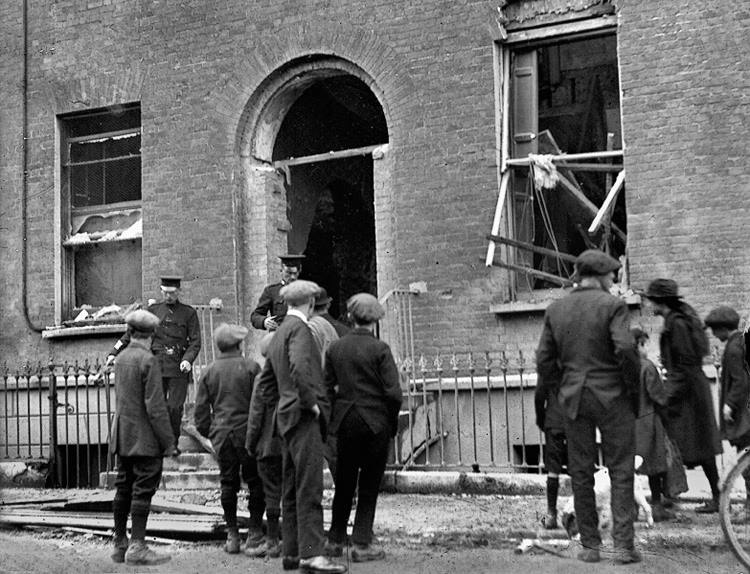
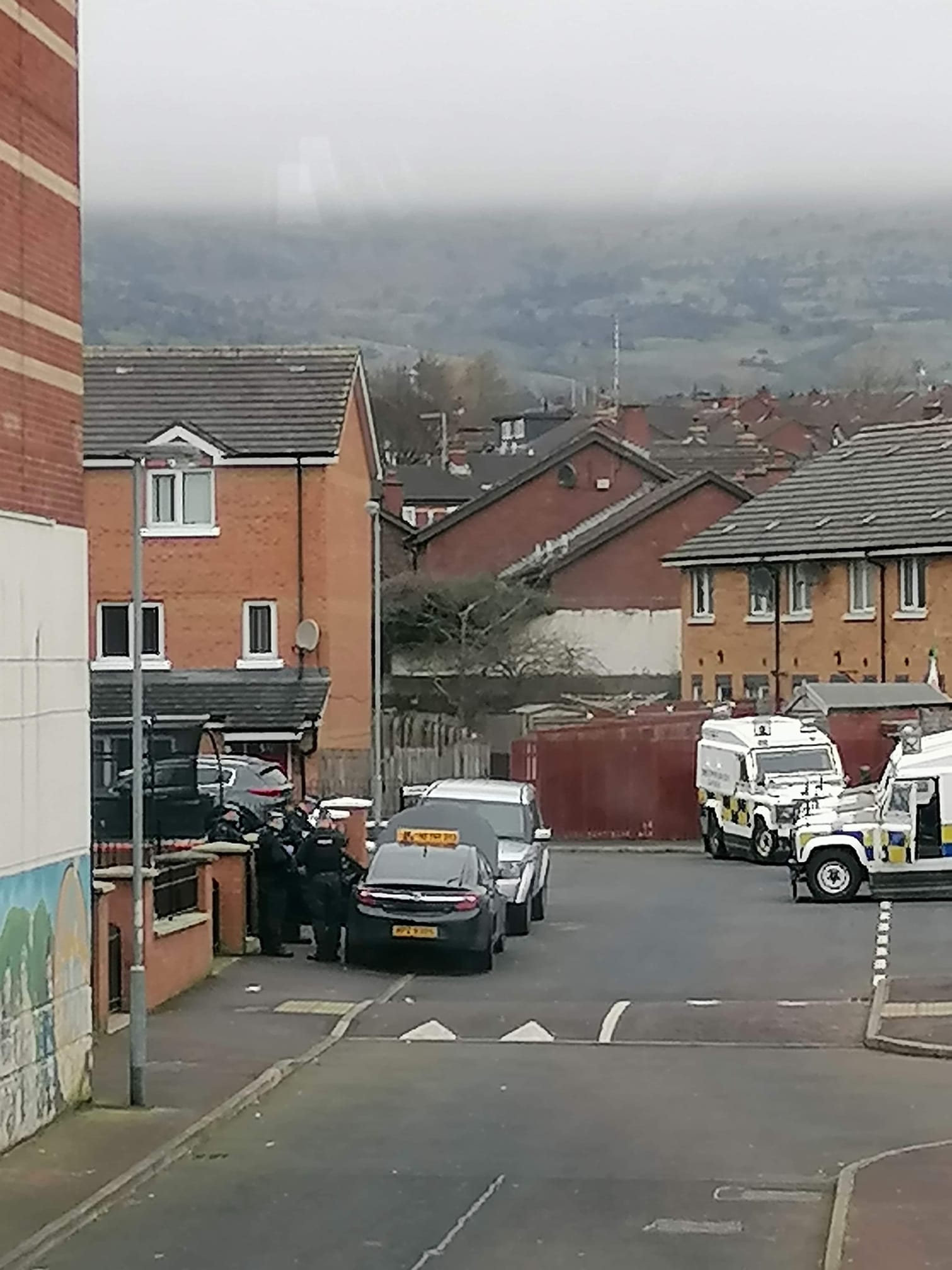
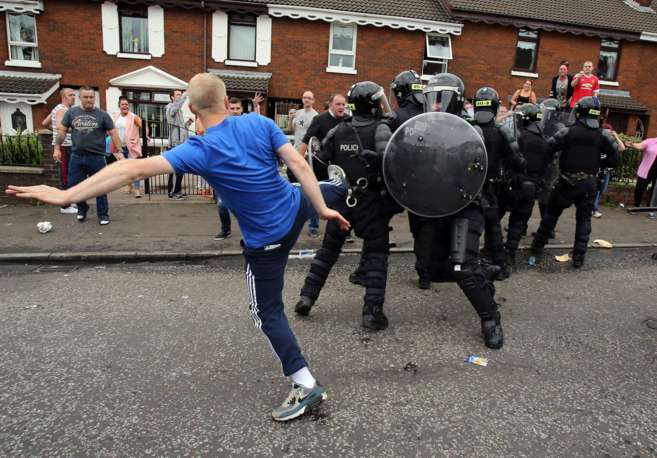
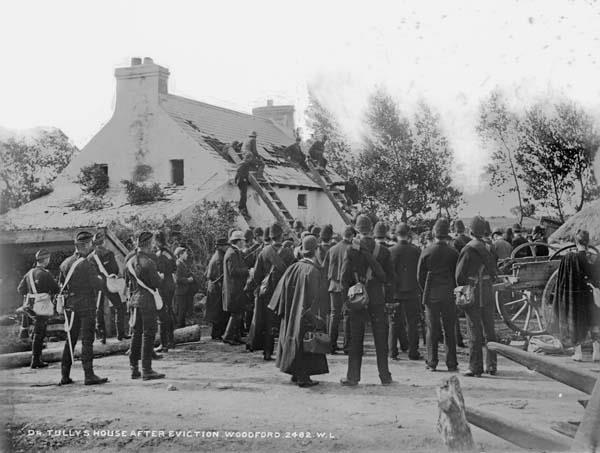
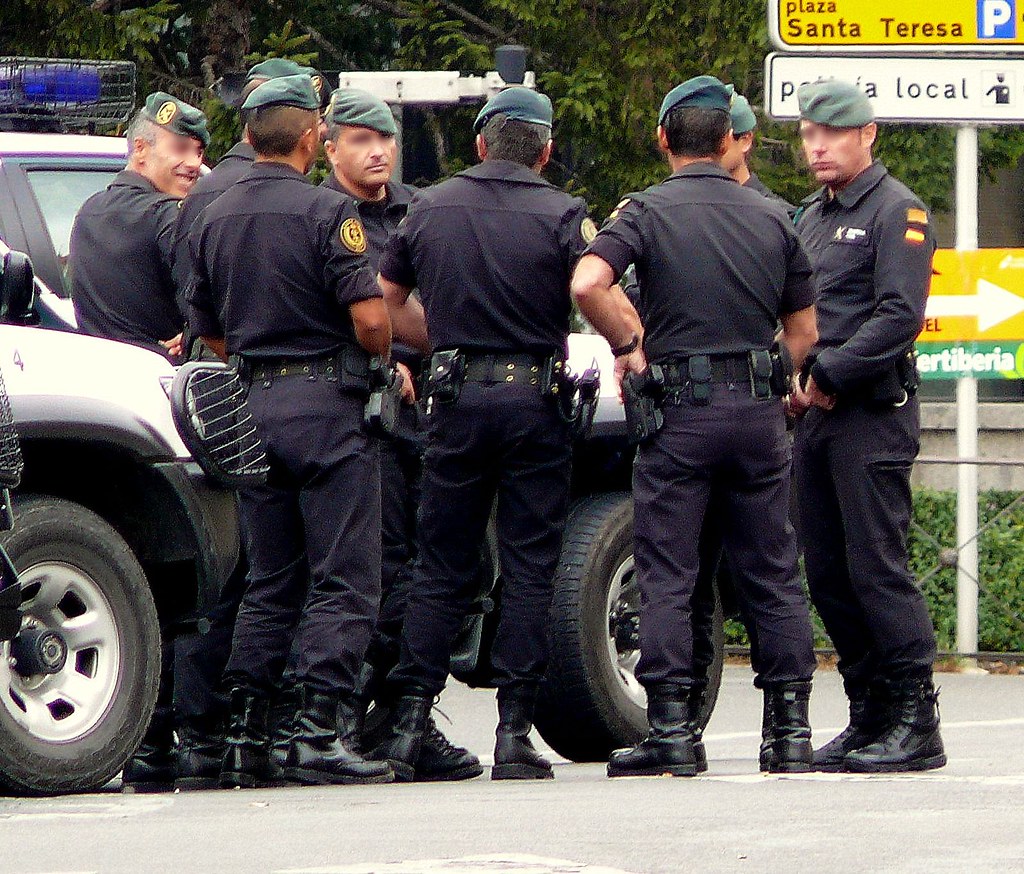
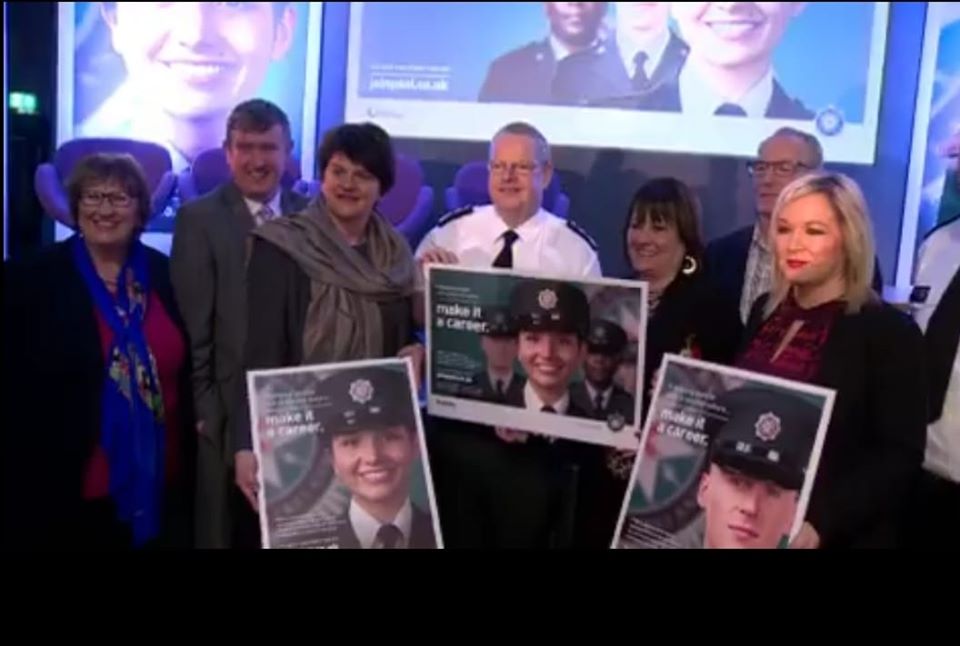

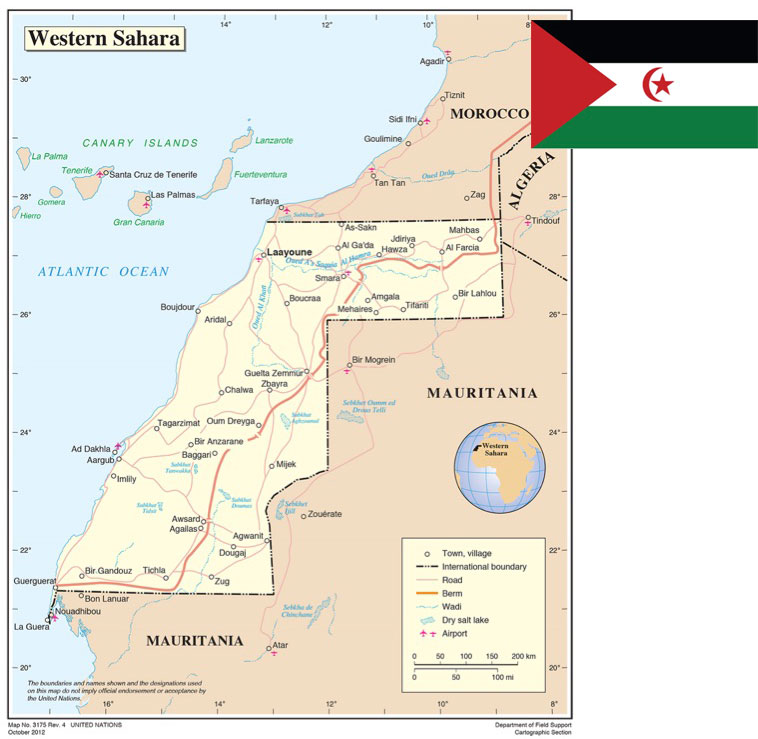


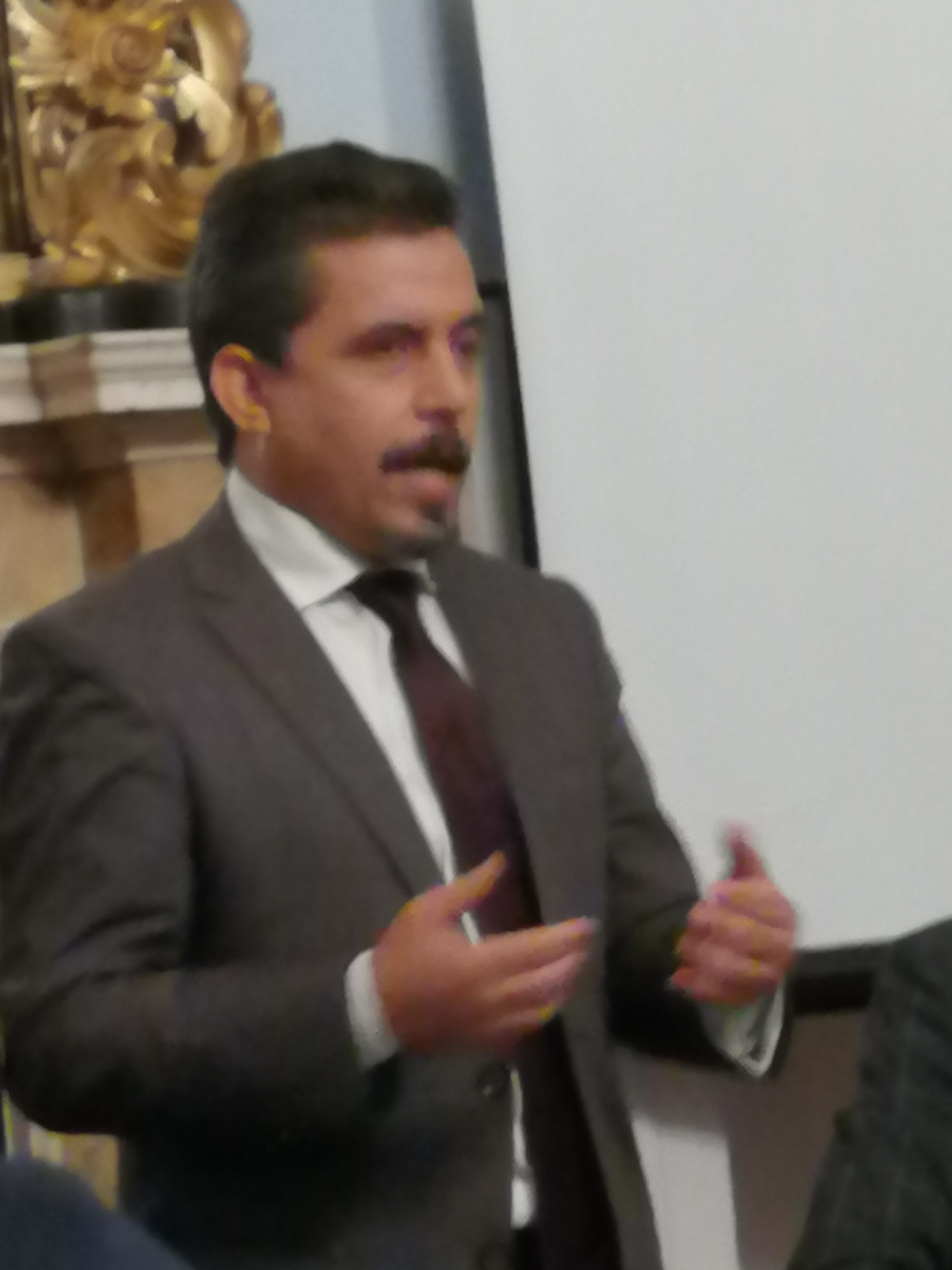
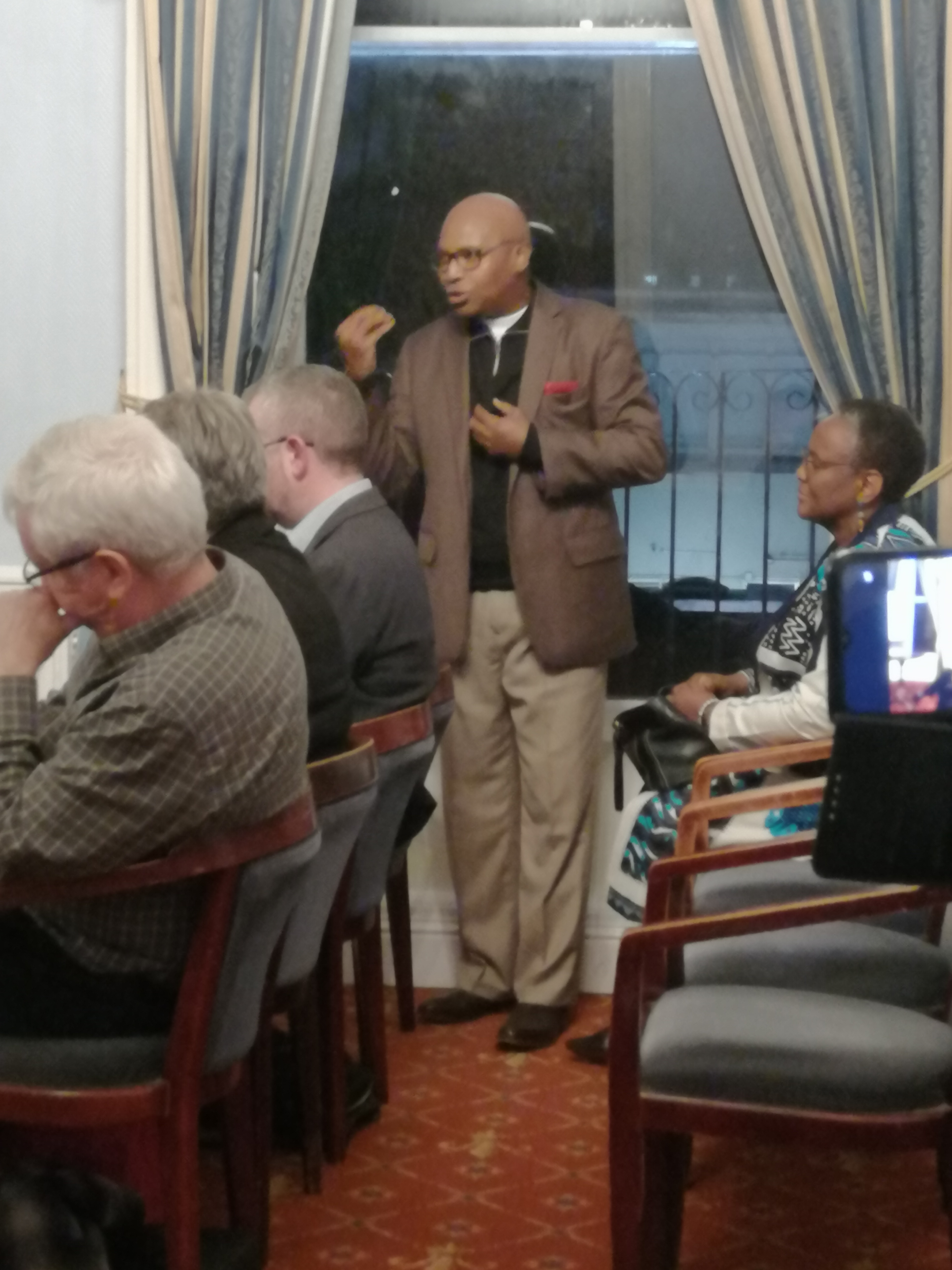

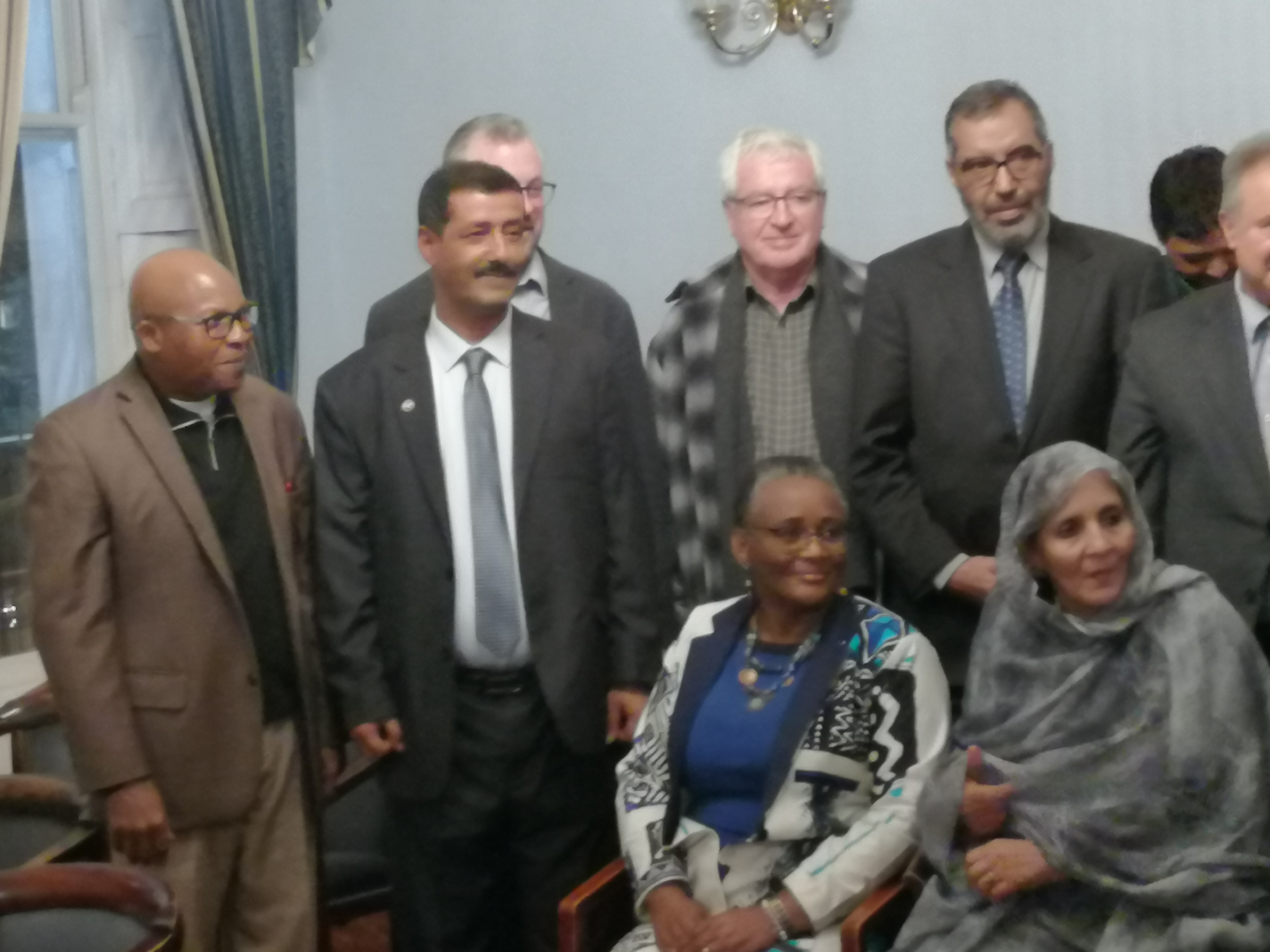


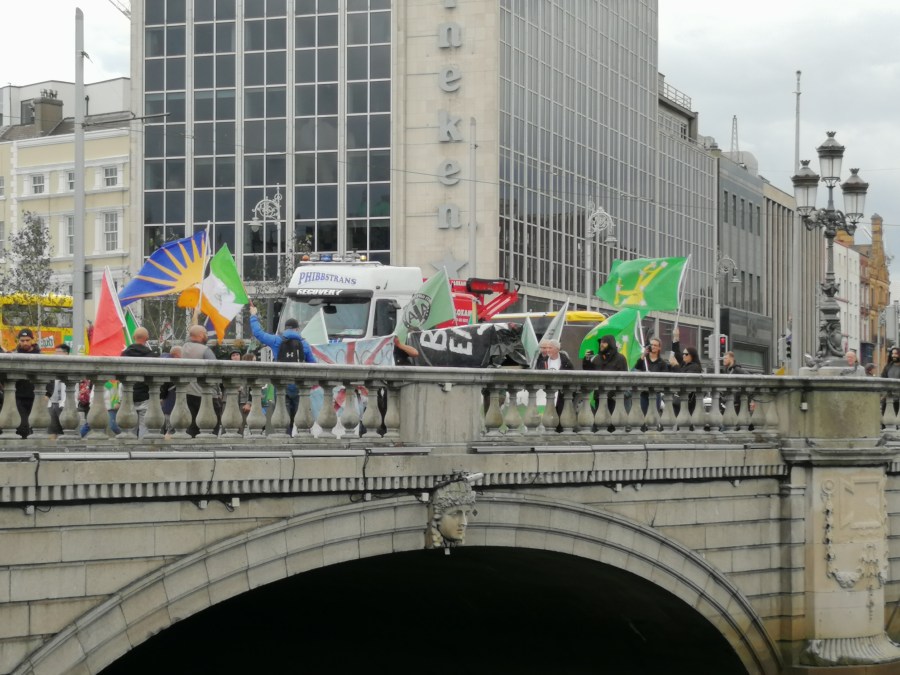


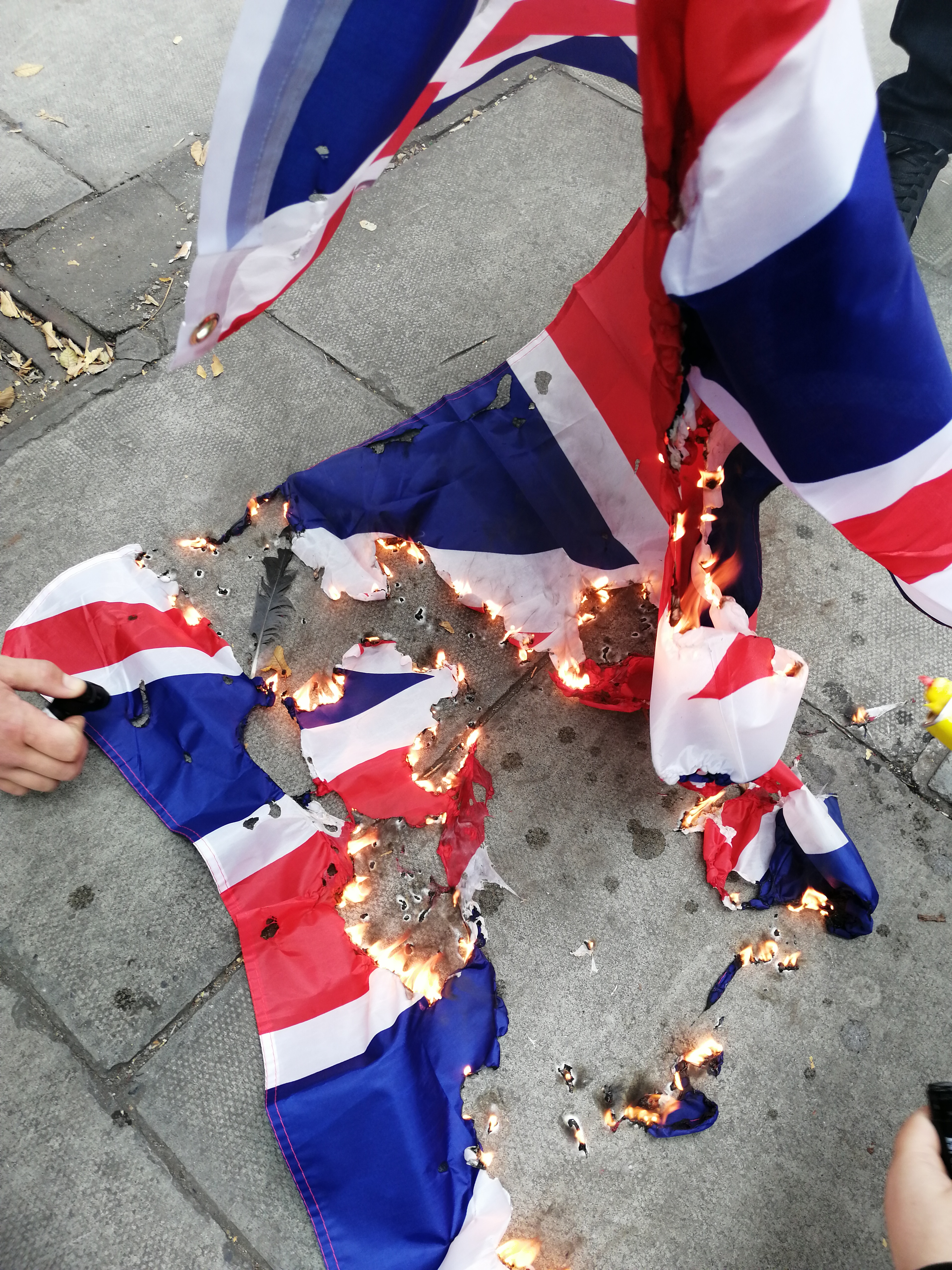
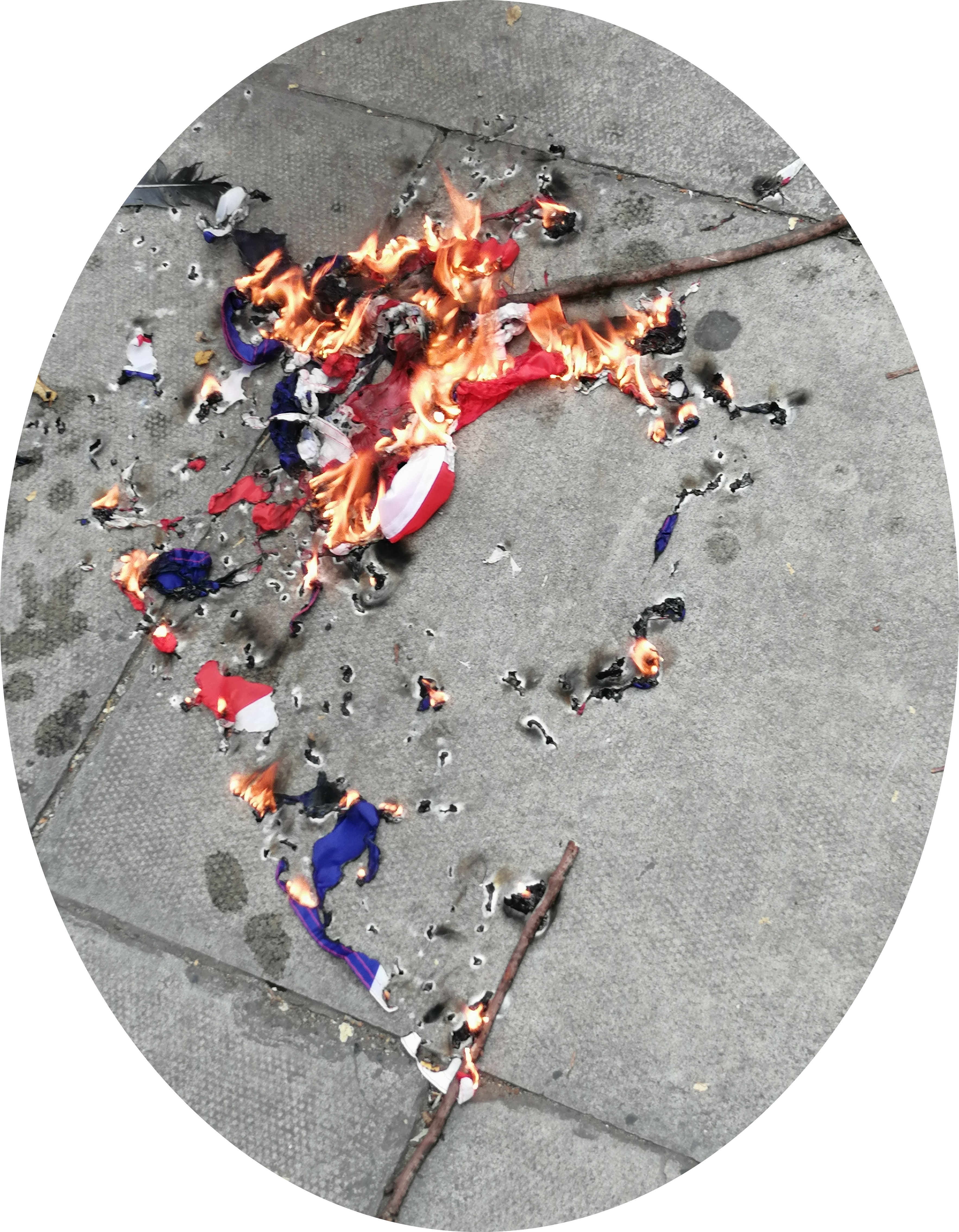


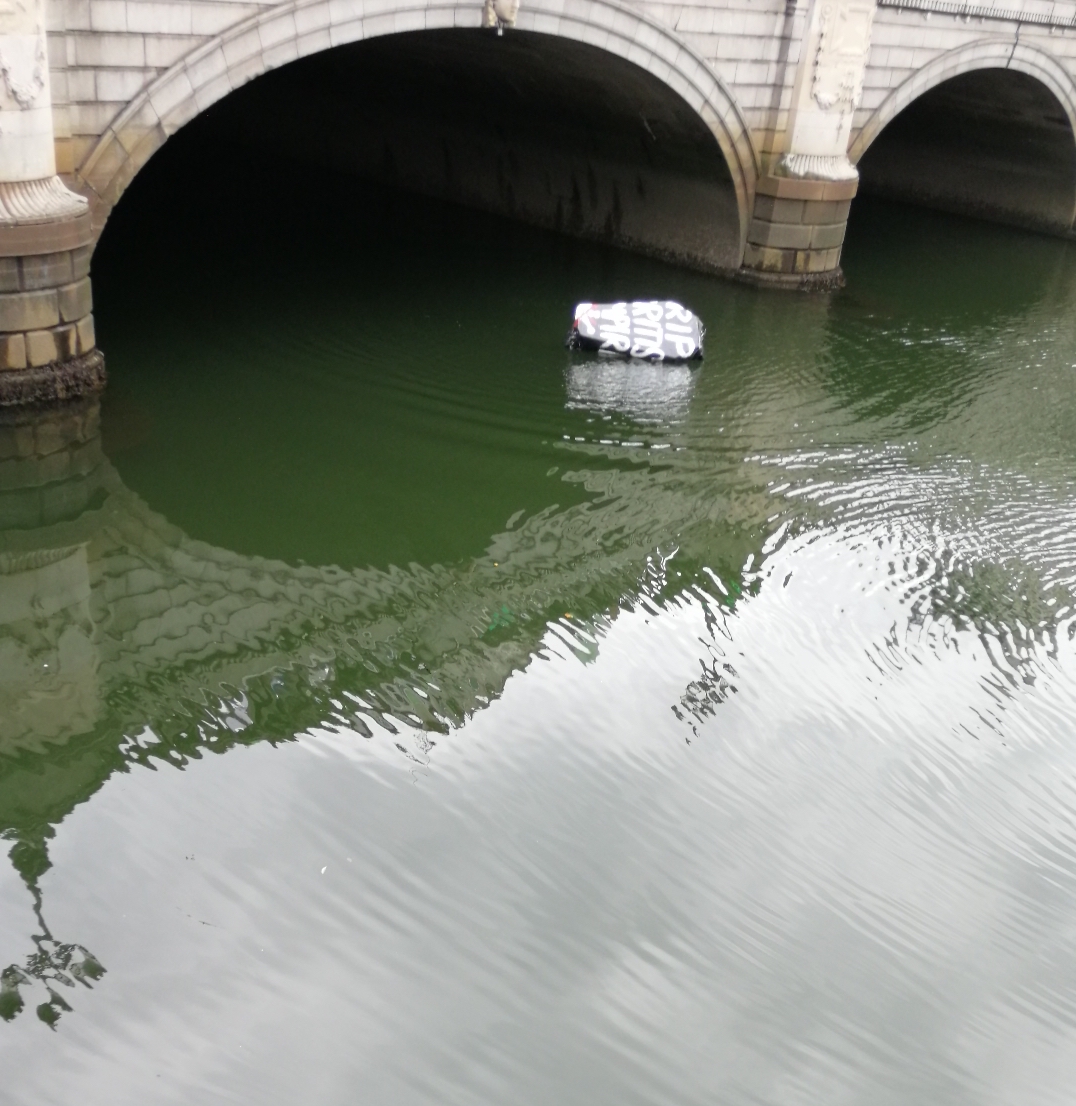
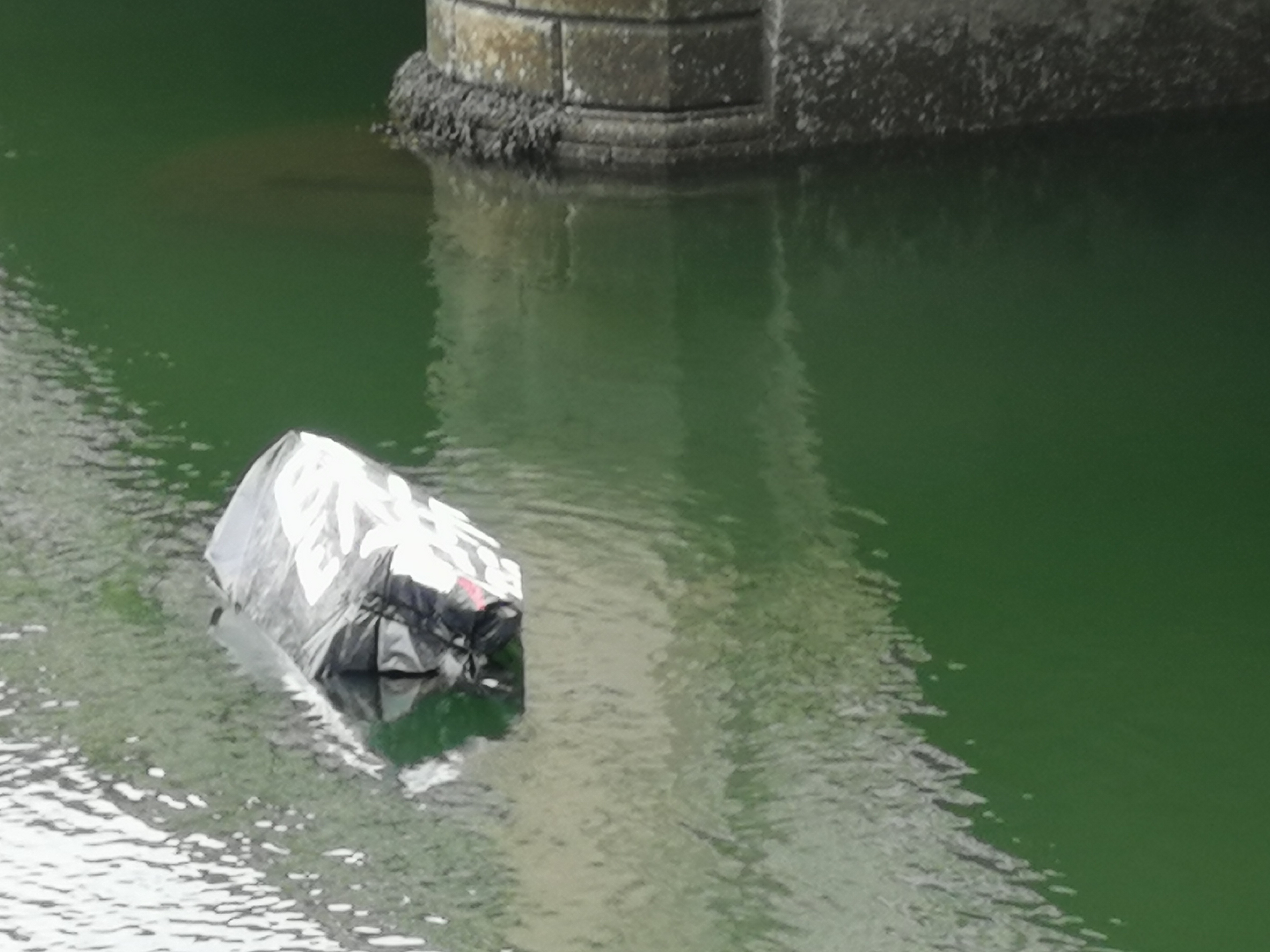





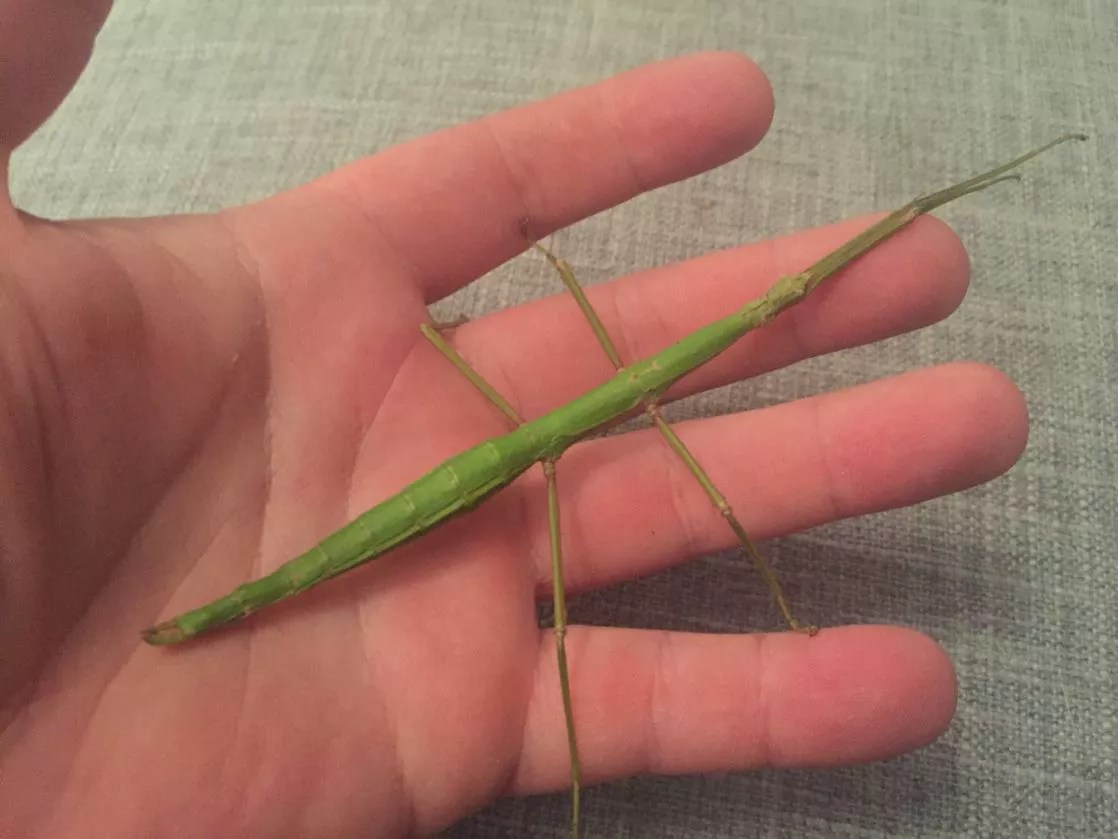
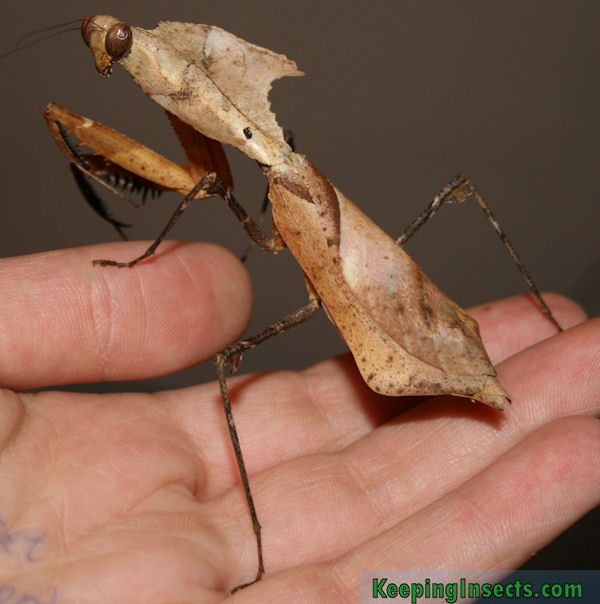


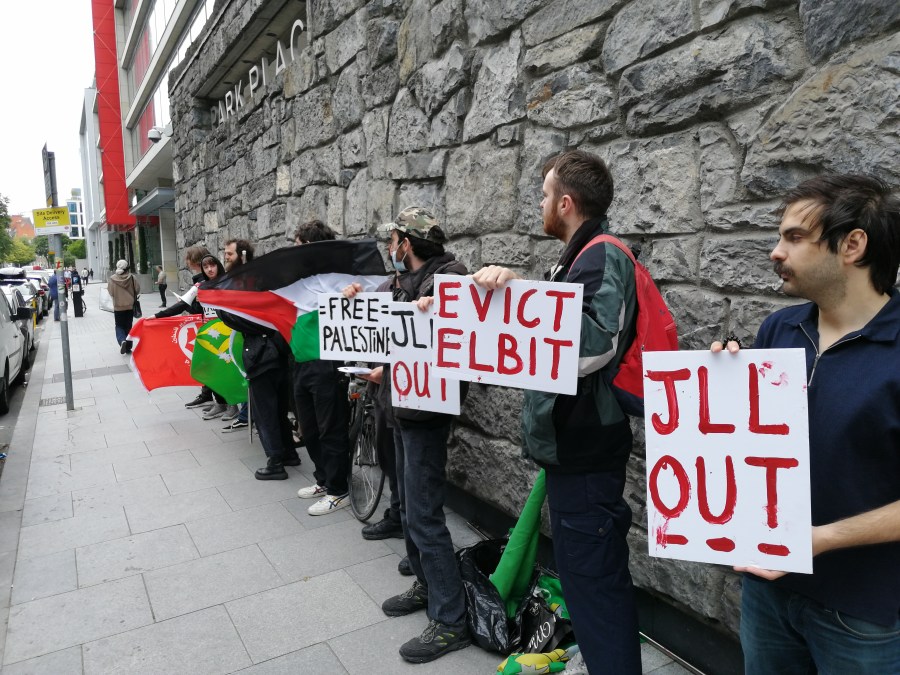
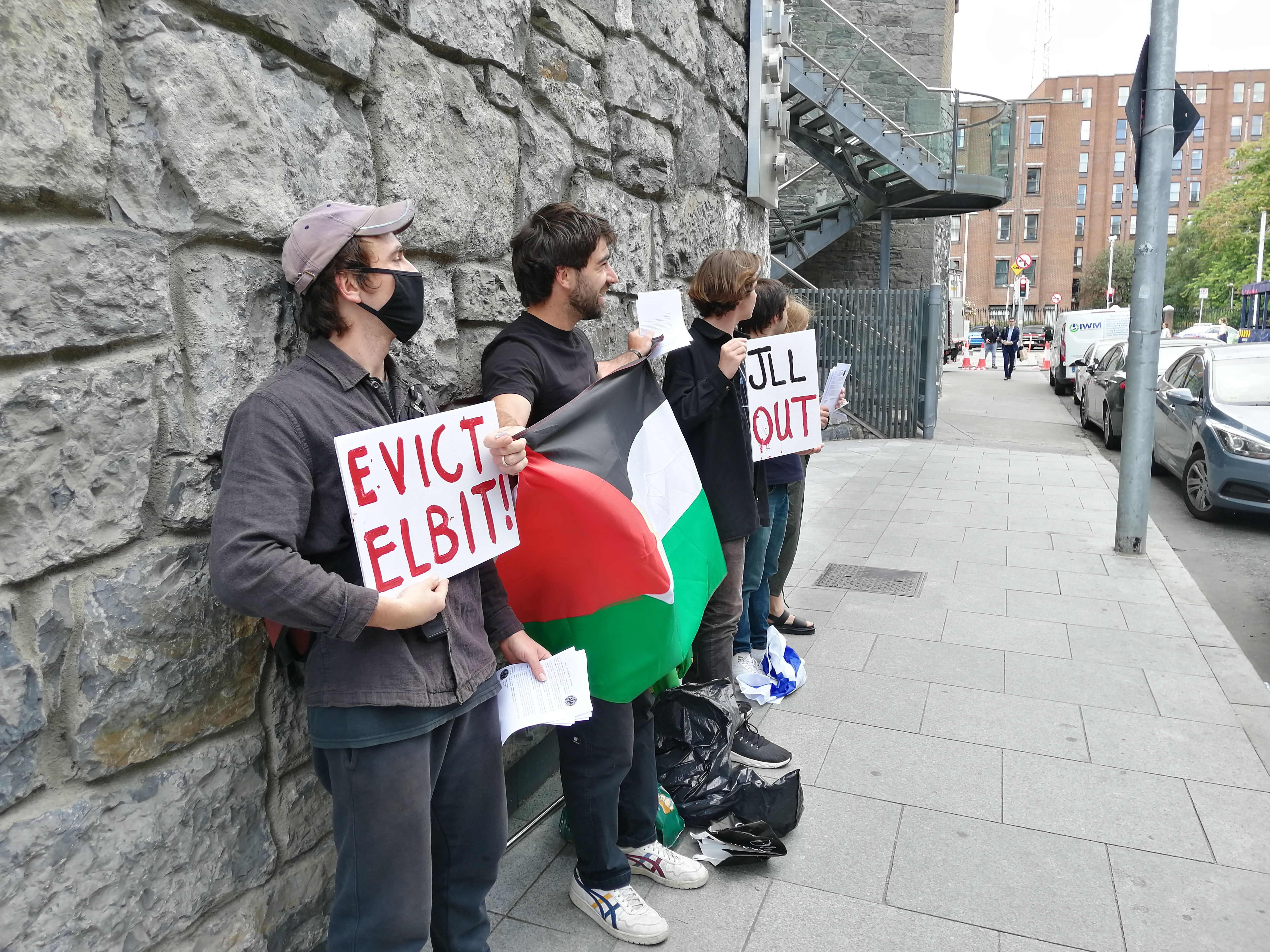
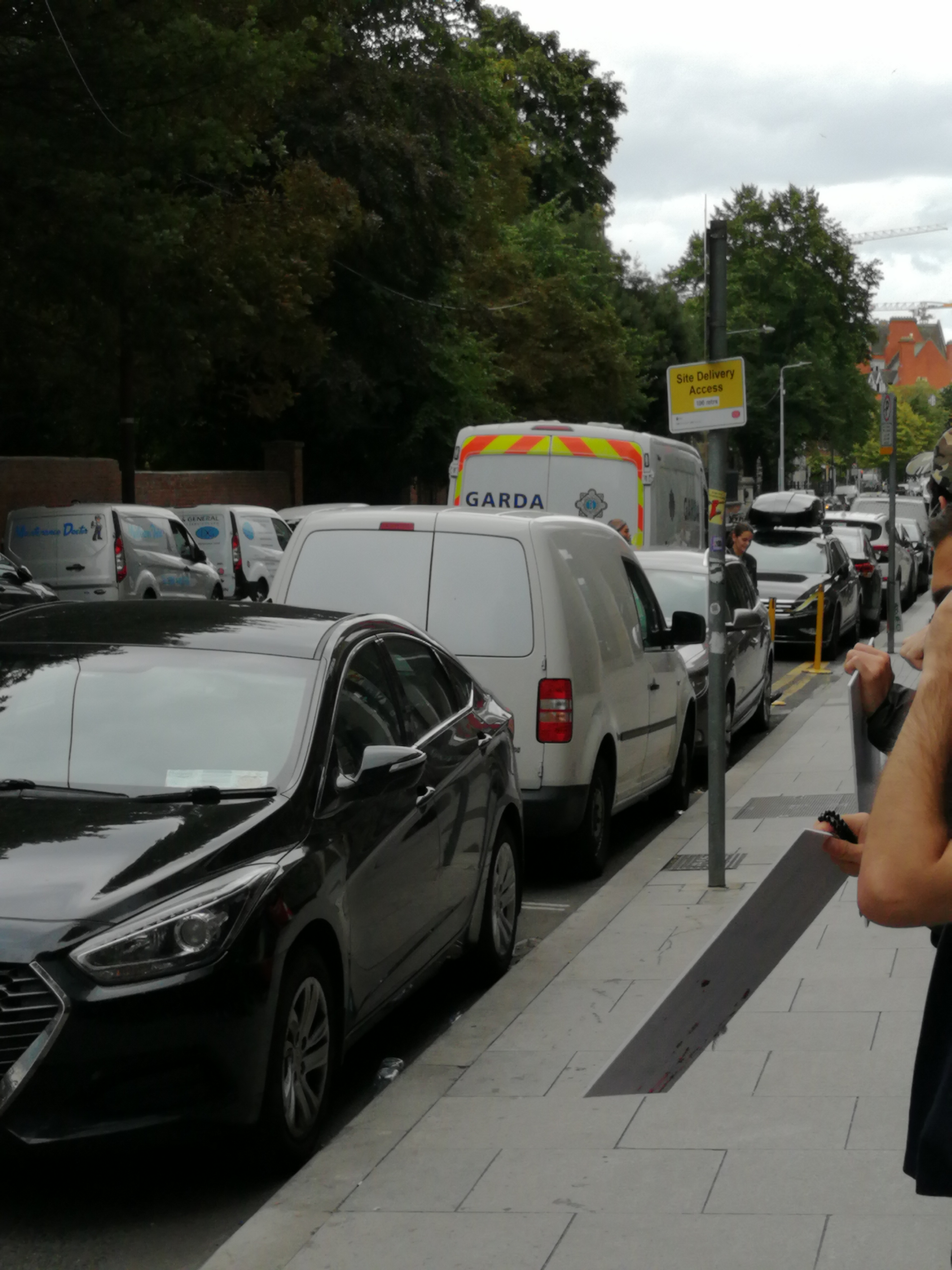
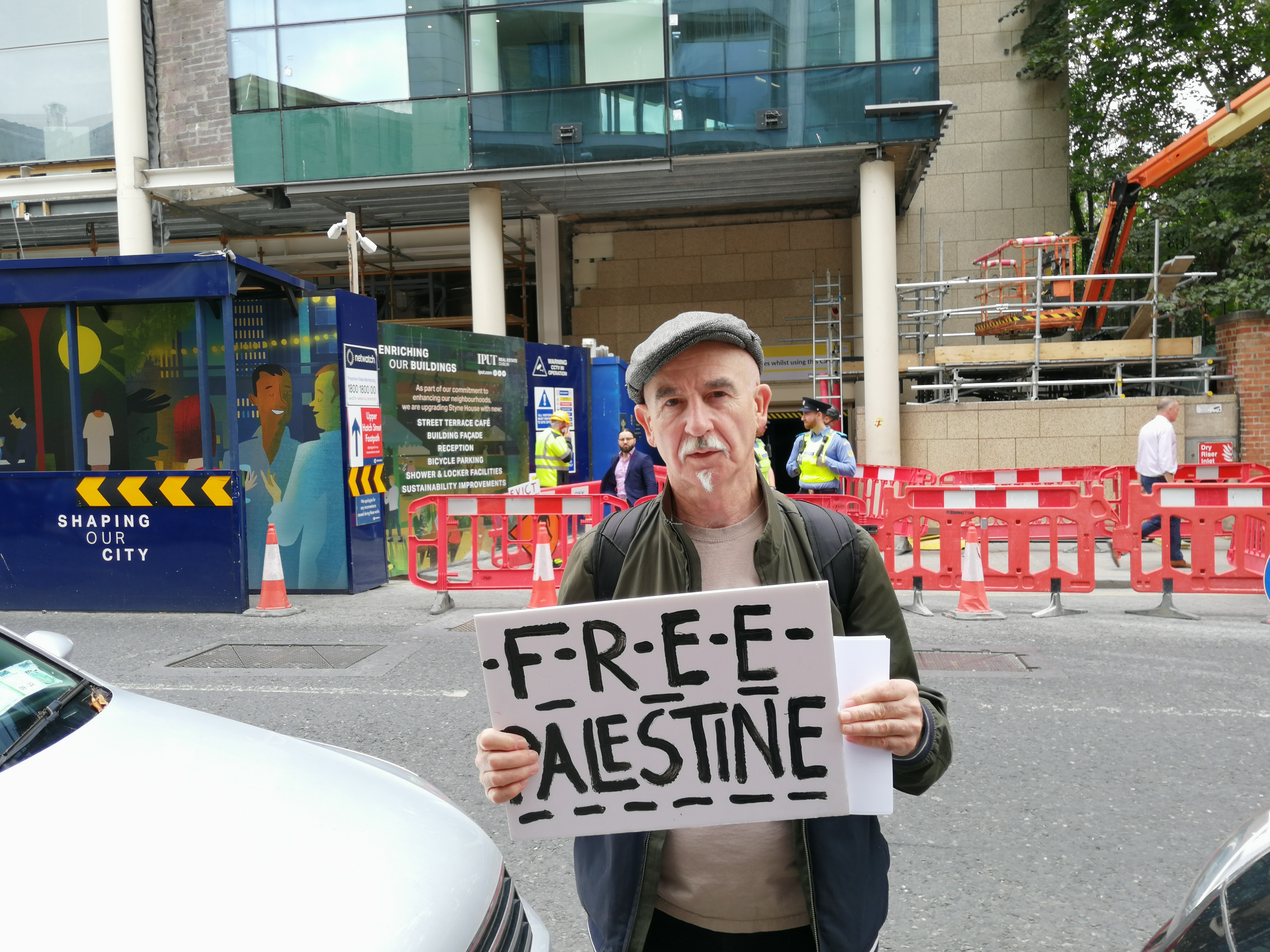
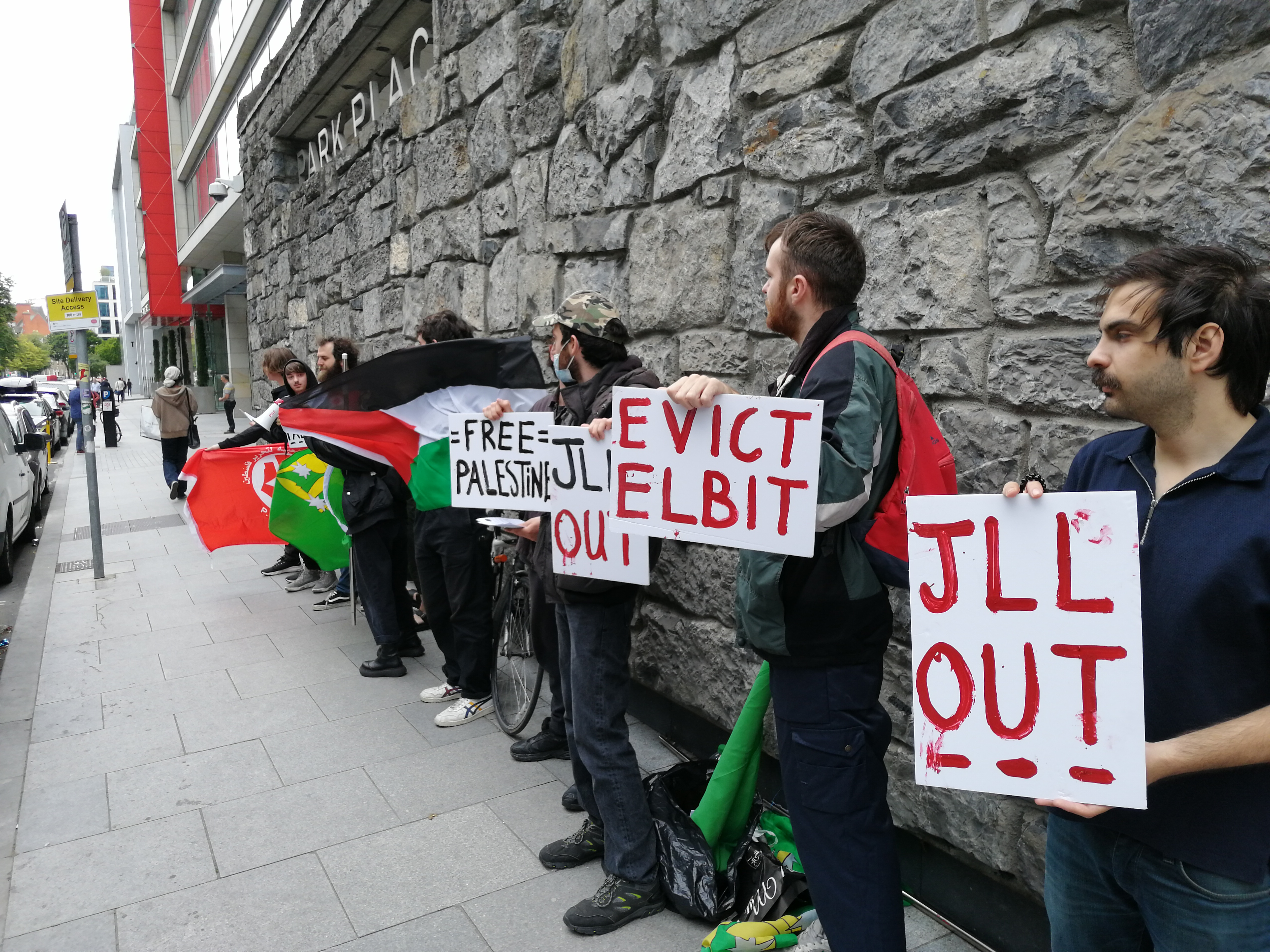


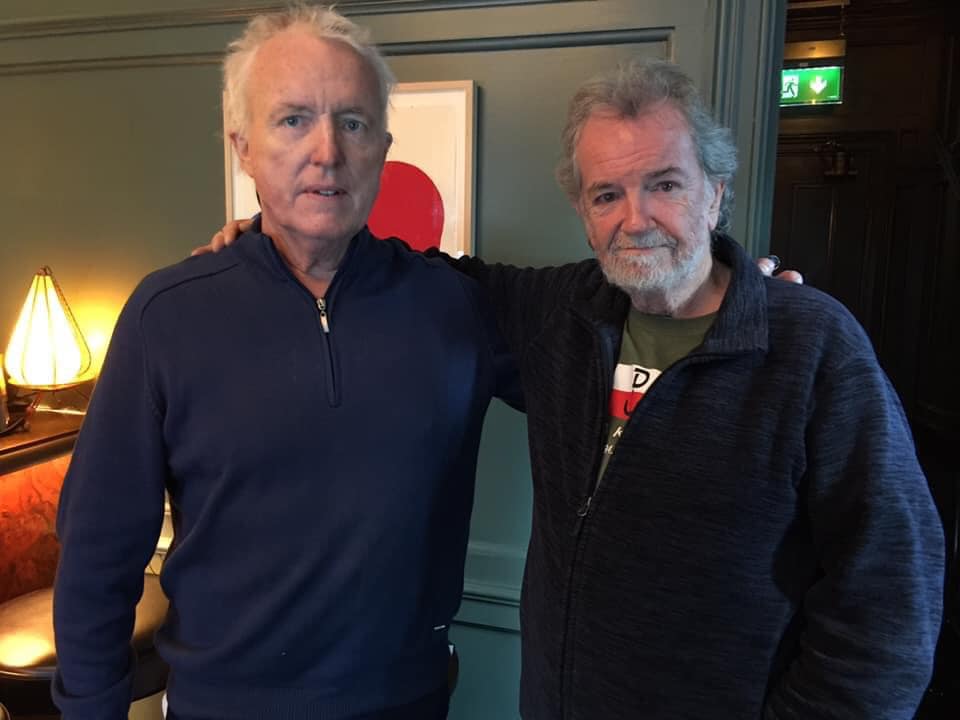
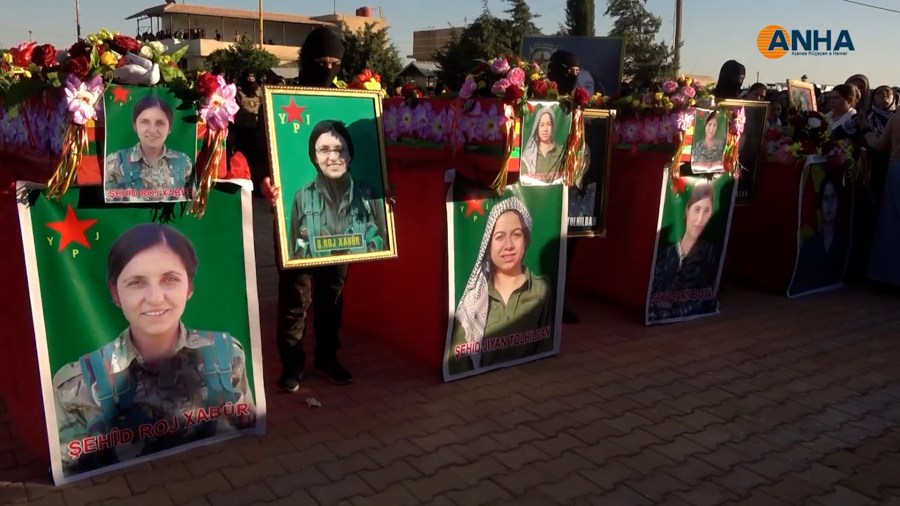


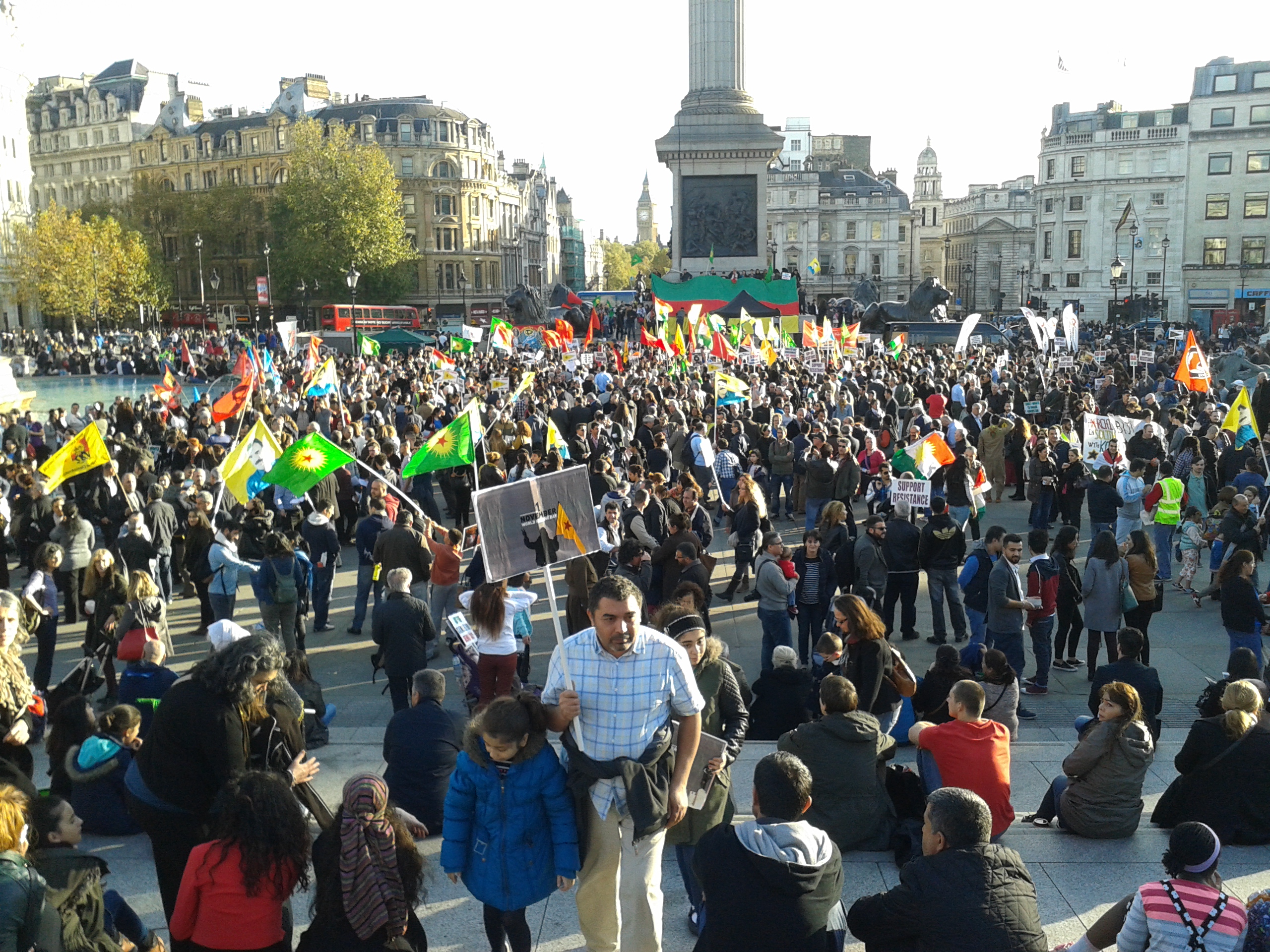

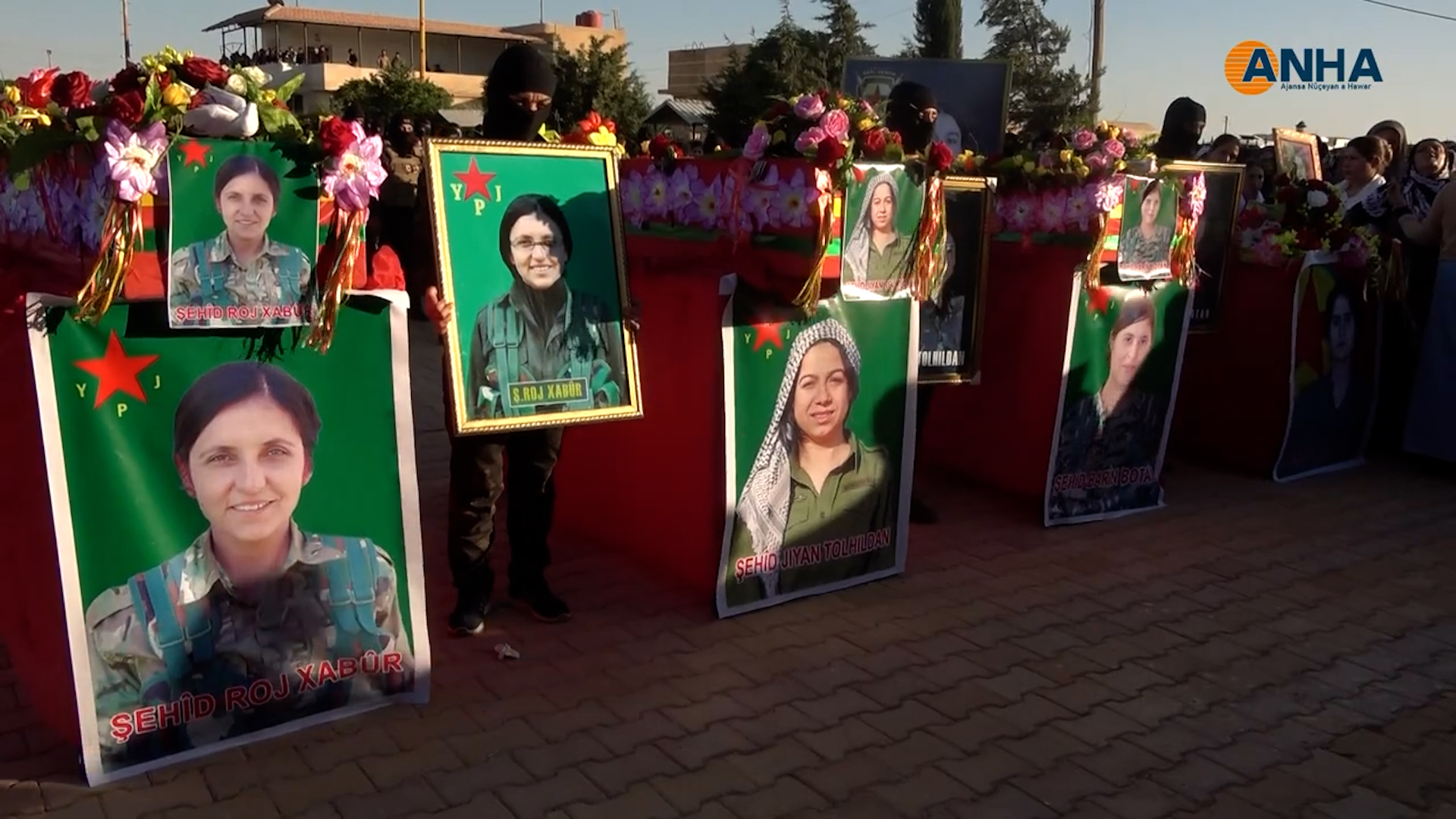


 rebelbreeze