The imagination’s land of the Red Cross, cheese, cuckoo clocks and chocolates plans the massacre of 70% of its wolf packs.1
In reality of course Switzerland is a very regulated country, with a rich financial/ industrial economy and is a major arms producer.
However in 2020 Swiss voters made their desire to protect endangered species clear, when 52% of voters rejected a hunting law that would have made it easier to kill endangered species such as wolves.2
Despite the vote, the Swiss parliament passed a new law in December 2022 that allows the wolf population to be ‘regulated’. Then, just days ago, the government proposed a regulation that will wipe out 19 of the 31 wolf packs remaining in Switzerland!
Eurasian Grey Wolf in snow (Photo sourced: Internet)
WOLF MYTH & REALITY
Childhood and adult fiction is replete with horror stories about wolves (to say nothing of werewolves) attacking humans but, when set against reality, these seem like propaganda. The reality is that it’s not to humans that wolves are generally a danger but to their livestock.
Wolves (Canis lupus) are highly intelligent pack canines and, apart from having donated the dog (Canis lupus famialaris) as a worker and companion for humans, is well aware of its survival boundaries with Earth’s very apex predator – humans (Homo sapiens).
Wolf fondling another; pack members are very affectionate to one another while the alphas maintain boundaries. (Photo source: Internet)
Wolves prey substantially on rodents but must also, for pack survival, prey on larger mammals such as deer, mountain goats and boar. When these are in poor supply or other prey is temptingly easy, such as cattle and sheep, they will take those too.
The traditional human fear of wolves is therefore not one based on self-preservation but on economic priorities. And in the moralistic story of “The Boy Who Cried ‘Wolf’” it is not the human villagers that are attacked by the wolf pack but the community’ssheep.
However, if humans are to continue consuming a diet that will include meat, they will of course need to protect their livestock from wolves and have being doing so even before history was written.
Traditionally the main agent in that protection has been, ironically perhaps, the wolves’ own descendant, the dog – or more specifically, several livestock guardian breeds of dog.
Known livestock guardian dog (LDG) breeds include the Aidi (Atlas Mountain Dog), Carpathian Shepherd, Estrela, Greek Shepherd, Komondor, several breeds of Mastiff and Sardinian Shepherd; a known extinct breed is the Alpine Mastiff (before 5th century BC to 19th century AD).3
Mastín (Mastiff) amidst sheep it guards near Lagunas de Somoza (León, Spain). (Photo sourced: Internet)
Livestock guardian dogs are socialised to the livestock and to their immediate human ‘family’ and will not tolerate the close approach of any potential predator (which often includes even other humans). The primary role is to protect the herd, warn of danger and if necessary, attack.
Where employed in the past, LGDs have been highly effective in protecting their charges, in most cases not even having to fight predators but rather intimidating them. If they have to fight, they are bred for fearlessness and tenacity and their throats also protected by a “wolf-collar”.
Anatolian or Kangol Livestock Guard Dog, with sheep herd it is protecting, Eastern Turkey. (Photo sourced: Internet)
Predators, however courageous, also have strong survival instincts which warn against danger to life or limb (the latter, for a predator in the wild, often in time equalling the first). Unless absolutely desperate they will move on to safer although more difficult-to-catch prey.
For a good LGD however, there is no backing down possible, it is in defence of its own (as a wolf pack might defend its pups). The herder, when present with a firearm, is mainly an additional protection, as well as an alpha member of the dog’s ‘pack’ to obey and protect.
In contemporary times, LGDs have proved effective throughout the world, even in the experimental reintroduction of wolves to the USA.4 So why are they not being more widely employed and, instead, the remaining large predators being exterminated?
Central Asian breed of Livestock Guardian Dog beside its owner (Photo sourced: Internet)
It is no doubt more profitable for big livestock famers to have huge herds roaming freely and when they run out of edible pasture, to move the herd by herding dogs, mechanised herding vehicles or even helicopters. But is it all-around better? And are huge herds environmentally viable?
Apart from other considerations, wolves have been shown to have an environmentally positive effect in a balance between predator, prey and the environment, including vegetation and even water courses, for example in the famous case of the reintroduction of wolves to Yellowstone.5
Deer are pretty to look at but eat young trees and cause damage to reachable branches, while wild goats will eat almost anything, right down to the roots. Wild boar can also be very destructive and, being omnivorous like humans, even prey on ground-nesting birds.
Eurasian Grey Wolf in woodland (Photo sourced: Internet)
All of those invade agricultural crop lands to eat, in the course of which they also trample other crops; wild boar6 are now invading villages and suburbs in a number of towns and cities, overturning large refuse containers for their edible contents.
Female wild boar with litter of piglets in German urban area (Photo cred: Florian Mollers)
Wolves and other predators keep those species down to numbers in better balance with the environment but also of less bother to human settlements. Wolf packs on the other hand do not grow in size beyond the food supply that is fairly safely available.
The human race has made a huge impact on the environment which is sustainable up to a point beyond which, however, we are rapidly passing. We live in a sustainable balance with the environment — or we perish. Perhaps “let the wolf live” can be part of the lesson we need.
4“After the reintroduction of wolves, that were eliminated in the United States in the 1930s, American farmers were losing about a million sheep annually to wolf attacks. 76 farmers took part in the Coppingers program, which introduced European livestock guardian dogs into the US sheep breeding (in their project they used Anatolian Shepherd Dogs). In all farms, where, in the absence of dogs, up to two hundred attacks of wolves per year happened, not a single sheep was lost under the protection of LGDs. At the same time, none of the predators protected by law got killed: the dogs simply did not allow them to approach the herd.” – https://en.wikipedia.org/wiki/Livestock_guardian_dog
6A wild boar is much more likely to attack a human than is a wolf in Ireland, where the Wolfehound breed was famous, it was a boar that mortally gored Diarmuid of the legendary Fianna after his return from exile. Wild boar also carry diseases that can infect domestic pigs and humans.
Friends and relations of Terence Wheelock and supporters of the campaign for justice for his family rallied outside the GPO Thursday afternoon before marching to Leinster House and on to the Department of Justice.
Terence Wheelock was 20 years of age when he was arrested by Gardaí following a car stealing by others in Dublin and taken to Store Street Garda Station. Subsequently he was removed to hospital in a coma from which he never recovered, dying three months later.
People gathering outside the GPO for the rally and march (Photo: D.Breatnach)Supporter of the campaign holds a placard (Photo: D. Breatnach)(Photo: D.Breatnach)
The cause of the coma? A severe beating. Not that it should be relevant but he had nothing to do with the car stealing and has been officially cleared of involvement. On the day of his arrest, Terrence was on his way to buy a paintbrush to decorate his room and stopped to talk to some youths he knew.
Though this occurred 18 years ago the family has not ceased seeking acknowledgement of the Garda crimes and are now insisting on an independent official enquiry.
(Photo: D.Breatnach)
MARCH THROUGH CITY CENTRE & THREE RALLIES
Wheelock family supporters, including people from Terence’s north inner city area, socialists, socialist republicans, anarchists and independent activists gathered at the advertised rally point outside the iconic building of the General Post Office on Dublin city centre’s main street.
James O’Toole of Rebel Telly briefly addressed the march supporters outside the GPO before the march set off, speaking about antisocial behaviour in the city and its connection to deprivation of working class areas, a fact admitted by the Gardaí in a report, a copy of which he held aloft.
James O’Toole addressing the rally outside the GPO (Photo: D.Breatnach)
Large printed placards were provided with a variety of texts – one also carrying Terence’s image – and most participants carried one for a group photo and again as they crossed O’Connell Street to march southwards to Leinster House, seat of the Irish Parliament.
Many tourists and shoppers watched with interest, read the placards and listened to the chants of call and reply led by Sammy Wheelock, older brother of Terence: “Say his name!” “Terence Wheelock!” “For justice to be imposed, the guilty must be exposed!” “Guilty:” “Garda!”
“What do we want?” “Justice!” “When do we want it?” “Now!” “No justice!” “No peace!” “Say his name!” “Terence Wheelock!” The driver of an occasional passing car or taxi blew its horn in solidarity as the march crossed O’Connell Bridge and swung around Trinity College.
The march after leaving the GPO (Photo: D.Breatnach)
Outside Leinster House the marchers stopped for a second rally which was addressed by Sammy Wheelock and the slogans were repeated there too. Senator Marie Sherlock addressed the crowd also, promising her support for the campaign.
Cllr Madeleine Johansson, one of a group who recently fought a successful holding action against a mass eviction at Tathony House, also spoke at the rally outside the Dept. of Justice and quoted James Connolly as having stated that ‘an injury to one is an injury to all’.
Sammy Wheelock then led the crowd on again chanting slogans in a march up Kildare Street, left at the Shelbourne Hotel and right again, along the buildings facing Stephens Green to the Department of Justice building, where another rally took place.
Supporters of the campaign being addressed by Sammy Wheelock in front of Leinster House. (Photo: D.Breatnach)
GARDA HARASSMENT OF THE FAMILY
Larry Wheelock, another brother of Terence’s, had been the driver of the campaign but died in January last year. Outside the Department of Justice building Sammy read a letter from his widowed mother Esther, who felt unable in recent years to attend the protests.
“When this whole ordeal first happened it left a hole in my heart so big that for me it’s like a window … or a door that won’t close because as his mother I refuse to let it go, our family refuses … my son was stolen from me at such a young age …” Mrs. Wheelock had written.
(Photo: D.Breatnach)
For a long time during the campaign for justice, as Sammy told the rally outside the Dept. of Justice Thursday afternoon, the Gardaí harassed the family home by passing at night in vehicles blowing their horns and riding police horses on to the road outside their house.
In addition the Gardaí also stood in the family’s garden and shone lights on to the windows, raided the house and struck their pregnant sister in the stomach, knocking her to the ground, also stopping and searching Trevor’s brothers in the street.
The Gardaí also drove slowly in their vehicles past Trevor’s younger siblings, laughing as they made ‘hanging’ gestures at them through the windows. Despite the harassment and intimidation of the family, they “are not going away”, Sammy said.
Garda vehicles and personnel present while rally held outside the Dept. of Justice (Photo: D.Breatnach)
The initial ‘independent’ Garda investigation into Terence’s death, Sammy told his listeners, was headed by an officer who had spent 15 years of his career stationed at Store Street Garda station and it was no great surprise that he found that Gardaí had committed no wrong in the case.
Due to Terence’s case being in the public eye in 2006 when the Garda Síochána Ombudsman Commission (GSOC) was set up, it was the first case to be examined by them, Sammy Wheelock told the rally but once again the Gardaí were exonerated.
The Wheelock family believe such investigations, Sammy told the rally, are a case of “friends investigating friends”.
Announcing he was going to deliver a letter to Minister for Justice McEntee, Terence’s brother read its content out to the participants before mounting the steps to deliver the letter by hand to the Department of Justice, stepping inside for a period.
Sammy Wheelock delivering letter addressed to Minister for Justice McEntee to the Dept. of Justice (Photo: D.Breatnach)
Shortly thereafter, Sammy Wheelock once again thanked the participants for their solidarity on that day and in the past and assured them that the campaign for an independent public enquiry would continue.
(Photo: D.Breatnach)
DEATHS IN GARDA CUSTODY
There were 34 fatal incidents in 2001 in which people died either in or shortly after Garda custody, official figures show; this represents almost three per month. The statistics also reveal a steady increase in such deaths over the years.
The Garda Síochána Ombudsman Commission (GSOC) compiles a database of what are known as Section 102 referrals, which involve situations where the conduct of a member of the Gardaí may have resulted in the death of, or serious harm to, a person.
However, GSOC has not separated referrals for deaths from those of serious harm, meaning the number of people who have died in garda custody is not available.
Vicky Conway, Associate Professor at DCU School of Law and Government, who sadly died prematurely last year, attempted to compile the data on deaths in custody and expressed concern last year that this information is not readily available and broken down into categories.
Three youths from the area hold placards on the steps of the Dept. of Justice (Photo: D.Breatnach)
COMMENT:
The fatal treatment of Terence Wheelock by the Gardaí 18 years ago may or may not be an extreme case but the discriminatory treatment of working-class people is a pattern, of which violence often forms a part, followed by official collusion by ensuring impunity for the Gardaí.
The treatment of the family in their long campaign is a disgrace. It is said also that Terrence’s parents were told that he was in St. James’ hospital, which gave the Gardaí time to get to him first in the Mater and remove his clothes, which have never been produced for forensic tests.
It is of course of great importance to support campaigns to hold the repressive forces of the State to account, as pointed out by Conor Reddy (People Before Profit) to the rally at the Department of Justice building across from Stephens Green.
The message that revolutionaries give in such campaigns is of great importance in reflecting and strengthening the spirit of resistance of the working people, that it may serve them beyond overcoming individual injustices towards achieving justice for the class as a whole.
The reference at the rally outside the GPO by O’Toole to antisocial behaviour in the city, though a live subject at the moment, was inappropriate for the occasion since it could be understood to indicate that Terence had been engaged in such when he was arrested, which was not the case.
Conor Reddy addressing rally outside the Dept. of Justice (Photo: D.Breatnach)
Marie Sherlock, a Labour Party Senator, addressing the rally outside Leinster House, of course put forward the liberal positions of “Garda accountability” and the equivalent of the “few rotten apples in the barrel” analysis of the police force of the Irish State.
While the support of a senator in Leinster House is to be welcomed, revolutionaries have to ensure that social democrats are not permitted to steer campaigns towards unhealthy compromise and that the liberals’ view of the State is countered by the more realistic revolutionary one.
The Gardaí were founded to be a first-line repressive force of the Gombeen Irish State, replacing the repressive police forces of the British occupation, the Dublin Metropolitan Police Force, the Royal Irish Constabulary, Black and Tans and Auxiliary Division.
Their second Commissioner appointed , Eoin Duffy, was the founder of the Blueshirt Nazis in 1932 and the force has amply demonstrated its anti-working class and anti-Irish Republican bias repeatedly since; if the “apple” analogy is to be used, we’d have to say that the orchard itself is rotten!
The death of a teenager is a devastating experience for any family but the importance of this case goes far beyond that of one family as was pointed out by a number of speakers and as is clear from some of the statistics quoted earlier.
(Photo: D.Breatnach)
Garda violence towards sections of the community followed by impunity cannot be tolerated and must be combatted. In that respect it is sad to note the low number of Irish Republicans in the campaign, though they tend to be the chief political target of Garda repression.
The Petro government has reached the end of its first year in which it promised a lot, came through on some things and changed a lot of other things, particularly its position on certain issues.
Before taking a look at it, it should be pointed out that the Historic Pact (PH) is not the first left-wing government in Colombia. The country is still waiting for that. It is a remould of liberalism in the style of Ernesto Samper.
Even so, it is worth looking at its proposals and what it did in this year, as unlike Samper, it did give a lot of hope to the people.
It is generally accepted that Petro would not have been elected President if it were not for the big popular revolt that began on April 28th 2021, an uprising that cost the life of over 80 youths.
We don’t know the exact number of dead and disappeared and less still of the number of young women who were raped and sexually abused by the Police as part of the repression. Even the number of political prisoners is a matter of dispute.
Not due to the absence of the number of people detained but because the amongst Prosecutor’s Office, the press and sections of the PH there are those who seek to divest the detained youths of any political motivations.
They simply paint them as criminals and vandals, the last of these words having been covered in glory during those protests.1
The heroic ‘vandals’:Demonstrators clash with riot police during a protest against a tax reform bill launched by Colombian President Ivan Duque, in Bogota, on April 28, 2021. (Photo cred: Juan Barreto/ AFP). (Photo choice and caption by Rebel Breeze)
So, it comes as no surprise that Petro, like Boric in Chile, did not free the political prisoners from the revolt. He made a few lukewarm attempts to get a handful of them out, but a long way from all of them.
They are still in prison, despite his electoral victory being thanks to their struggle and actions that led them to prison.
It is perhaps the most symbolic transgression as it says sacrifice yourselves but don’t expect anything from me, not even when I owe you everything. Petro has defended himself by saying that it is not his decision to free or imprison anyone.
Recently he stated:
There are still many youths in prison and I get blamed, as if it were up to me to imprison or free them. State bodies and people inside them have decided that these youths should not be freed.
Not because they are terrorists, who would think protesting is terrorism? If not a dictator or Fascist. No, but because they want to punish the youths who rebel.2
Some may feel that he is right in a technical sense, i.e. that it is the Prosecution and the judges who imprison them. But that is to ignore reality.
He himself denigrated them when he referred to them as ‘vandals’ during the protests and since taking office, neither Petro nor the PH have been the visible heads of any initiative to free the prisoners. They washed their hands of the issue.
He didn’t even disband the specialised riot squad, the ESMAD. Unlike other proposals he didn’t even try to.
He changed its name and promised a couple of human rights courses for its members, as if the problem was their lack of attendance at a course or two given by some NGO and not a deep-rooted problem. The ESMAD is a unit that murdered many youths.
It is a body whose name is synonymous with violence, torture, sexual abuse and murder. A name change won’t wash away the blood.
… the promise to put an end to the ESMD was just lip service during the presidential campaign.It wasn’t carried out and the government will fail to carry through on its commitment to the youths who brought the president to power, through the existence of a repressive violent force like this one.
The temptations to infiltrate the marches in order to justify confrontations with the kids will continue to be part of the landscape.3
Petro gives his voters a clenched fist on his inauguration as President in August last year but many remain in jail and the rest get little or nothing. (Photo sourced: Internet) (Photo choice and caption by Rebel Breeze)
In economic terms the government promised a lot during the campaign, but once in power, it quickly softened its proposals and in some other cases they didn’t get a majority of votes in Congress.
The lack of votes in Congress is not a simple one of not coming through, nor is it due to betrayals by the PH nor manoeuvres by other forces that Petro can’t control.
The PH is a coalition of sectors of the right with sectors of what passes for social democracy in Colombia. It was not inevitable, but rather Petro actively advocated that it be like that.
It is worth recalling that at first, he wasn’t going to choose Francia Márquez as his vice-president but rather a right winger like Roy Barreras.
However there are economic aspects that are under his control, but for the moment they remain as just proposals, rather than real policies that have gone through Congress. On the land question, Petro proposes monocultures and agribusiness.
This was clearly to be seen in the proposal to buy three million hectares from the cattle ranchers.
Petro’s vision of the countryside is one of it being at the service of big money and the promotion of cash crops, despite some references to the production of foodstuffs for internal consumption and the so-called bio-economy.
Something similar can be seen with his proposals for clean energy. He spoke a great deal about it during the electoral campaign and some of his proposals, or outlines as they stand, look good.
That Colombia no longer depend on oil and coal is not a bad idea and that it be replaced with alternative energy sources such as solar and wind power looks good, until we actually examine the details.
One of his first stumbles, in that sense, was with the Indigenous people, as La Guajira is a poor area that has suffered the consequences of coal mining.
He did not take them into account and they reminded him that what is proposed for their territory should have their support, though legally it is not quite the case, and that it should also benefit them.
He partially rectified the case, but the big question is, if he wants an energy transition why does he have to seek out French and other foreign capital to finance it. Does he want to hand over the wind and solar power as they are still doing with oil and coal?
It would seem so. According to Petro:
We need investments that help us carry this out: we would have a matrix of foreign investment centred on the construction of clean energies in South America, with a guaranteed market, if we have direct link to the United States and by sea with the rest of the world.4
If you substitute oil and coal for clean energy, you begin to see the problem: the resources of Colombia in the service of big money and the countries of the North.
If we are to have a real change and energy transition, we must end the idea of Northern energy consumption regardless of where it comes from as sustainable and that countries such as Colombia must supply energy for a planet-destroying consumption model.
Neither have there been great advances on the issue of peace. He did reactivate the dialogue with the ELN, but stumbled with something that is still an integral part of his policy, the so-called Total Peace.
In his proposal he compared the insurgent group, the ELN to the drug gangs and paramilitary groups such as the Clan de Golfo. It was not a mistake, Petro really does see the ELN as a criminal gang.
He made it clear in his speech to the military and he reaffirmed it when he named the blood thirsty Mafia boss and former Murderer-in-Chief of the paramilitaries, Salvatore Mancuso as a Peace Promoter.
With that he placed the ELN leadership on the same plane as the paramilitaries. And they have implicitly accepted it for the moment.
In Petro’s discourse Colombia is a violent country and there is no way to understand it and peace has to be made with everyone as they are all the same, the insurgency and the narcos. Not even Santos was that creative in delegitimising the guerrillas.
Mancuso took on his role and once again spoke of the land they had stolen, the disappeared etc. He has been telling us for two decades now that tomorrow he will reveal all, but tomorrow never comes.
When Uribe invited Mancuso to the Congress of the Republic, Petro had a different attitude.
His response was blunt and he described Uribe as a president that was captured by the paramilitaries and that Mancuso manipulated the Congress stating that “if under this flag of peace, dirtied by cocaine what is essentially being proposed is an alliance with genocidal drug traffickers and political leaders… then we are not contributing to any sort of peace.”5
And we end the year with a scandal. I have on many occasions compared Petro and the PH to Samper and the Liberal Party of the 90s. But not in my most fertile delirium could I imagine that Petro and his son would give us another Process 8000.
Samper managed to reinvent himself as a statesman and human rights defender, despite his government’s dreadful record, following the outcry over drug money in his election campaign. He has publicly supported Petro and the PH.
Now he can advise them on how to deny what is as plain as day. Illicit funds went into the PH’s campaign as has happened with all election campaigns.
Petro finds himself in the eye of the storm due to the manoeuvres of his son in asking for and receiving money. His ambassador in Caracas has boasted about obtaining 15,000 million pesos [3.3 million euros] that were not reported to the authorities.
Those on the “left” who gave Petro unconditional support defend him, saying that it all happened behind his back.
The only thing left to say about that is, a little bit of respect for Samper please! He established his copyright, authorship of that expression in relation to dirty money. They will have to come up with another one.
For the moment Petro says, I didn’t raise him, which is true. But his son is the beneficiary of a type of political nepotism. As was the case with Samper, the only doubt is whether Petro knew or not.
That a government which is supposedly progressive has found itself entangled in such a storm is revealing of a government in which politics is a family business.
Something similar happened to the FARC commander Iván Márquez with his nephew who turned out to be a DEA informant.
On the drugs issue it is clear that the discourse and reality do not match at any point. Petro went to the UN to announce a new drugs policy. He put forward various aims for his government and criticised the war on drugs.6
It seems like a bad joke that the said policy has not yet been published. What we have seen is that the fumigations continue, the Yanks smile on and occasionally there is talk of going after the big fish, without saying who they are.
We know that he is not talking about the banks, and less still of the European companies that supply the precursor chemicals. The big fish will turn out to be middle ranking thugs in the cities of Colombia, at best.
So, it has been a year that wasn’t that different to others. Yes, there were changes, some proposal or other that was half interesting, but even the right wing does that occasionally.
The vote of confidence cast in the ballot box is still waiting to see the promised changes. But we increasingly see a government without a clear aim and reinventing old policies as new ones, with the same results as before.
End.
FOOTNOTES
1 See Ó Loingsigh’s article Long Live the Vandals – R.B.
Original Breaking News article: DAVID YOUNG, PA (with commentary in italics by Diarmuid Breatnach)
The rededication of a memorial to the National Army soldiers killed in the Civil War enables their memory to be rehabilitated, a ceremony in Dublin has heard.
Defence Forces Chief of Staff Lieutenant General Sean Clancy paid tribute to the some 810 soldiers killed serving on the Free State side in the 1922-2023 conflict as he addressed the event at Glasnevin Cemetery on Sunday.
Descendants of some of those who died, representative of all four provinces, were invited guests at the ceremony, among them relatives of Michael Collins, the commander in chief of the National Army who under direction by Churchill, gave the orders that began the Irish Civil War and who was killed in 1922.
Taoiseach Leo Varadkar and Tánaiste Micheál Martin, the leaders of Fine Gael and Fianna Fáil, the two main parties forged from the divisions of the Civil War, also attended the rededication of the National Army Monument.
Sinn Féin TD Matt Carthy also attended the military commemoration, as did Dublin Lord Mayor Daithí de Róiste.
This neatly brought together political parties of the neo-colonial and neo-liberal Irish State with opposing histories: Varadkar to represent the pro-British and fascist neo-colonial origins of Fine Gael; Mícheál Martin and De Róiste representing Fianna Fáil, the allegedly Republican but in reality Irish Gombeen split from the previous iteration of Sinn Féin; Carthy for the current neo-colonial, neo-liberal and colonial servant Sinn Féin.
Taoiseach Varadkar (Fine Gael) and Tánaiste Martin (Fianna Fáil) unveiling monument to soldiers of the ‘Free State’ killed in the Civil War 1922-1923. (Photo cred: Brian Lawless/ PA)Matt Carthy TD, who represented his party Sinn Féin at the unveiling and dedication of the monument to soldiers of the Free State killed in the Civil War 1922-1923. (Photo sourced: Internet)
Prior to the ceremony, there was no monument in the country specifically dedicated to the soldiers of the National Army who fought against the anti-Treaty side in the Civil War.
Weeks after the war ended, on August 3rd, 1923, the Oireachtas passed legislation that led to the creation of the modern-day Defence Forces, Óglaigh na hÉireann. That is, the defence forces of the neo-colonial ruling class who created the Irish state.
The rededication event for the forgotten fallen of the National Army, which had already robbed the Irish language version name of the IRA, adopted the name Óglaigh na hÉireann during the Civil War, took place on the Sunday prior to the centenary of that date.
“It is appropriate then, in the spirit of real inclusiveness, of ethical remembering, and with a full desire to deal with some of the more uncomfortable aspects of our shared history, that we remember some of 810 uniformed members of Óglaigh na hÉireann who gave their lives in the service of the State during the tragic and critical period at the foundation of our democracy,” Lt Gen Clancy told the ceremony.
It is necessary, in order to bury any idea of achieving the Republic declared at the start of the 1916 Rising, that we honour some of the 810 men we recruited to bury that Republic in 1922, kitted out in uniforms, armed and transported by our ancient enemy. We wish to pass over quickly over not only the kidnappings, torture, murders, killing of disarmed prisoners and even sexual assaults by this fine body of men – the precursors to the current army of the Irish State – but also their terrorising of major part of the country with raids on homes and internment of men and women. Although this fine body of men were fighting to establish a neo-colony not even covering the whole of Ireland, we make no apology for calling them what they clearly were not, Óglaigh na hÉireann, i.e “Warriors of Ireland”.
The monument in Glasnevin to soldiers of the Free State killed during the Civil War – apart from the Free State Army having appropriated the name in Irish of the IRA, the legend claims they “died for their country”, a clearly inaccurate statement since at best they were fighting for the government and state of the 26 Counties, which excludes the UK colony of the Six Counties (‘Northern Ireland’ sic). (Photo cred: PA)
“For far too long there has been no memorial of any kind, nor any complete listing of the National Army war dead.” Understandably.
“Indeed, this year represents perhaps the last real opportunity to rectify that.”
As we prepare to commit this armed force to NATO at some point in the future and to PESCO in the nearer future, it is important to take a further step in legitimising this armed force of the neo-colonial state.
The remains of some 180 of the 810 soldiers who died serving in the National Army are buried at the plot in Glasnevin Cemetery. Uncomfortably close to graves of many of their victims.
“Sources at the archives show that the average soldier buried here was in his early 20s, was unmarried and from a working-class background,” said Lt Gen Clancy. In other words, the typical recruitment profile of lower-rank soldiers in capitalist and imperialist armies.
“Many had previously served in the IRA during the War of Independence, some even in the 1916 rising, many others had served in the British Army, underlying yet again how complex is the weave of Irish history.”
Actually, “many” is a questionable though vague estimate of the numbers who had “served in the IRA during the War of Independence”, though some had, including some of the most vicious, such as Major-General Paddy Daly, torturer and murderer.
The chief of staff highlighted the “poignant example” of two young Belfast-born Dublin-raised brothers – Frederick (18) and Gerald McKenna (16) – who were buried in Glasnevin after being killed together in action in Cork in August 1922 only a month after joining the National Army.
Aye, two men born in Belfast, a city which the Free State was fighting to ensure remained a direct colony of the United Kingdom.
“Whatever the often very legitimate reasons our forebears may have had for forgetting in the intervening 100 years, I think it’s appropriate now that I as the 32nd Chief of Staff of Oglaigh na h Eireann should finally take this opportunity to rehabilitate their memory,” said Lt Gen Clancy.
Especially as I try to establish a legitimate background to the armed force of an illegitimate State preparing to enter foreign imperialist wars and suppression of legitimate uprisings.
After all, we have great experience in all that, as the history behind this monument shows.
In all areas of endeavour and no less in revolutionary work it is essential to review our actions (and those of others) periodically in order that we may draw lessons to improve the success of future activity.
Irish history provides an abundance of material to revise.
The most recent period worthy of intensive review in my opinion is the three-decade war, mostly in the Six Counties but also having repercussions within the territory of the Irish State, in Britain and even further abroad.
An article in the July issue of An Phoblacht Abú1, monthly hard-copy newspaper of the Anti-Imperialist Action organisation, discusses the psychological and organisational problems arising from the way that three-decade struggle came to an end and its effects on the resistance movement.
That period in Ireland commenced with a struggle for democratic civil rights, not one of the demands of which were for more than was already well established in the rest of the ‘UK’. But it soon changed into a guerrilla war with huge numbers of political prisoners and jail struggles.
The movement experienced a number of splits and changes of leadership but for most of of the time it was led by the Provisional organisation’s leadership although changes took place inside its own leadership too.
Ruairí Ó Brádaigh, President Provisional Sinn Féin 1970-1983, speaking at GPO rally 1976. He led an unwinnable war. (Photo cred: Pat Langan/ Irish Times)
Some of the Provisional IRA leadership following the 1970s split: Martin McGuinness, Dáithí Ó Conaill, Sean Mac Stiofáin, IRA press conference 1972, Derry. (Photo cred: LarryDoherty)
The period ended with that leadership not only abandoning armed struggle but being coopted with its structures into joint management of the colonial occupation and preparing for joint management of the neo-colonial Irish state, a number of smaller splits in the movement a much disillusion.
The An Phoblacht Abú article concentrates on building or rebuilding trust in leadership through measures such as clear communication, discussion, organisational restructuring, collective solidarity, open discussion, transparent communication and education.
The article does not say this but in my opinion one of the basic educational needs is to acknowledge that in the circumstances, what happened was inevitable (and to consider how different circumstances might be constructed in future).
UNWINNABLE
It is essential in my view to acknowledge that the struggle, as it was waged, was bound to lose. Yes, unwinnable: an unassisted armed struggle against a world imperialist power fought primarily in one-fifth of our territory where the population is deeply divided – how could we think otherwise?
Clearly, the Provisional leadership did think otherwise. Assuming they were not insane or very stupid, on what could their belief have been based?
I can see only two rational possibilities:
1) They believed the British had no essential need to retain the 6-Co. Colony and would abandon it if put under enough pressure, or
2) that the Irish ruling class, through its government, would step in and join the struggle.
If they believed the first, their analysis was not historically-based. Since its invasion and occupation of Ireland in the mid-12th Century, the British ruling class has repeatedly gone to enormous efforts to suppress Irish self-determination.
When they had the opportunity to leave in 1921 they had cultivated a client bourgeoisie, then instigated a civil war and partitioned the land, leaving themselves a firm foothold in the country.
Their initial response to a call for simple civil rights in the late 1960s was violent suppression on the streets, abolition of habeas corpus and introduction of internment without trial – and army massacres.
If the previous lessons of history were not clear to the movement’s leadership, then those events up to 1972 should have made them crystal clear.
If the Republican leadership believed the Irish ruling class would step up, they failed to draw the lessons of history since at least 1921 and to understand the neo-colonial nature of the Gombeen class, amply illustrated in the preceding 50 years of the Irish State.
As embarked upon and fought, the war could not be won but a strugglewas potentially winnable.
However, to have a chance of winning, the struggle would have to be over the whole 32 Counties. And to engage the maximum number of people, it would have to take up the social, cultural, economic and political deficits across the Irish state and across the colony.
The social rights of women and LBG2 people were widely-acknowledged deficit areas, yet the Republican movement did not seriously address them. Of course, doing so would have put the Movement in direct opposition to the Catholic Church hierarchy and its followers.
Why should that be a problem? Hadn’t the Hierarchy been pro-British occupation since the late 1800s3 and anti-Republican since the 1790s? Wasn’t it one of the cornerstones of the neo-colonial Irish State, its social prop and social control mechanism?
Yes but the problem was that some of the leadership themselves were in that ideological ambit and were in any case afraid to disaffect many of their followers. A natural fear, of course. Yet only in that way could the struggle go forward across the Irish state’s territory.
It was left to campaigners mostly outside the Republican Movement, including social democrats and liberals, to fight for the rights to contraception, divorce, equality for women, LGB rights. And later, to take on the huge institutional abuses of the Catholic Church in Ireland.
Those issues affected directly well over half the population of the Irish state and the the leadership lacked the interest or the courage4 to take part in their struggles, never mind lead them, which it left to mostly non-revolutionary leaderships.
There were many other issues that affected people in the 32 Counties which a revolutionary leadership could take up and, I would argue, should have taken up.
The latter includes emigration, rights of the Irish diaspora (particularly in Britain), foreign penetration of the Irish economy, foreign land ownership, housing shortage, industrial struggles, academic freedom, Irish language rights, Church control of education and the health service …
Some of those issues were taken up for a while by the movement in parts of the 26 Cos. prior to the split in the Republican Movement but were progressively dropped as the armed struggle in the 6 Cos. took off.
When years later the Provisional leadership got interested in social democratic reformism, they found they could hardly make any headway in the unions against the Labour Party and the remains of the Workers’ Party – because of the Provos’ earlier overwhelming neglect of that area of struggle.
SUMMARY
The struggle in the Six Counties could not be won precisely because it was primarily confined to that area and also one in which a powerful enemy had seduced a huge section of the population.
When the leadership acknowledged the unwinnability of the struggle as being waged, instead of changing their methods and aims of struggle to take in the whole 32 Cos, they decided on capitulation and getting the most possible out of it for themselves.
A change in the top leadership of Sinn Féin and the IRA: Gerry Adams and Martin McGuinness photographed in 1987. They recognised they could not win and set about managing abandoning it while getting something out of the system for the leadership. (Photo: PA)
The leadership of the Republican movement was unwilling to widen the struggle because they believed that it was unnecessary to do so and/ or they were unwilling to overcome their own ideological indoctrination and/or lacked the courage to confront prejudices among their following.
Some of the social struggles have now been won or hugely progressed but without the leadership of the Republican Movement, in fact by leaderships of mostly reformist trends.
Due to leaving the industrial struggle to social democrats, the trade union movement has degenerated hugely and is in a poor state to take on any substantial economic or rights struggle, to say nothing of a revolutionary one.
The surviving Republican movement seems unwilling to acknowledge those historical facts and its failure thus far in leadership. Admission of the facts is necessary in order to commence to repair the movement and to prepare for a struggle with a prospect of success.
End.
FOOTNOTES
1Page 9, entitled COMRADESHIP – GUARD AGAINST BETRAYAL; I intend to review the July issue of the newspaper separately some time soon.
2I have omitted the T from LGB because it is only comparatively recently that the transexual issue has gained wide acknowledgement, whereas the Gay, Lesbian and even Bi-Sexual issue were widely known about at the time under discussion.
3The Irish (settler) Parliament passed an act giving middle-class and higher Catholics the right to vote in 1793.
‘Wha’ – the Junior Minister for Education and his travel distance claims?’
‘Yeah. I mean, according to The Ditch he would’a hav’ta driven more than twice as much as the average taxi driver in Ireland, which averages at 30,352 kilometres a year. Collins claimed 73,807 kilometres.’
‘With a head for figures like that, he should be Minister for Finance!’
‘Heh, heh. But maybe he was moonlighting as a taxi super-driver on top of his parliamentary travelling.’
‘Could be. Those poor TDs only get €107,376 a year to live on.’
‘Apart from expenses. Like tax-deductible driving expenses.’
‘Exactly!’
‘Well, it does certainly look like he’s been taking the country for a ride.’
‘Ha, ha, ha. And ye can’t fault his drive!’
‘I think they’ll soon be calling him ‘Miles’ Collins.’
Late Tuesday night and early hours of Wednesday morning an operation with large numbers of Gardaí and their helicopter circling overhead disturbed residents in the north Dublin city centre area of Berkeley Road and surroundings.
It looked like drug bust, hostage rescue situation or siege, but it was none of those things, instead being an eviction of four housing activists.1
Supporters of the occupation by the RHL gathered at short notice by Berkeley Road during the Garda operation but were roughly pushed far back by Gardaí from the building under attack (Photo: RHL)
The building had been “acquisitioned” by the Revolutionary Housing League which for a couple of years has been occupying buildings lying empty around Dublin in order to house homeless people and to inspire people to take over empty buildings to end the homeless crisis.
One of those buildings was the red-brick building on Eden Quay and corner of Marlborough Street; it had been operated by the Salvation Army as a night shelter for homeless young people but left empty for years after losing funding.
Supporters in front of James Connolly House occupation over a year ago. (Photo: Rebel Breeze)
On 1st May 2022, RHL2 activists ‘acquisitioned’ the building, renamed it James Connolly House and repaired a leak in the roof. In the early morning of 9th June 2022, an estimated 100 Gardaí (some reportedly armed) stormed the building with a Garda helicopter circling overhead.
Two RHL activists performing overnight security on the building were arrested and brought to court, where they declined to be bound over or to give an undertaking that they would not return to the building.
The Salvation Army said that they were renovating the building in order to house Ukrainian refugees. Not only was there no evidence of that in the building when it was occupied but it is empty still, over a year after that eviction3.
Garda evictions have taken place around other acquisitions of empty properties and RHL activists have on each occasion refused to commit to an undertaking not to occupy other properties.
Rather, the RHL has called for empty buildings to be occupied around the country.
The eviction this week
The massive Garda operation this week, including road-blocks, to evict RHL occupants of the Berkeley Road house. (Photo: RHL)
After the eviction in Berkeley Road, four RHL activists were taken to Court where they followed the previous pattern of refusing to be bound over or to promise not to occupy other buildings. Nevertheless they were released with a threat of jail-time if they re-occupied.
The lessee of the building, advertising as Cabhrú and formerly Catholic Housing Aid Society (Chas), has faced allegations of improper use of that building and another, Fr. Scully House on nearby Gardiner Street, some of which were borne out in an investigation by Charities Regulator.4
Supporters of the RHL occupiers outside the High Court (Photo: RHL)
The housing crisis
The numbers of homeless people in the the Irish state passed 12,000 for the first time in May this year and over 4,000 of those are children,5 nor do those figures include people defaulting on their mortgage loans, sleeping on the street or ‘sofa-surfing’ with friends and relations.
According to figures published in April this year, there are over 100,000 empty homes within the Irish state, not counting holiday homes (the Berkeley Road one was empty for three years).
Housing the homeless on the face of it can be accomplished without the revolutionary overthrow of the State and its Gombeen6 ruling class. All that is necessary is a public housing program financed by the State, which it could easily accomplish.
However, the stubborn clinging of the Gombeens to keeping a wide high-return market for property speculators, bank funders and big landlords, year after year as the housing crisis worsens, seems to indicate that a revolutionary remedy is necessary.
This week the Taoiseach,7 Varadkar, inferred that a contributory cause of the housing crisis was that homeless people had turned down alternative accommodation, a nonsensical claim since one person’s declined accommodation could just be offered to the next.
Addressing him in the Leinster House parliament, Sinn Féin TD8 Pearse Doherty9 took him to task for inferring that the homeless were to blame for their situation, in response to which Varadkar denied accusing the homeless and ungraciously amended his statement to “some homeless people”.
He went on to say that homelessness has a number of causes but neglected to name the principal one, viz. that the State does not supply funds to municipal authorities to provide public housing, leaving property speculators, banks and big landlords free to exploit the housing ‘scarcity’.
According to media reports, Doherty neglected to take this opportunity to point out the real cause of the problem and the solution, which confirms the doubts of those who say that his party is “Fianna Fáil Mark II”,10 with no intention to fundamentally alter the economic system in the state.11
Revolutionary Housing League flag on top of the occupied building during the massive Garda operation (Photo: RHL)
In conclusion
The housing crisis shows no sign of being resolved and the ruling class have ridden high-profile ‘shaming’ token occupations such as that of Apollo House in January 2017 without changing anything. RHL occupations do seem to show a way forward if they are widely emulated.
Heavy Garda operations on the one hand and comparatively light treatment by the courts on the other seems to indicate a determination not to tolerate this kind of direct action on homelessness while at the same time moderated by a fear of creating housing action martyrs.
Meanwhile the numbers of homeless grows by the month without any other credible solution in sight.
End.
FOOTNOTES
1This is the police force that has been described by its chief, Commissioner Drew Harris (formerly Asst. Commissioner of the colonial gendarmerie PSNI and therefore also MI5), as his “gang” but which seems unable to prevent serious assaults in the city centre, even in its main street.
2Originally Revolutionary Housing Union, later became RHL.
4Some of those included a friend of the charity’s Chief Exeutive being accommodated in the building allegedly providing only for the elderly, rooms being let to short-stay students without proper guarantees or rights and one of the houses being used as a business address.
8Teachta Dála, member of the Irish Parliament, equivalent to “MP”.
9Deputy leader of the party in the Irish parliament. Holly Cairns, leader of the Social Democrats also attacked Varadkar on the statement.
10Fianna Fáil is one of the two main government parties; originally a split from Sinn Féin led by De Valera, it has been in government more than any other party in the Irish state.
11A number of SF party leaders including its current president have publicly stated that big business has nothing to fear from their party.
For decades the US Dollar has dominated financial transactions across the world – backed not only by the USA’s industrial and agricultural output but by its imperialist domination of many economies and its military power.
But perhaps no longer, for now there is a serious competitor in the field, one with the acronym BRICS, from the first letter of the states that created it (in order of no significance): Brazil, Russia, India, China, South Africa.
Apart from the backing of powerful economies with more applying to join, this currency standard is based on the price of precious and semi-precious metals. The UK’s Sterling (and the Irish state’s, for a while) was based on silver but the Dollar has for many years been backed by … debt.
A currency is based on the assumption that every unit will be payable and backed by a unit (e.g. gold) of the declared value. But if the value unit markers of the US Dollar, in coins, notes, cheques and credit transfers were to be presented to the US Treasury, it could never pay them.1
In fact, it could not even pay a significant percentage of them and has been running a national defaulting on debt currency for many years, this year once again deciding to continue doing so to the tune of $31.5 trillion.
But is it really “redeemable” if all are presented? (Image sourced: Internet)
The USA has been able to continue doing this to date because so many of the world’s economies have been dominated by US Imperialism or in alliance with it; they fear that calling in the debt would lead to the collapse of the USA system and to their own interlinked financial structures.
BRICS consists of a financial alliance of economies of which their leaders for one reason or another feel in their interests to end the world dominance of the Dollar.
Previously, South Africa’s Foreign Minister Naledi Pandor said that there are 12 countries interested in joining the initiative.
Of the 12, she mentioned seven countries specifically, namely Saudi Arabia, United Arab Emirates, Egypt, Algeria, Argentina, Mexico and Nigeria. In March this year Russia announced its support for Algeria’s bid to join BRICS.
In April the expansion of that list interested in joining to 19 states was announced with formal applications from Algeria, Argentina, Bahrain, Egypt, Indonesia, Iran, Saudi Arabia and United Arab Emirates.
And with expressions of interest from Afghanistan, Bangladesh, Belarus, Kazakhstan, Mexico, Nicaragua, Nigeria, Pakistan, Senegal, Sudan, Syria, Thailand, Tunisia, Turkey, Uruguay, Venezuela and Zimbabwe.
(Image sourced: Internet)
COMMUNICATIONS, COMMON CURRENCY & LENDING BANK
Plans for an optical fibre submarine communications cable between BRIC members – partly motivated to avoid US National Security Agency spying on telecommunications in and out of the USA – have not advanced far since first discussed in 2012 but have not been abandoned.
Likewise, discussions of a common currency have not come to fruition yet either. However that may be more imminent.
As challengers to Western-led international currency, BRICS “in the order of the scale of GDP, now collectively outweigh not only the reigning hegemon, the United States, but the entire G-7 weight class put together” (former White House senior advisor Joseph W. Sullivan).2
The same commentator believes that such a common currency has a much greater chance of stability than the Eurozone, because of the geographic diversity of its members, which enables a broader range of goods and services.
(Image sourced: Internet)
The biggest attraction for applicants to join is probably access to loans from the New Development Bank to members for infrastructure projects, which is the NDB’s main advertised purpose. Heretofore, the IMF and the World Bank have been the main external lenders.
Both the latter institutions have imposed harmful changes on borrowing economies, often driving them further and deeper into debt and into greater dependency on western imperialism. Those lending institutions have also supported corrupt and oppressive regimes.
The NDB has authorised lending up to $34 billion annually, with South Africa the HQ for the African continent with a starting capital of $50 billion ($10 billion from each of the five founders) and so far has 53 projects underway worth around $15 billion total.
Should the NDB prove its ability to issue loans to nationally-desired projects without the penurious and destructive conditions currently attached to IMF and World Bank funding, many, many regimes in the underdeveloped world are likely to apply to BRICS for membership.
And should client regimes currently dependent on western imperialism refuse to jump across to BRICS, they may well face coups from more nationally-ambitious sections of their elites or insurrections from below.
IS BRICS A GOOD OR A BAD THING?
Some anti-imperialists, including some socialists, have been celebrating the creation of BRICS, some even proclaiming it as the financial reflection of a new anti-imperialist order.
Of the five founding economies, only one claims to be socialist. Capitalist economies, we know, tend to develop into imperialist ones, sometimes but not always invading the countries of other economies but always exporting surplus capital there to exploit labour and natural resources.
So some or all of the capitalist economies in BRICS currently are likely to become imperialist also.
That apart, having much or even all of the world’s economies divided between two blocs may give weak economies opportunities they would not otherwise have or at least a choice and perhaps the opportunity to bargain for the conditions of their relationship to world finance.
In other words, a return in many fundamental ways to the division of the world before the collapse of the Soviet Union.
A breakthrough the current financial structure to a new one?
THREAT OF WAR?
But does this bring the threat of world war, arms race, etc, as seemed to be always present between the USA and the USSR?
Possibly but the threat of world war is already very much with us, as US/NATO uses the Ukrainian regime as a proxy in its decades-long threatening encirclement of Russia, and also in its posture (not unrelated) towards Iran and the USA’s world competitor China.
The working class in countries that are part of BRICS will still be exploited and will need to overthrow their respective national ruling classes if they are to end that exploitation and also save the environment from destruction.
Imperialism always means war whether direct or by proxy, small or large, against competing economies or people resisting domination and exploitation. Since the end of WW2 alone the USA has been involved in 201 military interventions in 51 regions.3
In the same period, the UK has carried out 28 military interventions in Asia, Africa, Middle East, Caribbean and Europe4 and France 32 in similar regions.5 Competition for world resources between Germany and the UK and with France led to WW1 and again to WW26.
BRICS has been created anyway, whatever our opinion and is set to grow significantly, causing some big changes in the world as a result. In the short term this development is likely to be to the advantage of the smaller economies and even nations struggling for independence.
6. Other states were of course involved, including the imperial competition for the Pacific and Asia between the USA/ UK and Japan in WW2 with the SE Asian peoples, in particular communist-led Chinese fighting Japanese imperialism and of course in Europe the mighty contribution and sacrifice of the USSR against the fascist powers. But the initiation of both world wars was competition and contention between Germany, France and the UK.
Pat Reynolds gave this oration in East London Cemetery on Sunday 21st May 2023 for Michael Barrett, the last man publicly hanged in Britain
A cháirde agus a chomrádaíthe,
Tá fáilte go leor romhaibh chun chruinnithe i gcuimhne Michael Barrett inniu. Welcome friends and comrades to this commemoration today for Michael Barret and Patrick O’Donnell. I have been asked to speak of Michael Barret and the movement he represented.
Michael was born in Ederney in the Maguire County of Fermanagh in 1841 and was judicially hanged though innocent by the British Government in 1868 at Newgate Prison, where the Old Bailey now stands.
Newgate prison was closed in 1903 and his remains with others were interred here in this cemetery. He was the last person to be publicly hanged in Britain.
A Fenian bombing took place on 13th December 1867 to try and rescue O’Sullivan Burke the Fenian who planned the successful prison van escape in Manchester.
The bombing blew a huge hole in the wall and demolished nearby tenement buildings, killing 12 people and injuring many others. It led to a huge State-engineered backlash in Britain against the Fenians and put their cause back some 10 years.
Michael Barret, who had gone to Glasgow to work was an innocent man and was in Glasgow at the time of the incident.
False evidence given by a police informer Patrick Mullaly who was given a free passage to Australia implicated Barrett, but he had compelling evidence that he was in Glasgow at that time. After two hours the jury declared him guilty.
One of the trial lawyers Montagu Williams stated of Barrett:
‘On looking at the dock, one’s attention was attracted by the appearance of Barrett, for whom I must confess I felt great commiseration. He was a square built fellow, scarcely five feet eight in height and dressed like a well-to-do farmer.
This resemblance was increased by the frank, open, expression on his face. A less murderous countenance than Barrett’s I have not seen. Good humour was latent in his every feature and he took the greatest interest in the proceedings’.
Barrett ended his speech from the dock thus:
‘I am far from denying, nor will the force of circumstances compel me to deny my love of my native land. I love my country and if it is murderous to love Ireland dearer than I love my life, then it is true, I am a murderer.
If my life were ten times dearer than it is and if I could by any means, redress the wrongs of that persecuted land by the sacrifice of my life, I would willingly and gladly do so.’
The Daily Telegraph the next day stated that Barrett had:
‘Delivered a most remarkable speech, criticising with great acuteness evidence against him, protesting that he had been condemned on insufficient grounds, and eloquently asserting his innocence.’
Michael Barrett monument detail, Co. Fermanagh (Sourced: Internet)
In Fermanagh his aged mother had walked many miles to appeal to the local Tory MP Captain Archdale, a noted Orangemen, who rejected her. Barrett was hanged in front of 2,000 jeering people singing Rule Britannia. The following day Reynolds’ News recorded that;
‘Millions will continue to doubt that a guilty man had been hanged at all; and the future historian of the Fenian panic may declare that Michael Barrett was sacrificed to the exigencies of the police, and the vindication of the good Tory principle, that there is nothing like blood.’
His hangman was the notorious Calcraft who had botched the hanging of the Manchester Martyrs, Allen, Larkin and O’Brien.
There is a huge difference between an accident leading to deaths by patriots fighting tyranny and the deliberate actions of the imperialists, which is why patriots have to be always careful to avoid civilian deaths.
There are many similarities between the Clerkenwell bombing and the Birmingham bombing of 1974.
In both cases they set back the cause of Irish freedom for many years, deeply harmed the Irish community in Britain and was used by the State for repressive measures against the community and to divide off the Irish community from the English working classes.
Disraeli brought in the Habeas Corpus Act and created the Special Branch. Of interest is that their first definition of Irishness was ‘Persons who were born in Ireland or whose recent forebears came from Ireland.” Back in the 1980s the GLC adopted the same definition.
We also had the Birmingham Six case with the ‘appalling vista’ of Lord Denning the Appeal Judge, who later regretted that the six innocent men were not hanged. For Gladstone it set him on his mission ‘to pacify Ireland’.
I ask you two questions today, what kind of people and community gave rise to patriots like Michael Barrett and the Manchester Martyrs, and the second question, what kind of regime or government would hang knowingly innocent men.
To understand the Fenians we have to understand the colonisation of Ireland and in particular the Great Starvation of Ireland An Gorta Mór. Over one and a half million people were starved to death by British imperialism and another two million forced to emigrate to Britain and the USA.
There was no famine in Ireland at this time, and it is imperialistic propaganda to call it such. It was clearly genocide in a land overflowing with food.
The potato crop made up under 25% of the agricultural produce of Ireland, but at this time Ireland was part of the UK where the potato crop was about 5% of the total produce of the UK. I know of no country where there was famine because of a 5% failure of the crops.
Michael Davitt back in 1904 called the Great Starvation a ‘Holocaust’ as did others. Ken Livingstone drew some comparison between the Great Starvation and the experience of the Jewish community during the Second World War.
Hitler named his strategy ‘The Hunger Plan’ where he starved Poles and Jews and others groups of food, and these victims are included in the Holocaust figures including also his starvation of the Warsaw Ghetto.
The shipment of food grown by the people of Ireland to Britain during the Great Starvation was a clear decision by the British government to starve the Irish people.
The Nazi Governor in Poland Hans Frank wrote of the starvation of Jews ‘that we sentence 1.2 million Jews to die of hunger should be noted only marginally’.
The economic theory of laissez-faire is a total invention, within years they could spend millions in Crimea, a place most English had never heard of.
I recall the great Irish writer Frank O’Connor stating ‘Famine is a useful word when you do not wish to use words like ‘genocide’ or ‘extermination’, and again ‘It was not that the people were too simple to realise the Dachau-like nightmare of their circumstances’.
He goes on ‘The word famine itself is a question begging for its meaning ‘an extreme and general shortage of food’, and to use it of a country with a vast surplus of food, cows, sheep, pigs, poultry, eggs and corn, is simply to debase a language’.
O’Connor went further: ‘Irish historians who are firmly convinced that the Famine was all a mistake in the office, explain it in terms of an economic theory called laissez-faire. This is another cock that won’t fight.
Anyone who can believe that the British government maintained a garrison of 100,00 men in Ireland for the purpose of not interfering in trade and industrial affairs attaches some meaning to the word history that escapes me’.
The Great Starvation of the Irish people was a daily planned strategic intervention by the English government which is borne out by the evictions and forced migrations which followed and by the white supremacist and racist beliefs held in England at that time, which has largely been ignored by the historians.
The failure of the Young Ireland movement in the 1848 rebellion led to the deportation of their leaders and a flight of others to France and the USA. From this came the Fenian movement and the Irish Republican Brotherhood set up in the USA and Ireland in 1858.
There was of course also the French Revolution of 1848 which inspired people all over the world and which also inspired the Fenians.
The American Civil War of 1861-65 was to inspire the Irish in the USA. Over 30,000 Irishmen were to lose their lives in War the vast majority fighting for the Union and for the abolition of Slavery.
Revisionists question whether the Irish were really fighting for the abolition of Slavery, yet the same historians in hindsight claim that the British and Irish who fought in the 2nd World war were fighting against fascism and the Nazis.
The Irish men who died firing against slavery are entitled to the same respect from history.
The 1867 rebellion in Ireland did not really take off. Frantz Fanon stated: ‘Each generation must, out of relative obscurity, discover its mission, fulfil it, or betray it’. The Fenians took a more measured road and passed it on to the next generation, but not without a fight.
In the USA they invaded the British Canadian Dominion twice in 1867 with about 700 Fenian soldiers, veterans of the American Civil War. They held a convention in in 1867 with 6,000 armed men present.
In Britain the Fenians massed near Chester Castle in an attempt to seize the guns there and get them to Ireland via Holyhead for the Fenian Rising. As in the USA they were betrayed by spies and with Chester Castle reinforced by soldiers, the raid was called off in February 1967.
In September Colonel Kelly was arrested in Manchester and was released when Fenians attacked the prison coach which later led to the Manchester Martyrs, Allen Larkin and O’Brien who were innocent men framed up by the English government.
The impact of the Manchester Martyrs in Ireland was huge with some 17 monuments put up in their honour and with the Catholic Church forced to backtrack on their anti-Fenian stance and allow masses and commemorations to be widely held in Ireland.
Michael Barrett is part of this sacrifice of the Irish abroad to Irish freedom made within a year of each other. My call is for Michael Barrett to be included within the Manchester Martyrs’ history and commemoration.
By the 1870s the Irish had moved to parliamentary means to move their fight for liberation onwards. You will notice that the fight for Irish freedom goes in flows, a rebellion often followed by political and parliamentary activity along with agitation. Both means were effective for their times.
In Ireland we had Michael Davitt and the Land League, again we have the huge contribution from Britain to this effort from Davitt. We also had the bombing campaign in Britain by O’Donovan Rossa and Tom Clarke from 1880-87, the Invincibles in Dublin and the execution of Lord Cavendish in 1882.
We have the great Irish Literary and Gaelic revival. Again, the Irish Literary Society was founded in Southwark, SE London in the 1880s which spread to Dublin, Belfast and Cork.
We had the Gaelic League and the GAA as part of this revival which led on to the 1916 Rising and the founding of the nation.
What kind of regime or government could knowingly judicially murder innocent men like Michael Barrett and the Manchester Martyrs? We know the history of British colonisation of Ireland and British Imperialism.
This is the same British Imperialism which would in 1919 lead to the Amritsar massacre in India. But let us stay in 1860s iwith this colonial Empire.
In 1865 the Jamaican people rose up against British colonial rule in Jamaica which left 400 dead in a colonial reign of state terrorism. They hung the leader Paul Bogle and 14 others and executed seven women and prosecuted George William Gordon who had nothing to do with the Rebellion.
They executed him. The Fenians at the time raised funds to help the survivors bring action against the English government. You see here a long history of hanging both Irish and Black people across their colonies.
Today I salute the Irish in Britain who marched in the 1980’s against apartheid in South Africa and who today march with the Palestinian people following a noble Fenian internationalist tradition.
British rule in Ireland was based on Imperialism, White Supremacy and Racism. This was first formulated by Gerald of Wales in 1187 some 700 years before they hanged Barrett and the Manchester Martyrs.
Gerald in his books Topography of Ireland and Conquest of Ireland used racism to justify the conquest of Ireland and portrayed the Irish as inferior, backward, inhuman, uncivilised, feckless and lazy.
This was a litany of manufactured racist lies when Ireland had been the ‘Island of Saints and Scholars’ and the seat of learning in Western Europe bringing enlightenment to Europe during the Dark Ages.
Gerald’s views were published across Europe and held sway until around 1650 for about 500 years. This first racialisation of the Irish did not require any religious framework.
When Henry 8th split with Rome in 1534 the racist code used for conquest in Ireland was then overlaid with a state-sponsored sectarian religious code.
Irish scholars were driven out of Oxford where they were a dominant force and Henry sought to build up his fleet to destroy Irish fleets on the south coast to control trading in Irish sea ports and towns.
There followed the Plantation of Elizabeth 1st who knighted Gilbert the mass murderer of Munster who later founded a British colony in Newfoundland.
Later on, we had the Cromwellian conquest of Ireland with large-scale massacres at Drogheda and Wexford, widespread smaller massacres and the forced transporting of Irish slaves to the Caribbean.
Revisionists deny this history and seem to wrongly believe that these people were on some kind of ‘Cromwell Tours of the Caribbean’. For the record these forced transported people were not indentured people.
It is of interest that Gerald of Wales’ views on the Irish were not held of African people from 1200 onwards but were lifted from the Irish situation and applied to African people on the advent of enslavement to justify what the European colonial powers were doing.
So now Africans can be perceived in the same way as the Irish, as backward, inferior, childlike and have their freedoms taken away.
Let us now look at racism and the White Supremacist views of British Imperialism in the 1800s which gave rise to the great Starvation, the Manchester and London hangings of innocent men.
Robert Knox in The Races in 1850 described the Celts as an inferior race which became part of the ‘scientific’ racism of the day, with Knox updating Gerald of Wales.
Even Engels came out with his racist views of the Irish ‘The race that live in these ruinous cottages in measureless filth, and stuck in this atmosphere penned in, as if on purpose, this race must have reached the lowest stages of humanity’, instead of seeing what British imperialism and racism had done to the Irish people at home and abroad.
John Bedoe in his Races of Britain in 1862 views the Irish as Africanoid and having African roots, and again as ‘European Negroes’. Punch portrayed the Irish as apes and monsters, even Parnell, and the Irish as Aboriginals and on the same level as gorillas.
Charles Kingsley on visits to Ireland in the 1860’s states ‘I am haunted by the human chimpanzees I saw’ and ‘to see white chimpanzees is dreadful’. A new Gorilla at London Zoo is called ‘Paddy’ and the ‘Irish Yahoo’ is seen as the missing link between man and gorilla.
The Irish are described ‘as half naked savages who retain a vast amount of their primitive savagery to this day’.
We can see how scientific racism is now applied equally to Black and Irish for the purpose of colonisation and oppression.
In this context we can see the mindset of the British establishment who committed genocide against the Irish people, and who over centuries had murdered Irish people at random. We can see how the same regime of government can hang innocent people at home and abroad.
Michael Barrett, a self-educated man emerges from this dunghill of White Supremacy and pure racism as a heroic figure, like the Manchester Martyrs a true patriot as shown in his speech from the dock. He should be remembered with the Manchester Martyrs and not separated from their heroic end.
Barrett, a Christlike figure and a Cúchulainn who died on behalf of his people and for his political beliefs.
He was part of an Irish tradition in Britain of being in the forefront of democratic rights for liberty justice and freedom, not just for the Irish but also the British people.
We see in the Chartist movement of the 1840s being led by Irishmen Fergal O’Connor and Bronterre O’Brien that fight for liberty and the rights of man.
Also the leadership of Donegal man Doherty leading the workers of Lancashire and the ongoing links in the trade union movement to today from leaders like Mick Lynch inspired by James Connolly to Pat Cullen of the RCN.
We see it in the gift of The Red Flag song from a County Meath man and The Ragged Trousered Philanthropists novel by Noonan to the British working class.
In honouring Michael Barrett today, we stand full square for a United Ireland as proclaimed in the Fenian and 1916 Proclamations and for working class liberty in Britain.
I will finish today by reading the Fenian Proclamation of 10th February 1867 from the Irish People to the World. In it we can see what the 1916 Proclamation borrowed and built on. It is also what Michael Barrett lived and in the end died for.
Fenian Proclamation, 1867
Proclamation of the Irish Republic, issued February 10th, 1867, by the Irish Republican Brotherhood.
I.R. — PROCLAMATION! —
THE IRISH PEOPLE TO THE WORLD
We have suffered centuries ofoutrage, enforced poverty, and bitter misery. Our rights and liberties have been trampled on by an alien aristocracy, who, treating us as foes, usurped our lands and drew away from our unfortunate country all material riches.
The real owners of the soil were removed to make room for cattle, and driven across the ocean to seek the means of living, and the political rights denied to them at home, while our men of thought and action were condemned to loss of life and liberty.
But we never lost the memory and hope of a national existence. We appealed in vain to the reason and sense of justice of the dominant powers. Our mildest remonstrances were met with sneers and contempt. Our appeals to arms were always unsuccessful.
Today, having no honourable alternative left, we again appeal to force as our last resource. We accept the conditions of appeal, manfully deeming it better to die in the struggle for freedom than to continue an existence of utter serfdom.
All men are born with equal rights, and in associating together to protect one another and share public burthens, justice demands that such associations should rest upon a basis which maintains equality instead of destroying it.
We therefore declare that, unable longer to endure the curse of Monarchical Government, we aim at founding a Republic based on universal suffrage, which shall secure to all the intrinsic value of their labour.
The soil of Ireland, at present in the possession of an oligarchy, belongs to us, the Irish people, and to us it must be restored.
We declare also in favour of absolute liberty of conscience, and the complete separation of Church and State.
We appeal to the Highest Tribunal for evidence of the justice of our cause. History bears testimony to the intensity of our sufferings, and we declare, in the face of our brethren, that we intend no war against the people of England —
our war is against the aristocratic locusts, whether English or Irish, who have eaten the verdure of our fields — against the aristocratic leeches who drain alike our blood and theirs.
Republicans of the entire world, our cause is your cause. Our enemy is your enemy. Let your hearts be with us. As for you, workmen of England, it is not only your hearts we wish, but your arms. Remember the starvation and degradation brought to your firesides by the oppression of labour.
Remember the past, look well to the future, and avenge yourselves by giving liberty to your children in the coming struggle for human freedom.
The media announces that “the population of Ireland has reached 5 million … for the first time in 170 years”. Interesting – and a barefaced lie! The population of Ireland passed 5 million some time ago and is actually around 6.5 million now.1
Ireland remained with negative population growth until near the end of the last century – mismanaged for most of the population first by the British occupiers of the whole of the island, then by a combination of the native neo-colonial bourgeoisie and of the settler colonial ruling class.
Filling in a census form from which population statistics can be extracted (Photo sourced: Internet)
For more than a century the population of Ireland stood at around 5 million, static despite a high birth rate. This was mathematically possible only through continual massive emigration – mostly to English-speaking regimes: Britain, USA, Australia, New Zealand and Canada.
But it is true that 170 years ago it was more than 5 million – in fact it was around 8.5 million. And it is worth reflecting on how they were able to produce enough food domestically to feed that entire population while now, with a smaller population, we import as much as 80% from abroad.2
It was the Great Hunger that wiped out much of the earlier population, statistics somewhat hiding the pain and sorrow of millions of Irish in death, disease and emigration — and the great transfer of land for cultivation (and rent) to pasturage, with its dangerous environmental impact.
It provided an opportunity for growth of the Catholic Irish capitalist class, the Gombeens, huckstering money-lenders buying up the lands of afflicted neighbours.
The kind of class that the British could depend on in 1921 to manage the neo-colony and to murder and jail those of national liberation3.
Emigration kept population stats steady and, combined with unemployment, ensured a low internal home market for development. An educated workforce and natural resources could be developed but the Gombeen class opened it all to foreign multinationals rather than develop it themselves.
Even with foreign exploitation of the workforce at home, the education system turned out mostly emigration fodder: the Irish tax-payers funded an education system to provide a literate and numerate English-speaking workforces for capitalist exploitation abroad.
No wonder the Irish political class declined to give the Irish abroad a vote in the Irish state – unlike for decades any other state in the European Market. Yet during the 1930s through to the 1960s, money sent home by Irish migrants accounted for an estimated 30% of the Irish State’s economy.4
The Irish state remains a neo-colony with low taxation and other incentives for foreign companies to take over our few industries5 and local and foreign property speculators to rake in profits out of the despair of homelessness or of struggling to meet rent or mortgage payments.
A neo-colonial market for produce of foreign companies and to plunder not only our labour force, not only our natural resources on land, sea and wind and but even our infrastructures in transport and communication, energy, health service, water supply and even our city sanitation.
TRUNCATED
The announced statistics were truncated, appropriate perhaps for a truncated country, with the history behind those statistics not so much truncated as obliterated.
That is our present and our past but not how the future has to be – we can write our own future but we won’t do it by putting a mark on a ballot paper.
3The Irish Civil War or Counterrevolution, 1922-1923.
4I have read this in the past but am unable now to find the reference; however I have posted some references on the figures of remittances from Irish emigrants.
5 For a few examples of foreign takeover: Irish stout, beer and lagers (Guinness, Smithwicks, Harp); Irish whiskey (Paddy, Jameson, Bushmills); cigarettes (Afton); preserved vegetables (Erin); aviation (Aer Lingus); public transport (Transport for Ireland; LUAS); sugar (Irish sugar beet replaced by subsidised cane sugar from the USA); woodlands (Coillte).

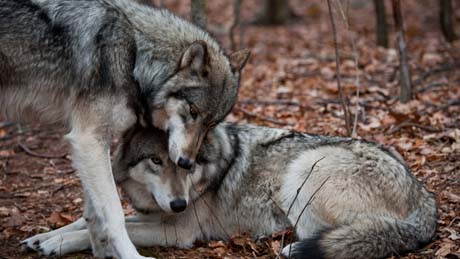


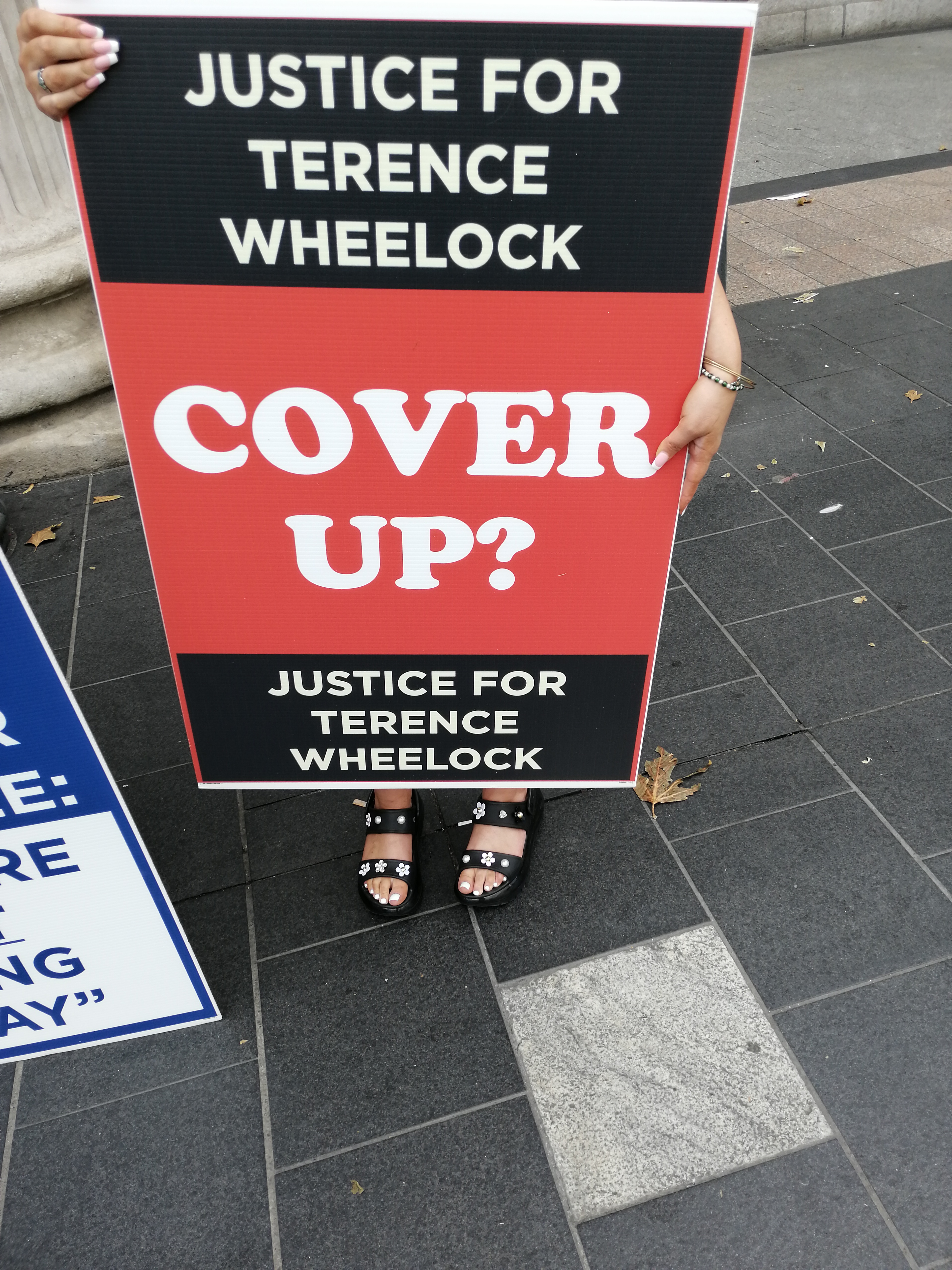
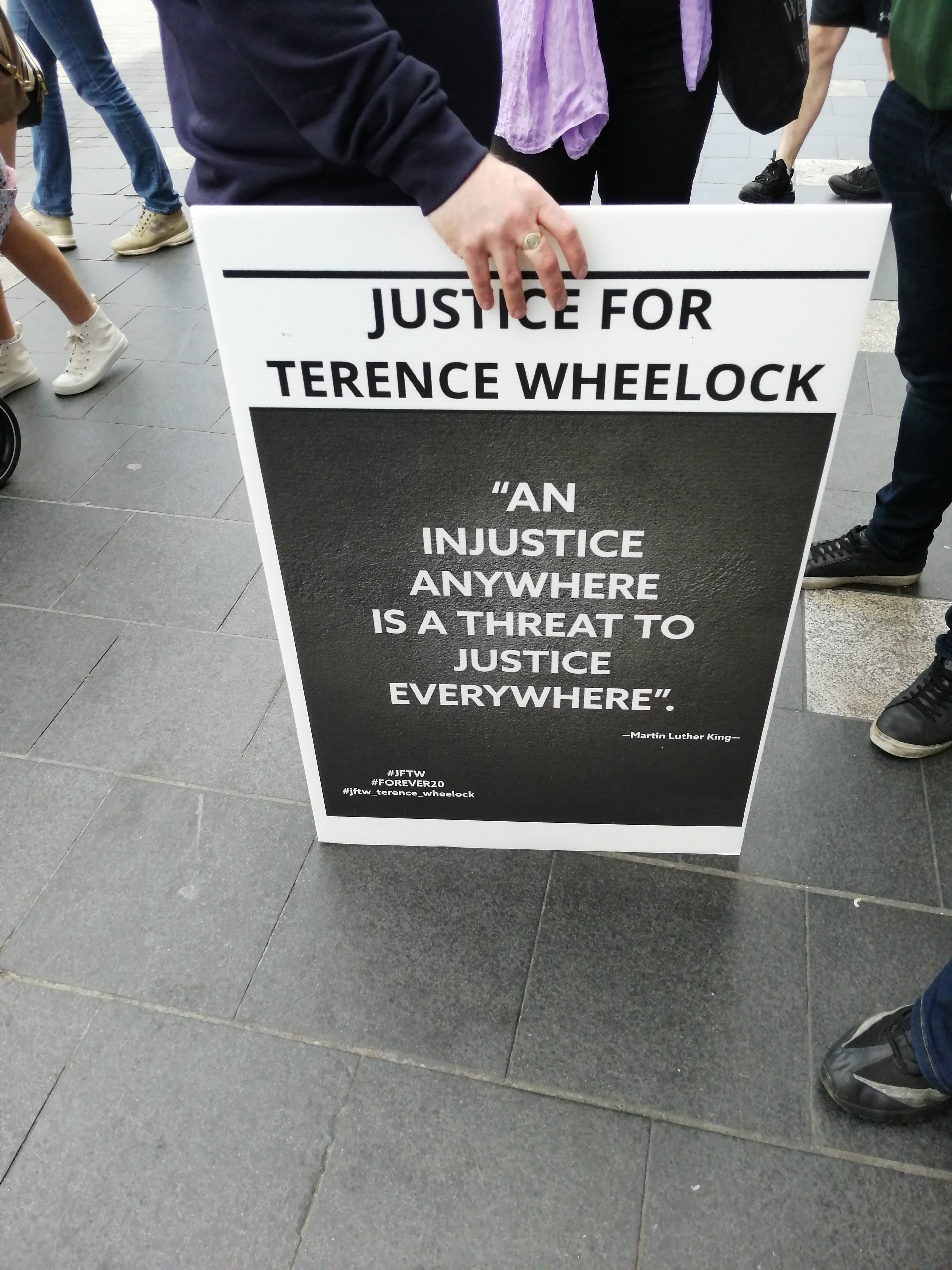


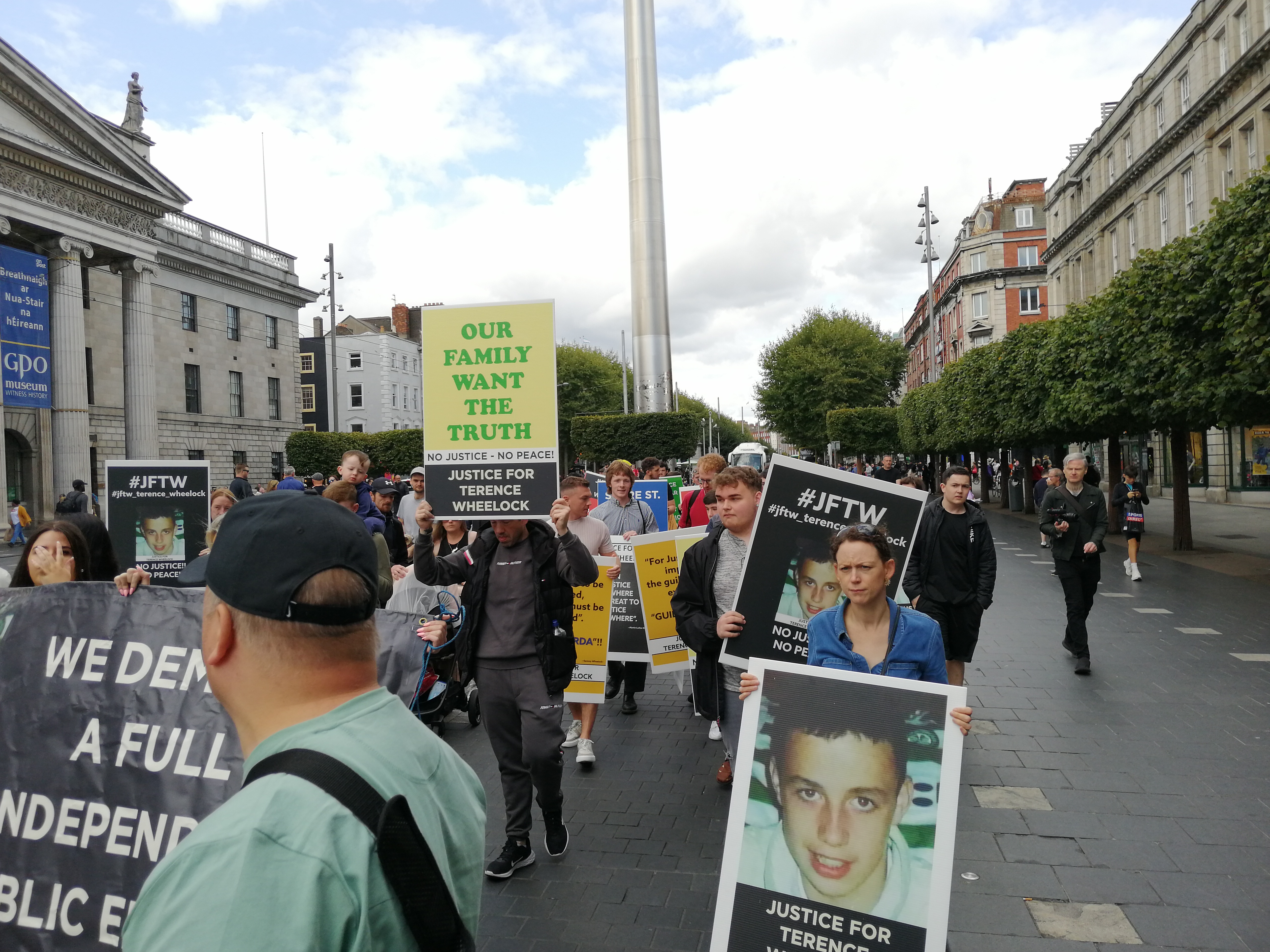

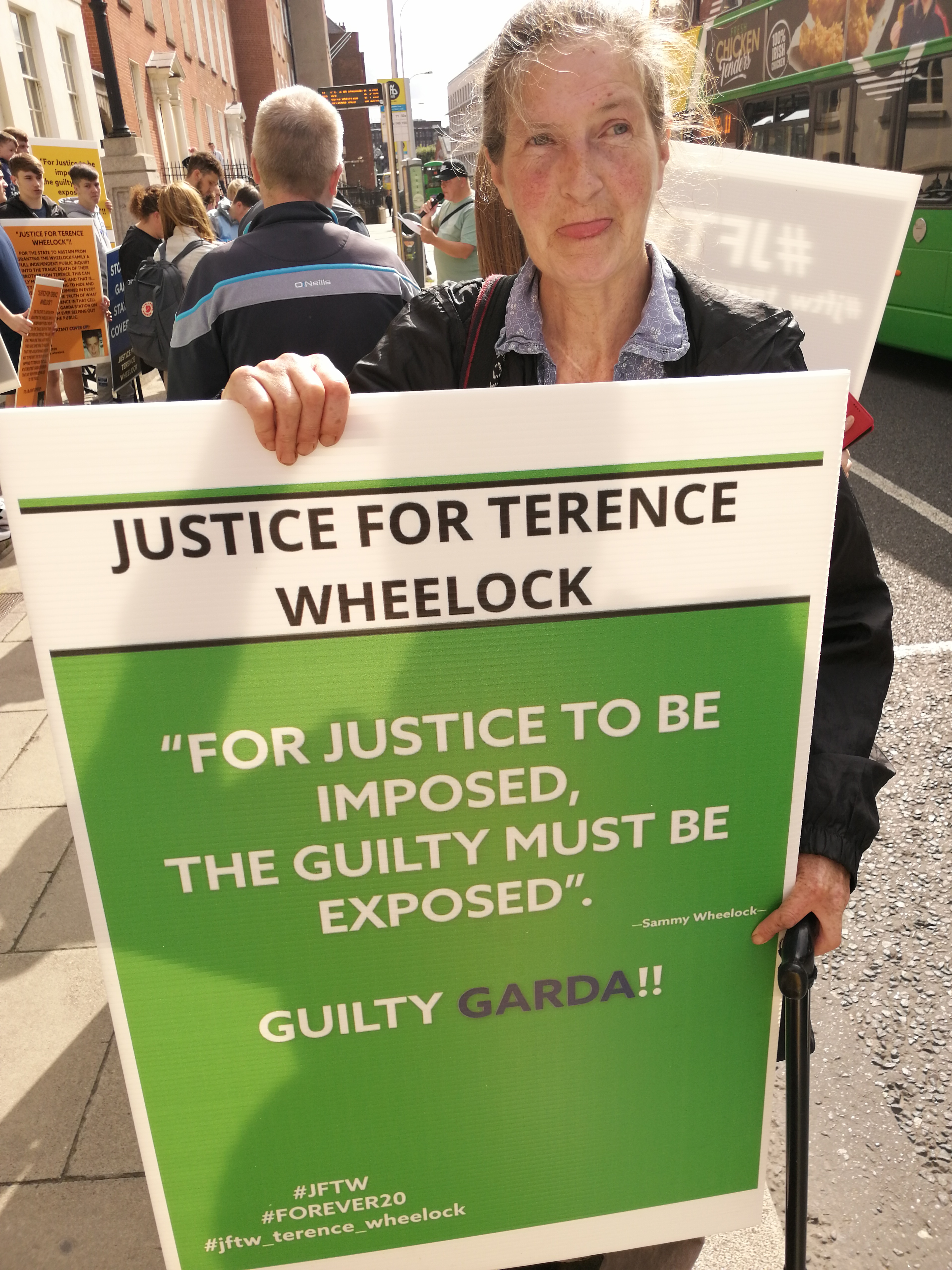


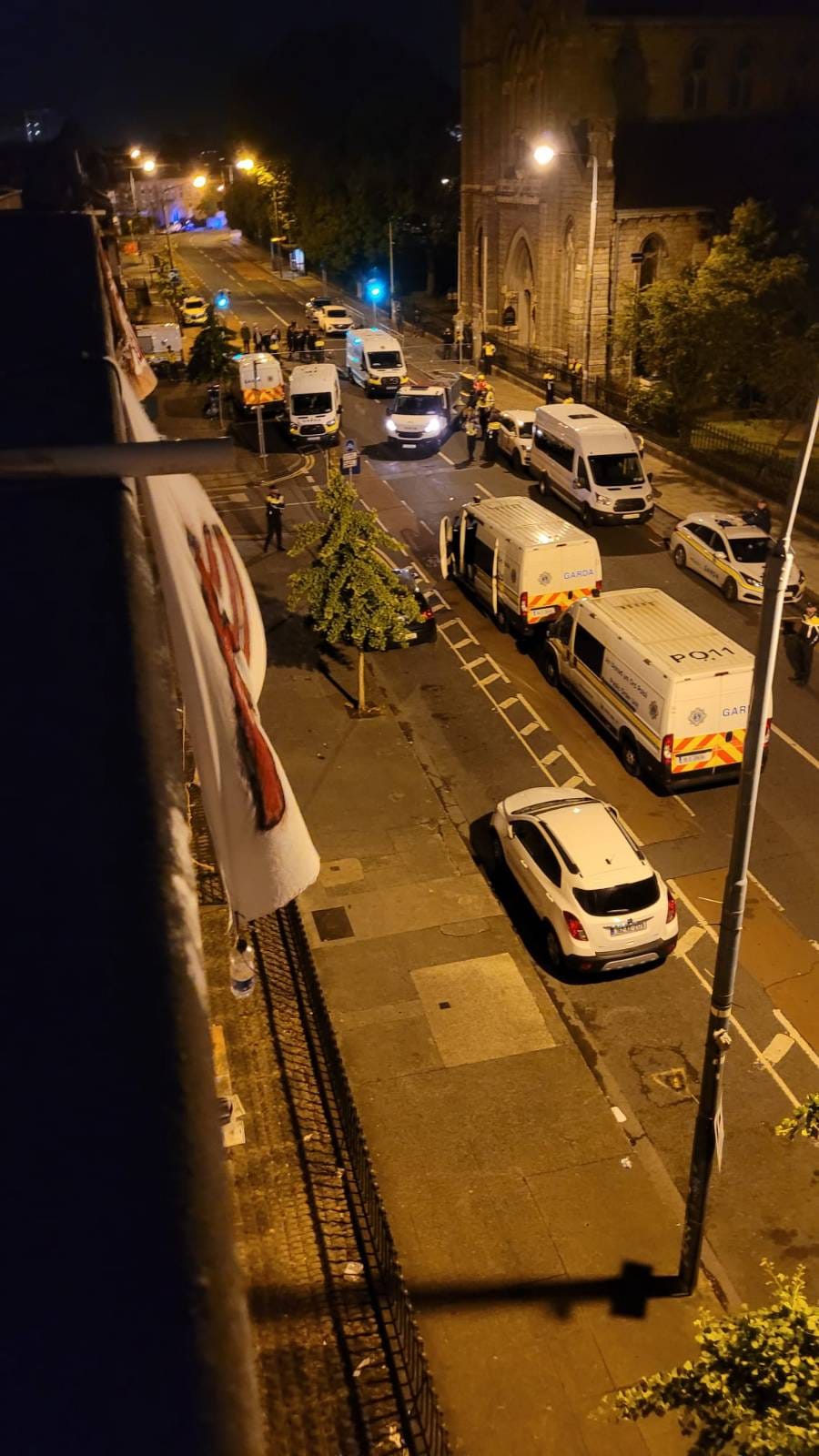

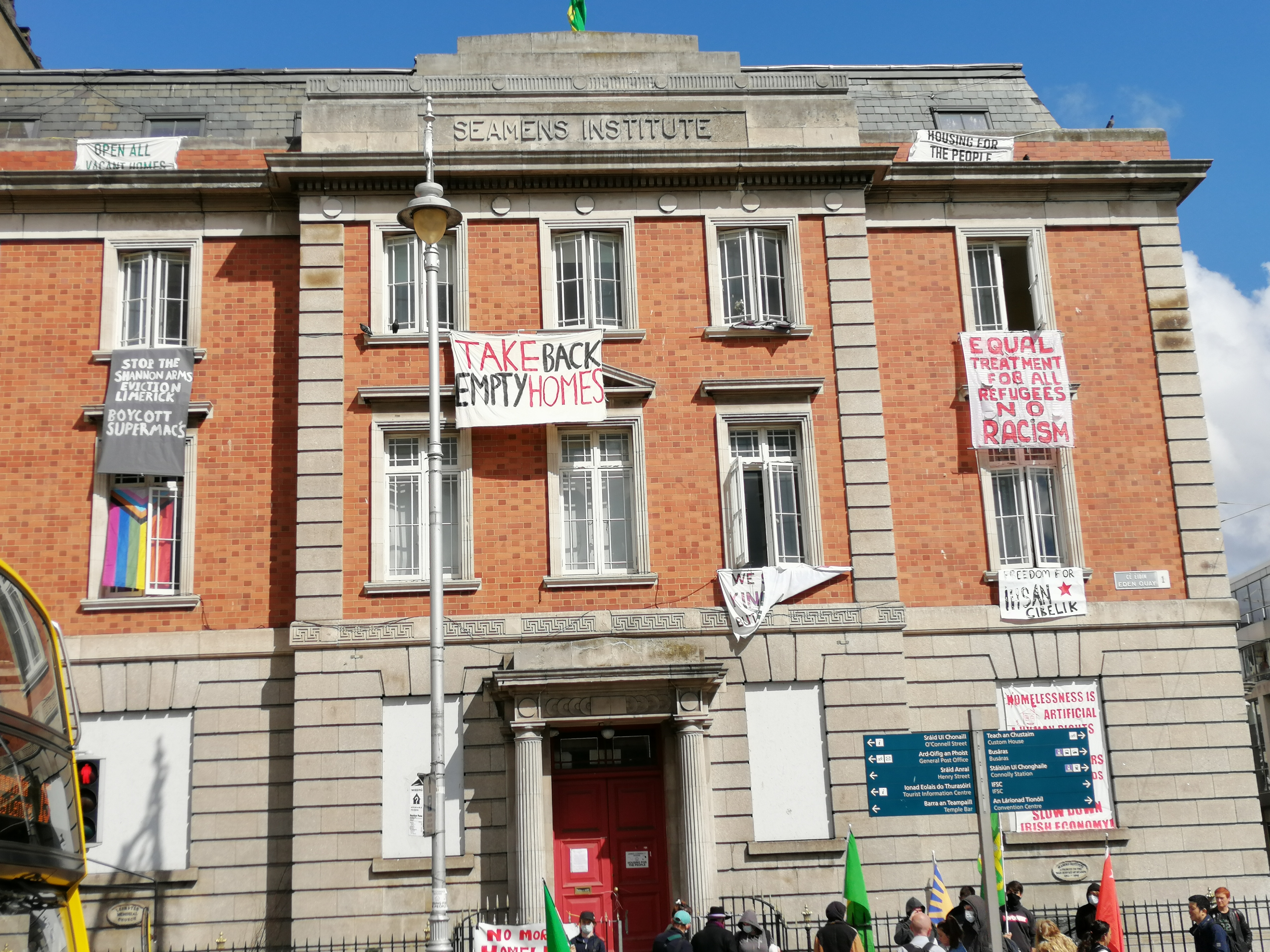


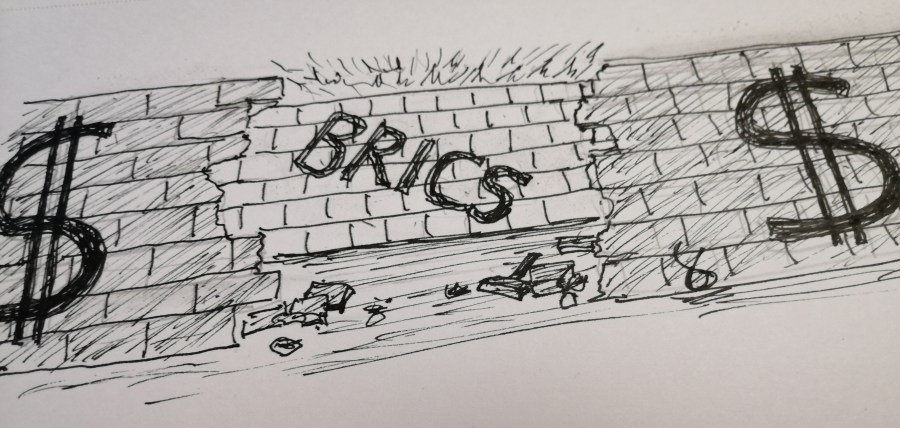
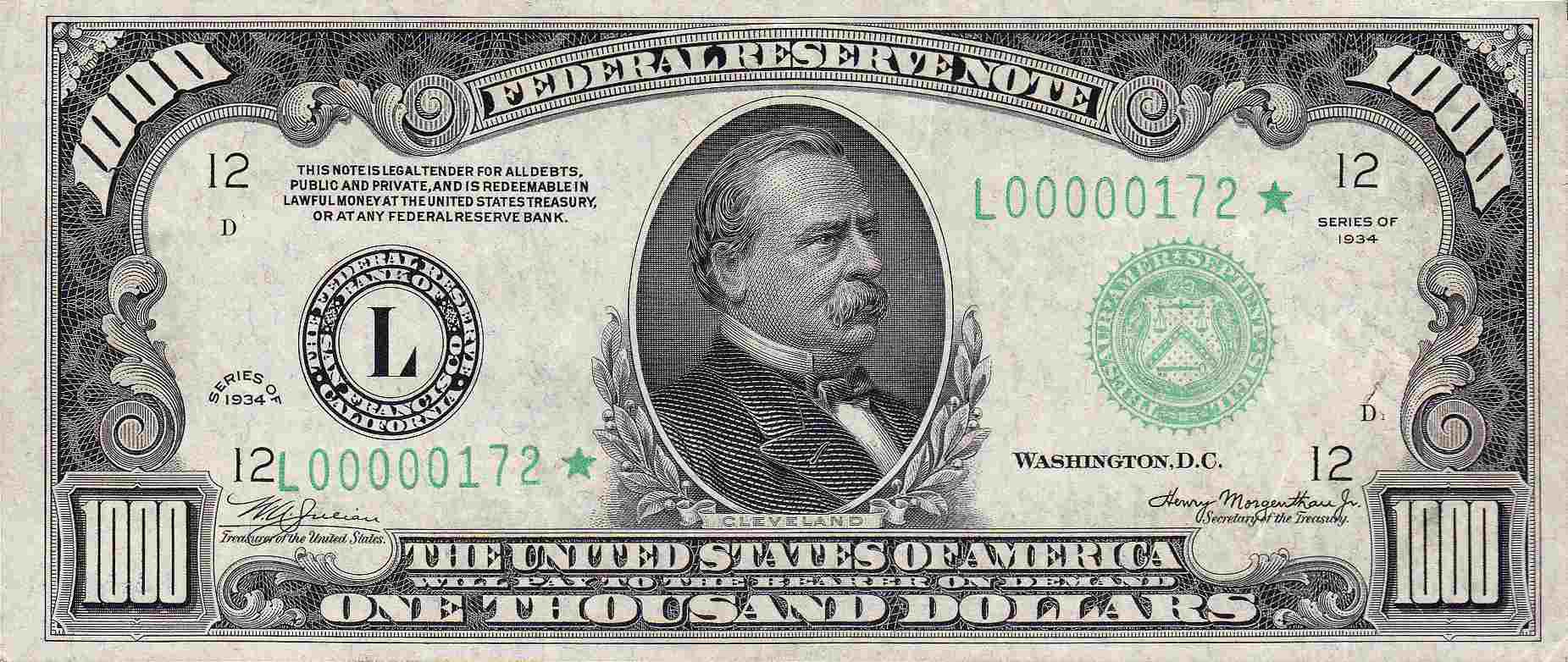
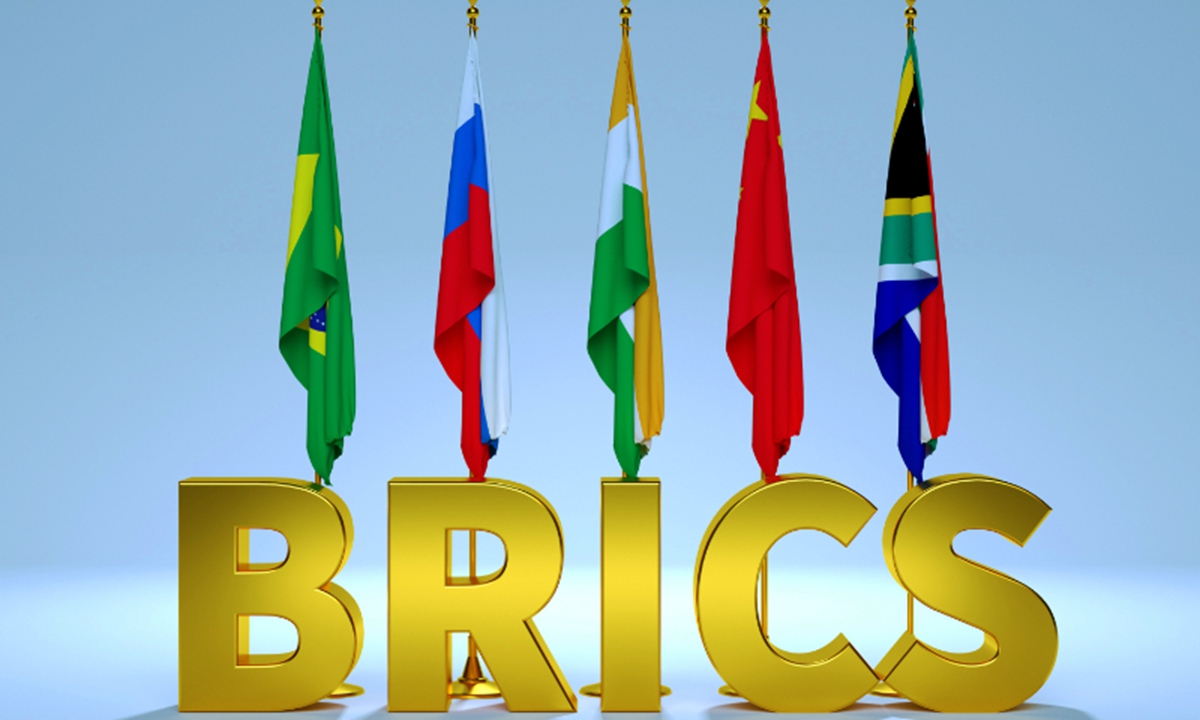
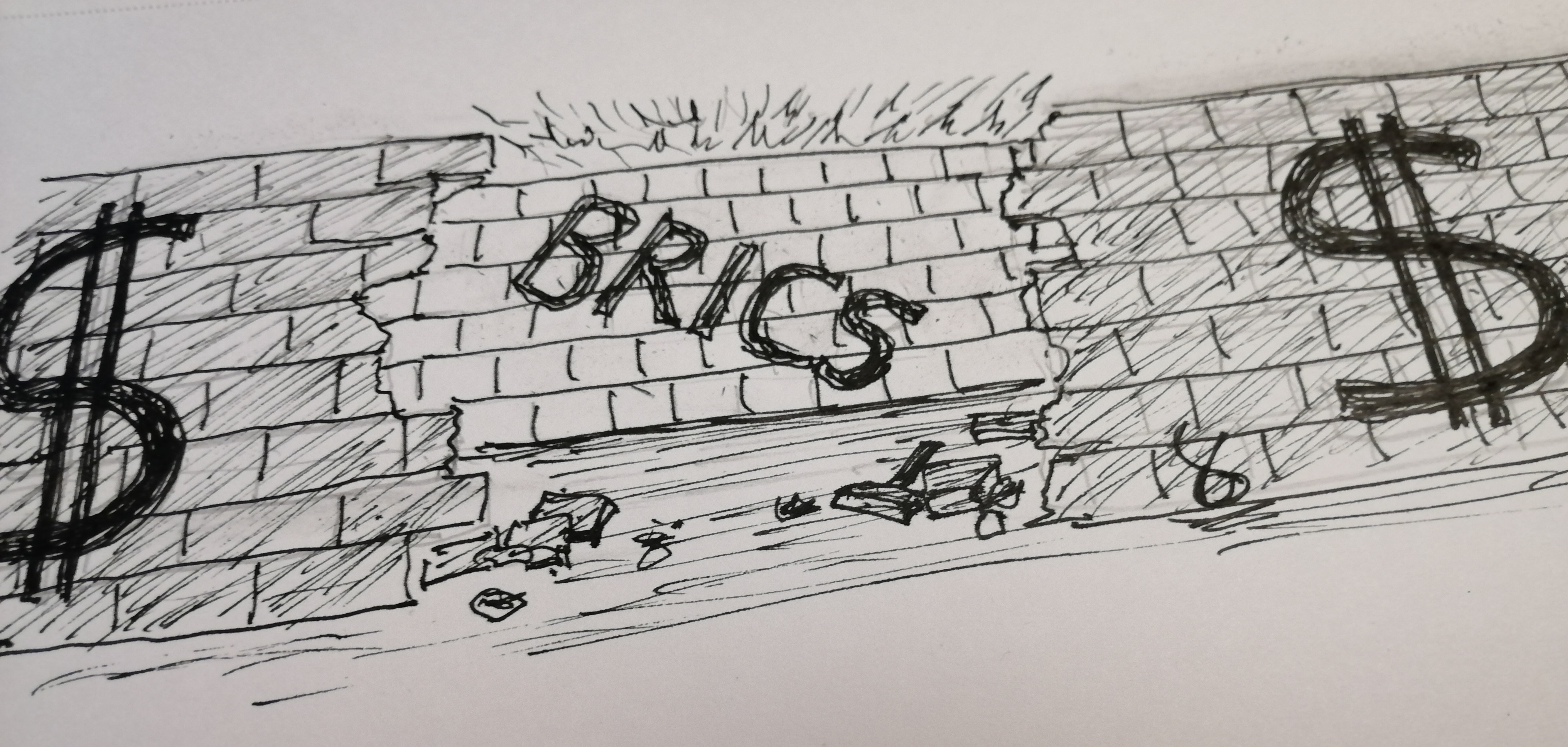
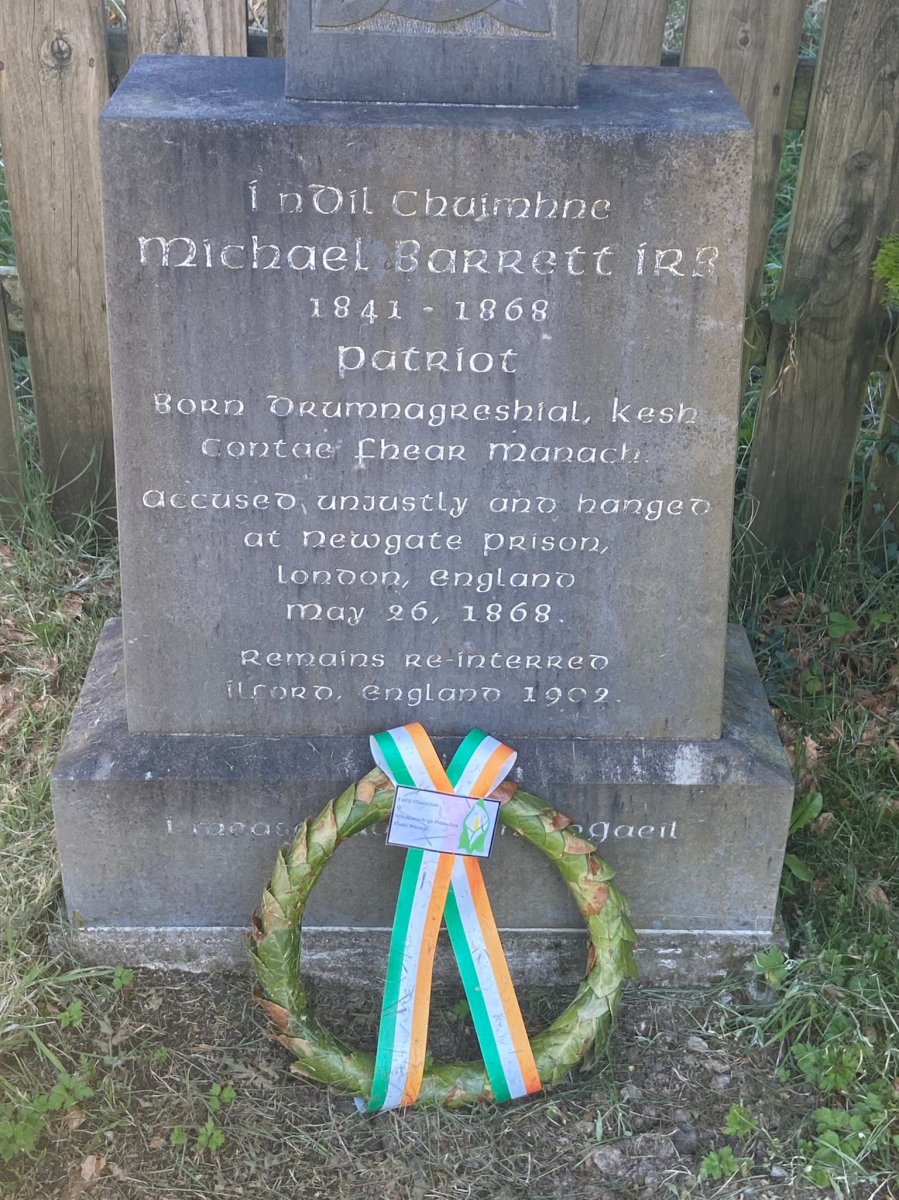
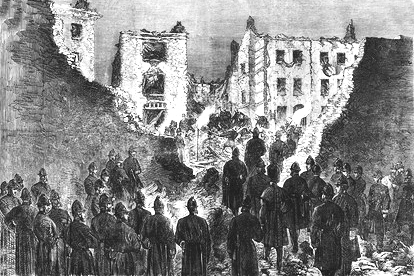
 rebelbreeze