In Ireland, at this time small children will be in playgroups or nursery schools (if their parents can afford them), or in primary schools fearing or looking forward to assessments and turning in homework. In Palestine there are no longer any playgroups, nurseries or functioning schools.
Post-primary students in Ireland will be preparing for the Junior or Leaving Certificates, a high-stress situation for many. Palestinian children in Gaza don’t have to work about any of that, only about whether, their parents, friends, neighbours will survive the Israeli bombings and sniper attacks.
Or get enough to eat every day and dry warmth protection from the weather. There wouldn’t be much point in sitting the final post-primary exams in Gaza anyway, even if there were somewhere safe to hold them. The Israelis have demolished all their universities.
Even before last year, what would the young do with a degree in besieged enclave of Gaza? Yes, some could get out to other countries in the West or in the Arab world but, if they did, they knew there was never any guarantee of being allowed back.
Over all, there is a horrific statistic to add to all the others of Israel’s genocide in the past six months: the zionist state has killed 13,800 Palestinian children in Gaza and injured over 12,000, which is why some people carry bloodstained white bundles or empty nursery chairs on Palestine solidarity marches.
Despite how distasteful the task it is nevertheless useful to subject media reports to a truth-and-lies analysis, which what I have done to this Reuters report in Breaking News ie.
Israel’s allies demand answers after airstrike kills aid workers in Gaza.
It is true that 1) the Israeli military killed (seven) aid workers in Gaza and 2) that allies of the zionist state have been obliged to protest strongly.
But the first lie appears in the first sentence of the report: “Israeli prime minister Binyamin Netanyahu confirmed Israel mistakenly killed seven people …” How can it be a ‘mistake’ when THREE VEHICLES ARE EACH HIT, ONE AFTER THE OTHER?
And how can Reuters report “confirmed” as though it were true?
One of the aid agencies’ vehicles showing the missile penetration hole actually through part of the logo and text identifying the agency. (Photo cred: Reuters)
WCK… said its staff were travelling in two armoured cars emblazoned with the charity’s logo and another vehicle, and had coordinated their movements with the Israeli military. Not much chance of accident then, was there?
“Unfortunately, in the past day there was a tragic event in which our forces unintentionally harmed non-combatants in the Gaza Strip,”Mr Netanyahu said in a video statement. Unintentionally? See previous paragraph.
The Israeli military pledged an investigation by “an independent, professional and expert body”. What body could that possibly be? The Israeli government has refused to cooperate with the EU investigation of events on October 7th and instructed medical staff not to talk to them.
In fact Israel does not facilitate external investigations and accuses any organisation that does not agree with the conduct of the state of bias and even of ‘anti-semitism’.
At least 196 humanitarian workers have been killed in Gaza since October, according to the United Nations, and Hamas has previously accused Israel of targeting aid distribution sites. True – but not only Hamas has accused the Israeli state of that but many aid organisations and other states.
So report the list of accusers? Nope!
And they weren’t just “killed” as though by unknown persons – they were all killed by the Israeli military. Reporting commentators have noted that when it’s victims of Israel they are reported as just ‘being killed’ while if killed by Palestinians then it’s ‘Hamas has killed’ etc.
In a call on Tuesday, UK prime minister Rishi Sunak told Mr Netanyahu that UK was appalled by the deaths, which included three Britons, and demanded a thorough and transparent independent investigation, Mr Sunak’s office said.
Again, what body could possibly carry out such an investigation in Israel? If it were truly independent and intending to be “thorough and transparent”, Israel would not cooperate with it. All its own investigations conclude with a ‘not guilty’ or at best ‘inconclusive’ verdict.
The United States, Israel’s closest ally, said there was no evidence Israel deliberately targeted the aid workers but that it was outraged … etc. From any logical assessment, three strikes on three vehicles seems pretty conclusive evidence of “deliberately targeting.”
Israel has long denied accusations that it is hindering the distribution of urgently needed food aid in Gaza, which it has besieged in a war since October, saying the problem is caused by international aid groups’ inability to get it to those in need.
This would seem an appropriate spot to report on the few times the Israeli authorities allow supplies to pass from the long, long line of parked aid lorries outside the Rafah crossing gates, which Israeli protesters are impeding with no action by Israel police or army and. But no mention.
Or the times the Israeli military has opened fire on deliveries or on civilians approaching aid supplies that have gone through, or Israel’s execution of the Chief and Deputy of Gaza Police who organised a recent delivery of flour without food riots or Israeli gunfire. But no mention.
The aid convoy was hit as it was leaving its Deir al-Balah warehouse after unloading more than 100 tons of food aid brought to Gaza by sea, WCK said. So it was clearly identified by logo, by prior announcement to the Israelis and by its departure point.
“This is not only an attack against WCK, this is an attack on humanitarian organisations showing up in the most dire of situations where food is being used as a weapon of war,” WCK’s chief executive Erin Gore said. A rare and very true statement but not by the media.
The US-based charity said it would pause its work in Gaza, and the United Arab Emirates, which has financed the seaborne food deliveries to Gaza that WCK distributed, said it was putting the shipments on hold pending safety guarantees from Israel and a full investigation.
Anera, a US-based aid group that works in part with WCK, said it too was pausing operations in Gaza because of safety concerns.
In other words, another step in the starvation of Gaza achieved by the Israeli state.
The conflict began after Hamas attacks on southern Israel on October 7th that killed 1,200 people, according to Israeli figures.An outright lie which does not become truth no matter how often repeated by the western mass media (which it is in every single report).
The conflict began many decades before October 7th with the zionist settler program which intended and proceeded to carry out a program of ethnic cleansing and, from the moment of the creation of the State in 1948, an expansionist and genocidal program.
Nor was it just Hamas that attacked, nor were all the 1,200 killed by the Palestinians but that is a different discussion.
Conditions in Gaza remain extremely precarious with fighting going on in several areas on Tuesday and 71 people killed in Israeli strikes over the past 24 hours, according to Gaza health authorities.
Yes, the Palestinian resistance continues to resist heroically, with innovation and in principled manner (for example not targeting Israeli Army medical evacuation helicopters) and the Israel military continues to kill civilians, even in hospitals.
But you have to go to other sources to get that kind of information, never in the western mass media.
A final thought: If the victims had been seven Palestinians, would we be even reading about it in the western mass media?
There is a belief around that the reason that Israel is being supported by the US and getting away with genocide as far as the Western powers are concerned, is because the Palestinians are dark-skinned and that it wouldn’t happen to ‘whites’.
Those who believe that are mistaken: it would and it did. It is only marginally about skin colour but rather about where the Palestinians are.
Palestine sits in a strategic spot in the heart of the Middle East, with borders to Egypt, Lebanon and Syria, with the Red Sea to the South-east and a Mediterranean coastline to the west, connecting by sea to Europe, Africa and Asia. That made it important to old and to new empires.
The historic land known as “Palestine” in the 19th and early 20th Century was that which up until 1917 was ruled by the Ottoman Empire, now occupied by the zionist Israeli State and those areas recognised as Palestinian by international law including Gaza, the West Bank and Jerusalem.
After WWI, during which the Ottoman Empire, along with Germany had been on the losing side, in the divvying up of the colonial spoils, Palestine (occupied by the British since 1917) was given by the League of Nations in 1922 to one of the War’s victors, the UK.
The UK began to invite Ashkenazi Jews to settle there as part of a European colonial and partly anti-semitic1 project. Of course in those days “semitic” was understood to apply to the Arabs as well as to the Jews and the latter were often referred to by Europeans as “oriental”.
The British, as is the wont of colonisers in general and of them in particular, played the settlers off against the Arab majority.
And of course broke promises about restricting the number of settlers. But after WWII, a high influx of Holocaust survivors organised by Zionists began to head for Palestine and the British, fearing the destabilisation of their colony, tried to prevent unapproved Jews from landing.
The zionist terrorist militias (Irgun, Haganah, Stern Gang) began to attack the British colonial forces and Arab villages. In July 1946, Zionist group Irgun killed 91 people and injured 46 in an explosion at the King David Hotel, location of the British administrative and occupation army HQ.
Damage to the King David Hotel after bomb planted by Zionist terrorist group Irgun in 1946. (Photo sourced: Wikipedia)
The British pulled out in 1947, reneging on all their promises to the native Palestinians. The Zionists began their genocidal settler project with threats to and massacres of Palestinians and the expulsion of 700,000, mostly Muslims — and declared a Jewish State in 1948.
Thereafter the Israeli State began a program of repression and oppression of Palestinians and of colonial expansion. Naturally, this project required ethnic cleansing and genocide of the Palestinians and aggression against Israel’s neighbours.
The USA and the USSR quickly recognised the Zionist State, the USA increasingly funding the state and supplying it with weapons while the USSR permitted its Ashkenazi Jewish citizens to emigrate to the settler colony.
In October 1956, eight years after the founding of the Zionist state, in response to Egyptian nationalisation of the Suez Canal, the Israeli air force attacked Egyptian airfields without warning while British and French Army and Naval forces invaded the country.
The invaders were forced to retreat and the USA admonished France and the UK for, in effect, not realising that the USA and not the old European colonial powers was now the boss of most of the world.
The zionist lobby (both Jewish and Christian) in the USA is often blamed for that imperialist state’s continual support for Israel’s genocidal attacks on the Palestinians.
But the US imperialists have their own reasons for supporting the only state in the Middle East that is susceptible to neither internal national liberation struggle or muslim fundamentalist uprising. It gives the US a safe foothold and also a guard dog to watch the neighbours (e.g Syria and Iran).
RACISM
The Nazis had a racist view of the Ashkenazi Jews, who were mostly fair-skinned. But they also considered the Slavic people (the majority European and light-skinned) as “untermenschen” (i.e ‘subhuman’). It’s estimated they killed at least 1.9 million Polish non-Jewish civilians.2
The Nazis also murdered millions of Russian non-Jewish civilians in genocidal ethnic cleansing of territory, in labour concentration camps, near sensitive battle formations and in reprisals for partisan resistance.
Fair-skinned and even blonde children victims of Nazi racism and genocide. (Source: New Zealand Holocaust Centre “Button project”)
The South African settler racist regime discriminated against all non-European people, in their official categories of “Native”, “Coloured” (mixed race) and “Asian” (mostly from the Indian sub-continent). Nevertheless, they also made some groups “honorary whites”.3
Racism isn’t primarily about skin colour anyway: It is a discriminatory social ideology based on ethnicity and the marker for ‘difference’ can be ‘racial’, national or religious. The Anglo-Norman invaders of Ireland in the mid-12th Century racialised the Irish, who were generally fair-skinned.4
The rational reason behind the racism is to unite in opposition to the targeted groups, whether in order to wage war against them or so as to repress their resistance as slaves or as occupied people. The racists colonise their own minds and attempt to colonise the minds of their targets also.
Not quite two centuries after the initial invasion and part-occupation of Ireland, the British-based Anglo-Normans, now describing themselves as “English”, criticised most of their people settled in Ireland for ‘going native’ and passed laws against their social acclimatisation.
The Statutes of Kilkenny in 1366 attempted to prevent “the degenerate English” from speaking Irish, adopting Irish customs and laws, dressing in Irish style, patronising Irish cultural performance, intermarrying with the Irish and becoming “more Irish than the Irish themselves.”
The main purpose for the Anglo-Norman invasion of Ireland had been occupation by feudal lords to gather rents from the natives but it soon became a question of replacing the natives with settlers. This was not always successful since the Irish people and many clan chiefs resisted.
The cities became fortified centres of colonial occupation, administration and garrison, the colonial city of Dublin known as “the Pale” in reference to the original earthworks surmounted by a palisade; hence “beyond the Pale” signified the native Irish and barbarism to the colonists.
The earlier occupation settlements were in or around fortified constructions, castles and ‘keeps’. Later, town and villages were established with a central square or diamond, i.e in a good defensive shape and entry by natives forbidden. Settler churches were also built as defensive structures5.
Pseudo-scientific racism from white Anglo-Saxon Harper’s Weekly magazine 1899 in the USA. (Sourced: Nothing But the Same Old Story, Liz Curtis).
With the creation of Irish Republican Brotherhood (or the ‘Fenians’) in the 19th Century and their activities in Ireland, the USA and in Britain, the British elite combined anti-Irish racism with pseudo-evolutionary ‘science’ representing the Irish as not quite human or childlike – but violent.
Cartoons in some British popular periodicals, in particular Punch, Fun, Judy(and Puck in the USA) represented the Fenians as monsters, in particular ape-like creatures and racist jibes and ‘humour’ were popularised, a practice which sprouted new variants during the recent 30 Years War.
Updated British anti-Irish racism by cartoonist Cummings, Daily Express, London, 12 August 1970, depicting the colonial British Army as “keeping the peace” between the colonised Catholic/ Nationalist population and the British Loyalists. (Sourced: CAIN)
ETHNIC CLEANSING AND GENOCIDE
All European settler projects imply ethnic cleansing accompanied by genocide to one degree or another: in Africa, Latin America, North America, Australia, New Zealand … but this was practiced by a European power against a European nation also: Ireland.
The British elite used atrocity stories from the 1641 uprising of the Irish to justify and encourage the genocide by Oliver Cromwell’s campaign in Ireland in 1649. Through ethnic cleansing, battle and starvation, Cromwell killed nearing 40% of the Irish population.6
British atrocity propaganda image about the Irish uprising of 1641 to justify Cromwell’s campaign of ethnic cleansing, genocide and enslavement. (Sourced: online).
These figures do not include those he had sent to British colonies in the Americas as slaves.7
The Great Hunger (1845-1848) wiped out, through starvation, well over 2 million of the Irish population of around 8 million and during that and the following decade, probably another 2 million emigrated (many of those too dying on the way or on arrival8).
Monument on the Liffey quays in Dublin to the Great Hunger (1845-1852) genocide of the Irish by the British ruling class. (Photo: D.Breatnach)
DOES IT MATTER WHETHER IT’S DRIVEN BY RACISM OR BY COLONIAL EXPANSION?
Yes, it does. The difference between the two does not change the situation of the Palestinians but it does affect how the genocide may be understood and what the targets of our actions may be.
Liberals would probably prefer the issue to be primarily of racism. If that were the source of the problem we could still be pushing for economic and isolation pressure as was the focus with the anti-apartheid campaign against the South African racist regime.
That is being done now and that’s fine. But the assumption would be that with enough pressure, Israel would be obliged to change its ways and the US leaders would feel pressured to advise it to end its racist discrimination (as they did in the case of white South Africa).
But if the project is colonial expansion, presupposing ethnic clearing and genocide, it is a different situation completely.
No arguing with Israeli zionists, boycott or isolation culturally and in sport is going to change that or get ‘liberal’ Zionism to act against their Right; as Finkelstein recently pointed out, the Nakba and all the settler expansions were carried out under ruling periods of the ‘Left’ side of zionism.
Also, if this settler expansion (or supporting such at least) is part of a US imperialism project, then no amount of campaigning to expose the behaviour of the Zionists is going to be effective in persuading the ruling class of the USA to apply corrective pressure to the zionist regime.
The fact that the basic source of the problem is zionist settler expansion means that genocide and ethnic cleansing will continue as long as the Israeli zionist state exists. And US and Western imperialism will continue to support that as long as they believe it benefits their regional interests.
This makes it clear that the long-term solutions can only consist of ending the zionist project or the ending of imperialism which supports it. The former is of course a smaller objective but at the moment western imperialism is energetically defending the zionists.
A whole neighbourhood in Gaza wiped out by Israeli bombardment months ago (Photo cred: WAFA agency)
It is doings so politically and culturally, with armaments, also with propaganda from its mass media, by repression of its own populations where these are protesting in solidarity with the Palestinians – and in the course of that it is endangering all its facades of justice and objectivity.
In the longer term that is probably a good thing, helping to create the subjective conditions for the overthrow of imperialism and monopoly capitalism.
But we need to help that process along in our own struggles while also making their continued support for zionist genocide of Palestinians as costly for them as we possibly can. While we act in solidarity with the Palestinians we are acting also against our own immediate enemies.
End.
FOOTNOTES
1This may surprise some but the British ruling class was deeply anti-semitic even before Shakespeare wrote his Merchant of Venice script. Not only that, but Balfour, infamous for his eponymous Declaration that Palestine was suitable for Jewish settlement, was personally strongly anti-semitic (I am thankful to Ali Abunimah for pointing that out in one of the youtube discussions of the Electronic Intifada)
4I keep telling people struggling against colonialism and imperialism that they should study Irish history. It’s practically all there: racism, invasion, division, settlers, plantations and ethnic cleansing, recruitment of native enforcers, undermining of native culture, religious oppression, genocide (twice), partition, recruitment of sections of the elite and nationalist political parties.
5Though this also had a history in medieval Europe. The administrators of the Ulster Plantation at the start of the 17th Century allocating grants of land specified that those who got parcels of land had to be English-speaking, be Protestant, build defensive structures and not employ Catholics.
7This has become something of a controversy, with racists of Irish diaspora background claiming parity with the slavery experience of Africans in the southern USA and some anti-racists denying it, saying the Irish were indentured servants. Both are mistaken: Irish were sent in slavery by Cromwell but subsequent Irish were sent in indentured servitude which, bad as it is, is not chattel slavery and the historical slavery period of the Irish in the USA was nowhere near as long as it was for the Africans.
8Over 3,000 are buried on Grosse Isle alone, an island in the St. Lawrence River in Quebec, Canada.
Numbers approaching 100 thousand marched in Palestine solidarity in Dublin on Saturday as the Ireland Palestine Solidarity Campaign held its 5th national march since October, attended by people from Donegal to Cork and from the 6-County British colony.
It took place in a week in which the genocidal zionist settler state exercised its “right to defence” by its fourth attack on the Al-Shifa Hospital, massacring over 170 unarmed civilians including women and children and using others as human shields.
(Photo: D.Breatnach)(Photo: D.Breatnach)
In addition the zionists executed the Chief of the Gaza police and a Deputy (along with the latter’s family), claiming them to be guerrillas but apparently in retaliation for their successful organisation of a recent flour delivery without riots or any civilians murdered by the Occupation Forces.
Meanwhile, the response of the colonial and zionist collaborator, the Palestine Authority, was to continue its repression of Palestinians in parts of the West Bank and to open fire on the funeral of three martyrs1 of the heroic latest battle of Jenin, a scene of many past battles.
The front of the march begins to enter Dublin’s main street, O’Connell Street (Photo:D.Breatnach)
The official figure for Palestinians killed in this latest genocide on screens and before the eyes of the world is now nearing 33,000 dead with well over 74,000 injured and an estimated 8,000 buried under rubble from Israeli bombing in the zionist state’s “right to defence”.
None of the leaders of the Western imperialist states seem to ask themselves whether, if this is truly the necessary cost to Israel’s ‘defence’, does that state deserve to exist at all?
“Nakba never ended” placard seen in this section of the march in O’Connell Street (Photo: D.Breatnach)
MARCH AND ZIONIST PROVOCATION
The march began as has become customary at the Garden of Remembrance2 in the north side of the capital city from where it eventually began to make its way down through the city’s main street, its end taking nearly half an hour to pass through and to cross the river to the south side.
From there, chanting slogans that have since become well-known in solidarity of the Palestinians and their right to self-determination, in outrage at the actions of the zionist state and its imperialist supporters, the marchers made their way to rally outside the Department of Foreign Affairs.
(Photo: D.Breatnach)
Here many listened to speeches and performances but significant numbers shortly peeled away to make their ways back home or to relax in the city’s cafes and restaurants (after all, what were they going to hear that they had not heard and read before?).
Irish Republican organisations were not noticeably present, even those few that had been visibly present on recent demonstrations; difficult to guess at the reason, even with preparations for 1916 commemorations no doubt being undergone for next weekend and afterwards.
As usual on large demonstrations, the marchers had not experienced the insults and bizarre shouts of “Traitors!”3 by far-Rightists and racists to which smaller solidarity pickets are often subjected but, as part of the march neared Cuffe Street, a man with a large Israeli flag passed them.
From near me shouts of “Zionist! Baby-killers!” arose but he passed. Later he was seen being escorted by a Garda from the rally with his Zionist flag but also a Palestinian flag which people speculated he had taken from a demonstrator.4 Some more Gardaí gathered around the Zionist.
Shortly thereafter, he was permitted/ encouraged to leave the area with at least his flag pole5. Many commented that the outcome would have been very different if it had been a case of a Palestinian supporter provoking a Zionist rally and, indeed, I have witnessed such some years ago.
(Photo: D.Breatnach)
When I lived in London I regularly saw Zionists provoking Palestinian supporters and dancing Israeli dances near them. Whenever outraged demonstrators drew near to challenge them, the Palestine supporters were attacked by the London Metropolitan Police.
At a parallel Palestine solidarity march on Saturday in London, a small group of Zionists waved Israeli and Union Jack flags but were soon swamped by Palestinian and Irish – yes Irish! – flags. In London at least there have been Irish flags on every Palestinian solidarity march since October 8th.
(Photo: D.Breatnach)
TRADE UNIONS
Banners and flags of Irish-based trade unions were well-represented on the march but with at most a couple of dozen marching behind them. Specific worker groups such as “Health Workers for Palestine” replied to my enquiry that they had organised the group without support from their unions.
Banners of INTO, the largest teaching union in Ireland (primary level in the state and primary and post levels in the colony) precedes some flags of the UNITE union. (Photo: D.Breatnach)(Photo: D.Breatnach)
Where are the militant actions by the trade union brothers and sisters of murdered Palestinian medical staff including paramedics, journalists (for which job Palestine is the most dangerous place in the world), food distribution workers, poets and writers?
It is well past the time when it was sufficient for Irish trade unions to bring banners and flags on to the street every couple of weeks with a dozen members or so marching behind them. In October they should have been leading their members to the marches in at least their hundreds.
By November last year at least, the trade unions should have been planning actions to take in physical solidarity, moving beyond marches and pickets to sit-downs and other kinds of solidarity action. How do Israeli goods come into Ireland and how are they sold?
(Photo: D.Breatnach)(Photo: D.Breatnach)
Clearly they are handled and administered by workers and some of those at least6 are unionised. Union-backed boycott actions would put pressure not only on the Israeli economy but also on other companies colluding with them, as with the supermarkets who stock their products.
Pressure on the latter would translate into pressure not only on the Israeli state but on the political management of the economic bases of states and also on the political management of the countries where they are operating, for example in Ireland.
Who knows, the unions might even boost their recruitment with such action, in a country where once most would not dream of crossing a picket line but where now many youth do not even comprehend the nature or purpose of a trade union.
(Photo: D.Breatnach)
REPRESSION
Meanwhile, those who ARE taking action in solidarity with Palestine are experiencing repression, not yet to the extent that is occurring in the French and German states, but repression nevertheless. Some marchers on Saturday carried a banner protesting the criminalisation of solidarity.
(Photo: D.Breatnach)
In recent months a number of people have experienced dawn house raids by the police, in addition to arrests in the course of demonstrations or pickets. Defence of people victimised for solidarity actions has always been an important part of solidarity movements.
Most of the political parties nor the IPSC will be organising or even calling for such defence and it is up to the ordinary people in the solidarity movement to mobilise to attend and protest the court cases and attend pickets in solidarity with victimised activists.
(Photo: D.Breatnach)
In the months ahead, those victimised up to now and quite possibly more still will be attending court on separate dates as their cases are scheduled to be heard. It is also important as a general principle that activists refuse to agree to refrain from solidarity actions as a condition of bail.
A number of Palestine solidarity activists recently had a private meeting with officials of the Irish Council for Civil Liberties and the organisation also held a recent day of sessions and workshops on civil rights for protesters.
Campaigning organisation for housing and against evictions (Photo: D.Breatnach)
SHAMEFUL SHAMROCKS
Saturday’s march took place a week after St. Patrick’s Day when to the disgust of many people in Ireland, representatives of the Irish Government and even of a number of Opposition political parties attended in Washington to celebrate the day with President Biden and others.
As a result, no doubt, the presence of the Sinn Féin party on the march was small and muted and the flags of the Social Democrats absent, a party recently prominent in pressure on the Irish Government to join the ICJ case against the Israeli State and even to expel their Ambassador.
One supposes that those who are in a queue to manage the Gombeen state have to show their fitness for doing so by bowing before the leader of western imperialism; whatever their private feelings may be, they need to show that they have the stomach to do what the system requires of its servants.
“No shamrocks for Genocide Joe” placard in this section of the march (Photo: D.Breatnach)
LESS SLOGANS and LESS IRISH?
It seemed to me that there were in general less slogans being chanted on this demonstration and that that their range was less than usual. Possibly this reflects a feeling that the demonstrations are becoming more routine and less capable of stirring emotion.
Possibly too, the sheer daily weight of zionist atrocities is oppressing people and wearing down their capacity for outrage. In either case it would seem that in addition to giant demonstrations, other actions are needed to release the latent emotional energy of the people.
(Photo: D.Breatnach)
On this demonstration there was much less Irish language seen in placards, flags or banners than has been the case recently and which had been growing over the months, as I’ve been commenting upon in previous reports. This is regrettable and hopefully will be remedied.
The Irish language NGO Connradh na Gaeilge had a group and banner on the march as has been the case for months, shouting among other slogans “Saoirse don Phalaistín!” A small group also had a banner in Irish declaring that they were Múinteoirí (teachers) ar son na Palestíne.
(Photo: D.Breatnach)
ART AGAINST GENOCIDE
(Photo: D.Breatnach)
The lines of baby romper suits or baby-grows made their appearance on the march again as did the bloody butcher image of Prime Minister Netanyahu, with a diabolical Biden on the reverse of the placard. A large ‘puppet’ of Biden with bloody hands was carried riding above the march.
Tail end of Mothers Against Genocide followed by puppet of bloody-hands US President Joe Biden (Photo: D.Breatnach)LGBT section denounces Israeli state’s attempt to paint itself as liberal through decriminalising the LGBT community (Photo: D.Breatnach)
The A2-size beautiful coloured image of Palestinian resistance solidarity was seen again but however overall the variety and ingenuity of home-made placards seen previously had diminished.
The Mothers Against Genocide group carried their white bundles depicting the slaughter of Palestinian children and sang sentences in Arabic and Irish from Róisín Elsafty and Sharon Shannon’s song “An Phalaistín”, effectively interspersed with slogans.
(Photo: D.Breatnach)
The sight that brought a hush over all witnessing it was the section carrying many yellow infant school chairs, a grim reminder of the huge daily ongoing Zionist genocide inflicted on the Palestinian children in Gaza.
End.
FOOTNOTES
1Mohammed Al-Fayed, Ahmed Barakat, Mahmoud Al-Fayeed (Resistance News Network on Telegram, 20/3/’24)
2Originally dedicated to those who fought for Irish freedom since the first Republican uprising in 1798 it has since been recognised as commemorating all those who gave their lives in the nation’s struggle for self-determination (though certainly officialdom would disagree with honouring those who fought that struggle since the founding of the current Irish state in 1921).
3These elements claim it is ‘treason’ for Irish people to support any other struggle than the Irish national one, which they conceive of as attacking immigrants and LBGT people. Their concept of “national struggle” has never included struggling against foreign occupation, supporting Republican prisoners, opposing multinationals’ exploitation of national resources and infrastructure or fighting for universal affordable housing.
4He might also have carried it concealed all along, with the intention of destroying it in front of the marchers; how it came into his possession is unknown to me at this point. He may have departed carrying both flags in his coat etc.
5It did not seem from a distance that the Gardaí had confiscated his Israeli flag but more likely he had been told to remove it from the pole while leaving the area.
6Despite the huge drop in the percentage of unionised workers in Ireland over recent decades.
Original Latuff cartoon. West Belfast mural. Mural blacked out.
Once upon a time, Belfast was famed for its murals, so much so that even now a part of the tourist industry depends on a plastic paddy tour of the current murals on display in nationalist areas of Belfast.
It was the 1981 hunger strike and its aftermath that saw an explosion in political murals in nationalist areas. As the 1980s went on, the technical and artistic quality of them improved dramatically and the politics they sought to represent expanded.
Some of them were very militaristic, others much more political in content. On international issues, murals sprang up on South Africa, Palestine and figures from revolutionary struggles around the world were to be found on gable ends all over the city and indeed in other cities throughout the North.
Nelson Mandela, Steve Biko, Camilo Torres, Che amongst others looked down at the wandering revolutionary tourists who would come over in August. The message was clear: Ireland was part of an international struggle against imperialism.(1)
After the peace process the quality continued to improve, but the politics went for a walk. Twee Celtic murals abounded, young girls dancing a jig displaced images of women holding an armalite aloft for International Women’s Day.
about Imperialism were softened, when not blunted entirely or removed. So, it comes as no surprise to see what has happened to recent murals.
Sinn Féin supporters recently unveiled murals in solidarity with Palestine. They are of good quality and try to capture the suffering of the Palestinians through the images and poignant quotes.
However, they say nothing about who is causing the suffering: the US and Israel, though there are silhouette ghostly like images of soldiers standing over dead children.
There was once a mural on the White Rock Road which pictured a US Indian superimposed over a US flag saying Your struggle, Our struggle. No references are to be made now to the US role in exterminating a people. That is strictly Verboten.
However, someone decided to reproduce a cartoon from the artist Carlos Latuff in mural form in Belfast. It depicts Joe Biden, standing with bloodied hands in front of Mary Lou, who is clearly identifiable in the image, and the leaders of FG and FF, who can be identified from the initials FG and FF on their backs.
The British Army and the RUC used to deface republican murals, not any more. Very quickly, Sinn Féin, officially or unofficially (no pun intended, though it is apt) painted over the mural. It was quickly restored by others, who the artist Latuff described as real republicans.(2)
Sinn Féin are clearly uncomfortable about the issue in the run up their fest in Washington with Biden and not only are they content to throw Palestinians out of public meetings, they will now supress any public artistic attempts to draw people’s attention to the Slaughter Soirée they will have in the White House.
Many Palestinian voices such as the Electronic Intifada have called on Sinn Féin not to go to Washington, the calls in Ireland have been much more muted and tamer on the issue. However, it is a clear issue, what is colloquially called a no-brainer.
You don’t have to think very deeply to understand that Sinn Féin shouldn’t go to Washington DC, that they should tell Genocide Joe they don’t want to meet him. They will go and they will say nothing about Palestine.
Their erasure of a mural criticising them, tells you everything you need to know about their real attitude to Palestine.
Whatever you say, say nothing used to be a catchphrase about loose talk and informers, now it means never to mention Joe Biden and the Palestinians in the same breath, unless you are green washing genocide.
Meanwhile Sinn Féin does its part, emulating the British army and vandalising political murals.
Notes
(1) A selection of images can be seen on Bill Rolston’s website. Rolston has chronicled and photographed murals going right back to the 1970s. See https://billrolston.weebly.com
Anti-apartheid activist Nimrod Sejake with some of the Dunnes Stores striker.
Reference has been made on a number of occasions to the heroic actions of the Dunnes Stores Anti-Apartheid strikers in 1984 who spent nigh on three years on strike because they refused to handle South African merchandise.
It has been pointed to as a success story for boycotts and one to emulate. The real story of the strike points to the difficulties we now face in implementing a real boycott of Israel.
I used to go down to the picket line at the Dunnes branch in Henry Street every Wednesday, as we had a half day at school and on Saturdays when there was no school and then more regularly once I had sat my Leaving Cert exam and was, like many young people in 1980s Ireland, unemployed.
So, I recently bought a copy of Mary Manning’s autobiographical account of the strike, Striking Back: The Untold Story of an Anti-Apartheid Striker (Collins Press).
The book brought to mind many of the instances and difficulties that they faced and it raises many questions for those who wish to point to them as an example to follow.
The strikers were implementing a trade union resolution, and at first knew little of the reality of South Africa, something they corrected relatively quickly, thanks in no small part to a South African exile, Nimrod Sejake, who turned up to join them on the picket line.
Sejake was an activist who had been arrested as part of the infamous Treason Trial. Mary Manning is full of praise for Nimrod and rightly so.
Others do not come out so well and it is worth remembering the reality of that strike as it tells us some of the things that need to happen if we want to see similar action in relation to Israel.
The first thing that jumps out of the pages, early on, is that the trade bureaucracy did not give them any support and even their own trade union, IDATU (now called Mandate) was very reluctant to support them.
What support they got was down to their official Brendan Archbold who was a stalwart in supporting them and the then head of the union John Mitchell. At every twist and turn they had to fight the executive of IDATU, whilst the rest of the trade union movement ran for cover.
There will be no similar type of action around the Zionists unless it is put to the bureaucracy and they are challenged over their inaction in the midst of a genocide.
Karen Gearon, the shop steward at Dunnes Store made a call at the National March in Dublin on February 17th for the trade union movement to stop talking and take action. It is not something that has been seriously echoed by others.
Neither People Before Profit TDs or the IPSC have ever made a clear call for action from the trade union movement. It should be a central part of any boycott movement now.
It is all well and good picketing Starbucks, but stopping the importation of Israeli goods would be more important and will only happen if the bureaucracy is pushed to it. The history of PbP is one of cowering in the shadow of the bureaucrats and never putting it up to them on any issue.
They frequently share polite platforms with the bureaucrats and never challenge them. Their calls, when made are generic and are in passing. Their website and the IPSC site is limited to a consumer boycott with calls for the government, not workers, to take action.
I was also reminded by the book how the great and good in Irish society stood by whilst these workers were on strike. The Minister for Labour at the time was Ruairí Quinn, a member of the Irish Anti-Apartheid Movement (IAAM) and yet he did nothing.
He was not the only mealy-mouthed figure in Irish society, nor indeed in the Irish Anti-Apartheid Movement.
The head of the Catholic Bishops Aid Agency, Trócaire, Bishop Eamon Casey privately wrote to IDATU early on describing the strike as ‘economically harmful to the already impoverished Black South Africans.’
The strikers’ request for support from the Catholic Church was described as impertinent and just in case anyone doubted how he saw himself, he was of the view that both he and Trócaire should have been consulted before the strike took place.
Their currency now is much devalued in Ireland but there are others like them who also think they have a veto on decisions.
He was later forced to publicly back the strike having been embarrassed by Archbishop Desmond Tutu’s decision to present two strikers to the world at his London press conference en route to pick up his Nobel Peace Prize.
Though that took a while and meantime nuns proudly scabbed and crossed the picket line. Casey’s attempts at sabotage and his later hypocrisy in belatedly supporting the strike, should not be forgotten.
At the time he was seen as a moral guardian, his plundering of church funds to keep his lover and his child comfortable was not known.
There are lots of other figures like him around now, who we might expect to support workers implementing a boycott, but might not when faced with the reality of it.
Another figure who comes out badly in it is Kader Asmal, the head of the IAAM. After three months of strike action, he met with John Mitchell and Brendan Archbold and told them to call off the strike, that it had served its purpose and that he was pulling his support.
When Desmond Tutu invited the strikers to South Africa he privately told them he would not support them going as it was a breach of the cultural boycott of South Africa.
Their trip to the country and the refusal of the Apartheid regime to let them in along with their detention at the airport was a pivotal moment in the strike.
Upon their return to Ireland, Asmal was one of the people to rush to the airport and give interviews and bask in the glory, as his position opposing the trip was never made public. He comes across very badly in the book.
I recall him asking me for information on South African goods coming through the port where I had begun working and Brendan Archbold telling me not to trust him, that he was a sleiveen and would hang me out to dry. He was, and like him there are others just like that on the issue of Gaza.
The contrast with Nimrod Sejake could not have been greater.
Sejake was a working class militant who suffered greatly and enjoyed none of the middle class trappings of Kader Asmal’s life in Ireland and unlike Asmal he had never crossed a picket line, something Asmal did in Trinity College where he worked, scabbing during a strike there.
There are Palestinian equivalents to Asmal and also to Sejake. The IPSC pretends otherwise.
So, what are the lessons of the Dunnes Stores strike?
One is that it wasn’t just a consumer boycott, it was a workers’ boycott and they were left high and dry by many of those who would have been expected to support them.
If we are going to call for workers action, various people and bodies need to be challenged and would have to commit themselves publicly to it. So far this is absent. PbP and the IPSC are not putting it up to any of the institutions.
View of the protest outside Axa Insurance 14 December 2023 while others inside carried out a protest sit-in. (Photo: D.Breatnach)
In fact, the UNITE union complained about a sit-in at Axa Insurance company saying it was harmful to the workers. The sit-in was not organised by the IPSC but by CATU and Dublin for Gaza.
It turns out that UNITE is a bit like IDATU.
The union has also passed resolutions supporting the campaign of BDS and yet “according to union insiders, Axa is Unite’s insurer in Ireland – and Unite’s designated provider of hotel accommodation is the Leonardo hotel group, which is part-owned by the Israeli Fattal group.”(1)
UNITE members taking action would most likely be shunned by their own union. Just like the head of the IAAM, Kader Asmal had tried to undermine the Dunnes Stores strike, there are those in the IPSC who would run for the hills were workers to take action against Israel.
So, we do need to emulate the Dunnes Stores strikers, but we need to be clear about the challenges and the opposition we would face from the trade union movement itself, the Catholic Church (they never went away either) and sectors of the IPSC.
It is time for action, but it is also high time that both PbP and the IPSC made clear calls for action and workers are not left hung out to dry, should they take action.
In Dublin’s south docklands the property developers and the corporations dominate city planning and therefore the landscape. And the working class community there feel that they’re being squeezed out.
I’ve met with some concerned people from parts of this community in the past to report on their situation and concerns for Rebel Breeze and did so again recently.
A view eastward of a section of the south Liffey riverfront, showing a very small amount of more traditional buildings squashed between or loomed over by the “glass cages that spring up along the quay”. (Photo 1 March 2024: D.Breatnach)
YOUNG PEOPLE – education, training, socialising
“There’s nothing here for our young people” said one, expressing concern over the attraction for teenagers of physical confrontations with other teens from across the river which have taken place on the Samuel Beckett Bridge over the Liffey.
A young man training as an apprentice in engineering attends a mixed martial arts club but has to go miles away to another area to attend there. Between his industrial training, travel and athletic training he has little time to spare for socialising.
I comment that those sporting activities tend to concentrate on male youth and only some of those also but he tells me that nearly half the regular membership of his club is female. A community centre could provide space and time for such training but they say they have no such centre.
St. Andrew’s Hall is a community centre in the area and there are mixed opinions in the group about it but I know from my own enquiries that the available rooms are committed to weekly booked activities (and our meeting had to take place in a quiet corner of an hotel bar).
As a former youth worker and in voluntary centre management, I know that a community centre can serve all ages across the community, from parents and toddlers through youth clubs to sessions for adults and elders.
Discussing youth brings the talk into education and training. As discussed in a previous report of mine, the youth are not being trained in information technology, which is the employment offered in most of the corporations in “the glass cages that spring up along the quay.”1
Section of the south Liffey docks showing some of the few remaining older buildings as they are swamped by the “glass cages”. The building on the far right of photo, very near to Tara Street DART station, once an arts centre, is already targeted for demolition and replacement with commercial building. (Photo sourced: Internet)
“If they’re lucky, they’ll get work in the buildings as cleaners or serving lattes and snack in the new cafes”. Some opined that the corporations in the area should be providing their youth with the training while others thought Trinity College should be doing so.
HOUSING – price and air quality
Universal municipal housing in the area has declined due to privatisation of housing stock and refusal to build more. A former municipal block in Fenian Street, empty for years is now to be replaced but the “affordable” allocation has been progressively reduced, ending now at zero.
Pearse House in south Liffey docklands, believed earmarked for demolition and site sold to property speculators. (Photo 1 March 2024: D.Breatnach)
Property speculators (sorry, “developers”) with banker support are building office blocks and apartment blocks in the areas, the latter units priced beyond the range of most local people. The average rent for a two-bed apartment in the area is €2,385;2 to buy a 3-bedroom house €615,000.3
The Joyce House site and attached ground area could provide housing and a community centre but appears planned to go to speculators.
Continuation of ‘Pearse House site’ in south Liffey docklands, believed earmarked for demolition and site sold to property speculators. (Photo 1 March 2024: D.Breatnach)
The Markievicz swimming pool near Tara Street has been closed and the local people are told they can go to Ringsend for swimming, an area which already has better community facilities than are available to the communities further west along docklands
A huge amount of traffic goes through the area and one person stated that Macken Street tested as having the worst air quality in Ireland. “I have to close my windows to keep out the noise and pollution,” said another; “the curtains would be black.”
Townsend Street side of ‘Pearse House site’ in south Liffey docklands, believed earmarked for demolition and site sold to property speculators (prospective property speculators must be salivating). The gambling advertisement coincidentally erected there seems to show the likely social types to benefit from these kinds of deals. (Photo 1 March 2024: D.Breatnach)
‘They want us out’
If some town planner were intending to establish a community somewhere, s/he would plan for housing, obviously, so the people would have somewhere to live. But a proper plan would provide also for education and training, along with social facilities — and employment.
But if someone were intending instead to get rid of a community, s/he would target exactly the same elements, whittling them down or removing them altogether. This what some local people feel is intended for their community.
“We feel we’re not wanted here,” said one and others agreed, “They want us to move out.” “But we’re not going! We’re staying,” said another, to grim nodding of heads around.
HISTORY of struggle … and of neglect
In the late 1800s and early 1900s, Dublin had the worst housing in the United Kingdom and many of its elected municipal representatives – including a number of Nationalists of Redmond’s party – were themselves slum landlords.
When the Irish Transport and General Workers Union was formed by Jim Larkin with assistance from James Connolly and the Irish Women Workers’ Union founded by Delia Larkin, many of the dockers, carters and Bolands Mill workers who joined them came from the south docklands.
And when the employers’ consortium led by William Martin Murphy set out to break the ITGWU in 1913, many of those workers
… Stood by Larkin and told the bossman We’d fight or die but we would not shirk. For eight months we fought And eight months we starved, We stood by Larkin through thick and thin …4
And the women of Bolands’ Mill were the last to return to work, which they did singing, in February 1914.
They also formed part of the Irish Citizen Army, the first workers’ army in the world,5 to defend the striking and locked-out workers from the attacks of the Dublin Metropolitan Police and which later fought prominently in the 1916 Easter Rising.6
Many also joined the larger Irish Volunteers which later became the IRA, along with Cumann na mBan,7 fighting in the Rising, the War of Independence and the Civil War, supporting resistance of class and nation for decades after.
The Irish Republican Brotherhood (the Fenians) was founded in the area; Peadar Macken8 was from here and has a street named after him; Elizabeth O’Farrell9 is from the area too with a small park named after her and Constance Markievicz10 also lived locally.
The Pearse family lived in the area too and Willie Pearse and his father both worked on monumental sculpture at the same address; Connolly and his family for a while lived in South Lotts.
Home of the Pearse family and monumental sculpting business (Photo: Dublin Civic Trust)
The working class communities in urban Ireland suffered deprivation throughout the over a century of the existence of the Irish state and the colonial statelet. The communities in dockland suffered no less, traditional work gone, public and private housing in neglect in a post-industrial wasteland.
The population of Ireland remained static from the mid-1800s until the 1990s, despite traditionally large families — emigration in search of employment kept the numbers level. Married couples lived with parents and in-laws while waiting for a house or flat – or emigrated.
In the 1980s, like many parts of the world, Ireland fell prey to what has been described as the “heroin epidemic” and the neglected urban working class worst of all, with the State assigning resources to fight not so much the drug distributors as the anti-drug campaigners.
One of those in the meeting became outwardly emotional when he talked of “the squandered potential” of many people in the local community.
A workers’ day out trip on the Liffey ferry (Photo sourced: Dockers’ Preservation Trust)
The heirs of these then are the marginalised and abandoned that are targeted with disinformation and manipulated by the far-Right and fascists, to twist their anger and despair not against the causes of their situation but against harmless and vulnerable people.
But the Left has to take a share of the blame, for leaving them there in that situation, for not mobilising them in resistance. After all, issues like housing, education and employment are supposed to be standard concerns for socialists, of both the revolutionary and the reformist varieties.
Republicans cannot avoid the pointing finger either. These communities provided fighters and leaders not only in the early decades of the 20th Century but again from the late 1960s and throughout the 30 years war.
The Republicans led them in fighting for the occupied Six Counties but largely ignored their own economic, social and educational needs at home. Perhaps this is why the people are now organising themselves.
Protest placard by housing block in Macken Street protesting noise and dirt from nearby construction (Photo: Macken Street resident)
“THEY DON’T VOTE”
A number of the local people to whom I spoke quote a local TD (Teachta Dála, elected representative to the Irish parliament) who commented that most of the local residents don’t vote in elections.
Whether he meant, as some have interpreted, that therefore they don’t matter or, that without voting, they cannot effect change, is uncertain. However, community activism is not necessarily tied to voting in elections.
Protest placard by housing block in Macken Street protesting noise and dirt from nearby construction. (Photo: Macken Street resident)
As we know from our history and that of others around the world, voting is not the only way to bring about change and, arguably, not even the most effective one.
Whatever about that question, people are getting organised in these communities and those who hold the power may find that they are in for a fight.
End.
The landscape (and airscape) viewed from a housing block in Macken Street (Photo: Macken Street resident).
FOOTNOTES
1From song by Pet St. John, Dublin in the Rare Aul’ Times.
4From The Larkin Ballad, about the Lockout and the Rising, by Donagh McDonagh, whose father was one of the fourteen shot by British firing squad after the 1916 Rising.
5Formed in Dublin in 1913 to defend strikers and locked-out workers from the Dublin Metropolitan Police; members were required to be trade union members. The ICA was unique for another reason in its time: it recruited women and some of them were officers, commanding men and women.
6Historian Hugo McGuinness based on the other side of the Liffey believes that the reason the British troops sent to suppress the Rising disembarked at Dún Laoghaire rather than in the Dublin docks was because they feared the landing being opposed by the Irish Citizen Army and its local supporting communities.
7Republican Female military organisation, formed 1914.
8Fenian, socialist, trade unionist, house painter who learned and taught Irish language, joined the Irish Volunteers, fought in the Rising and was tragically shot by one of the Bolands Mill Garrison who went homicidally insane (and was himself shot dead).
9Member of the GPO Garrison in the 1916 Rising, subsequently negotiator of the Surrender in Moore Street/ Parnell Street and courier for the 1916 leadership to other fighting posts.
10Member of multiple nationalist organisations, also ICA and in the command echelon of the Stephens Green/ College of Surgeons Garrison. Also first woman elected to the British Parliament and first female Labour Minister in the world.
I learned that the Truth and Neutrality Alliance would be organising a protest on Sunday afternoon (18th) in Dublin’s O’Connell Street and attended in order to take some photos, talk to some people and report on it.
The small gathering with a banner and placards on the central pedestrian reservation in Dublin’ main street opposite the iconic General Post Office building1 included apparently Irish and East European people. They were addressed by a number of speakers.
Separately nearby was a small number of floral tributes dedicated to Alexei Navalny, right-wing anti- immigration Russian political activist and opponent of the Putin regime about whose recent death in Russian jail the Biden regime had made critical statements.
(Photo: D.Breatnach)
SPEAKERS
The first speaker, who appeared to be one of the organisers, denounced the “massive censorship” about the conflict in Ukraine and said we live “in a world of lies” and that “anyone who tells the truth is accused of being a Russian agent”.
He went on to draw parallels between anti-Russian propaganda and that which had been against Syria also. “The end of the war in Ukraine is now in sight”, he said and looked forward to a democracy with full rights for all including Russian-speakers.
The speaker said that one cannot (legally, publicly) be a communist in the Ukrainian state and talked about radio stations being closed down by the Kiyv regime.
In preparation for the end of the war he said that the regime is planning sabotage groups, training terrorists to act in the post-war Donbas as they are doing currently in Russia.
He ended with a reference to “the Banderites” (a reference to followers of the memory of WWII Nazi collaborator Stepan Bandera) and the antifascist slogan from the defence of Madrid during the Spanish Antifascist/ Civil War: “No pasaran!”
(Photo: D.Breatnach)
Bill O’Brien spoke on behalf the Truth and Neutrality Alliance which, he said, had been founded two years previously. “The Russian intervention was necessary”, he said, to act against the carrying out “of atrocities like some in Gaza.”
He went on to refer to “proxy wars such as those in Gaza, Ukraine and Yemen which are financed by NATO” and referred to the Minsk Agreements to which the Ukrainian Government had signed but “had been told by Britain not to honour”, he said.
The Minsk Agreement had been signed twice, O’Brien said and if adhered to, “the war would be over.” He said that “we need to push for the implementation of the Minsk Agreements.”
(Photo: D.Breatnach)
The speaker felt that despite the use of Cold War propaganda, the war would soon be over since the Ukrainian Army was “mainly mercenaries” and currently recruiting women and 60-year-old men.
A third speaker with an Irish accent said that he had been in the Crimea until two weeks previously and that “no-one wants to return to Ukrainian rule. NATO will never get their hands on any of it”, he said.
The Crimea was invaded by Russia in February 2014 and later annexed after a referendum in which the vast majority voted for inclusion into the Russian Federation. Though condemned by NATO allies, the result was no surprise, partly because 60% of the residents were of Russian ethnicity.
(Photo: D.Breatnach)
The official result from the Autonomous Republic of Crimea was a 97% percent vote for integration of the region into the Russian Federation, with an 83% voter turnout and from Sevastopol where there was also a 97% vote for integration with Russia, with an 89% voter turnout.
Crimea and the Donbas region had been under threat or actual attack since the 2006 overthrow of the Ukrainian Government of Yanukovych in what many have described as a US proxy coup. As the war continued, Russia returned to invasion of other parts of Ukraine in February 2012.
The war continues in the Donbas and the Zelensky regime has sworn to retake the Crimea which does not look possible.
One of the people in attendance displays a satirical poster of Zelensky. (Photo: D.Breatnach)
CONVERSATIONS
I interviewed one person from the Ukraine/Russian region who was willing to talk and who asked me first whether I would report truthfully, to which I replied that I would. (But wouldn’t most reporters claim that they were being truthful?).
Larisa Keller told me that although born in Georgia she has lived in other countries during her life and now in Ireland for 14 years. Ms. Keller has grandchildren and wants an environmentally-sound and peaceful world for them in which to grow.
(Photo: D.Breatnach)
“Dismantle NATO is the solution”, she said and “Weapons kill everything in nature” and “new types of weapons” are worse, she indicated, arguing for a ban on the development of weapons. But isn’t Russia also a state with a military, I asked – how does she feel about that?
“At this moment Russia is defending itself,” Ms. Keller said and she herself is supportive of “activities against the pressure of fascism”.
In conclusion, she had this to say: “Tell the world that they should recognise that we live in one world and we should appreciate our ability to stay there; it’s important that we support one another”.
One of the placards displayed at the event (Photo: D.Breatnach)
A young man with an Irish accent in attendance approached and told me that he had an East European girlfriend. He told me also that priests from his Russian Orthodox Church have been killed while pastoring with troops in the Donbas,2 that they are targeted “because they are morale-boosters”.
The young man told me he had friends among the Chechens also.
1Many protests and other events take place in this vicinity, not only due to its central location but also because the building was occupied by the leadership of the 1916 Rising against British occupation for five days.
2The area in the east of Ukraine that is predominantly Russian-speaking where the war is taking place and was besieged by Ukrainian troops, often fascist-led, from 2014 onwards (i.e 8 years before the Russian invasion).
(1. Letter in reply to claims that Sinn Fein has betrayed the Palestinians; 2) Reply by Gearóid Ó Loingsigh)
Greetings Comrades,
I am a former member of Sinn Féin who still lives in a Republican and working-class community. I see a lot of point to your views on Sinn Féin and the peace process. But I think you hit the wrong note in your article: Sinn Féin, the IRA and the betrayal of the Palestinians by Gearóid Ó Loingsigh.
The idea that: “Sinn Féin prefers a hooley, even some furtive carnal or political romance in the halls of power rather than show their solidarity with the Palestinians. They are in love with power, money and the screams from Gaza make them uncomfortable.”
Is not true, is offensive and will put off the people who might otherwise listen to you. The leaders put forward a political analysis and the members accept it. If you want to oppose this, kick the ball and not the player.
Yours, Owen
Reply
Thinking of Sinn Féin, trying not to think of Palestine
Gearóid Ó Loingsigh
22 February 2024
Biden poses for a selfie with Gerry Adams.
To my surprise I have received some feedback from a Republican on my article Sinn Féin, the IRA and the betrayal of the Palestinians, published on the Socialist Democracy site and elsewhere in which I took issue with Sinn Féin’s abominable decision.
Which was to fly to Washington to meet and greet Joe Biden, a man whose hands drip with Palestinian blood. Though given the scale of the genocide, dripping with blood is an understatement as Palestinian blood gushes off his hands, like a burst oil well.
There were a number of points made, some of them more important than the others. One, was my insinuation that corruption was at the heart of the decision, that Sinn Féin were not going to give up on a hooley and a lavish shindig paid for by others.
My comment on the matter was a bit facetious in part. I did describe the event as a hooley, and it is fair to say that it is a lot more than that, though the drunken shenanigans are a part of the festivities and the informal deals to be struck.
Colum Eastwood from the SDLP stated that “I could not rub shoulders, drink Guinness and have the craic while the horrifying impacts of the brutal war in Gaza continue”(1).
I had stated that “Sinn Féin prefers a hooley, even some furtive carnal or political romance in the halls of power rather than show their solidarity with the Palestinians. They are in love with power, money and the screams from Gaza make them uncomfortable.”
There is a part of those sentences that is obviously tongue in cheek. I don’t actually believe that Mary Lou will be trying to get her leg over anyone at the White House, though I wouldn’t discount any of the lower ranking minions on the junket trying their hand.
The furtive political romance was a more serious comment.
St Patrick’s Day at the White House is one for showcasing Ireland, not just in the paddywhackery sense of the word, but it is where informal and formal discussions can take place on economic policy, foreign policy and other matters.
Not for nothing that Varadkar used last year’s event to shore up his support for the NATO proxy war in Ukraine with a false historical narrative about US government support for Irish freedom.(2) The Government’s own propaganda about its importance actually says as much.
Sinn Féin have various corrupt reasons for going. I should point that there are various forms of corruption, there is the type of corruption of brown paper envelopes from Fianna Fáil and Fine Gael politicians seeking or giving favours.
There is another type of corruption, which is that where politicians go along with policies they know to be wrong, immoral, damaging or dangerous for reasons of political expediency, as part of an overall strategy.
Or because money will be legally made by the chosen few as a result of these decisions. Current government policies around vulture funds, the bank bailout (for which Sinn Féin also voted), privatization of the health industry etc., are examples of this type of corruption.
I have no doubt that Sinn Féin members are involved in the brown paper envelope type of corruption, the building industry still reeks of Republican involvement, though they have a long way to go yet to outdo Fianna Fáil and Fine Gael.
But it is more the latter type of corruption that is important.
Two and a half years ago, Pearse Doherty stated that “big business and investors know Sinn Féin won’t go after them”(3). The issue has come up again recently with Sinn Féin seeking to assure US companies that the corporate tax rate is safe with them.
The new head of the Industrial Development Authority Fergal O’ Rourke, in January this year described Sinn Féin as being on an outreach programme to reassure US companies.(4) He was fulsome in his praise for Sinn Féin and he wasn’t the only one.
Henry Goddard from Deloitte Ireland claimed that Sinn Féin had done a good job in calming down international investors by reaching out to them, by meeting with them and even Mary Lou McDonald visiting Silicon Valley was cited as an example.
He stated “Fair play to Sinn Féin, they went out to the US, they engaged, said all the right things and provided a lot of confidence. They now need to follow through on that.”(5)
They are going to Washington to follow through, to reassure not only US businesses but the Irish capitalist class that the economy will be in safe hands with them and those business leaders from IBEC, various companies like PwC and others who have praised Sinn Féin are not mistaken.
Sinn Féin has stated that it is worried that it might not win the next election and has repeatedly spoken about reassuring the so-called business community.
The other aspect of the visit is that were they not to go, it would send a message to their reactionary base in the US that they are on the side of “Islamic terrorists”. It doesn’t matter how true this is, their base in the US has never been very discerning about these issues.
It would also give the government parties something to beat them with and allow them to claim that Sinn Féin are a party unfit for bourgeois government.
Implicit in the feedback is the idea that my criticisms of the provos would annoy or offend Republicans who would otherwise be open to the general message i.e. ‘kick the ball not the player’. But the player and the ball cannot be separated in politics.
If someone is upset at facetious comments about romances and would otherwise be won around, then they clearly haven’t appreciated the scale of the slaughter in Gaza, nor Biden’s role in it and Sinn Féin’s ditching of what would, once upon a time, have been a no-brainer for their base.
Proof is in the pudding and the fact that some Sinn Féin supporters see through the party’s position shows that those who can be won round have been won round already. Those in attendance at the meeting from which three Palestinians were ejected are all lost causes, political degenerates.
This brings us to the last item which is how Sinn Féin is selling this to their base. Part of the criticism of ‘kicking the player’ is that Sinn Féin has taken a position, spelt it out publicly and its members have accepted this. This is not how democracy works in that organisation.
But the position was best spelt out by Gerry Adams. He stated that Palestinians would understand why they had to go. Would they really?
Apart from the corrupt and contemptible Palestinian Authority that spends a full third of its budget on security and repressing other Palestinians, who in Palestine would understand? The parents who saw their children shot and bombed? The prisoners? The families of prisoners?
The thousands of people who pulled others from the rubble with their bare hands? Or just Abbas who while busy stifling Palestinian dissent has had little to say or do on the genocide.
Adams made one further point. He claimed there was a lack of coherence amongst Sinn Féin critics.
“Some folks are saying the Sinn Féin leadership shouldn’t meet with the American political system… They are not saying we shouldn’t meet with the British political system. The Brits are up to their neck in this.”(6)
He is right about the contradiction, but it doesn’t absolve him, rather it condemns those who are ambivalent about it.
All Adams is pointing out, indeed boasting about, is that they are in cahoots with British imperialism and treasure that relationship as much as they do their “special relationship” with the US. He went on to underline this point.
Serious people involved in struggle, particularly people who are involved in national liberation struggles, understand that your own struggle whether it be internationalist has to be your primary focus.
So, they will expect you to raise their issues and we should. They would expect you to stand with them, and so we should. But they would not expect us to do anything – any more than we would expect them to do anything – which would set back our own struggle.
So, I think it’s Irish-America’s day, it may be dominated by what’s happening in Washington.(7)
Adams clearly hasn’t a clue about what an internationalist struggle is. How could boycotting Biden harm the Irish struggle?
Adams’ question goes to the heart of the matter, he and Sinn Féin not only cling to the illusion that the Irish peace process is bringing unity closer but also that US imperialism plays a progressive role in Ireland.
And that upsetting Biden would be a setback and annoy a regime that is committed to some progressive outcome in Ireland.
Adams is not the only one to believe in this progressive role of US imperialism, Yasser Arafat also believed in it and thus we got the Oslo Accords and 30,000 people in Gaza have been murdered by this progressive imperialism of Adams and Arafat.
Courting reactionary elites in the US is not putting the Irish struggle first, it is continuing with Sinn Féin’s gallop to the right. It is to paraphrase the expression about the struggle for socialism in Ireland that Labour Must Wait!
Now Palestine must wait, indeed everything and everyone must wait. What must never happen is that US imperialisms and Sinn Féin’s reactionary base in the US be upset.
Whilst the Republican who gave the feedback is clearly aware of Sinn Féin’s limitations on the issue of Palestine, there is no republican milieu waiting to be won round on this issue that may be put off by the tone of my last piece or other such pieces by other writers elsewhere.
There is no world in which the player and the ball do not both get a well-deserved kicking, indeed, were I in a position to do so, I would give them the hiding of their lives. Alas my efforts are unfortunately more modest than that.
Anyone who is Republican and thinks Sinn Féin is right to go to Washington is thinking only of Sinn Féin and not of Palestine. They are, like Adams and co, looking the other way in the midst of a genocide, something you would have thought was an easy issue to take a position on.
But when you drink of the Peace Process Kool Aid, you don’t drink half the glass, but chug the whole glass down in one go, like Mean Joe Greene in the famous Coca Cola ad of the 1970s. Like Greene, Sinn Féin has been asked to reshoot the scene time and again.
Greene vomited after his sixth coke, though he had to swallow eighteen, 16-ounce bottles on the final day of shooting.(8)
There is no end to what peace process supporters are asked to swallow and unlike Greene, no sign anyone in Sinn Féin is about to puke at the nauseous spectacle of being asked to sideline a genocide for the meet and greet in Washington DC.
Thousands on Saturday (24th) witnessed Palestine supporters demonstrating outside the Israeli Embassy in Dublin’s Ballsbridge, their reactions for the most part ranging from neutral to applause, some having their photos taken alongside the picketers.
On this Saturday there was no Palestine solidarity march in Dublin and some instead attended a picket of the Zionist Embassy.
There were also a handful of hostile provocative reactions, ranging from mention of “the hostages” to cheering “Israel” and one who tried to make an issue of Jewishness but was firmly told that opposition to Zionism has nothing to do with anti-semitism.
Palestinian solidarity flag displaying designed by Brazilian political cartoonist Carlos Latuf during an earlier attack by the Zionist State on Palestinians.The building housing the Israeli Embassy is in the background. (Photo:Rebel Breeze)
Those who mention “the hostages” refer only to the 130 or so prisoners taken by the Palestinian resistance in their operation of October 7th, never to the thousands of civilians, including children, taken prisoner by the Zionist state and, if judicially processed, tried in Israeli military courts.
Initially the crowds leaving the Rugby game between the Irish and Welsh teams, seemed neutral as they passed the picketers but gradually grew warmer.
The handful of passersby who expressed support for the Zionist state were militantly denounced by the picketers as “Genocide supporters” but much more common from the crowds were signs of approval such as applause, thumbs-up and occasional cheers and clenched-fist gestures.
A few in the crowd also shook hands with or gave a fist-bump to a demonstrator and some also thanked the picketers.
Some asked to have their photos taken alongside a picketer, one also waving a borrowed Palestinian flag. A woman approached one of the demonstrators, removed her Ireland rugby colours scarf and wrapped it around the picketer’s neck, saying “We support you” before walking away.
One of the Palestine solidarity picketers wearing the Irish rugby colours scarf with which he was presented by one of the Irish team’s fans returning from the game. (Photo: Rebel Breeze)
The nearly non-stop chants of the picketers, led by a young man of Middle Eastern appearance in a keffiyeh were directed at solidarity with the Palestinians and denunciation of the Israeli State, including calls for boycott and sanctions and the expulsion of the Israeli Ambassador.
One of the female demonstrators, a regular at the site, is garbed in white “blood-stained shroud.” At least half the picketers appeared Irish by appearance and accent. A majority were female, which seems to be the pattern in pickets, rallies and marches in solidarity with Palestine.
The thousands who passed the picketers were in contrast to the earlier near-deserted Shelbourne Road, as the Gardaí had closed the road to vehicular traffic in the vicinity of the Aviva Stadium where the Ireland rugby team was playing the Welsh one.
A fragment of the rugby fans leaving the Aviva Stadium after the game and passing the picketers. (Photo: Rebel Breeze)
The Israeli Embassy moved in 2019 to its current location on the fifth floor of a multiple-business-occupied building at 23 Shelbourne Road. Formerly the zionist embassy occupied an upper floor at Carrisbrook House, Northumberland Road, with every other floor unoccupied.
Some of the occupants of the current building, which is protected by a Garda presence, have reportedly asked their landlord to remove the Embassy but the request was denied.
When Gardaí reopened the road a senior Garda officer directed the demonstrators, ‘for their safety’, to remove from the road in front of the Embassy building to the side. However, it is the Gardaí who have barricaded off the entire section of pedestrian pavement in front of the building.
It seems likely that this will become an issue at some point in the future.
The scene outside the Israeli Embassy in Dublin shortly before the commencement of the protest, showing the pedestrian footpath completely fenced off by Garda barricades. (Photo: Rebel Breeze)
THE RUGBY
The Irish team beat the Welsh one 31-7 on Saturday. The Irish rugby team is a 32-County team, unlike soccer, where the Irish state and the colony each has their own ‘national’ team and are obliged to compete against one another internationally.
However, the song played for the Irish rugby team is the anodyne Ireland’s Call and not Amhrán na bhFiann/ The Soldiers Song, which is played for the Irish soccer team and in Gaelic Athletic games.
Rugby has gained in wider popularity in Ireland in recent decades but formerly in most parts of Ireland was considered a game for Anglophiles or “West Brits”.
Also, with the exception of Limerick, socially a game of the upper middle class, being played in Anglican colleges and in Catholic colleges of the English public school model.
Until the advent of the now-defunct Irish Press(1931-1995), neither of the main national newspapers, TheIrish Times nor TheIrish Independent reported on Gaelic Athletic Association games, reporting instead on the minority rugby, hockey and cricket matches.

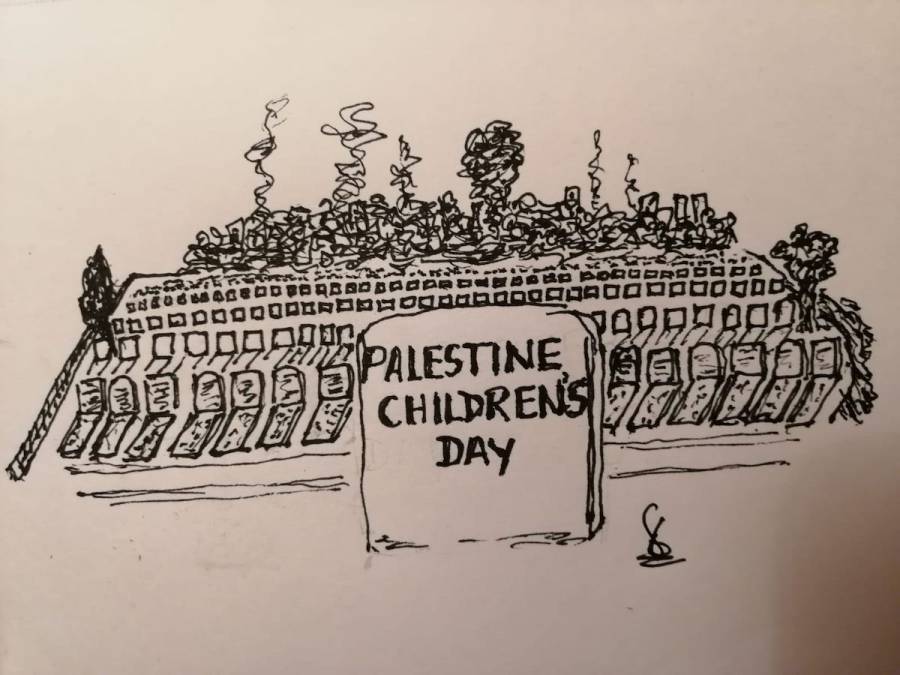
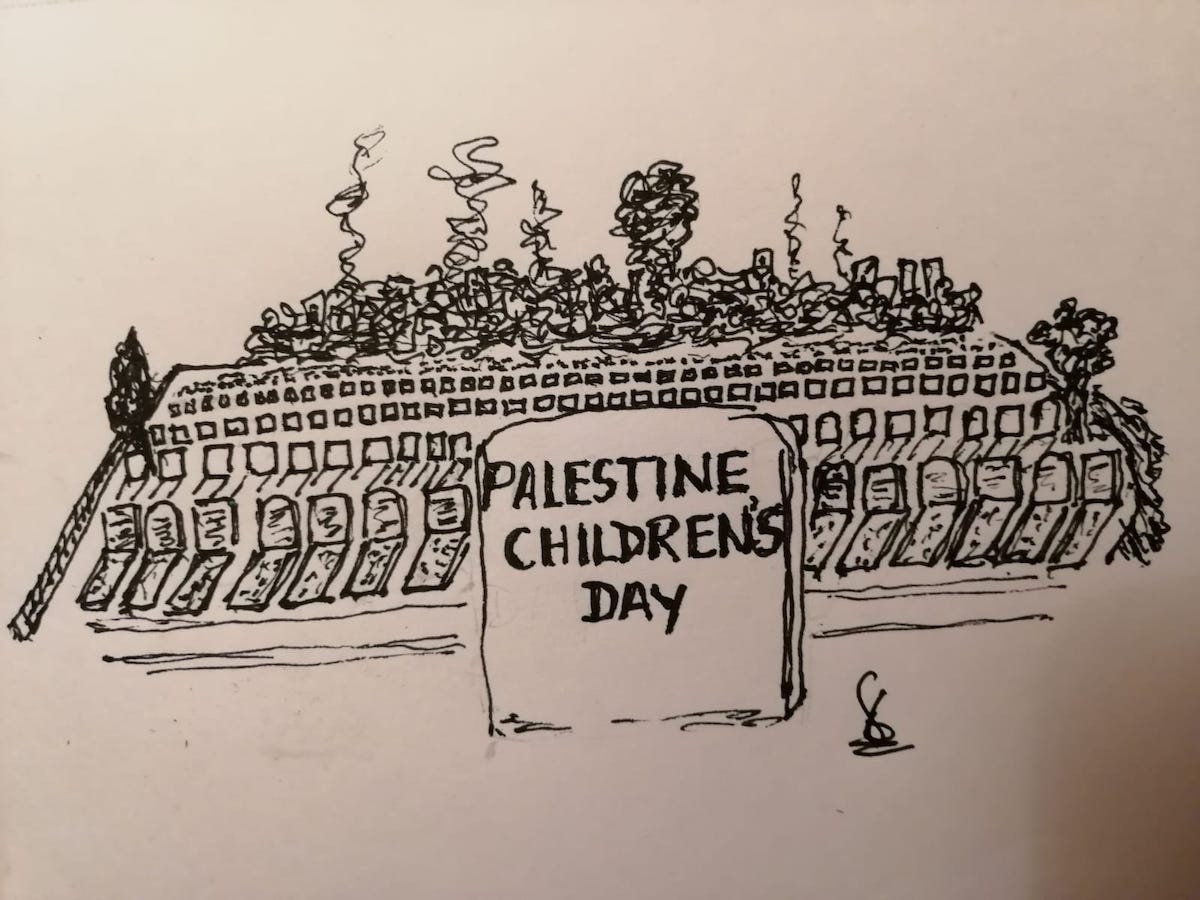
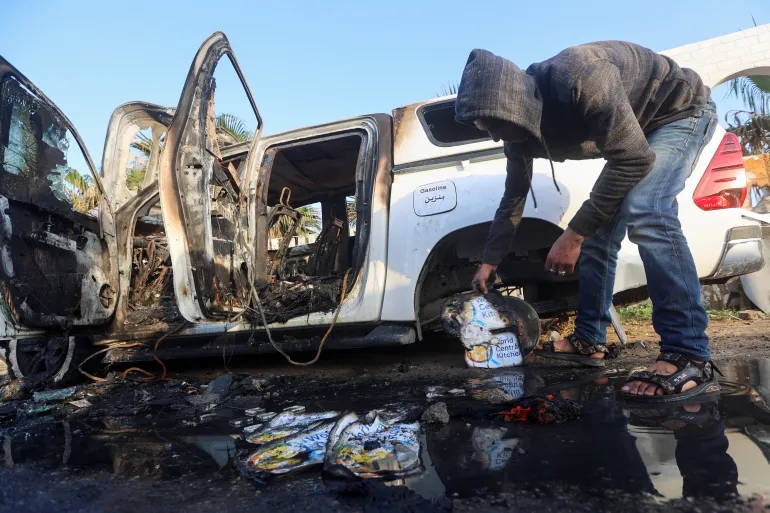
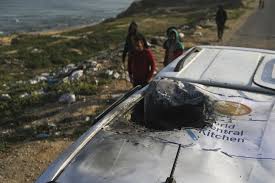


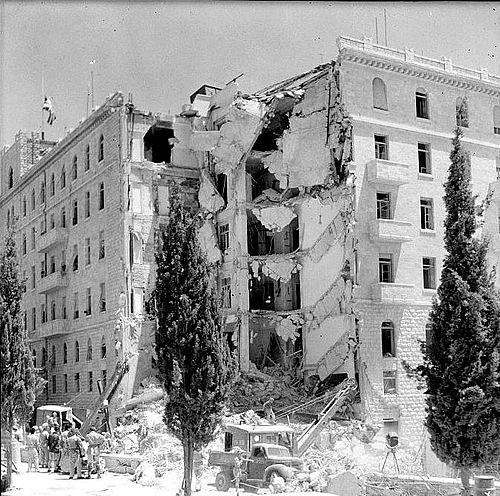
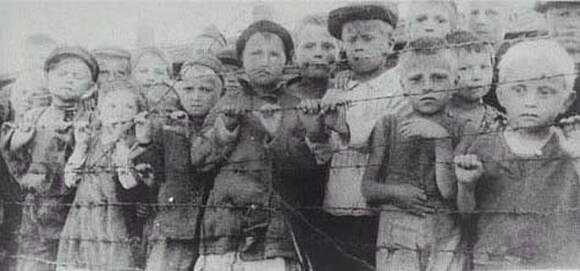

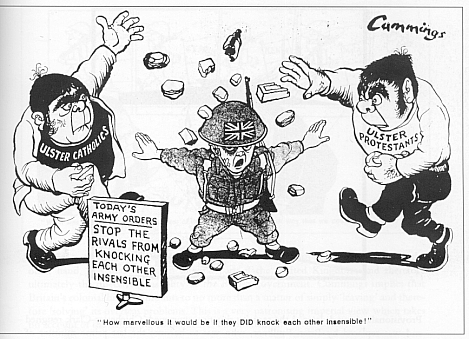

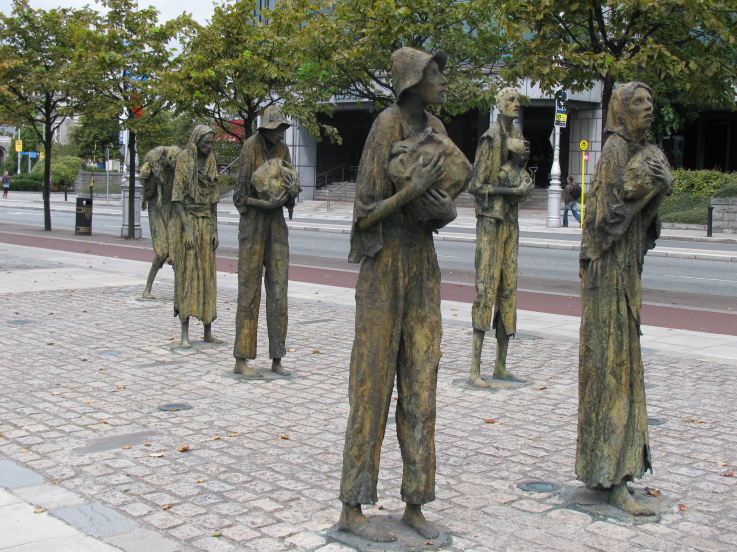

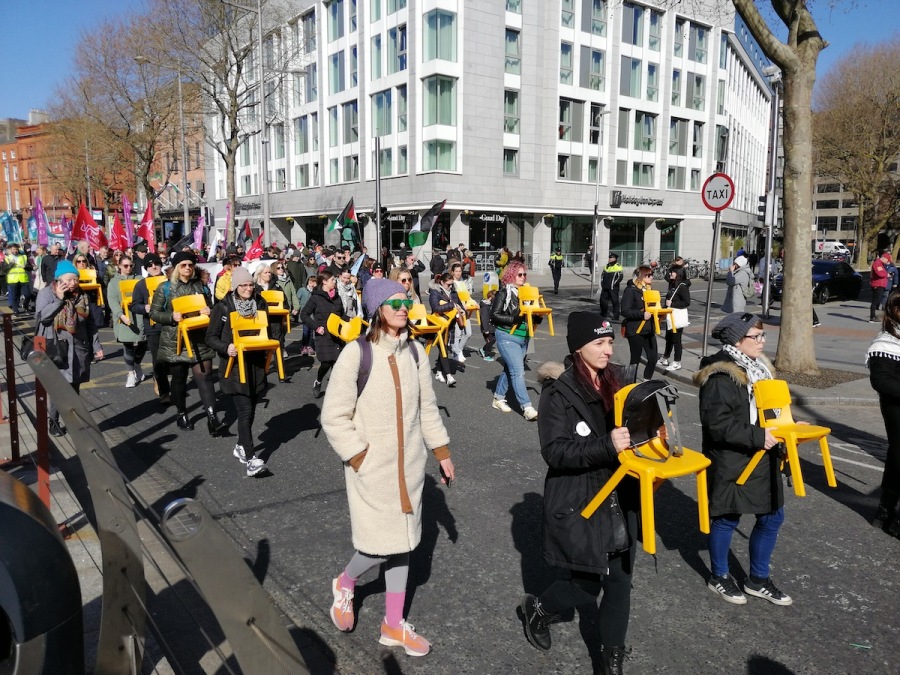
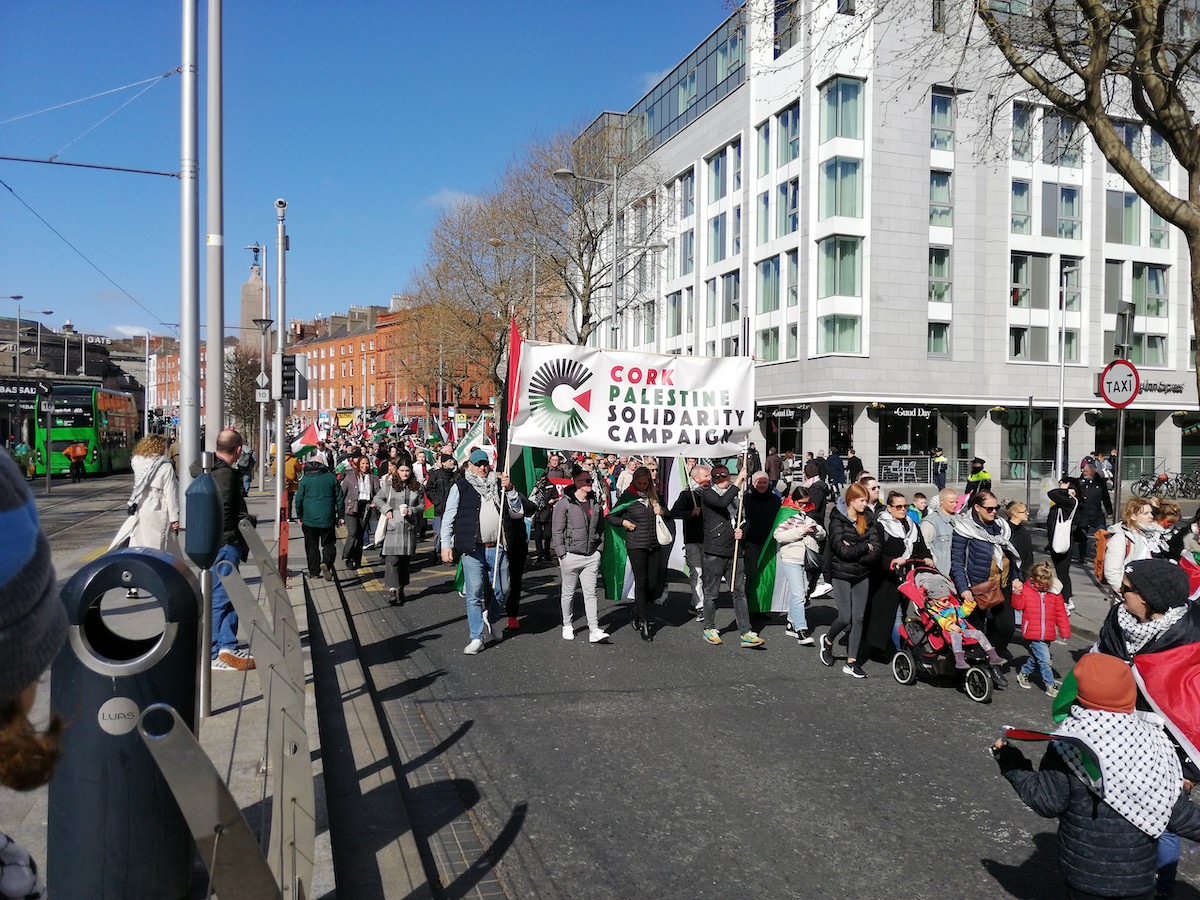


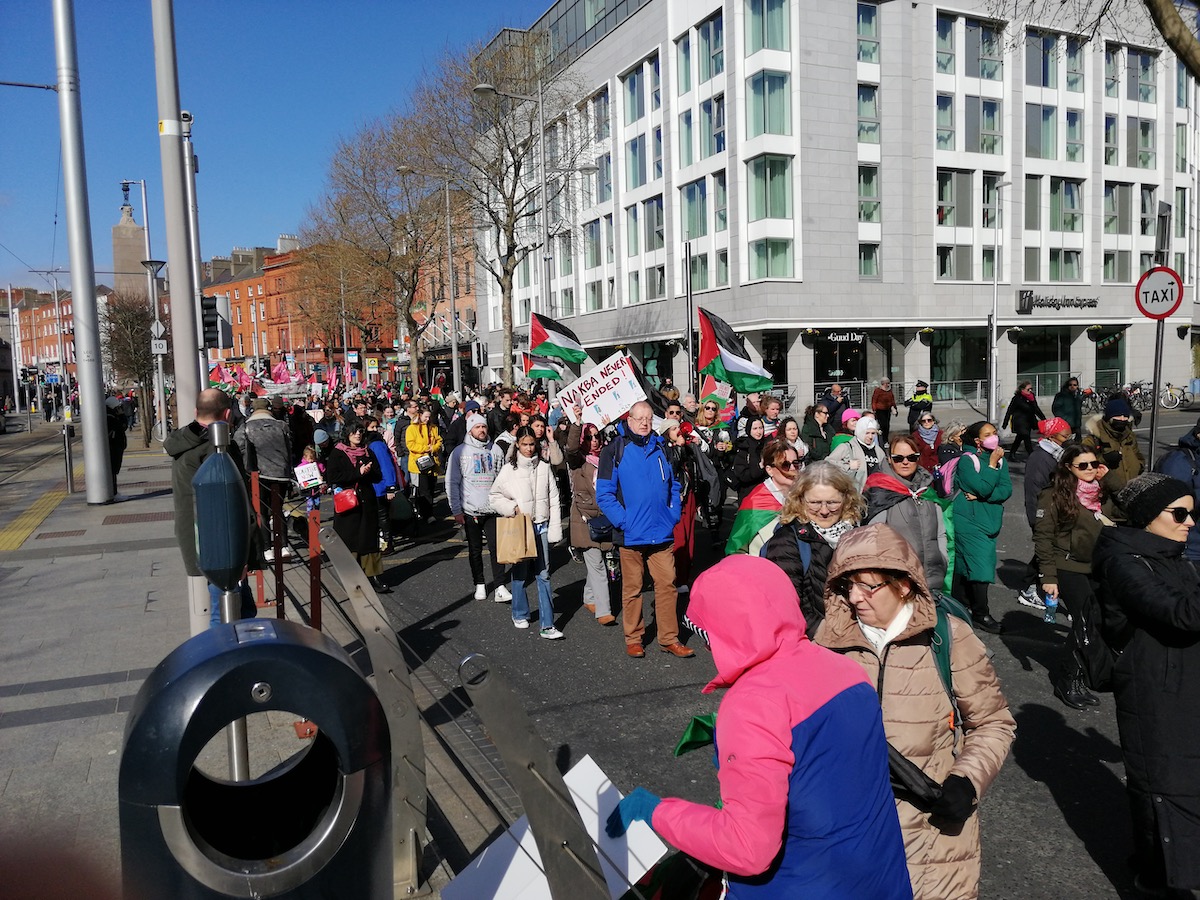
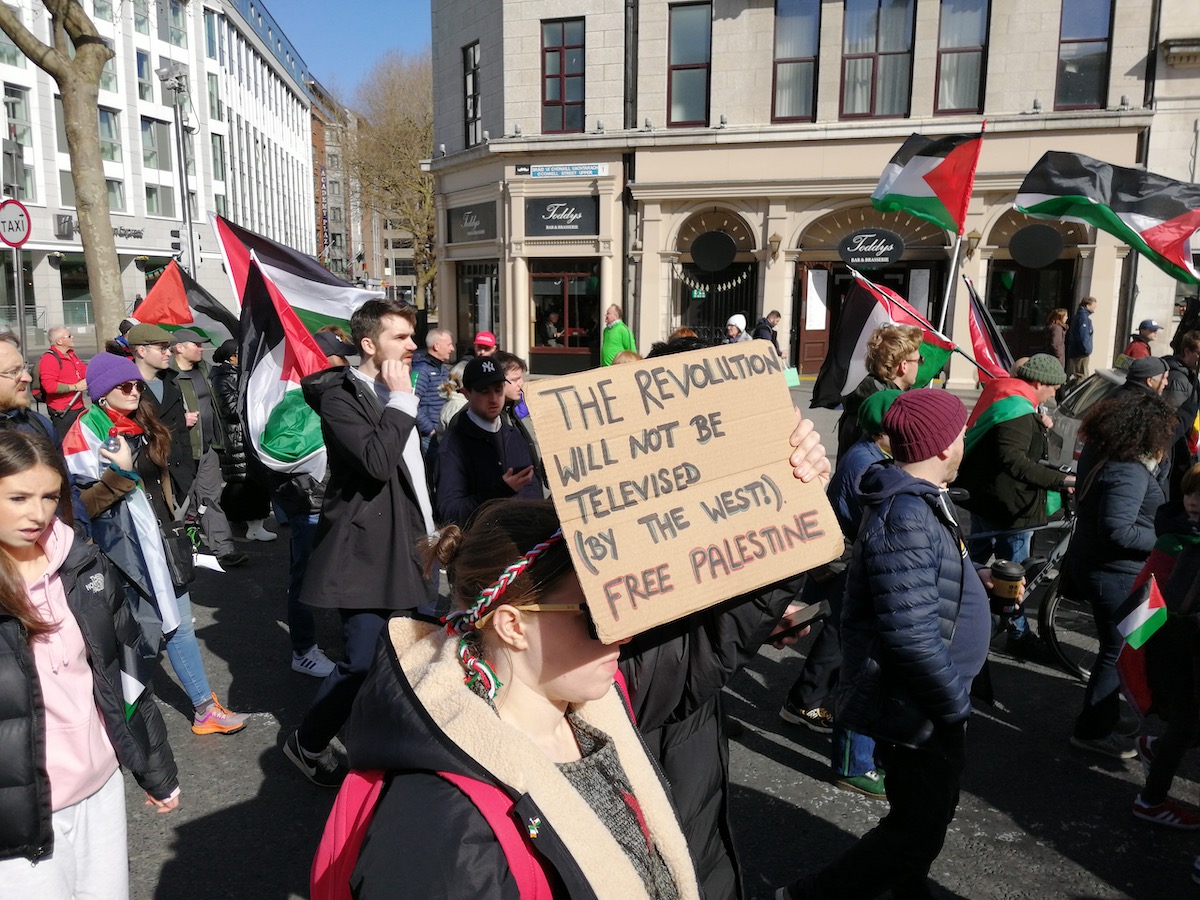


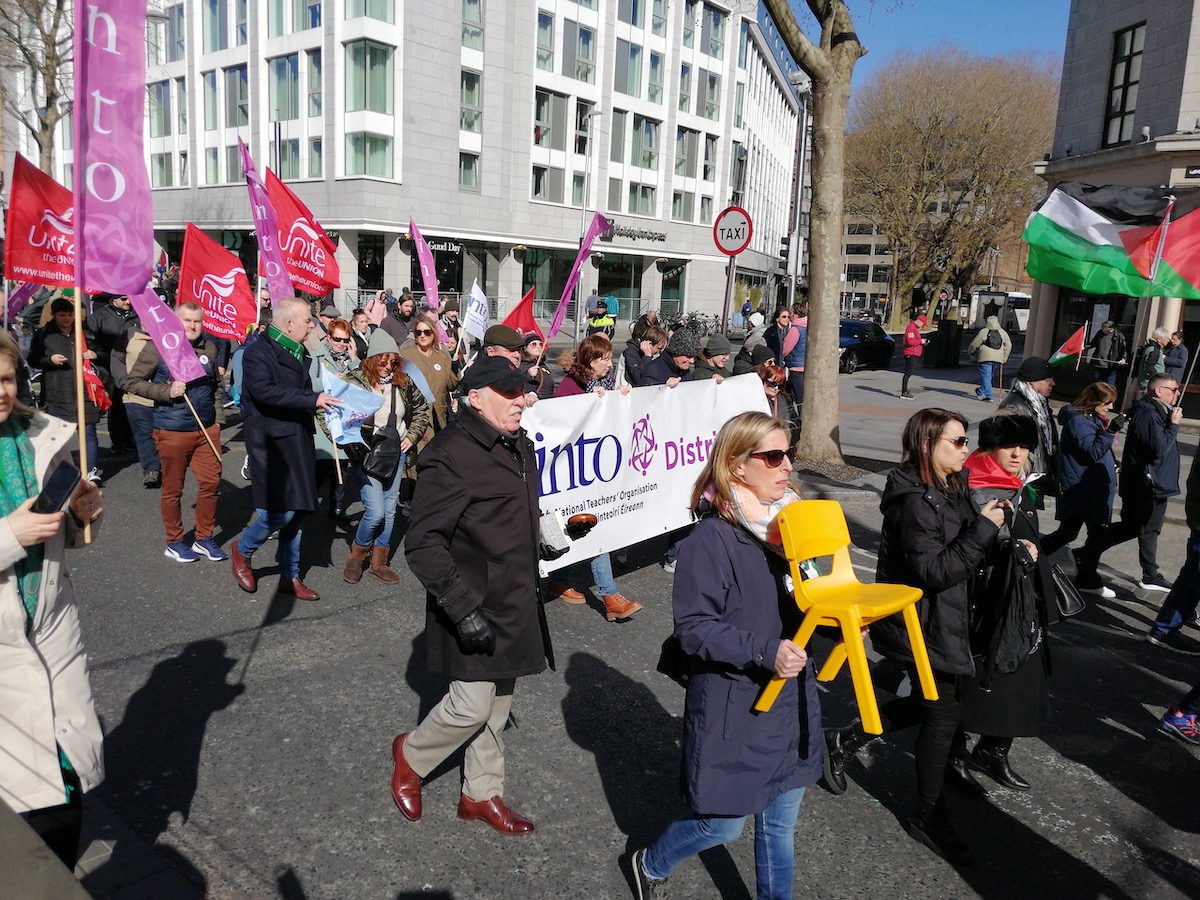


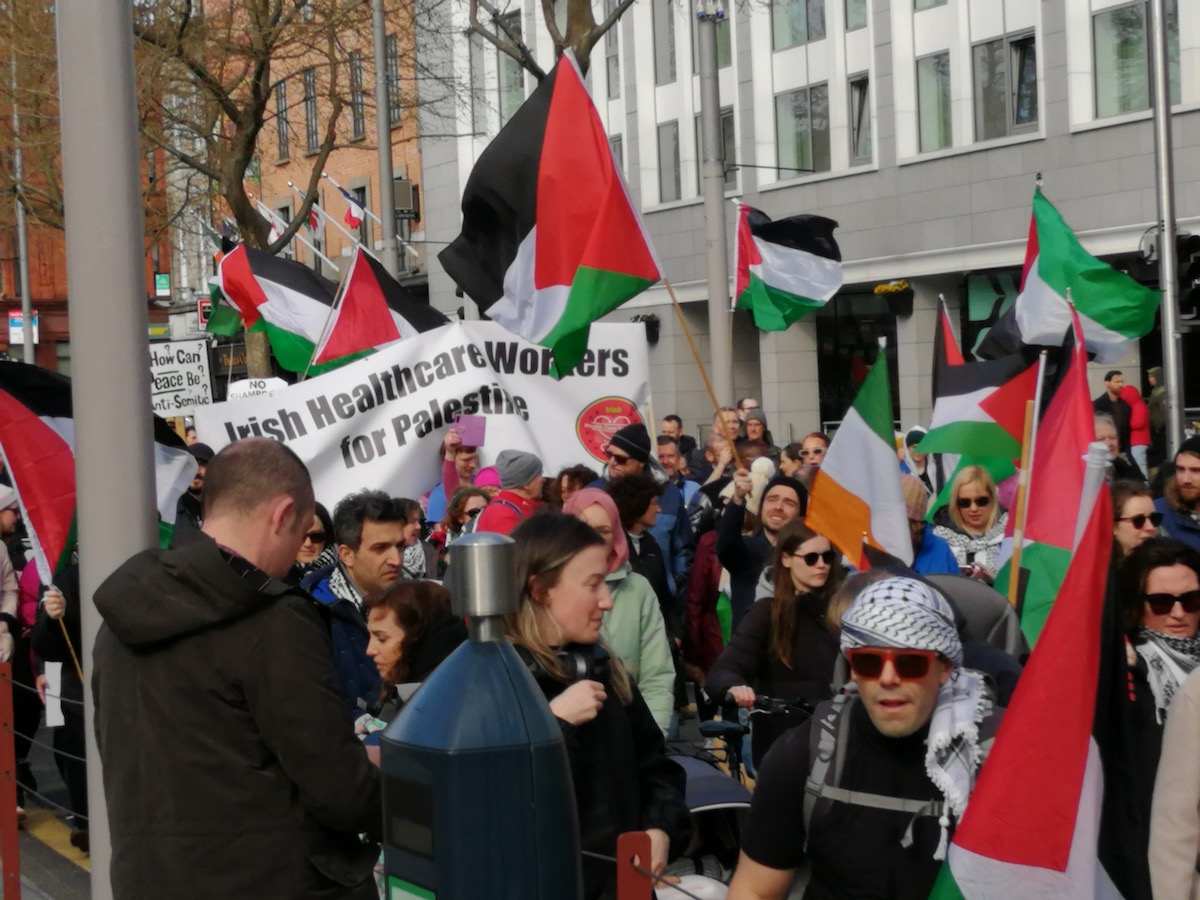
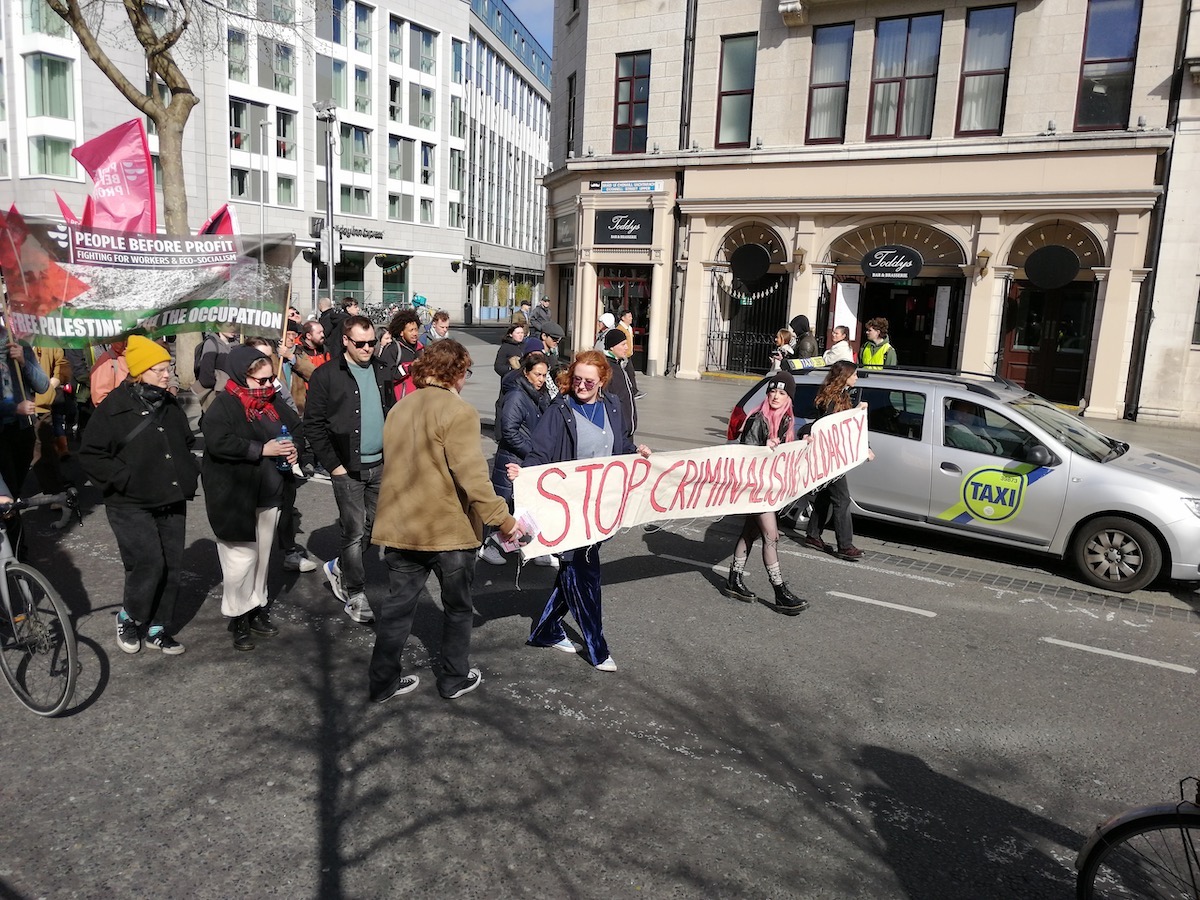

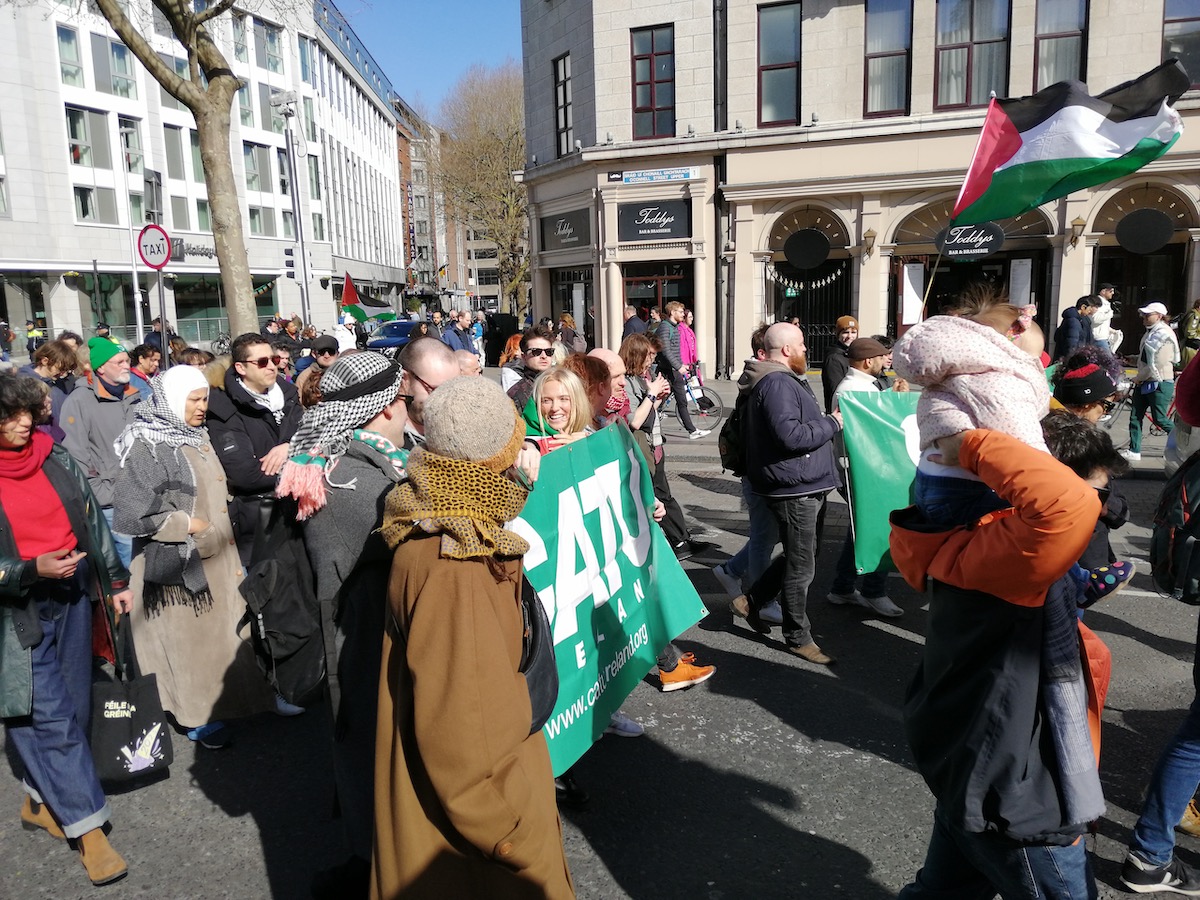

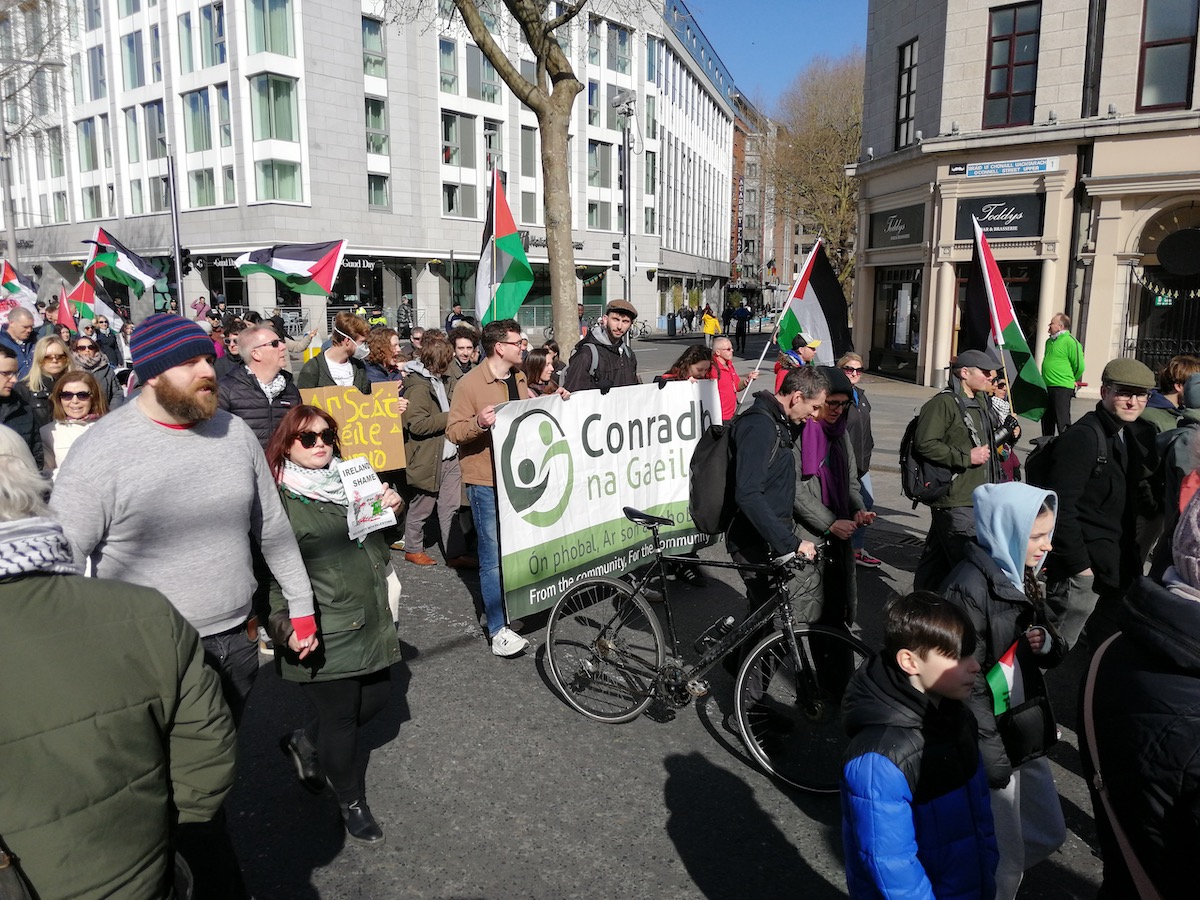
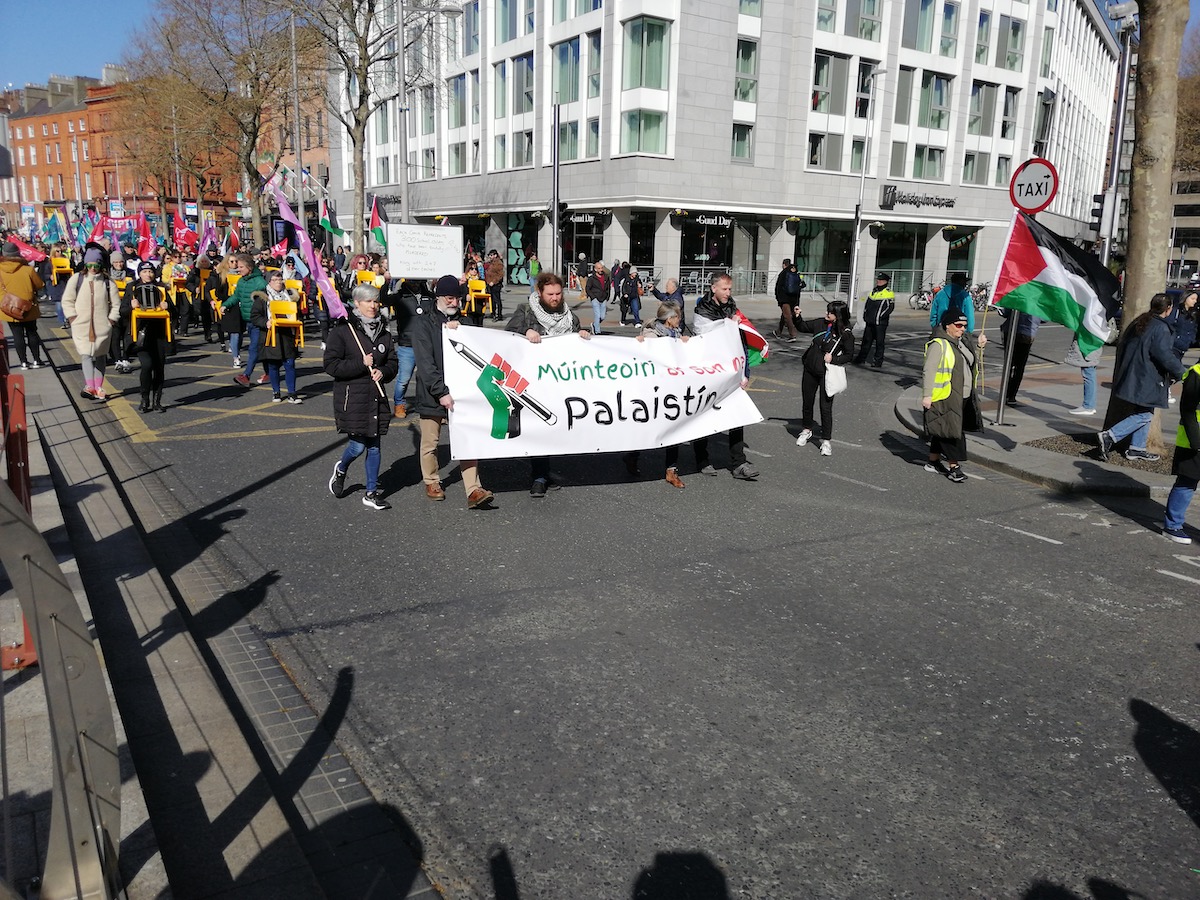
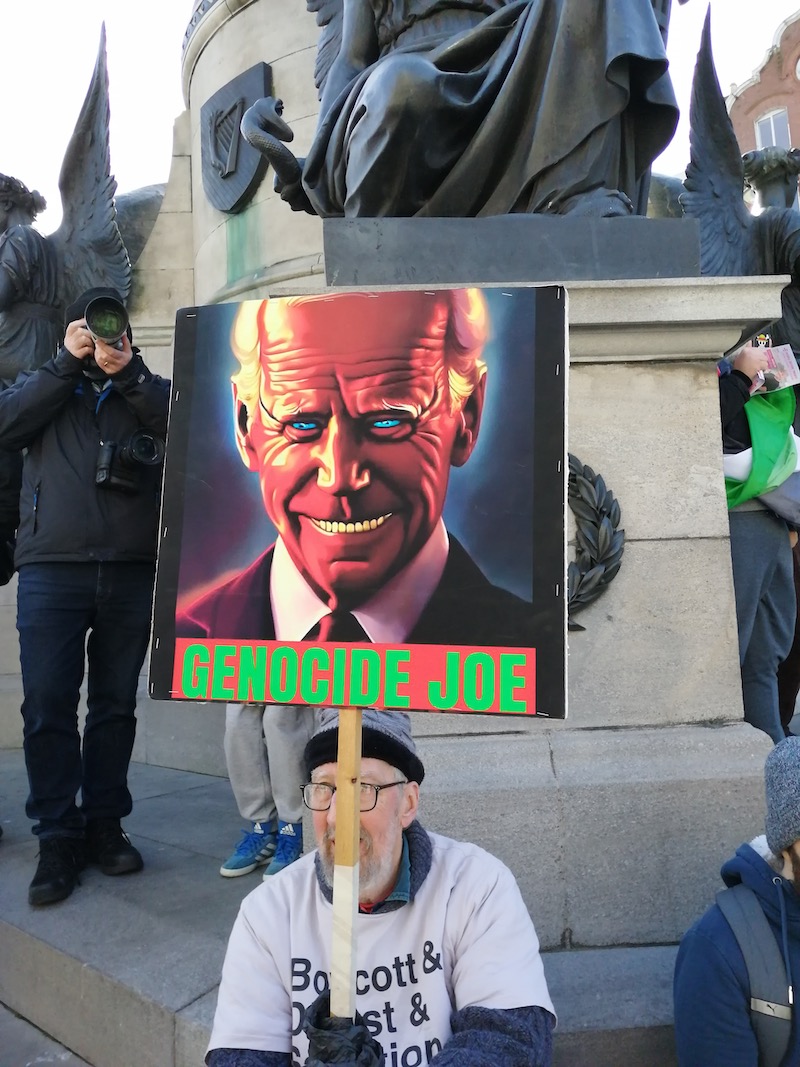

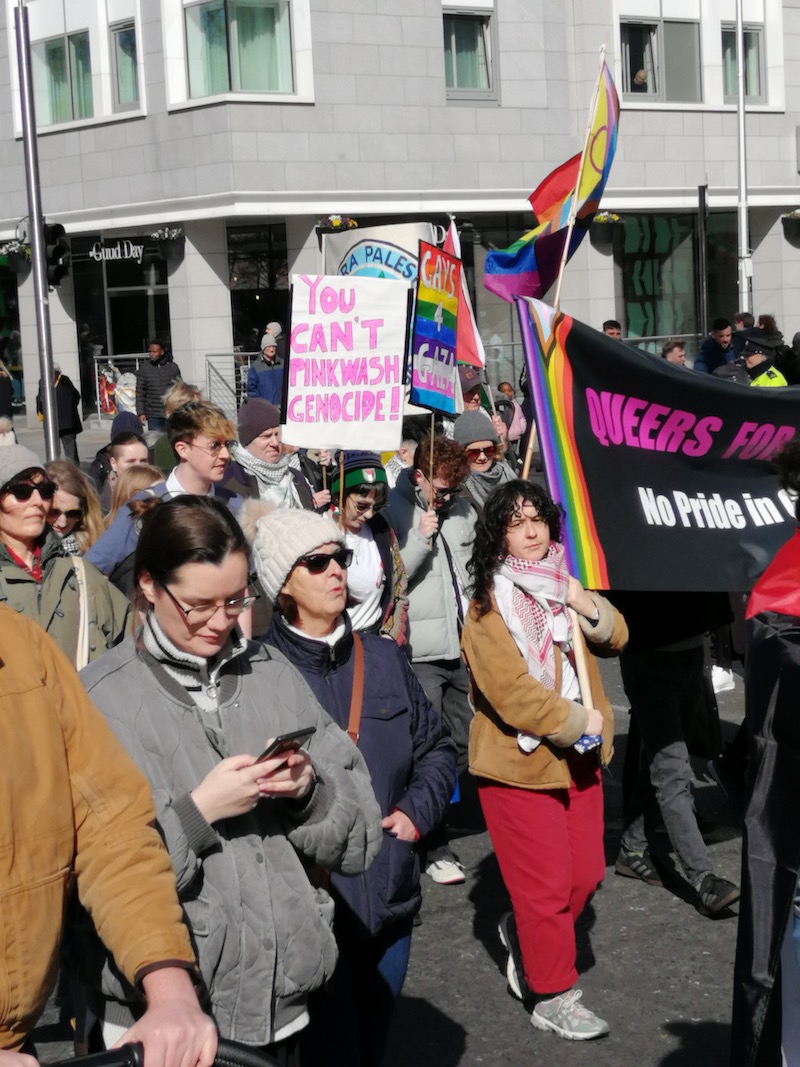


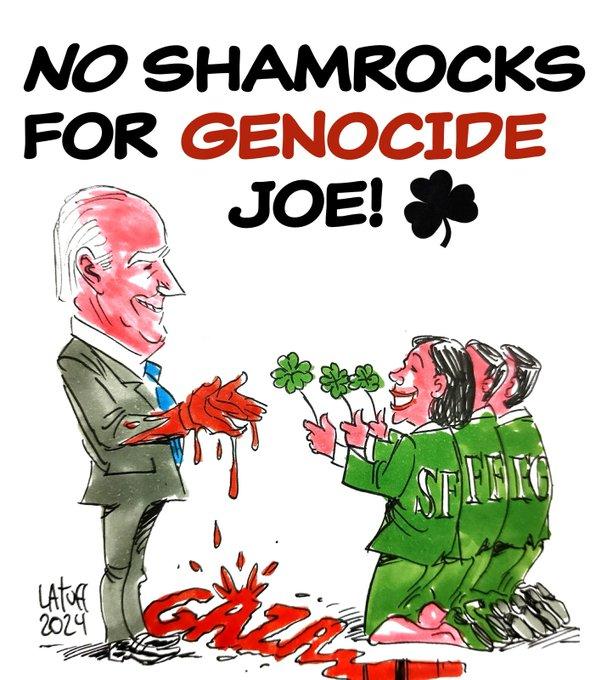
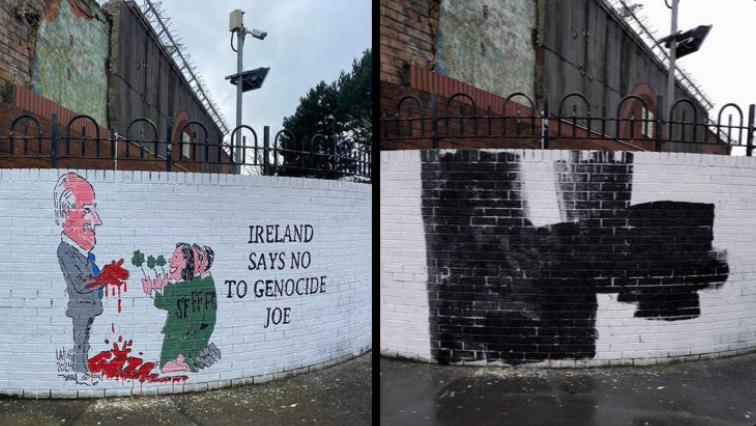
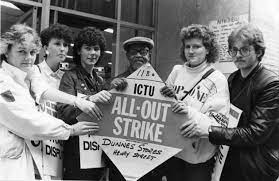
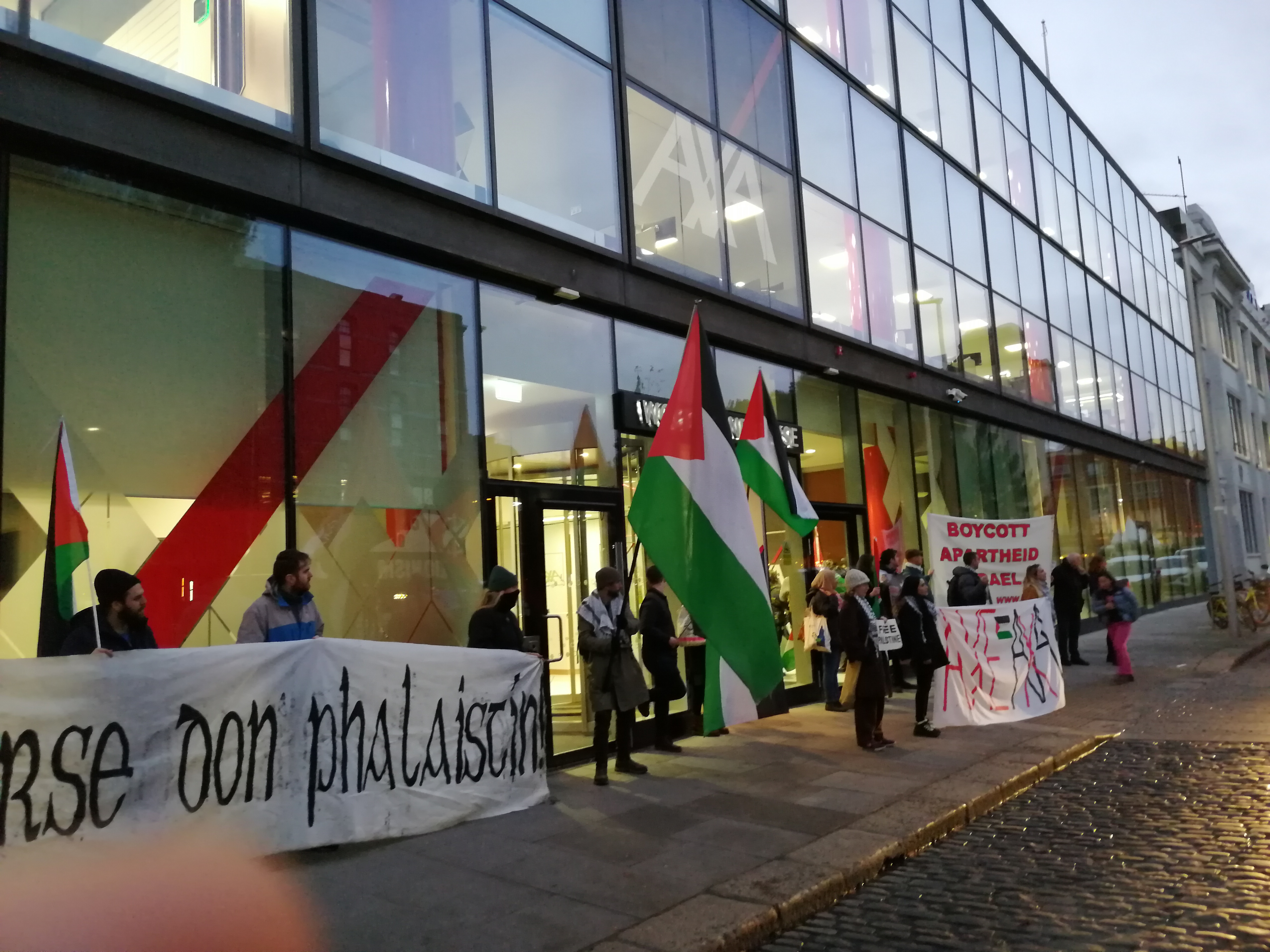


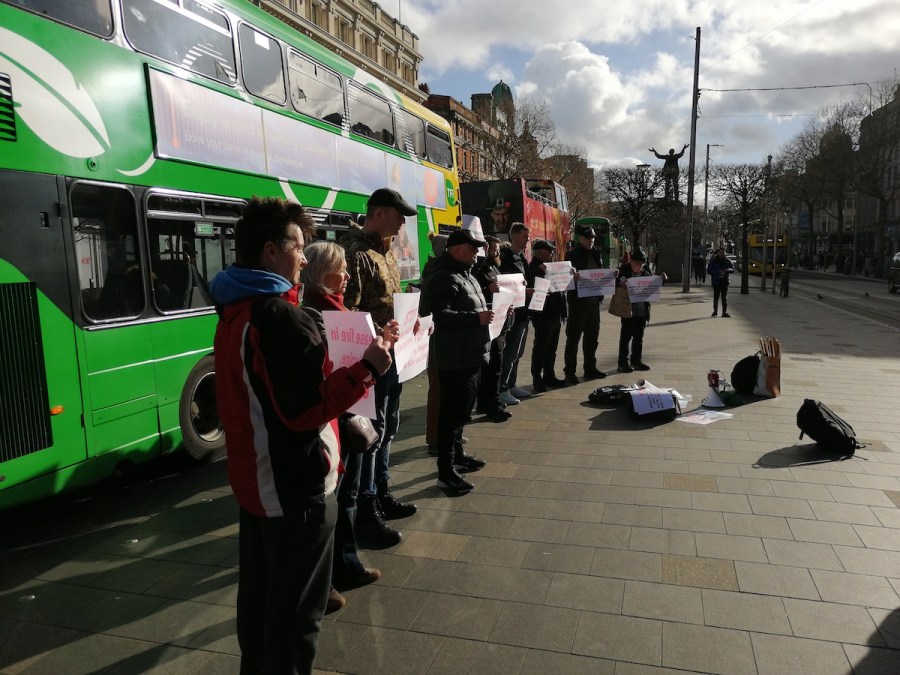
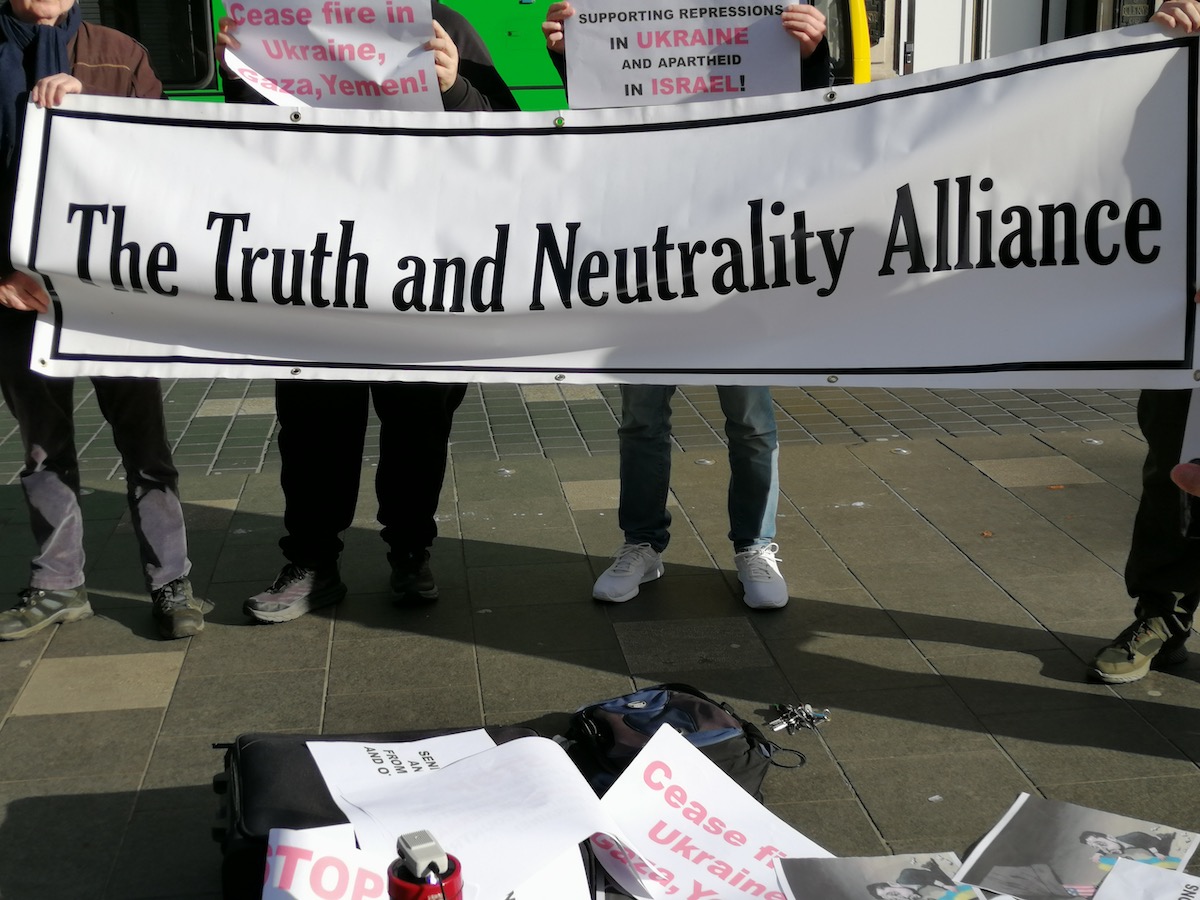

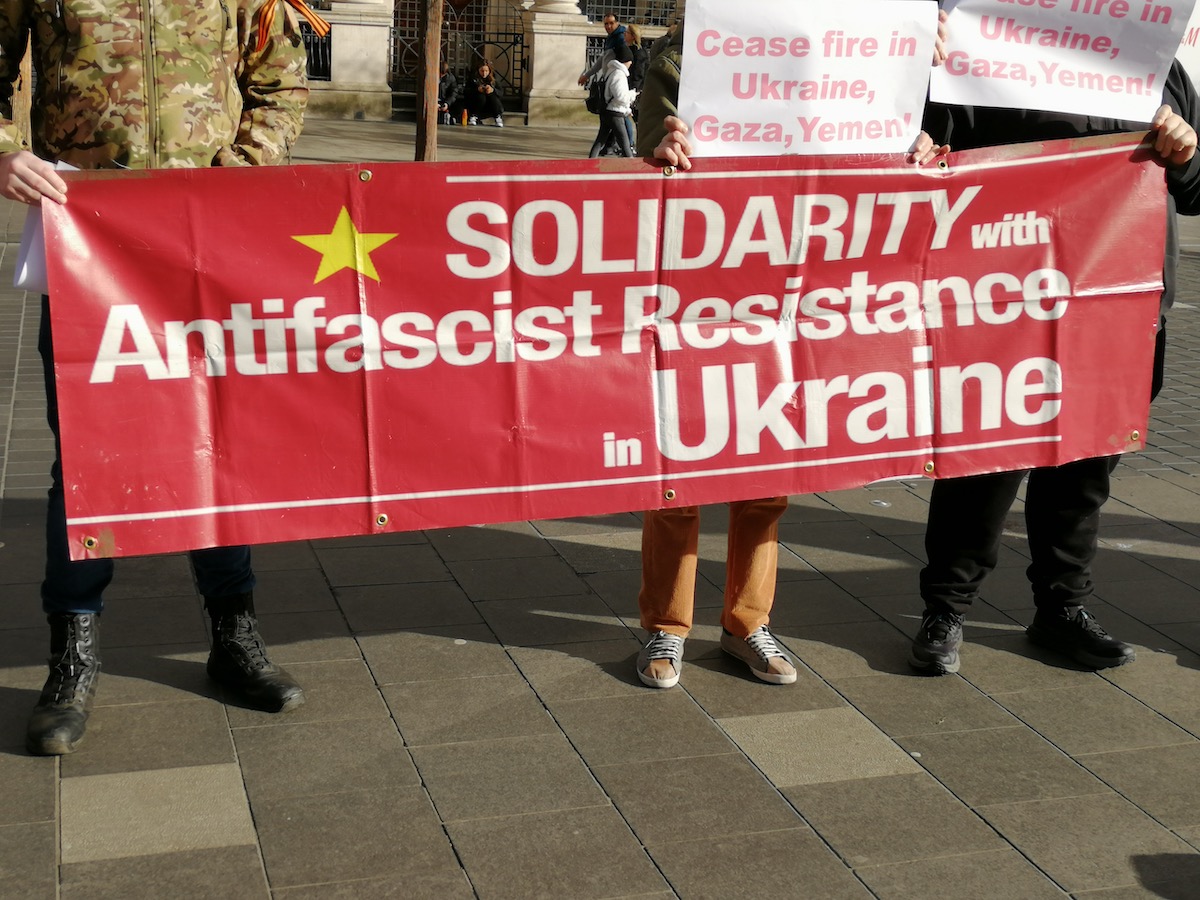
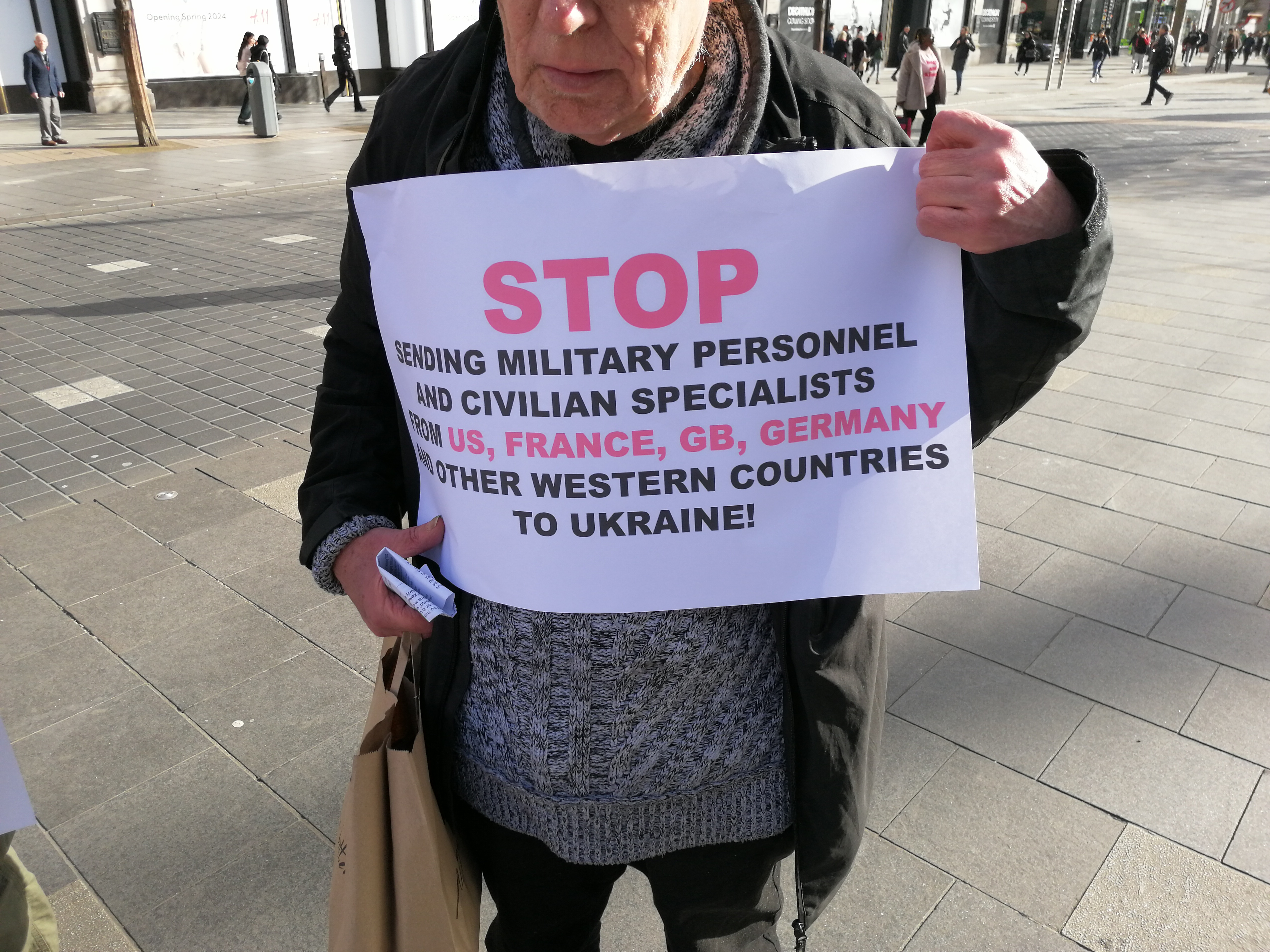


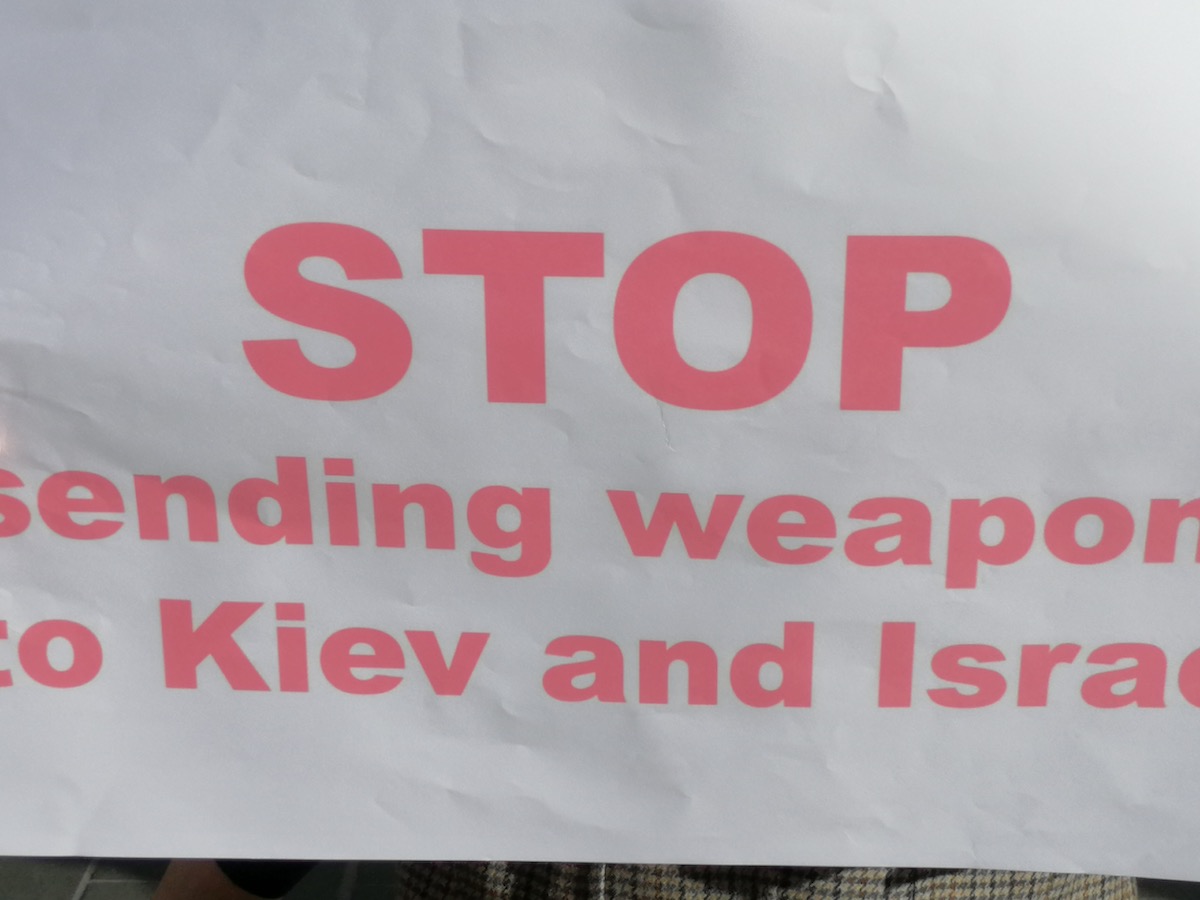


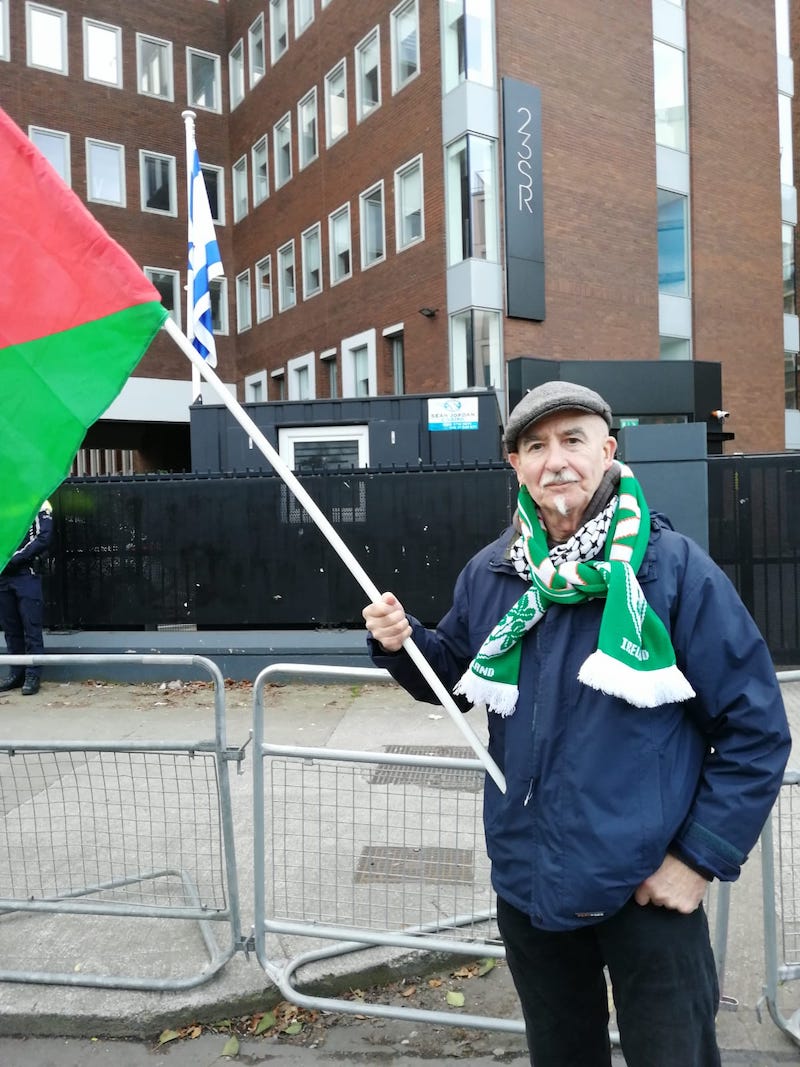
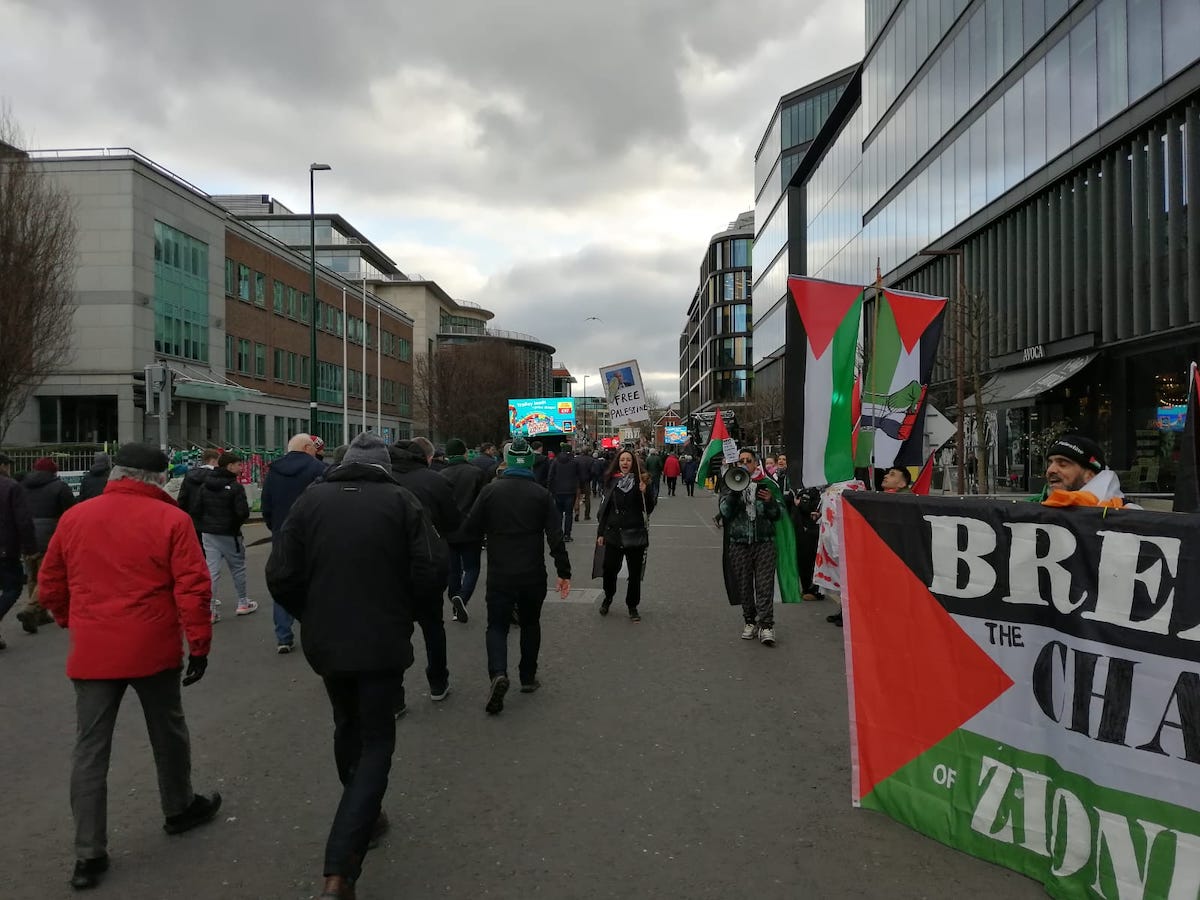


 rebelbreeze