There’s a new Wailing Wall … THERE’S A NEW WAILING WALL; It’s in Gaza, and here mothers and fathers wail at the bloody bodies of their children; children wail at the bloody bodies of parents; all wail over the bodies of friends and neighbours; the wailing rises and the tears fall.
At this Wailing Wall … AT THIS WAILING WALL, we wail the mendacity of Israel and the West, we wail the complicity of the media in the West; while rockets, shells and bombs rained down upon us the lies fell faster and thicker than rain, a torrent of lies that never stopped. To surge in flood over the bodies of our slain.
You come now with your flag of peace … YOU COME NOW WITH YOUR FLAG OF PEACE tramping along the bloodstained road and up the mountain of our bones and the rubble of our homes and offer us business as before or – bombardment once more.
Now that the bombs have stopped … NOW THAT THE BOMBS HAVE STOPPED we too stop and look around us: our schools gutted and bloodstained, mosques and hospitals in ruins, so many of our buildings rubble, or with gaping shell-holes, in the hell-hole you have made of Gaza.
We had so little and you destroyed so much. WE HAD SO LITTLE AND YOU DESTROYED SO MUCH!
In the days to come, more will sicken and die, of wounds on flesh and wounds on soul, of lack of medicine, fuel or food as even in pause you take your toll.
Many are numb, some try to forget … MANY ARE NUMB, SOME TRY TO FORGET, some try to live without forgetting, but there is a begetting, for in many hearts too, your phosphorus flakes are snowing, the embers of hate are glowing, their machine guns and bombs are mowing you and your children for generations to come.
Against your Goliath … AGAINST YOUR GOLIATH, our slingshots were of no use; yes, God was with you – he’s no longer Hebrew or English – He’s American now; you shot us down like fish in the shooting barrel you made of Gaza.
You wish us to recognise you? YOU WISH US TO RECOGNISE YOU? Of course we recognise you – the imprint of your boots are upon our necks; we carry them from cradle to the grave.
But we will never agree to accept or agree that you should keep what you have stolen and plundered the land you have sundered or that you can make us second-class citizens in our own land.
While we struggle to endure … WHILE WE STRUGGLE TO ENDURE and to ensure that you never defeat us let it be that we do not learn to treat others as you now treat us.
What did you learn from your oppressors? WHAT DID YOU LEARN FROM YOUR OPPRESSORS? If all you learned was how to also do so much of what they did, then truly have the six million died in vain and you mock their memory by invoking them.
Diarmuid, Feabhra 2009
I began to write this just as the December 2008- January 2009 bombardment of Gaza by Israel was coming to an end and I rounded it off in February.
That was the one they called “Operation Cast Lead”, which killed over 1,400 Palestinians, mostly non-combatants, including 400 children and injured over 5,300 — again, mostly non-combatants.
I little thought that so few years later Israel would unleash an even worse bombardment upon the beleaguered Palestinians in Gaza, as it did in July 2014, during which it killed over 2,300, again mostly non-combatants and that time nearly 500 children.
The damage to infrastructure is colossal and the Israeli-Egyptian blockade makes significant repair impossible.
The commentary above was written in 2014. Apart from killing in raids, there were more massacres to come: March 2018, more than 700 Palestinian refugees killed at the borders of the Israeli state and in 2021, over 260 Palestinians killed after Zionist provocation at the Al Aqsa Mosque, in Jerusalem.
In August 2022, over 30 Palestinians, including women and children, killed in Israeli missile attacks and this year, by August, Israel had killed 172 Palestinians. Now, over October-November 2023, they have killed 133 Palestinians in the West Bank and over 9,000 in Gaza, including 3,760 children.
There is no question that this is genocide: “the deliberate killing of a large number of people from a particular nation or ethnic group with the aim of destroying that nation or group.”
“Any of the following acts committed with intent to destroy, in whole or in part, a national, ethnical, racial or religious group, as such:
Killing members of the group;
Causing serious bodily or mental harm to members of the group;
Deliberately inflicting on the group conditions of life calculated to bring about its physical destruction in whole or in part;
Imposing measures intended to prevent births within the group;
Forcibly transferring children of the group to another group.”
Nor did that genocide begin in October this year, nor last year, nor the year before. It began in 1948 with the creation of the state of Israel and has been continuing since.
Changes in the Palestinian territories and Israel.
Occasionally in the “debates” on the Arab world and Palestine in particular statements are made that “they want to destroy Israel” as a criticism or “Israel has the right to exist” as if it were a human being.
The Left abandoned any discussion on the issue following the Oslo Accord where the Palestine Liberation Organisation (PLO) surrendered and agreed to govern some Bantustans(1) in the name of peace.
The Palestinian “problem” was resolved through the half-measure of autonomy where the Palestinian Authority has less power than a small municipality anywhere in the world and the left replicated and took on as its own the right-liberal demand for Two States.
It is worth looking at the question of destroying Israel and its supposed right to exist. We should be clear though that no state has a right to exist. States exist because they exist, through force, popular support, or cunning and guile. States come and go.
In the 19th Century two states came into being, ten years apart, one being Italy through the struggles of Garibaldi and others and Germany, unified under Bismarck. These two states underwent various important changes in their nature, borders and ideological discourse on unity.
In the case of Italy (1861), the Papal States were reduced in size and a significant part of what we now call Italy belonged to Austria. It wasn’t until after the First World War that Italy came to have borders similar to what it now has and changed from a monarchy to a republic.
In the case of Germany, its borders waxed and waned throughout the 19th Century until unification under Bismarck in 1871. Later Hitler would expand them once again under the Third Reich or as it was officially called since 1871, the German Reich.
Following the Second World War, nobody argued that the Nazi state had a right to exist. It was partially dismantled. Poland recovered a part of its land, the Sudetenland, once again, became part of Checoslovakia, Austria recovered its independence.
The great racial nation of Germans was wiped off the face of the earth. The Allies divided the rest into four parts, with three of them becoming the Federal Republic of Germany in 1949 and the other the German Democratic Republic, until 1991 when they were united.
Other states such as the Austro-Hungarian and Ottoman empires also disappeared after the First World War.
These were not the only states to undergo dramatic change. There are more interesting examples from the anti-imperialist struggles. The Vietnamese guerrillas wiped off the face of the earth the reactionary (North American) state of South Vietnam.
The Algerian revolutionaries wiped off the face of the earth the French colonial department of Algeria and erected in its place the Republic of Algeria.
So, is the state of Israel immutable? Does it have a right to exist? Should that right be defended? It is easier to answer that question if we ask ourselves what defending that right means.
Israel’s existence is the theft of land, it is the Nakba, the displacement of 750,000 people in 1948. It is the invasion of the West Bank and Gaza in 1967. It is also the current genocide the modern-day Nazis are trying to carry out in Gaza.
Israeli destruction 31 October 2023 of Jabalia Refugee Camp, which was Gaza Strip’s largest of 8 camps. 150 were injured in this attack and 50 killed. (Photo cred: Anas al-Shareef/Reuters)
On that point, there are those who don’t propose to wipe Israel off the face of the earth, but rather to set up two states.
Amongst those who sometimes wave that flag is the USA and others who are more serious about it, such as Al Fatah, the dominant faction in what was the PLO, European liberals and the press.
There are also those who believe it is a pragmatic solution, but they are usually people who ignore the question of class as a factor in the Arab world.
Two states means acknowledging and accepting the invasion of 1948, the Nakba, the systematic theft, murder and torture. It also means not accepting the right of return of those displaced in 1948 i.e. to accept and reward the mass violation of the human rights of the Palestinian people.
It was worth recalling that the PLO and the various organisations that formed part of it were founded before the 1967 war, so propose two states is to propose the Zionist victory over the territory stolen in 1948.
It is to accept that if you commit mass human rights violations and crimes against humanity, the solution is to commit even more, so that some liberal or former leftist can come along and say we have to accept some degree of crime and blood.
So, what is the solution? It is not easy, though it is simple, at least conceptually. It is the historic Palestinian demand of One State. The Palestinians themselves proposed this from the word go, knowing that it brought up the problem of what to do with the Jews who had arrived.
One of the old factions of the PLO stated:
However, the DFLP had come to a premature recognition that as well as the Palestinian national question there was also a “Jewish question” which inevitably has to be resolved if one aims to reach a democratic solution to the conflict, emphasising that the resolution of the Jewish question was conditional on freeing itself from the zionist project and the necessary coexistence with the Palestinian Arabs on an equal footing under the slogan of a “Popular Democratic State” which would be built on the ruins of the State of Israel; but, how would this aim be achieved in the light of the overwhelming superiority of Israel and its firm commitment to North American Imperialism?
The answer is to be found in the “prolonged people’s war throughout the all Palestinian and Arab territories”.(2)
Such voices were, back then and continue to be, a minority, but what they say is true. Those millions of Arabs that have come out on to the streets to protest against the Zionist regime face various enemies, one of them being their own bourgeoisies, the Arab states that have betrayed the Palestinian people time and again.
However, a Pan-Arabist revolution is a far way off but not impossible. None of the Arab regimes are progressive and they exist because they repress their own people, their own working class. But what would happen to the Jews who lived in the new state?
Well, many of them, Netanyahu style Nazis would flee to the USA alongside the Yanks that have arrived in recent decades, those from Western Europe, and the Ukrainians, amongst others. Something similar happened with whites when the racist apartheid regime in Rhodesia was overthrown in 1979.
The white population fell from 240,000 to 28,000 now. In Algeria a million Pieds-Noirs fled. Others, those that descend from families that have been in the region for centuries will stay, others will have to negotiate their future in the new state.
But not an inch can be given on the right of return of ALL the Palestinians, not only to the country, but also to their farms, olive and lemon fields, their rural and urban houses in the whole country.
So, should Israel be wiped off the face of the earth? Of course it should, and a new Palestinian secular democratic state should be built on the ruins of Zionism and Apartheid. The Arab states and elites should also be wiped off the face of the earth.
Later the war criminals and those responsible for crimes against humanity will have to be tried. The Zionists rightly put the German Nazi Adolf Eichmann in the dock. It was an act of justice.
Now the Palestinians and the rest of us have to put Nethanyahu and the other criminals in the dock, perhaps with the same consequences.
Though whether they spend the rest of their miserable lives in prison or they go to the gallows may be up for discussion, what is beyond debate is whether they should be tried for crimes against humanity. They should be tried as such.
Long live Palestine Free and United!
Notes
(1) The Bantustans were segregated zones set aside for blacks in South Africa under Apartheid. They were supposedly independent from the regime but in reality had no autonomy. They were governed by black “leaders” that supported the regime, or at least were not very critical in the same way as the Palestinian Authority.
(2) F. Suleiman, (n/d), La Izquierda Palestina Revolucionaria: Tres décadas de exp eriencia de lucha (1969-1999), FDLP http://www.fdlpalestina.org/index.htm
Israel is justifying its bombardment of Gaza as the right to defend the state, effectively in the right to take revenge, with which the western states are in agreement.
Leaving aside the question of whether bombing homes, bakeries, markets and hospitals constitutes ‘defence’, what should we think about the right of a state to defend itself as a principle?
It seems natural that every state should have the right to defend itself; perhaps that right is extrapolated from the generally-agreed right of the individual to self-defence. In bourgeois law, the need to defend oneself can be a valid legal defence even against a murder charge.
The individual is generally understood to have the right of self-defence particularly in their home but also in public places. However, it is important to note that this right, even in bourgeois law, is not considered valid in every conceivable case.
For example, the right of one individual to use violence in their defence can be cancelled by the right of their victim to self-defence if the latter is being seriously harmed by the former, so that violence by the victim might be considered a reasonable response in their own self-defence.
People carrying out a robbery or kidnapping, to take another instance, are not considered to have the right to use violence if attacked in the course of the robbery by the victim or by security forces or even a passer-by.
Proceeding to the question of the rights of states to defence, we might say that the UK had the right to defend itself from Nazi attack during WWII and certainly so did the USSR, so too later with the rights of Vietnam, Laos and Cambodia from the USA’s invasions and bombings in the 1970s.
But did the Cambodian state have the right to defend itself from Vietnamese invasion when the Pol Pot regime was carrying out mass exterminations of sections of its population? Or the did the states of Nazi Germany and Fascist Italy have the right to defence against the Allied forces?
Continuing in consideration of the right of a state to defence, how does that go when the attack comes from within the territory of the state itself?
Most Irish and democratic people outside would probably deny that the English Crown had the right to defend itself against the Irish rebellions of the clans (1167-1690s) or of the United Irish republicans, or against the Fenian insurrections, the 1916 Rising and the War of Independence (1919-1921).
Similarly, most would deny the right of the English or French monarchies to defend themselves against the internal republican uprisings of 1649 and 1789, respectively.
When the “internal” force attacking is a nation, then national rights of self-determination counter and supersede the rights of the state to self-defence. The case of the United Irishmen has already been noted but slave colony Haiti and colonial Algeria against France could be listed there too.
ISRAEL
The Israeli State is a colonial regime sitting on the Palestinian people’s land. It is in addition a state which is deeply religiously sectarian on the basis of Judaeism, in a sense which is far more racial than it is religious and, in many cases, may have no religious aspect at all.
Aftermath of Israeli militia massacre of Palestinian village Deir Yassin (9th April 1948 – five weeks before the the founding of the Israeli state). After the massacre, the Zionists took over the village, and in 1980 the occupation established settlement units on top of the original buildings of the village, and gave the names of the “Argon”, “Etzel”, “Palmach” and “Haganah” murder gangs to places in it. 700,000 Palestinians were expelled or forced to flee the land. (Source photos: Internet)
Being able to claim Jewish descent is the qualification for Israeli citizenship, not religious practice or even belief. As for the Palestinians, whether Muslim or Christian, Arab or Berber, they are ‘other’, second-class or even third-class at best.
Third-class because the Ashkenazi Jewish colonists discriminate against other Jews too, for example the Ethiopian (because many are black), the Sephardic and Mizrahi (because they are not Ashkenazi). They will all speak Hebrew now but many additional languages are spoken too.
The Zionist trend in the Jewish world insisting that Jews had a right to a state of their own on a land of their own, even if some other people already lived there, was a minority trend among Jews until fairly recently, though it gained dominance in the West over years after the establishment of Israel.
Indeed there are sections of Jewish society that consider the creation of a Jewish state to be contrary to the teachings of the Torah. But as observed earlier, Zionism is not really about religion.
The establishment of the Zionist state was achieved at the price of the expulsion of 700,000 Palestinians, the imposition of racist and sectarian laws, apartheid, massacres,1 oppression of the Palestinians and repression of their resistance.
The story of the state of Israel in the land of Palestine until now can be characterised by two images: the murder of Palestinian people along with the expulsion of 700,000 Palestinians in 1948 as the Zionist state came into being – and the genocidal bombing of Gaza these three weeks.
As of some hours ago, over 7,000 Palestinians have been killed in the past three weeks – including nearly 3,000 children.
Medical staff in Gaza treating children and woman injured by Israeli bombing, uploaded 26 October. (Source image: Al Jazeera)
There are many ways to kill, including despair, lack of or obstruction to medical treatment or access to good water and food. But from 1948 to 2021 (i.e excluding the killings since then and this year’s), well over 20,000 Palestinian civilians have been directly killed by the Israeli state’s military and settlers.
To claim that “Israel has the right to defence” is to say that all those things are justified and must be defended, must be perpetuated, that we must be complicit in it and that the best we can do is to ask Israel to practice its racism, colonialism, oppression and repression somewhat more gently.
Israeli bombing wide-scale destruction of Gaza, October 2023 (Photo sourced: Internet)
Israel – which is to say the Zionist project — has absolutely no right to defence.
End.
FOOTNOTES
1When hostilities erupted in 1948, the villagers of Deir Yassin and those of the nearby Jewish village of Giv’at Shaul signed a pact, later approved at Haganah headquarters, to maintain their good relations, exchange information on movement of outsiders through village territory, and ensure the safety of vehicles from the village. The inhabitants of Deir Yassin upheld the agreement scrupulously, resisting infiltration by Arab irregulars. Though this was known to the Irgun and Lehi forces, they attacked the village on April 9, 1948. The assault was beaten off initially, with the attackers suffering 40 wounded. Only the intervention of a Palmach unit, using mortars,[20] allowed them to occupy the village. Houses were blown up with people inside and people shot: 107 villagers, including women and children, were killed. The survivors were loaded on trucks that were driven through Jerusalem in a victory parade,[19][21] with some sources describing further violence by Lehi soldiers.[22] Four Irgun or Lehi men were killed.[23] The incident became known as the Deir Yassin massacre.
On April 10, 1948, one day after the Deir Yassin massacre, Albert Einstein wrote a critical letter to the American Friends of Fighters for the Freedom of Israel (the U.S chapter of Lehi) refusing to assist them with aid or support to raise money for their cause in Palestine.[24][25] On December 2, 1948, many prominent American Jews signed and published an op-ed article in The New York Times critical of Menachem Begin and the massacre at Deir Yassin. (Wikipedia)
Opposition leader Elly Schlein accused the prime minister of “historical revisionism” over her ambiguous language.
08/03/2023 PUBLICO / EFE (Translated by D.Breatnach)
Italian Prime Minister Giorgia Meloni completely avoided using the word ‘neofascist’ in her message marking the 43rd anniversary of the Bologna Massacre, a terrorist attack by a far-Right organization that killed 85 people.
Meloni did not go to Bologna to participate in the commemoration.
“43 years have passed but, in the heart and conscience of the nation, the violence of that terrible explosion still resonates with all its force,” said the leader of the Executive and the ultra-right party Brothers of Italy.
Giorgia Meloni, the Prime Minister of Italy. (Photo: Fabio Frustaci / EFE)
In her message, she asked to “get to the truth about the massacres that marked Italy in the postwar period,” an ambiguous phrase that makes no direct reference to the far-right groups that carried out the massacre on 2nd August 1980.
The absence of specific terms in Meloni’s speech to refer to the attack has prompted opposition leader Elly Schlein, a progressive, to accuse Meloni of promoting “historical revisionism.”
“We are here in Bologna together with the families of the victims of the massacre to reiterate that we do not accept any further attempts to rewrite history. The judicial evidence already makes it clear that it was a neo-fascist massacre and also with subversive intent,” Schlein said.
In the message shared by the president, Sergio Mattarella, to commemorate the date, he did refer to “the neo-fascist matrix of the massacre.” Likewise, he recalled that in the subsequent trials “ignoble deviations, in which secret associations and treasonous agents of the state apparatus participated,” came to light.
Meloni has ruled out any anti-democratic nuance of her formation, but she maintains as a symbol of the Brothers of Italy the so-called “tricolor flame”, emblem of the youth organisation of the old and post-fascist Italian Social Movement (MSI) in which she was a member of her youth.
The Bologna Train Station, Italy, following the fascist explosion on 2nd August 1980 (Photo sourced: Internet)
The Bologna Massacre
The Bologna massacre was the most serious terrorist attack in Italy after World War II, in which 85 people died and more than 200 were injured and extreme right-wing militants belonging to the organization Armed Revolucionary Nuclei were convicted for it.
Comment by D.Breatnach: However, parts of the Italian State were implicated in the bombing and/or coverup too, with elements in the Italian police, judiciary and secret service but also with suspicions of CIA/NATO involvement. It seemed that the purpose of that bombing and others in the period was to create fear and confusion in which the State could return to fascism.
On the 49th anniversary of the Dublin and Monaghan Bombings a number of speakers criticised the Garda closure of its investigation a mere four months after the bombing with the highest number killed in any one day of the 30 years war.
The criticisms were made on 17th May at the annual commemoration of the atrocity in Talbot Street, Dublin, organised by the Justice For the Forgotten campaign, held at the location of the memorial on the site of one of the bombings of that day.
The annual commemoration has been organised for many years by the Justice For the Forgotten campaigning group at the Talbot Street monument to the bombing1. It usually comprises reminiscences, poetry and music and a call for the British State to release its secret papers.
As of rote, an Irish Government Minister is invited to speak who routinely says how hard the Irish Government has been trying to get the British State to release the secret papers revealing the latter’s connection to those who carried out the bombing.
Years after the bombings, a British TV company (!) pointed the finger at the Ulster Volunteer Force, a British Loyalist paramilitary group but believed acting under British Intelligence agency direction, named some of those involved and a week later the UVF claimed responsibility.
In addition to British Intelligence, the British colonial police2 and British Army3 had been widely known to be working in collusion with Loyalists.
But few would have suspected Irish State collusion.
THE BOMBINGS AND AFTERMATH
On 17th May 1974 three car bombs exploded without warning in crowded Dublin city centre streets and another in Monaghan town centre. Thirty-three people were killed along with a full-term baby and a miscarriage with around 300injured. No-one was ever even charged in relation to the atrocity.
Scene post-bombing in Talbot Street, the site where the Monument was erected later is out of shot to the right. (Photo sourced: Internet)
The intention, unlike that of many other city car-bombings in the Six Counties and in England, was clearly to cause maximum death and injury to civilians. The areas chosen in Dublin were full of shops with bus stops and 5.30pm was going home time from shopping and work.
And no warning was given.
In the course of the short Garda4 investigation, in macabre irony the remains of the exploded cars were sent for forensic examination to their very source: the Six Counties, i.e to the colonial police force (at the time, the RUC5). Unsurprisingly, nothing useful came back.
In a war that was already five years old (six years, if the civil rights marches are included) the collusion between the British colonial police and Loyalist paramilitary murder gangs was well known and collusion with the British Army widely suspected.
Floral tributes on the north face of the monument in Talbot Street. (Photo: D.Breatnach)Floral tributes on the south face of the monument in Talbot Street. (Photo: D.Breatnach)
CAMPAIGN OF BOMBING DUBLIN
The Loyalist bombing of two cities in the Irish state in 1974, although by far the worst of the whole period, were not the first in Ireland, not even the first fatal ones.
In 1973 a Loyalist bomb in Dublin city killed Tommy Douglas and the year before that another killed George Bradshaw and Tommy Duffy – all were employees of Irish public transport state company CIE.
Even after the horror of 1974, on 29th November 1975, another a bomb at Dublin Airport killed John Hayes, a worker there.
And there were other earlier ones where no-one was injured, such as the blowing up of the Wolfe Tone monument just outside Stephens Green on 8th February 19716 and the Daniel O’Connell Monument in Glasnevin Cemetery (the round tower) in December 1971.
Pieces of the statue of Theobald Wolfe Tone on St Stephen’s Green. The statue was blown up by a loyalist bomb. A report at the time noted that ‘Huge slabs of the bronze sculpture were hurled 20 feet in the air’. 08/02/1971 (Photo sourced: Internet)The O’Connell Monument in Glasnevin (round tower) seen here at sunset from the Botanic Gardens was a target of Loyalist bombing in 1971. (Photo: D.Breatnach)
If the Irish State had pursued investigations and cross-Border links after the earliest of those bombings, they might have headed off the carnage that followed later.
Not only did they not do so but in fact used the 1972 bombing to blame Irish Republicans so as to get an unpopular piece of repressive legislation through parliament, the Amendment to the Offences Against the State Act, along with the establishment of the no-jury Special Criminal Court7.
The Garda Commissioner at the time of the 1974 bombings was Patrick Malone and Ed Garvey, his Assistant Commissioner, was later exposed as a British Secret Service asset run by Fred Holroyd, a disenchanted British agent who revealed he had visited the policeman in his Dublin HQ.
Garvey, by then Commissioner, denied being a British agent and claimed no memory of the visit.
The Barron Report (2003) concluded that visit had undoubtedly occurred and that he had not informed his superiors, contrary to all rules regarding contact with agents working for a foreign government.8 When Fianna Fáil came into Government again, they sacked Garvey.
Since FF had not subjected him to a regular disciplinary process, probably in order to avoid the sordid story going public, Garvey was able to sue the Irish Government, win damages and ensure he received his former pension entitlements.
THE COMMEMORATION EVENT
Aidan Shields, who lost his sister Maureen in the bombing, chaired the event for Justice for the Forgotten and introduced its Secretary Margaret Unwin who, as all speaking or performing at the event seemed conscious that next year would be the 50th anniversary of the atrocity.
(Photo: D.Breatnach)
The regular Government slot was occupied by the current Tánaiste (Dep. Prime Minister) Mícheál Martin who, as has every Government representative since the JFTF commemorations began, claimed energetic diplomatic discussions for release of the papers with their British counterparts.
Martin also criticised the British Government’s widely-criticised intended legislation to prevent official investigations and trials regarding past crimes committed by British forces, while he simultaneously praised the British pacification process.
A young Italian woman played the theme from the Schindler’s List film and another air on violin. A visiting Italian couple had been killed in the bombing also but that was not mentioned when she was introduced.
Rachel Hegarty read from her poetry compilation about the victims, based on testimonies by surviving relatives and friends. Cormac Breatnach on high D whistle and Eoin Dillon on uileann pipes played the Irish air Tabhair Dom Do Lámh (“Give Me Your Hand”).
Poet Rachel Hegarty reciting from her work on the bombing. (Photo: D.Breatnach)Closeup of Cormac Breatnach on high whistle playing at event. (Photo: D.Breatnach)Eoin Dillon playing uileann pipes at event. (Photo: D.Breatnach)Fuller shot of Cormac Breatnach playing at event with Eoin Dillon out of shot to the left. (Photo: D.Breatnach)
The Shillelagh North Ukulele Group played and sang The Sound of Silence and Things (we used to do), both appropriate in metaphorical context, the first for the official silence about the perpetrators and their British intelligence organisation, the second about the loss of the victims and to their loved ones.
Dublin City Lord Mayor Caroline Conroy, of the Green Party, spoke about the atrocity and criticised the closing of the Garda investigation a mere four months after the bombing.9
Vincent Browne giving his oration. (Photo: D.Breatnach)
Well-known journalist and former TV presenter Vincent Browne gave the oration at the event and went into horrific detail on some of the injuries he had witnessed as a journalist at the scene with his doctor brother as they struggled to help the victims still alive.
Browne departed from the subject of the bombing, as a few had done to speak of the long war and the Good Friday Agreement but in his case also to accuse the Provisional IRA of having killed most of the people during the 30 Years War which seemed not appropriate on this occasion.
Seán Conlon, Cathaoirleach (Chair) of Monaghan Council10 spoke of the bombing and focused on the effect on his town. He also condemned the early closing of the Garda investigation and the failure to pressurise the British State into releasing security papers relevant to the bombing.11
Seán Conlon, Cathaoirleach of Monaghan Council, speaking with part of monument visible to his left. Aidan Shields is standing right next to the Monument. (Photo: D.Breatnach)
A number of speakers referred optimistically to the investigation into the Glenanne Gang by former English police chief Jon Boucher, who was present in the crowd at the commemoration. Boucher is heading a number of other historical investigations, including that of Stakeknife.12
The older age profile of the attendance was noticeable with only two teenagers visible and this in itself must be of concern.
FATAL CONSEQUENCES OF STATE COLLUSION AND COVER-UP
The failure to investigate the earlier Loyalist bombings and apprehend the perpetrators made the planning and execution of the Dublin and Monaghan bombings much easier. The early closing of the Garda investigation of the 1974 bombings ensured the perpetrators would run free.
As well as failing relatives and friends of those murdered and injured in Dublin on the 17th May 1974, the lack of pursuit had repercussions for many other victims of Loyalist murder squads, in particular the over 120 victims of the Glenanne Gang, including the Miami Band Massacre in 1975.
An aspect not normally commented upon was the choice of predominantly working class areas for Dublin massacre victims. It was not the high-end Henry or Grafton Streets that were chosen but the more working-class shopping areas of Talbot Street and Parnell Street.
The fatal Dublin bombings of 1972 and 1973 had also been directed at workers by location: three public transport workers and an airport worker.
Section of the Shillelagh North Ukulele Group playing and singing at the event (Photo: D.Breatnach)
THE GOMBEENS: A CRAVEN CLIENT RULING CLASS
The whole chain of events from the first Loyalist bombing of Dublin points quite clearly to the client nature of the Irish national bourgeoisie, the ruling class of the Irish State. Even if it wanted to, it is too weak to make strong demands of the British State.
What self-respecting national ruling class would allow a foreign power to send terrorists to bomb its capital city? And then collude with that power in drawing silence and secrecy over the atrocity?
None, of course. But the Irish bourgeoisie came into being in a truncated client state and, armed and equipped by its master, went to war for two years (1922-1923) against the very national liberation forces that had brought the British State with offered concessions to the negotiation table.13
To talk of uniting Ireland under such a class, apart from being impractical nonsense, is a travesty. To expect any real change by electing a party or combination of parties to government in such a situation is a pipe-dream.
The 1974 bombing, the subsequent investigation and the record of Irish governments since in relation to the bombing are together a stark illustration of the spineless nature of the Irish bourgeoisie when dealing with their masters.
A client ruling class yes but more accurately, a servant.14
End.
Section of the crowd in attendance viewed from the north-east of the location. (Photo: D.Breatnach)Section of the crowd with the tower of Connolly (formerly Amiens Street) Station in the background. During the British suppression of the 1916 Rising, British Army machine-gun fire was directed from there along Talbot Street towards the General Post Office garrison and North Earl and Henry Streets. (Photo: D.Breatnach)
FOOTNOTES
1There was originally a plaque at the Garden of Remembrance and the Talbot Street monument was erected in 1977 after campaigning by relatives and victims. There is also a monument in Monaghan Town. In Dublin there is also a plaque at the site of another explosion that killed people that day in Parnell Street.
2Now the Police Service of Northern Ireland, formerly the Royal Ulster Constabulary (and before that, up until 1921, the Royal Irish Constabulary, when the whole of Ireland was under direct British rule).
3In particular the Ulster Defence Regiment, which had recruited from the part-time RUC B-Specials when the latter were disbanded but also special units such as the MRF in special operations and more generally across the whole of the occupation forces.
5When the Irish State and colony statelet were created in 1921, the colonial gendarmerie of the Royal Irish Constabulary in the colony became the Royal Ulster Constabulary. In more recent years the force has change its name to the Police Force of Northern Ireland.
6The body of the monument to the Anglican leader of the United Irishmen was destroyed but the head was salvageable and rests on the re-cast body of the monument today.
7The Irish Council for Civil Liberties has dubbed that Court “a sentencing tribunal” but every party in government since has upheld those repressive provisions and Sinn Féin has abandoned its decades of opposition to them as it prepares to enter government in coalition with one party or another.
8Having a Garda Commissioner who was or became a British Intelligence agent might be shocking until we remind ourselves that the current Garda Commissioner, Drew Harris, coming from being Assistant Commissioner of the PSNI, was at least formerly part of MI5 operations in the colony and that must have been known to those who appointed him!
9Mayors of Dublin City are selected for one year from among the elected councillors. It is more of a ceremonial role than an executive one and the choice is usually negotiated in turn from among the represented political parties.
11A number commented that his contribution was so much better in every way than that of last year’s Monaghan Cathaoirleach. Conlon is a member of the Sinn Féin party and some may say his posture would therefore be expected. However, given changes in the party’s public position on many questions in recent years, a hard stand against the British administration no longer seems natural for this party’s public representatives.
13Irish Civil War (or as some see it, the Irish Counterrevolution) 1922-1923.
14It should be noted that the Gombeen class has also been a client in turn of US Imperialism and of EU Imperialism, with all of which it aligns itself on most questions of international policy and to which it opens up its markets, natural resources and infrastructure networks.
Revolutionary greetings on the First of May! It is International Workers’ Day, for recalling of the struggles of working people down the centuries past and of resolution to carry the struggle forward until we succeed in building and defending a socialist society.
On that Mayday too we are aware that in some parts of the world, those wishing to mark the date in public will be subject to intimidation or worse: arrest, baton charge or being fired upon. Possibly even trial and death sentence.
HISTORY OF MAYDAY
The day dates from an incident in Chicago 1886, USA, when trade unions and socialist groups of various kinds organised a campaign in many cities of the USA to exchange the common 10-hour1 working day for the 8-hour day. May 1st was set for the start of the campaign
On May 3rd in Chicago, a city central to the campaign for an eight-hour working day, a demonstration as part of the campaign took place outside the McCormick Harvesting Machine company. The police opened fire on striking workers, killing one of them and injuring many.
The anarchists and anarcho-syndicalists organised a demonstration for May 4th to protest the killing of workers. When the police advanced on the peaceful crowd ordering dispersal, a bomb was thrown at them and police opened fire on the crowd, some of whom returned fire.
Some of the police are believed to have shot some of their colleagues by mistake.
Sixty police were injured and one killed; the police chief gave his opinion that more than that number of demonstrators were injured. The media was mostly hostile and many demonstrators wounded would have feared to attend hospital for fear of arrest or worse by police.
Contemporary engraving of the seven originally sentenced to death (Image: Wikipedia)
Subsequently, amidst a wave of police repression, including raids on union halls and people’s homes, eight Anarchists were framed, charged with conspiracy to murder and convicted. One of them was sentenced to 15 years in jail.
The sentences of Schwab and Fielden were commuted to life imprisonment. Linng took his own life in jail but August Spies, Albert R. Parsons, Adolph Fischer and George Engel were hanged by the Chicago State authorities.
Artist’s impression of the hanging of the four (Image: Wikipedia)
In 1889 the (Second) International Workingmen’s Association, a federation of trade unions and socialist organisations, agreed that in memory of that struggle and its martyrs, the First of May should be marked by all socialists around the world as International Workers’ Day.2
The site of the incident was designated a Chicago landmark in 1992 and a sculpture made in 1893 was dedicated there in 2004. In addition, the Haymarket Martyrs’ Monument was designated a National Historic Landmark in 1997 at the defendants’ burial site in Forest Park.
THE FIRST OF MAY BEFORE THAT
In European agricultural society the First of May was celebrated firstly as a pagan festival and later as an allegedly secular one or named for a Christian saint. It celebrated the coming of summer, of growing of crops and of livestock.
Industrial workers originated in agricultural societies or, in the case of early miners, were located near to such. It was natural that they should participate in such festivals and also even generations later create their own around a similar calendar.
European settlers in the USA, many of them from agricultural societies3, brought those traditions with them. That was probably one of the reasons for the date of the Chicago demonstration, although certainly there had been others on other dates.
MAYDAY IN IRELAND
My father took me as a child on my first Mayday march in Dublin. He was an active member of the NUJ and some members of his union and of others participated in a small march through the city centre led by a brass band.
Returning to Ireland in 2003 after decades working in England and marching there on May 1st, I was disappointed by the very small size of Mayday demonstrations in Dublin, though I participated in some and on at least one occasion as part of a Basque contingent.
The oppositional movement to the status quo in Ireland, because of our history of anti-colonial struggle, is dominated by Irish Republicanism. And though all of that movement’s parts would claim to be socialist too, the First of May is not of great importance in their annual calendar.
This is unfortunate because the mass of Irish workers who are not members of the Republican movement need leadership for their class and also, as it happens, most Irish Republicans are workers. And practically all immigrants are workers too.
While fighting for an independent Ireland, do we as workers want to exchange one group of exploiters for another? And is a struggle for an independent Ireland even remotely winnable without enlisting the working class fighting as a class in its own class interests?
James Connolly thought not and our history since his day has certainly attested to the correctness of his view.
NATIONAL HOLIDAY?
On 1st of May for years I took the day off work – unpaid, of course and went into the centre of London, the city in which I was living and working. My destination was usually Hyde Park Corner and if I was then in an organisation I met up others and if not, just joined in as an individual.
Thousands of people met there to rally and perhaps to march and I was aware that around the world not just thousands, or hundreds of thousands but millions were marking that day also. As a day to recall struggles in their own particular countries and in solidarity with others around the world.
Generally the various organisations and tendencies marched with those of their own affiliation but in the same demonstration, with the exception of the Workers’ Revolutionary Party, which on at least one occasion marched in as everyone was leaving.
The WRP was an extremely internally dictatorial and externally politically sectarian trotskyist organisation that at one time up to the mid 1980s was probably the largest socialist organisation,4 certainly outside the ranks of the Communist Party of Great Britain.
The latter organisation, with the support of some other socialists, many of them left social-democrats, began to push for Mayday to become a national holiday, an objective they achieved in 19785 (followed by the Irish State 15 years later)6.
So now I could go to the demonstrations and not lose pay. Great, right?
No, not really. For a start, the holiday was no longer on May 1st but instead on the nearest Monday to the date. More importantly, people tended to treat it as a holiday rather than a day of international workers’ solidarity. Of course people are entitled to holidays but the essence of the day was gone.
And rather than being larger, the demonstrations grew smaller.
Sculpture made in 1893 known as The Haymarket Martyrs’ Monument (Photo: Wikipedia)
A DAY TO RECALL AND AVOW WORKERS’ STRUGGLE
This is not a day for class collaborationists, politicians or union leaders who try to undermine the struggles, water down demands and act as the ruling class’ police on union activists. It is a date for those at minimum in support of militant resistance.
The essence of the day is what we need to keep. A day upholding our struggle, that of the working class against its exploiters, native and foreign. A day remembering our long history of struggle, of victories and defeats, of sacrifices and why the colour of the workers’ flag is red.
It is a day to remember our internationalist duty of solidarity, not as charity or altruism but as partners in struggle across the world, as on a picket line or demonstration we would shield the person beside us and strike out at the company goon, fascist or policeman attacking us.
And rightfully expect the same from those next to us as we ourselves are the subject of assault.
End.
Current mural in Portugal
Footnotes
1That was for a six-day week and 14-hour days were not unknown and in rural areas, even a seven-day week.
2Five years later, U.S. Pres. Grover Cleveland, uneasy with the socialist origins of Workers’ Day, signed legislation to make Labor Day—already held in some states on the first Monday of September—the official U.S. holiday in honour of workers. Canada followed suit not long afterward.
3That would certainly have included most Irish, Italians, Sicilians and East Europeans in the 19th and early 20th Centuries.
4The WRP was the result of a split in socialist organisations and by the mid-1980s was disintegrating in many smaller organisations. It exists still in name but as shade or sliver of its earlier form.
5May Day became an official public holiday all across the UK in 1978 with provisions for it being made in the Banking and Financial Dealings Act. Prior to that time it had been a holiday only in Scotland. The May Day Bank Holiday was instituted by Michael Foot, then the Labour Employment Secretary to coincide with International Labour Day.
6In the Irish State, the first Monday of May became a public holiday following the Public Holiday Regulations 1993 Act. The holiday was first observed in 1994.
Thousands of people gathered on Sunday 29th January in Derry City’s Creggan area and marched through rain and gusts of strong wind in the annual Bloody Sunday March for Justice to Free Derry Corner.
The march commemorates the Derry Bloody Sunday Massacre of the last Sunday in January 1972, when the Parachute Regiment opened fire on unarmed Civil Rights marchers, killing 14 and injuring a great many, claiming the soldiers had only returned fire on paramilitaries.
By the Creggan shops, people still arriving, others waiting to march (Photo: D.Breatnach
Other side of the road. (Photo: D.Breatnach)
British Governments for decades stood by those claims, refuted by many hundreds of witnesses to the actual shootings and though the city’s coroner called it “sheer unadulterated murder”, the inquiry under Lord Chief Justice Widgery declared in favour of the Paras’ version.
The 1972 march organised by the Northern Ireland Civil Rights Association had been protesting the introduction of internment without trial in August 19711 and the Paras had already killed 11 unarmed protesting people that month in the Ballymurphy housing estate, Belfast.2
Among the scheduled speakers and organisers in Derry in 1972 had been leading activists of the time, Bernadette Devlin (now McAlliskey) of People’s Democracy3 and Eamon McCann of the Socialist Worker’s Party (now People Before Profit).
The Commemoration this year
Participating organisations this year included Anti-Imperialist Action Ireland, Communist Party Ireland, Éirigí, Irish Republican Socialist Party, Irish Republican Welfare Association, Lasair Dhearg, People Before Profit, Republican Network for Unity, Saoradh, 1916 Societies.
Also marching were an IWW/ Anarchist contingent and a number of campaign groups: Ireland Anti-Internment Campaign, Ballymurphy Justice, Justice for the Craigavon Two, Justice for Manus Deery, with a number of environmental groups were represented also.
Derry Trades Council and IWW seemed to have the only trade union banner present or flags present.
A broad domestic and internationalist solidarity sweep was evidenced by the poster for the event with the slogan: “An injury to one is an injury to all” and also by the banner of the Derry branch of the Ireland Palestine Solidarity Campaign.
Poster for the 2023 march (Sourced: Internet)
Public support from Britain came with a banner of the Fight Racism/Fight Imperialism periodical and leaflets from Republican Socialist Platform4 were distributed among the marchers also.
Some years can reveal the misfortunes of particular organisations with a much smaller contingent than previously due to drop outs, defections and splits. Equally it has not been unknown for an organisation to draft in people to inflate its numbers specifically for the annual march.
The annual march takes the twisting route of the original one in 1972, covering much of the Derry nationalist housing areas.
Marchers rally at the Creggan heights and march down to the bottom of the hill, then along and up another steep hill, turning right at its top, along and then right down again and, at the bottom, turning right and along to the Free Derry Corner5 monument where speakers address the crowd.
Kate Nash chaired the rally there and Liam Wray, relative of murdered James Ray spoke as did also Ria, niece of John Paul Wooton who, with Brendan, are the Craigavon Two, framed for the killing of a colonial policeman.
The numbers this year were a huge drop from the previous year’s but 2022 was the 50th anniversary of the massacre and the participants are estimated to have numbered well over 10,000, including maybe 10 marching Republican Flute Bands6 from Ireland and Scotland.
Nevertheless the mass media’s coverage of last year’s march varied from minimal to nil.7
Probably4,000 actually marched this year, but perhaps nearly another 1,000 gathered on the roadsides to watch the marchers, greet people they know and so on. Many children are brought by their parents to watch while their older siblings gather and sometimes accompany marchers too.
The day had begun sunny and crisp but by march time the weather had deteriorated to constant rain and gusts of wind and, as the march reached the Lecky Road, to a heavy downpour. It was bad but veteran marchers have experienced worse in previous years, including snow and sleet.
Waiting to begin the march (Photo: D.Breatnach)
Three Derry-based Republican Flute Bands formed part of the march: James Connolly RFB, Kevin Lynch RFB and Tommy Roberts Stevie Mellon RFB, along with the Banna Cuimhneachán Thomáis Uí Chléirigh (Thomas Clarke Memorial RF Band) from Dungannon.
Although in recent years members wear more weather-appropriate uniforms, they still do an amazing job marching and playing in bad and sometimes atrocious weather.
A Deal with the Devil
The Sinn Féin political party, once prominent among the march organisers and speakers at the rally, sought to end the annual march in 2011 and have not supported the event since.8 This was after the British Government publicly apologised for the massacre that same year.
Part of the process leading to that Governmental apology was the setting up of the Saville Tribunal in London in 1998, although it took unexpectedly long to deliver its verdict.9 The Good Friday Agreement was also concluded in 1998, giving the Tribunal the appearance of a concession.
Indeed, the whole has the marks of a deal with the Provisional IRA’s leadership, with the British side saying: “You give up the armed struggle and control your people. We’ll make it easier for you by releasing your prisoners on licence10 and admitting we were wrong in Derry in 1972.”
Whether ceasing the annual commemoration was part of the deal or whether that was Sinn Féin’s own leadership’s decision is difficult to guess. It may have suited SF to scale a colonial reminder event down or simply to scratch one big annual event from their organisational calendar.
On the other hand, it has lost Sinn Féin all control of an important historical commemorative event on the Irish Republican calendar and their abstention again at the 50th anniversary march was a massive exposure of their collaborationist position.
The Bloody Sunday Trust also boycotts the march, in the sense that it does not promote it nor record its annual march or other events opposed by Sinn Féin. It does organise and promote its own events during every anniversary but that seems to be as a counter to the march organisers.
The BST of course receives funding and employs a Director and staff for its museum. Nobody pays Kate Nash or other members of the Bloody Sunday Commemoration committee; they rely on public donations and sale of items such as commemorative T-shirts to fund the march11.
A number of relatives of the murdered and injured civilians continue to support the march and are counterered among its organisers, for example Kate Nash, sister of murdered William murdered on Bloody Sunday and daughter of Alex Nash seriously injured by the troops the same day.
The Derry Trades Council and two of the original organisers and speakers support the continuation of the commemorative march as do most Irish Republican and Socialist organisations.
In formation ready to march. Note the presence of female members in the prestigious and ceremonial colour (flags) party, more commonly seen in recent years. (Photo: D.Breatnach)
Most Irish people call the city “Derry13” from the ancient monastic settlement located there, “Doire Cholmcille”14 but most Unionists and the British officially call it “Londonderry”. Many think the latter do that to annoy but there is a historical basis for it.
Large parcels of land in the city and surrounds were the payoff to the City of London for bankrolling Cromwell and the English Parliament’s campaign in Ireland to crush support for King Charles and the resistance of the Irish clans and Norman-Irish magnates.
Commemoration of the crimes of the oppressor forms an important part of the resistance of the oppressed around the world. Such events say “Our oppressors committed this atrocity here and we remember, will always remember and constantly deny them any legitimacy in occupation.”
If that is so, what gives any liberation organisation the right to call an end to such commemorations? Yet that is what the formerly liberation Sinn Féin did in 2011 after a British Prime Minister apologised in public for the massacre (but as some kind of serious ‘error’).
Some of the guilty – poster for the 2020 march. (Image sourced: Internet)
Not a single Minister or civil servant who organised the Derry or Ballymurphy massacres, nor judge who condoned them, nor officers who ordered them, nor soldiers who carried them out have been even tried, never mind convicted or jailed in the thirteen years elapsed since that ‘apology’.
Derry’s Bloody Sunday will continue to be commemorated at least until British colonialism has left Ireland and probably as long as imperialism continues to exist.
Remembering is part of resistance; commemoration makes it collective.
End.
A plethora of flags in what seems to be the Anarchist and IWW section. (Photo: D.Breatnach)
Head of the march reaches the bottom from Creggan and turns into the Bogside (Photo: George Sweeney inDerry Journal)
FOOTNOTES
1Abandoned on 5 December 1975. During this time a total of 1,981 people were interned for a period without trial, many of them physically assaulted, some grossly beaten and a small number tortured (the “hooded men” whose campaign for justice is yet another example of courage and determination against British State lies, prevarication and delays). 1,874 were from an Irish nationalist background, while 107 were from a unionist background.
2A similar British Army story, “returning fire” and again witnesses’ accounts ignored. The British State has yet to admit the gross inaccuracy of the official account.
3The party grew out of the Civil Rights movement of which it represented a more radical section. It ceased to exist after a few years.
4Previously unknown in Ireland, the RSP claims members in Derry and Belfast and the leaflet states it is part of the Radical Independence Campaign in Scotland.
5The monument in the shape of a gable end of a two-storey house mimics its original inspiration on the blank gable end of a row of houses in 1968 when John Caker Casey or Liam Hillen painted upon it YOU ARE NOW ENTERING FREE DERRY. The Bogside enclave had been barricaded in 1968 to deny the sectarian and brutal colonial police entry and continued to exist as an area from which the police were barred and British troops, even after the official removal of the barricades, entered only in force and at their peril for years afterwards.
6Typically flute players, side and bass drums, led by a colour (flags) party, all in the band uniform.
7Instead the media concentrated on the presence of a small group of Irish Government Minister and politicians of main parties at an earlier event at the monument to the massacre and a cultural event in the Guildhall.
8No doubt some of SF’s supporters in Derry and many more of its voters ignore the party ban and attend nevertheless.
9An almost unbelievable 8 years after a delay of two years before hearings began and £400 million in costs (mostly in fees to law practitioners) even through years when no hearings were being conducted.
10Release on licence meant they could be returned to jail to complete their original sentence at the discretion of the Minister of State for Northern Ireland, without a hearing or entitlement to know the specific reason for that decision. At first only the Provisional’s prisoners signed up to it but were followed by those with allegiance to other Republican groups, along with Loyalist paramilitaries. As they were leaving the jails, a new crop was entering due to new or alleged acts of resistance, rising to 70 between jails in both states and never falling much below 50.
12Popular Irish balladeer Christy Moore, on a British tour in the 1980s, greeted his London audience by calling the city “Derrylondon” to wild cheering. Shortly afterwards an Irish activist produced Christmas cards displaying London sights in snow, titled “Christmas greetings from Derrylondon”.
13Derry City FC is also the name of the local soccer club which enjoys cross-community support.
14“Colmcille’s (“Dove of the Church”, real name possibly Crimthann of the Cenel Connail) Oakwood”.
The remains of more than 1,700 victims have already surfaced, twice as many as expected
Report from Info Libre, by Angel Munarriz, Seville — January 6, 2023 7:39 p.m. @angel_munarriz (translation and editing for publication here, also Footnotes and Glossary by D.Breatnach)
The mass graves in the Seville cemetery are a puzzle. Historiographical research has concluded that thousands and thousands of victims of Francoism lie dumped without order or recognition, but there is hardly full certainty of a few hundred names registered in the municipal registry.
What is underground is a sordid totum revolutum1 of bones of those shot right there and on nearby walls, of those killed in prisons and concentration camps or in confrontations with the rebel troops, or of victims of hunger and poverty who were was buried free of charge along with those who suffered repression.
Today the puzzle is still far from complete; it will probably never be so, because part of the mission of the placing of graves in the San Fernando cemetery was to erase the traces of the crime.
But some pieces are beginning to fit. It is even possible already to glimpse some forms. What is observed goes beyond any hypothesis.
Not everything in this story is summed up in numbers, because behind each number there is a human being. But numbers are essential to understand its dimension.
There they go: the search in the mass graves of the Franco regime led by the Seville City Council is now extended to more than 4,000 possible victims, according to the calculations of the consistory itself, based on historiographical sources.
In the first excavated burial, Pico Reja, the remains of more than 1,700 victims have already surfaced, twice as many as expected, making it “the largest open mass grave in Western Europe since Srebrenica”, as the City Council highlights.
In the second, called Monumento, pending opening, there could be more than 2,600. The horror revealed in what was the fiefdom of Gonzalo Queipo de Llano2 seems to have no end.
Overflowing forecasts in Pico Reja
The exhumation work in the Pico Reja grave, which began a little less than two years ago, is nearing completion.
“The idea [of the City Council] is to carry out an act of symbolic closure of the pit before the end of January. We are going to do everything possible,” explains Juan Manuel Guijo, director of the excavation, which is in charge of the science society Aranzadi, a benchmark in this field.
Guijo is not certain about the deadlines.”The pit must be left clean, without remains,” he says. In addition, “a huge amount of funerary material is coming out.”
The anthropologist uses scientific jargon: “Huge amount of funerary material.” They are human bones.
The initial forecast for the number of deaths was just over 1,100, of which between 850 and 900 would be victims of Franco’s repression, according to the City Council. But reality has broken any forecast.
Guijo advances to InfoLibre the figures as of December 30: the remains of 8,600 individuals have been located, almost eight times more than previously thought; of these, 1,718 are victims of the Franco regime, around twice as many as expected.
The two figures, says Guijo, “will be exceeded” at the end of the excavation.
“We can reach 9,000 people exhumed. All this was impossible to foresee. It is beyond any possible forecast,” he says.
The mayor of Seville, Antonio Muñoz (PSOE), has said it in other words: “The reality was much worse than what was estimated in the initial forecasts.”
Visitors to the Pico Reja mass grave excavation in May 2022 (Photo sourced: InfoLibre)
An explanation? The grave “was not filled up shortly after the coup, as was thought, but was open until 1940, or at least it was opened punctually in 1940,” explains Councilor Juan Tomás de Aragón.
The remains –wires and shackles– or the posture allow us to conclude that a victim was tied up, either with the wrists together or with the hands behind the back. Clips found appeared to hold several in a row with rope or wire.
The skull is the most frequent area of impact of the projectile, especially from behind, but also on the face. There is an abundance of long-arm projectiles used for the Mauser rifle, as well as short-arm bullets, mainly 9 mm.
In addition to the unmistakable bullet holes, there are “simple” fractures that point to “illtreatment” and “cruelty,” Guijo explains. The extreme fragmentation, mutilation, shrapnel and grenade remains seem to be attributable to “high energy trauma”, typical of combat.
500 families waiting: from Blas Infante to Horacio Gómez
One of the pieces of the puzzle fell into place in June.
The technicians confirmed the existence of evidence that certifies the remains of at least thirty of the victims who were members of what is known as the Mining Column, a group of volunteer fighters from the Huelva mining area that arrived in Seville bringing dynamite.
The characteristics of some burials –bodies without a coffin, grouped and face down– and the evidence that they had been retaliated against –shots to the neck, ties, perimortem fractures– allowed, together with some specific findings, to outline the hypothesis that they were members of the Miners Column.
There was a way to confirm it. How? These workers breathed, drank and ate in a mining environment without current security measures, so there could be a transfer of heavy metals to their bodies.
Indeed, the analyses carried out at the University of Santiago de Compostela have ratified it.
Much remains to be confirmed. Some 500 relatives have offered DNA samples, which must be compared with the remains of the victims, especially femurs, with signs of repression. You can’t always. There are more than 300 victims who do not present viable skeletal remains.
They are practically pulverized. This, added to the fact that the percentage of identifications with respect to the total number of bodies exhumed in this type of work is usually around 10%, caution is advised.
This same month of December, Horacio Hermoso, son of the former mayor of the city of the same name, a member of the Republican Left, assassinated in September 1936, died. Horacio Jr. gave his DNA, but did not arrive in time to see the end of the remains matching process.
DNA collection in 2019 from Horacio Hermoso, son of the former Republican mayor of Seville, of the same name, assassinated in September 1936. Sadly he died before his father’s remains were identified. (Photo sourced: InfoLibre)
Among the relatives who are still waiting is Estanislao Naranjo, grandson of Blas Infante, considered the father of Andalusianism, murdered in August 1936. “Things are going slowly, because it is a difficult grave,” he says.
Do you see the identification of his grandfather as possible? “In theory, yes. Due to the dates, they had to throw it into that pit. Now, it is difficult to know who was victimised and who was not. If the bullet hit a bone, you can see it. If it only touched soft parts, no,” he says.
Historical investigations maintain that, in addition to Infante, the remains of other political and union figures of the time rest in the grave, as well as loyal soldiers – Captain Ignacio Alonso – and assault guards3.
Councilor Juan Tomás de Aragón (PSOE) emphasises that all the victims will have a “dignified burial.” The City Council will build a memorial and a columbarium over the grave.
The Mayor tries not to generate excessive expectations about the identifications, so as not to pivot on this last phase the success or failure of the works. The truth is that the exhumation of Pico Reja has involved much more than exhumations and possible identifications.
For example, it has led to the making of several documentaries, such as Pico Reja. The truth that the earth hides. Students from schools, institutes and universities, from Seville and abroad, have organized visits to the work area.
Numerous university researchers have taken an interest in the process.
Monumento: the emblematic grave of Cruz de Lolo
The opening will not be limited to Pico Reja. The City Council plans to put out to tender in 2023 the excavation work for a second grave. It is known as the Alpargateros or Monumento pit.
According to available studies, it was open between September 1936 and January 1940 and no less than 7,440 bodies of deaths from different causes were deposited there, of which some 2,613 would be victims of Francoism.
Among them are believed to be the eight convicted of a plot against General Gonzalo Queipo de Llano, during which Concha Morón was arrested as part of The Resistence in Sevilla. An attempt to overthrow Queipo (Aconcagua, 2013).
Carmen Díaz may also be there, sister of the general secretary of the PCE, José Díaz.
If the forecasts of victims of the Franco regime in the Monumento pit are met, the total of the two burials would easily exceed 4,000. After Pico Reja‘s surprise, no one dares to say so. Perhaps, says the archaeologist Guijo, bodies attributed to Monumento were in Pico Reja.
Flowers in memory of the victims of Francoism buried in mass graves in the Seville cemetery. (Image sourced: InfoLibre)
Graves (and more matters) pending
The City Council trusts that the collaboration of the Diputación, the Junta de Andalucía4 and the Government in Pico Reja, where they have invested 1.5 million euros, will be repeated in Monumento, so called because of a commemorative monument raised there in 2003 by initiative of the Association of former Political Prisoners and Victims of the Franco regime.
Almost everyone who remembers that in this entire area crime reached inhuman levels hovers around the Monument pit.
In addition to the monument, in its paved area there is a cross placed by a communist blacksmith in the early 50s, tolerated by the authorities and known as the Cruz de Lolo. For the rest, no one would say. Seville has lived for decades in a democracy with back turned to the memory of its horrors.
The remains of Blas Infante, named by Parliament “father of the Andalusian homeland”, was not begun to be searched for until 2020.
Those of Queipo, head of the repression in southern Spain, the coup leader who called for “raping Reds”, have only recently left the place of honour they occupied in the basilica of La Macarena,5 in compliance with a state law.
This was without the confraternity with the most members in the city acting on its own initiative. Apart from this exhumation, the honours granted to him still stain the city.
Councilor Juan Tomás de Aragón highlights the “normality” with which the exhumation of Pico Reja has been carried out, which he is sure will be repeated in the Monumento.
“Nobody has clutched their heads in their hands. People are more intelligent and mature than is sometimes thought,” he says. He believes that the key has been respect: “We have not hidden what we were doing, nor have we used it to confront anyone.”
There are more graves in the complex, in addition to Pico Reja and Monumento. Antigua –delimited and where it has been verified that there are no remains of victims, according to the councilor–, Rotonda de los Fusilados, Disidentes y Judíos, some extensions of filled graves…
“Francoism never admitted that there were graves, that’s why they were known by popular names. If it had admitted them, they would be called San Rafael, Santa Águeda …”, explains Juan Morillo, a reference to the memorialist movement in Andalusia.
He sees the exhumation process of Pico Reja as “exemplary”, but at the same time stresses: “All this, it must be remembered, has been done due to the pressure of family members and associations. No party had it on their pprogram.
“Memory continues to be the great democratic deficit in this country, where there are still unopened graves and streets with Francoist names”.
The City Council does not plan to disinter these graves, at least not while the largest ones are open. According to the available evidence, they have much fewer victims than Pico Reja and Monumento.
Known locations of mass and smaller graves from the Spanish Civil War and during the Dictatorship repression afterwards. (Image sourced: Internet)
Comment byDiarmuid Breatnach
It is important to note that most of the executions by the fascist-military forces during the Civil War took place outside combat zones, in which the fascist-military were in no danger whatsoever. They were punishing not only soldiers of the Second Republic but political activists and functionaries.
This is in contrast to the much lower number of executions in the zones under control of the Republic and, furthermore, as their authorities exercised greater control, the executions were reduced considerably.
Many executions also took place after the fall of the Republic and the terrible conditions of the vastly overcrowded jails and prison camps added their contribution to the fascist military harvest. Their purpose was revenge, deterrence of others and elimination of a democratic generation.
Generations growing up afterwards knew little of the extent of the horror unless informed by their family and communities, though may of these in turn felt obliged to remain silent unless they – or their sons and daughters – were to also become victims.
The subject is not taught in the schools and during the Dictatorship children were taught and expected to salute the icon of the Dictator Franco.
Unlike in Germany and even in Portugal, fascism was never defeated in the Spanish state and the Transition from Dictatorship brought the military, police, judges, civil servants, media moguls, university dons and Catholic hierarchy safely into the new “democracy”.
In addition, most of those who seized land, buildings, machinery and equipment, vehicles and personal wealth of the victims of the coup and war, were allowed to keep them
As Juan Morillo reminds us (see article), it is not the Spanish State that has pushed the process of disinterment and documentation of these mass graves, but relatives, communities and concerned citizens. And for a long time it was even dangerous to pursue such activities.
Fascism remains alive and strong in the Spanish state.
2Gonzalo Queipo de Llano y Sierra (5 February 1875 – 9 March 1951) was a Spanish military leader who rose to prominence during the July 1936 coup and soon afterwards the Spanish Civil War and the White Terror that followed. Capturing Seville with a force of at least 4,000 troops and ordering mass killings, he later made ridiculous claims, including that the city had been defended by 100,000 armed communists and that the fascist military troops had taken the city with as few as fifteen men. Quiepo de Llano publicly called for women of the Republican opposition to be raped.
3From Wikipedia: The Cuerpo de Seguridad y Asalto (English: Security and Assault Corps) was the heavy reserve force of the blue-uniformed urban police force of Spain during the Spanish Second Republic. (for more, see Glossary)
Andalusia: One of the ‘autonomous regions’ of the Spanish state, large southern region, from Al Andalus, province of the Moorish conquest of large areas of the Spanish state. After the Canary Islands it was the easiest for Franco’s troops to reach from the Spanish colony in North Africa; its defenders lacked time to prepare and did not last long against a well-armed and large invasion force.
Assault Guards (From Wikipedia): The Cuerpo de Seguridad y Asalto (English: Security and Assault Corps) was the heavy reserve force of the blue-uniformed urban police force of Spain during the Spanish Second Republic.The Assault Guards were special police and paramilitary units created by the Spanish Republic in 1931 to deal with urban and political violence. Most of the recruits in the Assault Guards were ex-military personnel, many of which were veterans.
At the onset of the Spanish Civil War there were 18,000 Assault Guards. About 12,000 stayed loyal to the Republican government, while another 5,000 joined the rebel faction.[1] Many of its units fought against the Franco supporting armies and their allies. Their siding with the former Spanish Republic’s government brought about the disbandment of the corps at the end of the Civil War. The members of the Guardia de Asalto who had survived the war and the ensuing Francoist purges were made part of the Policía Armada, the corps that replaced it.
Diputación: Regional administrative body in most regions of the Spanish state.
Izquierda Republicana Republican Left (from Wikipedia, translated): Izquierda Republicana (IR) was a Spanish left-wing republican political party founded by Manuel Azaña in 1934. It played a prominent role during the Second Spanish Republic and in the moments preceding the start of the Civil War. Azaña became President of the Republic between 1936 and 1939. During the Franco dictatorship the party practically disappeared from the political scene except in the sphere of Republican exile in Mexico, where it continued to have some activity. As of 1977 it was reconstituted in Spain again, although without having the (degree of) importance of the historical party.
La Macarena: Basilica of Nuestra Señora de la Esperanza Macarena (Our Lady of Hope of Macarena, base of the Holy Week Confraternity of that Catholic church. The procession on the early morning of Good Friday is one of the largest, most popular, and fervent in the whole of the Spanish state. The wooden statue of Our Lady of Hope of Macarena dates from the 17th century.
PCE:Partido Comunista de España (Communist Party of Spain) is a communist party, banned by Franco but supported the Transition from the Dictatorship and the monarchist Constitution, subsequently experiencing a number of splits. Comisiones Obreras (CCOO), one of the two main trade unions in the Spanish state, its associated trade union movement was the main underground workers’ element in forcing the change from dictatorship but is no longer under its control.
PSOE:Partido Socialista Obrero de España (Socialist Workers Party of Spain) is a social-democratic party, banned by Franco but supported the Transition from the Dictatorship and the monarchist Constitution, subsequently one of two main parties of government in the Spanish state, at the time of writing the senior member in coalition government with the Podemos party. Its associated trade union, Unión General de Trabajadores (UGT), is one of the two main trade unions in the Spanish state.
At noon on Thursday 1st December around a hundred people gathered in a side street off Dublin city’s main street to commemorate the killing of three public transport workers1 by British Loyalist bombs in 1972 and 1973.
The event was organised by the Justice for the Forgotten group that grew out of relatives seeking accountability for the Dublin and Monaghan bombings in 1974. However, the campaign group might well consider replacing the word “Forgotten” with “Ignored”.
In the early 1970s, as people – mostly but not all of of nationalist background – were marching for equal civil rights in the British colony of the Six Counties, British Loyalists began exploding bombs, not all but mostly in Dublin.
Some were aimed at symbolic Irish monuments such as the O’Connell Tower in Glasnevin cemetery (17 January 1971)and the Wolfe Tone monument in Stephens Greeen (8th February)2but the bombings of 1972, ‘73, ‘74 and ‘75 were clearly intended to kill civilians.
British Intelligence Services have been implicated in collusion with Loyalists and, along with agents within the Irish State3 have been implicated at least with regard to the 1974 bombing of Dublin and Monaghan, resulting in the largest loss of life in any one day during the 30 Years War.4
Posters of the names of three public transport workers killed in two bombings by British Loyalists (Photo: Rebel Breeze)Wreaths and the plaque commemorating the atrocity (Photo: Rebel Breeze)
THE COMMEMORATION PROCEEDINGS
A temporary canopy had been erected with a lectern and amplification in Sackville Lane, between busy O’Connell and Marlborough Streets, next to a plaque set in the pavement commemorating the bombing and its victims there. More than a hundred had gathered around to witness the event.
Tom Duffy, son of Tommy Duffy, one of the victims of the 1972 bombs chaired the event. He is also the designer of the commemorative sculpture ‘A Fallen Bouquet’, inlaid into the pavement which was unveiled in 20045.
Chairing the event, Tom Duffy, son of the murdered Tommy Duffy (Photo: Rebel Breeze)
Tom never met his father; Tom had four months to go before birth in his mother’s womb when his father was killed; his sister does not remember her father either.
Margaret Urwin, of Justice for the Forgotten campaigning group, read out biographies of Bradshaw, Tommy Duffy and Tom Douglas (seeAppendix), detailing their origins and recollections of their bereaved loved ones.
Margaret Urwin of Justice for the Forgotten campaign, organisers of the commemoration event (Photo: Rebel Breeze)
The origins of the victims and partners showed that as well as being a tragedy for Dublin the bombings were also that for other parts of the country and the diaspora, in particular Achill (Mayo), Belfast, Castlebar (Mayo), Fethard (Tipperary), Kilkenny and Stirling in Scotland.
Urwin said they also wished to remember John Hayes, whose 47th anniversary had occurred two days previously and she read a short biography of him too. John was employed at Dublin Airport and was killed by a bomb placed in a toilet on the Arrivals floor on 29 November 1975.
Current Lord Mayor of Dublin (Photo: Rebel Breeze)
The Lord Mayor of Dublin6 gave a short speech in which she underlined the need for remembrance while also decrying that the guilty had escaped so far and that proposed legislation, currently going through the Westminster Parliament, sought to prevent such perpetrators being brought to book.
Finance Manager of Dublin Bus (Photo: Rebel Breeze)
The Finance Manager of Dublin Bus spoke also, saying among other things that the company would never forget and that it was like one big family. However the absence of employees of the company present in uniform and the lack of awareness of many gave the lie to her words (workers tell us that the event had not been advertised internally by the company).
The Education Minister Norma Foley,TD spoke at length about the atrocity and need for all actions to take place within “the rule of law”, in the context of which she went on to castigate the British Government for its proposed 30 Years War legacy legislation to limit inquests and litigation.
Foley went on to state the opposition of the Irish Government’s to the proposed legislation, along with that of the opposition parties, with united faith leaders, all parties in the British colony and the US Government.
Somehow she and other speakers however managed to avoid mentioning the British Loyalist origin of the bombers or that these were chronologically leading up to the 1974 Dublin and Monaghan bombings, with a death-toll of 33 in one day.
Minister of Education (Photo: Rebel Breeze)
Or of the fact that the 1973 bombings had been used to push repressive legislation through Leinster House, including the founding of a no-jury Special Criminal Court, targeted not at British Loyalists but instead specifically at Irish Republicans!7
The omission of this important and relevant information, referred to in Ronan McGreevy’s report for the Irish Times (see link in Sources), though not unexpected on past Government performance, was indeed ironic coming from the Minister with responsibility for education.
Wreaths were laid, including some by relatives of the murdered. A priest also recited a prayer.
MUSIC AND POETRY
Poet Rachael Hegarty, who has also composed and performed a longer poem about the Dublin & Monaghan bombing, performed her composition for this event about the loss of husbands and fathers in the killing of public transport workers.
In between some of the speeches, musicians from the Shillelagh Northside Ukelele Group8 performed Simon & Garfunkle’s The Sound of Silence and Bobby Darin’s Things (including the lines “memories are all I have to cling to”).
During another speeches interval, Cormac Breatnach on high whistle & Eoin Dillon on uileann pipes performed Táimse I Mo Chodhladh and later to conclude the event, The Lark in the Morning. The first piece, no doubt chosen for its lament nature, would do well also as political commentary9.
Large group of Northside ukulele players in foreground (Photo: Rebel Breeze)
IGNORING AND FORGETTING
The age profile of the vast majority of those present meant that the atrocities had occurred within their lifetimes, which is natural; however the near absence of representation of the following two or three generations is not.
It might be observed that this absence is a natural part of passing time but one could also comment that the ignoring of this atrocity is causing an unnatural fracture in the historical memory of a people and a workforce, a result of a conscious decision to prevent the transmission of that memory.
The titles of three of the musical pieces may be seen as comment on that.
Cormac Breatnach playing low whistle (Photo: Rebel Breeze)
Eoin Dillon playing the uilleann pipes (Photo: Rebel Breeze)
Yes, the JFTF organisation continues to hold events to mark the bombings and the Lord Mayor and a Government Minister attend. But not only will nothing serious be done to bring the perpetrators to light – never mind justice – but the memory will be allowed to die out among the living.
The Clery’s building site near the commemoration was at work throughout the event with noise of drilling, banging and shouting, the workers no doubt in ignorance of the event or of its significance. Workers in Dublin Bus uniform passed by regularly from their nearby canteen building.
Two of the latter who stopped in curiosity on the outskirts of the crowd and were engaged in conversation, stated that they had no knowledge of the commemoration or of the atrocity. They opined that their union should have informed and mobilised them to attend.
TARGETING WORKING-CLASS PEOPLE
The bus workers’ canteen is in Sackville Street and it is noticeable that other fatal bombings were targeted at areas more associated with working-class shopping and away from the more affluent ones such as the Grafton or Henry streets. That could be have been due to class prejudice but also to hurt those with less political power.
This made it all the more important for the organisations and parties that have been built by the working class to respond to them. The Labour party, founded by James Connolly, is complicit with the Irish Government in this forgetting and ignoring.
The trade unions, even those of the specifically targeted public transport workers are also colluding with this silencing and forgetting.
From a ‘national’ perspective, the Irish State has permitted a foreign (and occupying) power and its proxies to bomb its capital city on a number of occasions, including the massacre of its civilians. Nothing could more clearly point to the neo-colonial foreign-dependent nature of the Irish elite.
Back in the 1960s and ‘70s, when the Irish trade unions were less compromised than they have allowed themselves to become, perhaps it would have been possible to shut down the building site near to the commemoration for the duration of the ceremony.
Perhaps city bus drivers could at least have stopped everywhere at a given time for an announced minute of silence. Ranks of bus workers could have attended the commemoration event in uniform, supported perhaps by the city’s municipal workers.
Are such gestures still possible? Can we make them so? The working class, far from tolerating this occlusion and deletion of historical memory, needs to mark the atrocity and to mark it strongly, in solidarity and for its own dignity as a class.
End.
Section of the crowd in attendance (Marlborough Street in the distance) (Photo: Rebel Breeze)
APPENDIX – THE BRIEF BIOGRAPHIES OF FOUR VICTIMS
GEORGE BRADSHAW
George, a native of Fethard, Co. Tipperary, was a young man of 30 when he was so brutally murdered in this street 50 years ago. He had married Kathleen, a nurse from Belfast and they had two small children, Lynn and Rory. He had met Kathleen when she was visiting relatives in Fethard and she was the light of his life.
George was employed as a bus driver with CIE and the family had moved from Tipperary to Dublin less than two years before tragedy struck on 1 st December 1972. He had worked previously in South Tipperary Farmers’ Co-op for 10 years.
George had big plans for the future – he was an ambitious man and was attending night-classes in business studies at the time of his death. His favourite hobby was dancing and he also loved to play darts. He was cheerful, fun-loving and an extrovert and is greatly missed by all his family.
TOMMY DUFFY
Tommy, a native of Castlebar, Co. Mayo was almost 24 years old when he was killed on 1 st December 1972. He was married to Monica, who was pregnant with their second child, Tom. They already had a small daughter, Caroline. They had met on the 29A bus when Monica was 17 and Tommy 19. Monica quickly fell in love with this witty young man so full of life and mischief.
Tommy worked as a bus conductor and had several hobbies. He loved to play traditional Irish music on the mouth-organ and spent lots of his free time tinkering with cars. He would buy old wrecks, repair them and re-sell them to make some extra money. He had a Yamaha motor-bike which he loved and also had a flair for carpentry. During the summer months, he liked nothing better than to return home to Mayo to help on the farm, especially with saving the hay.
On the day he died, he was due to work an early shift but had changed to facilitate a co-worker. Monica remembers him as a generous, kind and hard-working young man. She is pleased that their son, Tom, was the designer of the commemorative sculpture ‘A Fallen Bouquet’, which was unveiled in 2004.
TOMMY DOUGLAS
Tommy, a native of Stirling in Scotland was only 21 when his life was so cruelly taken from him in this street on 20 th January 1973. He, along with his brothers and sister, was raised in a Scottish mining community. He was an intelligent, fun-loving, outgoing person with a positive outlook on life. He liked swimming and was a fervent supporter of Celtic soccer team. He had a love of nature and enjoyed hill-walking. He also loved music and attending live concerts.
The family had strong leanings towards Ireland and had spent their childhood summers in Achill Island, the native place of their mother. Tommy loved all things Irish and most of the songs he knew were Irish songs.
When he left school, he served his apprenticeship as an electrician and, after he qualified, decided to move to Dublin. He had been living in Dublin only a few short months and had taken a job as a bus conductor while he hoped eventually to find work as an electrician. His fiancée had joined him a very short time before his death.
After his death, his family learned of his many acts of kindness to those less fortunate than himself. He was a devout Catholic but had many Protestant friends, indeed his fiancée was of the Presbyterian faith. His siblings are proud of him as a brother and thank God they had the pleasure of having him with them for 21 years. They only wish he was with them still.
JOHN HAYES
John Hayes’ 47th anniversary occurred two days ago. John was employed at Dublin Airport and was killed by a bomb placed in a toilet on the Arrivals floor on 29 November 1975. John was a hard-working family man with a wife and three children – twins Brian and Karen (aged 11) and Brendan (aged 3). In his free time he enjoyed a pint of Smithwick’s and was an avid Kilkenny fan. He was an ordinary man, devoted to his family.
The gathering breaking up at end of event, with portrait of famed uilleann pipes player Séamus Ennis in the background above the Pipers Corner pub at the end of Sackville Place and glimpse of LUAS tram to the left. (Photo: Rebel Breeze)
FOOTNOTES
1The State public transport system was called CIE (Córas Iompair Éireann) prior to breaking up into sections for easy privatisation in the ruling neo-liberalism of the 1980s onwards. The Dublin Bus company is one of the carved-up parts, competing with other privately-owned bus companies around Dublin.
2While the targeting of a monument to Daniel O’Connell “The Liberator” (his monument in O’Connell Street was also bombed), a campaigner for the repeal of the anti-Catholic Penal Laws might seem as an act of pure religious sectarianism by Protestant bigots, the blowing up of the Wolfe Tone monument was essentially political. Theobald Wolfe Tone was a leader of the revolutionary United Irishmen, a Protestant as were most of his leadership colleagues and is often described as “The Father of Irish Republicanism”. Only the head survived the explosion but it was attached to the recasting of the statue.
3See the Wikipedia entries on the 1972, ‘73 and ‘74 Dublin bombings.
433 people and a full-term unborn child were killed in that day’s bombings.
6 Caroline Conroy of the Green Party holds the position in annual rotation this year.
7The proposed Amendment to the Offences Against the State Act in 1973 was heading for trouble in Leinster House until the bombings apparently stampeded some of its opposition into supporting it. As a result the no-jury Special Criminal Court was established which until very recently, with one exception, tried exclusively Irish Republicans, able to jail them mostly on the word of a senior Garda officer. This undemocratic piece of legislation has been thoroughly condemned by the Irish Council for Civil Liberties; Sinn Féin regularly opposed its renewal until a few years ago when it began abstaining and this year at its congress voted that such legislation is required “in some circumstances”.
8The name of the group was collected from participants but searching on FB and Google has failed to find a link for them.
9“I am asleep and do not wake me”, an Aisling poem/ music in Irish, origin contested between Ireland and Scotland, played in the 18th Century but date of composition unknown.
The 1974 British Intelligence and Loyalist bombing of Dublin and Monaghan towns, with the highest number of people killed in one day during the 30 Years’ War, was commemorated in Dublin today at the Memorial in Talbot Street, near the corner with Amiens Street. The commemoration, organised by the perennial Justice for the Forgotten campaign, was addressed by the Taoiseach (Irish Prime Minister) and elected representatives of Dublin and Monaghan municipalities. A poet and two musicians performed, wreaths were laid and one former politician gave a strong oration highly critical of the Irish, British colonial and British authorities.
On 17th May 1974, around the work-leaving and shopping-ending busy time of 5.30pm, three car bombs exploded within minutes of each other in the centre of Dublin. The car bombs had been parked in the mainly working and lower-middle class sParnell Street, Talbot Street, and South Leinster Street (as distinct from such streets as Henry, Grafton or Dawson streets, for example). Twenty-six people were killed in Dublin. To cover their way back across the British border, another car-bomb was set off in Monaghan Town, killing another seven. Even excluding a full-term unborn child, the total death toll was 33, the highest number killed in any one day of the three decades of conflict. Around 300 were injured.
Suspicion should naturally fall in the first place on the British Loyalists, since they had been planting bombs in Dublin since 1969 and in 1972 and 1973 their bombs had killed Dublin public transport workers. But the authorities had pretended to believe that the IRA was responsible for the 1972 bombing and used the panic around it to steamroll repressive political legislation through the Dáil, thereby setting up the no-jury Special Criminal Courts to sent Irish Republicans to jail.
However, it is believed that Irish Army Intelligence and Garda Intelligence were quickly aware that the Dublin and Monaghan bombers had in fact been Loyalists of the Ulster Volunteer Force and even knew the names of a number of them.
“No one has ever been charged with the bombings. A campaign by the victims’ families led to an Irish government inquiry under Justice Henry Barron. His 2003 report criticised the Garda Síochána‘s investigation and said the investigators stopped their work prematurely. It also criticised the Fine Gael/Labourgovernment of the time for its inaction and lack of interest in the bombings. The report said it was likely that British security force personnel or MI5 intelligence was involved but had insufficient evidence of higher-level involvement.” (Wikipedia)
Incredibly, despite long-standing allegations of collusion between the colonial police, the RUC (now the PSNI) and Loyalists, the Gardaí sent the car-bomb remnants to the RUC for analysis. Shortly after that, Ned Garvey rose from the Deputy position to Gárda Commissioner and met with a British secret agent in his office – without informing his superiors. When the agent began to blow the whistle on his past activities he exposed Garvey as a British “asset” – Garvey of course denied it but had to admit he had indeed met clandestinely with the agent in his office. When the Fianna Fáil goverment came in, they sacked Garvey as “not having confidence” in him but did it so baldly and outside established procedures that Garvey was able to take the Government to court, have his pension secured and have damages awarded to him!
BRITISH POLICY OF COLLUSION WITH LOYALIST MURDER GANGS
Most experts have been clear that construction of the type of bomb used was beyond the capability of the Loyalists at that time and, in any case, it is clear that British Intelligence and military were working with Loyalist gangs, as were the RUC (some of whom were members of the gangs) and RUC Special Branch. In addition there were reports of British accents in connection with suspects.
Collusion of that type had been openly advocated by a British military expert on counter-insurgency, Major (later Brigadier) Frank Kitson, for example in his “Gangs and Counter-gangs” (1960), based on his experiences in fighting the Kenyan insurgency for national liberation.
Frank Kitson (now Brigadier) in 1971 (Photo source: Internet)
Brigadier Frank Kitson was operational commander of the occupation forces in the British colony from 1970-’72 and left a substantial legacy of military assassinations and collusion with Loyalist murder gangs, along with other “dirty war” operations before he went on to lecture at British military training college.
“….. the de Silva Report (2013) on collusion with loyalist paramilitaries led to two further ‘unconditional’ British apologies for the behaviour of its security forces in Northern Ireland. In November 2013, a BBC ‘Panorama’ investigation into British counterinsurgency in Northern Ireland in the early 1970s revealed that members of a special covert operations unit known as the Military Reaction Force (MRF) admitted to the murder of suspects and unarmed Catholic civilians. These admissions by the state or its agents confirm previous claims by critics dating back many decades. Such abuses were not merely low-level tactical excesses by undisciplined and racist troops but were institutional, systematic, and approved or covered up at the highest levels ….”1
The British State has admitted it has secret papers relating to this atrocity but has refused to hand over copies to successive Irish goverments.
“THE LARGEST MASS MURDER IN THE HISTORY OF THE STATE”
Maureen O’Sullivan, ex-TD (Member of Irish Parliament) for the local area gave the main oration for the Justice for the Forgotten Campaign and called the bombing “the largest mass murder in the history of the State”. She went on to castigate successive governments and most of the political class for their lack of interest in pursuing the planners and perpetrators of the massacre over the years. In her repeated reference to their “ignorance”, O’Sullivan inferred that the legislators’ lack of interest was such that they could not even be bothered to inform themselves of the known facts.
Maureen O’Sullivan castigating the authorities (Photo: Rebel Breeze)
In addition to the Taoiseach, the Ard-Mhaora of Dublin and Cathaoirleach of Monaghan Council spoke and a Catholic priest delivered a short blessing. The event was chaired throughout by a representative of the Justice for the Forgotten campaign group.
Rachael O’Hegarty introduced and recited one of her collection of poems about the victims, this one about Maureen Shields who was 44 years of age when she was killed in Talbot Street.
Rachael O’Hegarty speaking and reciting her poem (Photo: Rebel Breeze)
Cormac Breatnach and Eoin Dillon on whistles played Sí Beag, Sí Mór and later Dillon playing the lament known as Táimse I Mo Chodhladh (I Am Asleep), accompanied by Breatnach on whistle, concluded the event.
Cormac Breatnach and Eoin Dillon on whistles (Photo: Rebel Breeze)
Eoin Dillon on uileann pipes and Cormac Breatnach on whistle (Photo: Rebel Breeze)
THE BOMBINGS EXPOSED THE NEO-COLONIAL NATURE OF THE IRISH CAPITALIST CLASS
In summary, a foreign power — which is also occupying by force one-sixth of Ireland — carried out a number of terrorist attacks in the capital city of the Irish State culminating in a massacre intended to cause maximum loss of life and limb – “the largest mass murder in the history of the Irish State”, as Maureen O’Sullivan correctly characterised it.
The Irish ruling elite failed to stop the escalating attacks and turned the investigation of the massacre into a farce. The Irish ruling elite failed to prevent the foreign power subverting the highest rank of its police force (and no doubt other levels in other areas).
Section of the crowd at the commemoration, the Taoiseach, Mícheál Martin speaking (Photo: Rebel Breeze)
The Irish ruling elite failed to take a full range of diplomatic and legal action to condemn the UK, the foreign power over its actions and failure to respond to requests for release of relevant secret papers. The ruling elite continues in that failure today as can be read into the weak speeches of Government Ministers at this ceremony – this time by the Taoiseach and last time the Minister for Justice.
No self-respecting elite or ruling class of any independent state would permit such violations of the security of its capital city and citizens without taking resolute and persistent action. The Irish ruling class is a neo-colonial capitalist class, undeserving even within capitalist terms to be in charge of any Irish state.
The north side of the Memorial (Photo: Rebel Breeze)The south side of the Memorial (Photo: Rebel Breeze)The clock on the tower of Connolly (formerly Amiens Street) Station — British soldiers fired a machine gun from that tower at Irish insurgents in 1916. (Photo: Rebel Breeze)


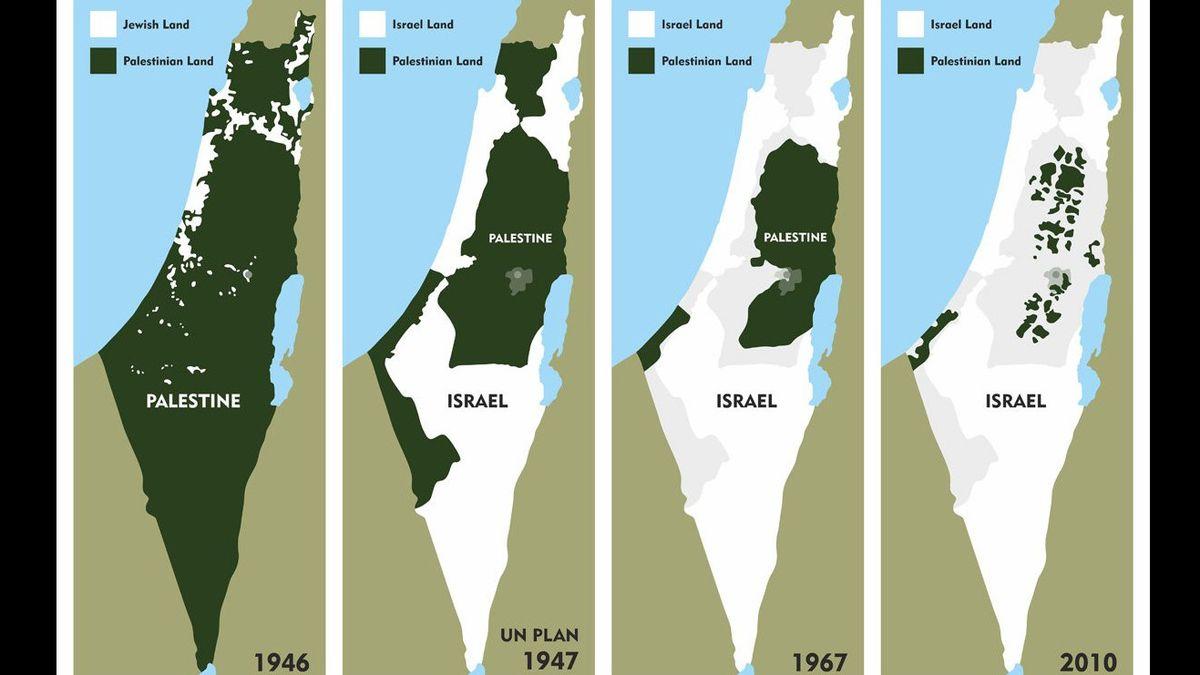


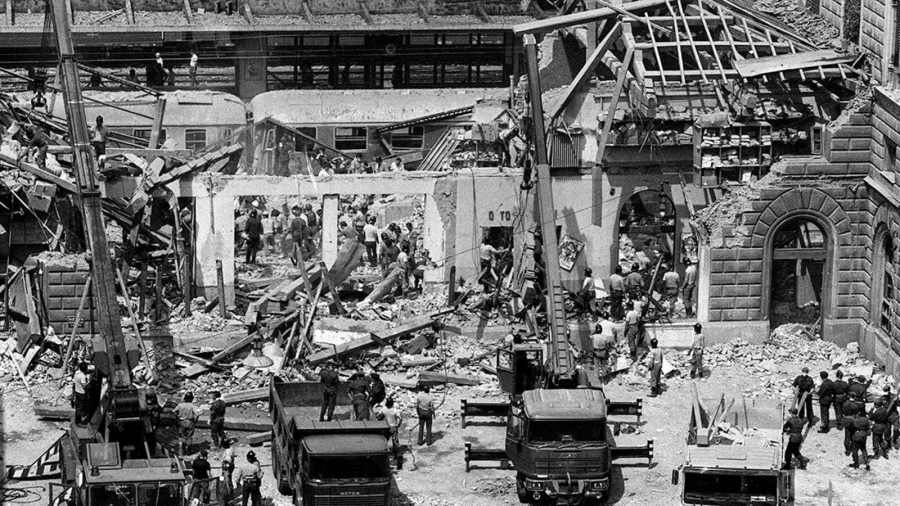

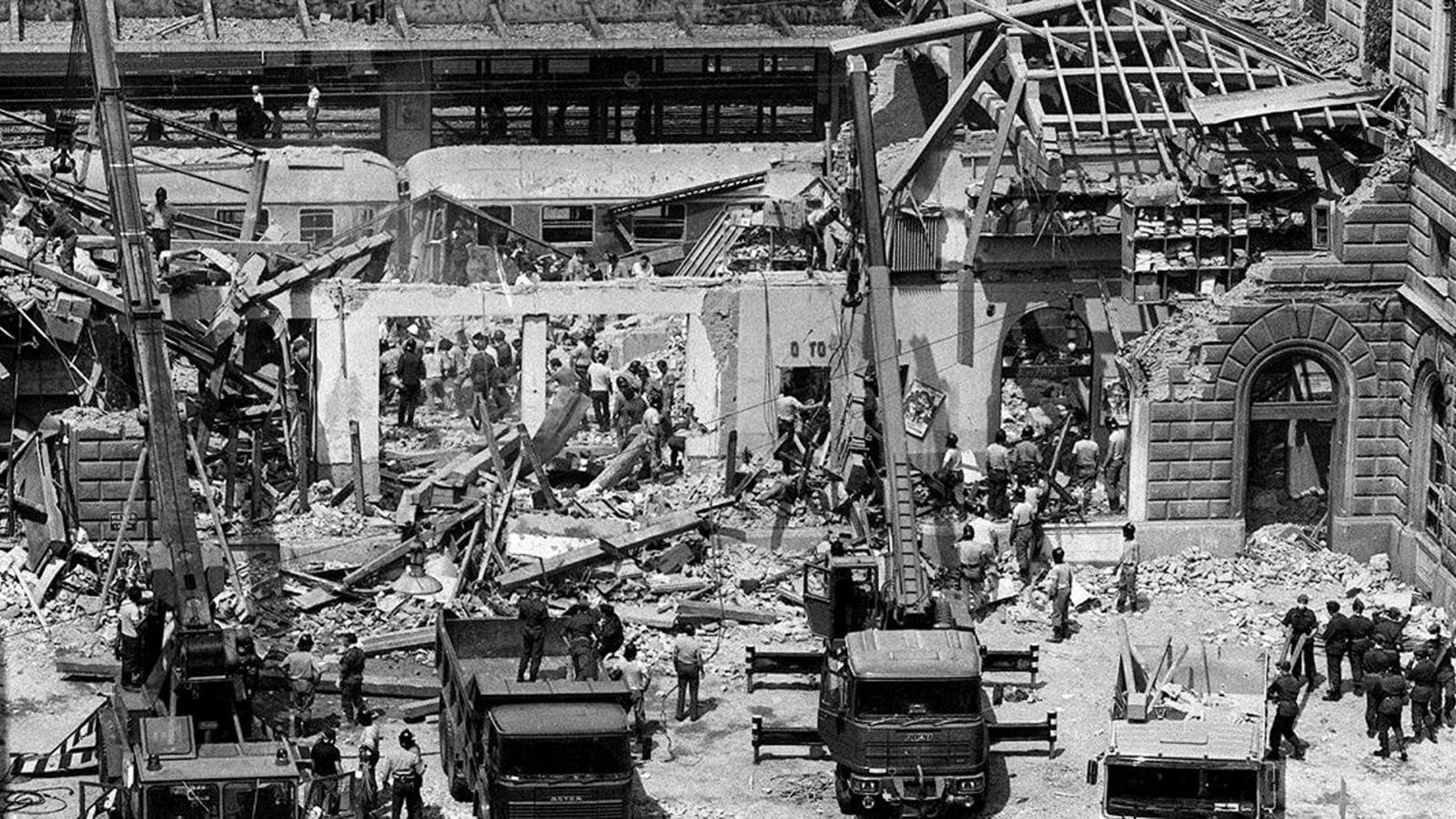
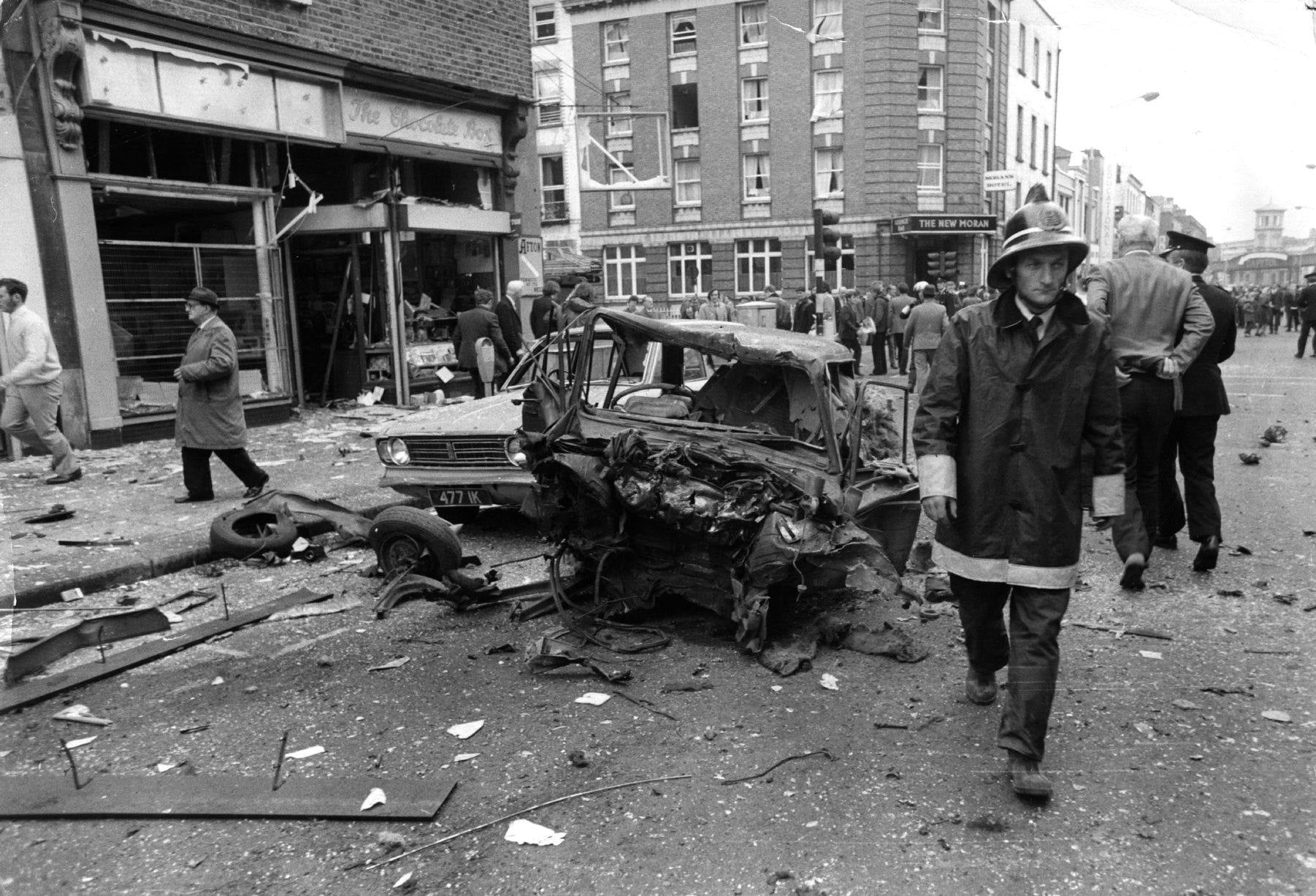
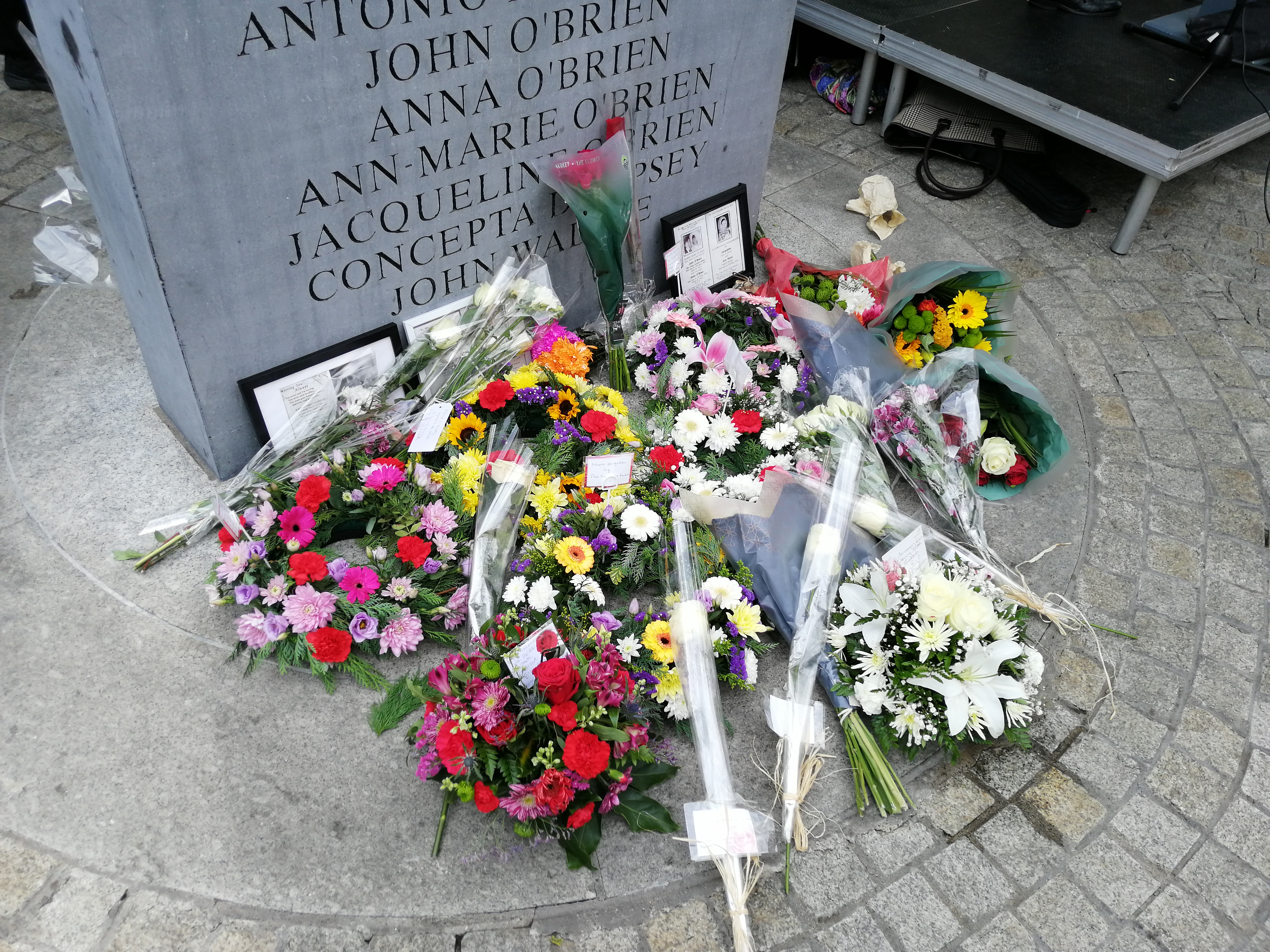

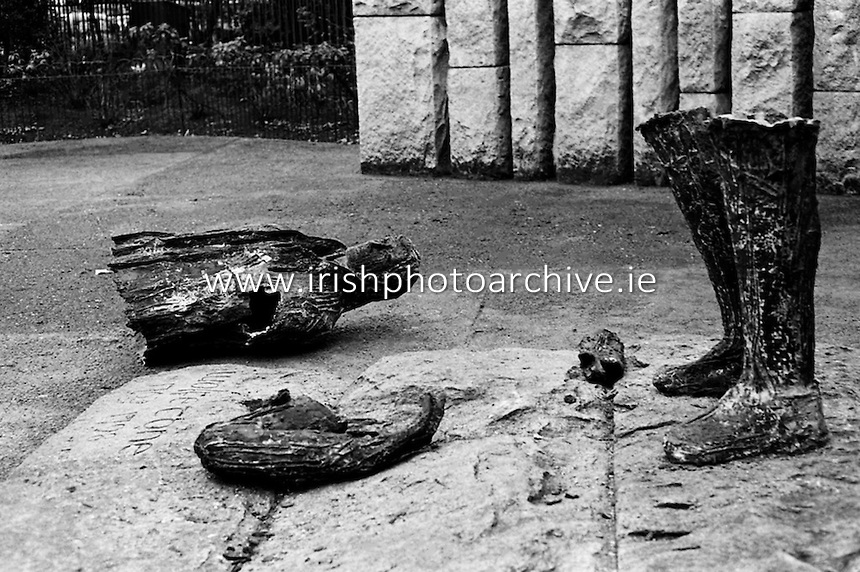

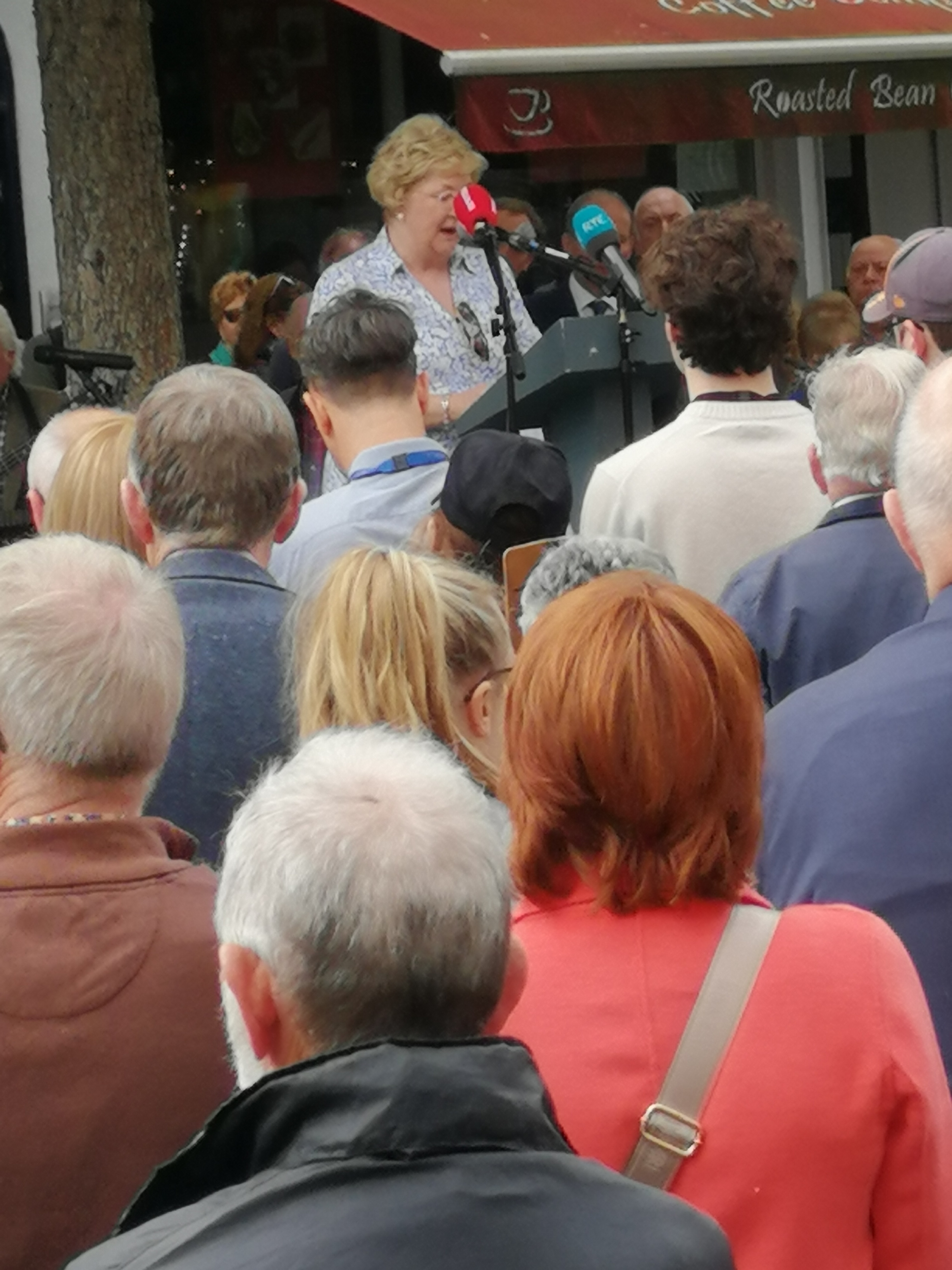
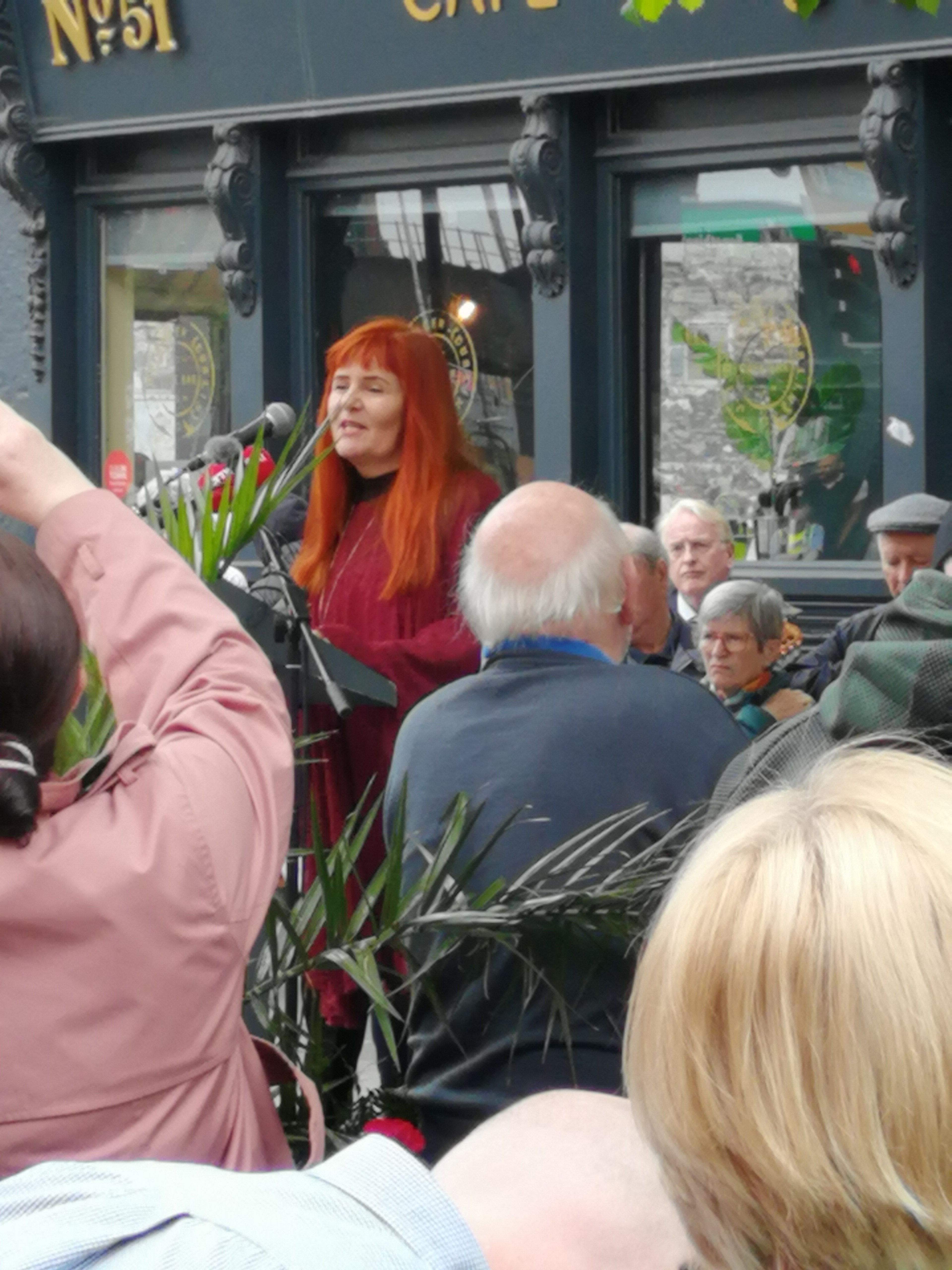
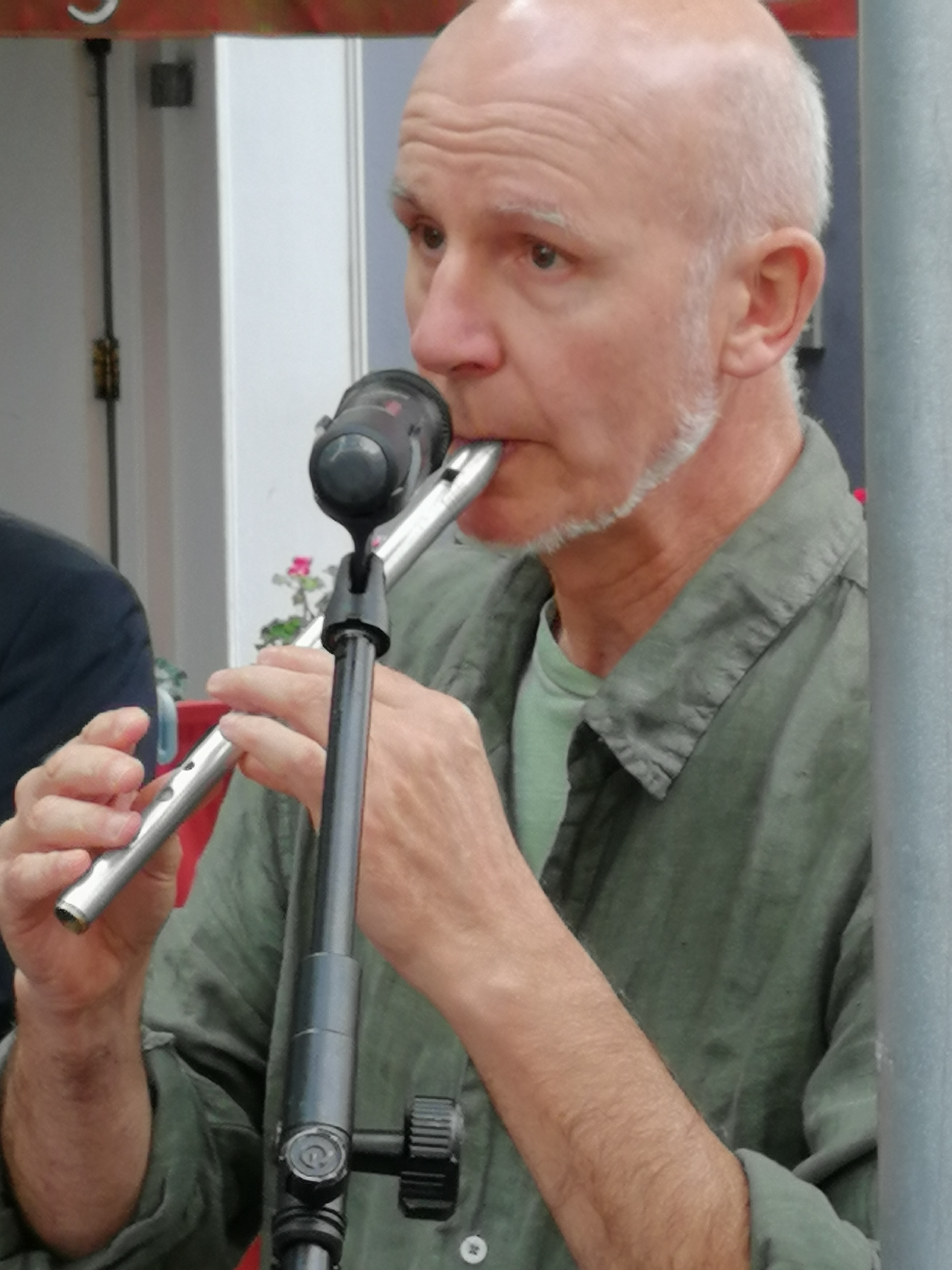

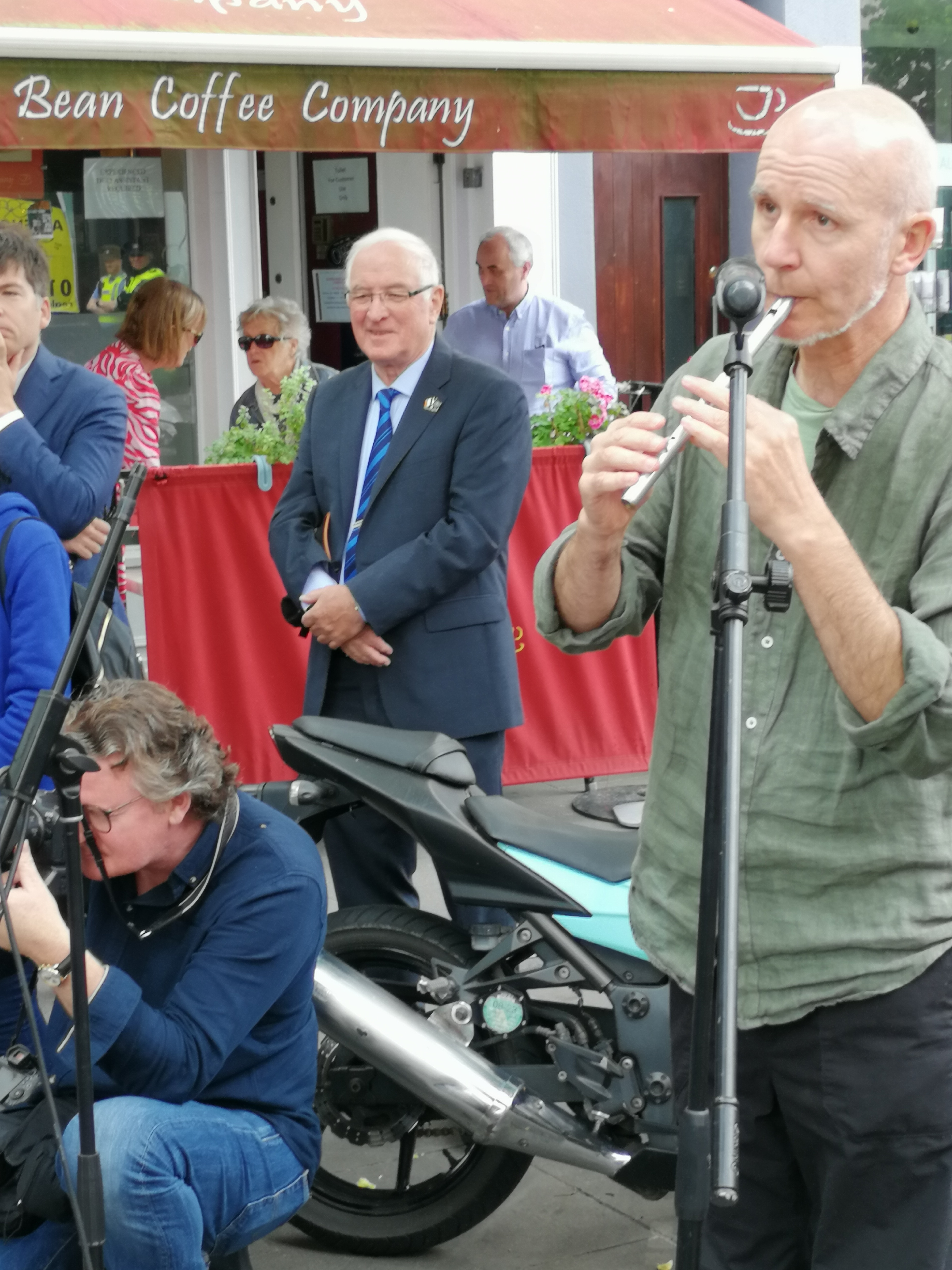
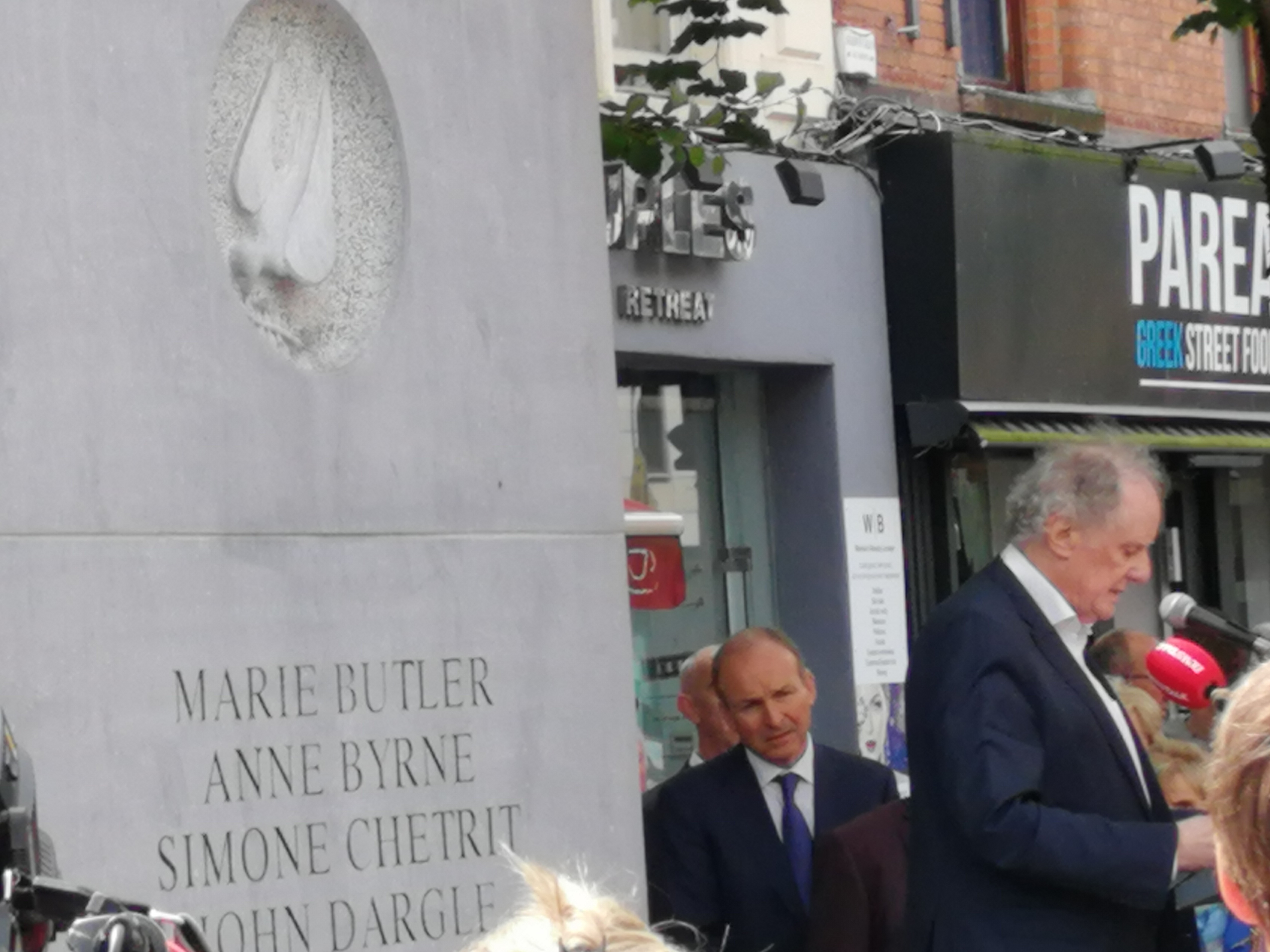
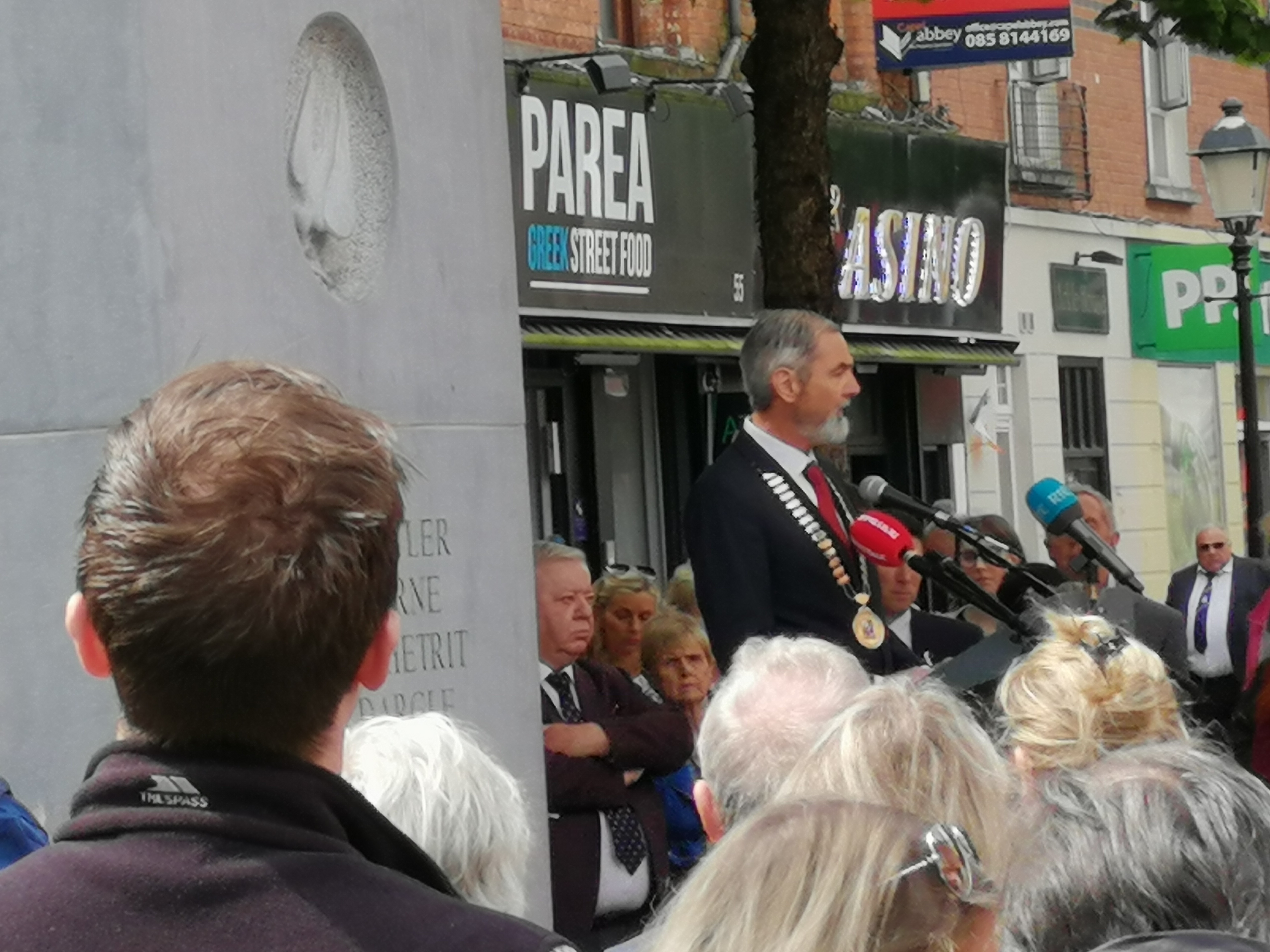

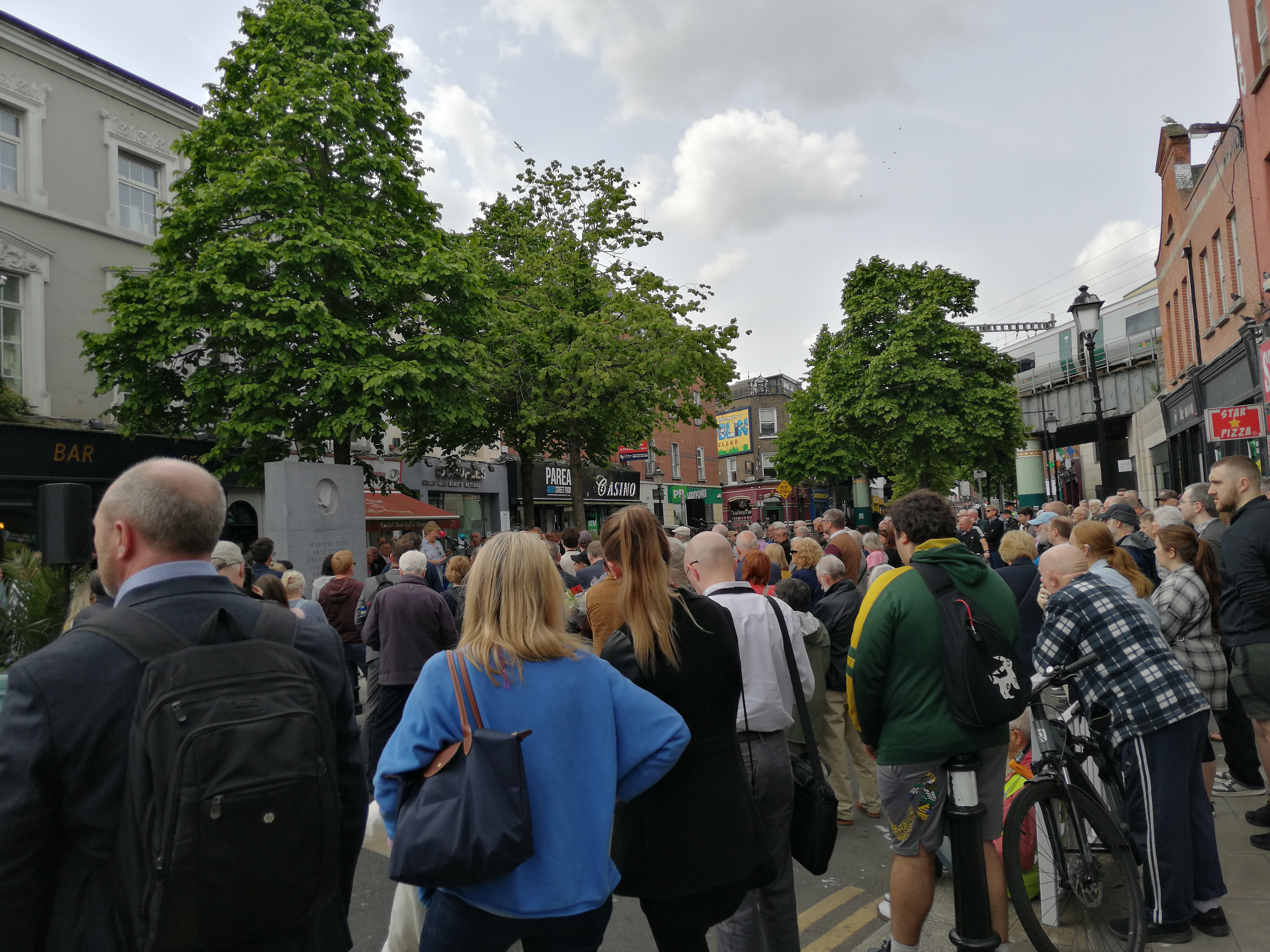


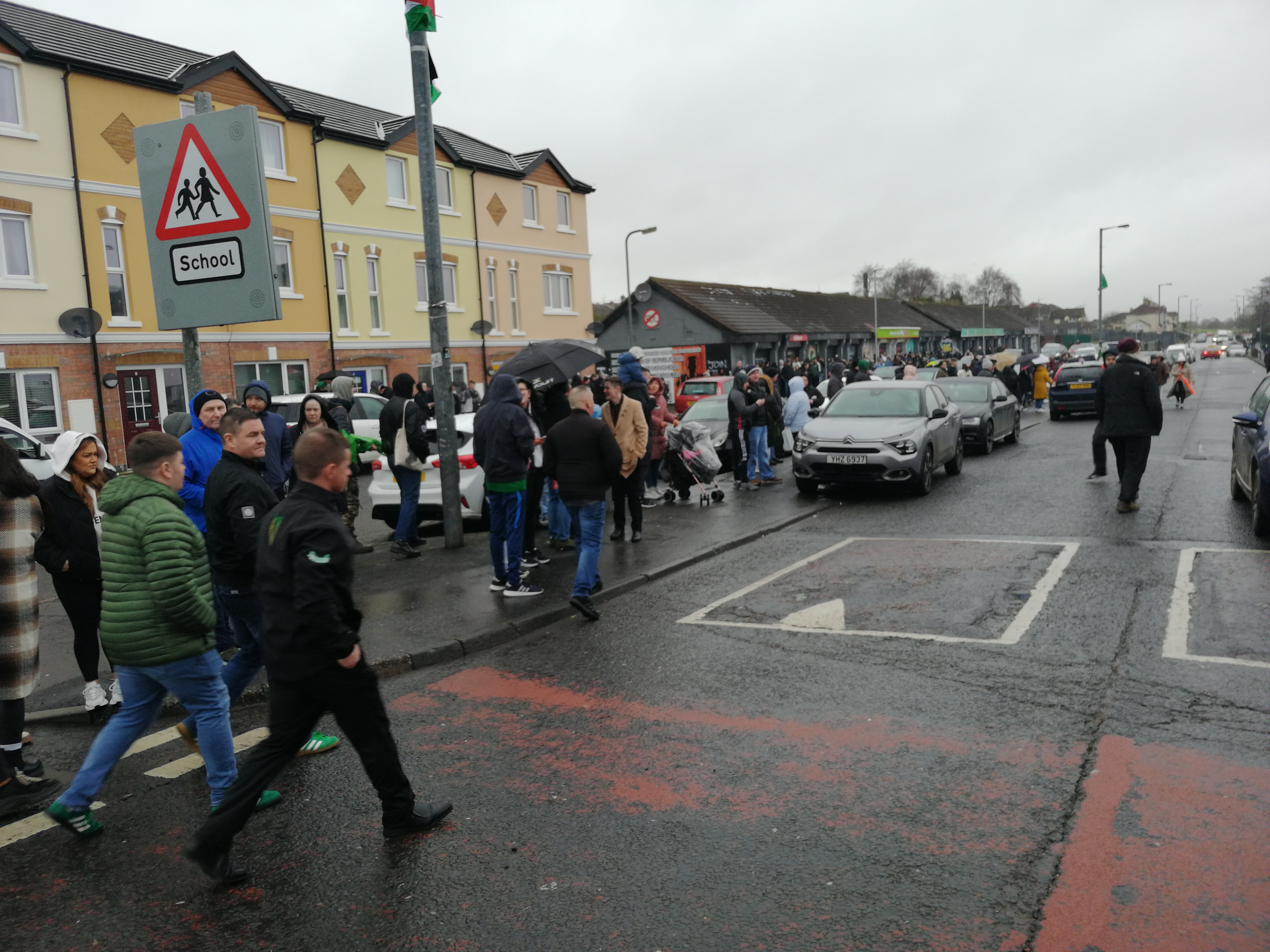


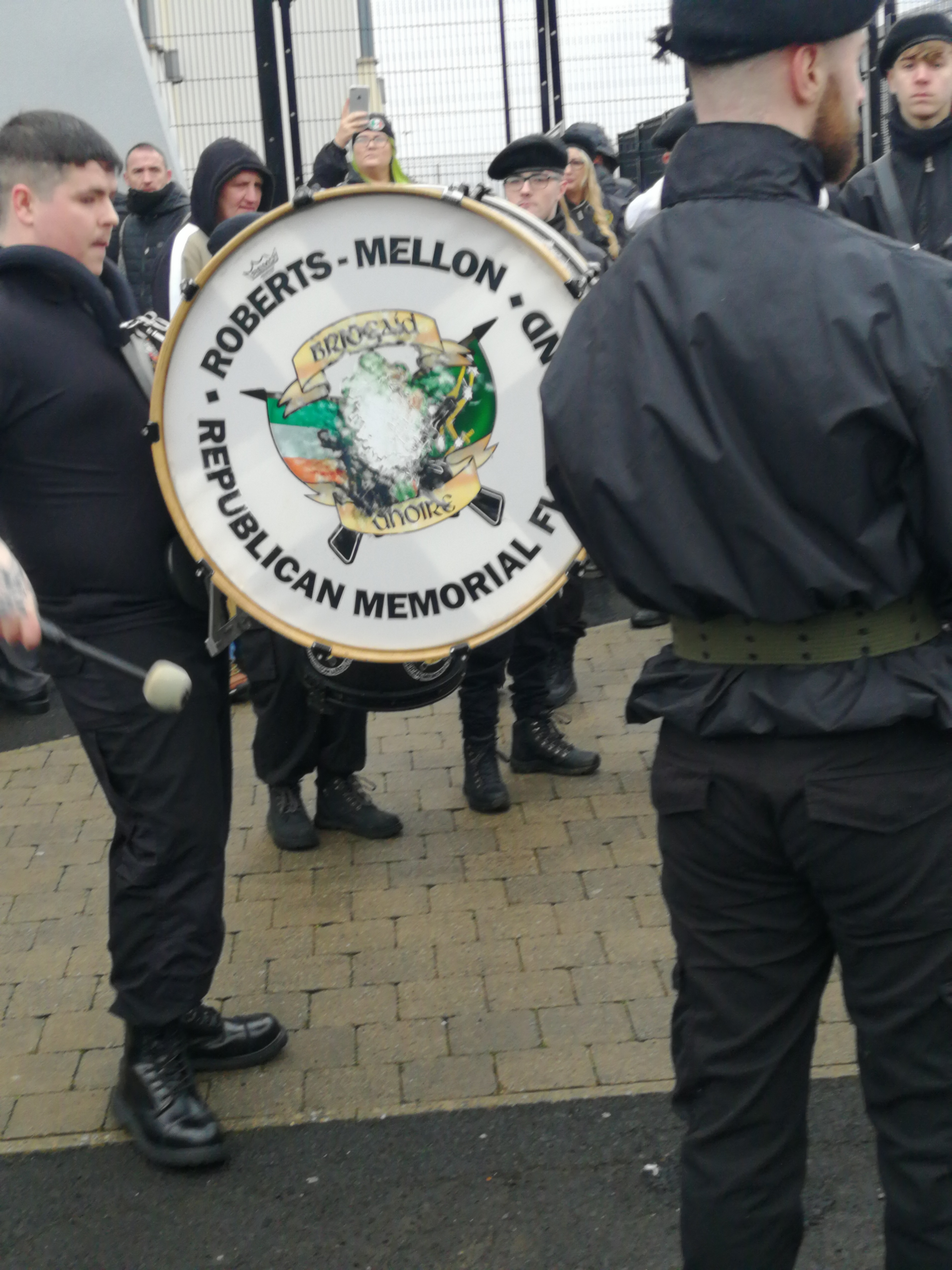


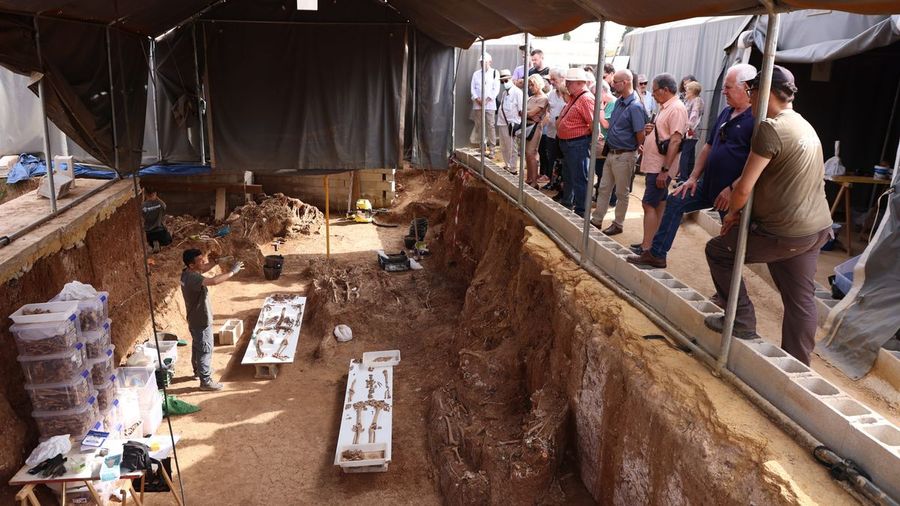
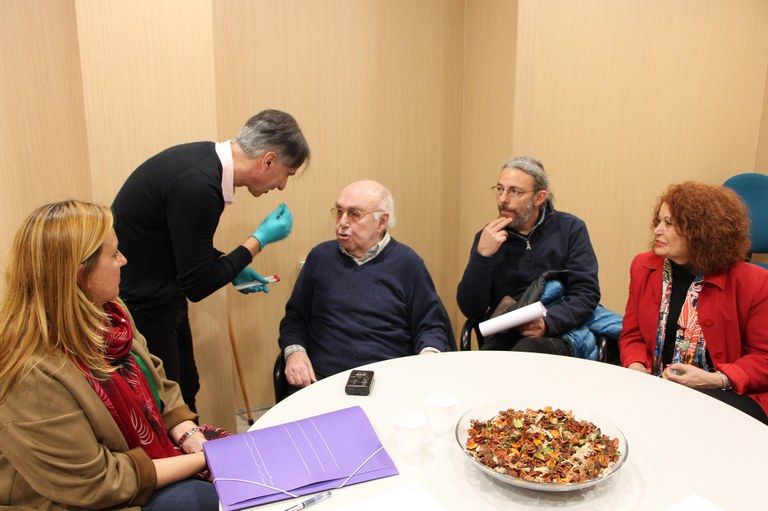
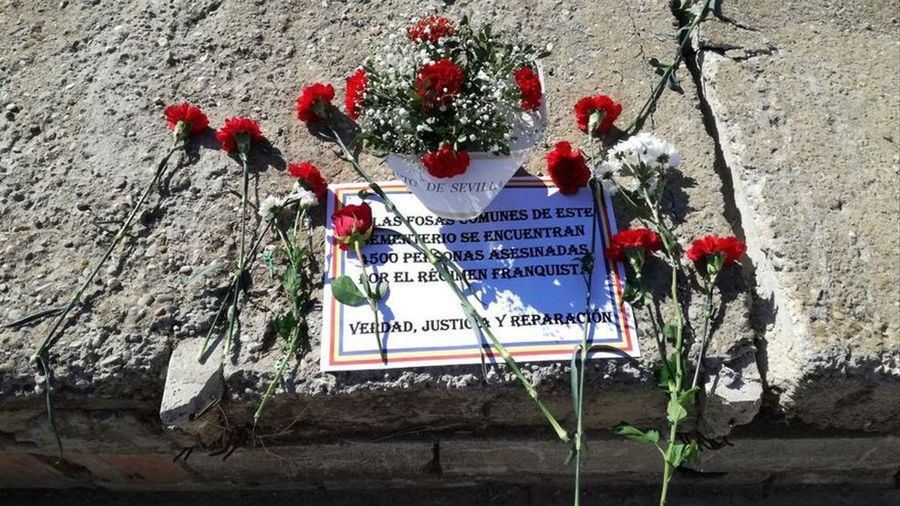
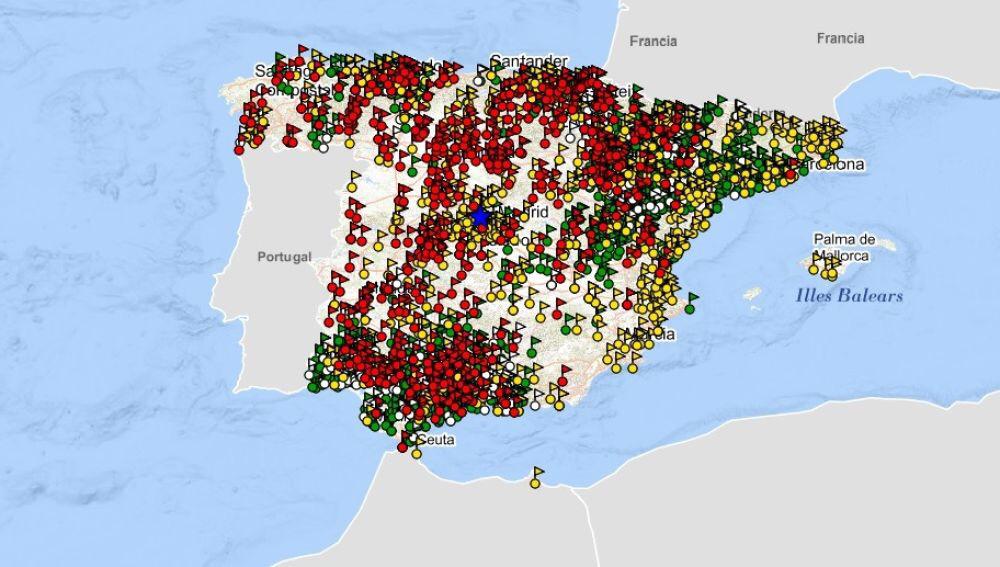


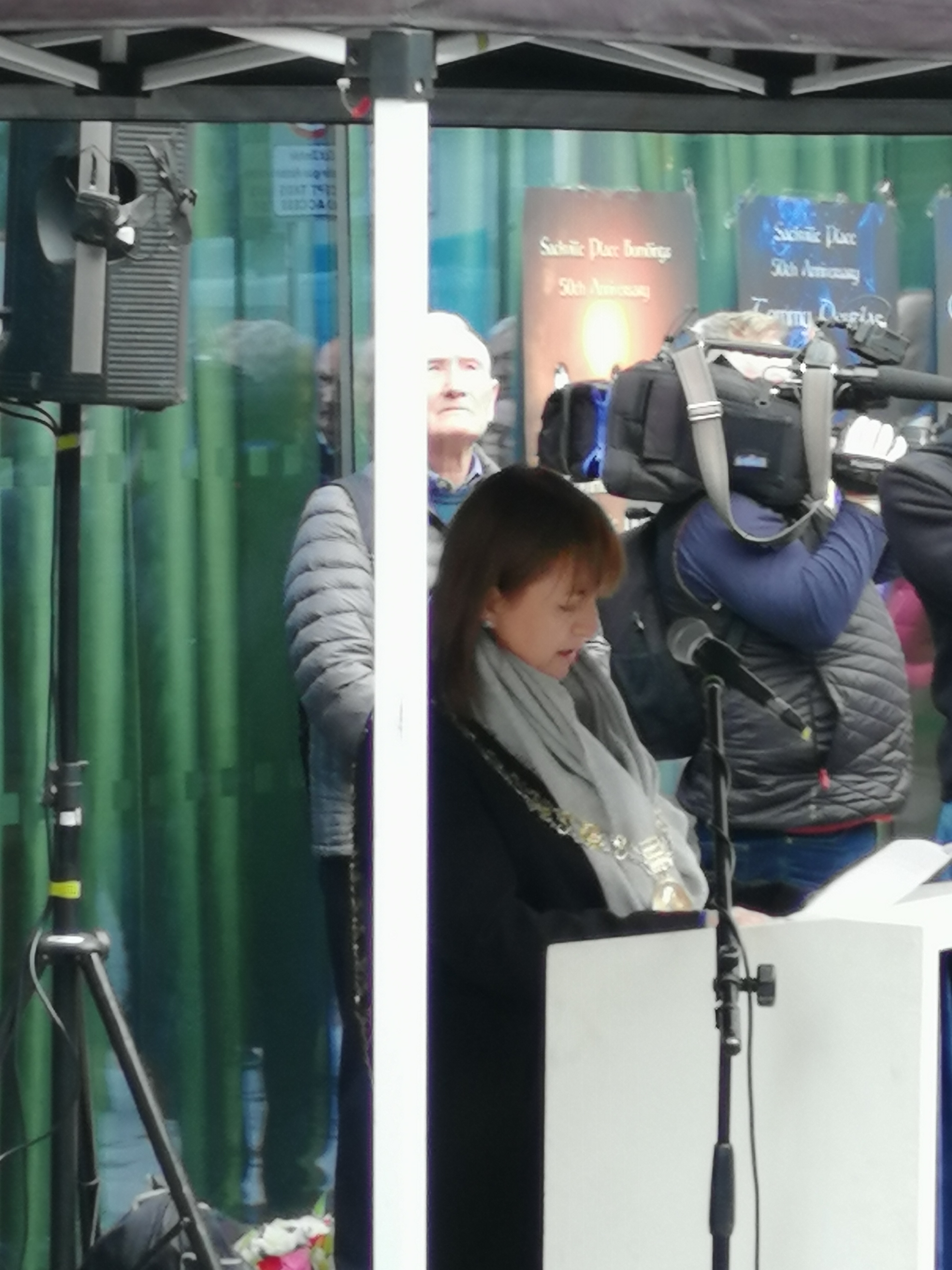


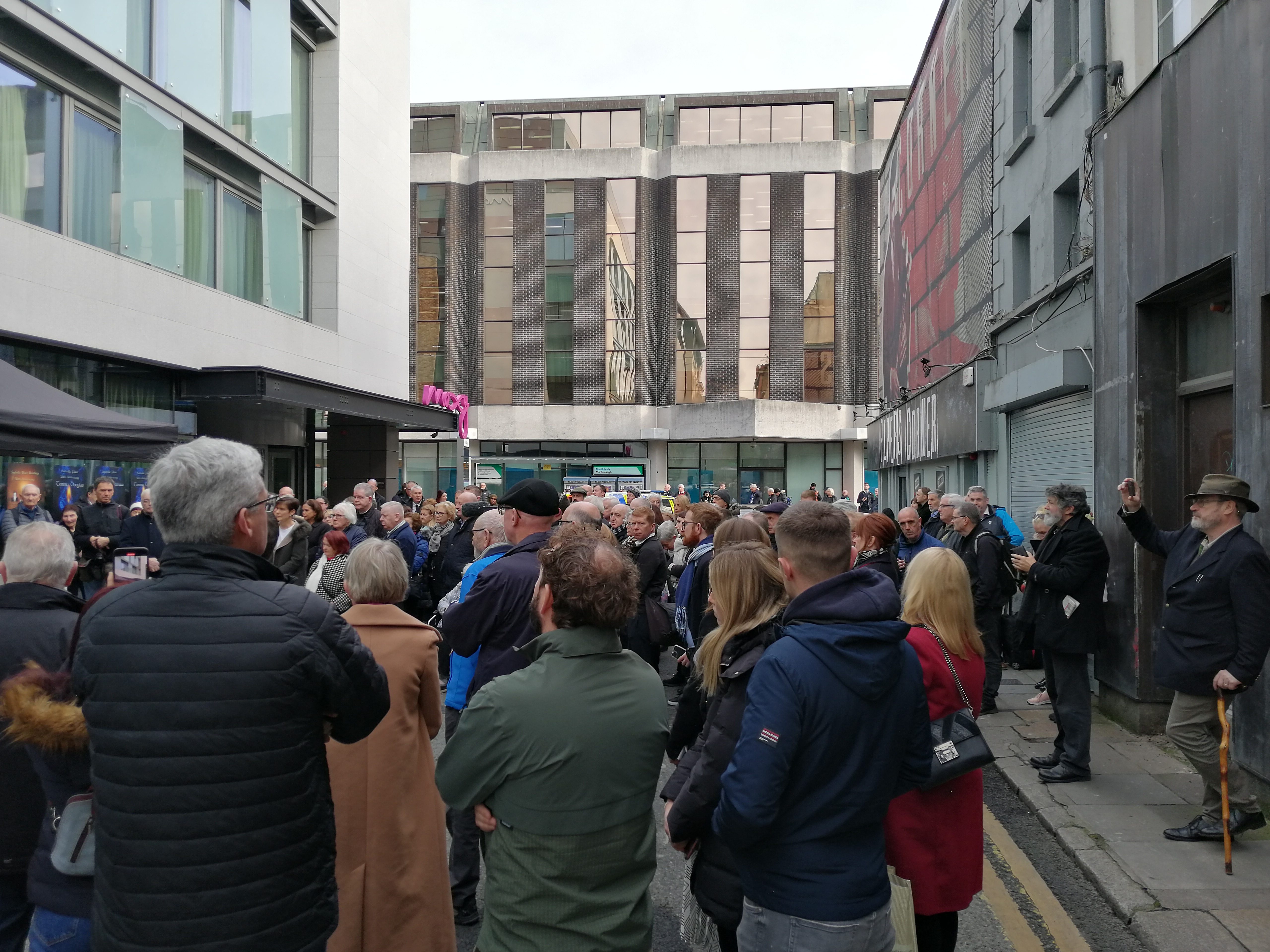


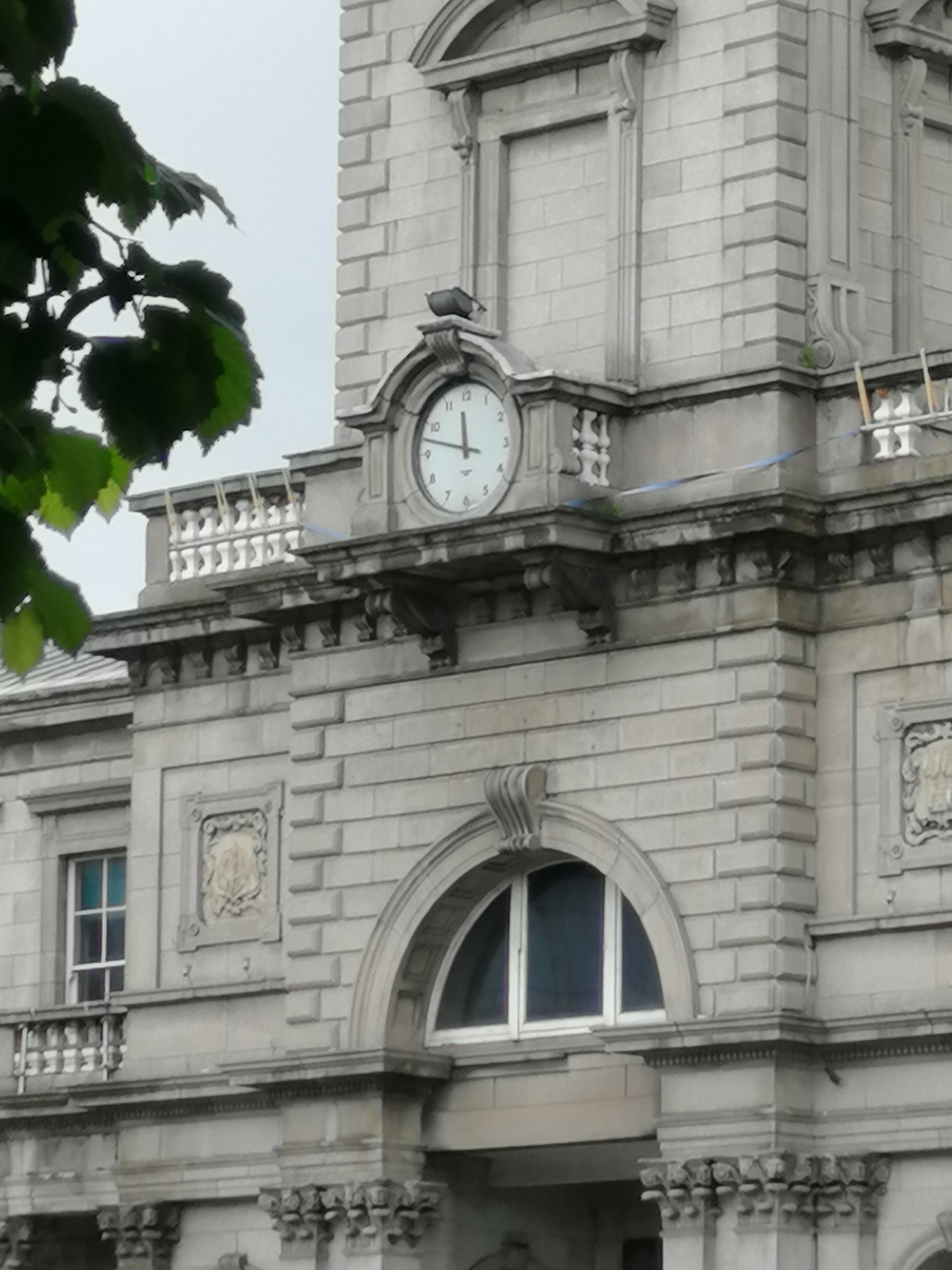
 rebelbreeze