As the northern hemisphere turned eastwards and the majority western calendar turned to a new year, it has been customary for people to wish one another a ‘Happy New Year’, not just for the first day of January but for the twelve months to come.
Although the Celtic New Year will not begin until the first of February, and the new year begins with “teacht an Earraigh … tar éis na Féile Brighde”, I have done likewise but with deep feelings of ambivalence.
Because facing us as 2026 progresses is genocide in some parts of the world, growing fascism in some other parts, tighter squeezes on working people, smaller proxy wars and, almost certainly, a larger war, with desperate migrations of people, if surviving death to find racism and exploitation.
Faced with armed occupation and genocide, armed resistance is justified and arguably necessary, even were it not established as a right within the Geneva Convention. But even unarmed and peaceful resistance is being penalised and repressed, including in the ‘Western democracies.’
Support and solidarity organisations are being outlawed, people expressing legitimate opinions against genocide, racism, ethnic cleansing and armed occupation supported by those ‘democracies’ are being hounded in their jobs and private lives, beaten and arrested by police and even shot dead.
But where there is oppression there is also resistance. The struggles against the racist and genocidal entity, though supported in arms, finance and politically by the Western ‘democracies’ have awoken people in those countries to solidarity action in the face of their governments’ opposition.
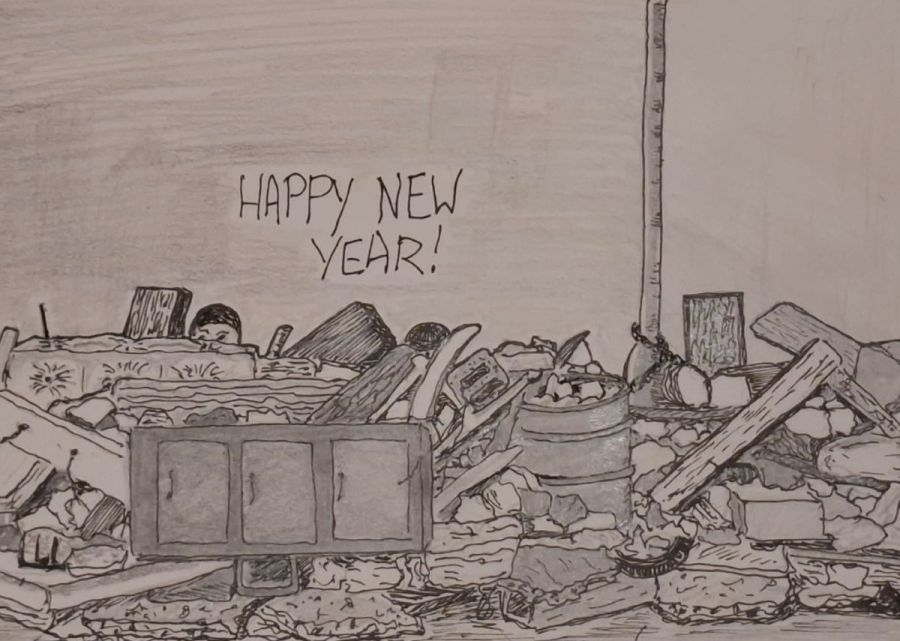
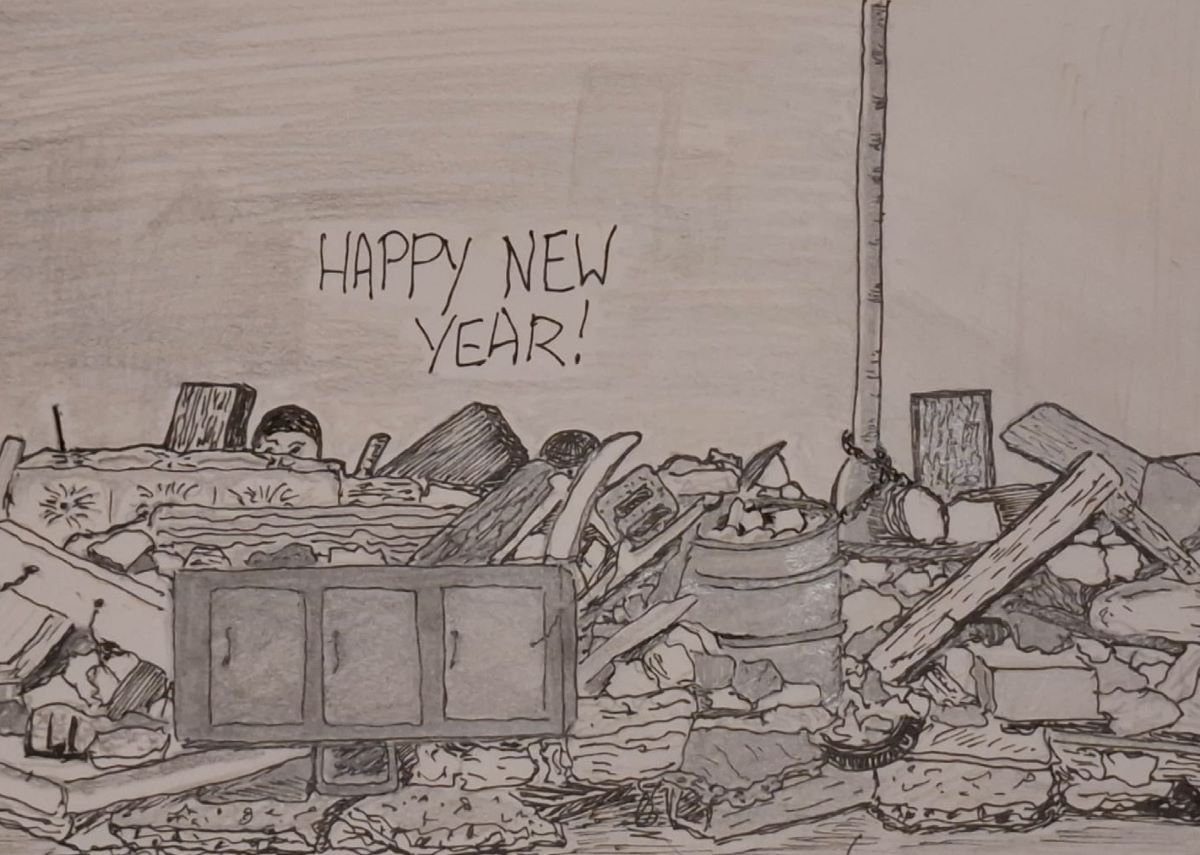
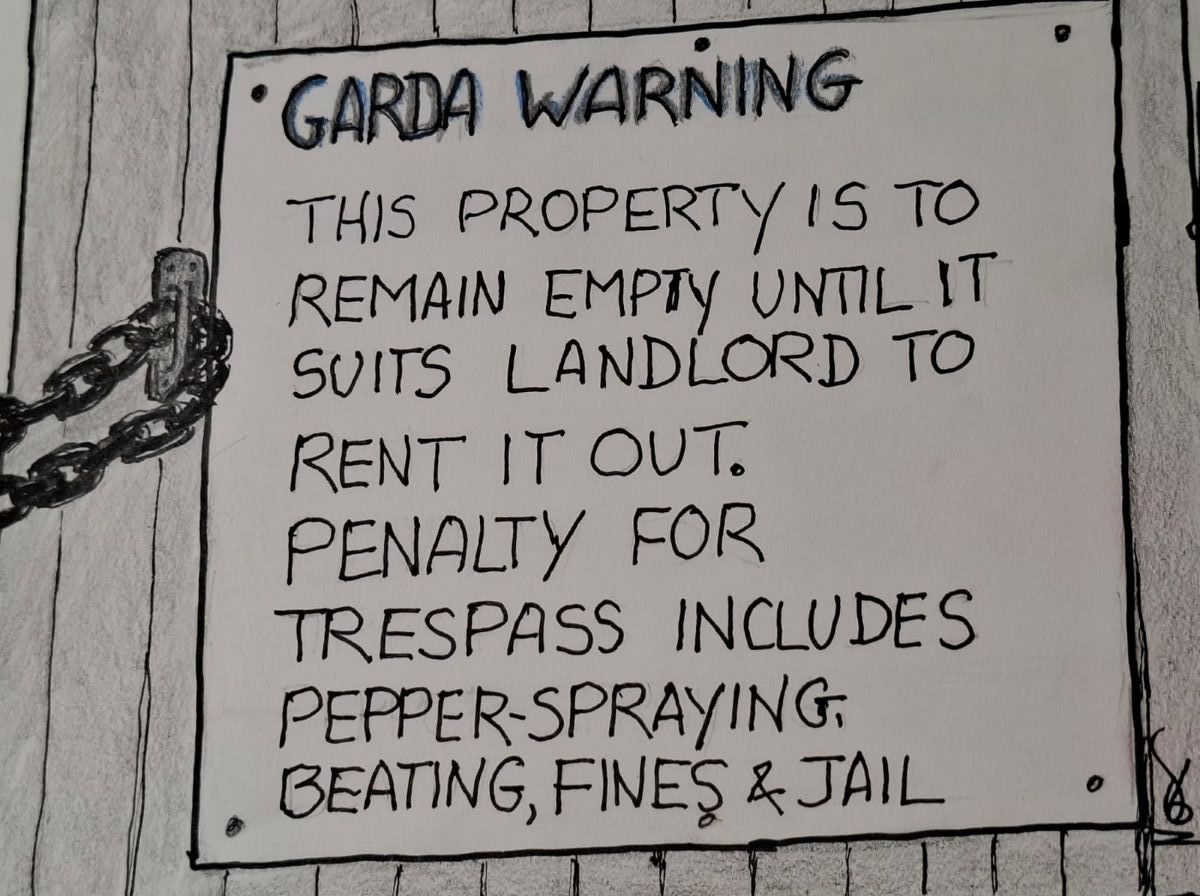
(Cartoon by D.Breatnach)
Hugely important lessons have been learned: about the nature of the Zionist state, about the collusion of the ‘democracies’ in colonial occupation and genocide, about ‘the independence of the judiciary’ and the ‘free press’, along with the partiality and ineffectiveness of ‘international law’.
And also about the ineffectiveness of liberal opinion and organisations, even in their heartlands of the ‘democracies’, to achieve meaningful change or even stop the repression. And about how the State knows this and reacts most violently against direct solidarity action.
Organic links have become clear between war in Yemen and Somalia, the spread of Islamist jihadism and imperialism, between prison struggles in Palestine, Britain and Ireland, between the troubles of the world and much of their origins among the colonial and imperial powers.
Yes, where there is repression, there is also resistance and our duty lies in feeding that resistance in all the ways that we can, including being visible in protests at their trials and supporting them in jail. And impeding our ruling class’ attempts to tie us to NATO or other military alliance.
So what I wish for is an increase in the militant resistance of the masses and greater unity in struggle, simultaneously with greater disunity among the imperialist states and ruling classes, bringing us closer to the kind of world we need.
I wish that for us all throughout 2026.
End.
Note: If you found this article of interest, why not register with Rebel Breeze for free, so that you will be notified by email of subsequent articles. You can de-register any time you wish.
Five people sitting down to a meal were surprised by a knock on the door of their residence. What followed amounted to an hours-long Garda siege ending in arrests and the residents and supporters gathering outside being pepper-sprayed and beaten.
A housing activist who has witnessed many evictions said it was the most violent eviction they had ever seen.
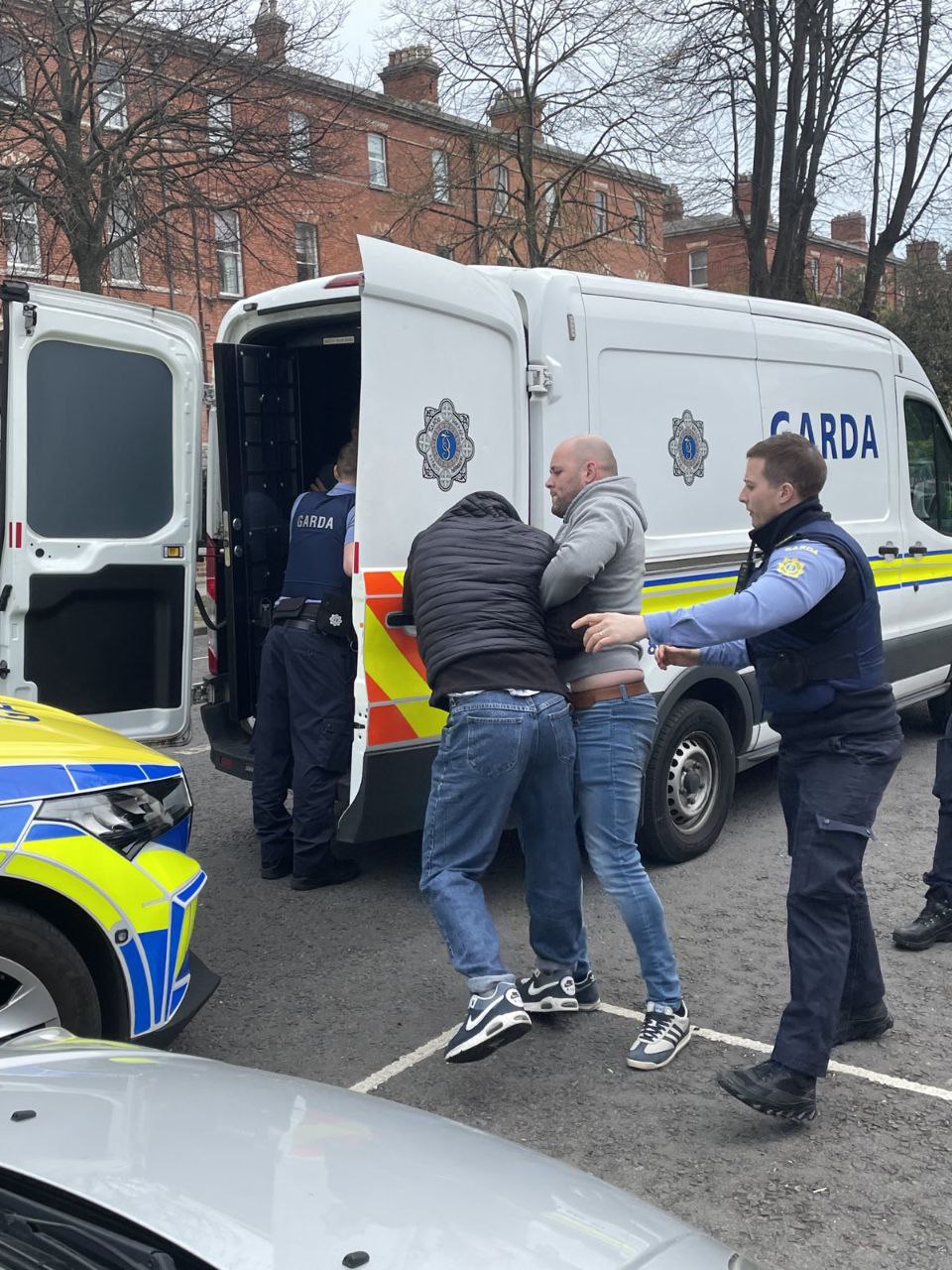
A house empty for many years in the Phibsboro area had been occupied by around four people who invited a fifth to share a meal on Monday 15 December. As they were about to sit down to eat the Gardaí arrived and told the occupants that they were criminally trespassing.
The occupants explained that they had been living in the building for some time and had keys, so any accusation of trespass would be of a civil kind requiring court orders and not at all a criminal one on which Gardaí are empowered to act. The Gardaí however remained and more arrived.
Local people responding to a call for support against an illegal eviction began to arrive as did more Gardaí until there were around 13 Garda vehicles present, including the Public Order Unit; a number of attempts to batter the door down were made which were however unsuccessful.
People protesting what appeared to be an illegal eviction were pushed and shoved by Gardaí and after a while also pepper-sprayed and batoned. After some hours had elapsed the police succeeded in smashing a back window and battering down an internal door, gaining access to the building.
The people inside raised their hands to indicate no resistance being offered (some were reportedly even sitting down) but allege that they were nevertheless pepper sprayed and beaten. Four were dragged out to Garda vehicles and the remaining person was violently assaulted again.
The road outside had by this time been cleared by the Gardaí. The five arrested were taken to a police station where at least some, male and female, allege they were stripped and cavity searched, measures totally inappropriate in this kind of arrest or similar.
It will be recalled that a number of Mothers Against Genocide group protesting outside Leinster House complained of the same during their detentions in Dublin in June although the Government’s spokesperson denied to some TDs that this had occurred.
That same week anti-NATO peaceful protesters had also been pepper-sprayed and the ankle of one broken by Gardaí while a Palestine solidarity activist at DCU was dragged to the ground, with allegations of strip-searching among those too.
Video by Anti-Imperialist Action outlining the source of Dublin’s housing crisis.
All five residents of the house were charged with offences including causing fear (!) and criminal damage, kept in custody overnight and brought to court, where they were released on bail to return to court at a date in the New Year.
GARDAÍ HELPING MAINTAIN HOMELESSNESS
This Garda operation and abuse of legal powers took place in the context of the highest recorded number of homeless to that date, with 16,600 people in emergency accommodation, including morethan 5,200 children and over 4,600 women,1not counting those sleeping on the street.
And with well over a hundred thousand buildings lying empty,2 a situation constituting a paradise for property speculators, vulture funds, banks and big landlords – but misery for thousands renting, struggling with a mortgage, in unsuitable accommodation, sofa-surfing or on the street.
Indeed, the property at which the Garda violent eviction took place was reportedly empty for many years before its occupation.
A couple of years ago a group called the Revolutionary Housing League occupied empty Dublin buildings and called for people across Ireland to do the same. Sadly, their call was not followed and Gardaí mobilised huge operations including helicopters to evict a handful of occupants.
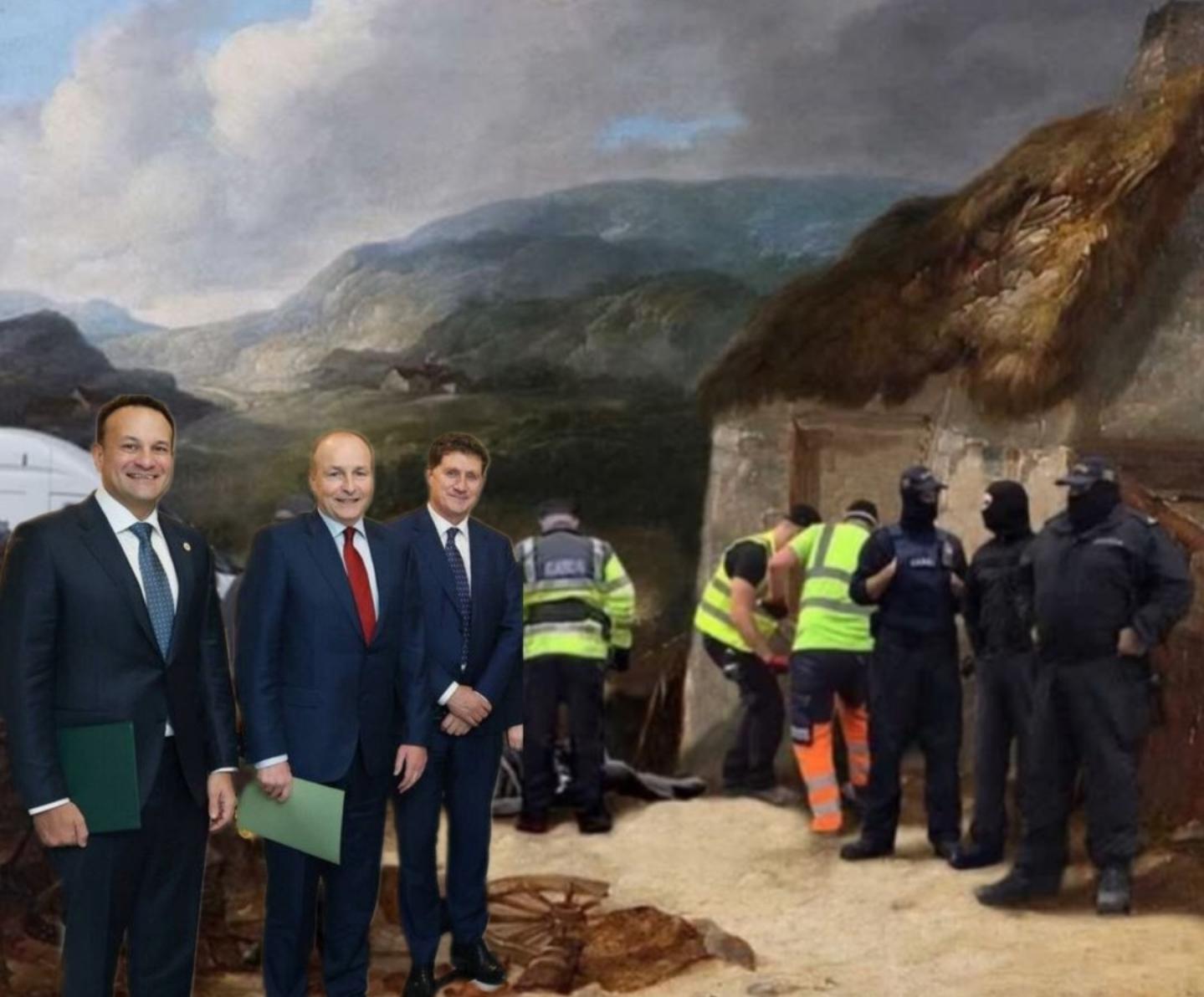
Three chief Irish Government Ministers some years past (one still in place) and Gardaí photoshopped on to 18th Century eviction scene in Ireland (original photoshopping of Gardaí by Spice Bag). (Image sourced: Internet)
HUMILIATION AND VIOLENCE
Strip and cavity-searching are demeaning psychological and physical invasions and should have no place in most policing actions. Even in jail, an x-ray chair is available. However strip-searching has been a constant over the years in use against political prisoners.
As violent and degrading actions become normalised in political repression they will be extended further, spreading to all kinds of policing operations.
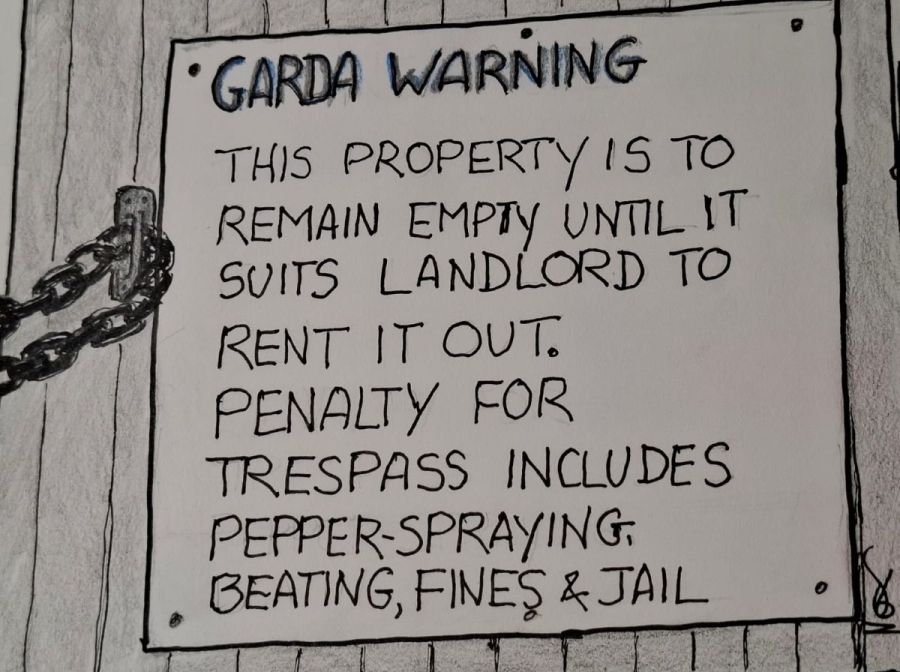
Cartoon by D.Breatnach
Gardaí normalising the use of pepper-spraying against Palestine solidarity and anti-NATO direct action activities are now extending this to other types of activities of which they disapprove, even those in the sphere of civil law and outside criminal law.
As the State increases its repression, the democratic and revolutionary movements will need to increase their resistance, calling also for the active solidarity of wider society with the victims and in condemnation of the State and its police force.
End.
Note: If you found this article of interest, why not register with Rebel Breeze for free, so that you will be notified by email of subsequent articles. You can de-register any time you wish.
Thursday night (30th), with almost non-stop downpour of rain was a dreary and miserable one in Dublin. Not so however inside the Cobblestone’s back room where solidarity and resistance resounded in song, instrumental and spoken word.
The event organisers, Solidarity Sessions collective, an independent organisation founded late last year have declared a number of times that they wish to contribute to “creating a community of solidarity and resistance through culture.”
Certainly the flags on the stage of the Tricolour, Starry Plough and Palestine conveyed some of the context, as did posters of 1916 martyrs Connolly and Pearse with text pointing out that the first was a migrant and the second, son of a migrant.1
In addition a merchandise stall sold T-shirts figuring the Palestinian Resistance with funds raised going to Palestinian relief work on the ground. Solidarity Sessions have also donated to ‘buy’ a water truck from Uisce for Gaza and also donated to Streetlink Homeless Support in Dublin.
Mark Flynn performing at Solidarity Sessions No.3 in the Cobblestone. (Photo: R.Breeze)
The material performed on stage contributed much of solidarity and resistance also. This was the third event this year and the second at the Cobblestone pub, one other being at the International Bar and the fourth expected at the Peadar Brown pub on Southside’s Clanbrassil Street.
There was a lot of audience participation at times during the evening, with Alan Burke joined from the floor in the chorus of his spirited rendition of The Aul’ Triangle (to which he added a verse of his own) and Sive was accompanied on request by continuous refrain under her singing.
Mark Flynn was also backed by the audience in his adaptation of A Roving I’ll Go to a sailing to Portugal song he told his audience he had put together in minutes of a creative flash the like of which he ruefully admitted not having experienced since. Flynn also sang Bogle’s antiwar Waltzing Matilda.
Alan Burke performing at Solidarity Sessions No.3 in the Cobblestone. (Photo: R.Breeze)
The audience was extremely quiet during Dorothy Collin’s spoken word pieces about assassinations by the Zionist Occupation and Palestinian resistance, interrupting her performance with applause only after a haiku in Irish and at a point where she became visibly emotionally affected.
The Resistance Choir included in their performance an exuberant Bread and Roses, the lyrics originating in a speech at a mostly female textile workers’ strike in Massachusetts, USA in 1912 and Burke sang of an innocent miner framed on a murder charge and hanged – but pardoned posthumously.
Class struggle was also present in Burke’s singing My Name Is Dessie Warren, about a trade union activist with flying pickets2 during the 1970s construction workers’ strike in England. Some were tried under the Conspiracy Laws and jailed, including Ricky Tomlinson and Des Warren.3
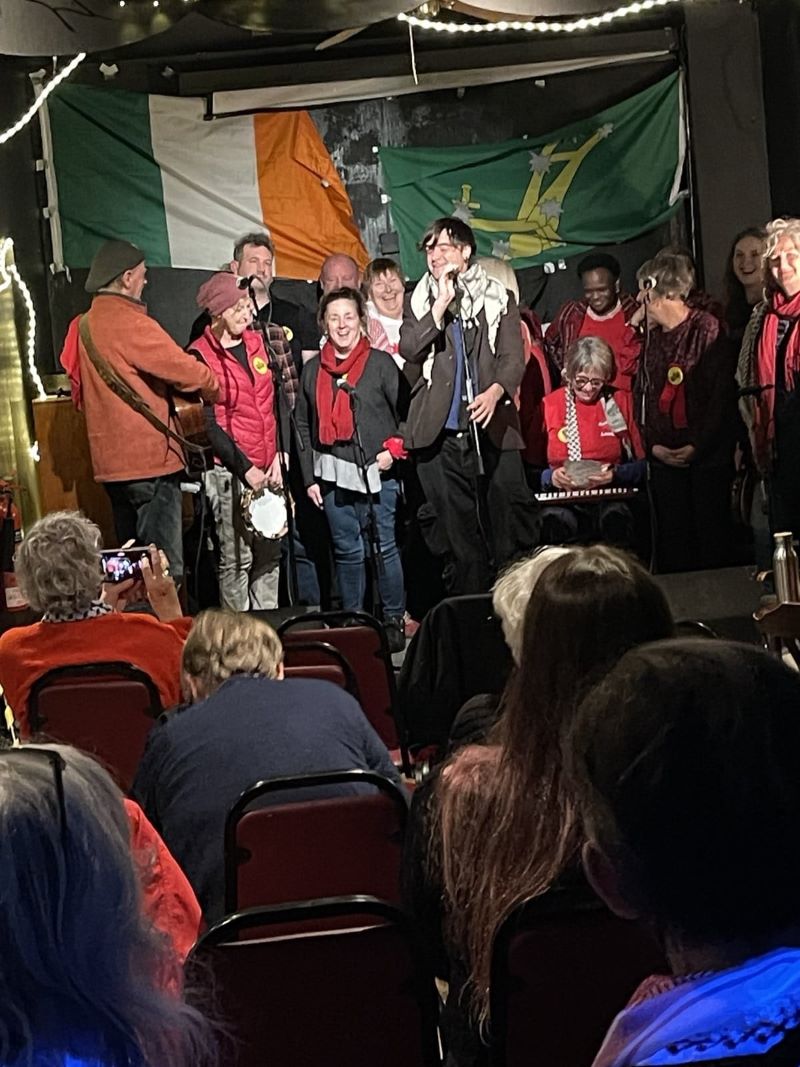
The Resistance Choir about to perform at Solidarity Sessions No.3 in the Cobblestone, being introduced by the MC, Ru O’Shea. (Photo: R.Breeze)
ANNOUNCEMENTS
Three imminent resistance events were announced from the stage: Friday morning, due to appear in court4 were two Palestine solidarity activists attacked by Gardaí at Dublin Port and a good show of numbers in solidarity was requested.5
On Saturday a picket in solidarity with Irish Republican prisoners would be held outside Kilmainham Jail6 and on Sunday a demonstration to blockade Dublin Port was announced, people being requested to gather at The Point on the north Liffey quays.
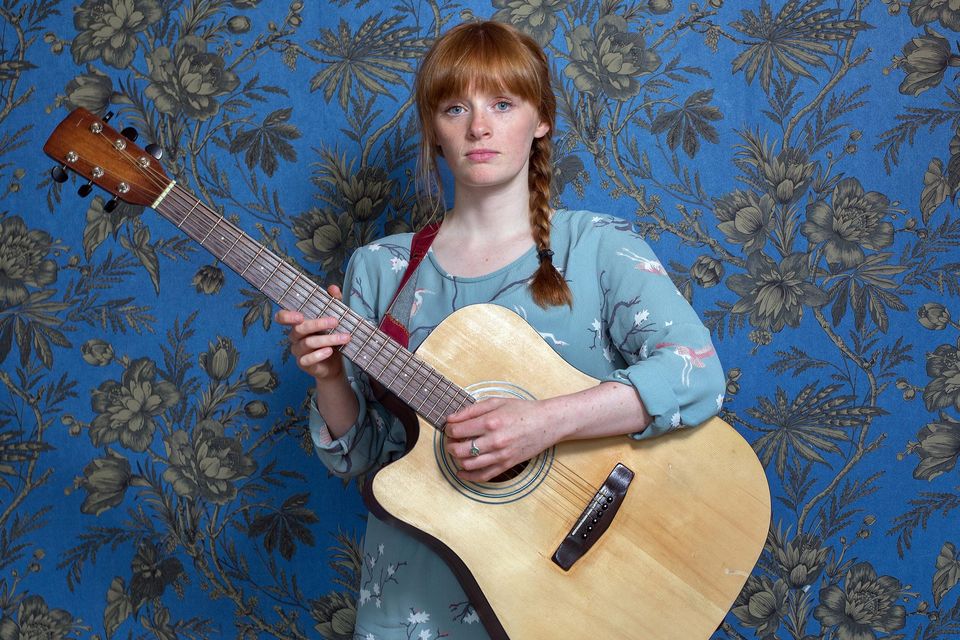
Sive, who performed at Solidarity Sessions No.3 in the Cobblestone. (Photo sourced: Internet)
The organising collective, volunteers on door duty and the performers all donated their services free of charge. Further donations will be made to causes considered worthy, the collective assured their guests and supporters.
Ru O’Shea, MC for the evening, thanked all the performers who gave their services for free, the audience for their attendance, supporters staffing the door, the Cobblestone and sound engineer. The next Solidarity Sessions night will be at Peadar Brown’s on Thursday 4th December.
Ongoing “contributing to building a community of solidarity and resistance.” And outside, it had stopped raining for awhile.
End. Note: If you found this article of interest, why not register with Rebel Breeze for free, so that you will be notified by email of subsequent articles. You can de-register any time you wish.
FOOTNOTES
1James Connolly was born into the Irish diaspora in the poor area of Cowgate in Edinburgh and first came to Ireland as an adult in response to an invitation to found the Irish Socialist Republican Party. Subsequently Connolly went to the USA for a period before returning to Ireland (therefore 3 times a migrant). Patrick Pearse was born and raised in Dublin but his father was English. Both Pearse and Connolly were executed in Kilmainham Jail with another twelve by British bullets after their surrender of the 1916 Rising.
2‘Flying pickets’ operate in principle like the guerrilla ‘flying columns’, sending a large number of union picketers to specific locations chosen in secret, thereby reducing the opportunities for the police etc to mobilise at the spot in advance
3Ricky Tomlinson after release became a famous actor, mostly in comic roles. Warren developed Parkinson’s from forcible injections with restraining drugs and long periods in isolation in jail, dying not long after release. I remember the case and campaigns when I was working in England and a period afterwards when I was briefly active in the Construction Safety Campaign and read statistics about on average a construction worker killed weekly and one seriously injured daily on British construction sites.
4Yes, the Gardaí charging with criminal offences people they pepper-sprayed and batoned without warning.
6Kilmainham Jail was a British colonial prison in Dublin, also used for a while by the Irish Free State to imprison the Resistance during the Civil War/ Counterrevolution. It is now a very popular museum and holds the execution site of 14 prominent Irish Republicans after their surrender in 1916.
PALESTINE SOLIDARITY MARCHERS PEPPER-SPRAYED AND BATONED WITHOUT WARNING.
An action on Saturday in an attempt to stop the genocide of Palestinians was brutally repressed by Gardaí pepper-spraying the marchers without warning before beating many with truncheons and threatening others, then issuing a lying statement.
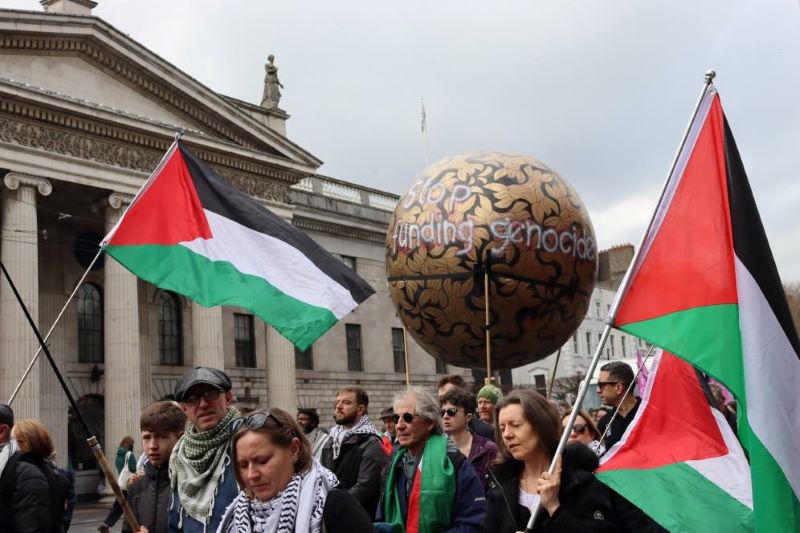
On Saturday (4th October) the Ireland Palestine Solidarity Campaign had organised another of their monthly National marches from the Garden of Remembrance through Dublin city centre to Leinster House1 but a much smaller section departed for Dublin Port.
View of a section of the Palestine solidarity march on Saturday proceeding along O’Connell Street. (Photo: D.Breatnach)
In the context of port protest shut-downs in various parts of the world, Italy in particular, the intention seemingly was to blockade traffic into and out of Dublin Port; also in the context of the Irish state being a huge importer of Israeli products, second only to the USA.
The shut-down marchers left the main march at O’Connell Bridge and proceeded along the Liffey quays heading for the Port as IPSC stewards tried to discourage anyone from joining them, stooping as low as to accuse them over a loudspeaker of splitting the march and of betraying Gaza.
There had been a number of Port traffic blockade actions recently, all of which had ended without violence. No doubt the Irish ruling class were worried that they might escalate and spread and gave orders to the Gardaí to attack the marchers and to terrorise any others from emulating them.
As the marchers reached the Public Order Unit police line and stopped, some of the police began to push marchers, almost immediately some Gardai standing in a second row starting to pepper-spray marchers over the heads of their colleagues but the wind pushed some of it back in their faces.
POU Gardaí to the right of the crowd then drew their truncheons and started to strike viciously at the marchers, who were now pushing into the Garda line. Eventually the marchers broke, people staggering off to the side, eyes streaming, unsteady on their feet. Even then, they were pursued.2
At least two marchers were arrested at the event and another in a solidarity demonstration outside the Criminal Court building that evening. The charges include Public Order charges and resisting arrest. Once again, marchers complained they were forcibly strip-searched in the police cells.3
CAPITALIST MEDIA
RTÉ online’s report was clearly totally based on a Garda statement without any attempt to investigate, although video footage was soon circulating on social media. Try to contact participants for their side of the story? See whether there were photos or video clips available? Don’t be silly!
The Garda account is totally at variance with what can be seen on the video, as has often been the case. One recalls the assault with a length of wood by a fascist on an LGBT campaigner who was observing a National Party rally outside Leinster House and a Garda told her to leave the area.
The Garda statement to the media on that occasion was that there had been no incidents but unfortunately for them there was ample video recording of the event, the assault, the victim’s head streaming with blood, the senior Garda ordering her away … and they had to change their story.
A few weeks prior to that, unarmed antifascists counter-protesting an anti-masking protest organised by fascists on Custom House Quay were attacked by fascists wielding clubs and metal bars. As the antifascists fought back, the POU charged in and attacked the antifascists!
On that occasion too their statement to the press completely omitted that event.
The media is doing a good job of exposing themselves as not only keeping to the imperialist pro-Zionist discourse about events in Gaza and the rest of West Asia, but keeping also to the home front discourse that big business and cops are good and protesters a problem.
We appear in the Irish state to be entering a period of Garda repression backed up by media acquiescence, similar to what was passed through in the 1980s, with Garda repression on the street but also operations by the ‘Heavy Gang’, raiding and beating up detainees to obtain a ‘confession’.
The liberal civil rights sector was quite active then calling out Garda violence, framing of innocent people and judicial collusion. There is much less of that liberal resistance to be seen these days.
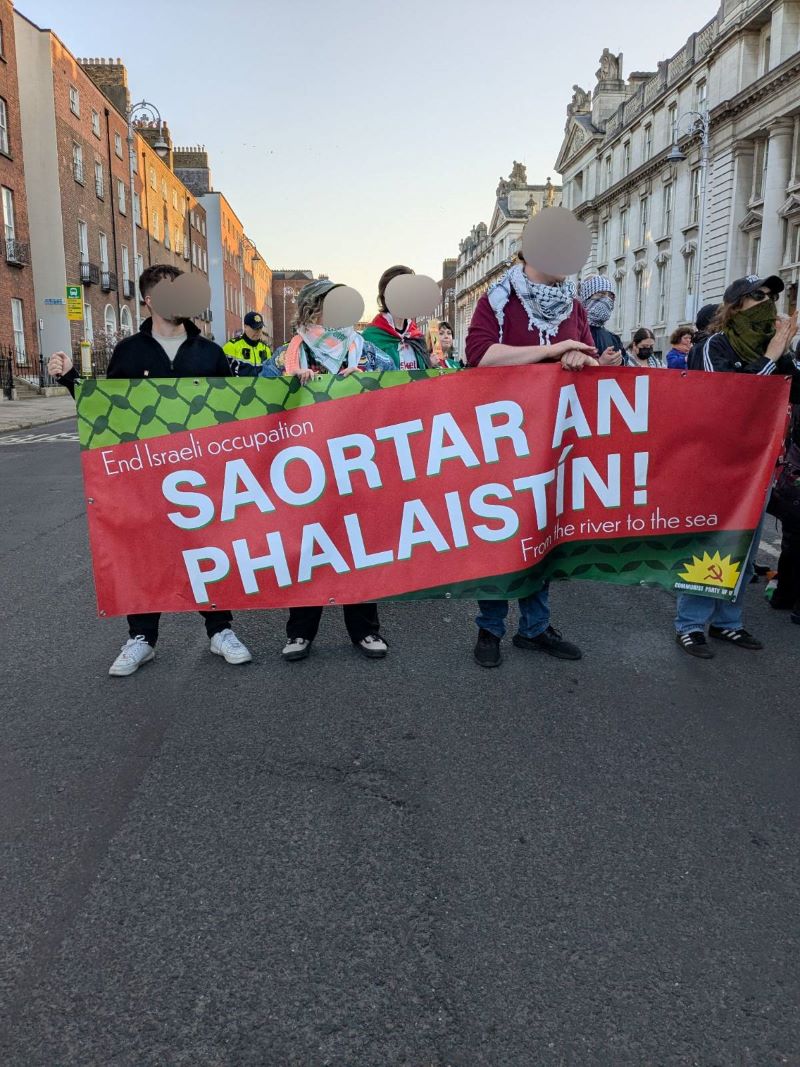
A rare enough sight – an Irish-language placard on Saturday’s march in Dublin. (Photo: D.Breatnach)
THE IPSC MARCH
The IPSC went ahead on Saturday with many thousands on their march, demonstrating once again, as over the past two years, that the Irish public is overwhelmingly in support of the Palestinians and totally against the genocide and ethnic cleansing by the Zionist state.
Over the years, the IPSC’s activities have contributed to that awareness and sympathy in Irish society but so too have the actions of the Israeli governments and their armed forces, captured in photos and videos by journalists and ordinary Palestinians and posted on social media.
But Israel has not ceased its genocide; not one Palestinian life has been saved by the marches. The Irish Government has not ceased any of its concrete collusive actions with Israel. The imports continue, the armaments fly through Irish airspace, Shannon airport continues militarised.4
The IPSC’s Chairperson admitted as much, speaking at their rally near Leinster House: “Simon Harris has called Israel’s actions ‘genocide’, ‘unconscionable’ and ‘unacceptable’ — yet the Irish Government is barely lifting a finger to end Ireland’s deep complicity in this genocide.”
A section of the Palestine solidarity main march in Dawson Street, while thousands more are already in Molesworth Street (out of sight to the right of photo). (Photo: D.Breatnach)
Had the IPSC mobilised the thousands to march down to the docks, it would have been a very different story on Saturday. Something to make the Government really reconsider its collusion. The IPSC could still do that. But will it? We can hope but current practice tells us otherwise.
Then others will have to do the deed. Others like Mothers Against Genocide, Action for Palestine Ireland and Saoirse Don Phalaistín, for example. And they will continue to be assaulted and arrested, facing fines, restrictions on freedom of movement and … ultimately, no doubt … jail.
Apart from the baton and pepper-spraying injuries, one of the marchers is reported to have a broken arm. Two were arrested at the Port and one at the court solidarity protest Saturday evening. Today others attended court in solidarity with one of the arrested (who had abrasions on her cheek).
We should be part of these disruptive actions and if we are not, for whatever reason, the least we can do is to call out those who denounce them and to organise support for those who are, in and out of the courts.
End.
Note: If you found this article of interest, why not register with Rebel Breeze for free, so that you will be notified by email of subsequent articles. You can de-register any time you wish.
Gathering outside the Dublin Court in solidarity with one of the assaulted and arrested Port marchers. Her case was postponed. (Photo: D.Breatnach)
2All of that is evident from the video footage shot from that side of the event. Violent shoving by Gardaí sent some people to the ground, including a disabled woman.
3There was outrage expressed when Gardaí compelled detainees at a Mothers Against Genocide protest outside Leinster House to strip in the police cells. The Minister for Justice claimed that Garda CCTV footage refuted those claims but strangely, it appears that no CCTV footage was available when lawyers asked to view it. https://www.instagram.com/mothersagainstgenocide/p/DJ_nOewxQAp/
4And the Irish Central Bank intends, after a pause, to offer Israeli war bonds once more.
Gearóid Ó Loingsigh (reprinted intact from his substack and reformatted for Rebel Breeze)
(Reading time: 5 mins.)
Once more Trump has acted like the lunatic he is and ambushed the president of South Africa, Cyril Ramaphosa, stating that the country was undergoing a real genocide of whites.
Many have commented on the effrontery of Trump to talk of a fictitious genocide of whites in South Africa, whilst his main ally Israel is carrying out one in real time every day on the news shows.
Trump used images from the Democratic Republic of Congo, a country more than 4,500 kilometres away, to show that they were killing whites in South Africa.
Trump also lied about the land question in the country, accusing the government of stealing the whites’ lands when the reality is that the whites continue to be the owners of the greatest part of the land in the country.
It is worth saying that Ramaphosa defended himself partially, and only partially as behind the new legislation on the matter there is the hidden failure of the peace process when it comes to resolving the land question.
When the Apartheid regime was ended, the country was one of the most unequal on the planet and the whites were the owners of the greatest part of the agricultural lands. Around 60,000 whites were the owners of 86% of all the agricultural lands, some 82 million hectares.[1]
The agrarian reform proposed by the ANC in its White Paper of 1997 was a market-driven reform, i.e. the voluntary sale and purchase with some help from the government without the government being a buyer.[2] Blacks could also ask for the restitution of lands stolen by racist laws since 1913.
A whole land bureaucracy was set up, not unlike what Colombia has, Land Claims Courts where all those who registered could make their case with three possible outcomes, the restitution of the land, the handover of alternative land or a financial compensation.
In 1992, the ANC had put forward a document in which they argued for the expropriation of lands and other non-land market mechanisms. But by 1997 they had accepted neoliberal discourse and adopted the land market as the cornerstone of their policy.[3]
Initially the ANC government had proposed handing over 30% of the agricultural lands held by whites to blacks within five years. But they kept postponing it.
By March 2011, they had handed over 6.27 million hectares, and of that 45% was not agrarian reform, properly speaking, but rather land restitution.[4] The government didn’t just fail regarding land, but on everything. Inequality rose since the fall of Apartheid.
The Gini[5] rose following the end of Apartheid in 1994 and now is situated in 0,67 making it the most unequal country on the planet in terms of income, where just 3,500 people own 15% of all the wealth of the country.[6]
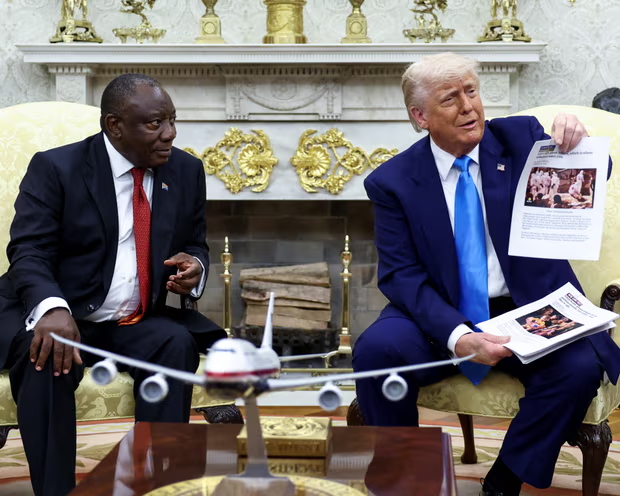
SA President Ramaphosa looks on while US President ambushes him publicly with alleged ‘evidence’ of persecution of white people in S. Africa (Photo cred: Kevin Lamarque Reuters)
There is also a high concentration of land. “Currently 72% of farms and agricultural holdings are owned by white individuals, who make up 7.3% of the population, while black Africans, constituting 81.4% of the population, own only 4% of the land.”[7]
The whites continue to be the owners of the land, the black middle class through Black Economic Empowerment programmes reached agreements with those whites and the companies in the agricultural sector to integrate themselves into the neoliberal economy.
This is the so-called ‘white capitalism’ and South Africa became a leading country in the agribusiness sector of the continent. In 2015, of the 10 largest agribusiness companies on the continent, eight were South African.[8]
Ramaphosa himself is an excellent example of the new South African businessmen, the former fighters against capitalism who now profit from the blood and sweat of those who were once the grassroots militants of the organisations they led.
Between 1994 and 1998 he acquired a portfolio of more than 40 million Rand[9] (some 8 million dollars at the time) and ended up as an extremely wealthy man (some 700 million dollars) thanks to his controversial investments and acquisitions in the mining sector.
Ramaphosa is also the owner of the McDonalds franchise in the country. The former leader of the National Union of Mineworkers became a magnate in the sector.
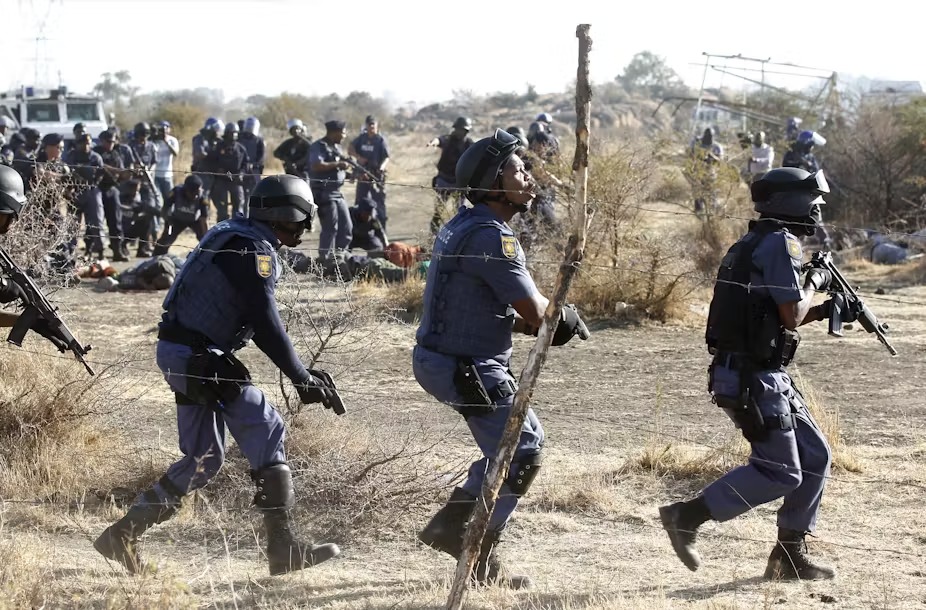
In 2013 the Police murdered 34 miners in the midst of a strike at Lonmin, one of the companies where he was a director, being the owner of 9.1% of the company. [10]
South African police move forward to kill more striking miners at Lonmin 2012 while in background other police stand over miners killed already(Photo cred: Sephiwe Lebeko/ Reuters)
And just like in the times of Apartheid, the Farlam Commission, those charged with investigating the Marikana Massacre found nobody guilty. Nobody! Blood is washed from the hands of a black capitalist just as easy from those of a white capitalist.
When he took over the presidency of the country, there hadn’t been any great advances made regarding agrarian reform there. The failure to meet the promises of the transition and the political programme of the ANC cost them electoral support.
So much so that they now govern the black masses with the support of a white party, the Democratic Alliance, a right-wing party that strongly opposes any expropriation of land without compensation and in practice is opposed to any great change in land policy.
It is in this context that Ramaphosa launched his new campaign and new land law. The ANC say they want to implement the Freedom Charter, but it is not so. Mandela himself had discounted that in his speech to Davos.[11]
He didn’t explicitly refer to the document but he never again spoke of the nationalisation of resources such as mines and land.
Ramaphosa’s law proposes various measures that already exist in almost all capitalist countries, the expropriation of property with compensation for public purposes or where there is a public interest i.e. the compulsory purchase or as they say in the USA, the heart of capitalism, eminent domain.
These norms exist in almost the entire world. As is the case in many capitalist countries, it also includes elements to reduce the amount of compensation or not pay it.
It is another thing to believe that Ramaphosa aims to do what the ANC never wanted to since the first government. He does not want to fight with so-called white capitalism as he knows that so-called black capitalism is the same thing and one depends on the other.
What Ramaphosa is about is a public relations manoeuvre to strengthen a weakened and discredited ANC. There will almost certainly be more such initiatives. But the ghosts of Marikana tell us that this traitor has no intention of doing anything for the black masses.
Trump talks of a genocide that only exists in the sick mind of Elon Musk and of a land theft that Ramaphosa does not want. If he steals the whites’ lands, who will he sip cognac with then? White power is still in control of South Africa.
It dominates the economy in alliance with the not so new black bourgeoisie, the black apparatchiks that control the scaffolding of the state, and the growing presence of foreign capital.
We all recognise Trump as the enemy and idiot that he is. The problem is that sometimes we acknowledge those he attacks as friends when in reality they are the same enemies, except some are more intelligent, cultured and refined.
Ramaphosa when he was a trade union leader said “There is no such thing as the liberal bourgeois. They are all the same. They use fascist methods to destroy workers’ lives.”[12]
Workers’ blood is washed from the hands of all the capitalists, blacks, whites, Russians, Arabs or Yanks: Ramaphosa in Marikana or Trump everywhere. The whites in South Africa, the Elon Musks have no reason to fear their friend Ramaphosa, despite the stupidities from Trump.
[9] Bond, Patrick (2000) Elite Transition: From Apartheid to Neoliberalism in South Africa, London & South Africa, Pluto Press and UNP, End Note No. 7, Chapter 2 page 266.
Hundreds gathered Wednesday night near the rear entrance of Leinster House, home of the parliament of the Irish state, in a demonstration organised by Mothers Against Genocide to protest the police attacks on demonstrators of the previous week.
Background
Over four days the previous week the Gardaí, police force of the Irish State, had attacked demonstrators in a number of different locations in Dublin. On Monday the MAGS group at the front entrance of Leinster House was attacked as they neared the end of their overnight vigil there.
The women were calling for Government action to match the will of the Irish population by preventing military supplies sent to Israel through Irish airspace and airports, to end processing Israeli bonds through Irish banks and to institute sanctions against the Zionist Occupation.
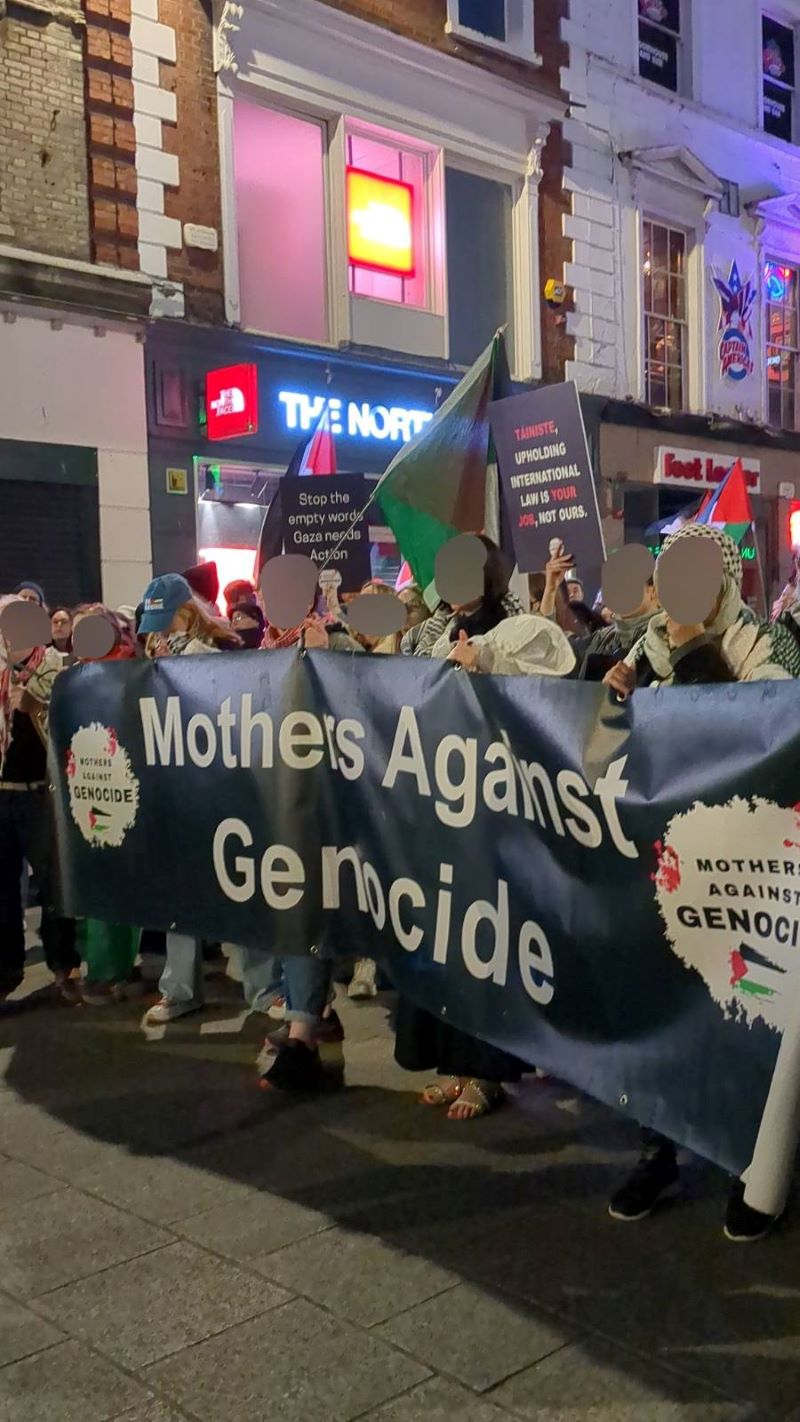
MAGS banner in Grafton Street later in the evening. (Source: Participant)
Eleven women and three men were arrested and taken to different Garda stations where a number of women were strip-searched, including one in an apparent cavity search; three men were charged under the Public Order Act and women pressured to accept an official caution.
Two days later, at a protest organised by the Boycott, Divestment and Sanctions (BDS) Society of the Dublin City University against the official opening visit of the Taoiseach (‘Prime Minister’) to a University building, Gardaí arrested a student for knocking on the window of the building.
On Friday, Gardaí attacked six protesters engaged in a protest at the front entrance to the Belgian Embassy in Dublin, where NATO is represented. The Anti-Imperialist Action protest was against the Irish elite’s attempt to slide the State into membership of the military alliance.
Those protesters were pepper-sprayed into their eyes, forced to the ground, handcuffed and treated so violently that the ankle of one man was broken; the breast of one woman was also grabbed. Two more picketing outside were also arrested, all again distributed around different police stations.
On public order charges, six also on trespass, all eight were brought to a special late court sitting that early evening where a crowd of supporters gathered.
All were bailed on a range of bizarre bail conditions including banned from protesting at Government buildings and a requirement to give 12 hours notice to the Gardaí with details before attending an embassy protest.
Wednesday night’s Leinster House protest
The mood of the crowd of over 500 last night in Merrion Street was militant, being addressed by a woman on behalf of the Mothers group. The crowd was joined by a group flying Starry Plough1 and Palestinian flags, bearing a banner of the AIA and a hand-painted one against NATO.
View of the rally in Merrion Street before the march. (Source: AIA)
The speaker introduced Aileen Malone, mother of Dara Quigley, a well-known blogger some years ago who appeared naked in public while suffering a mental ill health episode. One of the Gardaí dealing with the incident took a video of her and circulated it widely on social media.
Following that public shaming, Dara had taken her own life. Her mother pointed out that the offending Garda, instead of being dismissed, had been allowed to resign and keep his pension. She also condemned the Garda treatment of the women while extolling their courage in resistance.
Another speaker, introduced as representing Jews for Palestine Ireland spoke against the Irish State adopting the IHRA’s definition of antisemitism, the function of which, he stated is to protect the state of Israel against any criticism including regarding its genocide against Palestinians.2
He regretted the diversion from Palestine solidarity entailed in this focus, pointing out that genuine anti-Semitism is to be found among the far-Right while anti-racists and anti-fascists in Palestine solidarity, far from being anti-Semitic are on the contrary active against that variant of racism.
One of the banners at the rally in Merrion Street. (Source: Participant)
A woman from Mothers Against Genocide in Belfast spoke about the history of Irish resistance to colonialism and solidarity with Palestine which had no relation to the Irish Government, vehemently insisting also that being anti-genocide and for human rights is far from anti-Semitism.
Ruth Coppinger, Socialist Party TD, had signalled she wished to speak and was invited to so. She commented on Wednesday’s session in Leinster House when the Garda attack was defended by Mícheál Martin in respect of the right of access to Leinster House.3
A member of the Mothers in Dublin read a solidarity poem she had written and introduced the Resistance Choir, who sang Gonna Let No-one Turn Me Around, a lively song from the US Civil Rights4 movement of the 1960s,followed by slower lament about the Zionist slaughter in Gaza.
The energy in the crowd was dissipating by this point, almost an hour having elapsed and at last the direction to march was given. But where to? It was unclear. Earlier indications had been that one of the Garda stations would be the destination but now the Dept. of Justice was being mentioned.
The slogans shouted were those usually heard at Palestine solidarity events, with calls supporting the Intifada increasingly popular, and even one to Globalise the Intifada! US Warplanes out of Shannon! was another and NATO out of Ireland! was also heard.
Very appropriately also: One, we are the people! Two, We won’t be silenced! Three, Stop the bombing now, now, now, now!
Some banners during the march, seen here on the east side of Stephens Green. (Source: AIA)
The march proceeded, chanting, up Merrion Street, then into Merrion Row, turning left at the Huguenot Cemetery, then along the east side of Stephen’s Green, stopping briefly at the Dept. of Foreign Affairs building, then along the south side to the Dept. of Justice building.
But soon it was on the march again, perhaps heading for the Kevin Street Garda station … But no, along the west side of the Green now, past the Unitarian church where Edward Fitzgerald was married to his French revolutionary wife and then on again down through Grafton Street.
A meeting here was addressed mainly by one speaker, for some reason the crowd repeating his sentences. Not one speaker had yet referred to the attack on the anti-NATO protesters on Friday, much less their bizarre and repressive bail conditions. But perhaps we were heading for the GPO?
No, left and into Dawson Street, up to the Green again, then down Kildare Street to the front of Leinster House. There at last the crowd was addressed on behalf of the Anti-Imperialist Action group regarding the Garda attack on the anti-NATO protesters at the Belgian Embassy.
His talk was interrupted by cries of ‘Shame’ directed at the Gardaí and State. The speaker continued, referencing the resistance history of Irish Republicans and concluded by calling for unity of the Left against repression of any aspect of the Resistance, a call vigorously applauded.
To conclude the evening’s events a display concerning victims of Garda violence was presented, this including the case of Terence Wheelock, a working-class youth who died in Store Street Garda Station as a result of their violence, a crime then covered up by the State.
In Retrospect
It was important and a good act of resistance to organise an emergency protest5 this week and the eventual attendance of around 700 at such short notice was excellent. It is essential to meet repression of resistance with more resistance.
It was noticeable how low the numbers of Gardaí were and although uniformed and a number of plainclothes Special Detective Unit members followed the marchers, at no point did they attempt to stop the marchers or even to line up in numbers to protect the Government offices.
Most of the speakers at the commencing, intermediate and final rallies were clear that the Irish State had made a conscious decision to crack down on solidarity actions the previous week, using physical and sexual violence against activists, and of the need to continue solidarity and resistance.
The commencing rally was however too long and dissipated some of the energy. The lament as the last song just before that march, though no doubt appropriate in some contexts, continued that dissipation.
Coppinger, as a leading member of the Socialist Party was inappropriate as a speaker at the event. The party in the past has opposed boycotts against Israel and South Africa on the spurious grounds that it harms the oppressed people and works against solidarity between progressive settlers.
The Socialist Party also supports the Two-State proposal which would concede 80% of Palestine to the Zionist settlers. Coppinger personally and her party have also publicly condemned the Palestinian Resistance breakout operation of 7th October 2023.
The marching seemingly for ever, at times to symbolic but empty Government buildings was not helpful and most of the people already detest the Government. A good destination would have been at least one of the Garda stations where activists had been held the previous week.
Marching from and to an essentially closed Leinster House and Government buildings runs the risk of replicating the routine marches every month or so of the Ireland Palestine Solidarity Campaign.
The value of the Mothers has been their departure from that increasingly sterile practice and continuing in that vein would be a useful contribution to the solidarity movement and resistance in general.
Unity against repression is a historically-proven necessity and, as called for at the final rally last night, increasing unity between newer and longer-lived elements of the Resistance is also needed.
End.
An excellent riposte in the poster slogan/ meeting title. The design is based on the poster against strip-searching Republican women in the 1970s, design by Oisín Breatnach. (Source: Mid-Ulster IPSC)
1Flag of the Irish Citizen Army, first produced in 1914, the design is based on the Ursa Mayor constellation, including a plough in gold colour, with a sword instead of the ploughshare, all on a green background. A later version of the Republican Congress represents only the stars of the constellation in white on a blue background. The green and gold version was the one flown by the AIA.
3This was a spurious defence by the Taoiseach: a) It was before 7am and the Mothers were leaving at 7.30am; b) the pedestrian entrance was not blocked; c) the gates at the rear of the building were not blocked.
4But, like many of those songs, based on an earlier Christian song.
5There had also been an emergency protest outside Leinster House on last week’s Wednesday morning, Kildare Street being blocked for an hour without Garda action.
In the space of four days, Dublin has seen 23 activists in peaceful protests arrested and assaulted by Gardaí as the activists protested the slide of the Irish Gombeen1 ruling class towards NATO and their complicity in the Genocide in Palestine.
Mothers’ Day protest against genocide – 14 arrests
The Mothers Against Genocide group organised a vigil for Sunday night of Mothers’ Day outside Leinster House, seat of the Irish parliament and Government. The intention was to hold the event that evening but for some to remain there overnight, leaving at 7.30am.
At the gates of Leinster House, Kildare Street entrance. (Photo: D.Breatnach)
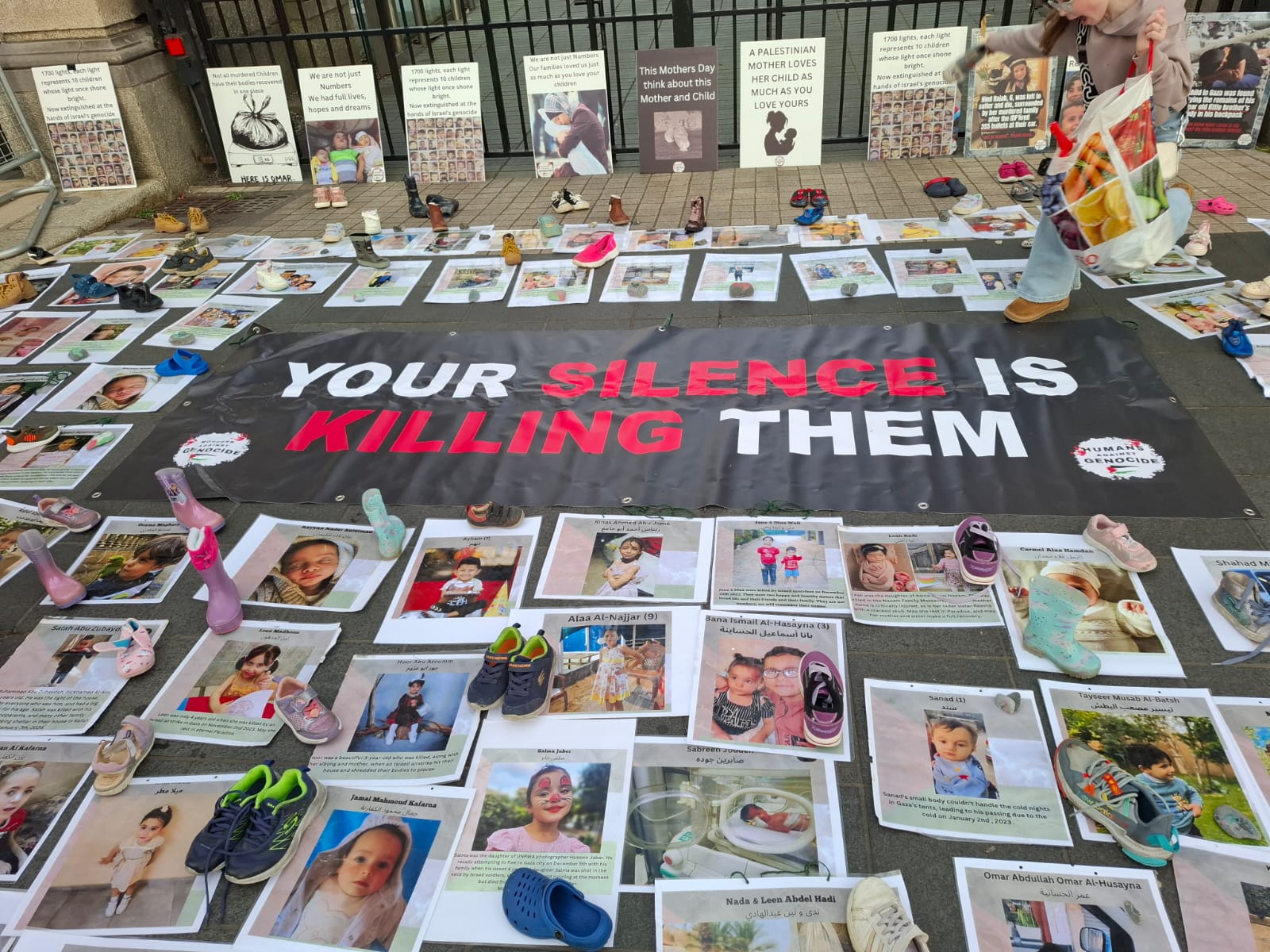
Plasticised printed photos of murdered Palestinian children were laid out on the ground with children’s shoes, toys etc spread around symbolically against the main gates with battery-powered ‘candles’ lit among them. Nearby a refreshment stall was set up.
By the advertised starting time of 7pm many had arrived and more kept coming, a very large crowd by nearly 8pm when there were some speeches, a few songs and a poem performed by different people, then a projection was being arranged after 9pm at which point I left.
Crowd at the event as dusk falls, approximately 8pm. (Photo: D.Breatnach)
The event was dignified, without even chanting. Policing was very sparse and low-key.
Despite the organisers’ commitment to leave at 7.30am and apparent agreement from the Gardaí present not to interfere with that arrangement, at around 6.00am more Gardaí2 arrived and demanded the clearing of the gates by removal of the icons to the murdered children.
In protest, some of the participants lined themselves up in front of the gates. The Gardaí approached the women, trampling over the photos and symbolic children’s items and began to remove the women, some of them quite violently, resulting in their arrests and those of three men also.
Banner of the organisers at Leinster House wall, Kildare Street. (Photo: D.Breatnach)
The 14 arrested were taken to different Garda stations where some women were strip-searched, an invasive psychological weapon used extensively by the British Occupation against Irish Republican women during the 30 Years War and still used by them against male Irish Republican prisoners.
All the women were obliged to choose right there and then between accepting a caution under the Public Order Act or to be charged and, under pressure, the women all seem to have been cautioned.
The three men were charged under the Public Order Act and will be obliged to attend the court to be processed. On Tuesday in Leinster House a number of TDs (elected parliamentary representatives) protested the treatment of the arrested. The Gardaí denied having carried out strip-searching.3
The Irish Council for Civil Liberties issued a brief statement to their network in response to the events, outlining the right to protest according to the Irish State’s Constitution:
We’ve heard from a lot of people who are worried by the Garda response this week to a peaceful vigil by Mothers Against Genocide. The fallout from this response along with potential new policing and public order laws and with the prospect of increased surveillance through facial recognition technology, risk undermining this fundamental democratic freedom. Today, as threats grow to restrict protest rights, defending this fundamental democratic freedom is crucial.
Protest isn’t the problem – it’s the solution:
You can protest – The Irish Constitution and European law protect peaceful assembly
You can film – Documenting interactions with Gardaí is allowed
You can’t be moved on without reason – Gardaí must give you a reason when asking you to move
The Irish Constitution guarantees your right to freedom of assembly, subject to public order. However, recent commitments in the Programme for Government have raised alarm.We continue to highlight how measures – including the expansion of police powers, banning face coverings at protest and the introduction of facial recognition technology into Irish policing – endanger our rights and freedoms.
The display outside the gates of Leinster House, Kildare Street entrance. (Photo: D.Breatnach)
On Wednesday morning a protest, composed mostly but not completely of women, at the treatment of people on Monday morning blocked the street outside Leinster House for a period of at least an hour4 without action by the Gardaí.
Protest at complicity of Irish Government in Dublin City University – another arrest
On Thursday evening Tánaiste (equiv. ‘Prime Minister’) Mícheál Martin’s visit to publicly open a building at the Dublin University Campus, accompanied by a heavy Garda presence was met with a protest organised by the Boycott, Divestment & Sanctions campaign branch of the University.
One of the students in the protest was arrested apparently for knocking on the window to convey the anger outside to those inside, Gardaí claiming at the time that he was damaging the window. The activist was released on bail amidst a crowd gathering in his support at the Garda station.5
Protest against NATO in the Irish State – 8 arrests
On Friday, a protest against attempts to push Ireland into joining the NATO military alliance was held at the latter’s representative facility in Dublin, the Belgian Embassy. Gardaí were very quick to respond and indeed had accosted and assaulted two of the participants a little earlier.
Protesters and Gardai in doorway of Belgian Embassy just before the attack of the latter on the former. (Photo source: Anti-Imperialist Action)
Six protesters lined up against the Embassy entrance at the Anti-Imperialist Action event were pepper-sprayed into their eyes and brutally assaulted, as were another two outside. As with those arrested on Monday morning, they were held in three different police stations in the city.
One of protesters, face down on the ground with his arms handcuffed behind his back, had his legs forced up behind, breaking his ankle.
(Photo source: Anti-Imperialist Action)
Supporters arrived to picket the police stations. After a few hours the arrested were taken to court, where supporters congregated also as the detained were processed for a late sitting of a judge. The charges were of criminal trespass or Public Order Act violation, both together for some.
In court they had legal representation and all were bailed in their own recognisance of 500 euro, which seemed fairly routine but the bail conditions were anything but. They were required to give 12 or 24 hours’ notice to the Gardaí of attending an embassy protest, supplying the details of the event!
The conditions for some included a ban on attending any state’s embassy in Dublin or demonstrating at any Irish Government building, while another is required to give notice – also of 12 hours — if crossing into the State from the Six Counties.
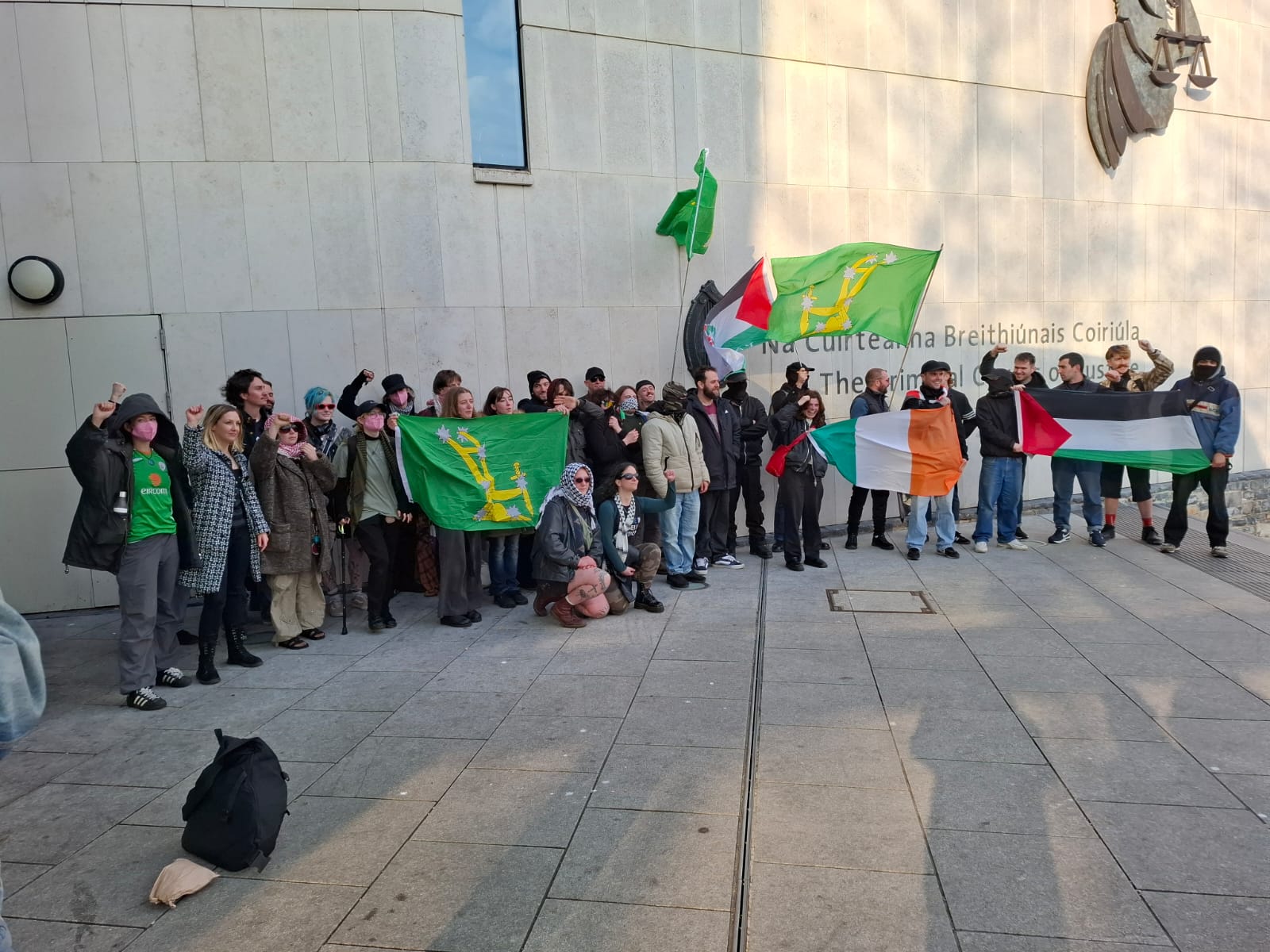
Facing a prospect of being locked up for the weekend otherwise, they did not decline the conditions for the moment and were released to meet a crowd of supporters outside the court in the early evening. As they lined up for a photo, all sang part of the Irish language Gráinne Mhaol song by Patrick Pearse.
The arrested and supporters outside the court after the former were released on bail. (Photo: D. Breatnach)
Repression of Palestine solidarity throughout the Western World
Throughout the Western world the response to the genocide being carried out in Gaza has had similar features: The complicity of the ruling classes, solidarity with the Palestinians of sections of the masses and the consequent repression by the ruling elites.
Within the territory of the Irish State the response of the masses has been marked in active solidarity with and public sympathy for the Palestinians, with little repressive action by the Irish State despite the proven collusion of the Irish ruling class.
The indications from this week are that the latter situation is changing and repression is being ramped up. This in turn indicates that the neo-colonial Irish ruling class feels threatened by action in Palestinian solidarity, other than routine marches through Dublin every month or so.
It is removing the liberal gloves and revealing the underlying sharp claws of a class that gained a state created in collusion with the British occupation to divide the country and to repress and control the insurrectionary forces upon the backs of which that neo-colonial class rode to power.
During the Civil War,6 the Irish state executed many more revolutionary fighters than had the British during the War of Independence7 and has executed a number since. Huge numbers have been imprisoned over years and it has colluded in covering for the bombers of its own capital city.
Where there is oppression, history teaches us, there will also arise resistance but that in turn usually results in more repression. Resistance rises to meet that repression and the movement must organise to educate, organise and unite that resistance, going forward until the masses achieve victory.
1A term somewhat equivalent to ‘carpetbagger’ describing opportunists amassing wealth through taking advantage of people’s misfortunes. Its origins are in the Irish language Gaimbín, applied to such Irish capitalist financiers during and in the wake of the Great Hunger of the mid-19th Century, now used to describe the neo-colonial capitalist Irish bourgeoisie.
2 The (mostly) unarmed police force of the Gombeen Irish ruling class.
Twenty-three activists arrested at three different Dublin events between Monday and today (Friday). Three women reported being strip-searched. Six activists were pepper-sprayed into the eyes.
Oppression leads to resistance; the system responds with repression. But repression can also lead to resistance.
Dublin city centre on Saturday witnessed another giant Palestine solidarity march with a breakaway group; also a picket against internment of Irish Republicans; fascist provocations and Gárda repression resulting in the arrest of a demonstrator.
The national demonstration march had been called by the Ireland Palestine Solidarity Campaign as part of a solidarity and protest pattern that included fortnightly Dublin marches last year but is now generally monthly and at times with other events in addition.
One of the banners just having crossed O’Connell Bridge on the IPSC-organised march (Sourced: IPSC Facebook)
Numbers on these marches in a city of only around 1.5 million population are impressive, though they draw on some participation from outside Dublin but there also regular local pickets and demonstrations of much smaller numbers at locations of high visibility or of specific significance.1
The march set off from the Garden of Remembrance in the north city centre proceeding towards Leinster House, seat of the parliament of the Irish State, near O’Connell Bridge passing a picket with an anti-Internment banner organised by the Anti-Imperialism Action organisation.
Anti Imperialist Action displaying a banner against extradition to the passing Palestine solidarity march. (Photo sourced: Anti Imperialism Action Leinster FB page)
As the march reached the non-pedestrianised stretch of Grafton Street a half-dozen fascists made their presence felt on the sidelines by throwing insults at a section of the marchers, who responded with louder From Ireland to Palestine – Occupation is a crime! and antifascist slogans.
Not just the Irish state but fascists and other far-Right elements in Ireland have a real problem with Palestine solidarity, claiming that’s because the protesters should be marching for Ireland. However those elements for the most part have zero track record in marching for Irish independence.
No, for them ‘Irish nationalism’ consists of demonstrating against immigration and burning buildings intended – or which they believe intended – for housing refugees. Clearly as fascists and far-Right what they detest about marches such as these is internationalist solidarity itself.
Placard calling for what is surely the minimum we have the right to expect from the Irish Government, followed by some of the placards of Mothers Against Genocide. (Photo sourced: IPSC FB page)
Incongruously for those who want only internal causes upheld, the fascists of the Loyalist variety in the occupied Six Counties uphold the Zionist state of ‘Israel’ and those inside the Irish state, as was seen in Dublin on Saturday too, laud and uphold as an example Donald Trump!
Mock Icon of Irish Central Bank carried against processing Israeli Bonds (Source photo: IPSC FB page).
Very shortly after the verbal exchange with the fascists, a section of the march diverted to walk up the pedestrianised section of Grafton Street. A couple of Gardaí, reinforced by the fascists, attempted to prevent this but the marchers flowed around the obstruction to continue up the street.
On Wednesday evening, some of those present had marched down that very street on their way to occupy O’Connell Bridge, bringing traffic in both directions to a halt for half an hour.3
Further along the pedestrianised street the breakaway, including Ireland Action for Palestine and Saoirse Don Phalaistín groups, joined with another section of marchers who had earlier broken away from the IPSC march, this one led by the Mothers Against Genocide banner.
The shouted slogans from what were broadly two differing sections tended to merge with regard to calls to stop the bombing, opposition to genocide and broad support for Palestine but differed in that one section was also calling for support for the Palestinian Resistance and resistance generally.4
Content of slogans from the groups differed less markedly in calling for Irish Government intervention in support of Palestine, with the ‘Mothers’ mostly demanding the enactment of the Occupied Territories Bill5 and others condemning Government collusion in Shannon Airport.
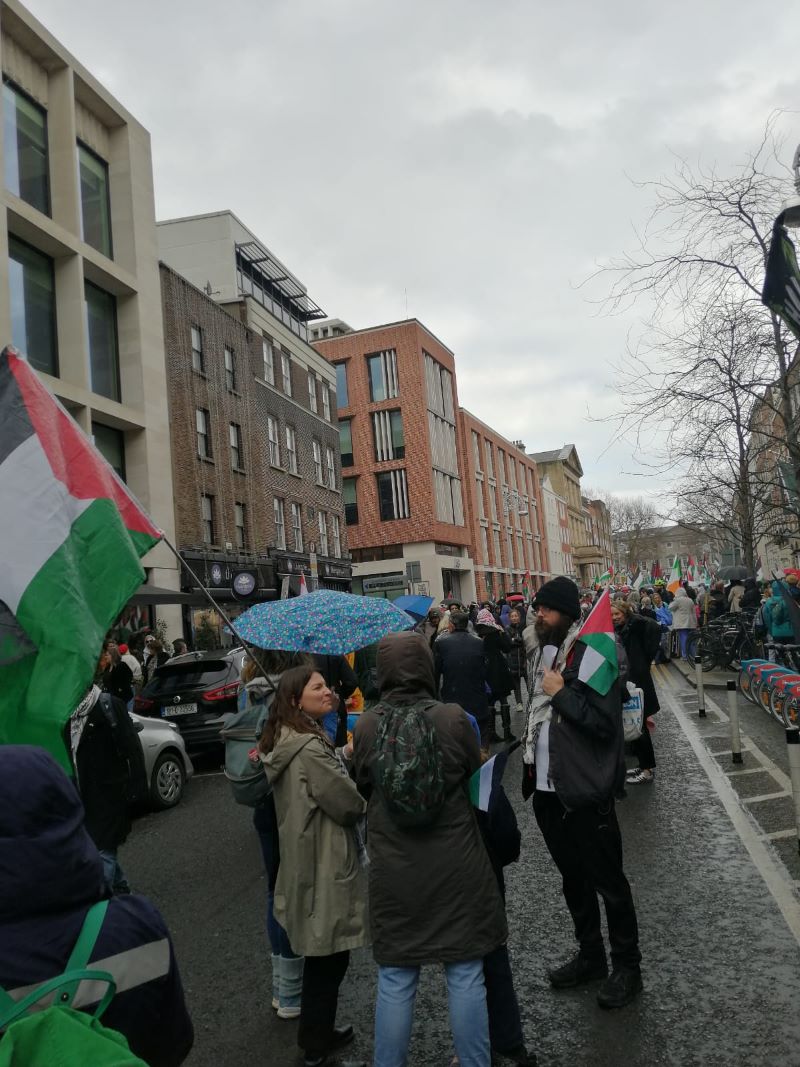
The whole breakaway mass marched along South Stephens Green and turned north into Dawson Street, to pause inside the junction with Molesworth Street, where the tail of the main march, was already beginning to reduce although speakers and artists were performing on the IPSC platform.
Molesworth Street facing Dawson Street after the breakaway sections arrived and before the later incidents. (Source: R. Breeze)View of the IPSC-organised march at its destination, the Garda barriers in Molesworth Street across the road from the entrance to Leinster House. (Photo: R. Breeze)
On Dawson Street, across from the junction, the fascists had installed themselves, including a man in a red ‘Trump’ hat waving a “Make America great again” flag.
Two known fascists from the group trying to harass Palestine solidarity marches from Grafton Street to Dawson Street. (Photo sourced: AFAhttps://www.facebook.com/afaireland)
The Palestine solidarity protesters here – some distance from the diminishing main march crowd,6 with some IPSC stewards standing watching nearby, responded to the fascists’ jeers and Trump fan with jeers of their own, slogans and some bursts of song.7
According to a report form Anti-Fascist Action observers nearby and posted later that day, a senior Garda officer approached one of the fascists and had a quiet word with them, after which the fascists packed their banner and went away quietly smiling while the Public Order Unit arrived.
Soldiers of the master race (ehem) packing up after notification from their friend in the Gardaí that the POU would soon be deployed against some of the Palestine solidarity demonstrators. (Photo sourced: AFA Ireland)
These then began to aggressively push the demonstrators back towards Molesworth Street and as a demonstrator remarked it was the POU that were now blocking Dawson Street to traffic.
Soon the Gardaí seemed to decide to arrest one of the Palestine solidarity demonstrators and charged into the crowd, shoving, knocking down and even punching people who resisted strongly or just held on to the intended victim as long as they were able to.
A woman struck back at a POU man who had seized her by the throat but even so it took the intervention of one of his unit to get him to release his hold. The marks of his hand on her throat could be seen afterwards. Interestingly a press report later stated the Gardaí denied there was any incident.
Eventually the Gardaí succeeded in their intent and the protester was taken away to chants of Let him go! Numbers of the main march were dwindling greatly by this point but so were those of the breakaway section and people there were concerned to support their arrested comrade.
One of three police stations was the likely destination: Store Street, Pearse Street or Kevin Street. It was established that he was held at the latter station and was later released, given a few days to decide, under the Public Order Act whether to accept a caution or to be charged and face trial.
More confrontations of various sorts are likely as the Zionist genocide in Palestine ratchets even higher and frustration mounts at the Irish Government’s persistent refusal to end their collusion with the Zionist state and with its main supplier, US imperialism.
2Breakaway actions by groups often take place when they seek another target to that of the march organisers or to spread the visual and auditory impact of the demonstration or to break the ‘normalisation’ pattern, as when protesters feel the IPSC leadership is organising set marches of minimum disruption, on routes agreed with the Gardaí (which is not legal requirement in the Irish state).
4There is only one solution – Intifada revolution! From Ireland to Palestine – Occupation is a crime!
5 Agreed years ago in the Irish Parliament before but prevented from enactment by successive coalition Governments.
6As soon as the IPSC march arrives numbers always begin to leave, either to commence return home journeys or because they feel they are not going to hear anything new and their contribution was to be part of a visible mass, which they have now done.
7The Irish-language Gráinne Mhaol and English-language Come Out Ye Black n’ Tans.
(Reading time: 6 mins.) NB: Edited by RB from original article for formatting purposes
Luigi Mangione’s killing of Brian Thompson has resulted in a plethora of memes on Facebook celebrating to some degree the demise of the unlamented CEO.
Some of them are very funny, full of wit, others express outrage at the nature of the US health system and others openly call for more such killings and Facebook has not suppressed them, which says a lot.
Facebook is run and owned by a right-wing extremist, Mark Zuckerberg. But he is no idiot and probably hopes to ride out this particular storm, rather than suppress it. But he is mistaken as Mangione has struck a nerve. This is not going away.
Some so-called progressives have also sought to soften the impact of Mangione’s actions.
There are of course criticisms from the Left about how such actions don’t solve problems, the CEO is replaced and the machinery rolls on, and these are valid, but there are others who seek to wrest any agency or legitimacy from him.
Munya Chawawa, the British comedian and rapper released a musical video questioning how he was treated by the Police and saying he would have got different treatment if he were black.[1]
Yes, generally the cops are quick to kill blacks, especially those they think have actually killed someone, though they did in fact arrest the black DC Snipers (also known as the Beltway Snipers) who had murdered ten innocent civilians.[2]
In fact, it is not that US cops don’t kill whites, they do, it is just that not at the same rate as blacks. Half of those killed by US cops are white, but blacks are killed at more than double the rate of whites despite making up only 14% of the population.[3]
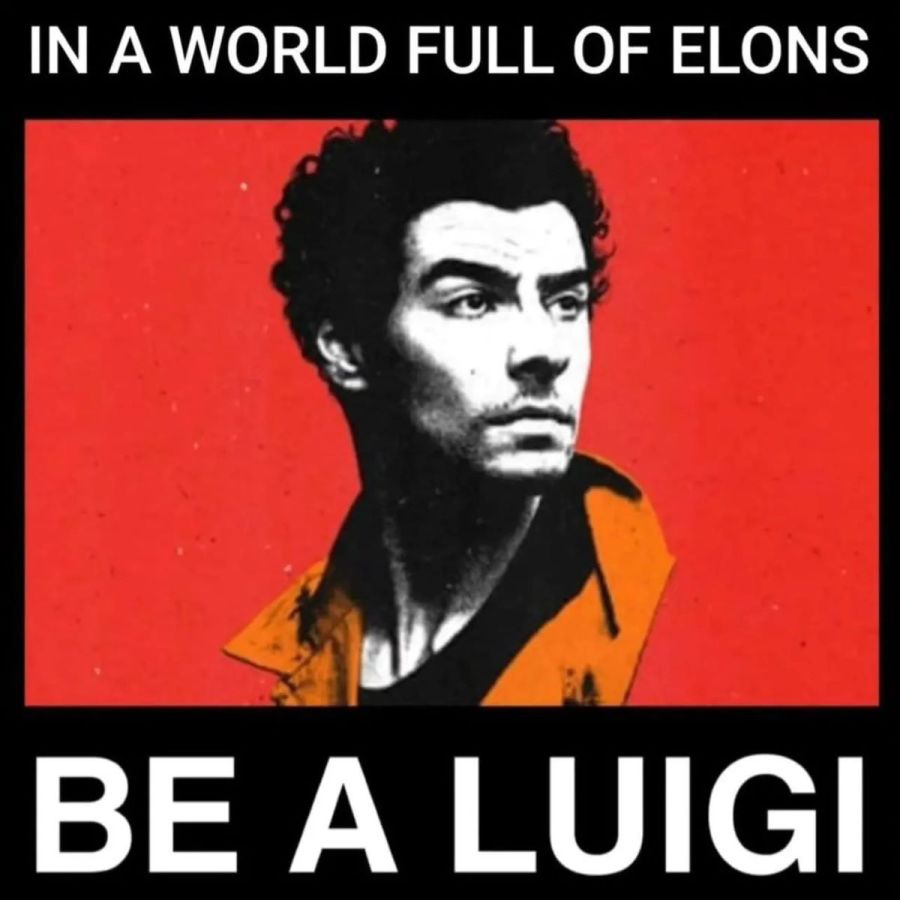
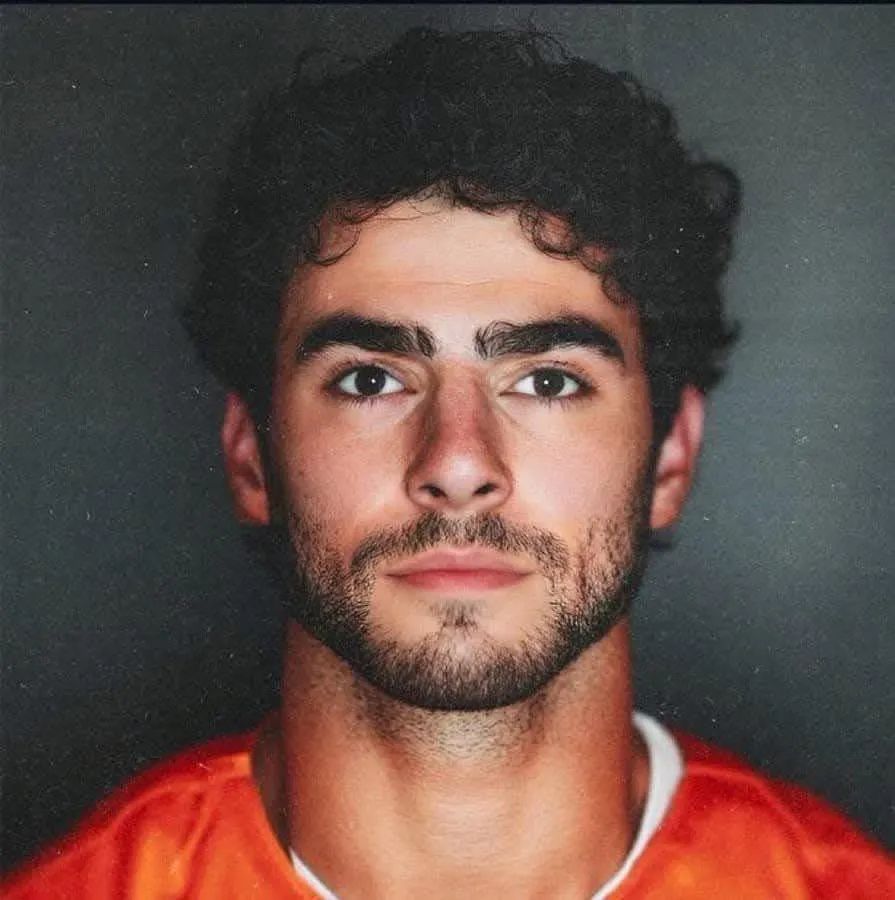
And yes, he is handsome and it helps, and again the memes have gone into overdrive. His arrest and mugshots have been compared to even scenes from one of the innumerable Superman films. Though I prefer the Che Guevara comparison.
He is no Che, as Che set out to overthrow a state and had a programme for change and is the main person behind the remarkable success story that still is, despite everything, the Cuban health system, but the striking mugshot images do help.
Photos (internet) Mugshot of Luigi Mangione and bottom Che Guevara mugshot in Mexican jail.
However, Chawawa missed the point altogether and questioning police violence is not something you would automatilaccly associate him with.
But the idea that the cops act with benevolence towards those who shoot CEOs if they are white is nothing short of identitarian rubbish. He is not the only one though.
There are many others from all sorts of liberal backgrounds who recoil in horror that someone might lash out, but shrug their shoulders every day when people die having been refused medical care.
Most people in the US have understood and identify with Mangione’s actions, not out of some idea that he might change the system, but out of their own frustration at how the system works. The plethora of memes on Facebook bears testament to this fact.
The killing of the CEO is extremely popular regardless of how effective a strategy it is.
Another comedian, this time from the US Josh Johnson, understood something that many liberals and chic rappers like Chawawa could not is that Mangione struck a chord.
Though Johnson unlike Chawawa is from the US and understands the US healthcare system. He mentioned the fact that many CEOs are eliminating their Linkedin accounts and that the media went into overdrive on how devastating it all was.
“I’m not gonna lie, this is how you can tell the news is owned by billionaires because the news was like, uh, ‘this devastating, terrifying, harrowing attack in New York’, and I’m not saying… look a murder did take place… I’m not saying it couldn’t have been listed as those things, I’m just saying ‘you’re the news!’
You play horrific stuff all the time. You’re the same news that when those pagers were going off in the Middle East, exploding, you were like ‘check this out!’”[4]
The same media pundits who were horrified, express no such horror as Israel carries out its genocide, they don’t even question it and yet we are expected to take their statements on Thompson and the sanctity of life at face value.
Johnson then made a point about the system and how it didn’t care about anything other than money, not even about Brian Thompson. The meeting Brian Thompson was going to when he was shot went ahead as planned, and on time.
Capitalism doesn’t miss a heartbeat when there is money at stake. All the fake outpouring of grief from the corporate world and the media is to be measured against that fact. Nothing stopped their ruthless pursuit of profit, not even the killing of one of their own.
It has brought to mind the film John Q starring Denzel Washington. It is a bit late to review a film some 22 years after its release, but it is more relevant now than when it was released.
The film deals with the father of a child who is taken to hospital only to find that the surgeons can’t operate on him as his insurance doesn’t cover what is needed.
It also turns out that the child’s condition could have been detected earlier, but the US health system missed it. Never was the film John Q so relevant. In his manifesto, he could just have said, Do you want to know why? Watch John Q. That would have been enough.
Films don’t exist in a void. When you see lots of films where the government is corrupt, or the CIA and FBI is in cahoots with big business, it indicates that a lot of people accept the basic premise of the film.
The same goes for dramas like John Q which was the highest grossing film for the President’s Day weekend release and took a total of US $71 million in the US and US $ 102.2 million world-wide.
Though it was not based on the real incident, in Canada (not the US), where Henry Masuka took the ER staff hostage in 1999 demanding immediate treatment for his son and was later killed by the cops exiting from the hospital, carrying an unloaded pellet gun.
In the film most of the public are sympathetic to John Q as are most sympathetic to Luigi Mangione in real life. The difference of course is that John Q managed to force them to operate on his son, making one small change at an individual level.
Mangione has made no changes at all, but he has reignited a debate on the issue and once again put not only the nature of the health system in the spotlight, but also the police and judicial system.
With various social media posts pointing out the huge effort put into finding him as opposed to arresting the billionaires who raped underage girls on Epstein’s island.
One of capitalism’s greatest successes in the late 20th and early 21st century is not how high the Dow Jones Index is at, or any of the other roulette tables known as stock exchanges.
Rather it isthat it has destroyed many collective organisations, co-opted others or through social partnership brought on board to one degree or another all the potential opposition movements and organisations.
Trade unions frequently fall into all three categories, social and environmental movements also and of course the huge deluge of NGOs that abound in all areas of social and economic life.
The organisations a Luigi Mangione type figure would have turned to decades ago are now part of the problem, implementing government policy, refusing to challenge the state as their salaries depend on government largesse and patronage and making sure their “clients” i.e. the poor, don’t step outside of the structures.
So, it is no surprise that Mangione would lash out the way he did, nor is it a surprise that he is so popular. The success of capitalism in convincing people there is no possibility of organised opposition is such that individual acts go viral.
Those liberals who wail against his actions are the same ones who make sure there is no collective response.
What is needed is not so much more killings but more people with Mangione’s resolve organising to brush not only the Thompsons of the world aside but also the co-opted organisations paid to keep them in check.
It is as Leon Trotsky once said “Where force is necessary, there it must be applied boldly, decisively and completely. But one must know the limitations of force; one must know when to blend force with a manoeuvre, a blow with an agreement.”[5]
More relevant to Mangione is the killing of a Nazi diplomat in Paris by Herschel Grynszpan,[6] whose actions were used by the Nazis as a pretext for Kristallnacht.
Trotsky commented “A single isolated hero cannot replace the masses. But we understand only too clearly the inevitability of such convulsive acts of despair and vengeance. All our emotions, all our sympathies are with the self-sacrificing avengers…”[7]





















 rebelbreeze