Diarmuid Breatnach


Diarmuid Breatnach

Diarmuid Breatnach
(Reading time: 6 mins.)
Dublin city centre saw the second rally in one week in solidarity with Palestine on Wednesday evening. Unlike Monday’s outside Leinster House, this one was on the central pedestrian reservation on Dublin’s main O’Connell Street.
Thursday’s was organised by the Ireland Palestine Solidarity Campaign whereas Monday’s, outside the home of the Irish State’s parliament, had been organised by the Irish Anti-War Movement (more or less really the People Before Profit party).1

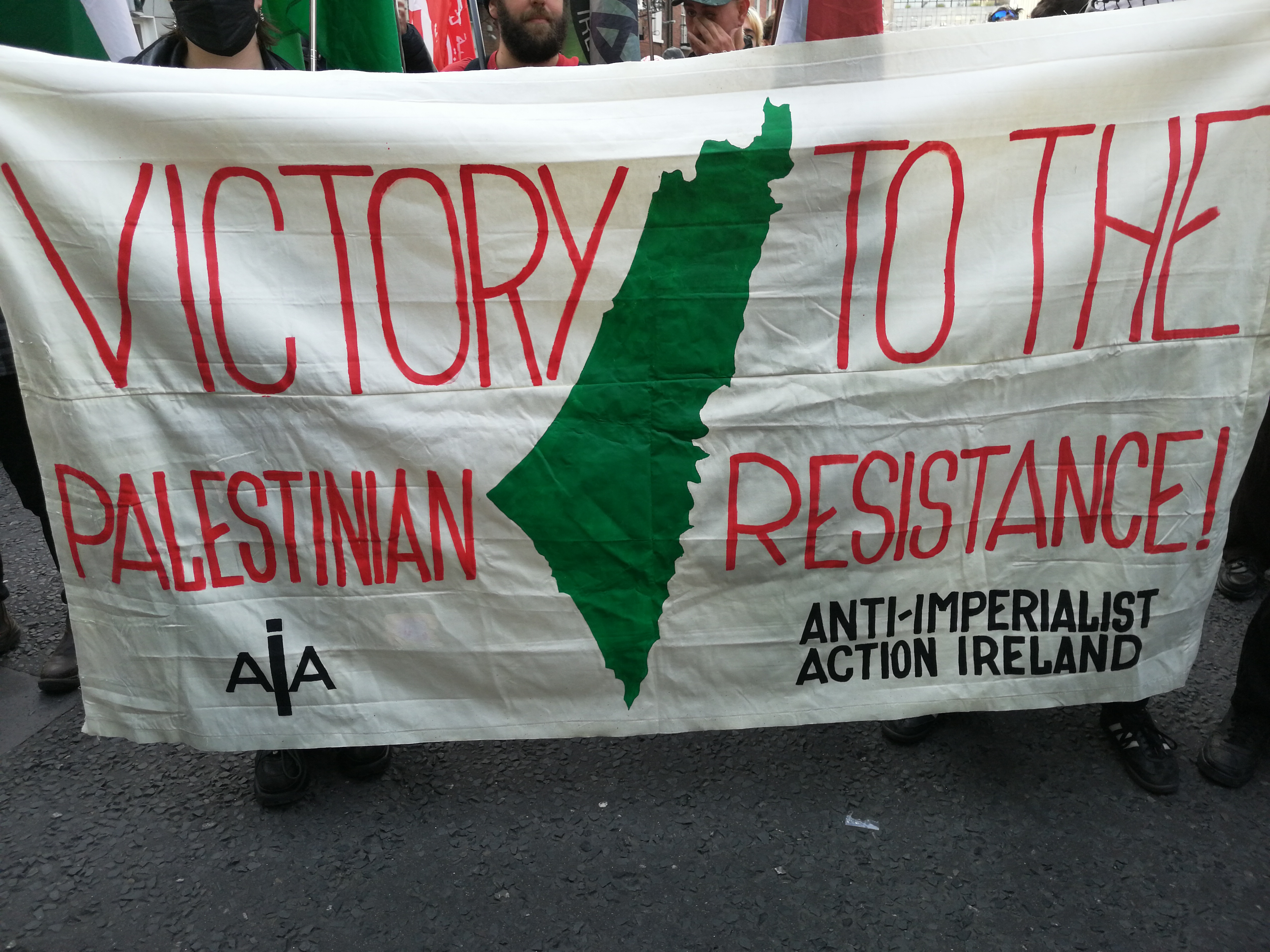
After Monday’s rally, a substantial number had spontaneously marched to the Israeli Embassy where an Anti-Imperialist Action supporter had painted their door in red to symbolise blood before Gardaí knocked him to the ground and kept him lying handcuffed before arresting him.
The crowd had objected to this treatment whereupon the Garda attacked and arrested more demonstrators. The AIA supporter was later charged with “criminal damage” which is ironic considering the criminal and murderous damage by Zionist bombs and missiles on Gaza.

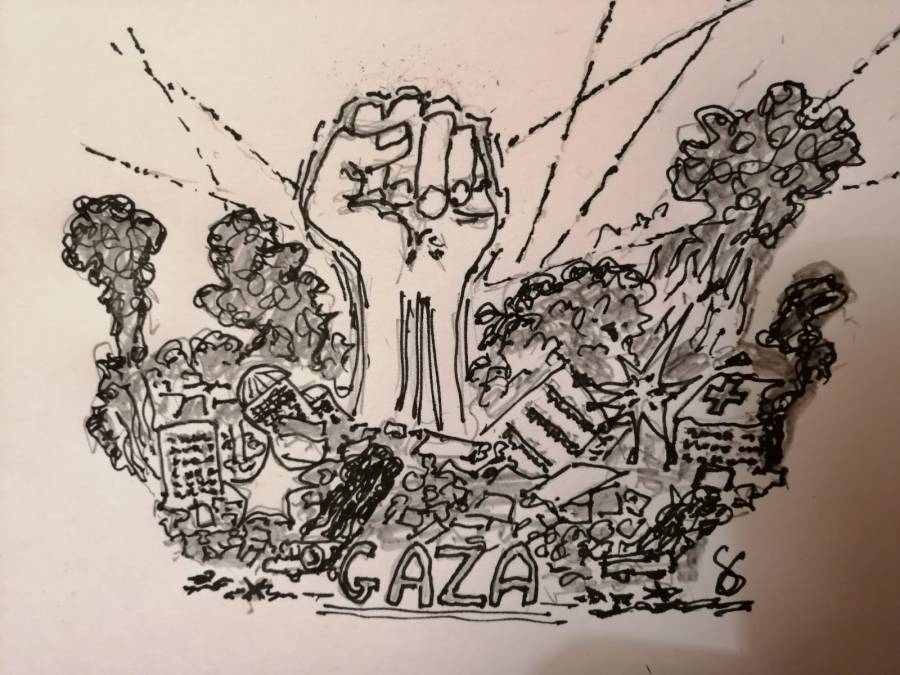
BOMBING GAZA
For the sixth consecutive day Israeli air strikes are pounding the Gaza Strip, Israel on Thursday boasting it has dropped 6,000 bombs weighing 4,000 tonnes on Gaza during the period, according to Palestinian sources killing more than 1,400 people and destroying huge amounts of housing.
At least 140 of those Palestinians killed are children.

This is the fifth siege and bombing of Gaza by Israel in the last 15years, each time destroying what the Palestinians rebuild or patch and repair, such as their sewage treatment plant. Palestinian casualties overall during the period have been 6,407 Palestinians as against 308 Israelis.2
One siege lasted 51 days! Factories and apartment blocks, flower and vegetable production glasshouses and sewage treatment plants have all been destroyed and the coastal waters are polluted, while the Israeli Navy attacks fishing boats that dare go further out to sea.
Gaza was already a severely-deprived area occupied by 2.2 millions with 59% below the poverty level, 46% unemployment but youth unemployment at 63%. Since Hamas won the elections the Israeli state permits no-one to leave or enter Gaza except by special arrangement.
One of the most advanced military states in the world is attacking a people that has no navy, no airforce, no anti-aircraft defences and no standing army. The Zionists say they will soon send in a ground attack also, tanks grinding over the rubble to kill and maim more Palestinians.

Meanwhile the Zionist state is permitting no water, electricity, fuel, food, medicine, building materials or equipment to enter Gaza through the gate they control and, shamefully, the Egyptian regime in step with the Zionists is doing the same at the other gate, which the Arab state controls.
War crimes? We hear a lot about them in the war in Ukraine, right? The Israeli state is committing them daily now and has been doing so yearly, often monthly since 1948. But the USA backs Israel and so the western states do so too, supporting the war criminals and complicit in their crimes.
WEDNESDAY’S RALLY IN O’CONNELL STREET
The IPSC rally was advertised for 5.30pm but people had begun to gather a half hour earlier, with more continuing to arrive until after 6pm. From physical appearance it seemed that people from the Middle East, presumably Palestinian, at least equalled those Irish present.


The chanting of solidarity slogans was almost continuous, with short breaks for speakers, most of whom were introduced as Palestinians. These were the usual chants but often led in non-Irish as well as native accents: From the river to the sea – Palestine will be free!
Also: In our hundreds, in our millions – we are all Palestinians! One, two, three, four – occupation no more! Five, six, seven, eight – Israel is a terrorist state! But there were also new ones from a section: Long live the Resistance! And: Only one solution – intifada revolution!

That was taken up by many whereas Saoirse don Phailistín! And: You’ve got tanks, we’ve got hang-gliders – glory to the freedom fighters! were chanted by a small section. Four Palestinians were briefly heard trying without success to get the Alah’ akbar!3 chant going.
From Irish backgrounds, Senator Frances Black, Richard Boyd Barret TD, Chris Andrews TD and Cnlr. Daithí Doolan spoke. Senator Black sponsored the Occupied Territories Bill4 which was approved by all sides of the Oireachtas but held back by the Government from becoming law.
Richard Boyd Barret of PBP spoke with passion as he usually does and was applauded. Some of his observations, though more liberal than socialist, unequivocally however put the blame on the Israeli state and castigated also the western states’ support of the Zionists.

Many of the Palestinian speakers were very complimentary to the Irish people present at the rally but also to the Irish population overall for their generally supportive attitude towards the Palestinians and their struggle.
Andrews and Doolan are both prominent members of the Sinn Féin party and, as a result of their President’s recent condemnation of Hamas (a change in position for the party), came in for some heckling.
They may be genuinely supportive of the Palestinian resistance as individuals but if they tolerate their party’s leader lining up with the Zionists and imperialists in condemnation of the resistance of the oppressed, they must accept the criticism thrown at them.

THEY SAID
The leaders of Sinn Féin and of the DUP both separately and recently claimed that the pacification negotiations in Ireland can be used to assist in resolving the conflict in Palestine.5
Really? It was precisely following a similar road that led to the corruption and fall from position of Palestinian leadership of Al Fatah and Yasser Arafat, eruption of the Second Intifada and the generally secular-voting Palestinians electing Muslim fundamentalist Hamas in 2007.

On Thursday the Prime Minister of the Irish State said that Israel was inflicting collective punishment on Gaza by cutting off water and electricity but no mention of the bombing, which he seemed to endorse.
Collective punishment is a war crime in international law so what is Varadkar saying the Irish Government will do? Demand action by the EU and UN? Expel the Israeli Ambassador? Demand sanctions against Israel? No – request a humanitarian corridor for food and medicine.

At the rally there was generally little denunciation of the Irish Government.
From Palestinians possibly because they felt they were guests in the country but one would have expected much harder criticism by the native speakers of the Government’s condemnation of the Palestinian resistance.

INTO THE STREET, ON TO THE BRIDGE
Over a thousand Palestine supporters were mostly crammed into a short section of the central pedestrian reservation on O’Connell Street, boxed in by police vehicles and the northward and southward traffic lanes on one side and the LUAS tram line on the other.

There was also an overspill on to the western and eastern pavements but at an initiative from within the crowd, demonstrators spilled from the east pavement and the central reservation on to the southward traffic lane, bringing traffic to a halt there.
After some time, one of the IPSC’s leaders approached the demonstrators in the road and asked them to allow the trapped cars and buses to continue southward, with which request the demonstrators complied – but the police had made this a dangerous exercise.

A Garda patrol car was parked in the road next to the central reservation, obliging buses moving southward to manoeuvre around it, bringing them very close to the thickly-crowded eastern pavement. Some shouts of “Move the cop car!” were ignored by the Gardaí.
When the trapped vehicles worked their way past the rally, the supporters returned to the road, remaining there until the conclusion of the rally. Clearly the road should have been closed earlier and traffic diverted but the authorities prefer to have people complain about protesters.

Subsequently that evening, by which time the rally had been continuing for getting near to three hours, many of the attendance followed a banner of the Anti-Imperialist Action group to occupy O’Connell Bridge for a period and light flares there, after which they dispersed.

Rallies in solidarity with Palestine have been held and new ones are being organised across Ireland, including Belfast, Cork, Derry, Galway, Limerick, Naas, Sligo and the IPSC has called another one for this Saturday for Dublin 1pm in O’Connell Street.
The people in Ireland will continue to express their solidarity with Palestine but the main political parties and Government …!
End.

FOOTNOTES
1See https://rebelbreeze.com/2023/10/10/collusion-delusion-in-repression-of-the-palestinians/
2https://thewire.in/world/chart-6407-palestinians-and-308-israelis-killed-in-violence-in-last-15-years
3“God is great” in Arabic.
4 The bill would ban any goods or services produced, even partially, in the territories occupied by Israel after 1967 and ruled ‘illegal’ by the UN —including the Golan Heights.
5Presumably she means the process that her party embraced which entailed colluding with a colonial occupying power, a sectarian armed colonial gendarmerie and aspiring to manage a neo-colonial, neo-liberal state.
SOURCES

News & Views No.10 Diarmuid Breatnach (Reading time: 5 mins.)
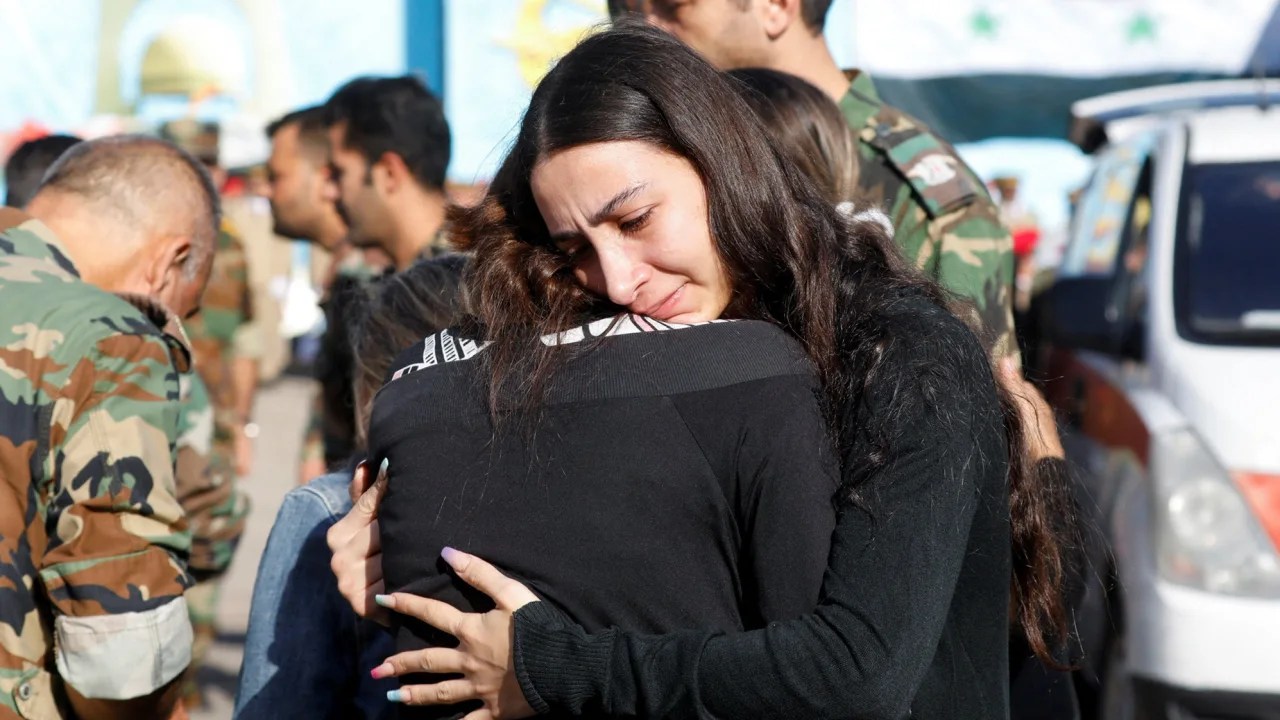
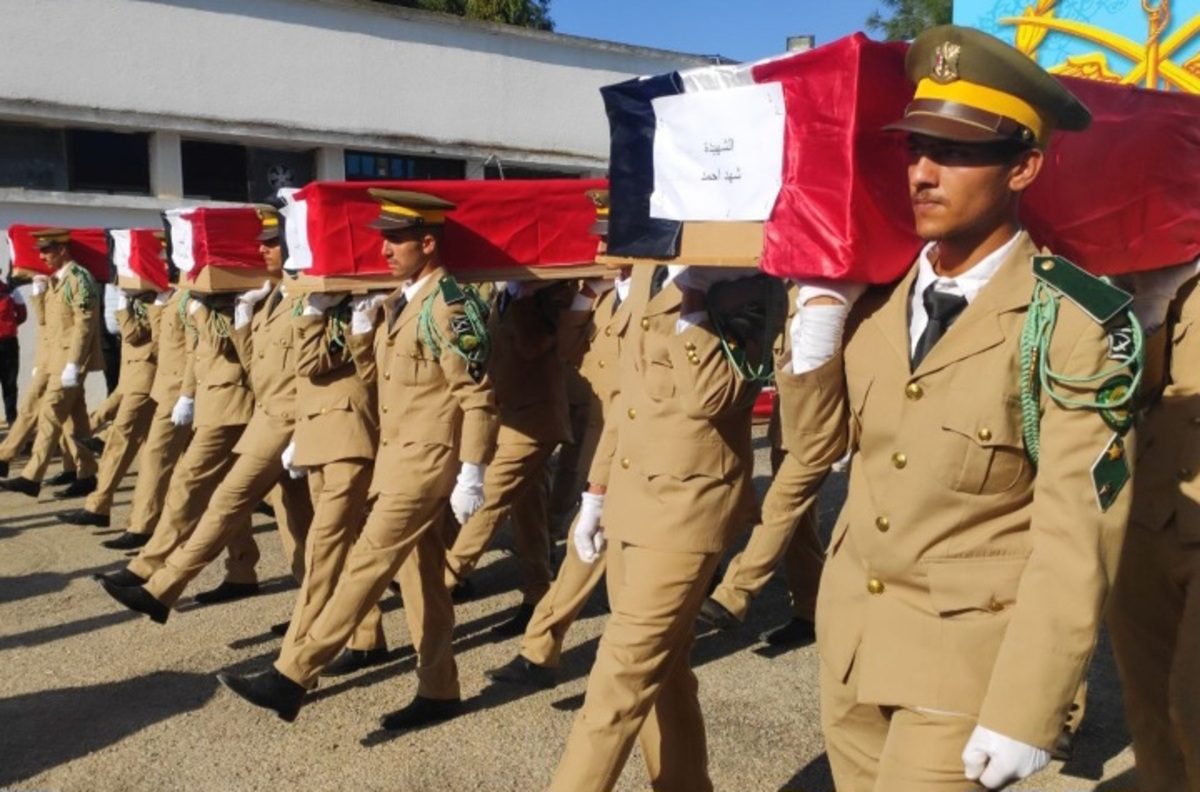
A three-day period of national mourning began Friday in Syria over the drone bombing of a passing-out ceremony of Syrian soldiers completing their Army training, the death toll so far being 89 including women and children.
The news of events in Palestine over the weekend has overshadowed the Syrian news but nevertheless the events in Syria were very serious.
Thursday’s strike on the Homs Military Academy killed 89 people, among graduating soldiers and proud family members, also wounding as many as 277, according to the health ministry — and the death toll could rise as some of the wounded are in a critical condition.
Who did it? and Why? are two questions that spring to mind. The mass media which is usually quick to speculate – or to find some ‘expert’ to speculate for them – are not doing so. In fact, they are not even asking the questions.
But that doesn’t stop the media from slagging off the Syrian state leadership and dropping in a kick at the Russians at the same time.
So Associated Press agency starts off “putting it all into context”, mar dhea, as we can see from a number of quotations scattered throughout the report:
No group immediately claimed responsibility for Thursday’s attack as Syria endures its 13th year of conflict that has killed half a million people.
Syria’s crisis started with peaceful protests against Mr Assad’s government in March 2011 but quickly morphed into a full-blown civil war after the government’s brutal crackdown on the protesters. You see, undemocratic regime!
In 2015, when Russia provided key military backing to Syria, as well as Iran and the Lebanese militant group Hezbollah. You see, Russia and Iran involved!
Russia and Turkey, who support rival sides in the country’s conflict, reached a ceasefire in March 2020, ending a three-month Russian-backed government offensive against insurgents. Russia again and … Turkey? The NATO state in the Middle East?
So how did the Syrian State respond to the bombing? Well, what you expect from a brutal regime that is supported by nasty Russia and Iran?
The Britain-based Syrian Observatory for Human Rights, an opposition war monitor, reported that Russian warplanes carried out several airstrikes on the town of Jisr al-Shughour and nearby villages on Friday.
Overnight, Syrian troops pounded the last major rebel-held region in parts of Idlib and Aleppo provinces, killing at least three people and wounding more than 15 in the town of Daret Azeh, according to the opposition’s Syrian Civil Defence, also known as White Helmets.
The area is a stronghold of the Turkistan Islamic Party, a Uyghur militant group, many of whose fighters are Chinese Muslims.
Hey, wait a minute! Quoting “Britain-based Syrian Observatory for Human Rights, an opposition war monitor” (i.e pro-NATO)? White Helmets, an anti-Syrian regime organisation? And wasn’t NATO involved in a war in Syria?
Yes, it was: US imperialism with its allies was deeply involved there.
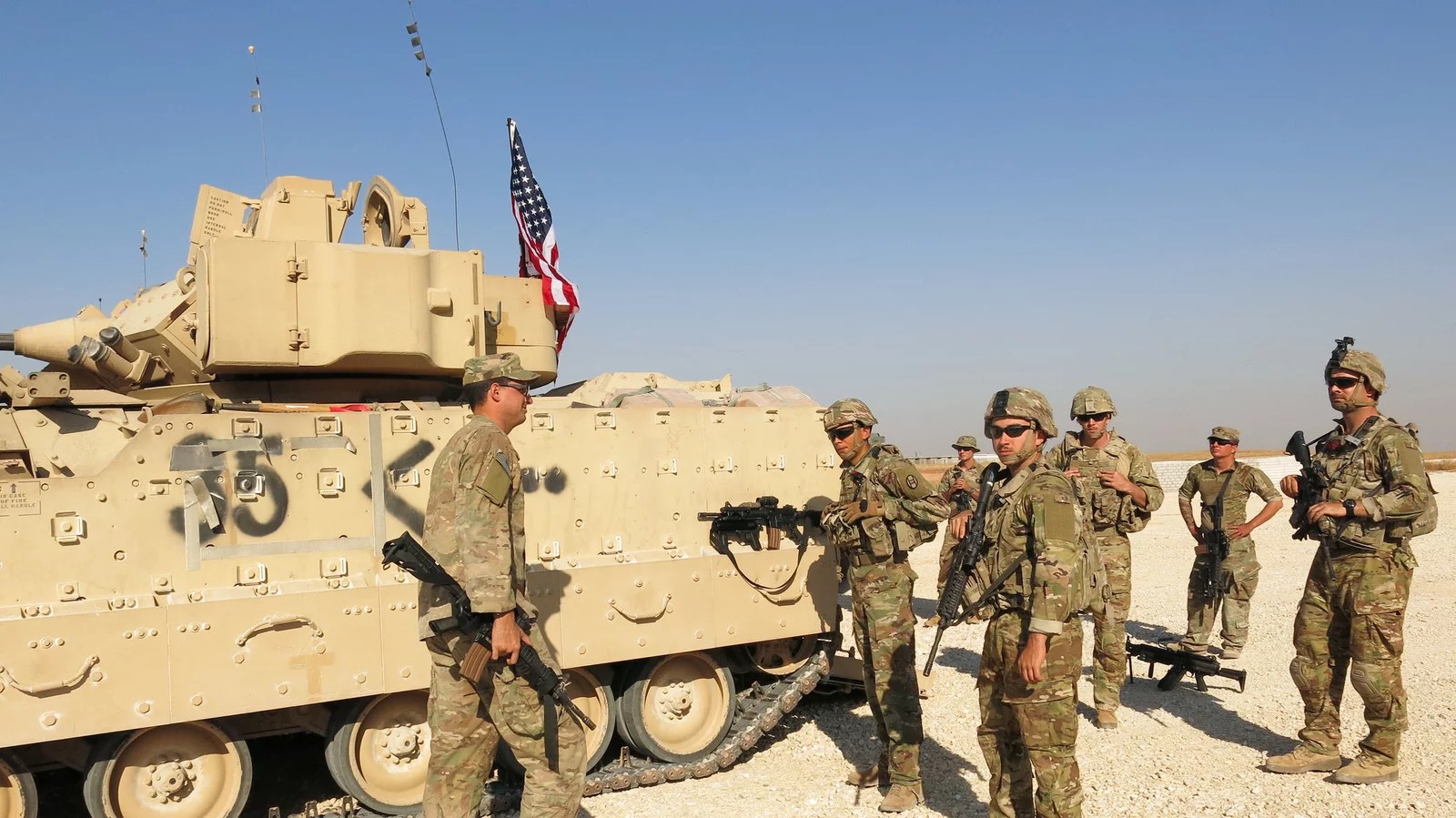
A new U.S. brigade combat team arrives in front of a Bradley Fighting Vehicle at a base in Syria’s Hasakah province in 2019. (Photo cred: Jane Arraf/NPR)
Also in fact there were “peaceful protests against Mr Assad’s government in March 2011” and they were suppressed by the State but, without justifying that suppression, let’s look at the Middle East context of the time.
IRAQ, then LIBYA, then SYRIA – OOPS!
The USA’s plan to encircle Russia from the Middle East1 involved knocking out the regimes that were not allied to it. First step, invading Iraq in 2003 with lies about “weapons of mass destruction” and the hysteria following the Twin Towers bombing.2
Then supporting the coalition of forces to overthrow Muammar Gaddafi’s Libya in 2011 and at the same time, those against Assad in Syria. After their overthrow, Iran would have been next, to bring the USA nearly right up to Russia’s border and getting rid of the Iranian regime at the same time.
This is also why the West encouraged a rising against the status quo in Georgia (which Russia and Georgian allies suppressed) and supports the Armenian resistance in Azerbaijan.
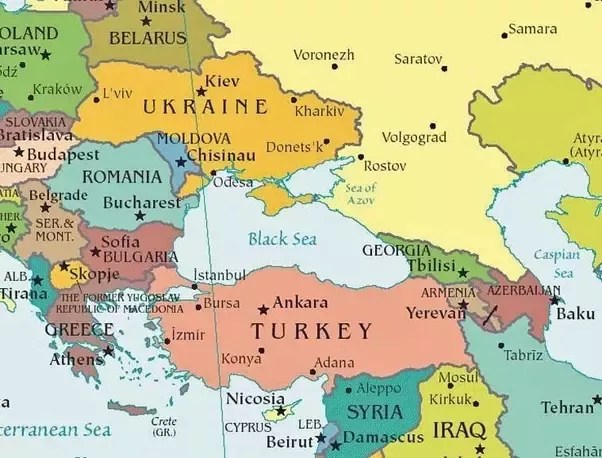
Having jihadist3 muslim fundamentalists in a western imperialist-supported coalition against Assad in Syria would have been fine for the USA,4 as it was in Iraq but inconveniently, ISIS was an important part of of the islamic fundamentalist spectrum and it had declared war on the USA.
So the USA had to go to war against ISIS but also to support the SDF,the Kurdish-led coalition in Rojava, who were fighting ISIS. Russia came to the support of Assad against the US-supported NATO proxies and muslim jihadists other than ISIS.
Turkey, although a NATO member, got involved mostly because of its hostility to the Kurdish left-nationalist movement in Turkey5 and that movement’s close connections to the Syrian Kurds which, though working with NATO, were dumped by Trump to considerable US internal disagreement.
The presence of Russia’s forces prevented the USA from invading Syria or enforcing a no-fly zone over it and prevented also Turkey from advancing beyond the section of Syria which it has taken over and where its proxies – particularly among jihadists — are in operation.
And also helped to hugely reduce the threat of ISIS.6
That is the backdrop to the western media’s reporting, pretending that the whole problem in Syria is entirely the regime’s own fault and that Russia and Hizbollah are making it all worse. And not mentioning the USA or NATO even once.
BUT WHO DID IT?
The western media, through emphasising the areas attacked by Syrian military, seems to be suggesting one of the jihadist groups were responsible. But would they have had the capacity for such an attack from 60 kms away? And if they did, were they supplied from outside?
The regime’s military statement accusing jihadists “backed by known international forces” of responsibility hints strongly at a western powers’ axis member and said “it will respond with full force and decisiveness to these terrorist organisations, wherever they exist”.
If the West did plan this attack or supply jihadists who carried it out, it is difficult to see what tactically or strategically they could hope to gain from it.
JUSTIFIABLE IN WAR?
The western media, although it included coverage of the grief of relatives of the slain, for the most part did not discuss the question of whether the attack was justified in war, though it would and does do so continually with regard to the war in Ukraine.

In war it is of course justifiable to bomb the enemy’s soldiers, even those still in training or just successfully completing it. But efforts should be made to avoid causing civilian casualties and hitting a passing-out ceremony is bound to cause many, including women and children.
In that regard the bombing cannot be regarded as a legitimate act of war and therefore must be considered a war crime – but again, that seems a term reserved in the West with which to accuse the Russians in the Ukraine war alone.
End.
FOOTNOTES
SOURCES
https://www.aljazeera.com/news/2023/10/5/syrian-military-college-hit-in-drone-attack
Very biased account but at least mentions US military involvement and that the war in Syria is in many ways a proxy war:
https://en.wikipedia.org/wiki/Foreign_involvement_in_the_Syrian_civil_war
https://en.wikipedia.org/wiki/Gulf_War
1As with NATO in Eastern Europe for years but although coups and insurrections were also encouraged there, seduction of regimes was more prevalent.
2It is well to remember that the Iraqi regime had been an ally of US imperialism and had waged a war against the new Iranian regime from 1980 to 1988 after the overthrow of Western ally the Shah of Iran (1979). At the time the West didn’t care about the Hussein regime’s gassing of Kurds in 1988 (I personally knew people who were trying without success to get it into the news then) but 23 years later it was suddenly “news” when the USA decided that the Hussein regime would have to go.
3Fundamentalist Muslims who claim they are engaged in a ‘Jihad’, i.e a ‘holy war’.
4The USA deliberately encouraged and helped build up jihadists in Afghanistan to overthrow the socialist regime 1978-1992) and its Soviet supporters, in the course of which it helped create Al Qaeda.
5In particular the PKK.
6‘On 22 November 2015, Syria′s president Bashar Assad said that within two months of its air strikes, Russia had achieved more than the US-led coalition had achieved in its fight against ISIL in a year. Two days later, the US said: “Russia right now is a coalition of two, Iran and Russia, supporting Assad. Given Russia’s military capabilities and given the influence they have on the Assad regime, them cooperating would be enormously helpful in bringing about a resolution of the civil war in Syria, and allow us all to refocus our attention on ISIL. But I think it’s important to remember that you’ve got a global coalition organized. Russia is the outlier.’”
At the end of December 2015, senior US officials privately admitted that Russia had achieved its central goal of stabilising the Assad government and, with the costs and casualties relatively low, was in a position to sustain the operation at this level for years to come. (Wikipedia)

Diarmuid Breatnach
(Reading time: 5 mins.)
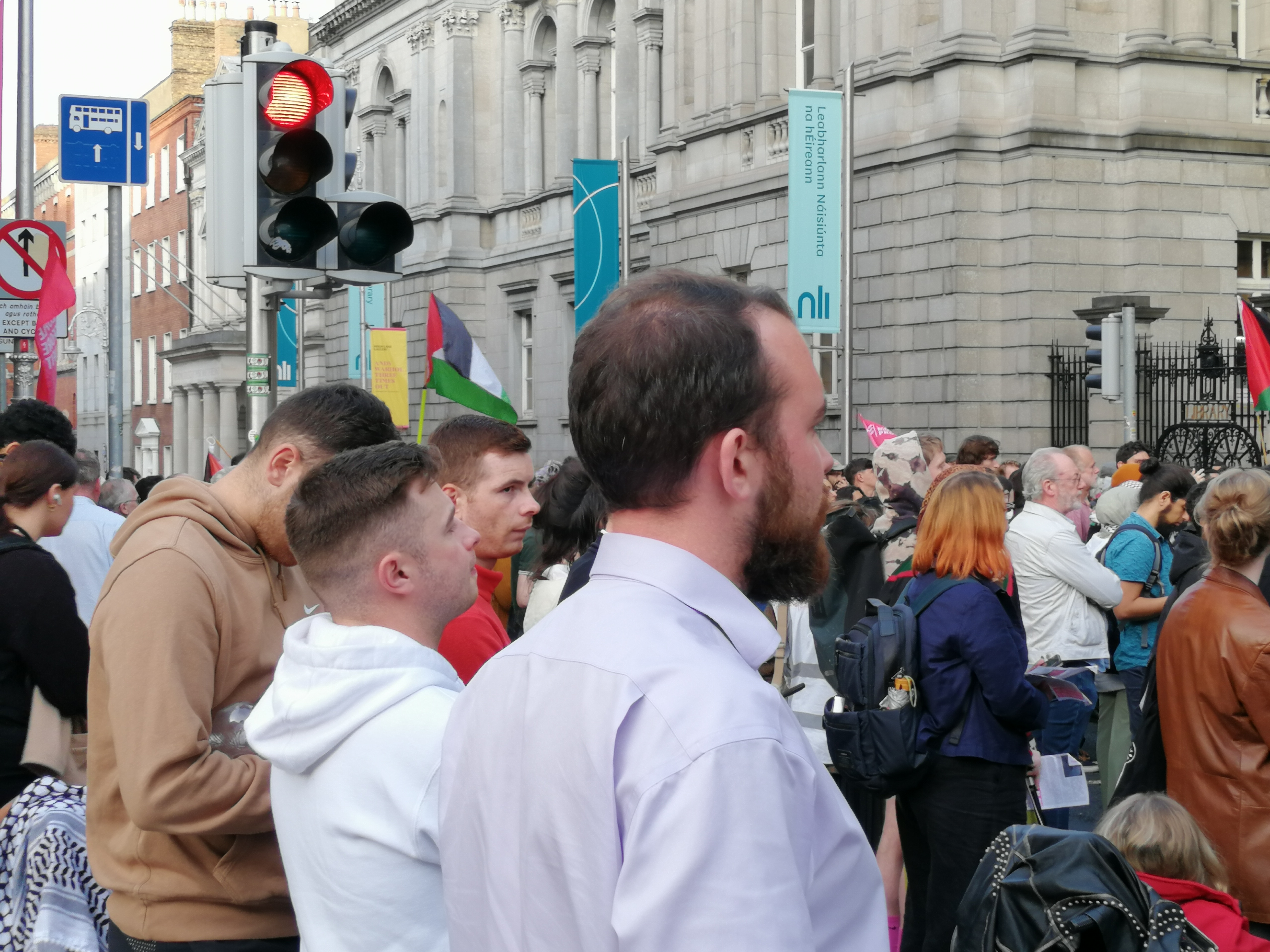
As smoke rose over the homes and shops of Gaza, an unseasonal October brought sunshine on to the streets of Dublin city centre and the crowds with Palestinian flags outside Leinster House, the home of the parliament of the Irish State.
As the sound of explosions, wailing of ambulances and of people rang around the streets of Gaza, the call-and-answer of solidarity rang out in Kildare Street: In our hundreds, in our millions – We are all Palestinians! From the river to the sea – Palestine will be free!
The Dublin rally was one of a number of Palestine solidarity events organised in Ireland after the unprecedented attack on Israel by Hamas’ military wing, the Al Qassam Brigades on Saturday and the Zionist State’s bombardment of civilian structures and people in Gaza.
The Zionist State, which also controls Palestine’s water supply to Gaza, as well as exit from and entry to the enclave, has cut off water and electrical power as well as barred entry to everything including food, medicine and heating gas.
The Dublin rally was called at very short notice by the Irish Anti-War Movement (IAWM), a broad front organisation formed by the People Before Profit party around 2003 to oppose the imperialist war against Iraq waged by the Coalition of states led by the USA.1

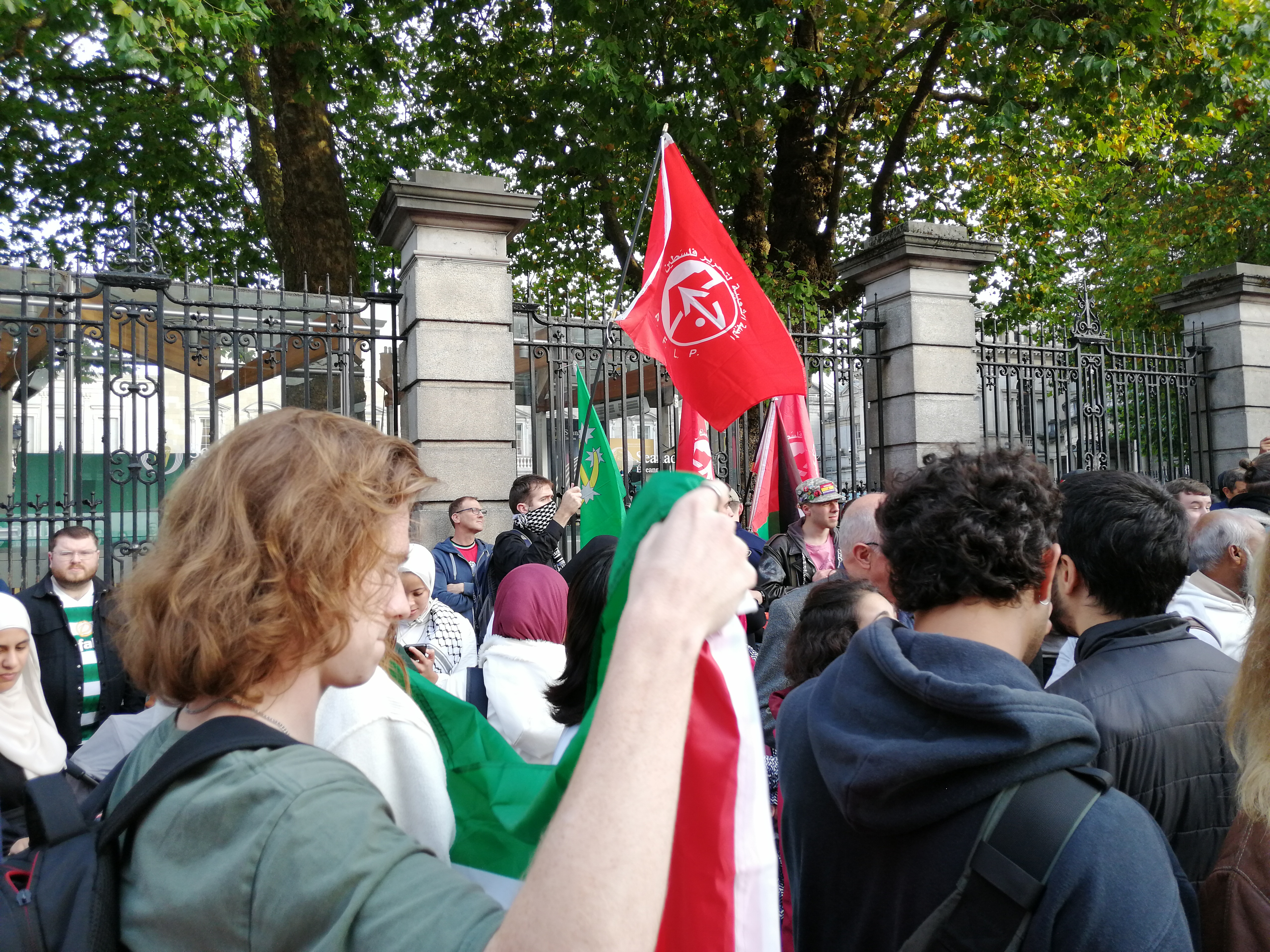
A branch of the Student’s Union of Ireland also supported the rally, which had a high percentage of Middle Eastern people present, presumably mostly Palestinians. The flags in evidence were mostly national Palestinian, some of the PFLP,2 a couple of Starry Ploughs and one Tricolour.3
Speakers from the Palestinian community, IAWM and PBP condemned the decades of attacks by the Israeli state on the Palestinians in general and on those in the Gaza enclave in particular, going back to the expulsion of 700,000 Palestinians4 as the Zionist state was founded in 1948.
Richard Boyd-Barret TD (PBP) spoke as did also Ibrahim Halawa from Dublin, who was a prisoner of the Egyptian regime for four years without trial. Halawa said that awareness-raising and education served the ignorant but that action is required from those who know the real situation.
Some of the orators spoke about the right to resistance of the Palestinians, some about being against killing and war (but blaming the Zionist state for causing it), some about the plight of the Palestinian civilians, particularly in Gaza and one referred to the thousands of political prisoners.

MIND THE LANGUAGE!
A number of speakers referred to the “International Community” and when one listens to them in context it becomes clear that this imagined “community” is one of capitalism and imperialism.
It is not the community of workers, much less the community of people struggling for freedom. In Ireland, the overwhelming majority of people have over decades seen through the Zionist propaganda and switched from being pro-Israeli State to being pro-Palestinian.
We should take more care with the words we use lest we reinforce capitalist-imperialist dominance in the world of concepts in addition to their dominance over the physical world. Another trap is the term “illegal” and Boyd-Barret used it in reference to Russia’s invasion of eastern Ukraine.
Who makes the international laws by which something is ‘legal’ or ‘illegal’? It is of course the imperialists who do so on the international scale while the capitalists define legality within their states; by their standards the actions of Israeli Zionism are lawful but of Palestinians, illegal.
All the speeches and all the slogans chanted were in English, as were the words on banners. I participated in some Irish conversation near where I was standing but saw only one placard in Irish. The fact that this is normal is part of the problem in this neo-colonial state.

Eoghan Ó Ceannabháin, from an Irish speaking-family from Connemara and himself an Irish speaker, also spoke in English as he introduced the song he was about to sing, in the same language as the lyrics of Patrick Galvin’s Where Is Our James Connolly?
Eoghan is a PBP supporter and a fine singer, particularly in sean-nós5 style and has an amazing range. It was good to hear references to James Connolly at such a rally, something that all too rarely happens, nor is the flag of his Irish Citizen’s Army often seen at internationalist events either.6
CONDEMNATION IN COLLUSION, CONFUSION AND ILLUSION
The imperialist states that united in condemnation of the attack by the Izz ad-Din al-Qassam Brigades, Hamas’ military wing, were joined by leaders of neo-colonial states such as the Irish one. Naturally also by parties competing to lead the neo-colonial Executive, such as Sinn Féin.
Media reports noted Mary Lou Mac Donald’s condemnation of Hamas as a change in Sinn Féin policy7. Indeed it is such a change but is generally in line also with the party’s trajectory of presenting itself as a safe pair of hands for management of the neo-colonial state.

Mícheál Martin, Tánaiste (Vice-Premier), who earlier had condemned Hamas, stated that the Government’s position is to support the “two state solution”, more correctly “the two-state illusion” and this, if not already SF’s position on Palestine will no doubt soon be so.
This is the position of all the imperialist and capitalist states, also of social-democratic and liberal groups. It is worth taking a minute to look at this “solution” which in the first place was totally undesirable and which since conceived has been undermined by the Zionists themselves by their colonial expansion.
If it could even be implemented now it would leave the Palestinians with in reality a colonial-type Bantustan-status client of the Israeli Zionist state8, owning less than 40% of their land area and most of their good land and water taken by Zionist settlers.
In addition, their territory would be fragmented, linked by “corridors” through areas of Israeli dominance. In any case, as of 2021, in a poll by the Palestinian Centre for Policy and Survey Research most Palestinians were against the two-state solution.9
Since this is not in the least a practicable solution, why does Mícheál Martin and Joe Biden, among many others10 keep saying it’s their preferred solution?
Biden, because it allows US imperialism to pretend that it supports some kind of solution other than total Zionist appropriation and expansion. Mr. Martin? For the same reason or just because his Gombeen class follows the world imperialism leader’s lead.
The only real solution, i.e the only one both just and capable of bringing peace, is the one that we hardly ever see or hear even mentioned: a secular republic with equal citizenship for all, return of refugees and reparations to the dispossessed Palestinians.

The Zionists will not accept the loss of their Zionist empire; US imperialism (and other imperialisms) won’t accept the loss of their only safe strategic foothold in the Middle East – free from the dangers of either Islamic fundamentalist or national liberationist revolution.
US imperialism, now sending an aircraft carrier against the Palestinian people who have neither air force nor navy, is the main financial and political prop supporting the Zionist state. But whatever they thought, I heard no speaker in Dublin call for the necessary defeat of US imperialism.
end.

FOOTNOTES
1The IAWM seems to have no permanent existence but can be revived in order to organise events such as today’s from time to time. There is nothing wrong with a party creating a broad front on a specific issue but when it is a front of the Party rather than a people’s front, it will of course suffer when the party’s activists, limited in number, are organising on other issues and cannot keep the ‘broad front’ going, much less expand it.
2The Popular Front for the Liberation of Palestine, a secular socialist organisation fighting for Palestinian national liberation; it has consistently been the 2nd-largest of the groups comprising the Palestine Liberation Organisation.
3The Starry Plough was the flag of the Irish Citizen Army, the first workers’ army in the world and usually signifies socialist Irish republicanism. The Plough painted in gold follows the shape of the Ursa Mayor constellation on a green background, the seven stars in white or silver. Another version appeared in the 1930s, the Ursa Mayor shape in white stars on a light blue background.
Obviously people carry Palestinian flags to show solidarity with Palestine but would it not be useful to carry Irish flags at such an event to demonstrate the solidarity of the Irish movements for national liberation and social progress with the corresponding movements in Palestine?
4That figure represented over half the pre-WWII Arab population (Muslim and Christian) of Palestine.
5Literally “old-style”, a traditional style of singing with ornamentation having a number of regional variations, nearly always unaccompanied and solo-voiced.
6James Connolly was a Scottish-Irish socialist revolutionary, writer, journalist, trade union organiser and historian, one of the Seven Signatories of the 1916 Proclamation, Dublin Commandant in the 1916 Rising, one of the 16 executed by British firing squads. He was a co-founder of the Irish Citizen Army to defend the strikers and locked-out workers in 1913 from vicious police attacks, the first workers’ army in the world, which also recruited women, some of whom were officers. The ICA fought alongside other progressive organisations in the Rising.
7And one which cut across the quoted posts of a number of the party’s TDs, including those of Chris Andrews (see Irish Times report in Sources).
8A real irony since Israel is a kind of colony, a state founded by Zionist settlers with imperial support.
9See Wikipedia entry
10Including China – a sad disillusionment for those who somehow still believe it to be a socialist state.
SOURCES
https://edition.cnn.com/middleeast/live-news/israel-hamas-gaza-attack-10-09-23/index.html

Diarmuid Breatnach – previously published in the Pensive Quill
(Reading time main text: 6 mins.)
At the end of last month, in Johannesburg, South Africa, over 76 residents perished in a fire sweeping through one of a number of “illegal” buildings, home to some of the city’s poor who are desperate for somewhere to live.
How is this possible we may ask. Didn’t the South African people win their struggle after many years of sacrifice? Didn’t Mandela and the ANC lead them to victory in 1994?
The huge South African majority people fought a long and hard struggle against the domination and exploitation of a European settler minority and institutional racism. But they also fought against capitalist exploitation and imperialist plunder of their rich natural resources.

Despite the riches of those natural resources in gems, precious metals and minerals,1 most non-white Africans2 in South Africa lived in abject poverty with poor health care, scarce or non-existent infrastructures and services, including education and training.
In the decades leading up to the fall of the formal apartheid system, that struggle was led by the ‘triple alliance’ of the (banned) African National Congress,3 the National Union of Mineworkers (of S.A.) and the (banned) Communist Party of South Africa.

Their struggles defeated the apartheid system and in April 1994 all residents of South Africa were enfranchised. National elections brought 1990, was elected President of the country.
Yet shortly after that great change, it was noted that the living standards of the mass of people were even lower than before, that the settler capitalists continued to reap their profits and that imperialism had actually intensified their penetration of the South African economy.5
Today approximately 55.5 percent (30.3 million people) of the S.A population is living in poverty at the national upper poverty line (~ZAR 992) while a total of 13.8 million people (25 percent) are experiencing food poverty. Municipal services to the huge ‘townships’ are unreliable at best.
Almost one in every three of work-available people is unemployed and only 95% of the population have basic literacy, which means that one in 20 doesn’t have it.
It is in that context that we can begin to understand hundreds of people living in an “illegal” building without even a fire escape, obliged to take the risk of such accommodation, in a land that continues to be rich in great wealth which however, never comes near the mass of people.
PACIFICATION PROCESSES
In the 1990s a number of people began to promote processes to resolve a number of long-ongoing conflicts around the world, mostly where imperialism or colonial settlers were oppressing the people of a country. The promoters called them “peace processes”.
Palestine was the first of those in which a “peace process” was introduced and South Africa was next in 1994, followed by Ireland in 1998. As it took root in one country, former resistance activists went from there to other conflicts to encourage people there to embrace the process too.
In fact the progress of this process seemed like the US imperialist ‘dominoes’ theory, only in reverse: rather than ‘communism’ in one country influencing people in another to go the same way, capitulation in one country was used to infect the next.
Palestinian and South African delegates attended Sinn Féin congresses to promote their ‘peace process’ to the party’s membership; subsequently SF delegates in turn joined South African ones in selling the process to the Basque national liberation movement.6

Some movements declined to imbibe the process wine but those that drank it found their movements split, their leaderships increasingly accommodated to their people’s exploiters and nowhere at all were any of the movement’s principal objectives achieved.
Except, that is, in South Africa, where at least the people were enfranchised. But the right to vote is intended to help shape the polity for improvement and that has not happened in South Africa. The ANC, NUM and CPSA of the ‘triple alliance’ have become part of the system instead.
THE OPPOSITION BECAME THE SYSTEM’S GUARDIANS
Western imperialism recognised the vulnerability and isolation of the minority settler regime, convincing its leadership to concede mass enfranchisement rather than suffer revolution. And in order to prevent the mass going ‘too far’, they brought the resistance leaders into the deal.
Bishop Tutu7 once remarked that “The ANC stopped the gravy train just long enough to get on it”, which angered his friend, Nelson Mandela. But when forty striking miners were murdered by police of the ANC Government with NUM collusion in 2012, Mandela did not condemn them.

This corruption did not grow overnight. Jacob Zuma,8 while President of the ANC, has been formally accused of rape, indicted a number of times and eventually convicted of financial corruption. Winnie, Mandela’s ex-wife led a clique accused of political corruption and murder.
Cyril Ramaphosa, now President, was a millionaire even during the apartheid regime while General Secretary of the National Union of Mineworkers and, because the striking mineworkers in 2012 were rejecting the NUM as corrupt, is widely believed to have organised the massacre.
There should have been many signs of this corruption in the ANC prior to entering government – and there were.
The ANC ran concentration camps notably in Angola, Zambia, Tanzania and Uganda where they punished and even killed “dissidents”.9 And in South Africa perhaps they had their own ‘Steak Knife’10 to organise “Pirelli necklacing”11 for alleged informers.
Mandela knew about the camps and the “necklacing” but did not condemn them, possibly out of mistaken solidarity or ‘the greater good’ theory, as acted upon by some of the solidarity movement abroad.
Ronnie Kasrills, a senior member of the Communist Party of SA and formerly on the ANC’s National Executive Council, who now criticises the pacification process, claims they were concentrating on the political process and took their eye off the economic one.
And no doubt many at home and abroad thought all this could be sorted out once the domination of the white settler regime was broken and African majority had the vote. But political plants grown in contaminated soil do not grow healthy fruit.
And so we come to 76 or more poverty-stricken dead and well over a hundred injured by fire in a building owned by the City, which is run by a black South-African administration that doesn’t care, in a state run by a corrupt black South African government in partnership with the settler class.

Armed resistance campaigns, uprisings and revolutions kill but they have in their favour that they are striving for a better world. Pacification processes kill without any chance of achieving a substantial improvement.
Pacification processes murder dreams but kill physically too: in massacres and avoidable disasters but also by overwork, ill-health, work injury, despair, substance abuse, suicide, and the many ways in which the capitalist-imperialist system causes misery wherever it lives.
End.
FOOTNOTES
1South Africa holds the world’s largest reported reserves of gold, platinum group metals, chrome ore and manganese ore, and the second-largest reserves of zirconium, vanadium and titanium. In 2021, South Africa’s diamond production amounted to 9.7 million carats, an increase on the previous year’s 8.5 million carats. The country ranked fifth among the world’s largest diamond producers by volume.
2The racialcategories introduced by the Apartheid regime remain ingrained in South African society with South Africans officially continuing to classify themselves, and each other, as belonging to one of the four defined race groups (Blacks, Whites, Coloureds and Indians).
3Banned by the South African settler government from 1960 until early 1990; now a mass party in government.
4The ANC is still in government at the time of writing, without a break since 1994.
5See The Shock Doctrine – the rise of disaster capitalism by Naomi Klein (2007).
6Palestine faded as a promoter of the pacification process since it had failed spectacularly there, its mass rejection resulting in the resistance upsurge of the Second Intifada followed by the fall of Al Fatah and the Palestinian Authority from their leadership position and the huge turn to the Islamist Hamas by a society generally voting along political rather than religious lines.
The Spanish ruling class was interested only in crushing the Basque resistance and made little attempt to sweeten the surrender of the leadership (Arnaldo Otegi and company) who nevertheless capitulated. Other areas where the process landed or attempted to do so were Colombia, Sri Lanka, Turkey (Kurdish national liberation movement), India, Phillipines (both latter agrarian movements). Only in Colombia was it adopted by both the rulers and the resistance and proved a disaster for the latter.
7A Christian bishop and campaigner for most of his life against the rule of the settler minority.
8South African politician who served as the fourth President of South Africa from 2009 to 2018. Zuma was a former anti-apartheid activist, member of the ANC’s military wing Umkhonto we Sizwe, and president of the ANC from 2007 to 2017.
9See Sources.
10MI5 codename for senior Provisional IRA member Freddie Scappaticci who led the guerrilla organisation’s internal security department, which tortured and executed alleged informers.
11A car tyre, doused in flammable fuel, was placed over the terrified victim while still alive and set alight, often in front of a crowd.
SOURCES
https://www.theguardian.com/world/2023/sep/01/grief-and-anger-in-wake-of-deadly-johannesburg-blaze
ANC concentration camps: https://www.amnesty.org/es/wp-content/uploads/2021/06/afr530271992en.pdf

News & Views No.9: Chile Coup – Twin Towers – the Legacy Bill
Diarmuid Breatnach (Reading time: 5 mins.)
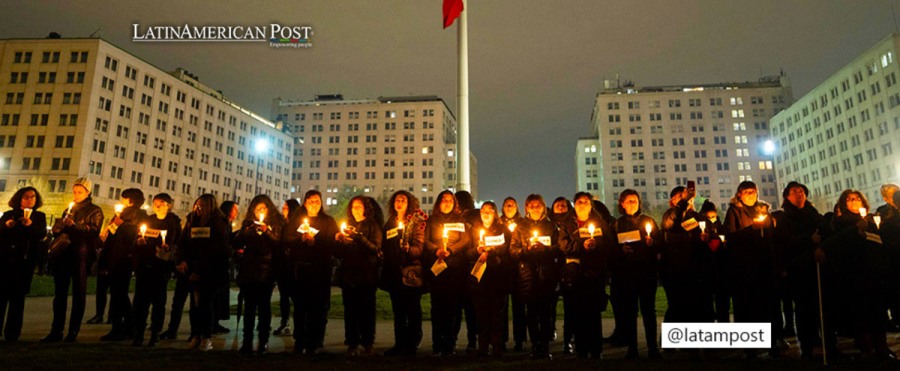
September 11th is the anniversary of the al Qaeda attack on the new World Trade Center in the USA known as “the Twin Towers” and also of the Pinochet Coup in Chile. The former caused the deaths of 2,996 people and the latter of over 40,000.
These are not happy anniversaries and US Imperialism bears a major portion of the blame for both events.
How so, one might ask? The coup in Chile, probably with CIA help, sure. But the Twin Towers? That was a Muslim jihadist attack AGAINST the USA! Surely we’re not expected to believe that stupid conspiracy theory that the USA ruling class actually staged the attack?
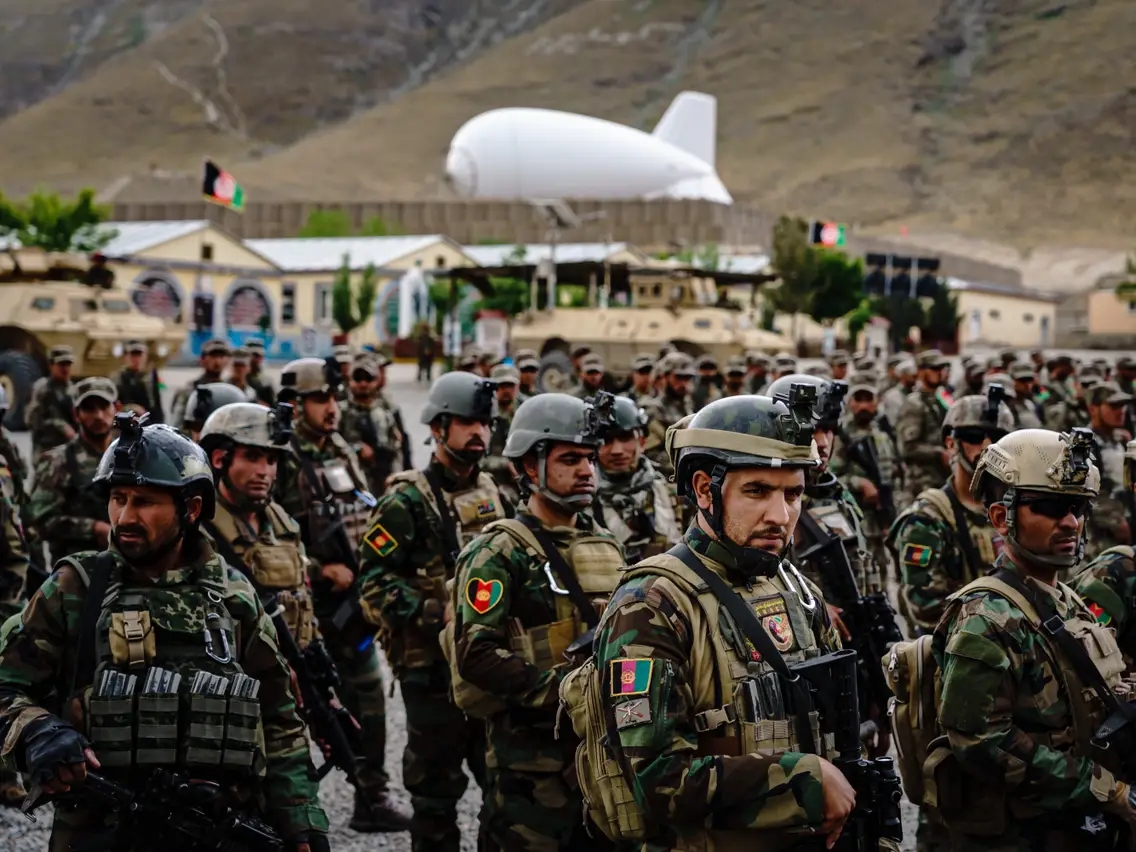
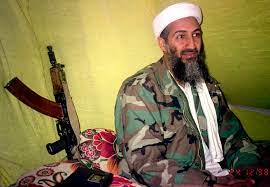
That is truly a crazy conspiracy theory but the historical truth does indeed involve a conspiracy. In 1997 the government of Afghanistan was socialist which was worrying for the USA, so in partnership with Saudi elements, they funded and even founded Muslim jihadist groups there.
These groups were to be encouraged to overthrow the socialist regime and when the USSR sent troops to support the government, to defeat the Russians too. Which they did.
But forget about fantasy stories of traditional tribesmen with ancient muskets fighting a world power’s army – these were jihadists, fundamentalists, armed with modern automatic weapons and mobile missile launchers including SAMs (Surface to Air Missiles).
Forget too about Rambo-led simple hill people – since the US achieved the overthrow of the socialist regime and invaded Afghanistan alongside their British allies, those jihadist groups have been squabbling over their share of the spoils, often murderously.
In fact, US imperialism is largely responsible for the world pestilence of not only jihadism of the Al Qaeda type, but the even more virulent Islamic State variety (which indicates Mary Wollstonecraft’s story of Frankenstein’s monster to be more prediction than fiction).
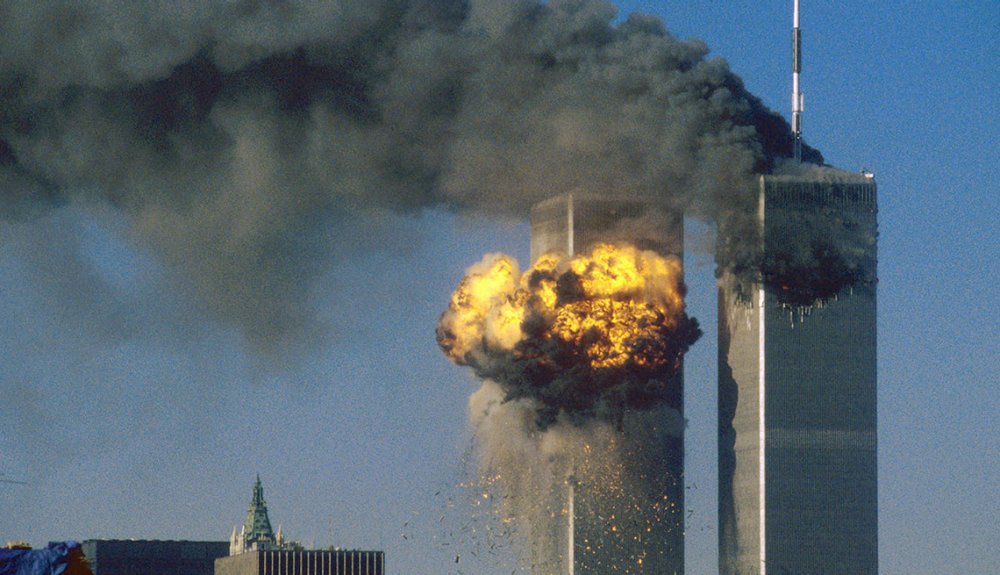
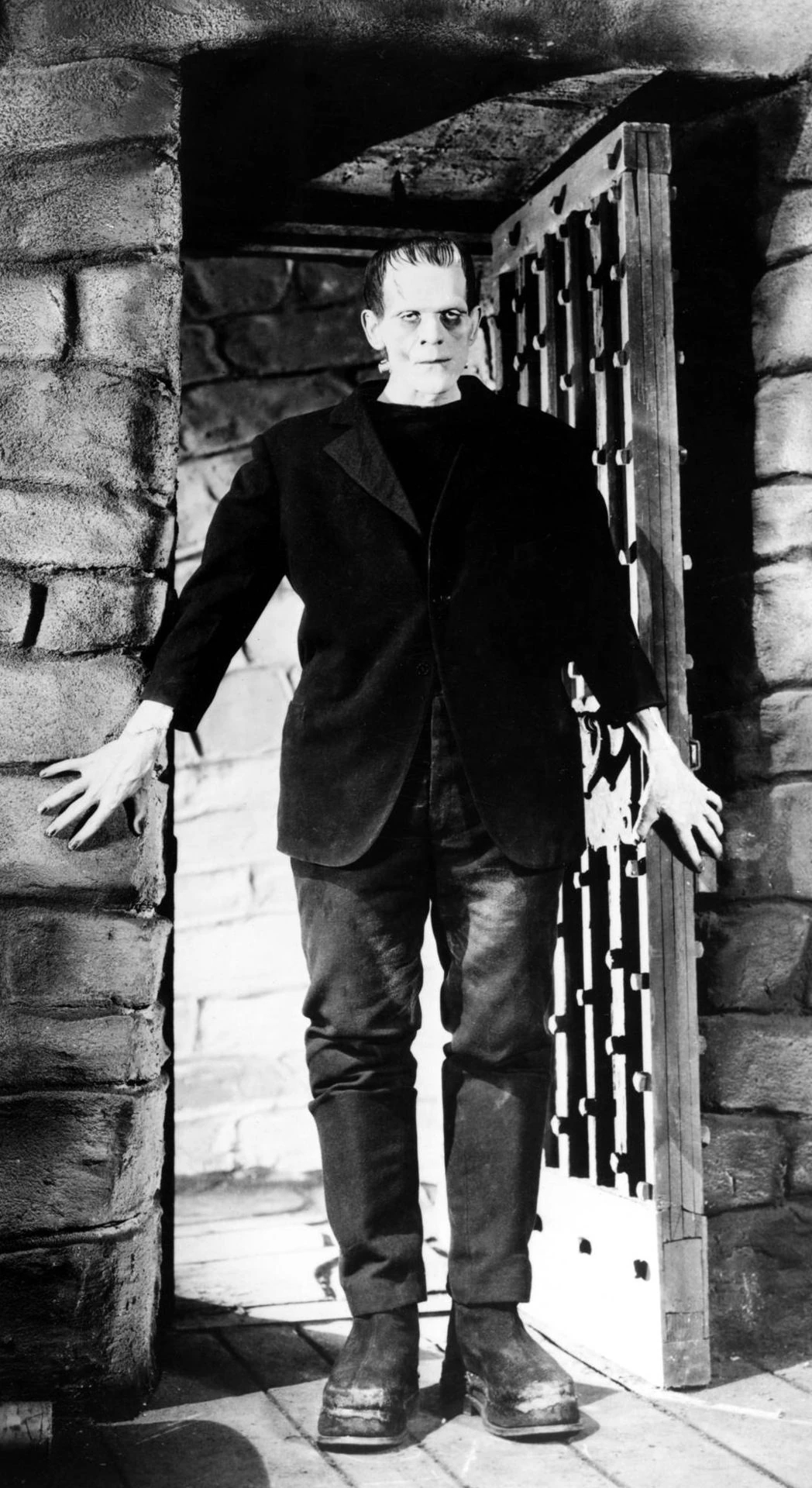
Although US Imperialism had created Al Qaeda and although Saddam Hussein’s regime in Iraq was totally opposed to the jihadist group (and vice versa), US politicians used the attack on the Twin Towers to ‘justify’ the US military invasion of Iraq.
“Sweet are the uses of adversity” indeed when manipulated by US Imperialism for domestic consumption and for world public opinion, also when assisted by British Imperialism’s Labour Government, in particular by lying-through-his-teeth Tony Blair.
The US-led campaign against Iraq resulted in about 1.5 million deaths through economic sanctions alone followed by over 300,000 civilians in the Western military campaign. These figures do not include deaths and injuries of Iraqi military and of the invading allies under the USA and UK.
Nor do those figures include the many deaths, military and civilian, in internal conflicts since the invasion of Iraq which continue to mount.
The deaths resulting from the coup in Chile were overwhelmingly of civilians as the coup was carried out by the Army with little opposition within the military and the civilian population were mostly unarmed.
Most of the deaths occurred in succeeding days and years as the regime rounded up communists, trade union militants and others suspected of having supported Allende’s party, to torture and execute them, including most famously the renowned musician and singer-songwriter Victor Jara.
The anniversaries of both the Pinochet coup and the Twin Towers have been commemorated in various parts of the world with, it appears, the coup being remembered in most of them, not only in Latin America but also in many countries in Europe where Chilean political exiles found refuge.
In the USA, of course, the attack on the Twin Towers was officially commemorated and probably communally too much more so than the coup in Chile.
Another imperialist-generated disaster, the anniversary of which falls only a couple of days after those two, is that of the Oslo Accords, signed on 13th September 1993 and often also known as a stage in “the Palestinian Peace Process”.
At the White House, supervised by Bill Clinton, elected chief of US Imperialism at the time, Yitzak Rabin for the Israeli Zionist state and Yasser Arafat, for the Palestine Liberation Organisation, signed an agreement, as a result of which the PLO would be permitted to run their own statelet.
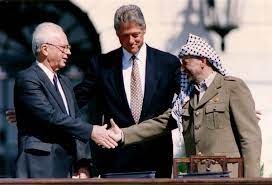
Hailed as a great breakthrough by most media at the time, the PLO, dominated by Arafat’s Al Fatah, got to have limited self-government within the Zionist State, with the borders of any future Palestinian state undefined and no mention of the millions of Palestinian exiles around the world.
Although the increasing encroachment on Palestinian lands by Zionist settlers was temporarily halted, the land already taken and built upon remained in Zionist hands, that issue and others ‘to be discussed later’ but the Palestinians were to give up the armed resistance immediately.
The South African pacification process had begun earlier and, though enfranchisement of non-white South Africans was not to come until 1994, it was clearly on the way. The ANC promoted pacification processes to Al Fatah and both parties promoted them to Provisional Sinn Féin.1
The Palestinian ‘Process’ was controversial among their people from the start and grew more so as it became clear how little the Palestinian cause had gained and how much had been set aside, along with the growing official corruption and nepotism growing among the Al Fatah organisation.
Though the pacification process was widely rejected in Palestine and failed to install a widely-recognised ‘official’ collusive leadership, it did achieve the fragmentation of the Palestinian leadership and helped to ‘justify’ the demonisation of Hamas, winner of the 2006 elections.
ALTERNATIVES
The Secretary of State for Northern Ireland (sic) is quoted in the media as saying that there is no alternative to the UK’s legacy legislation, which proposes to prevent recourse in law for any crimes committed by its soldiers, colonial police, proxies or Government Ministers.
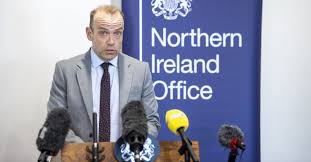
The legislation in question is titled The Troubles (Legacy and Reconciliation) Bill.
All political parties in Ireland on both sides of the British Border have vigorously opposed this legislation and THERE CLEARLY IS AN ALTERNATIVE, which is to abandon it. What the UK’s ‘colonial governor’ of the Six Counties means is: no alternative acceptable to the ruling class.
While we’re on alternatives, all liberation movements had and have the alternatives to embracing pacification processes, which is to maintain the path of resistance upon which they embarked until the day they win that for which their people and fighters have sacrificed their liberty and lives.
Allende and the communists in Chile had the alternative of arming the people and purging the Army but instead chose to put their faith in the ‘loyalty’ of Pinochet, ‘democracy’ and the opinion of the
Western powers.
“The people armed cannot be harmed”, perhaps, rather than “The people united can never be defeated”.2 Allende’s error cost him his life but also the lives of hundreds of thousands of others.
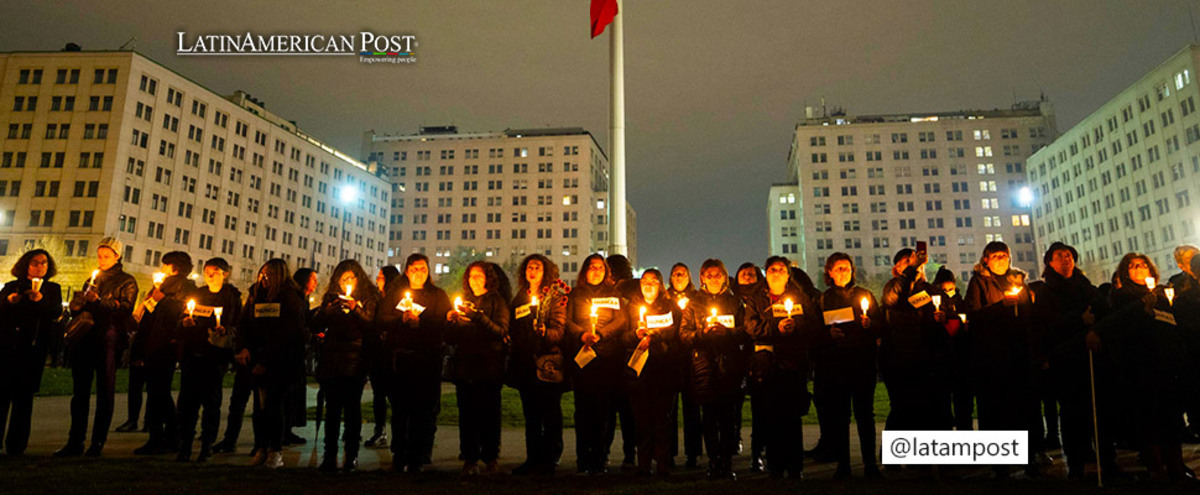
Imperialists have the alternative of respecting the right to self-determination of the peoples of the world and to cease from exploiting, oppressing and repressing them.
But if they did that, they wouldn’t be imperialists, would they? And since they cannot change their nature, they have to be overthrown.
End.
FOOTNOTES
1Provisional Sinn Féin signed up to the Irish Pacification Process in 1998 and they and the ANC then moved on to promote a pacification process to the leadership of the Basque movement for independence, which also finally signed up to it without even obtaining release of the political prisoners. By that time the Palestinian Process had shown its empty promise and the Second Intifada (2000-2005) demonstrated its rejection by most Palestinian youth and the elections to the 2006 Palestinian Legislative Council were won convincingly by Hamas.
2An alternative slogan to “El pueblo unido jamás será vencido” was even then being promoted by a smaller communist group: “El pueblo armado jamás será aplastado!”, i.e ‘The armed people will never be crushed’.
SOURCES

Diarmuid Breatnach
(Reading time maint text: 7 mins.)
The Irish State has issued a new commemorative stamp to celebrate its joining the League of Nations in 1923 to which its representative referred as commemorating “the significance of Ireland taking our place among our fellow nations.”1
Well, sorry to poop on your party, Gombeen Government and to point out your lie. The truncated Irish State was admitted to the League of Nations, not “Ireland”, of which one-fifth was held in arms by the British occupier – who was one of the founders of the League.

Furthermore, the Gombeen state’s management committee entered the League as the victors in the Civil War – Britain’s proxy war in Ireland – dripping in the blood of those who fought for Ireland’s freedom. But that was not unfitting for the League was full of blood-drenched governments too.
The League was formed in 1920 and though the true government of the Irish nation, the First Dáil,2 applied for membership, its emissaries were not even received. At the Paris Peace Conference, US President Woodrow Wilson did not even reply to the Irish Delegation’s letter.3
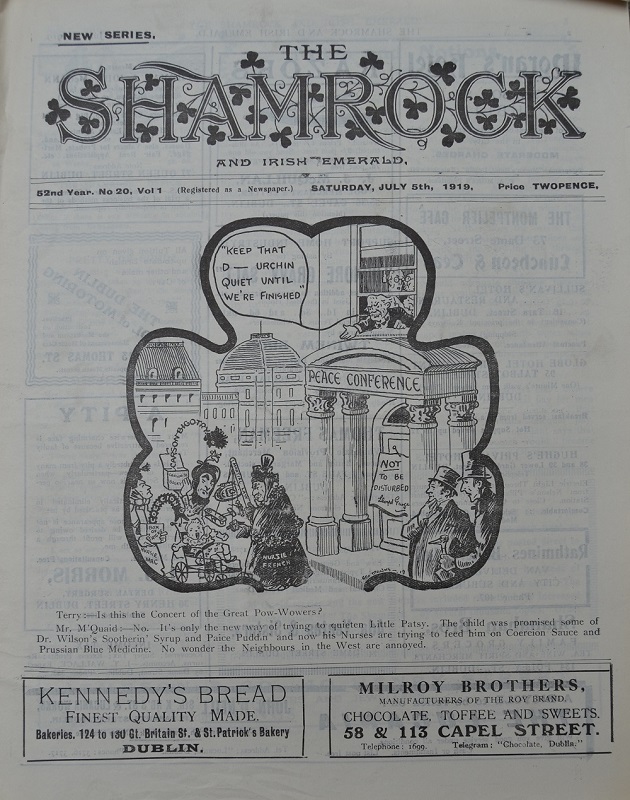
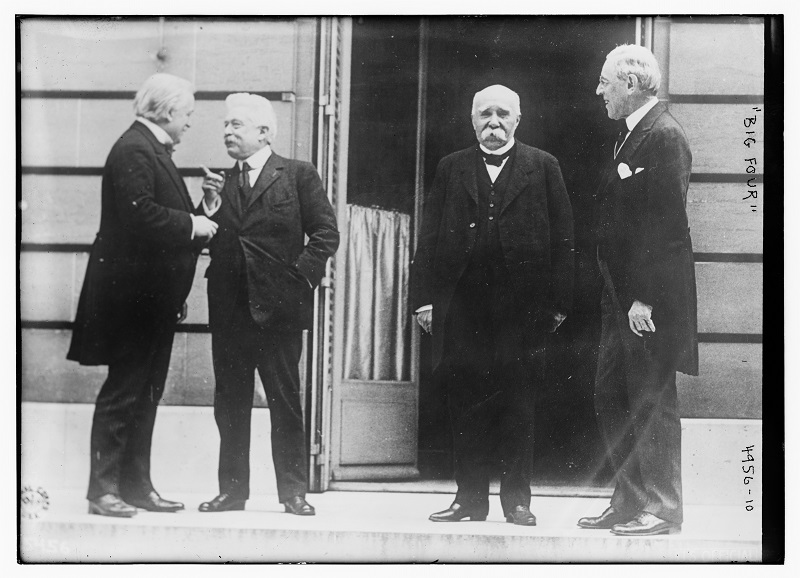
The original permanent members of the League’s Executive Council (it had four non-permanent members too) were Britain, France, Italy and Japan and its languages reflected those of the dominant European and American powers: English and French.
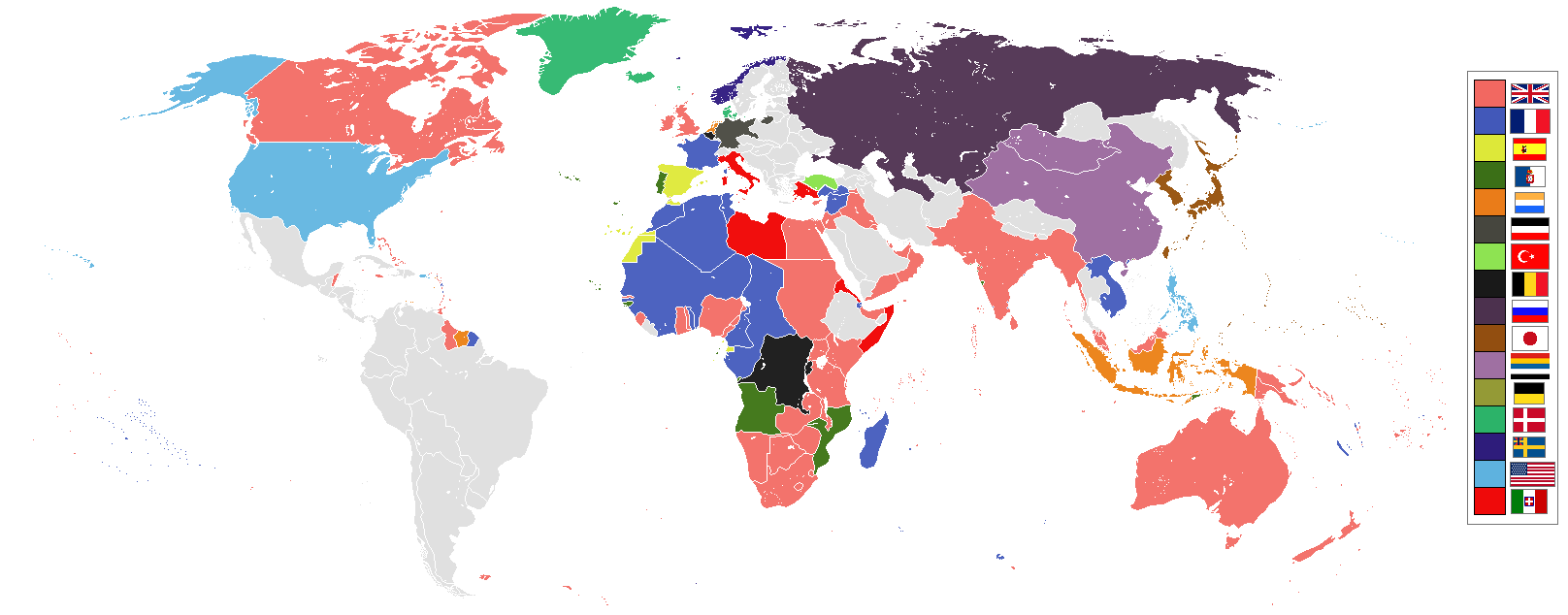
Britain came into the League with its Empire of allegedly independent states: Australia, Canada, India (which incorporated present-day Pakistan and Bangladesh), New Zealand and South Africa.
PEACE?
Allegedly about peace, the League was formed as a club to discuss the areas of the world owned by the European colonial powers and to create a space where the losers and winners could discuss those lines, over which they had just fought a four-year bloody war.
Henceforth, there would be many, many wars, but mostly of colonial conquest and repression of resistance – but the European powers would not war among themselves, leastways except by finance and diplomacy. Until another 19 years, that is.
In fact, one of the major causes of WWII was the Treaty of Versailles, containing the crushing and humiliating WWI reparations demanded of Germany by the British and French imperialist powers. That Treaty was incorporated into the terms of the League of Nations.
Ireland would see short armed liberation struggles in the 1930s, 1940s and of three decades from 1969. Hundreds of armed liberation struggles would break out across the rest of the world, in every continent except Antartica. And yes, including Europe.
The League of Nations was a club, chiefly of European colonial powers in which the conquest and suppression of a huge number of other nations was agreed and ratified. It was followed by the hugely-expanded United Nations after the next World War.
The UN has much the same role and of its 193 members, its only binding decisions are made by five Security Council Permanent Members voting without dissent: USA, UK, France, Russia and China. The vast majority of the other states are clients of one or other of those five.
The Irish state joined that earlier League not as one of the colonial powers but as a defeated nation, a neo-colonial client regime, an experiment in native self-government under external colonial control, one to be adopted by the other imperial powers and replicated across the world.
The Irish state joined the United Nations in December 1955 in exactly the same client relationship to its old masters but over time the yearly tribute has been shared among new part-masters, first the USA and then EU imperialism.
Neither the state’s advent to the League of Nations nor to its successor, the United Nations, has anything whatsoever of which to be proud. An opportunity for Irish real independence and world friendship of nations was squandered.
The new stamp should carry a black border in mourning.
End.

FOOTNOTES
1Words of Mícheál Martin, the Tánaiste (Deputy Prime Minister) of the Irish Government quoted in numerous media reports.
2The First Dáil was founded in January 1919 in defiance of British occupation, based on the results of the UK’s December 1918 General Election results in Ireland which returned 73 MPs of the newly-reconstituted Sinn Féin party out of a total of 101 MPs elected in Ireland. The SF members set about organising an Irish Government and, though declared illegal by the British occupiers shortly afterwards, continued to operate as a government until it split over whether to accept the terms of the British offer in 1921, which led to the Civil War of 1922-1923.
3 See https://www.irishtimes.com/culture/heritage/how-the-plea-for-irish-independence-made-its-way-to-paris-1.3742328. Though interestingly, Wilson did reply to the young Ho Chi Minh’s in respect of Vietnam (Ho Chi Minh, while working in Britain, had commented admiringly on the Irish capacity for resistance at the time of Mac Swiney’s funeral march in London from Brixton Jail to Southwark Cathedral). Most of Indochina at the time was a French colonial possession.
SOURCES
https://www.dfa.ie/about-us/ourhistory/100years/1919-1929/1923/
https://www.dail100.ie/en/long-reads/message-to-the-free-nations-of-the-world/
Text First Dáil Message to the Nations of the Free World: https://en.wikipedia.org/wiki/Message_to_the_Free_Nations_of_the_World#:~
https://en.wikipedia.org/wiki/Member_states_of_the_League_of_Nations

Oscar DíazTranslation from Castilian Spanish by D.Breatnach
(Reading time main piece: 10 mins.)
1. What is Herri Ekimena?
Herri Ekimena is an initiative that emerged in March 2022. A series of organizations began to get together due to concern about the offensive of Atlanticist imperialism in Ukraine, in addition to the blatant manipulation of the media to get us to support their war strategy.
We also observed that, in a context of capitalist crisis and with the excuse of the war against Russia, economic measures were being imposed that resulted in greater impoverishment of the working class.
That is why we took to the streets at that time with the slogan “NATO and the EU condemn us to war and misery”, to turn the official discourse around a little and point to these two organizations as the main ones responsible for the increase in international tensions, as well as for the oppression of the working classes of the imperialist bloc itself.
Also in the month of June of that 2022 we called a demonstration in Bilbo, “against the imperialism of NATO and the EU” and calling for the end of the Russophobia that is still being promoted.
In parallel to the NATO summit that was held in Madrid, we also carried out a 48-hour poster campaign in Gernika, a city with great anti-fascist symbolism that the Ukrainian Nazis tried to appropriate, citing it in a speech before the Spanish Parliament by Zelensky himself.
After a short break, we resumed the fight in the streets at the end of the year, with the “Free Euskal Herria out of NATO and the EU” campaign. In March we held a massive demonstration in Bilbo, together with Askapena1 and the Bardenas Ya2 collective.

This demonstration was exciting to us as we saw that the work that had been done was already bearing fruit and that the anti-imperialist spirit that has historically characterized Euskal Herria was projected in the streets.
We are currently in a restructuring process in order to be more effective, and give new impetus to the anti-imperialist struggle in the streets, which is where this game is truly played.
2. Why combine anti-fascist and anti-imperialist slogans?
The imperialist offensive, which has to do with the systemic crisis of capitalism and the rise of new economic powers, is being accompanied by a general reduction of rights and freedoms.
Those in power fear popular revolts, like those that have been taking place in the French State in recent months.
In Euskal Herria we know well what emergency laws or illegal practices are employed to put an end to dissent, but these types of measures are spreading and becoming normalized throughout Europe. Concentration camps for migrants, deportations without any type of legal guarantee, electronic anklet tags are also normalized…
And also in the case of the countries bordering Russia, imperialism is responsible for waving old supremacist and anti-Slavic flags, such as is happening in Ukraine or Poland.
We see therefore that capitalism, in its most decadent phase, has little scruple when it comes to reactivating liberticidal policies or inciting openly Nazi military and paramilitary shock forces.
So in effect, we believe that the anti-imperialist struggle and the anti-fascist struggle are inseparable parts of the same struggle for our rights and freedoms.
3. A few years ago one could see Donbass flags in the stands of Atlethic3. Why mix football and politics?
Through various institutions, including football clubs, they want to force down our throats the supposed “depoliticization of public spaces.” It is false, because they are the first to try to control absolutely all areas of our lives that we may become submissive and uncritical people.
The media bombardment is constant, generating false debates among humble people about insecurity, occupying empty properties… They thus try to legitimize, by action or omission, measures of social control and police repression that are very, very worrying.
So when someone puts a poster on the street to denounce any injustice, or puts up a banner, or paints graffiti… They are calling into question that false normality that they want to impose on us.

It is sad — but this situation also reflects the weakness of the system in terms of political legitimacy. Who explicitly supports them? Who is not fed up with everything that is happening? So they are afraid of the flame that starts a prairie fire.
Sports venues do not escape this logic of imposing false normality, even if the laws have to be twisted or passed directly through the triumphal arch.
A Donetsk flag, for example, ruins their photo and calls into question the story that people agree with what they do. So they impose fines of €3,000 just for displaying the flag of a People’s Republic.
Let’s hope that in not many years we will be able to analyze all this as the blows of a dying regime, but for now it is up to us to organize the response and popular solidarity. Repression should not be normalized, nor should people who step forward feel alone.
4. Is EH Bildu4 being favorable to NATO?
We do not believe that the social base of EH Bildu is in favor of NATO. That is, if we asked EH Bildu voters if they were in favor of NATO, surely 99% would say no. The problem is that, for its leaders, opposing Atlanticist imperialism is not currently on the list of priorities.
Regarding the issue of the war in Ukraine, Arnaldo Otegi5 has openly positioned himself in favor of Ukrainian “sovereignty” and against the Russian “occupation.” Is Ukraine now a sovereign state? Or is it rather a puppet of NATO in its offensive against Russia?
Doesn’t Russia have the right to defend itself from NATO attacks? What about the thousands of people killed in Donbass since 2014? Should Russia have been obliged to watch this genocide impassively?
Have the self-determination processes in Donetsk, in Lugansk, in Crimea … not been practical exercises of sovereignty? In this context, we can say that the speech of some EH Bildu leaders has favored and continues to favor the interests of NATO.
Their support for the State Budget deserves special mention, which includes a 25% increase in military spending. A measure imposed precisely by NATO to approach 2% of GDP in 2029, which is truly outrageous.
So… perhaps it is harsh to say that EH Bildu is in favor of NATO so let us put it another way: What is EH Bildu doing to make Euskal Herria break with NATO? What teaching are they carrying out among their social base and at a public level to create a truly anti-imperialist consciousness?
Very little or nothing, we believe, that is the reality.
5. Will it be possible to continue to see reliable information about Ukraine in the Basque Country and the Spanish state now that military juntas have been formed in African countries that have expelled French embassies? They are very different countries and thousands of kilometers away…
The events that are taking place in the SAHEL area are complex processes, and surely have many sides that make it difficult for us to equate them with the decolonization processes that we have known historically.
But we would be committing a mistake if, due to these supposed “imperfections” with respect to the theoretical manual, we stopped supporting countries that are fighting for nothing less than to expel their occupiers (since those are true occupiers who try to impose themselves by force of weapons thousands of kilometers from their borders) and also to gain control of their enormous natural resources.
How can it be that in extraordinarily rich countries, like Niger or Gabon, the majority of the population survives in absolute poverty? We will have to carefully observe all these processes, but in anti-imperialist Euskal Herria we can only rejoice and tell them that they are not alone.
In this land that, to a degree, also knows what it is to fight against armed occupiers and various collaborators, we know very well that solidarity is the love between people.

Regarding the quality of the information that we are able to receive in Euskal Herria or in the Spanish state, we believe that right now it is below minimum.
It is pathetic to see how, every time an event occurs that could undermine the hegemony of Atlantic imperialism, the mainstream media wait to receive instructions before even reporting the event.
The control of capital over the big media is a reality, so we must promote and support alternative means of information and communication. And also to fight openly in the streets, so that they have no choice but to report our demands.
6. Couldn’t the creation of a multipolar world be dangerous on a war level?
Yes, in fact it already is. We had been talking for years about the end of Yankee hegemony and the economic rise of countries like Brazil, Russia, India, China and South Africa, the so-called BRICS.
Perhaps we thought that this change of orientation of world hegemony was going to be a calm process, without any surprises…
But nothing could be further from the truth. While it is true that Yankee imperialism is mortally injured (which we believe it is), the truth is that it seems willing to kill as it dies.
Currently it has restructured NATO in a few months, has de facto absorbed the European Union and is reconfiguring its alliance policy on a global scale. It is increasingly easier to identify “which side” the different states are on, which can be the prelude to a conflict on a planetary scale.
We have been able to verify this recently with Morocco. NATO and the EU buy Morocco and abandon the Sahara to its fate.6 What should the Sahrawis do if Algeria, Russia or China offer them help to win their rights and survive as a people?
Of course there may be geopolitical interests in this aid from emerging powers, but it is necessary to analyze whether the agreements, commercial exchanges, donations and aid are produced with mutual respect for sovereignty and benefit the currently oppressed nations.
Of course, from a revolutionary point of view we have to be exacting, and not give a blank cheque to these emerging powers.
In this entire process of multipolarity, whether we like it or not, which is already making its mark upon world geopolitics, there is a class struggle that we must not ignore.
But this critical stance cannot lead us to fall into ninism and evade our own historical responsibility: to combat Atlanticist imperialism from the very heart of the beast.
7. You say “Euskal Herria free from NATO.” And what about the rest of the Spanish state?
We say Euskal Herria should be free outside NATO, but also outside the EU. We believe that this contribution is important, since for many years consideration of leaving the EU has been a kind of taboo, also in Euskal Herria.
Some thought that the EU might even support a possible independence process in Euskal Herria, just as was thought in Catalonia.

But the EU has definitively been revealed as a capitalist lobby, as an instrument at the service of elites with a more than dubious past, even with regard to their support for Nazism.
Úrsula von der Leyen, Josep Borrell… are faithful representatives of the EU of Capital, authoritarian and totally committed to the interests of the US. That is why we say that neither the nation nor as a class have a future within the EU.
We make this statement from Euskal Herria, which is our area of struggle. But of course it extends to the entire Spanish State, as well as to the French State and all the peoples of Europe.
A future in freedom is not possible belonging to these criminal organizations, neither in Euskal Herria nor anywhere else.
8. What do you think of the military administration by Margarita Robles of the PSOE/UP government?7
Margarita Robles is a pit bull of Spanish politics, a woman who knows perfectly the ins and outs of the State from the offices to the sewers. Not for nothing has she been in positions of power for more than 30 years, originally in the shadow of Belloch, later of Rubalcaba…
At first it may have been surprising to see her at the head of a Ministry like the Defense Ministry, she who comes from the judiciary and who, even in relation to the conflict between Euskal Herria and the Spanish State, had adopted a dialogue profile at certain times.
We are missing a lot of information (I wish that we in Herri Ekimena knew what was going on in the Ministry of Defense, haha), but Margarita Robles is probably dedicating herself to doing in the Spanish military what she also did in her day in the Ministry of Justice and Interior.
That was to send the most archaic elements to the refrigerator in a non-traumatic way to perfectly adapt to the current standards and guidelines of NATO and the EU. Change a minimum so that everything remains absolutely the same.
Can anyone imagine Spanish generals standing up for Spanish national sovereignty in the face of Atlanticist imposition? This could happen in the French State, in fact it would not be unreasonable for something like this to happen.
In the Spanish State it is much more unlikely, but it is the responsibility of politicians like Mrs. Robles that nothing should deviate from the script written by Washington and Brussels.
In this regard, it is worth highlighting the role of the PSOE in what has been the process of integration of the Spanish State into imperialist structures. In addition to Felipe González, we could mention Javier Solana (who became Secretary General of NATO), Josep Borrell8…
Whether it is a matter of affinity, or a matter of pragmatism, the truth is that it appears that the PSOE generates a lot more trust among the imperialist powers than any other political party at the level of the State.
9. There were elections this past July 23, 2023. Did any of the political forces propose the departure of NATO from the Spanish state?
We are not aware that this was the case. As we have said before, this government is responsible for the largest increase in military spending in history, and faithfully complies with NATO and EU mandates.

Vice President Yolanda Díaz has publicly supported sending weapons to Ukraine and, as far as we know, no party that supports the government has opposed these shipments as a matter of principle.
We remember that these are weapons that are being used by Nazi soldiers to bomb and murder, not alone Russian soldiers but also the civilian population of Donbass. So we have to organize and fight in the streets, because if we don’t, things will remain exactly the same or worse.
This is the reason for existence of Herri Ekimena, to activate the popular struggle against the imperialism of NATO and the EU. We are working at it and, if all goes well, there will be good news in this regard in the coming weeks.
SOURCE
http://oscar-elbloquedeleste.blogspot.com/
FOOTNOTES
1Askapena was the internationalist solidarity arm of the broad Basque national liberation organisation but split from it many years ago in concern at the deviation from the path of resistance by the leadership under Arnaldo Otegi.
2Bardenas Ya is an organisation campaiging against the military installation in Bardenas, Nafarroa (Navarre).
3Athletic Bilbao FC, whose fans and many of its players have a strong anti-fascist and pro-Basque independence tradition.
4EH Bildu is the political party of the current compliant ‘official’ leadership of the Basque national movement, replacing the Herri Batasuna of the past.
5Leader of EH Bildu who has led the party into what many consider its collaborationist current stance.
6Western Sahara was a Spanish colonial possession and it abandoned it without decolonisation, which allowed Morocco and Mauritania to invade and occupy it against the wishes of the Saharawi people. As a result of the national liberation struggle of the Polisario Front, Mauritania withdrew but Morocco remained in occupation and carrying out repression against the resistance. Shortly before Trump’s departure from the USA’s presidency, he agreed to endorse Moroccan defiance of the UN-recognised Sahawarwi resistance to occupation in exchange for Morocco reversing its long anti-Zionist policy and formally recognising the Zionist occupation of Palestine, which the Moroccan Kingdom has done.
7The recent coalition Government of the Spanish State, the social-democratic PSOE with the Left-social democratic alliance of Unidas Podemos. Currently, the PSOE is endeavouring to form a government in coalition with a somewhat reconfigured Left-social democratic coalition called Sumar.
8All three have been PSOE politicians, Felipe González a prime minister and widely believed head of the GAL anti-Basque terrorist gang. Borrell was President of the European Parliament (2004-2007) and Minister of Foreign Affairs of the Spanish Government from 2018 to 2019. He attacked Catalan self-determination which he characterised as part of a disease, despite his own Catalan origin and he is now the Foreign Minister of the European Union.

Diarmuid Breatnach
(Reading time main text: 4 mins.)
News reaches us that military forces in Gabon, yet another colony (say neo-colony) of French imperialism in West Africa, have carried out a coup, deposed the titular President and put him under house arrest.
Actually, some of the reporting called it “an attempted coup” which seems strange: the military in control of its own bases, national broadcastings stations and with the former leadership under arrest seems a lot more than an “attempt”.

Given recent nationalist military coups in a number of former French colonies, a lot of speculation is taking place as to whether this case is a harbinger of future uprisings against French imperialism and also as to whether the new apparently nationalist administration of Gabon has a future.
CENTURIES OF SCRAMBLE FOR AFRICAN RESOURCES
Throughout the 17th, 18th 19th centuries, European colonial powers scrambled for control of African natural resources, including slaves (and slave-like labour after the abolition of slavery). Vast resources of oil, valuable metals, minerals and gem stones are still being extracted from Africa.
Much of Africa was conquered and occupied by French colonialism1 and in most of those countries French is a ‘national’ language of the state and sometimes the only one so recognised. After “independence” France continued to extract natural resources and labour power from the regions.
Recently2 the military of some of those neo-colonies carried out coups and overthrew their France-aligned rulers, accusing them of being effectively administrators of French neo-colonialism. Niger was the most recent in July 2003, Burkina Faso in January 2022 Mali in August 2020.
There have been others too but those three countries border one another and have also declared an alliance against any invasion, such as that threatened by the pro-imperialist alliance of ECOWAS3 of which the dominant member is Nigeria.
NEO-COLONIALISM
There have been historically more than one method of effectively colonising a country. It may be invaded and resistance crushed, the administration (taxation etc) henceforth being managed directly from the invading country or from a government dependent on the invader.
The system may include large-scale settlement of land (as in Ireland and Algeria) but in any case the cities will include enclaves of invader settlers and administrators, charitable, religious and educational institutions, nearly always teaching a curriculum based on the occupiers’ culture.

There were also ‘protectorates’, such as Palestine for example, under British control and accepted so by other powers, without a direct system of colonial occupation or administration.
Ireland had the colonial-settler-parliament system under the British occupation until 1800 when by bribery and self-interest, the Irish Parliament4 dissolved itself and almost immediately joined the United Kingdom, Irish elected MPs then having to attend parliament in Westminster.
In 1921, that system continued for the British colony of the Six Counties but control of the rest of Ireland was exercised a distance through the governments and State departments of the majority section of the Irish national capitalist class, the Gombeens.5
That system was developed by British imperialism throughout its Empire, piece by piece. The French followed but the ruling classes of Belgium, Holland and Portugal were slower to adapt. After WWII, the USA used the system increasingly in Latin America6, Africa and Asia.
GABON HISTORY
Gabon of course has a long history before Africa was ever occupied and settled by European powers. Africa after all is the cradle of humanity.
Bantu migrants settled the area in the early 14th century. In the late 15th century Portuguese explorers and traders arrived in the area and in the 16th century the coast became a centre of the transatlantic slave trade with European slave traders arriving to the region.
France occupied Gabon in 1885, but did not administer it until 1903. In 1910 Gabon became one of the four territories of French Equatorial Africa. On 15 July 1960 France agreed to Gabon becoming an independent state but the reality was that it became one of France’s neo-colonies.
Unexpectedly perhaps, there was a WWII battle there: in November 1940 Free French forces were sent by De Gaul to take the area from the Vichy-loyal administration there. The Battle of Gabon lasted four days and ended in victory for De Gaulle’s forces.
WHERE TO NOW?
Whether Gabon’s neighbours would invade remains to be seen and the country is separated by over 2,000 km distance from Niger, the nearest one of the three Sahel French colonies in rebellion, a shortest distance that traverses the currently hostile major state of ECOWAS, Nigeria.

The three Sahel colonies themselves seem somewhat more secure in so far as they can support one another7 and also in so far as the clients of the Western powers are reluctant to take military action against them, a reluctance already demonstrated by the failure of ECOWAS to invade to date.8
Overall, these developments cannot but have given heart to national liberation forces, including revolutionary ones, across Africa and even beyond. French client regimes will be looking over their shoulder but so too will the client regimes of the British and the USA.
End.
FOOTNOTES
1For an indication of how Africa was carved up for exploitation by European powers even in the 1940s, see the map https://omniatlas.com/maps/sub-saharan-africa/19401108/
2Not so recent was Algiers, where the people fought a hard and bitter struggle against the colonists and France and declared independence in 1954. Some other countries also declared independence but were subverted or imperial client regimes came to power in them, often also by coup.
3Economic Community of West African States.
4For most of its history since the Reformation, only Anglican MPs had been admitted to this Parliament and for much of that time too, only Anglicans could vote. Progressive national bourgeoisie such as Grattan and Tone had failed to overturn this exclusiveness and it was that which convinced Wolfe Tone and other United Irishmen that a revolution was necessary. They rose unsuccessfully in 1798 and again in 1803.
5Na Gaimbíní, the Irish capitalist class that arose under British occupation to which it was subservient. Some at least of the wealth accumulated by this class was through gaining control of lands abandoned or having to be sold at a loss by their occupants during the Great Hunger of 1845-1849. The name has now passed on to describe the foreign-dependent client capitalist class of the Irish state, first subservient to British colonialism, then to US imperialism and finally to EU imperialism.
6As we recognise USA dominance of Latin America today through invasions, sponsored coups and financial controls, we are likely to be surprised to find that Latin America was largely a British imperialist preserve through much of the 19th Century and up until WWII, when it had to cede much of it to the USA in exchange for war material support.
7And perhaps be supported by nearby Algeria.
8Despite the deadline the organisation issued for reinstating Niger’s deposed President having long passed.
SOURCES AND USEFUL LINKS
https://omniatlas.com/maps/sub-saharan-africa/19401108/
Gabon history: https://en.wikipedia.org/wiki/History_of_Gabon
https://en.wikipedia.org/wiki/Battle_of_Gabon


