It is reported in the news today that Trump has ordered the deregistration on the Stock Exchange of three China companies in the belief that they are basically fronts for the Chinese military. It is reported also that the incumbent, Joe Biden, is unlikely to take a different line and that “US officials have complained that China’s ruling Communist Party takes advantage of access to American technology and investment to expand its military, already one of the world’s biggest and most heavily armed.”
China’s military may indeed be one of the world’s biggest and most heavily armed but there is no question of which power isthe most heavily-armed, far above all others: the USA. According to statistics supplied by an EU armed forces comparison site (see SOURCES below), China spends $288 billion on its military, which is much more than doubled by the USA’s $610 billions. And the USA’s military share of its GDP (Gross Domestic Production), at %3.1 is way ahead that of China’s 1.9%.
One of the few areas in which China’s military outstrips the USA’s is in active personnel, at 2,300,000 against 1,281,900. Which is hardly surprising, as China’s population is more than four times that of the USA’s (1.43 billion, compared with 329 million). And that too would account for its reservist imbalance, 8,000,000 versus the USA’s 811,000.
China Type99 Tank. Armoured vehicles and numbers of personnel are the few areas in which China outstrips the USA. (Photo source: Internet)
Another area in which the Chinese military outstrips the USA’s is in tanks, armoured vehicles, artillery, self-propelled artillery and rocket artillery (that last by not so large a margin). But the USA has three times the total military aircraft of China, twice the number of attack aircraft, nearly four times the number of multirole aircraft and over four times the number of helicopters. Only in fighter aircraft does China outnumber the US’s and that by a significant amount: 1,150 against 587 – but multirole aircraft, of which the USA has 2,192, are designed for air-to-air combat as well as missile launching against ground targets.
In naval power, although China’s total of 780 looks impressive next to the USA’s 437, the USA has 20 aircraft carriers while China has …. two. The USA is not bothered with frigates or corvettes, of which China has respectively 54 and 42 but the USA’s 85 destroyers are more than double China’s 36. In submarines they are not far off level pegging, with China’s 76 against the USA’s 71.
The USA has 20 aircraft carriers while China has just two. This hi-tech US carrier cost $13 Billion. (Photo source: Internet)
These figures tell us that the USA far outranks China in military hardware and also that its military production per head of population is vastly greater than China’s. But when we look at the type of weapons in which one predominates over another (without regard to quality or modernity), it tells us something else: the USA is far better fitted for long-range warfare than is China. No state is safe from long-range attack by the USA military but many parts of the world are relatively secure from such an attack by China’s current military capability.
Furthermore, in a war between both powers, the USA would rely on hitting China from afar with bombing raids from air bases in countries with US-friendly regimes (e.g Pakistan, Indonesia, Australia, Thailand, Philippines, South Korea, Japan) and from its fleet of aircraft carriers.
China could perhaps overrun the USA’s defences on the ground but how could their troops and vehicles reach America?
Of course, the USA vastly outnumbers China in nuclear warheads too: 6,500 against 280.
MILITARISATION OF THE ECONOMY
Lenin and others wrote that increasingly in the capitalist countries, finance capital had become merged with industrial and whereas finance had earlier fed industrial development, it was towards the end of the 19th Century deserting industry at home to invest in super-profits available through exploitation of natural resources and labour power in the developing world. Countries that had large colonial territories and foreign investment preferments or monopolies were neglecting their industries in the time of imperialism while capitalist countries without the same outlets were concentrating their capital on modernising their production models and methods.
In the USA, finance capital merged long ago with industrial but, since WW2, with military expenditure also. But not only merged — the military side has come to dominate. Not necessarily in actual production statistics, though these are pretty high – according to industrial analyst Louise Echitelle writing in 2017, Roughly 10% of the $2.2 trillion in factory output in the United States goes into the production of weapons sold mainly to the Defense Department for use by the armed forces. But in addition, over half the World’s arms sales in 2013, according to a SIPRI (Stockholm International Peace Research Institute) pie chart quoted by Wikipedia, were by the USA and this share is likely to have increased since.
USA’s multirole fighters far outnumber China’s. This is the F-15E Strike Eagle. (Photo source: Internet)
Military production is publicly funded in Government purchasing and also in allocation of production sites – Echitelle wrote three years ago that the bidding to get a major company to locate in a municipality
“can sometimes top $100 million per factory location. A manufacturer who finally accepts a municipality’s bid collects tax breaks, a gift of land on which to put a factory and sometimes the cost of building and equipping the factory itself at taxpayers’ expense.”
Share of arms sales by state in 2013: chart by the Stockholm International Peace Research Institute (Photo source: Wikipedia)
Incidentally, that level of reliance on military production also makes for a militarisation of the labour force, a binding of workers and trade unions to military production. This will be reflected also in cultural products such as war films (documentaries of US Wars, fictional or semi-fictional war films, Sci-Fi with US military in the future), war games and novels, USA Armed Forces Day barbecues and street parties on the third Saturday of each May, all together resulting in social support for war, invasion of other countries and …. further military expenditure.
Although the figures here have concentrated on military production and its public funding in the USA, one has to take into account many other aspects, such as that expended on raising and educating a child to military age and all that is involved in that huge investment over a period of 18 years or so.
Another factor in the calculation is what is not being produced because of the concentration on military production and its secure source of public funding. Or no longer being produced. Echitelle points out that at the end of WW2, US industry produced cars and appliances, clothing, shoes, houses and furnishings for the home market and exported many of them too. The reliance on military spending in production facility and its public funding has seen the US give way to foreign competitors in those consumer goods not only abroad but in its domestic economy too. On the other hand, China is increasingly producing such goods for its huge home market and even exporting some, for example in communication technology products.
One does not need to be a supporter of the Chinese regime to burst out laughing at the irony when a US President or US officials accuse the Chinese of militarising their economy.
Few people know the pain of being dispossessed of their land better than the Irish, but tragically in the 1870s, thousands of impoverished Irish immigrants ended up enlisting in American armies that were fighting to push Native Americans off their land.
Irishmen fought and died in the most iconic conflict between Native Americans and the United States Army at the Battle of the Little Bighorn in Montana. The defeat of the General Custer’s 7th Cavalry by Native Americans on June 25, 1876 has become legendary. Many people know the story of Custer’s defeat, but few are aware of the role the Irish played in fighting the battle, and in creating the most famous painting of it.
One hundred and three Irish soldiers perished on that fateful day, and yet another Irishman, John Mulvany, realizing the popularity a canvas of the battle would create, painted his iconic “Custer’s Last Rally,” which remains today one of the most celebrated paintings of the American West.
Custer’s Last Rally, painted by John Mulvaney (Photo sourced: Internet)
In the 1870s, the hard and dangerous life of an American cavalry trooper was still the best option for many poor, newly arrived Irish immigrants. In 1875, Custer’s 7th Cavalry was full of Irish-born recruits when gold was discovered in the Black Hills of South Dakota, the sacred ground to the Lakota. These soldiers must have known the danger they faced when the United States claimed the land and invaded it, despite treaties the American government had signed with the Lakota, guaranteeing them its ownership. The military’s armed incursion into the area led many Sioux and Cheyenne tribesmen to leave their reservations, joining the rebel leaders, Sitting Bull and Crazy Horse, in Montana. By the spring of 1876, more than 10,000 Native Americans were camped along the Little Bighorn River – defying a War Department order to return to their reservations and setting the stage for the famous battle.
The charismatic General George Armstrong Custer and almost 600 troops of the 7th Cavalry rode into the Little Bighorn Valley, determined to attack the native encampments. Riding with Custer were over 100 Irishmen, ranging in rank from newly recruited troopers, many of whom could barely control their mounts, to Captain Myles Keogh, a heroic veteran of the Civil War from County Carlow. There were 15 Irish sergeants and three Irish corporals in Custer’s command, the backbone of his noncommissioned officers.
Today, we imagine Custer wearing his trademark buckskin jacket – it was sewn by an Irishman, Sergeant Jeremiah Finley from Tipperary, the regiment’s tailor. The song of the 7th Cavalry was another Irish influence. Just prior to Custer’s arrival in Fort Riley, Kansas, where he took command of the 7th Cavalry, Custer ran into an Irish trooper who, “under the influence of spirits,” was singing “Garryowen,” an Irish song. Custer loved the melody and began to hum the catchy tune to himself. Custer made it the official song of the 7th Cavalry and it was the last song played before Custer and his men separated from General Terry’s column at the Powder River and rode off into history.
Centre section of The Battle of Aughrim, by John Mulvany. (Photo sourced: internet
John Mulvany, who is known for his paintings of the American West and in particular “Custer’s Last Rally,” also painted “The Battle of Aughrim,” in 1885, which was exhibited in Dublin in 2010. The battle, fought between the Jacobite and the Williamites forces in Aughrim, County Galway on July 12, 1699, it was one of the bloodiest battles in Ireland’s history, over 7,000 killed. The battle marked the end of Jacobitism in Ireland, a movement that aimed to restore the Roman Catholic Stuart King James II of England and Ireland (as James VII in Scotland) to the throne
Before the battle, the legendary Lakota chief Sitting Bull had a vision in which he saw many soldiers, “as thick as grasshoppers,” falling upside down into the Lakota camp, which his people saw as a foreshadowing of a major victory in which a large number of soldiers would be killed. Custer, however, blinded by ego and visions of glory, made a reckless decision to attack the huge gathering of Native Americans head on, saying, ironically, “Boys, hold your horses, there are plenty down there for us all.”
Foolishly splitting his command into three units, Custer tried in vain to attack and envelop the largest concentration of Native American fighters ever to face the American Army. The first assault against the Native American encampment was launched shortly after noon by three companies – 140 officers and men – led by Major Marcus Reno, whose men attacked along the valley floor towards the far end of the camp. Thrown back with many casualties, the survivors scrambled meekly for their lives to the top of a hill. Custer, with five companies totaling more than 200 men, advanced along the ridgeline, commanding the river valley on its eastern side. He further divided this force into two groups, one of them led by Captain Keogh.
There is debate about what occurred when Custer engaged the Native American forces just after 3 p.m. because the General and all his men were killed, so no one from Custer’s command could tell their tragic tale. Archaeological evidence suggests that Keogh and his men fought bravely, being killed while trying to reach Custer’s final position after the right wing collapsed.
On June 27, 1876, members of Gen. Terry’s column reached the Little Bighorn battlefield and began identifying bodies. Keogh was found with a small group of his men and his was one of the few bodies that had not been mutilated, apparently owing to a papal or religious medal that he wore about his neck (Keogh had once served in the in the Battalion of St. Patrick, Papal Army). Although Captain Keogh did not survive the battle, his horse, Comanche, did. The horse, spared by the Native American fighters for its heroism, recovered from its serious wounds and was falsely honored as the lone survivor of the battle (many other U.S. Army horses also survived). Comanche was retired with honors by the United States Army and lived on another 15 years. When Comanche died he was stuffed, and to this day remains in a glass case at the University of Kansas.
Comanche, Keogh’s horse, which survived his master who died at the battle.
(Sourced: Internet)
White Americans, shocked and angered by the defeat of Custer and his men, demanded retaliation. And they got it. Soon after, over 1,000 U.S. troops under the leadership of General Ranald Mackenzie opened fire on a sleeping village of Cheyenne, killing many in the first few minutes. They burned all the Cheyenne’s winter food and slit the throats of their horses. The survivors, half naked, faced an 11-day walk north to Crazy Horse’s camp of Oglalas.
The victory at Little Big Horn marked the beginning of the end of the Native Americans’ ability to resist the U.S. government, but 37-year-old John Mulvany from County Meath saw opportunity in the tragedy.
John Mulvaney, photo by Anne Webber (Sourced: Internet)
12 YEARS OLD IN THE USA
Mulvany arrived in America as a 12-year-old. He went to art school in New York City and became an assistant of famed Civil War photographer Mathew Brady. He later covered the Civil War as a sketch artist for a Chicago newspaper, developing an amazing ability to capture battlefields on canvas.
Mulvany knew that a painting of the fight would be a sensation. He visited the battlefield twice and also found Sitting Bull in Canada so that his painting could capture even minute details of the battle and its combatants. Mulvany finished the epic 11 ft. x 20 ft. canvas in 1881, which was hailed as a masterpiece, and began a 17-year tour of the United States. The canvas made Mulvany the toast of Chicago, but his good fortune would not last.
Sitting Bull of the Lakota, photo by William Notman. John Mulvany sought him out to consult him about the Battle of the Little Big Horn. (Image sourced: Internet)
Mulvany eventually sold his painting and ended up destitute in Brooklyn, where he drowned in the East River in 1909 in what many labeled a suicide. Mulvany quickly became forgotten, but not the fame of his great canvas, which recently sold for $25 million. Mulvany painted many great works, but they are lost and there is a concerted effort to find these missing canvases. Perhaps we will soon find more works of this great, tragic Irish painter.
Conspiracy theorists get laughed at which, since some of the theories are indeed laughable, seems fair enough. Conspiracy deniers, on the other hand, get an easy time of it, which is a pity – because there are conspiracies going on. All of the time.
People wearing reptile masks — one of the more laughable conspiracy theories but believed by many in the US is that they are being ruled by lizard people. (Image source: Internet)
Then there’s simple convergence of interests, which give rise to conspiracies but can also operate independently.
A current example of convergence of interests: The EU and all its constituent governments decide that the struggle between Catalonia and the Spanish State is an internal matter for the Spanish ruling class and can they please sort it out without dragging most of Europe into the mess? In fact, if they don’t sort it out, it endangers a number of key players in the EU and, inevitably, the EU itself.
As the current President of the EU Commission, Jean-Claude Junker reminded everyone on the question of Catalonian independence in 2017, there are member states of the EU other than the Spanish one that are vulnerable to the same kind of ‘problem’, i.e that of a bid for separation and independence of some part (or parts) of the state in question.
And if we look at Europe outside the Spanish State, we can see what he might have meant. There’s the French state, which contains within it three provinces out of the seven of the Basque Country, a part of Catalonia, also Brittany, Occitania and Corsica. Each of those regions was at one time an independent kingdom or part of a kingdom other than that of France; each also has its own language and each has struggled against French domination at some time or other.
Italy is a state with huge differences between its north and south, a composite of many different parts that did not come under one state rule even formally until 1871, at which time the spoken language of one region could hardly be understood in another. And there is Sardinia, still with its own language and currently engaged in another struggle for independence.
The UK is in the process of ceasing to become part of the EU now but it is still a part of the pattern of alliances (and hostilities) that forms part of modern Europe. And the UK contains the Six Counties of Northern Ireland, not long out of the three-decades guerrilla war, also Scotland with a strong popular movement for independence. In addition the Celtic nation of Wales was subjugated but still has a strong language movement and there are some stirrings of nationalism in the Celtic nation of Cornwall.
Belgium is a united state but containing the French-speaking Waloons and the Dutch-speaking Flemish and, although both languages are officially recognised, as polities, the two groups don’t get on very well together.
Even the separation of Catalonia from the Spanish State’s territory on its own would be bad enough from the point of view of EU leaders – but it could also precipitate the separation of the four southern Basque provinces, also of Galicia and Asturies. Which would certainly attract the interest of the southern regions of the French state.
In summary then, a successful bid for independence by Catalonia would start an “infection” (which is what Borrell, the Spanish Foreign Minister to the EU called Catalan independentism) which has the potential to cause the breakup of a number of major and medium states of the EU. And Junker also said that he didn’t want “an EU of ninety-nine states”. Of course not, such a union would be very difficult for the big European states to dominate and, in fact, those same European states would not be so big any more.
Conspiracy? Probably not – just convergence of interests. The ruling elites would have no need to get together, decide what they wanted their politicians to do, then have their various ministers sit down, formulate the policy of each state, have the foreign ministers of each get together and then inform the managers of the EU. The politicians have been trained and schooled, they know in general what their ruling elites want, without having to be told. They would react to Catalonian independence almost instinctively – with rejection. They view nationalism and independence, if it breaks up a rival power (such as the Eastern Bloc), as a good thing – but not in their own group!
President Reagan of the USA lied when he denied any truth in the allegations of arms being sold to Iran to fund the Contra war against the Nicaraguan state. (Photo source: Internet)
THE USA IRAN-CONTRA CONSPIRACY
However, conspiracies do indeed happen, of course they do – and often. We have just passed by the anniversary of a key point in one huge one, the point when the “Iran-Contra” scandal began to break, in early November 1986. And President Reagan of the USA said that “the speculation that the US has sold arms to Iran has no foundation”, which was of course a lie. Basically, the US sold arms to the fundamentalist theocratic regime in Iran but, due to a US Congress embargo on such exports there, had to do it through Israel. They did so for two reasons, one for money to fund a military terrorist campaign against the government of Nicaragua which the US Congress would not approve, second in order to seduce the Iranian military (as they have done with the Egyptian military) and having them overthrow the Iranian regime. And the US wanted the Nicaraguan revolutionary government overthrown because it was not aligning itself with US foreign policy in what the USA considers its back yard (and a major source of raw materials) and also because a successful state of the type which Nicaragua was (then) would provide a ‘bad example’ to the other states of Latin America.
The Israeli Zionist ruling elite went for the deal because they too hoped the Iranian military would overthrow the theocratic regime and bring Iran back under the western-imperialist umbrella, as it once had been so secure that the CIA had its HQ for the whole Middle East located right there (and got caught with its pants down, or its secret documents in the process of shredding). And besides, the USA is the No.1 supporter of the Israeli Zionist regime in the world (another example of convergence of interests).
But despite the convergence of interests between the ruling elites of the USA and Israel, along with former Nicaraguan military, right-wing groups (for terrorist personnel) and US client regimes such as Honduras (for Contra bases) and Panama (for drug money to also fund the Contras, apparently through the CIA to sell in California – another conspiracy theory), a conspiracy was necessary to execute the operation. This was because of the unusual nature of the arms deal, its illegality according to US (and presumably Israeli) law and the number of partners involved. And the silent complicity of the US mass media was necessary, at least until a CIA plane delivering weapons was shot down by Nicaraguan forces over their territory and an operative, Eugene Hasenfus, captured alive.
A COMMON KIND OF CONSPIRACY
Another example of conspiracy is that of price-fixing between big companies on given products. There have been a number of these exposed over the years. A conspiracy is necessary in this case because normally, the interest of big companies is to increase their share of the market over that of the competition. But at times, they perceive that it is in their joint interests to cease cutting one another’s throats and to regulate the prices of their products by agreement among themselves. Not only is this illegal in most administrations but it runs counter to the philosophy of capitalism, i.e that competition, instead of the cooperation advocated by socialists, is good for society. The fact that price-fixing is out of the norm of capitalism requires coming to formal agreement between the participants and the fact that it is illegal and undermines capitalist propaganda, requires secrecy – hence conspiracy.
However, most of what goes on in the world when government or other reactionary elements cooperate is probably just the result of convergence of interests, easily recognised by the participants.
(Image source: Internet)
A CONVERGENCE OF VERY DIFFERENT INTERESTS
Generally speaking, it is when their partnerships are put under pressure that the established convergence begins to crack; when one partner or another decides that the price of remaining in it is too high or that it’s time for sauve qui peut (everyone for himself). What can achieve that level of pressure is another kind of convergence of interests, that of the masses of wage-earners, small business people, peasants and indigenous people, recognising that by acting together, they can overthrow the existing system and set up an alternative that corresponds to their needs.
An anti-fascist bookfair was held in Portugalete1, not far from Bilbo (Bilbao) in the southern Basque Country on Saturday 29th and Sunday 30th September. There was ample room for the many stalls in the old disused indoor market in the town’s Casco Viejo (old town quarter), along with a curtained-off play area for children. One of the events in the two-day bookfair was a launch of the translation into Castillian (Spanish) of D’Arcy’s book “Tell Them Everything”(“Di Les Todo”). The translation was published by Sare Antifascista, one of the organisers of the bookfair and D’Arcy spoke in English at the launch, her talk translated into Castillian; also speaking was Basque ex-political prisoner Ziortza Fernandez Larrazabal.
Section of the audience at the talk (Photo: D.Breatnach)
Trembling from the illness that has affected her for a number of years (which she later commented resulted from attacks by fascists during the Greenham Common protest and later in Ireland by police) D’Arcy spoke clearly and coherently about her activism, the founding of Women Against Imperialism, the Greenham Common protest camp, her period in jail with Republican women and her activism against the USA’s military use of Ireland’s international airport at Shannon (despite the country’s constitutional neutrality).
Going on to speak about Ireland today, D’Arcy outlined some of the aspects of the notorious Direct Provision Centres for asylum seekers in the Irish state, the issues arising from the location of such centres and the opportunistic intervention of fascists against immigration. She went on to talk about the targeting on social media of those who spoke up welcoming asylum seekers or against racism and commented that the worrying thing about this development was that the fascists had a youth wing. Recalling the referendum on conditions of nationality in 2014 which had removed the rights of people born in Ireland to Irish citizenship unless they had an Irish citizen parent or grandparent, D’Arcy concluded by saying that Ireland is a racist country.
Referring to the Six Counties, D’Arcy criticised Sinn Féin for using the proposed Irish Language Act as a political football and as something with which to attack their political opposition, the Democratic Unionist Party2. Continuing, she said that “Scottish Irish”3 also existed in the Six Counties and asked why that could not be included in the Act, also quoting James Connolly that he didn’t care what language people spoke as long as they could communicate together.
Whatever about the issues in the Brexit question, the speaker said, Britain had used Ireland as a military training ground and had many bases in the Six Counties and these needed to be dismantled.
D’Arcy concluded by advising Basques to approach the Irish Consulate in the Basque Country to enquire whether it would be safe to travel to Ireland, given the US military use of Shannon Airport and the growth of fascism and racism in the country.
After the Irish speaker and speaking in Castillian, Ziortza Fernandez Larrazabal, ex-political prisoner from the locality,spoke first in tribute to D’Arcy’s record of activism. Moving on to her own activism in support of Basque independence and socialism and her five years in jail, Ziortza recounted being moved through a number of jails as part of the Spanish State’s policy and practice of dispersing political prisoners far from their homes and the strain this places on their friends and relations.
Commenting on the effects of imprisonment in Spanish jails, Ziortza said that some political prisoners had died through neglect, some had killed themselves but some had come out stronger, clearer in their minds and confirmed in their political views, which is what she felt had happened in her case. Ziortza said that some prisoners had 40 years of jail sentence and that they should be released.
After applause for the speakers, the Sare Antifaxista chairperson opened the meeting to questions from the audience. After a silence of some minutes, one man spoke in praise of the courage and commitment of both women and their record of activism. Speaking in Castillian with an Irish accent, he said he felt he had to distance himself from some of D’Arcy’s words. He felt it was important not to confuse government with people and that the Irish people were not, on the whole, racist and in fact racists and fascists had found it very difficult to organise within the territory of the Irish State.
Recounting the historical experience with the fascist Blueshirts in the 1930s, the Irishman said that they had been fought on the streets and defeated. When Pegida tried to launch their fascist and islamophobic group in the capitals of European states in 2016, they had failed in Ireland because firstly their gathering point had been occupied in advance by anti-fascists and anti-racists and, secondly the fascists themselves had been physically attacked and beaten. He talked also about a recent initiative to launch a “yellow vest” movement in Ireland but which fascists and racists had moved in to lead – that initiative had, as a result, been rejected and had faded away. Fascists are active on social media but find it difficult to hold events in public. The danger of racism and fascist organising should not be dismissed, the Irishman said but so far, in Ireland, racism and fascism was being repulsed among the people.
(Photo: D.Breatnach)
While it was true that the Government had proposed changing the nationality clause in the Constitution in 2014, he said, this had been part of a process across the whole of Europe. The referendum was held on that question along with another at the same time and only the social democrats and trotskyists had noticeably campaigned against the change. The vote in favour had to be seen in that context.
Moving on to the question of nation and language, he said that nations had a right to self-determination which, in many cases, was opposed by imperialism, which also damaged many languages. The loss of a language, he said, means the loss of a way of thinking and seeing, of literature, poetry and song; the loss of such is a loss for entire humanity.
A Basque woman also spoke from the floor, partly in Castillian and partly in Euskera (Basque), expressing her admiration for the record of both women speakers and referring to her own involvement in her youth in Greenham common. She went on to speak about the danger of nationalism but also in support of the rights of language and said that if there were no states in the world, she would not want one either but as long as there are, she wanted one for her own nation.
She also said that at this time it was important to support the struggles for self-determination not only of the Basques but also of the Catalans.
Poster advertising the book launch and talk
The event came to an end and people moved off for lunch in various bars, or to chat or to browse the bookstalls. The latter were run by a number of organisations: Inugorria Liburodenda (Gernika revolutionary and progressive bookshop), Sare Antifaxista; CNT, Mujeres Libres, IPEs, Baskale, FAI, DDT Banaketak, Periko Solabarria Elkartea, Komite Internazionalistak, Jazz Oi!, Templando el acero, Amnistía Ta Askatasuna, SRI.
FOOTNOTES
1 Portugalete has a Metro station, reachable from Bilbao. The Casco Viejo (old town) is a number of narrow streets lined by bars and shops heading steeply downwards from the Metro station towards the river front, where there are a number of restaurants and bars and a nearby port museum. The interesting Puente Colgante is nearby; a pedestrian bridge across the river worked something like a horizontal lift.
2 Given that Sinn Féin makes no effort to ensure its own membership is Irish-speaking, or even its leaders (despite some of them being very proficient in the language), also that all its internal and nearly all public meetings are conducted through English, this would seem to be a correct assessment by D’Arcy.
3 D’Arcy probably meant Ulster Scots or Ullans, which is not any kind of Irish but a variant of Scots, the Germanic-English dialect once prevalent in the Scottish Lowlands (often called “Lallands”), in which for example Robbie Burns wrote. It has Minority Language Status in the Six Counties and while Irish-speakers generally have no opposition to the promotion of that dialect, hardly anyone speaks it today and it was raised as an issue by Unionists purely as a counter to the rights of Irish-language speakers. Scotland does have Scottish Gaedhlig, with over 57,000 recorded speakers (2011 Census) but this is not spoken in the Six Counties.
Gernika bookshop stall in foreground (Photo: D.Breatnach)
DUBLIN AUDIENCE AT AFRI PUBLIC MEETING CHARMED AND INSPIRED BY FORMER MEMBERS OF USA ARMED FORCES WHO ARE ON TRIAL FOR BREACH OF SHANNON AIRPORT SECURITY ZONE.
Veterans for Peace Members Ken Mayers and Tarak Kauff,US-based anti-war campaigners, last Wednesday evening clearly impressed members of a Dublin audience by their dedication. Both men are awaiting trial in Ireland for exposing U.S. war crimes and the violation of Irish neutrality at Shannon Airport and are at liberty only within the jurisdiction of the Irish State on a combined bail of €5,000.
The bail was paid by anti-war campaigner Ed Horgan, a former army commandant and UN peace keeper and the sum is twice the amount of criminal damage they are accused of having caused to the airport’s perimeter fence, as well as unlawfully trespassing into a taxiway. They did so in order to inspect a US plane to ensure it was not carrying war material or personnel, in violation of Ireland’s Constitutional neutrality. Campaigners have long demanded that the Irish State itself carry out these inspections but despite evidence that the State’s neutrality is indeed being violated by US Planes landing at Shannon, successive Irish governments have insisted in taking USA Government denials on trust.
Tarak Kauff addressing the audience at the public meeting organised by Afri.
The public meeting was opened by Joe Murray, Coordinator of Afri and Emer Lynam, newly-elected Vice-Chairperson of Afri Ireland, introduced the speakers.
The elderly campaigners, in their “Veterans for Peace” sweatshirts, addressed the audience about the reasons for their actions and their commitment to opposing US militarism which they stated was a major cause of misery around the world, including to serving members of the military themselves (quoting a figure of 22 suicides per day), along with being a major cause of world pollution. Ken Mayers explained that the USA has 800 military bases around the world in addition to its 400 on its own territory, the infrastructure, fuel expenditure and waste of the total which he stated is a major cause of pollution. (This is presumably without even taking into account the use of nuclear-generated power and disposal of radioactive material, or depleted uranium projectiles, such as used in Iraq or the Agent Orange defoliant used in the Vietnam War.)
Both men belong to an organisation called Veterans for Peace which campaigns against the US militarisation of the economy, war, interference in the affairs of other states and for better treatment of veterans. Recently they also supported a campaign against concentration camps for migrants along the US-Mexico border.
13 DAYS IN JAIL THEN BAIL ON CONDITION THEY DON’T APPROACH ANY AIRPORTS
Ken Mayers, 82 years of age and Tarak Kauff 77, spent 13 days on remand in Limerick jail, where their toilet did not flush unless they poured buckets of water into it. Other than that, they said they were treated well and the other prisoners treated them “like celebrities”.
The reason for their bail being refused during that period was Garda objections that they would flee the jurisdiction. Tarak Kauff exposed the illogicality of this ‘fear‘ to the Dublin audience, explaining that they had taken their action at Shannon knowing that they would be arrested and wanting to use the trial to expose what was going on at Shannon airport: “For us not to attend that trial, they would have to physically drag us away from there!”
Ken Mayer of US Veterans for Peace, addressing the public meeting
They were eventually granted bail on condition they remain within the Irish state and having to surrender their passports, due to Garda objections again that they might flee, also not to approach any airports. On July 10th the High Court turned down their appeal against these conditions, though the judge said that he might review that decision if the case were to be moved to the Dublin District Court, where the waiting list was much longer. The defendants and their solicitor, Michael Finucane, will be seeking to have the case heard outside Clare, where it is believed a fair trial relating to a Shannon protest is unlikely. A trial date is expected in September or October.
“THEY POSTPONED MY HONEYMOON”
Ed Horgan took the floor after Mayers and Kauff to speak about the one million total of children killed in the Middle East as a result of war and sanctions and urged action to prevent further loss of children’s lives.
Then Emer Lynam opened the meeting to questions.
In reply to questions from the audience about the cost to themselves, Ken Mayers revealed he was due to be on his honeymoon by now with his bride.
Ken Mayers was born in New York City and grew up on Long Island. From Princeton University he entered the US military as a Second Lieutenant in the US Marine Corps, rising to Major until he left the organisation in 1966 in disgust with US foreign policy. In Berkeley University, California he gained a PhD in political science where, according to the AFRI event page, he became a peace and justice activist, which he has been ever since and six years on the Veterans For Peace (USA) Board of Directors, five of them as national treasurer.
Tarak Kauff, ex-military too and also from New York, said that he missed his wife and daughter but both were supportive of what he was doing, being activists also (see short letter from his wife in Links and References). According to Afri’s FB page, he’s a former U.S. Army paratrooper (1959 – 1962), a member of Veterans For Peace, the managing editor of VFP’s quarterly newspaper Peace in Our Times and was a member of the VFP National Board of Directors for six years. He has organized and led delegations of veterans to Okinawa; Jeju Island, South Korea; Palestine; Ferguson, Missouri; Standing Rock …. and Ireland.
Asked what kept them going, they stated the importance to act against injustice. Kauff in particular declared that “to resist is human” and that he wished to be fully human. He said that no-one could tell another what he or she could do but one only had have the courage to ask oneself that question …. and then the courage to act upon the answer.
Section of audience at the public meeting
“IRISH PEOPLE JUST COME UP AND SHAKE OUR HANDS, THANK US FOR WHAT WE ARE DOING”
Both expressed gratitude and a degree of amazement at the warmth of their welcome and appreciation by members of the Irish public. Kauff gave an instance of the Lisdoonvarna pub where the management would not accept payment for their food and drinks. “People just come up to us and shake our hands and thank us for what we’re doing,” the veteran said, “and we don’t get that in the USA.”
Donations from the public fund them and, at the moment, they live in student accommodation at Limerick University, rent free – though they will need to find alternative accommodation in September.
Emer Lynam, Vice-Chairperson Afri.
Asked about popular feeling in the USA, Ken Mayer explained that the US public are exposed to a systematic system of propaganda and misinformation. However their anti-war organisation is very wide with many members and that there were optimistic signs with popular protest about the treatment of migrants along the US-Mexican border and fuel pipeline resistance in New York State and in Standing Rock. However, a little later, Tarak Kauff said that the outlook was not promising but that not resisting was no choice — even if he knew the world was going to end next week, he would feel he had to resist in order to fulfill his human potential.
Earlier in their presentations, Kauff alluded to Ireland’s historic struggle to overthrow its powerful oppressor and called people to oppose the most powerful enemy in the world today – the US State. He said that a stance taken by the Irish Government today would have a strong progressive ripple-effect around the world.
RESISTANCE IN MUSIC AND SONG
Music for the evening was provided by veteran campaigner John Maguire who sang a song he had composed back at the first demonstration at Shannon airport, with a chorus that the audience soon got the hang of and joined in.
Musical accompaniment on the evening, l-r: Paul O’Toole, Nimal Blake, RoJ (Roger Whelan).
RoJ performed a song also of his own composition, accompanied by Paul O’Toole on guitar and Nimal Blake on cajón. Later, O’Toole also sang a song of his own, about the child who lost both his arms to US imperialist ‘smart-targeted’ bombing, then going on to sing one of Dylan’s numbers. Both RoJ and O’Toole are long-time professional performers and have produced CDs of their material.
All performers were warmly applauded.
The evening was a fund-raiser and it could be seen that the collection bucket, although covered, was stuffed with notes. Ken and Tarak also have a Fund Me appeal and Afri is also receiving some donations for them through the Internet.
End.
A line up of activists, military veterans and musicians
On Saturday 8th June, The Starry Plough Historical Society put on a remarkable event: an exhibition of photos from Aleppo with a real-time audio explanation of each by the photographer, community worker Antoine Makdis, speaking from Aleppo itself. Please note all but one of the images are photos taken by me of those being shown on the screen, hence the poor quality of the image but it is Antoine’s story of each that is of most importance.
Audience and presenter in Ireland in contact with Antoine Makdis in Aleppo. (Photo: D.Breatnach
Aleppo is a many-centuries-old city in the north of Syria which for five years was fought over in the war between Jihadists and the Syrian national army. Antoine Makdis is a Syrian community worker who also takes documentary photographs. The city was once the principal one in the region, being on the midway spot on Silk Road for caravans, between Mesopotamia and the Mediterranean but the development of the Suez Canal reduced its trade importance hugely. There was also political rivalry between Aleppo-based interests and those in Damascus, as to whether to gravitate towards allegiance with Iraq or with Egypt.
However, the city has nevertheless been famed for its antiquity and its ancient buildings, as well as for its edible produce and cuisine. Sadly, the city was riven by war between 2012 and 20161, suffering huge destruction to its ancient buildings and communal spaces and with high loss of life too.
This man was looking for where the remains of his shop were in the souq.
Aleppo won the “Islamic City of Culture” title in 2006. Its western suburbs contain “the Dead Cities” with remains of many cultures which have Unesco World Heritage status since 2011 under the title “Ancient Villages of Syria”. The city has the largest covered market-souq in the world and ancient buildings of worship, not only for Moslems but also for Christians and Jews.
This man and his mother took the long way home from their shopping. When Antoine asked them why, they replied that they “are walking their memories” through the souq.
Shopkeepers selling their products at a higher price early in the day and dropping as time goes on, then sometimes giving away free at the end of day.
For the first time, fish being sold again. This fishmonger is famous in Aleppo now.
His shop was destroyed but instead of giving up, he runs a stall in front of the ruins.
Wikepedia: “Aleppo lies about 120 km (75 miles) inland from the Mediterranean Sea on a plateau 280 m (1,250 ft) above sea level, 45 km (28 miles) east of the Syrian-Turkish border checkpoint of Bab al-Hawa. The city is surrounded by farmlands to the north and west, widely cultivated with olive and pistachio trees. To the east, Aleppo approaches the dry areas of the Syrian Desert.”
Before the recent war in Syria the population of the city was 4.6 million, making it the most populous city in Syria but it is probably so no longer. According to some sources it is one of the cities in longest continuous human occupation, possibly since 6th millennium BC.
If I recall correctly, this is what remains of the popular children’s toy shop in the city.
This is what remains of a popular square which had a tree and many couples met here first.
Fans of a British soccer team. “What did you do during the war?” Antoine asked them. “We played football.”
DOCUMENTING THE EFFECTS OF WAR AND BEGINNINGS OF RECOVERY
After the fighting in the city ceased, Antoine walked around taking photos, documenting not only terrible damage but the efforts of people to recover and the voluntary work done by some people to help people recover the city.
The Dublin event was organised by the Starry Plough Historical Society. A screen displayed the photographs while a presenter conversed with Antoine Makdis on a link-up and the latter talked about each photo, why he took it and what it meant to him.
I think this is a photo of school being reopened. Many of us, like Antoine, were reluctant attenders at school but these kids really look forward to it after the war.
This one also of kids going to school these days, I think.
“I wanted to show the world my beloved city Aleppo, through my eyes”, the photographer wrote in an introduction published on the event page. “This city that suffered a lot from the war and at the same time is cleaning the dust of battles from it’s magical robe to rise again as the oldest and most beautiful city in the world. That year, Aleppo started to recover after the unification of the parts of the city. And I started to publish these pictures on facebook, writing sometimes stories about the photos and most of the times keeping the picture taken unaccompanied by words.”
The event promotion on FB posted that it would be “… non-political, free to attend and open to all (respectful behavior to others is mandatory however).” At the time I questioned how anything could be non-political, to say nothing of photos taken in what was a war zone fought over definite political objectives. I do think I was correct in doubting that possibility and, at times, it was clear that Antoine was grateful for the Syrian National Army for ridding his city of the jihadists and that is entirely understandable.
Sadly, as the last photo was being discussed, I had to leave to attend another event and so was unable to participate in discussion with the photographer, or to thank and congratulate him for his work and what seemed to me a deep humanity underlying it.
Workers are hired to clear the rubble but funds to pay them only stretch to half a day. This worker does a full day, half for free, to help bring the city back to life.
This man voluntarily cleans houses left filthy by the jihadists so that people can move back in, Antoine told us. Behind him, a building has collapsed spectacularly resembling geological strata pushed up at one end by tectonic plates movement.
This kid called his donkey by his brother’s name. He goes around collecting and delivering items and gives a lift to anyone who wants it.
ALEPPO WAR BACKGROUND
The uprising against Assad may have had genuine democratic or socialist component and it would not be surprising, given the history of the Syrian State, if they were suppressed with unreasonable force.
This woman, Antoine told us, lost her husband and had 12 children to care for. The street she had to go on to get food for the children was overlooked by snipers in combat each end of the street but she went each day. A hero.
In Aleppo, there had been a demonstration against Assad in August 2011, some months after they had occurred elsewhere in Syria. Syrian State forces had suppressed that demonstration with the loss of two lives. Two months later, there was a large pro-regime demonstration.
The jihadists began to attack Government forces and others with bombs the following year. In February two suicide car bombs hit security compounds, killing four civilians, 13 Army, 11 Police and injuring 235. Another bomb in March 2012 killed two police and one civilian and injured 30 residents of the area. In July the “Free Syrian Army” besieged the city and penetrated into a section so that the war was then fought house to house until it stabilised into war between the section held by the FSA and the other, held by the Syrian National Army, separated by a no-man’s land.
The FSA were by this time undoubtedly mostly jihadists, i.e followers of the call of “jihad” or religious war. Jihadists are operating in various parts of the world and have undoubtedly been funded by Western Powers, chiefly the USA, along with in many cases sections of the Saudi Arabian royal ruling class.
I am unsure whether this is the old dangerous or the new safer Aleppo road. The old one was often ambushed by the FSA and severed heads were sometimes left along it. Antoine lost two former school mates on that road.
One of the many such sights on the old road.
The strategists of the USA have felt for years that it was necessary to have the rulers of a number of Middle Eastern states overthrown and replaced with regimes friendly to them.
The USA began seriously funding jihadists in Afghanistan to counter the Russian military and political presence there from the end of 1979 to early 1989 (they even sent them Rambo2!). Al Qaeda was created then by the USA, the organisation’s leadership drawing also on support from ruling circles in Saudi Arabia.
The CIA strategists developed a theory that religious zealots could be used to counter the influence of socialists and anti-imperialist democrats. Like Dr. Frankenstein’s monster, Al Qaeda later turned against it creator, the USA, of which the most spectacular incident was the hijacked airplane attacks on the Twin Towers and on the Pentagon in September 11, 2001.
“This is not a happy picture,” Antoine said. These children imagined themselves soldiers and had formed a platoon, with different ranks among them.
The monster has found a life of its own and has bred many offspring (the organisation variously known as ISIS/ ISIL/ Islamic State/ DAESH being the most notorious) and continues to be an ongoing danger to the people of the world. The various groups often fight among themselves for dominance and this was the case between ISIS in Syria and the imperialist-backed FSA.
Dr. Frankenstein has not entirely given up on his creation, believing it can be used in a controlled way from time to time wherever in the Middle East the political situation threatens the foreign interests of the USA.
End.
She wants to study to become an architect, to reconstruct her ruined home, the ancient building behind her.
The lingerie shop is back in business
Contrasting styles of women
With the water supply damaged, people had to go to water tanks supplied. Here an Armenian Christian and an Arab chat while collecting water.
With electricity supply reconnected, he can have light in his shop again.
Each day these two take walks through once-familiar districts. The one on the right is developing Alzheimer’s and his friend talks to him about what they see.
Antoine heard this child singing “Old Mac Donald” with some of the words in Arabic but he was too shy to be photographed. Cycling is the best way to get through most the rubble.
A couple, perhaps newly-returned, walk through Aleppo carrying their baby between them.
2In the film Rambo III, the actor Sylvester Stallone plays a USA special forces fighter aiding the humble Afghanis in overthrowing the Russian occupation.
Very recently, a large and high-status media organisation published a news report with a headline to which a minister of state objected. The Minister made it an official complaint and the media organisation changed the headline. Nothing so startling in any of that, right? Wrong.
There are many things wrong with this scenario. Firstly, should a government minister be able to change news reporting by a media organisation? Isn’t media supposed to be independent? So they tell us, anyway.
Well, the media organisation in question, the British Broadcasting Corporation, is government-funded. Yes but at the same time it proclaims its independence nevertheless.
Anyway, the government to which the complaining Minister belonged wasn’t even the British Government – it was Israel’s.
So a minister of Israel’s Government made a complaint about a British Broadcasting Corporation’s news headline, and the BBC changed the headline to accommodate him and the Israeli Government? Yes, it happened on 9th August this year.
Well, maybe the complaint was justified? If so, the BBC should respond appropriately.
Perhaps they should – IF it was justified. But it wasn’t.
Firstly, the complaint was that the headline was inaccurate – and the complaint actually said that it was a lie! In other words, not just inaccurate but deliberately so.
Untrue, whether deliberate or not? No, it was completely true and attested to by reports of many other media, including Israel’s own. On 9th August, Inas Muhammed Khamash (9 months pregnant according to some reports) and her 18-month daughter Bayan Khamash were killed when, according to the Israeli Army, Israel bombed 140 sites in Gaza. Not only that but the Health Ministry of Gaza confirmed the death of 20-year old Ali Al-Ghandour in the attack and the hospitalisation of another 12, two of which are in critical condition.
The Israeli Minister wanted included in the BBC headline that the Israeli bombing which did kill a mother and child, that it had been in response to rockets fired at Israel. Context is important, right?
.@BBCWorld this is a formal complaint by @IsraelMFA .This title is a deliberate misrepresentation of reality ( that’s the polite equivalent of “ this is a LIE”, if you don’t get it). Israelis were targeted by Hamas and IDF acts to protect them.Change it IMMEDIATELY!!! @IsraelMFA
CONTEXT IN NEWS REPORTING
Well yes, of course context is important but one cannot always include context in a headline. Imagine putting context into a number of news headlines down through history: “Nazi invading army surrounded after failure to take Stalingrad due to courageous resistance for over five months and Red Army counterattack” instead of “Nazi Army surrounded at Stalingrad – five-month siege lifted.” Or “Banks bailed out with debts guaranteed by Government prepared to implement austerity cuts on most of the population” instead of “Banks bailout – who will pay?” The context can be provided within the story.
However, if the Israeli Minister wants context in headlines or even in stories, how about including in a report of any Palestinian demonstration or rocket attack the following information as to what gave rise to the action:
Zionists colonised a land in which Jews were about 10% of the population and created a State from which through terrorism they expelled thousands of non-Jewish Palestinians
The Zionist State extended its lands on which it plants Zionist settlers, stealing further Palestinian land and water
Zionist state law allow for any Jewish person in the world, with no connection whatsoever with the land, to become an Israeli citizen while banning original non-Jewish Palestinian exiles or their descendants from returning or from Israeli citizenship. And it has now legislated that Israel is a Jewish state, officially discriminating against the 20% of its non-Jewish citizens who are born and raised within the state.
Zionists are steadily making Jerusalem, a city holy to Christians, Muslims and Jews, a Jewish city by appropriation of buildings and areas and intimidation of Palestinian residents and worshippers of other faiths.
Palestinians are second-class citizens in their own land held up at Israeli checkpoints for hours
The Zionist state disagreed with the Palestinian election results years ago and made of Gaza what many have called “the largest concentration camp in the world”.
The Zionist Armed forces bombed Gaza several times with huge loss of Palestinian life including many children
The Zionist Armed forces bombed water treatment plants and much infrastructure in Gaza
The Zionist Armed forces bombed a hospital
The Zionist Armed forces regularly shoot unarmed demonstrators
The Zionist state has many children in jail and
holds adults for months on end without trial or even charge in “administrative detention”
The Zionist state attacked Palestinian places of culture and worship
Yes, there’s plenty there for context alright, if that’s what the Israeli Zionists want. And if the media corporations carried even a little of that, how would it weigh against the two fundamental, often-repeated lines of Zionist context:
God gave Palestine to the Jews
The Israelis are only defending themselves against Palestinians rocket attacks
Well, about the first one I have to say that I deny the validity of a document at most recent 300 years BCE (BC), commonly called the Old Testament (even if it were not full of the contradictions that exist within it) – and calling on an extra-terrestial being for its authority — to settle a question of ownership of land on Earth in the 20th and 21st Centuries CE (AD).
And I deny the validity of anyone, including an extra-terrestial being, to justify oppression, racism and murder. Of course, the extra-terrestial being in question has been silent for centuries and it is living men and women with human intentions that are using his alleged words and interpreting them to their advantage (and ignoring those who quote the same being to oppose them).
THE DEADLY ROCKETS
But what about the Palestinian rockets – they’re real, are they not? Yes, the rockets – let’s deal with that one now.
Given the way those rockets are commonly treated in reporting, one would imagine Israel suffering something like the London Blitz during WWII or the Allied bombing of Germany. How many Israelis have been killed by Palestinian rockets? Due to reporting methods of the Zionists and much of the Western media, it is not immediately easy to answer that question.
In an analysis of figures by Phan Nguyen of violent fatalities by Palestinian missiles for the Mondoweiss site, the total from 2000, when the Second Intifada began until 2014, were 44 Israeli fatalities, of which 14 were military and another two were civilians at an Army post. That is a rate of 3.1 Israeli fatalities per year from this fearsome weapon which requires the Israelis to slaughter tens of hundreds of Palestinians! In addition, only 23 deaths were caused by rockets, the rest being by mortars. In statistics of all homicides of the conflict for this year (2018) up to July 26 (given by a pro-Israeli site jewishvirtuallibrary.org), though 11 Israelis were injured, not a single Israeli has been killed by Palestinian rocket or mortar fire; during the same period, according to the Palestinian Ministry of Health in Gaza, Israel killed 155 Palestinians (of whom 23 were under 18) and injured many others. And after that date they killed another thirteen.1
The most recent Israeli killed by a Palestinian, according to the IsraelPalestineTimeline database, was on July 27th this year (2018), father-of-twoYotam Ovadia and he was not killed by a Palestinian rocket. Yotam Ovadia was stabbed by a Palestinian who apparently managed to climb the security fence surrounding one of the many Israeli settlements on stolen Palestinian land, declared illegal by international law and by the United Nations.
The most recent Palestinian killed by an Israeli according to the same database was on 12th August this year, 30-year old Wisam Yousez Hijazi. He had been an unarmed demonstrator at the Great Return March and was shot by an Israeli soldier on 14th May, needed specialist treatment unavailable in Gaza and died near the Rafah Crossing into Egypt before he could get through the Egyptian blockade of Gaza.
Those two deaths typify the conflict in some ways: an Israeli participant in theft of Palestinian land (even according to the UN) and a Palestinian demonstrating against the theft of their land and denial of right of return to Palestinians. A Palestinian killed by an Israeli soldier using a modern firearm and an Israeli killed by a Palestinian civilian with a knife. And the Palestinian perpetrator will be jailed but nothing will happen to the Israeli perpetrator (unless he is commended for service to Israel).
But it is far from one for one. In fact the whole statistic table of homicides is hugely favourable to the Israeli Zionists, which is not surprising as they have an air force, a sophisticated land army and a navy with missiles, while all the military force the Palestinians have to fight back with are various groups of guerrillas (many not Hamas, incidentally) and some rockets and mortars the sites of which, once they fire, can be located and wiped out by the Israelis. And of course, the Palestinians have their own bodies: the unarmed demonstrators (on occasion, rioters), those who rush to help the victims of an Israeli munitions strike and are caught in the second strike and other civilians who just happen to be passing by or living where an Israeli bomb or missile strikes.
Violent deaths of Palestinians and Israelis from 2000-2014 (Source: Phan Nguyen, Mondoweiss.net)
And the imbalance in numbers of children killed is even more horrific – not that one would want to see a balance of any children killed (the israelpalestinetimeline site provides a number of other statistical charts).
TONE OF THE COMPLAINT AND BBC ACQUIESENCE
Having explored the issue of context sufficiently, I think, let us return to the Israeli Minister’s complaint and, setting aside the content, look at the tone of it:
.@BBCWorld this is a formal complaint by @IsraelMFA .This title is a deliberate misrepresentation of reality ( that’s the polite equivalent of “ this is a LIE”, if you don’t get it). Israelis were targeted by Hamas and IDF acts to protect them.Change it IMMEDIATELY!!!
This suggests to the reader an arrogant figure, one in authority, ordering an underling. The arrogance may or may not have arisen through the individual’s life experience or through his position in Israeli society or through his culture – but what does he think gives him the authority to talk down this way to a world media corporation belonging to a major imperialist power?
I would speculate that the answer is that Zionist Israel knows that it is supported by an even bigger imperialist power than the one whose media organisation the Minister is addressing. Israel is backed by the USA, currently the biggest and strongest imperialist power in the world. And furthermore, since British imperialism lost its position at the top after WWII and later gave up or set aside its dream of returning to that elevation, it determined to partner the USA. This has been clear in its contribution of troops to Korea, in putting no obstacle to Australian troops to Vietnam, in contribution of troops and/ or military resources to the bombing of Libya and the invasions of Iraq and Afghanistan and war in Syria.
The Israeli Minister seems to assume that he is speaking to one of his protector’s minor employees – and who can blame him for that? In addition, British imperialism has been, on the whole, backing US imperialist ambitions, strategy and tactics in Israel and in the Middle East, only very occasionally disagreeing on even tactics.
And when the BBC caved in, it confirmed that Israeli Minister’s opinion and, furthermore, made it the opinion of many others too!
And all of this will compound the belief among anti-imperialists around the world and among Arabs and Muslims, that news is propaganda, and that western media news is mostly anti-Palestinian, anti-Arab and anti-Muslim propaganda.
18-Month Bayan Khammash is carried in a funeral procession with the body of her pregnant Mother, Inas Muhammed Khammash, all killed by Israeli bombing of Gaza on August 9th. (Photo source: Internet)
So how did the BBC amend their headline in the end? They changed it to “Gaza airstrikes ‘kill woman and child’ after rockets hit Israel”.
So there you have it now: Gazafired rockets at Israel and killed a woman and child, presumably in Israel!
1These figures were quoted by Wikipedia which is given to quoting Israeli propaganda, including statistics, without verification but can no doubt in this case be checked by going to the source.
The ongoing slaughter by Israeli soldiers of Palestinians demonstrating at the border of the Israeli State for the right to return to their homeland has rightly received media attention and, after a motion condemning Israel in the UN Security Council was blocked by the USA, the General Assembly passed another by a huge majority. The shootings demonstrate the total disregard of the Zionist authorities for Palestinian life and also the degree to which, by refusing to condemn and by supplying finance and equipment, the USA and major European states stand in support of Israel and are therefore complicit in its murderous actions. But the whole history of the right of return of Palestinians raises another issue of international importance and provides a historical and political lesson applicable widely, far beyond Palestine or even the Middle East.
A Palestinian woman brandishes a key, symbol of the house her family left behind when forced out of Palestine. Ironically Sephardic Jewish families were forced out of medieval Spain and some still keep a key to their ancestral home. (Photo from Internet)
Negotiations, Agreements and ….?
Back in 1993, the Palestinian Liberation Organisation was in secret negotiation with Israel in Oslo, with Norway in the ‘honest broker’ role (but a later Norwegian Foreign Office investigation concluded that the Norwegian participants had acted as “Israel’s errand boys” – see link). Later it was to be the USA playing the ‘facilitator’ role — yes, bizarre, given the USA’s major economic and strategic interests in the Middle East and its role in supporting Israel. But then, perhaps the PLO figured they’d best have both their enemies there at the same time, both tied to whatever agreement was hammered out.
What had brought the parties to the negotiation table was the First Intifada, a Palestinian uprising against Israeli occupation of Gaza and the West Bank. This uprising had begun on 9th December 1987 and had been characterised by repeated street fighting, barricades, refusal to work for the Israelis and strikes and boycotts, along with refusal to pay taxes. The Israeli state had replied with arrests and shootings, killing over 1,600 Palestinians as against 277 Israelis killed. Between 23,600–29,900 Palestinian children required medical treatment from Israeli Occupation Force beatings in the first two years (Wikipedia).
Palestinian youth throwing stones at Israeli military during First Intifada (Photo: Internet)
Palestinian women confront Israeli soldiers during First Intifada (Photo: Internet)
After signing the Oslo Accords in Washington, Yasser Arafat, Chairman of the PLO and Yitzak Rabin, Prime Minister of Israel, were photographed there shaking hands with US President Bill Clinton looking on approvingly, arms almost around them, like a big friendly uncle making peace between nephews. Yizhak Rabin, Shimon Perez and Arafat were jointly awarded the Nobel Peace Prize in 1994 (a prize already devalued ever since it had been awarded to notorious warmonger Kissinger).
Rabin, Clinton and Arafat, Washington, after signing of the Oslo Accords. (Photo: Internet)
Much was made of the Oslo meeting and the Accords (including later meetings and agreements) in the international media with talk of coming peace in Palestine and a resolution to the conflict etc signposted and not too far ahead. These prediction proved false and hopes were dashed.
But anyone examining the situation cooly would not have been surprised. Leaving aside other issues such as whether a two-state solution was justifiable, or viable even then, or whether the legitimacy of Israel should ever have been agreed to, the right of return of Palestinian exiles had been set aside by the PLO in the final Oslo agreement, a postponement, along with a number of other big issues, such as illegal settlements, to be discussed later. The Palestinian diaspora is today estimated at 9.6 million people (see link).
Since the omissions were of issues fundamental to any solution even within the parameters of the dubious two-state solution, it would have been obvious to anyone who had their eyes open that the Oslo Accords were no solution nor even a step towards a solution. So why were they agreed by the PLO?
A belief in the Accords as a stepping-stone would not have been sustainable on its own (except for wishful-thinking liberals) and the partial withdrawal of Israeli armed forces insufficient, given that Israel controlled all borders (except the Gaza one with Egypt, in which that state colluded with Israel). In addition, the Israeli troops had the capacity to return whenever they wished (and did so many times).
The motivation has to have been status or money.
The PLO, although containing a number of Palestinian organisations at that time (but not Islamic Jihad or Hamas), was dominated by Al Fatah, a secular Palestinian national liberation organisation. Fatah had the prestige of long existence and of having withstood the Israeli armed assault at Karameh in Jordan in 1968 during which, at a huge cost, it had forced the Zionist army to retreat. The following year Fatah had reportedly racked up 2,432 guerrilla attacks on Israel too — for a population with the Zionist jackboot on its neck, that counted for a lot.
Concluding an agreement with the Israelis, who previously said they would not talk to the Palestinian resistance, might have seemed like a status-raising event to Fatah. And setting up the Palestinian Authority, which of course they would run, would definitely give them status in the eyes of many outside and even inside Palestine.
But running the PA, which would be in receipt of funds and in charge of their distribution, also managing employment, would also provide myriad opportunities for corruption and nepotism, unless the organisation were to be rigorously monitored either externally or internally. That monitoring did not happen and corruption among Fatah was rife. Only the people on the ground seemed to mind, the ones who wanted strong opposition to the Israeli occupation and whatever development could be brought about in the infrastructure and communities, along with the longer-term aims of a Palestinian state and the return of refugees and exiles. And who weren’t part of the corruption.
Failure of Agreements and Insurrection
In 2000, after the failure of the Camp David talks in the US and many failures in the Accords in the nine years of their existence, no-one seriously believed in the Oslo Accords any more and the Second Intifada began. An intifada had provided the reason to negotiate for the Israelis, however insincerely intended and now another intifada brought the negotiation period formally to a close.
As observed earlier, Fatah was the organisation to which the majority of Palestinians (certainly within Palestine) had given their support and it was a secular party (although for the first time the PLA declared the “state religion” to be Islam in 2003, where previously there had been no mention of religion whatsoever). We can assume that most Palestinians were happy to be represented by a secular organisation and perhaps even preferred it.
But in the 2005 municipal, most Palestinians voted for Hamas, a fundamentalist Moslem organisation, for the first time pushing Fatah into second place. And in the Presidential and Parliamentary elections of 2006, again. What brought about that change? Was it a sudden devotional conversion? No, it was that Al Fatah had become corrupt, was not seen to be fighting Zionism hard enough (some would have said was becoming collaborationist) and had given up on the right of refugees and exiles to return. Hamas, though not officially represented in the PLO, was running social programs, its activists seemed disciplined and it was resolutely opposing Israeli Zionism politically and militarily. And it insisted on the right of refugees and exiles to return.
Hamas won the 2006 Palestinian elections with a 3% lead over the incumbents. Unwilling to accept the popular will, Fatah staged an armed uprising against Hamas which, in the Gaza strip, Hamas decisively won (what the Wikipedia entry on Hamas calls a “takeover”!). For some reason, although Hamas was undoubtedly the winner electorally, they let Fatah hang on to power in the West Bank. And the US-led demonisation and isolation of Hamas in Gaza by the West began, along with a series of Israeli armed attacks from that year until 2014, including full-scale missile and air bombardments and infantry incursions, killing thousands of Palestinians including civilians, women and children and destroying much infrastructure.
Since then, the Gaza population is being squeezed with electricity supply reduced to four hours a day and hardly any fuelto run generators or transport allowed in past Egyptian and Israeli gates, its water supply contaminated by damaged sewage treatment plant, the inshore sea likewise contaminated and Palestinians fishing further out attacked by Israeli gunboats, factories bombed out ….
The message seems to be: “Get rid of Hamas, get back with Fatah and we’ll stop exterminating you.” But a delayed extermination is all it would be, as evidenced from the deeper penetration of Zionist colonist enclaves on to Palestinian land, the Zionist-only roads, the ongoing takeover of Jerusalem, the Israeli Wall, the continual theft of water and the harassment by settlers and Israeli Army of any populations of Palestinians living near to Israeli colonists.
The Processes outside of Palestine
Taking a trip back in time to 1993, we saw the Oslo Accords being hailed as a great step forward by the majority of commentators across the West. These coincided with the new interim constitution as a result of the negotiations in South Africa — so that then two major areas of conflict were being hailed as definitely on the way to a solution, to come sooner rather than later. “Peace process” became a buzz-word, firstly among the participants and some of the commentators, then in the agreed discourse of the rest of the media and politicians.
In Ireland, as the Provisionals’ leadership and the British looked at one another across the dance floor, the former wondered what they could get from the same kind of process but crucially, how to sell it to their rank and file. At the Sinn Féin Ard-Fheiseanna (annual congresses of the party), the ANC and Al Fatah (wearing their PLO hat) fraternal delegates were welcomed by hype from the SF leadership and enthusiastic reception from the floor of the hall. The ANC and Fatah of course talked up their parts of the Processes and no-one seemed to examine critically what either the South African blacks or the Palestinians were likely to get out of them.
Ramaphosa, Mandela & Zuma at Jo’burg Conference 2012. Zuma is now deposed from ANC for corruption and Ramaphosa is millionaire President of South Africa and ex-leader of the National Union of Mineworkers. (Photo: from Internet, by Walter Dhiadhia)
And the Pal-African partnership continued to attend congresses, to send fraternal messages to areas of ongoing anti-imperialist resistance, to sing their siren song with a Western chorus backing. The Provisionals joined the actors and took to the stage as they neared and finally accepted the Good Friday Agreement in 1998. But with the Palestinian conflict showing no sign of resolution (unless one considers a kind of genocide of Palestinians) or even a respite — and in particular after the 2006 elections victory by Hamas — the Palestinians were no longer quoted as a good example of the “peace process”. Various actors, including South Africans and Irish, went on to try to sell the “Process” to areas of stubborn anti-imperialist resistance: the southern Basque Country, Turkish Kurdistan, Columbia, Phillipines, Sri Lanka ….. But the Palestinians (or rather Fatah) had been dropped off the billing and bowed quietly out of the Traveling Peace Process Show. They had not even an illusion to portray any more.
Kurds demonstrating against Turkish dictatorship in Germany fly flags bearing image of Abdullah Ocalan. Some years ago he said he supports a peace process in Turkey but he needs to be freed from prison to lead it (Photo: the Times in Israel).
However, the show must, as we are often reminded, go on. It failed to deliver in Kurdistan and the Basque Country, not because the leaders of the resistance movements were not amenable but because of the unwillingness to adapt of the Turkish and Spanish regimes respectively. However, the Basque armed organisation ETA threw in the towel a couple of years ago anyway, abandoning their fighters in the jails to seek their own individual ways out through begging forgiveness of the occupiers of their land and oppressors of their people. The Turkish and Syrian Kurds were drawn into partnership with the imperialist allies dominated by the US, in their war against ISIS but also for the overthrow of the Assad regime, though deep Kurdish contradictions continue with the Turkish regime, to which it looks like the US Coalition will abandon them and they may seek an accommodation of sorts with Assad.
The Colombian FARC and MIR swallowed the Processed bait and gave up the armed struggle for a promise of a political one but those of their leaders who are resolute are being hunted by the regime, the quasi-liberated areas terrorised by the Army and assassination squads, the resistance fragmenting and disorientated. The Tamil Tigers didn’t entertain the Peace Process Show but the Sri Lankan Army were able to surround their liberated areas and bombard them to defeat, murdering their leaders and raping, murdering and repressing their followers.
The Phillipines and India? The resistance groups in both these areas are led by a Maoist-type leadership and we wait to see.
And in Ireland, after two decades since the signing of the Good Friday Agreement, the colonial occupier has the leadership of Sinn Féin, the former resistance, in joint colonial government, the party’s southern arm seeking admittance to the Irish comprador capitalist club, the remaining anti-imperialist resistance fragmented and the country not one step nearer to unity and independence.
The Palestinian lesson for the world
All the issues which led to these conflicts and which the processes of pacification did not address – were never intended to address – will return again, to be struggled over anew, under new leaderships. In Palestine now, that is what has been happening. The Right of Return for exiles and refugees, put to one side by Fatah in the Oslo Accords nearly three decades ago, is being demanded again on the Israeli border, the protesters (along with the ‘collateral damage’ of journalists and paramedics) being bombarded by tear gas and shot down by Israeli snipers. The Palestinians, whose leadership nearly three decades ago were chosen by US imperialism to be among the first to accept the new round of historical pacification processes and to become complicit in being its missionaries, are teaching us the fallacy of the facile promises they were made at the time.
There is another irony here: while refusing the right of return to Palestinians who were themselves exiled or are children and grandchildren of exiles, i.e within living memory, the State of Israel offers “the right of return” (sic) to people who have never been there and cannot even prove that their ancestors were, providing only they can prove their Jewishness. And a further irony: Sephardic Jews, who were expelled by the Christian kingdoms in Spain and Portugal in the Middle Ages, were being offered a “right of return” by the Spanish Government in 2014 (see link).
Over time, the people in the other areas of anti-imperialist resistance around the world will regroup, gather strength and return to the resistance. The imperialists almost certainly know this. But they have bought themselves three decades of damage to their opposition and, since they need the people as producers and consumers, cannot eliminate the deep wells of resistance. And capitalism is not about enduring solutions – they work away at undermining the resistance on a temporary basis and as for the future, like Micawber in Dickens’ David Copperfield, believe that “something (else) will turn up”.
End.
LINKS (NB: I have deliberately chosen most background references regarding Palestine from Wikipedia, which is known to be heavily monitored by Zionist interests and also has inputs from friends of the Palestinians and therefore cannot be said to be completely favourable to either side):
CROWD AT BRITISH EMBASSY DUBLIN CALLS FOR RELEASE OF JULIAN ASSANGE
Diarmuid Breatnach
View of crowd at British Embassy from across the street (Photo: D.Breatnach)
Today, June 19th, is the anniversary of the date when Julian Assange sought asylum in the Ecuadorian Embassy in London, which he was granted. That was 2012, since which he has been confined to a few rooms in that building, unable to leave for fear of British arrest and extradition to the US, where he is wanted for broadcasting their secrets on their murderous campaigns in Afghanistan and Iraq and other matters. A crowd gathered outside the British Embassy to demand Assange be set free – among them as speakers were TDs Clare Daly, Mick Wallace, along with Nobel Peace Laureate Mairéad Corrigan and musician Paul O’Toole (also another musician).
Paul O’Toole playing and singing (Photo: D.Breatnach)
At least five Gardaí were in attendance, along with a police van.
From Wikipedia: Julian Paul Assange (born Hawkins; 3 July 1971) is an Australian computer programmerand the editor of WikiLeaks. Assange founded WikiLeaks in 2006, but came to international attention in 2010, when WikiLeaks published a series of leaks provided by Chelsea Manning. These leaks included the Collateral Murdervideo (April 2010),the Afghanistan war logs(July 2010), the Iraq war logs(October 2010), and CableGate(November 2010). Following the 2010 leaks, the federal government of the United Stateslaunched a criminal investigation into WikiLeaks and asked allied nations for assistance.
Poster of image of Julian Assange with the flag of the USA as a gag on him. (Image source: Internet)
All the speakers outside the British Embassy made the point that Assange’s only crime is to reveal some murderous secrets of the USA and other powers and that if he can be jailed then so can anyone for speaking or publishing the truth. Clare Daly said that his crime was to be a conscientious reporter.
Paul O’Toole played two songs, one of which was The Cry of the Morning, a song about internment. The other musician played some tunes and then led the crowd in singing “All we are saying, is free Julian Assange.”
Fintan thanked all for coming and the speakers and musicians and the event came to an end.
Mick Wallace TD speaking outside the British Embassy (Photo: D.Breatnach)
Another musician supporting the event (Photo: D.Breatnach)
Section of crowd, looking southward (Photo: D.Breatnach).
Clare Daly TD speaking outside the British Embassy (Photo: D.Breatnach)(Photo: D.Breatnach)
Nobel Peace Laureate Mairéad Corrigan speaking outside British Embassy (Photo: D.Breatnach)
Police van & 2 of the six Gardaí that were visible (Photo: D.Breatnach)
(Photo: D.Breatnach)
BACKGROUND
Assange went to Sweden to talk about Wikileaks and its revelations in August 2010. A woman in Sweden wanted Assange to have a HIV test after he had sex with her. Her friend, who had also had sex with Assange in the past, encouraged her to go to the police. Assange went voluntarily to the police station, was interviewed and told he could go, there was no charge and he went back to England. Afterwards, a Swedish Special Prosecutor charged him with sexual molestation and “lesser-degree rape” (a particular Swedish charge) although the original complainant did not accuse him of rape.
By then it was becoming clear that another agenda was behind the Swedish Special Prosecutor and the two women. Assange offered to be interviewed again by Skype or in person in London or, if necessary in Sweden but only if that country guaranteed not to extradite him to the USA. The Swedish authorities refused to give that guarantee. The Prosecutor said Swedish law did not permit an interview on foreign soil but this was publicly contradicted by Swedish legal experts and the Prosecutor eventually interviewed him in London but by this time it was November 2016, by which time the statute of limitations had run out on the less serious charges. In May 2017, the Swedish authorities dropped their investigation against Assange and Chief Prosecutor Marianne Ny officially revoked his arrest warrant.
However, as a result of Sweden’s attempt to extradite Assange, he had been brought to court in London and released on bail. Due to Sweden’s refusal to guarantee him no extradition to the USA, Assange jumped bail and sought asylum in the Ecuadorian Embassy on 19th June 2012 and has been there since. He cannot leave for fear of arrest by the British for breach of bail conditions and extradition to Sweden, from where he may be extradited to the US, where politicians and officials have said publicly that he should be jailed and some even wanted him executed under anti-espionage laws or assassinated.
Narrated by Roger Waters of the Pink Floyd band, a useful documented discussion on how the population of the USA, the main political and financial supporter of the Israeli Zionist State, is conned into supporting Israel.
NB: “The US mind” is the subject, not “the American mind” — there is no reference to Latin American or Canadian thinking on the issue.
The film exposes the use of the US media combined with Israeli propaganda, pressure on politicians and media figures and demonisation of opponents.
Interestingly, at least one prominent commentator argues that the USA agrees with Israeli policy largely because it agrees with its own — but doesn’t tell us what that US policy is, much less explain it. Perhaps that’s beyond the film’s scope or the film is aimed at liberal opinion and exposing naked imperialism would be going too far — but in places, the narrative does hint at it.
Interestingly too that line of argument undermines the narrative that the Israel lobby (incorrectly termed “the Jewish lobby”) is the dominant factor is US policy towards Israel. A USA Jew also points out that most of his co-religionists in the US do not agree with the hard, right-wing, neo-liberal politics of the Israeli leaders.
Worryingly, in reference to a strand of fundamentalist Christianity in the US which supports Israeli policy, a commentator tells us that one in three US citizens believes that the Bible is factual.
But very encouragingly, the film argues that Israel is at last — finally — losing its propaganda grip on US youth in the colleges and in black communities.
Worth watching to understand the history of US public support for Israel but also to learn how untruthful propaganda works with regard to words.


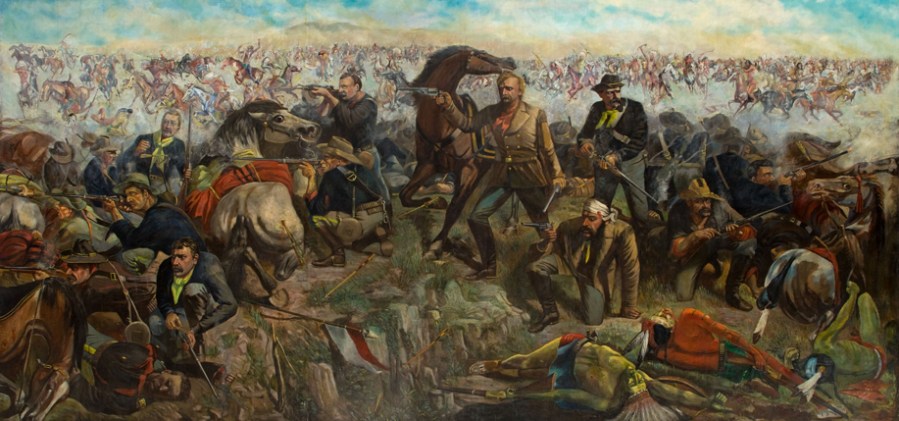



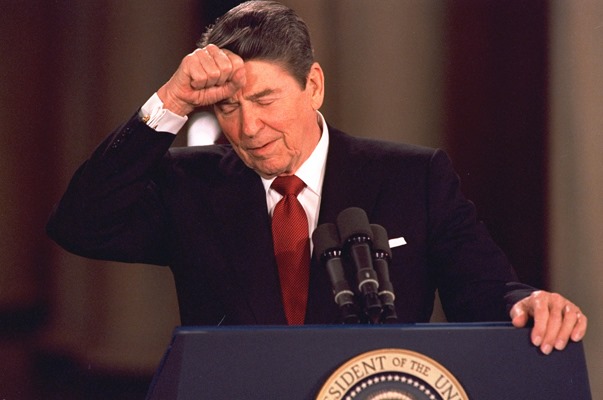


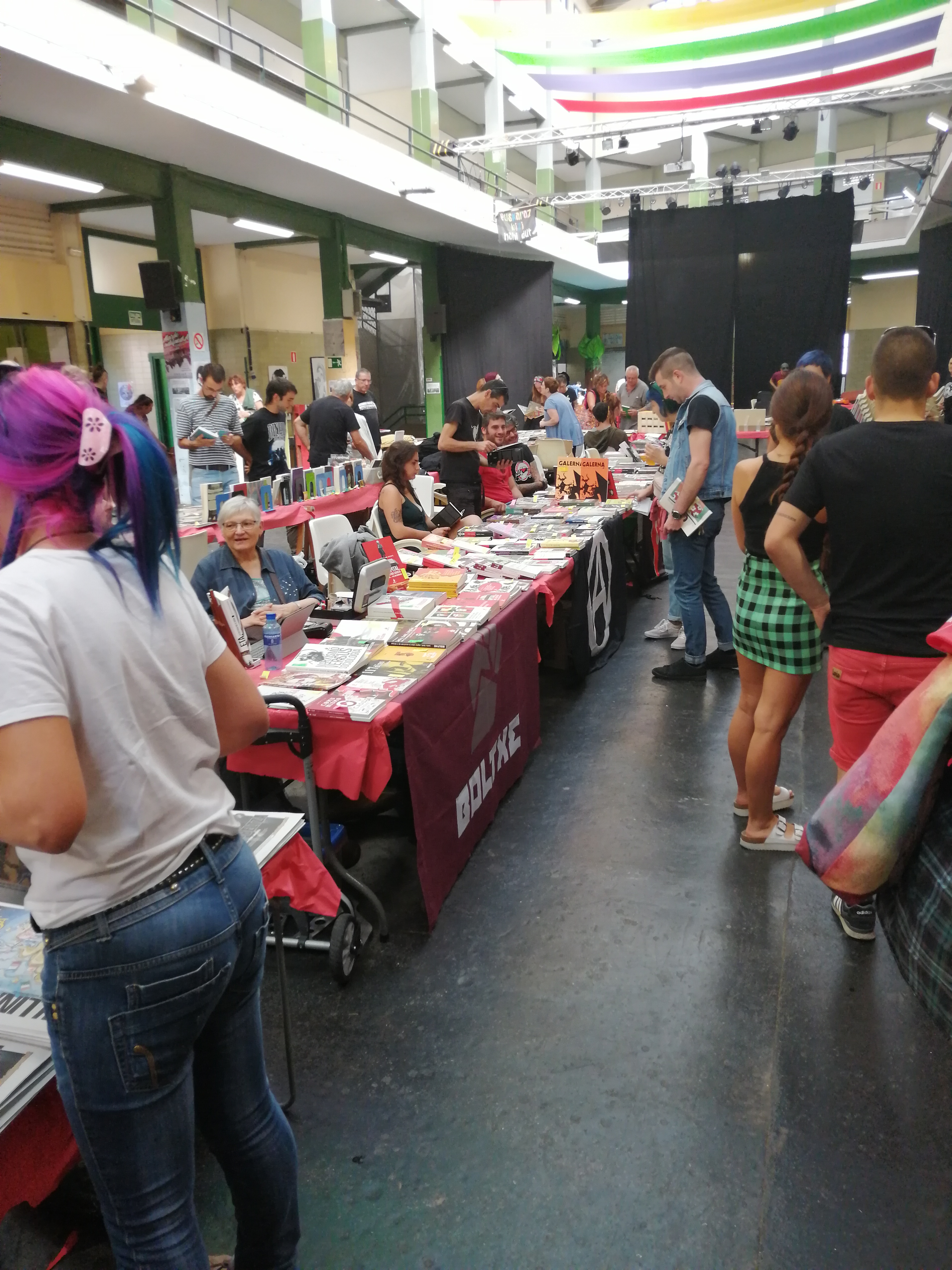


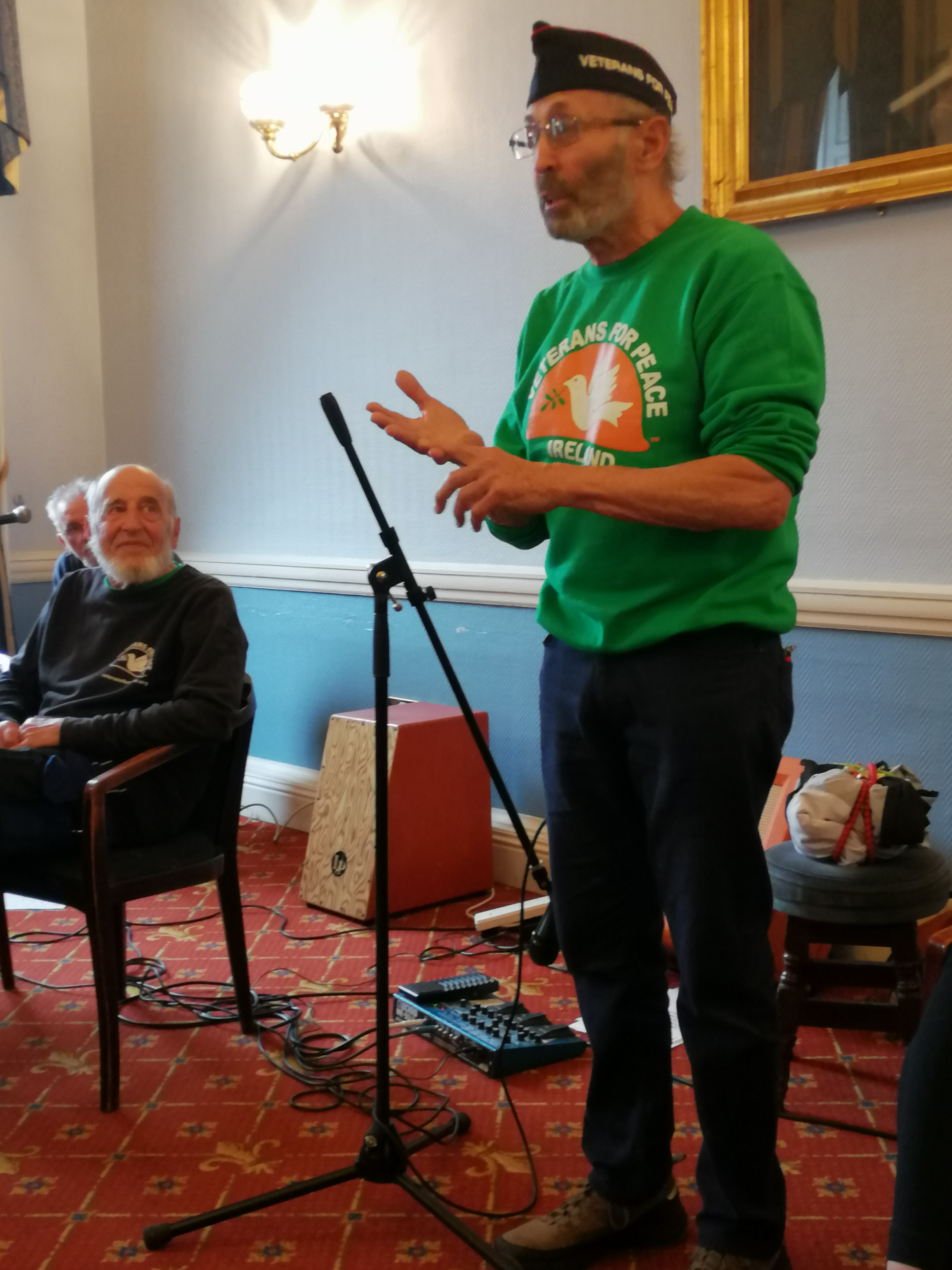
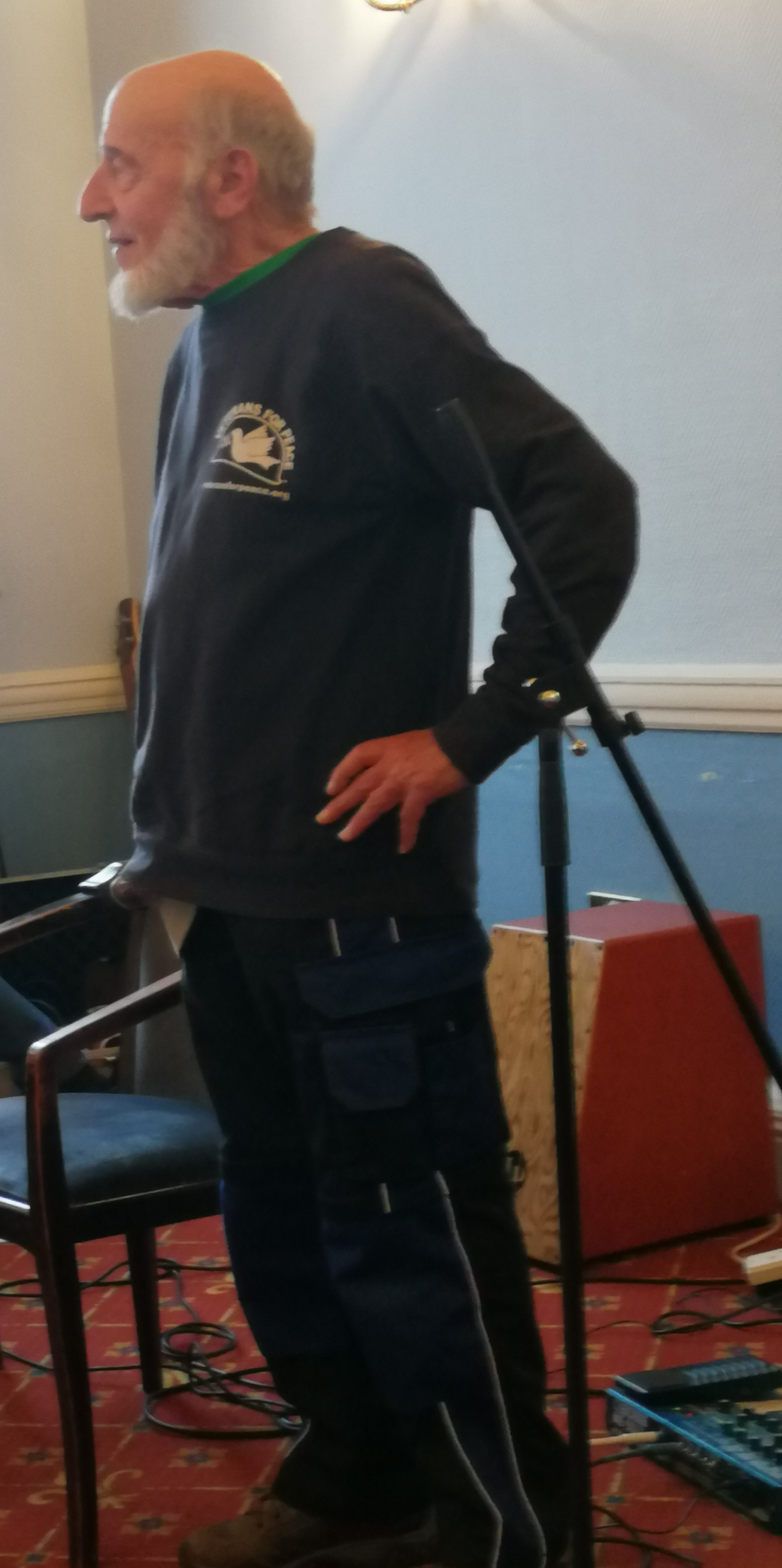

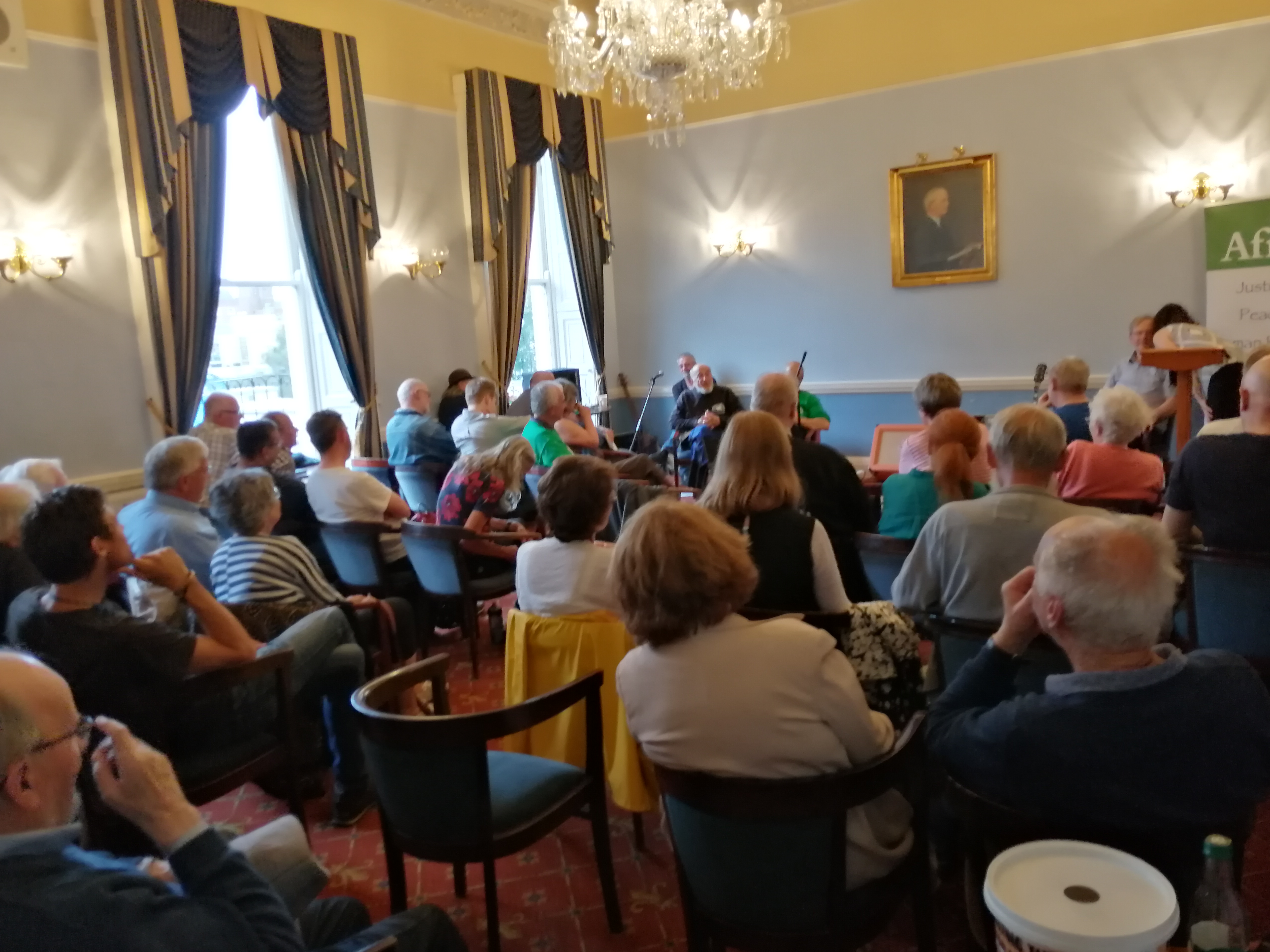
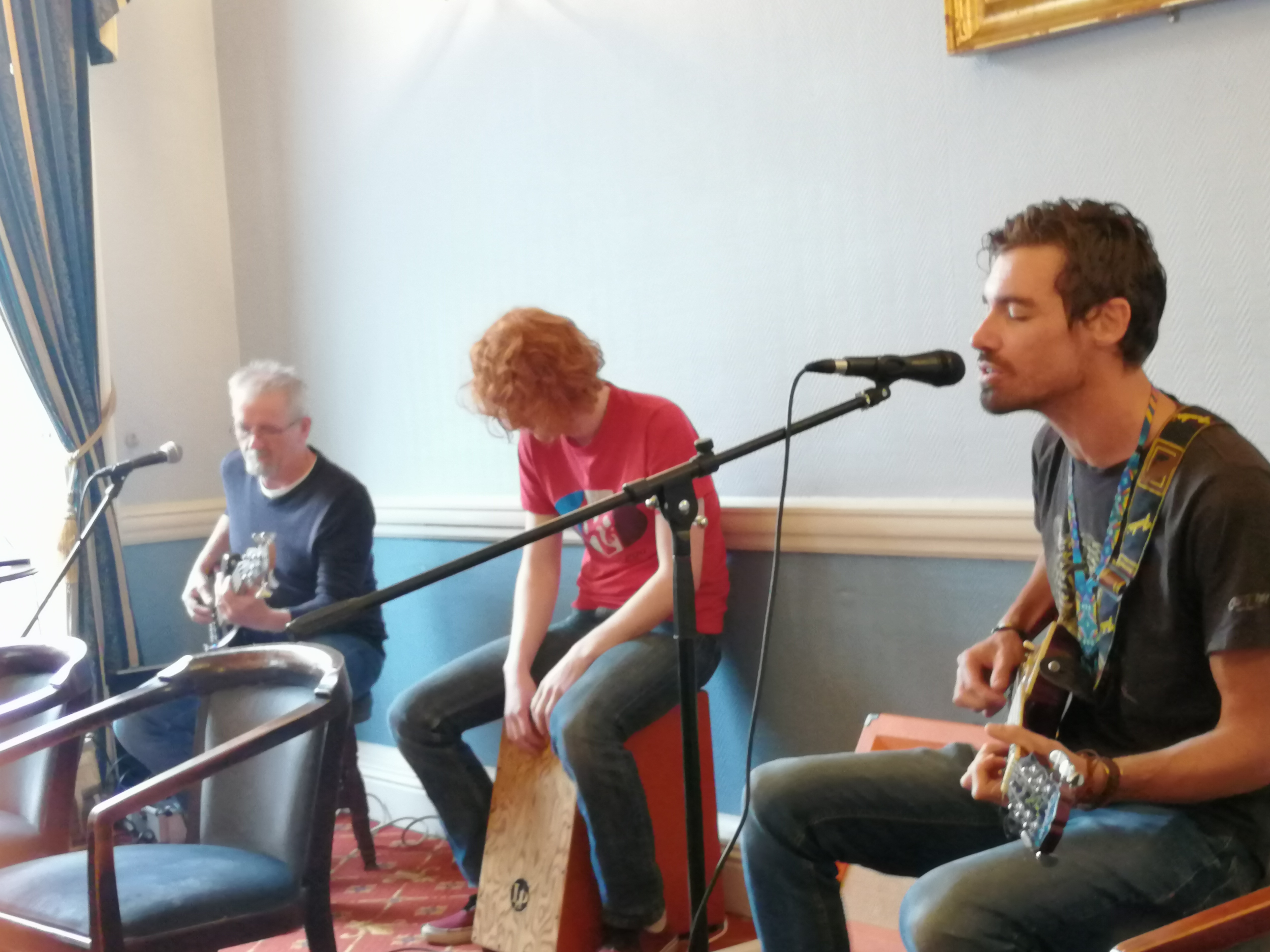

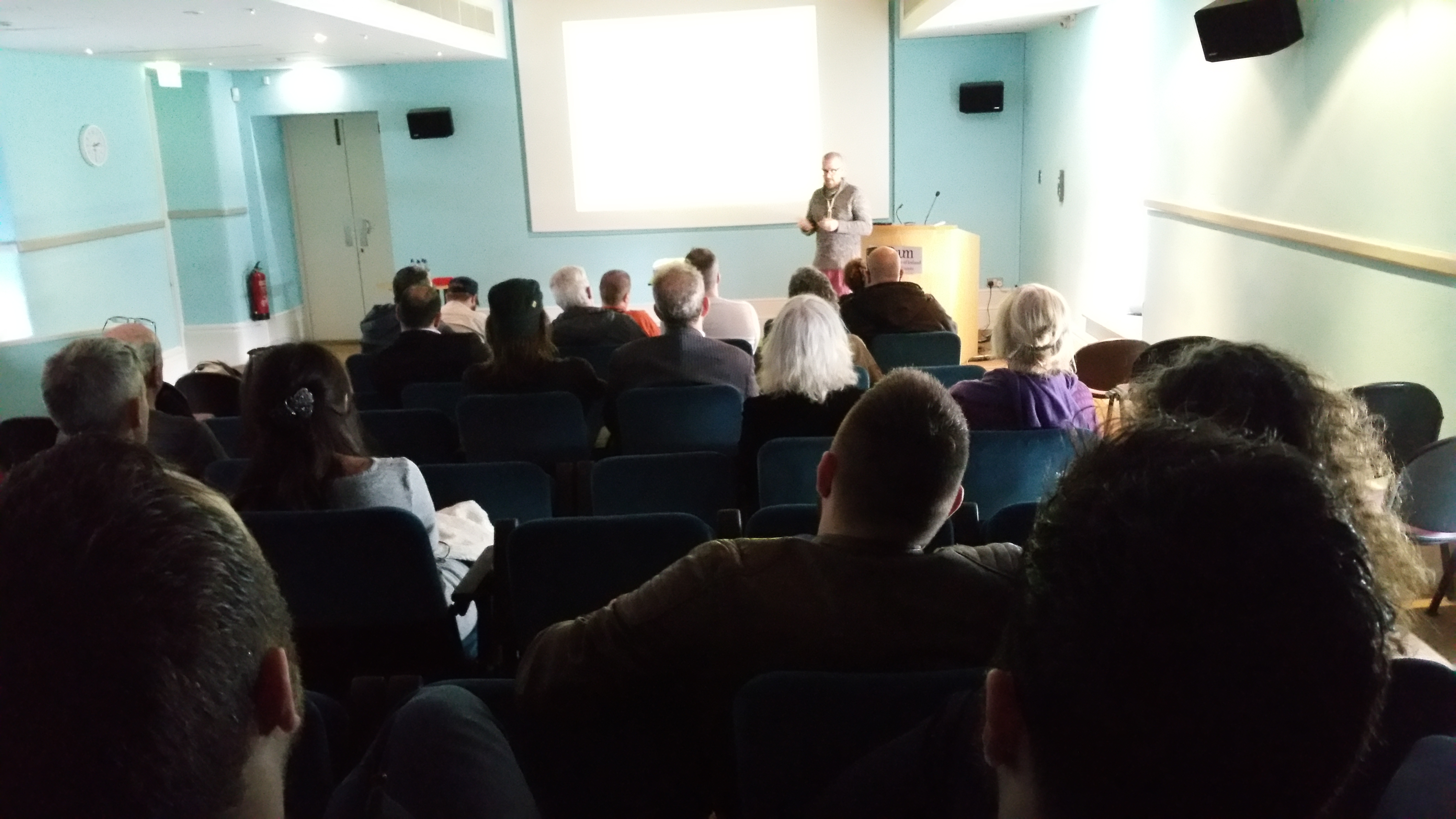
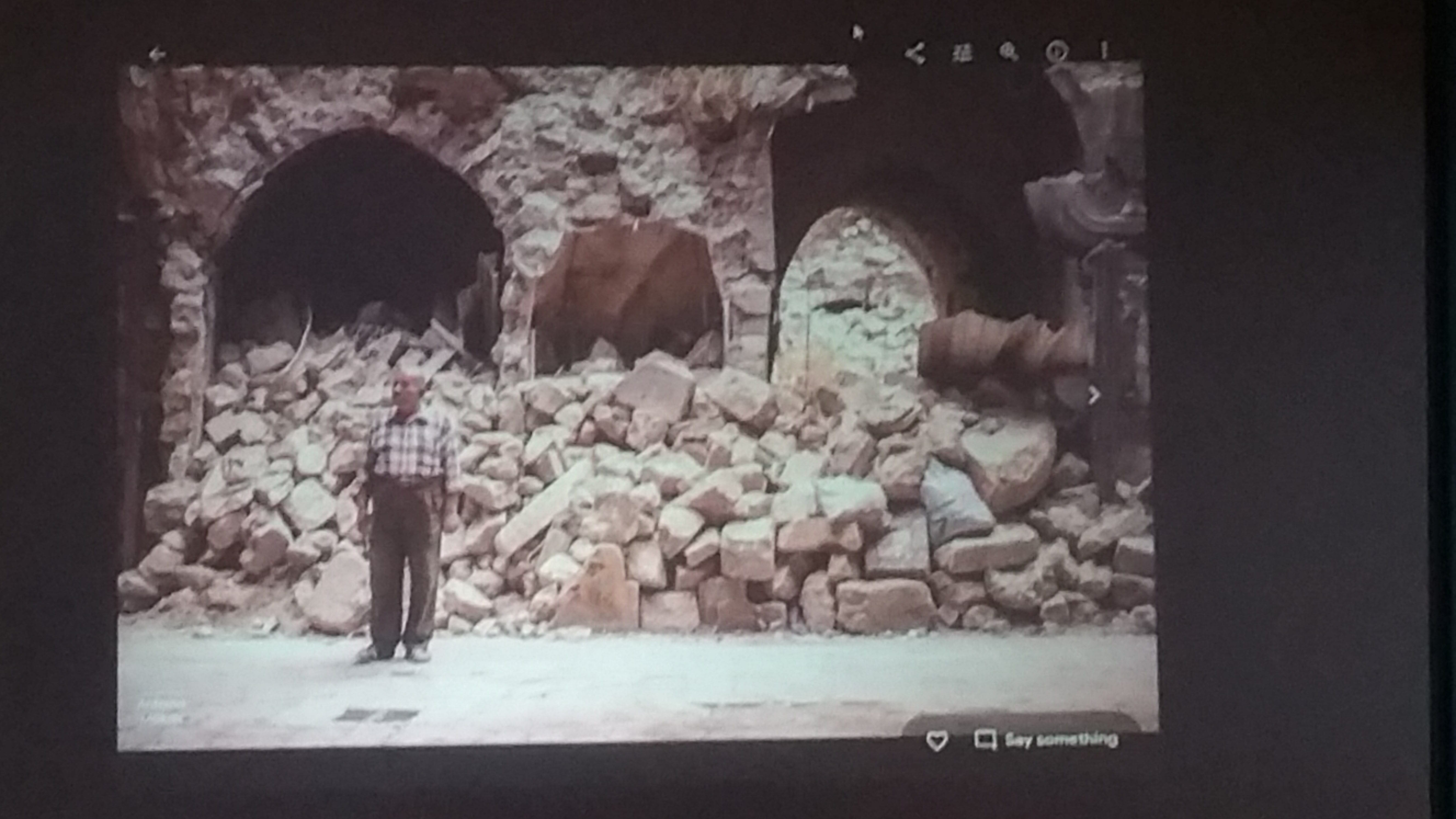
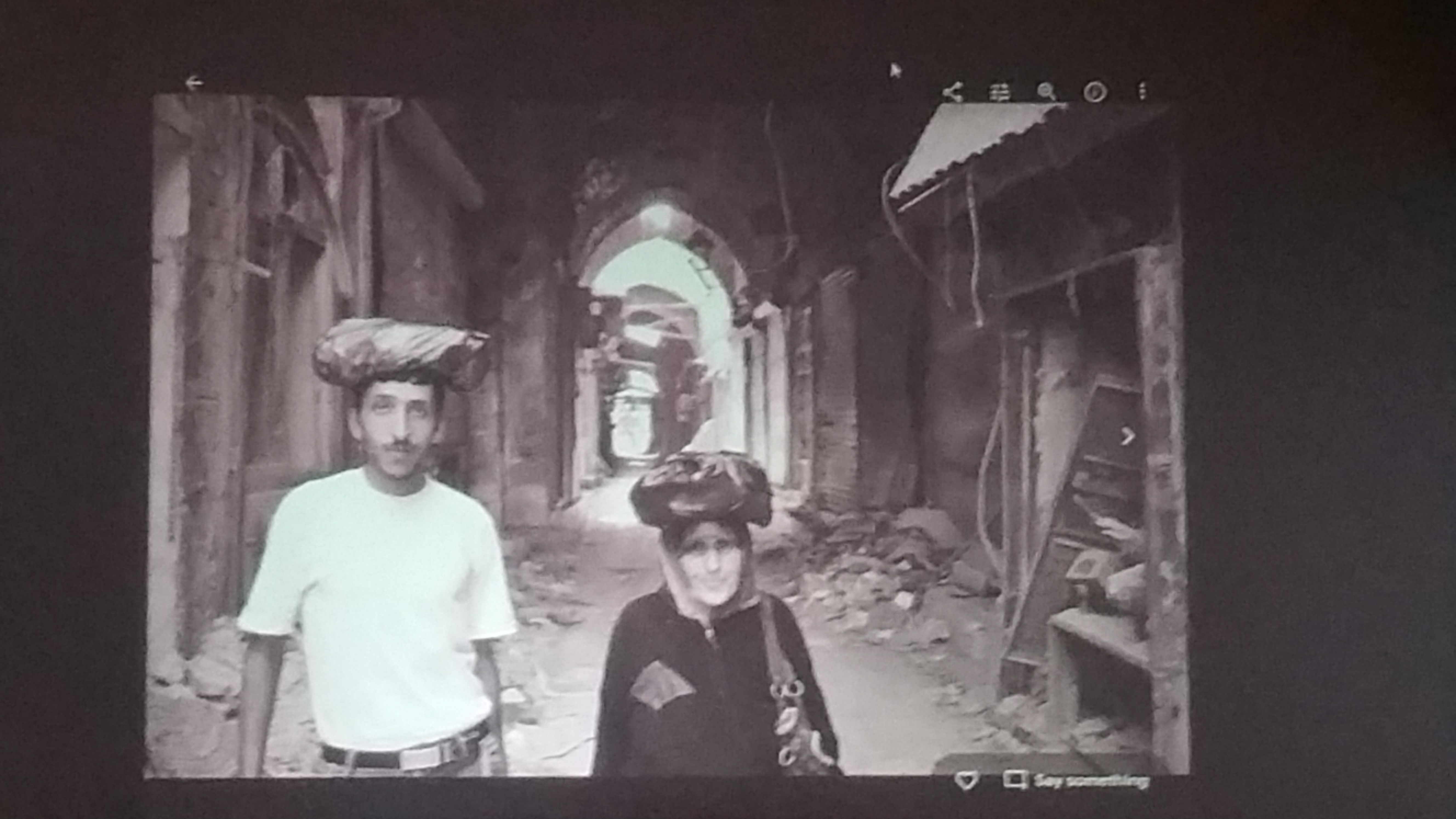
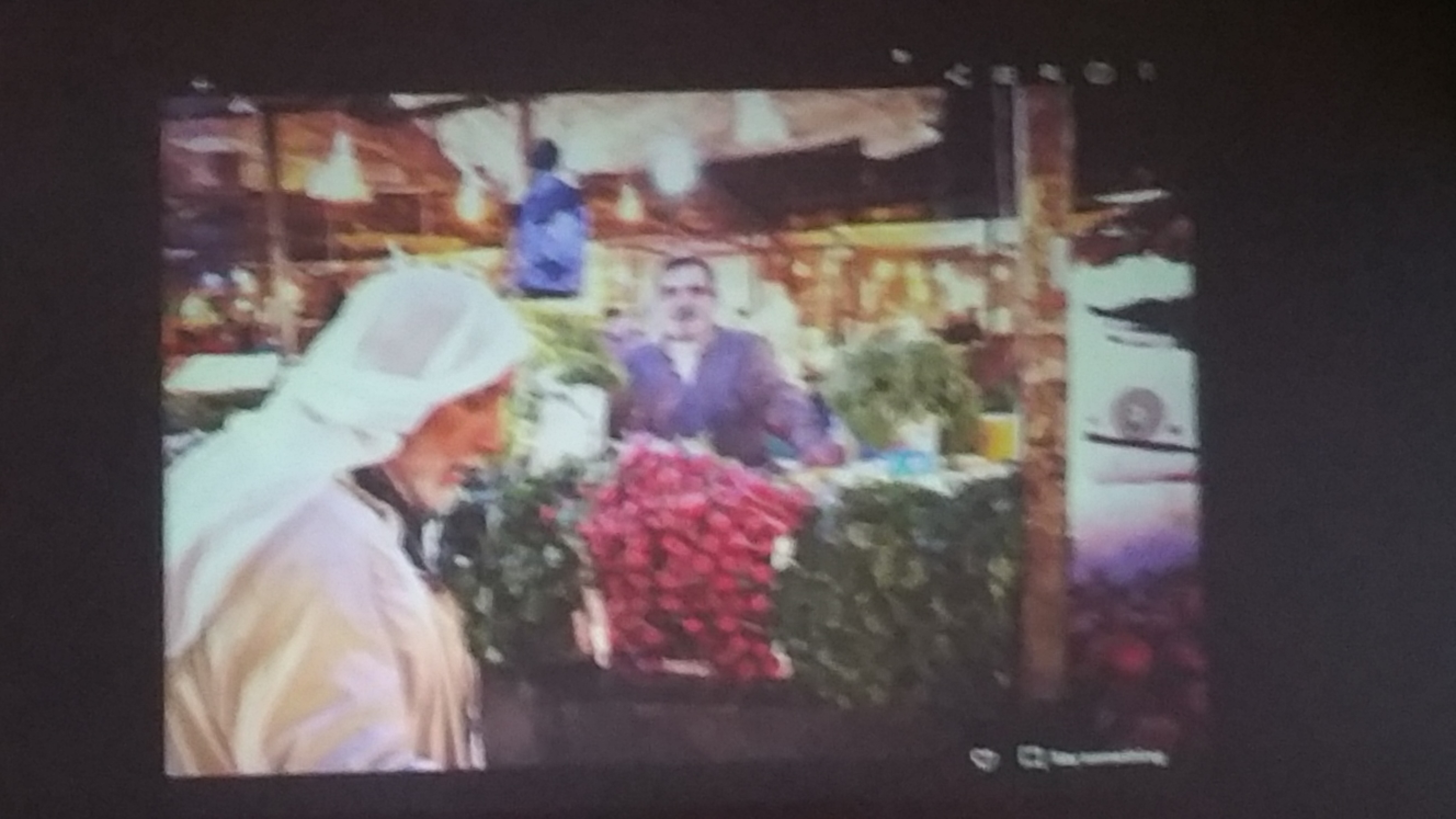
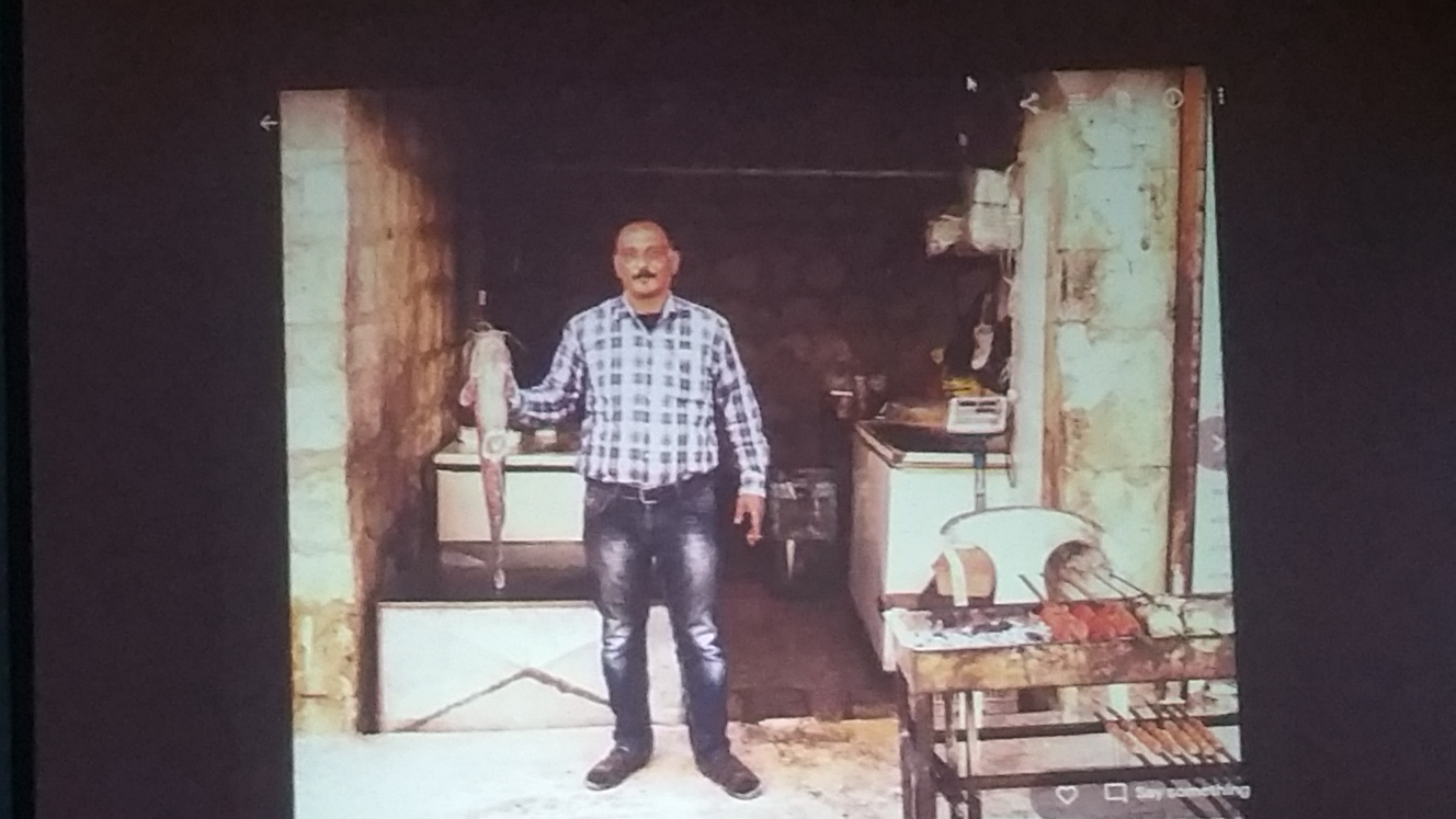
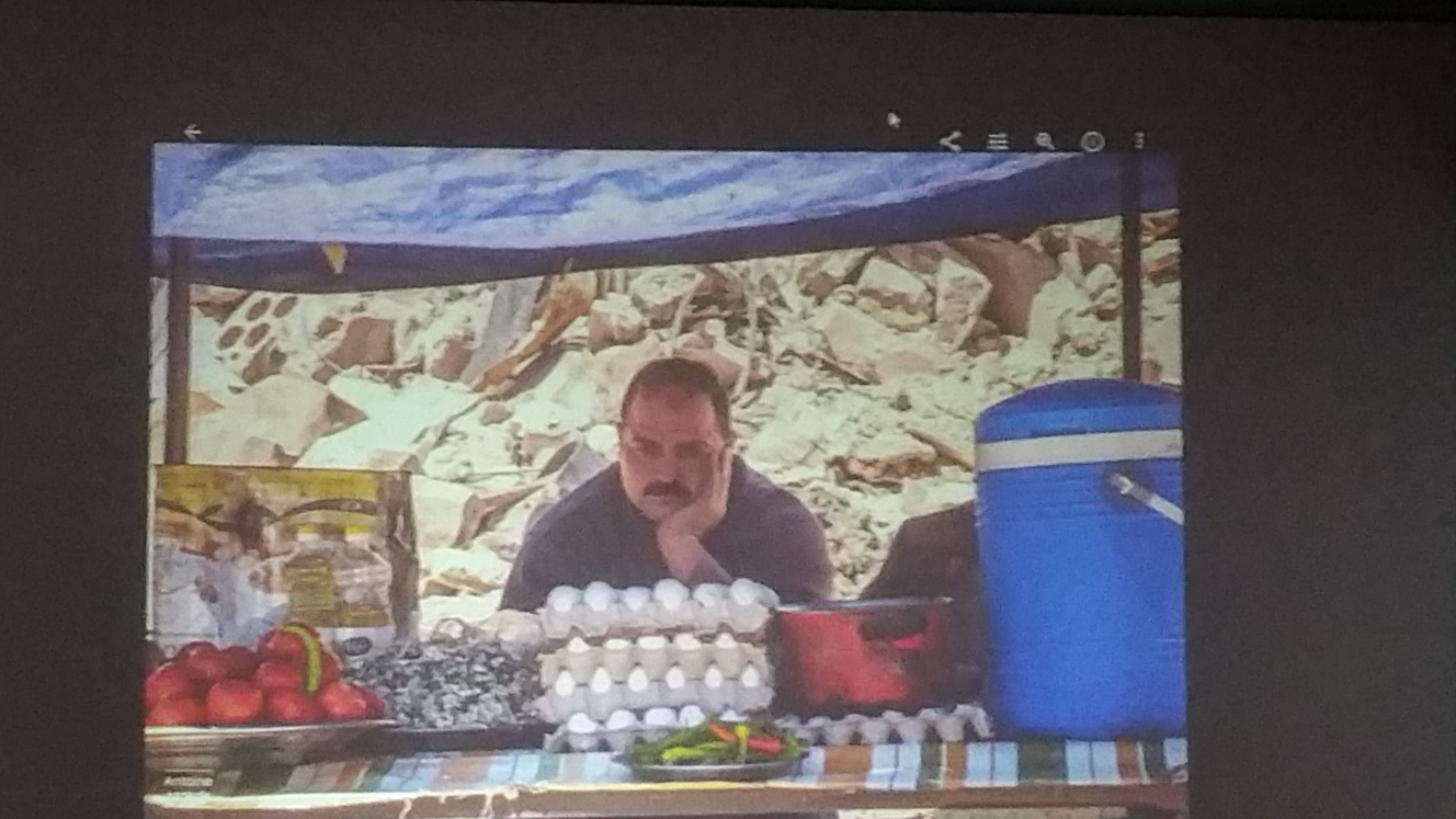
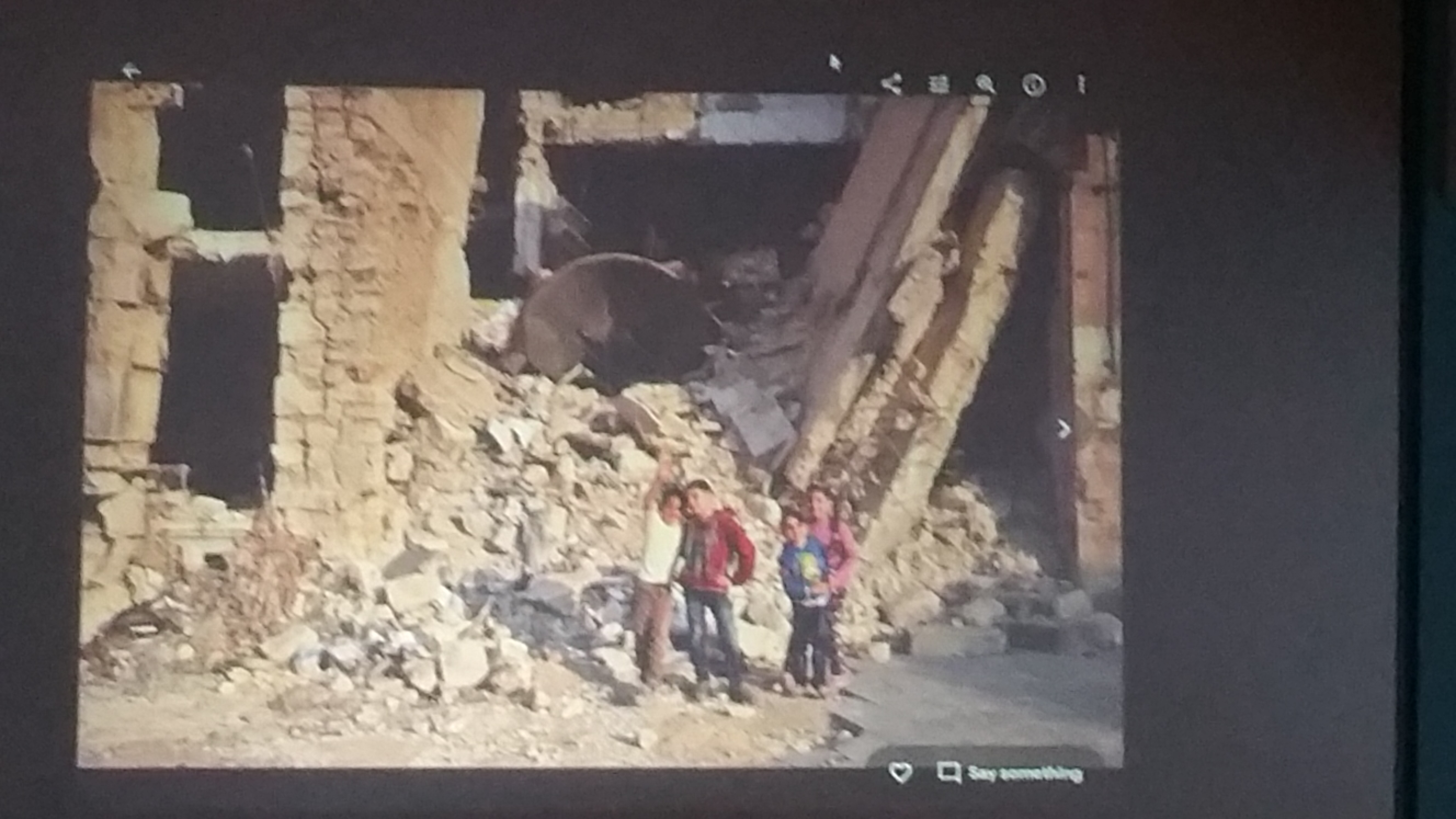
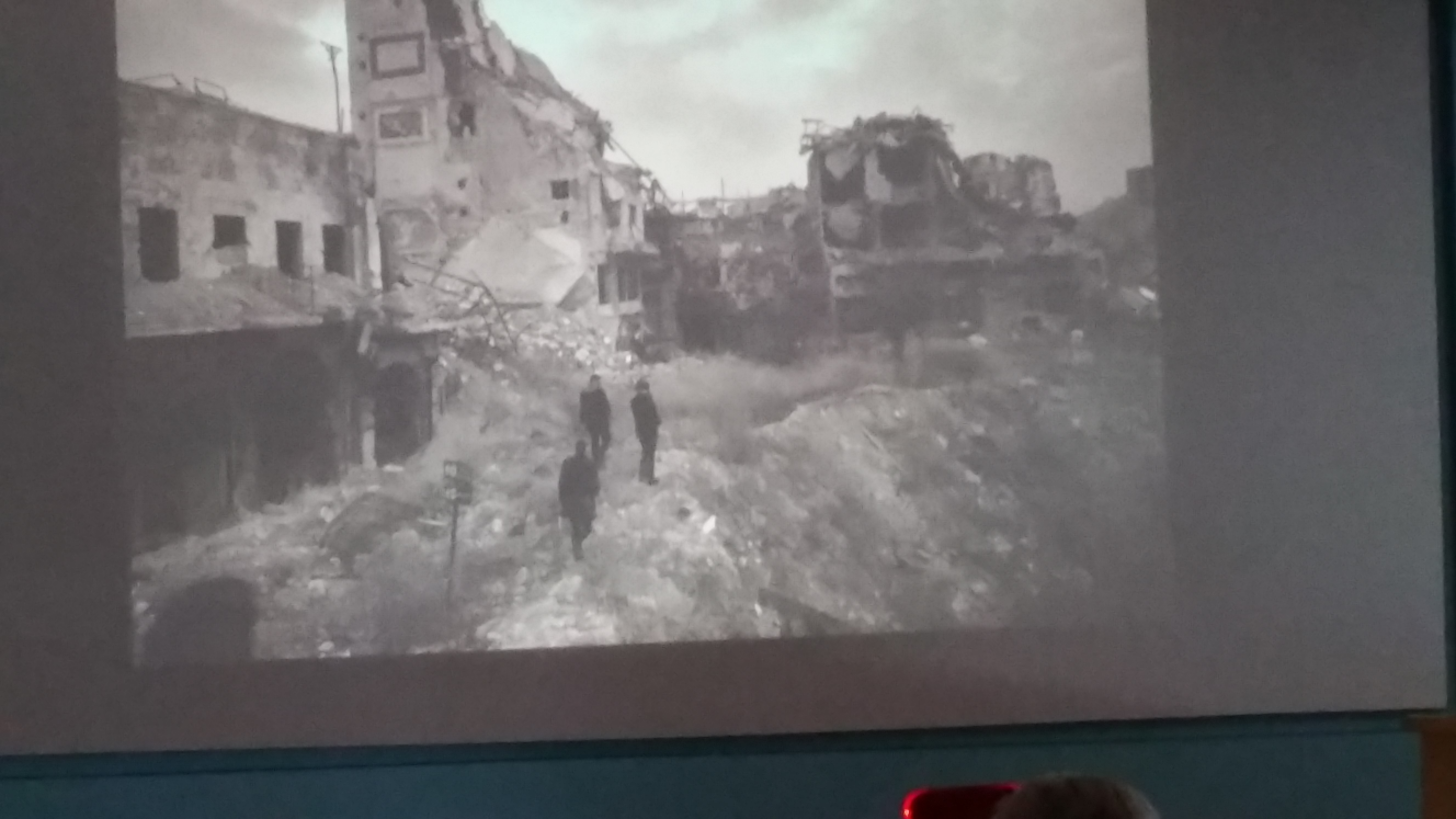
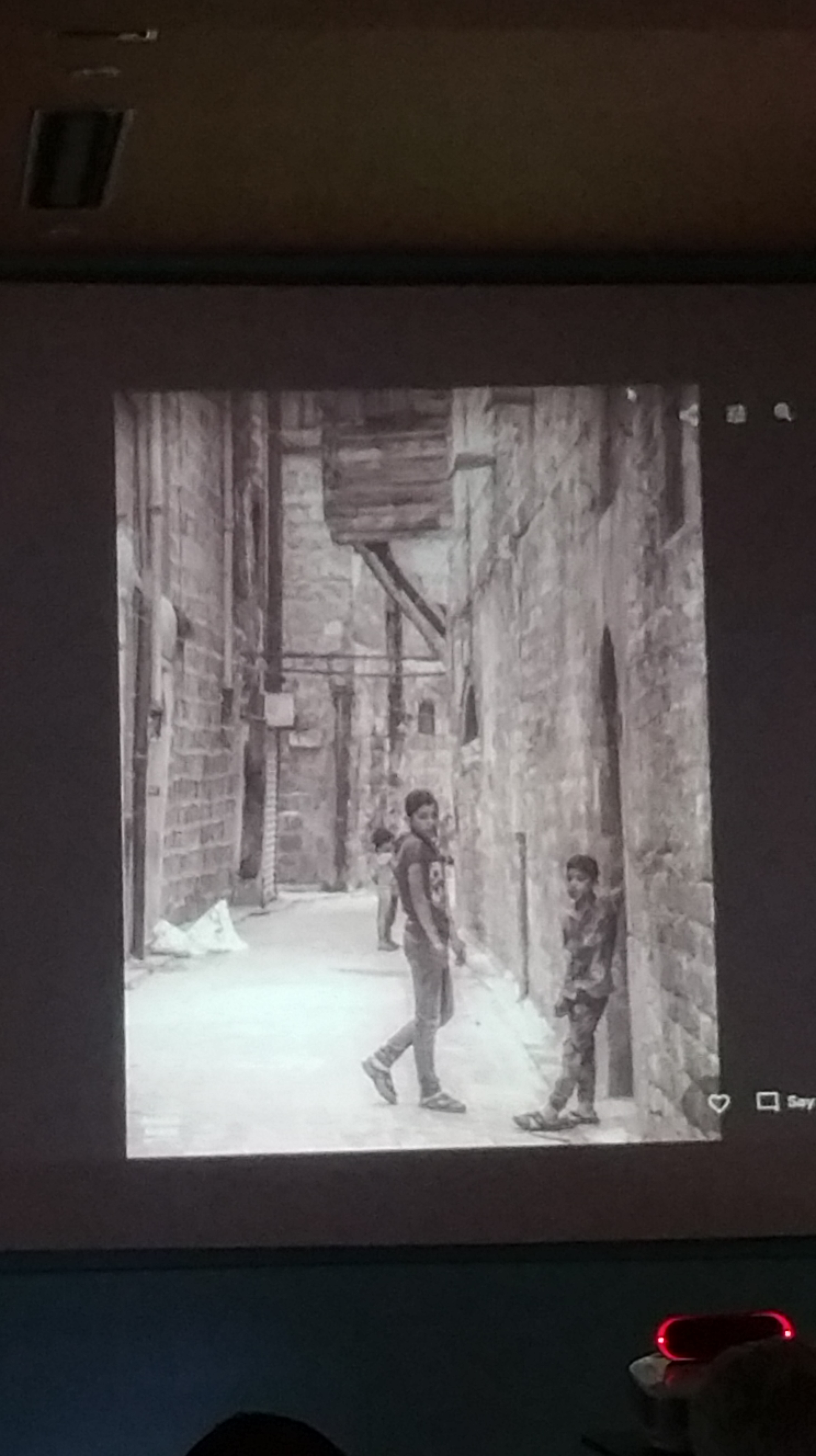
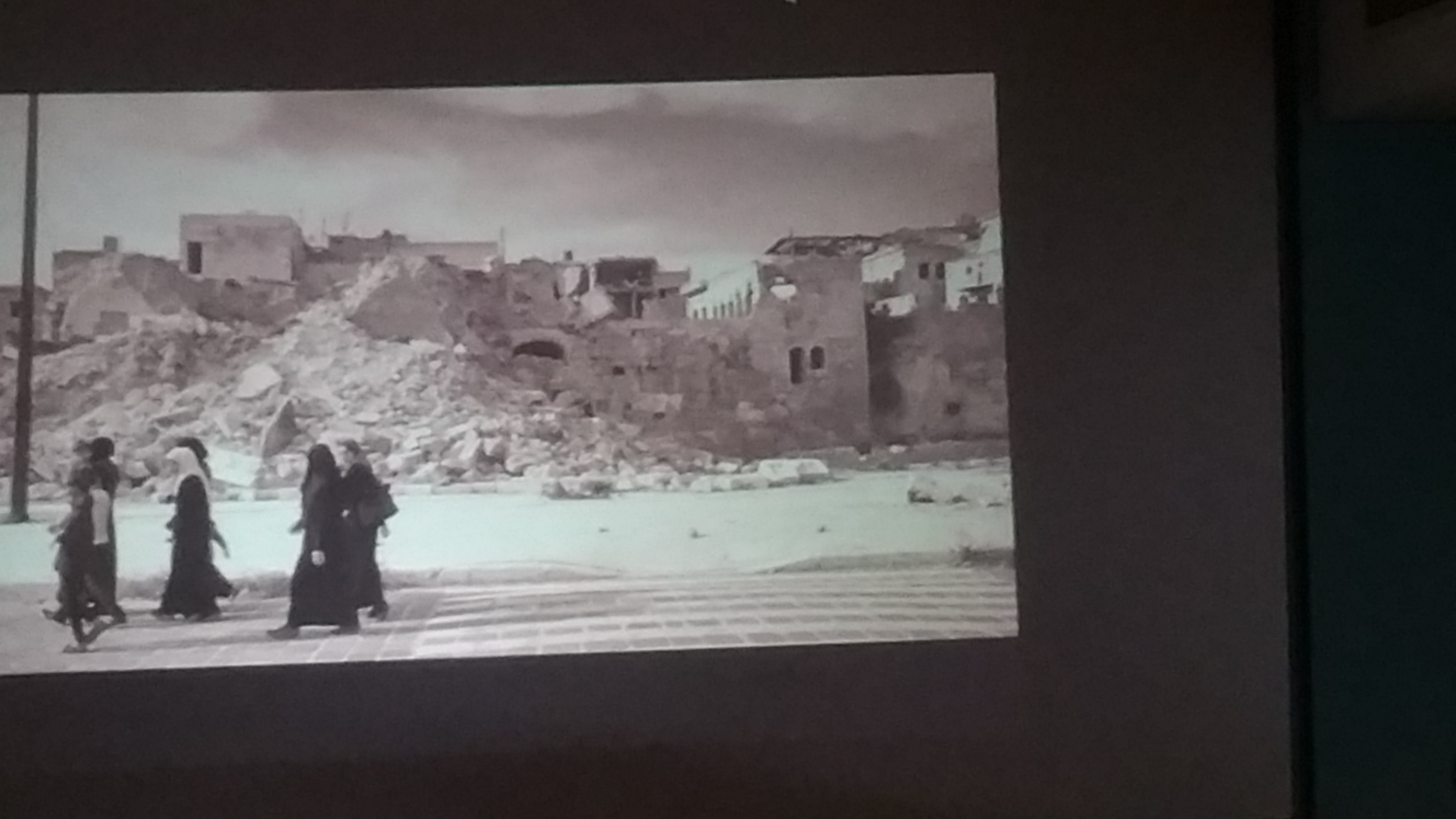
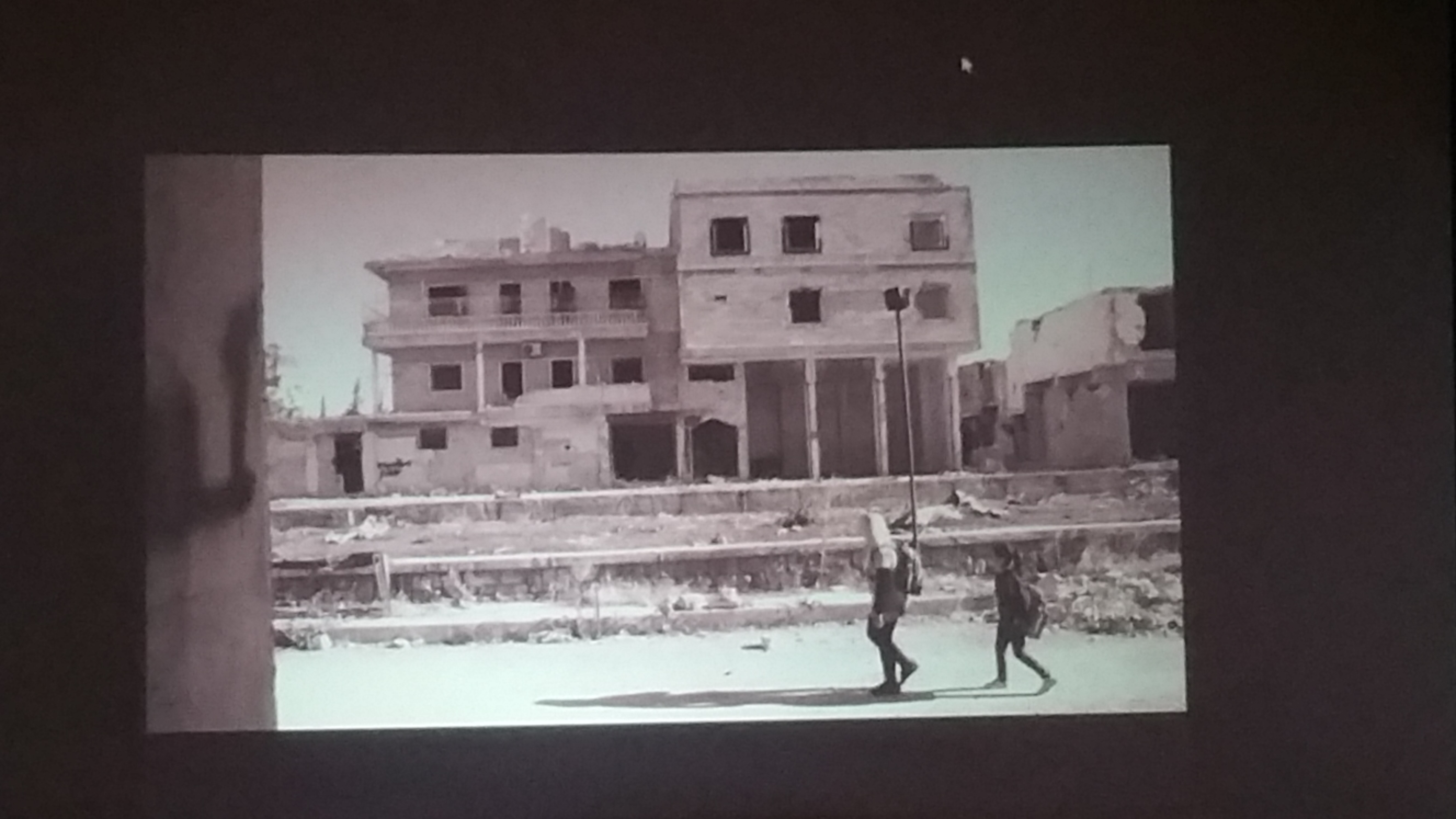

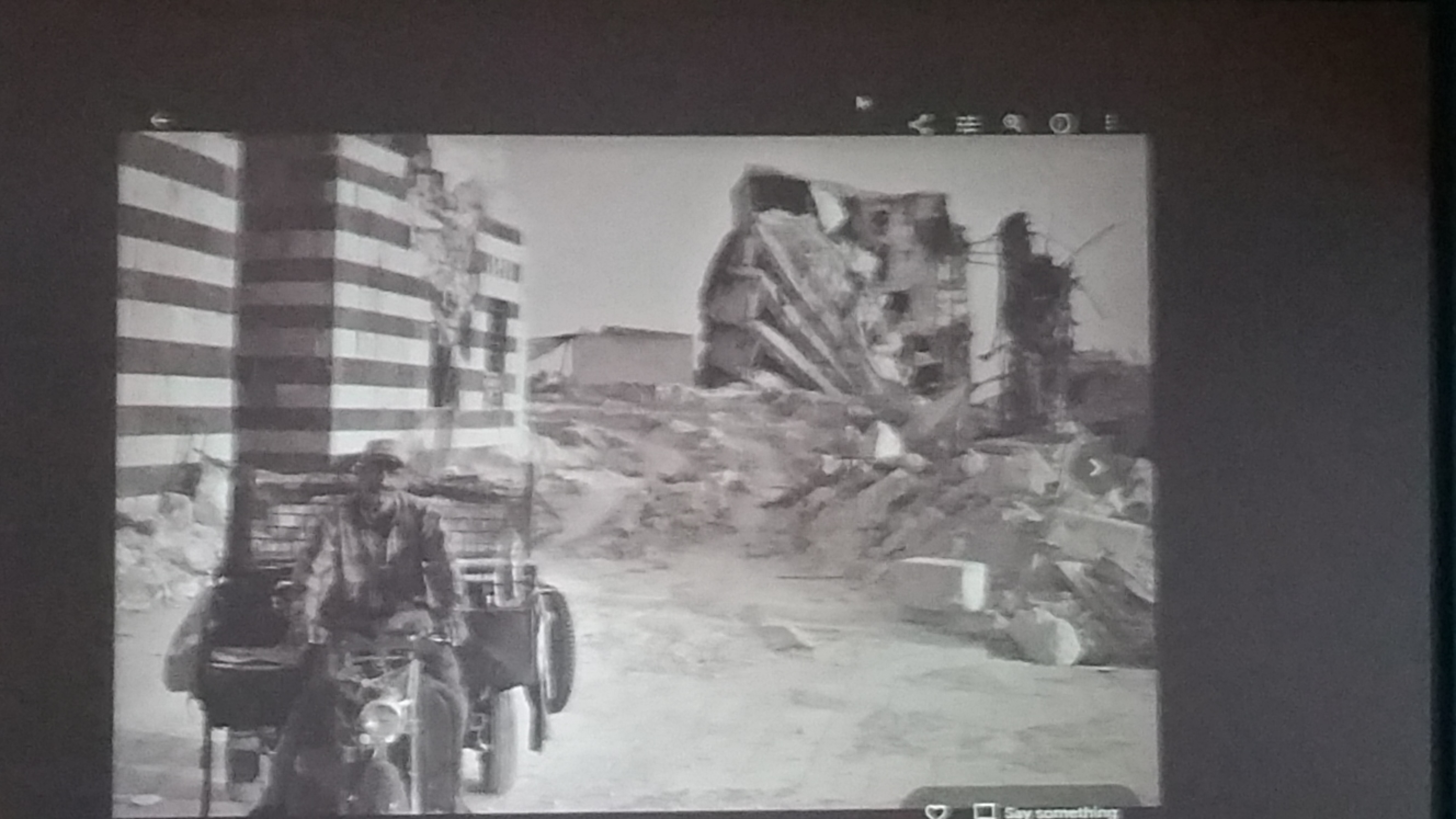
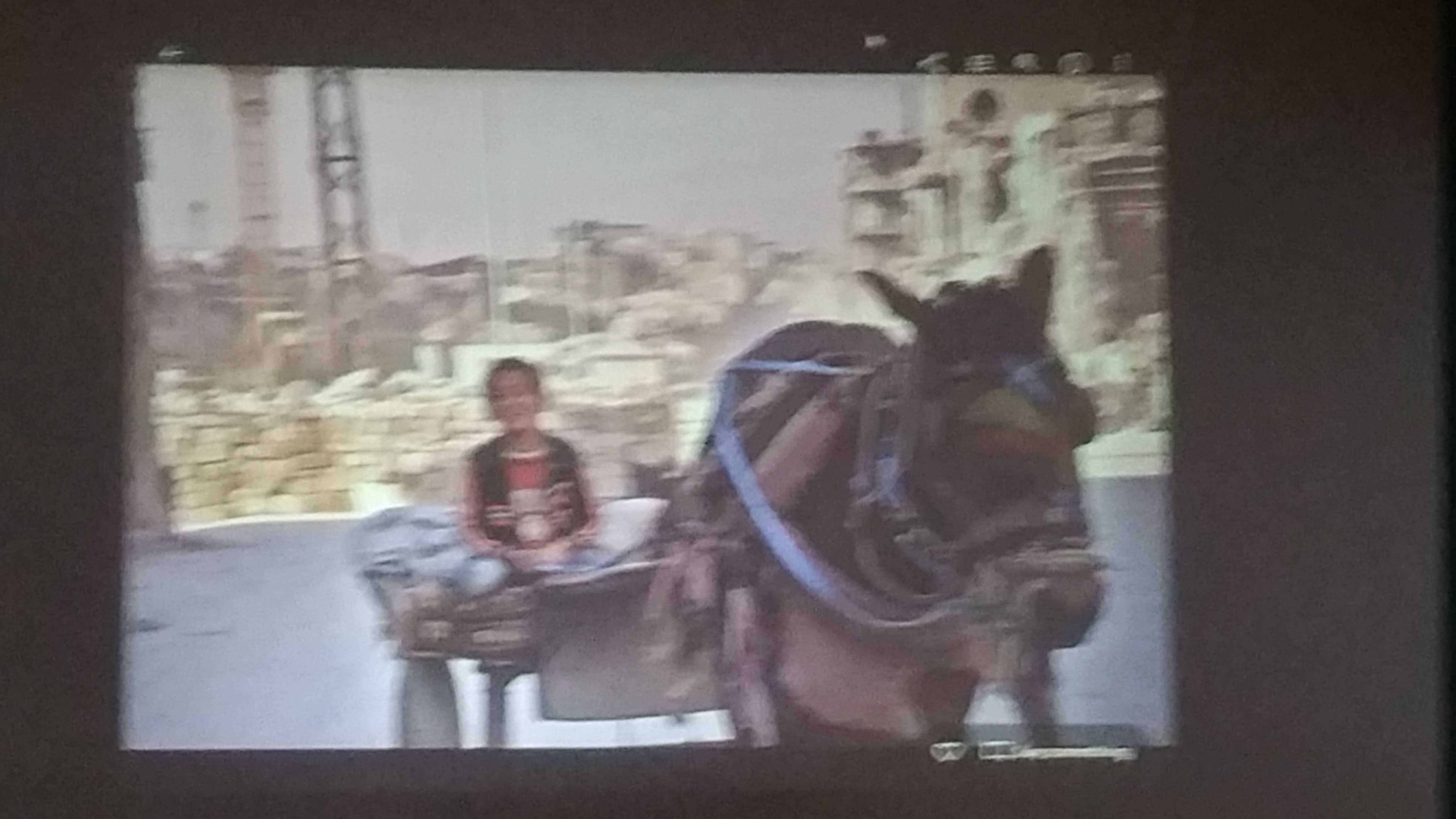
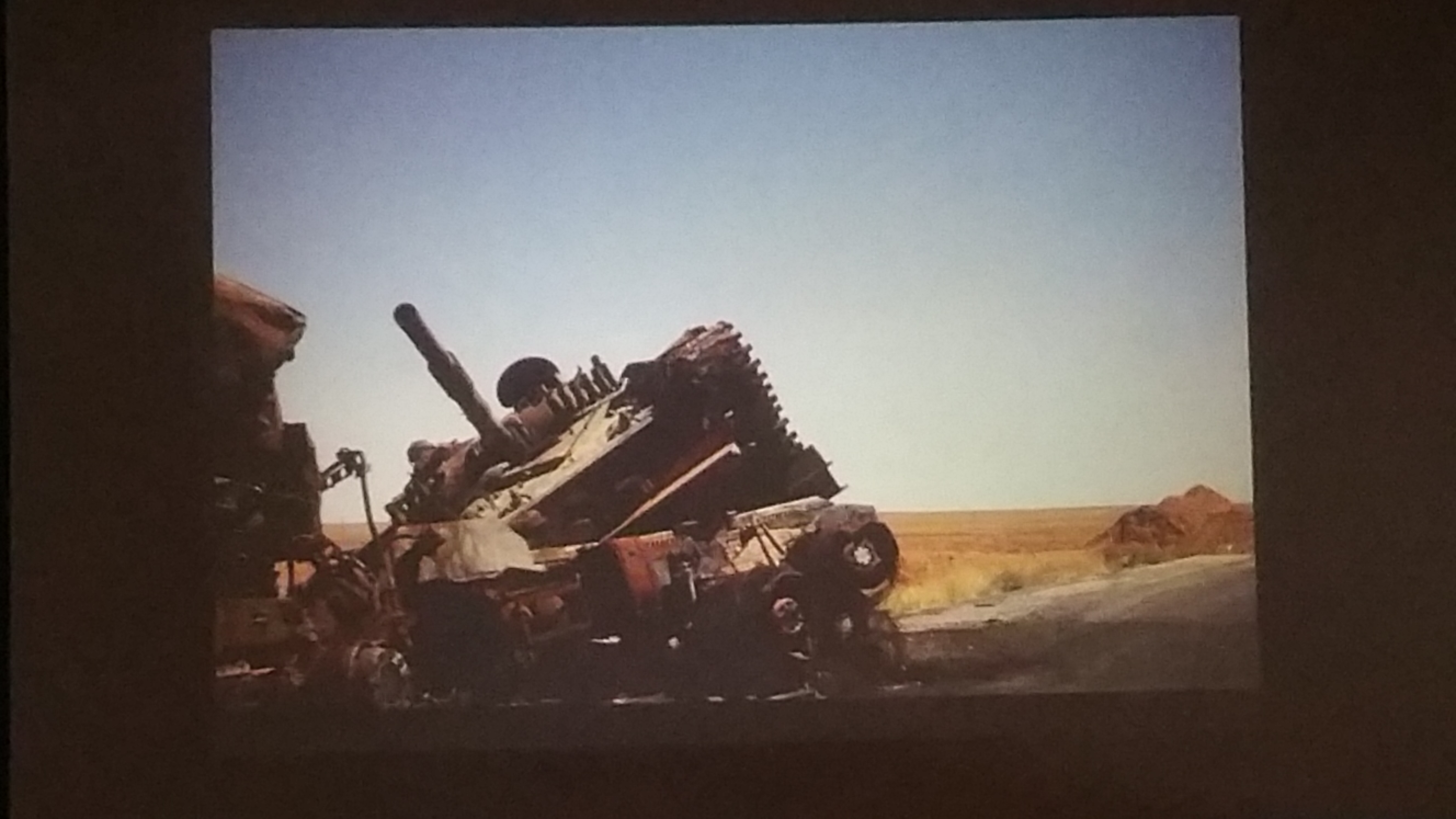
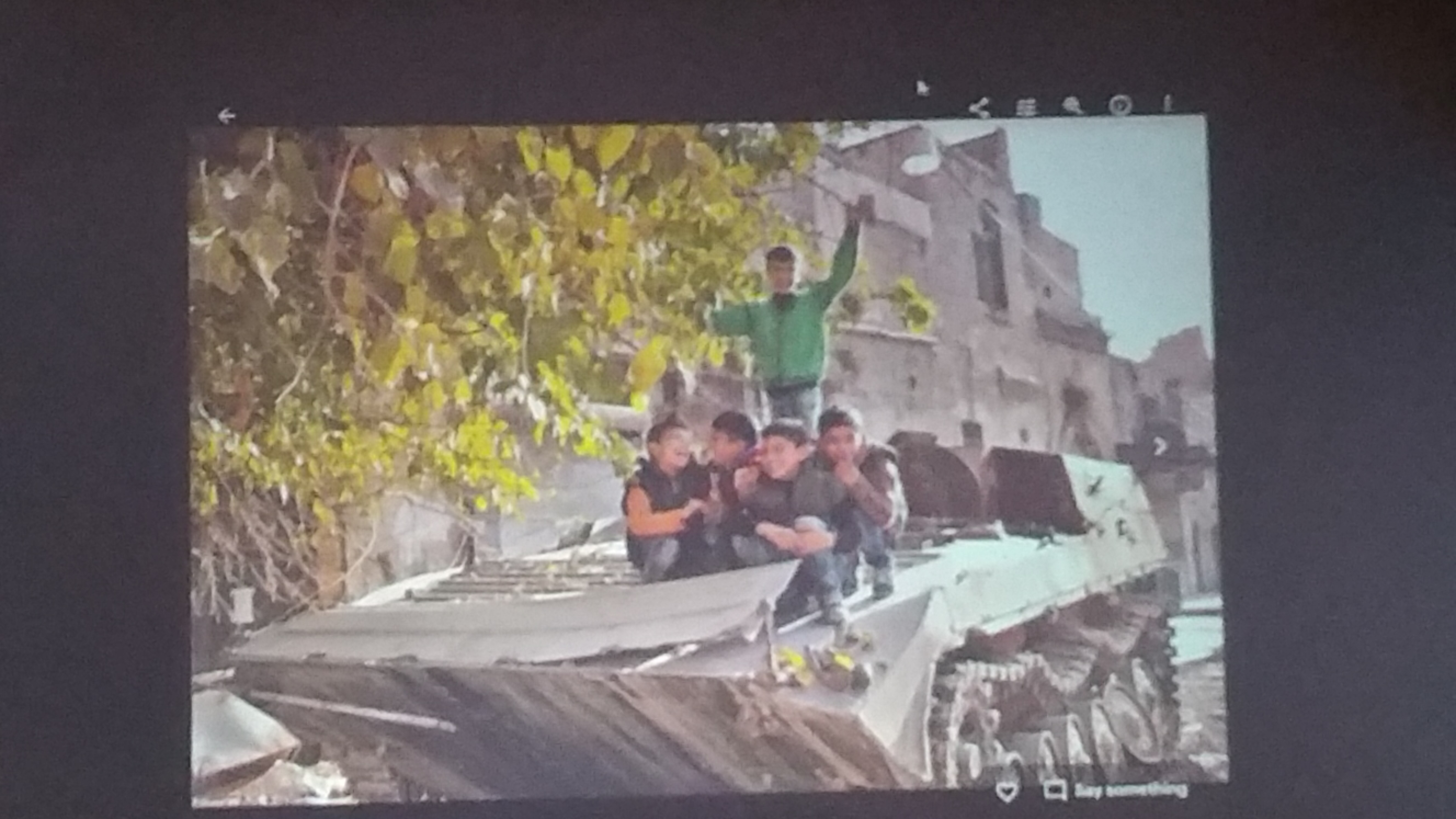
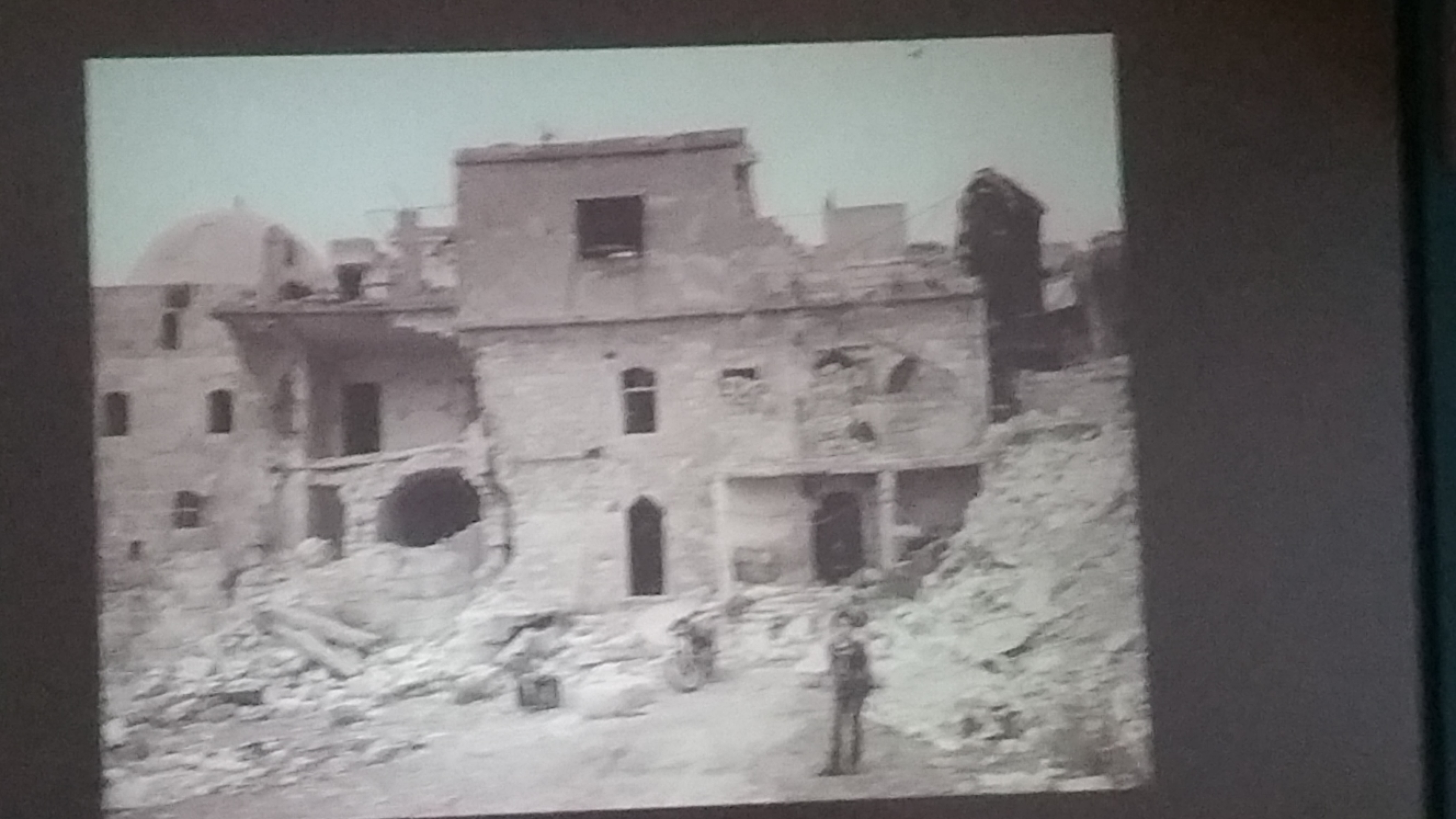
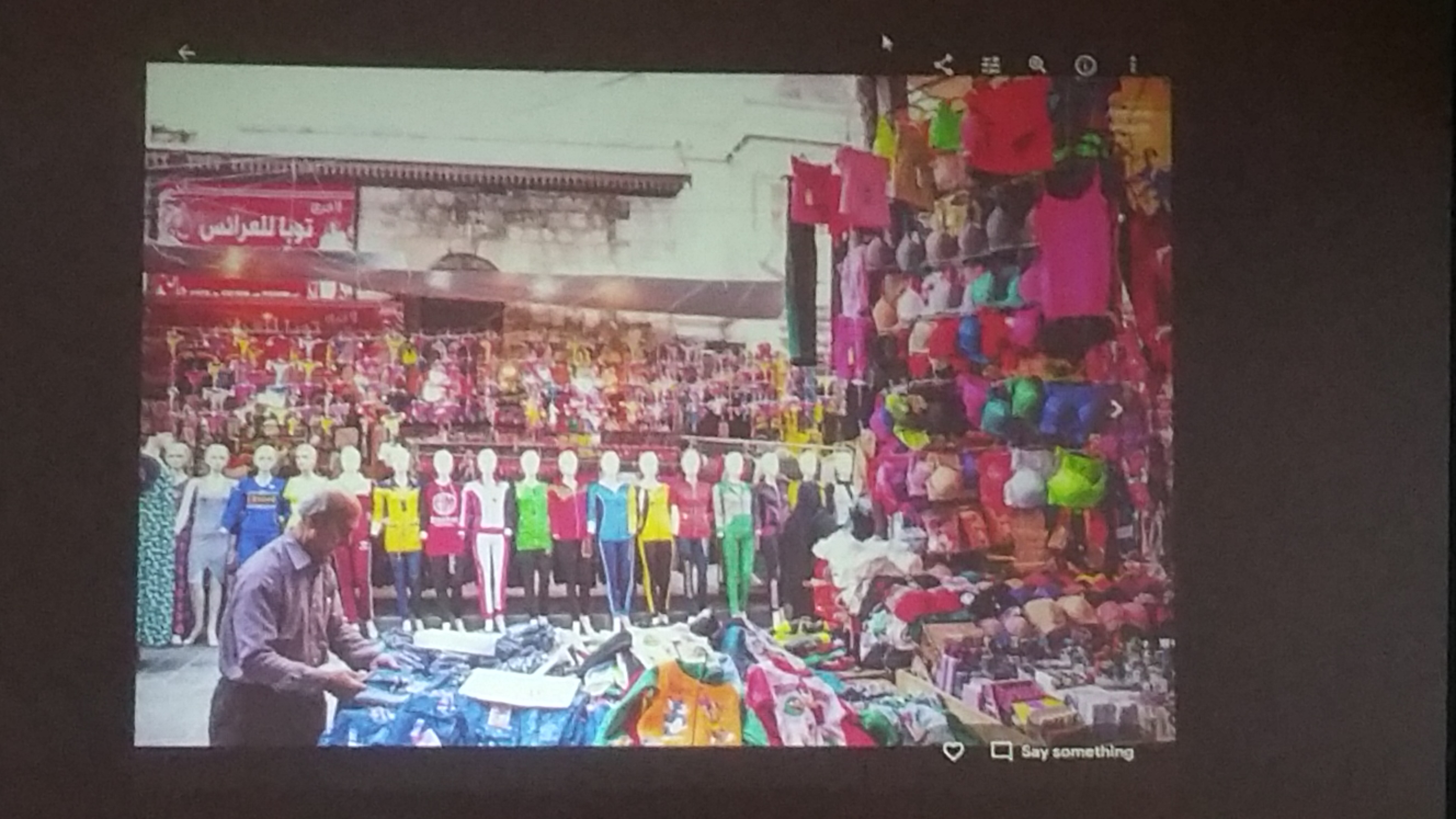
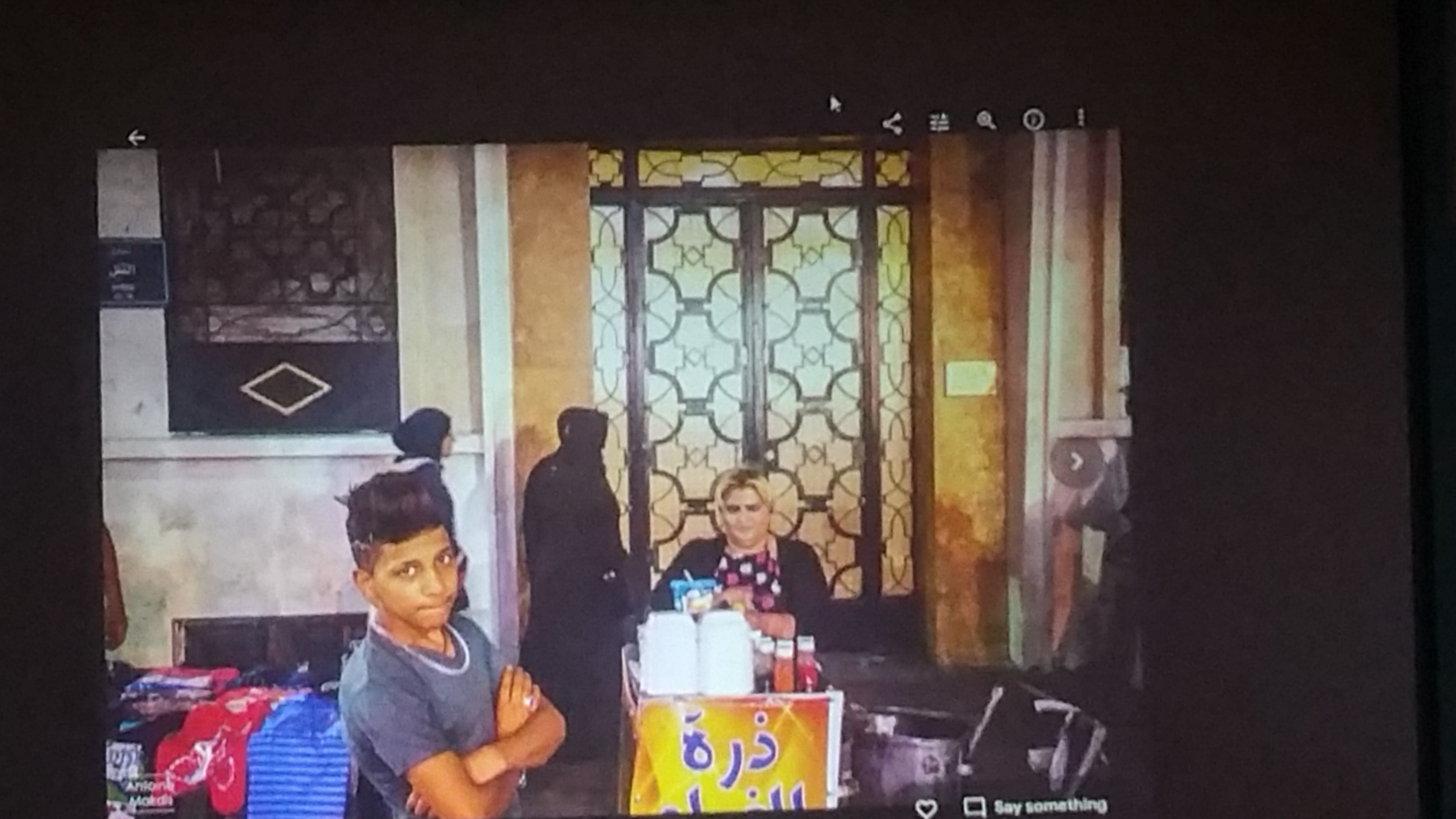

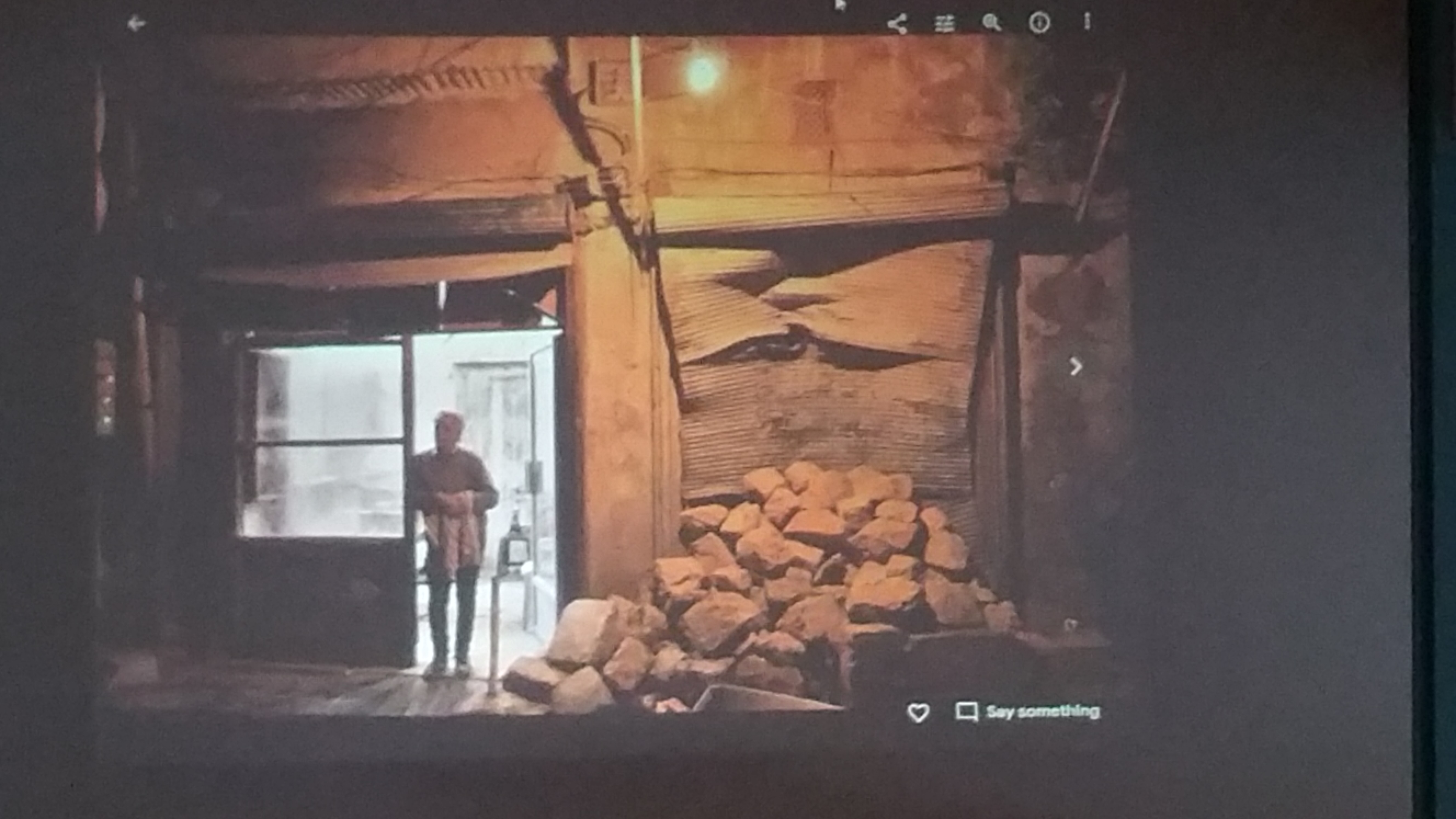
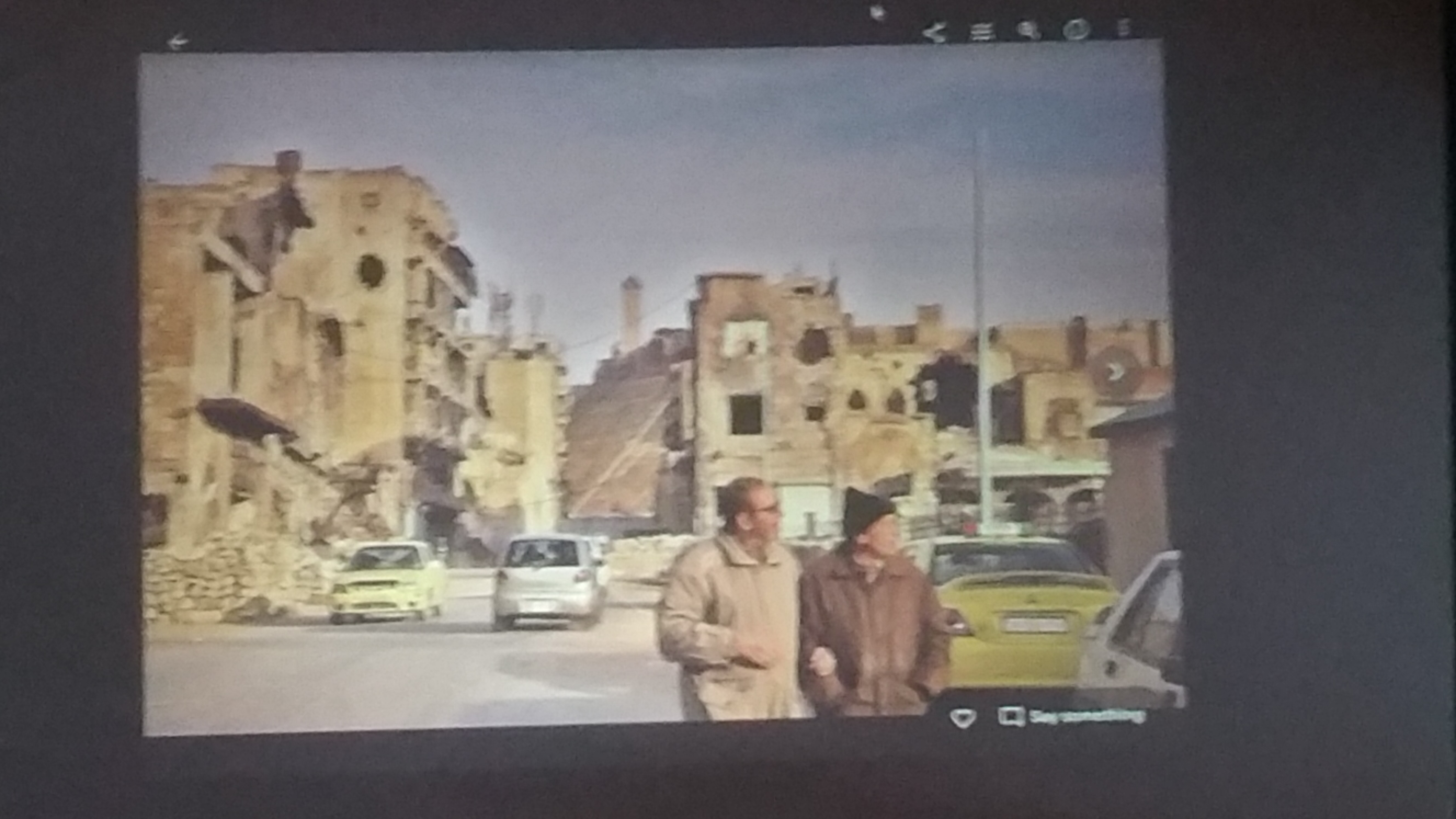
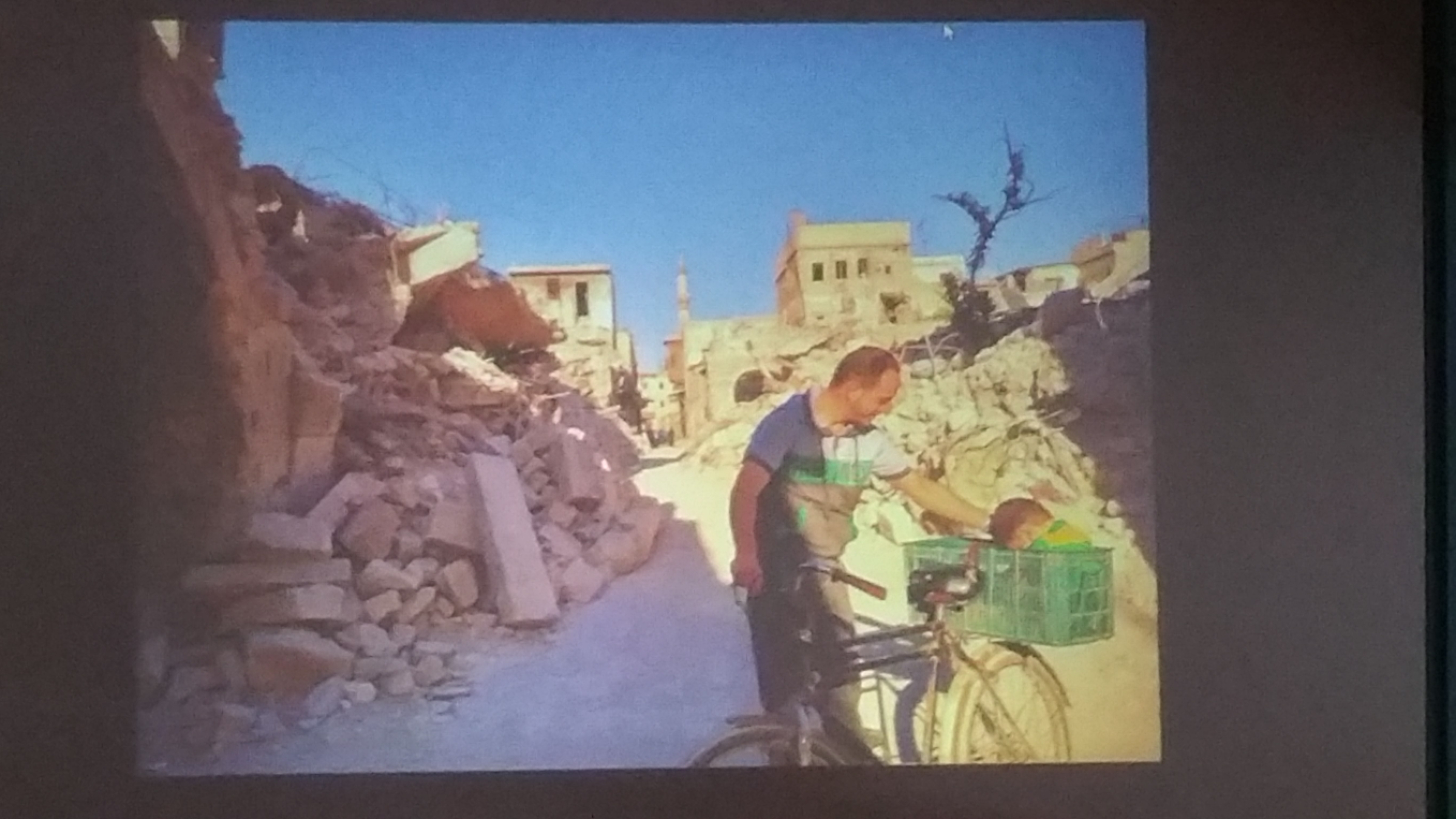
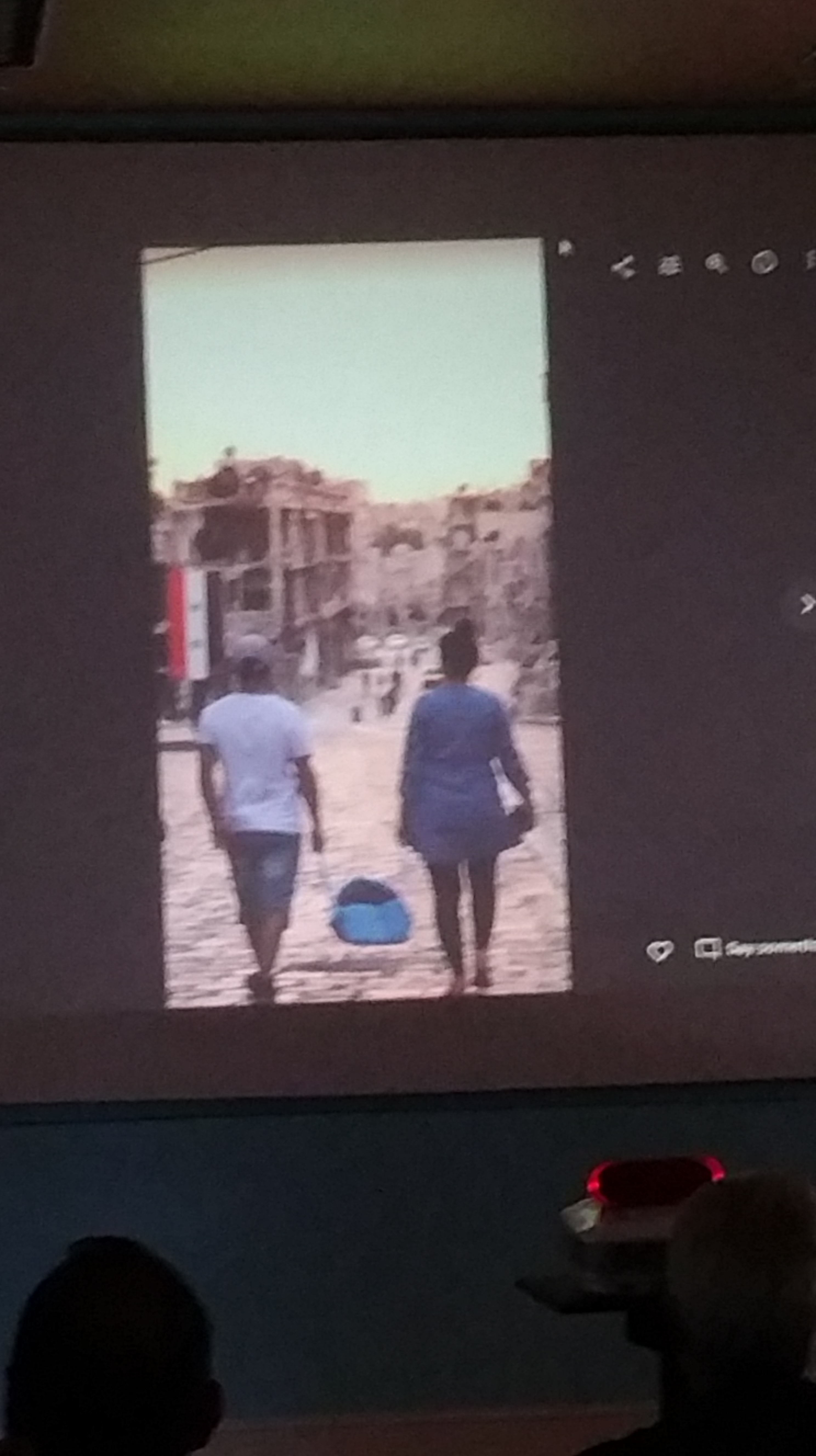
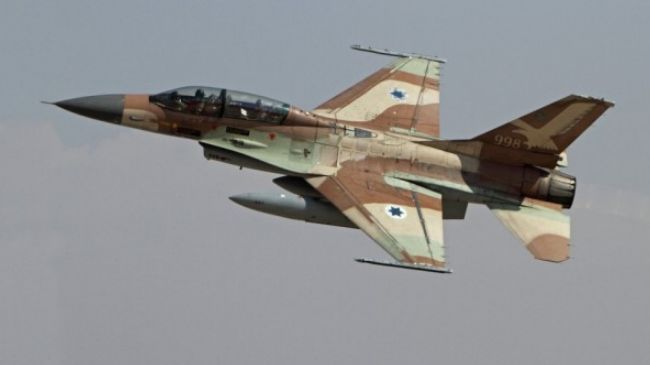


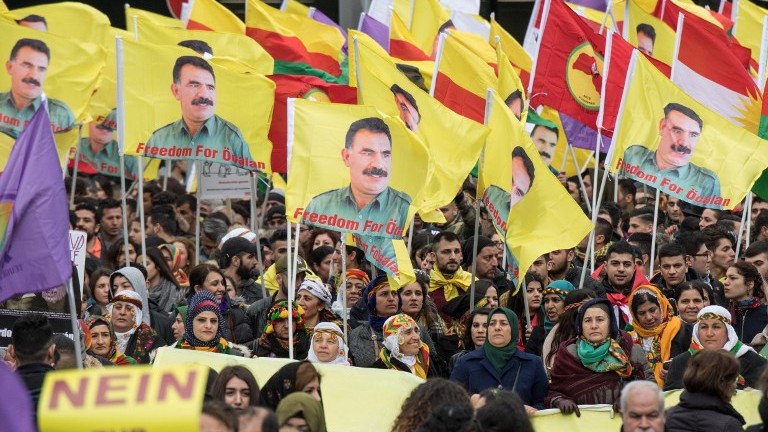

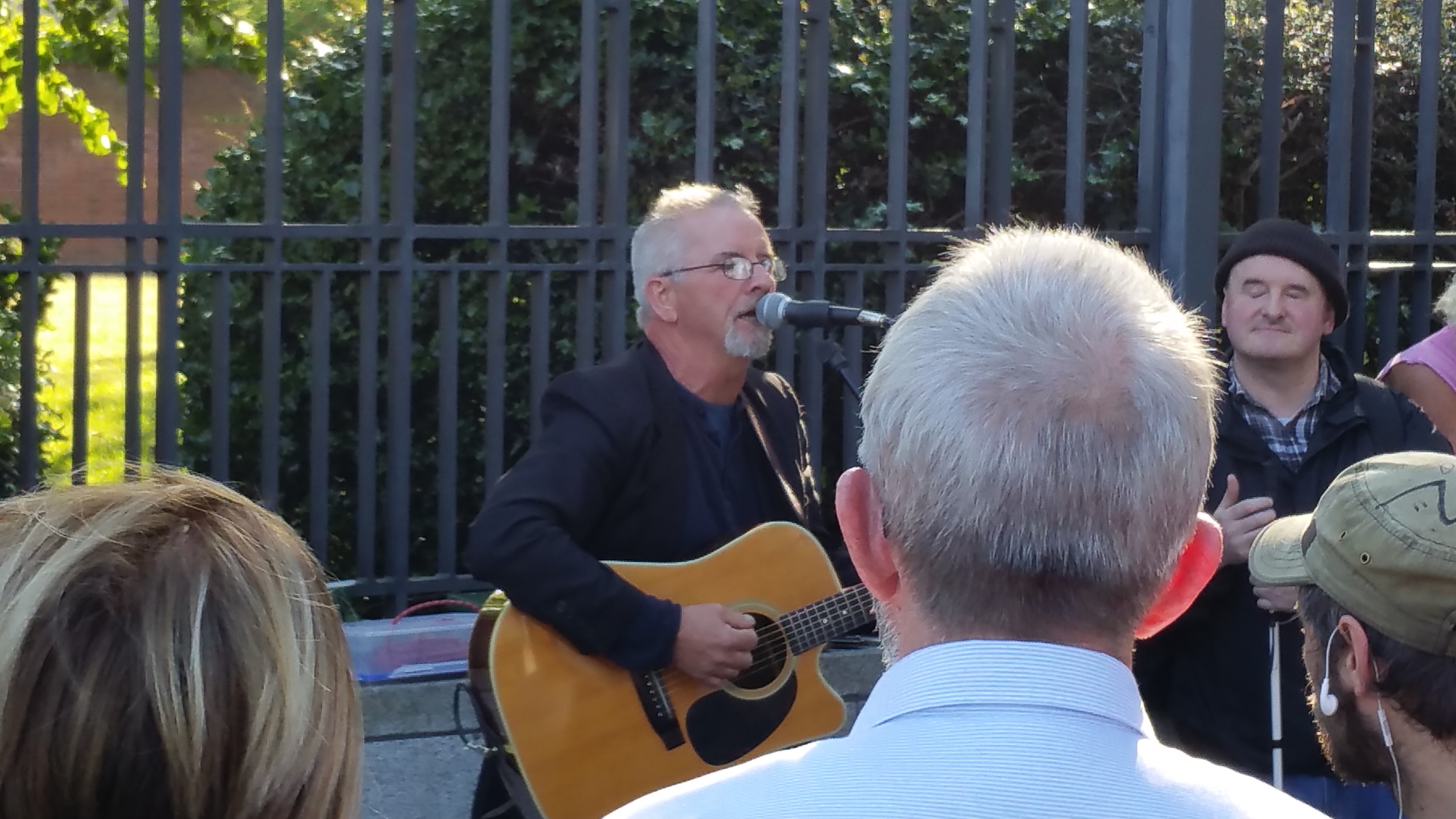
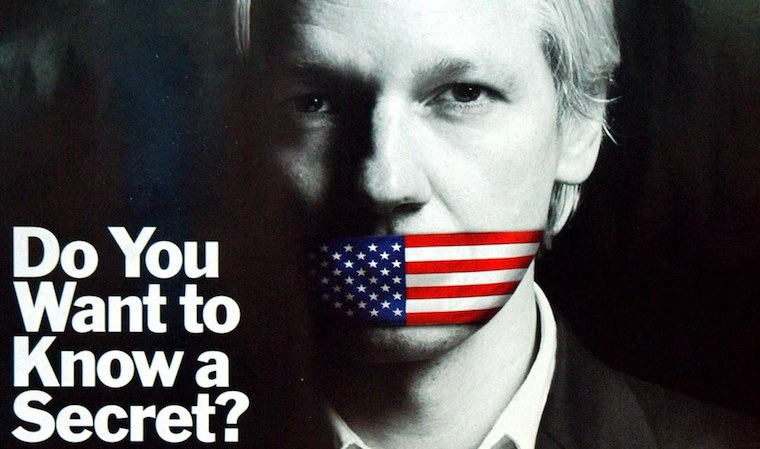


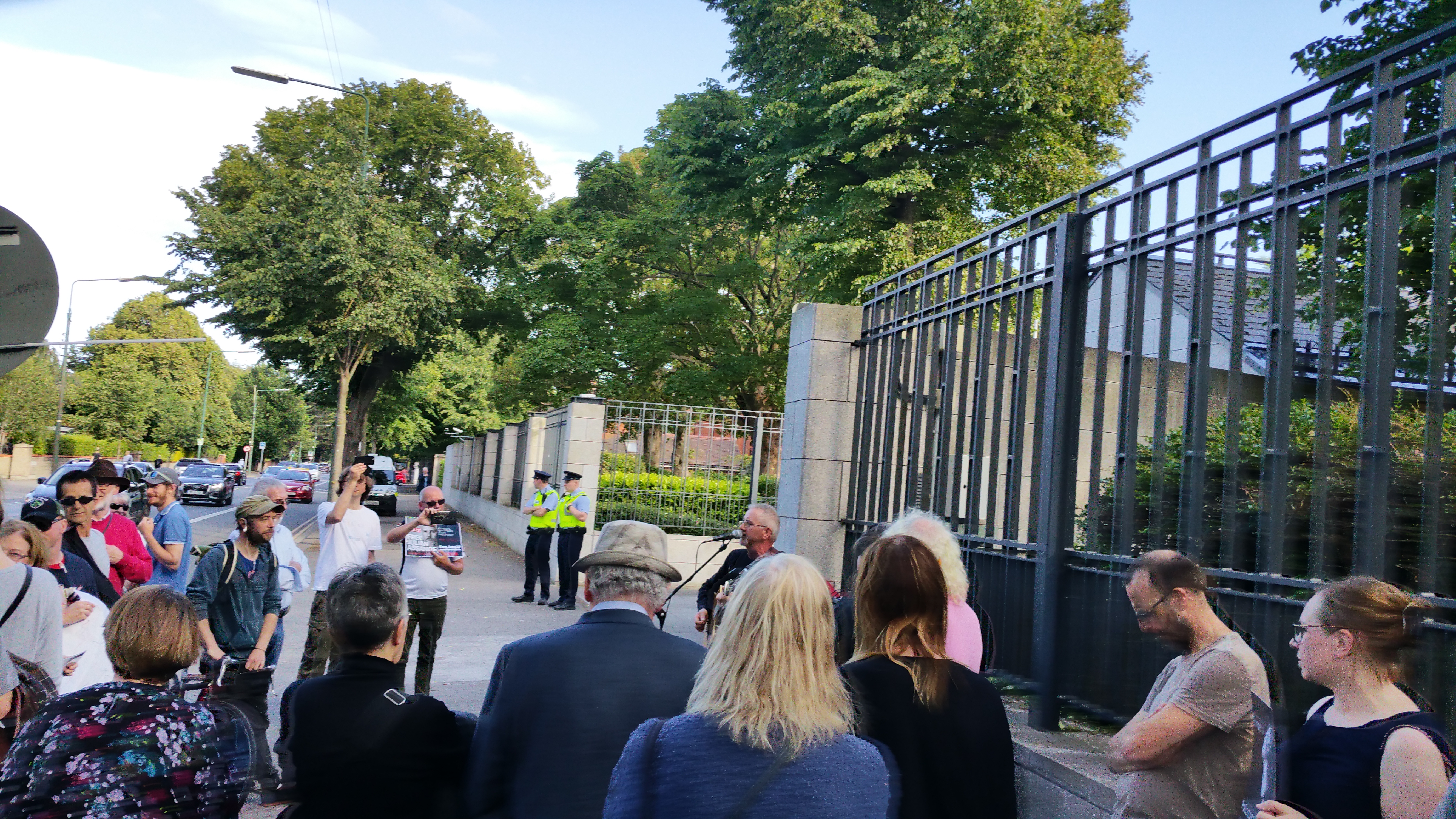

 rebelbreeze