Evening traffic in Dublin’s southside city centre came to a halt as Palestine solidarity demonstrators, frustrated by the collusion of the Irish Government with the Zionist genocidal massacres, marched from Leinster House to block O’Connell Bridge.
The early evening protest for Wednesday at Leinster House was called by Collective Action for Palestine. It is not certain whether this is an actual organisation or a flag of convenience for a collection of solidarity groups and certainly many of those present were identifiable from different groups.
An early view of the Wednesday evening rally outside Leinster House (see in the background), home of the Irish Parliament. (Photo source: Journal)
This included, from their banners, Mothers Against Genocide and Irish Jews Against Genocide but among the hundreds present, activists of other organisations such as Action for Palestine Ireland, Saoirse don Phalaistín, Anti-Imperialist Action Ireland and Social Rights Ireland were in evidence.
The People Before Profit party, which would usually mobilise strongly for marches called by the IPSC, did not have a noticeable present, which may reflect a lack of contact with the organisers of yesterday’s event or a lesser ability to mobilise quickly.
Irish Republican organisations were also not noticeably present, with the exception of the AIA mentioned earlier.
The protesters’ rage and frustration was lit by images of dead and injured Palestinian children in the return to genocidal bombing of Gaza by the ‘Israeli’ armed forces, once again violating their ceasefire agreement, along with besieging and ethnic cleansing of cities of the West Bank.
The previous night Zionist state bombing had killed 414 Palestinians, including 174 children, and hospitalised over 550 more.
The marchers called for action from the Government, such as imposing sanctions on Israel in general and enacting the rather mild Occupied Territories Bill, approved by both Houses of the Oireachtas (Irish parliament) but seven years since, still sitting in a drawer; awaiting enactment.
Those calls have been repeated week after week, month after month in the final months of 2003 and throughout last year but only words of concern from Government ministers resulted, followed by friendship visitsto the very supplier of the Zionists’ weapons of genocide.
Successive governments of the ruling class of the ‘neutral’ Irish State have actively colluded too in genocide through refusing to bar Irish airspace to Zionist military supply flights1 or to monitor and prevent US military flights through Shannon airport.
Still as true today, unfortunately, as it was in August last year.
MARCH AROUND SOUTHSIDE CITY CENTRE
From outside Leinster house the protesters proceeded southwards up Kildare Street, turning right to flank Stephens’ Green, where they paused to chant more slogans and display banners and placards to stopped Luas trams before then turning northward into Grafton Street.
The solidarity protest rally becomes a march, proceeding southward up Kildare Street. (Source photo: Irish Independent)
In that pedestrianised shopping street the march stopped near one of the many buskers regularly performing there, apparently Italian who launched into an amplified rendition of a celebrated song from the Italian antifascist tradition, Bella Ciao, with many of the marchers joining in.
The northward march continued with stops up Westmoreland Street, where the clientele of a pub came out to cheer and applaud the marchers. Then on to the southern end of O’Connell Bridge, occupying both southward and northward-bound lanes with traffic blocked in both directions.
Indeed the traffic was soon backed up southward around Stephens Green and to the north, up to Dorset Street. On the Bridge, flares were lit and the crowd heard speeches of protest interspersed with solidarity slogans. Many passers-by expressed support, some stopping to participate.
A protester lights a flare as the march proceeds northward along Grafton Street. (Photo source: Participant)
What was most unusual indeed was that during the half hour or so that the marchers remained there, no angry beeping of horns nor shouts of impatience were heard from drivers of private cars or from passengers in public transport buses.
The crowd left, marching west along Dame Street, northward at Georges Street South and Aungier Street, then left to march along Stephens Green North, pausing outside the HQ of the Department of Foreign Affairs, where the Gardaí scuffled with some protesters.
Section of the protest on O’Connell Bridge. (Photo source: Participant)
The protesters then returned to Kildare Street to the seat of the Irish Parliament, Leinster House where they concluded the evening’s event.
A couple of hundred protesters had achieved, one might argue, more than many thousands on regular national marches of the Ireland Palestine Solidarity Campaign, in terms of public exposure and paralysis of city traffic in several directions, therefore putting pressure on the Irish Government.
Section of the march in Grafton Street. (Photo source: Participant)Grafton Street:Gardaí wondering where the marchers are heading and what going to do. (Photo source: Participant)
As a tactic this has much to recommend it. My opinion is that one has to time the length of remaining in each location just right to maximise the disruption while reducing the impact on people at each spot to a tolerable degree.
The movement needs to further awake people and to shake the elite but it also needs to minimise the impatience of people returning home from a day’s work or indeed travelling to begin their night shifts, or hurrying to meet others by arrangement.
They are not the enemy nor do we wish to make them so.
A narrower view of the temporary occupation of O’Connell Bridge. (Photo source: Participant)
I would also criticise the reciting of an amplified prayer on O’Connell Bridge. The solidarity movement is secular and no section of it has the right to impose prayer upon all or to represent the whole as religious –whether Muslim, Christian, Jewish, Hindu or any other.
SLOGANS
All or most of the slogans one hears on Palestine solidarity demonstrations in Dublin (and endorsed by the Ireland Palestine Solidarity Campaign) were shouted but so were others in addition such as There is only one solution – Intifada Revolution! And No peace on stolen land!
A group of Anti-Imperialist Action photographed during the O’Connell Bridge occupation. (Photo source: Participant)
Others included Resistance is an obligation – in the face of occupation! From Ireland to Palestine – Occupation is a crime! Brick by brick, wall by wall – The colonies will fall! It’s hard to imagine the IPSC leadership, whatever they might think privately, endorsing those slogans in public.
Although the last slogan might not be seen as specifically referring to Ireland, there was also one in the Irish language which is now common among native Irish and many of migrant background, Saoirse don Phalaistín! And the unequivocal From Ireland to Palestine – Occupation is a crime!
Ceasefire now! resurfaced from time time and though a good call when the Resistance is calling for it, can be problematic when they are not, as with the end objective being liberation, do we have the right to call on the Resistance to cease fighting, even if the Occupation ceases temporarily?
Another problematic call for example is Mícheál Martin, do your job! because in fact members of the Irish Government are doing exactly their job, which is to manage the contradiction between the peoples’ wishes and the needs of the neo-colonial Gombeen ruling class in favour of the latter.
Sanctions Now! is a call with very wide support across revolutionary and non-revolutionary sectors – the division is more around whether periodic marches to Leinster House for example is likely to achieve that or whether more radical action is necessary to pressure the elite to enact them.
The march pauses along Stephens Green North (the Green is out of sight to right of photo). (Photo source: Participant)
The demands of the Government, i.e representing the ruling class, are not revolutionary or even huge: to apply sanctions (economic, cultural and political) against the genocidal entity and to cease permitting Irish airports and neutral Irish airspace to be used in supporting genocide.
The genocidal entity cannot hurt the Irish state much directly. Of course, its main backer, the United States, is another matter. But then, if principle is not enough, the Irish elite could calculate that during the current split between the EU and the USA might be the best moment to take that step.
Demonstrators scale an ornamental lamppost during the O’Connell Bridge occupation, erecting a Palestine national flag bearing the legend “Saoirse Don Phalaistín” (‘Freedom for Palestine’). (Photo source: Participant)
A night of resistance and other songs on Friday night in Peadar Browne’s Dublin pub raised funds to assist in fighting state repression of Palestine solidarity activists in Ireland, as Palestine solidarity activists face persecution across the Western world.
The evening’s performance consisted of a mix of political and other songs, a number of which were original material. However it was the political material that most drew interest, ranging from international struggles to the rich Irish Republican tradition.
Olive and Fynn in performance at the fund-raising event (Photo: R.Breeze)
To begin the event Diarmuid Breatnach explained the need to support Palestine solidarity activists against the repression of the Irish authorities, hence the fundraising event and announced that in addition to performing he would be standing in for the event’s MC who had been unable to attend.
Breatnach began his set combining two songs from the German antifascist tradition, three verses of Peat Bog Soldiers and three from the Hans Beimler ballad.1 Then from the Spanish Anti-Fascist War he sang Ay Carmela!, the air of which he said was from an anti-French occupation folk song.
Next the MC announced a performance by two performers, half of the four-strong Croí Óg ballad band. During their performance with voice, guitar and banjo there was an incident from a couple of unruly elements nearby who had substantial drink taken and had been very loud throughout.
Two members of the Croí Óg band performing at the fundraising event (Photo: R.Breeze)
A man who had been refused permission to sing solo began shouting that the songs were not Republican, ironically interrupting Grand Old Country, a song about the Fenian tradition. It became clear that what he wished was to perform the Grace ballad, which he began to sing loudly.
A male confronted the interrupter; the latter’s friend, a big elderly Glaswegian protested; others took to the floor … but the incident wound down, the interrupters and audience resuming their seats. However, the putative Grace singer threw threats at his earlier confronter across the room.
The big Glaswegian then crossed the room to confront the audience member, a female audience member intervened, he brushed her aside and the audience section erupted, only the quick arrival of the pub’s landlady preventing a fight … And the musicians resumed their performance.
Among the songs performed by Croí Óg were Crossmaglen and British Soldier Go on Home. The MC called for appreciation applause for them, made some barbed comments about the recent anti-social behaviour and welcomed the song-and-guitar duo Olive and Fyn to the stage.
Sage Against the Machine performing at the fundraiser event (Photo: R.Breeze)
The duo performed their own material in lovely harmonies, mostly non-political, also including their ironically titled Save the Landlord! After they had left the stage to applause Breatnach got up on stage again to announce a short break and to remind the audience to contribute to the funds.
His additional comment: “Remember when someone sang in a Dublin pub and everyone went quiet? Remember those days? Remember?” was followed by loud applause throughout the pub.
Breatnach restarted the second half, singing a capella again two songs celebrating Irish women’s resistance,2 ending with songs in Irish including the ballad of Rodaí Mac Corlaí. After concluding he introduced Sage Against the Machine to take to the stage, singing solo with guitar.
Sage’s material was mostly original, sung in English but went on to Masters of War in a spirited concluding verse, followed by Gallo Rojo, Gallo Negro3 in Spanish from the anti-fascist tradition in Spain. The MC then presented Eoin Ó Loingsigh, also with voice and guitar.
Eoghan Ó Loingsigh performing at the event (Photo: R.Breeze)
Although no further incidents occurred, the volume of ‘conversation’ between a number of people not far from the stage was high. Loingsigh’s material included Only Our Rivers Run Free, Viva La Quince Brigada4and a satirical song contrasting the fates of the rich and the poor after death.
The evening’s scheduled performances concluded with Seán Óg, also solo with voice and guitar, his selection including Ho Chi Minh, republican ballads Boys of the Old Brigade, The Patriot Game, Boolavogue and his own composition Boys of Gaza to air and structure of The Boys of Kilmichael.5
Breatnach thanked the attendance for their support, restating the context of the event and asked for another round of applause for all the performers, who gave their time and creativity for free, then called for people to stand for the Irish national anthem6 which he led with the first verse in Irish.
Diarmuid Breatnach in performance at the fundraiser event (Photo: R.Breeze)
At the concluding line of “seo libh, canaig …” the audience exploded to complete the words “Amhrán na bhFiann!” followed by launching into the chorus, also in Irish.
The event had been organised by two broad Palestine solidarity organisations, Saoirse Don Phalaistín and Palestine Action Ireland and among the attendance were a number of their activists, including some victims of state repression.
Most of the charges to date have been under the Public Order Act but also some around ‘criminal damage’ and the potential is there for more serious charges and possible jail sentences, as have been the case in some other European administrations.
In addition to actions of their own, including occupying and picketing the Israeli Embassy, Axa Insurance and picketing the Palestine Authority, Saoirse don Phalaistín and Palestine Solidarity Action organised Resistance Blocs to participate in mass demonstrations organised by the IPSC.
Seán Óg performing at the fundraiser event (Photo: R.Breeze)
Peadar Browns pub has become increasingly known as an Irish Republican tavern on the south side of Dublin city. Its small stage area is decorated with Republican artwork on the walls and on many of the bodhráns7 hanging there, along with some Glasgow Celtic celebratory material.
The side of the pub, on a minor street, carries a large mural representation of the Palestinian national flag, along with the slogan SAOIRSE DON PHALAISTÍN. However Dublin City Council have directed that it must be removed, to the anger of a great many people.
Mural on the side of the Peadar Brown pub (Photo sourced: Internet)
Historically cultural events of this type have a function other than to raise defence funds and to promote the cause: they are also occasions for replication of the cultural face of resistance and for expression of new cultural compositions but additionally for the creation of a community of resistance.
4About the Irish who went to fight against fascism in 1930s Spain.
5Also known as The Kilmichael Ambush, celebrating a famous event in West Cork during the War of Independence (1919-1921). However, the air of both songs is that of an older ballad about the 1798 Rising called Men of the West.
6The lyrics were originally written in English and later translated to Irish in which language it most usually sung today.
7A shallow one-sided Irish drum, same shape as a tambourine but much larger, played with a wooden striker on the outside with variation in tension achieved by hand pressure on the inside.
Entering the bedroom, I noticed the window still open and closed it. As I turned from doing that I was startled to see her curled up cosily on my bed. How did she get in?
I stared at her, dumbfounded. She just looked back calmly, not a trace of guilt or worry in her eyes.
How did you get in? I enquired but she just continued to regard me calmly. Of course, the window, I realised. Bloody hell!
You can’t be doing that, sneaking in through people’s windows, I said. You’ll have to leave.
No response, just that calm look.
She wasn’t moving so I went to lift her up and though clearly not pleased, she didn’t fight me.
Opening the door to the common corridor, I put her down gently on her feet there. She looked at me reproachfully but I hardened my heart.
The fire retarding door was closed so I opened it but she made no move to go out. I tapped her on her bottom and she gave a little jump and started to move.
Closing the fire door behind her I went back inside my home and locked the door. Then checked all the windows.
Bloody opportunist! I muttered. Bloody opportunist neighbourhood cat!
The CCJ (Criminal Courts of Justice) in Parkgate Street, Dublin, are seeing an increase in political cases in recent weeks with activists in housing and Palestine solidarity as well as Irish Republicans fighting extradition to the British colony.
Eoghan Ó Loingsigh, who made the mistake of asking a Garda for his badge number while they were carrying out an eviction, appeared there in February only to see his case thrown forward to June.
Picket anti-extradition display by Anti-Imperialism Action outside Heuston Station in February. (Photo: R.Breeze)
Another housing activist’s charge of attempting to break into an empty property was dismissed. The property in question, empty for a number of years is leased to the Salvation Army and three years ago two RHL1 activists were evicted from it by 100 Gardaí (some armed) with helicopter support.
Jack Brazil, a Palestine solidarity activist whom the Gardaí are trying, believe it or not, to tie into the racist and criminal riots of November last year, had yet another appearance in court without trial as he’s still trying for CCTV footage from Gardaí to support his alibi for the night.
At least the remaining bail restriction on Brazil was lifted: at the outset he had to sign on at Mountjoy Garda station once every week, observe a curfew of 12am-6am and not to loiter at any point in the Dublin city centre (D1 and D2). His case is now remanded to 26 March.
Jack Brazil (in the suit) and other Palestine solidarity activists outside the CCJ after Brazil’s most recent appearance there. (Photo: R.Breeze)
Jim Deneghan had a number of court appearances fighting extradition to the Six Counties on foot of charges alleging an act during the 30 Years War there – fifty years ago. He was unsuccessful and it appears that the only avenue open to him now would be to challenge it in the High Court.
Should they even grant him leave to do that which is not always the case.
Some of the AIA-organised anti-extradition banner drop on the Fairview pedestrian bridge hold up placards against extradition. (Photo: R.Breeze)
Another extradition case has been dealt with in the Special Criminal Court, which is located within the same building as the CCJ, distinguished from other courts by the glass-enclosed reception ‘box’ through which one must pass to gain entry, first satisfying ‘security’ provisions.2
Sean Walsh has been fighting extradition to the UK’s Irish colony, the Six Counties on a charge of membership of an armed Republican organisation, which is deemed illegal on both sides of the British Border. He is in custody in Portlaoise awaiting a decision from the ECHR in Brussels.
Independent Dublin Republicans organised solidarity pickets outside the court on the mornings of Denneghan’s appearances, while Anti-Imperialist Action held a picket against extradition outside the nearby Heuston Train Station and a more recent banner drop on the Fairview Pedestrian Bridge.
Picket organised by Independent Dublin Republicans outside court where extradition of Jim Deneghan (Centre, next to State Harp) was being decided in February. (Photo sourced: IDR Facebook page)
The CCJ courts, in particular those on the ground floor are extremely busy with what seems at times like industrial-scale processing of setting further dates for court appearances, granting or refusing bail, requiring ‘discovery’ and other documentation from the Gardaí and some sentencing.
The human subjects of these proceedings are mostly from what might be termed the under-class of Dublin with some migrants added for good measure. Most face charges of possession of drugs, anti-social behaviour, threatening behaviour, theft and breach of bail conditions.
A huge amount of court, lawyer and Garda time is taken up with processing people accused under these charges. On the other hand the processes also interfere hugely with the normal lives of those charged and in addition, in the case of political activists, disrupt some of their legal activity.
And can cost them loss of pay and even threaten their employment. Which might be deliberate on the part of the system or if not, at least something those who manage it will not regret.
Banner drop by AIA from Fairview pedestrian footbridge. (Photo: R.Breeze)
The sheer number of that social group being processed through the courts daily is an indication of something really wrong with Irish society and which worsens even through generations, while the major reaction of the State is to maintain the social conditions and repress its victims.
By and large the middle class only come into contact with that element of society when they are prosecuting or defending them in court, or professionally dealing with them in hospital or social services environments.
It is also where many of those who are trying to change the prevailing social and economic conditions, i.e political activists, will first rub shoulders with that group while next to them on court seating benches. Unless the political repression goes a step further and they meet in jail.
End.
1Revolutionary Housing League which had renamed the building, on Eden Quay, ‘James Connolly House’.
2The non-jury SCC was established under an Amendment to the Offences Against the State Act, pushed through Leinster House by Fianna Fáil amidst collapse of its opposition during a panic caused by (British Intelligence) terrorist bombing of Dublin in 1972 killing two and maiming many. The scene of many unjust decisions, its most famous was the conviction of the innocent ‘Sallins Four’ when the SCC was based at Green Street, appropriately enough the scene of many injustices under the British occupation, including the death sentence on Robert Emmet after his famous speech. The existence of the SCC is opposed by Amnesty International and Irish civil rights organisations and, until a few years ago, by the majority political party in Ireland, Sinn Féin, which no longer opposes it.
Both Sinn Féin party leaders, Michelle O’Neill (First Minister of the British colony) and Mary-Lou Mac Donald, TD and party President, have publicly declared that they will not attend the White House on St. Patrick’s Day this year.
What made Michelle O’Neill decide not to to go to the White House shamrock fest, she tells us, were President Trump’s words about turning Gaza into a desirable beach-front property development once the Palestinians had been removed. This, she told us, was a question of principle.
“The decision not to travel to the White House has not been taken lightly, but it is taken conscious of the responsibility each of us as individuals have to call out injustice. We are all heartbroken as we witness the suffering of the Palestinian people and the recent comments of the US President around the mass expulsion of the Palestinian people from Gaza, something I cannot ignore.1
“… At moments like this, whenever our grandchildren ask us what do we do, whenever the Palestinian people were suffering in the way in which they are, I want to be able to say that I stood on the side of humanity so this decision for me is very much the position of principle and I think it’s the right thing to do.”2
In January, Trump made those statements about the intention of ethnically cleansing Gaza of its population and the relocation of Gazans to Jordan and Egypt (the regimes of both have clearly stated their opposition to such plans) for the creation of “a Middle Eastern Riviera”.3
Prior to that, Joe Biden’s US Presidency was not only backing Israel’s accelerated genocide for 15 months financially and politically but supplying the IOF with the very weapons to carry out that genocide. Without SF feeling the need to break with him. But a few words from Trump …!
According to Brown University’s “Costs of War” project, the U.S. has spent at least 17.9 billion dollars in military assistance to Israel since October 7 2023, which is more than U.S. military assistance to Israel in any year since the U.S. began to assist Israel militarily. 4
And it vetoed a ceasefire resolution three times at the UN Security Council, against the will of a majority of member states. 5
In mid-March 2023 when O’Neill and MacDonald attended the White House shamrock fest, in spite of many calls not to go, including that of the Ireland Palestine Solidarity Campaign, Biden had been feeding the IOF’s accelerated genocide for over five months.
O’Neill’s reason for her intention not to attend this year (if indeed she were invited)6 clearly had nothing to do with opposition to genocide, solidarity with the Palestinian people, common humanity nor anything of the sort and we must look elsewhere to explore her possible motivation.
Mary-Lou Mac Donald also indicated she wouldn’t be going to browse the blood-soaked shamrock, including an acknowledgement of the degree of US imperialist penetration of the Irish state’s economy:
“I have followed with growing concern what is happening on the ground in Gaza and the West Bank and like many other Irish people have listened in horror to calls from the President of the United States for the mass expulsion of the Palestinian people from their homes and the permanent seizure of Palestinian land. Such an approach is a fundamental breach of international law, is deeply destabilising in the Middle East and a dangerous departure from the UN position of peace and security for Palestine and Israel and the right of Palestinians to self determination.
“… The US is a valued friend to Ireland. Their work in helping to achieve the Good Friday Agreement stands as a clear example of successful U.S. foreign policy. They are an important partner for peace and play a strong role in Ireland’s economy.7
For genuine anti-imperialists, Irish Republicans and socialists, the correct attitude is clear. Indeed it should be so for any democratic people or even for people just opposed to genocide.
‘Israel’ is only able to commit genocide through the assistance of US Imperialism and therefore we should endeavour to isolate any of its governmental expressions and most of all any that lay claim to our special support, on one of our national days and with one of our national symbols.
The kind of action in the USA real Palestine supporters should be backing instead of backing the ruling class support for the Zionist genocide: Palestine Action activists taking action against Elbit arms manufacturer in Cambridge, Massachusetts USA. (Photo sourced: Internet)
“CAN’T WIN”?
There may well be a ‘damned if we do, damned if we don’t’ response from the SF faithful to the type of criticism in this article. They won’t actually analyse the reasons upon which the criticisms are based – no, of course not.
This party likes to claim credit for events that seem favourable, dodge criticism over errors or just nasty actions while at the same time whingeing that they can never win, that they will be criticised whatever they do, an eternal victim attitude from a party aspiring to government rule.
So, could SF have done anything in this regard of which their critics would have approved? Yes, they could. They could have admitted their error of last year, apologised for it and called for a St. Patrick’s Day White House boycott at least until the USA stops supporting genocide.
No need to worry about my sanity, they won’t, of course nor did I imagine for one minute that they would.
IMPERIALISM AND SF SUPPORT
The USA is a world imperialist power and still the one dominating the world, though it is under serious challenge and its days appear numbered. The ruling class of the USA, a European settler state, practised genocide and exploitation on the indigenous people and on imported slaves.
It also ruthlessly exploited the immigrant working class and its descendants, along with the emancipated slaves. It fought attempts to organise labour and legal trade unions with billy clubs, pistols, machine guns, arson, laws and regulations, jail and the hangman’s noose.
The fact that a section of the immigrant Irish in the US support Sinn Féin is in part due to the socially conservative background of both groups of people and also to SF’s never seriously challenging the imperialist nature of the USA.
And how does this obeisance supposedly benefit Ireland? Will the US support an Irish revolution against British colonial occupation? It refused to do so even at the time of its greatest hostility with the British, when the latter actively supported the Confederate states in the Civil War.8
No, for the major imperialists of the US, the lesser imperialists of the UK are occasional competition but much more fundamentally, allies and it is not going to undermine its fundamental external power base.
Mary-Lou Mac Donald stated very clearly that Mícheál Martin should attend the shamrock fest. What was that about? Possibly she was indicating to Ireland’s Tánaiste (Prime Minister), that she would not be taking political advantage of his attendance at the White House to denounce him.
But she was also clearly indicating that the Sinn Féin leadership are ‘responsible’ potential representatives of an imperialist-dependent Gombeen ruling class, who understand how there are times to put aside any principle in order to attend at the Court of King US Imperialism.9
Through her statement Mary-Lou MacDonald represented her party as a safe pair of hands to run the State for the Gombeen class in the future.
Should the current representatives of the Irish neo-colonial ruling class be invited, they will of course attend, bearing the shamrock tribute, knowing that they are safe at least from the criticism of SF, the largest opposition party in Leinster House (the parliament of the Irish State).
US and Zionist military flights can continue to stop over at Shannon and otherwise fly through Irish airspace. On the international stage, the Irish State will continue to align itself with the western imperialist bloc and continue to open its markets, resources and networks to imperialist plunder.
If O’Neill does indeed say what she claimed she would to her grandchildren about her reasons for not going, she will be lying to them. But then, at least the grandchildren will come to know they were not alone – the party’s supporters and the whole country were being lied to also.
If there was anything other than rank opportunism behind the statements of the SF (Stoop Further) party leaders, such as solidarity, it certainly wasn’t with the Palestinians; solidarity with EU imperialist elites and with the genocidal Democratic Party elite, perhaps.
6There is every likelihood that she would not have been; SF is in government only in a colony of the UK and furthermore in the USA is strongly connected to Trump’s political rivals, the Democratic Party – and he is not known for kindness towards his political enemies.
8The USA under General Ulysses Grant, who was of part Irish descent, arrested Fenians and in 1866 prevented the support forces from crossing the St. Lawrence River to support the advance invasion forces which had emerged victorious from two engagements against British forces in Canada.
9And O’Neill displayed her responsible credentials in managing the colonial occupation also, stating that she would not criticise the colony’s Second Minister, Unionist Emma Little-Pengelly, if she were to attend.
Recently Donald Trump scandalised much of the world with his suggestion that Gaza could be turned into an attractive location after its inhabitants, the Palestinians, were removed.
Was this a serious proposal? If so, could the US and Israel manage it? What are the chances?
Firstly, a quick look at the territory envisaged and its recent history.
GAZA
A strip of land 365 km2 (141 sq mi)1 on the eastern coast of the Middle Eastern land of Palestine, bordered by the State of ‘Israel’ and the State of Egypt, with an estimated Palestinian population of 2.1 million in 2024 (since hugely depleted by genocide and removal).
Gaza had been settled mainly by Palestinian refugees expelled from Zionist-occupied Palestine in 1948 and by those fleeing Israeli Occupation Force persecution and harassment in the West Bank in subsequent years added to of course by their descendants born and growing up there.
The strip was occupied after the 1967 War by around 5,000 Zionist settlers – illegally even by international law — who took up around 40% of the land there but after the Second Intifada,2 left in 2005, as did the Israeli Occupation Army.
In the 2006 elections in Gaza and the West Bank, Hamas won, ousting the Fatah party which had won the previous elections. However, Fatah refused to accept the results and had to be physically removed in Gaza in 2007, though Hamas stepped back from doing the same in the West Bank.
The Western powers, those bastions of the democratic way of doing things, refused to acknowledge the Palestinian popular will and blocked Hamas from all aid, which went instead to the undemocratic Palestinian Authority, which the Fatah party control.
‘Israel’ blockaded Gaza from then onwards, keeping the population at a marginal level of existence and regularly attacked it, what they called “mowing the lawn” in 2008/9, 2012, 2014, 2018/19, 2021 until the Palestinian breakout and counter-attack of October 2023.3
In October 2023 Hamas and Islamic Jihad broke out of their concentration camp, overran the ‘Israeli’ armed forces overseeing them and seized captives to exchange for the many Palestinian captives in ‘Israeli’ jails. Other groups and individuals also poured through the gaps in the wall.
The IOF besieged Gaza, cutting off its supplies of food, clean water and other supplies. It dropped 85,000 tonnes of explosives4 on that highly-concentrated population, killing an estimated 46,000 (with another 10,000 buried in rubble)5 and injuring at least 110,265 (one in every 20).6
The IOF destroyed nearly all wells and rooftop water tanks, along with desalination plants,7 destroyed totally or in part 90% of residential buildings,8 at least 27 hospitals and 12 other medical centres,9 along with schools, higher education buildings, mosques and churches.
Some 1.9 million people have been displaced, 90% of the population, with many of them forced to move repeatedly.10 “Nearly 1.9 million people in Gaza are internally displaced, of which nearly 80 percent are living in makeshift shelters without adequate clothing or protection from the cold.
“UN agencies estimated that nearly half a million are in flood-prone areas. Authorities in Gaza said about 110,000 of the 135,000 tents being used as shelters in the Gaza Strip are worn out and not fit for use.”11
PROPOSERS OF ETHNIC CLEANSING
The USA – In March 2024 Jared Kushner, property developer, senior policy adviser and son-in-law of Donald Trump (then former US President and now President again) commented that Gaza after the removal of the Palestinians would make a great site for a beach-front property development.12
Donald Trump, after being re-elected, commented in somewhat similar lines and bluntly proposed the expulsion (‘voluntary relocation’) of Palestinians from Gaza. But to where? Well, to Jordan and Egypt in particular, whose ruling regimes would accept them, he assured.13
The Democratic Party wing of the US imperialist ruling class expressed horror at such crass statements of ethnic cleansing but had supported the ‘Israeli’ state in maintaining the siege, periodic bombing attacks and in demonising Hamas along with the whole Palestinian resistance.14
‘Israel’: Prime Minister Netanyahu and a number of his cabinet made statements supporting the plan.
REACTION OF ARAB & IRANIAN STATE LEADERS
The leaders of Arab states and of Iran have opposed the ethnic cleansing plan, all of them concerned at further destabilisation of the Middle East (and threat to their regimes). Most (excepting Yemen and Iran), advocating instead Gaza as part of a Palestinian state (sic) alongside the ‘Israeli’ one.15
WHAT EUROPEAN STATE LEADERS SAY
All of the leaders of European states that have commented have opposed the plan, all of them concerned at further destabilisation of the Middle East and, with regard to Palestine, advocating instead Gaza as part of a Palestinian state (sic) alongside the ‘Israeli’ one.16
All of the main political parties in the European states have also opposed the ethnic cleansing and advocate the “two state solution” (sic).
RUSSIA & CHINA also oppose Trump’s plan as do many states in AFRICA and in LATIN AMERICA. The top levels of the United Nations also oppose Trump’s idea.
WHY MOST STATES OPPOSE THE PLAN
Those objecting to the ethnic cleansing of Gaza and transporting Palestinians to other destinations may well have moral objections to that plan but their political and practical reasons for objecting are much stronger.
Lebanon already has a Palestinian refugee population of 60% and in 1975-’90 a war there saw fascist Lebanese forces combined with the IOF fight Palestinian and Druze forces with massacres of refugees as “Beirut” became a byword in urban destruction, invasion and ethnic conflict.
The Jordanian regime is heavily foreign-dependent and vulnerable to imperialist pressure but it also knows that it walks a tightrope and can’t afford to add to the economic, social and political pressures by taking in a large influx of Palestinians forced out of Gaza.
Nearly 25% of Jordan’s population is composed of Palestinian refugees and their descendants.17
The King of Jordan, an imperialist stooge trained in the UK, nervously attended the meeting with the real king, Trump, to which he was summoned, evidencing his unease with a nervous tic taking over his face. He agreed to take 2,000 injured children, not at all the same thing as Trump wanted.
Egypt, a bigger power though also US-dependent (especially its military) has its own economic, social and political reasons for rejecting a proposal to integrate a large population of forced Palestinian refugees into its society and economy and declined an invitation to meet Trump.
US ally Saudi Arabia, which has not been pressured to the degree of Egypt and Lebanon, nevertheless has reasons to reject the plan and that is the de-stabilization of the whole Middle East by a further expansion of the Zionist State and growing population of stateless refugees.
That is the other and fundamental reason why the Saudi ruling class is opposed to the expulsion of Palestinians and they have stated it in terms of the need for a ‘Palestinian state’ – within the framework of a two-state ‘solution’ (i.e. a partitioned Palestine with about 20% for Palestinians).
The Saudis have also proposed to rebuild and set up Gaza with the Palestinians remaining there but in the course of which they intend to have somebody other than Hamas – whom the people elected, let’s not forget – administer the area.
The Palestinian Authority (sic) despite its role as proxy policeman for the Zionist State and US Imperialism, would not welcome the loss of a large part of its possible fiefdom and certainly could not politically afford to agree to the ethnic cleansing of Palestinians.
Macron, for the French imperialist ruling class, has welcomed the Saudi proposal. It is not beyond possibility that the US ruling class will approve and it may even have been part of its plan to frighten everyone and make such ‘solutions’ as that of the Saudis more generally accepted.
UAE is not vulnerable internally to anything like the degree of Egypt and Jordan and on the other hand is at times in contention with Saudi Arabia for influence in the region but also ally of the USA is nevertheless opposed the Trump ethnic cleansing process.
Qatar, home of Al-Jazeera news channel and much more in contention with Saudi Arabia and also the UAE, is also an ally of the USA but opposed to removing the Palestinians from Gaza.
The elites of the WesternEuropean states, from imperialist to lesser capitalist states wishing to coexist with imperialism, including the colonial and neo-colonial states of Ireland all oppose the ethnic cleansing of Gaza, saying it threatens the ‘two state option’.
That option would copper-fasten Israeli occupation of around 80% of Palestine and control over the remaining 20% as a client state. They would hope to isolate the Palestinian resistance under collaborator rule and help and assist in the stabilisation under imperialism of the Middle East.
A DIFFERENT BASIS FOR OPPOSITION
The ruling elites of IRAN and YEMEN18 see ‘Israel’ as an important foothold for US and other Western imperialism in the Middle East and also as an aggressive colonial force in its own right. Therefore they are fundamentally hostile to any kind of ethnic cleansing of Palestinians.
That too is the position of Hezbollah, a major political and military force in Lebanon.
IS THE ZIONIST ARMY CAPABLE OF ETHNICALLY CLEANSING GAZA?
The Israeli Occupation Army is unlikely to welcome being sent back into Gaza to fight the Palestinian resistance there once again. And signalling that, rather than an inadvertent slip, may have caused the admission of very high combat fatality figures by the IOF’s commander.19
Eyal Zamir, ‘Israel’s’ new Chief of Staff, referred in a recent interview to the “5,942 of bereaved families”20 since October 2023, terminology only used by the IOF to refer to the families of their soldiers killed and also noted that some families likely lost more than one member.
Those numbers, apart from being around six times those previously admitted by the IOF, are not such that can be replaced in the short term.
Furthermore, the Palestinian resistance in Gaza (and presumably Hezbollah in Lebanon) targeted officers whenever they could resulting in a high attrition rate among higher ranks engaged in combat. These take longer to replace due to their experience, training and skills.
It has long been suspected in many quarters that Israel was concealing its war casualty numbers by imposing press censorship, installing IOF officers to answer queries at hospitals and issuing untrue statistics for foreign and home consumption.
Zamir also stated that 15,000 soldiers were suffering from physical or mental injuries.21 As early as December 2023, the ‘Israeli’ publication Haartez, quoted their Health Ministry figures of a staggering 10,548 injured as opposed to the 1,593 stated by the IOF.22
“In October 2024, Haaretz also reported that around 1,000 wounded soldiers were admitted to rehabilitation centres each month, along with new injury claims associated with past incidents.
“The report stated that the rehabilitation division estimates that by 2030, around 100,000 Israeli soldiers will be classed as disabled, and almost half also experience some form of psychological challenge.”23
Statistics show a military age population in ‘Israel’, male and female, of around three million24 of which some are already serving, many exempt from recruitment due to specific occupation or studies, pregnancy, general health or ability, criminal status or psychological unfitness.
This is without taking into account the Haredi, formerly exempt from service due to religious studies but since June last year eligible to call-up. However this has led to Haredi protests and only 10% of those called actually presenting for service — and also strains Netanyahu’s coalition.25
On the other hand, there is general agreement among commentators that the Resistance, in particular Al-Qassam Brigades (Hamas military wing) have already replaced their fallen across the ranks. The survivors are likely to be for the most part battle-hardened, motivated and confident.
‘Israel’ fought the war in Gaza largely from the air through bombing and missile strikes along with artillery at a distance or a little closer by tanks. The IOF Merkava tanks have been severely depleted due to roadside IEDs (bombs) and Resistance-developed or modified RPGs.
The IOF generally did not take the Resistance on in soldier-to-soldier combat and when they did, were generally defeated. IOF snipers were often themselves sniped or they and their spy-posts eliminated by a rocket with thermobaric warhead.
Gaza still contains a vast network of sophisticated tunnels of which the IOF know very little nor, when an entrance is discovered, do the IOF go in there to fight. The IOF-created rubble landscape with rarely any building for the IOF to hole up but no way of spotting tunnel exits.
As demonstrated in the prisoner handover events, Hamas is not short of weapons, though level of ammunition stores is an unknown factor. Given the huge amount of unexploded bombs dropped by the IOF, possibly as high as 15% the Resistance will not be short of explosives either.26
CONCLUSION
Whether Trump was serious about the plan to ethnically cleanse Gaza or was merely soft-soaping Netanyahu and his most fascist Zionist supporters remains to be seen. Equally, the US may have wanted to scare Palestinian Arab neighbours to step forward to police Gaza for them.
Let us not forget that Brett McGurk under Biden’s administration discussed the need to consider how to manage Gaza “the day after” the war there ended and that a revamped Palestinian Authority might be able to do the job27 – Abbas rushing to assure his masters that the PA was indeed ready!
Proving themselves ready for Gaza management was probably the reason for the PA’s siege of Jenin and then participating in attacks upon the Resistance there alongside the IOF. However, it is unlikely that the imperialists have much faith in the corrupt PA’s ability to take on running Gaza.
The ethnic cleansing of Gaza, whether it was ever really contemplated by Trump or not, will not happen in the near future because none of the regional stakeholders – other than the blindest fascists of the Israeli Government – can afford to agree with it.
Also because the only ones reasonably available to attack Gaza again, the IOF, got really badly chewed up in their fifteen months of genocidal warfare there. But then perhaps the whole threat was scare-bait to get Arab states to collude even further with ‘Israel’ in managing post-war Gaza.
On the other hand, an unthinkable idea has been thought of and widely publicised. And when the unthinkable becomes part of public discourse, it breaks the taboo around it and makes it easier to put into practice at some point in the future.
Resumption of and constant bombing of Gaza is therefore not totally beyond possibility but it seems unlikely the master, the USA (Trump variety) wants that and, while that is the case, it cannot happen.
2The 2nd Intifada (uprising) was against the ‘Israeli’ occupation but also against the Oslo Accords, the perceived sell-out by the ruling Fatah party of Palestinian self-determination and the right of return for Palestinian refugees.
14Since the IOF pulled out of Gaza and the election of Hamas by the people, five US Presidencies have supported ‘Israel’s’ actions and supplied them with the financial and military means to carry them out: George Bush Jnr, Barrack Obama, Donald Trump, Joe Biden, Donald Trump (again). Two individual Presidents have been Democrats, two Republican; two Presidencies have been Democratic and three Republican.
18And seems to reflect the opinion of their countries’ masses also.
19Given the secrecy around the real statistics he may have been not only signalling disapproval of resuming the war in Gaza but also feeding information ammunition to others who might also be opposed to that return.
Gearóid Ó Loingsigh Feb. 23 NB: Edited by Rebel Breeze for formatting purposes
(Reading time: 5 mins.)
When the genocide in Gaza began, no one thought it would go on for so long.
But it has, and along the road many challenges have come up for governments, social movements, Arab countries and political parties and nearly all of them have been found wanting on the issue.
In Ireland the annual cringe fest that is St. Patrick’s Day in Washington threw up a problem for Sinn Féin last year. Should they go or not go?
Last year the Irish Palestinian Solidarity Campaign issued a call for all political parties, including government parties, not to go.
Sinn Féin broke that call for a boycott and were swiftly pardoned by the IPSC which swiftly invited them to address a Palestinian solidarity rally in Belfast one day before Mary Lou McDonald and Michelle O’Neill First Minister of Northern Ireland set off for the USA.
There they swanned around with Biden, imbibing of whatever liquor was on offer on the day. Supping the devil’s buttermilk as some of their unionist colleagues might put it.
At the time Sinn Féin said it was going, as it was important and that they would raise the issue of Palestine with Biden. One month before flying out to Washington a Sinn Féin spokesperson stated:
We will use every political and diplomatic opportunity and influence that we have to be a voice for Palestine, to demand an end to the occupation of the West Bank and Gaza, for Palestinian statehood and for a permanent ceasefire now.[1]
In the end they did no such thing. In fact, the then Irish Taoiseach (Prime Minister) Leo Varadkar was more forceful than Mary Lou or Michelle who made even more tepid statements and quaffed what was put in front of them and enjoyed the jollies.
They could have been forgiven for thinking that it would be all over by 2025 and this situation would not arise again. Well, we should be gentle on them, many of us underestimated the Israeli bloodlust. But here we are again.
Trump continues with Biden’s genocide and announces his intention to commit two war crimes e.g. the mass expulsion of Palestinians from Gaza, a war crime under Article 49 of the Fourth Geneva Convention and profit from the looting of their assets a further war crime under Article 33 of the same convention.[2]
The SDLP was the first out of the hatches saying it would not go, reaffirming their position of the previous year.
It is ironic that Sinn Féin supporters used to refer to the SDLP as the Stoops, a play on their initials, Stoop Down Low Party, which probably means Sinn Féin (SF) should now be known as the Stoop Further.
As is common with the Stoop Further, they are fond of speaking out both sides of their mouths. They announced that they would not go this year, though not official invite has been issued to them, and at the same time urged the Irish government to go.
A case of wanting to have their cake and eat it too.
Mary Lou McDonald stated Trump’s plan “represents a marked escalation in the very complex conflict situation for the Palestinian people.”[3] Really? Expulsion is an escalation from genocide?
To be very clear, there is a specific genocide convention and genocide is a Crime Against Humanity, under that convention, and is so at all times and in all circumstances.[4] There are no ifs or buts to that.
Expulsion and profiteering are war crimes. In legal terms, they are egregious crimes but less so than genocide. There is no escalation here. Both Biden and Trump have been complicit in the genocide, Trump however has put the blood-soaked icing on the cake with his proposal.
Donald Trump US President in what is no doubt one of his favourite photos (Photo sourced: Internet)
Except it is not his proposal. It has been official US and Israeli policy since 2007.[5]
In other words, a plan that began under Bush and continued during the eight years of Obama’s presidency when Biden was the Vice-President, Trump’s first presidency and of course Biden’s four demented years as President.
Mary Lou McDonald seeks to draw a line under her support for the US. There is some mythical line in the sand between the Democrats support for murder, genocide, torture and Trump’s.
In refusing to go to the Blood Fest in Washington she stated that Sinn Féin would not be in a position to challenge Trump’s statements at the Blood Fest (she doesn’t describe it as such, to be clear that is my accurate description).
This is surprising as last year, she said that they would challenge Biden on his support for Israel.
Before they went off on their junket last year, two days before the St Patrick’s Blood Fest they issued a tame communiqué asking Biden to play a more “constructive role” in Palestine,[6] whatever that is supposed to mean.
In fact, part of their public rationale for going was that they could influence US government policy. So, what is different now? Have they concluded that their junket last year did not produce the results they hoped for?
Well, they had no expectations that Biden would end US complicity in the genocide and as I already pointed out, when they went their statements were way weaker than the Irish government’s official statements. So, the answer is no.
This year they have said they won’t go, but have said the Taoiseach should go.
We absolutely believe that he needs to go and, furthermore, when there, set out unambiguously the Irish position in respect to all of these matters and to push back directly against any threat or goal for the mass expulsion of Palestinians from the Gaza Strip, the annexation of that land.[7]
If, as last year under Biden, they believed they could influence policy in the same way they now expect the southern Irish government to do, why don’t they go? The answer is one of political expediency.
They have calculated that this time round there is no political cost amongst their reactionary base in the USA to boycotting a Trump event and by calling on the Irish government to go, they continue to signal that they are a “reasonable partner” that the Irish state and Trump can do business with.
Michelle O’Neill stated that she couldn’t go this year because
I couldn’t in all conscience make that trip at this time. I just think that there are times whenever we’ll all reflect, and certainly whenever my grandchildren ask me, what did I do whenever the Palestinian people were suffering, I could say that I stood on the side of humanity.[8]
Except of course, she didn’t. Whilst Biden gladly and gaily supplied Israel with all the military hardware required to carry out a genocide, she did not nothing.
In the waning days of Biden’s support for genocide, on January 4th of this year he notified Congress of an additional US $8 billion arms sale to Israel.[9] Yeah, Michelle can tell her grandchildren what she likes, but she supped with the Devil.
She took part in a genocide through her endorsement of Biden. Her sudden hypocritical distancing from the same policies under Trump is meaningless.
It is not an ethical position; it is not one based on some internationalist concept of solidarity with the oppressed or even a liberal opposition to genocide and war crimes as they have previously shown no such solidarity or real opposition to such acts when Biden was the war criminal in charge.
No matter how low you think Sinn Féin can stoop, they will always surprise you and Stoop Further.
For over a decade, the US State Department’s NERD fund has covertly funnelled hundreds of millions into regime-change efforts in Iran, disguising digital warfare and opposition funding as ‘democracy promotion’ – but a sudden funding freeze has thrown these operations into chaos.
Earlier this month, The Cradle exposed how in 2023, the US State Department’s shadowy Near East Regional Democracy (NERD) fund earmarked $55 million to stoke unrest in Iran during the following year’s elections.
This was part of a wider US campaign of interference designed to disrupt and destabilize the Islamic Republic.
As that investigation noted, details on where this money goes – and who benefits – are strictly confidential as a matter of policy. Still, there are clues in the public domain pointing to at least some recipients.
(Image credit: The Cradle)
Regime change by another name
As a US Congressional Research Service report records, due to hostile US–Iran relations, and Tehran’s well-founded view of NERD “as a means of financing regime change,” its programs rely on “third-country training” as well as “online training and media content.”
The report further confirms that despite NERD being Washington’s primary “foreign assistance channel” for projects targeting Iran, “activities, grantees, [and] beneficiaries” are not advertised “due to the security risks posed by the Iranian government.”
It continues:
“NERD was created in 2009 as a ‘line item for Iran democracy’ but was not (and is still not) technically Iran-specific … For 2024, the Biden Administration requested $65 million for NERD … to ‘foster a vibrant civil society, increase the free flow of information, and promote the exercise of human rights,’ including at least $16.75 million for internet freedom.”
What was unstated in the report is that NERD represents a simple rebranding of the Iran Democracy Fund, created by former president George W. Bush in 2006 with the explicit goal of toppling the Islamic Republic.
The initiative was ostensibly shut down under Barack Obama three years later, eliciting bitter condemnation from much of the western media, neoconservative pundits, and lawmakers.
However, as the BBC acknowledged at the time, the move was in fact “welcomed by Iranian human rights and pro-democracy activists”:
“These US funds are going to people who have very little to do with the real struggle for democracy in Iran and our civil society activists never received such funds,” a Tehran-based human rights lawyer told the British state broadcaster.
“The end to this program will have no impact on our activities whatsoever.”
Internet interference
In reality, the program never ended – it was merely repackaged. White House officials maintained the fiction that NERD was focused on democratization rather than regime change, a claim undermined by a June 2011New York Times exposé.
That investigation revealed the Obama administration’s so-called “Internet Freedom” initiative aimed to “deploy ‘shadow’ internet and mobile phone systems dissidents can use to communicate outside the reach of governments in countries like Iran, Syria, and Libya.”
In other words, Washington sought to build a covert legion of regime change operatives in Tehran, and provide them with the technology to coordinate in secret. It is clear from the Congressional report’s marked reference to “internet freedom” that these machinations continue today.
Moreover, as a 2020 report by the DC-based Project on Middle East Democracy noted, organizations genuinely committed to advancing Iranian rights still steer well clear of NERD. An anonymous NGO worker described its “style” as “aggressive.”
Another implied NERD is engaged in deeply dirty work:
“We choose not to apply for NERD grants because we do not want to get pulled into [anything] crazy.”
‘Non-Iranian’
The same year, the Financial Times (FT) reported how NERD efforts had become turbocharged under US President Donald Trump’s administration, explicitly to facilitate and encourage “anti-Tehran protests.”
This included “providing apps, servers, and other technology to help people communicate, visit banned websites, install anti-tracking software,” and more in the Islamic Republic, in order to offer “Iranians more options on how they communicate with each other and the outside world.”
Curiously, while portraying Iran as a digital prison, the FT admitted that major western social networks remain accessible in the country, and Iranians can easily view western media.
As usual, recipients of NERD funds remained unnamed – except for Psiphon, a VPN provider long-associated with discredited exiled Iranian opposition figures and, by then, controlled by the Open Technology Fund (OTF).
The FT estimated that just three million Iranians used Psiphon, less than four percent of the population.
OTF was an “Internet Freedom” product – one of its board members has openly admitted the Fund’s agenda is “regime change.”
Fast forward to September 2024; as former US president Joe Biden’s administration was seeking increased funds for NERD – mere months after the $55 million invested the previous year failed to produce desired mass unrest and upheaval around that year’s elections in Iran – a White House meeting was convened with major tech giants, encouraging them to offer more “digital bandwidth” for OTF-bankrolled apps and tools.
As fund chief Laura Cunningham explained, a “sizeable chunk” of OTF’s budget was taken up by the cost of hosting all the network traffic generated by its vast array of digital destabilization apps, which included Signal and Tor.
While OTF sought to support “additional users” of these products, it lacked resources to keep up with “surging demand.” What came of this meeting, which was attended by representatives of Amazon, Cloudflare, Google, and Microsoft, is not clear.
Yet, if further “digital bandwidth” was granted to OTF, it is clear the Trump administration’s “pause” in overseas aid funding has thrown all NERD’s meddling efforts in Iran into total – and potentially permanent – disarray.
A 27 January report in the Saudi-funded, anti-Islamic Republic Iran International quoted numerous anonymous beneficiaries of US financing bemoaning how grantees, including foreign-run Persian-language media outlets and organizations documenting purported “abuses” to keep the Islamic Republic “accountable,” had been abruptly shuttered.
An anonymous “human rights activist” told the outlet Washington’s freeze on aid spending “(will) impose restrictions on projects that address human rights violations or investigate governmental and military corruption which have impacted Iran’s economy and social conditions in favor of foreign terrorist activities and money laundering.”
They said “several non-Iranian American institutions [emphasis added] have been using these funds to investigate corruption and money laundering.” Now though, “these organizations will be forced to halt their activities.”
‘Severe implications’
US-supplied Virtual Private Network (VPN) services also loomed large among the malign resources impacted by the aid “pause.” A nameless “activist” told Iran International that 20 million Iranians used such tools “to bypass Tehran’s internet curbs.”
The outlet further quoted an article published by Human Rights Activists in Iran, a US-funded NGOnot based in the Islamic Republic, but Virginia, near the CIA’s Langley headquarters: “In today’s Iran, the internet has no meaning without VPNs.”
Such dire warnings were echoed by Ahmad Ahmadian, head of California-based tech firm Holistic Resilience, which “aims to advance internet freedom and privacy by developing and researching censorship circumvention.”
An Iranian expat and alumni of Tehran University, Ahmadian warned major US tech firms “may not be willing or able to continue their support for providing anti-censorship tools” without government support.
Such remarks highlight how these supposedly popular resources lack grassroots backing or financing, being wholly dependent on Washington’s sponsorship to operate:
“The leadership of the US government has been crucial in urging big tech companies to provide public services. Without the encouragement of the US government, these companies wouldn’t take the initiative on their own.”
Other unnamed activists further warned Iran International, “the consequences of Trump’s executive order will not remain limited to internet censorship circumvention tools.”
They believe that if NERD’s activities “do not receive an exemption within the next month” – by the end of February – “they will either collapse entirely or be deeply curtailed.”
One declared, “the impact of this freeze might not be immediately noticeable, but its severe implications will become evident over time.”
Meanwhile, “internet experts” cautioned that “even if US aid starts again” after the 90-day pause, “the damage is irreversible since many people … might never fully return to using US-backed secure services.”
As The Cradle noted on 11 February, Washington’s forced withdrawal from meddling in Iran could create fresh opportunities for genuine diplomatic engagement between the two long-time adversaries.
But another possibility looms: after spending $600 million over a decade with little success, the US may simply be preparing to test out new, potentially more malign regime-change strategies.
Last Saturday’s IPSC “Hands Off Gaza” march, advertised as being to the US Embassy, reached a new low in compliance with the wishes of the Irish ruling class not to embarrass the USA, currently the world boss.
The IPSC led the march from Baggot Street through residential roads and streets to reach not the front of the US Embassy but near its side, far from the main road (where a small group of non-compliant people lifted Palestinian flags to the view and often beeps of support of passing traffic).
Section of the IPSC march – some of those carrying big printed placards joined a smaller group of protesters in front of the main entrance of the US Embassy. (Photo cred: IPSC)
The IPSC agree their march routes and rally locations with the Gardaí in advance, a different process than merely informing them in the interests of safe traffic management.1 The extent to which the IPSC leadership integrates with Gardaí wishes is not required by Irish State law.2
The understanding is that the Gardaí don’t want a large protest at the main entrance of the Embassy and beside the main road and those who did gather there were approached by Gardaí with the suggestion that they move down to the IPSC rally, which suggestion was declined.
No doubt the leadership of the IPSC considers that by compliance with the desires of the Gardaí, by not offending the authorities or frightening them, their organisation is regarded by the ruling circles as “responsible” and therefore placed in the best position to influence policy on Palestine.
Could they be right? Well, let’s check the actual concrete gains from their “responsible” leadership. Has the Irish Government barred Irish airspace to flights of US/Israeli munitions to fuel the Zionist genocide of Palestinians? Are US planes being checked at Shannon airport for military contents?
Has the Irish Government adopted a policy of Boycott, Disinvestment and Sanctions towards the genocidal state? Has the Occupied Territories Bill, a relatively mild piece of legislation entirely in line with international law and UN resolutions, though approved in 2018/ 2019 been enacted?3
The answer to all those questions is a resounding NO. Well then, what has this “responsible leadership” actually achieved in changing Government policy? The answer is simply Nothing. The IPSC however have brought thousands on to the streets to demonstrate solidarity with Palestine.
And that would be a great achievement if it were to employ those numbers in a way that exerted real pressure on the Government and the ruling class it represents. How far the IPSC leadership is from any such intention is demonstrated by their shameful capitulation around the US Embassy.
As most people in Ireland are aware, the USA is not only the biggest backer of the genocidal Zionist state but its essential backer, its very life-pump. Without the backing of the USA, the European colonist settler state of Israel could not have survived as long as it has.
Photo of the distant IPSC rally taken from in front of the US Embassy’s main entrance. (Photo cred: Rebel Breeze)
The IOF could not sustain its level of genocidal bombing of Palestinians for more than a week without USA supplies of bombs, shells and missiles. The ‘Israeli’ economy would long ago have collapsed without US financial support.
Politically the USA has used its veto in the UN Security Council, that undemocratic supreme ruler of the United Nations,4 against motions calling for a halt in the genocide. The US also employs its considerable economic pressure on other states not to oppose the Zionist genocidal state.
In view of the crucial role of the USA in maintaining not only the source of Zionist genocide but in its essential weekly supplies, one would imagine that US institutions and businesses in Ireland would be subjected to strong pressure from the Palestine solidarity movement.
That has not largely been the case and its symbolic representation, the US Embassy in Dublin, has been the target of large demonstrations led by the IPSC only twice in over fifteen months of genocide. And on each occasion in a side street, away from the main road.5
Rear view of the IPSC rally stage facing the marchers, photo taken with the US Embassy main entrance some distance up the residential street behind the photographer. (Photo cred: IPSC)
All of the main Irish political parties, those in coalition government and those aspiring to government, maintain cordial relations with the ruling circles of the USA and even formally celebrate the Irish national day with them in the USA on US Government premises.
Do the thousands up and down the country who march every couple of weeks or demonstrate weekly do so in order merely to feel good about themselves? I would submit that the majority desperately want to give real assistance to the Palestinians – to make a difference.
Those people are not getting any leadership from the IPSC. And though even at this late stage the IPSC could supply that, the indications are that it won’t.
The general attitude of the public within the Irish state is in solidarity with Palestine to a huge extent bemoaned by a number of ‘Israeli’ Zionist Ambassadors and Government ministers but that Irish feeling of Palestine solidarity does not generally translate into practical measures.
There have been some practical results in Palestine solidarity in divestment and boycott but these have been achieved, for the most part, by direct actions in occupations of college and commercial buildings not led by the IPSC and in most cases not even supported by them,.
Meanwhile, the State employs its repression on those who do dare to step beyond the “responsible leadership” of the IPSC, for example arrested in demonstrations at Shannon Airport and in actions in Dublin. The compliance of the IPSC leadership makes that repression easier for the State.
End.
Section of small crowd that gathered in front of the US Embassy main gate and by the side of the main road (instead of at the IPSC rally); around four people at first and then more joined them. (Photo cred: Rebel Breeze)
APPENDIX
Now Irishmen, forget the past! And think of the time that’s coming fast. When we shall all be civilized, Neat and clean and well-advised. And won’t Mother England be surprised? Whack fol the diddle all the di do day.6
In May 2021 the Gardaí rewarded IPSC’s consultative approach with a ban on a march to the Israeli Embassy, quoting Covid-19 legislation, with which the IPSC complied under protest. It fell to another organisation to announce the march and to ahead with it, in the event without arrests.7
In October 2003 the IPSC pulled back from calling for the expulsion of the Israeli Ambassador to Ireland (which in fact they had called for years earlier) and at the same time the Sinn Féin leadership was also pulling back from similar calls of the past.
The party was abstaining from such motions in councils and voting along with the Irish Government in Leinster House.
A speaker at the IPSC rally in the side street to the US Embassy in October 2023 (the only other IPSC one there in the current genocide phase) was asked by the IPSC not to call for the expulsion of the Israeli Ambassador in order not to embarrass a SF speaker. She correctly declined.8
Some IPSC stewards on that march were positioned near people calling for that expulsion in order to drown them out with non-stop leading of the more ‘acceptable’ slogans.
Shortly thereafter a rebellion of SF’s rank-and-file obliged the SF leadership to restore their original position of calling for the expulsion and the IPSC leadership returned to endorsing it too.9
Footnotes
1Some of their arrangements can actually cause higher risk of mischance, as when they pack large numbers tightly on the central pedestrian reservation in O’Connell Street, with a Luas tram line on one side and passing traffic on both sides. On one occasion I and some others with banners and flags on the west side, with the GPO behind us, were informed by Gardaí that we should join the packed crowd on the pedestrian reservation as that was what “our leaders” had agreed with the Gardaí. We had to insist that we were breaking no law and within our rights before they reluctantly went away.
2The Constitution guarantees the right to demonstrate, picket etc and the role of the police is supposedly essentially to facilitate that. Giving the police the power to decide on routes and even a veto on a destination not required by law is to collude in undermining civil rights and even encouraging further undemocratic restrictions. See also Appendix.
4Only votes of the UN Security Council are binding. It has a revolving membership but only five permanent members, any one of which can veto a proposal even if supported by the majority. The five Permanent Members are UK, France, USA, Russia and China.
6Whack Fol the Diddle by Peader Kearney, published 1917 (according to NLI). I don’t think Mother England would be surprised, nor yet father Gombeen Ireland – for are not the likes of these their very creations?
NB: Edited by RB from original article for formatting purposes
Trump’s decision to suspend funding of USAID (United States Agency for International Development) provoked the ire of many liberals.
Trump took the decision for all the wrong reasons; he is not very intelligent nor is he analytical and is incapable of understanding the big picture — and the liberals who were horrified and criticised his actions also did so for all the wrong reasons.
They came out in defence of the agency stating that all the dictators in the world will be happy,[1] ignoring that USAID has throughout its history financed projects for dictatorial or authoritarian regimes.
They even went as far as the stupidity of saying that Elon Musk wanted this as vengeance against USAID for its role in defeating Apartheid.[2] Nothing could be further from the truth.
What little role it played in the country was to ensure that capitalism would be safe, but it did not bring an end to Apartheid.
The US government and all its agencies supported the racist regime, just like they supported the new “black” capitalism as an integral part of the usual “white” capitalism, as capitalism really doesn’t have a colour.
So, what is the agency? And what role does it play in the world? These are questions that have prefabricated answers from those who have remained silent in the face of many of the US’ barbarities. There are exceptions of course.
Mehdi Hasan is a journalist who is now famous worldwide for his positions on the genocide in Gaza, but in general, all those who answer those two questions positively, answer questions on the role of the US positively, even in the case of Palestine.
Firstly, we should be clear about how the agency defines itself and how it has been seen by successive US governments. In 2002, George Bush described foreign aid as the third pillar of US national security, along with defence and diplomacy.[3]
The same document Foreign Aid in the National Interest explains various lines of work of the agency such as financing the “development” of agriculture etc. They demand changes and reforms in the countries they “help”, just as does the World Bank.
When they clash with governments that are not given to implement the reforms they seek, they bluntly state that they will give funds to functionaries, ministers and others in the country to promote their agenda for change.
That is even if at that precise moment the beneficiaries of the programmes have no political power to implement such changes.[4] They play the long game. They openly state that they have to finance NGOs that promote “democracy”.[5]
This is what is nowadays called Colour Revolutions i.e. where through an NGO a situation of instability is generated in a country against a government or regime, whether it be democratic or authoritarian.
What is important is whether its economic and foreign policy coincide with Washington’s interests or not.
Colombia, for example, has always been a recipient of USAID’s programmes despite the murders of journalists, social leaders, opposition politicians, such as the Patriotic Union, trade unionists etc.
Not in the worst years of the bloodbath was it proposed to limit the aid or even pressure the government to introduce democratic reforms. Colombia has always served US interests.
In the case of Colombia, the negative impacts of the supposed North American aid can be clearly seen. In 1961, Kennedy announced a new programme for Latin America, the Alliance for Progress and he also set up USAID.
As part of that programme wheat was donated to certain countries, amongst them Colombia, but it was no favour. In 1961 there were 160,000 hectares of wheat in the country with a crop of 142,100 tonnes.
The following year the area sown fell to 150,000 hectares and so it went every year until in 2023 there were barely 3,000 hectares of wheat with a crop of 9,354 tonnes. They collapsed the production of a basic crop in the Colombian diet.
In reality, USAID is prohibited by law from financing crops and other economic activities that compete with US companies. They were always going to collapse wheat production.
They did similar things in other parts of the world, collapsing local markets, though they always say that it is not their intention.
Biden and Harris announced a new USAID pilot programme to supply emergency food and it consisted of sending one billion in food to 18 countries, all of them in Africa with the exceptions of Haiti, Yemen and Bangladesh.
Amongst the products to be exported were “wheat, rice, sorghum, lentils, chickpeas, dry peas, vegetable oil, cornmeal, navy beans, pinto beans and kidney beans – commodities that align with traditional USAID international food assistance programming.” [6]
It is nothing more than a subsidy to the cereal sector in the US dominated by just four large companies (Cargill, Cenex Harvest States, Archer Daniels Midland ([ADM] and General Mills), who get rid of their surpluses this way.
Looking at the list one sees that it includes countries with high levels of food insecurity, but they are not the worst in the world. Five of them are amongst the top ten countries with people suffering food insecurity in terms of absolute numbers of people suffering food insecurity.
In terms of percentages, just three of them are in the top ten countries with a percentage in excess of 30%. Afghanistan was not selected by the USA as they are no longer interested in the country, despite 46% of the population suffering from food insecurity, i.e. 19.9 million people.
Neither did they select Syria with 55% where they were only interested in replacing the Ba’athist regime with ISIS, which they achieved this year.
The causes of this insecurity are varied. In twelve countries it was due to weather extremes, affecting 56.8 million people and in another 27 countries economic shocks affecting 83.9 million people. And lastly 117.1 million people affected by conflicts in 19 countries.
It is worth pointing out that two of those countries were Syria and Ukraine, both of them conflicts in which the USA and Europe play a deciding role, not just in the start of the conflict but also in its course and duration.[7]
In the case of Ukraine the war had a dramatic effect on the price and supply of cereals in many parts.
USAID’s initial work consisted of economic aid programmes that included promoting US companies and so-called free enterprise. Later in the 2000s it allied itself more closely with US companies, giving them contracts to benefit themselves and not the countries.
Dupont, one of the companies that most pollutes water in the US, won a contract to supply drinking water to Ethiopia! The jokes write themselves.
An opportunity is never lost for multinational capital. Before the war with Iraq had even begun, USAID was signing contracts for the reconstruction of the country once the war was over.
One of the beneficiaries was Bechtel, a company that drummed up public support for the war and obtained one billion in contracts after the war.[8] USAID is an arm of the US government and its policies and contacts always favour their interests and never anyone else’s.
As for the threat that this represents to freedom of the press and expression etc. the mainstream press has raised an outcry.
It is true that for the moment the USA will have to look to another agency to help foment discontent and carry out the so-called Colour Revolutions and other coups d’etat. The CIA will have to finance those organisations directly and not through USAID as they have done up till now.
It has to be said that many of the regimes overthrown were not a bit progressive but neither were those who replaced them. The US supported them because they were useful to their interests, and nothing more.
Assad in Syria was replaced by Jolani from ISIS and in the ex-soviet republics, all of those governments have dubious human rights records. USAID never financed opposition groups, nor alternative press in Colombia despite its human rights record.
It never financed those that sought to overthrow the dictator Pinochet in Chile, nor in Bolsonaro’s Brazil, nor currently in Milei’s Argentina.
Now, various NGOs around the world, including Colombia, weep. They are organisations that are only interested in their own slice of the cake. We lose nothing with them. The sooner they go bankrupt the better.
They will say that there are good projects that USAID finances and they are right. Of course there are.
The soft power of a country cannot be 100% Machiavellian, not everything is absolute greed and power. In order for the US soft power to work there must be modicum of projects that are good in and of themselves or at least not as evidently open to criticism. That is what it is about.
These projects serve to generate an atmosphere conducive to US activities and give it the right to opine on internal policies and present itself as a friend of the government — or the people when it wants to carry out a coup d’etat.
Neither Trump nor Musk understand this. They are not intelligent people; their abilities have always been to take advantage of what others build.
Thus, they have no ability to think about what soft power means as a tool of real domination in other countries, nor as a means to justify the hard power of a coup or colour revolution. The closure of USAID is an own goal of imperialism.
Elon Musk stated in Twitter that the agency was a nest of anti-American Marxist vipers. The Indian Marxist Vijay Prashad replied that Marxists such as him detested USAID as it was a nest of liberal imperialists. Prashad is right, so the answer to the headline question of this article is clear.
USAID is the foe, and no one on the left should mourn its passing. Good riddance. And those who mourn it, run to get your thirty pieces of silver whilst they are still signing cheques.
[1] The Guardian (06/02/2025) Authoritarian regimes around the world cheer dismantling of USAid. Joseph Gedeon. https://www.theguardian.com/us-news/2025/feb/06/authoritarian-usaid-elon-musk [2] The Ink (03/02/2025) USAID fought Apartheid. Musk is killing it. The.Ink USAID fought apartheid. Musk is killing it As we speak, an unelected billionaire, born in South Africa, is staging an unconstitutional coup in the United States, shutting down an agency that happened to fight the apartheid regime he and his family thrived under as rich whites… Read more 14 days ago · 222 likes · 29 comments · The Ink

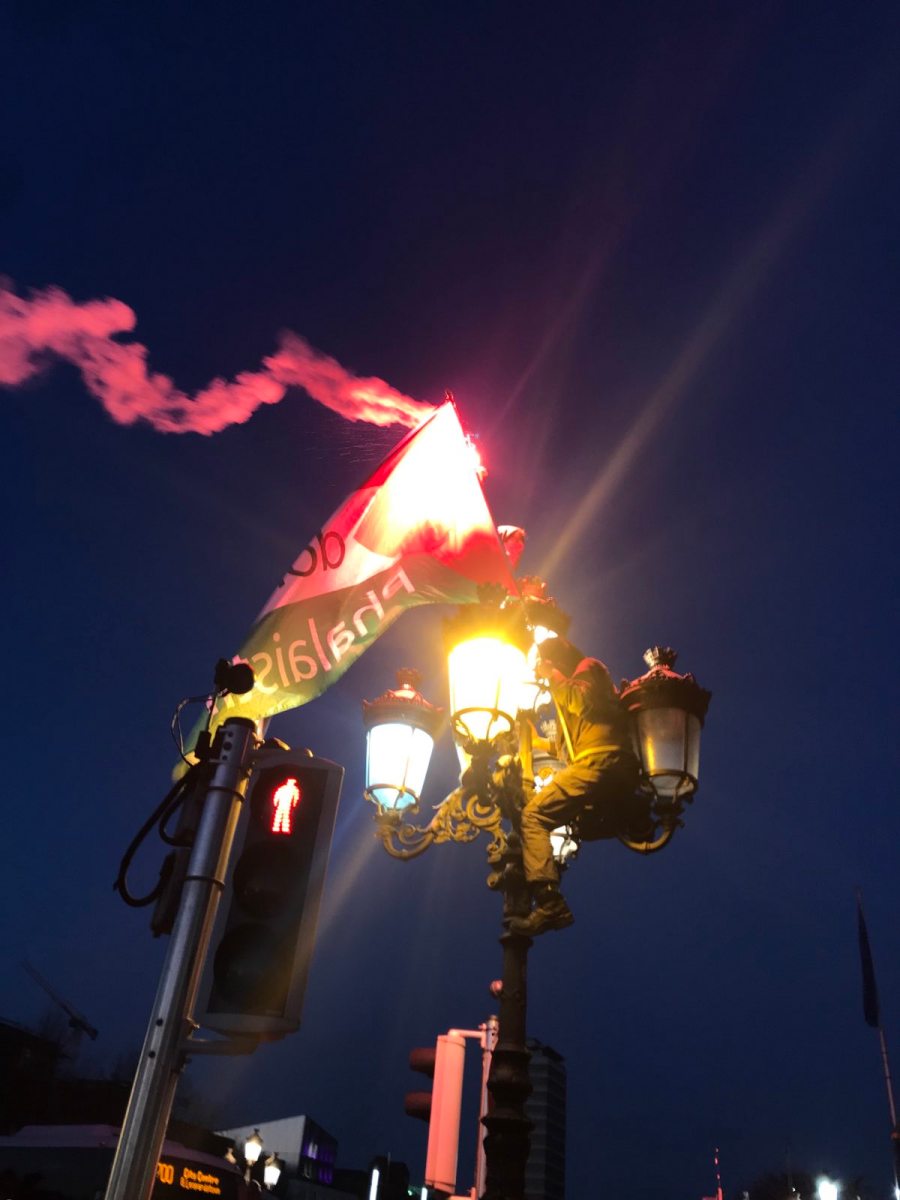
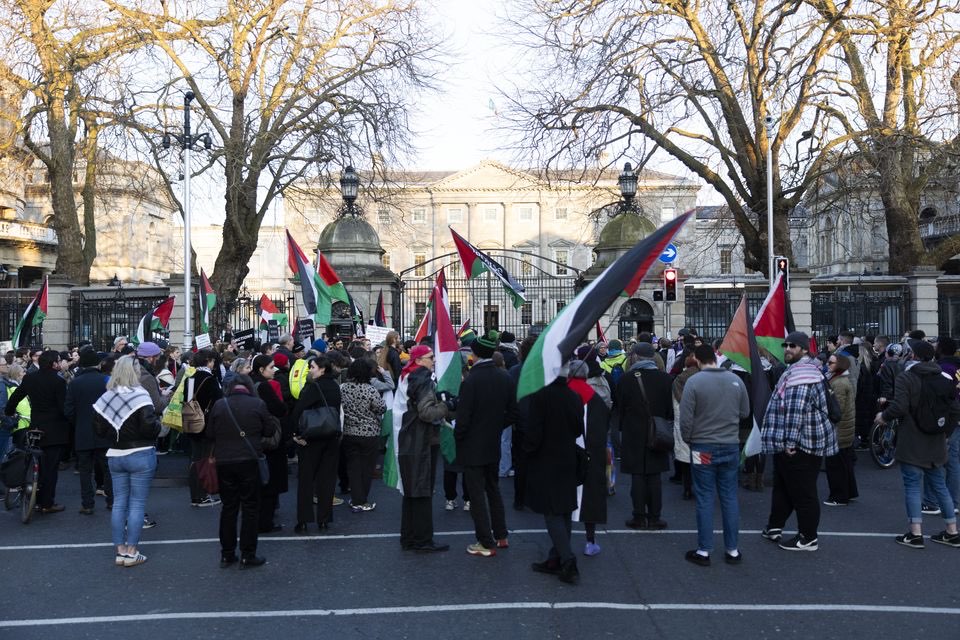
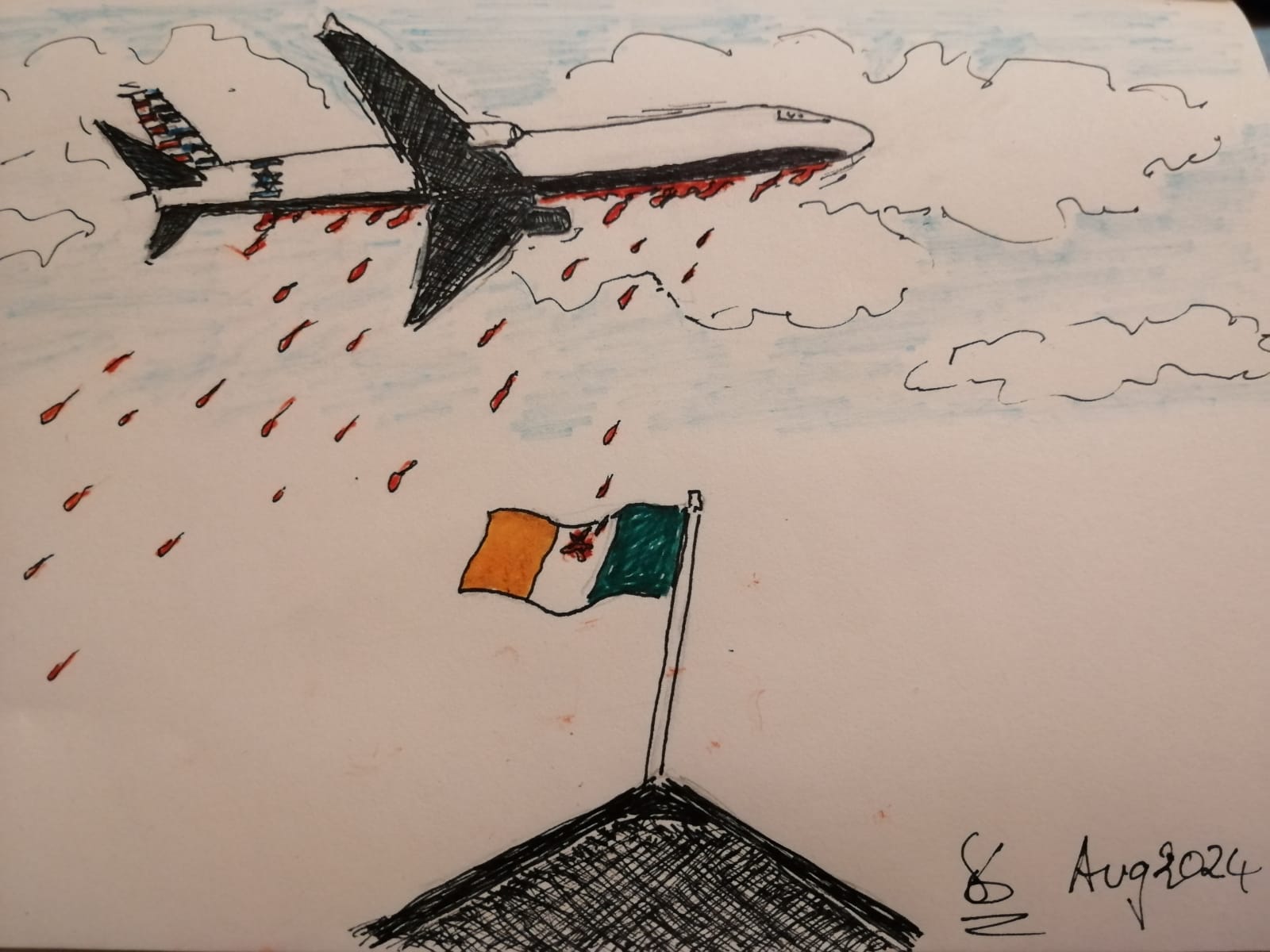
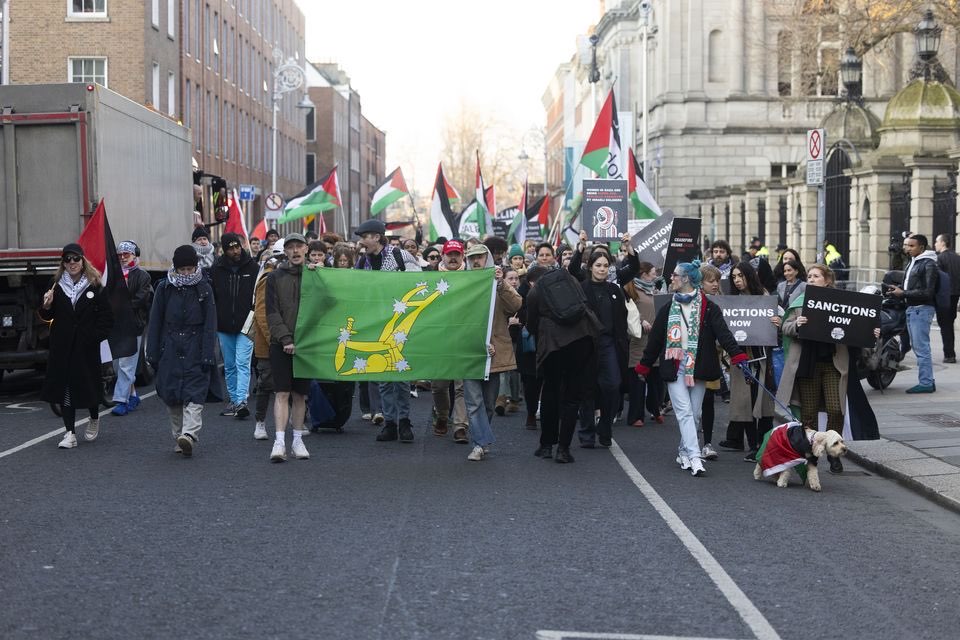

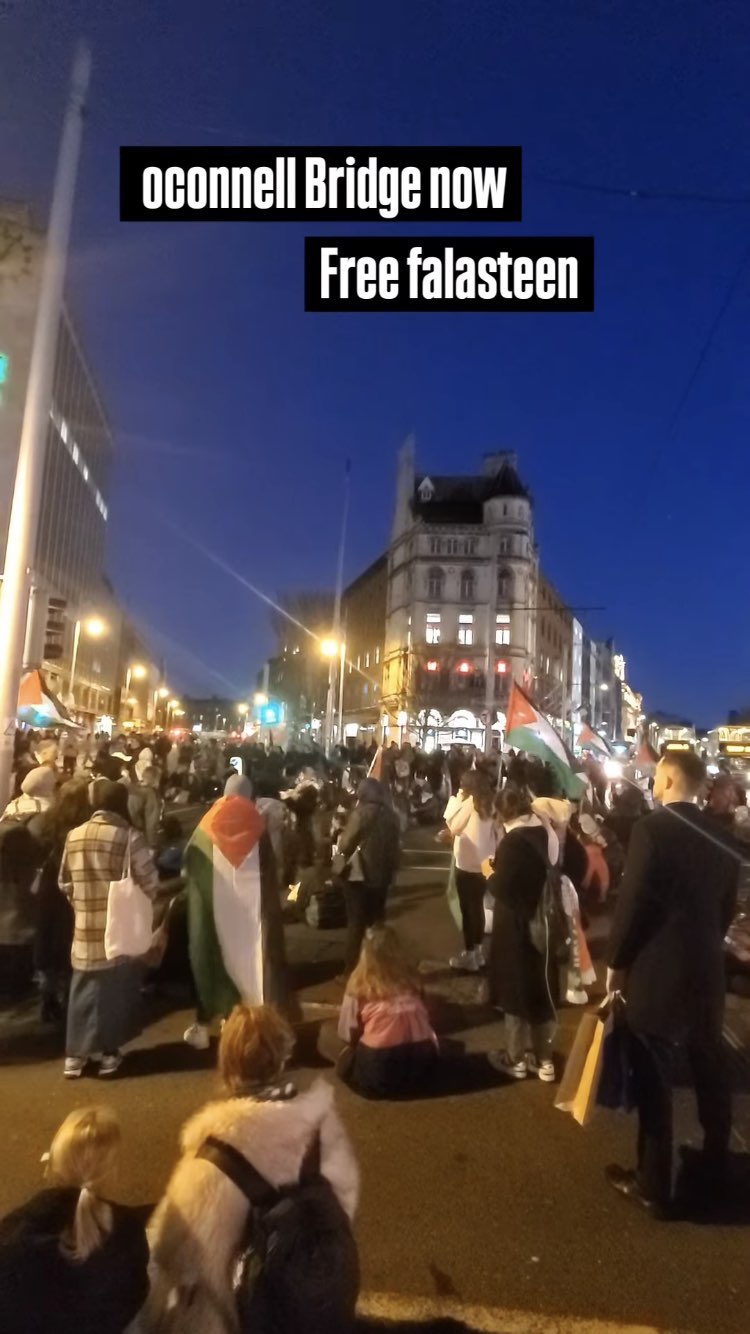
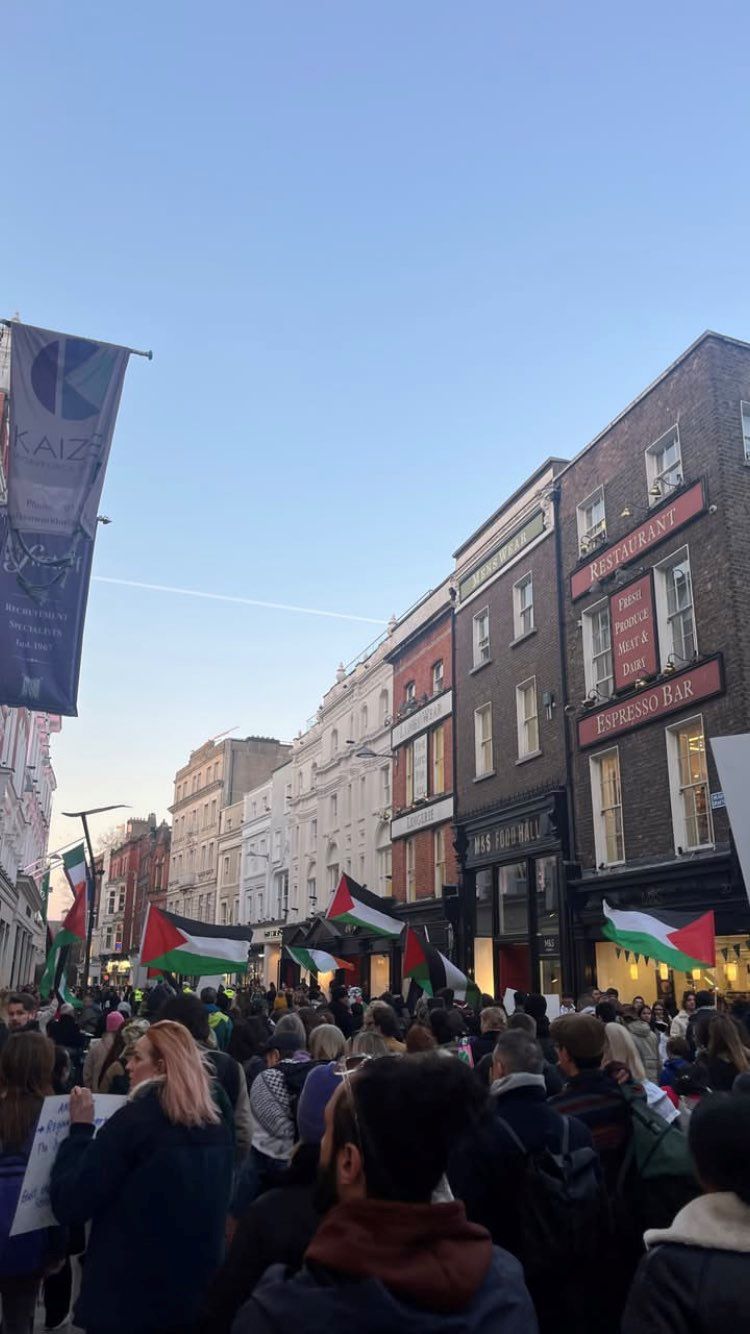
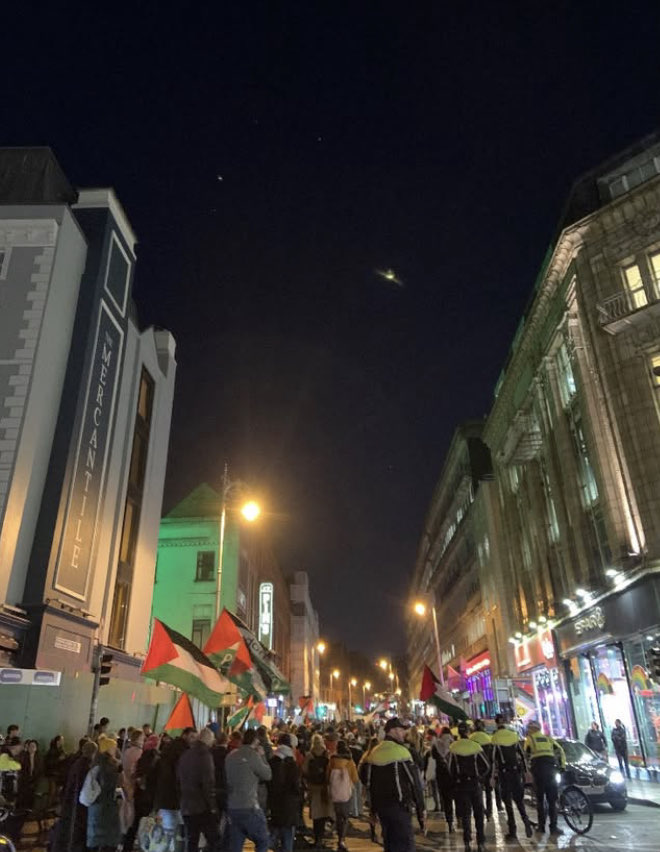
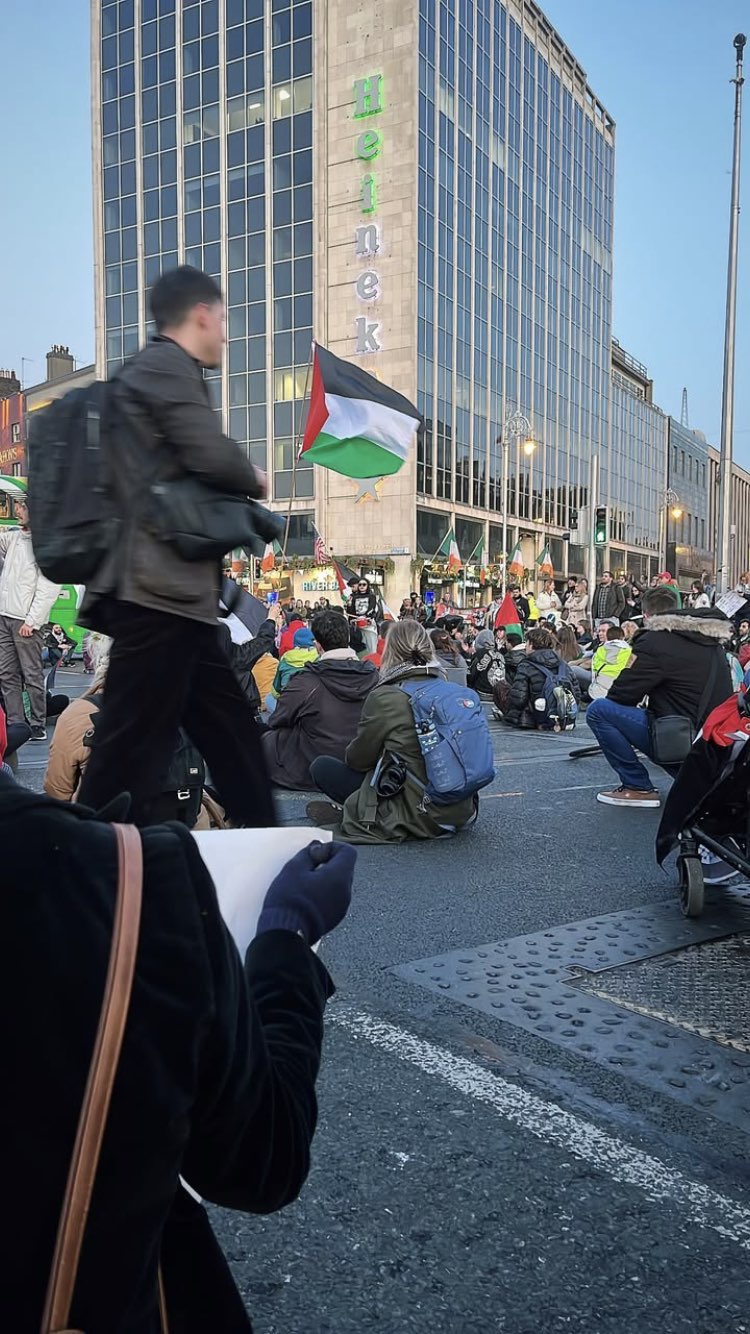
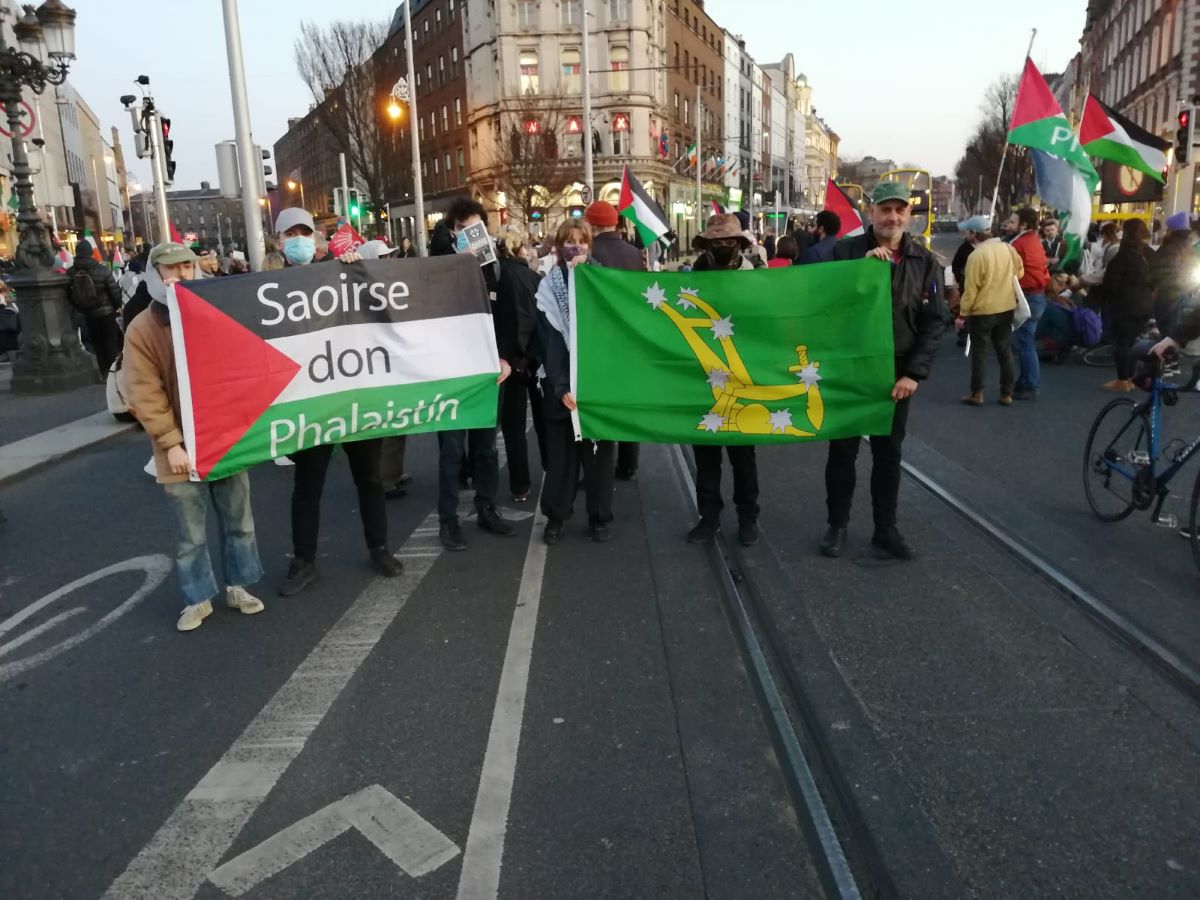


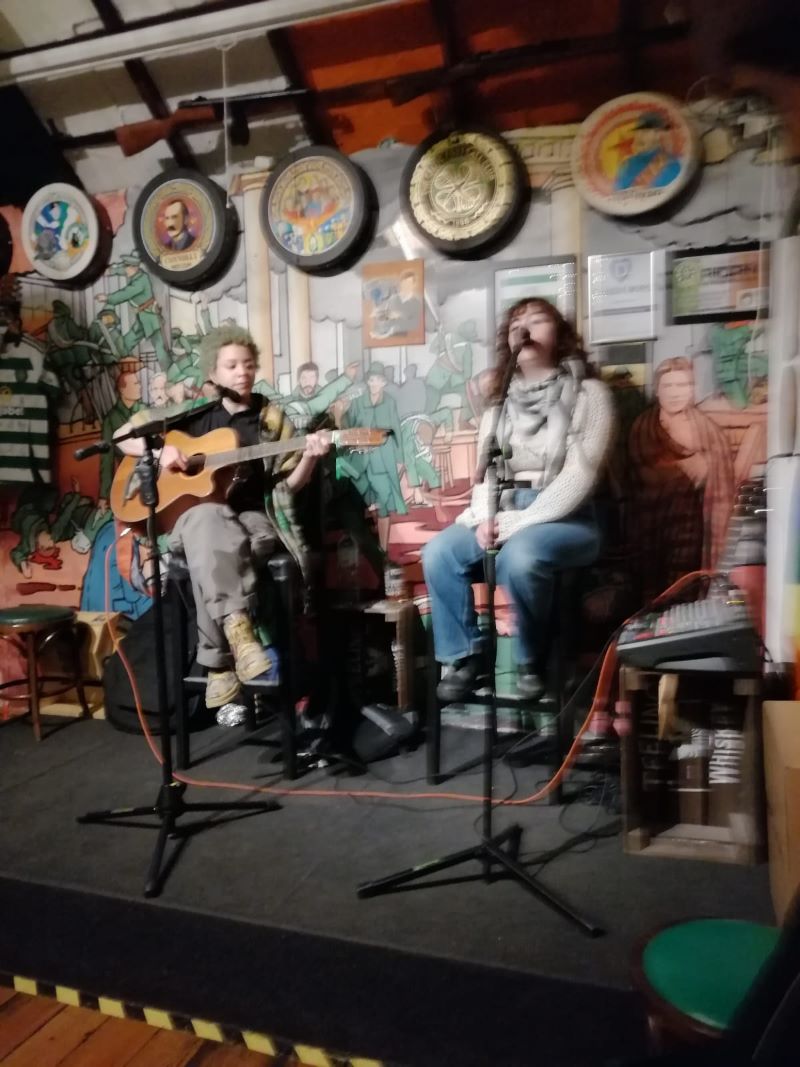
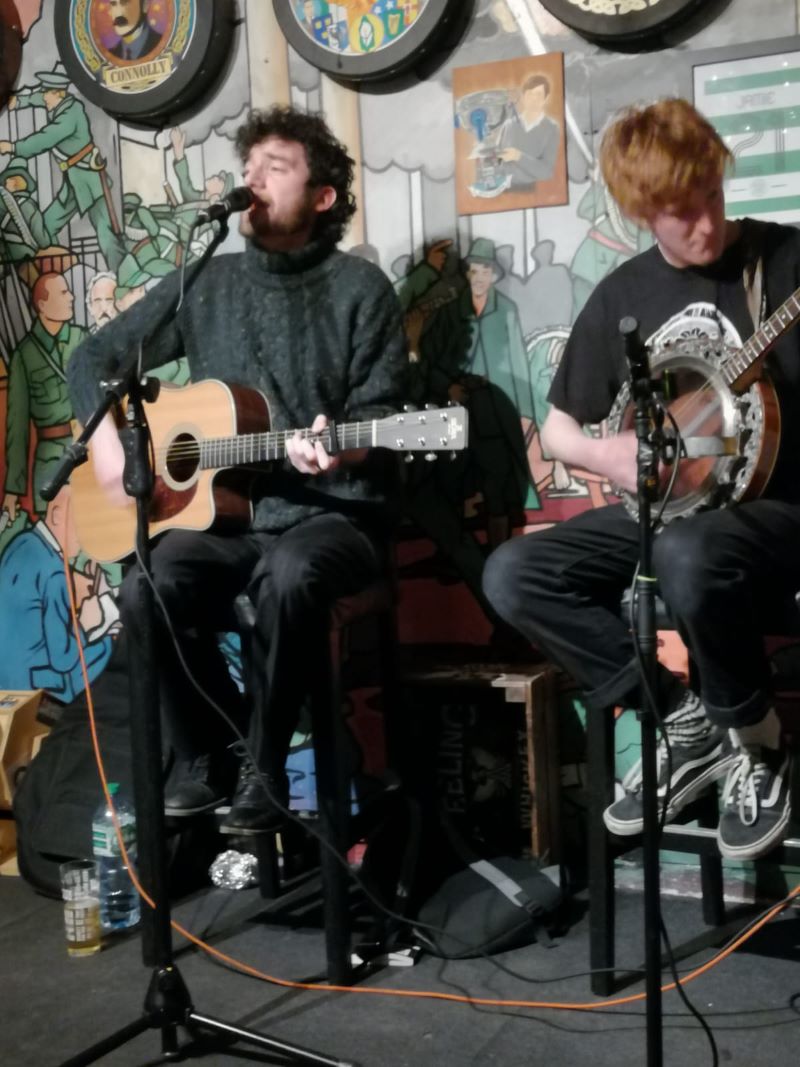


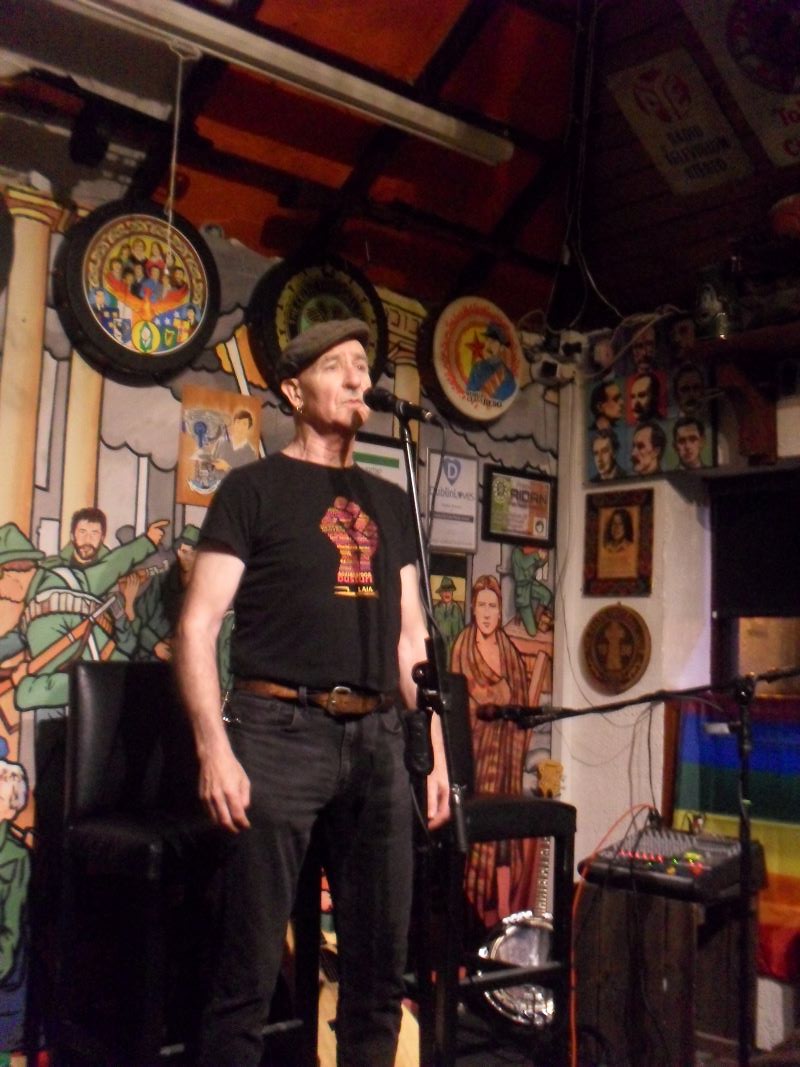
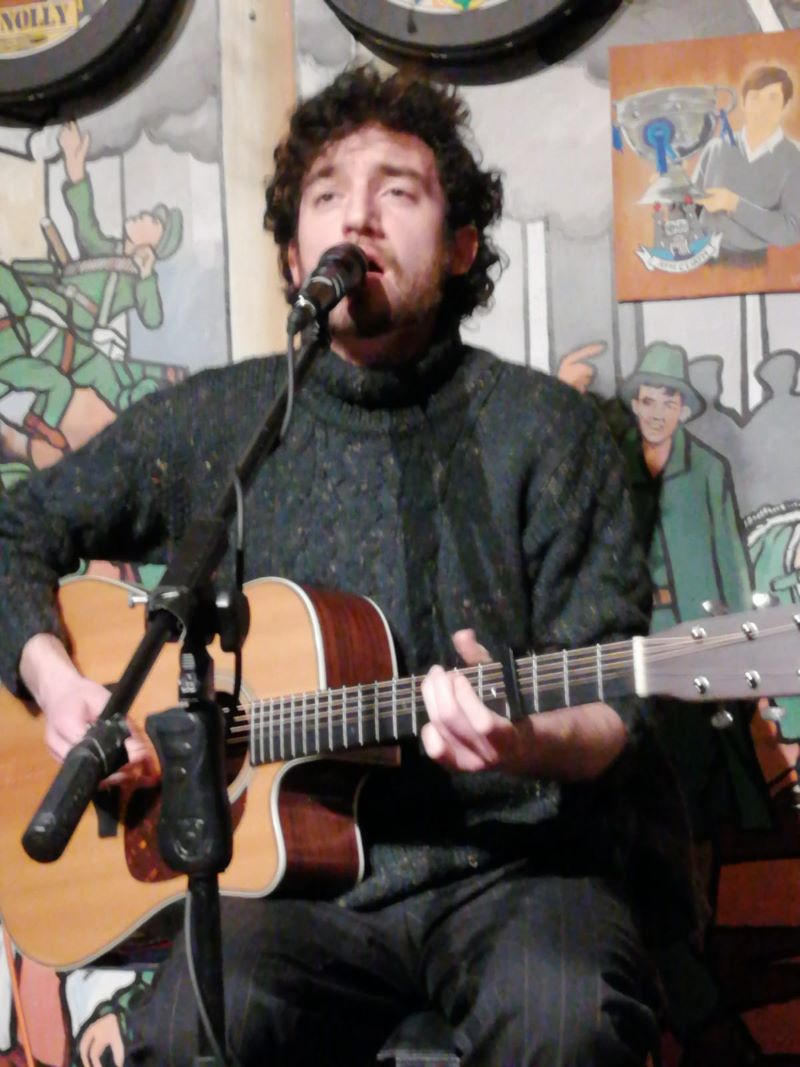
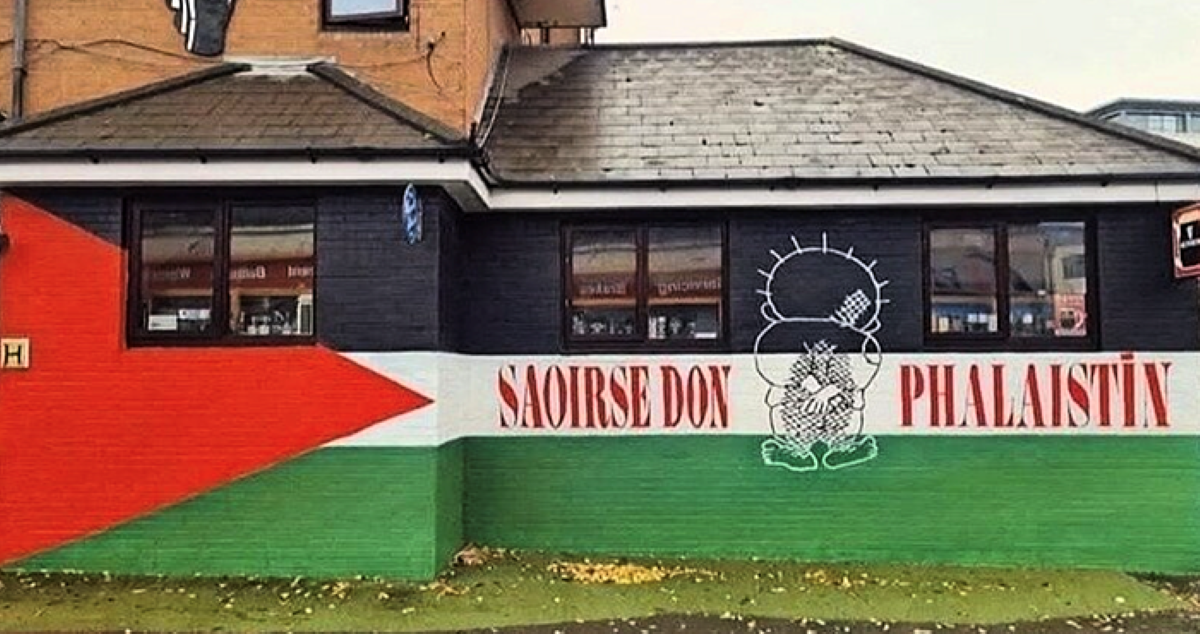


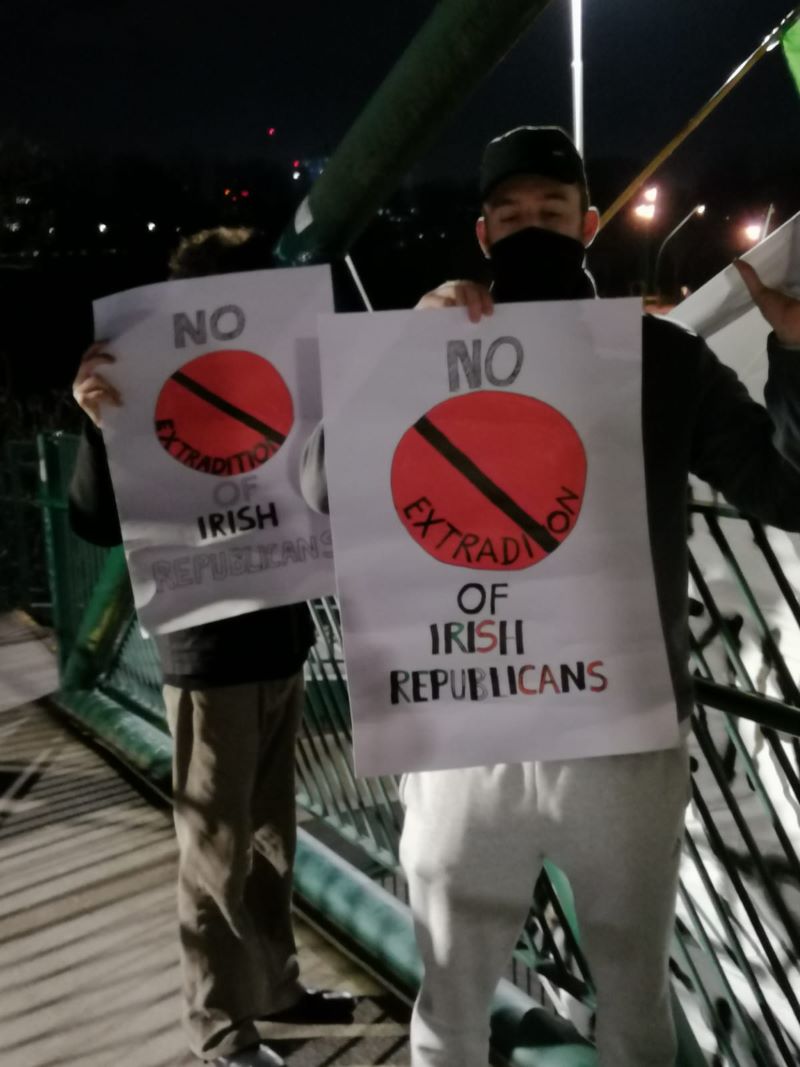




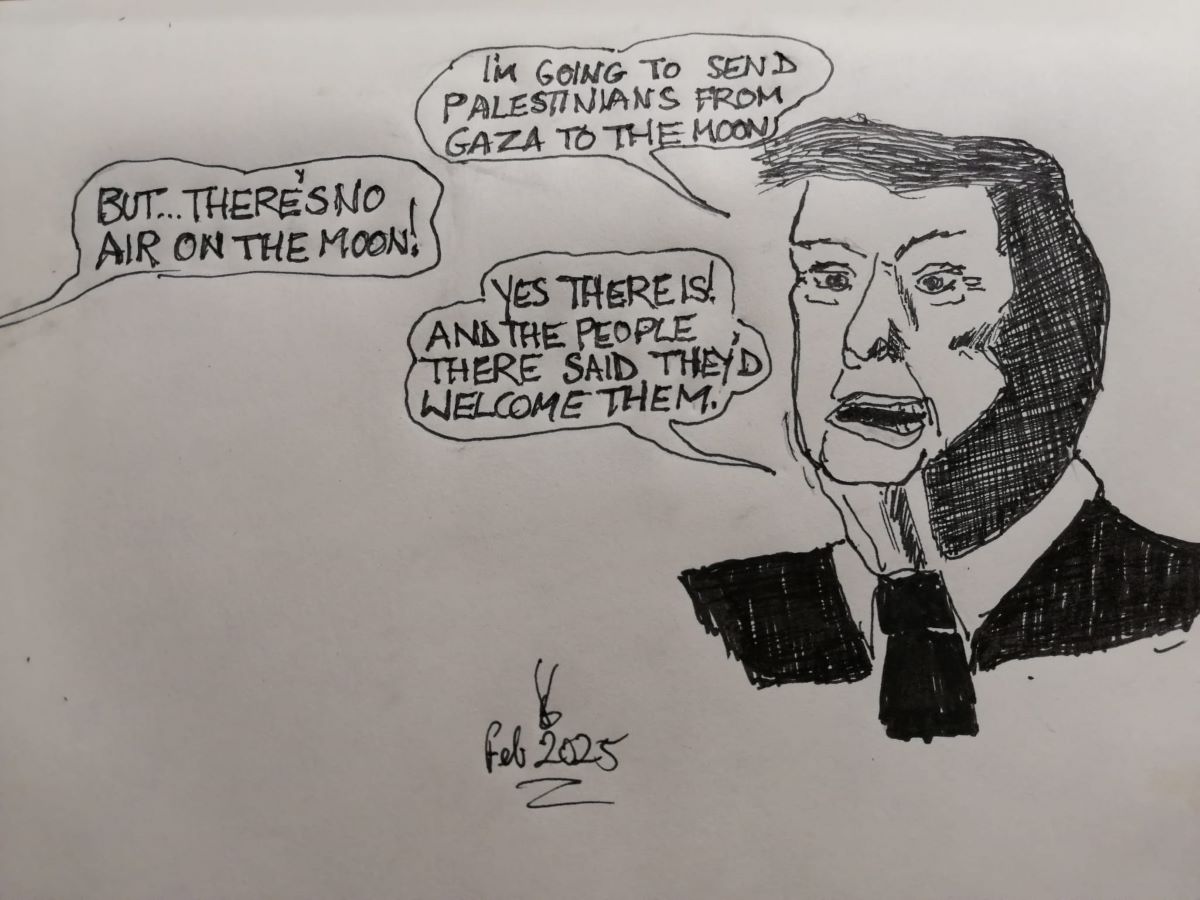
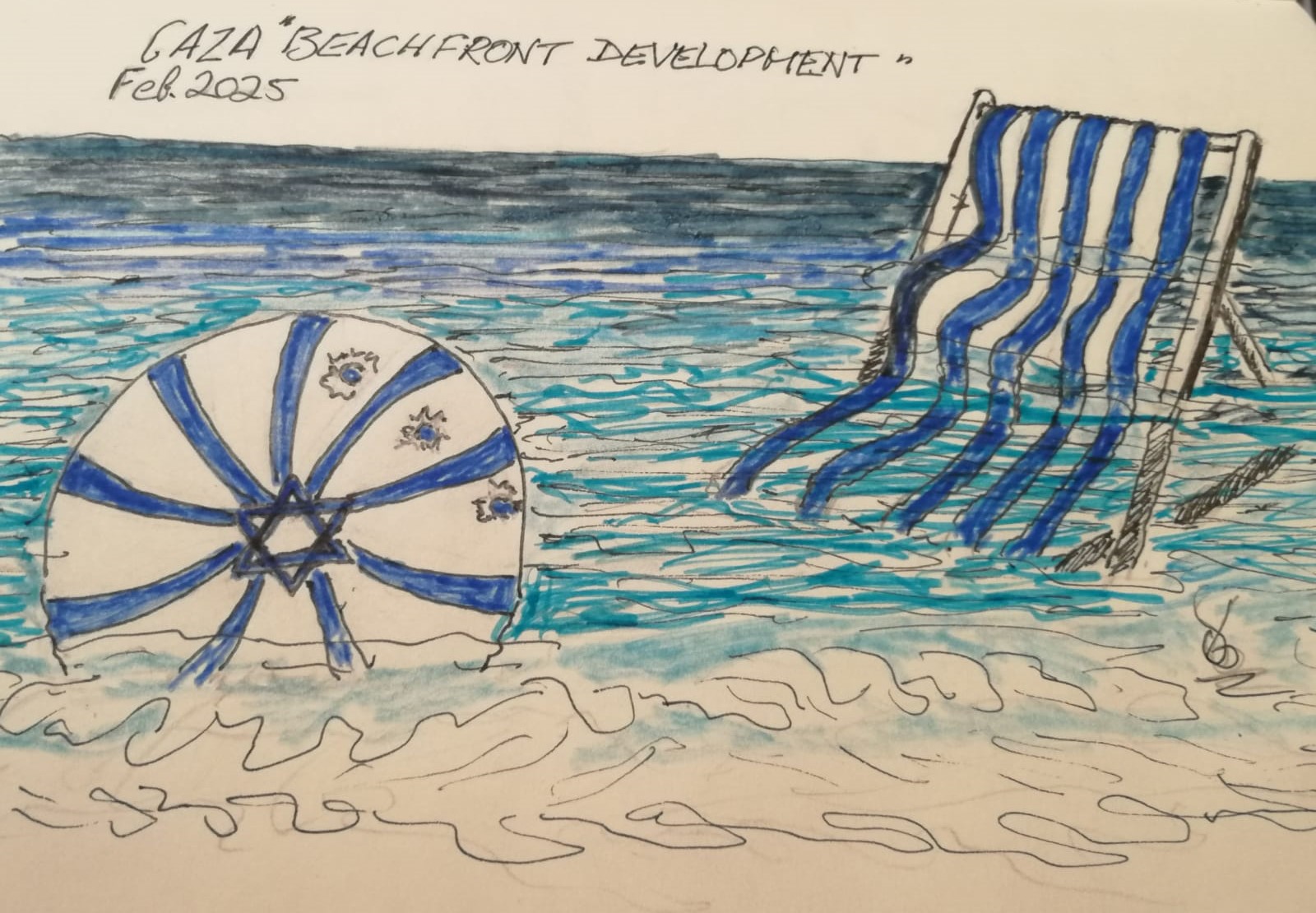


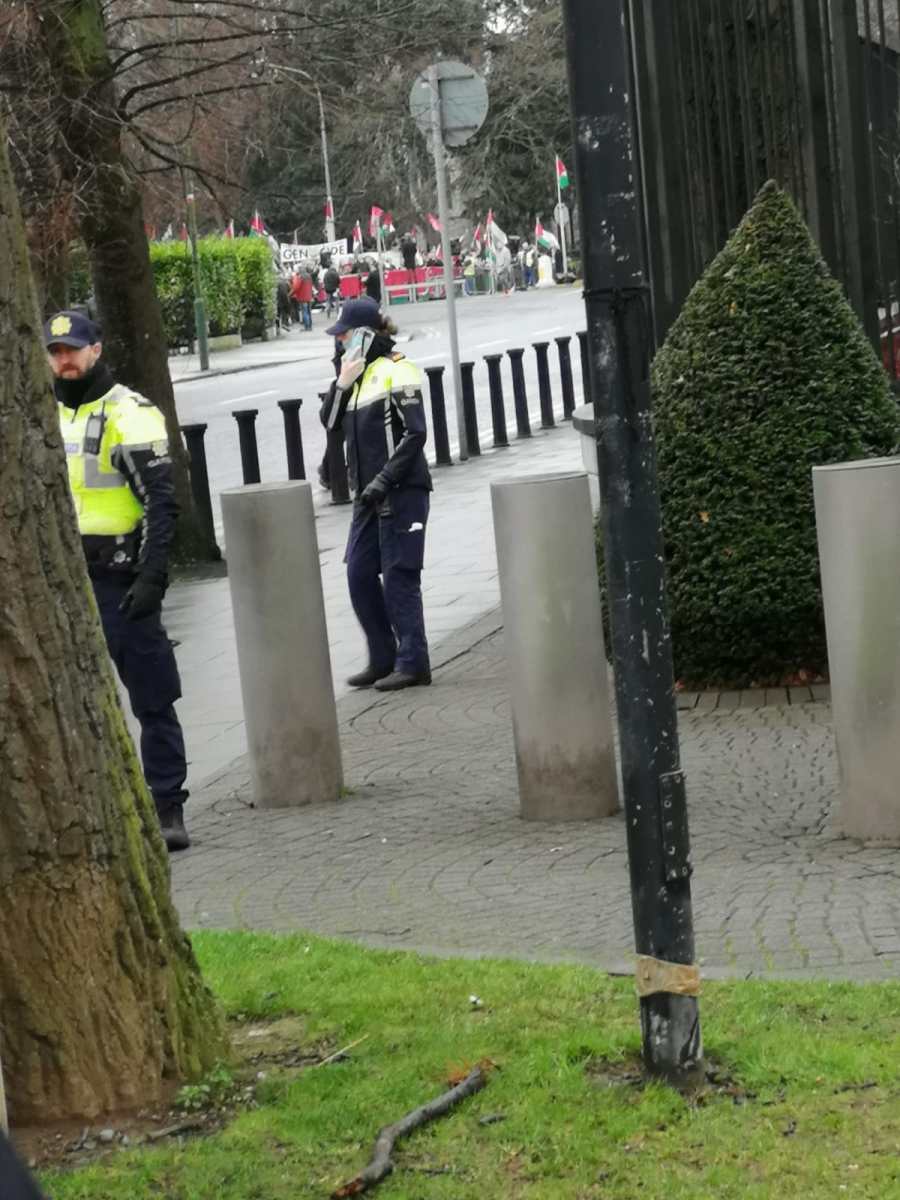


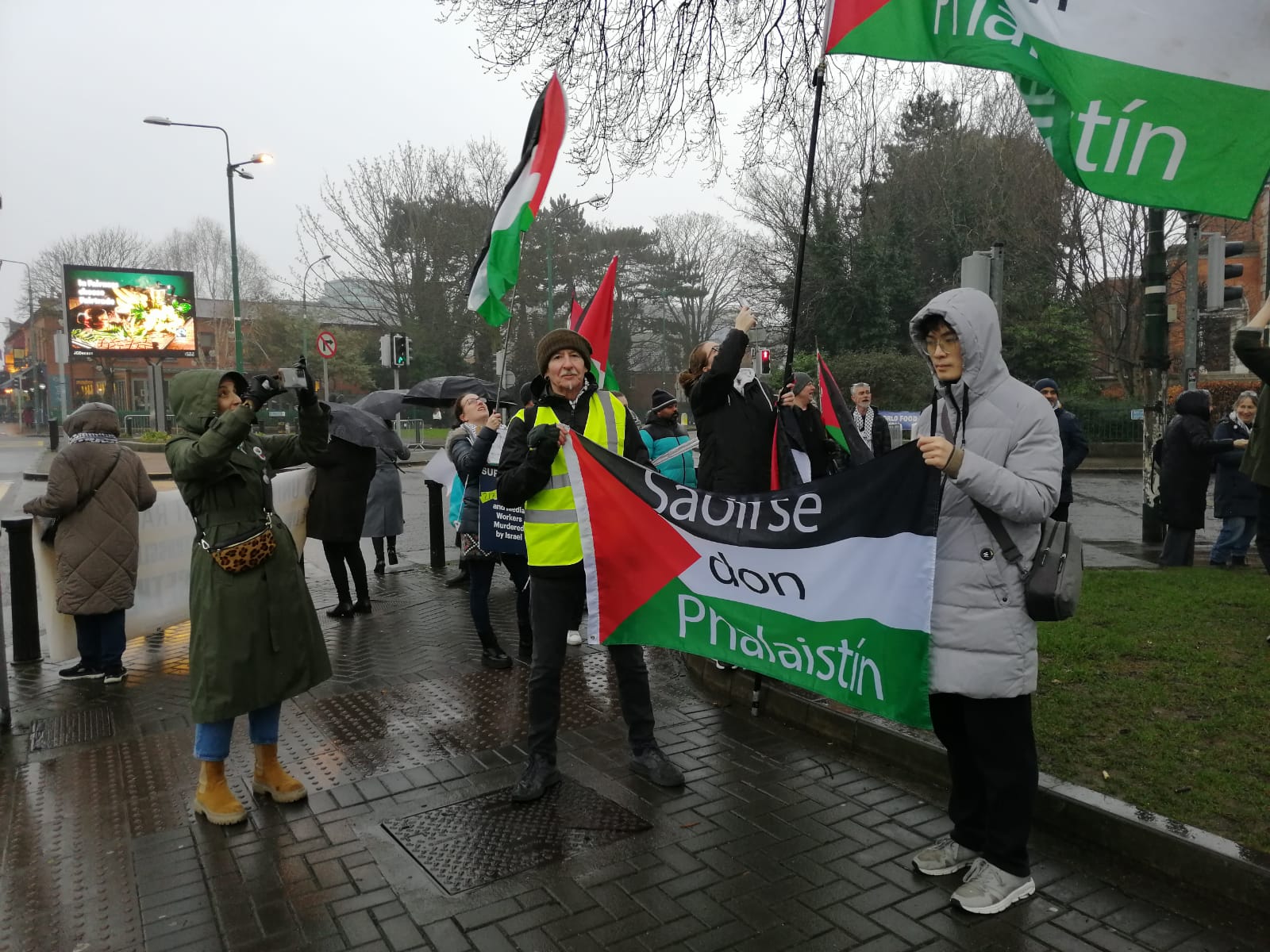


 rebelbreeze