Late Tuesday night and early hours of Wednesday morning an operation with large numbers of Gardaí and their helicopter circling overhead disturbed residents in the north Dublin city centre area of Berkeley Road and surroundings.
It looked like drug bust, hostage rescue situation or siege, but it was none of those things, instead being an eviction of four housing activists.1
Supporters of the occupation by the RHL gathered at short notice by Berkeley Road during the Garda operation but were roughly pushed far back by Gardaí from the building under attack (Photo: RHL)
The building had been “acquisitioned” by the Revolutionary Housing League which for a couple of years has been occupying buildings lying empty around Dublin in order to house homeless people and to inspire people to take over empty buildings to end the homeless crisis.
One of those buildings was the red-brick building on Eden Quay and corner of Marlborough Street; it had been operated by the Salvation Army as a night shelter for homeless young people but left empty for years after losing funding.
Supporters in front of James Connolly House occupation over a year ago. (Photo: Rebel Breeze)
On 1st May 2022, RHL2 activists ‘acquisitioned’ the building, renamed it James Connolly House and repaired a leak in the roof. In the early morning of 9th June 2022, an estimated 100 Gardaí (some reportedly armed) stormed the building with a Garda helicopter circling overhead.
Two RHL activists performing overnight security on the building were arrested and brought to court, where they declined to be bound over or to give an undertaking that they would not return to the building.
The Salvation Army said that they were renovating the building in order to house Ukrainian refugees. Not only was there no evidence of that in the building when it was occupied but it is empty still, over a year after that eviction3.
Garda evictions have taken place around other acquisitions of empty properties and RHL activists have on each occasion refused to commit to an undertaking not to occupy other properties.
Rather, the RHL has called for empty buildings to be occupied around the country.
The eviction this week
The massive Garda operation this week, including road-blocks, to evict RHL occupants of the Berkeley Road house. (Photo: RHL)
After the eviction in Berkeley Road, four RHL activists were taken to Court where they followed the previous pattern of refusing to be bound over or to promise not to occupy other buildings. Nevertheless they were released with a threat of jail-time if they re-occupied.
The lessee of the building, advertising as Cabhrú and formerly Catholic Housing Aid Society (Chas), has faced allegations of improper use of that building and another, Fr. Scully House on nearby Gardiner Street, some of which were borne out in an investigation by Charities Regulator.4
Supporters of the RHL occupiers outside the High Court (Photo: RHL)
The housing crisis
The numbers of homeless people in the the Irish state passed 12,000 for the first time in May this year and over 4,000 of those are children,5 nor do those figures include people defaulting on their mortgage loans, sleeping on the street or ‘sofa-surfing’ with friends and relations.
According to figures published in April this year, there are over 100,000 empty homes within the Irish state, not counting holiday homes (the Berkeley Road one was empty for three years).
Housing the homeless on the face of it can be accomplished without the revolutionary overthrow of the State and its Gombeen6 ruling class. All that is necessary is a public housing program financed by the State, which it could easily accomplish.
However, the stubborn clinging of the Gombeens to keeping a wide high-return market for property speculators, bank funders and big landlords, year after year as the housing crisis worsens, seems to indicate that a revolutionary remedy is necessary.
This week the Taoiseach,7 Varadkar, inferred that a contributory cause of the housing crisis was that homeless people had turned down alternative accommodation, a nonsensical claim since one person’s declined accommodation could just be offered to the next.
Addressing him in the Leinster House parliament, Sinn Féin TD8 Pearse Doherty9 took him to task for inferring that the homeless were to blame for their situation, in response to which Varadkar denied accusing the homeless and ungraciously amended his statement to “some homeless people”.
He went on to say that homelessness has a number of causes but neglected to name the principal one, viz. that the State does not supply funds to municipal authorities to provide public housing, leaving property speculators, banks and big landlords free to exploit the housing ‘scarcity’.
According to media reports, Doherty neglected to take this opportunity to point out the real cause of the problem and the solution, which confirms the doubts of those who say that his party is “Fianna Fáil Mark II”,10 with no intention to fundamentally alter the economic system in the state.11
Revolutionary Housing League flag on top of the occupied building during the massive Garda operation (Photo: RHL)
In conclusion
The housing crisis shows no sign of being resolved and the ruling class have ridden high-profile ‘shaming’ token occupations such as that of Apollo House in January 2017 without changing anything. RHL occupations do seem to show a way forward if they are widely emulated.
Heavy Garda operations on the one hand and comparatively light treatment by the courts on the other seems to indicate a determination not to tolerate this kind of direct action on homelessness while at the same time moderated by a fear of creating housing action martyrs.
Meanwhile the numbers of homeless grows by the month without any other credible solution in sight.
End.
FOOTNOTES
1This is the police force that has been described by its chief, Commissioner Drew Harris (formerly Asst. Commissioner of the colonial gendarmerie PSNI and therefore also MI5), as his “gang” but which seems unable to prevent serious assaults in the city centre, even in its main street.
2Originally Revolutionary Housing Union, later became RHL.
4Some of those included a friend of the charity’s Chief Exeutive being accommodated in the building allegedly providing only for the elderly, rooms being let to short-stay students without proper guarantees or rights and one of the houses being used as a business address.
8Teachta Dála, member of the Irish Parliament, equivalent to “MP”.
9Deputy leader of the party in the Irish parliament. Holly Cairns, leader of the Social Democrats also attacked Varadkar on the statement.
10Fianna Fáil is one of the two main government parties; originally a split from Sinn Féin led by De Valera, it has been in government more than any other party in the Irish state.
11A number of SF party leaders including its current president have publicly stated that big business has nothing to fear from their party.
For decades the US Dollar has dominated financial transactions across the world – backed not only by the USA’s industrial and agricultural output but by its imperialist domination of many economies and its military power.
But perhaps no longer, for now there is a serious competitor in the field, one with the acronym BRICS, from the first letter of the states that created it (in order of no significance): Brazil, Russia, India, China, South Africa.
Apart from the backing of powerful economies with more applying to join, this currency standard is based on the price of precious and semi-precious metals. The UK’s Sterling (and the Irish state’s, for a while) was based on silver but the Dollar has for many years been backed by … debt.
A currency is based on the assumption that every unit will be payable and backed by a unit (e.g. gold) of the declared value. But if the value unit markers of the US Dollar, in coins, notes, cheques and credit transfers were to be presented to the US Treasury, it could never pay them.1
In fact, it could not even pay a significant percentage of them and has been running a national defaulting on debt currency for many years, this year once again deciding to continue doing so to the tune of $31.5 trillion.
But is it really “redeemable” if all are presented? (Image sourced: Internet)
The USA has been able to continue doing this to date because so many of the world’s economies have been dominated by US Imperialism or in alliance with it; they fear that calling in the debt would lead to the collapse of the USA system and to their own interlinked financial structures.
BRICS consists of a financial alliance of economies of which their leaders for one reason or another feel in their interests to end the world dominance of the Dollar.
Previously, South Africa’s Foreign Minister Naledi Pandor said that there are 12 countries interested in joining the initiative.
Of the 12, she mentioned seven countries specifically, namely Saudi Arabia, United Arab Emirates, Egypt, Algeria, Argentina, Mexico and Nigeria. In March this year Russia announced its support for Algeria’s bid to join BRICS.
In April the expansion of that list interested in joining to 19 states was announced with formal applications from Algeria, Argentina, Bahrain, Egypt, Indonesia, Iran, Saudi Arabia and United Arab Emirates.
And with expressions of interest from Afghanistan, Bangladesh, Belarus, Kazakhstan, Mexico, Nicaragua, Nigeria, Pakistan, Senegal, Sudan, Syria, Thailand, Tunisia, Turkey, Uruguay, Venezuela and Zimbabwe.
(Image sourced: Internet)
COMMUNICATIONS, COMMON CURRENCY & LENDING BANK
Plans for an optical fibre submarine communications cable between BRIC members – partly motivated to avoid US National Security Agency spying on telecommunications in and out of the USA – have not advanced far since first discussed in 2012 but have not been abandoned.
Likewise, discussions of a common currency have not come to fruition yet either. However that may be more imminent.
As challengers to Western-led international currency, BRICS “in the order of the scale of GDP, now collectively outweigh not only the reigning hegemon, the United States, but the entire G-7 weight class put together” (former White House senior advisor Joseph W. Sullivan).2
The same commentator believes that such a common currency has a much greater chance of stability than the Eurozone, because of the geographic diversity of its members, which enables a broader range of goods and services.
(Image sourced: Internet)
The biggest attraction for applicants to join is probably access to loans from the New Development Bank to members for infrastructure projects, which is the NDB’s main advertised purpose. Heretofore, the IMF and the World Bank have been the main external lenders.
Both the latter institutions have imposed harmful changes on borrowing economies, often driving them further and deeper into debt and into greater dependency on western imperialism. Those lending institutions have also supported corrupt and oppressive regimes.
The NDB has authorised lending up to $34 billion annually, with South Africa the HQ for the African continent with a starting capital of $50 billion ($10 billion from each of the five founders) and so far has 53 projects underway worth around $15 billion total.
Should the NDB prove its ability to issue loans to nationally-desired projects without the penurious and destructive conditions currently attached to IMF and World Bank funding, many, many regimes in the underdeveloped world are likely to apply to BRICS for membership.
And should client regimes currently dependent on western imperialism refuse to jump across to BRICS, they may well face coups from more nationally-ambitious sections of their elites or insurrections from below.
IS BRICS A GOOD OR A BAD THING?
Some anti-imperialists, including some socialists, have been celebrating the creation of BRICS, some even proclaiming it as the financial reflection of a new anti-imperialist order.
Of the five founding economies, only one claims to be socialist. Capitalist economies, we know, tend to develop into imperialist ones, sometimes but not always invading the countries of other economies but always exporting surplus capital there to exploit labour and natural resources.
So some or all of the capitalist economies in BRICS currently are likely to become imperialist also.
That apart, having much or even all of the world’s economies divided between two blocs may give weak economies opportunities they would not otherwise have or at least a choice and perhaps the opportunity to bargain for the conditions of their relationship to world finance.
In other words, a return in many fundamental ways to the division of the world before the collapse of the Soviet Union.
A breakthrough the current financial structure to a new one?
THREAT OF WAR?
But does this bring the threat of world war, arms race, etc, as seemed to be always present between the USA and the USSR?
Possibly but the threat of world war is already very much with us, as US/NATO uses the Ukrainian regime as a proxy in its decades-long threatening encirclement of Russia, and also in its posture (not unrelated) towards Iran and the USA’s world competitor China.
The working class in countries that are part of BRICS will still be exploited and will need to overthrow their respective national ruling classes if they are to end that exploitation and also save the environment from destruction.
Imperialism always means war whether direct or by proxy, small or large, against competing economies or people resisting domination and exploitation. Since the end of WW2 alone the USA has been involved in 201 military interventions in 51 regions.3
In the same period, the UK has carried out 28 military interventions in Asia, Africa, Middle East, Caribbean and Europe4 and France 32 in similar regions.5 Competition for world resources between Germany and the UK and with France led to WW1 and again to WW26.
BRICS has been created anyway, whatever our opinion and is set to grow significantly, causing some big changes in the world as a result. In the short term this development is likely to be to the advantage of the smaller economies and even nations struggling for independence.
6. Other states were of course involved, including the imperial competition for the Pacific and Asia between the USA/ UK and Japan in WW2 with the SE Asian peoples, in particular communist-led Chinese fighting Japanese imperialism and of course in Europe the mighty contribution and sacrifice of the USSR against the fascist powers. But the initiation of both world wars was competition and contention between Germany, France and the UK.
The media announces that “the population of Ireland has reached 5 million … for the first time in 170 years”. Interesting – and a barefaced lie! The population of Ireland passed 5 million some time ago and is actually around 6.5 million now.1
Ireland remained with negative population growth until near the end of the last century – mismanaged for most of the population first by the British occupiers of the whole of the island, then by a combination of the native neo-colonial bourgeoisie and of the settler colonial ruling class.
Filling in a census form from which population statistics can be extracted (Photo sourced: Internet)
For more than a century the population of Ireland stood at around 5 million, static despite a high birth rate. This was mathematically possible only through continual massive emigration – mostly to English-speaking regimes: Britain, USA, Australia, New Zealand and Canada.
But it is true that 170 years ago it was more than 5 million – in fact it was around 8.5 million. And it is worth reflecting on how they were able to produce enough food domestically to feed that entire population while now, with a smaller population, we import as much as 80% from abroad.2
It was the Great Hunger that wiped out much of the earlier population, statistics somewhat hiding the pain and sorrow of millions of Irish in death, disease and emigration — and the great transfer of land for cultivation (and rent) to pasturage, with its dangerous environmental impact.
It provided an opportunity for growth of the Catholic Irish capitalist class, the Gombeens, huckstering money-lenders buying up the lands of afflicted neighbours.
The kind of class that the British could depend on in 1921 to manage the neo-colony and to murder and jail those of national liberation3.
Emigration kept population stats steady and, combined with unemployment, ensured a low internal home market for development. An educated workforce and natural resources could be developed but the Gombeen class opened it all to foreign multinationals rather than develop it themselves.
Even with foreign exploitation of the workforce at home, the education system turned out mostly emigration fodder: the Irish tax-payers funded an education system to provide a literate and numerate English-speaking workforces for capitalist exploitation abroad.
No wonder the Irish political class declined to give the Irish abroad a vote in the Irish state – unlike for decades any other state in the European Market. Yet during the 1930s through to the 1960s, money sent home by Irish migrants accounted for an estimated 30% of the Irish State’s economy.4
The Irish state remains a neo-colony with low taxation and other incentives for foreign companies to take over our few industries5 and local and foreign property speculators to rake in profits out of the despair of homelessness or of struggling to meet rent or mortgage payments.
A neo-colonial market for produce of foreign companies and to plunder not only our labour force, not only our natural resources on land, sea and wind and but even our infrastructures in transport and communication, energy, health service, water supply and even our city sanitation.
TRUNCATED
The announced statistics were truncated, appropriate perhaps for a truncated country, with the history behind those statistics not so much truncated as obliterated.
That is our present and our past but not how the future has to be – we can write our own future but we won’t do it by putting a mark on a ballot paper.
3The Irish Civil War or Counterrevolution, 1922-1923.
4I have read this in the past but am unable now to find the reference; however I have posted some references on the figures of remittances from Irish emigrants.
5 For a few examples of foreign takeover: Irish stout, beer and lagers (Guinness, Smithwicks, Harp); Irish whiskey (Paddy, Jameson, Bushmills); cigarettes (Afton); preserved vegetables (Erin); aviation (Aer Lingus); public transport (Transport for Ireland; LUAS); sugar (Irish sugar beet replaced by subsidised cane sugar from the USA); woodlands (Coillte).
Leaders of both mainstream unions in the Spanish state recently concluded an agreement with the employers of a 4% rise in their members’ wages in 2023 and of 3% for 2024 and 2025.
The deal is effectively a pay cut even on on average inflation and even worse on weekly inflation yet the leader of UGT celebrated the result.
Average inflation in the Spanish state, calculated on a wide range of products and services, was 8.83% in 2022 and is currently projected at 4.3%-4.87%. However the weekly inflation rate in necessities such as food, power, housing etc. as we know always runs substantially higher.
The trade unions concerned are the CCOO (Comisiones Obreras, founded during the Franco era by the Communist Party but no longer controlled by them) and the UGT (Unión General de Trabajadores, linked to the PSOE, Spanish social-democratic party currently in Government).
Except in the southern Basque Country and in Galicia, and in some particular workplaces in the Spanish State, the CCOO and UGT are by far in the majority in members and therefore in representatives (shop stewards, convenors).
Because the CCOO and UGT are also Spanish unionist, i.e opposed to independence for nations and regions within the Spanish state’s territory, they have been rejected in the Basque Country, where Basque unions ELA and LAB are in the majority, along with some smaller ones.
ELA is linked to the Basque Nationalist Party PNV, while LAB is controlled by EH Bildu, main party of the Basque patriotic Left. In Galicia too, the main trade union is Confederación Intesindical Gallega (CIG) and also in favour of independence for Galiza.
In Catalonia and Asturias, CCOO and UGT are by far in the majority though in Catalonia1, Intersindical CSC, which supports Catalan independence, is making progress. However, Intersindical there and in Galiza2 are ‘unions of class’ which the Basque unions are not.
L-R: Presidents of Employer Federations Cepyme Gerardo Cuerva and CEOE Antonio Garmendia with General Secretaries of CCOO and UGT Unai Sordo and Pepe Álvarez (Photo cred: Gabriel Luengas, Europa Press)
President , Antonio Garamendi; Gen Secs CCOO Unai Sordo & UGT, Pepe Álvarez May 2023 Gabriel Lluengas Europa Press
A ‘union of class’ maintains a philosophy of militant struggle and does not recruit from repressive organisations such as police and prison warders or from management levels.
Trade unions were established at enormous sacrifice by working people in strikes and other actions, suffering deprivation, physical attack by police, army and other hired goons, losing liberty in jail and penal colonies and often enough shot dead on the street or executed by the State.
Though by themselves trade unions can never lead to socialism, their struggles have advanced the economic and social conditions of working people in society. But as unions became an accepted part of capitalist society, they became institutionalised.
Their leaders and employees became more committed to the institution of the union than to its original purpose and perceived their role as being exercised within the capitalist status quo, their political allegiances generally reformist.
CCOO section with hospitality sector workers’ banner, Mayday parade, Madrid 2023 (Photo credit: Patricia Cinta, Christian Monitor)
Throughout most of the world, union hierarchies are betraying even the basic economic needs of their members, to say nothing of their social and political needs. Furthermore they often act as police, restraining what they perceive as too radical confrontations.
Yet it is impossible to conceive of a social revolution without mass action by workers and difficult to imagine that without mass workers’ organisation. In the absence of a revolutionary union of those dimensions, a unified militant grass-roots trade union movement is sorely needed.
End.
FOOTNOTES
1And in Paisos Catalans (Catalan countries) of Valencia and the Balearic Islands in the Spanish state and Pau in the French state.
On Sunday participants in a 1916 Rising Commemoration organised by the Irish organisation Anti-Imperialist Action were harassed by police as they gathered to march to the Irish Citizen Army Republican plot in Glasnevin Cemetery.
Six political police in plain clothes walked among those gathered beside Phibsborough shops demanding names and addresses of the participants, most of whom were fairly young. Four uniformed Gardaí also stood nearby and a Public Order Unit van parked at the cemetery entrance.
The participants declined to be intimidated and set off on their march, led by a lone piper playing Irish marching airs, followed by a colour party with different banners interspersed among the marchers, among which fluttered many flags.
Organisers had learned that the coach carrying members of the Republican Flute Band from Scotland that was to lead the parade had been prevented by police there from taking the ferry to Ireland.
Centre photo: Four of the six plainclothes political police violating the civil rights of the peaceful people commemorating the Easter Rising. (Photo: D.Breatnach)Centre photo, another two plainclothes political police. The bald man joked while he harassed people. (Photo: D.Breatnach) (Photo: D.Breatnach)
Historical background
In 1916 a broad alliance the Irish Volunteers, Irish Citizen Army, Cumann na mBan, na Fianna Éireann and Hibernian Rifles1 took part in a Rising organised by the Irish Republican Brotherhood against British rule in Ireland and against world war.
Due to a number of unfortunate circumstances, the leader of the Volunteers cancelled the Rising which however went ahead a day later than planned and was for the most part confined to Dublin, where a third of the numbers in the original plan took part and fought for a week.
The occupying British Army shelled the city centre from a gunship in the river Liffey and also from artillery on land. Explosions and resulting fires destroyed much of the city centre including the General Post Office in the main street, which had been the headquarters of the insurrection.2
After a week with the city centre including the GPO in flames, the rebel garrison evacuated to Moore Street where the following day, surrounded and vastly outnumbered, the decision was taken to surrender.3 A British military court passed death sentences on nearly a hundred prisoners.
All but fifteen of those sentences were commuted to long jail periods but the seven Signatories of the 1916 Proclamation4 and another seven were shot by British firing squad in Dublin, a fifteenth in Cork and after trial months later a sixteenth was hanged in Pentonville Jail, London.
At Easter 1917 Irish Republican and Socialist women commemorated the 1916 Rising; ever since then Irish Republicans and sometimes Socialists in Ireland and in many parts of the diaspora have commemorated the Rising, whether legally5 or otherwise, in jail or at liberty.
The War of Independence began in 1919 with many of the Rising’s survivors participating6.
(Photo: D.Breatnach)
(Photo: D.Breatnach)
(Photo: D.Breatnach)
The Parade on Sunday – local and national historical memory marked
At Cross Guns Bridge over the Royal Canal the parade halted and flares were lit in memory of events there in 1916.
Marching along the Cabra Road, the wall and a watchtower of the north side of Glasnevin Cemetery on the left of photo. (Photo: D.Breatnach)
On Easter Monday 1916 a small group of Irish Volunteers had marched from Maynooth along the canal bank to join the Rising in Dublin and found guarding the bridge two Irish Volunteers who advised them to wait until the following day to go into the city centre.
The Maynooth group spent the night in Glasnevin and the following day marched into the GPO, passing an empty Cross Guns Bridge on the way. Back towards Phibsborough, British artillery had blown a barricade and killed Seán Healy, a Fianna member at the Nth. Circular Road crossroads.
Later, the Dublin Fusiliers unit of the British Army blockaded the bridge, preventing people from crossing it in either direction. They shot dead a deaf local man who failed to heed their challenge because he did not hear it.
We Serve Neither King nor Kaiser but Ireland declared one banner carried last Sunday, Britain/NATO Out of Ireland another, This Is Our Mandate7, Our Republic and Collusion Is No Illusion, It Is State-Sponsored Murder were another two.
A large banner also declared alongside the image of James Connolly that Only Socialism Can Be the Solution for Ireland. Some organisations also carried their own banners, such as those of Dublin Independent Republicans, Ireland Anti-Internment Campaign and Irish Socialist Republicans.
Flags fluttering included those bearing the logo of the organising group Anti-Imperialist Action and others bearing the slogan “Always Anti-Fascist”, green-and-gold Starry Ploughs, a couple of Ikurrinak (Basque flags) and another two of Red with Hammer & Sickle in yellow.
Basque and antifascist flags (Photo: D.Breatnach)
At the Monument: speeches and songs
At the monument (Photo: D.Breatnach)
Glasnevin Cemetery (ReiligGhlas Naíonn) covers over 120 acres in North Dublin city and is in two parts, each with Republican Plots separated by the Cabra Road and contains the graves of both famous and ordinary people.
On the north side there is also access to the Botanic Gardens, both on the south banks of the Tolka river. The imposing Monument to numerous Republican uprisings and the Irish Citizen Army Republican plot is on the south side, across the pedestrian bridge over the railway line.
(Photo: D.Breatnach)
A man chaired the event for Anti-Imperialist Action and spoke briefly, introducing people for readings (all of which were from James Connolly) and for orations. The presentations of these were evenly divided between men and women, three of those being of young people.
Three songs were sung: a woman sang The Foggy Dew (by Charles O’Neill) and Erin Go Bragh (by Peadar Kearney), while a man sang Patrick Galvin’s Where Is Our James Connolly? Two women read out pieces by James Connolly and another read out the 1916 Proclamation.
Person chairing the event (Photo: D.Breatnach)
The words of the chairperson and of those giving orations were different but there were common themes: upholding the historic Irish spirit of resistance, the importance of the working class in history and the objective of a socialist Republic encompassing the whole of the Irish nation.
These words were balanced by denunciation of US and British imperialism and the colonial/ NATO occupation of the Six Counties by the latter; the Irish client regime; the special no-jury courts8 of both administrations in Ireland and repression by police forces and occupation army.
One of the singers (Photo: D.Breatnach)
One of the readers (Photo: D.Breatnach)
One of the readers (Photo: D.Breatnach)
Also denounced were those political parties that had abandoned the struggle for the Republic and instead had become part of the colonial and neo-colonial administrations or, in the latter case, were on their way to becoming so.9
Floral tributes were laid by representatives of a number of announced organisations and then others came forward to lay floral tributes also. The colour party lowered flags for a minute’s silence in homage and salute before slowly raising them again and the piper played Amhrán na bhFiann.
The other singer Lowering of the colour party flags in homage to the fallen in the struggle (Photo: D.Breatnach)Colour party raises flags again in symbolism of the struggle continuing (Photo: D.Breatnach)
The chairperson thanked all for attendance, listing organisations by name and cautioning all to stay close together as they left, due to the threatening presence of Gardaí and in particular the Public Order Unit. In the event, the celebrants exited the cemetery and dispersed without incident.
1A small unit, an armed wing of a split from the more socially conservative USA version of the Ancient Order of Hibernians, their participation in the Rising was notable.
2Photos of much of the destruction are available on the Internet and accessible by search browser.
3The terrace they occupied still stands and is the object of a historical memory and conservation struggle against property speculator plans approved by the municipal city managers and Government political parties (see smsfd.ie).
4A remarkable document, the text of which is available from many postings on the Internet.
5Irish women commemorated it in public in contravention of British WWI martial legislation in 1917 and 1918 and for decades the public commemoration of the 1916 Rising (and even the flying of the Irish Tricolour) was forbidden in the British colony of the Six Counties with attendant colonial police attacks on any attempt to do so.
6Sometimes inaccurately called “the Tan War” (reference to a special colonial police auxiliary force that became known as the “Black n’ Tans”), the war saw the birth of the IRA and lasted from 1919-1921. A British “peace” proposal opened deep divisions in the nationalist coalition and was followed by a Civil War 1922-1923, in which the pro-Treaty government and armed forces were armed and supplied by the British to defeat the Republicans in a campaign of repression and jailing, military actions, kidnapping and torture, murder of prisoners, assassinations and over 80 formal executions.
7Also displaying text referring to the First Dáil’s Democratic Program of 1919.
8The Diplock court in the colony and the Special Criminal Courts in the Irish State, political special courts in all but name, with low proof bar and abnormally high conviction rate and refusal of bail while awaiting trial.
9References to 1) the 1930s split from the Sinn Féin party, the Fianna Fáil political party that became a preferred Government party of the foreign-dependent Irish ruling bourgeoisie and 2) to the Provisional Sinn Féin party who endorsed the British pacification plan in 1998 and embarked on the road to becoming a party of reformist nationalism in the colony and is heading for neo-colonial (and neo liberal capitalist) coalition government at the moment.
First published in “Socialist Democracy” December 2022, republished here with kind permission of author.
The death of Vicky Phelan on November 14th was announced by the media. They were full of praise for a woman who was a victim in the cervical smear scandal.
She was one of over 200 women whose cervical smear tests were outsourced to a private US company, which gave back erroneous results.
Women who could have received treatment went on to develop cancer and in the case of Vicky Phelan die. But she didn’t just die. She was murdered.
Engels in his famous tract The Condition of the Working Class in England stated that
When one individual inflicts bodily injury upon another such that death results, we call the deed manslaughter; when the assailant knew in advance that the injury would be fatal, we call his deed murder.
But when society places hundreds of proletarians in such a position that they inevitably meet a too early and an unnatural death, one which is quite as much a death by violence as that by the sword or bullet; when it deprives thousands of the necessaries of life, places them under conditions in which they cannot live – forces them, through the strong arm of the law, to remain in such conditions until that death ensues which is the inevitable consequence – knows that these thousands of victims must perish, and yet permits these conditions to remain, its deed is murder just as surely as the deed of the single individual; disguised, malicious murder, murder against which none can defend himself, which does not seem what it is, because no man sees the murderer, because the death of the victim seems a natural one, since the offence is more one of omission than of commission.(1)
The Irish state has for a long time deprived its population of the necessaries, as Engels put it, of life in relation to health care. One of the first politicians to wreak havoc in the health system in pursuit of her ideology and profit was Mary Harney.
Mary Harney, former Health Minister who set up the Irish health service for privatisation – guilty of murder through neglect. (Photo sourced: Internet)
She and her party the Progressive Democrats were ideological in their commitment to the privatisation of health care. Under her rule and that of successive governments, the health service was privatised.
First, they ran it down, closing hospital wards and reducing the number of beds in the health service, paying Consultant Doctors extravagant salaries, allowing them to moonlight as private consultants, whilst there are now around one million people on public waiting lists.
The system is a shambles and compares poorly in terms of speed and quality of care to even Third World countries.
At the same time a private health care sector has arisen and expanded, all the time promoted by the state through tax breaks and discounts for the companies with affiliates being able to write off part of their private health insurance against tax.
In other words, a public subsidy to the health companies paid for through the taxes of many people who cannot afford to use these services. The Irish health service does not exist to provide health care but rather to generate profit. It is important to understand what this means in practice.
If profit is the motive, then the law of supply and demand takes over and prices and the quantity of services are calculated on the same or similar basis to the sale of a car. It also means that in order for some to be treated and live, others must die.
It is an intrinsic part of the system and they know it. For health care to be profitable some must not have full access to it, some must die in order for others to make profits. If everyone can access cancer treatment without problems then there is no need for private medicine.
This is not the situation in Ireland. Public services are run down in order to encourage private medicine and profit.
It is in this context that the Health Service Executive outsourced the testing of cervical smear tests not only to a private company, but to one in another jurisdiction. Money was to be made, and to hell with the consequences.
Dr David Gibbons, a former member of the screening programme, said he expressed concerns about the outsourcing of smear tests to the US in 2008 but they were dismissed.
Tony O’Brien, former head of the National Cancer Screening Service and Director General of the HSE until 2018 — another one of the guilty (Photo sourced: Internet)
Gibbons, chair of the cytology/histology group within the programme’s quality assurance committee, brought up his worries with Tony O’Brien, then chief executive of the National Cancer Screening Service and director general of the HSE until 2018, but they were not listened to.
Dr Gibbons resigned as a result. O’Brien defended the decision to outsource the testing saying that tests would have otherwise been left idle for a year or been examined by doctors “on their kitchen table”.(2)
Why would they lie idle for a year? Because they had decided not to spend money on it. Why would doctors end up examining them on their kitchen table? Because the facilities weren’t there.
When it all went wrong, they dragged their heels on informing the women, and this is where Vicky Phelan comes in.
She was diagnosed with cancer in 2014, but only informed of the false negative from the unapproved labs used by the HSE in 2011 and sued the US company and the HSE, but her case against the HSE was struck out.
The cat was out of the bag, however, but they continued to drag their heels on informing women that they may in fact have cancer and they stuck by their accountancy guns and continued to outsource the tests.
As Engels stated they know these victims will perish and yet permit the conditions to continue.
When she died, the great and good in Irish society expressed their praise for her. The murderers came back to the crime scene in a perverse act to say “It wasn’t me, I didn’t do it”. The Taoiseach, Micheál Martin stated on Twitter
Very saddened at the passing of Vicky Phelan, a woman of great courage, integrity, honesty & generosity of spirit. She will be long remembered as someone who stood up for the women of Ireland, & globally.(3)
The Tánaiste Leo Varadkar, for his part, was brazen in his Janus-like abilities.
Today Ireland has lost a woman of limitless courage, compassion and strength. I want to extend my deepest sympathies to Vicky’s family, particularly to her children on the loss of their incredible mother.
Vicky was a shining example of the power of the human spirit. Her fight to uncover the truth and the courage with which she faced her illness made her an inspiration to us all. We mourn her as a nation, as a society, and as individuals.(4)
Both of these men bear responsibility for what happened. To listen to them you would swear they were talking about some social justice warrior in a far-off land who stood up to a government that the Irish state is not on good terms with.
Condolences from murderers by neglect, Taoiseach Mícheál Martin and Tánaiste Leo Varadkar, presiding over the privatisation and degradation of the Irish health service. (Photo sourced: Internet)
Varadkar was a government minister in 2011 when Vicky Phelan was tested. He was Minister for Health when she was diagnosed with cancer and he was Minister for Social Protection when she was eventually informed about the mess up with her results.
Martin has been a T.D. in the Irish parliament (Dáil) since 1989 and has served as a minister on and off since 1997 and is the current Taoiseach.
They oversaw the dismantling of the health system, they made up the rules and implemented them. What happened to Vicky Phelan was on their watch. In other jurisdictions functionaries can be held liable for decisions they take, but not in Ireland.
They took decisions on the health service which affect the lives of millions, not just Vicky Phelan. Every year countless patients die in Ireland due to a lack of access to proper healthcare; Varadkar and Martin know this and yet they proceed with their actions.
In a criminal court case where a person carries out an act knowing it could result in the death of a person and decides to proceed nonetheless, they would be liable for that person’s death through recklessness.
Yet, politicians take decisions that kill people knowing that this is the likely outcome. They are guilty of what Engels termed social murder.
Vicky Phelan didn’t just die, Fine Gael and Fianna Fáil along with the Greens murdered her. No amount of praise from Vlad the Impaler a.k.a Leo Varadkar can hide the fact that he bears responsibility for death.
Vicky Phelan, cervical cancer campaigner, 1974-2022.
The news that there has been corruption at a high level in the EU will have shocked no-one except the most ignorant and credulous. It is endemic in the capitalist system for large organisations to become corrupt.
We’ve heard of corruption in police forces, in domestic international sports and culture boards, even in management of charities and, of course, in governments. Those high places occupied by elites bring to their occupants a sense of entitlement beyond even the usual rewards.
WHICH CULPRIT STATE – OR STATES?
When the news first began to break, the reports were saying that the responsible state was unknown, though some speculated on Qatar. We certainly knew was that it wasn’t Israel, since that state gets access to the EU and other bodies without difficulty – but that’s political corruption, which is different.
The speculation is now solidifying around Qatar as the foreign power buying influence but increasingly Morocco is getting mentioned too. What results exactly Qatar is trying to buy is not clear at the moment and the same can be said for Morocco.
The latter state has been trying to normalise its occupation of Western Sahara despite Saharawi political and guerrilla resistance and the EU agreed to exploit Saharawi natural resources as “Moroccan” – until the EU Court of Justice ruled that agreement illegal last year.
Difficult to see what other gain Morocco can get from EU politicians with regard to Western Sahara – unless it’s going to buy some judges which, if it could, it would surely have done before now.
Meanwhile the USA has recognised Moroccan occupation in exchange for its recognition of Israel1.
“UNDERMINING EU DEMOCRACY”
Among the expressions of concern and shock that were expressed from within the EU was the amusing one that the corruption was in danger of undermining democracy in the EU, which would presuppose that the organisation is a democratic one.
Some years ago, the Ministers of Labour of each member of the EU voted to extend the working age before pension entitlement. Of course, that was unanimous and therefore democratic – except that not a single one of those ministers took the question to their own electorate.
Of course not, knowing that the vote would be a resounding NO. Already too many people die before receiving their pension and those statistics are worse as one goes ‘down’ the social scale to manual workers and people in the ‘lower’ social groups2.
Eva Kaili, Greek MEP suspended under allegations of corruption in the EU (Photo cred: AP)
CONCERN ABOUT LOBBYING
It was also amusing to see the concern about money being spent on lobbying, which ALL big capitalist companies do – anywhere they hope to reap benefits, the EU being one of them. In 2017, Google spent nearly $ 7 million on lobbying in the EU, Microsoft tipping on $6 million.
But in lobbying terms, these sums would be considered small.
In the USA, an estimated 3.73 billion U.S. dollars was spent in 2019 -an increase from the 3.53 billion U.S. dollars in 2020 on lobbying its parliament, the House of Representatives.3
Much larger quid pro quo arrangements are made gaining access to markets and facilities through USA state politicians or, in the EU, through individual national states.
Irish politicians may for example offer a good factory site in Ireland, low tax, rent-free years, tax evasion in the company’s home state and of course access to an English-speaking highly-educated workforce. Would those politicians then vote against the company in the EU?
Since just about everything except air (so far) is a market commodity under capitalism, which is the world system, can it ever be possible to eradicate corruption anywhere in the world? It cannot and legislators know this; they seek merely to control it at an “acceptable” level.
Which means that even a socialist country is going to have corruption as long as it exists in a capitalist world.
EU Parliament building, Strasbourg (Photo accessed: Internet)
CORRUPTION IN CURRENT AND PROSPECTIVE EU STATES
Finally, discussing corruption and the EU reminds us that some European states have been criticised by the EU higher circles because of their endemic corruption. One of those is Hungary, which of course rejoiced in the ongoing scandal, declaring that the EU is no position to lecture them.
But it should remind us too that some years ago another European state was judged more corrupt than Hungary – in fact the most corrupt state in Europe. That was the Ukraine, whether under the control of pro-Western or pro-Russian oligarchs.
One of Zelensky’s election platform positions to depose Petro Poroshenko, the West’s choice for Ukranian President in the 2014 coup was to be anti-corruption. Has he cleaned up Ukraine? Hard to say since he controls the media and the opposition groups and individuals are banned or in jail.
But on the other hand, we do know from a number of sources that large amounts of western arms supplied to the Ukrainian regime are believed to be finding their way on to the black market. Yet opposition to Ukraine’s membership of the EU has suddenly melted away.
Which might be an appropriate point at which to remind ourselves again that there is another kind of corruption, other than financial, usually linked to the latter but not always directly — and that’s political corruption.
Corruption is inevitable in fruits of the system because the very seed is contaminated.
End.
FOOTNOTES
1One of Trump’s last decisions on his way out in 2020 but not rescinded by Biden.
2 “Research for former pensions minister Malcolm Wicks has shown that 19% of men from the lowest social classes, including cleaners and manual labourers, die before the age of 65 compared to just 7% of men from the highest social group. It also highlighted that 10% of women from poorer backgrounds die before they reach 60 compared with 4% of women from a better off demographic.” Fifth of men die before state pension age – Investment Sense
3 “In 2021, the total lobbying spending in the United States amounted to 3.73 billion U.S. dollars. This is an increase from the 3.53 billion U.S. dollars spent on lobbying in 2020.” Total lobbying spending U.S. 2021 | Statista
The founding of the Irish Citizen Army, the first workers’ army in the world1, was commemorated in Dublin at the site of Wolfe Tone monument in Stephens Greeen, in song and speech on 23rd November 2022.
Organised by the Connolly Youth Movement, the other participating organisations represented were the Irish Communist Party, Independent Workers Union, Lasair Dhearg2 and Welsh Socialist Republican Solidarity (Ireland) – the Irish branch of the Welsh Underground Network.
In addition, a number of independent activists were also present.
CYM speaker beside the Wolf Tone Monument (by Edward Delaney) which was blown up by Loyalists in 1969; it was recast and the surviving head incorporated. (Photo: Rebel Breeze)
THE IRISH CITIZEN ARMY
The Irish Citizen Army was founded on 23rd November 1913 on a call from Jim Larkin and James Connolly, both leading the Irish Transport and General Workers’ Union in its titanic struggle against the federation of Dublin Employers’ plan to break and disperse the union.
The call for the formation of the ICA arose due to the attacks of the Dublin Metropolitan Police on the workers and their supporters; already in August 1913 the DMP had killed two workers by truncheon blows and injured many, including a youth who would die later as a result.
The ICA’s initial organiser was the writer and dramatist Seán O’Casey, later succeeded by Boer War veteran Jack White.3 In addition to requiring its recruits to be union members, the ICA enrolled women as well as men and some of the former were officers commanding both genders4.
While the ITGWU was defeated in the eight months of the Lockout, it was not smashed and came back stronger in a relatively short period. The ICA faded away then but was reorganised over following years and approximately 120 took part as a unit in the 1916 Rising, alongside other units.5
SPEECHES AND SONG
A small crowd had gathered at the advertised location, the Wolfe Tone Monument in Stephen’s Green and the chairperson of the event called people to order.
Diarmuid Breatnach, an independent activist, was asked to sing one of Connolly’s compositions, ironically titled Be Moderate, often referred to instead by its refrain, “We only Want the Earth”.
An older man with a Dublin accent, Breatnach told his audience that Connolly published the lyrics in New York in 1907, going on to sing the five verses to the air of Thomas Davis’ A Nation Once Again6, using the chorus part to repeat the refrain that “ … we only want the Earth!”7
A representative of the Independent Workers’ Union, a young man with an Ulster accent, spoke about the need for workers to have a trade union and for that union not to align itself with employers or with the State.
In order to truly represent the interests of the workers, the union needs to be independent, he maintained and also democratic in its decision-making.
In conclusion, the speaker said that the IWU is the union that is needed and called on people present to join it and to support it.
“MAKE THE VISION A REALITY”
Amy Margaret, a young woman, also with an Ulster accent, delivered a speech on behalf of the organisers of the event, the Connolly Youth Movement.
“The Citizen Army was a direct response to the brutality carried out by the RIC and Dublin Metropolitan Police during the Dublin Lockout” she said; “the police killed two workers, injured hundreds more with baton charges, and frequently ransacked the tenements where strikers lived.”
“The Citizen Army fought back with some succes” she continued “and as one pointed out, a hurley has a longer reach than a baton. It was in the Citizen Army that the working-class stood up to the RIC and employers,” she continued.
“The same RIC that torched farmer’s homes during the Land war, the same employers who often owned the slums where workers lived; it was here at Stephen’s Green (and elsewhere in the city) that the Citizen Army stood up to the British Empire, alongside comrades in the Irish Volunteers.”
She told her audience that when, during a dockers’ strike in 1915, scabs were imported and police harassed picketers, Connolly sent a squad of the ICA with fixed bayonets to the scene, resulting in the dispute’s resolution with “a considerable increase in wages to the dockers concerned”.
“The Citizen Army was not simply workers armed with guns,” the speaker said, “but also armed with culture” and referred to weekly concerts in Liberty Hall (the ITGWU’s HQ) and to the dramatic acting history of Seán Connolly and whistle-playing of Michael Malin, both 1916 martyrs
“What the ICA stood and fought for in their own words, “… is but one ideal – an Ireland ruled and owned by Irish men and women, sovereign and independent, from the centre to the sea.”
“Connolly was clear however that such a Republic would have no place for the “rack-renting, slum-owning landlord” or the “profit-grinding capitalist”, but should rather be a “beacon-light to the oppressed of every land”.
“The most fitting tribute for the ICA then is to make that Republic a reality. To do so we must learn from the past and their examples. We can learn from them to never be cowed by the odds against us, we can learn from their comradeship to each other.
We can learn from how they combined political, economic and cultural methods to advance the cause of a worker’s republic. But more importantly we must be able to learn from their shortcomings.
After the Rising and the loss of its leadership the ICA began to devolve into a social club and whilst some members played an important role during the Tan War, the ICA was not the revolutionary workers’ army it once was.
Therefore we must build a truly mass movement – not just a committed core of activists, and we must build a movement not reliant upon key personalities so that it can function no matter what.
We all know that things must change in Ireland, and so we reaffirm the principle that the Citizen Army stood by; only the Irish working class is capable of waging the revolutionary struggle necessary to change things; not capitalists and landlords.
Helena Molony of the ICA, said, “We saw a vision of Ireland, free, pure and happy. We did not realise that vision. But we saw it.”
As the socialist-republican youth of today, we commit ourselves to make that vision a reality and to build a Republic that the men and women of the Citizen Army would gladly call their own.”
Some of the gathering at the Wolfe Tone Monument (out of shot to the right) to commemorate the creation of Irish Citizen Army (Photo: Rebel Breeze)
MARKIEVICZ: “RESOLUTION, COURAGE AND COMMITMENT“
Breatnach was called back to the microphone and talked about the lessons to be learned from Constance Markievicz, co-founder of Na Fianna Éireann, the Irish Citizen Army and of Cumann na mBan, born in Britain “as were a number of our national and class heroes”, he said.
“Constance was born into a settler landlord family, the Gore-Booths”, he told the audience and her experience of witnessing deprivation, along with her sister Eva, during the Great Hunger, had a strong effect on both, inclining them to social reform and they became also suffragettes.
The speaker said that in that latter aspect and as a poet Eva became well-known particularly in England but Constance was better known as a revolutionary and for her allegiance to the working class and to the Irish nation.
He reminded his listeners that Markievicz was artistic and apt to strike poses; O’Casey, founder of the ICA had been hostile to her and co-founder of Cumann na mBan and wife of Tom Clarke of the IRB, Kathleen Clarke, had found her irritating.
Breatnach said that Markievicz was 3rd in 1916 garrison command at Stephen Green and had been accused not only shooting dead there a member of the DMP but of exulting in it; however according to witness accounts she had not even been present when the officer was killed.8
Bust of Volunteer Markievicz in Stephen’s Green (Photo: Rebel Breeze).
A British officer at her court-martial after the surrender of the 1916 Rising had claimed that she begged for her life at the court-martial but the official British records published later gave the lie to that and her own account that she demanded equal treatment with the executed leaders rings true.
“Her life as an example,” Breatnach continued, “teaches us not to judge people only by their background or indeed by their idiosyncrasies but primarily by their resolution, courage and commitment, all of which Constance Markievicz had by the bucket-load.”
The speaker also reminded those present that the very Wolfe Tone monument beside which he stood had been blown up in a number of British Loyalist bombings of the city during the 1970s, a number of which would soon be commemorated on the December anniversary of one of them.
The Irish State had prosecuted not a single one of the perpetrators, not even for the Dublin and Monaghan bombings, with the highest death toll9 of any one day during the recent 30 Years War. Instead, they had used the 1972 bombing to pass emergency legislation to attack Irish Republicans!10
Speaking briefly as a historical memory conservation activist, primarily active in the campaign to save the Moore Street market and 1916 battleground from speculators, Breatnach remarked that it was fortunate that the area behind him was a public park.
Otherwise it would all have been a prime target for property speculators. People sometimes express surprise that Irish governments do so little to protect areas of insurrectionary history. He stated however that this was natural since it was not their history but that of the struggling people.
“The history of the Irish ruling class is of a foreign-dependent one”, Breatnach stated, “rather than that of a national bourgeoisie willing to fight for independence. The last time Ireland had such a bourgeoisie was in 1798, mostly led by descendants of settlers and planters.”
“This is why Connolly pointed out that the Irish working class are the true inheritors of the Irish struggle for freedom. National independence and socialism are two different objectives but interdependent in Ireland and for the struggles to succeed they must be led by the working class.”
CONCLUDING
Wreaths were laid on behalf of a number of organisations, including Lasair Dhearg and the chairperson thanked all for their attendance, leaving people to their various ways into the mild autumn-like afternoon.
End.
(Cropped photo: Rebel Breeze)
(Photo: Rebel Breeze)
FOOTNOTES
SOURCES
1Clearly not the first army composed of workers, since these are the members of most armies; nor the first to fight for the workers, as did some for the Paris Commune in 18th March-28th May1871. However, the ICA was founded specifically for the defence of workers, the first in the world to be so, though its constitution was largely Irish nationalist.
2Socialist and anti-fascist Irish Republican organisation mostly represented in Belfast. The name means “Red Flame”.
3A number of Irish were veterans of the Boer War, the British against Dutch colonists in South Africa, most like White were on the British side but some fought for the Boers, to the extent of forming an Irish Brigade for the purpose. Later, a number from both groups ended up fighting alongside one another in the 1916 Rising (and no doubt against others who remained in the British Army).
5The Irish Volunteers, Cumann na mBan, Na Fianna Éireann, the Hibernian Rifles and of course the Irish Republican Brotherhood, the chief architects of the Rising, its members fighting as members of other units, chiefly the Volunteers and the Fianna (the membership of both those organisations was exclusively male though its couriers were often female but Tom Clarke’s wife, Kathleen Clarke, was the IRB’s liaison from Dublin with the sister organisation in the USA.
6James Connolly (1868-1916) did not prescribe any air for the lyrics and they have been sung to several. A Nation Once Again was composed by leading member of the Young Irelanders, Thomas Davis (1814–1845) and published in 1844, for many years considered a candidate for Irish national anthem.
7“For our demands most moderate are: we only want the Earth!”
8Breatnach also said that least two and probably three members of the DMP were killed during the Rising, each one in an area under the control of the ICA, who no doubt remembered well the force’s actions during the 1913 Lockout.
91974: 33 male and female civilians and a full-term unborn baby.
10The Amendment to the Offences Against the State Act, including the introduction of the no-jury Special Courts, essentially for trying Irish Republicans with a much lower quality of evidence required to convict, including the unsupported word of a senior Garda officer.
At noon on Thursday 1st December around a hundred people gathered in a side street off Dublin city’s main street to commemorate the killing of three public transport workers1 by British Loyalist bombs in 1972 and 1973.
The event was organised by the Justice for the Forgotten group that grew out of relatives seeking accountability for the Dublin and Monaghan bombings in 1974. However, the campaign group might well consider replacing the word “Forgotten” with “Ignored”.
In the early 1970s, as people – mostly but not all of of nationalist background – were marching for equal civil rights in the British colony of the Six Counties, British Loyalists began exploding bombs, not all but mostly in Dublin.
Some were aimed at symbolic Irish monuments such as the O’Connell Tower in Glasnevin cemetery (17 January 1971)and the Wolfe Tone monument in Stephens Greeen (8th February)2but the bombings of 1972, ‘73, ‘74 and ‘75 were clearly intended to kill civilians.
British Intelligence Services have been implicated in collusion with Loyalists and, along with agents within the Irish State3 have been implicated at least with regard to the 1974 bombing of Dublin and Monaghan, resulting in the largest loss of life in any one day during the 30 Years War.4
Posters of the names of three public transport workers killed in two bombings by British Loyalists (Photo: Rebel Breeze)Wreaths and the plaque commemorating the atrocity (Photo: Rebel Breeze)
THE COMMEMORATION PROCEEDINGS
A temporary canopy had been erected with a lectern and amplification in Sackville Lane, between busy O’Connell and Marlborough Streets, next to a plaque set in the pavement commemorating the bombing and its victims there. More than a hundred had gathered around to witness the event.
Tom Duffy, son of Tommy Duffy, one of the victims of the 1972 bombs chaired the event. He is also the designer of the commemorative sculpture ‘A Fallen Bouquet’, inlaid into the pavement which was unveiled in 20045.
Chairing the event, Tom Duffy, son of the murdered Tommy Duffy (Photo: Rebel Breeze)
Tom never met his father; Tom had four months to go before birth in his mother’s womb when his father was killed; his sister does not remember her father either.
Margaret Urwin, of Justice for the Forgotten campaigning group, read out biographies of Bradshaw, Tommy Duffy and Tom Douglas (seeAppendix), detailing their origins and recollections of their bereaved loved ones.
Margaret Urwin of Justice for the Forgotten campaign, organisers of the commemoration event (Photo: Rebel Breeze)
The origins of the victims and partners showed that as well as being a tragedy for Dublin the bombings were also that for other parts of the country and the diaspora, in particular Achill (Mayo), Belfast, Castlebar (Mayo), Fethard (Tipperary), Kilkenny and Stirling in Scotland.
Urwin said they also wished to remember John Hayes, whose 47th anniversary had occurred two days previously and she read a short biography of him too. John was employed at Dublin Airport and was killed by a bomb placed in a toilet on the Arrivals floor on 29 November 1975.
Current Lord Mayor of Dublin (Photo: Rebel Breeze)
The Lord Mayor of Dublin6 gave a short speech in which she underlined the need for remembrance while also decrying that the guilty had escaped so far and that proposed legislation, currently going through the Westminster Parliament, sought to prevent such perpetrators being brought to book.
Finance Manager of Dublin Bus (Photo: Rebel Breeze)
The Finance Manager of Dublin Bus spoke also, saying among other things that the company would never forget and that it was like one big family. However the absence of employees of the company present in uniform and the lack of awareness of many gave the lie to her words (workers tell us that the event had not been advertised internally by the company).
The Education Minister Norma Foley,TD spoke at length about the atrocity and need for all actions to take place within “the rule of law”, in the context of which she went on to castigate the British Government for its proposed 30 Years War legacy legislation to limit inquests and litigation.
Foley went on to state the opposition of the Irish Government’s to the proposed legislation, along with that of the opposition parties, with united faith leaders, all parties in the British colony and the US Government.
Somehow she and other speakers however managed to avoid mentioning the British Loyalist origin of the bombers or that these were chronologically leading up to the 1974 Dublin and Monaghan bombings, with a death-toll of 33 in one day.
Minister of Education (Photo: Rebel Breeze)
Or of the fact that the 1973 bombings had been used to push repressive legislation through Leinster House, including the founding of a no-jury Special Criminal Court, targeted not at British Loyalists but instead specifically at Irish Republicans!7
The omission of this important and relevant information, referred to in Ronan McGreevy’s report for the Irish Times (see link in Sources), though not unexpected on past Government performance, was indeed ironic coming from the Minister with responsibility for education.
Wreaths were laid, including some by relatives of the murdered. A priest also recited a prayer.
MUSIC AND POETRY
Poet Rachael Hegarty, who has also composed and performed a longer poem about the Dublin & Monaghan bombing, performed her composition for this event about the loss of husbands and fathers in the killing of public transport workers.
In between some of the speeches, musicians from the Shillelagh Northside Ukelele Group8 performed Simon & Garfunkle’s The Sound of Silence and Bobby Darin’s Things (including the lines “memories are all I have to cling to”).
During another speeches interval, Cormac Breatnach on high whistle & Eoin Dillon on uileann pipes performed Táimse I Mo Chodhladh and later to conclude the event, The Lark in the Morning. The first piece, no doubt chosen for its lament nature, would do well also as political commentary9.
Large group of Northside ukulele players in foreground (Photo: Rebel Breeze)
IGNORING AND FORGETTING
The age profile of the vast majority of those present meant that the atrocities had occurred within their lifetimes, which is natural; however the near absence of representation of the following two or three generations is not.
It might be observed that this absence is a natural part of passing time but one could also comment that the ignoring of this atrocity is causing an unnatural fracture in the historical memory of a people and a workforce, a result of a conscious decision to prevent the transmission of that memory.
The titles of three of the musical pieces may be seen as comment on that.
Cormac Breatnach playing low whistle (Photo: Rebel Breeze)
Eoin Dillon playing the uilleann pipes (Photo: Rebel Breeze)
Yes, the JFTF organisation continues to hold events to mark the bombings and the Lord Mayor and a Government Minister attend. But not only will nothing serious be done to bring the perpetrators to light – never mind justice – but the memory will be allowed to die out among the living.
The Clery’s building site near the commemoration was at work throughout the event with noise of drilling, banging and shouting, the workers no doubt in ignorance of the event or of its significance. Workers in Dublin Bus uniform passed by regularly from their nearby canteen building.
Two of the latter who stopped in curiosity on the outskirts of the crowd and were engaged in conversation, stated that they had no knowledge of the commemoration or of the atrocity. They opined that their union should have informed and mobilised them to attend.
TARGETING WORKING-CLASS PEOPLE
The bus workers’ canteen is in Sackville Street and it is noticeable that other fatal bombings were targeted at areas more associated with working-class shopping and away from the more affluent ones such as the Grafton or Henry streets. That could be have been due to class prejudice but also to hurt those with less political power.
This made it all the more important for the organisations and parties that have been built by the working class to respond to them. The Labour party, founded by James Connolly, is complicit with the Irish Government in this forgetting and ignoring.
The trade unions, even those of the specifically targeted public transport workers are also colluding with this silencing and forgetting.
From a ‘national’ perspective, the Irish State has permitted a foreign (and occupying) power and its proxies to bomb its capital city on a number of occasions, including the massacre of its civilians. Nothing could more clearly point to the neo-colonial foreign-dependent nature of the Irish elite.
Back in the 1960s and ‘70s, when the Irish trade unions were less compromised than they have allowed themselves to become, perhaps it would have been possible to shut down the building site near to the commemoration for the duration of the ceremony.
Perhaps city bus drivers could at least have stopped everywhere at a given time for an announced minute of silence. Ranks of bus workers could have attended the commemoration event in uniform, supported perhaps by the city’s municipal workers.
Are such gestures still possible? Can we make them so? The working class, far from tolerating this occlusion and deletion of historical memory, needs to mark the atrocity and to mark it strongly, in solidarity and for its own dignity as a class.
End.
Section of the crowd in attendance (Marlborough Street in the distance) (Photo: Rebel Breeze)
APPENDIX – THE BRIEF BIOGRAPHIES OF FOUR VICTIMS
GEORGE BRADSHAW
George, a native of Fethard, Co. Tipperary, was a young man of 30 when he was so brutally murdered in this street 50 years ago. He had married Kathleen, a nurse from Belfast and they had two small children, Lynn and Rory. He had met Kathleen when she was visiting relatives in Fethard and she was the light of his life.
George was employed as a bus driver with CIE and the family had moved from Tipperary to Dublin less than two years before tragedy struck on 1 st December 1972. He had worked previously in South Tipperary Farmers’ Co-op for 10 years.
George had big plans for the future – he was an ambitious man and was attending night-classes in business studies at the time of his death. His favourite hobby was dancing and he also loved to play darts. He was cheerful, fun-loving and an extrovert and is greatly missed by all his family.
TOMMY DUFFY
Tommy, a native of Castlebar, Co. Mayo was almost 24 years old when he was killed on 1 st December 1972. He was married to Monica, who was pregnant with their second child, Tom. They already had a small daughter, Caroline. They had met on the 29A bus when Monica was 17 and Tommy 19. Monica quickly fell in love with this witty young man so full of life and mischief.
Tommy worked as a bus conductor and had several hobbies. He loved to play traditional Irish music on the mouth-organ and spent lots of his free time tinkering with cars. He would buy old wrecks, repair them and re-sell them to make some extra money. He had a Yamaha motor-bike which he loved and also had a flair for carpentry. During the summer months, he liked nothing better than to return home to Mayo to help on the farm, especially with saving the hay.
On the day he died, he was due to work an early shift but had changed to facilitate a co-worker. Monica remembers him as a generous, kind and hard-working young man. She is pleased that their son, Tom, was the designer of the commemorative sculpture ‘A Fallen Bouquet’, which was unveiled in 2004.
TOMMY DOUGLAS
Tommy, a native of Stirling in Scotland was only 21 when his life was so cruelly taken from him in this street on 20 th January 1973. He, along with his brothers and sister, was raised in a Scottish mining community. He was an intelligent, fun-loving, outgoing person with a positive outlook on life. He liked swimming and was a fervent supporter of Celtic soccer team. He had a love of nature and enjoyed hill-walking. He also loved music and attending live concerts.
The family had strong leanings towards Ireland and had spent their childhood summers in Achill Island, the native place of their mother. Tommy loved all things Irish and most of the songs he knew were Irish songs.
When he left school, he served his apprenticeship as an electrician and, after he qualified, decided to move to Dublin. He had been living in Dublin only a few short months and had taken a job as a bus conductor while he hoped eventually to find work as an electrician. His fiancée had joined him a very short time before his death.
After his death, his family learned of his many acts of kindness to those less fortunate than himself. He was a devout Catholic but had many Protestant friends, indeed his fiancée was of the Presbyterian faith. His siblings are proud of him as a brother and thank God they had the pleasure of having him with them for 21 years. They only wish he was with them still.
JOHN HAYES
John Hayes’ 47th anniversary occurred two days ago. John was employed at Dublin Airport and was killed by a bomb placed in a toilet on the Arrivals floor on 29 November 1975. John was a hard-working family man with a wife and three children – twins Brian and Karen (aged 11) and Brendan (aged 3). In his free time he enjoyed a pint of Smithwick’s and was an avid Kilkenny fan. He was an ordinary man, devoted to his family.
The gathering breaking up at end of event, with portrait of famed uilleann pipes player Séamus Ennis in the background above the Pipers Corner pub at the end of Sackville Place and glimpse of LUAS tram to the left. (Photo: Rebel Breeze)
FOOTNOTES
1The State public transport system was called CIE (Córas Iompair Éireann) prior to breaking up into sections for easy privatisation in the ruling neo-liberalism of the 1980s onwards. The Dublin Bus company is one of the carved-up parts, competing with other privately-owned bus companies around Dublin.
2While the targeting of a monument to Daniel O’Connell “The Liberator” (his monument in O’Connell Street was also bombed), a campaigner for the repeal of the anti-Catholic Penal Laws might seem as an act of pure religious sectarianism by Protestant bigots, the blowing up of the Wolfe Tone monument was essentially political. Theobald Wolfe Tone was a leader of the revolutionary United Irishmen, a Protestant as were most of his leadership colleagues and is often described as “The Father of Irish Republicanism”. Only the head survived the explosion but it was attached to the recasting of the statue.
3See the Wikipedia entries on the 1972, ‘73 and ‘74 Dublin bombings.
433 people and a full-term unborn child were killed in that day’s bombings.
6 Caroline Conroy of the Green Party holds the position in annual rotation this year.
7The proposed Amendment to the Offences Against the State Act in 1973 was heading for trouble in Leinster House until the bombings apparently stampeded some of its opposition into supporting it. As a result the no-jury Special Criminal Court was established which until very recently, with one exception, tried exclusively Irish Republicans, able to jail them mostly on the word of a senior Garda officer. This undemocratic piece of legislation has been thoroughly condemned by the Irish Council for Civil Liberties; Sinn Féin regularly opposed its renewal until a few years ago when it began abstaining and this year at its congress voted that such legislation is required “in some circumstances”.
8The name of the group was collected from participants but searching on FB and Google has failed to find a link for them.
9“I am asleep and do not wake me”, an Aisling poem/ music in Irish, origin contested between Ireland and Scotland, played in the 18th Century but date of composition unknown.
(Edited from a longer in-depth piece published in 2014 and divided into parts).
(Reading time main text: 8 mins.)
The dominant class in the UK and in some of the British Commonwealth will shortly be calling people to join in a cultural festival which they call “Remembrance” – but that’s not at all what it’s really about.
The organisation fronting this festival in the ‘UK’ is the Royal British Legion and their symbol for it (and registered trademark) is the Red Poppy, paper or fabric representations of which people are encouraged to buy and wear.
And in some places, such as the BBC for personnel in front of the camera, or civil servants in public, or sports people representing the UK, forced or bullied into wearing.1
In many schools and churches throughout the ‘UK’, Poppies are sold and wreaths are laid at monuments to the dead soldiers in many different places. The pressure to wear and display one of the symbols is intense and public figures declining to do so are metaphorically pilloried2.
Prominent individuals, politicians and the media take part in a campaign to encourage the wearing of the Poppy and observance of the day of remembrance generally and for a decade now, to extend the Festival for a yet longer period.
This alleged “Festival of Remembrance” includes concerts at the Royal Albert Hall and the military and veterans’ parades to the Cenotaph memorial in Whitehall, London, on “Remembrance Sunday”.
The Royal Albert Hall concert is replete with military uniforms, British Royals’ presence and “Poppy” symbols everywhere. The big Saturday evening concert starts and ends with the UK state’s anthem, God Save the Queen/ King played by military bands.
Tickets for the big event are restricted to members of the Legion and their families, and senior members of the British Royal Family (the reigning monarch, royal consort, Prince of Wales, the Duke of York and the Earl of Wessex). The event is televised.3
BUT WHAT IS IT ALL FOR?
We are told it’s for charitable purposes – the money raised from the sale of the “Poppies” and associated merchandise is to be used to support former military service people in need and the families of those killed in conflict.
We surely can’t object to that, can we? And isn’t putting up with the military and royal pomp a small price to pay for such charitable and worthwhile purposes?
Yet the main purpose of this festival and the symbol is neither remembrance nor charity but rather the exact opposite: to gloss over the realities of organised deadly violence on a massive scale, to make us forget the experience of the world’s people of war.
Worse, its purpose is to prepare the ground for recruitment of more people for the next war or armed imperialist venture – and of course more premature deaths and injuries, including those of soldiers taking part.
Video and song by Vincent Burke, “On Remembrance Day” from Veterans for Peace lists British conflicts (including Ireland) and condemns the Church of England for supporting the wars, calling also on people to wear the White Poppy.
The Veterans for Peace at the Cenotaph in London’s Whitehall in 2014. Jim Radford, singer and D-Day veteran had been there for the first of the VfP Remembrance Day events and every year since until Covid-19 got him. He was a friend and comrade of mine and I marched with the civilian supporters of VfP contingent in
PARTIAL REMEMBRANCE – obscuring the perpetrators and the realities of war
The Royal British Legion is the overall organiser of the Festival of Remembrance and has the sole legal ‘UK’ rights to use the Poppy trademark and to distribute the fabric or paper poppies in the ‘UK’.
According to the organisation’s website, “As Custodian of Remembrance” one of the Legion’s two main purposes is to “ensure the memories of those who have fought and sacrificed in the British Armed Forces live on through the generations.”4
By their own admission, the purpose of the Legion’s festival is to perpetuate the memories only of those who fought and sacrificed in the British Armed Forces – it is therefore only a very partial (in both senses of the word) remembrance.
It is left to others to commemorate the dead in the armies of the British Empire and colonies which the British ruling class called to its support: in WWI, over 230,500 non-‘UK’ dead soldiers from the Empire and, of course, the ‘UK’ figure of 888,246 includes the upper figure of 49,400 Irish dead.5
Cossack soldier volunteers WWI. Imperial Russia was an ally of Britain and France; the war was one of the causes of the Russian Socialist Revolution 1917. The following year, the war ended. (Photo sourced: Internet)
The Festival of Remembrance excludes not only the dead soldiers of the British Empire and of its colonies but also those of Britain’s allies: France, Belgium, Imperial Russia, Japan, USA – and their colonies.
Not to mention thousands of Chinese, African, Arab and Indian labourers, mule drivers, porters and food preparation workers employed by the army.
No question seems to arise of the Festival of Remembrance commemorating the fallen of the “enemy” but if the festival were really about full “remembrance”, it would commemorate the dead on each side of conflicts.
German soldiers playing cards during WWI. Photos of Germans in WWI more readily available show them wearing masks and looking like monsters. (Photo sourced: Internet)
That would particularly be appropriate in WWI, an imperialist war in every aspect. But of course they don’t commemorate both sides; if we feel equally sorry for the people of other nations, it will be difficult to get us to kill them in some future conflict.
CIVILIAN CASUALTIES IN WAR
A real festival of remembrance would commemorate too those civilians killed in war (seven million in WWI), the percentage of which in overall war casualty statistics has been steadily rising through the century with increasingly long-range means of warfare.
Civilian war refugees in Salonika, NW Greece, WWI
Civilians in the First World War died prematurely in epidemics and munitions factory explosions as well as in artillery and air bombardments, also in sunk shipping and killed in auxiliary logistical labour complements in battle areas.
They died through hunger too, as feeding the military became the priority in food production and distribution and as farmhands became soldiers.
In WWII 50-55,000,000 civilians died in extermination camps or forced labour units, targeting of ethnic and social groups, air bombardments, as well as in hunger and disease arising from the destruction of harvests and infrastructure.6
Air bombardments, landmines, ethnic targeting and destruction of infrastructures continue to exact a high casualty rate among civilians in war areas: a Reuters study gave over one million killed by the war in Iraq and another study gave between 184,382 and 207,156 civilians killed in Iraq during the war and aftermath.7
That figure for Iraq does not include dead from pre-US invasion western trade sanctions (yes, economic sanctions frequently kill) or the 46,319 dead civilians in Afghanistan8.
The number of civilians injured, many of them permanently disabled, is of course higher than the numbers killed. Most of those will bring an additional cost to health and social services where these are provided by the state and of course to families, whether state provision exists or not.
Real and impartial “remembrance” would include civilians but not even British civilians killed and injured are included in the Festival of Remembrance, revealing that the real purpose of the Festival is to support the armed forces and their activities.
The 2014 slogan “shoulder to shoulder with our armed forces” underlines that purpose9 while contributing at the same time to a certain militarisation of society and of the dominant national culture.
The propaganda is more sophisticated this year: “Our red poppy is a symbol of both Remembrance and hope for a peaceful future” but “Poppies are worn as a show of support for the Armed Forces Community.”10
WEAPONS AND INJURIES
If the Festival were really about “remembrance”, they would commemorate the numbers of injuries and detail the various types of weapons that caused them.
But that might reflect unfavourably on the armaments manufacturers, who run a multi-trillion industry11 in whatever currency one cares to name, so of course they don’t. And if really concerned about death and injury in war, they would campaign to end imperialist war.
Gassed Australian soldiers awaiting hospitalisation 1916
But then how else would the various imperial states sort out among themselves which one could extract which resources from which countries in the world and upon the markets of which country each imperial state could dump its produce?
So of course the Royal British Legion doesn’t campaign against war.
SANITISED HISTORY, MILITARY PROPAGANDA AND PUBLIC RELATIONS
Partial remembrance was indeed embodied in the song chosen by the British Legion to promote its Festival in the WWI centenary festival in 2014.
No Man’s Land, sung by Joss Stone, is actually a truncated version of the song of the same title (better known in Ireland as the Furey’s The Green Fields of France), composed by Scottish-raised and Australian-based singer-songwriter Eric Bogle.
The Joss Stone version contains the lyrics of the chorus as well as of one verse and one-half of another, omitting two and-a-half verses of Bogle’s song.
Some of the British media created a kind of controversy, at the behest of who knows whom, to have the British Legion’s song included top of BBC’s Radio One playlist. The song is reproduced in entirety below, with the lines sung by Joss Stone in italics and those she omitted in normal type.
I. Well, how do you do, young Willie McBride?
Do you mind if I sit here down by your graveside?
And rest for a while in the warm summer sun,
I’ve been walking all day, and I’m nearly done.
I see by your gravestone you were only 19
When you joined the great fallen in 1916,
I hope you died well and I hope you died clean
Or, Willie McBride, was it slow and obscene?
(Chorus) Did they beat the drum slowly, did they play the fife lowly?
Did they sound the death march as they lowered you down?
Did the band play The Last Post in chorus?
And did the pipes play the Flowers of the Forest?
II. Did you leave a wife or a sweetheart behind
In some faithful heart is your memory enshrined?
Although, you died back in 1916,
In that faithful heart are you forever 19?
Or are you a stranger without even a name,
Enclosed forever behind the glass frame,
In an old photograph, torn, battered and stained,
And faded to yellow in a brown leather frame?
(Chorus)
III. The sun now it shines on the green fields of France;
There’s a warm summer breeze that makes the red poppies dance.
And look how the sun shines from under the clouds
There’s no gas, no barbed wire, there’s no guns firing now.
But here in this graveyard it’s still No Man’s Land
The countless white crosses stand mute in the sand
To man’s blind indifference to his fellow man.
To a whole generation that were butchered and damned.
(Chorus)
IV. Ah young Willie McBride, I can’t help wonder why,
Do those that lie here know why did they die?
And did they believe when they answered the cause,
Did they really believe that this war would end wars?
Well the sorrow, the suffering, the glory, the pain,
The killing and dying, were all done in vain.
For Willie McBride, it all happened again,
And again, and again, and again, and again.
(Chorus)
It’s easy to see why the Royal British Legion might shy away from the omitted lyrics, which would hardly encourage recruitment or support for war.
Interviewed on video, Joss Stone herself said how important it was to be “true to the lyrics” and that “the last thing one would want to do would be to disrespect the lyric”.
Incredibly, she and John Cohen, the record producer, both separately claimed that they had captured the essence of the song lyrics in the British Legion’s version.12
Although Bogle stated that he did not think the Joss Stone version glorifies war, he did say that it did not condemn it and was ultimately a sentimentalised version that went against the intention and central drive of the lyrics.
“Believe it or not I wrote the song intending for the four verses of the original song to gradually build up to what I hoped would be a climactic and strong anti-war statement,” Bogle said.
“Missing out two and a half verses from the original four verses very much negates that intention.” (apparently in a reply from Bogle to a blogger’s email and quoted in a number of newspaper reports).13
The truncation of the song and the removal in particular of the anti-war lyrics epitomises partial “remembrance” and stands as a metaphor for it, the production of a lie by omission and obscuration.
Sanitised history, military recruitment propaganda and public relations is what this “Remembrance” is about.
12Videos containing quotations from Joss Stone and John Cohen about how they have stayed “true to the song” or “lyric” of No Man’s Land by Eric Bogle https://www.youtube.com/watch?v=ez1WBJaZZ7U#t=10and
Videos containing quotations from Joss Stone and John Cohen about how they have stayed “true to the song” or “lyric” of No Man’s Land by Eric Bogle were accessed at the following in 2014 but now appear to have been taken down: https://www.youtube.com/watch?v=ez1WBJaZZ7U#t=10and

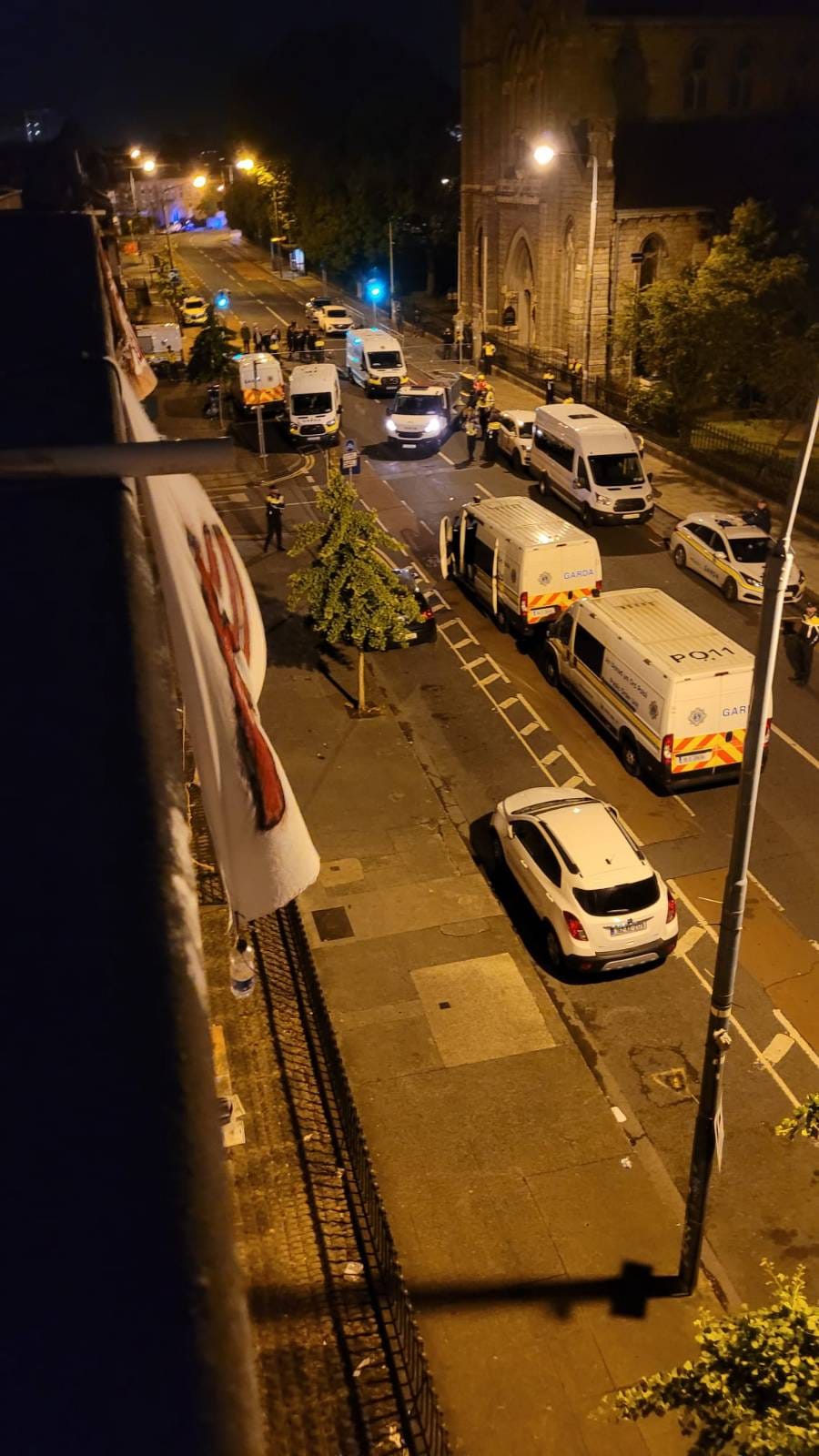

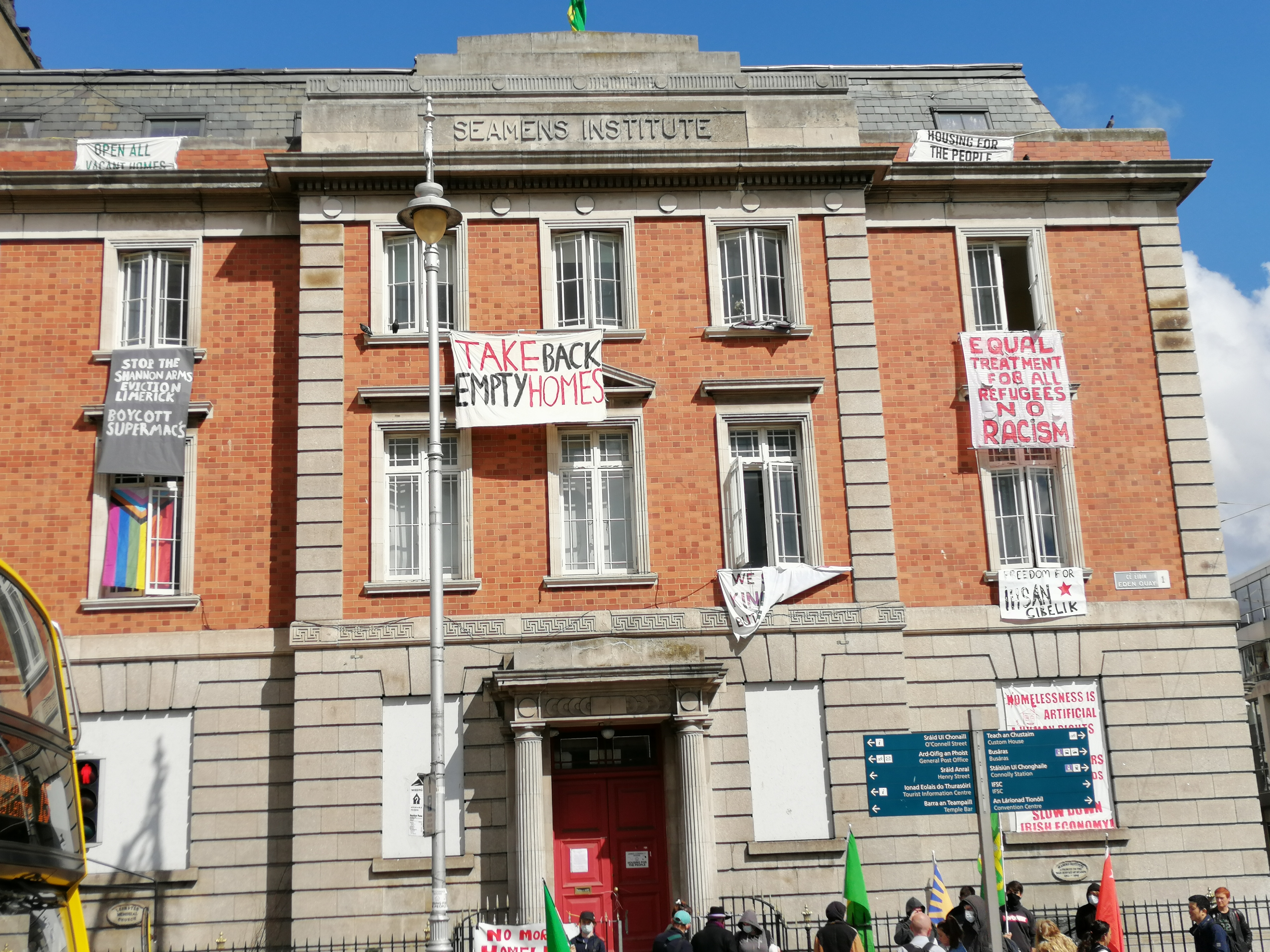


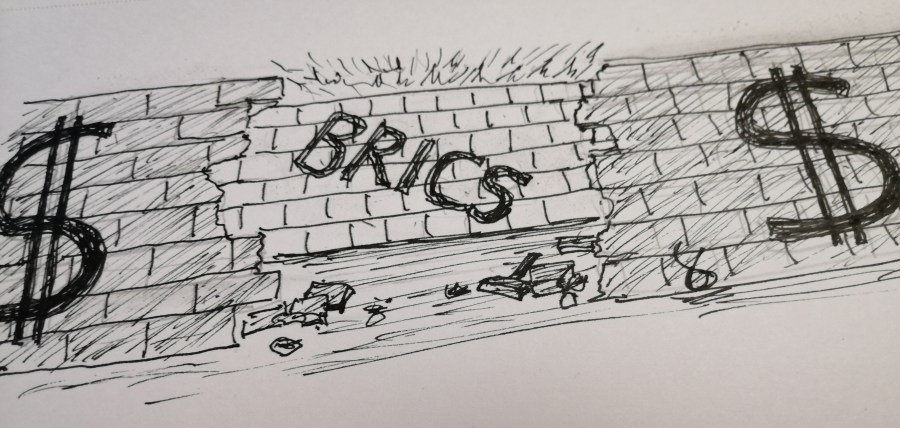
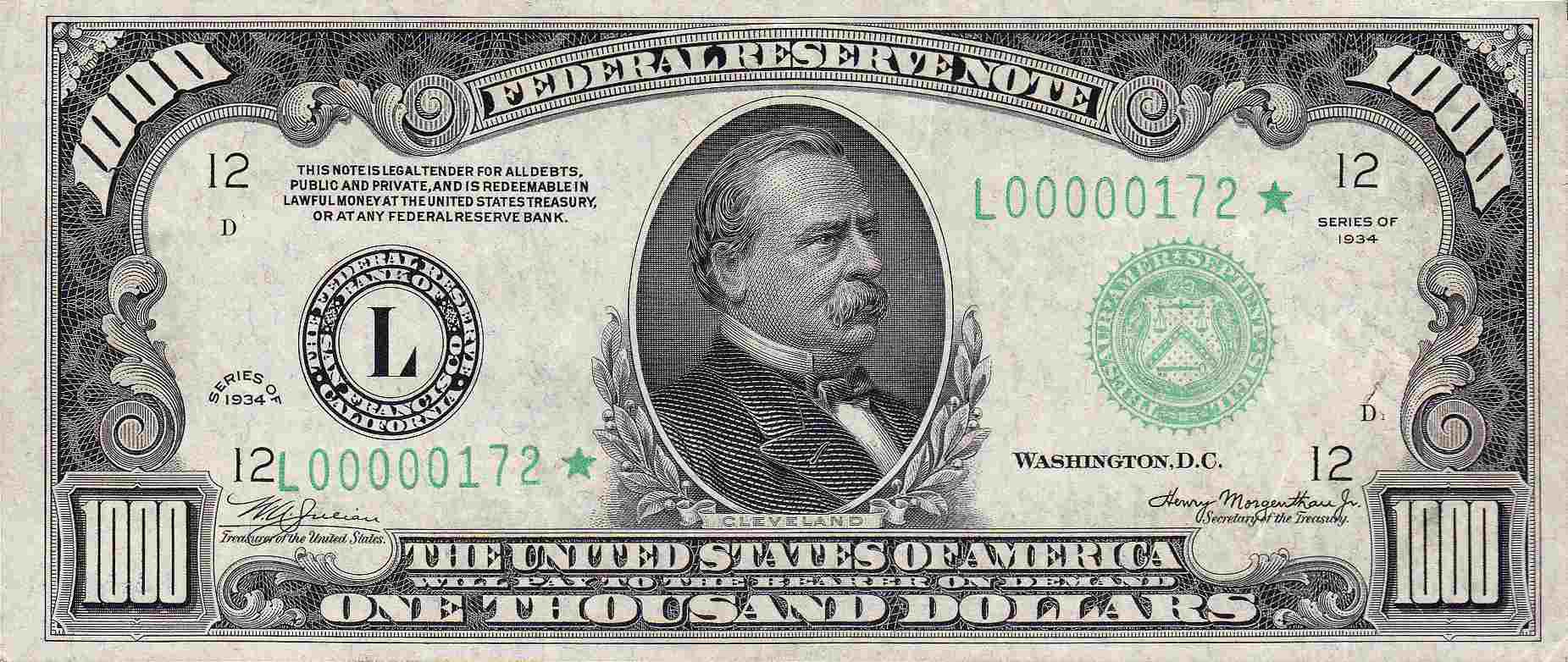
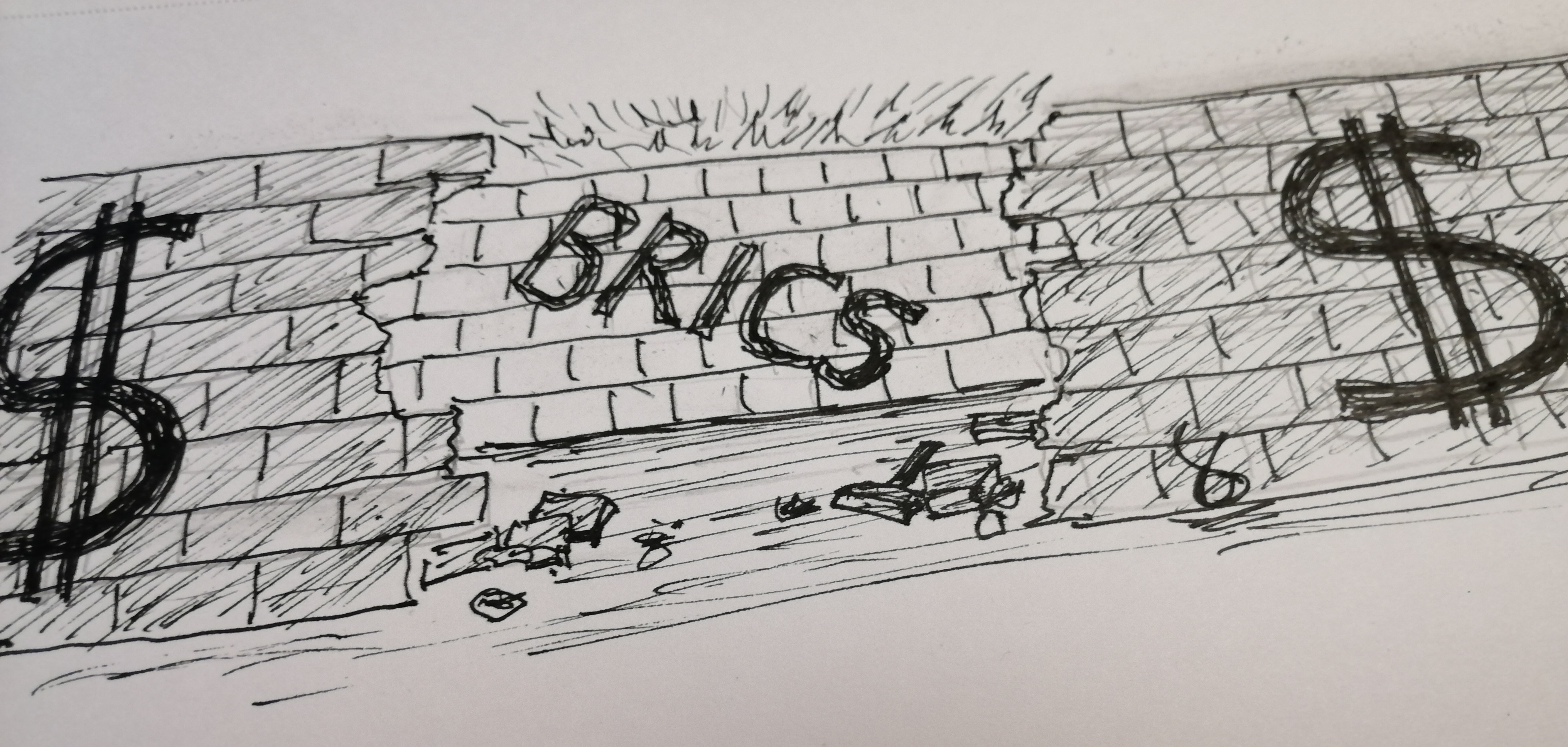
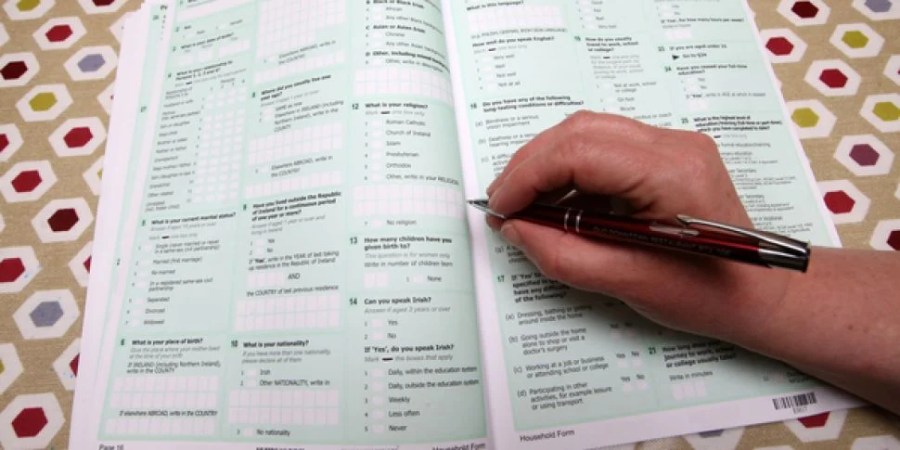
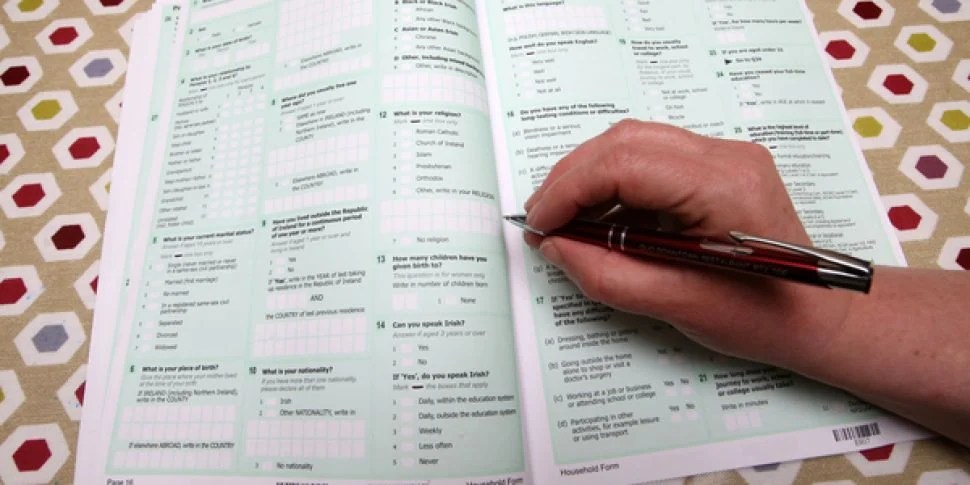
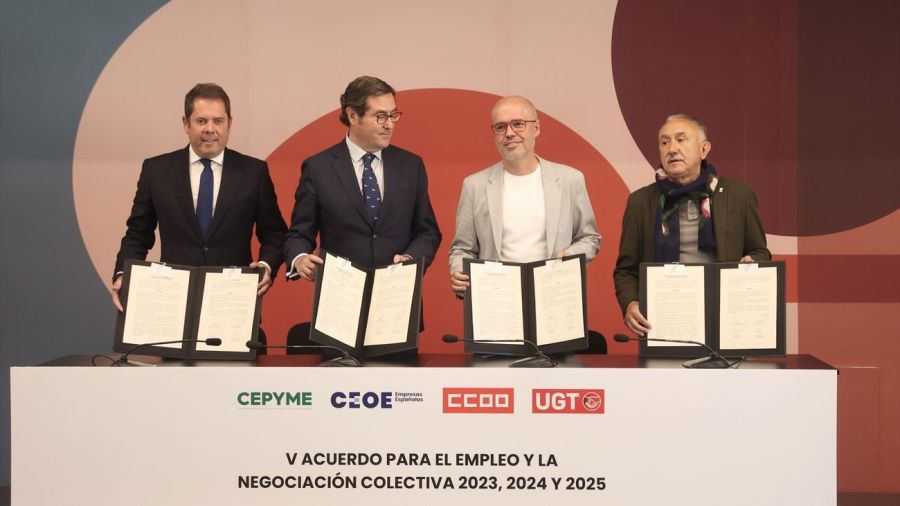
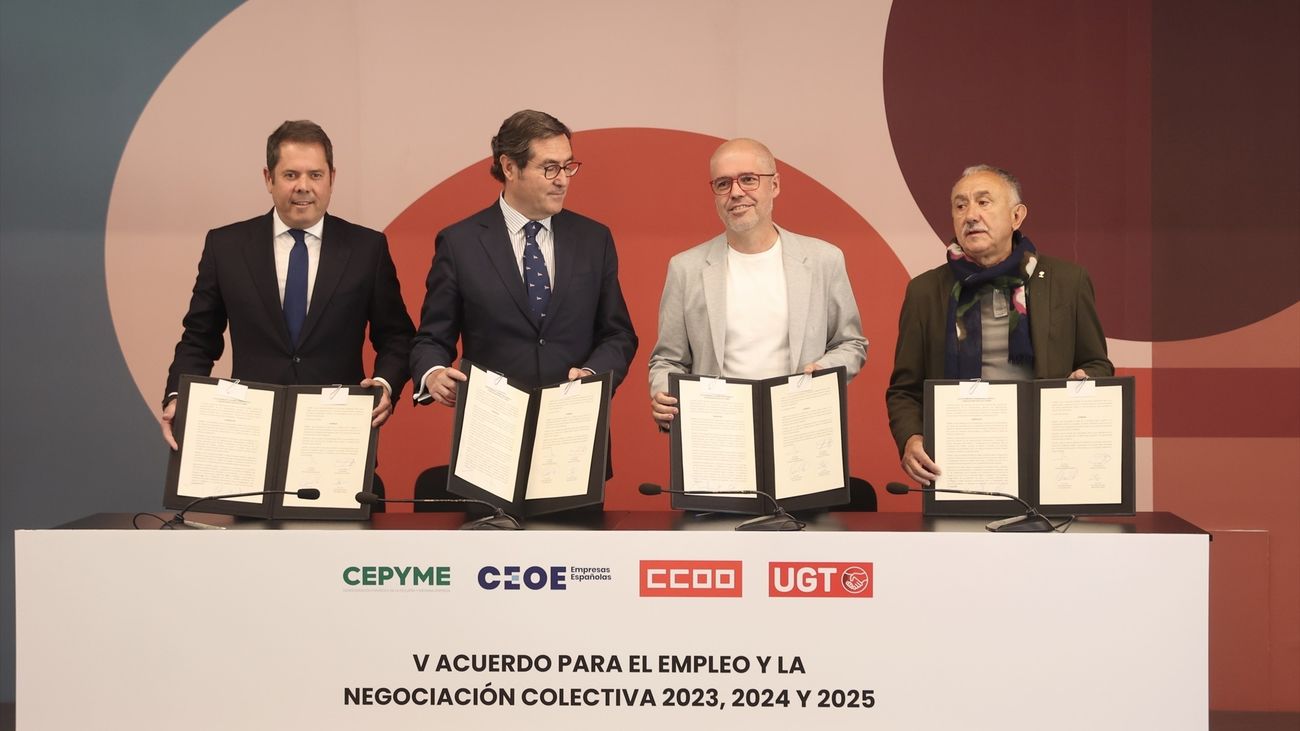
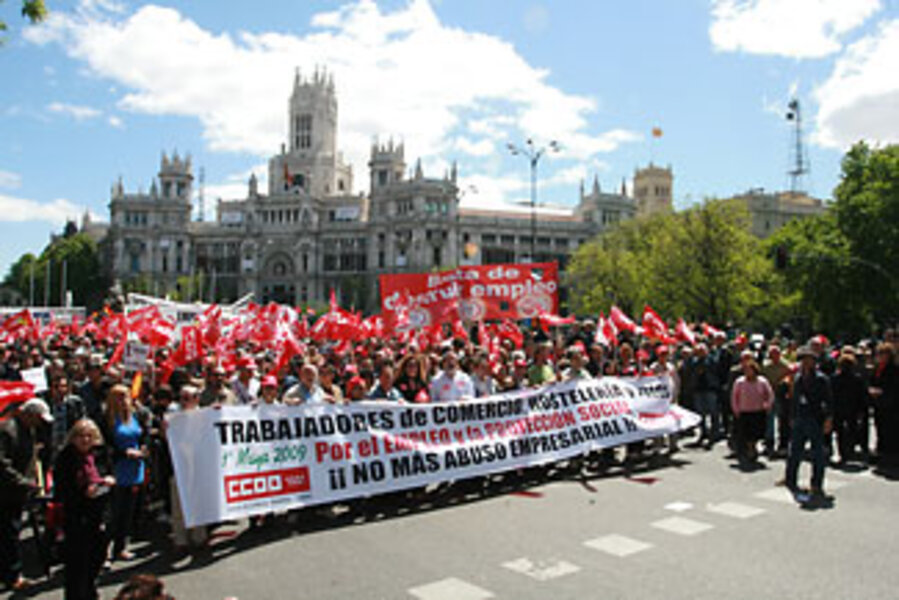
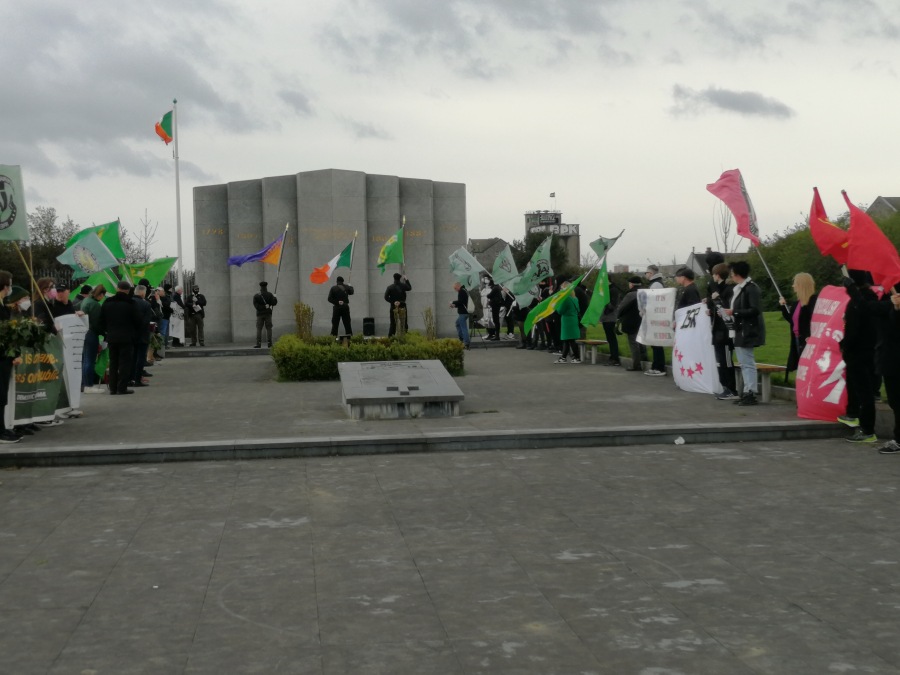
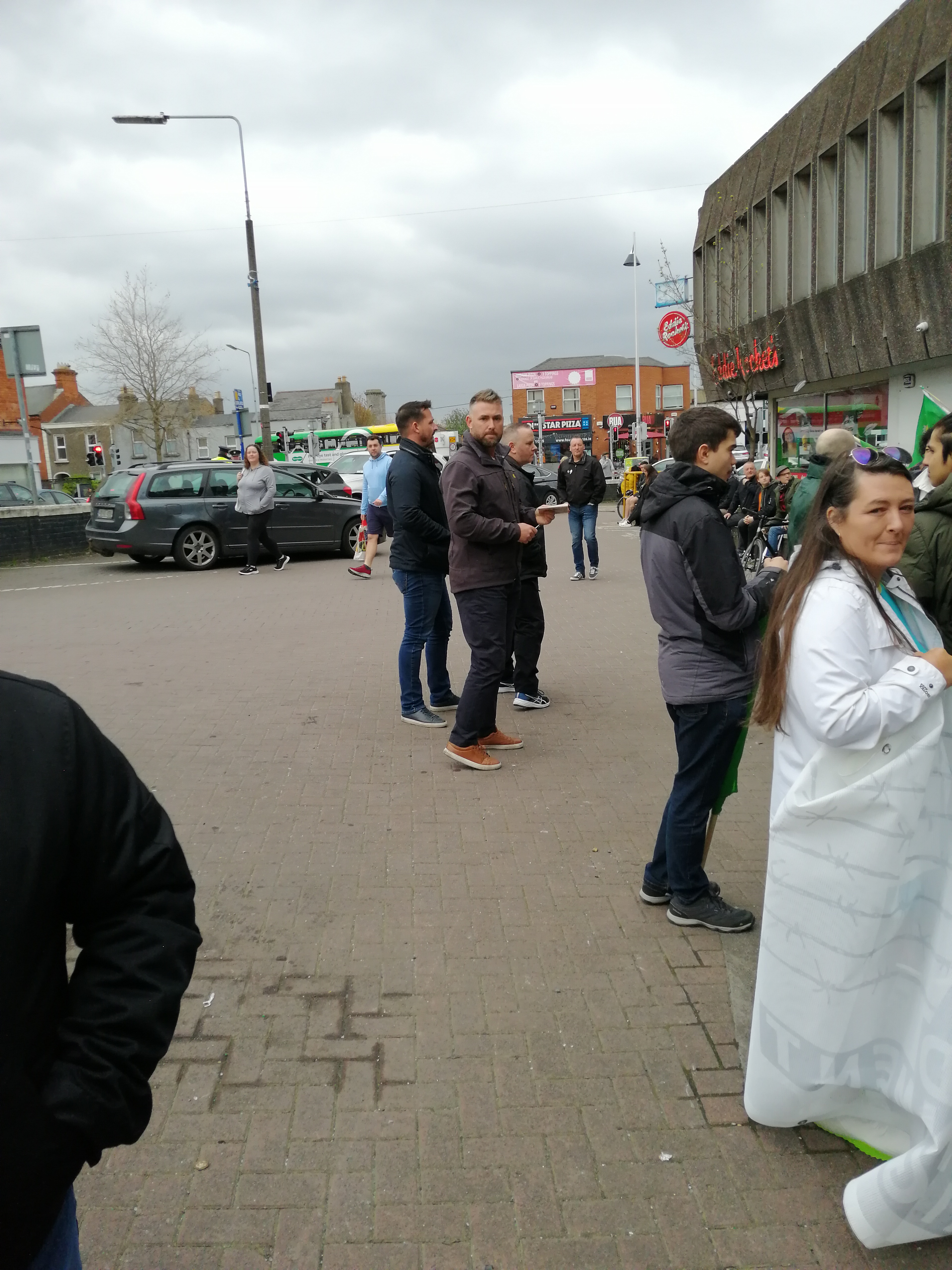
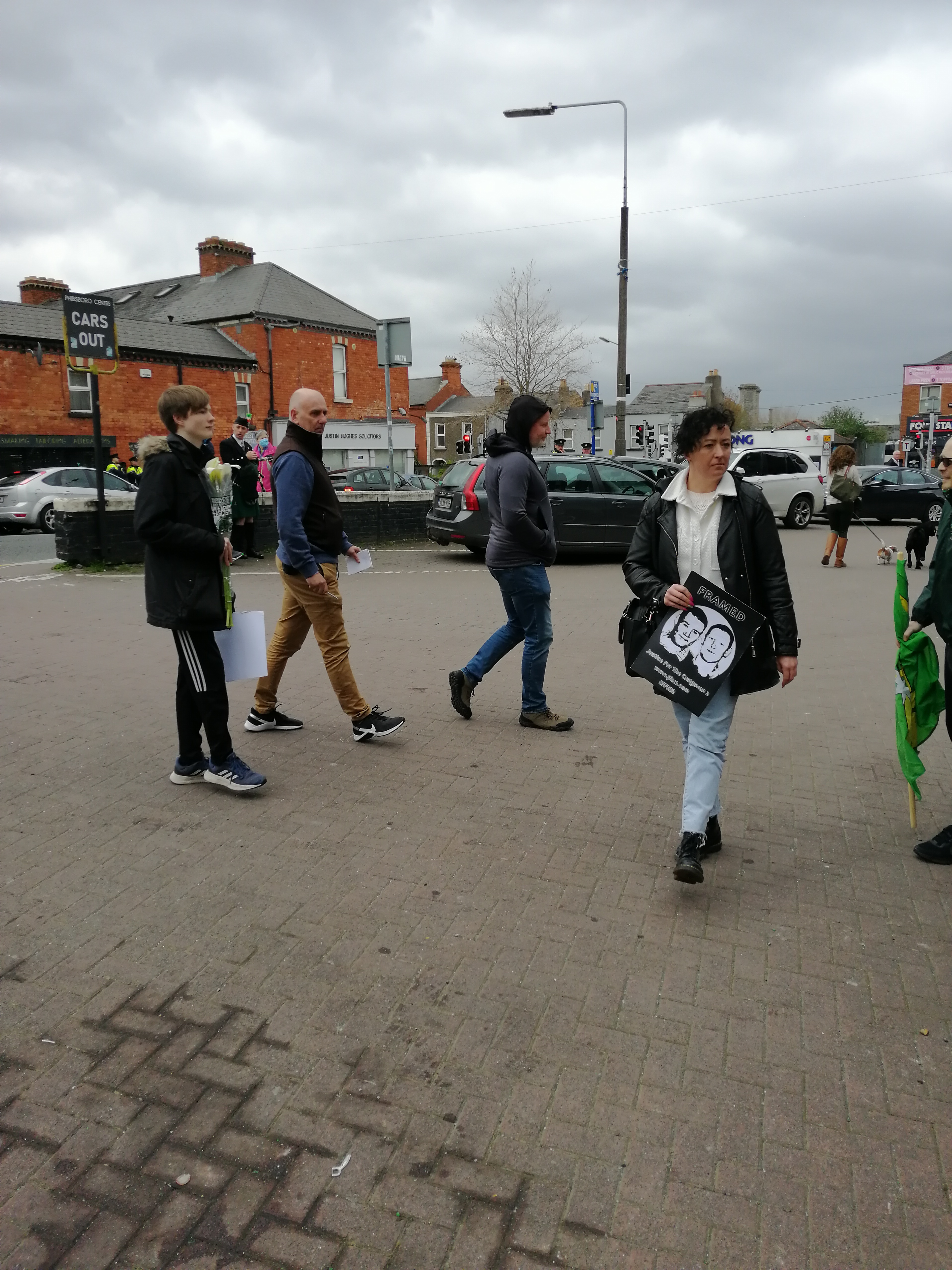
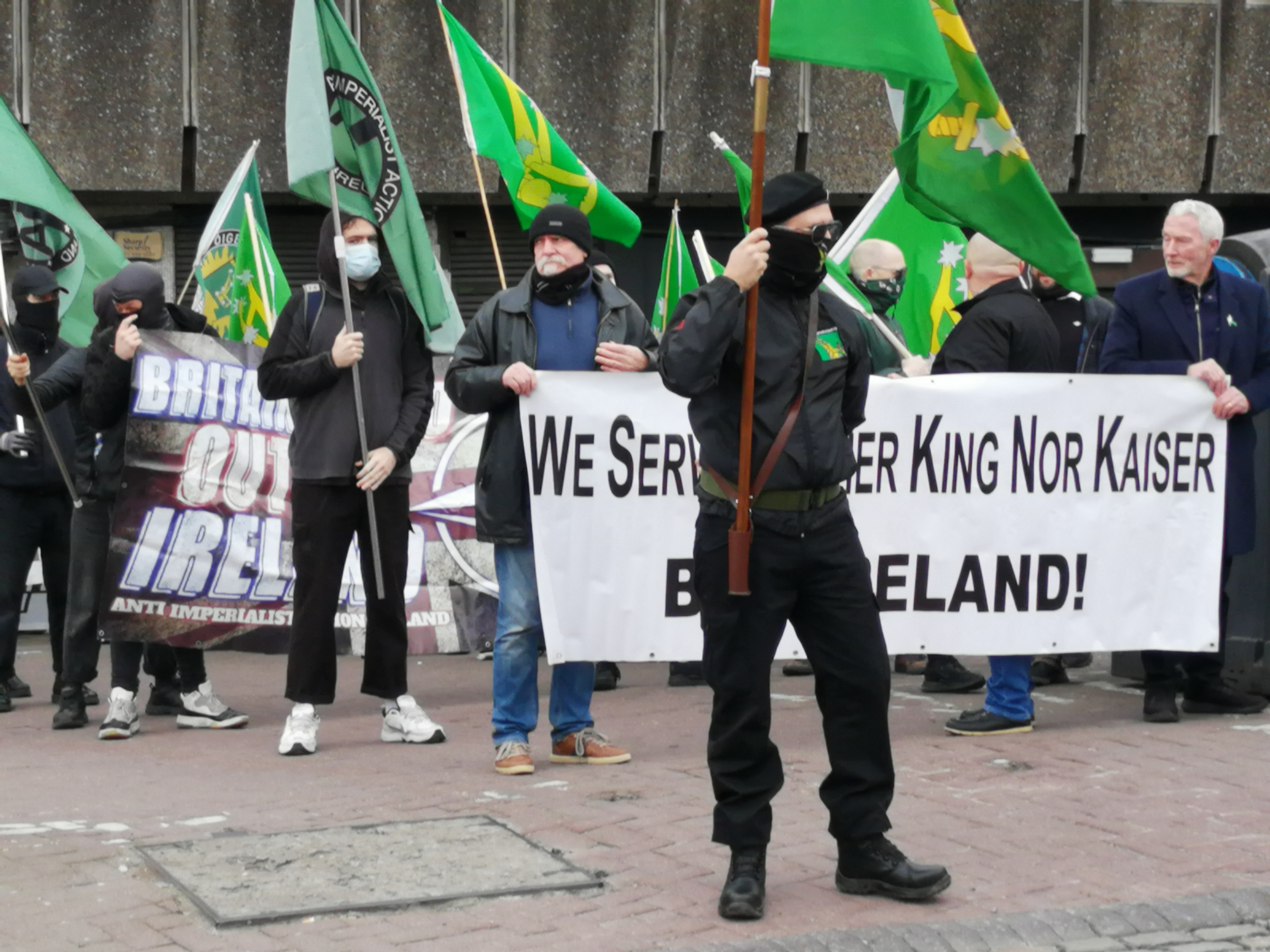
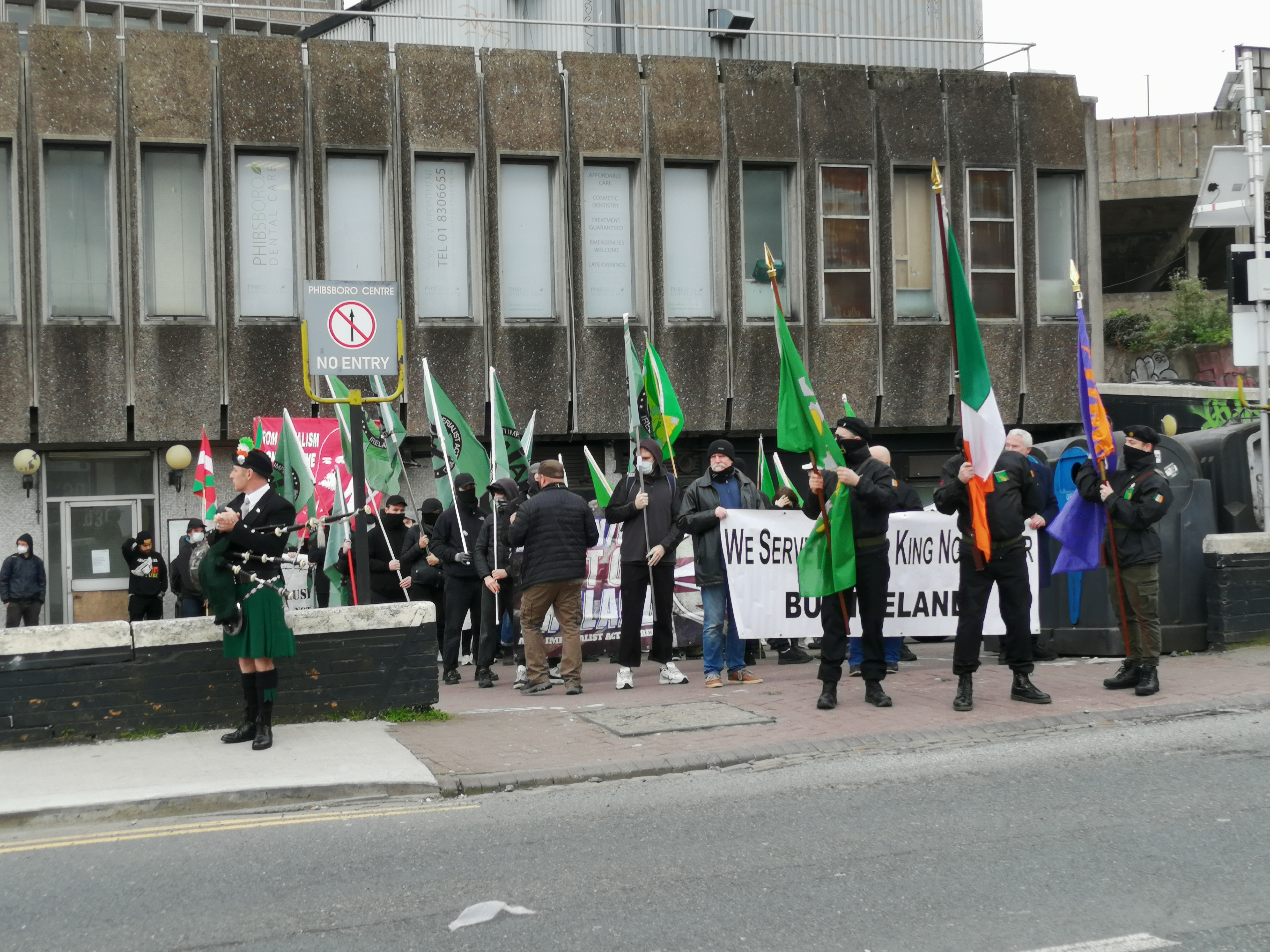
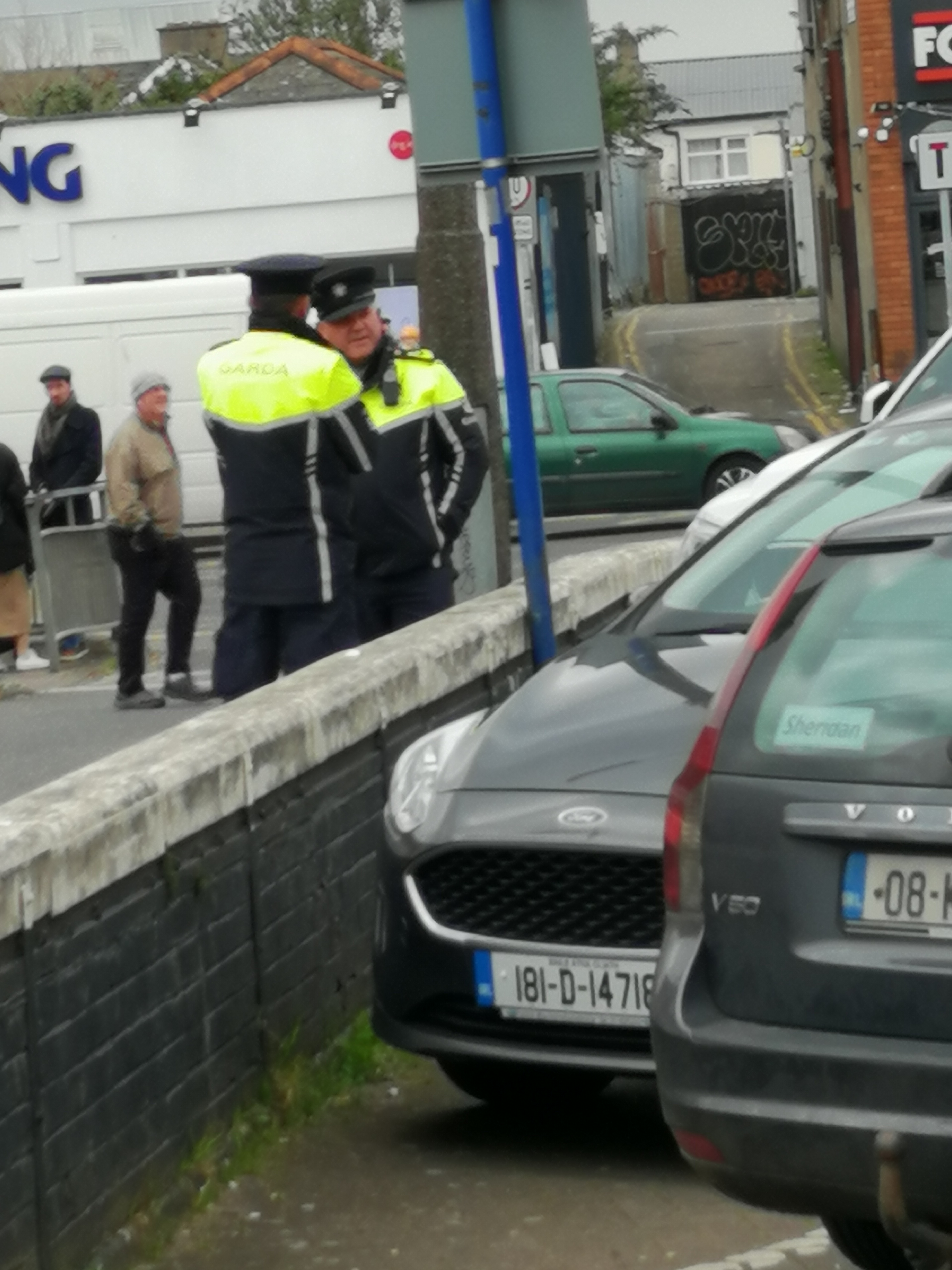
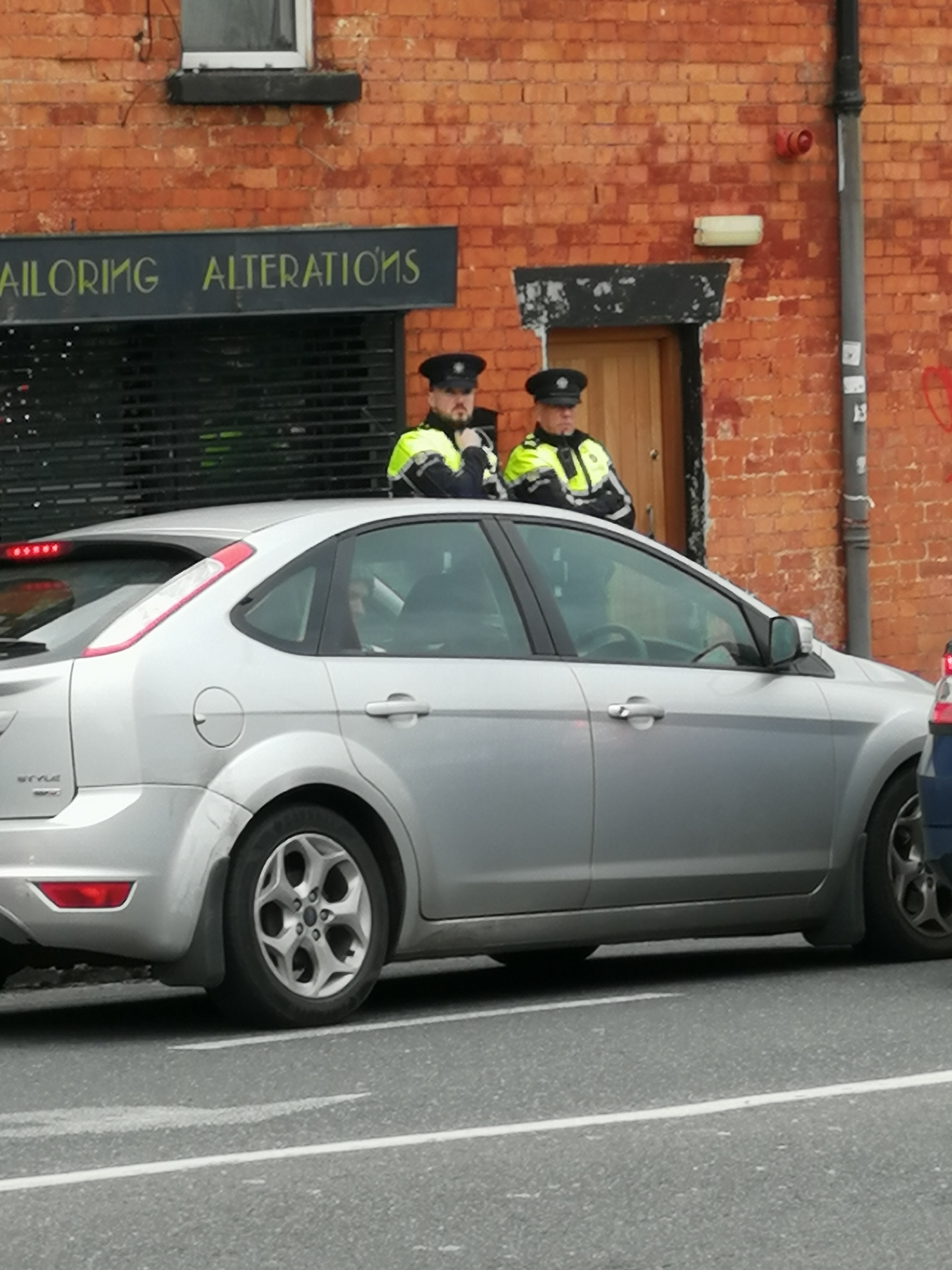
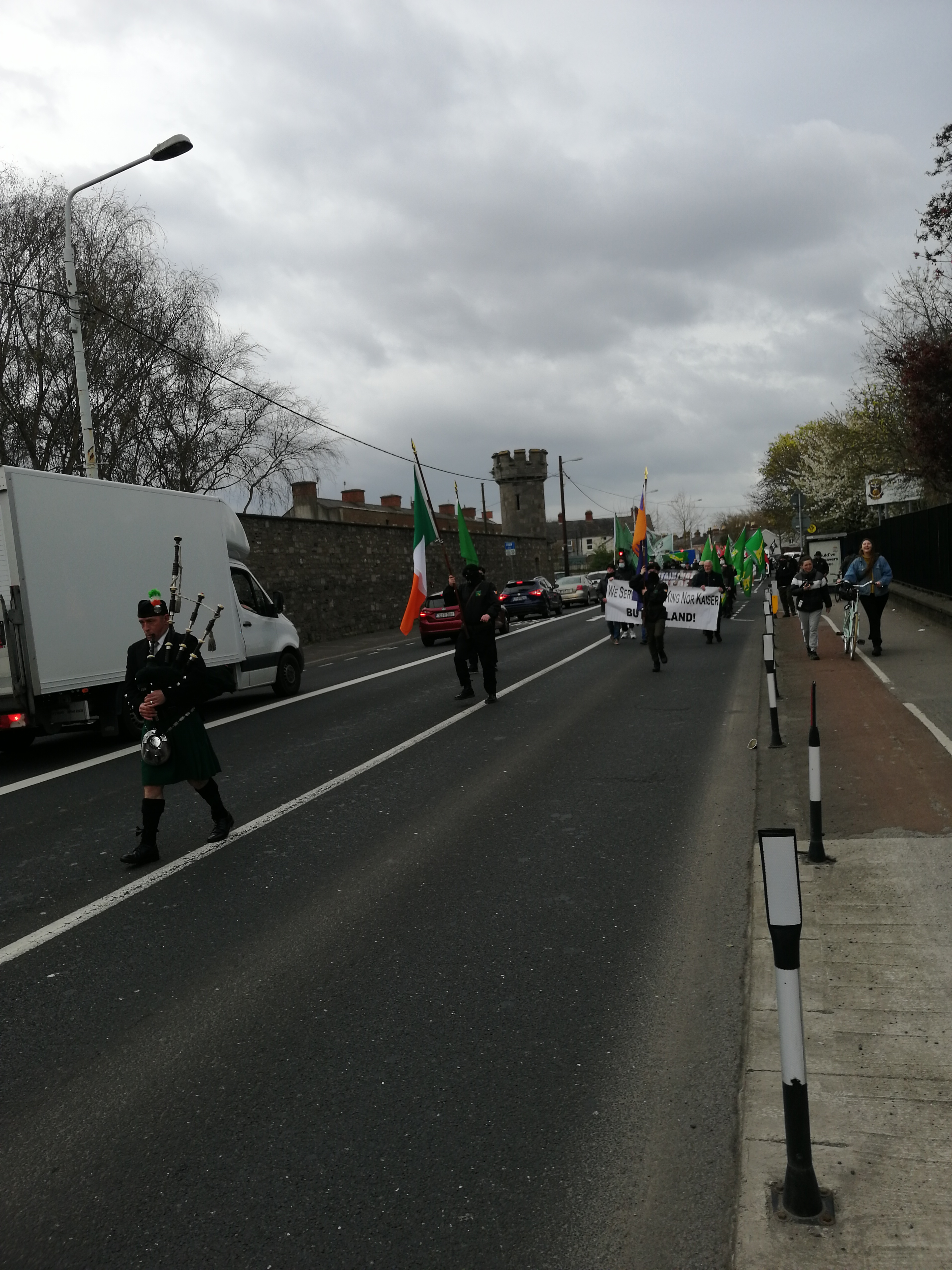
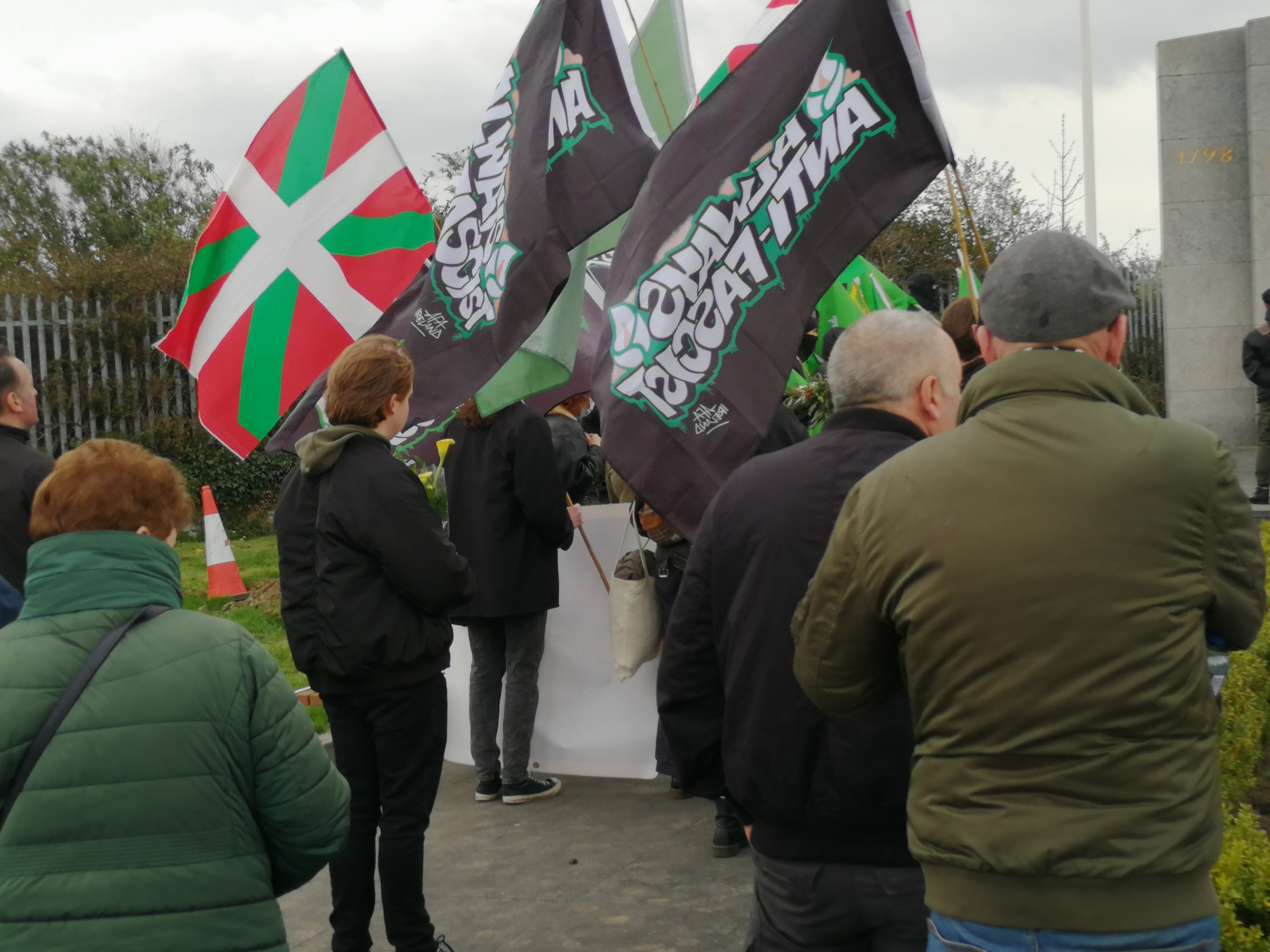
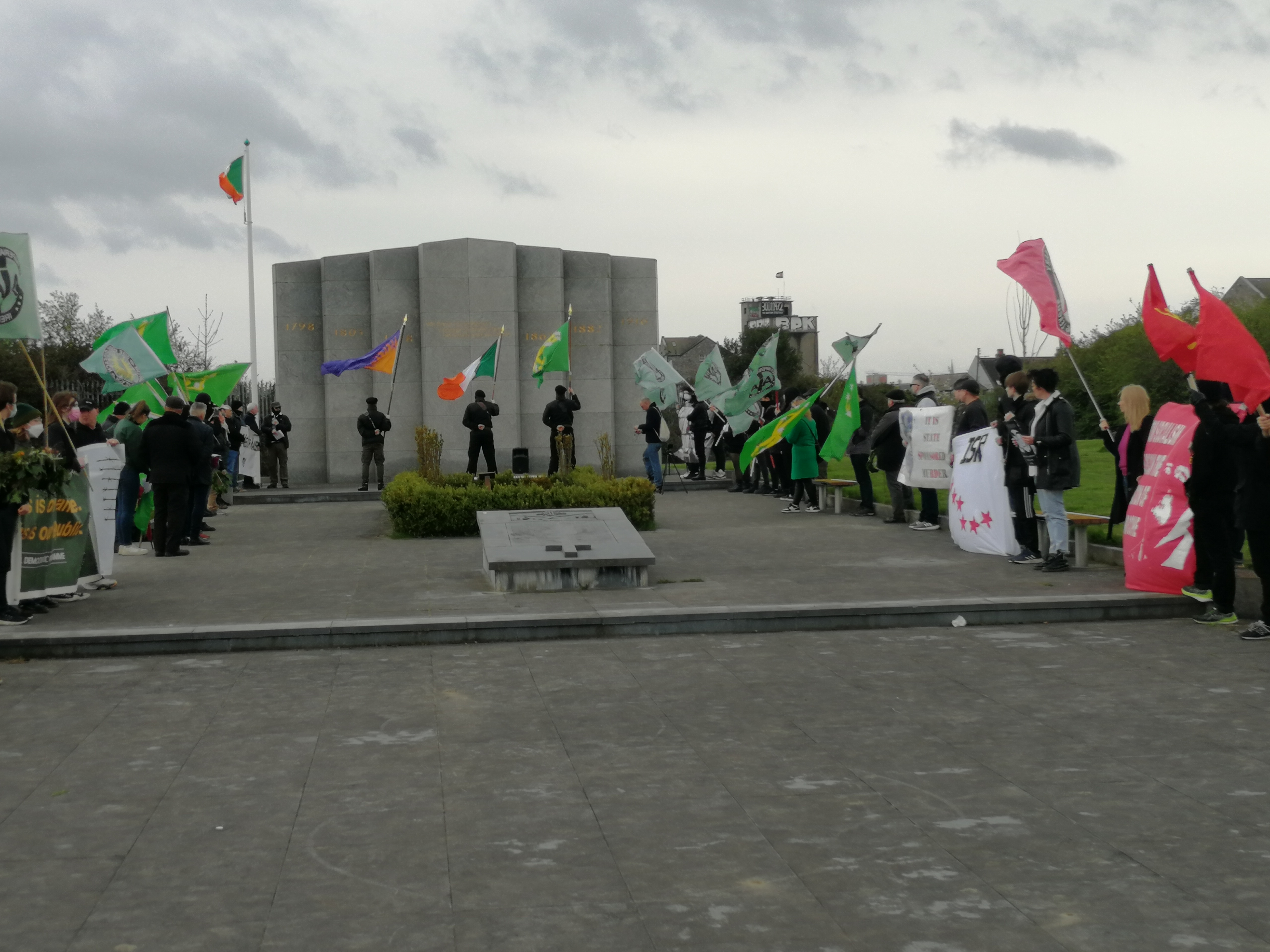
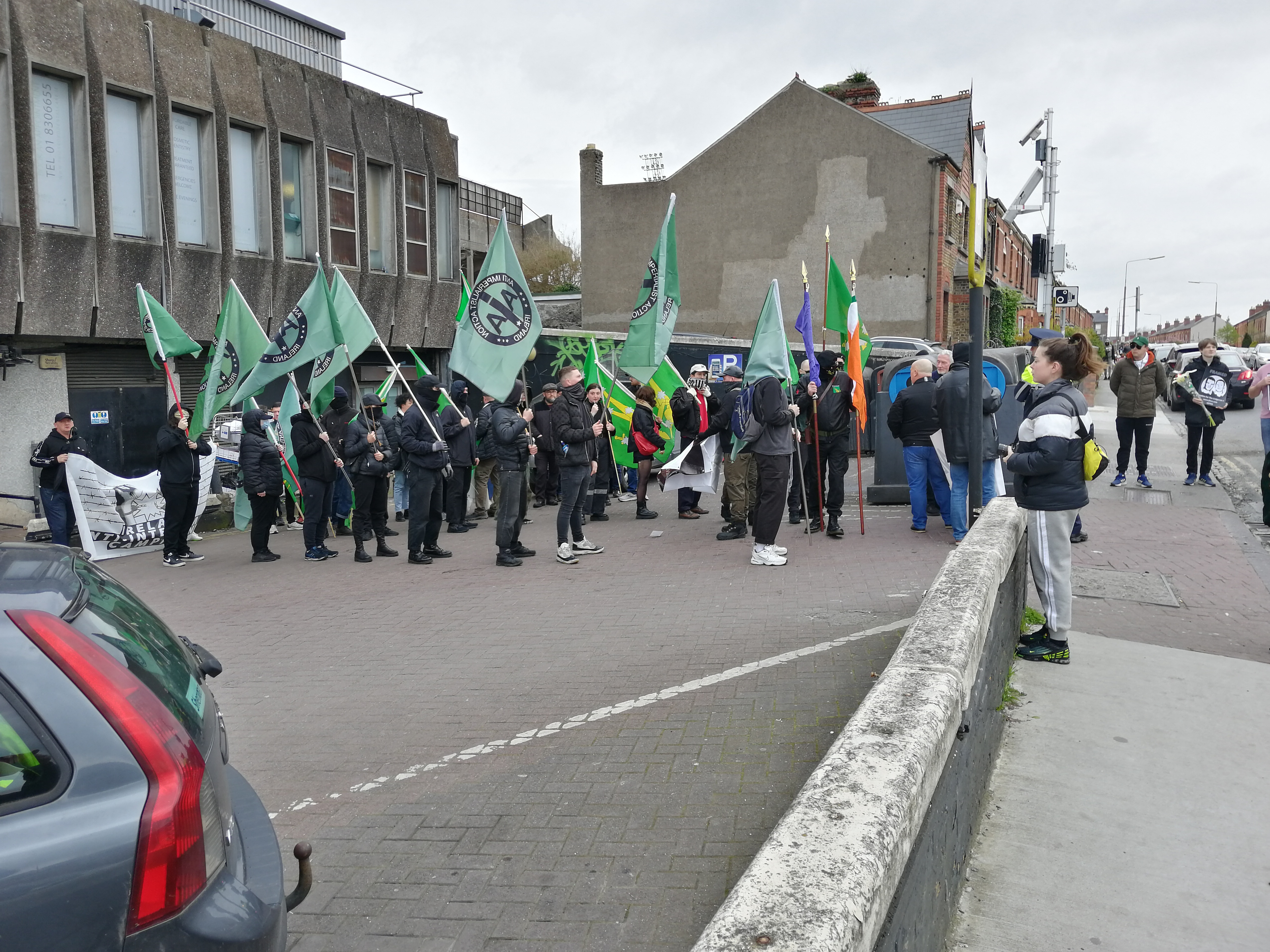
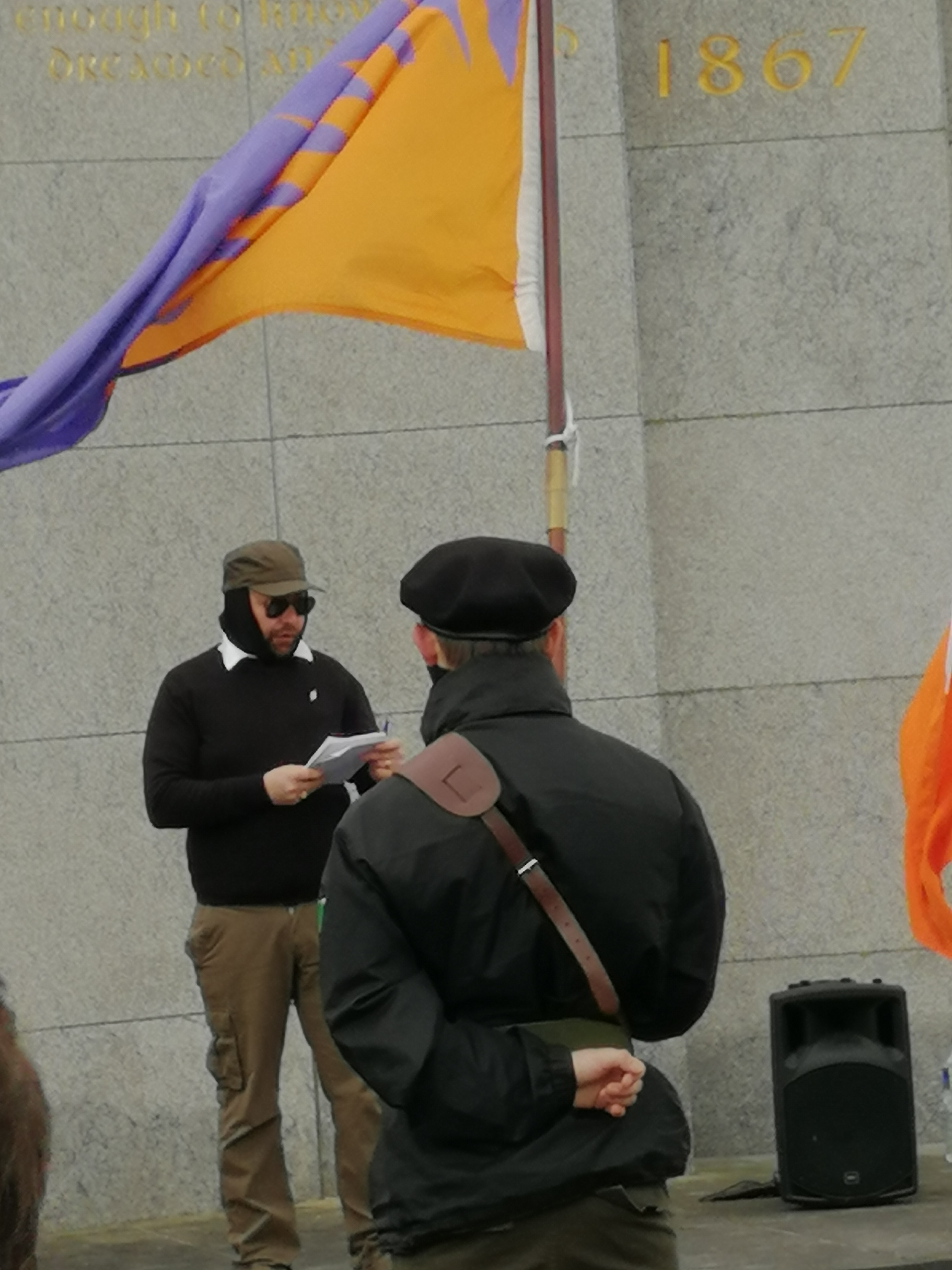
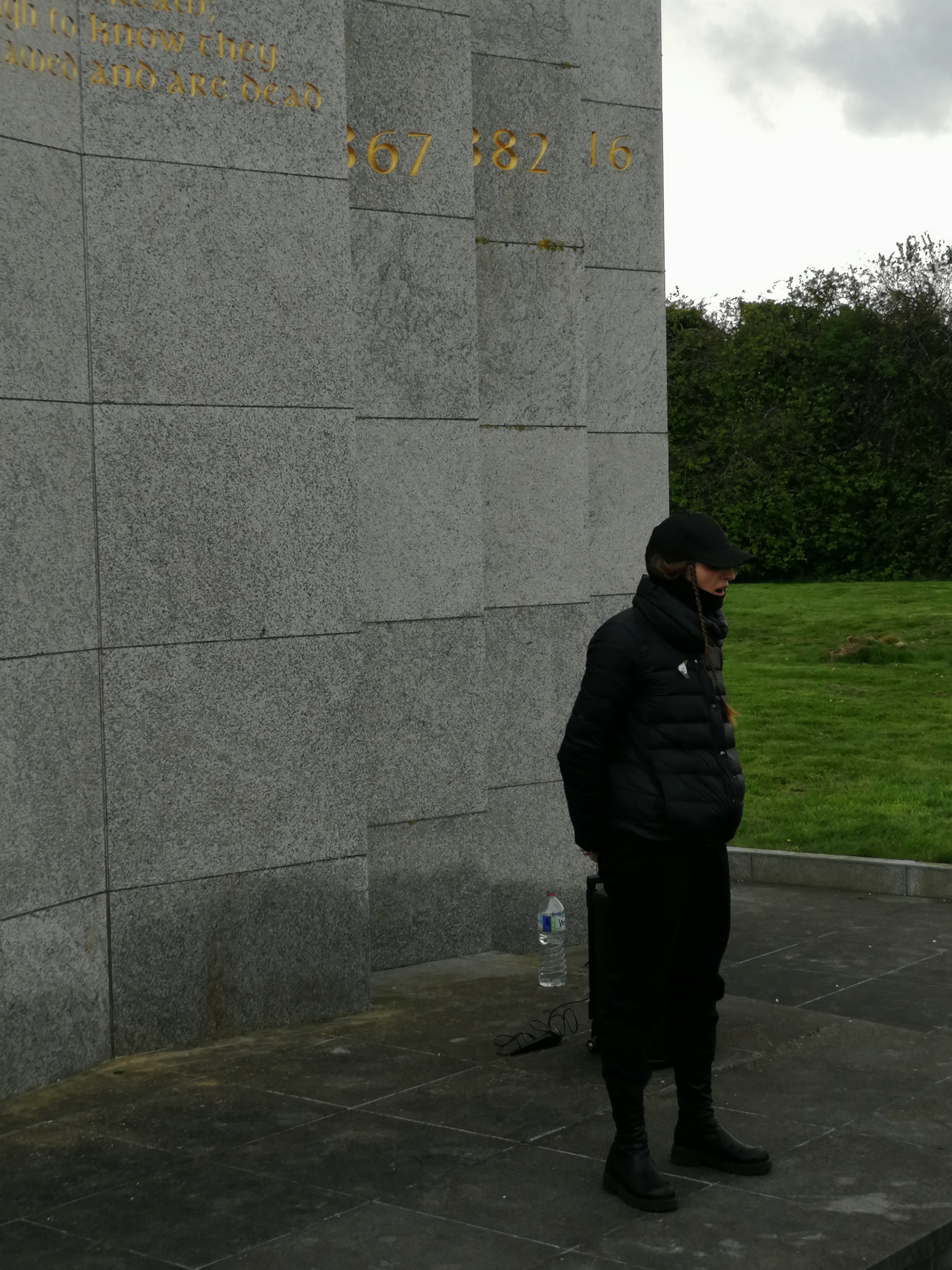
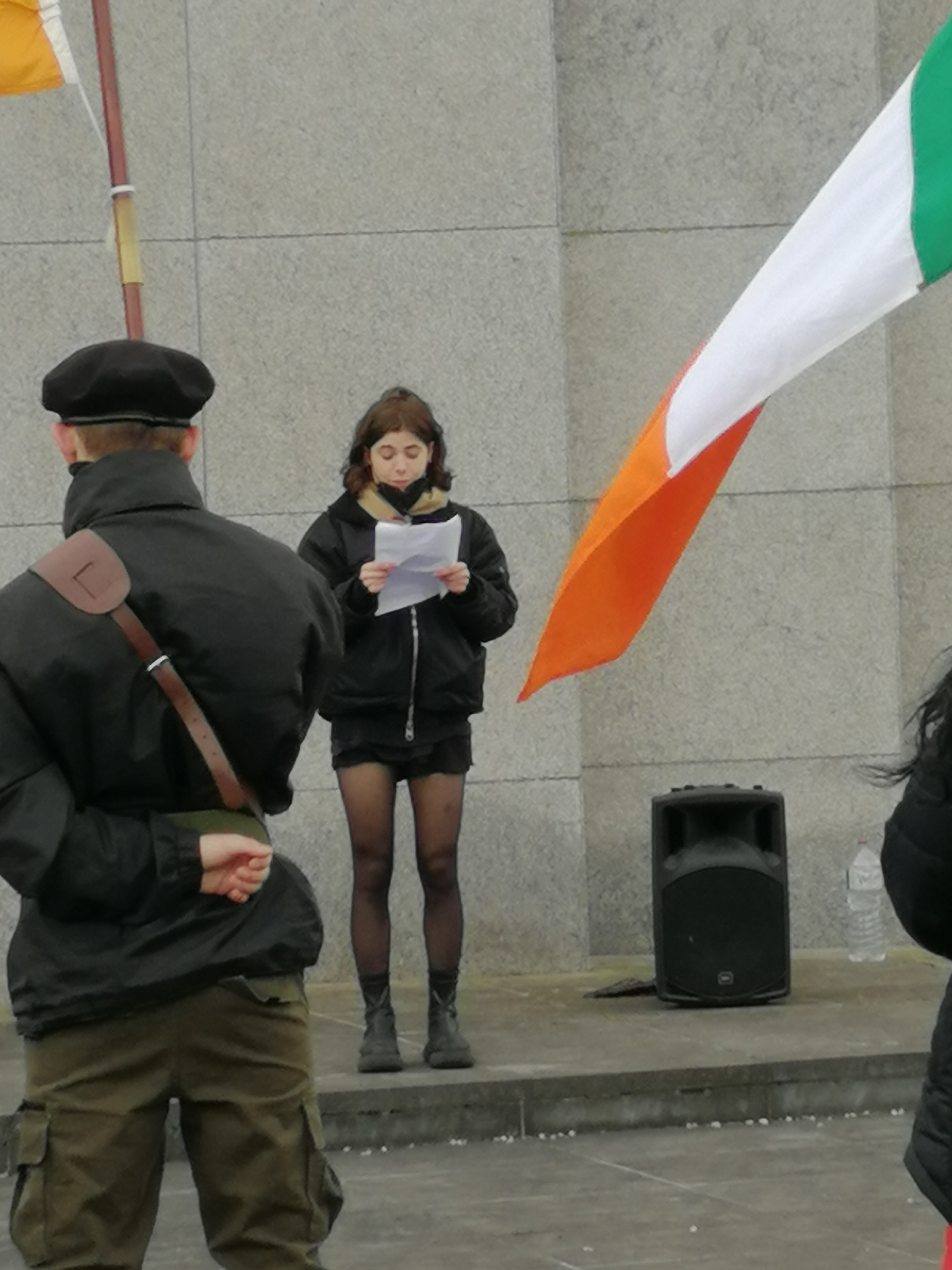
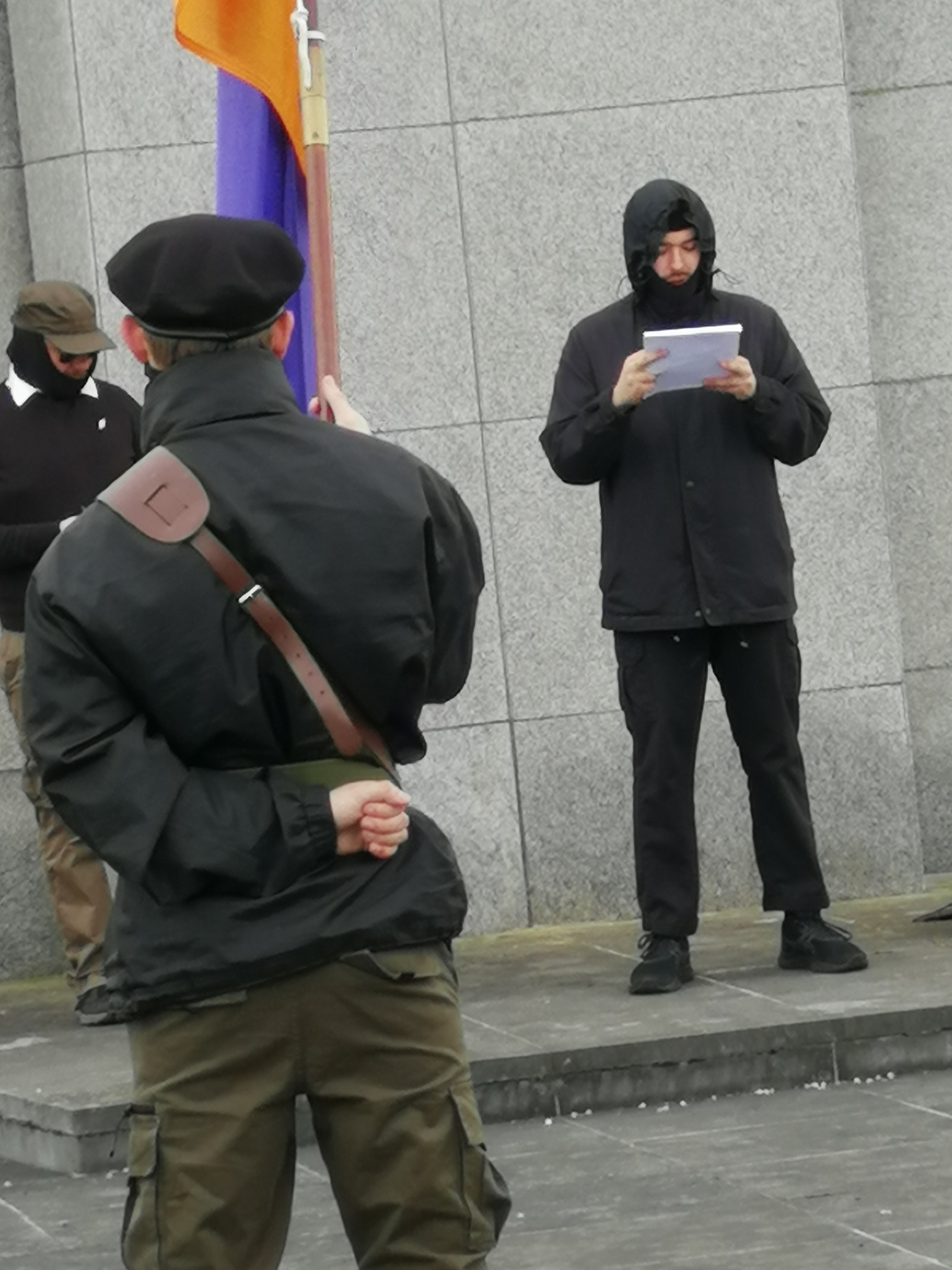
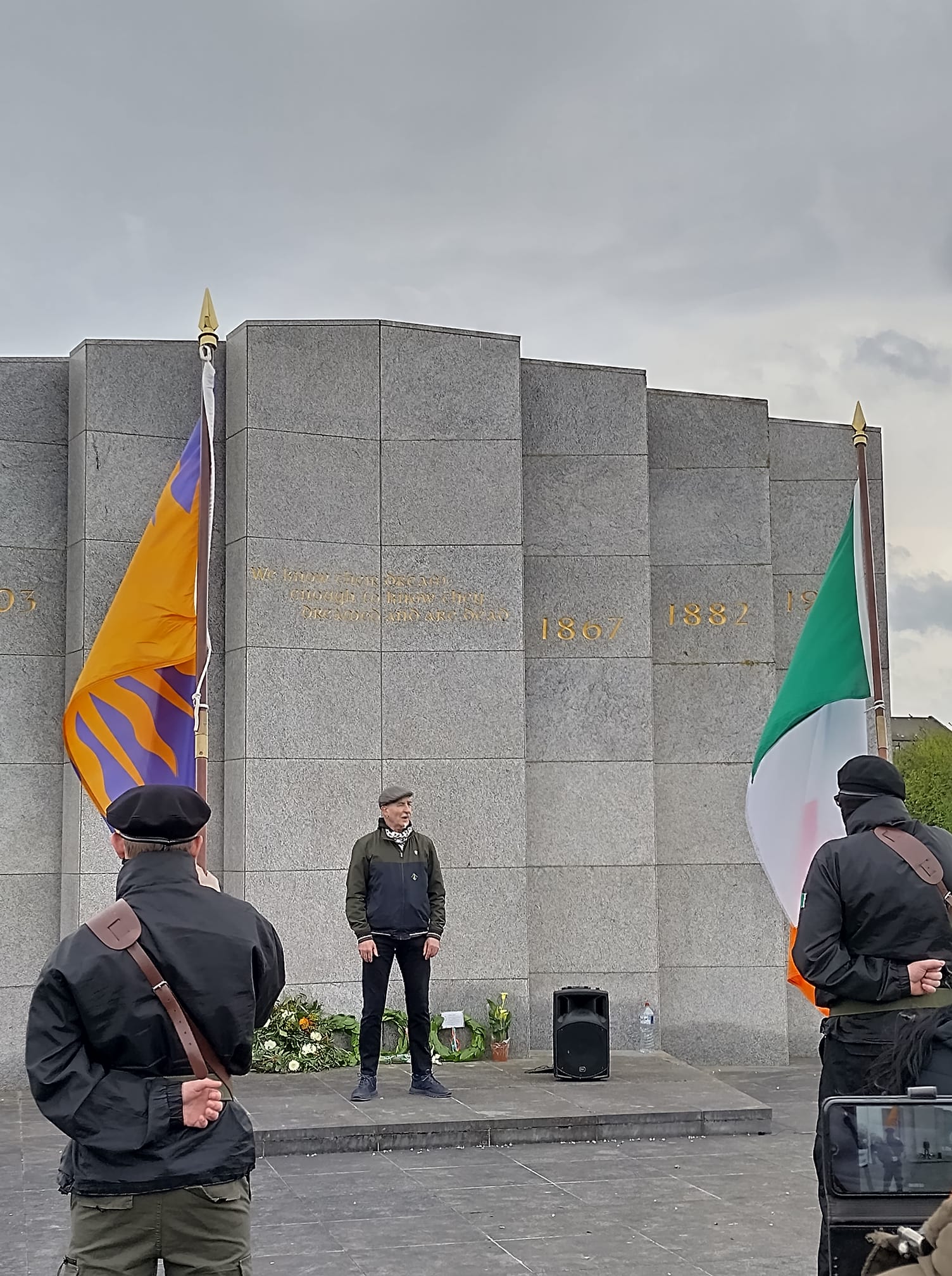
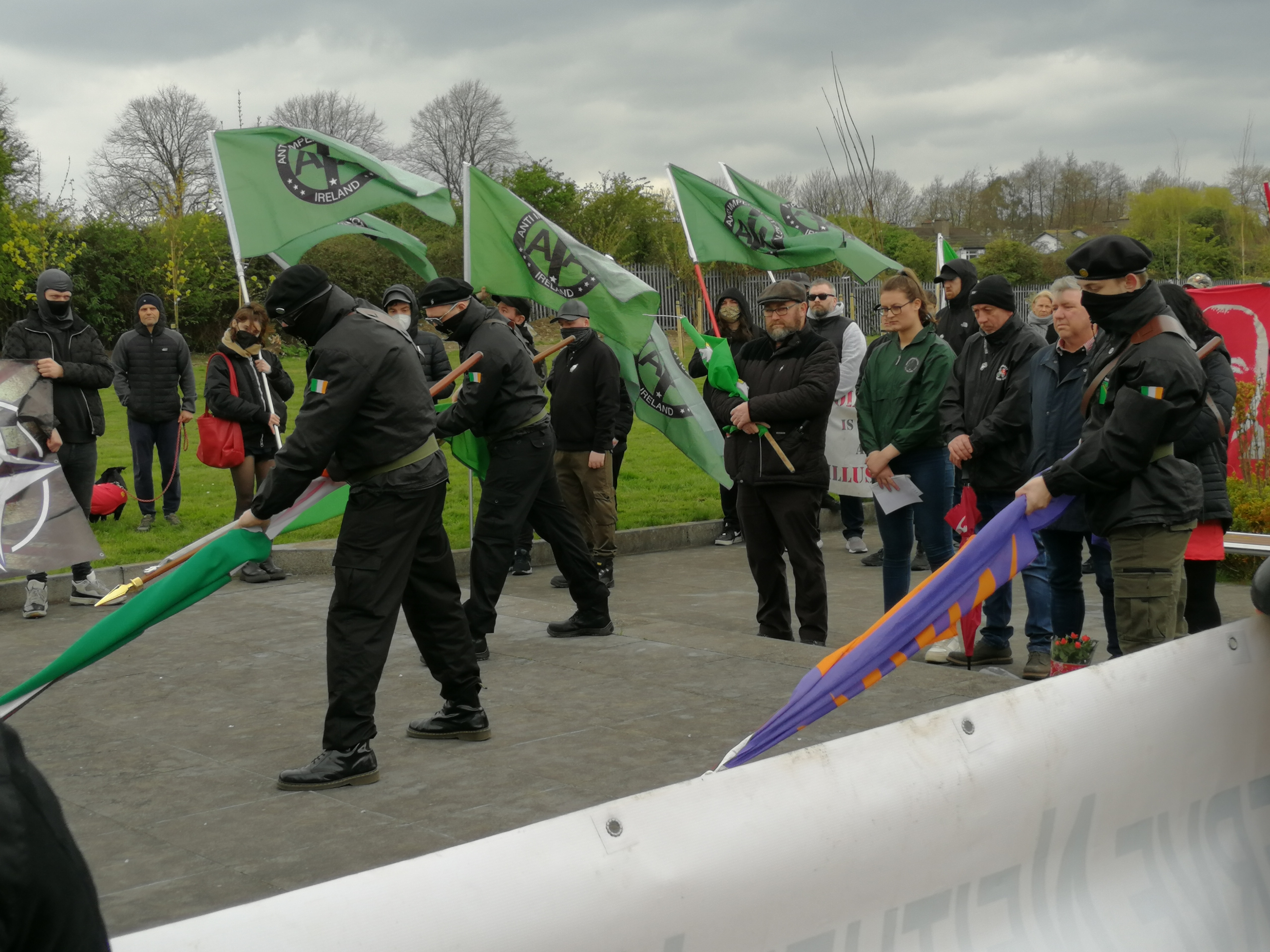
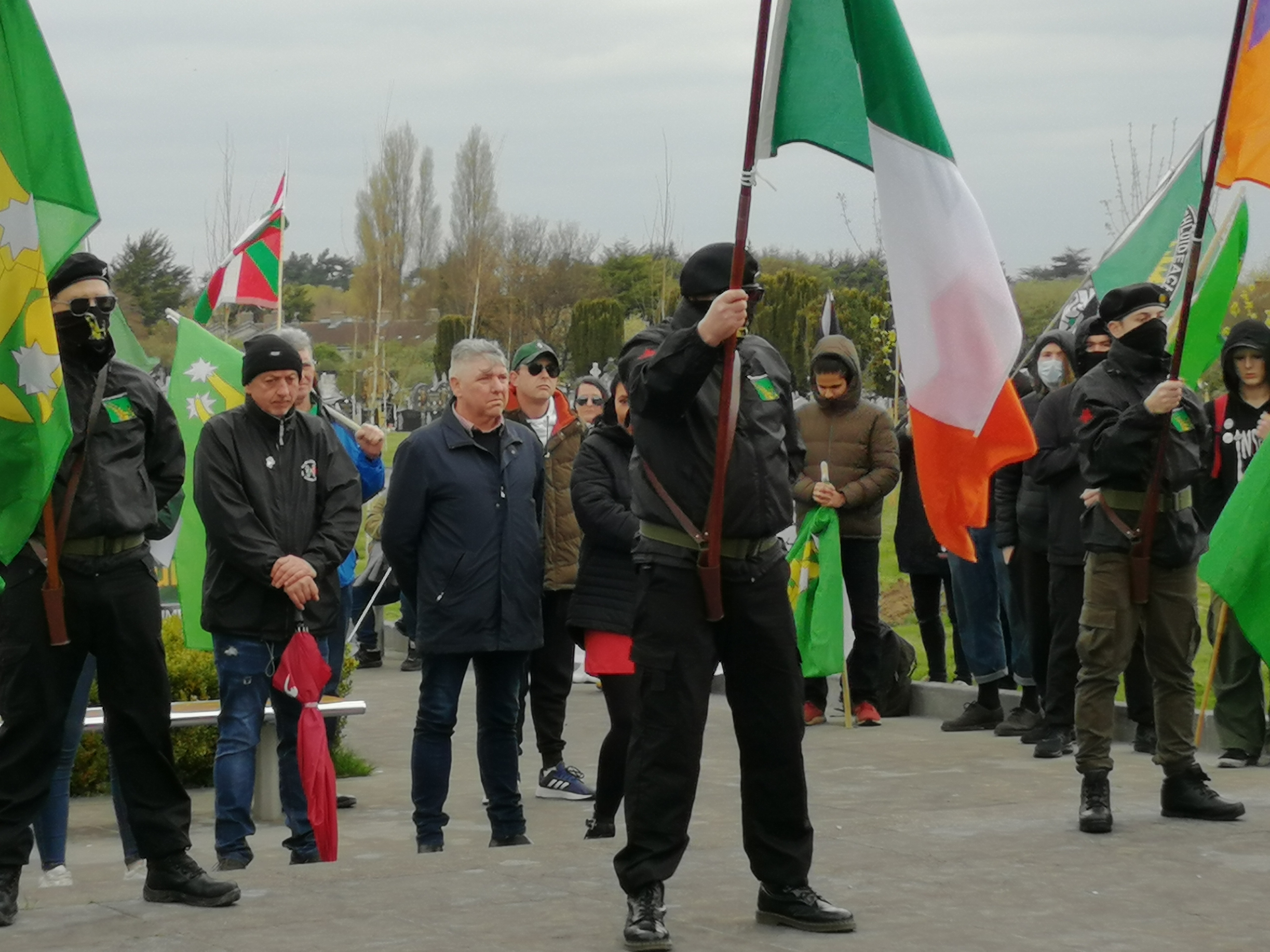
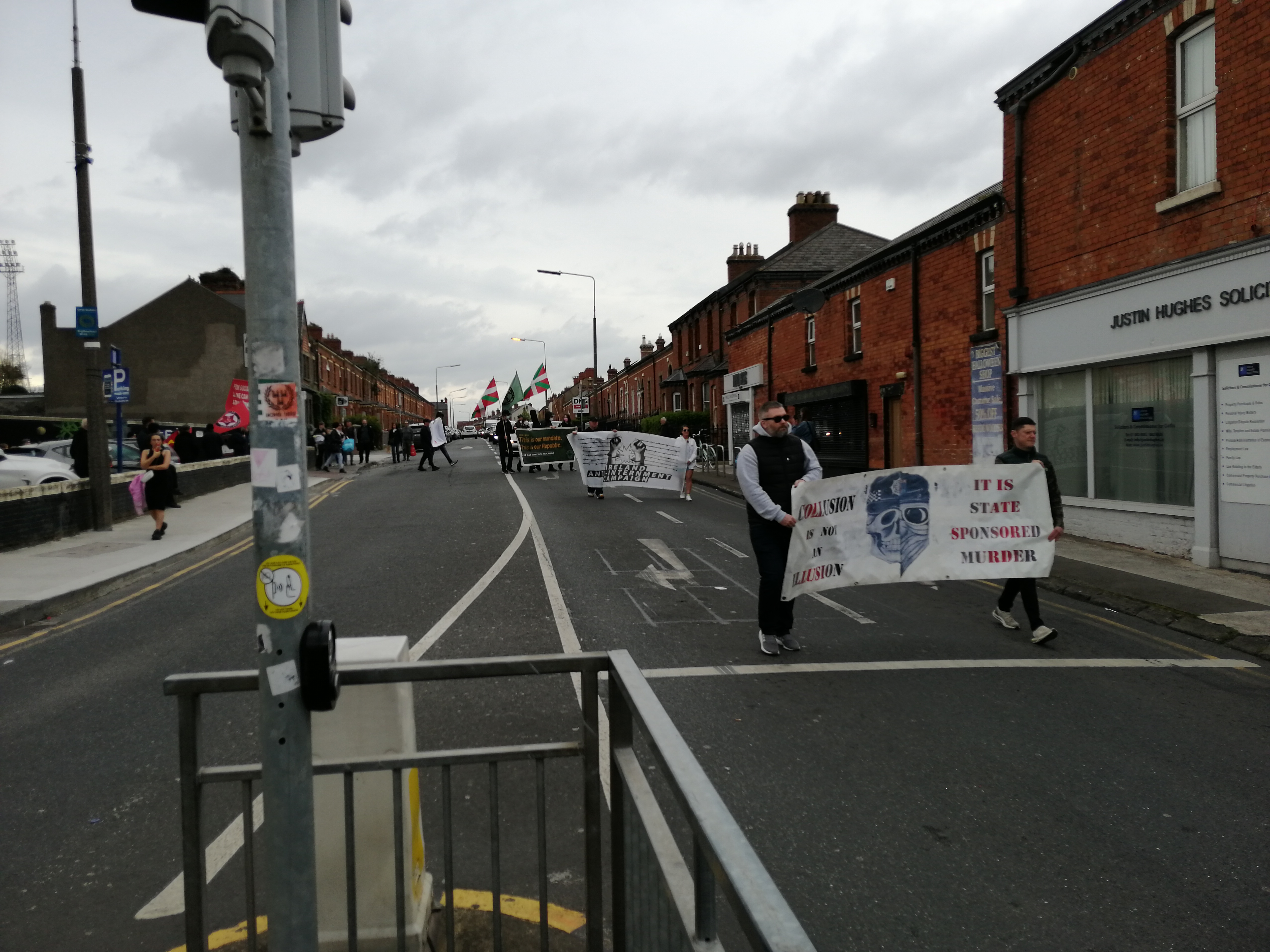
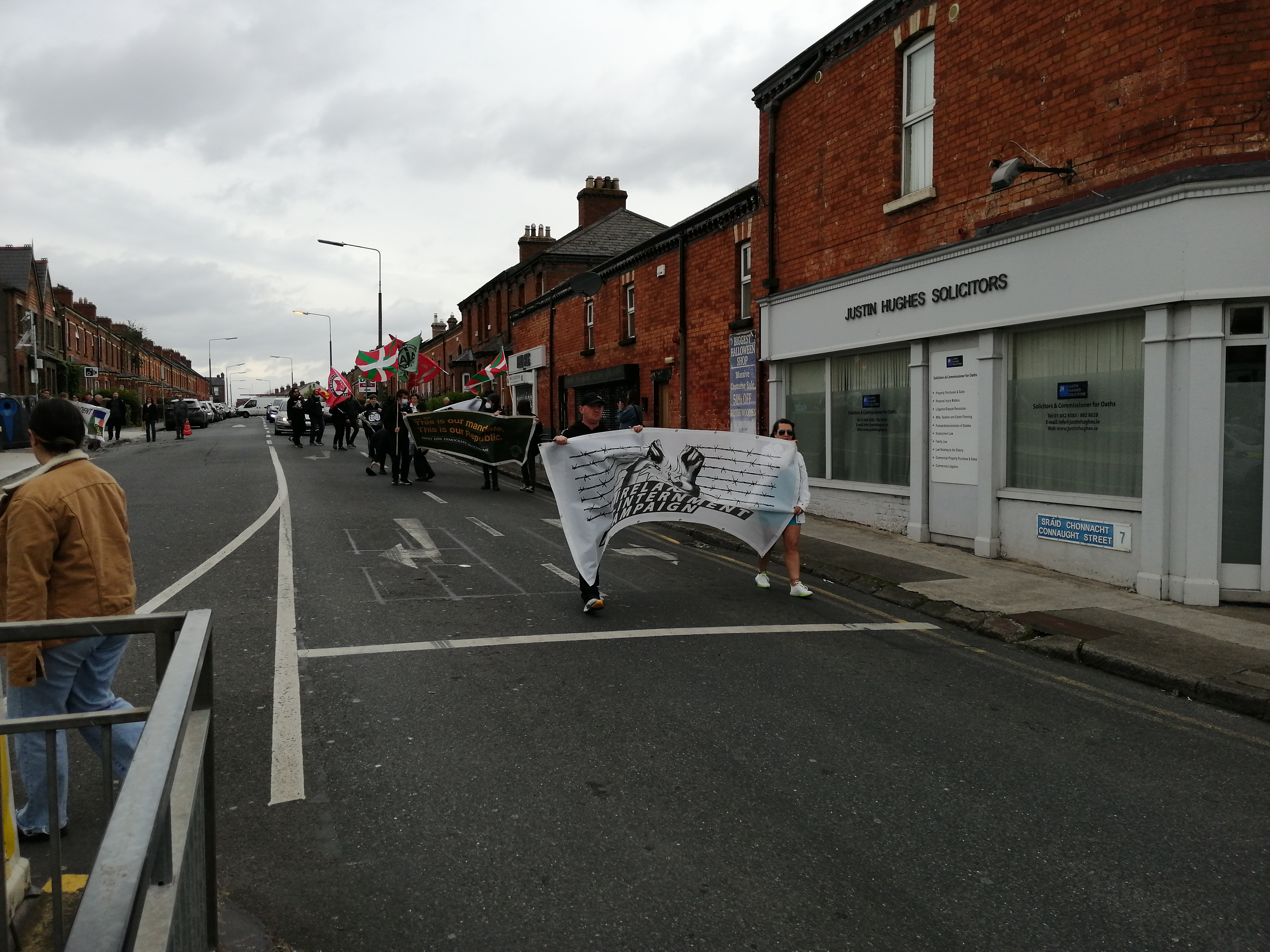
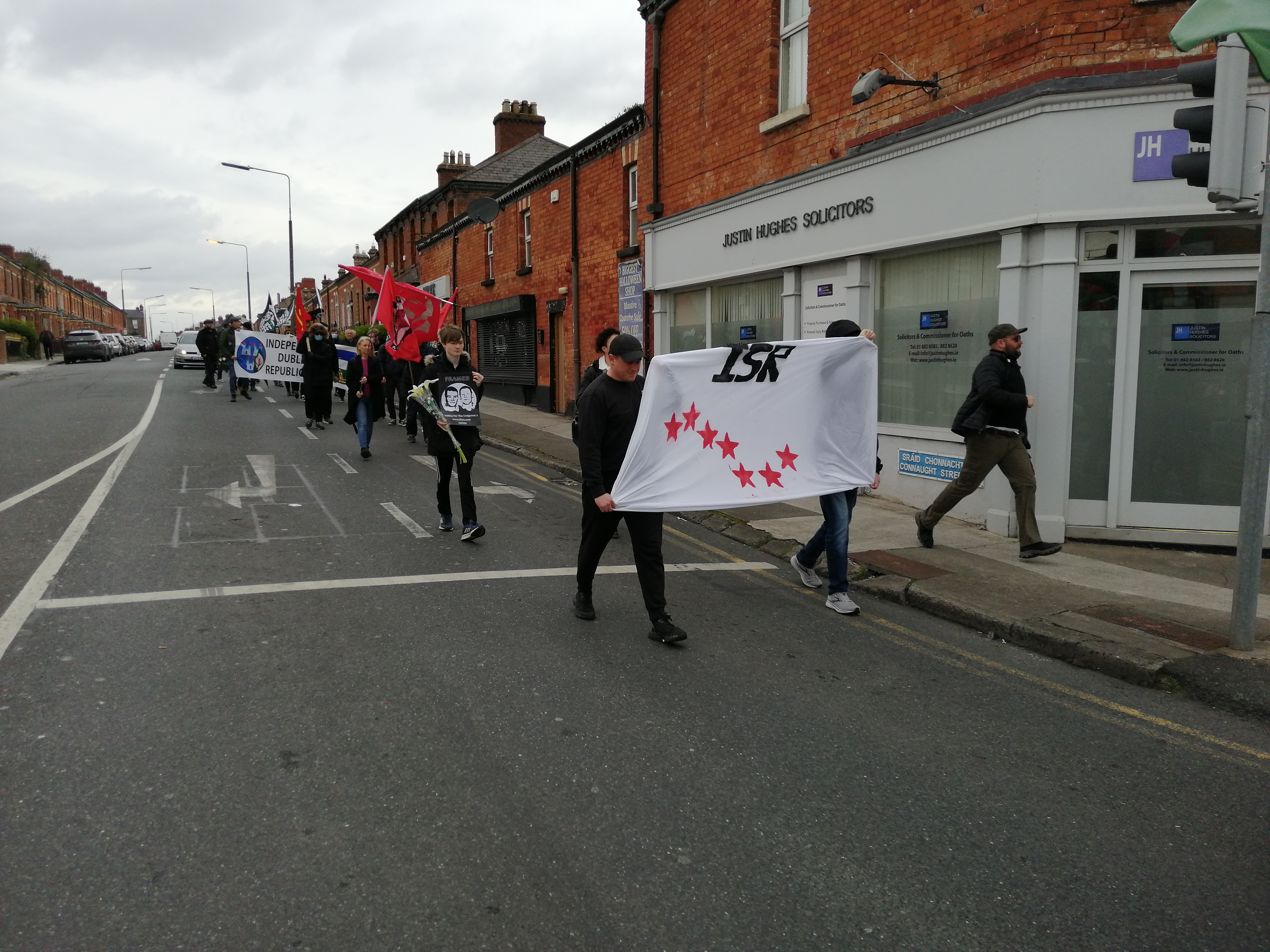
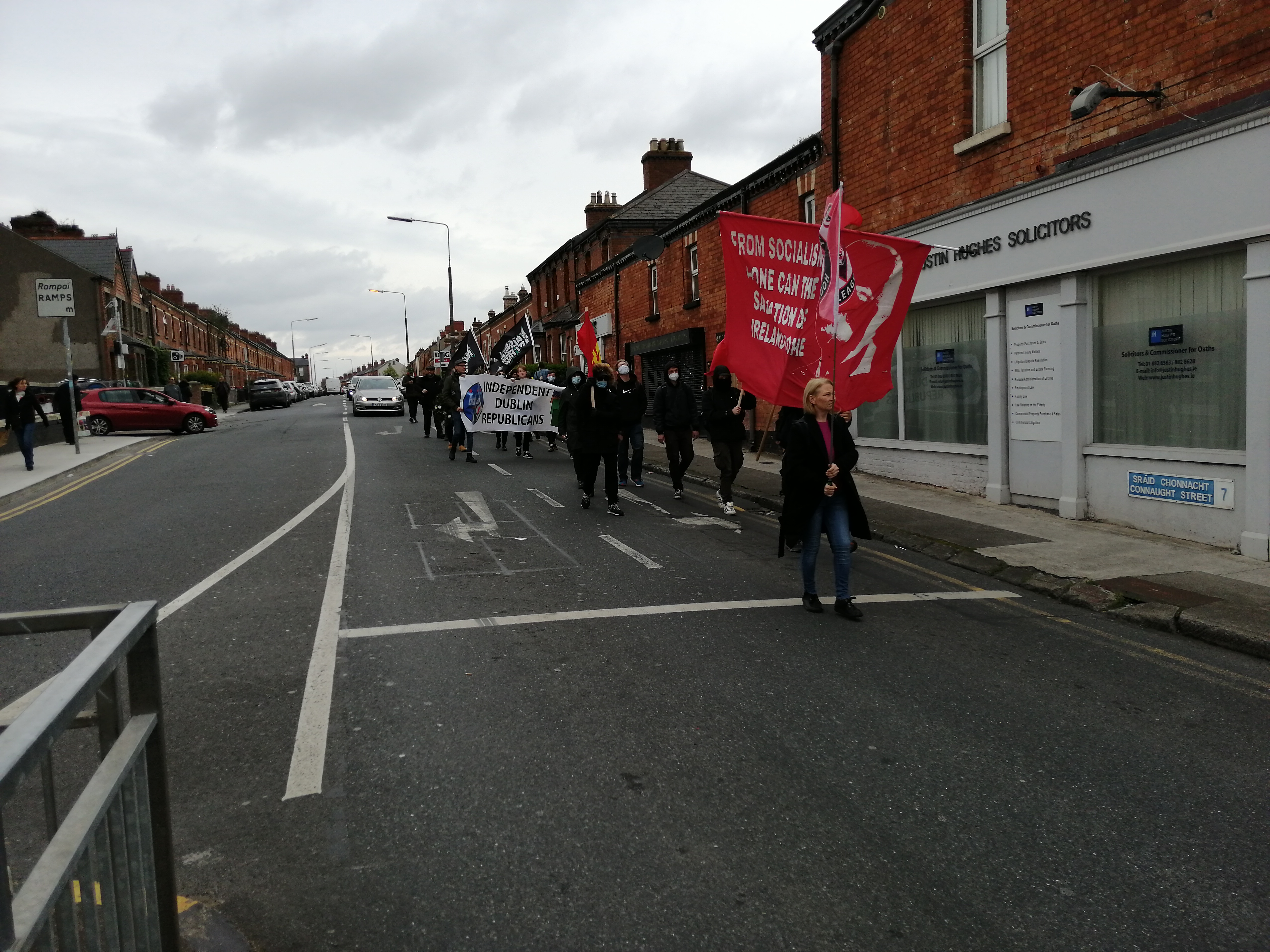
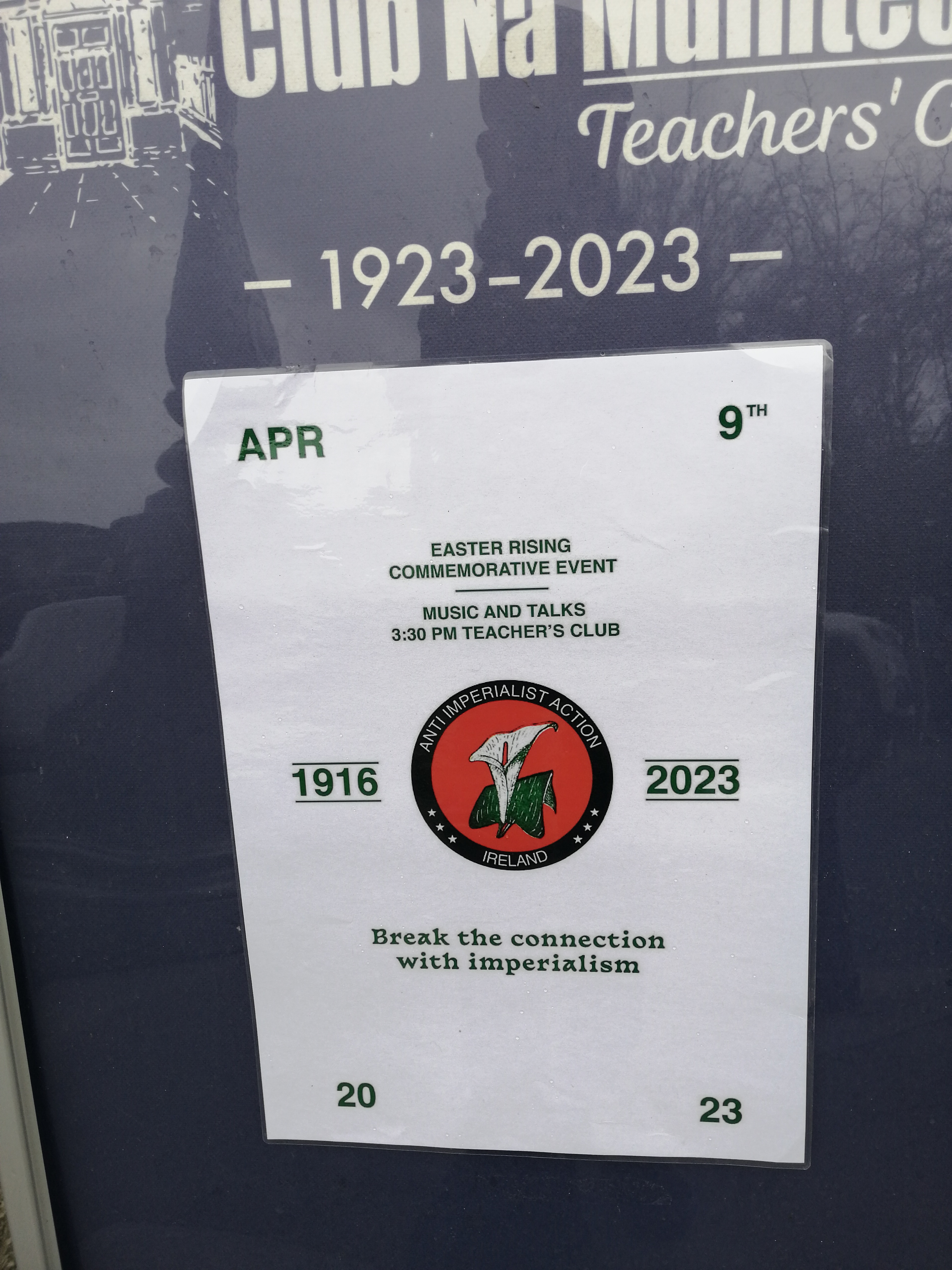
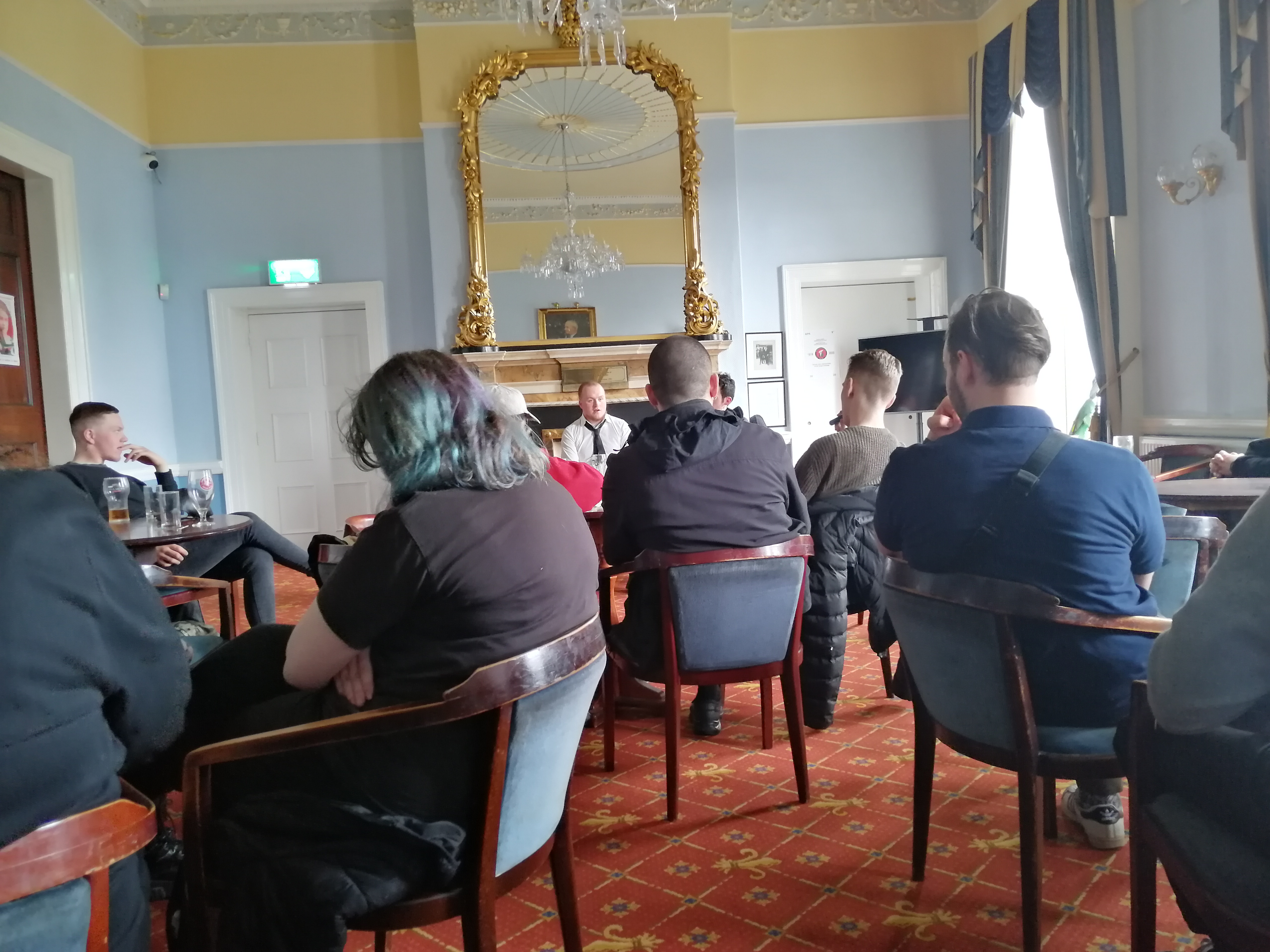




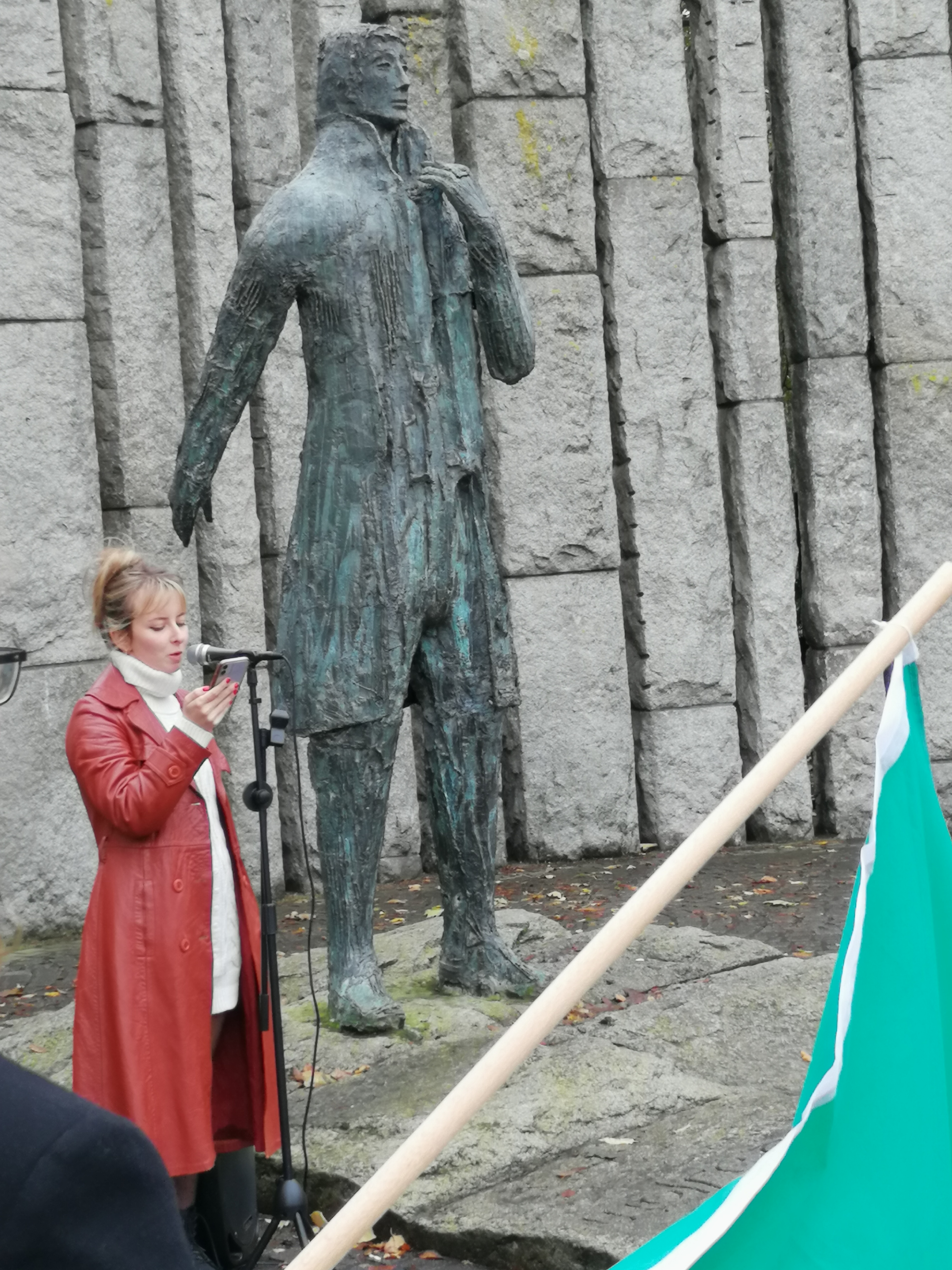
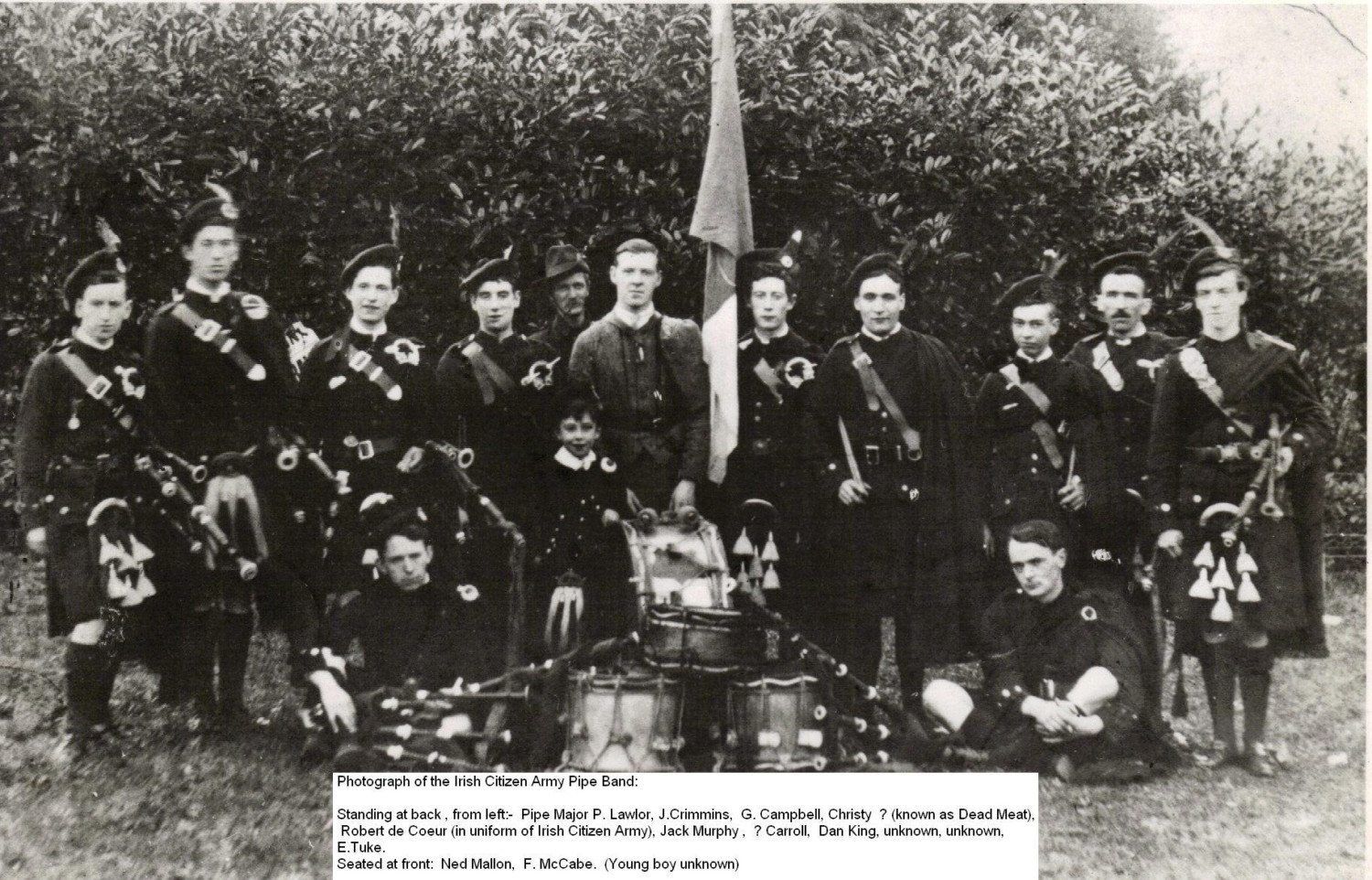
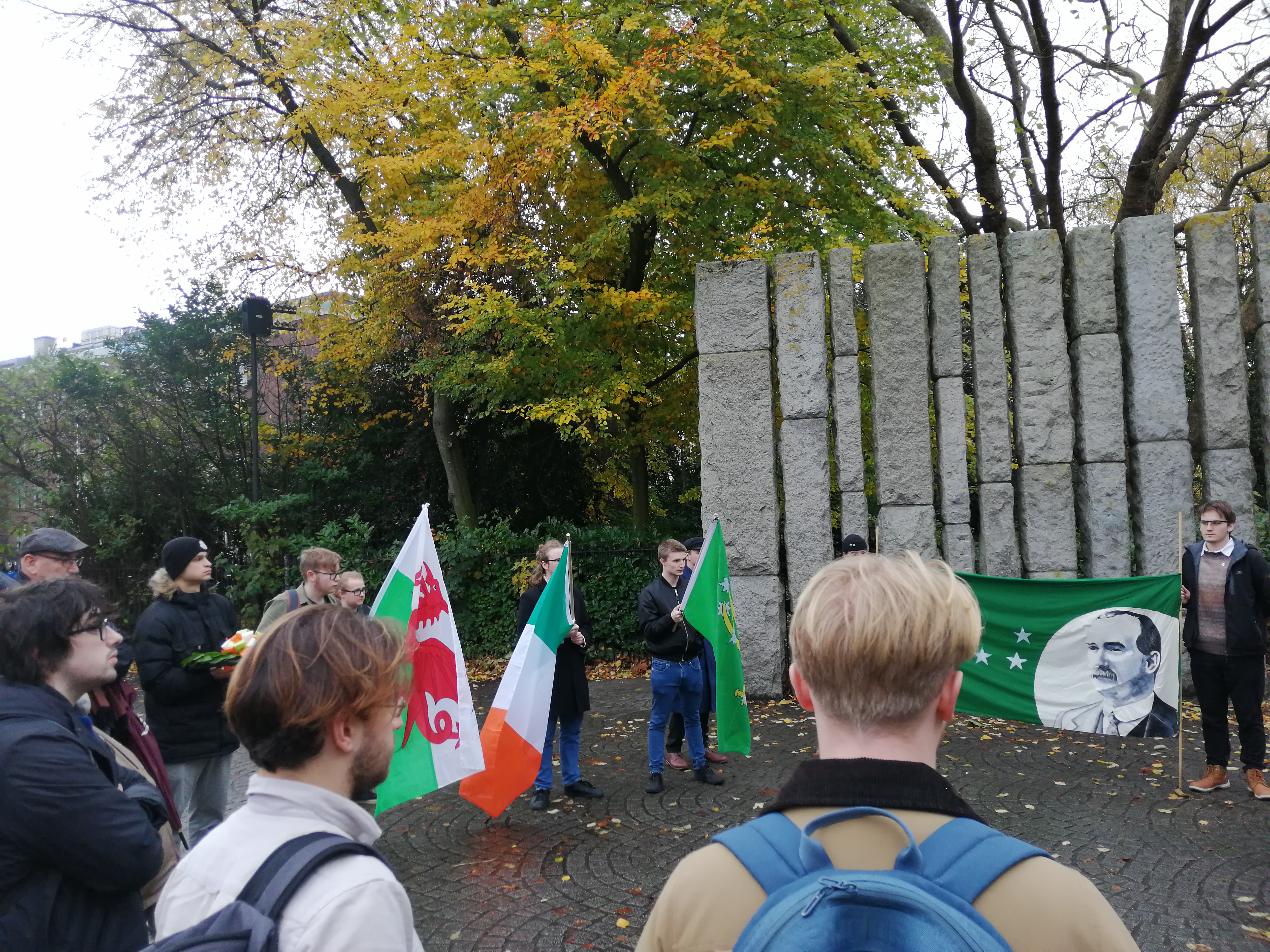
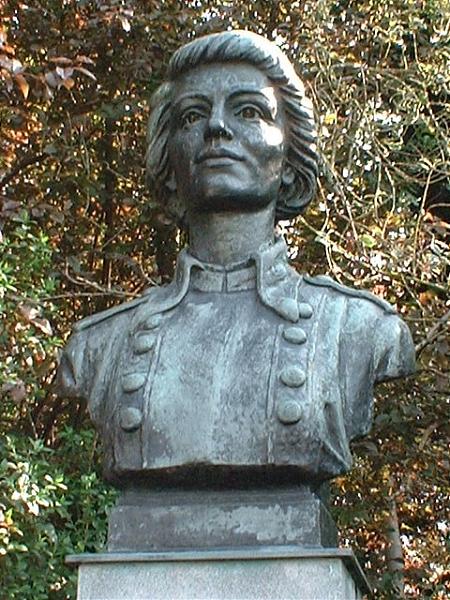
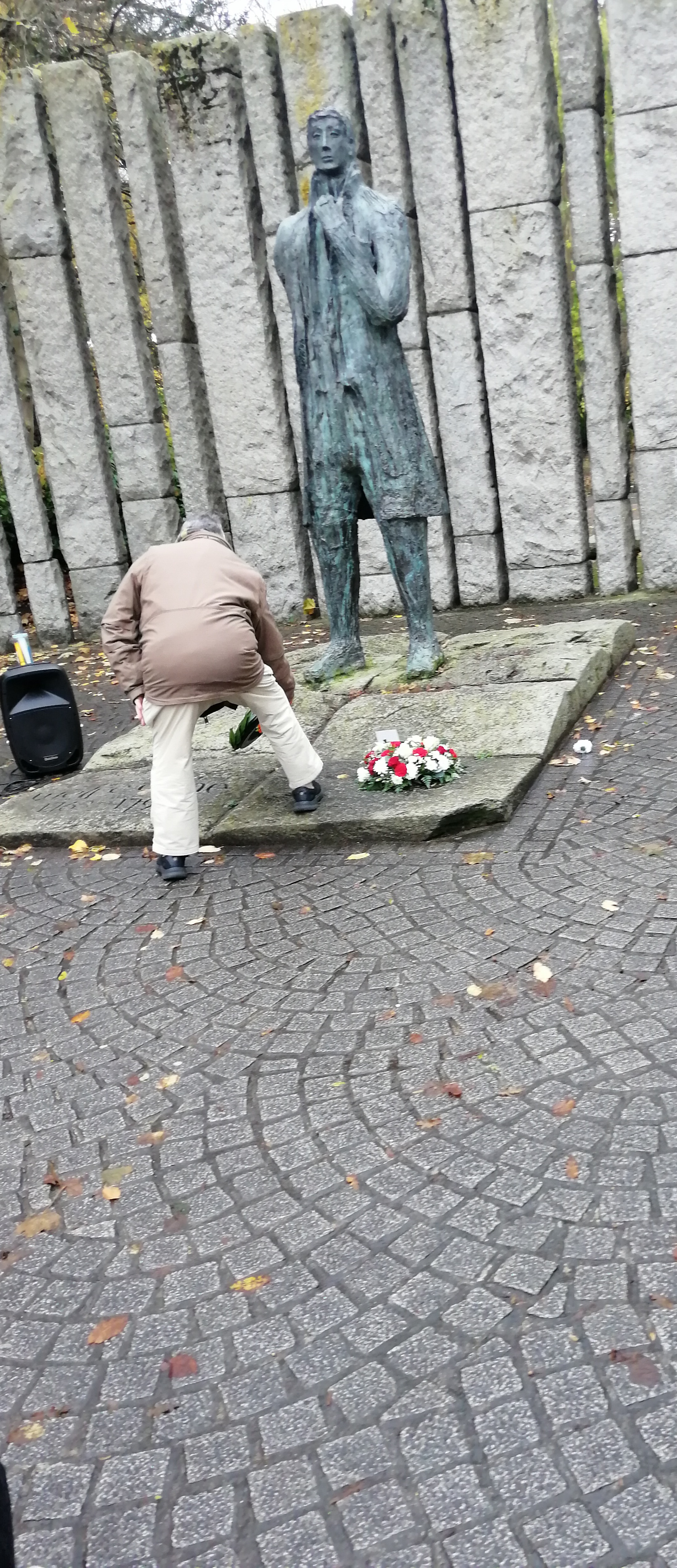
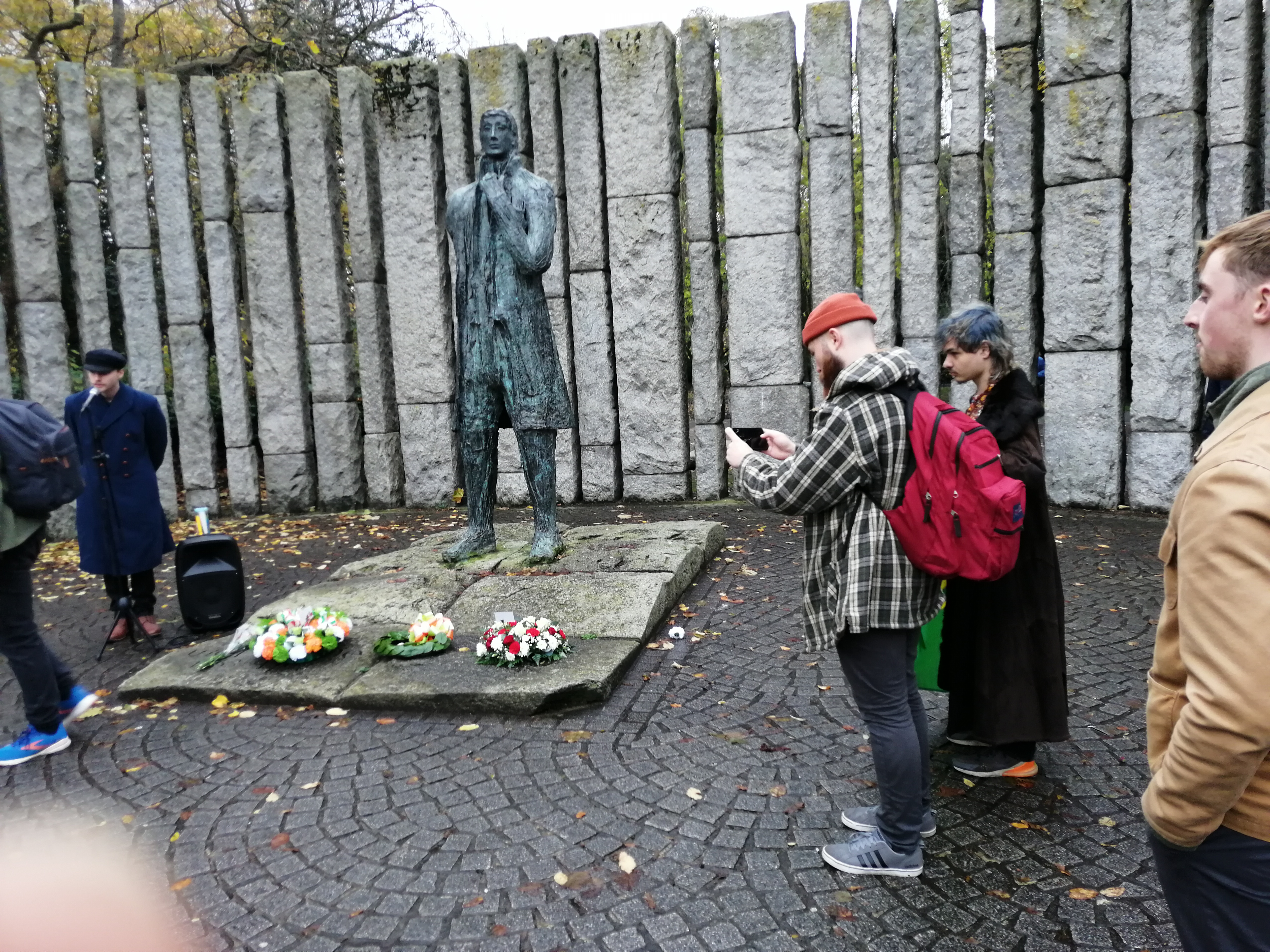


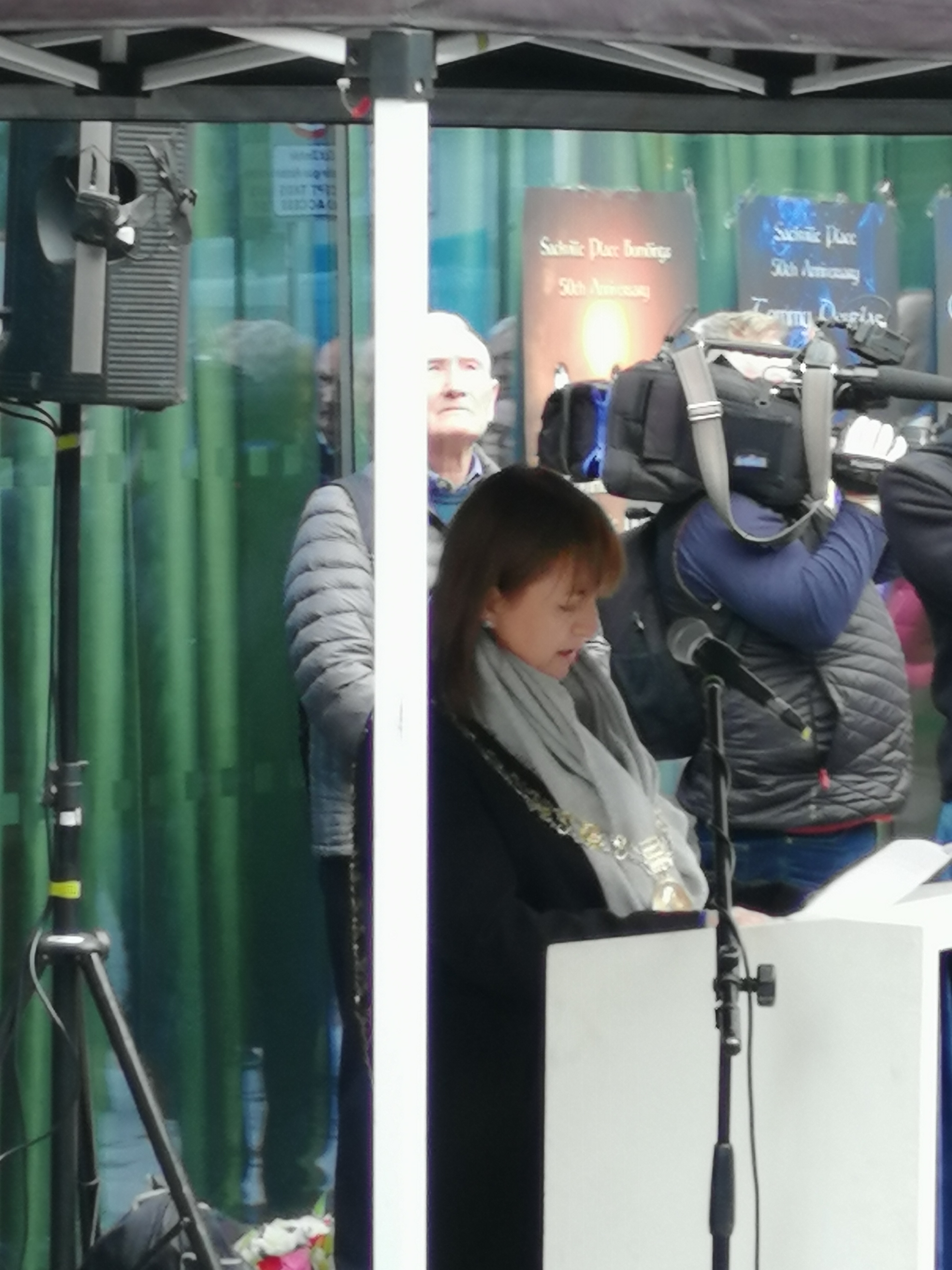


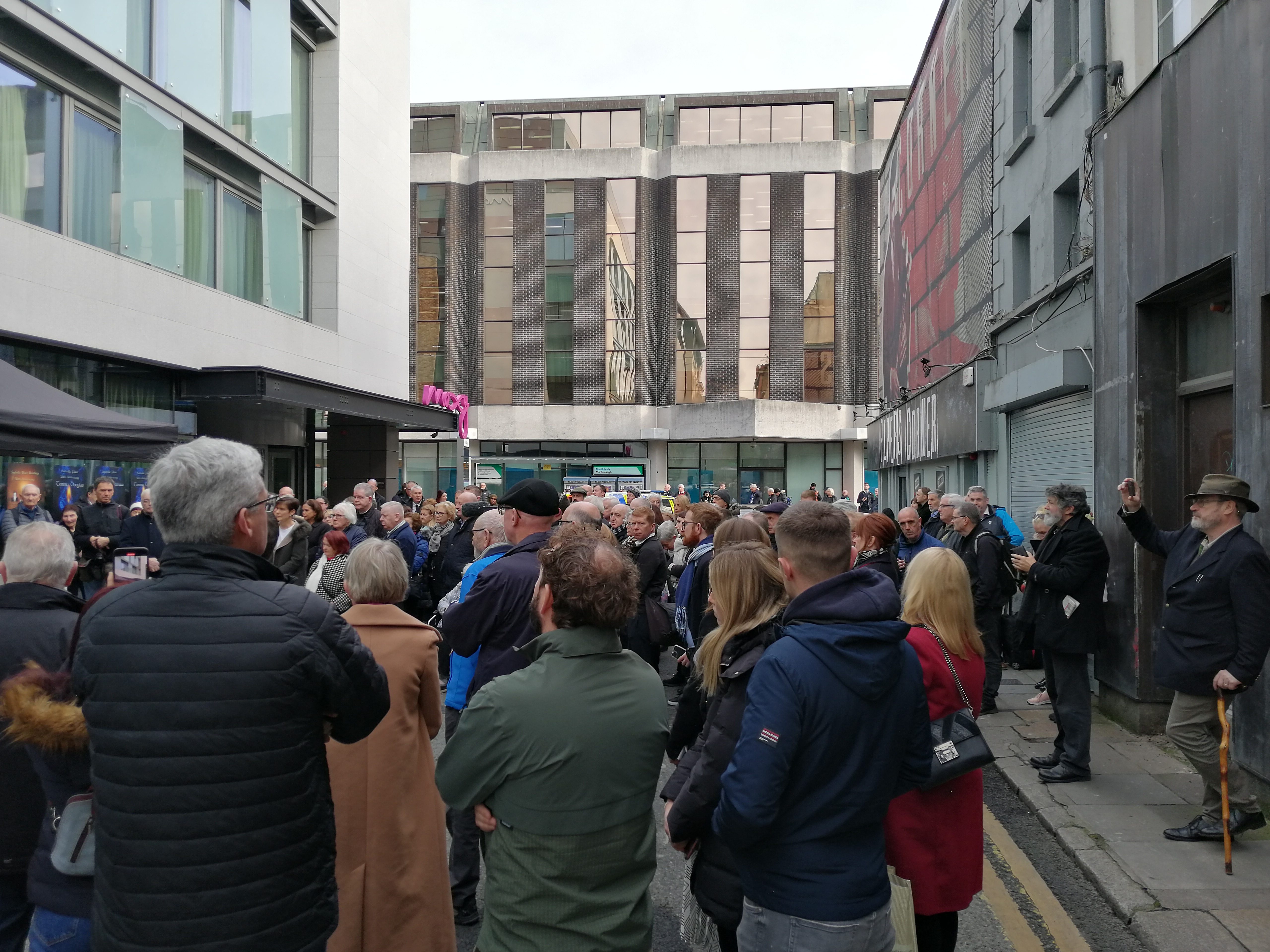

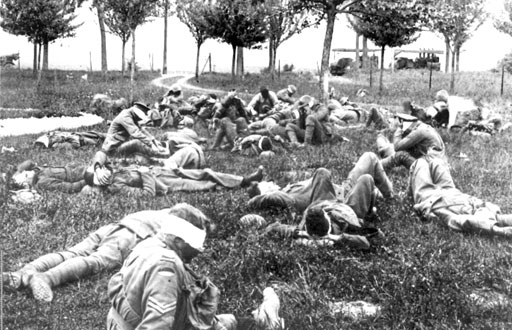

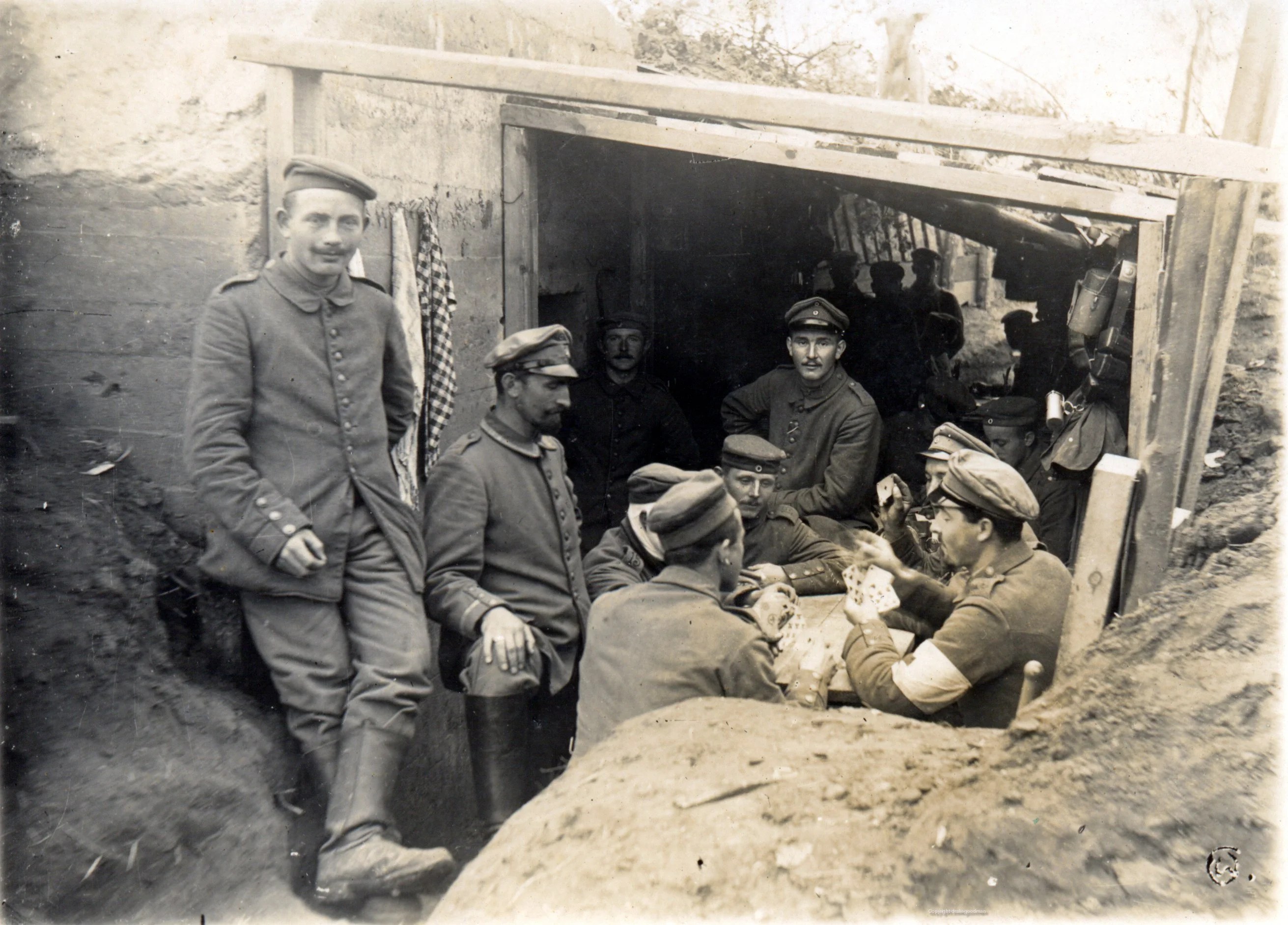
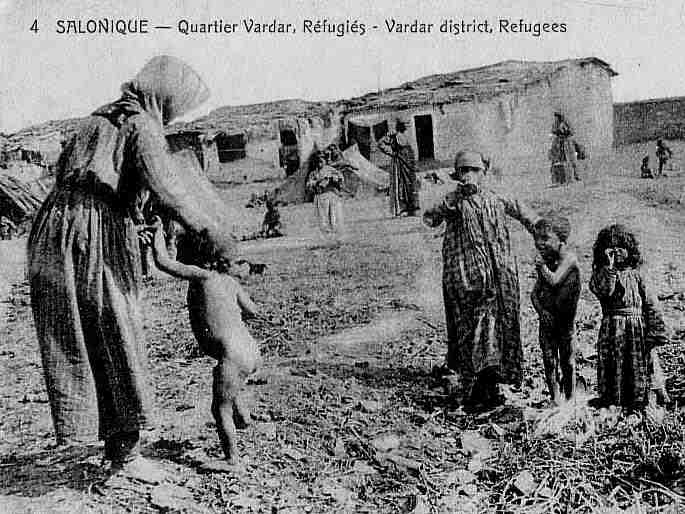
 rebelbreeze
