A deadly disease has struck some people in Ireland, affecting tendons in the legs, control of the tongue and causing partial amnesia. By a strange twist, some of those affected are attracted to the very site of the first outbreak of the disease.
The effect on the tendons in the legs of those affected is dramatic: they can no longer stand up straight and find themselves bending a knee or even collapsing on to both knees, the tongue protruding in bizarre licking motion.
Less visible but in many ways more striking is the amnesia effect. Those affected lose memories of parts of what they learned in school or what they themselves thought and said in the past – even in recent years.
According to Dr. P O’Neill of the Institute of Research and Adjustment, a new symptom was observed recently: “Affected people spent four hours staring vacantly at a film of some anachronistic ritual”.
Dr. T.W.Tone, who has been studying similar outbreaks in the past observed on the affinity of the disease for people of higher social classes: “No-one is guaranteed immunity but it does seem that the lower the social class, the less likely the person is to contract this disease.”
Commenting on the low recovery rate of those who contract the disease, Dr. J.Connolly pointed to the crucial importance of prevention, for which community programs of education can be very effective. “We rely especially on Volunteers,” he said, “men and women who are dedicated to preventing the spread of this disease.”
Revolutionary greetings on the First of May! It is International Workers’ Day, for recalling of the struggles of working people down the centuries past and of resolution to carry the struggle forward until we succeed in building and defending a socialist society.
On that Mayday too we are aware that in some parts of the world, those wishing to mark the date in public will be subject to intimidation or worse: arrest, baton charge or being fired upon. Possibly even trial and death sentence.
HISTORY OF MAYDAY
The day dates from an incident in Chicago 1886, USA, when trade unions and socialist groups of various kinds organised a campaign in many cities of the USA to exchange the common 10-hour1 working day for the 8-hour day. May 1st was set for the start of the campaign
On May 3rd in Chicago, a city central to the campaign for an eight-hour working day, a demonstration as part of the campaign took place outside the McCormick Harvesting Machine company. The police opened fire on striking workers, killing one of them and injuring many.
The anarchists and anarcho-syndicalists organised a demonstration for May 4th to protest the killing of workers. When the police advanced on the peaceful crowd ordering dispersal, a bomb was thrown at them and police opened fire on the crowd, some of whom returned fire.
Some of the police are believed to have shot some of their colleagues by mistake.
Sixty police were injured and one killed; the police chief gave his opinion that more than that number of demonstrators were injured. The media was mostly hostile and many demonstrators wounded would have feared to attend hospital for fear of arrest or worse by police.
Contemporary engraving of the seven originally sentenced to death (Image: Wikipedia)
Subsequently, amidst a wave of police repression, including raids on union halls and people’s homes, eight Anarchists were framed, charged with conspiracy to murder and convicted. One of them was sentenced to 15 years in jail.
The sentences of Schwab and Fielden were commuted to life imprisonment. Linng took his own life in jail but August Spies, Albert R. Parsons, Adolph Fischer and George Engel were hanged by the Chicago State authorities.
Artist’s impression of the hanging of the four (Image: Wikipedia)
In 1889 the (Second) International Workingmen’s Association, a federation of trade unions and socialist organisations, agreed that in memory of that struggle and its martyrs, the First of May should be marked by all socialists around the world as International Workers’ Day.2
The site of the incident was designated a Chicago landmark in 1992 and a sculpture made in 1893 was dedicated there in 2004. In addition, the Haymarket Martyrs’ Monument was designated a National Historic Landmark in 1997 at the defendants’ burial site in Forest Park.
THE FIRST OF MAY BEFORE THAT
In European agricultural society the First of May was celebrated firstly as a pagan festival and later as an allegedly secular one or named for a Christian saint. It celebrated the coming of summer, of growing of crops and of livestock.
Industrial workers originated in agricultural societies or, in the case of early miners, were located near to such. It was natural that they should participate in such festivals and also even generations later create their own around a similar calendar.
European settlers in the USA, many of them from agricultural societies3, brought those traditions with them. That was probably one of the reasons for the date of the Chicago demonstration, although certainly there had been others on other dates.
MAYDAY IN IRELAND
My father took me as a child on my first Mayday march in Dublin. He was an active member of the NUJ and some members of his union and of others participated in a small march through the city centre led by a brass band.
Returning to Ireland in 2003 after decades working in England and marching there on May 1st, I was disappointed by the very small size of Mayday demonstrations in Dublin, though I participated in some and on at least one occasion as part of a Basque contingent.
The oppositional movement to the status quo in Ireland, because of our history of anti-colonial struggle, is dominated by Irish Republicanism. And though all of that movement’s parts would claim to be socialist too, the First of May is not of great importance in their annual calendar.
This is unfortunate because the mass of Irish workers who are not members of the Republican movement need leadership for their class and also, as it happens, most Irish Republicans are workers. And practically all immigrants are workers too.
While fighting for an independent Ireland, do we as workers want to exchange one group of exploiters for another? And is a struggle for an independent Ireland even remotely winnable without enlisting the working class fighting as a class in its own class interests?
James Connolly thought not and our history since his day has certainly attested to the correctness of his view.
NATIONAL HOLIDAY?
On 1st of May for years I took the day off work – unpaid, of course and went into the centre of London, the city in which I was living and working. My destination was usually Hyde Park Corner and if I was then in an organisation I met up others and if not, just joined in as an individual.
Thousands of people met there to rally and perhaps to march and I was aware that around the world not just thousands, or hundreds of thousands but millions were marking that day also. As a day to recall struggles in their own particular countries and in solidarity with others around the world.
Generally the various organisations and tendencies marched with those of their own affiliation but in the same demonstration, with the exception of the Workers’ Revolutionary Party, which on at least one occasion marched in as everyone was leaving.
The WRP was an extremely internally dictatorial and externally politically sectarian trotskyist organisation that at one time up to the mid 1980s was probably the largest socialist organisation,4 certainly outside the ranks of the Communist Party of Great Britain.
The latter organisation, with the support of some other socialists, many of them left social-democrats, began to push for Mayday to become a national holiday, an objective they achieved in 19785 (followed by the Irish State 15 years later)6.
So now I could go to the demonstrations and not lose pay. Great, right?
No, not really. For a start, the holiday was no longer on May 1st but instead on the nearest Monday to the date. More importantly, people tended to treat it as a holiday rather than a day of international workers’ solidarity. Of course people are entitled to holidays but the essence of the day was gone.
And rather than being larger, the demonstrations grew smaller.
Sculpture made in 1893 known as The Haymarket Martyrs’ Monument (Photo: Wikipedia)
A DAY TO RECALL AND AVOW WORKERS’ STRUGGLE
This is not a day for class collaborationists, politicians or union leaders who try to undermine the struggles, water down demands and act as the ruling class’ police on union activists. It is a date for those at minimum in support of militant resistance.
The essence of the day is what we need to keep. A day upholding our struggle, that of the working class against its exploiters, native and foreign. A day remembering our long history of struggle, of victories and defeats, of sacrifices and why the colour of the workers’ flag is red.
It is a day to remember our internationalist duty of solidarity, not as charity or altruism but as partners in struggle across the world, as on a picket line or demonstration we would shield the person beside us and strike out at the company goon, fascist or policeman attacking us.
And rightfully expect the same from those next to us as we ourselves are the subject of assault.
End.
Current mural in Portugal
Footnotes
1That was for a six-day week and 14-hour days were not unknown and in rural areas, even a seven-day week.
2Five years later, U.S. Pres. Grover Cleveland, uneasy with the socialist origins of Workers’ Day, signed legislation to make Labor Day—already held in some states on the first Monday of September—the official U.S. holiday in honour of workers. Canada followed suit not long afterward.
3That would certainly have included most Irish, Italians, Sicilians and East Europeans in the 19th and early 20th Centuries.
4The WRP was the result of a split in socialist organisations and by the mid-1980s was disintegrating in many smaller organisations. It exists still in name but as shade or sliver of its earlier form.
5May Day became an official public holiday all across the UK in 1978 with provisions for it being made in the Banking and Financial Dealings Act. Prior to that time it had been a holiday only in Scotland. The May Day Bank Holiday was instituted by Michael Foot, then the Labour Employment Secretary to coincide with International Labour Day.
6In the Irish State, the first Monday of May became a public holiday following the Public Holiday Regulations 1993 Act. The holiday was first observed in 1994.
Earlier this month I attended a group singing in Basque, a language of which I only know a few phrases, as we walked through streets of the town of Bermeo, in Bizkaia province of the Basque Country.
I was invited by one of the organisers to whom I had been introduced the previous evening by a Basque friend as we walked on an errand through the narrow streets. At the appointed time and place I met the walking singers and about four guitarists, male and female.
Around 40 mostly women, the majority ranging in age from middle-aged to elderly with a scattering of teenagers met in the Town Hall square. Unusually, the Basque ikurrina (national flag) hung from a flagpole there without the legally-required presence of the Spanish State’s flag.
Singing around the port area
Spanish State law decrees that its flag must accompany any others on or in front of municipal buildings throughout the state, be they Basque, Catalan, Galician or other. And that the State’s flag be elevated higher than the others.
However, the municipal building was damaged by fire, it is not open for ordinary business while being repaired, so …
The singing group, Kanta, Kanta Lorue (‘Sing, Sing, Parrot’) was addressed at some length by a woman, apparently their Secretary or Chairperson with I guessed, from the names of towns and dates, a schedule for the month or so ahead. At least one location named is across the border.1
Each of the participants had a songbook or the lyrics saved into their Iphones or tablets and I was loaned a songbook by my contact, who was one of the guitarists. A local man (who could have been Irish by his features) led the singing with great energy, throwing his whole body into the role.
Picking up the airs, I joined in singing the lyrics in Basque of which, as noted earlier, I speak only a few phrases2. This is quite easily done as, like much of Irish, knowing the sound of the vowels one can read the words without knowing what they mean.
The consonants too are simple (unlike in Irish) providing one remembers that TX is pronounced like the TCH in English and X as SH; the J as the English J (not usually as the Spanish J, pronounced like the Irish lenited C, i.e Ch) and that the H is silent (as in Spanish and French).
Pronunciation of individual words is not the problem but what can be difficult is that the Basques often cram a lot of syllables into one line. At times I laughed helplessly as I stumbled to a halt while the rest of the singers pronounced each word to the air, passing on to the next line without difficulty.
Photo of some of the singing group from their Facebook page which is however unused with part of the port harbour visible behind (and also some banners that seem to be the work of the Amnistia prisoners’ solidarity group).
The group proceeded down to the port where the singing continued outside one tavern, then outside another (some wine and beer glasses appearing in the crowd); from there on to the central park area, stopping outside two more pubs.
I am given to understand that the themes of the songs were a mixture, as on might expect, of love for the land, the people, romantic love, seafaring and a few of opposition to foreign occupation and fascism (without naming any names!).
Sometimes the singing included some doing harmonies and once of different sections of the group singing one line behind the others.
Recovering from being unwell and feeling tired, I enquired politely how many more stops we were due to make. “Only a few more” I was assured but it soon became clear that I was being teased, this was the last stop. And here one of the guitarists was urged to play and sing an Irish song in English.
After a little reluctance, he did so and it turned out to be The Wild Rover3ballad. I sang along and soon took over the verses as, to my surprise, I recalled lyrics I had not sung in probably over two decades, with some of the ensemble joining in on the chorus. Then it was agur, gabon and etxera.
There are around 140 such singing groups throughout the Basque Country, one of the participants told me, some meeting monthly, some more often and others still only on special occasions (such as local festivals). The accompanying instruments too may vary.4
The occasion was an enjoyable one for me and seemed so for the other participants, who take to the local streets one evening a month. This is an activity we in Ireland could easily emulate: we have probably many more songs (at least in English) and likely more musicians than do the Basques.
End.
Footnotes
1The Basque Country consists of seven (zazpi) provinces (zazpiak bat = ‘the seven [are] one’), three currently in the French state and four currently in the Spanish state.
2Although my mother was born and raised in the Basque Country, neither she nor her mother spoke the language and her father was German. The language was forbidden during the Franco dictatorship of four decades and her part of the family may not have had much Basque nationalist feeling. As a result, the language I learned from my mother is Castilian Spanish, with which I can converse with Basques from the Spanish state, though I try to use whatever Basque I have learned since. Hori da.
3In case there should be others, this is the one with the opening line of I’ve been a wild rover for many’s the year … Although it has been in the Irish repertoire for centuries, it’s actual national origin is unclear.
4For example, the Taberna Ibilitaria group in Bilbao includes acoustic and electric guitars, txistu (3-hole Basque flute), ordinary 6-hole flute or whistle (which they call “Irish”), piano accordion, trikitsa (small diatonic accordion) and pandera (small open one-sided drum like the tambourine but without the ringing pieces).
Hundreds of primary and secondary school students demonstrated on 29th April outside the Irish Parliament, to protest the decisions on the Irish language curriculum and lack of State support for education through the Irish language.
Teenagers and younger, many in their school uniforms, led by a few organisers, shouted slogans and some carried placards and banners. There was a sprinkling of a few older adults in their midst also, some long-time campaigners for the Irish language in society.
Primary and secondary school pupils attended from at least six colleges, all Gaelscoileanna, i.e those where instruction in all subjects (except English) is through Irish. Led in by an adult and spontaneously, they chanted slogans such as: Tír gan teanga, tír gan anam!
Confirmed in attendance were pupils from schools in three counties: Coláiste Íosagáin and Coláiste Eoin, from South Co. Dublin; Coláiste na Mara (Co. Wicklow); Coláiste Rachrann (North Dublin), Coláiste Chill Dara (Co. Kildare).
Julian de Spáinn, General Secretary of Conradh na Gaeilge (Gaelic League), a state-funded organisation for the promotion of the Irish language, speaking in Irish, said that the education system is “broken in relation to the Irish language.”
“A comprehensive policy needs to be developed for Irish within the education system from pre-school to third level”, De Spáinn stated. Irish within the education system has been surrounded by controversy in recent years from teachers, parents, students and language organisations.
Concretely, De Spáinn called for the immediate establishment of a working committee “composed of people who understand Irish within the education system and that have experience of it.” He said that the specifications and syllabus for the Junior and Senior Cycles are “nonsensical”.
He went on to claim that more than 90% of those teaching the Senior Cycle are unhappy with it and went on to criticise Minister Foley’s decision to move Paper 1 of the Irish exam for the Leaving Certificate to the fifth year (although its implementation has now been delayed).
In addition to criticising the lack of Gaelscoileanna throughout the state, De Spáinn stated that the exemptions from Irish language study are “out of control” and that pupils with special needs were not receiving the necessary service that they may be facilitated in studying Irish at school.
Shane Ó Coinn, Chairperson of An Gréasán do Mhúinteoirí Gaeilge, the website for teachers of Irish, stated that Irish in the education system was suffering, for which the main cause is that the Education Department had ignored the opinions of teachers and of pupils.
“It is clear from the results of SEALBHÚ”, he continued, “that an oral examination in the third year is urgently needed, the marks for which should account for 40% of the total.”
Gráinne Ní Ailín, officer of the Irish Union of Post-Primary Students, said that an integrated approach of the education authorities was missing and that a proposal from one agency was conflicting with another.
“On the one hand, the Education Minister is intent on moving Paper 1 of Irish to the fifth year, while the state agency, the National Council for Curriculum and Measurement is working on changing the entire curriculum specifications for the Leaving Certificate.”
“It is not possible to carry out both actions simultaneously,” Ní Ailín said and recommended taking a step back and putting together a comprehensive plan.
Pictiúr: Leon Farrell / Photocall Ireland
Status of the Language in the Irish State
Many may be surprised to know that Irish is not only an official language in the Irish state but, according to the Constitution, the language of first status. Nevertheless, Irish-speakers have become a minority in the state and the Irish-speaking areas are all shrinking.
Despite the official position of the State and which Governments and civil servants are obliged to support nominally, many people report a lack of services through Irish at all levels of State and in public services, with even official public notices in Irish often garbled or even incorrect1.
In the 1960s and ‘70s it was only through campaigns including civil disobedience and supporters being fined or even jailed that the State provided an Irish-language radio station and a TV channel and legislation obliged State departments to provide services through Irish on request.
When the Irish state joined the EU (formerly EEC) it did not request that Irish be an official language of the organisation but it became so on 31st December 2021 — and may well reveal a large gap in availability of translators.
The Gaelscoil (school teaching through Irish) movement may be said to be the only visible success for the language within the territory of the Irish state but, as the protests and many other factors reveal, it has struggled against the State system of which it is a part.
In 2020-’21 academic year, there were 152 Gaelscoileanna outside the Gaeltachtaí (Irish-speaking areas), with at least one or two in each county and catering for 7% of all children at that level outside the Gaeltachtaí in the Irish state.2
Out of 700 post-primary education facilities in the Irish state outside the Gaeltachtaí only 29 are Gaelcholáistí, or 2.8% of the total. Ten of those are in Co. Dublin, four in Co. Cork and some other counties have one or at most two.
But twelve counties out of the 26 in the Irish state do not have even one Gaelcholáiste (post-primary level), i.e. approaching half of the counties in the state.3 In a tragic irony, this includes Co. Clare, from which the Irish-speaking Aran Islands are believed to have been colonised4.
In addition there are some units and streams teaching through Irish in other schools and colleges but of course outside of the classroom, even within the school, the dominant environment is an English-language one.
Twenty-eight Gaelcholáistí, representing 18% of total Gaelscoileanna are DEIS, i.e addressing educational disadvantage integratedly. Although 31% of Gaelcholáistí are of Catholic ethos, 69% are multi-nominational or non-denominational.
However, outside the Gaeltachtaí, even with fully-immersive Gaelscoileanna, how is daily use of the language in society to be promoted when the pupils find themselves surrounded by exclusively English language in their lives outside the school gates?
The Irish Language in the Colony
The British colony in Ireland (incorrectly named “Northern Ireland”) from its creation in May 1921 was hostile to the Irish language, as indeed it was to all expressions of ethnic Irish culture. Unionist MPs openly mocked the Irish language even inside their parliament.
Nevertheless following substantial pressure, its parliament passed the Identity and Language (Northern Ireland) Act 2022, giving the language a legal status within the colonial statelet5.
However, as we have seen even in the Irish state, legal status is not necessarily followed by appropriate implementation and unionists have thrown up obstacles against even the erection of bilingual street names within the colony.
(Photo: Leon Farrell/ Photocall Ireland)
Comment
The Irish language has been a part of all movements for national independence of Ireland. The occupier sought to ban its use among its colonisers and degraded its importance and use in all legal, educational and religious spheres.
Though the Irish state formally defended and promoted Irish, it presided over huge emigration for most of its existence. This combined with lack of development of the rural Irish-speaking areas encouraged a drift away from Irish for those whose language it had been at home.
Despite the activity of earnest individuals no major political party in practice moves itself energetically to promote the language. It is not required of their members or even representatives and none run any major language acquisition program – even for their own members6.
The same is true of all Irish Left and Republican political parties and organisations at this time.
Most advances have been won by political activism and the work of volunteers, across a number of parties and none. The movement continues to call on the State to put its money where its mouth is, as the saying goes, or the equivalent in Irish, to commit “beart de réir a bhriathair.”7
Footnotes
1The State used incompetent translation for its Irish language version of its video on the 100th anniversary of the 1916 Rising. The whole video was withdrawn after wide-scale criticism of even the general content in English. Notices urging people to remain safe from Covid, when translated to Irish urged them instead to besaved!
4There are a number of indicators for this instead of from Conamara but one is the pronunciation of the lenited M followed by a broad vowel, which would sound like a W in Conamara but a V in the Aran Islands. This Clare dialect can be seen in place-names extending into Co. Galway, for example Cinn Mhara pronounced Kinvara (it would be pronounced Kinwara in Conamara).
5Even then, to placate Unionist opposition, it had to share equal space with the promotion of Ulster Scots dialect, widely known to be spoken in actuality by less than tens of people.
6This is true even of Sinn Féin, the political party most in support of the Irish language. Their activity in its support within the Irish state comes nowhere near matching the same within the Six County colony, suggesting that for them the Irish language is principally a useful stick with which to beat their Unionist opposition.
On Sunday participants in a 1916 Rising Commemoration organised by the Irish organisation Anti-Imperialist Action were harassed by police as they gathered to march to the Irish Citizen Army Republican plot in Glasnevin Cemetery.
Six political police in plain clothes walked among those gathered beside Phibsborough shops demanding names and addresses of the participants, most of whom were fairly young. Four uniformed Gardaí also stood nearby and a Public Order Unit van parked at the cemetery entrance.
The participants declined to be intimidated and set off on their march, led by a lone piper playing Irish marching airs, followed by a colour party with different banners interspersed among the marchers, among which fluttered many flags.
Organisers had learned that the coach carrying members of the Republican Flute Band from Scotland that was to lead the parade had been prevented by police there from taking the ferry to Ireland.
Centre photo: Four of the six plainclothes political police violating the civil rights of the peaceful people commemorating the Easter Rising. (Photo: D.Breatnach)Centre photo, another two plainclothes political police. The bald man joked while he harassed people. (Photo: D.Breatnach) (Photo: D.Breatnach)
Historical background
In 1916 a broad alliance the Irish Volunteers, Irish Citizen Army, Cumann na mBan, na Fianna Éireann and Hibernian Rifles1 took part in a Rising organised by the Irish Republican Brotherhood against British rule in Ireland and against world war.
Due to a number of unfortunate circumstances, the leader of the Volunteers cancelled the Rising which however went ahead a day later than planned and was for the most part confined to Dublin, where a third of the numbers in the original plan took part and fought for a week.
The occupying British Army shelled the city centre from a gunship in the river Liffey and also from artillery on land. Explosions and resulting fires destroyed much of the city centre including the General Post Office in the main street, which had been the headquarters of the insurrection.2
After a week with the city centre including the GPO in flames, the rebel garrison evacuated to Moore Street where the following day, surrounded and vastly outnumbered, the decision was taken to surrender.3 A British military court passed death sentences on nearly a hundred prisoners.
All but fifteen of those sentences were commuted to long jail periods but the seven Signatories of the 1916 Proclamation4 and another seven were shot by British firing squad in Dublin, a fifteenth in Cork and after trial months later a sixteenth was hanged in Pentonville Jail, London.
At Easter 1917 Irish Republican and Socialist women commemorated the 1916 Rising; ever since then Irish Republicans and sometimes Socialists in Ireland and in many parts of the diaspora have commemorated the Rising, whether legally5 or otherwise, in jail or at liberty.
The War of Independence began in 1919 with many of the Rising’s survivors participating6.
(Photo: D.Breatnach)
(Photo: D.Breatnach)
(Photo: D.Breatnach)
The Parade on Sunday – local and national historical memory marked
At Cross Guns Bridge over the Royal Canal the parade halted and flares were lit in memory of events there in 1916.
Marching along the Cabra Road, the wall and a watchtower of the north side of Glasnevin Cemetery on the left of photo. (Photo: D.Breatnach)
On Easter Monday 1916 a small group of Irish Volunteers had marched from Maynooth along the canal bank to join the Rising in Dublin and found guarding the bridge two Irish Volunteers who advised them to wait until the following day to go into the city centre.
The Maynooth group spent the night in Glasnevin and the following day marched into the GPO, passing an empty Cross Guns Bridge on the way. Back towards Phibsborough, British artillery had blown a barricade and killed Seán Healy, a Fianna member at the Nth. Circular Road crossroads.
Later, the Dublin Fusiliers unit of the British Army blockaded the bridge, preventing people from crossing it in either direction. They shot dead a deaf local man who failed to heed their challenge because he did not hear it.
We Serve Neither King nor Kaiser but Ireland declared one banner carried last Sunday, Britain/NATO Out of Ireland another, This Is Our Mandate7, Our Republic and Collusion Is No Illusion, It Is State-Sponsored Murder were another two.
A large banner also declared alongside the image of James Connolly that Only Socialism Can Be the Solution for Ireland. Some organisations also carried their own banners, such as those of Dublin Independent Republicans, Ireland Anti-Internment Campaign and Irish Socialist Republicans.
Flags fluttering included those bearing the logo of the organising group Anti-Imperialist Action and others bearing the slogan “Always Anti-Fascist”, green-and-gold Starry Ploughs, a couple of Ikurrinak (Basque flags) and another two of Red with Hammer & Sickle in yellow.
Basque and antifascist flags (Photo: D.Breatnach)
At the Monument: speeches and songs
At the monument (Photo: D.Breatnach)
Glasnevin Cemetery (ReiligGhlas Naíonn) covers over 120 acres in North Dublin city and is in two parts, each with Republican Plots separated by the Cabra Road and contains the graves of both famous and ordinary people.
On the north side there is also access to the Botanic Gardens, both on the south banks of the Tolka river. The imposing Monument to numerous Republican uprisings and the Irish Citizen Army Republican plot is on the south side, across the pedestrian bridge over the railway line.
(Photo: D.Breatnach)
A man chaired the event for Anti-Imperialist Action and spoke briefly, introducing people for readings (all of which were from James Connolly) and for orations. The presentations of these were evenly divided between men and women, three of those being of young people.
Three songs were sung: a woman sang The Foggy Dew (by Charles O’Neill) and Erin Go Bragh (by Peadar Kearney), while a man sang Patrick Galvin’s Where Is Our James Connolly? Two women read out pieces by James Connolly and another read out the 1916 Proclamation.
Person chairing the event (Photo: D.Breatnach)
The words of the chairperson and of those giving orations were different but there were common themes: upholding the historic Irish spirit of resistance, the importance of the working class in history and the objective of a socialist Republic encompassing the whole of the Irish nation.
These words were balanced by denunciation of US and British imperialism and the colonial/ NATO occupation of the Six Counties by the latter; the Irish client regime; the special no-jury courts8 of both administrations in Ireland and repression by police forces and occupation army.
One of the singers (Photo: D.Breatnach)
One of the readers (Photo: D.Breatnach)
One of the readers (Photo: D.Breatnach)
Also denounced were those political parties that had abandoned the struggle for the Republic and instead had become part of the colonial and neo-colonial administrations or, in the latter case, were on their way to becoming so.9
Floral tributes were laid by representatives of a number of announced organisations and then others came forward to lay floral tributes also. The colour party lowered flags for a minute’s silence in homage and salute before slowly raising them again and the piper played Amhrán na bhFiann.
The other singer Lowering of the colour party flags in homage to the fallen in the struggle (Photo: D.Breatnach)Colour party raises flags again in symbolism of the struggle continuing (Photo: D.Breatnach)
The chairperson thanked all for attendance, listing organisations by name and cautioning all to stay close together as they left, due to the threatening presence of Gardaí and in particular the Public Order Unit. In the event, the celebrants exited the cemetery and dispersed without incident.
1A small unit, an armed wing of a split from the more socially conservative USA version of the Ancient Order of Hibernians, their participation in the Rising was notable.
2Photos of much of the destruction are available on the Internet and accessible by search browser.
3The terrace they occupied still stands and is the object of a historical memory and conservation struggle against property speculator plans approved by the municipal city managers and Government political parties (see smsfd.ie).
4A remarkable document, the text of which is available from many postings on the Internet.
5Irish women commemorated it in public in contravention of British WWI martial legislation in 1917 and 1918 and for decades the public commemoration of the 1916 Rising (and even the flying of the Irish Tricolour) was forbidden in the British colony of the Six Counties with attendant colonial police attacks on any attempt to do so.
6Sometimes inaccurately called “the Tan War” (reference to a special colonial police auxiliary force that became known as the “Black n’ Tans”), the war saw the birth of the IRA and lasted from 1919-1921. A British “peace” proposal opened deep divisions in the nationalist coalition and was followed by a Civil War 1922-1923, in which the pro-Treaty government and armed forces were armed and supplied by the British to defeat the Republicans in a campaign of repression and jailing, military actions, kidnapping and torture, murder of prisoners, assassinations and over 80 formal executions.
7Also displaying text referring to the First Dáil’s Democratic Program of 1919.
8The Diplock court in the colony and the Special Criminal Courts in the Irish State, political special courts in all but name, with low proof bar and abnormally high conviction rate and refusal of bail while awaiting trial.
9References to 1) the 1930s split from the Sinn Féin party, the Fianna Fáil political party that became a preferred Government party of the foreign-dependent Irish ruling bourgeoisie and 2) to the Provisional Sinn Féin party who endorsed the British pacification plan in 1998 and embarked on the road to becoming a party of reformist nationalism in the colony and is heading for neo-colonial (and neo liberal capitalist) coalition government at the moment.
The stage production of Tales From the Holywell, written and performed by Damien Dempsey, is currently running at the Abbey until the 18th – and possibly beyond. Once advertised it was booked out for three weeks (with possible access through cancellations).
It was through cancellations that I and a few others faithfully waiting got in to see the performance on the 7th (it was closed on the bank holiday of the 6th). I really enjoyed it and cried laughing at times.
The whole audience gave him a standing ovation at the end and joined in singing one of his songs during his encore.
The stage set was bare and without background, with stage lighting showing Dempsey alone at times and at others, revealing players of keyboard, violin, double bass and percussion. Dempsey accompanied himself, alternating between two guitars.
The production consisted of Dempsey talking about his upbringing, his difficulties with his father but with whom he went to live when his mother left home, childhood and adolescent battles, his struggles and desires as an artist – all interjected with humorous cracks and songs.
He comes across as a man committed to his art and with integrity.
Dempsey performing at Abbey Theatre (Photo sourced: Internet; audience photos were prohibited)
Dempsey was raised in Holywell Crescent, a collection of local authority houses constructed on the site of an ancient holy freshwater well. This was one of probably thousands of wells across Ireland, each thought to be inhabited by a pagan spirit and then given a saint’s name by Christianity.
The well after which Dempsey’s street was named was St. Donagh’s Well (probably misnamed, see Links below) near Killbarrack and as the area became anglicised, called only “the Holy well”, then “Holywell” and the pool itself filled in and built over.
Whether he can speak it or not I have no idea but the Irish language made an appearance from time to time in Dempsey’s narrative, always with respect and, one might say, even reverence. And I was amazed to hear him sing a verse from An Cúlfhionn a capella, totally in Irish.
His song Colony – some might say masterpiece – gives a clear indication of what Dempsey feels about the long colonisation of Ireland and its parallels elsewhere in the world. I hoped he might take the opportunity to comment on the growing racist mobilisations in Ireland but was disappointed.
Dempsey performing (Photo sourced: Internet)
Conor McPherson directed the production which was written and performed by Damien Dempsey.
Apart from Dempsey’s, other music was provided by Lucia McPartlin (fiddle, vocals), Aura Stone (double bass) and Courtney Cullen (drums, percussion, vocals). I noted no name given in the theatre program for the keyboard and vocals performer.
I’m a great fan of Damo’s lyrics but less so of his singing; a question of musical and cultural taste, I suppose. But still I rose, wholeheartedly with the rest, to applaud his performance.
Whether its run will be extended I don’t know but currently it’s advertised to end on 18th February. If you haven’t booked, it’s well worth getting there early and hoping for a cancellation.
Whilst many of the Wokerati repeat uncritically any statement from the Western media or even NATO on Ukraine, wokeness itself was not to be found in Ukraine.
The rabid right wing homophobic sentiment expressed at gay rights marches before the war, was not a fertile ground for the Wokerati.
Homophobia abounds, as does racism, something we saw when black people were taken off or prevented from boarding trains leaving Ukraine at the start of the war.
Gay rights and racism are not woke issues per se, in fact the Wokerati in the West have abandoned gay rights, particularly Lesbian rights, in favour of male heterosexuals invading women’s spaces. But you get the general idea about Ukraine being a hostile terrain.
Not any more, wokeness and its methods have come to Ukraine. How it has done so, and on what issue, is illustrative of the reactionary nature of wokeness. When Russia invaded Ukraine, ridiculous calls were made to ban everything from Tchaikovsky to Tolstoy.
In doing so, they emulated woke calls for authors to be banned from the airwaves and also the rewriting of history with long dead authors being judged by current understandings of society on issues like race, but not class.
Class was still fair game, in fact it is the target of many woke comedians, whose middle-class audiences like to show their social sense of rightness by frowning on historical authors on issues, like race, women (to a degree only) and others.
So, we are only a few steps from Shakespeare, John Donne and others getting chopped, but they have no problem with working class people being the target of their jokes.
Now the Ukrainians have got in on the game with calls for the closure of a museum in Kiev dedicated to the writer Mikhail Bulgakov.1 Yes, I had to look him up too. I have to confess to the woke literati that he was never on my radar before this moment.
I mean, he is not Tolstoy, is he? And he is certainly not anything closer to home like Beckett, or even the English author Thomas Hardy, both of whom have survived the woke banning spree so far, but this might be because their stuff is a little dense and maybe they haven’t read them yet.
I know I haven’t, though as a child my Da would read them and sometimes out loud. So, I knew not to bother with them at an early age, unless you were going to get very serious.
Bulgakov’s crime was that he wasn’t enamoured with Ukrainian nationalism and so he must be expunged from the record.
Mikhail Bulkakov Museum Kiyv (Photo sourced: Internet)
Ukraine’s national writers’ union has called for the museum at number 13A Andriivskyi Descent – a historic cobbled street linking the upper town with the district of Podil, on the banks of the Dnipro River – to be closed down.2
Apparently, he even criticised some Ukrainian nationalists of his time and Stalin was fond of some of his plays, though he censored him at the same time. Bulgakov opposed the idea of an independent Ukraine.
And even The Guardian acknowledges that this was a common position at the time. He was not alone.
The museum’s director, Lyudmila Gubianuri, has also hit back against criticism, calling Bulgakov “a man of his time”.
“He was born and lived in the Russian empire. Bulgakov had an inherent imperial mindset, but neither he nor his family were ever Ukrainophobes,” she stressed. “Bulgakov did not believe in the reality of an independent Ukraine, like quite a lot of people at that time.”3
Mikhail Bolgakov (Photo sourced: Internet)
Were we to do this in Ireland, lots of people would come a cropper. Seán O’Casey would get it in the neck. Joyce would be frowned upon as well, not for the views that saw the Catholic Church come down upon him, but perhaps his general view of Ireland.
Brendan Behan was certainly in favour of Irish independence, but he joined the IRA and was arrested on bombing charges, so in the new climate of blessing the British government for taking up the White Man’s Burden in relation to us, he might also get it.
There is no end of writers who might be banned. Roddy Doyle, is no friend of Irish independence. His unpublished play My Granny Was A Hunger Striker, written shortly after the 1981 hunger strike which saw ten men die, gives you an idea of where he stands.
Maybe in the future someone might call for his works to be removed, no more The Van or Paddy Clarke Ha, Ha, Ha, or his work on violence against women in the home, The Woman Who Walked into Doors. I knew I should never have read him or even Behan, Joyce or Casey.
Yes, I actually read them, unlike Beckett.
The reactionary nature of wokeness can be seen in its arrival in Ukraine. It is about stifling dissent and debate and generally promoting reactionary ideas. It is something more at home in an authoritarian regime like the Ukrainian one.
Russia has been more straightforward in its censorship, though now a capitalist regime, its take on repression and censorship, has been borrowed straight out of the Soviet era book.
The Wokerati under the guise of liberalism also want to shape a view of society on the basis of authoritarian methods, such as social shaming and the banning of literature to the literary equivalent of Outer Mongolia and have had some success.
Liberals ban books and place authors in quarantine, Ukrainian nationalists adopt the same tactics. Tells you everything you need to know about both.
Though, that the Western Wokerati were streets ahead in the book burning club probably means they have the edge over the zealots of the East and this is also telling.
Kevin O’Higgins, Minister of the Free State, signed the execution order of his former close friend and the Best Man at his wedding, Rory O’Connor, who led Irish Republicans in the occupation of the Four Courts in 1922 in opposition to the Anglo-Irish Treaty.
The historical and ironical reality is the basis for Frank Allen’s play The Best Man, showing until the 10th in the theatre in the Teachers Club, Dublin.
BRENDAN AS BORSTAL BOY
Before the play begins the audience is treated to a short performance by Brendan O’Neill of his portrayal of Brendan Behan from Borstal Boy and the Republican’s return to Ireland after his release from jail. O’Neill has family connections to his subject and has researched him too.
It’s an enjoyable performance and an interesting peek into what is or will become a full play, set already to tour Canada. One wonders whether Canadian society, reputed to be somewhat staid, is ready for Behan on stage.
THE BEST MAN PLAY
Glen Gannon’s direction makes best use of the small stage, adapting it with minimal changes to serve different scenes, while a piano recording of two well-known airs are employed for the same purpose. Elaine sings verses of The Foggy Dew beautifully.
There are four characters who take to the stage: Rory O’Connor (Alan O’Brien), Kevin O’Higgins (Kevin Brennan), ‘Birdie’ (Elaine O’Dea) and Lady Lavery (Niamh Large).
All of the parts are well-written and acted. For dramatic impact however, it is those of Rory O’Connor and Lady Lavery which are the strongest and both O’Brien and Large make the most of them, each dominating their respective scenes.
Searching for information online about ‘Birdy’, O’Higgins’ wife, for this review has been frustrating, with numerous commentaries on O’Higgins not even mentioning her name.
From information supplied by Frank Allen, Birdie was called Brigid Cole and she was an English teacher who taught in Knockbeg College in Carlow. Gearóid O’Sullivan taught there too.
“Birdy”, is brought to life in this play and given expression in moments of humanitarian passion in conflict with her husband Kevin, whose own most powerful moments are expressed in anger and angst during the Civil War, though his interactions with Lavery display passion of a different kind.
HISTORY
In history, Lady Lavery has been associated with Irish cultural interests and romantically with Collins but letters to her from O’Higgins reveal that Michael was not the only Irish fish in her net. Her image, in an Irish shawl, was to grace the Irish Sterling pound note. Suspicions that she was an MI5 agent are unproven but remain..
There may be some legal argument about some of the execution orders of Republicans signed by O’Higgins, though all are regarded by Republicans today as judicial murder.
There can be no argument however about the criminal nature of the executions of O’Connor, McKelvey, Barrett and Mellowes, executed by cabinet executive order in reprisal for a killing that took place while they were in jail and in which they played no part.
It hardly seems possible to view the ideological conflict around the Anglo-Irish Treaty without thinking about another Agreement closer to us in time; as we come up to the 25th anniversary of the Good Friday Agreement we can reflect on the lack of closure of each.
I have no hesitation in recommending a viewing but haste – only three nights remain.
We see and often hear “viva la Quinta Brigada” but this is usually a mistake – the reference is not to the Fifth but to the 15th International Brigade. The word for fifteen in Spanish is “quince”1 whereas “quinta” means “fifth”. The brigade being referred to, the Fifteenth International Brigade, was one formed at the instigation of the Communist International (Comintern) in 1936 from volunteers from more than 55 countries2.
The estimates of numbers of participants in the International Brigades range from 40,000 to 59,000 with a death toll of around 10,0003 and of course many more injured.
Not all the Irish-born and Irish diaspora antifascists who fought4 in what is called the Spanish Antifascist (or Civil) War fought in the 15th Brigade5 but most of them did, whether in the British, Commonwealth or US Battalions (“Abraham Lincoln” and “Washington”, later combined), chiefly because these were the English-speaking battalions of the 15th International Brigade, which also included specific battalions for French, German, Italian, Spanish (from Mexico, Caribbean and Latin America) Czechoslovak, Hungarian and Polish languages6.
International Brigaders crossing the Ebro for the battle. The one in the bows of the boat appears to be Irish communist Michael O’Riordan, carrying the Senyera, the recognised Catalan flag of its time (red and yellow stripes without a star). O’Riordan survived the Civil War and returned to Ireland to lead the Communist Party of Ireland. (Image sourced: Internet)
The familiar songs in English were always about the 15th International Brigade, no other. So why and how has this mistake arisen of referring to the 5th?
The chief transmission of this error in recent time has been through that song with the wonderful lyrics and air created by the Irish balladeer and most famous folk performer, Christy Moore.
And he called his song “Viva La Quinta Brigada”. Recorded and performed under that title, with numerous videos repeating the error, even though he has himself corrected the reference in later performances.7 And in fact there are a number of Quinta Brigada versions of the Ay Carmela song on Youtube. So we can hardly blame all those people who are now singing the incorrect version, can we?
But before we arraign Comrade Christy Moore before a People’s Tribunal, it’s worth looking at the longer process of the error’s transmission. In fact, the incorrect wording was around long before Christy composed his song and it almost certainly informed his lyrics.
TRACING THE ERROR: THE AY CARMELA SONG AND SPIN-OFF
I remember thinking one time, when I became aware of the error in the title and refrain, that Christy should have consulted some Spanish-speaking people in Ireland. But I and my siblings are all Spanish-speaking and I recall even some of us singing a different song with a repeated line: Viva la Quinta Brigada, rumba la rumba la rumba la.
We were Spanish-speaking, yes and very sympathetic to the Republican side in that war — but at that time clearly not clued enough historically to detect the error,
That Rumba la rumba etc was a song in Spanish from the Republican side in the Civil/ Antifascist War, itself a spin-off or readaptation of a Spanish folk song about the crossing of the Ebro against Napoleonic troops in the 1800s. In this case the adaptation was fashioned to record the Republican forces’ crossing of the same river in attack on the advancing military-fascist forces in 1938.
The Battle of the Ebro was the largest ever fought on Spanish soil and lasted from 25th July to 16th November. The International Brigade song to the same air is generally known as Ay Manuela! and clearly refers to the International Brigade, not only by the lyrics in the final verse but by its alternative title, Viva La Quince Brigada!
Somewhere along the line someone made the error of replacing the Quince with Quinta. And so when Christy came to write his wonderful tribute to the Irish who went to the Spanish territory to fight against the fascist-military coup, the mistaken name had already been current for decades.
Re-enactment with partipants playing the parts of soldiers of the Spanish Republic advancing in the Battle of the Ebro. (Image sourced: Internet)
CORRECTING IT NOW
So no-one to blame for repeating the error and whoever caused it originally is long in the past. But we are here now and we know – so we have a responsibility not to perpetuate the error. We can do this quite simply in three ways:
Call the song “Viva la Quince8 Brigada” on all occasions
If we sing it, replace Quinta with Quince in the lyrics
Inform others about the correct version
End.
FOOTNOTES
1Fifteenth is “decimoquinta” in Castillian (Spanish) but, that being five syllables and therefore three too long for the song, “quince” (fifteen) must be sung instead.
2One of the many sources gives the figure of “55 Countries” but that probably means “55 states” and a number of states such as the UK, France, Belgium and Russia in Europe contain other nations, as do China, states in the Middle East, etc. In addition, many Jews also fought, one estimate putting them at one-quarter of the total of the “Brigadistas”.
3The very high casualty rate had a number of contributory factors but chief among them was the superiority of war-machines on the fascist-military side, in particular of aircraft, most of which were supplied, with pilots, by fascist Italy and Nazi Germany, while Britain and France blockaded Spain.
5Some fought as part of the POUM, largely Trotskyist antifascist organisation or may have fought in anarchist militia and one that we know of fought alongside the Basques (and gave his life there).
6There were other language groups but their numbers did not usually rate a whole battalion and they were integrated into battalions primarily of some other language.
7And even later still, amended the historically incorrect “the bishops blessed the Blueshirts in Dun Laoghaire
8Pronunciation guide for Quince: keen-the or keen-se.
9I’ve translated Ay! as Oh! but it’s more like Alas!, only hard to see that in the song’s context perhaps.
10I’ve translated Ay as Oh but it’s more like Alas, only hard to see that in the song’s context perhaps.
11The “Moors” were native North African troops raised by Spain’s Foreign Legion. Franco had been sent there by the Republican Government probably to get him out of the way after his ferocious suppression of the Asturias miners’ revolt. From there Franco’s troops were airlifted to the Canary Islands and from there to Andalucia in southern Spain, carving their way in the blood of mostly unarmed civilians.
El Ejército del Ebro, Rumba la rumba la rumba la. El Ejército del Ebro, Rumba la rumba la rumba la Una noche el río pasó, ¡Ay Carmela! ¡Ay Carmela! Una noche el río pasó, ¡Ay Carmela! ¡Ay Carmela!
The Army of the Ebro, rumba la rumba la, rumba la etc One night crossed the river, Oh9 Carmela, Oh Carmela!
Y a las tropas invasoras, Rumba la rumba la rumba la. Y a las tropas invasoras, Rumba la rumba la rumba la Buena paliza les dio, ¡Ay Carmela! ¡Ay Carmela! Buena paliza les dio, ¡Ay Carmela! ¡Ay Carmela!
And to the invading troops rumba la rumba la, rumba la etc Gave a good beating, Oh Carmela, Oh Carmela!
El furor de los traidores, Rumba la rumba la rumba la. El furor de los traidores, Rumba la rumba la rumba la Lo descarga su aviaciónes, ¡Ay Carmela! ¡Ay Carmela! Lo descarga su aviaciónes, ¡Ay Carmela! ¡Ay Carmela!
The fury of the traitors, rumba la rumba la, rumba la etc Is dropped from their ‘planes, Oh Carmela, Oh Carmela!
Pero nada pueden bombas, Rumba la rumba la rumba la. Pero nada pueden bombas, Rumba la rumba la rumba la Donde sobra corazón, ¡Ay Carmela! ¡Ay Carmela! Donde sobra corazón, ¡Ay Carmela! ¡Ay Carmela!
But bombs have no power, rumba la rumba la, rumba la etc Where exists excess of heart, Oh Carmela, Oh Carmela!
Contraataques muy rabiosos, Rumba la rumba la rumba la. Contraataques muy rabiosos, Rumba la rumba la rumba la Deberemos resistir, ¡Ay Carmela! ¡Ay Carmela! Deberemos resistir, ¡Ay Carmela! ¡Ay Carmela!
Ferocious counterattacks, rumba la rumba la, rumba la etc We must resist, Oh Carmela, Oh Carmela!
Pero igual que combatimos, Rumba la rumba la rumba la. Pero igual que combatimos, Rumba la rumba la rumba la Prometemos resistir, ¡Ay Carmela! ¡Ay Carmela! Prometemos resistir, ¡Ay Carmela! ¡Ay Carmela!
But as we fight, rumba la rumba la, rumba la etc We promise to resist, Oh10 Carmela, Oh Carmela!
Ay Manuela!/ Viva La Quince Brigada – International Brigades version in Spanish
Viva la quince brigada, -Rumba, la rumba, la rumba, la-, Viva la quince brigada, -Rumba, la rumba, la rumba, la-, Que sea cubierta de gloria Ay Manuela, ay Manuela! Que sea cubierta de gloria Ay Manuela, ay Manuela!
Long live the fifteen(th) Brigade -Rumba, la rumba, la rumba, la etc May it be covered in glory, -Rumba, la rumba, la rumba, la etc.
Luchamos contra los moros -Rumba, la rumba, la rumba, la-, Luchamos contra los moros -Rumba, la rumba, la rumba, la-, Mercenarios y fascistas Ay Manuela, ay Manuela Mercenarios y fascistas Ay Manuela, ay Manuela
We fight against the Moors11 -Rumba, la rumba, la rumba, la etc Mercenaries and fascists. -Rumba, la rumba, la rumba, la etc,
En el frente de Jarama -Rumba, la rumba, la rumba, la-, En el frente de Jarama -Rumba, la rumba, la rumba, la-, No tenemos ni aviones Ni tanques ni camiones Ay Manuela! No tenemos ni aviones Ni tanques ni camiones Ay Manuela!
On the Jarama front -Rumba, la rumba, la rumba, la etc We have neither planes, tanks or lorries, -Rumba, la rumba, la rumba, la etc
Ya salimos de España -Rumba, la rumba, la rumba, la-, Ya salimos de España -Rumba, la rumba, la rumba, la-, Pa luchar en otros frentes Ay Manuela ay manuela Pa luchar en otros frentes Ay Manuela ay manuela.
Now we are leaving Spain -Rumba, la rumba, la rumba, la etc To fight on other fronts -Rumba, la rumba, la rumba, la etc
Viva la quince brigada, -Rumba, la rumba, la rumba, la-, Viva la quince brigada, -Rumba, la rumba, la rumba, la-, Que sea cubierta de gloria Ay Manuela, ay Manuela Que sea cubierta de gloria Ay Manuela, ay Manuela.
Long live the fifteen(th) Brigade -Rumba, la rumba, la rumba, la etc May it be covered in glory, Oh Manuela, Oh Manuela! etc
Viva La Quince Brigada! Lyrics and musical arrangement by Christy Moore.
Ten years before I saw the light of morning A comradeship of heroes was laid: From every corner of the world came sailing The Fifteenth International Brigade.
They came to stand beside the Spanish people To try and stem the rising fascist tide; Franco’s allies were the powerful and wealthy – Frank Ryan’s men came from the other side.
Even the olives were bleeding As the battle for Madrid it thundered on, Truth and love against the force of evil Brotherhood against the fascist clan.
(Chorus) Viva la Quince Brigada! “No Pasarán“, the pledge that made them fight “Adelante!” is the cry around the hillside Let us all remember them tonight.
Bob Hilliard was a Church of Ireland pastor, From Killarney across the Pyrenees he came; From Derry came a brave young Christian Brother, Side by side they fought and died in Spain. Tommy Woods, age seventeen died in Cordoba, With Na Fianna he learned to hold his gun, From Dublin to the Villa del Rio, Where he fought and died beneath the blazing sun.
(Chorus) Viva la Quince Brigada! “No Pasarán“, the pledge that made them fight “Adelante!” is the cry around the hillside Let us all remember them tonight.
Many Irishmen heard the call of Franco, Joined Hitler and Mussolini too; Propaganda from the pulpit and newspapers Helped O’Duffy to enlist his crew. The word came from Maynooth, “support the Nazis” – The men of cloth failed again, When the Bishops blessed the Blueshirts down in Galway As they sailed beneath the swastika to Spain.
(Chorus) Viva la Quince Brigada! “No Pasarán“, the pledge that made them fight “Adelante!” is the cry around the hillside Let us all remember them tonight.
This song is a tribute to Frank Ryan Kit Conway and Dinny Coady too Peter Daly, Charlie Regan and Hugh Bonar, Though many died I can but name a few: Danny Boyle, Blaser-Brown and Charlie Donnelly, Liam Tumilson and Jim Straney from the Falls, Jack Nalty, Tommy Patton and Frank Conroy, Jim Foley, Tony Fox and Dick O’Neill.
(Chorus) Viva la Quince Brigada! “No Pasarán“, the pledge that made them fight “Adelante!” is the cry around the hillside Let us all remember them tonight.
Delighted to repost with thanks another contribution to recent discussion of the British monarchy — delayed by technological difficulties.
Gearóid Ó Loingsigh
11 September 2022
The British monarch Elizabeth Windsor, formerly Saxe Coburg Gotha, has died at the grand old age of 96, thanks in no small part to the subsidised lifestyle and medical care she enjoyed throughout her long life. Her death has produced the usual outpouring of manufactured grief from the media and also “genuine” grief from a sector of that population groomed by that same media.
But what is to be said of her passing? There has been some reaction to her death that concentrated on her being a mother and grandmother. But we were not invited to mourn the passing of mothers or grandmothers, but the death of a monarch and all that monarchy represented. So, before we look at the legacy of Elizabeth Windsor we should ask ourselves what is monarchy. The Irish revolutionary James Connolly, executed by the British state under the reign of George V, stated in relation to that same king’s visit to Ireland.
What is monarchy? From whence does it derive its sanction? What has been its gift to humanity? Monarchy is a survival of the tyranny imposed by the hand of greed and treachery upon the human race in the darkest and most ignorant days of our history. It derives its only sanction from the sword of the marauder, and the helplessness of the producer, and its gifts to humanity are unknown, save as they can be measured in the pernicious examples of triumphant and shameless iniquities.(1)
In this, Connolly only described monarchies in general as the most ignorant and backward manifestations of humanity. It is a point that bourgeois revolutionaries such as Rousseau and Voltaire would not have disagreed with. In fact, it was a standard capitalist argument for much of history. However, various capitalist nations hung on to their royal households, either as symbolic figures or as propaganda figures for their campaigns and conquests.
Much is now made of the contribution of Mrs Windsor to society, the arts, and even peace through her now celebrated handshake with Martin McGuinness, though who gave more in that handshake is not questioned. Connolly was very clear about the contribution of monarchies to the progress of society.
Every class in society save royalty, and especially British royalty, has through some of its members contributed something to the elevation of the species. But neither in science, nor in art, nor in literature, nor in exploration, nor in mechanical invention, nor in humanizing of laws, nor in any sphere of human activity has a representative of British royalty helped forward the moral, intellectual or material improvement of mankind. But that royal family has opposed every forward move, fought every reform, persecuted every patriot, and intrigued against every good cause. Slandering every friend of the people, it has befriended every oppressor. Eulogized today by misguided clerics, it has been notorious in history for the revolting nature of its crimes.(2)
Connolly had no truck with royalty. No time for tales of cute old grannies who shook the hands of erstwhile enemies. Any evaluation of the queen of the British state has to go beyond her supposed personal qualities. Criticisms of royals are not well received. When the then British diplomat and future Irish revolutionary, Roger Casement, exposed the atrocities of the Belgium king Leopold II in Congo and his mass murder of over ten million Congolese, the report was not well received initially and the descendants of the man who murdered more than Hitler are the actual monarchs in Belgium and are apparently a lovely couple and third cousins of Mrs. Windsor. Discussions about royalty are not about the individual qualities of the monarchs but the system as such. Though even on this point Mrs. Windsor comes a cropper.
In 1972 the British army murdered 14 civilians in Derry on what was to be the last Civil Rights march in the country. The British quickly engaged in a cover up which basically blamed those murdered as having been armed members of the IRA. Everyone now accepts that this was not true. Even the Saville Inquiry which stopped short of blaming the British state directly for the murders accepted they were all unarmed civilians. But Elizabeth Windsor nonetheless decorated Lt Colonel Derek Wilford, the man in charge on the day and has never apologised for that. Her role in this is often forgotten.
So, any question of looking at the death of Elizabeth Windsor cannot be ahistorical. Though Sinn Féin have issued statements that are breath taking in their servility. The Sinn Féin leader Mary Lou McDonald tweeted.
To the Royal Family and all who mourn the death of Queen Elizabeth, especially Irish Unionists, I extend sincere sympathy. She lived a long, full life. In her lifetime relationships between our countries were changed and changing. I salute her contribution to this transformation.(3)
She is of course, referring to the Peace Process and her handshake with Martin McGuinness. This says more about Sinn Féin than it does about Elizabeth Windsor. As a monarch she never had a problem dealing with people she saw as her inferiors, or those bowed in deference to her. Michele O’ Neill was equally effusive about the queen acknowledging the apparently profound sorrow of Unionists. And added that.
Having met Queen Elizabeth on a number of occasions alongside my colleague, the late Martin McGuinness, I appreciated both her warmth and courtesy.(4)
Her courtesy is a diplomatic ploy, as for her warmth that is not the image given in any of her public engagements, not even when greeting her son Charles after a long trip. The poor kid did not get a hug, he was made genuflect. But we can take O’Neill’s word for it. It is not important. Neither her courtesy or alleged warmth are political evaluations. Whether we should mourn a monarch does not depend on such personal qualities. Henry Kissinger the Butcher of Cambodia and Chile comes across as an affable, even charming old man, and he may well be in real life, but that is not how we judge him. Likewise, George Bush the Lesser (as Arundhati Roy dubbed him) also comes across as likeable, though it would be hard to convince the dead of Iraq that this mattered one jot: it doesn’t.
The press coverage of her death and much of the commentaries indicate that there is clear obfuscation on the part of the press and ignorance on the part of the population about the nature of the English royal family and the role of Elizabeth Windsor as queen. One of the myths is that she is just a mere figurehead, with little or no power. It is true that most power rests with Parliament and the Prime Minister and the Cabinet. But she has powers that she has exercised from time to time. She has instructed governors of overseas territories not to sign laws. In 1975, through John Kerr, her governor general in Australia, she dismissed the then prime minister Gough Whitlam.(5) It was a rarely used power, but it exists as do other powers she never had to invoke, like her control over the military. She has invoked the Queen’s Consent more frequently to prevent parliament discussing Bills she was not happy with. She also was the last port of call for those sentenced to death, when capital punishment was still on the statute book.
In the 1950s three Greek Cypriots were sentenced to death, Michalaki Karaolis, Andreas Dimitriou and Evagora Pallikaridis. The last of these was a particularly notable case. Pallikardis confessed under torture to carrying weapons. His lawyers pleaded to Elizabeth Windsor for clemency. She refused. The warmth that Sinn Féin leader O’ Neill felt was not on display for the 18-year-old, nor was she the loveable old grandmother that others have referred to. Likewise, the other two were also hanged. On the rare occasions that she has had to exercise power she has shown herself to be of the same pedigree as her blood thirsty forebears who raped and pillaged their way across the planet.
She never spoke out about the situation in Kenya and the Mau Mau rebellion, which kicked off early in her reign. The Pipeline, as it was known, that the British set up in Kenya was a camp system in which prisoners were moved up and down it according to the degree of torture that was required to break them. That matter was raised in Parliament at the time by some Labour MPs. The prisoners even managed to smuggle out letters to MPs and other officials, amongst them Elizabeth Windsor.(6) She knew what was happening. She was fully aware. She exercised no powers to bring an end to it. She just didn’t talk about it publicly, ever. It was not the only situation that she kept quiet about. Her relationship with the issue of race has never been a good one. She negotiated exemptions to racial and sexual discrimination laws and employs very few non-whites.
In 1990 the journalist Andrew Morton reported in the Sunday Times that “a black face has never graced the executive echelons of royal service – the household and officials” and “even among clerical and domestic staff, there is only a handful of recruits from ethnic minorities”.
The following year, the royal researcher Philip Hall published a book, Royal Fortune, in which he cited a source close to the Queen confirming that there were no non-white courtiers in the palace’s most senior ranks.(7)
In her Christmas speeches she tended to talk of banal matters and family. However, she did wade into politics some times and these speeches, unlike the speeches when she opens Parliament, are hers.
In her Christmas speech of 1972, she referred to various situations around the world and also the North of Ireland. Her take on it was simple.
We know only too well that a selfish insistence upon our rights and our own point of view leads to disaster. We all ought to know by now that a civilised and peaceful existence is only possible when people make the effort to understand each other.(8)
Exactly who was selfishly insisting on their rights was not explicitly spelt out, but it was obvious that she didn’t mean the British state, but uppity Paddies and others around the world. This was made clear when in 1973 she awarded an OBE to Lt Col Wilford, the officer in charge of the Bloody Sunday massacre in Derry in 1972. The families of those murdered and injured on that day called upon her to apologise.(9) She did not do so. The nearest she came to it was a banal statement on history during a visit to Ireland in 2011 when she stated “It is a sad and regrettable reality that through history our islands have experienced more than their fair share of heartache, turbulence and loss… with the benefit of historical hindsight we can all see things which we wish had been done differently, or not at all.”(10) She did not accept Britain’s actual role in that and there was no specific reference to the Bloody Sunday massacre.
There is no shortage of sycophants and royalists who claim she had no powers, when in fact, she did as her son Charles now has. Others have preferred to go the route of she didn’t do it, it was others. Not quite true. She did preside over the dying days of Empire and gave succour to the troops busy murdering and torturing people in places she liked to visit on the Royal Yacht. But the many atrocities committed before she acceded to the throne are also hers. The Irish revolutionary James Connolly said of the visit to Ireland of one of her predecessors in the role.
We will not blame him for the crimes of his ancestors if he relinquishes the royal rights of his ancestors; but as long as he claims their rights, by virtue of descent, then, by virtue of descent, he must shoulder the responsibility for their crimes.(11)
And she did claim them. One of her other forays into matters of Empire was her Christmas speech of 1982.
Earlier this year in the South Atlantic the Royal Navy and the Merchant Navy enabled our sailors, soldiers and airmen to go to the rescue of the Falkland Islanders 8,000 miles across the ocean; and to reveal the professional skills and courage that could be called on in defence of basic freedoms.(12)
It should be remembered that Britain gained control of the Malvinas in a colonial war, in 1833, against the newly independent Argentina. In 1982, what was at stake was mineral wealth in the sea. She, like Thatcher, rejoiced at the sinking of the General Belgrano ship, lest we forget that those who now joke about her death are not that far removed from her own sense of mourning people she sees as enemies of her dwindling Empire. She had no sense of shame. In 1990, following Saddam Hussein’s invasion of Iraq she stated without any sense of irony that
The invasion of Kuwait was an example on an international scale of an evil which has beset us at different levels in recent years – attempts by ruthless people to impose their will on the peaceable majority.(13)
This was the queen of a country that had imposed itself on more of humanity than any other previous empire had ever done. Of course, Hussein had been a friend of Britain. In 1953, the CIA and the British overthrew the democratically elected government of Iran, which had nationalised the oil industry dealing a blow to the Anglo Persian Oil Company, now known as B.P. This set in motion a chain of events that would see Britain install another royal, the Shah of Iran, Reza Pahlavi whose despotic rule would lead to the Islamic Revolution of 1979. Enter Saddam. He launched a brutal and bloody war against Iran, invading it in 1980. The war lasted 8 years and cost 500,000 lives. It was bankrolled by the west through the Saudis. There was no one claiming that he had imposed his will, nor were British troops sent to attack this important ally.
Part of her role is that of cheerleader for empire and war. British troops serve under her, not Parliament. They are called upon to serve Queen/King and country and a major part of her role is to encourage young men (and lately women) to throw their lives away in places like Iraq as part of imperial exercises in power and the theft of natural resources.
It is also laughable that the English monarch talks of the peaceable majority when Britain is one of the major arms manufacturers and exporters in the world, supplying despots around the world with the necessary wherewithal to keep local populations in line. Her own son Andrew was appointed Special Representative for International Trade and Investment for the UK Trade & Investment (UKTI) in 2001 and in that role he promoted arms sales. When he was forced by circumstances surrounding his role in the abuse of young girls alongside Jeffrey Epstein to step back from a public role, Andrew Smith of the Campaign Against the Arms Trade commented that:
The news that Prince Andrew will step back from Royal duties is unlikely to provoke feelings of sorrow or regret for most British citizens – but for despots, dictatorships and arms dealers around the world it will be a sad day. They have lost one of their most high profile and influential supporters.(14)
During Mrs. Windsor’s reign Britain exported almost 135 billion (in current prices for each year) of arms and is the fourth largest exporter of arms in the world.(15) Some British companies with operations outside of Britain also export arms. These figures do not include what Britain manufactures for its own armed forces or what it buys from other countries.
Remarkably even feminists in Britain and Ireland have publicly lamented the death of Mrs. Windsor ignoring her role in her son’s abuse of young girls. What little action she took against him was due to public outcry and pressure helped along by a disastrous interview in which his sense of entitlement oozed out of the pores he claims not to sweat from. She also forked out part of the money that was paid as part of the settlement with Virginia Guiffre, one of his and Epstein’s victims, though her part could not be used directly to pay the victim but only for the part that went to charities.(16) Not a minor point for feminists, you would have thought. Nonetheless, they lament the death of the loving mother and grandmother. One who showed none of the warmth Sinn Féin claim she shows.
Monarchies are inherently reactionary, even without the atrocities committed by them or in their name. They are hereditary positions occupied by parasites living off the public purse. A lavish funeral and later coronation of Charles will be held, costing millions of pounds. Other old grandmothers will go hungry this winter or die of hypothermia as energy prices soar, a fate Elizabeth did not face and neither will Charles. The old grandmothers around England, who will die of hypothermia this year, through their taxes ensure that Charles will see the winter through, unless a horse-riding accident upsets his plans. Monarchy is all that is rotten in society, the sycophantic outpouring of fake grief is of a people who do not seek a better society, who are enthralled to their masters and their betters, those who bow down to the great and the good. But it was again James Connolly who had said “the great appear great because we are on our knees, let us rise!”
The idea of rising off our knees has been abandoned by most. Sinn Féin is lavish in its praise for her, one of the political and cultural shifts that results from the Good Friday Agreement. The rot has even spread to their friends in Colombia. Timochenko the former FARC guerrilla leader tweeted his condolences to the people of Great Britain and also mentioned that handshake with McGuinness.(17) Britain’s trade unions through the TUC have also bowed down to the royals. The ideological role of the Windsors in class conflict is ignored. Even the otherwise militant RMT has called off strikes planned for September 15th and 17th. There was a time calling for the abolishment of the monarchy was a no brainer for progressives. In the 1980s Arthur Scargill made just that call and when questioned as to what the royals would do then, he replied, “they can work in Sainsburys”. Though some of them have pilots licences, maybe they can do the Gatwick – Dublin route with Ryanair.
Those who mourn Elizabeth Windsor are complicit in what she represents: privilege, war, torture, racism. There are no ifs or buts to that. It is as Robespierre said, “The King must die so the country can live”. It is time to abolish the monarchy and throw onto the putrid rubbish pile of history all that it represents and Charles and William can, as Scargill suggested, get a job and sycophants can go back to worrying about Madonna or Beyoncé.


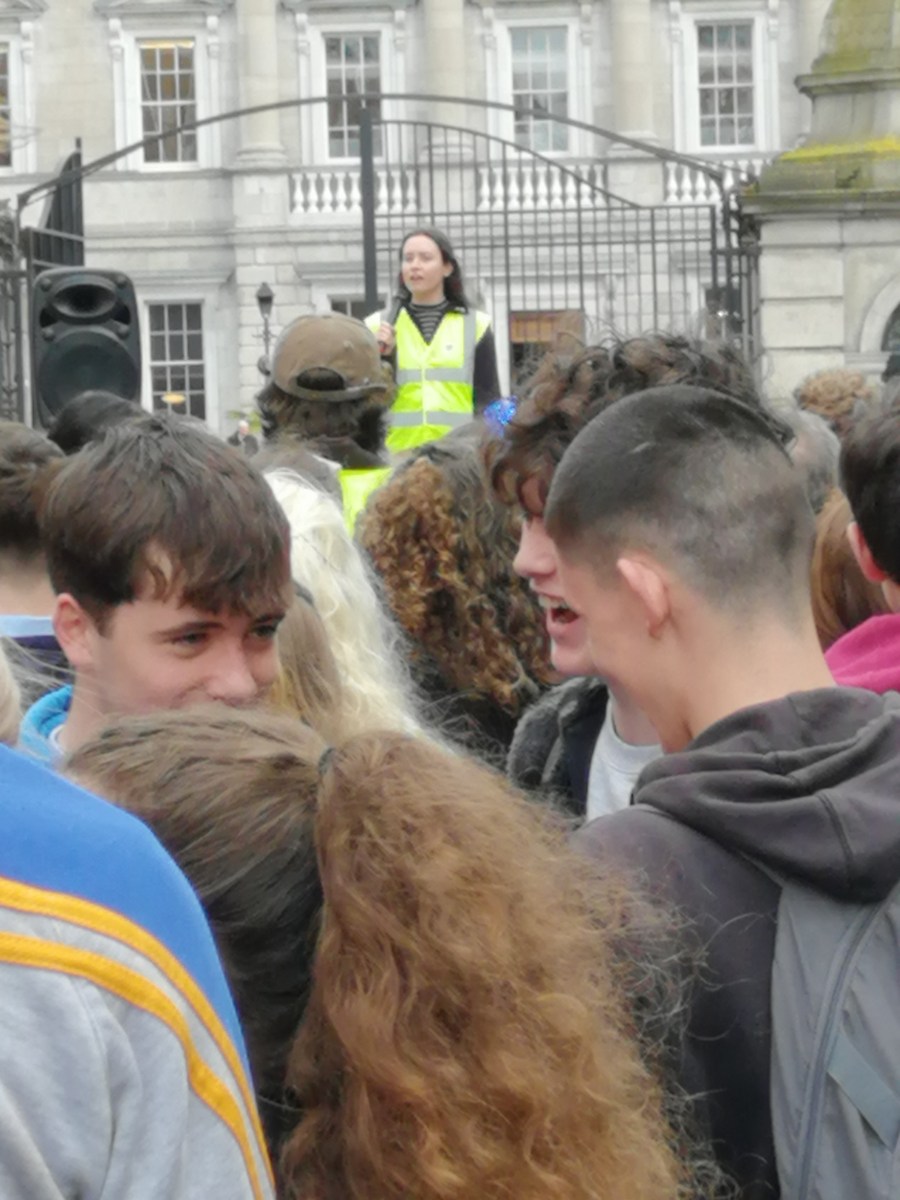


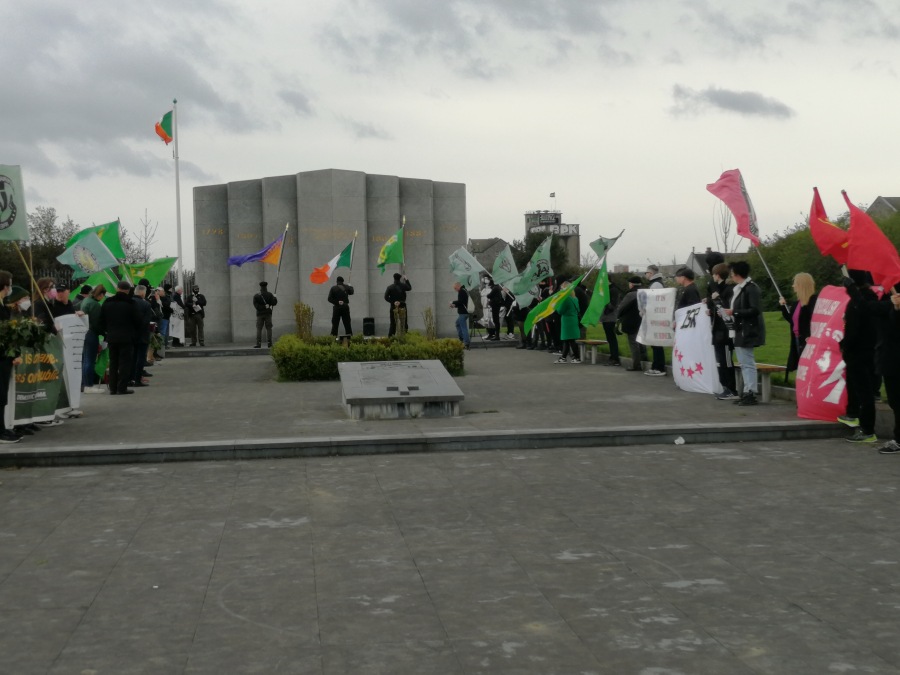
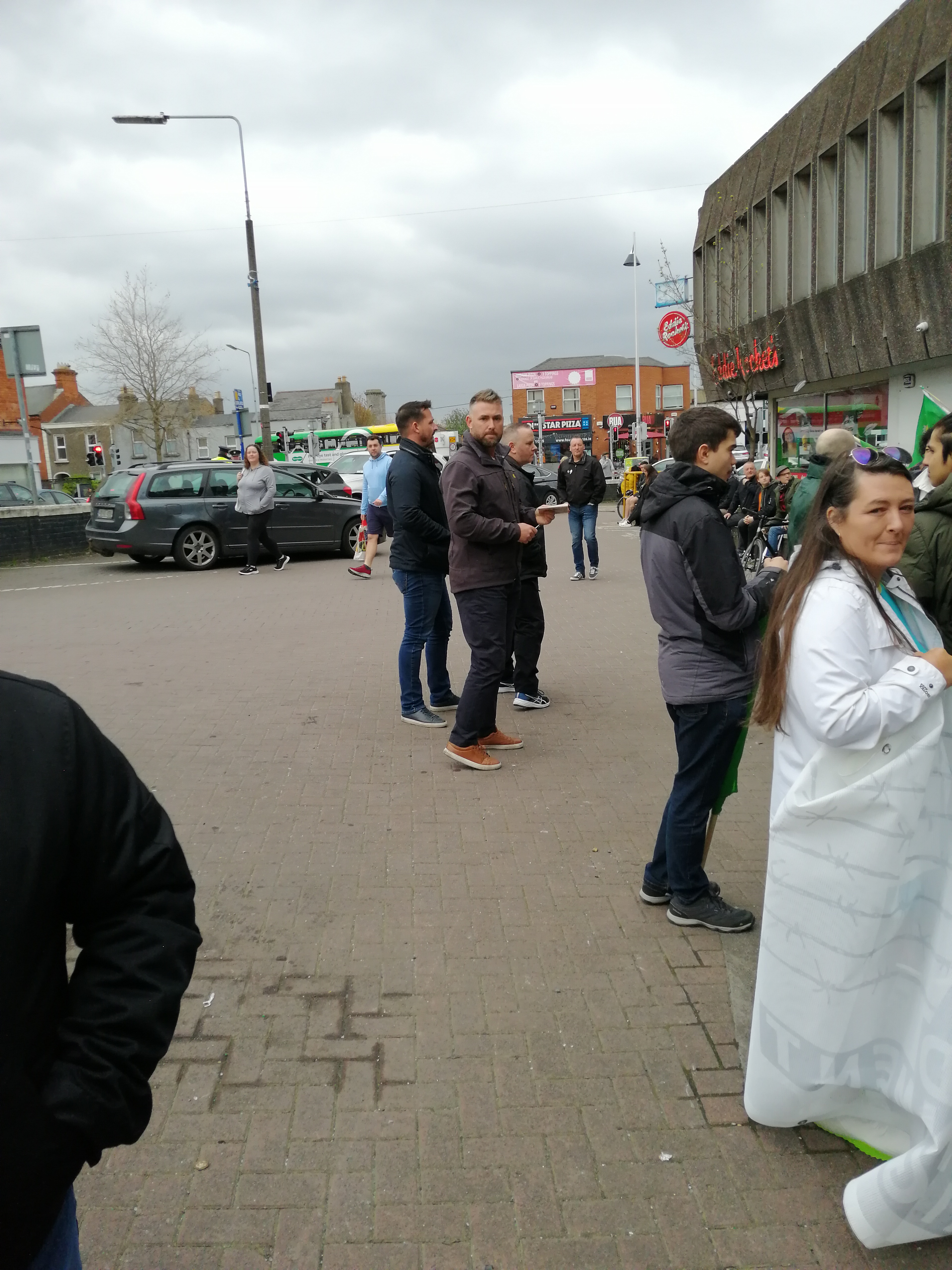
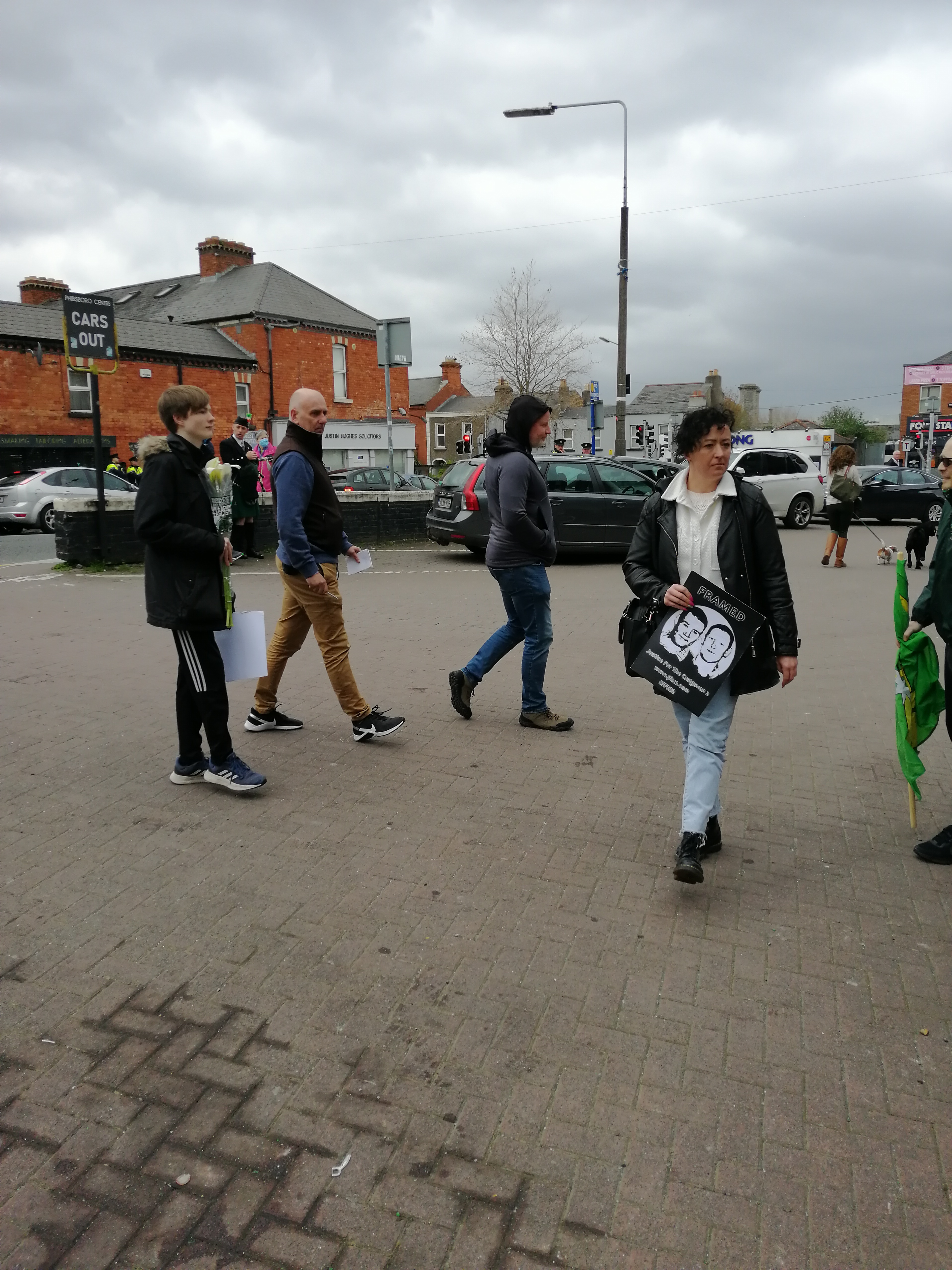
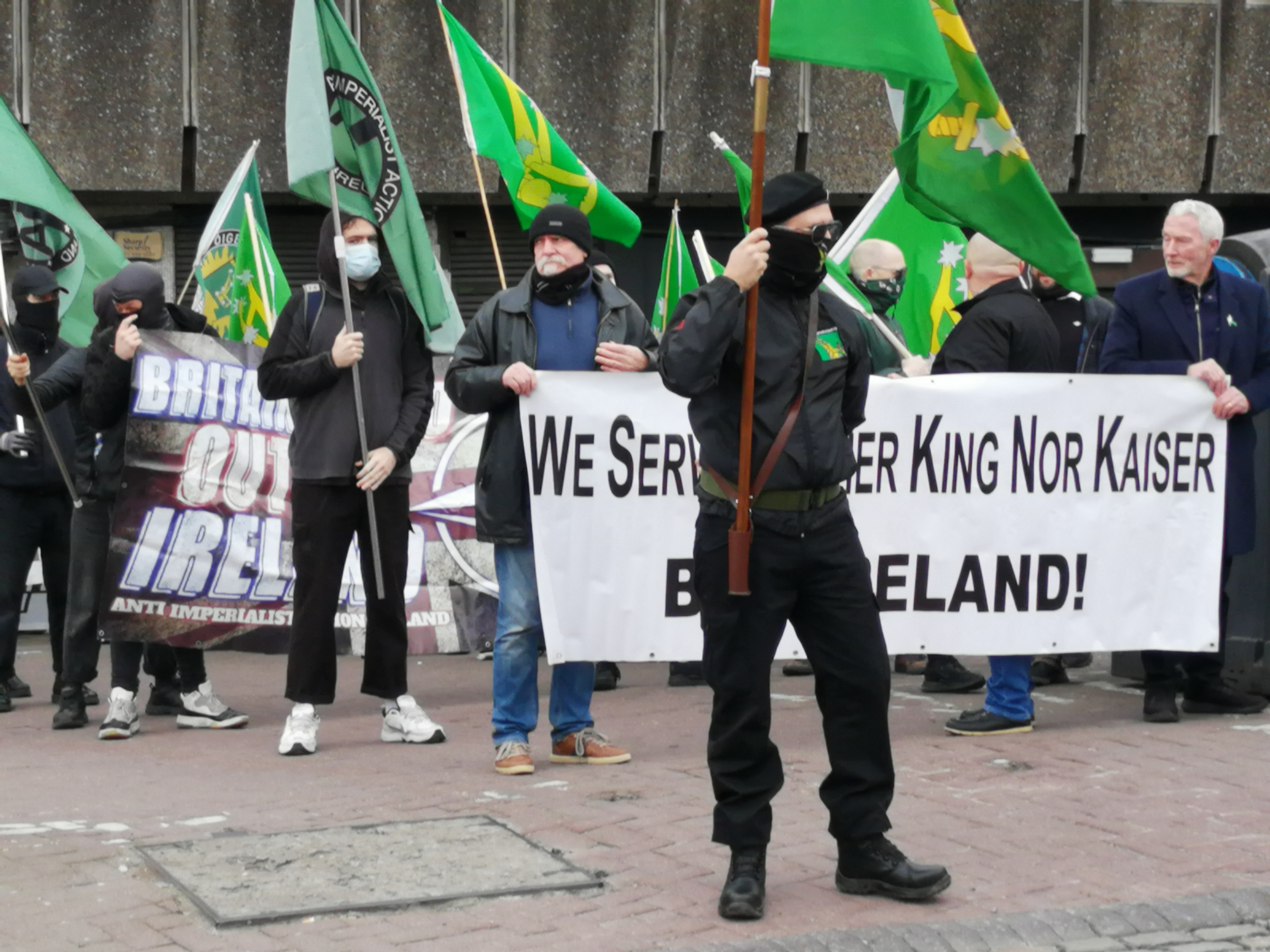
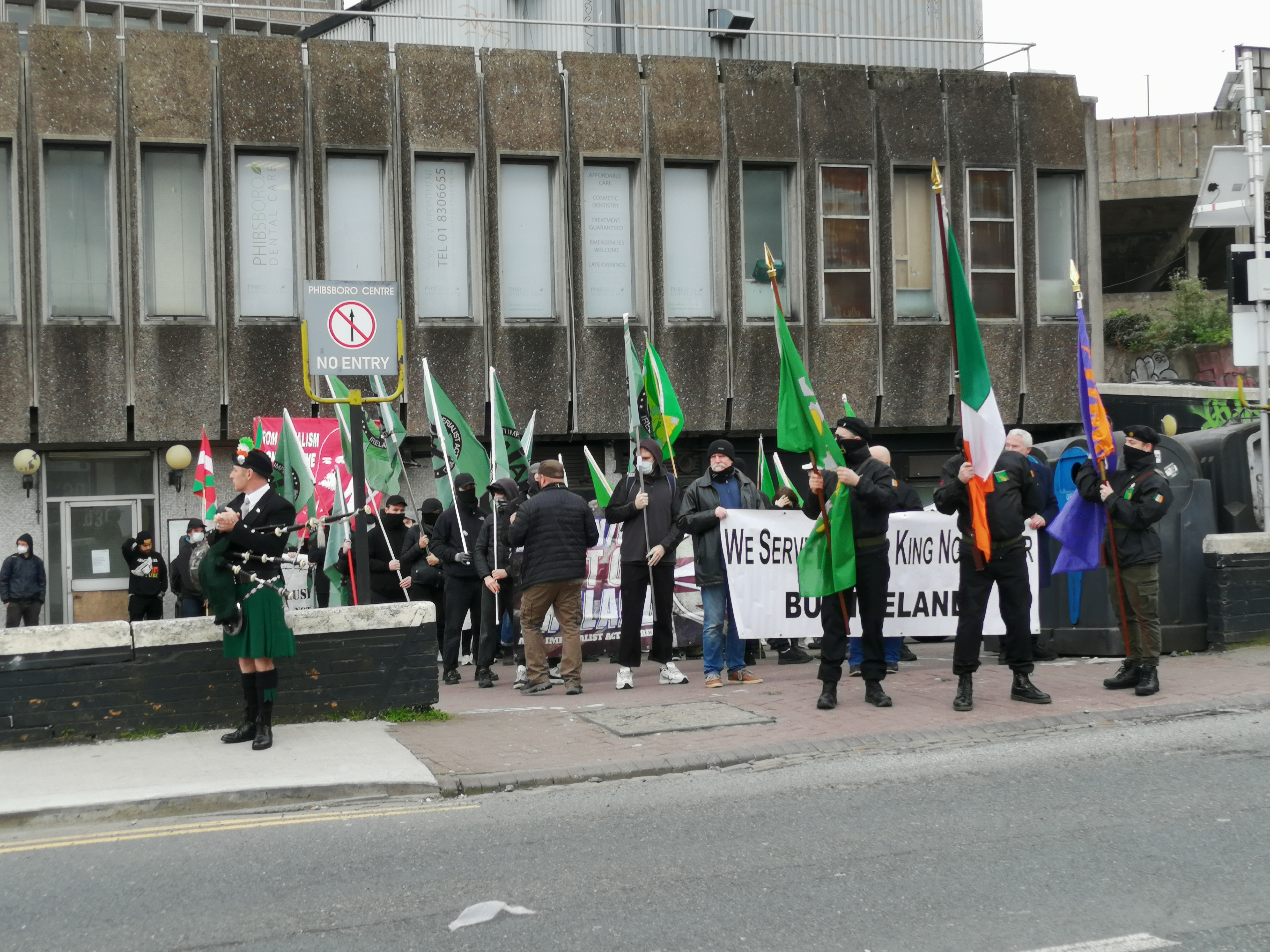
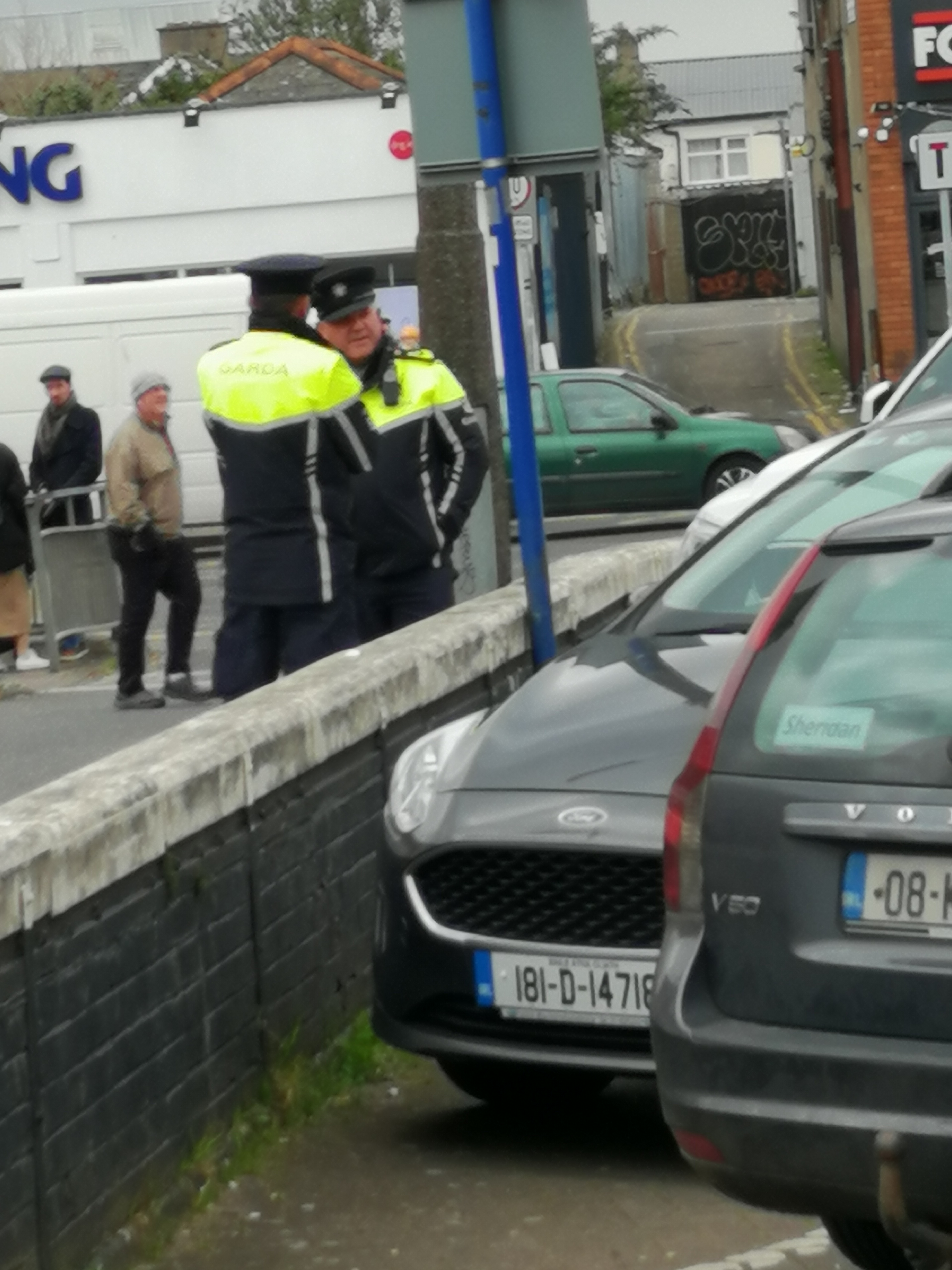
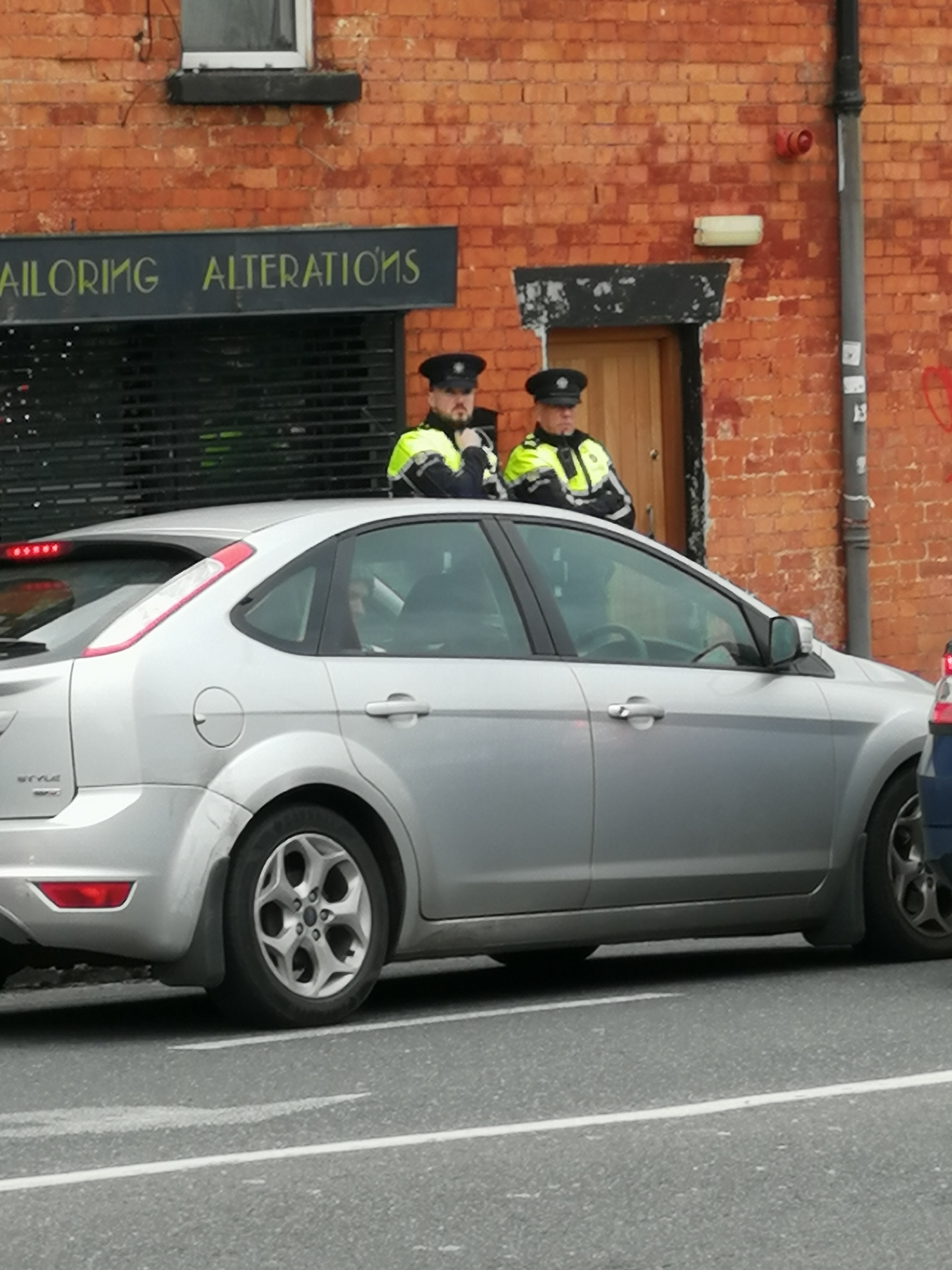
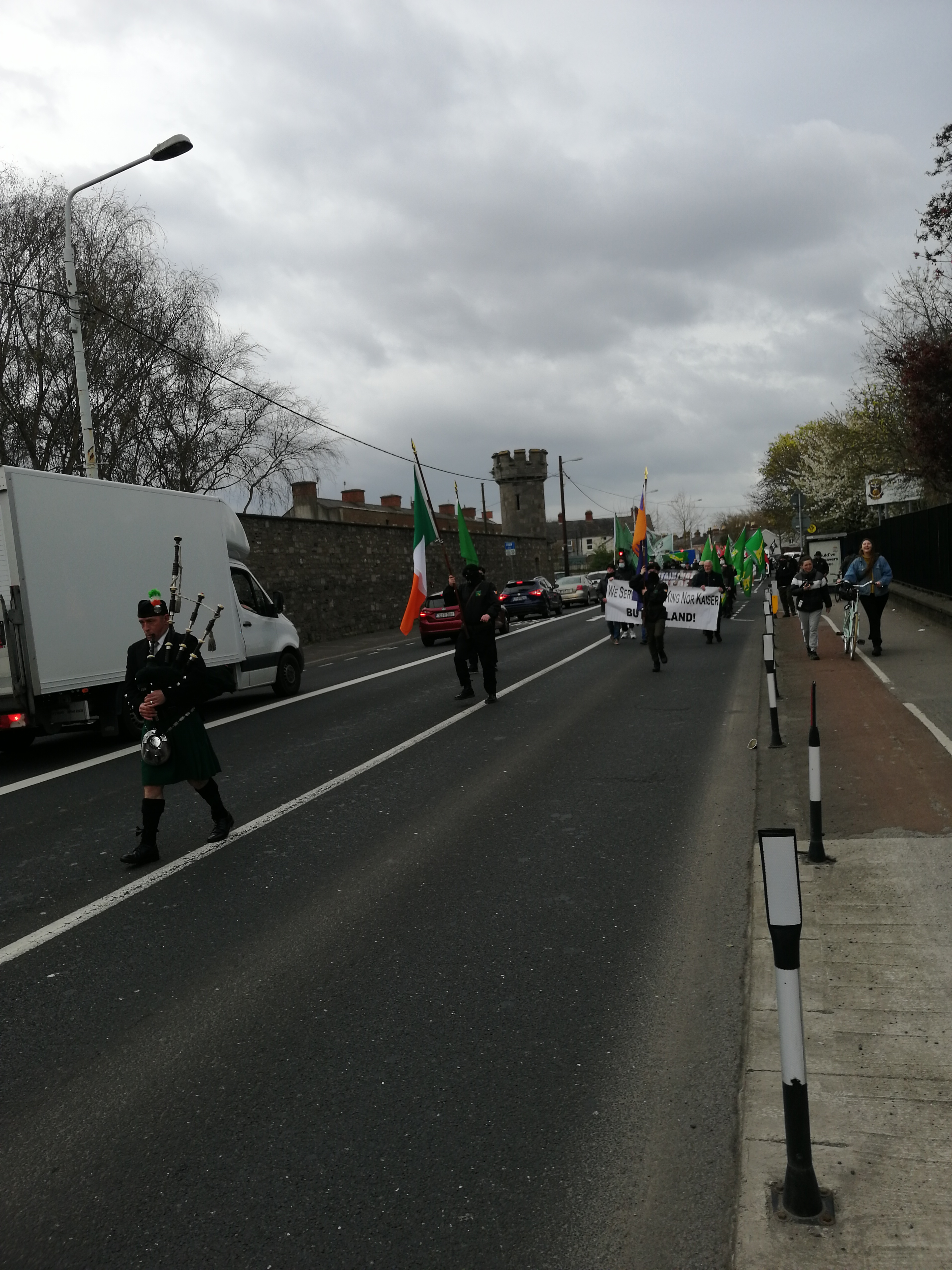
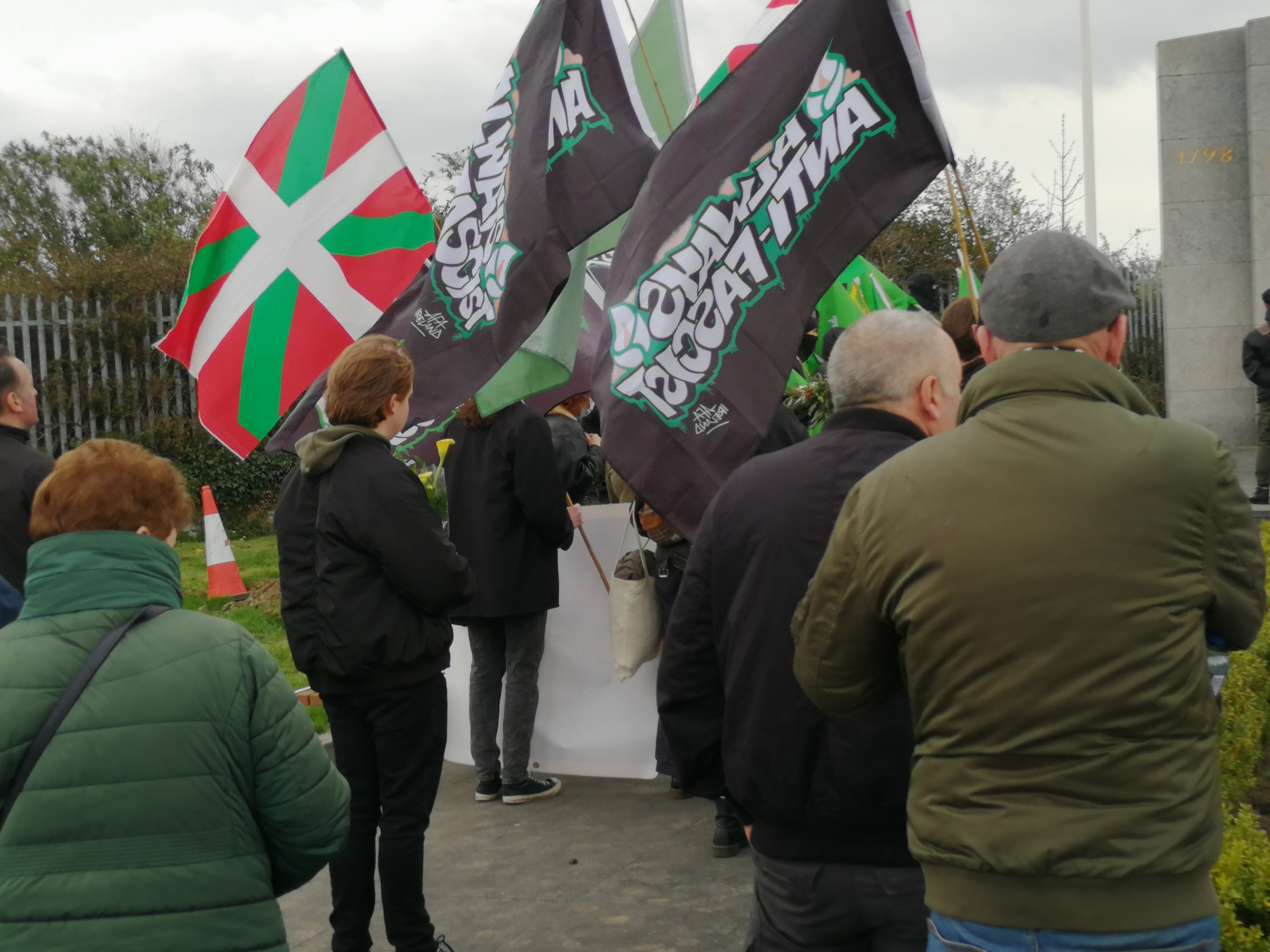
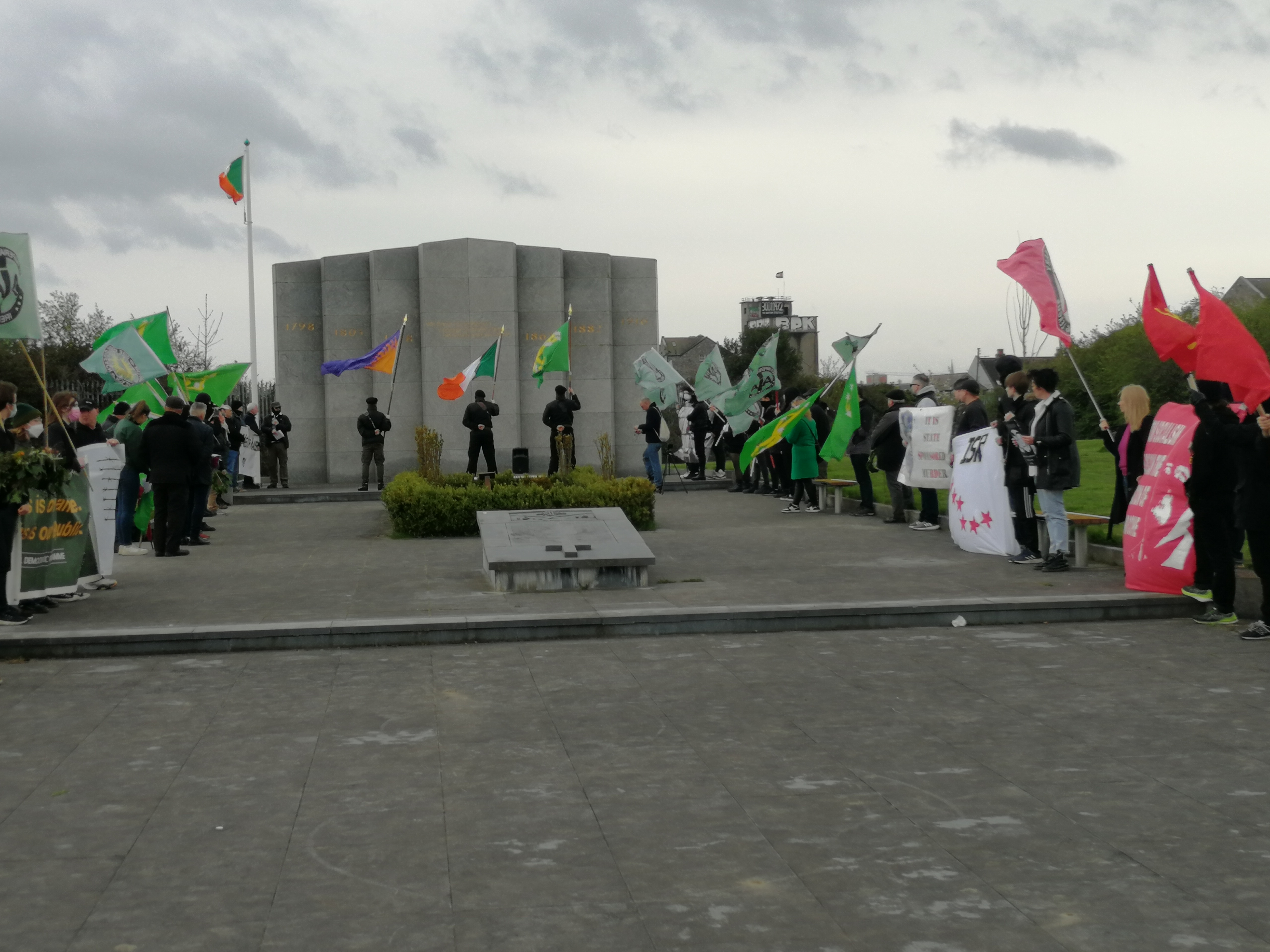
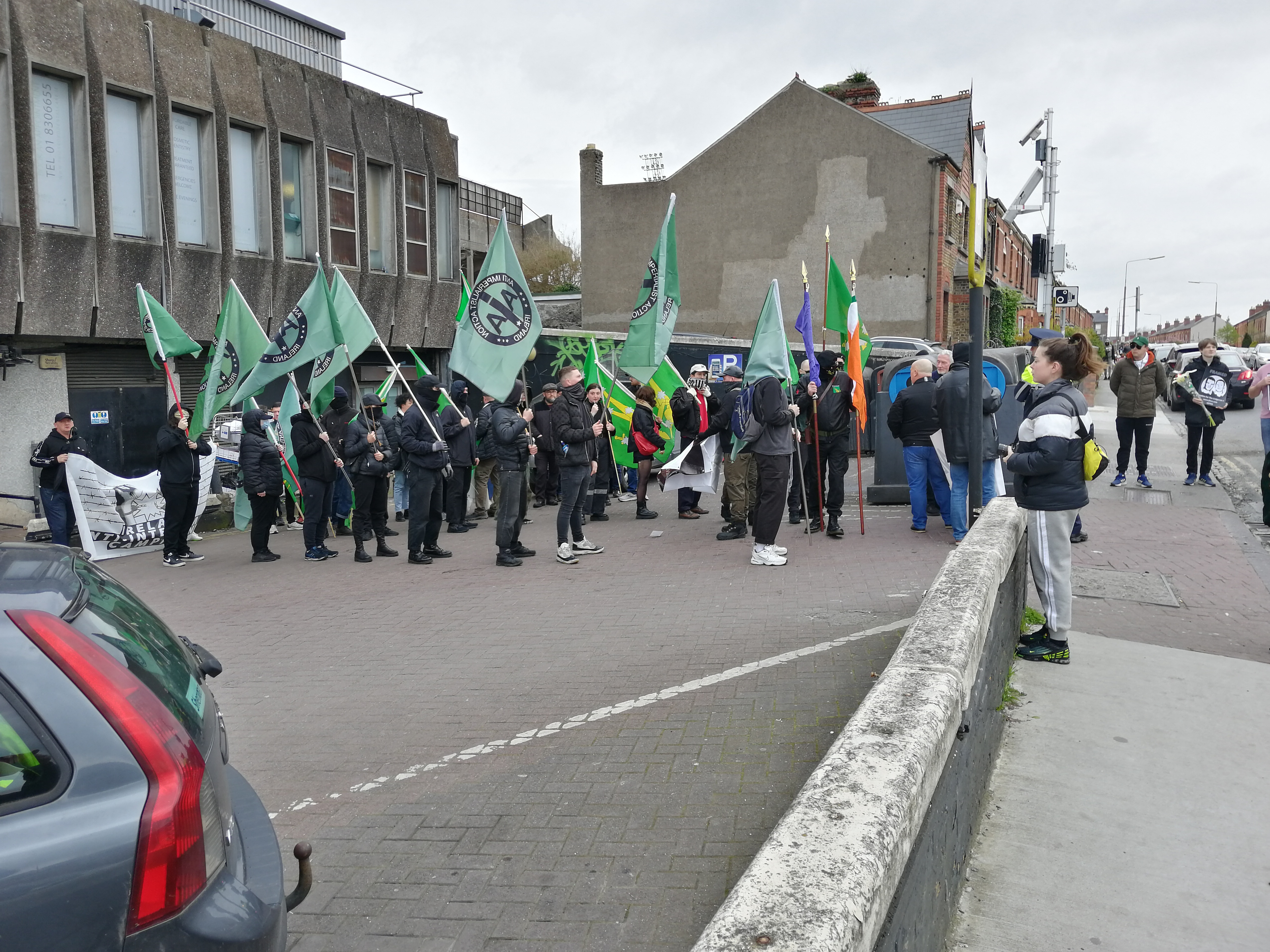
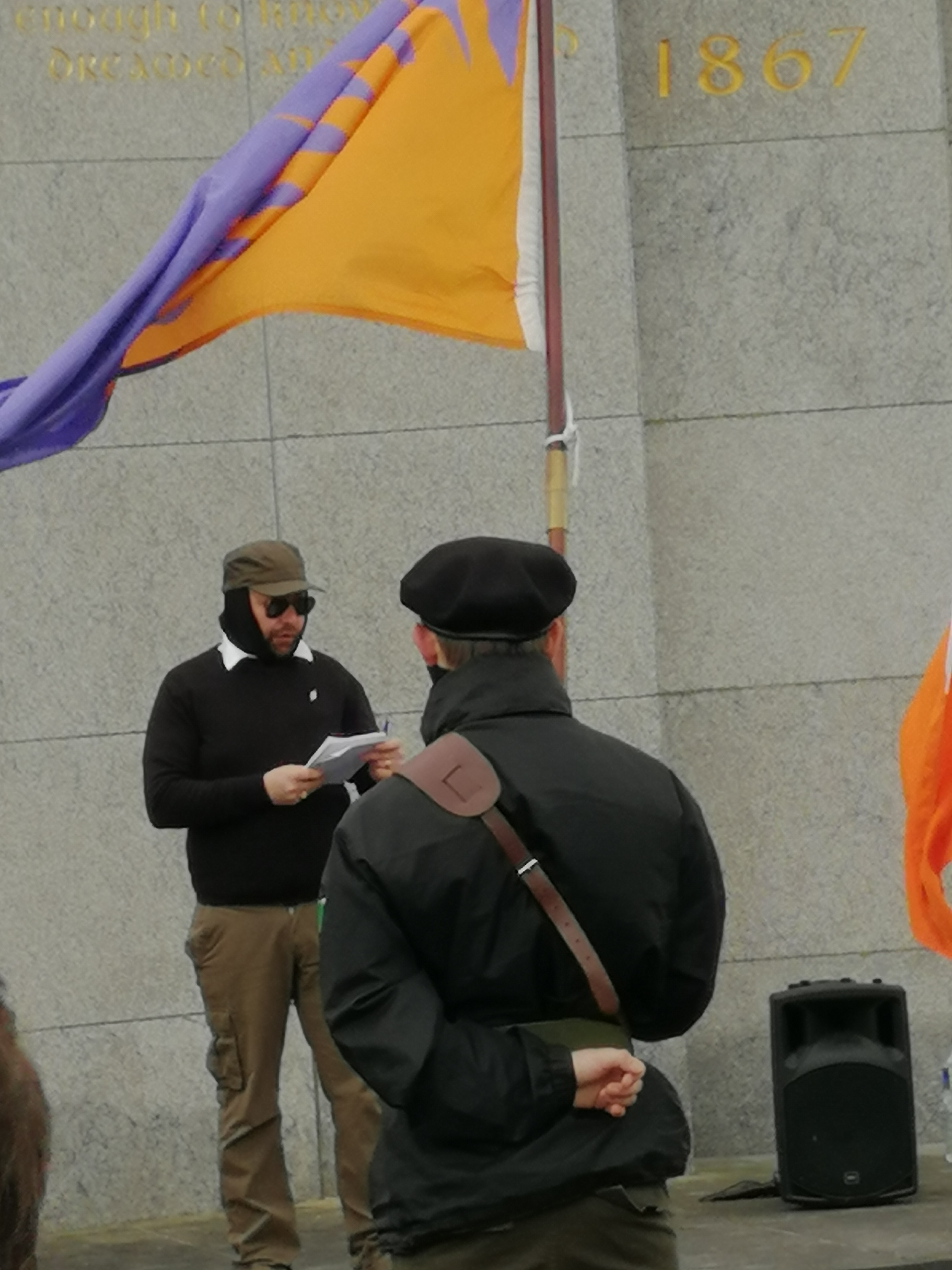
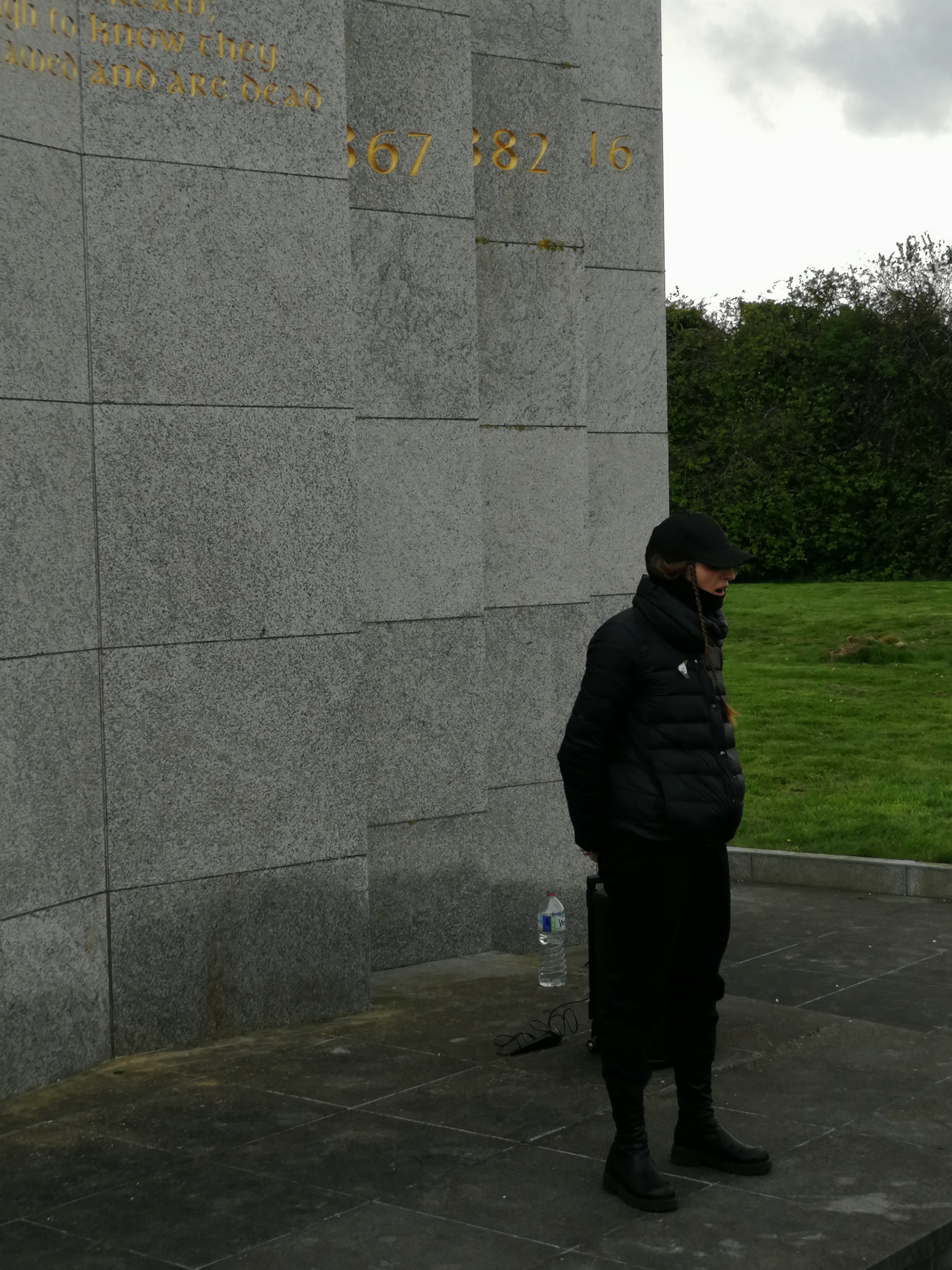
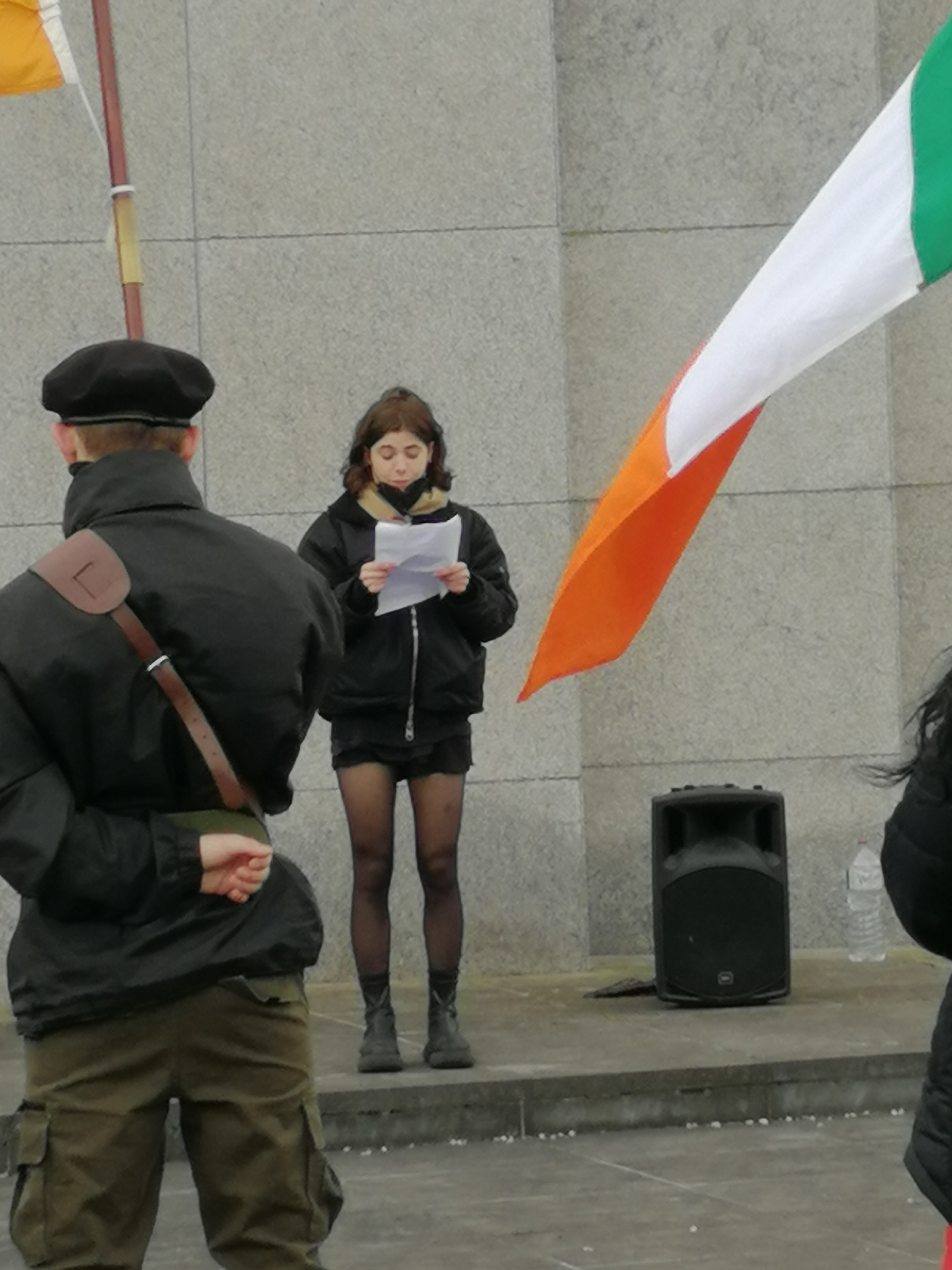
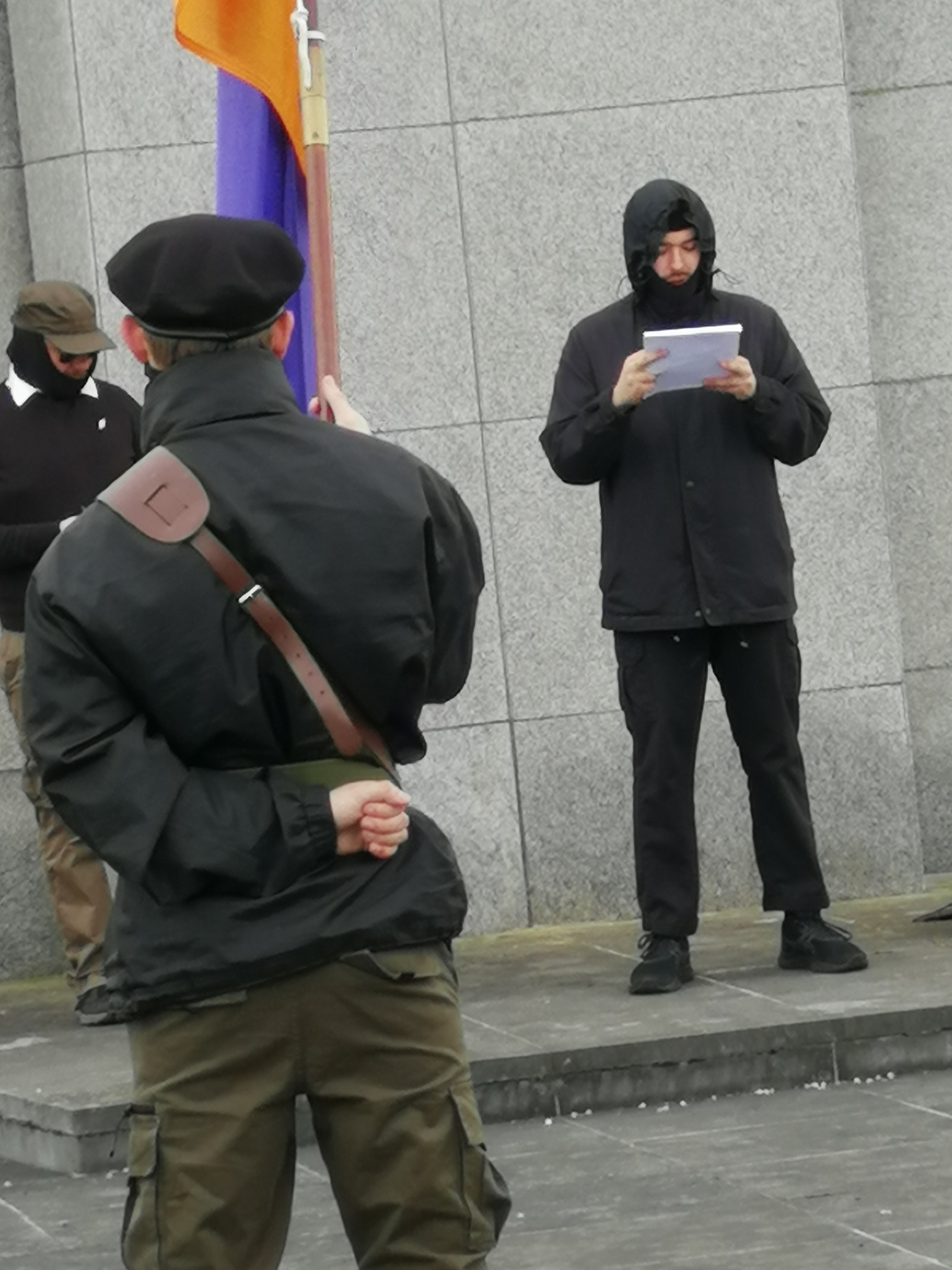
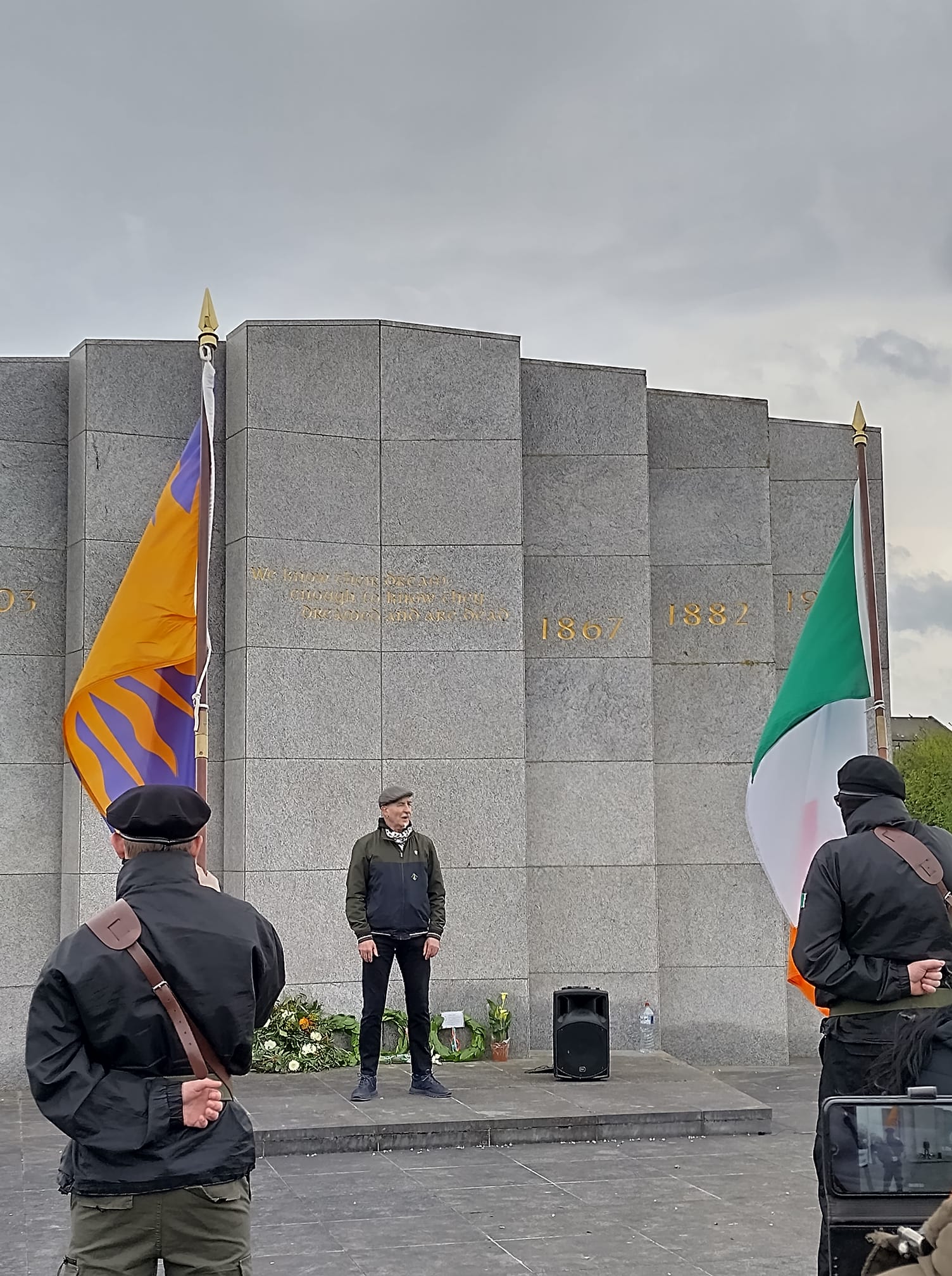
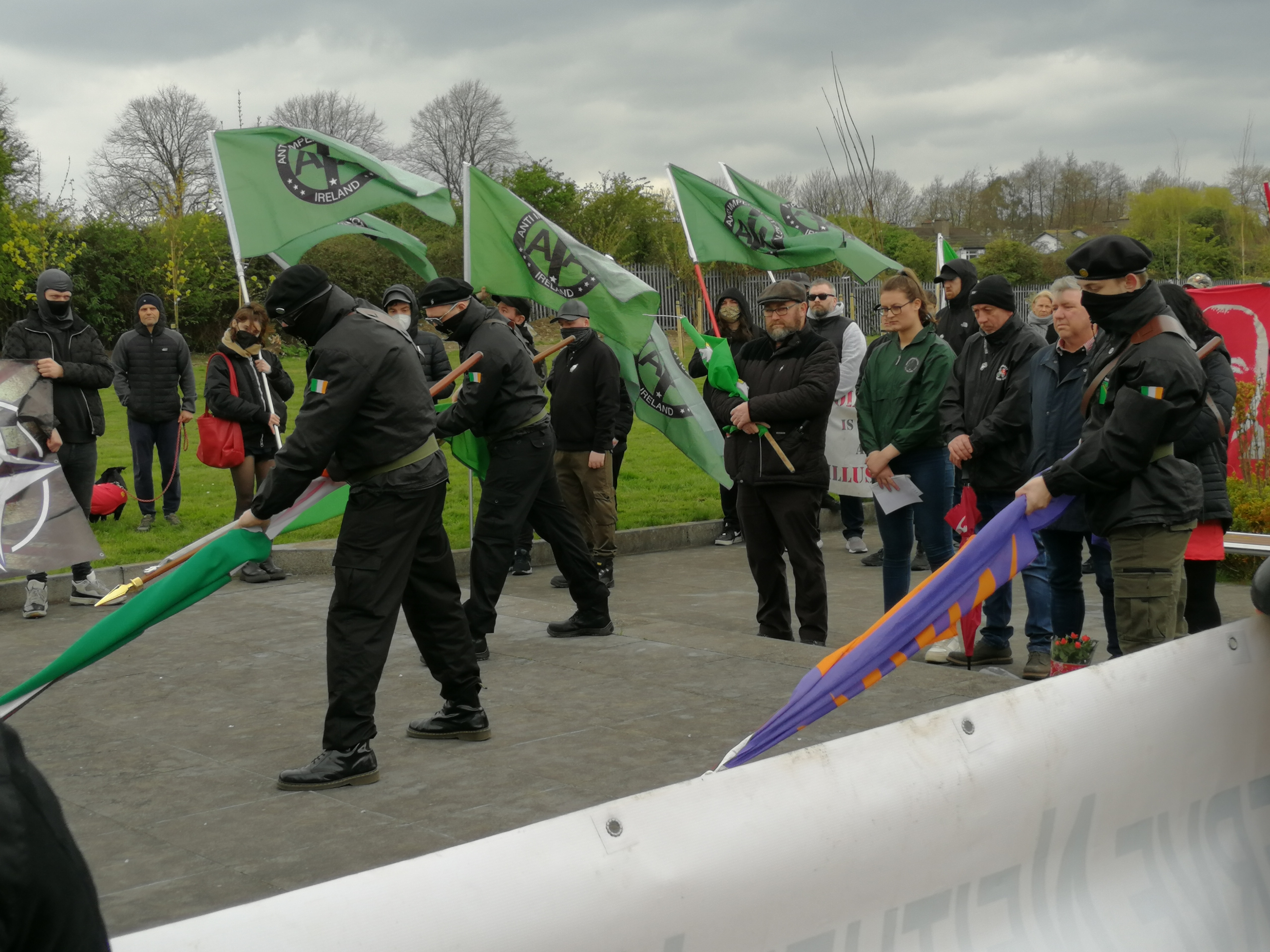
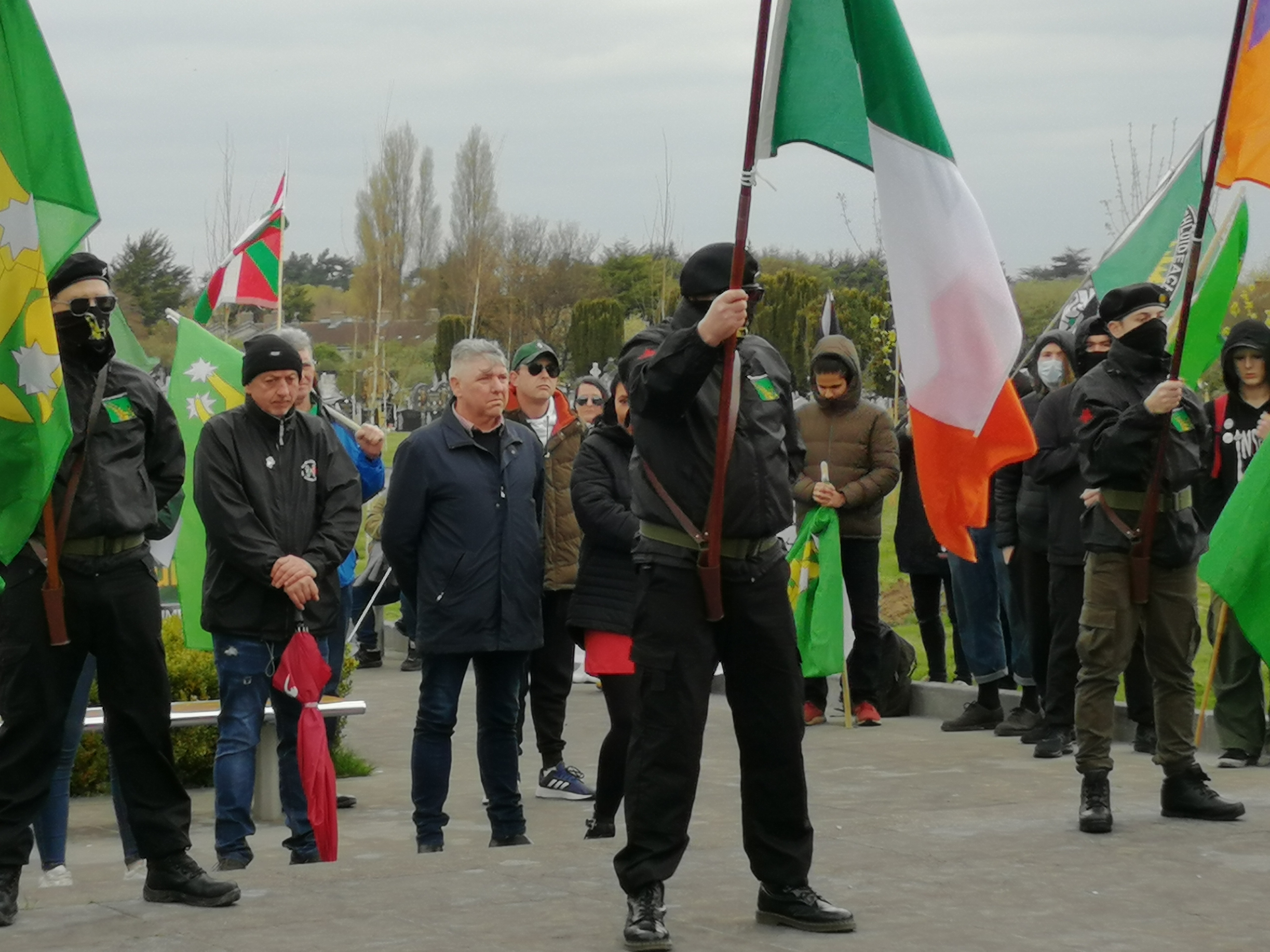
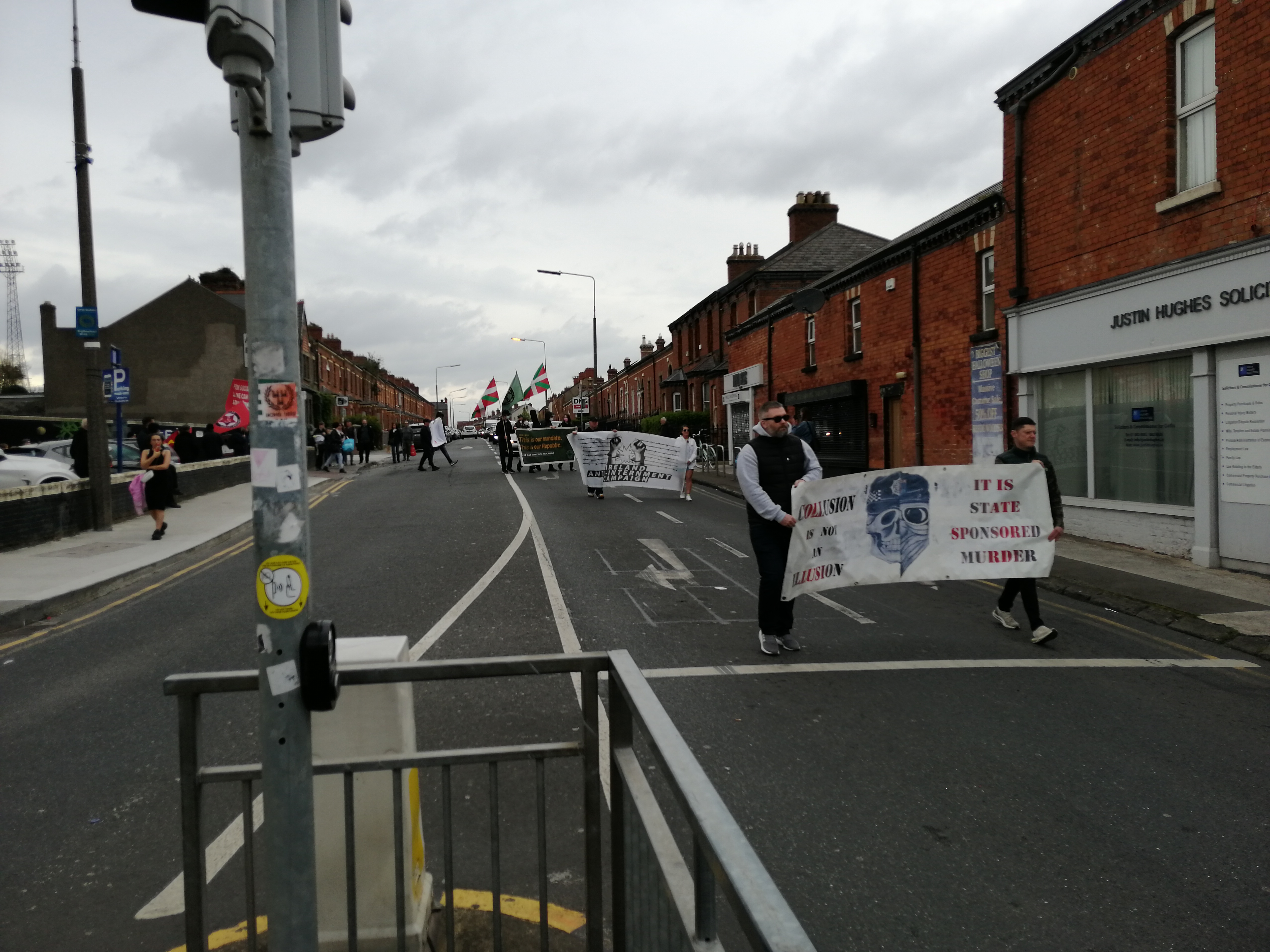
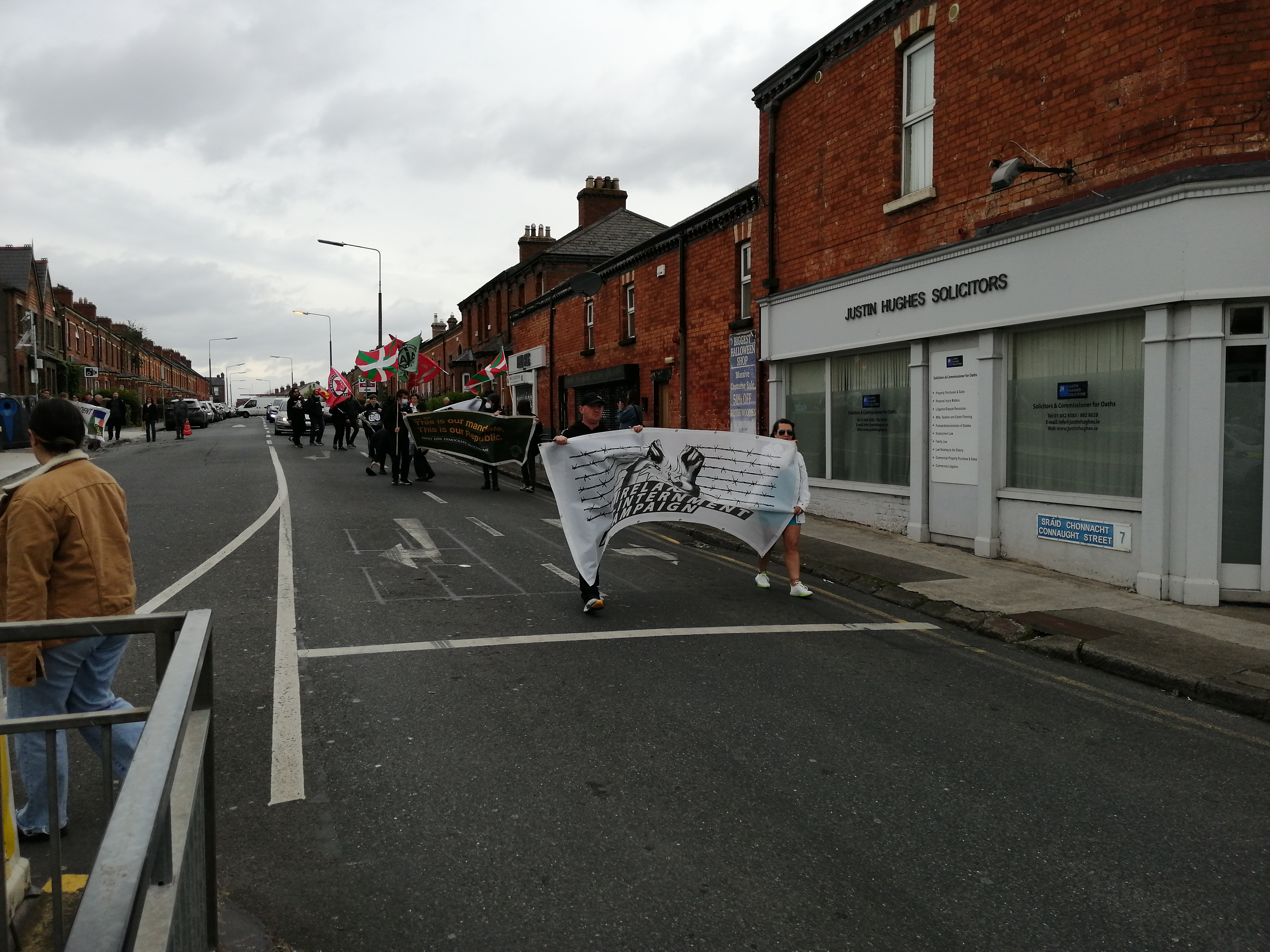
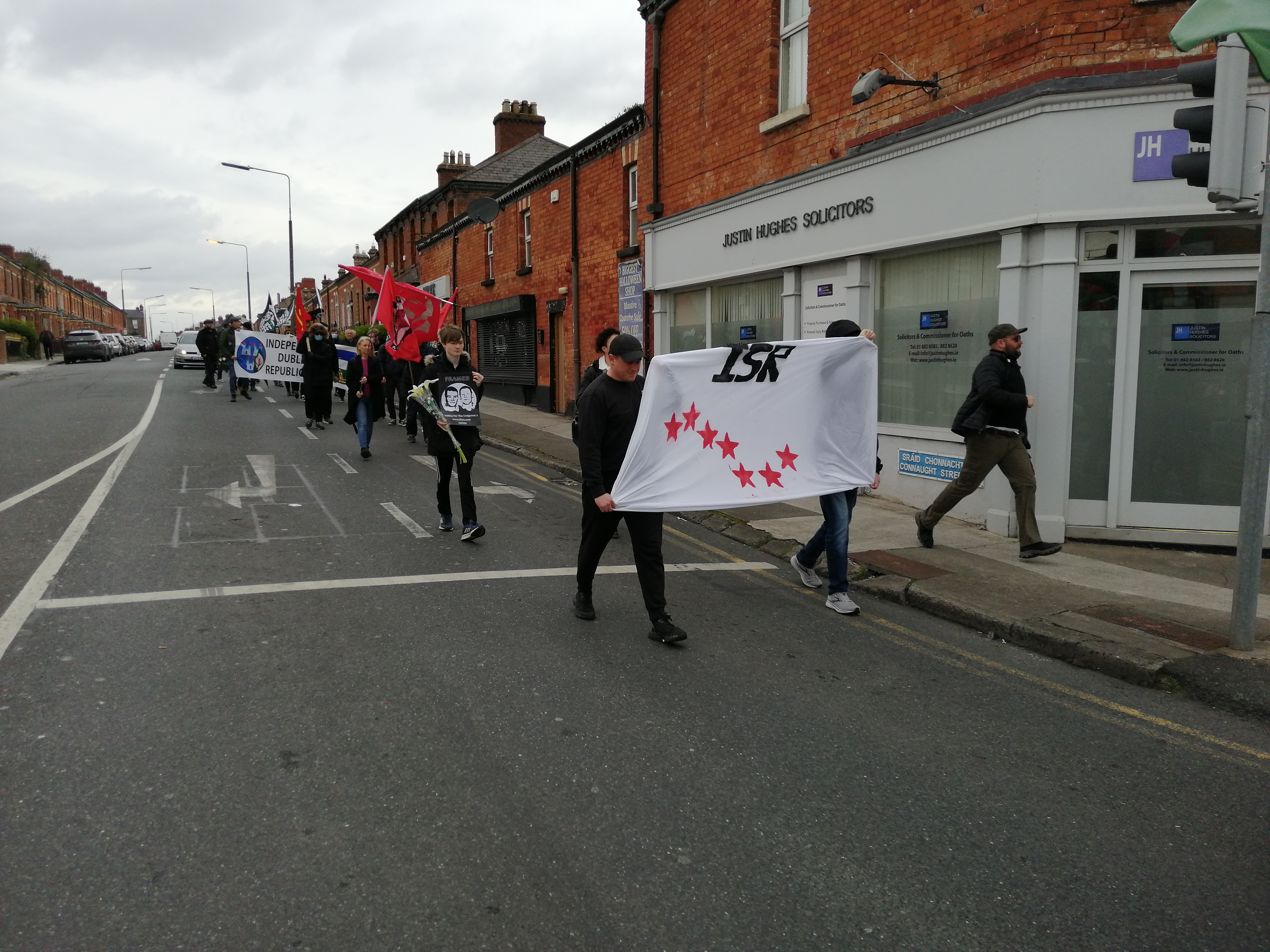
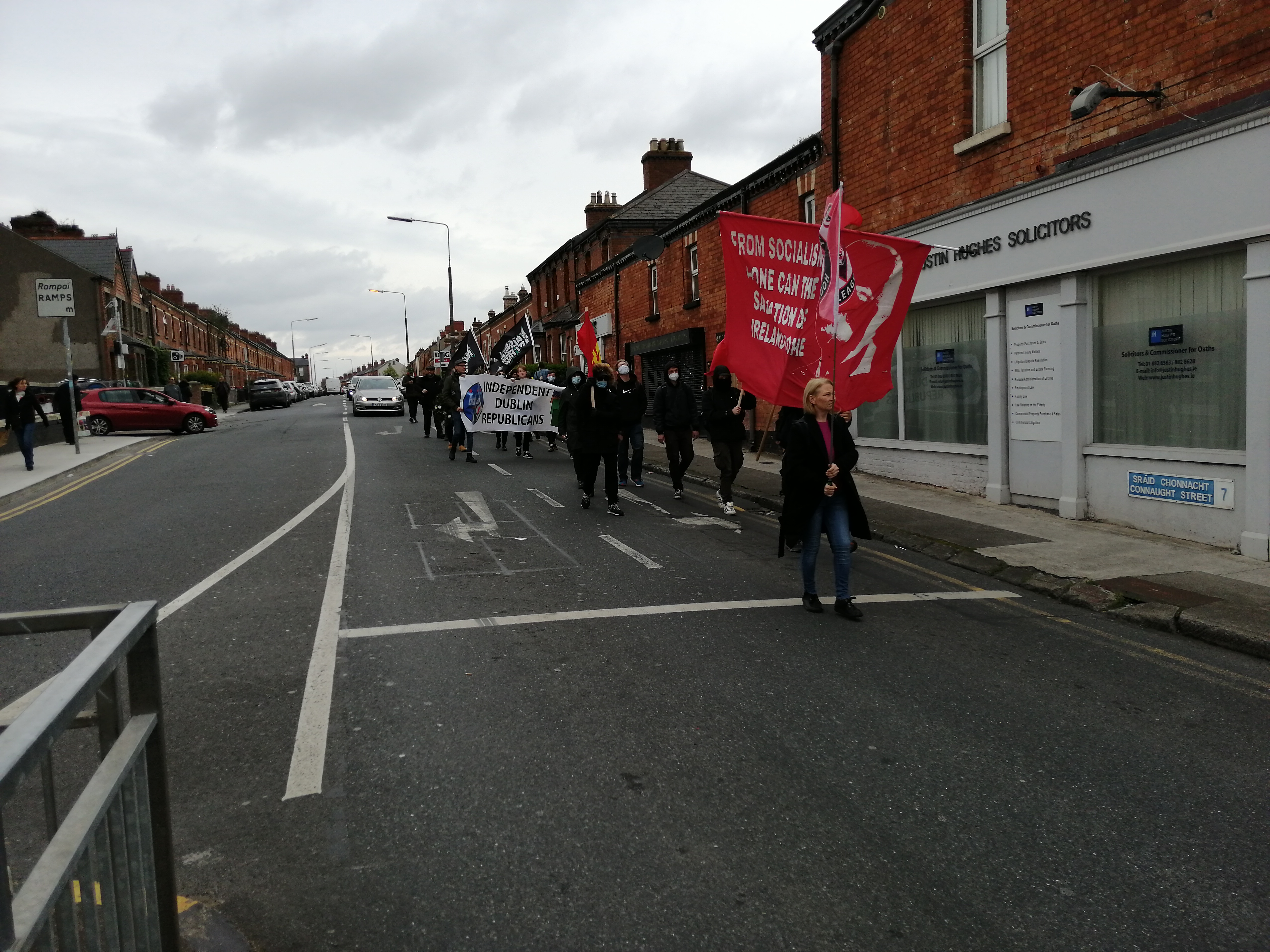
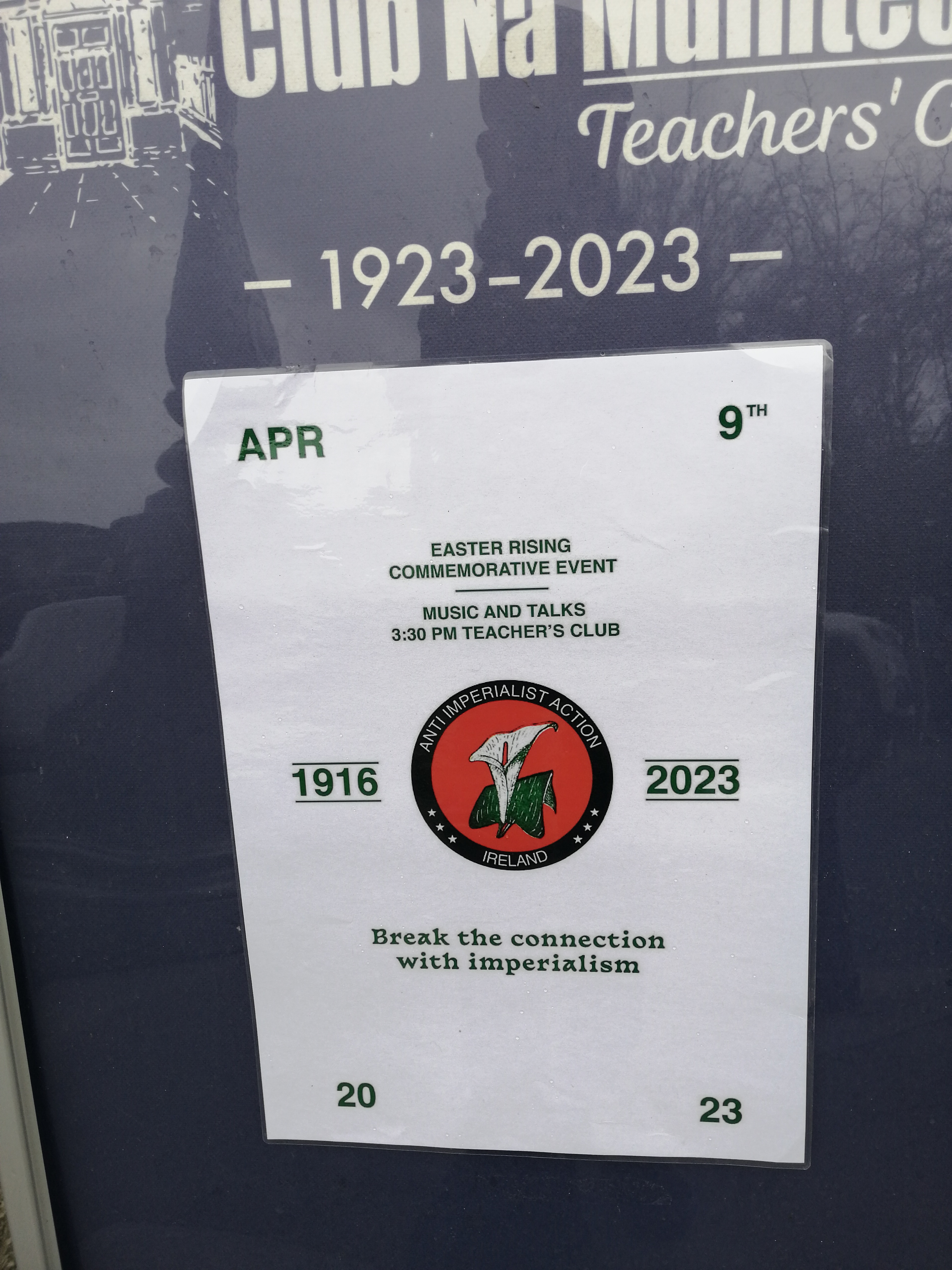
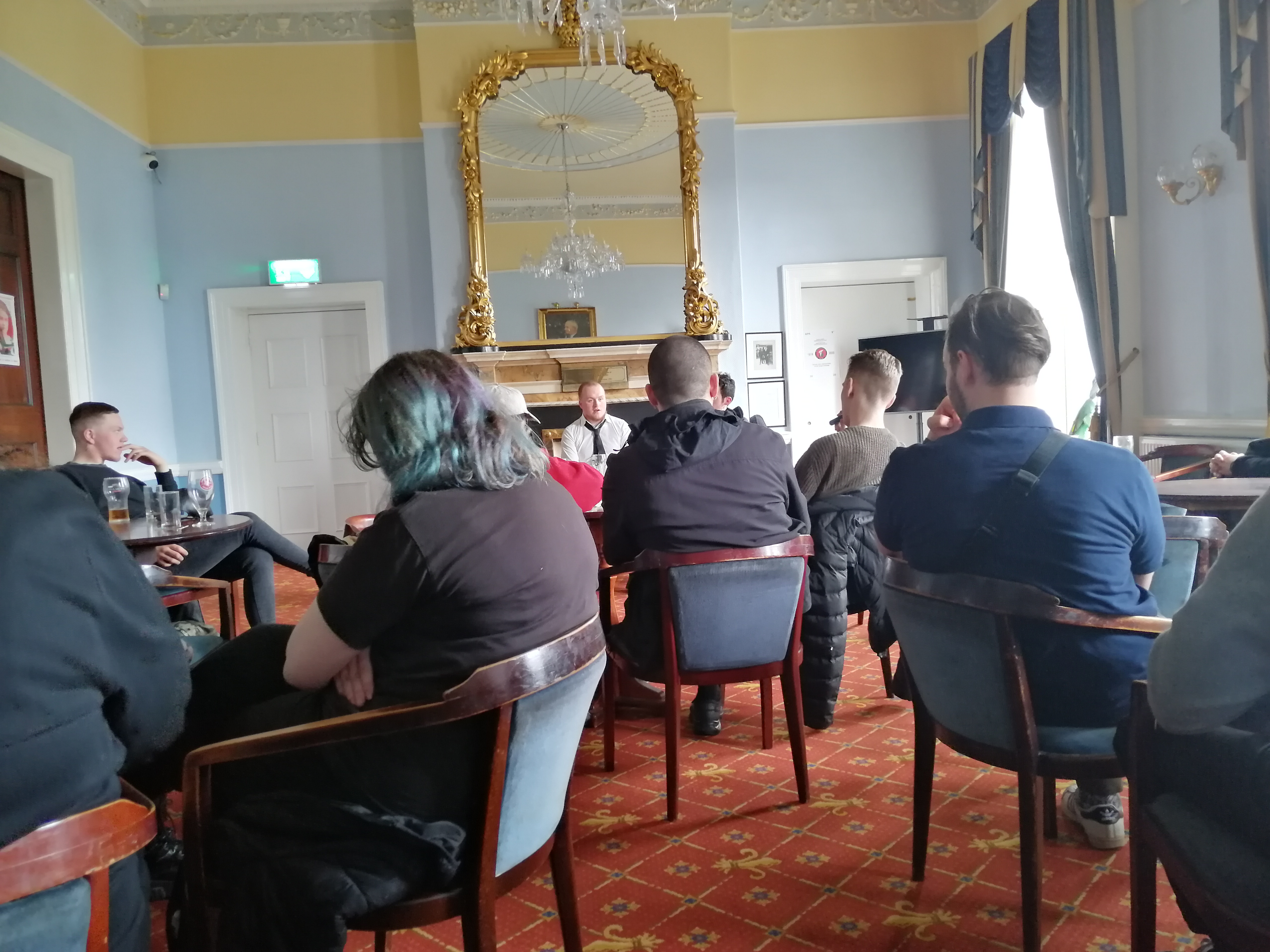

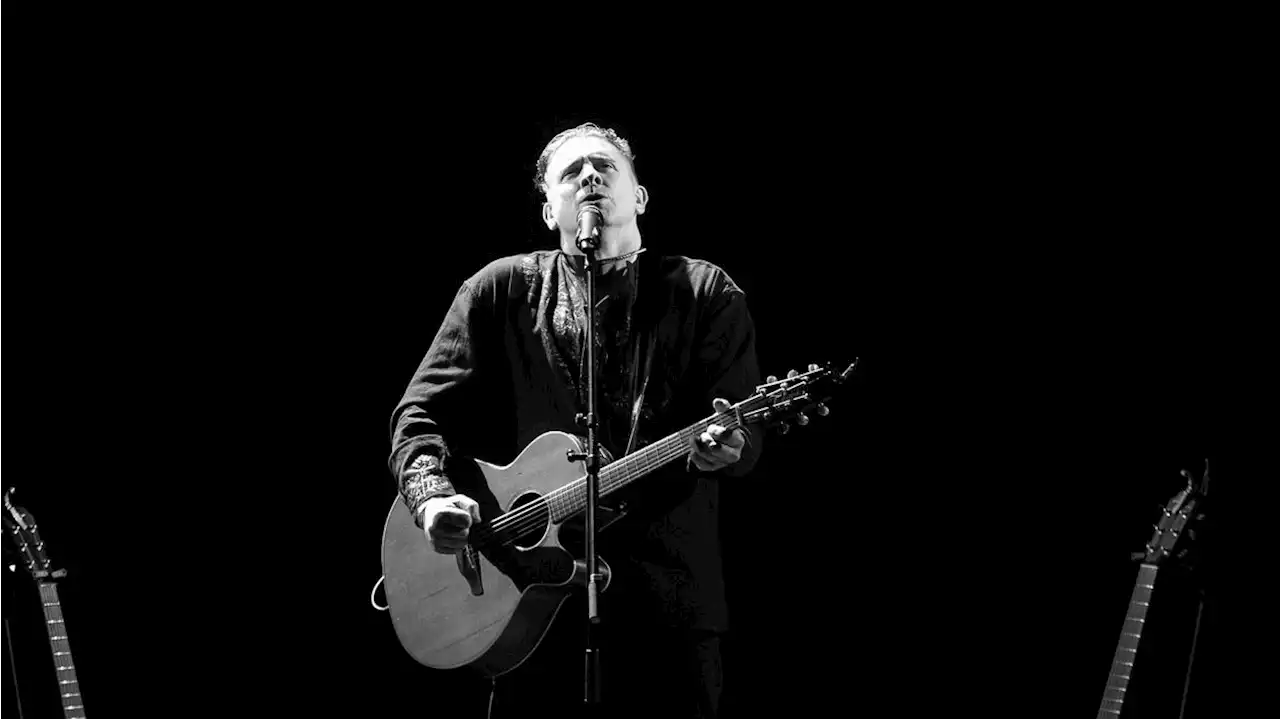
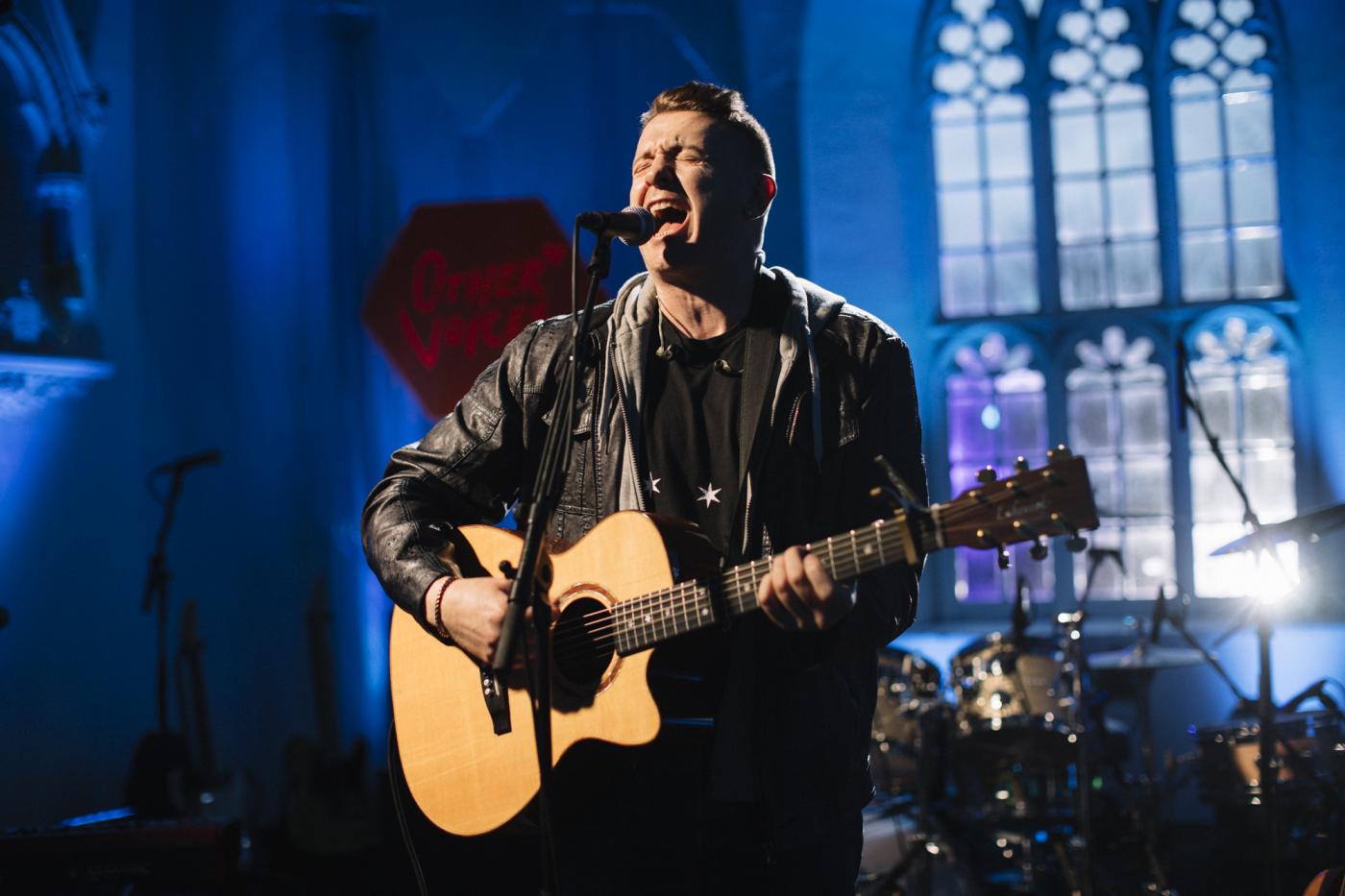


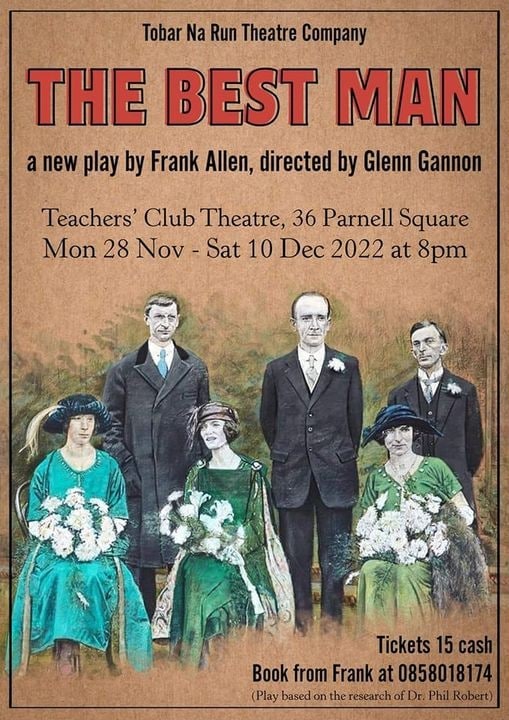


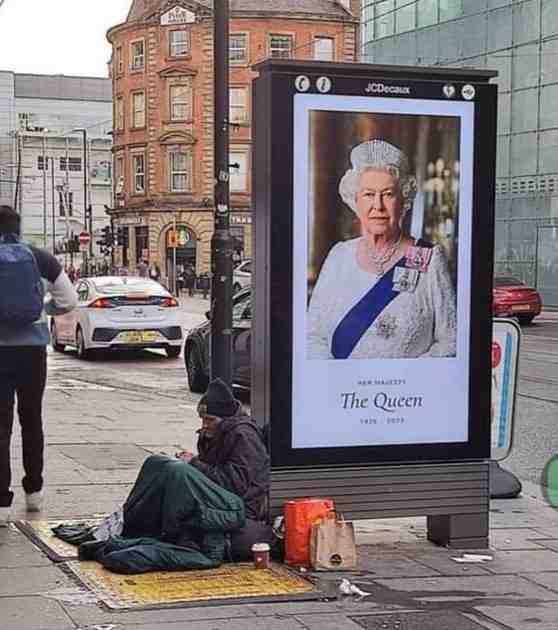
 rebelbreeze