
Category: Human Rights
POLITICAL PRISONERS’ SOLIDARITY BRINGS UP TO 100,000 ON TO BILBAO’S STREETS
Diarmuid Breatnach
The annual January march in solidarity with political prisoners, taking place in continuous rain on Saturday 13th January, packed the streets of the Basque city of Bilbao (Bilbo) with estimates of numbers in attendance varying from 95,000 (GARA) to 100,000 (DEIA).

Numbers on this march are always high (especially taking the total population of the Basque Country of less than three million into account) but may have been boosted somewhat this year by a) the ongoing resistance to Spanish state repression in Catalunya and b) news that the French state is at last moving away from its policy of dispersing its political prisoners far from their home country.
Saturday’s march was organised by Sare, a broad front set up a few years ago and was supported by EH Bildu (political party of the Abertzale Left) along with the Basque majority trade unions ELA and LAB. The political parties PP, PSE and Podemos-Euskadi did not support it, although the latter’s General Secretary Lander Martínez attended in a personal capacity. The Basque Nationalist Party PNV did not support it either (although members may well have done).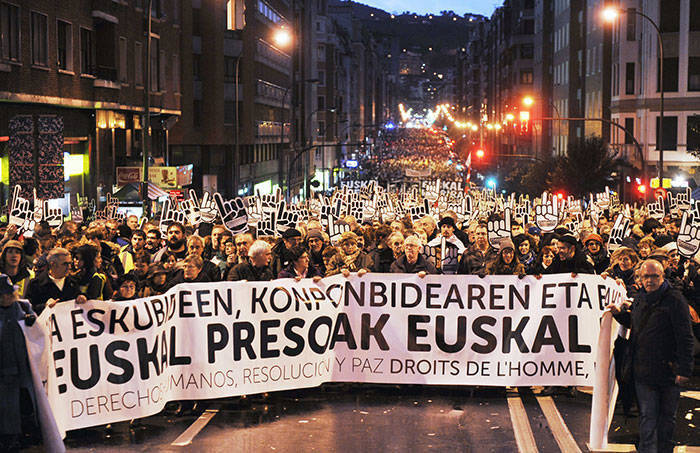
Also in attendance were Joan Tardà of the Catalan party ERC; Xabier Sánchez, brother of the jailed President of ANC, Jordi Sánchez; and the writer Kirmen Uribe.
Arnaldo Otegi for the EH Bildu party said the Spanish State should learn from the action of the French one; LAB’s General Secretary Garbiñe Aranburu declared that this year needs to be decisive in the Spanish state with regard to political prisoners and called for new alliances to achieve this. Adolfo Muñoz, Gen. Sec. of the largest trade union in the southern Basque Country, ELA, credited civil society with having achieved the change in French State policy, achieving the transfer of Basque political prisoners to jails near their homes, without waiting for the Spanish state to do likewise.

The banner at the head of the march stated “Elkarrekin aurrera egiteko prest gaude” (We are ready to advance together; human rights, resolution, peace) while, according to media report, throughout the march the following slogans were heard: “Euskal presoak etxera!” (Basque prisoners to home!) and “Presoak kalera, amnistía osoa!” (Prisoners to be free, total amnesty!).
At the end of the march, Sare’s manifesto calling for an end to the dispersal was read out by ETB (Basque TV channel) presenter Kike Amonarriz and Beatriz Talegón, ex-leader of the youth wing of the Spanish social-democratic unionist party the PSOE.
COMMENT:
The great attendance in pouring rain is encouraging and once again the Basques show their high level of concern for their political prisoners, bringing at least 3% of their population out on a solidarity demonstration.
The reported (and audible on the video) slogans of “Euskal presoak etxera” (Basque prisoners to home) and “Presoak kalera, amnistía osoa” (Prisoners to be free, total amnesty) being shouted are interesting, given that the Abertzale Left leadership and organisations such as Sare have dropped such demands in recent years, concentrating instead on calling for an end to the dispersal policy and for the release of seriously-ill prisoners. The slogans mentioned above have been raised by the Amnistia Ta Askatasuna (ATA) organisation, whose supporters are highly critical of the changes in policy of the Abertzale Left leadership for some years now but presumably made their presence felt on the demonstration.
Despite the permanent ceasefire declaration of ETA a number of years ago and changes in the policies of the Abertzale Left leadership, the Spanish state has not given an inch, which leaves the leadership with no gains to show, not even the end of the dispersal policy. This policy, contravening human rights and the EU’s own conventions, sees prisoners located as far from the Basque Country as southern Spain, a drive of around nine hours there and the same back, on motorways that have already claimed the lives of a number of prisoners’ friends and relatives and injured an average of one a month.
LINKS:
Video clip: http://euskalpmdeushd-vh.akamaihd.net
Dublin Solidarity with Jailed Palestinian Teenager
Clive Sulish
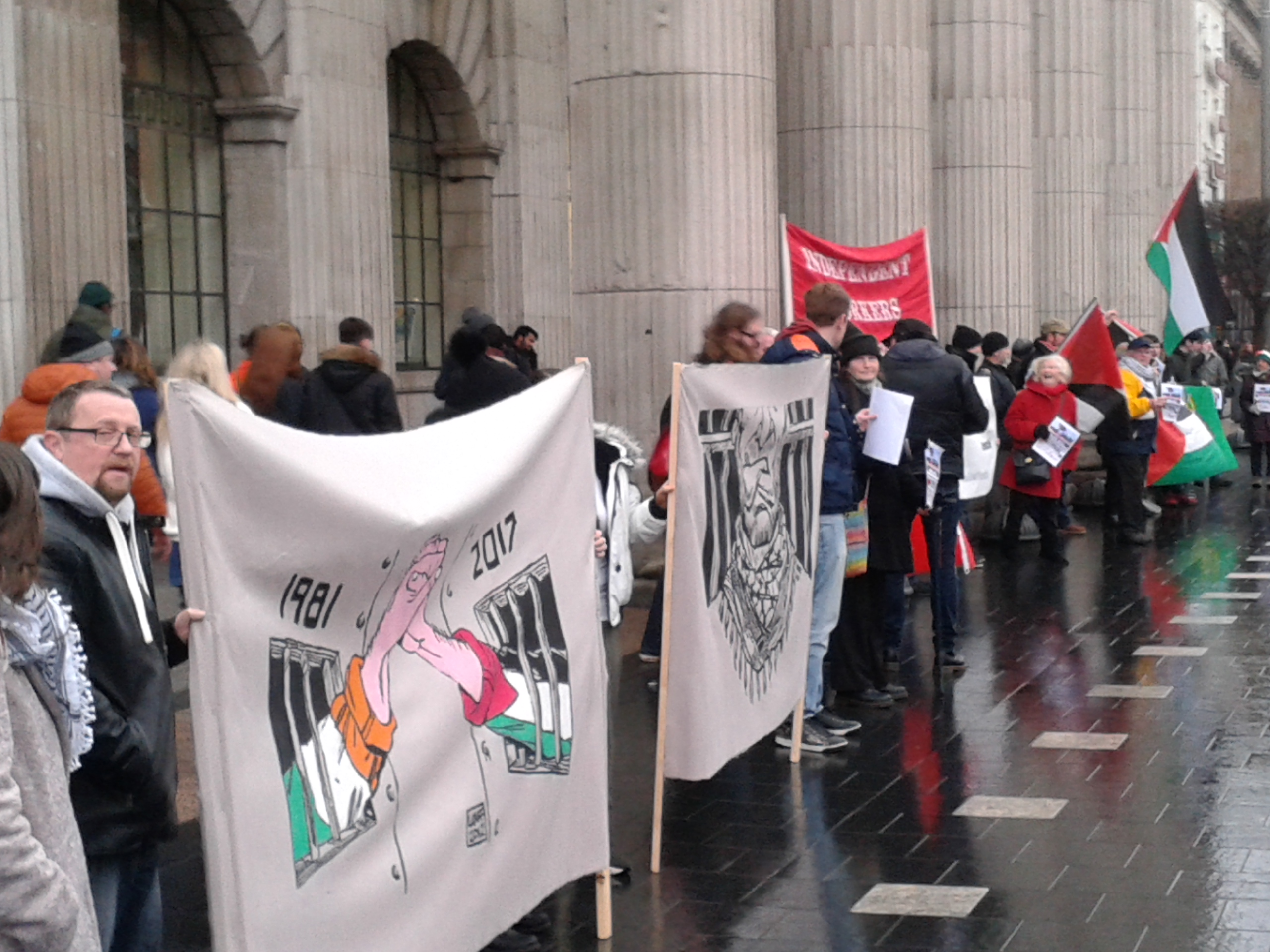
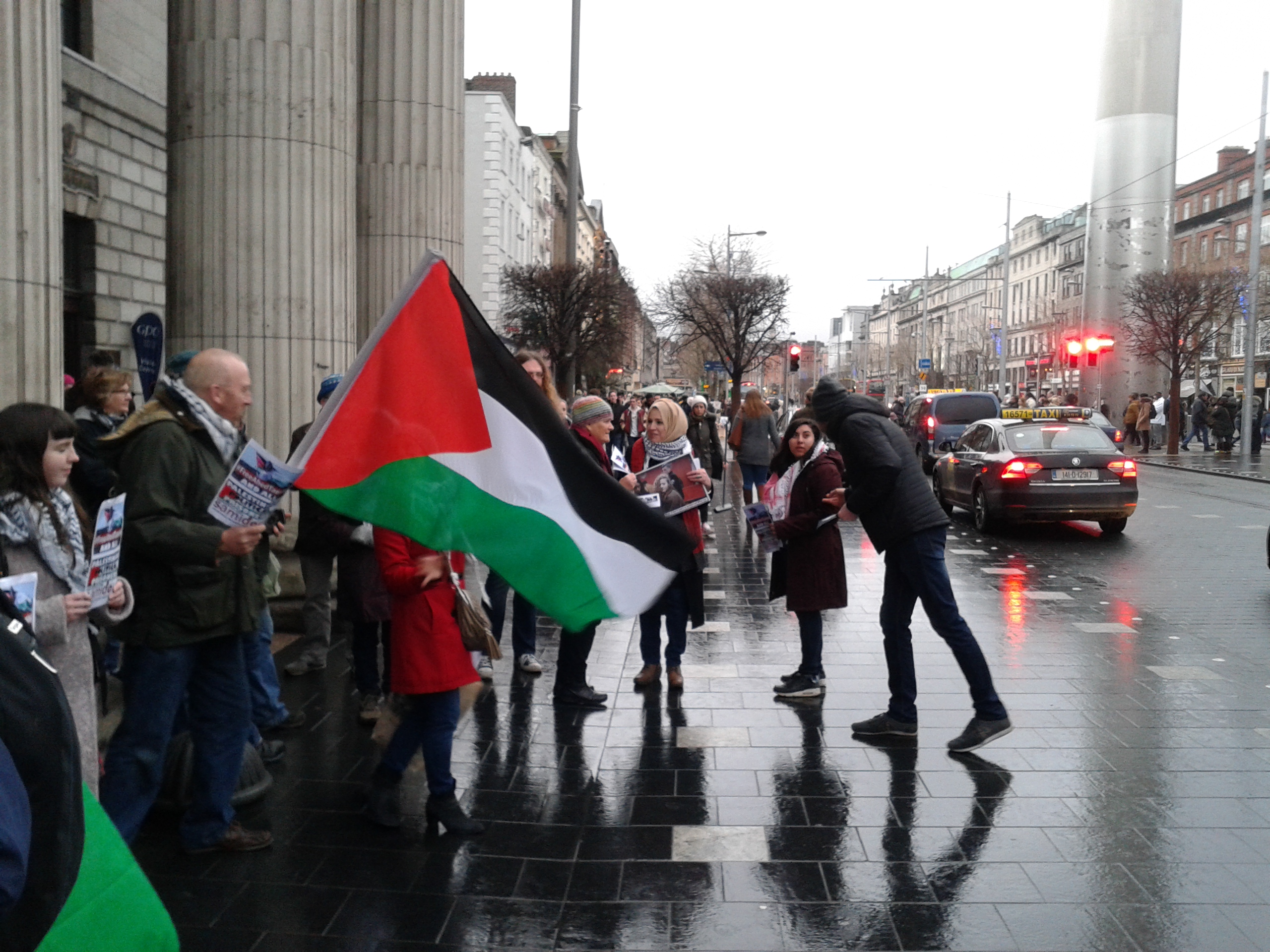
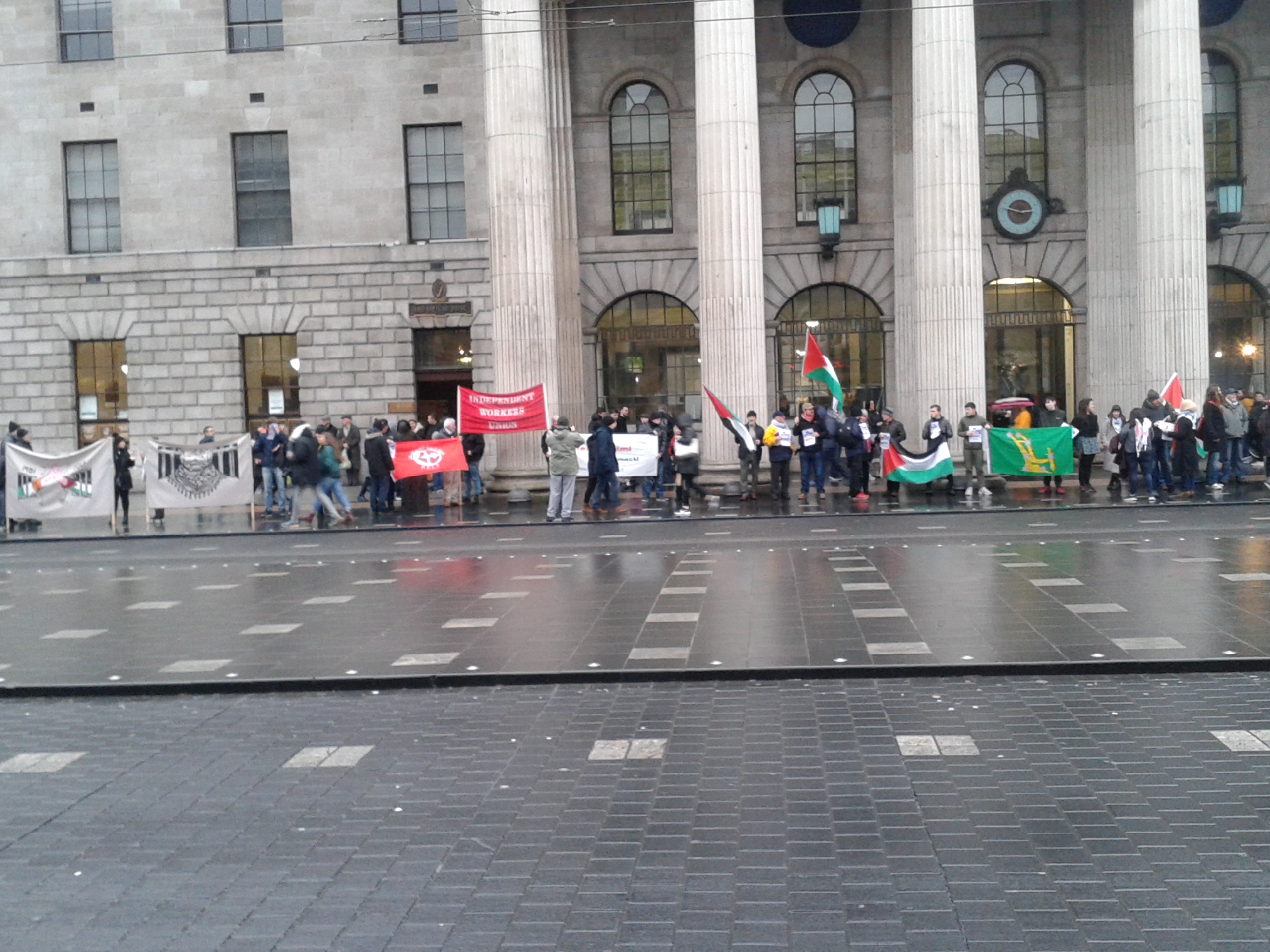
A wet Saturday afternoon saw a large crowd attend a protest picket organised by the Anti-Imperialist Action organisation; it was in specific solidarity with Palestinian Teenager Ehed Tamimi, jailed in December last year by the Israeli Zionist occupation — but also with all Palestinian political prisoners.
Ehed Tamimi lives in Nabi Saleh, a West Bank village approximately 20 kilometres northwest from Ramallah. A December protest against further expansion of illegal Zionist settlement near Ehed’s home village attracted the Israeli Army who seriously injured a Palestinian, Ehed’s cousin Fadl al-Tamimi, by firing a rubber-coated steel bullet at close range into his face. Three female members of the Tamimi family, including Ehed, though unarmed, attacked the soldiers. After video of the incident circulated widely, the Israeli occupation force raided the Tamimi household and arrested Ehed. She was held without charge for thirteen days and then charged, along with her mother, with assault, incitement to violence and throwing stones. She remains in custody awaiting trial.
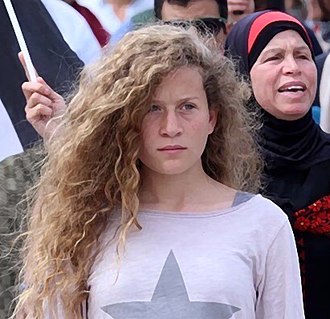
The detention of Ehed, a minor in law, by the Israeli state violates a number of articles of the UN Convention on the Rights of the Child, including the right to remain with her family.
In past protests at her village, half the number of residents had been injured over a number of years and two killed by Israeli soldiers, including a member of the extended Tamimi family.
Born into an activist family, Ehed Tamimi is 17 years of age and has been in struggle against the Israeli Occupation Force more or less since she was she was able to walk. According to the British newspaper The Guardian, Ahed’s siblings—Waed, Mohammed, and Salem—and parents “have known only a life of checkpoints, identity papers, detentions, house demolitions, intimidation, humiliation and violence; she is part of the second generation of Palestinians to live under the occupation.”
Ahed gained international fame through being photographed or filmed confronting Israeli soldiers, her courage remarkable and pale features and long blond hair making her stand out among protesters. The first of these occasions to reach an international audience was when she was 11 years of age, in August of 2012 as she tried to prevent the arrest of her mother and later that year, waving her fist at an Israeli soldier twice her size as he arrested her older brother.
WIDE SUPPORT FOR PICKET
The Dublin picket on Saturday attracted the support of a wide section of the Republican and Socialist Left: the Independent Workers’ Union banner was in evidence as were a number of painted banners previously seen on pickets by the Dublin Anti-Internment Committee, along with independent Irish Republican activists. Fatin al-Tamimi, Chairperson of the Ireland Palestine Solidarity Committee and a number of that organisation’s activists were also present, some distributing IPSC leaflets, as were a number of activists associated with campaigns against the Water Charge, against the demolition of Moore Street and in support of ending homelessness. Fatin al-Tamimi, who although bearing the same family name is not related to Ehed’s family, will not in future be permitted by the Israeli state to visit her relatives (see item on Israel’s public blacklist below).
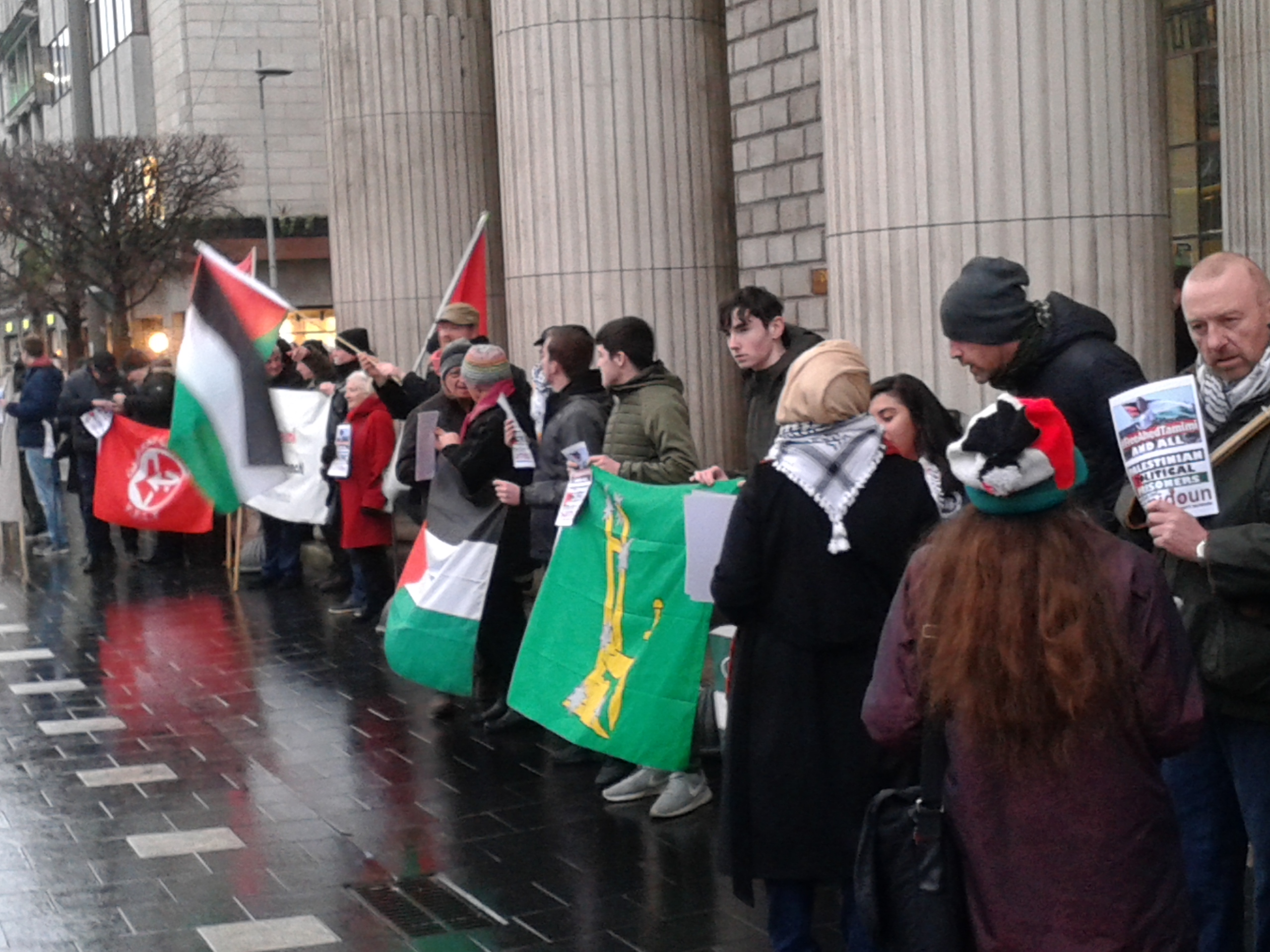
Among the passing shoppers and tourists a number indicated their support for the picket, many taking photos and some asking to be photographed among the protesters. Drivers of a number of passing vehicles also tooted their horns in support.
RELATED: ISRAEL PUBLISHES BLACKLIST OF PALESTINIAN SOLIDARITY ACTIVISTS ABROAD
The Israeli Government consolidated its secret blacklist of people to be barred from entry to territory controlled by the State into list of organisations which it made public on 6th January 2018. The Ireland Palestine Solidarity Committee was named as one of the 20 organisations, the leaders and activists of which will not be permitted entry to Israeli-controlled territory. The move was widely interpreted as a reaction to the increasing effectiveness of the Boycott, Divestment and Sanctions movement against the State and its anti-Palestinian policies. The publication was also seen by many as marking its further alienation from much of the rest of the world even as the USA, in President Trump’s order to relocate the US Embassy to the city, publicly endorsed the previous Israeli completion of its seizure of Jerusalem in June 1967 and its ongoing Israelisation and de-Palestination of the city.
Most of the organisations on the blacklist are European but a number are US-based. “The American Friends Service Committee, a Quaker organization honored with the 1947 Nobel Peace Prize for assisting and rescuing victims of the Nazis, is among the list of groups whose activists Israel has announced it will bar from entering the Jewish State. On Saturday it was revealed that the left-wing organization Jewish Voice for Peace was on the list.” Also on the list is the BDS South Africa organisation.
REFERENCES
Ehed Tamimi: https://en.wikipedia.org/wiki/Ahed_Tamimi
Israeli blacklist of organisations: https://www.haaretz.com/israel-news/1.833502
Summary of UN Convention on the Rights of the Child: (https://www.childrensrights.ie/sites/default/files/information_sheets/files/SummaryUNCRC.pdf)
GOVERNMENT OF ARGENTINA CREATES FAKE TERROR ORGANISATION TO ATTACK POPULAR RESISTANCE
Diarmuid Breatnach
Let us suppose that the Minister of Justice of an Irish Government held a conference with representatives of the Gardaí, the Army and the judiciary. As a result of the conference the Government created a strike force and issued a 180-page report in which the main tendency was the need to eliminate an organisation called the Irish Resistance Movement.
The mass media hails this Report and highlights the danger of the IRM.
However, Left and alternative political activists have never heard of this IRM before but we find that a Traveller activist is named as the spokesperson, Irish socialist and republican organizations are listed as belonging to it, in addition to campaigns against homelessness, the Water Charge and some smaller ones for political prisoners, human rights, civil rights etc. Some of the names of independent political activists also appear on the list.
As proof of the existence of the IRM and who belongs to it, the report shows a crowd demanding the exoneration of the Jobstown defendants, which includes a person whom a large force of police later killed in an attack on himself and a few comrades. A number of ongoing trials still not concluded are also added for good measure.
Then, the Report also claims that the “IRM” contains internationalist solidarity organisations in solidarity with the Kurds fighting ISIS and with the Palestinians and is receiving arms training from ETA.
And the “IRM” is linked to a number of demonstrations which have shut down the centre of Dublin in protest against austerity measures, protest occupations of buildings, etc.
What would we think?
We would probably conclude that the Government was preparing the ground for a massive attack on our organisations of resistance and on the right to protest.
If in addition to the publication of the Report, the Traveller’s spokesperson, which the Minister of Justice claims to be a spokesperson for “IRM”, two months ago had a the body of a mutilated vixen left on her doorstep, we might also think that the Government might be setting her up to be killed.

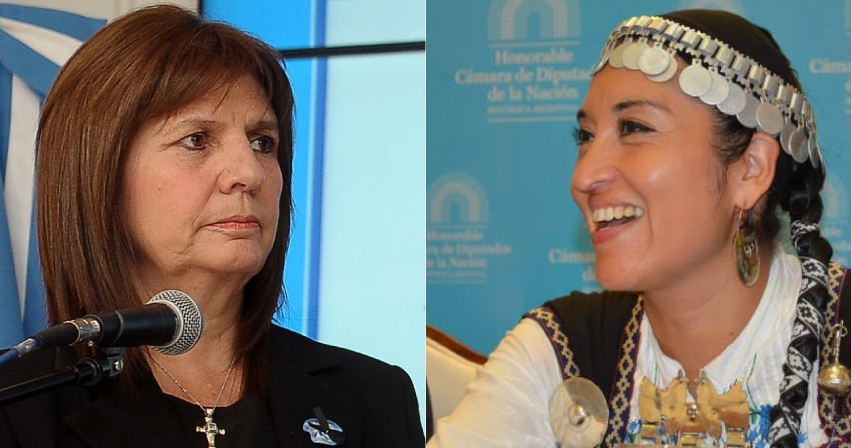
The preceding is an approximation of what is currently going on in Argentina. On December 29th 2017 Patricia Bulrich, Minister for Security of the Nation of the Cambiemos coalition Government of Argentina held such a conference with provincial security executives and issued a 180-page report on the danger of “RAM” (“Ancestral Mapuche Resistance”). This organisation has never before been heard of but Bulrich claimed in the Report and in a televised press conference that it is coordinating the activity of a huge number of organisations and is creating a great terrorist threat to the State.

Linked to “RAM” she gave a long list of organisations including those of original people and resistance in the areas of trade union, community, socialist and anarchist activity. Support for the Kurds was listed as evidence against some anarchist organisations and other organisations were alleged to be funding and publicising “RAM” while the Colombian FARC was alleged to be giving them military training.

The “RAM” may be a fake organisation but the State terror threatened is real.
The Minister publicly named Moira Millan, a Native People activist of the Mapuche, as the spokesperson of this “RAM”. This in the context of the recent killing of one Mapuche activist and the disappearance of Mapuche solidarity activist Santiago Maldonado in August 2017, which events led to demonstrations of Mapuche protest. Santiago was later found dead.
Millán lives in Patagonia, is a mother and in fact a member of two Mapuche organisations: The March of Native Women for Holistic Living and the Pillan Mahuiza Community. She writes and lectures on the history of the Mapuche, organises meetings in particular of Native women, gives traditional cooking classes, and speaks publicly on the rights of the Mapuche people. Millán has never been charged with any illegal let alone armed activity but last October, the mutilated body of a vixen was left on her doorstep. The message is both an insult — vixen in Spanish is “zorra” and is used as a moral and gender insult, particularly by the Right against female Left activists – as well as a death threat, i.e that her body will be next.
Millán’s reaction to the release of the Report and Bulrich’s press conference was quick and scathing:
“Yesterday, while I thanked the children who voted that the library of School No. 8 Luis Bernet of Parque Chacabuco should bear my name, the Minister of Security, Mrs. Patricia Bullrich, mentions me in her absurd and ridiculous report as the main spokesperson for RAM”, she said, adding that “the lady Minister – Bullrich — continues with her delirium tremens, inventing terrorists where there are none”.
“In her fevered dreams she sees herself, hooded, like the Ku Klux Klan, hunting Mapuches, assisted by the insipid and mediocre Governors of the South,” said Millán.
“Lie, lie but something will remain … ‘The lie has short legs’, says the popular saying: Are you coming for me, Mrs. Bullrich? Why are you afraid of us so much?” asked the Mapuche campaigner.
“Here I am, holding my truth as a weapon, and the wisdom of the Mapu as a shield; they have initiated ‘the hunger games’ and you believe that your government will win; make no mistake, we belong to a people that has been invaded, but never defeated”, concluded Millán.
(See further down for a way to take a few minutes to help)
End.
Links:
Video compilation of Bulrich, Millan, oppression, resistance: https://youtu.be/BIgJVa3d1iA
Original article quoting (in Spanish) Millán’s reaction to Bulrich’s statement and report: http://www.infonews.com/nota/312623/persecucion-a-los-mapuche-moira-millan
Guardian report on disappearance of Maldonado: https://www.theguardian.com/world/2017/oct/06/santiago-maldonado-argentina-election-missing-backpacker
TeleSur video about finding of Maldonado’s body:
YOU WANT TO HELP?
Those who wish to express their concern at this demonisation of resistance, the killing of Santiago Maldonado and to lift the threat of incarceration or death on Moira Millan may wish to write to their local Argentinian Embassy, which is obliged to relate information back from their host countries on attitudes to Argentina.
Embassy of Argentina Dublin: 5 Ailesbury Drive Ballsbridge Dublin 4 Ireland
Phone Numbers in Dublin:
Telephone: (01) 269.1546 – Telephone (Int): +353.1.269.1546
Fax Numbers in Dublin:
Fax: (01) 260.0404 – Fax (Int):: +353.1.260.0404
Email Addresses:
General Email address: eirla@mrecic.gov.ar
Consular Section: secon_eirla@mrecic.gov.ar
Administrative Section: adm_eirla@mrecic.gov.ar
Commercial Section: comercial_eirla@mrecic.gov.ar
Cultural Section: cultural_eirla@mrecic.gov.ar
And Argentinian Ministries:
Minister of Security of the Nation of Argentina is currently blocked (for some reason). The Minister of Justice may be accessed through the Department’s page (see link), then use their email contact system:
http://www.jus.gob.ar/contacto.aspx
Minister of the Interior: info@mininterior.gov.ar
Chief of Ministries: mpena@jefatura.gob.ar
It may also help to outline concerns to the Amnesty International and Frontline Defenders organisations.
END DIRECT PROVISION!
Diarmuid Breatnach
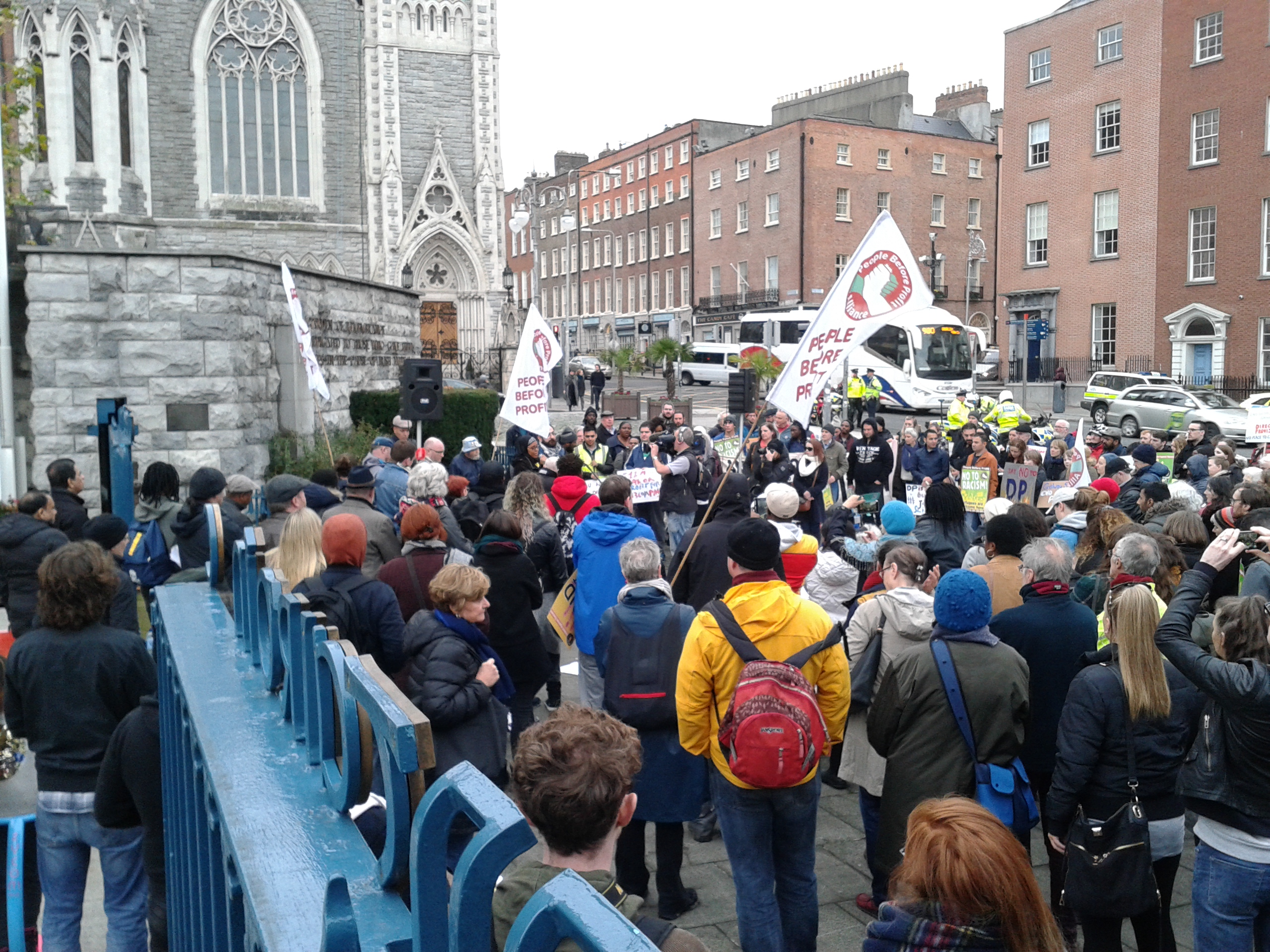
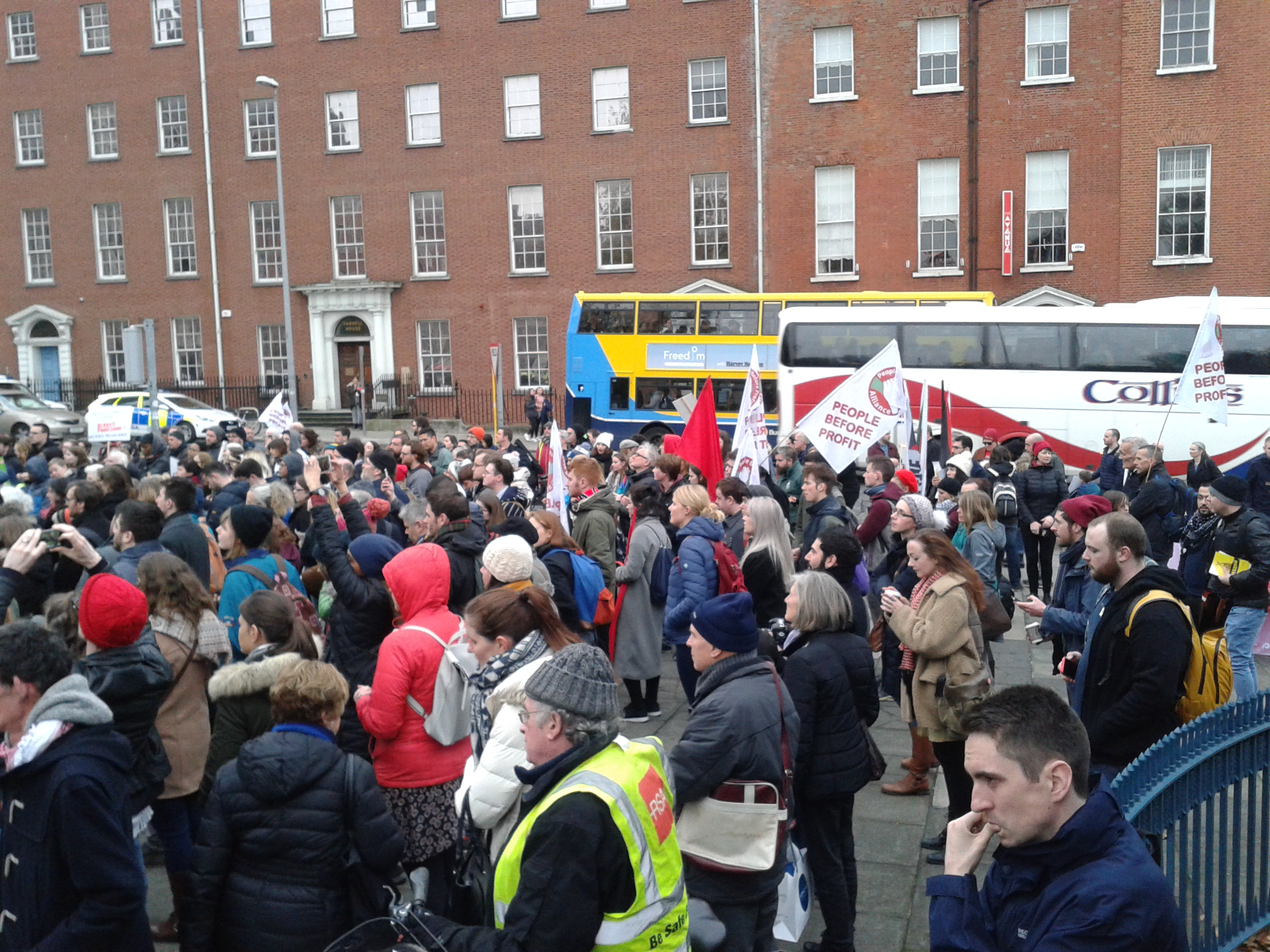
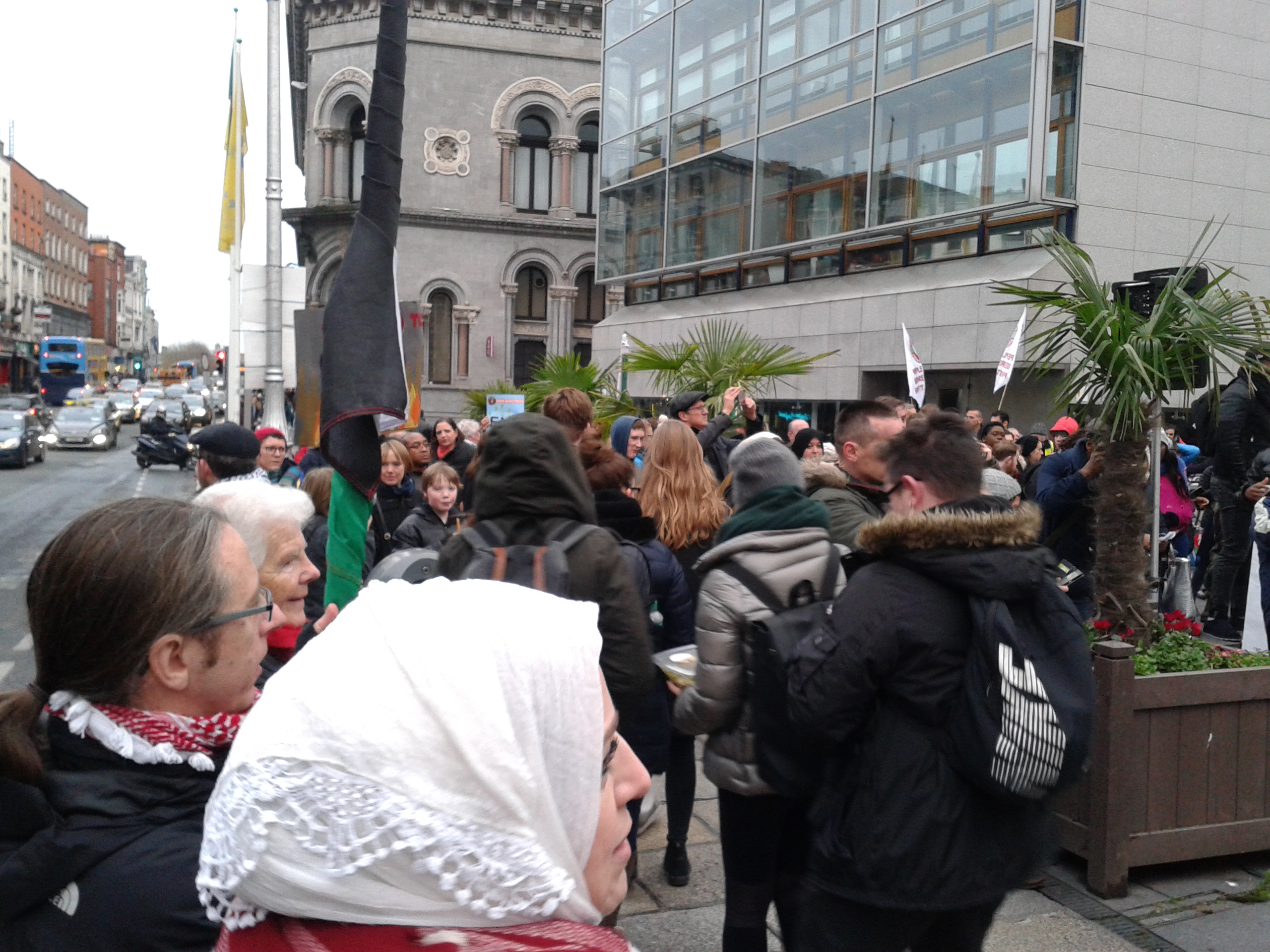
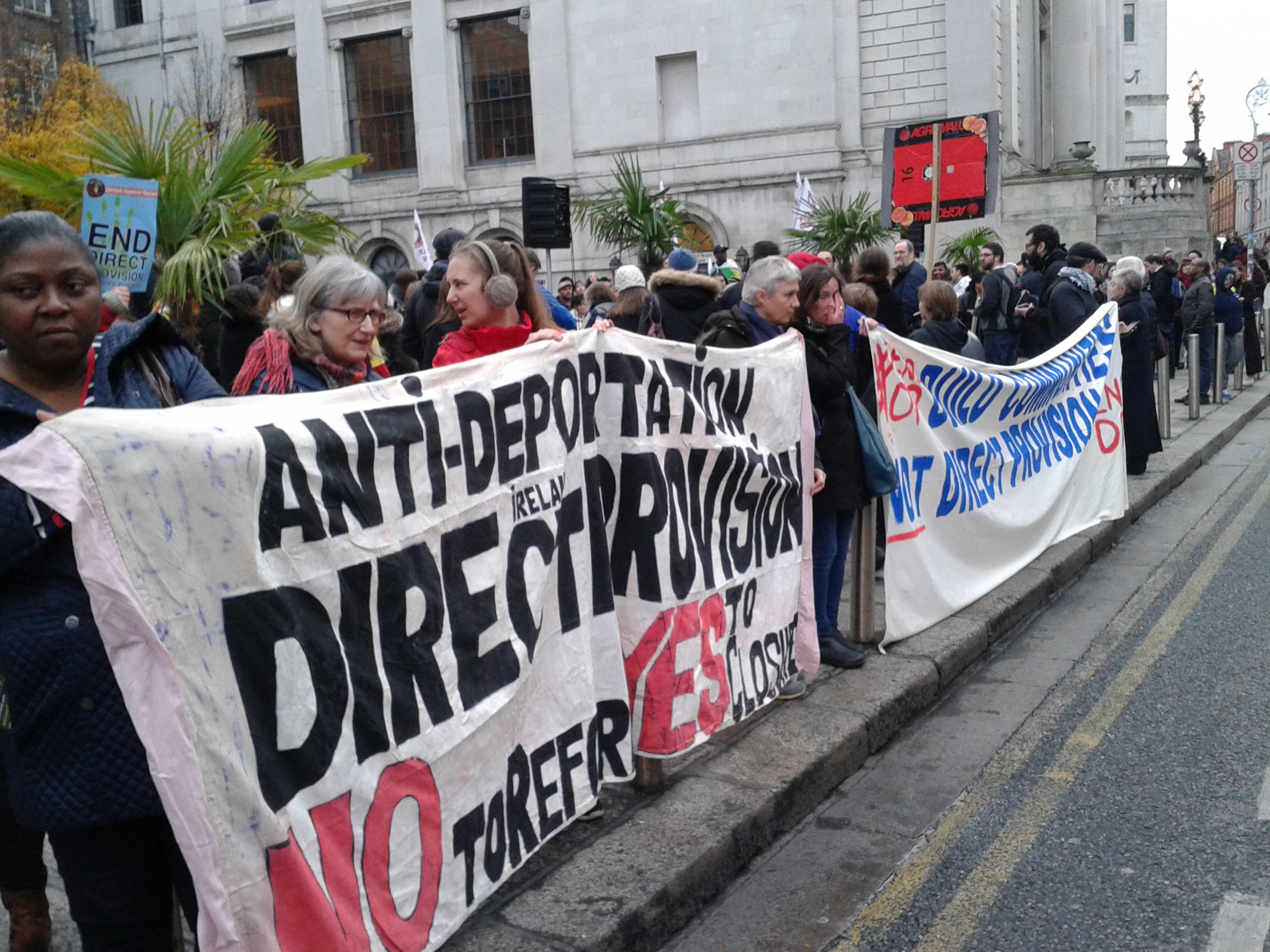
A lively demonstration was held in Dublin on Saturday 18th November against the Irish Government’s policy towards asylum seekers. A coalition including United Against Racism organised the demonstration, seeking the right to work for asylum seekers and the end of Direct Provision.

END DIRECT PROVISION!
Direct Provision was introduced as a “temporary measure” in 200 but is still being used approaching two decades later. In the Irish state asylum seekers, i.e those who seek to live here to escape persecution or danger to their lives in their homelands, are obliged to live in centres while waiting years for their applications to be processed. In the meantime they are not permitted to seek employment, receive €21.60 a week and may not even prepare food to cook food in the centres where they have to live.
(Photo: D.Breatnach)
Children of asylum seekers are obliged to live in these conditions and, when they reach 18 years of age, are denied access to third-level education.
(Photo: D.Breatnach)
The protest march started at Dublin’s Garden of Rembrance and proceeded down O’Connell Street, heading along Dame Street towards the plaza by the side of City Hall and in front of Dublin Castle, where speakers addressed the crowd. Along the way some drums were beaten and they shouted slogans including “One Race – the Human Race!” “We want the right to work!” “End deportations!”
Another slogan was the call of “Amandla” (“Power”, in Zulu and Xhosa), responded to by “Owetu!” (“to us”); this call-and-response was well-known in the struggle against the apartheid regime in South Africa.

(Photo: D.Breatnach)
In the last ten years, according to a media report in July of this year, 44 people have died in direct provision, at least two of them confirmed as suicides. However, the causes of death of fifteen of those were listed as “unknown”, according to The Catholic newspaper, which obtained the figures under a Freedom of Information application to the Reception and Integration Agency, which runs the centres. At the time, the Department of Justice, under which the RIA operates, pointed out that most of the deaths occurred outside the centres but avoided clarifying that in effect this means that they die in hospital.

(Photo: D.Breatnach)
Also in July, a report into what children in Direct Provision Centres think of their accommodation was published. The Child Law Clinic at University College Cork carried out the research, speaking to children in the direct provision system aged between 8-17 years of age. Many complained of the food and some also complained that they did not use the communal relaxation areas as young male refugee and asylum seekers congregated there – apparently there are no children-safe areas available.
Justice Minister Charlie Flanagan (who had but recently taken over from Frances Fitzgerald) welcomed the report but Tanya Ward of the Children’s Rights Alliance said that it is of “deep concern” that some children feel unsafe in direct provision centres.
Links:
http://www.thejournal.ie/direct-provision-cause-of-death-3517442-Jul2017/
http://www.thejournal.ie/direct-provision-children-3503111-Jul2017/
THE SPECTRE OF THE BROWNIE
Diarmuid Breatnach
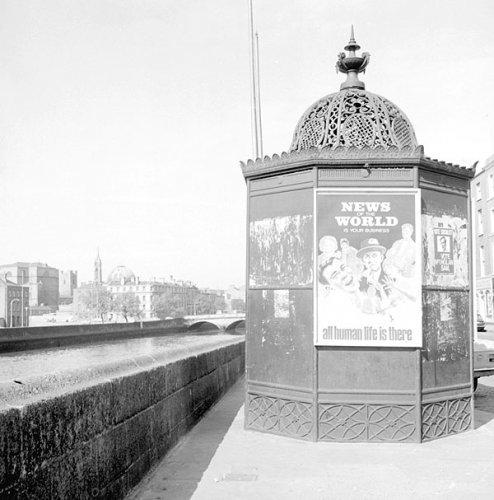
We knew about gays but we didn’t call them that. That was in our primary school days. Our mammies or das or others had warned us boys about them. We were never to accept sweets from strangers. They were men, older, probably shabby, hanging around in public toilets (when we had public toilets in streets). They would try to see your mickey, try to touch it (they were only interested in boys, which went to show how totally deviant they were). They’d give you sweets or even money. Just for that? It was enough! We thought no further but when we had to use those public urinals, kept as far away as we could from any men (a habit we continued into adulthood) and tried to cover our mickies with our hands and sometimes got some of the urine on them as a result.
(Image source: Internet)
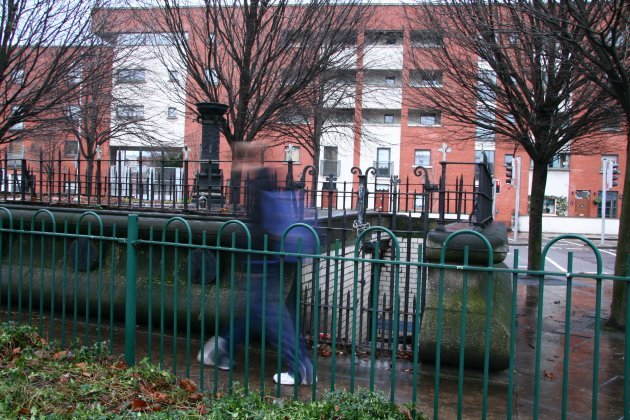
(Image source: Aoife Barry, the Journal)
We didn’t call them “gays” then but there were other names in our vernacular dictionaries: brownies, dirty men, homos ….. They were always predators and always male. Girls didn’t have to worry, apparently – those dirty men would not be tempted at all. It was the normal men girls had to worry about.
Was there such a thing as female homos? But if they wanted to play with your mickies that would be normal wouldn’t it? And nice even if sinful. Ah, chance would be a fine thing! But girls or women doing it with one another? How? And sure, what for?
Did we know any homos? Well, we were kind of getting to hear about poor Oscar Wilde. He would have been our fifth national Nobel prizewinner for literature and the fourth from our capital city. If not for …. well …. Poor man, he was misguided. And duped. But a lovely writer.
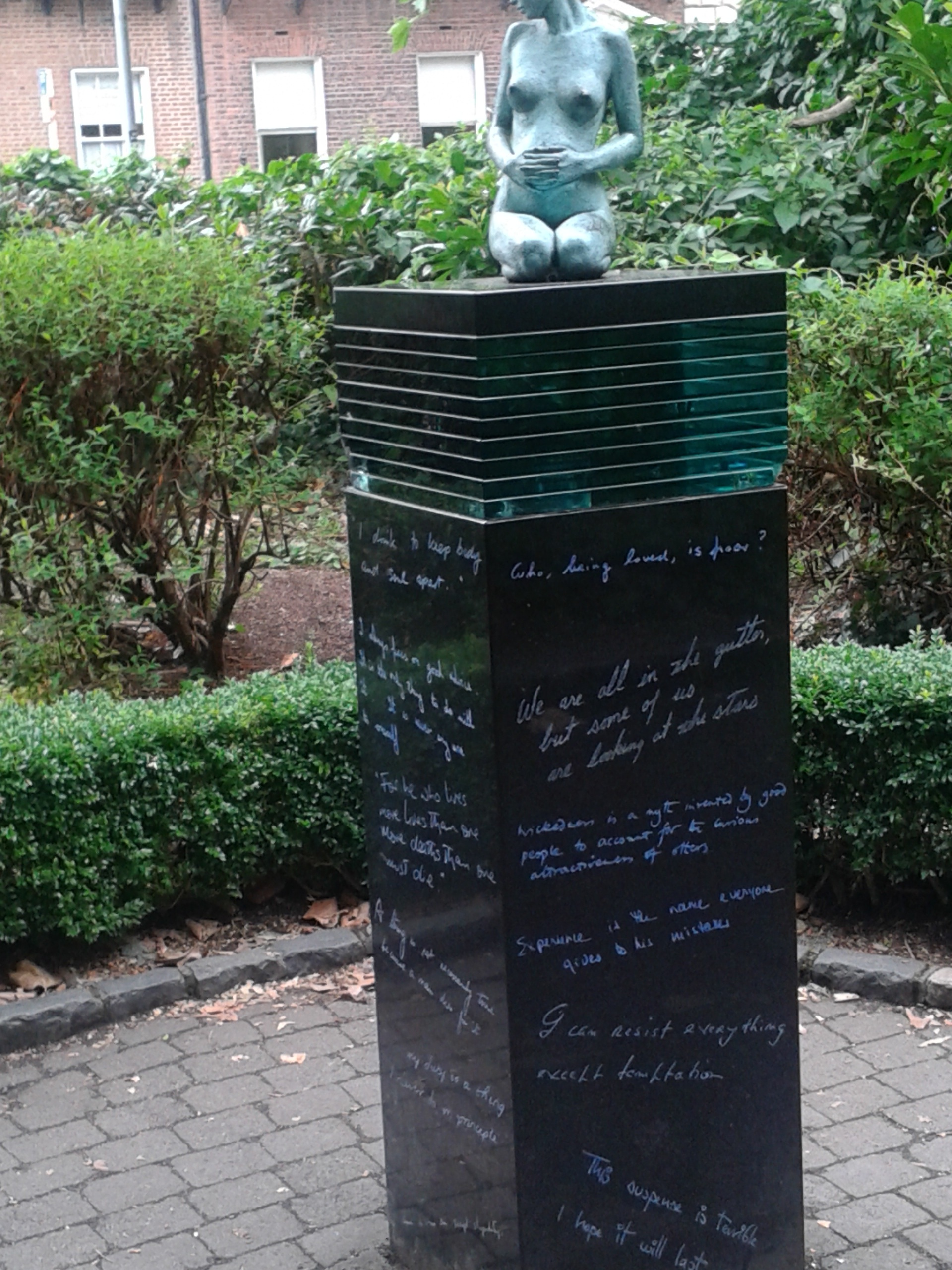
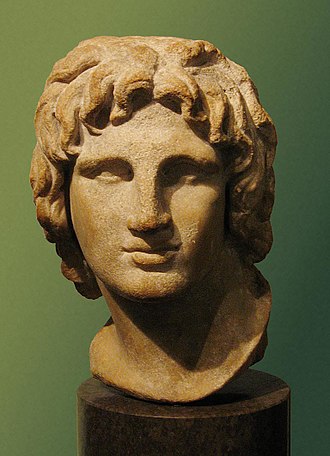
Our elders, well a great many of them, knew that many famous men had been homosexual – but they didn’t tell us. We knew quite a bit about the military exploits of Alexander, the Macedonian but nobody told us he was homosexual. If we’d known, we’d have asked ourselves whether he went to conquer the world in order to hang around public toilets in foreign lands, waiting to touch boy’s mickies. William of Orange was a homo too but then we had enough reason to hate him already. Wait – William …. Willy …. willies ….. nah, coincidence!
There was another William they might have known about, King William Rufus (1087 – 1110), son of William the Conqueror, openly homosexual. And probably assassinated by order of his brother, King Henry II, not for being gay but to get the kingdom. Well, what would you expect of the English! OK, Norman-English. Whatever.

They surely knew, educated adults and anyone around the theatre, that Mícheál Mac Liamóir was “a practicing homosexual”. An Englishman who became Irish, including a fluent speaker and writer in the Irish language, he lived with his lover Hilton Edwards in Harcourt Terrace. Edwards was another Englishman converted to Ireland. But sure they were English, so our elders only sniffed and turned a blind eye, grateful for the culture of the Abbey and Gate theatres, the formation of An Taidhbhearc and fame on English language stage and screen.
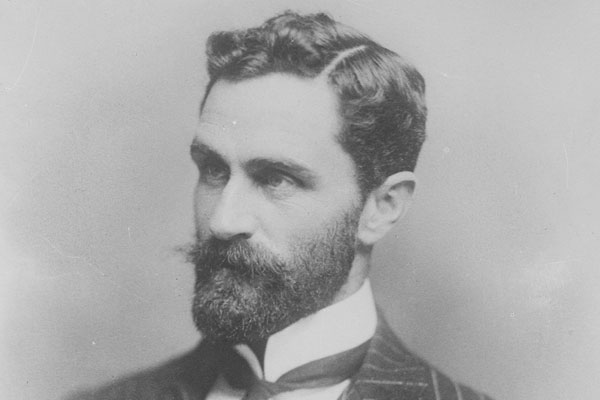
We knew Roger Casement could not be homosexual (even though he was a Protestant) because he was an Irish patriot. The English would do anything to tarnish his reputation and they had forged “the black diaries” to say disgusting things about him1, before they hanged him, not for homosexuality but for “treason” to the Crown. That’s the English Crown, of course. The one on top of the Arms of the Union, with the Lion and the Unicorn below, and below them the shield bearing the Thistle of Scotland, the Rose of England and the Harp of Ireland. You can see the design on the front page of the London Times, or on the roofs of the Bank of Ireland and Customs House buildings in Dublin.
(Image sourced: Internet)
But did we know any homosexuals personally? Perhaps some did. There was a lad at school who liked to knit and listen to opera and whose manner was quite feminine. Probably he was/ is, we thought years later but at the time he was just a boy who was like a girl. There was another one, son of a famous actor, a bit of a bully with a gang around him. He turned out to be gay but I at least never suspected. Then there was a certain barber who seemed quite effeminate but would do his best to cut your hair to any fashionable style which you required.
As we came into our teens, our vision broadened a little and we came upon more sinister knowledge. There were now rumours of homosexual Christian Brothers and priests. Seeing as these two groups, along with the Jesuits, directly controlled most of secondary education in the Irish state, nearly all of us Catholics were going to pass into their hands at some point. Hopefully their educational hands only. They didn’t have to hang around public toilets. They’d have us for six or seven hours a day, five days a week. Not to speak of the residential schools (too many people didn’t).
We knew in general and we knew of specific instances, by rumour or by experience. We resolved not to be victims ourselves and the strong succeeded. The weak? Well ….. Sauve qu’il peut, as they say (or I think they do) in France.
And we didn’t talk of it to our elders. Why? Well ….. hard to say. Would they have believed us? Did we have proof? Would it only have showed how dirty our minds were?
In my teens, a youth selling newspapers in Dún Laoghaire told me of a brawny sailor who one evening wanted to entice him into an alley away from company in order “not to embarrass the girls”. So, homosexuality was not confined to the creepy men hanging around toilets, or to the effeminate and arty, or to the clergy and Catholic brotherhoods. Burly sailors? Dear God!
And now a disturbing but exciting knowledge also came to us. We learned that there were indeed homosexual women – they were called ‘Lesbians’. And almost unbelievably, if you managed to get hold of a copy of the Kinsey Reports (or reviews of them), lesbianism appeared to be even more common than male homosexuality! Disturbing in a number of ways …. women preferring to have sex with women than with men? For some of us, it was difficult enough already to get physically intimate with a girl without some of them preferring other women! Then, a second thought, disturbing in a different way: imagine seeing them together … doing it! Double female nakedness!
As we grew older, we came to know gay men personally. Of course we did. Some of us, the better ones, acknowledged them our equals, did not avoid the subject nor deny them our company. Some of us, while accepting their company, avoided any mention of their preferences; we treated them as heterosexuals, knowing they were not. And some of us avoided them or worse, inflicted violence on them. We found out that some indeed did hang out around toilets but not to feel the mickies of little boys but to make assignations with adult males. Where else could they meet? It was illegal and religiously prohibited too.
Then came gay liberation agitation in the 1970s. Decriminalisation in 1993. And finally, equal rights to wed in 2015. Incredibly almost, that same Ireland of our childhood voted by majority in every county but one in the Irish State of the Twenty-Six Counties, that gays should have the right to marry people of their own gender. In May 2015, Ireland became the first state to legalise on a national level same-sex marriage by popular vote. The New York Times hailed the victory as putting Ireland at “the vanguard of social change”.

(Image source: D.Breatnach)
We have come a long way, in that respect at least. But oh, the victims of intolerance strewn along each side of the route of our progress!
Generations in Ireland will grow now, hopefully, without the spectre of the Brownie.
End
Footnotes:
1 Roger Casement (1864-1916) was an Irish patriot and Protestant, also a poet and an enthusiast for Irish culture. In 1916, in preparation for the Easter Rising in Ireland, he came in a German submarine to assist in the unloading of German armament, including 20,000 rifles. The German boat, disguised as a Norwegian, was discovered and its captain scuttled it outside of Cork. The IRA Volunteers who went to meet the boat and Casement at its rearranged landing place, of which they had just learned, drowned as their car went off the road into the sea.
Casement was apprehended after landing. He was tried for treason in wartime and a substantial campaign arose to save his life. He had earned fame and a knighthood (CMG) a decade earlier through exposing ill-treatment of indigenous people in the African Congo under Belgian Royal control and in Putamayo in Perú by rubber-exploitation commercial interests.
Extracts from the “Black Diaries” were circulated by the British espionage service to undermine popular support for clemency for Casement. Those Diaries (as opposed to his other diaries of his travels abroad)gave details of his allegedly sexual interludes with men abroad and the extracts circulated substantially undermined the campaign for clemency. Casement was hanged in Pentonville Prison on 3rd August 1916, the last of the 1916 executions, the only one not by firing squad or to take place in Ireland.
The authenticity of the “Black Diaries” continues to be the subject of controversy. Although Wikipedia notes that a handwriting expert concluded by comparison with his other diaries that the entries were genuinely Casement’s, he is the only handwriting expert to have been permitted to examine the original, nor have samples been subjected to modern forensic testing. And the British espionage service did have a reputation for forging documents.
PUBLIC HOUSING FOR ALL — CAMPAIGN LAUNCHED IN DUBLIN
Diarmuid Breatnach
The Campaign for Public Housing was launched Saturday (28th October) at a large packed meeting room in the Unite trade union building in Dublin.
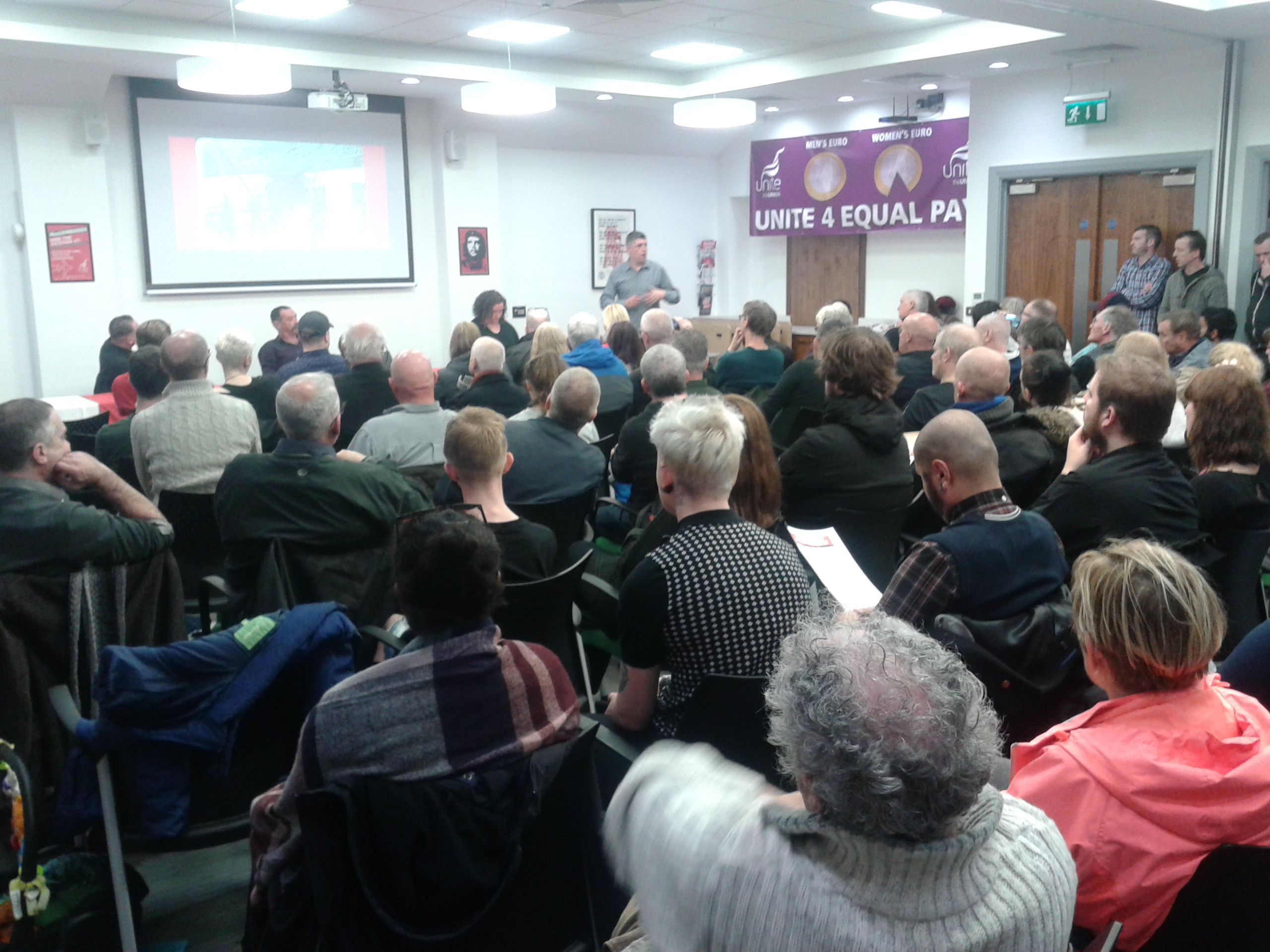
(Photo: D.Breatnach)
The demands of the campaign were announced as both long-term (in the form of a new system of universal public housing) and short-term (in dealing with the reality of the current housing crisis), as follows:
-
A new system of Universally Accessible Public Housing, based upon a cost rental model where the collective rent of tenants would fund the construction and procurement of large volumes of new public housing.
-
A tenants Bill of Rights to protect tenants in the private rental sector. This bill would control rents and provide real security of tenure.
-
A complete Ban on Economic Evictions by banks and private landlords.
-
A referendum to insert an unambiguous and legally enforceable Right to Public Housing into the constitution.
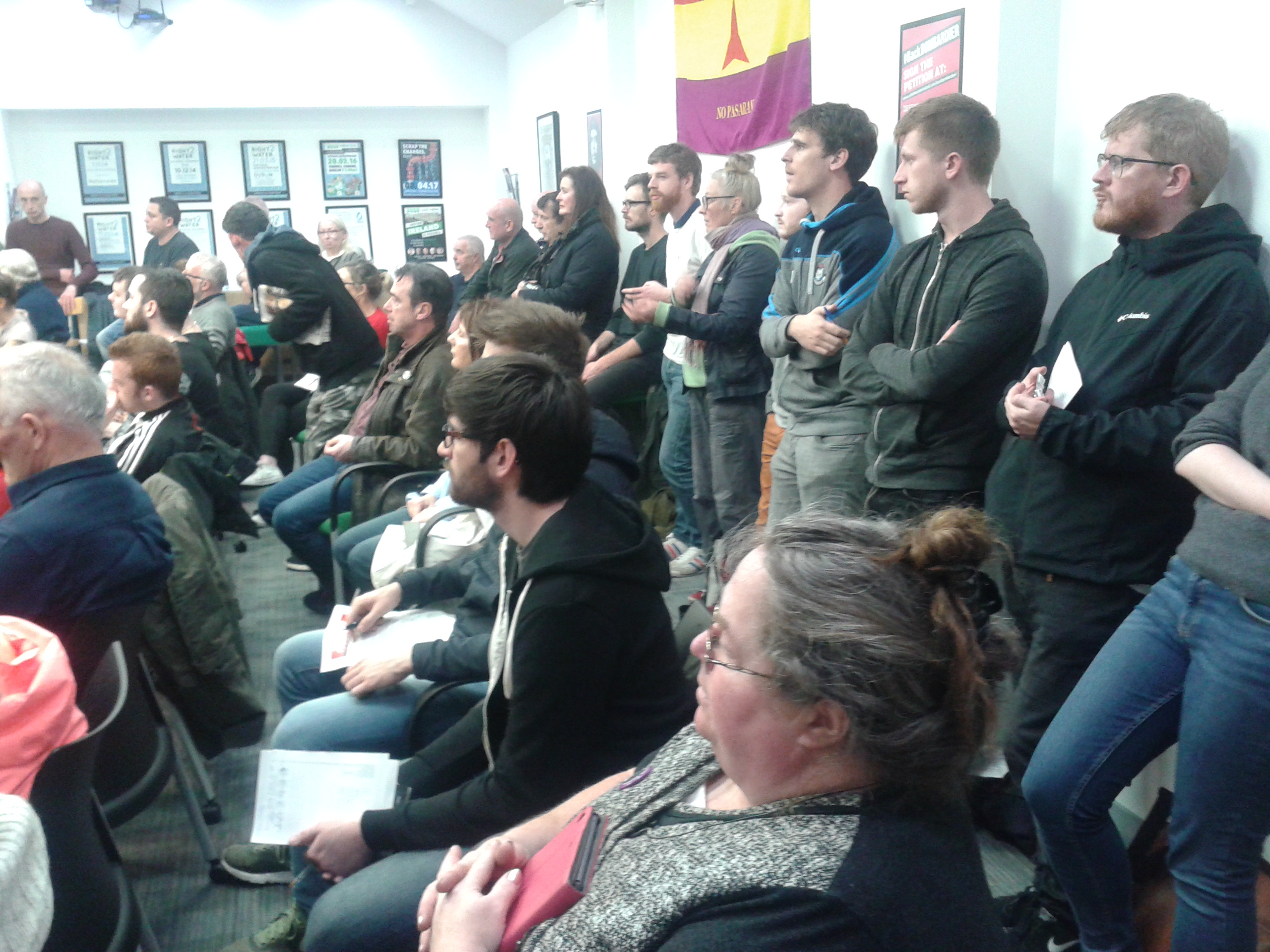
(Photo: D.Breatnach)
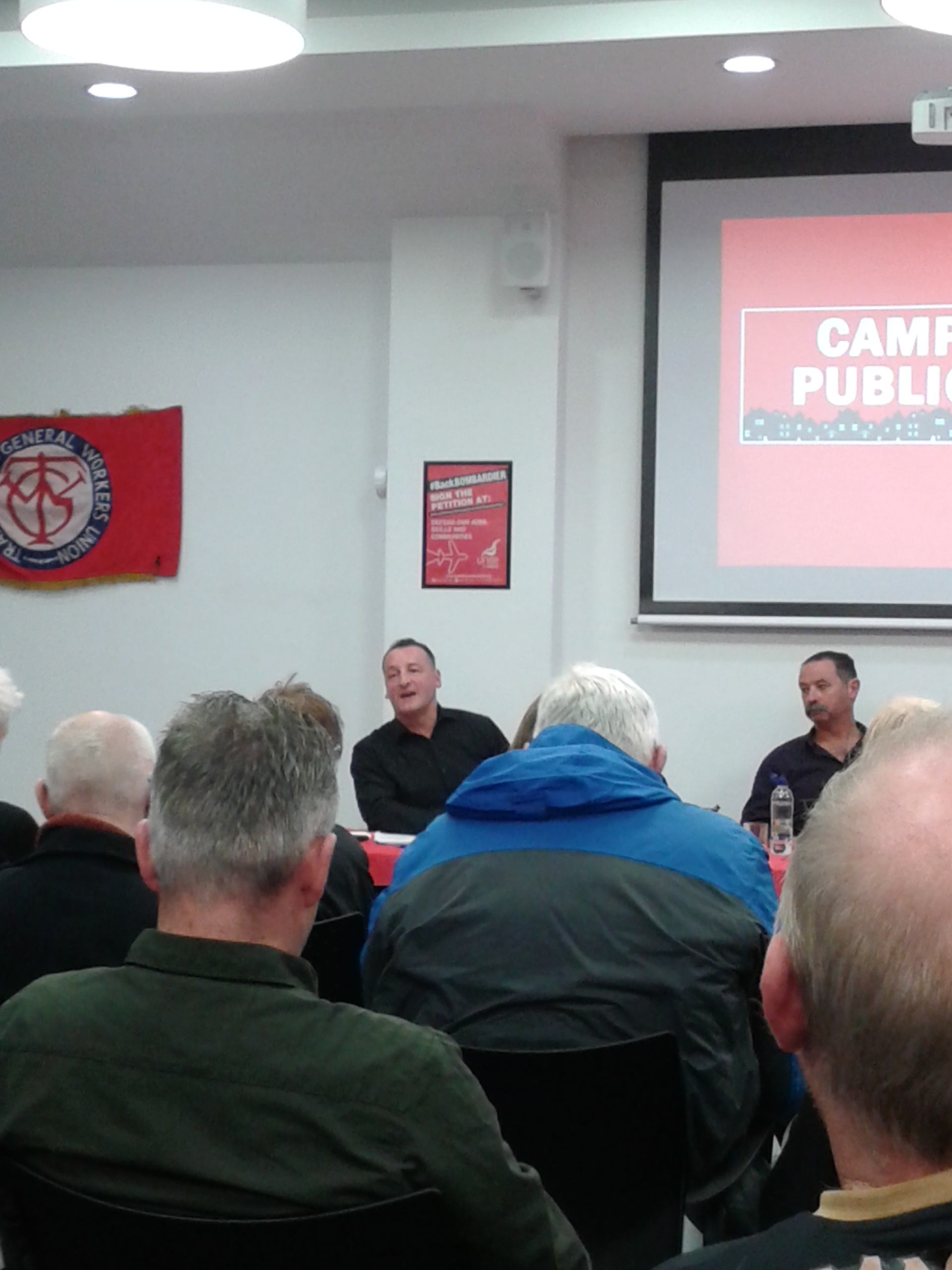
The political forces represented at the public meeting table were Éirigí (Brian Leeson), the Workers’ Party (Éilís Ryan), the Communist Party (chairing the meeting) and an individual who might be described as an independent left Republican activist (Cieran Perry). Both Perry and Ryan serve as elected councillors on Dublin City Council.
The Éirigí organisation is considerably reduced from the numbers of activists it had when it was first formed, largely by “dissidents” who left the Sinn Féin party soon after the Good Friday Agreement. The Workers’ Party is very small, having arrived at its current space through a series of splits from the original Sinn Féin (which became Official Sinn Féin after their dissidents formed the Provisionals back in 1970). The Communist Party of Ireland is also very small but owns a Dublin bookshop which also operates as a small theatre and meeting place for broader left anti-imperialist events.
At first glance, the political composition of the table may strike the observer as unimpressive in representation of numbers. However, such active forces have impacted significantly on the Irish political scene over the years and these in particular bring a wealth of political experience to the table. In addition, the audience contained a broad spectrum of left trade union and community activists, republicans, anarchists, socialists and participants who became active in recent campaigns.
According to a press statement released by the Campaign for Public Housing on 26th October, its supporters includes:
Peter McVerry (in a personal capacity, it was said at the launch)
Inner City Helping Homeless
Éirigí
The Workers’ Party
The Communist Party of Ireland
North Dublin Bay Housing Crisis Community
Cllr. Cieran Perry
D8HAC Altogether Now
Dundrum Housing Action
1916 Societies
Catherine Connolly TD
Clare Daly TD
Mick Wallace TD
(and Joan Collins TD, it was announced at the campaign launch).
THE STATE FUNDING SPECULATORS TO BUY MORE PROPERTY
Speaking while using an electronic visual presentation on a large screen at the campaign public launch meeting, Leeson presented figures drawn from statistics produced by property and housing agencies and government departments to illustrate a history of public housing in the Irish State since its creation. Though hardly impressive in the numbers of public dwellings built, the figures showed a significant initiative in that direction under the early Fianna Fáil government years, when De Valera was at its head.
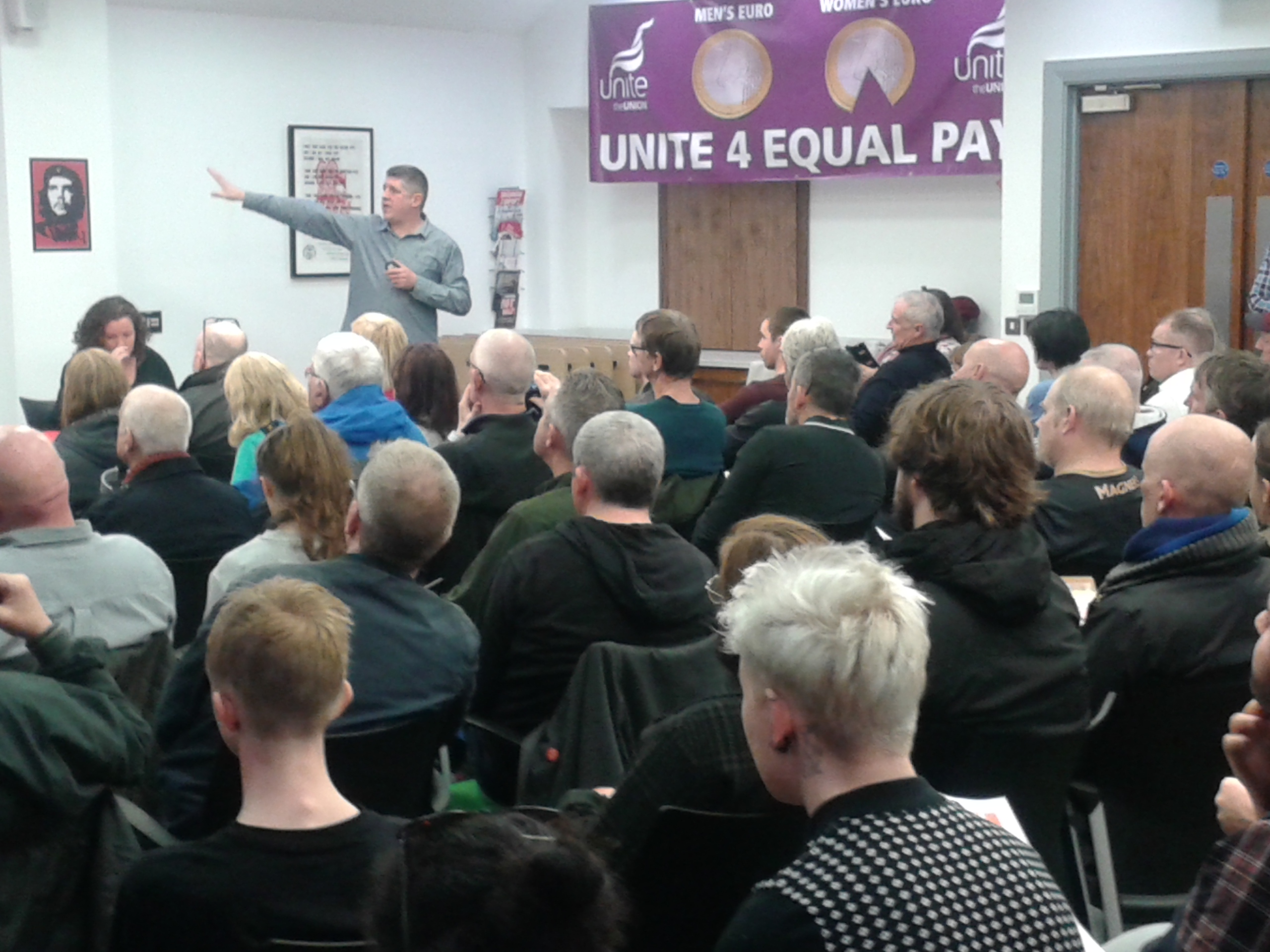
(Photo: D.Breatnach)
Throughout the 1950s and 1960s the ratio of public housing to private housing built was around one to one. In those years, private landlords notwithstanding, private housing was usually occupied by the owner. From the 1980s onwards, the ratio shifted to 10-1 in favour of private dwellings and huge numbers of these were no longer lived in by their owners and the ratio is much higher now. In effect, dwellings had become a commodity in which large-scale speculation was taking place, driving the rents and mortgages higher and higher, forcing people into debt for life or evictions and also into high-rent and unsuitable accommodation.
The figures also showed a state funding of the private property sector to the tune of eight billions (€8,000,000,000) – funds which the banks and other property speculators used to purchase more land and property, intensifying the housing crisis.
PUBLIC — NOT SOCIAL — HOUSING
Ryan concentrated her presentation on the need to call for public housing as a rational and necessary response, as one might consider for example public education or health service. Only public housing can solve the housing crisis, she maintained and so it is not only of moral importance but of urgent practical need. Turning to the cost of house building, Ryan pointed to the industry’s figures seen in the earlier presentation, showing that good-quality houses can be built much cheaper even under existing conditions. She was at pains to outline the differences between social and public housing: social housing is often aimed at low-income families and may be provided through a range of private or semi-private schemes. Public housing is state-funded with the rents going back to the state to reinvest in further housing provision and should be mixed in order to avoid ghettoisation.
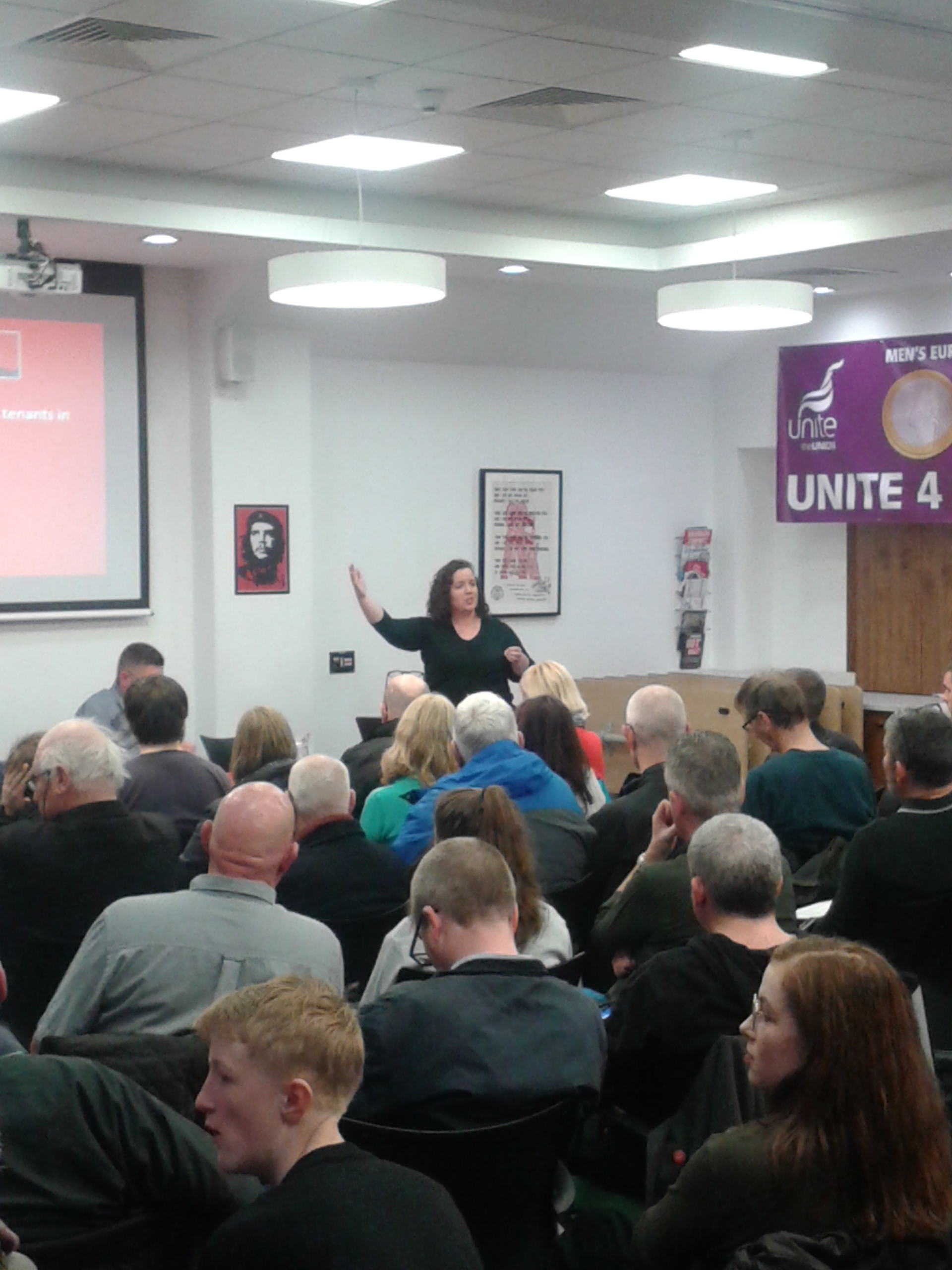
Referring to the importance that Irish people tend to give to the state’s Constitution, Ryan stated that part of the objectives of the campaign was to insert a clause that guaranteed every person a good quality, affordable-according-to-income housing unit for life.
STOP THE SALE OF PUBLIC LAND!
“We have very little power as Councillors,” said Perry “but one thing we do have power on is the veto on selling public land.” He went on to speak of how Dublin City Council had sold Council land to private developers despite his and some other Councillors’ efforts. However, social and political pressure had forced the ratio of public housing on the Devanney Gardens site up to 30% despite the wishes of some political parties but that still meant that 70% went to private speculators.
(Photo: D.Breatnach)
Perry called for support for a demonstration outside City Hall on Monday November 6th at 5.30 pm in support of a motion put forward by himself and some other councillors to prevent the sale of any Council land.
Currently Dublin City Council own 120 hectares of land – enough to build 12,000 good quality homes. “There are 20,000 people on Dublin’s housing waiting lists, and many more average income households who will never be able to afford private rent or mortgage. So why are we allowing private developers to make money off our land?”
Turning to the question of the campaign itself, Perry promised it would be democratic, transparent and not become dominated by any political party or personality and urged all to become involved, to leave their contact details on the clipboard sheets at the door and to encourage others to come on board.
QUESTIONS
The questions and contributions were overwhelmingly of an intelligent kind and included areas such as hidden homelessness by emigration, housing waiting lists and disqualification; the privatisation of education and health services despite their public appearance; the need for the campaign to include direct action; the relationship between this campaign and other housing campaigns in Ireland; the need for quality monitoring by other than the contractor if the Council is to be the builder; the shortage of building workers at the moment; changes in the court systems to facilitate evictions; the involvement in a number of evictions of a firm led by an ex-British soldier using Loyalist ex-paramilitaries; the expected opposition from the EU to bans on the sale of public land; the hidden homelessness of one partner in a relationship breakup, etc.
Those leaving the meeting seemed fairly happy with the launch though inevitably some discussion took place on what tactics the campaign might employ and whether the organisation would degenerate into electoralism, or whether it would be manipulated for politically sectional interest. Political and community activists in Dublin have a long history and such discussion would be normal among all but the most naive. But the overall mood perceived by this reporter was decidedly positive.
End
LINKS:
Contact campaign: https://www.facebook.com/CampaignForPublicHousing/
campaign4publichousing@gmail.com
Picket City Hall to demand no selling of public land: https://www.facebook.com/events/2562340743904927/?acontext=%7B%22ref%22%3A%223%22%2C%22ref_newsfeed_story_type%22%3A%22regular%22%2C%22action_history%22%3A%22null%22%7D
Rohingya Solidarity Protest in Dublin
Diarmuid Breatnach
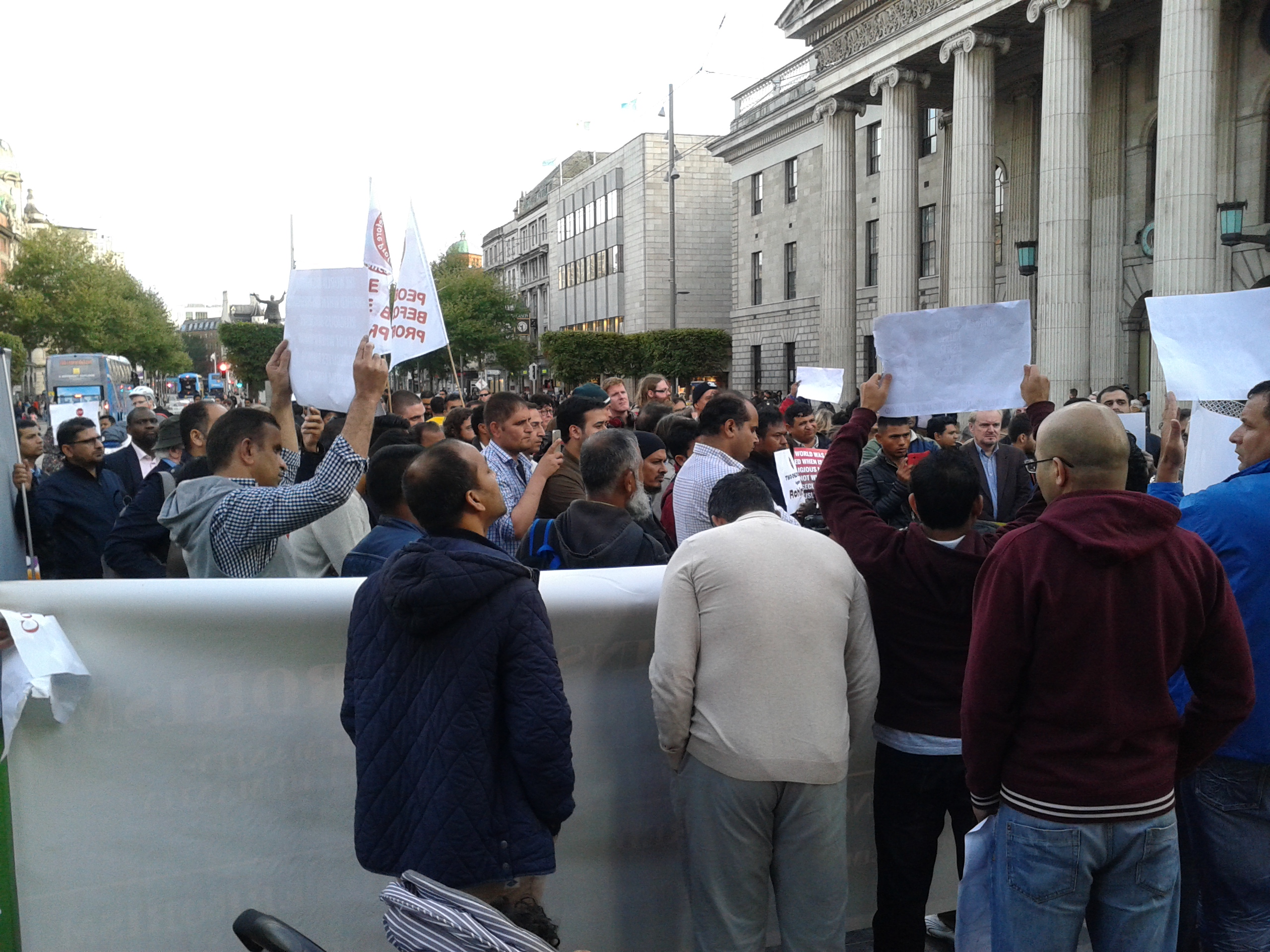
I came upon this demonstration on Sunday by chance, shortly before it ended; a protest composed almost entirely of people of south Asian appearance.

The Royhinga people are in crisis in Burma, abused by the State army, which is using the excuse of rooting out insurgents. About one thousand have been killed by the Burmese Army, according to a UN Special Rapporteur and according to Al Jazeera 164,000 have crossed the border to escape. Villages have been burned and there are also allegations of rape and of ethnic cleansing.
The Army’s recruits are of mainly Buddhist background, while the Rohingya people are mostly Muslim. The state refuses to grant them citizenship, considering them illegal immigrants from Bangladesh. Reactionary opinion, for example among some extremist Buddhist monks, considers Burma to be a Buddhist country and other religions not welcome. The Army accuses the Royhingians of burning their own villages.
The State Cunsellor (position equivalent to Prime Minister or Head of Government), Ms. Aung San Suu Kyi, in a recent statement talked about the attack two weeks after the crisis began. In this statement she avoided taking responsibility for the events, talking about “an iceberg of misinformation” and a problem that has years of heritage “even pre-colonial.” She has not gone there herself.

(Photo source: Internet)
Aung San Suu Kyi was generally supported by the West and lauded as a human rights campaigner through years of struggle against the previous regime. As a result she was awarded the Nobel Peace Priize in 1991.
Now, it seems the West is critical of the State Counsellor’s response to the crisis in the UN and in the media.
DUBLIN PROTEST TODAY
Both women and men were active in the protest today, ages mainly from late teens to young adulthood. There were some children too, cheerful and assertive. Some of the protesters apparently had come up from Carlow.
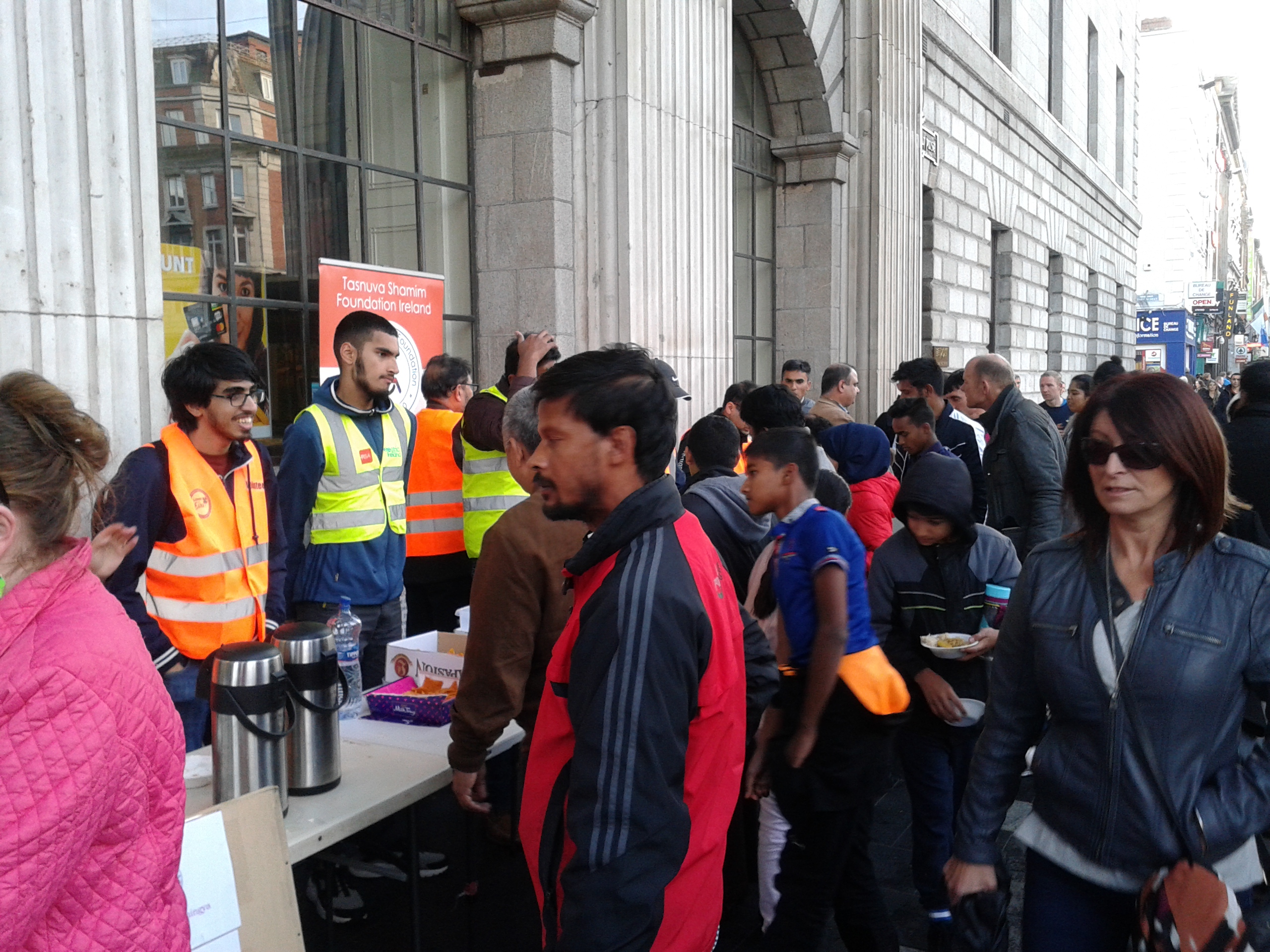
At the conclusion of the protest, they served food outside the GPO to all.
This website was recommended by the organisers of the protest:http://www.thestateless.com/

Derry’s New Secret Police Force
Republished with kind permission from the Irish Dissent blog https://irishdissent.wordpress.com/
In the second such attack to have occurred in Derry within the past two months, a teenage boy was beaten up last week in the city by a gang of masked men armed with iron bars and a gun (in the previous one, a teenager suffered two broken legs and a broken arm).

Nobody knows who did this, or why these two attacks took place, of course. That’s because this is how secret policing works – it occurs very discreetly, almost invisibly, insidiously reminding us that, below the surface of society and always after night falls, a secret police force is active. Violent secret policing can be so clandestine that, when it does take place, it can feel at first almost as if it hasn’t happened, unless, of course, you are one of the people on the receiving end of it. Although it feels unreal to many among the wider community, its repeated occurrence burrows into the public mind where its corruption, though often overlooked, is impossible to conceal.
This secret police force is so obscure that nobody knows who or what is behind it, other than someone’s profound desire to control people. In the absence of identifiable organisational responsibility (those involved are so secretive that nobody knows who they are) we could also describe this very Secret Police Force as Sinn Féin Mark 2. Indeed, they resemble Sinn Féin’s party militia so much that the people of Derry could be forgiven for thinking that those who are behind these attacks might have been, at some stage, apostates who were driven from that organisation. In any case, the new Secret Police have assumed all the characteristics of their old role models.
Old Tactics in New Clothing
Derry’s secret policing structures aren’t new or unique. They have been seen before, and resemble very closely what might be termed “the McGuinness pattern”. Organised and directed by people who want to establish themselves as unofficial figures of authority in the city, they operate according to a very familiar design. This has always served those who believe that they should be revered but ultimately feared by their own as far, at least, as limb-smashing can be interpreted as the good work of defending the community from its wayward youth. So, once again, we are being confronted with the work of false radicals and mock liberators. They know that beating people up with iron bars appeals to a very special kind of imagination, and this is where the secrecy of Derry’s Secret Police might be of benefit to everyone. Who would want to know whether a friend, neighbour or even a relative was involved in this kind of policing? This type of best-kept secret is best kept, well… very secret, indeed.

Despite what the Secret Police want you to think, they are not a manifestation of what happens “in the absence of acceptable policing” because that lazy, self-serving cliché died of exhaustion a very long time ago when it was last uttered by Sinn Féin. Anyone capable of independent thought knows that there are always alternatives to battering young people with iron bars unless, that is, they are the very rare kind of person who is addicted to doing, ordering or beholding it (a dependency for which all kinds of medical and psychiatric treatments are available). The simple fact is that broken teenage limbs are not the organic products of a supposedly measured or reasonable process that concludes with community-sanctioned violence. This brutality, along with the desire for authority and validation that it represents, is an artificial imposition that follows a logic that is as brutal for the entire community as it is for the young person who has been accused of, somehow, “offending”. The entire process is deliberately engineered to appear vague and its indeterminate quality is intended to cultivate a collective response along the lines of “Well, he must have done something”.
The Silent Terror
We can assume that an allegation of some kind of offence has been levelled by the Secret Police during its thoroughly concealed process of judgment – even secret tribunals, after all, have to justify their existences to themselves. The accusation circulates only within this bubble, away from public scrutiny where, undisclosed, the infraction is proven by faceless judges before a Secret Police squad is mobilised, armed, and then deployed. The “offending” young person is beaten up and in the subsequent public discussion about the mystery (“What did he get it for, anyway?”) the perceived problem evaporates, like reason under a dictatorship. Nobody says anything; everybody moves along like they’re told to and supposed to because there’s nothing to see here, nothing at all. So, the reality principle sinks while the self-perpetuating myth of the enforcer, so reliant upon the damnation and isolation of broken-limbed teenagers, endures.
With its methodically-planned politics of erasure and dedicated to the erosion of truth, this organised and highly structured violence is reinforced by the ripple-effect that it causes across the wider community. All of this benefits those who direct it and carry it out in a number of ways. Firstly, it reinforces the perception that those in command of the Derry Secret Police have of themselves as a source of authority: “people will fear us now”, they think, “we’ll have more respect”, “all we’ll ever have to do is glare at somebody and they’ll get the message”, and so on. Secondly, the people who carry these attacks out on their behalf have, in their own turn, become blooded. Assimilated within the circuitry of this local, unofficial and unspoken power and embedded in it, they now have status, belonging, a role and a meaning greater than anything that they have ever experienced or amounted to before. In their own eyes and, they believe, in the view of the broader community, they will finally matter. Imbued with this new sense of purpose and superiority, they’ll genuinely feel important and, from this moment onward, they’ll exist under the impression that they, too, are now to be feared.
Political Fear and the Closure of Consciousness
No group has claimed these attacks, and none will, because silence is the currency of terror. Fear travels along the ruined and collapsed channels of reason because it depends upon the closure of imagination. Once thinking is checked, it transmits rapidly from one consciousness to the next via these now-quiet paths. In doing so, it seals mouths and closes minds, extinguishes thought and tightens its grip over the popular imagination where it is internalised, amplified and projected further inward with ever greater intensity following each attack. In this way, fear reproduces itself, by generating wider acceptance of organised thuggery and condemns entire communities to long-running cycles of quiet, uncommunicated dread. At the back of the mind of every parent will be the final, awful question: “Could this happen to my child?”
Questions now need to be asked about those who benefit from secret policing, and answers should be demanded as to which local hierarchies and dynasties are being served and facilitated by the Secret Police. The people of Derry have a right to demand what qualifies someone for a role in this clandestine force, to know who gets to make secret policing decisions and on what authority these decisions are being taken. Given that this organisation operates according to a programme of its own, people also have the right to know who writes the rules of secret policing and why. We have the right to know what gets said when secret policing matters are discussed: who, for example, discusses whom during these meetings? We have the right to know what qualifies anything or anyone for inclusion in these secret discussions, and we have the right to know what will happen if the Secret Police come up with more secret “offenses” that they believe will need to be policed with even more severity.
The deepest wounds caused by secret policing and its unofficial violence are always inflicted on the psyche of a people. The worst damage of all is caused by the silences that inhibit thought, restrict free speech and threaten to crush open criticism. If allowed to take hold, these restrictions will dominate the material, political and cultural prospects of the people of Derry, along with their psychological wellbeing. If they are not resisted another generation will be forced to endure the authority of cabals and militias, while the prospects of young people will be permanently hindered by the shadow of this unofficial violence.
LESSONS OF POWER, RESISTANCE, SOLIDARITY AND HYSTERIA
Diarmuid Breatnach
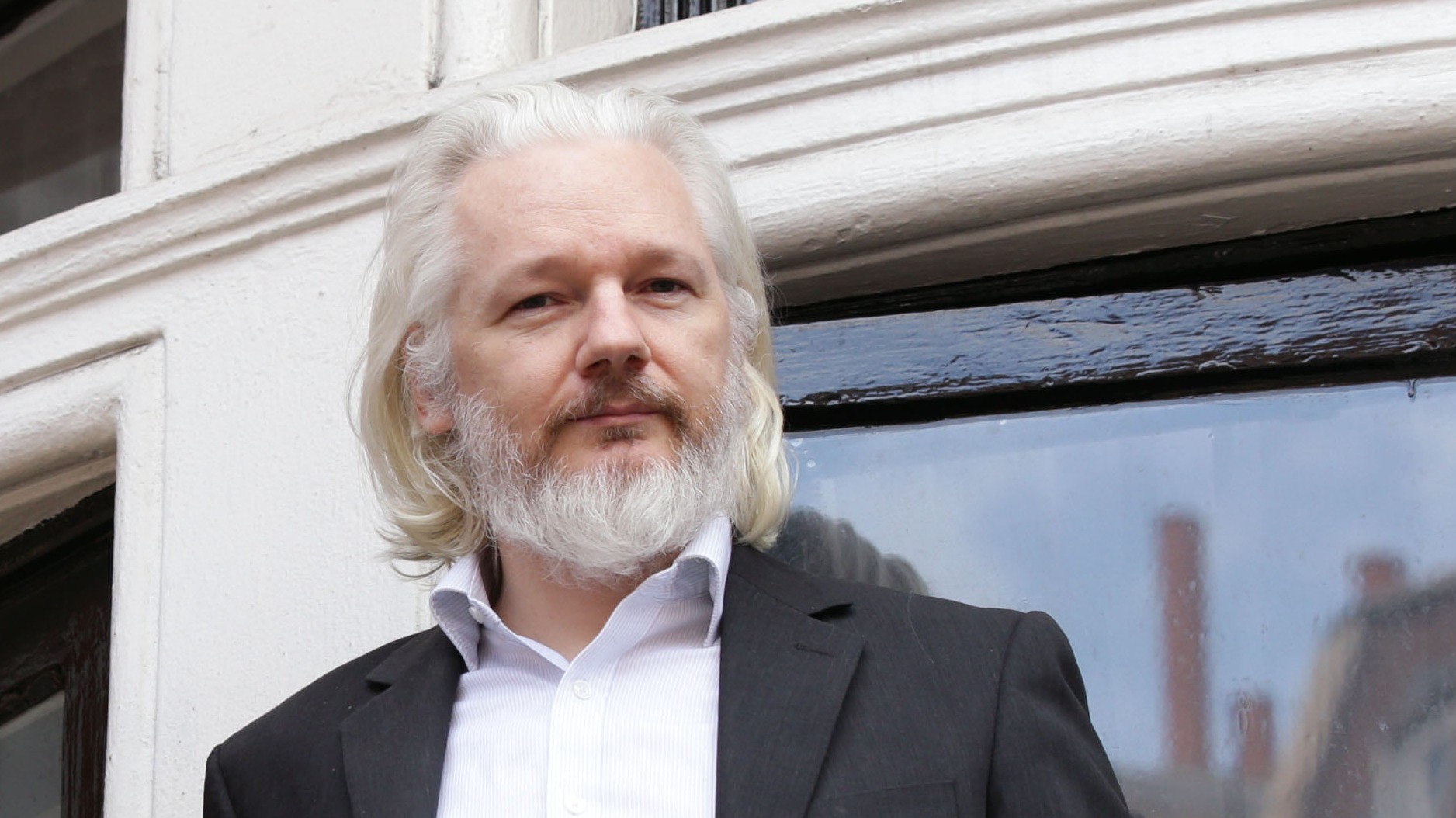
The Wikileaks/ Assange persecution saga should teach us important lessons. In the first place, chronologically, it should teach us the lengths to which allegedly democratic countries such as the United States will go to dominate weaker countries and attack movements of resistance, where the US feels its imperial interests are threatened, which is to say, where anyone may attempt to loosen its grip on markets, natural resources and strategic emplacements, or to prevent its grip from clawing further than it has already.
(Photo source: Internet)
Wikileaks also exposed some of the extent to which the US will interfere in the internal or foreign policy matters of even its allies, including the European powers.
Possibly most instructive of all was the determination of the USA to hunt down the chief executive of Wikileaks, Julian Assange, flying in the face of US Constitutional principles and law, as well as international law, with statements confirming that determination even from Presidents and senior politicians and Government appointees, such as former US Secretary of State and the Democratic Party’s candidate for the US Presidency last year.1
In the course of hunting him down, the USA turned to Sweden, subverting the country’s laws and criminal investigative procedures, then to the UK government (which, as a junior partner in many of the US crimes exposed by Wikileaks, was probably only too keen to assist). Australia was brought to assist under threat and France turned away from Assange’s plight and his plea for asylum there. “No hiding place from the World Policeman,” seemed to be the message. Eventually, however, he did find refuge (if not a hiding place) from Uruguay, a tiny power on the world political, economic and political stage.
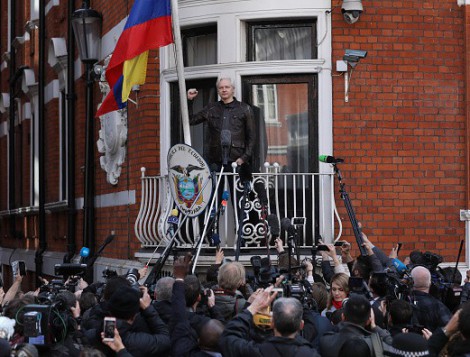
In the midst of this, how did the mass media perform, that which we are often assured is the guardian of democracy, even more than the vaunted parliament? Badly, in a word. Investigative journalism, intelligent evaluation, if they had been evident before, all went into the rubbish bin as print, radio and TV media joined in the lynch mob to a greater of lesser degree. The British newspaper The Guardian, which had been given exclusive first use on the Wikileaks stories, “the greatest scoop in 30 years”, according to its Editor, not only refused to assist him but allowed its pages to be occupied by witch hunters and made money out of publishing a book about the affair.2
“Anti-journalism”, is what Australian film-maker and renowned journalist (Britain’s Journalist of the Year Award-winner in 1967 and 1978), John Pilger called it.3
Assange learned some personal lessons too which should not be lost on us. Sometime lovers manipulated by police, Prosecutor and media; a close working colleague denouncing him and flinging unsubstantiated allegations against him (unsubstantiated but that did not prevent the media from publishing them).
(Photo source: Internet)
LESSONS FOR US SPECIFICALLY
Suppose for a moment that one did not take to Assange’s character. Suppose one even objected to his work. Still, he was entitled to fair due process. That he did not receive it from so many is obvious. Did he receive it from us? That community of people who would lay claim to having an alternative view, to be opposed to the status quo and, most of all, to be for Justice?
Injustice meted out by those in power often needs collusion and the more independent of the power the colluders are, the more justified the witch-hunt is made to seem. The media whipped up a passionate hue and cry against Assange, who had not even been charged and had cooperated to all extents reasonable with the investigation of allegations against him.
That hysteria sought to drown Assange but also to catch in its flood any, no matter how puny or how mildly, called for justice and due process. The cry of the mob must be “Hang him!” and no dissenting voices must be heard.
The hysteria generated in some sectors, even among people who would normally insist on justice and who opposed the status quo, reached a very high pitch. For the crime of suggesting at the time on Facebook that the case against him seemed “dodgy” and that besides he was in any case entitled to due process, a person called me a “rape apologist” in public while people I had considered comrades (and had thought one even a friend) remained silent. Shortly after that, a clutch of FB friends (which I made FB ex-friends quickly) backed up the allegation.
That taught me a valuable lesson about comrades and solidarity but it pales beside the severity of the lesson Assange has been taught, the mark of which he may carry for the rest of his life. But the function of such a process goes far beyond the personal; it is intended to make dissent very uncomfortable and even painful. We may face the attacks of our declared enemies with courage or at least resolve and commitment but it is a different matter when we are attacked, politically and personally, by those we take to be broadly on our side against the oppressive powers.
Most people would say they are for justice. It is usually easy to say so. But unless we can stand up for it whether we like the victim or not, whether we approve of his work or not and, even in the midst of the hysteria calling for a hanging, we are prepared to cry instead for justice, our declarations are worth nothing.
There are many lessons in the saga for us to learn — but will we?
end
Footnotes
1 “Can’t we just drone this guy?” Hillary Clinton, quoted in the Pilger summary article.
2 Stated in the Pilger summary article.
3 Also in the same Pilger article.
Links
Excellent article by John Pilger summarising the persecution
 rebelbreeze