DARA QUIGLEY PROTEST AT DÁIL

Diarmuid Breatnach

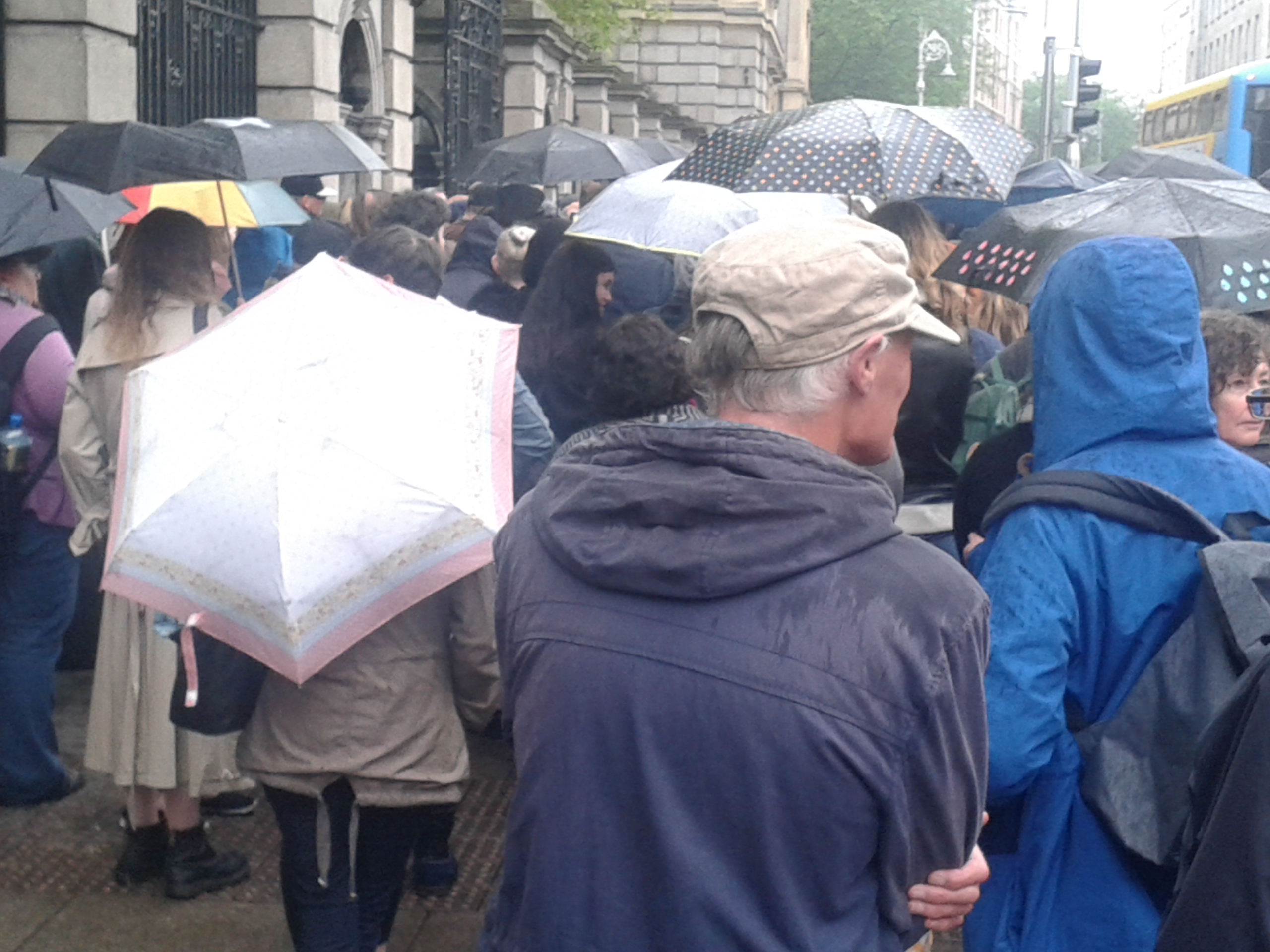
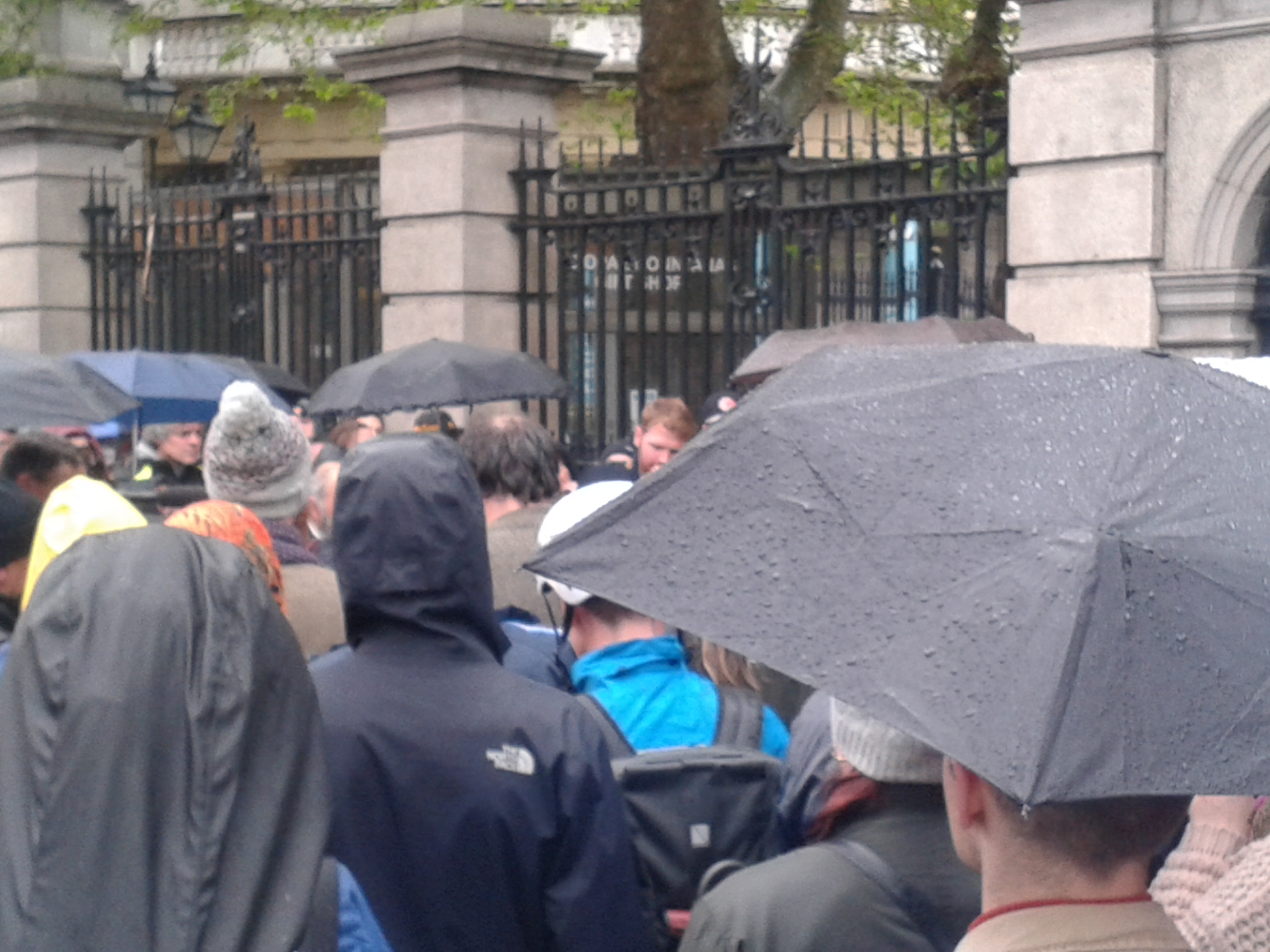
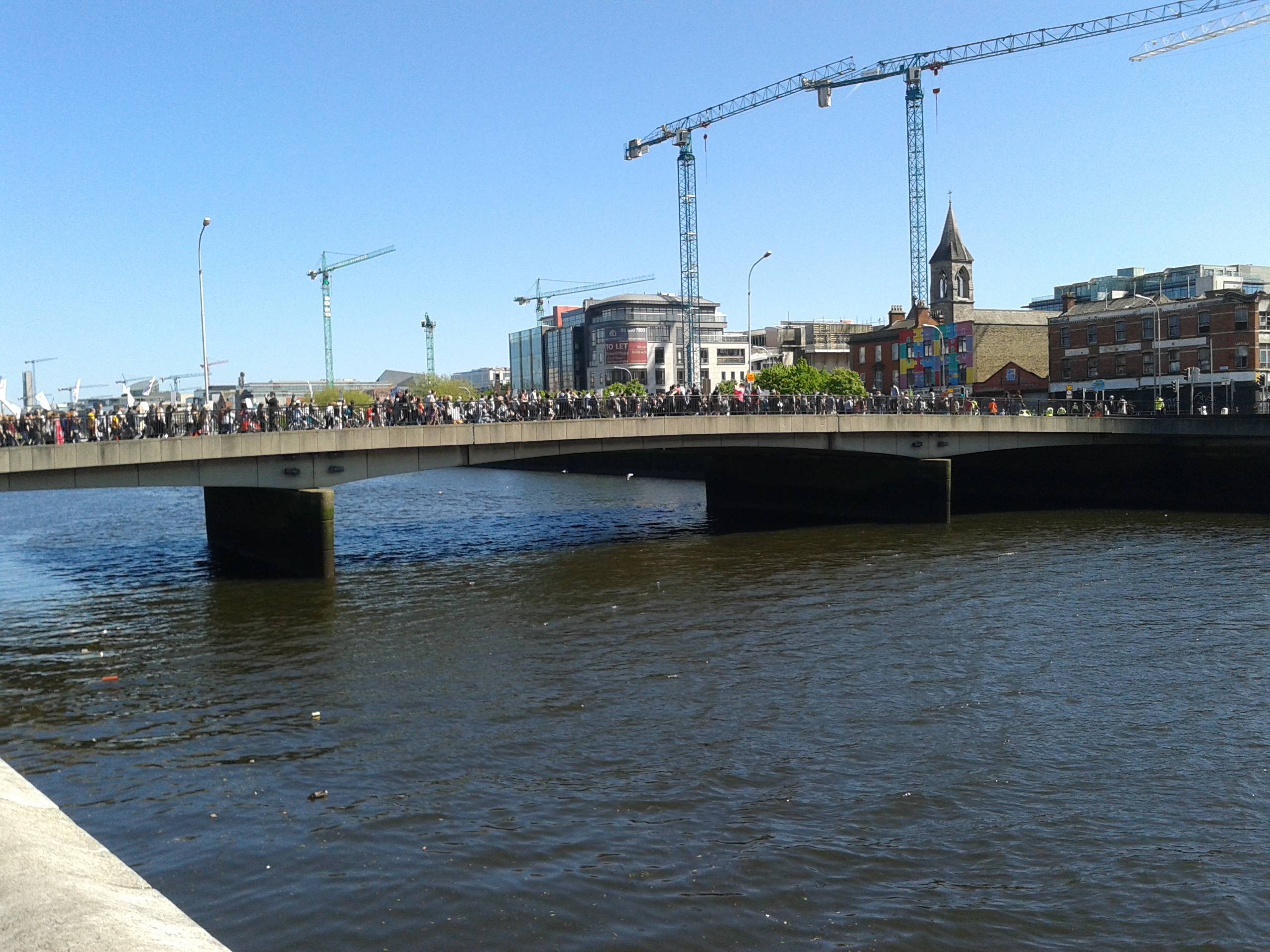
A substantial crowd gathered at a few days’ notice at 5.30pm to protest outside the Dáil at the Garda treatment of Dara Quigley, social activist and blogger.

Section of crowd outside the Dáil (Photo: D Breatnach)

During an apparent mental ill-health episode recently, Dara was apprehended by Gardaí under the Mental Health Act while she was walking in the street naked.  One of the Gardaí shared the arrest video on the Whatsapp social media, where it was seen by a great many people before the provider removed it.  Dara took her own life five days later, on April 12th.

Dara’s family organised the event and a number of people spoke at it but due to what seemed inadequate public address system and noise of passing traffic, many could not hear what was being said.  According to a press report, Dara Quigley was remembered as “a strong and intelligent woman” at a vigil outside Leinster House on Friday evening.  Ms Quigley’s brother Seán told a congregation of about 100 people on Kildare Street that his sister had opened the world to him.

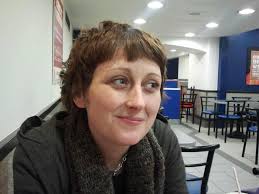
Dara Quigley, who took her life on April 12th
(Photo source: Internet)

“Without her, I don’t know where I would have been. She didn’t just do that with me, she led by example in a lot of ways. She wasn’t afraid and she wasn’t a victim.”

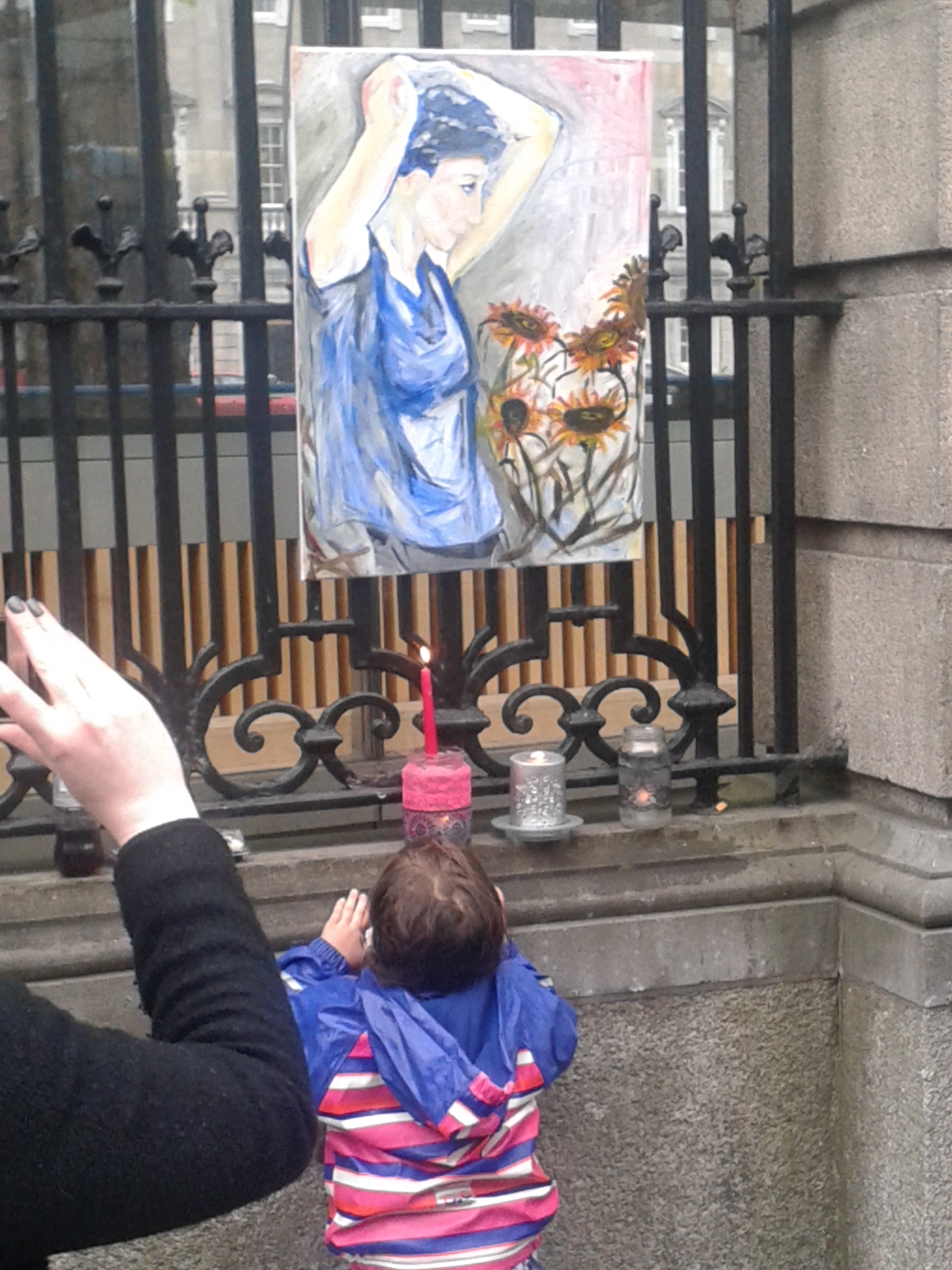
Painting of Dara Quigley, on display at railings of the Dáil during the protest (Phot0: D Breatnach)

The Justice Department has stated that the officer is suspended on full pay pending disciplinary investigation.  Outside the Dáil today many in the crowd were saying that the Garda responsible could post such a video without an expectation of punishment only in a force that has become accustomed to acting with impunity, from the highest to the lowest rank — with the exception of whistleblowers, of course.

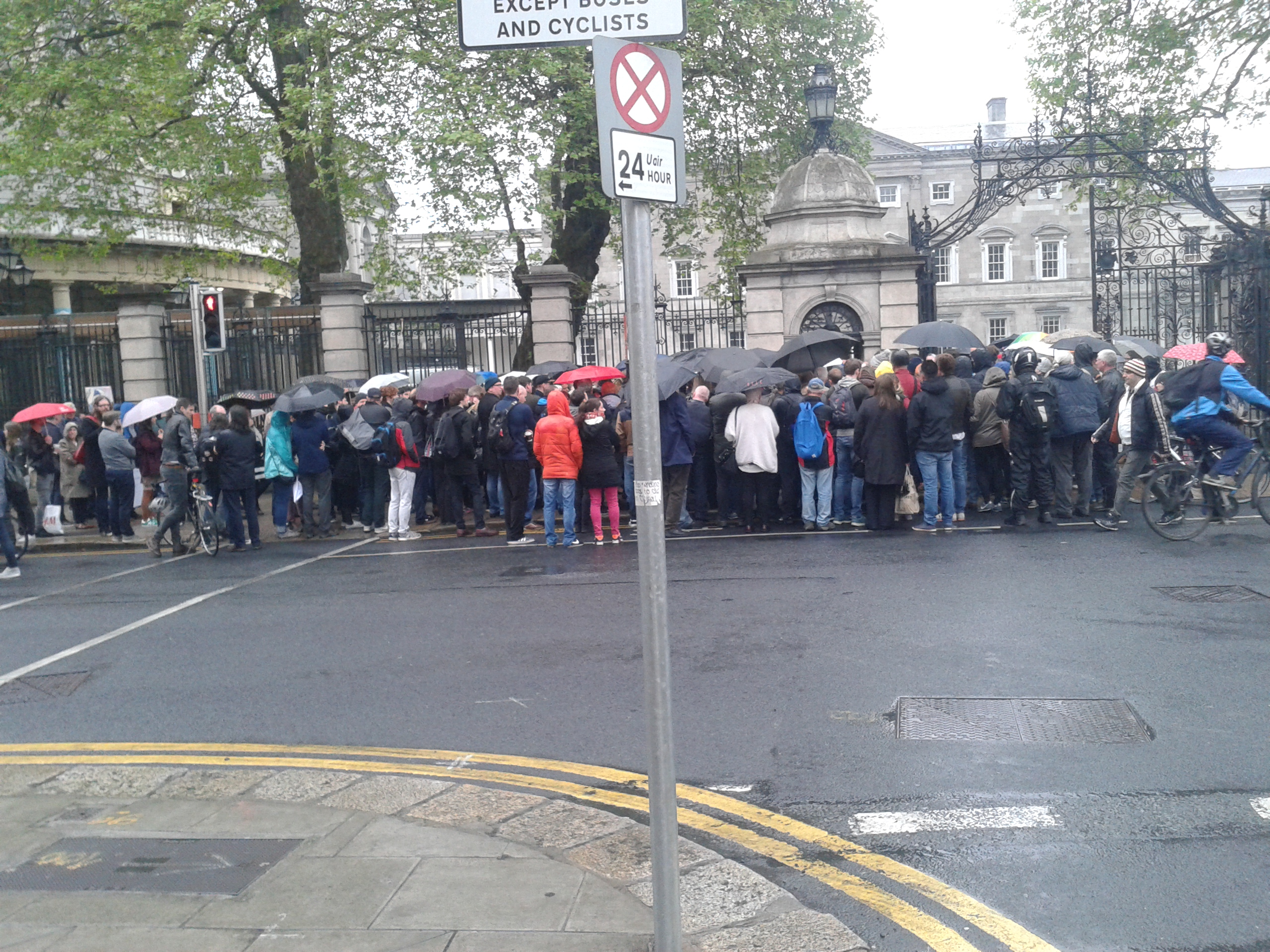
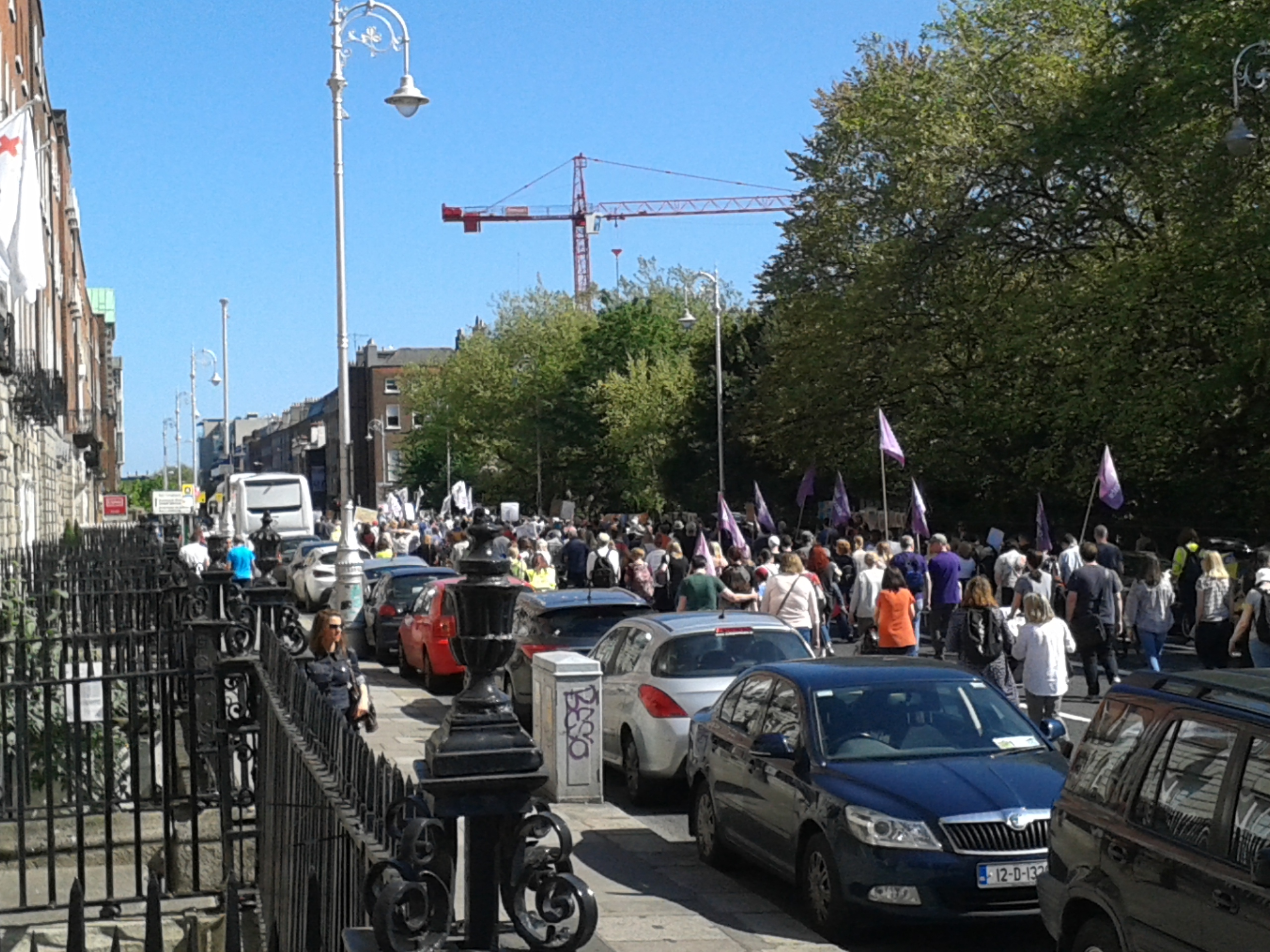
Protest crowd viewed from across the road from the Dáil (Photo: D Breatnach)

LINKS

http://www.irishtimes.com/news/ireland/irish-news/dara-quigley-she-wasn-t-afraid-and-she-wasn-t-a-victim-1.3081474

(Photo: D Breatnach)

PUBLIC DISORDER AND ASSAULTS AS PEOPLE PROTEST ROYAL VISIT AND COMMEMORATE PATRIOT DEAD


Clive Sulish


Scuffles broke out and people were pushed to the ground by Gardaí as an unidentified man, later assumed to be an undercover Special Branch officer, grabbed a megaphone from the hands of a person chairing the protest.  Yes, the public disorder and assaults were all the work of the Gardaí.

Garda blockade on Glasnevin Road, Dublin

An ad-hoc group called Socialist Republicans Against Royal Visits had organised the protest, also with the intention of marking 12th May, anniversary of the execution in 1916 by British firing squad of James Connolly, revolutionary socialist, as well as the death after 59 days on hunger strike of Francis Hughes in 1981.

Today Prince Charles of the British Royal Family, also Admiral of the Fleet, Field Marshal, Marshal of the Royal Air Force, Colonel-in-Chief of the Parachute Regiment (perpetrators of the Ballymurphy and Derry massacres), was due to visit Glasnevin Cemetery.

Participants in the event met this morning at Phibsboro Shopping Centre and marched along Phibsborough Road towards Glasnevin cemetery, carrying banners, flags and two floral sprays. Led by a banner carrying the legend which Connolly had erected over Liberty Hall during WW1, “We Serve Neither King nor Kaiser”, they passed over Cross Guns Bridge on the Royal Canal and on towards Glasnevin Cemetery, heading for the Hunger Strike Memorial there. However they found their way barred by a metal screen and blackout material, fronted by Riot police and other Gardaí with mounted police also being brought up.

Some participants and Police at Garda barrier

The marchers were not allowed to proceed and uninvolved members of the public were also prevented by police from proceeding along the pavement. After awhile, Dáithí Ó Riain, chairing the proceedings began to hand a megaphone to Diarmuid Breatnach who was about to speak when a man in plainclothes rushed forward and grabbed the megaphone. At no point did he identify himself nor give a reason for wishing to take the appliance except to say “Because I say so.”

Mounted Police visible at edge of barricade

Participants came forward to defend the speaker being assaulted and the police charged in, knocking people to the ground and twisting people’s hands and bending fingers back until they succeeded in forcibly removing the megaphone.

As participants demanded to have the megaphone returned and the police continued to refuse, Breatnach addressed onlookers to explain what had just happened and to say that “this is the kind of democracy that exists in this country …… when people want to peacefully protest and it doesn’t suit the State that they do so. When you hear of disturbances at a demonstration this is most likely how they started, with a police attack on people.”

Overhead, a helicopter kept circling the area for a period of hours.

Section of participants showing the man in plainclothes who later grabbed the megaphone (dark clothes 3pm position on right of photo)

A number of speakers addressed the participants and bystanders and congratulated them on not allowing themselves to be provoked by the police assault and a chant of “Shame!” was taken up against the police, in addition to the crowd singing two verses of “Take It Down From the Mast Irish Traitors” directed at the Gardaí.

Dáithí Ó Riain, chairperson of the event speaking after the police attack.

The floral sprays were laid at the corner of the wall of the cemetery since further progress was prevented by the Gardaí.

After some time, the protesters marched back to Phibsboro Shopping Centre where they held a short street meeting, to be addressed briefly by a number of speakers and to hear a reading of James Connolly’s last statement before his execution, after which they dispersed.

During the event, Sean Doyle and Ger Devereaux engaged with a radio program explaining the reasons for the protest and the commemoration, in addition to dealing with the statements of callers denouncing the participants.  The police attack occurred during the radio interview so listeners got to hear more of what went on than was expected.


A speaker on behalf of the organisers
Another view of the police and their barrier
Breatnach, who had the megaphone wrenched from his hand at Glasnevin after a struggle, addressing a short meeting afterwards in Phipsborough


LINKS:

Sean Doyle and Ger Devereaux interviewed live on radio from demonstration:


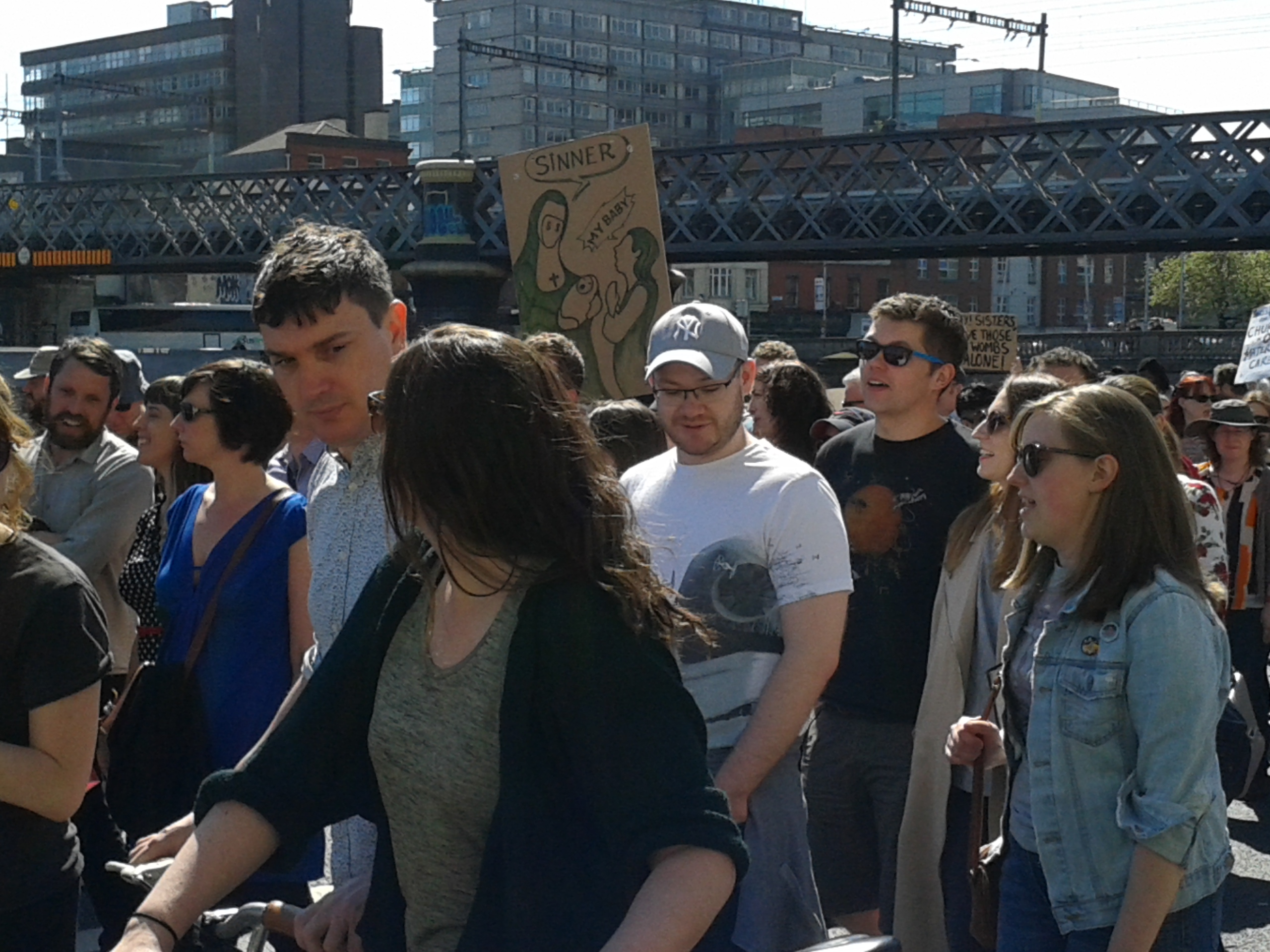
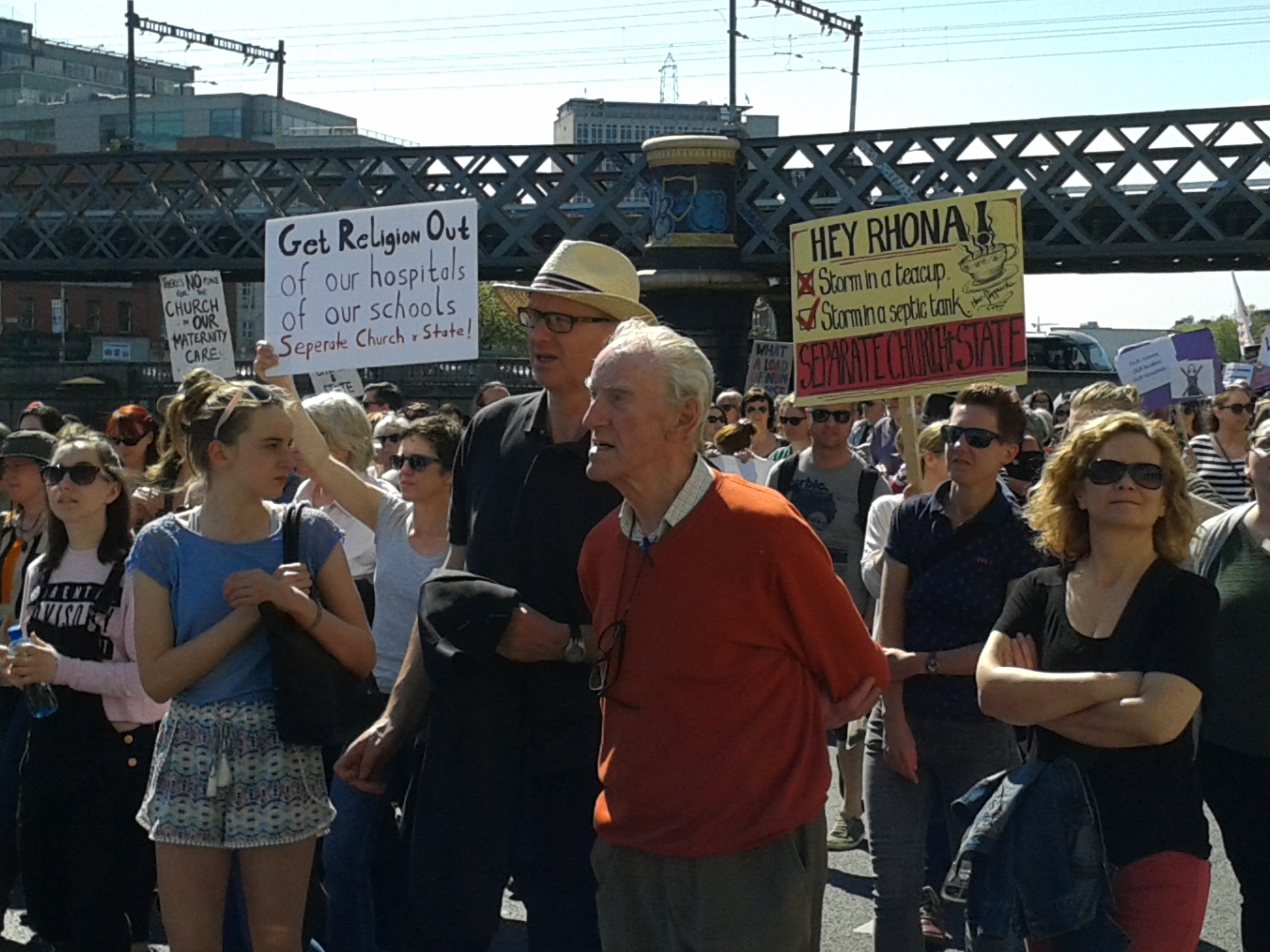
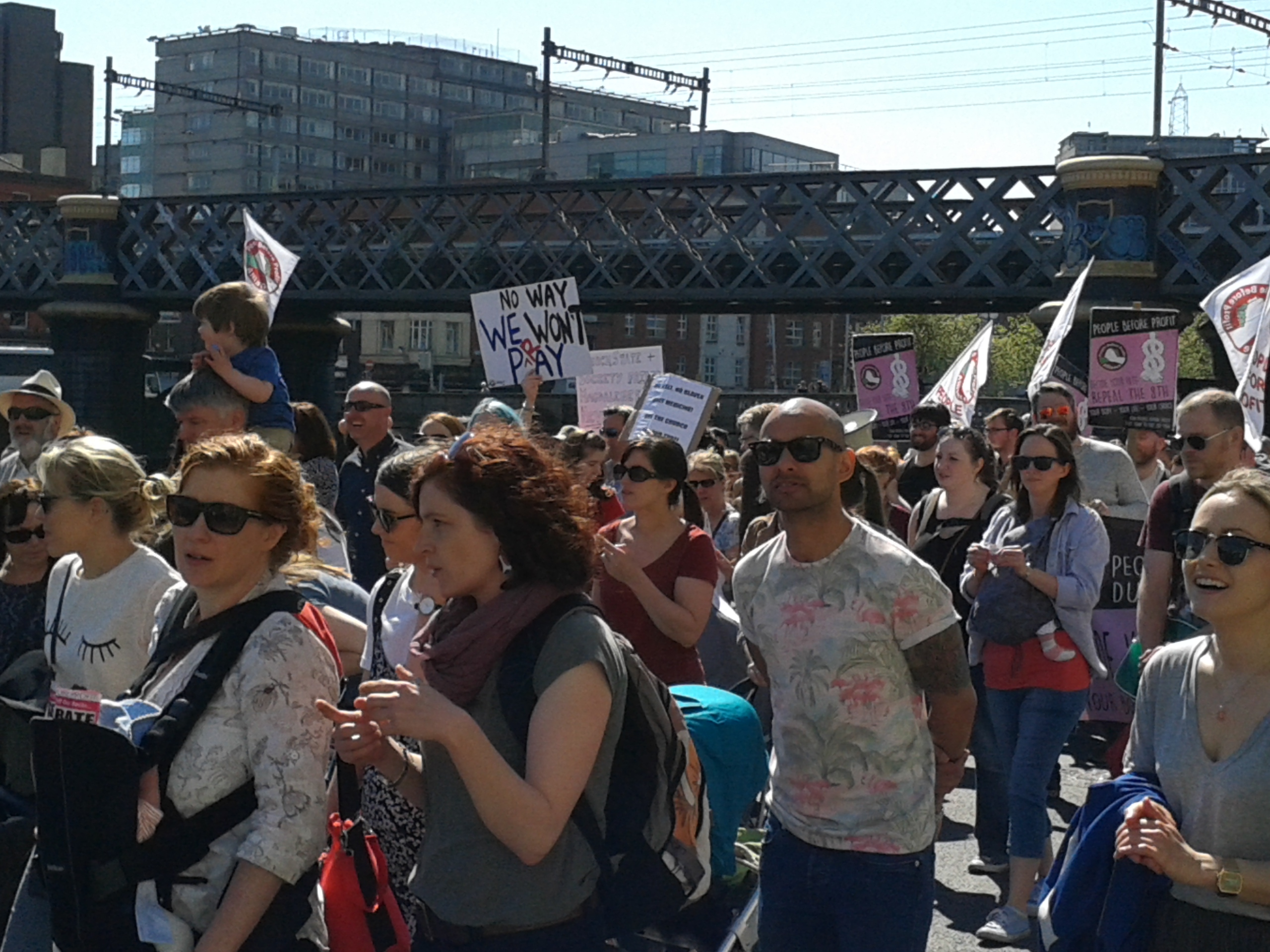
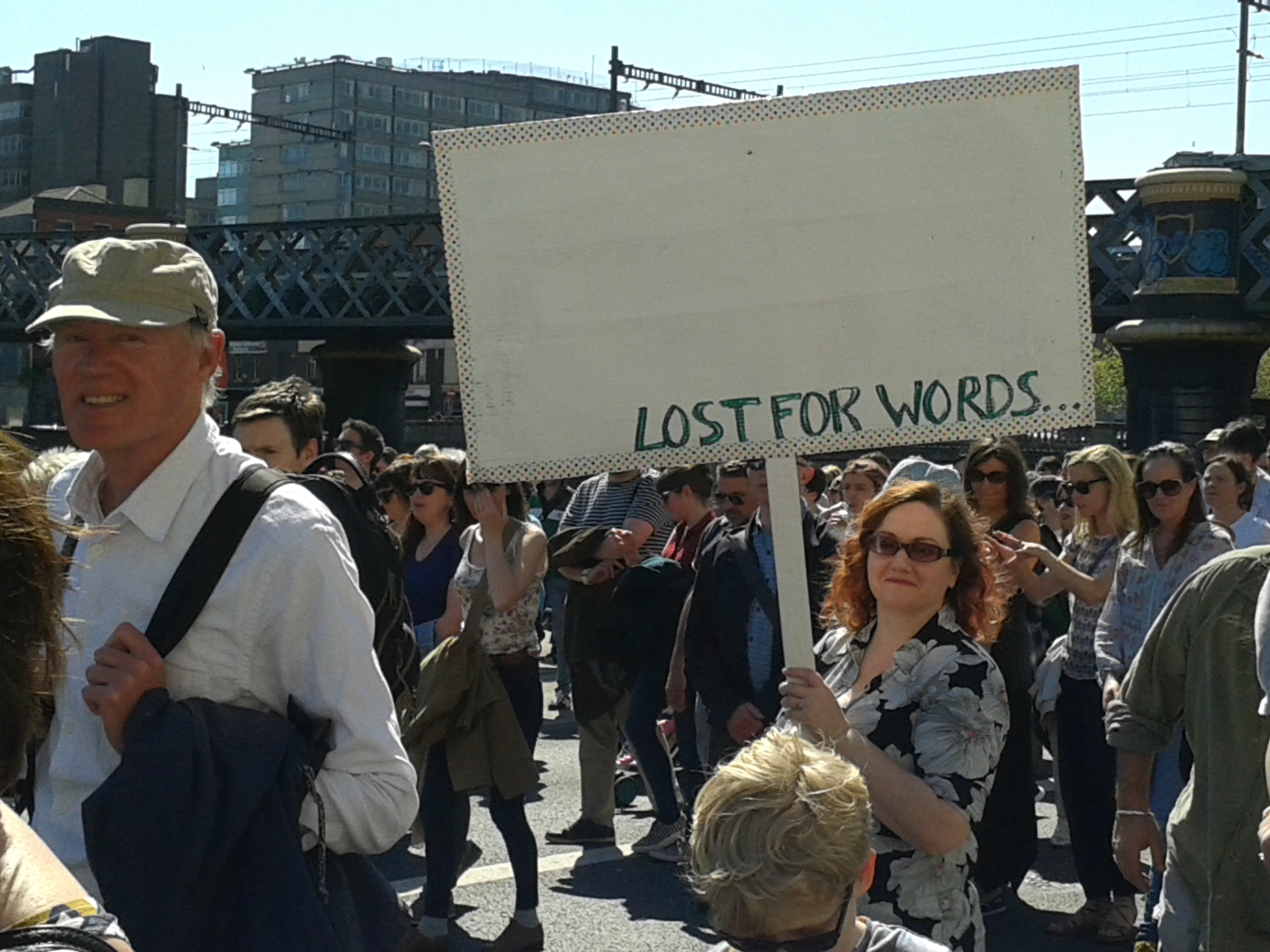
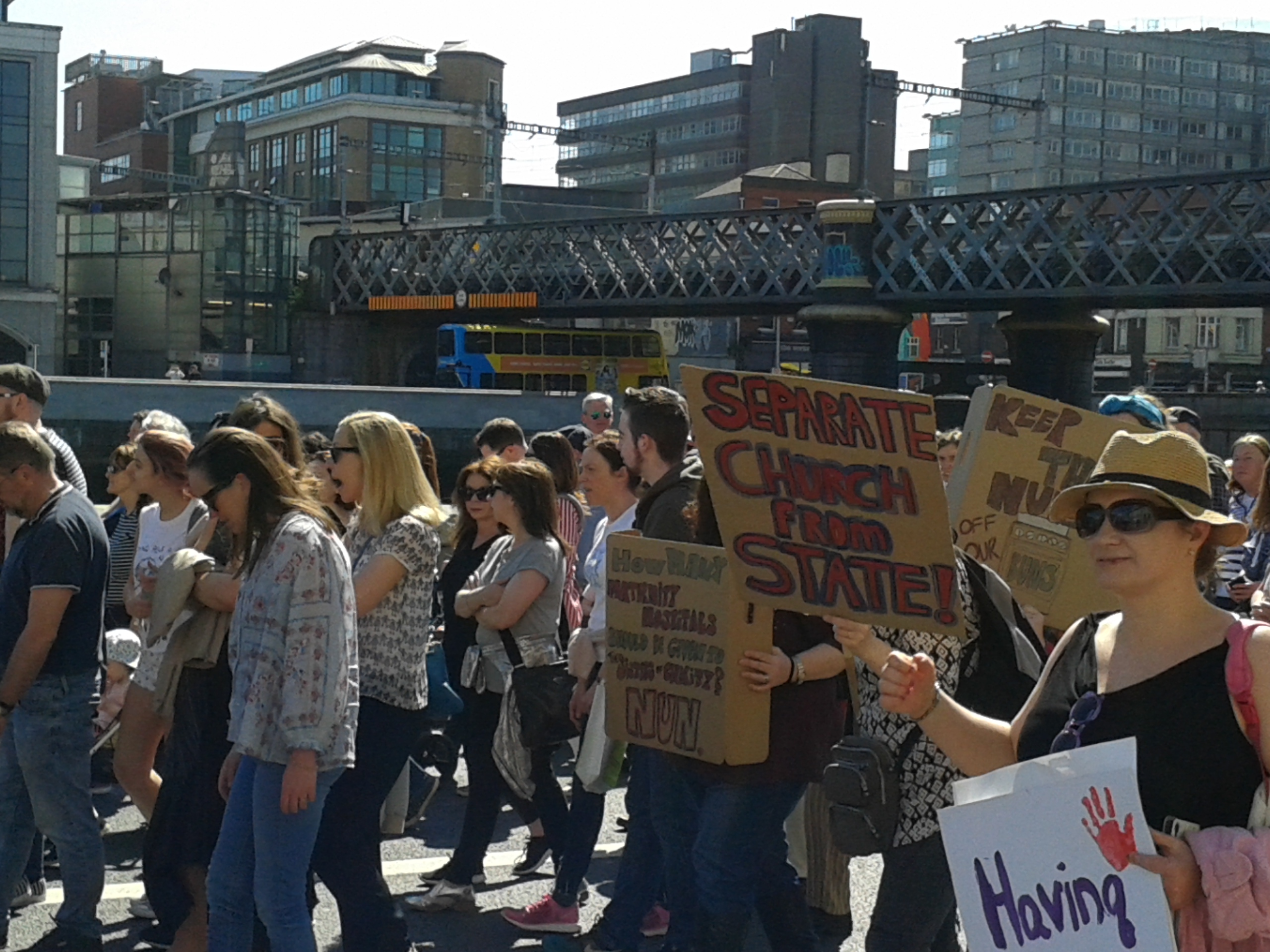
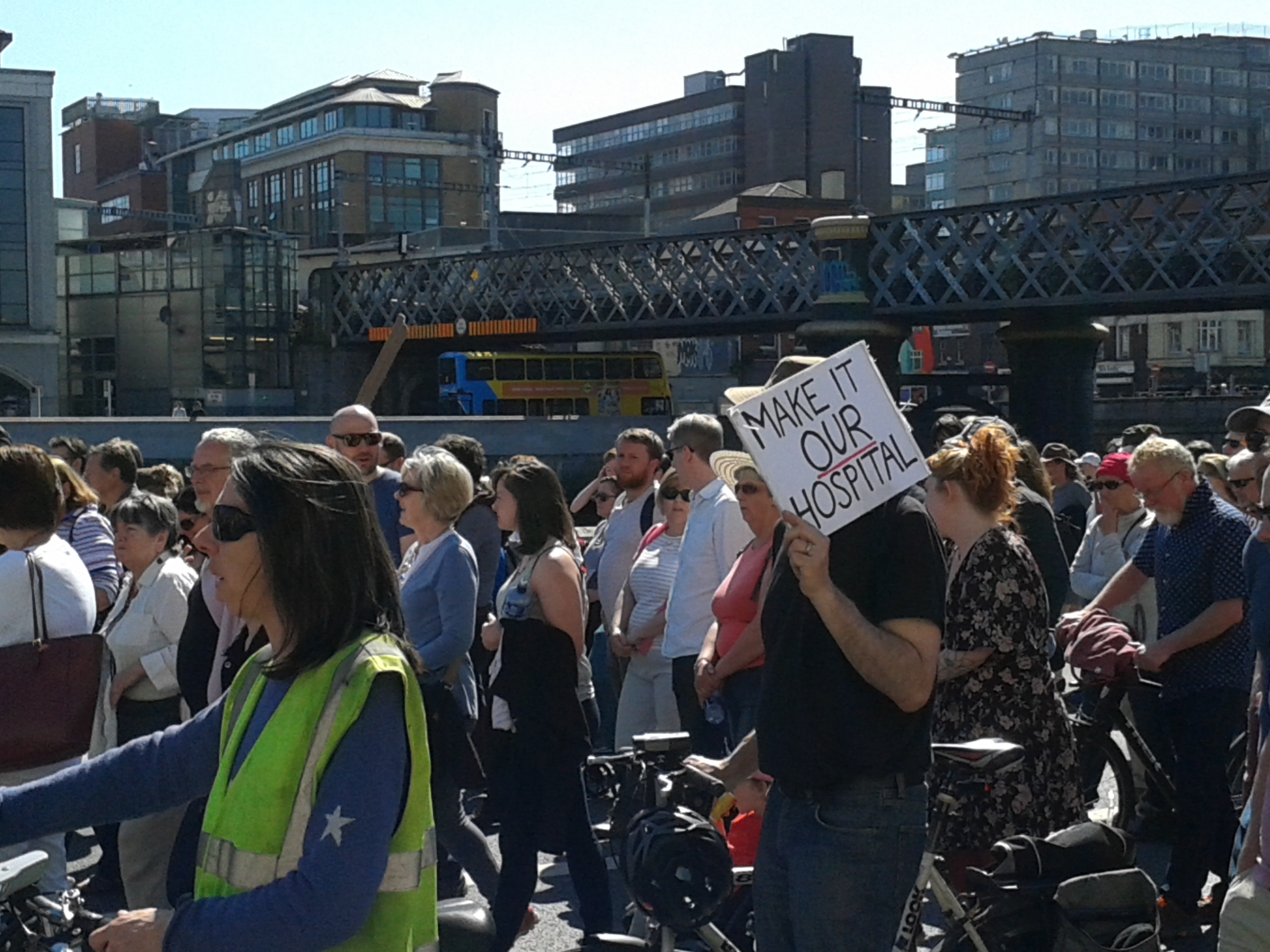
MARCH AGAINST CHURCH CONTROL OF MATERNITY HOSPITAL

Clive Sulish


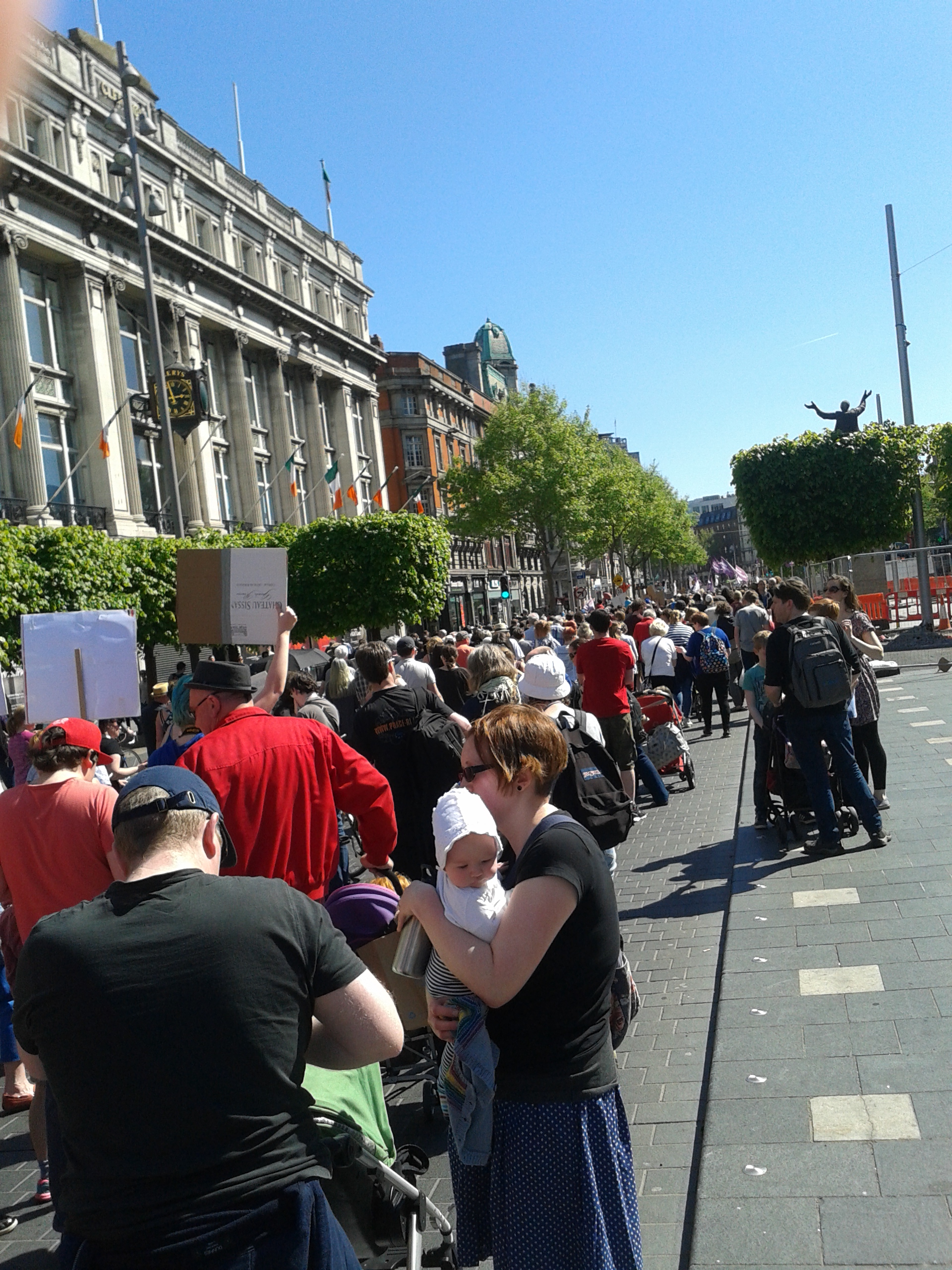
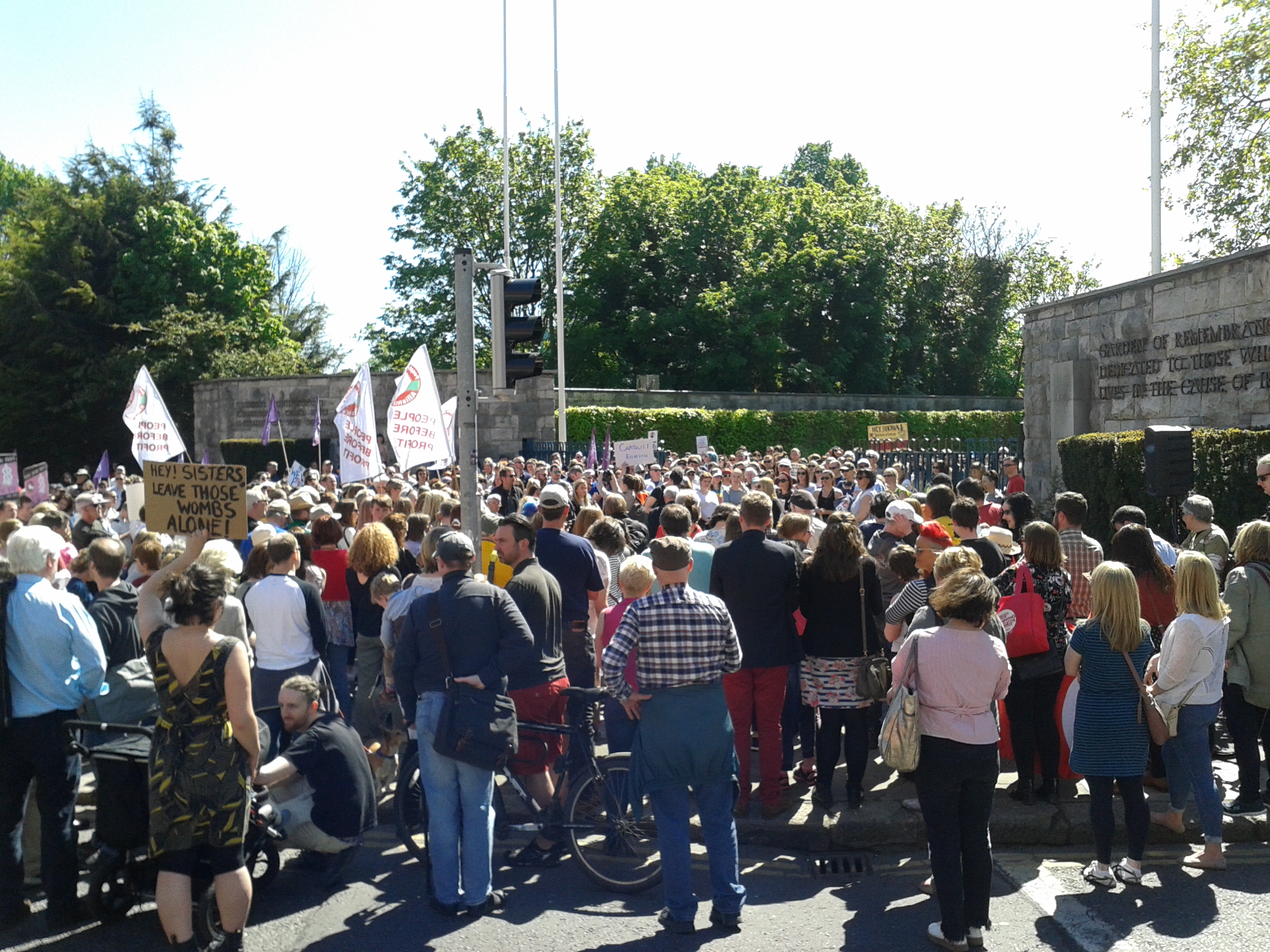
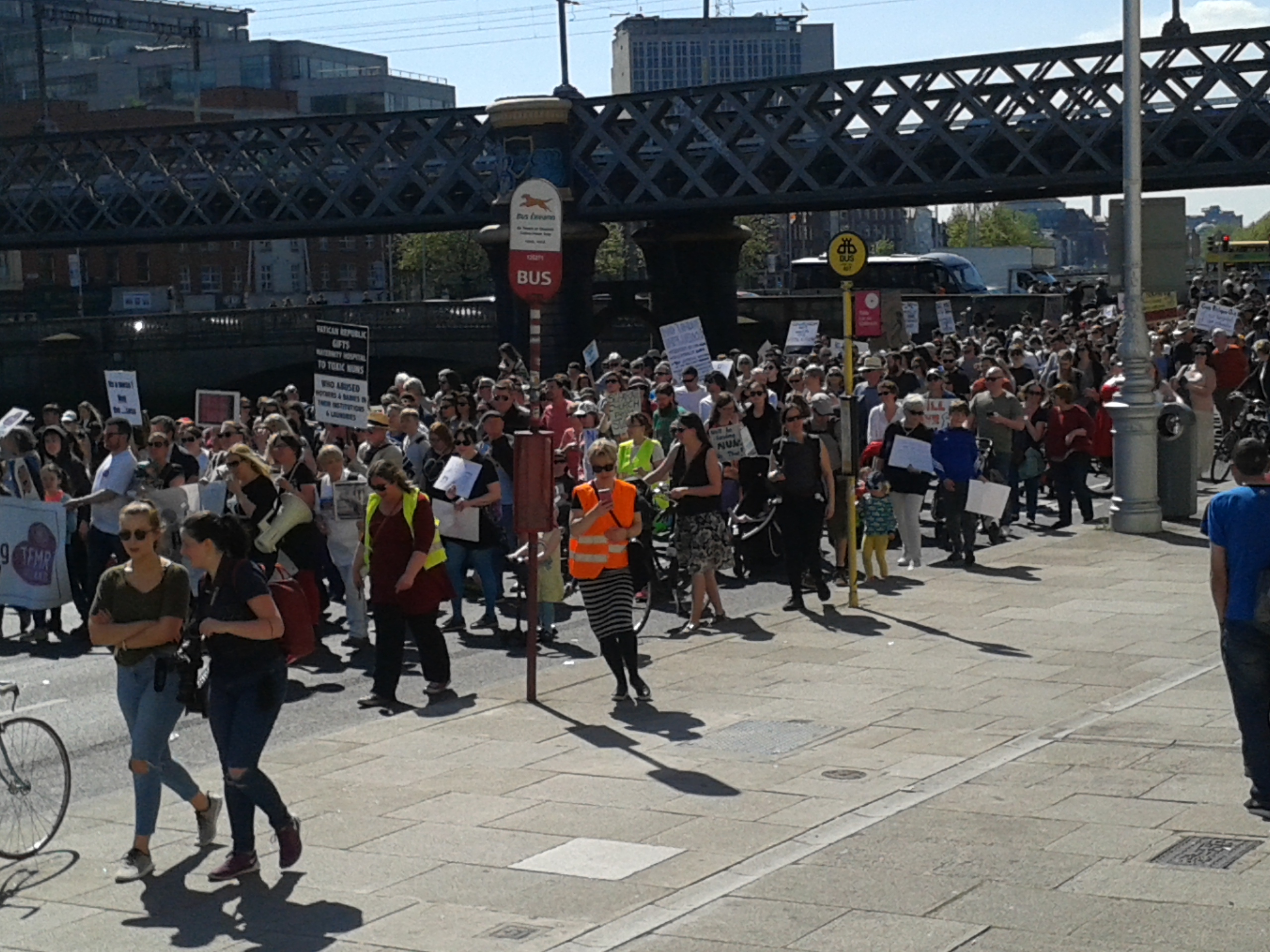
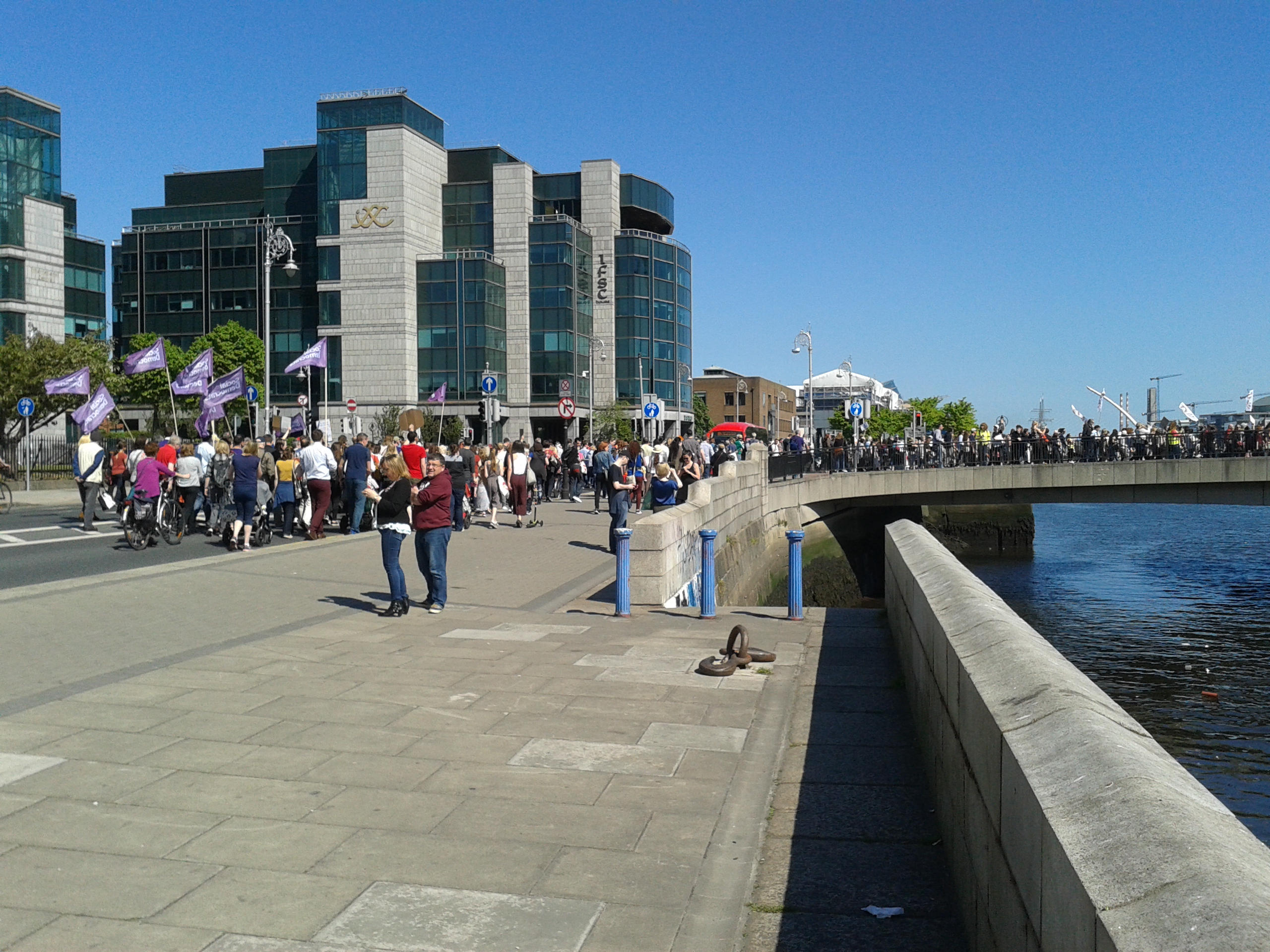
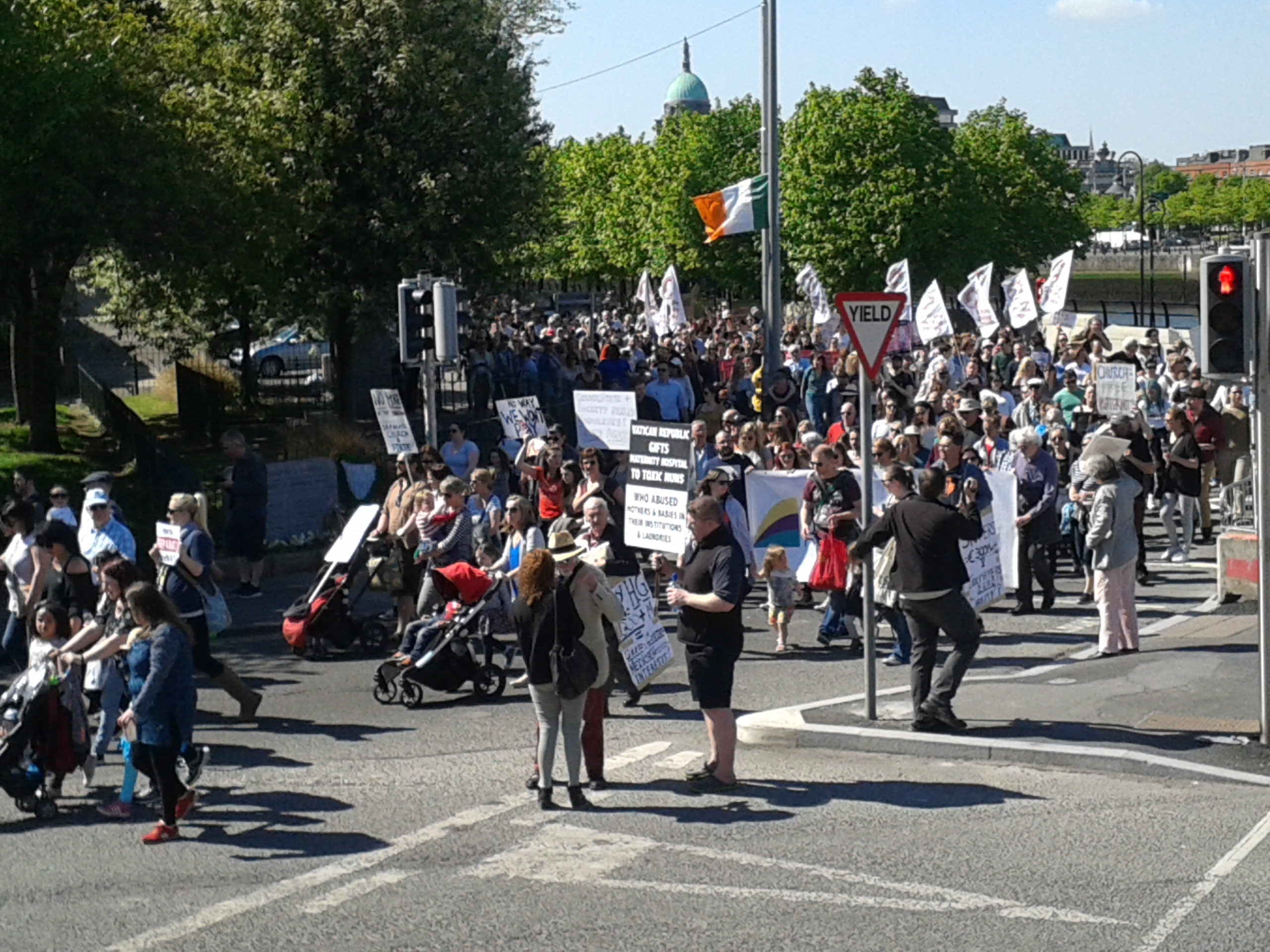
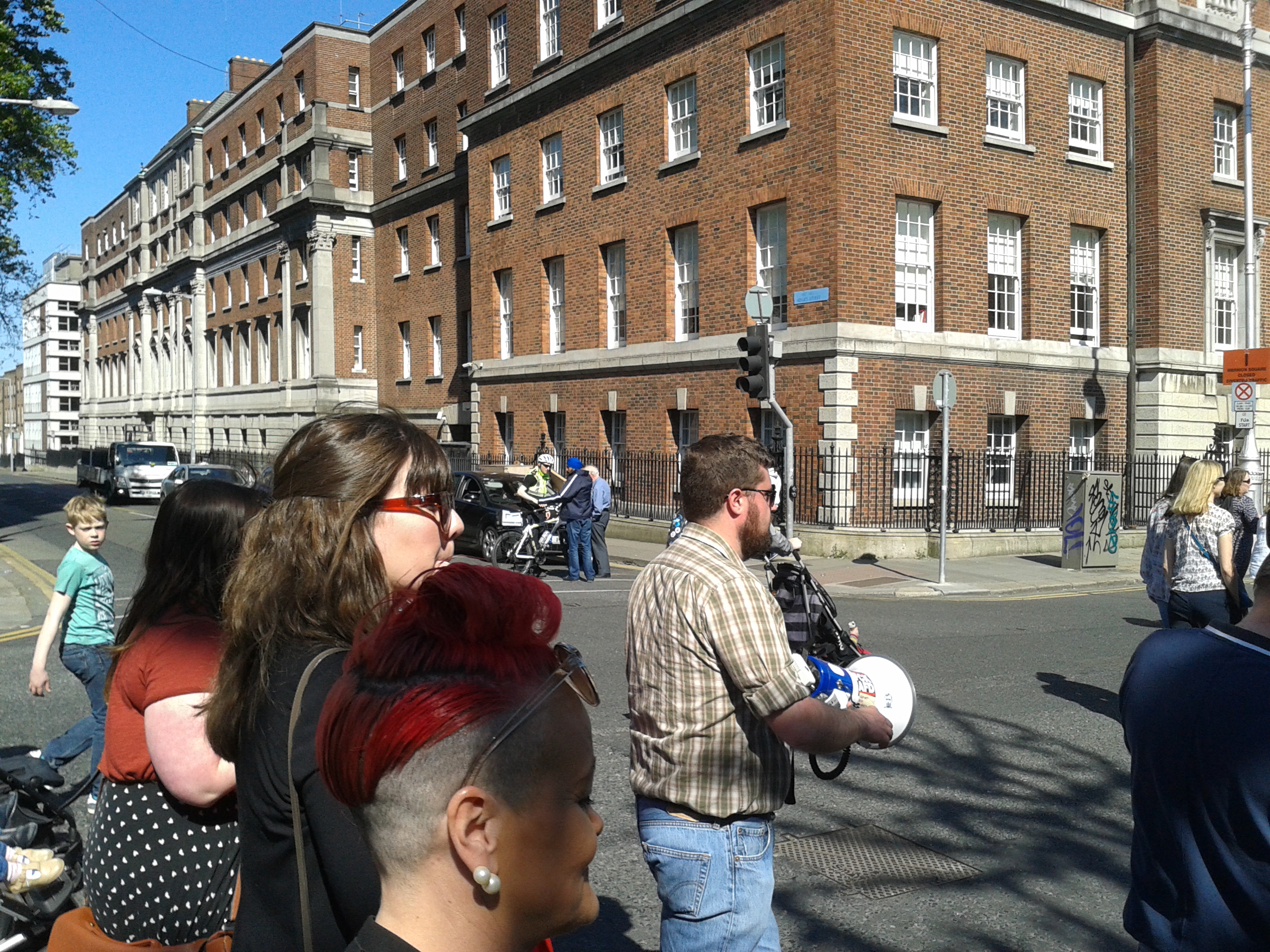
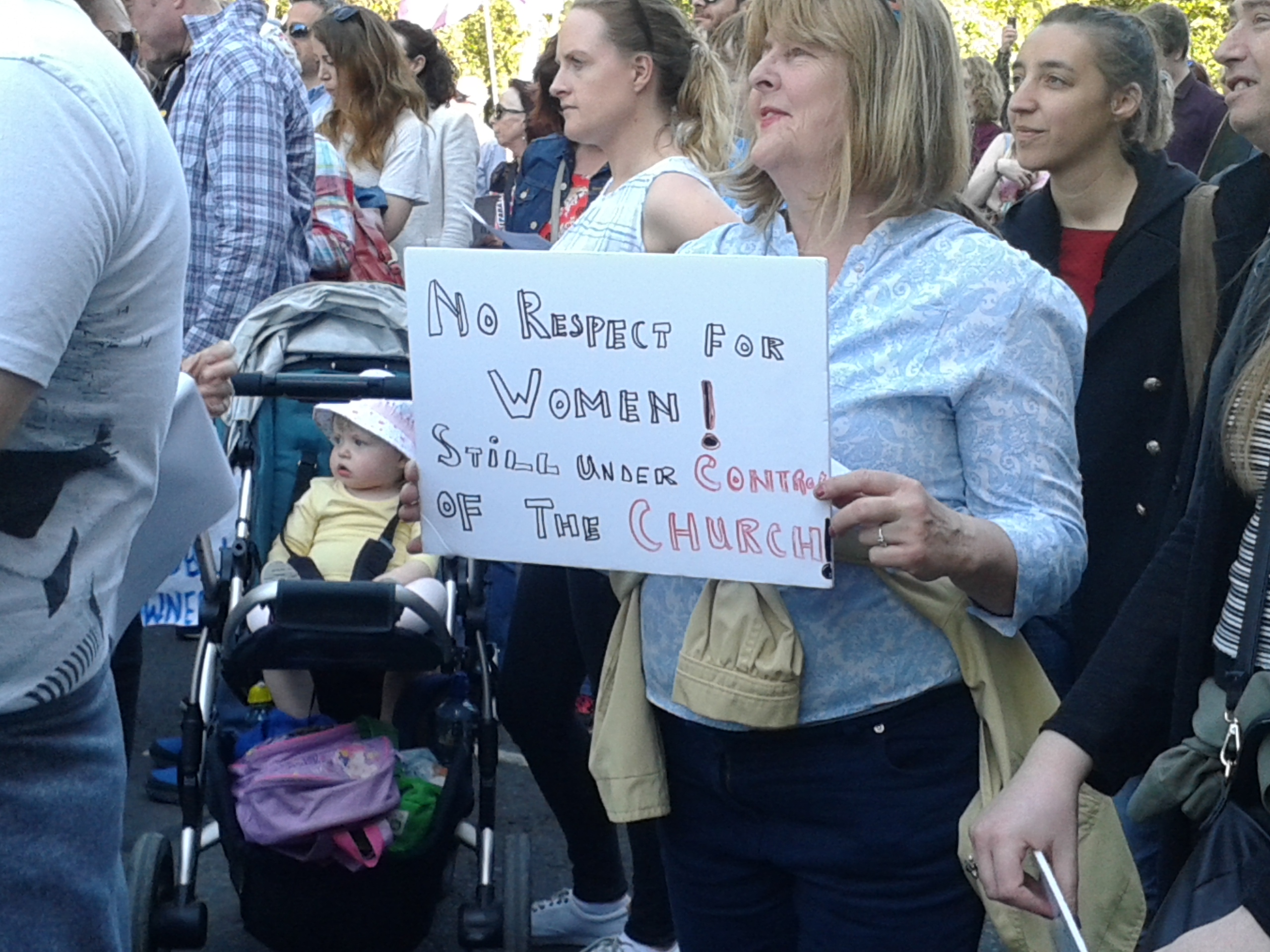
Tens of hundreds, mostly women but also containing some men and couples with children, gathered in bright sunshine today at the Garden of Rembrance and then marched through O’Connell Street in Dublin’s city centre. They continued along the northside quays and across Talbot Memorial Bridge, up past Pearse Station (where Constance Markievicz was welcomed by a huge crowd upon her release from British jail in 1917), then past Hollis St. Hospital to end at the south side of Merrion Square.

Marching along O’Connell Street.
(Photo: Rebel Breeze)
Rally to start at Garden of Remembrance
(Photo: Rebel Breeze)

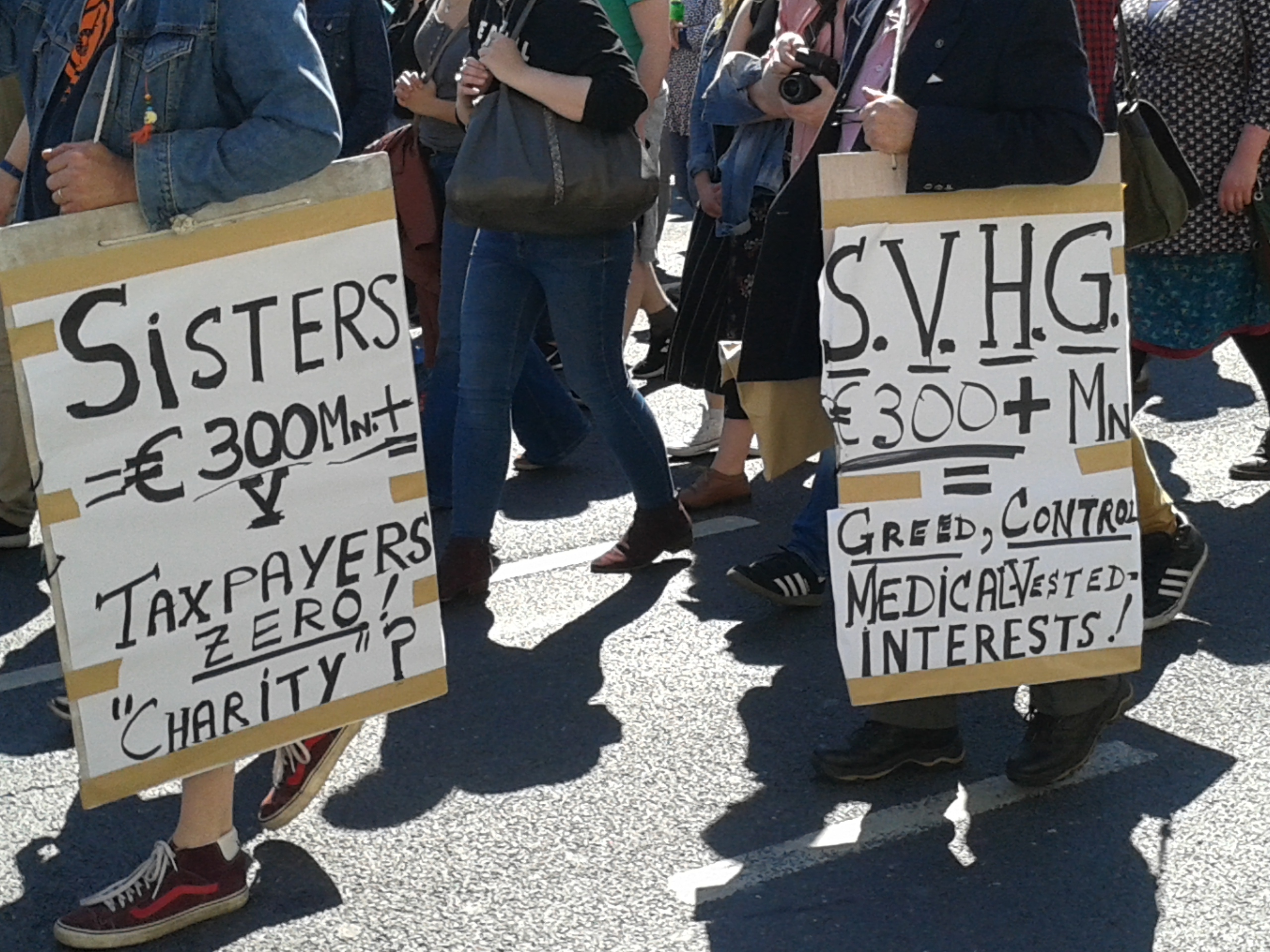
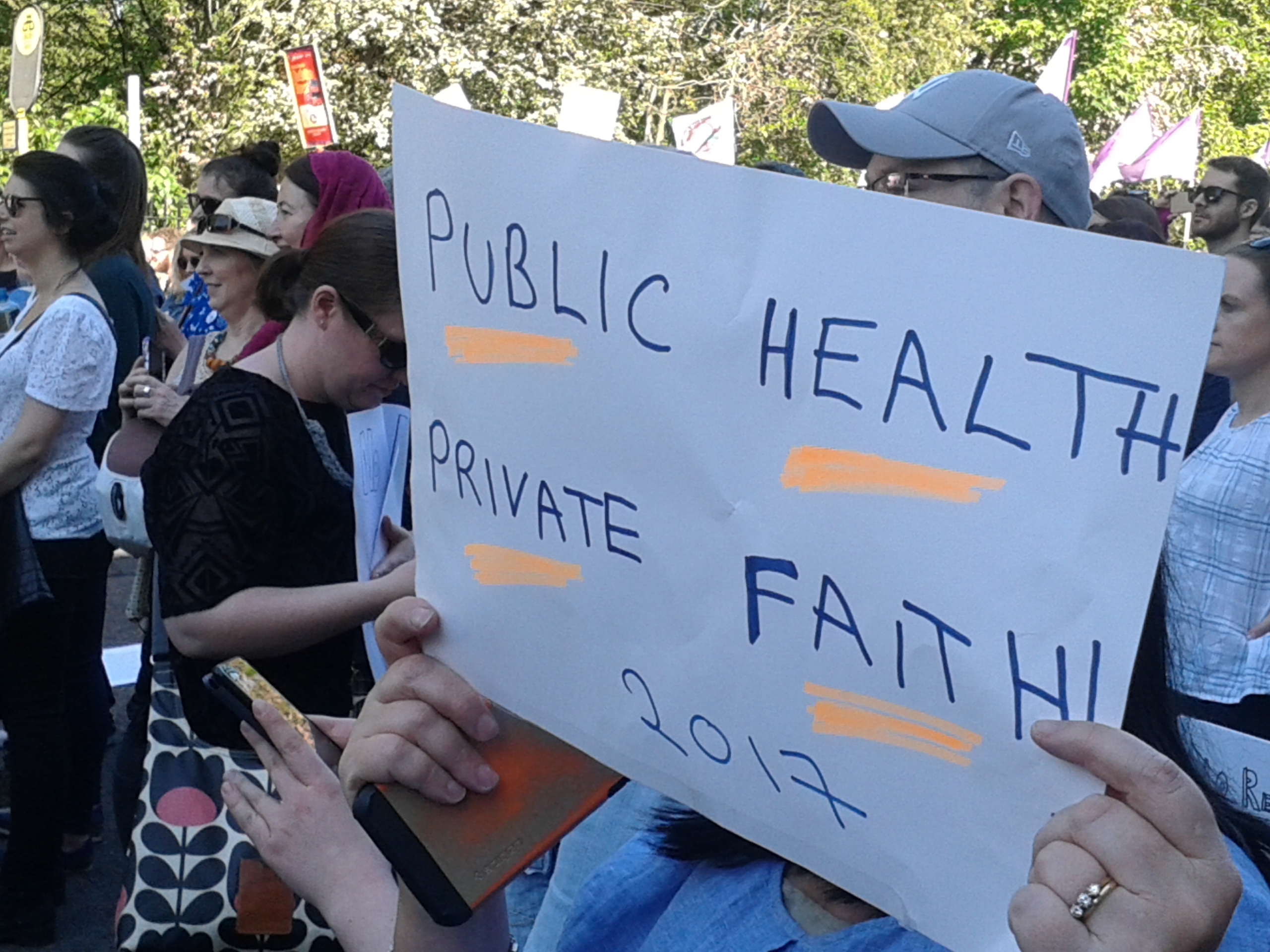
The event was organised by a coalition of Parents for Choice, Uplift, the National Women’s Council of Ireland and Justice for Magdalenes “to send a loud clear message to Health Minister Simon Harris”. The march was part of the ongoing protests against the ownership of the new National Maternity Hospital being given to the religious order the Sisters of Charity but also, as at least one speaker made clear, about the long history in the 26-County state of health services being provided by a combination of Catholic Church and State. Some others on the demonstration made the point that hospitals should be publicly owned and controlled.

Heading east under railway bridge at Butt Bridge.
(Photo: Rebel Breeze)

A petition containing 103,700 signatures – on 50 meters of paper was carried by protesters- demanding that the €300m taxpayer-funded hospital be taken into public ownership. The viral petition had been hosted by campaign organisation Uplift and was printed on 50 feet sheets of card, which was laid out like a path on the approach to the rally’s stage.

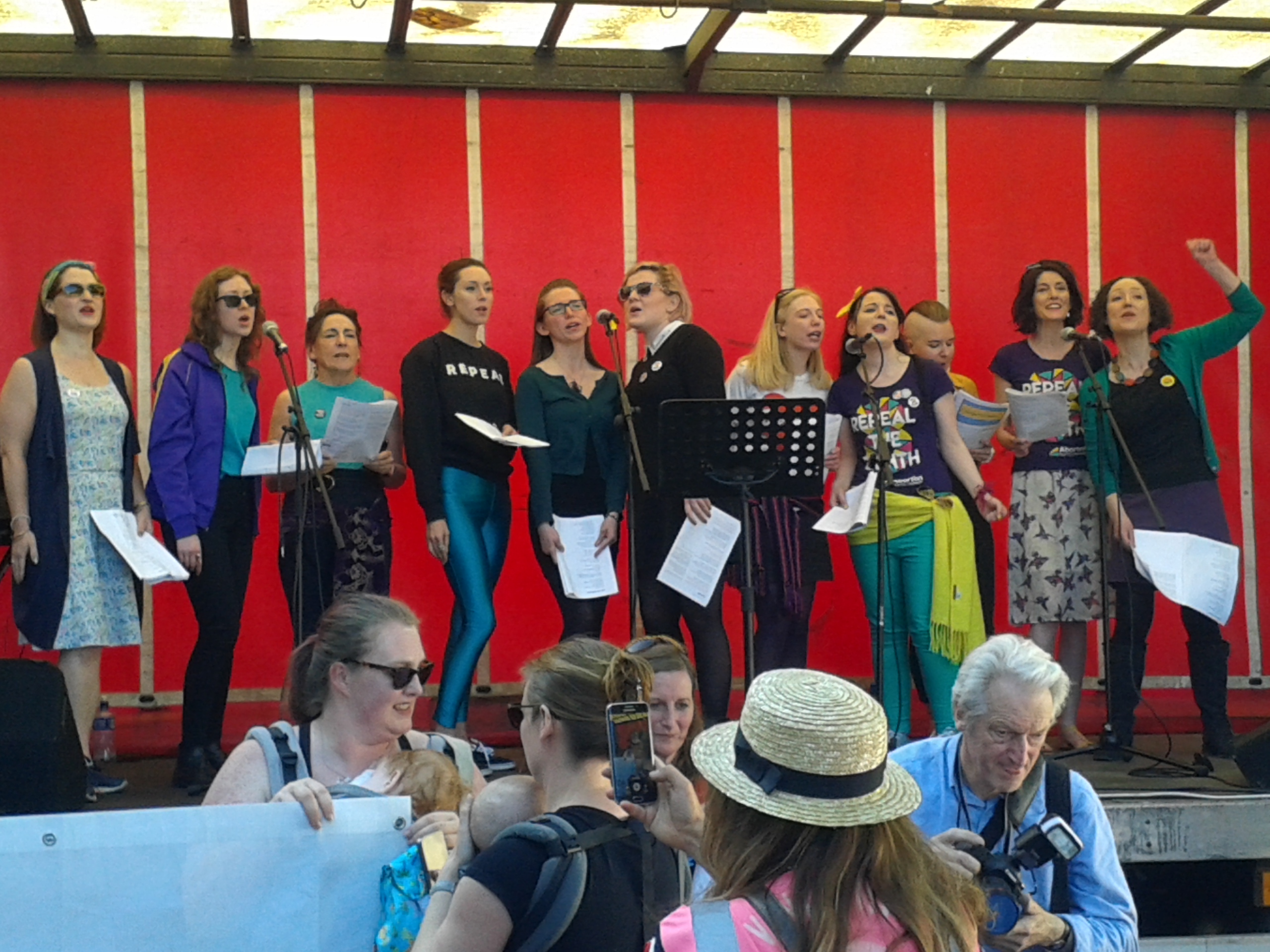
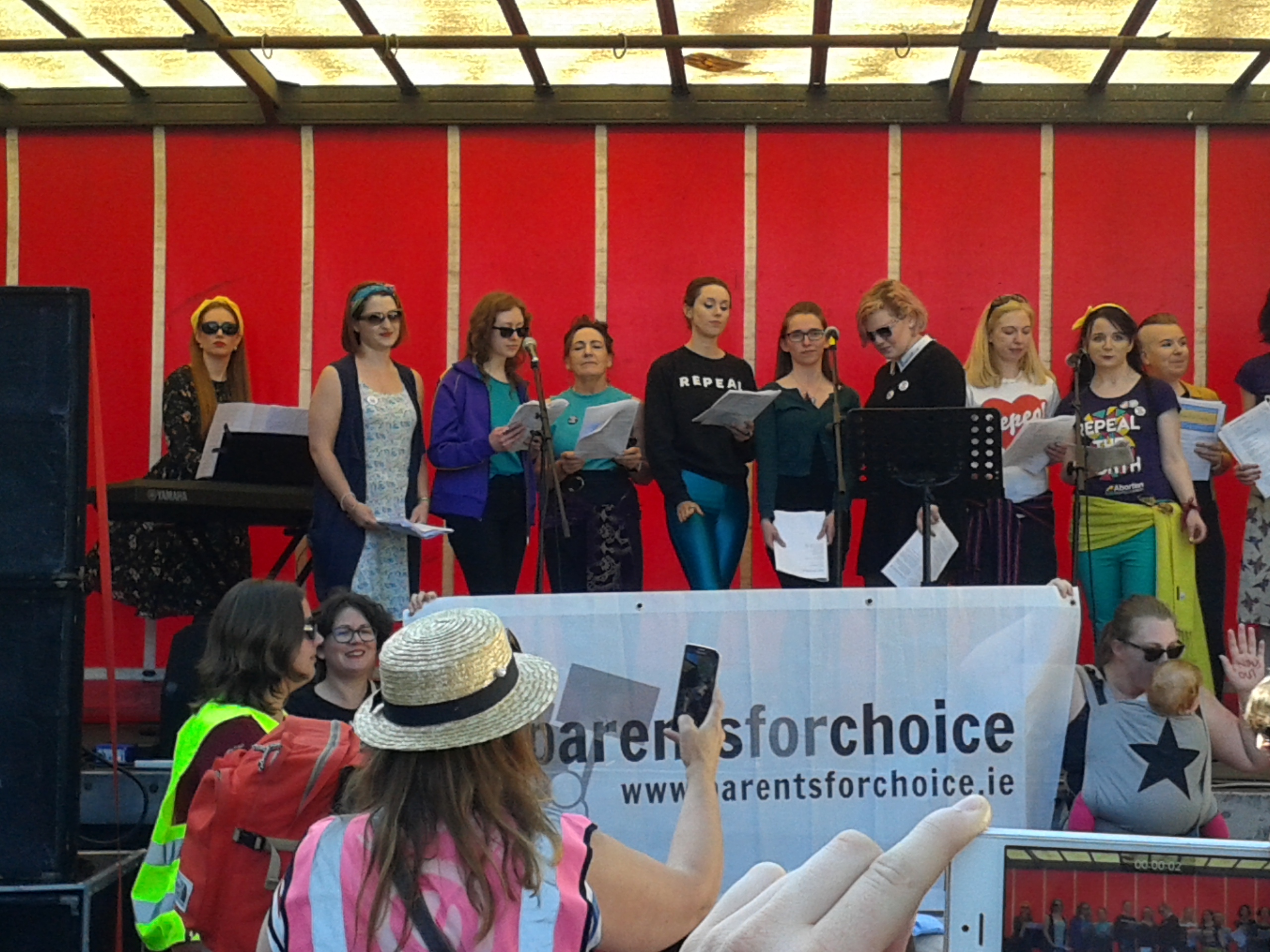
An all-women group called the Repeal Choir sang a number of songs before the speeches at the rally; one of their number announced that they had been formed only a few weeks earlier and they sang with gusto.

End.

(Photo: Rebel Breeze)


(Photo: Rebel Breeze)
Crossing Talbot Memorial Bridge (Photo: Rebel Breeze)
End of march approaching Talbot Memorial Bridge
(Photo: Rebel Breeze)
Lombard St. and quay junction.
(Photo: Rebel Breeze)


Hollis St and its Hospital.
(Photo: Rebel Breeze)
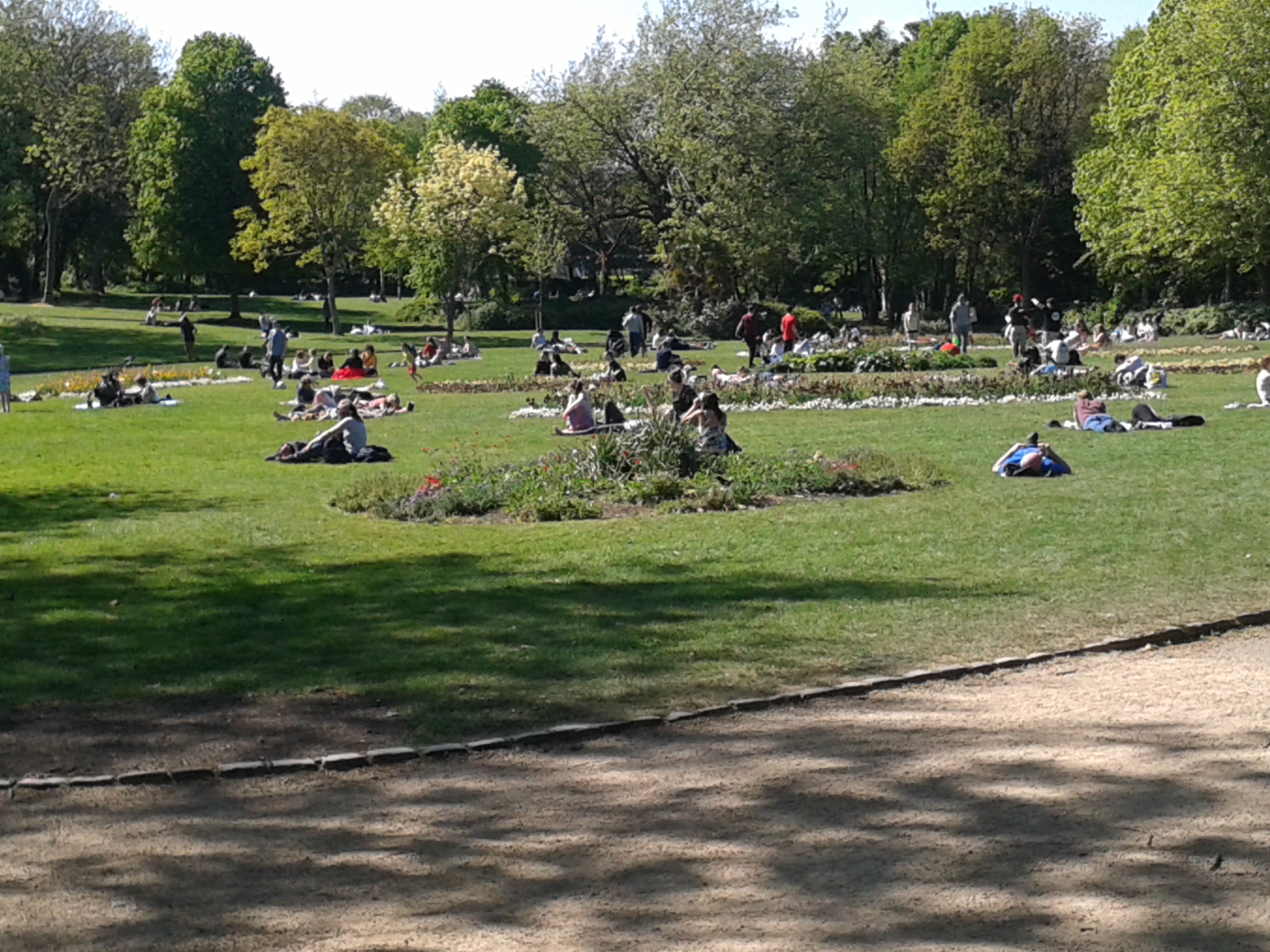
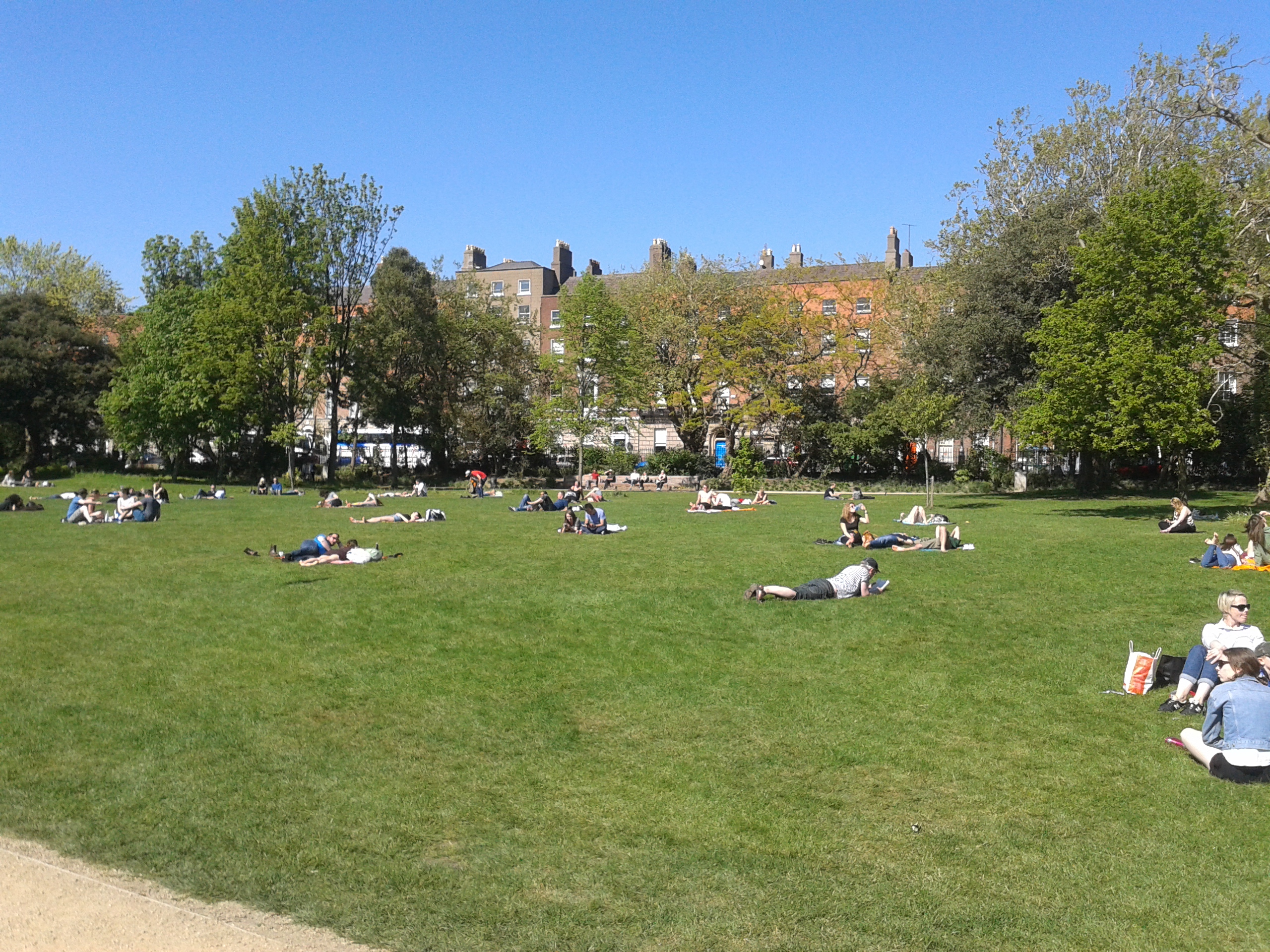
Not on the march — sunning themselves in Merrion Square park (Photo: Rebel Breeze)
Hollis St. Hospital front facing Merrion Square.
(Photo: Rebel Breeze)

(Photo: Rebel Breeze)
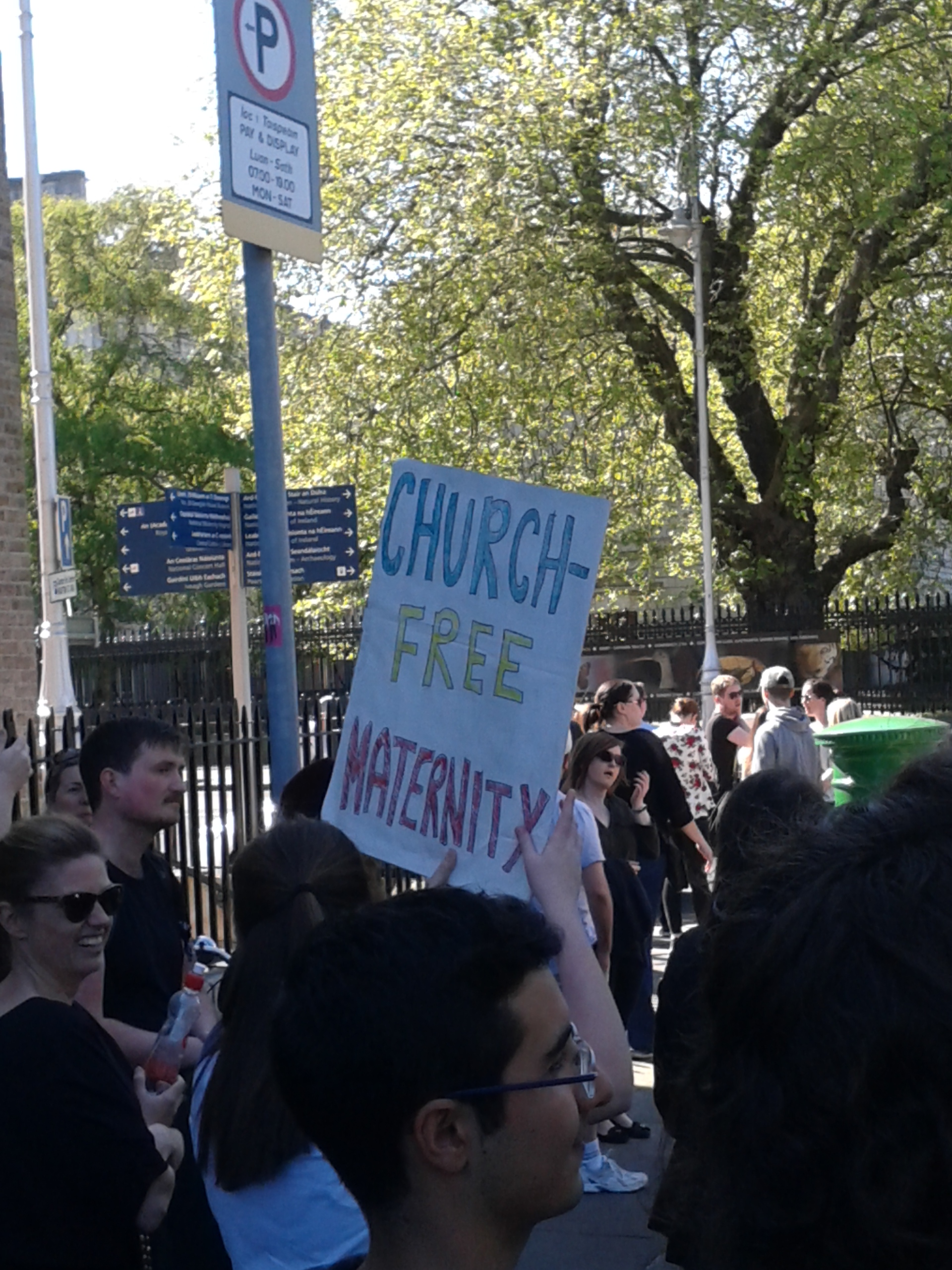
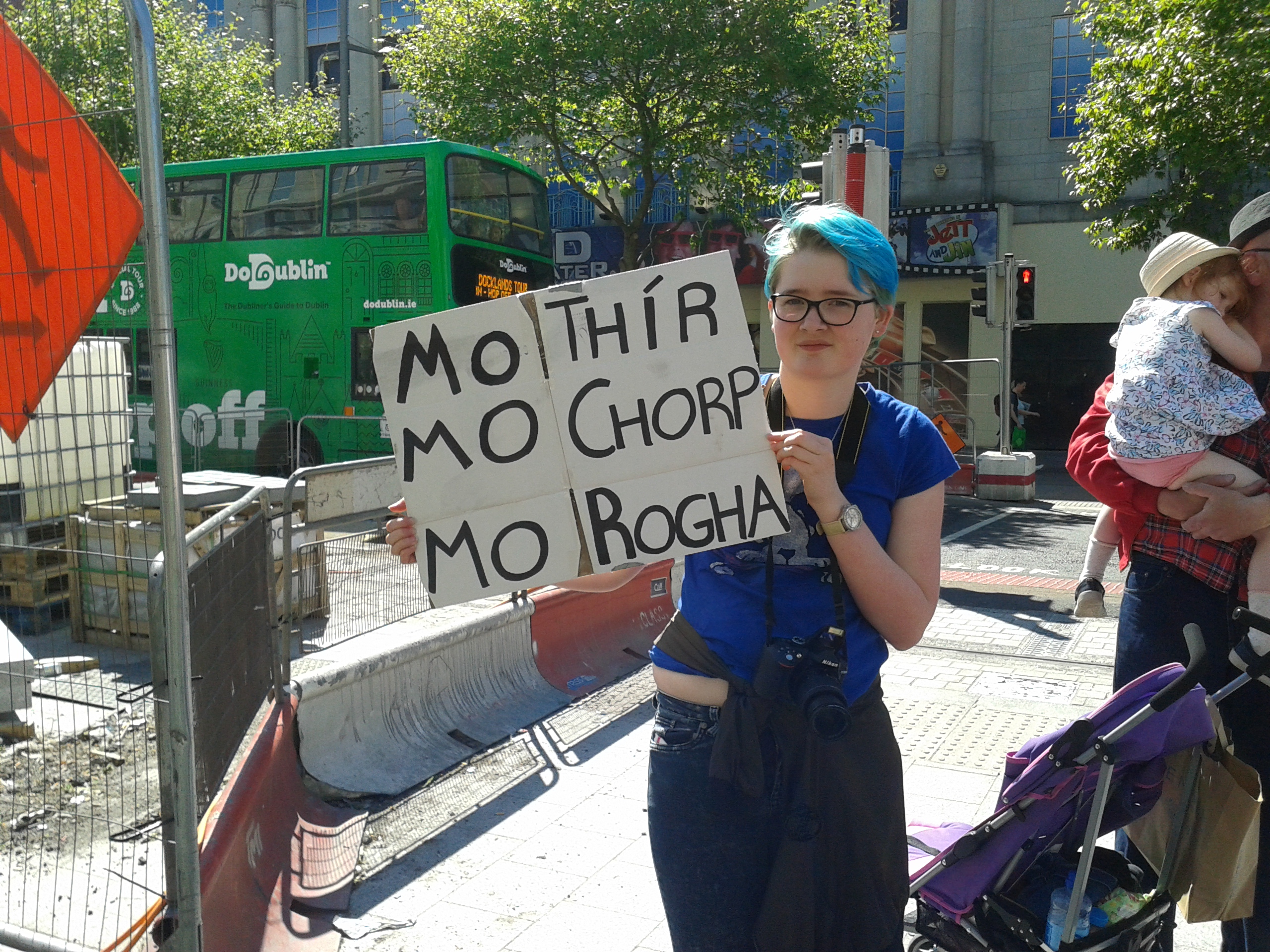
The only placard in Irish on the march
(Photo: Rebel Breeze)
The Repeal Choir
(Photo: Rebel Breeze)


MINISTER OF HERITAGE CONSIDERING TAKING CASE AGAINST THE MOORE STREET BATTLEGROUND JUDGEMENT TO THE SUPREME COURT

Diarmuid Breatnach

Lawyers for the Minister of Heritage (also of Arts and Gaeltacht) were supposed on Friday (28th April 2017) to lay out the legal terms nature of their Appeal Court action against the Moore Street National Monument judgement given on March 18th last year from the High Court. Instead, they came asking for another extension in order to consider taking her case to the Supreme Court.

Apparently over 13 months was not long enough to consider on what grounds and what court to which to take her case! All along the line the Minister has delayed and gone right up the deadline (and arguably beyond it at least once), then asking for yet more time. Meanwhile the buildings in the historic Moore Street quarter deteriorate further.

There are three main villains in this ongoing drama: the property speculators, Dublin Council’s Planning Department and the Irish State, the latter in the particular manifestations of the Department of Heritage and successive governments.

THE STATE

It might be obvious to some but others may need to have it pointed out that Heather Humphreys, the Minister in question, is not acting alone – she has the Fine Gael-Labour Coalition Cabinet supporting her. Nor is it a matter of those two political parties alone either – Fianna Fáil, another major political party, is on record as wanting the Minister to continue with her appeal; apparently the right of a High Court Judge to declare that prime speculation property is a national monument, with all the protection that implies, cannot be left unchallenged.

Senator Peadar Tóibín, Sinn Féin’s representative on the Minister’s Consultative Forum on Moore Street (on which all the members were chosen by her Department), supports the Forum’s Report, including the recommendations that the man who won the court case against the Minister drop his defence of that judgement and that the three major villains in the piece, the Heritage Department, Dublin Council’s Planning Department and the property speculators negotiate over the future of the 1916 Battleground site, with a smaller and even more exclusive Advisory Committee to oversee the negotiations (but without any statutory powers). Whatever the chosen individuals and parties have said prior to their entering the Minister’s Consultative Group, not one member has dissented from those recommendations.

For over 90 years the State did nothing to mark the importance of Moore Street as a 1916 Battleground or that the Surrender was decided here, that Volunteers and civilians fell to British bullets in that street and surrounding laneways, including The O’Rathaille who famously wrote a dying farewell letter to his wife in the lane now named after him. Nothing to mark that of the 16 executed, six had spent their last days of freedom in Moore Street. Or that of the seven Signatories of the Proclamation, five had been in that street until the surrender.

NGA plaque on No.16 Moore Street  (Photo source: D.Breatnach)

In 1966, the voluntary and non-state-funded National Graves Association put one of their small commemorative plaques on the front of No.16 Moore Street and it was the removal of this plaque by a property speculator in 2001that gave rise to the NGA starting the campaign to save Moore Street, into which over the years others outside the NGA came to play major roles.


THE PLANNING DEPARTMENT OF DUBLIN CITY COUNCIL

The Planning Department’s pet property speculator was Joe O’Reilly of Chartered Land and TG4’s program Iniúchadh Oidhreacht na Cásca in 2007 traced the process by which this speculator was given extraordinary special facilities even over other speculators. The Planning and Property Development Department’s chief officer is, since a change in the law some years ago, empowered to grant planning applications without reference to the Councillors, the elected representatives. He is also incidentally the Assistant Chief Officer of the Council’s management executive. Jim Keoghan (now retired from DCC) has used that executive power to approve most property speculators’ application for “development” in Moore Street and indeed it was Dublin City Council that oversaw the destruction of most of the centuries-old street market quarter and its replacement by the ILAC Shopping Centre, Dunne’s Stores and Debenhams.

Throughout all these “developments” in the Moore Street area the street traders have had meagre shelters and poor lighting provided by Dublin City Council but no heating, toilet facilities, changing rooms or convenient water supplies for cleaning or flowers maintenance; they are obliged to renew their licenses yearly, licenses which are bound by all kinds of petty restrictions.

Famous photograph taken presumably from GPO roof, showing how busy the market used to be just a few decades ago. Even then, conditions for the street sellers were hard with no alleviation by Dublin City Council.
(Photo source: Internet)

As the modern-day battle for Moore Street intensified, Dublin City Council installed not one but two full-time Market Inspectors on the street, which had previously functioned well with one Inspector visiting in the morning and evening. These market inspectors have no role in preventing antisocial behaviour or in monitoring the quality of the food on sale and their main activity seems to consist of telling stall-holders what they may not sell1, or that they are placing merchandise beyond the strict limits of their stall area (in a street which now holds at maximum fifteen stalls, where once before there were many times that number), or that they have continued trading some minutes beyond their official closing time. And they are not permitted to sell on Sundays while, of course, the supermarkets bracketing them, Lidl and Dunnes, face no such restrictions.

These rules have been there for years – it is the degree of enforcement that has changed. One could be forgiven for thinking that some high officials in Dublin City Council want to drive the traders out and, indeed, traders who are now in their third and fourth generations on the street see no-one in their families willing to take over the enterprise when they retire.

THE PROPERTY SPECULATORS

The small shopkeepers are not without their own problems in the street. Most of them are on annual contracts (or even shorter, such as three months), subject to having their business in the street closed at the wish of the property speculators. The ILAC extension currently underway at the south end of the building resulted in the eviction of around ten businesses, most of which received no alternative site. Even the presence of a narrow vegetable produce rack outside a shop can bring down a threat or an actual fine from the Market Inspectors, while ugly hoardings approved by Dublin City Council squeeze the street and restrict the flow of pedestrians.

The ILAC shopping centre was jointly owned by property speculators Chartered Land and Irish Life. As outlined by the TG4 program, Joe O’Reilly of Chartered Land, like many banks and speculators, over-extended himself and Government agency NAMA took over his debts, however paying him €250,000 a year to “manage” them. Subsequently, NAMA approved Chartered Land to sell its debt on to Hammerson, a huge British-based property speculator and vulture capitalist concern.

Exposé by The Daily Mail of €200,000 being paid by NAMA to Joe O’Reilly, of Chartered Land.
(Photo source: Internet)

Chartered Land had been granted planning permission for a giant “shopping mall” of nearly seven acres (2.3 hectares), extending from O’Connell Street westwards to Moore Street and from parts of Parnell Street southwards to Henry Street. The planning permission entailed the demolition of every building within those limits, excepting only No.s 14-17, which the State had by then accepted were of historical importance and had granted them preservation status. The laneways and streets were also to disappear. In the meantime the State did nothing to oblige Mr. O’Reilly to maintain the buildings which they had stated were of preservation status.

The giant shopping ‘mall’ intended acreage in dark blue and the existing ILAC spread in green (which has buried a number of streets and laneways of the old street market quarter).
Famous photograph taken presumably from GPO roof, showing how busy the market used to be just a few decades ago. Even then, conditions for the street sellers were hard with no alleviation by Dublin City Council.
(Photo source: Internet)

The State bought the four houses in question in the latter half of 2015 and planned to demolish houses on each side of the four until in January of 2016 a legal challenge by Mr. Colm Moore and an occupation of the buildings by activists for five days, followed by five-week blockade, brought about a respite. The speculators attached themselves to the case as having an interest to defend.

While the case dragged on, the Minister’s officers and legal team endeavoured to undermine the historical importance of the quarter, arguing that the Moore Street area was not a battleground (instead “the whole of Dublin was a battleground”) and that no other building there other than the four with preservation status was of historical importance. This included the rest of the terrace and even No.10, which had been the first HQ of the Rising after the evacuation of the GPO, and which had been run as a temporary hospital by Volunteer Nurse Elizabeth O’Farrell, caring for nearly twenty wounded men (including a British soldier found in Moore Street).

“Sailor” Simon Betty, front man in Ireland for Hammerson, may find the waters choppier than expected.
(Photo source: Internet)

The Save Moore Street From Demolition group (whose campaign stall has been on the street every Saturday since September 2014) raised the alarm and called an emergency demonstration in January 2016, after which people occupied the buildings for five days until the High Court Judge ordered no demolition until Mr. Moore’s case had been heard. Subsequently, with heavy machinery heard at work on the site and the contractors and Minister refusing inspection to campaigners, the Lord Mayor, Councillors or TDs, campaigners blockaded the site and allowed no workers to enter; this was led by a new, broad group that had arisen from the occupation: Save Moore Street 2016.

Minister of Arts, Heritage and Gaeltacht, orchestrating the destruction of our 1916 heritage.
(Photo source: Internet)

On March 18th 2016, the 100th anniversary year of the Rising, the High Court Judge delivered his verdict in the case brought by Mr. Moore, declaring that the quarter bounded by Moore Lane, Henry Place, O’Rahilly Parade and Moore Street, including the backyards and those aforementioned lanes and street, is a national historical 1916 monument. The campaigners lifted their blockade.

The Minister took her time deciding whether to appeal the judgement and at the deadline, announced that she would, with the support of the Cabinet and other departments. Then she set up her Consultative Forum, from which she excluded the most active of the campaigners, including the Save Moore Street From Demolition campaign which has just passed its 136th consecutive Saturday on the street collecting over 80,000 petition signatures and distributing leaflets. Also excluded have been the Save Moore Street 2016 campaign group, a broad alliance of people from different organisations and none that arose out of the occupation and blockade of the buildings in early 2016.

Meanwhile, Jim Keoghan of Dublin City Council, in one of his last major acts of office before retirement, in the summer of 2016 extended the planning permission for the giant ‘shopping mall’, despite the fact that it was due to run out in March 2016, despite the High Court judgement, in the face of opposition by the majority of elected City Councillors and despite the fact that it had been conclusively shown in court that the speculator had carried out no substantial work on the buildings as required by the planning permission conditions.

WHERE TO FROM HERE?

And so to where we are today. The Minister has her extension (unspecified length but one supposes up to six weeks) but may not decide to take her case to the Supreme Court and may use the delay instead for other purposes, including setting up her select Advisory Committee, as in the Recommendations of the Report of her Consultative Group. If the case goes to the Supreme Court, a date for hearing will need to be set. If the Minister should continue instead to Court of Appeal, the case date has been set for mid-December this year 2017, which also means it is bound to continue on into 2018.

Meanwhile most of the buildings steadily and visibly deteriorate, prey to speculator neglect and Irish weather. The four buildings now in Government hands have been subject to restoration work with some visible inappropriate results, the whole of the work carried out without independent archaeological and restoration expert assessment or oversight, the Government ‘expert’, Gráinne Shafrey, being the same person who argued for the Minister in the High Court that the other buildings in the street were of no historical importance.

For progress to take place at the moment, the first step is for the Minister to drop the appeal and that should be the minimum demand of all who genuinely care for the historic buildings, laneways and street market. When that has been done, we can move on to consultation on the most appropriate way to save and restore the buildings, rejuvenate and expand the street market. And to how that process shall be democratically and transparently controlled.

No foreseeable change of Government seems likely to bring any relief to this situation, given the stand taken in the Minister’s Consultative Forum by the representatives of the four main political parties. Other than the continuing legal action, the real hope resides where it has done from the start – with the wishes of the majority of people and the energy, commitment and at times daring of the active campaigners outside the corridors of power or, one might say, instead on the streets of power.

End.
Historical background notes:

On 28th April 1916, with the GPO and many other buildings in O’Connell Street in flames, the garrison of the GPO and HQ staff of the Rising for an independent Irish Republic evacuated their building and sought to break out of the British Army’s tightening encirclement. They made their way along Henry Place, encountering heavy British fire at the junctions of Moore Lane and Moore Street from British barricades at the Parnell Street ends and from the Rotunda tower, suffering a number of casualties as a result. In Moore Street the major part of the evacuation tunneled from house to house along the No.s10-25 terrace and a number of other houses too. Another section mounted an unsuccessful charge on the British barricade at the end of the street.

On Saturday 29th April, after a number of civilians were shot down in the street by British gunfire, the decision was taken by the insurgents’ leadership to surrender and Volunteer Nurse O’Farrell went out under a white flag of truce to seek terms from the British. None being available, Patrick Pearse and James Connolly surrendered their forces unconditionally and over the next few days the forces in other strongholds in the city and in Wexford surrendered (or evacuated their fighting posts and went into hiding). Nearly 100 death sentences were handed out by British military courts of which fifteen were confirmed and carried out (and a further one in London by civilian court); the executed included six who had spend their last days of freedom in Moore Street houses, including five of the seven signatories of the Proclamation: Thomas Clarke, Patrick Pearse, James Connolly, Joseph Plunkett, Seán Mac Diarmada. Most other prisoners were sentenced to prison or concentration camps in Britain and many others were arrested and interned without trial.

Moore Street was at the time part of a whole centuries-old street market quarter of which most of the rest lies buried under the ILAC Shopping Centre, constructed in the later 1970s. For sixteen years a struggle has been going on for the preservation and restoration of this historical quarter.

Note about the author:

Diarmuid Breatnach is an independent political and social activist who has been campaigning for Moore Street for years, including in September 2014 being a co-founder and active member of the Save Moore Street From Demolition campaign group and is a member too of the Save Moore Street 2016 campaign. He has written a number of articles, given talks and presentations on the Moore Street issue (including to the Minister’s Consultative Group). Breatnach also writes on history in general (among other subjects), conducts history walking tours and has publicly called on Dublin City Council to give Moore Street its correct Irish version of the street name, i.e Sráid an Mhúraigh rather than the “Sráid Uí Mhórdha” which Dublin City Council has named it.

LINKS:

http://www.irishtimes.com/news/environment/moore-street-complex-planning-approval-set-to-be-extended-1.2674868

http://www.dailymail.co.uk/news/article-2063815/3bn-debtor-living-life-OReilly-Developer-sprawling-Dublin-mansion.html#ixzz4g40aIKIW

SMSFD https://m.facebook.com/save.moore.st.from.demolition/

SMS2016 https://m.facebook.com/SaveMooreStreet2016/

All submissions to Minister’s Consultative Group on Moor Street: http://www.ahrrga.gov.ie/heritage/moore-street-consultative-group/submissions/

1In 2016, the centenary of the 1916 Rising, they were forbidden from selling Easter Lillies and Easter Rising commemorative products from their stalls, unless they purchased a special license to do so.

BOMBING OF BASQUE TOWN OF GERNIKA COMMEMORATED IN DUBLIN

Clive Sulish

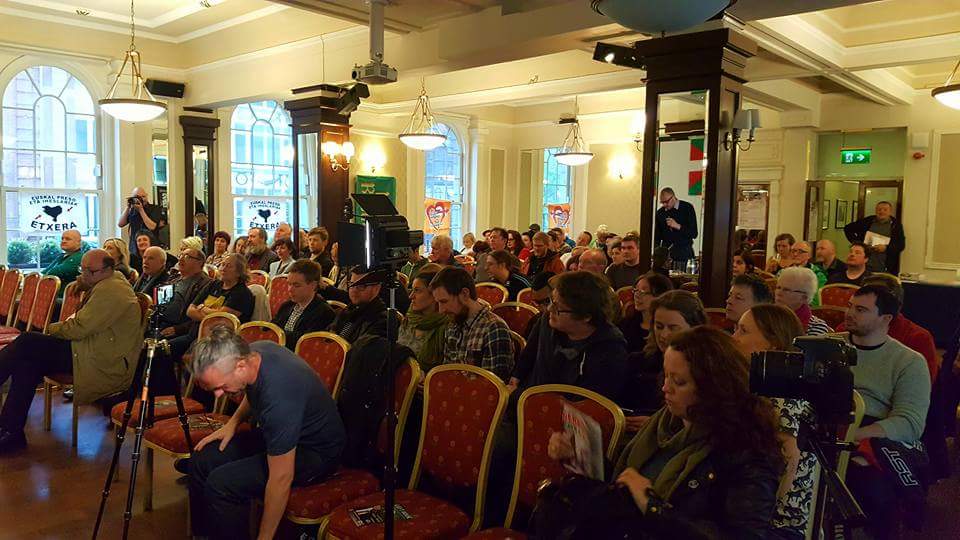
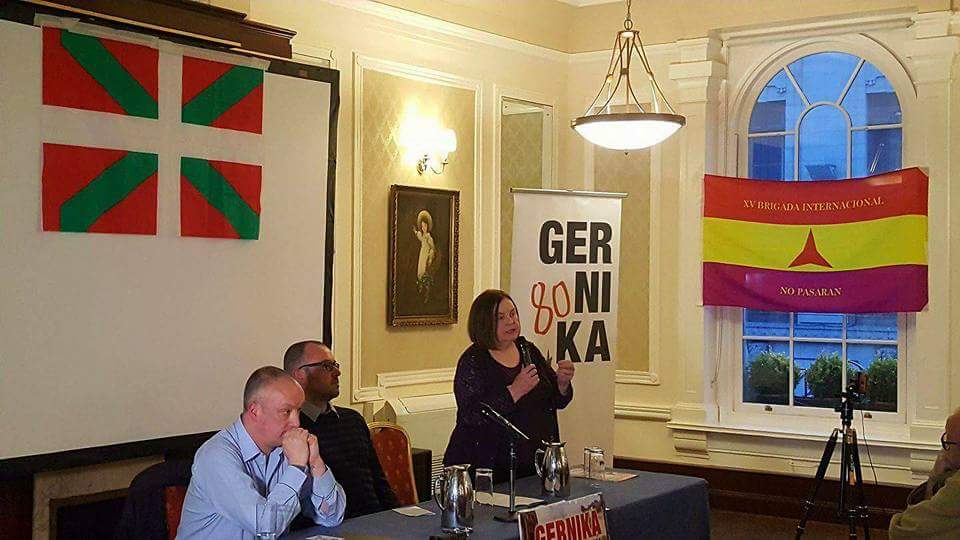
The bombing of Gernika during what is sometimes termed “The Spanish Anti-Fascist War” and more often “The Spanish Civil War”1 was commemorated in Dublin by a weekend of events organised by the Gernika 80 — then and now committee. The event featured a launch of a commemorative pamphlet, including talks by Spanish Civil War historian Enda McGarry and by Irish socialist, republican and civil rights activist Bernadette McAliskey; a ska music event; talks and a planting of a “Gernika Tree” at Glasnevin cemetery.2

People in attendance at the talk in Wynne’s Hotel (chairperson’s reflection may be seen in the mirror).
(Photo source: Gernika 80 event page)

The pamphlet was on sale for €5 a copy in the large function room of the historic Wynne’s Hotel where the well-attended launch was held. The pamphlet has articles by Richard McAleavey, Enda McGarry, Stewart Reddin, Brian Hanley, Aoife Frances, Sam McGrath, Fin Dwyer, and Goiuri Alberdi.

Enda McGarry was first to speak and in a clear voice, with only an occasional glance at his notes, began by giving the background to the Gernika bombing – the military rebellion against the elected government of the Popular Front and the military campaigns that followed. General Mola was in charge of the fascist forces’ “Northern Front” while battles were taking place elsewhere, including in the suburbs of Madrid.

McGarry outlined the waves of air attack on 26th April 1937, the dropping of incendiary bombs and the strafing of running men, women and children by fighter planes and gave details of some of the horror experienced in the town. The bombing was one of the first aerial bombings of civilian population centres and Gernika, of particular historic-cultural importance to Basques, was hit on a market day. It had no anti-aircraft defences, not surprisingly, since it contained no features of significant military interest.

Going on to describe the lies told by the fascist leaders, McGarry related how in turn the communists, anarchists and Basque nationalists had been blamed for burning the town. Subsequently, apologists had tried to excuse the action by claiming that the Renteria bridge had been the target, in order to cut off the Basque nationalists’ retreat or lines of reinforcement from the northern Basque Country (i.e within the French state).

The speaker pointed out that this line of argument is still being peddled by some, including a fairly recent historian. Demolishing this falsehood by analysing the planes that were used, Heinkels, a Dornier, Junkers 52 bombers, Italian SM 79s and Messershmidt 109, along with the bombs and armament, McGarry showed how this could not be consistent with a bombing run to destroy a bridge. At Burgos airfield sat a number of planes that would have been ideal for destroying the bridge – Stukas, the most advanced dive bomber in general production of the time. They did not use them because neither was the Bridge the target nor pin-point bombing required – what those planning the attack wished to do was to carpet-bomb the area with high-explosive and incendiaries, then machine-gun civilians fleeing the bombing.

Ultimately, the historian continued, of course Generals Franco, Mola and other fascist military leaders were responsible. However McGarry believed that the Spanish fascist leaders, needing to crush Basque resistance but keep the conservative Catholic Carlist troops (from Navarra) and other right-wing Basques on board, would have been unlikely to agree to the destruction of Gernika (a holy historic place to the Carlists as well as to the Basque Nationalists). Oberstleutnant Wolfram Freiherr von Richthofen was the commanding officer of the Condor Legion, Nazi Germany’s “loan” of airforce to the Spanish fascist forces – he, along with others including commander-in-chief of the Luftwaffe, Herman Göring, wanted to use the Spanish conflict as a testing ground for warfare from the air and the tactic of terror-bombing a civilian population, which they later employed at Warsaw, Stalingrad and other cities.

The talk ended to strong applause and the chairperson of the meeting introduced Bernadette McAliskey, a long-time socialist and Irish Republican, campaigner for civil rights and in support of migrants.

The chairperson could also have alluded to her survival of an assassination attempt by Loyalist paramilitaries the “Ulster Freedom Fighters”, in which she was shot 14 times and her husband shot too, and that she had before that twice been elected a Member of the British Parliament. Of course McAliskey herself might have requested the omission of those details.

Bernadette McAliskey speaking; sitting R-L, Finn Dwyer, Enda McGarry. (Photo source: Gernika 80 event page)

McAliskey began by praising the inclusiveness of the pamphlet, which has contributions from many different writers. She then moved on to expounding what kind of people are fascists, a term she believed too widely applied, and what kind of people fascism serves. In a rather long discourse, entirely without notes, the speaker went on to analyse what Republicanism is, rejecting a definition which said the basic unit of a Republic is the State, insisting instead along with Thomas Paine that the basic unit is the individual. Believing otherwise, she declared, makes one a nationalist rather than a Republican, á la Gerry Adams.

At times one could be forgiven for assuming that McAliskey thought she was addressing liberals, saying for example that “we don’t think enough about what goes on in other countries”, or “we don’t think about what is happening to certain groups”, such as migrants, Travellers – those considered “non-people”; or when she declared that she had no understanding of what was going on in Syria because neither her background nor experience could help her to understand it. McAliskey seemed unconscious that this is a line which was also commonly disseminated in Britain about the war in the Six Counties.

But then, McAliskey would switch without warning, as in her mischievous assertion that one should deal with liberals by throwing them in at the deep end: “they either learn to swim or they no longer give you any trouble.” Or when later, she pointed out that those in power never give up their weapons, and that one day we might present ourselves to our exploiters and insist that they step aside, as “there are more of us than there are of you”, to which they will reply: “Maybe so, but we have the weapons.”

When Bernadette McAliskey finished her talk, to sustained applause and cheers, the chairperson invited questions, of which there were three and a comment. The first question was whether McAliskey thought Gerry Adams was a psychopath, to which she discoursed on the question of insanity and on the number of lies that were told by politicians such as Gerry Adams. One of the big lies was that the IRA had forced the British to the negotiating table, which McAliskey emphatically denied was true, insisting that the reality was that the IRA went to the negotiating table because they could fight no longer, the rate of attrition was too great.

The next question, by a woman who announced that she had a USA background, in the context of her declaring that racism is about white supremacy, was about how to make the Irish aware of their role in this supremacy. Bernadette said it was an important question and that the process by which the oppressed can become the oppressors was one observed on a number of occasions in history.

This reporter thought that the questioner’s statement about the nature of racism being white supremacy might also have been questioned, a proposition disproved for example by the experience of the Armenians under the Turks, Jews and Slavs under Nazism, the Irish in Britain or at home under British rule, Irish Travellers in Irish society, etc.

The last question enquired what Bernadette would say to Basques, as some had said to the questioner, that the Irish were “lucky to have a peace process”, given that we were now approaching the second decade after the Good Friday Agreement. McAliskey replied that Ireland did not have a peace process but rather a pacification process, and that the ‘new dispensation’ divided up the Six Counties between political parties along sectarian lines, with cuts to services being imposed by those in power and substantial unemployment and unfair treatment of the “other minorities”: migrants, Travellers …. And that jails in the Six Counties today contain “about as many political prisoners as they did when the Good Friday Agreement was signed but the prisoners with less politics than had their fathers.”

End.
FOOTNOTES

1Neither term sitting well with probably most Catalans and Basques, who do not consider themselves Spanish, having a different cultural identity, most aspects of which were suppressed by the victors of the War, the General Franco dictatorship regime but had been suppressed by others before them too.

2Gernika’s historic importance to the Basques before the bombing was based on the fact that Basque nobles met there to discuss their administration of Basque lands and it was there that a Spanish King had stood, under the ancient Basque oak tree, Gernikako Arbola, the “Gernika Tree”, promising to respect their rights to rule within their territory.

INTERNATIONAL WORKERS’ DAY IN DUBLIN


Clive Sulish

May 1st, International Workers’ Day was celebrated in warm sunshine in Dublin with a parade and rally organised by the Dublin Council of Trade Unions and a later event organised by the Independent Workers’ Union.

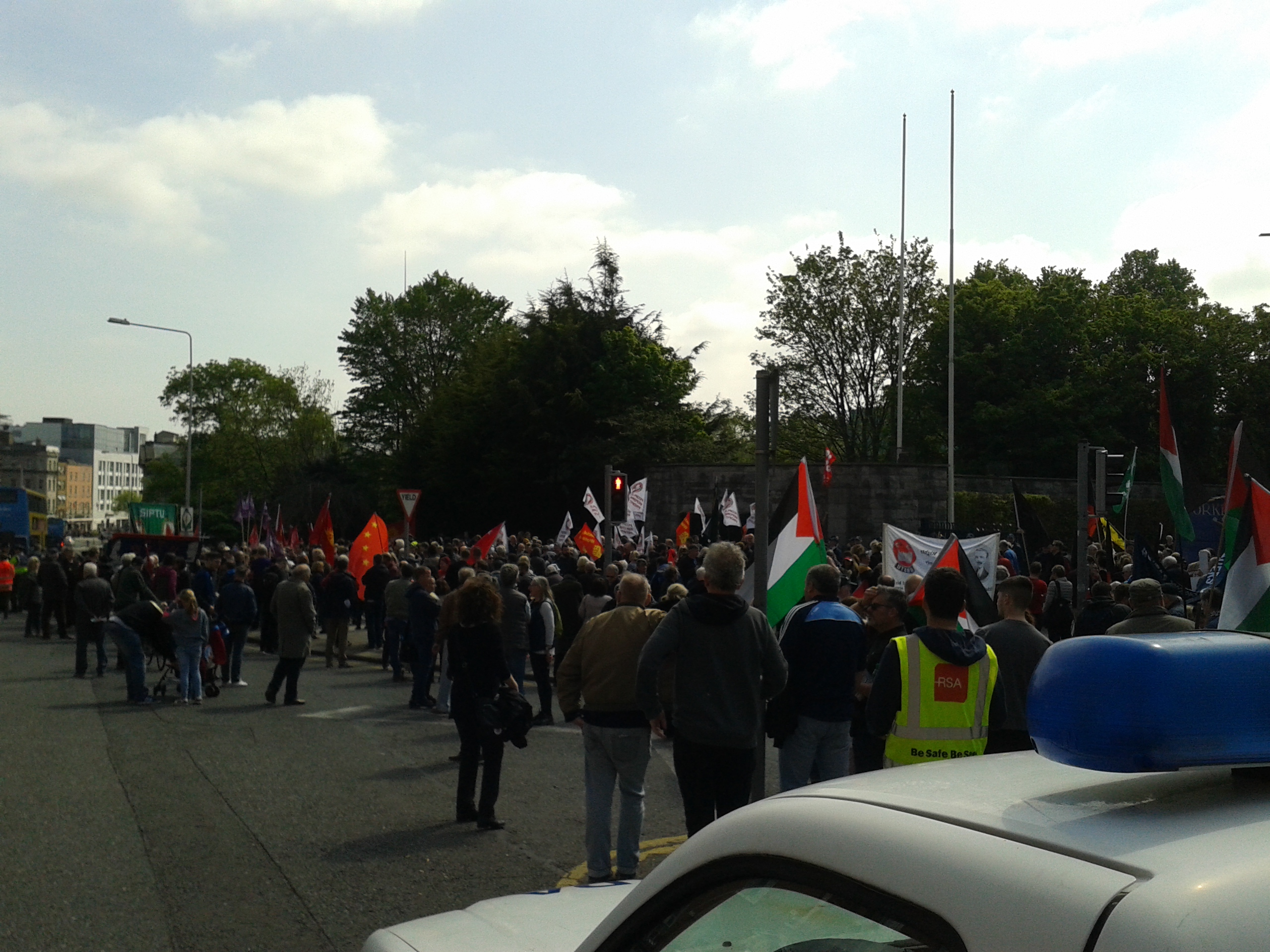
Crowd scene outside Garden of Remembrance, the starting point of the DCTU march

The DCTU-organised event met at the Garden of Remembrance at 2pm and set off at nearly 3pm, with numbers although still small by European standards nevertheless larger than has been seen for some time in Dublin, according to the organisers filling O’Connell Street, the city’s main street throughout its whole length (500 metres or 547 yards).

Seen on the parade were trade union banners, those of some political parties, also of campaigns and community groups.

As it has been doing for years, the parade ended in a rally in Beresford Place, in front of Liberty Hall, the very tall building owned by the SIPTU trade union, where the audience were addressed by speakers from trade unions and campaigns and NGOs.

Section of crowd at rally in Beresford Place

Curiously, soon after arrival the comparatively strong showing of Sinn Féin flags, the green one with their logo and the blue and white version of the Starry Plough, were nowhere to be seen.

Similar section with some banners noticeably missing

The issues of lack of affordable housing, of public land being sold for private housing and speculation, of precarious employment, of financial speculation and cuts in services were addressed by speakers, with a mention also of solidarity for the Palestinian prisoners on hunger strike. A number of speakers also addressed the treatment of migrants and in particular the conditions suffered by refugees in the Direct Provision hostels of the state’s welfare service.

Stage erected at Beresford Place, outside SIPTU’s offices
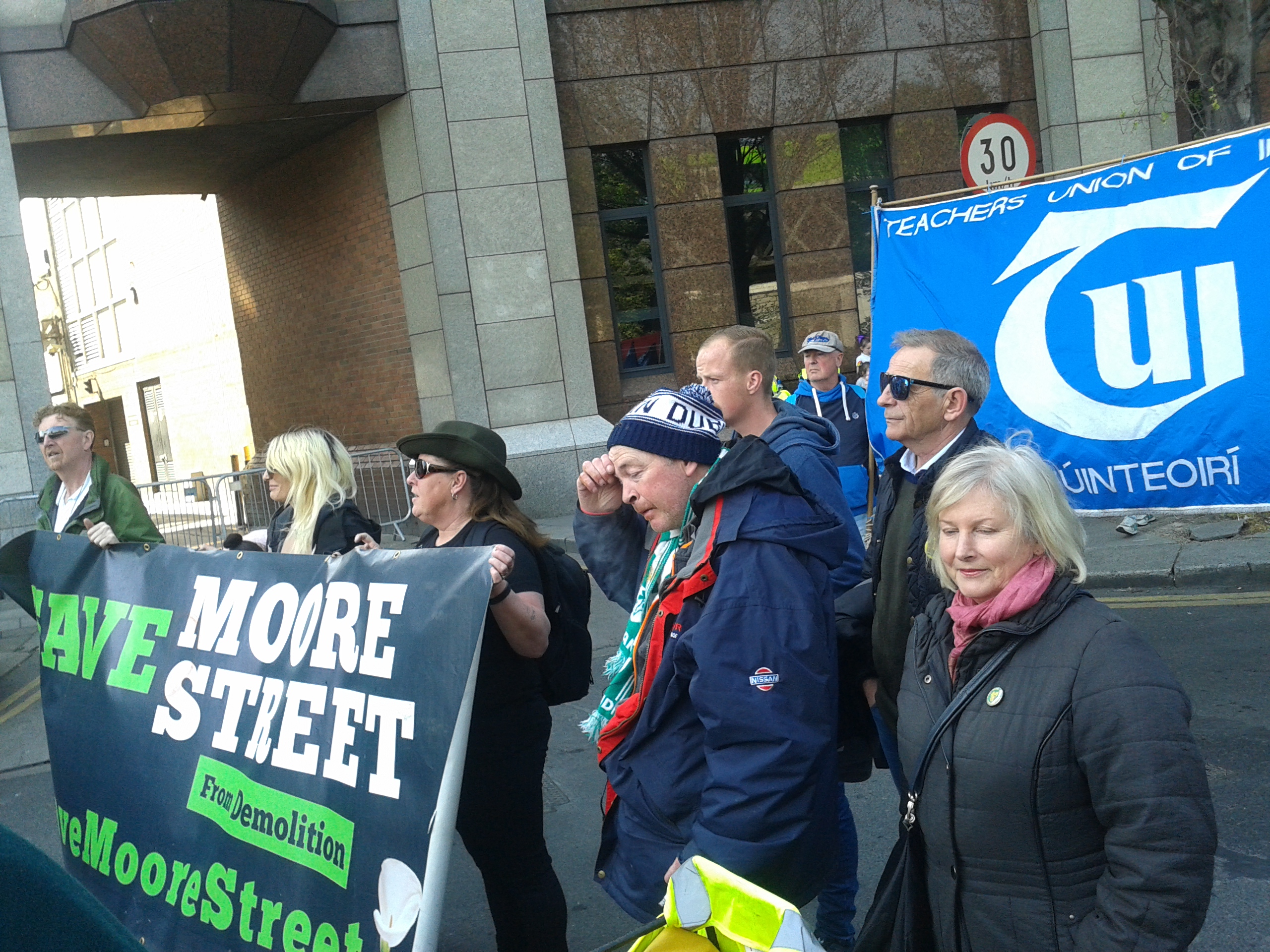
The Moore Street campaign banner was one of the campaign groups present on the parade and mentioned from the stage by the rally’s chairperson.
One of the speakers at the rally — she denounced the sale of private land including the deal done at O’Devaney Gardens estate in Dublin.

Somewhat later, the Independent Workers’ Union held their own event, marching with a colour party from their offices to James Connolly monument, also in Beresford Place and across the road from Liberty Hall.

IWU event colour party at Connolly Monument

Damien Keogh chaired the event and introduced veteran campaigner Sean Doyle who gave a short and to the point speech about the situation in which working people find themselves today and ending with a quotation from James Connolly, in which the revolutionary socialist castigated those who claimed to love Ireland but could tolerate seeing poverty and deprivation among its people. Doyle also sent solidarity greetings to the Palestinian political prisoners on hunger strike in Israeli jails.

Paul Bowman was then introduced and in a longer speech covered Connolly’s time in the USA, his membership of and activities of the IWW (“the Wobblies”); the Haymarket Incident in Chicago which led to the choosing of May 1st as International Workers’ Day and the state murder of the Haymarket Martyrs; the principles and attitude of the IWU today.

Another Moore Street campaign banner and supporters in period costume also participated in the IWU event
Some random tourists, one form London and the other from Madrid, who chanced to pass by and remained for the whole ceremony.

Damien then introduced Diarmuid Breatnach to sing “We Only Want the Earth” (an alternative title to the original of “Be Moderate”). Breatnach explained that the lyrics had been composed by James Connolly and published in a songbook of his in New York in 1907 without an air. As a consequence the lyrics have been sung to a variety of airs but Breatnach said he sings it to the air of “A Nation Once Again” (composed originally by Thomas Davis some time between 1841 and 1845). This arrangement provides a chorus and Breatnach invited the audience to join in the chorus with him, which they did.

We only want the Earth,

we only want the Earth,

And our demands most moderate are:

We only want the Earth!”

A wreath was laid at the monument on behalf of the IWU by Leanne Farrell.

The chairperson then thanked those in attendance, speakers and singer and invited all back to the offices of the IWU in the North Strand for refreshments.

End.
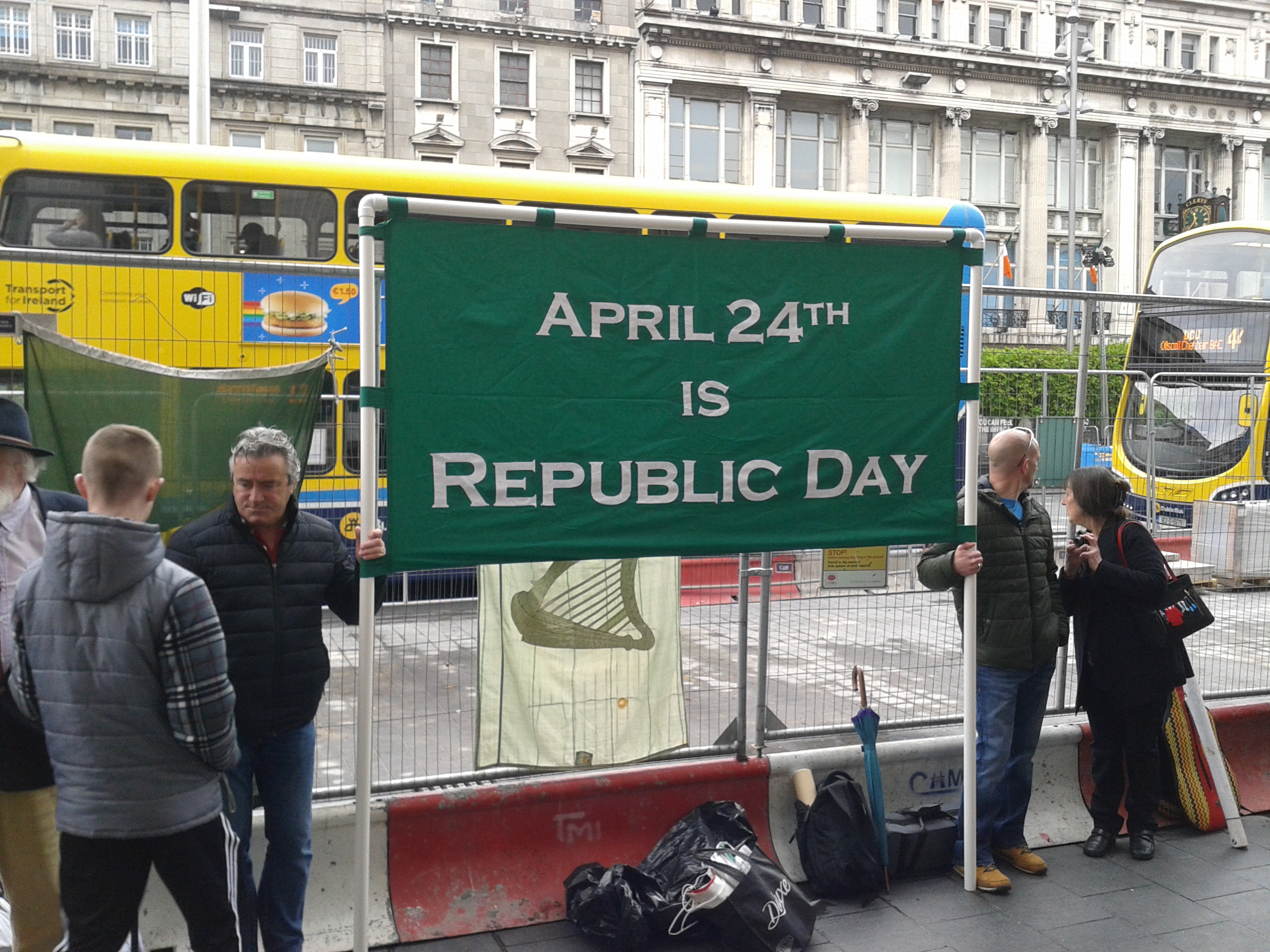
REPUBLIC DAY CELEBRATION HELD IN DUBLIN FOR EIGHTH CONSECUTIVE YEAR


Diarmuid Breatnach


On Monday 25th April people gathered in front of the General Post Office building in Dublin city centre. The occasion was the commemoration and celebration of the reading of the Proclamation of Independence by Patrick Pearse outside that same building, shortly after the 1916 Rising had begun under his overall command. Standing nearby during the reading had been James Connolly, Commandant of the GPO Garrison and also commanding officer of the Irish Citizen Army. Both were executed by the British weeks later for their part in the Rising, along with another thirteen (twelve in Dublin, one in Cork) and months later Roger Casement was tried in civilian court in London and hung.
 

Tom Stokes, who has been a chief organiser of this event since 2010, opened the proceedings, addressing the crowd and the flag colour party. He reminded his audience that in 1917 it had been Republican women who had organised the 1916 commemoration, printing many copies of the Proclamation and pasting them around the city, also defying British military law to gather outside the GPO to mark the events.

Tom Stokes speaking at the event outside the GPO (photo: D.Breatnach)

Among the reasons for this given by Stokes was that many Republican men had but recently been released from British prisons and concentration camps but also that the women had a special stake in the Republic for which the Rising had taken place – they in particular stood to gain from its achievement the status of citizens and many other changes in their status as a result.

So it was appropriate, Stokes said, to have women take prominent roles in the event, starting with Evelyn Campbell, who accompanied herself on guitar while singing her compositions Fenian Women Blues and Patriotic Games.

Evelyn Campbell performing (photo: D.Breatnach)

Following that, Tom Stokes gave the main oration, outlining his vision of a Republic and castigating the Irish state for what it had produced instead, in particular attacking its treatment of women and declaring that abortion was a private matter in which the State had no right to interfere.

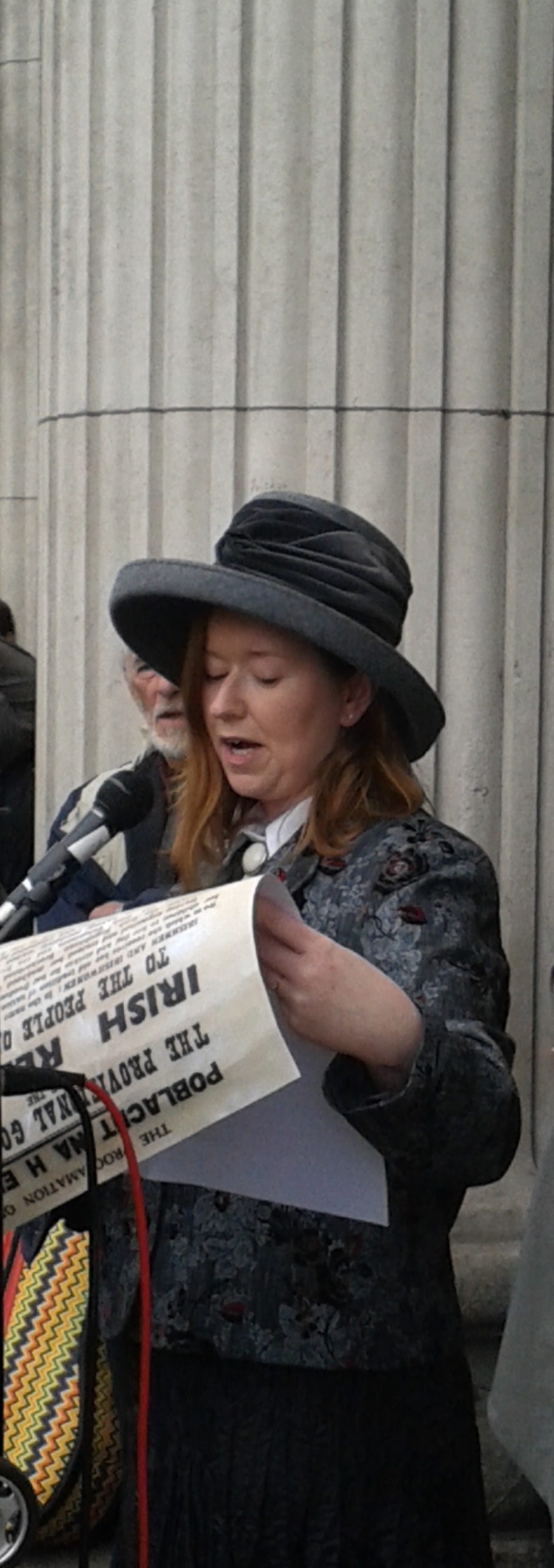
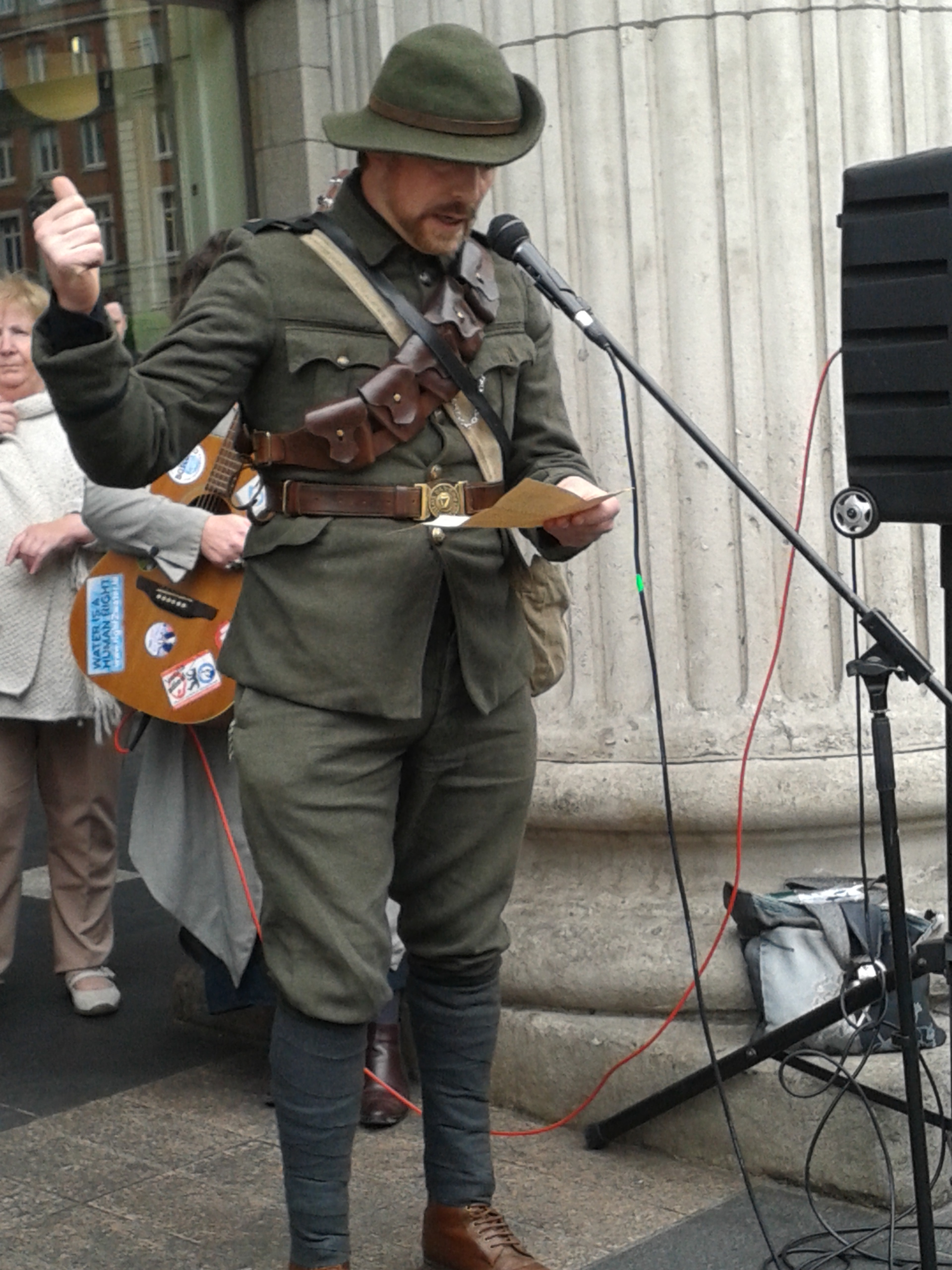
This was followed by Fiona Nichols, in period costume, reading the Proclamation and after that came Dave Swift in Irish Volunteer costume, reading a message given by a wounded James Connolly  (he had been injured Thursday of Easter Week by a ricochet in Williams Lane while on a reconnaissance mission).

Fiona Nichols reading the 1916 Proclamation.
(photo: D.Breatnach)

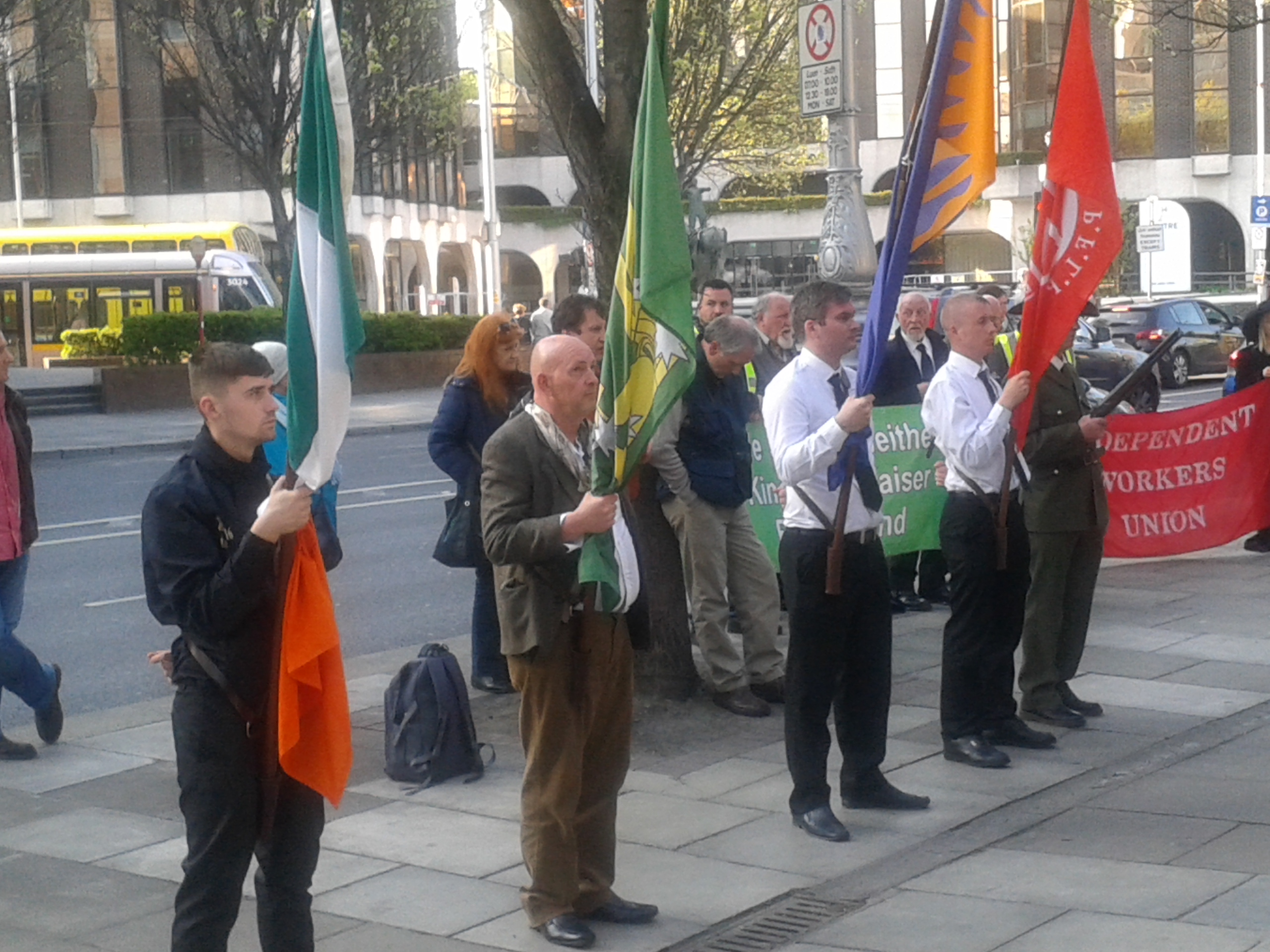
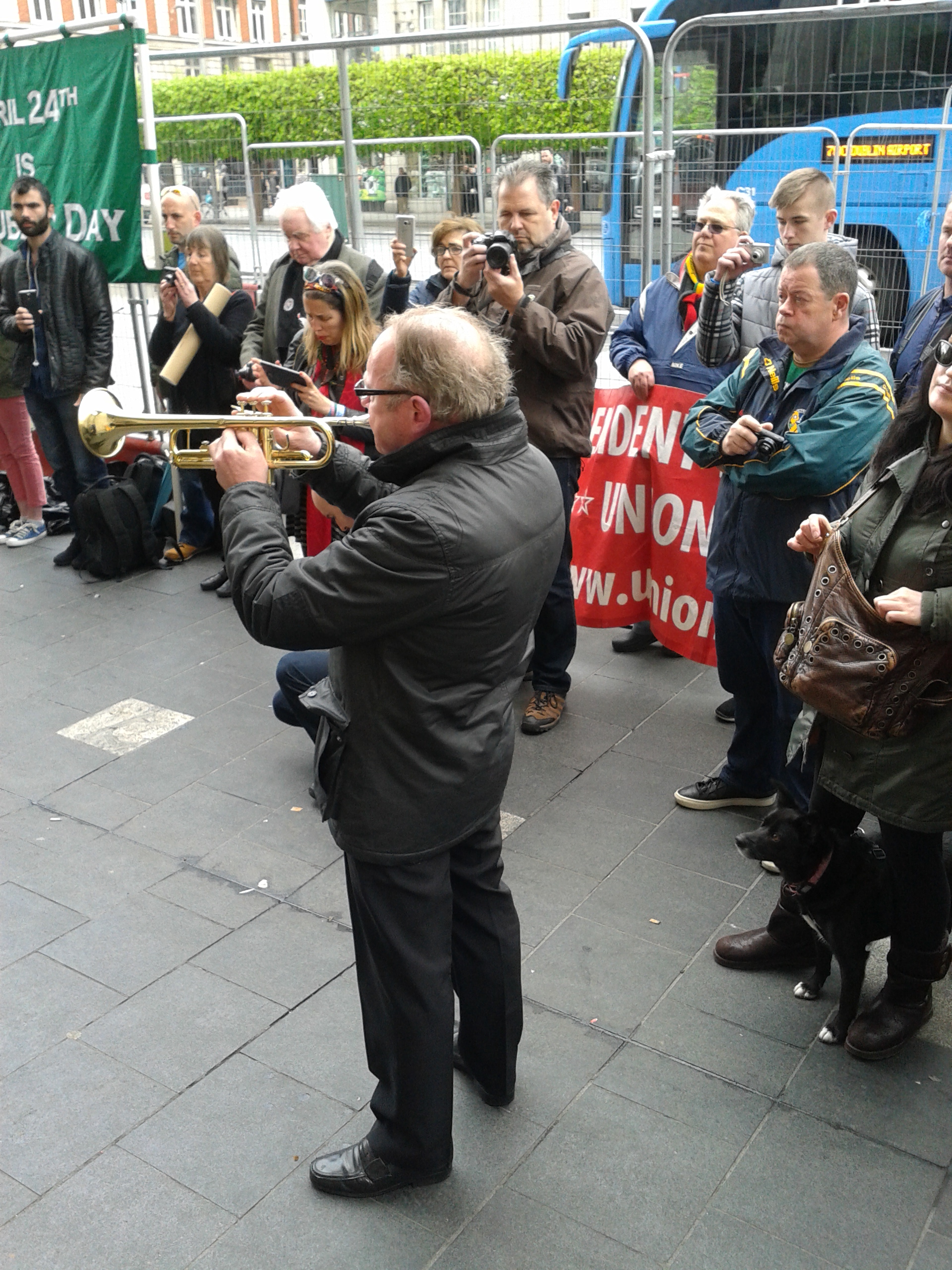
Cormac Bowell, in period Volunteer costume played an air on the bagpipes, Fergus Russel sang The Foggy Dew, Bob Byrne sounded The Last Post on the bugle and Evelyn Campbell came forward again, this time to accompany herself on guitar singing Amhrán na bhFiann.

Cormac Bowell playing at the event.
(photo: D.Breatnach

Tom Stokes thanked the performers and everyone else for their attendance and said he hoped to see them all again on the 24th April 2018, which will be a Tuesday. He said it was his wish that this day be an annual National Holiday and they had started the annual celebration because no-one else was doing it.

Some of those present marched to Moore Street with a Moore Street campaign banner, taking the GPO Garrison’s evacuation route on Friday of Easter Week through Henry Place, past the junction with Moore Lane and on to Moore Street, where Dave Swift, still in Irish Volunteer uniform, competing with the noise of construction machinery coming from the ILAC’s extension work, read the Proclamation before all dispersed, leaving the street to street traders, customers, passers-by and builders.


A chríoch.


Bugler Bob Byrne sounding The Last Post.
(photo: D.Breatnach)
Dave Swift reading Connolly’s statement after he had been wounded. (Photo: D. Breatnach)


RENOWNED COMPOSER CHOOSES DUBLIN FOR WORLD PREMIER OF HIS MOST FAMOUS WORK

Diarmuid Breatnach


On 13th April 1742, Dublin City heard the world première of the Messiah oratorio (a bit like an opera but not quite), composed by George Frideric Handel. The choice of Dublin shows the importance the city had in the European Anglo world, probably second only to London at that time, the city in which German-born-and-raised Handel had based himself.

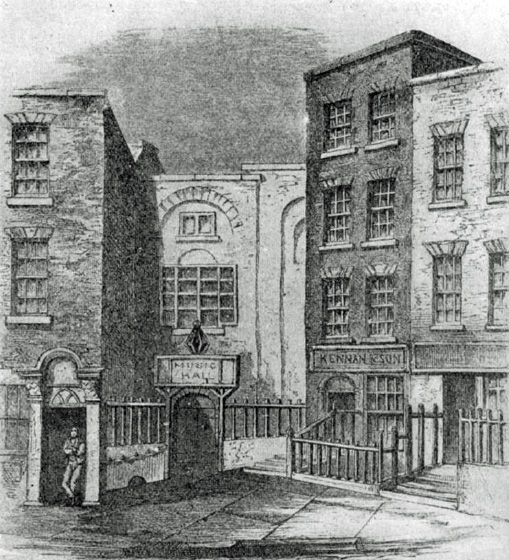
A drawing representing the Great Musick Hall in Fishamble St (image source Wikipedia)

It may be also that Handel wished to remove himself from Anglican Church criticism and interference in of work built on religious material, problems he had encountered in London.

Incidentally, there is a tradition that Handel also played the organ in St. Michan’s (Protestant) church in Church Street (but not the organ that survives there today).

The oratorio was written in English, something of rupture in Handel’s work which had been firmly based in Italian-language opera. However, the fashion in London was changing and Handel gave in to it, writing first Esther in English, then the Messiah. The somewhat radical Englishman Charles Jennens wrote the libretto (like a script or text passages) for Handel to work in the musical score.


A COLONIAL CITY

Dublin in 1742 would have been primarily English-speaking, with pockets of Irish-speakers from the surrounding countryside and further afield, with linguistic artifacts of Irish and Norse audible in the English spoken by the lower social orders in the city, some of which survive to this day.

Ireland was then recovering from “the Irish Famine of 1740–1741 (Irish: Bliain an Áir, meaning the Year of Slaughter) in the Kingdom of Ireland, (which) was estimated to have killed at least 38% of the 1740 population of 2.4 million people, a proportionately greater loss than during the worst years of the Great Famine of 1845–1852.

The famine of 1740–41 was due to extremely cold and then rainy weather in successive years, resulting in food losses in three categories: a series of poor grain harvests, a shortage of milk, and frost damage to potatoes. At this time, grains, particularly oats, were more important than potatoes as staples in the diet of most workers.

Deaths from mass starvation in 1740–41 were compounded by an outbreak of fatal diseases. The cold and its effects extended across Europe, but mortality was higher in Ireland because both grain and potatoes failed. This is now considered by scholars to be the last serious cold period at the end of the Little Ice Age of about 1400–1800.” (Wikipedia).

Of course, it would not be the primary sufferers of famine, the poor (and largely the natives) who would attending the event and this was made clear by the advice to prospective audience members to leave their “swords and hoopskirts” at home so as not to overcrowd the premiere.

The main elements of the Penal Laws were still in place in 1742 and the Irish Parliament in College Green admitted only Anglicans, thereby barring representation not only from the huge majority of the Catholic faith but also from the next largest group, the Presbyterians and all the other ‘Dissenter’ groups.

However, the audience for the premiere may well have had wide representation from the higher social classes in Dublin across religious lines. Handel was, after all, a superstar!

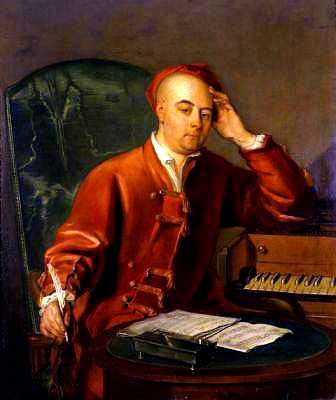
George Friderik Handel without his wig
(Image source: Internet)

A tradition arose over the years for audience members to arise as the Halleluyah chorus begins. This is based on a belief that King George was so impassioned by hearing it that he stood up, obliging the audience to do so too so as not to remain seated when the King was standing. Of course, knowing the reason for that tradition would be enough to to keep any democratic republican firmly seated. But apparently the story is without foundation and it is not even certain that the murderous Royal was even present at a London performance.

The Messiah was performed in the Great Music Hall in Fishamble Street (see video by Wayne Fitzgerald — https://www.youtube.com/watch?v=HHWDJjS_JkU — the white arch is all that remains of it today). That street was a busy medieval one, close to what was the seat of foreign domination since the Norse built their fortifaction by Dubh Linn some time around 841. The Normans, after driving them out in 1171 and banishing them to Oxmanstown, constructed their own castle there in increments as they gradually became the “English” and remained in formal control until 1921.

I watched (if that’s the right word) a performance of the Messiah some years ago in St. Patrick’s Cathedral, not far from Fishamble Street. I had bought tickets only as a favour to a friend visiting Dublin and I was really impressed with it. The performers often stood on the pews to deliver their lines and I remember, despite my atheism, being uncomfortable with this – cultural conditioning runs deep!

No wonder the oratorio was a raging success in Dublin in the 1740s and since. At the Dublin performance, “the alto soloist, Susanna Cibber, was an actress who had attracted scandal in the past, but legend has it that her emotional performance of ‘He was despised’ moved Dr Patrick Delany – the husband of one of Handel’s most ardent champions – to exclaim ‘Woman, for this, be all your sins forgiven’” (!)  It took the London higher classes a little longer to take to the oratorios but they did so in time.  One is reminded of Shaw’s comment that went something like this: “No-one could accuse the English of failing to note a work of genius — providing someone was kind enough to point it out to them.”


End.


SOURCES
https://www.bsomusic.org/stories/5-things-you-might-not-know-about-handels-messiah.aspx

https://en.wikipedia.org/wiki/Irish_Famine_(1740–41)

https://www.gramophone.co.uk/feature/the-story-behind-the-triumphant-premiere-of-handels-messiah


PLAIN-CLOTHES POLICE OFFICER SHOT DOWN IN DUBLIN STREET


Diarmuid Breatnach

He’s up there if you want him …. on the footpath.”

On 14th April 1920, a man in plainclothes was shot by another, also in plain clothes, in Camden Street, Portobello, on the south side of the city and not far from the centre. A passing motorist rushed the gunshot victim to the nearby Meath Hospital but he died there.

The victim was Det. Constable Harry Kells of the Dublin Metropolitan Police, a man of 41 years of age who lived in No. 7 Pleasant Street, i.e very close to where he was shot. He was married without children.

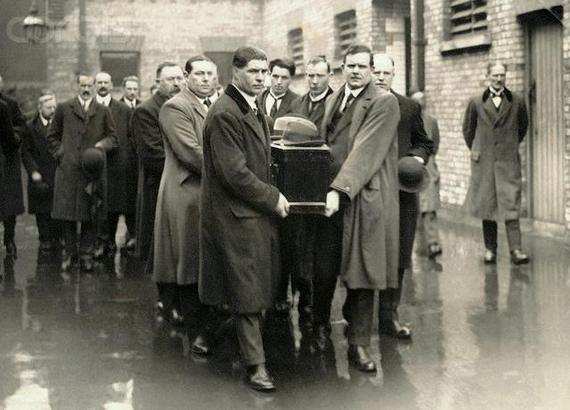
Funeral party of DMP colleagues of Det. Constable Kells, with the coffin holding his remains.
(Source: irishconstabulary.com)

Many reports say that Kells was a member of the DMP “G” Division, which were known as “the political police” (apparently both within the DMP and outside). However, “McRIC” in the irishconstabulary forum states that this is inaccurate and that the man, although recently promoted to plain clothes work, was rather in “B” Division and investigating a number of burglaries in the city.

From a number of investigations carried out it seems that this question may never be resolved but it is highly likely that Kells was at least in the process of being transferred to “G” Division. However, the reason for his killing is almost certainly much more specific. It seems that Kells had been reviewing identity parades in Mountjoy Jail in attempts to find the killers of British intelligence agent Alan Bell, who had been assassinated on the 27th March. While engaged in this work, he had been identified by Peadar Clancy1, Vice-Commandant of the Dublin Brigade of the IRA, who sent a note about him to Michael Collins, who put the execution order on Kells.

It is worth noting that Republican prisoners in Mountjopy had also been taking part in a hunger-strike at that time in protest at removal of political status while detained without trial. Ironically, 90 prisoners were released on the very day Kells was killed.

Peadar Clancy, who got the word out to Collins about Kells working Identification parades in Mountjoy Jail, Dublin. (Image source: Wikpedia)


THE LARGEST RAID EVER CARRIED OUT BY BRITISH TROOPS IN DUBLIN

“Aul Decency”, posting on Dublin Forum.ie on 31st March 2012, drawing on April reports in the Irish Times and New York Times, says that the incident “was the cause of the largest raid ever carried out by British Troops in Dublin.”

According to “Aul Decency”: “Two of those sought in connection with Kells’ killing were Sinn Féin members Michael and William Kavanagh who lived at 5 Pleasant St., who had previously been “fingered” by Kells, and it was thought they would seek refuge among friends in the neighbourhood. The troops swarmed over Camden St from Cuffe street and into Portobello and the homes of the local Jews2. Over 100 people were arrested that day but Kells’ killer was not among them.”

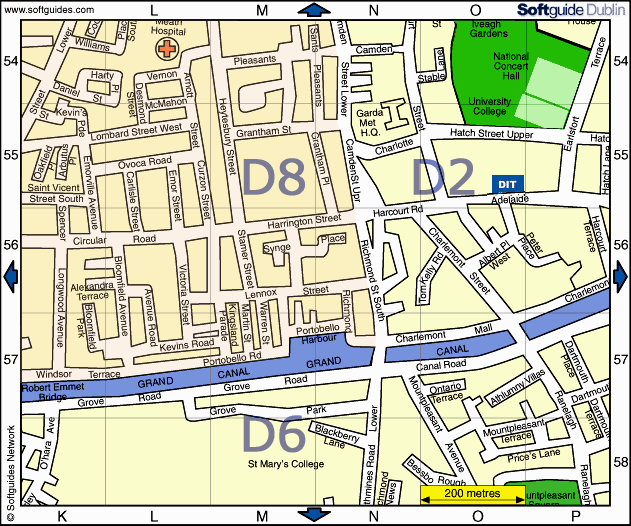
Portobello area map today,  Camden Street is a longish one right between the D8 and D2 legends.   Pleasant St. is off Camden St. to the left, near the top of the image. (Source: Internet)


This “fingering” had in fact been carried out after the 1916 Rising when Kells reported that the brothers had been seeing changing into Volunteer uniforms in the house, information which had resulted in at least one of the brothers ending up in Frongoch concentration camp that year and losing his job.

It is enough perhaps to know that Kells was killed by Republicans and the probable reason but we can go a bit further, drawing on The Squad by T. Ryle Dwyer (quoted in irishconstabulary.com) where Paddy Daly of the Squad is quoted about the operation to kill the police officer:

On our way we picked up Hugo MacNeill, a nephew of Eoin MacNeill3 the initial President of the Irish Volunteers. He was not a member of the Squad but he asked to come along.

We divided up into patrols of two4, MacNeill was with Joe Leonard. ODaly said he heard a couple of shots, and saw MacNeill sauntering down Pleasant St. as if nothing had happened.

What was the shooting about? O’Daly asked.

Kells is up there if you want him, MacNeill replied.

Where?O’Daly asked.

On the footpath‘, replied MacNeill.

Det. Constable was the third police officer to be killed in Dublin so far in 1920 in a war between the British occupation forces and the IRA, in which not only police officers but intelligence agents and British soldiers on one side were killed and, on the other, Volunteers, active Republicans, sympathisers and uninvolved civilians. Of course the war was going on in many other parts of Ireland but it is often forgotten that among those areas subject to martial-type law were Dublin County and City, where had been the HQ of the British occupation since 1171: Dublin Castle.


SOURCES:


http://www.dublinforum.net/forum/showthread.php?t=2110&page=3

http://irishconstabulary.com/topic/1477#.WO6mGEvb-_s

https://en.wikipedia.org/wiki/Timeline_of_the_Irish_War_of_Independence

http://www.irishmedals.org/r-i-c-d-m-p-k-i-a-.html

1Peadar Clancy was one of two Volunteers and one civilian who were tortured by RIC Auxiliaries in Dublin Castle and killed on November 21, 1920 (Bloody Sunday).

2Portobello had a Jewish quarter at that time. Some of the residents are reputed to have been active in the resistance movement and a number had been on strike or locked out in 1913.

3He who had on Easter Saturday 1916 issued the cancellation order for the Rising.

4According to testimonies by Squad members, working in two groups of two was standard procedure. Typically each pair would take one side of the road. Once the assassination was carried out, the two who had not done the killing would cover the escape of the two who had.

AN EASTER STORY


Diarmuid Breatnach

There are many different kinds of Easter stories – religious ones, or about Easter parades and processions, ones about family reunions, Easter egg hunts, even holidays …. this isn’t one of those.

The man, let’s call him Jeremiah or Jerry for short, stood outside the pub on a Sunday afternoon and struggled to quell the apprehension threatening to flood his mind and body. It had to be done. He turned to his companion, who seemed to view everything through laughing eyes and was no different now. Brian had three teenage kids with him, two of his own and a friend of one of them. Hardly ideal, but Brian had turned up with them a little while ago and there was no-one to leave them with. Well, they’d be all right – Jerry would be the target and, after him, Brian. They wouldn’t touch the kids.

Best give me the bag, Brian,” he said and, receiving it, checked inside. The stuff was there. Of course. Jerry folded the bag and stuck it under his jumper, under his coat.

He was focused on the tasks ahead but the trail that led them here had started days earlier. And, in some ways, years before that.

He squared his shoulders, turned and entered the pub. Brian and the kids followed.

**** **** ****

He had been at work on Friday afternoon when the call came from the Manager of the Irish Community Centre. Of course, he asked the staff to put it through to his office.

Do you know your event is in the newspapers?”

Something in the Manager’s voice alerts him that he is not being congratulated on the publicity.

The Easter Rising commemoration?”

Yes. It’s in the Evening Standard.”

Well, that answered the second question he had in mind.

No, I didn’t know. What are they saying?”

He knows what the British media are like and he’s got a sinking feeling.

It transpires that an Irish Republican organisation had put the event on their website, which had been noted by an Englishman who lost his son in the Omagh bombing of 1998. There are many questions to be answered about that bombing, both within the Republican and the State side, but for many years, not unnaturally, the father had been focused on the Republican group allegedly connected to the Real IRA, who had placed the bomb. In addition to his son, the bomb had killed 28 other people, the second-highest death toll for any day during the war in Ireland, the highest being the Dublin-Monaghan bombing of 1974, with a toll of 34. Jerry was aware that the 1974 bombings did not attract anything like the same media attention and understood the reason – they had been carried out by Loyalists under British Intelligence Service direction.

But what had all this to do with the Irish in Britain Representation Group in South London, and their Easter Rising Commemoration? Or with the Irish Community Centre? Well, the grieving father had noted the posting by the Irish organisation, noted the venue and rang, demanding that the event be cancelled.

I told him the commemoration is an annual event organised by an Irish community organisation and that there’s never been any trouble at it. I told him it has nothing to do with that Republican organisation …. it doesn’t, does it?”

No, it’s just us, the local Irish in Britain Representation Group branch. But surely any organisation is entitled to advertise the event?” replies Jerry.

Jerry is noting doubt in the Centre Manager’s voice responding to him. He is on the receiving end of huge pressure, working in his office, alone.

He wanted me to cancel the booking and I said I couldn’t do that,” said the Manager.

The grieving father had got on to the local authority, who replied that the event was the business of the Irish Centre. The father then contacted the media, who rang the local authority again and this time, instead of sticking to their original line and weathering what would be a short-lived storm, and without phoning the Centre Manger, their spokesperson condemned the event and stated they would be asking hard questions of the Centre, which they part-funded.

Jerry reads all this again when he slips out to get a newspaper. He feels for the beleaguered Centre Manager but can do nothing. It’s too late to contact the newspapers because the story is published. The event is to be held that evening. It has been advertised in the local area and in the Irish Post, the main newspaper at the time for the Irish diaspora in Britain. And in any case, one cannot – should not – give in to intimidation, coercion. The community had mostly caved under the Prevention of Terrorism Act in 1974 and had not really rallied again until the Hunger Strikes of 1981. The event must go on.

Jerry heads home, thinking about additional security needed on the door for the event, composing replies to the local authority, a letter in the newspaper ….

The IBRG Ard-Choiste, its governing body, had withdrawn its support of the Time To Go coalition in Britain some years earlier because of undemocratic maneuvering by some left Labour politicians, along with the sidelining of specific Irish community concerns. They had not been alone: Stop the Strip Searches Campaign and the Troops Out Movement had pulled out also, leaving the tiny Labour Committee on Ireland, the Socialist Workers Party and Communist Party of Great Britain to be supported by only the Wolfe Tone Association (SF support group in London) and the Connolly Association (linked to the CPGB) among the Irish campaigners .

Later, in 1998, the IBRG had been divided on the Good Friday Agreement. It was not the issue of continuing or ceasing the armed actions of the IRA that had been the source of the division, rather the acceptance of colonial rule, albeit claimed to be for tactical reasons only. A majority within the IBRG came out against the Agreement and that was in accordance with Jerry’s position too.

Although he supports none of the Republican groups opposing Sinn Féin, he has heard whispers in the Irish community at various times associating him with this or that group. This might well be feeding doubts in the Centre Manager’s mind.

Jerry is in a more difficult position than might seem. He is not only Secretary of the local IBRG branch that has organised the event and is affiliated to the Community Centre, but also the Chairperson of the Irish Centre’s Management Committee itself. The Management Committee is the Centre Manager’s employer and has a duty of care to him. And after nearly a decade of campaigning for the provision of the Centre and the meagre funding it receives, no-one on the Committee would want to antagonise the local authority.

But it was the IBRG branch itself and in particular the Irish Pensioners’ Association which was then a part of it, which had won the provision for the community in the end. And Jerry had been part of the campaign, elected as Chairperson of the Steering Group in the years while renovations of the building and available funding were discussed, elected Chairperson for the first six months after the Centre opened and at the Annual General Meeting for every year afterwards. In fact, recently Jerry had been trying unsuccessfully to step down, to ease a replacement into his position.

On the train from London Bridge on the last leg of his journey home, Jerry reflects ruefully that this controversy might cause his stepping down, which was hardly the way he had anticipated his leaving. No stepping back slowly, supporting someone new in position and easing himself out. No – thrown out instead! That would of course imply he had done something wrong, which he hadn’t and that the IBRG had been wrong to commemorate the Rising, which they hadn’t either. Ironically, if moves were made now to replace him, he’d have to fight them.

**** **** ****

Before he arrives at the Irish Community Centre, Jerry looks carefully around the mostly residential street. Nothing seems threatening but can one be sure? He is carrying the IBRG’s branch’s banner, wrapped up in black bin liners, which makes him a visible target if someone’s searching. On the other hand, one of the poles of the banner is loose within the bundle, in case of need ….

He drops the Centre’s keys in his nervousness and enters, disabling the alarm and turning quickly to retrieve the keys and lock the door. Then, into the hall, to begin arranging some of the material ….

He is anxious for some of the IBRG members to arrive but jumps when the doorbell rings. Checking through the fish-eye spyhole, he is surprised to see one of the Irish Pensioners, who lives locally.

Opening the door and ushering her in, he locks the door behind her, saying apologetically “There’s only myself here so far.”

Are others coming?” she asks – she has read the newspaper and unerringly touches Jerry’s main fear at the moment.

I’m sure they are, Ellie. What are you doing here so early?’

I thought you might need some help.”

Jerry is touched straight through to his heart but has to refuse. He can’t have her here if there’s an attack with no-one else but himself to defend her.

Oh no, Ellie that’s very kind of you. But I kind of know what I have to do and explaining it to others will just take longer and make me flustered. You know how it is. Thanks a lot. Besides the others will be here soon. Come back when we’re open …..” he trails off guiltilly.

Still, she goes and he heaves a sigh of relief, at the same time feeling shame.

But there’s work to be done.

A scattering of volunteers arrives over the next half hour. The reception table is set up in the lobby, to sell tickets and distribute leaflets. Hidden behind, are the lengths of wood in case of attack by one of the British fascist groups. Up goes the green-white-&-orange bunting, portraits of the executed 1916 leaders, enlarged copies of the 1916 Proclamation. At the back of the stage, facing the hall, the large artwork Jerry made a few years ago of green, white and orange flames bursting from the date 1916. And the IBRG branch banner.

The stage is ready for the band, a group called The Mc ____ Brothers, who play Irish ballads, including Republican material. Water jug and glasses for the speakers. Tables and chairs rearranged on the hall floor (the part-time Caretaker had laid them out but Jerry always prefers a more “club” arrangement, of smaller tables spaced apart surrounded by some chairs).

By the time the opening hour arrives, Jerry is sweating but it is the sweat of work, not of fear or apprehension. The hall looks good. People are starting to arrive. Maybe he can relax now. Maybe. Brian is on the door with others close by.

The event is a bring-your-own-alcohol one and Jerry and others in the lobby spend some time directing people to the nearest off-licence, so that people are coming in, going out, coming in, sitting in the hall …. Jerry is scanning their faces, looking for possible sources of trouble.

An hour later and the band has not arrived. Pol phones them but gets no reply. Phones their manager but no reply either. Another hour later, the reality dawns on the organisers. The band will not be coming. They have seen the newspaper and decided to look after their safety. But they haven’t even bothered to tell them.

The organisers confer, after which Jerry mounts the stage, calls for attention and begins to speak.

A Chairde Gael agus a chairde ó thíortha eile, go raibh míle maith agaibh for coming here tonight to commemorate the 1916 Easter Rising with us. This is a hugely important event in Irish history and indeed in the history of the world and the local branch of the IBRG has been not just commemorating but publicly celebrating this historic event every year for some time now.

But we are very sorry to say that we have some bad news for you now. Some of you will know that very recently pressure was put on us to cancel this event but that we refused to do so. Pressure was put on the Irish Centre to cancel the event which they also and rightly refused to do.

That the British media would attack us is no surprise, they have been doing that for years. But that the local authority’s spokesperson should bow down to them and, without consulting with us, imply that we are doing something wrong here, that the Centre should not have taken our booking, is something else.

And worst of all, that an Irish band, which makes a living playing Irish ballads, should allow themselves to be scared off and not even have the decency to ring us – well, I don’t really have the words to tell you what I think about that.

So, a chairde, we offer you your money back and no questions and our sincere apologies. However, those of you who wish to remain are welcome to do so and we’ll make our own entertainment with a few songs …. we have a guitar player here …. another man plays a whistle …. But please, you are entitled to your money back and those who wish to please go to the table in the lobby now.”

As though he had been primed to do so (but Jerry knew he had not), a middle-aged Irishman at a table nearer the stage jumps up and shouts: “NO! We will not ask for our money back! We’re not going to be chased out by no British newspapers!”

A round of applause from the audience and a few cheers greet his outburst. And just like that, the evening is saved.

The guitarist plays some numbers and sings. Jerry gives an abbreviated oration and sings a few ballads. The whistle player plays some tunes. People sing along to songs. They drink, chat and buy raffle tickets. One of the raffle prizes is auctioned by the winner, a local publican Jerry had been surprised to see in the audience. The money goes into the takings. At the end of the evening, as they finally cajole the last of the audience out of the Centre (still with a wary eye on the street) and finish cleaning and tidying up, they count the takings. Financially, it has been their most successful evening ever, especially since they didn’t have to pay a band.

But the band ….. their action and lack of notification have left a sour taste in the mouths of the organisers. And during the evening, they learned that the Mc___ Brothers are booked to play at an Irish pub, on Sunday afternoon, just two days away. And only a five minutes’ drive from the Irish Centre.

**** **** ****

A council of war decides that the bar will be visited, Jerry will mount the stage (“you’re our best speaker”) and present the band with white feathers, symbolising cowardice. Some can’t be there. One or two think it will be dangerous. Brian, Pol and Jerry think it’s a good plan — so then they just need some white feathers. How hard can it be to get some?

Visits to duck pond parks yield none. The quaysides along the Thames show no seagull feathers. Brian drives to the coast and walks some beaches – and finds a couple of wispy ones. In desperation on Sunday morning, they burst open a pillow and drag out a handful of feathers. They are small, not at all like the large ones they had envisaged presenting to the band but they are white and they are feathers. Into the plastic bag they go and then Brian is driving Jerry and the kids to the pub. Brian has remarkable personal resources and has been through some very serious situations so this might be small potatoes to him …. but Jerry’s guts are churning.

Some faces in the pub turn to look at them as they enter. Jerry has been here before only once but a number of the clientele are known to him from other pubs and events. And he is probably known to more of them, as Chairperson of the Irish Centre. A few catch his eye and he nods at them, keeping his face impassive.

Do they know that the band playing here let down the audience two days ago? Of course they do …. or at least many would. This is the Irish community in SE London. Besides, the Manager of this bar, Kate, until recently worked for the publican who auctioned the raffle prize at the event on Friday night. At least one of them was there that night too.  Are they wondering what Jerry intends to do?

The band, which Brian has taken to calling the “McChicken Brothers”, is already playing on stage. Jerry had meant to get here before they got on but the feather search had been a delay. To get in front of them now might be resented by the audience and anyway, the band’s control of the microphones could drown out what needs to be said. Jerry goes to the bar, orders pints for himself and Brian and soft drinks for the kids, stitches a smile on his face and chats to Brian. And they wait.

Eventually the band takes a break and Jerry waits tensely for the indication that they are returning for the second half of their gig. When he sees them coming he nods to Brian, whose job is to fend off anyone attacking him before he has finished.

Just as the band reach the low stage but have yet to mount it, Jerry jumps up on it and begins to speak in a loud voice.

Ladies and gentlemen, your attention for a moment please!” EVERYBODY turns to look.

These musicians here were booked to play at an Easter Rising commemoration at the Irish Community Centre on Friday. They didn’t turn up. They left the audience (ok, bump up the figures a little!, he thinks) — 200 people – and the organisers stranded. And they didn’t even have the decency to tell us they weren’t coming. They ran scared, my friends, from lies in the British press.”

Jerry has the plastic bag in his hand and now dips into it, withdrawing a handfull of fluffy little white feathers.

Shame on you!” he says, facing the band members. “And this is what we think of you!”

So saying, he tries to throw the bunch of feathers at them but they erupt in a cloud between them, some clinging to Jerry’s hands. No matter, it is done. He steps off the stage and heads for the door, hoping to make it before anyone tries to stop him, before Brian has to get into physical stuff.

Surprisingly, someone shouted “Hear, hear!” and there had been a scattered round of applause.

Outside, they head for Brian’s car. A man comes running out and Brian steps forward to confront him, Jerry getting ready too, the kids behind him. Kate, the Manager, comes running out too and grabs the man. She says some things to him and he goes back in reluctantly, Jerry thinking the man doesn’t know how lucky he is that he didn’t tangle with Brian. Then Kate comes up to Jerry, shaking with anger, her face white.

You had NO right, NO right to do that in my pub!” she says.

We couldn’t let them get away with that, Kate,” Jerry replies.

Anywhere else. Not in my pub,” she says again.

The adrenaline is now seeping away and Jerry knows that his leg will start to shake soon. He feels a little sorry for Kate but needs to get away.

Sorry, Kate, that’s where they were,” Jerry replies and turns to go.

Don’t ever come in my pub again,” she calls out at his back.

**** **** ****

Many things were probably said in the local Irish community about the IBRG branch before and after that incident but probably that action contributed to an estimation that whatever you might think of them, they stood up for themselves and didn’t back down. That and their annual Children’s Irish Hallowe’en Party, their weekly Children’s Irish Art and History Group, their participation in the South London St. Patrick’s Day Parade and their occasional dramatic productions earned the small group a kind of respect in the local Irish community, a community often quite conservative in social outlook, often insular, often riven by jealousies and back-biting.

One night two weeks after the 1916 commemoration, there was a crude arson attempt on the Centre – a bottle with accelerant leaned against the front door and set alight. It burned a hole in the door and set off the fire alarms. Jerry, as a keyholder, got a call to attend from Ellie. The police were already there and Jerry dealt with them politely. Any enemies? they asked. Jerry wondered whether he should give them a list.

My guess is some British far-right group”, he replied, very glad that back in the Steering Group days, he had insisted on all the windows being covered with wire mesh panels, thinking of possible rock or even petrol bomb attack.

The police suggested they look through a list of recent attendance at the Centre. Jerry politely refused. Security provisions were made at the Centre.  Nothing came of whatever investigations the police carried out and Jerry was not surprised.

Media attention went away and the local authority didn’t take the matter further. Jerry wrote a letter to the Irish Post, denouncing the pressure applied against the IBRG and the Irish Centre and which might even have encouraged the arson attack. He did so under an assumed name because, as Chairperson, he wished not to implicate the Centre in his denunciation of the craven action of the local authority spokesperson. The beleaguered Centre Manager did not see it that way, assuming that Jerry was trying to have his say while avoiding responsibility.

When, a number of years later, in a heavy round of cuts in expenditure, the Centre’s main funding, the Manager’s and caretakers’ salaries were targeted in the local authority’s budget, Jerry led the Management Committee in a campaign of resistance. They picketed Council meetings and drew up lists of elected Councillors to lobby. Irish musicians and children in Irish dancing school costumes were brought to perform in front of the Council offices, leading to photographs in the local press. The Pensioners’ Association, amicably separated some years earlier from the IBRG branch, played a prominent part once more. Some local English people came forward to support the Centre’s case. Jerry prepared a submission for the IBRG branch and spoke to it at a Council meeting. Eventually, their meagre funding, the removal of which would have meant the closing of the Centre except for sporadic events, was saved.

Jerry didn’t go back to that bar where he had confronted the “McChicken Brothers” for about a year after that incident. When he did, he wondered whether he’d be served. He was — but it was another two years before Kate spoke to him again.

End.