Basque independentist militant Itxaso Zaldua was arrested on Tuesday in Hernani, in the Basque province of Gipuzkoa and according to media is to be charged with complicity in the killing of a senior right-wing politician in 2001. She has spent only three years at liberty in the southern Basque Country after nearly twelve in a French jail and is now back in custody pending trial. Her arrest has been denounced by both wings of the Basque pro-independence movement but from different perspectives.
As according to the bilingual GARA newspaper Zaldua was not held incommunicado, i.e without access to friends and relations, lawyer or doctor of choice, it is not likely that she will be tortured. Until a few years ago the use of a variety of types of torture during the five-day incommunicado period under the “anti-terror” (sic) laws was the rule rather than the exception. However, all detainees charged under the terrorism laws of the Spanish State are always taken to Madrid for interrogation by the Guardia Civil and then for court appearance, the distance from their homes placing an additional burden on friends, relatives and supporters (it is 450 km from Hernani). Some of those will be given temporary accommodation and support by Madrid organisations in solidarity.
TWELVE YEARS IN JAIL
Back in April 2005 Itxaso Zaldua was arrested in the Lannemezan area of the Occitan region of the French state, along with her comrade José Segurola Querejeta. They were charged with membership of ATAKA (sub-structure of the armed Basque resistance organisation ETA), of which she was accused of leading and duly convicted and jailed in the French system (which also disperses political prisoners to jails throughout the territory).
Zaldua was released in 2017 and right-wing Spanish unionist organisations including the “Association of Victims of Terrorism”, many of their members relatives of Spanish police or military, complained at the traditional honouring reception she received upon her return home from French jail. Zaldua walked hand-in-hand with her young daughter down a street with well-wishers on both sides cheering, was presented with a floral bouquet, two women danced the aurresku (honour dance) before here and another shouted the irrintzi, the high-pitched yodeling cry reputed to have been a battle-cry (see embedded video) and the Eusko Gudariak (“Basque Soldiers”, similar to the Irish “Soldiers’ Song”) was sung by all.
2017-08-23, Hernani. Itsaso, euskal preso politikoa aske, ongi etorria. 23-08-2017, Hernani. Itsaso, presa politica vasca libre, recibimiento.
“TIME TO BE EMPTYING THE JAILS, NOT FILLING THEM”
The “official” Basque independentist movement responded quickly to the ex-prisoner’s new arrest: the Sare organisation convened a demonstration in Hernani the same afternoon demanding Zaldua’s release and the trade union works committee of her place of employed also denounced her arrest. The official movement’s political party EH Bildu (headed by Arnaldo Otegi), issued a statement that “It is time to be emptying the jails, not filling them,” a reference to the nearly 250 Basque political prisoners still in jail.
2020-07-21, Demonstration Tuesday afternoon in Hernani in protest at arrest of Itxaso Zaldua in the town earlier that day. (Photo sourced: Naiz.info)
The party’s statement called the arrest “another obstacle in the path chosen by this nation towards peace, coexistence and freedom; a path which, cost whatever it may, we are determined to follow”.
However the ‘dissident’ organisation Amnistia (Movement for Amnesty and Against Repression), which also condemned the arrest, issued a statement declaring that “There will be no peace until the reasons that are at base of the conflict are resolved and until all the militants who are punished as a consequence of said conflict are free.
Both organisations called the people to action, with EH Bildu referring to “the participation and activation of Basque society” and Amnistia in contrast stating that “the working class need to organize”.
“THEY WANT TO HUMILIATE THE BASQUE COUNTRY”
The Basque organisation ETA ended its armed struggle in 2012 as part of a unilateral bid for a peace process of the movement under the leadership of Arnaldo Otegi. However, a peace process requires the participation of at least both antagonists and the Spanish State has shown no interest in negotiation. Whatever one may say about such processes in Ireland or in South Africa, the resistance organisations in those countries ensured the freedom of their imprisoned members before they signed up to the deal. This was not so in the Basque case.
It is no doubt difficult for observers to understand why the Spanish State is now pursuing an ex-prisoner for alleged complicity in an assassination nineteen years ago when State has gained not only the ETA’s abandonment of armed struggle but even its dissolution. Nor is there any sign that Zaldua is a sympathiser of the “dissident” movement; the statements in her support from across the “official” movement and the speed of response is in stark contrast to the “officials’” response to the hunger and thirst strike of political prisoner Patxi Ruiz in May. Ruiz had denounced the “official” leadership some years ago and been expelled from the collective that leadership controls (and which precipitated the resignations of another four Basque prisoners in solidarity).
Ironically, it is the assessment of the “dissident” Amnistia which seems correct: “This arrest, like other previous ones, shows that the States (i.e French and Spanish) want to humiliate the Basque Country. By means of life sentences against a specific against a specific model of resistance, they want to intimidate the new generations that join the struggle.”
Itxaso Zaldua, photographed a year after her release from 12 years in French jails. (Photo sourced: Internet)
DIFFERENT PATHS
Whatever the eventual outcome of the judicial process against Zaldua in the no-jury National Court in Madrid, it is clear that the struggle against the Spanish State is far from finished in the southern Basque Country, though its armed stage seems over at least for the present.
The “official” leadership has been following an electoral path and quoting the support of external political figures such as Bertie Ahern, Gerry Adams, Kofi Anan, Tony Blair and Brian Currin of South Africa.
In the Euskadi regional government elections on Sunday in the southern Basque Country, the “official” party led by Otegi, EH Bildu, as expected came in second. The PNV, the Basque Nationalist Party, came in first and the PSE, Basque version of the Spanish unionist PSOE, in third place. Despite periodic approaches by the EH Bildu leadership, the PNV will govern the three provinces either in coalition with the PSE or in “confidence and supply” agreement with the party.
Even if EH Bildu in years to come were able to reach first place in Euskadi regional elections, what of the other region, Nafarroa? And the three northern provinces of the Basque Country, under French rule? And, even with an eventual majority in all seven provinces, if the Spanish State were still to deny independence, as it does with an independentist majority in Catalonia, what then?
Over to the Amnistia movement, which advocates street power: “If we are to achieve peace, it will come from the full implementation of total amnesty, with the unconditional release of prisoners, refugees and political deportees, with the expulsion of the occupation forces and with the overcoming of the reasons that pushed so many people to fight. That will be the only guarantee to end arrests like today and other similar repressive actions.”
That seems a realistic enough assessment. But as to how to achieve their objectives against the opposition of the Spanish and French states, neither section of the Basque independentist movement seems to have an answer.
End.
Workmates of Itxaso Zaldua at company CAF Besain demand her release. (Photo sourced: Internet)
Mick Healy of the Irish Marxist History Project was kind enough to interview me about some of the issues about which I have been active. Parts I and II were published together a couple of months ago and here’s Part III now.
Mostly its snippets about the founding of the Irish in Britain Representation Group, my involvement in the foundation of the Lewisham branch of IBRG in SE London and from there, the Lewisham Irish Centre. Also my participation in Kurdish solidarity and a trade union delegation to Turkish-occupied Kurdistan (the YPG placard photo is of me in Trafalgar Square, London a couple of years ago when I was over visiting kids & grandkids) and the anti-water charge campaign in Ireland.
Javier Ortega Smith, No.2 in the leadership of the fascist Spanish party Vox recently attacked the Basque language, he did more than reveal the hatred of the core of Spanish unionism for the diversity of national cultures currently in existence within the Spanish state – he revealed his abysmal depth of ignorance about how languages, including his own are formed. And got lambasted and ridiculed in comment even in some conservative media as also social media, especially in tweets.
“Vox in the Battle for Spain” (uncertain whether this meme is intended in irony or not). (image source: social media)Javier Ortega Smith, No.2 in the leadership of Vox, speaking at a party rally. (Photo source: Internet)
Vox was on an expedition into what is for them electorally virgin territory in the run up to the elections in the Basque Country Autonomous Region this weekend, where they have no elected representation at all. Far from what might have been expected, their presence and speeches seemed calculated to arouse hostility and expose their few supporters there to embarrassment.
Gaining the prize for generating hostility was Javier Ortega Smith, No.2 of the Vox party, speaking in Vitoria/ Gastheiz in Alava, one of the three provinces of the “Basque Autonomous Region”. Calling the second party in electoral strength in the region “terrorists” would cause little surprise, since EH Bildu is descended from Herri Batasuna, which was once associated with the armed group ETA and considered by some to be terrorists (by others, freedom fighters). But to say of the party of main electoral strength, the Basque Nationalist Party, that they are only “four cats”, equivalent in English to “three men and a dog”, this in a region where Vox has failed to get even one delegate elected …. well!
But Ortega Smith really put his hoof in it when he blundered into linguistics. “Asturian (language) is invented and Euskera (Basque language) also,” he declared, going on to declare that Batua, the standarised form of the Basque language, was formed “from dialects” of communities “who would not even have understood one another.”
Asturias, to the north-west of the Spanish state, with a population of around 1.02 million, is in some cultural expressions a Celtic nation but their language is of the Romance group, like Castillian (Spanish), with contributions from the Iberian-Celtic of the Astures tribe and later Germanic languages of the conquering Visi-Goths and Suevi. Euskera, the Basque language, is of uncertain origin but certainly ancient and currently spoken over the seven provinces of the Basque nation, three under French and four under Spanish control (total population a little over 2.17 million). All languages in the Spanish Kingdom other than Castillian have come under suppression at one time or another and most widely and rigorously under the four decades of the Franco dictatorship, a period nostalgically recalled by fascists and by even many conservatives in the Spanish state. What language has rights where and at what level is a battleground of struggle with the central State and a preoccupation for Spanish unionists.
Anyone who understands even the basics of how languages and their vocabularies are formed and developed would not have dared make such a statement as did Ortega Smith.
One would not even need to know that English, belonging to the Germanic group and currently a dominant world language, has a vocabulary which is 60% from French, with heavy sprinklings of words of Greek and Latin origin. Latin, which was a ‘world language’ before English, French or Spanish, started life as a Romance language in small province of Italy called Latium. Latin influenced heavily the development of Castilian, which includes many words of Arabic origin as well as from other languages and yes, even from Euskera! Nearly all European languages are thought to have developed from an Asian ancestor something like Sanskrit, so that they are grouped together as ‘Indo-European’. And what language was spoken in Europe before the advent of those Asian-influenced tongues? None other than Euskera, probably the original language of the early early Neolithic settlers!
Still, who needs knowledge when prejudice is king!
Some of the social media comments are sarcastically amusing, reproduced here in translation:
“Asturian is invented and Euskera also. Unlike Spanish which already existed in the time of the dinosaurs” or
“unlike Spanish, which came out of the Big Bang” or
“unlike all the other languages, that only use words growing on trees” or
“Unlike Castillian (Spanish) which arrived in Noah’s Ark with all the words”.
“Do you know how to say Ortega Smith in the Valencian tongue? ‘IGNORANT’”
“Well now, Ortega Smith, the vocabulary of all the languages of the world are invented, like your patriotism.”
“Ortega Smith is sure that the Basque Language has been taken from The Lord of the Rings.”
The Vox party was formed in 2013 from an extremely right-wing political core that has contributed in turn to the creation of the Partido Popular, from former supporters of Franco and Ciudadanos before going on to the creation of Vox. It has campaigned for the abolition of the statutes of autonomy for regions, for the right of parents to withdraw their children from liberal sex and gender education, spoken against a focus on male violence against women. The party climbed in popularity in recent years, in particular in the more economically depressed regions and now has 52 deputies in the Spanish Parliament and four MEPs.
Spokeswoman of Vox party Macarena Olona, who also spoke in the Basque Country. (Photo source: Internet)
Still intent on their version of making friends and influencing people, on Wednesday in Oñati in Gipuzkoa province, where Vox carried out a ceremony to honour the militarised Spanish police force, the Guardia Civil, spokeswoman for the fascist party Macarena Olona screamed at protesters that “Oñate is in Spain, you crockful of ETA!Oñate is in Spain!” In this township of 11,000 people Vox received, in the last general election, a total of 21 votes.
Basque opposition to Vox back in June in Donosti/ San Sebastian when the party representatives left under police escort. (Photo source: Internet)Basque riot police confronting Basque crowd hostile to Vox. Later the police charged the crowd. (Photo source: Internet)
Throughout their visits to the Basque Country, Vox representatives were surrounded by Basque police and left quickly after their rallies.
The results of opinion polls prior to the the elections for the government of Euskadi predict a majority for the Basque Nationalist Party. The predictions have EH Bildu, the party of the official Abertzale Left leadership, coming second with third place going to the social-democratic PSE, the Basque version of the PSOE, currently governing the Spanish State in coalition with Podemos Izquierda (whose Basque version will come a very poor fourth).
Maddalena Iriarte, EH Bildu’s candidate for Lehendakari (President) of the Euskadi regional government. (Photo source: Internet)
The elections on Sunday, although they usually described as for “the government of the Basque Country” are nothing of the sort. The are for the government of what is termed “the Basque Autonomous Region”, which covers only the Basque provinces of Bizkaia, Alava and Guipuzkoa – the fourth province within the Spanish state, Nafarroa (Navarra), has its own autonomous regional government. The remaining three provinces of Euskal Herria, the true Basque Country, are over the border in the territory controlled by the French State. And the Spanish State allows the Basque regions autonomy only to a point, as with all the “autonomous regions”, ultimately answerable to the Spanish State.
The PNV, Basque Nationalist Party, many of whose ancestors fought Franco in the Spanish Anti-Fascist War, have long accommodated themselves to this situation and given up the dream of Basque independence and the party has hardly any representation even in Nafarroa, to say nothing of the three northern provinces, across the Border. Since their fiefdom was granted autonomy after the death of Franco, they have dominated it electorally and used that domination to the commercial and financial advantage, both legal and illegal, of the Euskadi capitalist class (Irish readers will readily see a parallel with the Fianna Fáil party).
EH Bildu is the official party of the Abertzale Left, political descendants of the Herri Batasuna party, substantially changed and the main internal opposition to the PNV, at least on the electoral front. Herri Batasuna evolved as the political expression of ETA, the left-wing movement for Basque independance that in the 1960s developed an armed wing against the armed might of the Spanish State. Under the leadership of Arnaldo Otegi and others, ETA gave up armed struggle in 2012 and the EH Bildu and Sortu parties developed a theory of a “Basque Peace Process” which had no substance, since the Spanish State’s only interest was in surrender and never even ceased repression or released its around 900 Basque political prisoners (now around 700 as prisoners served their sentences – or died).
Prediction electoral distribution of seats in Euskadi elections 2020 based on opinion polls. (Image sourced: Publico.es)
Batasuna and its iterations over the years in the face of bannings by the Spanish State have at many times sought alliance on a nationalist basis with the PNV (the Irish parallel holds here again, as with periodic overtures of the leadership of the Provisional Sinn Féin party to the Fianna Fáil party), which on the whole have been rejected by the leadership of the PNV. The Basque Nationalist Party has preferred to rule in coalition with the PSE and even to allow the Spanish-unionist party to rule Euskadi on its own. Therefore the call from some Basque nationalist quarters for a PNV-EH Bildu coalition is very unlikely to bear fruit.
At least as unlikely is the raising by the electronic media Publico of the possibility in Euskadi of a “Government of the Left”, on the basis of the poll results. The left-wing Publico itself conceded it an unlikely eventuality, based on a coalition of EH Bildu/ PSE/ Unidas Podemos (the Basque version of Podemos Izquierda). Whatever one may say of the “Left” credentials of EH Bildu and of Unidas Podemos, one can hardly credit the PSOE or its Basque version with any. No doubt there are genuine people of the Left in that social-democratic party, as there are within the Irish and British Labour Parties too – but that does not affect the character of the parties in government, which have always been servants of capitalism and, in the cases of the UK and Spanish state, of their imperialist ruling classes.
On the poll results therefore it is certain that the PNV will be in government, whether in coalition with the PSE or with its tactical support. EH Bildu looks no nearer to achieving its dream of governing even Euskadi, not to mention all four southern provinces of the Basque Country.
MEANWHILE, ON THE STREETS
The Amnistia movement meanwhile has shown little interest in the elections, apart from chiding EH Bildu for its focus on elections and neglect of resistance anywhere else, including the jails. The Basque struggles for independence and against repression have paid a price in huge numbers of political prisoners and, though down to around 700 now from its height of 900, the Basque nation probably has the highest percentage of political prisoners of anywhere in the world. After all, the total population of the Basque Country is under 1.5 million and such a high concentration of political prisoners means that there is hardly a Basque who does not know a relation or friend of a prisoner, if not indeed the prisoner him or herself.
When Arnaldo Otegi and others led the majority of the Abertzale Left to the institutional road, they kept referring to the Good Friday Agreement in Ireland and the release of political prisoners. However, the Provisionals ensured that the release of political prisoners of their allegiance was delivered before finally decommissioning their weapons. The Otegi initiative went in reverse and their prisoners are still in jail. For some years now the leadership has been telling the prisoners that basically they are on their own and must negotiate with the prison authorities their reduction from Grade 1 down to Grades 2 and 3 and eventual release on parole. And telling the families that they have no hope of an amnesty so to stop asking for it and instead demand an end to the dispersal of political prisoners all over the jails of the Spanish (and French states), hundreds of kilometres from their families. There is no sign of even that basic human right being granted.
One of the Basque political prisoners, Patxi Ruiz, publicly denounced the new path of the movement and, after attempts to silence him were unsuccessful, he was expelled from the Basque Political Prisoners’ Collective. His treatment caused another four to break with the Otegi leadership too. Amnistia supported them and criticised the leadership of the movement which, in turn, accused them of using the prisoners for their own ends, since they did not agree with the new direction.
Persecution by the prison authorities including beatings by guards and refusal to allow him to attend his father’s funeral drove Ruiz last month to a hunger-and-thirst strike. After 8 days he abandoned the thirst strike but continued refusing food, ceasing that protest too after 31 days. His support movement led by Movement for Amnesty and Against Repression (to give Amnestia’s full title in English) brought Basque political prisoner solidarity back on to the streets, from which it had largely disappeared apart from the ritual demonstration each January and weekly pickets by families and friends, diminishing in attendance.
Solidarity actions were taken in the jails too, not only by the other four “dissidents” but by some of those still in the Collective and by a number of political prisoners from other struggles, GRAPO and PCE(r).
In a number of statements, Amnistia acknowledged that some of their support in street actions has come from progressive sectors not traditionally from within their own ranks. There is a substantial autonomous movement in the Basque country consisting of youth occupations of empty buildings, anarchists, feminists, LGBT campaigners, animal rights campaigners, environmental activists …..
On Saturday 4th July, in spite of a ban by the Spanish State’s Delegation in the city and a heavy police presence at an expected starting location, Amnistia led a fairly large demonstration through streets of Irunea/ Pamplona, capital city of Nafarroa, calling for complete amnesty for the prisoners and that “the struggle does not cease”.
Today, the 11th, they led a march to the Murcia jail (where Patxi Ruiz is held currently). In a brief report on the event and their reasons for undertaking it, they commented even more briefly on the elections due tomorrow:
“There will be elections tomorrow in a part of Euskal Herria (the Basque Country) but none of the political parties will propose any alternative to bring to an end the capitalism that tramples on and murders the working class or to destroy the imperialism that occupies peoples and makes them disappear but will instead debate different ways to manage the same system and the same misery.
“None of them will demand amnesty for those who endure repression for fighting for these goals. The strength and pressure exerted by the people on the street will be the key to reversing the situation. With the popular struggle amnesty, independence and socialism.”
End.
Amnistia picket on Murcia Jail in solidarity with Basque political prisoners. (Image source: Amnistia Garassi FB page).
(Article originally published 2017 in New York Irish History, journal of the New York Irish History Roundtable, abbreviated slightly and reprinted here with kind permission of the author)
In her article, “Dr. Gertrude B. Kelly: A Forgotten Feminist,” Wendy McElroy summarizes the paradoxes in Dr. Kelly’s worldview that make her a complex, seemingly contradictory figure: A labor radical who was deeply skeptical of unions, a medical doctor who opposed state licensing of medicine, a staunch anti-statist who broke with the most prominent individualist anarchists of her day, an ardent feminist who denied that there were “women’s rights” as distinct from “human rights.” (McElroy, “Gertrude B. Kelly”)
Gertrude Kelly (photo sourced: Wikipedia)
Kelly’s seemingly paradoxical and contradictory juxtapositions come into focus, though, in the light of her Irish birth and anarchist beliefs. Individual anarchists, like Kelly, were a group of anti-authoritarian radicals who regarded total individual autonomy and free labor as the answer to the social and economic problems of the day. Kelly believed that overthrowing power structures and maximizing individual autonomy and responsibility would create a truly free society, which would evolve organically once society had liquidated the oppressive state. Because individualist anarchists regarded labor as the source of value and exchanges of unequal values to be exploitative, they may be regarded as a part of the broader socialist movement. Kelly’s views not only were highly uncommon and radical, but they also placed her in direct conflict with the establishment: the church, the state, and the capitalist order.
Nameplate of the New York, Chelsea area playground named in Gertrude Kelly’s honour. (Photo sourced: Internet)
Shaping Kelly’s perspectives was that in her eyes, Ireland was victim of both capitalism and the British state.
Although she left Ireland at age eleven, the experiences and opinions of her parents profoundly shaped Kelly’s perspectives. She was born into a family of Irish nationalist educators in 1862 in Carrick-on-Suir, Co. Tipperary (Co. Waterford identifies Kelly as being born in the same year but in Ballyneale, across the border from Tipperary). Her father was a schoolmaster apparently forced out of his job for his Fenian sympathies. He left Ireland in 1868, five years before Gertrude would join him in New Jersey in 1873. He would become a high school principal, but he and the whole family remained passionately devoted to Irish affairs. Her older brother, John, played a huge role in shaping her anarchist worldview.
Kelly was one of twelve children, but little is known about any of her other siblings except for John who had a profound influence on her attitudes towards Ireland and anarchism. John graduated from Stevens Institute of Technology in Hoboken and went on to earn a Ph.D at age twenty-two in electrical engineering. An assistant for a time to Thomas Edison, Kelly became one of the world’s foremost experts in using dynamos to transmit telephone signals. During Kelly’s lifetime he held over seventy electrical related patents and pioneered high voltage electricity generating and transmission systems.
However, he was not just a man of science; he was also devoted to Ireland and used his considerable wealth generously to advance the cause of Irish freedom. In the 1880s, he wrote articles for individualist anarchist publications including Liberty, Alarm, and Lucifer, which must have greatly influenced his sister. John Kelly spent the last years of his life supporting Irish causes, working closely with his sister. From 1916–18, he served as the president of the Massachusetts State Council for Friends of Irish Freedom. From 1920–21, he wrote a third of the Irish World’s anonymous political commentaries, and in 1921, from July to December, he and his young sister agitated for a nationwide boycott of British goods.
Despite being in America, Kelly still remained keenly interested in events within Ireland. Although she was busy with her medical studies she followed Ireland from articles in the Irish World, published in New York, and the Boston Pilot. Both newspapers featured several stories on the failure of the Irish Land Act of 1870 to improve the lot of tenant farmers, the formation of the Irish Land League in 1879, the subsequent Land Wars, the No-Rent movement, and the indiscriminate evictions of Irish tenant farmers from their land by agents of absentee English landlords. These stories cemented Kelly’s rejection of British imperialism and private ownership of land.
In 1879, John Devoy of Clan na Gael in the United States forged a broad-based coalition called the “New Departure,” with Michael Davitt of the Irish Republican Brotherhood and Charles Stewart Parnell of the Home Rule League to create a joint front that united believers in physical force, agrarian agitation, and constitutional nationalism to aid the suffering Irish tenant farmer and demand Irish Home Rule from England. Parnell and Davitt were also members of the Irish National Land League. In support of that initiative Fanny and Anna Parnell founded the Ladies Land League in America in 1880 with branches in Hoboken, Jersey City, Newark, and Patterson.
Building on Parnell St. junction with O’Connell St Dublin which was the HQ of the Ladies Land League in ireland. They ran the whole campaign while the male leaders were locked up in Kilmainham. (Photo: D. Breatnach)Fanny Parnell who with her sister Anna formed the Ladies Land League. Fanny died of an illness very young. (Photo sourced: Internet)
Young Gertrude Kelly became an active member of the League and a vocal supporter of a No-Rent Manifesto published by the National Land League in 1881. Kelly’s understanding of individualistic anarchist philosophy was strengthened by the columns of “Honorius” in the Irish World, an organ of the Irish No-Rent movement. Honorius was, in fact, a pseudonym for the American natural rights advocate Henry Appleton, who contributed frequently to the early issues of Liberty, both under his own name and under the pen name of “X.”(McElroy, “Gertude B. Kelly”)
PROLIFIC WRITER AND FEMINIST
Anger at how British imperialist government had subverted its proper role in Ireland shaped Kelly’s anti-authoritarian worldview. Kelly was not only a dedicated Irish-Nationalist, but she was also a prolific writer and insightful social and political commentator. In articles published in the individualist periodical Liberty and the Irish World she expressed her indignation and abhorrence at the lack of fairness empathy or sense of humanity inherent in the attitude of the ruling elite towards the poor of Ireland. She contributed a number of other well-received articles for Liberty whose founder and editor, Benjamin Tucker, said of her “Gertrude B. Kelly…by her articles in Liberty, has placed herself at a single bound among the finest writers of this or any other country.” (McElroy, “Gertrude B. Kelly”).
(Photo sourced: Internet)
Kelly, however, would later break with Tucker and cease writing for Liberty, a sign of her fiery independence. Kelly was more than a mere analyst of Irish anti-imperialism. She was also an avant garde feminist who understood the struggles that women faced, especially poor women, with whom the doctor had a lifelong affinity and her articles for Liberty reflect a keen understanding of the special problems females faced. In one of her articles for Liberty she developed a highly controversial argument about prostitution. Instead of seeing prostitutes as “fallen women,” Kelly saw them as economic victims. Her first article in Liberty, “The Root of Prostitution,” claimed that women’s inability to earn enough money through respectable forms of labor was the root cause of sex work. She wrote: “We find all sorts of schemes for making men moral and women religious, but no scheme which proposes to give woman the fruits of her labor. In her writing, she railed against men forcing women to conform to paternalistic codes of behavior. Men…have always denied to women the opportunity to think; and, if some women have had courage enough to dare public opinion, and insist upon thinking for themselves, they have been so beaten by that most powerful weapon in society’s arsenal, ridicule, that it has effectively prevented the great majority from making any attempt to come out of slavery.” (McElroy,“Gertrude B. Kelly”)
Despite Kelly’s sincere feminism, she could make the following statement that must have alienated her from many of the leading feminists of her day: “There is, properly speaking, no woman question, as apart from the question of human right and human liberty.” She added: “The woman’s cause is man’s— they rise or sink/Together—dwarfed or godlike-bond or free.” She saw women’s struggles in the wider context of humanity’s struggle against all forms of coercion. Women would gain their deserved social status only when all of society had also liberated itself. Kelly also became a militant suffragette, believing that women with the power to vote could solve many of the issues they faced. (McElroy, “Gertrude B. Kelly”).
In Kelly’s eyes both women and men were in fact the victims of a coercive capitalist society. Radical individualists of nineteenth-century America, like Kelly, saw capitalism as the root cause of poverty and social injustice. Kelly subscribed to the labor theory of value espoused by the anarchist individualist theoretician Josiah Warren who posited that capitalists stole the fruits of labor by underpaying the worker for his or her efforts. She also accepted the popular radical belief that capitalism was an alliance between business and government, in which the state guaranteed the rich their privileged position. Kelly considered all forms of capitalism to be what individualist anarchists called “state capitalism.”
In Irish-America, where so many fellow immigrants had climbed the ladder by joining the civil service, her anti-government stance was especially incendiary.
KELLY’S WORK AS A DOCTOR
Kelly’s becoming a physician is an extraordinary story in itself. She became one of the very few women to study medicine and become a doctor thanks to two English sisters, Elizabeth and Emily Blackwell who set up the first school to grant women licenses to practice medicine, the Women’s Medical College of New York. Kelly graduated from Blackwell’s school in 1884 with an M.D. degree and became an accomplished surgeon.
If Kelly is recalled today in New York City, it is not for her important role in agitating for Ireland, but in helping the city’s poor through her work as a doctor. Although she campaigned for many deserving causes during her lifetime, her primary focus was on treating the downtrodden and poor working women and their families in the clinics she worked in. She set up such a clinic in Manhattan’s Chelsea neighborhood where she became legendary for surreptitiously leaving cash under her dinner plate when she made house calls at the homes of impoverished patients. Kelly was also a renowned surgeon who, in addition to her work at the clinic, was a member of the surgical staff at the New York Infirmary for Women and Children, the institution where she had received training. During her medical career she authored and co-authored papers on abdominal surgical procedures and other medical and health care-related issues.
Dr. Gertrude Kelly practiced at the New York Infirmary for Women and Children, founded by the Blackwell sisters and Marie Zackrewska, now known as the New York Presbyterian – Lower Manhattan Hospital. (Photo sourced: Internet)
KELLY AND THE RISING
Kelly would play an oversized role in the events before and after the 1916 Easter Rising. In 1901, John Redmond, who assumed leadership of the reunited Irish Parliamentary Party (IPP), established the United Irish League of America to raise funds for the IPP and promote its Home Rule agenda in the United States. Dr. Kelly supported the United Irish League, even though its acceptance of continued British sovereignty over Ireland disturbed her. In accepting home rule, she reasoned that it could serve as an intermediary step before launching a nonviolent, anti-British, grassroots campaign that would lead to an independent Irish Republic.
In October of 1914, Kelly issued a call to “women of Irish blood” to join the first chapter of Cumann na mBan formed in the United States. Hundreds of women met at the Hotel McAlpin, where Kelly, Mary Colum, and Sidney Gifford, a recently arrived émigré from Dublin outlined the aims of the organization. Their chapter would follow the lead of Cumann na mBan in Ireland by raising funds and garnering support for the Irish Volunteers formed in 1913 in response to the formation of the anti-independence Ulster Volunteer Force the previous year. The declared aim of the Irish Volunteers was “to secure and maintain the rights and liberties common to the whole people of Ireland.” (“Dr. Gertrude B. Kelly” in Feniangraves.net). Chosen as president of the organization, Kelly helped set-up other branches and arranged for speakers from Ireland to address its members, conduct lecture tours and help in fundraising efforts.
When Redmond in a speech called on young Irishmen to enlist and fight in the British Army, it was too much for the anti-imperialist Kelly, who issued the following statement: “May I, as a woman, an Irishwoman and physician, spokeswoman of hundred, thousands of my sisters at home and abroad ask our leaders what it is they propose to Ireland to do—commit suicide? Admitting for the moment that this is “a most righteous war” not—”a war of iron and coal”—a war between titans for commercial supremacy— why should little Ireland have to do what the United States, Switzerland, etc., do not. Is Home Rule to be secured for the cattle and sheep when the young men of Ireland are slaughtered, the old men and old women left sonless, the young women obliged to emigrate to bring up sons for men of other climes.” (“Dr. Gertrude B. Kelly” in Feniangraves.net)
After the Easter Rising, Cumann na mBan’s fundraising efforts were redirected to the support of the thousands of families of imprisoned Volunteers. Kelly and other Irish women activists including Margaret Moore, a Land League veteran and labor leader Lenora O’Reilly led the highly successful fundraising campaign.
In 1917, America entered World War I on the side of the British. President Wilson threatened members of any organizations that protested against the British Empire with jail sentences. Nevertheless, in the same year Dr. Kelly was part of a group that formed the Irish Progressive Party, whose aim was to lobby the government in Washington to protest British imperialism and recognize the Irish Republic.
In 1920, Dr. Kelly would perform her greatest services to Irish freedom. She understood that women could take bold actions, such as in public protests, that would capture popular attention and focus the American public on the continued presence of Britain in Ireland, which violated one of the Fourteen Points identified by Wilson in 1918 as necessary for world peace—self-determination for small nations. The first official meeting of the activist group, American Women Pickets for the Enforcement of America’s War Aims, was held in New York on April 20, 1920, organized by Gertrude Kelly.
Women supporters of the Irish struggle and others in the USA tearing a Union Jack flag. Date uncertain but after WW1. (Photo sourced: Internet)
With Irish men in America mired in fighting one another, this women’s movement grabbed headlines through a succession of highly effective public acts, some of which created chain reactions across the eastern seaboard of the United States. In September, 1920, Kelly was one of the organizers of a female blockade of the British Embassy in Washington as response to their actions in Ireland. Kelly was arrested for her part in the agitation.
One of the Women Picketers in 1920, Mae Manning, being issued a ticket by a policeman outside the White House. (Photo sourced: Internet)
In December, 1920, the women pickets and the Irish Progressive League organized a strike at a Chelsea pier in Manhattan to protest the arrests of Irish-born Australian Archbishop Daniel Mannix, an outspoken foe of British rule in Ireland, and Terence MacSwiney, the Lord Mayor of Cork, who was on hunger strike and near death. Kelly, Leonora O’Reilly, Hannah SheehySkeffington, and Eileen Curran of the Celtic Players assembled a group of women who dressed in white with green capes and carried signs that read: “There Can Be No Peace While British Militarism Rules the World.”(“Dr. Gertrude B. Kelly” in Feniangraves.net)
The strike which, lasted three and a half weeks, was directed at British ships docked in New York. Striking workers included not only Irish longshoremen but also, Italian coal passers, AfricanAmerican longshoremen, and workers on a docked British passenger liner. According to a New York Sun report it was “…the first purely political strike of workingmen in the history of the United States. The strike became famous and spread to Brooklyn, New Jersey, and Boston. When reporters asked who exactly was behind these protests, Dr. Kelly responded “American women.” (“Gertrude B. Kelly” in Irish Echo).
Aerial view of New York Harbour, 1920s, showing many of the multiple wharves and docks both sides of the river. (Photo sourced: Internet)
By the end of 1920, many thought the only prospect for an independent Ireland was an acceptance of partition. Dr. Kelly was a fiery opponent of division and expressed her views on Ireland being divided: “The thing itself is absolutely unthinkable. We have always been slaves, but unwilling slaves. Now we are subscribing to our slavery. I cannot believe that the Irish people will do this. The whole thing is a fake from start to finish. Summed up I would say that after 750 years we have given England moral standing in the world when she has none: it’s a tremendous defeat.” (“Gertrude B. Kelly” in Feniangraves.net)
Women protesting in the USA in solidarity with the Irish struggle in 1922. (Photo sourced: Internet)
Nevertheless, partition did take place, much to Kelly’s dismay. Bitterly disappointed, she continued her work treating the poor of the city. In the first quarter of the twentieth century she was on the “must meet” list of every Irish political and literary figure who came to the United States.
Kelly passed away on February 16, 1934. The poor of Chelsea mourned her and remembered her acts of kindness. In 1936, Mayor Fiorello H. LaGuardia named the Dr. Gertrude B. Kelly Playground located in Chelsea west of Ninth Avenue between Sixteenth and Seventeeth Streets in her honor. It was one of five model playgrounds developed in New York City during the mid-1930s. (“Gertrude B. Kelly Playground” in NYCgovparks.org)
The playground is perhaps the only public tribute to a woman who made an outsized contribution to Irish independence and to the City of New York. Perhaps in the future Dr. Kelly will garner more.
End.
The original article in full may be found here, including also a list of sources: nyih32.CobbG_pdf2%20(3)%20(1).pdf
An internal view of the New York, Chelsea area playground named after Gertrude Kelly. (Photo sourced: Internet)
A few hundred Irish Republicans and other Anti-Fascists gathered today in the Ballybock area north of Dublin city centre to commemorate IRA leader of the 1940s Seán Russell. The event was organised a few weeks after the incumbent Irish Prime Minister, Leo Varadkar, had made a public statement suggesting that Russell was a fascist sympathiser and that his monument and some others in Ireland should be removed. In attendance yesterday (Sunday 21st June) was a cross-section of the Irish Republican movement in addition to independent Irish socialists and anti-fascists.
Note: Photos of the event are from individuals D. Breatnach and C. Perry and organisations Saoradh and Anti-Imperialist Action.
The statue representing Seán Russell on the monument plinth.The theme banner crossing Annesley Bridge on the way to Fairview Park.
“NAZI COLLABORATOR” SLUR
Leo Varadkar’s comment that Sean Russell had been “a Nazi collaborator” was made in the course of a TV discussion on racism, arising out of the killing of George Floyd by a police officer in the USA, an event which sparked off huge protests not only in the USA but, because it had been so clearly documented and shared on social and news media, around much of the world. Among the angry retorts in reply had been an Open Letter by Matt Doyle, of the National Graves Association, pointing out that Russell was an Irish Republican with no elements of fascism in his history or ideology and that in fact Varadkar’s party, Fine Gael, was the one built on fascism, i.e the Blue Shirts movement of the 1930s, which Republicans had fought and defeated.
Seán Russell had gone to Nazi Germany in 1940 to seek assistance from them in ridding Ireland of British colonialism but on his way back to Ireland in a German submarine, accompanied by Frank Ryan, Russell had become seriously ill, died and was buried at sea, 20 miles from Galway. Frank Ryan was also an Irish Republican but had been wounded fighting fascists in the Spanish Civil War; after his capture the Nazi German allies of the Spanish fascists had expressed interest in Ryan for the purposes of assisting Irish Republican action against the English occupation of the occupied Six Counties.
View of section of the parade crossing Annesley Bridge on the way to the monument in Fairview Park.
A BROAD REPUBLICAN PARTICIPATION IN PROCESSION AND RALLY
The attendance had representation from across the Irish Republican spectrum from “Stickles” to “Provies” to “Dissidents”1, mixed with some independent socialists and antifascists but notably absent was a representation from the Irish socialist and communist parties in any numbers, nor were their flags to be seen. No anarchist flags were in evidence either and only one Antifa flag was, that one from the Basque Country. The event was organised by “Independent Republicans”, a headline permitting a wide attendance free from sectional hostilities or the more fundamental division of for or against the Good Friday Agreement. The flags most in evidence among the attendance were the orange rising sun on a blue field of Na Fianna and both versions of the “Starry Plough”, the one in gold on a green field and the one with white stars on a blue field.
Section of the crowd at the event in Fairview Park with Annesley Bridge Road in the background.
The Starry Plough was the flag of the Irish Citizen Army, founded by James Connolly and Jim Larkin and described as “the first workers’ army in the world”; formed in 1913 to defend the Dublin strikers and locked-out workers from the attacks of the Dublin Metropolitan Police, its ethos was socialist and for Irish independence. The ICA recruited men and women and a number of the latter were officers during the 1916 Rising, including third-in-command in two insurgent garrisons. That version was gold-on-green field version but the Republican Congress of the 1930s had the white-stars-on-blue-field version. The Republican Congress was a short-lived attempt to unite communists, socialists and the Irish Republican movement in one front.
Na Fianna Éireann was an Irish Republican youth organisation founded by Bulmer Hobson of the IRB and Constance Markievicz in 1909 and therefore predated the ICA (and the Irish Volunteers). Members of na Fianna were highly motivated and disciplined and played a prominent part in the collection of Mauser rifles smuggled into Howth in 1914, in the 1916 Rising, the War of Independence and in the Irish Civil War.
The colour party at the event. The flags displayed traditionally include the Tricolour, those of the four provinces and that of Na Fianna, along with the Starry Plough (either version but that shown here is the original ICA design).
Led by a traditional Irish Republican colour party and a lone piper, the parade on Sunday set off from under the railway bridge crossing the North Strand road and marched north in the traditional formation of two lines, their flags fluttering in the strong breeze. The procession crossed the Tolka river at Annesley Bridge, scene of a battle in 1916. In fact, the whole area had also been the scene of running battles in 1014 as the defeated Viking mercenaries from Orkneys and Manx ran for their ships, pursued by some of Brian Boróimhe’s (“Boru”) forces, for prior to the draining and reclaiming of the marsh, dunes and mudflats of the “sloblands” to permit laying out of Fairview Park and parts of the East Wall area, the seashore had been there.
Once over the bridge, the procession turned into Fairview Park and marched a short distance under trees until arriving at the Seán Russel monument and its surrounding low iron fence, where a number of people had already gathered. The monument had been erected in 1951 by the National Graves Association, a totally independent NGO and had been attacked twice, once having an arm removed and on the other occasion, its head. The first attack has been attributed to right-wing elements and the second, to antifascists.
The lone piper plays by the monument.
WREATH, SPEECHES AND SONG
Patrick “Parko” Burke as MC for the event welcomed those in attendance and called for the placing of a floral wreath at the monument on behalf of Dublin Republicans. The piper played a short piece while the flags of the colour party were lowered and a moment’s silence was observed, then as the flags were raised again a short piece was played again.
The wreath to be laid on behalf of Dublin Republicans at the monument.Laying the wreath at the foot of the monument.
The MC then introduced Gerry Mac Namara, who is a member of the extended Russell family.
Speaking briefly first in Irish and going on to address the gathering in English, the speaker recounted that Russell’s antecedents had been Fenians and that Seán himself was an Irish Republican who fought in the 1916 Rising and War of Independence and continued in the IRA after De Valera led a split to form Fianna Fáil. Mac Namara denounced Varadkar for his comments and commented that if the Prime Minister was in the mood to remove monuments there are a number of memorials of the British occupation and to English landlords in Ireland with which he might make a good beginning. Mac Namara made some comments in a similar vein in reference to Cnclr. Ray McAdam, “the publicity-seeking Fine Gael Councillor” who had recently sought to desecrate the 1798 mass grave monument at Croppies Acre. “Sean Russell has no grave”, commented Mac Namara, “because he was buried at sea. This monument is the closest thing to a gravestone he has.”
Gerry Mac Namara, a member of the extended Russell family, speaking at the event.
If Varadkar wanted to talk about racism in Irish history, he would do well to refer to Oliver J. Flanagan, a prominent member of the Fine Gael party and Minister in Fine Gael government, who had in the Dáil in 1943 called called on the Irish Government to do as the Nazis had done and to “rout the Jews out of this country …. where the bees are, there is honey and where the Jews are, there is money.”
Liam Manners, a young man came forward then to read a statement from the Irish Republican prisoners in Maghaberry, Mountjoy and Portlaoise jails. The first of those prisons is of the Six Counties colonial administration while the other two are of the Irish State.
Pat Savage at the event performing an Irish ‘rebel’ ballad. The MC, Patrick “Parko” Burke is holding the microphone for him.Liam Manners at the event reading statement on behalf of Irish Republican Prisoners.
Pat Savage was called forward and performed the Republican ballad “White, Orange and Green”, about an anonymous teenage Republican girl who refuses to surrender the Irish Tricolour to an English soldier during the War of Independence.
“A REPUBLICAN LIKE TONE AND PEARSE”
Mallachy Steenson came to stand in front of the monument and gave a resumé of Seán Russel’s service to the Republican movement. In seeking help to rid Ireland of British occupation Russell had been not only to Nazi Germany but to imperialist USA and Soviet Russia, however he had not been accused by Varadkar of being a Soviet or a US imperialism collaborator. Russell was ready to receive help from Nazi Germany to get rid of the British occupation, as he said himself but nothing more.
Steenson stated that Russell had been an Irish Republican in the same mold as Patrick Pearse and Theobald Wolfe Tone: Tone had sought help from France and Pearse from Imperial Germany, yet Tone was not a “French collaborator” nor was Pearse a collaborator with German imperialism or monarchy. Steenson commented that “the enemy of my enemy is my friend” has been a well-known tactical slogan on many occasions.
Briefly touching on John Mitchell, whose statue in Newry some had suggested had suggested should be got rid of, Steenson pointed out that Mitchell had opposed English rule in Ireland for which he had been deported to Australia as a convict. From there he had escaped to the USA. While it was unfortunate that he had taken the side there of the slave states of the Confederacy, were it nor for the English he would have been in neither Australia nor America.
Mallachy Steenson, delivering the main speech at the event.
The Sean Russell monument is not only to commemorate Russell, Steenson pointed out and there are names on the pediment of many other Republicans, including those executed by the De Valera government because they had continued the fight which Fianna Fáil had abandoned. The Irish Republicans of the 1940s, of which group Sean Russell was an important member, passed through a particularly difficult period.
Talking about monuments which he said should be removed, Steenson referrred to the wall of names in Glasnvevin Cemetery, which he said should be called “the Wall of Shame” and went on to refer to the attempt to interfere with the Croppies’ Acre memorial2. Steenson said that there was a concerted effort to remove or rewrite Irish history. There had not been too much controversy during the early part of the “Decade of Commemorations” but coming up soon would be the Civil War. How would Varadkar and Fine Gael justify the Free State’s execution of 77 Republicans after a summary court martial, he wondered. Or the Free State army tying of captured Republicans to a land mine and blowing them up? Or the removal from their cells in Mountjoy Jail of four Republican leaders, one from each province before shooting them dead the next day3?
The MC made a mention of the National Graves Association and announcing that the organisation had a big event planned for later in the summer, then called for another song which Pat Savage performed: “Off to Dublin in the Green”, a Republican ballad about the 1916 Rising.
Patrick Burke acknowledged the presence of Dublin City Councillors Cieran Perry and Christy Burke and invited the latter to say a few words.
Like Steenson, Cnclr. Burk referred to the “wall” in Glasnevin but also reminded listeners that in January of this year the Minister for Justice Charlie Flanagan had proposed to commemorate the Black ‘n Tans4 but his plans had been defeated by the public reaction of outrage. Burke referred also to the plan to build a playground on the United Irishmen mass grave at Croppies’ Acre and that a motion by Councillors such as Cieran Perry against any such desecration had won 50% of the vote and since he had been Chair, he had given the additional casting vote in favour of the protective motion. Cnlr. Burke said that he along with Cnclrs. Mannix, Perry and others were preparing a motion to prevent any Republican monument being removed in Dublin.
The formal part of the event concluded with the playing of the chorus of Amhrán na bhFiann, the Irish National Anthem while some remained in the area to take photographs, have theirs taken in front of the monument or catch up with friends or acquaintances whom they had not seen for some time.
INCIDENTS
There were three minor incidents during the event:
1) Two cyclists had strung a line of bunting in LBTG colours between their bicycles and were at first some distance behind the monument but later moved to the street in front. It is not known whether they were supporting the event or commenting on it in some way.
2) While one of the speakers was addressing the crowd, one of a small group of secret police approached one of the supporters of the event who had become momentarily separated from the general attendance and tried to detain him there for questioning. However, the man shouted to the crowd that he was being “harassed by the Special Branch” and with a snarl the secret policeman stepped out of the man’s way. After all, there were several hundred supporters of the event present but only a handful of secret police!
3) During the proceedings, a middle-aged woman came from behind the monument and stood to one side of it in the space left open, looked at the statue, then at the attendance with an insolent attitude, then stalked away without saying anything.
CONCLUSION
The event was marked by the absence of any obvious representation of the fascists and racists of the far-Right in Ireland who have been for some time now attempting to represent themselves as “Irish patriots” and who, it was rumoured had been warned not to attend.
The mood at the event was defiant and the speeches militant in form, seeming to reflect a determination to defend Irish Republican history and monuments to the anti-colonial resistance of the Irish people from forces in or outside Government who might wish to destroy or misrepresent them.
The calumny that Sean Russell was in any way a supporter of fascism has been staunchly refuted. However the correctness or otherwise of the general thesis that “the enemy of my enemy is my friend” and its specific application to Nazi Germany or other cases remains a subject of some debate even in Irish Republican circles.
End.
FOOTNOTES
1Popular words used to describe the Official Sinn Féin and IRA and its split, Provisional Sinn Féin and IRA and those Republicans of various groups and none, of armed group or none, that rejected the Good Friday Agreement.
2The “wall” referred to is an installation put up in 2016 by the Glasnevin Cemetery Trust commemorating fatalities during the 1916 Rising but which includes the names of soldiers of the British Army alongside those of freedom fighters of the insurgency. Many in Ireland have objected strenuously to this juxtaposition and the installation has been continually guarded by Gardaí, the police force of the Irish State which has failed to prevent at least two attacks on the “Wall” and there are plans to include Black and Tans and Auxilliaries on it in future.
3Actually more than 77 executions of Republicans, since the number does not include a few executed for armed robberies to raise funds for the struggle. The first of the land mine atrocities was the Ballyseedy Massacre in Kerry, on 7th March 1923, followed by others within 24 hours: five at Countess Bridge near Killarney and four in Cahirsiveen. There were many unofficial executions by the Free State during the Civil War, varying from kidnapping and murders to shooting prisoners of war: of the 32 Republican fighters killed in Kerry in March 1923, only five were killed in combat.
4In January Charlie Flanagan, Minister of Justice of the Fine Gael minority Government, had declared his plan to commemorate the colonial police force of the British occupation of Ireland, the Royal Irish Constabulary. In 1920 these had also included two auxiliary special police forces, the “Black and Tans” and the “Auxiliaries”, whose role was to terrorise the Irish population and who committed torture, murder, arson and theft until they were disbanded in 1921 after the signing of the “Anglo-Irish Treaty”. A wave of public repugnance had caused the Government to “postpone the event”.
Brothers and sisters, greetings! Your valiant struggle is now at a pause. Although in revolutionary struggle it is important to keep up the momentum, nevertheless a pause gives time for reflection. A useful time to look at what worked and what did not, to review the lessons learned in the struggle so far and also to compare with other historical periods.
YOU CANNOT STAND ALONE AND WIN
It is clear to most people that Catalonia cannot, as things stand, win independence on its own efforts alone. The total population of Catalonia, rather like that of Ireland, is a little over 7.5 million, while the population of the rest of the Spanish state comes to just under 45.5 million. Even with the populations of the rest of the Paisos Catalans, Valencia, Balearic Islands and Pau, the numbers are stacked against you. And not all Catalans are in favour of independence either, even if the majority in Catalonia favour it. Not to be ignored either is the French State, which sits on your northern border and claims dominion over Pau.
The French and Spanish states are powerful and also prominent members of economic and military alliances, chief amongst which in our discussion perhaps is the European Union. Many of you appealed to the EU for support when the Spanish State sent its police forces to attack you at the time of your Referendum on Independence in 2017. You received your reply when then President of the EU Commission Claude Juncker declared that they “don’t want a European Union of 99 states” and also indicated that some EU existing member states might face similar problems to the Spanish State’s (clearly having in mind France, Italy, the UK at the time and Belgium, states that include subject nations or conflicting national identities). The answer was repeated when Catalan MEPs Puigdemont and Comin were for a period banned from entering the European Parliament.
European Commission’s President Jean-Claude Juncker delivers a speech as he makes his State of the Union address to the European Parliament in Strasbourg, eastern France, on September 14, 2016. / AFP / FREDERICK FLORIN (Photo credit should read FREDERICK FLORIN/AFP/Getty Images)Catalan MEPs (left to right) Toni Comin and Carles Puigdemont, both barred from the EU Parliament late May 2019 and finally admitted only in January this year. MEP Jordi Solé is to Puigdemont’s left. (Photo sourced: Internet)
Those of you who expected something different from the EU were disappointed, some of you bitterly so. It was so unjust. Yes, it was very unjust – yet entirely predictable. The EU is an alliance which is not only capitalist, not only dominated by a neo-liberal approach to economics but also dominated by imperialist states. And it should not have been expected that they would encourage the breakup of one of those states, however they might wish that it behaved itself with more cunning and less brutal force. By the way, they prefer cunning to brute force not because they believe the latter is wrong but because once one resorts to brute force the mask is off and then the outcome of the contest depends on which side has the most force. The rulers of states are very few in numbers and their close supporters few also. The ruled people on the other hand constitute a huge mass.
This brings me back again to the question of numbers and how few you are. You have courage and intelligent innovations but you need allies. There are many places in the world to look for allies but the most obvious and effective places are the nearest – in the very states that oppress you. Let us for a moment concentrate on the territory of your main oppressor here – the Spanish State.
THE CLOSEST AND MOST OBVIOUS ALLY
When looking for potential allies there is an obvious one that springs to mind: the Basque Country. That nation’s population is not even half the size of yours and it is divided much more than is your nation by the border with the French State. Yet, after the victory of Franco’s fascist-military forces, that small nation fought a hard struggle against the Spanish State throughout the Dictatorship, through the Transition and afterwards. Though the armed side of that struggle is what observers often focus upon, the struggle was also and mainly one might say, social, linguistic, ideological and trade unionist. An obvious partner, one might think. Yet things have not, so far, turned out that way. It might be worthwhile examining why.
One reason I believe was the rejection by much of the Catalan independence movement of the armed side of the Basque struggle, even though that had already ended by 2012. One of the exiled Catalan leaders, for the moment an MEP, even stated publicly that “We Catalans are not like the Basques; our struggle is a peaceful one.” She was repeating what countless Catalans have said about their struggle being a peaceful one, though of course the insult to and alienation of another struggling nation was gratuitous.
Firstly, even if the struggle of the Catalans for independence was going to be a peaceful one, forever and ever amen, that was no reason to reject the assistance of an ally and furthermore one that had abandoned armed struggle over five years earlier. I am sorry to say and you would be ashamed to admit that those comments disparaging the Basques and the armed part of their history of resistance were in order to make yourselves, as you thought, more attractive to the EU. It didn’t work, as you know now and in fact could never work because it is the very consequences of your struggle for a member state to which the EU objects, not whatever your methods.
Secondly, from a historical and practical point of view, it is illogical to forever commit oneself (or one’s people) to one method of struggle alone. It flies in the face of the history of Catalonia as well as the history of practically every other nation on Earth opposing an invading or colonising force. It ignores too the history of the Spanish State itself which from its beginning has been one of violent suppression of not only every people it invaded outside the peninsula and also the nations within its current territory but also every democratic, liberal and socialist movement that arose among its own core population. But let us leave that question aside for the moment and return that of allies.
Knowing the history of the Basque people, many expected some kind of popular rising there in 2017 in support of Catalonia, to stretch the forces of repression and give the Spanish State an even more serious headache. It did not happen. Apart from a demonstration or two and messages of support, we only saw the blocking for a short while of one of the main commercial motorways into the Spanish State. Many were surprised or even shocked at such a weak response from a movement that had not long before been capable of putting tens of thousands on to the streets in protest against the State.
Whether the Catalans asked for that kind of support or didn’t does not, in essence matter. The opportunity was there, the enemy the same – but the Basque pro-independence movement leaders chose not to act.
Does this mean that the Basques will never support the struggle of Catalonia for independence? I do not think so ….. but the issue requires a little deeper investigation.
A CHANGED LEADERSHIP
Had this crisis arisen in the 1970s or 1980s, the practical support from the Basque Country would have been enormous and stretched the forces of Spanish State repression to breaking point. Perhaps so even in the early 1990s. By the end of that decade however, most of the leaders of the Abertzale Left, the Basque pro-Independence Left, were looking to give up armed struggle completely and were attracted by what they saw as the success of the pacification processes in Ireland, Palestine (for a short period) and South Africa. Unlike the Irish and South African examples, they dissolved the military side of their organisation without getting a single thing in return from the Spanish State (except more repression). It soon became apparent that the armed aspect was not the only form of struggle that they were giving up and that henceforth they would focus nearly completely on the electoral path.
One may wonder at a leadership which once declared itself for the independence and socialism of an entire Euskera-speaking nation now settling for electoral campaigns in which, even in the highly unlikely event of becoming a majority party in one part of of its nation, it would still be on territory divided by two powerful states. It does seem ludicrous but perhaps they just wanted to have ‘normal lives’ for a change and felt unable to admit their true motivation.
Meanwhile, the Catalans, now having risen in struggle, have lives far from what might be considered “normal”. Their pro-independence organisations are preparing for the next stage of the war and their people wondering what that will be and whether their leaders have the capacity to take the right decisions; other leaders in jail or in exile on framed charges, well over another 700 activists facing charges in future – and all arising out of struggle against a State that has backed down not one inch.
The need for effective allies has if anything increased. There are still the Basques. Yes, I say that despite the abandonment of struggle by their movement’s leadership. The heart of resistance still beats there, though the head is somewhat confused and uncertain.
FOR HUMAN RIGHTS AND SOLIDARITY
Over four weeks ago, Patxi Ruiz Romero, a Basque political prisoner who would be considered a “dissident” by some, went on hunger strike, 12 days of which were also a thirst strike.
Image of Patxi Ruiz, Basque political prisoner on solidarity poster of the Amnistia movement. (Photo sourced: Amnistia Garrasi FB page)
A Basque movement that would be considered “dissident” by some people too, Movement for Amnesty and Against Repression, has mobilised public protests in solidarity with Patxi Ruiz and public fasts, pickets and marches have taken place across the Basque Country, including each of its five cities: Gastheiz/ Vitoria, Irunea/ Pamplona, Donosti/ San Sebastian, Baiona/ Bayonne and Bilbo/ Bilbao. All of this has happened despite not only a lack of support from the Abertzale Left leadership but its condemnation of the mobilisation on the streets. And you Catalans, you know the importance of the streets! Isn’t Els carres seran sempre nostres (“The streets will always be ours”) one of the popular slogans of your movement?
Patxi Ruiz solidarity protest Bilbao 15 May 2020, organised by Amnistia movement. (Photo sourced: Amnistia Garrasi FB)
I ask you now to stretch the public hand of solidarity to this movement (as was done last Friday in Barcelona). Both out of solidarity for human rights and also for a partnership in struggle with the Basque Country. Some will say that they don’t agree with the path chosen by Patxi Ruiz which led to his arrest. I reply that you don’t have to support that but you SHOULD SUPPORT HUMAN RIGHTS to self-determination, against torture, against beatings in prison and in support of serving one’s sentence near one’s family (remember when the Catalan political prisoners were being held in Madrid?).
Others of you may object that the “dissident” movement is a small one. I would reply that a small movement that will fight is worth much more than a huge one held back by its leaders. Also that the Abertzale Left was once also a small movement.
Some may say that your movement will be accused of being supporters of ETA and you are not. Firstly, ETA no longer exists. Secondly, what is one more accusation thrown at you by Spanish unionists and fascists?
Mass picket in Barcelona on 5th June in solidarity with Patxi Ruiz. (Photo source: personal)
You should not need me, an insignificant activist though of many years’ experience to be telling you this. The truth is clear in this case. And at this late stage, perhaps even your support will be insufficient to save Patxi’s life. But it would be remembered and would help in forging a unity in action against a common enemy, a unity to which other forces, at the moment more or less quiet, would come and help to break up this fascist State and bring freedom for all. From wherever he is then, I am sure Patxi would thank you. And so would your own people. And many other struggling people around the world.
Dublin 9th June 2020.
CARTA OBERTA AL MOVIMENT INDEPENDENTISTA CATALÀ
Diarmuid Breatnach
(Temps de lectura: 5 minuts)
Germans i germanes, salutacions! La vostra valent lluita és ara en pausa. Encara que en la lluita revolucionària és important mantenir l’impuls, de vegades una pausa dóna temps per a la reflexió. Un moment útil per veure què funcionava i què no, per revisar les lliçons apreses fins ara en la lluita i també per comparar amb altres períodes històrics.
NO PODEU GUANYAR SOLS
És evident per a la majoria de la gent que Catalunya no pot, tal com estan les coses, obtenir la independència només pels seus propis esforços. La població total de Catalunya, aproximadament similar a la d’Irlanda, és gairebé de 7.500.000, mentre que la població de la resta de l’estat espanyol ascendeix a gairebé 45.500.000. Fins i tot amb les poblacions de la resta dels Països Catalans, València, les Illes Balears i Catalunya Nord, les xifres no sumen prou. Ni tampoc tots els catalans estan a favor de la independència, tot i que hi ha una majoria parlamentària que li pot donar suport. Tampoc ha d’ignorar-se l’estat francès, que es troba a la vostra frontera nord i reivindica la dominació sobre la Catalunya Nord.
Els estats francès i espanyol són poderosos i també destacats membres de les aliances econòmiques i militars, entre les quals, en aquest debat, sens dubte destaca la Unió Europea. Molts de vosaltres vau demanar suport a la UE quan l’estat espanyol va enviar les seves forces policials per atacar-vos amb motiu del vostre referèndum d’independència el 2017. Vau rebre la vostra resposta quan el llavors president de la Comissió, Claude Junkers, va afirmar que “no volen una Unió Europea de 99 Estats”, i també va indicar que alguns dels estats membres de la UE podrien enfrontar-se a problemes similars als de l’estat espanyol (en clara referència a França, Itàlia, Regne Unit – en aquell moment – i Bèlgica, estats que inclouen nacions o identitats nacionals en conflicte). La resposta es va repetir quan als eurodiputats Puigdemont i Comin se’ls va impedir durant un període de temps d’entrar al Parlament Europeu.
Aquells de vosaltres que esperàveu de la UE alguna altra cosa vau quedar decebuts, en alguns casos de forma molt amarga. Va ser tan injust. Sí, va ser molt injust… però totalment previsible. La UE és una aliança que no només és capitalista, no només està dominada per un enfocament neoliberal de l’economia, sinó que també està dominada pels Estats imperialistes. I no era d’esperar que fomentés la ruptura d’un d’aquests Estats, fins i tot si haurien preferit que es comportés amb més astúcia i menys força bruta. Per cert, prefereixen l’astúcia a la força bruta no perquè creguin que aquesta última està malament, sinó perquè una vegada que s’ha recorregut a la força bruta, cauen les màscares i després el resultat de l’envit depèn de quin costat té més força. Els governants dels Estats són molt pocs en nombre i els seus partidaris propers també. En canvi, la gent governada constitueix una massa enorme.
Això em torna a la qüestió dels números i com sou d’escassos. Teniu valor i innovacions intel·ligents, però necessiteu aliats. Hi ha molts llocs al món per buscar aliats, però els llocs més evidents i eficaços són els més propers, dins els mateixos estats que us oprimeixen. Ens concentrarem per un moment en el territori del vostre principal opressor aquí: l’estat espanyol.
L’ALIAT MÉS PROPER I EVIDENT
Si esteu buscant possibles aliats, n’hi ha un de ben evident que ve a la ment: el País Basc. La població d’aquesta nació no és ni la meitat de la vostra, i està molt més dividida que la vostra per la frontera amb l’estat francès. No obstant això, després de la victòria de l’exèrcit feixista de Franco, aquesta petita nació va lluitar contra l’estat espanyol durant tota la dictadura, durant la transició i després. Tot i que els observadors sovint se centren només en el seu vessant armat, es podria dir que la lluita era també, i principalment, social, lingüística, ideològica i sindicalista. Un soci evident, es podria pensar. No obstant això, les coses no han funcionat, fins ara, d’aquesta manera. Sembla interessant analitzar el perquè.
Una de les raons, crec, va ser el rebuig de gran part del moviment independentista català a la vessant armada de la lluita basca, tot i que ja s’havia acabat el 2012. Un dels dirigents catalans exiliats, actualment Eurodiputada, va afirmar públicament que “els catalans no som com els bascos; la nostra lluita és pacífica.” Estava repetint el que molts catalans també han dit sobre el caràcter pacífic de la seva lluita, encara que per descomptat l’insult i l’alienació amb relació a un altre país en dificultats van ser del tot gratuïts.
En primer lloc, fins i tot si la lluita dels catalans per la independència es mantingués pacífica pels segles dels segles amén, això no seria cap raó per rebutjar l’ajuda d’un aliat que, a més, havia abandonat la lluita armada feia ja més de cinc anys. Lamento dir, i no us agradarà admetre, que aquests comentaris distanciant-se dels bascos i del vessant armat de la seva història de resistència tenien com a objectiu fer-se més atractius per a la UE. No va funcionar, com bé sabeu ara, i de fet mai no podria funcionar, perquè és la conseqüència esperable de lluitar per un estat propi al qual la UE s’oposa, independentment dels mètodes utilitzats.
En segon lloc, tant des d’un punt de vista històric com pràctic, és il·lògic comprometre’s (o comprometre el teu poble) per sempre a un únic mètode de lluita. Contradiu la història de Catalunya, així com la història de pràcticament qualsevol altra nació del planeta que s’hagi resistit a una força invasora o colonitzadora. També ignora la història de l’estat espanyol que des dels seus inicis ha estat repressor violent no només de cada poble que ha envaït fora de la península, així com de les nacions dins de les seves actuals fronteres, sinó també de tots els moviments democràtics, liberals i socialistes sorgits d’entre la seva pròpia població. Però deixem de banda de moment aquesta qüestió i tornem a la dels aliats.
Coneixent la història del poble basc, molts el 2017 esperaven que s’hi alcés algun tipus de moviment popular en suport de Catalunya, per pressionar a les forces repressores i augmentar el mal de cap a l’estat espanyol. No va passar. A part d’una o dues manifestacions i missatges de suport, només vam veure el bloqueig per un curt temps d’una de les principals carreteres comercials de l’estat espanyol. Molts van quedar sorpresos, per no dir impactats, per la resposta tan feble d’un moviment que poc abans havia estat capaç de posar desenes de milers de persones als carrers en protesta contra l’estat.
Si els catalans van demanar aquest tipus de suport, o no, és realment el que menys importa. L’oportunitat hi va ser, l’enemic era el mateix, però els dirigents del moviment independentista basc van optar per no actuar.
Vol dir això que els bascos mai no donaran suport a la lluita de Catalunya per la independència? No és això el que penso… però el tema requereix una mica de recerca més profunda.
UN CANVI DE LIDERATGE
Si aquesta crisi hagués sorgit en els anys 70 o 80, el suport pràctic del País Basc hauria estat enorme i hauria tensat moltíssim a les forces repressores de l’estat espanyol. Potser fins i tot en la dècada de 1990. Al final d’aquesta dècada, però, la majoria dels dirigents de l’esquerra abertzale estaven tractant d’abandonar per complet la lluita armada i van ser atrets pel que van veure com l’èxit dels processos de pau a Irlanda, Palestina (per un curt període) i Sud-àfrica. A diferència dels exemples irlandesos i sud-africans, van dissoldre el costat militar de la seva organització sense obtenir de l’estat espanyol ni una sola cosa a canvi (excepte més repressió). Aviat es va fer evident que l’activitat armada no era l’única forma de lluita a la que estaven renunciant, i que des de llavors es centrarien gairebé de forma exclusiva en el camí electoral.
Sembla lògic fer-se preguntes sobre un lideratge que un dia es va declarar a favor de la independència i el socialisme de tota una nació al voltant de l’euskera, i que ara es conforma amb campanyes electorals en les quals, fins i tot en l’improbable cas de convertir-se en un partit majoritari en una part de la seva nació, encara tindria el seu territori dividit entre dos estats poderosos. Per ridícul que pugui semblar, potser només els venia de gust tornar a tenir “vides normals” i els va faltar coratge per admetre la seva veritable motivació.
Mentrestant, els catalans, ara alçant-se en lluita, tenen unes vides lluny del que es podria considerar “normal”. Les seves organitzacions independentistes s’estan preparant per a la pròxima etapa de la guerra i la seva gent es pregunten en què consistirà aquesta, i si els seus líders tenen la capacitat de prendre les decisions adequades; altres líders a la presó o a l’exili per acusacions manipulades, més de 700 activistes que s’enfronten a càrrecs, i tot això arran de la lluita contra un estat que no ha cedit ni un mil·límetre.
La necessitat d’aliats efectius, en qualsevol cas, és ara encara més gran. Encara hi ha els bascos. Sí, dic això malgrat l’abandonament de la lluita pels líders del seu moviment. Allà el cor de la resistència encara batega, encara que el cap estigui una mica confús i incert.
PELS DRETS HUMANS I LA SOLIDARITAT
Fa més de quatre setmanes, Patxi Ruiz Romero, un presoner polític basc que podria ser considerat per alguns com ser un “dissident”, va començar una vaga de fam, de la qual 12 dies van ser també una vaga assedegada. Un moviment basc que alguns també consideren “dissident”, el moviment per l’amnistia i contra la repressió, ha mobilitzat protestes públiques en solidaritat amb Patxi Ruiz i dejunis, mítings i marxes han tingut lloc a tot el país Basc, incloent-hi cadascuna de les seves cinc ciutats: Gasteiz / Vitòria, Iruñea / Pamplona, Donosti / Sant Sebastià, Baiona i Bilbo / Bilbao. Tot això ha passat no només sense el suport de la direcció de l’esquerra abertzale, sinó fins i tot amb la seva condemna de la mobilització als carrers. I vosaltres, catalans, sabeu de la importància dels carrers! No és “els carrers seran sempre nostres” un dels eslògans més populars del vostre moviment?
Ara us demano que doneu la mà de la vostra solidaritat amb aquest moviment (com vau fer divendres passat a la concentració de Barcelona). Tant per la solidaritat pels drets humans com per la fraternitat en la lluita amb el País Basc. Alguns direu que no esteu d’acord amb el camí escollit per Patxi Ruiz i que va conduir a la seva detenció. Jo responc que no teniu per què donar suport a aquest camí, però sí que HAURÍEU DE RECOLZAR ELS DRETS HUMANS a l’autodeterminació, contra la tortura, contra les pallisses a la presó i a favor de complir amb la seva sentència a prop de la seva família (recordeu quan els presos polítics catalans van ser detinguts a Madrid?).
Altres podeu objectar que el moviment “dissident” és petit. Jo respondria que un petit moviment que lluita val molt més que un altre de grans, però frenat pels seus propis líders. També respondria que l’esquerra abertzale va ser també, en algun moment, un moviment petit.
Alguns podreu dir que el vostre moviment serà acusat de ser partidari d’ETA, quan no ho sou. En primer lloc, ETA ja no existeix. En segon lloc, quina importància té encara una acusació més contra vosaltres llançada per feixistes i unionistes espanyols?
No hauria de necessitar-me a mi, un militant insignificant encara que amb molts anys d’experiència, per entendre això. La veritat és evident en aquest cas. I a hores d’ara, potser fins i tot el vostre suport serà insuficient per salvar la vida del Patxi. Però seria apreciat i recordat, i ajudaria a forjar una unitat d’acció contra un enemic comú, una unitat a la qual altres forces, en aquest moment més o menys inactives, acudirien i ajudarien a trencar aquest estat feixista i portar la llibertat per a tots. Des d’on estigui en aquell moment, estic segur que el Patxi us ho agrairia. I també el vostre propi poble. I moltes altres persones que estan en lluita arreu del món.
CARTA ABIERTA AL MOVIMIENTO INDEPENDENTISTA CATALÁN
Diarmuid Breatnach
(Tiempo de lectura: 5 minutos)
Hermanos y hermanas, ¡saludos! Vuestra valiente lucha se encuentra ahora en una pausa. Aunque en la lucha revolucionaria es importante mantener el impulso, a veces una pausa da tiempo para la reflexión. Un momento útil para ver lo que funcionó y lo que no, para repasar las lecciones aprendidas hasta ahora en la lucha y también para comparar con otros períodos históricos.
NO PODÉIS GANAR SOLOS
Está claro para la mayoría de la gente que Catalunya no puede, tal como están las cosas, ganar la independencia solo por sus propios esfuerzos. La población total de Catalunya, más o menos similar a la de Irlanda, supera por poco los 7,5 millones, mientras que la población del resto del Estado español asciende a casi 45,5 millones. Incluso con las poblaciones del resto de los PaïsosCatalans, Valencia, Baleares y Catalunya Nord, los números no suman suficiente. Y tampoco todos los catalanes están a favor de la independencia, aunque la mayoría parlamentaria la pueda apoyar. Tampoco debe ser ignorado el Estado francés, que se encuentra en vuestra frontera norte y reclama el dominio sobre la Catalunya Nord.
Los Estados franceses y españoles son poderosos y también miembros prominentes de las alianzas económicas y militares, entre las que, en lo tocante a esta discusión, destaca sin duda la Unión Europea. Muchos de vosotros pedisteis apoyo a la UE cuando el Estado español envió sus fuerzas policiales para atacaros con ocasión de vuestro referéndum sobre la independencia en 2017. Recibisteis su respuesta cuando el entonces presidente de la Comisión, Claude Junkers, declaró que “no quieren una Unión Europea de 99 Estados” y también indicó que algunos de los estados miembros de la UE podrían enfrentarse a problemas similares a los del Estado español (en clara alusión a Francia, Italia, el Reino Unido – en ese momento – y Bélgica, estados que incluyen naciones o identidades nacionales en conflicto). La respuesta se repitió cuando a los eurodiputados catalanes Puigdemont y Comin se les prohibió durante un período la entrada al Parlamento Europeo.
Aquellos de vosotros que esperabais de la UE algo diferente sufristeis una decepción, en algunos casos muy amarga. Fue tan injusto. Sí, fue muy injusto… pero era totalmente previsible. La UE es una alianza que no sólo es capitalista, no sólo está dominada por un enfoque neoliberal de la economía, sino que también está dominada por Estados imperialistas. Y no se esperaba que alentaran la ruptura de uno de esos estados, aun cuando hubieran preferido que se comportara con más astucia y menos fuerza bruta. Por cierto, prefieren la astucia a la fuerza bruta no porque crean que ésta última está mal, sino porque una vez se ha recurrido a la fuerza bruta, caen las máscaras y entonces el resultado del envite depende de qué lado tiene más fuerza. Los gobernantes de los estados son muy pocos en número y sus partidarios cercanos pocos también. En el otro bando, el pueblo gobernado constituye una enorme masa.
Esto me lleva de nuevo a la cuestión de los números y lo pocos que sois. Tenéis valor e innovaciones inteligentes, pero necesitáis aliados. Hay muchos lugares en el mundo para buscar aliados, pero los lugares más obvios y efectivos son los más cercanos, en los mismos estados que os oprimen. Concentrémonos por un momento en el territorio de su principal opresor aquí: el Estado español.
EL ALIADO MÁS CERCANO Y OBVIO
Si se buscan aliados potenciales hay uno obvio que viene a la mente: el País Vasco. La población de esa nación no es ni siquiera la mitad del tamaño de la vuestra y está dividida mucho más que la vuestra por la frontera con el Estado francés. Sin embargo, después de la victoria del ejército fascista de Franco, esa pequeña nación luchó una dura lucha contra el Estado español a lo largo de la dictadura, durante la Transición y después. Aunque los observadores a menudo se centran sólo en su vertiente armada, se podría decir que la lucha fue también, y principalmente, social, linguística, ideológica y sindicalista. Un socio obvio, podría pensarse. Sin embargo, las cosas no han resultado, hasta ahora, de esa manera. Parece interesante analizar el por qué.
Una razón, creo, fue el rechazo de gran parte del movimiento independentista catalán a la vertiente armada de la lucha vasca, aunque ya hubiese terminado en 2012. Uno de los líderes catalanes exiliados, por el momento eurodiputada, incluso declaró públicamente que “nosotros los catalanes no somos como los vascos; nuestra lucha es pacífica”. Estaba repitiendo lo que innumerables catalanes han dicho también sobre el carácter pacífico de su lucha, aunque desde luego el insulto y la alienación respecto a otra nación en dificultades fueron gratuitos.
En primer lugar, aunque la lucha de los catalanes por la independencia vaya a ser pacífica por los siglos de los siglos amén, eso no sería razón para rechazar la ayuda de un aliado que, además, había abandonado la lucha armada hacía ya más de cinco años. Lamento decir, y no os gustará admitir, que esos comentarios de distanciamiento de los vascos y de la vertiente armada de su historia de resistencia tenían como objetivo hacerse más atractivos para la UE. No funcionó, como bien sabéis ahora, y de hecho nunca podría funcionar, porque es la consecuencia propia de luchar por conseguir un Estado propio al que la UE se opone, independientemente de los métodos usados.
En segundo lugar, desde un punto de vista tanto histórico como práctico, es ilógico comprometerse para siempre a uno mismo (o a su pueblo) a un solo método de lucha. Contradice la historia de Catalunya, así como la historia de prácticamente cualquier otra nación del planeta que se haya resistido a una fuerza invasora o colonizadora. Ignora también la historia del propio Estado español que desde sus inicios ha sido represor violento no sólo de cada pueblo que ha invadido fuera de la península, así como de las naciones dentro de sus fronteras actuales, sino también de todos los movimientos democráticos, liberales y socialistas que surgieron entre su propia población. Pero dejemos esta cuestión a un lado por el momento y volvamos a la de los aliados.
Conociendo la historia del pueblo vasco, muchos en 2017 esperaban que surgiese allí algún tipo de movimiento popular en apoyo de Catalunya, para presionar a las fuerzas represoras y dar al Estado español un mayor quebradero de cabeza. No sucedió. Aparte de una o dos manifestaciones y mensajes de apoyo, sólo vimos el bloqueo por un breve tiempo de una de las principales autopistas comerciales del Estado español. Muchos quedaron sorprendidos o incluso impactados ante una respuesta tan débil de un movimiento que poco antes había sido capaz de poner a decenas de miles de personas en las calles en protesta contra el Estado.
Si los catalanes pidieron ese tipo de apoyo, o no, en realidad es lo de menos. La oportunidad estaba ahí, el enemigo era el mismo, pero los líderes del movimiento independentista vasco optaron por no actuar.
¿Significa esto que los vascos nunca apoyarán la lucha de Catalunya por la independencia? No es eso lo que pienso… pero el tema requiere una investigación un poco más profunda.
UN CAMBIO DE LIDERAZGO
Si esta crisis hubiera surgido en los años 70 o 80, el apoyo práctico del País Vasco habría sido enorme y habría tensionado enormemente a las fuerzas represoras del Estado español. Tal vez incluso a principios de la década de 1990. Sin embargo, al final de esa década la mayoría de los líderes de la izquierda abertzale estaban tratando de abandonar por completo la lucha armada y se sintieron atraídos por lo que veían como el éxito de los procesos de pacificación en Irlanda, Palestina (por un corto período) y Sudáfrica. A diferencia de los ejemplos irlandés y sudafricano, disolvieron la vertiente militar de su organización sin obtener del Estado español ni una sola cosa a cambio (excepto más represión). Pronto se hizo evidente que la actividad armada no era la única forma de lucha a la que estaban renunciando, y que a partir de entonces se centrarían casi completamente en el camino electoral.
Parece lógico hacerse preguntas sobre un liderazgo que en su momento se declaró a favor de la independencia y el socialismo de una entera nación en torno al euskera, y que ahora se conforma con campañas electorales en las que, incluso en el muy improbable caso de convertirse en un partido mayoritario en una parte de su nación, todavía tendría su territorio dividido entre dos estados poderosos. Por ridículo que parezca, tal vez sólo tenían ganas de volver a tener “vidas normales” y les faltó valor para admitir su verdadera motivación.
Mientras tanto, los catalanes, ahora alzándose en lucha, tienen vidas lejos de lo que podría considerarse “normal”. Sus organizaciones independentistas se están preparando para la siguiente etapa de la guerra y su gente se pregunta en qué consistirá y si sus líderes tienen la capacidad de tomar las decisiones correctas; otros líderes en la cárcel o en el exilio por acusaciones amañadas, más de 700 activistas que se enfrentan a futuros procesos, y todo ello a raíz de la lucha contra un Estado que no ha cedido ni un milímetro.
La necesidad de aliados eficaces, en todo caso, es ahora mayor. Todavía están los vascos. Sí, lo digo a pesar del abandono de la lucha por los líderes de su movimiento. Allí el corazón de la resistencia todavía late, aunque la cabeza esté algo confusa e incierta.
POR LOS DERECHOS HUMANOS Y LA SOLIDARIDAD
Hace mas de cuatro semanas, Patxi Ruiz Romero, un preso político vasco que podría ser considerado por algunos un “disidente”, inició una huelga de hambre, durante la cual 12 días fueron también una huelga de sed. Un movimiento vasco que también algunos consideran “disidente”, el Movimiento por la Amnistía y Contra la Represión, ha movilizado protestas públicas en solidaridad con Patxi Ruiz y han tenido lugar ayunos, concentraciones y marchas en todo el País Vasco, incluyendo cada una de sus cinco ciudades: Gasteiz / Vitoria, Iruñea / Pamplona, Donosti / San Sebastián, Baiona / Bayona y Bilbo / Bilbao. Todo esto ha ocurrido no sólo con la falta de apoyo del liderazgo de la izquierda abertzale, sino incluso con su condena de la movilización en las calles. ¡Y vosotros, catalanes, sabéis de la importancia de las calles! ¿No es “Els carresseransemprenostres” (“Las calles siempre serán nuestras”) uno de los eslóganes populares de vuestro movimiento?
Os pido ahora que tendáis públicamente la mano de vuestra solidaridad con este movimiento (como hicisteis el viernes pasado en la concentración de Barcelona). Tanto por solidaridad por los derechos humanos como por hermandad en la lucha con el País Vasco. Algunos diréis que no estáis de acuerdo con el camino elegido por Patxi Ruiz y que llevó a su arresto. Yo respondo que no tenéis por qué apoyar ese camino, pero sí que DEBERÍAIS APOYAR LOS DERECHOS HUMANOS a la autodeterminación, contra la tortura, contra las palizas en prisión y a favor de cumplir su condena cerca de su familia (¿recordáis cuando los presos políticos catalanes estaban detenidos en Madrid?).
Otros podéis objetar que el movimiento “disidente” es pequeño. Yo respondería que un pequeño movimiento que lucha vale mucho más que otro enorme pero frenado por sus propios líderes. También respondería que la izquierda abertzale fue también, en algún momento, un movimiento pequeño.
Algunos podéis decir que vuestro movimiento será acusado de ser partidario de ETA, cuando no lo sois. En primer lugar, ETA ya no existe. En segundo lugar, ¿qué importancia tiene una acusación más contra vosotros lanzada por fascistas y unionistas españoles?
No deberíais necesitarme a mí, un militante insignificante aunque con muchos años de experiencia, para entender esto. La verdad está clara en este caso. Y a estas alturas, tal vez incluso vuestro apoyo será insuficiente para salvar la vida de Patxi. Pero sería apreciado y recordado, y ayudaría a forjar una unidad de acción contra un enemigo común, una unidad a la que otras fuerzas, en este momento más o menos inactivas, acudirían y ayudarían a romper este Estado fascista y traer la libertad para todos. Desde dondequiera que esté en ese momento, estoy seguro de que Patxi os lo agradecería. Y vuestro propio pueblo también. Y otras muchas personas que están en lucha en todo el mundo.
The Basque Movement for Amnesty and Against Repression came into being in solidarity with Basque political prisoners and against their perception of the consequences for the political prisoners of the leadership turning the Basque movement into an almost exclusively electoral one. Recently the Amnesty movement, mobilising in support of Patxi Ruiz, Basque political prisoner on hunger strike (Day 24 as this published), came under public attack on three different occasions by the “official” leadership of the movement. The two responses of the Movement for Amnesty and Against Repression are reproduced below in the sequence in which they were issued.
Image used on Amnistia movement’s web page.
COMMENT BY AMNISTIA ETA ASKATASUNA ON STATEMENTS ISSUED BY EH BILDU AND SORTU IN RELATION TO PATXI RUIZ
(Translation from statement in Castillian, section headings, explanatory notes and images inserted by D.Breatnach)
[Explanatory note: EH Bildu and Sortu are political parties of the official leadership of the Abertzale Left, quite similar to Sinn Féin (P), with which they have friendly relations. Amnistia is a Basque organisation in disagreement with the line of those parties firstly on political prisoners and subsequently on the change of trajectory].
In relation to the communiqués published by EH Bildu and Sortu regarding the situation of the Basque political prisoner Patxi Ruiz, the Pro Amnesty and Against Repression Movement wishes to express the following:
RESPECT FOR THE DECISIONS OF PATXI RUIZ
According to EH Bildu, they are making the necessary arrangements so that the parliamentarian Bel Pozueta can visit Patxi Ruiz in the Murcia II prison. Sortu asks us to take responsibility to cover up its miseries (Trans?). Above all, and even more so in these hard times, we must respect Patxi’s wishes, who has made it clear that the political attitudes of EH Bildu and Sortu do not have his approval.
All the same, he recognises the right of everyone to report on his situation, but the pressure must be exercised in accordance with the political line that he supports. Patxi upholds confrontation with the enemy and we think that EH Bildu and Sortu are not taking advantage of the possibilities and position they possess to carry out such a confrontation.
Patxi Ruiz, Basque political prisoner, now 24 days on hunger strike, 12 of which were thirst strike too. (Image sourced: Internet)
POPULAR PRESSURE
There are a great many mobilisations and initiatives taking place in Euskal Herria (the Basque Country). On a number of occasions they are being carried out in breach of the prohibitions. We must also bear in mind that with the excuse of the pandemic those who trample us have suspended our political rights. Euskal Herria, however, knows how to react and respond to a situation as serious as that of Patxi, being the country in the world where the most mobilisations have been taking place since the lockdown began.
Without popular pressure, the media acting as dogs of the system would keep Patxi’s case hidden. It has become evident that without marking the matter prominently there is no way to put the issue on the table, and that all the institutional parties are more concerned with graffiti sprayed on a wall than about Patxi’s life.
For this reason, we must say that EH Bildu and Sortu have also immersed themselves in the campaign against those who are carrying out actions of popular pressure in support of Patxi, and that if Patxi has a minimal hope of remaining alive, it is from the same popular pressure that EH Bildu and Sortu are trying to stop. We find it contradictory that while they say they are working for Patxi, at the same time they are putting obstacles in the way of pressure initiatives in his support.
Patxi Ruiz Solidarity march in Irunea/ Pamplona 30th May 2020 (Source photo: Amnistia Garrasi)
POLICY OF INDIVIDUALLY-BASED EXITS FROM PRISON LEAVE REMAINING PRISONERS DEFENCELESS
From 2014 until the present, the Pro Amnesty and Against Repression Movement has maintained that the policy of individual exits ruptured the unity among prisoners and, consequently, left them defenseless in the face of prison abuses, and we took that position based on this logic:
When an inmate accepts the so-called “individualized treatment” of the prison to advance his grade,at the same time he is agreeing to stop reporting injustices against other comrades. Should the prisoner express solidarity with his or her comrade, the path of progression through the grades is endangered.
(Translator’s note: The Spanish prison system sets different grades for prisoners according to which they may be released early on parole or not. The application of the system has included requirements such as expressing regret for past actions, undertaking not to break laws in future, not acting as a body within the jails, etc. For decades the Abertzale leadership and ETA rejected these requirements but after 2014 their policy changed towards advocating individual application for progression through the prison system grades).
Our movement has proceeded with absolute respect regarding the internal dynamics of the prison, but making an objective analysis, we can now see that the reading made from the beginning by the Pro Amnesty Movement was correct. Only practice confirms or denies theory, and the case of Murcia II shows that Patxi has been left facing the prison administration with absolutely no protection.
One political prisoner from Murcia II alone has taken a public position of solidarity with Patxi Ruiz and while Patxi dies, the other political prisoners prioritise their progression through the grades. It is incomprehensible to us, regardless of the ideological differences that currently exist, that the rest of the prisoners have not set in motion any pressure initiatives.
It is not up to our movement to enter into personal evaluations, knowing that particular situations may be determining factors, but we must emphasize that what happens in Murcia II is a consequence of the path outlined by EH Bildu in its document called “Basque Way for Peace”. EH Bildu and Sortu’s political line has a direct effect on Patxi’s situation.
Map of prisons in the Spanish and French states through which political prisoners are dispersed as policy. (Source: Internet)
ELECTORALISM
In conclusion, it is not lost on us that all institutional parties are involved in an electoral campaign and that their political movements are made under this influence. The statements of EH Bildu and Sortu were published on the ninth and tenth day of Patxi’s hunger and thirst strike, when until now they have only mentioned Patxi in passing in order to criticize the direct action taken by people in his favour, and now to hold Patxi’s solidarity environment responsible for what may happen to him. It is not possible to sink lower. All their initiatives and declarations are purely for show and electoralist.
Institutional parties would have the people believe that only what professional politicians do is political, they would have the people believe that only what is done within the parameters set by the bourgeois system is political, disregarding the maturity of the working class.
From a revolutionary point of view, the Pro Amnesty and Against Repression Movement does not understand the point of being in bourgeois institutions if it is not to break them from within. For this reason and bearing in mind that Patxi may collapse at any time, we call on the people to urgently make real politics, that is, that which can condition and reverse the operations of the murderers who oppress us. In defence of Patxi’s life, advance the popular struggle!
Patxi Ruiz Solidarity march in Bilbo/ Bilbao 30th May 2020 (Source photo: Amnistia Garrasi)(Source image: Internet)
IN RESPONSE TO THE EEPK ATTACK ON THE PRO-AMNESTY MOVEMENT
Posted on Sat, 05/30/2020 – 11:46
(translation from Castillian published version, insertion of sub-headings, footnotes and images by D.Breatnach).
Unfortunately, once again and contrary to what we would like, we are obliged to respond to an attack against our movement. On this occasion it has been the EPPK1 that, while applauding the institutional parties that are part of the system, has launched an attack against the popular movement in an attempt to damage what they do not control.
It does not go unnoticed that the day chosen to publish this attack is the Day of Mobilisations that we have called in support of Patxi Ruiz. In addition to being an electoral movement with its mind set on the elections, the EPPK note, written in one of the Sortu offices, aims to weaken today’s mobilisations. Despite referring to us, we interpret the fact that they do not mention the name of the Movement for Amnesty and Against Repression as a symptom of political weakness. It is our custom to say things more clearly than that. Nothing would call for such action but seeing that they stand to lose hegemony in the street, they act from their gut instead of their head.
We recall other similar attacks that, far from strengthening unity among prisoners, have served to divide the EPPK itself. For example, the false accusation leveled against our movement by prisoners who were being tried in the Paris Court in 2015, had the effect of causing four other prisoners with long sentences to separate themselves from the EPPK. All four publicly criticised it, and things like that should make those who plan these attacks reflect on the consequences that actions of this type have on those inside (including many of the EPPK).
Dealing with the content of today’s EPPK statement, the first thing we should highlight is its lack of rigor. They say that we have used Patxi’s dramatic situation to criticize Sortu, EH Bildu, Etxerat, EPPK and Sare. We must say that these groups are not the navel of the world and that we have put all our strength into Patxi. But in addition to that, we have not mentioned in any statement either the EPPK, or Etxerat or Sare.
We have mentioned EH Bildu and Sortu, always to respond to the accusations hurled by them against the Pro Amnesty and Against Repression Movement. Like the EPPK now, the previous two have accused us of pushing Patxi Ruiz towards his death and, in the face of such petty statements as these, our position will always be firm. We will not accept attacks of this kind in the difficult situation we are experiencing, and less so from those who think only of the elections. We will not admit it from those who have not said anything about Patxi until after ten days, except when it was to criticise the actions in his support.
The position of the Pro Amnesty and Against Repression Movement has been, from the outset, to prioritise Patxi’s life over anything else. For this, we have maintained direct contact with the group that acts as the family’s representative, with the lawyers and with a group of professionals who work in different fields of medicine and who advise us.
All the decisions that we have made in these hard times, including the political initiatives that we have promoted, have been made taking into account and following the advice of these three groups. We ask for respect and responsibility from Sortu and from all the organizations that move in its orbit, towards us, towards the aforementioned groups and above all towards Patxi, who is the one who makes the decision to continue with the hunger strike. Of course, we can assure that we will be supporting Patxi to make the decisions that he makes regarding this issue.
ATTITUDE OF THE PRISONERS IN MURCIA II
We must state that our movement has at no time made assessments of the personal attitudes of any member of the EPPK. We have not doubted the concern that the rest of the prisoners of Murcia II may have about Patxi’s situation. The Pro Amnesty Movement makes political evaluations and far from treating prisoners as if they were “unfortunates”, it treats them like the political militants they are.
For this reason, on May 20 we said that the fact that they had not moved in support of Patxi was a consequence of the “Basque Road to Peace” proposal by EH Bildu and Sortu. Specifically, we explained that entering the game of grade progressions2 left prisoners defenceless in prison, because if they took action they would lose the possibility of advancing in grades. To this we added that we have been warning about the consequences of this path for six years and that the only thing that confirms or denies theories is practice. This case confirms that our theory is correct, above opinions and objectively.
As a last point, it seems really audacious to say that if Patxi was taken to the hospital, it was because the members of the EPPK requested it from the prison management. Patxi was hospitalised on the eleventh day of the hunger and thirst strike, following kidney failure and following a judge’s order.
MEDIATION OFFERED BY SORTU
On the night of May 14th, Sortu contacted the Pro Amnesty and Against Repression Movement through an intermediary. Sortu offered us to take advantage “under the table” of some contacts it has in Madrid to change Patxi’s situation. According to what we were told, the movement should give them the “green light” for this. They suggested that with the activism we promote, we could be pushing Patxi to continue with the hunger and thirst strike.
The group that looks after Patxi’s situation evaluated the proposal, consulted with those around them and drew conclusions: the first is that Patxi does not want something like this and that his will must be respected. The second is that the only reason for asking for a “green light” can be is that in return we request to stop the street actions. The third is that those who made us the offer (we know how to distinguish them from the party bases), more than for Patxi’s life, are concerned about the consequences that his death can cause in the political situation.
The day after receiving the proposal, we replied that if they have a real option to avoid Patxi’s death, they would not need anyone’s “green light” to take the necessary approaches. Despite the fact that they asked us for confidentiality, on May 19th EH Bildu made public through an electoral note that it had offered us its means to help resolve Patxi’s situation and the next day Sortu, in a note in the same vein, accused us of pushing Patxi towards his death. By making this contact public and making serious accusations, they showed that their only intention was “to get rid of the body on top of them.” We know how to maintain discretion and appreciate the help offered when it is sincere, but we will not allow manipulations tailored to anyone’s partisan interests.
In closing, we call on the Basque Country to continue supporting Patxi, to denounce the attacks against prisoners, and to continue pressing the fight for amnesty. Only the cessation of all kinds of oppression implicit in the political concept of amnesty will bring about a true peace based on justice. We are proud of the response given in Euskal Herria and of the internationalist support we have received.
Patxi Ruiz Solidarity picket in Derry 30th May 2020 (Source photo: Derry Anarchists)Patxi Ruiz Solidarity picket in Dublin 30th May 2020 (Source photo: Dublin Basque Solidarity Committee)
FOOTNOTES
1Basque Political Prisoners’ Collective, part of the Abertzale Left movement following the political line of the official leadership. Currently the vast majority of the Basque political prisoners are following its general line although a number of male and female prisoners have broken ranks to take actions in solidarity with Patxi and a number of ex-prisoners have also in his support.
2The Spanish penal system applies one of a number of grades to prisoners, according to which the conditions of imprisonment and possibility of early release on parole are decided. Formerly the EEPK, in line with the official leadership of the Abertzale Left movement, the decision was to maintain an attitude of political opposition to the system and to take collective decisions. When the position of the leadership on the overall struggle changed, so too did the recommendations to the prisoners, which was now to respond to the prison system as individuals and progress through the grades in what would be considered ‘good behaviour’ by the authorities.
3 “The Land Where the People Speak Euskera” (Basque native language), the name for the entire Basque Country, north and south.
IN RESPONSE TO THE EPPK ATTACK ON THE PRO-AMNESTY MOVEMENT
Posted on Sat, 05/30/2020 – 11:46
(translated from Castillian published version by D.Breatnach 31/ 05/2020).
Amnistia demonstration (photo sourced: Internet).
Unfortunately, once again and contrary to what we would like, we are obliged to respond to an attack against our movement. On this occasion it has been the EPPK1 that, while applauding the institutional parties that are part of the system, has launched an attack against the popular movement in an attempt to damage what they do not control.
It does not go unnoticed that the day chosen to publish this attack is the Day of Mobilisations that we have called in support of Patxi Ruiz. In addition to being an electoral movement with its mind set on the elections, the EPPK note, written in one of the Sortu offices, aims to weaken today’s mobilisations. Despite referring to us, we interpret the fact that they do not mention the name of the Movement for Amnesty and Against Repression as a symptom of political weakness. It is our custom to say things more clearly than that. Nothing would call for such action but seeing that they stand to lose hegemony in the street, they act from their gut instead of their head.
We recall other similar attacks that, far from strengthening unity among prisoners, have served to divide the EPPK itself. For example, the false accusation leveled against our movement by prisoners who were being tried in the Paris Court in 2015, had the effect of causing four other prisoners with long sentences to separate themselves from the EPPK. All four publicly criticised it, and things like that should make those who plan these attacks reflect on the consequences that actions of this type have on those inside (including many of the EPPK).
Dealing with the content of today’s EPPK statement, the first thing we should highlight is its lack of rigor. They say that we have used Patxi’s dramatic situation to criticize Sortu, EH Bildu, Etxerat, EPPK and Sare. We must say that these groups are not the navel of the world and that we have put all our strength into Patxi. But in addition to that, we have not mentioned in any statement either the EPPK, or Etxerat or Sare.
We have mentioned EH Bildu and Sortu, always to respond to the accusations hurled by them against the Pro Amnesty and Against Repression Movement. Like the EPPK now, the previous two have accused us of pushing Patxi Ruiz towards his death and, in the face of such petty statements as these, our position will always be firm. We will not accept attacks of this kind in the difficult situation we are experiencing, and less so from those who think only of the elections. We will not admit it from those who have not said anything about Patxi until after ten days, except when it was to criticise the actions in his support.
The position of the Pro Amnesty and Against Repression Movement has been, from the outset, to prioritise Patxi’s life over anything else. For this, we have maintained direct contact with the group that acts as the family’s representative, with the lawyers and with a group of professionals who work in different fields of medicine and who advise us.
All the decisions that we have made in these hard times, including the political initiatives that we have promoted, have been made taking into account and following the advice of these three groups. We ask for respect and responsibility from Sortu and from all the organizations that move in its orbit, towards us, towards the aforementioned groups and above all towards Patxi, who is the one who makes the decision to continue with the hunger strike. Of course, we can assure that we will be supporting Patxi to make the decisions that he makes regarding this issue.
Image used on Amnistia movement’s web page.
ATTITUDE OF THE PRISONERS IN MURCIA II
We must state that our movement has at no time made assessments of the personal attitudes of any member of the EPPK. We have not doubted the concern that the rest of the prisoners of Murcia II may have about Patxi’s situation. The Pro Amnesty Movement makes political evaluations and far from treating prisoners as if they were “unfortunates”, it treats them like the political militants they are.
For this reason, on May 20 we said that the fact that they had not moved in support of Patxi was a consequence of the “Basque Road to Peace” proposal by EH Bildu and Sortu. Specifically, we explained that entering the game of grade progressions2 left prisoners defenceless in prison, because if they took action they would lose the possibility of advancing in grades. To this we added that we have been warning about the consequences of this path for six years and that the only thing that confirms or denies theories is practice. This case confirms that our theory is correct, above opinions and objectively.
As a last point, it seems really audacios to say that if Patxi was taken to the hospital, it was because the members of the EPPK requested it from the prison management. Patxi was hospitalised on the eleventh day of the hunger and thirst strike, following kidney failure and following a judge’s order.
MEDIATION OFFERED BY SORTU
On the night of May 14th, Sortu contacted the Pro Amnesty and Against Repression Movement through an intermediary. Sortu offered us to take advantage “under the table” of some contacts it has in Madrid to change Patxi’s situation. According to what we were told, the movement should give them the “green light” for this. They suggested that with the activism we promote, we could be pushing Patxi to continue with the hunger and thirst strike.
The group that looks after Patxi’s situation evaluated the proposal, consulted with those around them and drew conclusions: the first is that Patxi does not want something like this and that his will must be respected. The second is that the only reason for asking for a “green light” can be is that in return we request to stop the street actions. The third is that those who made us the offer (we know how to distinguish them from the party bases), more than for Patxi’s life, are concerned about the consequences that his death can cause in the political situation.
The day after receiving the proposal, we replied that if they have a real option to avoid Patxi’s death, they would not need anyone’s “green light” to take the necessary approaches. Despite the fact that they asked us for confidentiality, on May 19th EH Bildu made public through an electoral note that it had offered us its means to help resolve Patxi’s situation and the next day Sortu, in a note in the same vein, accused us of pushing Patxi towards his death. By making this contact public and making serious accusations, they showed that their only intention was “to get rid of the body on top of them.” We know how to maintain discretion and appreciate the help offered when it is sincere, but we will not allow manipulations tailored to anyone’s partisan interests.
In closing, we call on the Basque Country to continue supporting Patxi, to denounce the attacks against prisoners, and to continue pressing the fight for amnesty. Only the cessation of all kinds of oppression implicit in the political concept of amnesty will bring about a true peace based on justice. We are proud of the response given in Euskal Herria and of the internationalist support we have received.
Patxi Ruiz Romero, Basque political prisoner, now on hunger strike. (Image sourced: Internet)
FOOTNOTES
1Basque Political Prisoners’ Collective, part of the Abertzale Left movement following the political line of the official leadership. Currently the vast majority of the Basque political prisoners are following its general line although a number of male and female prisoners have broken ranks to take actions in solidarity with Patxi and a number of ex-prisoners have also published a statement in his support.
2The Spanish penal system applies one of a number of grades to prisoners, according to which the conditions of imprisonment and possibility of early release on parole are decided. Formerly the EEPK, in line with the official leadership of the Abertzale Left movement, the decision was to maintain an attitude of political opposition to the system and to take collective decisions. When the position of the leadership on the overall struggle changed, so too did the recommendations to the prisoners, which was now to respond to the prison system as individuals and progress through the grades in what would be considered ‘good behaviour’ by the authorities.
3 “The Land Where the People Speak Euskera” (Basque native language), the name for the entire Basque Country, north and south.
The Basque pro-independence movement, the Abertzale Left, fought the Spanish State for over four decades. in 2012 its leadership renounced armed struggle without any reciprocal agreement with the Spanish State, declaring its faith in an imagined “Basque peace process”, sought alliances with social democratic and capitalist-nationalist parties and publicly apologised for its past actions of resistance. The movement sank into general inactivity except on the electoral front. But in recent weeks there have been signs of awakening, though under a different leadership – or is the giant merely muttering and twitching in its sleep?
Map of the Basque Country showing the provinces; the three to the north-east are inside the French state, while the other and larger four are in the Spanish state. (Image source: Internet)
THE GIANT
How does the description “Giant” fit a resistance movement in a total population of less than three million people? A nation divided between the Spanish and French states? Part of the answer is precisely in those features, also in its history during the Spanish Civil / Anti-Fascist War and “French” Maquis and earlier. Also in its long struggle in defence of its native language Euskera, almost certainly the oldest in Europe and perhaps the first to reach it in neolithic times.
This is a movement that carried out general strikes against the Franco dictatorship, ensured that three of its provinces rejected the 1978 Constitution of the Spanish State which, in atmosphere of fear and murderous repression and with the collusion of the newly-legalised social-democratic (PSOE) and communist (CPE) political parties, was voted in by a majority in every other region of the Spanish State (population another 35 million people).
The serpent of wisdom and the axe of armed struggle, symbol of ETA. (Image sourced: Internet)
Inspired by the examples of the Algerian independence struggle and socialist Cuba, the Abertzale Left movement rose from the defeat of the nation in the Spanish Civil/ Anti-Fascist War and the terrible repression under the fascist dictator General Franco and in 1959, formed the ETA (Land and Freedom) organisation. The youth wing of the conservative Basque Nationalist Party conceded the Left-inclination in order to join with them. Enduring arrests and torture of its supporters, it was not until 1968 that ETA took an armed action; halted at a police checkpoint and determined not to be arrested, Txabi Etxebarrieta shot a policeman dead and was in turn killed himself by pursuing police.
Mural honouring Txabi Etxebarrieta, first ETA martyr. (Image sourced: Internet)
The first planned armed action carried out was also that year when an ETA squad shot dead Meliton Manzanas, head of the political police in the Basque Country, a notorious torturer of prisoners and a Nazi sympathiser in the past.
A woman dressed in the Basque national colours dances the aurresku, ceremonial honour dance, in commemoration of ETA martyrs. Organising or participating in such an event could easily lead to torture and a prison sentence under the “anti-terrorism” laws of the Spanish State. (Image sourced: Internet)
A number of other actions were taken by ETA over the years, some of them spectacular but, like many armed resistance groups, some also questionable in value or even in justification from a revolutionary point of view. But in December 1973 an ETA squad in Madrid assassinated Admiral Carrero Blanco, General Franco’s nominated successor, an action which many credited with hastening the progress of the Transition of the Spanish State to nominal democracy. General Franco died without a strong agreed political replacement almost exactly two years later, in December 1975 and the Transition process ran from then until 1978.
Admiral Carrero Blanco, Franco’s intended replacement, assassinated by ETA in Madrid in December 1973. (Image sourced: Internet)
The struggle continued after the Transition, since the new Constitution declared any breakaway from the unity of the Spanish State a crime unless a majority in the Spanish Parliament voted in favour. The military and police repression in the Basque Country was huge. In the 1980s the social-democratic (PSOE) Spanish Government was exposed as heavily implicated in a number of terrorist groups operating against Basques through kidnapping, torture, gun and bomb attacks (see GAL) and eventually the Minister of the Interior and a number of high-ranking officers were given jail sentences.
In 1983 mass demonstrations and armed actions by ETA brought about the abandonment of the Spanish State’s nuclear reactor at the picturesque coastal spot at Lemoiz, followed by a new Spanish government declaring a moratorium on all building of nuclear reactors.
1975 mass demonstration against nuclear reactor being built by the Spanish State at Lemoiz. (Image sourced: Internet)
Another aspect of the struggle was against compulsory military service, which the Spanish State only ended in 2002. People not only evaded it but also protested publicly against it.
Many people in the Spanish state opposed being part of NATO in the 1986 referendum but the Basque Country was highly represented in the vote against, around double the vote of those in favour and along with Catalonia being the only regions with a majority voting “no”.1
Photo taken of me by my guide on my camera above the abandoned nuclear site at scenic Lemoiz, possiblt 2016. Not many people can claim to have halted a nuclear reactor building program.
The ideology of the movement which found expression in ETA was national liberationist and socialist and this was reflected to a greater or lesser degree in all its parts, whether military or civilian. The Abertzale Left during the period organised itself into one political party after another after each in turn was banned by the Spanish State and forbidden to field candidates in elections.
Women industrial workers in Basque anti-fascist armaments factory, Spanish Civil/ Anti-Fascist War, 1936. (Image sourced: Internet)
But the movement had a huge social following too, in youth movements, punk and heavy metal bands, social-cultural centres, pirate radio stations and promoters of Euskera as a spoken language (all leaders of the Abertzale Left were required to be able to speak the language and all public meetings were addressed in Euskera and Spanish or even Euskera alone). There was even a popular Abertzale style of haircut and dress. The Abertzale Left also had a sizeable trade union, LAB which, along with ELA, a union founded by the Basque Nationalist party, recruited the majority of unionised Basque workers2. Feminist, LBGT, linguistic, eco-friendly, anti-animal cruelty sectors all contained many people broadly in support of the Abertzale Left or at least of its stated objectives.
The movement also had newspapers, radio stations and internet sites and many of these were closed down by the Spanish State, alleging that they were “collaborating with terrorism”. Currently the Spanish State is moving towards the closure of the movement’s social-cultural centres, the Herriko Tabernak (People’s Taverns). This arises from a judgement by the National Court in 2011, a judgement corresponding to an infamous statement by Baltazar Garcón, at the time a prominent Judge of that Court, that “Everything is ETA”. The closures are to be carried out now although ETA ceased armed activity permanently in 2012 and disbanded itself a little later.
Annual January prisoners’ solidarity march, Bilbao, 2016. (Image sourced: Internet)
Repression by the Spanish State has included executions and clandestine assassinations and led to relatively huge numbers of Basque political prisoners, not all by any means military fighters and conviction with “confessions” extracted through torture during the five-day incommunicado period ensured a problem-free conveyor belt for the Spanish State. That conveyor belt delivered its victims to jails dispersed all over the Spanish state, nearly every one hundreds of kilometres and sometimes over a thousand from the prisoners’ homes. The financial, physical and mental strains on friends and relatives, including elderly and children having to travel such distances to visit their loved ones are hard to imagine, often facing abuse or harassment on the way or at their destination, apart from serious accidents on motorways (including fatalities). Many pickets and demonstrations are held in the Basque Country throughout the year and each January a monster march clogs the streets of Bilbao.
The issue of the prisoners has always been a big one for the Abertzale Left and despite dispersal the prisoners built an organisation within the jails, responding to their situation in a disciplined manner.
SLEEPING
During the first decade of this century it was clear that ETA was not doing well and the Abertzale Left in general was facing many more years of struggle against an unyielding state with repression everywhere and hundreds of political prisoners in jails.
The leadership was attracted to the much-advertised pacification/ peace processes of South Africa, Palestine and Ireland. By any estimation the Palestine process soon collapsed and its rejection by most of Palestinian society was clearly indicated first by the Intifada and secondly by the electoral gains of Hamas, pushing Al-Fatah into second place. To undiscerning eyes the Irish and South African3 processes seemed to be doing well and both the ANC and Sinn Féin lent strong support to the Abertzale Left’s imagined “peace process”. Despite that support and that of such prominent imperialist figures as Tony Blair and Kofi Annan, the Spanish ruling class was not interested in playing and eventually the Abertzale Left’s leadership was left with nowhere to go. However, they persisted in trying to build alliances with the majority Basque National Party and with smaller nationalist-social-democratic groups; they succeeded with the second sector but failed with the first and seem condemned to second-party status electorally in a Spanish colony, a nation divided by the French-Spanish border.
However, in their search for acceptance by the above-mentioned sectors, the Abertzale Left not only renounced armed struggle but apologised for past actions, ended street confrontations and called on the prisoners to negotiate their progress individually through prison system grades to eventual parole. Some of Abertzale Left public representatives even attended events commemorating Guardia Civil and Ertzaintza (Basque police) killed by ETA in the past.
EH Bildu Mayor of Errenteria participates in commemoration of a Guardia Civil killed by ETA. (Image sourced: Internet)
When the struggle for independence broke out again recently in Catalonia with the 2017 Referendum and the Spanish State responded with a violent Guardia Civil invasion and jailing of politicians and social activists, the Abertzale Left leadership noticeably declined to open up a second front of struggle.
STIRRING
There were early but sporadic signs that not all movement was happy with the Abertzale Left’s new path. Askapena, an organisation set up within the Abertzale Left to work on internationalist solidarity, which at one time could list affiliated groups in Ireland, Germany, Italy4, Paris, Brittany, Barcelona, Madrid, Switzerland, Denmark, Sweden and a number of Latin American countries, broke quietly with with the Abertzale Left over its change of policies5. Notably also, when four members of Askapena were accused of “assisting terrorism” in 2010, they refused to apologise for their work and fought the case, being eventually cleared of all charges in 2016.6
In addition, many Basques were critical of the process, feeling that even if they were prepared to go down the new road, it had been handled badly by the leadership.
A leading Marxist theoretician of the movement, Inaki Gil, resigned from the national leadership years ago, though not from the movement; however he may well be persona non-grata in it now due to a published interview in which he criticised the decision of the 47 on trial in September last year to apologise for past actions of the Basque liberation movement, even after 50,000 had marched through Bilbao streets in their support two days earlier.
When Arnaldo Otegi — generally seen as the architect of the new road for the Abertzale Left7 – was arrested with others in 2009 and, while on pre-trial detention began a hunger strike only to end it soon afterwards, it did not reflect well on him. While he beat a charge of “glorifying terrorism”, he was convicted in 2011 for allegedly reorganising Batasuna, banned political party of the Abertzale Left and sentenced to ten years, reduced on appeal to six and walked free in 2016. In the meantime a Free Otegi campaign (2015) attracted some notable foreign support (including Desmond Tutu) but was criticised in the Basque liberation movement for highlighting the case of one political prisoner above many others8 (including those who were serving much longer sentences).
Arnaldo Otegi, leader of the official Abertzale Left. (Image sourced: Internet)
Some years ago a new Basque political prisoner solidarity organisation came into being, calling itself ATA (Amnistia Eta Askatasuna – Amnesty and Freedom9). They enjoyed a good showing at their first demonstration but came under public attack not only by the Abertzale Left leadership but by a number of ETA members on trial in France. They were accused of using the prisoners as a stalking horse when what they really wanted was to attack the new line of the movement’s leadership. Censorship and condemnation in the Abertzale Left’s daily newspaper GARA followed.
Amnistia Ta Askatasuna demonstration Bilbo 2016. (Image sourced: Internet)
Although their public support waned for awhile, in 2018 a youth group of the Abertzale Left was expelled after they had publicly denounced their annual conference managers for refusing to put their position paper forward for discussion; this youth organisation now collaborates with ATA. Last year, a new Basque revolutionary group called Jarki was formed and drew a sizable crowd to their commemoration of the annual Gudari Eguna (Basque Soldier Day)10.
ATA demonstration Donosti/ San Sebastian, September 2019. (Photo: D.Breatnach)
However the issue of development remained in doubt and no-one could predict with confidence that the movement would be rebuilt along revolutionary lines under a new leadership.
WAKING
The week before last, Basque political prisoner Patxi Ruiz embarked upon a hunger and thirst strike and although he abandoned the thirst component after 11 days he continues on the hunger strike. He took this action in protest against harassment and beatings by the prison administration and jailers and highlighted the fact that prisoners
Patxi Ruiz, Basque political prisoner, now on hunger strike. (Image sourced: Internet)
were being refused virus-protection clothing or testing and that the jailers were not being tested either. He also wanted visits from his family to be permitted and prisoners allowed to attend funerals of family members (he had been refused permission to attend his father’s funeral). More recently he has demanded that prisoners be relocated to jails near their homes, a long-standing demand of the movement and which is entirely in accordance with model rules for prisons in the EU and the UN. Despite the official leadership of the Abertzale Left firstly ignoring the situation and then condemning his supporters, Ruiz’s struggle galvanised the mostly dormant Abertzale movement.
Every day has seen small actions across the Basque Country, including protest pickets on bridges, beaches, town squares etc; solidarity fasts; slogans painted … Large solidarity marches have been held in Irunea/ Pamplona (Nafarroa province), Donosti/ San Sebastian (Guipuzkoa), Baiona (Bayonne), Bilbao and Durango (Bizkaia). ATA’s web page is full of developing news and the facebook page, which had fallen into silence, is active again. Last Sunday in Pamplona/ Irunea, police attacked demonstrators with batons and fired rubber bullets at close quarters.Patxi Ruiz solidarity demonstration 24 May 2020 attacked by police with batons and rubber bullets
Patxi Ruiz solidarity march in Bayonne, northern Basque Country. (Image source: Internet)
Some of the Basque prisoners who are part of the “official list” have begun taking solidarity action, refusing food or to leave their cells for periods in Almería, Brevia-Ávila, Castelló I, Córdoba, Huelva, Murcia (where Patxi is), Puerto III, Rennes, Sevilla II, Topas-Salamanca …. refusal to leave one’s cell also means forgoing family phone calls. Patxi had been expelled from the Abertzale prisoners’ collective in 2017 for speaking out against the new line of the official leadership which another four prisoners have repudiated also11.
However the mass of Basque political prisoners have so far remained quiet, “concentrating on moving through their grades while Patxi lies dying”, in a quotation from an ATA commentary which blamed this new lack of unity on the fragmentation engendered by the official leadership.
A group of ex-prisoners has now also called for solidarity with Ruiz.
“COULD NOT SINK LOWER”
According to a public statement by ATA denouncing political parties Sortu and EH Bildu, the official Abertzale leadership made no comment until Patxi Ruiz was into his fifth day of hunger and thirst strike and then it was to mention him only in passing, while denouncing the spray-painting of political parties’ buildings by protesters and the burning of an ATM. On the 10th day the official leadership again released a statement, saying they were trying to organise one of their elected politicians to visit the prisoner but condemning the mobilisations across the Basque Country and accusing them of endangering Patxi Ruiz’s life. “They could not sink lower”, commented ATA, who also pointed out how late the official leadership had come to comment and that without the public-space protests, neither the media nor the official leadership would have taken any notice whatsoever.
What the future holds for Patxi Ruiz in the short-term is hard to predict, already weakened by ten days of thirst strike and now into his 16th day of hunger strike. What the near and medium-term future holds for the Basque movement is also an open question, depending to some extent on how ATA is able to capitalise on this upsurge and build an organisation or a network of coherence and unity, at least in action.
Patxi Ruiz solidarity march Bilbo 23 May 2020. (Source image: Boltxe)
The official Abertzale leadership will do what they can to destroy any such movement but they have already yielded the streets, one of the main arenas of the movement in the past. Both groups are mutually exclusive and the advance of one in the wider Basque movement can only be at the expense of the other.
The Spanish State too will be watching developments and no doubt considering its own options of repression, although not so easily done as before, without even an ETA existence to justify their response to the public.
Meanwhile the Catalan independence struggle simmers on and if both should link up in mutual solidarity …..
2The main unions in the Spanish state, Unión General de Trabajadores and Comisiones Obreras were founded respectively by the PSOE and the CPE. Both are Spanish unionist and have the majority of unionised workers in every region of the Spanish state except the southern Basque Country and Galicia.
3While the people in South Africa have the vote and the ANC political party has done well out of the deal, going almost straight into Government, the mass of people struggle on low level income, high level violent crime, unemployment and badly-delivered services, while an ANC clique wallow in riches gained through corruption. Sinn Féin went first into the British colony’s government and now has the most elected parliamentary delegates from the February 2020 General Election in the Irish State; however over two decades after the Good Friday agreement the country is no nearer unification or nation-wide independence and is run by neo-liberal capitalist classes selling out the natural resources and services of the nation.
4Germany and Italy had a number of these; in Ireland the cities of Belfast, Dublin and Cork each had one.
5This organisation effectively ceased to exist due to the new line of the Abertzale Left. Although a number of foreign committee delegates did not disagree with the new line (some certainly did) nevertheless it began to fade away from then on.
6In marked contrast to the apology in September last year for previous actions of the movement by 47 members of a number of Abertzale Left organisations, including those against repression and in solidarity with prisoners, before they had even been tried by the court. This shameful action was taken two days after 50,000 had taken to the streets to support them and left deep hurt, bewilderment and shame throughout the movement. https://www.theguardian.com/world/2019/sep/16/mass-trial-of-basque-activists-in-spain-ends-with-plea-deal
7He had come into the political leadership with Joseba Permach of the Abertzale Left in 1997 after 23 members of the Batasuna leadership were jailed for seven years by the Spanish State. He was elected General Secretary of the political party Sortu in 2013.
8The Abertzale Left had never previously endorsed any campaign focusing on individual prisoners except in the case of terminally and seriously-ill prisoners, of which at one time there were as many as 15 who, even under Spain’s own prison regulations, should have been paroled home or to hospital.
9Though now it gives the translation as “Amnesty and Against Repression”. An Amnistia organisation had existed earlier but dissolved or reformed after banning by the Spanish State and one of the accusations of the Abertzale Left is that dissidents misappropriated the name.


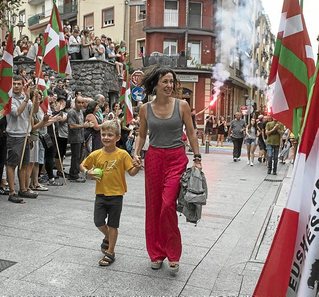
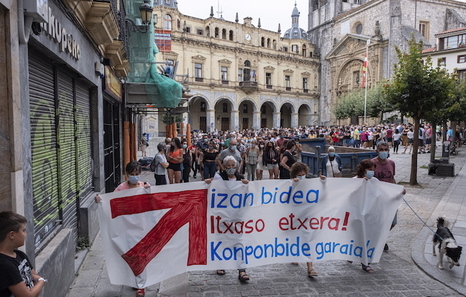


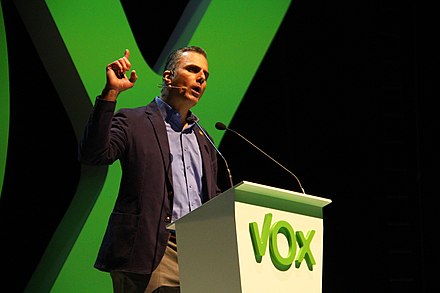


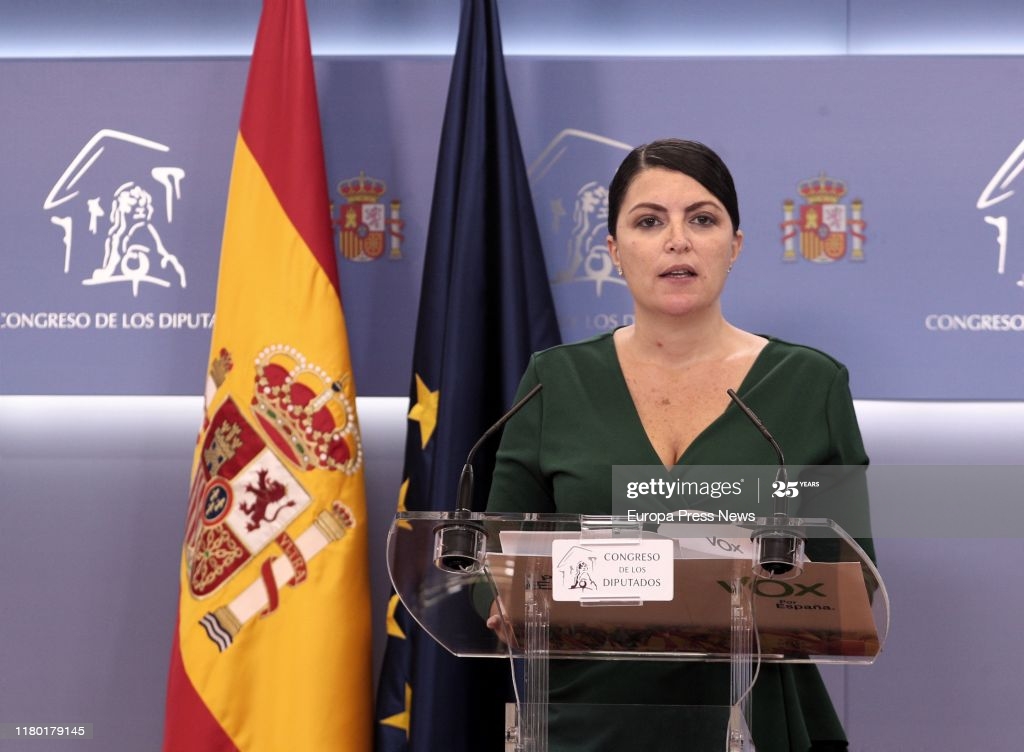


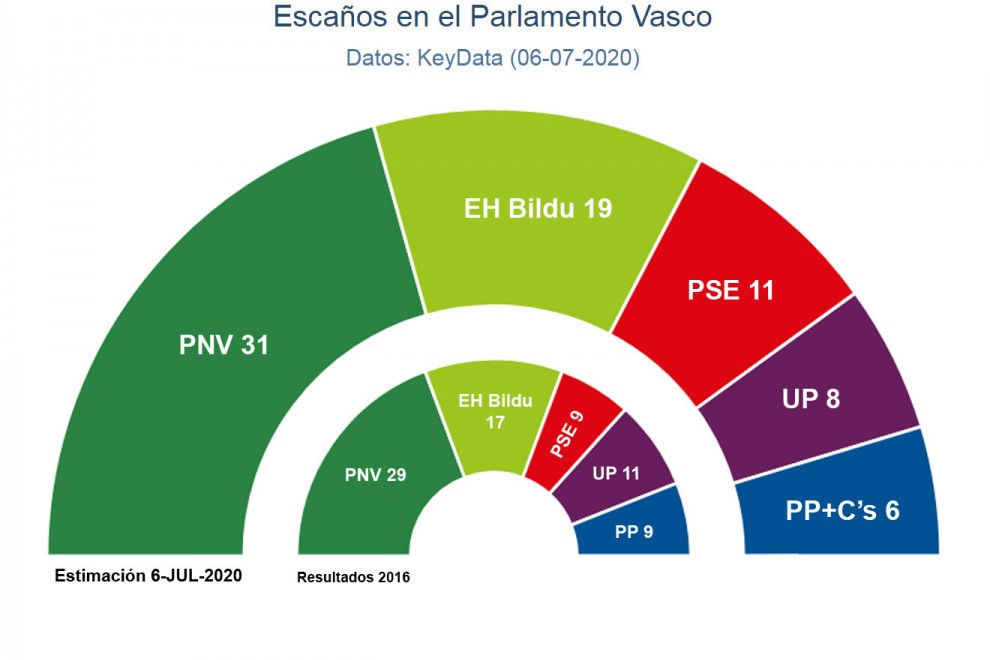


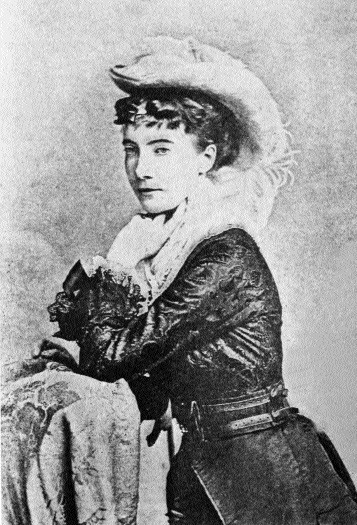


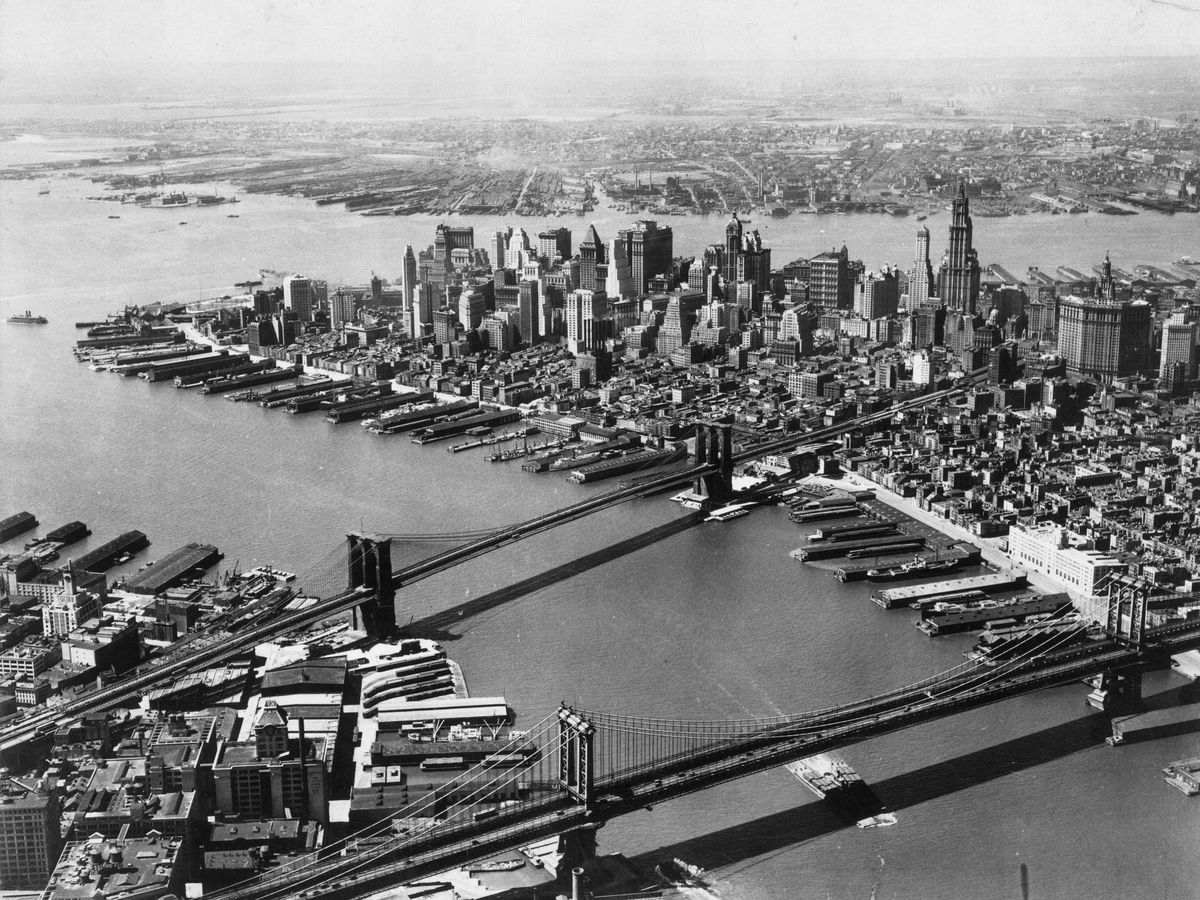

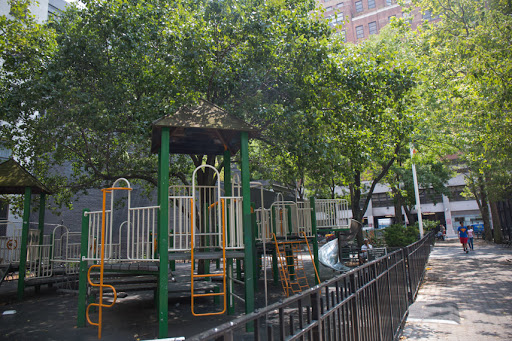
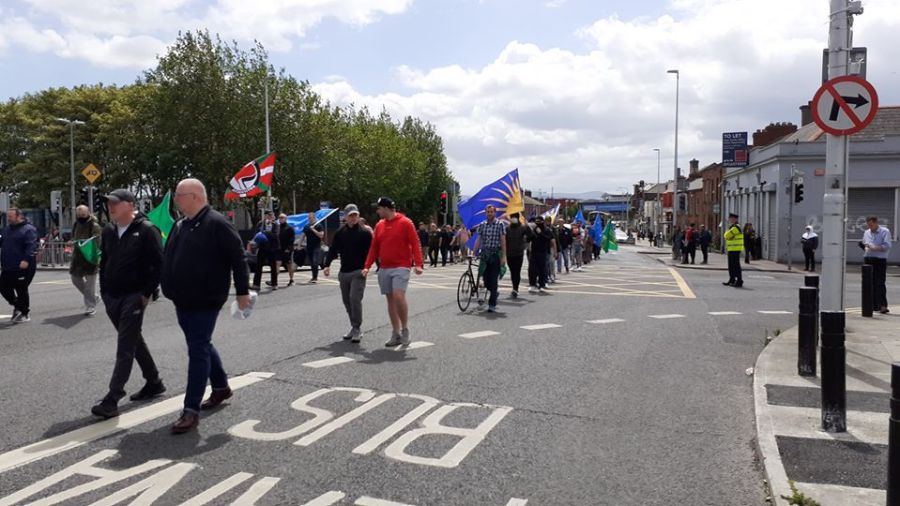


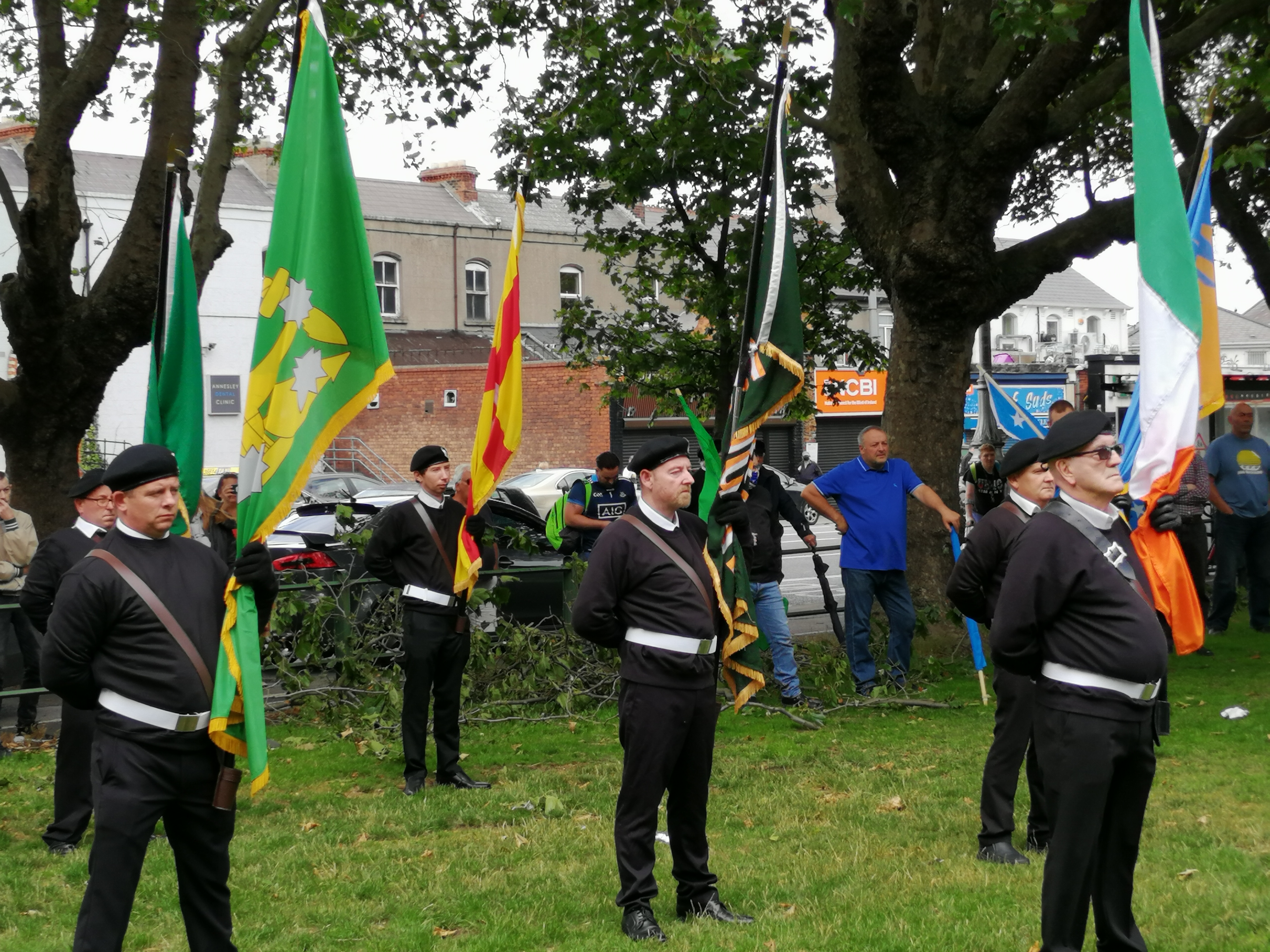


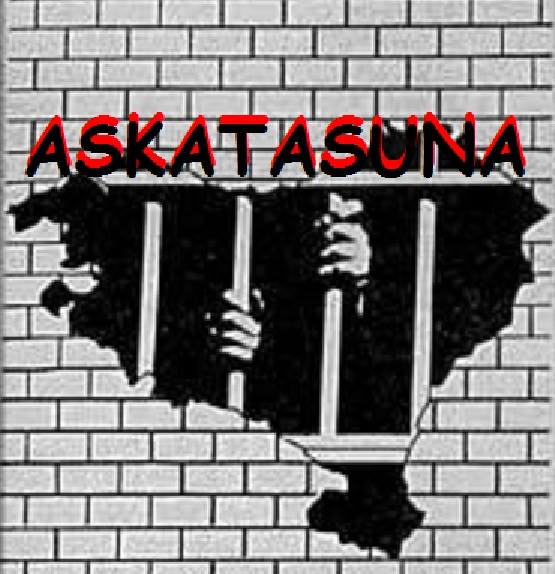


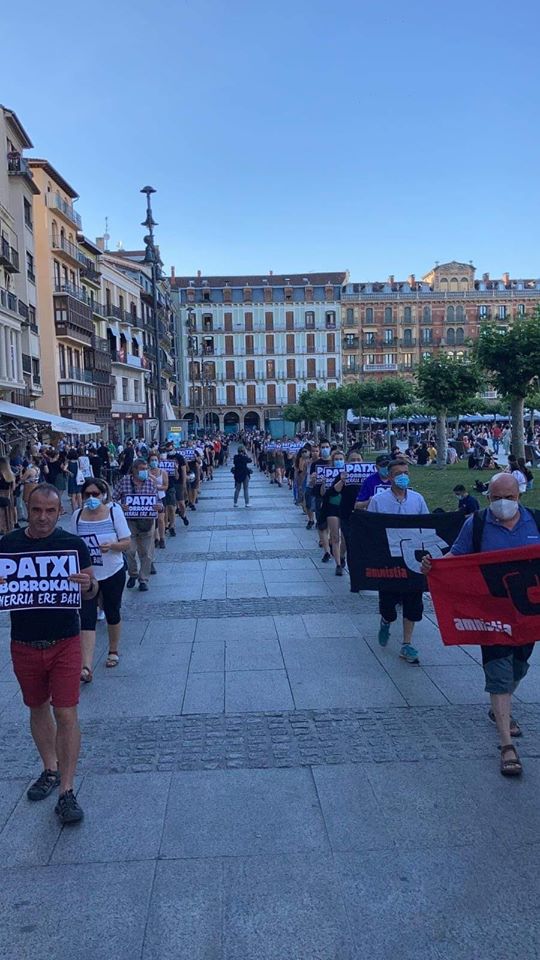
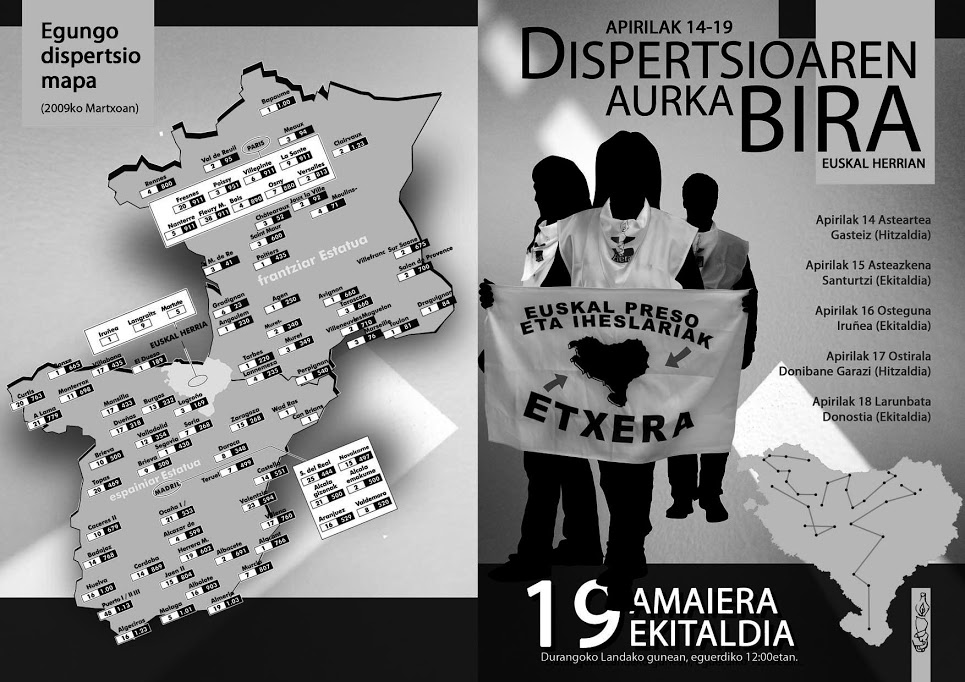
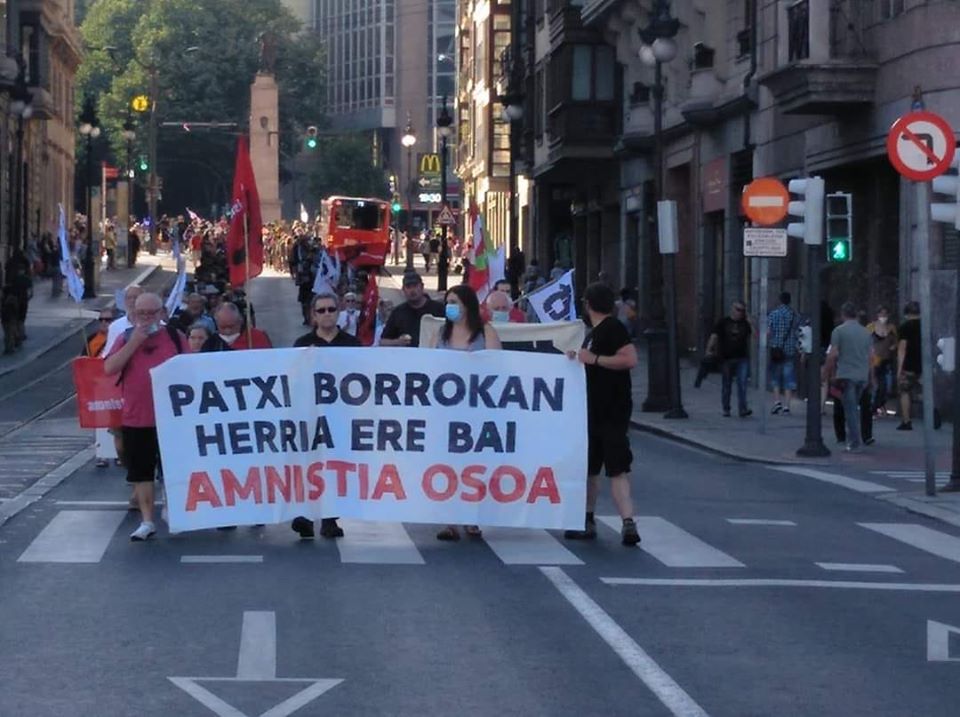
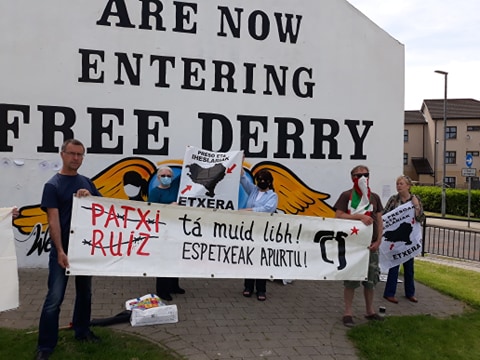


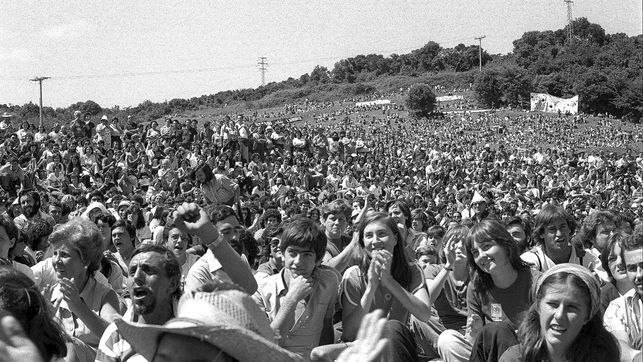


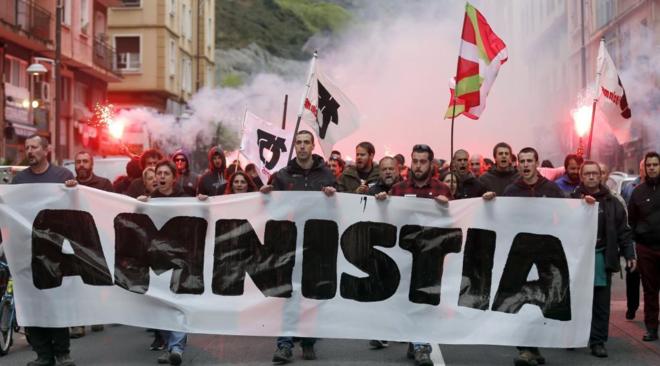


 rebelbreeze