According to the media, the nuclear power plant in Ukraine is controlled by the Russian military and being bombed by artillery.
The Ukrainian state spokespersons accuse the Russians of bombing it themselves while the Russian state spokespersons blame the Ukrainian military. Both warn of the danger of a nuclear disaster.
Amidst the trading accusations, about what can we all be sure?
Well, really only of a few things about which there is (or seems to be) agreement:
The Zaporizhzhia Nuclear Power Plant, although it is being maintained in operation by the Ukrainian State’s employees is within the area occupied by the Russian military very soon after the Russian invasion.
The plant is being bombed by someone.
Due to the bombing, there is a danger of nuclear disaster, initially in the Donbas region where the plant is located but quickly affecting large areas of at least the Ukrainian and of the Russian states and ultimately affecting other areas of Europe1.
The bombing of the plant should stop immediately and all possible efforts should be expended in that direction.
To go beyond that and arrive at a reasonably safe conclusion about who is doing the bombing, we need to employ critical deductive analysis and to set aside as far as we can our prejudices. We can’t help but have those but we can set them aside for a moment.
Using critical deductive analysis means looking at aspects like what is logical, who benefits from what, what other evidence is available ….
Russian or Donbas military Guard Outside Zaporizhzhia Nuclear Power Plant, Russian-controlled Enerhodar City Zaporizhzhia Region, Ukraine August 4, 2022. REUTERS/Alexander Ermochenko/File Photo
CRITICAL DEDUCTIVE ANALYSIS
Who could benefit from the bombing? In theory, either.
The Ukrainian authorities say the Russian do because they wish to blame their opponents.
Since the Ukrainians have demanded the Russians – apart from withdrawing their military entirely – remove themselves from the area of the nuclear plant, presumably the Ukrainians would benefit from blame attaching to the Russians.
Interestingly, “The US, United Nations and Ukraine have called for a withdrawal of military equipment and personnel from the nuclear complex, Europe’s largest, to ensure it is not a target.”2
The Ukrainian state already has US/NATO and the western mass media on its side but a threatened nuclear disaster would inject much greater urgency into the Ukrainian State’s regular calls for more and greater weapons.
Presumably the Russian state, if they were seen to be innocent of this bombing, could use the danger of nuclear disaster to rally greater support within its state and among its allies too.
Who faces the greatest risk in the continued bombing?
Both face a risk of a nuclear disaster, initially and later from fallout. However, initially at least, it is the Russian military in the immediate area, along with the Ukrainian staff of the plant at greatest risk.
But very close behind that in high risk come the civilian population of the Donbas, from which Luhansk militia are drawn – in other words, friends, families, relations, lovers of the Luhansk militia.
Who knows the truth?
Undoubtedly, in the immediate first instance, the Ukrainian military, the Russian military, the people of the locality including the Luhansk militia and, presumably, the staff of the nuclear plant. But also the intelligence services of US/NATO.
The mainstream western media is not publishing interviews with the people of the locality and have slanted their general reporting against Russia, which leaves the Ukrainian State side with the most impact3 in the controversy.
And the intelligence services of US/NATO, who have kept quiet on this issue.
Another accusation which the Ukrainian authorities have made against the Russian side is that they have installed artillery around the nuclear plant from which they have been firing at the Ukrainian military.
This would be against rules of conflict that military should avoid installing their personnel, weapons or material in or around civilian facilities.4
Accusing the Russian military of installing artillery around the site would also seem to provide the Ukrainian military with a reason for shelling the area themselves.
There is a strong inconsistency in the Ukrainian accusation, ignored by the media. We are asked to believe that the Russian military is shelling the facility but also firing from next to it?
One of a number of aerial photos published after missile strike very near the nuclear power plant, the largest in Europe (Image sourced: Internet)
Is it possible? Fire from the position, move all the weapons and personnel out, then bomb it themselves, repeat the whole operation and repeat again? Hardly.
And such movements would surely show up in intelligence reports of US/NATO but they are not confirming it. In fact, the Russian side showed their satellite photos of the site in which no artillery could be seen and also pointed out that the US had their own satelliteimages but was saying nothing.
Satellite imagery was published recently showing smoke from artillery strikes on the site and would surely be available to show alleged Russian artillery installations there and, in fact, their firing from there5.
And very clear satellite imagery was readily available and published in the media to support the Ukrainian authorities’ claim that Russian planes in the Saky airbase in the Crimea had been destroyed on 9th August.6
Aerial Photos Crimean Airbase Before & After Ukrainian Missile Strikes Ukraine War August 9 2022
Another inconsistency of the allegation that the Russians are risking a nuclear disaster is in reconciling it with Russian state war aims.
The Russians say they invaded to prevent the Ukrainian state from becoming an outpost of the US/NATO offensive military alliance along their border and b) to protect the largely Russian-speaking population of the Donbas area from attacks by the Ukrainian fascists and military.
The Ukrainian State, backed up by US/NATO and the media7 say that all of it is to do with Russian imperialism and land-grabbing.
In either case, is it likely that the Russians would risk nuclear contamination of the whole area they wish to occupy or to defend? And is it likely that the Luhansk militia, drawn from the people of the area, would permit their homes and family to be put in such a terrible risk?
CONCLUSION:
Having employed critical deductive analysis of the available evidence, the logical conclusion must be that
The nuclear facility is being bombed by the Ukrainian military
They are bombing it hoping to force the Russian military evacuation out of the area and/or to accuse the Russian military of doing the bombing and to employ it in propaganda against the invading Russian military
and to create a sense of environmental danger from the latter
in which they are accustomed to expect uncritical cooperation from the mainstream western media and from US/NATO
to assist in having states within NATO send them more and more weapons
WHAT SHOULD HAPPEN?
Clearly, the Ukrainian military should cease bombarding the nuclear installation immediately
and to assist in that, the western media should make clear who is responsible.
And the International Atomic Energy Agency should send as neutral a team as possible (including perhaps officials and experts from China, Iran and India) to inspect the site and publish their results8.
The USA/ NATO should break their silence on their satellite surveillance and photos of the site.
This process and conclusion will be difficult for a number of key players and for many commentators. The process will expose the Ukrainian military as having been engaged in activity with potential to cause an environmental disaster.
It will expose their political leadership as having lied while trying to blame their opponents. The US/NATO block and their allies will be put in an awkward position for having supported the Ukrainian authorities while they were engaged in that activity.
The whole affair may switch – or at least weaken — wide western public sympathy away from the Ukrainian state. Many people may have to reappraise their positions in part or even completely.
Difficult, yes – but is that any justification for collusion in the possibility of a nuclear disaster?
End.
IAEA Mission Setting Out for Nuclear Power Plant Ukraine 29 August 2022 (Source image: IAEA’s website)
FOOTNOTES:
1Although assessments of the likely affected range of the disaster differ strongly (see Sources)
4Both sides have been accused of violating those rules but in terms of hard evidence, mostly the Ukrainian military, as was revealed in the recent report of the more usually pro-western Amnesty International.
This time of year, as we near the end of August, is in Ireland the season of seeds and berries. The trees and bushes are bearing berries and nuts in a plan to disperse their seeds a fair distance away.
Dispersal is a strategy, an evolutionary bet for survival of the species, spreading its chance against local disasters of flood, fire, pest and disease.
Also, it is not generally healthy for the seeds to germinate too near the parent plant, where penetrating sunlight will be poor and roots sucking the soil nutrients. Dispersal is the survival plan for many animals too, including humans.
Seeds may be dispersed by water, fire or they may hitch-hike on animals, stow away in human transport. But some parents entrust their young to the winds; some of those are blowing past us now.
Even in the city, the seeds of the lime trees crunch underfoot and the thistledown float gently past.
Small-Leaved Lime (Linden) tree showing ordinary leaf and the leaf ‘sails’ attached to the seeds, formed after flowering. Photographed in Dublin this time of year but in 2014. (Photo: D.Breatnach)
Lime trees (Linden, not the Citrus bearers of the lime fruit) are common enough in Ireland, even in cities like Dublin. Earlier in the year, they produced a faint scent from small nearly unrecognisable blossoms but which functioned the same way, to attract pollen-collecting insects.
The flowers are hermaphrodite, i.e both male and female but are not self-fertilising, so that insect pollination, particularly by bees, is necessary. Honey made from lime tree flowers has a distinctive taste but is somewhat restricted to where the source is available in large enough numbers.
Once fertilised, the tiny flowers begin to produce groups of two or more seeds on stalks. This time of year, they have ripened and come away, attached to a single specialised leaf as a sail.
Two clusters of seeds from Small-Leaved Lime trees, still attached to their “sails” from this month on a Dublin street (Photo: D.Breatnach)
They float and twirl in wind, whether falling from the tree or when thrown up by gusts from the leaf litter in the woods, on the roadside, etc.
They will lie dormant during the winter and sometime in the following Spring, some will germinate and begin the long struggle to grow into a tree.
The wood of lime is soft, light, fine in texture and resists splitting. Easy to work, it is used in turnery, carving, furniture; its resistance to warping makes it useful for construction of sounding boards and piano-keys.
Meanwhile this month, the thistles that flowered earlier are converting flowers to cotton down, billowing into a globe parachute ready to carry a single seed. They float leisurely through the air or are swept along by breezes and updrafts or tumble along the ground – before detaching the seed.
Marsh or Spear (?) Thistle plants by the Tolka, Dublin at the end of July, some flowers already producing the seed-carrying down. (Photo: D.Breatnach)
Thistles are not generally highly regarded but are important for many insects and therefore for many species of bird — and ultimately for us too.
I also observed years ago on an allotment I managed that young thistles could be pulled from the ground and the white stem eaten, crisp and faintly tart but not unpleasantly-tasting.
Many plants use the wind for seed and even pollen-dispersal, from grasses to flowering plants, shrubs and trees.
Ferns also send their spores on the winds, as do many fungi, including when in algae partnership to create lichens.
However only some species have developed the parachute – for example dandelions, thistles and groundsel/ ragwort – and only some trees grow wind-catching wings attached to or enveloping the seed, such as do the lime tree, sycamore and pine.
Obviously, this dispersal by wind is a hit-and-miss strategy – seeds may fall on stone, in river, lake or sea, where no growth for them is possible. To compensate for the wide number of unhelpful possibilities, each individual plant produces hundreds and thousands of potential offspring.
For higher mammals, that invest large sections of their lives in raising young1 before they are ready to disperse, the numbers of offspring per parents must be kept low, allowing for focus and concentration in care, defence and education/ training.
However, it is healthy for some of our human young to disperse too, though that should be a choice, not forced by war, disease, persecution, economic hardship or environmental destruction.
Certainly in the case of mammals, a wide gene-pool is good survival strategy – as long as we have a healthy world in which to spread.
End.
FOOTNOTES
1For humans, typically between a third to a fifth or their lives; for elephants about a third of the females’ lives, chimpanzees about a quarter. Rodents tend to opt for frequent litter of numerous offspring but their lives are short. Cats and Canines tend to have small litters unless pack or pride animals, when normally the alpha pair only breed and some of each litter become part of the pack as they grow (domestic dogs are not part of this natural scheme).
Text by Gearóid Ó Loingsigh (images and video chosen by Rebel Breeze)
29 July 2022 (first published in English in Socialist Democracy)
The Colombian Truth Commission’s (CEV) report Findings and Recommendations aims to be a text that reveals a truth, that up to now was hidden or partially hidden from Colombian society.
It is true that in Colombia, after decades of a conflict that began before many of those actually alive were born, along with propaganda from the media, the churches and political parties, there are many aspects that are not well known to everyone.
That is not to say that it is a document that reveals or uncovers these truths. If we look at the issue of paramilitaries and how the CEV treats it, various problems with this commission are evident.
It comes out with some truths about the paramilitaries that initially give one hope about the content of the Report.
Paramilitarism is not just an armed actor – understood as private armies with terror strategies aimed at the civilian population – but rather a network of interests and alliances also associated with economic, social and political projects that managed to impose an armed territorial control through terror and violence and also through mechanisms to legitimate it, the establishment of rules and norms.(1)
It is true that the paramilitaries are about more than just massacres, but the CEV not only fails to explain what the interests at stake are, but it gets it back to front about who is in charge and who serves.
It inverts the roles many times and though it acknowledges the role the State played, or still plays, the State is presented almost as just another victim of the paramilitaries.
The CEV accepts that the USA played a role in the 1960s.
The recommendations of US missions that visited the country during the administration of Alberto Lleras Camargo (1958-1962) led to Decree 1381 of 1963, Decree 3398 of 1965 and National Defence Law 48 of 1968, through which the involvement of civilians in the armed conflict was institutionalised.(2)
But it doesn’t explore this role that much further, it would seem as if various north American governments played no further role than that, that they have not been the one constant factor in the history of the conflict, as if their support to all the Colombian governments, the training of the Colombian military in the School of the Americas did not count for anything, and of course there is Plan Colombia which is dealt with by the report.
Neither do they explore the role of the state that passed those laws. It would seem as if the laws appeared through magic. They accept that paramilitaries enjoyed legal status for a long time, but they put no names to the matter, nor who benefitted from those laws or what were the interests of the presidents and congresspeople involved in passing those laws and decrees.
We are told of how Virgilio Barco suspended the legality of the paramilitaries in 1989, but according to the CEV it was revived in practice through the rural security cooperatives known as the Convivir.(3)
It is dubious to say that the Convivir were the paramilitaries in practice and not paramilitaries de jure, as it is not the case that these cooperatives were corrupted.
It was always the intention to legalise the paramilitaries through this figure and in that, President Cesar Gaviria and his Minister for Defence, Rafael Pardo both of whom signed the degree that brought them to life, played an important role as did President Samper who implemented the decree during his government.
These people are not spoken of as promotors of paramilitaries.
To the CEV the paramilitaries are a type of loose cannon, independent of the State, with a life of their own. The ills of the country are the result of the actions of this loose cannon and how it infiltrates the state, the institutions, including the military and how it co-opts spaces.(4)
Thus, the institutionalisation – through various governments – of armed groups legally at the service of private interests, as well as their legitimation from the 1960s show not only the tolerance but also the promotion by state of the outsourcing of public security (bold not in the original). The legal cover and political legitimation have allowed for the maintenance and expansion of the paramilitaries, structures that were co-opted by paramilitary bosses.(5)
To the CEV, the paramilitaries were an outsourcing of security to private bodies that went wrong. Dr. Frankenstein thought he was creating life and his creation turned into a monster despite his wishes.
Paramilitaries are referred to in this manner throughout the document, they exist and act with the approval of named sectors, but the responsibility does not lie with any known person. They are incapable of saying that Samper and Gaviria legalised the paramilitaries.
Samper was fully aware of what the Convivir were and defended them tooth and nail during his government, and lashed out at those who denounced the Convivir as paramilitary structures.
Ernesto Samper, President of Colombia from 1994 to 1998, representing the Liberal Party. Secretary General of the Union of South American Nations (UNASUR) 2014-2017. He defended the Convivir and later pretended the paramilitary terrorism had been done behind his back. (Photo sourced: Internet)
Samper never put an end to the Convivir, rather it was the Constitutional Court that declared that they couldn’t use arms reserved for the State’s military, so the paramilitaries had no need to use this cover any more if they couldn’t obtain arms legally.
The paramilitaries were a state policy as can be seen from the laws and decrees enacted, in the promotions of military officers involved in massacres and also in the persecution of social actors, human rights organisations and in a number of cases the systematic murder of witnesses.
The CEV talks about these things but does not connect them together as a state policy. It shamelessly accepts the excuses of Uribe that everyone lied to him, the face Santos put on of it wasn’t me, or the “it was all done behind my back” of Samper.
A real truth commission would try to tell us not only what happened but who did it (with full names) and also why.
The same complacent attitude it takes with the State is extended to the business people. It talks of interests but does not put a name to them. But thanks to the decades long work of social organisations we can put a name to many of the cases.
The CEV doesn’t do that and goes on with its tale of some sectors. But these same sectors have been more honest than the CEV. The CEV names the cattle rancher’s association in Puerto Boyacá, Acdegam, as a key player in the founding of the paramilitary groups.(6)
But it does not mention the role played by Texaco. Carlos Medina Gallego in his book Autodefensas, Paramilitares y Narcotráfico in Colombia describes the birth of this group.
The USA-based petroleum company was present in the meeting that set up the paramilitary murder group. (Image sourced: Internet)
The process in the region began with the creation of a private army or paramilitary group alongside the army to jointly combat the subversives.
This group was set up during the military mayorship of Captain Oscar Echandía, in a meeting which, in addition to the Mayor, was attended by representatives of the Texas Petroleum Company, members of the Cattle Ranchers Committee, political leaders, the Civil Defence, members of the armed forces and other special guests.(7)
Neither does it mention the National Federation of Cattle Ranchers, Fedegan. The president of Fedegan, however did acknowledge the role they played. In 2006, in an interview given to Cambio magazine, he said that they had paid paramilitaries, as had others such as flower and rice growers amongst others.(8)
National Federation of Cattle Ranchers in Colombia — part of the group that set up the paramilitary murder group — their president admitted in 2006 that they had paid paramilitaries, as had some large agricultural interests. (Image sourced: Internet)
Around the same time, 10,000 cattle ranchers, traders and industrialists signed a letter acknowledging and justifying their financing of the paramilitaries.(9)
The CEV describes paramilitarism as something unstable and changeable in nature and that “it has had diverse actors, motives and modus operandi, which leads to difficulties when it comes to trying to come up with a static definition.”(10)
Yes, it is true that the paramilitaries have changed over time, as has the army, the state, the political parties, the guerrillas and even society. Nothing stands still, but that doesn’t mean we can’t come up with an approximation of what it is, taking into account the variables.
That is what the study of history, politics and also any branch of knowledge is about. So, the CEV doesn’t describe the paramilitaries as a state policy, not because it is a changing phenomenon, but rather because it doesn’t want to.
It deals with various paramilitary forms and leaves out one very clear telling example: the AAA (American Anti-Communist Alliance).
One of the founders of the Triple A (American Anti-communist Alliance) paramilitary terrorists, at the time Lt-Col. Harold Bedoya of the Charry Solano Battalion, later Commander of the Colombian Armed Forces. (Photo sourced: Internet)
The AAA was a paramilitary structure founded by the commanders of the Charry Solano Battalion, amongst them Lieutenant Colonel Harold Bedoya, who would later become the Commander of the armed forces.
The existence of such a paramilitary structure operating within the battalion was public knowledge as five soldiers reported it to the presidency, the Procurator, the Organisation of American States and the news was even published in the Mexican press. This structure is not mentioned in the CEV report.
Another paramilitary structure that is dealt with partially in the Report is the 07 Naval Intelligence Network. However, it does not delve into the reality of the Network and the significance of its activity as a state policy.
The case of the 07 Naval Intelligence Network based in Barrancabermeja that operated in part of Bolívar and Cesar stands out due to the seriousness of it. According to the ordinary criminal justice system, the network functioned as a powerful “death squad” with logistical means, personnel trained to kill and was responsible for dozens of murders, forced disappearances and massacres whose victims were mainly trade unionists, politicians, community leaders and activists. The network financed paramilitaries using secret funds.(11)
But the network was the paramilitary structure par excellence. Despite the CEV’s quote, they do not go into great detail as the issue cannot be dealt with and conclude that it was just some functionaries and not the military unit as such.
The Network murdered at least 68 people, though some estimates put the figure of 430. The soldiers implicated were exonerated by the commander in chief of the official armed forces of the state, General Fernando Tapias. To the CEV this is just another case of rotten apples.
But, can 60 years of violence be explained as the result of the actions of some soldiers, some politicians, some business people? We are talking about tens of thousands of dead, tortured, disappeared and the outcome follows from the actions of some… and not from a state policy?
…the paramilitary phenomenon has maintained a role in components of the state such as the armed forces, security and intelligence agencies, collegiate state bodies (Congress, assemblies and councils), judicial institutions and oversight bodies, as well as economic sectors such agri-industrial, extractive industries, public servants and candidates in elections. It has also permeated sectors of the church and the media. Without the close link between this body of sectors and the armed paramilitaries, this phenomenon would not have unleashed the deep wounds that it inflicted nor would it have lasted as long.(12)
Colombian paramilitaries working with the army and paid by big growers, these in “the Banana Bloc” in Colombia (Photo: Huffington Post)
There are no policies here, no state-backed dirty war but rather a compendium of massacres carried out by blood thirsty types that co-opted everyone else, i.e. Colombia is an open-air lunatic asylum.
Politicians and functionaries were another sector that was widely implicated in the paramilitary plan to “penetrate all political power: mayors, councillors, deputies, governors, congress people from the zones that we managed […] ultimately, regional powers that together guaranteed a national power for the self defence groups”. The relationship between politics and paramilitaries went in both directions as many politicians and functionaries in turn sought out the commanders of the paramilitary groups to benefit from their armed power.(13)
In this repugnant discourse, the paramilitaries are the ones who penetrate the state and some politicians seek them out, the paramilitaries are not a counter-insurgency strategy of the state nor a policy to implement “development” projects they want, but rather the excuse is “the paramilitaries made us do it”.
It comes across like crying children trying to blame the other for breaking the window, but they are not broken windows, rather tens of thousands of broken bodies. And the CEV does not want to blame who it should. It accepts that the State played a role, but limits it to individual behaviour and private interests but not part of a strategy.
Not even the genocide committed against the Patriotic Union (UP) is seen as a state policy, once again the State is a victim of the paramilitaries. The CEV describes it in the following terms.
It was during the attempts at a democratic aperture and the peace policies of the government of Belisario Betancur (1982-1986). It is in this context the paramilitary network from Puerto Boyacá sought to contain the democratic and peace initiatives through systematic violence (persecution, extermination and displacement) against members of left wing political groups such as the Patriotic Union and the Communist Party, trade unionists and social leaders.(14)
The reality is that no one expected the UP to be successful and the oligarchy took fright and responded as it always does: with violence. The extermination of the UP was not an attempt to contain supposed democratic measures from President Betancur, but rather an attempt to suppress a left-wing political group.
The CEV forgets that Betancur allowed the military to attack and burn the Palace of Justice in 1985, which was only a few metres from the Presidential Palace. He was not a just man whose peace initiatives were undermined by the unjust.
Lastly, we should look at how they describe the business people.
The economic agents were a key part of the paramilitary web. Some national and international business people, local and regional economic powers and productive sectors supported them in different ways because they had interests in the war.(15)
We shouldn’t be surprised that the CEV, led by the favourite child of the bourgeoisie reaches such conclusions. De Roux wrote an executive summary of the report before he even formally took up the job of President of the CEV.
In March 2017, shortly before he began working for the CEV he wrote a column in the El Tiempo newspaper with a simple headline I ask for forgiveness.(16) The column makes various assertions, amongst which the following stand out:
I incur in a generalisation when I write that the paramilitaries were financed by businesspeople. When, in truth, some paramilitary groups were financed by businesses, whilst the majority of women and men to whom we owe the production of goods and services in this country did not finance the paramilitaries.(17)
That is to say, as the CEV report does, that it was only some of them. He continues with another assertion that some of them did it as a response to guerrilla violence, repeating one of the great lies of the business associations and the State about the nature of paramilitarism.
Gustavo Petro, newly-elected President of Colombia (R) shaking hands with Francisco de Roux (L), who outlined the executive summary of the Truth Commission’s Report in his column before the latter was even published. (Image sourced: Internet)
Others out of rage, following the kidnapping and payment of the ransom, supported the AUC to attack the kidnappers. Others did so because they didn’t trust the state’s security forces.(18)
And lastly, this little gem which reduces the dirty war to the behaviour of just some.
I must also acknowledge that I have been unfair when I have generalised about soldiers and police officers in Colombia. I admit that I have an intellectual and emotive abhorrence of weapons on all sides. I am a follower of Jesus who once and for all separated God from all wars and preached efficient non-violence. But I know there have been many and increasing numbers of men and women in the Armed Forces who see service to the homeland as a service to the dignity and rights of every human being and the collective good of peace.(19)
A question arises. Given that De Roux through his column outlined an executive summary of the future report of the CEV, why did he not save us time, money and the effort by writing, on his own, a report 100% to his liking? It would have had the advantage of not selling false hopes to the victims of the conflict.
End.
Notes
(1) CEV (2022) Hallazgos y Propuestas. CEV p.296
(2) Ibíd., p.303
(3) Ibíd., pp 304 y 305
(4) Ibíd., p.299
(5) Ibíd., p.305
(6) Ibíd., p.310
(7) Medina Gallego, C. (1990) Autodefensas, Paramilitares y Narcotráfico en Colombia. Editorial Documentos Periodisticos. Bogotá p.173
(8) El Cambio No 704 diciembre 2006/enero 2007 Diez Preguntas (Entrevista con José Félix Lafaurie) p.48
(9) El Espectador (17/12/2006) La hora de los ganaderos, p. 2A
Hatch street in Dublin is an unusual venue to hear the sounds of a political protest but that was where a protest took place Friday, outside the headquarters of Jones Lang LaSalle, an Anglo-US real estate and investment multinational.
Section of the protesters. (Photo: D.Breatnach)
The lunchtime protest was organised by the Anti-Imperialist Action organisation in protest at JLL’s complicity in what they called “the occupation and genocide in Palestine.”
In a leaflet handed out to construction workers, office workers and passers-by, AIA stated that JLL “work with Elbit Systems, the largest private arms supplier for the occupation” and that last year “their CEO boasted about ‘a significant increase in (its) activity in Israel’ “.
The Garda van as part of the State’s protection for the JLL building (Photo: D.Breatnach)
The leaflet also pointed out that “Palestine Action, a group in England and Scotland, have successfully shut down two of Elbit’s sites through … direct action” against the companies.
Also pointed out in the leaflet was the result of property management companies in stoking the housing crisis and also commented on the colonial history of Ireland and its solidarity with the Palestinian people.
The protest photographer, JLL building and some Garda protection in the background.
The picketers displayed placards along with flags: the Starry Plough, Palestinian national flag and another of the PFLP, one of the Palestinian liberation organisations. They regularly shouted slogans against the Israeli occupation, in solidarity with Palestine and against the JLL organisation.
Gardaí (Irish police) arrived to protect the JLL building but there were no incidents. The reaction of those who accepted a leaflet varied from non-committal, through curious to supportive.
(Tiempo de lectura del texto principal: 10 minutos)
Un resumen seleccionado de eventos políticos y sindicales en Irlanda en los últimos meses (edición final 17 de agosto de 2022).
EN LOS 26 CONDADOS
La Coalición Gubernante de partidos neoliberales Fianna Fáil y Fianna Gael, con orígenes en bandos opuestosde la Guerra Civil Irlandesa (1922-1924), y el Partido Verde sobrevivió a moción de falta de confianza a principios de julio en el gobierno con una cómoda mayoría de 26 votos.
La moción fue propuesta por el partido Sinn Féin con motivo de la pérdida de la mayoría absoluta de la Coalición (de 85 a 84) cuando uno de los miembros de la Coalición renunció a su partido.
Leinster House, Dublín, ubicación del Dáil, parlamento del estado de Irlanda (imagen descargado del internet)
El Estado recibió más refugiados de guerra de Ucrania de los que pudo manejar cómodamente, con arreglos para su alojamiento que incluyeron campamentos del Ejército, discusiones sobre islas, y retrasos en la investigación de antecedentes de personas que ofrecen alojamiento a cambio de pagos del gobierno.
El Gobierno se mantiene en línea con la tendencia dominante entre los estados de la UE y de los EE.UU./OTAN. Todos los partidos de la Oposición y la mayoría de los diputados Independientes también siguen esa línea, con una pequeña colección en la Izquierda condenando simultáneamente la guerra de la OTAN.
El movimiento republicano (“disidentes”) contiene una variedad de opiniones sobre ese tema incluso dentro de las organizaciones, por lo que ningún partido se siente capaz de expresar una posición concreta sobre la cuestión.
En todo el estado, la influencia de los medios de comunicación se puede ver mucho en el apoyo público al régimen ucraniano y la oposición a Rusia, pero también mucho de eso se debe al odio tradicional a la invasión, junto con la falta general de acceso a fuentes alternativas.
Cualquiera que se aparte de la línea aprobada, por ejemplo, dos eurodiputados irlandeses (Clare Daly y Mick Wallace), es probable que sea atacado ferozmente por los medios de comunicación (y lo que aquí pasa por “la izquierda”), incluso la esposa del presidente, Sabina, que simplemente dijo en público que la lucha debe terminar en negociaciones.
El peligro de que el Estado se una a la OTAN se ha visto muy disminuido por la oposición pública y también se ha desvanecido de unirse a cualquier alianza militar de la UE. Sin embargo, el debate público en torno a él arrojó algunas señales peligrosas de interés por parte de al menos una sección de la élite gobernante.
Además, el Taoiseach (equivalente a Primer Ministro) declaró en el Dáil que el Gobierno podría tomar tal decisión sin la necesidad de un debate y votación sobre la cuestión en el Dáil.
Siguiendo con el Gobierno, recientemente decidió un plan para reducir las emisiones de CO2 en un 25%, muy por debajo de lo que se ha declarado públicamente como necesario para evitar un desastre ambiental.
La decisión fue atacada desde la izquierda y por el partido Demócratas Progresistas pero el Sinn Féin intentó evitar comprometerse ya que quiere el apoyo de los grandes ganaderos y de la industria cárnica.
El intento del fascista Irish Freedom Party de realizar una manifestación en Limerick en marzo fue interrumpido por un gran grupo de antifascistas, ahogando los discursos en gritos y abucheos, muchos ondeando banderas del arcoíris y cantando “¡Escoria fascista fuera de nuestras calles!”
Sección de la oposición a una decena de fascistas del Irish Freedom Party realizando un mitin en la ciudad Limerick en marzo. (Imagen descargado del Irish Socialist Party).
En el servicio de salud (una mezcla de provisión pública y privada), con fondos y personal insuficientes, ya tambaleándose por las tensiones de lidiar con Covid, se citó a un abogado que representa al personal, el efecto de que muchos miembros del personal médico agredidos y amenazados demandarán al Gobierno.
Esto se llevará a cabo bajo las disposiciones de la legislación de Salud y Seguridad en el Trabajo que obliga a los empleadores a tomar medidas para eliminar o, cuando no sea del todo posible, reducir los riesgos para sus empleados. Estos últimos ya no están dispuestos a aceptar los malos tratos como parte ineludible del trabajo.
El sindicato IMPACT, que representa a muchos trabajadores de Dunne’s Stores, ha reclamado un aumento salarial del 7,7 %, días de vacaciones adicionales, mejores descuentos y más contratos a tiempo completo. El costo de vida actual ha aumentado a un promedio del 9%, pero la dirección sindical dice que los beneficios para sus miembros se nivelan por encima de esa cifra.
La última vez que IMPACT se enfrentó a la dirección del supermercado, el sindicato fue derrotado y se quejó de que no recibía suficiente apoyo de sus miembros.
Veinte años de “participación social” de las direcciones sindicales desde la década de 1980 con representantes del gobierno y de los empleadores han dejado a los sindicatos débiles y bajos en afiliación (del 60% al 27%); muchos trabajadores jóvenes nunca han estado en un sindicato ni los consideran útiles.
Las huelgas actuales de trenes en Gran Bretaña por parte del sindicato Ferroviario, Marítimo y de Transporte han despertado cierto interés en Irlanda, ya que el secretario general del sindicato, Mick Lynch, es de ascendencia irlandesa y ha declarado que su héroe es James Connolly, el socialista revolucionario irlandés-escocés ejecutado por Gran Bretaña en 1916.
Este año, siendo el centenario del inicio de laGuerra Civil Irlandesa (1922-1924), muchas conmemoraciones y charlas históricas están siendo organizadas por grupos que no representan al Estado. Este último, después de todo, es descendiente directo de los vencedores de esa Guerra Civil.
Pancarta de la campana para rescatar al mercado callejero y campo de batalla de 1916, participando en el desfile en Junio 2022 de conmemorar el comienzo de la Guerra Civil de Irlanda en 1921. El parque al otro lado de la pared a la izquierda es la ubicacíon de fosa común de insurgentes del 1798; en el fondo lejano se ve parte de los antiguos cuarteles británicos, más tarde rebautizados como Collins Barracks pero ahora un Museo Nacional. (imagen: D.Breatnach)
El movimiento nacionalista-republicano se dividió en 1921 sobre si aceptar el Tratado anglo-irlandés. A pesar de las instrucciones, los delegados a las conversaciones en Londres, bajo la dirección de Michael Collins, ya habían firmado el contenido. Una pequeña mayoría votó a favor en el Dáil.
Sin embargo, una gran mayoría del ala militar que había luchado en la Guerra de la Independencia (1919-1921) (el IRA, Cumann na mBan, Fianna Éireann y el Ejército de Ciudadanos Irlandeses) se oponía a la aceptación de algo que no fuera una República Irlandesa. Algunos de ellos ocuparon los Four Courts en 1922.
Bajo la presión de los británicos, en particular de Churchill y, sin duda, internamente también, el nuevo gobierno irlandés de Michael Collins, con artillería suministrada por los británicos, abrió fuego contra Four Courts (la segunda vez desde el levantamiento de 1916), mató a dos miembros del IRA e hirió a y arrestó a otros.
Ejército del Estado nuevo con artillería prestado por los británicos, bombardeando fuerzas republicanas (IRA) en Los Cuatro Juzgados, iniciando la Guerra Civil en Junio 1921 (imagen descargado del internet)
Cathal Brugha, un héroe de 1916 y uno de los que habían tratado de conciliar entre ambos lados, tomó medidas con otros para tratar de desviar algunas de las fuerzas atacantes de los Cuatro Patios. Ocuparon edificios en la calle O’Connell en el centro de la ciudad, donde Brugha resultó herida de muerte.
La Guerra Civil se extendió al país, durante la cual otro destacado republicano irlandés, Harry Boland, antiguo amigo cercano de Michael Collins, fue asesinado a tiros por soldados enviados por Collins para arrestarlo; aunque se afirmó que había sido un accidente, se necesitaron diez horas para llevarlo al hospital.
El 26 de junio, la Asociación de Tumbas Nacionales organizó una marcha desde el exterior del Museo de Historia Nacional de Collins Barracks hasta los Four Courts para conmemorar el ataque por el “Estado Libre”. Allí se pronunciaron discursos militantes con llamamientos al establecimiento de la República por la que se había luchado.
El punto de partida fue simbólico, ya que el antiguo cuartel del ejército británico lleva el nombre del hombre que ordenó el ataque a los Four Courts y también está justo al lado de Croppies’ Acre, un parque de ocio en el sitio de una fosa común de los insurgentes de los irlandeses unidos en 1798 y sospechados seguidores.
Harry Boland fue conmemorado en una discusión histórica, eventos deportivos y ceremonias junto a la tumba durante los tres días del fin de semana pasado, que incluyó el centenario de su muerte.
Boland había sido director del IRB en Irlanda hasta 1921 (que dejó a Collins para acompañar a De Valera en una gira de recaudación de fondos por los EE. UU.), un hábil organizador, miembro de la Liga Gaelica, un prometedor jugador (en “hurling”) y administrador de su club en la Asociación Gaélica de Atletismo.
Parte de la asistencia en el cementerio de Glasnevin a la conmemoración de Harry Boland, matado por el Estado Irlandés en la Guerra Civíl (imagen: D.Breatnach)
El 7 de julio, Cathal Brugha fue conmemorado con un discurso y una canción en el lugar donde le dispararon, organizado por Republicanos Independientes de Dublín, que también han erigido paneles en varios lugares para recordar a luchadores del IRA asesinados allí por las fuerzas del “Estado Libre” durante la Guerra Civil.
También hay planes para conmemorar el 81 (u 83, los números están en disputa) ejecutados formalmente por el nuevo Estado durante la Guerra Civil, más de lo que los británicos habían ejecutado entre 1916 y 1921.
La calle Moore de Dublín lleva uno de los paneles que conmemoran a un voluntario del IRA asesinado por las fuerzas del Estado irlandés el 9 de junio de 1922, pero el sitio también fue un campo de batalla en 1916. La guarnición del cuartel general del Alzamiento evacuó el GPO en llamas y tuneló por los 16 edificios de la terraza central.
Tanto insurgentes como civiles murieron en las calles aledañas. 300 hombres y mujeres tomaron posiciones allí, incluidos cinco de los Siete Signatarios de la Proclamación de 1916, y fue allí donde se tomó la decisión de rendirse a las fuerzas británicas que los rodeaban.
La calle es también un mercado callejero centenario de alimentos frescos y otros artículos. Sin embargo, los especuladores inmobiliarios lo están desmantelando deliberadamente, y planean un hotel y una zona comercial de cadenas de tiendas, con el apoyo de algunos altos funcionarios municipales de Dublín y ministros del gobierno.
La campaña para conservar la memoria histórica y el mercadillo comenzó hace 20 años y en 2016 los edificios fueron ocupados durante seis días y bloqueados durante seis semanas para evitar su demolición.
Un grupo ha mantenido un puesto de campaña en la calle durante dos horas todos los sábados desde septiembre de 2014 y ha recolectado más de 380.000 firmas para peticiones. Sin embargo, los funcionarios de planificación municipal han dado luz verde a los especuladores y ahora están sujetos a Apelaciones de Planificación.
La vivienda sigue en crisis dentro del estado con la peor situación en Dublín: alquileres más alto que nunca, precios de compra elevados al nivel del auge de los 1990s, familias en albergues, gente durmiendo (y muriendo) en las calles y problemas estructurales con las viviendas construidas de forma privada durante el boom inmobiliario.
Ante la falta de iniciativa de vivienda pública y la dependencia total del gobierno en el sector privado, un pequeño grupo llamado Revolutionary Housing League ha estado ocupando propiedades vacías y llamando a otros a hacer lo mismo, lo cual ha hecho llamar la atención del público (y de la policía y los tribunales).
El Comité Anti internamiento de Irlanda, de diez años de antigüedad, se relanzó a finales de julio como la Campaña Anti internamiento de Irlanda con una constitución actualizada. El grupo sigue siendo independiente de cualquier partido político y realiza piquetes de sensibilización pública con regularidad en Dublín.
EN LOS 6 CONDADOS
El unionismo, esa estructura política antidemocrática y antiirlandesa de apoyo colonialista británico, continúa quejándose de los efectos del Brexit que apoyaron y en protesta, flexionando la amenaza lealista y negándose a formar el gobierno que gestiona la colonia para Gran Bretaña.
La ideología reaccionaria, racista y homofóbica del Lealismo, sembrada por el colonialismo británico con efectos asesinos, enciende cada mes de julio enormes hogueras para celebrar su ideología atrasada, en las que queman banderas irlandesas y palestinas y retratos de algunos políticos.
También continúan despotricando y delirando sobre las “leyes extranjeras” (!) bajo el Brexit (es decir, la salida del Reino Unido de la UE, por la que votaron una mayoría de unionistas), según las cuales se impondrán controles aduaneros a las importaciones de Gran Bretaña a la colonia que aún pueden recibir importaciones del Estado irlandés (que permanece en la UE).
Este año, el lealismo celebró como héroe al miembro de la UDA, John Steele, que murió al cayer de la construcción de una monstruosa hoguera. Dos de la gendarmería colonial, el PSNI, fueron fotografiados saludando su féretro. Otro asesino leal murió al caer en los escalones de su hogar en su exilio en Escocia.
La Ley de Operaciones en el Extranjero (personal de servicio y veteranos) aumentará la impunidad del Estado británico, que evitará el enjuiciamiento de miembros de las fuerzas armadas del Reino Unido acusados de delitos, incluida la tortura, cometidos en el extranjero hace más de cinco años.
El gobierno del Reino Unido también tiene la intención de evitar que se inicien casos penales con respecto al conflicto de 30 años en su colonia y está considerando lo mismo con respecto a los casos civiles, pero todas las partes de la colonia británica se oponen a las propuestas.
El 16 de julio se llevaron a cabo protestas públicas por toda Irlanda por el encarcelamiento continuo de los incriminados Craigavon Two, John Paul Wooton y Brendan McConville, con panfletos y pancartas en el puente Ha’penny de Dublín y muchos otros en las cuatro provincias.
Protesta en solidaridad con los Craigavon Two el 16 de Junio en Dublín (imagen: D.Breatnach)
El internamiento sin juicio continúa en Irlanda por otros medios. El caso más reciente es el del ex preso político republicano irlandés Jason Ceulmans, liberado bajo licencia pero luego revocado por el Secretario de Estado y ahora de regreso en la cárcel sin cargos ni juicio.
Los republicanos y socialistas irlandeses (de varios grupos y activistas independientes) impidieron al fascista Irish Freedom Party llevar a cabo su propaganda racista y homofóbica en Belfast en julio de 2020. Tres republicanos de diferentes grupos fueron acusados por la policía en 2021.
El caso contra los tres fue desestimado en julio de 2022 luego de que la policía no presentara pruebas en su contra. En el Estado irlandés, varios republicanos todavía enfrentan cargos por la prevención masiva en 2016 del intento del grupo fascista islamófobo Pegida de lanzarse en Dublín).
Los activistas buscan la publicación de información policial y una investigación adecuada sobre el niño mestizo de 14 años Noah Donohoe de un área nacionalista, encontrado desnudo y muerto en un desagüe pluvial en distrito leal de Belfast en Junio 2020 con la sospecha generalizada de un encubrimiento policial.
Noah Donohoe, muerto de manera misteriosa (imagen descargado del internet)
Varios miles protestaron en Belfast el 13 de agosto contra la policía colonial pidiendo que emitiera un certificado de “inmunidad de interés público” que permitiera retener algunas pruebas en la investigación sobre la muerte de Noah, que el forense puede conceder o rechazar.
Fin.
Protesta en Belfast 13 agosto en solidaridad con la madre de Noah Donohoe y contra ocultación de información por la policía colonial británica el PSNI. (imagen descargado del internet)
ENLACES ÚTILES y más información (todo en inglés):
The colonies have been striking back at the Empire in film for some time and why not? Sure the Empire’s been colonising them all over again for decades, also through film.
But for a long time the liberal anti-colonial script-writers couldn’t bring themselves to make the main heroes of the film the indigenous colonised in Africa, America, Asia or Oceania – or else the finance backers doubted they’d recover their investment.
So the situation of the colonised had to be seen through the eyes of a liberal hero of European background or ancestry1 — someone with which, as they thought the the white European audience could identify2.
Stories figuring the Europeans colonised by England, i.e the Irish and the Scots, many who were in turn used by the Empire to colonise the lands of others — gets the film-makers over that difficulty.
Script-writers and casting directors in that ex-colony-now-superpower have been getting back at the English for years, of course, in historical drama3 but also portraying their villains with English accents4. Posh accents at first and then regional and London-Cockney5.
But rarely against the Irish, being often heroes in US films, providing they are Irish-Americans, which is to say Irish UStaters.
Two productions I’ve watched recently had as heroes people exported by the Empire from their own conquered homelands to other conquered colonies, in each case forming alliances with indigenous people.
Billy (Baykali Ganambarr) and Clare (Aisling Franciosi) in a scene from the Nightingale film (Image sourced: Internet)
Both productions have also given coverage to native languages of the indigenous people and, in one of them, also to a fair bit of the Irish language, spoken and sung.
THE NIGHTINGALE IN TASMANIA
The Nightingale (2018) is set in the British colony of Tasmania in 1825. In that period, which is not the main story, the Black War took place, in which an estimated 600-900 indigenous Tasmanians were killed, nearly wiping out their entire population. The killers were British colonial armed forces and settlers.
Political or social prisoners in the UK6 of the period were often transported to serve their time in penal colonies where, if they survived, they could be freed upon completion of their sentences or even earlier by agreement but to return was impossible unless they could purchase passage home.
Clare — “The Nightingale”, so nicknamed for her singing voice — is one such social prisoner, an Irish woman convicted of stealing and transported to Van Diemen’s land to serve her time.
She is part of the household staff of a British officer stationed there but is permitted to marry a free Irishman, Aidan; they live together in a hut and have a child together. The officer desires Clare and acts violently upon that desire, giving rise to a chain of tragic events.
Clare sets out to track the officer down and wreak revenge upon him but, needing a tracker-guide, employs an indigenous Tasmanian for that purpose. The story then is not only about her journey but about the uneasy relationship between these two victims of colonialism and occasional glimpses of other aspects of colonial rule, particularly in Tasmania.
IRISH, SCOTS AND INDIGENOUS
Frontier (2016) was originally a series for Television and, like The Nightingale, found a home later on Netflix. It features Irish and Scots heroes against the British Authorities and military.
It is set in British Canada in a historical struggle for control of the fur trade between the Hudson Bay Trading Company, a monopoly jealously protected by the UK, and a consortium of trappers striving for independence in trade.
Tavern owner Kate Emberly (Zoe Boyle) being meneaced by Captain Chesterfield (Evan Jonikeit) in the Frontier series (Image sourced: Internet)
The indigenous people are represented too, with a female warrior and communities, speaking Cree and a number of other Indigenous languages, including Inuit, with subtitles providing a translation.
The main hero is Declan Harp (now there’s names with an Irish connection!) who is half-Cree and half-Irish; after his parents were killed, he is adopted by Benton, the British administrator of the area but Harp later grows to hate Benton, who had his wife and child murdered.
A lesser male hero and ally is Michael, totally Irish but with a shaky moral compass. The main female heroes are a Cree warrior/ hunter and a Scottish woman, owner-manager of a tavern.
A female sort of anti-hero is a wealthy English woman of aristocratic type and there’s an Irish woman of humble background, being schooled to be “a lady”. There are a number of male Scottish anti-heroes too and there’s a Metis (of mixed Indigenous and French [or Breton or Basque?] parentage) helper, trapper and guide.
The Frontier has a couple of villains of US-origin but that’s allowed, this is Canada after all, its domination taken over by the USA from England. Otherwise nearly all the bad characters, the “black hats”, are English and so too with The Nightingale.
The British soldiers in both stories have regional English accents but so do some of their lower-ranking officers. Most of them are brutal and drunkards, some also murderers and rapists. Anti-English propaganda? No doubt but from what we know of history and even of more contemporary colonialism, very likely true enough.
Reviews have praised Jason Momoa’s portrayal of Declan Harp in The Frontier and certainly his physical size and appearance (long tangled locks, one eye clouded, looking out under lowered eyebrows) does focus one’s attention.
Jason Momoa as Declan Harp and Jessica Matten as Sokanon in a scene from the Frontier series (Image sourced: Internet)
Personally I found the number of times he survives torture, serious beatings and wounds straining credulity and, in a way, tending towards boring, as though the Director or screenplay writer thought: Let’s get Declan to have another massive bloody fight here, we haven’t had one of those in a couple of episodes now.
However, even with at times difficult-to-believe plot turns, there are some excellent performances, chiefly perhaps and not surprisingly Alun Armstrong as Lord Benton and Shawn Doyle as the ruthless smoothly urbane but underneath volcanic Samuel Grant
Greg Bryk as Grant’s smooth and sinister manservant-lover Cobbs Pond puts in effective performances too. Evan Jonigkeit as Captain Chesterfield, is also good, particularly in his anguished frustrated desire for the tavern owner Grace Emberly (Zoe Boyle), and his burning desire to rise above his social station.
Jessica Matten is believable as the Cree warrior-hunter Sokanon, despite her gender being unlikely in that role, but her frowning expression grows repetitious after a while.
Katie McGrath played the plotting and provocative English aristocrat Mrs. Carruthers well in her unfortunately short run as a character (but Wardrobe and Sequence, would she wear the same lace-sleeved undergarment so many day in a row?).
Katie McGrath as Lady Carruthers in Frontier. (Image sourced: Internet)
The female who develops something of a penchant for killing violent dominating males and disposing of their bodies is an interesting character creation though her appearances in that role are few.
When Declan Harp commandeers a ship to take him and McTaggart (Jamie Sives) to Scotland to rescue Grace and avenge himself on Lord Benton, we are introduced to a Portuguese ship captain and a Polynesian mariner, the latter also singing and praying in his native language.
In Scotland, Harp recruits local toughs to attack the English Castle Benton where Lord Benton has taken residence and they kill many redcoats.
STEREO OR TRUE-TYPES
The main characters in The Nightingale are of course the vengeful woman Clare (Aisling Franciosi), her aboriginal guide and companion ‘Billy’ (Baykali Ganambarr), along with the British Lieutenant Hawkins (Sam Claffin) and Sergeant Ruse (Damon Herriman) she pursues.
All are believable characters with strong performances by the actors. England is an evil bastard in this story, represented by the officer Hawkins and sergeant Ruse but some decent English individuals make their appearance on occasion too.
The dialogue is mostly English but the Tasmanian language spoken and sung in the film is Palawa Kani. Some Irish is spoken between Aidan and Clare, the latter singing mainly English folk songs but to her child sings the Irish language lyrics of Cailín Álainn to the Scottish air of the Mingalay Boat Song7.
Speaking their own language makes the subjects their own people; speaking English, usually badly or with heavy un-English accents, though making them more intelligible to English fluents also presents them to the English-speaker as lesser-English, lesser-UStater, lesser-Canadian — in total: lesser human.
End.
FOOTNOTES
1 For example the plight of the Cheyenne in 1864 was represented in Soldier Blue through the eyes of the European woman Cresta Lee (Candice Bergin); it’s the liberal newspaper editor Donald Woods (Kevin Kline) who we accompany as we follow the story of the hero Biko in Cry Freedom, murdered by the South African white minority regime. Even in the British colony in Ireland, where the natives are white, the heroes may be English (Brian Cox playing an honest English cop in Hidden Agenda, Emma Thompson as the lawyer in Name of the Father).
2 When the promoters and financiers finally realised that a large part of their paying audiences were not in fact white European is when one started to see heroes of other backgrounds and ‘blacksploitation’ films.
3 Mel Gibson’s The Patriot and Bravehart, for example but going much further back, Disney’s The FightingPrince of Donegal (1966).
4 For examples Grand Moff Tarkin in original Starwars trilogy (1977-1983), Steven Berkoff in Beverly Hills Cop (1994), Scar in The Lion King (1994), arguably Anthony Hopkins [though Welsh and playing a Lithuanian] in Silence of the Lambs (1991), Sher Khan in The Jungle Book (1996) and sequel.
6 Not just the British – the French had their penal colonies abroad, for example in Guyana and the Spanish state sent prisoners to Ceuta, in North Africa even in modern times.
7 An anachronism, since the composer of the Irish lyrics of An Cailín Álainn is Tomás ‘Jimmy’ Mac Eoin from An Bóthar Buí in An Cheathrú Rua, Conamara, Galway, Ireland – and he was only born in 1937. The lyrics of the Mingalay Boat Song are also apparently sung to a much older air and one supposes the original lyrics would have been in Gaedhlig.
The celebration of the memory of Eddie O’Neill, organised by Friends of the International Brigades Ireland was held in the Dublin Club building of the Irish National Teachers’ Union on 5th August, attended by many of his friends, relatives and comrades.
Eddie died 27th July 2021 but the commemoration had to be postponed until Covid precautions permitted a gathering of many of those who wished to attend, although messages were also received from those who inevitably could not attend this event.
Maureen Shiels opening the event (Photo: D.Breatnach)
Opening the event, speaking in Irish and in English, Maureen Shiels said that although Eddie was sorely missed, the proceedings were intended to celebrate the life of FIBI’s honorary President, with talks, reminiscences and music.
Eddie O’Neill had been a member of the Provisional IRA active in England, had been captured and jailed, had then become a part of the resistance within the prison system, not only with other IRA prisoners but also others within the jails.
After his release Eddie had worked to bring former Republican prisoners together for mutual support, going on to work on having the story of those in English prisons told and also working to strengthen the historical memory of the Irish who fought against Franco.
FILM
Joe Mooney showed a short fictional film but celebrating Tyrone socialist Republican and poet, Charley Donnelly, who was killed on 23rd September 1937 at the Battle of Jarama. Mooney is a history activist in his East Wall community and has organised walking history tours, talks and other events.
These have involved the social and political history of his area around the Fenians, 1913 Lockout, 1916 Rising, War of Independence and Civil War. But also connections to other actions in other areas, such as the Spanish Anti-Fascist War, in which local anti-fascist Jack Nalty1 was killed.
Shiels called on Ruan O’Donnell to give the main oration, historian and author, including of Vols. 1 & 2 of Special Category – the IRA inEnglish prisons, in which Eddie had organised the interviews, she had written them out in longhand and Maureen Maguire2 had then typed them up.
MAIN ORATION – RUAN O’DONNELL
Giving the main oration of the event, historian O’Donnell took the audience on a tour through the record of Eddie’s activism in England, actions of sabotage carefully calculated to cause disruption, publicise the on-going war yet without causing any civilian casualties.
O’Neill had been the impulse and some of the driving force behind O’Donnell’s two works (so far) on Irish political prisoners in jails in England during the the last decades of the former century and had been not only one of the prisoners but an organiser of escapes and other acts of resistance.
Eddie watched the paratroopers and colonial police attack the demonstrators’ protest march at Magilligan internee concentration camp from the roof on to which he had climbed; during the English prison protest at Gartree was again a rooftop protester and drew up the list of demands.
Ruan O’Donnell went on to speak of Eddie’s personal qualities of not only courage but also determination and his privacy, how he kept his family life separate from his military activities and also talked little about the illness that was going to end his life.
Seán Óg performing at the event (Photo: D.Breatnach)
MUSIC
A recording of The Mountains of Pomeroy3 was played, along with a video clip of Andy Irvine performing at a FIBI gala concert in the Workman’s Club in November 2018, played by Joe Mooney. Irvine worked Woody Guthrie’s You Fascists Bound to Lose into his own instrumentals.
At various times Sean Óg was called to sing and, accompanying himself on guitar, performed The Prisoners’ Anthem4 (celebrating the resistance of Irish Republican prisoners), Christy Moore’s Viva La Quince Brigada and The Peat Bog Soldiers5(song of revolutionary prisoners of the Nazis).
At a request from Sheils that “we should remember our own Civil War”, he sang Soldiers of ‘226. I sang the Hans Beimler song to celebrate the German trade unionist and communist who had escaped Dachau, gone to fight in Spain and was killed in the Battle for Madrid in November 19367.
Right: Diarmuid Breatnach singing Hans Beimler. Left, Brenda O’Riordan (Photo: FIBI)
Brenda O’Riordan sang a rendition of Si Me Quieres Escribir (“If You Want to Write to Me” [I’ll be on the Gandesa frontline]) and related some reminiscences of her brother Manus, a foremost activist in FIBI (1949-September 26, 2021) and of their father, International Brigader Michael O’Riordan.
PERSONAL REMINISCENCES
A number of people gave personal reminiscences of Eddie O’Neill from their own experience, including one member of his family who talked about Eddie’s sense of humour and also his observance of security with regard to his Volunteer activities.
(Photo: D.Breatnach)
Harry Owens, Spanish Civil War historian and author, said that Eddie had contributed so much to remembering the war in Spain. At a commemoration there once, they had been asked why they drag up the past; Harry had replied “So we don’t let it happen again.”
FOCAL SCOIR
There is something else about Eddie O’Neill’s political standpoint of that I do not hear said about him, which is that he was not a supporter of the pacification strategy called “the Irish Peace Process”, nor indeed of the South African or Palestinian parallel processes.
It is understandable why in a “broad church” such as the Friends of the International Brigades Ireland, there would be a reluctance to mention this. Understandable but mistaken, in my opinion. It was an important facet of Eddie that he could reflect on the struggle and his and others’ sacrifices.
Section of attendance early, centre left of room. (Photo: D.Breatnach)
But he could assess mistakes also and where the leadership had taken the movement. Specifically with regard to the South African situation, we agreed that Ramaphosa and Zuma had betrayed the struggle and that Mandela had, with his personal status and silence, facilitated that8.
Nevertheless, Eddie surprised me by calling ANC fighter Robert McBride “one of the worst gangsters”, as I was recalling how I had once campaigned to save him from execution9. It seems a weakness in us if we can’t assess our errors even when one of our fighters points them out.
Eddie was all the good things that people said about him and the event was a fitting tribute to his memory and his contribution to the struggle but also a reminder to us that we are not supposed to just honour a fallen flag but to pick it up and carry it forward as far as we can. As Eddie did.
End.
Eddie O’Neill and Andy Irvine (Photo: FIBI)
FOOTNOTES
1Jack Nalty (1902-23 September 1938), Irish Republican Volunteer, socialist, trade unionist and athlete, was the last Irish Brigader to be killed in action in that war, on the Ebro the day before the Republican forces surrendered to the military coupist and fascists under General Franco. “He died heroically, after returning into danger to rescue a machine gun crew that had been left behind. As they withdrew they were hit by a burst of fascist machine gun fire and, though Jack died instantly, thankfully both British volunteers survived”(East Wall History Group). Jack Nalty is mentioned in Christy Moore’s “Viva La Quince Brigada” and on a number of plaques in public places.
2I have personal reason to know that Maureeen Maguire also did some of the interviews.
3The mountains are in Eddie O’Neill’s County of Tyrone. The song is of resistance, lyrics penned by George Sigerson (1836-1925).
4Composed by Gerry O’Glacain of The Irish Brigade group.
5As the communists and socialists were forbidden to sing their own songs, they created this one but in some cases were threatened with death to stop singing this one too, although it is has been recorded that the guards in some cases enjoyed the singing as they marched the prisoners out to work. The lyrics have been translated into many languages.
6Lyrics by Brian “na Banban” Ó hUigínn/ O’Higgins (1882 – 10 March 1963), to the air of The Foggy Dew, a popular song about the 1916 Rising.
7Lyrics in German by Ernst Busch (22 January 1900 – 8 June 1980) to air by Friedrich Silcher (1789-1860).
8Those were leaders of the African National Congress and the National Union of Miners respectively, though Ramaphosa is currently head of the ANC and President of South Africa and Zuma is in a long process of being tried for corruption. Ramaphosa is widely believed to have organised the Marikana massacre of striking mineworkers in 2012, which Zuma colluded with and which Mandela, then at liberty, kept silent about.
9 it has been suggested that McBride was an unrecognised grandson of John McBride, Mayor in the Irish Transvaal Brigade fighting the English in the Boer War and 1916 insurgent shot by British firings squad. Robert McBride was held up by IRA/Sinn Féin leader Martin McGuinness as an example of a former combatant who moved up into a l eadership role following the political changes in South Africa. The Wikipedia entry on his career after Apartheid will shock some people.
Dedication of Friends of the International Brigades Ireland:
Eddie O’Neill 1951 – 2021
Irish Republican, Anti-Fascist, Internationalist
Éamon ‘Eddie’ Ó Néill, a true legend of the left republican and anti-fascist movement passed away peacefully in the company of his family in Connolly Hospital, Blanchardstown, Dublin, on July 27. Eddie was a proud loughshore native of Doire Treasc i gContae Thír Eoghain.
We send our condolences to his family in Dublin and Tyrone and to his many comrades and friends across Ireland, Spain, the Basque Country, Catalunya, the US, Britain, Canada, Cúba and elsewhere.
Eddie O’Neill represented the very essence of Irish republican resistance and its symbiotic relationship with international anti-fascist solidarity and activism. A warm, engaging, charismatic and intriguing individual, he represented all that is best in humanity, with his understated selflessness often masking a fearless determination.
Interned as a young man while serving his engineering apprenticeship at Shorts, he was incarcerated in Crumlin Road Jail, Belfast, and Magilligan prison Camp, Co Derry, where he witnessed the infamous precursor to Bloody Sunday, when soldiers fired plastic bullets and CS gas at anti-internment protesters on Magilligan Strand.
After his release, Eddie became a full-time republican activist, operating in Ireland, the US and England. He was arrested in London in 1974 on conspiracy charges and while on remand he was broken-hearted by the death of his close friend and Co Tyrone comrade, Hugh Coney, who was shot dead by British soldiers after an escape from Long Kesh prison camp that October.
Convicted as a member of the so-called ‘Uxbridge 8’ the following year, he received a 20 years’ sentence in maximum-security English prisons. Over the next 14 years until his eventual release in 1988, he would spend much of his time in solitary confinement in various jails, enduring unimaginable brutality.
Eddie held little regard for material things, but he did treasure a copy of Peadar O’Donnell’s The Gates Flew Open – although he never read it. It belonged to his comrade Frank Stagg who left it open on his locker before he died on hunger strike in 1976. Eddie had shared the adjoining cell in Wakefield Prison. In all the years he had it, he never turned that page.
He was classed as a Category E prisoner – one considered likely to escape. He made good on this classification in 1977 with an escape attempt from Wormwood Scrubs and the following year he took part in a rooftop protest in Gartree in pursuit of demands for repatriation and political status.
As a result of the relentless attempts to break his spirit, in May 1979 he was rushed to the prison hospital at Parkhurst on the Isle of Wight suffering from blinding headaches, insomnia, partial blindness and partial paralysis.
For the previous two years he had suffered an inhumane regime of sleep torture, consisting of his cell light being left on 24 hours a day and frequent night searches, even though he was forced to strip before going to bed and to leave his clothes outside his cell.
He had no sooner finished his treatment than he was transferred to Winson Green prison and put back into solitary. He subsequently received a severe beating from prison officers. When he complained about his injuries, he lost his remission. Ever the fighter, he appealed this capricious decision, and the lost remission was restored.
He took everything that the empire could throw at him.
Following his eventual release, he continued his republican activism but widened it to encompass internationalism and anti-fascism. This path inspired him, along with International Brigades veteran Bob Doyle, Harry Owens and a small number of others, to establish the Friends of Charlie Donnelly, in memory of a fellow republican socialist, Co Tyrone native and International Brigader who had fallen at the Battle of Jarama in defence of the Spanish Republic in February 1937.
The group’s motivation has never been purely historical in nature: Eddie and the other members believe that the best way to honour the International Brigades is to draw inspiration from them to encourage future generations to take up the fight against fascism and imperialism.
Thanks in no small part to Eddie’s single-minded dedication to getting things done and his ability to attract people to work with him, in 2010 the group evolved into Friends of the International Brigades Ireland (FIBI).
Eddie proved that neither borders nor languages were insurmountable barriers to activism. He forged strong and enduring links across Ireland, Britain, Spain, The Basque Country, Catalunya, and the US in particular. These relationships will be the backbone of FIBI’s work into the future.
In Ireland, Eddie and other FIBI members had been erecting and repairing monuments to International Brigaders for several years. His work extended to every corner of Ireland and in 2010, he fulfilled a long-term ambition to complete a cairn overlooking where Charlie Donnelly fell at Jarama.
Of course, he had already planned this many years before it happened, laying the groundwork for this initiative of such symbolic importance through close co-operation with the Ayuntamiento de Rivas Vaciamadrid local authority and activists in the Asociación de Amigos de las Brigadas Internacionales (AABI).
The cairn, comprising stones from the 32 counties of Ireland, has been maintained and restored by the local authority after frequent attacks by Franco’s heirs and successors – a backhanded compliment to its significance. This monument has become a rallying point for internationalists, socialists, republicans, communists, anarchists, and democrats who gather every year to pay homage to those who defended democracy and freedom in the 1930s.
Eddie was committed to erecting memorials to every single Irish Brigader who served the anti-fascist cause in Spain. He researched primary and secondary sources in several countries and unearthed information on previously ‘lost’ volunteers, spending countless hours researching the labyrinthine Moscow Archives.
This research forged a path for commemorations in areas where local communities had no idea of the heroism of their forebears. Many of these ‘Volunteers of Liberty’ remain buried in unknown graves on Spanish soil, but Eddie was determined that their memories would endure.
Eddie’s determination to confront fascism became emblematic of his activism and internationalist outlook. In him, it was easy to recognise the living spirit of the International Brigaders.
His name was rightfully synonymous with the anti-fascist cause in Ireland and beyond. He planned and organised commemorative events across Spain, the Basque Country and Catalunya, where he was a regular and popular visitor in his famous green Hiace van (which served simultaneously as transport, accommodation and centre of logistics). Eddie’s name is lauded in many villages, towns, and cities across the Iberian Peninsula where he rested, laughed, talked politics, cajoled, and took part in acts of international solidarity.
Eddie stayed particularly close to his many friends and comrades in the Republican Movement and he had a deep and enduring bond with his fellow ex-prisoners, many of whom joined him as he led solidarity trips to Spain and the Basque Country from 2007 onwards.
Although a committed internationalist, he remained very proud of his Co Tyrone roots. He was the force behind the recent revival of the Charlie Donnelly Winter School in Dungannon and the annual commemorations at Killybrackey and Moybridge. He was also passionate about his beloved Fir an Chnoic (Derrytresk Gaelic Football Club) in his native parish and was extremely proud to see the team reach the All-Ireland Final in Croke Park in 2012.
Eddie leaves a powerful, inspiring legacy that will endure for those of us who follow. His energy seemed boundless and, even as his final illness took a heavy toll, he continued to carry his pain with stoicism, dignity, and humour.
His loss is devastating, not only to his family and friends, but to FIBI, of which he was the founder and Honorary President. His final message to the group urged us to carry on his work in commemorating the International Brigades and continuing the anti-fascist cause, which he considered more relevant now than ever, in the face of the increasing threat from resurgent monopoly capitalism, neoliberalism and the growing confidence of the fascist foot soldiers of hate and intolerance.
In his final days, he implored us to keep following in his footsteps. We are comforted in the belief that he knew we would continue his struggle. And what an inspiration we now have! What a legacy he has left us.
La lucha continúa!
No pasarán!
The Flowering Bars
(Charlie Donnelly 1914-37)
After sharp words from the fine mind,
protest in court,
the intimate high head constrained,
strait lines of prison, empty walls,
a subtle beauty in a simple place.
There to strain thought through the tightened brain,
there weave
the slender cords of thought, in calm,
until routine in prospect bound
joy into security,
and among strictness sweetness grew,
mystery of flowering bars.
1Jack Nalty (1902-23 September 1938), Irish Republican Volunteer, socialist, trade unionist and athlete, was the last Irish Brigader to be killed in action in that war, the day before the Republican forces surrendered to the military coupist and fascists under General Franco. “He died heroically, after returning into danger to rescue a machine gun crew that had been left behind. As they withdrew they were hit by a burst of fascist machine gun fire and, though Jack died instantly, thankfully both British volunteers survived”(East Wall History Group). Jack Nalty is mentioned in Christy Moore’s “Viva La Quince Brigada” and on a number of plaques in public places.
2I have personal reason to know that Maureeen Maguire also did some of the interviews.
3The mountains are in Eddie O’Neill’s County of Tyrone. The song is of resistance, lyrics penned by George Sigerson (1836-1925).
4Composed by Gerry O’Glacain of The Irish Brigade group.
5As the communists and socialists were forbidden to sing their own songs, they created this one but in some cases were threatened with death to stop singing this one too, although it is has been recorded that the guards in some cases enjoyed the singing as they marched the prisoners out to work. The lyrics have been translated into many languages.
6Lyrics by Brian “na Banban” Ó hUigínn/ O’Higgins (1882 – 10 March 1963), to the air of The Foggy Dew, a popular song about the 1916 Rising.
7Lyrics in German by Ernst Busch (22 January 1900 – 8 June 1980) to air by Friedrich Silcher (1789-1860).
8Those were leaders of the African National Congress and the National Union of Miners respectively, though Ramaphosa is currently head of the ANC and President of South Africa and Zuma is in a long process of being tried for corruption. Ramaphosa is widely believed to have organised the Marikana massacre of striking mineworkers in 2012, which Zuma colluded with and which Mandela, then at liberty, kept silent about.
9 it has been suggested that McBride was an unrecognised grandson of John McBride, Mayor in the Irish Transvaal Brigade fighting the English in the Boer War and 1916 insurgent shot by British firings squad. Robert McBride was held up by IRA/Sinn Féin leader Martin McGuinness as an example of a former combatant who moved up into a l eadership role following the political changes in South Africa. The Wikipedia entry on his career after Apartheid will shock some people.
Conflict reporting requires special skills, especially when doing so far from the the actual battleground (as is often the case and usually with western media reporting on the conflict in the Ukraine). Also journalists naturally want to eat, pay their mortgages and university fees for their children etc so it is important to write what is likely to get published which, in the last analysis and usually the first, will be decided by the editors of the news media paying them.
I’ve put together some dos and don’ts to help with that from my experience. Social media also plays an increasingly important role in public opinion and I’ve also provided some brief guidelines for interaction there.
MEDIA REPORTING
DO NOT give any credence to constant reports of Ukrainian military using Ukrainian civilians as human shields. Now that Amnesty International has verified that pattern, publicise all the politicians and military criticising that report.
LOOK FOR and repeat quotes of politicians accusing the Rusians of “targeting civilians”, practicing “terrorism” or even “genocide”.
Any DAMAGE TO CIVILIAN HOMES or other buildings by artillery must always be by the Russian military to the Ukrainian state side of the conflict, never to the other side by Ukrainian artillery. Your editors do not want to read or hear about damage to the other side’s homes or civilian buildings.
However, IT IS GREAT TO REPORT damage to Russian military or Donetsk People’s Militia and Luhansk People’s Militia, because it makes the Ukrainian state forces (and NATO weapons) look good.
DAMAGE TO UKRAINIAN ARMED FORCES claimed by the Russians may be reported but always as an unverifiable claim, unless confirmed by Ukrainian state sources.
DAMAGE TO RUSSIAN ARMED FORCES claimed by Ukrainian state sources should always be reported in as fact-seeming a manner as possible (though from time to time some agencies will insert the caveat of being “unable to verify the claims of either side at this time”).
HUMAN INTEREST and emotional stories should always be from the Ukrainian state side. Dog-saving stories did very well but might have been overdone. Refugee or otherwise victim children, old people and women tend to make sympathetic subjects. Your editors are not interested in dogs, children, old people or women from the other side; they will only confuse the picture for readers.
ALWAYS REPORT HUMANITARIAN SUPPLY OR EVACUATION corridors as at Ukrainian or external initiative and if failing, should always be reported as with Russian culpability.
ALWAYS refer to the Donetsk People’s Militia and Luhansk People’s Militia as “pro-Russian” forces and never as defensive in origin.
ALWAYS reference the conflict as beginning in 2022 with the Russian invasion.
IF USING AN EARLIER TIME reference, write that it began with the “annexation of Crimea by Russia” in 2014
NEVER refer to the Russian-speakers in the Donbas region being attacked in 2014 by Ukrainian fascists and military and in some areas successfully defending themselves.
NEVER refer to the Russian-speakers in the Crimea holding a referendum in which a huge majority voted to ask to become part of Russia.
AVOID REFERRING to political parties banned in Ukrainian state territory, reporters arrested or threatened, news media censored or closed and films and books banned. The same can however be freely reported when the Russian state is the one doing it.
ALWAYS refer to the Ukrainian state as a democracy and the 2014 riots and abrupt change of government as a democratic one, never as a coup nor with reference to attacks on LGBT people, Roma, Left-wingers, Russian-speakers or any other group. Do not under any circumstances mention the burning alive of 42 people in a trade union hall by Ukrainian fascists.
ALWAYS precede any reports on Russian military advances as being a response to “setbacks” or “failure” in a supposed “attempt to capture Kyiv”. Never give any credence to claims that the Russian military advance on Kyiv was in order to limit the Ukraine state’s ability to direct, supply and support Ukrainian state military elsewhere in the region. Or that Russia had nowhere enough troops there to try to take Kyiv.
AVOID mentioning the Azov Regiment when possible (this was not possible when reporting on Mariupol, of course, since they were the core of the Ukrainian state forces there) but if doing so, NEVER call them “fascists” or “fascist-led”. It is of course permissible to refer to them as “nationalist” and sometimes as “having some far-Right members”.
ALWAYS refer to Ukrainian state military fighting as “heroic” and any defeats due merely to Russian military equipment superiority. NEVER mention that the Russian invading force were outnumbered by Ukrainian military by four to one OR that the Russian military were not battle-hardened while the Ukrainian military had been fighting the defensive Russian-speaking areas’ militia for eight years.
OCCASIONALLY refer to “demoralisation” or “war-weariness” among the Russian military (NEVER among the Ukrainian armed forces, least of all about their desertions).
FREQUENTLY quote Premier Zelenski at length and Putin, if unavoidable, in brief.
FREQUENTLY quote heads of state and prominent public figures etc of NATO countries, especially its leader, the USA in support of the Ukrainian state and against Russia.
NEVER QUOTE public figures of those same states in criticising NATO or the Ukrainian state – doing so will only confuse people.
ALWAYS present NATO as “a defensive military alliance which is no threat to anyone”.
SOCIAL MEDIA COMMENTING GUIDELINES ON THE WAR IN UKRAINE
ANY TIME someone posts an item which shows the Ukrainian regime in a nasty light, respond by posting comments
attacking them personally as “Putinistas” or “Putin whores”
as pro-Russian imperialism or as “Russian shils”
or attack their sources as of “Kremlin origin”, “Russian-funded”, etc
or post links to articles attacking Russia’s conduct in the Ukraine conflict as a reply.
RIDICULE any consideration of Russian claims that NATO has been steadily circling Russia ever-closer (despite the maps appearing to show this is what has been happening). Respond to the person making those claims
attacking them personally as “Putinistas” or “Putin whores” or as “Russian shils”
as pro-Russian imperialism
or post links to articles attacking Russia’s conduct in the Ukraine conflict as a reply.
ATTACK any reference to fascist forces such as the Azov by claiming
that they are just “nationalist” or
they have been broken up and spread through the rest of the forces (not to “infect” the rest, of course not)
accuse the commentators of being “Putinistas” or “Putin whores”
and pro-Russian imperialism or as “Russian shils”
or counter with reference to Russian use of the Wagner group
or post links to articles attacking Russia’s conduct in the Ukraine conflict as a reply.
JUSTIFY BANNING AND CENSORSHIP of journalists and media platforms
Against the bigger war going on in the Ukraine, a smaller one hotting up has been getting little attention. Turkey started shelling a region in Syria which the inhabitants call Rojava and killed some of those inhabitants, including military leaders, who have had mass funeral protests.
Salwa Yusuk, a deputy commander of the US-backed Syrian Democratic Forces, was killed in a Turkish drone attack in Syria on Friday. Also killed in the same vehicle were Joana Hisso, 30, also known as Roj Khabur, and Ruha Bashar, 19, also known as Barin Botan. (Image sourced: Internet)
The Kurds’ representatives were blaming the USA and Russia but most of all the former, saying it’s part of a deal for Turkey to lift its objections to Sweden and Finland for membership of Nato.
The official quid pro quo was for those countries to repress their Kurdish diaspora and to remain silent on repression in Turkey. But it seems an unofficial part of the deal was to let Turkey set its military loose on Rojava, the inhabitants of which are now living in fear of a full Turkish invasion.
Far indeed do the consequences of the war in the Ukraine reach around the world – Rojava is over 2,000 km from the Donbas region (and they will reach much further than this before it’s over)!
The Kurdish-led Rojava sector fought ISIS from 2014 to March 2019, at first without any external help and later assisted by NATO bombing runs.
The USA’s earlier policy had been to boost Islamic jihadism as a counter to left-wing nationalism and Russian influence (for example in Afghanistan) – until jihadism threatened western interests also. Then it waged war to eradicate it and, in the course of that, supported the Kurds in Rojava.
But US/NATO wants a solid block facing (not to say encircling) Russia – so now previous bets are off and the Rojava region can be thrown to the wolves – or to Turkey; first by Trump to screams of outrage from US Democrats but now by Biden, to probable silence.
BACKGROUND
But why does the Turkish military want to shell Syria? Why specifically shelling the Rojava region? If you know, you know but if you don’t, a little background might help.
The Kurds are the largest ethnic minority in Turkey, comprising around 18% of Turkey’s population; the largest concentration (2 million) of which lives in Istanbul. The majority of Kurds are Sunni Muslim, with Alevi Shi’a Muslim, Christian, Jewish, and Yezidi communities.
Together with Kurdish populations in Iraq, Syria, Iran and Armenia (all “Kurdistan”) the Kurds number between 25 and 35 million in the Middle East (with a very large diaspora in Europe, the USA and other areas).
The area occupied by Kurds in the Middle East is of huge strategic and resources importance and none of the major states in the area have agreed to their having a state.
After World War One and the defeat of the Ottoman Empire, the victorious Western allies made provision for a Kurdish state in the 1920 Treaty of Sevres.
However the new leader of Turkey, Kemal Attaturk, the “father of modern Turkey” rejected a reduction in the size of the state and the subsequent imperialist Treaty of Lausanne set the boundaries of modern Turkey without any reference to the Kurds (“mountain Turks”, according to Attaturk).
Also in 1920, the Royal Air Force of the UK bombed the Kurds with chemical weapons and machine-gunned them during the Iraqi (then Mesopotamia) uprising,
In 1946 the USSR supported a Kurdish state in a part of what is Iran today but in the face of the western powers’ opposition and support for the state of Persia’s (then a client state of the West) claim to the territory, the USSR withdrew its support and the Kurdish state was suppressed.
Every attempt to set up a Kurdish state since then has been violently suppressed and, in Turkey, even an autonomous Kurdish region was beyond contemplation by the authorities, who suppress even Kurdish language and music.
THE KURDS IN SYRIA
In 2013 an uprising began against the Assad regime which, though it had some popular elements quickly became dominated by Jihadists and NATO proxies. The Syrian part of the Kurdish liberation movement saw an advantage for itself here and set up its own liberated areas.
Also in 2013 the fundamentalist islamist group ISIS burst on to the scene and, taking advantage of the Assad regime’s beleaguered situation, attacked large areas of Syria, to overthrow the regime but also to subjugate all peoples in the region, including the Kurds and Arabs of any kind.
The Kurds of Rojava fought to protect their areas from ISIS but also carried out a heroic rescue action to save Yazidis, opening and defending a corridor for Yazidi refugees to reach safety in the Kurdish liberated area where they built a cross-community alliance with Yazidis, Turkmen and Arabs, in which they state that all its citizens have equal rights.
Whether this is as true as they (and as their supporters in parts of the European Left) say or not, certainly women have a formally equal status and women are elected – and also appointed — to positions of high administrative and military responsibility.
Demonstrators in Stockholm against the NATO deal with Turkey and in solidarity with the Kurds (whose flags are also visible (Image sourced: Internet)
The Turkish regime has been at war with the Kurds within the state’s territory led by the PKK since 1974 and viewed the setting up of an independent republic under Kurdish leadership across the border in Syria with great alarm.
In 2014 Turkey began attacking support and supply lines from Kurds in Turkey to Rojava, which caused outrage among the extended Kurdish diaspora and other opponents of ISIS in the West.
London rally November 2014 in solidarity with Kurds in Syria and condemning Turkish attacks. (Photo: D.Breatnach)
And in fact, although Turkey is an important member of NATO, Turkish military attacked the enclave a number of times, both directly and through the use of muslim fundamentalist jihadists.
Nevertheless, NATO’s concentration on wiping out the ISIS threat in the area had to have a restraining effect on Turkey. And then there was Russia too, also supplying air cover — but to the Syrian regime.
“MY ENEMY’S ENEMY IS ….” — an understandable but dangerous philosophy
At first in 2013 it seemed that the Kurds around Rojava were merely taking advantage of the Syrian regime’s trouble to go for establishing their own republic, in addition to fighting the dire threat of ISIS.
In the latter struggle, they would of course gladly accept NATO bombing of ISIS and liaise with NATO commanders on where ISIS forces were gathering – for the Kurd’s own safety and for destruction of a dangerous enemy.
However some years ago an interview with the Kurdish commander of the Rojava military forces was published in which he said that the intentions of the Rojava military went further and involved overthrowing the Assad regime, an objective that they shared with NATO.
At a meeting organised by socialist Irish Republicans about five years ago, while expressing admiration for the Kurd’s struggle for self-determination in general and specifically against ISIS, I questioned from the audience a Kurdish speaker from London.
When I commented on what seemed a clear alliance with western imperialism and in particular the USA, the biggest imperialist power in the world, the speaker replied that they were merely accepting necessary aid for their defence against ISIS.
But when I pointed him towards the Kurdish military commander’s interview on the regime change objectives of his forces and of NATO, all he had to say was that I should visit Rojava.
Mass funerals (despite fear of further Turkish drone strikes) of three fighters of the Women’s Protection Unit (YPJ) killed recently (Image sourced: ANHA)
CONCLUSION
This situation and its history once again highlights the dangers of revolutionaries doing any deal with imperialism, most of all one where the long-term survival of one’s people depends on the continued support of an imperialist power.
It also raises the question of whether it is justifiable or at least wise in the longer term to use a major world power’s assistance in order to remove a smaller power.
The main Kurdish liberation movement of the PKK fought a heroic struggle for decades, in particular against the ferocious Turkish regime, with many martyrs and political prisoners.
One of its weaknesses was the almost deification of their leader Oçalan and the way his attempted embracing of the proposed “peace process” undermined the movement, as similar processes have done wherever they have been introduced.
Of course, as with the Spanish state, another fascist but supposedly democratic regime, the Turkish regime is not interested in any “peace process”, a slow sapping of the resistance movement. For its ruling elite, crudely crushing the resistance with brute force is the only way .
The Kurdish movement in Syria was seen as a spinoff from the PKK which supported it in its struggle against the Syrian regime but in particular in its heroic struggle against the Islamic State/ ISIS/ Deish.
However the Turkish state would view any independent Kurdish area, let alone one in nearby Syria as encouragement to Kurds within its territory. The ISIS movement threatened some Western interests and so NATO went to war with it, the Syrian Kurds linked themselves with NATO not only to defeat ISIS but also to overthrow the Assad regime.
US-led NATO wanted to overthrow the Assad regime but as part of its Middle Eastern encirclement of Russia (which is why Russia came to the aid of Assad against ISIS). Iraq and Libya had fallen already and, after Syria, Iran would be next on the list.
Thousands of people joined a demonstration in Tel Rifaat town of the Shehba Canton on Sunday 10th Nov 2019 in protest at the Turkish state’s invasion and genocidal practices in northern Syria. 40% of the population of Efrin (Afrin) having to survive in a semi no-man’s land, defended by the multi-ethnic SDF of AANES, after expulsion by the Turkish invasion, plantation and Turkification of their homes and properties.
But as the ISIS threat and the likelihood of deposing Assad faded, NATO support for the Rojava fighters declined. In October 2019 the SDF had to conclude an agreement with the Syrian regime to have it move into their area to end five days of attacks by Turkey.
When their protection from Turkey could be dropped in exchange for a US/NATO advantage in Eastern Europe, nothing stood against a Turkish all-out attack on Rojava. Nothing, that is, except the Russian airforce.
If Turkey is to attack Rojava with ground troops it will need to use air cover both in manned and unmanned vehicles, which would require Russia not policing the no-fly zone in Syria near the Turkish border.
In February 2021, a Russia-brokered agreement between the SDF and the Syrian regime to lift the SDF’s siege of regime-held towns showed strains. But last month, at a summit in Tehran between leaders of Iran, Russia and Turkey, the other two warned the latter not to attack the Kurds in Syria.
However, despite Turkey’s NATO membership, Russia does get along with the state’s rulers from time to time and the recent discussions between the ruling elites of Russia and Ukraine on unblocking the flow of grain and fertiliser out of the war zone were held in Turkey.
The Syrian regime does not want an autonomous area within the territory of its state and Russia’s leaders will be anxious to keep on good terms with its ally – but it will also wish to wean Turkey away from NATO.
The Rojava enclave, though never as wonderful as it was proclaimed to be from a socialist point of view, is nevertheless an interesting experiment in federalism and multi-ethnic administration.
It will be sad if Rojava falls to Turkish aggression and a mean repayment for their heroic struggle to rescue the Yazidis and to hold off the advance of ISIS which cost them 10,000 dead fighters. It may also be yet another disastrous byproduct of the proxy war NATO is waging in the Ukraine.
Harry Boland, shot in the stomach by a Free State soldier, died of blood-loss and shock on 1st August 1922, one of the early victims of the Irish Civil War. Many more would die later.
He came from a Fenian family, his father was a trade union activist and Harry was a member of the IRB, also a founder member of the Irish Volunteers, prominent in the Gaelic League, a keen hurler and later active in administration of the GAA1.
Harry Boland portrait (Photo accessed: Internet)
Harry Boland was also an elected national politician, USA liaison/ organiser of De Valera’s fund-raising tour there, anti-Treaty, attempted conciliator, anti-capitulation and soon made a martyr.
Relatives organised commemorative events for him throughout the bank holiday weekend: Saturday in Skerries, Sunday at the Faughs2 GAA Club (team Harry played for) and Monday at the Republican Plot in Glasnevin Cemetery, where Boland is buried.
Colour party provided colourful homage to the memory of Harry Boland (Diarmuid Ó Loing is standing, first man beyond the far left flag (Photo: D. Breatnach)Peggy Galligan reading Soldiers of ’22 (Photo: D. Breatnach)
EVENT AT GLASNEVIN CEMETERY
Tadhg Crowley chaired the crowded event in Glasnevin at Harry Boland’s graveside and Gearóid Ó Beoláin read the Irish language version of the Proclamation of Independence.
Both are cousins of Bróna Uí Loing, for ten years a weekly campaigner to Save Moore Street From Demolition whose two sons had prominent roles in the weekend, Diarmuid Ó Loing with the Faughs GAA Club on Sunday and Donncha DeLong3 on Monday.
Gearóid Ó Beoláin reading the 1916 Proclamation (Forógra na Cásca) in Irish at the graveside (Photo: D. Breatnach)
Orla O’Donovan (another cousin) spoke and asked Cathal Brugha (relation of another famous Civil War martyr of the same name) to lay a wreath at the graveside (as Boland lay dying, he had asked to be buried next to Brugha, who in early July had also been fatally shot by Free State soldiers).
The speakers included Éamonn Ó Cuív, TD (grandson of former President De Valera) and Cathal Brugha also spoke.
Orla O’Donovan speaking at the event (her cousin Bróna Uí Loing is seated on the lower right of the photo). (Photo: D. Breatnach)
The main oration was given by historian Gary Shannon who zipped through his interesting speech at good speed but intelligibly. Peggy Galligan of the NGA4 read Ó h-Uigín’s song “Soldiers of ‘22” as a poem. A piper played laments with homage displays by the colour party.
Gary Shannon giving the main oration (Photo: D. Breatnach)
A wreath was laid and the Soldier’s Song5 was played by the piper, many in the crowd singing along the Irish6 language lyrics version.
The Glasnevin event had begun at 12 noon, concluding about 2.00pm with the podcast panel discussion scheduled for 3pm, which gave time to get some refreshments (though the queues in the café tend to be slow-moving), chat or wander around looking at some graves.
Piper playing at the Harry Boland commemoration, while foreground shows a stone marker recording the tragic death of Muriel Gifford McDonagh, who survived the British execution of her husband Thomas McDonagh by little over a year. (Photo: D. Breatnach)
The grave I wanted to find was Anne Devlin’s, whom the late and lamented Mícheál Ó Doibhlin did so much to drag out of relative obscurity and into the light of history. I was saddened to see the inscription referring to her as “a faithful servant” of Emmet’s, rather than as his comrade.
Anne Devlin’s grave marker in Glasnevin Cemetery; she was a comrade of Robert Emmet and of other United Irish but is described as a “faithful servant” to Emmet (serving girl was her cover in Emmet’s house). (Photo: D. Breatnach)
THE PANEL DISCUSSION
The podcast discussion hosted by the Hedge School was held in a function room in the Museum building and soon there was standing room only, which of course was too much for some who had already been standing for two hours around the grave-side.
The panel consisted of Éamonn Ó Cuív TD, historian Liz Gillis, Boland family historian Donncha De Long and Tim Crowley, from the Michael Collins Centre in Clonakilty, Co. Cork with History Ireland Editor, Tommy Graham as chairperson and interviewer.
Four of the Hedge School discussion panel, L-R: Éamonn Ó Cuív, Liz Gillis, Tommy Graham and Donncha DeLong. (Photo: D. Breatnach)The fifth member of the discussion panel, Tim Crowley.
Many aspects of Harry Boland and his times were discussed with many interesting points brought out and, at times, debated. It was never boring, not for one minute. A contribution from the floor presented convincing evidence that it was the old IRB that had founded the GAA.
Donncha DeLong pointed out that in writing Irish women out of history, Hannah Sheehy Skeffington’s contacts with US anarchists, including Emma Goldman, had been overlooked. It was as a result of those that Soviet delegates loaned Irish Republicans the Tsar’s crown jewels.
Liz Gillis speaking during the Hedge School discussion, Tommy Graham mostly in the shot also. (Photo: D. Breatnach)
Was Boland sent to the US to get him out of the way during the Treaty negotiations, was one question. In reply it was pointed out that he was an obvious choice to go as Boland was the head of the IRB in Ireland and had strong connections with the IRB in the USA.
On the other hand, replied another, Harry Boland’s USA trip obligated him to step down from that position, which opened it to Collins. Subsequently the IRB in Ireland was mostly pro-Treaty.
Why had Harry Boland conciliated and worked to set up a framework to avoid Civil War but had not conceded on the Treaty? It would have gone against his honesty, was one reply and another that conciliation was one thing and capitulation quite another.
Could the conflict have been avoided? No, “the unseen hand” of Churchill was there all the time, ensuring that the two sides would not come together.
Boland’s brother had not been permitted from jail to attend Harry’s funeral funeral, which seemed nothing short of vindictiveness.
Donncha DeLong (right) answers a question put to him by Tommy Grahan (right). (Photo: D. Breatnach)
COMMENT
The whole three-day weekend of events and their variety of aspects and locations was a wonderful tribute to Harry Boland and great organisational achievement by his family.
As a historical discussion event, there was no reason that Ó Cuív should not be present on the podcast panel; his grandfather De Valera was a close comrade of Boland’s and they spent a long time together on the former’s speaking tour in the USA.
Ó Cuív was able, from his family’s lore and his visit to Lincoln Jail to add much to the discussion and in particular to the detail of the famous escape of De Valera, Milroy and Seán McGarry and of the series of taxis used and false trails laid.
As Michael Collins had been a former close comrade of Boland’s and also of De Valera and had issued the arrest warrant for Boland, it was also entirely understandable to have a Director of the Michael Collins Centre participating in the discussion.
Many interesting points were made and debated; I was very interested to learn that Harry’s father had been an active trade unionist; that background might have helped Harry get Labour to abstain from contesting the 1918 elections, giving Sinn Féin a clear run against Redmond’s party7.
On the events in Skerries where Boland received his stomach wound, the point was made that he might have survived were it not for the eight hours’ delay in getting him to a hospital, in a journey first to an army barracks (which actually passed a hospital) before final delivery to St. Vincent’s.
As, to my surprise, no-one had done so, I felt I had to ask the opinion of the panel regarding Boland’s alleged words that Collins would not let him live as Boland knew too much. The opinion of two panelists was that if Collins wanted him dead, he’d have had him shot in the head.
And also not brought to hospital but dumped on the roadside, as had been done to many others later. It was also said that Collins would not have left a former friend to die slowly in pain. I didn’t argue but felt these answers largely unconvincing.
The Free State pattern of “shoot in the head and dump by the roadside” was largely a feature after Collin’s death (three weeks exactly after Boland’s). The soldier who fired the shot may have been trying to shoot Boland but he made a grab for the gun, which had him shot in the stomach.
Another shot afterwards would have made everyone think of an execution rather than a scuffle during arrest. That would account for the long delay in getting him to hospital. Of course, it could also have been unauthorised action by his captors, of the ilk of Paddy Daly8 later.
Section of the Hedge School discussion audience to the left of the room. (Photo: D. Breatnach)
The commemorative event at the graveside was in my opinion a different matter and there should have been no confusion about what it was that Boland stood for and which not only Collins but later De Valera had worked against – the Republic proclaimed by document and deed in 1916.
I felt the presence of prominent Fianna Fáil speakers and even a speculation as to what the future might have held were Collins not killed in IRA ambush, muddied that which Boland had stood for and which had cost him his life.
Families are not monoliths and even in strongly nationalist or republican families, there can be many strong differences of opinion, as I know from my experience of my own background. It may be that the speaker list was everyone’s choice or it may have been a compromise.
Cathal Brugha, of the same name as his famous grandfather, said some things with which I disagree but in conclusion, some things I strongly endorse, viz that commemorations are about the present and the future and that we should strive to bring about that Republic for which Boland strove.
(Photo: D. Breatnach)
ANOTHER TYPE OF COMMEMORATION
During the panel discussion, loud motorbike engines could be heard from the road outside. Leaving the cemetery, I found another type of commemoration in full flow further south. Young motorcyclists were roaring up and down the road, doing ‘wheelies’ while crowds of youths watched.
Youth gathered on the Finglas Road outside Glasnevin Cemetery on the first anniversary of the death in a traffic accident of Calvin Gilchrist of East Wall. (Photo: D. Breatnach)
(Photo: D. Breatnach)
It was a commemorative event in honour of a young East Wall motorcyclist, Calvin Gilchrist, killed last year in a crash between two motorbikes and a car. I am not aware if the circumstances have been entirely clarified. Many floral wreaths were laid out near the scene of his death.
In Ireland, fatal traffic accidents, along with substance overdose and suicide, are the major cause of young people’s deaths and serious injury.
End.
View of section of the attendance at the Harry Boland commemoration, taken from the side and rear. (Photo: D. Breatnach)
FOOTNOTES
1Gaelic Athletic Association/ Cumann Lúthchleas Gael, primary national association of Gaelic sports in Ireland, including football and hurling. It is non-professional and the largest dommunity sporting association in Ireland and probably in Europe. The final competitions are played annually in its stadium in Dublin, one of the five largest-capacity stadia in Europe.
2From “Faugh a Ballagh” (/ˌfɔːx ə ˈbæləx/ FAWKH ə BAL-əkh; also written Faugh an Beallach), a battle-cry of Irish origin, meaning “clear the way”. The spelling is an 18th-century anglicization of the Irish language phrase “Fág an Bealach” [ˈfˠaːɡ ə ˈbʲalˠəx], also written “Fág a’ Bealach”.
3Ó or Ui/ Ní (according to gender) Loing and DeLong are both variations of the Long family name, while Ó/ Uí/Ní Beolláin is the Irish version of the Boland family name.
4National Graves Association, primary organisation caring for Irish patriot graves and erection of memorial plaques, totally independent of any political party and of the State.
5Composed by Peadar Kearney and Patrick Heeney, also called Amhrán na bhFiann, the bars of the chorus of which constituted the Irish National Anthem.
6The Irish language lyrics were composed by Liam Ó Rinn and is the version most commonly sung today.
7A clear but unnecessary run because an election pact would have returned many Labour and Sinn Féin candidates, the defeat of the Parliamentary Party would have been just as absolute and the resulting Dáil might have been less likely by majority to accept the Treaty.
8Paddy Daly was a member of the IRA and of the assassination “Squad” put together by Collins. Like most of the Squad but unlike most of the IRA, Cumann na mBan, Fianna and ICA, Daly took the Treaty side and was made a Major-General in the “National” (sic) Army, where he and men under his command displayed a vicious attitude towards even surrendered IRA and their active supporters.


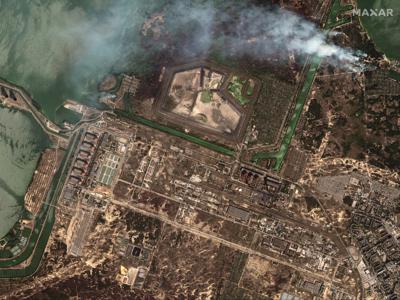
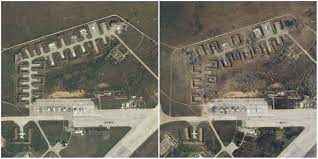
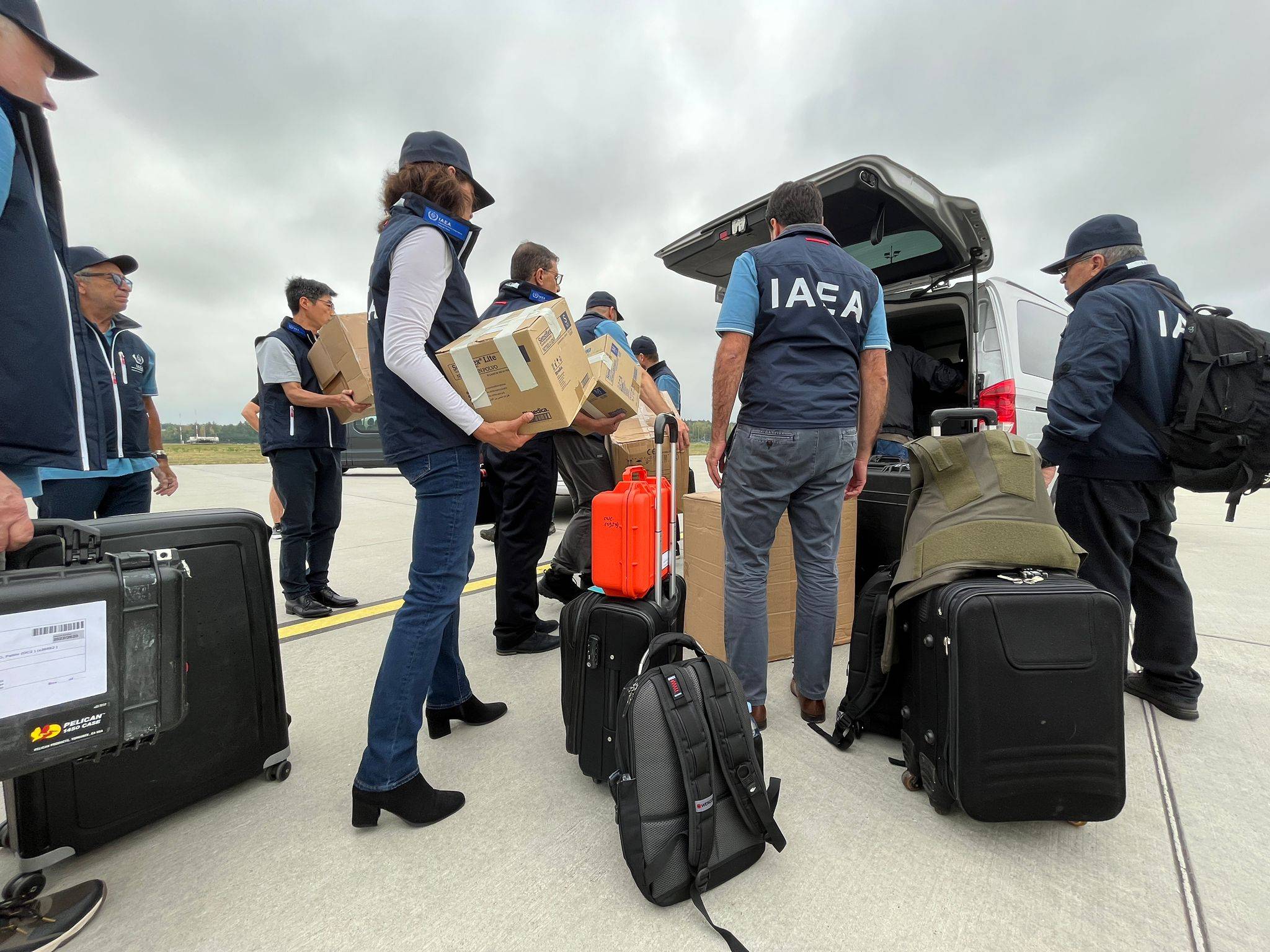


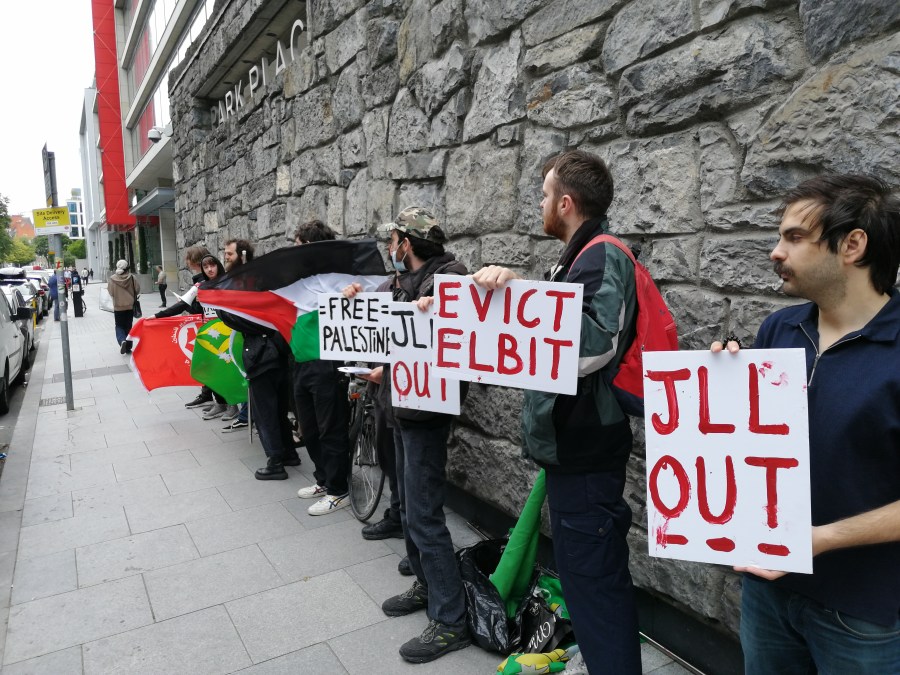
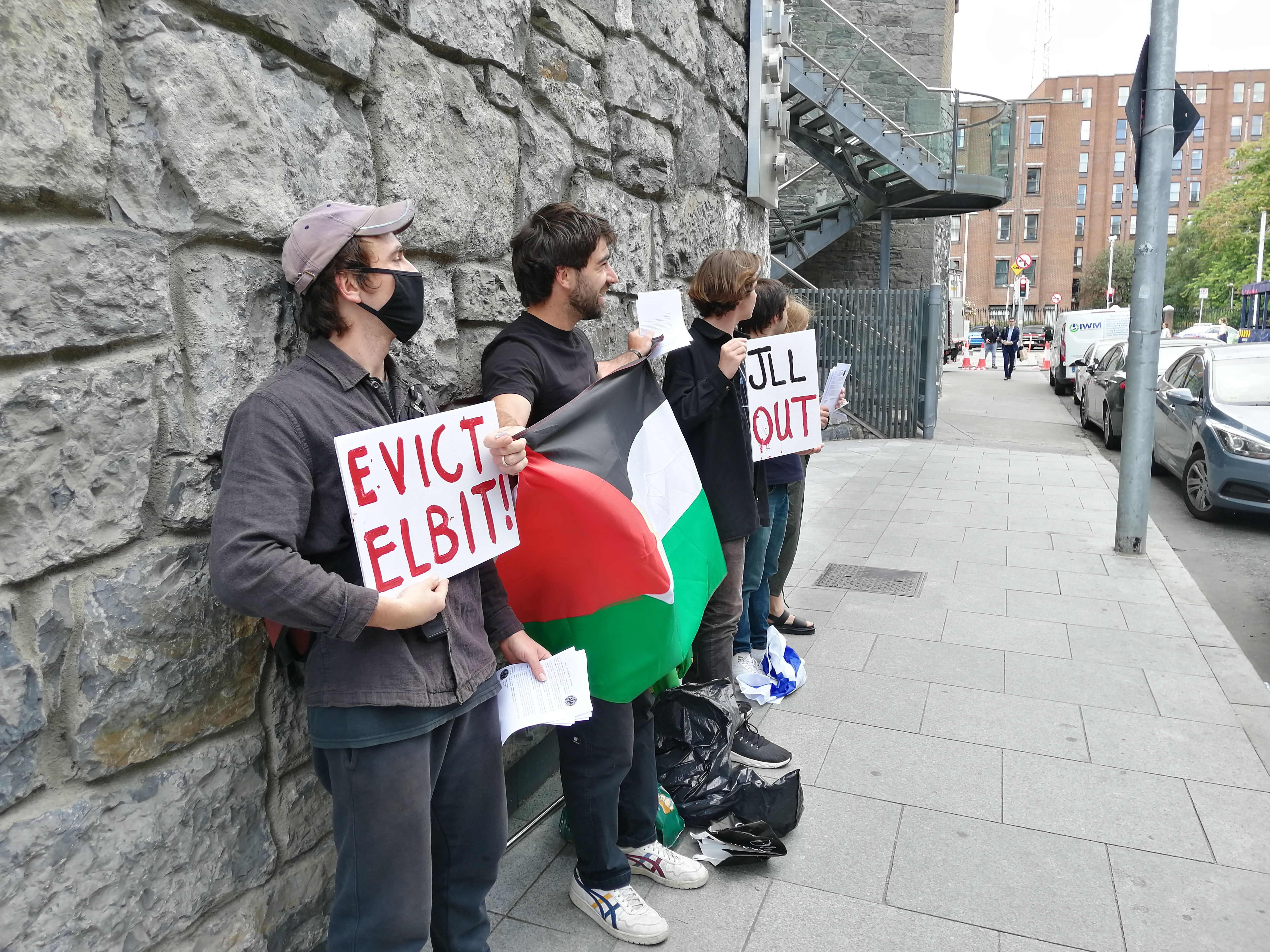
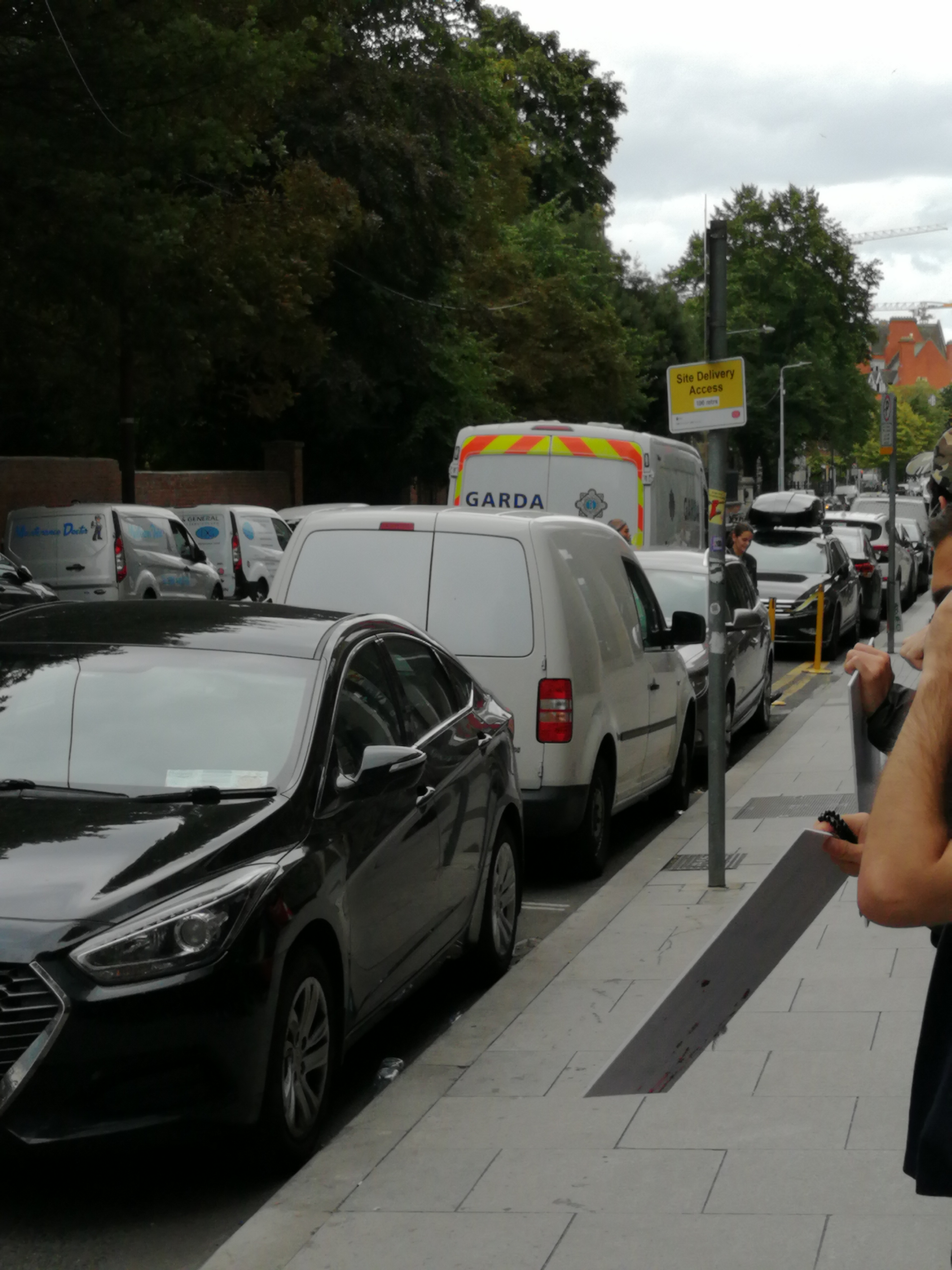
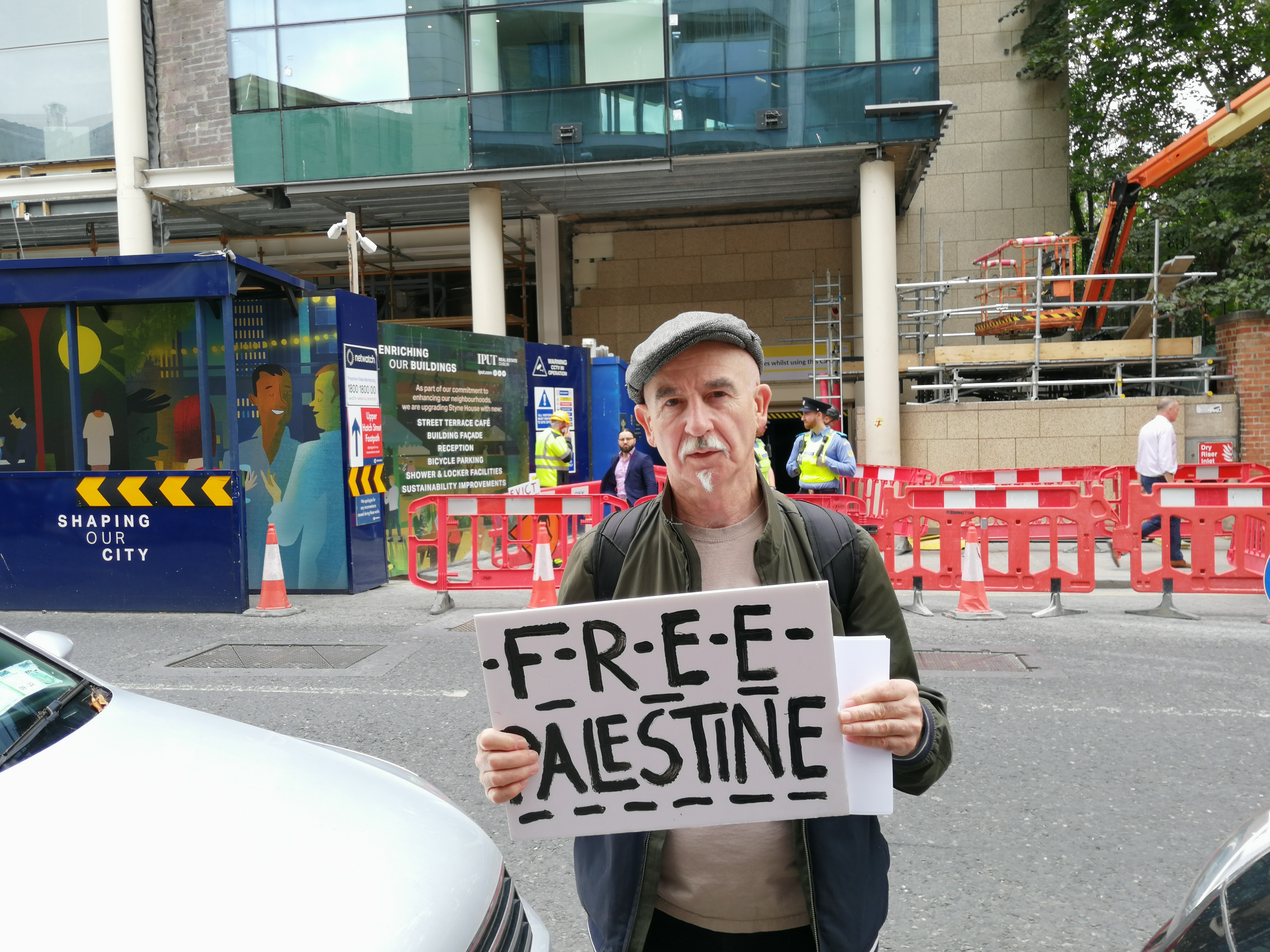
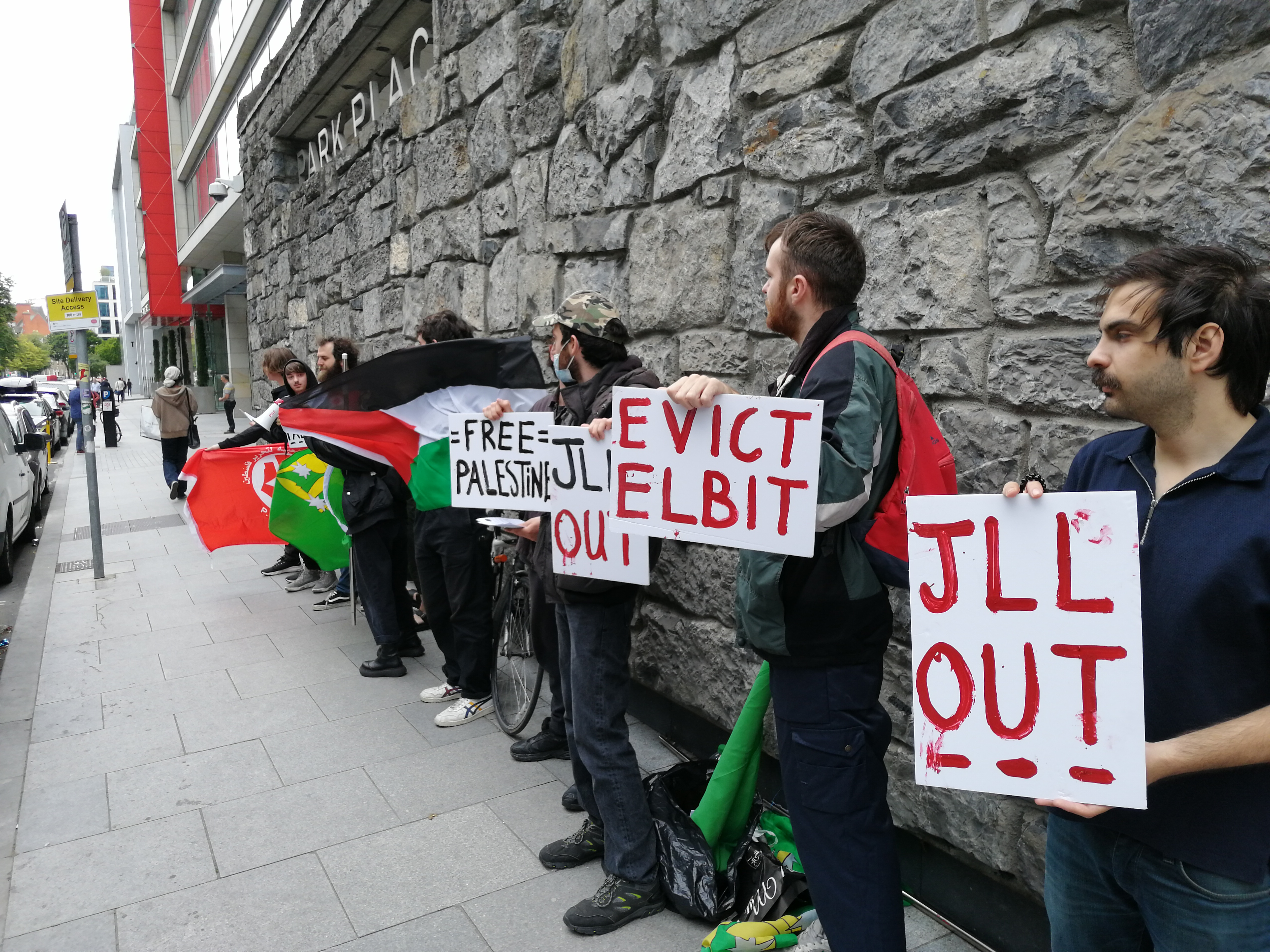

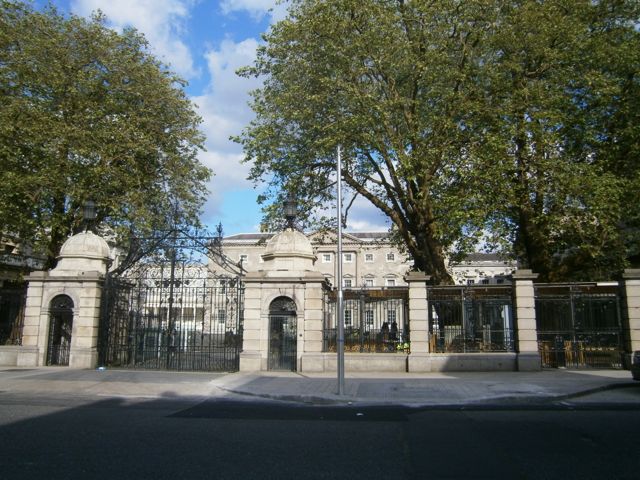


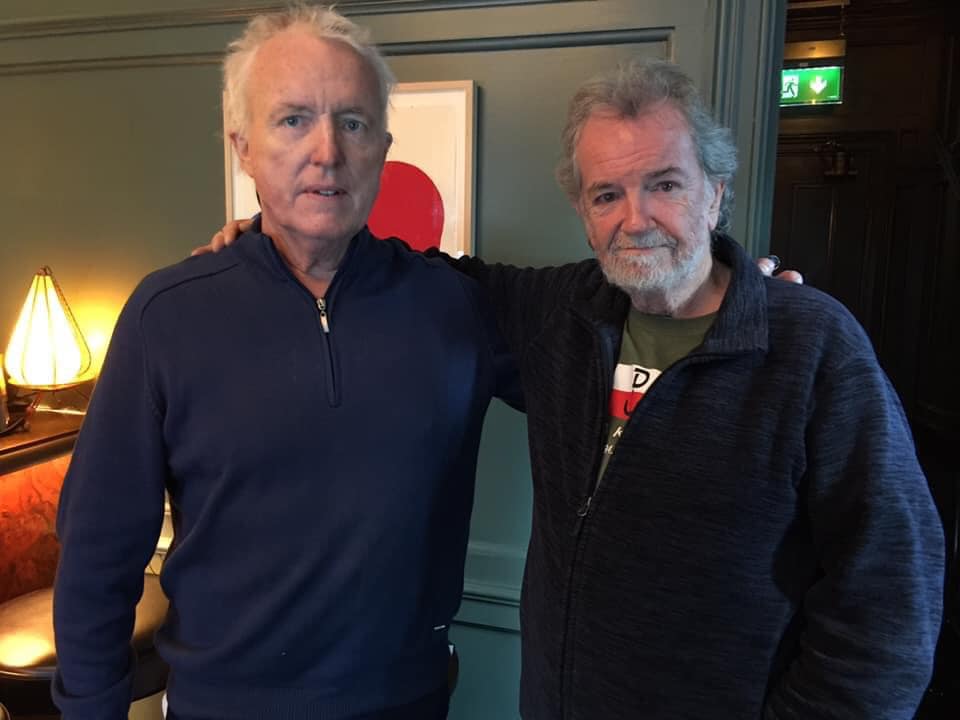



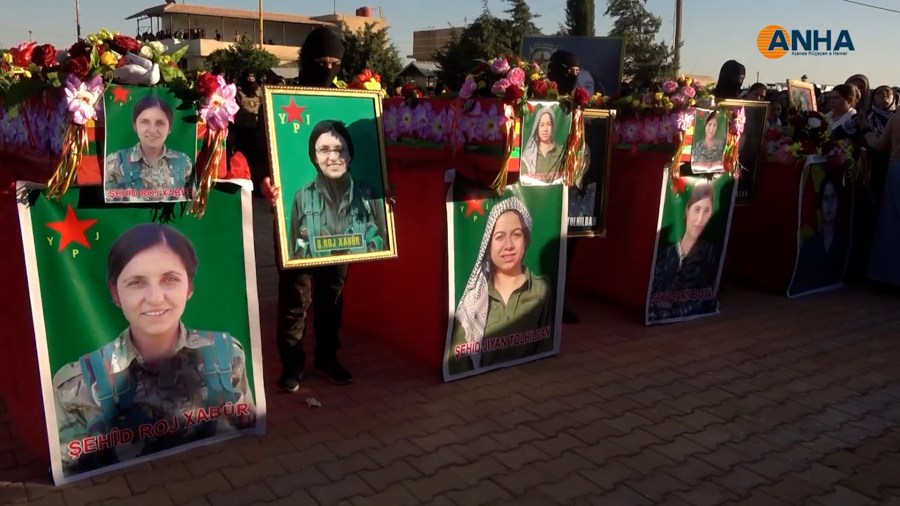


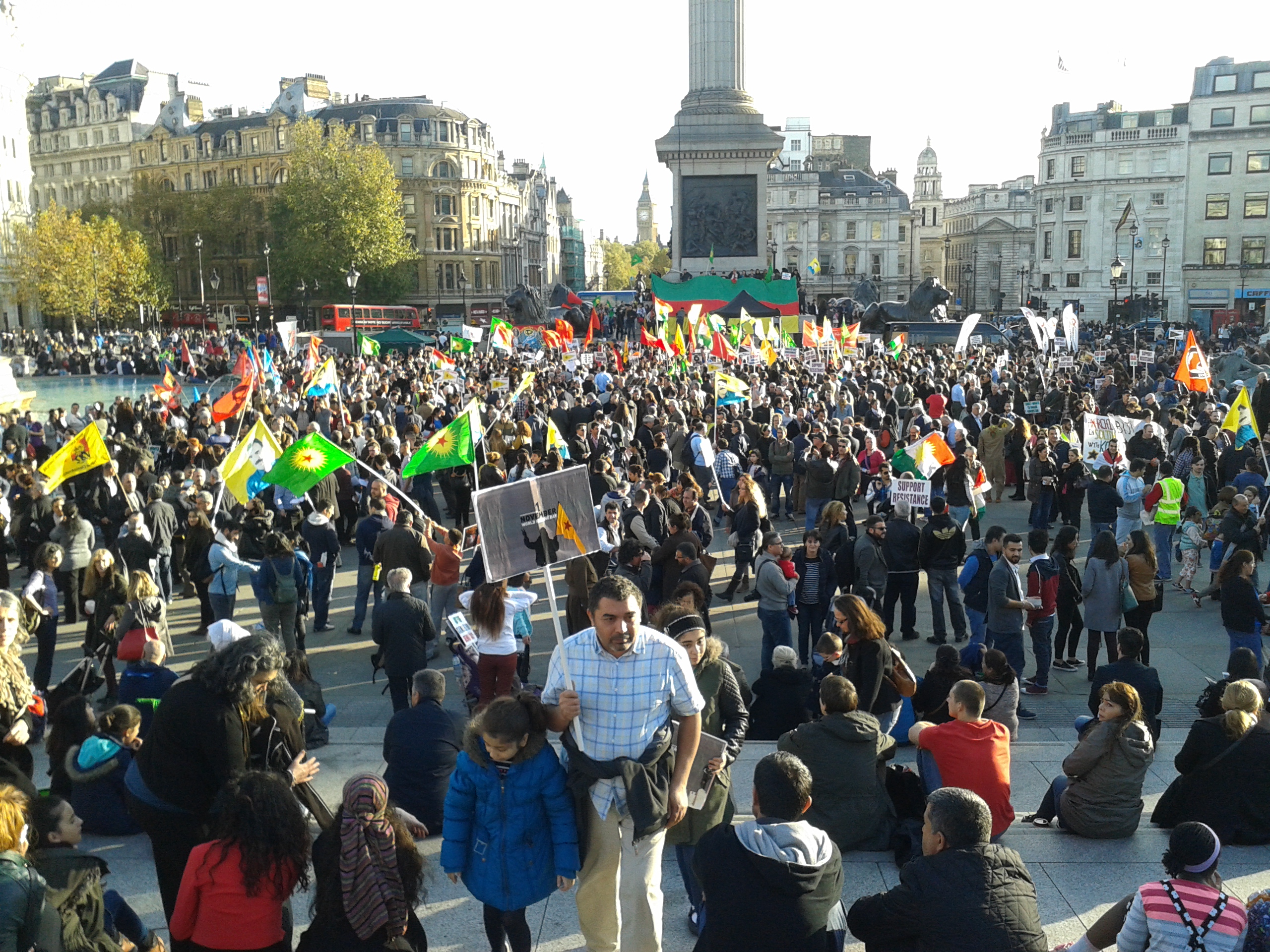

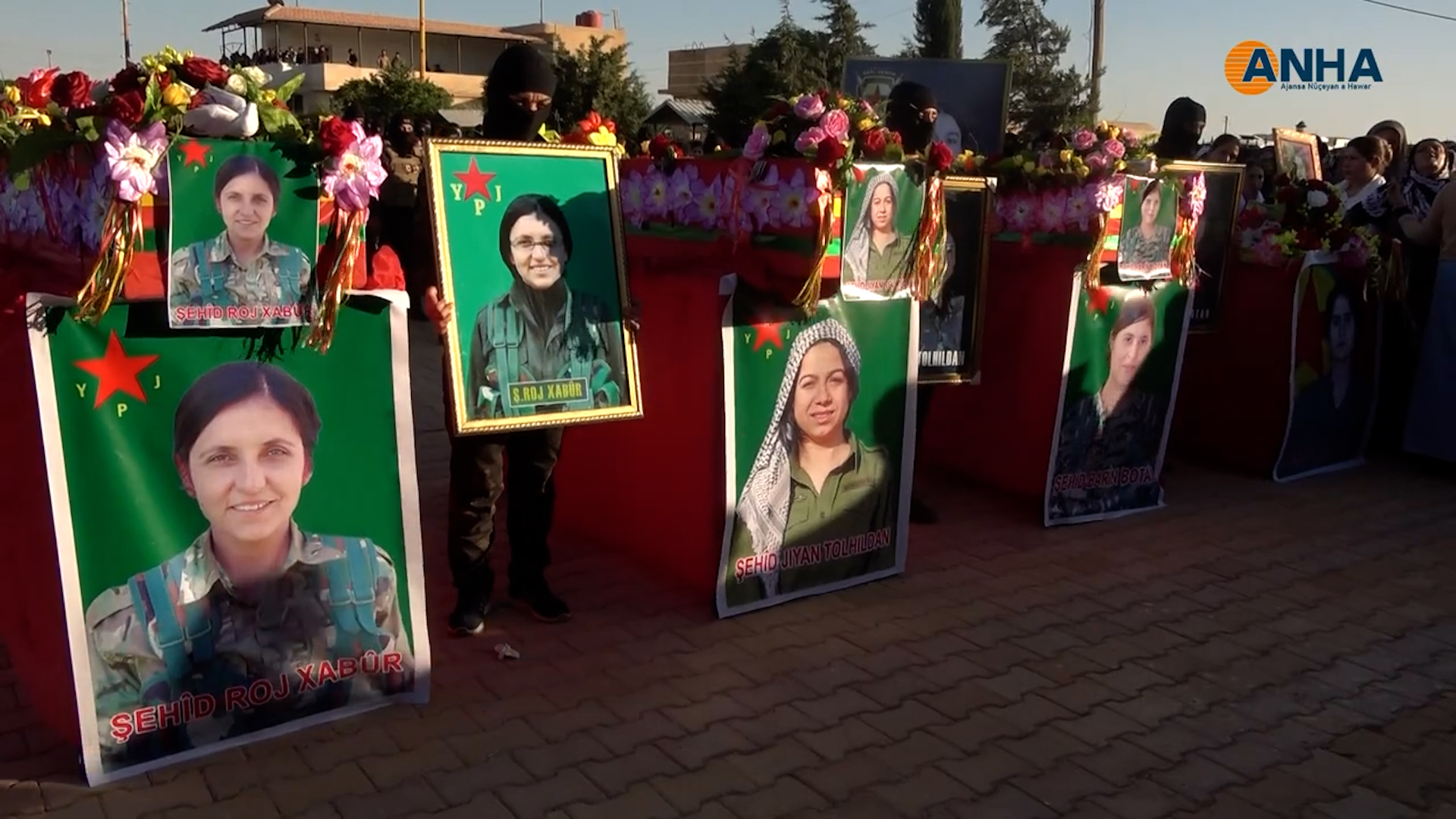


 rebelbreeze