The violation of the civil rights of Osgur Breatnach (then a leading member of the IRSP) exposed in the program in the Finné series on TG4 (Irish language TV channel) shown recently and repeated a week later was set in the 1970s but the injustice did not end there.
Osgur Breatnach, photographed recently and still wanting his beating and framing investigated (Source image: Dara Mac Dónaill, Irish Times).
Even after a High Court admission that he and McNally had been subjected to “oppression” and his conviction thereby overturned 17 months after his jailing, the court still maintained he had beaten himself up – a fiction it maintains to this day.
Of course to say otherwise would have been to admit the Gardaí special unit that came to be known as “The Heavy Gang” were vicious thugs who fabricated “confessions”. And that the judiciary of the Special Criminal Court had, despite the medical evidence and signs of beating on all, including the three who had “confessed” and the repudiation of those statements in court, colluded with the beatings, accepted the statements as true confessions and convicted three of the men for up to 12 years’ jail. And to admit that the Court of Appeal and High Court had been complicit in accepting as a “finding of fact” which could not be overturned that they had beaten one another up (and done it to himself, in the case of Breatnach).
All of which meant that the Heavy Gang got more encouragement for their ‘work’ so that some of them were able to turn up on the scene of other scandals, including that of the false confessions of Joanna Hayes and her family (about which Gardaí nothing has been done either).
Even today, not one of those Gardaí has been even charged and the complicit judiciary and State Prosecution carried on in their jobs and in some cases rose higher.
The injustice did not stop there, for when Nicky Kelly, who had been on the run, gave himself up, even though exactly the same evidence had been used to convict him, he was told he had run over the timeframe in which he could appeal and it took four years of campaigning to get him out too. And then only for “humanitarian reasons,” so the “guilty of armed robbery” verdict still stood for his reputation, potential relationships, job prospects etc.
Another eight years later he received a Presidential “Pardon” from Uachtarán Mary Robinson.
Then the State fought the financial compensation case, taking it to the extreme of bringing Gay Byrne to court over an interview he had given Osgur Breatnach. At this point some wiser heads decided to limit the damage, pay up but with the condition that the three did not go after the police or proceed with any case about the beatings.
A facet of British and Irish civil law of which many are probably unaware is this: If the respondent (i.e the one against which you are taking the case) offers you a sum and you refuse it, and you later win the case but are awarded less than what you were offered earlier, you have to pay all the costs of the defence! You can actually end up owing money!
But back to ongoing injustice. Since not a single one of the Heavy Gang was ever even charged or disciplined over this and other similar behaviour and some were even promoted; since not a single member of the legal profession or judiciary was even reprimanded for their part in it; no warning about where the boundaries are has been given to the Gardaí much less to the judiciary. Which means that it can all easily happen again.
The defendants in the Jobstown case were not beaten up to force them to ‘confess’ but when we hear Garda after Garda, including a senior one, affirm under oath in court that one of the defendants said something which all the video evidence proves he did not, at what conclusion can we arrive other than that they were all lying? But not one of them has been charged or even disciplined either.
Conversely, the State has no problem with dragging anti-fascists to court recently and this to answer charges such as “violent disorder” arising out alleged actions preventing the European fascist organisation Pegida from launching a branch in Dublin.
12-hour protest at Department of Justice in January 2004 –Cormac Breatnach, musician and brother of heavy gang victim Osgur with other musicians including of the Ó Snodaigh family and TD Aongus, their brother. (Photo source: Indymedia — see Links)
ARE THINGS TODAY IMPROVED?
The Heavy Gang is not operating as such today (or at least not yet) but in some respects things are actually worse than they were back in the 1970s ad ’80s. There was one Special Criminal Court then – now there are two! The Public Order Act was brought into force in 1994 to give Gardaí great powers to repress public protests and the scheduled offence of Violent Disorder was included in that Act: three unconnected individuals at the scene of a “disorder” can be convicted under the latter provision and sentenced up to ten years in jail or fined an unlimited amount (or both)!
The non-jury Special Criminal Court on its last day in Green Street before it moved to its new location in Parkgate Street (Photo source: Internet)
Courts are imposing bail conditions preventing activists from continuing to be politically active, i.e from attending public meetings, rallies, demonstrations, pickets etc – for up to the two years it can take the case to come to trial.
And just as in the ‘bad old days’, the unsupported opinion of a Garda of Superintendent rank or over is sufficient to convict Republicans of “belonging to an illegal organisation” and visitors to the public gallery of the SCC have to give their names and addresses to the Gardaí before being admitted.
Special Branch officers still routinely and openly watch Republicans carrying out their peaceful political work and demand their names and addresses on pickets. But now not only is surveillance carried out on people’s electronic communication equipment, communication is also being blocked at times by special equipment of the Gardaí.
Sadly, as the struggle over social and political issues becomes more acute in this state, we will see more repression, as the State tries to force the whole of civil society into compliance, especially by concentrating that repression on society’s more politicised and active sectors. Already in Dublin we have seen masked bailiffs and masked police carrying out an eviction of a small token occupation group in an empty house and, a week later, armed police turning up to a dispute between a couple and their landlord.
Only by admission of wrongdoing followed by actions overturning the current impunity of the Gardaí and the judiciary can a worsening of the situation perhaps be averted. But there is no sign of that happening.
Tens of protesters against undemocratic state repression through internment and special courts gathered at the Wolfe Tone Monument in Dublin’s Stephen Green on Saturday before proceeding through the park to the Irish state’s Department of Justice building at 94 Stephen’s Green.
The sun shone weakly through at times on bare branches of deciduous trees and their autumn leaves, along with the dark green of the evergreen foliage of holly tree and invasive bay cherry.
Wolfe Tone Monument by Edward Delaney (d.2009) at an entrance to Stephen’s Green (image sourced: Internet)
The Wolfe Tone Monument stands in the approximate location of the Irish Citizen Army’s trenches in 1916, fired on by British soldiers with machine guns who had occupied the Shelbourne Hotel opposite, killing one of the Volunteers below. The statue had been blown up by British Loyalists in the 1970s and some of the surviving remnant had been added to in order to rebuild the statue (a fact generally not known or conveniently forgotten).
As is invariably the experience of Irish Republicans, they were under surveillance by some Gardaí in plain clothes and also from a marked police car. Some of the participants were also harassed by them and required to supply their names and addresses.
One of the placards held by protesters across the road from the Department of Justice. (Source image: Abolish the Special Courts campaign FB page)
The event, jointly organised by two fairly recent organisations on the Irish Republican scene, the Abolish the Special Courts campaign and the Irish Socialist Republicans organisation, was supported mostly by Irish Republicans, some independents and some belonging to a number of Irish Republican organisations other than the organisers: activists from the Irish Republican Prisoner and Welfare Association, Saoradh and the Dublin Anti-Internment Committee were also in attendance.
View of a section of the protesters in front of the Department of Justice with Stephen’s Green in the background (Source image: Abolish the Special Courts campaign FB page)
With their banners and placards the protesters stood on the median strip in the road opposite the Department of Justice, passing pedestrians and drivers slowing down to read the texts displayed, some drivers tooting their horns in support. Some, apparently visitors, took photos or video footage.
Later, supporters of the protest crossed the road to the pavement outside the Green to hear speakers. Ger Devereux of the Abolish the Special Courts thanked people for attending and introduced Brian Kenna from Saoradh to speak.
“NOT CONVICTED FOR ANY CRIME BUT FOR BEING …. IRISH REPUBLICANS”
Kenna gave a detailed and comprehensive account of how the Offences Against the State Act has facilitated the imprisoning of Irish Republicans not for any crime they have committed but for being just who they are – Irish Republicans. Observing that half those Republicans in jail in the Irish state are serving time on conviction of allegedly “being a member of an illegal organisation”, the speaker emphasised that the only ‘evidence’ necessary for the Department of Public Prosecutions to secure such a conviction under the Offences Against the State Act is the word of a Garda at the rank of Superintendent or above, along with some vague additional ‘evidence’ that could mean lots of different things.
Brian Kenna speaking to protesters on behalf of Saoradh organisation, across the road from the Department of Justice. (Source image: Abolish the Special Courts campaign FB page)
Brian Kenna warned that not only scheduled offences1 can be tried in the Special Criminal Courts as of now but should the DPP wish it, also other minor offences such as allegedly criminal damage or against public order and he believed that except for the existence of a few factors, including the presence of an MP among the accused, the Jobstown water-protesters would have been tried in the Special Courts, where convictions are the almost automatic result. Kenna called on all people to stand up against these undemocratic laws.
Devereaux then introduced Mandy Duffy, national Chairperson of the Irish Republican Prisoners Welfare Association.
One section of the protesters listening to speakers, Mandy Duffy, Chairperson of the IRPWA in the foreground. (Source image: Abolish the Special Courts campaign FB page)
“HUMILIATION, VIOLENCE AND ISOLATION”
Mandy Duffy spoke about the conditions under which Irish Republicans are being held in a number of prisons in Ireland on both sides of the Border. In Maghaberry in particular, which Duffy said was much more modern than Portlaoise (in the Irish state), Republican prisoners are guarded by a prison staff recruited from among Loyalists2, who hate Irish Republicans and are determined not only to keep them in jail but to make them suffer while they are there.
Duffy focused on the practice of continually strip-searching prisoners every time they are taken from the prison or returned as one of humiliation and of violence when the prisoner is non-compliant.3 The speaker also referred to unreasonable and additional punishments such as keeping prisoners in isolation.
A banner and two placards in front of the Department of Justice. (Source image: Abolish the Special Courts campaign FB page)
Mandy Duffy concluded by calling for solidarity with Irish Republican prisoners and in thanking those present for giving her their attention.
Devereux then called on Diarmuid Breatnach to speak on behalf of the Dublin Anti-Internment Committee.
“WE STAND TOGETHER OR WE GO TO JAIL SEPARATELY”
Diarmuid Breatnach addressing the protesters across from the Department of Justice, on behalf of the Dublin Anti-Internment Committee. (Image source: Abolish the Special Courts campaign FB page)
Diarmuid Breatnach began in Irish by thanking the organisers for the invitation to speak which he then repeated in English. Breatnach said that their Committee held pickets around Dublin mostly on a monthly basis and did so in order to raise awareness on the ground, among the public, that internment without trial continues in Ireland long after it was allegedly terminated by the British in the mid-1970s. He also reminded the protesters that people had resisted internment and protested it in Ireland and in many places around the world, including in Britain. In the Six Counties the Ballymurphy Massacre had been inflicted on people protesting internment in 1971 and again in 1972, the Bloody Sunday Massacre in Derry.
Stating that internment is essentially jailing people without a trial, Diarmuid Breatnach stated that returning a former Republican prisoner who is at liberty under licence to jail without any trial, as has happened for example to Tony Taylor, is effectively internment, albeit of a different kind. Refusing a Republican bail for no good reason when on a charge awaiting trial, which might take up to two years, is also internment of a different kind, the speaker said, stating that the only justifiable reasons for opposing bail are supposed to be a likelihood of the offence being repeated or the charged person absconding, for both of which credible evidence should be produced. Breatnach also drew attention to the recent decision of the European Court of Human Rights which castigated Turkey for their two years of preventive detention (or refusal of bail) of a Kurdish Member of the Turkish Parliament while awaiting trial, on the principle that the period of detention was unreasonably long and was being done deliberately for political reasons.
A small section of protesters across the road from the Department of Justice. (Source image: Abolish the Special Courts campaign FB page)
The speaker also referred to the unreasonable bail conditions when bail was granted, which included non-attendance at political demonstrations, pickets and meetings which, he said, made it clear what the whole intention of the repression was about.
Breatnach reiterated what an earlier speaker had said about the potential of these forms of repression being used against a wider section of opposition to the State and referred to recent arrests of Republicans who had allegedly mobilised against the launch of the fascist group Pegida in 2012. The speaker urged unity across the board against State repression because they either stood together now or later would “go to jail separately”.
Devereaux thanked the participants and encouraged them to keep in touch with the Abolish the Special Courts campaign and the street meeting broke up into informal groups as people began to collect placards, banners, etc getting ready to disperse.
End.
Another small section of the protesters with the Department of Justice in the background. (Source image: Abolish the Special Courts campaign FB page)
2The term “Loyalist” in an Irish context and especially in the occupied Six Counties means “British Loyalists” usually understood not only as those who support the Union with England but as those who do militantly and with bigoted hatred of Catholics (in particular Irish Catholics or people from that community who might well be atheists).
3There is a graphic and accurate depiction of this practice employed on non-compliant Irish Republicans on the “Dirty Protest” in the Steve McQueen film “Hunger” (2008). In the film, the prisoners were nearly naked already but in more ‘normal’ prison conditions, the practice also involved removing the prisoner’s clothes – by force if he or she is non-compliant.
Catalan press story translated and comment by Diarmuid Breatnach
The European Court of Human Rights (ECHR) condemned Turkey for keeping a Kurdish elected Deputy in preventive detention (i.e custody without bail — Translator) without “sufficient” reasons. The seven magistrates of Strasbourg who signed the judgment made public on Tuesday urged the Turkish state to release Selahattin Demirtas, who when he was arrested was co-president of the People’s Democratic Party (HDP).
The court also considers that the inability of the former leader to participate in parliamentary activity despite being an elected Deputy constituted an “unjustified” interference with freedom of expression and the right to be elected and occupy a seat in Parliament. The left party HDP reacted by calling on the local courts of the country to implement the decision “immediately” and not only get Demirtas out of prison but also the rest of the Deputies in jail.
In a statement, the HDP recalls that Demirtas has been a “hostage” for two years and demands that he be released “without delay.” The party sees the decision as a “precedent” for all those elected and highlights the “determination” of those who “do not abandon the struggle for democracy and peace” in their country.
VIOLATION OF THE EUROPEAN CONVENTION ON HUMAN RIGHTS
The ECHR claims that several articles of the European Convention on Human Rights were violated, such as the right of all detainees to be taken “without delay” before a judge and to be judged within a “reasonable” period or be released during the proceedings (article 5.3) and the right to free elections (Additional Protocol, article 3).
“The Court concludes that the extension of the period of pretrial detention has been established beyond a reasonable doubt, especially during two crucial campaigns, the referendum and the presidential elections, with the ulterior purpose of stifling pluralism and limiting the freedom of a political debate”, the text sets out.
Overall, Strasbourg not only directs the Turkish state to release him but also to compensate Demirtas with 10,000 euros for non-financial damages, in addition to the 250,000 requested by the politician. “The court notes that the violation of the agreement has unquestionably caused substantial damage to the plaintiff,” said the ruling. In addition, it ordered the Turkish State to pay 15,000 euro in legal expenses.
REACTIONS TO THE JUDGEMENT
Amnesty International, an NGO for human rights where Demirtas, who is a lawyer, also collaborated, has released a communiqué in which he recalls that Turkey is one of the 49 member states of the Council of Europe and that, therefore, the decision of the ECHR It is “binding”.
The Director of Research and Strategy of AI forTurkey, Andrew Gardner, assures that the judgement with regard to the opposition leader “exposes” the Turkish judicial system and points out that “it should have great implications” in the country presided over by Recep Tayyip Erdoğan. “Civil society activists remain on a regular basis for long periods in pretrial detention under fabricated accusations,” he laments, highlighting the “influence” of the policy in Turkish courts. According to Gardner, in Ankara “peaceful” expressions of political dissidents are “punished” through the courts.
For his part, the ERC MEP Jordi Solé sees in the ruling a “precedent” for states that “abuse” preventive detention and “violate” political rights. In this regard, the parliamentarian believes that “it will have to be taken into account in the case of the Catalan independence leaders.”
“European justice does not allow prison to be abused as an instrument to restrict freedom and political pluralism or to violate the procedural, civil and political rights of citizens, and the Spanish state should take note,” he said in a statement.
COMMENT:
Though certainly the judgement is to be welcomed by all supporters of human and civil rights, observers and commentators would do well to exercise more caution with regard to the impact of this judgement. Certainly other political parties can quote it with regard to elected deputies detained while awaiting trial and may indeed succeed in their endeavour. But the judgement specifically mentioned an elected Deputy and electoral campaigns. Therefore there are a great number of political prisoners to whom this judgement does not necessarily apply and, in the Catalan case, one would be concerned for example about the cases of the jailed leaders of the grass-roots organisations Jordi Sanchez and Jordi Cuixart.
In addition, the judgement did not say how long would be a “justified” period to keep a prisoner in jail before bringing him to trial. This prisoner, according to his party the HDP, was kept in prison for two years but it does not automatically follow that a period of that length will always be considered “unreasonable”. Should it be so there are a great many prisoners who have waited that long for a sentence while in custody in Europe, including in Ireland and the Basque Country.
It is of course a welcome precedent of a kind, as the Catalan MEP said but whether it will have the effect he believes is something else.
What is particularly interesting in this case is the speed (for the ECHR) with which the case reached the Strasbourg Court for judgement and in which judgement was given, if indeed it all took place within a period of two years, since many cases have taken much longer. For example, Martxelo Otxamendi, Director of the Basque-language newspaper Egunkaria wrongfully banned by the Spanish State, who was tortured in 2003 during the five-day incomunicado period routinely applied to those accused of anything to do with “terrorism” (sic), took five years to exhaust his options in the courts of the Spanish State (usually a requirement before presenting the case in Strasbourg) but it took another four years before judgement was finally delivered by the ECHR in 2012 (and even then the Spanish State was only penalised for failure to investigate the allegation of torture, since the ECHR judged that the torture itself could not be proven).
On the anniversary of Kristalnacht, the Spanish TV channel Telecinco showed a program about the Nazi attack on Jewish premises and people on 9-10 November 1938 which, because of the breaking of shop windows and looting, came to be be known by that name, which translates as Broken Glass Night. In showing the program, they inserted shots of Catalan independentist events, drawing a clear parallel between the two.
A journalist at a German television channel denounced the Spanish TV station for this and challenged them to explain their actions.
Wikipedia: Estimates of the number of fatalities caused by the pogrom have varied. Early reports estimated that 91 Jews were murdered during the attacks.Modern analysis of German scholarly sources by historians …. puts the number much higher. When deaths from post-arrest maltreatment and subsequent suicides are included, the death toll climbs into the hundreds. Additionally, 30,000 Jewish men were arrested and incarcerated in concentration camps.
Jewish homes, hospitals, and schools were ransacked, as the attackers demolished buildings with sledgehammers.The rioters destroyed 267 synagogues throughout Germany, Austria, and the Sudetenland,and over 7,000 Jewish businesses were either destroyed or damaged.
Spanish unionists have often accused the Catalan independentist movement of being Nazi or Fascist. No evidence has ever emerged of the Catalan pro-independence movement being anti-semitic or even right wing. A few years ago the Catalan Parlament, with a pro-independence majority, passed a law to give migrants equal access to health care with Catalan nationals but the Spanish High Court ruled the law illegal. The Parlament passed the law again this year. Giving migrants equal rights in health services hardly sounds typical of fascists.
But logic has nothing to do with this. Nor has history.
In accusing the Catalan movement of being fascist in nature, Spanish unionists not only exhibit their ignorance of the nature of Catalan society and the independence movement, but also their ignorance of the history of the Spanish State.
It is in fact the Spanish unionist forces which have a very close connection with fascism.
It was the military coup and fascist forces in the Spanish Civil War (or more correctly, the Anti-Fascist War) which sought the overthrow of the democratically-elected Popular Front Government and which, in order to succeed, called in the German Nazis and Italian Fascists for military assistance. Catalonia ndependentists were a major component of the anti-fascist alliance but Barcelona eventually fell to the fascist forces and a fascist dictatorship under General Franco followed. After Franco died, the right-wing forces put together a political party to participate in forthcoming ‘democratic’ elections and named it the Partido Popular.
Franco & Hitler reviewing fascist troops in the northern Basque Country during the Iberian Antifascist War (Image source: Internet)
This party gathered most of the old regime and die-hard fascists into it and is one of the two main political parties of the Spanish state. From December 2011 until it was unseated recently in a no-confidence vote due to corruption scandals, the PP was in Government of the Spanish state. It was that Government that sent Spanish police searching for referendum ballot boxes in September last year and on 1st August 2017 to attack voters with truncheons, boots, fists and rubber bullets. It was the PP Government which charged and jailed without bail Catalan independence activists and began proceedings against hundreds of others including a great many Catalan town mayors, which the current PSOE Government is processing.
The PP has been nearly eliminated electorally in Catalonia but another political party with similar ideology is strong there, also Spanish unionist, criticising the Catalan independence movement at every opportunity and supporting Spanish repression of the movement.
There are also actual openly-fascist organisations in the Spanish state which have representation inside the police and military and which regularly flaunt their banned fascist emblems, salutes and slogans with impunity. As well as being anti-semitic and otherwise racist, Spanish state unity is a central them with these too.
(Source of image: Internet)
All of these elements – along with many Spanish unionists of other political types, such as many in the PSOE – have denied the democratic right to self-determination of the Catalan people and supported fascist-type attacks on their activists and movement.
In summary then, although of course one may – as anywhere else – find some anti-semites and nazi types in Catalan society, even in the independence movement, the greatest number and natural home of this type is to be found in the Spanish unionist movement and its various political parties – the very ones who are accusing the Catalans of being fascists.
But drawing parallels, no matter how irrational, between the Nazi Kristalnacht and the democratic Catalan independence movement is a new low, even for them.
Marchers in Iruňa (Spanish: Pamplona) called “Alde Hemendik!” for the Spanish occupation forces to get out of their country and also called the Nafarroan police “murderers”, in addition to calling for the liberation of Basque political prisoners.
Posters for the march seen in a number of locations in the town (Photo: D.Breatnach)
The marchers were obliged to seek permission from the authorities for the demonstration and route as otherwise, from past experience, a police attack would have been certain. Even when approved, marchers in the past had to pass by ranks of police in full riot gear, which earned the latter the nickname “Romanos”, from their superficial resemblance to Roman Legionaires. Of course the police are given many other names too. On this occasion, the police presence was not as intimidatory as is normally the case.
The event took place on October12th which is national Spanish holiday, the Día de la Hispanidad, in which the State celebrates the spread of the Castillian language through conquest of the Canaries, Americas and part of North Africa. Naturally enough, forces that are opposed to the character of the Spanish State or to its presence in their country tend to hold counter-demonstrations on that day.
The marchers form up and begin (Photo: D.Breatnach)View from almost rear of march (Photo: D.Breatnach)
Although I did see one poster of the ‘official’ Basque Abertzale (pro-Independence) Left in the town I saw no other sign of them except banners on their local HQ (at least that’s what I was told it was). There seemed to be no intention of their holding a demonstration on that day.
The size of the march was perhaps somewhat less than had been hoped for but it made a good show going through the old town. Curiously, the march seemed much reduced by the time it reached the end square.
Front banner and march turning back into the old town after passing the police twice. (Photo: D.Breatnach)
The marchers set the tone from the start with their banner and slogans and did not hesitate to call out “Policia asesina!” (‘police murderers’ in Castillian) as they approached and passed the police. Later people within the march began to lead chants also, some in Castillian and many in Catalan. The march did not pass by the nearby local HQ of the ‘official’ leadership of the Basque Abertzale Left. A marcher told me the were not permitted to do so but I was unsure whether that was an assumption taken for granted or whether they had been refused. However, the march leaders took people on a winding route through the old town, passing by residences, bars, businesses and many tourists.
March wending its way through streets of the old town (Photo: D.Breatnach)In the Plaza de San Francisco singing Basque song ((Photo: D.Breatnach)
Concluding in the Plaza de San Francisco (St. Francis [of Assisi1] square) opposite the Municipal School, to the security bars of which the banner was secured, no speech was given but the marchers sang “Eusko Gudariak” (‘Basque Soldiers’), a Basque song of resistance (and anthem) with clenched fists, at the end of which a woman let out a long irrintzi.
IRUŇA AND NAFFAROA
Iruňa is the capital of the ‘autonomous’ southern Basque province of Nafarroa/ Navarra (and according to some, to be the capital of an independent Basque Country though by no means agreed by all). The Basque Kingdom of the Middle Ages was called the Kingdom of Nafarroa (Navarra in Castillian, Navarre in French). The present-day province is located at the north end of the Spanish state, on the border with the French state, much of that border area in the Pyrenees mountain range. The province has the other southern Basque ‘autonomous’ region of Euskadi (three provinces) to its west and the Aragon region to its east (with Basque provinces on the other side of the French Border too).
“ALDE HEMENDIK! (GET OUT OF HERE!) “Indar okupatzaileak kanpora! (Occupying forces out!) The march banner is left hanging on the security bars of the Municipal School (staff will probably remove it on their first shift after the holiday). (Photo: D.Breatnach)
Until recently, the majority political party there was the mainstream Spanish unionist party, the Partido Popular, now outnumbered and ousted by a coalition of pro-independence Basque parties.
The legal linguistic provision of Nafarroa is unique in the Basque Country as its territory is divided into three distinct linguistic regions: all Castillian-speaking; Castillian and Euskera bilingual; Euskera-speaking. Access to services, education and facilities through Euskera depends on in which area one lives or works, which might seem fair until one remembers that official services through Castillian are available always, no matter the region – it is the official language of the Spanish state. Euskera speakers also complain that in the bilingual region they are not getting the provision which they need and to which their numbers entitle them.
Monument statue of St. Francis of Assisi in the square named after him. (Photo: D.Breatnach)
Nafarroa was the only part of the Basque Country which can be said to have experienced what is called “the Spanish Civil War” (i.e an internal war) since the right-wing Carlists there slaughtered the 3,000 or so active Republicans, Communists and Anarchists — or just anti-fascists — before any of Franco’s troops or the Falange arrived there. As a result, the province was treated more lightly by the Franco dictatorship than the other three southern Basque provinces. This did not prevent repression of the Basque language in Nafarroa nor the armed attack on the more progressive Carlist movement of the 1980s during the “Transition” after Franco’s death.
The Town Hall. All such municipal buidlings throughout the Spanish state are required by law to fly the Spanish State flag which must be at equal or higher elevation than all others. (Photo: D.Breatnach)
Many political and physical battles have been fought by pro-independence Basques since the 1930s, even around bringing a giant Basque flag into the main square for the ceremony to begin the San Fermines festival in Iruna/ Pamplona and at this festival too, many women have been molested and one gang-raped in 20162. The shocking nine-years jail sentence over a barroom brawl with Guardia Civil was imposed some months ago on youth from Altsasu, a town in Nafarroa.
Area through which the bulls run as part of the San Fermines festival. (Photo: D.Breatnach)
FOOTNOTES
1St. Francis Xavier (1506-1562), born in Nafarroa, is the more common St. Francis to find referred to in the Spanish state and many Basques are called Xavier. St. Francis of Assisi (1881/2-1226) was Italian. There’s a story that an airman is falling out of the sky, his parachute having failed and he calls desperately for St. Francis to help him. A giant hand appears under him and as he comes to rest on it, a voice booms from the sky: “Which St. Francis did you mean, my son?” “Of Assisi”, gasps the airman. “I was named after him. Thank you!” “Alas,” the voice replies, “I am St. Francis Xavier.” And the hand is removed ….
People outside the Mexican Embassy in Dublin on Wednesday evening remember the 43 students and call for justice.
(Photo: D.Breatnach)Names of the Disappeared being laid outside the Mexican Embassy (Photo: D.Breatnach)
A short but moving event was held in Dublin yesterday evening (Thursday 26th September) to remember the 43 Mexican students made to “disappear” in Mexico by the authorities or in collusion with them on 26th September 2014. The students from the Ayotzinapa Rural Teachers’ College were kidnapped while they were taking part in an annual commemoration of the Tlatelolco Massacre (of 300-400 students and other civilians by police and military on 2nd October 1968, less than a fortnight before the opening of the Olympics in the city that year). They are widely believed to have been murdered and a supposed investigation by Mexican State authorities petered out without a result.
Names of the Disappeared being laid outside the Mexican Embassy (Photo: D.Breatnach)Some staff leaving the Mexican Embassy in Dublin (Photo: D.Breatnach)Names of the Disappeared being laid outside the Mexican Embassy (Photo: D.Breatnach)(Photo: D.Breatnach)
The event last night was organised by the Mexico Ireland Solidarity Collective (MISC) and Latin America Solidarity Centre (LASC). Sunflowers as a symbol of hope were placed in the railing of the Mexican Embassy in Raglan Road, Dublin and ribbons in the Mexican colours of green, white and red were also tied there. The names of the 43 “disappeared” students were laid on the pavement in front of the Embassy which, like the embassies of a number of other states, is located in a quiet upper-middle class area south of the Grand Canal. Few people passed the remembrance event and staff leaving the Embassy did not stop to talk to the gathering except for the last two who greeted them politely and took a photo of the display.
A spokesperson for MISC said that the event is organised every year so that the people are not forgotten.
People took turns to read the name of each of the 43 from their cards and the traditional “Presente!” was called out after each one, signifying that alive or dead, they are present with us, remembered.
A statement was read and some verses from Woody Guthries’s Plane Crash at Los Gatos were sung and then a long silence was observed, which ended with a call for “Justicia!”
end.
Placing the sunflowers for hope outside the Mexican Embassy (Photo: D.Breatnach) (Photo: D.Breatnach)Reading a statement on the Disappeared outside the Mexican Embassy (Photo: D.Breatnach)
Placing the sunflowers of hope (Photo: D.Breatnach)Protesters in Mexico demanding the authorities reveal what happened to the 43 students. (Photo source: Internet)
Again and again we come across activists, journalists, musicians and other artists who are lauded for “speaking truth to power”. They are often praised for that, even idolised. “Speaking truth to power” seems to be brave thing to do. And an important thing. But is it really?
First of all, let us think of who are those usually thought of as “Power”: governments, big companies, military dictators, church leaders, powerful individuals in the media or in the arts …..
Why is it considered a good thing to speak truth to them? It may well be brave to do so and often is. People who spoke the truth in certain situations throughout history and currently have had their careers destroyed, been the subject of all kinds of horrible allegations, been marginalised, lost their families and friends, been framed on charges, jailed as a result or just automatically, tortured, killed and “disappeared”. Yes, we could hardly deny the courage of many of those who chose to take that step. But whether it’s an important thing to do is another thing completely.
What? A courageous act against power not important? What can I be suggesting!
Let’s look at those in power again, taking for examples a government, a military dictatorship and the CEO of a powerful company. In our example, we set out to “speak truth” to them.
For the government, we send them an email, or a letter because there are too many Ministers and Secretaries to address verbally – unless of course we are in some kind of privileged position. They in turn ignore us or send us a dismissive reply (possibly tailored to be quoted) or they have us subjected to surveillance, just in case we should turn out to be a real problem in future. And any government in the world is capable of putting citizens under surveillance.
(Cartoon strip source: Internet)
We send the military dictator a letter and he has us arrested, detained for torture and questioning. Or we accost him when he is somewhere in public …. and his security guards shoot us dead. Or arrest us for torture and questioning.
With regard to the CEO, we send him an email. He ignores it but may have us put under surveillance – just in case. And he’ll have our employment and tax records, families and friends checked out too. Like governments, the CEOs of big companies can easily put people under surveillance and run background checks on them. And CEOs likely last longer in the power position than most governments. Or he might reply dismissively. Or he might have his legal services people threaten us with legal action which, as well as shutting us up, would cost us a lot of money we don’t have, probably bankrupting us.
This is the illusion of liberals and social-democrats but the reality is very different. (Image sourced: Internet)(image source: Internet)
In the military dictator’s case, we are out of the picture. In the case of the other two, nothing further may happen if we shut up now. But if not, well …. there’s that list of bad outcomes I listed above. Brave? Certainly – but to what effect? Have we changed anything?
Some people think we can change the essence of the way those in Power think by Speaking the Truth to them. If only we can say it powerfully enough. Nonsense. Those in the Power have already chosen who they want to be, what side they are on and understood the basic dynamics or been taught them along the way. Many choices made have confirmed them in their roles and ideology. Furthermore they know that to break ranks with their own is a dangerous thing to do which can result in bad outcomes for them too and also expose them to painful and even fatal thrusts from their competitors or rivals. Remember the 1983 film Trading Places? Remember how the main hero falls at first, is shunned, loses his privileges, friends and associates? Unlike the film’s ending, there is no coming back from there.
If those CEOs and company owners ever took a progressive step it was because they were shown it would increase their profitability or at very least were shown it wouldn’t hurt it ….. or they were forced to do so by people’s resistance. Not ever by having “Truth Spoken” to them. Unless it was the truth of resistance (and we’ll come back to that).
I don’t see the point of Speaking Truth to Power … except in very exceptional situations. For example, if we are being sentenced in court, even if the public gallery has been cleared or packed with cops (which has happened even in this state on occasion), we might wish to raise a clenched fist and yell “Death to Fascism!” before the guards jump on us and bundle us to the cells, giving us a few punches on the way.
Or being tortured, if we are capable of it (and while we are still capable) we might want to shout something similar or just plain “Fuck you!” Or in front of a firing squad, to shout “Long live the revolution!” before the order comes to “Fire!”
Will it do any good, make any difference? Without an audience apart from those in Power, almost certainly not. It might affect some soldiers or police in the firing squad or some jailers but such results are usually negligible. But in doing so, we assert our humanity, our spirit against them and it is for ourselves alone, at that moment, that we Speak Truth to Power. Otherwise, there is no point, none at all.
I don’t want to Speak Truth to Power and what’s more, question why anyone else would. Is he or she suffering from some kind of liberal illusion that such words make a difference, can convert or subvert Power? Or from an inflated ego that convinces him or her that they have the gift, the eloquence, the importance to make Power change? Or that somehow, by force of their excellent will, they can overcome history and change reality?
Or even worse, are they signaling to the Power that they are articulate, eloquent even with “alternative” credentials and that they are worth recruiting by the Power?
The Naked Emperor. In Hans Christian Andersen’s subversive tale, an undoctrinated child remarks that, contrary to royal propaganda, the Emperor is naked and the people can then admit this to themselves. The child spoke Truth — but to the People. (image source: Internet)Speaking truth among the people. (Cartoon source: Internet)
I repeat: I don’t want to Speak Truth to Power. I want to Speak Truth alright … but to the PowerLESS! I want to expose the Powerful to the people. I want to show them the long list of the crimes of the Power and that it is unreformable. But I don’t want to just read the people a horror story; I want to show them how I think the monster can be killed. I want to show the people that THEY CAN DO IT! The people can grasp power with which to overthrow the Power. I want to show the people what their forebears have done in rebellions, uprisings, revolution, creation of resistance organisations, art, discovery of science, production ….. I want to share what I think with them, argue with them, encourage them, criticise them. And the only time I want to Speak Truth to Power is when they, the People, are listening, or reading what I am saying. Because then, it’s not to Power, in reality, that I’ll be Speaking Truth; the important audience is not Power at all.
So, Speaking Truth to the People is the thing to do. And will those who do so be safe from painful outcomes, that list given earlier? Having careers destroyed, being the subject of all kinds of horrible allegations, being marginalised, losing families and friends, being framed on charges, jailed as a result or just automatically, tortured, killed and “disappeared”? Alas, no, each of those is a distinct possibility: all have happened even to the people of our small island and nearly all of them fairly recently. Some very recently and even ongoing.
There is no safe way to Speak Truth. But at least this way, there is a chance that Speaking Truth will have some effect, will make a difference. It might even make a big difference. We hope so.
And the final Truth is that words, for all their power on people’s minds, don’t change the real world. People do that, through action.
Very recently, a large and high-status media organisation published a news report with a headline to which a minister of state objected. The Minister made it an official complaint and the media organisation changed the headline. Nothing so startling in any of that, right? Wrong.
There are many things wrong with this scenario. Firstly, should a government minister be able to change news reporting by a media organisation? Isn’t media supposed to be independent? So they tell us, anyway.
Well, the media organisation in question, the British Broadcasting Corporation, is government-funded. Yes but at the same time it proclaims its independence nevertheless.
Anyway, the government to which the complaining Minister belonged wasn’t even the British Government – it was Israel’s.
So a minister of Israel’s Government made a complaint about a British Broadcasting Corporation’s news headline, and the BBC changed the headline to accommodate him and the Israeli Government? Yes, it happened on 9th August this year.
Well, maybe the complaint was justified? If so, the BBC should respond appropriately.
Perhaps they should – IF it was justified. But it wasn’t.
Firstly, the complaint was that the headline was inaccurate – and the complaint actually said that it was a lie! In other words, not just inaccurate but deliberately so.
Untrue, whether deliberate or not? No, it was completely true and attested to by reports of many other media, including Israel’s own. On 9th August, Inas Muhammed Khamash (9 months pregnant according to some reports) and her 18-month daughter Bayan Khamash were killed when, according to the Israeli Army, Israel bombed 140 sites in Gaza. Not only that but the Health Ministry of Gaza confirmed the death of 20-year old Ali Al-Ghandour in the attack and the hospitalisation of another 12, two of which are in critical condition.
The Israeli Minister wanted included in the BBC headline that the Israeli bombing which did kill a mother and child, that it had been in response to rockets fired at Israel. Context is important, right?
.@BBCWorld this is a formal complaint by @IsraelMFA .This title is a deliberate misrepresentation of reality ( that’s the polite equivalent of “ this is a LIE”, if you don’t get it). Israelis were targeted by Hamas and IDF acts to protect them.Change it IMMEDIATELY!!! @IsraelMFA
CONTEXT IN NEWS REPORTING
Well yes, of course context is important but one cannot always include context in a headline. Imagine putting context into a number of news headlines down through history: “Nazi invading army surrounded after failure to take Stalingrad due to courageous resistance for over five months and Red Army counterattack” instead of “Nazi Army surrounded at Stalingrad – five-month siege lifted.” Or “Banks bailed out with debts guaranteed by Government prepared to implement austerity cuts on most of the population” instead of “Banks bailout – who will pay?” The context can be provided within the story.
However, if the Israeli Minister wants context in headlines or even in stories, how about including in a report of any Palestinian demonstration or rocket attack the following information as to what gave rise to the action:
Zionists colonised a land in which Jews were about 10% of the population and created a State from which through terrorism they expelled thousands of non-Jewish Palestinians
The Zionist State extended its lands on which it plants Zionist settlers, stealing further Palestinian land and water
Zionist state law allow for any Jewish person in the world, with no connection whatsoever with the land, to become an Israeli citizen while banning original non-Jewish Palestinian exiles or their descendants from returning or from Israeli citizenship. And it has now legislated that Israel is a Jewish state, officially discriminating against the 20% of its non-Jewish citizens who are born and raised within the state.
Zionists are steadily making Jerusalem, a city holy to Christians, Muslims and Jews, a Jewish city by appropriation of buildings and areas and intimidation of Palestinian residents and worshippers of other faiths.
Palestinians are second-class citizens in their own land held up at Israeli checkpoints for hours
The Zionist state disagreed with the Palestinian election results years ago and made of Gaza what many have called “the largest concentration camp in the world”.
The Zionist Armed forces bombed Gaza several times with huge loss of Palestinian life including many children
The Zionist Armed forces bombed water treatment plants and much infrastructure in Gaza
The Zionist Armed forces bombed a hospital
The Zionist Armed forces regularly shoot unarmed demonstrators
The Zionist state has many children in jail and
holds adults for months on end without trial or even charge in “administrative detention”
The Zionist state attacked Palestinian places of culture and worship
Yes, there’s plenty there for context alright, if that’s what the Israeli Zionists want. And if the media corporations carried even a little of that, how would it weigh against the two fundamental, often-repeated lines of Zionist context:
God gave Palestine to the Jews
The Israelis are only defending themselves against Palestinians rocket attacks
Well, about the first one I have to say that I deny the validity of a document at most recent 300 years BCE (BC), commonly called the Old Testament (even if it were not full of the contradictions that exist within it) – and calling on an extra-terrestial being for its authority — to settle a question of ownership of land on Earth in the 20th and 21st Centuries CE (AD).
And I deny the validity of anyone, including an extra-terrestial being, to justify oppression, racism and murder. Of course, the extra-terrestial being in question has been silent for centuries and it is living men and women with human intentions that are using his alleged words and interpreting them to their advantage (and ignoring those who quote the same being to oppose them).
THE DEADLY ROCKETS
But what about the Palestinian rockets – they’re real, are they not? Yes, the rockets – let’s deal with that one now.
Given the way those rockets are commonly treated in reporting, one would imagine Israel suffering something like the London Blitz during WWII or the Allied bombing of Germany. How many Israelis have been killed by Palestinian rockets? Due to reporting methods of the Zionists and much of the Western media, it is not immediately easy to answer that question.
In an analysis of figures by Phan Nguyen of violent fatalities by Palestinian missiles for the Mondoweiss site, the total from 2000, when the Second Intifada began until 2014, were 44 Israeli fatalities, of which 14 were military and another two were civilians at an Army post. That is a rate of 3.1 Israeli fatalities per year from this fearsome weapon which requires the Israelis to slaughter tens of hundreds of Palestinians! In addition, only 23 deaths were caused by rockets, the rest being by mortars. In statistics of all homicides of the conflict for this year (2018) up to July 26 (given by a pro-Israeli site jewishvirtuallibrary.org), though 11 Israelis were injured, not a single Israeli has been killed by Palestinian rocket or mortar fire; during the same period, according to the Palestinian Ministry of Health in Gaza, Israel killed 155 Palestinians (of whom 23 were under 18) and injured many others. And after that date they killed another thirteen.1
The most recent Israeli killed by a Palestinian, according to the IsraelPalestineTimeline database, was on July 27th this year (2018), father-of-twoYotam Ovadia and he was not killed by a Palestinian rocket. Yotam Ovadia was stabbed by a Palestinian who apparently managed to climb the security fence surrounding one of the many Israeli settlements on stolen Palestinian land, declared illegal by international law and by the United Nations.
The most recent Palestinian killed by an Israeli according to the same database was on 12th August this year, 30-year old Wisam Yousez Hijazi. He had been an unarmed demonstrator at the Great Return March and was shot by an Israeli soldier on 14th May, needed specialist treatment unavailable in Gaza and died near the Rafah Crossing into Egypt before he could get through the Egyptian blockade of Gaza.
Those two deaths typify the conflict in some ways: an Israeli participant in theft of Palestinian land (even according to the UN) and a Palestinian demonstrating against the theft of their land and denial of right of return to Palestinians. A Palestinian killed by an Israeli soldier using a modern firearm and an Israeli killed by a Palestinian civilian with a knife. And the Palestinian perpetrator will be jailed but nothing will happen to the Israeli perpetrator (unless he is commended for service to Israel).
But it is far from one for one. In fact the whole statistic table of homicides is hugely favourable to the Israeli Zionists, which is not surprising as they have an air force, a sophisticated land army and a navy with missiles, while all the military force the Palestinians have to fight back with are various groups of guerrillas (many not Hamas, incidentally) and some rockets and mortars the sites of which, once they fire, can be located and wiped out by the Israelis. And of course, the Palestinians have their own bodies: the unarmed demonstrators (on occasion, rioters), those who rush to help the victims of an Israeli munitions strike and are caught in the second strike and other civilians who just happen to be passing by or living where an Israeli bomb or missile strikes.
Violent deaths of Palestinians and Israelis from 2000-2014 (Source: Phan Nguyen, Mondoweiss.net)
And the imbalance in numbers of children killed is even more horrific – not that one would want to see a balance of any children killed (the israelpalestinetimeline site provides a number of other statistical charts).
TONE OF THE COMPLAINT AND BBC ACQUIESENCE
Having explored the issue of context sufficiently, I think, let us return to the Israeli Minister’s complaint and, setting aside the content, look at the tone of it:
.@BBCWorld this is a formal complaint by @IsraelMFA .This title is a deliberate misrepresentation of reality ( that’s the polite equivalent of “ this is a LIE”, if you don’t get it). Israelis were targeted by Hamas and IDF acts to protect them.Change it IMMEDIATELY!!!
This suggests to the reader an arrogant figure, one in authority, ordering an underling. The arrogance may or may not have arisen through the individual’s life experience or through his position in Israeli society or through his culture – but what does he think gives him the authority to talk down this way to a world media corporation belonging to a major imperialist power?
I would speculate that the answer is that Zionist Israel knows that it is supported by an even bigger imperialist power than the one whose media organisation the Minister is addressing. Israel is backed by the USA, currently the biggest and strongest imperialist power in the world. And furthermore, since British imperialism lost its position at the top after WWII and later gave up or set aside its dream of returning to that elevation, it determined to partner the USA. This has been clear in its contribution of troops to Korea, in putting no obstacle to Australian troops to Vietnam, in contribution of troops and/ or military resources to the bombing of Libya and the invasions of Iraq and Afghanistan and war in Syria.
The Israeli Minister seems to assume that he is speaking to one of his protector’s minor employees – and who can blame him for that? In addition, British imperialism has been, on the whole, backing US imperialist ambitions, strategy and tactics in Israel and in the Middle East, only very occasionally disagreeing on even tactics.
And when the BBC caved in, it confirmed that Israeli Minister’s opinion and, furthermore, made it the opinion of many others too!
And all of this will compound the belief among anti-imperialists around the world and among Arabs and Muslims, that news is propaganda, and that western media news is mostly anti-Palestinian, anti-Arab and anti-Muslim propaganda.
18-Month Bayan Khammash is carried in a funeral procession with the body of her pregnant Mother, Inas Muhammed Khammash, all killed by Israeli bombing of Gaza on August 9th. (Photo source: Internet)
So how did the BBC amend their headline in the end? They changed it to “Gaza airstrikes ‘kill woman and child’ after rockets hit Israel”.
So there you have it now: Gazafired rockets at Israel and killed a woman and child, presumably in Israel!
1These figures were quoted by Wikipedia which is given to quoting Israeli propaganda, including statistics, without verification but can no doubt in this case be checked by going to the source.
CROWD AT BRITISH EMBASSY DUBLIN CALLS FOR RELEASE OF JULIAN ASSANGE
Diarmuid Breatnach
View of crowd at British Embassy from across the street (Photo: D.Breatnach)
Today, June 19th, is the anniversary of the date when Julian Assange sought asylum in the Ecuadorian Embassy in London, which he was granted. That was 2012, since which he has been confined to a few rooms in that building, unable to leave for fear of British arrest and extradition to the US, where he is wanted for broadcasting their secrets on their murderous campaigns in Afghanistan and Iraq and other matters. A crowd gathered outside the British Embassy to demand Assange be set free – among them as speakers were TDs Clare Daly, Mick Wallace, along with Nobel Peace Laureate Mairéad Corrigan and musician Paul O’Toole (also another musician).
Paul O’Toole playing and singing (Photo: D.Breatnach)
At least five Gardaí were in attendance, along with a police van.
From Wikipedia: Julian Paul Assange (born Hawkins; 3 July 1971) is an Australian computer programmerand the editor of WikiLeaks. Assange founded WikiLeaks in 2006, but came to international attention in 2010, when WikiLeaks published a series of leaks provided by Chelsea Manning. These leaks included the Collateral Murdervideo (April 2010),the Afghanistan war logs(July 2010), the Iraq war logs(October 2010), and CableGate(November 2010). Following the 2010 leaks, the federal government of the United Stateslaunched a criminal investigation into WikiLeaks and asked allied nations for assistance.
Poster of image of Julian Assange with the flag of the USA as a gag on him. (Image source: Internet)
All the speakers outside the British Embassy made the point that Assange’s only crime is to reveal some murderous secrets of the USA and other powers and that if he can be jailed then so can anyone for speaking or publishing the truth. Clare Daly said that his crime was to be a conscientious reporter.
Paul O’Toole played two songs, one of which was The Cry of the Morning, a song about internment. The other musician played some tunes and then led the crowd in singing “All we are saying, is free Julian Assange.”
Fintan thanked all for coming and the speakers and musicians and the event came to an end.
Mick Wallace TD speaking outside the British Embassy (Photo: D.Breatnach)Another musician supporting the event (Photo: D.Breatnach)Section of crowd, looking southward (Photo: D.Breatnach).
Clare Daly TD speaking outside the British Embassy (Photo: D.Breatnach)(Photo: D.Breatnach)Nobel Peace Laureate Mairéad Corrigan speaking outside British Embassy (Photo: D.Breatnach)Police van & 2 of the six Gardaí that were visible (Photo: D.Breatnach)
(Photo: D.Breatnach)
BACKGROUND
Assange went to Sweden to talk about Wikileaks and its revelations in August 2010. A woman in Sweden wanted Assange to have a HIV test after he had sex with her. Her friend, who had also had sex with Assange in the past, encouraged her to go to the police. Assange went voluntarily to the police station, was interviewed and told he could go, there was no charge and he went back to England. Afterwards, a Swedish Special Prosecutor charged him with sexual molestation and “lesser-degree rape” (a particular Swedish charge) although the original complainant did not accuse him of rape.
By then it was becoming clear that another agenda was behind the Swedish Special Prosecutor and the two women. Assange offered to be interviewed again by Skype or in person in London or, if necessary in Sweden but only if that country guaranteed not to extradite him to the USA. The Swedish authorities refused to give that guarantee. The Prosecutor said Swedish law did not permit an interview on foreign soil but this was publicly contradicted by Swedish legal experts and the Prosecutor eventually interviewed him in London but by this time it was November 2016, by which time the statute of limitations had run out on the less serious charges. In May 2017, the Swedish authorities dropped their investigation against Assange and Chief Prosecutor Marianne Ny officially revoked his arrest warrant.
However, as a result of Sweden’s attempt to extradite Assange, he had been brought to court in London and released on bail. Due to Sweden’s refusal to guarantee him no extradition to the USA, Assange jumped bail and sought asylum in the Ecuadorian Embassy on 19th June 2012 and has been there since. He cannot leave for fear of arrest by the British for breach of bail conditions and extradition to Sweden, from where he may be extradited to the US, where politicians and officials have said publicly that he should be jailed and some even wanted him executed under anti-espionage laws or assassinated.
Very recently, the pro-Catalan independence on-line periodical VilaWeb interviewed Marta Vilalta, the spokesperson for the ERC (Republican Left of Catalonia) party, an important component of the pro-independence majority in the Catalan Parlament. Her replies and statements presumably reflect the thinking in the leadership of the ERC party or, if it should not be unanimous, at least the thinking of the dominant section of the party’s leadership.
Marta Vilalta photographed during interview (Photo by online Catalan newspaper VilaWeb)
ERC has 32 Deputies in the Catalan Parlament (and two Members of the European Parliament). The other components of the Catalan independist majority at the time of writing (June 2018) are JuntsxCat (Together for Catalonia – 34 seats) and CUP (Candidatura d’Unitat Popular — 4 seats). The latter is taking the ‘confidence and supply position’ (i.e they will not vote with the Opposition and will vote to keep the Government in power if necessary).
ERC’s President, Oriol Junqueras, has been in a Madrid jail since the October Referendum, awaiting trial on charges of “Rebellion”. The party’s General Secretary, Marta Rovira, went into exile to avoid a similar fate.
The party, along with JuntsxCat, whose President Carles Puigdemont is also in exile, has faced repression by the Spanish State, as has also the cultural organisation ANC (Asamblea Nacional Catalana), whose President, Jordi Sànchez i Picanyol,is also in the Madrid jail.
The independist parties are to be commended for continuing their stance for independence and for facing up to Spanish State repression. In this, they enjoy the support of the majority of the Catalan population, as evidenced by votes in the December elections and the mobilisations and votes cast in the October Referendum, albeit disrupted by Spanish police raids to confiscate ballot boxes and assault voters and demonstrators.
But how prepared are they for the struggle ahead? How critically do they evaluate their past performance and expectations? How willing to learn from mistakes? The signs are not encouraging.
ILLUSIONS ABOUT THE SPANISH STATE
“The Spanish State has been capable of everything …. to defeat independence and the Republic project”, Vilalta says in the course of the interview, with what seems to be an air of surprise, meaning one presumes that there was no lengths to which they were not prepared to go to suppress Catalonian independence. If the Spanish state has been capable of everything, one must assume that it will also be “capable of everything” in future, at least in the absence of some limiting factors, which were not mentioned by Vilalta (except perhaps in the context of reactions outside the Spanish state, which we can look at under the heading of “Illusions about other states”).
So this admission of Vilalta should imbue us with confidence that ERC is taking that into tactical and strategic consideration. However, this appears to be far from the reality, based on the insistence of Vilalta that their struggle will be based exclusively on both “peaceful and democratic” means; nor is this only an iteration of Vilalta’s but it has been stated repeatedly by leading figures of the ERC and of the JunstxCat, i.e of the parties with by far the most numerous deputies in the Parlament. We’ll look at this more carefully under the section dealing with Pacificism but for the moment we can reflect that history in general (and the history of the Spanish state in particular) demonstrates that the combatant that relies principally on moral and or legal means must be defeated by the aggressor who relies on force and its tactical application.
“I suppose the Spanish State understands and agrees with the International treaties that it has signed and which are included in the Constitution,” says Vilalta, in reference to the right to self-determination recognised by the Charter of Human Rights of the United Nations. Why does Vilalta suppose that the Spanish State “agrees” with this right? On the contrary, all its actions with regard to the nations incorporated within its state territory show that it fundamentally disagrees with them, at least where applied to itself. In fact, its own Constitution forbids the secession of any part of the State without a majority vote in favour in the Spanish Parliament and further underlines that the Armed Forces are the guarantors of the Constitution!
Of course, it is possible that Vilalta is being somewhat ironic here, or making a statement for its propaganda value. Maybe she only means that the Spanish State should uphold the right to self-determination in the international treaties which it has signed. Let us hope so. But surely it would be more useful to point out that the Spanish State has a record of fundamentally violating most of the human rights to which it has signed up, including some actually stated within its own Constitution? Such an exposure would help in any project of isolating the Spanish state internationally, undermine its propaganda and, crucially, help to prepare the Catalan people and their allies for what the Spanish State may bring against them.
The Spanish Statehas repeatedly violated not only the human rights to life (for example in running assassination squads against the Basque movement for independence); the right to serve one’s prison sentence in a prison near one’s relatives, children and friends (by deliberately dispersing its political prisoners as far from their homes as possible); the right for terminally and seriously ill prisoners to be released on parole to continue their sentences at home or in hospital (routinely violated in the cases of political prisoners); the right to freedom from torture (routinely used until very recently against political detainees and against some migrant minorities); and the right to upholding one’s language (by originally outlawing the use of Iberian languages other than Castillian and currently banning them from the Spanish Parliament).
Furthermore the Spanish State has a lively record of violating the civil rights of political activity, of assemply, of speech, of publishing, of broadcasting: it has banned Basque demonstrations, cultural and political organisations, radio stations, newspapers and even seized the financial and property assets of organisations; it has jailed Basque and Catalan (and some Spanish) political and cultural activists; jailed and fined rappers and cartoonists and social media posters elsewhere in the Spanish State. It is illegal to “insult” the Spanish King publicly in speech, writing, or other means. Fairly recently the Spanish State created a law which makes it illegal to film police misbehaviour in public, to insult them (i.e denounce what they are doing) or to hold demonstrations in the vecinity of certain state buildings, including Ministries and the Parliament, with very high fines and/ or prison sentences for transgression of any of these prohibitions.
Marta Vilalta, representing Esquerra Republicana, major party of the Catalan independist majority. (Image source: Internet)
PACIFISM
For pacifists, of course, pacifism is a principle. For others, peaceful methods and civil disobedience are tactics, i.e responses to specific issues at a particular time and place, not principles to uphold in all situations on every occasion.
It is a fact that no class has freed itself from domination by peaceful means alone and that similarly, no nation has liberated itself from colonial or imperialist domination without resorting to the use of force. This is not, in a sense, a choice for oppressed people – it is the oppressor itself which uses force and obliges the oppressed, in self-defence, to use force too.
Some recent examples will hopefully suffice to convince the doubtful. The first public actions against the division of Vietnam and the grooming by the French and USA of a puppet regime in the southern part of the nation were largely pacific. Demonstrations were suppressed and activists arrested by the puppet regime. Monks immolated themselves in public. Monks too were suppressed. Anti-imperialist forces within the southern part united in armed action with the Vietnamese state set up in the northern part of the country, which was supported by the People’s Republic of China (the Chinese communist state). Decades of terrible war followed but today the country of Vietnam is united and largely independent of imperialism.
In fact we can observe that all of the states of Europe which were formerly under the domination of another have had to rely on armed force to free themselves from their armed dominators: e.g Austria, Belgium, France (from Nazi Germany), Denmark, Holland (from Spain, France, Nazi Germany), Hungary, Italy (from France and Austria), Norway, Poland (from Russia, Nazi Germany), Switzerland (from the Austro-Hungarian Empire), and indeed the Spanish state itself (from France).
If that were not enough and though it should be, the history of the Spanish State itself shows its reliance on armed force, from the medieval period right up to the 20th Century. The Kingdom of Spain was created firstly by the joint kingdoms of Castile and Aragon, picking up other allies, driving out the Arab kingdoms (and incidentally driving out also Jews, the origin of the Sephardics, along with the Arabs, even their own allies who would not convert to Christianity. The Spanish kingdom became an imperial force outside its own state territory and conquered and plundered territories from the Canary Islands to the Caribbean, the South American sub-continent, Central America and parts of what are now the southern USA. It did the same to parts of Northern Africa and the Philippines. In no circumstance did it refrain from the use of armed force.
In the struggles within the State itself, the ruling class suppressed by armed force the uprisings of the Communeros and many others regionally-based and, crucially, both the First and Second Republics, which had come into being through popular elections. To take the most recent, the ruling class instigated an uprising among its military against the elected Spanish Government, which led to what some call the Spanish Civil War (1936-1939), with enormous loss of life and destruction, and the instalation by the victors of a fascist military dictatorship and a monarchy.
Unlike the other fascist states of Europe (with the exception of Portugal and even they had their Carnation Uprising), no purges of former fascist rulers took place within the Spanish State; on the contrary, the heirs of the fascist military leaders, politicians and industrialists continued in the footsteps of their parents and in the luxury of their appropriations.
Under some external and internal pressure, a veneer of democracy was drawn over the State after the death of the dictator Franco and the social-democratic PSOE and the Communist Party of Spain were drawn into an alliance with the existing fascist ruling class1 in what is often called the Transition (i.e to “democracy”). Far from this addition adulterating the fascism of the ruling class, the reverse happened and both political parties colluded in the suppression of movements of resistance both national and of class; the PSOE in government actually ran assassination squads against the Basque independence movement in the 1980s.
Hopefully this short review of Spanish State history has been sufficient to illustrate the readiness of the State to resort to violence against opposition, whether peaceful or not. What then are the prospects of a resistance which will confine itself to peaceful means alone? Its leadership will be killed or imprisoned, as will the cadres of the popular movement, repression will be the order of the day. The militants will be driven underground, dispersed and the movement will lose the initiative, which is fatal for a revolution.
As to the prospects of a comparatively small nation like Catalonia2 in insurrection against a major power and its military resources, we shall address near the end of this article.
INADEQUATE SELF-CRITICISM
With regard to the issue of preparedness for the actions of the Spanish State, Vilalta responds to a question by saying that ERC have carried out self-criticism of their inability to defend the Catalan referendum against Spanish State attack. Such an admission should not shame them nor demoralise their followers and allies (though it sometimes does so, sadly) – on the contrary, an organisation that does not admit its mistakes is unlikely to learn from them and in any case is not going to be honest with its membership and followers.
It is however worrying that a party pursuing an independist and Republican path in the teeth of the historical and well-known opposition of the quasi-fascist and monarchical state, should have been unprepared for the response of that State. Nevertheless, one could draw reassurance from the fact that ERC acknowledge their error and carried out self-criticism. Or at least, that would have been the case were it not for the fact that Vilalta states that “it is very easy to look back with perspective and think that it could have been done in a different way. I do not dare to say what we should have done differently. The decisions taken at that time, in a specific context and with the information that was had, seemed the best.”
Huge Barcelona Demonstration (in green) for self-determination on Catalonian day, Diada 11 Sep2017, three weeks before the Referendum. (Image sourced: Internet)
Whether that can be called “self-criticism” is debatable but it certainly does not qualify as adequate. It amounts to saying “we were wrong but could not have come to any other conclusion and even now I can’t think of what we could have done differently.” Which is almost to say “We are likely to be as mistaken and to prepare as insufficiently in future.”
As discussed earlier, both the history of national struggles in general and the history of the Spanish State in particular should have informed the independist forces of the full range of possible responses of the Spanish State. Those who were unable to anticipate the actions of the Spanish State need to ask themselves a vital question: “Why, despite that accumulation of historical practice, were we unable to count on a police invasion as one of the possible measures of our opponent?” A truthful reply to that question would tell them and us a lot about their limitations but their refusal to even consider the question is more worrying than whatever their current conceptual limitations might be.
ILLUSIONS ABOUT OTHER STATES
In the course of her interview, Vilata commented that “the international situation is key.” She said that in the context of forcing an unwilling–to–negotiate Spanish State to, in fact, negotiate. How she sees this happening is not very clear. In this context she also said the following:
“The Charter of the United Nations recognizes the right of self-determination of peoples. The Spanish government has had and has the opportunity to discuss and negotiate how other countries, such as the United Kingdom and Scotland, have done. They have opted for repression to the limit and always say no. It is they who have pursued political leaders and freedom of expression. We will continue to defend dialogue and negotiation by asserting that Spain has subscribed to the right of self-determination and confronting violence and repression.”
Leaving aside the fact that Scotland is not truly independent, somehow Vilalta envisages using the treaties referred to above to force the Spanish State to negotiate or to have “it is forced from the outside. This mandate to make it possible to negotiate can come from international spheres.” What does she mean by “international spheres”? She is not specific but in this context mentions the reversals for Spanish extradition warrants, the Catalan Members of the European Parliament (and presumably other friendly MEPs) and the Catalan politicians in exile in European countries, presumably all coordinated by the Council for the Republic, which also gets a mention.
But even in a best case scenario, how is the Spanish state to be “forced”? Economic sanctions? They can only be imposed by individual states or by groups of states, for example the EU. The European Parliament has not seen fit even to condemn in words the repressive actions of the Spanish state and, in fact, the EU President, Junkers, commented that they don’t wish to see “an EU of 99 states”, a clear indication that the independence of Catalonia and other states breaking away is not something the EU would welcome.
And in fact, even without Junker’s comments, that attitude could easily have been predicted. In the case of a successfully independent Catalonia, not only would the Spanish state be vulnerable to similar bids by other nations within its state territory but so would the French and Italian states also. It seems that Vilalta expects the EU to act against the interests of not only its Spanish member state but the interests of two other major European states as well. But why would it do that or, more to the point, why does Vilalta think they will or even might?
Possibly Vilalta envisages some kind of external moral pressure or perhaps “good neighbour advice”. With regard to moral pressure, the Spanish state, both during and after Franco, has shown itself impervious to that. Its practice of torture and impunity for torturers has been criticised regularly by relevant committees of the United Nations and the EU and every year by Amnesty International. None of that has brought about any change.
The European Court of Human Rights has found against the Spanish State on a number of occasions (failure to investigate torture allegations, illegal extension of sentences by retrospective legislation — but never on actual torture, which is “difficult to prove”); the Spanish State sometimes appeals the judgement (and loses) but eventually pays the fine, releases the prisoners at their release dates and …. carries on as before.
The major European state response to the PSOE Government’s undercover campaign of terrorism in the northern Basque Country (i.e within the French State) has been to facilitate the extradition of Basque refugees to the Spanish state (sometimes without even bothering with a court appearance).
No doubt the Spanish State has been given “good neighbour” advice from time to time from European states and even by the USA, advised to appear nicer, to be more democratic etc and even advised that it was in the long-term interests of its own ruling class to do. Perhaps the Spanish State responded, with well-known Spanish fascist arrogance, that it knows its own busisness best or perhaps they replied that only an iron grip can keep Spain “Una, Grande y Libre” (United, Great and Free”, i.e non-communist). In either case, neither good neighbour nor critical state has shown an interest in taking any kind of coercive action against the Spanish State and there is no reason to believe that they will do so now.
European states may not wish to soil their hands doing Spain’s dirty work for them by extraditing refugees to Spain on dodgy European Arrest Warrants but that is a long, long was from being willing to act in a coercive way against a major European partner.
It seems almost certain that Vilalta, in discussing “international force” against the Spanish state was referring to action by other European states and traditionally when “the international community” has been invoked in discussions of ‘peace processes’ and sanctions that is generally what is meant. But there is another way of looking at international pressure.
To examine that possibility, we need to ask ourselves: What are the circumstances in which the Spanish State would be unable to send armed forces to suppress Catalan independence or, if it did, that they would be neutralised?
Such a situation could only be envisaged occurring when the State faced insurrections and similar crises in many other parts of the State at the same time as its crisis in Catalonia. And in fact the Spanish state, of all those in the EU, is probably the most vulnerable to such a scenario. Along with Catalonia and the Catalan Countries, there are the nations of Asturias and Galicia (both of Celtic culture) and the four southern Basque provinces.
Within those areas and in all others of the Spanish state, there is a major disaffection with the dominant order. Never have the institutions of banking and politicians been so widely exposed in corruption, never has the Royal Family been so condemned, nor repression by police so exposed. Unemployment is high as is work on short-term or casual contracts, the housing crisis is serious and numerous victims of eviction have publicly comitted taken their lives over the years. Both political parties of the traditional bi-party system (PP and PSOE) have lost prestige and electoral support, so that now each can only govern as a minority party and their decline has allowed the emergence of a two more sizeable parties, Podemos of the Left and Ciudadanos of the Right (without however much hope of a fundamental change from either). Huge demonstrations have taken place across the state and in particular in Madrid. The collusive trade unions of the Comisiones Obreras and the Unión General de Trabajadores have been found wanting and many independent unions have sprung up.
In other words, the prestige of the State has been slipping and its enemies multiplying. But to tap into these currents of disaffection with the Spanish State, the independist forces would need to do more than threaten the State with the independence of Catalonia. It would need to develop a social-economic program that would not only benefit the majority of Catalons but would also serve as an illuminated example to the rest of what is currently the Spanish territory.
Vilalta does talk a little about a socio-economic program emanating from the Catalan Government and local authorities but says next to nothing about its content. Last week a man about to be evicted in Catalonia killed himself and there are many others facing eviction through inability to pay their rents or their mortgage instalments. A solution to that problem would not only bring many doubters in Catalonia over to the side of the Republic but serve also as an example of what could be done elsewhere in the Spanish State. Support for a Spanish military intervention would be severly undermined in such a scenario, both externally and from within the armed forces and the breaking out of many fires across the state would leave the firefighters stretched too thinly to carry out their task.
This scenario could also affect the French state should it consider a military intervention of its own and the Bretons, northern Basques, northern Catalans and Occitans might seize that opportunity to advance their own claims for independence or autonomy.
The problem for ERC with instituting deep socio-economic changes in Catalonia and in appealing to wide national and class disaffection is that, notwithstanding the “Left” in its title, it is a bourgeois or capitalist party and can hardly be expected to cut off its own head just because it will make its legs firmer. And the JuntsXCat is even more so, at its core a liberal capitalist party.
All of which might serve to remind us of the quotation from James Connolly, a revolutionary socialist who also fought for the independence of a small nation – Ireland. Recognising that only the working class was unable to gain some advantage through a compromise with the imperialist and coloniser, he wrote: “Only the Irish working class remain as the incorruptible inheritors of the fight for freedom in Ireland”. If the words “Irish” were to be replaced by “Catalan” and “Ireland” by “Catalonia”, leaving the rest of the statement intact, would it also be true?
End.
FOOTNOTES
1This was necessary for the Spanish fascist ruling class not mainly as partners in the production of the farce of ‘democracy’ but chiefly for their control of the two main non-fascist trade unions then (and still): the Comisiones Obreras of the CPE and the Unión General de Trabajadores of the PSOE, both illegal until that point but also powerful and with a potential for creating industrial and political instability.
2For the sake of convenience, Catalonia is being described here as a nation, although for many, including the ERC party, at least in the past, it is the Paises Catalans (Catalan Countries) which is the Catalan Nation, a territory extending from Pau in the French state through Catalonia to Tarragon, Valencia and the Balearic Islands.
My full translation to English of introduction and interview:
Marta Vilalta (Torregrossa, 1984) is the spokeswoman for Esquerra Republicana since March. A journalist by profession and Parliamentary representative since 2015, Vilalta has been a member of the ERC since 2004 and, after handling several responsibilities, has now taken a step forward as a result of the repression suffered by the party, with President Oriol Junqueras in prison, Secretary General, Marta Rovira, exiled and members of the Executive persecuted and prosecuted by Spain for having collaborated in the organization of the 1st October Referendum.
We talked with Vilalta about theCatalan political situation, the Republic, autonomism, the new Government of the Generalitat, the effects of repression and the new road map that ERC must approve in its national conference at the end of June . Young, energetic and smiling, Vilalta takes this new stage as a personal challenge, but with the bitter aftertaste of having had to go through the situation of repression against the party and independence.
– Is it true that you do press conferences prepared not to answer questions? Will you respond to this interview?
– [Laughs] I did not say that! It was a joke in relation to this and Sergi Sabrià [the previous spokesman], speaking to the journalist, said laughingly that he had advised me not to answer the questions. We laughed, but it was included in the interview. I am a journalist and I am empathizing with you, it is about responding well.
-Good! Now that there is ‘effective government’, how is the Republic to be brought about?
-Firstly, getting the Government back has been an important and indispensable step towards achieving the objective, which is the Republic. We advocate that to make the Republic real and to complete it we must be strong at all levels and have all the possible tools. Therefore, this also means recovering the Government and the institutions, being connected with the social mobilization and citizenship, being strong in the international bodies, the city councils and the Parliament. We have to be stronger and stronger, to increase and have an amazingly hegemonic social majority that will allow us to bring into existence the Republic we have decided to have, but unfortunately we have not yet been able to make it effective. But it will happen, we’re sure.
-Let’s talk about the ERC strategy paper, the new roadmap to be approved. A fear has been expressed because a section of the grassroots, such as the Mayor of Montblanc, Josep Andreu, believes that the unilateral path is not given enough importance.
-I think that the debate or the controversy about the strategic presentation has been magnified, I do not know if deliberately or not. It analyzes the situation based on the lessons of recent months. It places us where we are and helps us to define what we do and with what instruments to do it in order to bring about the Republic. That’s why it is called ‘Let Us Create the Republic’. We do not rule out any path, providing it is peaceful and democratic, to arrive there. Yes, it is true that it emphasises the need to be stronger and stronger, to expand support in many sectors that share the anti-repressive struggle but yet do not see the need for the Republic. And it defines the multilateral framework of play because it is a process where many political, judicial, economic, and social agencies intervene … We need to know how to move in all this multiplicity of agencies and to maximize opportunities.
– And the unilateral path?
-The paper does not rule out the unilateral path, we understand it as part of the multilateral framework. Perhaps part of the membership thinks that we have not been explicit enough. We are in the process of making amendments so that all the membership can participate and improve the text. We debate with a wish to reach a consensus and for everyone to feel represented. We are very pleased with the level of participation, with 1,400 amendments. Some 1,100 have been incorporatedto be negotiated. This shows a vital strength in the organization and the very participative health of the membership of ERC.One must shine the lights ahead to see the medium term to bring about the Republic and to see what we need to do to achieve it.
-Andreu regretted, however, that there was little participation in the territories (? Trans), and he made a public appeal.
-Yes, the call to participation should be done by all. But I insist, there has been a huge volume of amendments. In 2013, some 300 amendments were presented and now there are 1,400! There have been assemblies in the territories. We hope that on June 30 and July 1 there will also be a lot of participation because the moment requires it. The more participation, the more endorsement of the final paper.
-The CUP accuses the Government of being autonomist.
-We have heard them say this several times, but I do not agree. Whenever we have had the chance to rule, we have done it with a republican call and overtaking autonomy. Interest in autonomy is minimal. Willingness to create a republic, total. This is what the Government of the Generalitat is doing at the moment. The examples of recent days show that there is no intention to go for autonomy nor to drag out the process.
-What examples?
-We need to recover the institutions because we believe that makes us stronger. This is not autonomism, it is to put them into the hands of the citizens and in the service of the country to be able to move forward. With the first government actions alone, both symbolic and effective, it was shown that it was essential to recover the Government. Unlock the money that social agencies had to receive, more than 300 million euros, the reactivation of delegations abroad, the money to recover the quality of TV3 and Catalunya Ràdio, 250 million for social rental … Damn it, they are essential policies! And since they are destined to improve the country, we are sure that they will help us to add more people (to our support — Trans).
-The people who have doubts about independence understand this?
-This is one of the main ideas. From government action and being able to respond to people’s needs and make policies with Republican logic, we can show that with good governance and caring for the citizenship we are able to respond to needs and to improve well-being. We are convinced that this will lead us to make more people see that this is the only way to defend the social, civil and political rights of citizens. This will surely result in an increase of the people who will see that the republican project is the only alternative to guarantee well-being, social justice and equal opportunities. There is no other project that guarantees us all this. It has become clear that in Spain these fundamental rights are not guaranteed and that they have been violated. We have to be capable and must strive to explain all this.
– Will this legislature be a constituent process?
-The intention is that it will be. I cannot say when. We see it as a great space for debate about how we want the country in all its aspects. It also has to serve to reach many people who feel called to participate. In fact, the project of the Catalan Republic is the only one which will ask this of the citizens. The Spanish state will not enact any constituent process. It is only with that that many people can see the opportunity that there is an opportunity for real change and everything that implies. To think and rethink how we want to organize ourselves and how we want our society to be. This will happen, soon; we must ensure maximum participation of the convinced people and of those who feel called to participate. It will help us to add to our numbers and open the project to accumulate forces. It must be a consensual process, with territorial capillary (reach? – Trans) that allows us to know what we want and what goals to have as a country. The constituent process can be one of the tools at our disposal to exceed the limits of the Republican project.
-The conclusions of the citizens’ debate within the territory will be taken to Parliament?
-I do not know the methodology nor what the phases are. To be successful, we will have to agree with all the political, social and economic actors that can participate. Therefore, we will see what steps must be taken. It is obvious that everything that comes out of the constituent process must be channeled institutionally so that it has the effects that we want and so that it does not remain only in a debate.
-Your party has carried out self-criticism of the October events?
-Yes, it’s been done. In any case, it is very easy to look back with perspective and think that it could have been done in a different way. I do not dare to say what we should have done differently. The decisions taken at that time, in a specific context and with the information that was had, seemed the best. Everything was done with the intention of making effective the 1-O (Referendum – Trans) and to be able to vote, after facing the repression and proclaiming and bringing about the Republic. Unfortunately, we could not defend it. Maybe over time we will have more information. In any case, I really appreciate that everything that was done was because at that time it was believed that it was the best way to reach the goal that we all wanted. From now on, I think the most important thing is to learn from lessons. One of the most important is that Spain is willing to anything. We thought they ‘would not be able’, that ‘could not be allowed’, but they were.
-The Spanish state has been capable of everything.
-To defeat independence and the Republic project, it has been capable of dispensing with the rule of law and democracy. This is a very important lesson, because we moved in an ambit of democracy and defence of rights and freedoms, and we continue there. But we have seen the axis upon which Spain moves. We have to be stronger and stronger because it is the only way to face this repressive and strong State. We must continue defending all democratic channels with allies at all levels. Surely we will have a new opportunity. If we keep alive and resisting, we’ll be able to win.
– Do you have any expectation of the new Spanish government? On Thursday, Grande-Marlaska disclaimed the responsibility for bringing the political prisoners closer to home and then Llarena reminded him that this depended on the Ministry of the Interior (of which Grande-Marlaska is Minister — Trans).
– Different things. First of all, to go back a little. We supported the motion of censure (against the PP Government of Rajoy – Trans) because we believe that it was the responsible action to remove the PP and bring down Rajoy. That Government that had repressed us, the leader of repression and corruption …
-The PSOE too.
-Yes, yes. I say that was the responsible action at that time to make that government fall. Not to support the PSOE. That said, obviously, a new scenario opens, but we do not have much expectation of it. We will observe the following steps. On the concrete question of the prisoners, it is shameful what happened on Thursday. The Minister and the Judge passed the ball about the prisoners to one another. It is an aberration, an arbitrariness, that they are detained as hostages, as revenge. And we demand, it is not contradictory, that they bring them to Catalonia. It is a correct action, the law says, that they be as close as possible to families and children. If the Spanish Government had wanted to, it could have already made the decision.
-The other day you commented that any negotiation should start from the first of October. What does this mean?
-We continue defending dialogue and negotiation. If we want a sincere and effective dialogue, we must be able to speak of everything, without renunciations or initial conditions. We should not only talk about concrete demands of economic, social and sectoral policies that have been dragging on for many years, but also about the situation in Catalonia and how we exercise the right of self-determination and make the Catalan Republic real. When we say that we must start from the first of October, let’s talk about it. Conflict must be resolved through the political path, negotiation and dialogue. The 1-O is the founding moment of the Catalan Republic, marks a point of departure in our most recent history.
– Can this be negotiated with Spain?
-I suppose the Spanish State understands and agrees with the International treaties that it has signed and which are included in the Constitution. The Charter of the United Nations recognizes the right of self-determination of peoples. The Spanish government has had and has the opportunity to discuss and negotiate how other countries, such as the United Kingdom and Scotland, have done. They have opted for repression to the limit and always say no. It is they who have pursued political leaders and freedom of expression. We will continue to defend dialogue and negotiation by asserting that Spain has subscribed to the right of self-determination and confronting violence and repression.
– If we want to open a negotiation, the international field will be important. Until now, Spain has refused to accept any mediation offer. Does the Council for the Republic have any role in this regard?
– The international situation is key. When we talk about negotiating with the State, we know that it will not negotiate because it has not given any evidence (of such willingness — Trans). We must force the State to negotiate, or force it so that it is forced from the outside. This mandate to make it possible to negotiate can come from international spheres. The judicial battles of the exiles must also be taken into account. Spain has suffered the first judicial reversals because no European justice recognizes non-existent crimes that are and invented to punish and silence the people of Catalonia. International action must be organized and coordinated. It is clear that the Council for the Republic can be an instrument that helps us to make heard this voice of the demands of Catalonia everywhere and that can help us denounce the violations of rights and repression. We will help the voice that we have in the European Parliament, the exiles, the government delegations that will be reopened … With all these tools we must be able to win.
– Will Marta Rovira be part of the Council for the Republic?
-We will have see how it will be composed. Much has been said about it, but it must be ascertained how the Council is composed by the Republic. Marta Rovira was forced to leave because of this brutal persecution by Spain and will surely play a relevant and important role in the international arena in defense of individual and collective rights and freedoms. We’ll see what role everyone has.
– Does she participate in the internal life of the party?
– She is the General Secretary of Esquerra Republicana and that continues to be the case. She participates in internal meetings and we hope that in the future she will have a more public role. It continues on a daily basis in the way that new technologies permit her.
– In this situation of abnormality and repression, ERC has recovered from having the General Secretary in exile and the President in prison?
-Our organisation has suffered a brutal persecution. They have tried to behead us to weaken, frighten us and make us disappear. In addition to Marta Rovira in exile and Oriol Junqueras in prison, we have many members of the Executives accused and activists persecuted for having done everything possible so that Catalans could vote on 1-O. It was a tough blow, but luckily we are a broad, strong and cohesive organisation. Other people who have been able to take up the duties and responsibilities to continue resisting and persisting, despite the cruelty of the moment.
-The municipal elections will be a good test to measure if the base has been expanded?
-Once polling has taken place we will count and validate the majority in favor of independence and the Republic. Democracy does not frighten us. That is why we know that the Republic will end up winning. The democratic and peaceful way is ours and what we have to use to reach the Republic. In addition to revalidating the majority, we must increase it to show that we are many and that we are multiplying. The independentist movement has grown in recent years, although we still have on the margins many people who have not taken the step but that are in favor of democracy, rights and freedoms.
– Will more than 50% of the votes in the municipal councils involve some change in the political landscape?
-For a start, it places us in a new scenario. Let’s see how the correlation of forces turns out. Surpassing 50% is to pass over one of the important thresholds to validate and certify the majority in favor of independence. We will have to evaluate new steps because we will be stronger and stronger, which is what we want. I cannot specify what will happen, but it would be a very important step to advance, materialize and consolidate the Republic.
– Is it decisive if independentism wins in Barcelona?
– It is very important. But also in other important cities and other capitals, such as Lleida and Tarragona.
-The usual debate has been begun. United lists, separate lists.
-We must be able to compare the projects with everyone in all the elections, whether they are municipal or parliamentary. Confronting all ideas and projects makes us maximize results for all. The elections on December 21 were a test, distinct from September 27. When we present all together as one, it is difficult to widen the base, we are small. When we each present separately, each trying to maximize their results with their project, is when we truly achieve the maximum widening of our perimeter. With the results achieved there will be a need to agree, join and have unity of action to going ahead with the town councils and the policies that are decided. The municipalities must serve so that there are as many republican and independentist city councils as possible. We can make a qualitative leap in many areas, especially in the metropolitan area and the capitals.
-Do you think that you can govern Barcelona without a pro-independence list being the most voted? The last published survey gave a draw between Barcelona in Comú and Citizens.
-If the votes independentist lists are compiled and achieve a majority, we can govern. The Council will end up being controlled by those that who can unite and that are able to agree. So, obviously, yes.
-Will ERC agree with the communes (Catalan version of Podemos – Trans.) and the PSC (Catalan version of the PSOE – Trans.)?
– We do not rule out any option with the objective of being able to guarantee republican, independentist city councils and allowing us to develop the policies to advance. In each case we will have to look at how that turns out. Right now we do not rule it out. But our logic and the priority is to have as many republican city councils as possible for the better. We know that ERC can often be this binding agent, this project that from the centrality of the independentism can unite the most.
-Oriol Junqueras was your teacher. You have a very personal relationship with him. Did you watch the videos from inside Estremera prison?
-I did not want to see them. I have seen some images, but nothing else.
-What did you hear?
-From the little I have seen and what I know, the dignity of these people is clear. The images have been stolen and that is undignified. But their dignity, even though the State holds them as hostages in prison … They are good people. Oriol is one of the best people we know and is kidnapped because he is able to lead, bring together and unite like no one else. With an open mindedness and caring, to be in the company of people and to listen. He and the rest of prisoners are seen as a threat to the State, and that is the reason they are kidnapped.
-Well there is a government in Catalonia, change of Executive in Spain, is there a risk of normalizing the situation of political prisoners?
-We must do everything possible so that it is not normalized. This country will not be normal until all judicialization is ended, until all imprisoned people are on the street or until all exiled people return home. We know that all acts to remember reprisals, lunches and yellow dinners, actions to raise money and report the situation help to ensure it is not normalised. The prisoners tell us not to cry but rather to demand their freedom.
-The situation of the party has led you personally to have to take a step forward. How have you found it?
-It’s a contradictory and bittersweet feeling. Any new responsibility is always accompanied by enthusiasm, but at the same time I have the bitter and sad feeling of having to do it in this context. In addition, it coincided with the second round of imprisonments of Carme Forcadell, Dolors Bassa, Raül Romeva, Jordi Turull and Josep Rull. And when Marta Rovira went to exile. Therefore, in a very tough context. But absolutely convinced that we all have to fight and each one contributes the grain of sand and plays the role that falls to us in the anti-repression struggle and which at the same time advances the Republic. This we do, not only myself, but many colleagues, each with the desire to be of use for the project.


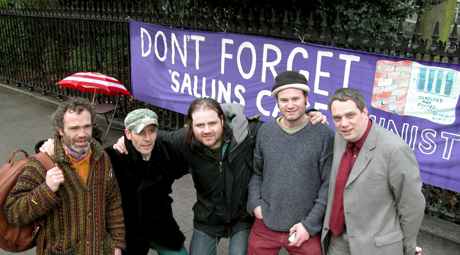


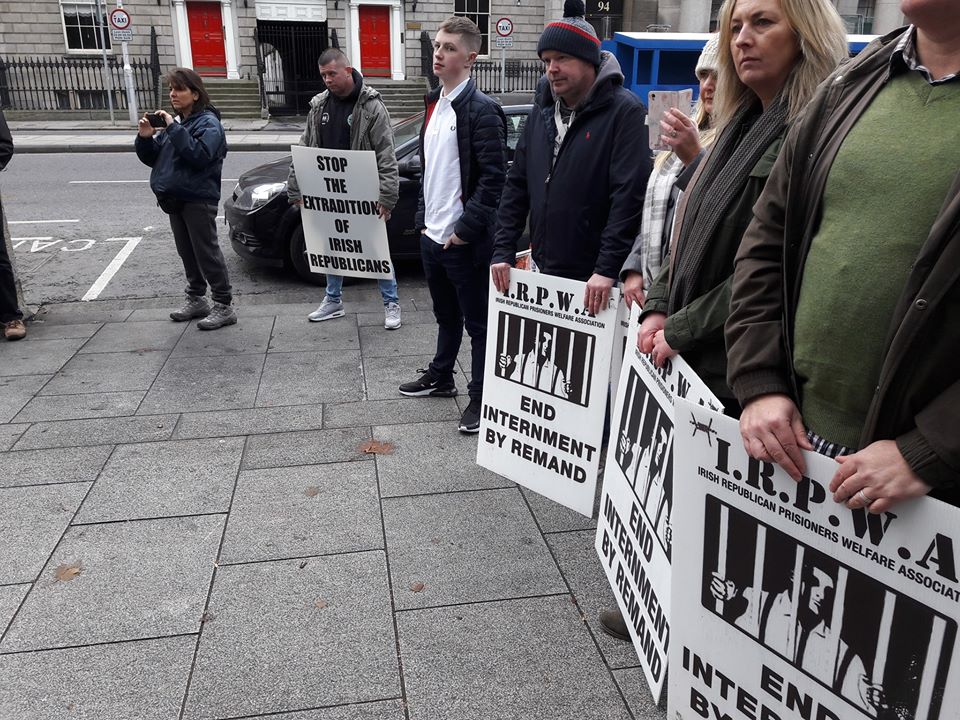


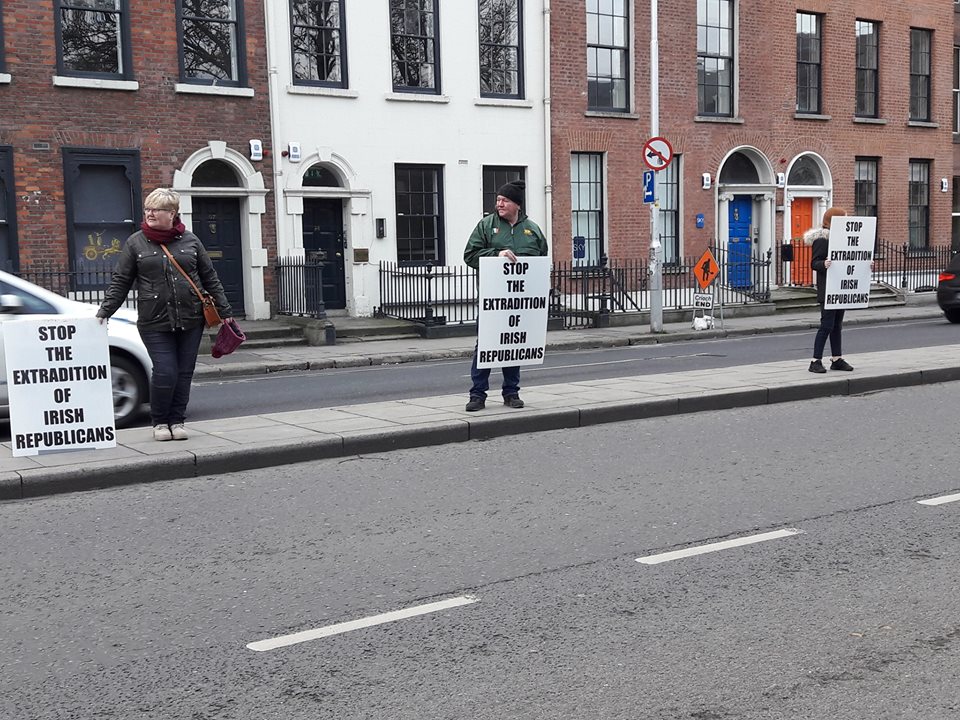


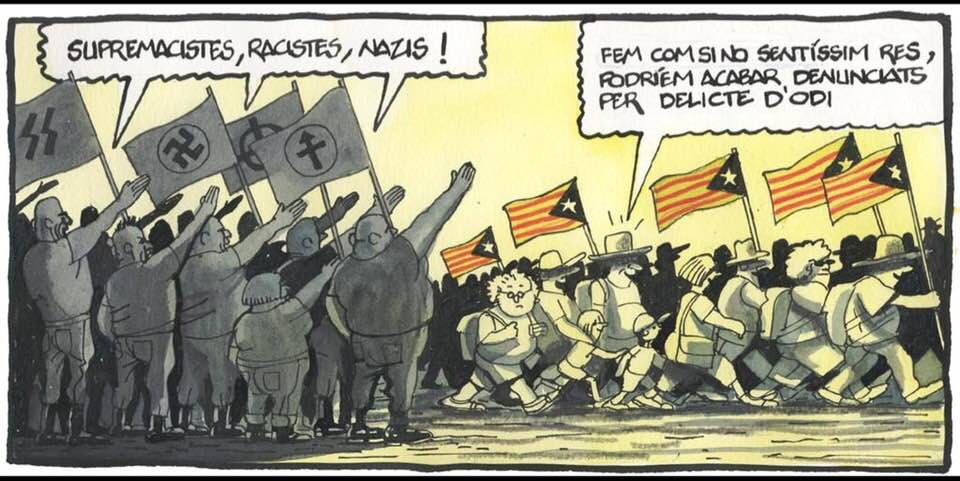

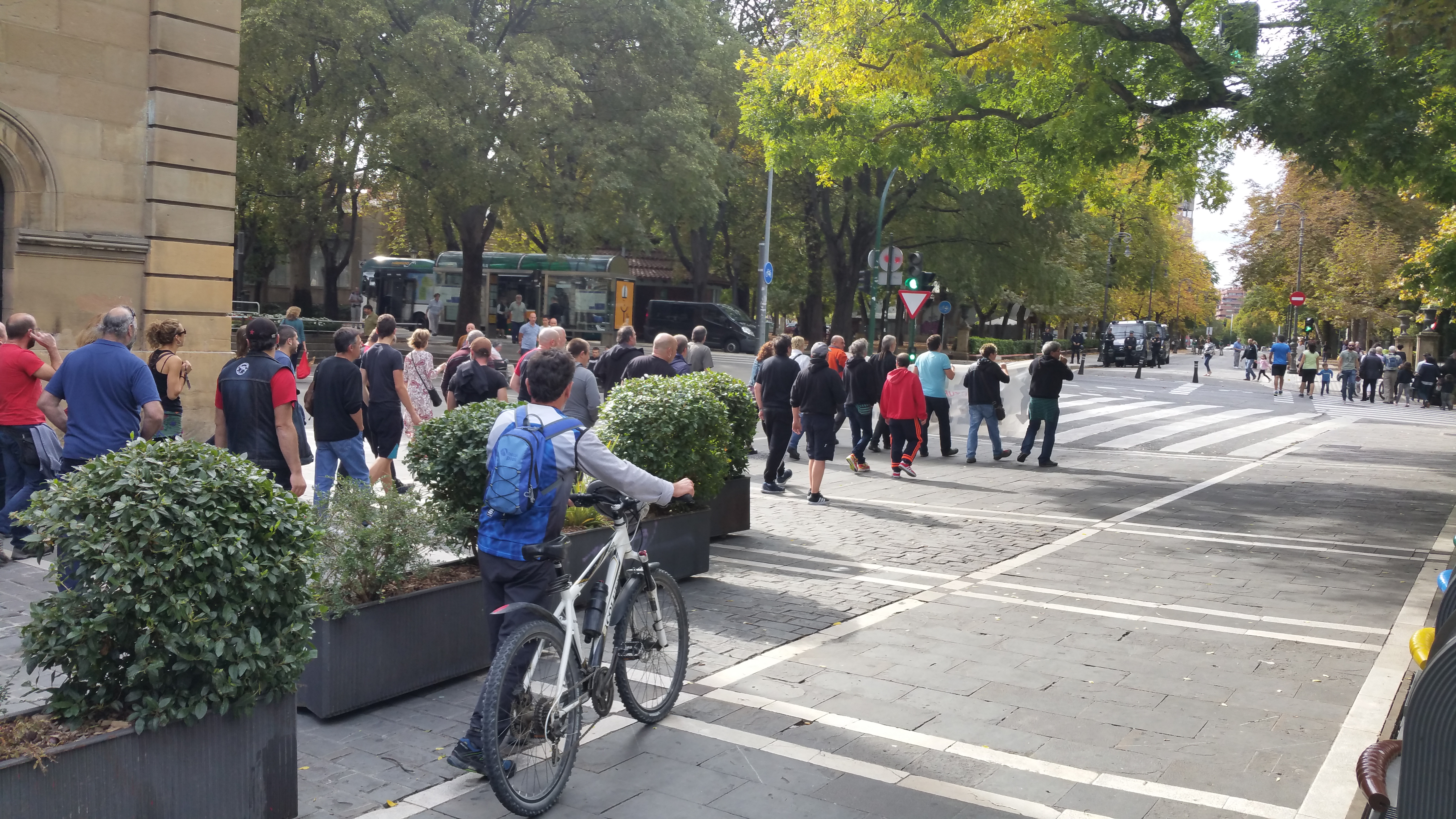

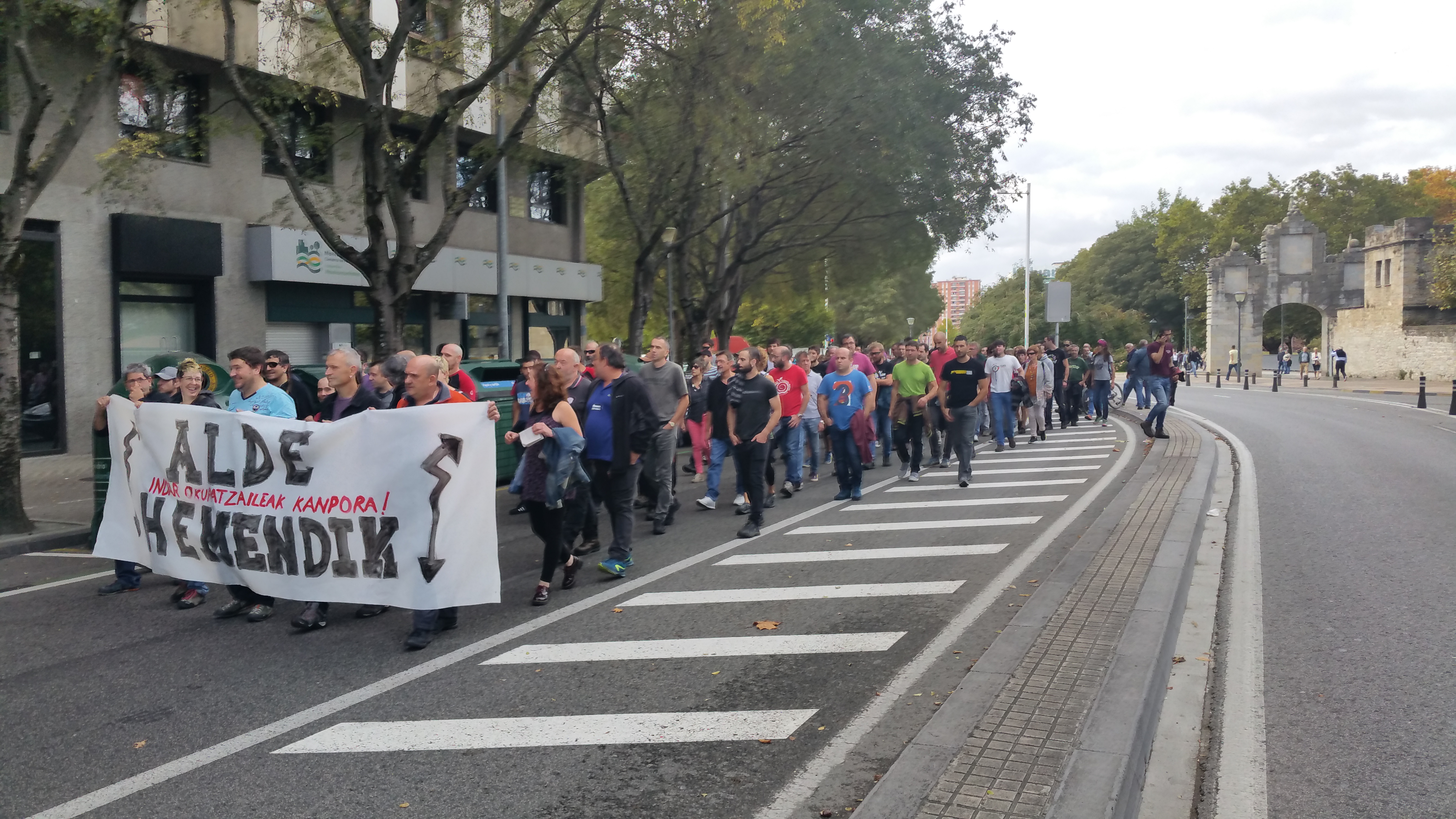
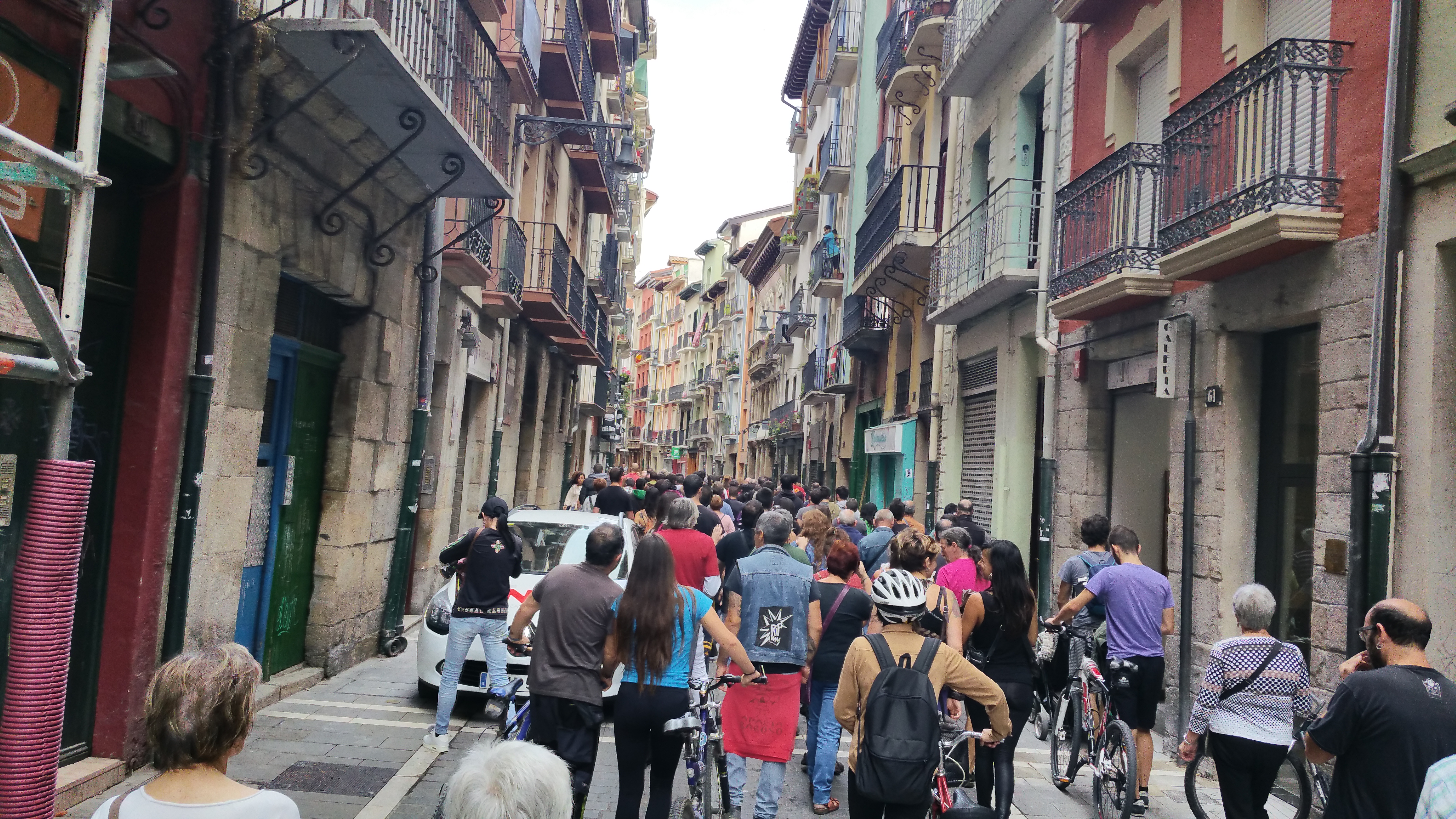
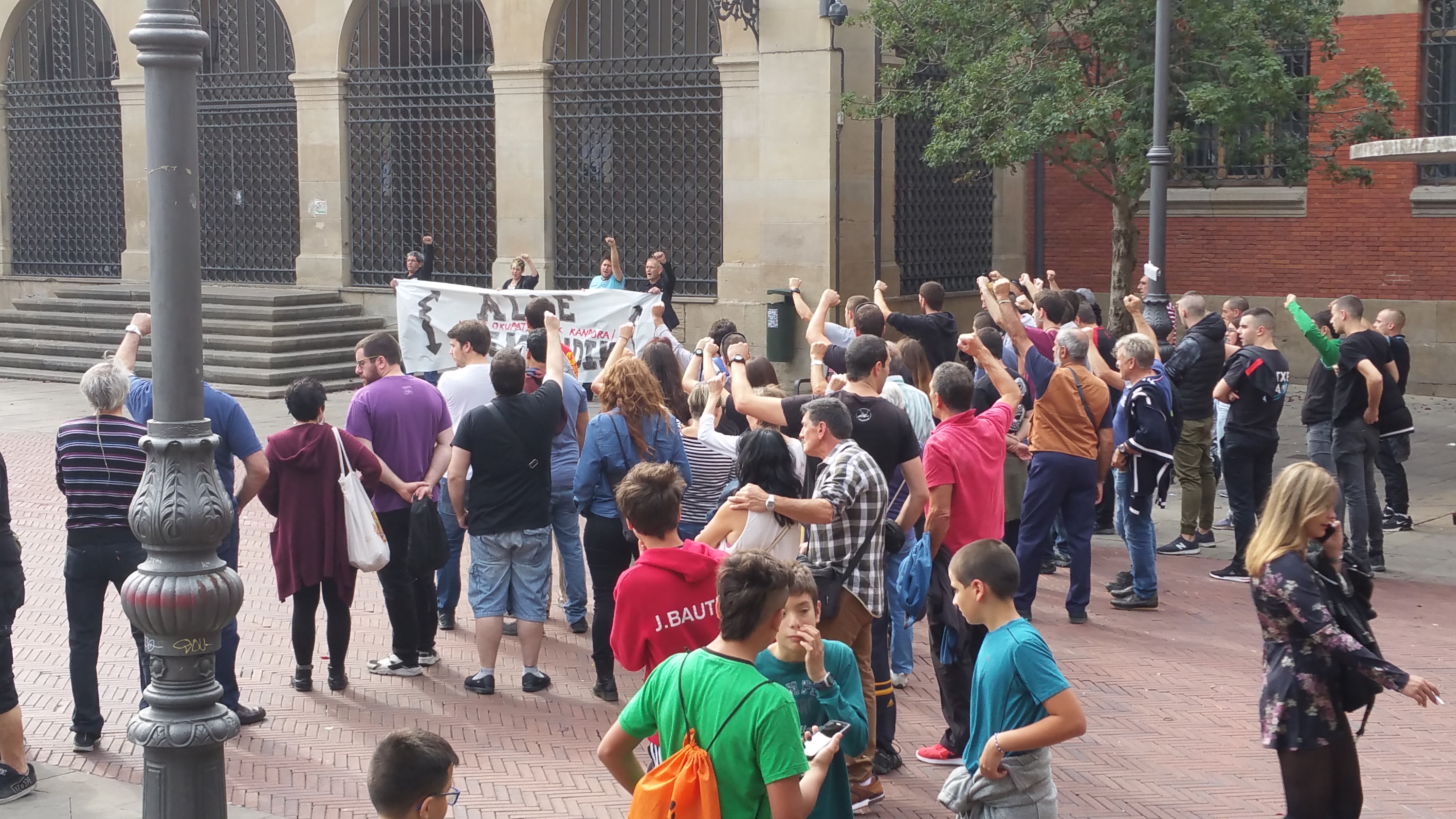


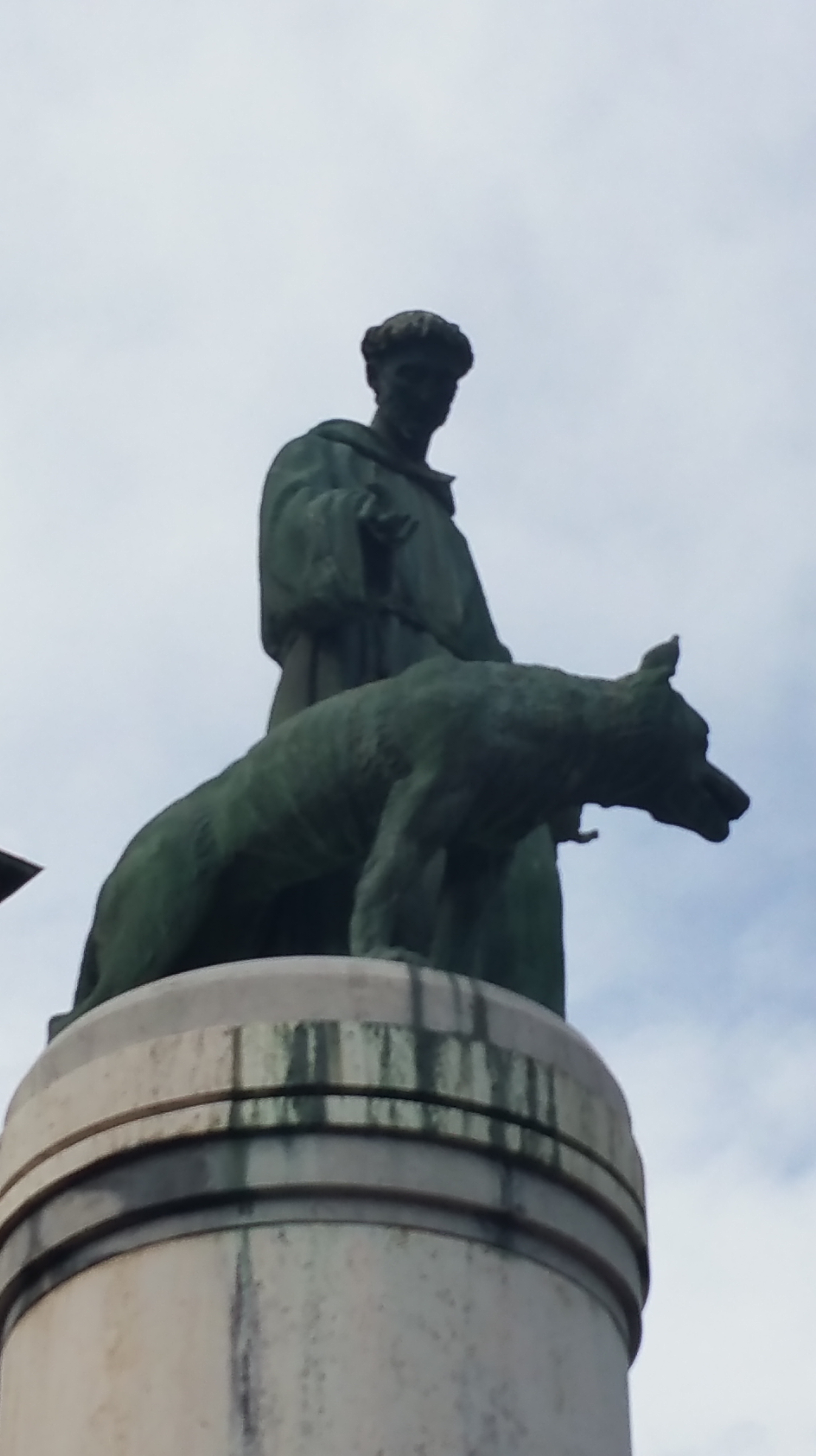
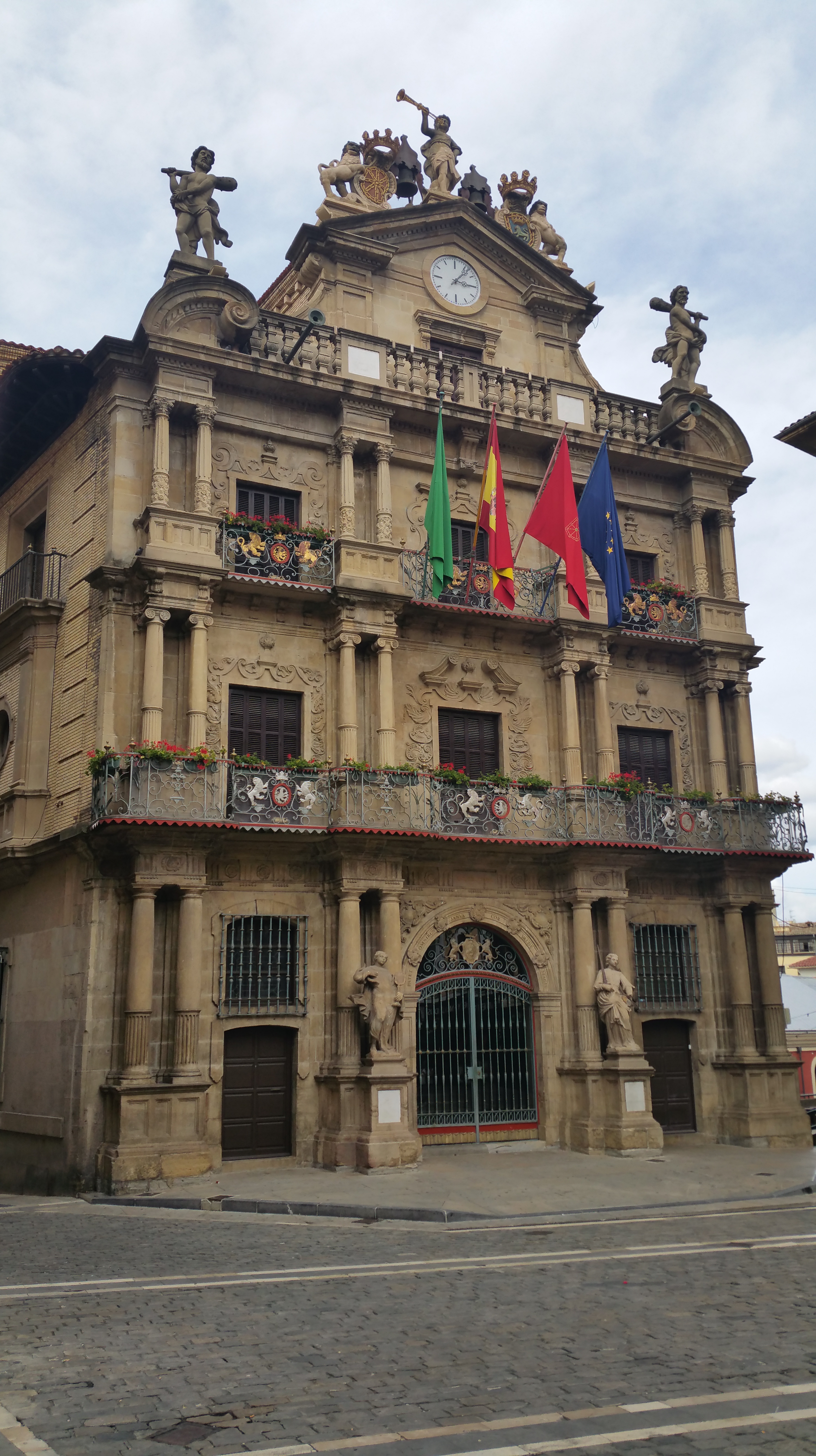
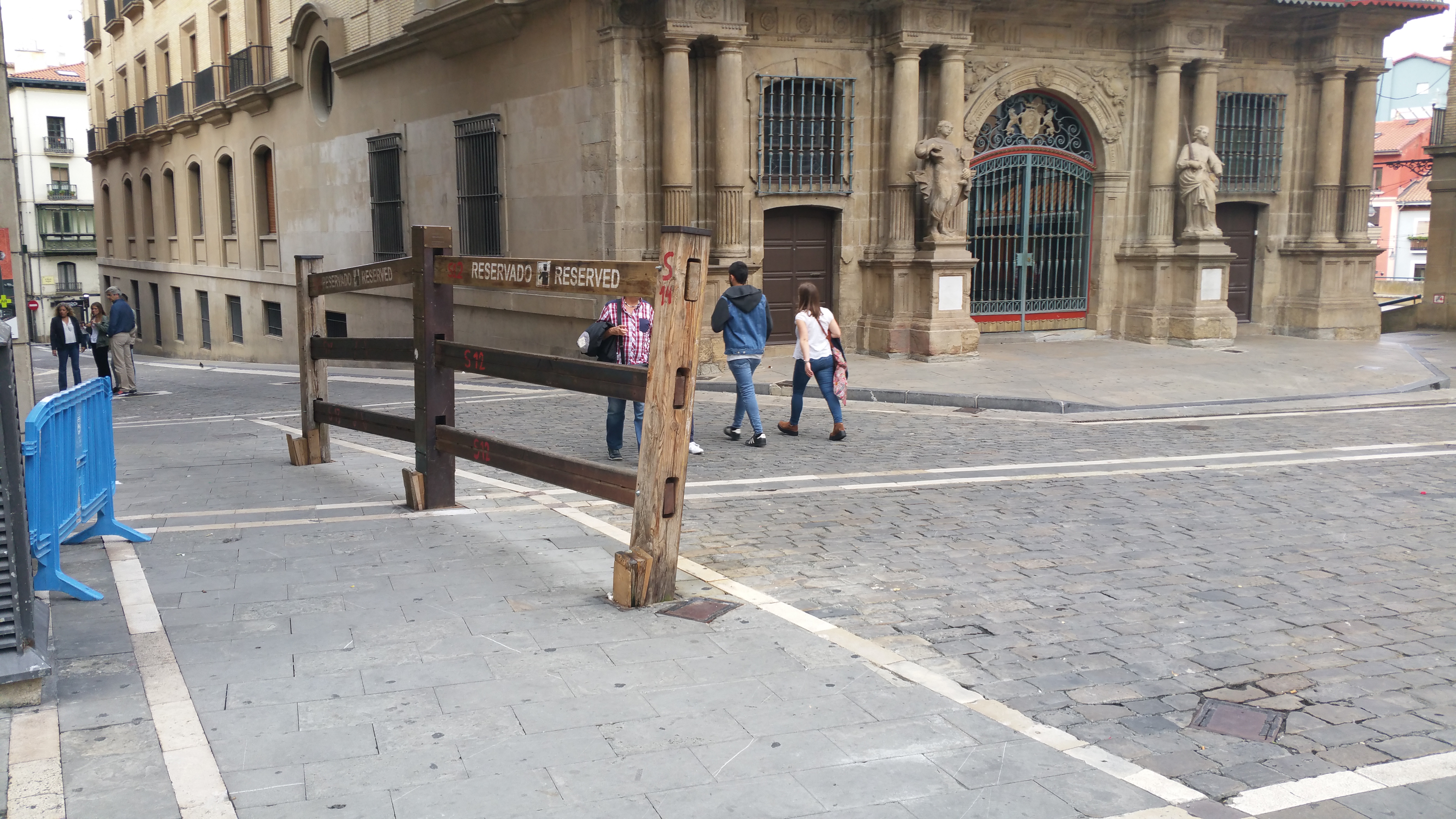


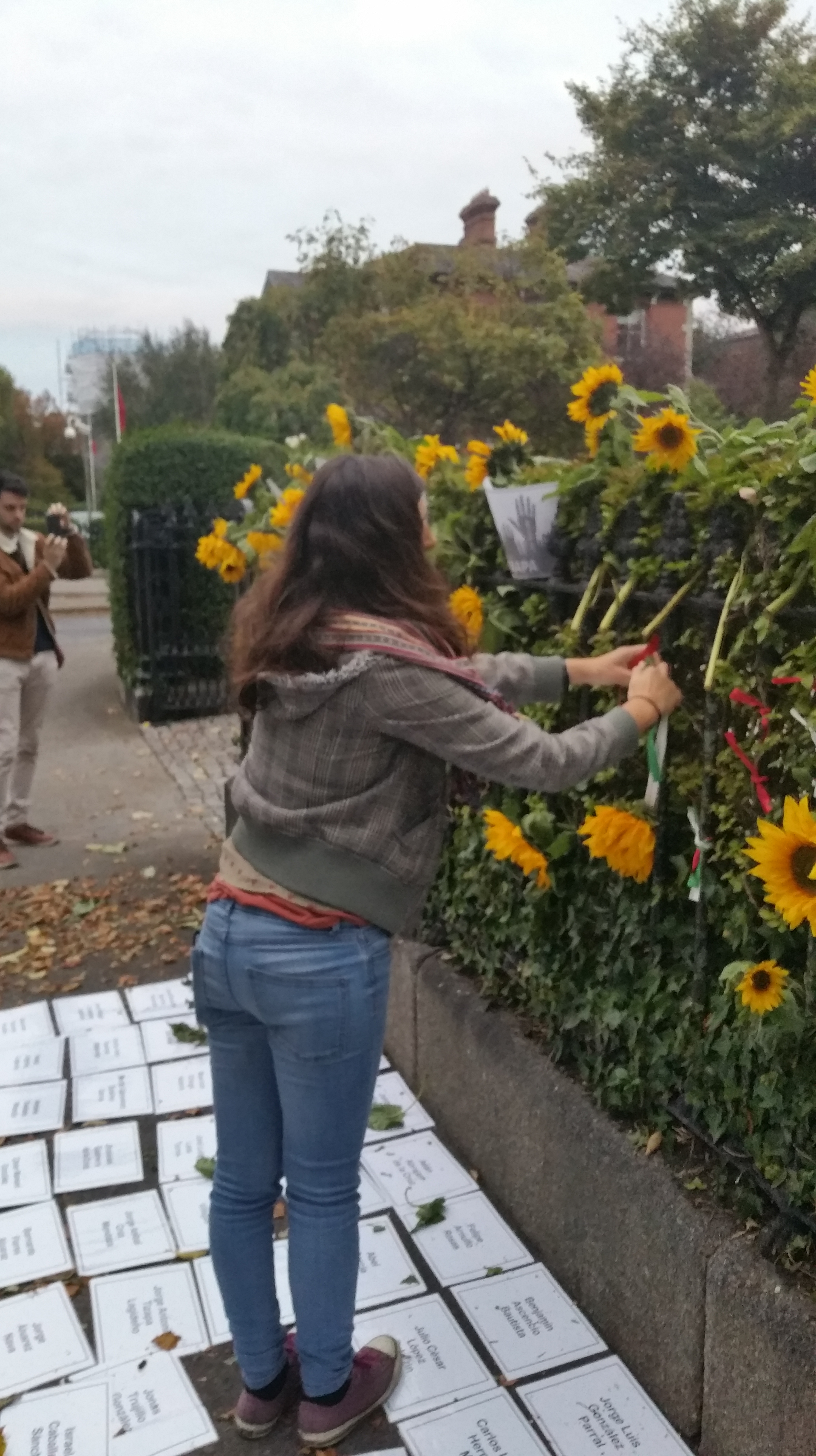



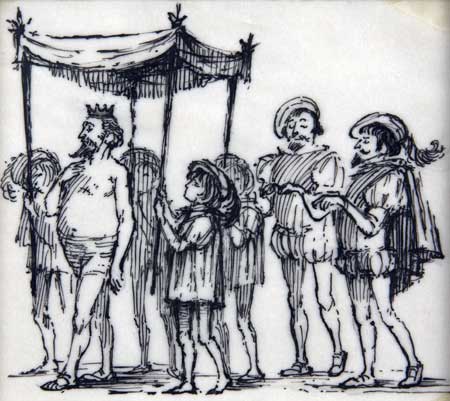
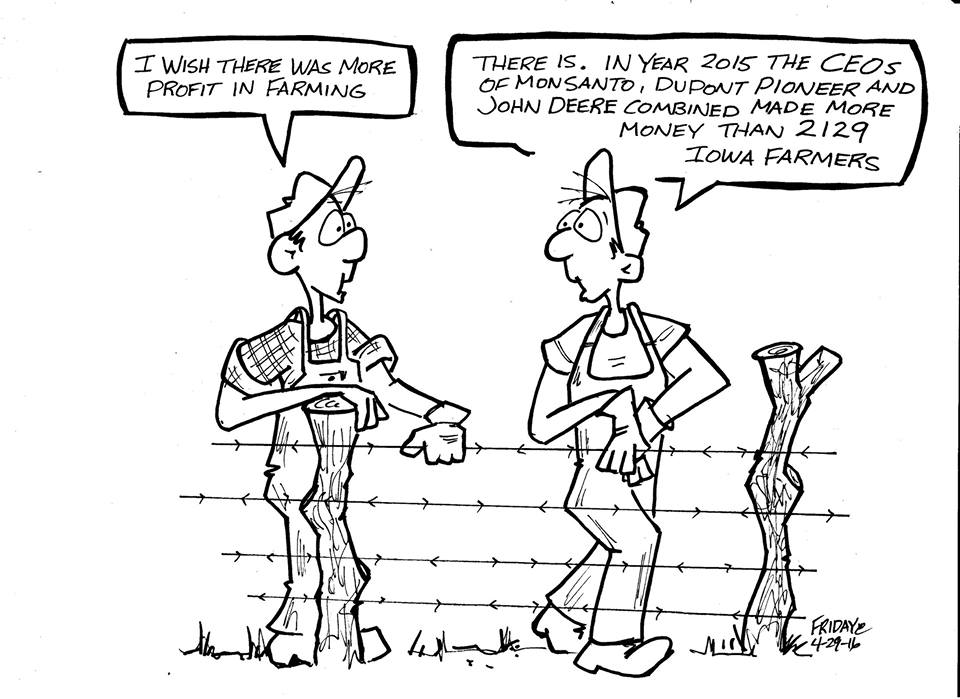



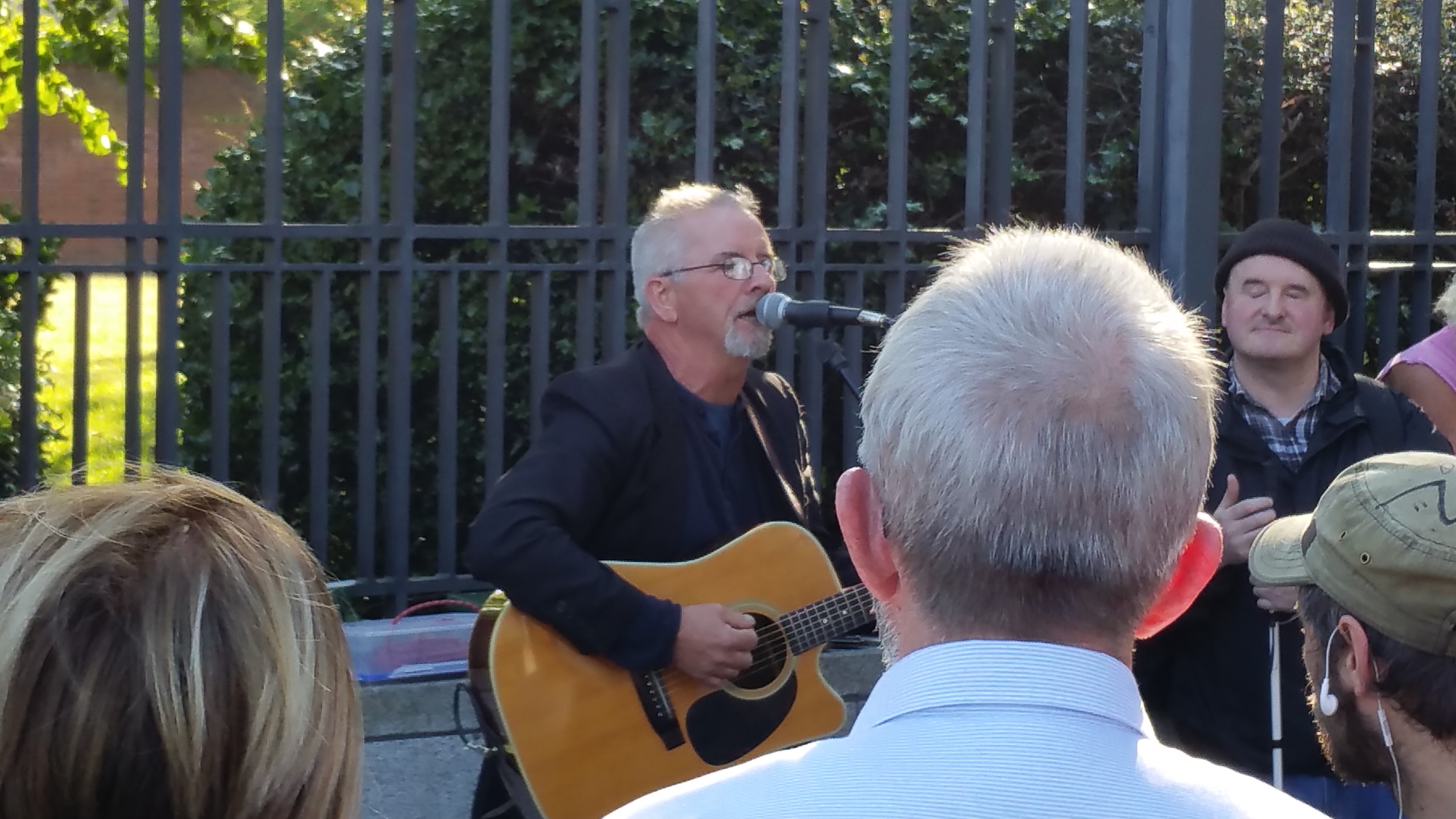



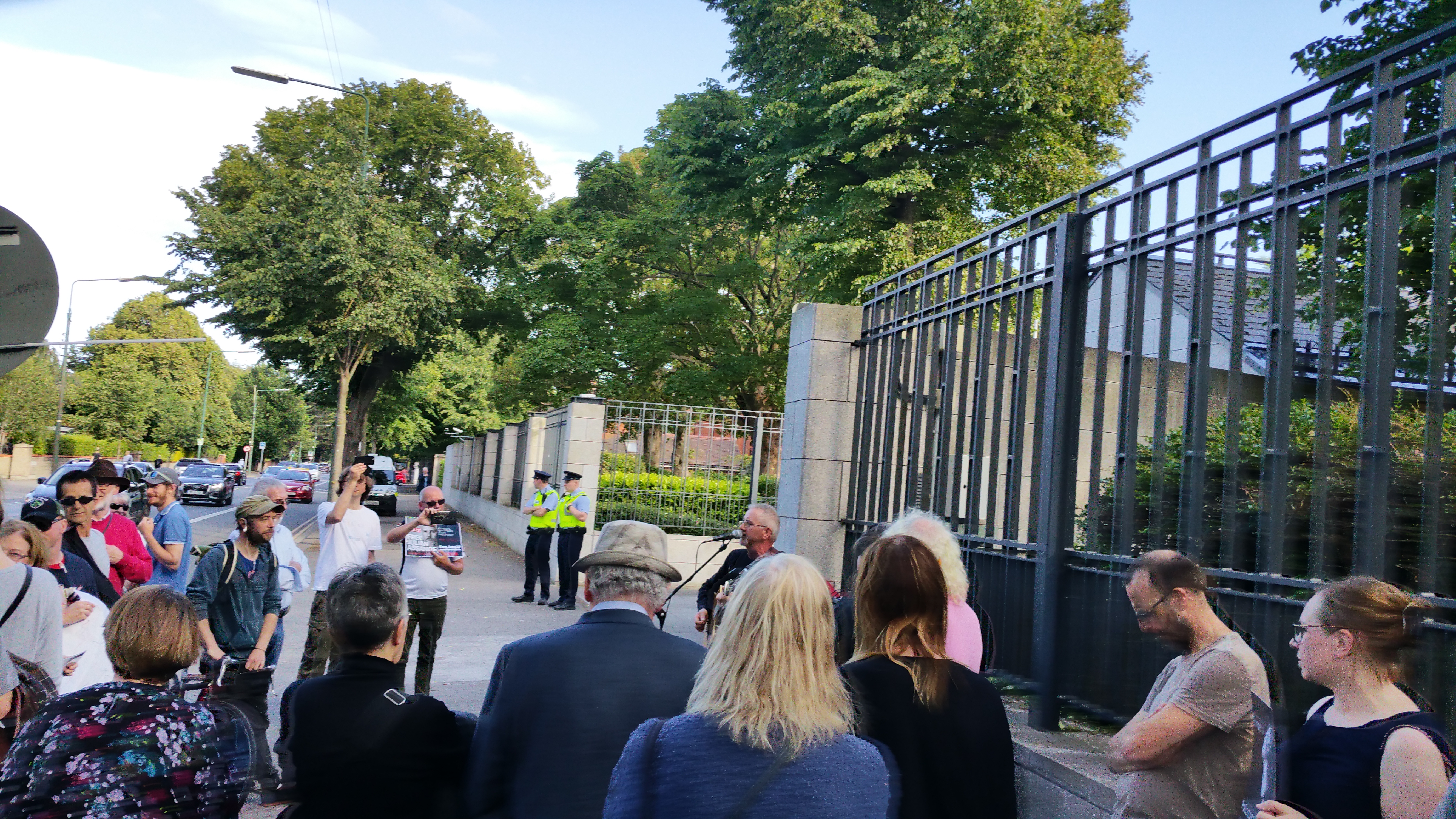
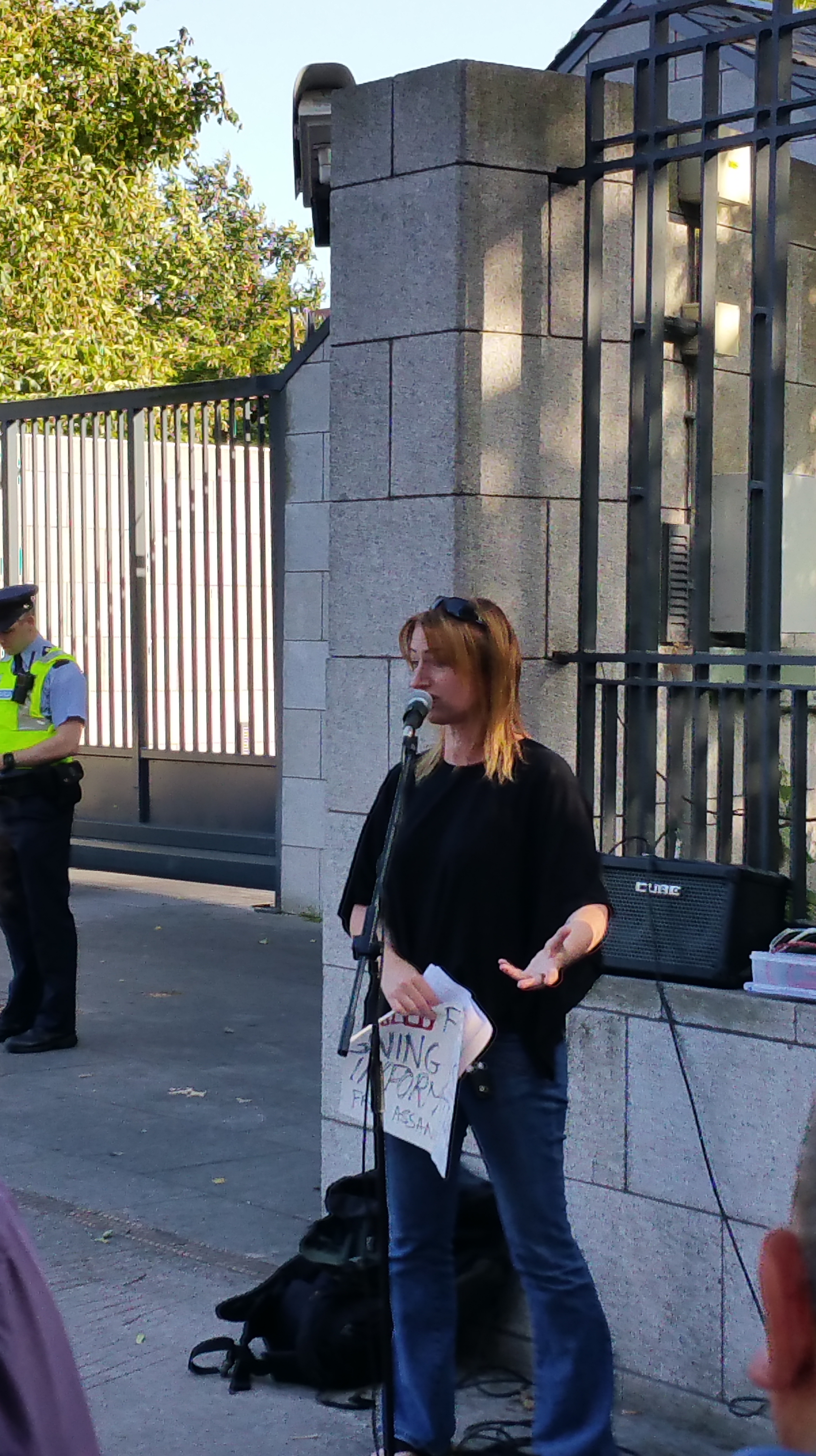
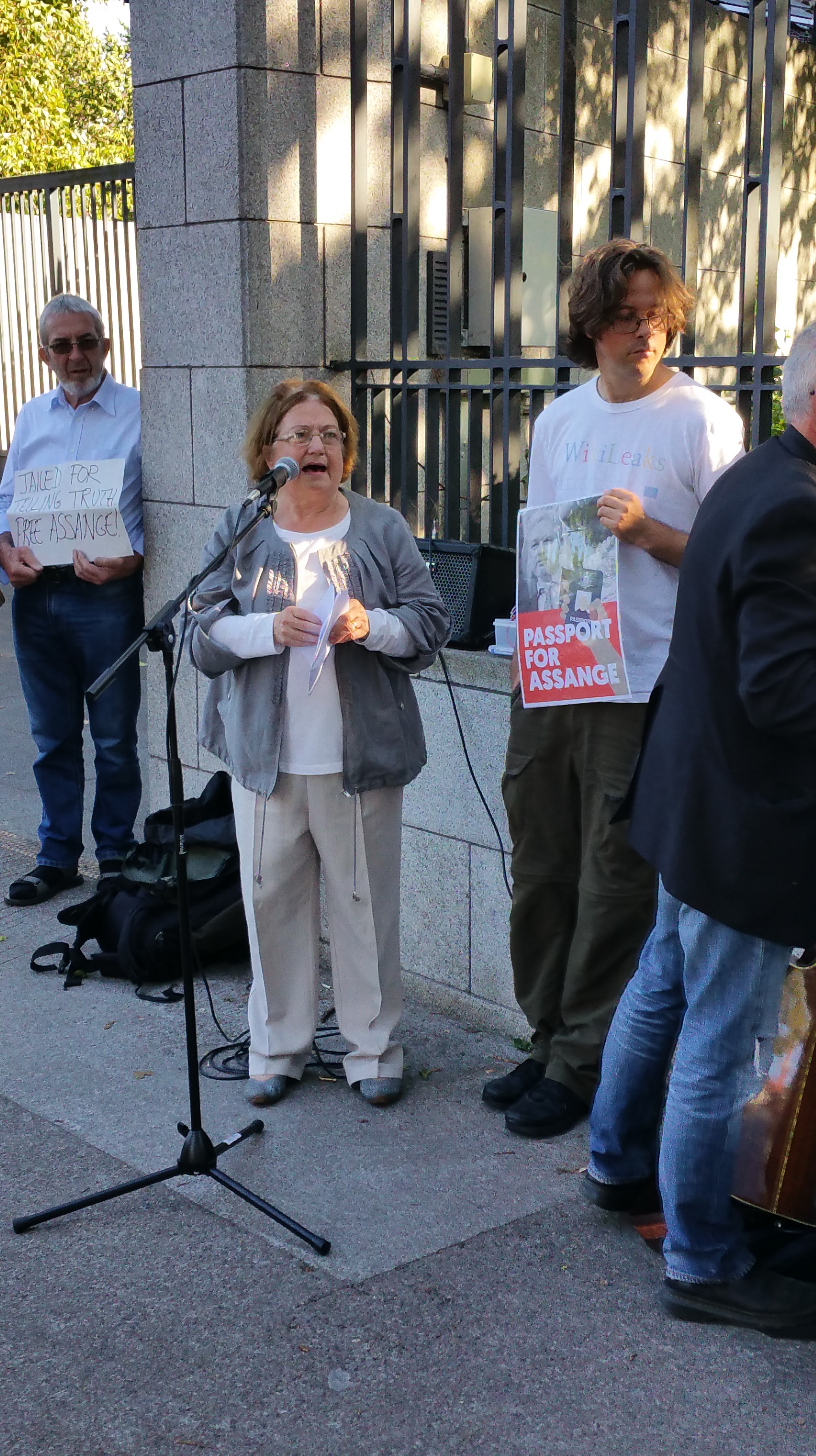
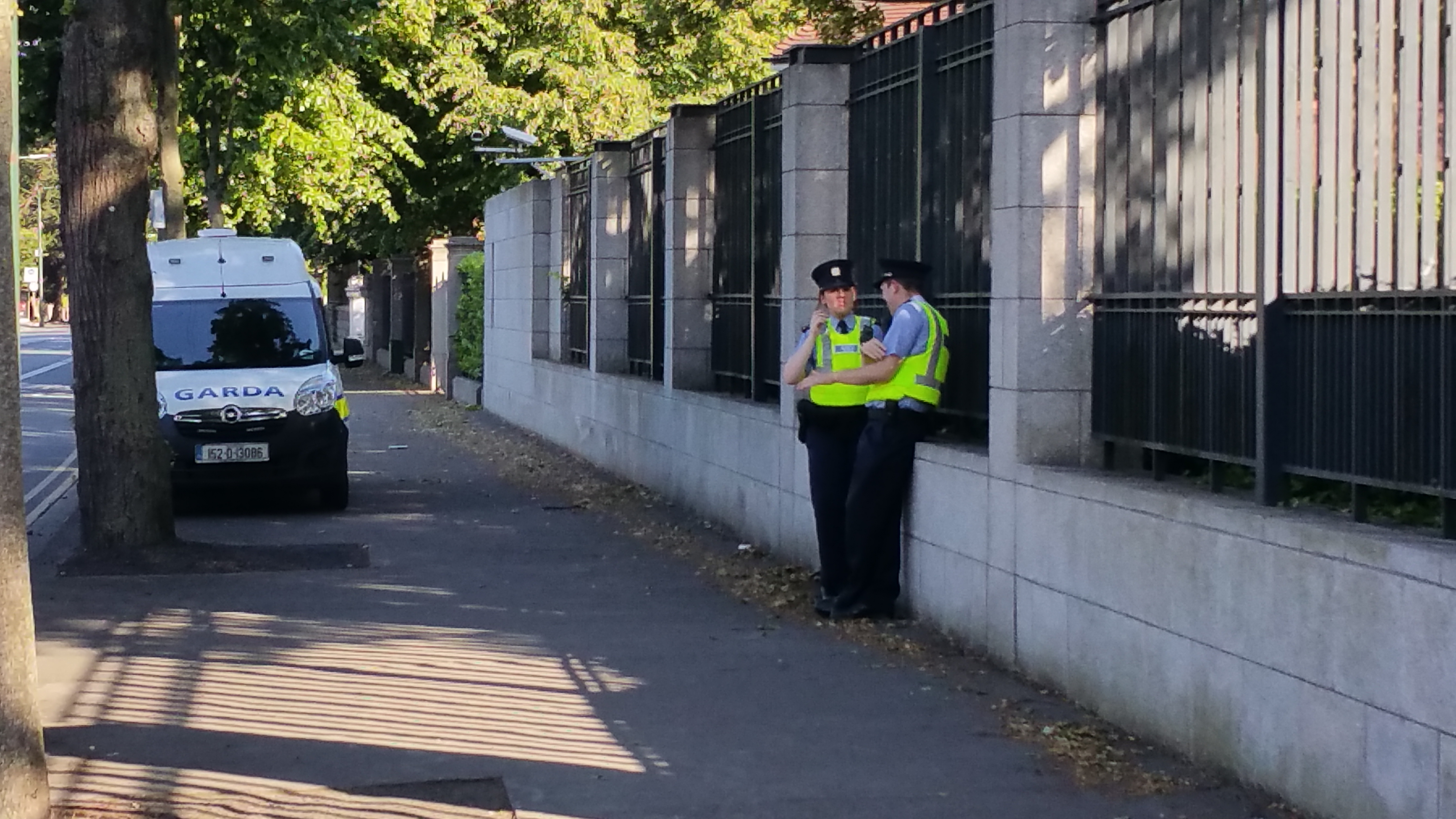
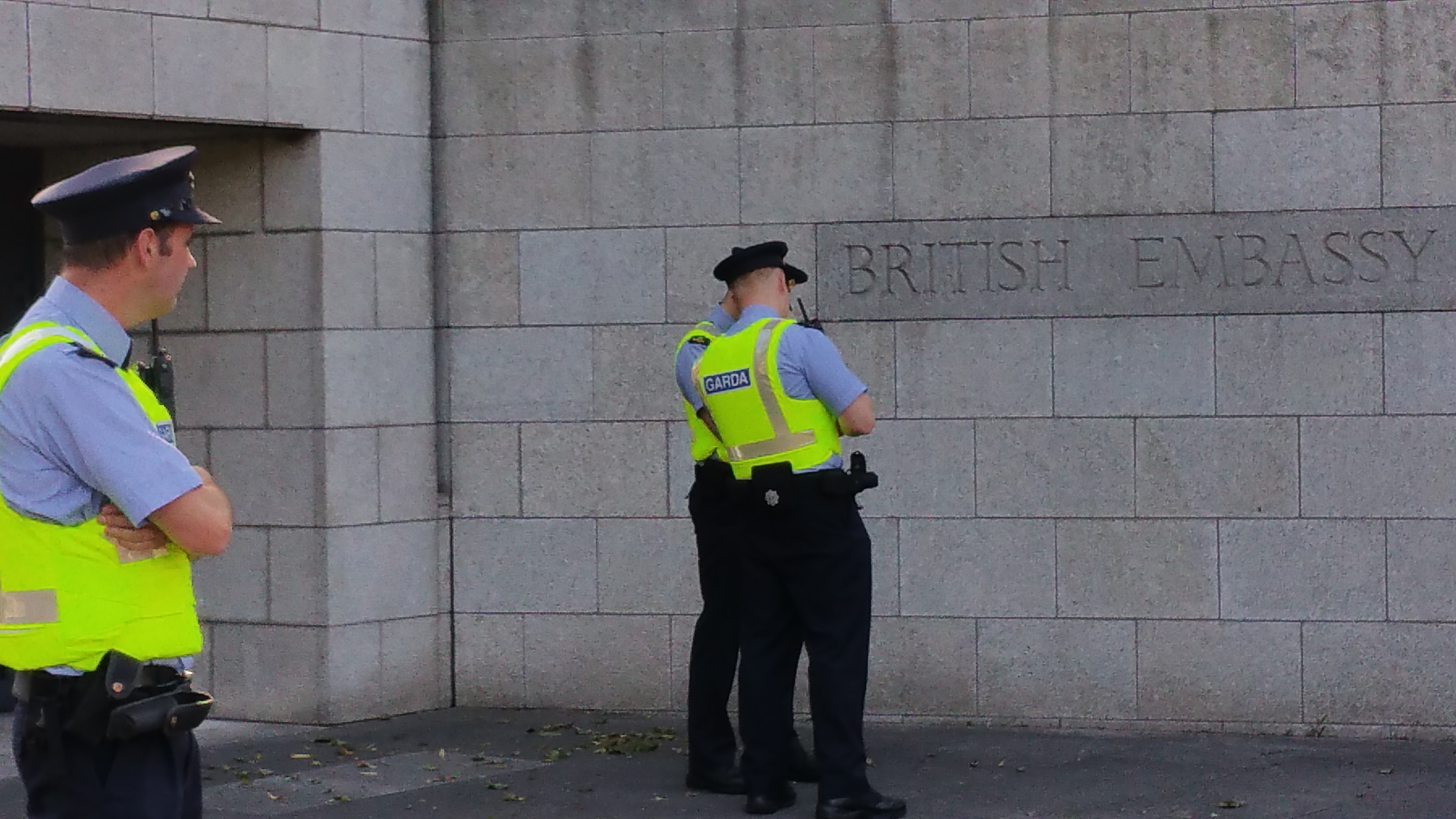

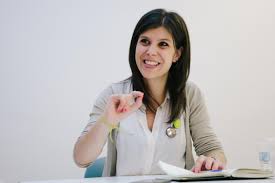

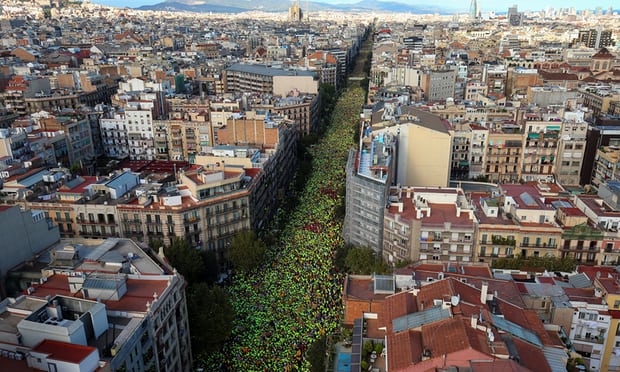
 rebelbreeze