The recognised date known as International Working Women’s Day is March 8th and it was commemorated on that date with a march and revolutionary words and symbolism organised by Irish Socialist Republicans in Dublin.
The marchers gathered outside Wynn’s Hotel in Lower Abbey Street, to mark the founding there of the revolutionary Republican military women’s organisation, Cumann na mBan, on 2 April 1914. The organisation, with its own officers, was possibly the first of its kind for women in the world.1
From there the march set off into O’Connell Street, then marching southward to cross the Liffey into D’Olier Street before turning left into Townsend Street, continuing to the statue of Constance Markievicz where the colour party’s flags were lowered in respect.
The march near the start in O’Connell St (photo credit: An Pobal Abú FB page)
Throughout, chants of “Ní Saoirse go Saoirse na mBan”2 and “Britain out of Ireland” reverberated through the streets of Dublin as banners displayed the slogans “coinníonn na mná suas leath na spéire / women hold up half the sky” and “Queers Against Imperialism”.
Markievicz was an active member of Iníní na hÉireann, the Irish Citizen Army and of Cumann na mBan. She was part of the command of the Stephens Green/ College of Surgeons garrison in 1916 and elected MP on an abstentionist ticket in 1918 and Minister of Labour in the First Dáil in 1919.
Continuing along Townsend Street and ending at Elizabeth O’Farrell park where a commemoration was held outside in honour of the role of women in the struggle for national liberation while the colour party took up position inside the park.
(Photo credit: An Pobal Abú FB page)
A woman read a speech on behalf of the AIA, tracing founding of International Women’s Day from when women in Russia in 1917 had led strikes and marches against the Tsar and WW1, later becoming known as the February Revolution, leading later to the October Socialist Revolution.
The speaker went on to speak of the role of women in the Republican struggle, from Cumann na mBan, the Irish Citizen Army and Armagh Gaol Republican prisoners, followed by a woman reading the 1916 Proclamation of Independence and the burning of two green flares.
(photo credit: An Pobal Abú FB page)
A new plaque of the Socialist Republican Mairéad Farrell was unveiled with the laying also of a commemorative wreath during a minute’s silence observed for all revolutionary women and gender oppressed people who gave their lives for national liberation and anti-imperialist struggle.
The Colour Party in Elizabeth O’Farrell Park (Photo: R.Breeze)
At the same time the colour party lowered their flags in respect, during which the command calls in Irish rang out in the area through the silence.
The area in which the Elizabeth O’Farrell and her life-long friend Julia Grenan3 grew up is a south Dublin docklands still largely working class area. It was in a yard in Lombard Street nearby, actually within sight of the park, that the IRB (Fenians) was founded on March 17th 1858.
Laying of the wreath (photo credit: An Pobal Abú FB page)
Elizabeth O’Farrell and Julia Grenan both participated in the 1916 Rising and, along with Winifred Carney, refused to join the earlier evacuation from the burning GPO building on the Friday, later participating in the final evacuation which ended in the central terrace in Moore Street.
When the leadership took the decision to surrender, O’Farrell went out to negotiate under a white flag even though a man had been killed under such a flag earlier in the very street. In 1922, along with almost the entirety of Cumann na mBan and the ICA, she rejected the Anglo-Irish Agreement.
(Photo: R.Breeze)
Many women were interned by the nascent neo-colonial Irish Government.
After the Elizabeth O’Farrell Park event, people gathered again at a recently-occupied social centre in Dublin, to view an exhibition of images in honour of the day and to watch an English-subtitled French-language film about women and the Omani Resistance, followed by a music session.4
Part of exhibition for International Working Women’s Day in the social centre (Photo: R.Breeze)
End.
Note: If you found this article of interest, why not register with Rebel Breeze for free, so that you will be notified by email of subsequent articles. You can de-register any time you wish.
Footnotes
1In its early years the organisation worked mainly as an auxiliary to the Irish Volunteers but asserted greater independence at a later stage. It coincided in time with the women in the Irish Citizen Army who shared equal status with male members and indeed in the case of some of them, such as Markievicz and Lynn, actually commanded men. Wynne’s Hotel was also where the decision to found the Irish Volunteers had been taken in 1913.
2Translated as ‘There can be no freedom until women are free.’
3And life partner, many have speculated – certainly they lived together until the end.
4The Hour of Liberation Has Arrived by Heiny Srour
Diarmuid Breatnach (edited from article posted in Rebel Breeze 2014)
(Reading time: 6 mins.)
Part 1 – who and what gets ‘remembrance’
In the lands under the direct dominion of England, i.e. the “United Kingdom”, and in some others that are under its influence, the dominant class calls the people to join in a cultural event in November which they call “Remembrance”.
The organisation fronting this event in the ‘UK’ is the Royal British Legion and their symbol for it (and registered trademark) is the Red Poppy, paper or fabric representations of which people are encouraged to buy and display — and indeed often pressured to wear.
In some places, such as the BBC for personnel in front of the camera, they are forced to wear them. In many schools and churches throughout the ‘UK’, Poppies are sold and wreaths are laid at monuments to the dead soldiers in many different places.
Prominent individuals, politicians and the media take part in a campaign to encourage the wearing of the Poppy and the participate in the ‘Festival of Remembrance’ generally and of late, to extend the Festival for a longer period.
High points in the ‘Festival’ are the Royal Albert Hall concerts on the Saturday and the military and veterans’ parades to the Cenotaph memorial in Whitehall, London, on “Remembrance Sunday”. (Also a focus for commemorations by the British far-Right and fascists).
“The concert culminates with Servicemen and Women, with representatives from youth uniformed organizations and uniformed public security services of the City of London, parading down the aisles and on to the floor of the hall. There is a release of poppy petals from the roof of the hall.1
An embroidered version of the poppy emblem (Sourced: Internet)
“The evening event on the Saturday is the more prestigious; tickets are only available to members of the Legion and their families, and senior members of the British Royal Family (the Queen, Prince Phillip, the Prince of Wales, the Duke of York [not this year!] and the Earl of Wessex). 2
“The event starts and ends with the British national anthem, God Save the Queen3(and) is televised. Musical accompaniment for the event is provided by a military band from the Household Division together with The Countess of Wessex’s String Orchestra.”4
The money raised from the sale of the “Poppies” and associated merchandise is said to be used to support former military service people in need and the families of those killed in conflict. On the face of it, military and royal pomp apart, the Festival may seem a worthy charitable endeavour.
Also one which commemorates very significant historical events — therefore a festival which at the very least, one might thing, should not be opposed by right-thinking and charitable people.
Yet the main purpose of this festival and the symbol is neither remembrance nor charity but rather the exact opposite: to gloss over the realities of organised violence on a massive scale and to make us forget the experience of the world’s people of war.
And to prepare the ground for recruitment of more people for the next war or armed imperialist venture – and of course more premature deaths and injuries, including those of soldiers taking part.
Video and song “On Remembrance Day” from Veterans for Peace lists British conflicts (including Ireland) and condemns the Church of England for supporting the wars, calling also on people to wear the White Poppy (see Part 3 for the White Poppy)
Partial Remembrance – obscuring the perpetrators and the realities of war
The Royal British Legion is the overall organiser of the Festival of Remembrance and has the sole legal ‘UK’ rights to use the Poppy trademark and to distribute the fabric or paper poppies in the ‘UK’.
According to the organisation’s website, “As Custodian of Remembrance” one of the Legion’s two main purposes is to “ensure the memories of those who have fought and sacrificed in the British Armed Forces live on through the generations.”
By their own admission, the Legion’s “remembrance” is only to perpetuate the memories of those who fought and sacrificed in the British Armed Forces – it is therefore only a very partial (in both senses of the word) remembrance. More recently it tries to hide this exclusivity.5
It is left to others to commemorate the dead in the armies of the British Empire and colonies which Britain called to its support: in WWI, over 230,500 non-‘UK’ dead soldiers from the Empire and, of course, the ‘UK’ figure of 888,246 includes the 27,400 Irish dead.
Cossack soldier volunteers WWI. Imperial Russia was an ally of Britain and France; the war was one of the causes of the Russian Socialist Revolution 1917. The following year, the war ended. (Image sourced: Internet)
The Festival excludes not only the dead soldiers of the British Empire and of its colonies (not to mention thousands of Chinese, African, Arab and Indian labourers employed by the army) but also those of Britain’s allies: France, Belgium, Imperial Russia, Japan, USA … and their colonies.
No question seems to arise of the Festival of Remembrance commemorating the fallen of the “enemy” but if the festival were really about full “remembrance”, it would commemorate the dead on each side of conflicts.
German soldiers playing cards during WWI. Photos of Germans in WWI more readily available show them wearing masks and looking like monsters. (Photo sourced: Internet)
That would particularly be appropriate in WWI, an imperialist war in every respect. But of course they don’t do that; if we feel equally sorry for the people of other nations, it will be difficult to get us to shoot, bomb or stab them in some future conflict.
A real festival of remembrance would commemorate too those civilians killed in war (seven million in WWI), the percentage of which in overall war casualty statistics has been steadily rising through the last century with increasingly long-range means of warfare.
Very recently, the Royal Legion has tried to claim that the “acknowledge innocent civilians who have lost their lives in conflict” but add “and acts of terrorism.” Since we know that that ‘terrorism’ is a highly politicised word and for imperialists has mostly meant resistance struggle, that is hardly welcome.
Civilian war refugees in Salonika, NW Greece, WWI (Photo sourced: Internet)
Civilians in the First World War died prematurely in epidemics and munitions factory explosions as well as in artillery and air bombardments, also in sunk shipping and killed in auxiliary logistical labour complements in battle areas.
And through hunger, as feeding the military became the priority in deliveries and as farmhands became soldiers.
In WWII 85,000,000 civilians died in extermination camps or forced labour units, targeting of ethnic and social groups, air bombardments, as well as in hunger and disease arising from the destruction of harvests and infrastructure.
Air bombardments, landmines, ethnic targeting and destruction of infrastructures continue to exact a high casualty rate among civilians in war areas.
One admittedly low estimate up to 2009 gave figures of 3,500 dead in Iraq during the war and aftermath and another 100,000 dead from western trade sanctions, along with 32,000 dead civilians in Afghanistan.
Another review up to 2011 gave a figure of 133,000 civilians killed directly as a result of violence in Iraq and “probably double that figure due to sanctions”.6
The number of civilians injured, many of them permanently disabled, is of course higher than the numbers killed. Most of those will bring an additional cost to health and social services where these are provided by the state and of course to families, whether state provision exists or not.
Real and impartial “remembrance” would include civilians but not even British civilians killed and injured are included in the Festival of Remembrance, revealing that the real purpose of the Festival is to support the existence of the armed forces and their activities.7
And contributing at the same time to a certain militarisation of society and of the dominant culture.
If the Festival were really about “remembrance”, they would commemorate the numbers of injuries and detail the various types of weapons that caused them.
But that might reflect unfavourably on the armaments manufacturers, who run a multi-billion industry in whatever currency one cares to name, so of course they don’t.
Australian soldiers who survived gas attack but injured by it awaiting hospitalisation, Northern France, WWI 1916. (Photo sourced: Internet)
And if really concerned about death and injury in war, they would campaign to end such conflict – for an end to imperial war.
But then how else would the various imperial states sort out among themselves which one could extract which resources from which countries in the world and upon the markets of which country each imperial state could dump its produce?
So of course the Royal British Legion doesn’t campaign against war. That’s not its role. Quite the opposite.
End. (Parts 2 and 3 to follow).
Note: If you found this article of interest, why not register with Rebel Breeze for free, so that you will be notified by email of subsequent articles. You can de-register any time you wish.
FOOTNOTES:
1Sourced from the British Legion’s website in 2014, its WW1 centenary year.
The grave of Irish Republican political prisoner Vol. Seán Ó Conaill received a headstone on Sunday (7th August) due to the efforts of the National Graves Association – nearly 50 years after his death in British custody.
Seán was born and brought up of Irish background in Birmingham and became interested in Irish history. After Bloody Sunday (1972) he tried to join the IRA but was not accepted and subsequently acted independently, assassinating a British Army Lieut. Colonel.
Tracked by British police, he wounded two of the group sent to arrest him, was captured and beaten up. His treatment in jail was bad also but after sentencing was accepted by the Irish Republican prisoners in British jails and, in time, sworn into the Provisional Irish Republican Army.
After his death his body was transferred for burial in Glasnevin. It seems that the NGA understood that his family wished to erect a headstone but for whatever reason the grave lay without one until last week.
The National Graves Association went ahead with commissioning a gravestone which they unveiled on Sunday in the St. Paul’s section of Glasnevin Cemetery1 with a colour party, speakers, music and a goodly attendance, though drenched during the ceremony.
The occasion was supported by members of Sinn Féin and Republican organisations in addition to independent Republicans and anti-imperialists. Seán Whelan, Chairperson of the NGA chaired the event and after some opening remarks introduced the speakers.
Section of the attendance at the event. (Photo: D. Breatnach)
SPEAKERS
Jacqui Kaye of the former Prisoners’ Aid Committee2 was introduced to speak and told her audience that Ó Conaill was diagnosed with terminal cancer and requested a visit from Kaye, permission for which was initially refused by the Home Office3 but granted after intervention by Lord Longford.
The visit was permitted for 10 minutes only for Parkhurst Jail but then changed to a hospice though when Kaye arrived it was to be told that he had just died there, leaving her with the suspicion that he had actually died in Parkhurst but that the Home Office did not wish that on their record.4
Jacqui Kaye, formerly of the Prisoners Aid Committee (no longer in existence), speaking at the event during a particularly heavy shower. (Photo: D. Breatnach)
Former Republican prisoner (21 years in British jails) Noel Gibson laid a wreath on behalf of the NGA and Paddy Lennon read The Rhythm of Time by hunger strike martyr Vol. Bobby Sands, after which a recording of uileann pipes filled the cemetery air with its haunting lament.
Liam Ó Culbáird of the NGA presented the main oration of the event, recounting details of Ó Conaill’s life and time in jail, information gathered from a number of sources, including that despite complaining of chest and stomach pains he did not receive medical investigation in jail.
It was only after coughing up blood that Ó Conaill received a medical visit, after which he was diagnosed with terminal cancer. His marriage had become estranged possibly as a result of his incarceration but official interference in personal relations of political prisoners was also known.5
Liam Ó Culbáird, giving the oration at the unveiling on Sunday. (Photo: D. Breatnach)
The speaker alluded to the practice of “ghosting” political prisoners, i.e. moving them to a different jail without notice, often as a scheduled visit by a family member was imminent, which occurred to Ó Conaill’s mother arriving at Wakefield Prison to be told he had been moved to Parkhurst Jail.6
Such practices imposed an additional punishment not only on the prisoner but in particular on family members7 who had often travelled long distances into sometimes hostile territory and had also the additional expense of paying for overnight accommodation.
The media at the time of his arrest had portrayed Ó Conaill as of unbalanced mind but his comrades in jail found him completely rational and dedicated to the cause. He began to learn Irish and encouraged the other Republican prisoners to expand their use of the language.
Liam Ó Cúlbáird and Jacqui Kay unveil the headstone to Vol. Seán Ó Conaill on Sunday. (Photo: D. Breatnach)
Commenting on Ó Conaill’s failure to be recruited by the IRA prior to his armed action, Ó Culbáird commented that disagreements between General Headquarters of the IRA and Volunteers were not unknown and related a GHQ approach to Brendan Behan after his release from jail.
Behan was informed that he had been been found guilty by GHQ court-martial8 in his absence and sentenced to be shot. Behan replied that since his court-martial had been in his absence, so equally could his execution and promptly departed!
Ó Culbáird commented also on the number of groups that had operated independently of the IRA’s GHQ and remarked upon the number of different groups that had participated in the 1916 Rising,9 all with their reasons for separate existence but all united in the struggle for independence.
The speaker ended his oration by pointing out in Irish and in English that Ó Conaill was an Irish Republican soldier who gave his life in the struggle for Irish freedom.
CONCLUDING
Bringing the ceremony to an end, Seán Whelan thanked the speakers for their contribution and audience for their attendance and added some words about the NGA, pointing out its political independence and refusal to accept donation from any governmental or other organisation.
Chairperson of the NGA, Seán Whelan, presiding over the unveiling on Sunday. (Photo: D. Breatnach)
Whelan also added that whereas the NGA acknowledges the right of anyone to commemorate their dead, their organisation prioritises the dead who participated in the Irish struggle for independence but also cannot agree to share their commemoration with those who fought against them.
He remarked that he did not know of any other country where that would be done. Whelan then called for attention to the playing of a recording of the the National Anthem.
End.
(Photo: D. Breatnach)
FOOTNOTES
1i.e the large section on the opposite side of the road from the main Glasnevin gates, also where stands the NGA memorial to the six uprisings mentioned in Pearse’s famous speech.
2The PAC was initially formed by Official Sinn Féin but within two years had left the Officials and operated independently.
3Irish Republican prisoners in British jails were listed as high-security Category A and were not permitted visitors other than immediate family.
7Though not mentioned in the oration, this was also a practice of the Spanish prison system against Basque political prisoners, in which case letters and parcels arriving for the prisoner, rather than be forwarded to the prisoner’s new location, would be returned to sender with a note that the prisoner was no longer at the posted address.
8Presumably for his solo unauthorised action in carrying a bomb to England.
9Irish Republican Brotherhood, Irish Volunteers, Cumann na nBan, Irish Citizen Army, Na Fianna Éireann, Hibernian Rifles. Some individuals not a member of any of those organisation also participated.
Dublin city centre on Saturday saw two marches scheduled to start at the same time from the Garden of Remembrance, both of which were drenched by heavy showers, as were fans attending the Robbie Williams concert in nearby Croke Park stadium.
The first march to set off was the largest, the Harvey Morrison protest, the Hunger Strike Commemoration organised by Dublin Independent Republicans waiting for the space to clear in order to assemble theirs, with pipers, band and various banners forming up.
Supporters of both marches are mingled here though the majority are there for the Harvey Morrison march. (Photo: R.Breeze)
The Harvey Morrison protest was about the long wait the named boy had for appropriate treatment from the Irish health service for his condition of spina bifada and scoliosis. As he waited, his spine continued to curve causing him pain and though underwent surgery last year died on July 29th.
It emerged last year that Harvey had been removed from Children’s Health Ireland’s (CHI) urgent scoliosis surgery waiting list, without his family being informed. In 2017 Simon Harris declared that no child would wait for more than four months for scoliosis treatment.
Apart from those requiring specialist treatment for rarer medical conditions, people with much more common complaints face many hours in A & E before being seen by a doctor or having an X-ray taken, with an average of 500 people admitted to hospital on trolleys daily awaiting beds.1
Seven different speakers addressed them at their rally on Custom House Quay, being well received by the crowd with a small exception, which was when a participant shouted ‘Traitor!’at Mary Lou Mac Donald, President of the Sinn Fein party, before being told by march stewards to keep quiet.
Calling SF (and any in Government) politicians ‘traitor’ is a frequent position of those on the Far-Right2 in the Irish State, for racist reasons. Indeed, a number of Far-Right activists were spotted among the marchers but it seems they were unable to dominate the event.
THE HUNGER STRIKE MARTYRS COMMEMORATION
A handful of fascists were also observed watching the Hunger Strike martyrs’ commemoration gather and photographing them but when some of their targets began to photograph them in turn, they walked away, presumably to go and promote themselves and their lies on social media.
Fascists who had been filming the Hunger Strike Commemoration moving off as a camera turns on them. (Photo: R.Breeze)
Irish Republicans, who are opposed to (and by) the Far-Right, also call Sinn Féin ‘traitors’ but for the reason that they consider the party has left the struggle and colludes with the neo-colonial ruling class of the state and with the English occupation in the Six Counties.
The pipers prior to setting off on the march. (Photo: R.Breeze)
Two pipers led off the Hunger Strike commemoration organised by Independent Dublin Republicans followed by a full colour party and the James Connolly Republican Flute Band, from Derry. In traditional two lines style they marched through onlooking crowds in O’Connell Street.
The march crossed the Liffey into D’Olier Street, back up O’Connell Street and after a pause at the Government-threatened GPO, into Parnell Street, then around the western and northern sides of the Square and back into the Remembrance Garden for the commemoration ceremony.
The Hunger Strike Commemoration march proceeding down from the Garden of Remembrance and just about to enter Dublin’s main thoroughfare, O’Connell Street. (Photo: R.Breeze)
And it rained – it poured down rain. Which was bad enough on the audience but much much worse on the colour party in shirt and trousers, the RFB members and those holding the portraits of the ten hunger strike martyrs and a number of banners.
Dixie Elliot was introduced as the main speaker, well-known in Republican circles, former member of the Provisional IRA, an ex-POW and ‘Blanketman’.3
(Photo: R.Breeze)
Seemingly undeterred by the pouring rain, Elliot spoke at substantial length though whether through lack of projection or faulty amplifier, much of what he said was lost to many in the audience. From snatches he could be heard going through the history of the recent three decades’ war.
The targets of his condemnation were not alone the British occupation and the Irish State’s complicity but also the leadership of the Irish Republican movement who had abandoned the struggle and become part of the colonial administration in the Six Counties.
(Photo: R.Breeze) (Photo: R.Breeze)
Expressing solidarity with the Palestinian struggle and against imperialism, Elliot also condemned the far-Right in Ireland who claim to be ‘patriots’ in order to promote their racism and he counter-posed the example of Bobby Sands’ internationalism in his poem The Rhythm of Time.
The Connolly Memorial Republican Flute Band setting out on the march from Garden of Remembrance. (Photo: R.Breeze)
Both Elliot and the Chairperson called for solidarity with Irish Republican political prisoners and the framed Craigavon Two, convicted in a no-jury political Occupation court and still in jail 16 years later.
Finally chairperson Ado Perry thanked people for their attendance, the colour party and audience stood to attention and the piper played the air to the chorus of the song generally known as Amhrán na bhFiann (and of which the chorus melody is also the ‘National Anthem’ of the Irish State).
(Photo: R.Breeze)
CROKE PARK CONCERT
The Gaelic Athletic Association stadium in Croke Park was the venue for a Robbie Williams concert in Dublin and the fans were flocking into town in rainproof macs that the marchers could have done with. The previous weekend it had been the Manchester Gallaghers, i.e. Oasis there.
The finals in Gaelic football for men and women and in hurling have been played in Croke Park in previous weekends and now it seems it’s rock concerts season.
The far-Right protested the couple of occasions that the stadium was rented to celebrate the Muslim feast day of Eid. Apparently English musicians and bands playing there are are not problematic for them. But then nor are the banks and property speculators causing the housing crisis.4
End.
(Photo: R.Breeze) (Photo: R.Breeze) (Photo: R.Breeze)Main speaker, Dixie Elliot, speaking at rally in Garden of Remembrance at end of Hunger Strike Commemoration march. (Photo: R.Breeze)
3One of the Irish Republican ‘blanket protester’ prisoners who resisted the attempt of the colonial prison service to make them wear regulation prison uniform, wearing underwear and a blanket instead. This condition degenerated into the ‘no wash’ and ‘dirty protests’ which the prisoners sought to overcome with the hunger strikes of 1980 and 1981 when 10 prisoners died.
Thousands of marchers with flags, banners and three marching bands retraced the route of the anti-internment march in 1972 that ended in the infamous Derry Bloody Sunday1, a massacre of unarmed civilians by the British Parachute Regiment.
The nearest Sunday to the date of the original march, which this year fell on February 2nd has been chosen annually for the commemorative march over the 53 years since the massacre. People travel from different parts of Ireland and indeed from beyond in order to attend.
Section of the march coming down from the Creggan. (Photo: D.Breatnach)The colour party (bearing the flags) traditionally precedes the marching band. (Photo: D.Breatnach)
Derry is not well served by public transport from other parts of Ireland and there is no train station there.
There is a bus service from Dublin from the Translink company of the occupied colony but one would need to catch it at seven in the morning and then hang around in Derry for 3.5 hours waiting for the march to start. For this reason, many travel to Derry by car.
Equally, many others who would attend were the public transport available, stay home but an estimated over 7,000 participated in this year’s march. The theme this year was Palestine, once again as was last year’s too.
The day of the massacre
The original march was a protest against the introduction in August 1971 of internment without trial in the occupied colony. Almost immediately afterward the Parachute Regiment had massacred 11 people protesting against it in Ballymurphy, Belfast.2
Ballymurphy campaign banner in the Creggan awaiting start of march with Kate Nash centre. (Photo: D.Breatnach)
The 1972 march, along with many others, had been banned by the sectarian colonial administration. The Civil Rights campaigners knew that their legitimate demands3 were being obstructed by use of the Special Powers4 of the statelet and that they could win nothing if they were to acquiesce.
After the previous massacres it took considerable courage to march that day but perhaps they thought that with an advertised march, in daylight, with many film cameras covering, the Paras were unlikely to open fire. In any case, they decided to risk it.
At 4.10pm the first shots were fired by the Paras5 without warning and by around 20 minutes later they had killed 13 men and youths and wounded another 13, one of whom would die weeks later. According to the Saville Inquiry in 2010, they had fired over 100 rounds.
Not one of their targets was armed.
To justify the slaughter, the British Army claimed that they were fired upon and returned fire, killing IRA fighters. The British Government, in particular through Home Affairs Minister Reginald Maudling, repeated the lies as did the British media.
Bernadette (then) Devlin6 MP, a survivor, was prevented from speaking in the Westminster Parliament and she walked up to Maudling and slapped his face. In Dublin a general strike took place with schools closing and a huge crowd burned the British Embassy down.
In London, a giant march reached Trafalgar Square as its end was still leaving Hyde Park. In Whitehall the police prevented them from laying the symbolic coffins outside No.10 and in the scuffles the ‘coffins’ were eventually thrown at the police or knocked to the ground.
And a number of construction sites in Britain went on strike also.
The judicial response varied wildly. Coroner Hubert O’Neill, an ex-British Army major, presiding on the inquests in 1973, called it “Sheer unadulterated murder” whereas Lord Chief Justice Widgery in the ‘inquiry’ he led ignored all the local evidence and accepted the British Army’s lies.7
“The last Bloody Sunday march”
Provisional Sinn Féin organised and managed the annual march for many years but in January 2011 Martin McGuinness announced that year’s march would be the last, because of the UK’s Prime Minister David Cameron’s public apology to the relatives of the 14 killed in Derry.
The apology followed quickly on the verdict of the Saville Inquiry8 which totally refuted the statements at the time by representatives of the Army and of the Political and Judicial establishments: the victims had been unarmed and the Army had not been “returning fire”.
One side of one of the marching band drums (Photo: D.Breatnach)Section of the march about half-way along its length. (Photo: D.Breatnach)
Despite the UK State’s acknowledgement that they had no excuse for the massacre, not one of those who planned, organised or carried out the atrocity had been charged, never mind convicted, nor had those who conspired to cover up the facts. To this day, only a low-level soldier has faced charges.
Nor had there been government admissions of wrongdoing in the other massacres by the Paras intended to crush the resistance to the repressive internment measure, at Ballymurphy and Springhill.
A number of relatives and survivors of the original march declined to have the annual march cancelled, among them Kate Nash and Bernadette McAlliskey. Kate Nash’s brother William was shot dead on Bloody Sunday and her father, William, was wounded trying to save his son.
Bernadette McAlliskey was a survivor of the massacre and also survived nearly a decade later an assassination attempt in her home, being struck by nine bullets of a Loyalist murder gang. Despite opposition by and denunciation from SF, volunteers have kept the march going every year.
Each year different themes have also been incorporated into the Bloody Sunday March for Justice, including ones in Ireland, such as the framed Craigavon Two prisoners but also ones from beyond, e.g. the resistance of the Broadwater Farm housing estate in London to Metropolitan Police attack.
Section of the march in Creggan waiting to start, showing the Palestinian national flag and the Irish Tricolour in close proximity. (Photo: D.Breatnach)Big drums of one of the marching bands getting a workout in the Creggan while waiting for the march to start. ‘Saoirse go deo’ = Freedom for ever. (Photo: D.Breatnach)
Since 2011 Sinn Féin have boycotted the march but also sought to mobilise public opinion against it, claiming that relatives of the victims didn’t want the march to continue. The truth is that some hadn’t wanted it even when SF were running it, some didn’t afterwards but some did.
Such an atrocity has of course huge personal impact on relatives of victims but its impact is also much wider on a society and beyond, historically and politically. That historical memory ‘belongs’ to the people of Derry but also to the people of the world (as do others such as Sharpeville SA).
Those in power in society are aware of that and the media outside of Derry gives little or no coverage to the annual march while promoting other events there of lesser numbers and significance.
The ‘Derry Peoples Museum’ ignores the march in its Bloody Sunday commemorative program.
This year’s march
Sunday just past was one of sunshine and little wind, as it was on the day of the Derry massacre. But regular marchers remember other Bloody Sunday commemoration days of pouring non-stop rain, of squalls, of snow and sleet, of wet clothes, socks and freezing fingers and toes.
The march starts in the afternoon at the Creggan (An Chreagáin) and winds down to just below the Derry Walls, then up a long slope again before eventually ending down at Free Derry Corner9, the destination of the original march, where speakers address the crowd from a sheltered stage.
Marchers underway, led by people carrying 14 crosses to represent the unarmed civilians murdered by the Paras on that day 53 years before. (Photo: D.Breatnach) The band members are itching to go up in the Creggan. (Photo: D.Breatnach)
The sides of residential blocks in this area are also painted in giant murals to represent scenes from the civil rights and armed resistance period while nearby stands a monument to the martyrs of Bloody Sunday 1972 but also another to the 10 H-Blocks’ martyrs of the Hungers Strikes of 1981.
In this area, one needs to be blind not to be at least peripherally aware of the icons of proud struggle and of loss, of sacrifice.
Eamon McCann and Farah Koutteineh addressed the rally at the end of the march. McCann, a journalist and member of the People Before Profit political party is a survivor of the massacre. He is an early supporter of the Bloody Sunday March for Justice at which he has spoken on occasion.
Farah Koutteineh is a Palestinian journalist who was herself the news when in December 2023 she and a few other Palestinians were ejected from a Sinn Féin-organised meeting in Belfast being addressed by the Palestinian Ambassador as a representative of the Palestinian Authority.
Koutteineh had been denouncing the Palestine Authority’s collusion with Israel when she and the other Palestinians were hustled out to applause from many of the attendance. Not surprisingly from the Derry platform on Sunday she too drew applause in criticising SF’s position on Palestine.10
Speaking to this reporter after the march, Kate Nash said: “There is no chance the march will be ended. It will go forward into the future, a beacon of resistance against the injustices and crimes of states around the world.
“There are millions of us … people come from around the world to commemorate this massacre with us.”
end.
Series of images from the march (Photoa by D.Breatnach)
Footnotes:
1There have been a number of Bloody Sundays in the history of Ireland under colonialism and therefore the location and year are often incorporated into the name for clarity as to which is being discussed.
2There was substantial State interference with inquests during the period of the 30-years’ war in the Six Counties (and in some cases in the Irish state also), in order to avoid inquest juries finding the state armed forces culpable of homicide unjustified in law. The original inquest in 1972 on the Ballymurphy massacre recorded an ‘open verdict’ but a 2021 reopened inquest found the British Army killings “unjustifiable”. Even after the Derry massacre, in July of that year, the Paras again killed five unarmed people and injured two in the Springhill area of Belfast and again an ‘open verdict’ was recorded into the fatalities which included three teenagers and a priest.
3The demands were all of rights that were in existence in the rest of the UK, including an ending to discrimination in allocation of housing and employment and general enfranchisement.
4The Special Powers (Northern Ireland) Act 1922 gave legal powers to the authorities similar to martial law. Allegedly temporary, as is often the case the Act kept getting renewed until made permanent and its repeal was one of the demands of the Civil Rights campaign. The Act was finally repealed in 1973.
5There was a unit of other British Army soldiers stationed on the Derry Walls with special rifles and there has been speculation that some of the shots might have been fired by them but this has never been confirmed to date.
6Now McAlliskey then Devlin, she had been a candidate for the People’s Democracy party of the time, the youngest MP elected.
7And that was the ‘official record’ until the Saville verdict 38 years later. A clever contemporary lampooning of Widgery and playing on a soap powder advert, with excellent alliteration, had it that “Nothing washes whiter than Widgery White!”
8Although the Saville Inquiry delivered its verdict in June 2010, it had been set up in 1998, taking an inordinately long time (and a bonanza in legal fees for judge, barristers, lawyers and clerks) to reach a verdict already obvious to all the nationalist people of the Six Counties, most of the Irish people and probably millions around the world. The date of its setting up so near to that of the Good Friday Agreement suggests that its creation (and eventual verdict) was part of the ‘sweeteners’ of the Pacification Process and the Good Friday Agreement.
9A reconstruction of the iconic gable end of a small local authority house in the Bogside area of Derry which had been painted in 1967, during the Civil Rights resistance period, with giant letters proclaiming: YOU ARE NOW ENTERING FREE DERRY. The house was demolished during redevelopment of the area but the gable end was reconstructed as a monument to the resistance of the people of the city.
10Sinn Féin support the corrupt and collaborationist Palestine Authority and its backing political party Fatah and also celebrated St. Patrick’s Day with (then) President Joe Biden while the US was supplying the Zionist genocide with weapons, money and political backing.
1There have been a number of Bloody Sundays in the history of Ireland under colonialism and therefore the location and year are often incorporated into the name for clarity as to which is being discussed.
2There was substantial State interference with inquests during the period of the 30-years’ war in the Six Counties (and in some cases in the Irish state also), in order to avoid inquest juries finding the state armed forces culpable of homicide unjustified in law. The original inquest in 1972 on the Ballymurphy massacre recorded an ‘open verdict’ but a 2021 reopened inquest found the British Army killings “unjustifiable”. Even after the Derry massacre, in July of that year, the Paras again killed five unarmed people and injured two in the Springhill area of Belfast and again an ‘open verdict’ was recorded into the fatalities which included three teenagers and a priest.
3The demands were all of rights that were in existence in the rest of the UK, including an ending to discrimination in allocation of housing and employment and general enfranchisement.
4The Special Powers (Northern Ireland) Act 1922 gave legal powers to the authorities similar to martial law. Allegedly temporary, as is often the case the Act kept getting renewed until made permanent and its repeal was one of the demands of the Civil Rights campaign. The Act was finally repealed in 1973.
5There was a unit of other British Army soldiers stationed on the Derry Walls with special rifles and there has been speculation that some of the shots might have been fired by them but this has never been confirmed to date.
6Now McAlliskey then Devlin, she had been a candidate for the People’s Democracy party of the time, the youngest MP elected.
7And that was the ‘official record’ until the Saville verdict 38 years later. A clever contemporary lampooning of Widgery and playing on a soap powder advert, with excellent alliteration, had it that “Nothing washes whiter than Widgery White!”
8Although the Saville Inquiry delivered its verdict in June 2010, it had been set up in 1998, taking an inordinately long time (and a bonanza in legal fees for judge, barristers, lawyers and clerks) to reach a verdict already obvious to all the nationalist people of the Six Counties, most of the Irish people and probably millions around the world. The date of its setting up so near to that of the Good Friday Agreement suggests that its creation (and eventual verdict) was part of the ‘sweeteners’ of the Pacification Process and the Good Friday Agreement.
9A reconstruction of the iconic gable end of a small local authority house in the Bogside area of Derry which had been painted in 1967, during the Civil Rights resistance period, with giant letters proclaiming: YOU ARE NOW ENTERING FREE DERRY. The house was demolished during redevelopment of the area but the gable end was reconstructed as a monument to the resistance of the people of the city.
10Sinn Féin support the corrupt and collaborationist Palestine Authority and its backing political party Fatah and also celebrated St. Patrick’s Day with (then) President Joe Biden while the US was supplying the Zionist genocide with weapons, money and political backing.
Large numbers attending a rally Sunday afternoon were addressed by a number of speakers from a platform in the centre of the 1916 Terrace organised by the Moore Street Preservation Trust on part of the very site they wished to preserve.
Fintan Warfield, a Sinn Féin Senator (and cousin of Derek and Brian Warfield of the Wolfe Tones) came on stage to perform Come Out Yez Black ‘n Tans followed by Grace, about Grace Gifford’s wedding to Vol. Joseph Plunkett hours before his execution by British firing squad.
Fintan Warfield performing at the event, behind him the portraits of two of the Moore Street Garrison in 1916 may be seen. (Photo: R. Breeze)
Warfield performed in front of a number of large board posters bearing the images of a number of leaders of the 1916 Rising who had occupied Moore Street in 1916 and Vols. Elizabeth O’Farrell and Winifred Carney, two of the three women Volunteers who had been part of the garrison.
The start of the rally however was delayed, apparently awaiting the arrival of Mary Lou Mac Donald, billed as the principal speaker on the Moore Street Preservation Trust’s pre-rally publicity.
Eventually Mícheál Mac Donncha, Secretary of the Trust and a Sinn Féin Dublin City councillor came on the stage to promote some MSPT merchandise (some of it for free) and to introduce the MC for the event, Christina McLoughlin, a relative of Comdt. Seán McLoughlin.
Christina McLoughline, MC of the event. (Photo: R. Breeze)
Vol. Seán McLoughlin had been appointed Dublin Commandant General by James Connolly during the GPO evacuation and was about to lead a charge on the British Army barricade in Parnell Street when the decision was taken to cancel after which he organised the surrender.
He later became a communist and was never acknowledged at Commandant level by the War Pensions Dept. of the State under De Valera, despite his rank in Moore Street and later also in the Civil War in Cork.
Sean’s relative Christina McLoughlin welcomed Mary Lou Mac Donald on to the stage.
Mac Donald’s appearance on the stage received strong applause. In fairness, many present, if not most, were of the party faithful. Despite the presence of some younger people, the general age profile was decidedly from the 40s upwards, indeed many being clearly in the later third.
Mary Lou Mac Donald, President of the Sinn Fein party, speaking at the event. (Photo: R. Breeze)
Mac Donald, who is not an Irish speaker, read the beginning of the address well in Irish before going on to talk in English about the importance of Moore Street site in the history of the 1916 Rising and in Irish history generally and how her party in government would save it.
After the applause for Mac Donald, the MC called Proinnsias Ó Rathaille, a relative of Vol. Michael The O’Rahilly, who was mortally wounded leading a charge up Moore Street against a British Army barricade in Parnell Street and who died in the nearby lane that now bears his name.
Ó Rathaille’s address was heavy in the promotion of the Sinn Féin party and, in truth rather wandering so that he had to return to the microphone after he’d concluded, to announce Evelyn Campell to perform a song she had composed: The O’Rahilly Parade (the lane where he died).
Evelyn Campbell performing her composition O’Rahilly’s Parade at the event. (Photo: R. Breeze)
Campell is a singer-songwriter and has performed in Moore Street on previous occasions, the first being at the invitation of the Save Moore Street From Demolition group who were the only group to campaign to have the O’Rahilly monument finally signposted by Dublin City Council.
McLoughlin announced Deputy Mayor Donna Cooney to speak, a relative of Vol. Elizabeth O’Farrell, one of the three women who were part of the insurrectionary forces occupying Moore Street. Cooney is a Green Party Councillor and a long-standing campaigner for the conservation of Moore Street.
Deputy Dublin Lord Mayor and Green Party councillor Donna Cooney speaking at the event. (Photo: R. Breeze)
While speaking about the importance of Moore Street conservation for its history and street market, Cooney also alluded to its deserving UNESCO World Heritage status, adding that the approval of the Hammerson plan for the street was in violation of actual planning regulations.
Next to speak was Diarmuid Breatnach, also a long-time campaigner, representing the Save Moore Street From Demolition campaign group which, as he pointed out has been on the street every Saturday for over a ten years and is independent of any political party or organisation.
Diarmuid Breatnach speaking at event on behalf of the independent Save Moore Street From Demolition campaign group. (Photo: R. Breeze)
Breatnach also raised the UNESCO world heritage importance, as the SMSFD group were first to point out and have been doing for some years, based on a number of historical “firsts” in world history, including the 1916 Rising having been the first anti-colonial uprising of that century.
The Rising was also the first ever against world war, Breatnach said. He told his audience that the Irish State has applied for UNESCO heritage status for Dublin City, but only because of its Victorian architecture and that it had once been considered “the second city of the British Empire”.
Stephen Troy, a traditional family butcher on the street, was next to speak. He described the no-notice-for-termination arrangements which many phone shops in the street had from their landlord and how Dublin City Planning Department had ignored the many sub-divisions of those shops.
Stephen Troy, owner of family butcher shop on the street and campaigner, speaking at the rally. (Photo: R. Breeze)
Troy’s speech was probably the longest of all as he covered official attempts to bribe the street traders to vote in favour of the Hammerson plan and what he alleged was the subversion of the Moore Street Advisory Group which had been set up by the Minister for Heritage.
It began to rain as Troy was drawing to a close but fortunately did not last long.
Jim Connolly Heron, a descendant of James Connolly and also a long-time campaigner for Moore Street preservation was then called. Speaking on behalf of the Trust, Connolly began by reading out a list of people who had supported the conservation but had died along the way.
Connolly Heron went on to promote the Trust’s Plan for the street which had been promoted by a number of speakers and to announce the intention of the Trust to take a case to the High Court for a review of the process of An Bord Pleanála’s rejection of appeals against planning permission.
Jim Connolly Heron, great-grandson of James Connolly and prominent member of the Moore Street Preservation Trust, speaking at the event. (Photo: R. Breeze)
The MC acknowledged the presence in the crowd of SF Councillor Janice Boylan, with relatives among the street traders and standing for election as TD and Clare Daly, also standing for election but as an Independent TD in the Dublin Central electoral area.
MOORE STREET, PAST AND PRESENT
Moore Street is older than O’Connell Street and the market is the oldest open-air street market in Ireland (perhaps in Europe). It became a battleground in 1916 as the GPO Garrison occupied a 16-house terrace in the street after evacuating the burning General Post Office.
At one time there were around 70 street stalls in the Moore Street area selling fresh fruit, vegetables and fish and there were always butchers’ shops there too. But clothes, shoes, furniture, crockery and vinyl discs were sold there too, among pubs, bakeries and cafés.
Dublin City Planning Department permitted the development of the ILAC shopping centre on the western side of the street centre and the Lidl supermarket at the north-east end of the street, along with a Dealz as the ILAC extended to take over the space on its eastern side.
While many Irish families turned to supermarkets, people with backgrounds in other countries kept the remaining street traders in business; but the property speculators ran down the street in terms of closing down restaurants and neglecting the upkeep of buildings.
The authorities seem to have colluded in this as antisocial behaviour that would not be tolerated for a minute in nearby Henry Street is frequently seen in Moore Street.
The new craft and hot food stalls Monday-Saturday run counter to this but are managed by the private Temple Bar company which can pull out in a minute. On Sunday, the street is empty of stalls and hot food or drinks are only available in places that are part of the ILAC shopping centre.
The O’Reilly plan was for a giant ‘shopping mall’ extending to O’Connell Street and was paralysed by an objectors’ occupation of a week followed by a six-week blockade of the site, after which a High Court judgment in 2016 declared the whole area to be a National Historical Monument.
A judge’s power to make such a determination was successfully challenged by then-Minister of Heritage Heather Humphries in February of 2017. NAMA permitted O’Reilly to transfer his assets to Hammerson who abandoned the ‘shopping mall’ plan as not profitable enough.
The Hammerson plan, approved by DCC and by ABP is for a shopping district no doubt of chain stores like Henry Street or Grafton Street, also an hotel and a number of new streets, including one cutting through the 1916 central terrace out to O’Connell Street from the ILAC.
In the past dramatist Frank Allen organised human chains in at least three ‘Arms Around Moore Street’ events and the Save Moore Street 2016 coalition organised demonstrations, re-enactments, pickets and mock funerals of Irish history (i.e under Minister Humphries).
The preservation campaigning bodies still remaining in the field are the SF-backed Moore St. Preservation Trust and the independent Save Moore St. From Demolition group. The former is only a couple of years in existence and the latter longer than ten years.
However, both groups contain individuals who have been campaigning for years before that. The MSPT tends to hold large events sporadically; the SMSFD group has a campaign stall on the street every Saturday from 11.30am-1.30pm. Both have social media pages.
Fully in view, four prominent members of the Moore Street Garrison (L-R): Patrick Pearse, Commander-in-Chief; Vol. Elizabth O’Farrell, of Cumann na mBan; Vol. Joseph Plunkett, one of the planners of the insurrection; Vol. Willie Pearse, Adjutant to his brother Patrick. All but O’Farrell were tried by British court martial, sentenced to death and shot by British firing squad in Kilmainham Jail. (Photo: R. Breeze)
LEGISLATION & COURT CASES
2007 Nos. 14-17 Moore Street declared a National Historical Monument (but still owned by property developer Joe O’Reilly of Chartered Land)
2015 Darragh O’Brian TD (FF) – Bill Moore Street Area Development and Renewal Bill – Passed First Reading but failed Second in Seanad on 10th June 2015 by 22 votes against 16.
2015 – Colm Moore application — 18th March 2016: High Court judgement that the whole of the Moore Street area is a national historical monument.
2017 – February – Minister of Heritage application to Court of Appeal – judgement that High Court Judge cannot decide what is a national monument.
2021 — Aengus Ó Snodaigh TD (SF) – 1916 Cultural Quarter Bill – reached 3rd Stage of process; Government did not timetable its progress to Committee Stage and therefore no progress.
2024 – Property Developer Hammerson application to High Court Vs. Dublin City Council in objection to decision of elected Councillors that five buildings in the Moore Street area should receive Protected Structure status as of National Historical Heritage. Hammerson states that the decision is interfering with their Planning Permission. Case awaits hearing.
Five prominent members of the Moore Street Garrison (L-R): Vol. Winifred Carney of Irish Citizen Army and Cumann na mBan; Vol. Sean Mac Diarmada, one of the planners of the insurrection; Vol. Tom Clarke, one of the insurrection’s planners; revolutionary socialist James Connolly, Irish Citzen Army and Commandant General of the Rising (especially of Dublin); Patrick Pearse, Commander-in-Chie. All but Carney were tried by British court martial, sentenced to death and shot by British firing squad in Kilmainham Jail. (Photo: R. Breeze)
POSTSCRIPT
Someone commented later that in general the rally, from the content of most of the speeches, had been at least as much (if not more) of a Sinn Féin election rally as one for the conservation of Moore Street.
That should have been no surprise to anyone who knows that any position taken by Sinn Féin activists tends to be for the party first, second and third. And with the Irish general elections only weeks away, well …
And while Mac Donald spoke in Dublin of the importance of Ireland’s insurrectionary history and the need to conserve such sites, her second-in-command Michelle O’Neil was laying a wreath in Belfast in commemoration of the British who were killed in the First imperialist World War.
Prominent among the many words quoted from Theobald Wolfe Tone, ‘the father of Irish Republicanism’, are that ‘Our Strength shall come from that great and respectable class, the men of no property’.
The interpretation of those words has led to some confusion between socialism and republicanism.
Wolfe Tone, as he is normally known historically, co-founded the Society of United Irishmen in 1791, which led a mass armed uprising in 1798 against British Rule in Ireland, as a speaker said at the Anti-Imperialist Action’s oration at their annual commemoration at Tone’s grave last month.1
Tone himself was arrested on a French ship captured by the British Navy and despite his French Army officer rank, tried on treason charges and sentenced to death upon the gallows … but died instead in prison of a wound to his throat.
Wolfe Tone Monument, Stephens Green, Dublin (Photo cred: National Built Heritage Service)
An important part of the leadership of the United Irishmen, most of the Leinster Directorate was arrested in Dublin but the Rising went ahead in other parts of Ireland, notably Antrim, Wexford and Wicklow, and another with French troop reinforcements, too few and too late, in Mayo.
The Rising was crushed, the leaders executed or exiled, along with many of their followers. A large body of Irish traditional and folk song, mostly in English and much of it composed in its centenary, commemorates the struggle and sacrifice of the United Irishmen.
The AIA speaker: “Tone’s most important belief was that we must ‘break the connection with England’ by any means necessary – one of the most important teachings for the Revolutionary Republican Movement today,” to work “for National Liberation by any means we decide necessary”.
No-one who has even the most cursory acquaintance with the historic figure of Wolfe Tone can deny that he was determined to break away from English colonial rule and, once he became convinced there was no peaceful way to do so, was determined to do it by force or arms.
“Tone was also clear that the revolutionary struggle could only be successful,” continued the speaker, “if it was based on the masses of the Irish People, stating that, ‘Our Strength shall come from that great and respectable class, the men of no property’.”
From that, the speaker went on to claim that “we learn from Tone that the fight for our Republic is a class struggle and that the driving force of that struggle will be the working class fighting for their own liberation.”
I do not believe that the writings or recorded words of Wolfe Tone justify that interpretation. Indeed, it would have been strange if they had; the 1798 Rising was what Marxists describe as a “bourgeois revolution”, i.e. one led by a section of the capitalist class in its own class interests.2
Such also were the Revolutions in England of 1649 and 1688, of the French in 1789 and the American in 1765-1783, the Italian of 1848, the Chinese of the early Kuo Min Tang and the Latin American revolutions against the Spanish Empire, along with the Mexican 1910-1920.
Yes, the capitalist class, which is always telling us to employ only constitutional means to get what we need or want, tries to conceal that they themselves came to power by revolution.
Colorised illustration by unknown artist of the storming of the Bastille in July 1789 (Source: Wikipedia)
The leadership of the United Irishmen was almost totally of the established Anglican church or of Protestant sects – “Protestant and Dissenter”, in Tone’s words. They were descendants of settlers from Britain and they were of bourgeois social strata.
This section of the bourgeoisie and petit-bourgeoisie were fed up with restraints imposed from England on developing the colony’s potential, on a taxation system they considered unfair, on corruption in the Irish Parliament and in management by the Monarch’s representative in Ireland.
Being only a very small minority of the Irish population3 they were aware that they needed the mass behind them in order to build an independent national economy, for which they tried to gain Catholics admission to the Irish Parliament, which at the time only admitted Anglicans as MPs.
When Henry Grattan, who had earlier led quite a rebellious Irish Parliament,4 failed in the attempt to make Parliament more representative, Tone and many others became convinced that only revolution could progress society in Ireland and from then on he strove to bring that about.
Grattan
Statue of Henry Grattan, failed reformer of the Irish Parliament, situated in Dame Street junction with Grafton Street and facing Trinity College. (Photo cred: Trip Advisor)
A revolution against England, a great European naval power, even with the help of revolutionary France, would require mass participation and support, as the AIA speaker remarked at the commemoration. So Tone aspired to the unity of “Catholic, Protestant and Dissenter.”
The section of the religions that most fell into the category of the “men of no property” were of course the Catholics, dispossessed of their lands and under Penal Laws of the Occupation. Without the support of the Catholic majority there was no chance of a successful revolution.
Tone may well have been a most democratic Republican in favour of all kinds of progressive social reform but nowhere in his writing does he advocate the overthrow of the bourgeoisie, seizure of private property and the setting up of a socialist system to be run by the working class.
united men
Reenactment of the United Irishmen in battle, depicting the “men (and women) of no property. (Photo sourced: Internet)
Theobald Wolfe Tone was a courageous democratic revolutionary, anti-colonial and a martyred patriot but was not nor could have been a socialist leader. That which he was, was the best of his time and among the best we had to offer and there is no need to try to make him something else.
The United Irishmen represented a section of the Irish bourgeoisie that was truly Republican and revolutionary. That section of society was mostly of settler descent since the mass of the native and Catholic population had been ground down and oppressed.
Thereafter most of the native Irish bourgeoisie developed as a subservient client class, “Castle Catholics” ag sodar i ndiaidh na n-uaisle,5 up to whatever “cute hoor”6 and gombeen7 tricks they could get up to but without a fraction of the spine necessary to fight for real independence.
A successful Irish national revolution does indeed need to be led by the Irish working class as demonstrated by what James Connolly – rather than Wolfe Tone – observed: “Only the Irish working class remain as the incorruptible inheritors of the fight for freedom in Ireland.”
The reason for that, as outlined by Connolly, is quite simple: the working class is the only social class of any size that has nothing to gain from compromise and betrayal of the revolution.
Some other key points laid down by Tone, continued the speaker, include that Republicanism is Anti Imperialist and it is Internationalist. Our struggle in Ireland is part of a wider international struggle of oppressed people against occupation, colonialism and imperialism.
Tone understood this when he looked to Revolutionary France to support the 1798 uprising.
This was well understood by Irish Republicans of Tone’s time who celebrated the fall of the Bastille in 1789 and the defeat of the English by the settlers in America. The United Irishmen also helped the creation of the United Englishmen and led two of the British Navy’s most serious mutinies.8
Today, continued the speaker, Republicans must fight our struggle while also supporting Liberation struggles around the world in the belief that every blow struck against imperialism brings our victory closer.
So from Palestine to the Philippines and from India to the Basque Country, and everywhere people take a stand against NATO, the Revolutionary Republican movement must raise our cries in solidarity.
End.
Footnotes
1The event was organised by Anti-Imperialist Action, a socialist republican organisation, with the oration being given on behalf of the organisation. A pilgrimage to Wolfe Tone’s grave in Bodenstown is a fixture on the calendars of most Irish Republican organisations.
2This should not be taken as a criticism since Marxists agree that many bourgeois revolutions were progressive in their time.
3Tiny, in the case of the Anglicans in particular; the Presbyterians were much more numerous.
6An admiring description in Ireland for one who manages to benefit by dubious means.
7Corruption of an Irish language term for the ‘carpet bagger’ types who benefited amidst the disaster of the Great Hunger in the mid 19 Century, snapping up land in particular at the lowest of prices.
Earlier this month there was an oration delivered at the grave of Wolfe Tone1 which contained some important elements which deserve inspection and discussion.
– The path to rebuild our struggle is the development of an Anti Imperialist Broad Front – said the speaker. – A United Front of Revolutionary republicans, working in cooperation to advance our common republican objectives and to achieve a common republican programme.
Looking around us at the parties and groups in the socialist and republican spectrum, the ostensibly revolutionary varieties, we see that for many of them, building up their own organisation takes precedence over anything else, including revolution – for them the revolution IS their party.
Speaker giving oration at Wolfe Tone’s grave in front of the monument, faced by colour party. (Photo: RSM)
The call given in this oration runs counter to that kind of thinking. “But we’ve heard all that about ‘unity’ before,” a reader might say. Yes we have and often “unity” meant only “unity” around that particular party or, even more often, around this or that leadership.
There is nothing of that to be found in this address “recognising and respectful of the autonomy and independence of the groups and independents involved”. “Hmmm,” the reader might say “but is it a genuine intention?” Given our experience, it’s a valid and important question.
The most dependable test is in the practice. The speaker of the oration at its annual Wolfe Town Commemoration2 was representing the Socialist Republican Movement organisation (more often manifested publicy in recent years in the form of the Anti-Imperialist Action broad group3)
As an independent revolutionary activist for many years I have often participated in AIA’s actions and at times they have supported actions of which I had been part of organising. I have found that their practice matches their words and there is no truer test.
The speaker followed with practical suggestions for the implementation of the broad front: Trust and co-operation must be developed … through activism and the development of National Republican Campaigns that can be taken up by all Republican groups and independents …
There are many campaigns that could be developed from support for POWs to opposing internment and extradition, environmental campaigns such as (overcoming) the unacceptable situation at Lough Neagh, to campaigns thatoppose the British and NATO presence in Ireland.
One of the banners in the crowd at the event in Bodenstown. (Photo: RSM)
Such a Republican Broad Front would be a fitting tribute to our Patriot Dead, the speaker added, to martyrs like Cathal Brugha,4 who gave his all in fighting for the sovereign, Independent Irish Republic and gave his life on this day in 1922 as a hero in the war in defence of the Republic.
In many of the pleas for unity of the fragmented resistance in Ireland, individuals have called for a conference to form a united front, others called for a unity document of principles around which to unite while in at least one case, two distinct organisations merged.
I have for years spoken out against such endeavours and advocated as a first step unity in practice. If organisations and individuals are not capable of that step, what kind of unity can they achieve around discussion of documents? Unity in practice also helps to break down distrust.
The speaker at the Wolfe Tone commemoration takes the same line, presumably speaking for the SRM when he does so and one supposes that this will continue to be the approach of the AIA in campaigns such as against internment, in solidarity with political prisoners5 or with Palestine.6
The above piece discussed two elements of the oration given by the SRM earlier this month which I believe to be of great revolutionary importance and in need of application in Ireland, one in advocating a principle and the other in suggesting avenues for practical application.
Later I will be taking a look at some other elements in that talk (the text of which, as published by the SRM, I attach as an appendix).
Beirimís bua.
(Image sourced: Internet)
End.
FOOTNOTES
1Wolfe Tone, born into settler stock and of the Establishment Anglican congregation, was a leading figure in the formation of the revolutionary republican organisation The Society of United Irishmen, seeking “to unite Catholic, Protestant (i.e Anglican) and Dissenter” (i.e the other sects, Presbyterian, Methodist, Unitarian, Quaker etc.) to “break the connection with England. In 1798, the year of the Unitedmen uprising, the first of many Irish Republican uprisings and campaigns, Tone was captured by the British Navy on a French warship and, despite his French officer rank, tried and sentenced to death.
Tone died in jail some months before his brother Matthew was taken prisoner during the surrender at Ballinamuck (Baile na Muc) in Co. Longford of another French expedition to Ireland, late and too small, at the tail end of the Rising that year. Also ignoring his officer POW status, he was hanged in Dublin and his body reputedly thrown into the mass grave at Croppies’ Acre in Dublin city.
2Since even earlier than Thomas Davis’ (1814-1845) song In Bodenstown Churchyard, Irish Republican organisations and individuals have been making the pilgrimage to that grave in County Meath, at times with thousands in attendance.
3Also for an intense time as the Revolutionary Housing League in its attempt to spark a movement of occupation of empty properties to overcome the widely-acknowledged housing crisis in Ireland.
4Cathal Brugha (nee Burgess), son of a mixed Catholic-Protestant marriage, was a leading figure in Irish nationalist movement and in Republican rebellion in the last decades of the 19th and early decades of the 20th Centuries, learned Irish as a member of the Gaelic League, member of the Irish Republican Brotherhood (which he later left, considering it undemocratic), officer in the Irish Volunteer, 2nd in command in the South Dublin Union in 1916 served as Minister for Defence in the revolutionary government from 1919 to 1922, Ceann Comhairle of Dáil Éireann in January 1919 and its first president from January 1to April 1919, Chief of Staff of the IRAfrom 1917 to 1918. He served as a TD (electe parliamentary representative) from 1918 to 1922. He was mortally wounded by Irish Government troops in the early days of the Irish Civil War.
5Both on their own and for example in support of the Ireland Anti-Internment Campaign.
6Both on their own and for example as part of the Saoirse Don Phalaistín broad front.
APPENDIX
The following is the text of the main oration of which some sections are discussed in the preceding article and more to be discussed anon. It was delivered at the annual Wolfe Tone Commemoration at Bodenstown, organised by the Revolutionary Irish Socialist Republican Movement on Sunday July 7, 2024 and published on its Telegram page.
A Chairde is a chomrádaithe,
Táimid anseo i relig bodenstown ag uaimh ár n-athair, Wolfe Tone agus táimid ag rá go bhfuil an gluaisteacht a bhunaigh sé fós beo, agus tá sé ag fás arís.
Wolfe Tone is the father of Irish Republicanism. We come here each year not just for commemoration, but like Pearse, Connolly, Mellows and Costello before us, we come because we believe that the ideas and the vision that Tone put forward of a free independent Ireland is as relevant today as they were in the 1790s and because we believe that by remaining true to the teachings of Wolfe Tone we can build a revolutionary movement that will successfully free our country. Maybe not today, but our freedom is inevitable.
Tone’s most important belief was that we must ‘break the connection with England’ by any means necessary. It is for this reason that he established revolutionary military-political organisation the United Irishmen in 1791 and led a mass armed uprising in 1798 against British Rule in Ireland.
Tone was also clear that the revolutionary struggle could only be successful if it was based on the masses of the Irish People, stating that, ‘Our Strength shall come from that great and respectable class, the men of no property’.
And in these two simple quotes from Wolfe Tone, we have two of the most important teachings for the Revolutionary Republican Movement today. Firstly, that Republicans must work as a priority for National Liberation by any means we decide necessary.
That we must break the connection with England and defeat all forms of Imperialism in Ireland to establish a sovereign, Independent, Irish Republic.
And secondly, we learn from Tone that the fight for our Republic is a class struggle and that the driving force of that struggle will be the working class fighting for their own liberation.
These are two key teachings that when deviated from lead to compromise and the selling out of our revolution.
It is the duty of all of us here today and of all Republicans across Ireland, to ensure that the struggle for national liberation is kept at the fore of our revolutionary republican objectives and that we work tirelessly to achieve it and to ensure that our movement remains centred on and driven by the working class.
Some other key points laid down by Tone include that Republicanism is Anti Imperialist and it is Internationalist. Our struggle in Ireland is part of a wider international struggle of oppressed people against occupation, colonialism and imperialism.
Tone understood this when he looked to Revolutionary France to support the 1798 uprising. Today, Republicans must fight our struggle while also supporting Liberation struggles around the world in the belief that every blow struck against imperialism brings our victory closer.
So from Palestine to the Philippines and from India to the Basque Country, and everywhere people take a stand against NATO, the Revolutionary Republican movement must raise our cries in solidarity. The tide of revolution is rising in the world and there is much to be optimistic about.
But as revolutionaries we also have to be realistic. Since the time of Wolfe Tone the tide of revolutionary Republicanism has ebbed and flowed.
After the days of Tone and Emmet and the final defeat of the United Irishmen in 1805, Republicanism was reduced to an ember, spoken about in quiet corners until the birth of Young Ireland and the uprisings of 1848 and 1849 when revolutionaries such as Thomas Davis, Fintan Lalor, James Stephens and John O’Mahony would carry forward the vision of Tone, take up the hard work of rebuilding the Republican Movement and become the spark that would renew the Revolutionary fire, giving birth to Fenianism and the struggle that has carried us until today.
And today, we are 26 years on from the surrender of 1998, a surrender that had a devastating effect on the movement. Later this month it will be 19 years since the Provisionals ended their armed campaign.
These two great betrayals have led to the situation where the movement is fractured and split.
The revolutionary forces, though active, are scattered and there is mistrust between Republicans, whether in different groups or independents across Ireland, and this mistrust and division is exploited by our enemies.
It is a situation that all Republicans want to reverse and one of the revolutionary priorities in this phase of our struggle to overcome.
Comrades, like the revolutionary republicans after the defeat of the United Irishmen and Young Ireland, we find ourselves with the hard and gruelling task of rebuilding and reasserting the revolutionary republican struggle.
And the path to rebuild our struggle is the development of an Anti Imperialist Broad Front. A United Front of Revolutionary republicans, recognising and respectful of the autonomy and independence of the groups and independents involved, working in cooperation to advance our common republican objectives and to achieve a common republican programme. This is what our enemies most fear.
But again, this will not just happen overnight.
Trust and co-operation must be developed and we assert that this will be best achieved through activism and the development of National Republican Campaigns that can be taken up by all Republican groups and independents in a unity of purpose, that shows the real and forgotten strength of the Republican Movement.
There are many campaigns that could be developed from support for POWs to opposing internment and extradition, environmental campaigns such as the unacceptable situation at Lough Neagh, to campaigns that oppose the British and NATO presence in Ireland.
Such a Republican Broad Front would be a fitting tribute to our Patriot Dead, to martyrs like Cathal Brugha, who gave his all in fighting for the sovereign, Independent Irish Republic and gave his life on this day in 1922 as a hero in the war in defence of the Republic.
Over the last seven years we have put down a solid foundation as a movement. We have reasserted Irish Socialist Republicanism as the driving force of Revolution in Ireland.
We have recruited a new generation of republicans not damaged by the 1998 surrender who are now working with more experienced republicans to drive the struggle on.
While we can be happy with these achievements, the Republic needs more from each and every one of us and we all need to ask what we as individuals can do to carry the struggle forward.
Now is the time to move to the next phase of development in our revolutionary struggle, unsurprisingly by taking it back to Tone. Now is the time to strengthen and embed ourselves in the people of no property and to engage in systematic Republican Community work across the country.
In doing so, we would do well to return to Seamus Costello and the oration that he delivered from this spot in 1966, signalling the rise of Socialist Republicanism within the Movement. Costello outlined how it was the duty of all republicans to be active in our community.
How we should be involved in community groups, trade unions, tenants and residents associations, sporting, cultural and educational organisations and how we must take and assert our revolutionary republican position within them.
This is a task for all revolutionary republicans. Look at the groups in your area and see which ones your involvement in would advance the strengthening of Socialist Republicanism in your community.
Where no such groups exist, establish them. Where help is needed reach out to us as we have experienced comrades who excel in this area that would be happy to help in this work.
To conclude the comrades, this is a brief outline of our tasks in the time ahead.
While these plans will be deepened with discussion and debate within the movement, no one should leave this graveyard thinking there is no work for them to do, and the responsibility is on you to come forward and volunteer instead of waiting for others to come and ask you.
Our work is to free Ireland and our people by any means necessary to establish the 32 county All Ireland Socialist Republic, sovereign, independent, Gaelic and free, and we will not be stopped.
Redouble your efforts comrades, onwards to the Republic of 1916.
On July Tuesday evening, a number of uniformed police officers watch the people in the road outside their police station on Via Laietana in Barcelona, the Catalan capital, many in the crowd holding placards protesting torture and impunity and a number carrying a banner.
The MC, a slim elderly woman, approaches the microphone stand, her back to the police station. Speaking in Catalan she reviews the reason for their rally which is to renew the historical memory of the Spanish State’s repression of dissent through torture with impunity.
The MC at the event speaking briefly (Photo cred: D.Breatnach)
A number of torture survivors address the crowd, sometimes experiencing difficulty in reading some passages of their notes. The crowd, mostly middle-aged or elderly, listen in silence. Some of them were victims too, many knew victims personally, many of the latter now dead.
For the past three years, the campaigners have been coming here every two weeks, renewing the historical memory and campaigning for a change of use in this building on one of the main roads of their city.
One of the torture survivors displaying the Vermella, the socialist version of the Catalan independence flag. (Photo cred: Albert Bergadá Corso)Torture survivor speaking (Photo cred: Albert Bergadá Corso)Another torture survivor speaking, Catalan independence flag visible in the crowd. (Photo cred: D.Breatnach)
REPRESSION AND TORTURE HEADQUARTERS
During the Franco fascist Dictatorship (1936-1975), this police station was the Barcelona HQ of repression and torture, its victims ranging from democrats to anarchists, republicans and communists. The Resistance methods were also varied: unarmed, industrial or armed.
The crowd takes to the street in front of the police station
After Franco’s death, repression continued through the period known as the Transition with torture as a standard police practice continuing for decades afterwards. Claims of torture were routinely ignored by judges who sentenced activists on the basis of their retracted admissions.1
On the few occasions when torture claims were investigated, it was done cursorily and on the much rarer occasions of trial and conviction for torture, the perpetrators as a rule saw no jail time.
The police station with a history of torture on Via Laietana, Barcelona, as demonstrators begin to gather in front. (Photo cred: D.Breatnach)Commemorative plaque near the police station, regularly defaced and regularly repaired. (Photo cred: D.Breatnach)
The methods are known by police and military torturers across the world: punches, slaps and baton blows through towels (causing pain but leaving no marks), forced stress positions, electrical shocks of particularly sensitive areas, simulated asphyxiation through plastic bags, simulated drowning …
In the past these included suspending victims upside down by their ankles or upright balanced on toes. Of course all tortures are also accompanied by threats to the victims and their families, humiliation (including nakedness), sometimes sexual threats and even actual penetrations.2
Crowd gathering to begin their event. (Photo cred: D.Breatnach)
IRISH SONG IN THE STREET
The MC returns to the microphone at the conclusion of the witness testimonies and asks the crowd to welcome an activist, writer and singer from Ireland. The Irishman says he is honoured to speak at a location of struggle and even more so to bring solidarity from one nation’s struggle to another.
Though the fact is routinely overlooked or even denied, he says there are political prisoners in Ireland and because of the recent mistreatment of one of those in a prison in the British colony, all his comrades protested and were in turn supported by political prisoners in the Irish state jail.
Wearing a Palestinian scarf, speaking in Spanish, having apologised for his lack of anything but a few words in Catalan, the Irishman highlights the role of police stations as local centres of repression on behalf of the bourgeoisie, the repression all too often including torture.
The Irishman applauds the protesters’ upholding of historical memory and also their campaign to have the building reappointed as a social centre, before continuing to introduce his choice of two short songs of resistance from his homeland, one in English and the other in Irish.
The Irishman singing (Photo cred: Albert Bergadá Corso)
The first song he sings is Four Green Fields,3 which he has explained symbolises the four provinces of Ireland, the nation represented by an elderly woman. This is followed by Gráinne Mhaol,4 the nation again represented by a woman but younger, a warrior and pirate clan chieftain.
Following the applause, the MC returns and begins to read out a long list of known police and military individuals, after each one the crowd roaring “Torturadors!”
Crowd singing L’Estaca (Photo cred: Albert Bergadá Corso)
The event concludes with the singing of L’Estaca (The Stake – a song of resistance composed by Catalan Lluis Llach during the Franco dictatorship), many doing so with clenched fists raised. Soon afterwards, the crowd begins to break up, the road open to traffic once more, shoppers and tourists going by.
Section of the crowd at the anti-police-torture event with the Cathedral of Barcelona, destination of many tourists, visible in the background. (Photo cred: Albert Bergadá Corso)(Photo cred: Albert Bergadá Corso)
End.
FOOTNOTES 1A number of cases alleging torture found their way to the European Court of Human Rights but the Spanish State has never been found guilty of torture there (although in the case of one Basque woman, awarding her damages payment for failure of the State to investigate her allegations, the judges concluded almost in an aside that she had probably been tortured). It seems that the Strasbourg Court required the kind of evidence that could not reasonably be produced by the alleged victims. A number of judgements and payments have been recorded against the Spanish State on failure to investigate allegations of torture against political activists.
2 In the latter category two cases are well known, each suffered by Basques, one a woman and the other a man.
3 Composed by Tommy Makem who regularly performed with the Clancy Brothers folk group.
4 Composed by Pádraig Mac Piarais/ Patrick Pearse but structurally based on a much older Irish traditional song welcoming a bride to her new home. The heroine of his song is Gráinne Ní Mháille, a 17C clan chief in Co. Mayo.
SOURCES AND USEFUL LINKS
The campaigners may be followed on X (Twitter) @comissdignitat @p_represaliades
President Michael D Higgins speaks during a wreath-laying ceremony at the Memorial to the victims of the Dublin and Monaghan bombings on Talbot Street in Dublin, to mark the 50th anniversary of the Dublin and Monaghan bombings. (Photo cred: Brian Lawless/PA Wire)
Fifty years ago, on May 17th bombs exploded in Dublin and Monaghan killing 34 people. The anniversary was marked in Talbot St. Dublin beside the monument erected in memory of those murdered on that day.
The attendance at the anniversary was addressed by Michael D. Higgins, the southern president.(1)
He made a number of points in his speech, mixing his praise for the Good Friday Agreement and Elizabeth Windsor’s visit to Ireland with calls for the rights of the victims to know the full truth, oblivious to the inherent contradictions in his statement.
He did acknowledge that there were huge problems with the subsequent investigations and cited the Barron Report.
The report compiled by the late Judge Henry Barron, published 10th December 2003, provided some of the answers, pointing as it did to systemic failures at State level, one that included possible collusion between the security forces and loyalist paramilitaries.
Also featured was the disappearance of important forensic evidence and files, the slow-motion conduct of the investigation, a reluctance to make original documents available, and the refusal to supply other information on security grounds.(2)
There is nothing surprising about this. The dust had barely settled in Dublin and Monaghan and the Irish Government and the Opposition rushed out to deflect and suppress any debate.
Both the Taoiseach at the time, Cosgrave (Fine Gael) and the Opposition leader Jack Lynch (Fianna Fáil) both issued statements that were remarkably similar.
In them they broadened out responsibility for the attacks to anyone who had been involved in any violent act; i.e. they blamed the IRA by implication and failed to mention loyalists at all. This was not accidental. It was deliberate.
The nature of the bombings, the coordination, technology used all indicated the involvement of the British secret services, coupled with the fact that the loyalists never again showed the same capability ever.
Under no circumstances was the southern establishment going to accuse the British of anything.
Just over two years earlier, following the murder of 14 people on the streets of Derry by the Parachute Regiment in full view of TV cameras, an angry nation protested and burned the British Embassy in Dublin to the ground. Cosgrave and Lynch sought to avoid a repetition of that.
As the Barron Report pointed out the Garda investigation was poor, forensic evidence was destroyed, the team set up to investigate it was wound down after just two months and the murder inquiry itself was closed after seven months.
All of this shows clearly that they had no interest in getting to the bottom of it. So much so, when the RUC informed them that they had arrested some suspects in relation to the bombing, the Gardaí did not follow it up.
Years later when Judge Barron carried out his investigation, it was not just the British who were uncooperative. The Gardaí and the Department of Justice didn’t provide him with any information, their files were “missing”.
So, any call for truth means demanding the southern government reveal what it knows and also who shut down the inquiry, why, what happened to the files etc.
It was ironic that the Taoiseach, Simon Harris, the former Taoisigh, Micheál Martin (Fianna Fáil) and Leo Varadkar (Fine Gael) who were present and laid wreaths represent those who covered up the bombings.
If we are going to talk about truth, then a starting point should be that Fine Gael and Fianna Fáil covered it up and bear part of the blame for the failure to prosecute anyone.
But when Higgins and others demand the British hand over files and information, including the information offered at the time but not sought by the Gardaí, a question arises. Why would you ask the British government for information and files on a bombing that took place in Dublin?
There is only one possible answer: the British were involved in the bombing.
So, a good starting point would be not so much to talk euphemistically of full disclosure, but rather for them to admit their guilt and tell us all what they did and how and provide all the documentation relevant to their admission of guilt.
No Irish politician has ever demanded that the British own up for it. The demand is they give over information on those who carried it out, as if they were not serving members, at the time, of the British security forces.
The Irish state deliberately failed the victims of the bombings and continues to do so, to this day.
It is telling that the Barron Report on the bombings in not available on Irish government sites but rather on a site set up by victims of the bombings, Justice for the Forgotten (http://www.dublinmonaghanbombings.org/home/).
The Irish state has little interest in talking about the issue or of informing the Irish public, most of whom were born after the bombings.
Though Higgins criticised the Legacy Act, which puts a time limit on prosecutions, the Good Friday Agreement was always about drawing a line under what had happened. The GFA rewrote history to portray the British as honest brokers in a tribal sectarian conflict and not as an imperial power.
Acknowledging their role in the Dublin and Monaghan bombings would undermine that carefully crafted and now universally accepted lie about the British role in Ireland. The British will not release the files as to do so would be an admission of what their role in Ireland is.
The southern establishment despite its occasional calls for clarity and truth, dreads the British even considering such a move, as again it would undermine their role in the conflict as well and their responsibility for the ensuing cover up.

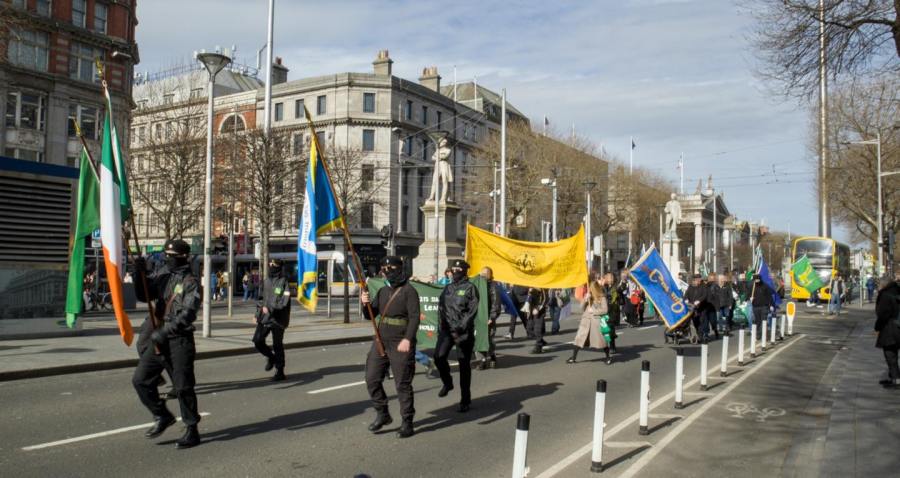
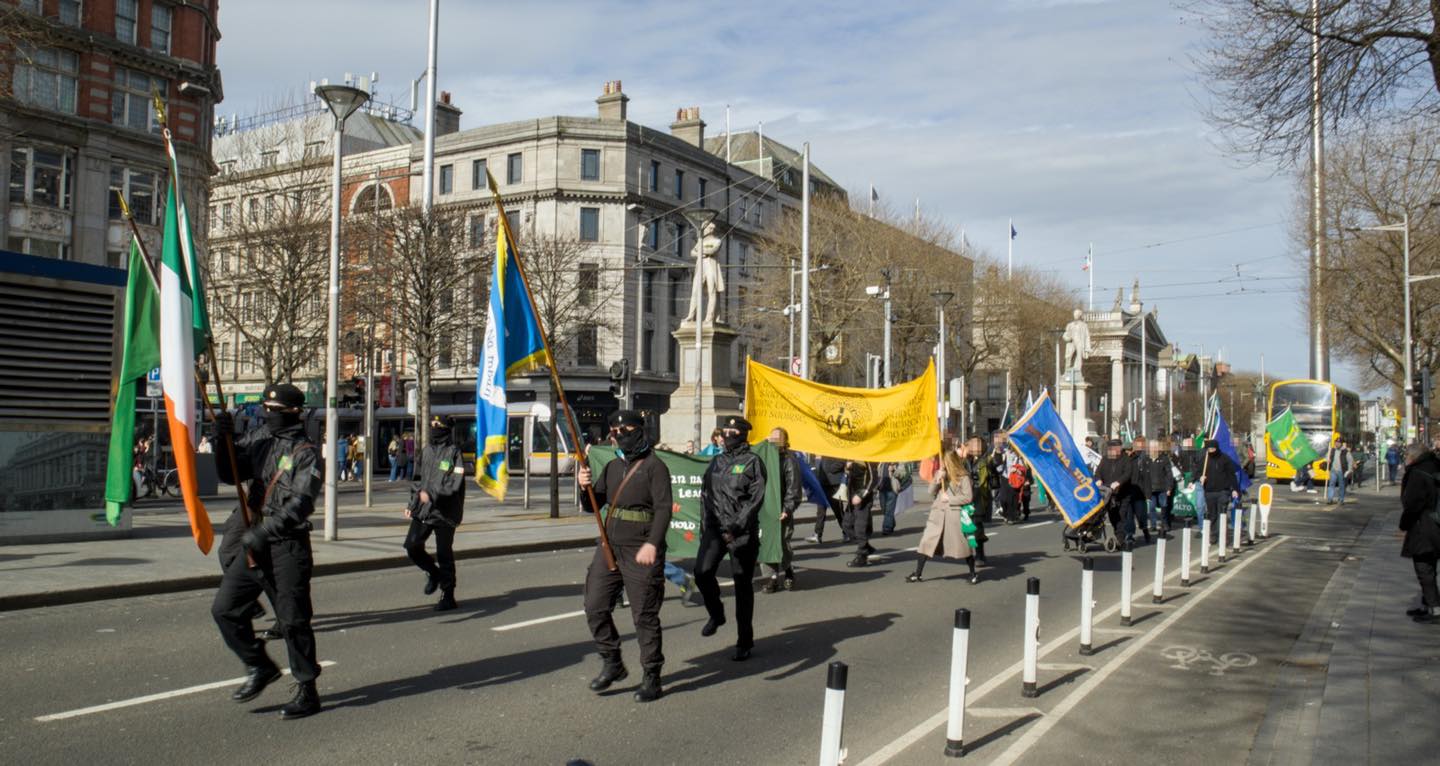
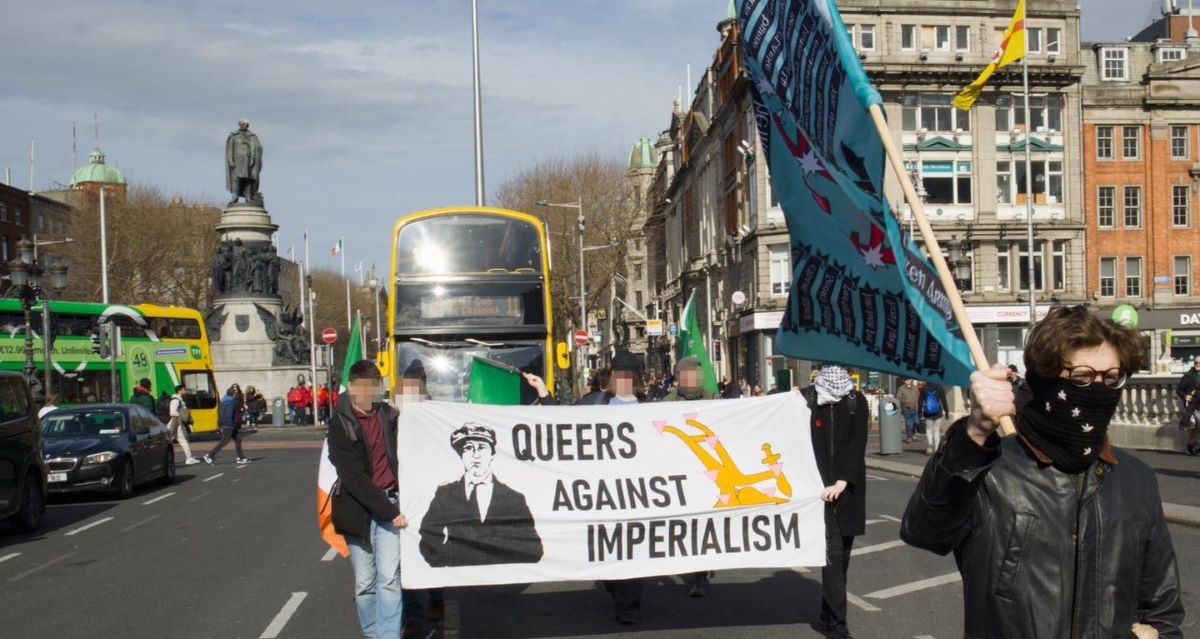
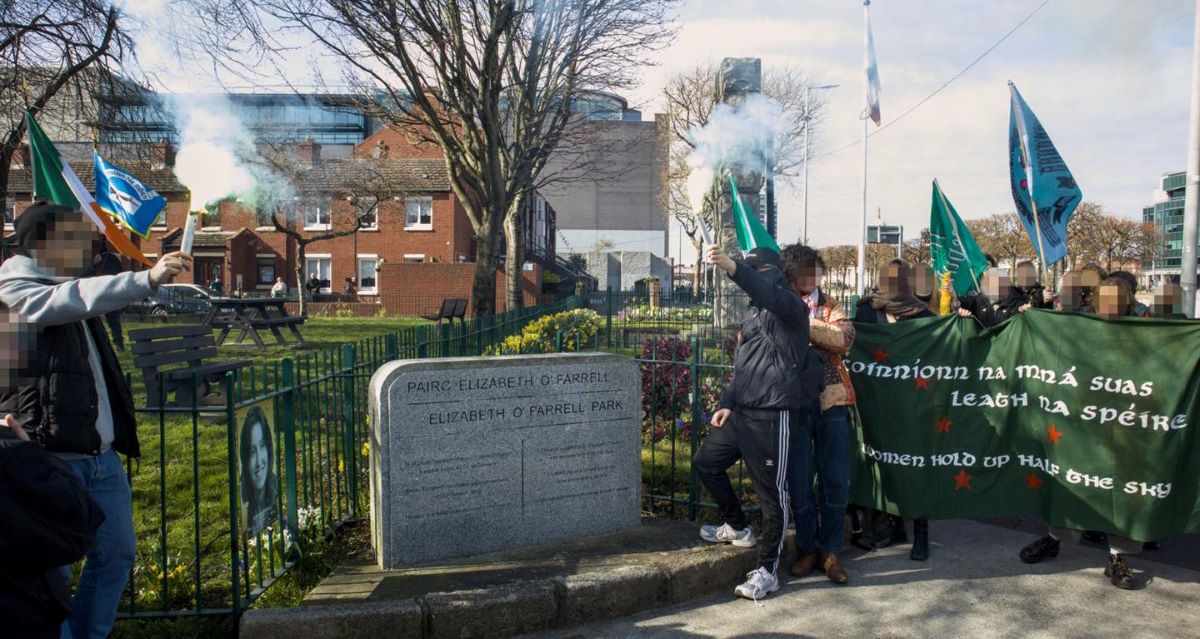
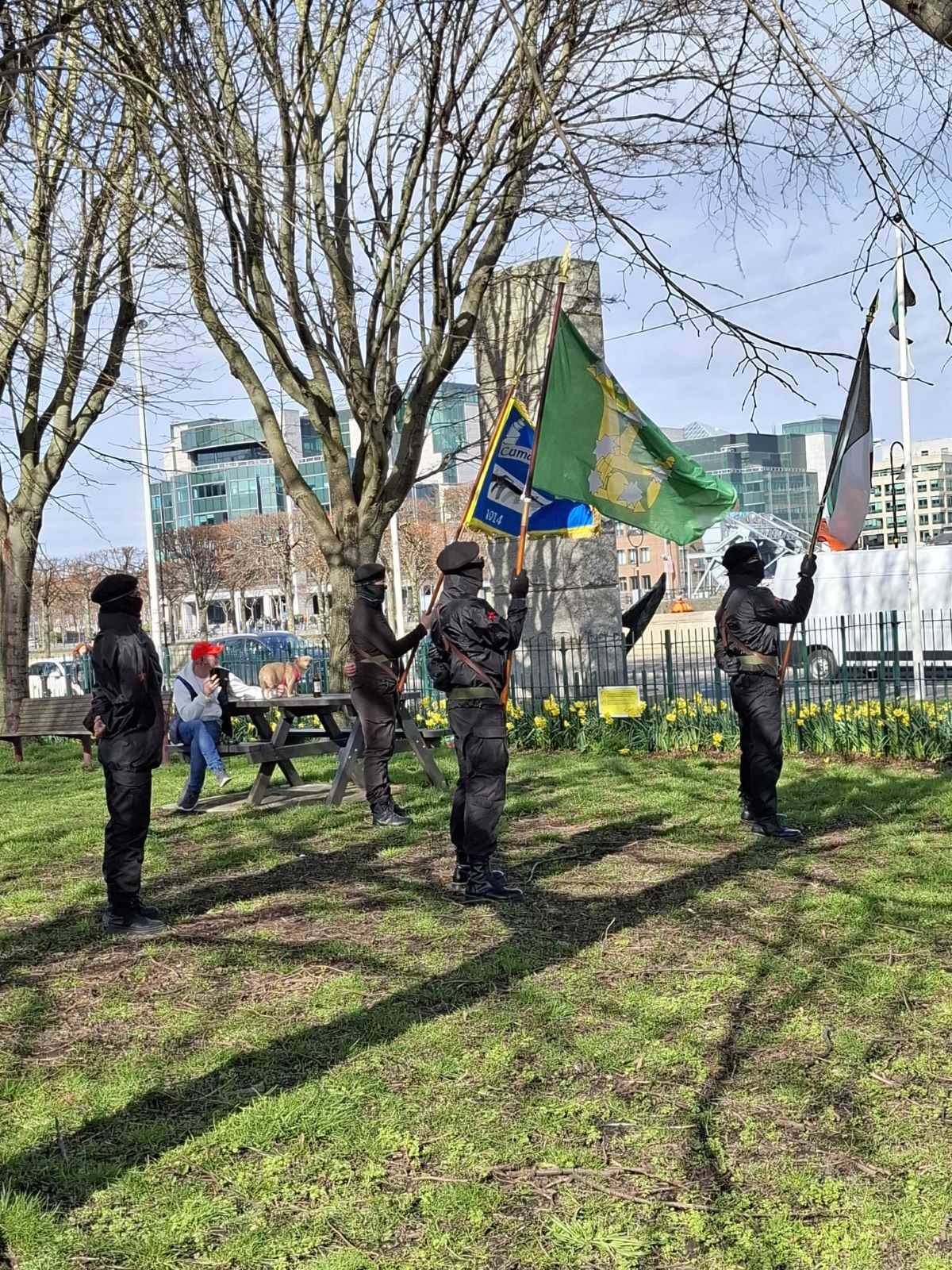
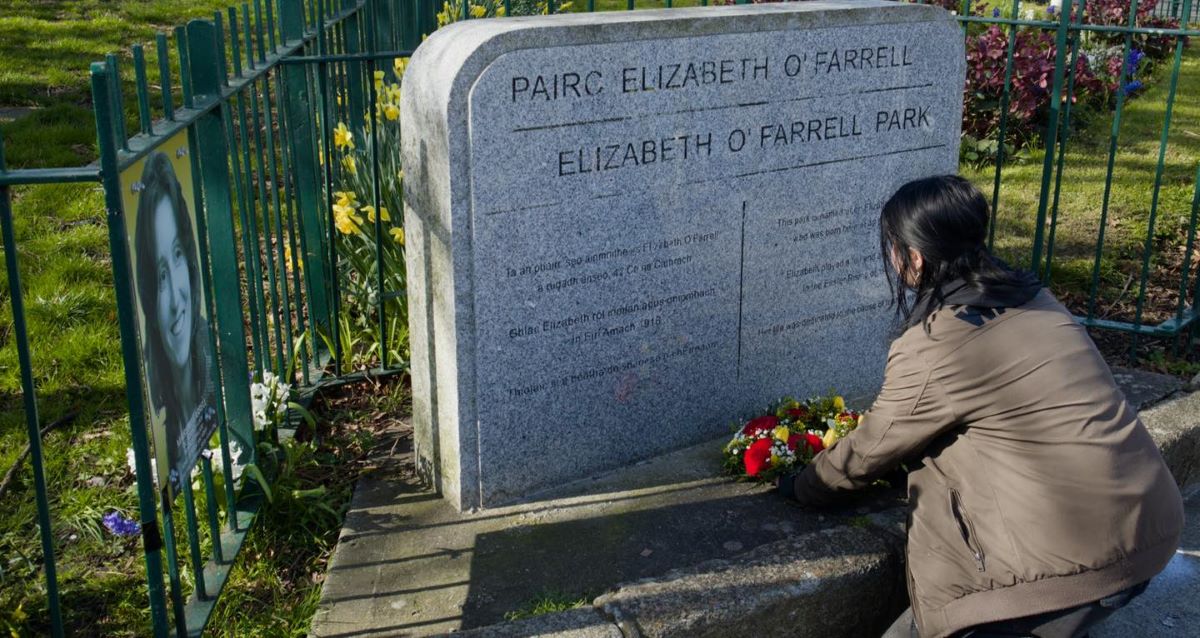
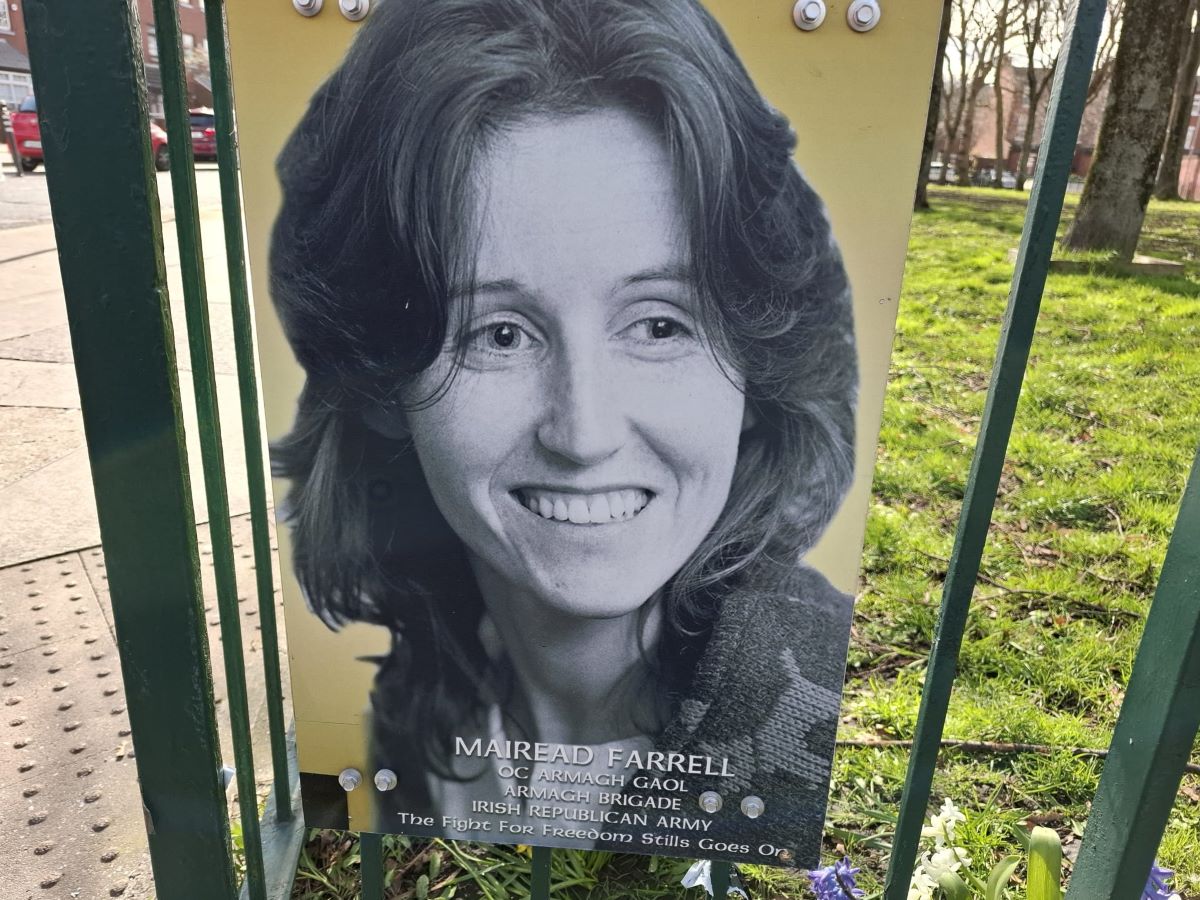
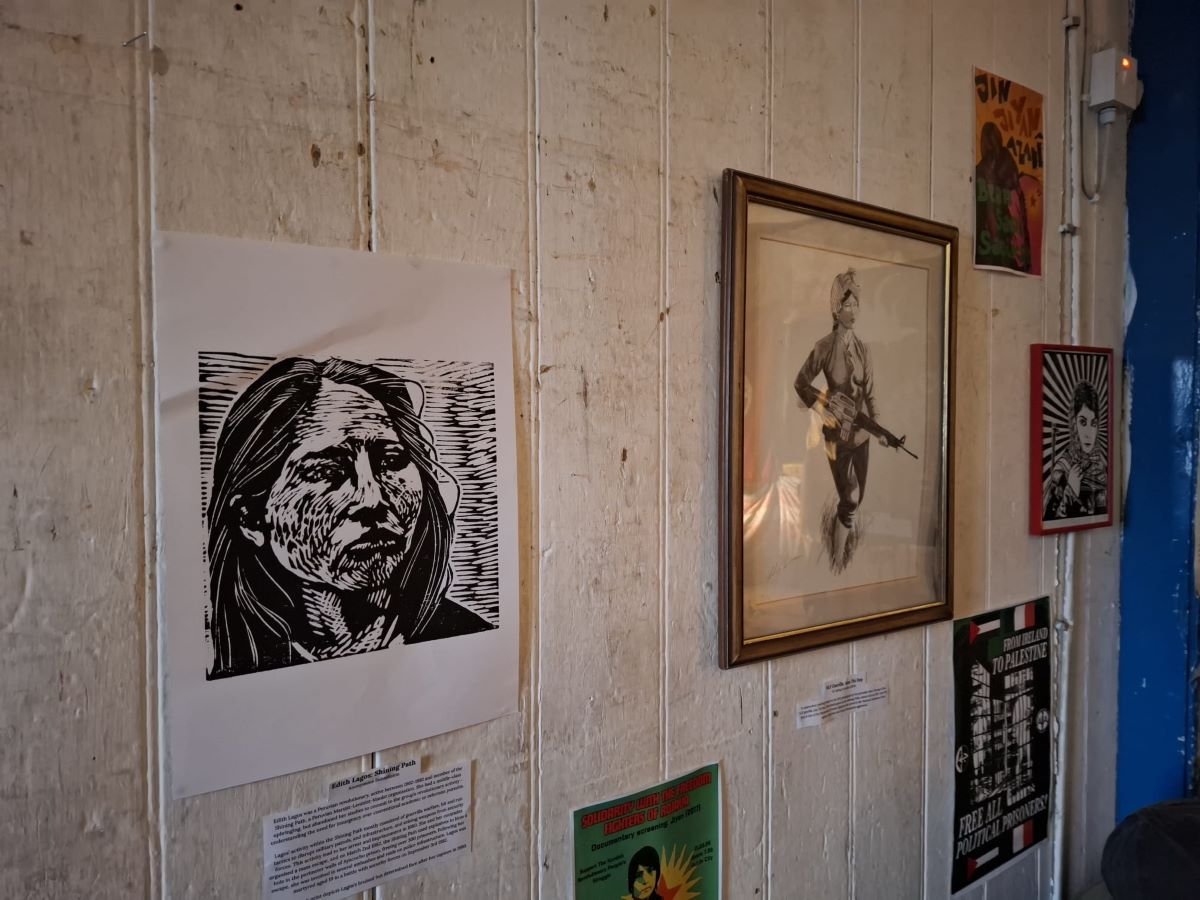

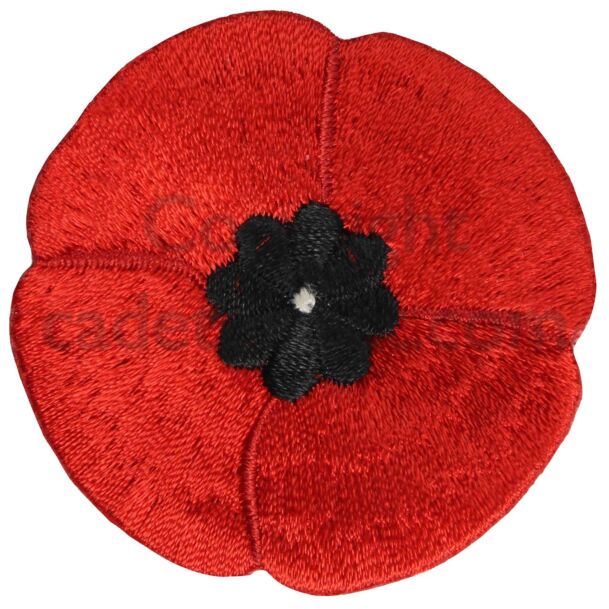

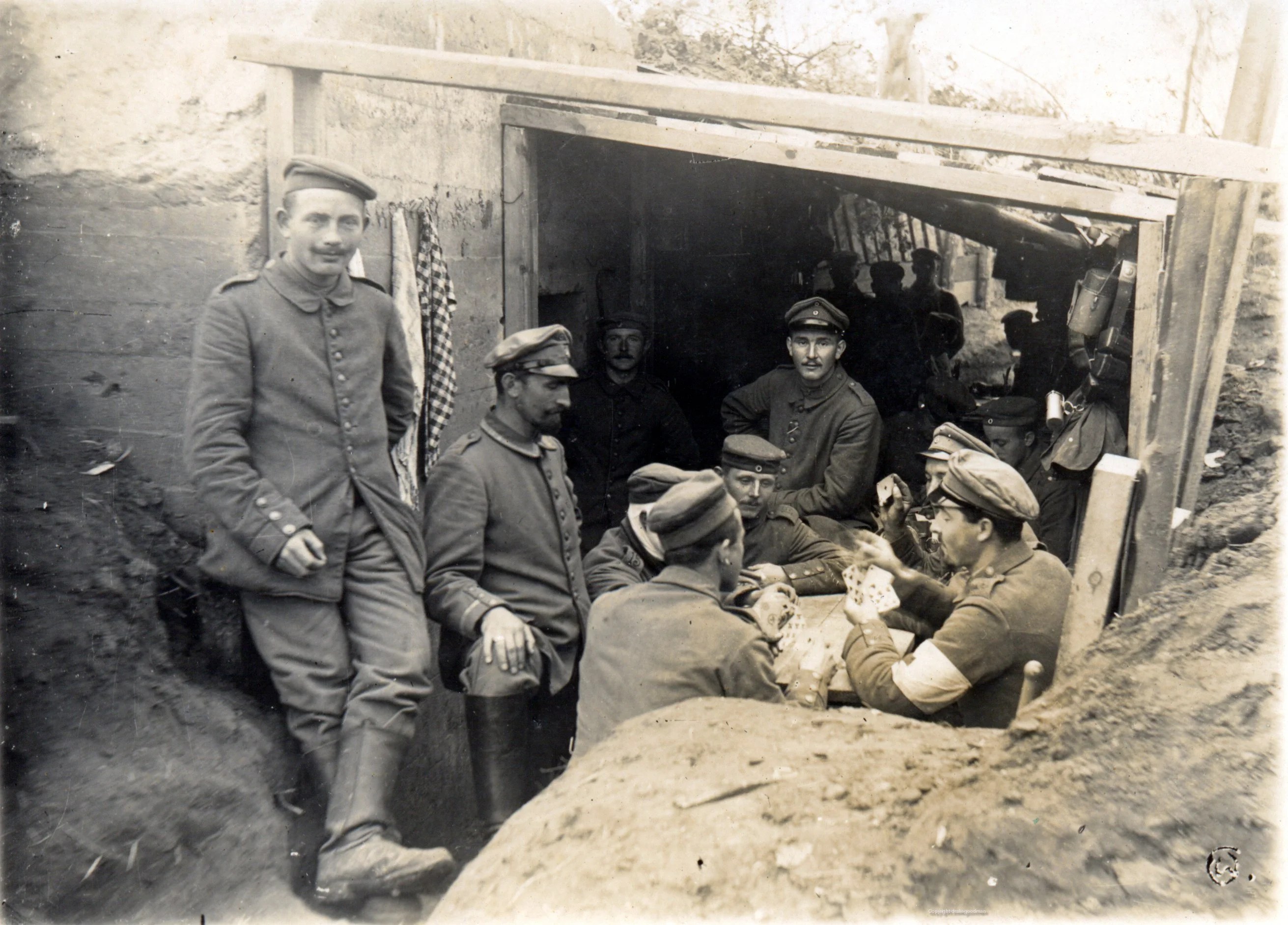
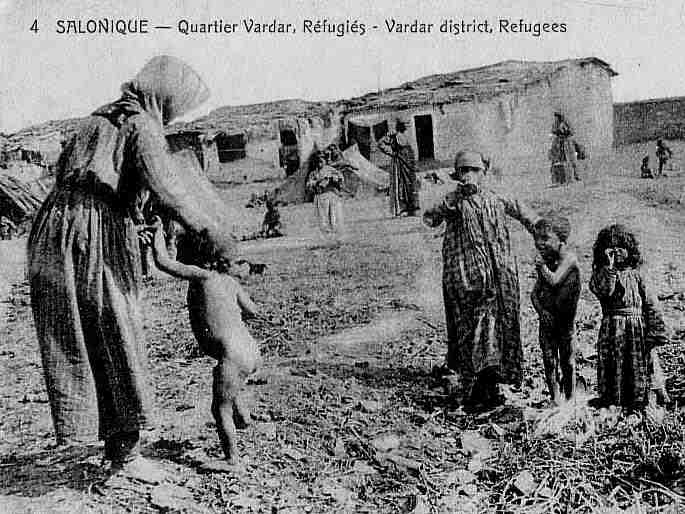
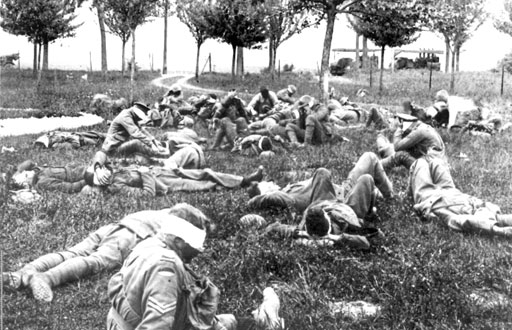


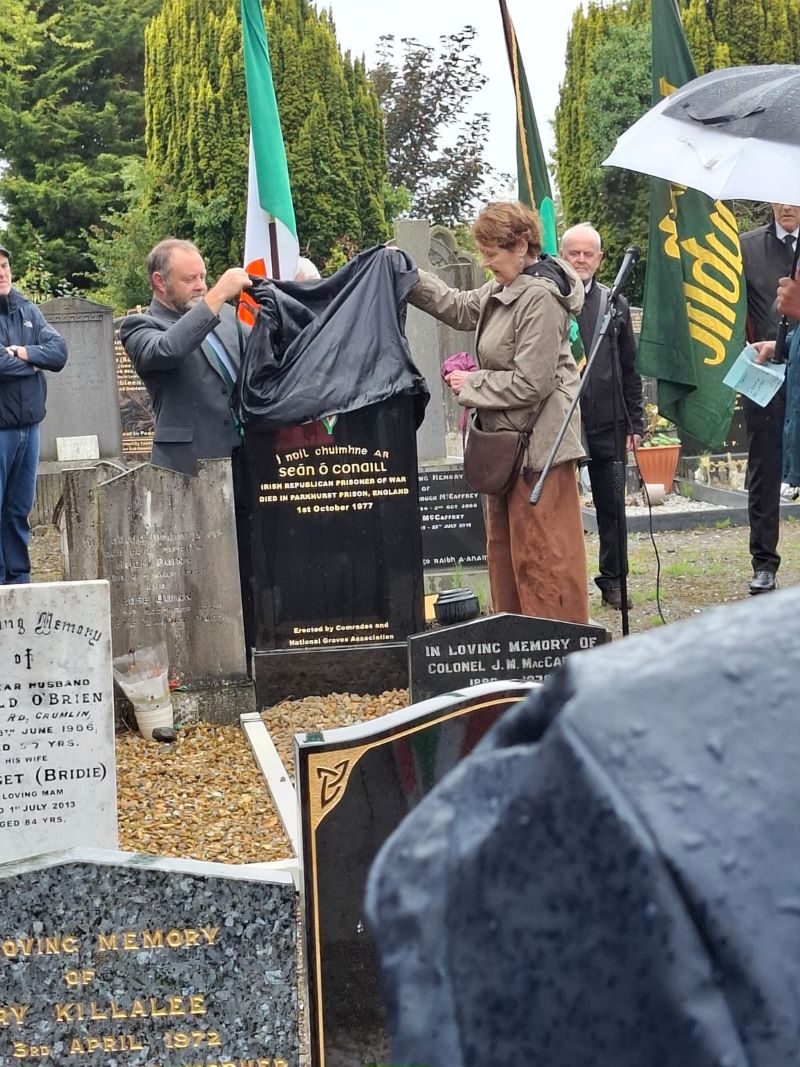

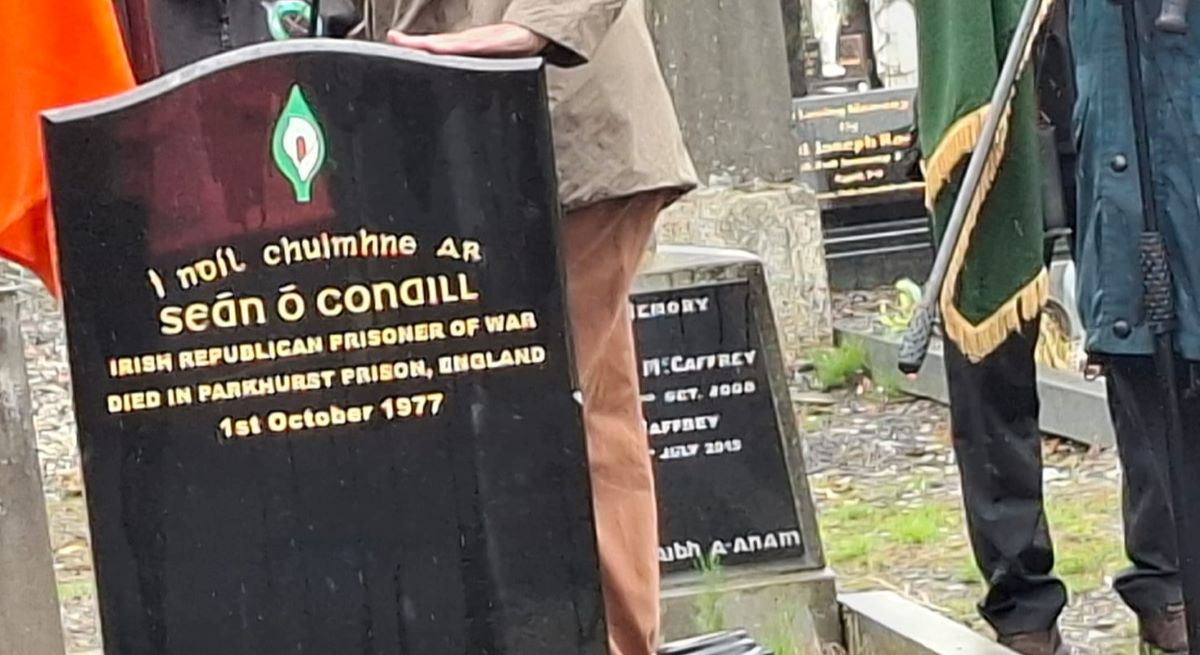

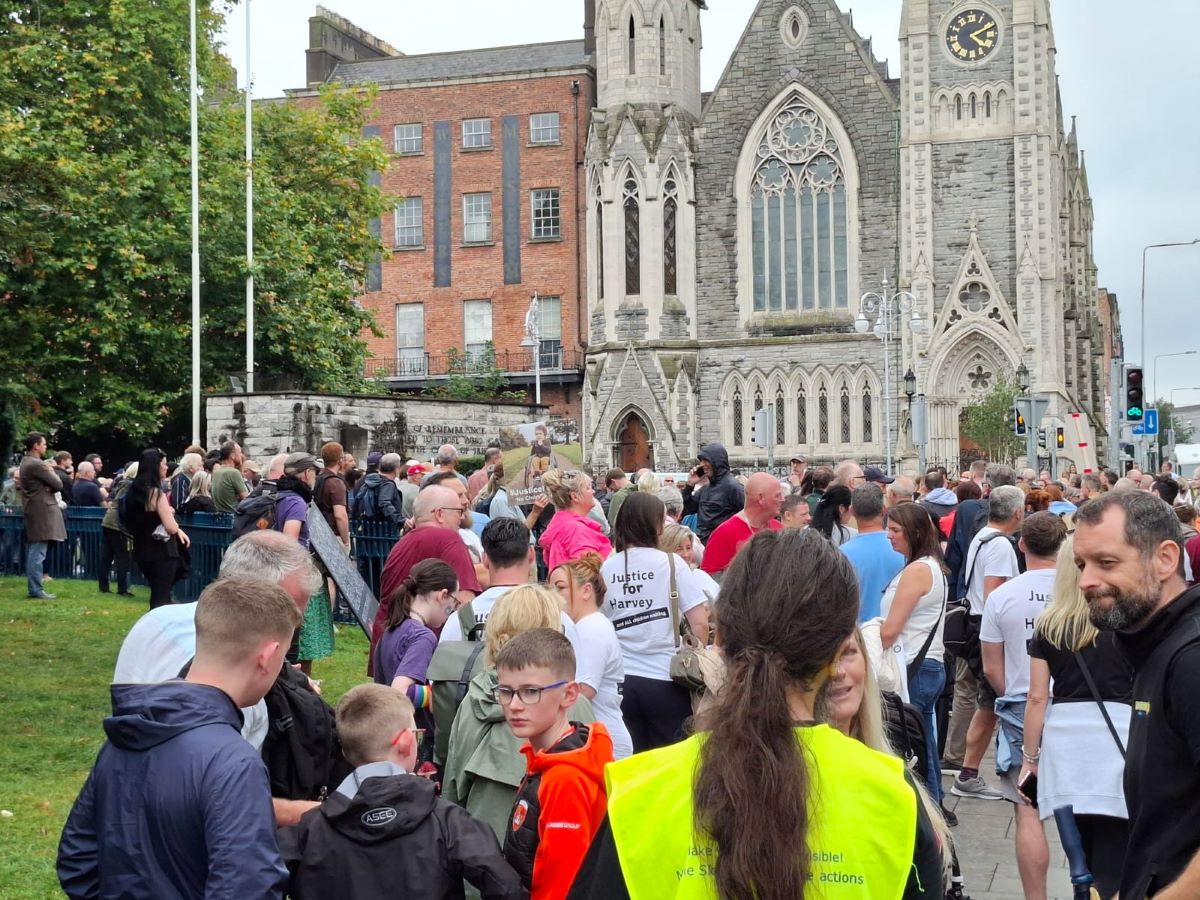
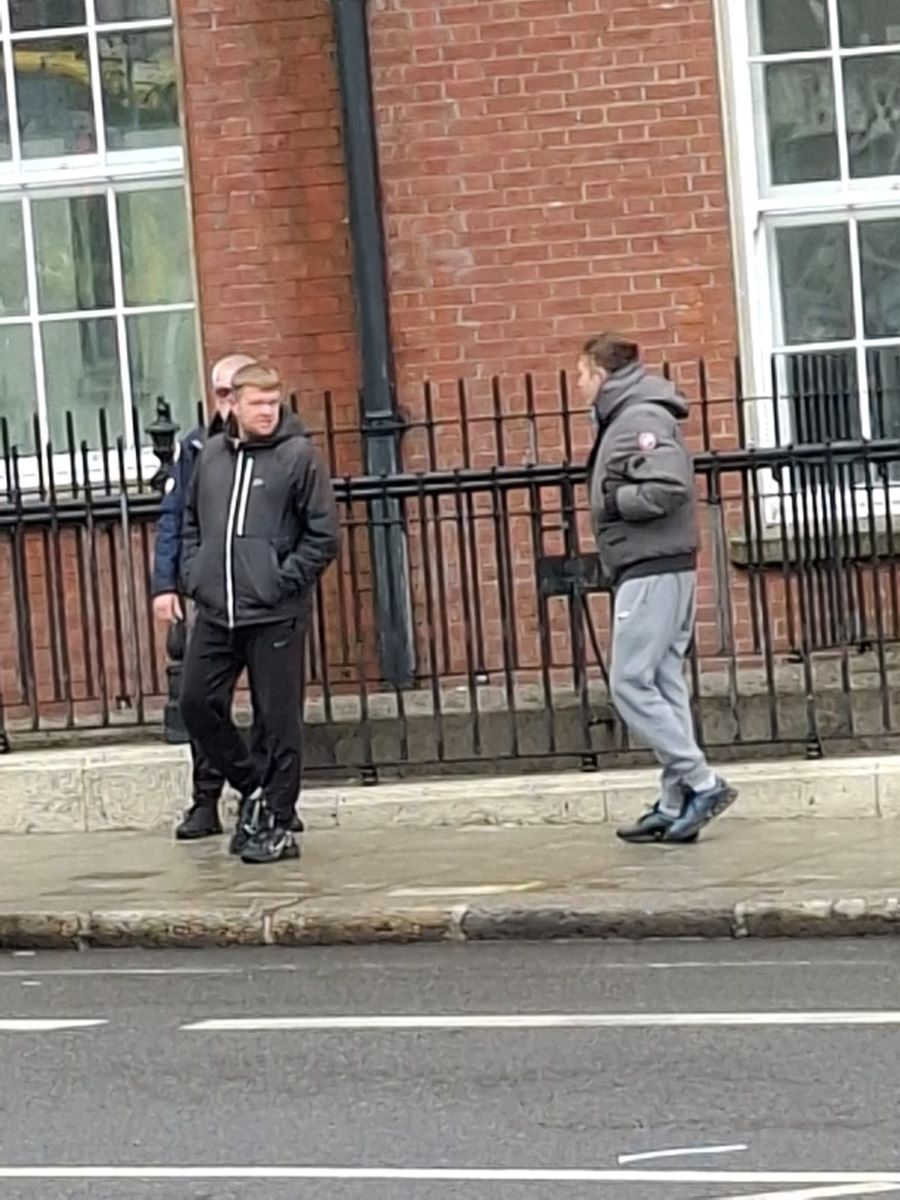


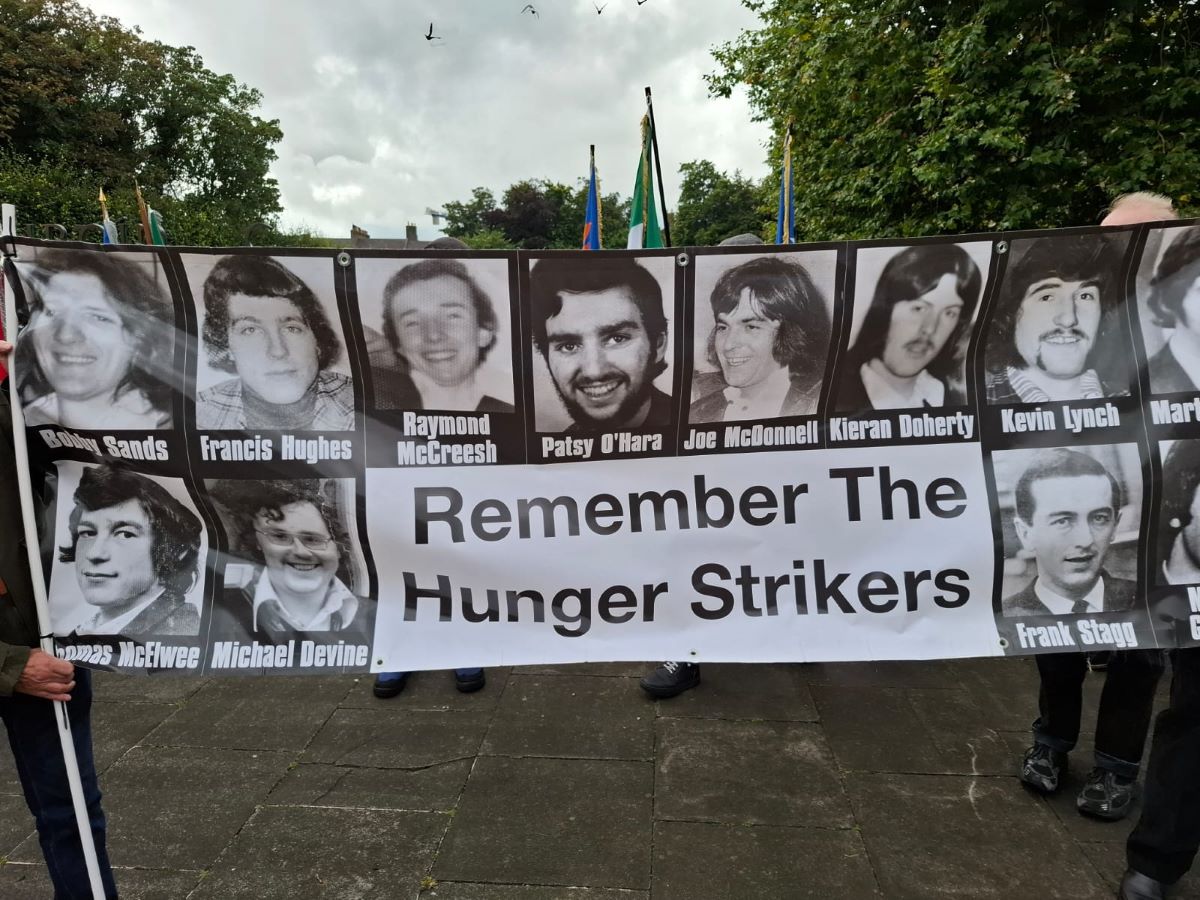

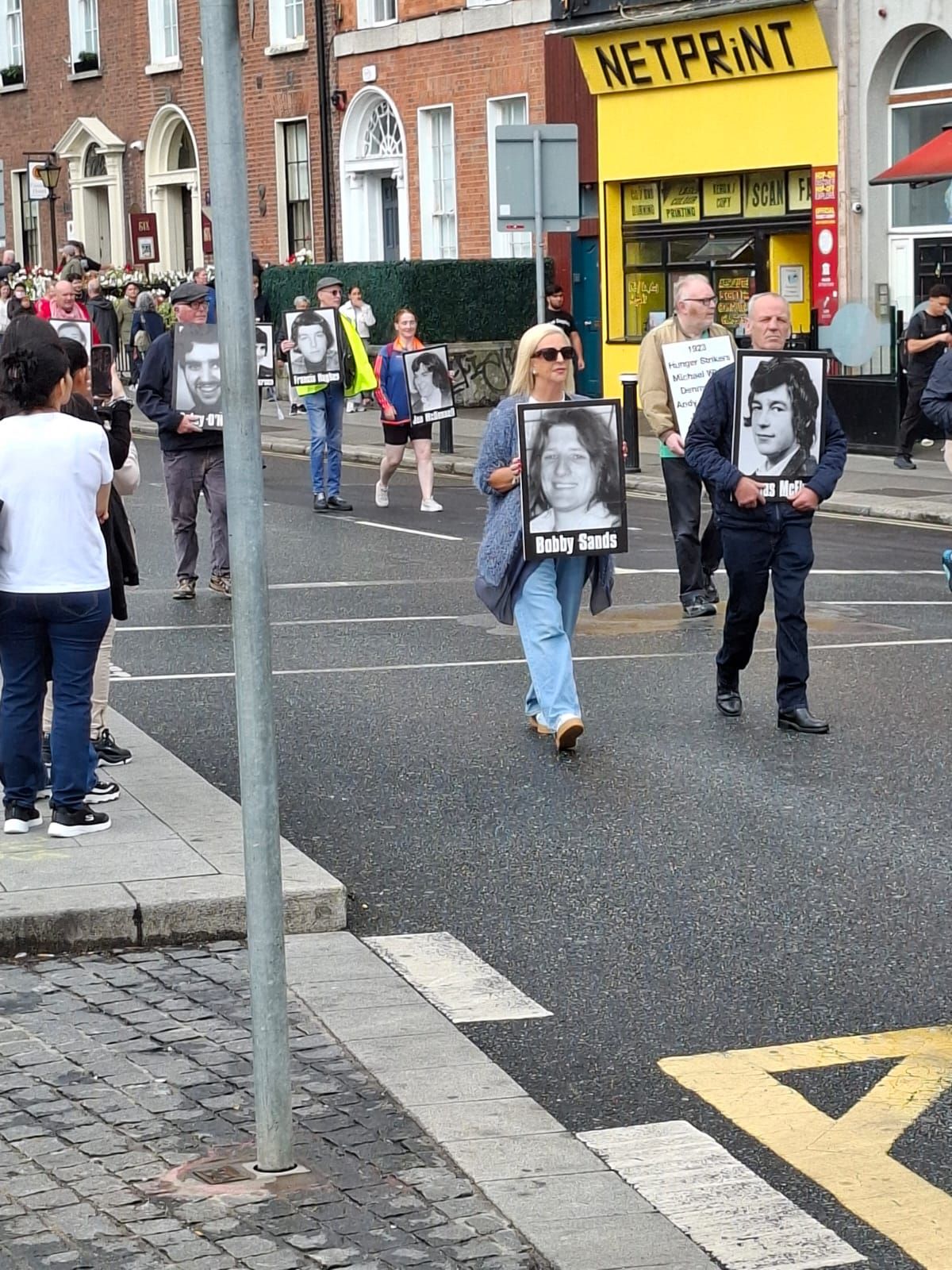
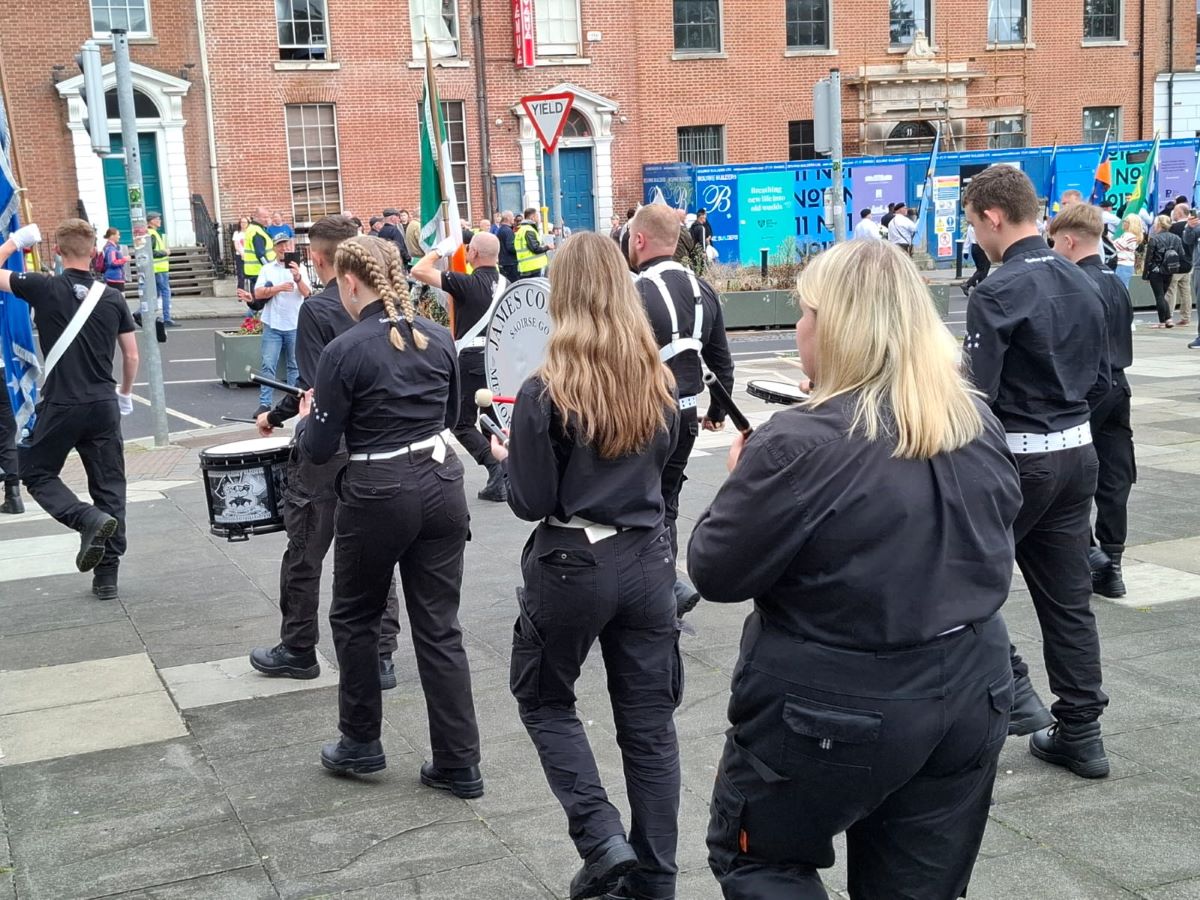
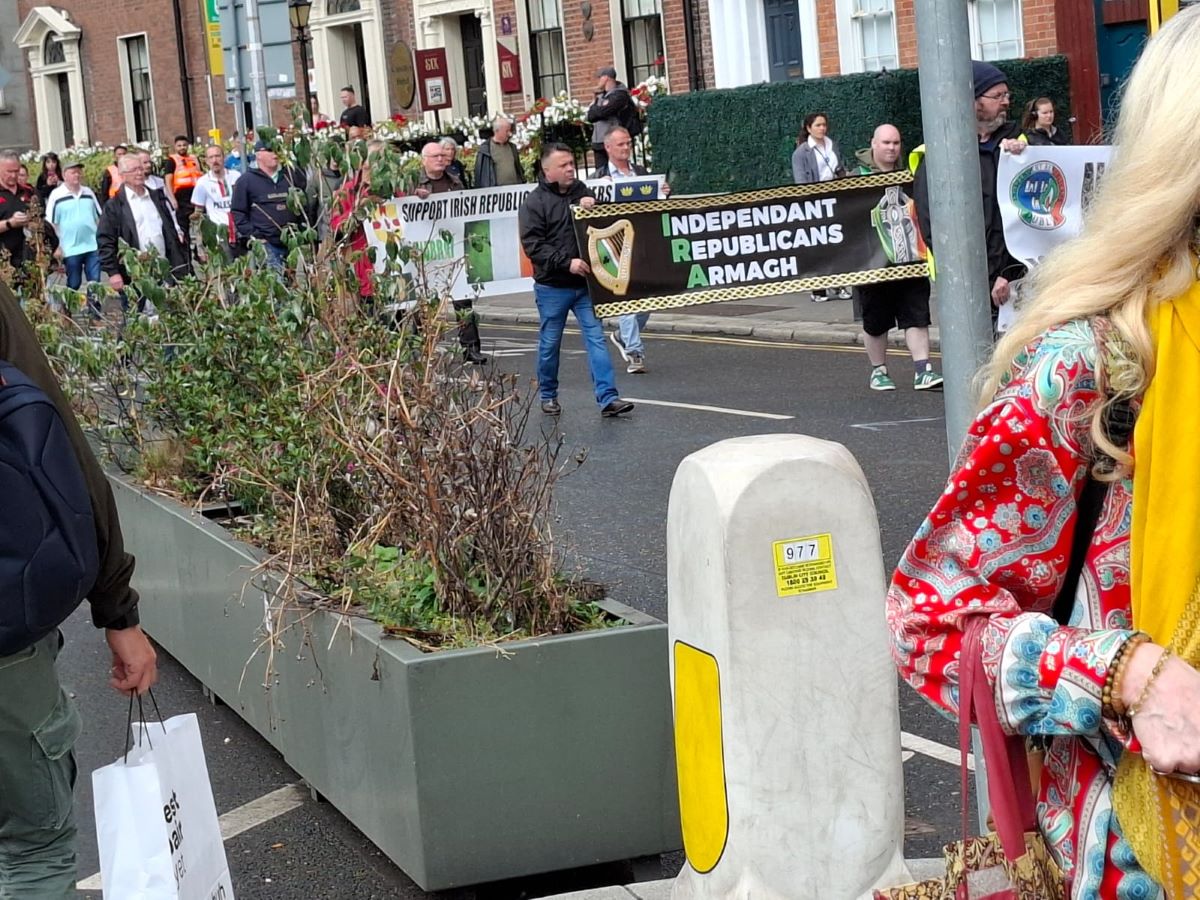

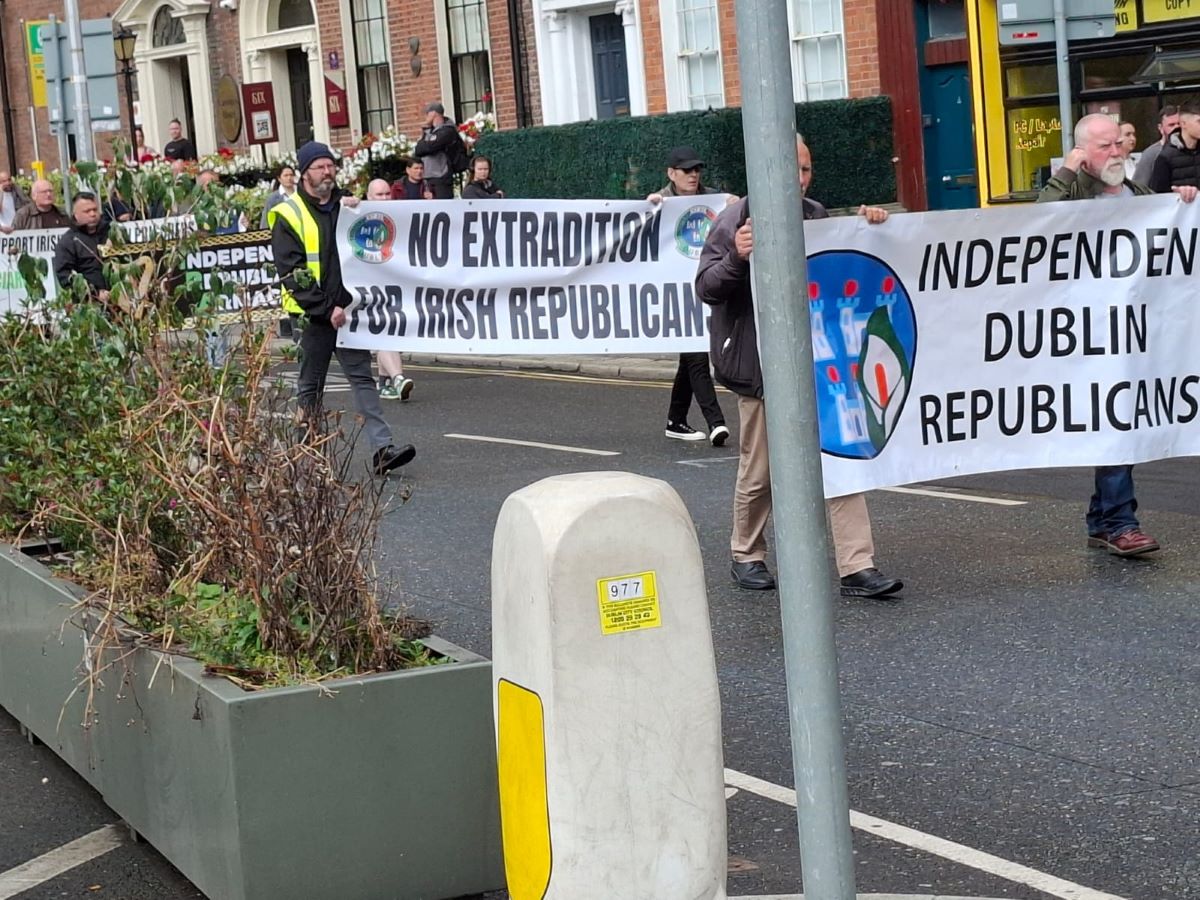


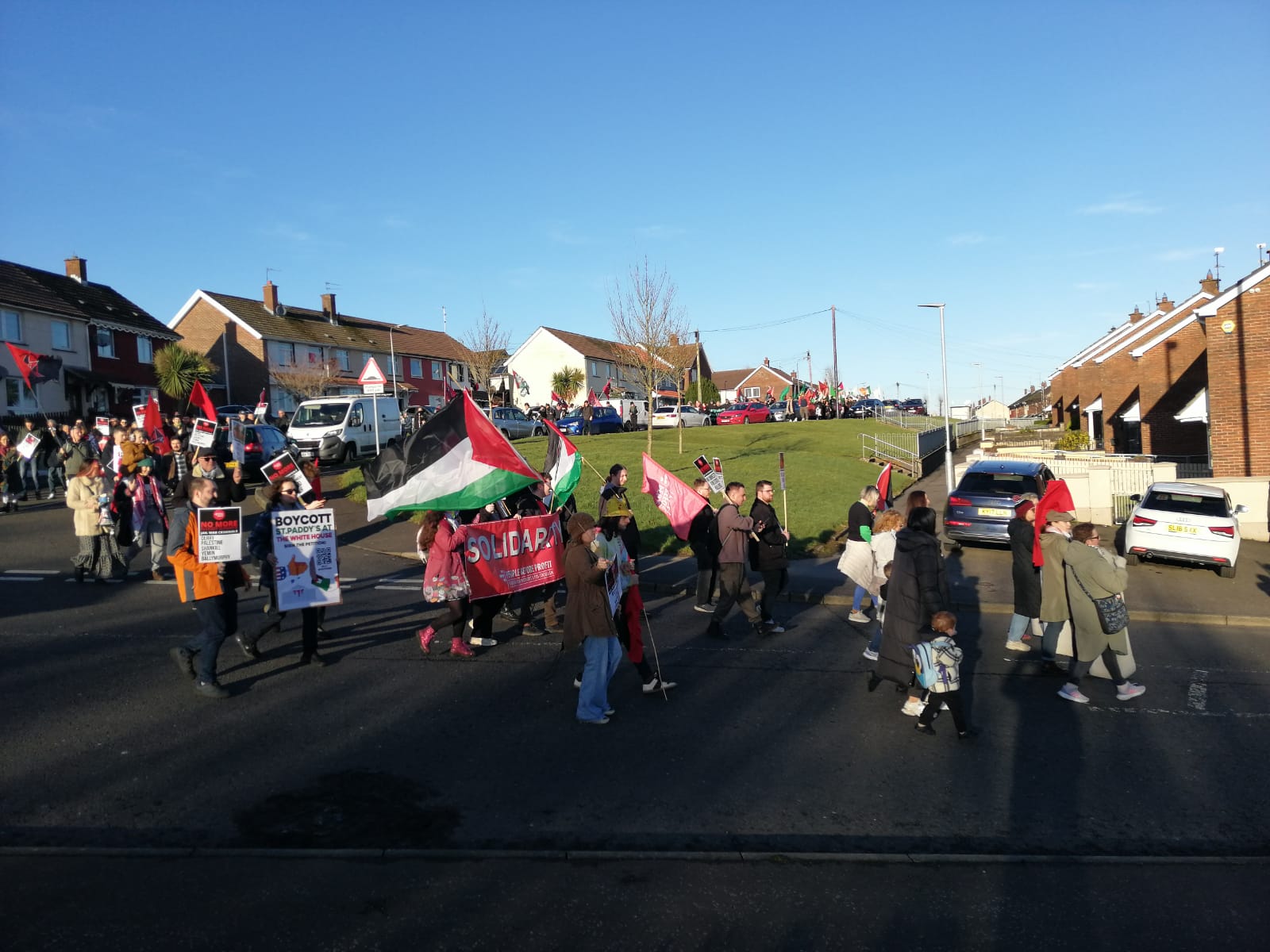
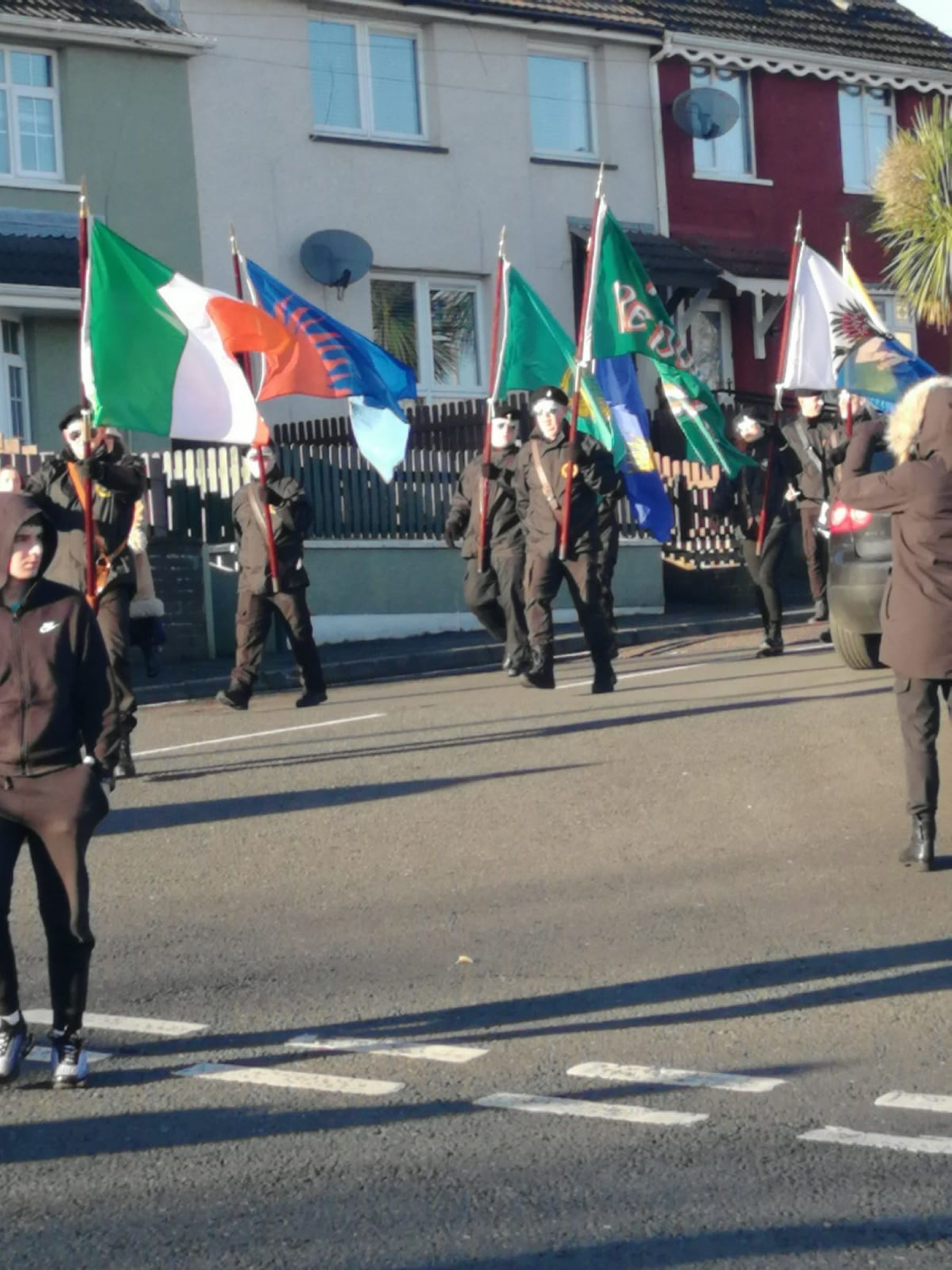
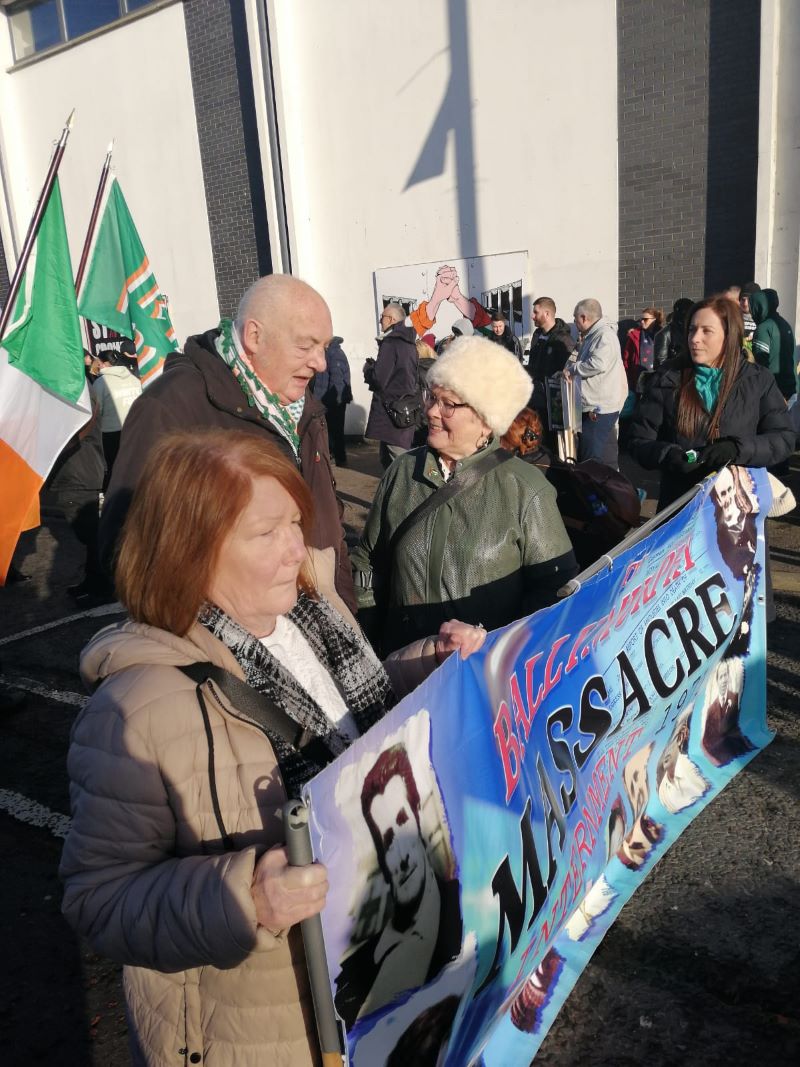
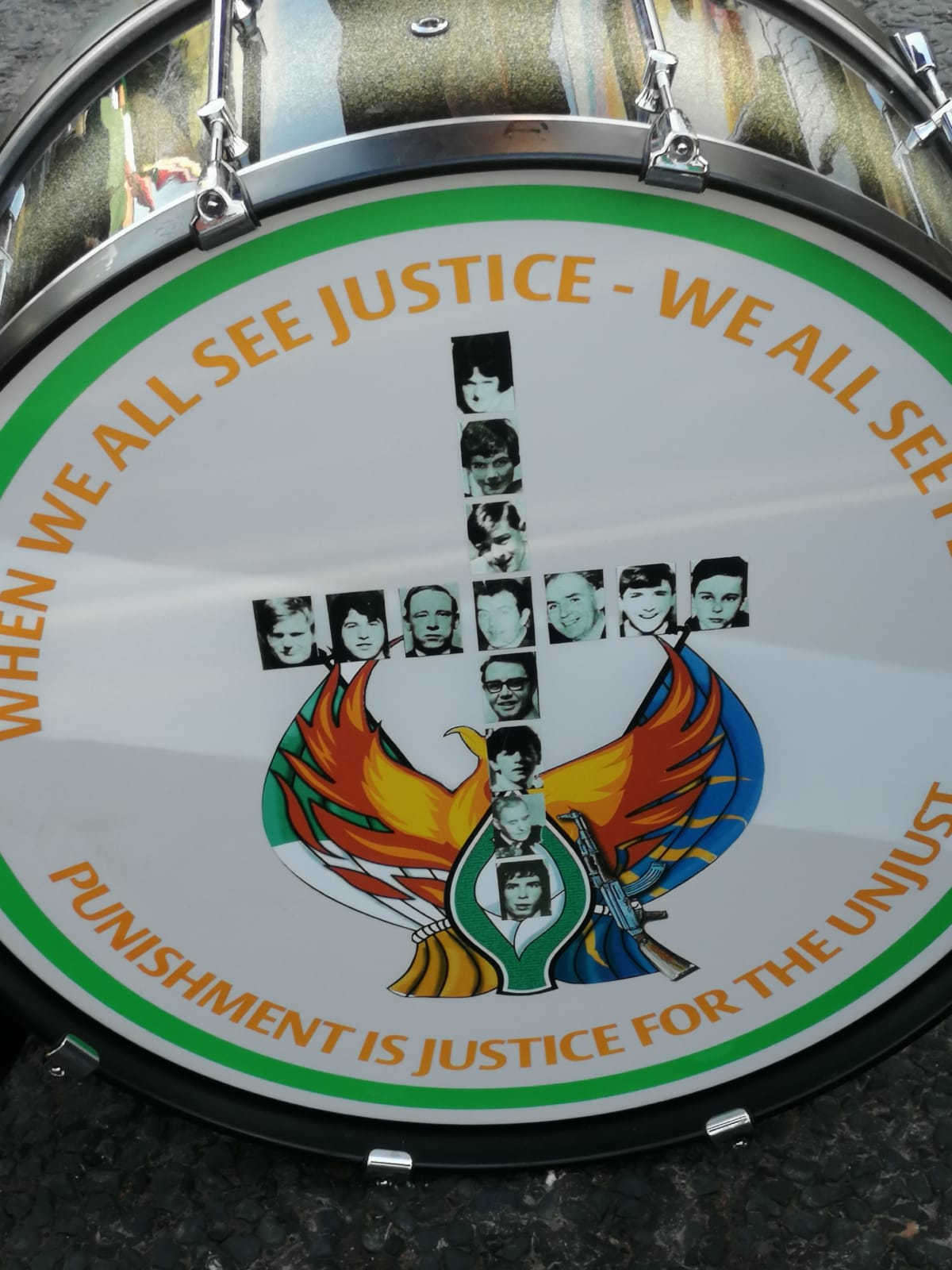


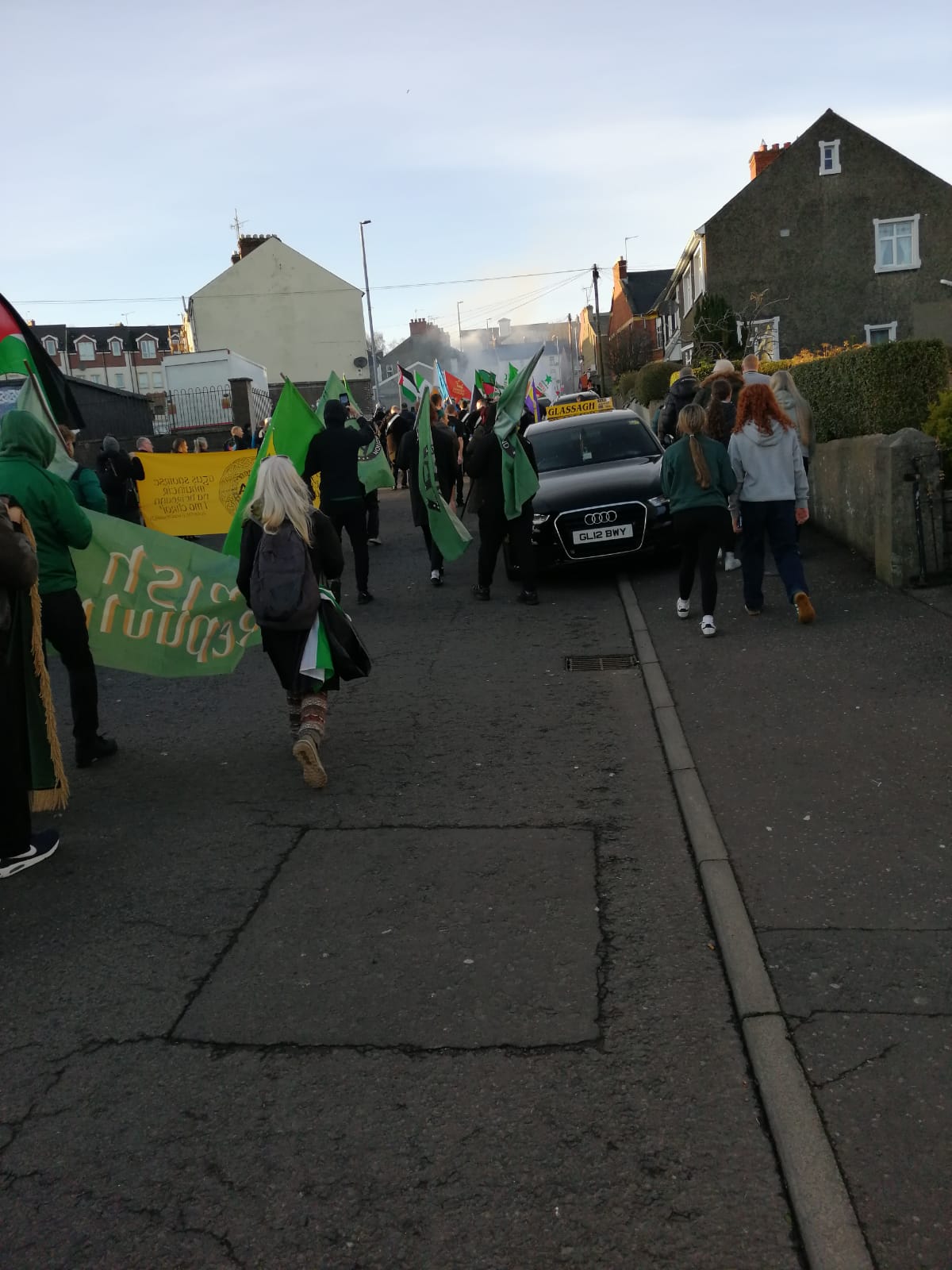


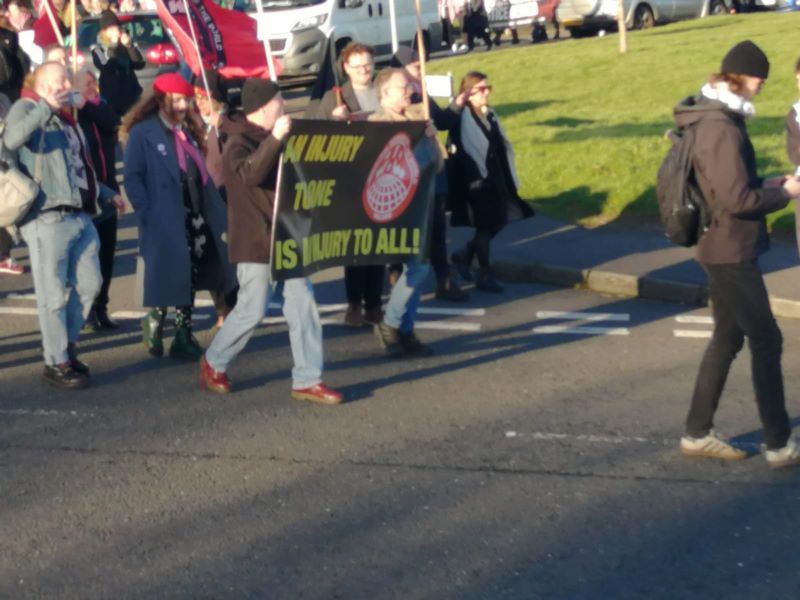


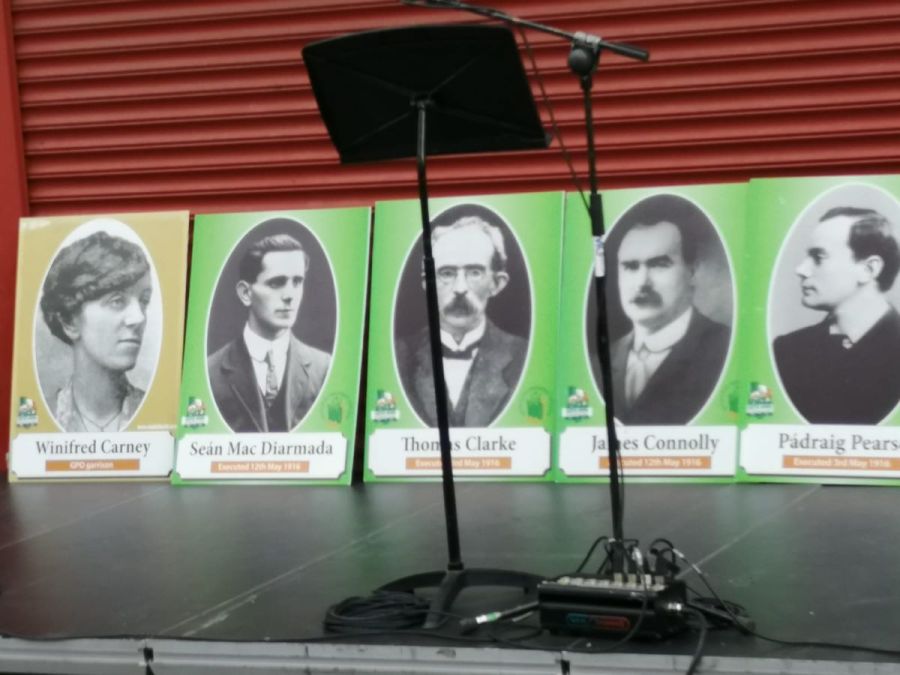


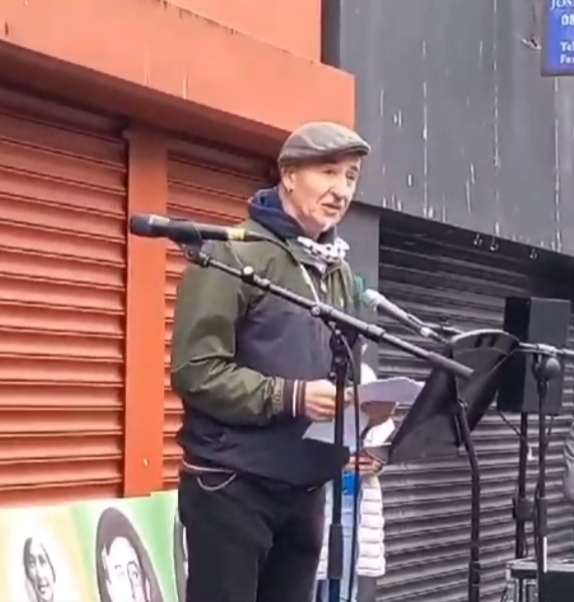


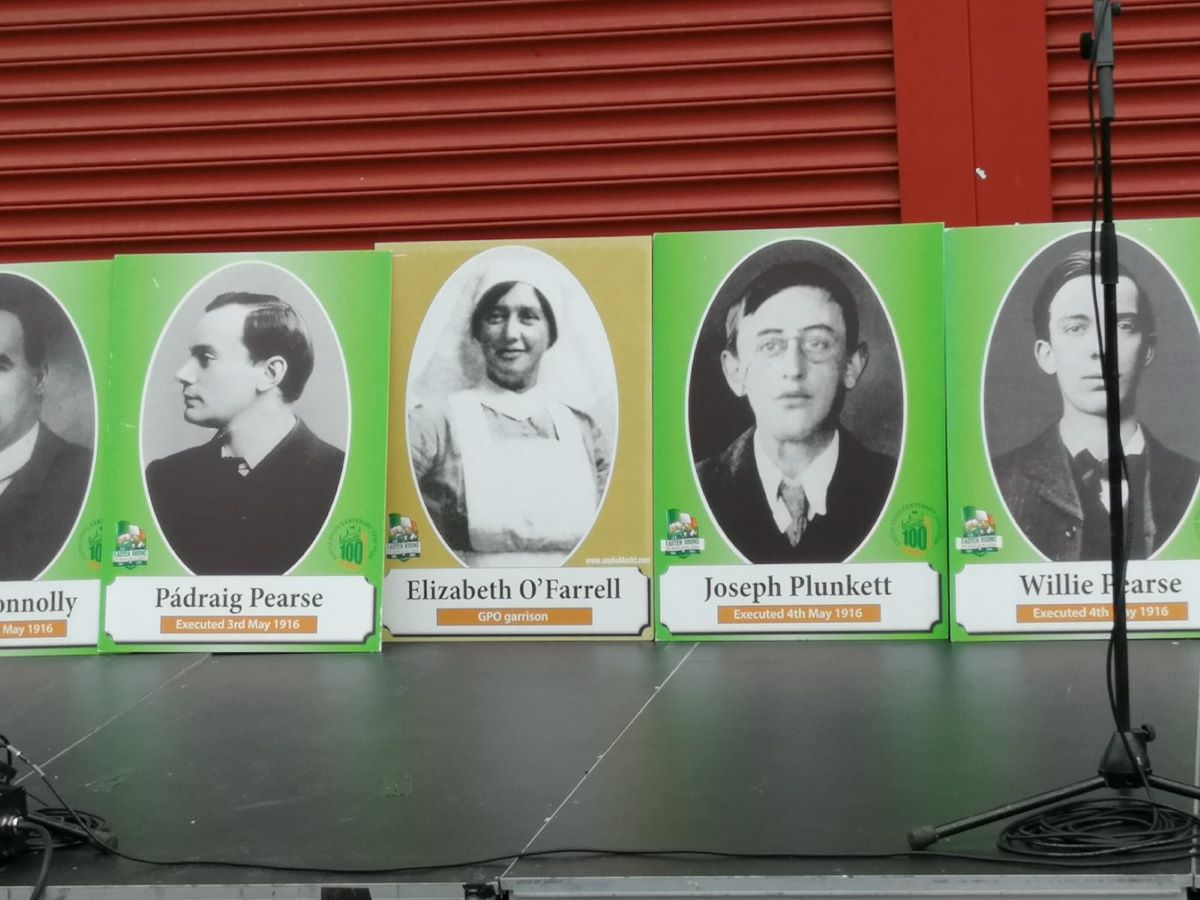


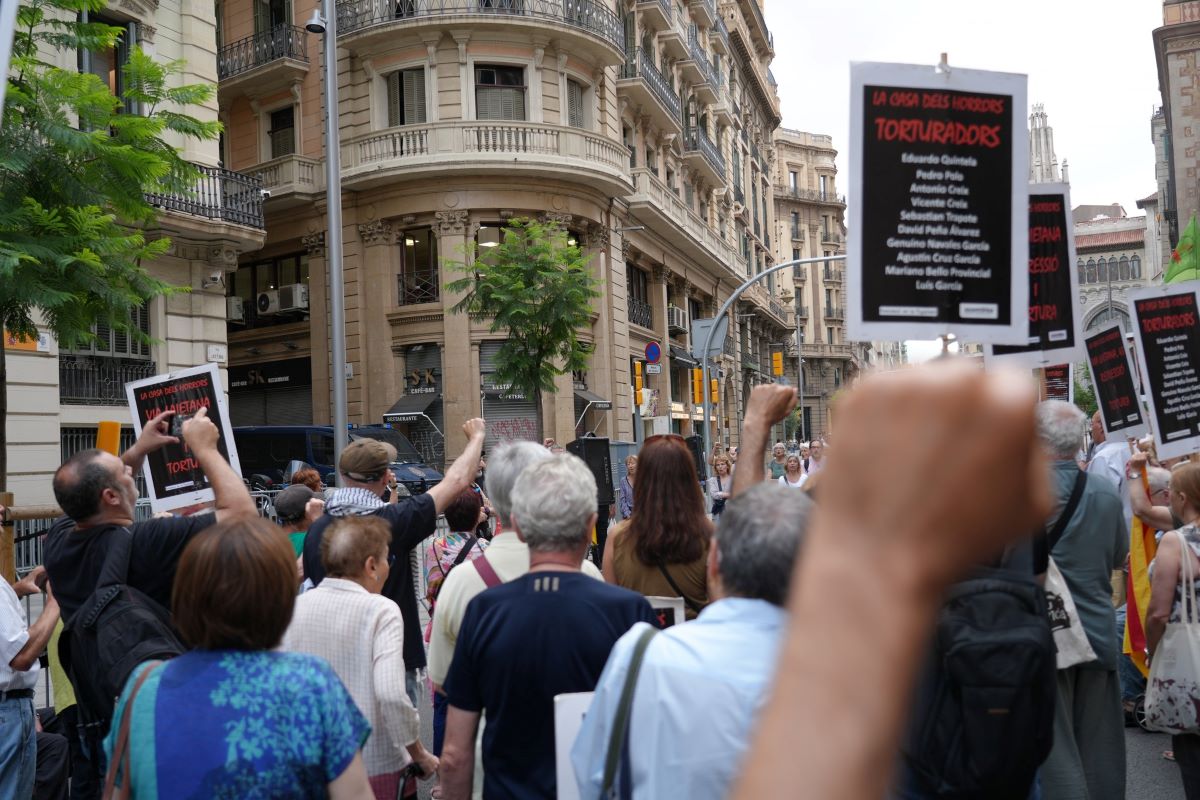


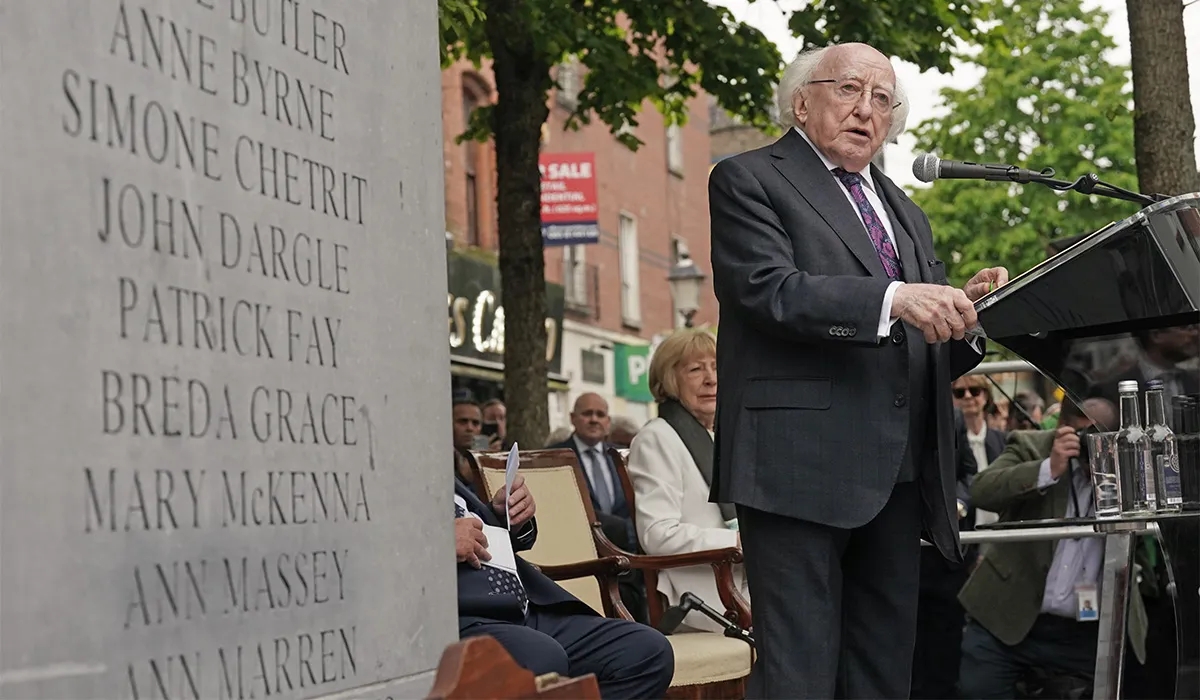
 rebelbreeze