This series of short pieces sets out to demonstrate not only that the “patriotism” claimed by the Far-Right in Ireland is profoundly fake but that so also are their chief symbols. It is not that the flags and songs are false in themselves – far from it — but that they are being employed falsely, i.e in disregard of their origins and in total contradiction to their historical context and meaning. The “patriots” displaying them are fake, not only in their use of the flags and songs but in the contexts in which they employ them, their discourse and the direction in which they wish to take the Irish nation.
OTHERS TO FOLLOW SEPARATELY:
Flag: The “Irish Republic” flag
Flag: The “Starry Plough”
Flag: The Harp on a green field flag
Patriotic song: Amhrán na bhFiann
Patriotic song: A Nation Once Again
The Far-Right creed of fake patriotism
The Irish Tricolour flag (Photo sourced: Internet)
1. THE IRISH TRICOLOUR
This is the flag design most commonly associated with Ireland and the official one of the Irish State, though it was not officially adopted by the State until the Constitution of 1937. The flag gained prominence during the 1916 Rising, when it was flown on the Henry Street corner of the GPO roof and was the flag of the Republic during the War of Independence (1919-1921). The Free State which came into being in 1922 controlling five-sixths of Ireland was not the Irish Republic most people had fought for and, in fact, it went to war against those who upheld that Republic. However, the neo-colonial State feared to leave all the symbols of Irish nationalism in the exclusive hands of its enemies and therefore eventually appropriated the flag, adopted the Irish language as its symbolic first language and the Soldiers’ Song to represent it.
On the other hand its display in public in the Six Counties colony was held to be illegal under the Flags and Emblems Act of 1954 until its repeal in 1987 and a number of street battles took place there when colonial police moved in on people to confiscate it.
Although the first use of the colours of green, white and orange as a tricolour arrangement (on cockades and rosettes) was in 1830, when Irish Republicans celebrated the French revolution of that year restoring the French Tricolour as the flag of France, their first recorded use on a flag was not until 1848.
On 28th July 1846 a group of progressive Irish nationalists had broken from Daniel O’Connell’s movement to Repeal the Union, i.e to give Ireland an Irish parliament again but under ultimate British rule. Meagher was one who led the breakaway, opposing the Repeal Association resolution to refuse the option of armed resistance in any and all circumstance, in a famous speech about the right to use weapons in the struggle for freedom, which earned him the nickname Meagher “of the Sword”.
The group became known disparagingly as The Young Irelanders but, like many mocking names, became fixed with respect in Irish history. One of its leaders was Thomas Davis, co-founder of The Irish Nation newspaper and composer of such iconic works as A Nation Once Again, The West’s Awake (songs) and Fontenoy (poem).
Monument in Dame Street to Thomas Davis, Republican, Young Irelander, author, composer, journalist. (Photo: D.Breatnach)
During what became known as “the Year of Revolutions:, 1848, Meagher went to Paris, which was in the hands of revolutionaries as an envoy to the Provisional Government and was there presented by revolutionary women with the Irish Tricolour, which they had sown in fine silk. They explained that its design was intended to reflect the revolutionary ideal of peace, represented by the colour white, between the Catholic Irish (indigenous and Norman descendants), represented by the colour green and the Protestants, descendants of planters and other colonists, represented by the colour orange. But an active peace, a collaboration in national liberation from English rule and the establishment of a secular Republic.
It would not be surprising had those women been aware of Les Irlandais Unis (the United Irishmen), who had risen less than fifty years earlier for a secular and independent republic and had sought military assistance from the French Republic.
Returning to Ireland with the flag, Meagher unfurled it in public for the first time on 7th March 1848 while speaking from an upper-floor window of the Wolfe Tone Club in Wexford to people celebrating the revolution in Paris. In Dublin it was unfurled in the Music Hall in Lwr. Abbey Street on 15th April 1848 but there was another Irish flag which at the time was more popular and the question of which flag was to represent an independent Ireland (or the movement to achieve such) was left undecided.
Plaque in Waterford recording the first public unfurling of the Irish Tricolour in Ireland. (Photo sourced: internet)Plaque in Abbey Street recording the first public unfurling of the Irish Tricolour in Dublin. (Photo sourced: internet)Illustration of the trial of Meagher, McManus and Donohoe. (Image sourced: internet)
Meagher was sentenced to transportation to Van Demien’s Land (now Tasmania), later freed on condition of not returning to Ireland and emigrated to the USA. He supported the Union in the American Civil War for the abolition of slavery and he and his wife actively recruited for the Union Army; he served as a Brigadier General in the Irish Brigade, of which one regiment, the 88th New York, became known as “Mrs. Meagher’s Own”. The Irish Brigade fought many important engagements against the Confederacy and suffered 4,000 dead in the course of the war; two of its commanding officers including Meagher were wounded and three killed. Meagher was believed drowned from a Missouri riverboat on a trip on 1st July 1867, leading some to suspect that he had been murdered, possibly by the nativist anti-migrant organisation known as the “Know Nothings”.1
Thomas Francis Meagher as Union Army officer and Governor of Montana. Plaque in Waterford recording the first public unfurling of the Irish Tricolour in Ireland. (Photo sourced: internet)
The Far-Right in Ireland, composed as it is of racists, fascists, Catholic conservatives and religious sectarians, seeks an Ireland far removed from the republican ethos of the flag, presented by French republican revolutionaries to their Irish republican counterparts. It is a flag symbolising inclusion rather than exclusion and explicitly, in its colours, rejecting religious sectarianism. It flies in declared opposition to those who seek an Ireland “made Catholic again”2, oppose immigration and seek an Ireland based on “Irish ethnicity” (meaning blood), a prescription that would have had no place for Thomas Davis’ Welsh father, nor for Meagher, who led thousands of Irish migrants who fought against slavery of Africans in the USA. Their Ireland would have had no place for the Young Irelanders who, like Thomas Davis, were mostly Protestant Republicans.
The Far-Right in Ireland wave the Tricolour flag outside Leinster House in this protest of theirs demanding “free speech” for racist diatribes in February 2020 in sharp contrast to the flag’s meaning and history. (Photo: D.Breatnach)
The irish Tricolour in Kilmainham Jail (now museum) in the execution yard of 14 patriots of the 1916 Rising (Photo source: Aitor Munoz Munoz, royalty-free).
FOOTNOTES:
1A nickname they earned through their habit of saying that they knew nothing in answer to questions by the police or in court.
2Slogan put forward by notorious racist and conspiracty theorist Gemma Doherty in preparation for an islamophobic rally outside Croke Park on 31st July, supported by fascist organisations Síol na hÉireann and the National Party, both parties opposed to immigration and promoting a racist concept of “Irishness” based on blood.
REPUBLICANS AND SOCIALISTS PICKET AUCTION OF IRISH HISTORICAL ARTIFACTS
Clive Sulish
(Reading time: 5 mins.)
On Saturday 25th July tourists and other passers-by were treated to the sight of people picketing the Freemason Hall in Molesworth Street, Dublin, where the Whyte’s company was holding an auction of Irish historical artifacts. The picketers flew the historical flags of the Sunrise of na Fianna Éireann and the Starry Plough of the Irish Citizen Army and a banner proclaimed OUR HISTORY IS NOT FOR SALE – is linne uilig í. Placards displayed by the picketers denounced, in Irish and English, the sale of artifacts of Irish history. Among their periodic chants were “Irish history is not for sale!” and “Shame on Whyte’s!”
Picketer inside the Freemason Hall (Photo: Rebel Breeze)
Very shortly before the event some people had learned of the forthcoming auction by the Whyte’s company, which has an office and shopfront in Molesworth Street (also the street in which the Freemason’s Hall is located), a couple of minutes’ walk from Leinster House, the location of the Oireachtas (the Irish Parliament). The glossy brochure for the event listed a huge amount of items, including an original copy of the 1916 Proclamation of which the Irish State has only one original copy and others have been sold in 2015, 2016, 2018 and 2019.
Also up for auction were writings of Thomas Ashe, who died from force-feeding while on hunger-strike in 1917 and a copy of Wolfe Tone’s speech – in his own handwriting — at the trial that condemned him to hang in 1798.
One of the Auctioneer company representatives tried to convince the picketers that he was carrying out a useful national historical service (though he admitted also at a tidy profit) by bringing some of those items for auction to Ireland. Wolfe Tone’s speech notes were a case in point, he claimed, since they had been in the family of a former English Army general. The picketers however were adamant that the item was “stolen property” and that the Irish Government should demand the return of that item and others like it, to which the auctioneer replied “That’s nonsense!”
Banner on display facing the location of the auction. (Photo: Rebel Breeze)
The Auctioneer soon shifted tack and asked the picketers whether they had permission to hold their protest. They responded that they did not need one and were in a public place; the auctioneer went inside the building calling out that the picketers were mistaken.
Shortly thereafter, a Garda patrol car drove into the street and stopped near the protesters, disgorging two serving Garda and a trainee. The picketers explained their presence and that it was a peaceful protest, also assuring the officer in charge that they had obstructed no-one from entering and that indeed a half-dozen or so had entered the building already, passing them on the way; the officer then collected her team, got back in the patrol car and drove away.
The protesters, who had arrived at around 12.30, a half-hour before the advertised start time for the auction, remained until 1.30pm and left. At intervals their chants echoed around the street, no doubt clearly audible to people staying at or using Buswell’s hotel about 50 yards away.
Diarmuid Breatnach, an independent revolutionary socialist, spoke at the event, as did Sean Doyle, of Anti-Imperialist Action and Ger Devereux of the Saoradh organisation.
NOT THE HISTORY OF THE GOMBEENS
Breatnach denounced the sale of historical artifacts in general but focused in particular on the speech notes of Wolfe Tone, going on to relate how Tone and other Republicans and liberals had tried to build a nation of equality between the various religions in Ireland. They supported the liberal Grattan’s bid to extend the franchise and representation in the Irish Parliament (in which only the tiny minority of Anglicans were permitted to enter) to Catholics and non-Anglican Protestants such as the Presbyterians). When the majority in Parliament rejected the bid by Grattan, Tone and Edward Fitzgerald and McCracken and others knew there was no way forward except revolution, explained the speaker.
In 1798 they had risen in three great uprisings in Wexford, Antrim and Mayo and many smaller ones and along with many others, Wolfe Tone had paid with his life. What kind of ghouls could take and sell the last words of such a man as Tone, Breatnach asked rhetorically? And what kind people could buy them?
Some people wonder how the Irish capitalist class were capable of selling their own history, commented the speaker and went on to say they could do so because it wasn’t their history. It was not the “Gombeen” class that risen to fight for freedom and equality in 1798 nor since but it was they who had “climbed up on our backs in 1921”. That was why the Gombeens could not only sell Irish history but also destroy our sugar beet industry, so that we had to buy sugar from the USA which subsides its industry, hand part of our country over to a foreign power, sell our public services to foreign companies and try to sell our water to one of their own.
Just as there was no way forward to build an Ireland of equality but revolution in 1798, Breatnach concluded, there was no way forward now without getting rid of the Gombeen rulers and the only way that could be done is by revolution.
(Photo: Rebel Breeze)
Speaking in a quiet voice, Sean Doyle introduced the piece he was going to read, which was an extract from the speech from the dock of another Irish Republican martyr, Roger Casement, hanged by the British in 1916 in Pentonville Prison, London.
Doyle alluded to the irony of Britain going to war allegedly to save Belgium, when Casement had reported on the the exploitation and mutilation of indigenous people in the Congo by forces operating under King Leopold of Belgium.
Casement’s speech also pointed out the fake independence that Ireland was being offered under Home Rule (which some might compare to the “independence” of the Irish state today in partitioned Ireland) and described the nature of true patriotism.
Some of the picketers inside the Freemason Hall. (Photo: Rebel Breeze)
WHOSE HISTORY AND HERITAGE?
Ger Devereux of the Saoradh organisation gave a short speech in which he pointed out that the items were of historical importance and belonged to the Irish nation alone, that they should not be sold to private collectors, nor should anyone be making a profit out of them.
The protesters concluded their protest with some more chants including “Whose history? OUR history! Whose heritage? OUR heritage! Irish history is not for sale!”
The Irish State has only three original copies of the Proclamation: one is in Leinster House and only two on regular view to the public, one in the GPO and another in the National Museum. Another copy is on display in the Long Room of Trinity College. Others have been sold by auction in 2015, 2016, 2018 and 2019.
Basque independentist militant Itxaso Zaldua was arrested on Tuesday in Hernani, in the Basque province of Gipuzkoa and according to media is to be charged with complicity in the killing of a senior right-wing politician in 2001. She has spent only three years at liberty in the southern Basque Country after nearly twelve in a French jail and is now back in custody pending trial. Her arrest has been denounced by both wings of the Basque pro-independence movement but from different perspectives.
As according to the bilingual GARA newspaper Zaldua was not held incommunicado, i.e without access to friends and relations, lawyer or doctor of choice, it is not likely that she will be tortured. Until a few years ago the use of a variety of types of torture during the five-day incommunicado period under the “anti-terror” (sic) laws was the rule rather than the exception. However, all detainees charged under the terrorism laws of the Spanish State are always taken to Madrid for interrogation by the Guardia Civil and then for court appearance, the distance from their homes placing an additional burden on friends, relatives and supporters (it is 450 km from Hernani). Some of those will be given temporary accommodation and support by Madrid organisations in solidarity.
TWELVE YEARS IN JAIL
Back in April 2005 Itxaso Zaldua was arrested in the Lannemezan area of the Occitan region of the French state, along with her comrade José Segurola Querejeta. They were charged with membership of ATAKA (sub-structure of the armed Basque resistance organisation ETA), of which she was accused of leading and duly convicted and jailed in the French system (which also disperses political prisoners to jails throughout the territory).
Zaldua was released in 2017 and right-wing Spanish unionist organisations including the “Association of Victims of Terrorism”, many of their members relatives of Spanish police or military, complained at the traditional honouring reception she received upon her return home from French jail. Zaldua walked hand-in-hand with her young daughter down a street with well-wishers on both sides cheering, was presented with a floral bouquet, two women danced the aurresku (honour dance) before here and another shouted the irrintzi, the high-pitched yodeling cry reputed to have been a battle-cry (see embedded video) and the Eusko Gudariak (“Basque Soldiers”, similar to the Irish “Soldiers’ Song”) was sung by all.
2017-08-23, Hernani. Itsaso, euskal preso politikoa aske, ongi etorria. 23-08-2017, Hernani. Itsaso, presa politica vasca libre, recibimiento.
“TIME TO BE EMPTYING THE JAILS, NOT FILLING THEM”
The “official” Basque independentist movement responded quickly to the ex-prisoner’s new arrest: the Sare organisation convened a demonstration in Hernani the same afternoon demanding Zaldua’s release and the trade union works committee of her place of employed also denounced her arrest. The official movement’s political party EH Bildu (headed by Arnaldo Otegi), issued a statement that “It is time to be emptying the jails, not filling them,” a reference to the nearly 250 Basque political prisoners still in jail.
2020-07-21, Demonstration Tuesday afternoon in Hernani in protest at arrest of Itxaso Zaldua in the town earlier that day. (Photo sourced: Naiz.info)
The party’s statement called the arrest “another obstacle in the path chosen by this nation towards peace, coexistence and freedom; a path which, cost whatever it may, we are determined to follow”.
However the ‘dissident’ organisation Amnistia (Movement for Amnesty and Against Repression), which also condemned the arrest, issued a statement declaring that “There will be no peace until the reasons that are at base of the conflict are resolved and until all the militants who are punished as a consequence of said conflict are free.
Both organisations called the people to action, with EH Bildu referring to “the participation and activation of Basque society” and Amnistia in contrast stating that “the working class need to organize”.
“THEY WANT TO HUMILIATE THE BASQUE COUNTRY”
The Basque organisation ETA ended its armed struggle in 2012 as part of a unilateral bid for a peace process of the movement under the leadership of Arnaldo Otegi. However, a peace process requires the participation of at least both antagonists and the Spanish State has shown no interest in negotiation. Whatever one may say about such processes in Ireland or in South Africa, the resistance organisations in those countries ensured the freedom of their imprisoned members before they signed up to the deal. This was not so in the Basque case.
It is no doubt difficult for observers to understand why the Spanish State is now pursuing an ex-prisoner for alleged complicity in an assassination nineteen years ago when State has gained not only the ETA’s abandonment of armed struggle but even its dissolution. Nor is there any sign that Zaldua is a sympathiser of the “dissident” movement; the statements in her support from across the “official” movement and the speed of response is in stark contrast to the “officials’” response to the hunger and thirst strike of political prisoner Patxi Ruiz in May. Ruiz had denounced the “official” leadership some years ago and been expelled from the collective that leadership controls (and which precipitated the resignations of another four Basque prisoners in solidarity).
Ironically, it is the assessment of the “dissident” Amnistia which seems correct: “This arrest, like other previous ones, shows that the States (i.e French and Spanish) want to humiliate the Basque Country. By means of life sentences against a specific against a specific model of resistance, they want to intimidate the new generations that join the struggle.”
Itxaso Zaldua, photographed a year after her release from 12 years in French jails. (Photo sourced: Internet)
DIFFERENT PATHS
Whatever the eventual outcome of the judicial process against Zaldua in the no-jury National Court in Madrid, it is clear that the struggle against the Spanish State is far from finished in the southern Basque Country, though its armed stage seems over at least for the present.
The “official” leadership has been following an electoral path and quoting the support of external political figures such as Bertie Ahern, Gerry Adams, Kofi Anan, Tony Blair and Brian Currin of South Africa.
In the Euskadi regional government elections on Sunday in the southern Basque Country, the “official” party led by Otegi, EH Bildu, as expected came in second. The PNV, the Basque Nationalist Party, came in first and the PSE, Basque version of the Spanish unionist PSOE, in third place. Despite periodic approaches by the EH Bildu leadership, the PNV will govern the three provinces either in coalition with the PSE or in “confidence and supply” agreement with the party.
Even if EH Bildu in years to come were able to reach first place in Euskadi regional elections, what of the other region, Nafarroa? And the three northern provinces of the Basque Country, under French rule? And, even with an eventual majority in all seven provinces, if the Spanish State were still to deny independence, as it does with an independentist majority in Catalonia, what then?
Over to the Amnistia movement, which advocates street power: “If we are to achieve peace, it will come from the full implementation of total amnesty, with the unconditional release of prisoners, refugees and political deportees, with the expulsion of the occupation forces and with the overcoming of the reasons that pushed so many people to fight. That will be the only guarantee to end arrests like today and other similar repressive actions.”
That seems a realistic enough assessment. But as to how to achieve their objectives against the opposition of the Spanish and French states, neither section of the Basque independentist movement seems to have an answer.
End.
Workmates of Itxaso Zaldua at company CAF Besain demand her release. (Photo sourced: Internet)
Mick Healy of the Irish Marxist History Project was kind enough to interview me about some of the issues about which I have been active. Parts I and II were published together a couple of months ago and here’s Part III now.
Mostly its snippets about the founding of the Irish in Britain Representation Group, my involvement in the foundation of the Lewisham branch of IBRG in SE London and from there, the Lewisham Irish Centre. Also my participation in Kurdish solidarity and a trade union delegation to Turkish-occupied Kurdistan (the YPG placard photo is of me in Trafalgar Square, London a couple of years ago when I was over visiting kids & grandkids) and the anti-water charge campaign in Ireland.
According to a report by the left-wing Spanish on-line media Publico.es, the fascist Spanish Catholic Movement1 plans an event glorifying the fascist dictator Franco and the only restriction placed upon them by the city council of Madrid has been to “wear masks and maintain social distancing”. At the time of publication, the Council had yet to reply to enquiries from Publico.es.
José Luis Corral, leader of the fascist Spanish Catholic Movement says all is organised for this Saturday the 18th with a rally at the Arco de la Victoria (“Victory Arch”) to celebrate the “national uprising”: the first military attempted coup against the elected Spanish Government was on 18th July 1936 but was defeated.
Arco de la Victoria, Madrid, commemorating the victory of the military-fascist forces in 1939. (Photo source: Internet)
The rally is to be followed by a procession to where Franco’s remains now lie, at Mingorrubio Cemetery. The Movement also asked supporters to attend mass (Catholic religious service) at the church in the Valley of the Fallen, the monument and mausoleum to Franquism built by the labour of political prisoners from where finally, after many unfulfilled promises by the PSOE party, Franco’s remains were removed. This took place in October last year among protests by fascists and followed by national TV services in a style reminiscent of an act of national mourning.
General Franco, Dictator of Spain, giving the fascist salute probably 1960s. (Photo source: Internet)
Also planned to honour in the event at that cemetery is the memory of the fascist Admiral Carrero Blanco, whose body was also removed from the mausoleum in the Valley of the Fallen. Carrero Blanco was Franco’s nominated successor but he was assassinated in Madrid by the Basque armed group ETA in December 1973, two years before the death of the Dictator.
FASCISM IN SPAIN WAS NOT DEFEATED
In 1936 General Franco led a military-fascist uprising against the elected left-republican Popular Front Government which resulted in a war that did not end until 1939, causing an estimated 200,000 deaths by violence. Following the victory of his forces, which had been aided by Italian Fascist and Nazi German armament, transport and men, a fascist dictatorship was established in which thousands of men were imprisoned, shot out of hand, executed after summary court martial or sent to penal battalions. Women were jailed and shot too, many were raped and publicly humiliated. All of the above was with the full support of the Catholic hierarchy in Spain, in Ireland and in most of the world. Only Cambodia has more mass graves than the Spanish State.
After Franco died, the Transition to “democracy” deal with the social-democratic PSOE and Communist Party leaderships ensured impunity for the fascist perpetrators of tortures and murders and a curtain of silence drawn over the whole history, with mass graves remaining unexcavated or even unmarked for decades. Monuments to Franco and his followers remained throughout much of the state. The Transition also imposed a monarchy on the populace and a unionist Constitution which has been the cause of conflict with the Basque Country and Catalonia for decades.
The display of fascist Franco symbols or glorification of fascism has been forbidden by law in the Spanish State for years but fascists regularly hold events, display fascist symbols, sing fascist songs and shout fascist slogans without any police intervention, to say nothing of facing charges in court. This is certain to be repeated on Saturday.
November 2018, Spanish fascists in Madrid displaying fascist symbols and giving fascist salutes with impunity. (Photo source: Internet)
The Fascist leader admitted to Publico’s reporter that he had not applied for permission to hold an event celebrating a military-fascist coup but rather “as a protest against the Historical Memory Law2 and a demand that they care for the Victory Arch3, which is very neglected.”
Also on the same day as the Franco glorification event in Madrid, the ultra-conservative Traditionalist Carlist Communion also plans a commemoration of their own. The ultra-Catholic Carlists took the Basque province of Nafarroa into alliance with the Franco military-fascist forces in 1936, massacring around 3,000 Republicans, Socialists, Communists, Anti-Fascists and Basque Nationalists in the province.
The organisers claim that they are commemorating the 111th anniversary of the death in exile of Carlos VII Borbonne and East Austria (their choice for Monarch of Spain, which was part of the cause of the Carlist Wars) and that the only flags or banners permitted will be the those of the “Cross of St. Andrew”, with or without “the Sacred Hearts” and the “Spanish Flag with the Sacred Heart”. However, the organisers have also let it be known that there are “additional reasons” for the event.
Fascism in the Spanish State was never defeated but instead an accommodation was reached with it. Now, in common with much of the world, the fascist movement is rising again but incensed at the national independentist claims of the Basques and Catalans and also at what they perceive as defilement of the memory of their fascist heroes. The Spanish State, even under a Left-Social Democratic government, at the very least exhibits a tolerance towards the fascist movements and their activities which is far from its response to the independentist movements or to the militant Left.
End.
Followers of fascist dictator Franco protesting the long overdue removal of his remains from the Valley of the Fallen fascist monument in October 2019. (Photo source: Publico.es)
FOOTNOTES:
1This is but one of the organisations in the Spanish state that reveres the memory of Franco. I call them “fascists” because that is what they are but Publico calls them “far-Right”.
2 The Historical Memory Law seeks to remedy some of the silence and fear around the history of the Spanish Anti-Fascist War and of the Dictatorship and is one of the regular targets of fascist diatribes
3The Victory Arch monument celebrates the victory of the military-fascist forces over those of the elected government in 1939.
On June 24th, as the repressive Offences Against the State Act was up for debate in the Dáil, it was voted for renewal by TDs of the Fianna Fáil, Fine Gael and Green parties, along with Labour, while only a Solidarity/People Before Profit and two Independent TDs voted against. For the first time since Sinn Féin had TDs present in the Dáil in 1997, they abstained in the vote. They failed to vote against an undemocratic Act that was brought into being precisely to repress their own political ancestors.
The Offences Against the State Act was made law by the De Valera Government (Fianna Fáil) in 1939 and 1940 to nullify the writ of habeas corpus served by Seán McBride (Irish Republican, former IRA officer and later one of the founders of Amnesty International) which gained the release of IRA prisoners interned without trial under the previous Emergency Powers Act 1939. The Act established the Special Criminal Court which processed the rearrested internees and sent them back to prison and concentration camp in the Curragh.
BRITISH INTELLIGENCE FATAL BOMBING HELPED TOUGHEN LAW AGAINST REPUBLICANS
In 1972 the Fianna Fáil Government sought to strengthen the Act even further, among other attacks on civil liberties to permit an inference of guilt by the Special Criminal Court from refusal to answer questions by the Gardaí, along with the taking of a senior Garda officer’s word, unsupported by any substantial evidence, as the main “proof” of membership of an illegal organisation. However, the forecast looked bad for the Government since the Labour Party and Fine Gael were predicted to vote the Amendment down. During the debate, two bombs exploded in Dublin killing two Dublin public transport workers and injuring a number of others, some horrifically (two years later a similar bombing team was to kill 33 and injure around 260 in Dublin and Monaghan). The 1972 explosions, most likely the work of Loyalists working with British Intelligence, were blamed on the IRA and the opposition to the Amendment crumbled, ensuring it passed into law — and there it has remained.
A photo of the bombing adjacent to Liberty Hall (Photo source: Internet)
The Act empowers the Government to bring internment without trial into force by order (i.e without debate, even if the Government should be a minority one). Among its powers the OAS permits the State to ban organisations and subsequently (with its 1972 Amendment) jail people for membership of said organisation, the unsupported testimony of a Garda not below the rank of Chief Superintendent being considered prima facie evidence of said membership.
In a state where trials of all indictable offences under criminal law are by jury with a judge presiding, the Special Criminal Court is a non-jury court. Virtually all Irish Republicans serving time in prisons of the State have been convicted in the SCC, where even the unsupported word of a senior Garda officer is considered important proof and the standard of additional evidence required is very low. As one might expect in such conditions, the conviction rate is unusually high. On the charge of “membership of an illegal organisation” and largely on the word of senior Garda officer, conviction is almost certain and becomes an easy way to remove Irish Republican activists from circulation for the standard two years.
“GREATEST MISCARRIAGE OF JUSTICE IN THE IRISH STATE”
In two trials in 1978, the Special Criminal Court, in what has been called “the greatest miscarriage of justice of the Irish State”, tried and sentenced three Republicans to long terms of imprisonment for a mail train robbery at Sallins in which they had played no part. The judges in the Court chose to believe what 12 jurors would likely not have done: that the defendants had voluntarily confessed to actions they had not committed, that they had not been beaten by Gardaí and that the defendants’ bruising had been self-inflicted. The Garda “Heavy Gang” went on to obtain “voluntary confessions” from others, including Joanna Hayes and her relations in the “Kerry Babies” case, later also cleared and recipients of a Government apology in 2019. Those convicted of the Sallins mail train robbery were eventually cleared and released. The circumstances of those false “voluntary confessions” accepted by the SCC have never been investigated.
A poster from the campaign in support of four framed activists in the Special Criminal Court. All but the last one to the left were convicted and sentenced for up to 12 years, being eventually exonerated after long campaigning. The Gardaí involved were never even disciplined and some went on to frame others. (Image source: http://www.thewhistleblower.ie).Joanna Hayes, another who “confessed” to a crime she had not committed as did members of her family. Some of the Garda Heavy Gang, permitted by the SCC to get away with beating false confessions in the Sallins Train frameup, went on to be involved in the Hayes case. Even after the Government and Gardaí apologised to her years later, still no investigation. (Photo source: Internet)
In 2001 Colm Murphy was convicted in the Special Criminal Court of conspiracy to cause a bombing on the basis of Garda evidence which Murphy said was untrue — but the judges chose to believe the Gardaí. The Court of Appeal ordered a retrial when it was shown that the Gardaí’s notes had been fabricated and Murphy was cleared in the SCC in 2010.
In 2003 Michael McKevitt was convicted in the Special Court of leadership of the Real IRA on evidence widely believed not to have met the standard necessary for conviction, including that given by a paid informer. McKevitt is still serving his 20-year sentence.
Although the title of the Court includes the word “criminal” it was clearly created for political purposes and until 1998 all but one of its trials have been of Irish Republicans. That did not prevent the TDs of the Greens, a party with a record of previous opposition to the Act, using gang crime along with Labour as an excuse for voting for the Act’s renewal during the recent debate.
“THE SPECIAL BRANCH ACT”
The granting of wide powers to the State to use against their political opponents has resulted in even those powers being regularly exceeded. Without ever even charging anyone with any crime, the Act has been used by generations of the Special Branch, the political police renamed the Special Detective Unit, to harass and intimidate Republican activists and their supporters. People have been approached and their contact details demanded by these secret police when they have attended a protest picket or rally, public meeting, visited a Republican office or were observed talking to a Republican. People have been searched in the street, had their vehicles stopped and searched also.
Sellers and distributors of Republican newspapers have been harassed and threatened. Without any authorisation even by the Act, officers have approached parents of young activists and their school or college, as well as the place of employment of older activists, to express their concern at the activity or associations of the activists concerned. Officers of the special unit, all of which go armed, have displayed their weapons on occasion to intimidate Republicans (on one famous occasion discharging their firearm in a busy shop). They have filmed and photographed Republicans without any legal right to do so, followed them around, sat obtrusively outside their offices and even their homes, often day after day for months or even years. So widely have the secret police of the Irish State come to see the Act as entitling their intimidation and file-building that when, at a recent Dublin picket about political prisoners, a Republican asked what legal authority the officer had for harassing him, the man replied in all seriousness: “Special Branch Act.”
But on the 24th June, only three TDs voted against the Act’s renewal: Mick Barry (Solidarity/ People Before Profit), Michael MacNamara (Independent, formerly Labour) and Thomas Pringle (Independent). Two TD abstentions were recorded: Pa Daly and Martin Kenny (both Sinn Féin).
Leaders of Sinn Féin photographed in 2016 after announcing they would put their traditional opposition to the OAS in their election manifesto. (Photo source: Internet)
“UNTENABLE IN A DEMOCRACY”
Traditionally, Sinn Féin, along with other Irish Republicans, have opposed this undemocratic repressive legislation. But not just SF, also the Irish Council for Civil Liberties, Amnesty International, Irish and international jurists and UN Rapporteurs and Committees on democratic rights of the United Nations. And not just once but a number of times. The following statement was released by the ICCL in the week before the debate.
23 June 2020
The Irish Council for Civil Liberties (ICCL), ahead of the mooted renewal of the Offences Against the State Act next week and the Dáil debate tomorrow, renews our call for repeal of the Act and with it the abolition of the non-jury Special Criminal Court.
There is no jury at the Special Criminal Court and it accepts secret evidence from gardaí. This is in violation of our right to a fair trial, our right to trial by jury and our right to equality before the law. ICCL has opposed both the Act and the Court since their introduction to deal with a terrorist threat in 1972. We continue to strongly oppose these emergency measures which have now become the norm in dealing with organised crime.
ICCL’s Executive Director, Liam Herrick, said:
“It’s untenable that in a democracy like ours, which prides itself on its human rights record abroad, a law and court like these can exist.
The State contends that it needs the Special in order to protect juries but it has never considered alternatives to abandoning jury trial.”
The protection of jury members is of deep concern to ICCL. But the State has never demonstrated, as required by human rights law, that alternatives to a non-jury trial are ineffective. There are a number of obvious options for protecting juries such as anonymising juries, the use of video link for juries, or granting special protections for juries.
Last year at the Special Criminal Court, Judge Tara Burns acquitted two men of IRA membership after the head of the Garda Special Detective Unit refused to disclose underlying evidence pertaining to “belief evidence” to the prosecution. This meant gardaí were seeking a conviction without disclosing evidence to the defendant’s legal team, the Court or the DPP. ICCL welcomed the Judge’s decision but the case revealed some concerning attitudes and practices at the Court.
ICCL is not alone in our opposition to the Special Criminal Court. Various UN human rights independent experts and the UN Human Rights Committee have repeatedly declared the State to be in violation of its human rights obligations because of the continued use of the Court beyond the emergency it was designed to address. Eminent Irish legal experts, Mr. Justice Hederman, Professor Dermot Walsh and Professor William Binchy have also called for abolition of the Court.
At its introduction in 1972, the Special Criminal Court was considered a radical and purely temporary departure from the norm. Forty years have passed since then. It’s time for its abolition. Statement ends.
CONCLUSION
Defenders of Sinn Féin have said that dropping opposition to the OAS from their election program for government and even after their party won the highest number of elected TDs (delegates) in the February 2020 General Election, was purely a temporary tactical one. Presumably this decision was in response to Mícheál Martin’s statement last year that Sinn Féin was not a legitimate choice for government because they were against the Act.
Part of the sculpture outside the modern criminal courts building in Dublin, which also houses the Special Criminal Court. (Image sourced: Intenet)Special no-jury Criminal Court. Image sourced: internet)
Not a legitimate choice for whom? one might ask. Do the mass of working people in the country want this undemocratic Act in place? Not that they were ever asked by any Irish Government! Now there was an opportunity to put this before the electorate — but it is not the opinion of the mass of working people that Sinn Féin worries about but that of the ruling class and their media hounds.
When however the two main parties of the Irish Gombeen capitalist class went into coalition with the “alternative” Green Party in order to exclude Sinn Féin from government – and one might have thought SF had nothing now to lose by voting against the renewal of the OAS – even then they failed to oppose it. Some say SF’s tacticians expected the negotiations between the other parties to collapse and then to be able to put themselves forward as a credible alternative. But again, credible to whom?
For years now, Sinn Féin has been at pains to demonstrate that it is a safe pair of hands for Irish capitalism (which entails also being safe for foreign capitalism and British colonialism). It is not necessarily a question of supporting armed struggle or not but to enter into the administration of an invader, as SF did in 2007 when it became part of the British colony’s government, would for most patriots and anti-imperialists be considered a clear crossing of the line. After WW2 many liberated countries executed a number of those who had taken part in such administrations and from one example, a new adjective entered the English language: “quisling”.
Sinn Féin has gone even further now to show the Irish ruling classes and both states that their panoply of repression on both sides of the British Border is safe: undemocratic legislation granting special powers to the police, politicised police forces and special non-jury courts with low quality “proof” required for convictions.
It is understandable with so little viable alternative choice that so many voted for SF candidates in February and in fact, would probably have elected even more had the party fielded sufficient candidates. All the other main parties and even the Greens have been in Government previously, all have approved bank bailouts and austerity budgets.
Sinn Féin is the only major party who had not been in Government and those who wanted to see them in practice had a reasonable point. But seeing them in “opposition” is also instructive. A political party that is so afraid of the ruling class and its media that even in opposition it will not vote against undemocratic repressive legislation and instruments, that were brought in precisely against its own earlier members and supporters – is not going to be braver in government, when it will inevitably be in a coalition with a capitalist party or parties.
Protesters from a variety of Republican organisations and none protest the Special Courts in Dublin City Centre on a rainy afternoon in 2018. (Photo: D.Breatnach)
However, the undemocratic Offences Against the State Act and its non-jury Special Courts remain and must be opposed. The struggle against them will continue to be waged by its victims, currently the “dissident” Republicans and by people and bodies concerned with civil rights. As the State encounters increasing resistance to austerity measures it may well be that it will widen the list of targets of this Act to include social and economic campaigners, as it was rumoured considering against the Jobstown water protest defendants in 2017, all of whom were cleared by the jury who did not believe Garda witness lies (exposed by recordings).
It is essential to oppose this Act and a wider opposition to it needs to be built – one that does not depend on false friends.
With their cries and lies and lies and cries, haroo, haroo!
With their cries and lies and lies and cries, haroo, haroo!
With their cries and lies and lies and cries,
The enemy surely fooled ya …..
Ya looked so queer, I shed a tear —
John Connors I hardly knew ya!
Sad it was to see John Connors speaking at a Far-Right rally outside Leinster House yesterday; sad not only because he gained some fame as a dramatist and the fascists will use that to their advantage but sad because John also stood up for one of the most discriminated-against group in Ireland, the Travellers, of which he is himself a member.
Now I’d be far from saying that the Irish Republican or Socialist movement has a great record in combating anti-Traveller racism but surely their record is far better than that of the Far-Right? But the Far-Right calls all us Republicans and Socialists “pedophiles”, and claims we are paid by a foreign millionaire. These are the new friends of John Connors – at least as long as they can use him, because they are certainly no friends of Traveller rights.
Supporters of the Far-Right rally give a practical demonstration of their belief in “free speech” as they attack the tiny number of counter-protesters. (Photo source: Internet)
I do not claim to have been hugely active against anti-Traveller racism but I have opposed pubs and shops with “No Travellers” notices and wrote against that discrimination during my brief sojourn at the University of Limerick. I don’t remember any right-wing people agreeing with me then – quite the contrary. When the IBRG took up a stance against anti-Traveller racism in Britain and supported the campaign for halting-sites, it was right-wing British (of the type of UKIP today and others – but more about later) and right-wing Irish who opposed us.
Among those at the Epsom Derby years ago to support Roma people being threatened with removal by police, I didn’t see any of the Right and most appeared to be more of the “Far-Left” (sic) – Anarchists, in fact.
I have never heard before yesterday of the Right, whether Far or more “moderate”, giving Travellers a platform to proclaim their cause. At one of the Connolly Festivals, I think it was two years ago, I and Paul O’Brien were glad to be a support act for John Connors at the New Theatre, as singers and musician (Paul) performing songs about (and by, in some cases) Travellers and against racism, before Connors gave his talk. Needless to say, no Far-Right there either.
Mention of singing reminds me that I have attended two festivals of Traveller culture where I also sang. I didn’t see any of the Far-Right there – all the non-Traveller people there were Republicans or Socialists, as far as I could see. John Connors sang a song there too. No great singer, as he has said himself, but far sweeter to listen to singing than to hear him speak at a rally organised by some of the most backward forces in Ireland.
I heard a recording of a little of John’s speech and at the beginning, he spoke against the refusal to two young women, who wanted to speak against sexual abuse, of speaking space by the organisers. Well they might! For these campaigners for “free speech” (another of the false flags of the Far-Right) try to stifle every voice with which they do not agree and, when they cannot stifle it, to smear it. And fair play to John for saying they should have been listened to. But who spoke from the platform after John Connors’ shameful appearance? Herman Kelly, former Assistant Editor of the Catholic Herald that for awhile defended the Catholic Church against accusations of sexual abuse, claimed they were “fake news” and helped to cover them up!
“Patriot” and ex-British Army Rowan Croft, rabid Loyalist and British fascist Jim Dowson and “Irish Patriot” Herman Kelly at a conference. (Photo source: Internet)
In institutions run by that organisation, the Catholic Church, there occurred the highest and most concentrated incidence of not only physical and emotional abuse but also specifically sexual abuse. And most of that sexual abuse was of minors, boys and girls – in other words, pedophilia.
When denunciations of that abuse began to surface, from where did the support of the survivors and demands for inquiry and restitution come? Not from the Right, who fought tooth and nail to defend the Church! No, it was from the Left and basic democratic people that call came and also support for the survivors. Oh but now that the defenders of pedophiles wish to attack us, they label us pedophiles! Like Herman Kelly, they can change their false flags when they wish.
One of those false flags is that of “patriotism”, strutting around under the Tricolour and the “Irish Republic” flag, ignorant and uncaring of the history of those specific flags and of those who fought under them. Herman Kelly is an “Irish Patriot”, he tells anyone who will listen, especially if they don’t remember that he managed publicity work for UKIP, the British Far-Right and full-of-fascists organisation run by Nigel Farrage. Kelly also shared a speaking platform with Jim Dowson, a rabid Ulster Loyalist and British fascist.
“Irish Patriot” Herman Kelly (left) with Nigel Farage, leader of British far-right party UKIP, for which Kelly worked as press officer. (Photo source: Internet)
As for the other “patriot” notables of the Far-Right, Gemma O’Doherty, John Waters, Ben Gilroy, Glen Miller, Justin Barrett, Rowan Croft and Niall McConnell, when have they campaigned to defend the Irish language? Or against the British Petroleum pipeline in Erris? No, that was Socialists and Republicans. Well then, for the unification of Ireland and expulsion of British imperialism? No, in fact some have openly colluded with Loyalists and another is a former British Army soldier, late of Afghanistan invasion. For the defence of our natural resources, against the privatisation of public services, often to foreign companies? Have we seen them defending Irish heritage sites against property speculators?
None of the above, these ‘patriots’. Ah, what a fine company John Connors has chosen to join!
Opportunist friendst: Ben Gilroy (left) and Herman Kelly (right) (but both on the Far-Right). (Photo source: Internet).
It would have been thought, coming from an ethnic group so badly treated, that John Connors would refuse to consort with racists, yet racism has been one of the main planks of the Far-Right. They spread the “Replacement Conspiracy” lie, that of “EU plans to replace Irish people with migrants”, which Herman Kelly is on video endorsing. They have campaigned against the admittance of migrants and asylum seekers. Gemma O’Doherty and Justin Barrett even objected to the election of the current Lord Mayor of Dublin on the basis that her parents come from China. Barrett said he would remove her citizenship if he got into power – to threaten that to a woman born in the Mater Hospital, raised and educated in Ireland goes even beyond racism and into straightforward nazism.
Of late, some of the Far-Right people, such as the regular speaker at the Stand Together rallies at the GPO during the height of the Covid19 pandemic (insisting the virus is all a hoax) have claimed to be anti-racists. Yet a number of their “peaceful” militants there strut up to their opponents demanding “Are you Irish?” and have been seen supporting Gemma O’Doherty rallies. One of these “peaceful” supporters recently attacked a Republican who was sitting down at the time before the aggressor was escorted by Gardaí (without arrest) back to his own lines. Some also tweeted that their rally on Sunday was attacked by opponents, while actually the truth is that the tiny band of counter-protesters were attacked by supporters of the rally, as can be seen from photos and videos of the event.
THE REAL TARGET
Now, to the nub of the matter, the real reason for that Far-Right rally (apart from recruiting fascists in secret): homophobia. Nothing less than fear and hatred of homosexuals under the guise of hatred of pedophiles. Pedophiles exist and I suppose can be of any sexuality, gay, heterosexual, bisexual and maybe transexual but somehow it is gay men that are mostly accused of it. I have no interest in supporting either Peter Thatchell or Roderic O’Gorman as politicians or political activists but that is not the reason they are being attacked. This is the background being used by the Far-Right: Over two decades ago, Thatchell wrote a letter to the Guardian in which he defended instances of sex between adults and minors in some societies, though he also said he did not advocate it. Thatchell is, among other issues, a prominent campaigner for rights of gay and lesbian women, chiefly active in Britain. Some years later he apologised for those remarks and repeated that pedophilia could not be condoned.
O’Gorman, who is a gay man, welcomed Thatchell to a Gay Pride march once and posed for a photograph with an arm around Thatchell.
That apparently makes O’Gorman a pedophile? No, in the eyes of the Far-Right, it makes him a useful target, for O’Gorman is a Minister in the new Coalition Government, and part of his portfolio is children. So now the Far-Right, who have not only consistently opposed equal rights for any of the LGBT community but even their decriminalisation, have the false flag of “defending our kids” to wave and to whip up a hysteria that has nothing to do with the real problem of pedophilia or the other real problems of our society.
They didn’t do much “defending our kids” from the Catholic Church, of course. Nor did the Loyalist friends of Kelly and others when the British were using Kincora House to entrap prominent Protestants, including politicians, for blackmail about the pedophilia there.
John Connors, dramatist and Traveller, speaking at the Far-Right rally outside Leinster House yesterday. (Source photo: Internet)
As a society, we have overcome a lot of misconception an prejudice about LBGT people but there is no reason for complacency. Dark forces continue to exist and to manipulate the opinions of the credulous whenever they can. Already they have raised the old slur of pedophilia against the LGBT community and also, a newer one, against all antifascists.
And LGBT people among Irish Travellers, who have suffered not only oppression in society at large but also within their own ethnic group, will find their lives now that much harder.
Dublin has a Lord Mayor of Chinese descent. According to some, this is some kind of disaster. Apparently to them, she is a migrant (though born, bred and educated in Ireland) and even an advance scout for a takeover by Chinese Communists (because, of course, all Chinese are communists, even those from Hong Kong – but wait, didn’t Gemma O’Doherty also tweet approvingly that some Chinese Hong Kong businessman wants to have the Communist Party of China declared a terrorist organisation?).
Hazel Chu. wearing chain of mayoral office, poses for photo with her daughter and husband. (Photo source: Internet)
Speaking after her election (on 43 votes against the nine for the other candidate, according to RTÉ), Ms Chu said she wanted the Dublin Agreement parties who had backed her election) to tackle the housing and homeless crisis which has seemed like “filling a hole in a sinking ship”.
Her other priorities are making Dublin a liveable city, fighting discrimination and protecting the vulnerable. In her speech, she said she wondered if her mother – who had worked washing dishes in a restaurant off O’Connell Street – dreamed that her daughter would one day become Lord Mayor.
Since being elected a public representative on to Dublin City Council in 2019, on the highest first-preference count of any Irish local authority councillor (perhaps Pembroke constituency is a Chinese Communist base?), also receiving the highest percentage vote of any first-time candidate, Hazel Chu has reportedly been subject to racist harassment, vilification and even threats, both on social media and by telephone calls to her home. Not because of her views or her political party – purely because her parents are Chinese who met and settled in Dublin in the 1970s.
When Hazel Chu was nominated for the position and before her election, racist and right-wing conspiracy theorist Gemma O’Doherty recorded herself on video attacking her and claiming that Chu is a supporter of pedophilia (because she allegedly supported the closure by Google of O’Doherty’s Youtube channels) and in Gemma-World apparently a Chairperson of the Green Party can also be “a hard-core Communist”.
After Chu’s election, O’Doherty tweeted, above a highly dubious “news” item claiming that a property developer plans to build a new city in Ireland for Hong Kong refugees (!): It’s fitting Dublin now has a Chinese Mayor when millions more are to be planted in our home in the coming years. You wanted Communism. You’ve got it. Don’t say we didn’t warn you! But the Reds know it will only make the patriot movement grow and grow.
O’Doherty has become notorious not only for her anti-immigrant rhetoric but also for claiming that the the whole Covid19 pandemic was fake and part of a plan to put in place a New World Order (apparently the existing Order is not bad enough) and that the EU has a plan to replace Irish people with migrants. One of her heroes is Donald Trump and her opponents she claims are all “Reds” who are “funded by Soros”, as is the Black Lives Matter movement, “Antifa” etc. Along with the Right in the USA she defends the statues of racists and conquistadors (even though the latter were armed immigrants and definitely dangerous to the locals!).
Hazel Chu studied and qualified as a barrister in Ireland. (Photo source: Internet)
Justin Barrett, founder of the National Party (sic) and former member of far-Right organisation Youth Defence has said that if he were to get into power he would strip Hazel Chu of her citizenship. It is hardly surprising to see a proposal straight out of Nazi Germany coming from this former campaigner against divorce and abortion and for a “Catholic Ireland” that would ban muslims from entering the country because apparently muslims are a serious threat to our lives and Irish liberty (Henry VIII, Elizabeth I, Oliver Cromwell, William of Orange, Lord Castlereagh, King George III and Lloyd George must’ve all been muslims!). Barrett is on record as being an admirer of the anti-semitic Fr. Denis Fahey and writer Hilaire Beloc (a French immigrant to Britain!).
Dublin City Hall, seen looking eastward. (Photo source: Wikipedia)
BEYOND THE CRAZY PARANOIA – FASCISM
Beyond the craziness, the paranoia and ludicrous theories of conspiracy (as distinct from the real conspiracies in the world), what we have here is virulent racism and lurking in among those sad and mad people and raving racists …. are the handful of organised fascists. Those who dare not at the moment come out and declare their wish to have a corporate state in Ireland, one to outlaw oppositional organisations and demonstrations and suppress the resistance of the working class. A REAL conspiracy. A kind of State that becomes increasingly attractive to the capitalist ruling class as it finds itself in difficulty to keep up its profit levels and feels it needs to squeeze the working people harder. A REAL possibility.
Which is why we need to take these matters seriously. Such organisations as Anti-Corruption Ireland (sic), Yellow Vests Ireland and the National Party are the means by which the fascists mobilise a stream in which they can swim – and collect others to swim with them.
They must not be given an inch.
That the ruling Gombeen class would turn to them if they looked like a viable option is entirely possible if viewed historically. The State was set up by that ruling class in a vicious Civil War in which it not only repressed its opposition and the population but executed 80 Republicans with barely a court martial, shot prisoners and exploded them on landmines, kidnapped and murdered activists.
A large part of the opposition to that State at the time became coopted by the ruling class and that process has come into full development with the current Fianna Fáil/ Fine Gael coalition Government. And we can already see the straws in the wind in the behavior of the Gardaí, who appear in and out of uniform to harass peaceful Republican pickets and Debenham’s worker picketers while on the other hand, weekly demonstrations of the far-Right, violating in every way pandemic precautions, remain untouched by those same Gardaí.
The far-Right in Ireland have been trying for some time to present themselves as “patriots”, flying the Irish Tricolour, playing the Soldiers’ Song, etc. They do not have a history of promoting the Irish language or fighting for the rights of Irish speakers, nor of campaigning against English colonialism in the Six Counties, nor for Reunification of the country. Nor have they a track record of even defending areas of historical importance from rapacious Gombeen and foreign property speculators. They were not active in the struggle against British Petroleum in the Erris area nor in preventing the selloff of Irish forestry. So what actually is this “patriotism” of theirs? Nothing. Nothing but racism.
It is not even enough apparently for these racists that a person be born in Ireland – they have to be “ethnically Irish”. Would that be like the Pearse brothers, shot by British firing squads, whose father was English? Like Constance Markievicz, founder of the Na Fianna and officer in the 1916 Rising, one of the Gore-Booth planter family? Like Thomas Davis, Young Irelander author of A Nation Once Again and other songs, whose father was Welsh? Like Theobald Wolfe Tone, founder of the United Irishmen, a descendant of planters? Like Erskine Childers, fourth President of Ireland and son of an Englishman who died for Ireland, executed by this very State?
And while we are about discussing things “ethnically Irish”, should these “patriots” not return that flag they keep waving, the Tricolour, to the descendants of the Parisian revolutionary women who first presented it to Thomas Meagher in 1848?
end.
Coat of Arms of Lord Mayorality of Dublin. (Photo source: Internet)
(Article originally published 2017 in New York Irish History, journal of the New York Irish History Roundtable, abbreviated slightly and reprinted here with kind permission of the author)
In her article, “Dr. Gertrude B. Kelly: A Forgotten Feminist,” Wendy McElroy summarizes the paradoxes in Dr. Kelly’s worldview that make her a complex, seemingly contradictory figure: A labor radical who was deeply skeptical of unions, a medical doctor who opposed state licensing of medicine, a staunch anti-statist who broke with the most prominent individualist anarchists of her day, an ardent feminist who denied that there were “women’s rights” as distinct from “human rights.” (McElroy, “Gertrude B. Kelly”)
Gertrude Kelly (photo sourced: Wikipedia)
Kelly’s seemingly paradoxical and contradictory juxtapositions come into focus, though, in the light of her Irish birth and anarchist beliefs. Individual anarchists, like Kelly, were a group of anti-authoritarian radicals who regarded total individual autonomy and free labor as the answer to the social and economic problems of the day. Kelly believed that overthrowing power structures and maximizing individual autonomy and responsibility would create a truly free society, which would evolve organically once society had liquidated the oppressive state. Because individualist anarchists regarded labor as the source of value and exchanges of unequal values to be exploitative, they may be regarded as a part of the broader socialist movement. Kelly’s views not only were highly uncommon and radical, but they also placed her in direct conflict with the establishment: the church, the state, and the capitalist order.
Nameplate of the New York, Chelsea area playground named in Gertrude Kelly’s honour. (Photo sourced: Internet)
Shaping Kelly’s perspectives was that in her eyes, Ireland was victim of both capitalism and the British state.
Although she left Ireland at age eleven, the experiences and opinions of her parents profoundly shaped Kelly’s perspectives. She was born into a family of Irish nationalist educators in 1862 in Carrick-on-Suir, Co. Tipperary (Co. Waterford identifies Kelly as being born in the same year but in Ballyneale, across the border from Tipperary). Her father was a schoolmaster apparently forced out of his job for his Fenian sympathies. He left Ireland in 1868, five years before Gertrude would join him in New Jersey in 1873. He would become a high school principal, but he and the whole family remained passionately devoted to Irish affairs. Her older brother, John, played a huge role in shaping her anarchist worldview.
Kelly was one of twelve children, but little is known about any of her other siblings except for John who had a profound influence on her attitudes towards Ireland and anarchism. John graduated from Stevens Institute of Technology in Hoboken and went on to earn a Ph.D at age twenty-two in electrical engineering. An assistant for a time to Thomas Edison, Kelly became one of the world’s foremost experts in using dynamos to transmit telephone signals. During Kelly’s lifetime he held over seventy electrical related patents and pioneered high voltage electricity generating and transmission systems.
However, he was not just a man of science; he was also devoted to Ireland and used his considerable wealth generously to advance the cause of Irish freedom. In the 1880s, he wrote articles for individualist anarchist publications including Liberty, Alarm, and Lucifer, which must have greatly influenced his sister. John Kelly spent the last years of his life supporting Irish causes, working closely with his sister. From 1916–18, he served as the president of the Massachusetts State Council for Friends of Irish Freedom. From 1920–21, he wrote a third of the Irish World’s anonymous political commentaries, and in 1921, from July to December, he and his young sister agitated for a nationwide boycott of British goods.
Despite being in America, Kelly still remained keenly interested in events within Ireland. Although she was busy with her medical studies she followed Ireland from articles in the Irish World, published in New York, and the Boston Pilot. Both newspapers featured several stories on the failure of the Irish Land Act of 1870 to improve the lot of tenant farmers, the formation of the Irish Land League in 1879, the subsequent Land Wars, the No-Rent movement, and the indiscriminate evictions of Irish tenant farmers from their land by agents of absentee English landlords. These stories cemented Kelly’s rejection of British imperialism and private ownership of land.
In 1879, John Devoy of Clan na Gael in the United States forged a broad-based coalition called the “New Departure,” with Michael Davitt of the Irish Republican Brotherhood and Charles Stewart Parnell of the Home Rule League to create a joint front that united believers in physical force, agrarian agitation, and constitutional nationalism to aid the suffering Irish tenant farmer and demand Irish Home Rule from England. Parnell and Davitt were also members of the Irish National Land League. In support of that initiative Fanny and Anna Parnell founded the Ladies Land League in America in 1880 with branches in Hoboken, Jersey City, Newark, and Patterson.
Building on Parnell St. junction with O’Connell St Dublin which was the HQ of the Ladies Land League in ireland. They ran the whole campaign while the male leaders were locked up in Kilmainham. (Photo: D. Breatnach)Fanny Parnell who with her sister Anna formed the Ladies Land League. Fanny died of an illness very young. (Photo sourced: Internet)
Young Gertrude Kelly became an active member of the League and a vocal supporter of a No-Rent Manifesto published by the National Land League in 1881. Kelly’s understanding of individualistic anarchist philosophy was strengthened by the columns of “Honorius” in the Irish World, an organ of the Irish No-Rent movement. Honorius was, in fact, a pseudonym for the American natural rights advocate Henry Appleton, who contributed frequently to the early issues of Liberty, both under his own name and under the pen name of “X.”(McElroy, “Gertude B. Kelly”)
PROLIFIC WRITER AND FEMINIST
Anger at how British imperialist government had subverted its proper role in Ireland shaped Kelly’s anti-authoritarian worldview. Kelly was not only a dedicated Irish-Nationalist, but she was also a prolific writer and insightful social and political commentator. In articles published in the individualist periodical Liberty and the Irish World she expressed her indignation and abhorrence at the lack of fairness empathy or sense of humanity inherent in the attitude of the ruling elite towards the poor of Ireland. She contributed a number of other well-received articles for Liberty whose founder and editor, Benjamin Tucker, said of her “Gertrude B. Kelly…by her articles in Liberty, has placed herself at a single bound among the finest writers of this or any other country.” (McElroy, “Gertrude B. Kelly”).
(Photo sourced: Internet)
Kelly, however, would later break with Tucker and cease writing for Liberty, a sign of her fiery independence. Kelly was more than a mere analyst of Irish anti-imperialism. She was also an avant garde feminist who understood the struggles that women faced, especially poor women, with whom the doctor had a lifelong affinity and her articles for Liberty reflect a keen understanding of the special problems females faced. In one of her articles for Liberty she developed a highly controversial argument about prostitution. Instead of seeing prostitutes as “fallen women,” Kelly saw them as economic victims. Her first article in Liberty, “The Root of Prostitution,” claimed that women’s inability to earn enough money through respectable forms of labor was the root cause of sex work. She wrote: “We find all sorts of schemes for making men moral and women religious, but no scheme which proposes to give woman the fruits of her labor. In her writing, she railed against men forcing women to conform to paternalistic codes of behavior. Men…have always denied to women the opportunity to think; and, if some women have had courage enough to dare public opinion, and insist upon thinking for themselves, they have been so beaten by that most powerful weapon in society’s arsenal, ridicule, that it has effectively prevented the great majority from making any attempt to come out of slavery.” (McElroy,“Gertrude B. Kelly”)
Despite Kelly’s sincere feminism, she could make the following statement that must have alienated her from many of the leading feminists of her day: “There is, properly speaking, no woman question, as apart from the question of human right and human liberty.” She added: “The woman’s cause is man’s— they rise or sink/Together—dwarfed or godlike-bond or free.” She saw women’s struggles in the wider context of humanity’s struggle against all forms of coercion. Women would gain their deserved social status only when all of society had also liberated itself. Kelly also became a militant suffragette, believing that women with the power to vote could solve many of the issues they faced. (McElroy, “Gertrude B. Kelly”).
In Kelly’s eyes both women and men were in fact the victims of a coercive capitalist society. Radical individualists of nineteenth-century America, like Kelly, saw capitalism as the root cause of poverty and social injustice. Kelly subscribed to the labor theory of value espoused by the anarchist individualist theoretician Josiah Warren who posited that capitalists stole the fruits of labor by underpaying the worker for his or her efforts. She also accepted the popular radical belief that capitalism was an alliance between business and government, in which the state guaranteed the rich their privileged position. Kelly considered all forms of capitalism to be what individualist anarchists called “state capitalism.”
In Irish-America, where so many fellow immigrants had climbed the ladder by joining the civil service, her anti-government stance was especially incendiary.
KELLY’S WORK AS A DOCTOR
Kelly’s becoming a physician is an extraordinary story in itself. She became one of the very few women to study medicine and become a doctor thanks to two English sisters, Elizabeth and Emily Blackwell who set up the first school to grant women licenses to practice medicine, the Women’s Medical College of New York. Kelly graduated from Blackwell’s school in 1884 with an M.D. degree and became an accomplished surgeon.
If Kelly is recalled today in New York City, it is not for her important role in agitating for Ireland, but in helping the city’s poor through her work as a doctor. Although she campaigned for many deserving causes during her lifetime, her primary focus was on treating the downtrodden and poor working women and their families in the clinics she worked in. She set up such a clinic in Manhattan’s Chelsea neighborhood where she became legendary for surreptitiously leaving cash under her dinner plate when she made house calls at the homes of impoverished patients. Kelly was also a renowned surgeon who, in addition to her work at the clinic, was a member of the surgical staff at the New York Infirmary for Women and Children, the institution where she had received training. During her medical career she authored and co-authored papers on abdominal surgical procedures and other medical and health care-related issues.
Dr. Gertrude Kelly practiced at the New York Infirmary for Women and Children, founded by the Blackwell sisters and Marie Zackrewska, now known as the New York Presbyterian – Lower Manhattan Hospital. (Photo sourced: Internet)
KELLY AND THE RISING
Kelly would play an oversized role in the events before and after the 1916 Easter Rising. In 1901, John Redmond, who assumed leadership of the reunited Irish Parliamentary Party (IPP), established the United Irish League of America to raise funds for the IPP and promote its Home Rule agenda in the United States. Dr. Kelly supported the United Irish League, even though its acceptance of continued British sovereignty over Ireland disturbed her. In accepting home rule, she reasoned that it could serve as an intermediary step before launching a nonviolent, anti-British, grassroots campaign that would lead to an independent Irish Republic.
In October of 1914, Kelly issued a call to “women of Irish blood” to join the first chapter of Cumann na mBan formed in the United States. Hundreds of women met at the Hotel McAlpin, where Kelly, Mary Colum, and Sidney Gifford, a recently arrived émigré from Dublin outlined the aims of the organization. Their chapter would follow the lead of Cumann na mBan in Ireland by raising funds and garnering support for the Irish Volunteers formed in 1913 in response to the formation of the anti-independence Ulster Volunteer Force the previous year. The declared aim of the Irish Volunteers was “to secure and maintain the rights and liberties common to the whole people of Ireland.” (“Dr. Gertrude B. Kelly” in Feniangraves.net). Chosen as president of the organization, Kelly helped set-up other branches and arranged for speakers from Ireland to address its members, conduct lecture tours and help in fundraising efforts.
When Redmond in a speech called on young Irishmen to enlist and fight in the British Army, it was too much for the anti-imperialist Kelly, who issued the following statement: “May I, as a woman, an Irishwoman and physician, spokeswoman of hundred, thousands of my sisters at home and abroad ask our leaders what it is they propose to Ireland to do—commit suicide? Admitting for the moment that this is “a most righteous war” not—”a war of iron and coal”—a war between titans for commercial supremacy— why should little Ireland have to do what the United States, Switzerland, etc., do not. Is Home Rule to be secured for the cattle and sheep when the young men of Ireland are slaughtered, the old men and old women left sonless, the young women obliged to emigrate to bring up sons for men of other climes.” (“Dr. Gertrude B. Kelly” in Feniangraves.net)
After the Easter Rising, Cumann na mBan’s fundraising efforts were redirected to the support of the thousands of families of imprisoned Volunteers. Kelly and other Irish women activists including Margaret Moore, a Land League veteran and labor leader Lenora O’Reilly led the highly successful fundraising campaign.
In 1917, America entered World War I on the side of the British. President Wilson threatened members of any organizations that protested against the British Empire with jail sentences. Nevertheless, in the same year Dr. Kelly was part of a group that formed the Irish Progressive Party, whose aim was to lobby the government in Washington to protest British imperialism and recognize the Irish Republic.
In 1920, Dr. Kelly would perform her greatest services to Irish freedom. She understood that women could take bold actions, such as in public protests, that would capture popular attention and focus the American public on the continued presence of Britain in Ireland, which violated one of the Fourteen Points identified by Wilson in 1918 as necessary for world peace—self-determination for small nations. The first official meeting of the activist group, American Women Pickets for the Enforcement of America’s War Aims, was held in New York on April 20, 1920, organized by Gertrude Kelly.
Women supporters of the Irish struggle and others in the USA tearing a Union Jack flag. Date uncertain but after WW1. (Photo sourced: Internet)
With Irish men in America mired in fighting one another, this women’s movement grabbed headlines through a succession of highly effective public acts, some of which created chain reactions across the eastern seaboard of the United States. In September, 1920, Kelly was one of the organizers of a female blockade of the British Embassy in Washington as response to their actions in Ireland. Kelly was arrested for her part in the agitation.
One of the Women Picketers in 1920, Mae Manning, being issued a ticket by a policeman outside the White House. (Photo sourced: Internet)
In December, 1920, the women pickets and the Irish Progressive League organized a strike at a Chelsea pier in Manhattan to protest the arrests of Irish-born Australian Archbishop Daniel Mannix, an outspoken foe of British rule in Ireland, and Terence MacSwiney, the Lord Mayor of Cork, who was on hunger strike and near death. Kelly, Leonora O’Reilly, Hannah SheehySkeffington, and Eileen Curran of the Celtic Players assembled a group of women who dressed in white with green capes and carried signs that read: “There Can Be No Peace While British Militarism Rules the World.”(“Dr. Gertrude B. Kelly” in Feniangraves.net)
The strike which, lasted three and a half weeks, was directed at British ships docked in New York. Striking workers included not only Irish longshoremen but also, Italian coal passers, AfricanAmerican longshoremen, and workers on a docked British passenger liner. According to a New York Sun report it was “…the first purely political strike of workingmen in the history of the United States. The strike became famous and spread to Brooklyn, New Jersey, and Boston. When reporters asked who exactly was behind these protests, Dr. Kelly responded “American women.” (“Gertrude B. Kelly” in Irish Echo).
Aerial view of New York Harbour, 1920s, showing many of the multiple wharves and docks both sides of the river. (Photo sourced: Internet)
By the end of 1920, many thought the only prospect for an independent Ireland was an acceptance of partition. Dr. Kelly was a fiery opponent of division and expressed her views on Ireland being divided: “The thing itself is absolutely unthinkable. We have always been slaves, but unwilling slaves. Now we are subscribing to our slavery. I cannot believe that the Irish people will do this. The whole thing is a fake from start to finish. Summed up I would say that after 750 years we have given England moral standing in the world when she has none: it’s a tremendous defeat.” (“Gertrude B. Kelly” in Feniangraves.net)
Women protesting in the USA in solidarity with the Irish struggle in 1922. (Photo sourced: Internet)
Nevertheless, partition did take place, much to Kelly’s dismay. Bitterly disappointed, she continued her work treating the poor of the city. In the first quarter of the twentieth century she was on the “must meet” list of every Irish political and literary figure who came to the United States.
Kelly passed away on February 16, 1934. The poor of Chelsea mourned her and remembered her acts of kindness. In 1936, Mayor Fiorello H. LaGuardia named the Dr. Gertrude B. Kelly Playground located in Chelsea west of Ninth Avenue between Sixteenth and Seventeeth Streets in her honor. It was one of five model playgrounds developed in New York City during the mid-1930s. (“Gertrude B. Kelly Playground” in NYCgovparks.org)
The playground is perhaps the only public tribute to a woman who made an outsized contribution to Irish independence and to the City of New York. Perhaps in the future Dr. Kelly will garner more.
End.
The original article in full may be found here, including also a list of sources: nyih32.CobbG_pdf2%20(3)%20(1).pdf
An internal view of the New York, Chelsea area playground named after Gertrude Kelly. (Photo sourced: Internet)
A few hundred Irish Republicans and other Anti-Fascists gathered today in the Ballybock area north of Dublin city centre to commemorate IRA leader of the 1940s Seán Russell. The event was organised a few weeks after the incumbent Irish Prime Minister, Leo Varadkar, had made a public statement suggesting that Russell was a fascist sympathiser and that his monument and some others in Ireland should be removed. In attendance yesterday (Sunday 21st June) was a cross-section of the Irish Republican movement in addition to independent Irish socialists and anti-fascists.
Note: Photos of the event are from individuals D. Breatnach and C. Perry and organisations Saoradh and Anti-Imperialist Action.
The statue representing Seán Russell on the monument plinth.The theme banner crossing Annesley Bridge on the way to Fairview Park.
“NAZI COLLABORATOR” SLUR
Leo Varadkar’s comment that Sean Russell had been “a Nazi collaborator” was made in the course of a TV discussion on racism, arising out of the killing of George Floyd by a police officer in the USA, an event which sparked off huge protests not only in the USA but, because it had been so clearly documented and shared on social and news media, around much of the world. Among the angry retorts in reply had been an Open Letter by Matt Doyle, of the National Graves Association, pointing out that Russell was an Irish Republican with no elements of fascism in his history or ideology and that in fact Varadkar’s party, Fine Gael, was the one built on fascism, i.e the Blue Shirts movement of the 1930s, which Republicans had fought and defeated.
Seán Russell had gone to Nazi Germany in 1940 to seek assistance from them in ridding Ireland of British colonialism but on his way back to Ireland in a German submarine, accompanied by Frank Ryan, Russell had become seriously ill, died and was buried at sea, 20 miles from Galway. Frank Ryan was also an Irish Republican but had been wounded fighting fascists in the Spanish Civil War; after his capture the Nazi German allies of the Spanish fascists had expressed interest in Ryan for the purposes of assisting Irish Republican action against the English occupation of the occupied Six Counties.
View of section of the parade crossing Annesley Bridge on the way to the monument in Fairview Park.
A BROAD REPUBLICAN PARTICIPATION IN PROCESSION AND RALLY
The attendance had representation from across the Irish Republican spectrum from “Stickles” to “Provies” to “Dissidents”1, mixed with some independent socialists and antifascists but notably absent was a representation from the Irish socialist and communist parties in any numbers, nor were their flags to be seen. No anarchist flags were in evidence either and only one Antifa flag was, that one from the Basque Country. The event was organised by “Independent Republicans”, a headline permitting a wide attendance free from sectional hostilities or the more fundamental division of for or against the Good Friday Agreement. The flags most in evidence among the attendance were the orange rising sun on a blue field of Na Fianna and both versions of the “Starry Plough”, the one in gold on a green field and the one with white stars on a blue field.
Section of the crowd at the event in Fairview Park with Annesley Bridge Road in the background.
The Starry Plough was the flag of the Irish Citizen Army, founded by James Connolly and Jim Larkin and described as “the first workers’ army in the world”; formed in 1913 to defend the Dublin strikers and locked-out workers from the attacks of the Dublin Metropolitan Police, its ethos was socialist and for Irish independence. The ICA recruited men and women and a number of the latter were officers during the 1916 Rising, including third-in-command in two insurgent garrisons. That version was gold-on-green field version but the Republican Congress of the 1930s had the white-stars-on-blue-field version. The Republican Congress was a short-lived attempt to unite communists, socialists and the Irish Republican movement in one front.
Na Fianna Éireann was an Irish Republican youth organisation founded by Bulmer Hobson of the IRB and Constance Markievicz in 1909 and therefore predated the ICA (and the Irish Volunteers). Members of na Fianna were highly motivated and disciplined and played a prominent part in the collection of Mauser rifles smuggled into Howth in 1914, in the 1916 Rising, the War of Independence and in the Irish Civil War.
The colour party at the event. The flags displayed traditionally include the Tricolour, those of the four provinces and that of Na Fianna, along with the Starry Plough (either version but that shown here is the original ICA design).
Led by a traditional Irish Republican colour party and a lone piper, the parade on Sunday set off from under the railway bridge crossing the North Strand road and marched north in the traditional formation of two lines, their flags fluttering in the strong breeze. The procession crossed the Tolka river at Annesley Bridge, scene of a battle in 1916. In fact, the whole area had also been the scene of running battles in 1014 as the defeated Viking mercenaries from Orkneys and Manx ran for their ships, pursued by some of Brian Boróimhe’s (“Boru”) forces, for prior to the draining and reclaiming of the marsh, dunes and mudflats of the “sloblands” to permit laying out of Fairview Park and parts of the East Wall area, the seashore had been there.
Once over the bridge, the procession turned into Fairview Park and marched a short distance under trees until arriving at the Seán Russel monument and its surrounding low iron fence, where a number of people had already gathered. The monument had been erected in 1951 by the National Graves Association, a totally independent NGO and had been attacked twice, once having an arm removed and on the other occasion, its head. The first attack has been attributed to right-wing elements and the second, to antifascists.
The lone piper plays by the monument.
WREATH, SPEECHES AND SONG
Patrick “Parko” Burke as MC for the event welcomed those in attendance and called for the placing of a floral wreath at the monument on behalf of Dublin Republicans. The piper played a short piece while the flags of the colour party were lowered and a moment’s silence was observed, then as the flags were raised again a short piece was played again.
The wreath to be laid on behalf of Dublin Republicans at the monument.Laying the wreath at the foot of the monument.
The MC then introduced Gerry Mac Namara, who is a member of the extended Russell family.
Speaking briefly first in Irish and going on to address the gathering in English, the speaker recounted that Russell’s antecedents had been Fenians and that Seán himself was an Irish Republican who fought in the 1916 Rising and War of Independence and continued in the IRA after De Valera led a split to form Fianna Fáil. Mac Namara denounced Varadkar for his comments and commented that if the Prime Minister was in the mood to remove monuments there are a number of memorials of the British occupation and to English landlords in Ireland with which he might make a good beginning. Mac Namara made some comments in a similar vein in reference to Cnclr. Ray McAdam, “the publicity-seeking Fine Gael Councillor” who had recently sought to desecrate the 1798 mass grave monument at Croppies Acre. “Sean Russell has no grave”, commented Mac Namara, “because he was buried at sea. This monument is the closest thing to a gravestone he has.”
Gerry Mac Namara, a member of the extended Russell family, speaking at the event.
If Varadkar wanted to talk about racism in Irish history, he would do well to refer to Oliver J. Flanagan, a prominent member of the Fine Gael party and Minister in Fine Gael government, who had in the Dáil in 1943 called called on the Irish Government to do as the Nazis had done and to “rout the Jews out of this country …. where the bees are, there is honey and where the Jews are, there is money.”
Liam Manners, a young man came forward then to read a statement from the Irish Republican prisoners in Maghaberry, Mountjoy and Portlaoise jails. The first of those prisons is of the Six Counties colonial administration while the other two are of the Irish State.
Pat Savage at the event performing an Irish ‘rebel’ ballad. The MC, Patrick “Parko” Burke is holding the microphone for him.Liam Manners at the event reading statement on behalf of Irish Republican Prisoners.
Pat Savage was called forward and performed the Republican ballad “White, Orange and Green”, about an anonymous teenage Republican girl who refuses to surrender the Irish Tricolour to an English soldier during the War of Independence.
“A REPUBLICAN LIKE TONE AND PEARSE”
Mallachy Steenson came to stand in front of the monument and gave a resumé of Seán Russel’s service to the Republican movement. In seeking help to rid Ireland of British occupation Russell had been not only to Nazi Germany but to imperialist USA and Soviet Russia, however he had not been accused by Varadkar of being a Soviet or a US imperialism collaborator. Russell was ready to receive help from Nazi Germany to get rid of the British occupation, as he said himself but nothing more.
Steenson stated that Russell had been an Irish Republican in the same mold as Patrick Pearse and Theobald Wolfe Tone: Tone had sought help from France and Pearse from Imperial Germany, yet Tone was not a “French collaborator” nor was Pearse a collaborator with German imperialism or monarchy. Steenson commented that “the enemy of my enemy is my friend” has been a well-known tactical slogan on many occasions.
Briefly touching on John Mitchell, whose statue in Newry some had suggested had suggested should be got rid of, Steenson pointed out that Mitchell had opposed English rule in Ireland for which he had been deported to Australia as a convict. From there he had escaped to the USA. While it was unfortunate that he had taken the side there of the slave states of the Confederacy, were it nor for the English he would have been in neither Australia nor America.
Mallachy Steenson, delivering the main speech at the event.
The Sean Russell monument is not only to commemorate Russell, Steenson pointed out and there are names on the pediment of many other Republicans, including those executed by the De Valera government because they had continued the fight which Fianna Fáil had abandoned. The Irish Republicans of the 1940s, of which group Sean Russell was an important member, passed through a particularly difficult period.
Talking about monuments which he said should be removed, Steenson referrred to the wall of names in Glasnvevin Cemetery, which he said should be called “the Wall of Shame” and went on to refer to the attempt to interfere with the Croppies’ Acre memorial2. Steenson said that there was a concerted effort to remove or rewrite Irish history. There had not been too much controversy during the early part of the “Decade of Commemorations” but coming up soon would be the Civil War. How would Varadkar and Fine Gael justify the Free State’s execution of 77 Republicans after a summary court martial, he wondered. Or the Free State army tying of captured Republicans to a land mine and blowing them up? Or the removal from their cells in Mountjoy Jail of four Republican leaders, one from each province before shooting them dead the next day3?
The MC made a mention of the National Graves Association and announcing that the organisation had a big event planned for later in the summer, then called for another song which Pat Savage performed: “Off to Dublin in the Green”, a Republican ballad about the 1916 Rising.
Patrick Burke acknowledged the presence of Dublin City Councillors Cieran Perry and Christy Burke and invited the latter to say a few words.
Like Steenson, Cnclr. Burk referred to the “wall” in Glasnevin but also reminded listeners that in January of this year the Minister for Justice Charlie Flanagan had proposed to commemorate the Black ‘n Tans4 but his plans had been defeated by the public reaction of outrage. Burke referred also to the plan to build a playground on the United Irishmen mass grave at Croppies’ Acre and that a motion by Councillors such as Cieran Perry against any such desecration had won 50% of the vote and since he had been Chair, he had given the additional casting vote in favour of the protective motion. Cnlr. Burke said that he along with Cnclrs. Mannix, Perry and others were preparing a motion to prevent any Republican monument being removed in Dublin.
The formal part of the event concluded with the playing of the chorus of Amhrán na bhFiann, the Irish National Anthem while some remained in the area to take photographs, have theirs taken in front of the monument or catch up with friends or acquaintances whom they had not seen for some time.
INCIDENTS
There were three minor incidents during the event:
1) Two cyclists had strung a line of bunting in LBTG colours between their bicycles and were at first some distance behind the monument but later moved to the street in front. It is not known whether they were supporting the event or commenting on it in some way.
2) While one of the speakers was addressing the crowd, one of a small group of secret police approached one of the supporters of the event who had become momentarily separated from the general attendance and tried to detain him there for questioning. However, the man shouted to the crowd that he was being “harassed by the Special Branch” and with a snarl the secret policeman stepped out of the man’s way. After all, there were several hundred supporters of the event present but only a handful of secret police!
3) During the proceedings, a middle-aged woman came from behind the monument and stood to one side of it in the space left open, looked at the statue, then at the attendance with an insolent attitude, then stalked away without saying anything.
CONCLUSION
The event was marked by the absence of any obvious representation of the fascists and racists of the far-Right in Ireland who have been for some time now attempting to represent themselves as “Irish patriots” and who, it was rumoured had been warned not to attend.
The mood at the event was defiant and the speeches militant in form, seeming to reflect a determination to defend Irish Republican history and monuments to the anti-colonial resistance of the Irish people from forces in or outside Government who might wish to destroy or misrepresent them.
The calumny that Sean Russell was in any way a supporter of fascism has been staunchly refuted. However the correctness or otherwise of the general thesis that “the enemy of my enemy is my friend” and its specific application to Nazi Germany or other cases remains a subject of some debate even in Irish Republican circles.
End.
FOOTNOTES
1Popular words used to describe the Official Sinn Féin and IRA and its split, Provisional Sinn Féin and IRA and those Republicans of various groups and none, of armed group or none, that rejected the Good Friday Agreement.
2The “wall” referred to is an installation put up in 2016 by the Glasnevin Cemetery Trust commemorating fatalities during the 1916 Rising but which includes the names of soldiers of the British Army alongside those of freedom fighters of the insurgency. Many in Ireland have objected strenuously to this juxtaposition and the installation has been continually guarded by Gardaí, the police force of the Irish State which has failed to prevent at least two attacks on the “Wall” and there are plans to include Black and Tans and Auxilliaries on it in future.
3Actually more than 77 executions of Republicans, since the number does not include a few executed for armed robberies to raise funds for the struggle. The first of the land mine atrocities was the Ballyseedy Massacre in Kerry, on 7th March 1923, followed by others within 24 hours: five at Countess Bridge near Killarney and four in Cahirsiveen. There were many unofficial executions by the Free State during the Civil War, varying from kidnapping and murders to shooting prisoners of war: of the 32 Republican fighters killed in Kerry in March 1923, only five were killed in combat.
4In January Charlie Flanagan, Minister of Justice of the Fine Gael minority Government, had declared his plan to commemorate the colonial police force of the British occupation of Ireland, the Royal Irish Constabulary. In 1920 these had also included two auxiliary special police forces, the “Black and Tans” and the “Auxiliaries”, whose role was to terrorise the Irish population and who committed torture, murder, arson and theft until they were disbanded in 1921 after the signing of the “Anglo-Irish Treaty”. A wave of public repugnance had caused the Government to “postpone the event”.


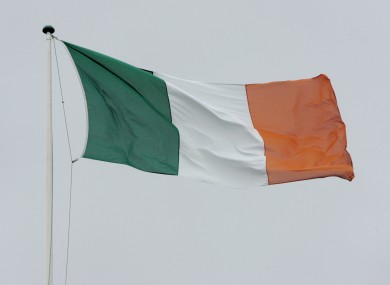
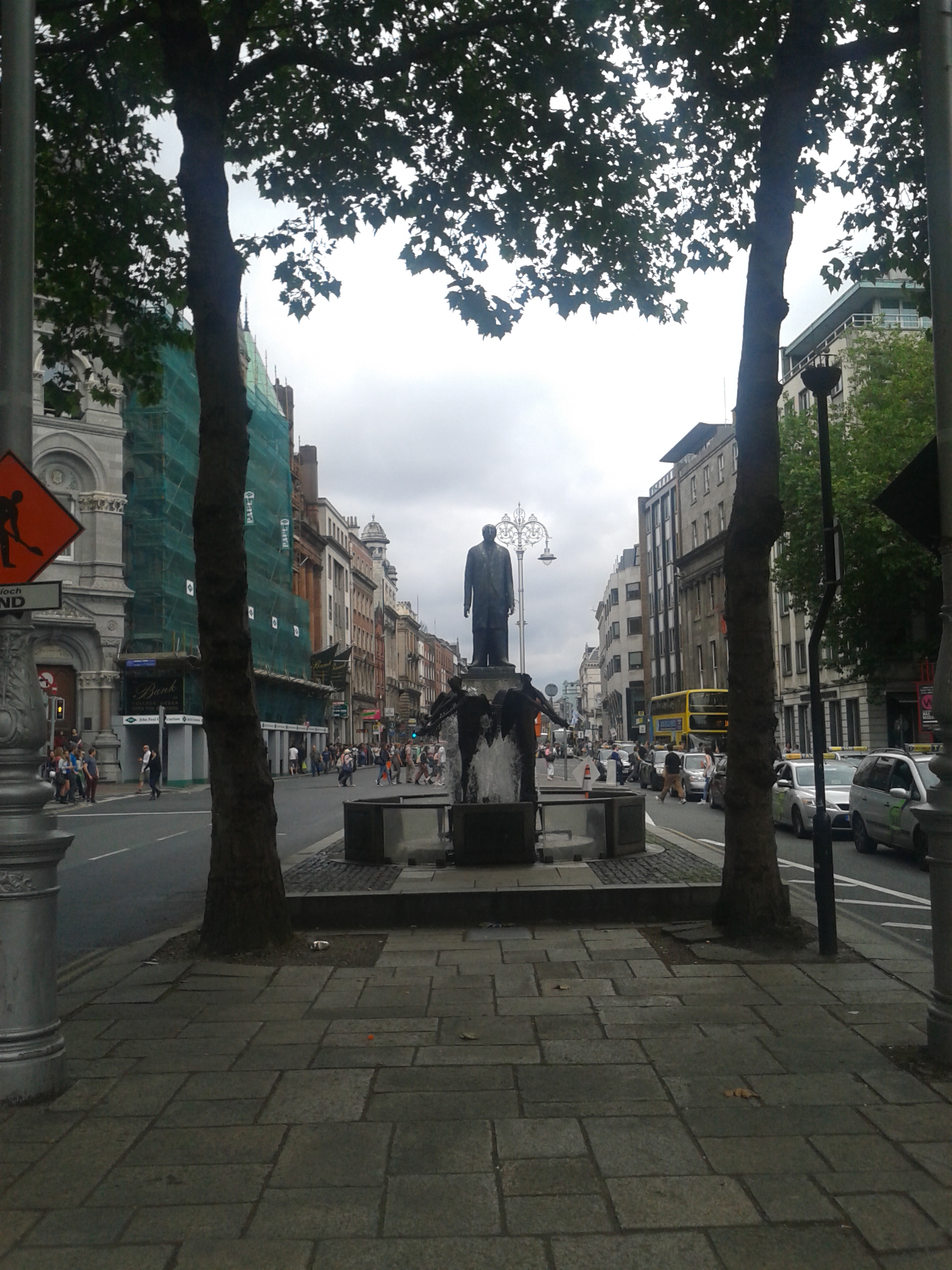


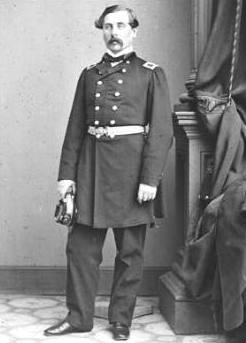


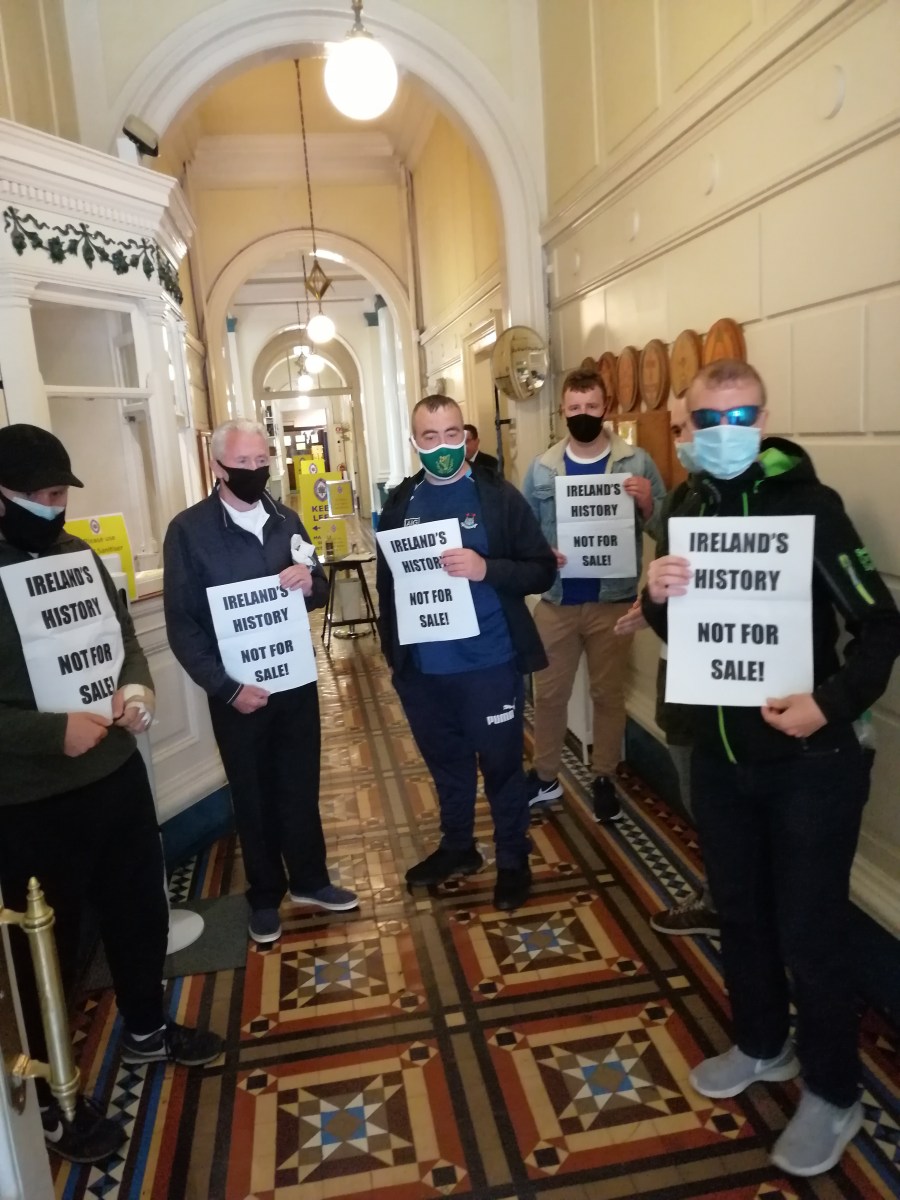
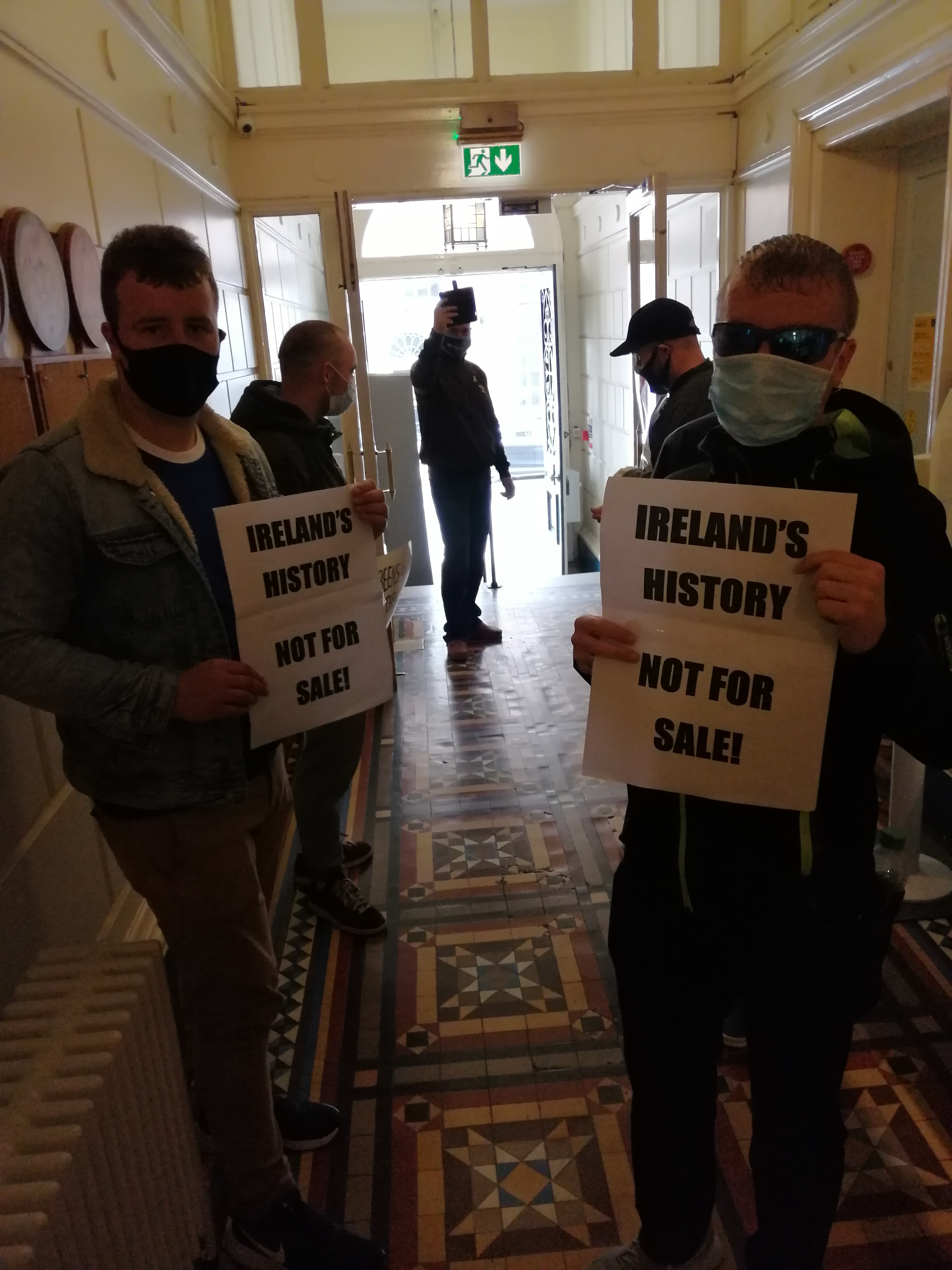
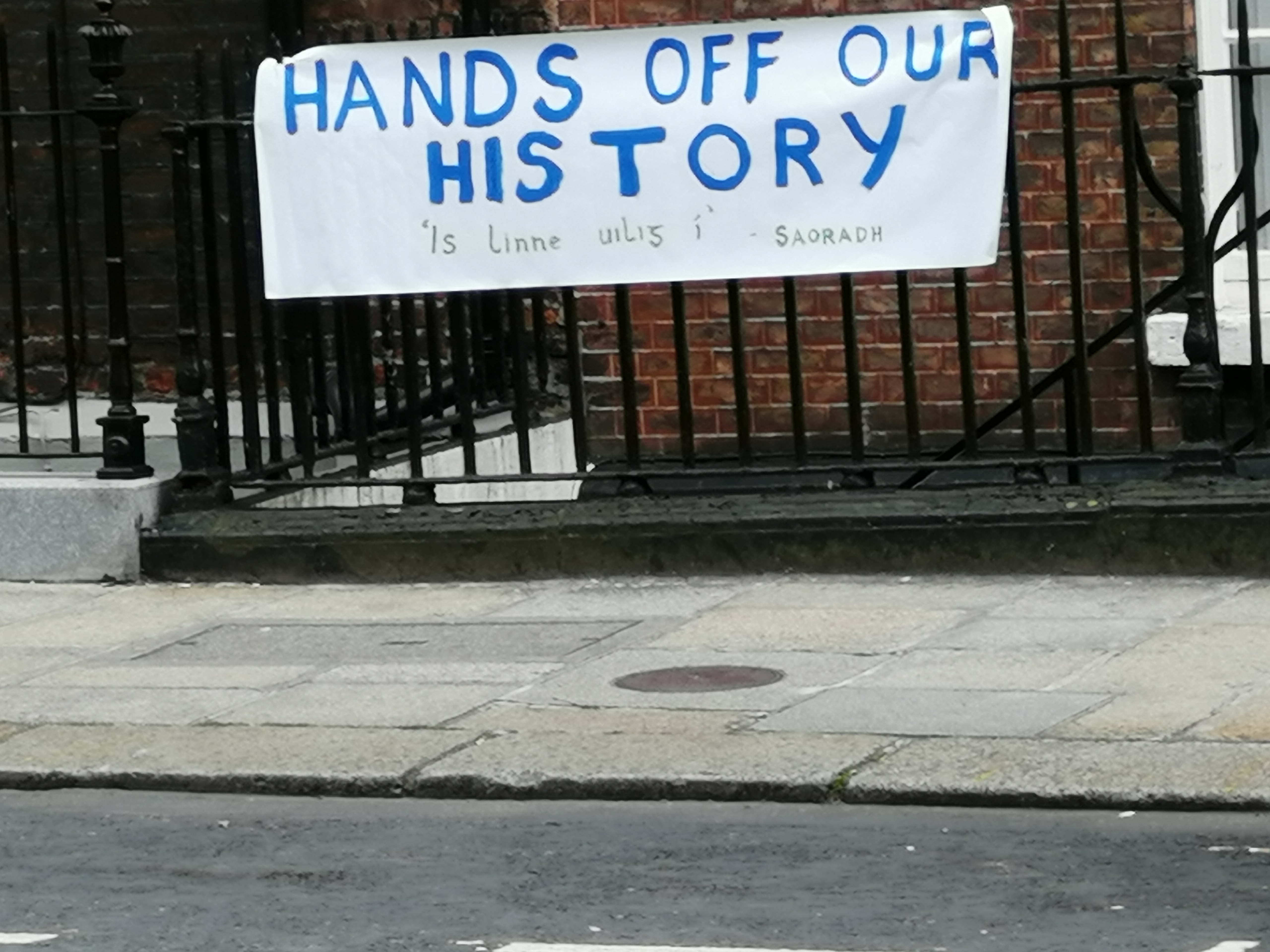

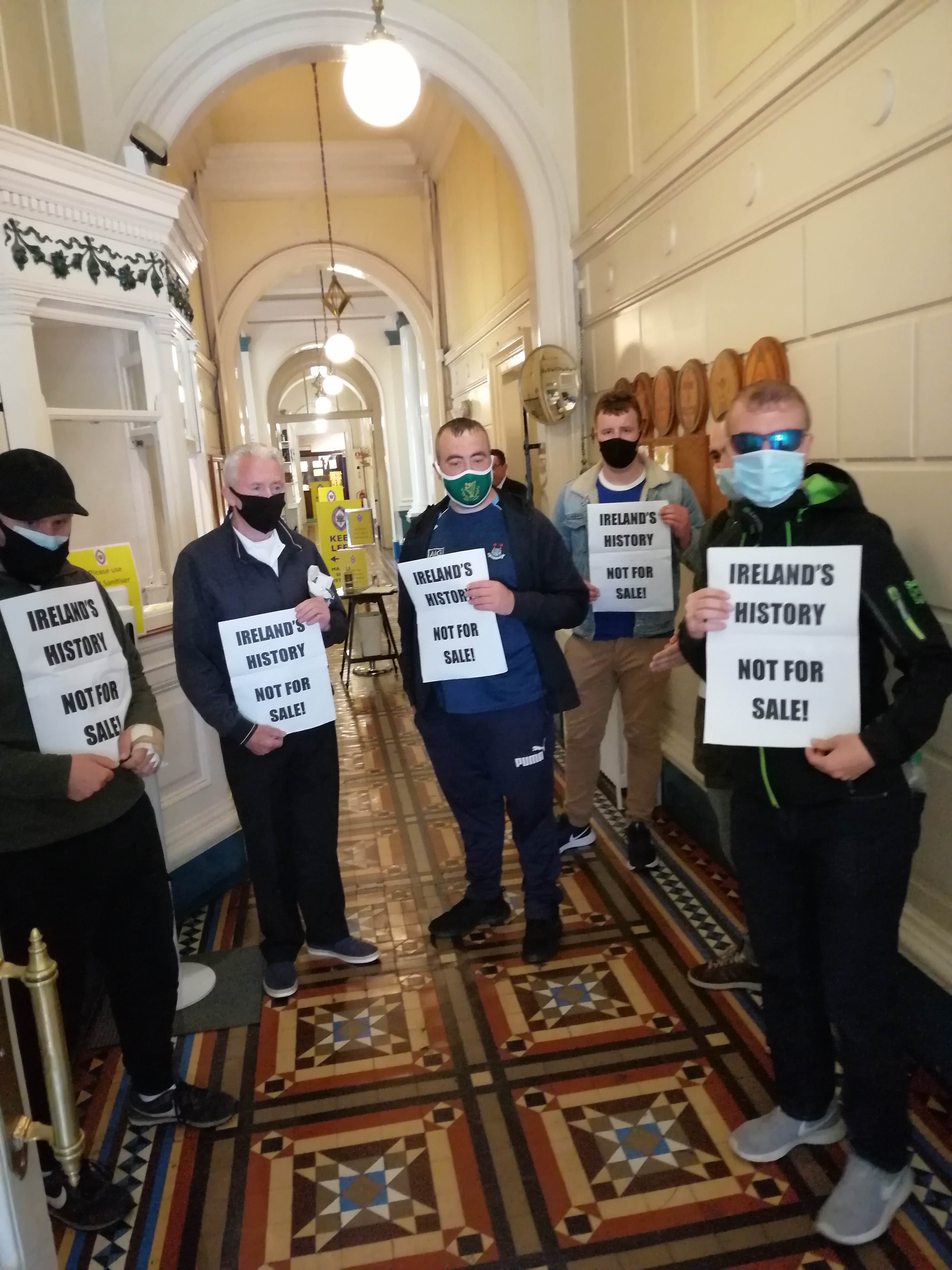

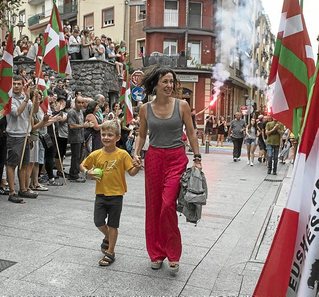
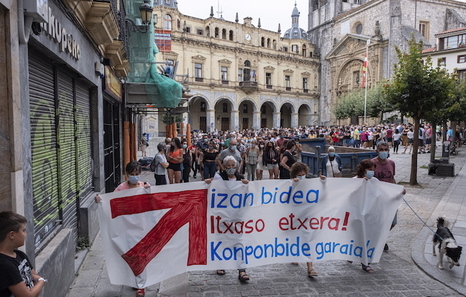


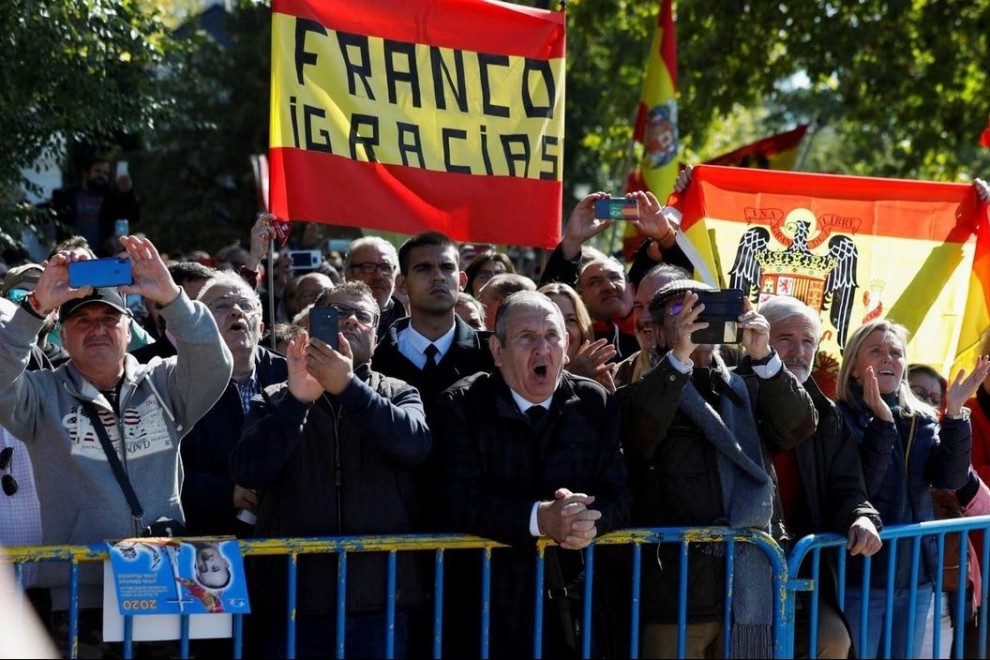
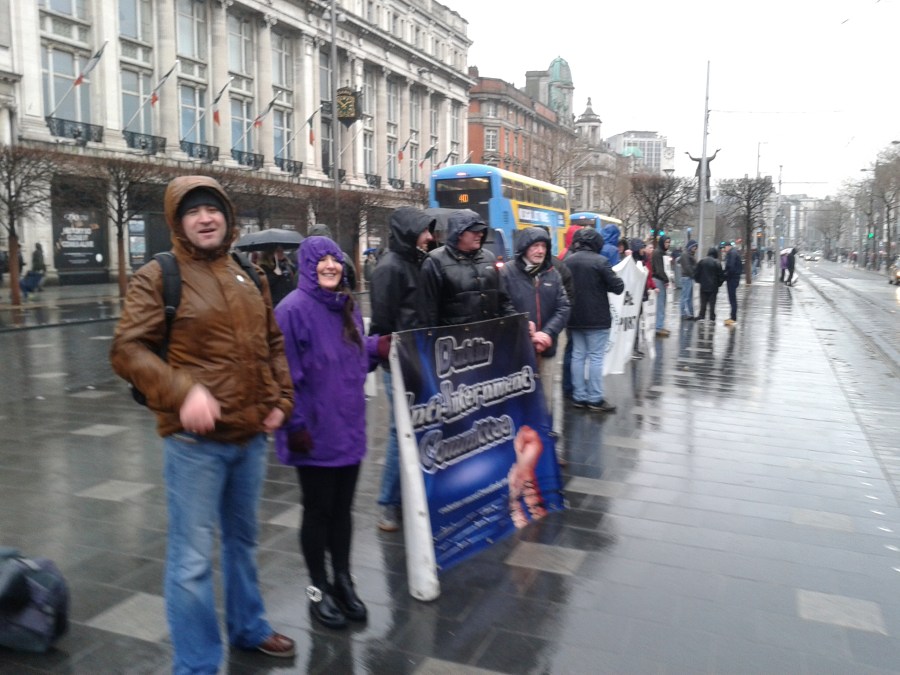
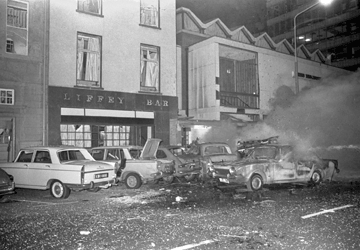


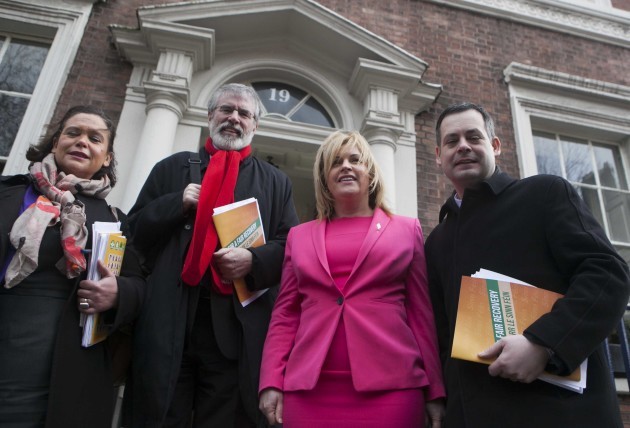


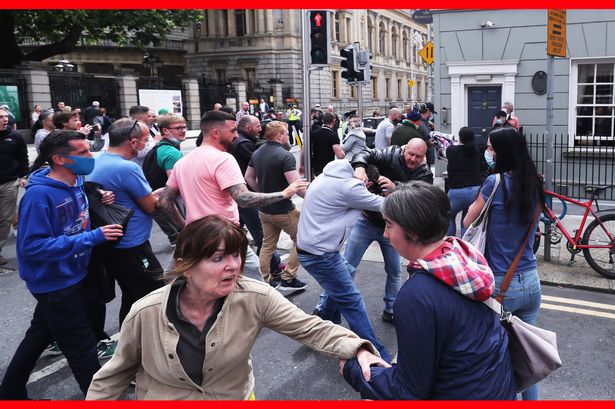



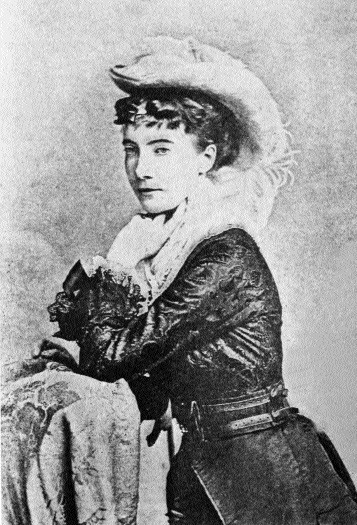


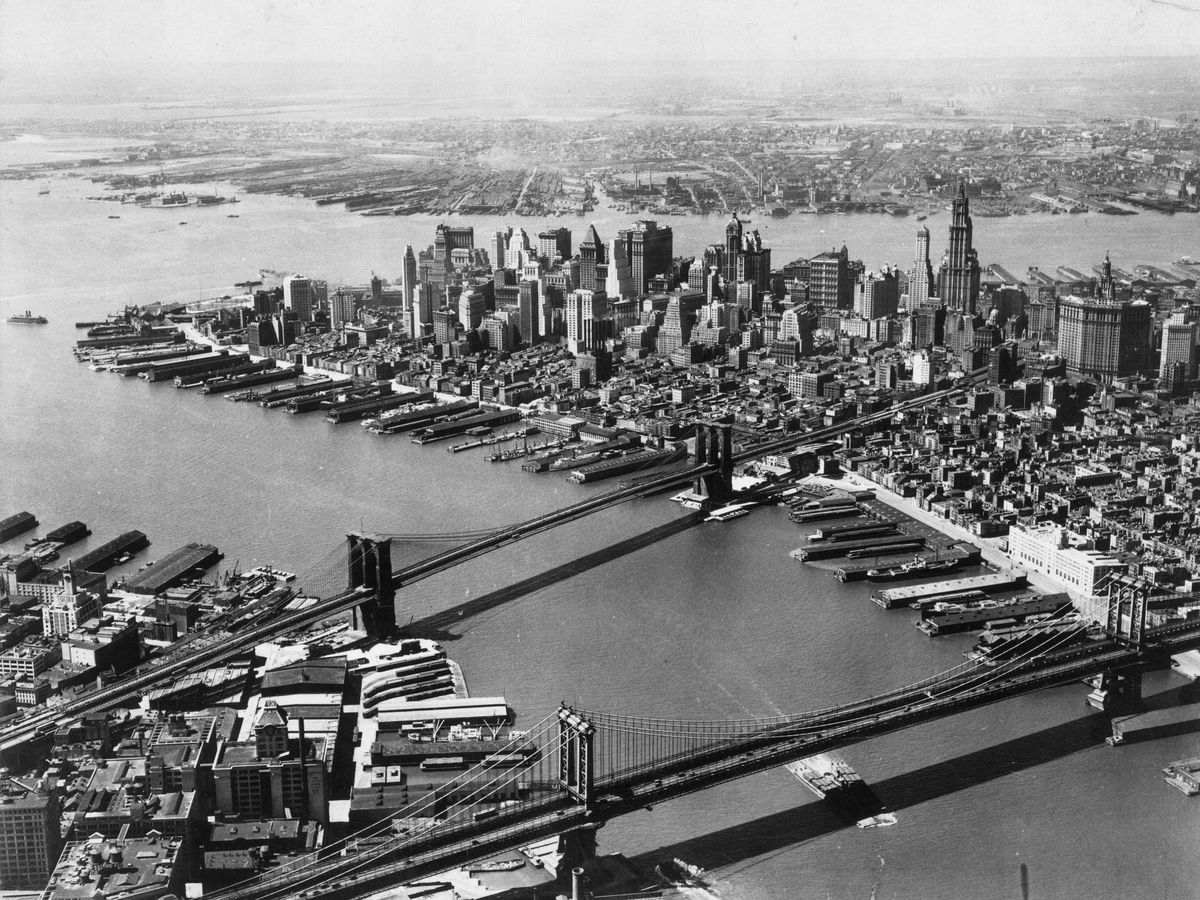

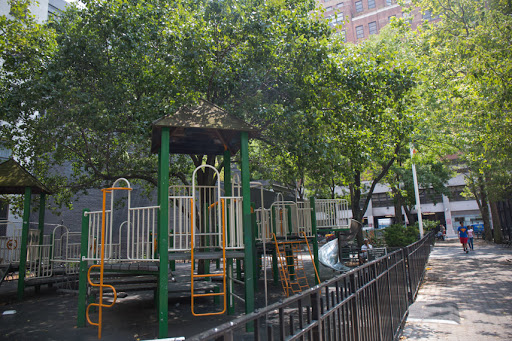
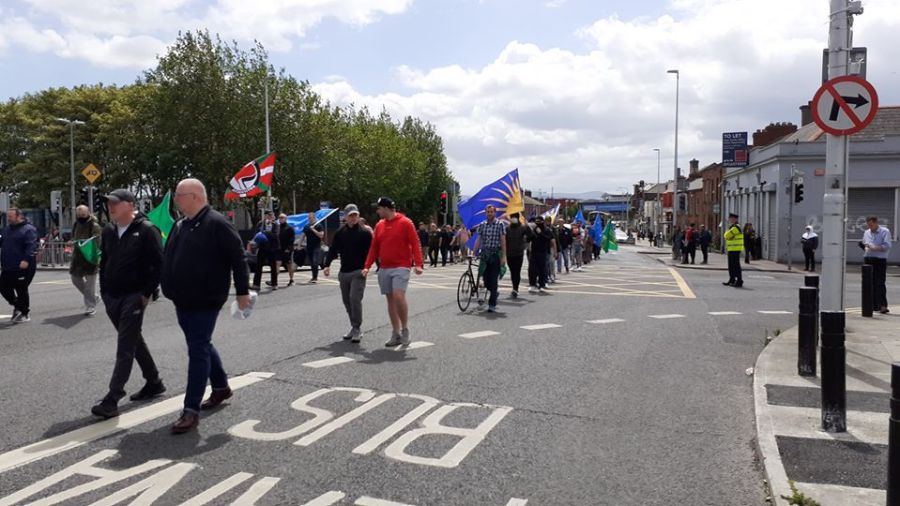


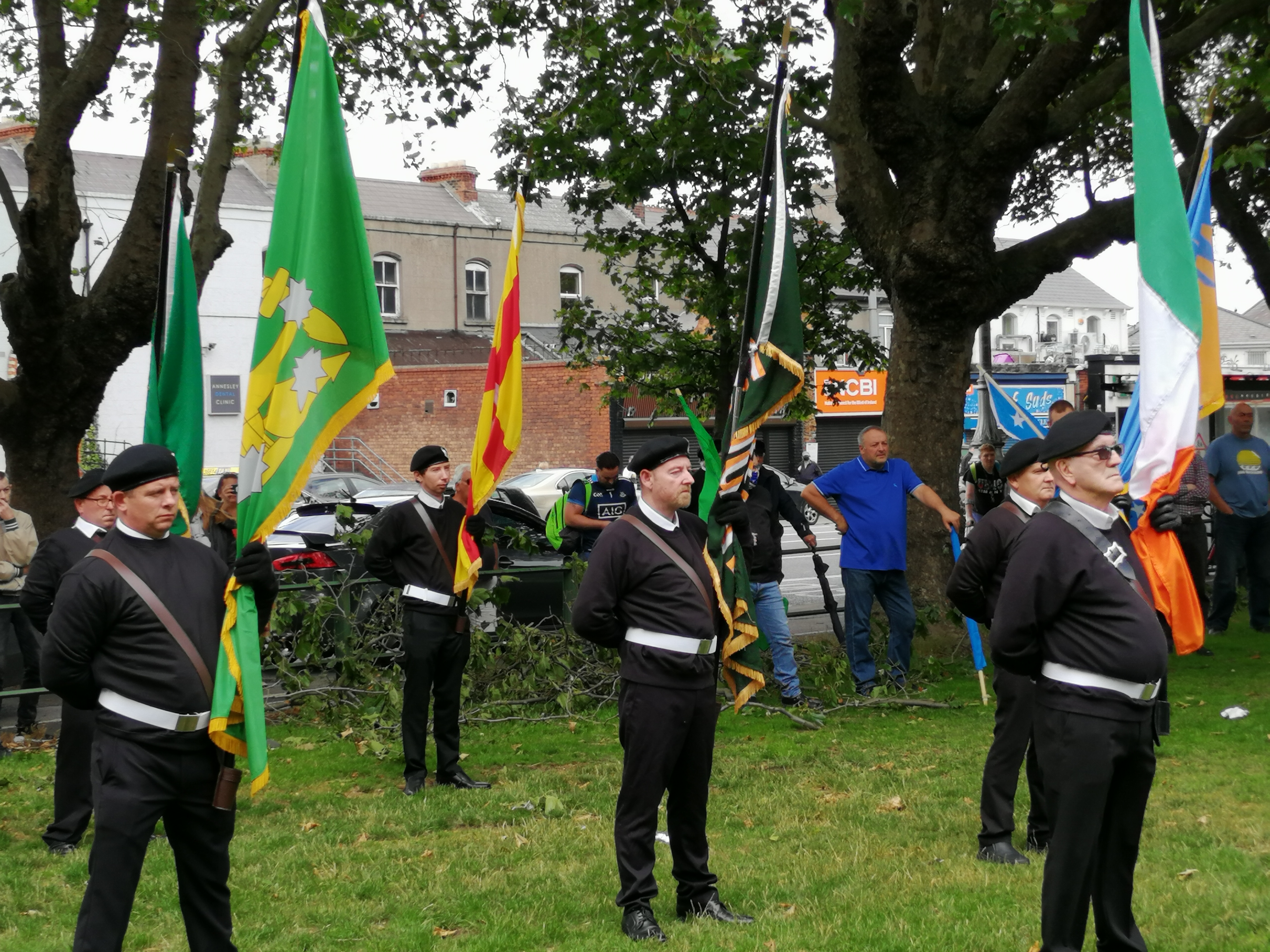


 rebelbreeze