The recognised date known as International Working Women’s Day is March 8th and it was commemorated on that date with a march and revolutionary words and symbolism organised by Irish Socialist Republicans in Dublin.
The marchers gathered outside Wynn’s Hotel in Lower Abbey Street, to mark the founding there of the revolutionary Republican military women’s organisation, Cumann na mBan, on 2 April 1914. The organisation, with its own officers, was possibly the first of its kind for women in the world.1
From there the march set off into O’Connell Street, then marching southward to cross the Liffey into D’Olier Street before turning left into Townsend Street, continuing to the statue of Constance Markievicz where the colour party’s flags were lowered in respect.
The march near the start in O’Connell St (photo credit: An Pobal Abú FB page)
Throughout, chants of “Ní Saoirse go Saoirse na mBan”2 and “Britain out of Ireland” reverberated through the streets of Dublin as banners displayed the slogans “coinníonn na mná suas leath na spéire / women hold up half the sky” and “Queers Against Imperialism”.
Markievicz was an active member of Iníní na hÉireann, the Irish Citizen Army and of Cumann na mBan. She was part of the command of the Stephens Green/ College of Surgeons garrison in 1916 and elected MP on an abstentionist ticket in 1918 and Minister of Labour in the First Dáil in 1919.
Continuing along Townsend Street and ending at Elizabeth O’Farrell park where a commemoration was held outside in honour of the role of women in the struggle for national liberation while the colour party took up position inside the park.
(Photo credit: An Pobal Abú FB page)
A woman read a speech on behalf of the AIA, tracing founding of International Women’s Day from when women in Russia in 1917 had led strikes and marches against the Tsar and WW1, later becoming known as the February Revolution, leading later to the October Socialist Revolution.
The speaker went on to speak of the role of women in the Republican struggle, from Cumann na mBan, the Irish Citizen Army and Armagh Gaol Republican prisoners, followed by a woman reading the 1916 Proclamation of Independence and the burning of two green flares.
(photo credit: An Pobal Abú FB page)
A new plaque of the Socialist Republican Mairéad Farrell was unveiled with the laying also of a commemorative wreath during a minute’s silence observed for all revolutionary women and gender oppressed people who gave their lives for national liberation and anti-imperialist struggle.
The Colour Party in Elizabeth O’Farrell Park (Photo: R.Breeze)
At the same time the colour party lowered their flags in respect, during which the command calls in Irish rang out in the area through the silence.
The area in which the Elizabeth O’Farrell and her life-long friend Julia Grenan3 grew up is a south Dublin docklands still largely working class area. It was in a yard in Lombard Street nearby, actually within sight of the park, that the IRB (Fenians) was founded on March 17th 1858.
Laying of the wreath (photo credit: An Pobal Abú FB page)
Elizabeth O’Farrell and Julia Grenan both participated in the 1916 Rising and, along with Winifred Carney, refused to join the earlier evacuation from the burning GPO building on the Friday, later participating in the final evacuation which ended in the central terrace in Moore Street.
When the leadership took the decision to surrender, O’Farrell went out to negotiate under a white flag even though a man had been killed under such a flag earlier in the very street. In 1922, along with almost the entirety of Cumann na mBan and the ICA, she rejected the Anglo-Irish Agreement.
(Photo: R.Breeze)
Many women were interned by the nascent neo-colonial Irish Government.
After the Elizabeth O’Farrell Park event, people gathered again at a recently-occupied social centre in Dublin, to view an exhibition of images in honour of the day and to watch an English-subtitled French-language film about women and the Omani Resistance, followed by a music session.4
Part of exhibition for International Working Women’s Day in the social centre (Photo: R.Breeze)
End.
Note: If you found this article of interest, why not register with Rebel Breeze for free, so that you will be notified by email of subsequent articles. You can de-register any time you wish.
Footnotes
1In its early years the organisation worked mainly as an auxiliary to the Irish Volunteers but asserted greater independence at a later stage. It coincided in time with the women in the Irish Citizen Army who shared equal status with male members and indeed in the case of some of them, such as Markievicz and Lynn, actually commanded men. Wynne’s Hotel was also where the decision to found the Irish Volunteers had been taken in 1913.
2Translated as ‘There can be no freedom until women are free.’
3And life partner, many have speculated – certainly they lived together until the end.
4The Hour of Liberation Has Arrived by Heiny Srour
This is a partial dossier, documenting only some of the crimes of the Zionist entity. The dossier is largely in the form of cartoons some of which are as recent as the last few days and others a year old or more but sadly, are still valid comment today.
(Cartoon by D.Breatnach)
A great many crimes have been committed here: Ethnic cleansing, theft, murder, racial discrimination, apartheid, repression, bombing of civilians, shooting of civilians, destruction of water wells, tanks and desalination plants, power cutoffs, mass kidnappings, torture.
Bombing of residential blocks, bombing hospitals, bombing schools, bombing universities, bombing mosques and churches, starvation blockade, water cutoffs, assassinations, public humiliation of prisoners, using human shields, rape and other torture of prisoners, detention without trial.
The Israeli Zionists, a European colonial settler project, have had many criminal accomplices, both at the level of states, educational institutions public and private, and of private companies and corporations. The Irish State has permitted the transport of military cargo to Israel through Irish airspace.
(Cartoon by D.Breatnach)
Despite the clearly-expressed desires of the vast majority of the Irish people, the ‘neutral’ Irish State has permitted arms material destined for the Israeli occupier of Palestine to fly through Irish airspace, in addition to permitting the militarisation of Shannon Airport.
As part of the genocide, the Zionist authorities turned off the water supply to Gaza, using water deprivation as a weapon, a war crime of collective punishment.
Shutting off water to the civilians in Gaza is a war crime, even if none of the other genocidal acts of the IOF had been carried out. (Cartoon by D.Breatnach)
But Palestinians have dug wells. And collected seawater in desalination plants. And stored water in rooftop tanks and barrels. So the IOF destroyed the wells, bombed the desalination plants and shot up the water tanks and barrels. Clearly acts of genocide.
(Cartoon by D.Breatnach)
In addition to shutting off the water supply and destroying Palestinian alternative sources, the Zionist authorities have sealed off Gaza from humanitarian aid of food, baby supplements, medicines, etc. The intention, declared in act and words, is to starve the Palestinian people into surrender and leaving.
The Rafah Gate, access Gaza-Egypt, by law operational only by those two agencies and main access of international humanitarian supplies to Gaza, closed by Israeli Occupation Forces tanks. (Cartoon by D.Breatnach)Israeli Occupation Forces threaten anyone trying to enter. (Cartoon by D.Breatnach)
A major party colluding with the genocider Israeli authorities has been the Mainstream Western Media. They have adopted a mantra that posits the start of everything at the Resistance action on October 7, treat Resistance claims as dubious but those of Israeli, despite its record, as credible.
The western media corporations have taken no action to protect their journalists in Palestine, where 243, mostly Palestinian or from Arab nations, have been assassinated by the IOF. They circulated Zionist atrocity propaganda without proof and, when debunked, did not publish retractions.
(Cartoon by D.Breatnach)
Reading the published 20 points of the recent Trump plan, what is clear is that Trump is demanding that the Palestinian Resistance surrender.
Not because they have been beaten and in fact there is an admission in there that they have not. The reality is that it’s the IOF and the Zionnazi administration that has failed in its declared objectives: to defeat the Resistance and release its captives by force.
NO. What is unspoken but clearly implied here is: ‘Surrender, give up your weapons or we will murder and starve thousands more Palestinian civilians.’
Trump for the USA making another threatening ‘offer’ in true gangster style. (Cartoon by D.Breatnach)
Those who advise the Resistance to agree should ponder what that means, not for Palestine alone but for the world: ‘If you can’t beat a popular resistance, just carry out ethnic cleansing and genocide until they give up. It’s perfectly acceptable and the world powers agree.’
We know about imperialist ‘peace’ plans. They only thing they deliver on is fragmentation of the resistance movement and more years of life for imperialist and colonial power. And elevation for some traitors and opportunists.
Based on history, whatever they decide, the Resistance should neither surrender their weapons or the tunnels. At the worst, there will be another day. The US and western empire is dying and with it will go this dependent zionazi European settler colony
Despite all the crimes of the Zionist entity inflicted upon the Palestinian people and despite the backing of the western powers for ethnic cleansing and genocide, the Palestinian people continue to resist.
Despite all,Gaza resists and resists. (Cartoon by D.Breatnach)
And despite the crimes of the Zionist entity in Western Asia/ Middle East, despite the crimes of its chief backer, US Imperialism – and the rest of western imperialism – their days around the world and at home are numbered. In effect these days they are digging their graves deeper, week by week.
War is the solution that the leaders of the US and Israel seek but that will not save them either.
(Cartoon by D.Breatnach)
Focal Scoir/ Postscript
After a long, long gap, I returned to drawing commentary cartoons a few years ago, increasing production with the current phase of the Zionist and imperialist genocide of Palestinians that began on 8th October 2023, though even so, the output has not been great.
Drawing a cartoon requires first having the idea, then time and head-space to concentrate on its execution. Often I find the latter stage disappointing, though sometimes I am pleased with the result. I’ve also undertaken a little study and practice to improve technique.
Most of the cartoons are published quite close to their actual size, instead of drawn large and then reduced for photographing which I understand to be the professional way. But that would require my carrying a large drawing pad around or putting in a lot more time on drawing at home.
It is a fact that anything in which we invest time and concentration will reduce the availability of those same ingredients for other things. Each of us makes choices and we must manage the options available as best we can. Meanwhile, a genocide is being committed daily by the Zionist entity.
End.
Note: If you found this article of interest, why not register with Rebel Breeze for free, so that you will be notified by email of subsequent articles. You can de-register any time you wish.
An Irish punk rock band, Mongolian throat-singers, a poet and Irish folk singers all performed at Solidarity Sessions No.2 to a good crowd in the International Bar, in in Dublin City centre Wicklow Street on Wednesday 17th..
An Irish and international resistance theme in decor was presented by flags of the Starry Plough and Palestine with Saoirse don Phalaistín as stage backdrop, while flags respectively of Cumann na mBan and Basque Antifa concealed the original decor’s ubiquitous photos of Michael Collins.
Flesh B. Bugged performing (Photo: Dermo Photography)
A PFLP1 flag was also taped to a wall. Hand-written signs on the stairs leading to the basement venue, alternatively in Irish and in English, asked for quiet/ ciúnas for the performance/ racaireacht. The Irish language was present too in some of the performances to follow.
MC for the night, Jimi Cullen, himself a singer-songwriter activist told the crowd the purpose of the organising collective was “to build a community of resistance and solidarity with our struggles and with struggles around the world” through culture in a social atmosphere.
Before the crowd — a flag temporarily changing the decor. (Photo: R. Breeze)
Themes of love, nature and emigration were covered in song; however the dominant theme was resistance – to prison regimes, foreign occupation, fascism, class oppression, racial discrimination – and solidarity with the struggles of others, near and far.
Diarmuid Breatnach, singing acapella kicked off the night with a selection of songs from the Irish resistance tradition and a couple of short ones from the USA civil rights movement. Some of the melodies however, of particular interest perhaps to Back Home in Derry2, were his own originals.
Eoghan Ó Loingsigh, accompanying himself on guitar followed with more material from the same tradition, dedicating one to his late IRA father. A folk song Ó Loingsigh announced as ‘non-political’ performed acapella turned out to be very much political but on the issue of social class.
Áine Hayden followed with poems on a range of topics, from swimming in the Royal Canal during the Covid shut-down, deleting a personal relationship to a dedication to comedian and activist Mahmoud Sharab murdered with family in a “safe zone” tent by the Israeli Occupation Force.
Eoghan Ó Loingsigh performing (Photo: Dermo Photography)
The three performers were all introduced as activists as well as artists and the mostly-young crowd, apparently containing a strong representation of political and social activists, responded well to the performers with applause, yells of encouragement and often joining in on choruses.
More people arrived before, during and even after the break – including an elderly couple who had just arrived from the USA and could only pay in dollars but were admitted for free. Leaving later with thanks they promised a contribution to Palestine solidarity when they got home.
Before the crowd — a Cumann na mBan flag temporarily changing the decor. (Photo: Dermo Photography)
Also an activist, Ru O’Shea sang an Irish, Scottish, French and Italian selection, accompanied by bouzouki and guitar and performed a spoken word piece with a refrain of ‘Éire under attack’ before schooling the audience to sing the chorus of Robbie Burns’ Green Grow the Rushes Oh!
Áine Hayden performing (Photo: Dermo Photography)
Nomads were the next act. Composed of two Mongolian musicians playing violins in the style of the viola and a Dubliner modulating on a sound deck they were unusual enough but it was the amazing throat-singing of one of the Mongolians that had the audience enthralled.
It was amazing to learn that there are three different kinds of Mongolian throat-singing and then to hear them performed, one of which was a kind of whistling with a vibrating bass undertone wavering through it. The applause, particularly when they concluded, was rapturous and sustained.
Before the crowd — flags temporarily changing the decor. (Photo: R. Breeze)Ru O’Shea performing (Photo: Dermo Photography)
The evening’s entertainment concluded with Flesh B. Bugged, a punk rock Irish duo of bass guitar and drums with spoken voice pieces in Irish from the bass guitar player. Their volume and beat got some of the crowd up and dancing and the wider crowd responded well to them too.
MC Jimi Cullen went up on stage for the last time to thank venue, performers, audience, doorkeepers, poster designers Ríona and Azzy O’Connor, also Diarmuid for original artwork. At a prompt from the crowd Cullen also got a round of applause from the audience for his MCing.
The Mongolian musicians of Nomads performing (Photo: D.Breatnach)
Remarking they’d “had a great night” and encouraging his listeners to follow the organising collective on its Instagram page, Cullen told them that details of Solidarity Sessions No.3 and the collective’s decisions on recipients of donations from money raised would be posted on there.
Diarmuid Breatnach told the audience that each individual could help build a community of resistance through attending the Solidarity Sessions and encouraging others to attend. He welcomed any ‘competion’ from solidarity sessions around the country.
Bass guitarist of Flesh B. Bugged (Photo: Dermo Photography)
The downstairs area of the International Bar is not perhaps the best layout for this kind of event but it worked out well enough for the collective, audience and performers on the night. Their next event will be back at their launch venue,The Cobblestone, Smithfield on Thursday 30th October.
End.
Note: If you found this article of interest, why not register with Rebel Breeze for free, so that you will be notified by email of subsequent articles. You can de-register any time you wish.
The Mongolian throat-singer in Nomads (Photo: Dermo Photography)
FOOTNOTES
1People’s Front for the Liberation of Palestine, one of two specifically secular armed resistance organisations in Palestine.
2Irish mega folk singer Christy Moore had organised Bobby Sands’ poem into song to the melody of The Wreck of the Edmund Fitzgerald by Gordon Lightfoot.
Around 80 people attended a concert in the back room of Dublin’s Cobblestone pub launching an initiative to “build a community of solidarity and resistance through culture”. Flags of Irish and other struggles around the world decorated the venue.
The evening’s entertainment consisted of five musical acts and one of poetry. The MC for the evening, Diarmuid Breatnach, told the audience that Irish struggles had always found an expression in culture and that culture itself encouraged further resistance.
He gave the example of Thomas Davis who founded with others the patriotic newspaper The Nation in the mid-1800s, publishing contributed songs and poems and his own, including The West’s Awake and A Nation Once Again, songs still sung in Ireland nearly two centuries later.
The first act of the evening was the folk duo The Yearners, specialising in harmonies around renditions of song covers and their own song about the Mary of the New Testament, as a woman pressured to bear a child because “How can you say no to God?
The audience joining in on Pearse’s Gráinne Mhaol was followed by some songs with hard satirical edges like the Kinky Boots song from the Irish Republican repertoire and their own Save A Landlord.
The Yearners during their performance. (Photo credit with thanks: Dermo Photography)Dúlamban during their performance. (Photo credit with thanks: Dermo Photography)
The MC introduced another all-female duo, Dúlamban, recently formed from two individual singer-musicians. Among their material, Sinéad on violin played two compositions of her own while Aisling sang her adaptation and translation of the Rising of the Moon: Ar Éirí na Geallaigh.
The one poet of the evening, Barry Currivan, performed a number of shorter and longer pieces of his repertoire. He was particularly applauded for his “anti-othering” piece Those People and his humorous concluding piece comparing himself to a good cup of tea or coffee.
After the break, the MC spent a few minutes outlining the Solidarity Sessions collective’s project and encouraging the audience to take part in it by spreading word of its events and supporting them in person, in addition to stepping forward to assist in organisation and in poster design.
Barry Currivan during his poetry performance at the Solidarity Sessions launch. (Photo credit with thanks: Dermo Photography)Section of the audience presumably during Currivan’s performance. (Photo credit with thanks: Dermo Photography)
Another female duo took the stage, Sage Against the Machine on guitar accompanied by Ríona on violin, performing a number of love pop covers and SAM’s own song against patriarchy.
Some remarks about Bob Dylan’s Zionism followed in Sage’s introduction of the former’s Masters of War which she performed with great feeling and followed with El Gallo Rojo, an anti-fascist song from the Spanish ‘Civil War’.
Sage Against the Marchine (right) and Ríona during their performance. (Photo credit with thanks: Dermo Photography)Jimi Cullen during his performance at the Solidarity Sessions launch. (Photo credit with thanks: Dermo Photography)
Breatnach then introduced Jimi Cullen who he said has been hosting a weekly musical protest picket for an hour on Wednesdays (2-3 pm) outside the US Embassy for a great many weeks, in which the MC had sometimes accompanied him amidst the solidarity beeping of passing traffic.
Jimi accompanied himself singing his Housing for All and Guthrie’s You Fascists Bound to Lose, then commenting on Bob Marley’s Zionism while introducing the latter’s One Love song, saying that love above all is what binds humanity together, a theme also of his We Are All Palestinians.
His monologue The Genocide Will Be Televised was much sharper and renewed an earlier Death, death to the IDF!1 chant from the audience.
Trad Sabbath during their performance. (Photo credit with thanks: Dermo Photography)
There was much irreverent comment about the name of the band to conclude the evening, Trad Sabbath, a four-piece band of guitars, banjo, bodhrán and fiddle, apparently in the context of the very recent death of the Black Sabbath band’s lead vocalist, Ozzie Osbourne.
Sardonic cries about “his poor widow”, Sharon Osbourne2 were also heard, a Zionist personality star in a ‘reality’ TV show about the late Ozzie’s family. To fill in the delay in their setting up with the sound engineer, Breatnach sang Kearney’s Down by the Glenside ballad.
The band concluded the evening with traditional melodies and some songs from Eoghan and Hat with others backing on choruses.
Poster advertising the event (Design: Ríona and D.Breatnach)
The MC thanked all for their attendance, performances and technical support before reiterating the Solidarity Sessions’ objective and encouraging participation. His comment that “Repression is here and more is coming down the road” was underlined by the presence there of a prominent victim.
In the audience was Richard Medhurst, the Britain-based journalist specialising in Middle Eastern coverage who was recently detained under anti-terror (sic) legislation and charged by British police as he returned from abroad and again later detained though not actually charged by Austrian police.
Richard Medhurst’s tweet during the evening at the event.
End.
FOOTNOTES
1Made famous by the Bob Vylan duo at Glastonbuy getting the audience chanting the slogan. The IDF is what the Israeli Occupation Forces call themselves.
2Who had called for the banning of the the Irish rap group Kneecap.
(Reformatted entire for publishing in Rebel Breeze from article of same title in his Substack)
(Reading time: 8 mins.)
Kneecap’s music is not really my thing. I am perhaps too old, or maybe my musical tastes are more conservative. But I do love their politics and their stance on Palestine.
I don’t think much of Hezbollah, but I do think waving their flag is not a criminal offence.
The BBC think otherwise as evidenced by their decision to not broadcast Kneecaps’s performance at the Glastonbury festival. The only reason for this was their support for Palestine. There was no other reason.
Though, it didn’t work out well for the BBC as Bob Vylan who was broadcast live got the crowd to chant Death to the IDF!, one of the noblest of chants ever to be heard at Glastonbury.
But there is a long history to the BBC and other British media censoring musicians. The BBC in its statement said:
Whilst the BBC doesn’t ban artists, our plans ensure that our programming meets our editorial guidelines.
We don’t always livestream every act from the main stages and look to make an on-demand version of Kneecap’s performance available on our digital platforms, alongside more than 90 other sets.[1]
In other words, the BBC does ban artists.
The rapper trio under the band name of Kneecap (Image sourced: on line)
It is not like this is the first time they have banned some of them. Following the Bloody Sunday massacre by the British Army in Derry in 1972, Paul McCartney, penned a song titled Give Ireland Back to the Irish.[2] It was the debut single of Wings.
It was instantly banned in Britain by the BBC but managed to get to No. 16 in the British charts nonetheless and got to No. 1 in Ireland.
They banned songs that mentioned sex, even Shirley Bassie’s Burn My Candle[3] and they banned songs that were considered more political such as The Sex Pistols’ Anarchy in the UK,[4] a song that wasn’t really political at all.
Not surprisingly they banned the then relatively unknown Heaven 17’s debut (We Don’t Need This) Fascist Groove Thang,[5] over concerns it might upset the then recently-elected US president Ronald Reagan.
This was a man whose government through the CIA went on to support deaths squads in Latin America and set up cocaine smuggling networks to finance them through his loyal servant Oliver North.[6] Reagan of course is referred to in the song.
Democrats are out of power Across that great wide ocean Reagan’s president elect Fascist god in motion
That wasn’t the last of it either. The BBC went on to ban a song by The Police, Invisible Sun[7] because of a possible slight on the British Army contained in the lyrics and of course the official video to the song.
I don’t want to spend the rest of my life Looking at the barrel of an Armalite I don’t want to spend the rest of my days Keeping out of trouble like the soldiers say
I don’t want to spend my time in hell Looking at the walls of a prison cell I don’t ever want to play the part Of a statistic on a government chart
The BBC would, during the 1st Gulf War ban a total of 67 songs for the duration of the war, amongst them songs by such establishment figures as Elton John whose song Act of War[8] recorded in 1985 with Millie Jackson was put on the list.
As was Pat Benatar’s Love is a Battlefield,[9] recorded even earlier in 1983. It takes little to upset the BBC it would seem.
The former Irish Taoiseach (Prime Minister) Leo Varadkar criticised Keir Starmer’s call for Kneecap to be not allowed play at Glastonbury stating that
It’s not great for politicians to get into deciding which artists should be allowed to perform where or not.
To me, that’s illiberalism. Part of the whole point of art and music and literature is to be inappropriate, is to be challenging, is often to be anti-establishment,” he said.
We’ve had a situation now for quite some time in Ireland and in Europe and Britain, where politicians didn’t get into the space of saying who should be allowed to perform, who shouldn’t, what books you should be allowed to read, and I hope we don’t slip back into doing that under the guise of national security and anti-terrorism when it isn’t really about that.[10]
Varadkar tut tuts the BBC and Starmer. Sounds great, except his party and the Irish state in general does not have a great record in the matter.
The state broadcaster took an insidious approach to censorship with songs rarely being banned outright. Rather they were just not simply played on the radio station. Hint hint, nudge nudge. A very Irish way of doing things.
The Irish group The Wolfe Tones released many songs over the years about the conflict in the north of Ireland and got little to no airtime. Such was the situation that they even recorded a song about it, called Radio Toor I Li Ay (sometimes called They Don’t Play Our Songs on the Radio) [11].
The lyrics are pertinent to Kneecap and Starmer and sum up exactly what the Establishment are about.
You don’t play our songs on radio You say they’re too political! Who controls the mind, where’s the mind’s control? For the music on the airwaves Follows empty minds, those empty heads Play songs of sex and drugs instead Don’t tell them how it really is
Won’t MI5 look after you, control your thoughts Feed information to your hearts and minds To save you all from thinkin’, thinkin’, thinkin’, thinkin’
It is a fact that RTE didn’t give them much airtime and still don’t. So much so that in 2024, Derek Warfield the lead singer with the group said it was time to end the ban on them.[12] It still hasn’t happened, nor will it.
In fact, the Irish women’s football team got into trouble for singing one of their songs, Celtic Melody,[13] and were excoriated by British sports journalists, who are not renowned for their knowledge of music, politics, history or much else aside from who ran how fast and where.
Not exactly intellectual heavyweights. Nonetheless these idiots led to the Irish women’s team being eventually fined €20,000 for singing the song.[14]
The Irish singer Christy Moore found himself on the wrong end of state repression in Ireland on many occasions and his songs, like those of The Wolfe Tones were not banned per se, but they never received much airplay.
Except those that were considered to be humorous and non-political, such as Don’t Forget Your Shovel.[15]
But other songs of his were censored on the radio without the need for an official ban, such as Ninety Miles From Dublin,[16] which was about the IRA and INLA prisoners on the Blanket and Dirty Protests in the H-Blocks of Long Kesh.
Likewise, other songs he recorded about the prisoners and later on about the Hunger Strikers equally received no airplay. There was one brief exception to this.
Patsy O’ Hara (INLA) died on hunger strike on May 21st 1981 after 61 days. His mother Peggy O’Hara was initially adamant that she would not let her son die and that when he lapsed into a coma she would intervene and give the doctors the order to break his strike with an intravenous drip.
However, in her last conversation with her son, he said to her that he was sorry they had not won and asked her to let the fight go on, before lapsing back into unconsciousness. Christy Moore wrote a song about that exchange called The Time Has Come.[17]
It was well received and got airplay and praise. Then someone informed the ignorant and arrogant mandarins at RTE what the song was about and suddenly it got no more airplay. Listening to the song, it is obvious what it is about.
The gentle clasp that holds my hand Must loosen and let go Please help me through the door Though instinct tells you no
Our vow it is eternal And will bring you dreadful pain But if our demands aren’t recognized Don’t call me back again
Ironically Christy Moore would record another song that got no airplay. It was called Section 31,[18] a reference to the article of the Broadcasting Authority Act (1960) that gave the minister power to ban interviews with members of Sinn Féin and proscribed organisations such as the IRA.
But in effect it led to RTE’s scant reporting of or carrying out of few interviews that were critical of state policy on the conflict. The song explained exactly why some issues are censored.
Who are they to decide what we should hear? Who are they to decide what we should see? What do they think we can’t comprehend here? What do they fear that our reaction might be, might be?
The Kneecap trio with friends at the Sundance Festival in January. (Photo sourced: RTÉ)
It is always about silencing the opposition and preventing a reaction to their repression and in this case genocide.
So back to Kneecap. They stand in a long line of artists who have put their money where their mouths are. They stand side by side with giants from other musical genres such as Woody Guthrie and Pete Seeger who were repressed by the McCarthyite wave in the US in the 1950s.
The BBC for its part continues to be the propaganda arm of the British Empire, or what is left of it, covering up, lying about or justifying murder, massacre, torture and plunder from India to Kenya, Ireland and now Palestine.
Woody Guthrie had the words This Machine Kills Fascists carved into his guitar, a slogan that might earn him a jail sentence nowadays.
It was meant more in the sense that his music was part of the struggle against fascism, carrying political messages to workers, Dustbowl refugees and migrants.
It didn’t literally kill anyone, though in his song Ludlow Massacre,[19] Guthrie celebrated the workers taking up arms to kill the scab thugs that came to shoot them.
Scabs at the behest of the Colorado Fuel and Iron Company, owned by the infamous Rockefeller family murdered 26 people, mainly the wives and children of the striking miners.
However, the massacre was just one large incident, the Baldwin-Felts Detective Agency had harried and harassed the striking miners, murdering them in ones and twos.
The detective agencies celebrated in comics and films were what would later become known in Latin America and elsewhere as death squads. The miners fought back and Guthrie celebrated this in his song. Resistance, including armed resistance was legitimate.
The state soldiers jumped us in a wire fence corners, They did not know we had these guns, And the Red-neck Miners mowed down these troopers, You should have seen those poor boys run.
The press, at the time, described the striking miners as savages.
Any similarity to the current media onslaught on Palestine is not a coincidence, it shows the class interests of the media moguls and the western states. Working class people, foreign resistance movements will always be savages to the media.
And the use of armed masked thugs by the state is not new either. Before ICE, there were the detective agencies. Most of the dead at Ludlow were migrant workers. The final death toll according to Howard Zinn’s People’s History of the US was sixty six men women and children.
Kneecap have contributed to the fight against fascism and Bob Vylan’s chant Death to the IDF! should be on everyone’s lips. There is no reforming the IDF, just like there was no reforming Hitler’s SS. Only the complete destruction of the IDF will bring any change.
Can their music, like Guthrie’s be said to kill fascists? I don’t know, time will tell, but from the reception they got at Glastonbury it is looking good.[20] What I do know is Keir Starmer and Trump finance fascists.
Starmer like a fascist wants to ban Palestine Action. The BBC covers up for fascists, praises them and censors those who stand up to fascists. I know who is on the right side of history.
For many years the Starry Plough flag in Ireland, associated with socialist Irish Republicanism, was the form of the Ursa Mayor1 constellation in white or silver stars on a blue background, from the time of the Republican Congress (1934-’36).
Somewhat later a different design including an actual plough following the stars and shape of Ursa Mayor on a green background began to be seen. But which was the original? And how, when and why did the other version come into existence?
It is not disputed that the Starry Plough was designed for the Irish Citizen Army, nor that it came to be designed in 1914, as the ICA was reorganising following the defeat of the Dublin workers in the 1913 Lockout. Whatever its colour, that was clearly the original.
It is beyond dispute that the Starry Plough was raised above Clery’s building, across the road from the GPO, during the 1916 Rising. It survived the burning of the building even though one witness spoke of a melted glass stream from its windows running across O’Connell (then Sackville) Street.
The flag disappeared thereafter. A British officer claimed to have taken it as a trophy. If there was more than one copy of that flag at the time, no-one has spoken of it.
When the Republican Congress was founded in 1934 the need for its own flag was felt. The Starry Plough of the ICA seemed appropriate and former members of the ICA were consulted as to the original design and colour and it appears that memories diverged on that issue.
Some remembered the background colour as green, some as blue. Prominent in the latter group was playwright Sean O’Casey, who had been Secretary of the ICA for a brief period in 1914 and presumably was present when the flag design was approved.
Whether or not, between April 1914 and April 1916, surely the flag had been paraded through the Dublin streets on a number of occasions and in any case it had flown over Clery’s in O’Connell Street for five or six days.
Nevertheless when the former members of the ICA were consulted in the 1930s there appeared to be uncertainty about the background colour – was it green or blue? Possibly the majority remembered it as blue or perhaps the opinion of O’Casey, who insisted on blue, was taken as the most valid.
In May 2022 former IRSP comrades of former leading IRSP activist Mick Plunkett stretch the blue Starry Plough version over the coffin containing the remains of the latter. During the 1970s-to the 2000 the blue version of the flag had been particularly associated with the IRSP.(Source photo: Seamus Costello Memorial Committee FB page).
So the flag of the Republican Congress was made a plain blue background with the shape of Ursa Mayor outlined in white or silver stars (and no actual plough design). That design was flown in Irish Republican colour parties from the 1960s at least and adopted too by the Irish Labour Party.2
A problem for the claim that the original was blue arose in the 1950s when an ex-British Army officer offered the Irish National Museum what he claimed to have been the Starry Plough which he said he had removed from the ruin of Clery’s. The background colour was green.
O’Casey was contacted by the NMI and insisted it could not be the original, maintaining that had been blue. To bear this out, he submitted a watercolour of what he claimed was Megahey’s (original artist) design work, in which the background was blue but did include a plough.3
The watercolour submitted by O’Casey which he claimed was the original design of the man who designed the flag, William Magahey. (Copied from article about the conservation of the original flag in History Ireland).
There was no way to prove the provenance of the watercolour. Nor was it impossible that a change of mind had led from a blue background on a design artwork to green on the produced flag. But O’Casey insisted that not only the artwork but the finished product had been blue.
Well then, why not investigate the artefact, the one claimed to be that which had been taken back to England by the British officer?
The original flag in the possession of the NMI back to front prior to conservation work. (Copied from article about the conservation of the original flag in History Ireland).
The NMI curator invited former members of the ICA only4 to view the artefact and although distressed at the state in which they saw it they confirmed that it matched their recollection. For the curator it seems that was the clincher and he then authorised its purchase in 1956.5
Around 2012 (the article does not give a date) an NMI curator charged with preserving the artefact set out to carry out modern method analysis of the material and its construction, paint and the more than 50 holes in it corresponding to .303 machine gun bullet impacts.6
The original Starry Plough flag in correct orientation (Photo sourced: NMI on line)
Former ICA members had remembered a golden edging on the flag, traces of which were indeed found on the green specimen. It all checked out. A clever hoax? Possibly, but for an eventual price of £150, a relatively small amount even back in 1954?
The ICA members viewing the artefact believed it was the original, the British Officer testified as to his having taken it and also produced an Irish Times account by himself dated 11 May 1916.7 The NMI tests all pointed to the conclusion that it was the original flag – and the background was green.
But O’Casey was adamant that it had been blue. And what about the blue watercolour, allegedly the artist’s design?
It’s possible that between the design outline and manufacture, a change in the desired background colour had taken place. But not only colour – the plough design on the watercolour is very different from that on what we must now conclude was the original flag.
We have no evidence to verify that the watercolour was the original designer’s. O’Casey might have painted it himself, from his mistaken memory, for example. Or is it possible that he falsified its origin in order to convince the NMI that the flag had been blue and not green?
Any such effort would not have been about an aesthetical judgement in favour of one colour over another but rather about removing the colour associated with nationalism.
O’Casey resigned from the ICA in a dispute8 about allying with nationalism but more tellingly, he disagreed after the fact with Connolly throwing himself and his forces into an uprising against colonialism9 – a nationalist rather than socialist uprising, as O’Casey would have seen it.
Connolly’s thesis was that the advance towards socialism was not possible in a colony such as Ireland without allying the socialist forces with the most progressive and revolutionary national bourgeois forces, i.e the IRB and the Irish Volunteers.10 O’Casey could not agree with that.
In Innisfallen Fare Thee Well (1949)11 he wrote: “The Easter Rising had pulled down a dark curtain of eternal separation between him and his best friends: and the few that had remained alive and delightful, now lay deep, with convivial virtues, under the smoking rubblement of the Civil War.”
The symbolism of the original green, the colour of Irish Republicanism since the United Irishmen of the late 18th Century would have been anathema to the later O’Casey. Was he indulging in revisionist wishful thinking?
Or perhaps trying to ensure that in any future conflicts, the Irish Republican and Socialist trends would be kept firmly separate?
Two green Starry Ploughs on view among other flags carried by a section of marchers at the Bloody Sunday massacre commemoration March for Justice in Derry in January 2025. The one in centre of photo is a mass-produced reproduction whereas to the left one can see part of a quilted sewn individual one. (Photo: D.Breatnach)
There are others who strive to ensure the exact opposite, who as Connolly did, see in the combination of those two strands Ireland’s only chance for freedom from colonialism, neo-colonialism and an advance towards a socialist society.
For them, the original design and colours of the Starry Plough is their flag and its entire symbolism points the way forward.
End.
FOOTNOTES
1In the USA this constellation is commonly referred to as “the Big Dipper”.
2Rarely used by the Irish Labour Party nowadays. It was popular with the Irish Republican Socialist Party for decades but nowadays a version in white stars on a black panel on a red flag is flown by the organisation.
7‘The rebels, on taking possession of the Imperial Hotel in Sackville Street, hoisted their flag over the building, and there it remained intact on one of the ridges of the front wall while the entire contents of the premises were being consumed by fire. At great personal risk the flag was eventually brought down by second Lieutenant T.A. Williams of the 9th Reserve Cavalry, Kildare Barracks, assisted by Inspector Barrett, Dublin Metropolitan Police.’https://historyireland.com/citizen-armys-starry-plough-flag/
8https://www.dib.ie/biography/ocasey-sean-a6553 O’Casey objected to the enrolment of Constance Markievicz in the Irish Citizen Army because she was also a member of Cumann na mBan, which had been set up as a female auxiliary organisation to the Irish Volunteers. O’Casey proposed that membership of the ICA precluded joint membership with any Irish nationalist organisation. Having had his motion defeated, O’Casey resigned from the ICA in July 2014.
9‘[Connolly’s] speeches and his writings had long indicated his new trend of thought, and his actions now proclaimed trumpet-tongued that the appeal of Caitlin Ní hUllacháin—“If anyone would give me help, he must give me himself, he must give me all”—was in his ears a louder cry than the appeal of the Internationale, which years of contemplative thought had almost written in letters of fire upon his broad and noble soul. Liberty Hall was now no longer the headquarters of the Irish Labour movement, but the centre of Irish National disaffection.’ https://historyireland.com/sean-ocaseys-battle-of-words-with-the-volunteers/
Thousands of marchers with flags, banners and three marching bands retraced the route of the anti-internment march in 1972 that ended in the infamous Derry Bloody Sunday1, a massacre of unarmed civilians by the British Parachute Regiment.
The nearest Sunday to the date of the original march, which this year fell on February 2nd has been chosen annually for the commemorative march over the 53 years since the massacre. People travel from different parts of Ireland and indeed from beyond in order to attend.
Section of the march coming down from the Creggan. (Photo: D.Breatnach)The colour party (bearing the flags) traditionally precedes the marching band. (Photo: D.Breatnach)
Derry is not well served by public transport from other parts of Ireland and there is no train station there.
There is a bus service from Dublin from the Translink company of the occupied colony but one would need to catch it at seven in the morning and then hang around in Derry for 3.5 hours waiting for the march to start. For this reason, many travel to Derry by car.
Equally, many others who would attend were the public transport available, stay home but an estimated over 7,000 participated in this year’s march. The theme this year was Palestine, once again as was last year’s too.
The day of the massacre
The original march was a protest against the introduction in August 1971 of internment without trial in the occupied colony. Almost immediately afterward the Parachute Regiment had massacred 11 people protesting against it in Ballymurphy, Belfast.2
Ballymurphy campaign banner in the Creggan awaiting start of march with Kate Nash centre. (Photo: D.Breatnach)
The 1972 march, along with many others, had been banned by the sectarian colonial administration. The Civil Rights campaigners knew that their legitimate demands3 were being obstructed by use of the Special Powers4 of the statelet and that they could win nothing if they were to acquiesce.
After the previous massacres it took considerable courage to march that day but perhaps they thought that with an advertised march, in daylight, with many film cameras covering, the Paras were unlikely to open fire. In any case, they decided to risk it.
At 4.10pm the first shots were fired by the Paras5 without warning and by around 20 minutes later they had killed 13 men and youths and wounded another 13, one of whom would die weeks later. According to the Saville Inquiry in 2010, they had fired over 100 rounds.
Not one of their targets was armed.
To justify the slaughter, the British Army claimed that they were fired upon and returned fire, killing IRA fighters. The British Government, in particular through Home Affairs Minister Reginald Maudling, repeated the lies as did the British media.
Bernadette (then) Devlin6 MP, a survivor, was prevented from speaking in the Westminster Parliament and she walked up to Maudling and slapped his face. In Dublin a general strike took place with schools closing and a huge crowd burned the British Embassy down.
In London, a giant march reached Trafalgar Square as its end was still leaving Hyde Park. In Whitehall the police prevented them from laying the symbolic coffins outside No.10 and in the scuffles the ‘coffins’ were eventually thrown at the police or knocked to the ground.
And a number of construction sites in Britain went on strike also.
The judicial response varied wildly. Coroner Hubert O’Neill, an ex-British Army major, presiding on the inquests in 1973, called it “Sheer unadulterated murder” whereas Lord Chief Justice Widgery in the ‘inquiry’ he led ignored all the local evidence and accepted the British Army’s lies.7
“The last Bloody Sunday march”
Provisional Sinn Féin organised and managed the annual march for many years but in January 2011 Martin McGuinness announced that year’s march would be the last, because of the UK’s Prime Minister David Cameron’s public apology to the relatives of the 14 killed in Derry.
The apology followed quickly on the verdict of the Saville Inquiry8 which totally refuted the statements at the time by representatives of the Army and of the Political and Judicial establishments: the victims had been unarmed and the Army had not been “returning fire”.
One side of one of the marching band drums (Photo: D.Breatnach)Section of the march about half-way along its length. (Photo: D.Breatnach)
Despite the UK State’s acknowledgement that they had no excuse for the massacre, not one of those who planned, organised or carried out the atrocity had been charged, never mind convicted, nor had those who conspired to cover up the facts. To this day, only a low-level soldier has faced charges.
Nor had there been government admissions of wrongdoing in the other massacres by the Paras intended to crush the resistance to the repressive internment measure, at Ballymurphy and Springhill.
A number of relatives and survivors of the original march declined to have the annual march cancelled, among them Kate Nash and Bernadette McAlliskey. Kate Nash’s brother William was shot dead on Bloody Sunday and her father, William, was wounded trying to save his son.
Bernadette McAlliskey was a survivor of the massacre and also survived nearly a decade later an assassination attempt in her home, being struck by nine bullets of a Loyalist murder gang. Despite opposition by and denunciation from SF, volunteers have kept the march going every year.
Each year different themes have also been incorporated into the Bloody Sunday March for Justice, including ones in Ireland, such as the framed Craigavon Two prisoners but also ones from beyond, e.g. the resistance of the Broadwater Farm housing estate in London to Metropolitan Police attack.
Section of the march in Creggan waiting to start, showing the Palestinian national flag and the Irish Tricolour in close proximity. (Photo: D.Breatnach)Big drums of one of the marching bands getting a workout in the Creggan while waiting for the march to start. ‘Saoirse go deo’ = Freedom for ever. (Photo: D.Breatnach)
Since 2011 Sinn Féin have boycotted the march but also sought to mobilise public opinion against it, claiming that relatives of the victims didn’t want the march to continue. The truth is that some hadn’t wanted it even when SF were running it, some didn’t afterwards but some did.
Such an atrocity has of course huge personal impact on relatives of victims but its impact is also much wider on a society and beyond, historically and politically. That historical memory ‘belongs’ to the people of Derry but also to the people of the world (as do others such as Sharpeville SA).
Those in power in society are aware of that and the media outside of Derry gives little or no coverage to the annual march while promoting other events there of lesser numbers and significance.
The ‘Derry Peoples Museum’ ignores the march in its Bloody Sunday commemorative program.
This year’s march
Sunday just past was one of sunshine and little wind, as it was on the day of the Derry massacre. But regular marchers remember other Bloody Sunday commemoration days of pouring non-stop rain, of squalls, of snow and sleet, of wet clothes, socks and freezing fingers and toes.
The march starts in the afternoon at the Creggan (An Chreagáin) and winds down to just below the Derry Walls, then up a long slope again before eventually ending down at Free Derry Corner9, the destination of the original march, where speakers address the crowd from a sheltered stage.
Marchers underway, led by people carrying 14 crosses to represent the unarmed civilians murdered by the Paras on that day 53 years before. (Photo: D.Breatnach) The band members are itching to go up in the Creggan. (Photo: D.Breatnach)
The sides of residential blocks in this area are also painted in giant murals to represent scenes from the civil rights and armed resistance period while nearby stands a monument to the martyrs of Bloody Sunday 1972 but also another to the 10 H-Blocks’ martyrs of the Hungers Strikes of 1981.
In this area, one needs to be blind not to be at least peripherally aware of the icons of proud struggle and of loss, of sacrifice.
Eamon McCann and Farah Koutteineh addressed the rally at the end of the march. McCann, a journalist and member of the People Before Profit political party is a survivor of the massacre. He is an early supporter of the Bloody Sunday March for Justice at which he has spoken on occasion.
Farah Koutteineh is a Palestinian journalist who was herself the news when in December 2023 she and a few other Palestinians were ejected from a Sinn Féin-organised meeting in Belfast being addressed by the Palestinian Ambassador as a representative of the Palestinian Authority.
Koutteineh had been denouncing the Palestine Authority’s collusion with Israel when she and the other Palestinians were hustled out to applause from many of the attendance. Not surprisingly from the Derry platform on Sunday she too drew applause in criticising SF’s position on Palestine.10
Speaking to this reporter after the march, Kate Nash said: “There is no chance the march will be ended. It will go forward into the future, a beacon of resistance against the injustices and crimes of states around the world.
“There are millions of us … people come from around the world to commemorate this massacre with us.”
end.
Series of images from the march (Photoa by D.Breatnach)
Footnotes:
1There have been a number of Bloody Sundays in the history of Ireland under colonialism and therefore the location and year are often incorporated into the name for clarity as to which is being discussed.
2There was substantial State interference with inquests during the period of the 30-years’ war in the Six Counties (and in some cases in the Irish state also), in order to avoid inquest juries finding the state armed forces culpable of homicide unjustified in law. The original inquest in 1972 on the Ballymurphy massacre recorded an ‘open verdict’ but a 2021 reopened inquest found the British Army killings “unjustifiable”. Even after the Derry massacre, in July of that year, the Paras again killed five unarmed people and injured two in the Springhill area of Belfast and again an ‘open verdict’ was recorded into the fatalities which included three teenagers and a priest.
3The demands were all of rights that were in existence in the rest of the UK, including an ending to discrimination in allocation of housing and employment and general enfranchisement.
4The Special Powers (Northern Ireland) Act 1922 gave legal powers to the authorities similar to martial law. Allegedly temporary, as is often the case the Act kept getting renewed until made permanent and its repeal was one of the demands of the Civil Rights campaign. The Act was finally repealed in 1973.
5There was a unit of other British Army soldiers stationed on the Derry Walls with special rifles and there has been speculation that some of the shots might have been fired by them but this has never been confirmed to date.
6Now McAlliskey then Devlin, she had been a candidate for the People’s Democracy party of the time, the youngest MP elected.
7And that was the ‘official record’ until the Saville verdict 38 years later. A clever contemporary lampooning of Widgery and playing on a soap powder advert, with excellent alliteration, had it that “Nothing washes whiter than Widgery White!”
8Although the Saville Inquiry delivered its verdict in June 2010, it had been set up in 1998, taking an inordinately long time (and a bonanza in legal fees for judge, barristers, lawyers and clerks) to reach a verdict already obvious to all the nationalist people of the Six Counties, most of the Irish people and probably millions around the world. The date of its setting up so near to that of the Good Friday Agreement suggests that its creation (and eventual verdict) was part of the ‘sweeteners’ of the Pacification Process and the Good Friday Agreement.
9A reconstruction of the iconic gable end of a small local authority house in the Bogside area of Derry which had been painted in 1967, during the Civil Rights resistance period, with giant letters proclaiming: YOU ARE NOW ENTERING FREE DERRY. The house was demolished during redevelopment of the area but the gable end was reconstructed as a monument to the resistance of the people of the city.
10Sinn Féin support the corrupt and collaborationist Palestine Authority and its backing political party Fatah and also celebrated St. Patrick’s Day with (then) President Joe Biden while the US was supplying the Zionist genocide with weapons, money and political backing.
1There have been a number of Bloody Sundays in the history of Ireland under colonialism and therefore the location and year are often incorporated into the name for clarity as to which is being discussed.
2There was substantial State interference with inquests during the period of the 30-years’ war in the Six Counties (and in some cases in the Irish state also), in order to avoid inquest juries finding the state armed forces culpable of homicide unjustified in law. The original inquest in 1972 on the Ballymurphy massacre recorded an ‘open verdict’ but a 2021 reopened inquest found the British Army killings “unjustifiable”. Even after the Derry massacre, in July of that year, the Paras again killed five unarmed people and injured two in the Springhill area of Belfast and again an ‘open verdict’ was recorded into the fatalities which included three teenagers and a priest.
3The demands were all of rights that were in existence in the rest of the UK, including an ending to discrimination in allocation of housing and employment and general enfranchisement.
4The Special Powers (Northern Ireland) Act 1922 gave legal powers to the authorities similar to martial law. Allegedly temporary, as is often the case the Act kept getting renewed until made permanent and its repeal was one of the demands of the Civil Rights campaign. The Act was finally repealed in 1973.
5There was a unit of other British Army soldiers stationed on the Derry Walls with special rifles and there has been speculation that some of the shots might have been fired by them but this has never been confirmed to date.
6Now McAlliskey then Devlin, she had been a candidate for the People’s Democracy party of the time, the youngest MP elected.
7And that was the ‘official record’ until the Saville verdict 38 years later. A clever contemporary lampooning of Widgery and playing on a soap powder advert, with excellent alliteration, had it that “Nothing washes whiter than Widgery White!”
8Although the Saville Inquiry delivered its verdict in June 2010, it had been set up in 1998, taking an inordinately long time (and a bonanza in legal fees for judge, barristers, lawyers and clerks) to reach a verdict already obvious to all the nationalist people of the Six Counties, most of the Irish people and probably millions around the world. The date of its setting up so near to that of the Good Friday Agreement suggests that its creation (and eventual verdict) was part of the ‘sweeteners’ of the Pacification Process and the Good Friday Agreement.
9A reconstruction of the iconic gable end of a small local authority house in the Bogside area of Derry which had been painted in 1967, during the Civil Rights resistance period, with giant letters proclaiming: YOU ARE NOW ENTERING FREE DERRY. The house was demolished during redevelopment of the area but the gable end was reconstructed as a monument to the resistance of the people of the city.
10Sinn Féin support the corrupt and collaborationist Palestine Authority and its backing political party Fatah and also celebrated St. Patrick’s Day with (then) President Joe Biden while the US was supplying the Zionist genocide with weapons, money and political backing.
Numbers approaching 100 thousand marched in Palestine solidarity in Dublin on Saturday as the Ireland Palestine Solidarity Campaign held its 5th national march since October, attended by people from Donegal to Cork and from the 6-County British colony.
It took place in a week in which the genocidal zionist settler state exercised its “right to defence” by its fourth attack on the Al-Shifa Hospital, massacring over 170 unarmed civilians including women and children and using others as human shields.
(Photo: D.Breatnach)(Photo: D.Breatnach)
In addition the zionists executed the Chief of the Gaza police and a Deputy (along with the latter’s family), claiming them to be guerrillas but apparently in retaliation for their successful organisation of a recent flour delivery without riots or any civilians murdered by the Occupation Forces.
Meanwhile, the response of the colonial and zionist collaborator, the Palestine Authority, was to continue its repression of Palestinians in parts of the West Bank and to open fire on the funeral of three martyrs1 of the heroic latest battle of Jenin, a scene of many past battles.
The front of the march begins to enter Dublin’s main street, O’Connell Street (Photo:D.Breatnach)
The official figure for Palestinians killed in this latest genocide on screens and before the eyes of the world is now nearing 33,000 dead with well over 74,000 injured and an estimated 8,000 buried under rubble from Israeli bombing in the zionist state’s “right to defence”.
None of the leaders of the Western imperialist states seem to ask themselves whether, if this is truly the necessary cost to Israel’s ‘defence’, does that state deserve to exist at all?
“Nakba never ended” placard seen in this section of the march in O’Connell Street (Photo: D.Breatnach)
MARCH AND ZIONIST PROVOCATION
The march began as has become customary at the Garden of Remembrance2 in the north side of the capital city from where it eventually began to make its way down through the city’s main street, its end taking nearly half an hour to pass through and to cross the river to the south side.
From there, chanting slogans that have since become well-known in solidarity of the Palestinians and their right to self-determination, in outrage at the actions of the zionist state and its imperialist supporters, the marchers made their way to rally outside the Department of Foreign Affairs.
(Photo: D.Breatnach)
Here many listened to speeches and performances but significant numbers shortly peeled away to make their ways back home or to relax in the city’s cafes and restaurants (after all, what were they going to hear that they had not heard and read before?).
Irish Republican organisations were not noticeably present, even those few that had been visibly present on recent demonstrations; difficult to guess at the reason, even with preparations for 1916 commemorations no doubt being undergone for next weekend and afterwards.
As usual on large demonstrations, the marchers had not experienced the insults and bizarre shouts of “Traitors!”3 by far-Rightists and racists to which smaller solidarity pickets are often subjected but, as part of the march neared Cuffe Street, a man with a large Israeli flag passed them.
From near me shouts of “Zionist! Baby-killers!” arose but he passed. Later he was seen being escorted by a Garda from the rally with his Zionist flag but also a Palestinian flag which people speculated he had taken from a demonstrator.4 Some more Gardaí gathered around the Zionist.
Shortly thereafter, he was permitted/ encouraged to leave the area with at least his flag pole5. Many commented that the outcome would have been very different if it had been a case of a Palestinian supporter provoking a Zionist rally and, indeed, I have witnessed such some years ago.
(Photo: D.Breatnach)
When I lived in London I regularly saw Zionists provoking Palestinian supporters and dancing Israeli dances near them. Whenever outraged demonstrators drew near to challenge them, the Palestine supporters were attacked by the London Metropolitan Police.
At a parallel Palestine solidarity march on Saturday in London, a small group of Zionists waved Israeli and Union Jack flags but were soon swamped by Palestinian and Irish – yes Irish! – flags. In London at least there have been Irish flags on every Palestinian solidarity march since October 8th.
(Photo: D.Breatnach)
TRADE UNIONS
Banners and flags of Irish-based trade unions were well-represented on the march but with at most a couple of dozen marching behind them. Specific worker groups such as “Health Workers for Palestine” replied to my enquiry that they had organised the group without support from their unions.
Banners of INTO, the largest teaching union in Ireland (primary level in the state and primary and post levels in the colony) precedes some flags of the UNITE union. (Photo: D.Breatnach)(Photo: D.Breatnach)
Where are the militant actions by the trade union brothers and sisters of murdered Palestinian medical staff including paramedics, journalists (for which job Palestine is the most dangerous place in the world), food distribution workers, poets and writers?
It is well past the time when it was sufficient for Irish trade unions to bring banners and flags on to the street every couple of weeks with a dozen members or so marching behind them. In October they should have been leading their members to the marches in at least their hundreds.
By November last year at least, the trade unions should have been planning actions to take in physical solidarity, moving beyond marches and pickets to sit-downs and other kinds of solidarity action. How do Israeli goods come into Ireland and how are they sold?
(Photo: D.Breatnach)(Photo: D.Breatnach)
Clearly they are handled and administered by workers and some of those at least6 are unionised. Union-backed boycott actions would put pressure not only on the Israeli economy but also on other companies colluding with them, as with the supermarkets who stock their products.
Pressure on the latter would translate into pressure not only on the Israeli state but on the political management of the economic bases of states and also on the political management of the countries where they are operating, for example in Ireland.
Who knows, the unions might even boost their recruitment with such action, in a country where once most would not dream of crossing a picket line but where now many youth do not even comprehend the nature or purpose of a trade union.
(Photo: D.Breatnach)
REPRESSION
Meanwhile, those who ARE taking action in solidarity with Palestine are experiencing repression, not yet to the extent that is occurring in the French and German states, but repression nevertheless. Some marchers on Saturday carried a banner protesting the criminalisation of solidarity.
(Photo: D.Breatnach)
In recent months a number of people have experienced dawn house raids by the police, in addition to arrests in the course of demonstrations or pickets. Defence of people victimised for solidarity actions has always been an important part of solidarity movements.
Most of the political parties nor the IPSC will be organising or even calling for such defence and it is up to the ordinary people in the solidarity movement to mobilise to attend and protest the court cases and attend pickets in solidarity with victimised activists.
(Photo: D.Breatnach)
In the months ahead, those victimised up to now and quite possibly more still will be attending court on separate dates as their cases are scheduled to be heard. It is also important as a general principle that activists refuse to agree to refrain from solidarity actions as a condition of bail.
A number of Palestine solidarity activists recently had a private meeting with officials of the Irish Council for Civil Liberties and the organisation also held a recent day of sessions and workshops on civil rights for protesters.
Campaigning organisation for housing and against evictions (Photo: D.Breatnach)
SHAMEFUL SHAMROCKS
Saturday’s march took place a week after St. Patrick’s Day when to the disgust of many people in Ireland, representatives of the Irish Government and even of a number of Opposition political parties attended in Washington to celebrate the day with President Biden and others.
As a result, no doubt, the presence of the Sinn Féin party on the march was small and muted and the flags of the Social Democrats absent, a party recently prominent in pressure on the Irish Government to join the ICJ case against the Israeli State and even to expel their Ambassador.
One supposes that those who are in a queue to manage the Gombeen state have to show their fitness for doing so by bowing before the leader of western imperialism; whatever their private feelings may be, they need to show that they have the stomach to do what the system requires of its servants.
“No shamrocks for Genocide Joe” placard in this section of the march (Photo: D.Breatnach)
LESS SLOGANS and LESS IRISH?
It seemed to me that there were in general less slogans being chanted on this demonstration and that that their range was less than usual. Possibly this reflects a feeling that the demonstrations are becoming more routine and less capable of stirring emotion.
Possibly too, the sheer daily weight of zionist atrocities is oppressing people and wearing down their capacity for outrage. In either case it would seem that in addition to giant demonstrations, other actions are needed to release the latent emotional energy of the people.
(Photo: D.Breatnach)
On this demonstration there was much less Irish language seen in placards, flags or banners than has been the case recently and which had been growing over the months, as I’ve been commenting upon in previous reports. This is regrettable and hopefully will be remedied.
The Irish language NGO Connradh na Gaeilge had a group and banner on the march as has been the case for months, shouting among other slogans “Saoirse don Phalaistín!” A small group also had a banner in Irish declaring that they were Múinteoirí (teachers) ar son na Palestíne.
(Photo: D.Breatnach)
ART AGAINST GENOCIDE
(Photo: D.Breatnach)
The lines of baby romper suits or baby-grows made their appearance on the march again as did the bloody butcher image of Prime Minister Netanyahu, with a diabolical Biden on the reverse of the placard. A large ‘puppet’ of Biden with bloody hands was carried riding above the march.
Tail end of Mothers Against Genocide followed by puppet of bloody-hands US President Joe Biden (Photo: D.Breatnach)LGBT section denounces Israeli state’s attempt to paint itself as liberal through decriminalising the LGBT community (Photo: D.Breatnach)
The A2-size beautiful coloured image of Palestinian resistance solidarity was seen again but however overall the variety and ingenuity of home-made placards seen previously had diminished.
The Mothers Against Genocide group carried their white bundles depicting the slaughter of Palestinian children and sang sentences in Arabic and Irish from Róisín Elsafty and Sharon Shannon’s song “An Phalaistín”, effectively interspersed with slogans.
(Photo: D.Breatnach)
The sight that brought a hush over all witnessing it was the section carrying many yellow infant school chairs, a grim reminder of the huge daily ongoing Zionist genocide inflicted on the Palestinian children in Gaza.
End.
FOOTNOTES
1Mohammed Al-Fayed, Ahmed Barakat, Mahmoud Al-Fayeed (Resistance News Network on Telegram, 20/3/’24)
2Originally dedicated to those who fought for Irish freedom since the first Republican uprising in 1798 it has since been recognised as commemorating all those who gave their lives in the nation’s struggle for self-determination (though certainly officialdom would disagree with honouring those who fought that struggle since the founding of the current Irish state in 1921).
3These elements claim it is ‘treason’ for Irish people to support any other struggle than the Irish national one, which they conceive of as attacking immigrants and LBGT people. Their concept of “national struggle” has never included struggling against foreign occupation, supporting Republican prisoners, opposing multinationals’ exploitation of national resources and infrastructure or fighting for universal affordable housing.
4He might also have carried it concealed all along, with the intention of destroying it in front of the marchers; how it came into his possession is unknown to me at this point. He may have departed carrying both flags in his coat etc.
5It did not seem from a distance that the Gardaí had confiscated his Israeli flag but more likely he had been told to remove it from the pole while leaving the area.
6Despite the huge drop in the percentage of unionised workers in Ireland over recent decades.
A common Zionist fabrication is that Palestine was uncultivated until they arrived. Whatever cultivation their settlers added was more than compensated by the Palestinian cultivated lands settlers stole and the destruction they have visited upon the Palestinian people.
Today marks 184 years since the greatest armed rebellion in 19th-century Britain when Chartist workers fought bloody gun battles with the police and army in the heart of industrial Wales, writes STEPHEN ARNELL
A sketch of the huge crowd in Newport in 1839 as it surrounded the Westgate Hotel hoping to free captive Chartist comrades (via the People’s History Museum).
“Come hail brothers, hail the shrill sound of the horn For ages deep wrongs have been hopelessly borne Despair shall no longer our spirits dismay Nor wither the arms when upraised for the fray; The conflict for freedom is gathering nigh: We live to secure it, or gloriously die.” — Chartist song of the South Wales miners
UNLIKE our friends across the channel in France, the inhabitants of Britain appear a remarkably supine people in the main, usually preferring well-organised demonstrations to anything that whiffs of pre-planned armed revolt, no matter how righteous the cause.
Yes, there have been mass meetings, marches and spontaneous events that took a wrong turn and descended into riots, but we seem singularly ill-equipped by nature to contemplate anything more serious.
But this would be doing this island race a disservice; to paraphrase the emperor Tiberius, there was a time when the British were not a people “fit to be slaves.”
There’s a long and storied history of the working classes attempting to seek redress from a variety of wrongs, including poll taxes (the Peasants’ Revolt, 1381), government corruption (Jack Cade’s Rebellion, 1450), religion (the Pilgrimage of Grace, 1536) and the later Pentrich Rising in Derbyshire of 1817, a muddled affair which aimed to cancel the national debt and repeal the Corn Laws.
1839’s Newport Rising was a more coherent and dangerous challenge than Pentrich, in possessing both a specific democratic political manifesto and its unprecedented scale.
That’s not to say the revolt was a carefully co-ordinated business that worked to a timetable with a pre-planned outcome, but the numbers involved, the potential for encouraging similar risings and the essential justice of the Chartist cause gave Lord Melbourne’s Whig government a serious jolt.
Newport had its origins in both national and local events.
The House of Commons rejection of the People’s Charter of 1838 calling for universal male suffrage, secret ballots, salaries for MPs, equal constituencies, and the end of the property qualification for voting on July 12 1839, and the following conviction and imprisonment in Monmouth of the Chartist leader Henry Vincent for conspiracy and unlawful assembly, stoked the fires of rebellion in industrial southern Wales, a stronghold for the movement.
Combined with this were reasons that directly concerned the rising’s leader, John Frost (1784-1877), namely his six-month imprisonment resulting from a dispute regarding his uncle’s will with Newport town clerk Thomas Prothero, and the wealthy political enemies he made on the way to becoming mayor of the Monmouthshire burgh.
A sketch of Chartist leader John Frost on trial at Monmouth after the uprising.
Despite this, Frost was supposedly reluctant to lead a full-scale armed uprising, and doubtful of its prospects, but the zeal of his supporters forced his hand and preparations were made for the march on Newport.
On Monday November 4 1839, Frost led 4,000 followers to the town, his group including allied coalminers, who armed themselves with home-made pikes, bludgeons, and firearms.
The authorities in Newport got wind of the march and detained several known Chartists at the Westgate Hotel in the town centre. This added impetus to Frost’s mission which was presumably to take over the town in the hope of starting a nationwide insurgency.
At 9.30am, a crowd of anything from 8,000 to 20,000 Chartists (ironically including Allan Pinkerton, later founder of the infamous US strikebreaking detective agency known as “the Pinkertons”) filled the square in front of the hotel, demanding the release of their comrades.
The mayor had gathered a mixed force of around 60 soldiers of the 45th Regiment of Foot and 500 special constables to defend the Westgate, all equipped with weaponry superior to the relatively small number of Chartists possessing guns.
To this day no-one knows for sure who fired the first shot, but a heated exchange between the two sides began, with the engagement lasting approximately half an hour. The result was a total rout for the Chartists.
Up to 24 rebels were slain, with around 50 injured. Four of the defenders were wounded, as was the mayor of Newport Thomas Phillips (later knighted by Queen Victoria), when the attackers briefly succeeded in entering the building. So ended the greatest armed rebellion in 19th-century Britain.
In comparison, the better-known Peterloo Massacre of August 1819 saw 18 people killed and as many as 700 injured when army regulars, special constables and local yeomanry charged peaceful demonstrators calling for parliamentary reform.
Unlike the French, with the storming of the Bastille, the March on Versailles and the Paris Commune, the Newport Chartists appeared to lack the killer instinct of their Gallic counterparts, which may say something of the passive British national character relating to the ruling class.
The leaders of the rising were convicted of treason and were sentenced to be hanged, drawn and quartered, the last in England and Wales to be condemned with this ghoulish form of execution.
Their sentences were commuted by Queen Victoria to transportation for life to Tasmania. Frost was given an unconditional pardon in 1856 and returned briefly to Newport, where he received a rapturous welcome.
His two co-conspirators were also pardoned, but both opted to stay in Australia. Watchmaker William Price continued to ply his trade, but without success and died in poverty; in contrast, collier Zephaniah Williams (who at one point had planned to escape) discovered coal in Tasmania and became one of the richest men in the colony.
Note: the last people to be hanged, drawn, and quartered for treason in Britain are said to be David Tyrie in 1782, and in 1798, Father James Coigly; both were convicted of spying for the French (the Bourbon and revolutionary regimes respectively).
In 1977, John Frost Square, in Newport city centre, was named in the Chartist’s honour. But in 2013, Kenneth Budd’s mosaic in the square commemorating the Chartists was demolished at the behest of the Labour-run Newport council, prompting widespread outrage (from the likes of actor Michael Sheen and former Archbishop of Canterbury Rowan Williams) and public demonstrations.
Comedian Jack Whitehall is a descendant of Welsh lawyer Thomas Jones Phillips, one of the chief opponents of the Newport Rising. Taking no pride in this fact, in 2019 he commented on BBC1’s Who Do You Think You Are, “What’s next? I suppose probably go and visit a mine our ancestor shut down or maybe an orphanage he burned to the ground.”
The Newport Rising also features in a graphic novel published in 2019, Newport Rising, written and illustrated by local artist Josh Cranton; the book was launched at the Westgate Hotel, which unlike Budd’s original mural still stands, recently reincarnated as a “live music, performance, arts and heritage venue.”
Rebel Breeze is grateful for this article about an instance in the long history of workers’ resistance to various features of capitalism.
The article would not have been diminished and might even be thought to be enhanced by mentioning the Irish diaspora’s contribution to the Chartists, both in rank-and-file membership and in leadership, with Bronterre O’Brien and Fergus O’Connor in the latter category.
Or to mention that despite the spying for the French charge against Fr. Ó Coigligh, the last man hanged, drawn and quartered by the civilised British Establishment, the real reason was his membership of and participation in the United Irishmen, an Irish revolutionary Republican organisation.
That organisation had also ‘infected’ the short-lived United Scotsmen and even shorter-lived United English, though in the latter case contributing to the leadership and organisation of the Spithead Naval Mutiny.
Revolt of the English sailors, On each ship they went to tackle, vintage engraved illustration. Journal des Voyage, Travel Journal, (1880-81).
Of course, such references might have tempted the writer to compare revolutionary uprisings in Britain with those in Ireland, rather than in France.
But then, the Communist Party of Great Britain, which owns The Morning Star where the article was published, has never been too fond of the Irish struggle for independence or the means we felt justified in employing.

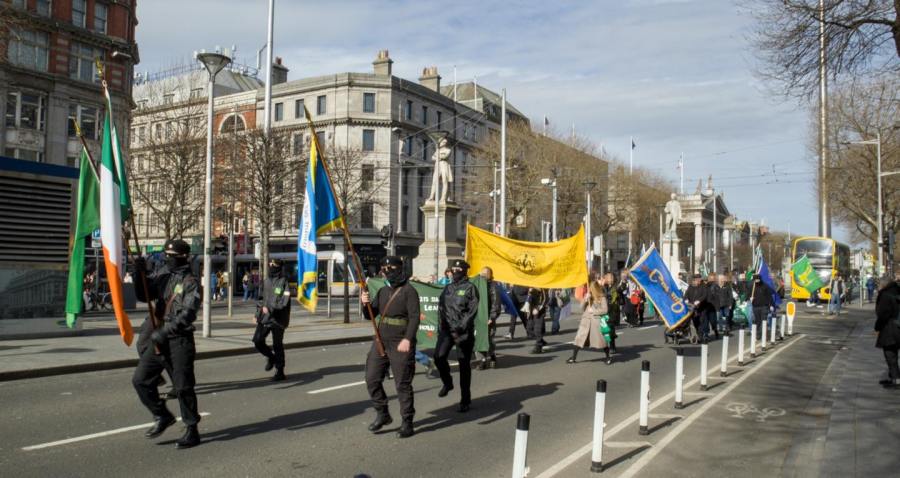
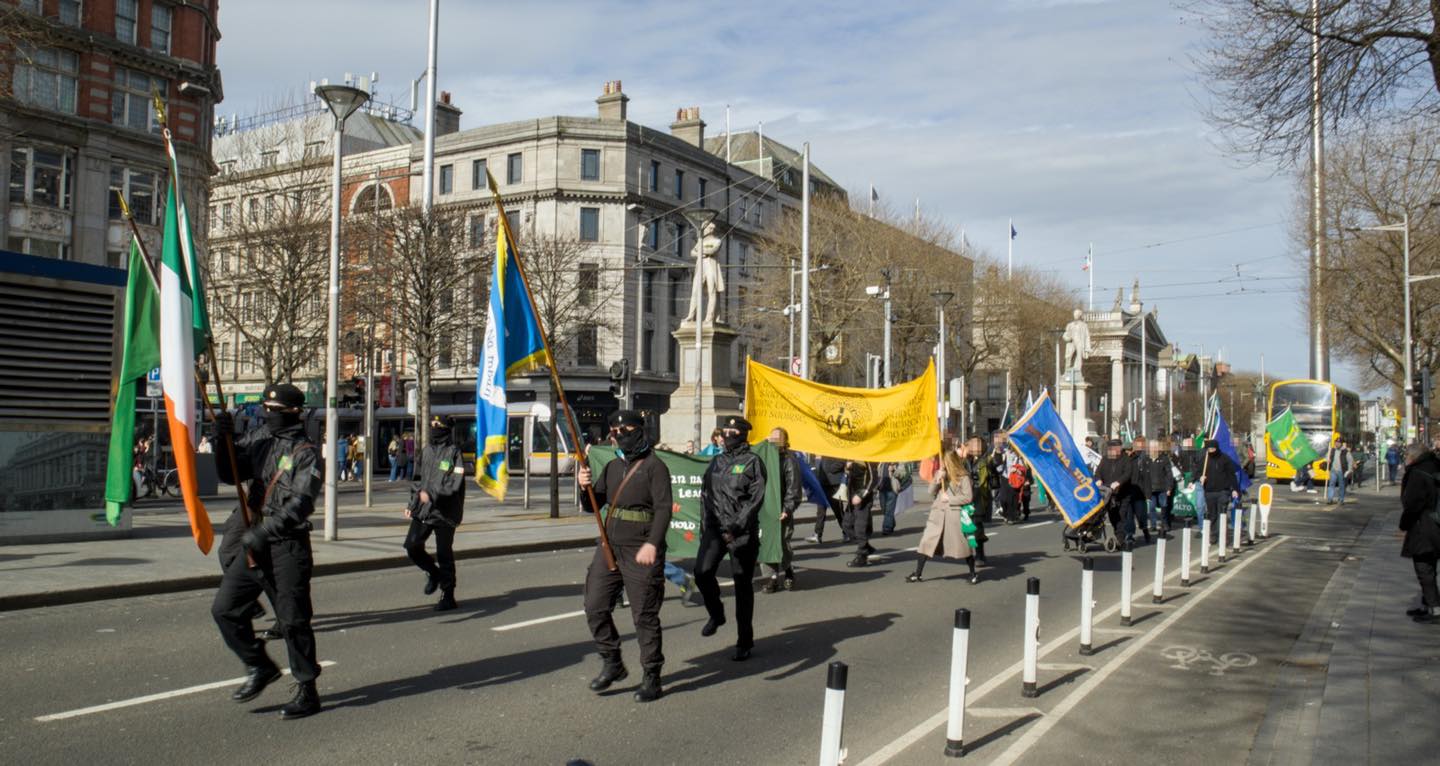
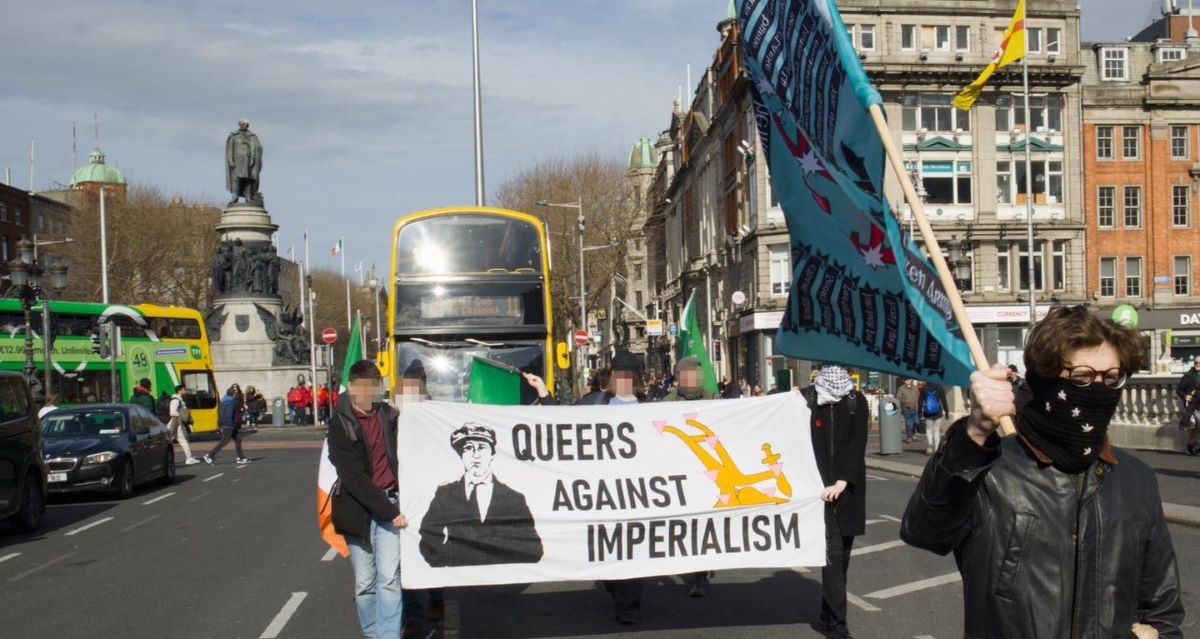
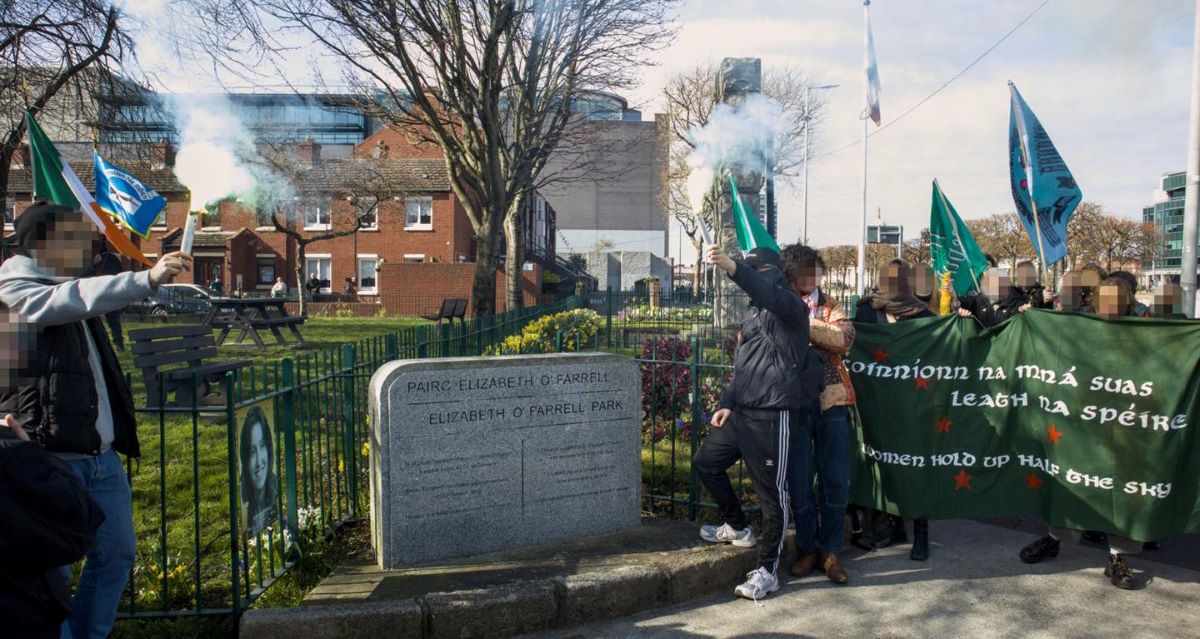
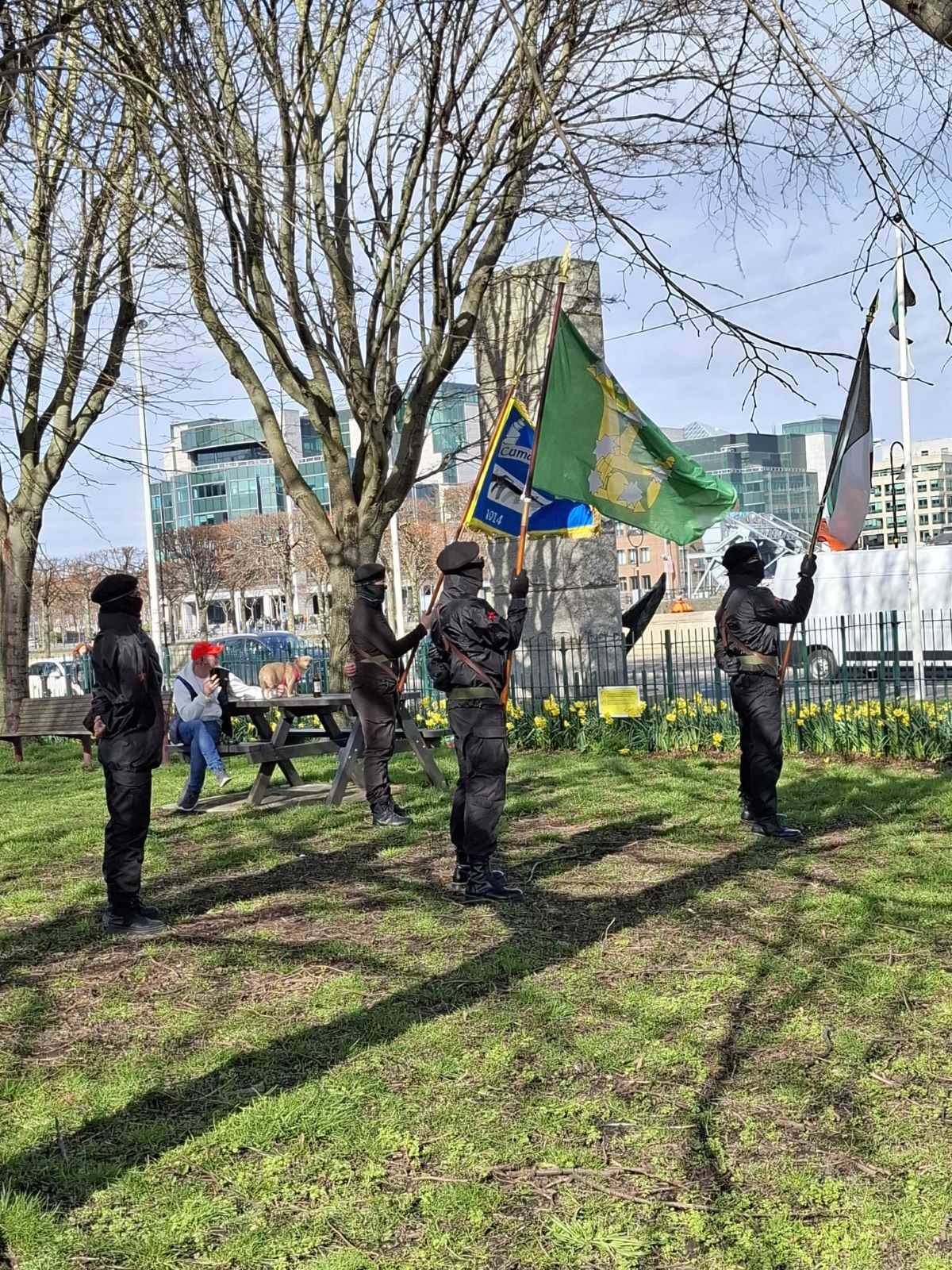
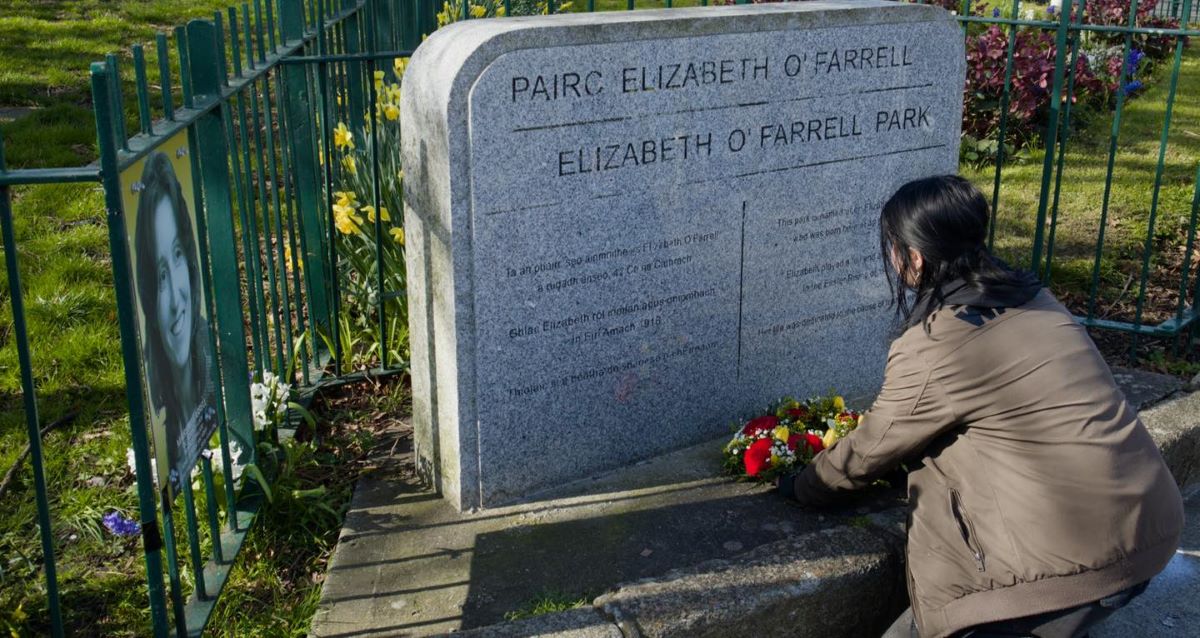
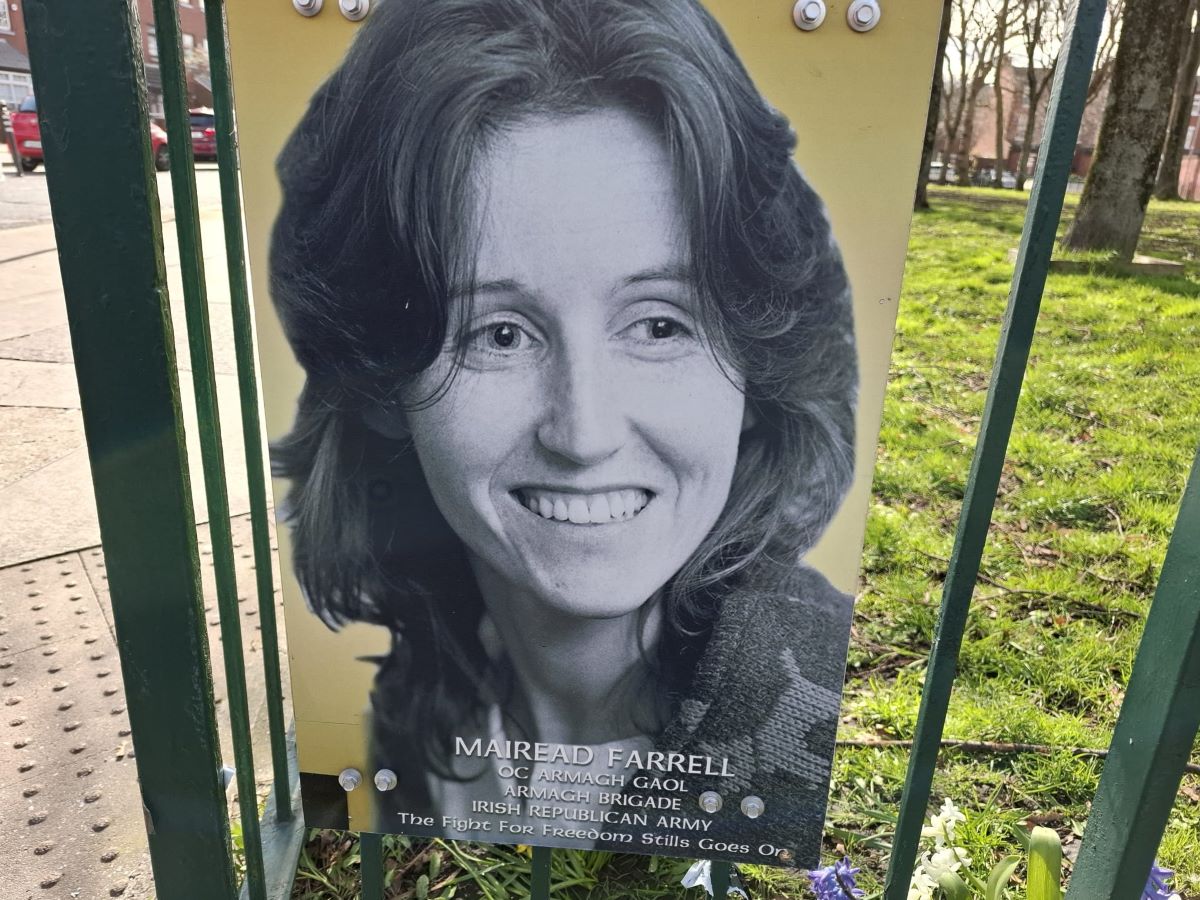
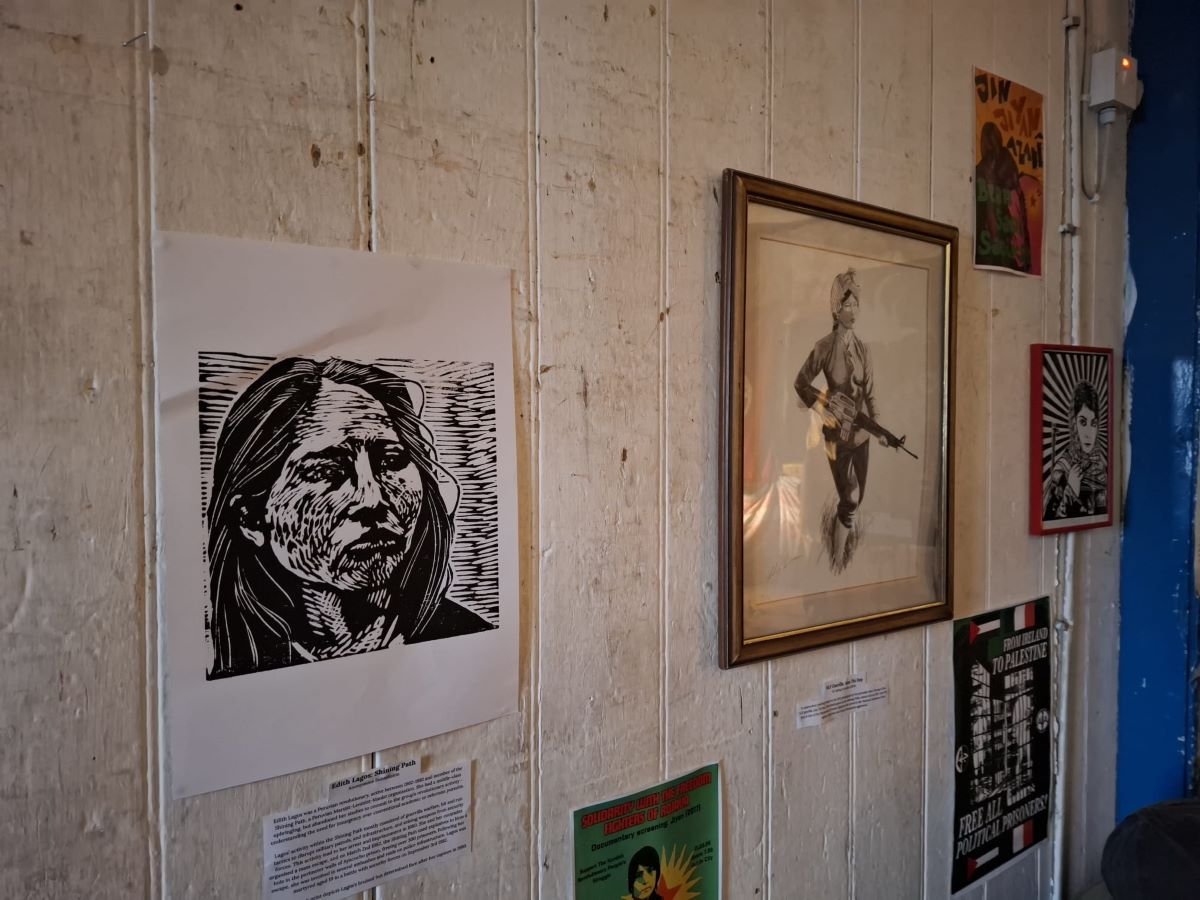
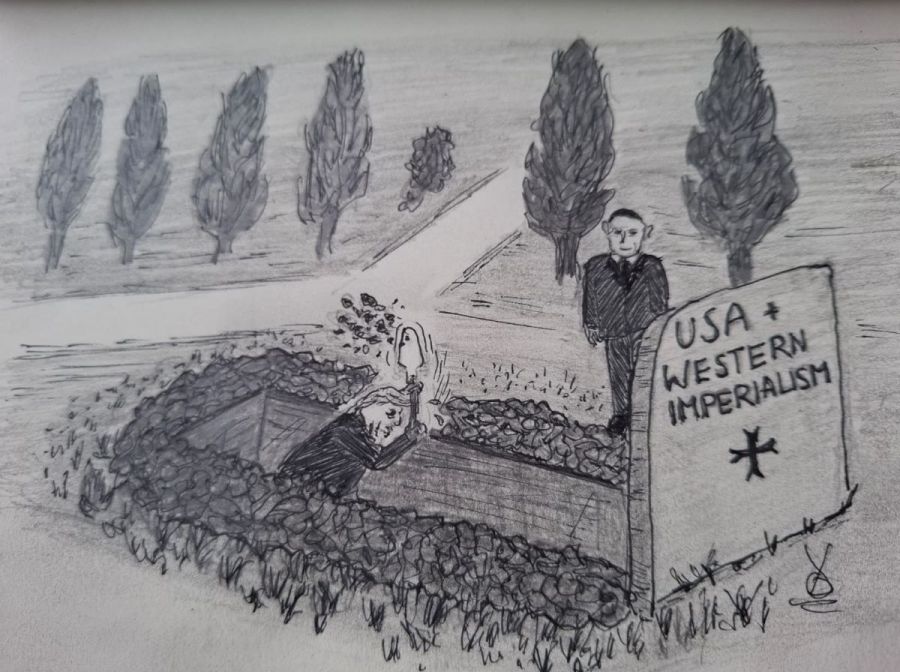
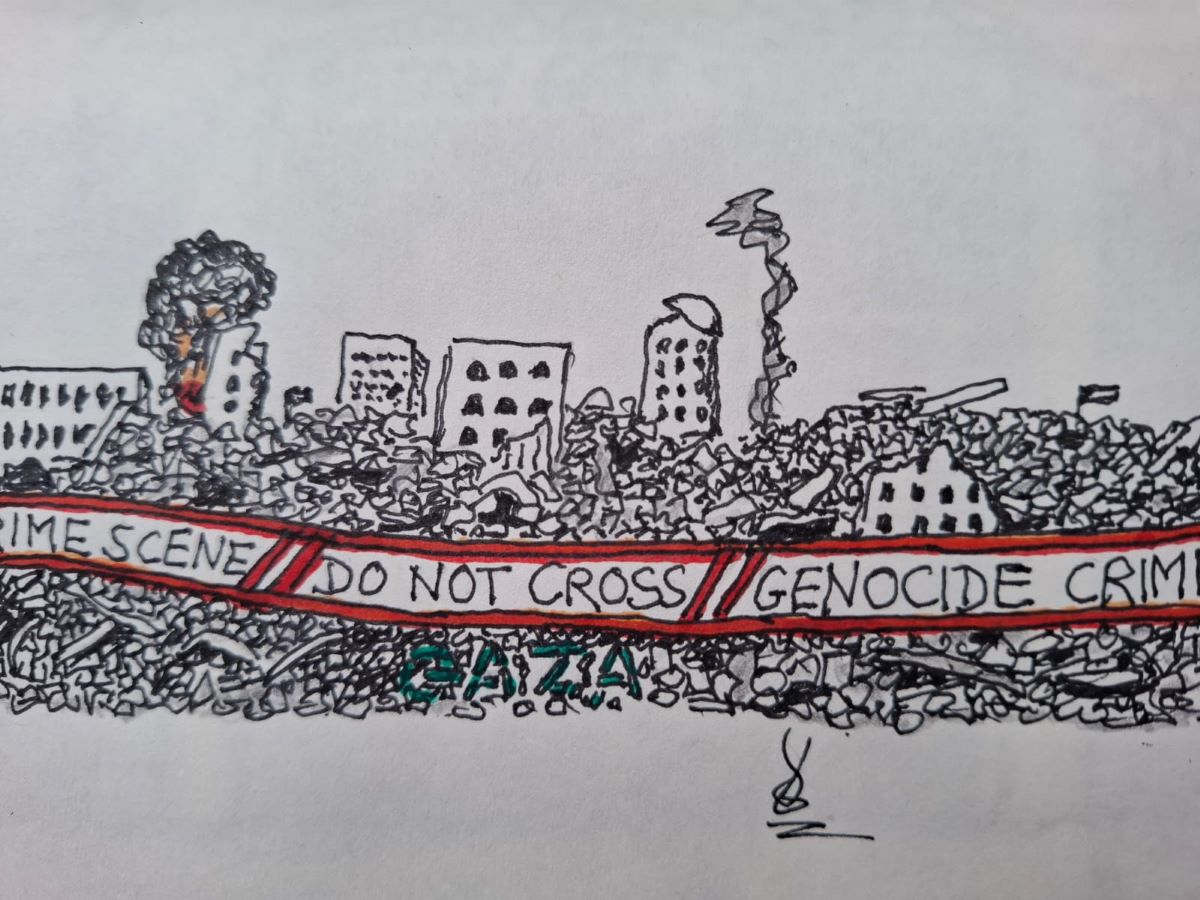
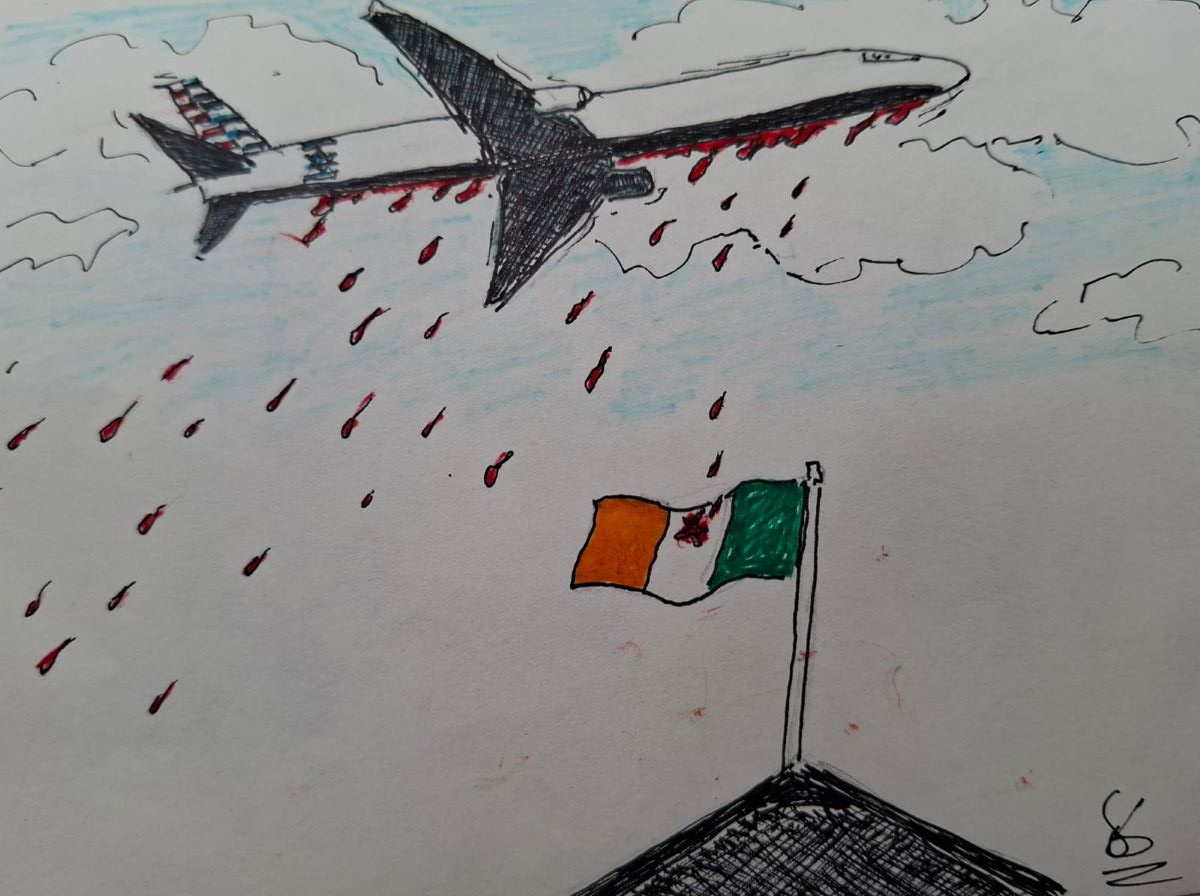


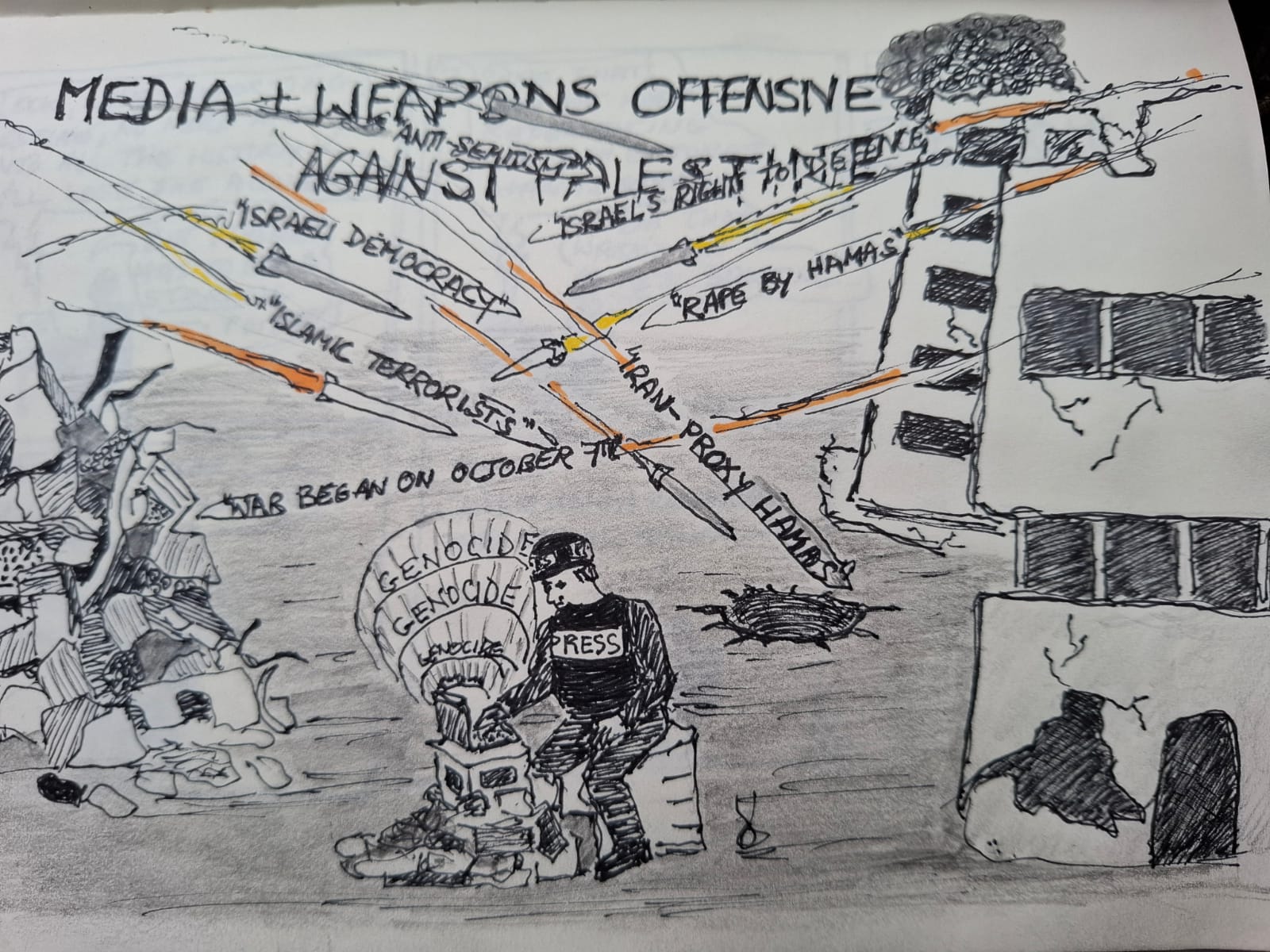
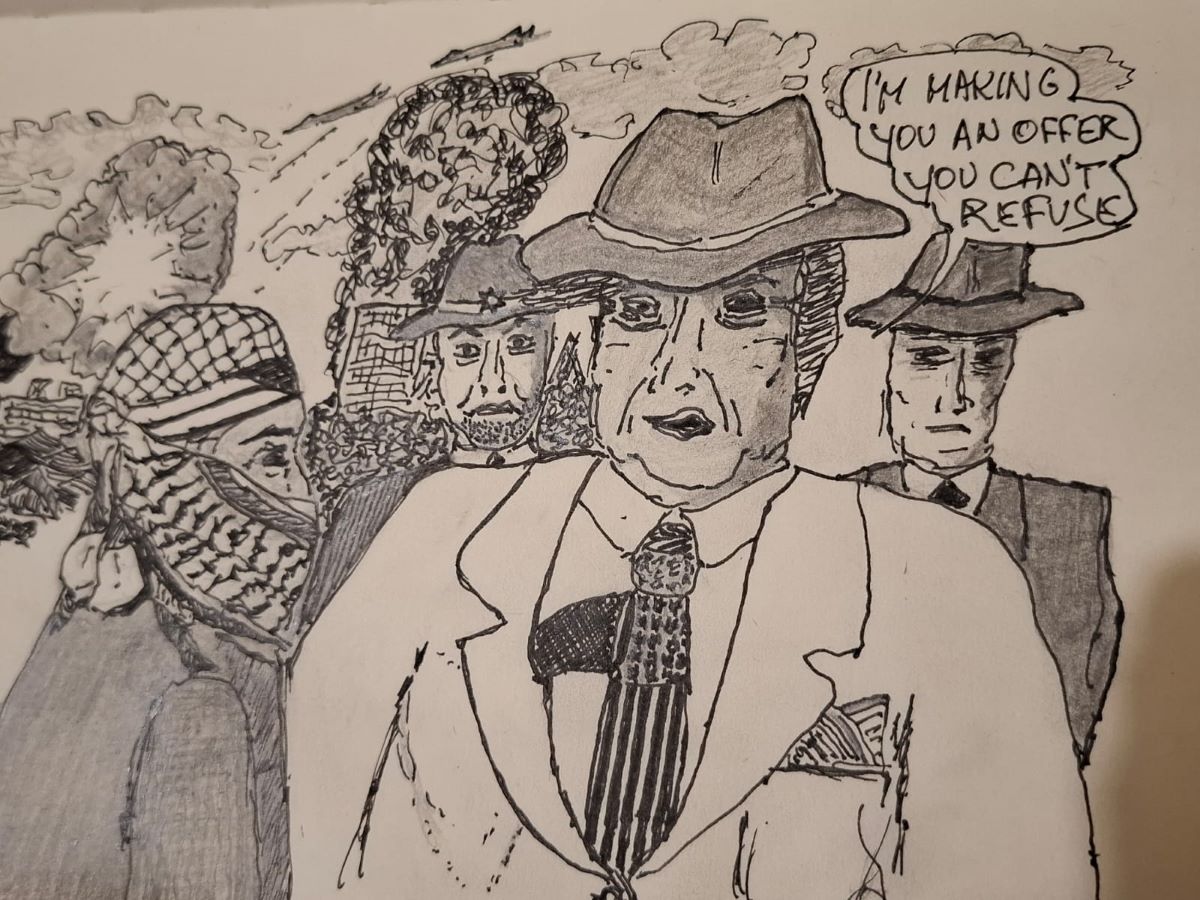
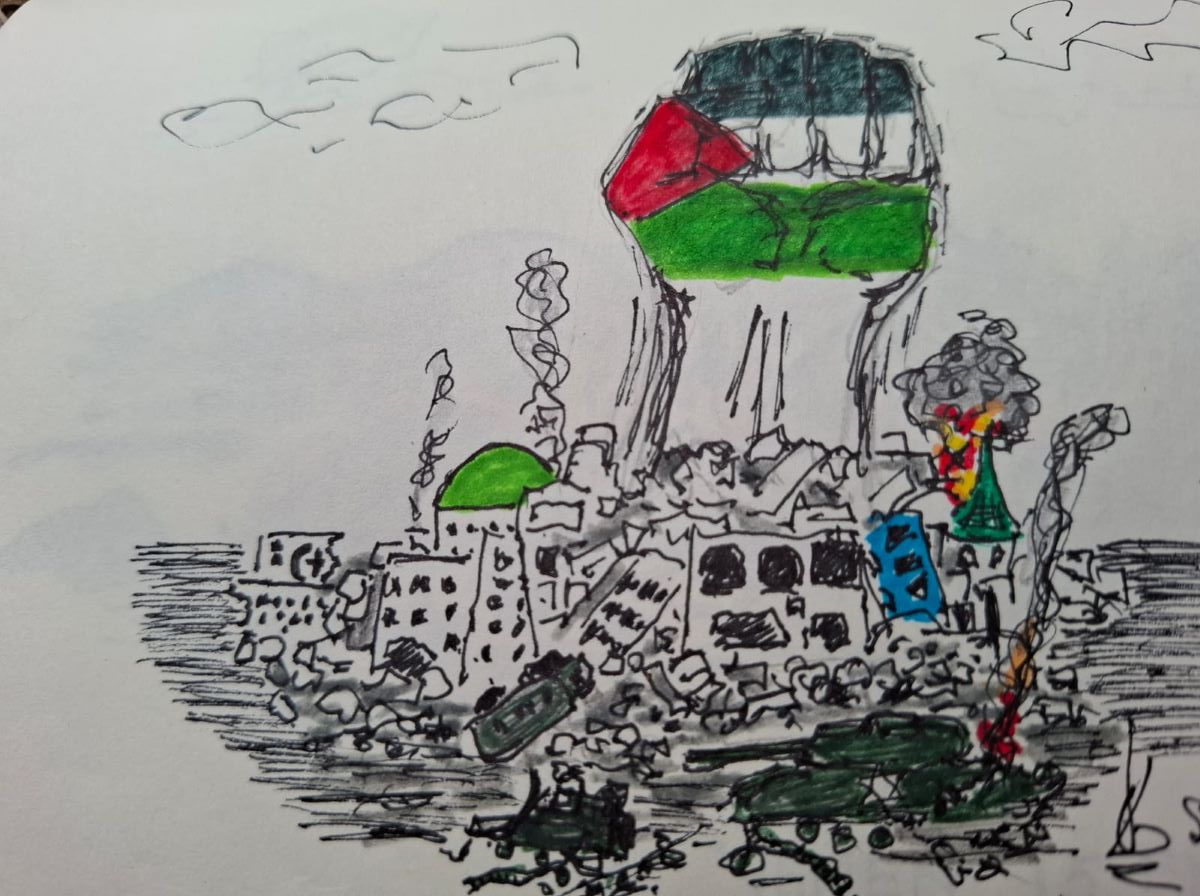


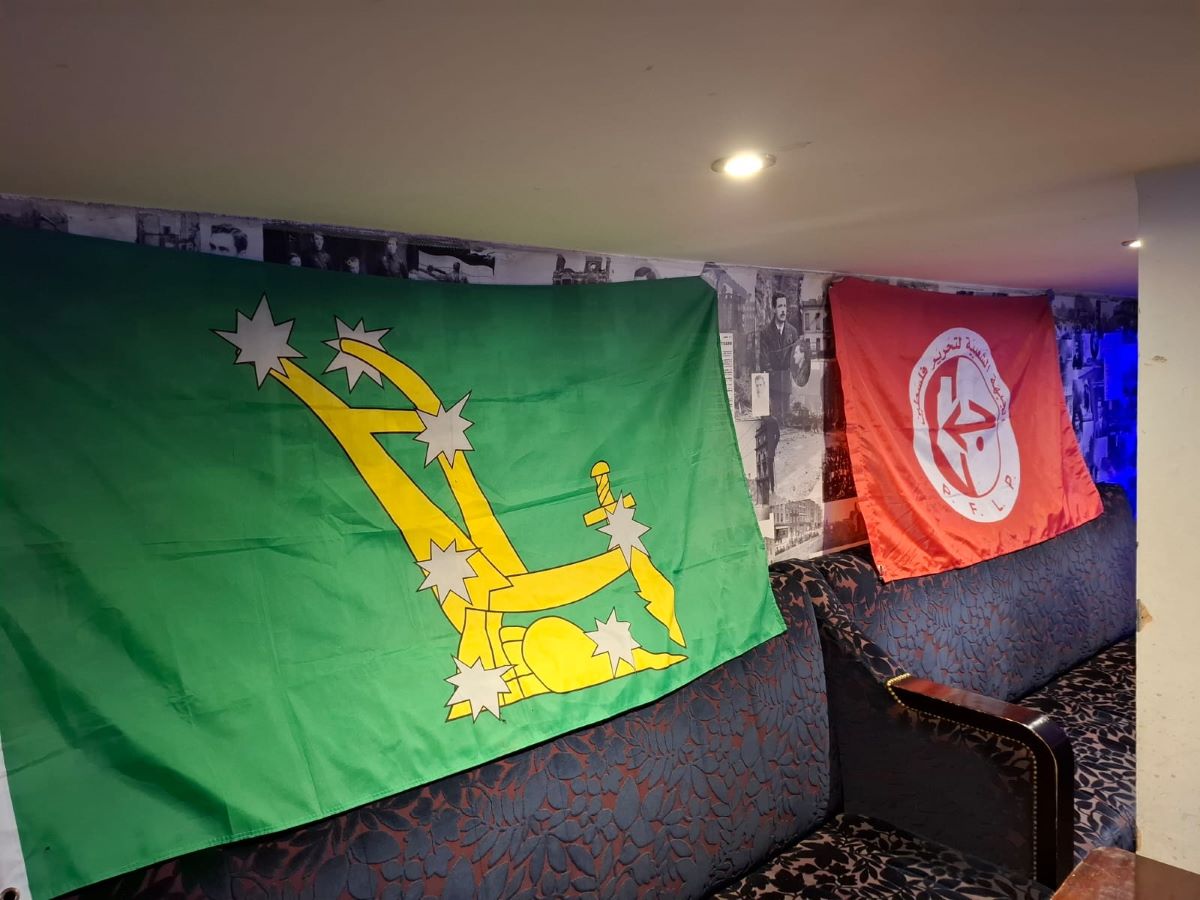
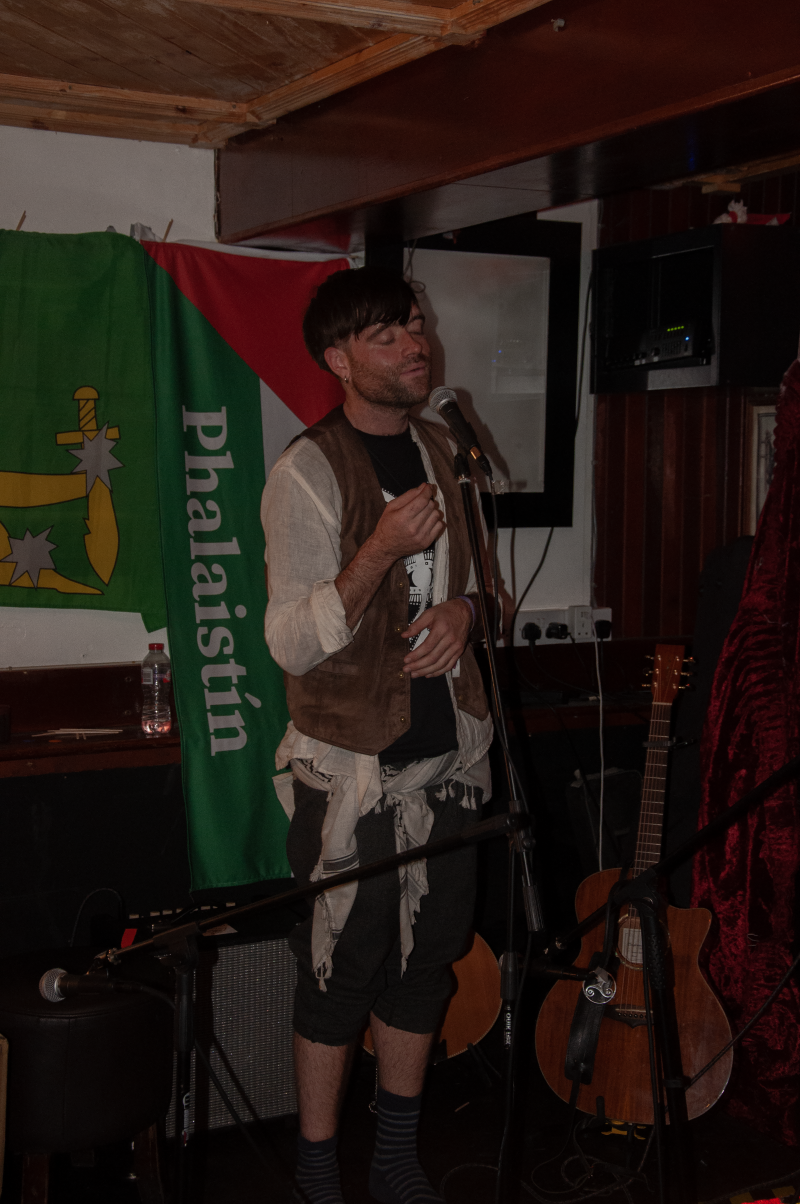

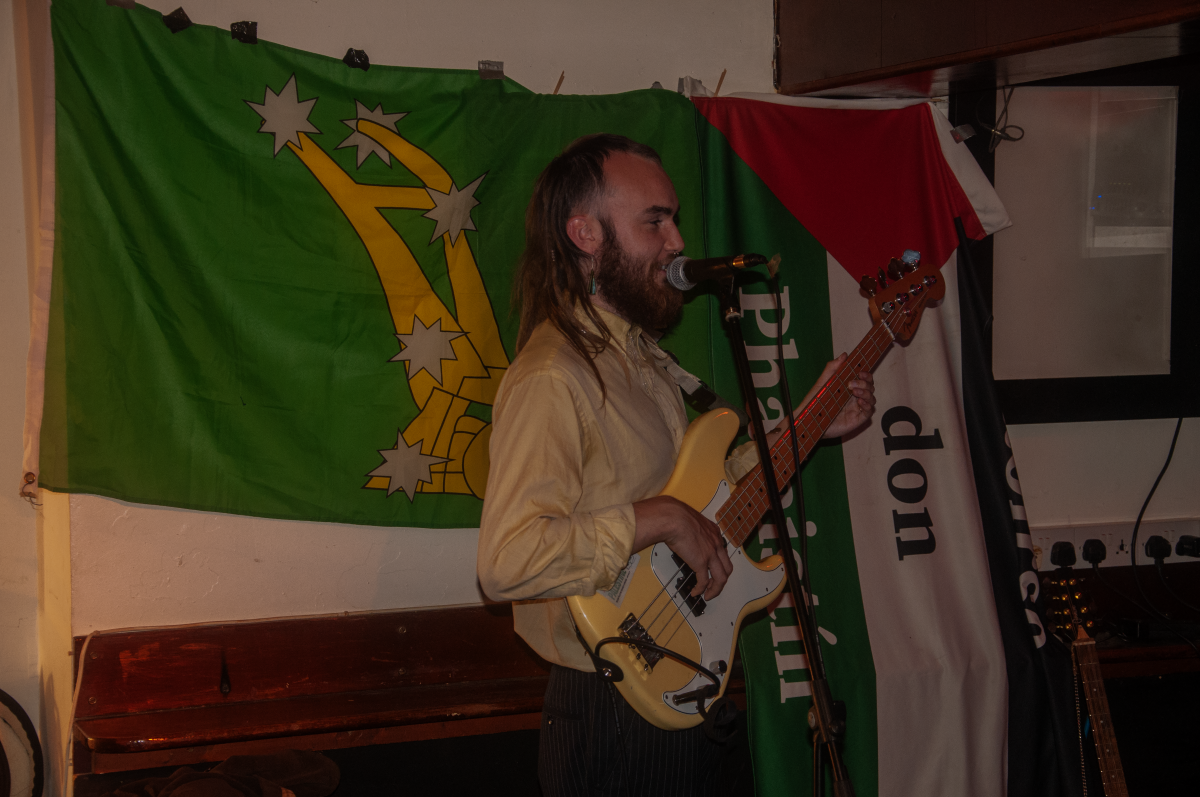

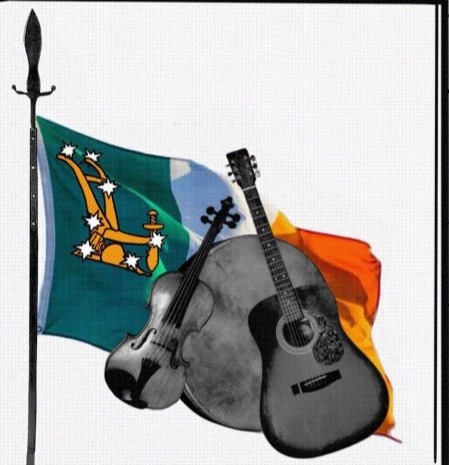
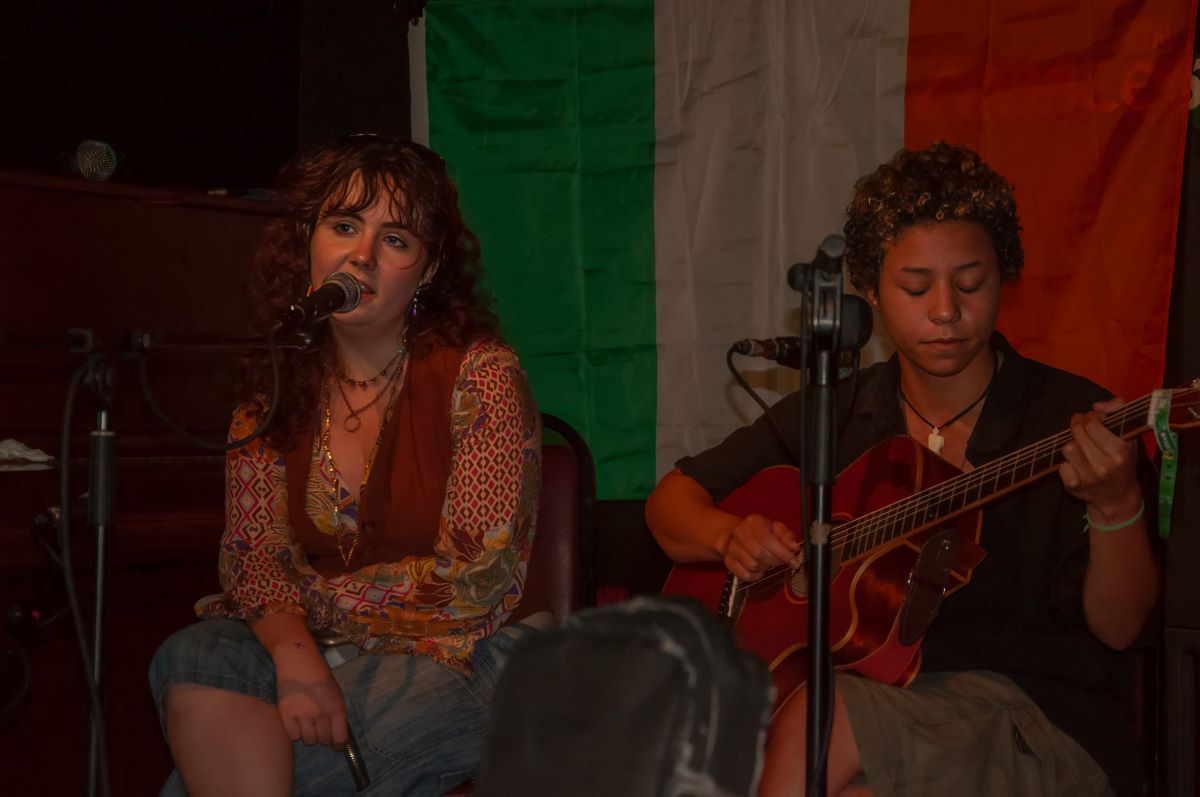


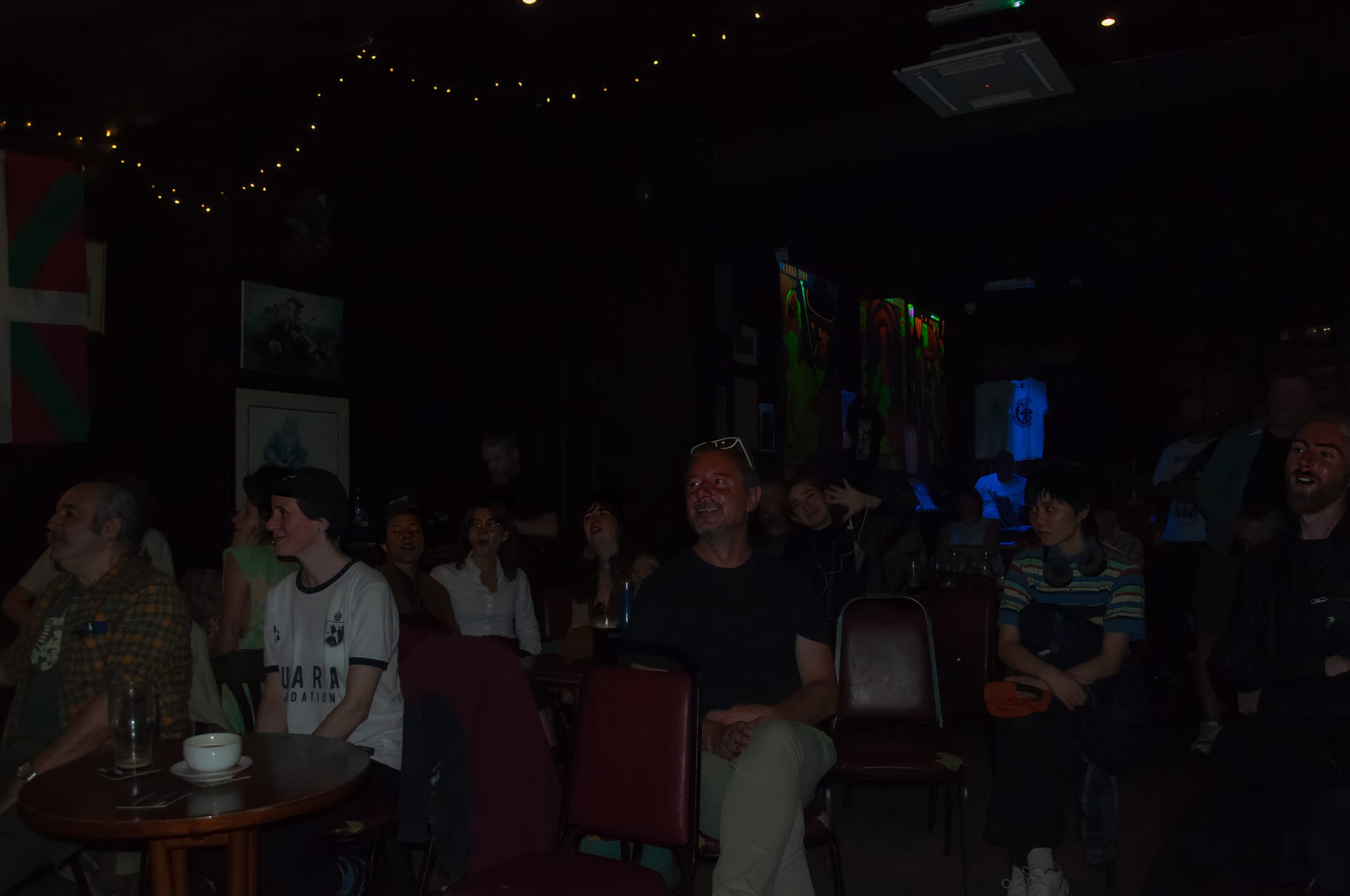
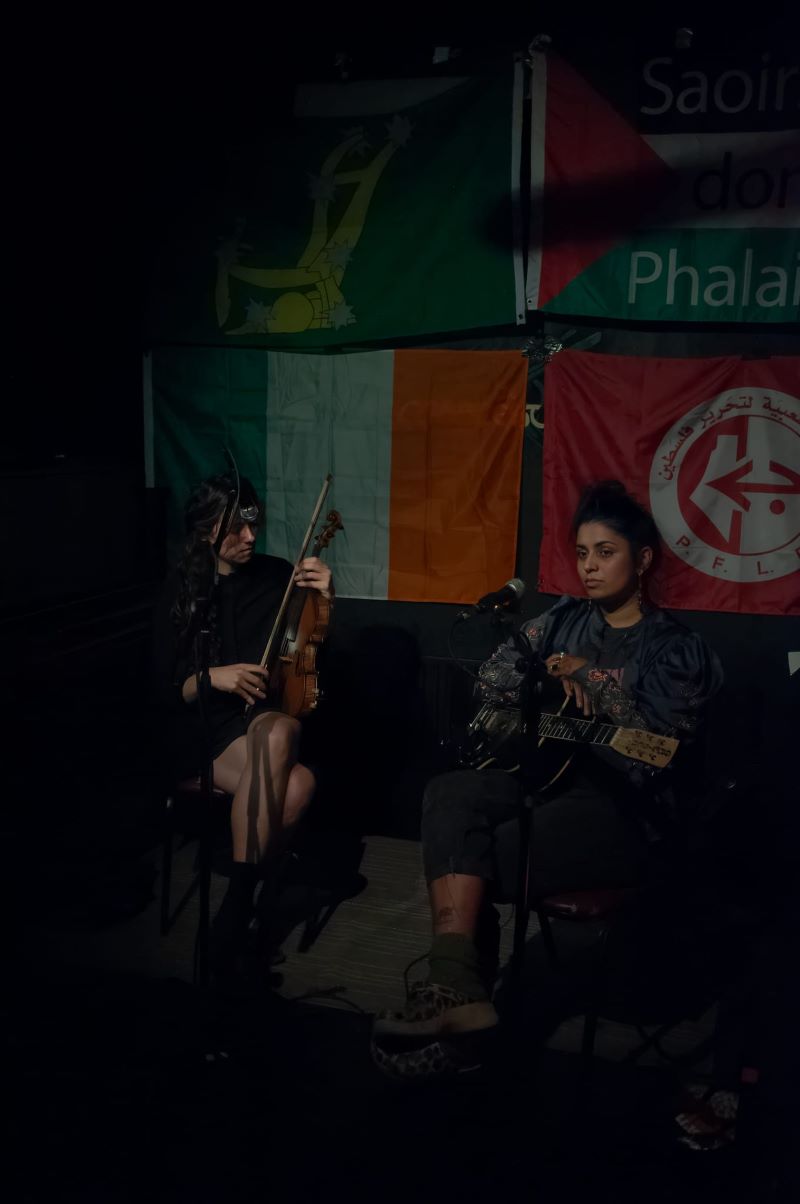

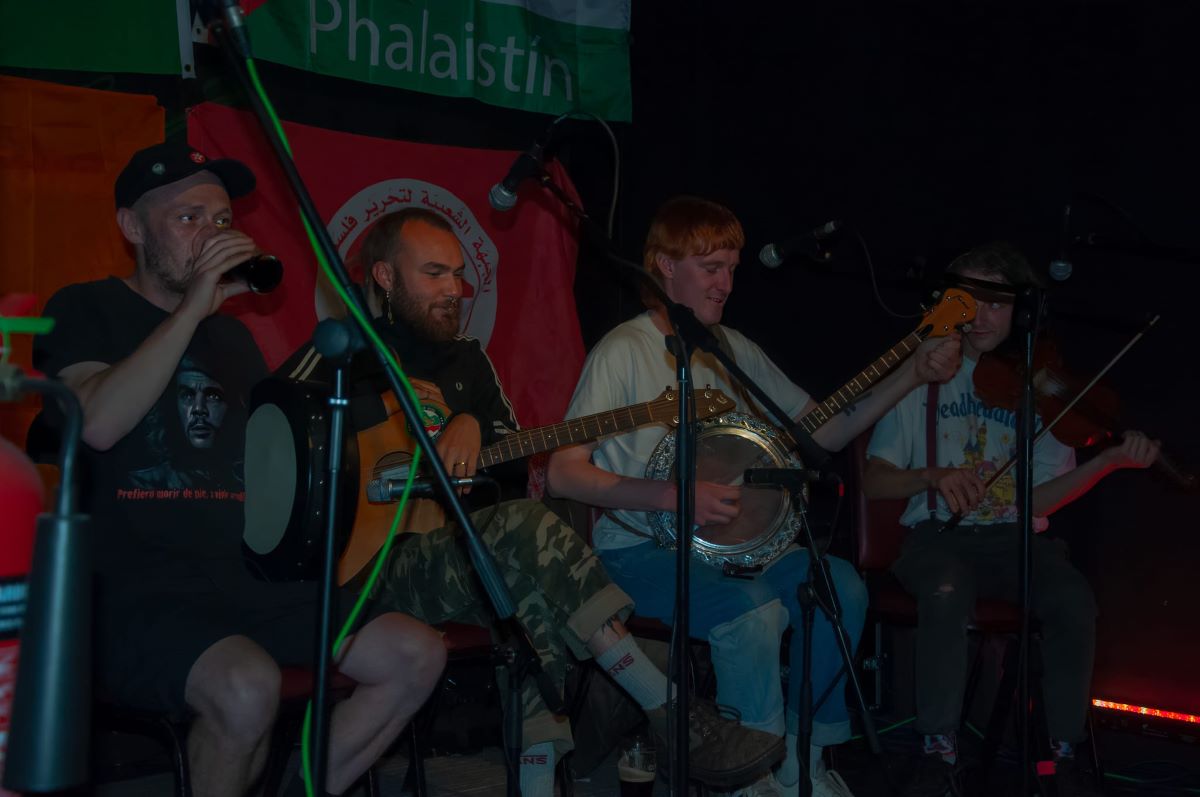

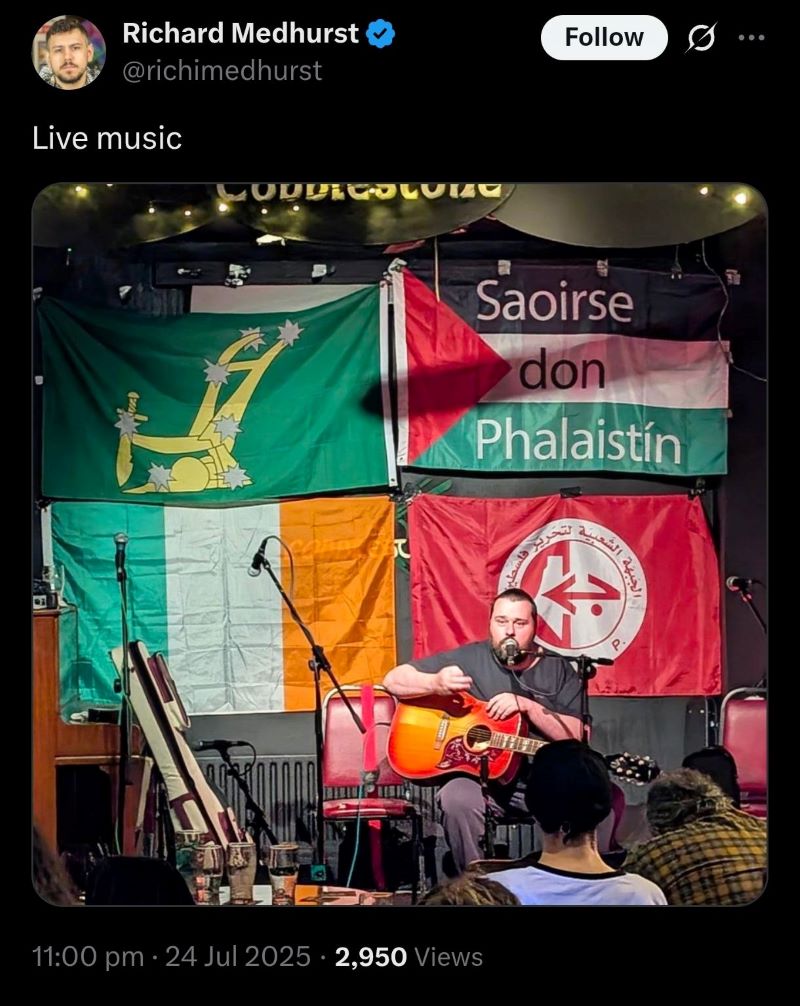

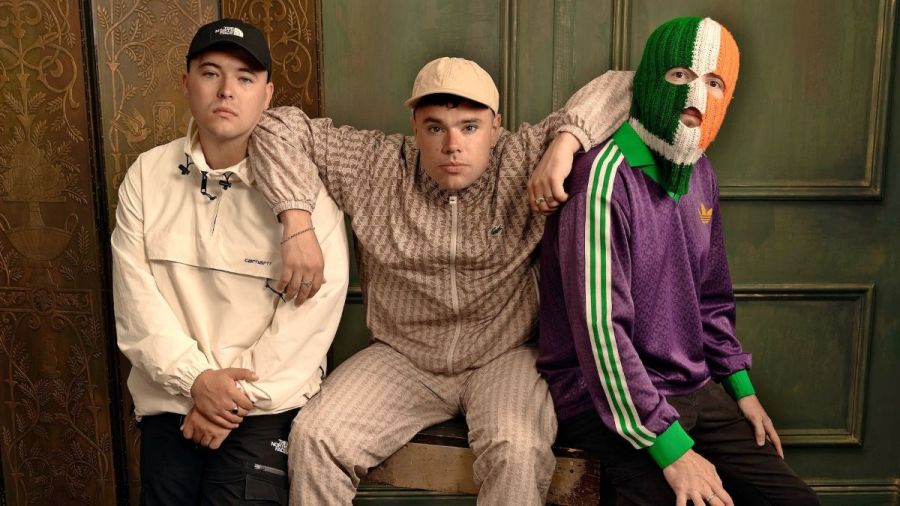

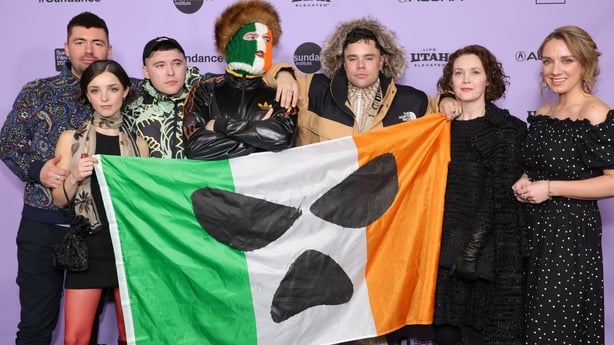
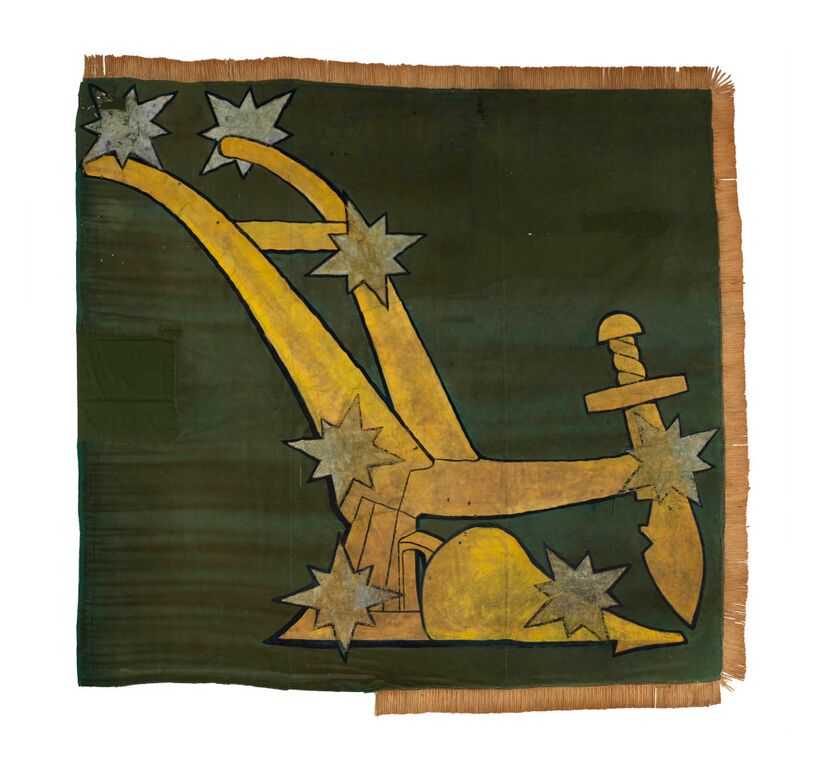

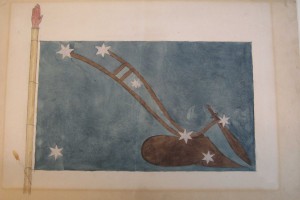


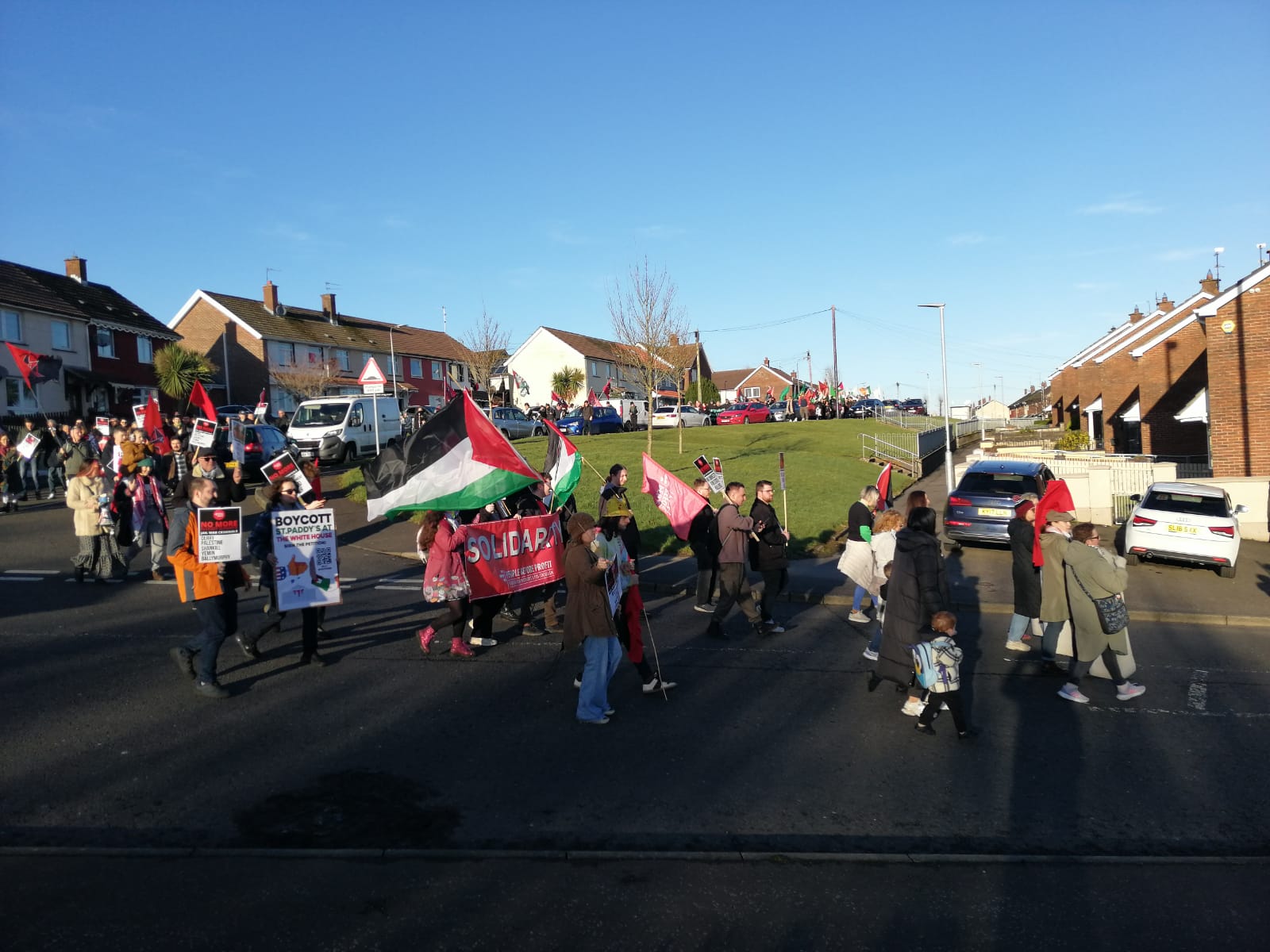
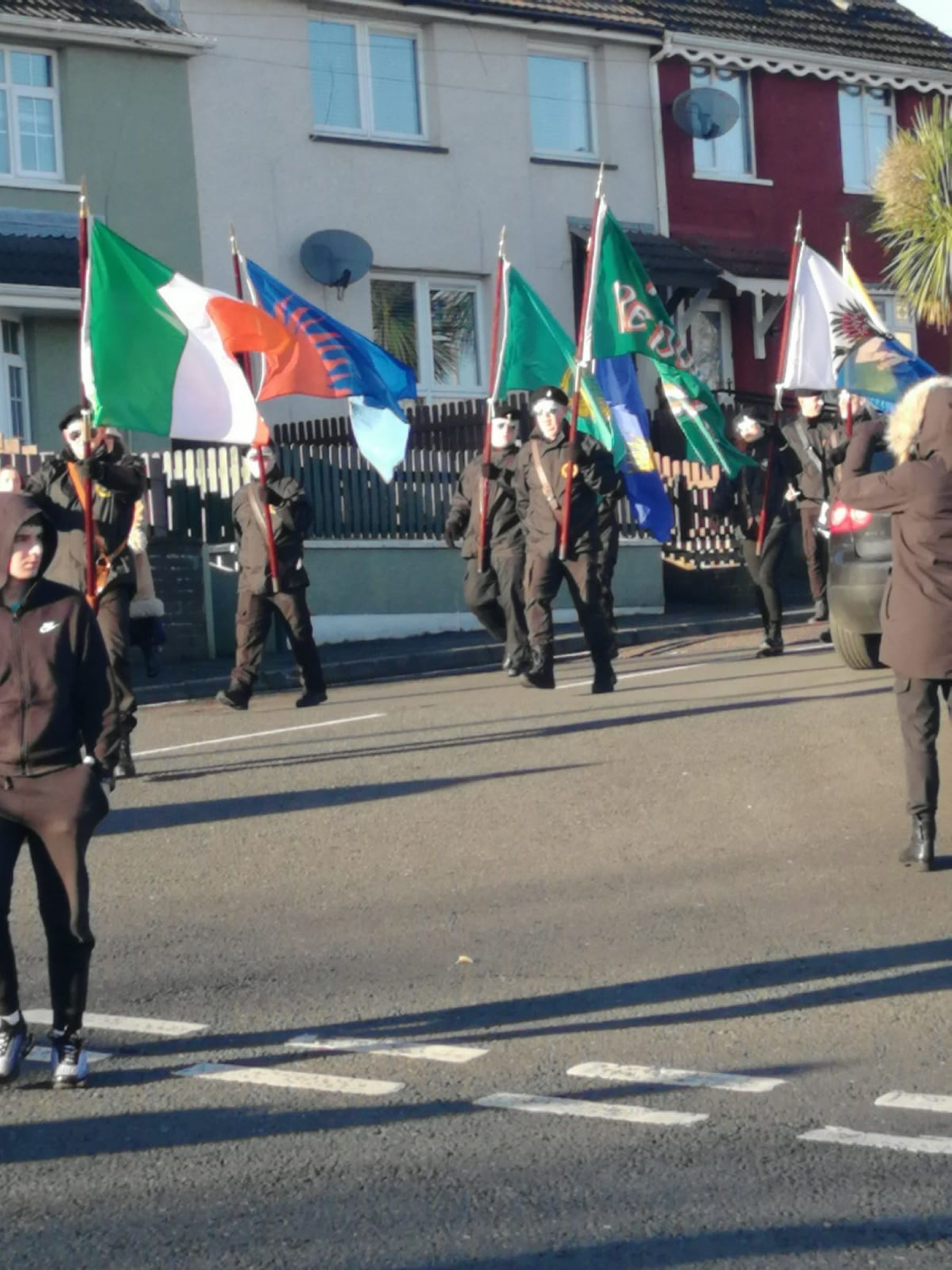
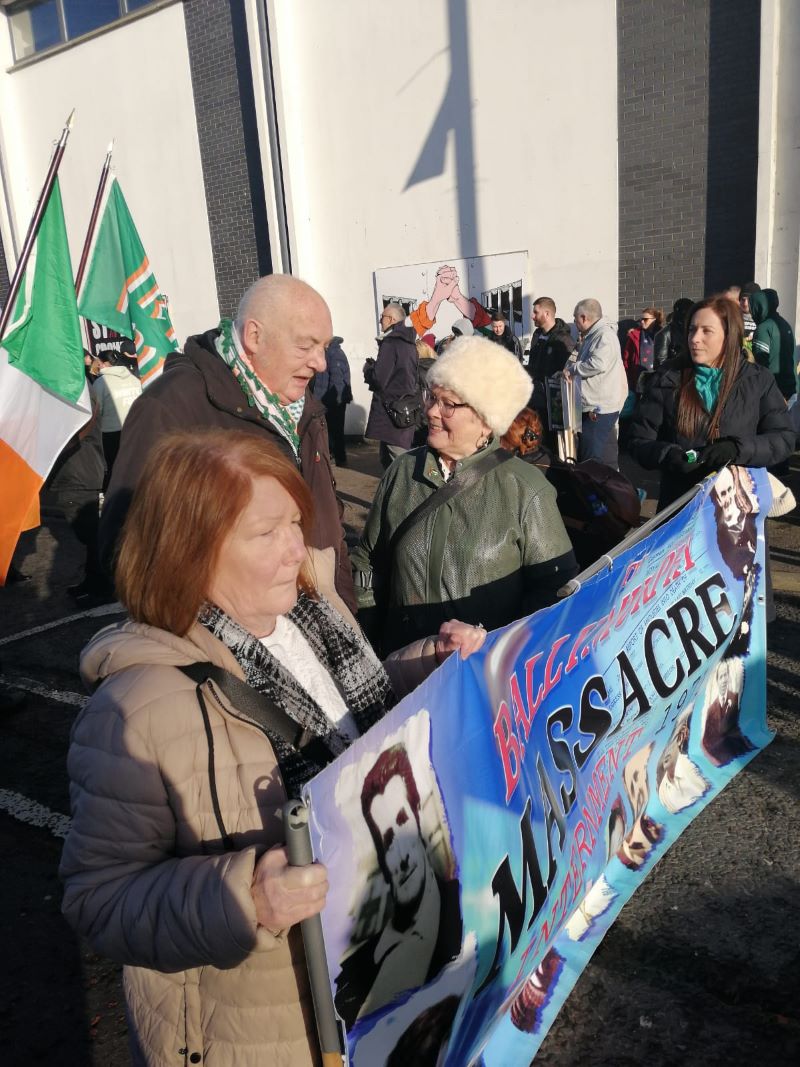
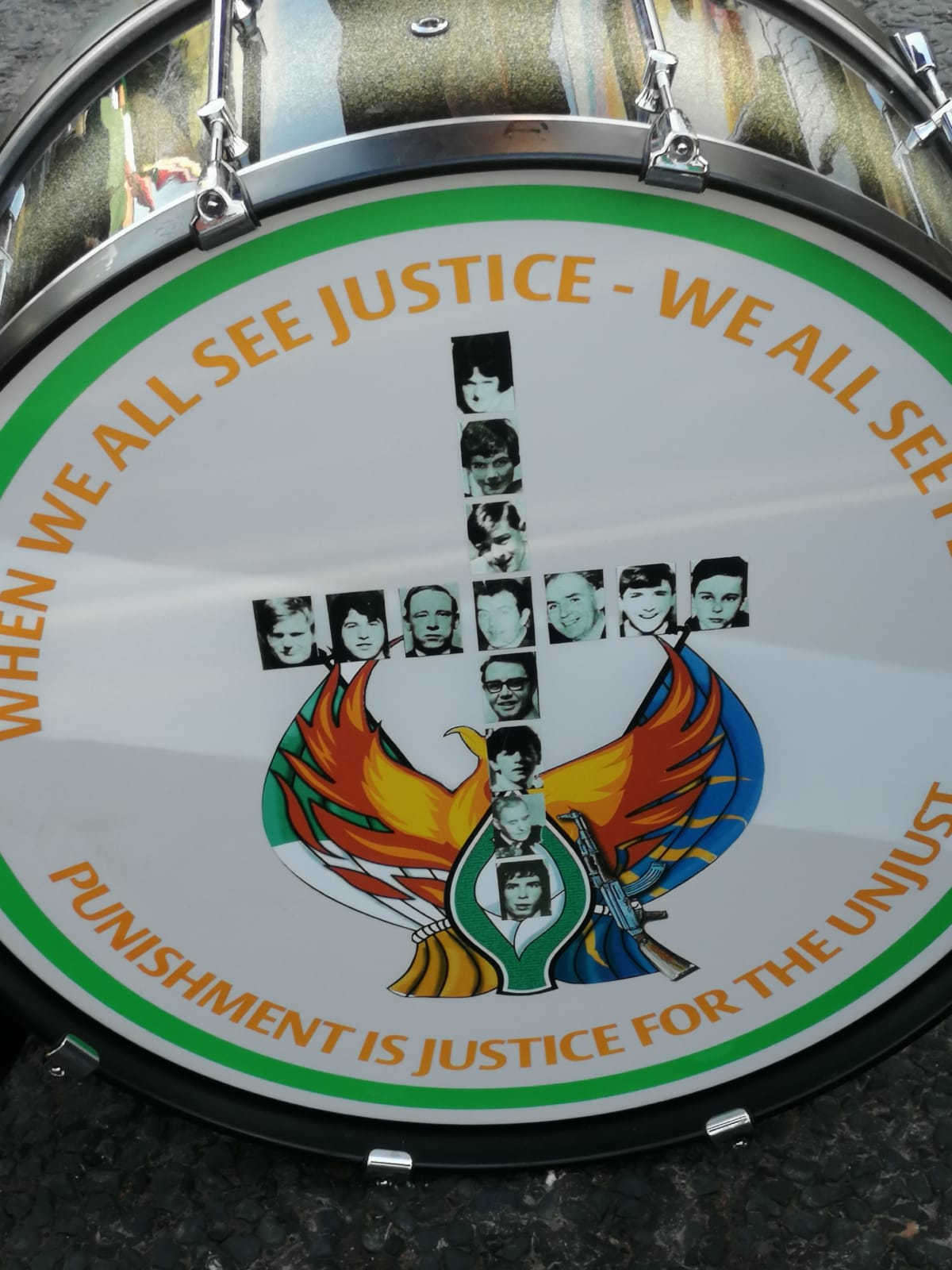


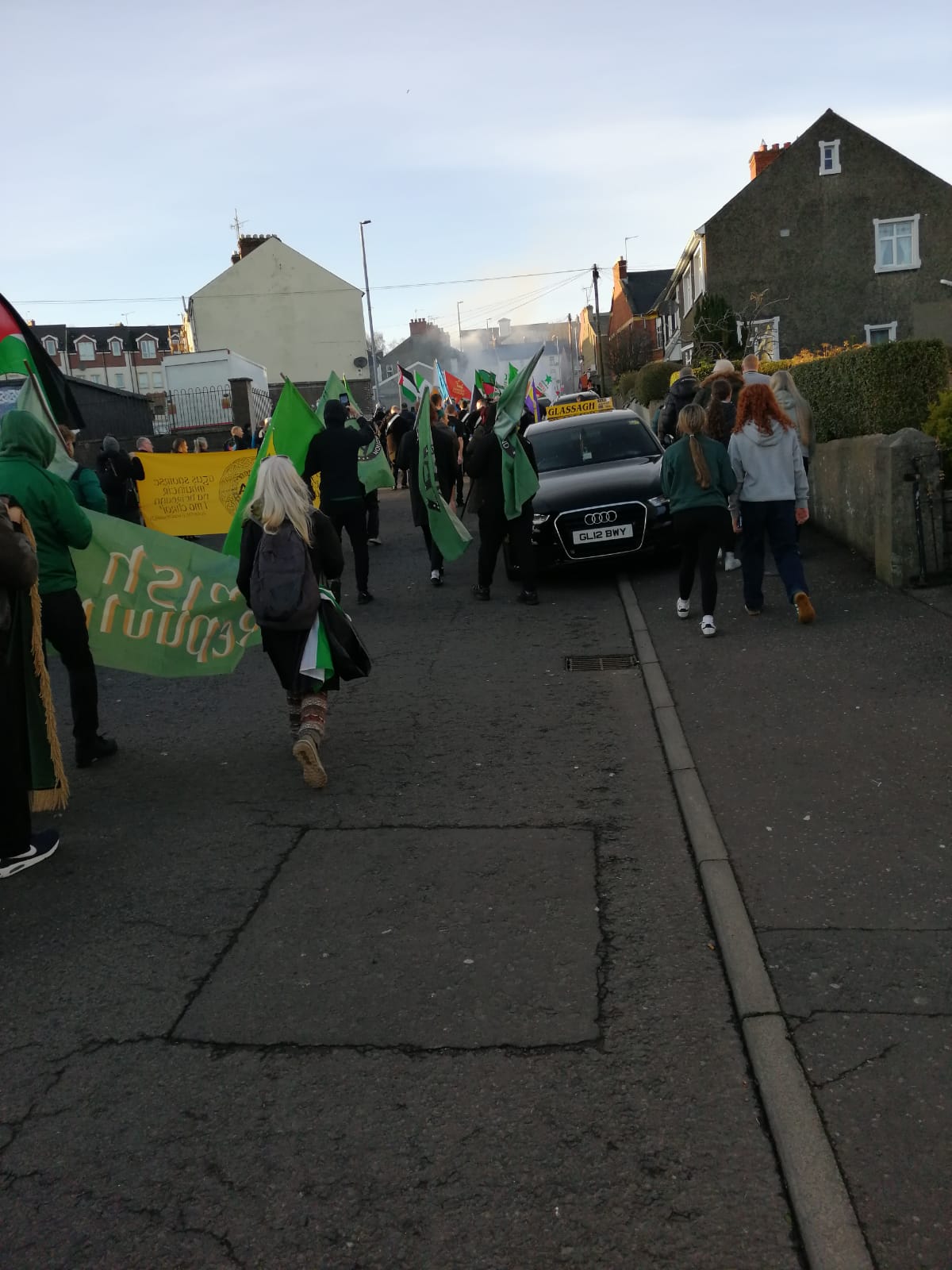
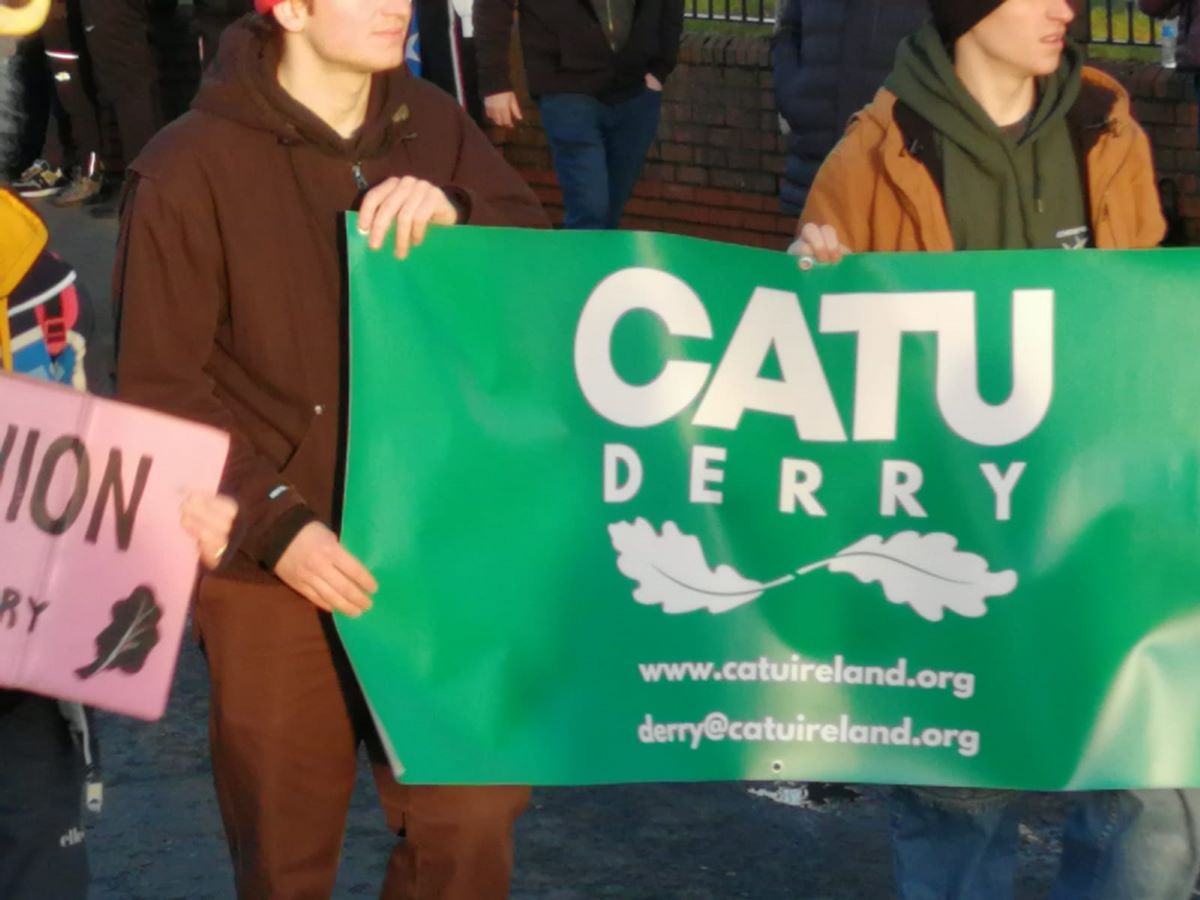


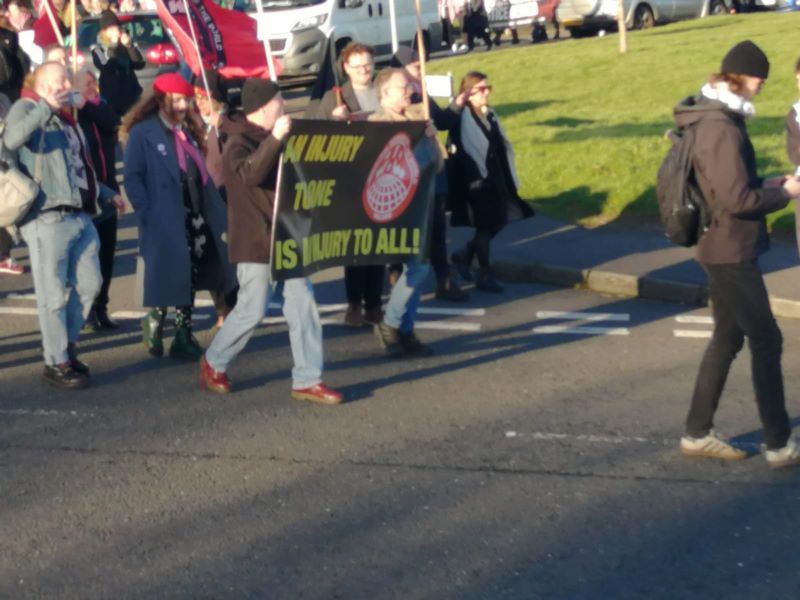


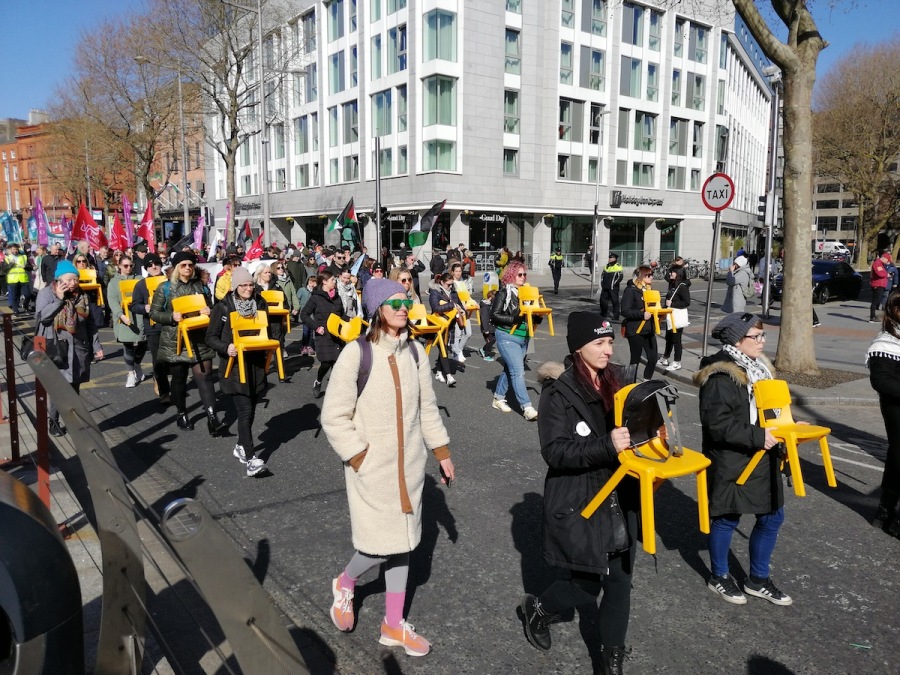
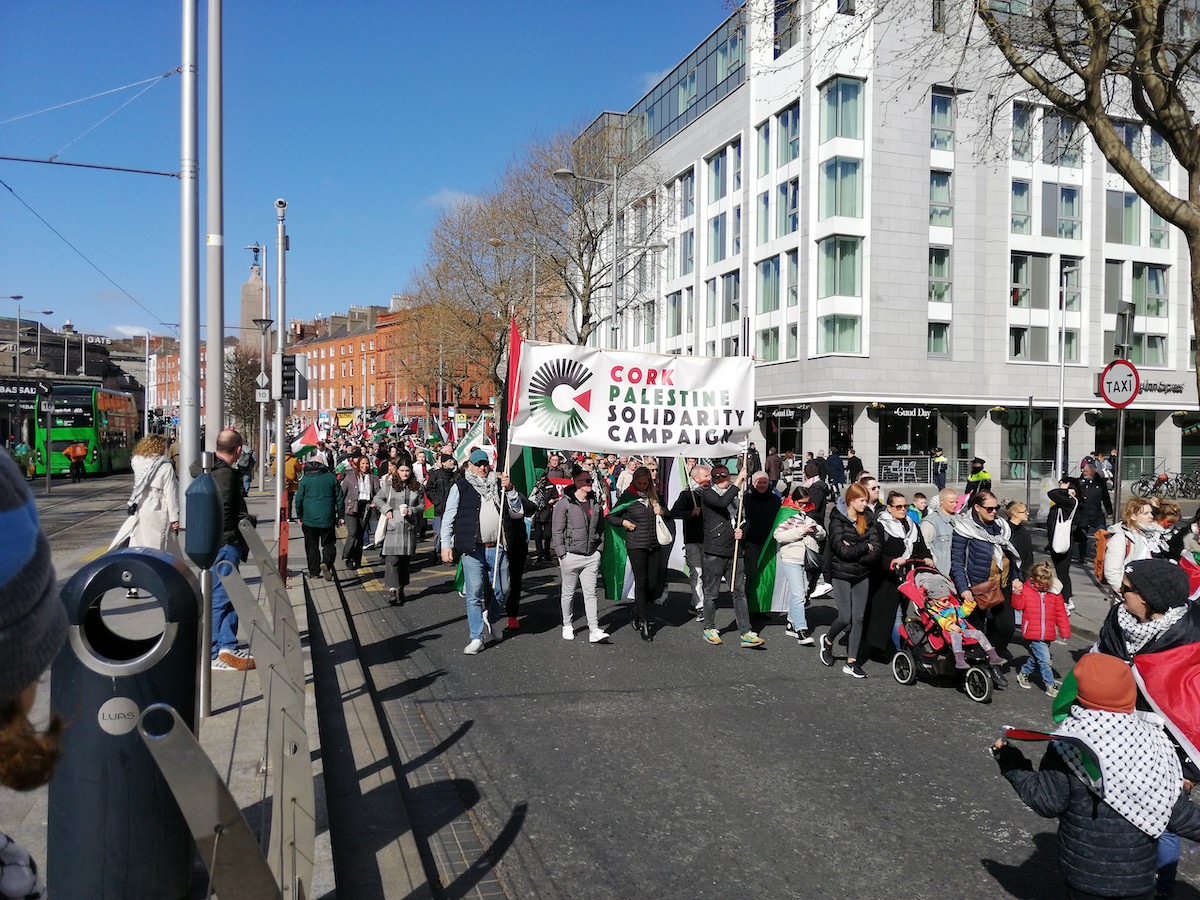


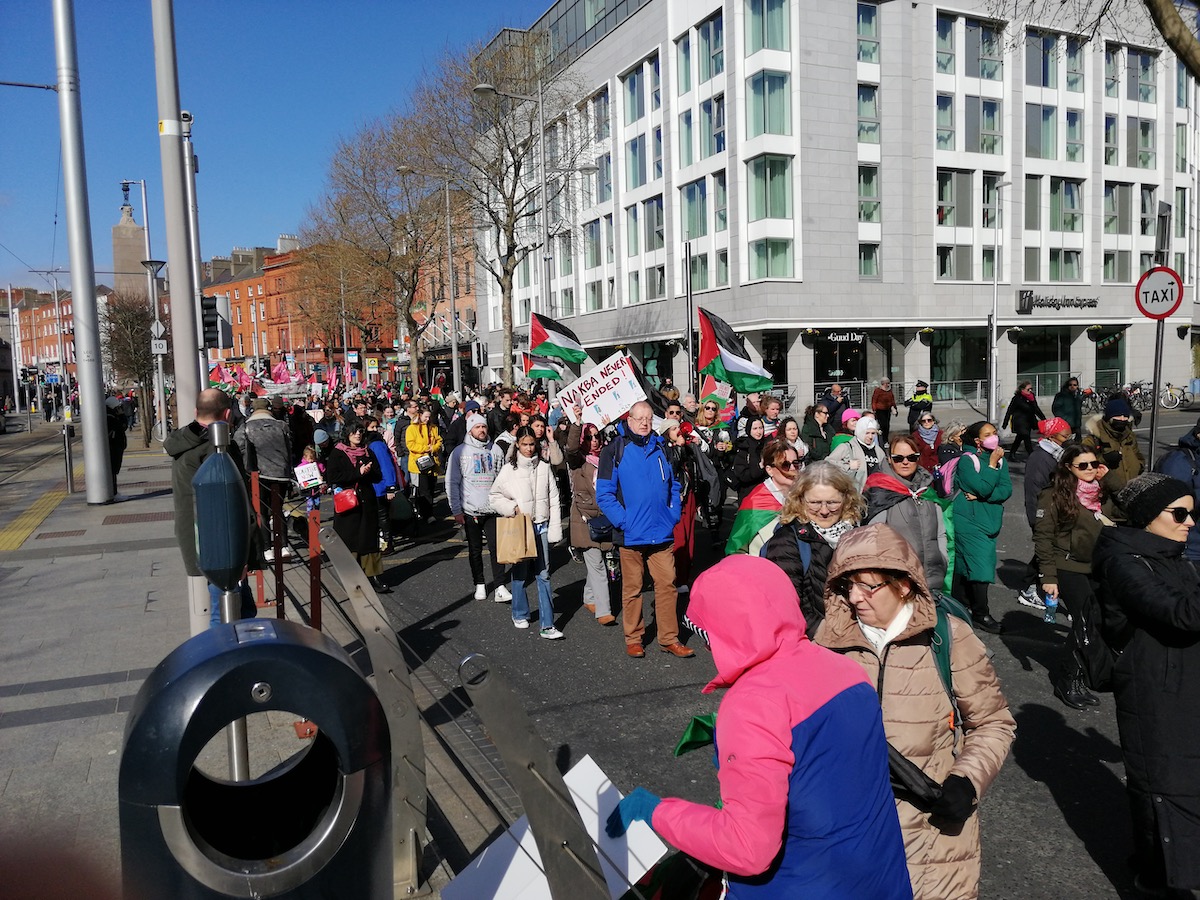
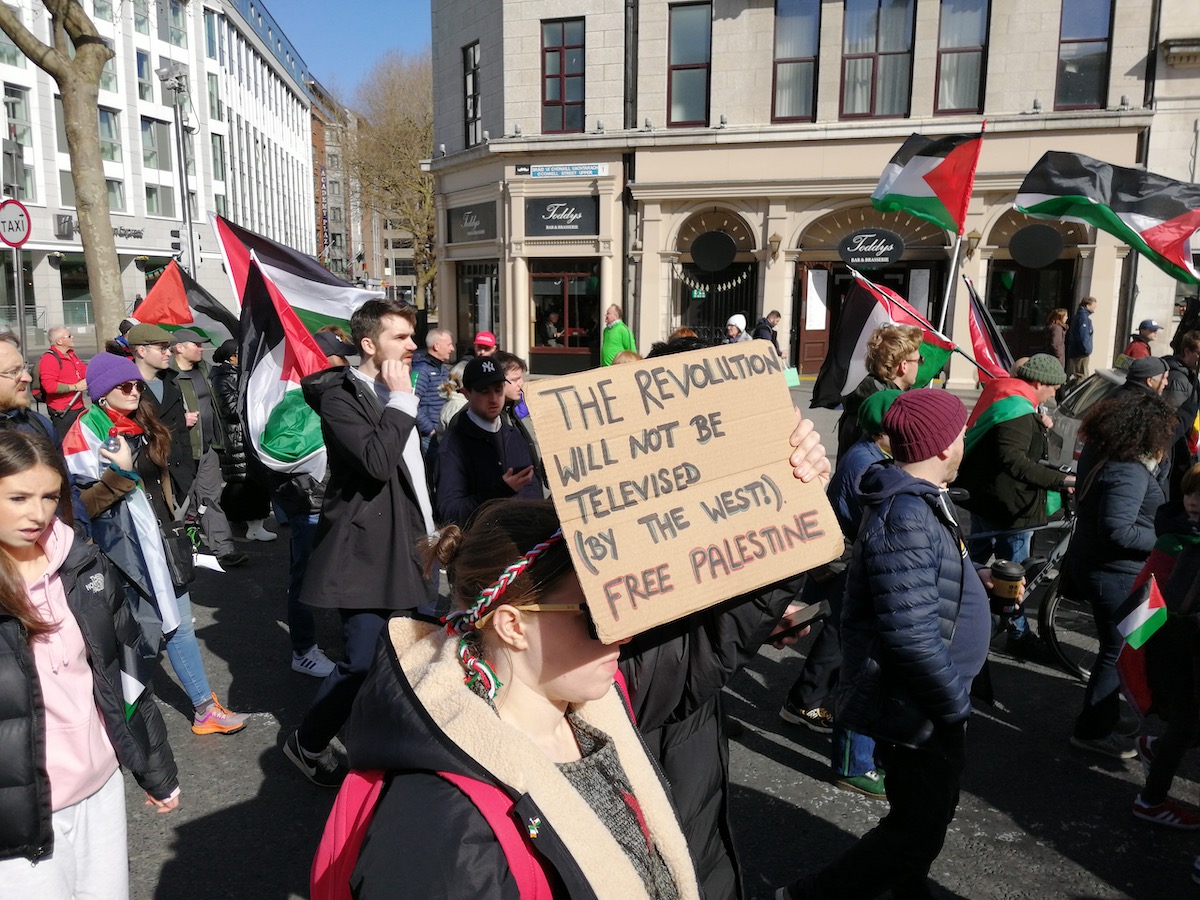


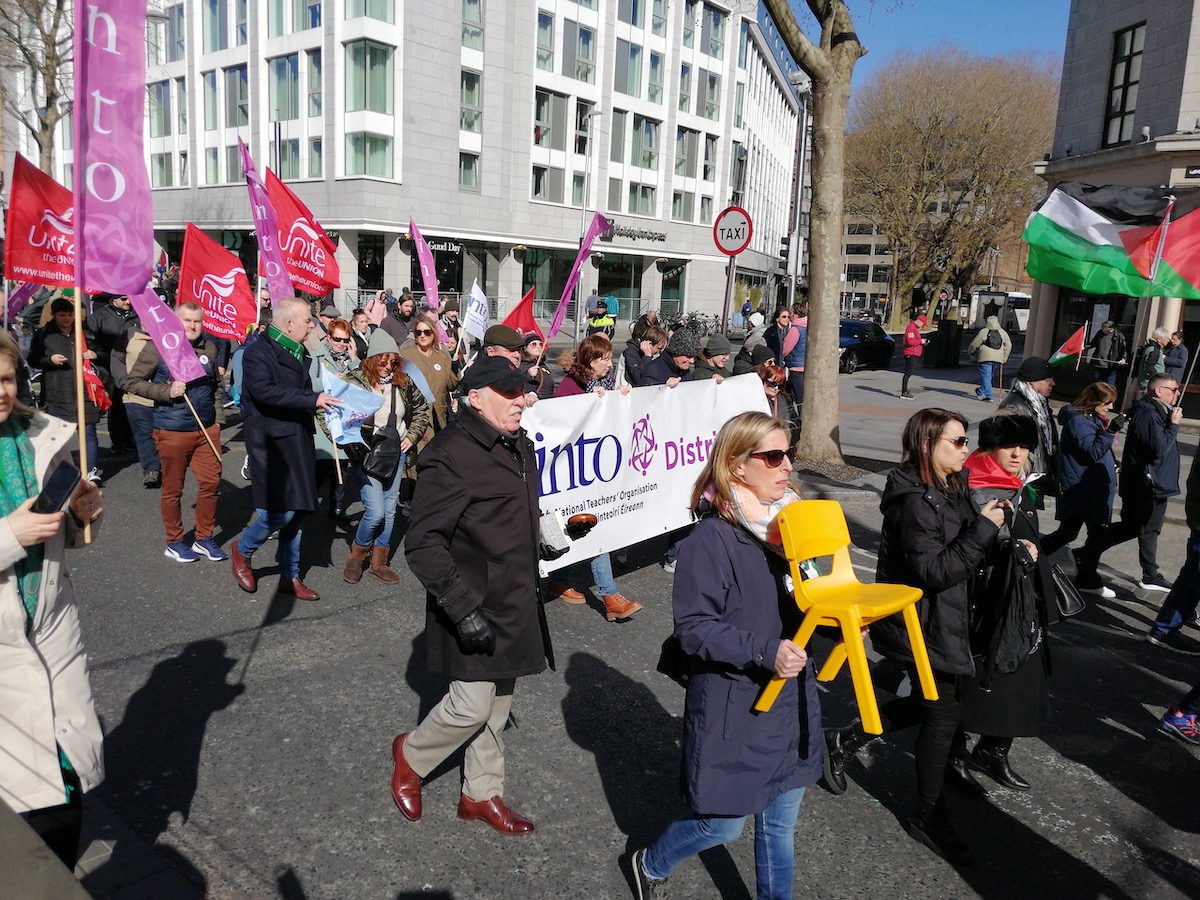


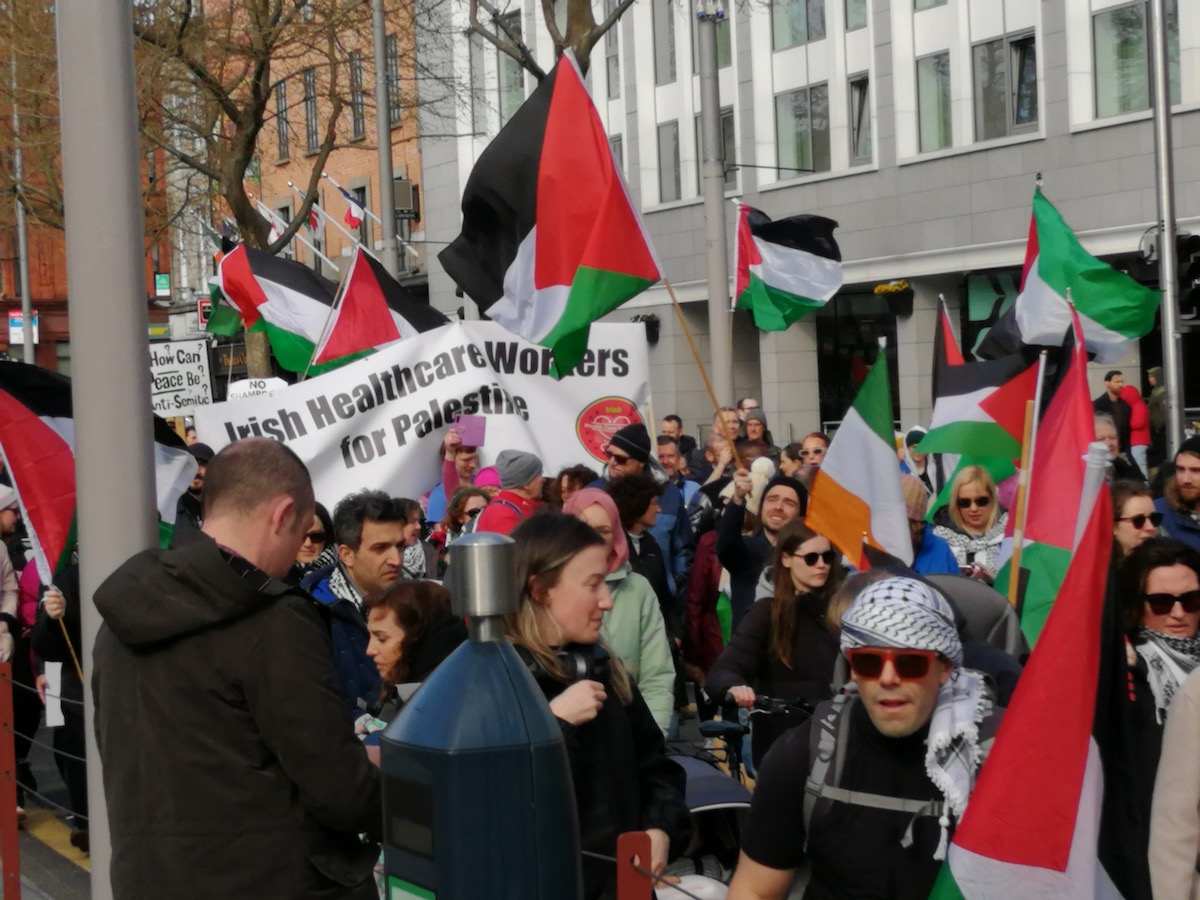
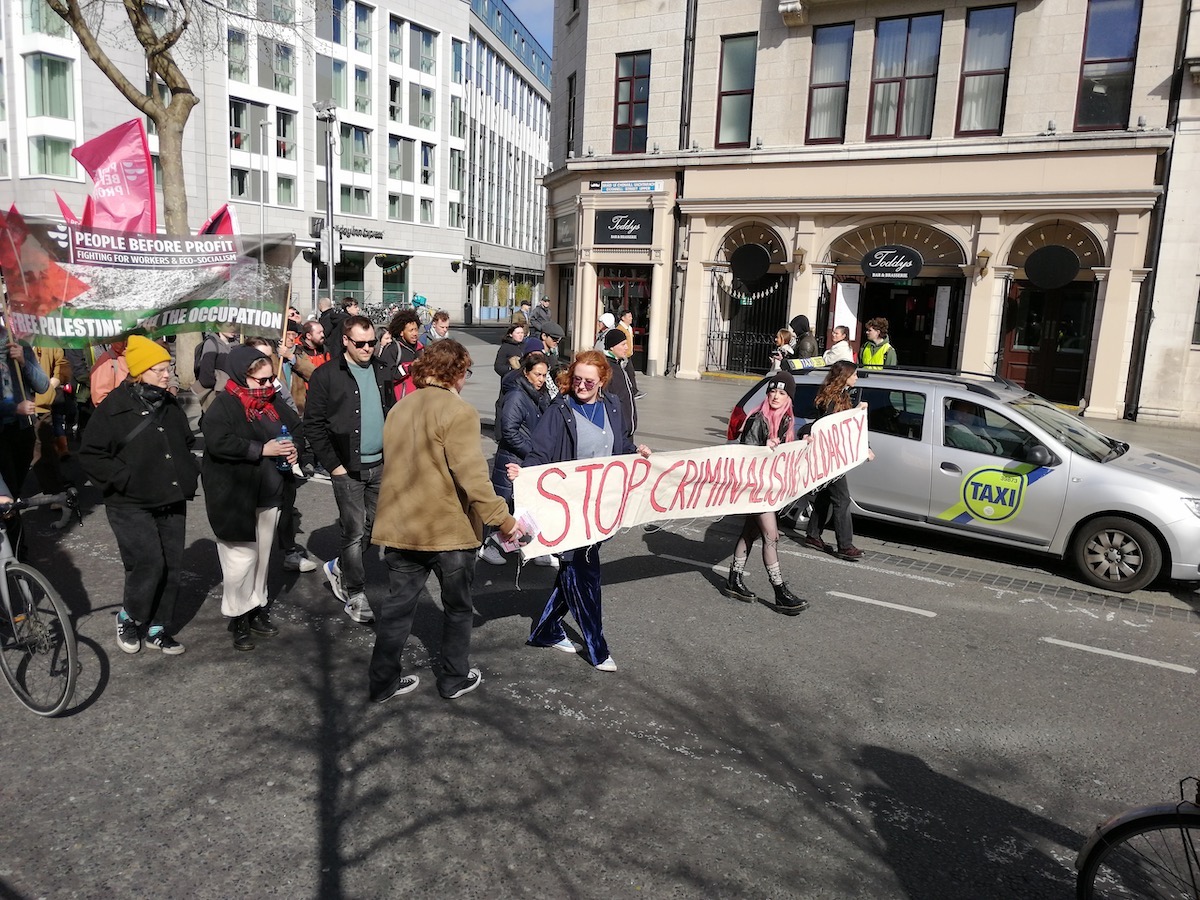

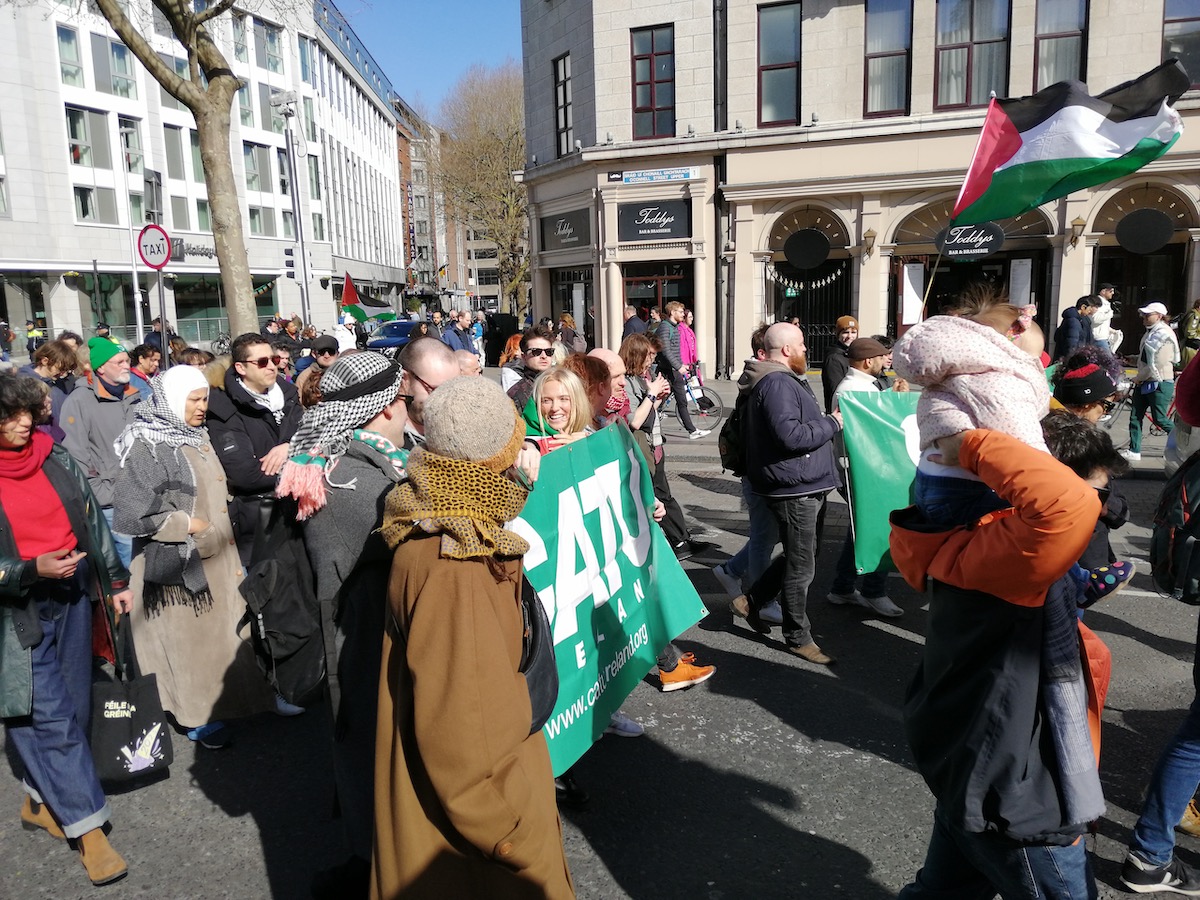

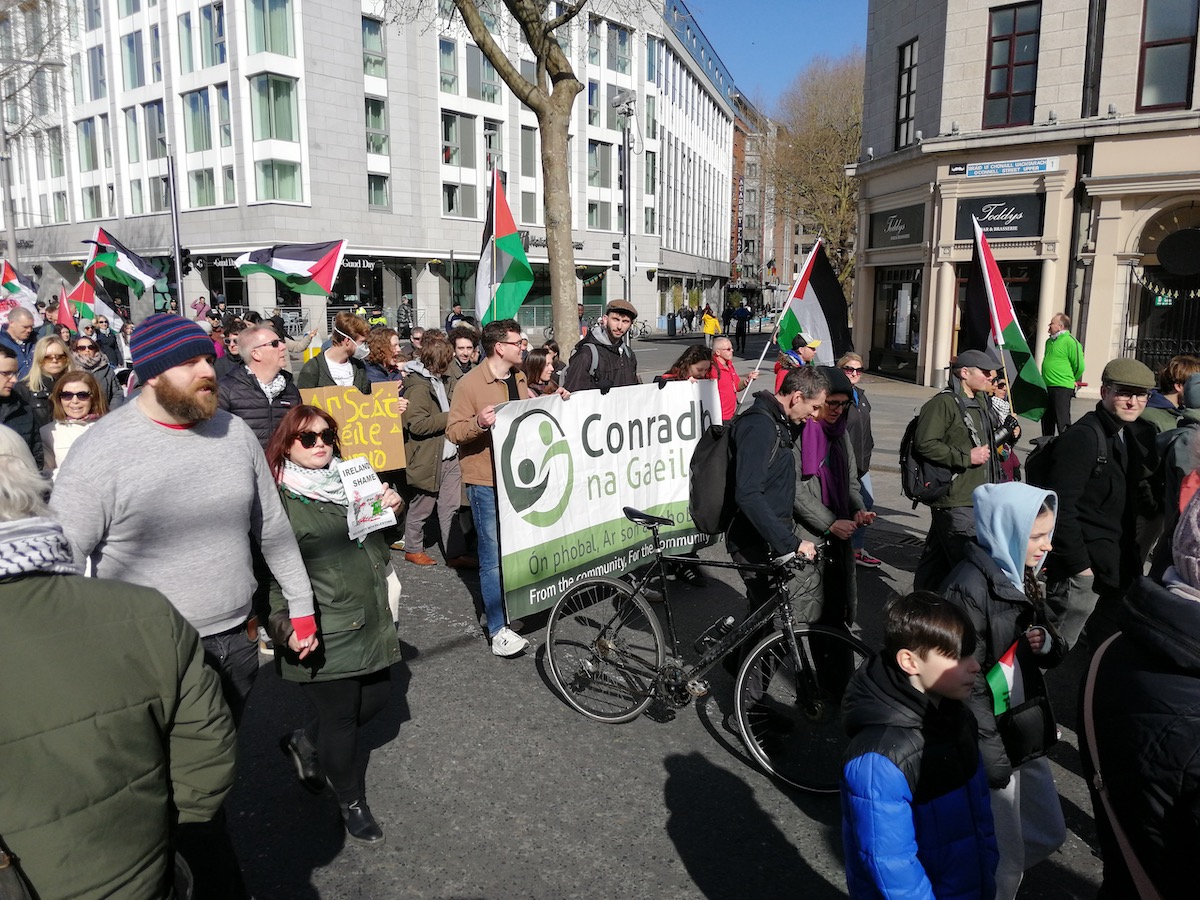
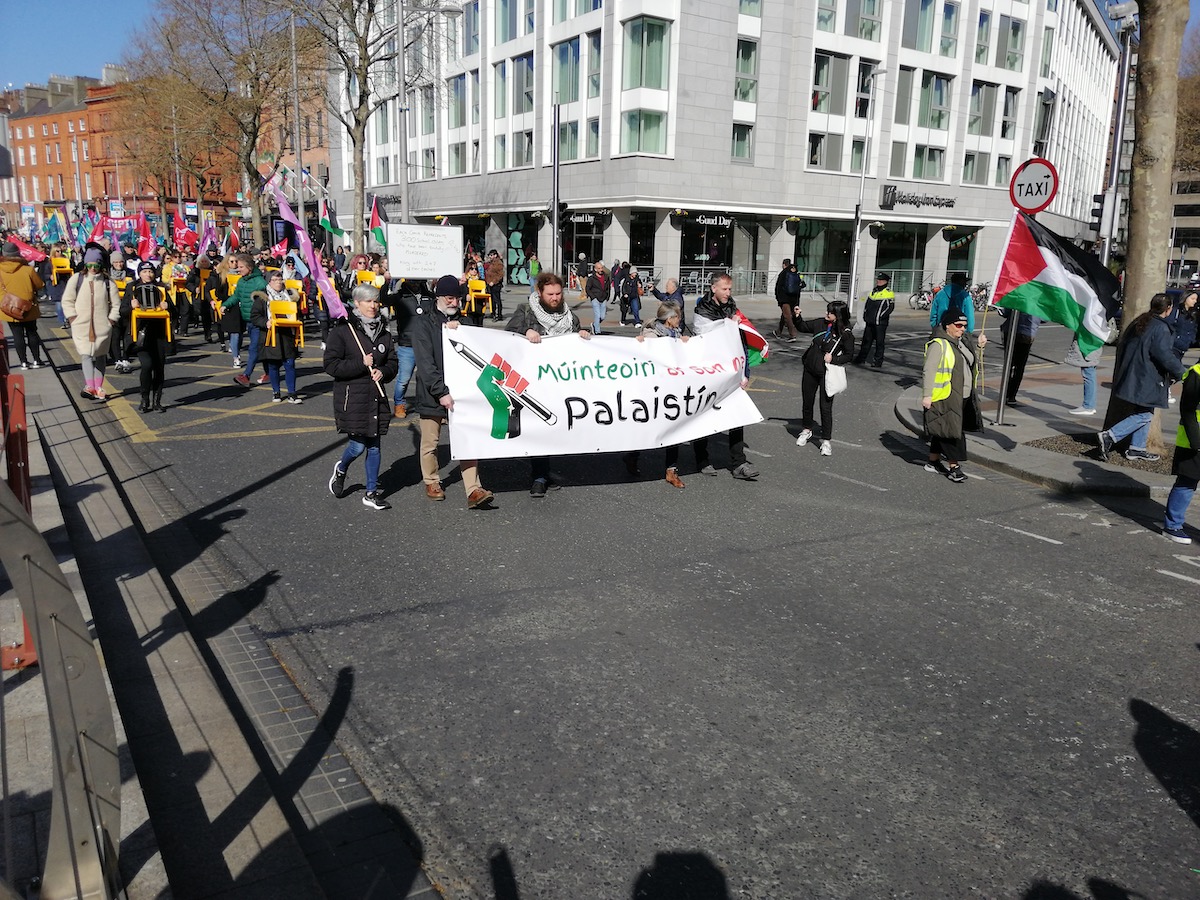
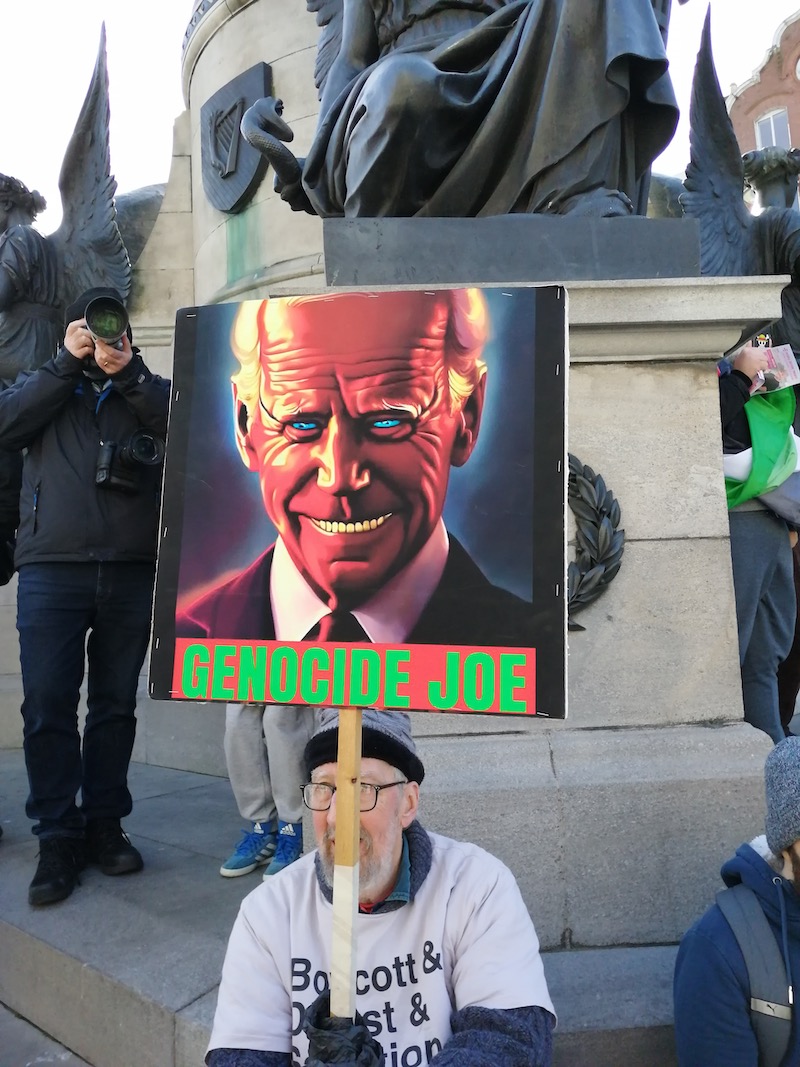

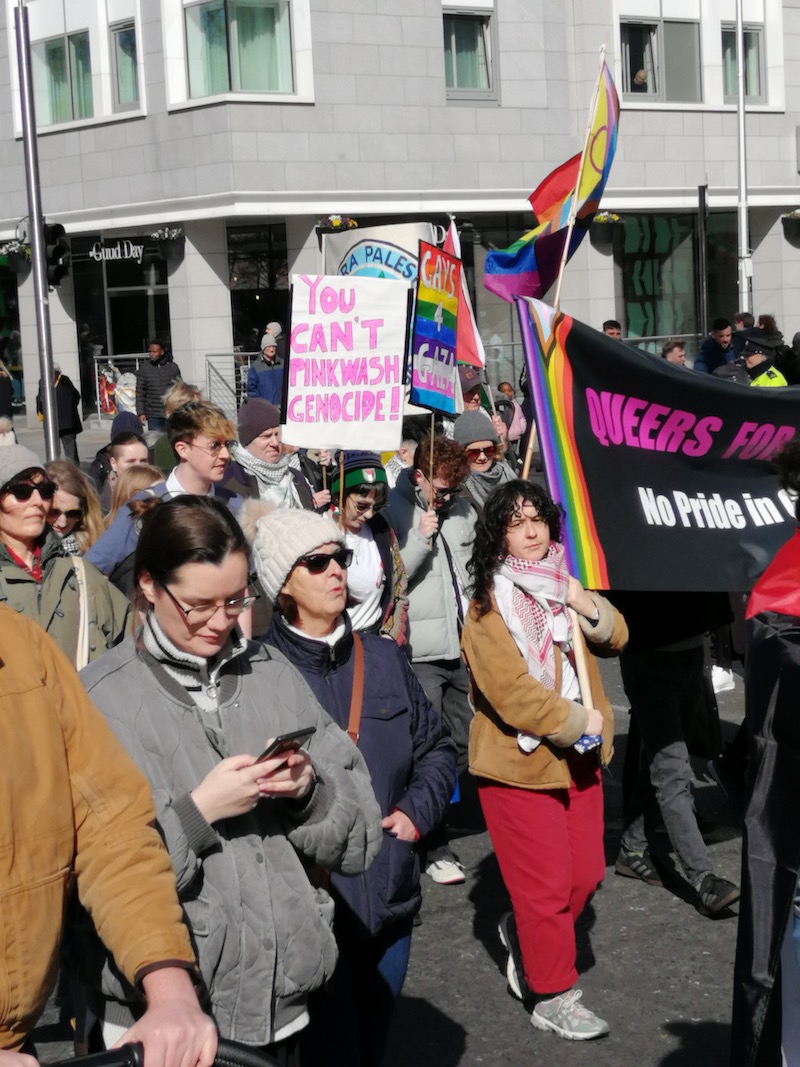

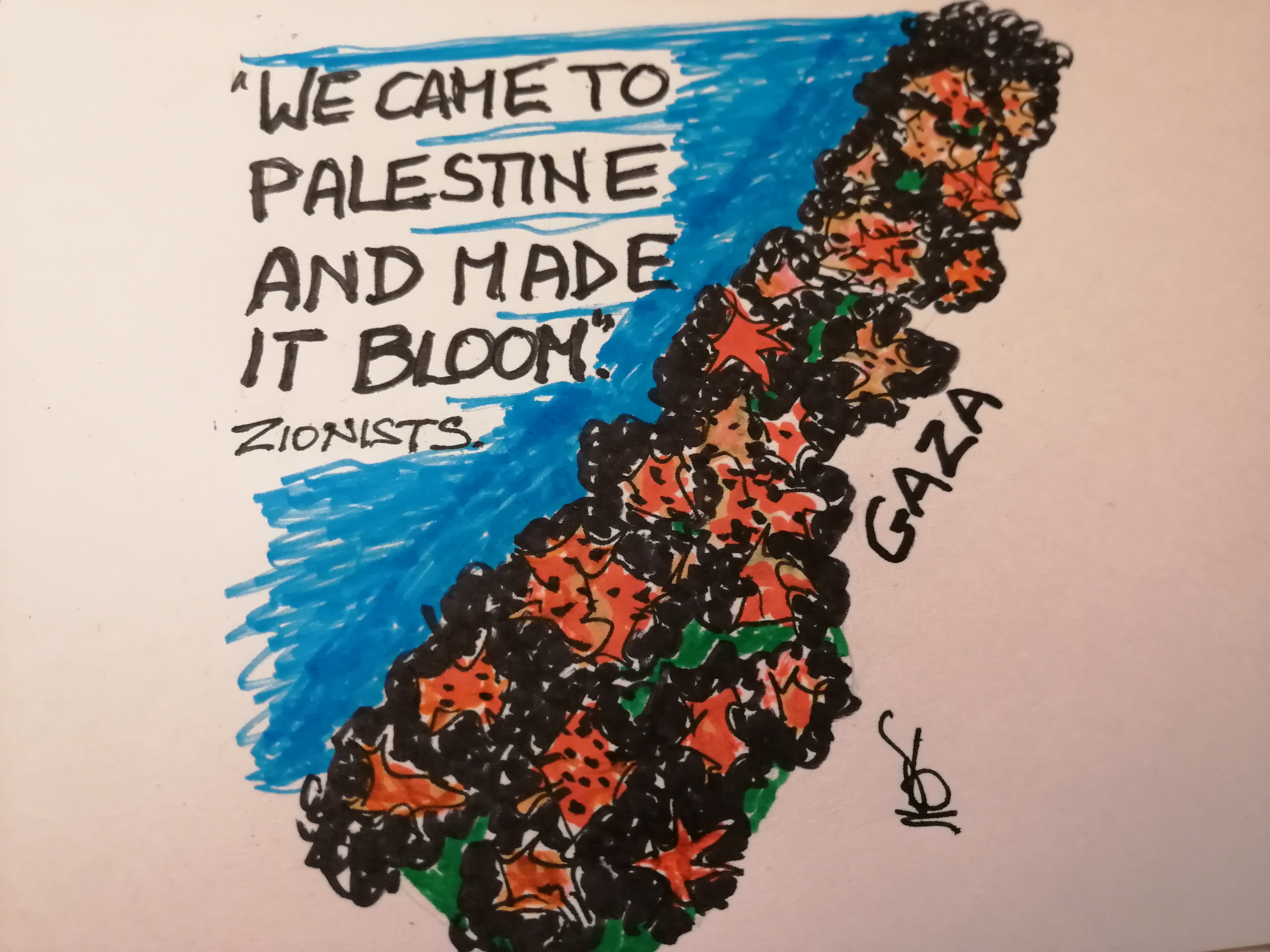


 rebelbreeze