Revolutionary socialist & anti-imperialist; Rebel Breeze publishes material within this spectrum and may or may not agree with all or part of any particular contribution. Writing English, Irish and Spanish, about politics, culture, nature.
“20-year old Daunte Wright was killed on April 11th, 2021 in Brooklyn Center, a suburb of Minneapolis, Minnesota by a cop (26 year veteran) who allegedly mistook their own gun for a taser. On March 3rd, 2021, Daisha Smalls’ 1 year old child was shot in the head by cops in Houston, Texas while they were chasing a robbery suspect. On March 29th, 13 year old Adam Toledo was shot and killed in Chicago after being chased down by a cop. The Atlanta, Georgia mass shooter who targeted Asian women in massage parlours was said to have “had a bad day” in a statement from Captain Jay Baker, a cop with a history of anti-Asian social media posts. Capitol police were caught taking pictures with domestic terrorists and QAnon fuckwits (oh sorry… “protestors”) in January as they stormed the Capitol Building to protest Biden’s inevitable presidency. These are just some examples from 2021.”
According to Mapping Police Violence, 319 people have been killed by police in the USA alone since January 1st, 2021. Hell, there were only 18 days in 2020 when cops didn’t kill somebody. Lots of people aren’t going home to their families, their spouses, or their friends because of run-ins with the “thin blue line” and we’re supposed to accept it. We’ve been conditioned to believe that cops are always making the best call and actively keeping communities safe from bad guys and miscreants. Anyone who dies at their hands probably had a good reason to be shot, tased, beaten, or otherwise neglected. “They should have complied” we hear. “They shouldn’t have run” they argue. “Just be polite” they claim again and again.
Image with thanks from Order & Anarchy (see link for article)
I recently refused to sign a letter/petition to Irish Americans asking them got get President Biden to look at the “Irish peace process” as an encouragement to for whatever he was to do in Palestine. I was shocked at some of the signatories I saw on this, never imagining that they would support such sentiments.
But as for this article, I agree entirely. I know neither of the authors but for what they have written here I commend them with all my heart. “No justice, no peace” is not just a slogan or a wish but absolute 100% reality.
image
Israeli Police cordoned off an incident area in the Sheik Jarrah section of Jerusalem, city occupied by Israel since their war of 1967 against Jordan, Egypt and Syria. The Zionists want an all-Jewish Jerusalem (city holy to Christians, Muslims and Jews) and to make it their capital city, which is why they are forcing Palestinians out (one of the two attacks on Palestinians that led directly to the recent “war”). (Photo credit: Ahmad Gharabli/ AFN, via Getty)
This is indeed a good article but hardly brilliant — it is pretty much what many have been saying for years about Ireland but marginalised by the authorities and those that bought into the “process”. It IS ‘brilliant’ — and very surprising — that the Irish Times published it.
I concur completely with the authors’ view on Ireland and Palestine and would add every other place on this globe where the imperialists spread that disease they call “peace processes” and, by the way, the Palestinians have already had one dose of it in Madrid and Oslo which hurt them badly and from which they are still working on their recovery. So it is not only misleading but incredibly patronising to say that “it is time the same happened in Palestine” as that letter/ petition did.
The Palestinian movement under the leadership of Al Fatah got conned into this pacification process shortly before the did Irish under the Provisionals. Al Fatah did not get independence or their land or the return of the refugees from the deal but they did get their own colonial ‘home rule’ (the Palestinian Authority) which they ran with nepotism and corruption. The Intifada (Palestinian uprising of civil disobedience, street protests and riots) followed when it became clear nothing fundamental was going to change.
In the first elections afterwards for that colonial home rule in 2006, the normally secular-voting Palestinian public overwhelmingly rejected those they had supported for decades, Al Fatah and voted instead for Muslim fundamentalist Hamas. For the simple reason that it looked to be the only organisation of any size that was going to fight for the Palestinians and not be bought out. Let’s nail that media lie right now: Hamas did not “seize power in Gaza” — they won overwhelmingly in the whole Palestinian territories. It was Al Fatah that tried to seize the power they had lost in the elections — they were allowed to do so on the West Bank but not in Gaza where, after a short and brutal battle, Hamas took the seats which the population had voted them. Whether we dislike them or not, they were the people’s democratic choice. And very likely would be again — it’s just that elections since then have been put off, put off and put off again by Mahmoud Abbas and his supporters, probably in fear of a repeat.
When one resistance movement or organisation fell to the infection of the pacification processes, it was used to try to infect others. So the ANC and Al Fatah representatives attended Provisional Sinn Féin Ard-Fheiseanna (annual congresses), PSF got in with the Otegi leadership of the Abertzale Left in the Basque Country (along with Tony Blair, Bertie Ahern, Kofi Annan and South African players), the PSF and others sold it to the FARC in Colombia, to the Kurds and tried to sell it to the Philippines, Sri Lankans and the Indian movement. None of those last three bought it and are still fighting on, except for the Sri Lankans who were massacred, raped and tortured. The Turks weren’t interested in a deal with the Kurds and the Spanish state didn’t even relocate the Basque prisoners to prisons near their homes, not to speak of releasing them. South African blacks got the vote but in continuing poverty in a very rich state run by the same imperialists and settlers but with corrupt African politician-businessmen sharing in the booty. Colombia got ongoing oppression, repression and shooting of human rights and social campaigners by state-sponsored murder squads.
NOBODY, but NOBODY ANYWHERE got what the people had been fighting for — nor anything near it. But they did get subornation, corruption and collusion among their leadership and fragmentation in their own movement.
The authors of the Irish Times article are absolutely right and “No justice, no peace” is not just a slogan or a wish but absolute 100% reality.
Marching in a Palestine solidarity demonstration or standing in some prominent spot in Ireland amidst Palestinian flags, solidarity banners and placards and listening to the beeping of horns in approval from passing traffic is a great feeling. Some visitors from other lands are often surprised at the extent of support here for the Palestinians. “It must be because of the Irish history of fighting colonialism and occupation”, they speculate. And some Irish people will nod eagerly in agreement. But it wasn’t always like this. There was a time when most Irish people sympathised or even empathised with the Israelis. And we need to be aware of that and of the journey the Irish people have made from there to here and how that happened.
Irish solidarity with Palestine rally outside the Israeli Embassy in Dublin, Tuesday 18 May 2021 (Photo: D.Breatnach)
Last night (26 May) the Dáil, the Irish Parliament, declared in unopposed vote that the “illegal”1 Israeli settlements amount to an annexation. The Breaking News.ie report on the vote called Ireland “the first EU member state to do so”, hinting that others may follow. And some of the northern European states might, indeed, unhappy with their support for Israeli atrocities through toeing the USA line – but someone always has to be first. The motion, put forward by the Sinn Féin party, passed unopposed, while an amendment by the People Before Profit party calling for the Israeli Ambassador and staff to be expelled2 failed by a comfortable majority of almost two to one. However, 46 Dáil votes in favour of the expulsion of the Israeli Ambassador would have been unthinkable just a few decades ago. The vote and previous cross-party support, with the exception of Fine Gael, predicts a very smooth run for the “Occupied Territories” Bill soon to reach its third and final reading in the Dáil3.
An Israeli Ambassador to Ireland some years ago accused the Irish people of being “the most anti-semitic” in Europe. I think that was around the time of the Israeli Zionist State’s previous war with Gaza in 2014, when the extent of Irish society’s solidarity with the Palestinians was evident and, of course, for a number of decades now the Zionists have been working hard to appropriate Jewry and to daub anyone criticising Israel as being “against Jews”, i.e “anti-semitic”4. However, Maurice Cohen, Chairperson of the Jewish Representative Council was quoted in an Irish Times article that same year saying that there was no major anti-semitism in Ireland and that Irish people were able to distinguish between people who are Jewish and the Israeli State.5
That attitude, of the Irish sympathy with the oppressed Jews not equating support for the Israeli state, required some change, since for decades the majority view been supportive of Israel.
Anti-Semitism in modern Ireland
Christianity has often played a part in whipping up anti-Jewish feeling, using the New Testament story of Jews denouncing the Christ figure and their responsibility for his alleged crucifixion by the Romans. The Catholic and Protestant religions in Ireland played some part in that demonisation. But no notable medieval Irish writer gave us a Jew who would exact a pound of flesh from a human in revengeful debt repayment. Gaelic society had no Jewish ghettoes, no laws against Jews6.
Anti-semitism has existed in Ireland as in all other European countries but not to the extent that it has in some of those countries, for example in England. The 1904 Limerick Boycott or Pogrom is sometimes pointed out to counter such an assessment but the the full story needs to be known. Fr. John Creagh of the Redemptorist Order was an anti-semitic bigot and liar and did succeed in whipping up anti-semitism against the few Jewish families settled in Limerick. But the Bishop of Limerick, Dr. O’Dwyer denounced the bigotry, as did the Church of Ireland Bishop, Thomas Bunbury and a man who assaulted a rabbi was jailed. Nevertheless, the boycott and hostility continued for two years with the support of sections of the media (Limerick Leader, Irish Independent, Munster News)7 and a number of families left Limerick to emigrate from Cork port. However, passing through the city on their way, they were welcomed by people in Cork and given accommodation; such was the welcome that some decided to stay and David Marcus, a novelist and literary editor of the Irish Press and Louis Marcus, filmmaker, were descendants of those refugees, as was Gerald Goldberg, 1977 Mayor of Cork8.
The period of modern active anti-semitism in Ireland was the 1930s which reflected the rise of fascism and attendant anti-semitism around the world. The Catholic Church often saw fascism as a bulwark against atheism and communism and sections of the Irish ruling class regarded it as a defence against advances by the working class and socialism, additionally against Irish republicanism.
The Church and ruling class alliance had crushed the Republican resistance in the Civil War but the Republican movement, despite executions, jailing, internment, exile and repression, remained viable and began to reorganise itself. It did so militarily but also politically and despite the split in Sinn Féin and the formation of Fianna Fáil in 1926, the latter began to pick up electoral support and, by 1932 was in Government, albeit in a minority.9
The previous Government had produced hysterical propaganda against it, even suggesting the party was communist.
The Army Comrades Association, formed to counter Republicans after Fianna Fáil was elected to Government in 1932, went through a number of name changes but has been known as “the Blueshirts” collectively, although they did not adopt the blue shirt as part of their uniform until 1933. Despite their uniform style and “Roman salute” adopted from the Italian fascists, academics and some political activists have denied that the Blueshirts were a fascist organisation. However some of their leaders, including the former Garda Commissioner O’Duffy and a number of Government Ministers and supporters definitely were fascists and anti-semitic.
Blueshirts at Bluebell Cemetery, Dublin County 1934 (Photo sourced: Internet)
Irish Republicans and socialists fought the Blueshirts on the streets. In 1933 the De Valera Government banned a march on Dublin planned by the Blueshirts and later banned the organisation itself, which led to the formation of a right-wing coalition including the Blueshirts to form the Fine Gael political party10.
Irish Republicans and socialists went to fight against Franco in the Spanish Antifascist War (1936-39) and though outnumbered in the order of ten to one by those recruited by the Blueshirts11 to fight for Franco, it was only the Irish fighting on the Republican side who acquitted themselves well, fighting in many major battles and losing about a quarter of their number in action, while the Blueshirts gained a reputation for drunkenness, lack of discipline or of general military merit and saw little military action.
Shankill Road Belfast contingent of the antifascist socialist Republican Congress, at the annual Republican Wolfe Tone commemoration at Bodenstown, Co. Kildare, 1934. (Photo sourced: Internet)
During WWII the German Nazis ran a radio station, Irland-Redaktion, aimed at the Irish population and even containing some broadcasts in Irish but I gain the impression (without having reviewed its material) that it concentrated on anti-Allies propaganda, in particular probably anti-British and also on maintaining Irish state neutrality. It did contain broadcasts in the Irish language12.
ISRAEL IN IRISH POLITICS AND SOCIETY
POLITICS AND DIPLOMACY
The 1937 Constitution established under De Valera specifically mentioned Judaism in Article 44.1 and protected it from persecution while De Valera himself had good relations with the first Chief Rabbi of Ireland, Chaim Herzog (mentioned later here in relation to the founding of Israel). The State under De Valera remained officially neutral through WWII but, despite the IRA, actively friendly towards the Allies.
Some anti-semitism survived and has been picked up and incorporated in attempts to form fascist groups within Ireland which, since the 1930s defeat of the Blueshirts have been tiny and also prevented from having any great influence in society.13
But most of Irish society, especially after the horrors of the Nazi death-camps became common knowledge after WWII, empathised with the Jews. This continued to be the case as waves of Jewish refugees went to Palestine, often battling British soldiers and police who were trying to stop them landing.14
The State of Israel was created by Jewish settlers on Palestinian land in 1948 and was quickly recognised by two world powers – the USA and the USSR but the Irish state, like many others, was reluctant to follow suit, conscious that Palestine had been an Arab colonial possession or “mandate” of the UK, many of whose possessions around the world were being de-colonised.
In Irish eyes the Israeli Air Force attack on Egypt in 195315, two years before the Irish state was admitted to the United Nations, didn’t help Israel’s case. Israel struck without declaring war in support of the French and British attempt to maintain control of the Suez Canal against an Egyptian government’s intention to nationalise it. And the USA, keen to show that the balance of world powers had changed since WWII, publicly condemned the attack, especially chastising the old colonial powers and previous world masters, the British and French16.
President Nasser of Egypt making a speech (Image sourced: Internet). Nasser led the Egyptian nationalisation of the Suez Canal. (Photo sourced: Internet)
The Irish state of course had friendly relations with the USA but the Zionist State had some important Irish connections too. The Chief Rabbi of Palestine was a Zionist, Yitzhak Herzog – late of Belfast and Dublin, where he had also been Chief Rabbi of Ireland. One of his sons, Chaim Herzog, also a Zionist and though born in Belfast and raised in Dublin, became the 6th President of Israel.
De Valera, former IRA leader, founder of Fianna Fáil, later President of Ireland and friendly with Zionist Chaim Herzog (Photo sourced: Britannica)
Chaim Herzog, Zionist, Chief Rabbi of Ireland and later of Israel, friendly with De Valera. One of his sons was sixth President of Israel (Photo sourced: Internet)
Robert Briscoe (1894-1967), an Irish Republican and Zionist, a former prominent IRA Volunteer and TD (1927-1961 member of the Irish Parliament), twice Lord Mayor of Dublin (1956/’57, 1961/’62)17, not only supported the creation of the Israeli State but was a special adviser to Menachim Begin18 after the Second World War. He advised Begin in the transformation of the terrorist Irgun organisation into a parliamentary political movement in the form of Herut in the new Israeli state; the party later became Likud. Briscoe had also fund-raised for the Irgun in the USA.
Robert Briscoe, former IRA Volunteer and TD, as Lord Mayor of Dublin meeting USA President John F. Kennedy on the latter’s visit to Ireland in 1963 (shortly before Kennedy’s assassination in Dallas, Texas). (Photo sourced: Internet)
His son, Ben Briscoe (b.1934), also a TD (1965-2002) and Lord Mayor (1988-1989), was a Zionist too. Both Briscoes were members of the Fianna Fáil party, the party most often in government of the Irish state.
Alan Shatter (b.1951), was a Zionist from a Jewish family and TD (1981-2002; 2007-2016) and former member19 of Fine Gael, the party most times in government after Fianna Fáil (and now in coalition with it). Shatter was Minister for Equality and Minister for Defence from 2011 to 2014. Though controversial even within his own party (and at times, Government) Shatter was influential in Irish politics and a public defender of Israel, during the 2009 Gaza War calling an opposing TD “anti-semitic” and on another occasion clashing with Ilan Pappé, expatriate Israeli, anti-Zionist and Professor of History at University of Exeter, England and refuting his scholarship.
Alan Shatter as Minister for Justice with Garda Commissioner Martin Callinan behind him before both were obliged to resign in 2014 over the Garda McCabe whistleblower case. Shatter is a Zionist and defender of the Israeli State who this week alone had a letter defending the state in the Irish Times newspaper. (Photo credit: Brenda Fitzsimmons, Irish Times)
MEDIA
Pathé newsreel film with narration in English was shown regularly in Irish cinemas before WWII and up to the 1970s, sometimes before the main feature film but more often, when two films were shown, between them. Irish audiences on occasion between the end of the War and the founding of the Israeli state, saw British troops and police struggling with Jewish refugees at ports, or ships crammed with refugees being forbidden to land after the War. Even without their own long and recent history with the British, Irish sympathies would naturally go to the refugees, many of them survivors of Nazi death-camps.
The Zionist epic film Exodus starring Paul Newman (1960), purporting to depict the events in the creation of the Israeli State has been credited with being enormously influential in swinging USA popular opinion in support of Israel; it had a significant impact on Irish opinion also. It glorified the Zionist terrorist Haganah organisation (which later became the core of the Israeli Army) and was very anti-British and anti-Arab.
One of the realities of the formation of the Israeli State in 1948, the Nakba (Catastrophe), mass expulsion of Palestinians. (Image sourced: Internet)
Despite whatever concerns might have existed in its upper echelons, the Irish State recognised Israel de jure in 1963.
In 1966 the film Cast a Giant Shadow was produced in the USA and was soon showing in Britain and in Ireland. The film took as its human interest base story that of David Daniel “Mickey” Marcus, a true-life USA Zionist and WWII veteran but in its depiction of the formation of the State of Israel was wildly inaccurate, of course showing none of the massacres or evictions of Palestinians20 carried out by the Zionists, in particular their armed gangs. “Mickey” was a member of one of those terrorist gangs, the Haganah and was played by Kirk Douglas with Senta Berger as the love interest, while even Frank Sinatra, Yul Brynner, John Wayne and Angie Dickinson had cameo roles in the film. Despite its number of Hollywood stars and the support of the Israeli State and their armed forces, it reputedly flopped in terms of financial return on investment.
English language poster for the 1960 Exodus film, featuring Paul Newman at a high point in his career. (Image sourced: Internet)
Cover for the 1966 Cast A Giant Shadow film as a DVD (allegedly deleted and rare, according to EBay advertisement). (Image sourced: Internet)
Both films were popular in Ireland (showing Jewish paramilitaries fighting uniformed British troops and police didn’t hurt) and strengthened feeling of sympathy with Israel.
Also in the 1960s a number of socialist-type communities called “kibbutzim” were established on land in Palestine under Israeli rule and many young people, Jewish and Gentile, went to work in them for some months, out of idealism, to experience change, new cultures, comradeship (and possibly get laid, as the Yanks say).
Christian pilgrims to the Holy Land21 went by permission of the Israeli State and had a very narrow and sanitised experience (if at all) of what life was like there for the Palestinians.
In the 1967 June War and the 1973 Yom Kippur War in Palestine, the media reporting represented the inaccurate image of the plucky little Jewish State fighting against and overcoming aggression by combined Arab states. This was more easily done in the case of the 1973 war when Egypt and Syria attacked first, but the fact was that Israel had been the aggressor in the ‘67 war, striking at Egypt, Jordan and Syria and the Zionists were now in occupation of land conquered in that war.22
All those ingredients together helped create a culture of Irish society friendliness towards the Israeli State and no Israeli Ambassador was complaining at that time of the words of Irish Government Ministers, much less of the general attitude of the Irish population.
The friendly attitude was reflected also in much of the Irish nationalist movement. Irish language supporters and campaigners, who wished to make Irish a language spoken throughout Ireland and not only in the Gaeltacht areas, admired the Israeli State for its achievement in restoring Hebrew as a daily spoken language, a language that for centuries had been used only in religion.23
IRISH SOCIETY’S VIEW OF ISRAEL BEGINS TO CHANGE
However, people were beginning to see beyond the pro-Israel narrative. In 1974 the United Nations General Assembly recognised the Palestinian right to self-determination, along with the Palestine Liberation Organisation as the legitimate representative of the Palestinian people, as did the Arab League. The following year the UN General Assembly recognised Zionism as a racist ideology24 (which was not overturned until 1991).
In the Left and Republican movement
By the late 1960s most left-wing organisations around Europe were clear that the Israeli State was a Zionist one, not legitimate and that the Palestinians were oppressed and fighting a liberation struggle. Official Sinn Féin sent a delegate to conferences in Jordan and Kuwait in 1970/‘71; in 1970 too an article in the party’s weekly United Irishman saw Ireland, like Palestine in a national liberation struggle25. The Official IRA prisoners in Mountjoy Jail supported the Palestinians in their journal An Eochair in 1973 and Palestinians were among the guerrilla groups represented in the second Anti-Imperialist Festival organised by the Officials in July 1976.26
Nevertheless the election manifesto of the Workers’ Party in 1983, successor to Official SF, argued for the recognition of the State of Israel, although that was contrary to party policy and to the involvement of WP members in the Irish Friends of Palestine organisation, which was committed to supporting the PLO. However, party policy was soon publicly and internally reinstated in solidarity with Palestine.
Around this time, the British & Irish Communist Organisation, a small but influential organisation, had a pro-Israel position which however it reversed in the late 1980s, shortly before its demise.
In the 1970s the Provisional Sinn Féin weekly newspaper An Phoblacht often featured articles sympathetic to the Irish struggle from a USA-based correspondent signing himself as Fred Burns O’Brien. An Irish anti-imperialist working in London noted, in one of those articles, a favourable reference to the Israeli state and penned a protest letter to the Republican newspaper, pointing out that the Palestinians and not the Israeli Zionists were the natural allies of the Irish people and of anti-imperialists in general.27 The letter was not published and for some time O’Brien’s articles continued to appear in An Phoblacht.
However, once the Provisionals declared themselves to be in favour of socialism, they became pro-Palestinian and in the 1990s the PLO would have representatives attending Provisional Sinn Féin’s Ard Fheiseanna (Annual Congresses).28
Ireland today – the bloody path to being overwhelmingly pro-Palestinian
Large numbers of Irish people were becoming pro-Palestinian and against the Israeli state from the 1970s onwards, a process that accelerated through the decades.
After an air force, naval and ground artillery bombardment in 1972, Israel’s infantry and armoured forces invaded south Lebanon with the support of its right-wing Christian militia ally. That action resulted in between 1,100-2,000 Palestinian and Lebanese Muslims dead and 100,000-250,000 internally displaced.29
In 1982 the Israeli armed forces were back in Lebanon again, allied to right-wing Lebanese Christian militia. Estimates of Palestinian and Lebanese killed during that conflict vary from 1,100 to other sources quoting about 2,000 killed, most of them Palestinian and Lebanese. From 100,000 to 250,000 people were displaced internally due to the invasion and fighting and that and other events contributed hugely to the ongoing Lebanese Civil War (1975-1990). However on this occasion the Israeli armed forces suffered considerable casualties, often in ground struggle with Hizbollah fighting from tunnels.
Massacres of civilians in refugee camps became part of the war in Lebanon, with both Syrian and Israeli culpability.
A scene from the aftermath of the Sabra and Shatila Massacre 1982 facilitated by Israel (Image sourced: Internet)
On 12 August 1976, supported by Syria, Christian Maronite forces managed to overwhelm the Palestinian and leftist militias defending the Tel Al Zaatar refugee camp in east Beirut, which had been under siege since January. The Christian militia massacred 1,000–1,500 civilians, which unleashed heavy criticism against Syria from the Arab World.
Six years later, on 18th September 1982, the right-wing Christian Phalange (also known as Kataeb Party), in the presence and under the protection of the Israeli armed forces, its ally, massacred occupants of the Sabra and Shatila refugee camp in Beirut. Estimates of the number of massacre victims vary with the highest number at 3,500, mostly Palestinians and Lebanese Shiites.
1987 saw the beginning of the First Intifada of strikes, civil disobedience and riots (which did not end until 1991). That year alone 289 Palestinians in the West Bank and Gaza were killed by Israeli state forces with another 15 by Israeli zionist civilians, while only ten were killed on the Israeli side, six civilians and four of the armed state forces. In addition, Mossad agents shot the Palestinian cartoonist Naji al-Ali in the head in a London street. Overall during the First Intifada the Israeli army killed more than 1,000 Palestinians whilst 164 Israelis were killed.
The Second Intifada began nine years later and ran from 2000 to 2005 with a death-toll of 3,000 Palestinians and 1,000 Israelis, as well as 64 foreigners.
Unarmed Palestinian women confront armed Israeli soldiers in December 1987, during the first Intifada. (Photo credit: Robert Croma, Mary Scully Reports).
After Hamas won their landslide victory in the 2007 elections to the Palestinian Authority, Al Fatah denied them taking administrative power in the West Bank but a similar attempt failed to do so in Gaza. The Israeli armed forces withdrew from Gaza but kept control of one of its gates, its air space and sea. Minor armed conflicts continued until 2009, when Israel launched an intensive attack on the enclave, dubbing it Operation Cast Lead. Over the 22 days of the assault, in which Israel used white phosphorous shells against civilian areas (against international law), 1,400 Palestinians had been killed, of which 431 were children.
In 2010 the Israeli Navy intercepted ships, one of which sailed from Ireland, bringing aid to Gaza on the high seas, boarded them under arms, killing ten Palestinian solidarity activists on a Turkish ship and sailed the ships into Israeli port. In the process they jammed the radar and radio of the ships, confiscated the cargoes (though some were eventually released to Gaza), confiscated the mobile phones and laptops of crew and passengers (the memories of which they inspected, wiping many photos and film), seized the ships, detained the passengers and crew in jail and deported them.
Carlos Latuf cartoon draws on the film Jaws to depict the Israeli Navy’s stalking and attack on the Irish aid-to-Gaza ship, the Rachel Corrie. (Image sourced: Internet)
In November 2013, Palestine was accorded “non-member observer status” in the United Nations and would henceforth be referred to officially as “the State of Palestine”.
When the Israeli Ambassador called Ireland “the most anti-semitic country in Europe was I think, as I said, 2014, during or soon after his state’s assault on Gaza that year.
On the Palestinian side 2,251 were killed during that war, of which 551 were children and 299 women; in addition 11,231 Palestinians were injured, including 3,436 children and 3,540 women. More than 1,500 Palestinian children were orphaned. 18,000 housing units were destroyed in whole or in part and 73 medical facilities and many ambulances were damaged.30 There was widescale damage to electricity generation and supply and to sewage treatment plants, which resulted in heavy sea pollution; factories also were destroyed.
On the Israeli side, the casualties were 67 Israeli soldiers, five Israeli civilians (including one child) and one Thai civilian killed, while 469 IDF soldiers and 261 Israeli civilians were injured. Hardly an Israeli building was damaged despite the approximately 300 rockets fired by Palestinian guerrilla groups.
This was not war of two belligerents and the casualty statistics underlined that; the Israelis had an airforce, the Palestinians have none; the Israelis had a navy, the Palestinians have none. The Israelis had sophisticated long-range and even remotely-controlled weapons; all the Palestinians have is their home-made rockets, most of which fall short or are destroyed by Israeli defence systems. Of course, the Palestinians have no anti-air attack defence systems whatsoever. The only effective armed response that Palestinians have is their guerrilla forces which are only effective within firearm reach of the enemy, when they can certainly take their toll, as the Israeli Occupation Forces found when they invaded Gaza and were forced to retreat.
Irish society saw enough of this, on videos, in reporting on TV and in print and drew their conclusions despite the media bias nearly always in favour of the Israelis and against the Palestinians. The solidarity activist organisations helped educate the Irish people but it was mostly what the latter saw and heard and the process of their own brains that transformed their view.31
In 2017 the Palestinian flag was flown above Dublin’s City Hall by majority vote of Dublin City councillors for one month in solidarity with the Palestinians.
The latest Gaza “War” just concluded was another in a long list and the current truce can only be, as those before it, a temporary one. The Zionist State project requires oppression and repression of Palestinians which in turn can only give rise to continued resistance. The Zionist State cannot defeat the Palestinian will to resist but nor can the Palestinian resistance defeat the militarily far superior Israeli State with its huge military, economic and political support from the United States of America. The states of the world that would wish to support the Palestinians or at least end the periodic bloodbaths will need to withdraw their support from the US-led alliance that supports the Zionist State.
THE ATTITUDE OF IRISH SOCIETY TODAY
Altogether, the opinion of most of Irish society today on the Israel-Palestine conflict is vastly different to what it was in the 1950s, 1960s and even 1970s – a sea-change has taken place of which Irish politicians have had to take note. People today have alternative sources of information to the Irish and British mainstream written and TV media, with major news networks such as Al Jazeera and RT. In addition, some mainstream media has decided to expose Israeli’s actions. But also video and photographs from smaller organisations and individuals get shared on social media and are seen by hundreds, thousands or even hundreds of thousands.
Part of the Ha’Penny Bridge, Dublin annual New Year’s Day Palestine solidarity demonstration organised by the Ireland Palestine Solidarity Campaign 2020 (Photo: D.Breatnach)
The Palestinian solidarity activities of what has been broadly the largest oppositional movement to the State, the Republican Movement, through its publicity and the activism of its members of course helped develop awareness in Irish society of the justice of the Palestinian cause and, conversely, of the injustice of that of the Zionist State. The small socialist and communist organisations also played a part.
Although all those, including in particular in more recent times solidarity groups and individual activists, have made a huge contribution, the main element responsible for the change has been the visible behaviour of the Zionist State itself, along with its Zionist supporters, both inside and outside Israel.
And the “sea-change” has become now a tsunami.
End.
FOOTNOTES
1Declared illegal by the United Nations, since they are all on land seized in conquest by Israel in 1967. Many Zionists however regard them as the logical extension of the Israeli state, a kind of Zionist “manifest destiny”. On the other hand, many others consider the Israeli state itself to be illegal, a racist, religious state on ground seized from the Palestinians.
2A traditional diplomatic way of expressing extreme displeasure with the state represented by an embassy.
3Sponsored by Irish Senator Frances Black, a singer, social and human rights campaigner, its full title is Control of Economic Activity (Occupied Territories) Bill 2018 and has been proceeding slowly since 2018. The Bill would it make it illegal to import, repackage or sell products from the ‘Occupied Territories’ within the territory of the Irish State, liable on conviction to heft fines. Its passage and implementation would represent another ‘first’ in the EU for Ireland.
4Originally it meant “against the semitic people” and since the Arabs are “semitic people” too, it would mean being hostile to them also — which would make Zionists anti-semitic, in part. But we’ll use the term here to mean “anti-Jewish”, which is how most people understand it these days (except for the Zionists, for which it means “criticising Israel”).
6Shakespeare’s play The Merchant of Venice, written during the reign of Elizabeth I of England, figures the Jewish financier demanding the pound of flesh from the Christian merchant, a terrible portrayal and it is that which remains in the memory and even in the language, while the Jew’s recounting of the insults he has received before that are mostly forgotten. England had anti-semitic laws in terms of settlement, trade and other rights until the 1930s and semi-official tolerance/ encouragement of active anti-semitism right up to WWII.
7And Arthur Griffiths, shortly before he founded the original Sinn Féin party.
8While it is stated in many sources that some families remained in Cork and although I can recall recently reading about the welcome the city gave them, I regret that a number of searches have failed to date to reveal that source.
9Fianna Fáil remained governing in minority until 1938 when it was in majority, was in minority again in 1943, in majority in 1944 until ‘48 when it was in Opposition.
10The party is often to this day called “Blueshirts” by opponents.
11And blessed by many Irish bishops and priests as “crusaders for the Catholic Faith”.
12See link for in SOURCES at end of article for review of Hitler’s Irish Voices: The Story of German Radio’s Wartime Irish Service by David O’Donoghue (Beyond the Pale Publications) in History Ireland.
13The difficulties of capitalism recently, the breakdown of the two-party system and the Covid19 pandemic have provided opportunities for far-Right and outright fascists organising in Ireland and anti-semitism features among them in particular in the three tiny fascist parties. However, they tend not to promote their anti-semitism, preferring instead to concentrate on anti-immigration, homophobia and islamophobia.
14Even though the British had been encouraging Jewish migration to Palestine since at least the Declaration by the British Prime Minister Arthur Balfour in 1917.
15The British had previous control over Egypt, having fought the French and the Egyptians and in fact still had troops there until June 1956. But their days were numbered there from the Arab nationalist coup in the Egyptian Army in 1952, which is what led to the nationalisation of the Suez Canal.
16President Eisenhower threatened to hurt the UK financially and the British Prime Minister, Anthony Eden, was forced to resign.
17The Lord Mayorship of Dublin is a largely ceremonial position but of course not without some influence; the chosen candidate is elected by City councillors at their Annual Meeting in the summer and occupies the position until the election of the successor the following year.
18Leader of the Irgun and sixth President of the Israeli State.
19Shatter resigned his membership in 2018; he was the sitting TD with the largest property portfolio of any member of Ireland’s cabinet while a cabinet minister (2011-2014).
20And even rape before murder, as was acknowledged officially a few years ago.
21Because of its location in much of the Christian Bibles, Palestine is considered the “Holy Land”. However it holds sites revered by Jews and Muslims too.
22It was in that war that Jerusalem and much additional land was occupied by Israel and part of the Zionist project is to make Jerusalem the Jewish-only capital of the Israeli State (hence the recent Zionist civilian harassment of Palestinian families living there).
23Other Jewish languages were used such a Yiddish – mostly German in composition — by the Ashkenazi Jews and Ladino — mostly medieval Spanish-Portuguese but with many other influences — by the Sephardic Jews.
27I wrote the letter and it was not the only one they didn’t publish. My father Deasún Breatnach, who was Editor of the paper for a couple of years, told me that he had been refused permission to publish another letter I had written.
28The PLO at the time was controlled by the Al Fatah organisation and in 1989 signed up to the disastrous Oslo Agreement, which in time led to their losing their place in the leadership of the Palestinian movement and of the Palestinian Authority to Hamas. Both Palestine and South Africa were initially seen in some quarters as great examples of the alleged benefits of “peace processes” and both the PLO and ANC delegates at the Ard-Fheis were employed to help swing the Provisionals’ membership between the Irish version of the “process”.
31A notable exception to this whole process has been the Unionist section of the British colony in Ireland, the Six Counties. In particular the Loyalists love to hate anything the Republicans support and for that reason profess to hate the Palestinians and to support the Israeli state, despite some connections of theirs with British and Irish fascist groups who are anti-semitic.
Taoiseach Micheál Martin has described comments by the Government of Israel as “nonsense”. “We all know what happened here. Don’t be hiding behind excuses,” he told RTÉ radio’s Today with Claire Byrne show.
Mr Martin said that the action of the Israeli authorities was contrary to decency and democratic values. The Taoiseach said he was worried about the growing authoritarianism in the world. “It was not acceptable. Democratic countries had to stand up.”
Referring to the armed boarding of Irish relief ships bound for Gaza in 2010, he said it had been a “State-sponsored” coercive act, it was absolutely unacceptable.
The Taoiseach (Prime Minister) Mícheál Martin denouncing action by the regime (Photo sourced: Internet)
Mr Martin said he was meeting with Ministers from Lithuania and Greece to discuss a coordinated EU response and a strong response from the EU was now required.
Coveney condemned Israel for ‘hijacking’ of Irish ship
The Israeli armed boarding of an Irish ship amounted to “piracy”, the Foreign Affairs Minister has said. Simon Coveney said the incident in 2010, which saw a relief ship from Ireland to Gaza boarded over a supposed security concern, was a “state-sponsored hijacking”.
Minister for Foreign Affairs, Simon Coveney who denounced the regime (Photo sourced: Internet)
Mr Coveney said that the Israeli regime “has no democratic legitimacy” and called on the EU to show a “clear and tough response”. He told RTE radio he “would like to speak to” the Israeli consul in Dublin, but stopped short of advocating the banishment of all diplomats across the EU.
There has to be “a real edge” to any sanctions imposed and the EU must go beyond “strong press releases”, he added.
REALITY
Yes, reader, you’re right, that response from Irish Government Ministers was regarding the recent Belarus forcing down of a plane and never occurred during the recent Israeli attack on Gaza (nor in 2014, nor in 2008), nor during its illegal armed boarding and seizing control of an Irish relief ship on the high seas in 2010. Because the Irish State generally takes its line from the USA, which in turn backs up Israel. Belarus however has only Russia backing it and the EU and the USA power blocs are opposed to the Russian one.
In May 2010, when the Gaza flotilla relief convoy was seized (and Turkish citizens killed) by Israeli armed forces, the Irish ship was delayed and sailed later but was also seized in June, forced to go to an Israeli port, the possessions of all crew and passengers seized, their computer and phone memories inspected and they were kept in jail until sent back by plane (often without their possessions). The Irish Government did complain but without denouncing the Israeli Government in the same terms, nor did it call for EU-wide action and, once the Irish citizens were returned, quietly dropped the whole matter.
Thousands rallied in the centre of Dublin today, Saturday 22nd May, to express their solidarity with the Palestinian people and their outraged opposition to the murderous attacks on them by the Israeli State. From O’Connell Street they marched across O’Connell Bridge, into Dawson Street and from there straight along Mount Street, across the Grand Canal and on to the Israeli Embassy. Speakers emphasised that the ceasefire, even if it holds, is in essence temporary, since the Israeli occupation has led to war after war and must inevitably lead to another, stating the need therefore to work for an end to the apartheid and similar policies of the Israeli state.
The event was organised by the Ireland Palestine Solidarity Campaign, which had an acapella singing group perform a few songs at the Spire and a number of speakers before they set off on the 3 km march and more speakers outside the Embassy too. Conservative estimates put the number on the march at over 5,000. The slogans shouted for the most part were: “Free, free Palestine!” “One, two, three four – Occupation no more!”; “Five, six, seven, eight – Israel is a terrorist state!” and “Boycott Israel!” “From the river to the sea, Palestine will be free” was another slogan.
(Photo: D.Breatnach)
The ceasefire is now in place since early yesterday (Friday). The current war began with two offensives by the Israeli Zionists on Palestinians in Jerusalem: the first by Israeli settlers harassing and threatening Palestinian residents in the Sheik Jarrah district that they are going to have them evicted because “all of Jerusalem should be Jewish only”; the other nearby in the vicinity of Al Aqsa mosque, where Israeli police harassed Muslims coming to celebrate the religious festival of Eid (this year on May 12th– 13th), culminating in an armed invasion of the temple by Israeli police firing rubber-tipped bullets and stun grenades at the devotees. However the dates fell close also to the anniversary of the Nakba, the Castastrophe of 15 May 1948, the founding of the Zionist state, massacres of Palestinians and expulsion of more than 700,000 refugees whose descendants are in many parts of the world today, forbidden by the Israeli authorities to return.
In the 11 days of war just past at least 232 Palestinians, including 65 children, have been killed by the Israeli forces, whilst on the Israeli side, despite hundreds of home-made Palestinian rockets fired at Israel, 12 people, including two children, have been killed. Many buildings in the Palestinian enclave of Gaza have been destroyed or part-destroyed, including hospitals and medical centres and there is major disruption to electrical service and water supply in a city which often experienced power and water flow cuts even in what passed for “normal” times in Gaza. Those killed were mostly in Gaza but Israeli forces killed 11 unarmed civilians in the West Bank also and wounded many, as they came on to the streets in solidarity with those in Gaza and in Jerusalem.
Street events in solidarity with Palestine were also held in cities and towns across Ireland, including Cork, Limerick, Galway, Belfast, Derry and in fact in most counties.
Section immediately in front of the Spire, O’Connell Street during rally and before march (Photo: D.Breatnach)
POLICE
The police on this occasion did not carry out harassment of demonstrators1 but in at least one instance, in Northumberland Road, stopped a section of the march to wave through traffic across it, putting uninvolved pedestrians crossing on a green light in danger. This occurred despite two marchers attempting to block the traffic, the Garda calling one a pejorative name and ordering him to stand aside.
Section of the march near just entering Northumberland Avenue, the front of the march away in the distance (Photo: D.Breatnach)
This was a job for official stewards and in fact, there were far too few of these. I saw perhaps around 20 getting instructions from the Chief Steward before the march at the Spire, some of whom seemed inexperienced but around 50 stewards were needed for a march this size, with a core of around 30 experienced. Stewards could be seen at times enforcing the rule to wear masks, as some young people removed them to shout slogans but once the middle of the march neared the Canal it was rare to see a steward.
A section of the crowd facing back from above photo, approaching along Mount Street towards the Bridge over the Grand Canal (Photo: D.Breatnach)
FAR-RIGHT
A Far-Right group calling themselves “Rise Up Eireann” (sic — who apparently don’t even know the official name of their country) had called for events in various parts of Ireland and had advertised the GPO as being one of the venues.
With apparent lack of awareness they scheduled theirs in Dublin for the same time as the Palestine solidarity rally, 2pm. No far-Right group was seen but one individual, a prominent QAnon activist posted a video of the Palestine solidarity marchers while voicing her disgust that the cops were not batoning or even harassing the demonstrator as they allegedly do to demonstrators demonstrating “for our civil rights.”2.
SPEAKERS
Speaker after speaker at the event pointed out that Israeli massacres and other onslaughts are often followed by ceasefires and back to “normal” oppression and theft of land, until the next war. As long as Israel is an apartheid occupying state, war is inevitable and so is oppression. Some speakers urged those present to encourage people in their social, educational, community and trade union groups to sign up to boycott, divestment and sanctions against Israel. A much more specific direction was given by Richard Boyd Barrett TD, who urged people to write emails to their TDs (parliamentary representatives) in advance of Tuesday’s debate in the Dáil, asking them to vote in favour of the “Occupied Territories” Bill.3
Richard Boyd Barrett TD speaking at the Spire prior to the march (Photo: D.Breatnach)
Aisling Micklethwaite, Vice-Chair of IPSC spoke in place of Fatin Al Tamimi, the Chairperson of the IPSC, who could not be present. (Photo: D.Breatnach)
A young Palestinian speaker from a Jerusalem district spoke with passion and made an interesting point, that a demonstration such as this one would be labelled “terrorist” by the Israelis and people would be liable to be shot with live rounds as well as with less lethal projectiles and gas.
Clara McCormack, Trinity BDS Campaign addresses the crowd outside the Israeli Embassy, Dublin (Photo: D.Breatnach)
It is a terrible statistical fact that in Israeli attacks on Gaza, one quarter have been children. Outside the Israeli Embassy the crowd grew quiet as a child read out the names of the children killed in Gaza, which was followed by a call for a minute’s silence in respect. The crowd was so big that out on one of the fringes, they did not hear the call and were chanting slogans.
Other speakers included a Palestinian young woman Ola at the Spire and Mags O’Brien of SIPTU outside the Embassy, where Martin Quigley, former Chairperson of the IPSC launched into a denunciation of Israel and of the Biden and the USA’s role in Palestine.
YOUTH & STARRY PLOUGH
As with other Palestine solidarity marches recently, a significant part of the whole consisted of Palestinians and other Arabs, among which the youth were particularly noticeable with young women very much to the fore and vociferous. One group of young Arab women shouted slogans non-stop from O’Connell Street to Northumberland Road, where I parted company with them to take up another position and could hear them chanting still as they marched on.
One would hope these youth have opportunities to become organised and gain experience to be leaders of the future.
Starry Plough seen during rally in front of the Israeli Embassy after march (Photo: D.Breatnach)
I brought two flags, a “Starry Plough”4 and one in Palestinian national colours, a friend carrying the ‘Plough most of the time. There was I heard only one other on the march. It is natural and proper that we carry and fly the Palestinian national colours but it seems to me that we should carry indications of Irishness too, to represent Ireland in solidarity with Palestine. This was represented in some placards but flags are more visible and it would be good to see more of them on Palestine solidarity demonstrations.
The Starry Plough flag also aroused interest with many asking what it represented and it was good to be able to tell them that it was the flag of the army of the Irish Citizen Army, the first working class army in the world, one which recruited women and that some of them were officers.
End.
Palestinian from Jerusalem speaking during rally in front of the Israeli Embassy after march (Photo: D.Breatnach)
Section crowd to left of Zionist Embassy (Photo: D.Breatnach, balancing on spiked railings because cops occupied the nearby steps to houses across the street)
Section middle crowd in front of Zionist Embassy (Photo: D.Breatnach)
PLACARDS & BANNERS
(Photo: D.Breatnach)
(Photo: D.Breatnach)
(Photo: D.Breatnach)
(Photo: D.Breatnach)
(Photo: D.Breatnach)(Photo: D.Breatnach)
On one side of the placard while ….. (Photo: D.Breatnach)
1Prior to last Saturday (15th) the Irish police threatened the IPSC with intervening to stop the march and huge fines for responsible individuals under Covid19 legislation; luckily the Trinity BDS Campaign took on the risk of repercussions and called the demonstration instead. On Tuesday, for a smaller march, the Gardaí kept the Pembroke Road open despite the danger of rush-hour traffic to the crowd, then continually urged demonstrators in towards the Embassy, forcing them into close contact with others and, when this was pointed out to them, just shrugged.
2In actual fact, Far-Right groups seemed to enjoy complete impunity for months as they held rallies, pickets and marches, without wearing masks or socially distancing, including at the GPO, while nearby, people picketing is solidarity with political prisoners and Debenhams picketers were harassed by Gardaí. Also, at a Yellow Vests rally in August 2020 a mob organised by the fascist National Party attacked unarmed counter-protesters with iron bars and wooden clubs while the Gardaí, instead of arresting them, attacked the victims and drove them off the quay with raised batons and violent shoves (see “There Will Be Another Day” article on the Rebel Breeze blog). A few weeks later, the cops allowed members of the NP to attack a handful of women opponents in Kildare Street and to club one of them, then again drove the victims back. On both occasions the Gardaí told press afterwards that there had been no violence but in the second case had to amend their statement hours later and weeks later charge a fascist individual with the assault.
3Under international law, it is illegal for Israel or Israeli settlers to sell products from the Occupied territories in Palestine, since they are even by UN law illegally occupied. However, the products are exported and sold in many parts of the world including all over Europe. The “Occupied Territories” Bill, if passed into Irish law, would make it an offence to import or re-sell products from those territories and would have an economic as well as a political impact. Although the Bill was framed in 2018 and supported by all political parties except Fine Gael, the Government has dragged its heels about bringing it before the Dáil to be discussed and Tuesday’s will be its Third Reading after which, with enough votes in favour, it will become law.
4“The Starry Plough” is modeled on the shape of the Ursa Mayor constellation. The original version has a green field with a plough in gold following the shape of the constellation, with the seven stars in white or silver. The plough has a sword in the position of the ploughshare. The later version, from the Republican Congress, is on a blue field with the the seven stars only in white (or silver) following the shape of Ursa Mayor and no other feature.
East side O’Connell Street during rally and before march (Photo: D.Breatnach)
Middle section of central pedestrian reservation O’Connell Street during rally and before march (Photo: D.Breatnach) Where the far-right group had planned to set up, west side O’Connell Street and front of GPO during Palestinian solidarity rally and before march (Photo: D.Breatnach)Section of rally in front of the Israeli Embassy after march (Photo: D.Breatnach)
A rally today outside the Israeli Embassy in Dublin heard Palestinian speakers and an Irish socialist TD (Member of the Irish Parliament) denounce Israel’s attacks on Palestinians, its slaughter of civilians including children and women, call for sanctions against Israel and for its Ambassador to be expelled. The rally was jointly organised by Ireland Palestine Solidarity Campaign and Trinity BDS Campaign in solidarity with the Palestinians and with the general strike organised in Palestine.
Fatin Al Tamimi, Chair of the IPSC, opened the meeting, welcoming people and, to loud cheers, declared that she is “a Palestinian and proud to be a Palestinian”. Fatin went on to list the numbers of Palestinians dead and injured, the numbers of those who were women and children and called the Israeli regime “racist, apartheid” and murderous and called for the boycott of Israeli goods, alluding to the famous 1970s Dunne’s Stores workers’ strike in support of boycott of South African goods during the white minority apartheid regime. Fatin’s pauses were punctuated by demonstrators chanting “Free, free Palestine!” and “Boycott Israel!” At one point she said that she had children born here but they would also always be Palestinian and she hoped one day to go back and to welcome all the Irish supporter to a free Palestine, which brought a tremendous cheer from the crowd.
Fatin Al Tamimi, Chairperspon of the IPSC, opening the rally. (Photo: D.Breatnach)
She introduced Wesam Ahmed, from Al Haq, the main Palestine human rights organisation, who spoke through an audio link from Palestine.
Dr. Ibrahim Natil, a DCU academic also spoke, as did Zayd, representing Trinity BDS Campaign.
All the speakers called for stepping up of solidarity action, boycott, divestment and sanctions but also for action by the Irish government, both in their current temporary membership of the United Nations Security Council and in the EU.
Richard Boyd Barrett TD told the crowd that he and Gino Kelly and Paul Murphy had all tackled Mícheál Martin in the Dáil (Irish Parliament) earlier during Taoiseach’s Questions and Martin had claimed he had criticised Israel while also criticising the rockets fired by Hamas. Boyd Barrett said that we had to get rid of this discourse of equivalence because there is no equivalence between the positions of the Israeli Zionists and the Palestinians, neither in terms of justice nor in power, military or otherwise.
Fatin Tamimi also called for solidarity with all the Palestinian political prisoners
Dr. Ibrahim Natil speaking (Photo: D.Breatnach)
Zayd of Trinity BDS Campaign speaking. (Photo: D.Breatnach)
GARDA HARASSMENT CONTINUES
The Irish police, the Gardaí continued to display on Tuesday the hostility they had exhibited in advance of last Saturday’s demonstration, when they threatened the Ireland Palestine Solidarity Campaign that if they went ahead with their advertised rally the Gardaí would intervene and threatened the organisers with €5,000 fines and possible jail sentences. Fortunately the Trinity BDS Campaign group had stepped in and held the rally, which turned into a march supported by several thousand.
A Garda beckons traffic on. Gardaí kept the road open despite the inevitable crowd spillover on to the street and then pressured people into crowding closer, despite that clearly going against Covid19 transmission precautions. (Photo: D.Breatnach)
The Gardaí began on Tuesday by telling supporters as they arrived that they were required to spread out to social distancing but were soon ushering people in towards one another. A woman next to me complained to a Garda that he was moving her into close proximity with other people and violation of social distancing — the Garda shrugged. As they continued to urge people to push in towards the already crowded space, the Gardaí continually urged traffic to come through and kept repeating to rally supporters that “The road is open”. Indeed it was and the question is why was it open? Clearly forcing traffic through put people in danger of vehicle impact or Covid19 infection; the safest measure and easily enough done would have been to divert the traffic before it reached the rally. But no — the Palestinian solidarity supporters were to be shown that the Gardaí are not to be gainsaid.
Standing the line. Some women took their position on the white line dividing the traffic lanes, declining to be pushed into the crowd by the Gardaí. (Photo: D.Breatnach)
PLACARDS
I find it interesting to collect some photos of the placards displayed at these events and in particular, some of the homemade ones. These are interesting in a number of ways, some humorous, some very pointed, some quite artistic but they are all also individual expressions and a kind of commitment, to make something in advance to bring to the demonstration or rally.
(Photo: D.Breatnach)
There was one in Irish but sadly the only one I could find. Will there be more at the next demonstration? If the Irish language is not audible and visible in the progressive sector of society, how are we to expect it to survive, never mind thrive?
A SPACE FOR THE YOUTH
As the rally came to an end, one could observe Palestinian and some other youth, many in their teens coming together to chat but also to chant slogans. I have seen this before and it appears that this point in events is their space — but it is a dangerous one with the event formally ended and the organisers dispersing, making it easier for repressive moves to be made against them or also to be led into acts which may end in their arrest. Of course it is the organisers dispersing, adults socialising etc that also allows them to make it their space.
The youth need a space of their own but one which is also safe and in which they can be helped to consider consequences and effective action. Generally political organisations do not give the youth that space and, when they do, tend to confine them to following the line of the leaders, who are generally much older.
Young people at the end of the rally. (Photo: D.Breatnach)
More young people at end of rally (Photo: D.Breatnach)
If organisations do not provide those spaces and assist the youth in self-organising, the likelihood is that others will and, in the case of Palestinians or Arabs in general, those others may be Islamic fundamentalists.
RALLY AGAIN NEXT SATURDAY, 2pm at the Spire, Dublin.
(Photo: D.Breatnach)
POSTSCRIPT COMMENT:
There is a slight sense of futility in what speakers ask us to do because justified as the calls are, there seems little hope of convincing most of our politicians of breaking radically with the western imperialist alliance, even though Ireland is not, generally speaking, itself an imperialist country. And yes, we can continue boycotting but how much of the stock in the supermarkets continues to be from Israel? And when it is, if one supermarket comes under heavy pressure, the management will often just temporarily remove the products from the targeted shop while they continue to be sold in the others. And once the pressure is off, the produce might be back on the shelves. And even if they’re not …. What can we actually DO that will make a real difference?
In one way, nothing, since the USA is the main backer of the Zionist state and the USA is the world’s major superpower. But in another way, we are making a difference, though it is not easy to see sometimes. Despite our rulers, Ireland has become the most pro-Palestinian country in Europe. Out of that may come great things in the future.
But it seems to me that there is more that we could do. Many Irish trade unions formally support the Palestinians — could they not put a motion in their annual conferences calling on the Government to expel the Ambassador? Could they not at least put a pro-Palestinian poster on each workplace union noticeboard and also advertise each solidarity march? I know that the unions are not anything like the fighting organisations they once were but that above is surely not asking too much.
end.
(Photo: D.Breatnach)Section of the crowd seen from above (Photo: D.Breatnach)I wish I had got a closeup photo of this placard but couldn’t see it again as the crowd broke up (Photo: D.Breatnach)I thought I had caught the whole placard but clearly did not — I thought the whole text said that “Resistance is made in Palestine” and “We stand with Palestine” but on another’s page saw that what is said was “Courage is made in Palestine” and “we stand with you”. (Photo: D.Breatnach)
The only one i nGaeilge, is trua a rá. (Photo: D.Breatnach)
You can probably work out that “occupation” is the word partly missing in the photo. (Photo: D.Breatnach)
(Photo: D.Breatnach)
(Photo: D.Breatnach)
(Photo: D.Breatnach)
(Photo: D.Breatnach)
Someone is sure to grab that for a quotation (Photo: D.Breatnach)
The oppression of the Palestinians led to an outbreak of active resistance recently in Jerusalem, to which the Israeli Army reacted with increased repression, timed to harass Palestinian Muslims during the period of Ramadan.
At the height of devotees attending the Al-Aqsa mosque, this escalated into attacks on worshippers within the temple itself. At the same time, Israeli Zionist settlers threatened dozens of Palestinian families with eviction from their homes in East Jerusalem.
Reacting to these events, one of the Palestinian organisations fired home-made rockets into officially Israeli territory, to which the Israeli armed forces responded in turn with drone missiles and missiles from its air force jets on Gaza.
The Zionist military fired on protesting Palestinians in the West Bank with live ammunition. The death toll has climbed to 200 Palestinians, according to Gaza’s Health Ministry, including 59 children and 35 women, with 1,305 people wounded. Ten Israelis have been killed, two of them children.
The casualty figures once again show the gross disproportion between what the Palestinians and their Zionist masters experience: in civil and human rights, citizenship, in land ownership, electricity and clean water supply, heating, fishing, education facilities, building materials …
… in freedom to travel inside and outside the state, in depth and breadth of surveillance, in arms and defence capability, in states that support them.
And in city structural damage: despite the many home-made rockets launched against the zionists, there has yet been no significant damage in Israeli towns, while their armed forces have effected large-scale structural damage in Gaza and bodies are still being pulled from the rubble.
In only one area perhaps do the Palestinians have the advantage over the Israeli Zionists: in support among the people around the world.
Israeli Zionist missiles strike the tower housing many media services, including Associated Press and Al Jazeera, which drew broad criticism from the mass media for a change. But families also lived here. Everyone was given ten minutes to get out. The Israeli Occupation Force has not yet bothered to explain its rationale for targeting this building. (Photo source: Internet)
PALESTINIAN SOLIDARITY MARCH DEFIES POLICE THREATS
Responding to these attacks on Palestinians, the Ireland Palestine Solidarity Campaign, the main organiser of Palestinian solidarity action in Ireland, called for solidarity demonstrations and in particular advertised a solidarity rally to take place in Dublin’s city centre for 2pm on Saturday 15th May.
The organisation asked those in attendance to comply with measures against Covid19 infection, to wear masks, maintain social distancing and comply with stewards’ instructions.
However the IPSC was contacted by the Irish police force, the Gardaí, who told them not to go ahead with the event, that if they did they would intervene to stop it and also made threats of €5,000 fines and prison against the organisers.
In a later public statement the Gardaí declared that they “have no role in permitting or authorising marches or gatherings. There is no permit/ authorisation required for such events”!
But there is apparently an ability and power to intimidate and threaten progressive organisations to deter them from organising solidarity events.
Or to kettle socialist and socialist republican Mayday marchers and demand all their names, addresses and dates of birth before threatening them with arrest if they did not disperse.
Or to threaten Debenham workers and their supporters, assaulting some of them while escorting KPMG forces in to evaluate stocks during pandemic restrictions.
A Palestinian policeman stands among the rubble of the tower in Gaza recently occupied by families and media agencies. (Photo source: Internet)
The predicament of the IPSC exposed the vulnerability to this kind of intimidation of a broad organisation that seeks to win friends in ruling circles. The leaders and organisers are placed in a position of not only personal but also of organisational vulnerability.
Even should they be prepared to defy the State to fine and/or imprison them, would they also be prepared to damage their organisation or to lose some friends they are cultivating in the circles of political influence?
What was one of the strengths of a broad organisation thus becomes a weakness; a more radical or even revolutionary organisation, with less influence in influential circles can decide on defiance, risk fines and jail with however perhaps less possibility of influencing official opinion and ultimately, action.
Fortunately in this case one such organisation did step forward and took up the baton: the Trinity College BDS group expressed its solidarity with the IPSC on its treatment by the Gardaí and called their own rally for the exact same place and time as the original one called by the IPSC.
Video of rally at end of demonstration, near Israeli Embassy
Despite concern over Covid19 transmission and Garda threats – and the extremely short notice and much smaller circle of contacts of the TC BDS group — the response was magnificent, both in internationalist solidarity and in maintenance of the right to organise such progressive events.
Before the appointed hour, people began to gather in large numbers at the Spire in O’Connell Street, Dublin’s main street and north city centre.
After being addressed by a number of speakers, they set off in a march towards the Israeli Zionist Embassy near Ballsbridge, beyond the south city centre. As they marched their numbers grew until, approaching the Embassy, they numbered several thousand.
Along the way, bystanders applauded the marchers and passing vehicles blew their horns in solidarity.
A section of the Dublin rally in solidarity with Palestine photographed outside the GPO in the city’s main street before they set off on the 5.5km march to the Israeli Embassy (Photo credit: PA, Breaking News)
Marchers shouted slogans of solidarity with the Palestinians, calling for the freedom of Palestine and the expulsion of the Israeli Ambassador as a mark of the Irish people’s objection to what is being done to the Palestinians.
Near the Embassy, a number of speakers addressed the crowd and after dispersing, a number of demonstrators boarding public transport to return home were congratulated by the drivers.
LESSONS FOR US
The situation regarding calling and holding the demonstration in Dublin outlined some of the weaknesses of a broad organisation when it faces repression from the State and the greater resilience of a smaller organisation in being able to defy the State.
It may be necessary in future to maintain support for both types of organisation, each being appropriate for particular situations.
Also demonstrated was the necessity to openly defy unjust laws and prohibitions at times and particularly around the right to organise, to protest and to show solidarity, which the demonstrators did so well on Saturday.
Such situations also reveal the difficulty for the Gardaí in carrying out repressive actions and they are reduced to threatening individuals.
THE FAR-RIGHT MARCHES TOO – FOR WHAT?
Meanwhile, a couple of hundred of the far-Right also marched in Dublin, allegedly in defence of civil liberty. Not in solidarity with the Palestinians’ civil liberties and not in defence of our civil liberty to organise to show solidarity with people in other struggles.
No, they marched in defence of the right to defy health protection regulations, in proclaiming the Covid19 pandemic to be a) a hoax or b) greatly exaggerated and in claiming that wearing masks damages one’s health and even intelligence(!).
They were insisting that vaccinations are a) dangerous to one’s health or b) means of injecting nano-machines into people’s bloodstream in order to control them.
A clip posted by Ireland Against Fascism showed one of the QAnon Saturday screechers for months outside the GPO, Dolores Webster, aka Dee Wall, lately self-declared “digital journalist” (don’t laugh) posting her reactionary propaganda.
In apparent total ignorance of the actual reality (but when has that mattered?), she broadcasted a claim by video from her studio (her car), accompanied by the strains of Abba from the headphones of her head-bobbing passenger.
She claimed that the “scum in the Dawl” had allowed the Palestinian solidarity march to go ahead to distract from the alleged general removal of freedom and in particular from the far-Right group Irish Yellow Vests to hold their rally on May 1st!
When all the Covid19 precautionary restrictions are removed, what will these elements have to march about? The will need to return to the topics that engaged many of them in the recent past: racism, anti-immigrants, islamophobia, homophobia and anti-socialism, along with their false patriotism.
None of that is welcome of course but at least it will be without this false concern for “civil rights and freedom” and closer to the reality of what the far-Right in general – and fascists in particular — stand for.
SUPERPOWER BACKING AND IMPUNITY
The current atrocities of the Zionist State, which it carries out with impunity, along with its history, starkly reveals the effect of its main backing power, the USA, and the imperialist alliance dominated by that Power.
The USA backs Israel with military aid to the tune of $10 Million daily, which is aside from other direct and indirect aid. Israel is the only state in the Middle East which is not only very friendly to the USA but totally dependent on the support of that superpower.
For the ruling class of the USA, Israel is the only state in the Middle East which is totally safe forever from fundamentalist Muslim revolution or from left-wing anti-imperialist revolution and is therefore an extremely important factor in the USA’s plans to totally dominate the Middle East.
Solidarity marcher in Dublin on Friday with a home-made placard (Photo Credit: PA, Breaking News.ie)
This imperialist alliance finds reflection not only in the action/ inaction of governments in Europe, for example but also in the reporting of the mass media.
One of the latter’s tropes is the constant emphasis on the numbers of Palestinian missiles fired, without revealing their general ineffectiveness in delivering destruction, in total contrast to the Israeli missiles. Another is their constant repetition of a lie, that “Hamas seized power in Gaza”.
The truth is that Hamas swept the board in the 2006 elections for the Palestinian Authority. The “seizing” that was done was by Al Fatah, which usurped the results in the West Bank and installed themselves there; they tried to do the same in Gaza and, in a short fierce struggle, were beaten.
But the Western powers decided that Hamas was illegitimately in power, seized funds due to it and supported its blockading – by both Israel and Egypt.
No explanation is offered in the general mass media as to how a generally politically-secular Palestinian public would turn from its decades of allegiance to Fatah to vote for the fundamentalist Muslim Hamas.
The main reason was Fatah’s surrender of the goals of Palestinian independence and freedom and the return of the refugees, in exchange for running a colonial administration with opportunities for living off bribery and corruption and Fatah’s settling down to that status quo.
CASTING A GIANT DARK SHADOW
It was not only in Dublin and in towns across Ireland that Palestine solidarity demonstrations were held on May 15th but by people across much of the world, generally in opposition to the wishes of their governments and ruling elites.
It is worth thinking about how this has come about, in particular in contradiction to a mass media hostile to the Palestinians.
Palestinians come to view the remains of the tower block that was home to families and that housed a number of media agencies. (Photo source: Internet)
The Zionist state of Israel was declared in 1948, its anniversary actually only three days ago – May 14th, the first states to recognise it being the USA and the USSR. In Ireland at the time, there was general support for the new state which continued to the “June War” of 1967 and somewhat beyond.
The general Irish population were horrified by the history of the Nazi-organised Holocaust and sympathised with the Jewish survivors.
Irish nationalists and even Republicans empathised with the Zionist civil and armed struggle against the British (who, ironically, had begun the process of Zionisisation of Palestine).
The 1966 film Cast a Giant Shadow purporting to show that struggle, starring Kirk Douglas and a cameo appearance by Frank Sinatra, was widely enjoyed and cheered in cinemas across Ireland.
Though some of the film’s characters were based on real-life counterparts, the general narrative was a grotesque distortion, hiding the massacres of Palestinians and the expulsion of thousands as the Zionist state was created.
Many Irish language supporters admired how the new state had brought the Hebrew language, for centuries only spoken in religious contexts, back into everyday usage.
Solidarity marcher in Dublin on Friday with a home-made placard and a thought-provoking message (Photo Credit: Sam Boal, The Journal)
Yet, by a few years ago, general pro-Palestinian sympathy across Ireland had become so strong that Israel’s Ambassador to Ireland declared the country “the most anti-semitic in Europe”. That of course is the Zionists term for anyone who supports the Palestinians or criticises the Israeli state harshly.
Only a few days ago, the current Ambassador accused some politicians of spewing hate towards Israel. He was responding not only to Left and Sinn Féin TDs who criticised the actions of Israel towards the Palestinians, but also to the Tánaiste (Deputy Prime Minister equivalent) Leo Varadkar!
Varadkar had commented that Israel’s actions are “indefensible” and Government Minister for Foreign Affairs Simon Coveney said at an EU conference that the EU had “fallen short” and failed to project its influence in agreeing a position in against illegal activity by the Israelis against Palestinians.
Palestinian solidarity march in Cork on Saturday (Photo source: Internet)
The fact that establishment right-wing/ conservative politicians feel obliged to take a public stand, however ineffectively, against actions of the Israeli Zionists is a strong indication of how much Irish public opinion has changed over decades.
Implicitly such stands reflect against the Zionists’ biggest international backer and world superpower, the USA. Since the Cast a Giant Shadow film, the state’s shadow of which we are aware now is indeed frighteningly giant and very dark.
In response, the natural cultural and historical feelings of the Irish people have stirred in sympathy with the oppressed Palestinians – and in defiance of threatened police repression at home.
For months the Duque government in Colombia has been unleashing violent repression on its people, in particular those who organise or participate in protests. The statistics are frightening, which is what they are intended to be: 40 dead, hundreds injured (some with loss of an eye), nearly 170 “disappeared”. Yet the people continue to protest.
What all this has exposed is that Colombia, despite its support by western states, has no democracy and that its vaunted “peace process”, like all others elsewhere before it or since, has had nothing to do with peace but everything to do with pacification. Unlike many in other parts of the world however, its acceptance by the FARC was the prelude to intensified State repression, with assassinations of leaders and activists of popular democratic movements. Also exposed is the lie that Colombia and the USA are truly involved in a “War on Drugs”, a commodity the sale of in which most of the political class of Colombia are involved and the profits in which the financial institutions in Colombia and much of the world are active in laundering.
Meanwhile, the people are subjected to economic squeeze, they protest, they are shot, beaten, tortured, raped, disappear ….
This police victim survived but many did not (Photo source: Gearóid Ó Loingsigh)
In two weeks of protests, statistics from the Defensoria del Pueblo (a kind of Ombudsman), listed 42 dead and 168 reported “disappeared”; of the dead, 41 were civilians and one was a member of the State security forces. A 17-year-old female demonstrator was reportedly sexually abused by four police officers and took her own life afterwards. Protesters burned the station where it happened but the officers themselves remain at large.
Protestors burning the station where police officers sexually violated a 17-year-old demonstrator who took her own life afterwards.
WHO KILLED VILLA?
Lucas Villa Vasquez, an iconic figure in the peaceful demonstrations, dancing and carrying out acrobatic acts, was shot during the General Strike, was declared brain dead in hospital and had his life-support system turned off, his heart stopping finally on 11th of May. Andrés Felipe Castaño, a 17-year-old youth shot on the same day underwent two operations before he could come off the critical list.
Who killed Villa? Not Duque, the President wanted people to believe as he sent a message of condolence to Villa’s family, the first personal condolence he has offered since the demonstrations – and the killing – began, except for the one police officer killed so far. Not the Police, their Director General, Major General Jorge Luis Vargas Valencia insisted, insisting his force is working hard to find the culprits and that a reward for information has risen to 100 million pesos1 for information. But people who know how these things work are only in doubt about one question: was it the police themselves who killed Villa and nearly killed Andrés Felipe, or was it one of the State-sponsored fascist gangs (which have strong links with the police and army)?
Dilan Cruz, murdered by police two years ago, is remembered on demonstrations where people are still being killed. (Photo source: Gearóid Ó Loingsigh)
Villa has joined over 40 martyrs known to have been killed by the forces of the State; since their names are known only to their families or smaller political and social circles, Villa’s name stands for them all. As did Dilan Cruz before him, shot at close range to the head by a “non-lethal” beanbag in October 2019. And what of the nearly 170 disappeared? Are some of them already dumped into pits or rivers? Others in prison cells, awaiting their next session with the torturers? Or in the case of female prisoners, awaiting their next incident of violation?
Man in blue top and white trousers dancing in some clips was Lucas Villa Vasquez
Two Latin American league soccer matches in Colombia were affected on Wednesday: Visitors from Argentina’s River Plate team had their warm-up in Barranquilla abandoned for awhile due to the volume of police tear gas drifting in from outside and loud bangs could be heard also. That was a Copa Libertadores game and another, between Atletico Nacional and Nacional of Uruguay in Pereira was delayed by an hour due to protests there.
The South American Football Confederation (CONMEBOL) moved matches from Colombia to Paraguay and Ecuador last week to ensure the protests did not affect games but the Copa America is due to be held in Colombia and Argentina next month with Colombia hosting 15 games including the final of the world’s oldest international tournament. The title match is due to be held in Barranquilla on July 10.
“SUSTAINABLE SOLIDARITY” WITH WHOM?
Part of the reason for the protests in the first place was the proposed tax reform by another name: Sustainable Solidarity Law. The Duque Government plans by this system to collect 23 billions in Colombian pesos (US$ 6,300 millions) by extending its tax base, to avoid any further increase in the country’s international risk qualification, to institutionalise the basic income level and build a fund to comply with its environmental protection targets.
Well, ok, but who is going to pay this tax-by-another name? According to the Minister of Finance himself, Alberto Carrasquilla, 73% is to be contributed by ordinary citizens and the rest by the companies.
Art in active resistance
In addition, the law proposes to apply the collection of Value Added Tax, which in Colombia is up to 19%, to basic consumer products such as public services (water, electricity and gas), funeral services, electronic items such as computers and other services that have been exempt until now.
Add to that ongoing State repression in the countryside, the number of unemployed nationally rising to 4.1 million as a result of the pandemic and the country was ready to take to the streets. But not ready for the repression of the demonstrators that followed.
Riot Policeman aims weapon at point-blank range at unarmed demonstrators in Colombia. Whether tear-gas canister or stun grenade launcher, at this range it would almost certainly kill but if not, partial or full blindness would be likely along with permanent brain damage. (Photo source: Internet)
President Duque asked the Colombian Parliament to withdraw the new tax reform which they did but the people are on their feet now, as they say there; now they have martyrs too on top of the issues they already had.
WHAT CAN BE DONE?
It is up to the people of Colombia, the workers, civil servants, small business people, indigenous – to free themselves. None else can do it. But we owe them solidarity, just as we in turn have claimed solidarity (and will claim again) from others. It is difficult at the moment to see how our solidarity can express itself in much more than symbolic form, such as pickets, demonstrations, articles and memes on social media. But even those have more than a moral effect, for the Colombian Embassy staff here have as part of their duties to collect information on how the regime in Colombia is viewed in Ireland and to report that to their bosses at home. And since the Colombian ruling class needs to do business around the world ….
Recent small Colombian solidarity picket protest outside the Colombian Embassy in Dublin.
The Colombian masses also need to know that they do not stand alone, that others are watching, applauding them, cursing their enemies, mourning their martyrs.
We can also assist by continuing our efforts against another faraway enemy of democracy, the main instigator and protector of reaction, repression and oppression around the world, and main external supporter of the Colombian regime, trainer of its repressive forces – the ruling class of the United States of America.
Solidaridad con el pueblo Colombiano! Dlúthpháirtíocht le poball na Colóime!
Banner slogan: “The Tax Reform means Hunger and Misery for the people.” (Photo source: Gearóid Ó Loingsigh)
TV news report on the general strike, general protests against killing by government forces; mothers and grandmothers of murdered protesters demonstrate against “Public Order” forces; Duque tries to present concern and gives a concession to students at a certain level: https://www.youtube.com/watch?v=Xz8ed0hS6OQ
Farewell, sweet Dublin’s hills and braes To Killiney’s Hill and silvery seas, Where many’s the fine long summer’s day We loitered hours of joy away.
(The lyrics I see have “silvery streams” whereas I somehow learned “silvery seas” but in any case the latter lines seem more appropriate to me).
Near Killiney is Dalkey in south County Dublin and above both is Killiney Hill, a mostly public hilly woodland with some great views of the Mediterranean-like bay below. Dalkey might be a Viking translation of an Irish place-name, Deilg-Inis, meaning “Thorn Island”. Of course it is just possible too that the Irish translated the Viking name but not likely. The Vikings were here of course, a place of small coves between their towns of Wicklow and Dyflin.
VIEWS FROM THE HILL
Dalkey Island (Deilg Inis) in the distance from Killiney Hill, gorse (furze – aiteann) in bloom in the foreground (Photo: D. Breatnach)
Closer view, showing the Martello Tower in the centre of the island. Ireland has a number of these, built to give warning of Napoleonic invasion or raid on the UK (in which all of Ireland was at the time). (Photo: D.Breatnach)
A view from a somewhat different point, showing also a strange stone tor to the left (which I don’t recall from before) and the stone underneath me of which much of the Hill is made. On a hot day in late summer in my teens, I heard small pistol-like shots erupting over the hillside — the pods of the gorse were exploding and shooting out their seeds. (Photo: D.Breatnach)The path and slope up to the woodland and hilltop. For a few weeks I used to meet lads from the ‘Noggin (Sallynoggin) and we’d go hunting rabbits with our dogs, through common and private land, up to Killiney Hill (where the dogs always claimed they could smell rabbits but all we could see was their shit), then down to the sea and encourage the dogs to go for a swim to clean them. And throw in the ones who declined. Of course, they got their revenge shake-drying themselves all over us. (Photo: D.Breatnach)
A great view of the bay from the path, the pronounced peak of the Sugarloaf in the distance. County Wicklow begins just a little down below to the right. (Photo: D.Breatnach)
It’s now I must bid a long adieu To Wicklow and its beauties, too …..
Not the Mediterranean, Killiney in south County Dublin and the rest of the coast line on towards Wicklow: Bray, Greystones and beyond, seen from the open space at the top of Killiney Hill. The obelisk at the summit was behind me as I took the photo. (Photo: D.Breatnach)
IN THE WOODLAND
The woodland is above the path beyond where a stone wall runs along part of it and the woodland continue curving around the northern slope of the Hill. Here one takes the left fork to follow the tarmacadamed bath with steps at intervals. One winter I mitched (truanted) school up here for a few weeks in a little “camp” we had made of branches and we cooked potatoes and fried bread over a managed fire. It was cold, though. Had to face the music eventually of course ….
This tree is just tensing before it takes off running! (Photo: D.Breatnach)
Hard to say whether the steep downward path here was carved out by rain streams or whether the excess rain just flows down here off the path, widening an existing fault or dip. (Photo: D.Breatnach)
The top of the steep path/ rainwater runoff channel, with a tree growing rampant at the lip of the slope. (Photo: D.Breatnach)
On the way down the other side of Killiney Hill, a view westward towards where the Dublin Hills run southward into the Wicklow Mountains. (Photo: D.Breatnach)“Thus Daedelus flew” says the inscription on the bronze statue on the way down, which I do not recall from boyhood, nor the cafe it is facing. (Photo: D.Breatnach)
DÚN LAOIRE — THE WEST PIER
Dún Laoire Harbour was surveyed by a team led by Lieutenant Bligh, before he set off in command of the Bounty, where he fell foul of Fletcher Christian and a mutiny. Bligh might not have been a great people manager but he was an excellent seaman — he navigated a launch 3,500 nautical miles (6,500 km; 4,000 mi) to safety, leading his 18 loyal crew members.
Both piers of the harbour are built from granite quarried from the side of the Killiney Hill next to Dalkey and from the top of Killiney Hill itself, so that it is now lower than it was before. A lot of the Hill is also limestone, the most common stone in Ireland (and indeed in Europe) and that has been quarried too, for road and house-building.
As a boy and teenager I spent hours fishing from the West Pier, losing more weights and line than I caught fish. One time I fished the incoming tide, the outgoing tide and the incoming tide again (a full tide cycle takes a little over 12 hours). Beyond the level crossing at the start of the West Pier is where it is thought the original Irish fishing village was, where there was a small inlet, the only storm shelter for boats between Dublin river-mouth and Wicklow, someone told me once. About 100 meters south-eastward along the harbour there is a plaque marking some stones believed to be all that remains of King Laoghaire’s fort, which is what the name of the place means in Irish.
Common Tern, one of a mated pair, perched on the pier’s edge. These normally nest in sand-dunes and that type of terrain on the coast, so not sure what they were doing here. They have very forked tails and hover before diving into the water to catch small fish or sprats. Wherever they were diving I would expect to find mackerel below, forcing the sprats up to the surface to catch them there. Terns dive at people or animals approaching near their nests and can be quite disconcerting even is one is not stabbed by a beak, which is said to occur on occasion. (Photo: D.Breatnach)
The East Pier is the one that decades ago had deckchairs for hire by day and a bandstand where brass bands would play in the evening, a place where many like to promenade still today. The ship from Britain was alighted here, or boarded with the next stop being Holyhead (Caergybi) in Wales, to catch the train to other cities or all the way to London, which I did myself at 19 years of age, like many before and after me.
But after the English colonist town of “Kingstown” grew up around the constructed harbour, the Young Irelander captives were sent to prisoner exile in Tasmania; Queen Victoria came through here on her two visits to Ireland; most of the troops brought in to suppress the 1916 Rising came in here too. Some of those, the Sherwood Foresters, had little idea of the slaughter that was awaiting them at Mount Street Bridge from much less than a score of Irish Volunteers, without even a machine-gun between them but extremely well-placed. Blind, arrogant British officers persisted in sending their men in waves against the insurgent positions, although there were much safer ways to reach the Dublin city centre, since only about one-third of expected insurgent forces were in the field, due to confusions and countermanding; 240 dead or wounded was the toll they paid to pass.
Grey Heron (Corr éisc) on top of the wall at the end of the West Pier — first time I have ever seen one there. He wasn’t too worried about me but was keeping an eye on a couple of dogs wandering around below. (Photo: D.Breatnach)
(Translation D.Breatnach from Publico report 12 May 2021)
ERC, JxCat and the CUP parties reached a “minimum” agreement this Wednesday to unravel the investiture negotiations to avoid an electoral repetition after the results of the elections on February 14th in Catalonia. The deadline for investing the President of the Generalitat is May 26 (after that new elections would need to be called — DB).
After two hours of meeting in the Parliament, the three organisations issued a joint statement that to promote an “overall National Agreement for Self-determination” and a “space for the debate on the independence strategy beyond governance.”
After the meeting, the Deputy General Secretary and ERC spokesperson, Marta Vilalta, the JxCat Deputy Francesc Dalmases and the leading spokesperson of the CUP in the Catalan Chamber, Eulàlia Reguant, came out together.
In the lobby of the Catalan Parlament after agreement was reached, front row L-R: Eulàlia Reguant, leading parliamentary spokesperson of the CUP; Deputy General Secretary and ERC spokesperson, Marta Vilalta; the JxCat Deputy Francesc Dalmases (Photo credit: Toni Albin, EFE)
Formation of a new Government
The act of separating the debate on the independence strategy from the formation of a new Government was one of the obstacles that prevented the agreement, JxCat until now requiring ERC to link both items.
Although the wording of the statement is ambiguous on this point, it already aims to unlink the creation of a unitary strategic direction of independence from the negotiation for governance, which was threatened recently by the disagreements between ERC and JxCat.
Relations were very strained last Saturday, when the ERC candidate for the investiture, Pere Aragonès, announced that he would no longer continue negotiating a coalition government with JxCat, which he accusef of delaying the negotiation, and that from now on only he would contemplate ruling alone.
In the joint communiqué, entitled “Commitment to a National Agreement for Self-determination”, the three formations emphasize that the results of the 14 February elections “offer the independence movement the possibility of opening a new cycle for national liberation.”
Four “minimum points”
The negotiators have agreed on four “minimum points” based on a proposal that the CUP, convener of the summit in Parliament, had put on the table, in which it has become a mediator to facilitate a rapprochement of positions between ERC and JxCat.
In the first point, they undertake to “provide a response to the social and economic crisis” that Catalonia is experiencing, while in the second they commit to “build a wall to defend fundamental and basic rights that have broad support from Catalan society and which do not fit within the framework of the State “.
Third, they commit to convening a first working meeting to configure “an Overall National Agreement for Self-determination, to go beyond political parties and to bring together the broad social majority of the country in favour” of a referendum.
“With the unequivocal commitment that through dialogue and democratic struggle in the (Spanish) State the exercise of self-determination and amnesty can be achieved during the next legislature,” they added.
Finally, they are committed to “reaching a space for the debate on the independence strategy beyond the framework of governance.” This last paragraph modifies – and adds ambiguity – the fourth point proposed by the draft of the CUP, which suggested “placing the debate on the independence strategy outside the framework of the government pact.”
Unraveling the negotiations
Sources with inside knowledge of the meeting indicated to Efe (news agency) that the meeting was positive in moving forward, although it is too early to say if it will be enough for ERC and JxCat to get back on track to an agreement that in recent days had been difficult.
For his part, the leader of the PSC in Parliament, Salvador Illa, asked ERC to “lift the cordon sanitaire” that he raised against the social democrats before the 14 February elections and to facilitate a left-wing majority led by the PSC. “I challenge them: with the failed independence path not working, at least let a left-wing government be constructed and lift the cordon sanitaire that they signed against the PSC,” he said on a visit to Mataró (Barcelona).
The leader of En Comú Podem in Parliament, Jéssica Albiach, insisted in TV3 that for them “they continue to” attempt to form a Government with ERC, although she also declared the possibility of facilitating Esquerra to govern alone.
The president of Citizens in Parliament, Carlos Carrizosa, rejected the idea of new elections if the Government is not formed because he believes that it would reflect a “lack of respect” for citizens.
For her part, the president of the Catalan National Assembly, Elisenda Paluzie, demanded an agreement from ERC, JxCat and the CUP to form the Government and called a demonstration for this Sunday in Plaça Sant Jaume in Barcelona to demand a pact between them.
Map of Catalunya including the part inside the French state (in dark olive green) and showing position within the Spanish state and comparing size with other countries including Ireland. (Source: Wikipedia)
COMMENT
Diarmuid Breatnach
THE PARTICIPANTS
ERC (Esquerra Republicana de Catalunya – Republican Left of Catalonia), republican party of a left outlook varying from radical to social-democratic. Its leader, MEP Oriol Junqueras, is in jail arising out the Spanish State’s opposition to the holding of the Referendum of October 2017. The party has 32 seats in the Parlament.
JuntsXCat (Junts per Catalunya – Together for Catalunya), a coalition of forces originally brought together by liberal conservatives but pushing hard for independence and more lately adopting many socially progressive policies. It leader, MEP Carles Puigdemont, is en exile in Brussels to avoid Spanish jail, along with others. The party has 33 seats in the Parlament.
CUP (Canditatura d’Unitad Popular – People’s United Candidature) is a more radically left-wing coalition of groups that until recently focused on local democracy than on national politics but is completely in favour of independence from the Spanish State. One of its leading activists, Anna Gabriel, is also in exile to avoid Spanish jail. CUP now has nine seats in the Parlament
ERC and JuntsXCat have 65 seats between them which give them a comfortable enough parliamentary working majority in the 135-seat Parlament and with CUP’s nine seats, could defeat a vote of no confidence even if the social-democratic (but unionist) PCE (33) and Comu Podems (8 — a local version of Podemos) supported a vote of no confidence by the right-wing parties of Ciutadans (6), Vox (11) and PP (3).
ANC (Asamblea Nacional de Catalunya – National Assembly of Catalonia) is a huge grass-roots pro-independence organisation which pushed for the Referendum in the 2017, organised massive demonstrations for independence and participated in organising a number of one-day general strikes of protest in and since 2017. Its former leader Jordi Sanchez is an MP but is also in jail along with another grass-roots movement leader, Jordi Cuixart of Omnium Cultural.
DIFFERENCES
What is at stake here is not merely a power struggle between one independentist political party and its leader and another party and its leader, but also a division over tactics and perhaps even strategy. Puigdemont of JuntsXCat led all the independentist parties and, in a sense, the whole united t movement through the Referendum, Spanish police invasion and violence and as far as declaring a republic – but then blinked and a few minutes later suspended that declaration.
Apparently he had been promised by ‘friends’ in the EU that if he suspended the declaration, they would come in and put pressure on the Spanish State. Predictably, I would say, they didn’t come through on that, Spanish State repression followed and Puigdemont went into exile.
Since the repression, ERC has been insisting they need to sit down and talk with the Spanish Government, which is a coalition of the social democratic PSOE and the radical social-democratic and trotskyist alliance of Unidas Podemos. However, the Prime Minister, Pedro Sanchez, has stated unequivocally that although he wants to talk, he will not be discussing holding a government-authorised referendum on independence for Catalonia nor the freeing of the political prisoners arising out of the last Referendum. They also voted in the Spanish Parliament to support the Government getting its budget approved, thereby helping to keep it in power.
Naturally enough, much of this has raised suspicions that ERC was preparing a sellout and even those who did not necessarily suspect that were exclaiming, since independence referendum and prisoner freedom is ruled out: “Talks with the Spanish Government about what?”
Despite Puigdemont’s faulty judgement at the time of declaring the Republic, he continues to have a lot of support in the independentist movement. However his insistence and therefore that of JuntsXCat that the forum for discussing and deciding independence strategy has to be the Consell per la República (Council for tge Republic) has caused a lot of trouble within the movement for Catalan independence. The Consell was formed as a private organisation by Puigdemont in Barcelona and in Brussels and, while in the latter sense it is out of the reach of the Spanish State, it is also out of any democratic control from within Catalonia, which ERC has pointed out as its reason for not agreeing to that measure.
The current agreement has bridged the gap temporarily and avoided the parties having to go into other elections for the second time this year, purely for the reason that the two main parties of the movement cannot agree with one another on the way forward. And momentum, the loss of which can be fatal for revolutionary movements, can hopefully start gathering force again. But there are likely to be further disagreements ahead. Which must be pretty depressing for the ordinary activists and supporters in a movement that has come so far so quickly and then stalled, while a number of people went to jail and over 700 town mayors are awaiting processing by the Spanish courts.
On the other hand, the role of mediator played by the CUP has no doubt enhanced their standing in the eyes of pro-independence Catalonia.


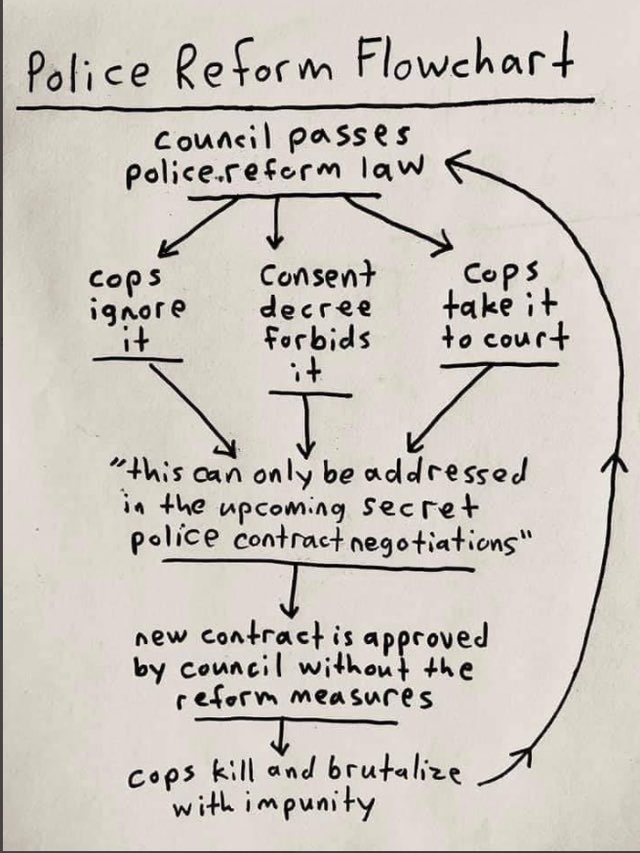


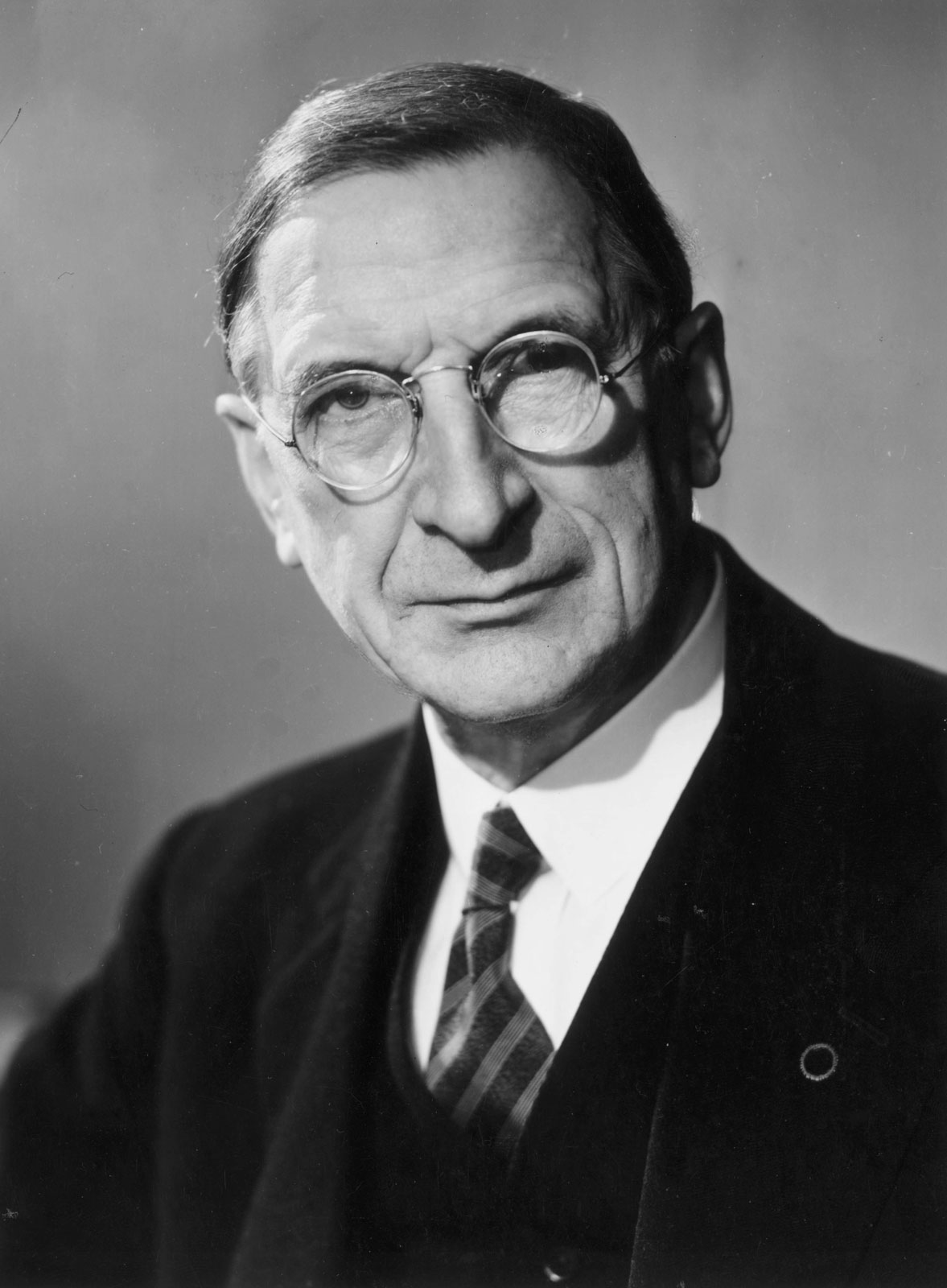


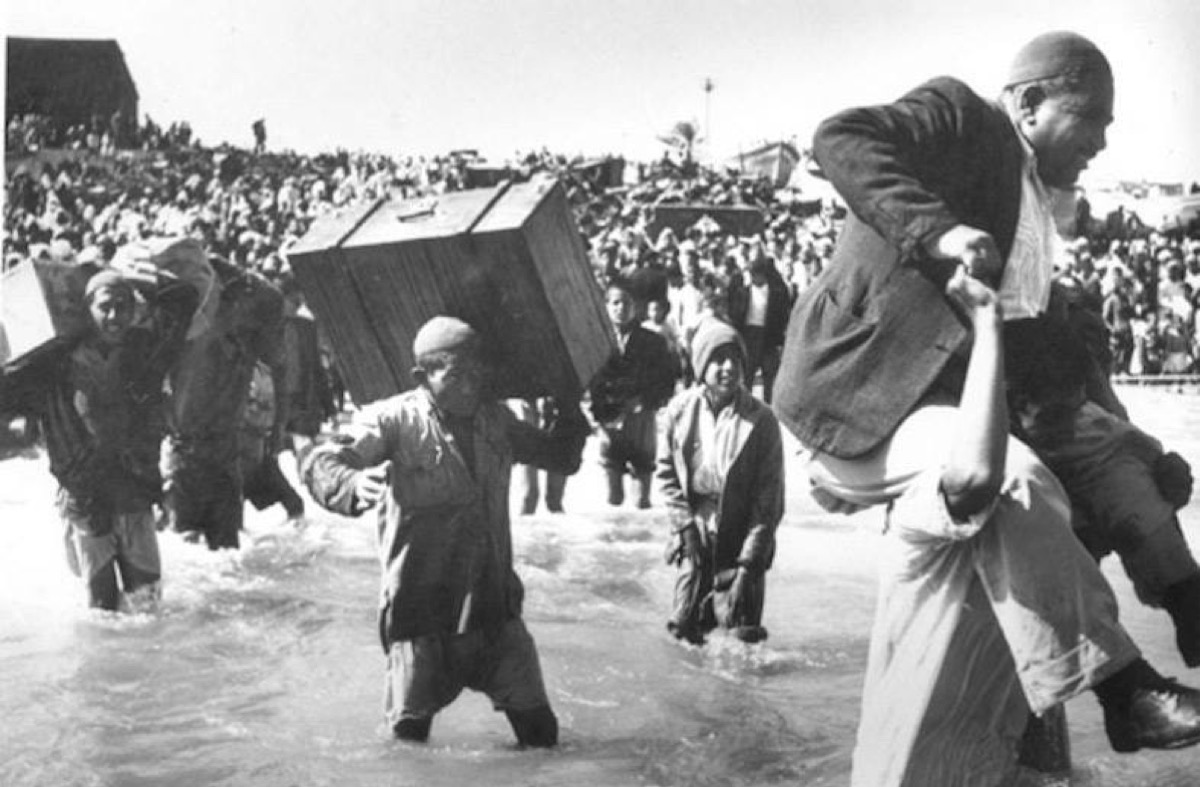
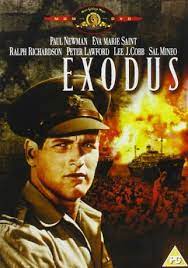
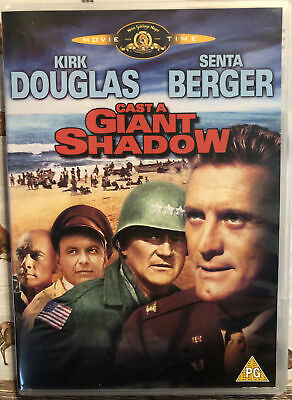
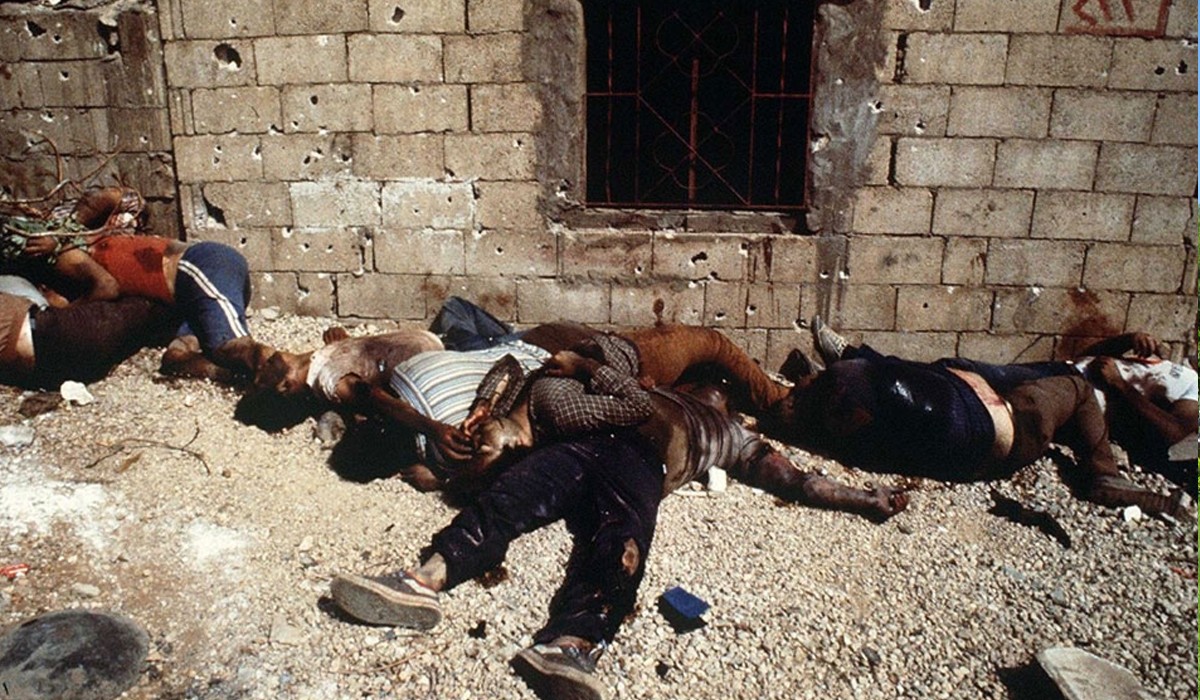
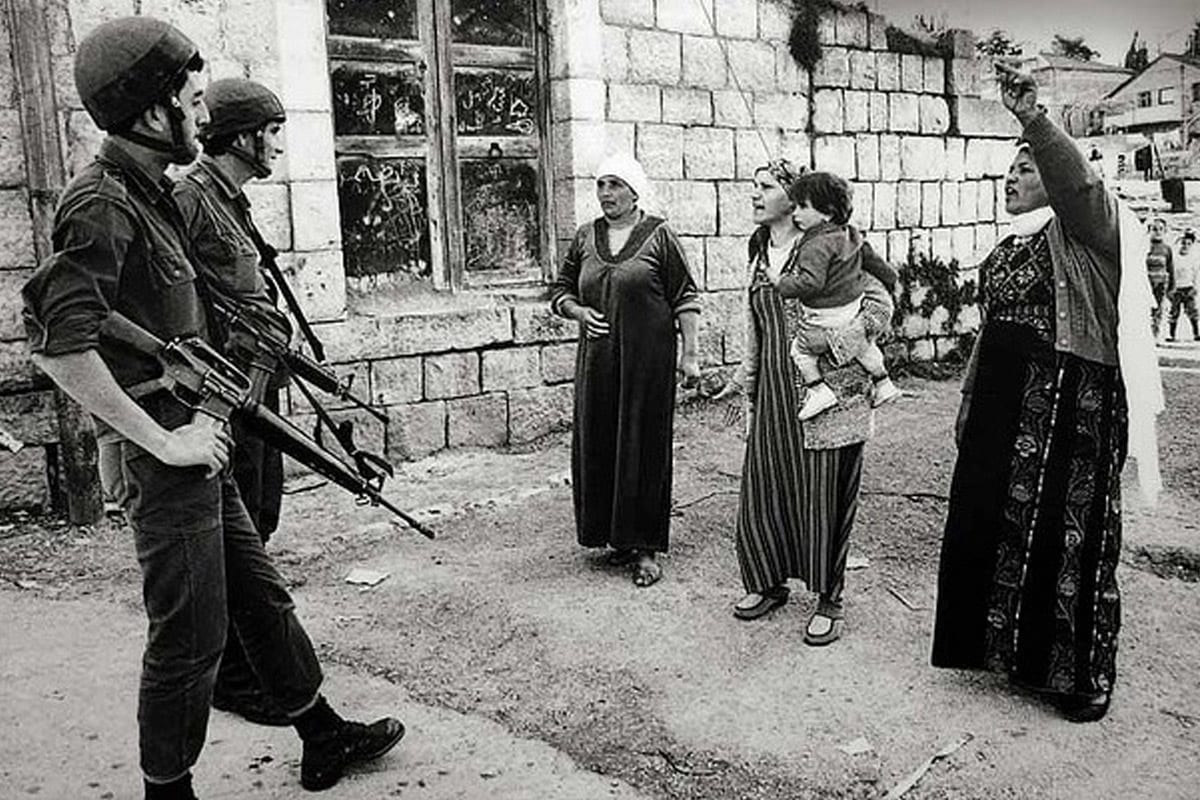


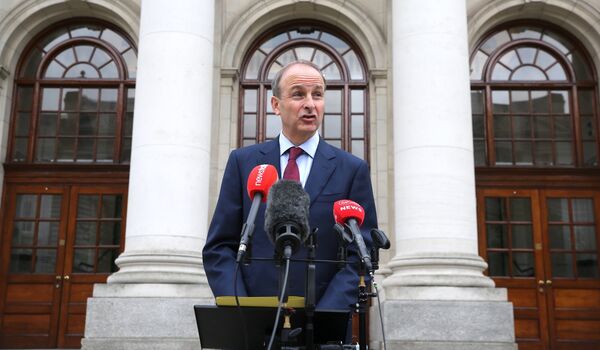
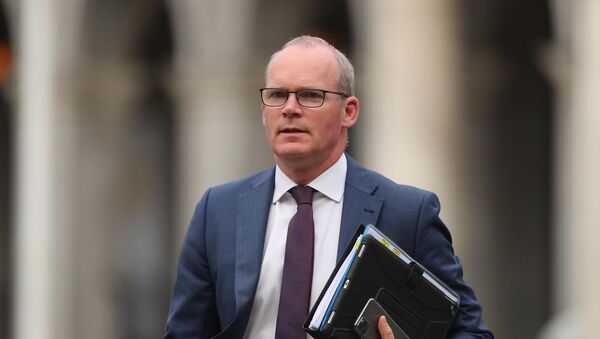


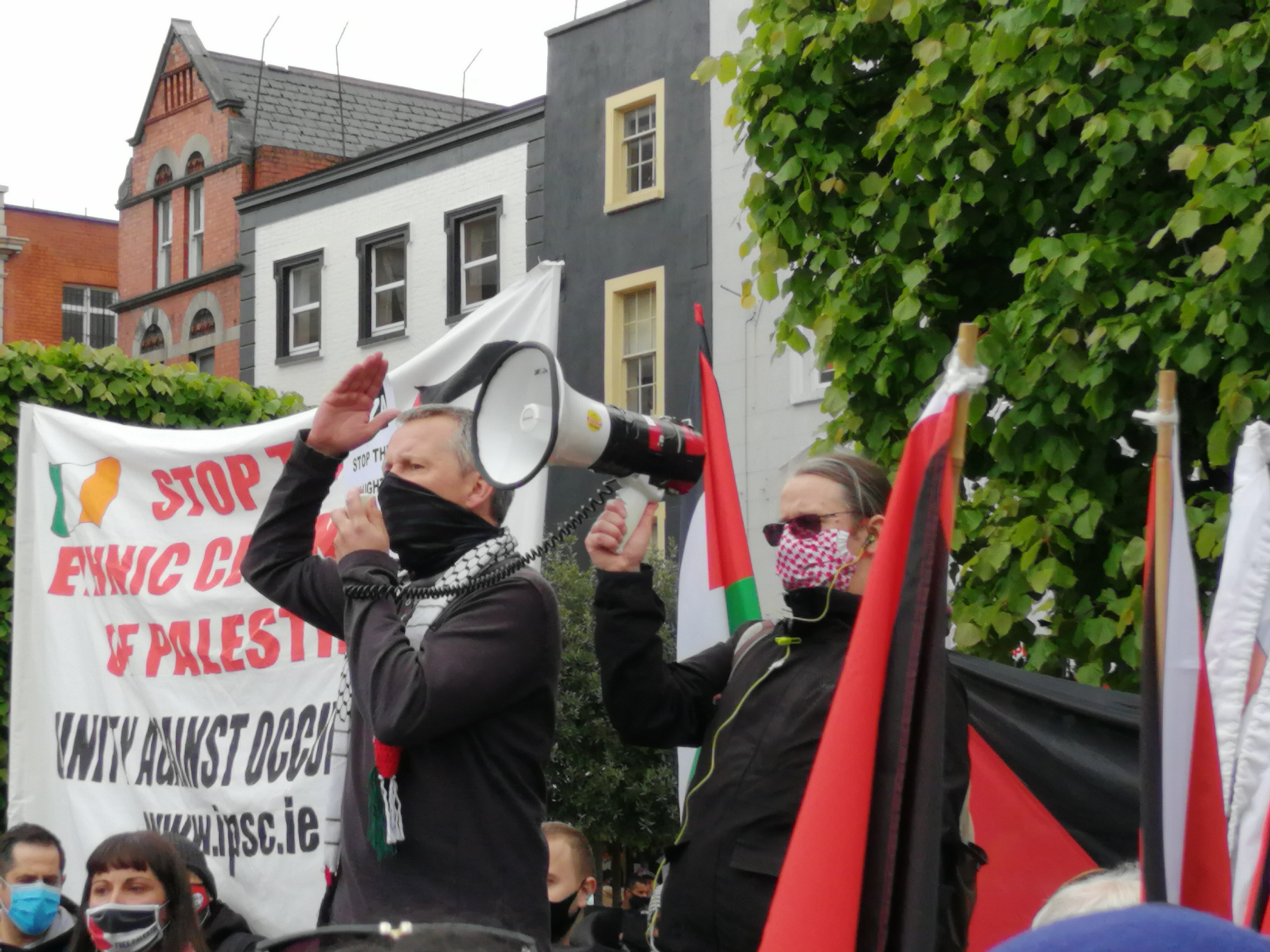


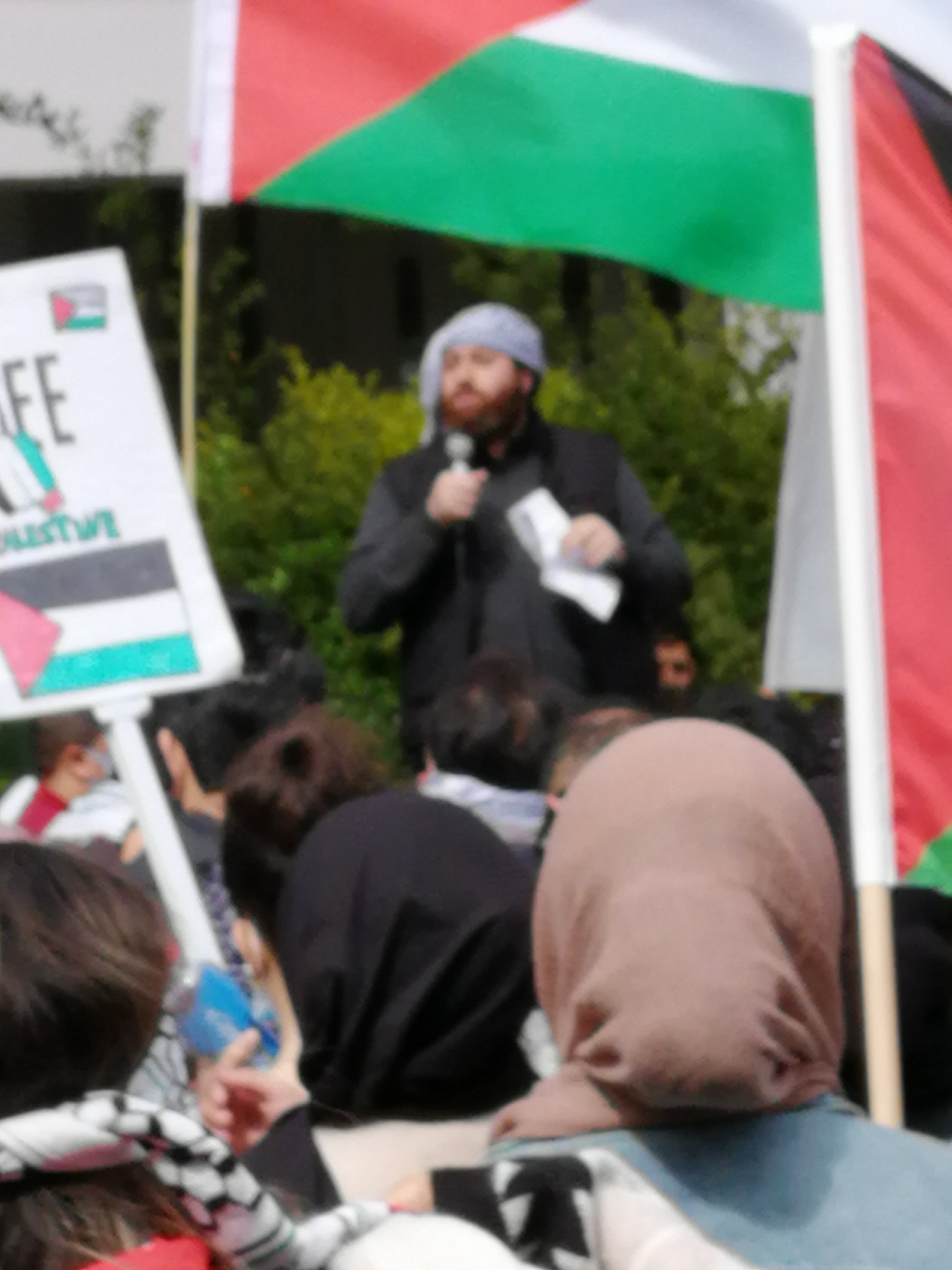
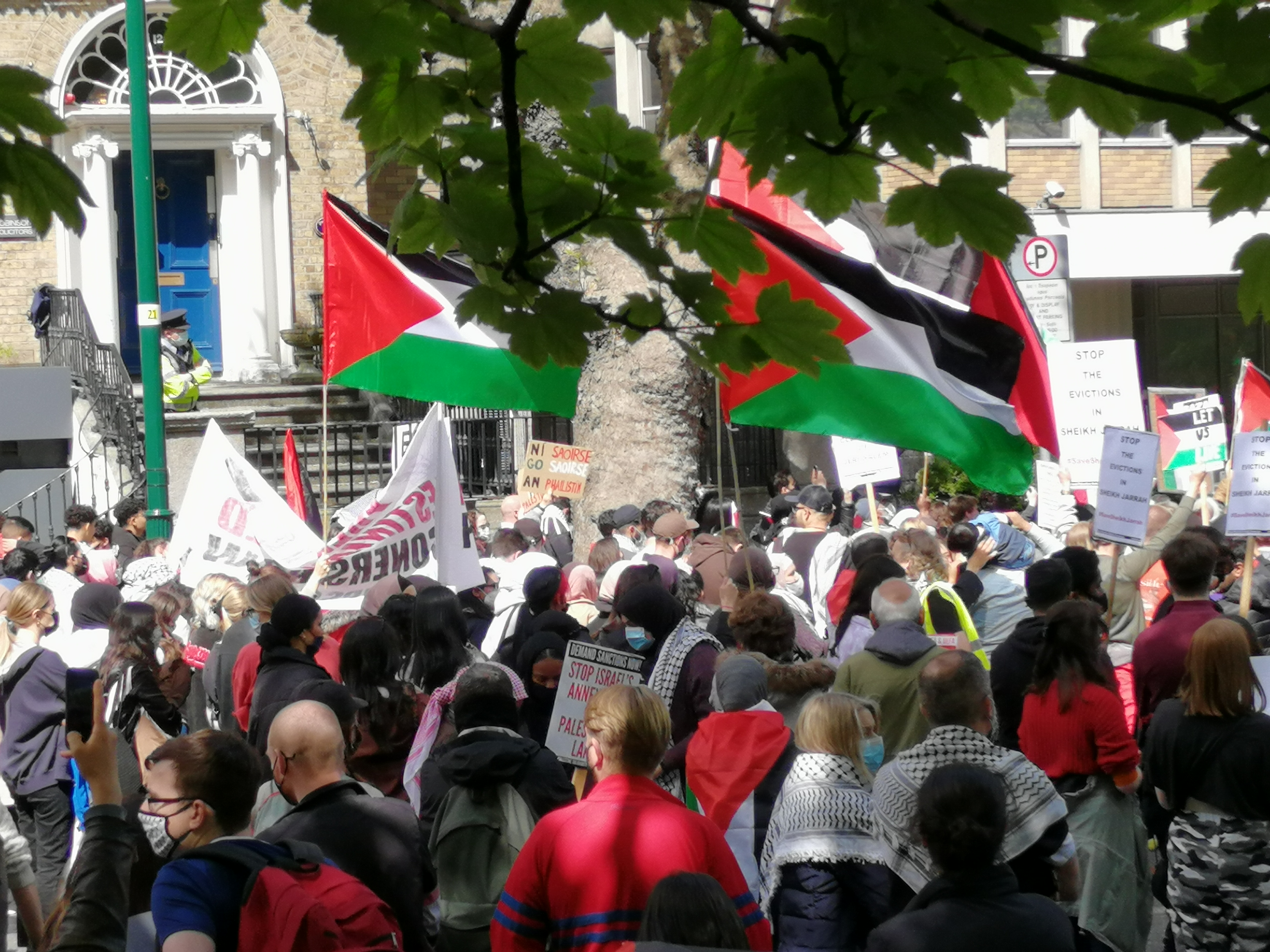
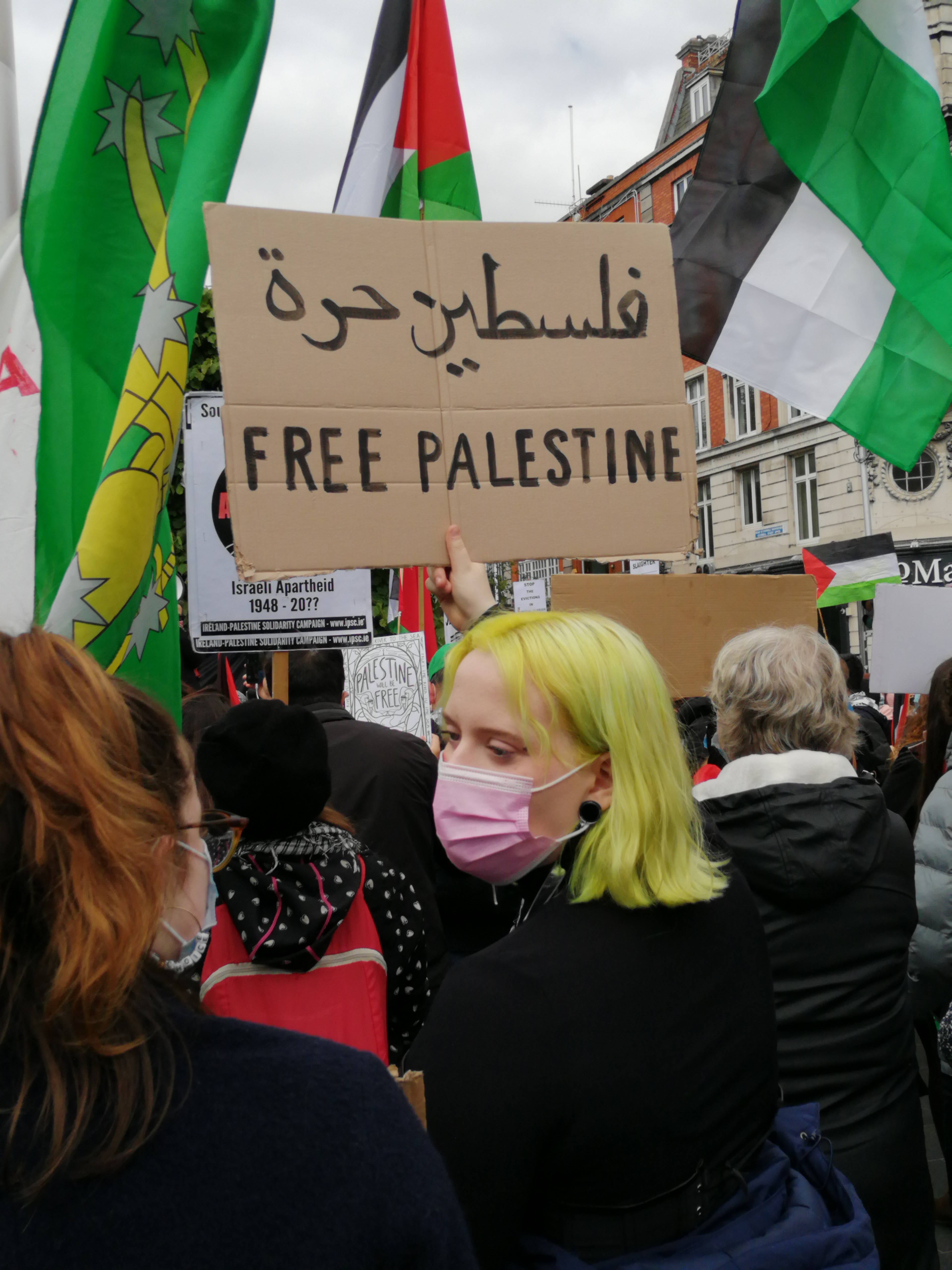


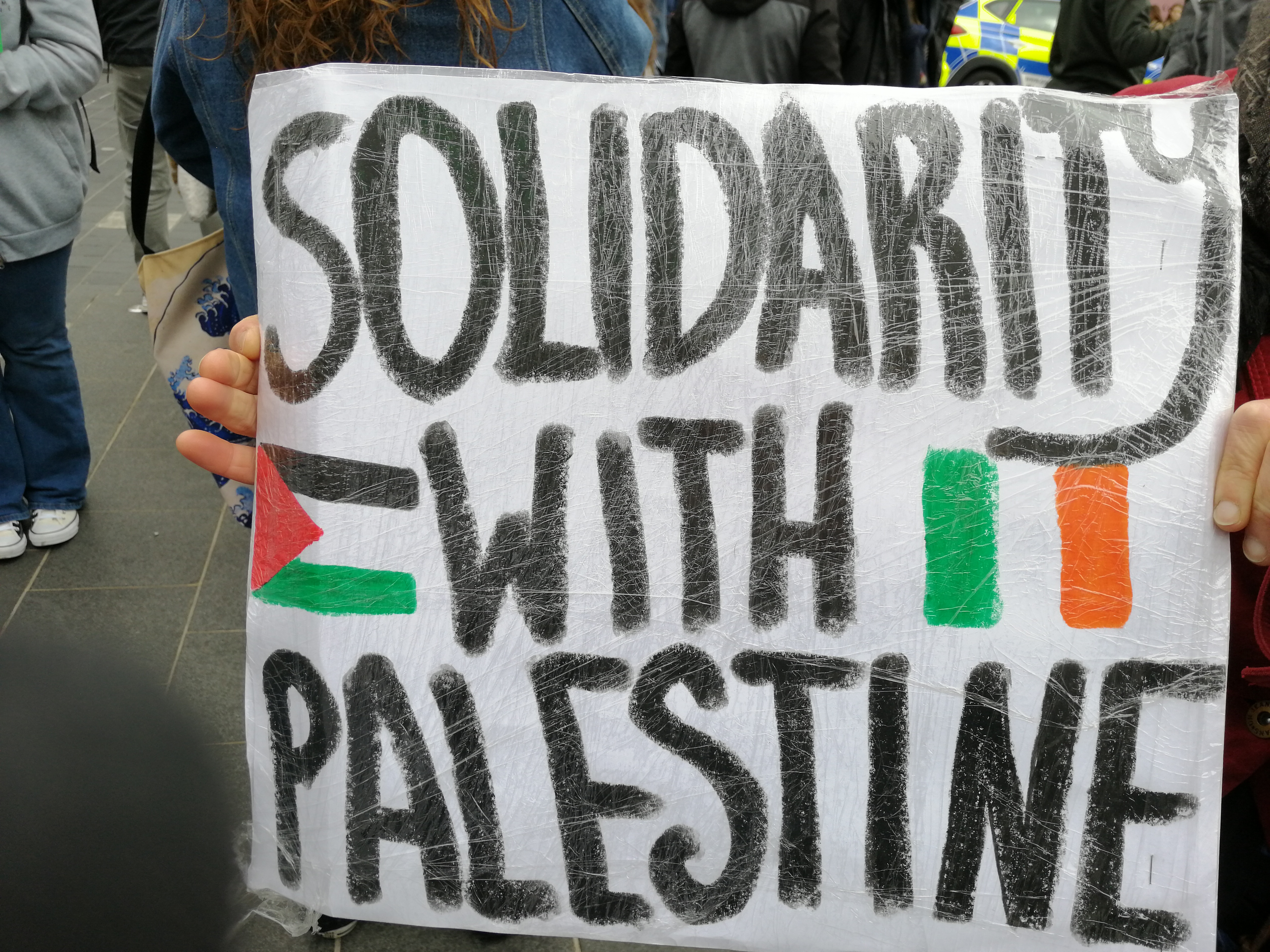
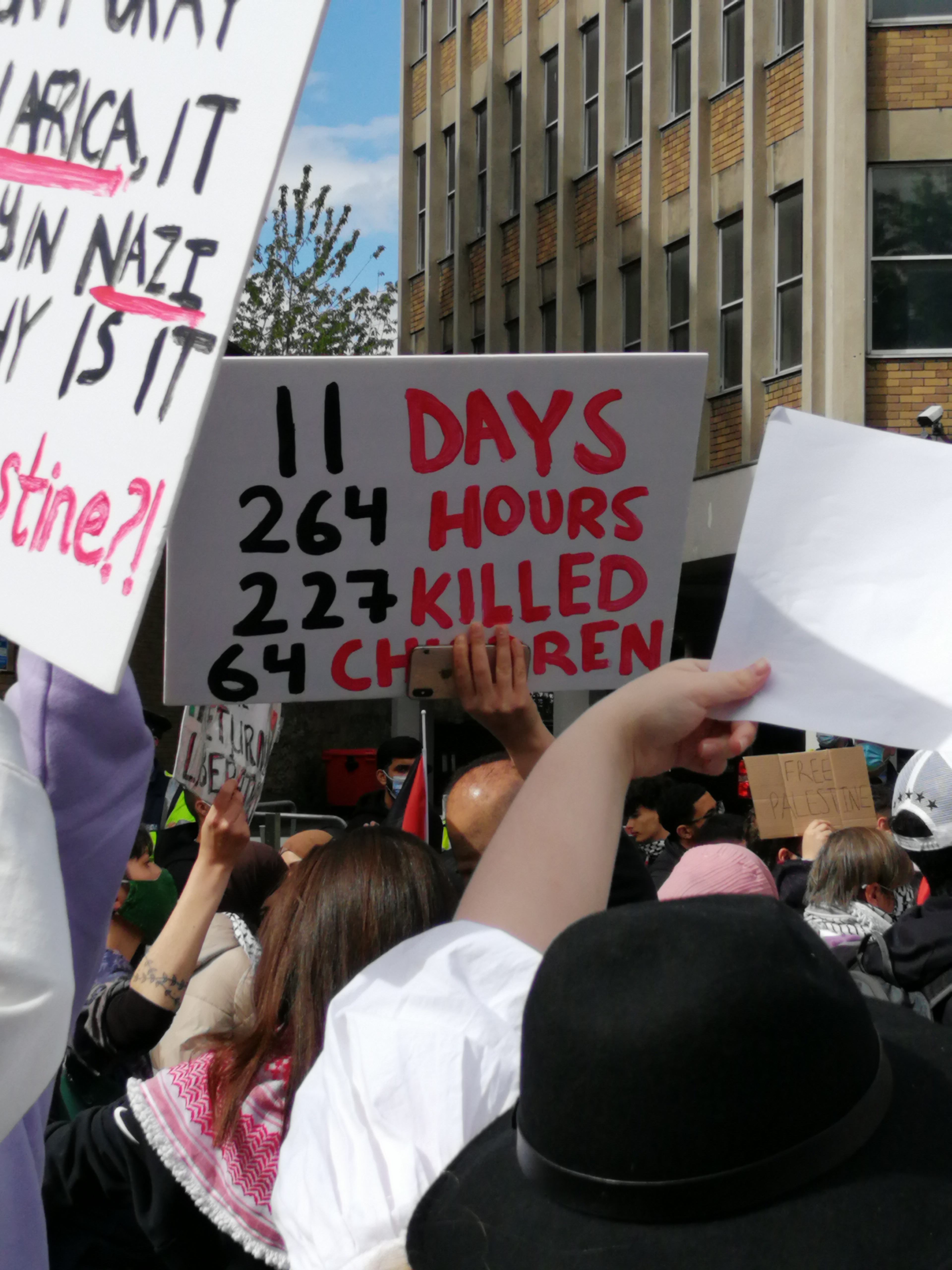


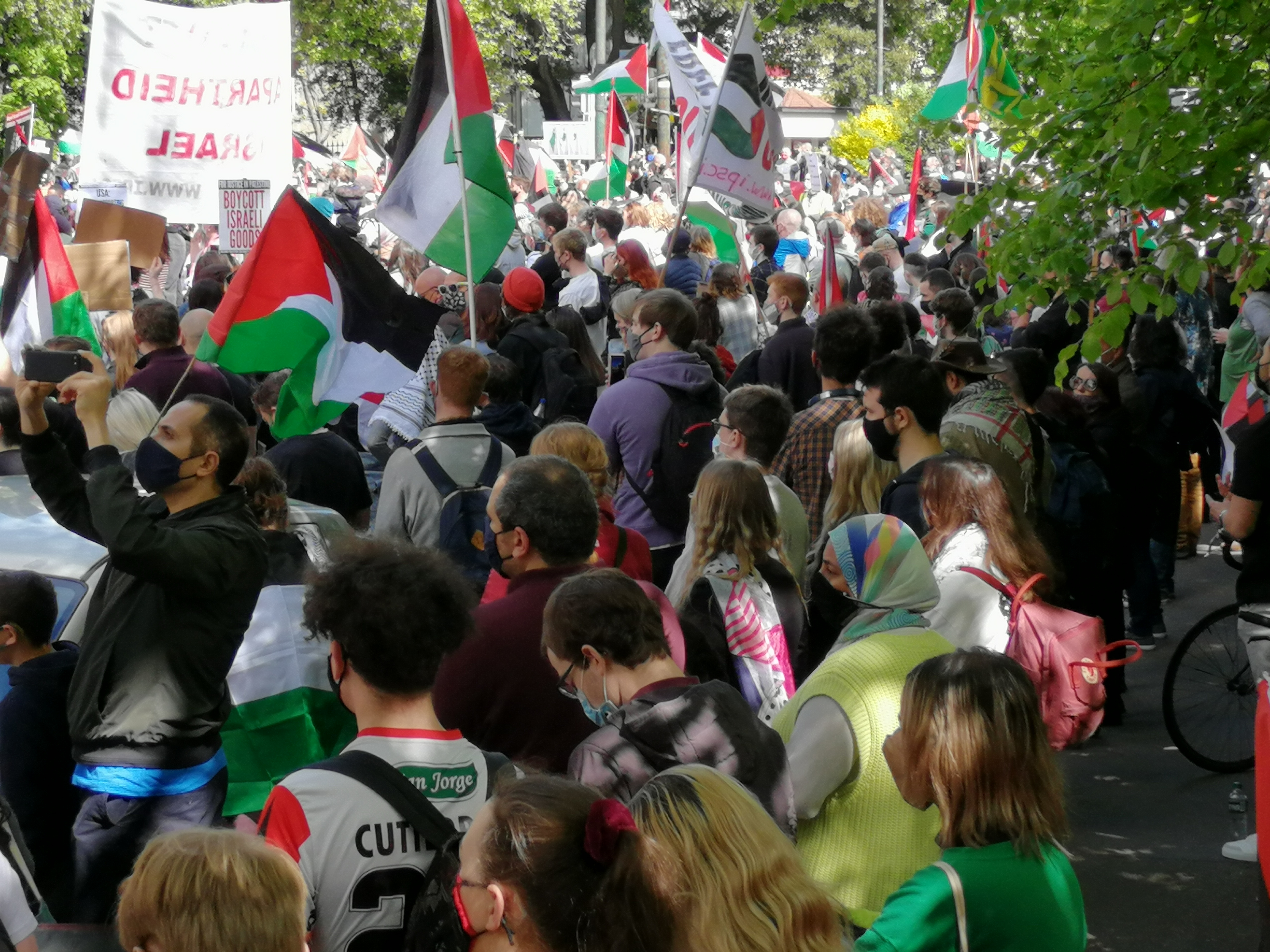


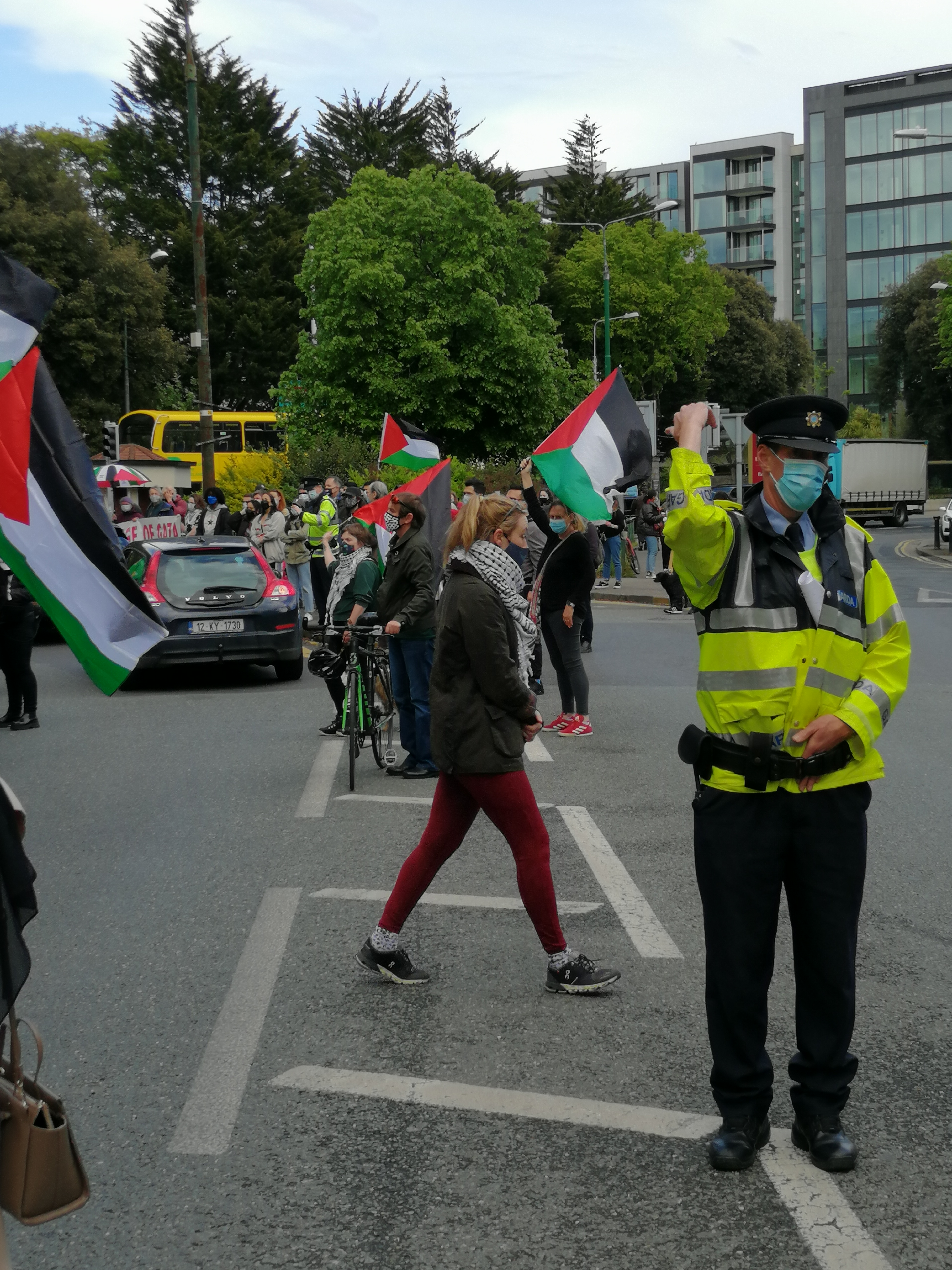


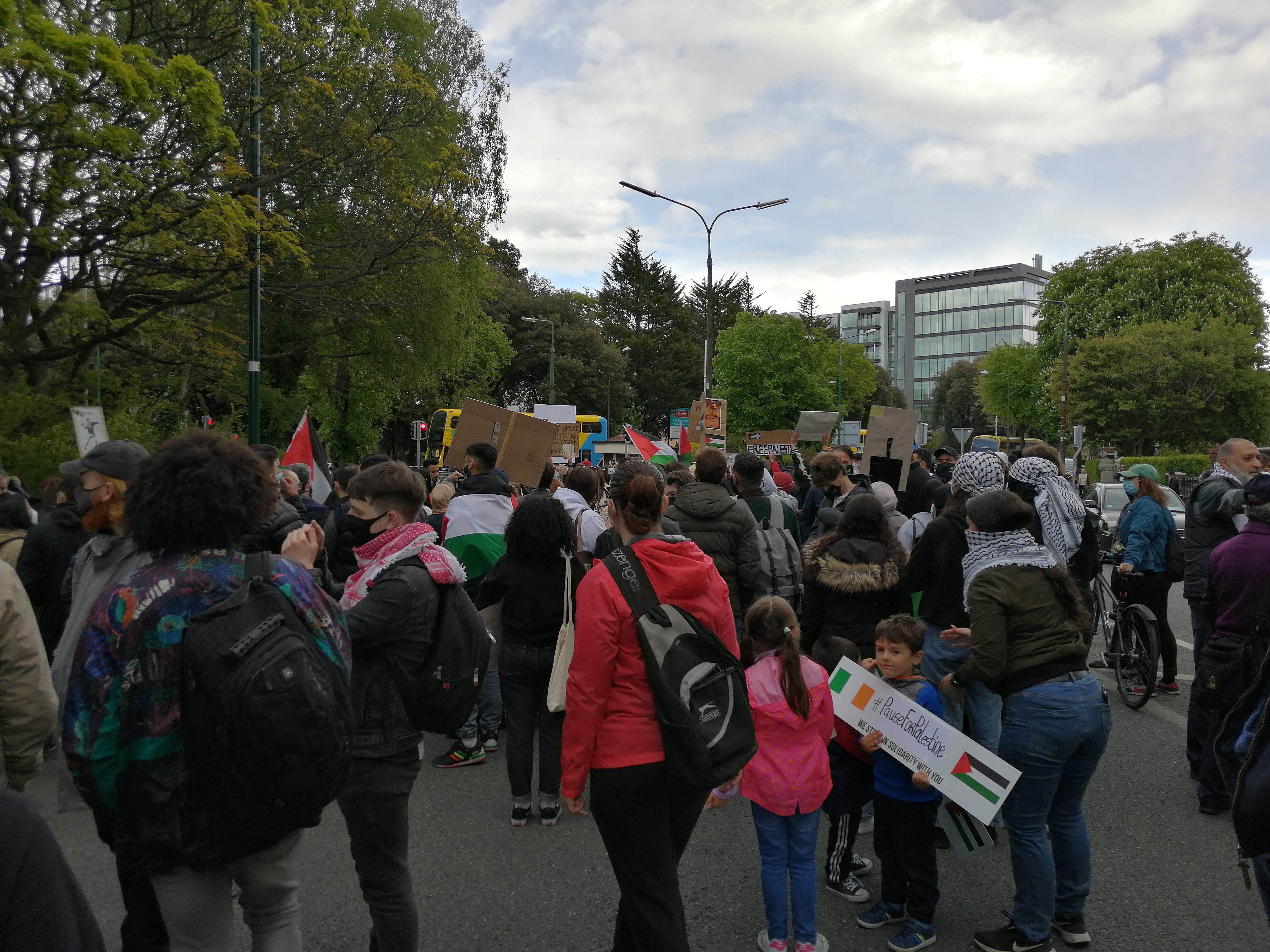
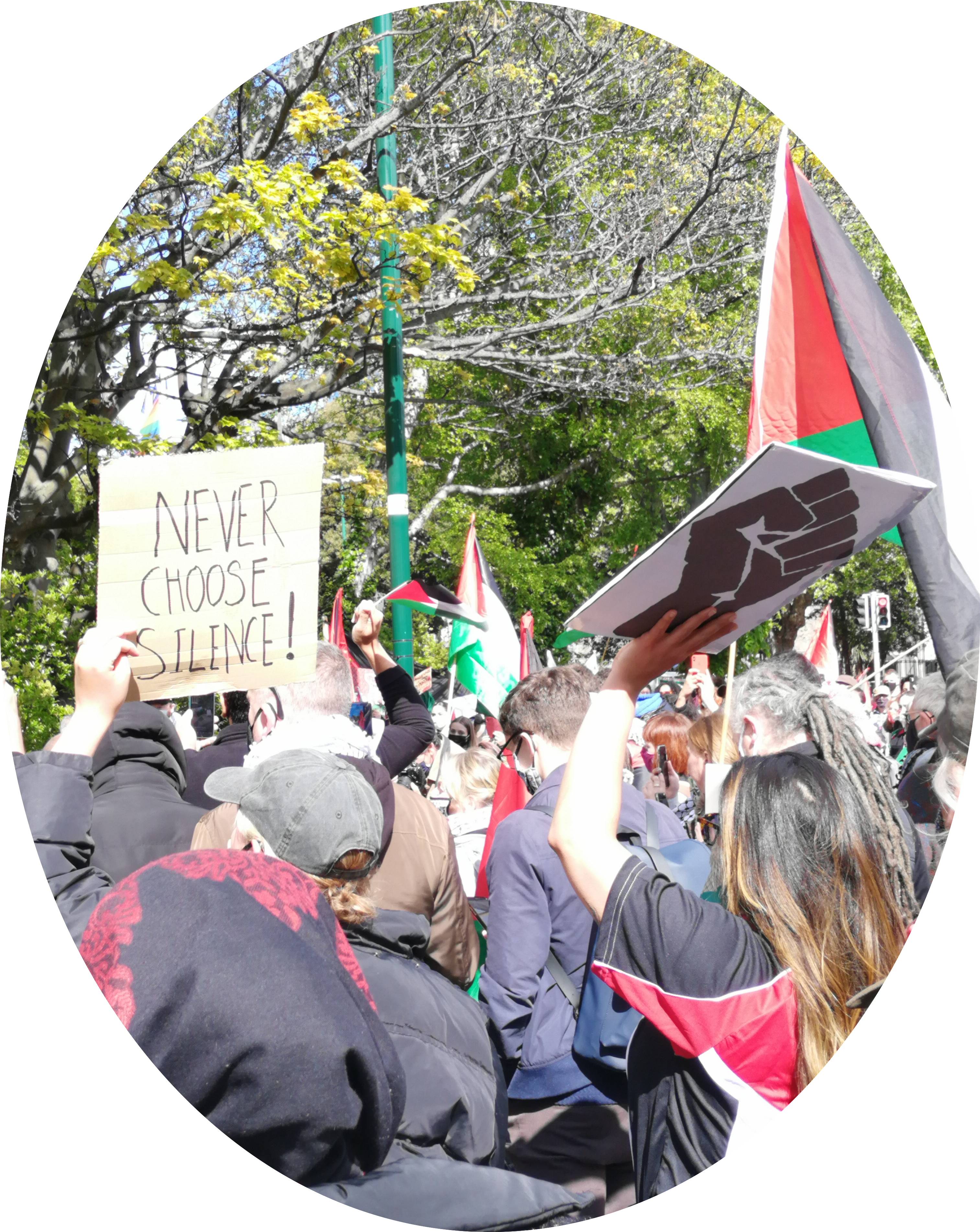
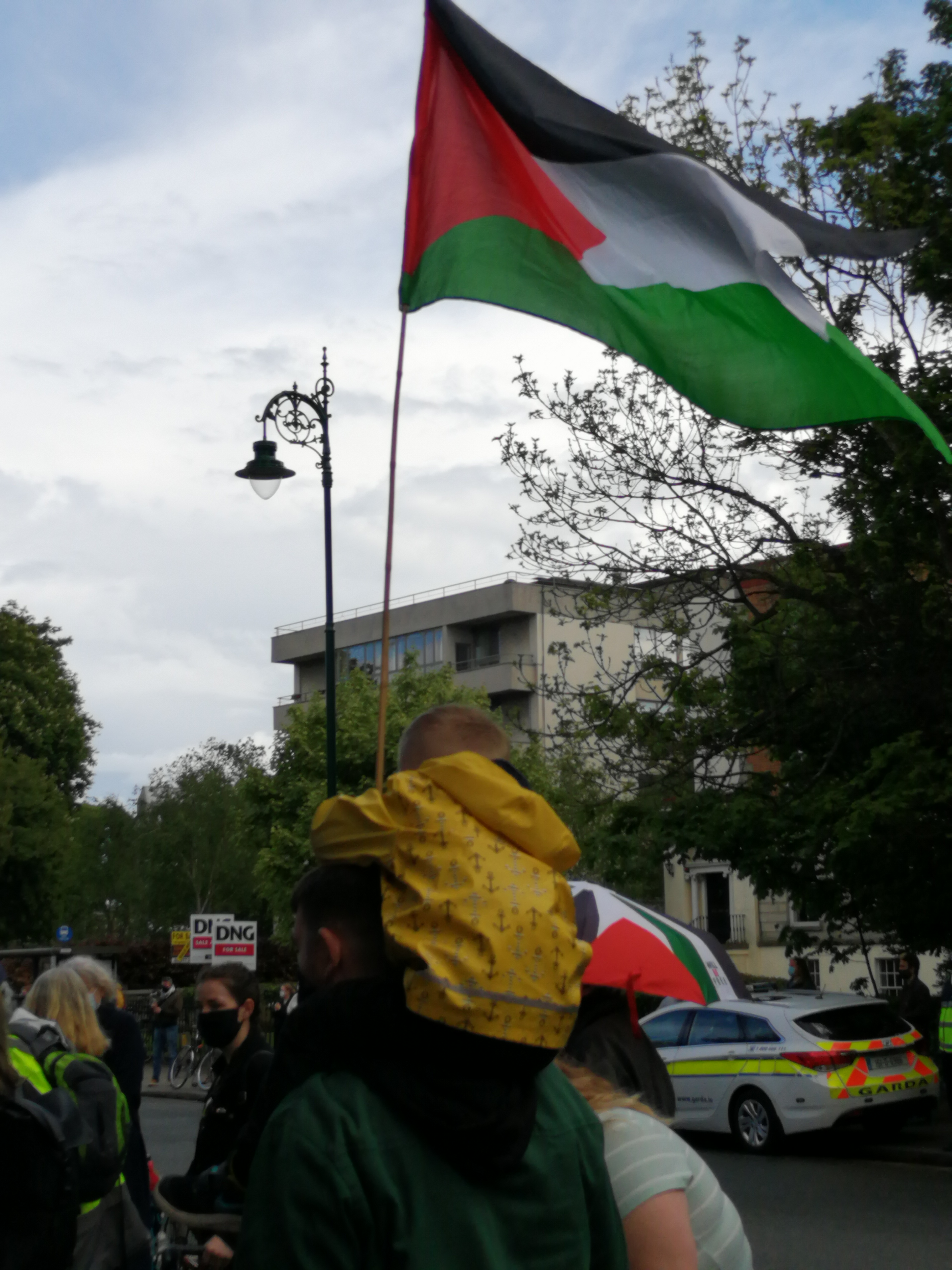


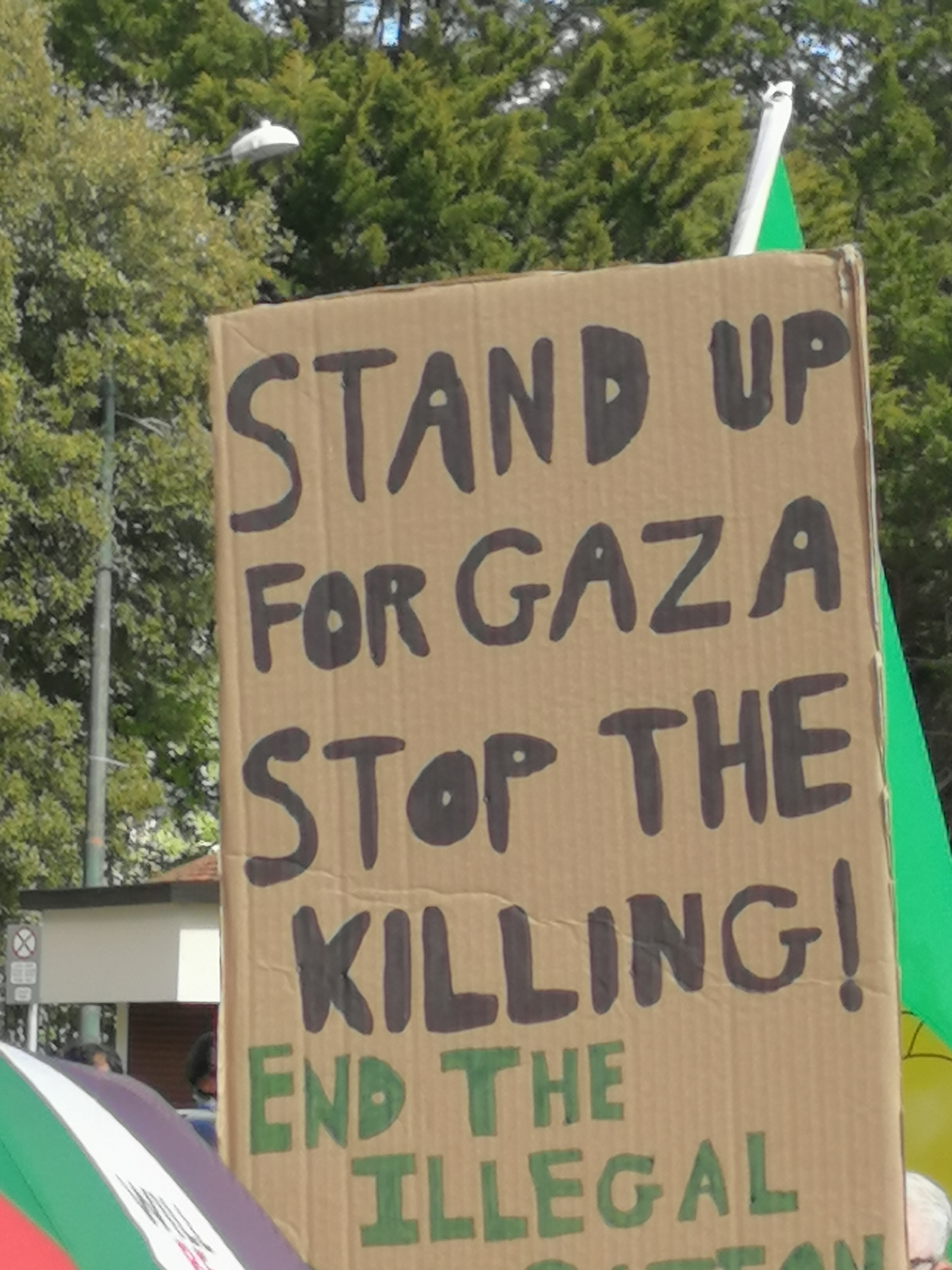


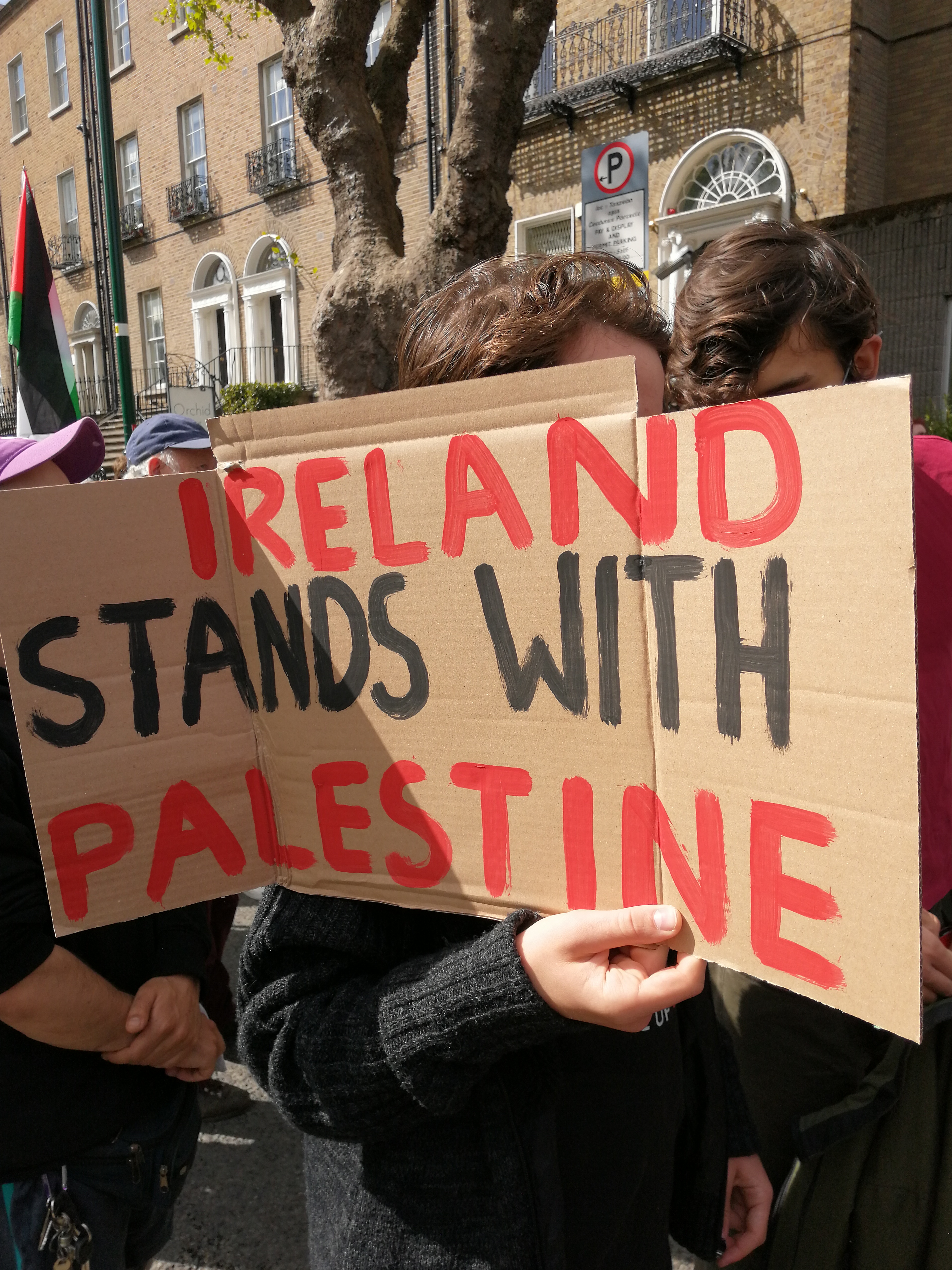


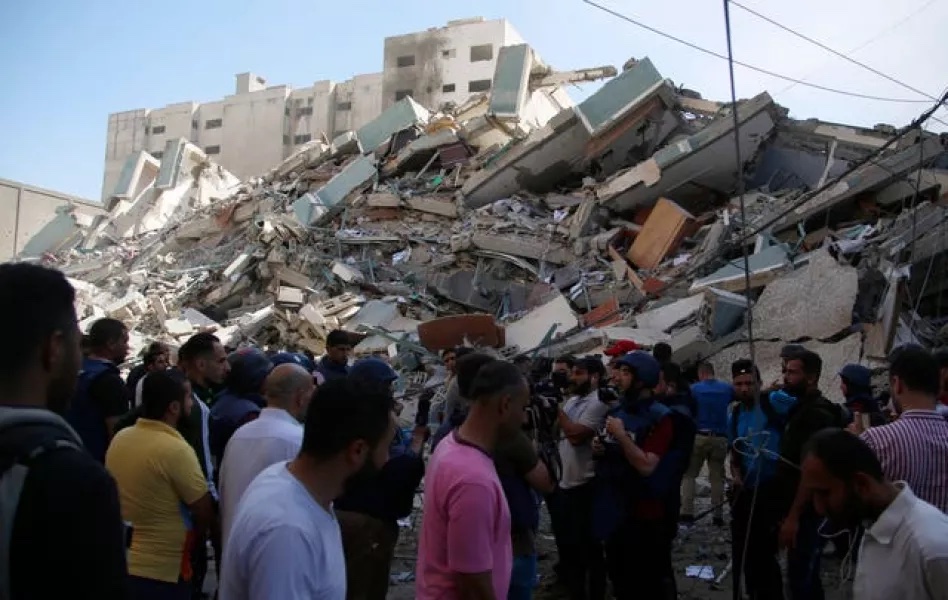

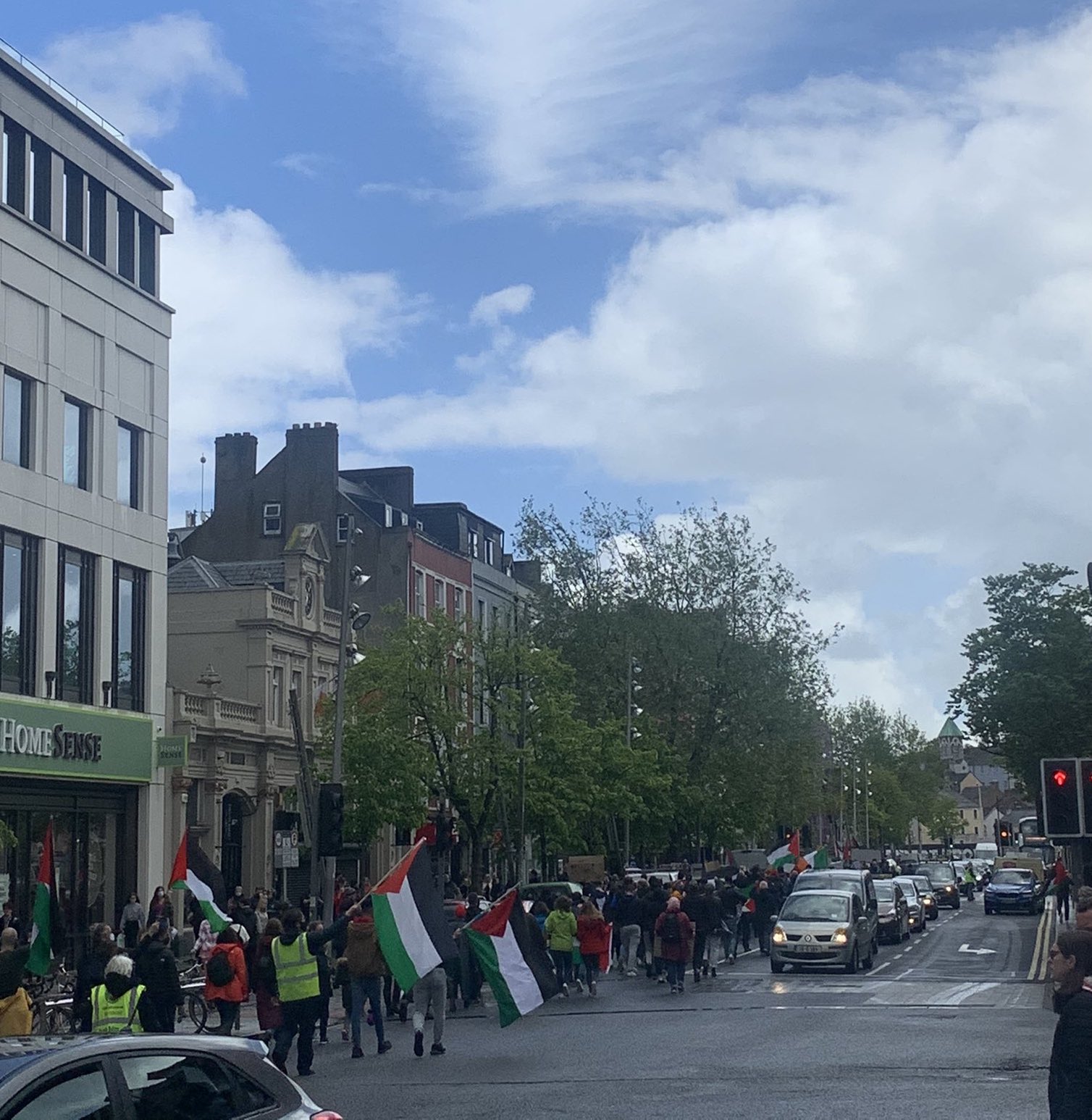







 rebelbreeze