The regular blowing of horns by passing motorists, including taxis and buses, would have indicated that something of interest was happening in the city centre yesterday, Monday 5th June. As people came within sight of the centre of O’Connell Street, they could also see the Palestinian flags flying, the banners and the placards.
View of the rally on the east side of the central pedestrian reservation, looking southwards. (Photo: D. Breatnach)
The Great Return March
The Ireland Palestine Solidarity Campaign had convened a rally of hundreds in the central pedestrian reservation of O’Connell Street, main street of Ireland’s capital city, near to the Spire and opposite the historic and iconic building, the General Post Office. Billed as a rally in solidarity with the Great Return March of Palestinians, demonstrators carried placards denouncing the shooting dead by Israeli soldiers of demonstrators as well as of journalists and paramedics. The Palestinian death toll since March 30th has reached 120, with over 5,500 injured. Palestinians have also accused Israeli snipers, when they wish not to kill, of shooting young men through parts of their legs calculated to ensure permanent disability. The shooting dead of unarmed protesters, the killing of paramedics and journalists (who wear clearly identifiable clothing), are all crimes according to international law but, as Palestinians and their supporters repeatedly ask, who will hold Israel to account?
A view of part of the rally on the central pedestrian reservation, looking southwards. (Photo: D. Breatnach)
The demonstrators being targeted by Israeli military are protesting the expulsion by Israel of 700,000 of what was then the majority Arab population of Palestine in 1948, followed by their exclusion and that of their descendants from Israeli-controlled Palestine. There are an estimated four million Palestinians 1 barred from entry to Palestine, their lands or those of their grandparents, while anybody in the world who can prove his or her Jewishness, even though their families had not lived there for thousands of years2, can gain entry and claim Israeli citizenship.
Placards held by supporters in the rally yesterday upheld the right of the Palestinians to return to their homeland. It is ironic that the Zionists since 1924 at least have been upholding that demand for people who had never set foot in the land, nor whose ancestors had not for thousands of years but are denying that right to Palestinians driven out within living memory and their descendants.
View of the rally on the west side of the central pedestrian reservation, sretching southwards. (Photo: D. Breatnach)
Speaking through a microphone, Martin Quigley thanked those attending the rally and after some remarks, introduced the Chairperson of the IPSC, Fatin Al Tamimi. Speaking about the right of return of Palestinians, Tamimi also said that she had relatives in both Hebron (West Bank) and in the Gaza strip and spoke about the privations of the people there blockaded by Israel, including contaminated water and lack of electricity. However not only is Israel guilty but also Egypt, as Tamimi alluded to when she said that Egypt had only temporarily opened the Rafah Crossing Gate, which Egypt maintains, for the feast of Ramadan, as a result of which she was expecting to be able to see her sister for the first time in seven years (the crowd cheered and applauded this news).
Marting Quigley for IPSC. (Photo: D. Breatnach)
“Expel the Israeli Ambassador and close down the Embassy!”
Two other Palestinian speakers addressed the rally, including one who had come out through that very Rafah crossing, Asad abu Shark who was introduced as from the Great March of Return and Ahmad El Habbash, introduced as representing the Palestinian Community in All Ireland3. All speakers drew attention to the Nakba (from Yawm an-Nakba, meaning “Day of the Catastrophe”, referring to the expulsion of thousands of Palestinians in 1948 –), to the right of return, the terrible conditions within the Gaza strip (which place, they said, would become uninhabitable by 2020 — see link), the impunity of the Israeli authorities and the inactivity of “the international community”.
Fatin Al Tamimi, Chairperson of IPSC, addressing the rally. (Photo: D. Breatnach)
Al Tamimi was cheered loudly when she called for the expulsion of the Israeli Ambassador to Ireland and the closure of the Israeli Embassy, a call repeated by other speakers.
Ronit Lenten, who introduced herself as “an Israeli Jew” and representing Academics For Palestine (Ireland), also spoke briefly.
Last to speak was John Lyons, a Dublin City Councillor for the People Before Profit party, who made similar points. Referring to visit of his own to Palestine he referred to the courage and persistence of the Palestinians in merely trying to live their daily lives under the conditions of Israeli military occupation, apartheid and harassment and called on the Irish people to match that determination in taking action in solidarity with the Palestinians.
An Ireland-based Palestinian speaker addressing the rally. (Photo: D. Breatnach)
Throughout the speeches, the solidarity beeping of horns of passing car and bus drivers could be heard and occasionally shouts of encouragement from open bus or car windows.
Bill to ban imports from Occupied Territories
All speaker highlighted the importance of the BDS campaign (Boycott, Divestment and Sanctions) and the need for Irish people to contact their elected public representatives to ask them for concrete action in support of Israel, including for a Bill to be introduced in the Seanad by Senator Francis Black, (well-known singer, also campaigner for human rights and for support for recovery from alcohol addiction). The Bill in question is the Occupied Territories Bill, the intention of which is to place a national ban on any products shown to be exported from territories under illegal occupation. The Bill, a draft of which has already been approved in committee (see link), is expected to go before the Seanad in July, though that may change and, if passed twice there, will go on to the Oireachtas for debate and, if passed there, into Irish law.
One of the IPSC’s leafleters and passers-by who have just accepted a leaflet. (Photo: D. Breatnach)
Calling on all present to stay in touch with the IPSC or with other Palestine solidarity organisation, Martin Quigley brought the event to an end by leading the rally in leading a number of chants: “From the river to the sea, Palestine will be free!” “Free, free Palestine!” “One, two, three, four – occupation no more!” “Five, six, seven, eight – Israel is a fascist state!”
Early moments as Palestinian supporters gather, view northwards. (Photo: D. Breatnach)
Argentina cancels scheduled football match with Israel. Dozens of Palestine flags defy GAA ban.
In a separate but related development, the national soccer team of Argentina yielded to calls to abandon its scheduled ‘friendly’ match with the Israeli national soccer team (see relevant link). Strong advocacy for the cancellation had been brought about by the movement for BDS both within and outside Argentina but statements of team officials to the media made it appear that members of the team had been threatened (but without producing any evidence of such).
And on Sunday, dozens of Palestinian flags were flown during a match at Omagh between Senior Gaelic Football teams Tyrone and Monaghan. The actions seemed not only to represent solidarity with the Palestinians at this time but also defiance of GAA officials who had removed flags and a banner at a previous match (see relevant link).
End.
POSTSCRIPT:
Palestinian solidarity demonstration in Dublin Friday 8th June (not organised by IPSC). (Photo: D.Breatnach)
Footnotes:
1“Today the number who qualify for UNRWA’s (United Nations Refugee and Welfare Agency) services has grown to over 4 million. One third of whom live in the West Bank and Gaza; slightly less than one third in Jordan; 17% in Syria and Lebanon (Bowker, 2003, p. 72) and around 15% in other Arab and Western countries. Approximately 1 million refugees have no form of identification other than an UNRWA identification card.”
2Or the many Jewish converts who never had any contact whatsoever with Palestine.
3 Actually no individual or separate organisation can claim legitimately to “represent the Palestine community in Ireland or anywhere” but there does exist a Palestinian organisation in Ireland which has appropriated that title as its organisational name. A number of different organisations (and none) find support among the general expatriate Palestinian community, including Hamas, Al Fatah and perhaps the PFLP.
Translation by D.Breatnach of Castillian (Spanish) language article by José Antonio Gutiérrez D (a Latin American activist based in Ireland) first published in Anarkismo, original at this link: http://anarkismo.net/article/30977) La versión originál en castellano se puede encontrar por el enlace previo.
Friday, May 4, saw the swelling of the growing list of victims in the popular movement in times of “peace”1. In the outskirts of his home, in the El Triunfo neighborhood, in La Guadalosa, in the vicinity of Cartagena de Chairá, Jorge Vega Galvis received seven pistol shots from a group of hooded men, who left him there for dead. By a miracle, he survived to arrive at the local health centre, from which he was sent to hospital in Florencia, the area capital, because of the severity of his injuries. Today, four days after this atrocious crime, he is still unconscious and battling for his life.
Jorge is originally from the administrative region of Cesar, from a small town near Poponte in Chiriguaná, where he was born into a humble peasant family, experiencing work from an early age and all kinds of deprivation. So that they would not be eaten alive by the mosquitoes and the midges in the bush, while he was working, he told me once that they had to smear their bodies with petrol and lemon juice, while they worked under the scorching sun. With social ideas instilled in him by his mother, he also knew the meaning of the word solidarity from an early age and while almost a child, he was already participating in the mobilizations for peasant rights.
Jorge Vega Galvis in Monterrey, Cartagena de Chairá, September 2017 (Photograph by José Antonio Gutiérrez D.)
With the infestation of the Cesar area by paramilitary gangs under the command of Jorge 40 of the AUC,2 Jorge had to leave at the end of the ’90s and head towards Caqueta lands. Little is left of his coastal accent now since he made his home in Cartagena de Chairá, where he makes a living, looking for what is to be had. He works as a taxi driver, sometimes as an electrician, and sometimes on farms. His home is in the midst of a humble shanty town settlement. But in different areas he has stood out as a social leader, promoting the Peasant Workers’ Association of Caguán (ASTRACAMCAG, connected to Fensuagro), being President of the Cartagena de Chairá section; the El Triunfo and Villa Clar neighbourhood, community organizations, and also as a worker attached to the union of motorcycle taxi drivers of the CUT in Cartagena de Chairá. He has also held leadership positions in both the Patriotic March and the Alternative Democratic Pole.
The attack against him is a blow at the heart of the popular processes in Chairá and Bajo Caguán. It is an attack that seeks to continue the disruption of popular processes brought about through the militarization of the region. It is part of the social-murder 3 that is being carried out throughout the territory and which claims the lives of hundreds of social and agrarian leaders. We had already requested, in 2014, that the threats and harassment against Jorge be investigated4. Again in 2016, there were reports of threats received from paramilitaries.
The intimidation directed at Jorge by the troops has been almost continuous. In September 2017, we were suspiciously detained at a military checkpoint in Cartagena de Chairá, in the La Hacienda sector, while returning from visiting trials of peasants. Jorge asked them, “Hey, are not we in a peace process? And you’re doing this …”, to which a soldier, who did not want to identify himself and who covered the insignia of his battalion with a cloth, answered simply,”Of course, that’s why we can do this”5. This attitude, Jorge explained to me, was normal. That night we had to sleep in the house of a peasant in the sector, because the army did not authorize our passage through until six in the morning of the following day, by which we were able to reach the crossing of the Caguán River and reach Cartagena. However, that night we alerted human rights organizations through Fensuagro because we had a well-founded fear that in the darkness of the night, there could be an “attack”.
This time, there was no intimidation: the threats have turned into terrible facts, before the unconcerned gaze, if not complicity, of the civil and military authorities.
It is not enough to ask that Jorge’s life be guaranteed by the authorities. We demand that they stop the bleeding of popular leaders that is happening, if not with their complicity, at least with their connivance and thanks to their calculated lack of action. In addition, it should be noted that with the so-brave militarization of Cartagena de Chairá, the activities of civic and popular organizations take place under constant fear. Guaranteeing the life of Jorge and the other social leaders in the Bajo y Medio Caguán, would lead to ensuring the full return to civil life in the municipality and that the army stops operating what is really a military occupation, in which they act with dictatorial powers.
Enough of this ‘counterinsurgency’ campaign, this militarization and let the parks of Cartagena be free of rifles. Those of us who have had the good fortune of knowing Jorge personally, know how much he has fought for peace with social justice; what a paradox it is now that during the “peace”, they have pulled the trigger to silence him. Certainly, we know that this is not the peace for which Jorge risked his skin. For now Jorge, from your friends and colleagues, we send you a big hug, all our energy and we assure you that we will not leave you alone for a second. We send you strength to keep fighting, mate. Do not leave us.
José Antonio Gutiérrez D.
May 8, 2018
Postscript by D. Breatnach: My information is that Jorge Vega Galvis survived the attack and continues to recover. We wish him a speedy recovery and send our solidarity greetings.
1DB: The “Peace Process” was about reaching a deal between PresidentJuan Manuel Santosand the Revolutionary Armed Forces of Colombia – People’s Army(FARC–EP) to bring an end to the Colombian conflict. Negotiations, mainly taking place in Havana, Cuba, began in September 2012. A final agreement to end the conflict was announced on August 24, 2016 but a referendum to ratify it was unsuccessful, with a slight majority voting against. Afterward, Congress ratified a revised deal agreed between the Colombian government and the FARC. Critics from the Left and from some human rights groups complain that the standing down of the guerrilla forces is allowing the State’s repressive forces and the paramilitary assassination squads to operate with impunity in areas where they would not have dared to previously (or at least would have been punished by the people’s forces).
2 DB: Paramilitary drug-trafficking gang with close relationship to the the Colombian Armed Forces (also supported by local big landowners) which attacked FARC and ELN and their civilian supporters. (For more about “Jorge 40” see link above about Rodrigo Tovar Pupo).
I stand shoulder to shoulder with my fellow countrymen and women against the injustices wrought on the people of my beloved country, be it civil rights or human rights I will stand with you. If I ask you the people of Ireland to stand with me to ensure my civil and human rights are upheld – will you? Or will you exile me to foreign soil to seek a medical procedure that is denied to me here unless I`m at death’s door?
I grew up in the 70`s & 80`s. Abortion was not a subject that was openly discussed, the general consensus was only “floozies” had them. Abortion came into my young life when a conversation between adults was overheard: “yer one took the boat”; “she is a baby killer”; “the babbie was deformed” etc. Their victim was a mother of one who had an abortion due to FFA (fatal foetal abnormality); if she carried to term like she was advised by doctors it would have resulted in her death. This woman lived the rest of her life filled with shame and guilt not only for making the choice to terminate but because of the closed minds and nasty hateful words of those around her. Cancer claimed her life, in her words “it was God`s punishment for killing my baby”. Like so many women before and after her she had to leave her baby’s remains in a foreign clinic, forever separated because of laws that said a mother trying to save her own life was a criminal! Her husband and son had the baby’s name engraved on her headstone, uniting them again if only in name.
Here we are in 2018, a so-called new liberal age when marriage between same-sex couples is legal, they are rightfully afforded the same rights as a heterosexual married couple, yet a woman is denied the right to her own bodily autonomy. The fear-mongering is still the same, cries of “it will be used as a form of contraception!” echo the cries of “Floozie”.
I am a mother of three much wanted children; my eldest daughter from my first marriage was conceived with the help of ICSI. I miscarried two of the embryos implanted with her early in the pregnancy and in time suffered more miscarriages. I was then blessed with my son and youngest daughter with my second husband. I have also suffered because of the 8th Amendment. I was forced to have three major abdominal surgeries against my will to save the life of the baby. My eldest was delivered a month early as my waters broke but not completely. The decision was taken to deliver her by c-section when I developed an infection that they feared would put the baby at risk although she showed no signs of any ill effects. I was put under general anaesthetic and did not get to see my baby till the next day due to my reaction to the anaesthetic. I developed a massive infection in my wound in the hospital which took six months to clear. My son was delivered in the same way as I was not progressing fast enough; I was in labour a mere five hours.
After my first experience I was terrified, in the height of pain and in great fear I refused. My husband was told if I kept refusing I would be sectioned under the mental health act and he could lose me and my son. The doctor was somewhat sympathetic, he allowed my husband to try and comfort me yet at the same time booking the theatre for the c-section.
I was lucky this time, I was awake for the birth but again developed a massive wound infection while in hospital.
My third and final dance with the 8th came when I was told during my pregnancy on my youngest daughter that as my womb was so weak due to the previous sections and subsequent wound infections I would not be allowed deliver her naturally. All my children suffered with shock due to their arrival into the world. My consent was not needed for any of these major surgeries, my body was not my own because the baby`s life came before my own, I live with the consequences of the infections to this day.
RAGING DEBATES — HOW FAR HAVE WE COME?
The raging debates regarding the upcoming vote have brought out the worst in many. I have had my life threatened, been called the vilest of names, my morals and suitability as a mother called into question because I`m pro choice. Ridiculous arguments thrown at me, I answer all these arguments with “I am pro-choice be that keep, abortion or adoption”, only to be met with more scorn and a refusal to engage in a sensible debate. I have been judged without people knowing what brought me to my stand on repealing the 8th: the suffering of a mother, my own experience of the 8th, a love for the women of my country.
100 years after a minority of woman were given the right to vote, I hear about sexual equality but I have to question this when an unborn foetus up until birth shares the same if not more rights than the woman who is used as a vessel. How far have we truly come in this liberal country? How can we speak of equality or loving both when our women have no say over their own body at the most vulnerable time of her life?
Crisis pregnancies, FFA, happen each day, the support we offer these woman is to exile them in shame to face a medical procedure in many cases alone on foreign soil. We force women to procure abortion pills online putting her life at risk in fear of discovery and face up to 14 years in prison, we force women to leave the babies remains in a foreign clinic, or to smuggle it into the country to bury it in secret, to have the cremated remains delivered in the post.
I will vote to repeal the 8th as I want to live in a country where I have a say over my own body, for my daughters and all the generations to come. I will stand shoulder to shoulder with all the women in Ireland. I will stand against the shame and fear culture we inflict on our women. I will vote Yes so young girls like Ann Lovett do not die because she could tell no one she was pregnant, so young girls like the X Case have a choice, for all the women like Savita Halappanava who died unnecessarily. Ireland owes it to our women to put them first.
Bobby Sands, Officer Commanding Provisional IRA prisoners in H-Blocks before hunger-strike (Image source: Internet)
Last night, from afar, I watched the Lark die
and inside me, began to cry,
and outside, a little too.
There’s nothing more that can now be done,
to save the life of this toilers’ son;
another martyr – Bobby, adieu.
Imperialism takes once more its toll,
another name joins the martyrs’ roll
and a knife of sadness runs us through.
But sorrow we must watch,
for it can still,
yes, it can kill
the song that Bobby listened to.
And if his death be not in vain,
let’s fuel our anger with the pain
and raise the fallen sword anew;
and this sword to us bequeathed:
let its blade be never sheathed
’till all our foes be ground to dust
and their machines naught but rust ….
Then will the servant be the master
and our widening horizons ever-vaster
and our debt
to Bobby
paid
as due.
(Written in London as the death of Bobby Sands was imminent or had just occurred, after the author had attended pickets and demonstrations in solidarity with the hunger strikers in attempt to avert their deaths by pressurising the British Government to accede to their just demands. Bobby Sands died on 5th May 1981, to be followed by nine others in the weeks and months that followed. The struggle was one for the human dignity of Irish Republican political prisoners of Britain in the Six Counties British colony).
Senior Metropolitan Police officer accompanied by Constables harass Sands solidarity protesters in London (Image source: Internet)Skylark in Flight (Image source: Internet)Gates Long Kesh (Image source: Internet)
Glasgow and Dublin Anti-Internment Committees joined forces on 18th February in a protest against continuing internment without trial in Ireland. Around two score protesters gathered outside the iconic General Post Office building in Dublin city centre’s main thoroughfare, O’Connell Street. They displayed the anti-internment banners of the Dublin and Glasgow committees and placards against internment, including one against the jailing of Catalan political activists by the Spanish state (also refused bail).
Section of protesters outside the GPO building, O’Connell Street, Dublin (Photo source: End Internment FB page)(Photo source: End Internment FB page)
Leaflets of the Anti-Internment Group of Ireland were distributed to shoppers and visitors passing by, along with others about the conviction of Brendan McConville and John Paul Wooton (the Craigavon Two), framed and jailed in 2009 and still in jail, serving life sentences. Songs about internment and political prisoners were played on a sound system, as well as Labi Siffre’s Something Inside So Strong and Christy Moore’s Viva La Quinze Brigada.
Young passer-by accepts leaflet from Dublin Committee leafleter (Photo source: End Internment FB page)
Despite the official end of internment by the British in 19751and by the Irish state in 19572, Republican activists continue to be jailed without trial in a number of ways: Licence revoked and bail refused or revoked.
(Photo source: End Internment FB page)
When a Republican leaves jail under license, she or he can be returned there without any court hearing or the presentation of any evidence against them; this is what has happened to Tony Taylor and Gerry Mackle, for example. Refusing bail for accused Republicans has become almost standard, despite the fact that this is supposed to be a last resort, for example when there is a serious risk of the accused fleeing the administration, or interfering with witnesses – which has rarely applied to Republicans refused bail. The real reason has usually been revealed when they have been granted bail: they are required not to attend protests, meetings or to associate with other active Republicans. In other words, they are being prevented from exercising their civil rights to express their opinions and to organise politically.
Welcoming the participation of the Glasgow Committee in Dublin, a spokesperson for the Dublin Committee stated that “members of the Dublin Committee have been proud to attend anti-internment protests in Glasgow in the past” and went on to say that “we look forward to future cooperation with the Irish diaspora and internationally against political repression, particularly of jailing without trial of political activists.”
Another Dublin Committee leafleter. (Photo source: End Internment FB page)
The Dublin Anti-Internment Committee is entirely independent of any political party or organisation and holds regular awareness-raising protests at different locations. The Committee welcomes the participation of other organisations or individuals in their protests but asks them not to bring political party material etc to the anti-internment protests.
On its FB page the Committee also maintains a list of Republican prisoners in jails on both sides of the British Border, updating it from time to time.
FOOTNOTES
1By then more than 1,900 people – only around 100 of them Loyalists – had been interned, many of them tortured; it was during protests against it in 1971 in Ballymurphy and 1972 in Derry that the Parachute Regiment killed 25 unarmed people.
2Introduced by De Valera’s government in July 1957 during the “Border Campaign” of the IRA.
(Photo source: End Internment FB page)(Photo source: End Internment FB page)
10th ANNIVERSARY OF DEATH OF VOLUNTEER BRENDAN HUGHES COMMEMORATED IN DUBLIN
(From the End Internment FB page, courtesy of the Dublin Committee of the Anti-Internment Group of Ireland)
Irish Republicans (mostly independent) and a number of anarchists and socialists commemorated Brendan Hughes (“The Dark”) today (18th Feb 2018) at the General Post Office building in O’Connell Street, main street of Dublin. Republicans from Glasgow also participated.
People with black flags and portrait photos of Brendan Hughes outside the GPO building in Dublin marking the 10th anniversary of the freedom fighter’s death. (Photo source: End Internment FB page)
Around two score assembled with black flags and portraits of the IRA Volunteer who died aged only 59 ten years ago (2008). Hughes was from a Belfast Republican working class family and entered the struggle, enlisting in the Provisional IRA in 1969. He was arrested in 1973, beaten and jailed but escaped, leaving Belfast but subsequently returning to Belfast, to the Malone Road middle-class area under an assumed name while he continued in his resistance activities.
Captured again in 1974 with a number of firearms at his address he was sentenced to 15 years in jail. In 1973 he was convicted of assaulting a prison guard in the jail and was sent to Long Kesh. This was after political status had been removed from Republican prisoners and Hughes joined the “blanket protest” (refusing to wear prison uniform). Later he led the “dirty protest” (prisoners refused to “slop out” after being beaten by guards and emptied their bodily wastes out the windows until these were blocked up, then out under their cell doors, until they were swept back at them and finally on to the walls of their cells).
Hughes began hunger strike which he maintained for 53 days in 1980, ending with others only after what appeared to be a deal offered by Thatcher. It is believed his health never recovered from his prison experiences; he suffered from problems with his heart and eye problems, in addition to arthritis.
Brendan Hughes in Youtube program exposing the pacification process. (Image source: Youtube)
Released from jail after 10 years, he became a serious critic of the “Peace” (pacification) process; according to his brother, Hughes asked that his former comrade Gerry Adams not be permitted any role in his funeral. His brother admitted later that he had bent to pressure and had allowed Adams to carry Hughes’ coffin.
Brendan “The Dark” Hughes died on 16th February 1998.
Abuses against indigenous people continue in the Cushamen region.
Six months after the repression that led to the death of Santiago Maldonado, members of the (Argentine) Gendarmerie entered the Mapuche community this morning. They tied up several of their members and seized the horses, which were then taken to a van owned by businessman Luciano Benetton. They (the victims – translator) said that the operation was illegal and do not rule out that “planting evidence”wasthe purpose.
Members of the Mapuche Pu Lof community in Resistencia Cushamen, in Esquel (in Argentina – trans.), denounced that this morning Gendarmerie officers carried out a new raid ordered by Judge Graciela Rodríguez and prosecutor Díaz Meyer after a complaint from the Leleque ranch, owned by Italian magnate Luciano Benetton. According to the members of the community, the occupants were cuffed with plastic ties during the operation and their horses seized, these being taken to a van belonging to the Tierras del Sud (Southern Lands – trans.) company, owned by Benetton. A woman was injured and had to be taken to hospital. Yesterday was six months since the disappearance and death of Santiago Maldonado, victim of the police repression of that same community.
The reports of community members were disseminated through the Communities in ConflictSupportNetwork, reporting that the troops arrived in the community at the first hour of the morning and “kept the members of the community under guard without even letting them go to the bathroom.” They reported that the officers took the horses that they had in the community, which they loaded on to a truck of the company Tierras del Sud, owned by Benetton. After the operation, a woman named Vanesa Millañanco had to be transferred to the hospital in Maitén and the community maintained that her health status is unknown.
“We denounce this new outrage at Pu Lof Resistance Cushamen as totally illegal because it was not supervised by witnesses, that is to say that the repressive forces did what they wanted during the time when they could incriminate members of the community through planting false evidence,” the community statement declared. The community also targetd the Security Minister, Patricia Bullrich, as responsible for a “hunt against the Mapuche people and a truly unscrupulous media defamation campaign.”
When one hears or reads the words “Gaelic Ireland”, the reference usually takes one of four forms:
Historical
Geographical-cultural
Nostalgical
Sneering
Historically
“Gaelic Ireland”, when used in a historical sense, is a reference to either a time when the majority of Irish people spoke the Irish language (up to 1800 CE many scholars agree) or to a time when the Gaelic order of society was dominant or when the Gaelic Order survived in some part of Ireland (for example up to the Flight of the Earls in 1607) .
Geographically-Culturally
Perhaps used to describe those shrinking parts of Ireland where Irish remains the mother tongue, more normally called the “Gaeltacht” or “Gaeltachtaí”.
Nostalgically
This is a usage which corresponds somewhat to the historical sense above but is also imbued with nostalgia, a regret for what passed then and perhaps a wish to restore it. Despite the accusations of many of those hostile to the Irish language, relatively few people — including among Irish speakers, have any wish to return to that historical period.
Sneeringly
When referred to in this way, it is to link Irish-speaking with out-of-date things, some kind of anachronism, a backward thing, not suitable for our modern society; frequently linked also to Irish nationalism and De Valera’s concept of the desirable kind of society for Ireland and the 1937 Constitution, therefore linked also to the social and political dominance of the Catholic Church. Such a disdainful attitude is often connected to the disparaging way in which a person may speak about a “Gaeilgeoir” — it is as though the person referring to the Gaeilgeoir, which originally meant only “Irish language speaker”, has in mind a devout Catholic wearing an Aran jumper and generally unfashionable clothes and hairstyle, with a gold “fáinne” (a ring-shaped pin awarded for proficiency in Irish) in his or her jacket (probably Irish tweed).
I fear that this type of attitude is present in most enunciations of “Gaelic Ireland” — certainly outside those of the historical sense.
Although by no means associating the writer of a recent article with this contemptuous opinion of Irish speakers, there was more than a hint of a disparaging attitude expressed, in my opinion, in an article much-praised by many Republicans and some socialists, commenting on the racist expressions of some people after the recent lethal incident in Drogheda recently. Dieter Reinisch, whom I understand to be a left-wing Irish Republican, wrote to separate Irish racist commentators on the recent fatal incident in Drogheda from Irish Republicanism.
The article had a progressive intent and made some valuable points but it also linked this Irish racism with “Gaelic Ireland nationalism”1. Although the article does this through reference to individuals it smears “Gaelic Ireland” through doing so. I would doubt that those Irish racists were even Irish speakers, never mind campaigners for the retention of the language.
IRISH NATIONALISM AND REPUBLICANISM
Reinisch is of course correct historically to say that Irish Republicanism is not fundamentally linked to “Gaelic Ireland” but what is the point he is making? Irish nationalism as a force, in the sense of wanting and acting to achieve an Ireland under its own cultural-social order and not under the economic, social and political rule of a foreign power, can be traced as far back as the time of the O’Neill and O’Donnell partnership, who tried to unite the clans of the native people, the Gael, to oust English occupation from Ireland. They came close to succeeding but in the end, failed and with their exile and that of other Irish clan chiefs the Gaelic Order of society collapsed. The Gaelic Order by the way was in many ways socially superior to that of the feudal Norman invaders, which is one reason why most of the invaders adopted so much of it that, less than two centuries after the start of their invasion of Ireland, their England-based relatives called them “the degenerate English” and passed laws to forbid their adoption of Irish custom and law and end their integration into Gaelic Ireland.2
Irish nationalism continued to try to assert itself, finding large-scale expression at two particular moments in the 17th Century – firstly against Cromwell and secondly against William of Orange. Irish nationalism at that point fought in alliance with the Gall-Ghael, the Irish-speaking or bilingual descendants of the Norman invaders (“the degenerate English”, according to their England-based relatives in 1366), who were mostly concerned with preserving and defending their religion against the imposition of the English Reformation.
A kind of Irish nationalism later began to develop among the colonial settlers, a similar type to that expatriate or colonist nationalism developing among the colonists of Northern America and of what is now called Latin America. Since what made them Irish rather than English, Welsh or Scots was that they lived in Ireland (and for many, had been there for a few generations), they looked through the history of Gaelic Ireland to establish a historical background. They organised the Granard Harp Festival in 1786 and the Belfast Harp Festival in 1792. Edward Bunting noted down the airs played at the latter and published a collection in 1796 (and twice again over following decades).
The colonists of North and Latin America did not, for the most part, incorporate the original natives into their new nationalism3. They did not incorporate them in Ireland either but the United Irishmen did have that as their program and they did try to make it a reality. When Grattan’s attempt to open the Anglican-sectarian Irish Parliament to Presbyterians and Catholics failed through bribery and fear of Anglicans being outvoted, of planters losing the lands their ancestors had grabbed, the United Men became convinced that only armed insurrection could bring about a majority (male) democracy and Irish control of Irish affairs. And the symbol on their flag was that of Gaelic Ireland: the Harp. Underneath it, they had the words: “It is new-strung and shall be heard”.
United Irishmen Harp Motif (Image sourced on Internet)
Reinisch in his article quotes approvingly on three separate occasions from the writings and speeches of Seán Ó Brádaigh. It might surprise some readers to know that this same Ó Brádaigh and his brother the late Ruairí, were Irish-speakers and writers and promoted the speaking of the language.They were for a Gaelic Ireland, albeit a Republican one. They and the organisation they helped create, Provisional Sinn Féin and Provisional IRA, unfortunately in many ways bowed to the influence of the Catholic Church, even thoughthe hierarchy and many clergy denounced them continuously. Mac Stiofáin, who also gets a mention in Reinisch’s article, told me once that although he believed Church and State should be separated, in true republican fashion, also maintained that there should be no freedom to propagandise against religion!
Could Irish Republicanism in the 1700s not have adopted the language of the majority of the people? Some did indeed learn Irish and probably most Ulster Presbyterians, at least outside Belfast city, were at least competent in the basics up to 1798 and many probably fluent. It is hard to imagine that anyone living in Mayo in that year, whether planter or native, was not conversant with the Irish language and certainly it would have been the language of the vast majority there and in the surrounding counties. Wexford is generally agreed an exception by historians, in having been the most Anglicised of Irish counties in 1798.
English was the dominant language of the State and of the colonist administration. But also of the United Irishmen leaders, we can assume – certainly it was the dominant language of their political discourse as recorded in both their own publications and in the reports of the Crown spies and witnesses. Radical and revolutionary ideas were coming in from Revolutionary France and from the revolutionaries of the United States, as Reinisch relates but also very importantly from England – for example Tom Paine’s “The Rights of Man”. The native Irish were either totally excluded from the strata of society where – and the language in which — these ideas were being discussed or they occupied a much more insecure position in which they tried to improve their situation through English without calling down disfavour or even repression upon themselves. There was probably a strata which tried to advance itself under colonial rule and considered that Irish would ‘hold them back’.
There is very little contemporary folk record in existence in Irish of the United Irishmen and one must go to Mícheál Óg Ó Longáin4, Irish language scholar, poet and Unitedman who was “out” or “up” that fateful year, to find his “Buachaillí Loch Garman” (“the Boys of Wexford”) and lyrics of “Sliabh na mBan” to the song’s wonderful air …. and probably “Maidin Luan Chincíse” too.5
The Rising of 1798 failed as did Emmet’s attempt in 1803. Irish Republicanism and Irish nationalism continued to exist and were partly asserted by O’Connell’s campaigns for Catholic civil rights and repeal of the Union as well as by trends such as those of Mitchell and the “Young Irelanders”, most of the latter being Protestants and often hostile to what they saw as O’Connell’s linking Irish nationalism to Catholicism. Mitchell was not a democratic republican but other Young Irelanders were.
Here again, the creation (or renewal) of an Irish nationalism did not incorporate the Irish language although there were nods in its direction. Again, most of its leaders were Protestants but they looked back, as others of colonist background had before, to a Gaelic Ireland. Take Thomas Davis’ celebration of the 1798 uprising in Mayo:
That chainless wave and lovely land Freedom and nationhood demand; Be sure the great God never planned For slumb’ring slaves a home so grand. And long a brave and haughty race Honoured and sentinelled the place. Sing, Oh! not even their sons’ disgrace Can quite destroy their glory’s trace.
For often, in O’Connor’s van, To triumph dashed each Connacht clan. And fleet as deer the Normans ran Thro’ Corrsliabh Pass and Ardrahan; And later times saw deeds as brave, And glory guards Clanricard’s grave, Sing, Oh! they died their land to save At Aughrim’s slopes and Shannon’s wave.
Davis here looks to the history of the Gaelic clans of Connacht resisting foreign invasion, incorporating also the mostly Gaelicised Norman-Irish clan of Clanricarde, the Mac Williams who became Burkes or De Búrca.
It is well to remember, particularly for those who link “Gaelic Ireland” with Irish Catholic nationalism, that many of those prominent in the latter category had no time for the Irish language – in fact, on that issue at least, they would have seemed very at home among those today who say the words “Gaelic Ireland” with a sneer. Daniel O’Connell, who was a native Irish speaker and apparently spoke only Irish until five years of age, stated that he was “sufficiently utilitarian not to regret ….. the gradual abandonment” (of the Irish language) – and this at a time when probably 40% of the country’s population were Irish-speaking.
Portrait of Daniel O’Connell, campaigner for Catholic rights and the repeal of the Union — but no lover of the Irish language (Image source: Internet)
Irish nationalism and republicanism continued as a strong thread through Irish history, peaking again in the late 19th Century with the Fenians. The Irish Republican Brotherhood or ‘Fenians’ as we know them in that period today contained many Irish-speakers including the famous O’Donabháin Rosa, who wrote his biography in Irish but the Irish language was still not their main language of political literature.
Some of the IRB were deeply working class and they were accepted into the First International Working Men’s Association in England, championed by Marx and Engels (the latter was learning Irish with the intention of writing a history of Ireland which sadly he did not bring to fruition). In the USA also most of the Fenians would have been working class although they included some of the upper middle class among the Irish diaspora. The Fenian conspiracy in Ireland was discovered and plans for insurrection largely upset, leaders and journalists arrested and the military units considered at risk sent away out of Ireland.
IRISH LANGUAGE REVIVAL
Another kind of Irish nationalism saw a resurgence in the later years of the 20th Century and, again, it was the Anglo-Irish, descendants of planters and mostly Protestant, who were the intelligentsia leading it. A kind of antiquarian and romantic interest in the Irish language and culture was followed by a more practical and restorative one and the Gaelic League (now Connradh na Gaeilge) was founded in 1893 by a group led by Douglas Hyde (Dubhghlas de hÍde)6, an Anglican and son of Anglican clergy, who became fluent in the language. This was followed in 1898 with the founding of the Irish Texts Society, a publishing initiative with Hyde as one of the founders and its publication of Dineen’s thick dictionary, Foclóir Gaedhilge agus Béarla, which was first published in 1904 (and still a wonderful source of words and phrases).
The Gaelic League promoted Irish dance, games and culture in addition to the language. Although Hyde’s passion for an Ghaeilge originated in his childhood and early adolescence in Co. Roscommon, he graduated in 1884 as a Moderator in Modern Literature from Trinity College, Dublin, where he had became fluent in French, Latin, German, Greek and Hebrew.
The League/ Connradh grew fast, branches and courses attracting not only the Anglo-Irish aristocracy and upper middle classes but also other social strata. In fact it became a mass movement, with 600 branches in 1903 and through its influence the language was introduced to 1,300 national schools.7
A year later, Conradh na Gaeilge’s membership extended to some 50,000 members in 600 branches8, probably assisted by rising nationalist feeling but in turn it certainly fed that outlook. As a mass movement, it took in professionals and others of middle-class background, as well as labourers and tradesmen.
Among the many prominent Irish nationalists and Republicans (called “progressive nationalists” at the time) of those years was Patrick Pearse/ Pádraig Mac Piarais and Reinisch reminds us that his father was not Irish. Son of a Cornishman and Unitarian who formally converted to Catholicism, Pearse soon gained prominence as a writer and speaker in both English and the Irish language and also founded a school to teach through the medium of the Irish language.
Like many other active Republicans of his day, Pearse was recruited into the IRB and chosen to give the seminal oration at the interment of repatriated Fenian O’Donobháin Rosa’s body in 1915. As related earlier, O’Donobháin Rosa was an Irish speaker and when Pearse spoke at his grave, first in Irish which is rarely quoted, in the rest of his speech in English he said: “The clear true eyes of this man almost alone in his day visioned Ireland as we of to-day would surely have her: not free merely, but Gaelic as well; not Gaelic merely, but free as well.”
Pearse was chosen again as Commander-in-Chief of the insurrectionary forces in the 1916 Rising. Pearse’s memory is often attacked by ‘revisionist’ historians and some of the “Gaelic Ireland with a sneer” crowd – accusations of a repressed homosexual identity, of ‘green nationalism’, of blood-thirst etc. However, a fair assessment of his life would reveal a political activist who sympathised with the workers fighting the Lockout in 1913 and objected to Redmond’s refusal to allow women to speak at a meeting on Home Rule; would find also an individual generous with his time and energy, a talented writer who sought the creation of a modern literature in Irish on a par with those of England, France and Germany, as well as being an educator and proponent of progressive youth educational theory that stands well the test of time.
Pearse was among the people that Hyde accused of politicising the language, which Hyde gave as his reason for resignation of the Presidency of Connradh na Gaeilge. Looking back now, we might well ask how could it have been otherwise? Everything cultural of a national aspect was becoming politicised in those years: sport, song, drama, literature, journalism, oratory, lectures, representational art – even cooperatives, trade unions and some commercial ventures – why expect language to be any different? In fact, surely instead expect politicisation there first of all!
The other Irish nationalists of the time, the Irish Parliamentary Party led by John Redmond, ‘constitutionalist’, Catholic and socially conservative, expressed no great interest in the Irish language. Another branch of Irish constitutional nationalism, represented by William Martin Murphy, was no friend of the Irish language either and ran the most vicious campaigns against the Irish Republicans.
Of the Seven Signatories of the 1916 Proclamation of Independence, four (Ceannt, MacDiarmada, Mac Donagh and Patrick Pearse) were members of the Connradh. The remaining three were at least neutral or approving of the movement. Of the fifteen executions by British firing squads and one by hanging following the Rising, at least six were members of the Gaelic League. Large numbers of activists and leaders in the Republican movement from 1916 to 1922 were Irish speakers, either fluent or at least competent and christening records of the period show increasing numbers of Irish language names (or Irish versions of names from abroad) given to children. This period was the last great flowering of the Irish language as a mass movement in modern history.9
What of the Left in Ireland? A house painter by trade, Peadar Kearney (Peadar Ó Cearnaigh)10 of Catholic background joined the Gaelic League and at some point attendees at Irish classes he taught included the socialist writer and founder of the Irish Citizen Army, Sean O’Casey11 (Seán Ó Cathasaigh), of Anglican background. Irish was taught in Liberty Hall, HQ of the Irish Transport & General Workers’ Union.
Later, native Irish speaker Peadar O’Donnell, republican fighter, socialist activist and writer, was employed for a while teaching in Aranmore, Co. Donegal, an Irish-speaking area, where he apparently adopted socialism and joined the IT&GWU, for which he also became an organiser. In later years he founded the ill-fated Republican Congress, fought against Franco and founded The Bell literary journal. O’Donnell seems to have written little in Irish but in his acclaimed “Islanders”, the construction of dialogue is clearly derived from the Irish language. Later still, Brendan Behan (Breandán Ó Beacháin), a socialist Republican, wrote in Irish and in English and a Republican who became a Marxist, Connemara man Máirtín Ó Cadhain12, wrote in Irish and campaigned on the rights of Irish speakers and of people living in the Gaeltacht.
In and around those names there would have been many others, Left activists and supporters, unknown now but native speakers or those who learned the language, thought it important and spoke it.
Many socialists seem sometimes to think that the “unity of the working class” is best achieved by doing away with different cultures. They seem to forget that though there is one working class, there are a great many national cultures — and what a poor world it would be if those cultures disappeared.
THE STATE AND POLITICAL PARTIES
Some of the attacks on “Gaelic Ireland” seek to tie it first of all to the right-wing neo-colonial state set up in 1921, or the form it took after 1922, or as mentioned earlier, the De Valera/ Fianna Fáil state from the mid-1930s.
The New State
When the Irish Free State was set up as a compromise with British imperialism and colonialism, backed by a section of the nationalist-Republican movement and in alliance with Irish gombeen capitalism and the Catholic Church, it was actually a very insecure and uncertain endeavour. This perhaps explains the ferocity of the State in the Civil War and afterwards, with large-scale repression, 83 official executions and around a 120 assassinations of Republicans – in less than a 12-month period. Two years later, in 1924 the State faced an attempted Army mutiny and possible coup d’etat, led by Major-General Liam Tobin, with a number of prominent right-wing nationalist politicians in support.
The new owners of the State tried to ensure that nationalist symbols were not left unclaimed to be appropriated by Irish Republicans and so appropriated them themselves: the Tricolour, the Soldiers’ Song and the Irish language. However, this was no foregone conclusion nor an easy process. They had to bear in mind also the British, who had merely stepped off stage into the wings, who were also on stage in the Six Counties, as well as the large constituency of Unionists on both sides of the Border.
For example, God Save the King was played and sung at some State and many other formal occasions, though The Soldiers’ Song was sung by many Republicans. Let Erin Remember was the song favoured by some in the State and it was the air played for the Irish State at the 1924 Paris Olympics. After a struggle, The Soldiers’ Song was finally agreed as the National Anthem in 1926.
Far from being enthusiasts for any kind of “Gaelic Ireland”, the new State continued to use English as the language of administration, even in areas where 80% of the population were Irish-speaking.
A qualification in Irish was required to apply for state jobs but a high level of fluency was not needed13, “and few public employees were ever required to use Irish in the course of their work. On the other hand, state employees had to have perfect command of English and had to use it constantly. Because most public employees had a poor command of Irish, it was impossible to deal with them in Irish. If an Irish speaker wanted to apply for a grant, obtain electricity, or complain about being over-taxed, they would typically have had to do so in English.”14 As late as 1986, a Bord na Gaeilge report noted “…the administrative agencies of the state have been among the strongest forces for Anglicisation in Gaeltacht areas”15
The two main daily newspapers at the time in Ireland were the right-wing nationalist Irish Independent and the Unionist-minded Anglophile Irish Times16 and neither promoted the Irish language nor even covered Gaelic games, although they reported on rugby and cricket matches.
Fianna Fáil and the Blueshirts
Fianna Fail was created early in 1926 and in 1932, only six years later it was in government of the State. One year later, the right-wing Army Comrades Association adopted the uniform which included the blue shirt and by that time had over 30,000 members and battles were taking place between them and the IRA and other Republicans. Eoin O’Duffy had been an IRA guerrilla leader in the Irish War of Independence, a general in the Free State Army in the Civil War and Commissioner of the state’s police force, the Garda Síochána from 1922 to 1933. After Fianna Fáil’s easy re-election in February 1933, De Valera dismissed O’Duffy as Commissioner and a few months later O’Duffy took leadership of the ACA and renamed it the National Guard, adopting the straight-arm Roman salute favoured by the fascists.
That same year the Blueshirts planned a march on Dublin, believed my many historians to be a prelude to a coup d’etat; certainly De Valera thought so and, unsure of the Army’s loyalty, banned the march and subsequently outlawed the organisation. That year also Fine Gael was formed, incorporating the Blueshirts, Cumann na nGaedhal and the National Centre Party, with O’Duffy as its President.
De Valera founded the daily newspaper Irish Press in 1931 which had an alternative version of its title in Irish – Scéala Éireann – and as well as covering the GAA games, had sections in Irish. However the position of the Irish language in the affairs of the State did not change.
Though the Great Hunger caused he most impressive loss of Irish-speaking modern Ireland on the map, the percentage lost by the Irish state is greater. (Image source: Internet)
Throughout Fianna Fáil and Fine Gael governments, the Gaeltacht – the Irish-speaking areas – continued to suffer deprivation of resources. Even by the early 1960s, many homes in those areas did not have electricity, running water or sewage drains. Primary schools typically had a headmaster and female teacher to administer and teach all subjects at all levels. Deprivation led to massive emigration, not only to the metropolis but also to the USA and to Britain. Today, the Gaeltacht is 9.1% the size of what it was when the Irish State was created or, in other words, the State has presided over a Gaeltacht decline of over 90%17 — as a friend commented: “Not even Cromwell or the Great Hunger wreaked such linguistic devastation”.
In the 1960s, no matter what party was in government or in local authority, Irish-language campaigners had to fight for minimal funding for land allocation, schools and broadcasting in Irish. People went to jail for civil disobedience and were fined for refusing to pay for their TV and radio licences and, briefly, a pirate Gaeltacht radio station was in operation.
The Labour Party and Sinn Féin
The Labour Party, whether to the right or left, has never shown itself to be a friend of the Irish language.
Sinn Fein (Provisional) would nominally be expected to be supportive of the Irish language but the real test is in its campaigning and practice within its own party. Its public and internal meetings are held in English (as with other Republican parties) and throughout the three decades of the war in the Six Counties it did not organise or mobilise the Gaeltacht people to improve their position and defend their communities from emigration and the penetration and eventual supremacy of the English language.
In conclusion, to associate the Irish language or culture with any of the political parties or any administration of the State is fundamentally incorrect from a historical point of view.
FOCAL SCOIR ORIN CONCLUSION
Would those who sneer when they say “Gaelic Ireland” do likewise at the mention of “French France”, “Spanish Spain”18, “Italian Italy”, “German Germany” or “Polish Poland”? I think not. No, national cultures are not sneered at by the Right or the Left in Ireland – only Irish culture and, particularly, the language.
John Kells Ingram19, an academic, mathematician and writer of planter descent from southeast Donegal (and probably bilingual), in 1843 wrote the lyrics “In Memory of the Dead” (better known as “Who Fears to Speak of ’98”). He was decrying the distancing by Daniel O’Connell and his Catholic movement from the deeds and principles of the United Irish Men in 1798. If I may paraphrase him a little to refer to the kind of Irish person today who says “Gaelic Ireland” with a sneer: “He’s all a knave or half a slave, who slights his people’s culture thus”.
3The North American republicans did not admit the Indigenous People as citizens and many set out to exterminate them. Many also condoned slavery and some owned slaves. The Latin American republicans also mostly sought the expropriation of Indigenous people and also organised massacres but, for the most part, abandoned slavery earlier than the USA.
4Cork poet and strong Republican Mícheál Óg Ó Longáin (1766/-1837) is usually credited with writing Buachaillí Loch Garman and Sliabh na mBan (although one source, probably mistaken, credits his son Peadar with the latter two). Mícheál’s work as a scribe, scholar and teacher was a useful cover for acting as a United Irishmen courier.
5There are a few songs from Mayo too, by unknown authors.
6Douglas Hyde (Dubhghlas De hÍde) was elected first Uachtarán na hÉireann (President of the Irish state) from 1938-1945.
10Peadar Kearney was a member of the Irish Volunteers and IRB, fought in 1916 and was interned; he became a prolific writer of nationalist ballads — but also of “Labour’s Call”, a song with very socialist lyrics – and is the co-author with Patrick Heeney of “The Soldiers’ Song”, the national anthem of the Irish state.
11Sean O’Casey (1880-1964) was born in Dublin into a lower middle-class family in straitened circumstances.
12Máirtín Ó Cadhain (1906-1970); interned by the Irish State during the 2nd World War years and later activist for the Gaeltacht which led to the founding of the Rath Cairn Gaeltacht in Co. Meath. Ó Cadhain’s most famous written work, the novel “Cré na Cille” (1949) was later translated into many languages. Ó Cadhain was also a founder and leading activist of the original Irish-language civil rights campaign Misneach which engaged in agitation and civil disobedience (another campaign by the same name now exists) in Dublin and other places.
13Hence the jibe about the mere “cúpla focal” of Irish of politicians and civil servants.
15Advisory Planning Committee of Bord na Gaeilge, The Irish Language in a Changing Society: Shaping The Future, p.41. Criterion, 1986 (quoted in Wikipedia – see Sources).
16Both had called for the punishment by the British of the 1916 Rising leaders but the Independent had actually called for the executions of Connolly and Mac Diarmada.
18In fact, there are ground for objecting to the terminology of “French France” and “Spanish Spain” but only because those two states do not value and even suppress the other national languages within their state boundaries, e.g Euskera, Catalan, Occitan, Corse, Asturian, Galician ….
20Franz Omar Fanon (1925-1961) was born and raised in Martinique; qualifying as an MD and psychiatrist, practised in Algeria during the war of liberation against the French, where he was a covert member of the resistance. Fanon was a politically radical intellectual, Pan-Africanist and Marxist humanist whose written work is very influential in particular in “post-colonial studies”. He described the psychopathology of colonisation in quite accessible writing, showing how – among other things – the colonised internalise the image of themselves projected by the coloniser and aspire to the “sophistication” of the latter and his culture (see two of his works listed in the Sources & References section.
A dense crowd gathered outside Leinster House, home of the Dáil (Irish Parliament), at lunchtime today. Palestinian flags were in evidence as was a banner denouncing the jailing of Palestinian children by the Israeli authorities. Some passing drivers tooted their horns in solidarity.
View of section of crowd outside the Dáil (Photo: D.Breatnach)
A hollow space existed inside the crowd where young people knelt, blindfolded and with hands bound, to represent children taken prisoner by the Israeli state. According to the Ireland Palestine Solidarity Campaign, which organised the solidarity protest, between 500 and 700 children are detained every year by the Israeli military, i.e up to an average of two a day.
Young people acting as Palestinian children arrested by Israeli military (Photo: D.Breatnach)
The protest was attended by many TDs (members of the Irish Parliament) and Senators comprising a broad representation of political parties and independents. Ibrahim Halawa, the Irish citizen who was arrested by Egyptian police while still a minor of 17 years of age, subsequently to spend four years in jail without trial, also attended.
Young woman representing Palestinian children jailed by the Israeli authorities (Photo: D.Breatnach)
IPSC Chairperson Fatin Al Tamimi addressed the gathering and referred to “Israel’s apartheid prison system where torture and ill treatment during arrest and detention are routine, including horrendous abuses against children.” Tamimi went on to say, to loud applause: “Apartheid Israel must be held to account for its outrageous treatment of Palestinian children which violates the right of the child.”
After the protest a letter was handed in to the Irish Minister for Foreign Affairs calling on the “the Irish Government to do all it possibly can to end these abuses of Palestinian children by Apartheid Israel. More than just condemnation, action is needed to bring pressure to bear of Israel to end these attacks on children, children who have known nothing but occupation and systemic violence their whole lives. Palestinians, not least Palestinian children, deserve freedom, justice and equality.”
The Irish Government action required was not specified but over the years demands have been made to call the Israeli Ambassador in for censure or even to expel him but no such action has taken place. As a participant on the demonstration said: “When the Irish Government did not even take serious action at the use of forged Irish passports by Mossad assassination squads, you know that they are not going to do anything about Palestinian children being jailed and ill-treated.” (The Irish Government expelled one minor diplomat only over that revelation in 2010 and even then the Ambassador stated that he could not guarantee that such faked passports would not be used again).
Photos of a small sample of detained children (Photo: D.Breatnach)Photos of another small sample of Palestinian children detained by Israeli Occupation Force (Photo: D.Breatnach)
WIDESCALE VIOLATION OF THE RIGHTS OF THE CHILD
According to the UN Convention on the Rights of the Child, apart from rights to survival (violated by Israel in its 2014 bombardment of Gaza, for example, when it killed 504 children and made thousands homeless), and adequate living standards (also violated by Israel in Gaza with damaged sewage treatment plants and water, power and fuel restrictions), children also have
Development rights: include the right to education, play, leisure, cultural activities, access to information, and freedom of thought, conscience and religion.
Protection rights: ensure children are safeguarded against all forms of abuse, neglect and exploitation, including special care for refugee children; safeguards for children in the criminal justice system; protection for children in employment; protection and rehabilitation for children who have suffered exploitation or abuse of any kind.
Participation rights: encompass children’s freedom to express opinions, to have a say in matters affecting their own lives, to join associations and to assemble peacefully. As their capacities develop, children should have increasing opportunity to participate in the activities of society, in preparation for adulthood.
By jailing children, Israel is violating the rights of the child in each of these three broad categories above. Yet, according to UNICEF, only two states have currently failed to ratify the Convention after signing: the USA and Somalia. In other words, Israel has signed it but clearly is violating it as a matter of course.
Trials of Palestinian children have a 99.74% conviction rate, and “do not meet international standards for fair trial” according to Amnesty International. According to the IPSC, many more children are temporarily detained, sometimes taken by soldiers raiding homes in the dead of night, and later released after severe interrogation periods without prosecution. Defence for Children International Palestine states that some two-thirds of all children detained will face some sort of physical or mental abuses, including torture and sexual threats, during this process. UNICEF says that “Ill-treatment of Palestinian children in the Israeli military detention system appears to be widespread, systematic and institutionalised”.
According to the IPSC, “over 12,000 Palestinian children have gone through the Israeli prison system since 2000, while nearly 2,500 have been killed and countless thousands wounded. In Gaza alone, where children have borne the brunt of three vicious Israeli assaults over the past decade, UNRWA estimates that “more than 300,000 children are in need of psycho-social support”.”
On a wet and cold Saturday, up to two score protesters gathered on the pedestrian reservation in O’Connell Street to denounce the Special Criminal Courts and their operation.
A section of the picket line in O’Connell Street – the Clery’s building is in the background with the Jim Larkin monument in the distance. (Photo: D.Breatnach)
They lined up opposite the iconic General Post Office, site of the HQ of the Easter Rising in 1916 and still bearing the marks of British Army bullet and shrapnel strikes. As traffic and shoppers hurried by or stopped to stare, the protesters were observed by members of the Garda Special Branch, the political section of the police force of the Irish state, one of whom ducked behind one of the GPO’s columns as someone pointed a camera in his direction (to cause some mirth among the picketers).
(Photo: D.Breatnach)
Among the picketers on the 20th January 2017 were members of different Irish Republican groups and campaigns as well as a number of independent activists of Republican, Socialist and Anarchist backgrounds.
After standing for a while displaying placards and banners, the protesters gathered around to hear Sean Doyle, who had been presented as the campaign’s spokesperson.
A section of the picketers (Photo: D.Breatnach)
Remarking that the Special Courts are “a travesty in law”, Doyle added that one should “never equate law with justice.” Doyle accused the Courts of being “a political tool to deny due process”. He encouraged those present to ask themselves whether Maurice McCabe or John Wilso (both Gardaí who fell foul of the force) would nowadays trust uncontested evidence. Doyle went on to say, in reference to administrations both sides of the Border, that “Political special courts are structured to deny your civil and human rights and must be abolished.”
Special courts of the Israeli Zionist regime, or US military-occupied areas were also condemned by the speaker, who called for “cooperation and sharing of information across the world” because “injustice knows no borders.”
Sean Doyle speaking (Photo: D.Breatnach)
After Doyle’s short speech had been applauded, Ger Devereaux thanked everyone for attending and informed them that the campaign against the Special Courts would continue with pickets and meetings and asked people to spread the word to help the campaign to grow and to achieve success.
Ger Devereaux addressing the crowd (Photo: D.Breatnach)
HISTORY AND COMMENT
The operation of the law in what are called “democratic” societies is supposed to be that a person suspected of committing a crime is accused and brought to trial, where the evidence is presented against him and should he choose to do so, he or his representation defend him. A jury drawn at random then considers the evidence, decides the verdict and, should that be of “guilty”, the judge pronounces sentence, within the parameters of the maximum and minimum set by law. That’s the theory, anyway.
We all know that there are flaws in that system, even without considering the laws under which the operate and the real power and wealth in society, as well as the power of the media, prejudices among jury members, lying witnesses, faulty expert testimony, etc. Nevertheless, the system is an advance on what existed before and provides some protection to the accused. At times the jury arrives at a verdict which is manifestly contrary to that desired by the forces of the State, i.e on the side of democracy and justice and against repression. A quite recent example was the finding of “not guilty” for the Jobstown protesters last year after a politically-orchestrated attempt by State, politicans and media to find them “guilty”. Another example, further back, was the exoneration of the five anti-war activists in 2006 for their actions against US warplanes in “neutral” Shannon airport.
The State has decided upon a way to overcome this problem, which is to do away with juries completely and, with the Special Courts, it has achieved this: these courts have no juries and, furthermore, a majority verdict of two out of three judges is sufficient for conviction. This would be of concern enough were it not for the fact that the Government appoints all of those judges.
A view of the GPO building across the road from the picket. The leg of a Special Branch officer may be seen as he ducks behind a column on the right.
The first of these courts was set up in 1939 under De Valera, as part of the Offences Against the State Act but fell into general disuse after the 2nd World War, to be briefly brought back during the IRA’s Border Campaign of the 1950s, when hundreds were interned. The Special Court was resuscitated in 1972 (as was the Amendment to the Offences Against the State Act – more about this below), again by a Fianna Fáil government under Jack Lynch.
A second Special Court was created by Minister for Justice Frances Fitzgerald, in the FG-Labour coalition Government, ironically on the centenary year and month of the Easter Rising. The justification was quite baldly that it was difficult for the State to achieve verdicts of guilty in some cases through the use of a jury. Of course the State declares that the difficulty arises in that the members of a jury may be intimidated by criminals or “terrorists”. But might it not equally be that the accused are not guilty at all? Or that the State has not bothered with the niceties of the democratic system and carried out its investigation? And if the jury system is to be judged ineffective in one kind of case, why not in others?
Originally, the target of the Special Courts was clearly political activists. When the atmosphere allowing political persecution by the State dissipated somewhat, it was claimed that the target was gangsters. However, for long years the victims continued to be political activists – exclusively of the Irish Republican brand. With an occasional suspect of the gangster type occasionally brought before the Special Courts however a stream of Irish Republicans find themselves facing them.
FAMOUS CASES
Among the famous convictions of the Special Courts were the sentencing to death in 1976 of the Anarchist couple Noel and Marie Murray for alleged murder of a Garda, the sentences being quashed on appeal after a campaign and reduced to life instead.
In 1978, then IRSP members Osgur Breatnach, Brian McNally and Nicky Kelly were all sentenced to long terms in jail. Their sentences were overturned in 1980 (and 1984 for Kelly) and years later they received compensation, reportedly in six figures.
Nicky Kelly & Osgur Breatnach at press conference after their convictions in the Special Criminal Court had been overturned (Photo: An Phoblacht)
A few more big convictions of political activists followed which were not overturned on appeal until in 2001, Colm Murphy was convicted of conspiracy to cause the Omagh bombing but in 2005 his conviction was quashed after revelations that the judges had acted improperly and that Garda witnesses for the Prosecution had falsified their notes. He was finally cleared by the SCC in 2010.
In 2003, Michael McKevitt was convicted by the Special Court of allegedly “directing terrorism” and “membership of ….. the Real IRA” in a judgement which has been criticised by a number of people unconnected to him.
There were no ‘gangland’ cases before the SCC until 1977/’78 and the Guerin murder trials, when one man was convicted on the evidence of a gang member turned State’s witnesses, a case about which many questions remain today. A big gap followed in ‘gangland’ cases until the years 2013, 2014 and 2016, with one case in each of those years..
Throughout all these years a steady stream of convictions and jailing of Irish Republicans for the lesser charges of “membership of an illegal organisation” have been processed through the Special Courts.
BRITISH TERRORISM
The same year that the Special Criminal Courts were introduced, i.e 1972, was when the Amendment to the Offences Against the State Act was brought into law. This provision permits conviction with the only evidence being the word of a Garda officer of the rank of Chief Superintendent or higher. Although historically judges have been reluctant to convict on this alone the quality of what other evidence they require has been slipping lower in recent years. Irish Republicans are now being convicted, for example of membership of an illegal organisation, on the word of a senior Garda who says that he has reason to believe that they are such, supported by spurious “evidence”. In one case this “evidence” consisted of a piece of paper allegedly from a prisoner the man had been visiting which discussed some recent events and in another, that Gardaí had “seen him turn down a dark lane”.
The irony is that the resuscitation of the Special Courts and the introduction of the Amendment to the OAS Act were voted in after a terrorist bomb planted by British agents. The Jack Lynch Fianna Fáil Government seemed to be heading for a defeat in the Dáil on their proposal, with Fine Gael. Labour TDs and others set to vote against. During the debate, on 1st December 1972, two car bombs exploded in Dublin, one Eden Quay and another on Burgh Quay, killing two CIE workers and wounding 131. In the succeeding panic, the opposition to the measure collapsed and it was was passed. Wikipedia: “It is believed that the 26 November and 1 December bombings were executed to influence the outcome of the voting.”
One of two Dublin bombs by British agents in December 1972 which helped introduce additional anti-Republican legislation (Photo source: Indymedia)
Both sides of the Border, Irish Republicans are now being convicted and sent to jail by non-jury courts, by the Diplock Courts of the Six Counties colonial administration one side and by the Special Courts of the Irish State on the other. Ironically, in Britain itself there are no non-jury criminal courts.
WHO PROTESTS?
Given the patently undemocratic nature of the courts and the clearly political use by the State, what has the reaction of the civil and human rights sector been? In earlier days, it has been criticised by the Irish Council for Civil Liberties, Amnesty International and the UN Commission on Human Rights. In recent years, these critics, especially the Irish ones, have tended towards silence on the matter. The non-Republican Irish organised Left has likewise remained silent, as it tends to do with all persecution of Irish Republicans.
However, history has shown us that once the State succeeds in repression against one sector, it moves on to another it finds threatening or an inconvenience. It is therefore in the interests of all democratic and Left sections of society to unite against these undemocratic and repressive courts and to campaign for their total abolition.

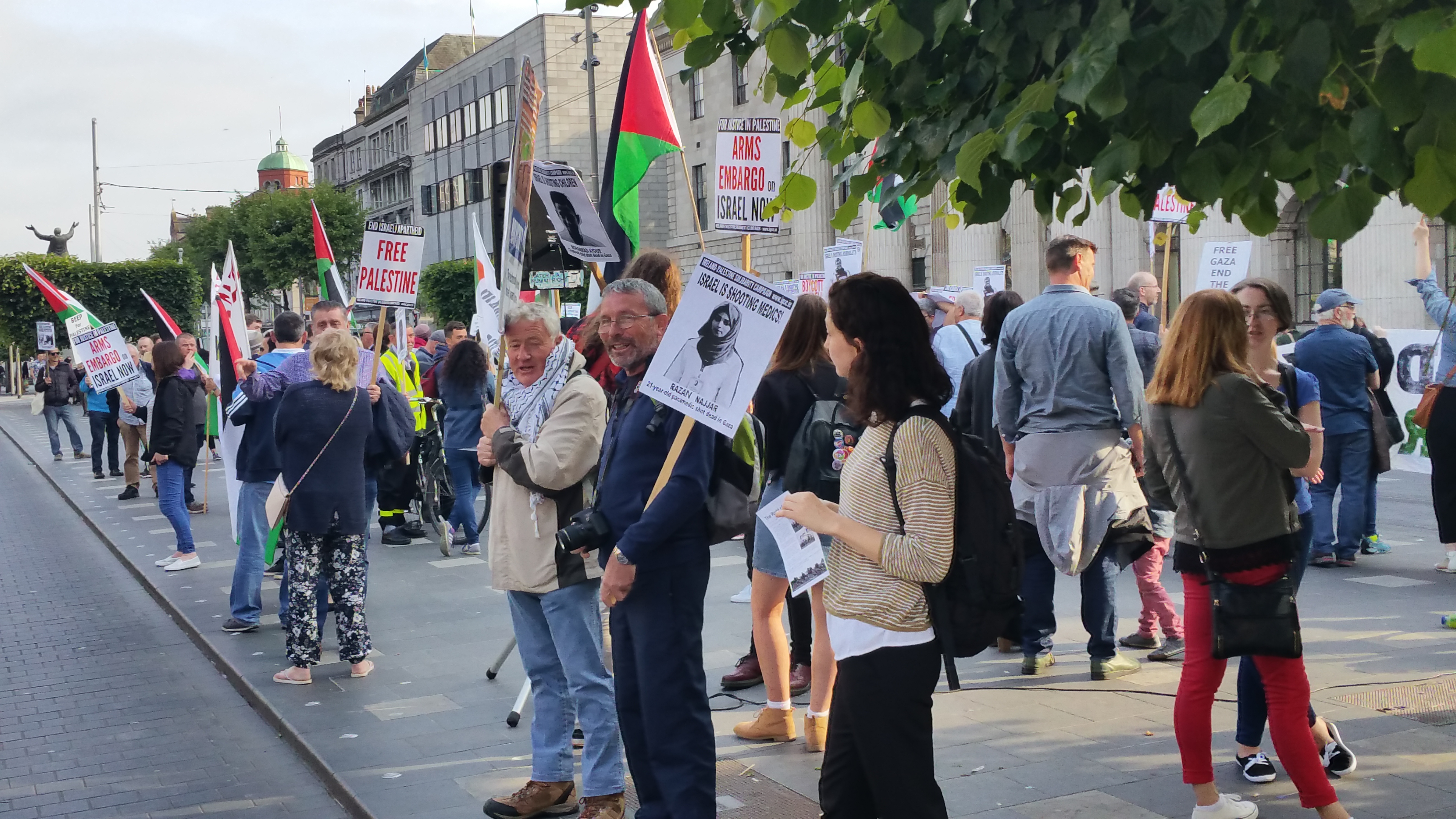
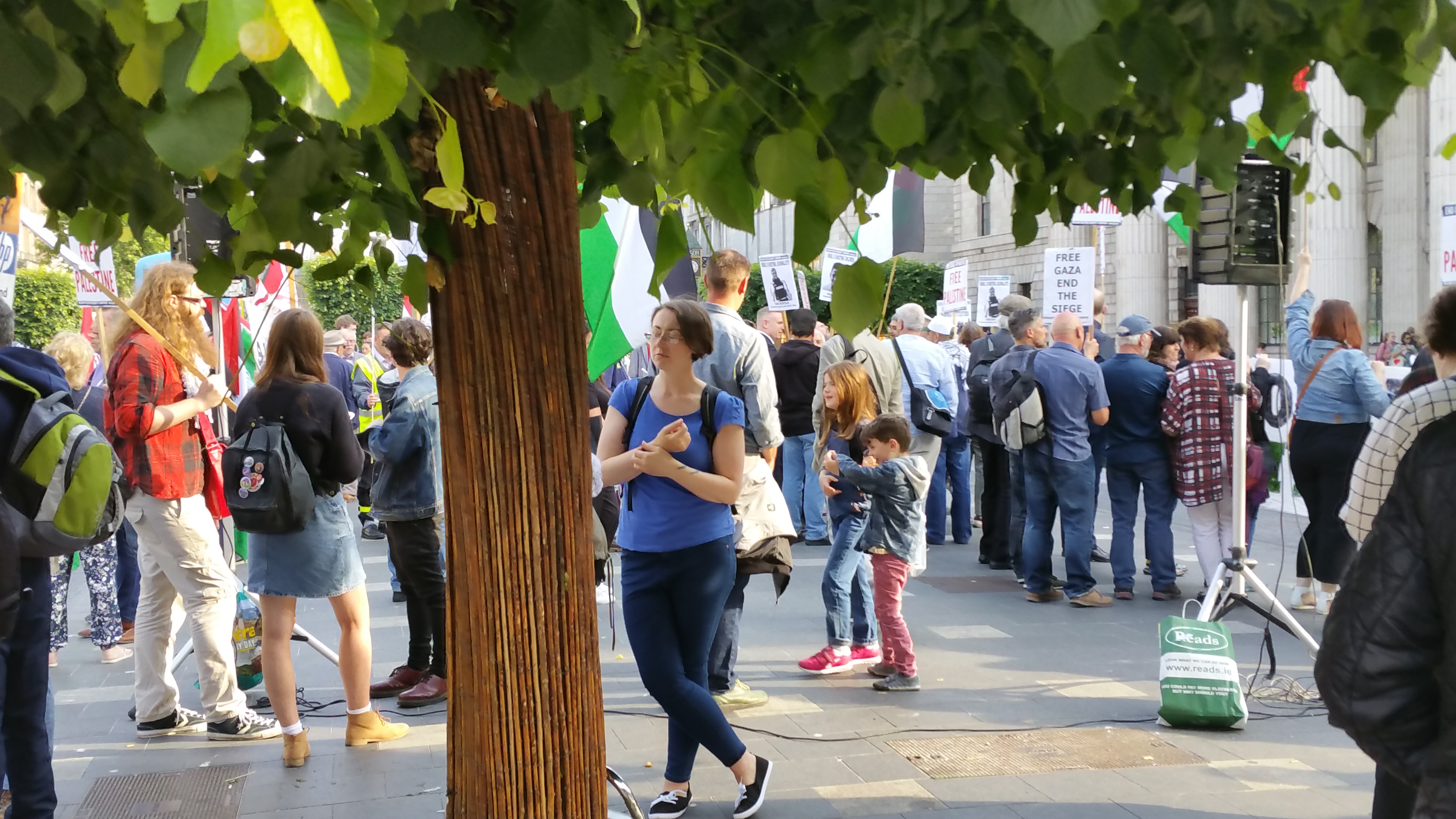
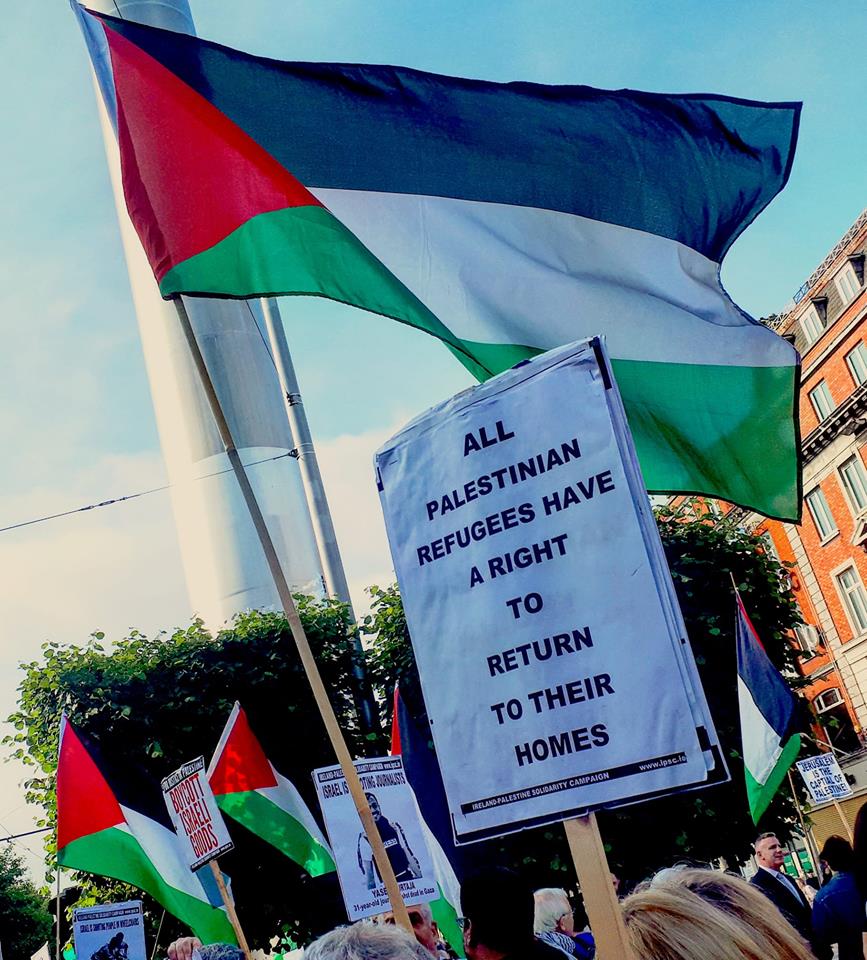
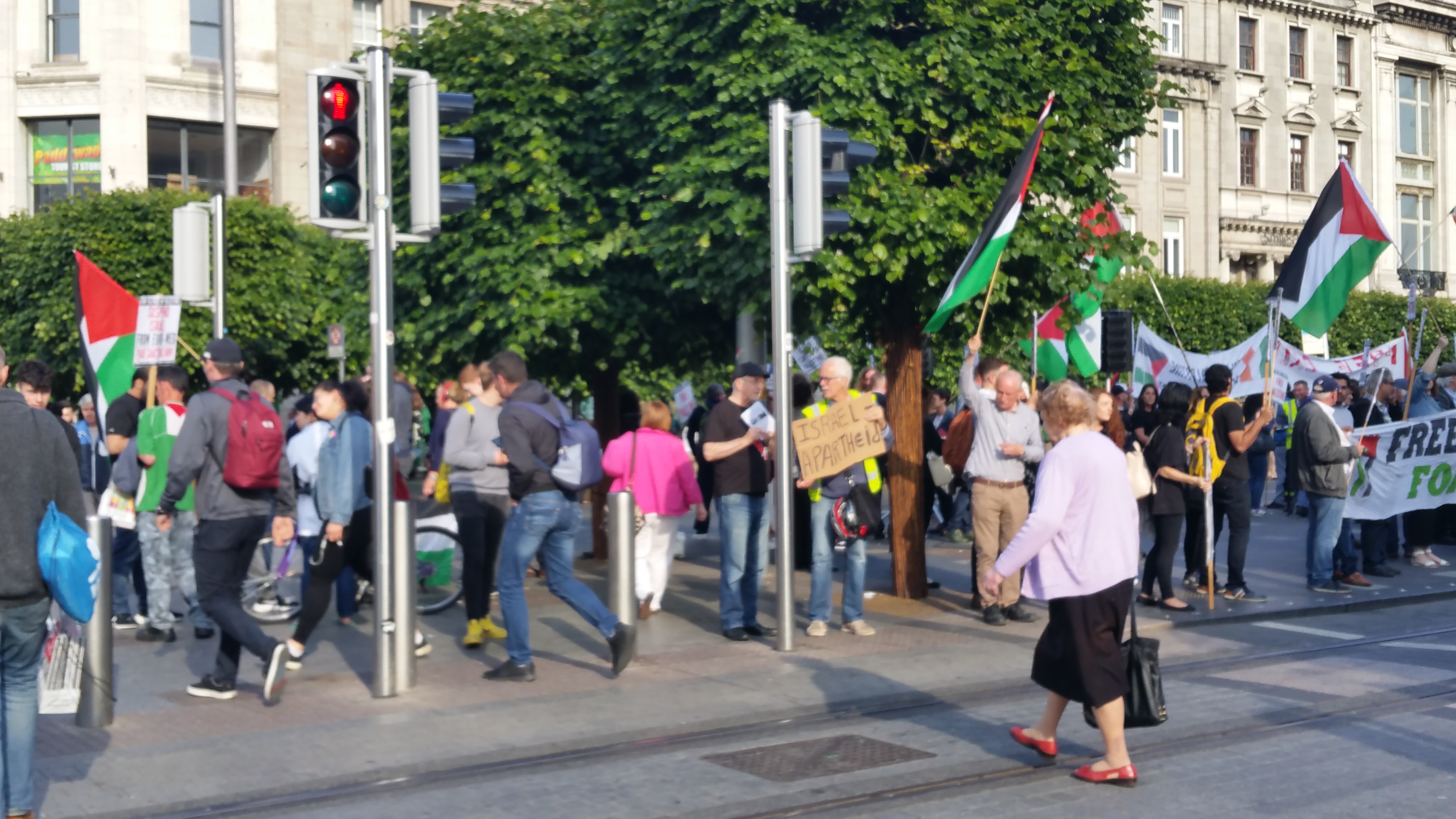
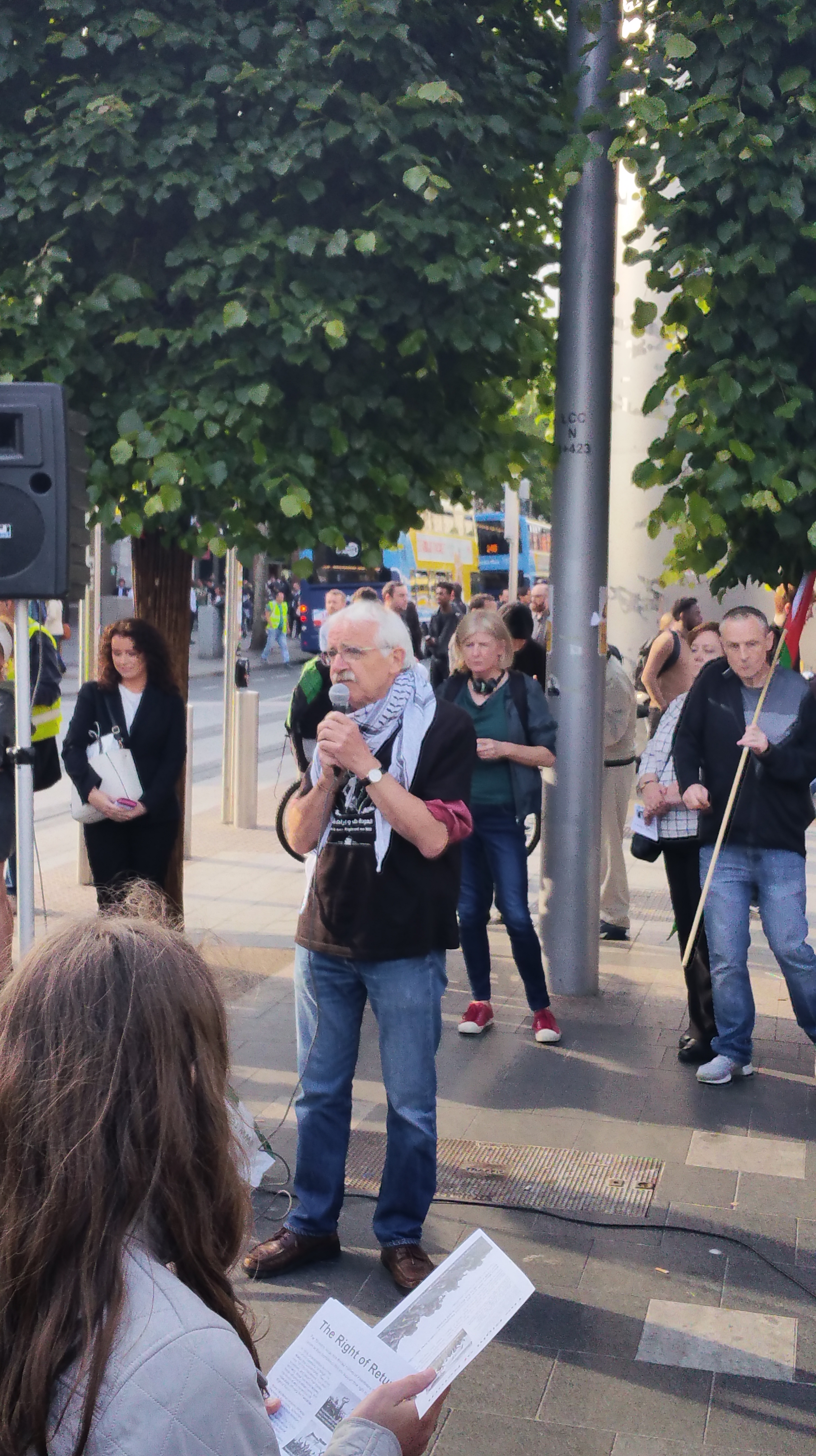
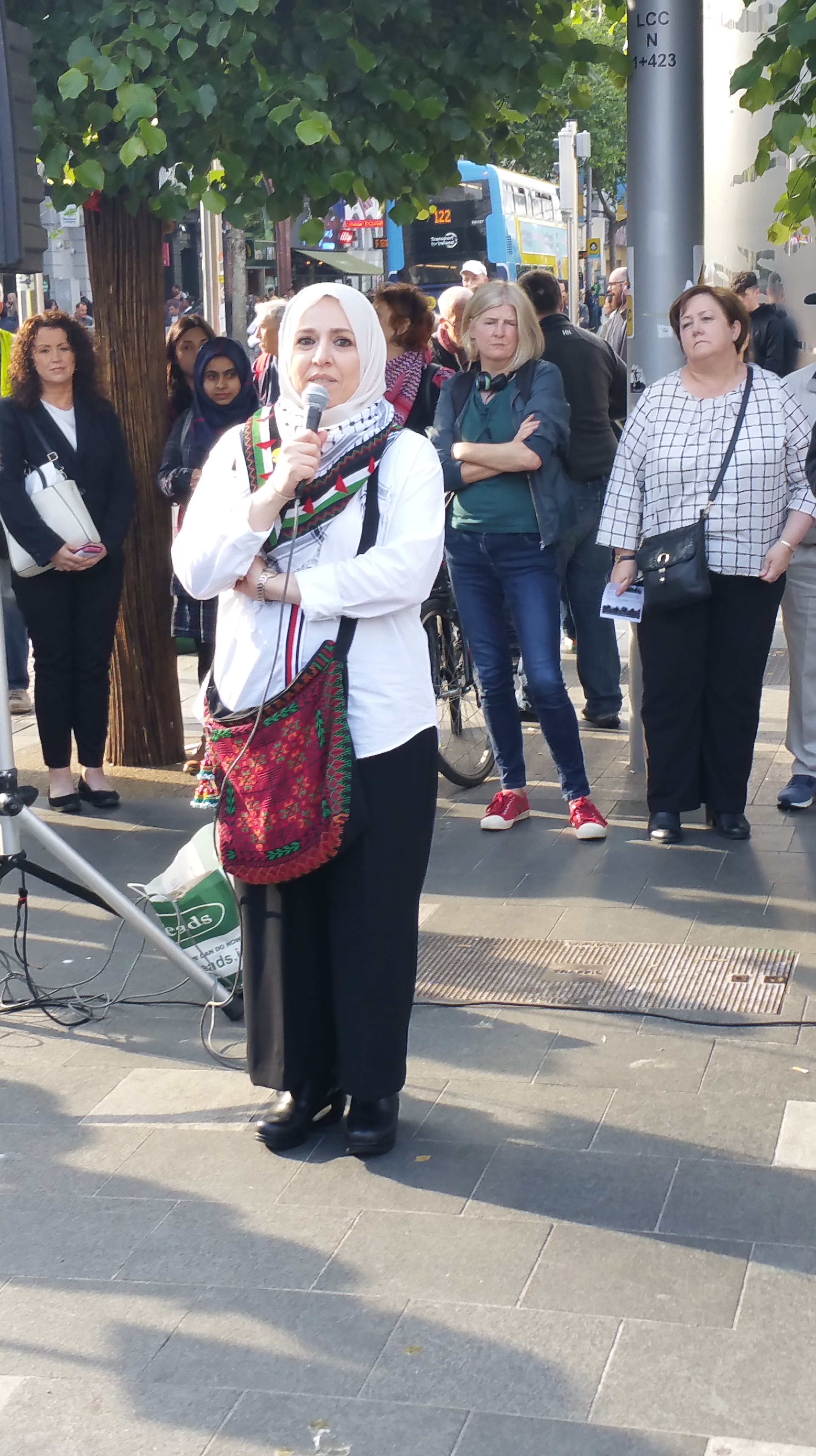
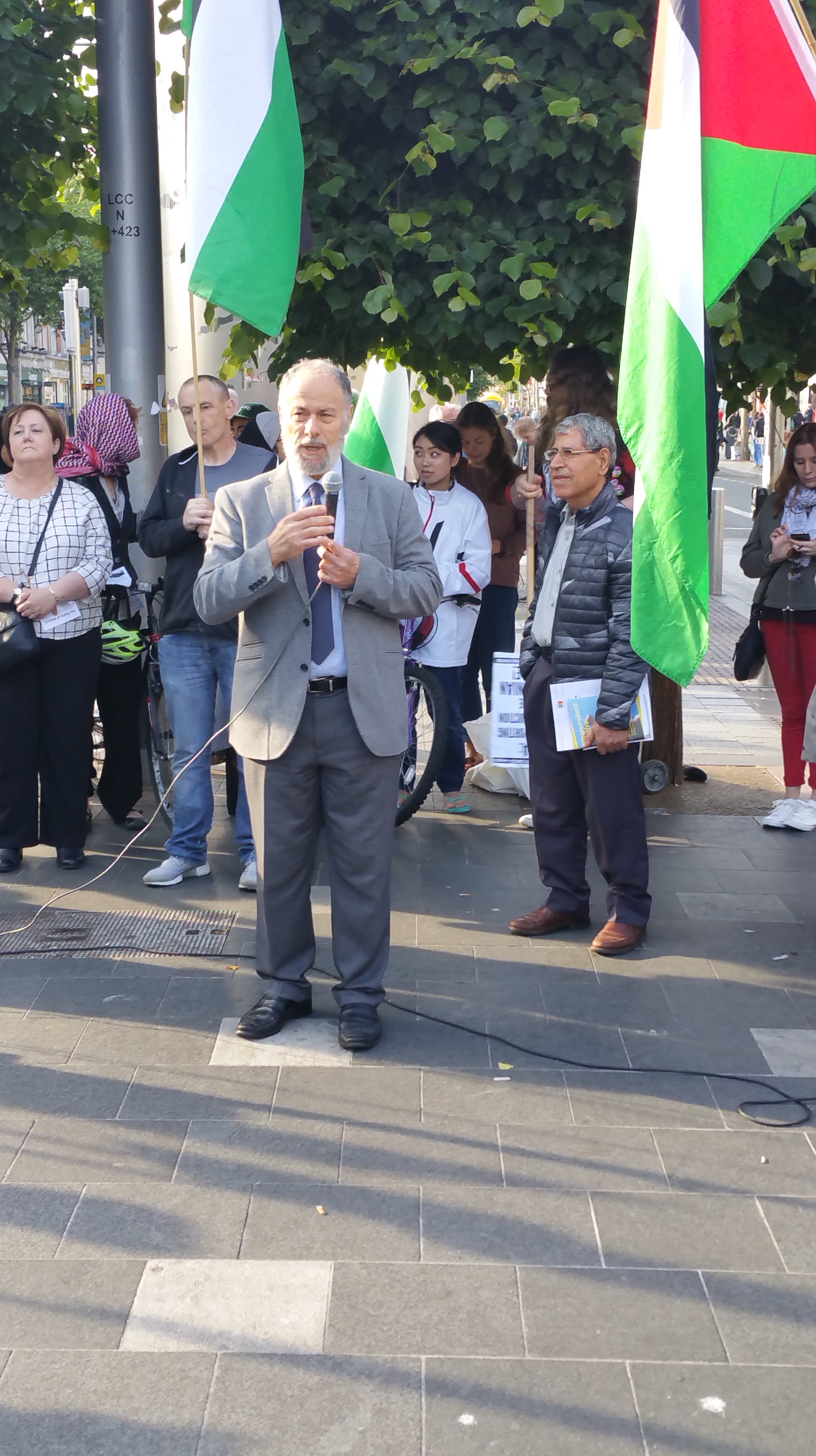
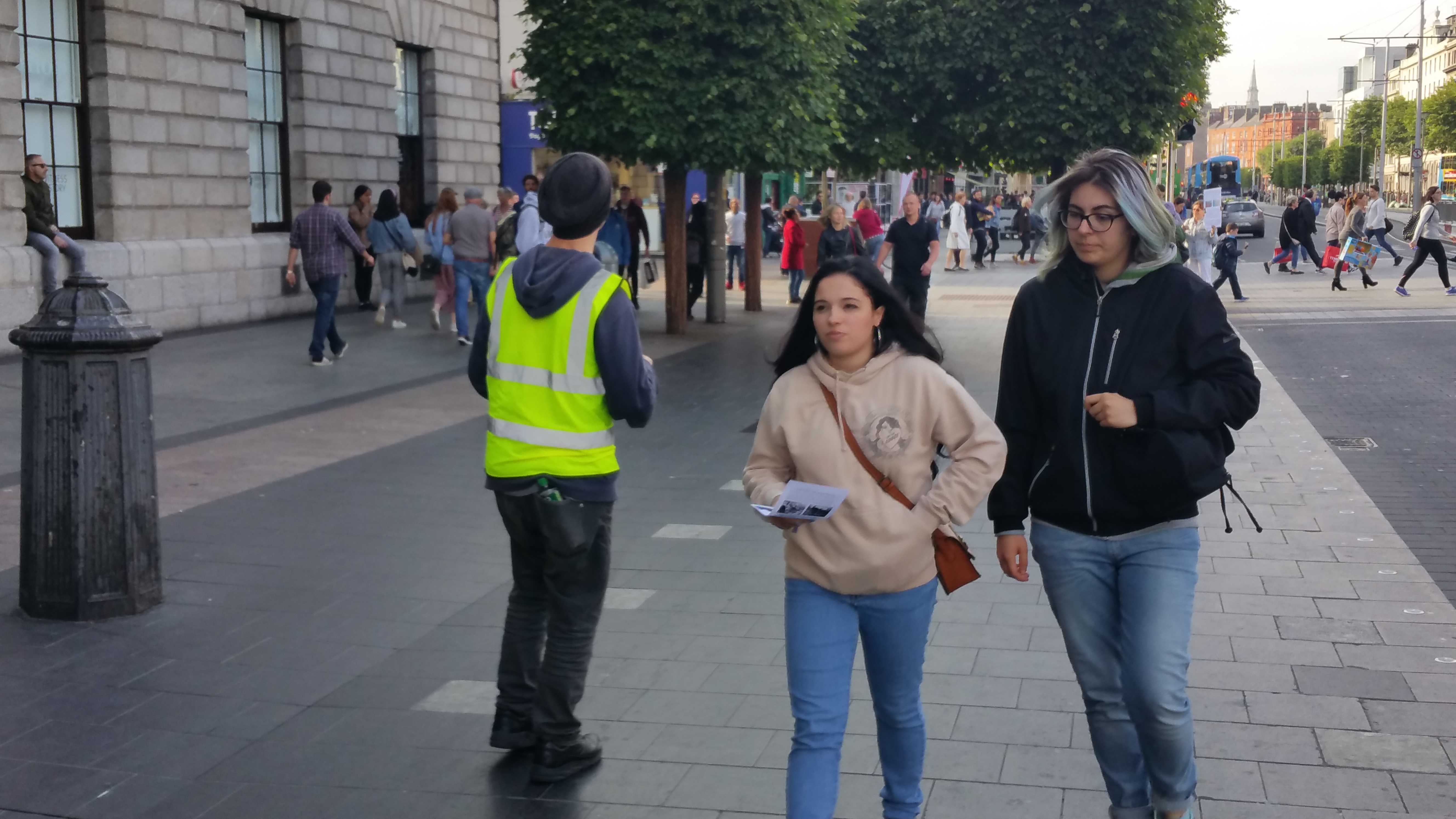
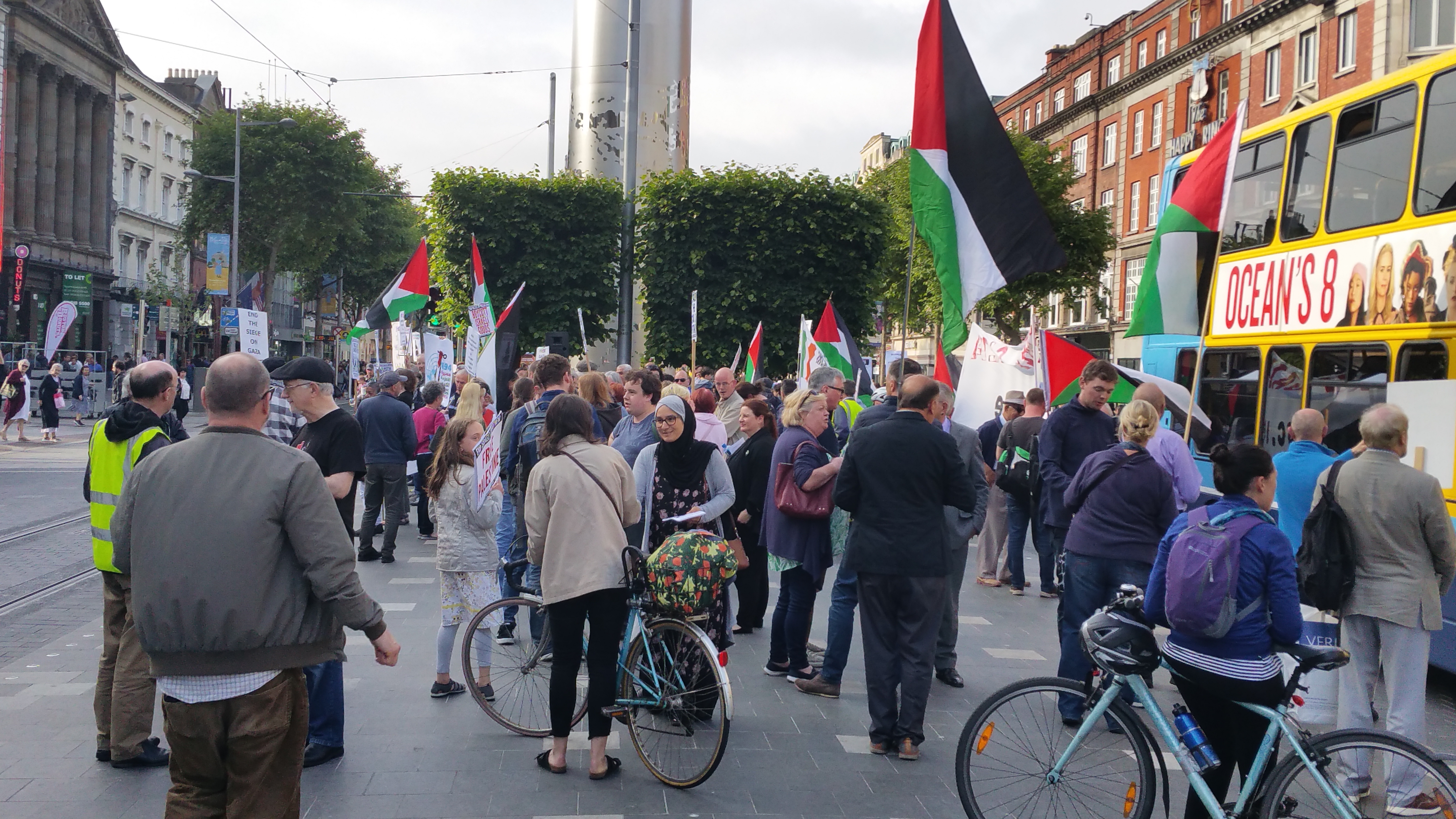
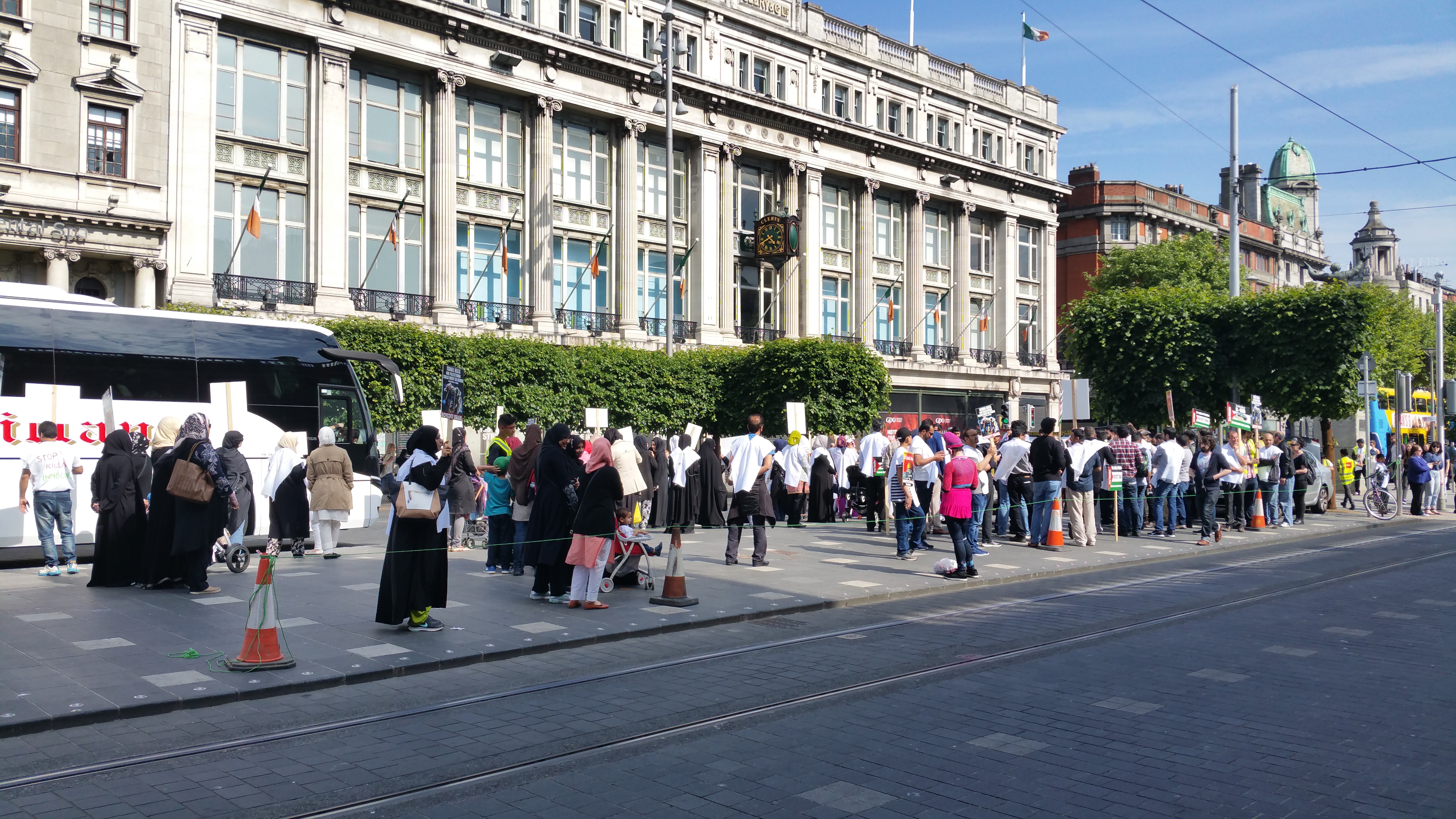
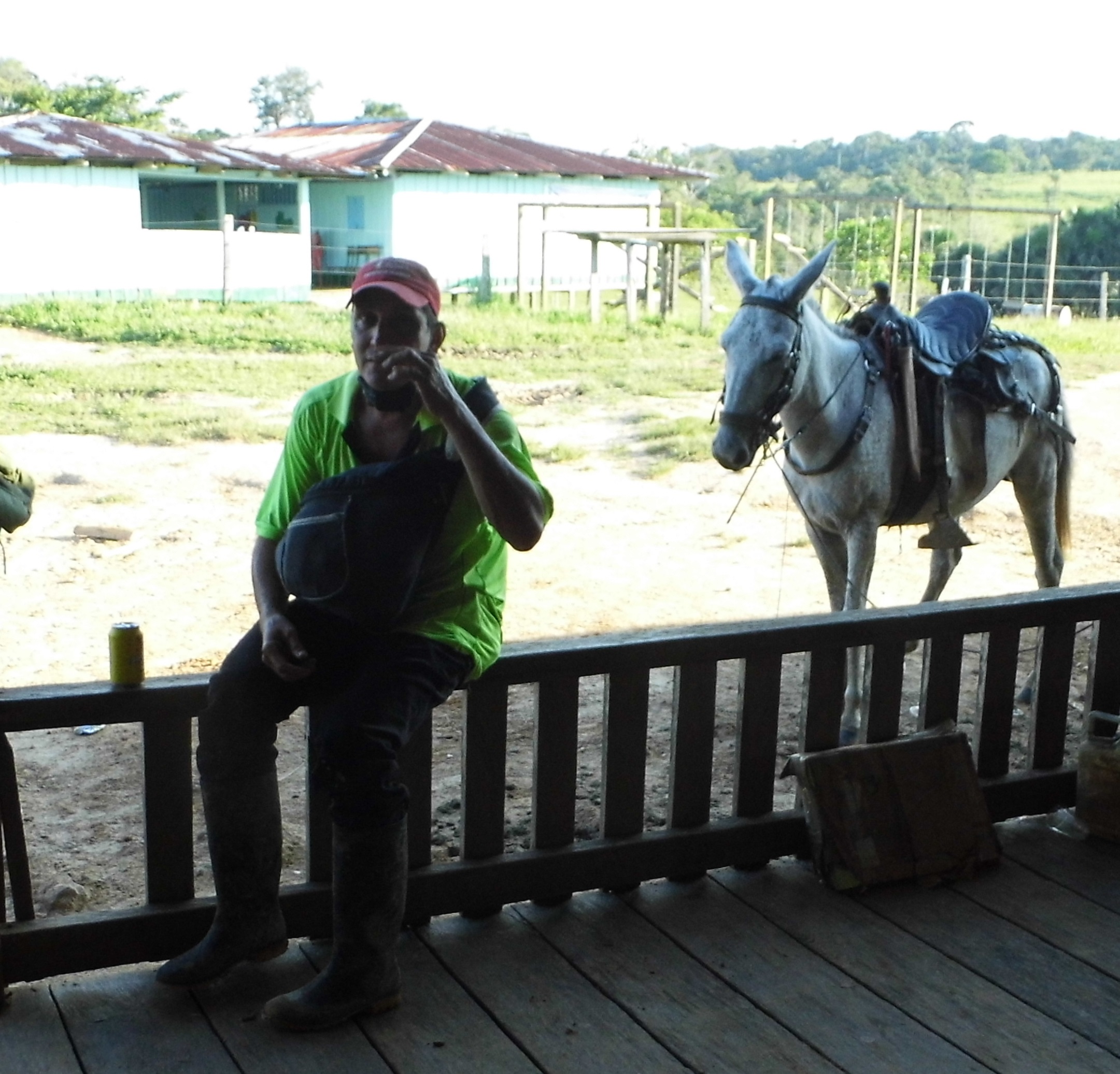



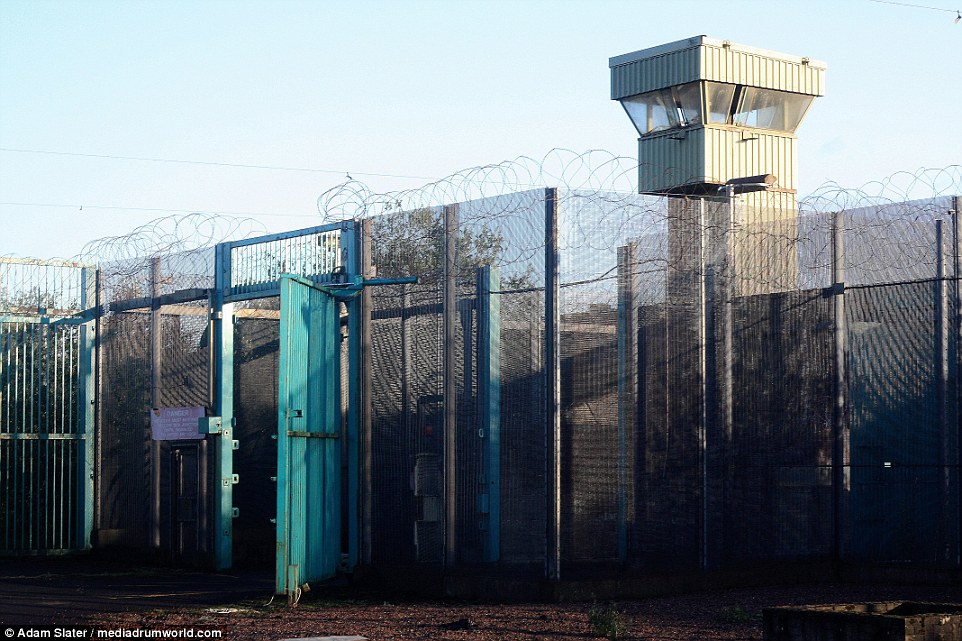
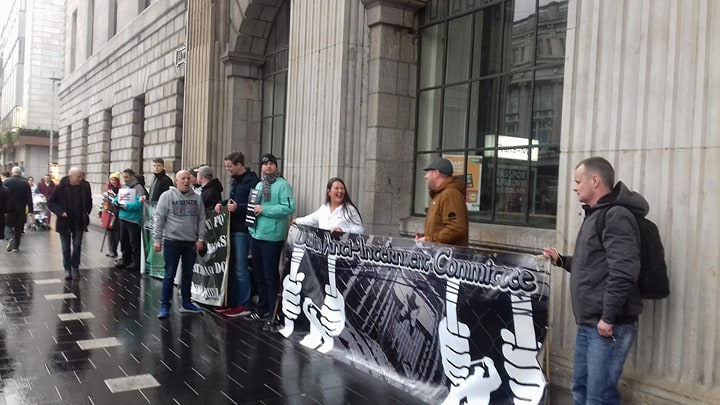


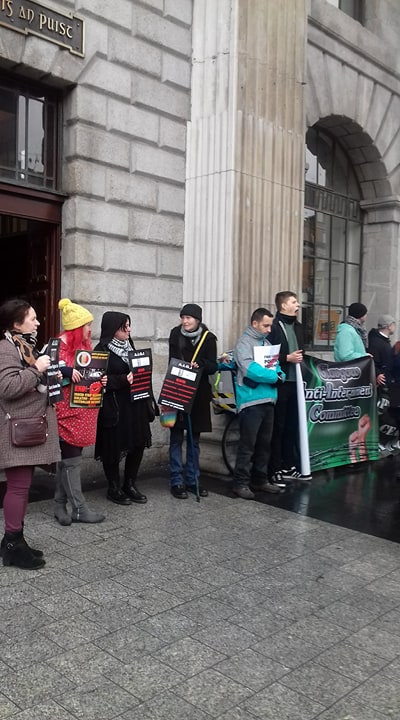
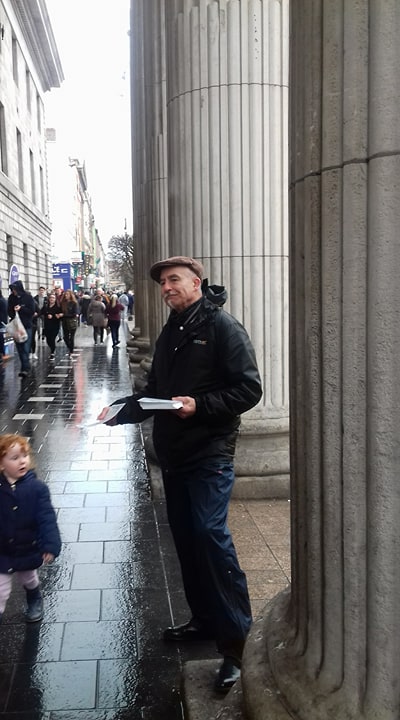


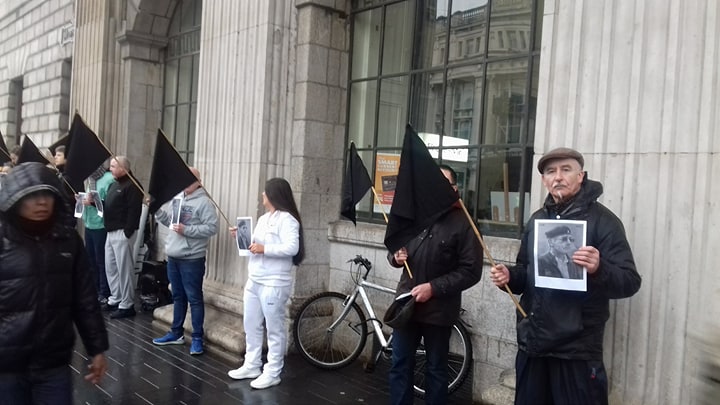

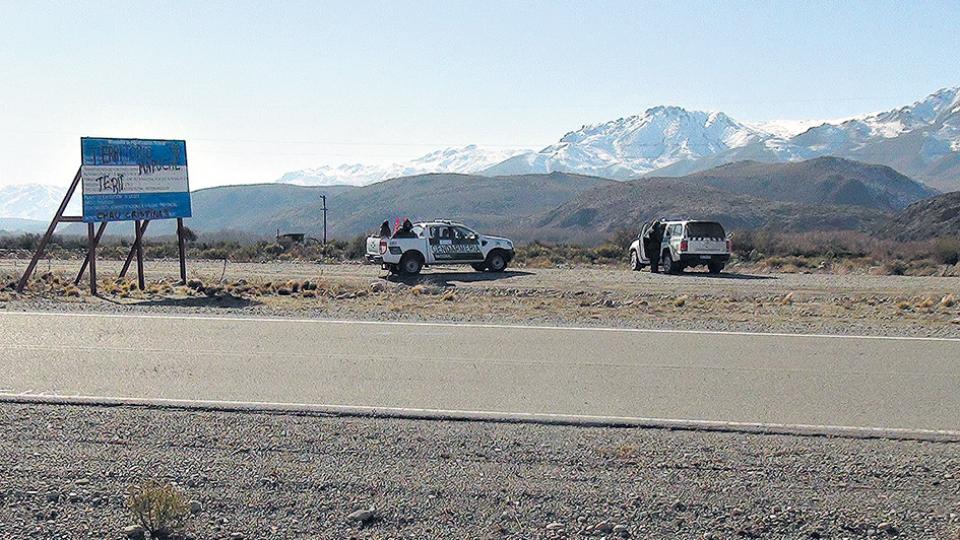

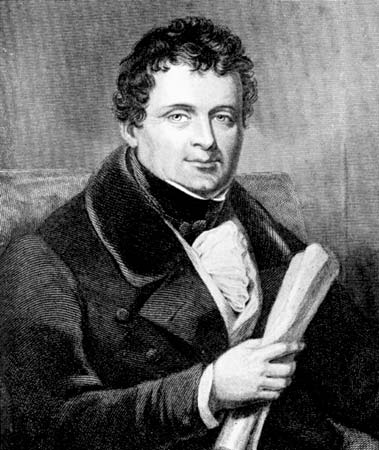
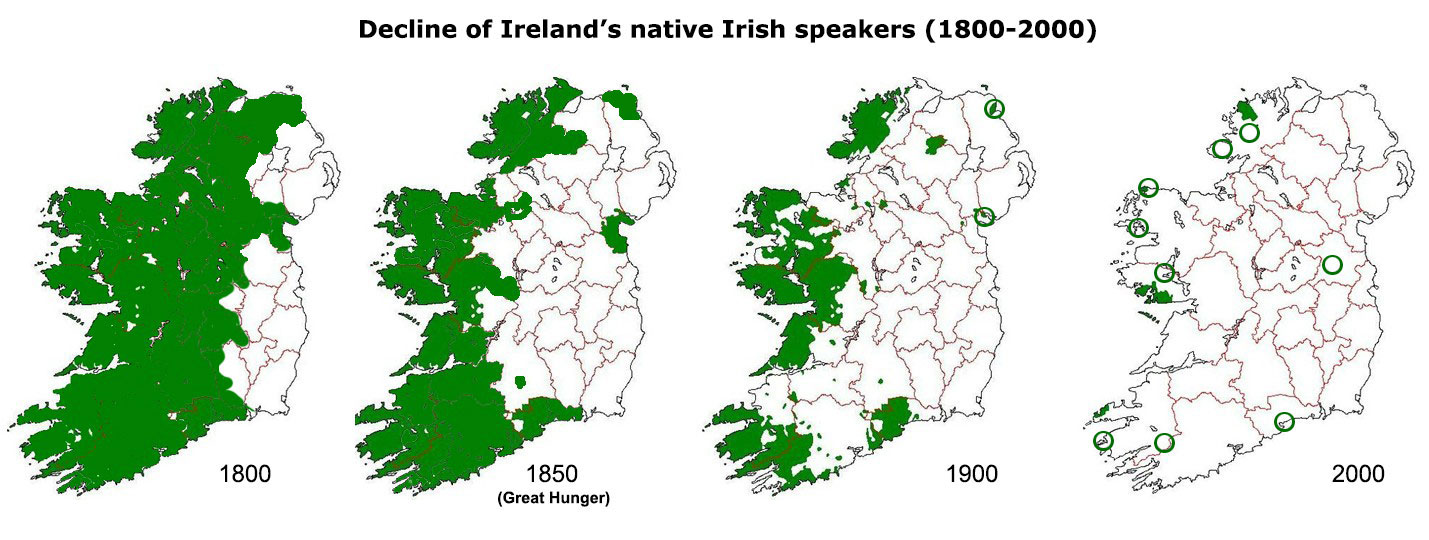

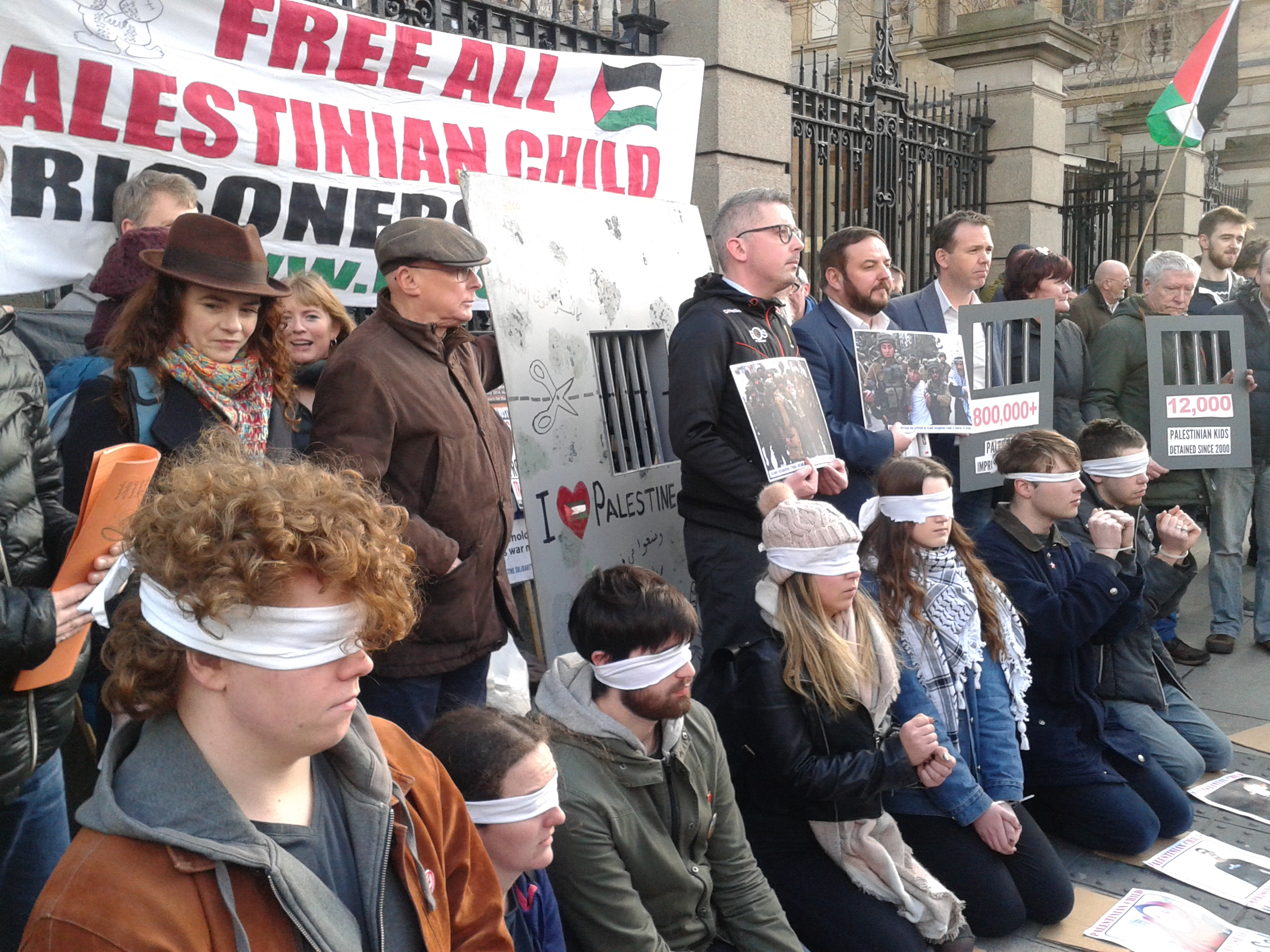
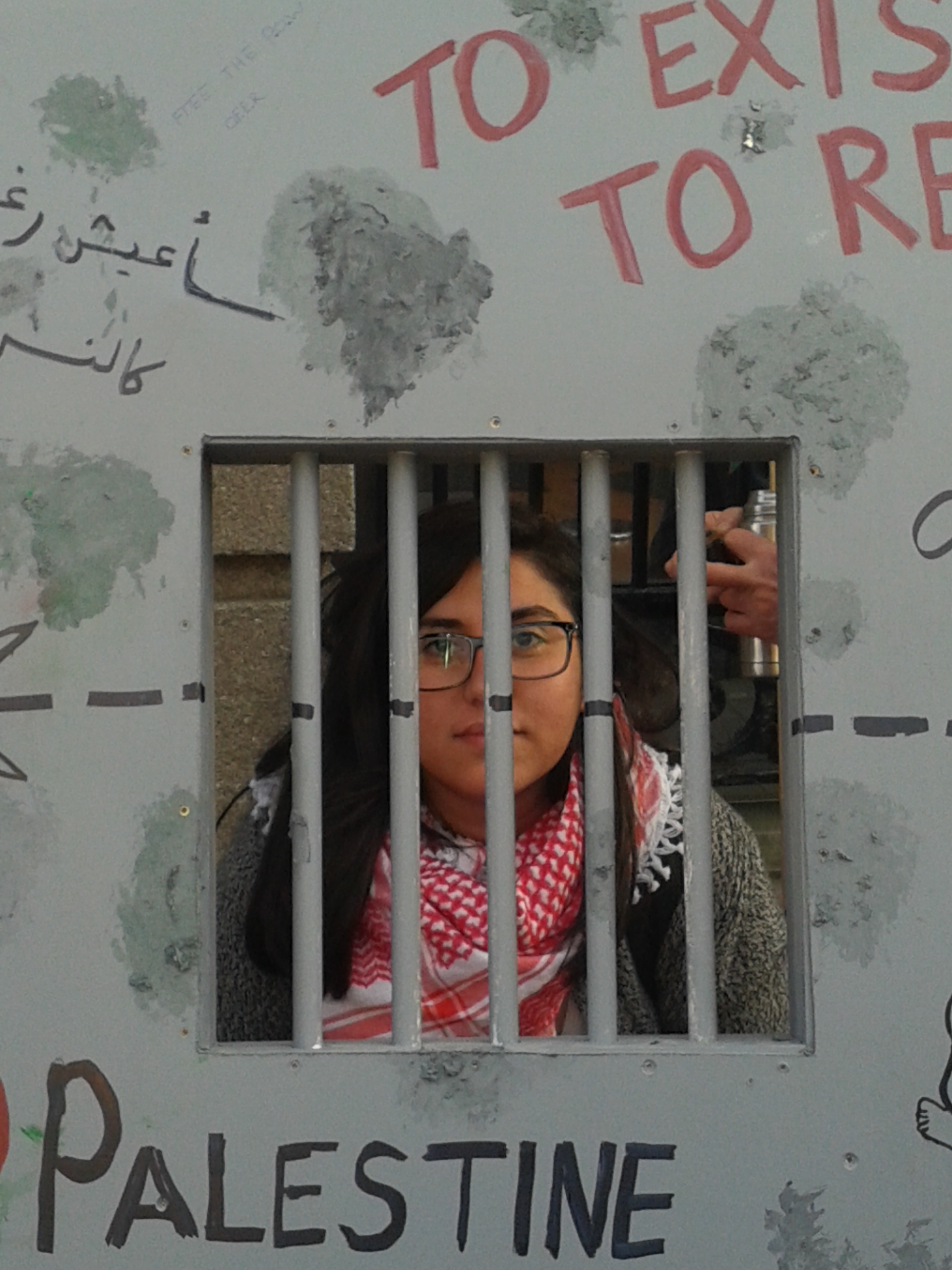
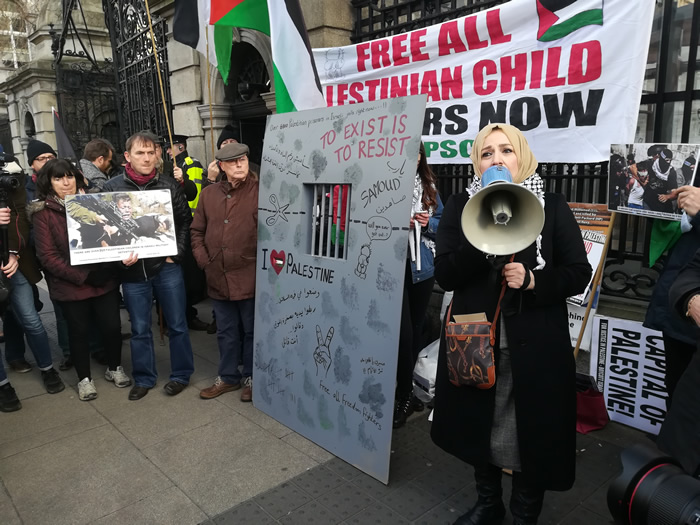
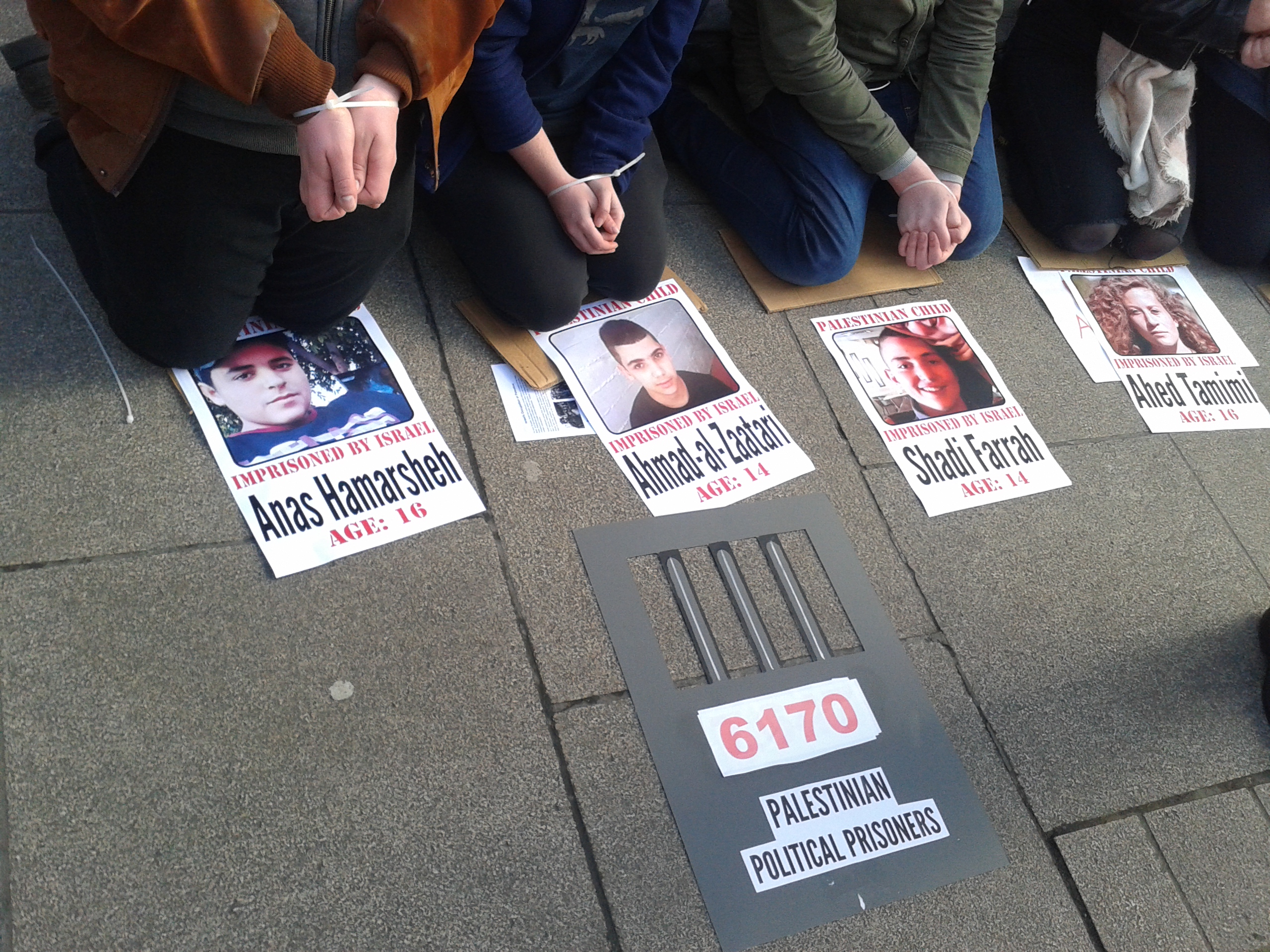

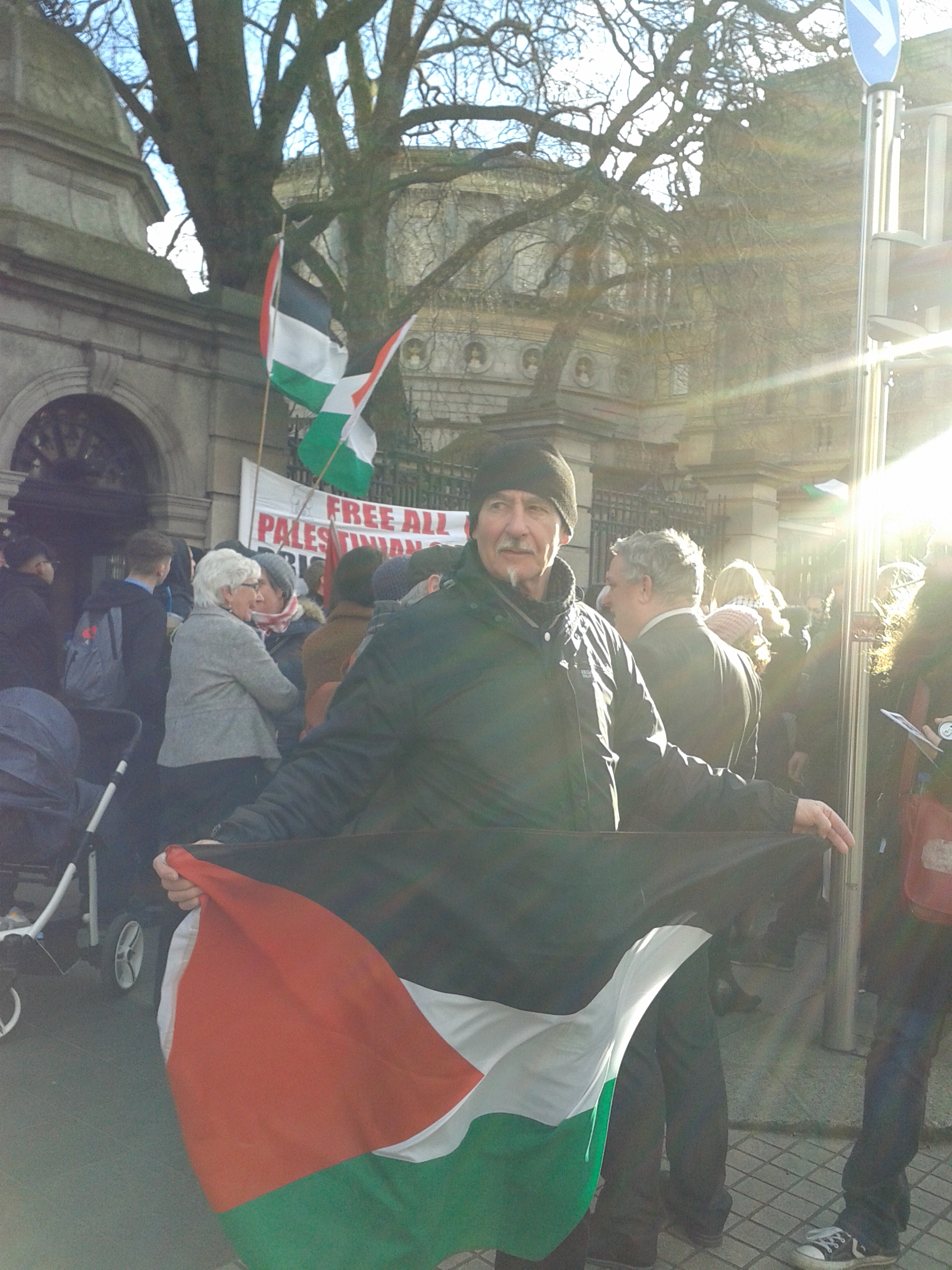
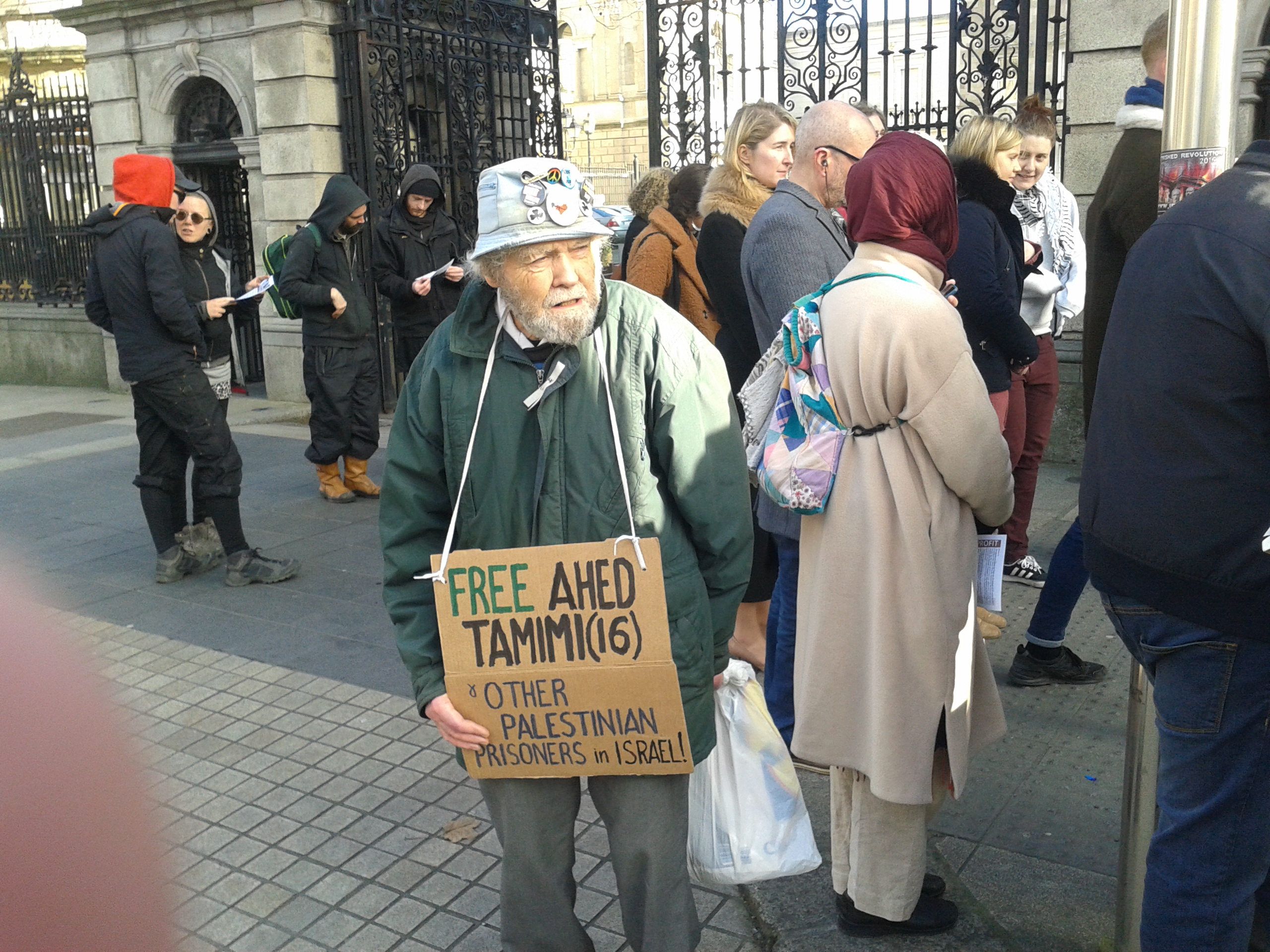
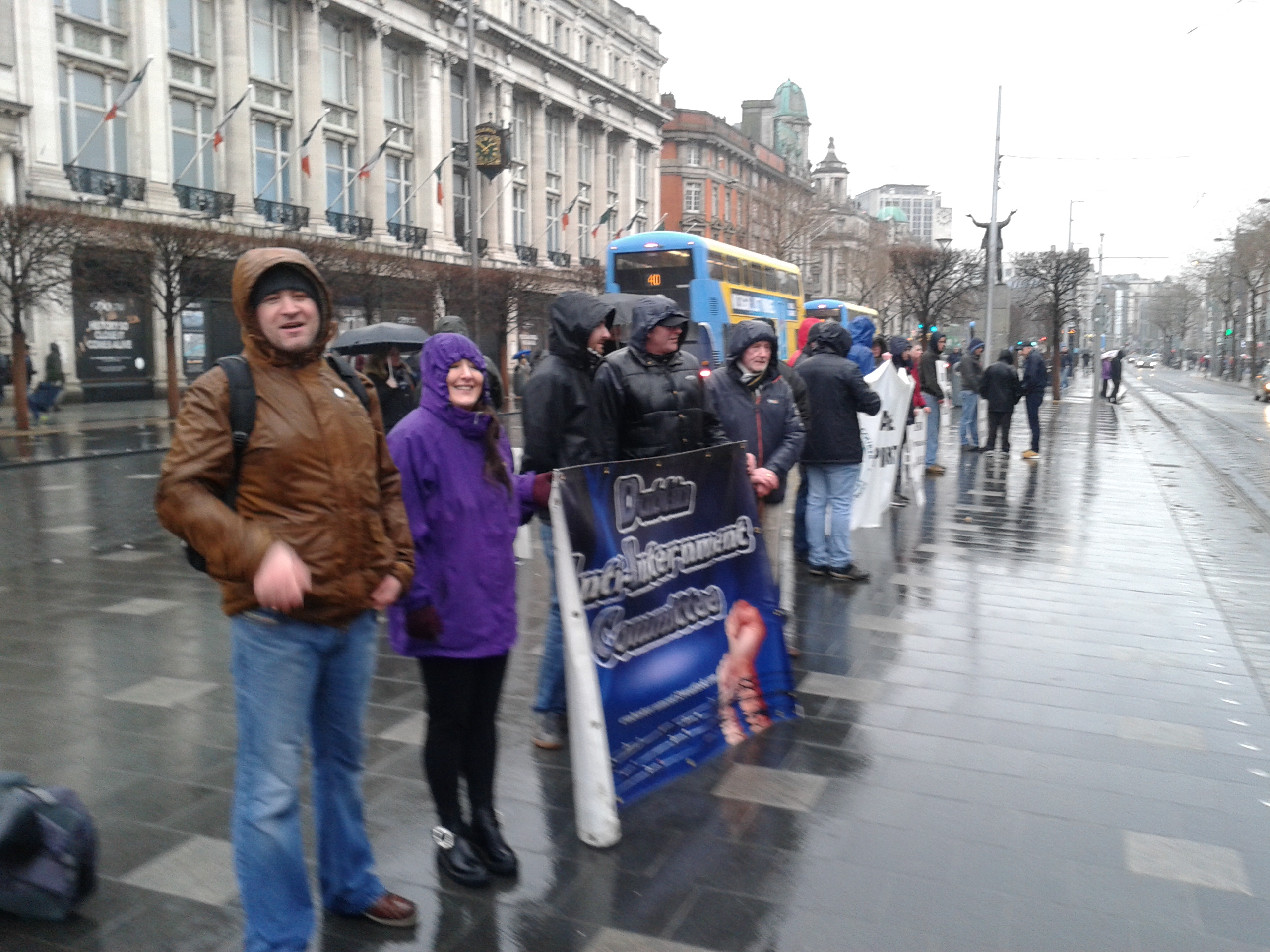
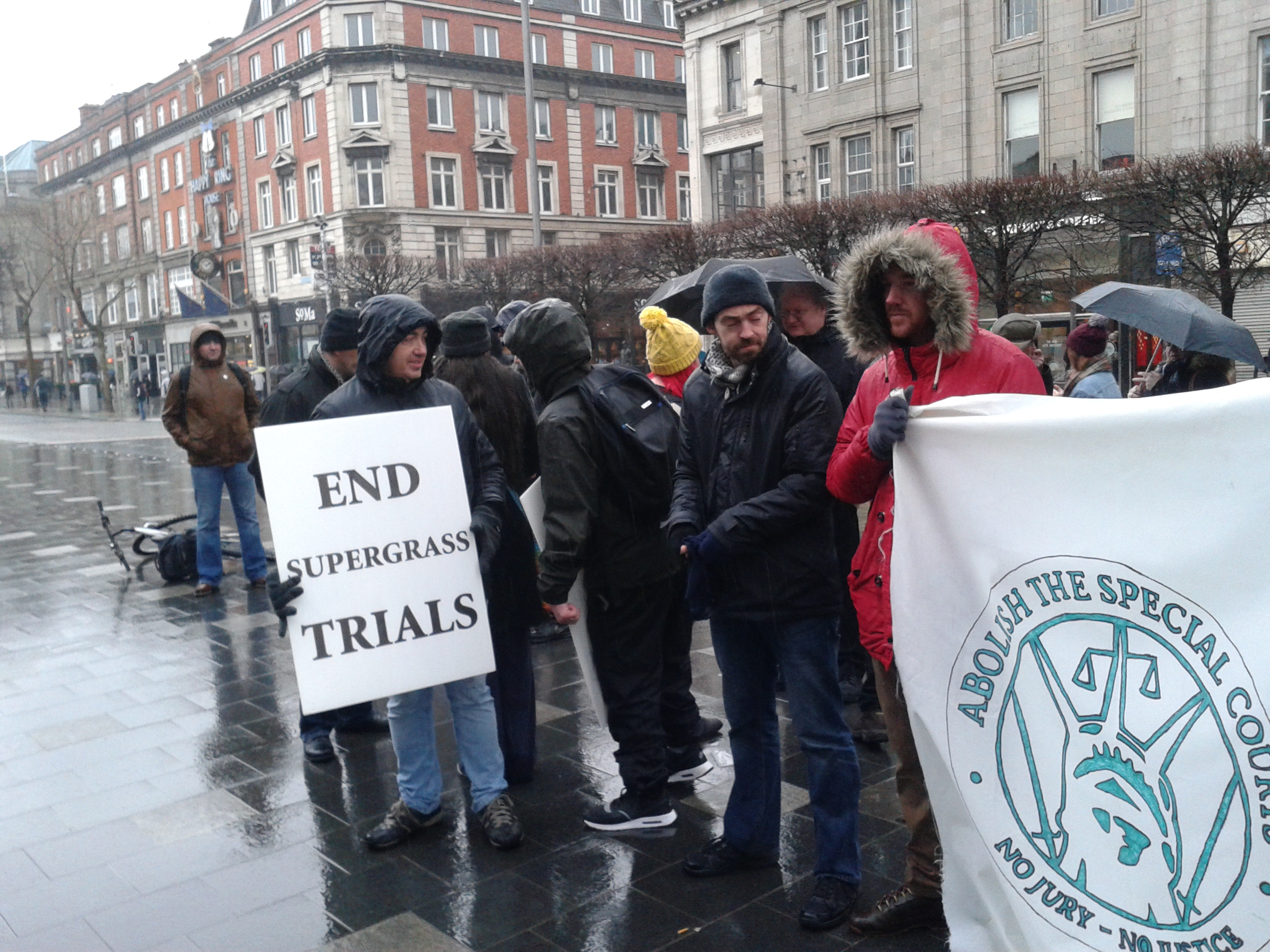

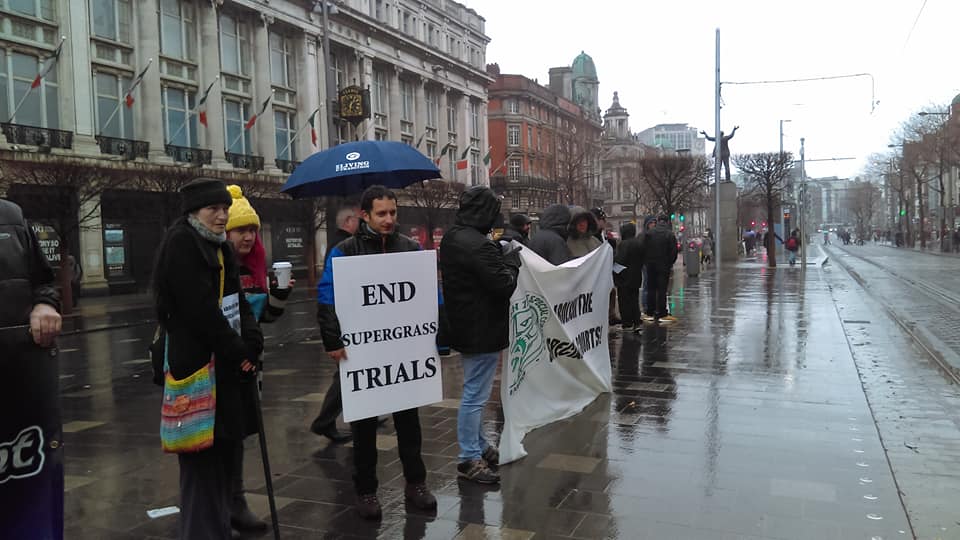


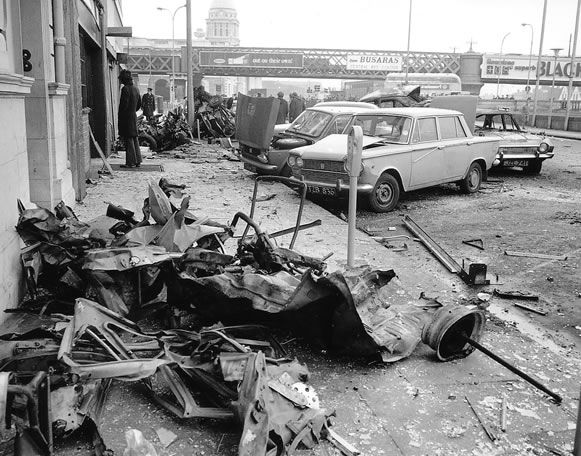
 rebelbreeze