Go to Dublin city centre any evening and you will see people queuing up for food and water, being dispensed by teams of volunteers. There are at least 16 different organisations carrying out this work in the city centre, mostly outside the General Post Office, an imposing building and historical icon, the location of the HQ of the 1916 Rising from Easter Monday to Friday1. These are mostly community initiatives or if not, religious organisations (Christian, Muslim, Sikh), their staff volunteers, their efforts supported by donations. I arranged to speak to one of those volunteers.
DB: Orla, thank you for talking to me. You help with one of the soup-run-type initiatives? In Dublin City Centre?
Orla: That’s ok. Yes. Ours is one of the ones that sets up in front of the GPO, under the arch. We take over after another group has already been there.
And there are still people to feed? Even though a group has been feeding people before you?
Oh, yes. Sometimes the queue is already stretching to the corner of the GPO when I get there.
How long have you been doing it?
Since September last year with this group and a few stints with another group before that.
What made you take it up?
Over the years, like I suppose lots of other people, I’ve been seeing the rich get richer, the poor poorer. It’s made me more sympathetic to people in difficult situations. I don’t think people get where they are just by entitlement. It’s given me different perspectives. One Christmas Night … it was 2016 …. I got to go with a homeless outreach team, supporting people sleeping on the street …. It really opened my eyes. So I got to know a few of the volunteers, started off donating to their teams. Then one day I joined the volunteers.
What is it like to do that?
It can be challenging. We need to wear masks and gloves. Some of the people have mental health issues. You might get someone trying to take more than their share – well, if you see they have kids, that’s OK, or you really know they are taking one for someone else …. but you have to explain that the food is being shared, it’s for all and has to last. The queue has to form up at one end and has to keep moving …. Most are grateful and cooperate.
So, what do you and the other organisations provide?
Mostly food and bottled water.
You spoke earlier about donations. I have heard some volunteers say they don’t want money, also claims that some organisations asking for money have been scams. Would you like to talk a little about all that?
It is an issue. Most of the organisations are not registered charities that have audited accounts ….
Some registered charities have been found to be crooked too …
Yes, some certainly have. There was concern about a particular organisation that was collecting in front of the GPO. A reliable person who knew the score challenged them and warned others about them and we haven’t seen them since.
But getting back to donations to the teams feeding people …. are they in money or in food and water?
Mostly they are in water food and – bread, cakes, chocolates. There’s some shops, including convenience stores, that donate us bottled water and also food. Some of the food is prepared elsewhere and then brought down to the teams, already packed into single containers – because of the danger of infection. And we provide plastic forks and spoons. And there’s hot water containers for hot drinks. There’s one group of people who make sandwiches to bring down – they’re very popular. Some people help in preparing stuff but don’t work on the table handing it out.
But money?
Occasionally, but we usually ask people to buy food with the money and donate it. Occasionally a money donation might be accepted and a receipt would be given. But what can you do when someone just walks up to us when we’re busy, hands over a ten-euro note and walks away? Oh by the way, we don’t do a clothes service but if we know someone in particular needs clothes or shoes, we might bring them in. Or pass them on to the Lighthouse or Inner City Homeless.2 Sometimes outreach teams from registered services will come along to us too, so they can get someone into a hostel.
I have heard of some groups of far-Right or fascist orientation saying we should only be looking after the Irish. What would you say about that?
Well, I don’t agree. We feed people of whatever nationality, so long as they’re not scamming. Sometimes we get some Irish people in the queue making remarks like that and we have to be careful not to rise to it, to get in big arguments with them — but we don’t agree. They shouldn’t be judging. We don’t get people from Direct Provision but I’ve heard those are certainly not holiday camps. Racists say foreigners get things for free but any accommodation they get, they pay rent for. People might be here from abroad, working, paying rent, then they lose their job, things go wrong for them …. could happen to anyone.
Then, you might be from one county and be refused help in another. I remember a program on TV early in the year about a young person left on the street because he was from another county …. shocked a lot of people.
Has there been any trouble from racist organisations?
I remember that just before Christmas there were some threats made on social media from some far-Right people to some of the volunteers.
I heard about those threats too. Did anything happen?
No …. supporters turned up to defend them and stayed near for the whole shift.
So, is it tiring, after a day’s work, helping on the soup run line for two hours,?
Yes, after work I get something to eat, then head over there.
Well, thank you Orla for taking the time for the interview and for your work.
Thank you.
List of groups organising and serving the soup-runs (may not be complete)
Ocras Éire
Éire Nua Food Initiative
Grubs Up Homeless Services
Caring Is Sharing
Muslim Sisters of Éire
Gurdwara Nanak Darbar
Snowball Church
Church of God
Hope In The Darkness
Lámh Fáilte
Lending Hand
Streetlink Homeless Services
Liberty Soup Run
Ballymun Soup Run
Everyone Matters
Kilkenny group on Grafton Street
Go raibh maith agaibh go léir and to those who supply them with donations of food and bottled water.
Queuing for food from one of the voluntary services outside the GPO, Dublin 2020. (Photo sourced: Internet)
Comment
Thankfully these organisations are providing services but it is a sad comment on any society that they are needed, let alone in a State that claims it won independence a century ago. The GPO is a central location in the city centre and is obviously convenient for the operation of the services. Nevertheless the fact the building housed the headquarters of the 1916 Rising for nearly five days is a poignant counterpoint to the aspirations of those who fought for independence and a better life for the people.
That some far-Right and outright fascist organisations such as the National Party are using the issue of poverty and homelessmess to point the finger not at the system but at migrants, is disgusting. Preying on the vulnerable, poisoning their minds and using them as a front to pretend that they are actually doing charitable work, filming their occasional propaganda forays into the city.
Meanwhile, there are real people of many different ethnic backgrounds actually out there week after week, doing the real work, whether by religious or communal solidarity. Some of the latter are also, at other times, political activists and to learn that they have been threatened by fascists makes one’s blood boil.
Fair play to those who are doing the real work. But it shouldn’t be necessary. The system is sick. It needsa fundamental change or at least a sharp shock.
…. charging ….. step back ….. JOLT!
…. charging ….. step back ….. JOLT!
End.
FOOTNOTES:
1On that afternoon some of the garrison left to take wounded to Jervis Street Hospital and the major part, to head for the north-east of the city to continue the resistance but having to stop in Moore Street.
2Registered NGO services working with the homeless in Dublin.
As Limerick and Waterford county teams prepared to face one another in the GAA hurling semi-final at Croke Park stadium, anti-internment protesters and campaigners lined up outside Dublin’s General Post Office, in the city centre, to mark the 50th Anniversary on the introduction of internment without trial in the British colony of the Six Counties. Their placards, leaflets and speakers denounced the continuing practice of interning political activists in Ireland today.
Seen at the anti-internment event in Dublin today (Photo crdt: Sean Hogan)
The event was organised by the Anti-Internment Group of Ireland, an independent and non-affiliated campaigning organisation and the supporters included a mixture of socialist Irish Republicans and anarchists. The heavy and persistent rain of the morning held off and Dublin city centre was thronged as GAA hurling supporters added to the usual shoppers. The banners and placards of the picketers drew considerable interest from those passing and here and there people stopped to discuss with them.
Some young Basque girls were curious but also delighted to see their nation’s flag, the ikurrina, being flown at the event and stopped to engage one of the picketers in discussion. Also in evidence was the flag of Amnistia, Basque organisation around solidarity with its political prisoners and against repression, along with the flag of Palestine.
Flag of the Amnistia organisation (solidarity with their political prisoners) in the Basque Country seen on the anti-internment event in Dublin today (Photo crdt: Sean Hogan)
Around 200 leaflets were distributed to passers-by, discussions were held and contacts were made with people interested in supporting the work of the Anti-Internment Group Ireland.
After some time in a picket line and distributing leaflets, a representative of the organisers, speaking in Irish and in English, welcomed the attendance and introduced a speaker from the Anti-Imperialist Action organisation.
One of the leafleters outside the GPO at the anti-internment event in Dublin today (Photo: C.Sulish)
SPEAKERS
Speaking in Irish as some passers-by stopped to listen, the young man said they were there to commemorate the introduction of internment and mindful of the existence of political prisoners all over the world. The were also protesting the extradition to Lithuania of Liam Campbell to face trial in a country in which he had never previously set foot.
The organisers’ representative then spoke in English about the history of repression in the Six Counties colony, how from the moment the nationalist community there stood up to demand equal rights and justice the State had responded with violence. Since the people raised the level of their resistance in response, the State in turn raised the level of its violence higher again, in a rising spiral of violence.
The nationalist community in the Six Counties had marched for civil rights and had been met with the violence of the colonial police and of the Loyalists — the speaker said — but they had continued to resist. Internment without trial was introduced to break that resistance but, knowing that would also lead to increased resistance, the State had prepared the Paratroopers to shoot unarmed civilians dead. They had done that in Ballymurphy on the very day that internment had been introduced1, he reminded his audience and later had shot dead two unarmed Cumann na mBan Volunteers (Republican women’s organisation) who were alerting people to the raiding parties of the British Army. At the start of the following year, the British Army murdered unarmed civilians again, this time in Derry2.
That year 1972, the speaker stated, had the highest death toll of any year during the three decades of the war3 and Loyalists were also bombing streets nearby in Dublin, again in 1973, killing workers. In 1974 Loyalists and British intelligence bombed the Dublin city centre again and Monaghan, killing the highest number of people killed in one day during the war4. That year too, the IRA bombed pubs in England and killed people and the State brought in the repressive Prevention of Terrorism Act against the Irish community. They jailed a score of innocent people on extremely serious charges5 and one of them, Giuseppe Conlon, died in jail6.
The speaker went on to say that although there had been hard repression before, the introduction of internment without trial and the follow-up massacres by the British Army had lit a fuse to a chain-reaction of violence for decades to follow.
Pointing out that internment consists of jailing people without trial, the speaker stated that the practice continues today, by refusing bail to political activists awaiting trial in the non-jury courts on both sides of the British Border. The Anti-Internment Group of Ireland will continue striving to expose this reality and he called on people to support the monthly pickets in the city centre and to follow the End Internment page on Facebook.
ONGOING AGITATING AGAINST INTERNMENT
As the applause died down people began to pack away flags, banners, placards and leaflets and to catch up socially among themselves or to engage with passers-by who had stopped to listen and/ or to ask questions.
Organisers of the event said they hope to hold another picket at some venue in the city centre in a month’s time – when scheduled, the event will be announced on the End Internment FB page.
End.
Leafleter right foreground, person reading leaflet left foreground, picket line of the anti-internment event in Dublin today. (Photo: C.Sulish)
(Photo: S.Hogan)
(Photo: S.Hogan)View of the picket with a passer-by expressing solidarity with the picketers (far right of photo). (Photo: C.Sulish)
FOOTNOTES
1Between 9-11 August, British paratroopers caused the deaths of 11 unarmed civilians in Ballymurphy.
213 people were shot dead by British paratroopers on Bloody Sunday in Derry as they protested against internment and a 14th died later of his wounds.
3The period from August 1971 to the end of the year saw a huge jump to 136 violent deaths (including British and colonial armed forces) and the following year, 1972 is counted the most violent year of the conflict overall with 479 people killed (including 130 British soldiers) and 4,876 injured.
5The Birmingham Six, Guildford Four, Maguire Seven, Giuseppe Conlon and Judith Ward. All were eventually cleared after long years of campaigning around them and failed court appeals.
6Giuseppe Conlon, hearing that his son Gerry had been arrested for the Guildford Pub Bombings, came to London to help him in 1974 and was swept up into the police net to become one of the innocent framed victims. Giuseppe Conlon was not a healthy man and died in his 7th year in jail, before the verdicts on the other framed prisoners were finally overturned. His son Gerry, also an innocent man in jail, was not permitted to attend his father’s funeral.
When I read or hear someone say something like: “We should stop supporting Israel” or even “We need to stop ignoring Israel’s crimes”, my hackles rise somewhat and I ask myself “Who are this ‘we'”?
Are you turning a blind eye? No, you are not. Amy I? Are those who post the crimes of the Zionist state and all the others who have “liked” those posts, or the thousands who have demonstrated in Ireland in solidarity with Palestine? Or those who go on solidarity visits every year, braving Zionist surveillance and traveling under cover? Or the unknown thousands who don’t buy goods produced in Israel, so much so that when supermarkets display avocados from Israel they leave off the country of origin and one no longer sees herbs for Israel on sale in their shops (not in Dublin anyway). No matter the limited effect these actions have, clearly “they” are not supporting Israel and are in solidarity with the Palestinians.
Part of Palestine solidarity march in Baggot Street, Dublin, June 2021 (Photo: D.Breatnach)
This is more than personal protest at being lumped in with the imperialists and their collaborators or even the apathetic in the “we”. More importantly, I am making what I consider to be an essential political point.
I and “we” are not part of the oppressors (nor of the apathetic sections, those who have not yet awoken). To speak in that way is liberalism. It implies that you and I and so many others are part of a society that we order and run and that its rulers represent us. We are not and they do not.
Our society’s managers are representatives of capitalists and worse, monopoly capitalists, whose governing ethos is profit, maximisation of profit and continuation of profit, amen. In pursuit of that they compete with other monopoly capitalists and other monopoly capitalist-run states but also cooperate and collude with them when their interests coincide. Clearly for some substantial time now the interests of the rulers of the EU and other Western capitalist states coincide with those of the USA. And clearly, Israel serves US interests in the Middle East, the only state in that region which is safe from a) socialist revolution and b) take over by anti-imperialist Islamicism.
People in Grafton Street, Dublin (Photo credit: Stephen Collins)
So if WE are in solidarity with Palestine and WE want to see it free, WE must be against Israel. And if WE are against Israel, WE have to be against the USA. And if WE are for that people and against those powers, then WE are on the other side of a line from the Zionists and their local supporters. The greatest help WE can give the Palestinians in addition to expressions of solidarity is to overthrow the imperial powers and their monopoly capitalist allies wherever WE are.
If we think of those rulers as being part of us, as part of “We”, we are ideologically disarmed and unfit to go into battle against them. In that case, the assistance WE can give the Palestinians will be even more limited than that for which we have the potential at the moment.
The wolf was hunted to extinction in Ireland during English occupation1 – in fact, a similar bounty was paid by the colonial administration on delivery of Catholic priests and resistance fighters as was paid on a wolfskin2. They were extirpated in most of western Europe and in large parts of the USA and plans to reintroduce them run into lots of opposition. But really, what is the problem with wolves?
The canine with closest ancestry to our domestic dog is the wolf, the Eurasian and American subspecies – close enough to our dog to mate and produce viable offspring – and the divergence from a common ancestor is estimated to have occurred 11,00 to 16,00 years ago.3 The wolf is an apex predator usually in a pack ruled by an alpha male and alpha female, the only ones permitted to mate and their offspring are cared for by the whole pack.
Highly social, adaptable to different terrain and weather, the wolf is a highly-intelligent animal able to travel long distances and fierce in defence or attack. Many people might fear wolves through imagining they or their children being attacked by them – and certainly there are enough childhood stories to feed that fear — but the main opposition to their conservation or reintroduction does not come from that source. Nor is the source those pet owners, particularly of weak or diminutive descendants of the ancient canine stock, like those for example in Los Angeles who complain that a coyote ate their toy poodle.
Wolves playing among themselves in juxtaposition to humans in Gorbeia, the largest natural park in the south-western Basque Country. The presence of wolves there is mentioned in only some of the tourist promotional literature and no explanation was provided with the youtube posting of this remarkable video.
The main opposition, and by far the most powerful, are the livestock farmers4. And their fears are far from irrational. Wolves are top-range predators easily capable of killing a sheep, pig or goat and, as a pack, of killing cows and even horses too5. Most livestock farmers are not going to be convinced by arguments in favour of biodiversity when they largely favour one or two breeds of meat or dairy animal, selectively-bred for high production relative to maintenance cost.
And the bigger the livestock farmer, the more realistic his problem with wolf conservation — or worse, wolf reintroduction. The bigger the herd, the more widely it is dispersed for grazing, the more difficult to protect. Paid guards with high-powered rifles are only effective by day. Corralling by night requires electrified fencing and even they are not infallible.6
So how did people manage before? In some parts of Western Europe, there have been wolves in living memory and people raising livestock in those areas made a reasonable living. How did they do it?
The answer is dogs7. Not the poodle or spaniel or terrier type but big strong dogs capable of fighting wolves and, in the case of some breeds, more than a match in a one-on-one contest. The studded or spiked collar was invented to shield the dog’s vulnerable neck and throat.
PROTECTION FROM WOLVES BY DOG
In a video from the Basque Country I viewed some years ago, some villagers talked about wolves and the mastiff dogs they had and these are discussed also in a video in Spanish included here with shepherds from the Zamora region, in Castille and León, in central Spain. This type of dog is not a sheep or cattle herder8 but rather a livestock guard; living around the livestock, it knows them and does not permit predators of any size to approach them. In some parts of the world and in the case of some breeds, nor will they permit the approach of any humans, other than their masters and their known associates. Livestock guardian dogs are not all mastiffs but all are typically big and strong breeds, hardy to the prevalent weather conditions typical to their area, socialised to the herd animals and therefore at ease with them (and vice versa), protective of the livestock and inhibited from injuring or killing them, even when hungry. They are comfortable enough with their owners (although reputedly some do not enjoy petting) and his or her close associates, with some breeds also very protective of their owners.
Vikham LGD from Pakistan (Image sourced: Internet)
There are around fifty currently known breeds around the world to fill this role9 including: Akbash and Aksaray Malaklisi of Turkey, Bakharawal of India, Beauceron of France, Cane di Manara of Sicily, Estrella Mountain dog of Portugal, Georgian Mountain Dog, Great Pyrenees and Pyrenean Mastiff, Greek Shepherd, Himalayan Sheepdog, Karakachan of Bulgaria, Mazandrani of Iran, Mucuchies of Venezuela, Slovak Cuvac, Vikhan Sheepdog of Pakistan. The Irish Wolfhound was probably not one, it seems to have been primarily a hunting chase dog, though its name suggests it might have been used to hunt wolves too.10
2019 interviews in Castillian Spanish with shepherds who use Mastiffs livestock guard dogs in Zamora region, central Spain.
It should be born in mind that in many parts of the world, wolves are not the only mammalian apex predators; big cats and bears compete with them; in those regions guard dogs have to be and are willing and able to confront those species too. Despite the size and armament differential, a good guard dog will confront such predators displaying extreme threat in appearance and sound (and possibly also summoning assistance). Livestock guard dogs have been known to fight to the death but bear or even lions will usually back off to seek easier prey. Besides, a flock needs a minimum of two livestock guard dogs and and there might be more.11
These breeds are mostly comparatively rare now in many parts of the world, where apex predators have been extirpated, since their function has largely been dispensed with, or they are maintained as pets or competition show dogs.
Carpathian LGD (Image sourced: Internet)
None of the Basque villagers interviewed had mastiffs any longer, although one Basque livestock farmer informed the interviewer that his father had two. However, in some other parts of Iberia, the mastiff breed is still active as a working dog and a shepherd in Zamora (Castille and León autonomous community, central Spain) with a flock of 450 sheep has five mastiffs; all five might not be necessary but as he explains, one must have a working reserve in case of injury, sickness etc among the guard dogs. He spends €5,000 p.a on the dogs. The shepherds there have no interest in the show specimens of the breed saying that they are not being judged by their working ability. “If a wolf sees a show dog, it laughs,” says another shepherd. “If our dogs see one, they’d laugh too.” “It is impossible for the necessary qualities of a working dog to be judged in show environment”, says another shepherd, pointing out too that a mastiff that is too heavy cannot run, thereby rendering it it useless for guarding the flock.12 The dogs also need to learn from experience how to respond not just to an individual wolf but to a pack, where individual members of the pack will seek to lure the dog away towards others in ambush, or to detach it from the prey which others will then attack.
Iberian Mastiffs LGD with sheep (Image sourced: Internet)
A wikipedia entry on Livestock Guard Dogs links their use with wolf coexistence: “With the reintroduction of predators into natural habitats in Europe and North America, environmentalists have come to appreciate Livestock Guard Dogs because they allow sheep and cattle farming to coexist with predators in the same or nearby habitats. Unlike trapping and poisoning, LGDs seldom kill predators; instead, their aggressive behaviors tend to condition predators to seek unguarded (thus, non-farm animal) prey. For instance, in Italy’s Gran Sasso National Park, where LGDs and wolves have coexisted for centuries, older, more experienced wolves seem to “know” the LGDs and leave their flocks alone.”13
Adult Akbash LGD & juvenile Central Asian Ovcharkas guarding beef calves, Sublette County, Wyoming, USA. (Photo sourced: Internet)
Some Basque and Spanish shepherds seem to agree and are prepared to coexist with the wolf, using more traditional methods of livestock farming, corralling their stock by night with dogs to protect on duty as they are also by day.14 With a different apex predator in Australia, the widely-hated by farmers dingo, a few farmers are seeking to coexist with the predator against the opposition of the majority of their colleagues, in areas where dead dingoes may be seen suspended from trees or even roadside structures.
Dingoes are pack animals in which only the alpha pair breed (like wolves) and one of the cattle farmers states that dingo extermination attempts break up the pack, resulting in more individuals breeding. He also relates that kangaroos eat down the vegetation which competes with his cattle but also contributes to drying out of the land. When he stopped trying to eliminate the dingo, he says, they preyed on the kangaroo which in turn resulted in more surviving vegetation and land in better condition.15
A shepherd in the Zamora range states too that the wolf keeps down the numbers of wild boar and deer and generally across Europe these ungulates are reported to be on the increase (the white-tailed deer also in the USA). Boar are well-known in some regions for raiding cultivated fields, trampling growing plants to reach what they find edible, well able to knock down types of fencing, squeeze through gaps and so on. Increasingly on the Internet one can find videos of wild boar, often accompanied by their litter, foraging in villages and towns (in one video, even successfully overturning a trash dumper to feed on the contents). These types of ungulates contribute their own kind of environmental damage in addition in some cases to nuisance to humans16.
The Zamoran shepherd comments also that deer, a natural prey of wolves, often carry brucelosis and infect cattle, which in turn is is transmissible to humans and treated as a serious disease. In cattle it results in loss of weight, abortion of fetuses and lower milk production and as the shepherd says, state control procedures require the destruction of the whole herd upon finding of some infected animals. Apart from anything else, clearly this measure can have serious economic consequences for the farmer and for the whole state in question.17
If wolf conservation and reintroduction is be successful in the long-term, it will require livestock farmers to have smaller herds and a partnership with herd guard dogs, as well as other defensive means. This entails the irony that the expansion in herd protector dogs results in protection for wolves, in preventing their cousins from causing depredation in the herds, which would entail reprisals from humans.
It may be that farmers will occasionally lose a lamb or a calf or a pig from their ranges to a predator – but they lose occasional animals anyway, to pests, disease and mishap. Their stock animals will probably be healthier and tend towards the sturdier types.
Yes, but smaller herds? Well, is it not widely accepted (except by big farmers and banks) that we breed too many meat animals, with huge emission of greenhouse gasses and lots of waste? Smaller herds would surely be environmentally welcome.
Map of Grey Wolf distribution in the present (green) and past (red). (Source: Wikipedia, Grey Wolf distribution by Country)
CONSERVATION AND REINTRODUCTION PROGRAMS
Reintroduction methods for wolves vary from releasing adult animals from captivity, whether alone or as a pair, to placing captive-bred pups within a wild litter, when according to reports they are fostered without difficulty by the wolf bitch.
The problems involved in projects of conservation and reintroduction are not small. The wild mammalian apex predators can compete with and threaten the other mammalian apex predator – the human. Direct predation on humans by the other land-based predators is statistically low; fatal encounters for humans are much, much rarer than those for the other mammal involved and, when occurring, usually arise from self-defence by the animal or defence of kind (especially of the young), along with rabid animals. So, in general, leave them alone and they’ll leave us alone.
Still of a Mexican Wolf Reintroduction from video (Videocredit: Arizona Game & Fish Dept. 2018)
OPPOSITION
But leaving our livestock alone is a different proposition entirely and even more so if our livestock and livestock management systems have reduced the wolves’ natural prey, both in number and variety. And we tend to do that. Our systems tend to reduce forest to favour grassland for our domesticated grazers, which reduces or wipes out forest prey. Then we set out to reduce or even eliminate the wild grazers competing with our domesticated ones. Even when we develop forests we tend to favour monoculture or restrict to a few species of commercial timber with high turnover in comparatively shorter time.
Hunting and fishing reserve managers kill predators ranging from hawks, eagles, and owls to stoats, badgers, wolverines, foxes, otters, bears, felines and wolves; legal and illegal means of killing predators include shooting, trapping and poisoning. But those practices also favour only those particular wild species valued for hunting, often edging out a diversity of other species which are now faced with “unfair competition” from the “sport” species, resulting in damage to diversity and to the particular eco-system.
Large-scale elimination of prey animals in order, for example, to protect crops, also reduces the natural prey available to predators. Growing only particular kinds of trees will result in quicker turnover and or greater profits but also in monoculture forests giving little shelter to diverse wild life.
For good reasons as explained by their supporters, the presence of apex predators affects not only their prey and other predators but also vegetation, which in turn affects other animals, birds and fish (through their effect on water courses) – in fact, a top-down effect on the whole local environment which has been shown to beneficial.
The objectors argue that large mammalian predators can cause significant problems to humans and most significant among those humans are the livestock farmers. They, ranging from rancher livestock operations of thousands of animals, down through the medium enterprises of some hundred head, to small farmers with up to a sore or so, are the main source of opposition to wolf conservation or – what are we thinking of? — reintroduction.
The opposition based on fear of attack on person, largely without contemporary logic but relying on ignorance and some folklore, can be educated and managed by conservationists but the livestock farmers are a different proposition. Those who rely on livestock to make a decent living and those companies for which it is big business, along with their shareholders and banks, are not going to be easily persuaded. The smaller or even medium-sized concerns are potentially more amenable to convincing, especially if aided by state grants to offset losses to predation18. The evidence is that for them a change to investing in livestock guard dogs would be manageable and very possibly more emotionally rewarding19.
Big business is another matter. Grants would have to be substantial to convince them and, in any case, ecological grants to big business have not turned out to be of benefit to the environment overall. Quite crudely, big business will need to be forced to reduce the size of its operations or be put out of business one way or another; how that may be achieved is another day’s discussion. Meanwhile, progressing with smaller and medium-sized livestock farmers will make some difference and play an important educational role in what is good for the environment and for us.
NATURAL REINTRODUCTION AND VIABILITY
Not all reintroduction is human-initiated. In the Pyrenean region of the Iberian peninsula, in areas devoid for years of the native wolf, they speak of the appearance of the Italian wolf (sub-species) slightly divergent from its Iberian cousin), though none of those migrants having yet bred and thereby established a pack. This situation is leading to increased discussion around the pros and cons of wolf conservation and herd protection there.
The wolf is protected in Iberia and though classified as game species in the northern part of the Spanish state20 a ban on hunting wolf was introduced even there in February of this year (2021). This had been agreed some years earlier by the Euskadi regional Government but not implemented, until conservationists (with the support of some traditional shepherds took a successful court case to force the implementation.21 Compensation is paid for livestock killed by wolf or bear but in uneven amounts and by different systems across the state.
In the case of achieving general agreement and support for reintroduction, there remains the problem of viability of the reintroduced animals. Although the White-Tailed Eagle reintroduction to Ireland has been successful, reintroduced Golden Eagles struggle to survive and expand on the amount of suitable prey available to them. Wolves might not fare much better, once they had reduced the red and roe deer populations in the country.
However, a puzzle for us is that the earlier well-referenced wolf existence in Ireland predates that of the deer, raising questions on what were its main prey animals at that time. Perhaps it was the wild boar and certainly the presence of the torc is attested to in many Irish place-names.
In a number of other European countries, wolves could probably build sustainable populations preying on deer and boar, in addition to rodents and lagomorphs, along with some waterfowl (in particular ground-nesting ones such as the mallard). Swans in Ireland for example would presumably have to change their nesting habits to more isolated reed-beds and islands (though wolves are good swimmers).
In countries with large wild areas the problems of wolf and human interaction are reduced but Ireland is not such a country. The success of such a project in Ireland would require substantial areas apart from bogland being given over to wildness, with substantial forest coverage (the benefits of the latter are discussed below). Sheep flocks and cattle herds would need to be smaller and require guarding by day and night; the benefits of smaller livestock herds and a mechanism for their protection has been discussed earlier here.
Also required would be a rigorous enforcement of predator protection legislation which does not have a good record in Ireland (see http://trinitynews.ie/2016/10/farmers-wildlife-freak-outs-and-facts/) and and a compensation scheme for farmers in case of livestock loss (or indeed cultivated land loss to wilding habitat, multi-species deciduous forest planting, etc).
SUPPORT — WHY BOTHER?
The financial and educational benefits of eco-tourism are often quoted in defence of reintroduction of wolves and other terrestrial apex predators and, for some, those are sufficient justification. Eco-tourists are particularly interested in seeing apex predators and even hearing them, especially in the case of wolves. Certainly providing for such tourism is a niche which can permit a living to be made from management of low livestock numbers or even land without any livestock at all. As such it can be a convincing argument for small herding communities or for individual farms in livestock country.
Another reason quoted is the psychological and scientific benefits of living more in tune with the natural world and, though hard to quantify, in a world heading for ecological disaster such potential benefit should not be ignored. Which is what it is likely to be, however, in communities and enterprises focused on surviving in the present (not to mention those for whom extracting maximum profits is the only viable reason for any undertaking).
Another and more tangible benefit of encouraging mammalian apex predator conservation or reintroduction is the early and visible environmental improvement resulting in places where it has been tried. Wild grazers compete with livestock grazers, often more efficiently than livestock can manage. Not only that but they will graze areas being left for regrowth by the farmer. Such overgrazing results in arid ground, retaining little moisture, soil erosion and can even end in desertification. What long-term benefit to the environment if reducing domestic herds results in more and more land being overgrazed?
In addition, there are the problems of infection of livestock and in turn humans by diseases carried by wild ungulates (e.g. deer, bison, antelope, boar, wild goats, mountain sheep22).
The large predator can be the solution. Wolves and other apex predators keep down the numbers of wild ungulates, keeping them also on the move (in fear of predators), allowing vegetation to recover from grazing, in turn assisting moisture retention in the soil. These changes in turn benefit many other animals and plants, from invertebrates up to birds, mammals, reptiles and amphibians.
Previously to wolf reintroduction to Yellowstone, the moose had only the occasional bear to worry about and they chewed their way through branch and leaf; rangers had to cull large numbers every year and even so there was substantial deforestation and large numbers of moose would die during severe winters, only to be quickly replenished the following year. Only one family of beavers was seen at work (their food of shrubs and low trees by the water margins was being eaten by the moose).
Twenty-five years after the reintroduction of wolves, willow and aspen had recovered in some areas of Yellowstone, beaver colonies had increased 14-fold, song-birds had recovered and some new species were being seen. The soil is retaining greater moisture. There are arguments about how much these changes are due to the action of the wolves but most experts grant the wolves at least some credit while some others give them a lot.23
Yellowstone Park protected wolf pack (Photo credit: Doug Smith, via National Park Service)
So that’s good news for the environment and the wolf, not so good for the moose, right? Actually, it seems to be good news for the moose too, with lower die-off for moose in winter,24 signalling a general improvement in health of the stock surviving predation.
When the numbers of grazers is controlled, tree seedlings of willow and alder get a chance to grow on the edges and banks of bodies of freshwater, which tends to control soil erosion on banks and reduce flooding. When grazers are prevented or restricted from eating seedlings, new trees survive to extend the woods and forests or to replace fallen trees and harvested timber.
Beaver in Yellowstone National Park (Photo crdt: Neal Herbert, National Park Service). Although wolves will kill and eat beaver if they can, the wolves also control Moose which were a greater threat to the beaver, eating the woody waterside vegetation upon which the beaver depends for food.
Many ecologists and forestry experts blame the white-tailed deer for changes across large parts of the USA, involving reductions in canopy-cover, reductions in diversity of tree species and general forestry maintenance (to say nothing of failure to extend)25.
For the ecology of the world, the thinning out of wild grazers is perhaps the most valuable service rendered by large mammalian predators although other factors need to be taken into account, including pattern and variety of planting and management, domestic herd sizes, along with of course responses to insect and fungal pests.26
It has long been known too that many species of trees prevent or restrict soil erosion and restrict flooding by holding water margins and, in some cases such as mangroves, sap the effects of hurricanes coming from the seaward side, along with tidal waves.
More crucially, trees produce oxygen and consume or hoard carbon. According to the U.S. Department of Agriculture, “One acre of forest absorbs six tons of carbon dioxide and puts out four tons of oxygen”.
We all know that we need oxygen to breathe and also to combine with other elements, such as carbon dioxide, to produce water.27 But the problem of excess loose carbon dioxide is recognised as one of the most serious confronting the eco-system at this moment, with carbon dioxide emissions creating part of the “greenhouse” cover over the earth, contributing hugely to global warming. This process in return is causing sea-levels to rise and also to warm, causing mass deaths in seas, along with big changes in weather systems with devastating effects for human and animal populations.
The wolf can also play a role in mediating the effect of other predators and has done so in part of the USA with regard to the coyote, similar to what the dingo has done to the European-introduced red fox, which has become a problem in Australia.
American mink in Ireland, an invasive versatile semi-aquatic predator (Photo sourced: Irish News). Could the wolf help control this pest?
In Ireland another introduced species, more likely through escape from fur farms, the american mink, is also a problem and is spreading.28 It may be that the wolf can play a helpful role there too, along with having some effect in controlling that other american, the grey squirrel which, in turn, might assist the red squirrel’s return to areas from which it has long been absent.
End.
FOOTNOTES
1Though indications exist of some hunting of wolves by humans in Ireland, in England, wolf persecution was enforced by legislation and the last wolf was killed in the early 16th century during the reign of Henry VII (see Wikipedia on the Eurasian Wolf). Ireland was invaded by British-based forces in 1169 and over time native forces were defeated and the whole country came under English rule until partly independent in 1921.
2For priests: “An 1709 Penal Act demanded that Catholic priests take the Oath of Abjuration and recognise the Protestant Queen Anne as Supreme Head of the Church of England and, by implication, in Ireland. Priests who refused to conform were arrested and executed. ……….The reward rates for capture varied from £50–100 for a bishop, to £10–20 for the capture of an unregistered priest; substantial amounts of money at the time. The work was dangerous, and some priests fought in self-defence. https://en.wikipedia.org/wiki/Priest_hunter
For Wolves: “In AD 1652 the Commissioners of the Revenue of Cromwell’s Irish Government set substantial bounties on wolves, £6 for a female, £5 for a male, £2 for a subadult and 10 shillings for a cub”. https://en.wikipedia.org/wiki/Wolves_in_Ireland
4In some parts of the USA and Western Europe, where hunting big game is a widespread activity, fear of competition with the wolf in hunting season is also an important factor and one where “the common man” may come into conflict with those wishing to protect or reintroduce the wolf.
5It is worth noting that wild grazing mammals are capable of defence against hunting canines by outrunning them and, usually as a last resort, by fighting them with horn, antler, tusk, teeth or hoof. In turn, wolves have to plan, ambush, select targets and coordinate attacks. Old and very young grazers are vulnerable but calves and foals are pushed by their mothers to stand minutes after birth; in an hour or two, they can run. A wolf injured in attack cannot travel with the pack and will miss out on most food and, if failing to heal rapidly enough, will die. There is a constantly flexing relationship between the survival mechanisms of both prey and predator.
6In the first place they need to be high enough to prevent wolves leaping or scrambling over them, also proof against digging under. And since anecdotal evidence relates livestock guard dogs being willing to stand the pain of electric shock if sufficient stimulus is provided to get out of an electrified enclosure, one must assume that wolves will develop that same resolution at some point. Finally, there is the issue of possible weather damage and failure of the power supply to the barrier.
8There are a few types that can combine the characteristics of herding and guard, such as the Beauceron but in general livestock dog breeds specialise in either guarding or herding. In Australia, where the apex land predator is not the wolf but the smaller and lighter Dingo, some herding breeds also act as livestock guard dogs.
9Two are known to be extinct: The Alpine Mastiff and the Molossus.
10It seems that this breed was so valued abroad that Irish chieftains and English occupiers exported them, so that no originals of the breed remain. The current breed that goes by that name, a gentle attractive dog of high stature, is derived by cross-breeding. Wikipedia: “Based on the writings of others, Graham had formed the opinion that a dog resembling the original wolfhound could be recreated through using the biggest and best examples of the Scottish Deerhound and the Great Dane, two breeds which he believed had been derived earlier from the wolfhound. Into the mix went a Borzoi (“Korotai”), who had proved his wolf hunting abilities earlier in his native Russia. For an outbreed a “huge shaggy dog” was added, which may have possibly been a Tibetan Mastiff.
14See videos in Spanish from Zamora and the Basque Government region (latter in References & Resources)
15See Sources and References at article end for items in relation to dingo conservation,
16Apart from upending trash containers and raiding farms, boar may also attack humans, especially in the case of a sow accompanied by her litter and is capable of inflicting mortal wounds. Should boar become widespread in very close contact with humans, children might be attacked too.
18A Zamoran shepherd says he receives no grant and though not asking for one, says he should be supplied free of charge the ID chip he is required by law to embed in his dogs. On the other hand the Euskadi regional Government agreed to pay a grant and other regions have done so too, in areas where the wolf and bear are known to be in residence, without having to prove or even claim a kill of any of their stock.
19Partnership with working dogs is likely to be therapeutic in itself and surely wholly preferable to setting out traps, poison bait (which kills other predators and scavengers too) and shooting, including even killing cubs. Besides, break up the pack and more wolves will mate and bear litters.
20Ironically that status can serve to protect predators from extermination and since it was given that status in Poland, the wolf population increased substantially (see Wikipedia the Eurasian Wolf).
Tá reilig i mBaile Átha Cliath a bhfuil breis agus míle bliain aici, agus crois ann a tartháladh ó loiteadh Chromail. Ach tá cuid de mhuinntir na h-áite mí-shásta leis an saghas cúram a bhfuil Comhairle Cathrach Bhaile Átha Cliath ag tabhairt di agus táid ag iarraidh iad féin a bheith freagrach as cúram na reilige.
Tá Reilig Naomh Channaithe suite díreach siar ón débhealach a ghearrann trí Fhionnghlas agus shéipéil.
“Tá uaimheanna ann do na h-uaisle áitiúla — teaghlach Maffett — atá daingnithe anois”, adeir Joe Lynch ag caint i mBéarla, “chun cosaint a dhéanamh ar robálaithe uaighe. Tá tuamaí cófra ann do na sagairt a fuair bás agus easpaig, agus cinn cloiche simplí do na comóntóirí.”
Bhí athair Joe Lynch mar airíoch ar an reilig agus bhí teaichín aige cois reilige dá bharr; b’ann a tógadh an clann páiste, Joe san áireamh. “Thugtaí isteach mé chuig an reilig i mbarra rotha,” adeir Joe, ‘agus mé ceithre bliain d’aois. Agus bheinn ag iarraidh cabhrú nuair a ligfí amach mé.”
An crois Críostaíoch ársa sa reilig (Griangraf: G. Hill)
NAOMH CAINNECH
B’ab, sagart agus misinéir Éireannach é Cainnech (515 / 16-600) as Achadh Bhó ins an Condae ainmnithe ar a shon, Cill Chainnigh chomh maith le bunaitheoir mainistreach i rith na luath-mheánaoise. Tugtar “Saint Canice” air i mBéarla in Éirinn, “St. Kenneth” in Albain nó “St. Kenny” agus i Laidin “Sanctus Canicus”. Tá an Cainneach ar cheann de Dháréag Aspal na hÉireann agus rinneadh sé seanmóireacht ar an gCríostaíocht ar fud na tíre agus ar na Cruithnigh in Albain. Scríobh sé tráchtaireacht ar na Soiscéil, ar a tugadh Glas-Chainnigh nó “Lock Kenneth” nó “Slabhra Chainnigh” ar feadh na gcéadta bliain.
Tá an chuid is mó dá bhfuil scríofa faoi shaol Cainnech bunaithe ar thraidisiún, ach measadh go raibh sé ina fhear le dea-cháil, le solabharthacht mór agus le léann. I 544 rinne sé staidéar faoi Mobhí Cláraineach i scoil Ghlas Naíon, le Ciarán as Cluain Mhic Nóise agus Comgall de Bheannchar. Nuair a scaip plá an pobal sin, chuaigh sé go mainistir Cadoc i Llancarfan i Glamorganshire sa Bhreatain Bheag, áit ar ordaíodh ina shagart é i 545.
Tá tagairt dá ainm luaite i sé logainm déag ag Wikipedia: in Éirinn, sa Bhreatain Bhig, in Albain, ins na SAM, san Astráil agus sa Nua-Shéalainn. Déantar comóradh ar a lá féasta an 11ú Deireadh Fómhair san Eaglais Chaitliceach Rómhánach agus in Eaglais Cheartchreidmheach an Oirthir de réir a gcuid féilirí faoi seach (Gregorian nó Church Julian) le laethanta féasta breise an 1d nó 14ú Lúnasa in Eaglais Cheartchreidmheach an Oirthir.
(Griangraf: D. Breatnach)
MEITHEAL OIBRE
Bhí meitheal oibre ann sa Reilig trathnóna Déardaoin seo chaite agus iad ag baint fiadhaile agus féir, ag gearradh driseacha, eidhneáin is a leithéid. Bhí na préamhacha go doimhin in áiteanna agus ba léir nach ndearna cóiriú ceart le tamall fada. “Tá an eidhneán ag clúdú ballaí an fhothrach agus de réir a chéile ag déanamh dochar dó. Is ón 10ú nó 12ú Céad an cill agus ba cheart na ballaí a chaomhnú,” adúirt ball den chumann staire áitiúil.
Joe Lynch i mbun oibre. (Griangraf: D. Breatnach)
“D’úsáid teaghlaigh Protastúnacha agus Caitliceacha an reilig,” adeir Joe, “lucht creidimh amháin ag teacht isteadh geata amháin agus an geata eile ag an gcreidimh eile. Ach ní gá dúinn an dá gheata anois agus táim ag tathant ar an gComhairle an geata eile a tháthú le fada.”
Deir lucht an chaomhnaithe go ndearnadh an crois ársa a roinnt i gcodanna sa 17ú Céad ionnas go bhféadfaí a chur i bhfolach nuair a chuala go raibh fórsaí Chromail le teacht thríd an dúiche, de fhaitíos go ndéanfadh siad an siomból a scrios mar a bhí á dhéanamh acu ar fud na tíre (ag iarraidh “íoldadhradh” a ruaigeadh). Thóg na fórsaí céanna bóthar eile ach d’fhan píosa na croise i bhfolach go ceann breis agus 160 bliain, go dtí go ndeachadh an t-urramach Walshe á lorg thrí bhéaloideas na h-áite agus tháinig air, ach níor fuarthas bun na croise go dtí seo.
Tá an crois céanna sa Reilig anois agus glacadh ag cumainn áitiúla mar siomból na dúiche. De réir Joe Lynch tá an Comhairle Cathrach ag iarraidh an crois a bhailliú as an reilig ach tá sé féin agus daoine eile ag iarraidh go bhfágfaidh ann é agus cúram na Reilige a fhágáil ag muinntir na h-áite.
Tá meithil eagraithe chun oibre ag an reilig trathnónta Sathairn agus oícheannta Déardaoine agus tuilleadh eolais ar leathanach Facebook na reilige.
Duine den mheithil i mbun oibre. (Griangraf: D. Breatnach)
ST CANICE’S CEMETERY IN FINGLAS – “LET US HAVE THE RESPONSIBILITY”
Diarmuid Breatnach
(Reading time: 2 mins)
There is a cemetery in Dublin that is over a thousand years old, containing a cross that was salvaged from Cromwell’s destruction. But some locals are unhappy with the kind of care that Dublin City Council is giving it and want to take responsibility for the care of the cemetery.
St. Canice’s Cemetery is located just west of the dual carriageway which cuts through Finglas and churches.
“There is a crypt for the local esquires, the Maffett family – now cemented,” says Joe Lynch, “to protect it from grave robbers. There are chest tombs for the dead priests and bishops, and simple headstones for the commoners. ”
Joe Lynch’s father was caretaker of the cemetery and had a cottage next to it; it was where Joe was raised as a child. “I was taken to a cemetery in wheelbarrow,” says Joe, “when I was four years old. And I would want to help when I was let out.”
(Griangraf: D. Breatnach)
SAINT CANICE
Cainnech (515 / 16-600) was an Irish abbot, priest and missionary from the county named after him, Kilkenny, and the founder of an early medieval monastery. He is called “Saint Canice” in English in Ireland, “St. Kenneth” in Scotland or “St. Kenny” and in Latin “Sanctus Canicus”. Canice is one of the Twelve Apostles of Ireland and preached Christianity throughout the country and to the Picts in Scotland. He wrote a commentary on the Gospels, known as “Lock Kenneth” or “Chain of Canice” for centuries.
Most of what is written about Kenny’s life is based on tradition, but he was considered a man of good repute, great eloquence and learning. In 544 he studied at St. Mobhi’s in Glasnevin, with Ciarán of Clonmacnoise and Comgall of Bangor. When the plague spread, he went to Cadoc Abbey in Llancarfan in Glamorganshire, Wales, where he was ordained a priest in 545.
Wikipedia connects his name to sixteen placenames: in Ireland, Wales, Scotland, the USA, Australia and New Zealand. His feast day on October 11th is commemorated in the Roman Catholic Church and the Eastern Orthodox Church according to their respective calendars (Gregorian or Church Julian) with additional feast days on the 1st or 14th of August in the Eastern Orthodox Church.
WORKING GROUP
A “meitheal”, a cooperative work party was at work last Thursday afternoon pulling weeds, cutting grass, brambles and ivy. The roots were deep in places and it was clear that site had not been properly tended for a long time. “The ivy is covering the walls of the ruin and gradually damaging them. The church dates from the 10th or 12th Century and the walls should be preserved,” said a member of the local historical society.
“The cemetery was used by Protestant and Catholic families,” says Joe, “one group entering one gate and the other faith at the other. But we don’t need both gates now and I’ve been at the Council to weld the other gate for a long time. ”
Larry agus ball eile den mheithil. (Griangraf: D. Breatnach)
Conservationists say the ancient cross was divided into parts in the 17th Century so that it could be hidden when they heard that Cromwell’s forces were coming through the area, for fear of their destroying the symbol as was being done all over the country (to banish “idolatrous worship”). The same forces traveled another route instead but the pieces of the cross remained hidden for over 160 years, until the reverend Walshe investigated local folklore and found it, but the base of the cross has not been found to date.
The same cross is now in the Cemetery and has been accepted by local societies as a symbol of the district. According to Joe Lynch the City Council is trying to remove the cross from the cemetery but he and others want it to remain there and the care of the Cemetery to be left to the local people.
The cemetery has a working group organized on Saturday evenings and Thursday evenings, more information on the cemetery ‘s Facebook page.
Cuid de bhallaí fothrach na cille agus duine den mheithil. (Griangraf: D. Breatnach)
Ina luigh ach ag obair.
Darmuid Ó Dubhghlais agus sean-leac uaighe. (Griangraf: D. Breatnach)
An príomh-gheata agus an crois ársa in aice leis. (Griangraf: D. Breatnach)
A group of mixed political background held a picket this afternoon in Henry Street, one of the main shopping streets in Dublin’s city centre. The picket was protesting the continuing internment in Ireland of political activists and also expressing solidarity with political prisoners in different parts of the world – a Palestinian flag and a couple of Basque ones flew alongside the Irish ones. There are over 60 political prisoners in Irish jails both sides of the British Border.
Many people were out shopping or just enjoying the sun on what must have been the hottest day of the year so far. Up to 200 leaflets were distributed and passers-by occasionally stopped to discuss with the picket supporters.
Section of the picket displaying the banner of the organising group held by supporters. Also in the photo from left to right: Basque national Ikurrina; Basque Amnistia organisation; Irish Starry Plough; Palestinian flag. (Photo: C. Sulish)
MESSAGE OF SOLIDARITY TO CAMPAIGNERS FOR MUMIA ABU JAMAL
Near the end of the picket, a representative of the Anti-Internment Committee of Ireland was recorded voicing a message of solidarity for Mumia Abu Jamal, to send to an upcoming conference on Mumia and other political prisoners.
Mumia Abu Jamal in 2019 (Photo sourced: Liberation New)
Mumia is a political prisoner, a black United States activist and author who was awaiting execution but is now in his 40th year in jail. He was a popular broadcaster in 1981 when he went to the assistance of his brother, who was being harassed by a white police officer. As the incident came to an end the cop was dead of gunshot wounds and Mumia was shot in the stomach.
There are so many questions about the scenario the Prosecution laid out and which got Mumia convicted of murder and sentenced to death, which was later commuted to imprisonment for life. His gun had five bullets missing but Mumia was never tested to see whether he had fired the gun nor were the tests on the bullets in the police officer conclusively proven to come from there. The crime scene was not preserved and the police were in and out of it, with Mumia’s gun while Mumia was in hospital, undergoing an emergency operation. Photos taken of the scene by an independent press photographer did not show the presence of the taxi of a witness against Mumia, who claimed he was parked there. Not to mention the later confession of a man who claimed to have killed the police officer on behalf of other police as a contract kill (the decision not to use him as a witness divided Mumia’s legal team and two lawyers resigned as a result).
As the spokesperson of the Anti-Internment Committee said, even if people believe that he fired the shots that killed the police officer, after 40 years Mumia should be freed on humanitarian grounds. The USA is allegedly the country leading the world in democracy, as the spokesperson commented, but holds a great many political prisoners, some of them for many, many years in jail.
MORE EVENTS TO COME
Eastward view of picketers in Henry Street, Dublin, facing Liffey Street (Photo: C. Sulish)
Pandemic permitting, the AIGI intends to hold pickets on approximately a monthly basis to protest continuing internment and in solidarity with political prisoners, such events being advertised on our social media. The organisation is independent of any political party or organisation and all who oppose the jailing of activists without trial or wish to support political prisoners are welcome.
Two of the picketers with placards (Photo: C. Sulish)
Westward view of picketers in Henry Street, Dublin, facing Liffey Street (Photo: C. Sulish)
The Trauma of Child Homelessnessby Brian McLoughlin
(Reading time: 2 mins.)
In March 2017, then housing minister Simon Coveney officially opened the first family hub in Dublin for families experiencing homelessness. He said this was a response to the negative experiences of homeless families being accommodated in commercial hotels. Coveney then confidently stated that the use of commercial hotels to accommodate homeless families would end in July 2017.
In Inner City Helping Homeless, we knew this was yet another empty promise that couldn’t possibly be delivered, but Coveney persisted with the publicity tour. When asked by The Journal if he really thought the goal of no longer using hotels for homeless families was achievable, he stuck to his guns that it was possible and that people were working hard to make it happen.
Fast forward four years, and the use of commercial hotels and B&Bs for homeless families continues as more and more hotels pop up around the city. A recent DRHE report stated that in April 2021 there were 113 families still being accommodated in commercial hotels. Families cramped in to one room with their children, their children’s toys, school books – all at a huge cost to the state. While we were all told to stay at home during Covid-19, these families had to spend day after day sharing one room, putting huge mental health pressure on both the children and their parents. It is well documented that living in emergency accommodation impacts a child’s development, creating physical and mental health issues for children in primary school. Homelessness is creating a trauma for a generation of children, and we will be seeing the fallout of this for years to come.
“There’s nothing nice about how I feel” – Charlie, aged 6
In 2019, the Ombudsman for Children brought out a report called No Place Like Home. For the report, they spoke to children living in emergency accommodation, from small children right up to teenagers. They asked them to explain what life for them was like in their own words, and some of the answers would break a heart made of stone. Children feeling like they were prisoners and were being punished when all they are guilty of is becoming homeless in a country that would rather pay huge money to hotels, B&Bs and family hubs than develop a proper public housing building plan to give these children homes. When asked what they liked about where they live, the answers spoke for themselves:
“I like nothing about living here, I have none of my friends here, I can’t do a sleep over … [it] makes me feel sad. There’s nothing nice about how I feel”. (Charlie, aged 6)
“It’s like a prison …. It’s just horrible” – Rebecca, aged 10
“The rules are very strict. The worst is that you are not allowed to have friends in your room. They just expect you to sit on your own. And not being allowed to be anywhere without your mam, you’re not even allowed to sit in the room for ten minutes by yourself. I know it has safety issues but nothing is going to happen … If we break the rules we will get kicked out. It’s like a prison … it’s just horrible”. (Rebecca, aged 10)
“Some days I didn’t even want to wake up” – Rachel, aged 10
“Some days I didn’t even want to wake up because I didn’t want to face this day … I am tired in school. Some days I would just sit there and not even smile”. (Rachel, aged 10)
When there are ten-year-old children having suicidal thoughts we as a society are failing these children. Many speak of not being allowed to have visitors or sleep-overs – even prisoners are allowed to have visitors. Why are we allowing this?
“Children … were struggling to learn to walk in a cramped room”
In 2018, Temple Street Children’s Hospital experienced a big spike in children being released to ‘No Fixed Abode’ and wrote a report on the impact of homelessness on children. The report stated that homeless children are most likely to get sick from their cramped accommodation. The main reasons children presented to Temple Street were burns (kettles in hotel rooms), scabies from dodgy mattresses, injuries from falls, and respiratory issues. Even more shocking is the fact that homeless children were not developing quickly enough: they were struggling to learn to walk in a cramped room and even the development of their swallow was effected due to the food they were having to eat as their parents had no available cooking facilities. Research shows that homelessness influences every facet of a child’s life, from conception to young adulthood, and that the experience of homelessness inhibits the physical, emotional, cognitive, social and behavioural development of children.
A family eats food from a voluntary service in Dublin city’s main street
“As of April 2021 there were 167 families, 247 adults and 475 children, who are in emergency accommodation for over two years”
These children are this country’s future generations, and they are being let down over and over again by an incompetent government who lack empathy, compassion and vision. A government which continues to outsource state responsibilities to private developers, vulture funds, commercial hotels, B&Bs and privately-operated hostels. Not only do we have a government who lack empathy and compassion, but they are also economically incompetent. Report after report has highlighted what we are doing to children’s development by keeping them in emergency accommodation. As of April 2021 there were 167 families, 247 adults and 475 children, who are in emergency accommodation for over two years.
And what does family emergency accommodation cost? What is the price the taxpayer pays to put children into these environments that cause so much pain?
Fact: it costs more to accommodate a family in emergency accommodation than in a luxury apartment
The figure for accommodating a family of four in emergency accommodation for a year is a staggering €69,000-€80,000. To put a family in one room, to put a huge strain on the mental and physical health of both the children and their parents. For context, American real estate fund Kennedy Wilson are renting out units in Dublin’s Capitol Dock Development, originally marketed as Dublin’s Most Desirable Address. On-site amenities include a concierge service, gym, fitness studio, business lounge, residents’ lounge, chef’s kitchen and a cinema room. Nearly half of these apartments are vacant today, potential homes sitting empty as families struggle through life in emergency accommodation. And the cost of renting one of these apartments is considerably less than what the taxpayer is paying per family for emergency accommodation. The biggest unit in the Capitol Dock building is a three-bed and the monthly cost is €4,017-€4,410. This is between €20,000 and €30,000 cheaper annually than putting a homeless family into a hotel or B&B for the year. Is this acceptable to people?
We owe it to these children to fight for them, to tell the government that we will no longer accept their hyperbole and broken promises. These children deserve a safe and secure home, something stated in the original constitution, and we have gotten further and further away from that in the last ten years. We all need to work together to get a referendum on the Right to Housing, and as Covid restrictions lift we need to see feet on the street for water-charges-level protests to shame the government into immediate action.
As the Manic Street Preachers song says, If You Tolerate This Then Your Children Will Be Next.
Brian McLoughlin is Head of Communications for Inner City Helping Homeless and one of the four contributors to Unite’s Take Four group blog, along with Conor McCabe, Ber Grogan and Laura Broxson.
In 1843 the lyrics of In Memory of the Dead were published anonymously in The Nation but it seems to have been an open secret in Dublin political circles that the author was John Kells Ingram. As often happens, the song became known by its opening line “Who Fears to Speak of ‘98” and years later Ingram admitted having written the lyrics. Though it never once mentions Daniel O’Connell, taken in context of its subject, time and where it was published, the song was a blistering attack on the politician and his Repeal of the Union organisation. Yet while Kells Ingram was many things, he was no revolutionary — unlike the editors of the Nation and many of its readers.
Plaque indicating former location of The Nation newspaper in Middle Abbey Street, Dublin, premises bought out ironically by The Irish Independent. (Photo: D.Breatnach)
John Kells Ingram was a mildly nationalist mathematician, economist, philosopher and poet who was selected to write expert entries for the Encyclopedia Britannica. But although he was no revolutionary it is clear that he felt a distaste for O’Connell’s distancing himself from the memory of those who had risen in rebellion four decades earlier.
John Kells Ingram 1823-1907 (1890) by Sarah Purser (1848 – 1943). (Photo sourced: Internet)
Supporting O’Connell initially, The Nation sought to create a patriotic and indeed revolutionary culture through its pages. One of The Nation’s founders and editors, Thomas Davis was perforce also one of the periodical’s contributors and his compositions The West’s Awake and A Nation Once Again are still sung today, the latter very nearly becoming Ireland’s national anthem. The lyrics of Who Fears to Speak celebrated historical memory of resistance and lamented death and exile, the latter to the USA, where many of the surviving United Irish had gone (“across the Atlantic foam“). Davis’ In Bodenstown’s Churchyard, commemorated and celebrated Theobald Wolfe Tone, remembered as the father of Irish Republicanism and martyr.
Portrait of Thomas Davis (Sourced on: Internet)
Three years after co-founding The Nation, Thomas Davis died of scarlet fever in 1845, a few months short of his 31st birthday. Two years later, in “Black ‘47”, the worst year of the Great Hunger, the Young Irelanders finally and formally split from O’Connell’s Repeal Movement and in 1848 had their ill-fated and short uprising – again jail and exile for the leaders followed. Just under a score of years later, 1867 saw the tardy and unsuccessful rising of the Fenians with again, resultant jail sentences and exile (in addition to the executions of the Manchester Martyrs).
Two years following the rising of the Young Irelanders, in 1850 Arthur M. Forrester was born near Manchester in Salford, England (the “Dirty Old Town” of Ewan McColl) and in 1869 his stirring words of The Felons of Our Land appeared in Songs of a Rising Nation and other poetry (Felons reprinted by Kearney Brothers in a 1922 collection including songs by Thomas Davis). Songs of a Rising Nation was a collection published by the militant and resourceful Ellen Forrester from Clones, Co. Monaghan, who struggled to raise her children after the early death of her husband and included poems by her son Arthur and daughter Cathy.
Felons of Our Land indeed contains some of the themes of Who Fears to Speak (of which Arthur was doubtless aware) but in addition those of jail and death on the scaffold. By that time, the Young Irelanders had been added to the imprisoned and exiled, some in escape to the USA but others to penal colony in the Australias. And Forester added the theme of pride in our political prisoners:
A felon’s cap’s the noblest crown
an Irish head can wear.
and
We love them yet, we can’t forget
the felons of our land.
Twenty years after the publication of The Felons of Our Land, in 1889, another Irishman, Jim Connell, writing in SE London, would contribute the lyrics of the anthem of the working class in Britain, The Red Flag. Although commonly sung to the air of a German Christmas carol, Connell himself put it to the the traditional Jacobite air of The White Cockade. Connell, from Crossakiel in Co. Meath, also invoked historical memory and included the theme of martyrdom in explanation of the flag’s colour:
The workers’ flag is deepest red —
it shrouded oft’ our martyrs dead,
And ‘ere their limbs grew stiff and cold
their life’s blood dyed its every fold.
Jim Connell (Sourced on: Internet)
The traditions and themes of resistance and struggle are handed from generation to generation and song is one of the vehicles of that transmission. But songwriters borrow themes not just from history but from the very songs of the singers and songwriters before them. In 1869 Arthur M. Forrester wrote in Who Fears to Speak of ‘98:
Let cowards mock and tyrants frown
ah, little do we care ….
Jim Connell, three decades later, took up not only the themes but also that line:
Let cowards mock and traitors sneer,
we’ll keep the red flag flying here.
End.
APPENDIX
References in lyrics to themes
of exile:
In Who Fears to Speak of ‘98 (1843)
Some on a far-off distant land
their weary hearts have laid
And by the stranger’s heedless hands
their lonely graves were made.
But though their clay
be far away
Across the Atlantic foam …
In The Felons of Our Land (1869)
“…We’ll drink a toast
to comrades far away …
and
…. or flee, outlawed and banned
In The Red Flag (1889)
None.
of imprisonment:
In Who Fears to Speak of ‘98 (1843)
None.
In The Felons of Our Land(1869)
(Apart from the title and refrain)
… though they sleep in dungeons deep
and
Some in the convict’s dreary cell
have found a living tomb
And some unseen unfriended fell
within the dungeon’s gloom …
also
A felon’s cap’s the noblest crown
an Irish head can wear……
In The Red Flag (1889)
Come dungeons dark or gallows grim ….
of martyred death:
In Who Fears to Speak of ‘98 (1843)
Alas that might should conquer right,
they fell and passed away …..
In The Felons of Our Land (1869)
….. Some on the scaffold proudly died …
In The Red Flag (1889)
….. their life’s blood dyed its every fold ….
and
….. to bear it onward til we fall;
Come dungeons dark or gallows grim,
this song shall be our parting hymn.
of cowards and/ or traitors:
In Who Fears to Speak of ‘98 (1843)
Who fears to speak of ‘98,
who blushes at the name?
When cowards mock the patriot’s fate,
who hangs his head for shame?
He’s all a knave or half a slave
Who slights his country thus …
In The Felons of Our Land (1869)
…. And brothers say, shall we, today,
unmoved like cowards stand,While traitors shame and foes defame,
the Felons of our Land.
and
Let cowards mock and tyrants frown, …
In The Red Flag (1889)
. ..Though cowards flinch and traitors sneer (repeated in the chorus, sung six times)
and
It suits today the weak and base, Whose minds are fixed on pelf and place To cringe before the rich man’s frown, And haul the sacred emblem down.
of the higher moral fibre of revolutionaries:
In Who Fears to Speak of ‘98 (1843)
Repeated reference in every verse to such as
a true man, like you man and you men, be true men etc.
Alas that Might should conquer Right ….
In The Felons of Our Land (1869)
… No nation on earth can boast of braver hearts than they ….
also
And every Gael in Inishfail,
who scorns the serf’s vile brand,
From Lee to Boyne would gladly join
the felons of our land.
In The Red Flag (1889)
The banner bright, the symbol plain, Of human right and human gain.
and
With heads uncovered swear we all To bear it onward till we fall; Come dungeons dark or gallows grim, This song shall be our parting hymn.
of eventual victory:
In Who Fears to Speak of ‘98 (1843)
… a fiery blaze that nothing can withstand …
In The Felons of Our Land (1869)
None – but inferred.
In The Red Flag (1889)
It well recalls the triumphs past, It gives the hope of peace at last; The banner bright, the symbol plain, Of human right and human gain.
The undemocratic non-jury Special Criminal Court was renewed for another year in the Dáil yesterday evening with the lowest abstentions or vote against it ever. All Sinn Féin’s TDs (members of the Irish parliament) absented themselves and FG, FF, Greens and Labour all voted for another year’s renewal, with the Social Democrats abstaining. Seven votes were cast against it, the lowest ever since it was brought in as part of the Offences Against the State Act in 1972.
Voting against renewal were the five PBP/Solidarity TDs (Bríd Smith, Richard Boyd Barrett, Gino Kenny, Mick Barry, Paul Murphy) and the two left-wing Independent TDs: Joan Collins and Thomas Pringle. Sinn Féin, who abstained in 1920 for the first time after decades of opposition, just didn’t attend at all this time. In 1920 they said that they were awaiting a review of the Act promised by the Justice Minister – but without any explanation of what in the review could possibly convince them to keep the Act in place. The Social Democrats, whose amendment to bring the Special Court to an end by a deadline of June 29th next year was rejected, abstained in the vote.
Section of picketers with banner (Photo: Abolish the Special Courts)
SINNFÉIN ABANDONS DECADES OF OPPOSITION TO THE SPECIAL CRIMINALCOURT
Since the Acts’ inception, Sinn Féin has voted against the annual renewal – until last year, when they abstained and this year, absented themselves from the Dáil before the vote. For some years now, the party has been reshaping itself to take part in a coalition government with one of the government parties. Supporters of the party who believe this a necessary disguise to enter the corridors of power and that the party will then return to its Republican past will find that for whatever principle the party gives up voluntarily, a further one will be extracted by pressure. Those who crawl into government will never be able to stand up in it later.
James Geoghegan, FG’s candidate for the forthcoming by-election in Dublin Bay East, taking a swipe at SF’s candidate Lynn Boylan, said “When it comes before both the Dáil and Seanad, what will Sinn Féin and Senator Lynn Boylan do? Will they abstain yet again, which undermines the laws in place to keep our citizens and democratic institutions safe?
“If Senator Boylan wishes to be a senior legislator and member of Dáil Eireann, she must show her support for the institutions of the State and do all in her power to protect the public from criminality and the threat of terrorism.”
Note that Geoghegan has no difficulty in equating support for “democratic institutions” with supporting their very negation, such as jury-less trials.
Voting display in the Dáil (sourced from Abolish the Special Courts)
Sinn Féin party leaders may think that in not opposing the SCC’s renewal, they are abandoning only some Republican principles, as Republicans have been the main victims of the Special Criminal Court to date but in fact they are also colluding in a major attack on civil and human rights, as pointed to by the opposition of civil and human rights organisations to the SCC.
OPPOSITION OUTSIDE THE DÁIL
Picket group at intersection just before Garda barrier. (Photo: Anti-Imperialist Action)
Outside the Dáil, which has been held in the Convention Building on the Dublin quays since the Covid 19 measures, a protest picket took place before the vote. The demonstration was organised by the Abolish the Special Courts campaign and supported by a mixed attendance of Republicans, Socialists and Anarchists.
A number of passing motorists, particularly in company vans and lorries, blew their car horns in solidarity in passing, some also extending a clenched fist or “thumbs up” sign out of their window.
Left Independent TDs Thomas Pringle and Joan Collins joined the picketers for a while and Richard Boyd Barrett chatted with them in passing too; all three posed for a photo while holding a placard against the SCC before returning to the Dáil to speak and vote against the juryless court.
Independent left TDs (Irish MPs) Joan Collins and Thomas Pringle joined the picket for a while. (Photo: Abolish the Special Courts)
The Abolish the Special Courts campaign was launched in 2017 and a public meeting the campaign group organised in Dublin in 2018 heard about a number of then recent cases of unjust convictions in the non-jury courts. Since then the campaign group has organised protests against the SCC.
Group of picketers near the Samuel Beckett Bridge (Photo: Anti-Imperialist Action)
IRISH STATE TERRORIST LEGISLATION ASSISTED BY BRITISH TERRORISM
The Special Criminal Court, as stated earlier, is part of the Offences Against the State Act (OAS) 1939, which is sometimes described as the Irish State’s anti-terror legislation. However, the setting up of the Special Criminal Court and the infamous Amendment to the OAS which allows convictions of “membership of an illegal organisation” solely on the unsupported word of a Garda at superintendent rank or higher, was in fact passed on a wave of hysteria after a terrorist bombing in 1972 by British Intelligence terrorists.
Aftermath of the 1972 car bomb explosion by British agents to have the Dáil vote in favour of the SCC and the Amendment to the Offences Against the State Act. Two public transport workers were killed here. (Photo sourced: Internet)
On the evening of December 1st, 1972, a car bomb exploded near Liberty Hall in Dublin and although there were no fatalities in that explosion, many were injured. A second bomb a short time later at Sackville Place, off O’Connell Street, killed Mr George Bradshaw (29), a bus driver, and Mr Duffy (24), a bus conductor.
The indications had been that Fine Gael and Labour were both going to vote against the Fianna Fáil proposals but in the panic after the the explosions, which were blamed against all logic on the IRA, the opposition to the Acts collapsed and they passed.
THE PRETENCE OF “TEMPORARY PROVISIONS”
The Acts must be voted upon annually because, as with much emergency legislation across the world, the myth is propagated that the provisions are temporary; however these “temporary measures” have now been in place for 82 years! To give another example, the specifically anti-Irish emergency legislation introduced to Britain in 1974, the annually-renewable Prevention of Terrorism Act, was only abolished 15 years later to be replaced by the Prevention of Terrorism Act 1989 (again “Temporary Provisions”) which in turn was replaced by the Terrorism Act 2000.
The powers this Act provide the police have been controversial, leading to noted cases of alleged abuse, and to legal challenges in British and European courts. The stop-and-search powers under section 44 of the Act have been ruled illegal by the European Court of Human Rights.
That Act was strengthened by the Prevention of Terrorism Act 2005, which was then replaced by Section 1 of the Terrorism Prevention and Investigation Measures 2011. All repressive legislation in Britain has now ceased even the pretence of being temporary.
A similar trajectory has been followed by “emergency” legislation in the Six Counties statelet, from the very creation of the administration in 1921 (with the Emergency Powers Act of 1920), a new Act in 1926, amended in 1964 and replaced by the Civil Contingencies Act 2004, providing unlimited powers of harassment for the colonial police along with refusal of bail, undemocratic bail conditions and easy convictions for the non-jury Diplock Courts.
Section of picketers with banner proclaiming a slogan of the Irish Transport & General Workers Union during WW1 (Photo: Abolish the Special Courts)
NON-JURY COURTS
Historically, on occasion juries have been misled and have also been complicit in unjust verdicts, convicting innocent people (there are infamous cases such as the Irish-related ones in Britain in the 1970s, the Birmingham Six, Guildford Four, Maguire Seven, Giuseppe Conlon and Judith Ward). But much less so than non-jury courts. The right to be tried by a jury empaneled by random selection is considered across the world a fundamental democratic right and, furthermore, is one that has been fought for across the centuries, first to win the actual right, then to apply it across classes and finally to apply it to women and ethnic minorities.
The Six County colony has the Diplock non-jury courts and the Irish State has the SCC, both emergency and undemocratic measures in two states that are supposed to be democracies. Both courts regularly remand accused in custody without bail or impose undemocratic restrictions on the few occasions when bail is granted, such as having to be indoors by a specific time daily, prohibition from attending political meetings, etc. At trial, the required burden of proof on the Prosecution is very light indeed, ensuring an unnaturally high rate of convictions.
Richard Boyd Barrett TD of PBP/Solidarity, holding placard, supporting the picket. (Photo: D.Breatnach)
The Irish Council of Civil Liberties, which was founded in 1976 by people concerned about the increase in repressive powers of the Irish State, has stated that the court “continues to represent the single biggest denial of fair trial rights in our legal system”. The SCC has also been condemned by Amnesty International and the Human Rights Commission of the United Nations.
Whereas apologists for these undemocratic and repressive measures argue that non-jury courts are necessary because jurors might be intimidated, they fail to produce evidence of this having happened. However, there is hard evidence of unjust convictions by the Special Criminal Court.
In 2017 Michael Connolly, who had already spent 14 months in prison had his SCC conviction for alleged membership of the IRA overturned and a retrial ordered, during which he was found “not guilty”. Assistant Commissioner of the Gardaí Michael O’Sullivan was judged to have been “careless” in producing a single piece of “evidence” twice as the basis of his belief of the man’s guilt, which made it appear that there were two pieces of evidence, which the SCC considered sufficient to convict.
In 1986 the Special Criminal Court found Osgur Breatnach, Brian McNally and Nicky Kelly guilty of robbing a mail train near Sallins, Co. Kildare. They were innocent but had “confessed” after beatings in Garda custody, which the Prosecution claimed they had inflicted upon themselves and which the SCC accepted despite vigorous denials and the fact that Breatnach had been in a cell on his own. The three were sentenced to between nine and 12 years but their convictions were later overturned and they were paid compensation by the State in acknowledgement of their innocence. “Whistleblower”, a multi-media work on the unjust convictions organised by musician Cormac Breatnach, a brother of one of the victims of the SCC, has won Irish and international awards –but the SCC continues in operation and to be supported by TDs year after year.
SHAME!
This year and last were the worst years in the existence of the undemocratic court, with lowest votes ever recorded against it. As the Abolish Special Courts campaign succinctly summarised the vote in the Dáil: “Shame on those who used to support the abolition of non-jury special courts who now vote in favour of it, abstain or don’t show up to vote at all.”
End.
Line-up of protesters for a photo as picket draws to a close (Photo : Anti-Imperialist Action)


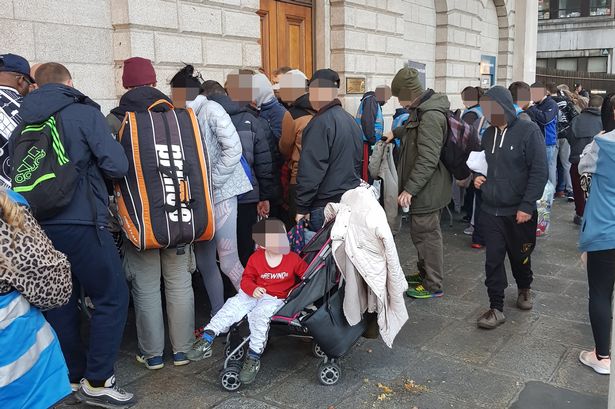


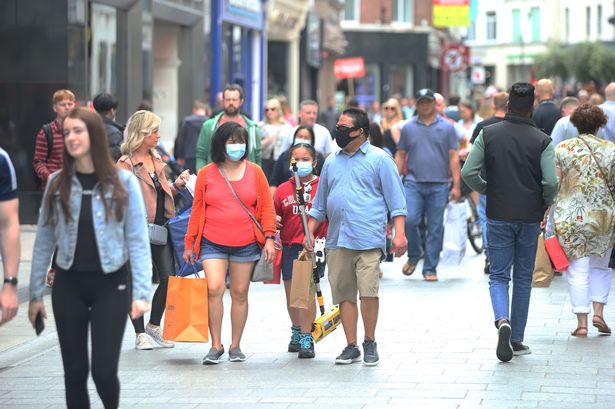
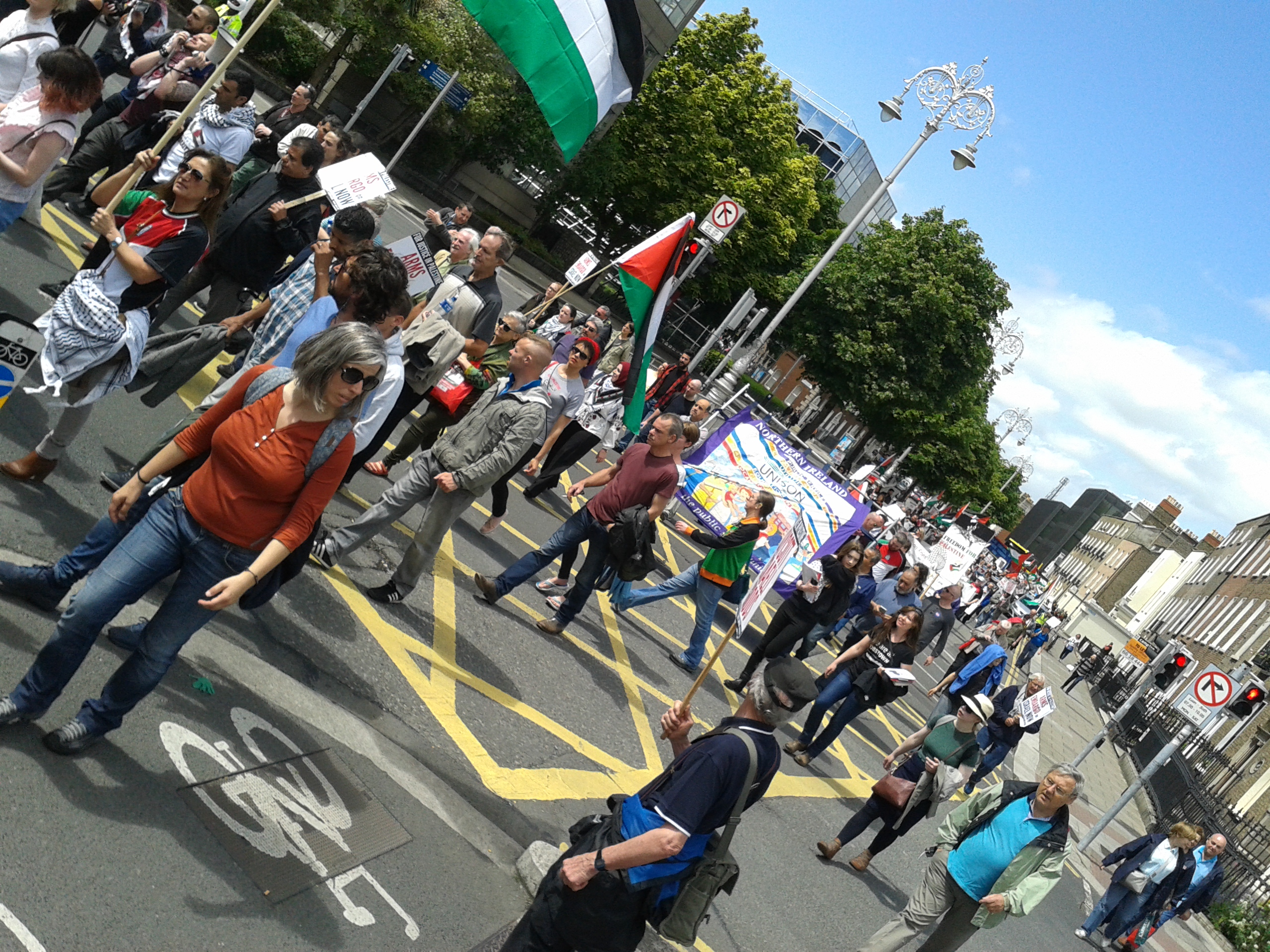


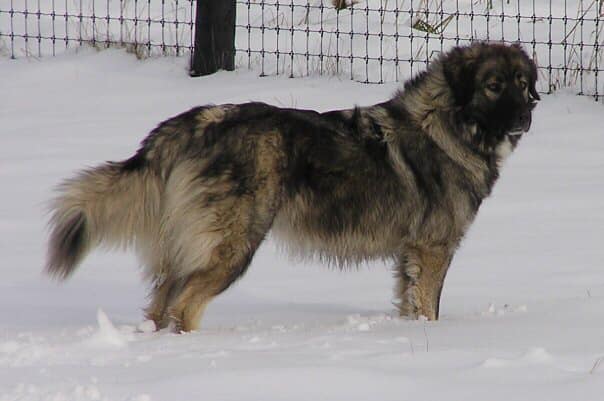


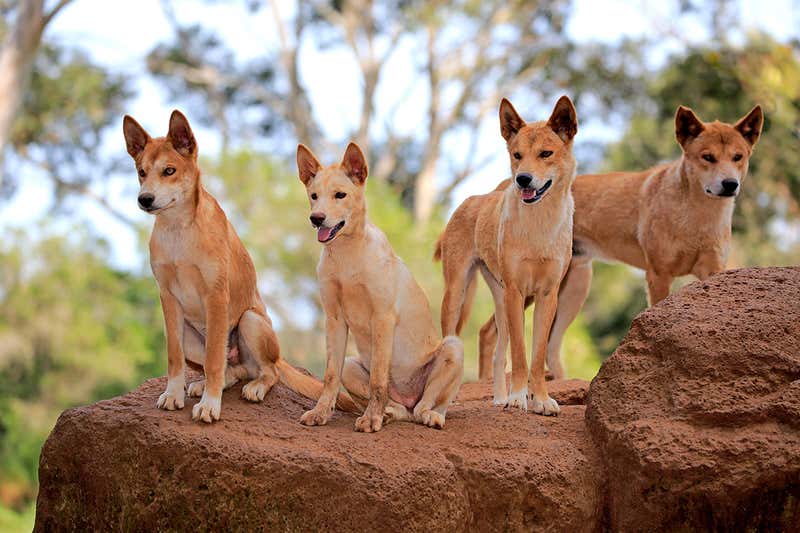

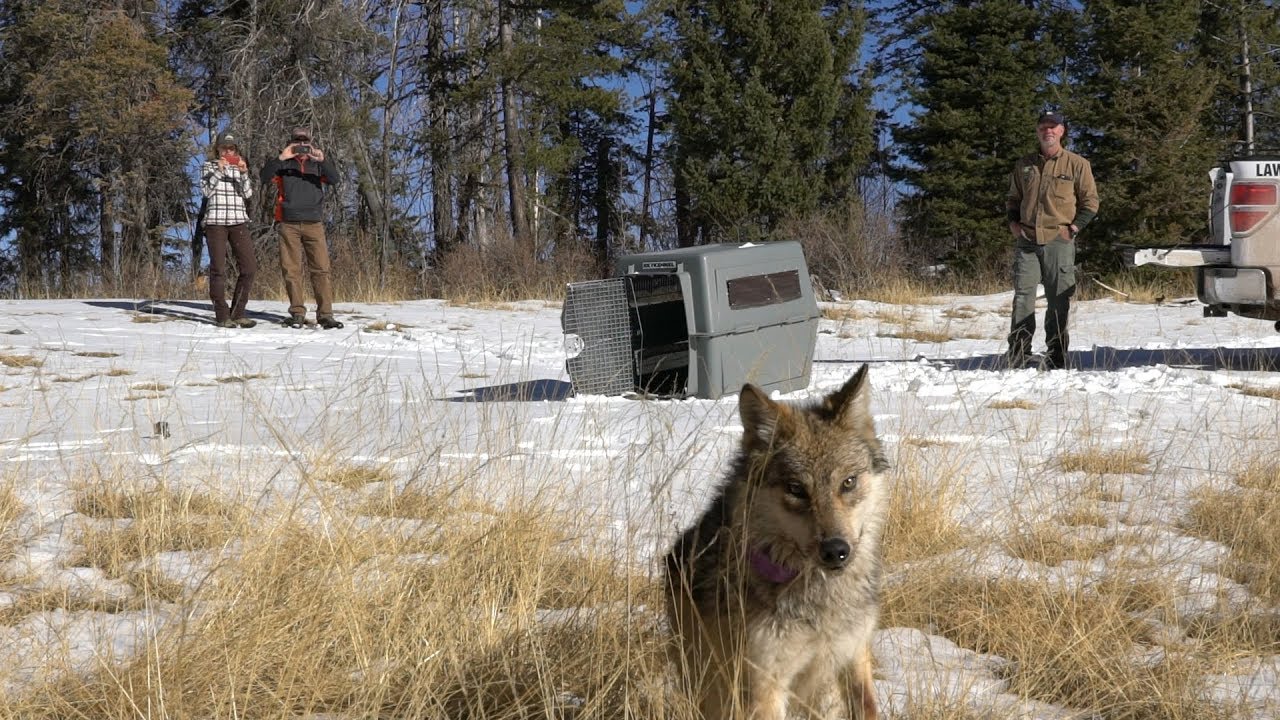

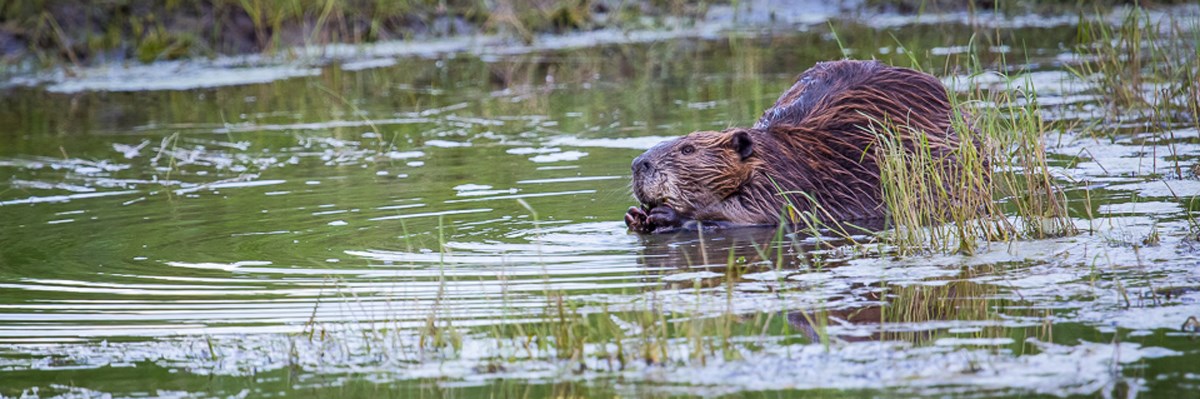


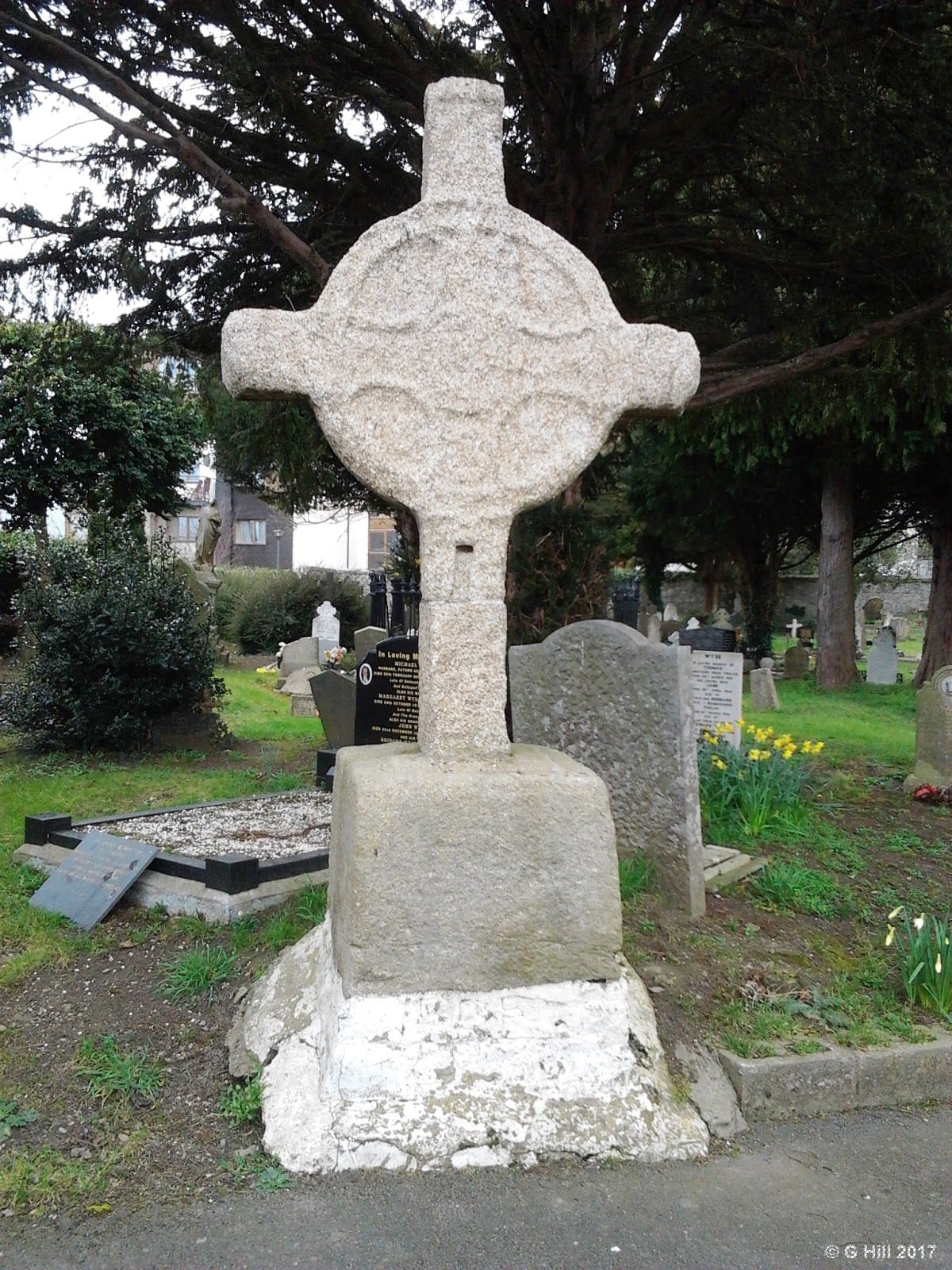

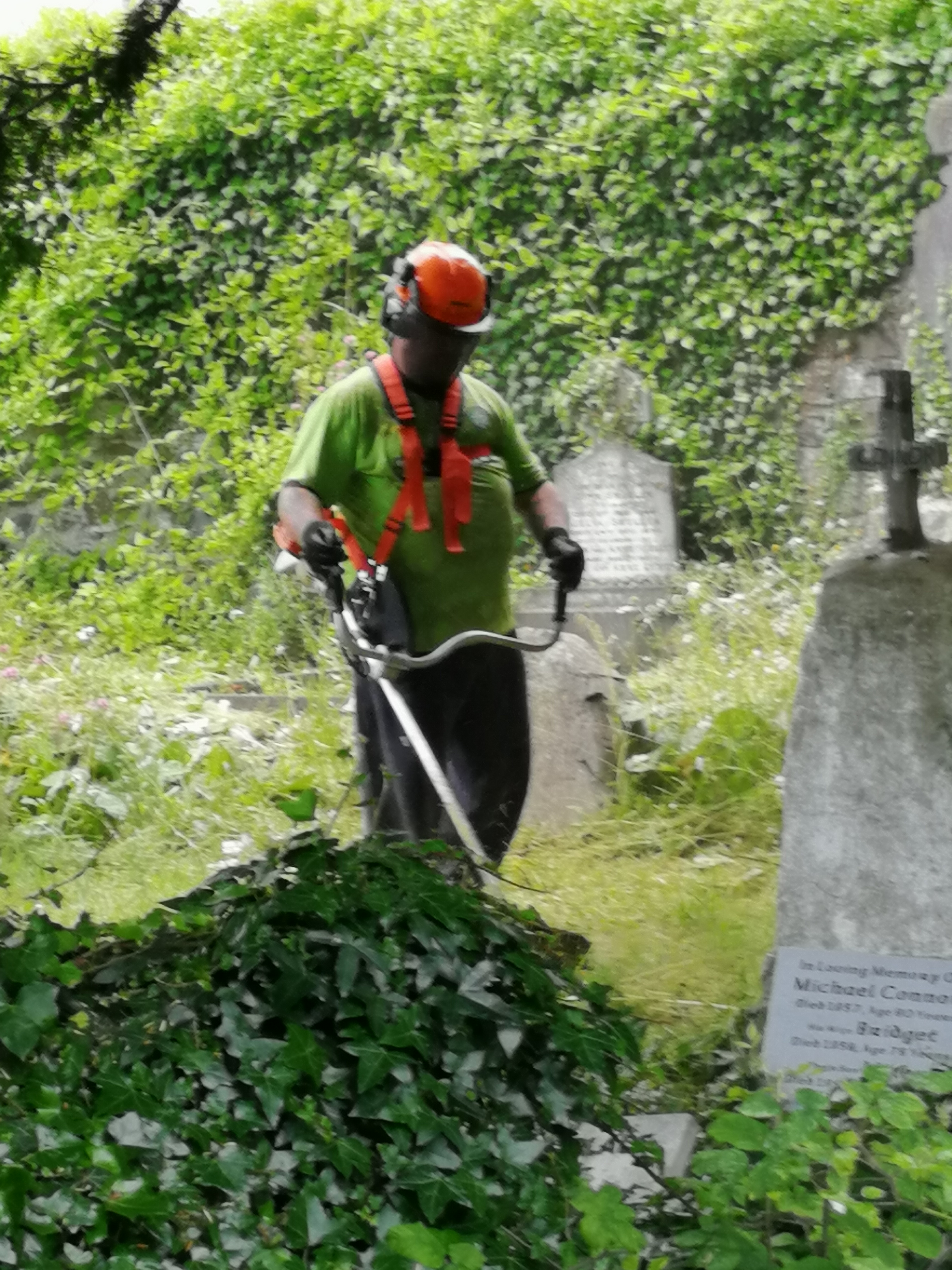


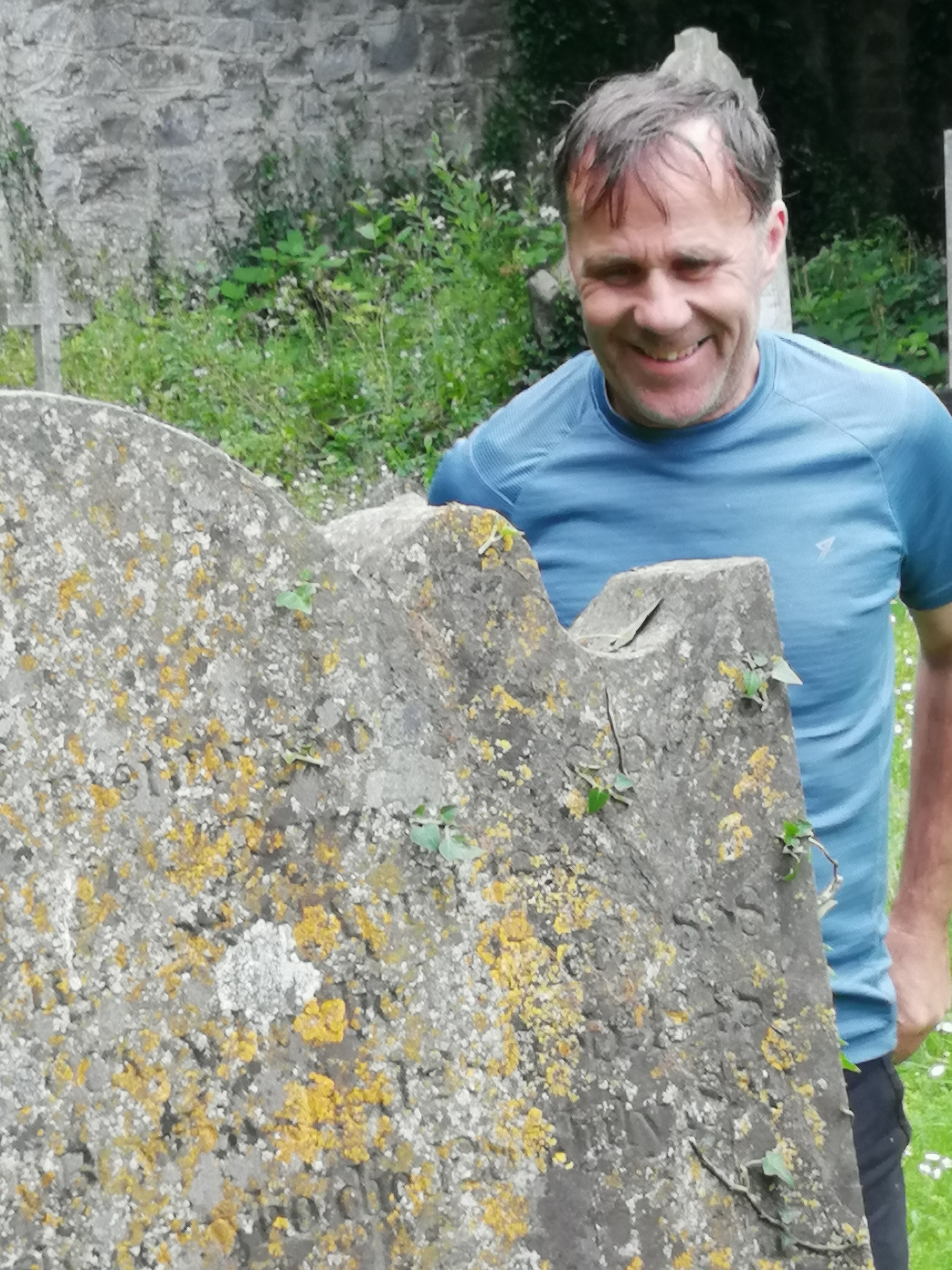


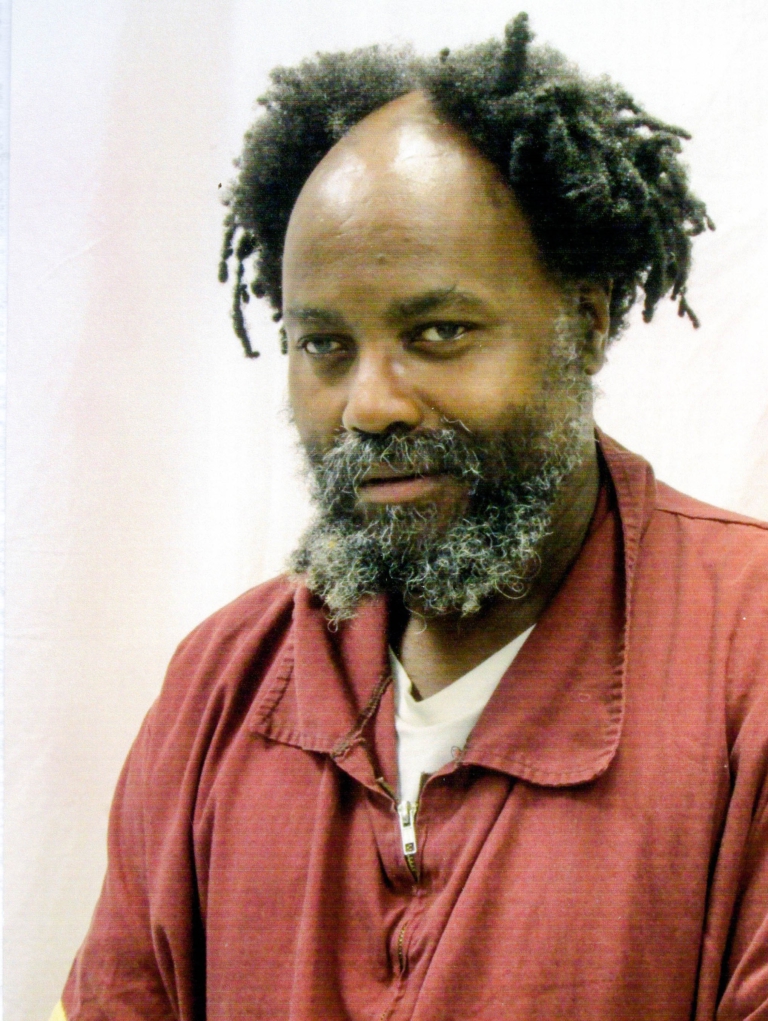


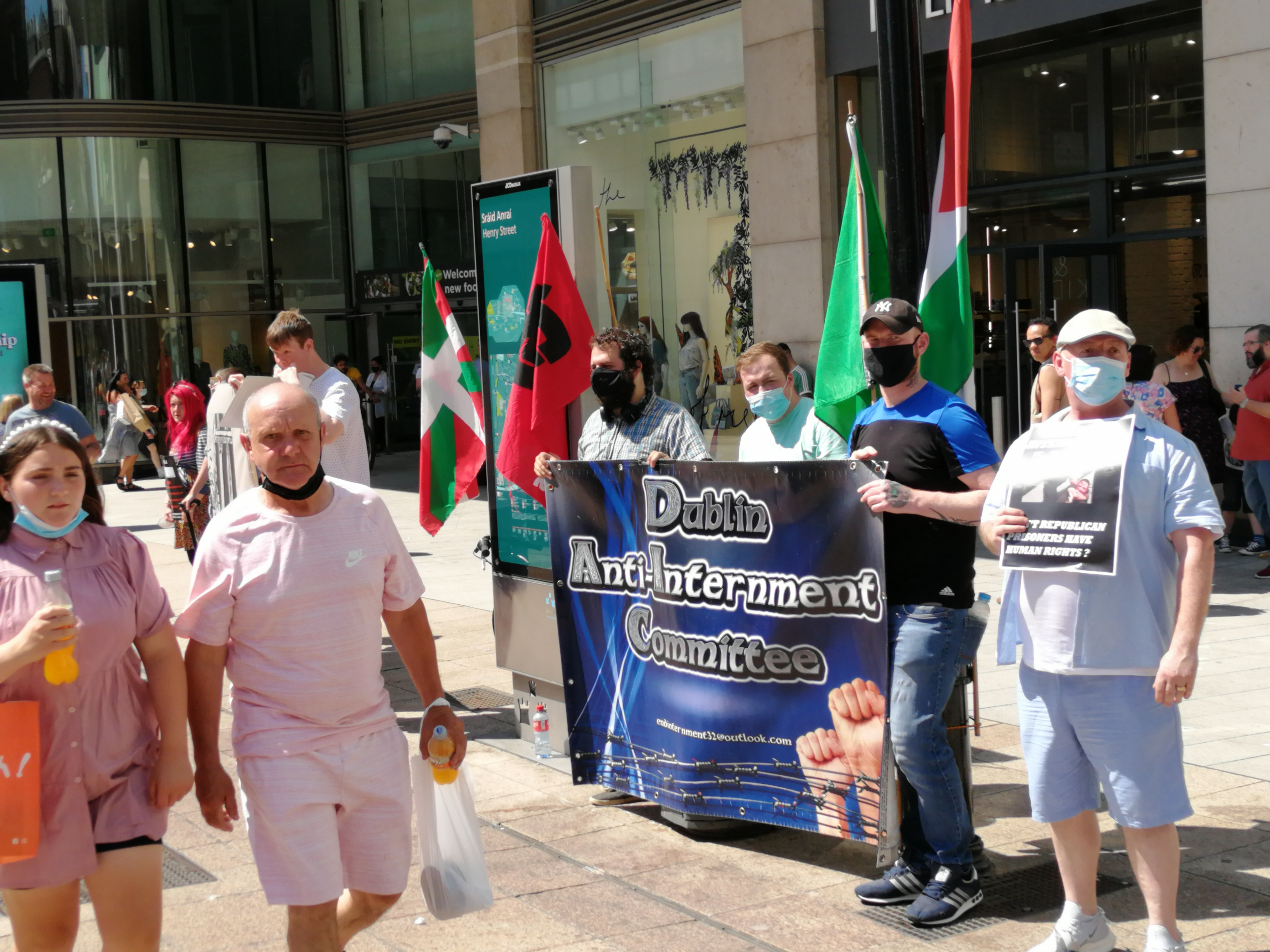


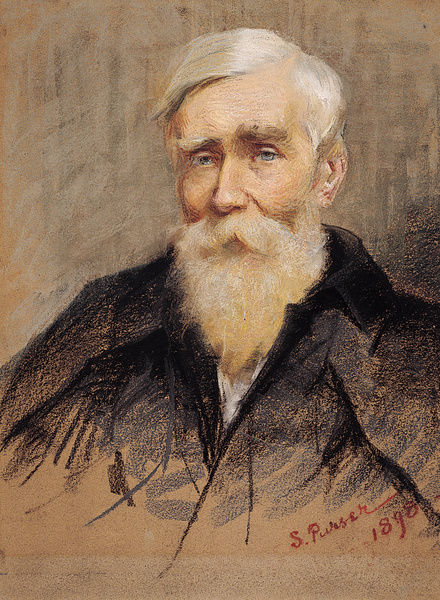
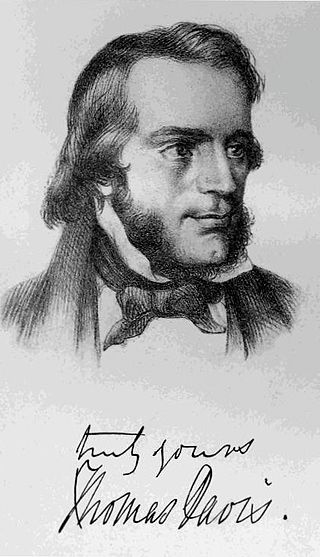


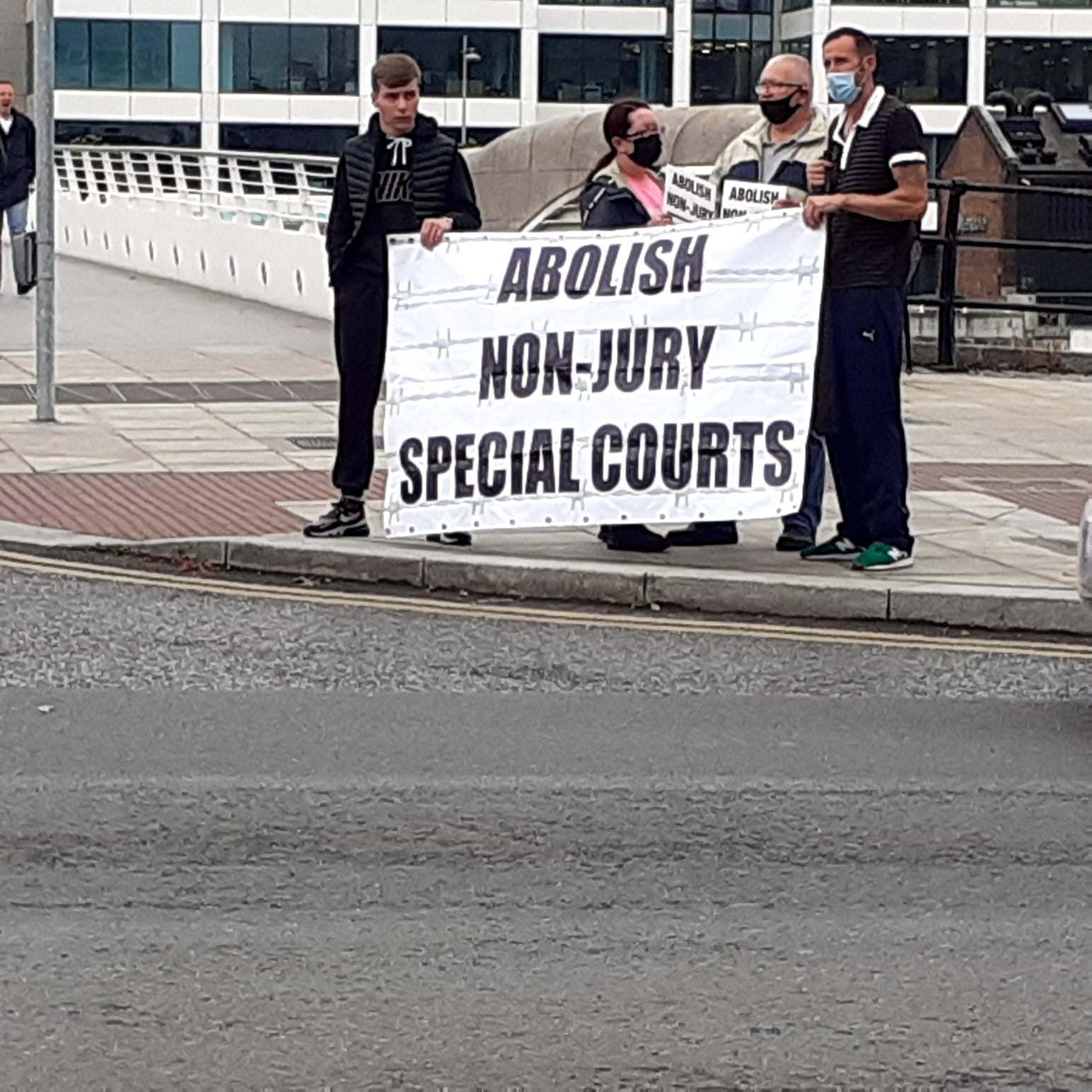


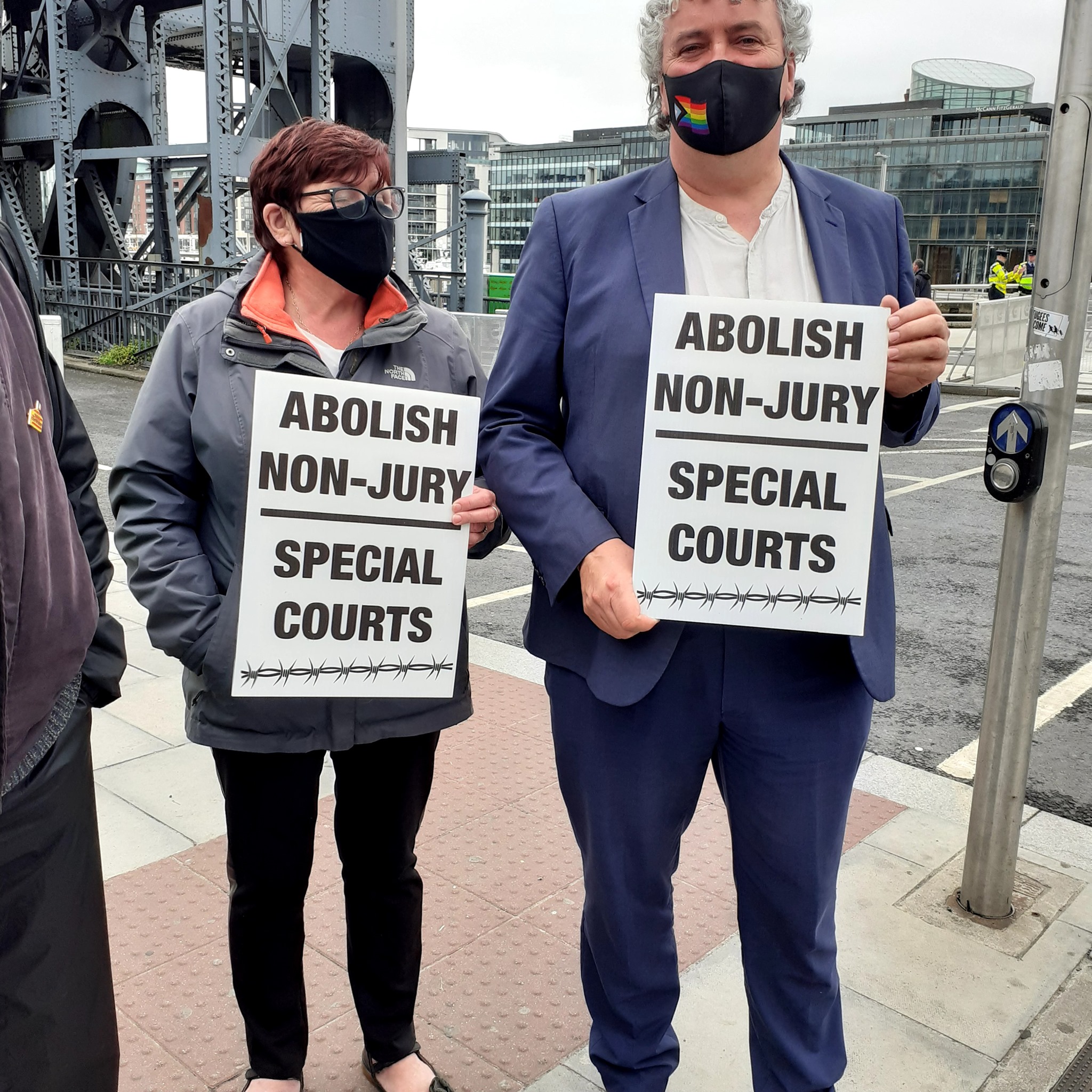


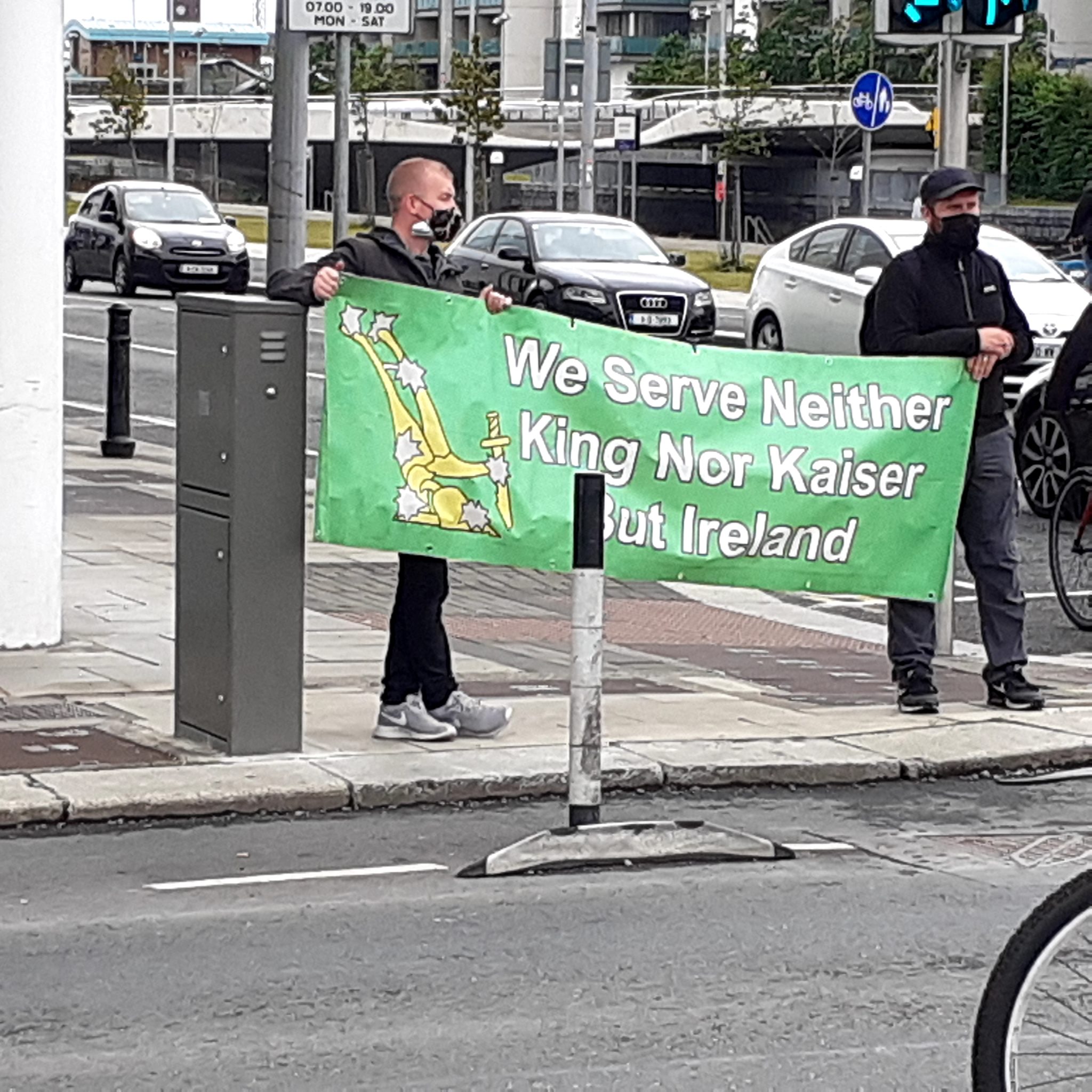

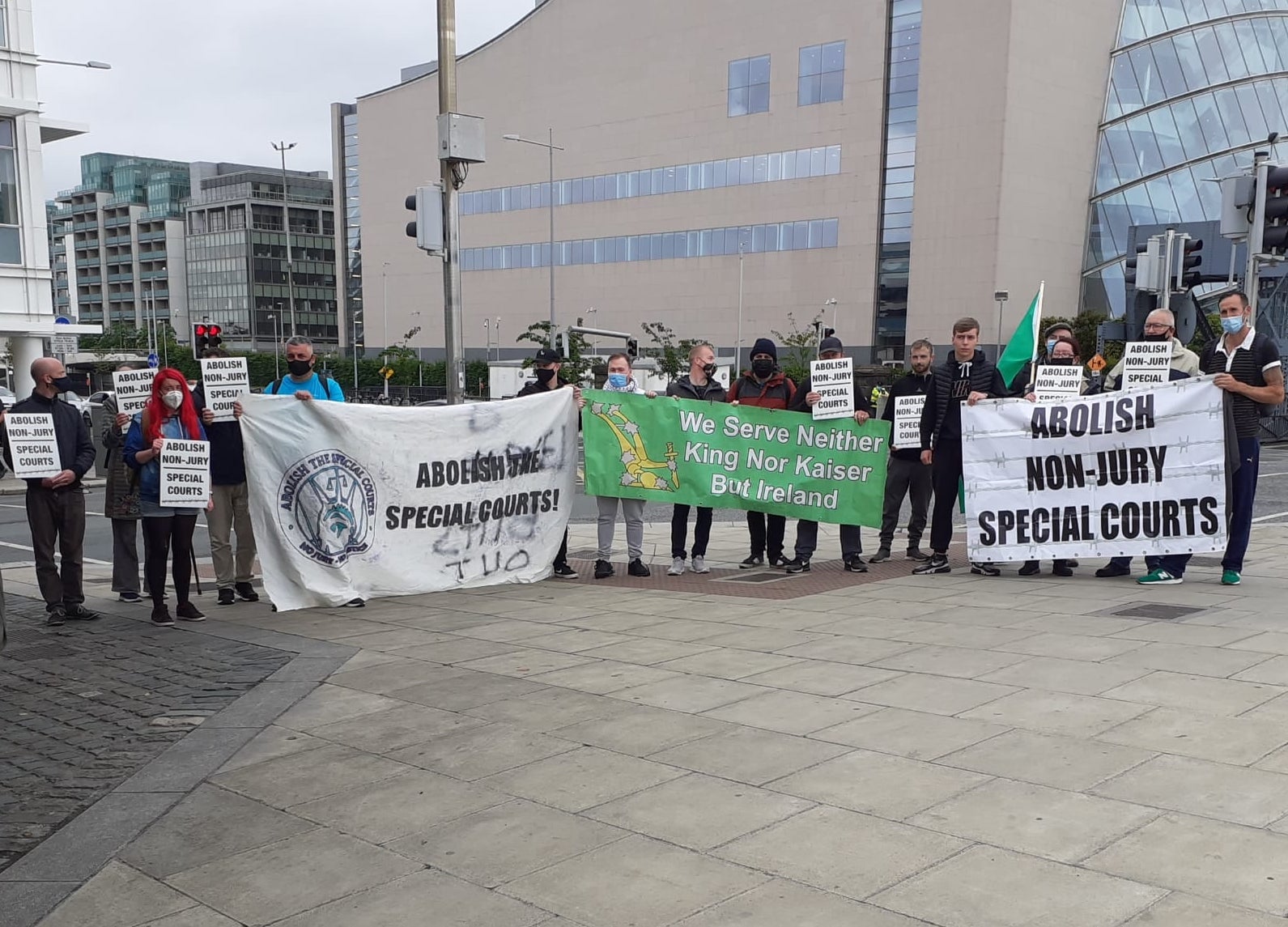
 rebelbreeze