Thousands marched recently in two cities of the Basque Country, Bilbo and Iruña/ Pamplona,1 respectively the capitals of the Bizkaia and Nafarroa2 provinces, in solidarity with the Palestinian people and with their Resistance.
And almost immediately posters could be seen calling for the same on the 11th November, but in four Basque cities, including a city in one of the provinces on the French state’s side.3
“Well that’s great but sure we do that here every second week or so,” some might say. But they’d be wrong. The marches organised by the Ireland Palestine Solidarity Campaign, while calling for solidarity with the Palestinians and BDS4 of the ‘Israeli’ state and businesses, do not support the Resistance.
The rally stage at the end of the march in Bilbao, on the east bank of the Nervion river. Banner exalting the Resistance in the centre facing the crowd, banner to the left calling for solidarity with the Resistance and another to the right calling for struggle against ‘Israel’. (Photo cred: Resumen Latinamericano)
Nor do the marches organised by the main Palestine solidarity organisations in England or in Scotland. It might be pleaded that in the UK at least, people could be arrested for declaring support for a number of Palestinian resistance organisations that are on the EU “terrorist” list.5
The leadership of the Basque Patriotic Left6 does not support the resistance either, preferring to draw the Palestinians and Basques together as victims under a Gernika-Gaza initiative and even criticising the resistance along with the Zionists in a “both sides” kind of analysis.
But no law exists in these countries forbidding expression of “solidarity with the Palestinian Resistance.” The organisers of those campaign organisations don’t declare for the Resistance because a) they don’t support it or b) wish to remain tolerated by the upholders of the status quo.
View of section of the crowd, giving an idea of its size, the largest Palestine solidarity demonstration in the Basque Country since the present phase of Zionist genocide began on 8th October last year. (Photo cred: Resumen Latinamericano).
IT MATTERS
Well, ok, but does it really matter? Yes, it does and it matters a lot, for the Palestinians, for others struggling against imperialism elsewhere around the world – and for us. Not supporting the Resistance leaves open the question of, for example, the Palestinian Authority.
This Vichy-like organisation headed by a corrupt Quisling sends its security force to intimidate and beat up critics and demonstrators, to arrest them and also Resistance fighters (including invading hospitals to chase down the wounded) and removes defences against IOF invasion.
The PA, despite its widely-acknowledge corruption and the contempt in which it is held by broad Palestinian society, is formally recognised as the ‘representative of the Palestinian people’ by the western imperialists and by many social-democratic parties in Europe.
It is an offence against the Palestinian people and internationalist solidarity to accept the PA as any kind of representation of the heroic Palestinian people – or even to leave the question open. Furthermore, such a stance leaves the door open to all kinds of traitors and confusion.
In our own struggles, we need to be clear who are our enemies and friends. To accept treasonous agencies as representatives of struggling people contaminates our own attitudes in struggle, confuses and undermines our thinking, clouding our vision.
A woman holds high a placard calling to “Free Palestine” and to “Boycott Israel.” (Photo sourced: Internet)
BEING CLEAR AND MAKING IT CLEAR
We need to be clear – and to make it clear – that we support the Palestinian resistance in all its forms: popular, armed, trade unionist, cultural, artistic … and that we abhor collaboration and collusion with the enemy.
We can do that – and it has been done on occasion – by mobilising all who agree on a demo behind a banner celebrating the Palestinian Resistance. But how much better, if like the Basques today in Bilbao and in Iruña/ Pamplona, the whole demonstration marched behind that kind of slogan!
It might be thought that the demonstrations on 5th October would gather less than the safer Gernika-Gaza group of the official leadership of the Left Basque Patriotic movement (Otegi & co.) and other liberals but this was not the case in Bilbo anyway, on the biggest solidarity demonstration since October last year.
Advance posters for the solidarity march. (Photo sourced: Internet)
Two Palestinian Resistance factions, the Popular Front for the Liberation of Palestine and the Democratic Front for the Liberation of Palestine sent messages of thanks to the organisers and the demonstrators.
The demonstration and its theme were covered widely in Basque, Spanish, European and Latin American media, usually with photos.
Addressing the rally after the march in Bilbo on 5th October, a speaker listed the many crimes of the Zionist State and was loudly cheered when she said that only the abolition of that state could bring that career of genocidal crimes to an end.
The cheers grew louder still as she called for solidarity with the Palestinian resistance and all others fighting against imperialism and Zionism. And continued as she went on to call for a break with all states and political parties that support the Zionist State.7
The cheers might even have reached EH Bildu’s office and the leadership of the Gernika-Gaza group.
The march on its way to the rally across the river pauses on the way for photos.The long banner calls for “Support for the Palestinian Resistance” but also ” Oppose Israel and its accomplices.”(Photo cred: Boltxe)
End.
FOOTNOTES
1A number of places with Basque toponymics, under Spanish colonialism, were given Spanish names.
3There are seven provinces in the Basque Country, three on the French side of the Border (Iparralde, ‘the North Country’) and four on the Spanish side (Hegoalde, ‘the South Country’).
6That was the broad movement of legal and banned organisations of revolutionary Left and independentist outlook, the movement now reformist, much reduced and fragmented under the leadership of Arnaldo Otegi and the EH Bildu party.
7That clearly includes the conservative Basque Nationalist Party (PNV) and the social-democratic Spanish Socialist Workers Party (PSOE) currently in coalition government in the Basque Autonomous Regional Government.
In the Basque Country the Day of the Patriot Soldier is commemorated on two different dates: by the Basque Nationalist Party on October 28th and by the Patriotic Left on September 27th. Each date marks different events but each is anti-fascist in character.
On October 28th one of the many atrocities of the Spanish Civil War/ Anti-Fascist War was enacted by the Spanish fascist military when they executed 42 captured Basque soldiers of the Eusko Gudarastea, a Basque antifascist militia opposing the military-fascist coup of Franco and another three generals.
Section of the crowd at the Gudari Eguna commemoration in Arrigorriaga, Bizkaia province, southern Basque Country. (Photo: D.Breatnach)
This atrocity occurred in 1937, when that war had another two years to run. The Basque Nationalist Party (PNV) was then the main political party in that part of the Basque Country1 and many of its politicians and administrative officials were executed by the Franco regime too.
Commemoration of the PNV´s Day of the Patriotic Soldier (Gudari Eguna) was carried out clandestinely during the four decades of the fascist Franco regime but was permitted in the post-Franco arrangement in the Spanish State, when the PNV were legalised.
The PNV became the dominant force politically in the two provinces that had declared for the Spanish Republic, which was the largest part of the Basque Autonomous Region. Nafarroa however was given a separate autonomous government which split the nation administratively in at least four.2
A DIFFERENT DATE TO COMMEMORATE
However in the 1960s a large part of the PNV´s youth wing had become disenchanted with the party and, entering into alliance with a Basque socialist movement, formed ETA, a mainly political organisation but, existing under a fascist-military regime, inclined also towards armed resistance.
The platform at the Gudari Eguna commemoration organised by Jarki with the event’s speaker/ chairperson addressing the participants. (Photo: D.Breatnach)
ETA grew in support and in actions, military but not only, the Left Patriotic movement (Izquierda Abertzale) widening to fight on a number of fronts, linguistic, social, trade unionist and political with the armed section carrying out many actions.
The last political executions of the Franco regime were in 1975 of two members of ETA and three of FRAP3; the two Basques were Juan “Txiki” Paredes4 and Angel Otaegui. All five, despite huge international solidarity mobilisations and appeals for clemency, were shot by firing squads.
Today, the Patriotic Left´s Gudari Eguna is commemorated by different groups and not all together. As has occurred in Ireland, the accommodation of the leadership of the Basque Patriotic Left to the Spanish electoral system and abandonment of armed struggle has resulted in fragmentation.
A protest in Arrigorriaga I passed by on my way to the Gudari Eguna commemoration. I did not stop to enquire as to the purpose; I had made an error on the journey, was late and in a hurry. From the arrows design I understand these to be the Sare group doing their last Friday of the month picket in solidarity with the prisoners. ‘Giltzak’ means ‘keys’ as the graphic banner design shows and so the aim is probably to have them all leave jail. That is also the aim of the ‘dissident’ group Amnestia but they seek complete amnesty for the political prisoners whereas Etxerat, Sare and EH Bildu normally refrain from even calling them ‘political prisoners’since, according to the Spanish State, that amounts to ‘supporting terrorism.’ (Photo: D.Breatnach)
The political party EH Bildu commemorated the executions but so did the dissenting Jarki and Tinko/Amnistia and the historical memory organisation, Ahaztuak. They did not do so together nor, naturally with the PNV on the different date.
In Arrigorriaga Jarki organised their event in the birthplace and home of Argala, nom-de-guerre of José Miguel Beñaran Ordeñana, a theoretician and activist of great importance in the development of ETA and assassinated by the state-sponsored GAL terrorists.
The attendance at the event listened to the event’s MC addressing them, after which a group of youth carrying flaming torches came on stage. The MC ended her talk with calls for a free and socialist Basque Country, after each which the audience chanted “Gora!” (‘Up!’).
She then led them in singing the Eusko Gudariak with clenched fist in the air, followed by introducing the Internationale in Basque, the revolutionary socialist song that emerged from the Paris Commune of 1871, the audience joining in (though not everyone as well-versed as with the previous song).
I sang the chorus in French, the only language other than English in which I know the chorus, sadly.
HISTORICAL MEMORY & THE MARTYRS
The martyrs of the people´s struggles around the world are remembered organically and kept close to their hearts by the people from which they came, at least for a few generations. Initiatives of conserving and transmitting historical memory keep those commemorations going further.
Section of the crowd at the commemoration of Gudari Eguna, organised by the Jarki organisation. (Photo: D.Breatnach)
In Ireland we know that commemorating the risings of the United Irishmen (1798 and 1803) fed into the struggles of the Young Irelanders a half-century later, their memory in turn contributing to the Fenians which again became part of the history of future generations and of several armed struggles.
Counter-movements, recognising the potency of historical memory, try to appropriate it and adapt it to their political program or to diminish its importance and even deny it. Both those counter-currents can be seen in many parts of the world, including in Ireland and in the Basque Country
However, the ongoing revolutionary streams and their commemorations will always be closest to the real meaning of those events in the historical memory of the people, in the real social and political meaning of martyrdom.
Patrick Pearse remarked on this process in his famous oration over the grave of O´Donovan Rosa: Life springs from death and from the graves of patriot men and women spring living nations.
Footnotes:
1The Basque Country is composed of seven provinces, four on the Spanish state´s side of its northern border and three on the French state´s side. The Anti-Fascist War split the southern Basque Country with principally two provinces, Gipuzkoa and Bizkaia, taking the side of the Spanish Republic, which at the last minute granted them national autonomy. Nafarroa (Navarre) mostly took the fascist-military side and murdered around 3,000 antifascists and Alava province took that side too.
2Two separate autonomous regions in the Spanish state and the provinces on the French side in different French regional administrative areas.
3Frente Revolucionario Antifascista y Patriota (Revolutionary Anti-Fascist & Patriotic Front); the three were: José Luis Sánchez-Bravo Sollas, José Humberto Baena Alonso and Ramón García Sanz.
4According to his brother who, despite being misdirected arrived as Paredes was being shot by the Guardia Civil, who were shooting at different parts of his body, Txiki Paredes continued to sing Eusko Gudariak (‘Soldiers of the Basque Country’) until he finally died.
Oscar DíazTranslation from Castilian Spanish by D.Breatnach (Reading time main piece: 10 mins.)
1. What is Herri Ekimena?
Herri Ekimena is an initiative that emerged in March 2022. A series of organizations began to get together due to concern about the offensive of Atlanticist imperialism in Ukraine, in addition to the blatant manipulation of the media to get us to support their war strategy.
We also observed that, in a context of capitalist crisis and with the excuse of the war against Russia, economic measures were being imposed that resulted in greater impoverishment of the working class.
That is why we took to the streets at that time with the slogan “NATO and the EU condemn us to war and misery”, to turn the official discourse around a little and point to these two organizations as the main ones responsible for the increase in international tensions, as well as for the oppression of the working classes of the imperialist bloc itself.
Also in the month of June of that 2022 we called a demonstration in Bilbo, “against the imperialism of NATO and the EU” and calling for the end of the Russophobia that is still being promoted.
In parallel to the NATO summit that was held in Madrid, we also carried out a 48-hour poster campaign in Gernika, a city with great anti-fascist symbolism that the Ukrainian Nazis tried to appropriate, citing it in a speech before the Spanish Parliament by Zelensky himself.
After a short break, we resumed the fight in the streets at the end of the year, with the “Free Euskal Herria out of NATO and the EU” campaign. In March we held a massive demonstration in Bilbo, together with Askapena1 and the Bardenas Ya2 collective.
View of demonstration against NATO and war in Bilbao, June 2022. (Photo source: Bultza Herri Ekimena)
This demonstration was exciting to us as we saw that the work that had been done was already bearing fruit and that the anti-imperialist spirit that has historically characterized Euskal Herria was projected in the streets.
We are currently in a restructuring process in order to be more effective, and give new impetus to the anti-imperialist struggle in the streets, which is where this game is truly played.
2. Why combine anti-fascist and anti-imperialist slogans?
The imperialist offensive, which has to do with the systemic crisis of capitalism and the rise of new economic powers, is being accompanied by a general reduction of rights and freedoms.
Those in power fear popular revolts, like those that have been taking place in the French State in recent months.
In Euskal Herria we know well what emergency laws or illegal practices are employed to put an end to dissent, but these types of measures are spreading and becoming normalized throughout Europe. Concentration camps for migrants, deportations without any type of legal guarantee, electronic anklet tags are also normalized…
And also in the case of the countries bordering Russia, imperialism is responsible for waving old supremacist and anti-Slavic flags, such as is happening in Ukraine or Poland.
We see therefore that capitalism, in its most decadent phase, has little scruple when it comes to reactivating liberticidal policies or inciting openly Nazi military and paramilitary shock forces.
So in effect, we believe that the anti-imperialist struggle and the anti-fascist struggle are inseparable parts of the same struggle for our rights and freedoms.
3. A few years ago one could see Donbass flags in the stands of Atlethic3. Why mix football and politics?
Through various institutions, including football clubs, they want to force down our throats the supposed “depoliticization of public spaces.” It is false, because they are the first to try to control absolutely all areas of our lives that we may become submissive and uncritical people.
The media bombardment is constant, generating false debates among humble people about insecurity, occupying empty properties… They thus try to legitimize, by action or omission, measures of social control and police repression that are very, very worrying.
So when someone puts a poster on the street to denounce any injustice, or puts up a banner, or paints graffiti… They are calling into question that false normality that they want to impose on us.
Banner displayed by Athletic Bilbao FC fans during a match. The text is difficult to see in its entirety but in general it is clearly in solidarity with the Donbas region against attack from the Kiev administration.
It is sad — but this situation also reflects the weakness of the system in terms of political legitimacy. Who explicitly supports them? Who is not fed up with everything that is happening? So they are afraid of the flame that starts a prairie fire.
Sports venues do not escape this logic of imposing false normality, even if the laws have to be twisted or passed directly through the triumphal arch.
A Donetsk flag, for example, ruins their photo and calls into question the story that people agree with what they do. So they impose fines of €3,000 just for displaying the flag of a People’s Republic.
Let’s hope that in not many years we will be able to analyze all this as the blows of a dying regime, but for now it is up to us to organize the response and popular solidarity. Repression should not be normalized, nor should people who step forward feel alone.
We do not believe that the social base of EH Bildu is in favor of NATO. That is, if we asked EH Bildu voters if they were in favor of NATO, surely 99% would say no. The problem is that, for its leaders, opposing Atlanticist imperialism is not currently on the list of priorities.
Regarding the issue of the war in Ukraine, Arnaldo Otegi5 has openly positioned himself in favor of Ukrainian “sovereignty” and against the Russian “occupation.” Is Ukraine now a sovereign state? Or is it rather a puppet of NATO in its offensive against Russia?
Doesn’t Russia have the right to defend itself from NATO attacks? What about the thousands of people killed in Donbass since 2014? Should Russia have been obliged to watch this genocide impassively?
Have the self-determination processes in Donetsk, in Lugansk, in Crimea … not been practical exercises of sovereignty? In this context, we can say that the speech of some EH Bildu leaders has favored and continues to favor the interests of NATO.
Their support for the State Budget deserves special mention, which includes a 25% increase in military spending. A measure imposed precisely by NATO to approach 2% of GDP in 2029, which is truly outrageous.
So… perhaps it is harsh to say that EH Bildu is in favor of NATO so let us put it another way: What is EH Bildu doing to make Euskal Herria break with NATO? What teaching are they carrying out among their social base and at a public level to create a truly anti-imperialist consciousness?
Very little or nothing, we believe, that is the reality.
5. Will it be possible to continue to see reliable information about Ukraine in the Basque Country and the Spanish state now that military juntas have been formed in African countries that have expelled French embassies? They are very different countries and thousands of kilometers away…
The events that are taking place in the SAHEL area are complex processes, and surely have many sides that make it difficult for us to equate them with the decolonization processes that we have known historically.
But we would be committing a mistake if, due to these supposed “imperfections” with respect to the theoretical manual, we stopped supporting countries that are fighting for nothing less than to expel their occupiers (since those are true occupiers who try to impose themselves by force of weapons thousands of kilometers from their borders) and also to gain control of their enormous natural resources.
How can it be that in extraordinarily rich countries, like Niger or Gabon, the majority of the population survives in absolute poverty? We will have to carefully observe all these processes, but in anti-imperialist Euskal Herria we can only rejoice and tell them that they are not alone.
In this land that, to a degree, also knows what it is to fight against armed occupiers and various collaborators, we know very well that solidarity is the love between people.
Regarding the quality of the information that we are able to receive in Euskal Herria or in the Spanish state, we believe that right now it is below minimum.
It is pathetic to see how, every time an event occurs that could undermine the hegemony of Atlantic imperialism, the mainstream media wait to receive instructions before even reporting the event.
The control of capital over the big media is a reality, so we must promote and support alternative means of information and communication. And also to fight openly in the streets, so that they have no choice but to report our demands.
6. Couldn’t the creation of a multipolar world be dangerous on a war level?
Yes, in fact it already is. We had been talking for years about the end of Yankee hegemony and the economic rise of countries like Brazil, Russia, India, China and South Africa, the so-called BRICS.
Perhaps we thought that this change of orientation of world hegemony was going to be a calm process, without any surprises…
But nothing could be further from the truth. While it is true that Yankee imperialism is mortally injured (which we believe it is), the truth is that it seems willing to kill as it dies.
Currently it has restructured NATO in a few months, has de facto absorbed the European Union and is reconfiguring its alliance policy on a global scale. It is increasingly easier to identify “which side” the different states are on, which can be the prelude to a conflict on a planetary scale.
We have been able to verify this recently with Morocco. NATO and the EU buy Morocco and abandon the Sahara to its fate.6 What should the Sahrawis do if Algeria, Russia or China offer them help to win their rights and survive as a people?
Of course there may be geopolitical interests in this aid from emerging powers, but it is necessary to analyze whether the agreements, commercial exchanges, donations and aid are produced with mutual respect for sovereignty and benefit the currently oppressed nations.
Of course, from a revolutionary point of view we have to be exacting, and not give a blank cheque to these emerging powers.
In this entire process of multipolarity, whether we like it or not, which is already making its mark upon world geopolitics, there is a class struggle that we must not ignore.
But this critical stance cannot lead us to fall into ninism and evade our own historical responsibility: to combat Atlanticist imperialism from the very heart of the beast.
7. You say “Euskal Herria free from NATO.” And what about the rest of the Spanish state?
We say Euskal Herria should be free outside NATO, but also outside the EU. We believe that this contribution is important, since for many years consideration of leaving the EU has been a kind of taboo, also in Euskal Herria.
Some thought that the EU might even support a possible independence process in Euskal Herria, just as was thought in Catalonia.
“A Free Basque Country out of NATO and the EU”.
But the EU has definitively been revealed as a capitalist lobby, as an instrument at the service of elites with a more than dubious past, even with regard to their support for Nazism.
Úrsula von der Leyen, Josep Borrell… are faithful representatives of the EU of Capital, authoritarian and totally committed to the interests of the US. That is why we say that neither the nation nor as a class have a future within the EU.
We make this statement from Euskal Herria, which is our area of struggle. But of course it extends to the entire Spanish State, as well as to the French State and all the peoples of Europe.
A future in freedom is not possible belonging to these criminal organizations, neither in Euskal Herria nor anywhere else.
8. What do you think of the military administration by Margarita Robles of the PSOE/UP government?7
Margarita Robles is a pit bull of Spanish politics, a woman who knows perfectly the ins and outs of the State from the offices to the sewers. Not for nothing has she been in positions of power for more than 30 years, originally in the shadow of Belloch, later of Rubalcaba…
At first it may have been surprising to see her at the head of a Ministry like the Defense Ministry, she who comes from the judiciary and who, even in relation to the conflict between Euskal Herria and the Spanish State, had adopted a dialogue profile at certain times.
We are missing a lot of information (I wish that we in Herri Ekimena knew what was going on in the Ministry of Defense, haha), but Margarita Robles is probably dedicating herself to doing in the Spanish military what she also did in her day in the Ministry of Justice and Interior.
That was to send the most archaic elements to the refrigerator in a non-traumatic way to perfectly adapt to the current standards and guidelines of NATO and the EU. Change a minimum so that everything remains absolutely the same.
Can anyone imagine Spanish generals standing up for Spanish national sovereignty in the face of Atlanticist imposition? This could happen in the French State, in fact it would not be unreasonable for something like this to happen.
In the Spanish State it is much more unlikely, but it is the responsibility of politicians like Mrs. Robles that nothing should deviate from the script written by Washington and Brussels.
In this regard, it is worth highlighting the role of the PSOE in what has been the process of integration of the Spanish State into imperialist structures. In addition to Felipe González, we could mention Javier Solana (who became Secretary General of NATO), Josep Borrell8…
Whether it is a matter of affinity, or a matter of pragmatism, the truth is that it appears that the PSOE generates a lot more trust among the imperialist powers than any other political party at the level of the State.
9. There were elections this past July 23, 2023. Did any of the political forces propose the departure of NATO from the Spanish state?
We are not aware that this was the case. As we have said before, this government is responsible for the largest increase in military spending in history, and faithfully complies with NATO and EU mandates.
“No to NATO – Out of Bardenas!”
Vice President Yolanda Díaz has publicly supported sending weapons to Ukraine and, as far as we know, no party that supports the government has opposed these shipments as a matter of principle.
We remember that these are weapons that are being used by Nazi soldiers to bomb and murder, not alone Russian soldiers but also the civilian population of Donbass. So we have to organize and fight in the streets, because if we don’t, things will remain exactly the same or worse.
This is the reason for existence of Herri Ekimena, to activate the popular struggle against the imperialism of NATO and the EU. We are working at it and, if all goes well, there will be good news in this regard in the coming weeks.
1Askapena was the internationalist solidarity arm of the broad Basque national liberation organisation but split from it many years ago in concern at the deviation from the path of resistance by the leadership under Arnaldo Otegi.
2Bardenas Ya is an organisation campaiging against the military installation in Bardenas, Nafarroa (Navarre).
3Athletic Bilbao FC, whose fans and many of its players have a strong anti-fascist and pro-Basque independence tradition.
4EH Bildu is the political party of the current compliant ‘official’ leadership of the Basque national movement, replacing the Herri Batasuna of the past.
5Leader of EH Bildu who has led the party into what many consider its collaborationist current stance.
6Western Sahara was a Spanish colonial possession and it abandoned it without decolonisation, which allowed Morocco and Mauritania to invade and occupy it against the wishes of the Saharawi people. As a result of the national liberation struggle of the Polisario Front, Mauritania withdrew but Morocco remained in occupation and carrying out repression against the resistance. Shortly before Trump’s departure from the USA’s presidency, he agreed to endorse Moroccan defiance of the UN-recognised Sahawarwi resistance to occupation in exchange for Morocco reversing its long anti-Zionist policy and formally recognising the Zionist occupation of Palestine, which the Moroccan Kingdom has done.
7The recent coalition Government of the Spanish State, the social-democratic PSOE with the Left-social democratic alliance of Unidas Podemos. Currently, the PSOE is endeavouring to form a government in coalition with a somewhat reconfigured Left-social democratic coalition called Sumar.
8All three have been PSOE politicians, Felipe González a prime minister and widely believed head of the GAL anti-Basque terrorist gang. Borrell was President of the European Parliament (2004-2007) and Minister of Foreign Affairs of the Spanish Government from 2018 to 2019. He attacked Catalan self-determination which he characterised as part of a disease, despite his own Catalan origin and he is now the Foreign Minister of the European Union.
Socialist republicans and communists gathered on a traffic island in Dublin’s city centre to mark the International Day of the Prisoner. They flew flags to represent prisoners in Ireland (‘Starry Plough’), the Basque Country and Palestine.
They also displayed a number of placards.
(Photo: IAIC).
The choice of location, apart from being passed by road traffic in three directions, was because of the presence there of the Universal Links on Human Rights memorial sculpture with an eternal flame, commissioned by the Amnesty International organisation.
A plaque near the sculpture bears the following words: “The candle burns not for us but for all those whom we failed to rescue from prison. Who were tortured. Who were kidnapped. Who disappeared. That is what the candle is for.”
Plaque in the ground on the approach to the sculpture. (Photo: IAIC).
Somewhat ironically, one of the placards carried the words: “Amnesty International, do Irish Republican prisoners not have human rights too?” Irish Republicans have long complained that the organisation in question does not raise any issues with regard to Irish political prisoners.
Some have indicated as a possible reason or part-reason the location of the head office of Amnesty International being based in London, capital city of the occupying power. Its interventions on Ireland even during three decades of war in the colony have been very few indeed.
Other placards displayed referred to political prisoners from the liberation wars in India and in the Philippines, the innocent Craigavon Two still in jail and ongoing internment through refusal of bail to Republicansappearing before the no-jury special courts in both administrations.
Some leaflets were distributed about ongoing internment in Ireland through long remands in custody of Republican activists. Between convicted and awaiting trial there are close to 50 political prisoners in jails in Ireland between both administrations.
The Universal Links sculpture by Tony O’Malley (welding by Jim O’Connor) commissioned by Amnesty International. (Photo: IAIC)
The Zionist Israeli state holds 5,000 political prisoners (almost all Palestinian), of which over 1,132 are not even charged (‘administrative detention’). There are 33 female Palestinian political prisoners and 160 child prisoners. Philippines has 803 political prisoners.
The Spanish and French states hold between them around 170 Basque political prisoners.
The event to mark International Day of the Prisoner was organised by the Ireland Anti-Internment Campaign and a spokesperson gave a short explanation on video of the reason for the event with the human rights sculpture in the background.
End.
Some of the flags displayed (Photo: IAIC).Passer-by in conversation with a leafleter. (Photo: IAIC). (Photo: IAIC).
On 26 April 1937, the Basque town of Gernika was bombed during the Spanish Anti-Fascist/ Civil War on the orders of leaders of the military-fascist coup against the elected Government of the Second Spanish Republic.
The townspeople remember this in an annual candlelit procession.
In the foreground, panels in Gernika with contemporary photos of the bombing destruction; in the background the stage in front of the Kultur Etxea (the Culture Building) with performance. (Photo: D.Breatnach)
Wikipedia gives the numbers of dead as between 150 and 1,650, a huge variance reflecting the politicisation of the historical event very much still in the present.1 The military-fascists were the victors and a four-decade fascist dictatorship ensued, never overthrown but amended in the 1980s.
Another source agrees with the higher figure and points out that a third of the town’s population then of 5,000 inhabitants, were either killed or injured.2
A tradition has grown to mark the bombing with the sounding of a siren at 4pm, the time when the bombing began. The siren sounded this year is a survivor from the Astra handgun factory of the time which strangely, was recently discovered in Catalonia and returned to the town Council.
In the evening, outdoors theatre presentations are held and the town centre is circled in procession by people carrying lit candles, led by a group carrying a giant Basque flag. I was fortunate (and honoured) to be invited by a Basque friend this year to participate in both events.
Four young women ballet dance as part of the performance. (Photo: D.Breatnach)
BOMBING AND LIES
The actual bombing was carried out by external fascist allies, the Nazi German Luftwaffe’s Condor Legion and the Fascist Italian Aviazione Legionaria, under the code-name “Operation Rügen”. It was one of theearliest cases of the mass-bombing by air planes of an urban population.3
It has remained infamous for that reason but also because the Catalan artist Pablo Picasso made a famous painting about the atrocity, though he called it by the Spanish-language name for the town: “Guernica”. Planes also carried out strafing runs over fleeing civilians, shooting them down.
Gernika bombing panel.
As has become a regular facet of fascism, the military-fascists lied, denying culpability. In a more specific kind of fascist lying, they tried to blame the damage on arson by their opponents, i.e by antifascists. An English journalist reporting on the war for the London Times went to investigate.
He was George Steer and provided evidence from bomb fragments and eye-witnesses that the bombing was by fascist planes.
Gernika bombing panel.
Despite the known active support of the fascist countries for the military uprising, the western powers promoted ‘non-intervention’, even blockading assistance to the embattled Republic. The Soviet Union and socialist Mexico were the Republic’s only external allies.
Historians since have argued about whether there was a straightforward military rationale for the bombing or whether it was a question of terrorising the Basque people. It is undeniable that the 26th was a market day and that Gernika was of particular national historical importance to the Basques.
Gernika bombing panel.
Gernika is in the Basque province of Bizkaia, which had joined in with the Second Spanish Republic in opposition to the military-fascist coup attempt, as had Gipuzkoa and Alava provinces – the latter however was taken quite early by fascists.
The remaining Basque province inside the Spanish State (there are another three inside the French state) was Nafarroa (Navarre) where the national Carlist movement was reactionary and joined the fascists, their militias murdering around 1,000 Nafarroan Republicans and Socialists.
Gernika bombing panel.
The military-fascist uprising, supplied hugely with armaments, transport and personnel supplies overwhelmed the isolated Second Republic and all the areas that had stood by the Republic were placed under military occupation, followed by the worst repression of all.
Gernika and surrounding areas were occupied by Spanish, Italian and German troops and the whole Spanish state, after April 1939, entered four decades of dictatorship under General Franco. After a while, resistance broke out in strikes and in armed guerrilla struggle.
Gernika Bombing panel.
But to commemorate the bombing of Gernika in a broad appropriate and popular act only became possible some years after the death of Franco in 1975.
ANNUAL COMMEMORATION
In addition to the public performance of theatre, dance and music, the people bring candles or collect them let and walk in procession around the town, led by a group holding a spread giant Ikurrina (Basque flag).
Small section of the audience. (Photo: D.Breatnach)The audience become part of the performance as they collect candles to begin the procession around the town. (Photo: D.Breatnach)Section of the parade near the start of the procession. (Photo: D.Breatnach)These young women stood there with lit candles at the beginning of the procession, perhaps signifying renewal. (Photo: D.Breatnach)
People in various parts of the Spanish State had been pushing for recovering historical memory, commemoration of events and disinterment of mass graves, whether secretly or in the open. In 2017 a number of groups working in historical memory got together in the Gernika Lumo area.
Their intention was to coordinate their efforts so that Gernika would become a focus for considering aspects of justice and peace, not just in the Basque Country but internationally. Among their objectives was the relocation of Picasso’s “Guernica” painting to Gernika itself.4
While the current annual commemoration then has been developing for only five years, work has been going on by constituent groups and others for years before that and, of course, the inspirational events occurred 86 years ago in what some consider the opening stages of WW2.
These commemorative events would be of great importance in any conceivable period but are more so in the current one of the rise once more of fascism across the world.
End.
Unfolding the giant Basque flag. (Photo: D.Breatnach)Half-way around the town centre. (Photo: D.Breatnach)A male dancer in traditional costume performs the honour dance, the ‘aurresku’, caught here in one of the high kicks that are part of the dance. (Photo: D.Breatnach)The female dancer in traditional costume also dances the aurresku but not caught performing the high kick here. (Photo: D.Breatnach)Some of the candles returned after the procession. (Photo: D.Breatnach)
3It is often quoted as the first such case but it wasn’t: On 29 March 1936, Italian Fascist planes bombed the Ethiopian city of Harar. Seeing Gernika as the first may represent a Eurocentric viewpoint. Coincidentally, journalist George Steer covered that war also.
4The painting is permanently on exhibition in Madrid, 422 km. away.
Earlier this month I attended a group singing in Basque, a language of which I only know a few phrases, as we walked through streets of the town of Bermeo, in Bizkaia province of the Basque Country.
I was invited by one of the organisers to whom I had been introduced the previous evening by a Basque friend as we walked on an errand through the narrow streets. At the appointed time and place I met the walking singers and about four guitarists, male and female.
Around 40 mostly women, the majority ranging in age from middle-aged to elderly with a scattering of teenagers met in the Town Hall square. Unusually, the Basque ikurrina (national flag) hung from a flagpole there without the legally-required presence of the Spanish State’s flag.
Singing around the port area
Spanish State law decrees that its flag must accompany any others on or in front of municipal buildings throughout the state, be they Basque, Catalan, Galician or other. And that the State’s flag be elevated higher than the others.
However, the municipal building was damaged by fire, it is not open for ordinary business while being repaired, so …
The singing group, Kanta, Kanta Lorue (‘Sing, Sing, Parrot’) was addressed at some length by a woman, apparently their Secretary or Chairperson with I guessed, from the names of towns and dates, a schedule for the month or so ahead. At least one location named is across the border.1
Each of the participants had a songbook or the lyrics saved into their Iphones or tablets and I was loaned a songbook by my contact, who was one of the guitarists. A local man (who could have been Irish by his features) led the singing with great energy, throwing his whole body into the role.
Picking up the airs, I joined in singing the lyrics in Basque of which, as noted earlier, I speak only a few phrases2. This is quite easily done as, like much of Irish, knowing the sound of the vowels one can read the words without knowing what they mean.
The consonants too are simple (unlike in Irish) providing one remembers that TX is pronounced like the TCH in English and X as SH; the J as the English J (not usually as the Spanish J, pronounced like the Irish lenited C, i.e Ch) and that the H is silent (as in Spanish and French).
Pronunciation of individual words is not the problem but what can be difficult is that the Basques often cram a lot of syllables into one line. At times I laughed helplessly as I stumbled to a halt while the rest of the singers pronounced each word to the air, passing on to the next line without difficulty.
Photo of some of the singing group from their Facebook page which is however unused with part of the port harbour visible behind (and also some banners that seem to be the work of the Amnistia prisoners’ solidarity group).
The group proceeded down to the port where the singing continued outside one tavern, then outside another (some wine and beer glasses appearing in the crowd); from there on to the central park area, stopping outside two more pubs.
I am given to understand that the themes of the songs were a mixture, as on might expect, of love for the land, the people, romantic love, seafaring and a few of opposition to foreign occupation and fascism (without naming any names!).
Sometimes the singing included some doing harmonies and once of different sections of the group singing one line behind the others.
Recovering from being unwell and feeling tired, I enquired politely how many more stops we were due to make. “Only a few more” I was assured but it soon became clear that I was being teased, this was the last stop. And here one of the guitarists was urged to play and sing an Irish song in English.
After a little reluctance, he did so and it turned out to be The Wild Rover3ballad. I sang along and soon took over the verses as, to my surprise, I recalled lyrics I had not sung in probably over two decades, with some of the ensemble joining in on the chorus. Then it was agur, gabon and etxera.
There are around 140 such singing groups throughout the Basque Country, one of the participants told me, some meeting monthly, some more often and others still only on special occasions (such as local festivals). The accompanying instruments too may vary.4
The occasion was an enjoyable one for me and seemed so for the other participants, who take to the local streets one evening a month. This is an activity we in Ireland could easily emulate: we have probably many more songs (at least in English) and likely more musicians than do the Basques.
End.
Footnotes
1The Basque Country consists of seven (zazpi) provinces (zazpiak bat = ‘the seven [are] one’), three currently in the French state and four currently in the Spanish state.
2Although my mother was born and raised in the Basque Country, neither she nor her mother spoke the language and her father was German. The language was forbidden during the Franco dictatorship of four decades and her part of the family may not have had much Basque nationalist feeling. As a result, the language I learned from my mother is Castilian Spanish, with which I can converse with Basques from the Spanish state, though I try to use whatever Basque I have learned since. Hori da.
3In case there should be others, this is the one with the opening line of I’ve been a wild rover for many’s the year … Although it has been in the Irish repertoire for centuries, it’s actual national origin is unclear.
4For example, the Taberna Ibilitaria group in Bilbao includes acoustic and electric guitars, txistu (3-hole Basque flute), ordinary 6-hole flute or whistle (which they call “Irish”), piano accordion, trikitsa (small diatonic accordion) and pandera (small open one-sided drum like the tambourine but without the ringing pieces).
Working people have experienced many betrayals in history and the struggle for self-determination of the Irish nation has been – and is being – betrayed also.
When such betrayals occur, a range of common reactions is evoked; thinking about those responses may help the betrayed at least to moderate the harm and turn the experience to some benefit.
Equally, some ways of handling the experience can magnify and deepen the harm already caused.
Betrayal is a difficult experience for the betrayed certainly but not without some cost to the betrayer too and each has a number of common responses. This applies to the personal as well as to the political but there are some differences.
The betrayers have their followers to different degrees and these too have psychological reactions to the betrayal — and to criticism of the betrayal. We can observe these reactions in a number of recent historical cases of high levels of resistance subsequently betrayed.
The most recent phase of high degree resistance in Ireland took place largely in the British colony of the Six Counties, beginning with mass struggles for civil rights before passing through protracted guerrilla war and intense struggles of political prisoners in the jails.
In the Basque Country, the corresponding phase began with ideological-cultural struggle and mass industrial actions against the Franco dictatorship, quickly developing into a guerrilla campaign combined with street battles, resistance to conscription and struggles around prisoners in the jails.
The leadership of the Irish struggle came to political agreement with the colonial occupier, disbanded and decommissioned its guerrilla forces and acceding to its right of conquest, joined the occupier’s colonial administration, concentrating thereafter on building up its electoral base.
A similar process took place in the Basque Country but with important differences: the imprisoned activists were not released and the movement’s political leadership was not even admitted into joint management of the colonial administration.
Each nation witnessed splits, recrimination, dissidence, repression on groups continuing resistance but also a range of psychological responses which at best did not assist recuperation and in fact often deepened the harm of betrayal by the leadership.
STANDARD RESPONSES BY THE BETRAYED
DISMAY is a common reaction: How could he/ she/ they? I never thought they would. We’re finished now.
BLAME is another also common response: It was that leader’s or leadership’s fault. We didn’t fight hard enough. Those comrades criticised too much.
SELF-CENSORSHIP And EXCESSIVE CAUTION: We can see the harm in some of the leadership’s actions but we must be careful not to step too far out of the movement, where we will be marginalised and unable to have an effect1.
DESPAIR: That’s the end of everything. There’s no way out of this. It was all for nothing – all those sacrifices, all that pain.I’ll never trust people or get involved again.
APATHY: So I/ we might as well forget about it all. Just think about ourselves/ myself/ family. Drop out. Drink. Take drugs.
DENIAL: We’ve not really been betrayed. It’s just another way to go for the same thing. This is the only reasonable choice. We couldn’t keep on that way any longer, this is just a change of method. We’re just having a pause. The leadership is clever and has tricks up their sleeves. This is just to fool the authorities. It’s just going to take a little longer to win than we thought.
Those are defensive constructions in emotion and, in so far as that takes place, in thinking. But defensiveness can turn to aggression – and frequently does. The betrayers – and often the duped also – resent being reminded of what and where they are. It makes them uncomfortable.
HOSTILITY: How dare those people criticise us/ the leadership? They don’t understand and just want continual conflict. They’re endangering our secret plan. Who do they think they are? They’re just wrecking everything, undermining our new plans. They need to be taught a lesson.
PERSONAL ATTACKS: That critic is no great activist. S/he hasn’t suffered as some of us have. They were always troublemakers. Jealous, that’s what they are. They’re not very bright; no idea about real politics. They are in fact traitors, helping our enemies.
MARGINALISATION: We are not going to listen to those critics. We will not allow them space on our media. We’ll try to make sure they don’t get venues in which to spread their poison. If people are friends with them they can’t be our friends too. Such people will not enjoy our hospitality or invitations to our events. People should not even talk to them. If the authorities attack those dissidents, we are not going to trouble ourselves about them – it’s their own look out.
MANAGING THE BETRAYAL
PROMOTING LEADER ADULATION is a useful tool in shutting down the opportunities for criticism and in repressing them when they arise. “Who are we to criticise this great comrade’s thinking or actions?” becomes an implicit question, clearing the way for betrayal.
Leaders who have surrendered or compromised the struggle, L-R: Gerry Adams and Martin McGuinness of the Provisionals, Arnaldo Otegi of the Basque Patriotic Left, Abdullah Ocalan of the PKK and Yasser Arafat of Al Fatah. The latter seemed to be attempting to to turn back from the path of betrayal when he became very ill (quite probably poisoned) and died.
SEEKING COUNTER-REVOLUTIONARY ALLIANCES is engaged upon so as to appear to its members to make the organisation’s influence greater, or to outflank and isolate more revolutionary tendencies and often ultimately to make the leadership acceptable to the ruling circles.
BEGGING FOR CONCESSIONS when the revolutionary path has been abandoned can often be observed, as in “we’ve abandoned our militant struggle, please stop repressing us”, for example, a frequent response to repression of the Basque leadership once it abandoned the revolutionary path.
COLLUDING WITH THE OCCUPIER becomes a new second nature to a leadership abandoning revolution, not only in abandoning armed struggle, for example but in destroying weapons and suppressing elements still in resistance.
PROVING THEIR READINESS TO COLLUDE FURTHER, revolutionaries turned collaborators denounce continued resistance, try to convince revolutionaries to desist (or threaten or physically attack them), promote the repressive arms of the State such as the police and so on.
INTOLERANCE OF CRITICISM becomes default position; such criticism tends to expose the contradiction between the original purpose of the organisation and its concrete actions in the present. Censorship, expulsion and misrepresentation become common.
MARGINALISATION OF CRITICS follows from intolerance of criticism – the individuals or groups must be made pariahs so as to nullify or at least reduce their influence. Association with them, socially or politically – even in agitating around civil rights – must be discouraged.
REPRESSION OF DISSIDENTS finally becomes necessary, whether by threats or by actual violence or, when admitted to governing circles, by use of repressive state machinery.
DEALING WITH BETRAYAL RATIONALLY
The first necessary step is to analyse how the betrayal came about: how was it organised? What were the conditions that made it possible? What were the early signs?
Then, proceed to: what could we have done differently? What WILL we do differently in future?
Electoral work
One common assumption here in Ireland, especially in Irish Republican circles, is that the rot began with standing in elections. This is not logical and it is in effect making a negative fetish of electoral work, a taboo to be avoided.
It is often useful to the revolution in many ways to have representation in the parliament and local authorities, for example in promoting or blocking practical or legislative measures, getting media air time, visiting prisons — all without ever promoting reformism as a way forward.
Certainly the prioritisation of electoral work over other aspects is a sign that something has gone wrong: the strength of the popular revolutionary movement is on the street, in workplaces, communities, places of education, rather than in parliaments and local authorities.
The drive towards electoral representation can encourage bland slogans of the soap powder kind (“new improved” or “washes even better”) rather than those with revolutionary content and also the promotion of more bourgeois individuals in preference to grass-roots organisers.
Anodyne election slogan in both languages for Sinn Féin.
But none of that means that representation in those bodies cannot be used to further the popular struggles or that such aberrations cannot be avoided. And in fact, the concentration on criticism on the electoral factor served to distract from a more fundamental error.
Of course, electoral work should never, for revolutionaries, be about entering government under the current socio-economic system, i.e sharing in the administration of the State.
Leader adulation & intolerance of criticism
If criticism is not tolerated when errors are committed, they can hardly be corrected. Again and again it has been observed that the party/ organisation faithful refuse to accept external criticism from non-enemies. Internally the leadership inhibits criticism by the members.
The cult of the leader also inhibits criticism and therefore correction of errors. And behind this image others can hide and also commit errors. Problematic as dead icons may be, living ones are many times more dangerous – deceased ones at least do not change their trajectories.
Such created living icons have been Mandela in South Africa, Yasser Arafat among Palestinians, Gerry Adams and Martin McGuinness in Ireland, Arnaldo Otegi in the Basque Country and Abdullah Ocalan among Kurds (particularly in the Turkish and Syrian states).
Nobody knows everything or is always right. Bothersome as being criticised may be, its total absence is worse, allowing us no opportunity to question ourselves as activists and in particular as revolutionary organisations.
The revolutionary leadership, party or organisation is not the people
The revolutionary leadership, party or organisation does not have all the answers and is not the people. This might seem obvious but from the behaviour of such leaderships and their followers in the past it is clear that the opposite philosophy has been dominant.
Confusing the organisation with the people or with revolution itself, we assume that what is good for the organisation is also good for the people and the revolution. This however is not always so and leads to placing the perceived well-being of the organisation above the needs of the revolution.
Indulging this confusion leads to political opportunism and sectarianism, bad relations with other revolutionaries, ignoring all external criticism and placing the needs of the leadership higher than those of the membership and of the membership higher than those of the mass movement.
Internationalist solidarity
In internationalist solidarity work we build the unity of the people across borders and against the same or different enemies than those against which we are struggling.
One feature observed in a number of organisations where the leadership is moving towards betrayal is a reduction or elimination of such work.
To those in our ranks seeking an accommodation with imperialism and capitalism, those internationalist solidarity alliances are either a) unimportant or b) a hindrance to the alternative reactionary alliances to which they aspire.
The latter was very much the case with the Provisionals’ attitude to US imperialism. For decades, their leadership maintained apparently mutually-contradictory positions on what is the biggest imperialist superpower in the world.
On the one hand, for example, there could be involvement in solidarity with Cuba against the US economic blockade and, in the past, against US sabotage and terrorism against the Sandinista regime in Nicaragua.
On the other hand, the leadership sought the support of the US elite against British colonialism, which is occupying a part of Ireland and against which the movement was waging, in that colony, an armed and popular struggle.
Seeking support from the US imperialist elite entailed distancing from left-wing Irish USA and dropping support for even long-term inmates of US jails, such as American Indian Leonard Peltier and Black American Mumia Abu Jamal, arising out of popular struggles inside the US.2
Leonard Peltier, Native American convicted in 1977 in deeply flawed trial for murder of two FBI agents in 1975 shootout on Pine Ridge Reservation. Nearly 80 years of age now and with multiple health issues, even release on clemency grounds is constantly blocked. His is one of many campaigns in the USA which SF cannot support as they seek to remain friends with the Democratic Party elite there.
Black American journalist and activist, framed for the murder of a corrupt Philadelphia policeman in 1981 and sentenced to death in 1982, sentence commuted to imprisonment for life without parole in 2011. Mumia is nearly 70 years of age now with a number of health issues. Another of the type of injustice in the USA about which SF cannot campaign as they seek to stay close to the Democratic Party elite. Anecdotally, a SF Councillor who was regularly writing to him was obliged to desist on instruction from her party leadership.
Unprincipled alliances
Another warning sign is the founding of unprincipled alliances with other organisations in struggle. For example, although it is correct to have a position of support for the Palestinian people, that should not necessarily bind us to exclusively support the fighters of one organisation only.
The Provisionals made their alliance with the Al Fatah organisation to the exclusion of all others in Palestine but worse was to come, for Al Fatah shoved aside the idea of a free Palestine and the right of return in exchange for administrative partial autonomy and funding.3
From there, Al Fatah became so corrupt that the Palestinian people, that had long supported a secular leadership, voted overwhelmingly for an islamic fundamentalist party, Hamas4. The unprincipled alliance with Al Fatah and the ANC was used to ‘sell’ the GFA to Irish Republicans.5
In the Basque Country, the mass movement’s leadership developed close links with the leadership of the Provisionals and refused links with Irish Republican organisations that dissented from the Provisionals’ position or with Republican prisoners after the Good Friday Agreement.
That should have sounded alarm trumpets in the Basque movement but if it did, it remained largely without practical effect. Askapena, the Basque internationalist solidarity organisation did split from the main movement but did not go so far as to support ‘dissident’ Irish Republican prisoners.
LESSONS
On the basis of the preceding I think we can draw a number of primary lessons.
LESSON ONE: ANALYSE THE MISTAKES OF THE PAST AND SEEK TO AVOID REPLICATING THEM
The type of struggle, location, timing, peripheral situation, long, medium and short-term objectives, experience and expertise of personnel, resources … all need to be analysed, in conjunction with the strengths and weaknesses of the enemy.
In carrying out this kind of analysis on the Irish struggle, we see that we faced one of the military superpowers, also well linked into the western imperialist world. The Republican movement’s battle area was in total one-sixth of the nation’s territory and the location deeply divided.
The rest of the nation was ruled by a weak foreign-dependent ruling class.
Map of Ireland showing the British colony of the Six Counties. The Provisionals took on the British state, mostly confining their struggle in that deeply divided politically and culturally region shown in yellow.
A movement cannot choose when it has to step forward in defence but it can choose how it develops the struggle afterwards. It seems obvious that in order to be victorious, at the very least the struggle would have to be spread throughout the nation.
That in turn would entail putting forward social and economic objectives to attract wider support which, in turn, would mean taking on the Catholic Church hierarchy.
In addition, the question of effective external allies was relevant here but even more so in the Basque Country, located across the borders of two powerful European states.
The total population of the portion of the Basque nation within the Spanish state is far short of three million, that of the rest of the state over 44 million.
Clearly allies external to the Basque nation would be essential for victory and these would have to come from across most of the Spanish state at least.
Map showing the ‘autonomous’ regions of the Spanish State; the southern Basque Country is shown in pink at the top, including ‘Navarre’ shown in yellow next to it. Essentially, the Basque Patriotic Left without allies confronted the Spanish state from there.
Such an assumption would entail, in turn, outlining objectives to attract considerable numbers from across the Spanish state which in turn would mean creating alliances with revolutionary and other progressive forces across the state.
LESSON TWO: REFRAIN FROM PERSONALISING THE ISSUES
When criticism of the counter-revolutionary line put forward by individual leaders becomes personalised, the political essence of the criticism becomes lost or at least obscured. It can seem as though the critics have personal reasons for their hostility or even jealousy of the individuals.
Much of what one sees publicly posted by opponents of pacification programs in Ireland and the Basque Country often seems more about hostility to the personalities of MaryLou MacDonald, Gerry Adams, Martin McGuinness or Arnaldo Otegi than about specific policies and actions.6
Crucially, focusing criticism on individual leaders serves to conceal other underlying causes of failure and betrayal that are usually more fundamental: problems in objectives, errors of strategy, in particular and also of tactics along with unhealthy organisational dynamics.
LESSON THREE: DEVELOP INTERNATIONALISM AND AVOID UNPRINCIPLED ALLIANCES
In the face of imperialist and other reactionary alliances, revolutionaries need internationalist solidarity, the basis for which should be revolutionary positions and action. Exclusive alliances are generally to be avoided as is uncritical support or unquestioning approval of all actions.
LESSON FOUR: CONTRIBUTE TO BROAD FRONTS WITHOUT SURRENDERING THE REVOLUTIONARY LINE
A broad front is essential not only for successful revolution but also often for defence against repression. Such fronts should be built on a principled basis with respect for the participating groups and individuals but without surrendering the revolutionary line.
At the same time, the possibility of betrayal, opportunism or sabotage and marginalisation by partners in broad fronts need to be guarded against and, if occurring, to be responded to in a principled and measured manner.
Broad fronts not only increase the numbers in resistance in a unified manner but also expose the activities of the constituent groups to the members of other parts of the broad front. Activists can then evaluate organisations and one another on the basis of experience rather than of reputation.
The revolutionary line should not be abandoned or concealed when in a broad front with organisations and individuals who have varying lines. At the same time, it is not necessary to be pushing the revolutionary line every minute.
LESSON FIVE: DON’T GIVE UNCONDITIONAL TRUST TO LEADERS
Of course, our leaders and activists must be trusted – but always in the knowledge that no-one is perfect or above the possibility of error. The shutting down of opportunity to voice criticism should sound alarm bells in any revolutionary movement.
There are of course “time and place” considerations in criticism; for example, the capitalist mass media, police interrogation or trial in court are hardly appropriate places to criticise a revolutionary movement’s leadership.
LESSON SIX: TOLERATE INTERNAL CRITICISM AND CAUCUSES IN BALANCE WITH COLLECTIVE RESPONSIBILITY
The above touches upon this area too. People who follow us without question may equally do so with another.
The right to caucus, i.e to collect around a particular revolutionary trend or focus needs to be acknowledged and formalised. Like-minded people will naturally associate and it is far healthier to have this occur in the open rather than in secret.
At the same time, when a discussion reaches democratic decision, the minority whose positions were rejected need to present a common front with the rest of the organisation or movement.
Similarly, political and organisation criticism needs to be welcomed or at least tolerated within the organisation or movement because it may be correct and point an alternative way forward and even if it isn’t, the discussion around the criticism will help to clarify matters.
Such openess to criticism and discussion encourages a conscious and thinking membership which by that measure alone and organisationally makes it more difficult for some individual or clique to manipulate the membership.
1“Outside the broad movement it is very cold”, said a Basque to me once. He was a member of a small Left group critical of the leadership’s approach but unwilling to completely rupture with them.
3With the Camp David (1978) and Oslo Accords (1993 & 1995).
4In 2006 (the most recent) Palestinian parliamentary elections, Change and Reform (Hamas) won 74 seats and Al Fatah 45. In Gaza Al Fatah rejected the result and tried to seize power but were defeated in a short battle, though Hamas did not battle their assumption of power in the West Bank. All dates for elections to Palestinian Parliament since have passed without polling.
5And since then, unprincipled alliances with Provisional Sinn Féin have been used by the main Basque organisation leadership and ditto with Colombia to ‘sell’ pacification processes in those countries (which have been even worse for them than has the GFA been in Ireland).
6As a historical note, it is said that some of the delegates who voted for the Anglo-Irish Treaty in January 1922 were moved to do so by the nature of the attacks of Cathal Brugha, for the anti-Treaty side on Michael Collins, leader of those for the Treaty. The majority of delegates voting in favour was only seven.
TINKO is an independent organization created to work for COMPLETE AMNESTY. As an amnesty organization, it intends to create the necessary means to fight against repression with its scope of work being the Basque Country.
As its name indicates2, it intends to reflect the attitude of determination and commitment of some political prisoners3 in these difficult times. Along with the dignity and toughness that is being maintained, there must be constant struggle in the streets.
It is our responsibility to keep the flame of the struggle burning; for this reason, we see it more necessary than ever to organise ourselves.
Drop-banners against repression in different locations in the southern Basque Country/ Spanish state (Photo: Tinko)
TINKO’s understanding of repression goes beyond reporting each case in isolation, since each of these cases responds to a general repressive situation.
The states are the ones that speak of the individualised treatment of prisoners, denying their political nature and hindering solidarity. Therefore, our duty in this regard is to promote unity and solidarity.
It is the slogan of COMPLETE AMNESTY that offers this overview of the aforementioned repression, as well as the political solution that opposes this repression.
Full amnesty includes freedom from all political repression without exclusion, as well as overcoming the underlying causes of repression, such as national and social oppression.
Therefore, TINKO is an organization made up of ideologically-conscious activists, who want to make their contribution in the field of anti-repression towards a Basque Socialist State.
If the intensity of the struggle is met with repression, it will be our task to counter that repression, to try to facilitate the conditions for the struggle.
It is necessary to take a broader reading of repression, paying attention to reality with the intention of joining our forces.
We aim to create a broad movement against the repression that upholds the interests of the political victims of the struggle cycles of yesterday, today and tomorrow, that will always be in accord with the declaration of complete amnesty and not establish differences according to the struggles carried out.
It is necessary to underline the enormous generosity of the militants who suffered the repression of the previous phase. They have been our compass even in the bleakest times and they continue to be so today.
Total amnesty is our strategic objective and we do not define it in a purely legal way but instead in a political way.
Amnesty includes the unconditional release and freedom of prisoners, fugitives, refugees and political deportees and also the resolution of the reasons that motivated these people to fight for their fundamental rights, in the case of the Basque Country, against national and social oppression by the Spanish and French states.
Only ending the denial of our rights can ensure that prisons do not fill up anew after they have been emptied. These are the other measures that a full amnesty should include, along with the aforementioned freedom from political repression:
The right to self-determination
Abolition of repressive laws against the working class. Repeal the labour reform laws, the muzzle law, the party law and the anti-terrorism law4.
Dismantle and expel the repressive and occupying forces from the Basque Country.
Press conference in November in solidarity with 18 people from Berango accused of “glorification of terrorism” (sic) for organising an “ongi etorri” (welcome) event for a released political prisoner. (Photo: Tinko)
ANTI-REPRESSION NETWORK
As we said at the beginning, TINKO intends to create the necessary means to combat repression.
We consider it necessary to create useful tools to organise in cases of repression, which allow the creation of effective solidarity networks for the protection of those who suffer repression for being active in different fields.
Monthly summary of repression (Castilian language version) December 2022, including: 9 months jail for two youth participants in the 2020 General Strike; municipal police in Irunea/ Pamplona are to get taser pistols; the municipal council in Hernani fine Socialist Movement 3,168 euro for running a street stall; Basque political prisoner initiates indefinite hunger strike in the Zabala prison. (Source: Tingo)
In addition to organising instruments for protection in the courts, insisting on repression as being general and calling for total amnesty. While the net would be politically wide, victims of repression would receive protection according to the following minimum essentials:
Joining the call for total amnesty.
Feeding the network itself, that is, strengthening the network against other cases of repression.
Putting the collective before the individual.
Not denying access to basic political rights in a possible trial: the right to political organization, the right to demonstrate, the right to assembly and the right to freedom of expression.5
End.
FOOTNOTES
1Tinko was founded some months after an internal dispute inside the Amnistia organisation in the autumn of 2020 about whether to support a demonstration in Madrid or not. Amnistia itself, as with Tinko, grew out of the perceived necessity to resist repression in order to move forward in struggle, while the official leadership of the left-nationalist movement was adapting itself to the requirements of the Spanish State.
2“Tinko” means ‘firmness’ in the sense of ‘resolved/ standing firm’.
3Note the qualification “some”: the leadership of the Basque prisoners’ organisation and of the relatives’ support group, Etxerat, followed the abandonment of the revolutionary path by the leadership of the Basque Izquierda Abertzale mass movement. Most of the prisoners followed the leaders’ line, which entailed prisoners not calling themselves “political” prisoners, not joining any protests and seeking parole as individuals, including apologising for their previous actions. The leadership dropped the call for Amnesty and confined their demands to an end to the dispersal of prisoners away from their home areas.
4In brief, laws restricting the right to strike and to record and disseminate police violence, along with laws permitting repression of political activists.
5There is a practical reason for the inclusion of this requirement: The Spanish State demands the political activists it arrests apologise for their resistance and undertake not to repeat it. Shamefully and to the shock of many, in September 2019, 47 activists in three organisations engaged in prisoner solidarity work, including officials of the Basque Left Movement, in exchange for non-custodial sentences on all but two (who received relatively light sentences) pleaded “guilty” to ‘anti-terrorism’ charges. Doing so endorsed the criminalisation by the Spanish State of prisoner solidarity work and was a great shock to many Basques, including the 50,000 who had demonstrated in Bilbao in solidarity with the accused only days before the trial and had been kept in ignorance of the deal. (SeeEuskal Herria. Iñaki Gil de San Vicente: “Es inadmisible engañar a 50.000 personas, pactando a sus espaldas” – Resumen Latinoamericano)
On 2nd June a number of Left anti-imperialist organisations and individuals held a public rally in Bilbo/ Bilbao. The municipal authority refused them use of a building and they held it in the open air in the Etxebarrieta Square. The organisers issued a statement in Euskera (Basque language) and Castillian (Spanish) calling for unity against the war plans of NATO and the EU and denounced the equivocating posture of the ‘official’ left Basque movement, denounced also the militarism of the Spanish coalition Government and advertised a joint demonstration for 18th June in Moyua, on the south side of the river in Bilbao1.
STATEMENT ISSUED BY COORDINATING GROUP (translated by D.Breatnach from Castilian Spanish version published in Ecuador Etxea)
For several weeks, various people and groups from Bilbao, Meatzaldea, Uribe-Kosta, Ezkerraldea and Busturialdea2 have been coming together in this broad initiative to respond to the escalation of war that we are seeing around us. An escalation of war promoted by NATO, with the aim of shielding the world hegemony of the United States against the rise of emerging powers such as China, India, Iran or Russia. A strategy that is doomed to failure, but that will cause, if we do not prevent it first, destruction, misery and death throughout the planet.
In Bilbo/ Bilbao 2nd June, reading the declaration and call to unite and for rally on 18 June in Basque and Castillian (Spanish). (Photo source: Ecuador Etxea)
In relation to the conflict in Ukraine, we believe that in no case can one speak of an inter-imperialist struggle between the NATO countries and Russia. Rather, it is an offensive planned for years to overthrow the legitimate government led by Vladimir Putin and gain control of Russian energy resources and markets. A policy of looting and plundering that the current Russian President put a stop to, no matter how hard it is for some to admit it. Ukraine is nothing more than the operations base and the cannon fodder of Atlanticist imperialism against its historical enemy, Russia.
Many on the Left say that the Russia of today is not the Soviet Union of yesterday. And they are completely correct. The problem is that even the slightest economic planning for social purposes by any State has become an obstacle to the viability of the parasitic capitalism that we live under. There we have the cases of Slovdan Milosevic, Saddam Hussein or Muammar Gaddafi, sadly imprisoned and/or executed in the face of complicit silence or the enthusiastic support of what they call the “international community.”
Those of us who are here today have already learned our lesson: first they demonize the currently out of favour ruler through the media, and then they justify military offensives and imperialist massacres. That is why at this time we cannot make the mistake of placing ourselves at equidistance. Both Russia and the Donetsk and Luhansk People’s Republics have every right in the world to defend themselves against the aggressions of NATO and the EU, which conspire and supply weapons to fascist governments like Zelensky’s to harass Russia and destabilize the region. Not to mention the openly Nazi battalions captured in Azovstal, whose release France and Germany now demand in order to advance in the negotiations. What do European governments owe the Nazis in Azov? What do they have to hide and why do they intend to buy their silence?
The truth is that we still do not know the exact reason why the States of the European Union have completely bowed to the interests of the United States. It is evident that the sanctions against Russia and the new oil and gas supply routes imposed by the US only benefit the Yankee tycoons, the Arab sheikhs and the absolutist monarchies of Saudi Arabia, Qatar or the United Arab Emirates. NATO vassals like Borrell have definitively cast the old European project into History’s dump. They prioritize profit and military spending to the detriment of the health and living conditions of the broad masses and announce a future of misery and sacrifice for a war in favor of a capitalism that is against us. The European Union is definitely a rotting political corpse, in case anyone ever thought that it could have been a progressive alternative or for oppressed nations like ours.
Arnaldo Otegi, leader of “the institutional Abertzale Left” (Basque left-nationalist movement). (Photo source: Internet)
Precisely here in the Basque Country, the official position of the institutional Abertzale Left3 regarding what is happening in the Ukraine is especially embarrassing. It seems unbelievable that those who proclaim themselves heirs to the historic struggles of the Basque Working People, a people of which the majority in 1986 opposed remaining in this criminal organization4, now wave the flag of “no to war” and of ambiguity. It seems immoral to us, both the pacifism that denies the just right to defense of those who are attacked by imperialism, as well as the lukewarm posture of those who do not take a stand, thus facilitating the advance of imperialism. Anti-imperialism and anti-capitalism must be cultivated day by day, if we do not want the ideological and cultural offensive of NATO and the EU to continue having effect, in particular among the sons and daughters of the working class. Thirty-six years later we unambiguously reaffirm ourselves in NO to NATO, no to FASCISM, no to GENOCIDAL IMPERIALISM.
As we said, we are witnessing an implacable propaganda to make us part of this imperialist strategy, so that we do not rebel against what is happening. While they continue to spread one-sided thinking through the big media, television channels that question the official story — such as Russia Today — are closed without the slightest shame, content on the Internet is censored by appealing to supposed “verified information”, journalists like Pablo González5 are imprisonedor political information is systematically eliminated from our streets. They not only want to indoctrinate us, they directly deny us the right to be informed. Where are the defenders of freedom of expression? Are we already living in a hidden state of emergency?
It is our obligation, therefore, to denounce, not only the rise of international fascism, but also the fertile ground that the fascists have in the Spanish State of the bannings, the GAL6, the closure of newspapers and the systematic torture of political dissidents7. Atlantic capitalism will never be able to find a better ally than the PSOE8, veritable experts in the art of manipulating and deceiving the working and broad masses. Sadly, there are times when collective memory seems too fragile. Of course, for this new phase they have found a faithful shield-bearer, the party of Yolanda Díaz9. Seconds were never good, we are already seeing where these wolves in sheep’s clothing are leading us…
We said at the beginning that different people have come together to counteract this hegemonic discourse that manipulates consciences and protects the sequestration of rights and freedoms. From Muskiz to Gernika we rebel today here against this ominous imperialist offensive. All this suffering is not necessary, there is no reason to accept the misery and the war to which NATO and the EU want to condemn us. It is also not the time to stay at home watching, or to follow the war as if it were a video game.
We therefore issue a call to all the towns and neighborhoods of Euskal Herria and other nations to continue organizing the fight against imperialism, capitalism and fascism. And we also invite all the people who are against the imperialist offensive of NATO and the EU to participate in the demonstration that we will carry out in Bilbao, on June 18 at 6:30 p.m. from the Plaza Elíptica.
NO TO NATO! NO TO THE EUROPEAN UNION! NO TO IMPERIALISM!
End statement.
TRANSLATOR FOOTNOTES
1Which is also the location of the representation of the Spanish State in Bizkaia and guarded by armed police.
2A number of towns and districts across the SW Basque province of Bizkaia.
3The ‘official’ leadership of the left-Basque independence movement, e.g the EH Bildu party under the leadership of Arnaldo Otegi and others.
4In the 1986 referendum on whether to remain in NATO, the Basque Country gave the highest majority for No, with the Canaries and Catalonia coming behind. For the whole Spanish state, nearly 57% voted Yes against 43.15%.
5Basque freelance journalist reporting for Publico (Spanish left online media) and La Sexta, threatened and advised to leave Ukraine by state intelligence services, which he did but arrested by Polish intelligence on 28 February as he was about to re-enter Ukraine with a group of journalists. Poland has charged him with spying for Russia but to date produced no evidence and even denied him access to his lawyer. The Spanish State sent intelligence service agents to question his wife, mother and friends.
6GAL: A Spanish state terror and assassination organisation of the 1980s operating against the Basque resistance which was exposed as led by the Prime Minister (though never even questioned) Felipe Gonzales and directed operationally by the Minister of the Interior and senior Army and Police officers, a number of which received prison sentences.
7The Spanish state has long been accused by human rights organisations of torturing political dissidents and convicted in the European Court of Human Rights a number of times of failure to investigate complaints of torture. The State has closed newspaper and social media sites, jailed rappers, banned political parties, banned demonstrations, closed political cultural centres, disqualified political activists from representation in elections and jailed political activists.
8The main Spanish social-democratic party, currently in coalition government with Podemos.
9Yolanda Díaz resigned from Izquierda Unida (United Left – a broad coalition) but remained a member of the Communist Party of Spain; she is currently Deputy Prime Minister in the Spanish coalition government.
Far from the battleground which drew their separate loyalties, on Sunday (8th) an area of the Basque city of Bilbao became for a short while another battleground as pro-Palistinians and supporters of the Israeli basketball team Hapoel U-NET Holon clashed. The confrontation gave no indication of having being organised as such but many accounts from the Basque side spoke of days of anti-Palestinian actions and provocations — including an assault on a Palestinian woman — without any police intervention.
The Israeli basketball team was taking part for the first time in a four-team basketball championship, the “Big Four Finals”, the other three being MHP Ludwigsburg (Germany), Lenovo Tenerife (Canaries, Spanish State) and Baxi Manresa (Catalonia, Spanish State).1
Although the Hapoel supporters (around 80 according to one report and 200 according to others) had received some jeers when walking through the city during the weekend, their numbers had faced no organised resistance to tearing down pro-Palestinian posters and signs. The main physical clash arose on Sunday after some Zionists on their way to the basketball arena tore a Palestinian flag from the front of a small bar in the old section of the city and set fire to it. The customers in the bar responded vigorously and the battle played out in that general area until the arrival of the Ertzaintza, the Basque southwest regional police force.
Zionist basketball fans moving in on the Basque bar to far left of photo (Source photo: Internet)
Zionists basketball fans burn Palestinian flag seized from bar (Source photo: Internet)
Short report from Bilbao Hiria (my translation from Castillian original):
As usual in these cases, the social networks were the ones that began reporting the violent behaviour of the Hapoel Holon ultras. For two days the media remained complicit in silence until the altercations went viral and they had to start up the story manipulation machinery.
Most of the media dealing with the subject have equated the aggressors and the attacked, presenting it as fights between fans, but perhaps the worst case is that of El Correo, which turned the situation around by calling the Bilbao population “pro-Palestinian terrorists” whom it accuses of having harassed and attacked the peaceful Israeli “fans” since they arrived in the city and of setting them up in “an ambush” that was the cause of the altercations on Sunday.
It is interesting to see the treatment of the media depending on who causes the disturbances. When they happen in a demonstration or a strike, they make sure to make known how much the destruction costs each citizen, because there is nothing more evil than wanting to fight for your rights. But, on the other hand, breaking street furniture because any team loses or wins a game is the height of democracy.
THE PEOPLE UNITED… Once again it was the people’s organization that faced the attacks, that protected the establishments and denounced the impunity of the Zionist ultras. The response was quick and for Sunday afternoon they organized a rally to show rejection of what happened. Interestingly, it was the only time that the Ertzaintza made an appearance and identified some attendees, arresting two (who have since been released).
End item.
As mentioned above, earlier on the Sunday, a Basque antifascist platform, Sare Antifaxista, had convened a demonstration in what may be considered the central area of Bilbao north of the river, the Unamuno square. The demonstration was organised under pro-Palestinian and anti-Zionist slogans and, as stated above, here the Ertzaintza did intervene, detaining two pro-Palestinians and recording them on their database before setting them free later. Among the slogans shouted as they began to march was “Israel is a terrorist state” (in Basque).
March from Unamuno makes its way through the Casco Viejo (Old Quarter) (Source photo: Internet)Palestine solidarity and anti-Zionist march (note banner in English, presumably so Zionists could read it) crossing the San Anton bridge but the Zionists have been past and attacked already (Source photo: Internet)
The Haupol fans had either passed by or avoided that demonstration before, less than 10 minutes walking distance away from Unamuno, they crossed the Nervión river on the San Anton bridge on their way to the arena. In doing so, they had to pass a small Basque bar just on the very south side where a Palestinian flag was hung over the entrance.
Soon a group of Zionists rushed the bar, tore the flag down and set fire to it with a flare. There were only 15 customers inside or on the terrace but they responded quickly and bottles and even furniture began to fly at the Zionists (possibly the Hapoel fan reported hit on the head with a chair received his injuries here). The Zionists picked up tables, chairs and parasols too to launch at the bar, smashing window glass there and on the next-door entrance to an apartment building.
There are many migrants living in that area known in Basque and Spanish as “Bilbao the Old” and they began to arrive to assist the customers of the Basque pub, at which point the Ertzaintza also arrived and shepherded the Israeli fans towards the arena and afterwards, in two groups to their accommodation in the city2. The police reported no arrests or recording of identities arising from that battle and one Hapoel supporter required medical attention after being hit over the head with a chair.
Basque police, the Ertzaintza, arrive to seal off the Bilbi/ Bilbao la Vieja area to ensure no retribution against the Zionists — the sympathies of the poorer area can be seen in the Palestinian flag in the background (Source photo: Internet)
That very day, the Israeli Occupation Forces shot dead a Palestinian for the crime of trying to pass through from the Jordan side.
THE MEDIA, THAT BAR AND THE BASQUE POPULATION
Although Bilbao social media had been buzzing with reports of Zionist provocation for two days, the mainstream media did not pick up on it until the battle at the bridge end. True to form the mainstream media either tried to represent both sides as equally at fault or, as with the case of a reporter for the right-wing El Correo3 – and ‘right-wing’ in the Spanish state usually means descended from fascist Franco supporters during the Civil War – to cast the Zionists as the unfortunate victims. It was she who alleged specifically anti-semitic insults had been thrown at the fans which though not impossible, would certainly be unusual in Bilbao. It is the fascist groups in the Spanish state (including in the Basque Country) who have a history of anti-semitism as did the fascist Falange, who fought alongside Franco’s forces in the coup against the Popular Front Government in 1936.
The Abertzale4 Left has always been socialistically-inclined, anti-fascist and anti-racist and the first planned victim of the armed Basque group ETA was Melitón Manzanas, chief of the political police division of the Guardia Civil in Donosti/ San Sebastian in 1968, a man with a record of torturing detainees but also of hunting down Jews escaping through France and handing them over to the Gestapo.
The Naiz.eus5 website had no report on the incident but its Facebook page carried a photo of the burning of the Palestinian flag by Zionists and a report which, however, did not mention the Palestinian solidarity demonstration (perhaps because its own movement had not organised it). It appears to have been the only publication to also draw attention to the shooting dead of a Palestinian by the Israelis that very day.
El Debate went even furthering misrepresentation than El Correo through the former’s manipulated video of interviews with two people. The first, a youth and alleged eye-witness, gave an account blaming “around ten youth shouting in Basque” for being the cause of the event with only an unclear reference to a flag-burning. His testimony in foreign-accented Castilian is so at variance with so many other accounts that one is inclined to take him as a plant, either by Zionists or anti-Basque popular movement interests. The other testimony, from an elderly lady, a resident next door, is sweeping in its condemnation – but of whom? She refers to a peaceful bar and people on the patio – including with children – before the clash; after the youth’s testimony one is led to believe that she is condemning those “Basque youth”. Hardly, from information received here she is in fact the owner of the bar’s mother and also much video footage shared on social media had been shot from above in her very building.6
That particular bar at the centre of the battle is right by the southern end of the bridge, very small, not much more than a passageway from door to toilet with a bar on the way but also containing a patio outside with tables and chairs of the light aluminium or plastic type. The clientele is varied in age profile from 20s right through to 50s and 60s, generally Left and pro-Basque independence — and I have never seen it empty (unlike the much bigger and well-lit nearby Taberna of the Abertzale Left which also has a patio).
If the Palestinian flag was not permanently attached7, the management or patrons may well have intended to make a point on that day. They could hardly have expected the reaction however but despite their gross disparity in numbers responded vigorously.
Basque police shepherding the Zionist fans to the basketball arena a little uphill from their attack on the bar while at least one yells defiance (Source photo: Internet)So brave when so many and then protected by police before the numbers even up (Source photo: Internet)
FINAL RESULTS
The final results of the Anton Bridge match ended in a draw with only one injury to a Zionist, thanks to the intervention of the very biased ‘referees’, the Ertzaintza (who also took down two players’ names from only one side). There was no extra time played. However the match will be long remembered with effect no doubt the next time any Israeli Zionist team brings its fans to Bilbao.
For those interested in the result of the other match, Lenovo knocked Hapoel out of the competition at a final score of 78-71.
end.
image
Customers and local residents help staff tidy up after Zionist attack (Source photo: Internet)(Source photo: Internet)
1Apparently these are unwilling to support the boycott of Israel but like many others will no doubt flock to support the boycott of Russian teams declared by the International Basketball Federation, among a boycott of Russian competitors from participation in at least 27 international competitions ranging from canoeing and chess to paralympics and pentathlon.
2According to one report, that required an Ertzaintza commander speaking to them in English (a rare event in that police force, surely).
3The Courier, right-wing Basque Catholic newspaper closed down in 1936 by the Popular Front government, resuscitated under the Franco dictatorship and true to its pedigree since.
4Izquierda Abertzale, literally “Patriotic Left”, a broad movement (but centrally-led) of political party, daily newspaper, trade union, social centres and pubs (and formerly also armed organisation ETA). For generations it dominated the general Basque patriotic movement but for decades now has been losing support as its embracing of a non-existent “peace process” failed to end even the dispersal of its hundreds of political prisoners throughout the French and Spanish states, to say nothing of gaining their release under amnesty. There are also anarchists and other groups outside the formal Izquierda Abertzale, including some formed by its former members.
5Online representations of the Abertzale Left’s daily newspaper GARA.
6When the filming was being made, the bar was shut and the area deserted. One suspects the youth was there by arrangement with the reporters, whereas the elderly lady was videoed leaving the premises next door. Her recorded interview may well have been edited to remove clarification of the target of her denunciations; even if she had not made it clear herself it seems unlikely that she would not have been asked to clarify whom she was blaming. According to Wikipedia, the Spanish newspaper El Debate was a right-wing Catholic-conservative newspaper that, like El Correo, ceased publication in 1936 (year of the election of the Popular Front Government followed by the military-fascist uprising). However, an online search turns up the current newspaper’s own website, claiming its foundation in 1910 – the same year as that of its right-wing namesake and a quick review of even its headlines reveals its very right-wing and unionist editorial attitude. With the media with which it is provided it is hard to blame the average Spanish citizen for ignorance or bigotry.
7It was not so in years past but having not been there in two years can’t say whether prior to that day it had been.

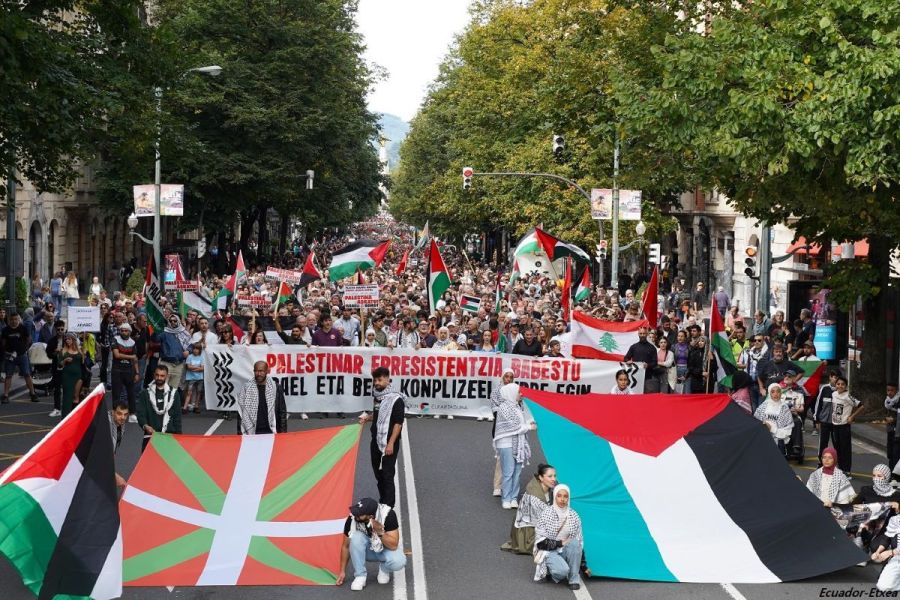
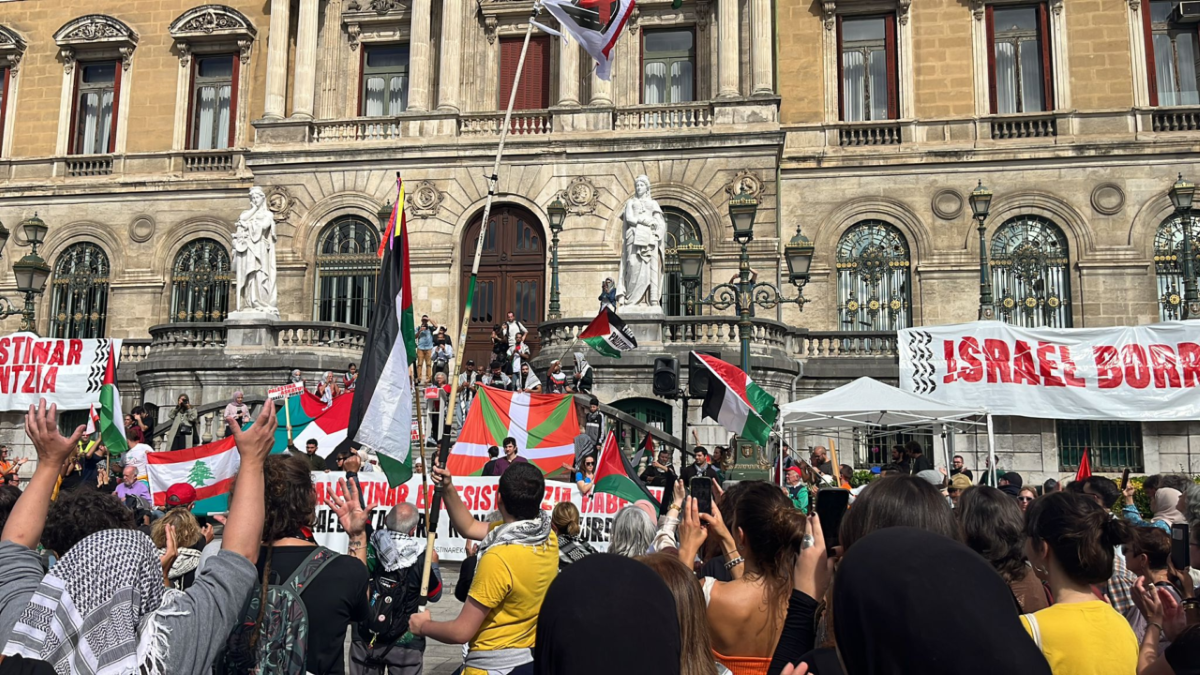


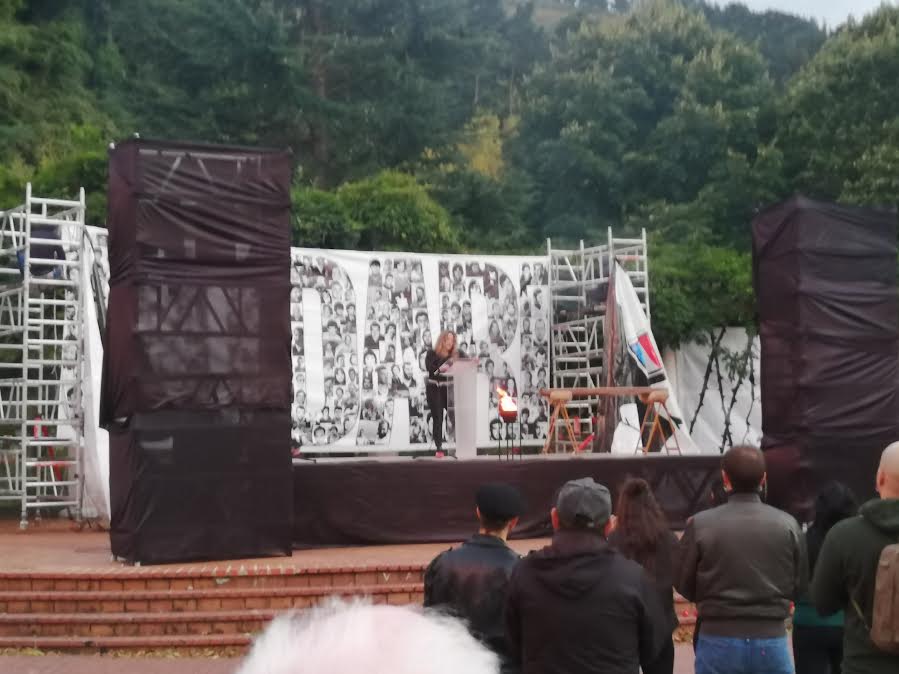


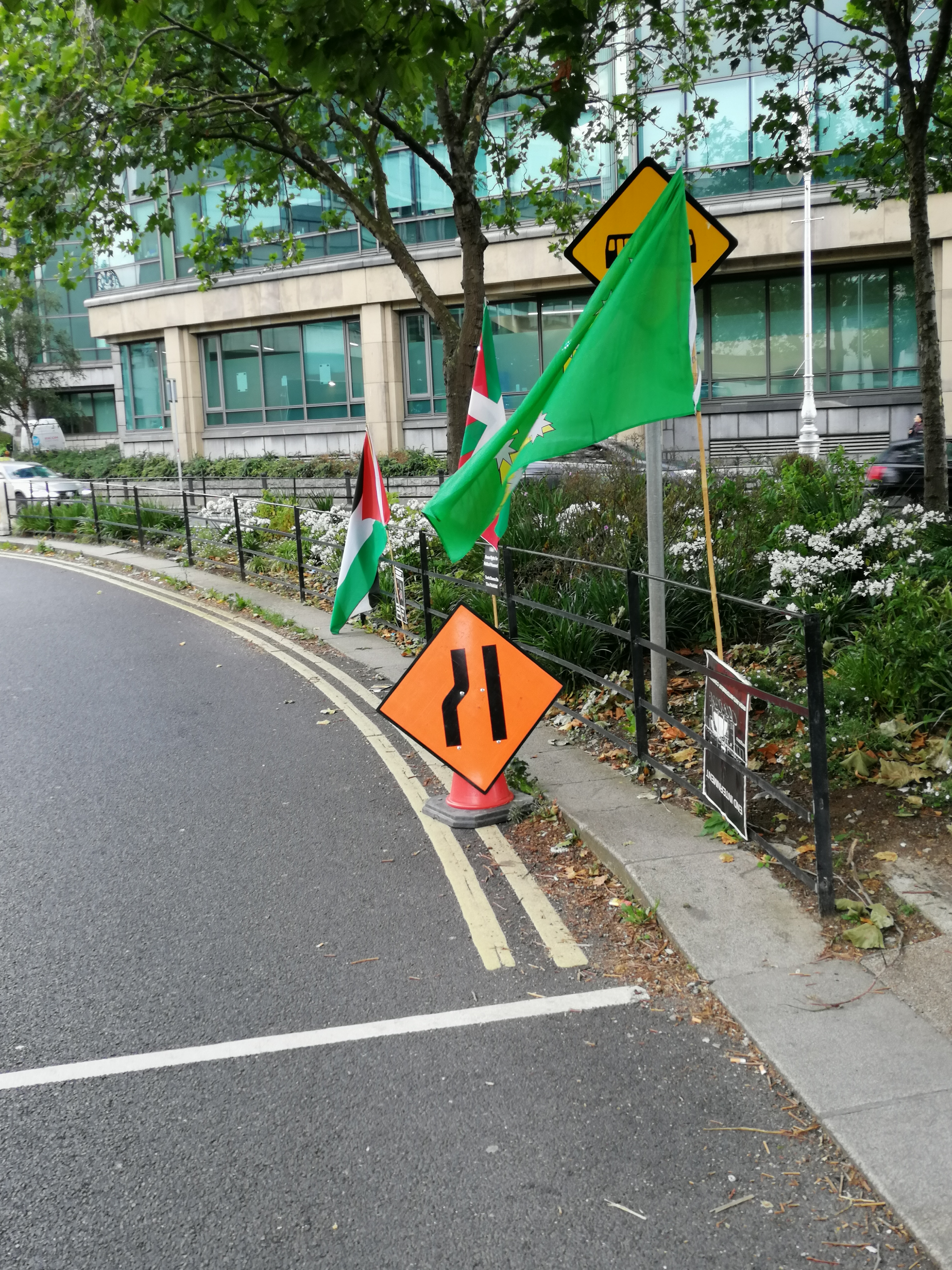


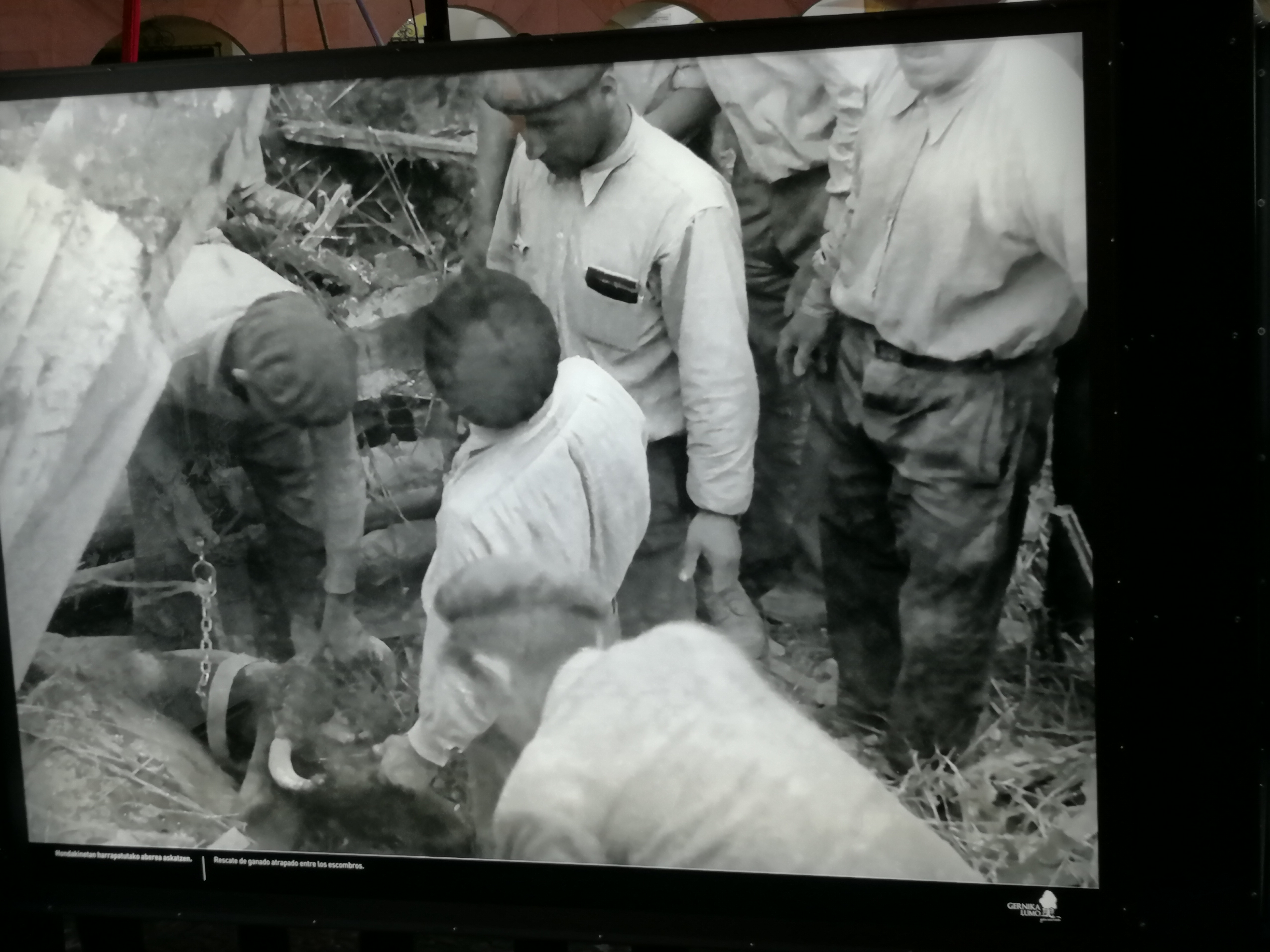
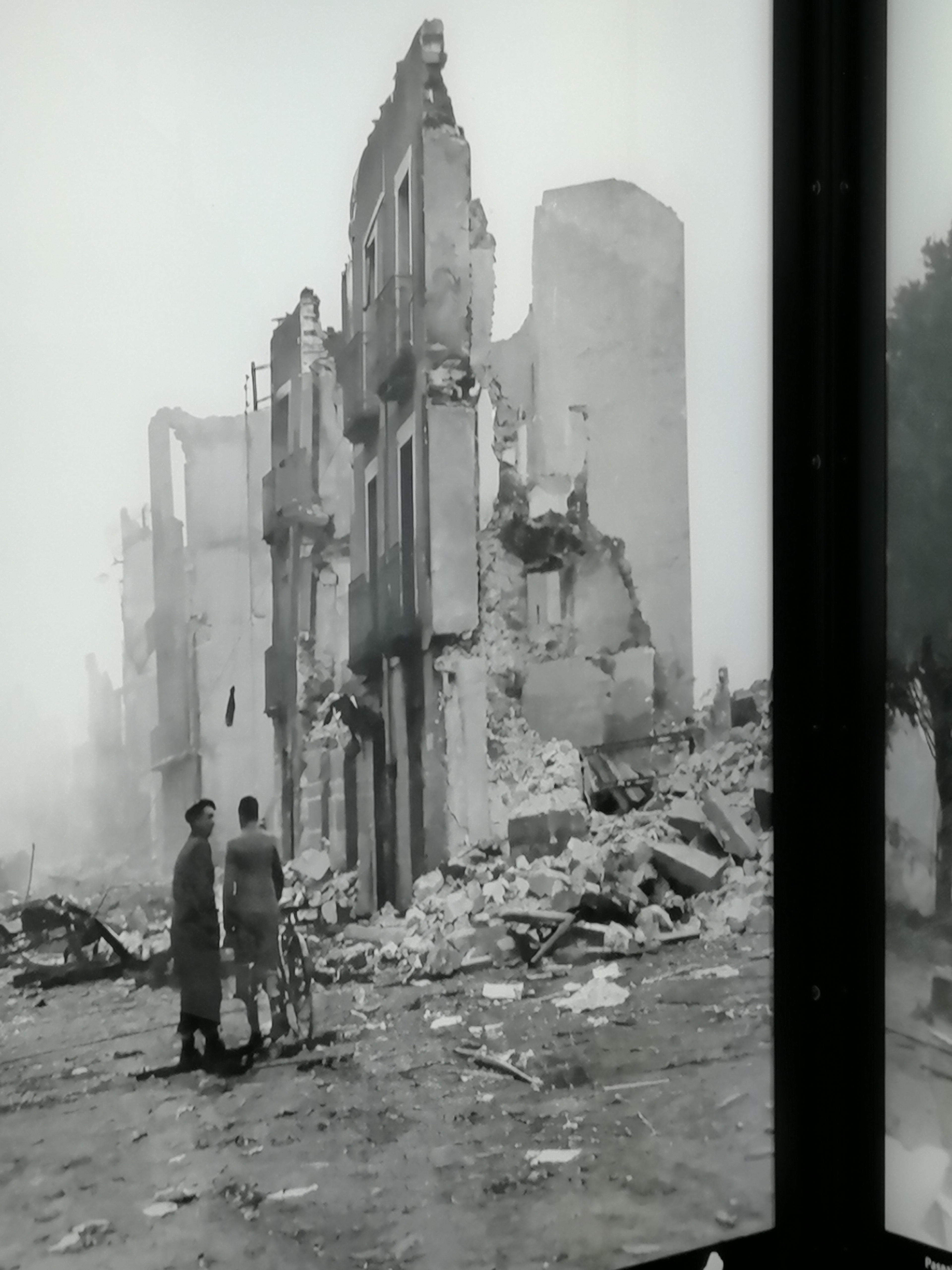


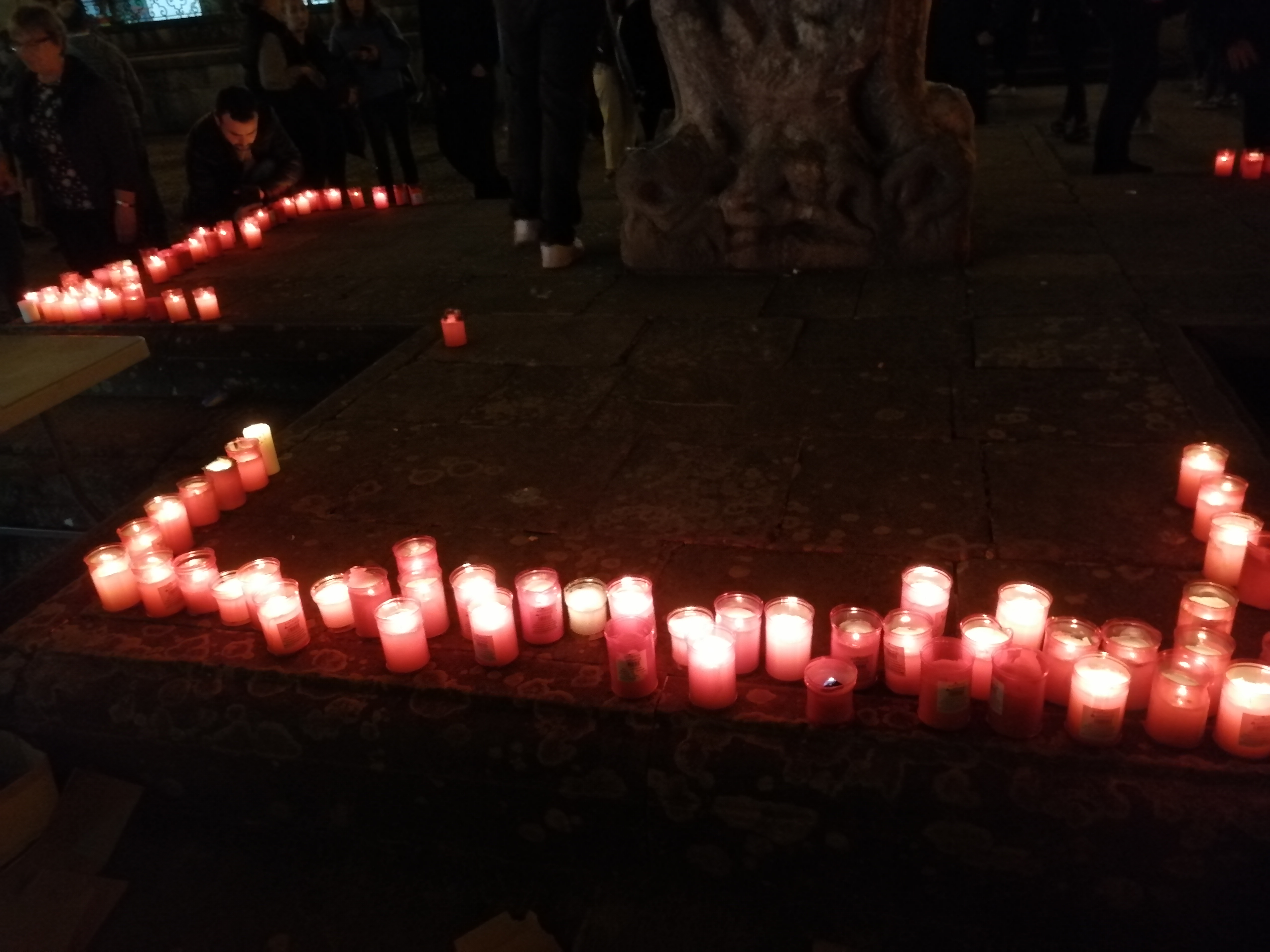


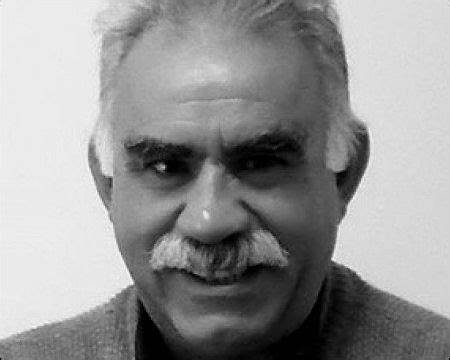
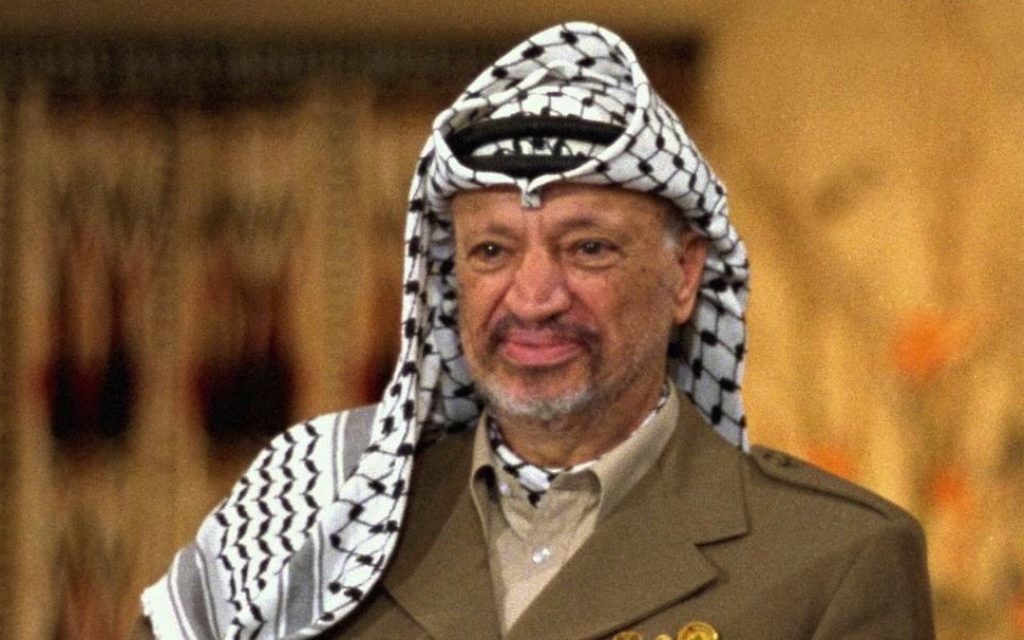

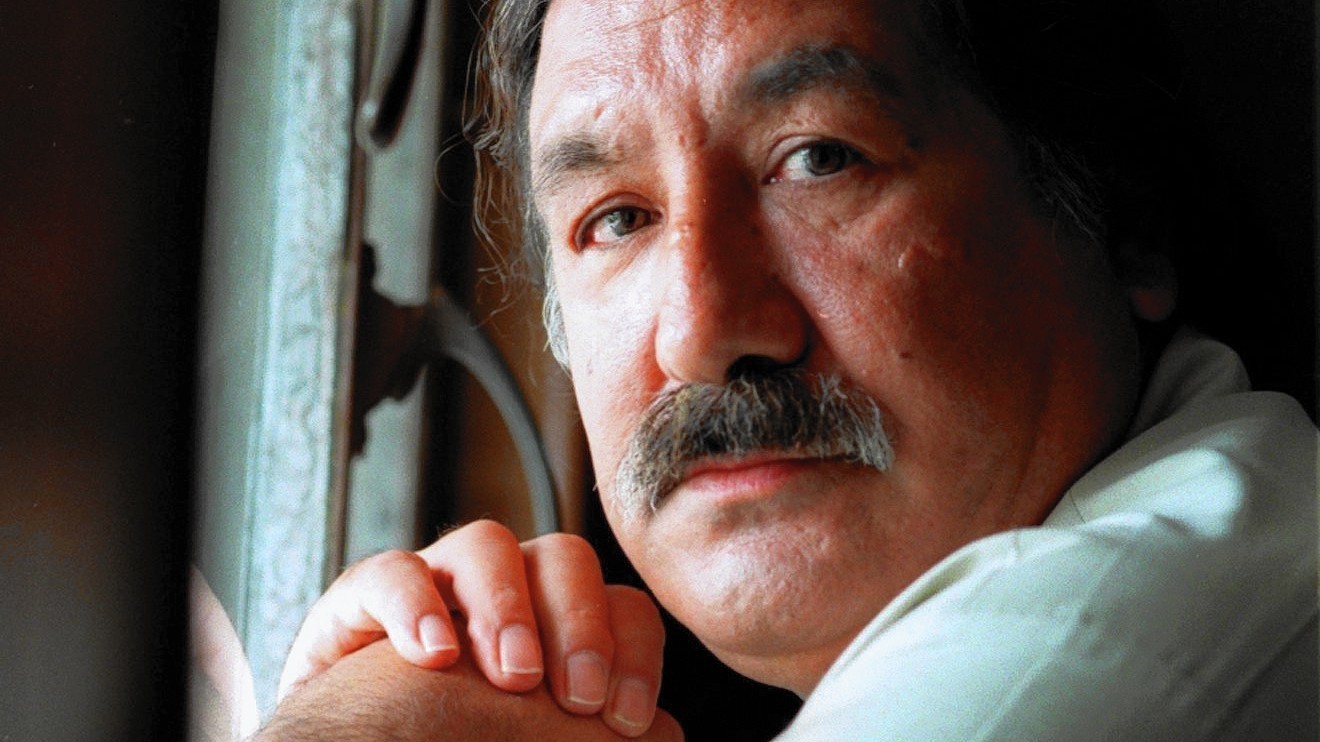


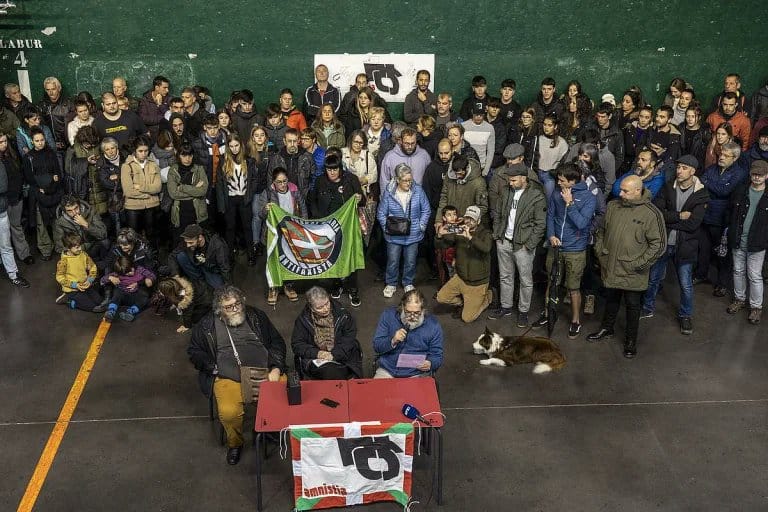

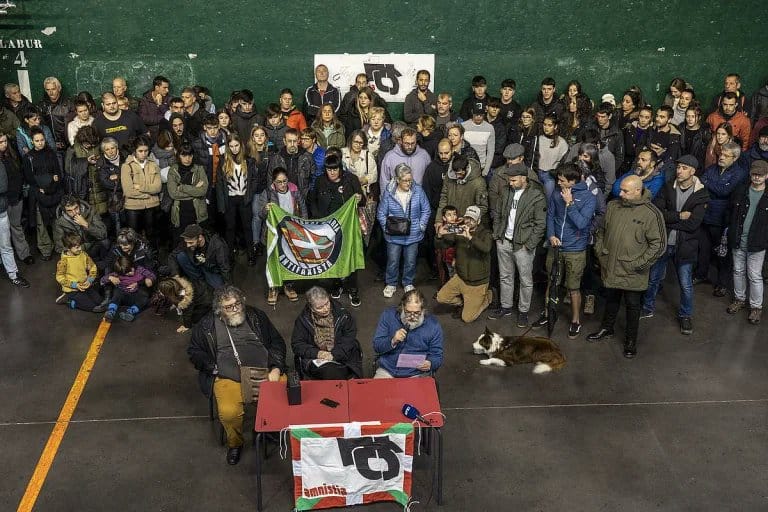
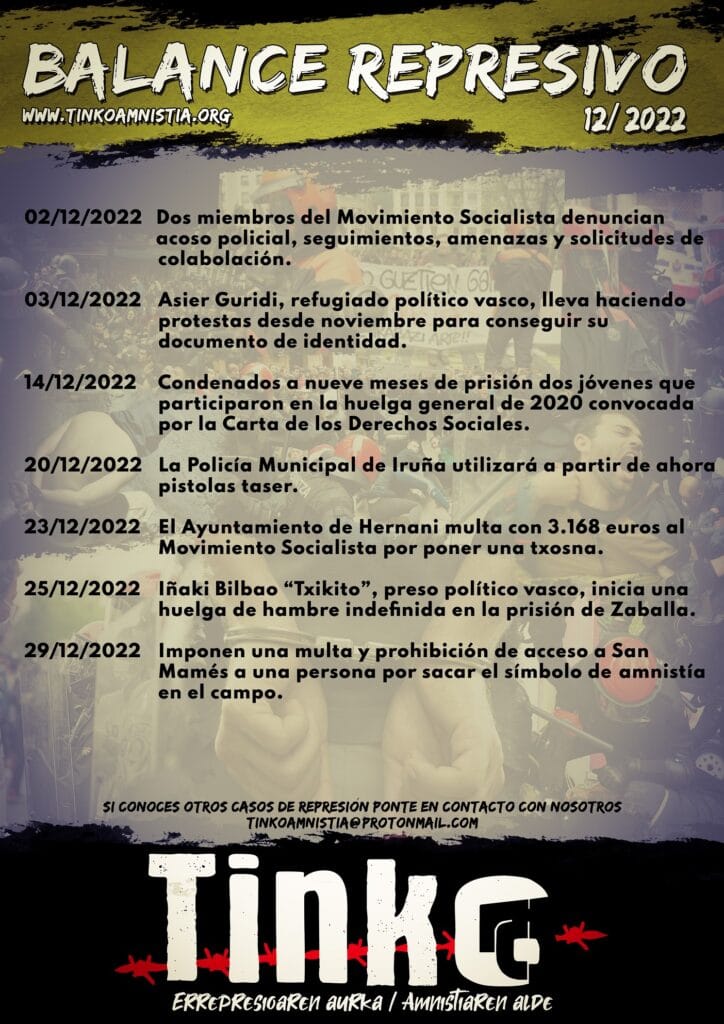


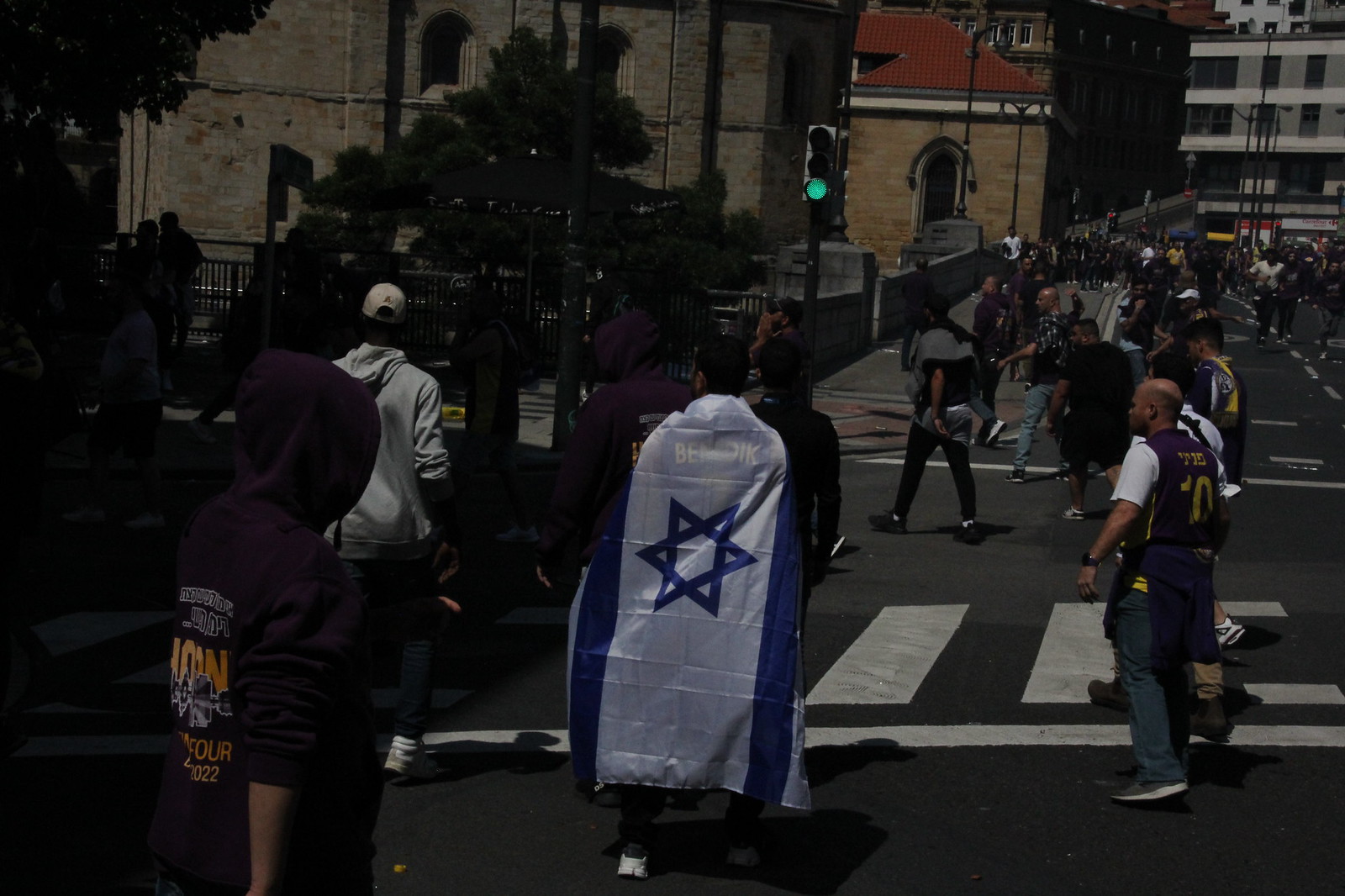

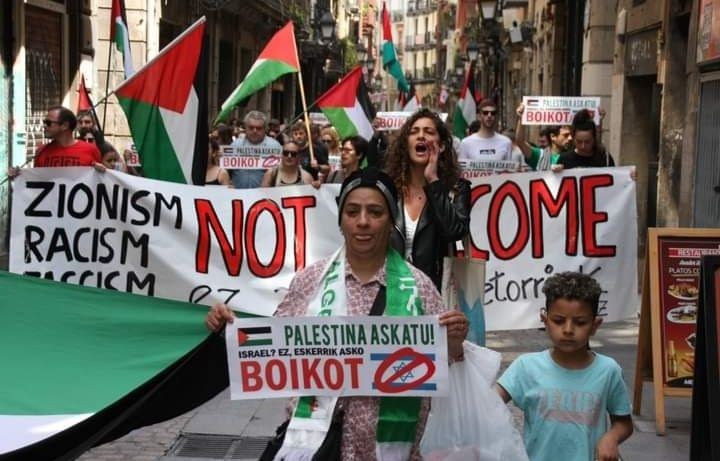


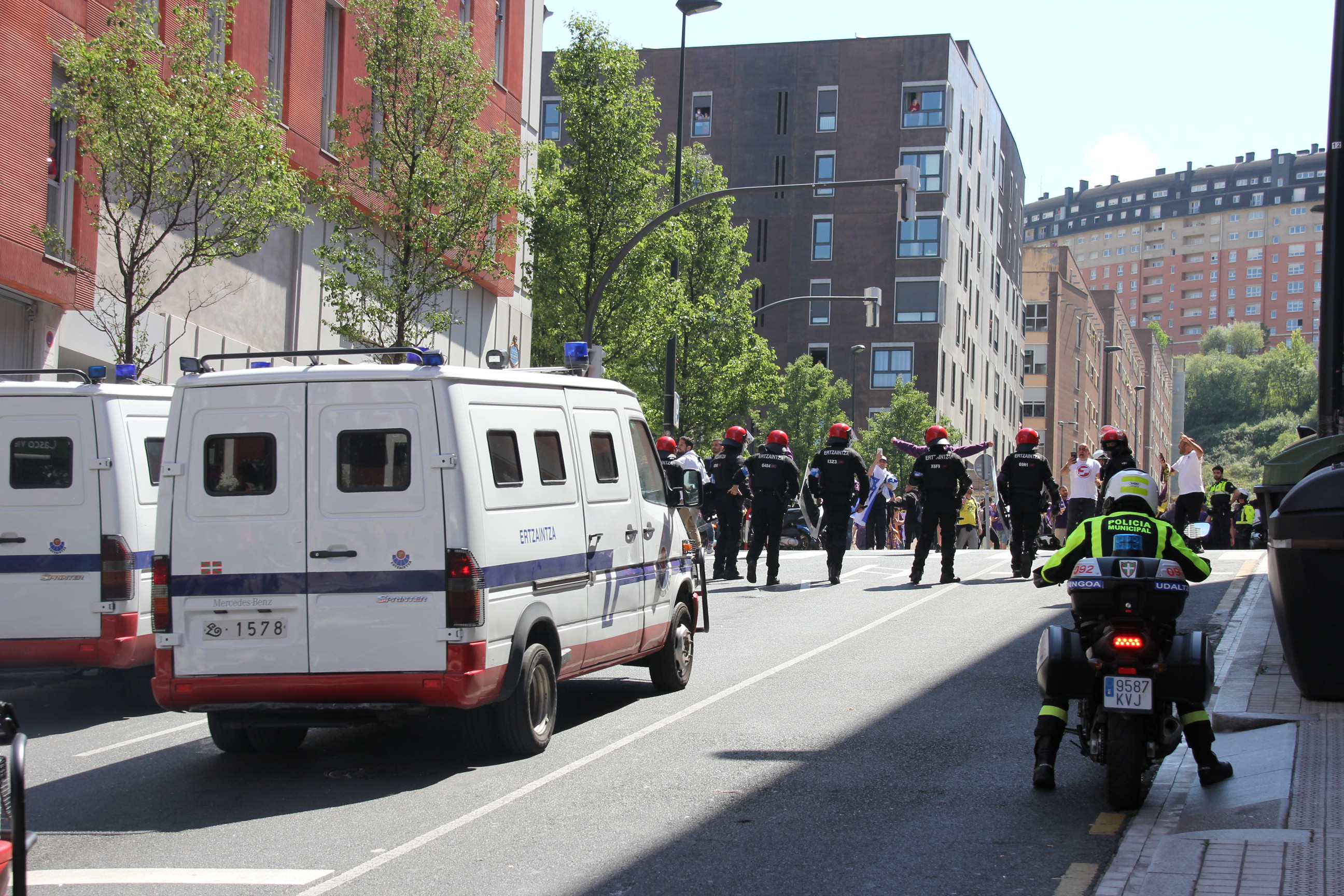
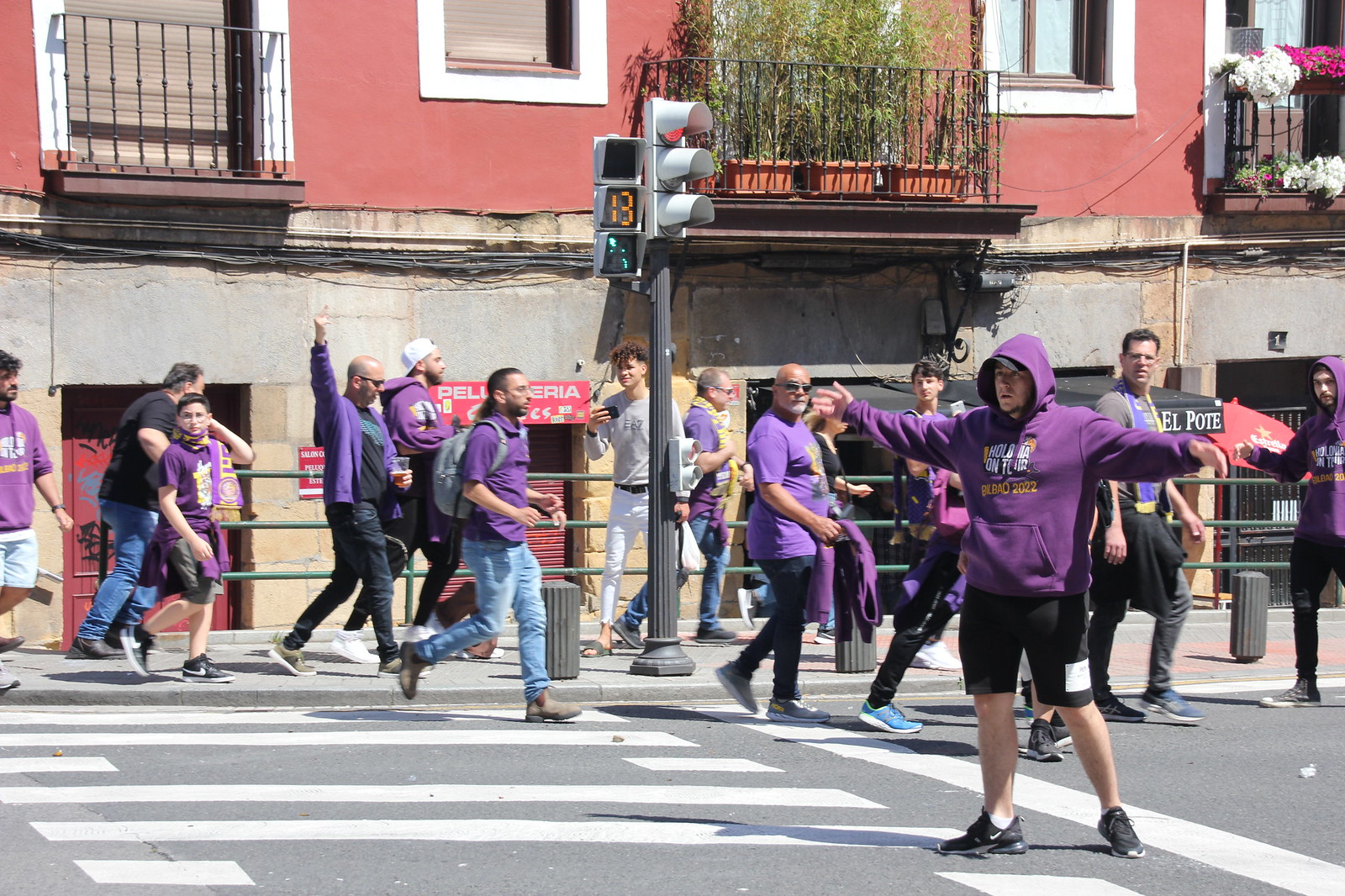


 rebelbreeze