The annual January march in solidarity with political prisoners, taking place in continuous rain on Saturday 13th January, packed the streets of the Basque city of Bilbao (Bilbo) with estimates of numbers in attendance varying from 95,000 (GARA) to 100,000 (DEIA).
Numbers on this march are always high (especially taking the total population of the Basque Country of less than three million into account) but may have been boosted somewhat this year by a) the ongoing resistance to Spanish state repression in Catalunya and b) news that the French state is at last moving away from its policy of dispersing its political prisoners far from their home country.
Saturday’s march was organised by Sare, a broad front set up a few years ago and was supported by EH Bildu (political party of the Abertzale Left) along with the Basque majority trade unions ELA and LAB. The political parties PP, PSE and Podemos-Euskadi did not support it, although the latter’s General Secretary Lander Martínez attended in a personal capacity. The Basque Nationalist Party PNV did not support it either (although members may well have done).
Also in attendance were Joan Tardà of the Catalan party ERC; Xabier Sánchez, brother of the jailed President of ANC, Jordi Sánchez; and the writer Kirmen Uribe.
Arnaldo Otegi for the EH Bildu party said the Spanish State should learn from the action of the French one; LAB’s General Secretary Garbiñe Aranburu declared that this year needs to be decisive in the Spanish state with regard to political prisoners and called for new alliances to achieve this. Adolfo Muñoz, Gen. Sec. of the largest trade union in the southern Basque Country, ELA, credited civil society with having achieved the change in French State policy, achieving the transfer of Basque political prisoners to jails near their homes, without waiting for the Spanish state to do likewise.
The banner at the head of the march stated “Elkarrekin aurrera egiteko prest gaude” (We are ready to advance together; human rights, resolution, peace)while, according to media report, throughout the march the following slogans were heard: “Euskal presoak etxera!” (Basque prisoners to home!) and “Presoak kalera, amnistía osoa!” (Prisoners to be free, total amnesty!).
At the end of the march, Sare’s manifesto calling for an end to the dispersal was read out by ETB (Basque TV channel) presenter Kike Amonarriz and Beatriz Talegón, ex-leader of the youth wing of the Spanish social-democratic unionist party the PSOE.
COMMENT:
The great attendance in pouring rain is encouraging and once again the Basques show their high level of concern for their political prisoners, bringing at least 3% of their population out on a solidarity demonstration.
The reported (and audible on the video) slogans of “Euskal presoak etxera” (Basque prisoners to home) and “Presoak kalera, amnistía osoa” (Prisoners to be free, total amnesty) being shouted are interesting, given that the Abertzale Left leadership and organisations such as Sare have dropped such demands in recent years, concentrating instead on calling for an end to the dispersal policy and for the release of seriously-ill prisoners. The slogans mentioned above have been raised by the Amnistia Ta Askatasuna (ATA) organisation, whose supporters are highly critical of the changes in policy of the Abertzale Left leadership for some years now but presumably made their presence felt on the demonstration.
Despite the permanent ceasefire declaration of ETA a number of years ago and changes in the policies of the Abertzale Left leadership, the Spanish state has not given an inch, which leaves the leadership with no gains to show, not even the end of the dispersal policy. This policy, contravening human rights and the EU’s own conventions, sees prisoners located as far from the Basque Country as southern Spain, a drive of around nine hoursthere and the same back, on motorways that have already claimed the lives of a number of prisoners’ friends and relatives and injured an average of one a month.
This Autumn I made myself available to give talks in the southern Basque Country (i.e. in the Spanish state) on the situation of Irish political prisoners and a series was arranged for mid-October for nearly two weeks.
As well as having private conversations, I gave a total of five public talks to audiences ranging in size from ten to over forty. The composition of the audiences varied from youths to older middle-aged; in some places the latter predominated and in some, the former.
All the meetings I spoke at were arranged by an organisation called Amnistia Ta Askatasuna which calls for total amnesty for Basque political prisoners. This was also a demand of the whole movement and of the leadership of the Abertzale Left until fairly recently and the Gestoras pro-Amnistia organisation had been created under the Abertzale Left umbrella but then banned by the Spanish State. But the Abertzale Left’s leadership have now dropped this demand from public discourse, saying the conditions are not ripe for it and concentrating instead on the end of the dispersal. (More about this and the Basque prisoner situation later).
Poster on a wall advertising three talks in the southern Basque Country before the remaining two were confirmed. October 2017. (Photo: D.Breatnach)
I had not intended to confine my talks to those organised by ATA but it was they who organised the talks on dates that were offered, with the exception of one from an independent source that unfortunately clashed with one I had already accepted elsewhere.
ATA posters share with other advertising on a wall in the southern Basque Country, October 2017 (Photo: D.Breatnach)
THE TALKS
The types of venues for the talks were community cultural centres (two), occupied buildings (two) and one local (a space for which the users’ association paid rent and used for their activities). Geographically, the talks were held in Gernika and two in Bilbao (Bizkaia province), Etxarri (Nafarroa) and Ibarra (Guipuzkoa province). There were none in Alava province (although earlier this year I gave interviews to Hala Bedi pirate radio there, in Gastheiz/ Vitoria). On this occasion also I gave a video interview to a rapper who also makes videos for Hala Bedi, though he is located in Bizkaia.
From conversations and discussion it became clear that all the older people in the audiences were veterans of the Basque struggle over decades and a number were ex-prisoners. Some had relatives in jail. The youths had come to political activity or thinking in recent years.
Talk in cultural centre in Ibarra, Guipuzkoa, southern Basque Country, October 2017. (Photo: ATA)
For the content of the talks I briefly reviewed the more distant history of political prisoners in Ireland, moving on then to the Good Friday Agreement and the release of
Torn poster advertising the talk in Ibarra, Guipuzkoa province, southern Basque Country, October 2017. (Photo: D.Breatnach)
most Irish Republican prisoners in the Six Counties under its terms. The re-arrest and jailing without charge of a number of these ex-prisoners was part of the talk, in which the specific examples given were of Marian Price, Martin Corey and Tony Taylor. I also dealt with the procedure of arrest on ridiculous charges and refusal of bail, or granting it under undemocratic and restrictive conditions, for which I used Stephen Murney as an example. These were all members of different organisations or none. Conviction on charges which the evidence does not support is also a category I mentioned, giving the Craigavon Two as an example there. Arrest on possession of arms charges is also a feature on both sides of the Border.
With regard to the 26 Counties, i.e the Irish state, I discussed the Special Court, Membership-of-an-illegal-organisation charges and charges of obtaining arms or having assisted terrorism. I mentioned the planned second Special Court in particular in the context of the State’s failure to convict most of the Jobstown protesters on charges that included “false imprisonment” (i.e kidnapping).
While noting that splits had occurred before in the Republican movement – the Provisionals themselves having emerged from such a split in 1970 – I noted that since the GFA, splits had multiplied and listed a number of the resulting organisations, including those that had existed already at that time.
Listing the number of Irish political prisoners (at the latest count then 79) and reminding the audience that the Irish had extended solidarity to Basque political prisoners, I asked the Basques for solidarity towards our political prisoners too. And I did so not only as a moral issue of internationalist solidarity but also in recognition that internationalist solidarity is one of the first casualties (i.e aspects to drop or weaken) by those who are seeking to surrender the struggle or even to become collaborators.
Talk in cultural centre in Etxarri, Nafarroa province, southern Basque Country, October 2017. (Photo: ATA)
QUESTIONS
I timed the talks to give sufficient space for – and encouraged — questions and comments, even critical ones.
It was interesting that the same questions tended to come up again and again:
Did the different Republican organisations cooperate with one another inside and outside the jails?
What were the conditions in the prisons like for the prisoners?
How are political prisoners in ill-health being treated?
Is there a dispersal issue with regard to political prisoners?
Did the population support the prisoners?
What were the conditions for their release under the Good Friday Agreement?
Did INLA prisoners sign the GFA release agreement?
Are there armed actions continuing in Ireland?
Are the youth involved in solidarity actions and campaigns?
What was the attitude of Sinn Féin towards the political prisoners?
Are prisoners “on the run” still in danger of arrest and imprisonment?
In one meeting, one of the smaller audiences and containing only youth, I was asked about the role of women in the national liberation struggle in Ireland today.
Talk in the occupied former Astra factory building, Gernika, Bizkaia province, southern Basque Country, October 2017. (Photo: ATA)
Some of the questions asked reflect the situation of the Basque political prisoners and also of the censored and inaccurate information about Ireland that reaches them, including through the Abertzale Left‘s (the “official” umbrella organisation) daily newspaper, GARA. At a number of times in the past spokespersons of the Abertzale Left’s organisations had claimed that there were no longer Irish political prisoners, a claim repeated in GARA. More recently, the tendency is to ignore their existence or to represent them as very few, without a program other than return to armed struggle and without a support base (i.e Sinn Féin’s line).
The new direction of the Abertzale Left’s leadership, which included a “permanent truce” and disarmament of their armed organisation ETA (formally declared in January 2011) was said at the time to have been agreed by the Basque political prisoners in their organisation EPPK. There have been persistent claims by friends and relatives of some prisoners and by some prisoners released in the last couple of years that they had not even been consulted.
A number of people to whom I spoke claimed that the prisoners’ collective no longer really exists, with prisoners left to act individually; some others said this was true to an extent but not completely. Certainly one feels a general air of disillusionment and uncertainty – and also of anger. And it is true that a small number of prisoners have formally denounced the leadership and left the collective.
Grafitti in Ondarroa, Bizkaia province, southern Basque Country, October 2017. (Photo: D.Breatnach)
From figures collected in 2003, up to 30,000 Basque activists out of a total population of less than three million) had been arrested, 8,170 were accused of being members of ETA and roughly half of those convicted and imprisoned. The prisoners’ relatives and friends’ organisation Etxerat (also under the Abertzale Left’s umbrella) in its July-September report of this year (2017) recognises 315 Basque political prisoners, of which 310 are dispersed through 61 prisons, with only two in 2 prisons in the Basque Country.
In 39 prisons in the Spanish state, 239 Basque political prisoners are being kept and 68 in twenty prisons of the French state. There are 212 (68.85%) Basque political prisoners in prisons at distances of between 600 and 1,100 km of the Basque Country; from a distance of 400 to 590 km from their country there are 67 (21.75 %) and between 100 and 390 km of home another 29 (9.40 %).
The strain on relatives and friends is considerable, road accidents are frequenton their journeys to visit prisonersand a number have been killed.
Twenty-one prisoners (21) are diagnosed as being seriously or terminally ill and according to the states’ own penal codes should have been released on parole to home or hospital but instead of reducing the number of sick prisoners the total is climbing (almost doubled in recent years). I accompanied ATA comrades to the port town of Ondarroa to participate in a demonstration organised by a broad platform calling for the release of terminally-ill Basque political prisoner Ibon Iparragirre.
Section of rally after demonstration in Ondarroa, Bizkaia, in solidarity with local seriously-ill prisoner Ibon Iparragirre, October 2017. (Photo: D.Breatnach)Stage of the rally after demonstration in Ondarroa, Bizkaia, in solidarity with local seriously-ill prisoner Ibon Iparragirre, October 2017. (Photo: D.Breatnach)
The Spanish state has rejected all the “peace process” (sic) overtures of the Abertzale Left leadership and says that ETA should just disappear and prisoners wishing to be pardoned and released must repent their previous actions, apologise to their “victims” and give information on their previous activities and comrades. It also says that all still at liberty and wanted for past illegal activities will continue to be pursued.
COMMENTS AND CONTRIBUTIONS
These too tended to be of a kind to come up again and again throughout the tour:
The situation in Ireland with regard to the liberation movement and prisoners is like that in the Basque Country or that which the latter will face as time goes on
The prisoners’ cause is being deserted by the Abertzale Left leadership
Their media and leadership had lied to the movement about the situation in Ireland
The leadership is only interested in penetrating the institutions and is neglecting the politics of the street
Otaegi and Adams are alike and McGuinness was a traitor when he asked people to inform on paramilitaries
The Abertzale Left did not of course comment on the talks – why would they? However, in Ibarra, I saw posters for the meeting torn down in areas where other political ones remained and according to my hosts, this was the work of the “oficialistas” (i.e followers of the leadership’s line) in the town. It was notable too that with a few exceptions, a number of people within the Abertzale Left but whom I know to be very critical of the change of direction, did not attend the talks held in their areas. Since some had previously attended a meeting at which I spoke a year ago and engaged in discussion critical of the Abertzale leadership, I took it that these either disapproved of the ATA organisers or did not wish, for whatever reason, to be seen attending a meeting held by the organisation.
At all the talks I was received with friendliness and courtesy and after some I had a meal in company in a txoko (Basque building — or part of one — owned or rented by a gastronomic association) or the home of my hosts for the evening. Although I invited criticisms with genuine interest in hearing them, none were voiced publicly, whether of the content of my talk or of the Irish people generally — although there were some questions as to why the people “in the south” had not supported more widely the “struggle in the north”. I explained that what they call “the north” is one-fifth or the country and also divided in its population; in addition the Republican movement had left the social and economic concerns of the people in the other four-fifths largely unaddressed and in fact had opposed some social reforms in earlier times. People in the 26 Counties had given a lot of support but without mobilising them on their own concerns and specific conditions this was likely to be a minority activity and to decline over time.
CATALUNYA: SOUTHERN BASQUE ATTITUDE TO THE STRUGGLE THERE
Inevitably, the struggle in Catalunya came into the discourse at some point – after all, I had arrived in Euskal Herria just under two weeks after the Referendum.
The Catalan national flags, the esteladas (both versions) were in evidence across the Basque Country as were some solidarity banners and posters. The two solidarity demonstrations I witnessed (and in which I participated but for a while – each having been called for the same evening as my talk locally) in Nafarroa and in Bizkaia appeared to have been called by the “official” movement and were fairly small and quiet. The largest, of over fifty people, did not even have a flag, placard or banner, which was puzzling.
Large image on the wall of the youth local in Errekalde, Bilbao, where they hosted one of the talks, October 2017. (Photo: D.Breatnach)
It was reported to me that some time back, the Abertzale Left had been close to the militant CUP (Catalan left-wing and independist popular movement) but now were moving closer to the Eskerra Republicana, often perceived as being less militant and closer to the Catalan bourgeoisie. Among the critics of the Abertzale Left leadership and others there seemed to be a doubt that the Catalan leadership was serious; however, both the “officials” and the “dissidents” had sent people to help the Catalans in their referendum.
After the Spanish police violence on October 1st there was a feeling that the Catalans were enduring what the Basques had endured for decades so why the great shock now? When two leaders of the Catalan movement were arrested and jailed without bail and called “political prisoners”, of course the Basques pointed to their own hundreds of political prisoners (and also to two Catalans who were ETA prisoners). The failure to declare a Republic on the promised day seemed to bear out those with a more cynical view but actions since then and the application of the repressive Article 155 of the Spanish Constitution are bound to raise feelings of respect and solidarity across the Basque national liberation movement, whether “official” or “dissident”.
IN CONCLUSION
It is clear that there is interest in the Irish situation and of that of the prisoners in at least some sections of the broad Basque national liberation movement. It is also clear that there is a substantial discomfort with the direction of the Abertzale Left’s leadership since 2011 (and for some since even earlier). Frustration is also evident as is a great concern for the political prisoners and a worry that they are being left without leadership, to come to their own arrangements with the Spanish state or to endure many more years in jail or die there (as Kepa De Hoyo did in August and as Ibon Iparragirre faces now).
This level of concern, disquiet and even distrust is not currently reflected in great numbers attending pickets or demonstrations organised by ATA, as numbers attending the talks showed in some areas but as the talks also showed, there is a network of support for ATA across the southern Basque Country. It was clear that a greater lead-up would have resulted in talks being hosted in further areas, including the province of Alava which was not included on this occasion. The general composition of the movement represented by ATA is healthy in its spread across generations, comprised of veterans (including ex-prisoners) and youth new to the struggle.
The pedestrian bridge at Ondarroa, scene of one of the “human walls” organised some years ago by Basque youth in resistance to the arrests of activists. Supporters placed the activist whom police were seeking in the middle and then packed the bridge with supporters, causing the police hours of work to carry out the arrest. I was told that the official leadership had ordered the cessation of these events. October 2017. (Photo: D.Breatnach)
From a personal point of view it was an interesting if somewhat hectic and stressful period but also one that increased my understanding of the reality.
From a political perspective I hope it helped build some links for solidarity between the struggles in each of the two nations and an awareness that pacification processes are not an alternative but only another face of repression. For the struggles in which so many have sacrificed so much to succeed, we need to raise our awareness of these processes. In these processes political prisoners, often seen by their populations as heroes and people to be cherished, are used by the repressive power as hostages and often too as bargaining counters, the temptation always there for some of those in struggle to use them in kind.
From Axpe de Busturia train station, Bizkaia, October 2017. (Photo: D.Breatnach)Morning view of misty mountains from a host’s house in Etxarri, Nafarroa province, October 2017. (Photo: D.Breatnach)Bermeo Harbour and some of the town from heights above, October 2017. Near the big building at 9 o’clock on the photo was the location of a Franco prison for Resistance women — I was told that Basque nuns locally brought food to the jail for them every day. (Photo: D.Breatnach)Part of the Bay of Bizkaia (Biscay), October 2017, from the site of a Basque Gudari artillery battery during the Anti-Fascist War. (Photo: D.Breatnach)
The bombing of Gernika during what is sometimes termed “The Spanish Anti-Fascist War” and more often “The Spanish Civil War”1 was commemorated in Dublin by a weekend of events organised by the Gernika 80 — then and now committee. The event featured a launch of a commemorative pamphlet, including talks by Spanish Civil War historian Enda McGarry and by Irish socialist, republican and civil rights activist Bernadette McAliskey; a ska music event; talks and a planting of a “Gernika Tree” at Glasnevin cemetery.2
People in attendance at the talk in Wynne’s Hotel (chairperson’s reflection may be seen in the mirror). (Photo source: Gernika 80 event page)
The pamphlet was on sale for €5 a copy in the large function room of the historic Wynne’s Hotel where the well-attended launch was held. The pamphlet has articles by Richard McAleavey, Enda McGarry, Stewart Reddin, Brian Hanley, Aoife Frances, Sam McGrath, Fin Dwyer, and Goiuri Alberdi.
Enda McGarry was first to speak and in a clear voice, with only an occasional glance at his notes, began by giving the background to the Gernika bombing – the military rebellion against the elected government of the Popular Front and the military campaigns that followed. General Mola was in charge of the fascist forces’ “Northern Front” while battles were taking place elsewhere, including in the suburbs of Madrid.
McGarry outlined the waves of air attack on 26th April 1937, the dropping of incendiary bombs and the strafing of running men, women and children by fighter planes and gave details of some of the horror experienced in the town. The bombing was one of the first aerial bombings of civilian population centres and Gernika, of particular historic-cultural importance to Basques, was hit on a market day. It had no anti-aircraft defences, not surprisingly, since it contained no features of significant military interest.
Going on to describe the lies told by the fascist leaders, McGarry related how in turn the communists, anarchists and Basque nationalists had been blamed for burning the town. Subsequently, apologists had tried to excuse the action by claiming that the Renteria bridge had been the target, in order to cut off the Basque nationalists’ retreat or lines of reinforcement from the northern Basque Country (i.e within the French state).
The speaker pointed out that this line of argument is still being peddled by some, including a fairly recent historian. Demolishing this falsehood by analysing the planes that were used, Heinkels, a Dornier, Junkers 52 bombers, Italian SM 79s and Messershmidt 109, along with the bombs and armament, McGarry showed how this could not be consistent with a bombing run to destroy a bridge. At Burgos airfield sat a number of planes that would have been ideal for destroying the bridge – Stukas, the most advanced dive bomber in general production of the time. They did not use them because neither was the Bridge the target nor pin-point bombing required – what those planning the attack wished to do was to carpet-bomb the area with high-explosive and incendiaries, then machine-gun civilians fleeing the bombing.
Ultimately, the historian continued, of course Generals Franco, Mola and other fascist military leaders were responsible. However McGarry believed that the Spanish fascist leaders, needing to crush Basque resistance but keep the conservative Catholic Carlist troops (from Navarra) and other right-wing Basques on board, would have been unlikely to agree to the destruction of Gernika (a holy historic place to the Carlists as well as to the Basque Nationalists). Oberstleutnant Wolfram Freiherr von Richthofen was the commanding officer of the Condor Legion, Nazi Germany’s “loan” of airforce to the Spanish fascist forces – he, along with others including commander-in-chief of the Luftwaffe, Herman Göring, wanted to use the Spanish conflict as a testing ground for warfare from the air and the tactic of terror-bombing a civilian population, which they later employed at Warsaw, Stalingrad and other cities.
The talk ended to strong applause and the chairperson of the meeting introduced Bernadette McAliskey, a long-time socialist and Irish Republican, campaigner for civil rights and in support of migrants.
The chairperson could also have alluded to her survival of an assassination attempt by Loyalist paramilitaries the “Ulster Freedom Fighters”, in which she was shot 14 times and her husband shot too, and that she had before that twice been elected a Member of the British Parliament. Of course McAliskey herself might have requested the omission of those details.
Bernadette McAliskey speaking; sitting R-L, Finn Dwyer, Enda McGarry. (Photo source: Gernika 80 event page)
McAliskey began by praising the inclusiveness of the pamphlet, which has contributions from many different writers. She then moved on to expounding what kind of people are fascists, a term she believed too widely applied, and what kind of people fascism serves. In a rather long discourse, entirely without notes, the speaker went on to analyse what Republicanism is, rejecting a definition which said the basic unit of a Republic is the State, insisting instead along with Thomas Paine that the basic unit is the individual. Believing otherwise, she declared, makes one a nationalist rather than a Republican, á la Gerry Adams.
At times one could be forgiven for assuming that McAliskey thought she was addressing liberals, saying for example that “we don’t think enough about what goes on in other countries”, or “we don’t think about what is happening to certain groups”, such as migrants, Travellers – those considered “non-people”; or when she declared that she had no understanding of what was going on in Syria because neither her background nor experience could help her to understand it. McAliskey seemed unconscious that this is a line which was also commonly disseminated in Britain about the war in the Six Counties.
But then, McAliskey would switch without warning, as in her mischievous assertion that one should deal with liberals by throwing them in at the deep end: “they either learn to swim or they no longer give you any trouble.” Or when later, she pointed out that those in power never give up their weapons, and that one day we might present ourselves to our exploiters and insist that they step aside, as “there are more of us than there are of you”, to which they will reply: “Maybe so, but we have the weapons.”
When Bernadette McAliskey finished her talk, to sustained applause and cheers, the chairperson invited questions, of which there were three and a comment. The first question was whether McAliskey thought Gerry Adams was a psychopath, to which she discoursed on the question of insanity and on the number of lies that were told by politicians such as Gerry Adams. One of the big lies was that the IRA had forced the British to the negotiating table, which McAliskey emphatically denied was true, insisting that the reality was that the IRA went to the negotiating table because they could fight no longer, the rate of attrition was too great.
The next question, by a woman who announced that she had a USA background, in the context of her declaring that racism is about white supremacy, was about how to make the Irish aware of their role in this supremacy. Bernadette said it was an important question and that the process by which the oppressed can become the oppressors was one observed on a number of occasions in history.
This reporter thought that the questioner’s statement about the nature of racism being white supremacy might also have been questioned, a proposition disproved for example by the experience of the Armenians under the Turks, Jews and Slavs under Nazism, the Irish in Britain or at home under British rule, Irish Travellers in Irish society, etc.
The last question enquired what Bernadette would say to Basques, as some had said to the questioner, that the Irish were “lucky to have a peace process”, given that we were now approaching the second decade after the Good Friday Agreement. McAliskey replied that Ireland did not have a peace process but rather a pacification process, and that the ‘new dispensation’ divided up the Six Counties between political parties along sectarian lines, with cuts to services being imposed by those in power and substantial unemployment and unfair treatment of the “other minorities”: migrants, Travellers …. And that jails in the Six Counties today contain “about as many political prisoners as they did when the Good Friday Agreement was signed but the prisoners with less politics than had their fathers.”
End.
FOOTNOTES
1Neither term sitting well with probably most Catalans and Basques, who do not consider themselves Spanish, having a different cultural identity, most aspects of which were suppressed by the victors of the War, the General Franco dictatorship regime but had been suppressed by others before them too.
2Gernika’s historic importance to the Basques before the bombing was based on the fact that Basque nobles met there to discuss their administration of Basque lands and it was there that a Spanish King had stood, under the ancient Basque oak tree, Gernikako Arbola, the “Gernika Tree”, promising to respect their rights to rule within their territory.
From FB page of Dublin Basque Solidarity Committee
SPANISH STATE APPOINTS POLICE OFFICER CONVICTED OF TORTURE TO UNITED NATIONS COMMITTEE FOR THE PREVENTION OF TORTURE.
Convicted Guardia Civil torturer of prisoner, Jose Maria De las Cuevas Carretero, appointed by the Spanish State to the UN Committee for the Prevention of Torture. (Photo sourced from Gara newspaper)
No-one could accuse the Spanish authorities of failing to appreciate irony.
In 1997, in one of the rare cases of the Spanish authorities charging a police officer with torture and even rarer of conviction, Captain (then a Sergeant) José María De las Cuevas Carretero, along with fellow Guardia Civil officers Manuel Sánchez Corbi and Antonio Lozano García were found guilty of torturing Basque ETA suspect Kepa Urra when they detained him in 1992. A further three police accused were found not guilty but the medical evidence on Mr. Urra’s admission to hospital six hours after his arrest made it impossible for the Bizkaya court not to find his captorsguilty. Despite the police officers’ denials, the three were found guilty of having taken Mr. Urra to a deserted spot after this arrest and there, while he was handcuffed, to have beaten him with a blunt object and dragged him along the ground. They were sentenced to four years in prison and barred for six years from public office (a common accompaniment to prison sentence in the Spanish State).
However, one year later the Spanish Supreme Tribunal reduced the prison sentence of each to one year which meant they were free to go but with the public office disqualification still in force. The following year, they were pardoned by the Spanish Minister of Justice of the incoming PP Government of Aznar and Mr.De las Cuevas Carretero carried on with his police career, rising to the rank of Captain and participating in fora of the State and internationally.
Mr. De las Cuevas Carretero, who is a qualified lawyer, has been lecturing of the treatment of prisoners and about corruption. And who could say that he is not eminently qualified to lecture on those subjects? Or to represent the Spanish State authorities on those issues?
(News and photo source: Gara, also some background Internet research)
FIFTEEN YEARS PRISON THREATENED FOR BASQUE YOUTHS IN BAR ALTERCATION PROVOKED BY SPANISH POLICE – SIX ALREADY IN JAIL
Monday 15 November 2016
Diarmuid Breatnach
Six Basque youths are in jail without bail tonight and altogether twelve face fifteen years in prison, in a case arising out of an altercation in a bar in the southern Basque Country (i.e under Spanish occupation) involving two officers of the Guardia Civil (Spanish militarised police force) in Altsasu in the province of Nafarroa (Navarra).
Protest demonstration in Altsasu tonight. The slogan says: “FREE THE DETAINED!” (Source: Basque contacts)
Altsasu is known as a town with a particularly strong history of Basque resistance and a continuing sympathy among the population. The town also has, by no means accidentally, one of the strongest barracks of the Guardia Civil.
On the night of 15th October, the two male Guardia Civil officers, off duty and with their female partners, went into Taberna Koxka, a well-known bar and night spot frequented by the Abertzale (pro-Basque Independence) Left, where they behaved provocatively. Inevitably the policemen were challenged by some of the patrons of the bar and a scuffle broke out.
No injuries were sustained by the police although one of them claimed an injury to his ankle, a story that fell flat when it was revealed that he was already on sick leave at the time of the incident due to an injury to his ankle. In addition, the Guardia Civil report itself, though claiming the officers’ behaviour was non-provocative and peaceful, did not claim police injuries and the province’s “autonomous” police force (but very hostile to the Abertzale Left), the Policía Foral, also denied there had been any injuries.
The pro-Spanish media not only spread police lies but added to them, one surreal story alleging that the quietly relaxing police officers and their partners had been attacked by 50 Abertzale Left youth throwing martial arts punches and kicks. Tragically, such lies will find a ready audience in much of the Spanish state outside the Basque and Catalan countries.
At first the police classified the incident as a “hate crime” but the State Prosecution upgraded its classification to “terrorism”.
The eight youths were detained in police raids this morning and taken to the National Court in Madrid although, upon learning that they had been namedby the Guardia Civil in a list of 12 people involved, they had already voluntarily presented themselves to testify before a judge in Irunea who, however, could not be found. Despite that earlier voluntary attendance, a “risk of fleeing” was given as the primary reason for refusing them bail. Two others were released under stringent reporting to police conditions and two others, who also presented themselves voluntarily to be tried with the others, were told to return to court tomorrow.
Guardia Civil provocatively driving through an Abertzale Left demonstration. The people in costume are Zapantzarak, traditional performers particularly in Spring festivals but often participating in Abertzale Left events also. (Source: Basque contacts).
“Terrorism”
The Prosecution has asked for the Basque youths to be tried under Article 573 of the new Penal Code, set aside for crimes of “terrorism”, the definition of which even the UN has declared to be “excessively imprecise and broad” and which “may criminalise behaviour which is not terrorist.” Conviction under Article 573 can carry a sentence of 15 years in jail.
Tonight in Altsasu, Basque youth took to the streets in peaceful but militant protest demonstration (see photo).
This incident is not without a context: in recent months the town has seen hundreds of Guardia Civil driving through the town at various times and a demonstration organised by Abertzale Left on 22ndOctober was penetrated by Guardia Civil vehicles (see photo). The strongest anti-repression organisation in the Basque Country, “Ospa Mugimendua”, has an active following in the town.
Guardia Civil has his photo taken mocking an event organised by the anti-repression organisation Ospa Mugimendua. (Source: Basque contacts).
The Guardia Civil, although established in the Spanish state in 1844, is a militarised police force (type of carabinieri) associated in the minds of most Basques, Catalans and progressive Spaniards with the Spanish Civil War and with General Franco, whom the force enthusiastically supported. The force has a long history of violent repression, torture, murder and even rape. After the “reform” of the State with the death of Franco, the force was neither abolished nor reformed. The Guardia Civil is also much loved by the Spanish Right and the “Association of Victims of Terrorism” (sic), which regularly demands increased repression against Basques and Basque political prisoners, is mostly composed of relatives of the Guardia.
One of my appointments on a recent trip to Euskal Herria, the Basque Country, was with a “free radio station”, with a dual purpose: to learn about their operation and to give them an interview about my thinking on the political phenomena known to most people as “peace processes”. The radio station in question is Zintilik and located in the Orereta area of Errenteria town, not far north from Donosti/ San Sebastian, in the souther Basque province of Gipuzkoa and my hosts were Hektor Gartzia and Julen Etxegarai.
View of side of building which houses Zintilik. Photo D.BreatnachJulen and Hektor setting up for the interview Photo D.Breatnach
Not long after I arrived, one of my hosts related his memory of events in the area after a local ETA fighter had been killed. The Guardia Civil had swamped the area to prevent an “homenaje” (an event honouring the dead) taking place, guns pointing at men and women; the children, of which he had been one, gathered into their grandparents’ house ….. He showed me where the police vehicle had parked at the end of the street, his sweeping hand indicating the places where the armed police had stood.
THE “FREE RADIO”
The “free radio station”, also known as “pirate radio” has been broadcasting for 32 years, which I find amazing. It began broadcasting from an “okupa”, an occupation of a private empty building, turning it into an alternative social and political centre. Under popular pressure, the local authority, under the control at the time of the PSE, i.e. (Spanish unionist social democratic party), granted them the building they currently use.
Front of Zintilik building from the street. Photo D.Breatnach
Originally built to house a smithy, for some reason the building never saw service in that capacity. It is in my estimation an attractive building in a traditional-enough local style, of thick stone, compact without being squat. It has an attractive back yard, no doubt intended at one time to receive the horses with hooves in need of iron shoes, fitted and nailed. The roof is tiled in what seems the usual way for the Basque Country.
Zintilik broadcasts 24 hours a day, which it is able to do using repeats. The Zintilik collective owns its equipment and funds itself through fund-raising concerts, txosnak (stalls/ marquees) at festivals and occasional donations. They run advertisements for
Julen and Hektor again. Photo D.Breatnach
local community groups and announce events but accept no commercial sponsorship – nor does their wish for independence stop there. “We don’t receive any funding from the local authority or from the Basque Autonomous Government,” declares Julen, “nor do we wish to.”
“Funding from such sources comes with strings attached”, adds Hektor.
“Or one becomes dependent on it and unable to function without it”, further explains Julen.
Partial scenic view from the back of the building. A block of flats to right just out of shot does restrict it however. (Photo D.Breatnach}
As a further illustration of self-reliance, they tell me how they climbed on to the roof of their building to repair a leak, rather than ask the municipal authorities to do it. And it was the same when branches of a nearby plane tree needed cutting to prevent them knocking against the radio aerial on windy days.
“We know it’s work that the local authority owes us and that we and the rest of the community pay their salaries but we prefer not to depend on them,” they explain.
As an example of how dependency – although of a different sort – can undermine a community resource, they relate the story of building which was occupied in order to be used as a community resource. As time passed, many were using it as a social resource but less people were volunteering for the work involved in maintenance at any level. Appeals of the four or so committed people who ended up doing everything fell on the deaf ears of the clientele until one day the four locked the centre doors after the last user had left for the evening and, the next day, handed the keys over to the local authority.
The back yard to the building where we ate a meal after the interview. The structure there is an outhouse. (Photo D.Breatnach)
“As you imagine, this was a great shock to the clientele,” they tell me, “but it was the result of their own lack of commitment to the project.”
I reflect that many activists will identify in one way or another with that sad experience.
RECORDING THE INTERVIEW
Julen and Hektor discuss the format and general content of the interview with me and map it out, do sound checks and then we go to it. Hektor, who knows quite a bit about the more recent Irish history and about the current situation in the Six Counties, is my interviewer, while Julen monitors from the control room and occasionally joins in with comment or question.
Interview room. Photo D.Breatnach
For music in between sections of interview, Irish Ways and Irish Laws (John Gibbs) and Where Is Our James Connolly? (Patrick Galvin) have been chosen, both sung by Christy Moore and Joe McDonnell (Brian Warfield), by the Wolfe Tones.
They also invited me to sing Back Home in Derry, Christy Moore’s lyrics arrangement of Bobby Sands’ poem – but to the air I composed for it. I am happy to oblige – I enjoy singing but it is more than that: I want the air I composed to get a hearing. Christy Moore used Gordon Lightfoot’s air to The Wreck of the Edmund Fitzgerald for Sands’ poem and, excellent though that fit is, especially with Moore’s chorus, I think that the poem (and its author) deserves an air of its own.
Recording room. Photo D.Breatnach
Although the main focus of the interview was the phenomenon of “peace (sic) processes”, we discussed aspects of Irish, Spanish, Palestinian and South African recent history, including the 1916 Rising in Ireland, along with the backgrounds to the songs chosen. For the most part, I left it to my interviewers to draw conclusions relating to their experience of political processes in their own country.
FESTIVALS AND STORMS
Upstairs in the broadcasting/ recording and interview rooms, all is in good order: equipment and facilities. After the interview, I note that downstairs, in the main space, things are a in a bit of a mess, for which Julen apologises (he has never seen the state of my flat).
“Some of the community groups we support store their placards and banners here,” he says. “Besides, we’ve just finished our local festival and everyone relaxes, dumps their equipment and goes on holiday.” Throughout the Summer and early Autumn, each village, town, city and even area will have its own week-long festival for which the community groups and campaigns will organise and participate.
Down in Donostia (San Sebastian), to where Hektor and Julen accompanied me after we ate the food they had prepared, the city was in the midst of its own festival and was heaving with people – tourists from everywhere, it seemed, as well as Basques.
With that picturesque bay and its island in our background, they got a passing young woman to take our photo, the three of us – the conversation with her was in Euskara only. I held up the placards I had prepared for the photo in turn, one in Irish and another in English, supporting the Moore Street quarter in Dublin.
R-L: Julen, Diarmuid, Hektor. Donosti bay in the background with island partly visible. Storm building in the sky.
Dark clouds were gathering overhead and on the horizon the sky was a baleful orange. A storm or at least a downpour was being promised and, as we turned back towards the bus station, the first drops began to fall. In the humid heat, the light rain was welcome for awhile but for part of my solitary journey back to Bilbo, it formed a silvery curtain in the coach’s headlights and streamed down the windows.
I remembered being told that one can frequently witness a violent storm in the Donosti bay while not so far away in Bilbao, as a result of local conditions, all is calm. As for winter storms in Donosti, the waves hitting and surging over the seafront and piers have to be seen to be believed; occasionally the sea reaches inland, floods cellars and converts parked cars into boats or semi-submarines.
The rain eased off and stopped about half-way through my journey and when I got into San Mames station in Bilbo, the streets were not even wet.
On the platform at Mundaka there are only a few to catch the 9.18 a.m. train to Bilbao. Mundaka is a popular coastal resort town in Bizkaia province, southern Basque Country. “Egun on” (“good day”), I greet those on the platform in Euskara in passing, the Basque language, and they reply the same.
Train on the Atxuri (Bilbao)-Bermeo line. Note the warning sign to bottom left of image, in Euskera first and Castillian second. (Photo sourced on Internet).
A young couple with two little boys come on to the only platform (for both directions) and I think I hear the woman speaking to the boys in Euskara. But soon, I make out some Castillian (Spanish) words; however it is not unusual to hear some Castillian words and even phrases scattered through Euskara conversation, in the southern Basque Country, at any rate. But no, I can tell now that the conversation between mother and child is definitely all in Castillian – I must have been mistaken earlier, when I thought they were speaking in Euskara.
A view from a Mundaka building a number of stories up. The port is out of sight to the left, the station behind. (Photo: D.Breatnach)“Casa de Los Ingleses”, a beautiful if rather gothic-looking old house, residence of an English family with business interests locally many years ago. I passed it on the short walk from the town to the station. Behind it there were plots being worked for vegetables, all due to disappear beneath a new car park construction. (Photo: D.Breatnach)The residence of the servants of the Casa de Los Ingleses, a lovely building in its own right. Its demolition is planned to make way for a new construction (see design in next photo) — my guide encouraged me to write a letter of protest to the municipality. (Photo: D.Breatnach)The construction planned to replace the “servants’ house” after the latter has been demolished. (Photo: D.Breatnach)
“Miao, miao” says the smallest boy, pointing at some feral cats dozing near the platform. “Bai, katua” replies the mother and a flood of Euskara follows, both boys and mother and occasionally father too conversing in Euskara. And so they continue until the southbound train arrives and everyone gets on, except one man, presumably waiting for a northbound train to Bermeo.
On our journey southwards, soon passing alongside salt marshlands, I note that the names of the stations are in Euskara only: Itsasbegi-Busturia, Axpe-Busturia (in the broad estuary of the Urdebai river), San Kristobal Busturia, Forua, Instituto Gernika, Gernika….
The Wikitravel entry for Gernika translates it to the Castillian “Guernica” and opens with this: “Basque town which was the site of the first airborne bombing attack on a civilian town during the Spanish civil war. The bombing, by the Condor Legion of Germany’s Luftwaffe in 1937, inspired Picasso to paint the landmark cubist work Guernica, now on display at the Centro de Arte Reina Sofia in Madrid.”
Well, yes, but one might add for clarity that it was done as part of Franco’s fascist offensive and that the fascist press later blamed it on Asturian Anarchist “fire-bombers”. And one might update it by commenting that the Basques have asked for Picasso’s painting to be located in Gernika itself, a request which the Spanish state authorities, the political descendants of the fascist victors of that war, have refused.
Train tracks from Axpe Busturia, the estuary to the left and salt marshes on both sides. (Source: Internet).
Onwards again, the next stop is Lurgorri-Gernika. At the next after that, Zugast station, a middle-aged man gets on with Berria, the all-Euskara newspaper, under his arm. This periodical, being in many ways the replacement of another newspaper, Egunkaria, has a noteworthy connection with history.
Founded in 1990, Egunkaria was the first all-Euskera daily newspaper in the world; it had a left-nationalist editorial line and a journalistic outlook, which led it to report ETA statements alongside those from Spanish unionist political parties and from the State. The Basque language was no longer illegal or banned since the transición, post-General Franco, when the fascist Spanish oligarchy brought the leaderships of the social democratic party and the Communist Party on board, along with their respective trade union leaders — and called it “Democracy”.
But on 20th February 2003, the Spanish State’s militarised police, the Guardia Civil, raided the newspaper’s premises, seized records, machines and closed down the periodical. They also raided the homes or arrested at the building a total of ten people associated with the newspaper, at least four of which were tortured subsequently. For one of those, the manager, a gay man, the torture included sexual violation.
Massive protest demonstrations ensued from an outraged Basque population. The arrested were released on bail.
On 15 April 2010, seven years later, the defendants were finally acquitted on all charges relating to ‘terrorist’ connections and the judges added that there had been no justification for the closure of the newspaper in the first place.
By then, Egunkaria was beyond recovery and anyway Berria had stepped in to occupy the niche (apparently with the blessing of the Egunkaria team). The case against the State for compensation for the loss of the newspaper and also for torture remains open, sixteen years later. The Court of Human Rights at Strasbourg found the Spanish State guilty of not investigating the manager’s complaint of being tortured and ordered compensation paid. It did not, however, as it usually does not, find the State guilty of the torture itself. Of course, torture is difficult to prove, particularly when the State in question keeps political detainees for five days incommunicado, without access even to independent medical practitioners, while its police go about getting their “confessions”
On the train journey now, the next stop has the delightful-sounding name of Muxika. This causes some amusement to a teenage boy in a nearby seat, accompanied by an older woman – they have been talking in Castillian only since they got on. I wonder are they aware that in June 2013 José Mujica, President of Uruguay until last year, visited the townland that gave rise to his surname. Mujica was presented with a key to the town by the Mayor, who is of the Abertzale Left party Bildu.
The train pulls out of Muxika, then on to Zugastieta-Muxika station as we continue running southward through thick woodlands, occasional industrial parks and small allotments where an occasional middle-aged man tends to his large tomatoes, the small elongated sweet peppers of the region, courgettes, climbing beans …..
Onwards to Morebieta Geralekua before the line takes a sharp twist north-eastwards to more woodlands, rivers, streams and mountains at Lemoa, Bedia, Usansolo, Zuhatsu Galdakoa. Now the built-up areas of Ariz Basauri followed by the contrast of the picturesque Etxebarri before a southward curve to Bolueta and then eastward, to run along the Nervion river to Atxuri station in Bilbo (Bilbao), journey’s end.
All of the stations along this route were named in the Basque language – not one had a Castillian version showing (although there will be plenty of that in streets and squares in Bilbao). The public announcements on this train, as on their counterparts in the Irish 26 Counties, are bilingual but with this difference – on the Basque train, they are always in Euskara first, Castillian second. Likewise with the signage. One is never under any doubt about which language is being given primacy there, nor indeed here, where the English version comes first and, when in text, is in a more dominant type or more contrasting colour.
The Irish language is being derailed even as, to mix metaphors, it is being given lip service. Further down the tracks, unless some urgent repair work is undertaken, lies the final stop – the cemetery of our national language.
Maribel Eginoa Cisneros died on the 13th of this August in the Santutxu district of Bilbao. She was many things – a democratic Basque patriot, dancer, choir singer, herbalist, mycologist, carer, wife, mother ….
I and two of my siblings travelled to attend the funeral. For me it was a farewell to a warm, intelligent and cultured person who, along with her husband, two of her daughters and a son-in-law, had been very welcoming to me. More than that or because of that, I thought of them as “my Basque family”.
Somewhere I have a Basque family related through blood and marriage but I don’t know them. Different loyalties and some German blood during the Spanish Civil War took my mother out of the Basque Country; the ties were cut and left behind. My mother became a woman in Madrid, where she met my father soon after.
Although they never met, it was because of my mother that I had first met Maribel. My mother, Lucila Helmann Menchaca (the Basques spell it Mentxaka), was born in Algorta, in the Getxo district, not far from Bilbao and spent her early childhood there. How her parents met is another story but Luci grew up bilingual in Castillian (Spanish) and German, with a Basque mother who hardly knew any Euskera (Basque) and a German father. All of Luci’s children, the five boys and one girl, knew of their mother’s childhood in the Basque Country and as we grew older, a desire grew with it to see where she had been born; each of us individually making the pilgrimage.
ONGI ETORRI – BASQUE WELCOME
I was a total stranger and low on funds on my first visit to the Basque Country. I had one contact, a woman I had met only a couple of times when she worked as an au pair in Dublin; she promised to help me get based and I arranged to phone her when I arrived. But the flight was delayed and then could not land at Bilbao airport – too much cloud, the pilot said – and we would land instead at Zaragossa, over 154 miles (248 Km) away. There the passengers had to wait for a coach and eventually arrived in Bilbao in the early hours of the morning. Of course, I had not booked an hotel, so the driver of the last taxi available tried a few without success and then brought me to the Nervión, a four-star hotel over its namesake river, dark and unlovely with a nightly rate that hit me in the gut.
Maribel and Ziortza on a visit to the Cantabrian coast (Photo from Maribel’s family)
Next morning I phoned my contact, Ziortza and she came to the Nervión and waited while I checked out. I expected to be brought to a cheap hotel or hostel but was instead brought to her family’s home and there, for the first time, I met Ziortza’s parents, Maribel Eginoa and Josemari Echeverria (women don’t change their surnames now when they marry there). I was welcomed, fed and shown to what was to be my room during my stay. It was Ziortza’s, who moved in with her parents – the other two sisters lived in their own apartments with their partners and children. I was fed wonderfully every day too.
I was stunned by the depth of the hospitality from people I did not know, a trait I have encountered again and again among many Basques I have met. Nor was that all. Ziortza took me on her days off on excursions to some different places and towns and her sister Gurrutze and husband Gorka took me on a tour along the Bay of Biscay before turning uphill to iconic Gernika (Spanish spelling “Guernica”). Ziortza also gave me instructions on how to get to Algorta by local train, where my hand-drawn map could take me to where my mother had lived, a trip I preferred to make alone.
The next occasion I returned to Bilbao, this time to begin to know the southern Basque Country, I stayed in their apartment again, in the same room, but this time without discommoding them, since Ziortza had moved out to her own place.
THE UNEXPECTED ONE
Maribel and Josémaria were fairly comfortable and retired when I met them but they had some hard times behind them. Josémari’s father had been a Basque nationalist and fought against Franco, a fact that did not escape the victorious Franco authorities. When it came to time for the Spanish military service obligatory for males (much resisted in the Basque Country and now
Only a few months before her death (hard to believe) — Maribel Eginoa (photo Maribel’s family)
abolished throughout the State), they sent Josémari to one of the worst places to which they could send the son of a Basque nationalist – Madrid. His superior officers took pleasure in reminding him of his father and of what they thought of Basque nationalists (or even Basques in general). For the couple, it was a difficult separation but they married as soon as he was finished with the Spanish Army. Maribel was 21 years of age.
Pyrenean landscape in Iparralde (“the northern country”, the part of the Basque Country ruled by France). (photo from Internet)
In their early years together they often travelled to Iparralde (“the northern country”), the Basque part under French rule, with a Basque dance group called Dindirri. The French state has no tolerance for notions of Basque independence but does not harry the movement as does the Spanish state in Hegoalde (“the southern country”). Maribel was fluent in French as well as in Castillian.
Born ten years after the most recent of another four siblings, Maribel was the result of an unexpected pregnancy. “It was destiny,” commented one of her daughters. “The unexpected one would be the one to take care of everyone in the future.” One of Maribel’s siblings had died after a few days, another at the age of 19 due to surgical negligence, another had cerebral palsy. Maribel’s sister herself had an intellectually challenged boy and, when she emigrated with her husband and daughter, left him in Maribel’s care. As Maribel’s mother grew old and infirm, she took care of her too. Her brother with cerebral palsy, although in a home for his specialist care, spent weeks at a time in the family home. And another relative came to stay with them too, for awhile. Maribel looked after everyone.
Of course, her husband Josémari helped, as did her daughters. And they all accepted that this was how things were. And to add to that, the couple visited friends and neighbours in hospital.
LANGUAGE AND POLITICS
When I met Maribel and Josémari, I heard them speak to their daughters in Euskera — the Basque native language. But they themselves had not been raised speaking it – they went to classes to learn the language and raised their children with it. Speaking or learning Euskera was illegal under Franco except for some dispensation to Basque Catholic clergy. It was the latter who founded the first illicit “ikastolak”1 to teach Euskera and later these were set up by lay people too. The ikastola, teaching all subjects except language through Euskera, is now the school type attended by the majority in the southern Basque Country and is mainstream in the Euskadi or CAV administrative area, encompassing the provinces of Bizkaia, Alava and Guipuzkoa.
Most of “my Basque family: Front R-L: Aimar and Markel, Gurrutze’s sons; Back R-L: Gurrutze, Maider, Josemari, Maddi & Ziortza. (Photo from Maribel’s family)
Under Spanish state repression the old Basque Nationalist Party was decimated and although still in existence, its youth wing became impatient with what they perceived as the timidity of their elders. The PNV youth found a similar impatience among leftish Basque youth who had picked up on the vibrations of the youth and student movement of the 1960s. These youth brought to the table the narratives of anti-colonial and anti-imperialist struggles, mixed with socialist ideas of the Cuban and Algerian revolutions. Thus was Euskadi Ta Askatasuna (Homeland and Freedom) born — doubly illegal, as they espoused Basque self-determination and socialism. And so they were spied upon by the Guardia Civil, harassed, arrested, tortured, jailed … after nine years of which ETA took up arms.
Of the Spanish state’s main political parties today, the ultra-right Partido Popular and the social democratic PSOE, the first receives very little electoral support in the CAV administrative area and the second always less than the total of Basque parties. Maribel and Josémari, like most of patriotic Basque society, were presented with the choice of supporting the PNV (Basque Nationalist Party) or the Abertzale Left, the broad political movement of which ETA was a part. The PNV was known for jobbery and corruption and collusion with the Spanish state so of course Maribel and Josemari raised their family in loose allegiance to the Abertzale Left, attending many marches of the movement, public meetings, pickets and now and then hearing gunshots and explosions, hearing of people they knew going into clandestinity and others arrested, tortured and jailed. Everyone knew someone who became a political prisoner (and that is still largely the case) — a neighbour, work colleague, a past pupil. One of Maribel’s daughters saw most of her quadrilla – a small circle of Basque school friends who typically stay close throughout life – go to jail; part of her life is now organised around making visits to jails throughout the Spanish and French states, thanks to the cruel dispersal policy.
At the funeral service in the packed Iglesia del Karmelo in the Bilbao district of Santutxu, I remembered Maribel’s warm personality and hospitality. In fact it was around that hospitality that I unwittingly caused a rift between us. By the last time I returned to stay with them, I had become active in Basque solidarity work in Ireland. Beset with communication difficulties with the organisations in Euskal Herria (the Basque Country) and desperate for regular sources of accurate information, I was essentially based at their home while seeking out and establishing contacts every day. Maribel, as a considerate Basque hostess, wanted to know in advance whether I was going to be available for meals and I sometimes forgot to tell her when I was not. I also didn’t get into the Basque rhythm of lunch, supper and main meal. In my focus on finding needed contacts I just didn’t appreciate the distress I was causing and that it might have appeared, as one daughter told me, that I was treating her parent’s apartment as an hotel. In subsequent annual visits to Bilbao, staying with others, I tried to make amends but though we remained friendly, it was never as before. Some rips you can darn but the fabric is never what it was.
Iglesia del Karmelo, in Santutxu, Bilbao
In Maribel’s funeral service, the daughters led the singing of the “Agur Jaunak”2; I had the words printed out but didn’t recognise the air at first so by the time I caught on, was unable to find the place to join in. The first time I heard it, sung in performance by Maribel and Josemaria in their choir in another church, the song brought tears to my eyes. The couple belonged to two choirs and had even performed abroad; for many years choirs had been a big thing in the Basque Country but are not so popular now. The Agur Jaunak is a moving piece of music and the final words of farewell, now laden with additional meaning, brought forth my tears at the funeral too (and in fact bring some to my eyes now even recalling it).
When I got back to Dublin I decided to write an article dedicated to Maribel. And to the Basque love of mushrooms. Maribel and her husband were both mycologists (students of fungi) and she was a great cook too. At the time the urge to write struck me, it was autumn, the optimum time for fungi, when the weather is still fairly warm in much of Europe, but also damp.
MOUNTAIN PEOPLE AND MUSHROOMS
The Basques imagine themselves in many forms but the most enduring is probably as a mountain people. Not all the country is mountainy, of course – it has lowlands along most of its coastline (yes, they sometimes see themselves as mariners too) and even some highlands are plateau rather than mountain. But. Mountain people, nevertheless. My mother told us that Basque patriots when they died were often cremated and their ashes carried up the mountains inside the ikurrina, the Basque national flag. On reaching the top, the flag would be shook out, consigning the ashes to the winds. The Basque irrintzi cry, like yodelling, is typical of methods that use the voice to communicate from mountain to mountain. Climbing is a popular sport and so is hill walking, often also done as a form of youth political and social activity.
Mundaka coastline in Bizkaia province on south-eastern coast — with mountains visible behind (photo Wikipedia)
Even among Basques living on the coast or other lowlands, it is hard to meet a native who has not been to the mountains and high valleys and many go there regularly, sometimes in organised groups. One of the reasons they go, apart from reinforcing their cultural affinity, is to pick edible fungi. I am told that there are 100 edible species known in the Basque Country and that “between 40 and 50 varieties are eaten regularly”.3
As opposed to other regional administrations, a fee does not have to be paid in the CAV administration (three of the southern Basque provinces) to collect these mushrooms, although breaching rules can cost between 30 and 250 euros in fines. The regulations specify a collection limit of two kilograms per person per day and one is obliged to use a knife to remove and a wicker basket to store.
Sadly, illegal commercial operations have cashed in on the love of mushrooms in the Spanish state and gangs have been discovered recruiting poorly-paid migrants or unemployed natives to collect without a licence in administrations where such is a requirement, breaching conservation rules and running the risk of arrest. These gangs are less likely to succeed in the southern Basque Country, a society highly organised on a voluntary and local basis and in general quite conscious of the importance of conservation.
Display of edible fungi from the New Forest, England, showing the conservation-friendly collecting basked and knife (photo from Internet)
Further northwards, 25 km. from Iruňa (Pamplona), is the Harana (valley) Ultzama, a natural reserve, over half of it thick woodland. It is in Nafarroa (Navarre), the fourth southern Basque province.
“A mycological park over 6,000 hectares has been marked out, a great luxury for mushroom-lovers. …. The park’s information point, in the municipality of Alkotz, indicates the routes where these mushroom can be found as well as information about the species and how to identify those that have been collected throughout the day.” The collection permit costs €5 per day and is available from the information office or on their website.4
The Basques go in family groups or groups of friends, knowing the edible types (or accompanied by at least one who knows) and they bring baskets, not plastic bags. The idea is that the spores of picked mushrooms will drop through the weave as they walk and so seed growths of new mushrooms further away from where the parent fungi were picked. It is actually illegal to go picking with plastic bags and though there are not many of them, the forest police will arrest people who break that law. In a nation overburdened with police forces, that force is the only one that seems free from popular resentment.
The best mushroom sites are kept secret by those who know and the location of those sites is sometimes handed down through generations. In a peninsula renowned for its types of food and preparation styles, Basque cuisine lays claim to the highest accolade. Yet it uses hardly any spices or herbs. Sea food is high on the cuisine list of course but so is the ongo, the mushroom.
On a Sunday in October 2010, I was present in Bilbao when Maribel and Josemari’s mycological group had an exhibition in a local square, where they also cooked and sold fungi. Josemari and Mirabel worked all day in the hot sun and then had their own feast with their group afterwards, though by then I imagine many would not have had a great appetite.
I was staggered by the number of different species of fungi native to Euskal Herria and their variety of shapes and colours — I was told by the couple, and can well believe it, that their association had exhibited just over 300 species in that exhibition, between edible, inedible and poisonous. This figure was down on the previous year, when they had exhibited 500! Apparently there are over 700 species known to the country.
I tried to imagine how many Irish people would attend such an exhibition in Dublin, even on a sunny day such as we had there — perhaps 20, if the organisers were lucky. The square in that Santutxu district of Bilbao was full, as were the surrounding bar/cafés. There were all ages present, from babies at their mothers’ breasts to elderly people making their way slowly through the crowds. The food was all centred around cooked edible fungi: shish kebabs of mushroom, peppers, onions; burgers made of minced mushrooms and a little flour; little mushrooms with ali-oli on top, served on small pieces cut off long bread rolls; big pieces of brown mushroom almost the size of the palm of one’s hand.
Street in the Casco Viejo medieval part of Bilbao, showing decorations for the Bilbo festival in August (photo D.Breatnach)
The people queued for the food and those selling it couldn’t keep up with demand. And the people also, including children, queued to see the fungi being exhibited. Unlike the Irish, who doubtless also have varieties of edible native fungi in their land but have largely shown an interest in only the common white cultivated kind and, among certain groups of mostly young people, the ‘magic’ variety, the Basques love their fungi.
I ate some there in that square and again, with other food also, down in the Casco Viejo (the medieval part of Bilbo city), where some new friends took me de poteo (from bar to bar) and wouldn´t let me buy even one round. Many bars serve pintxos, small cold snacks, some plain enough and others more involved – normally one eats and drinks and pays the total before leaving. But some of those bars have a room upstairs or to the side where meals are served and one had an excellent restaurant where we ate well and, of course, my friends wouldn’t let me pay my share of that either. True, I had organised some solidarity work for one of their family in prison but all the same ….. When it comes to hospitality, in my opinion the Basques deserve the fame even better than the Irish, who have been justly known for that quality too.
Some of the company had been the previous day in the town of Hernani, where a rally convened to call for Basque Country independence had been banned by the Spanish state. Despite the judicial order, thousands of young people had participated in the rally and had been planning to attend the rock concert afterwards. The Basque Region Police had attacked the peaceful demonstration with plastic bullets and then baton-charged the young people. Many were injured by the plastic bullets, by batons, and by being trampled in the narrow streets when people tried to flee the charging police. It was an object lesson in the drawbacks to regional autonomy or “home rule”. However, the resistance had been so strong that the police eventually had to retreat and allow the rock concert to proceed without further interference. But that too is another story.
AGUR — SLÁN
But five years later, outside the church after Maribel’s funeral, I waited with my two brothers on the margins of the crowd. I saw some youth among the mourners, including Goth and punk types, presumably friends of Maribel and Josemari’s daughters. Most in attendance were of older generations, however. It was noticeable how prominent the women were – garrulous and assertive. There were of course representatives of various branches of the movement, who knew the couple personally.
Small section of the funeral crowd outside the church with Gorka in the foreground in white shirt (photo D. Breatnach)
Inside the church I had already conveyed my condolences to Josemari, who had seemed amazed, amidst his grief, that I had travelled from Ireland for the funeral. I was surprised, in turn, that he would have expected any less; for me, there was no question – I’d have borrowed the money to go if necessary. His son-in-law burst into tears when I hugged him and that was it for me, my composure crumbled and we cried in one another’s arms. Now I waited for the crowd to thin so I could hug the daughters, the two who live in Bilbao and Maider, who lives in Gastheiz (Vitoria).
I stayed in a friend’s house a couple more days, renewing contacts and making a few new ones, meeting some old friends and then it was back to Dublin once more. Agur to Euskal Herria and agur to Maribel Eginoa – a loss to her family, to her nation, to me and to humanity.
End.
Footnotes
1 “ikastola” = school or college; plural “ikastolak”
2Agur translates as “goodbye” butcan also be a greeting. The Agur Jaunak’s lyrics are short and simple; the song is performed usually a capella, in giving honour to a person or persons and traditionally everyone stands when it is sung. The provenance of the air is a matter under discussion but it is only the Basques who are known to have lyrics to it. https://www.youtube.com/watch?v=xNMaMNMpYEk is one of the best versions I could find on the Internet although there is a somewhat cheesy bit by one of the performers in it. https://www.youtube.com/watch?v=d7Z8E-xhYTU is vocally another lovely interpretation sung unusually high although I dislike the crescendo at the end which is not the traditional way of singing it, which is to end on a low note.
Xabat Moran, Bergoi Madernaz, Marina Sagastizabal, Aiala Zaldibar and Igarki Robles, five of the seven Basque youth sentenced to six years by the Audiencia Nacional (special Spanish Court) last Spring, have been freed this Wednesday.
Translation of press report NAIZ|from MADRID|2015/11/04|5 IRUZKINel juicio. (J. DANAE/ARGAZKI PRESS) and comment from https://www.facebook.com/dublinbasque/posts/1063431863690750
Xabat Moran, Bergoi Madernaz, Marina Sagastizabal, Igarki Robles and Aiala Zaldibar were sentenced to six years together with Ibon Esteban y Ainhoa Villaverde.
During the afternoon it emerged that the five would be freed, hours after the Supreme Court made held a public hearing in which the State Prosecutor left the possibility of reducing the sentences in the hands of the Tribunal, while the Defence asked for the accused to be cleared of all charges.
Most of the 28 youth accused of membership of SEGI outside the Court on the first day of their Madrid trial
The five have left prison and began the journey home.
The exact content of the Supreme Court’s decision is not yet known and whether this will affect the situation of Ibon Esteban and Ainhoa Villaverde is not yet known.
Twenty-eight youth were accused of membership of SEGI, the Basque Abertzale Left youth group and tried in the same trial, of which the Prosecutor withdrew charges against twelve. Later, others were discharged due to lack of evidence and in the end seven were sentenced to six years.
Villaverde, Moran, Sagastizabal and Madernaz were detained by the Ertzaintza (Basque police) before their sentences were announced, while Esteban, Robles y Zaldibar became fugitives, only to reappear in the “Human Wall” in Gastheiz/ Vitoria, where they were arrested.
End item.
Comment:
While friends and relatives will of course celebrate the decision, one commentator said: “The point for the Spanish state is to close down all legal political outlets in terms of campaigning around human, civil and political rights in the Basque Country. That leaves only the armed struggle, with which in recent decades ETA (Homeland and Freedom) has been clearly unsuccessful.”
A finding of guilt against these political activists needs to be seen in the context of the jailing of a number of political prisoners’ lawyers not so long ago and the currently ongoing trial of five political activists of Askapena, the organisation with responsibility for coordinating international solidarity work from and for the Basque Country.
For four years now ETA has been on the “permanent ceasefire” it announced at the time, yet Basque political activists continue to be charged with “assisting terrorism” or “glorifying” it.
“Human wall” in Navarra (Nafarroa), October 2013
Another point to bear in mind is that when the 28 youth, including those against whom the State later withdrew charge or the Court found “not guilty”, were originally arrested in October 2014, it was in a heavy military-style operation, they were taken from the Basque Country to Madrid, held incommunicado and a number were tortured. Then when bailed, they had to return to Madrid later to face trial, they and their supporters having to pay for travel and accommodation. The Spanish state does not have a record of paying compensation to those it has wrongfully accused or even imprisoned, not to speak of tortured, except on occasion under orders from the European Court of Human Justice in Strasbourg.
The “Human Wall” was a tactic developed and employed mostly by Basque Youth as a civil disobedience tactic, beginning in 2013 and lasting until 2014. Typically, the person wanted by the authorities appeared in the middle of a large crowd of supporters who linked arms. The police (in all those cases, the Ertzaintza) were obliged, in order to detain the fugitives, to spend a number of hours breaking up the “human wall” in order to obtain their objective and hand the fugitive over to the Guardia Civil, all the time being denounced by those forming part of the ‘wall’ and protesters standing by, the whole event being filmed and photographed, reaching an international audience. Variations on the “Wall” were practiced in Donosti/ San Sebastian, Gastheiz/ Vitoria, Pasaia, Navarra and Gernika. http://www.naiz.eus/eu/actualidad/noticia/20151104/queda-en-libertad-xabat-moran-uno-de-los-siete-condenados-por-la-an
In the third week of the month of December two daring ambushes took place, one in Ireland and one in Spain. Both were carried out by national liberation organisations and both were very daring, aimed at extremely high-level military and state targets who were well-protected in cities controlled by the occupying state. The ambushes were one day on the calendar apart but 64 years separated them; the date of the Dublin one was December 19th 1919 and the the other took place on December 20th 1973 in Madrid.
BACKGROUND TO THE IRISH ASSASSINATION ATTEMPT
The target of the Irish ambush was Field Marshal John French. No-one resident in Ireland could rank higher in the British Empire; the British Queen and state’s representative in Ireland, French had been appointed Lord Lieutenant and Supreme Commander of the British Army in Ireland in 1918. Of course, it was not the first time that the Irish resistance had set its sights so high – in 1882 in Phoenix Park in Dublin, the Republican group The Invincibles had assassinated the Chief Secretary for Ireland, at that time the Queen’s representative, along with Thomas Burke, the Permanent Undersecretary and the Queen’s most senior civil servant in Ireland.
Field Marshal John French had previously held the positions of Commander-in-Chief of the British Home Forces and, at the start of the First World War, Commander-in-Chief of the British Expeditionary Force in France. Under General Maxwell, he oversaw the suppression of the 1916 Rising and subsequent executions. Had the British government imposed conscription in Ireland in 1918, as threatened, he would have been in charge of seeing it through and had in fact pressed for the measure to be introduced. In the event, the opposition to conscription in Ireland was so widescale, including from the Irish Catholic Church, usually so loyal to the British, that an insurrection was feared if they went ahead with it.
John French was from a Norman-English family settled in Wexford in the fourteenth century with large property in Roscommon and, though his family had gone to live in England in the eighteenth century and he himself was born in Kent, French always regarded himself as “Irish”. John’s father had been a Royal Navy Commander and John himself pursued a military career, first in the Royal Navy and later in the Army. His record in the Navy was below expectations, as was his initial Army career. However, he made his name on a number of military engagements in the Second Boer War and Second Morocco Crisis and with the help of some allies who had political and military clout, was appointed Chief of the Imperial Military Staff in 1912. He resigned his position over the Curragh ‘Mutiny’ incident in 1914 but was given command of the British Expeditionary Force in France and in Belgium during the First World War. He was later forced to resign over his handling of this command, particularly in regard to his difficult relations with high-level French officers, but was given command of the defence of Britain.
In May 1918, French was appointed Lord Lieutenant and Supreme Commander of the British Army in Ireland. The political situation in Ireland was unstable as the republican (or “advanced nationalist”) opposition was gaining ground against the old nationalist opposition. The latter had been embarrassed by the British failure to implement Home Rule, which was on the statute books but not enacted, while the former varied from those demanding Home Rule immediately to those who wanted complete national independence. The formerly Irish monarchist party Sinn Féin had been coopted by the Irish Republican Brotherhood after the 1916 Rising and it became a republican/nationalist hegemonising political force while at the same time being a coalition of different political viewpoints. Outside of this, Labour also had some sway, particularly in some areas and was also opposed to the Nationalist party; Sinn Féin and Labour Councillors cooperated with one another on many occasions. In the British General Elections of December 1918, in Ireland, the newly-changed Sinn Féin nearly wiped the Nationalist party off the electoral map and decided to set up their own parliament, or Dáil, in Ireland and not to attend the British Parliament in Westminster.
The Royal Irish Constabulary, the armed colonial police force in Ireland since 1822, was the subject of a boycott campaign and physical attacks on its members.
The Irish Republican Army, reorganised after the Rising, was in training in many areas. Some of its foremost soldiers and leaders, men like Dan Breen, Sean Treacey, Sean Hogan and Séamus Robinson were of the opinion that only through a liberation war could Ireland be freed from British rule; they were therefore eager for that war to start.
There was no indication that this was the dominant opinion among the elected representatives of Sinn Féin, the TDs (Teachtaí Dála) and, indeed, many were of the opinion that the British could be pressured into a negotiated settlement, without the need for any armed struggle. One of the latter was Arthur Griffiths himself, founder of the party.
On the same day as the setting up of the Dáil and its declaration of independence from Britain, 21st January 1919, Breen, Treacey, Hogan, Robinson and five other less famous IRA volunteers ambushed a Royal Irish Constabulary escort for a consignment of gelignite in Tipperary, during which they shot dead both of the police escort and took their weapons as well as the explosives. The shooting dead of the RIC in the Soloheadbeg Ambush was a calculated act and Dan Breen later wrote:
“ …we took the action deliberately, having thought over the matter and talked it over between us. Treacy had stated to me that the only way of starting a war was to kill someone, and we wanted to start a war, so we intended to kill some of the police whom we looked upon as the foremost and most important branch of the enemy forces … The only regret that we had following the ambush was that there were only two policemen in it, instead of the six we had expected.”
Nevertheless, they had begun the War of Independence, which was to last three years.
A number of times during 1919, the armed struggle advocates in the IRA carried out military operations through which they sought to provoke a response from the British that would launch the national liberation war and sweep the Dáil into going on a war footing too. Tens of RIC were killed along with a few British soldiers. The British responded by imposing martial law on particular areas and carrying out raids and arrests. The IRA however were moving towards a full war footing with the British and, in many areas, were already there.
As 1919 moved on the British outlawed Irish political and cultural organisations: the Dáil, Sinn Féin, Conradh na Gaeilge and other nationalist organisations and publications had been banned, along with the Freeman’s Journal and some other weeklies. In addition, cattle fairs and other gatherings had been forbidden and all car licences apart from those for lorries had to be applied for to the police, a requirement which had occasioned a chauffeurs’ strike. However, neither Sinn Féin nor the Dáil considered itself at war yet.
The planned ambush on Ashtown Road on 19th December 1921 was intended to change that irrevocably for the target was none other than Field Marshal John French, Lord Lieutenant and Supreme Commander of the British Army in Ireland.
THE ASHTOWN ROAD AMBUSH
According to some sources, the IRA had set out to kill French on 12 separate occasions but each time something had intervened. One of those occasions was on November 11th 1919. Expecting him to pass in minutes on Grattan Bridge on his way to a banquet at Trinity College, Seán Hogan had pulled and thrown away the pins on two grenades and was holding down the timers with his fingers. French did not show and Hogan had to walk all the way to a safe house with his fingers holding down the timers on the grenades in his pockets. Luckily they had spare pins in the house.
Lord John French and General Macready, probably 1920
In December, French had gone down to his family country estate at Frenchpark, Co. Roscommon, to host a reception there and was expected back in a couple of days. His movements were being monitored and the day he would set off by train for Dublin was reported to the ambush squad. He was expected to get out at Ashtown train station, the last one before the Broadstone terminus, and go from there with military escort to the Lord Lieutenant’s Residence (nowadays the US Ambassador’s) in Phoenix Park. An IRA party of 11, including Breen, Treacey, Robinson and Hogan set out to ambush the convoy and assassinate Lord Lieutenant French. The ambush party was already in place at Kelly’s pub (now called the Halfway House) on the Ashdown road as ‘chance customers’ when word reached them that French had alighted from the train. A Royal Irish Constabulary officer who had accosted them earlier had been knocked unconscious and dumped to one side. The information received was that French would be in the second car in the convoy.
A hay cart had been placed half-way across the road. As the first car and outrider passed it, the IRA Volunteers pushed the cart the rest of the way and engaged the second car with grenades, Mills bombs, rifles and pistols. However, French was in the first car and got away unhurt and the soldiers in the third car in the convoy arrived and began firing with machine guns and rifles at the Volunteers, along with the soldiers in the second car returning fire.
Martin Savage, a Volunteer who had met Breen and Hogan by chance the previous day and begged to be allowed to participate, was fatally wounded and his body had to be left near the scene. Several RIC and British soldiers were wounded with perhaps a fatality and the convoy withdrew towards Phoenix Park. The Volunteers knew that reinforcements would be sent soon so they dispersed to safe houses. Breen had been shot in the leg but managed to get away by bicycle.
Volunteer Martin Savage
The next morning, the Irish Independent published an article which described the attackers as “assassins” and included other such terms as “criminal folly”, “outrage” and “murder.” Taking these terms as an insult to their dead comrade, on Sunday, at 9pm, between twenty and thirty Volunteers under Peadar Clancy entered the offices of the Independent and began to dismantle and smash the machinery.
REACTION OF THE DÁIL AND SOME OTHER REPUBLICANS
Many of the Dáil TDs were shocked by the assassination attempt and among Irish Republicans who severely criticised the IRA within the movement was Charlotte Despard.
Charlotte Despard and Maud Gonne at prisoners’ solidarity protest outside Mountjoy Jail
This might have been expected since she was sister to Field Marshal French, except that Charlotte had developed Republican sympathies and had settled in Dublin after the War. She had a background in social welfare and socialist political activity in Britain, including active membership in the Social Democratic Federation, the Independent Labour Party and the sufragette Women’s Social and Political Union and was a fierce critic of her brother. During the Irish War of Independence, Charlotte Despard, together with Maud Gonne, formed the Women’s Prisoners’ Defence League which organised support for republican prisoners. Later, as a member of Cumann na mBan, she was to oppose the Anglo-Irish Treaty and to be imprisoned by the Free State Government during the Civil War.
REACTION OF THE BRITISH
The British military and police, under orders from French, of course replied to the assassination attempt with intensified repression and harassment of the civilian population in an attempt to drive a wedge between them and the IRA. The ambush and attempt on the life of the Lord Lieutenant and Supreme Commander of the British Army in Ireland no doubt helped Churchill, Secretary of War and Minister of the Air, push his idea of special counter-insurgency forces to act as auxillary police in Ireland, i.e. forces of state terrorism, who were to become known as the “Black and Tans” (abbreviated to “Tans”). Recruitment began that very month in London and the first recruits were in the field in January 1920. In July, the Auxillary Division of the RIC was set up, a much more efficient terror force composed almost entirely of British ex-soldiers of former NCO and officer rank.
With the “Tans” and the “Auxies” in the field, along with the crumbling RIC and the British Army, a full guerrilla war raged in many counties and cities of Ireland from 1920 to 1921, with torture and shooting or imprisonment of prisoners by the British, along with the burning of non-combatants’ homes and cooperatives. The IRA were carrying out ambushes and assassinations of RIC and their special auxiliary forces, British soldiers and Irish spies. Ironically 1921 was the year the Dáil finally declared war on the British and also the year of the Truce, negotiations and the controversial signing of the Treaty by the Dáil’s delegation in London, in which they accepted Dominion status for a partitioned Ireland.
Dominic Behan wrote a song about the ambush. It has been sung in different versions and with some verses added and omitted. Dominic Behan’s version is on here on 30.23 mins: Wolfhound did their own version here which, on the whole, I prefer, though a little too drawn out and finishing on a climax (which traditional songs never do, anywhere in the world, apparently) .
BACKGROUND TO THE MADRID AMBUSH
Like John French, Don Luis Carrero Blanco, 1st Duke of Carrero Blanco, Spanish Grandee, was a military career man. He entered the Spanish naval academy in 1918, at the age of 14 and participated in the colonial Rif War of 1924-1926. When General Franco and the other Generals led the military uprising against the Popular Front Government in 1936, Carrero Blanco was behind the Republican line and took refuge in the Mexican and later French embassies before working his way across the front to reach the fascist side in June 1937 and serving in their navy.
Admiral Luis Blanco Carerro, Gen. Franco’s chosen successor
After the victory of the fascist forces in April 1939 and the instalation of General Franco as Dictator, Carerro Blanco became one of his closest collaborators; he was made vice-admiral (1963) and admiral (1966); he held the post of Vice-President of the state council from 1967 to 1973 and commanded the Navy. On 8th June 1973 Franco named Carerro Blanco Prime Minister of Spain.
Carrero Blanco was very much a supporter of the Spanish military-fascist dictatorship of Franco, a monarchist (Franco had himself installed Juan Carlos de Borbón, the present monarch, as King of Spain) and close to the secretive Opus Dei organisation of Catholic technocrats. Opus Dei, although in favour of authoritarian control of society, was opposed to the fascist Falange and favoured liberalisation of some laws and the penetration of foreign capital, particularly from the US and Europe, to which the Falange were opposed.
It is said that Carrero also opposed the state entering into World War II on the Axis side, for which the Falange were pushing. In the event, neither the Spanish state nor Portugal, both under fascist dictatorships, entered the War and as a result were the only two European fascist regimes which were not overthrown by invasion of one or various of the Allied forces or by popular resistance around the end of the War.
In the 1970s the Spanish ruling class was under pressure to relax its fascist grip and bring in the trappings of capitalist democracy: legalised opposition parties, legalised trade unions, a “free” press, etc. But Spain was ruled by a coalition of various interests, including the fascist Falange, the military caste, Spanish aristocracy, arriviste capitalists, Catholic Church hierarchy …. And they faced not only demands for democracy but also for socialism, including from the rank-and-file of the Communist Party of Spain and of the social-democratic party, the PSOE. Other groups specific to regions or nations within the Spanish state also had demands for democracy and socialism. The Basque Nationalist Party (PNV) and ETA had been raising demands for regional autonomy or independence and a similar desire was evident in Catalonia.
But most of the Spanish ruling class feared the breakup of the Spanish state and also feared socialism. Many opposed even social-democracy, from those who feared being held to account for their crimes against humanity during the Civil War to those afraid of a moral ‘loosening’ and loss of social control by the Church. But they were also increasingly aware that the military-fascist lid could not be kept on the pot forever – the pressure was building up and something would have to give. However, as Franco went into his old age and illness the Spanish ruling class also feared what would happen after his death. He had been such a central figure of authority, his face even on coinage and stamps, and a unifying force either through fear or loyalty. Although Carrero Blanco was not favourable towards the Falange they trusted him to keep the state going essentially the way it was and so Franco nominating the Admiral as his successor calmed a lot of fears.
ENTER ETA
Euskadi Ta Askatasuna, ETA, had been formed in the Basque Country in 1959 from socialist and Basque patriotic youth. A youth section of the Basque Nationalist Party, tired of the timidity and lack of action of the parent organisation, had been part of its forming and had accepted the socialist orientation of others graduating from the group EKIN. The young ETA organisation was subjected to the repression usual in the Spanish state after the Civil War and particularly harsh wherever the breakup of the State was threatened – and this was particularly so in the Basque Country. ETA’s supporters were watched and arrests and torture were a constant danger.
The ETA symbol: the axe for armed resistance and the snake for wisdom (“bietan jarrai” = both always/ continuously)
In the late 1960s some ETA members began to carry arms. On 7th June 1968, ETA member Txabi Etxebarrieta faced a routine road check by the Guardia Civil. Txabi was armed and determined not to be arrested and tortured — he shot a Guardia Civil member dead and fled on foot; he was chased and himself shot dead. The next ETA armed action that year was however a planned operation. Chief of secret police Melitón Manzanas had a long record of torture inflicted on detainees and of hunting Jews escaping Occupied Europe over the French border and returning them to the Nazis. ETA killed him and from then on ETA was on a guerilla war footing.
In the summer of 1973, a group of Basques pretending to be sculptors rented a flat in Madrid to carry out Operación Ogro (Operation Ogre). Over five months they dug a tunnel under the street outside and filled it with 80 kgs of explosives which had been stolen from a government depot.
On December 20th, 1973, Carrero Blanco was being driven from attending mass to his home in Madrid and accompanied by his bodyguard. As it travelled down the road, a bomb exploded in a tunnel under it with such force that the vehicle was blown right over the roofs of nearby buildings and landed on a balcony on the other side. Both driver and bodyguard were killed immediately and Carrero Blanco died shortly after. One epitaph of macabre humour was that Carerro Blanco had lived a very complete life: he had been born on earth, had lived at sea and died in the air.
In an interview explaining their rationale for Operación Ogro, the ETA operation group said:
“The execution in itself had an order and some clear objectives. From the beginning of 1951 Carrero Blanco practically occupied the government headquarters in the regime. Carrero Blanco symbolized better than anyone else the figure of “pure Francoism” and without totally linking himself to any of the Francoist tendencies, he covertly attempted to push Opus Dei into power. A man without scruples conscientiously mounted his own State within the State: he created a network of informers within the Ministries, in the Army, in the Falange, and also in Opus Dei. His police managed to put themselves into all the Francoist apparatus. Thus he made himself the key element of the system and a fundamental piece of the oligarchy’s political game. On the other hand, he came to be irreplaceable for his experience and capacity to manoeuvre and because nobody managed as he did to maintain the internal equilibrium of Francoism.”
—Julen Agirre, Operation Ogro: The Execution of Admiral Luis Carrero Blanco (1975)
There was little criticism of the assassination from the Spanish opposition in exile or underground in the Spanish state. The Spanish ruling class of course condemned the action but it was thrown into disarray. In the confusion, the “modernising” and “liberalising” elements were able to take the initiative.
Left to right: General Franco and his protege, King Juan Carlos de Borbón (who in June 2014 abdicated in favour of his son, Felipe)
Less than three months after Carrero Blanco’s assassination his successor, the new prime minister Carlos Arias Navarro, in his first speech to the Cortes (Parliament) on 12 February 1974, promised liberalizing reforms including the right to form political associations. He faced opposition from hardliners within the regime but the transition had begun (how much of a “transition” is another issue).
The assassination of Carrero Blanco was an action taken by ETA perhaps primarily for the Basque struggle for independence and socialism but it had a deep effect across the whole Spanish state. It hastened the “Transition” and turned out to be a Christmas present to the Spanish social democratic and reformist opposition. Later years were to witness how badly they were to repay the Basque resistance.


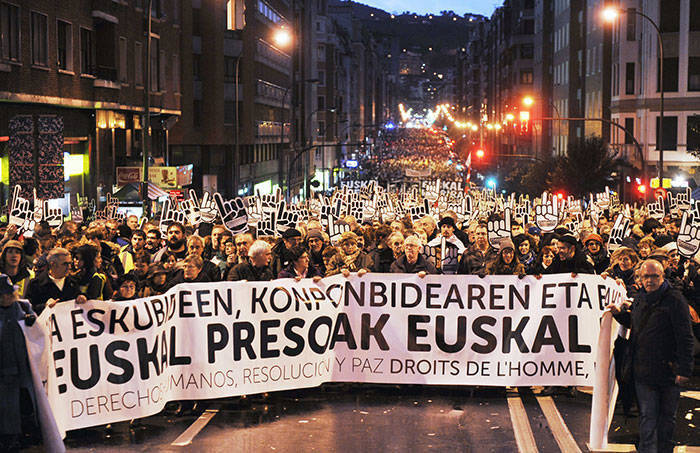

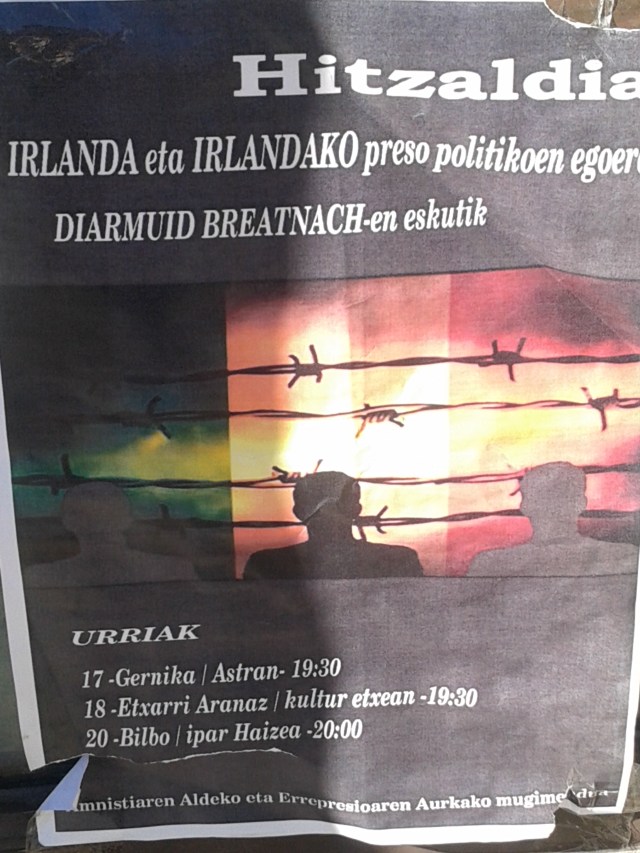
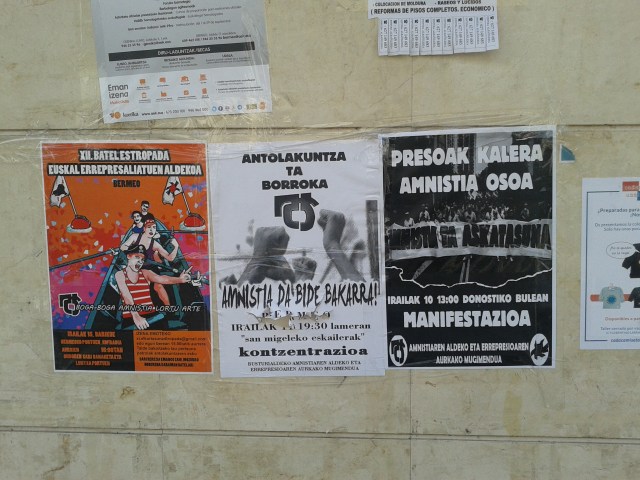


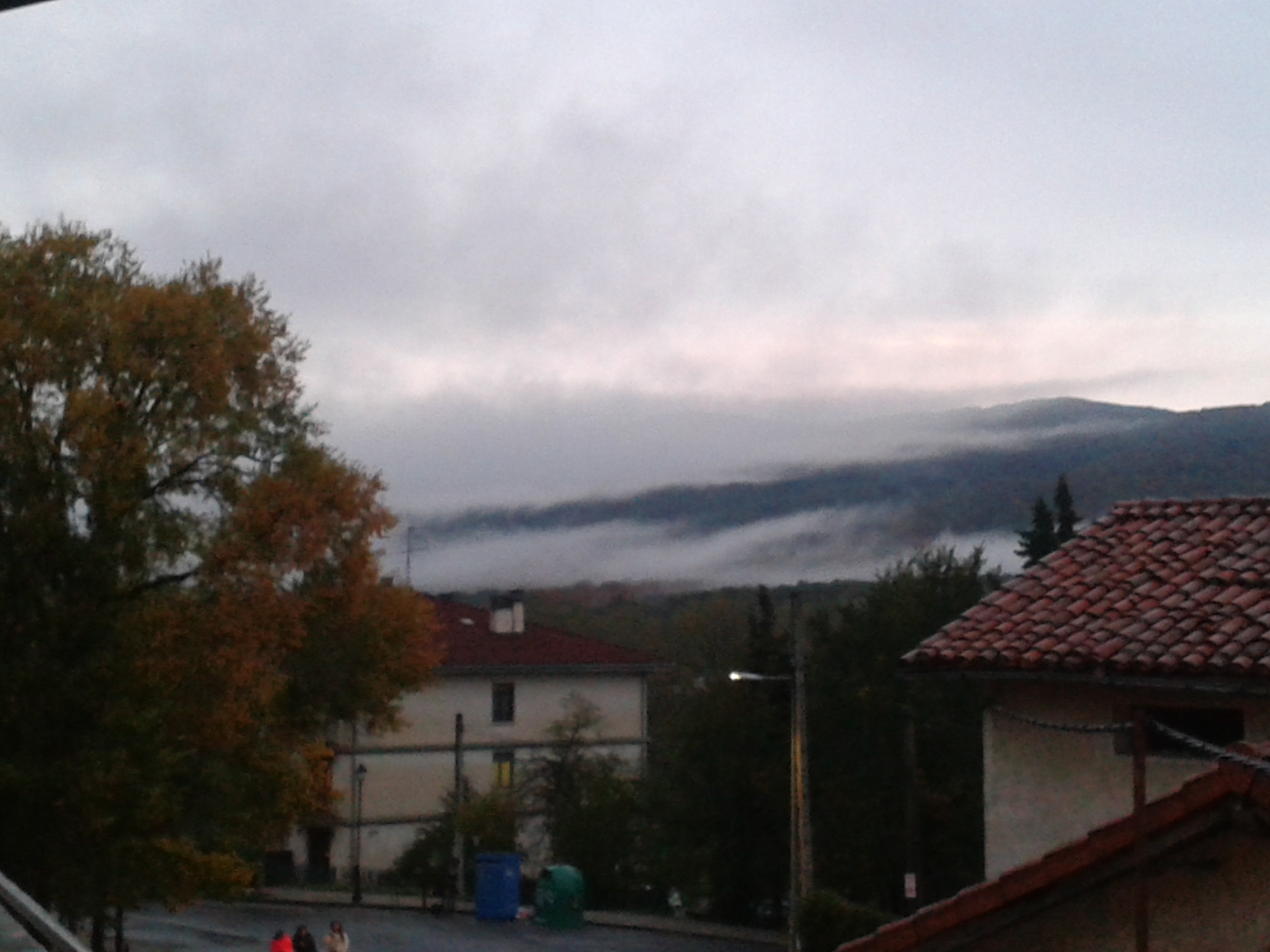


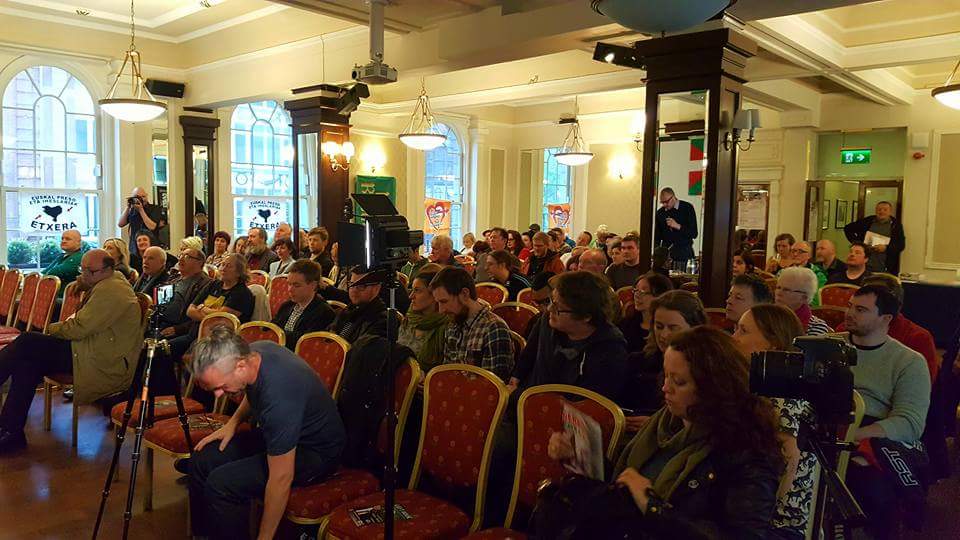
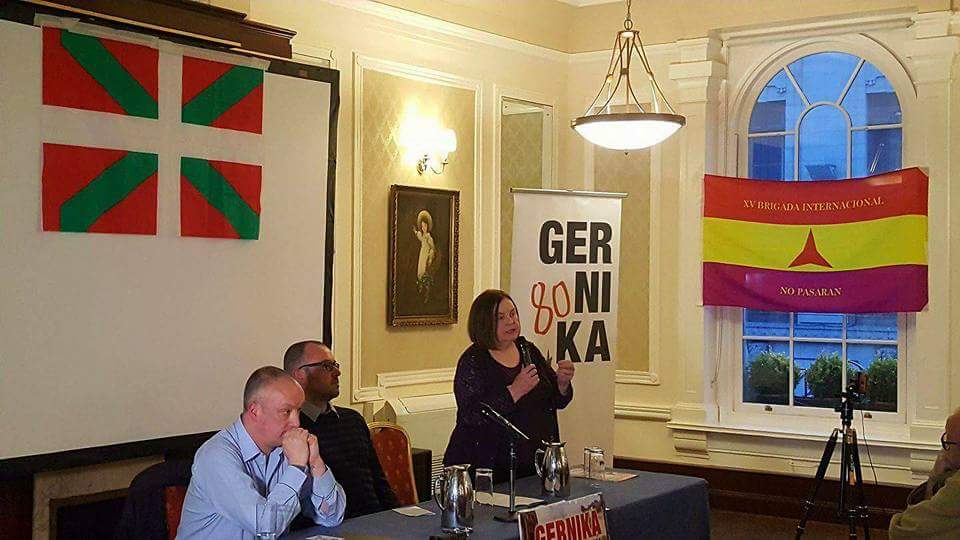
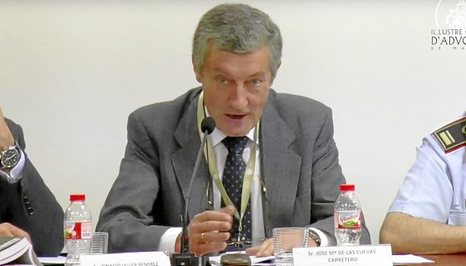
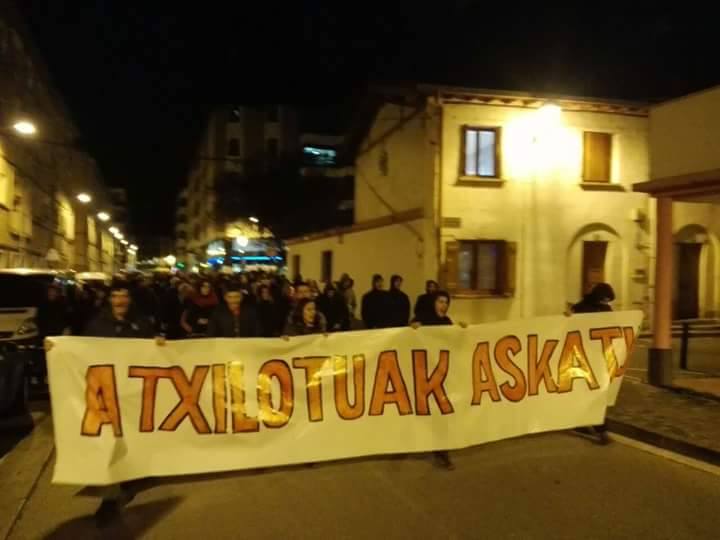

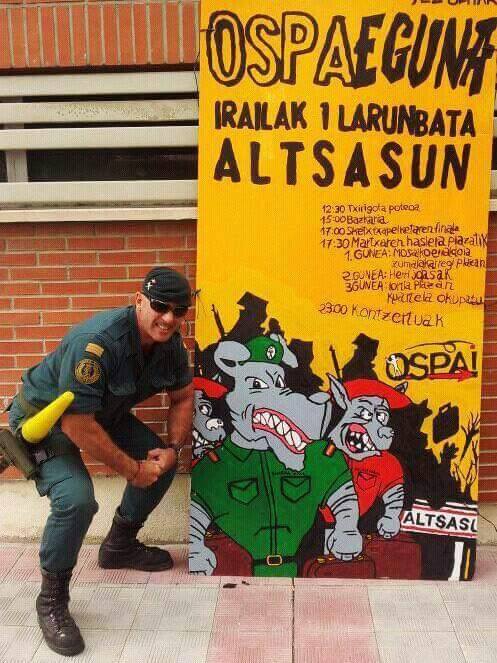


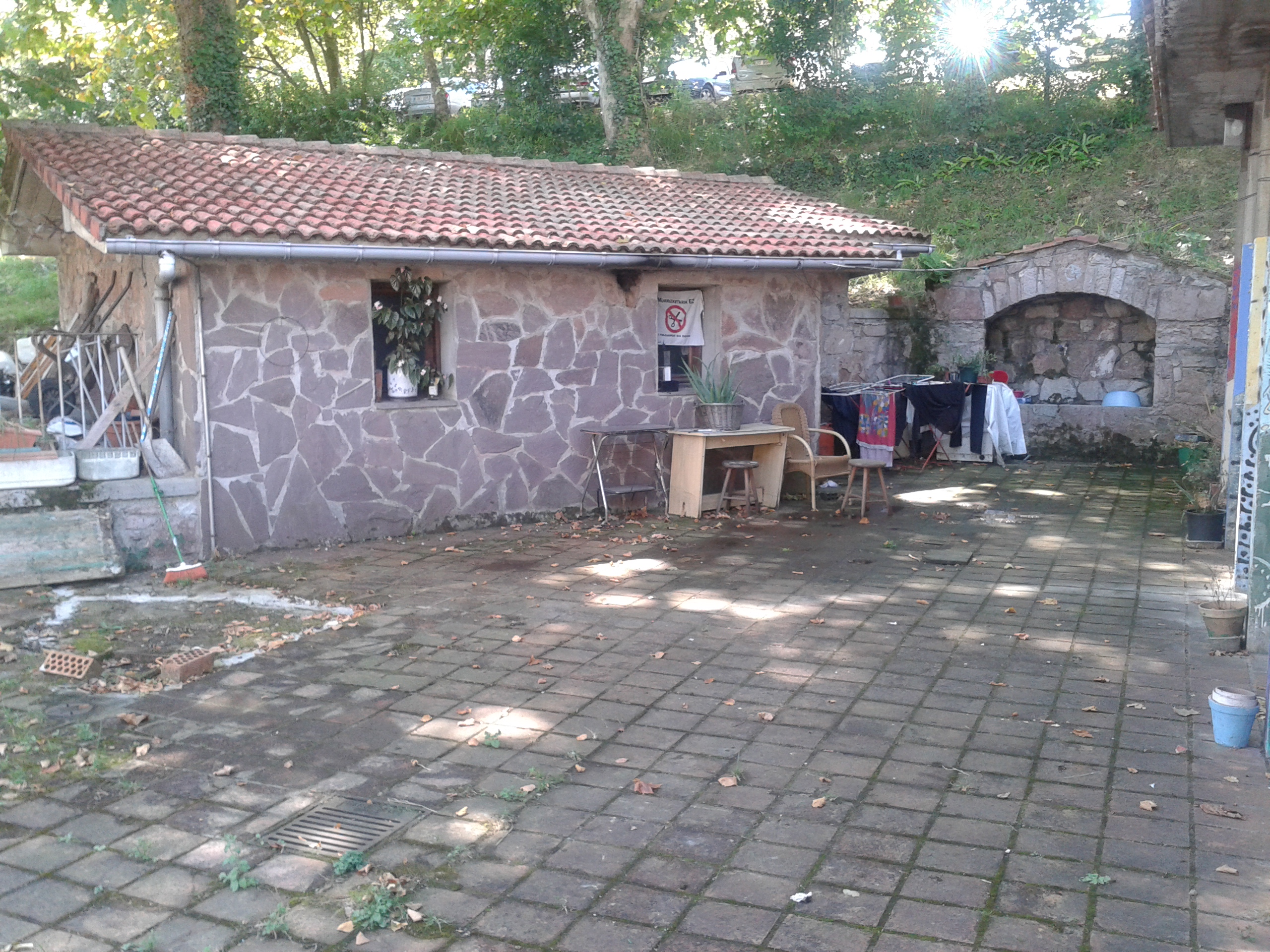


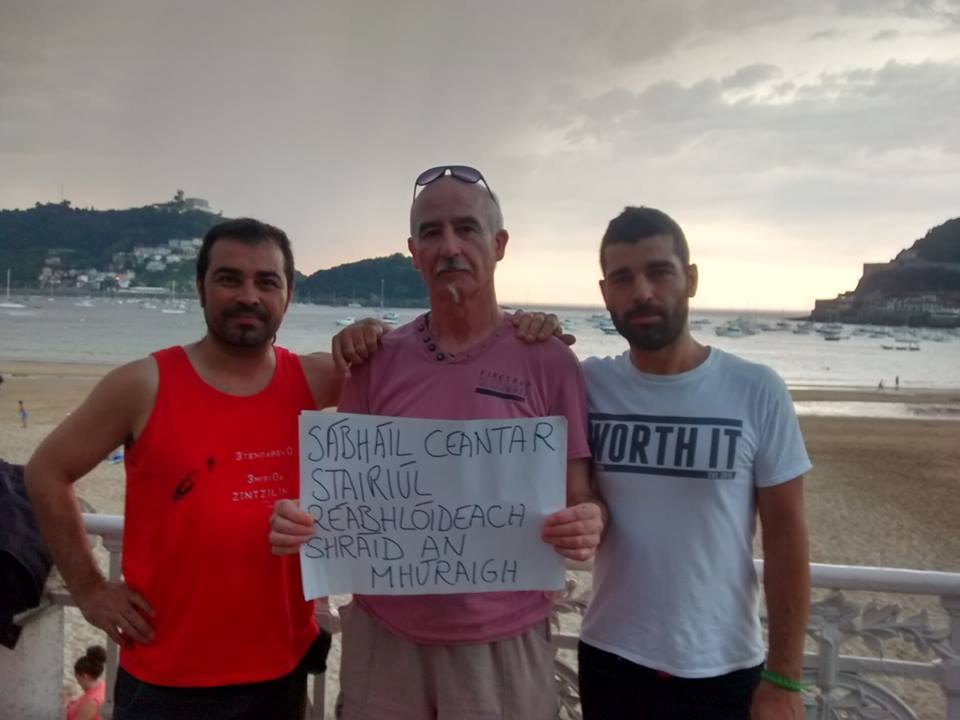
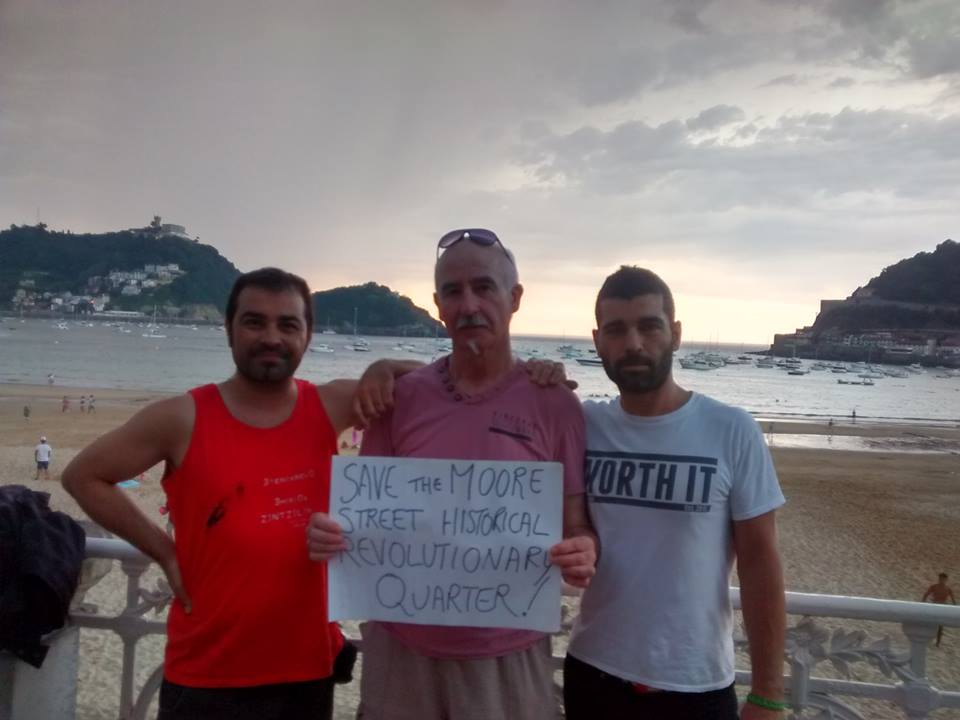
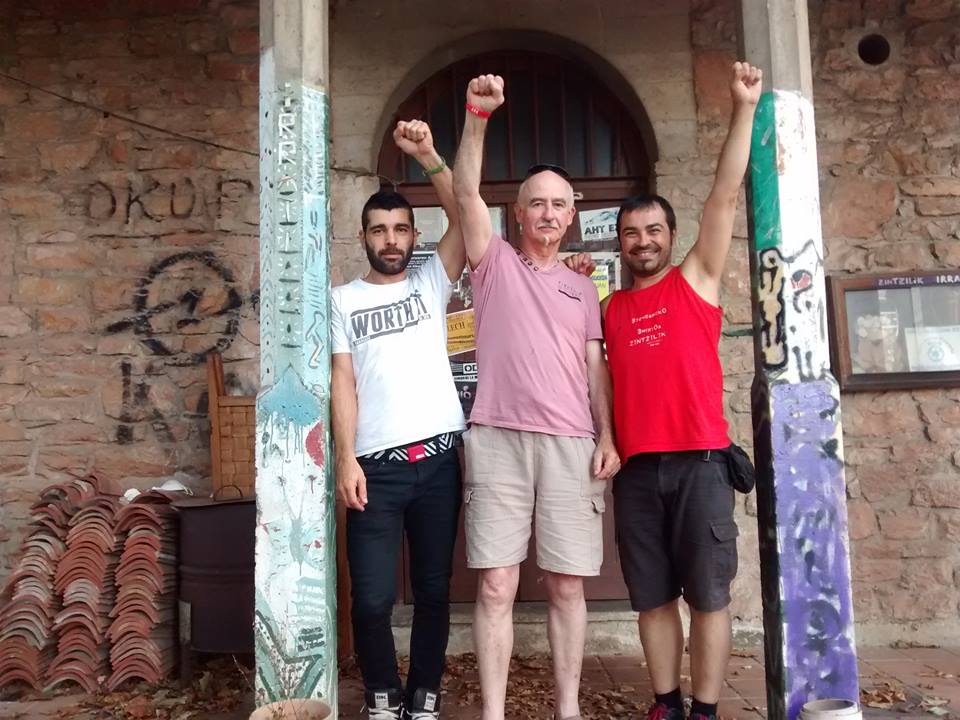
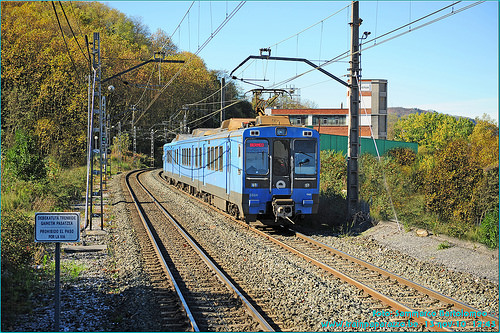


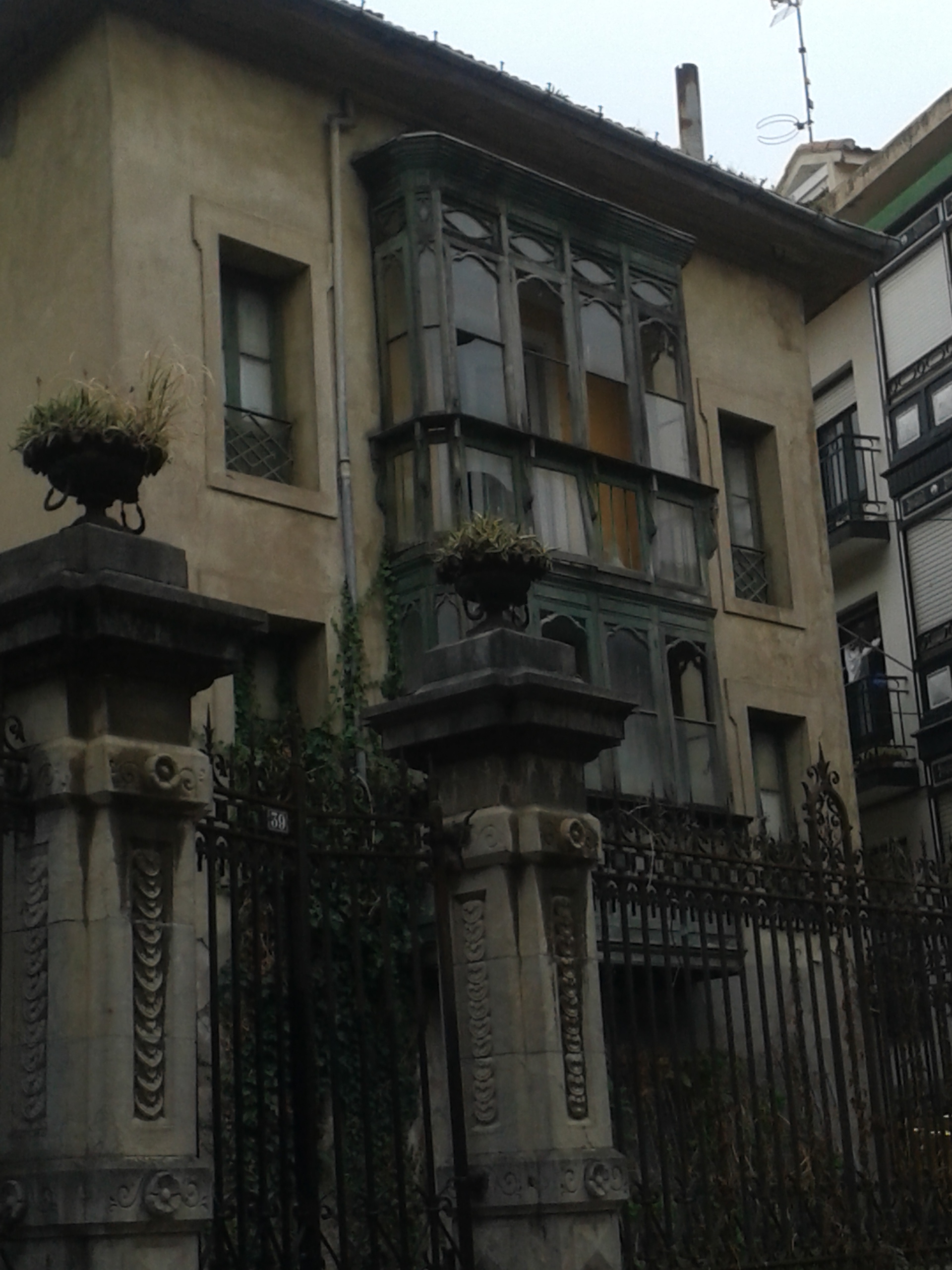

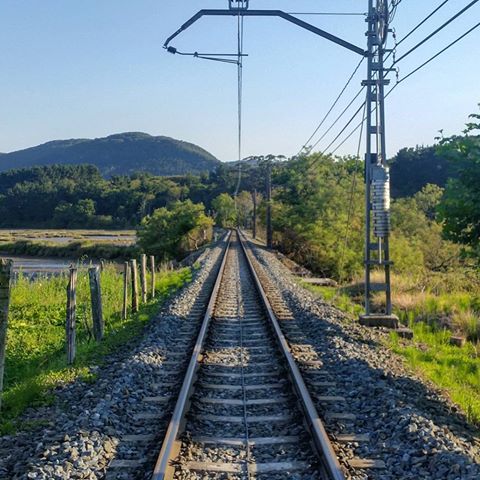
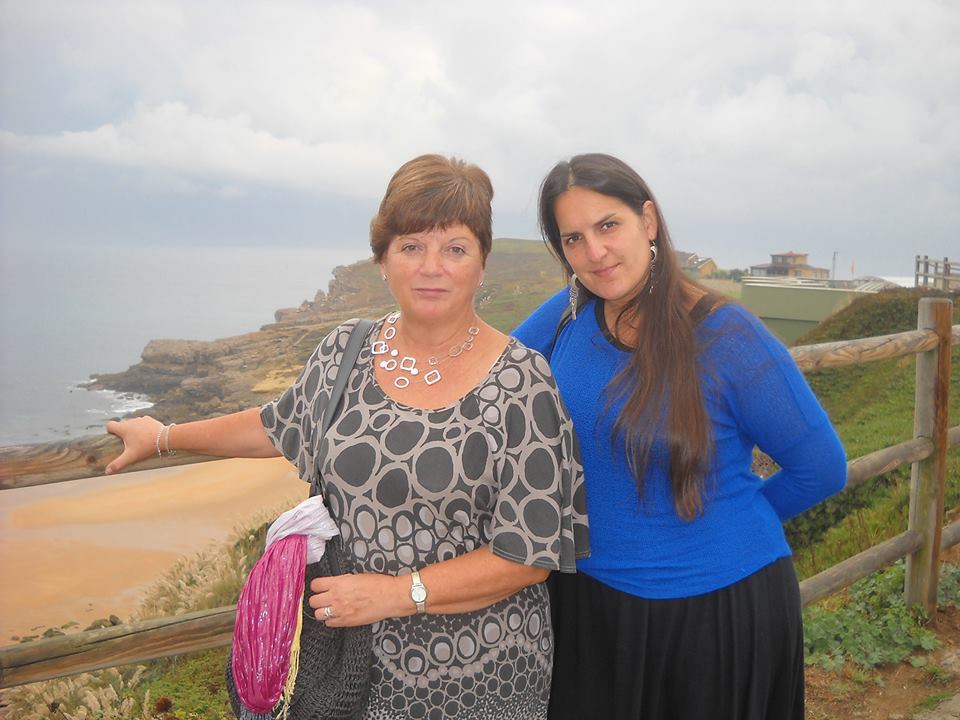
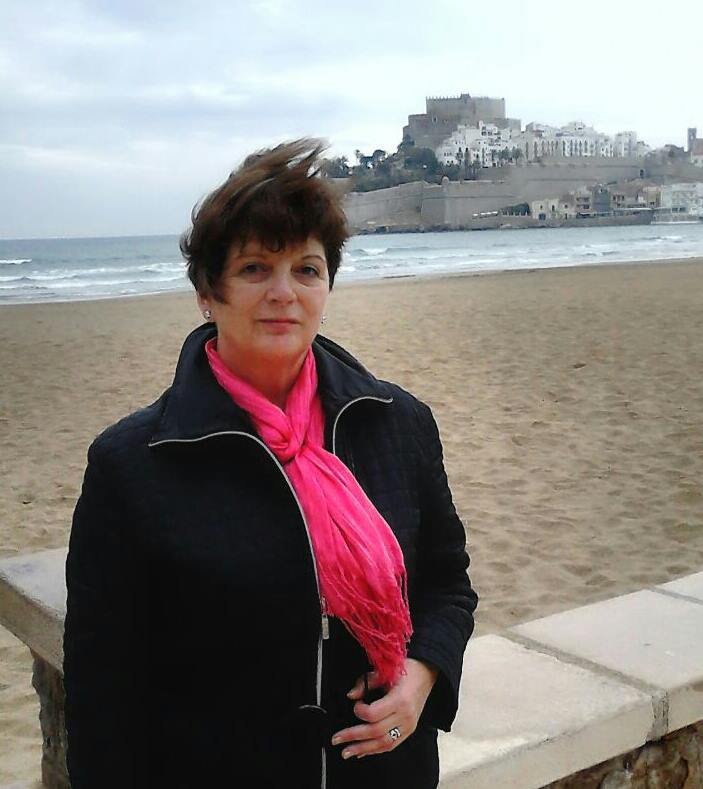
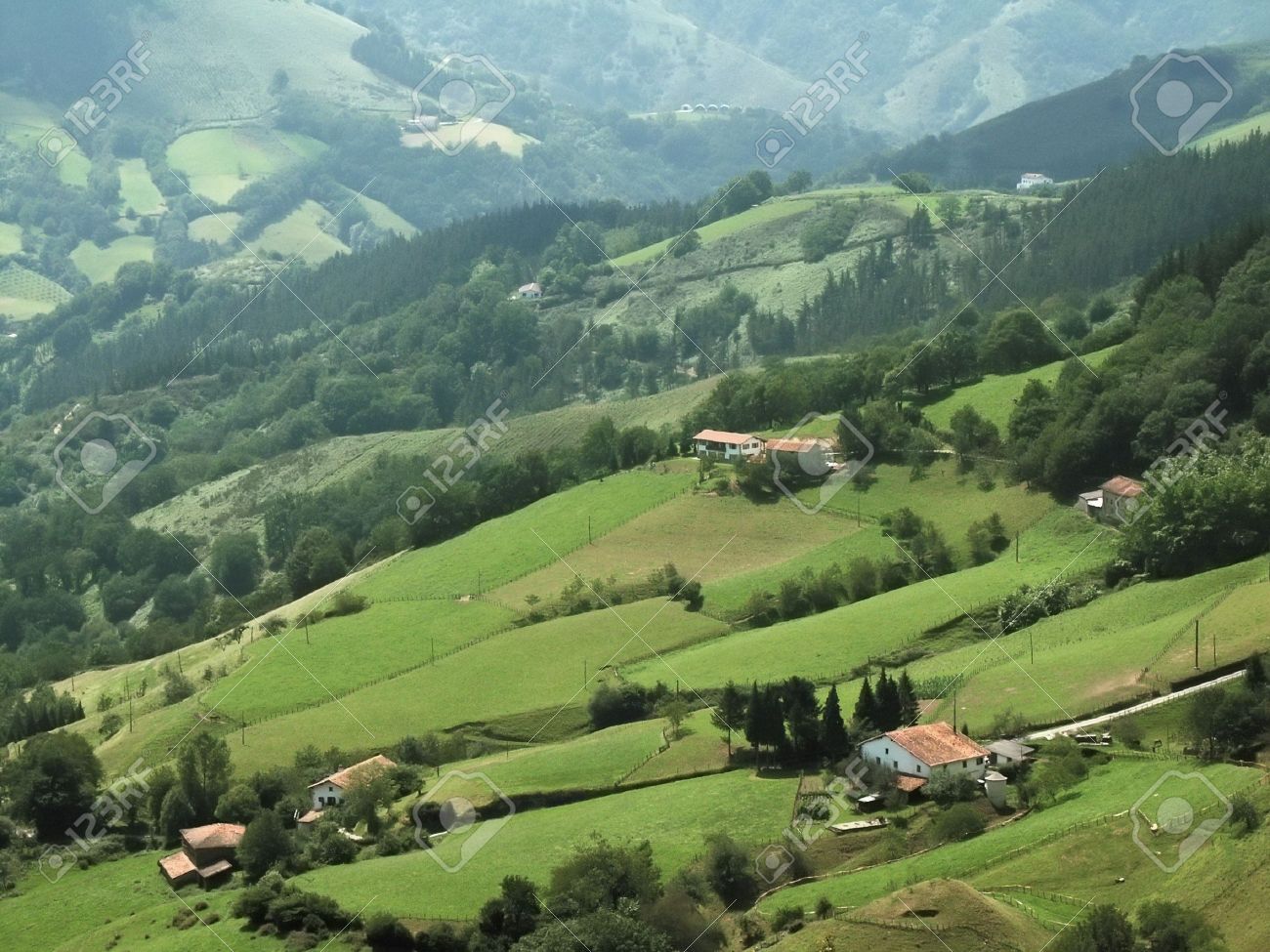
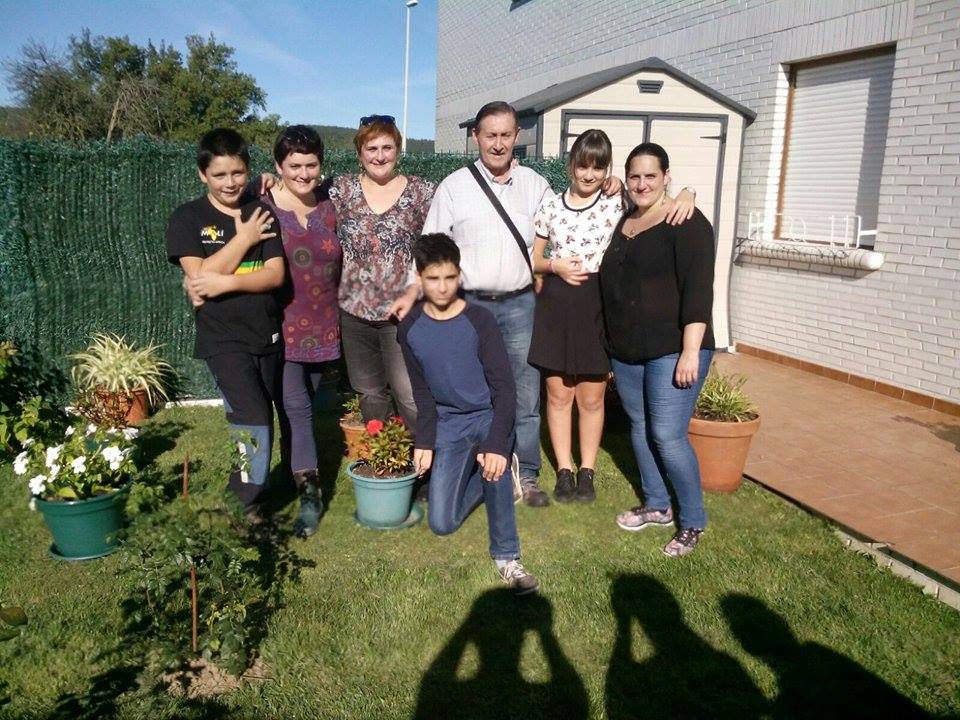

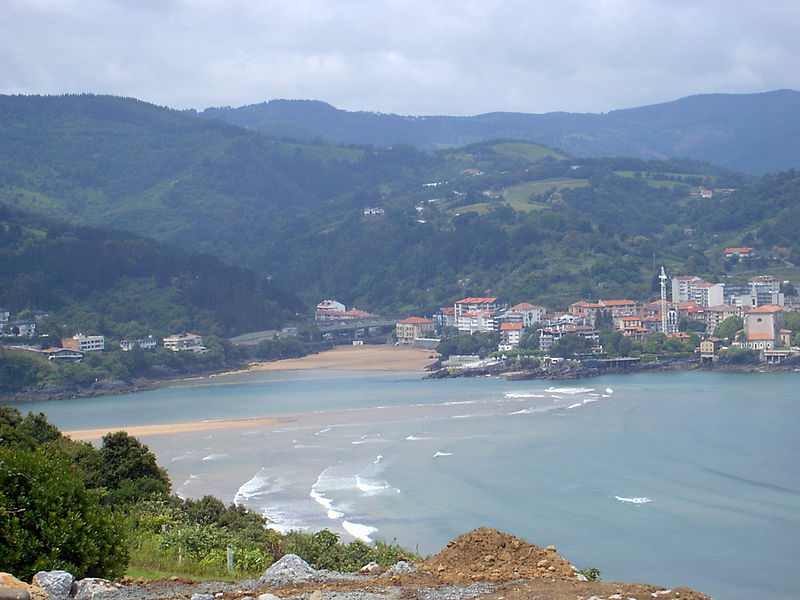

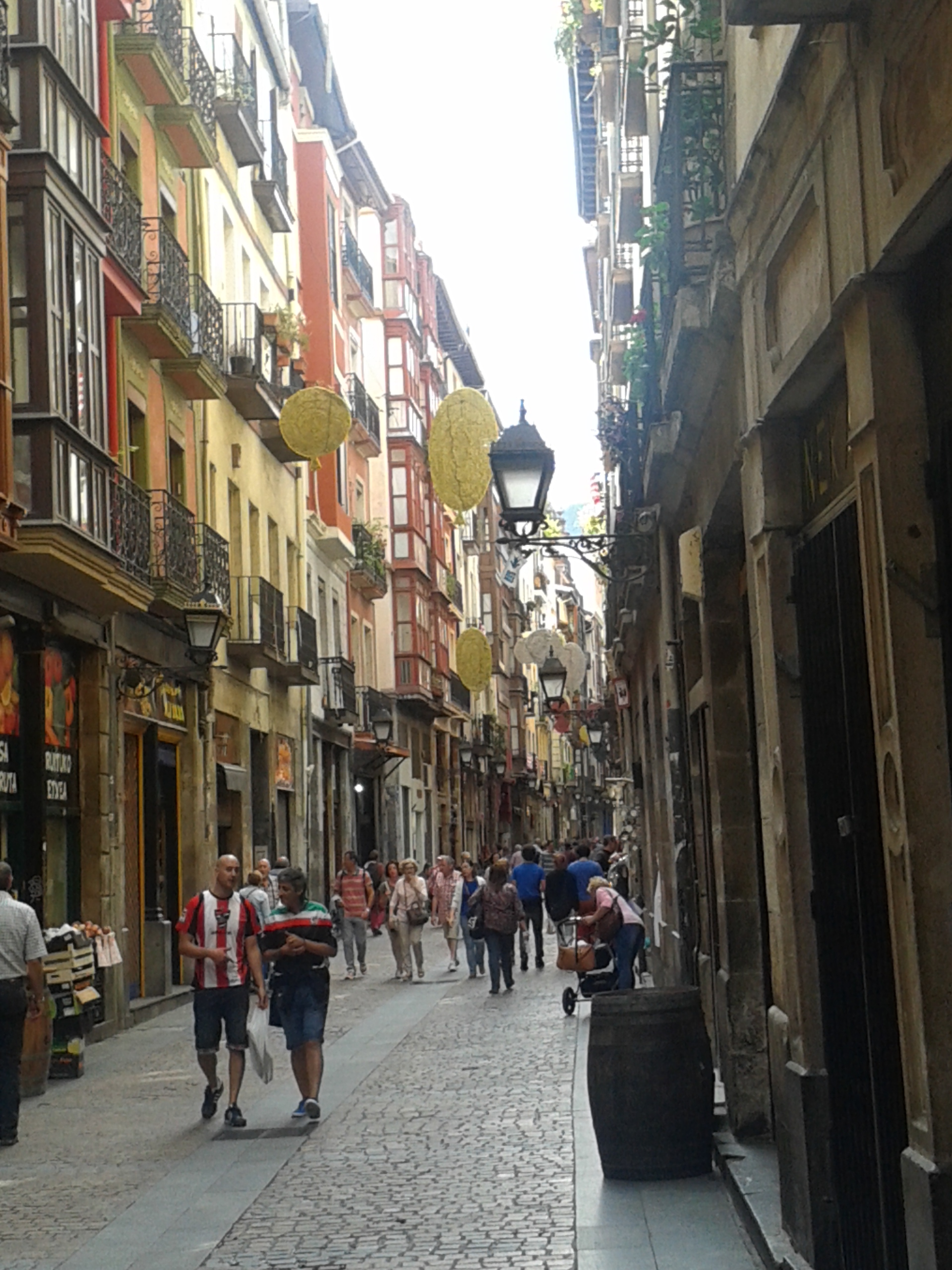
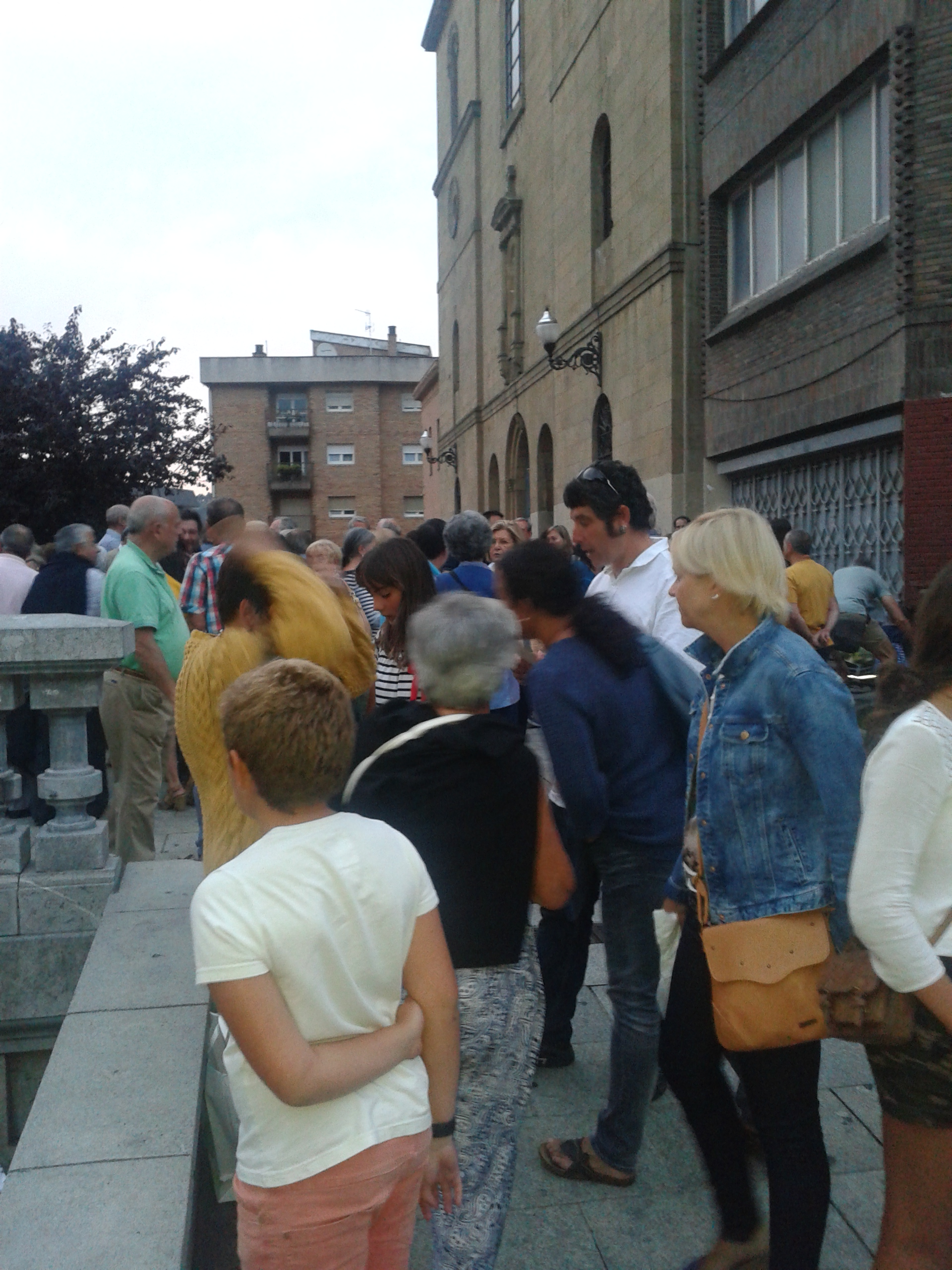




 rebelbreeze