The Save Moore Street From Demolition group runs a campaign stall every Saturday on Moore Street; it was founded in September 2014 and is independent of any political party or organisation. In addition to the banner announcing its nature and purpose, the group displays four flags every week. Three of those are copies of flags that were flown during the 1916 Rising and all them in locations close by Moore Street, each also with a very strong migrant connection – all three also survived the conflagration resulting from British artillery bombardment.
The Irish Republic flag, made by Constance Markievicz (born in England), flew at the Princes Street front corner of the GPO, 1916. (Photo source: Internet)
1) The “Irish Republic” flag was made from drape material by Constance Markievicz (born in England) and was flown on top of the GPO at the Princes Street corner. She was a member of the Irish Citizen Army (see (3)) and third-in-command at the Stephens Green/ College of Surgeons garrison during the Rising.
Volunteer Markievicz was sentenced to death after the Surrender but her sentence was commuted to imprisonment. In the UK General Election of 1918, Markievicz was elected as a part of the Sinn Féin coalition on an abstentionist policy and became the first woman elected to Westminster, though she did not take her seat. In the later banned First Dáil of 1919, Markievicz was elected the first Minister of Labour in world history and one of very few female cabinet ministers of her time.
2) The Tricolour was also hoisted on the GPO but at the Henry Street corner by Eamon Bulfin, born and raised in Argentina. In addition, the Tricolour, based on the pattern of the French Republican Tricolour but signifying unity for Irish freedom between descendants of the native Irish on the one hand with descendants of English and Scottish colonists on the other, had been presented to the Young Irelanders by French revolutionary women in Paris, in 1848.
The Irish tricolour flag, granted to Irish revolutionaries by women in revolutionary Paris, 1848. The Irish Republic flag at the Princes Street front corner of the GPO, 1916. It was raised by Eamon Bulfin from Argentina and flew on the front Henry Street corner of the GPO. (Photo source: Internet)
Volunteer Bulfin was part of the Moore Street/ GPO Garrison surrender, was taken prisoner and later deported by the British back to Argentina. While there, Bulfin became the Latin American publicity correspondent for the Irish Republican movement, later returning to Ireland to participate in the War of Independence (1919-1921).
3) James Connolly, born and raised in Edinburgh but Commandant of the 1916 Rising, sent ICA men to hoist the Starry Plough, flag of the Irish Citizen Army, on top of Clery’s building, across from the GPO. The design is based on the star constellation of Ursa Mayor, the Great Bear, which in Ireland is known as “The Plough” and therefore an instrument or tool of labour. The original design in gold on a green background, with the seven stars in silver, includes the cutting tool, the share, in the shape of a sword; this is apparently an anti-war message, evoking the King James Bible passage in Isaiah II: “They shall beat their swords into ploughshares, and their spears into pruning-hooks; nation shall not lift up sword against nation, neither shall they learn war any more.” The 1916 Rising was the first rising against the imperialist First World War, preceding the next (in Russia) by nearly a year.
Design of the Starry Plough flag of the Irish Citizen Army, erected on top of Clery’s during the 1916 Rising on the orders of James Connolly, born and raised in Edinburgh and Commander-in-Chief of the Rising. The Irish Republic flag at the Princes Street front corner of the GPO, 1916. (Photo source: Internet)
The Irish Citizen Army included women in its membership and they fought alongside male members during the Rising, some of them as officers; Volunteer Winifred Carney entered the GPO with a Webley pistol in one hand and an Olivetti typewriter in the other and was in Moore Street at the surrender. A number of male ICA members fought in Moore Street and at least one was killed there.
During the Surrender, James Connolly, with a shattered ankle and gangrene, was carried from Moore Street to Dublin Castle where he received medical treatment, was tried by court martial and sentenced to death. Connolly was one of the last of the 14 executed in Dublin, shot in Kilmainham Jail while strapped to a chair on 12th May 1916.
4) The Cumann na mBan flag with its lovely colours and design was not seen during the Rising, although many of that organisation participated in the Rising, two of them in Moore Street to the end: Volunteers Elizabeth O’Farrell and Julia Grennan. Cumann na mBan was the first revolutionary female organisation in world history to have its own uniform, under its own officers, while participating in an uprising.
As always you can support the campaign by sharing their Facebook posts from time to time.
The Cumann na mBan flag was not flown during the 1916 Rising, though many of the organisation participated in it. (Photo source: Internet)People signing petition and talking to some of the activists at the SMSFD stall in January this year. The Cumann na mBan flag is draped over the table. (Photo source: Bart Hoppenbrouwers, SMSFD)
“A man the ages will remember.” -Rev. Dr. Martin Luther King, Jr.
By Kevin Rooney (reprinted by kind permission of author).
Michael J. Quill and Martin Luther King at a trade union conference, USA, 1961, to which Quill had invited ML King. (Photo source: Internet)
Michael Joseph Quill was born in Gortloughera, near Kilgarvan Co. Kerry on 18 September, 1905. His parents were John Daniel Quill and Margaret (née Lynch). Fighting injustice seemed to be in his blood. He remembered: “My father knew where every fight against an eviction had taken place in all the parishes around”. His Irish-speaking family’s home served as headquarters for the No. 2 Kerry Brigade Of The Irish Republican Army during the War Of Independence Of 1919-1921. His uncle’s house was so well known for rebel activity, it is said that the Black and Tans in the area referred to the house as “Liberty Hall”; a reference to James Connolly’s ITGWU Union Headquarters in Dublin which was to prove prophetic.
IRISH REPUBLICAN ACTIVITY
While still a boy of 14, Michael was a dispatch rider for the IRA during the War of Independence. He served in 3rd Battalion of the No. 2 Kerry Brigade. Once on a scouting mission, he stumbled on a patrol of Black and tans asleep in a ditch. He stole all their ammunition without rousing them. He eventually graduated to carrying a rifle and organized a group of about thirty boys in the village into an IRA scout group, and drilled several times a week.
When the Civil War began in 1921, Quill joined the Republican side which opposed the Anglo-Irish Treaty that ended the War Of Independence. He took part in the re-capture of the town of Kenmare from The Free State Army in August of 1922, one of few Republican victories. He was said to have been involved in robbing a bank for the IRA during the war. He was much affected by the brutality and violence dished out by the Government Forces (Free Staters) to his Republican comrades in Kerry who were captured.
Michael J. Quill Centre, Kilgarvan, Co. Kerry, Ireland (Photo source: Internet)
The worst atrocity was the Ballyseedy massacre where eight Republican prisoners were killed by being tied to a landmine, which was then detonated. In March of 1923, at total of 23 Republican prisoners in Kerry were killed in similar manner, or summarily executed by shooting on different occasions. Another five were officially executed by firing squad. The most of any county.
His mother died in September 1923. The local priest refused to request a temporary amnesty so that Michael and his brother John could attend her funeral without risking arrest by National troops. It left a lasting bitterness in him toward the Catholic Church.
During the Wars, he met many prominent Republican leaders of the time who passed through his area; including Eamon de Valera, Liam Lynch, Tom Barry, Liam Deasy, Dan Breen, Erskine Childers among them. While still young, he conversed with these great minds.
EMIGRATION TO THE USA
After the war, Quill found opportunities limited for him as he had supported the losing side. He was also blacklisted after a sit-in strike with his brother John at a saw mill in Kenmare. He emigrated to the US, arriving on 16 March, 1926 in New York, where he stayed with an aunt on 104th Street in East Harlem (New York).
He hustled to make a living working a series of menial jobs which included what was called “bootlegging”: smuggling alcohol during Prohibition, during which time the sale of alcohol was illegal in the US. He worked passing coal and peddling roach powder and religious articles in Pennsylvania coal country. While there he wrote his father his observation that “the cows and pigs in Kerry were better housed and fed than were the miners’ children in America.”
Quill returned to New York and met a young Kerry woman named Maria Theresa O’Neill, known as Mollie who came from Cahersiveen. With the onset of the Great Depression she became unemployed and decided to return to Ireland. She and Quill maintained a patient long-distance courtship, keeping in touch with weekly letters.
Quill found employment with the IRT (Interborough Rapid Transit) railroad in 1929. He worked several jobs before becoming a ticket agent. The IRT, the largest transit company in New York attracted employment from many Irishmen; particularly Republican veterans of the Irish Civil War like Quill. There was a joke that IRT stood for “Irish Republican Transit”. Their advantage over other immigrant groups was that they already spoke English. Coming from mostly farm land, they were also able for the twelve to fourteen-hour days demanded of them seven days a week. About half of the employees were Irish.
Moving from station to station, he got to know many of the employees. Along with deplorable working conditions, Quill also observed discrimination based on racism and bigotry, which he hated. He said: “During those twelve hour nights we’d chat about the motormen, conductors, guards etc. whose conditions were even worse. They had to work a ‘spread’ of 16 hours each day in order to get 10 hours pay. Negro workers could get jobs only as porters. They were subjected to treatment that makes Little Rock (Arkansas) and Birmingham (Alabama) seem liberal and respectable by comparison. I also saw Catholic ticket agents fired by Catholic bosses for going to Mass early in the morning while the porter ‘covered’ the booth for half an hour. Protestant bosses fired Protestant workers for similar crimes, going to Church. The Jewish workers had no trouble with the subway bosses. Jews were denied employment in the transit lines”.
INFLUENCED BY CONNOLLY’S WRITINGS
While working a 12-hour overnight shift, Quill passed the time with reading to supplement his education, which had ended with National school. The main influence on his political thinking was James Connolly. Connolly had also organised unions in New York, where he lived for a few years before returning to Dublin where he was executed in 1916 for his part in the Easter Rising.
Michael J. Quill speaking at a conference with the image of James Connolly, whose writings he admired, on the wall behind him, uncomfortably perhaps next to the flag of the USA. (Photo source: Internet)
Quill’s second wife Shirley later wrote: “Connolly’s two basic theories were to guide Mike Quill’s thinking for the next three decades: that economic power precedes and conditions political power, and that the only satisfactory expression of the workers’ demands is to be found politically in a separate and independent labour party, and economically in the industrial union.” He then set about organizing a union. He stood on his soap box during lunch hour in power-houses and shops all over the city.
Quill recalled: “We were no experts in the field of labor organization, but we had something in common with our fellow workers; we were all poor, we were all overworked, we were all victims of the 84 hour week. In fact, we were all so low down on the economic and social ladder that we had nowhere to go but up.”
Quill and some of his fellow Irish immigrants became involved in Irish Worker’s Clubs that were established by James Gralton, and were affiliated with the American Communist Party. Gralton’s political views got him deported from Ireland in 1933 as an “undesirable alien”; even though he was born in Co. Leitrim because of pressure from the Catholic Church. This made him the only Irishman ever to be deported by the Irish government.
Quill didn’t find much difference in the attitude of Irish-American Organisations that were Catholic church-based. Quill recalled: “We went to the Friendly Sons of St. Patrick, but they would have nothing to do with the idea of organizing Irishmen into a legitimate union. We went to the Ancient Order of Hibernians, and they threw us out of their meeting hall. They wanted no part of Irish rebels or Irish rabble. That was the reception we got from those conservative descendants of Ireland’s revolutionists of a hundred years ago.”
Making no bones or apologies, he said “I worked with the Communists. In 1933 I would have made a pact with the Devil himself if he could have given us the money, the mimeograph machines and the manpower to launch the Transport Workers Union. The Communist Party needed me, and I needed them. I knew what the transit workers needed. The men craved dignity, longed to be treated like human beings. The time had come to get off our knees and fight back.”
FOUNDING A TRADE UNION
On 12 April 1934, Quill, along with six other Irishmen including Thomas H. O’Shea and Austin Hogan from Co. Cork, and Gerald O’Reilly from Co. Meath formed the Transport Workers Union of America (TWU). All seven including Quill were members of Clan na Gael, an Irish Republican organisation that succeeded the Fenian Brotherhood as the American branch of the Irish Republican Brotherhood (IRB). They were said to have initially applied the rules and practices of secrecy from that tradition. Quill was to remain a silent financial supporter of the Republican cause in Ireland his whole life.
Like Quill, they were all influenced by Connolly’s ideas and writings; in particular, Connolly’s 1910 pamphlet “The Axe To The Root” where he wrote specifically about a recent 1910 transit workers strike in New York that had failed, known as the New York Express Strike.
Connolly wrote: “It was not the scabs (strikebreakers, replacements) however, who turned the scale against the strikers in favour of the masters. That service to capital was performed by good union men with union cards in their pockets. These men were the engineers in their power-houses which supplied the electric power to run their cars, and without whom all the scabs combined could not have run a single trip.”
The very name of the union was a tip of the hat to James Larkin and James Connolly’s Irish Transport & General Workers Union (ITGWU). In fact the word “Transit” is more normally used than “Transport” regarding that industry in the US. Thomas H. O’Shea was the Union’s first president, followed by Quill, who would remain president for the remainder of his life.
The Union began with a membership of 400, then eventually represented all 14,000 IRT workers. An African-American porter named Clarence King was elected to the first TWU executive board. In 1937 there was a sit-down strike on the Brooklyn-Manhattan Transit (BMT); the second-largest Transit company in New York. Two BMT employees at the Kent Avenue Brooklyn station were fired for union activity. The 500 members of TWU in the company secured their re-instatement. It eventually represented all BMT employees as well.
Quill began to involve himself in city politics and was elected to the New York City Council in 1937 representing the American Labor Party. His whole career people loved or hated him, with no middle ground. He returned to Ireland to marry Mollie on 26 December 1937. They would return to New York to live, where she bore a son; John Daniel Quill, named after Michael’s father. Theirs proved to be an unhappy marriage of convenience. Quill filled this void first with drink, later with extramarital romance.
While in Ireland, he met with Michael O’Riordan from Co. Cork, who was headed to Spain to fight for the Spanish Republic in that country’s Civil War; which side Quill supported. Michael Lehane, the child of a neighbor from Kilgarvan, also went to Spain to fight fascism.
AGAINST ANTI-SEMITISM
In 1939, he organized a rally against anti-semitism in a heavily Irish neighborhood in The South Bronx attended by four thousand. This was in response to Father Charles Coughlin’s anti-semitic campaign preaching to New York’s Irish. Fr. Coughlin was born in Canada of Irish parents, but moved to the US. He began radio broadcasting in 1926 in response to a Ku Klux Klan anti-catholic attack on his church in Michigan, but moved into political commentary and also moved far to the political right. Fr. Coughlin’s sympathies to the fascism of Hitler and Mussolini got him removed from the air later in 1939.
Having little use for the church, this is how Quill summed up his personal philosophy: “I believe in the Corporal Works Of Mercy, the Ten Commandments, the American Declaration Of Independence and James Connolly’s outline of a socialist society. Most of my life I’ve been called a lunatic because I believe that I am my brother’s keeper. I organise poor and exploited workers, I fight for the civil rights of minorities, and I believe in peace. It appears to have become old-fashioned to make social commitments; to want a world free of war, poverty and disease. This is my religion.”
TESTIFYING AT MC CARTHY HEARINGS
In April of 1940, former TWU President and founder Thomas O’Shea; who had been earlier been ousted from the union testified against his former fellow union leaders including Quill. He alleged that the union was in complete control of the communist party and their goal was to promote revolution through strikes. Quill testified in the US House Of Representatives before the House Committee on Un-American Activities and denied these allegations, calling O’Shea a “stool pigeon.” He told Chairman Martin Dies: “You are afraid to hear the truth about our union. You can’t take it, but the American labour movement will live.”
Also in 1940, the city purchased the BMT and IRT. This put Quill in the path of every New York mayor from then on, beginning with Italian-American Republican Fiorello LaGuardia. Years ahead of his time, in 1944, Quill introduced a bill in the City Council to establish free childcare centers for working mothers. Also in 1944, he ended a TWU wildcat (unauthorised) strike in Philadelphia initiated by a racist reaction to a contract that secured promotions to conductor for eight black porters.
After World War II and the Holocaust, Quill said “We licked the race haters in Europe, but the millions of Jewish dead cannot be restored to life”. He was re-elected to the City Council also in 1945. His election campaign manager was Shirley Ukin, a fiery former communist born in Brooklyn Of Russian-Jewish parents with whom he began a longtime affair. She had worked with him in TWU from the beginning. In the late 40’s the union expanded to include airline workers, utility workers and railroad workers.
Also after the war, under pressure from the government on communists in the labor movement but mostly his own dissatisfaction and mistrust caused him to purge the communists out of the Union. In 1948 he secured a large increase for subway workers from Democratic Mayor William O’Dwyer, a native of Bohola, Co. Mayo.
In the 50’s he supported the candidacy of Democrat Robert F. Wagner for mayor. Wagner’s German-born father, a US Senator for New York (Democrat 1927-1949) had authored the Wagner Act Of 1935 that created the National Labor Relations Board (NLRB), which protected workers’ rights to organise and strike.
Quill’s past relationship with the communist party continued to be criticised. He was nicknamed “Red Mike”. Wagner was elected to three terms and his administration was able to come to collective bargaining agreements with the TWU.
IN THE US TRADE UNION MOVEMENT AGAINST RACISM
Mollie died August 16, 1959. In 1961 he married Shirley; his longtime girlfriend who had previously been married and divorced twice. She would later carry on his union work and write his biography. Also in 1961, Quill received a letter from twenty-five TWU members in Tennessee protesting the Union’s support for Civil Rights and de-segregation. He responded by inviting a prominent black Civil Rights leader to address the Union Convention, the Rev. Dr. Martin Luther King, Jr., whom he admired.
He introduced Dr. King as “The man who is entrusted with the banner of American liberty that was taken from Lincoln when he was shot 95 years ago.” This was indeed high praise as the only two pictures in Quill’s office were of President Abraham Lincoln and James Connolly. The two became friends. As far back as 1938, Quill made a statement much like Dr. King’s famous speeches: “If we, black and white, Catholic and non-Catholic, Jew and gentile, are good enough to slave and sweat together, then we are good enough to unite and fight together”.
In November 1965, John Lindsay was elected Mayor. The aristocratic Protestant Republican whose name he intentionally mispronounced as “Linsley” immediately rubbed Quill the wrong way. Quill quipped: “we explored his mind (Lindsay) yesterday and found nothing there.” This was amid the union negotiating a raise for its members due to inflation caused by the War in Vietnam, of which Quill was typically an early critic.
STRIKE!
The TWU had always threatened a strike that could cripple the city of New York, the largest in the US; a city of 8 million where many people’s commutes involve travel across rivers. Manhattan, the center of commerce is an island. Quill knew and stated that this was from where came the union’s power. Quill had seen many Mayors come and go and such a situation had always been averted.
Before he took office, Lindsay felt empowered and entitled to “call their bluff”. He felt such a strike was illegal as it would endanger public safety as transportation is a public utility. He also seemed to feel the union was incapable of pulling it off as history had shown. Irish-American newspaper journalist Jimmy Breslin observed: “[Lindsay] was talking down to old Mike Quill, and when Mike Quill looked up at John Lindsay he saw the Church of England. Within an hour, we had one hell of a transit strike.”
Lindsay was sworn in on 1 January 1966. The same day, 33,000 members of the TWU announced a strike and 2,000 members of the Amalgamated Transit Union (ATU) also joined them. This demonstrated James Connolly’s lesson from “Axe To The Root” put into action.
(Photo source: Internet)
A legal injunction was issued to stop the strike along with an order for the arrest of Quill and eight others: Matthew Guinan, Frank Sheehan, Daniel Gilmartin, Ellis Van Riper, and Mark Kavanagh of the TWU and John Rowland, William Mangus, and Frank Kleess of the ATU) effective at 1am January 4th.
Quill tore up the injunction and famously said in his thick Kerry accent: “The judge can drop dead in his black robes. I don’t care if I rot in jail. I will not call off the strike.” Only two hours after being imprisoned; Quill who was sixty years old and had health issues with his heart, suffered a heart attack and was sent to Bellevue Hospital. He had ignored all medical advice from his doctors and the strain of the battle was taking its toll. Ironically, he had to wait two hours for an ambulance because the strike had indeed brought the city to a grinding halt.
Right-wing newspaper Daily News headline and photo showing Mike Quill tearing up a court order. (Photo source: Internet)
15,000 workers picketed City Hall on 10 January. The strike ended on 13 January with a huge victory. The TWU had secured the workers a package worth $60 million. Hourly wages rose from $3.18 to $4.14 per hour. Quill seemed to be on the mend and was released from the hospital on 25 January. Quill died in his sleep of congestive heart failure on 28 January. Like ancient Irish High King Brian Boru, he had won his greatest victory at the cost of his own life. His coffin was draped in the Irish
Pickets during the January 1961 strike of the TWU. (Photo source: Internet)
tricolour.
Scene from TWU strike Jan 1966. Pickets during the January 1961 strike of the TWU. (Photo source: Internet)Pickets during the January 1966 strike of the TWU. (Photo source: Internet)
Upon his death, the TWU Express newspaper reported: “Mike Quill did not hesitate or equivocate. He died as he lived fighting the good fight for the TWU and its members.” His friend Rev. Dr. Martin Luther King said of him: “Mike Quill was a fighter for decent things all his life: Irish independence, labor organization, and racial equality. He spent his life ripping the chains of bondage off his fellow man. When the totality of a man’s life is consumed with enriching the lives of others, this is a man the ages will remember. This is a man who has passed on but who has not died.”
Aerial view of Michael J Quill cultural & sports centre in East Durham, NY, USA. (Photo source: Internet)
In 1987, The Michael J. Quill Cultural & Sports Centre was opened in the predominantly Irish-American hamlet of East Durham, NY featuring an authentic Irish cottage and the largest scale map of Ireland in the world. There is also a Michael J. Quill centre in Kilgarvan, Co. Kerry. In 1999, the MTA named the West Side bus garage the Michael J. Quill Depot. The TWU today has a diverse membership of over 100,000.
*Originally posted by K. Rooney September 23, 2018
POSTSCRIPT
by Diarmuid Breatnach
In 1964 the TWU offered the Irish Government to carefully remove Nelson’s Column in O’Connell Street. Quill wrote that the scale of the statue and its location would give the impression to visitors that the Irish looked up to Nelson and that it meant to them what the Statue of Liberty meant to US citizens. The TWU volunteered to pay for its removal and its replacement with a more appropriate one among which they included Pearse, Connolly or Larkin.
A British soldier stands guard over the shell of the GPO after the 1916 Rising behind him. Nelson’s Pillar is to the right of the photo. In 1966 a Republican explosion left only the stump, later removed by the State. (Photo source: Dublin Libraries)
The Irish Government passed the letter to Dublin Corporation (now DCC) who claimed that since the column was managed by a Trust, the Corporation had no power to remove it.
Two years later, the 50th anniversary year of the Easter Rising, a ‘dissident’ group of the IRA, Saor Éire, took matters into their own hands and demolished the structure, commonly known as Nelson’t Pillar.
End.
Plaque on the Manhattan depot named in honour of Michael J. Quill. Pickets during the January 1961 strike of the TWU. (Photo source: Internet)
The iconic Halfpenny Bridge over the river Liffey in Dublin seemed to be flying on Palestinian flags on New Years’ Eve. The annual event organised by the Ireland Palestine Solidarity campaign was favoured with not only a dry but also mild day this year and supporters and passers-by clicked their cameras to capture the scene, in the midst of which an Irish currach showing Palestinian colours was rowed up and down the river nearby by three women.
Currach (traditional light Irish rowing boat) rowed downriver by three women in solidarity with the Palestinian people (Photo: D.Breatnach)
Communists, Socialists. Irish Republicans (both pro and anti-Good Friday Agreement) and generally democratic people lined both sides of the Bridge itself and spilled out at each end, which the IPSC had a busy stall on the south side, next to the Merchants’ Arch.
Yesterday brought to an end a year that was far from the worst in the long history of the bloody Zionist occupation of Palestine and the oppression of the Arab-Palistinian population. Even so, 149 Palestinians were killed during 2019 according to a statistical collection agency and 35 of those were children. During the same period 10 Israelis were killed, including two children. However, in December alone, nearly 45 Palestinians were killed by Israeli Zionists against no Israelis. The hugely disproportionate balance of death and injury in favour of Israeli Zionism has been a consistent pattern since the the beginning of the Occupation and makes any notion of there being a “war between two sides” deemed nonsense by many commentators who instead, see the conflict as vicious repression by the Israeli State and largely ineffective resistance by what is now a minority Palestinian population, controlled to a prison-like degree by a highly-militarised state.
A bridge of flags. (Photo: D.Breatnach)
USA SUPPORTING A RACIST STATE AND ILLEGAL OCCUPATION
2019 was also the year in which the USA Administration for the first time pronounced the Israeli settlements in what are termed “the occupied territories” to be no longer illegal, flying in the face of world opinion and many declarations of the United Nations. This comes after the introduction of the new Israeli citizenship law last year, pushed through by the right-wing and religious coalition with 62 votes against 55, which defines Israel as the nation-state of the Jewish people, completing the process of making it officially a racist and religious state, downgrading the political, civil and cultural rights of all other ethnic and religious communities within the territory it controls. The measure was widely criticised by human rights groups around the world and within Israel itself, as also by much of the Jewish world population.
Part of the Ha’Penny Bridge yesterday (Photo: D.Breatnach)
Solidarity with Palestinians is traditionally demonstrated in other places in Ireland too on New Year’s Eve as well as at various other times during the year: between yesterday and today, eight Irish cities and towns demonstrated publicly in support of the Palestinians. Some years ago the Israeli Ambassador to Ireland described Ireland as “the most anti-Semitic country in Europe”. Since what he really meant was “the most anti-ZIONIST country in Europe”, most Irish people took that comment as a compliment. It is the Zionists who try to equate Jewishness with Zionism and the Israeli State in order to further their ideological indoctrination and intimidate democratic opposition; in doing so, the put all Jewish people in danger of the backlash against the crimes of the Israeli State. Fortunately there have been – and continue to be – Jewish people, some of them quite prominent, who speak out against the crimes of Zionism but these are dubbed “self-hating Jews” by the Zionists, who heap insults upon them.
The IPSC continues to organise a number of Palestine solidarity events every year and welcomes wide participation.
end.
The Palestinian solidarity currach going upriver. (Photo: Mel Mac Giobúin) [cropped]
All kinds of socialists deride nationalism, as do some republicans. It is often seen as a recruiting base for fascism, for imperialism and the cause or justification for war. Indeed it has been all those things. And yet …. Perhaps the way in which nationalism has been viewed by the Left and Republicans is one-sided and its progressive potential overlooked. And perhaps taking a look at Basque, Catalan and Irish nationalism can demonstrate this.
James Connolly (Photo sourced: Internet)
Was James Connolly1 being reactionary when he upheld the rights of the Irish nation to separation from the United Kingdom, to self-determination? Was Thomas Davis being reactionary when he composed the words
Thomas Davis monument, statue and fountain, College Green/ Dame St, Dublin. (Photo: D.Breatnach)
Recently I began to question some of the criticisms of nationalism politically while at the same time I had struggled with them culturally for much longer. A few people may say that it matters nothing to them whether they are Irish, Italian or Iraqi. But most Irish people identify themselves quite strongly as “Irish”. I think that is primarily a cultural question. They have accents, sayings and history they share, character flaws and positive aspects, heroes, songs, poems, writers …. It is not the same for everyone but some of those aspects, in some kind of mix, are there for each person who identifies themselves as Irish. And of course, the sadly neglected Irish language. I don’t believe identifying oneself as Irish (or Icelandic, Iranian or Indonesian) makes one any less an internationalist.
“OK,” the socialist and the republican might say, especially the socialist, “but what does that matter? You can have regional cultures too. They do not detract from the fact that we are all socialists, fighting for the working class everywhere.”
And I would agree.
But the socialist is not finished. “It’s a different matter entirely when you elevate that cultural distinction to a political one, which is nationalism. That creed puts your nation above others and is a breeding ground for fascism and war and, in powerful nations, for imperialism.”
He has a strong case – but we’ll see.
Fascism is on the rise all across Europe and many other parts of the world and we see signs of its resurgence here in Ireland, with discourses against migrants, moslems and social freedoms on the rise. The fascists and the racists working among those discourses are indeed using nationalism as a cover and at the same time as some kind of a base. Recently, supporting Gemma Doherty, they were playing the Soldiers’ Song and Irish Republican ballads and they were waving the Tricolour. Some of them approached the antifa opposing them, asking questions like “Are we not all Irish?” 3
Now, as it happens, the national flag, the Tricolour, is not only about inclusiveness, i.e of a unity (white) between the descendants of colonists (orange) with those of the indigenous (green), but was also made by foreigners and presented by them to the Irish. It was in fact republican women of Paris, which was then amid revolution, who presented it to Thomas Francis Meagher in 1848.
The Irish tricolour flag, design presented to the Irish nation by French women revolutionaries in 1848. (Photo sourced: Internet)
Of the heroes and martyrs mentioned in the ballads, many were born outside of Ireland, including two of the signatories of the 1916 Proclamation of Independence: Tom Clarke and James Connolly. Constance Markievicz too was born in England, daughter of a colonist family in Ireland; Wolfe Tone and Henry Joy McCracken, Republican leaders and martyrs of the 1798 United Irish uprising, were descendants of French Protestants. Many too were the sons of a non-Irish parent, such as Thomas Davis, whose father was Welsh and Patrick and William Pearse, whose father was English., also Eamonn De Valera, son of a Cuban father. The man who organised the sea journey to Howth with German Mausers as illicit cargo for the Irish Volunteers in 1914, Erkine Childers, was English and his wife and one of his crew, Molly, was from the USA.
On the other hand, those who made the deal with the British ruling class after years of liberation struggle were Irish — in 1921 they paralysed the revolutionary struggle, agreed to the partition of the country and in 1922 set out, even using artillery on loan from the British, to slaughter their opposition, their former comrades who wished to continue the revolution. Childers, the English gun-runner to Howth, joined the IRA in the War of Independence and in the Civil War, during which the new Irish State executed him.
The conservative forces, political and religious, that were the base of the new state and gave rise to the Civil War, had a kind of nationalism but it was quite weak. Most of Ireland became part of the British Dominions4, owed allegiance to the British Crown and “God Save the King” continued to be played at state occasions even while the Tricolour waved overhead. And it was from that seedbed that Irish fascism sprung for the first time, in the form of the Army Comrades Association, popularly known as “The Blueshirts”.
Irish fascists, the “Blueshirts”, at Bluebell Cemetery 1934. (Photo sourced: Internet)
And because this fascism came from what was perceived as a State that had sold out the struggle to the foreign oppressing power, the Irish Republican movement found itself obliged to fight it and did so. From the most anti-communist right-wing Republicans to the most left-wing, they fought the fascists with publicity and physically, with fists and boots and, occasionally, with pistol shots. Socialists and democrats fought them too but it was the Republican-nationalist Government of Fianna Fáil5 that banned the Blueshirt march intended to lead to a coup and forced the organisation to back down, after which, despite enthusiastic support of the Catholic Church hierarchy, it did not again pose a serious threat of assuming state power.
Since those years and particularly since the end of WWII, Irish society has been on the whole anti-fascist in sentiment and the Irish Republican movement, with some exceptions, particularly so.
It seems to me, upon reflection, that although much of this sentiment is based on democratic and even socialist ideals, it is also, in part, a defence of Irish nationalism, a deep-seated wish for independence and self-determination, a memory that fascism in Ireland serves British domination.
And not only a memory but current reality: British Loyalism in Ireland, the militant force that garrisons and underpins colonial possession of the Six Counties (one-sixth of the area of Ireland) by Britain, is extremely reactionary. Apart from the numerous links with British (and even European) fascist groups over the years, Loyalism is deeply socially and politically reactionary. British Loyalism in Ireland is opposed to immigration, has been implicated in racist attacks on migrants, is opposed to any state recognition of the Irish language or civil rights for people of Catholic background, in addition to being against the struggles of the Palestinians, Basques, Catalans; also to gay rights and to the right to choose abortion.
SPAIN AND “THE RISE OF THE RIGHT”
In another part of Europe, there is a state which had experienced a military-fascist coup and war, after which it suffered four decades of fascist repression. Spain, after the death of the dictator Franco, went through a supposed Transition to democracy but the fascists remained in their positions of power which they handed down to their sons and daughters, these making room for a few social-democratic climbers at the table.
The November 10th elections this year in the Spanish State saw the rise, it is being widely said, of the far-right. It would seem so on the surface but one needs to understand that all the parties of the Right in the Spanish state have their origins in the Dictatorship: the allegedly “conservative” Partido Popular was created by followers of Franco; the allegedly “centre-right” Ciudadanos was formed by deserters of the Partido Popular, while the “ultra-Right” Vox was formed by deserters of Partido Popular and of Ciudadanos. There is in fact little political difference between those who vote for different parties of the Right and certainly none between those who voted for Ciudadanos before and those who have now voted for Vox. Most of the trumpeted “rise of the Right” in the Spanish territory is in fact a re-allocation of votes from one right-wing quasi-fascist Spanish party to another, rather than an increase of votes for fascism. Of course, that does not at all mean that there is no danger to popular and democratic forces but still …..
Map of voting results in the November elections in the Spanish state. (Image source: Wikipedia)
Viewing the rise of those votes for Vox and their pattern across the territory of the Spanish State, one can see that Catalonia and the Basque Country remain untouched, as any map of voting results will show. Basque and Catalan independentists tend to be proud of this, no doubt justifiably so but perhaps there is a danger here too. Do they think that at base, Basque and Catalan people are superior to those in the rest of the Spanish state? If so, they should think again …. and think deeply.
The Basque Country was, until the military-fascist coup, ruled by deeply conservative and Catholic elites. When Franco and the other Generals struck with German Nazi and Fascist Italian assistance in 1936, of the four Basque provinces within the territory, only two unequivocally decided to fight it: Bizkaia and Gipuzkoa. Alava’s resistance was half-hearted and in Nafarroa, the conservative Carlists wiped out three thousand socialists, anarchists and democrats and joined the fascist-military forces.
Until very recently, the Nafarroan regional government has been dominated by the UPN, a Basque version of the Partido Popular and, after a brief interval, they are in power again. The other three southern Basque provinces have a separate regional government which, for most of its existence, has been in the hands of the right-wing Basque Nationalist Party and the only time it has not, has been a brief period under the Basque version of the Spanish social-democratic party, the PSOE.
In 1936 the attempt to bring Catalonia into the fascist-military side was only prevented by a workers’ uprising and actual street battles. After the death of Franco Catalonia was also run, until very recently, by right-wing Catalan forces which, not so long ago, sent its regional police force, the Mossos d’Esquadra, to beat social and economic protesters off the streets and to shoot them at close range with rubber bullets, causing around a dozen young men and women to lose an eye.
On the other hand, the regional Government of Andalusia, now seen as a stronghold of the Vox party, has been ruled by the social-democratic PSOE from the moment the region had democratic elections after the Transition. However years of corruption and lack of concern for the fate of working people and high unemployment in the region has whittled away the electoral lead of the PSOE until this year, when Vox and Ciudadanos were able to combine and to take over the regional government.
FOR NATION, AGAINST FASCISM
Within both Catalonia and the Basque Country, independentist forces, which is to say, those of a nationalist and republican motivation, have evolved to be led by groups espousing left-wing ideology. Generally, the young activists and supporters are atheist or agnostic, anti-racist, liberal socially and environmentally conscious. But they also defend their language, enjoy their cultural expressions and either support independence or at least the right to self-determination. The opposition of these forces to fascism seems to me to rest on two pillars: 1) left-democratic ideology and 2) defence of the nation.
Similarly to the case of Ireland, those of unionist ideology and opposed to self-determination in Catalonia and the Basque Country tend to be on the Right with a fascist core and the major support for those fascists and unionists comes directly from the Spanish State through its police, military and judicial systems, as well as from fascist groups mobilised from outside Basque and Catalan territories. English and English-colonist nationalism tends to be based on colonial and imperialist history and thinking, to be reactionary and even fascist, features which it shares with Spanish nationalism, with the added factor that the forces creating and managing the Spanish state in its current form have been actually fascist and fascist-collusive.
A fairly recent Spanish fascist commemoration in Madrid, including Spanish colours and fascist salutes. (Photo sourced: Internet)
I have therefore come to the conclusion that Basque, Catalan and Irish people are no better than anyone else fundamentally, including the English and the Spanish, but that the conditions governing the development of their culture and their resistance to foreign occupation and domination have given rise to a different kind of nationalism. This nationalism tends to be progressive, democratic, inclusive and anti-fascist …. and is playing a progressive role in the world.
End.
FOOTNOTES
1James Connolly (1868-1916), born into the Irish diaspora in Edinburgh, is considered by many the foremost revolutionary socialist thinker in western Europe in his time but he was also a trade union organiser, founder of political parties, journalist, historian, author and song-writer. He was a co-founder of the Irish Citizen Army, the first worker’s army in the world, which also recruited women on an equal basis.
2A Nation Once Again, published in The Nation, by Thomas Davis (1814-1845), Irish Republican journalist and song-writer.
3Protest of racist campaigner Gemma Doherty against proposed restrictions on “hate speech” at the Irish Department of Justice, Stephens’ Green, Dublin at the beginning of November this year.
4This however changed in 1937 with De Valera’s new Bunreacht (Constitution) which declared the Irish State to be a Republic and the Articles 2 and 3 of which laid claim to the Six Counties (overturned in 1999).
5A 1926 split from Sinn Féin on the issue of occupying seats in the Dáil (the Irish Parliament), it grew quickly and was soon elected to government (1932) and, as the preferred party of the native Irish capitalist class, has been in government more years than any other Irish political party. Despite its Republican origins and rhetoric, it continued to support the capitalist-Catholic Church alliance of its predecessor until very recently, when it criticised abuses by the Church of those in its care and failure to pay adequate compensation.
An anti-fascist bookfair was held in Portugalete1, not far from Bilbo (Bilbao) in the southern Basque Country on Saturday 29th and Sunday 30th September. There was ample room for the many stalls in the old disused indoor market in the town’s Casco Viejo (old town quarter), along with a curtained-off play area for children. One of the events in the two-day bookfair was a launch of the translation into Castillian (Spanish) of D’Arcy’s book “Tell Them Everything”(“Di Les Todo”). The translation was published by Sare Antifascista, one of the organisers of the bookfair and D’Arcy spoke in English at the launch, her talk translated into Castillian; also speaking was Basque ex-political prisoner Ziortza Fernandez Larrazabal.
Section of the audience at the talk (Photo: D.Breatnach)
Trembling from the illness that has affected her for a number of years (which she later commented resulted from attacks by fascists during the Greenham Common protest and later in Ireland by police) D’Arcy spoke clearly and coherently about her activism, the founding of Women Against Imperialism, the Greenham Common protest camp, her period in jail with Republican women and her activism against the USA’s military use of Ireland’s international airport at Shannon (despite the country’s constitutional neutrality).
Going on to speak about Ireland today, D’Arcy outlined some of the aspects of the notorious Direct Provision Centres for asylum seekers in the Irish state, the issues arising from the location of such centres and the opportunistic intervention of fascists against immigration. She went on to talk about the targeting on social media of those who spoke up welcoming asylum seekers or against racism and commented that the worrying thing about this development was that the fascists had a youth wing. Recalling the referendum on conditions of nationality in 2014 which had removed the rights of people born in Ireland to Irish citizenship unless they had an Irish citizen parent or grandparent, D’Arcy concluded by saying that Ireland is a racist country.
Referring to the Six Counties, D’Arcy criticised Sinn Féin for using the proposed Irish Language Act as a political football and as something with which to attack their political opposition, the Democratic Unionist Party2. Continuing, she said that “Scottish Irish”3 also existed in the Six Counties and asked why that could not be included in the Act, also quoting James Connolly that he didn’t care what language people spoke as long as they could communicate together.
Whatever about the issues in the Brexit question, the speaker said, Britain had used Ireland as a military training ground and had many bases in the Six Counties and these needed to be dismantled.
D’Arcy concluded by advising Basques to approach the Irish Consulate in the Basque Country to enquire whether it would be safe to travel to Ireland, given the US military use of Shannon Airport and the growth of fascism and racism in the country.
After the Irish speaker and speaking in Castillian, Ziortza Fernandez Larrazabal, ex-political prisoner from the locality,spoke first in tribute to D’Arcy’s record of activism. Moving on to her own activism in support of Basque independence and socialism and her five years in jail, Ziortza recounted being moved through a number of jails as part of the Spanish State’s policy and practice of dispersing political prisoners far from their homes and the strain this places on their friends and relations.
Commenting on the effects of imprisonment in Spanish jails, Ziortza said that some political prisoners had died through neglect, some had killed themselves but some had come out stronger, clearer in their minds and confirmed in their political views, which is what she felt had happened in her case. Ziortza said that some prisoners had 40 years of jail sentence and that they should be released.
After applause for the speakers, the Sare Antifaxista chairperson opened the meeting to questions from the audience. After a silence of some minutes, one man spoke in praise of the courage and commitment of both women and their record of activism. Speaking in Castillian with an Irish accent, he said he felt he had to distance himself from some of D’Arcy’s words. He felt it was important not to confuse government with people and that the Irish people were not, on the whole, racist and in fact racists and fascists had found it very difficult to organise within the territory of the Irish State.
Recounting the historical experience with the fascist Blueshirts in the 1930s, the Irishman said that they had been fought on the streets and defeated. When Pegida tried to launch their fascist and islamophobic group in the capitals of European states in 2016, they had failed in Ireland because firstly their gathering point had been occupied in advance by anti-fascists and anti-racists and, secondly the fascists themselves had been physically attacked and beaten. He talked also about a recent initiative to launch a “yellow vest” movement in Ireland but which fascists and racists had moved in to lead – that initiative had, as a result, been rejected and had faded away. Fascists are active on social media but find it difficult to hold events in public. The danger of racism and fascist organising should not be dismissed, the Irishman said but so far, in Ireland, racism and fascism was being repulsed among the people.
(Photo: D.Breatnach)
While it was true that the Government had proposed changing the nationality clause in the Constitution in 2014, he said, this had been part of a process across the whole of Europe. The referendum was held on that question along with another at the same time and only the social democrats and trotskyists had noticeably campaigned against the change. The vote in favour had to be seen in that context.
Moving on to the question of nation and language, he said that nations had a right to self-determination which, in many cases, was opposed by imperialism, which also damaged many languages. The loss of a language, he said, means the loss of a way of thinking and seeing, of literature, poetry and song; the loss of such is a loss for entire humanity.
A Basque woman also spoke from the floor, partly in Castillian and partly in Euskera (Basque), expressing her admiration for the record of both women speakers and referring to her own involvement in her youth in Greenham common. She went on to speak about the danger of nationalism but also in support of the rights of language and said that if there were no states in the world, she would not want one either but as long as there are, she wanted one for her own nation.
She also said that at this time it was important to support the struggles for self-determination not only of the Basques but also of the Catalans.
Poster advertising the book launch and talk
The event came to an end and people moved off for lunch in various bars, or to chat or to browse the bookstalls. The latter were run by a number of organisations: Inugorria Liburodenda (Gernika revolutionary and progressive bookshop), Sare Antifaxista; CNT, Mujeres Libres, IPEs, Baskale, FAI, DDT Banaketak, Periko Solabarria Elkartea, Komite Internazionalistak, Jazz Oi!, Templando el acero, Amnistía Ta Askatasuna, SRI.
FOOTNOTES
1 Portugalete has a Metro station, reachable from Bilbao. The Casco Viejo (old town) is a number of narrow streets lined by bars and shops heading steeply downwards from the Metro station towards the river front, where there are a number of restaurants and bars and a nearby port museum. The interesting Puente Colgante is nearby; a pedestrian bridge across the river worked something like a horizontal lift.
2 Given that Sinn Féin makes no effort to ensure its own membership is Irish-speaking, or even its leaders (despite some of them being very proficient in the language), also that all its internal and nearly all public meetings are conducted through English, this would seem to be a correct assessment by D’Arcy.
3 D’Arcy probably meant Ulster Scots or Ullans, which is not any kind of Irish but a variant of Scots, the Germanic-English dialect once prevalent in the Scottish Lowlands (often called “Lallands”), in which for example Robbie Burns wrote. It has Minority Language Status in the Six Counties and while Irish-speakers generally have no opposition to the promotion of that dialect, hardly anyone speaks it today and it was raised as an issue by Unionists purely as a counter to the rights of Irish-language speakers. Scotland does have Scottish Gaedhlig, with over 57,000 recorded speakers (2011 Census) but this is not spoken in the Six Counties.
Gernika bookshop stall in foreground (Photo: D.Breatnach)Other stalls (Photo: D.Breatnach)
(Photo: D.Breatnach)(Photo: D.Breatnach)(Photo: D.Breatnach)Buying at stall at the Bookfair (Photo: D.Breatnach)Nearby poster honouring “Argala”, an ETA leader assassinated by GAL, the Spanish State death squad. (Photo: D.Breatnach)(Photo: D.Breatnach)
On Saturday 8th June, The Starry Plough Historical Society put on a remarkable event: an exhibition of photos from Aleppo with a real-time audio explanation of each by the photographer, community worker Antoine Makdis, speaking from Aleppo itself. Please note all but one of the images are photos taken by me of those being shown on the screen, hence the poor quality of the image but it is Antoine’s story of each that is of most importance.
Audience and presenter in Ireland in contact with Antoine Makdis in Aleppo. (Photo: D.Breatnach
Aleppo is a many-centuries-old city in the north of Syria which for five years was fought over in the war between Jihadists and the Syrian national army. Antoine Makdis is a Syrian community worker who also takes documentary photographs. The city was once the principal one in the region, being on the midway spot on Silk Road for caravans, between Mesopotamia and the Mediterranean but the development of the Suez Canal reduced its trade importance hugely. There was also political rivalry between Aleppo-based interests and those in Damascus, as to whether to gravitate towards allegiance with Iraq or with Egypt.
However, the city has nevertheless been famed for its antiquity and its ancient buildings, as well as for its edible produce and cuisine. Sadly, the city was riven by war between 2012 and 20161, suffering huge destruction to its ancient buildings and communal spaces and with high loss of life too.
This man was looking for where the remains of his shop were in the souq.
Aleppo won the “Islamic City of Culture” title in 2006. Its western suburbs contain “the Dead Cities” with remains of many cultures which have Unesco World Heritage status since 2011 under the title “Ancient Villages of Syria”. The city has the largest covered market-souq in the world and ancient buildings of worship, not only for Moslems but also for Christians and Jews.
This man and his mother took the long way home from their shopping. When Antoine asked them why, they replied that they “are walking their memories” through the souq.Shopkeepers selling their products at a higher price early in the day and dropping as time goes on, then sometimes giving away free at the end of day.For the first time, fish being sold again. This fishmonger is famous in Aleppo now.His shop was destroyed but instead of giving up, he runs a stall in front of the ruins.
Wikepedia: “Aleppo lies about 120 km (75 miles) inland from the Mediterranean Sea on a plateau 280 m (1,250 ft) above sea level, 45 km (28 miles) east of the Syrian-Turkish border checkpoint of Bab al-Hawa. The city is surrounded by farmlands to the north and west, widely cultivated with olive and pistachio trees. To the east, Aleppo approaches the dry areas of the Syrian Desert.”
Before the recent war in Syria the population of the city was 4.6 million, making it the most populous city in Syria but it is probably so no longer. According to some sources it is one of the cities in longest continuous human occupation, possibly since 6th millennium BC.
If I recall correctly, this is what remains of the popular children’s toy shop in the city.This is what remains of a popular square which had a tree and many couples met here first.Fans of a British soccer team. “What did you do during the war?” Antoine asked them. “We played football.”
DOCUMENTING THE EFFECTS OF WAR AND BEGINNINGS OF RECOVERY
After the fighting in the city ceased, Antoine walked around taking photos, documenting not only terrible damage but the efforts of people to recover and the voluntary work done by some people to help people recover the city.
The Dublin event was organised by the Starry Plough Historical Society. A screen displayed the photographs while a presenter conversed with Antoine Makdis on a link-up and the latter talked about each photo, why he took it and what it meant to him.
I think this is a photo of school being reopened. Many of us, like Antoine, were reluctant attenders at school but these kids really look forward to it after the war.This one also of kids going to school these days, I think.
“I wanted to show the world my beloved city Aleppo, through my eyes”, the photographer wrote in an introduction published on the event page. “This city that suffered a lot from the war and at the same time is cleaning the dust of battles from it’s magical robe to rise again as the oldest and most beautiful city in the world. That year, Aleppo started to recover after the unification of the parts of the city. And I started to publish these pictures on facebook, writing sometimes stories about the photos and most of the times keeping the picture taken unaccompanied by words.”
The event promotion on FB posted that it would be “… non-political, free to attend and open to all (respectful behavior to others is mandatory however).” At the time I questioned how anything could be non-political, to say nothing of photos taken in what was a war zone fought over definite political objectives. I do think I was correct in doubting that possibility and, at times, it was clear that Antoine was grateful for the Syrian National Army for ridding his city of the jihadists and that is entirely understandable.
Sadly, as the last photo was being discussed, I had to leave to attend another event and so was unable to participate in discussion with the photographer, or to thank and congratulate him for his work and what seemed to me a deep humanity underlying it.
Workers are hired to clear the rubble but funds to pay them only stretch to half a day. This worker does a full day, half for free, to help bring the city back to life.This man voluntarily cleans houses left filthy by the jihadists so that people can move back in, Antoine told us. Behind him, a building has collapsed spectacularly resembling geological strata pushed up at one end by tectonic plates movement.
This kid called his donkey by his brother’s name. He goes around collecting and delivering items and gives a lift to anyone who wants it.
ALEPPO WAR BACKGROUND
The uprising against Assad may have had genuine democratic or socialist component and it would not be surprising, given the history of the Syrian State, if they were suppressed with unreasonable force.
This woman, Antoine told us, lost her husband and had 12 children to care for. The street she had to go on to get food for the children was overlooked by snipers in combat each end of the street but she went each day. A hero.
In Aleppo, there had been a demonstration against Assad in August 2011, some months after they had occurred elsewhere in Syria. Syrian State forces had suppressed that demonstration with the loss of two lives. Two months later, there was a large pro-regime demonstration.
The jihadists began to attack Government forces and others with bombs the following year. In February two suicide car bombs hit security compounds, killing four civilians, 13 Army, 11 Police and injuring 235. Another bomb in March 2012 killed two police and one civilian and injured 30 residents of the area. In July the “Free Syrian Army” besieged the city and penetrated into a section so that the war was then fought house to house until it stabilised into war between the section held by the FSA and the other, held by the Syrian National Army, separated by a no-man’s land.
The FSA were by this time undoubtedly mostly jihadists, i.e followers of the call of “jihad” or religious war. Jihadists are operating in various parts of the world and have undoubtedly been funded by Western Powers, chiefly the USA, along with in many cases sections of the Saudi Arabian royal ruling class.
I am unsure whether this is the old dangerous or the new safer Aleppo road. The old one was often ambushed by the FSA and severed heads were sometimes left along it. Antoine lost two former school mates on that road.One of the many such sights on the old road.
The strategists of the USA have felt for years that it was necessary to have the rulers of a number of Middle Eastern states overthrown and replaced with regimes friendly to them.
The USA began seriously funding jihadists in Afghanistan to counter the Russian military and political presence there from the end of 1979 to early 1989 (they even sent them Rambo2!). Al Qaeda was created then by the USA, the organisation’s leadership drawing also on support from ruling circles in Saudi Arabia.
The CIA strategists developed a theory that religious zealots could be used to counter the influence of socialists and anti-imperialist democrats. Like Dr. Frankenstein’s monster, Al Qaeda later turned against it creator, the USA, of which the most spectacular incident was the hijacked airplane attacks on the Twin Towers and on the Pentagon in September 11, 2001.
“This is not a happy picture,” Antoine said. These children imagined themselves soldiers and had formed a platoon, with different ranks among them.
The monster has found a life of its own and has bred many offspring (the organisation variously known as ISIS/ ISIL/ Islamic State/ DAESH being the most notorious) and continues to be an ongoing danger to the people of the world. The various groups often fight among themselves for dominance and this was the case between ISIS in Syria and the imperialist-backed FSA.
Dr. Frankenstein has not entirely given up on his creation, believing it can be used in a controlled way from time to time wherever in the Middle East the political situation threatens the foreign interests of the USA.
End.
She wants to study to become an architect, to reconstruct her ruined home, the ancient building behind her.The lingerie shop is back in businessContrasting styles of womenWith the water supply damaged, people had to go to water tanks supplied. Here an Armenian Christian and an Arab chat while collecting water.With electricity supply reconnected, he can have light in his shop again.Each day these two take walks through once-familiar districts. The one on the right is developing Alzheimer’s and his friend talks to him about what they see.Antoine heard this child singing “Old Mac Donald” with some of the words in Arabic but he was too shy to be photographed. Cycling is the best way to get through most the rubble.A couple, perhaps newly-returned, walk through Aleppo carrying their baby between them.
2In the film Rambo III, the actor Sylvester Stallone plays a USA special forces fighter aiding the humble Afghanis in overthrowing the Russian occupation.
Ireland has broken off its love affair with the USA but the breakup’s been coming for a long time. Of course it was always a kind of mythical USA that was the love object, of film stars, rock n’ roll, friendly presidents, Irish-U.Stater politicians, of U.Stater tourists – never the real USA, good or bad. One could feel the tensions in the relationship during the Viet Nam War, though that was mostly to be seen in the youth and some lefties. But then came the lying scandals in the US Presidency of Nixon and Clinton and the naked warmongering throughout all, including the Bushes, Snr. and Jnr.
Looking southward from around the middle of the crowd in front of the Garden of Remembrance, Parnell Square, Dublin. (Photo: D.Breatnach)
Ireland, below the level of its Gombeen politicians, has split up with the USA (at the level of ITS politicians and millionaires [often the same thing]) but it has been a relatively civilised breakup and thankfully with no children (well, apart from the Irish illegal immigrants – sorry, undocumented visitors).
While some businesses in an Dún Beag might have turned a profit out the Fear Mór’s visit, having the Chief of the World Superpower drop in on us has cost us – around 10 million euro, according to the Irish Independent. Loads of extra Gardaí on the ground in Co. Clare and Limerick, in the air and on sea, does not come cheap (though I’m sure the overtime was welcome). All would have been bad enough if we had invited him but we hadn’t. Will the Irish Government present the US Presidency with an itemised bill? Probably not.
Blimp rising — taken from northern edge of rally. (Photo: D. Breatnach)
At the invitation of The Irish Examiner, a number of organisations and individuals had written letters to Trump for publication (see link below); most were critical and these included Amnesty International, Irish Council for Civil Liberties, Ireland Palestine Solidarity Campaign, National Union of Journalists, National Women’s Council of Ireland, National Union of Students; Brendan Ogle, Tara Flynn and Clare Daly. For entertainment value I’d pick out the IPSC’s and Tara Flynn’s (well, she is a comedian). The ICCL also had a newspaper advertisement criticising Trump, which was sponsored by the American Civil Liberties Union and figured logos of a number of other civil rights organisations.
There were protests in various parts of the country, including one to greet his arrival at Shannon airport (hopefully US munitions and troop carriers were pulled to one side so as not to hinder his landing). The Irish Times said there were about 200 protesters there so, on past reporting, there could have been anything between 300 and 1,000. It is not easy to get to Shannon airport unless one has a car, even from Galway the gaps between bus arrival times are substantial. And no train station.
(Photo: G.Guilfoyle)
DUBLIN RALLY
Dublin had a showy and packed anti-Trump rally, with a Baby Trump blimp floating above the crowd outside the Garden of Remembrance. An activist brought big letter placards which, with the help of volunteers from the crowd, spelled out anti-trump messages in English and in Irish. Indeed an interesting feature was a number of placards partly or completely in Irish.
(Photo: D.Breatnach)(Photo: G.Guilfoyle)
The theme of “welcome” or “fáilte” was of course played upon in reverse, in speech and placard, with more than a hinted reference to the old Bord Fáilte slogan inviting tourists to the land of “céad míle fáilte”.
On this placard play is made of the old “Céad míle fáilte” sentence (“a 100,000 welcomes”) but with a different twist.
The event was managed by Unite Against Racism which is, for the most part, People Before Profit, which in turn is really the Socialist Workers’ Party. A number of other left-wing party flags could be seen too. A group of Shinners were at the rally with their trademark flags (never go anywhere without the party’s flag) but no “dissidents” were present as a group, though I certainly noted some as individuals.
The speakers at the rally covered a number of themes, including of course misogyny, migrants, Palestine, war-making and imperialism. Liam Herrick of the ICCL was an unusual sight to see on an outdoors protest platform, speaking at the second part of the rally. Curiously, the rally organisers had sent a major part of the attendance off to march around the city centre for awhile and of course, when they got back, they had shed a great part of their numbers. A torrential downpour no doubt encouraged the desertions.
Glenda, “the woman of letters”, with some of her work.
Coming towards the end of the rally, a performer accompanied himself on guitar while he rendered some songs for the diminished attendance. Woody Guthrie’s “Plane Crash at Los Gatos” (also known as “Deportees”) would have been an apposite choice, a song about Mexican labourers being employed in the south-eastern US fruit harvests and then driven back across the Border. Guthrie was moved to sing about them when in 1948 a plane carrying mostly deported Mexicans crashed, killing all on board and though the names of the crew were given in the news reports, the Mexicans were referred to only as “deportees”.
At the rally, eventually Trump was deflated (the blimp, I mean), tethering weight bags emptied of water, placards were packed, flags furled …. and I went to get some shopping.
DISCURSO DEL COMÍTE ANTI INTERNAMIENTO DE DUBLÍN PARA LA CONMEMORACIÓN DE PASCUA ABRIL 2019
A Chomrádaith agus a chairde, go raibh maith agaibh (“Companer@s y amig@s, gracias”) al Acción Anti-Imperialista de Irlanda por invitar al Comité de Anti-Internamiento de Dublín a hablar en este evento.
Tradicionalmente este es un tiempo cada año de conmemoraciones.
Conmemoramos en primer lugar a las mujeres, hombres y chicos que salieron a luchar contra un Imperio, el más grande jamás conocido y, en ese momento, el militar más poderoso del mundo. Algun@s lucharon solo por la independencia de Irlanda, much@s lucharon también por la justicia social y otr@s lucharon contra la guerra imperialista. El nuestro fue el primer alzamiento contra la carnicería de la Guerra imperialista y el mundo tuvo que esperar un año antes de que hubiera otro, en Rusia, y dos años antes del alzamiento espartaquista en Alemania.
Pero también conmemoramos a aquell@s much@s otr@s que lucharon y much@s que dieron su vida contra el invasor a través de los siglos, contra el colonizador, los ladrones de tierras, contra la monarquía inglesa por una República, contra los traidores de la causa de la independencia, contra los Gombeen (capitalistas nativos). Los gobernantes de nuestro propio Estado y los gobernantes coloniales de la colonia inglesa restante en suelo irlandés.
Es correcto y apropiado conmemorar los hechos heroicos y el sacrificio del pasado.
Pero no se trata solo del pasado; también se trata del presente y del futuro. A chomrádaithe (“companer@s), la lucha aún no está terminada y sus objetivos aún no se han alcanzado. Vivimos en un país dividido por una frontera británica y también dividido entre ricos y pobres, donde una pequeña minoría de explotadores vive de los trabajadores y de la clase media baja, convirtiendo la miseria de much@s en los euros y libras de unos pocos.
A medida que el fascismo asoma su fea cabeza y destapa sus sangrientos colmillos nuevamente por todo el mundo, nuestros gobernantes aquí en Irlanda también se vuelven cada vez más a la represión. Recordamos a los que están en juicio ahora por oponerse exitosamente al lanzamiento del fascista Pegida en Dublín en 2012. Y los partidarios del Sinn Féin Republicano atacados en Newry mientras conmemoraban el mismo Alzamiento de 1916 el año pasado, también en juicio ahora, una repetición de los ataques del RUC bajo la Ley de Poderes Especiales. Y las redadas en los hogares de much@s republican@s de otras organizaciones a lo largo del año. Y aquellos que languidecen en la cárcel después de la condena por cortes especiales sin jurado en ambos lados de la Frontera.
Parte del arsenal de la represión ha sido tradicionalmente el internamiento sin juicio. Y camaradas, tras el Alzamiento de 1916, hubo una gran ola de detenciones en Irlanda. Más de 3.500 hombres y mujeres fueron arrestados y se dictaron noventa sentencias de muerte, aunque más tarde todas menos 16 fueron conmutados. 1,852 mujeres y hombres fueron internados en campos de concentración y prisiones en Inglaterra y Gales.
Los británicos recurrieron nuevamente al internamiento durante la Guerra de la Independencia, al igual que los gobiernos irlandeses durante la Guerra Civil y en los años 30 y 40, y los británicos en los Seis Condados en los años 70. Eso fue internamiento masivo, pero el internamiento continúa hoy de forma más selectiva, a través de la revocación de la licencia para ex presos y la negativa de la libertad a fianza para otros. Tod@s l@s republican@s deben oponerse a esta práctica represiva y no solo l@s republican@s, sino también l@s socialistas y, de hecho, todas las personas democráticas. La historia muestra una y otra vez que lo que el Estado se sale con la suya contra un grupo, lo usa más tarde contra otro.
El Comité contra el internamiento de Dublín se esfuerza por celebrar un piquete mensual de información en diferentes partes de Dublín y un evento anual en Newry. No somos sectarios y somos independientes de cualquier partido u organización política, lo que significa que TODAS las organizaciones republicanas deben apoyar nuestros eventos, ya que el internmiento nos afecta a todos. O nos oponemos juntos a la represión estatal, camaradas … o vamos a la cárcel por separado.
Again and again we come across activists, journalists, musicians and other artists who are lauded for “speaking truth to power”. They are often praised for that, even idolised. “Speaking truth to power” seems to be brave thing to do. And an important thing. But is it really?
First of all, let us think of who are those usually thought of as “Power”: governments, big companies, military dictators, church leaders, powerful individuals in the media or in the arts …..
Why is it considered a good thing to speak truth to them? It may well be brave to do so and often is. People who spoke the truth in certain situations throughout history and currently have had their careers destroyed, been the subject of all kinds of horrible allegations, been marginalised, lost their families and friends, been framed on charges, jailed as a result or just automatically, tortured, killed and “disappeared”. Yes, we could hardly deny the courage of many of those who chose to take that step. But whether it’s an important thing to do is another thing completely.
What? A courageous act against power not important? What can I be suggesting!
Let’s look at those in power again, taking for examples a government, a military dictatorship and the CEO of a powerful company. In our example, we set out to “speak truth” to them.
For the government, we send them an email, or a letter because there are too many Ministers and Secretaries to address verbally – unless of course we are in some kind of privileged position. They in turn ignore us or send us a dismissive reply (possibly tailored to be quoted) or they have us subjected to surveillance, just in case we should turn out to be a real problem in future. And any government in the world is capable of putting citizens under surveillance.
(Cartoon strip source: Internet)
We send the military dictator a letter and he has us arrested, detained for torture and questioning. Or we accost him when he is somewhere in public …. and his security guards shoot us dead. Or arrest us for torture and questioning.
With regard to the CEO, we send him an email. He ignores it but may have us put under surveillance – just in case. And he’ll have our employment and tax records, families and friends checked out too. Like governments, the CEOs of big companies can easily put people under surveillance and run background checks on them. And CEOs likely last longer in the power position than most governments. Or he might reply dismissively. Or he might have his legal services people threaten us with legal action which, as well as shutting us up, would cost us a lot of money we don’t have, probably bankrupting us.
This is the illusion of liberals and social-democrats but the reality is very different. (Image sourced: Internet)(image source: Internet)
In the military dictator’s case, we are out of the picture. In the case of the other two, nothing further may happen if we shut up now. But if not, well …. there’s that list of bad outcomes I listed above. Brave? Certainly – but to what effect? Have we changed anything?
Some people think we can change the essence of the way those in Power think by Speaking the Truth to them. If only we can say it powerfully enough. Nonsense. Those in the Power have already chosen who they want to be, what side they are on and understood the basic dynamics or been taught them along the way. Many choices made have confirmed them in their roles and ideology. Furthermore they know that to break ranks with their own is a dangerous thing to do which can result in bad outcomes for them too and also expose them to painful and even fatal thrusts from their competitors or rivals. Remember the 1983 film Trading Places? Remember how the main hero falls at first, is shunned, loses his privileges, friends and associates? Unlike the film’s ending, there is no coming back from there.
If those CEOs and company owners ever took a progressive step it was because they were shown it would increase their profitability or at very least were shown it wouldn’t hurt it ….. or they were forced to do so by people’s resistance. Not ever by having “Truth Spoken” to them. Unless it was the truth of resistance (and we’ll come back to that).
I don’t see the point of Speaking Truth to Power … except in very exceptional situations. For example, if we are being sentenced in court, even if the public gallery has been cleared or packed with cops (which has happened even in this state on occasion), we might wish to raise a clenched fist and yell “Death to Fascism!” before the guards jump on us and bundle us to the cells, giving us a few punches on the way.
Or being tortured, if we are capable of it (and while we are still capable) we might want to shout something similar or just plain “Fuck you!” Or in front of a firing squad, to shout “Long live the revolution!” before the order comes to “Fire!”
Will it do any good, make any difference? Without an audience apart from those in Power, almost certainly not. It might affect some soldiers or police in the firing squad or some jailers but such results are usually negligible. But in doing so, we assert our humanity, our spirit against them and it is for ourselves alone, at that moment, that we Speak Truth to Power. Otherwise, there is no point, none at all.
I don’t want to Speak Truth to Power and what’s more, question why anyone else would. Is he or she suffering from some kind of liberal illusion that such words make a difference, can convert or subvert Power? Or from an inflated ego that convinces him or her that they have the gift, the eloquence, the importance to make Power change? Or that somehow, by force of their excellent will, they can overcome history and change reality?
Or even worse, are they signaling to the Power that they are articulate, eloquent even with “alternative” credentials and that they are worth recruiting by the Power?
The Naked Emperor. In Hans Christian Andersen’s subversive tale, an undoctrinated child remarks that, contrary to royal propaganda, the Emperor is naked and the people can then admit this to themselves. The child spoke Truth — but to the People. (image source: Internet)Speaking truth among the people. (Cartoon source: Internet)
I repeat: I don’t want to Speak Truth to Power. I want to Speak Truth alright … but to the PowerLESS! I want to expose the Powerful to the people. I want to show them the long list of the crimes of the Power and that it is unreformable. But I don’t want to just read the people a horror story; I want to show them how I think the monster can be killed. I want to show the people that THEY CAN DO IT! The people can grasp power with which to overthrow the Power. I want to show the people what their forebears have done in rebellions, uprisings, revolution, creation of resistance organisations, art, discovery of science, production ….. I want to share what I think with them, argue with them, encourage them, criticise them. And the only time I want to Speak Truth to Power is when they, the People, are listening, or reading what I am saying. Because then, it’s not to Power, in reality, that I’ll be Speaking Truth; the important audience is not Power at all.
So, Speaking Truth to the People is the thing to do. And will those who do so be safe from painful outcomes, that list given earlier? Having careers destroyed, being the subject of all kinds of horrible allegations, being marginalised, losing families and friends, being framed on charges, jailed as a result or just automatically, tortured, killed and “disappeared”? Alas, no, each of those is a distinct possibility: all have happened even to the people of our small island and nearly all of them fairly recently. Some very recently and even ongoing.
There is no safe way to Speak Truth. But at least this way, there is a chance that Speaking Truth will have some effect, will make a difference. It might even make a big difference. We hope so.
And the final Truth is that words, for all their power on people’s minds, don’t change the real world. People do that, through action.


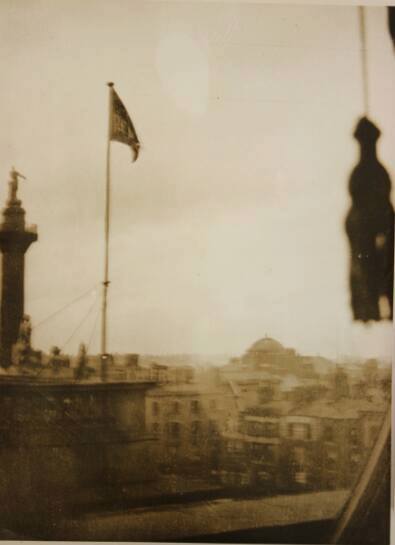


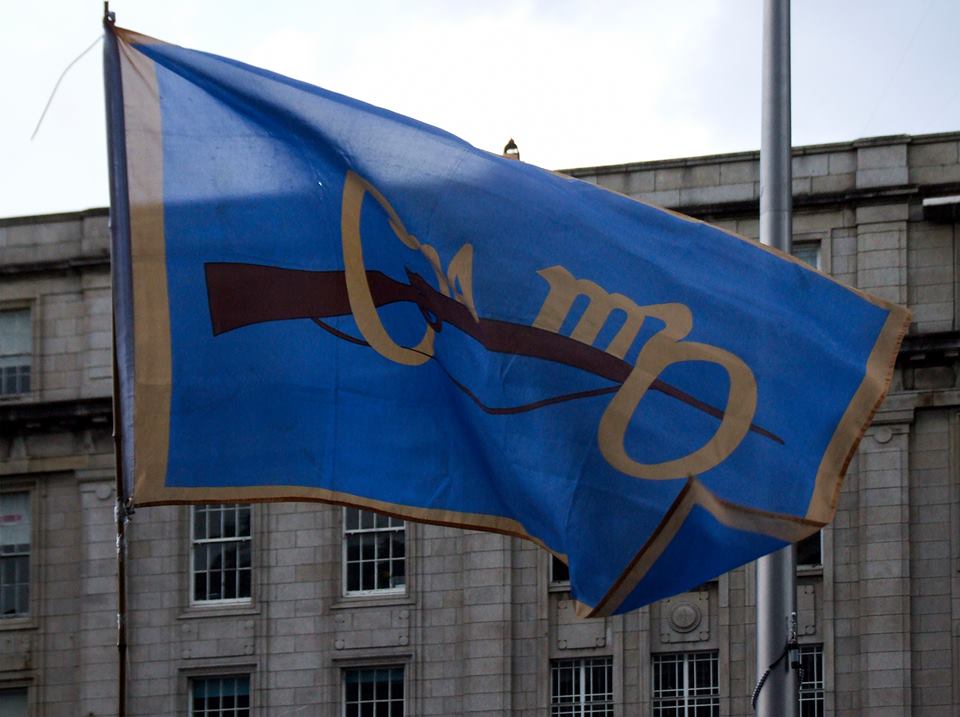


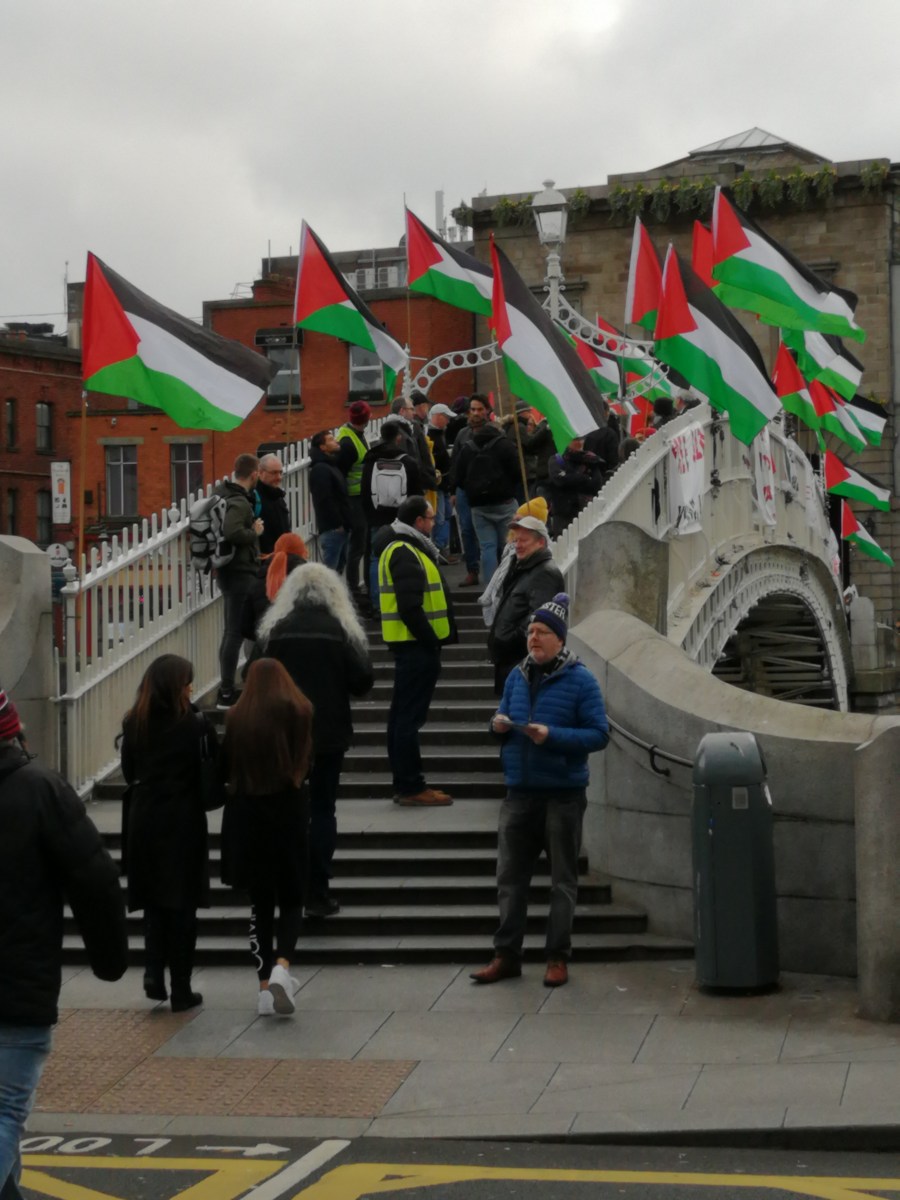

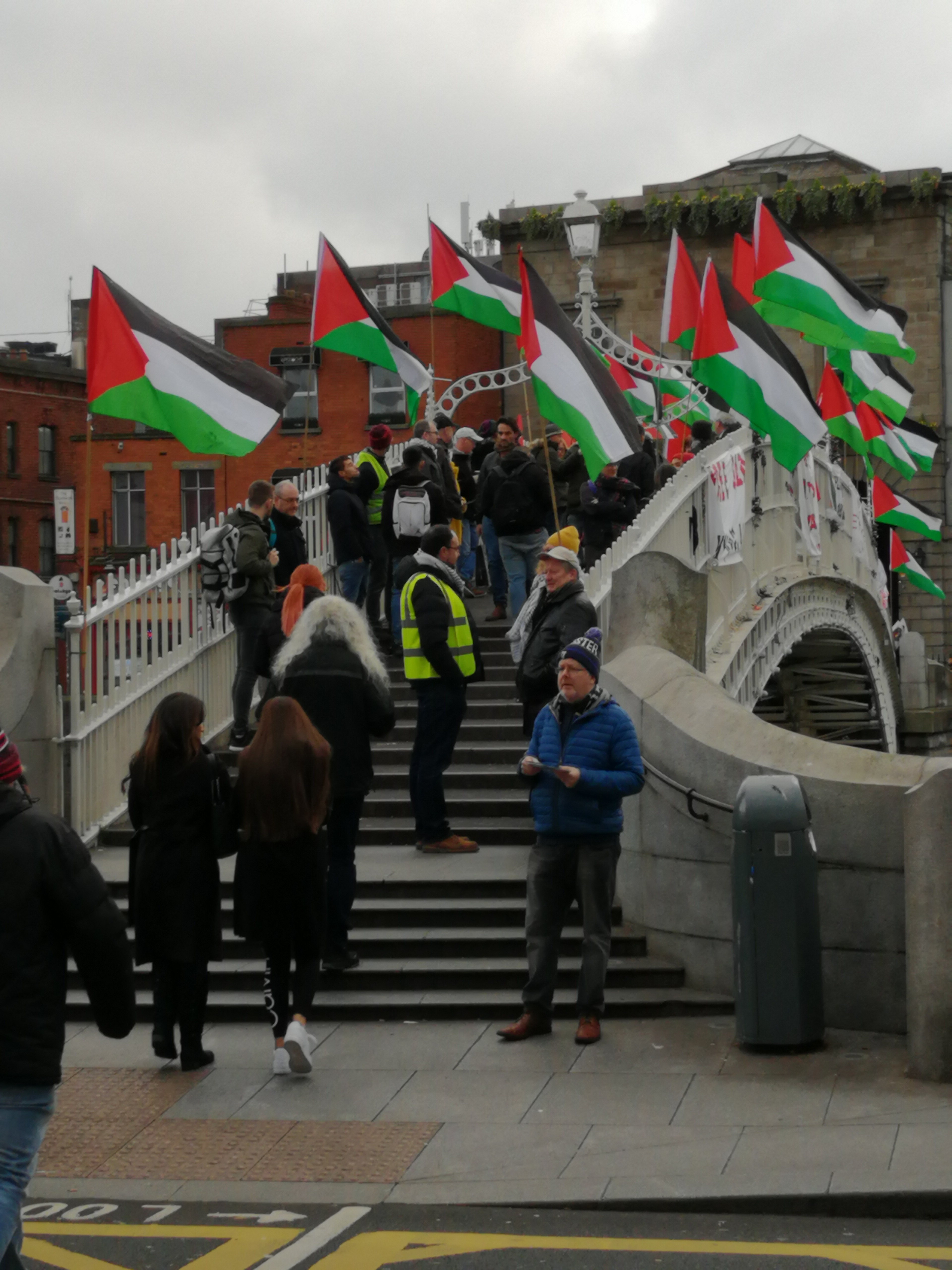

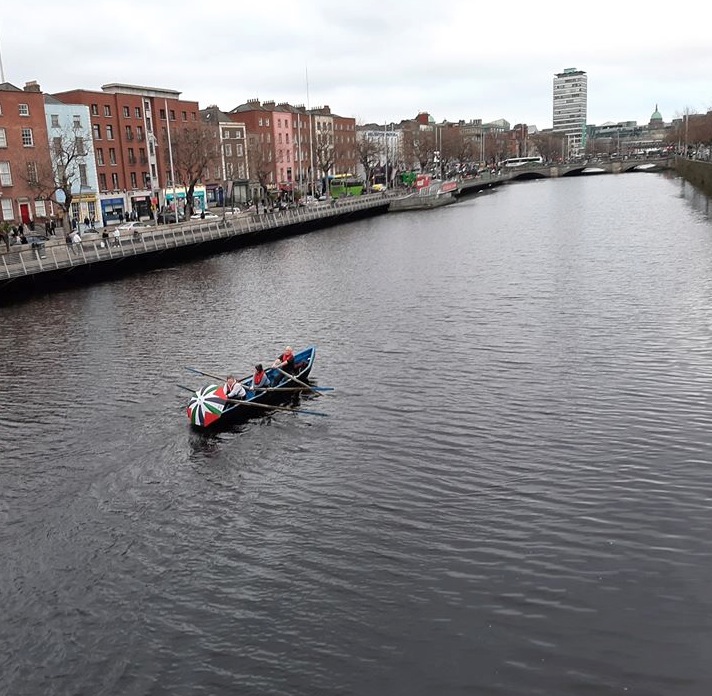

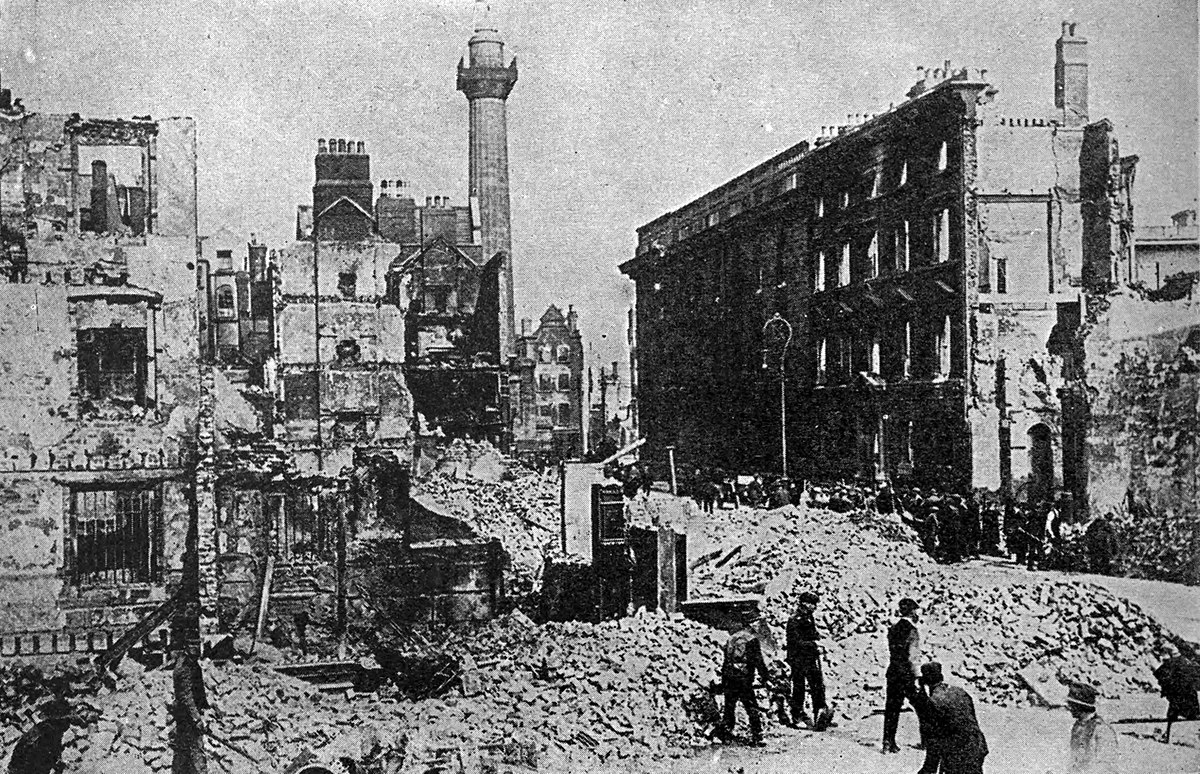


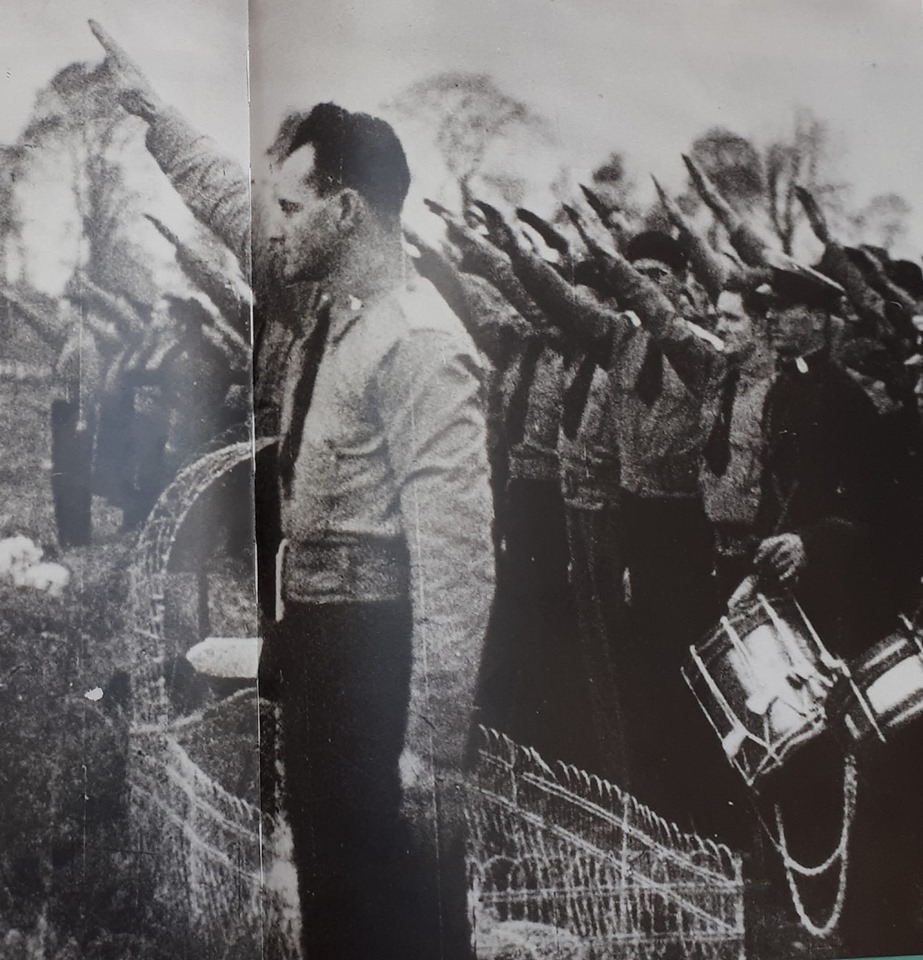

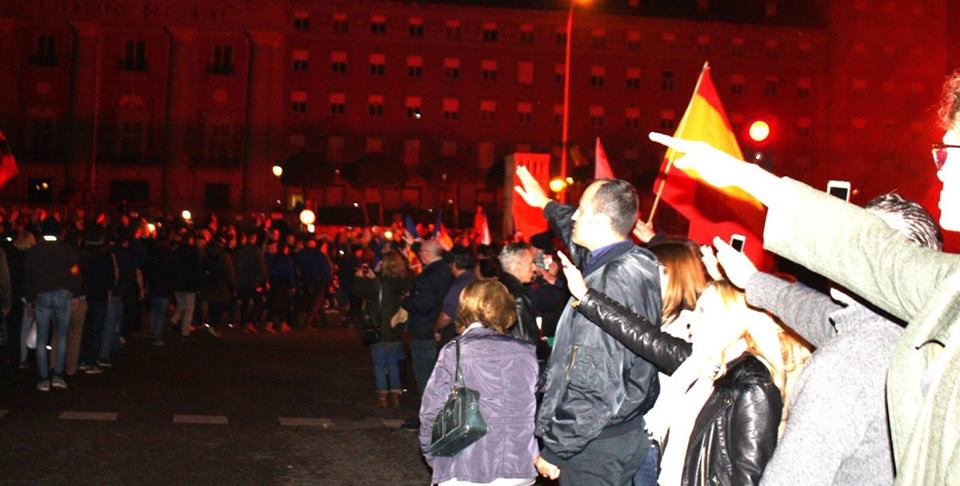


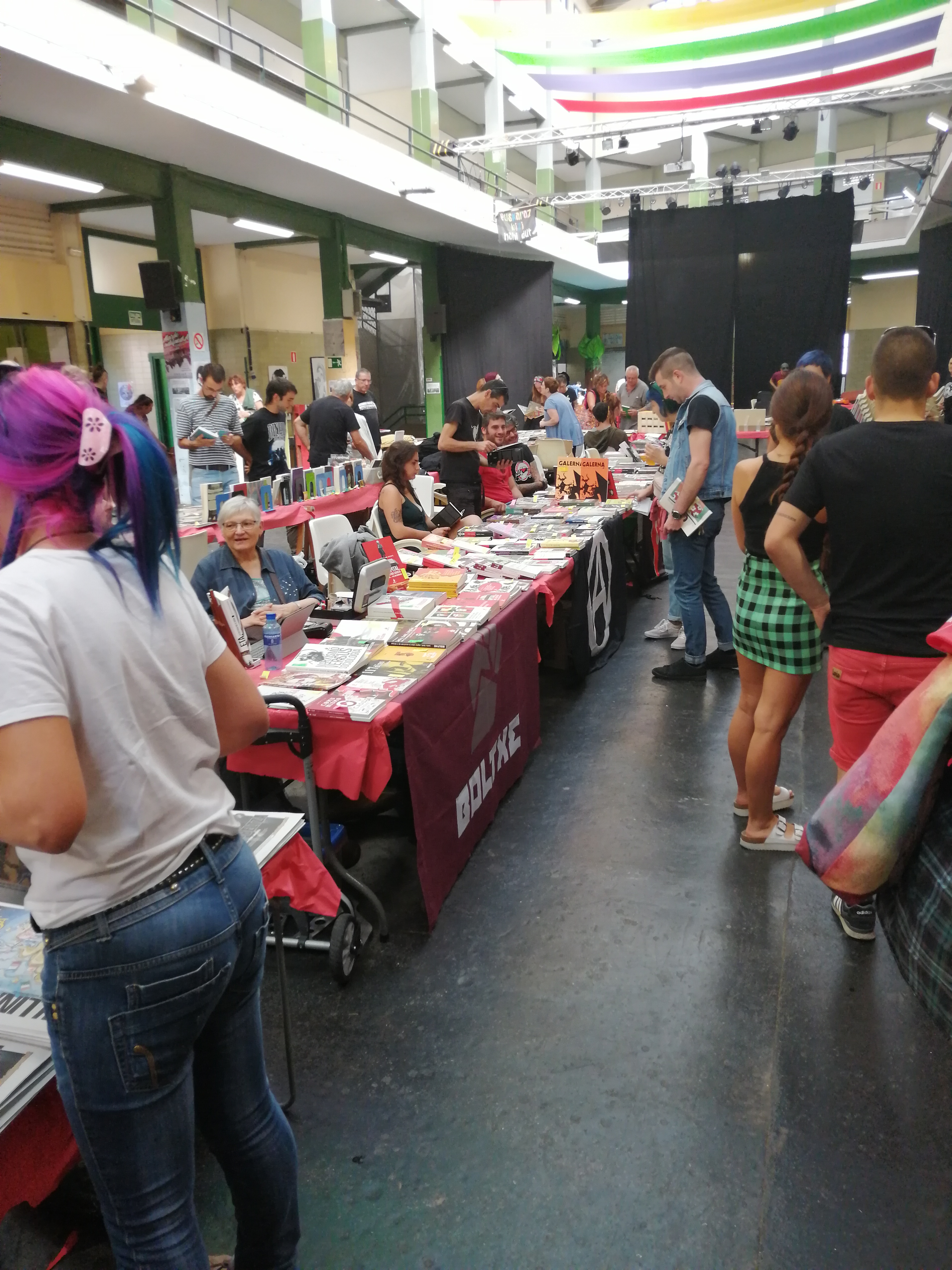


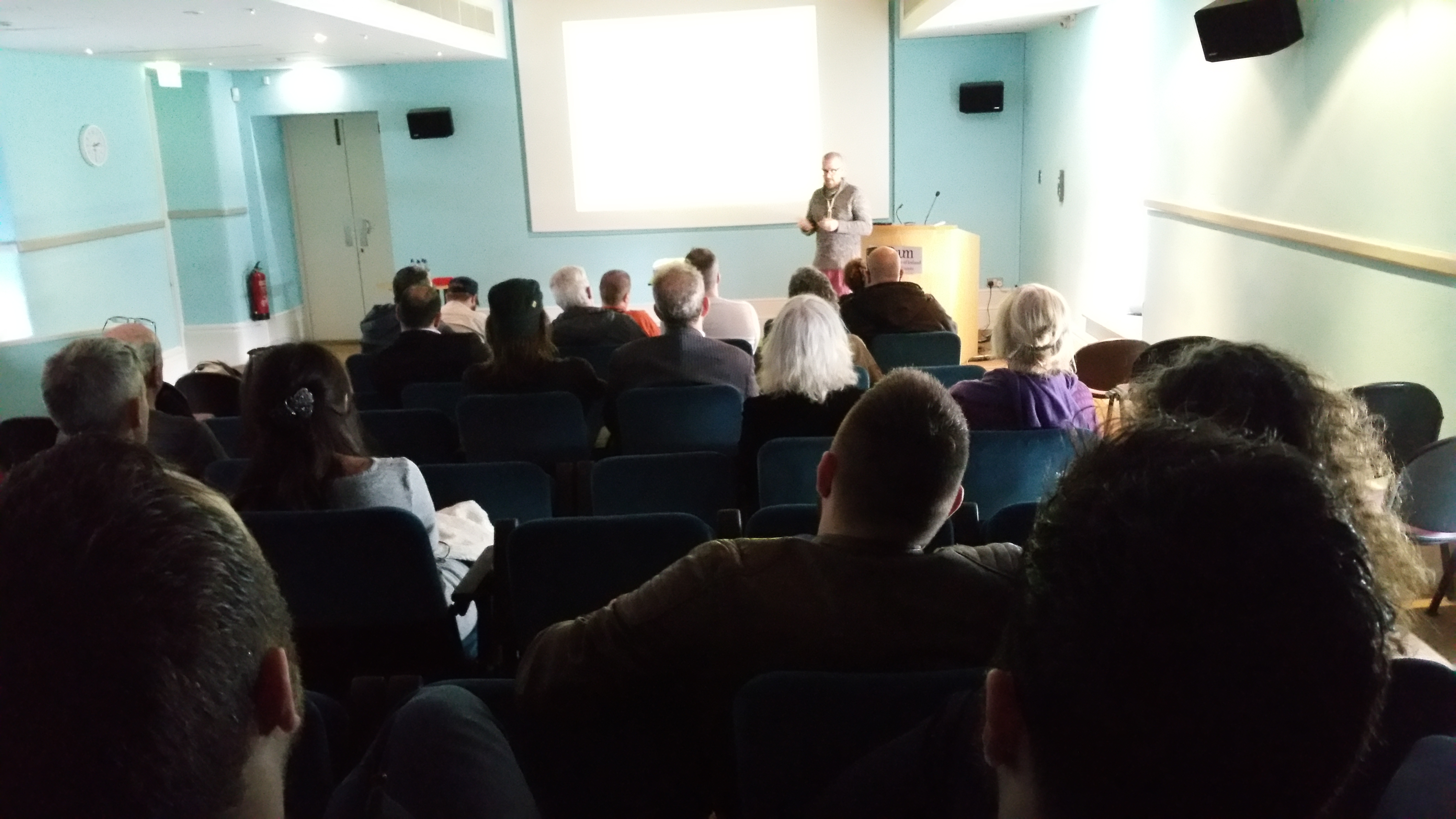
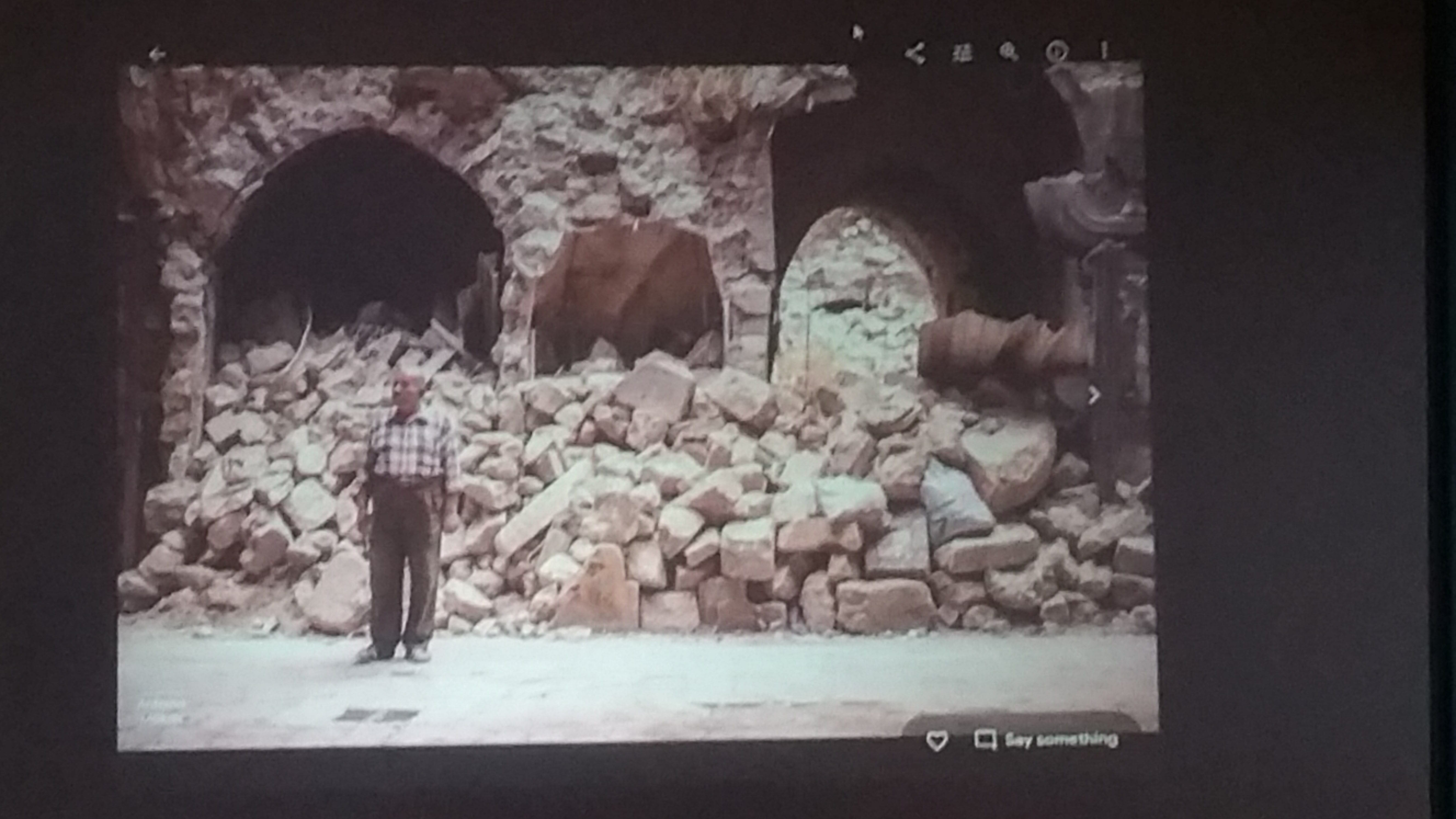
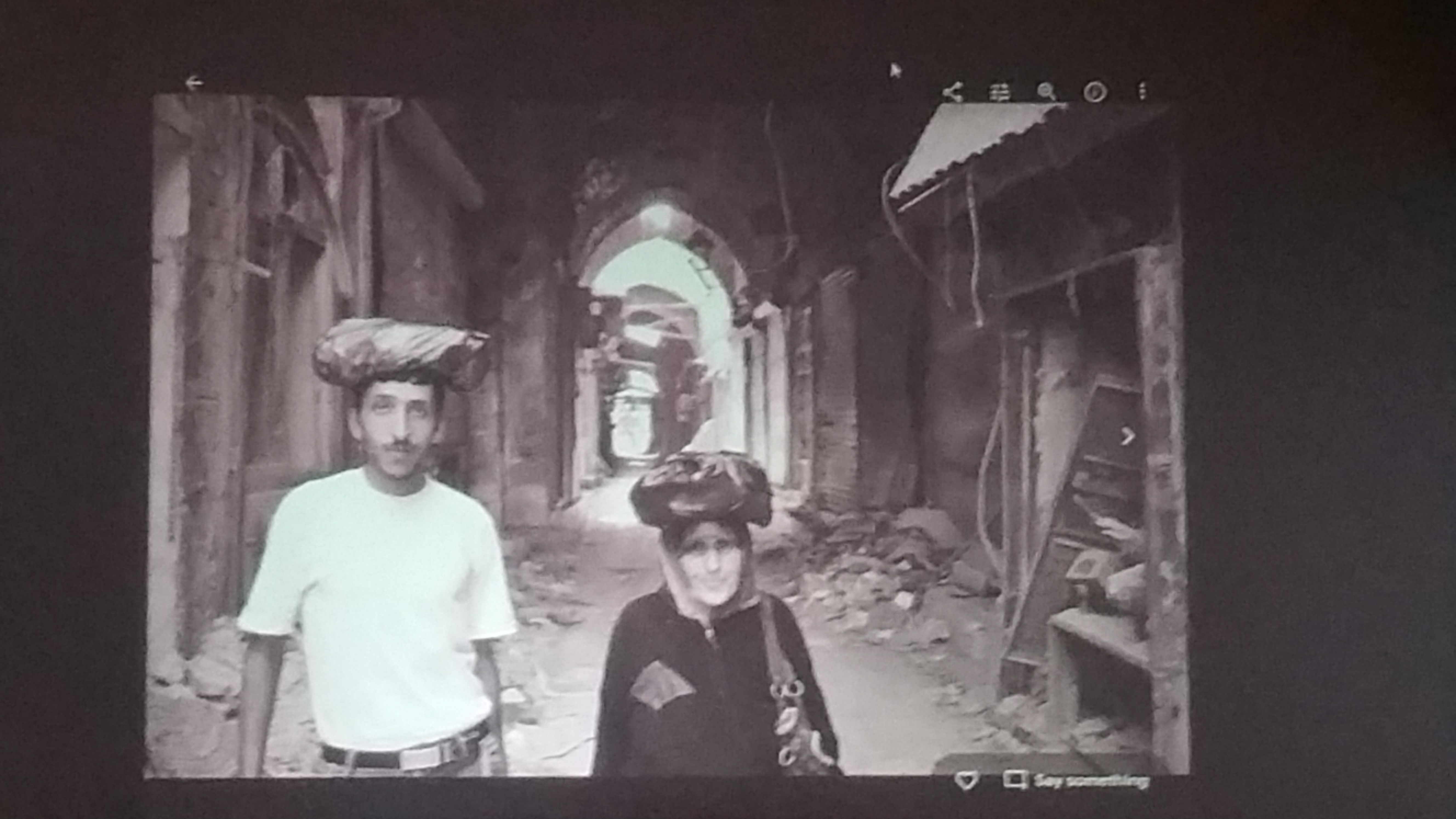
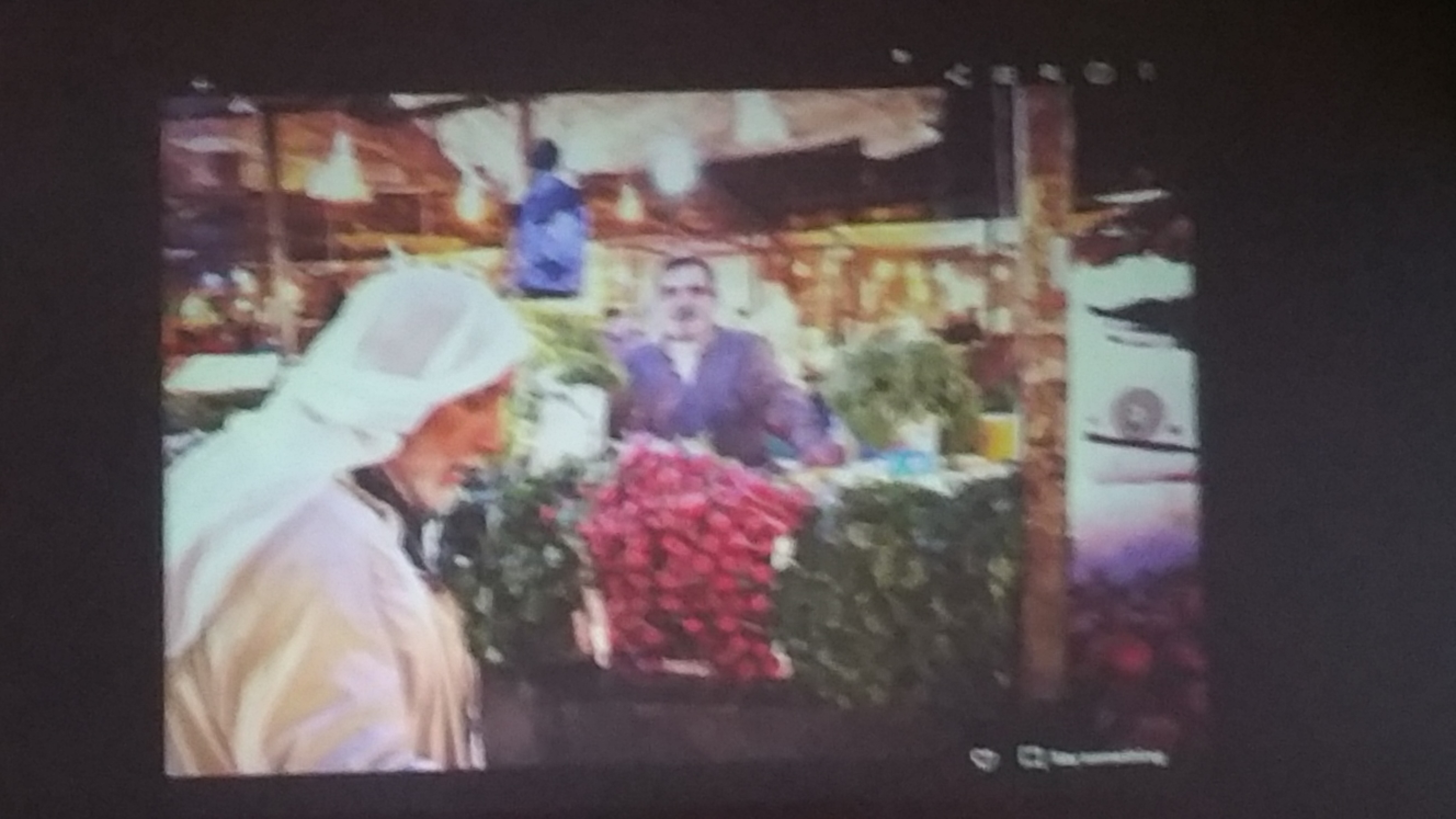
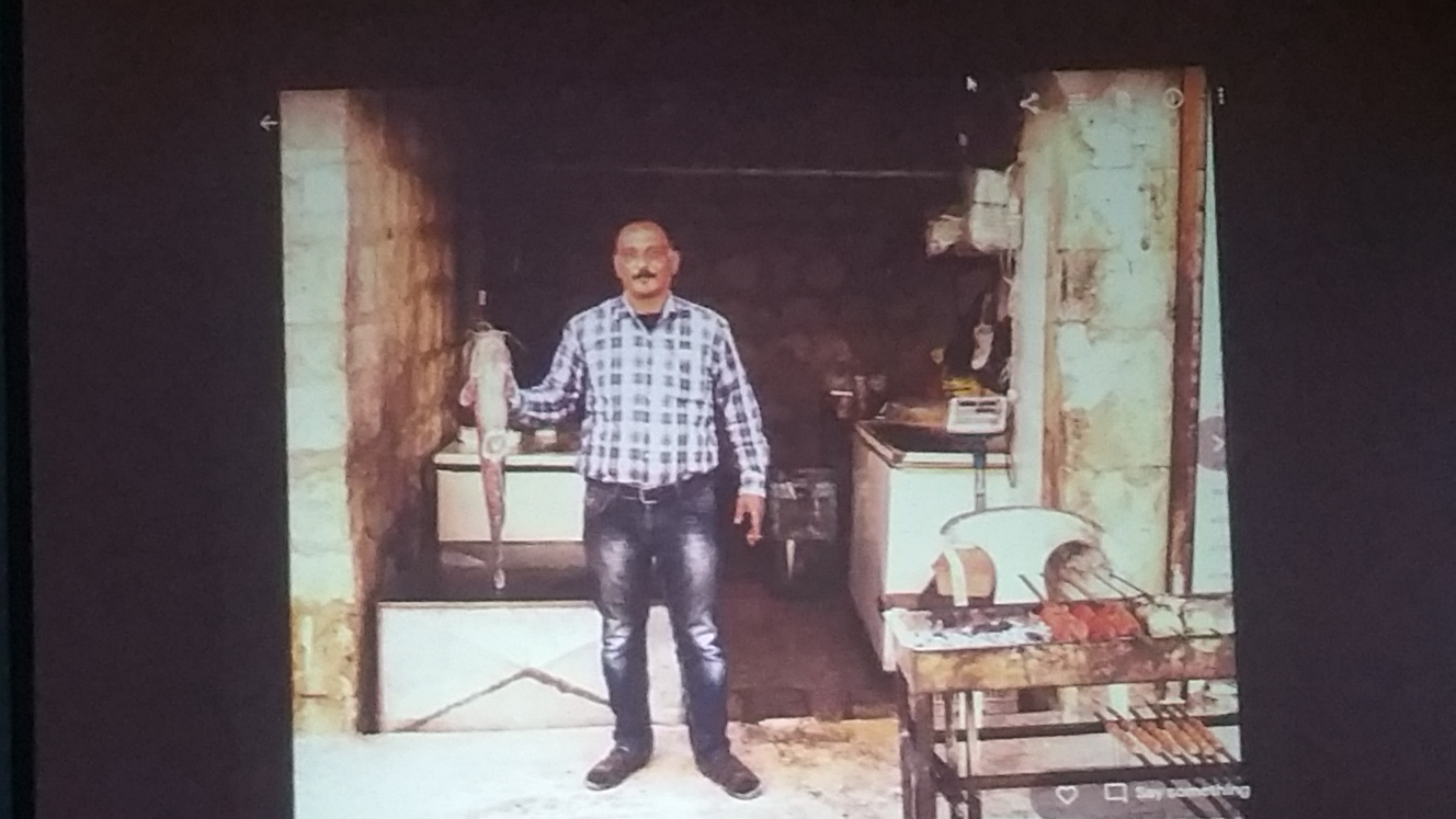
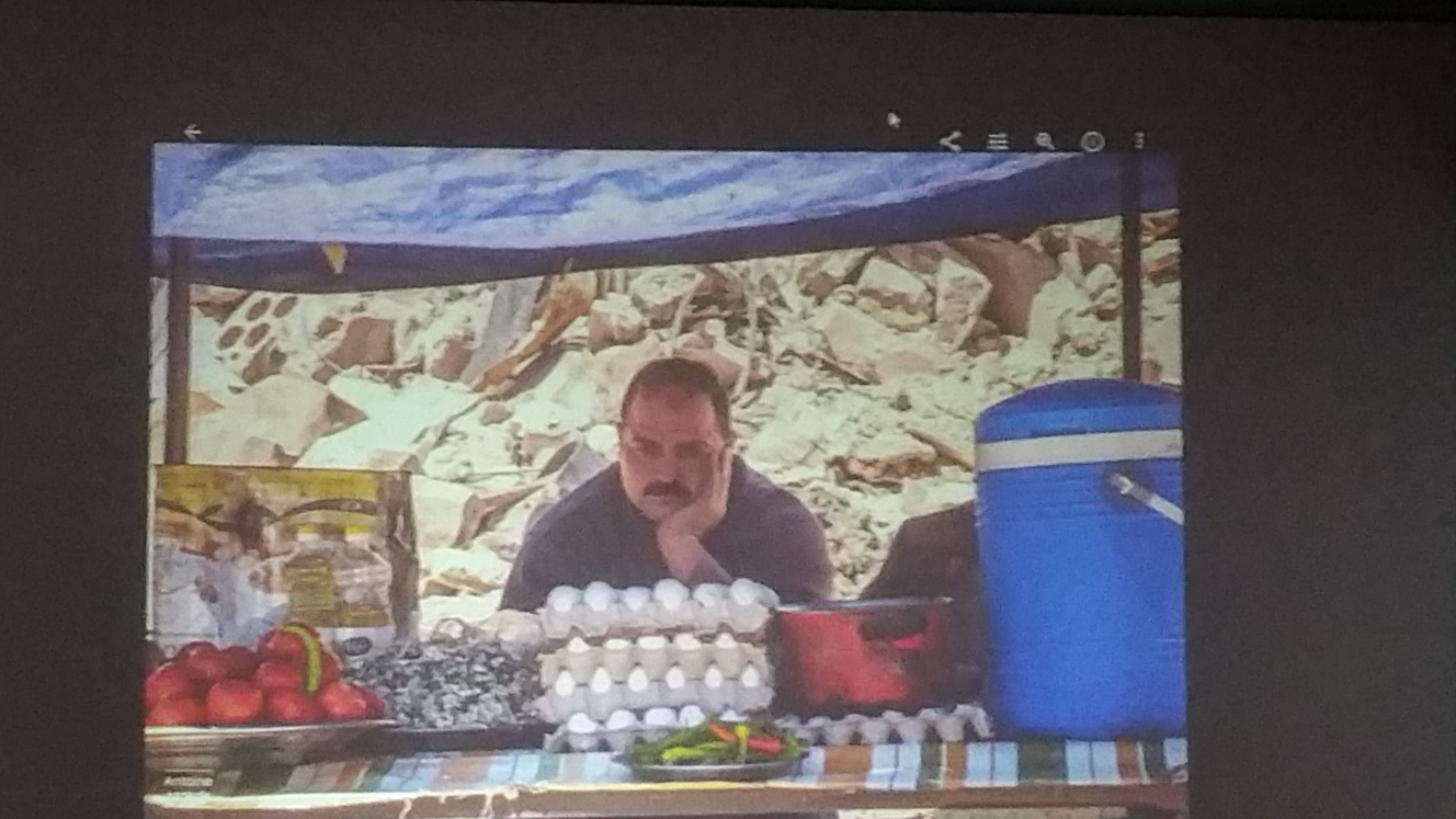
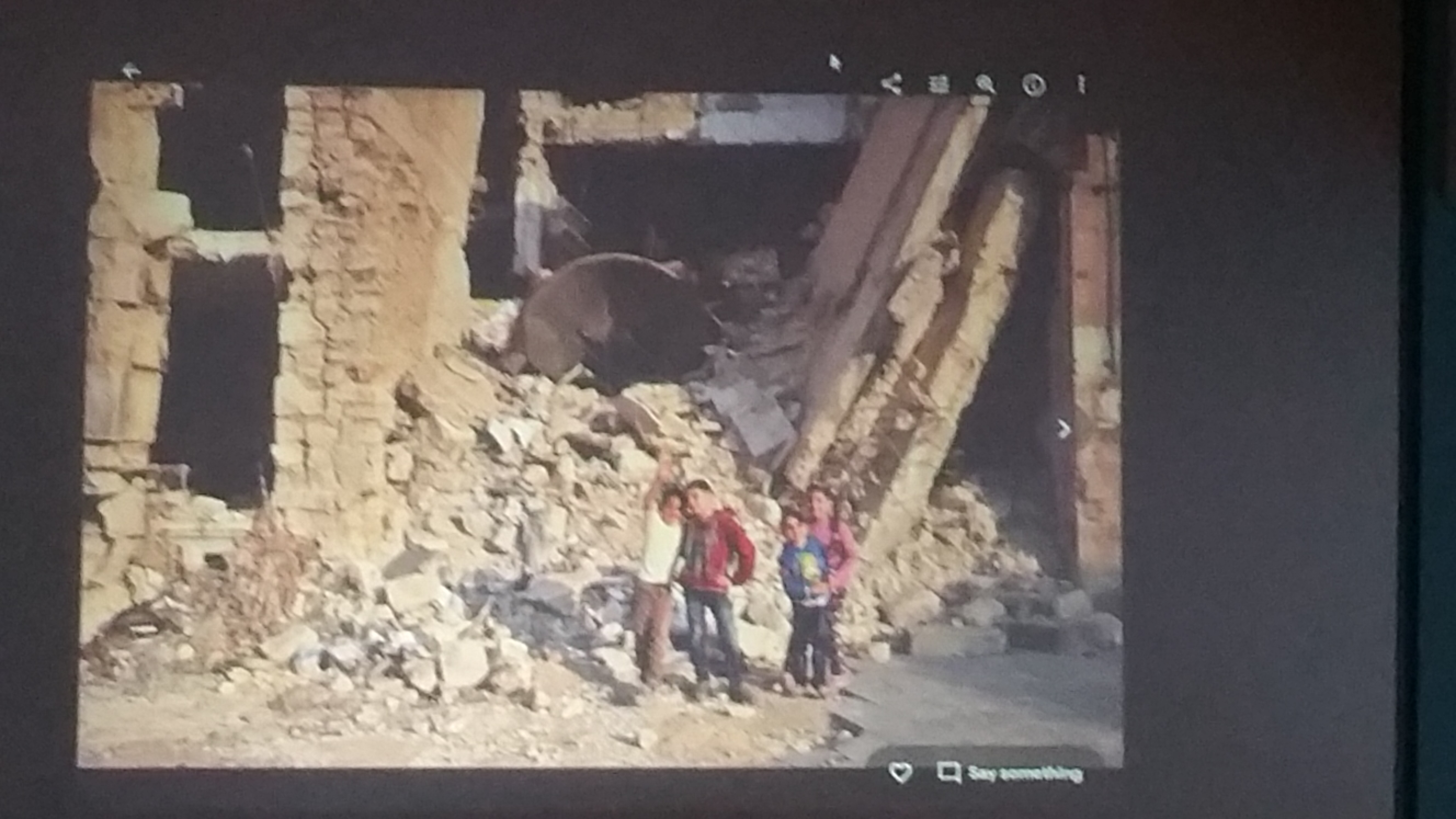
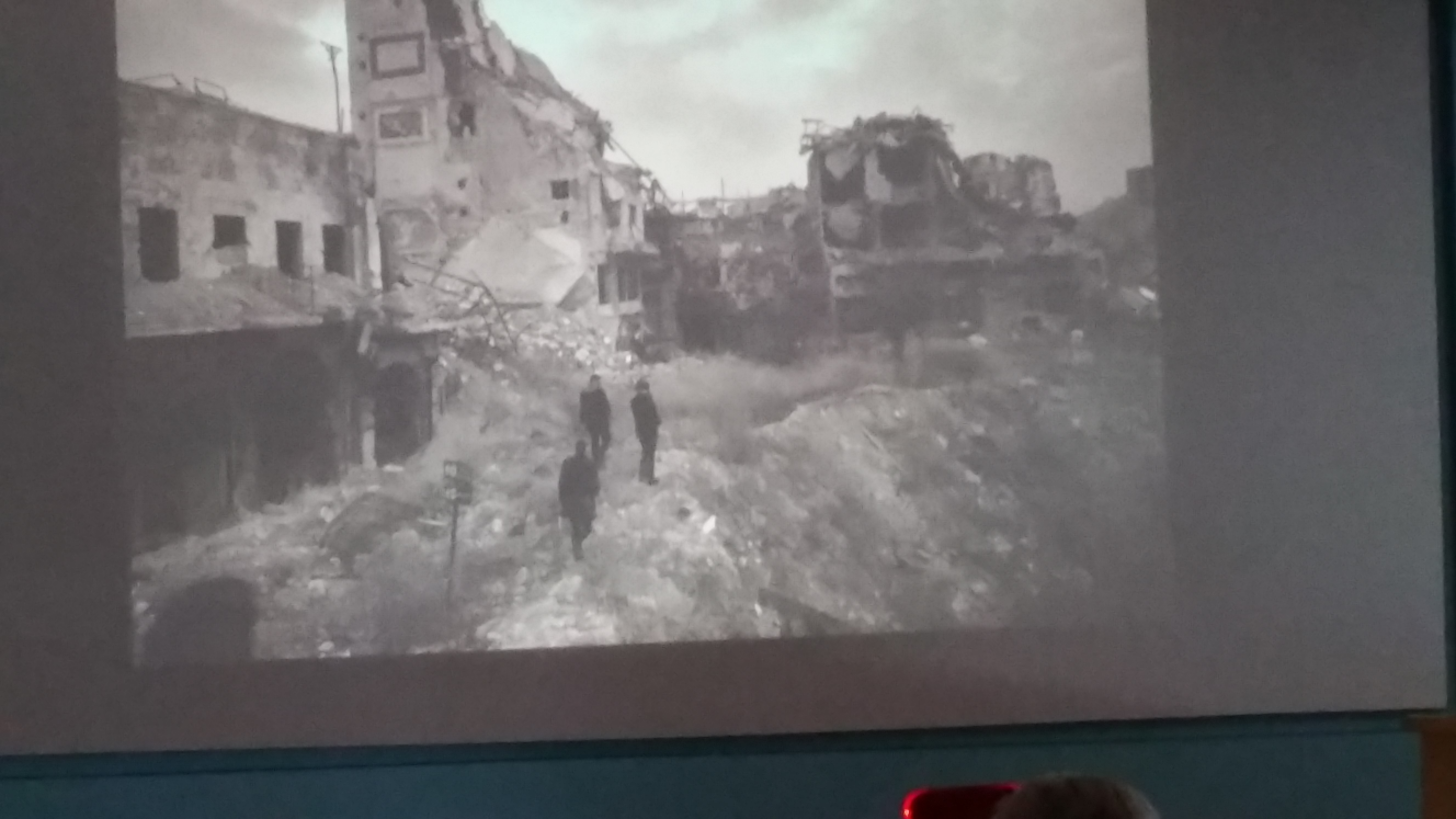
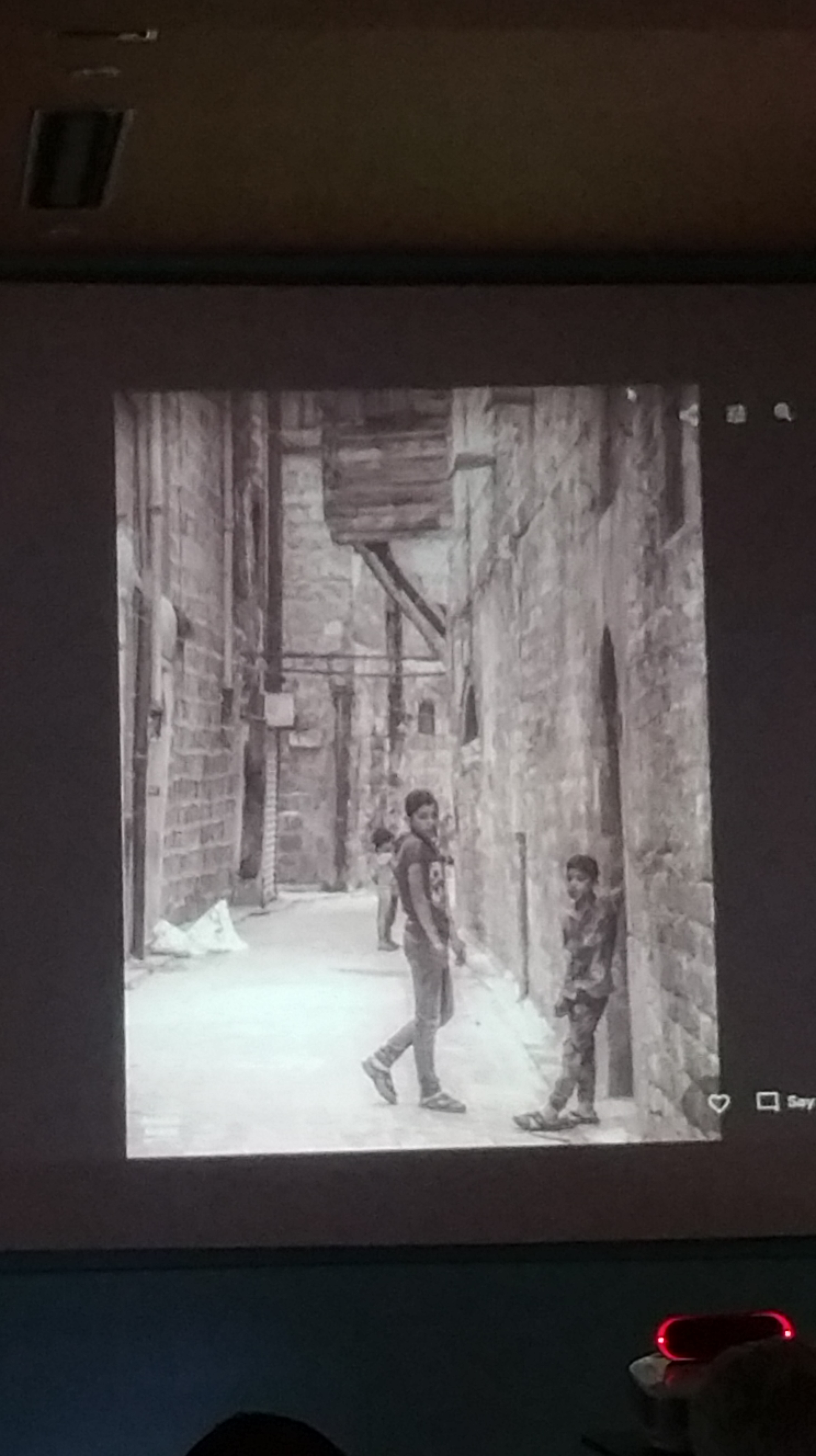
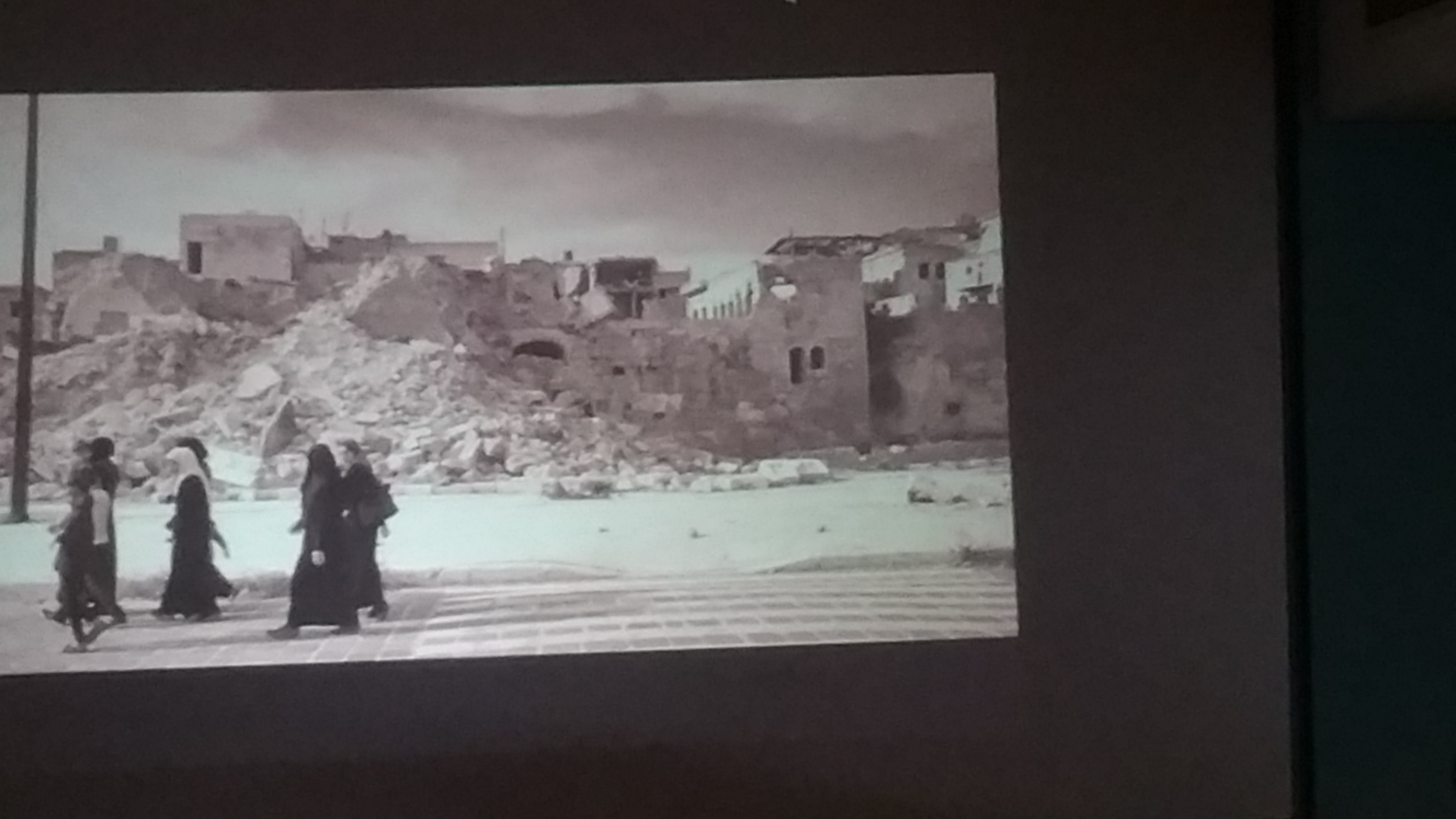
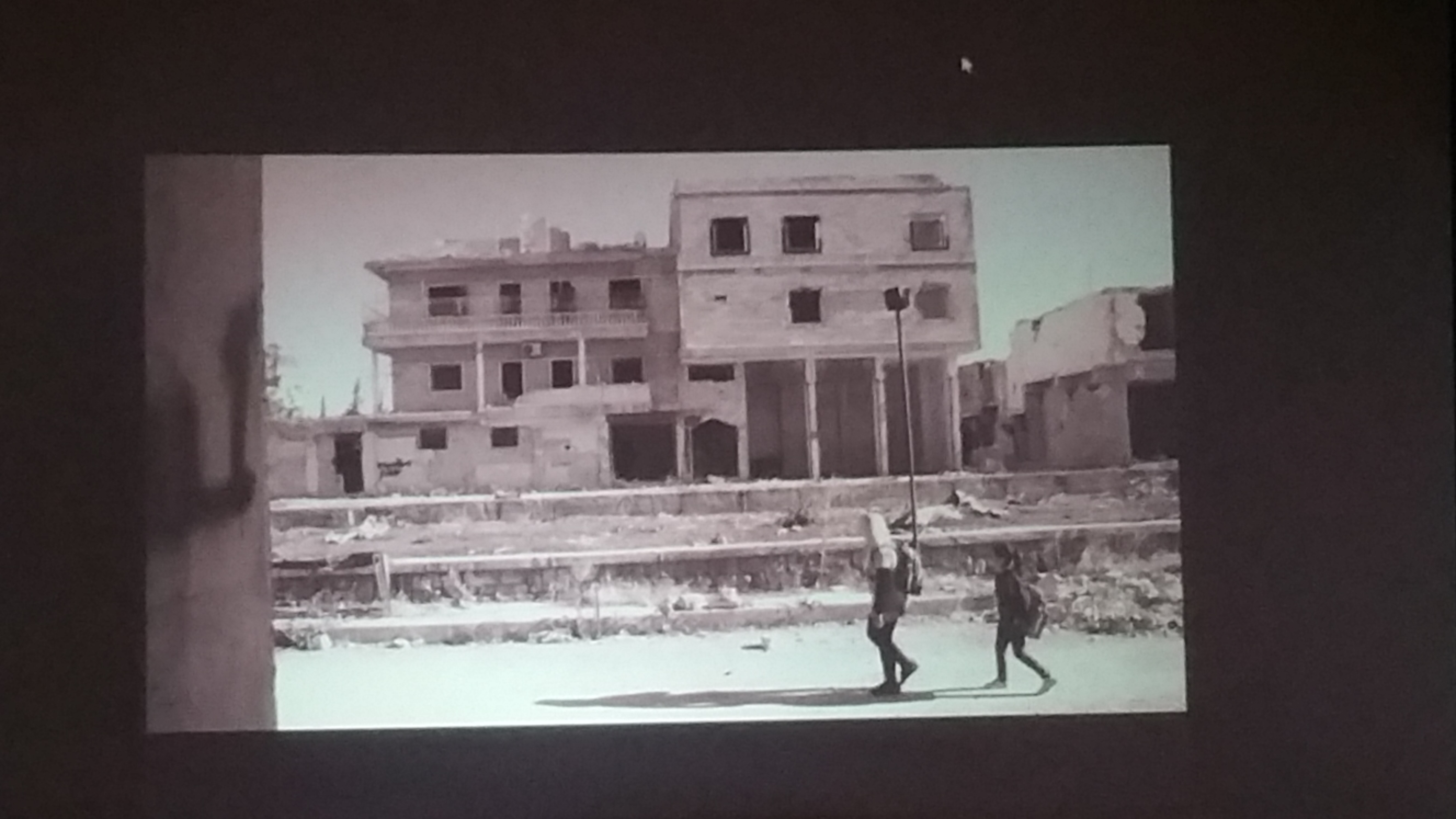

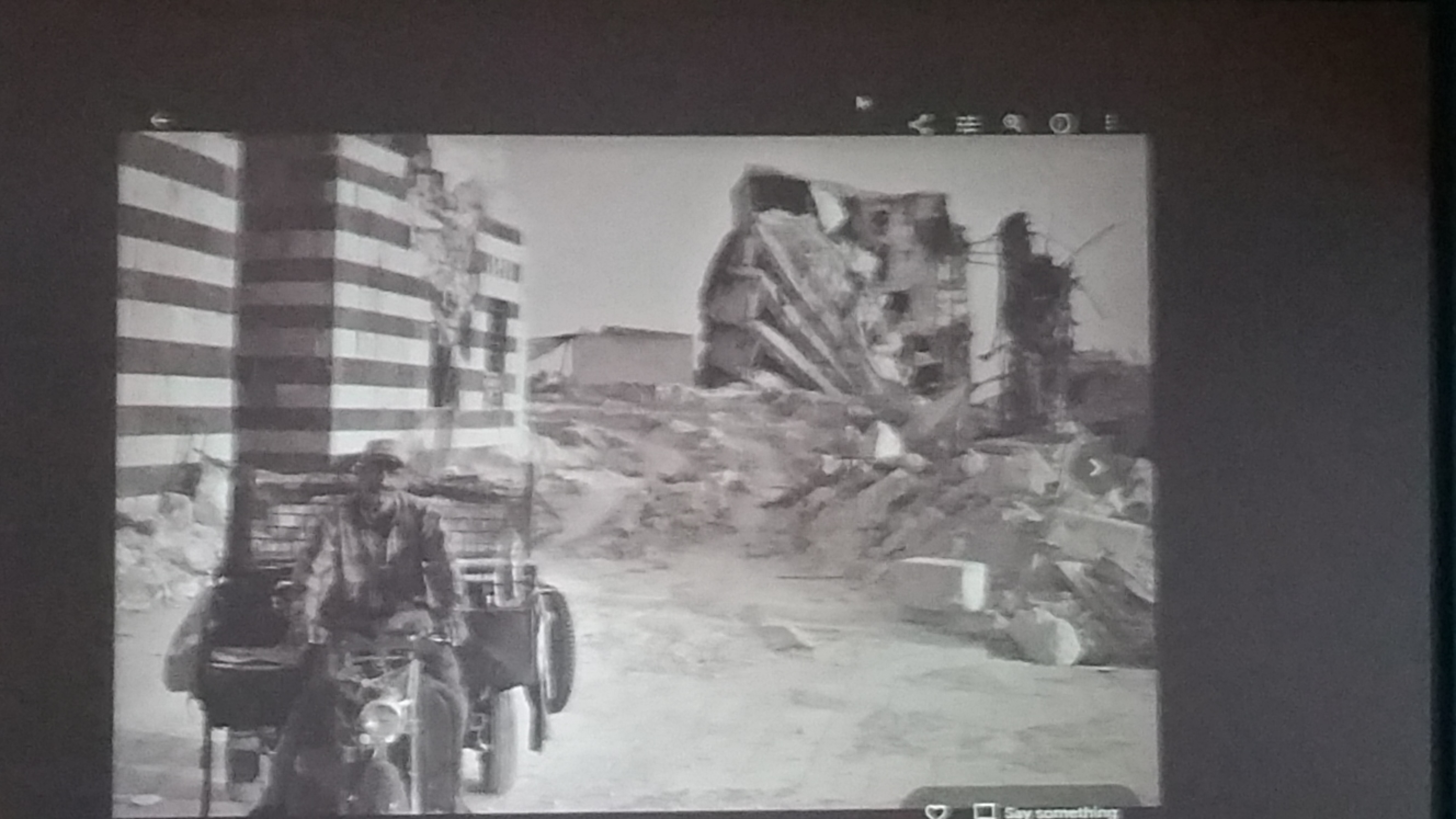
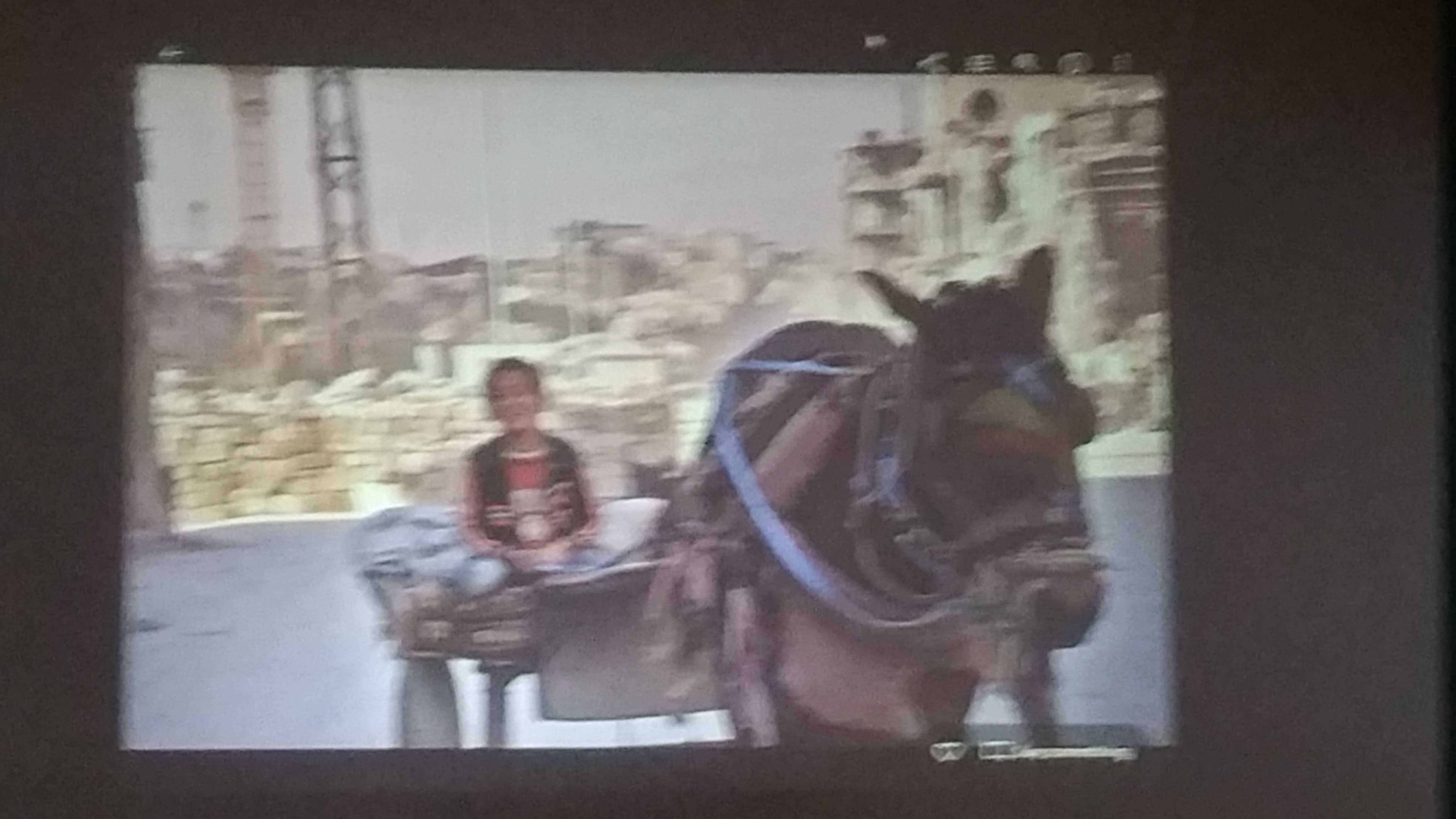
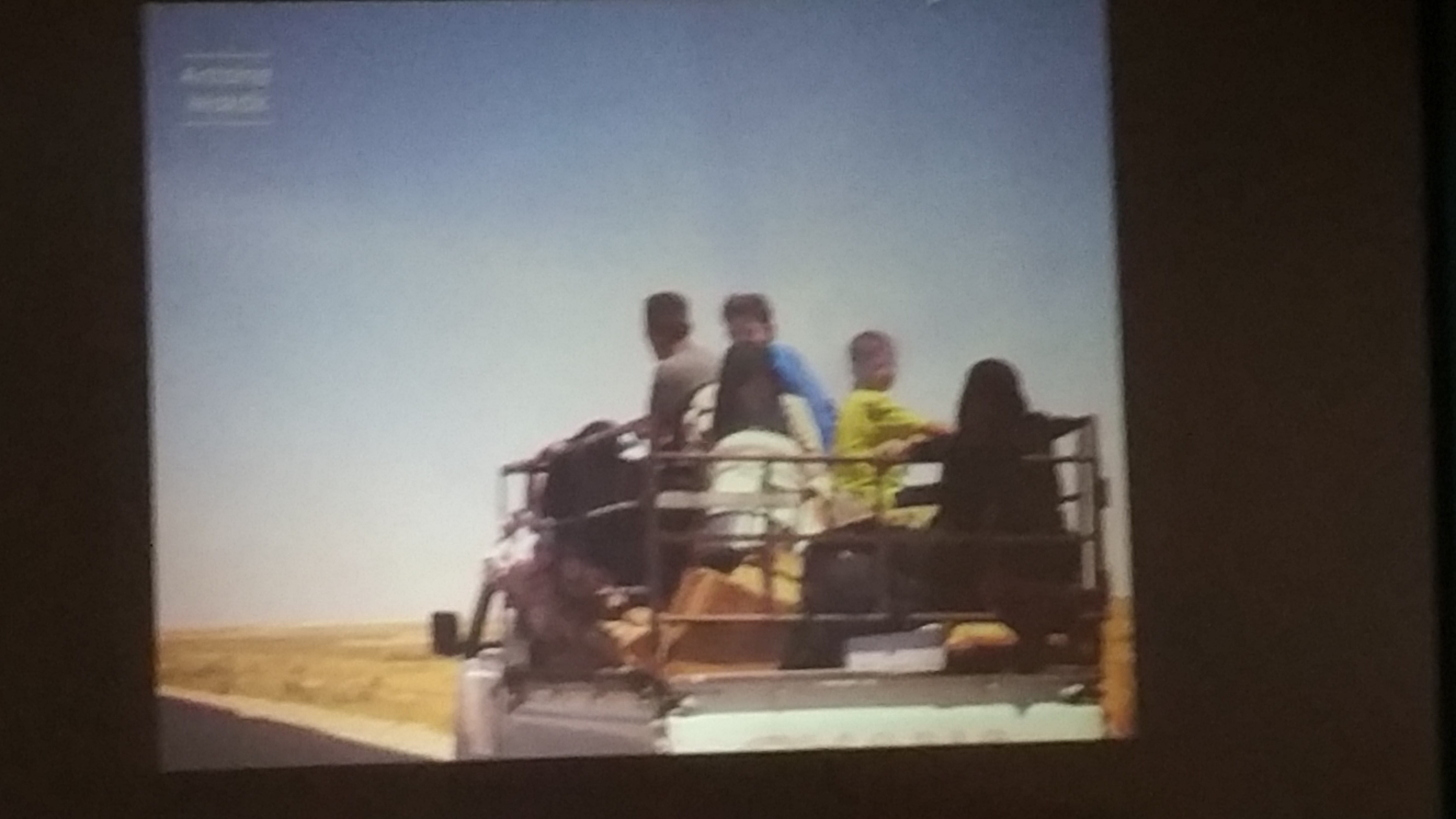
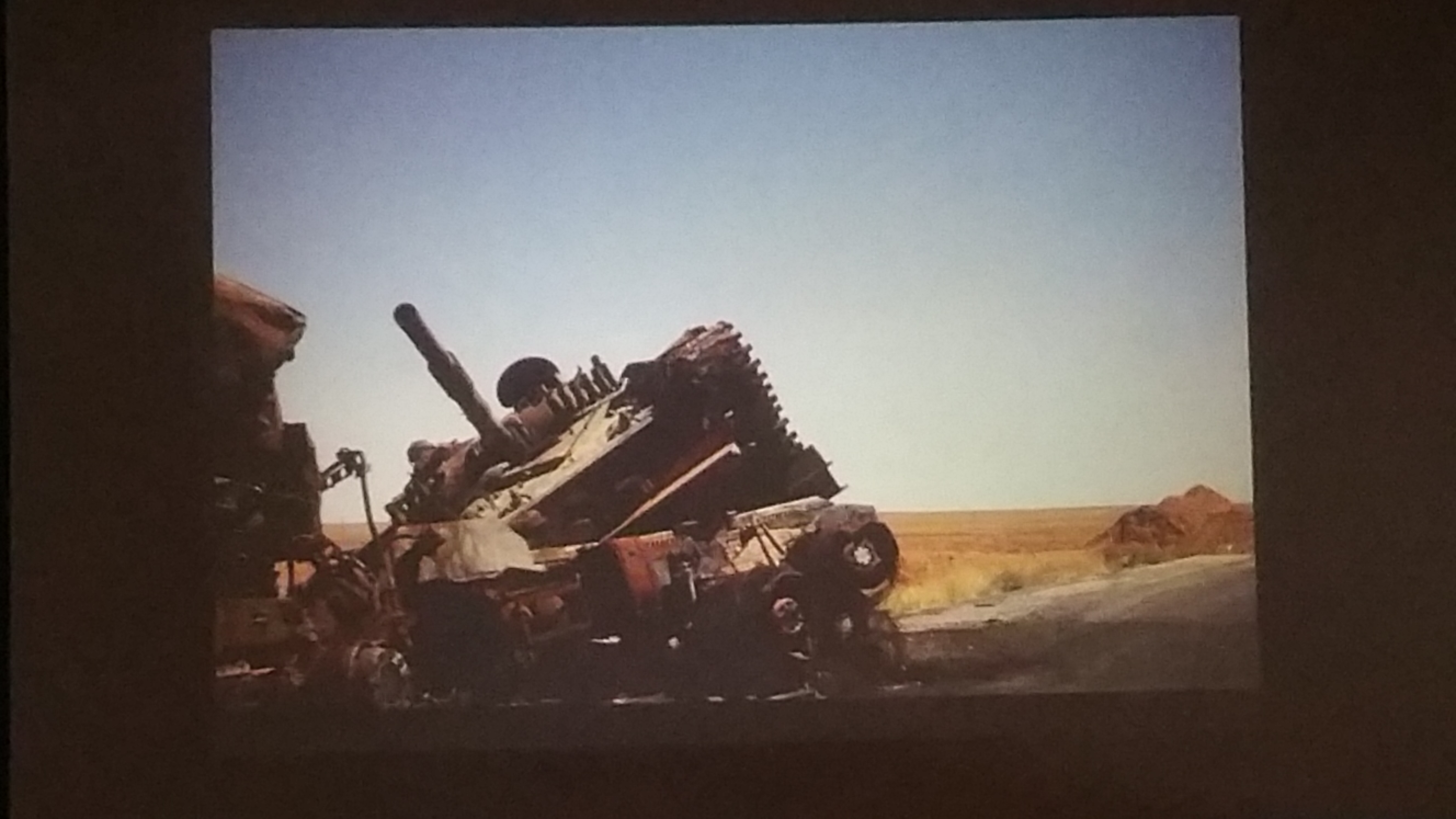
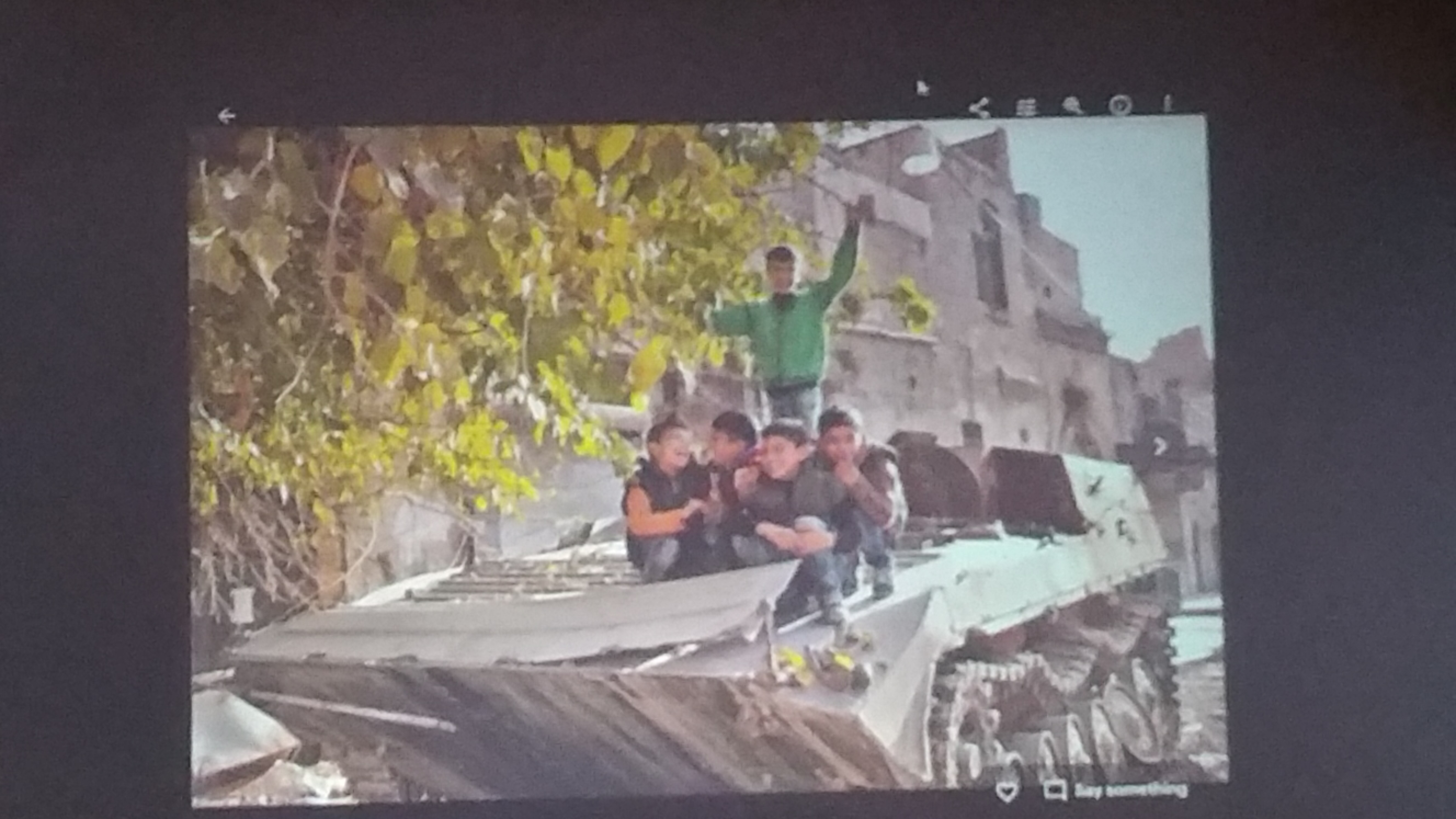
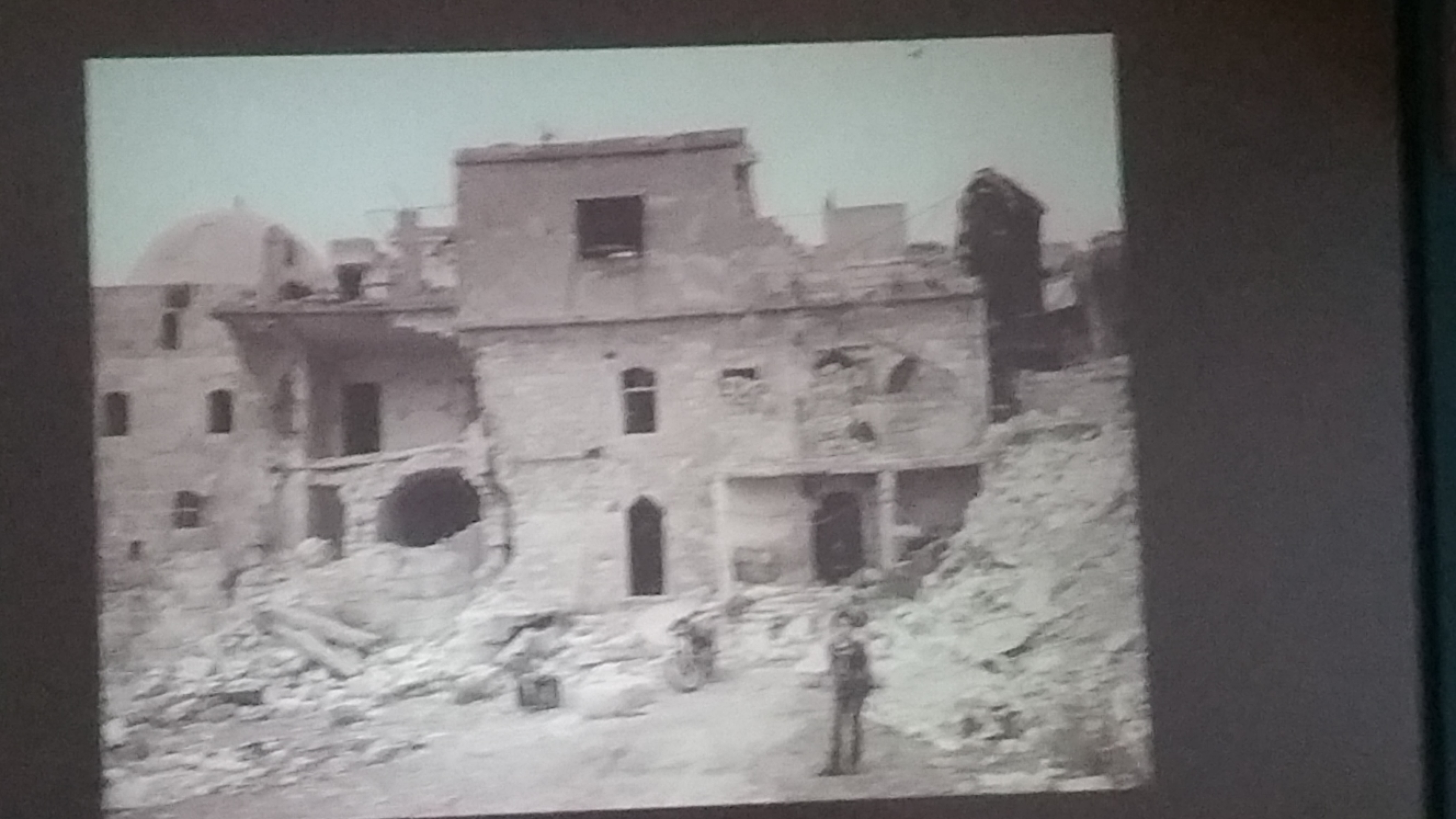
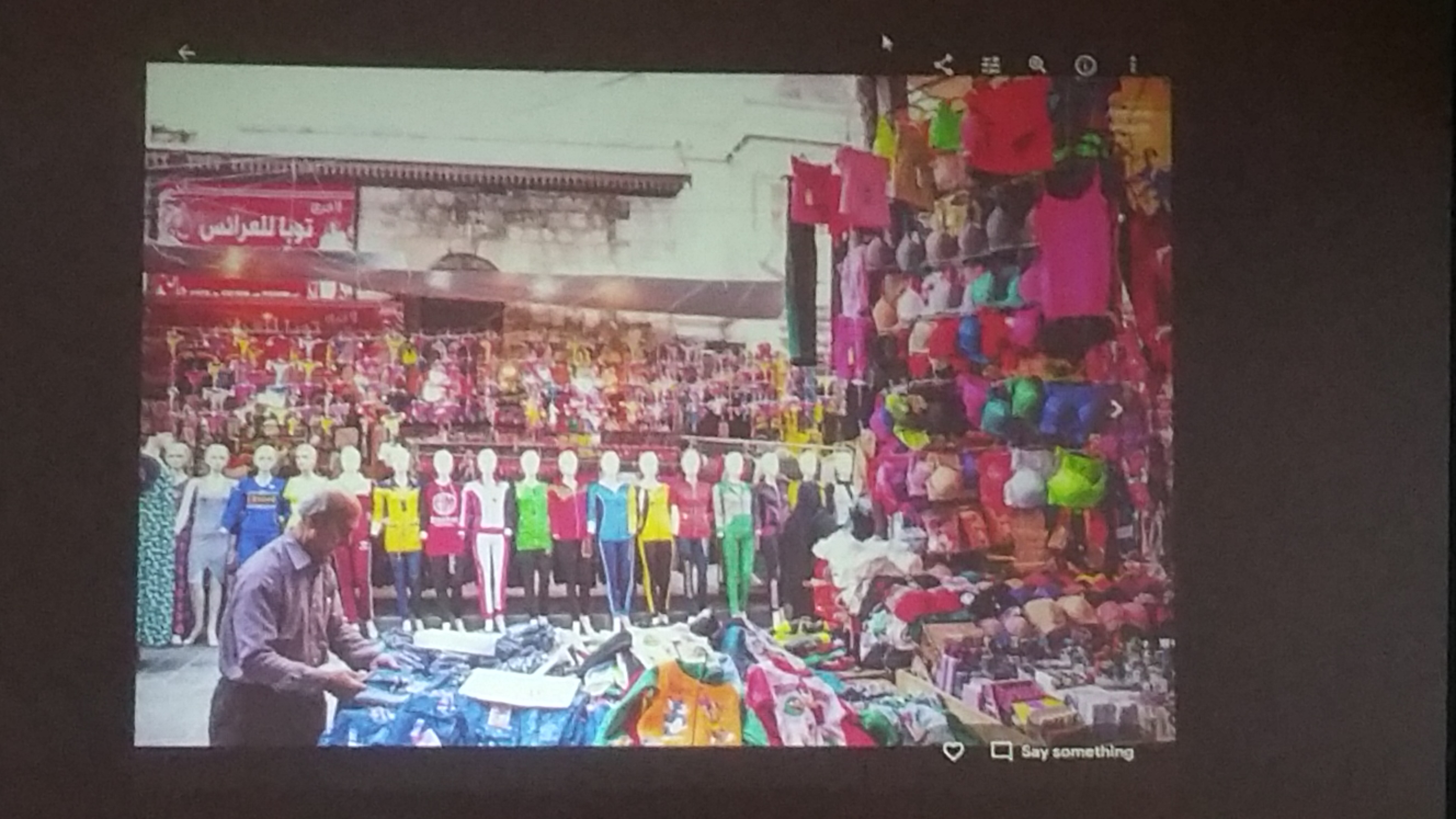
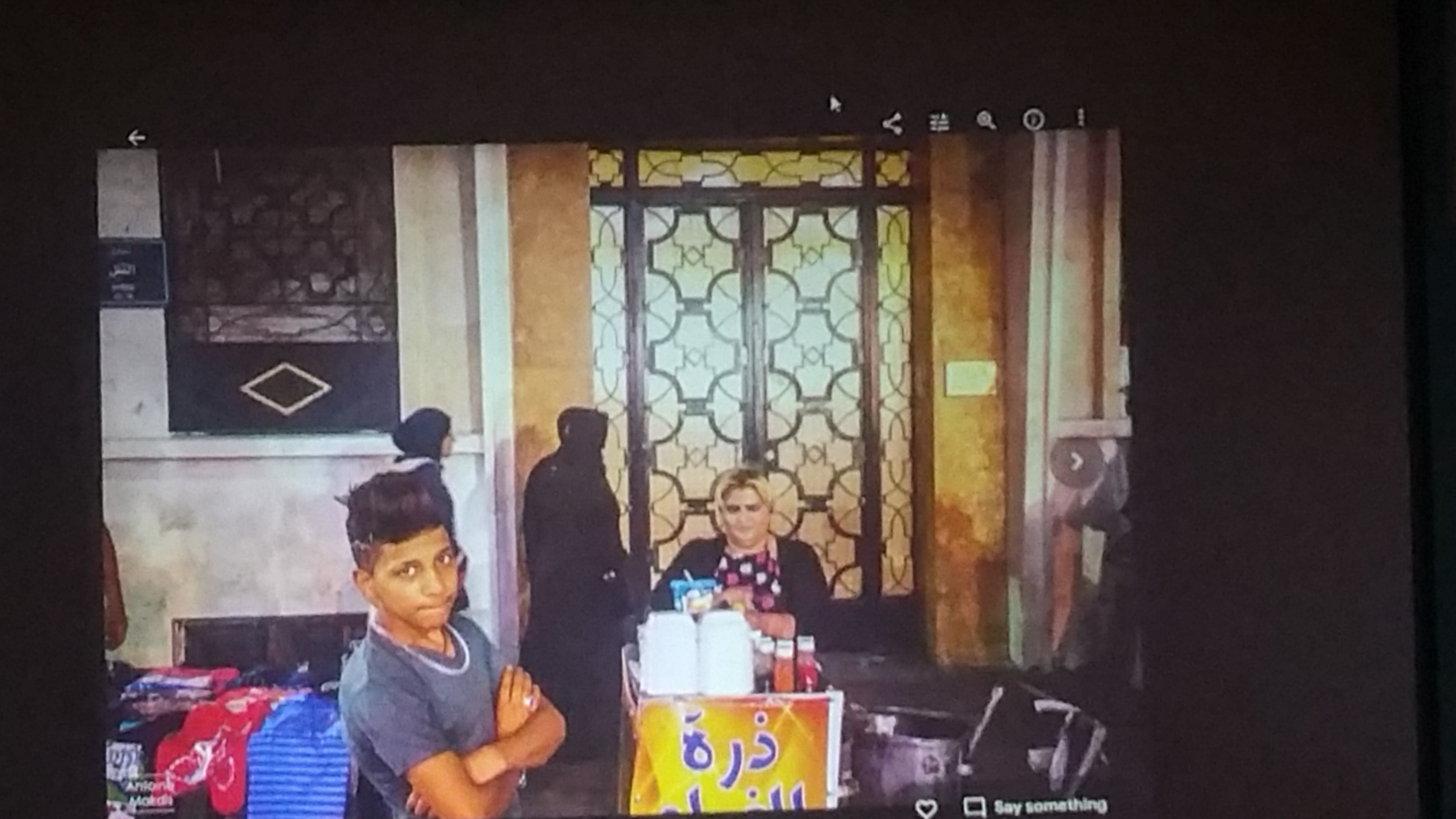

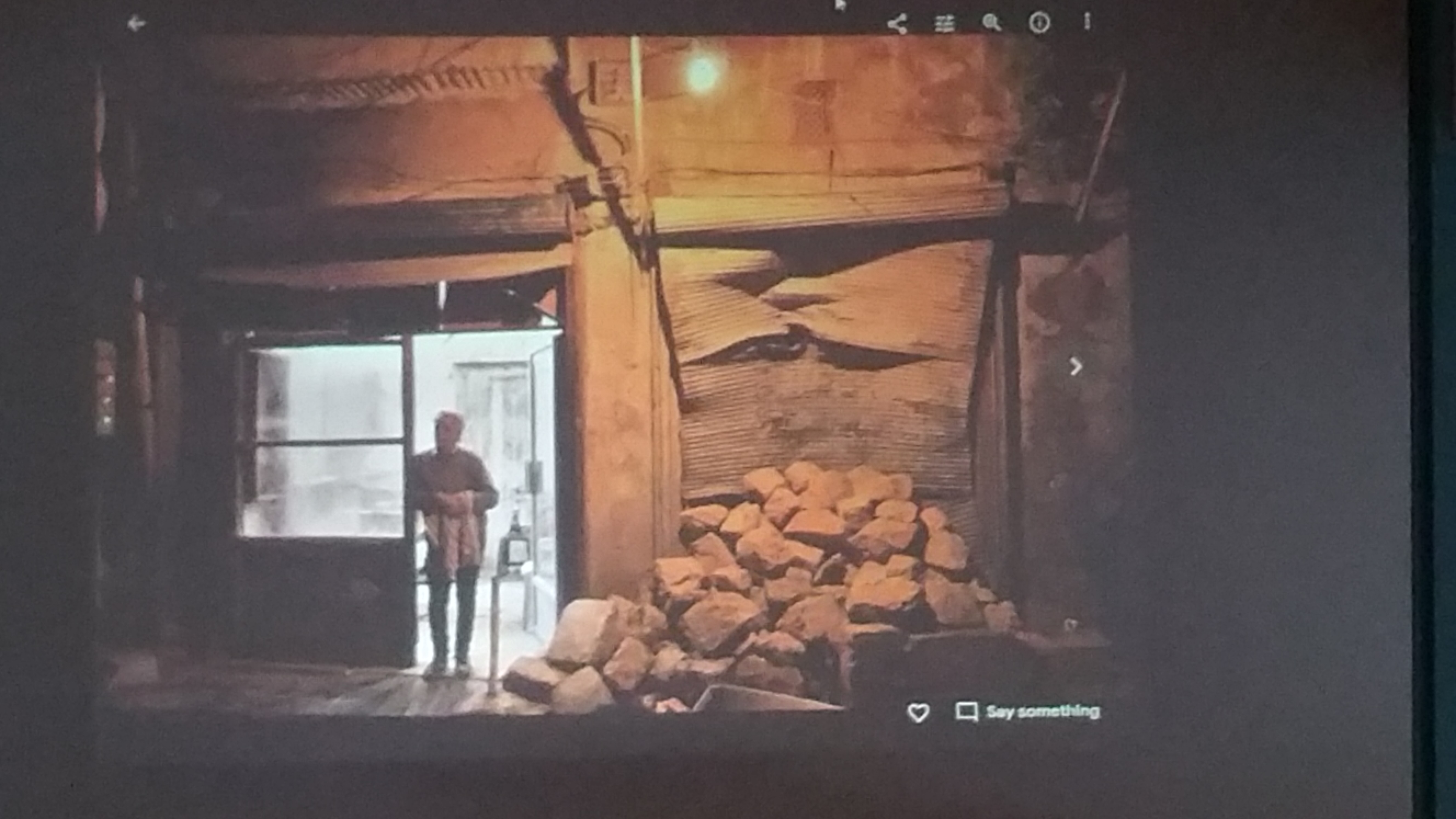
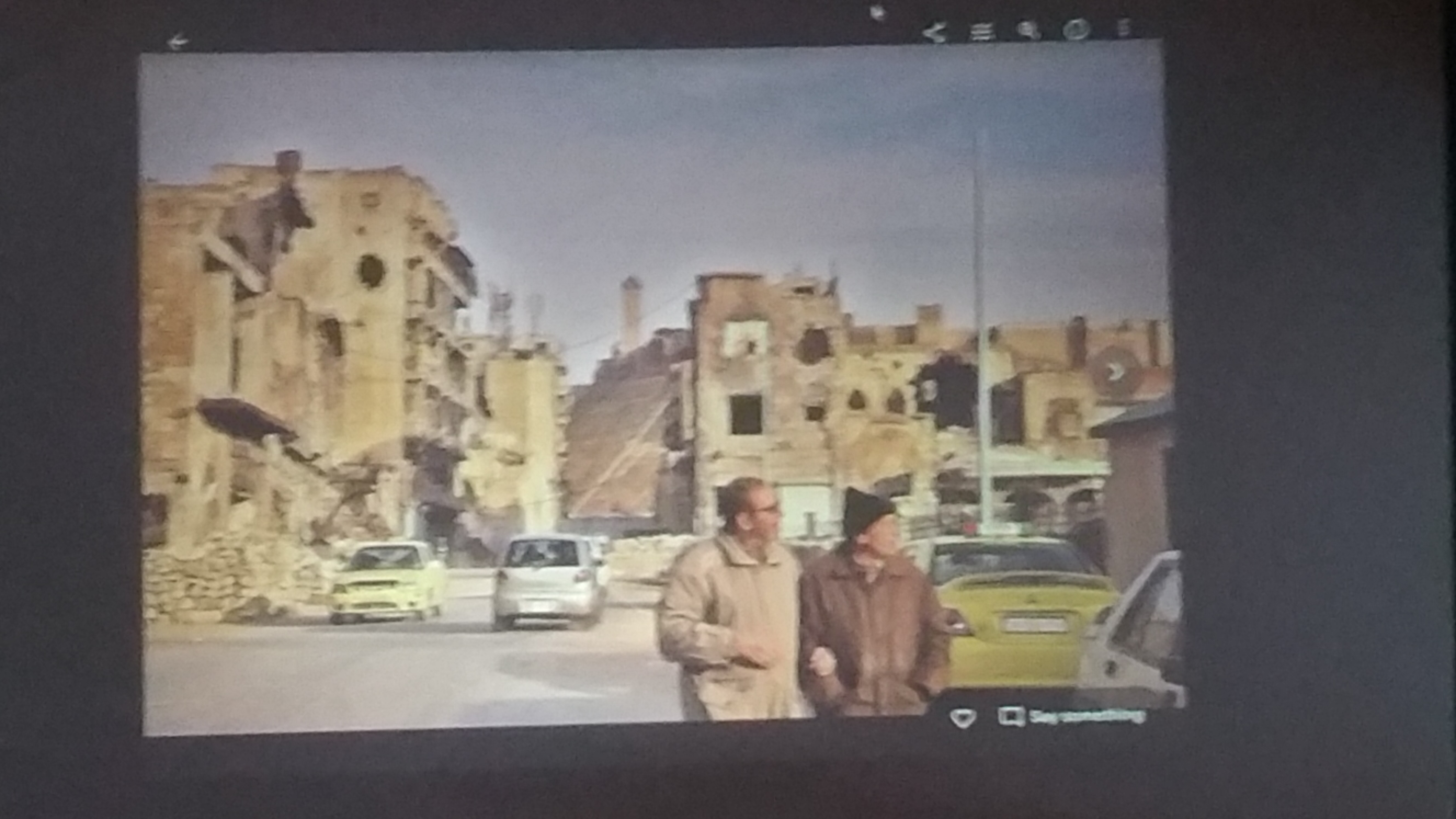
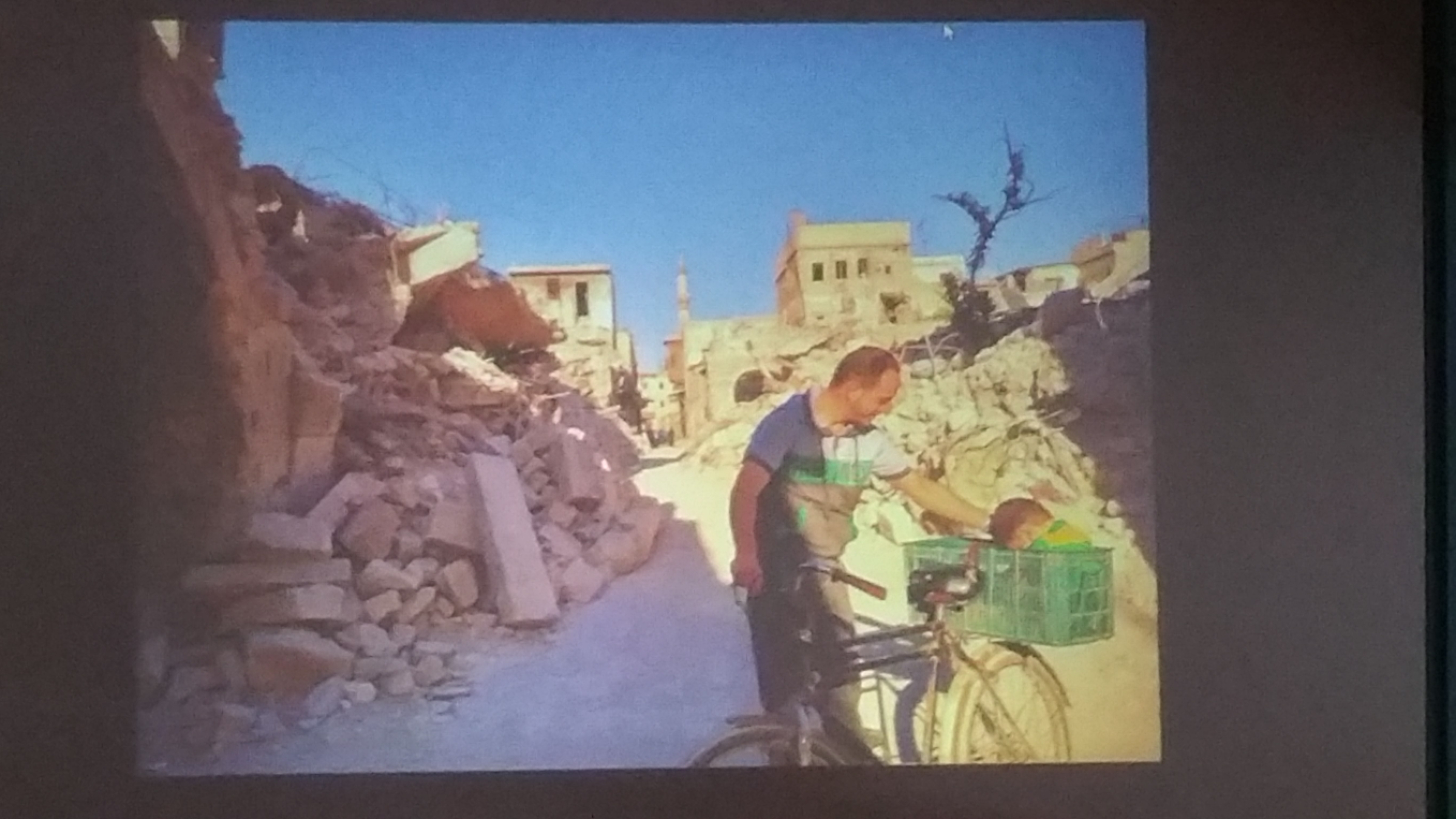
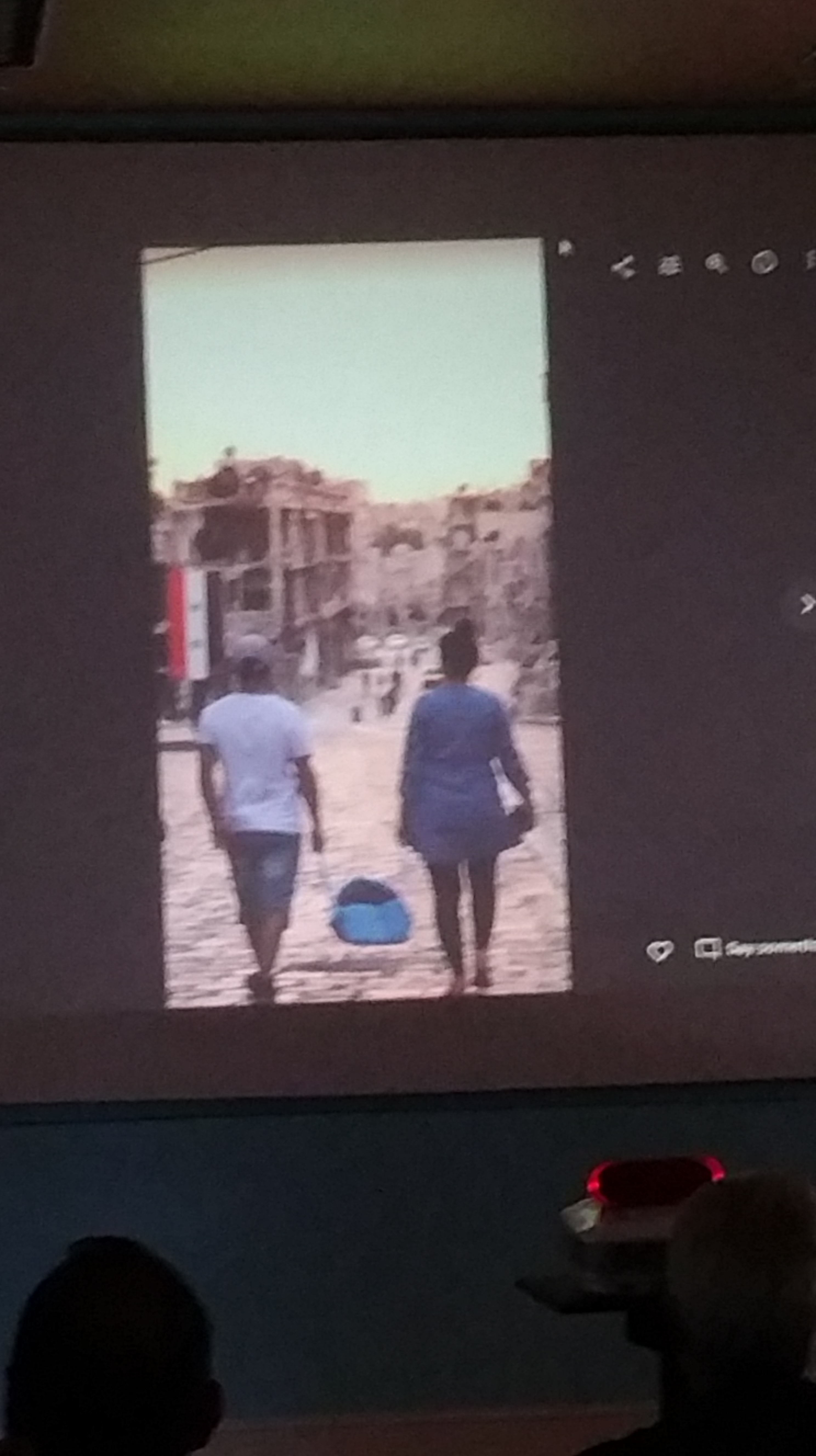


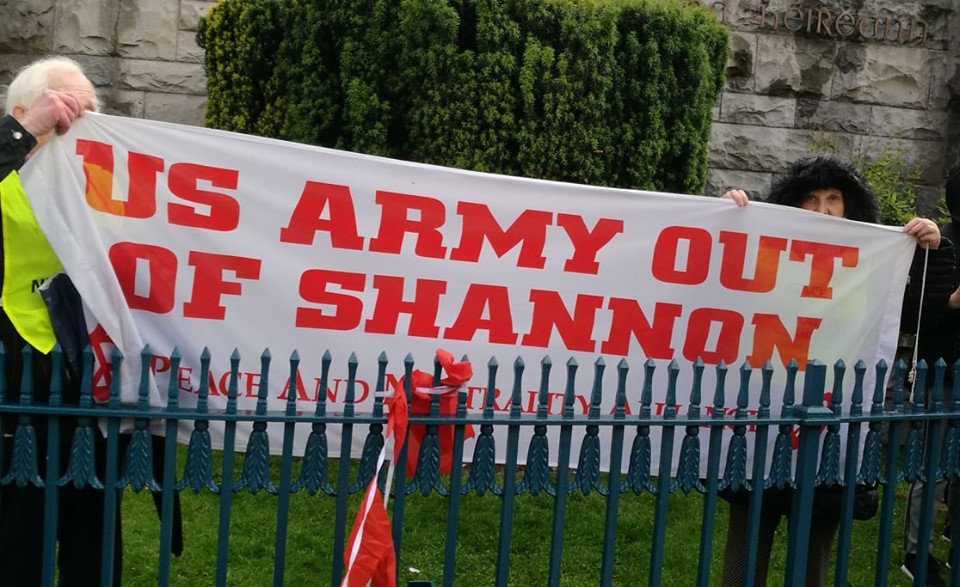

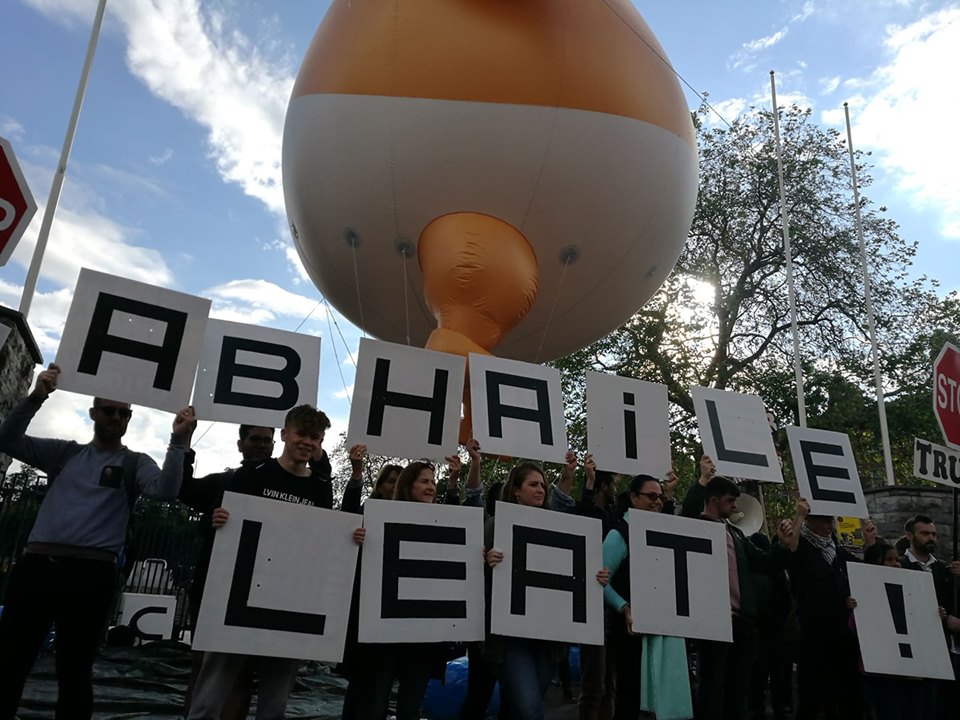
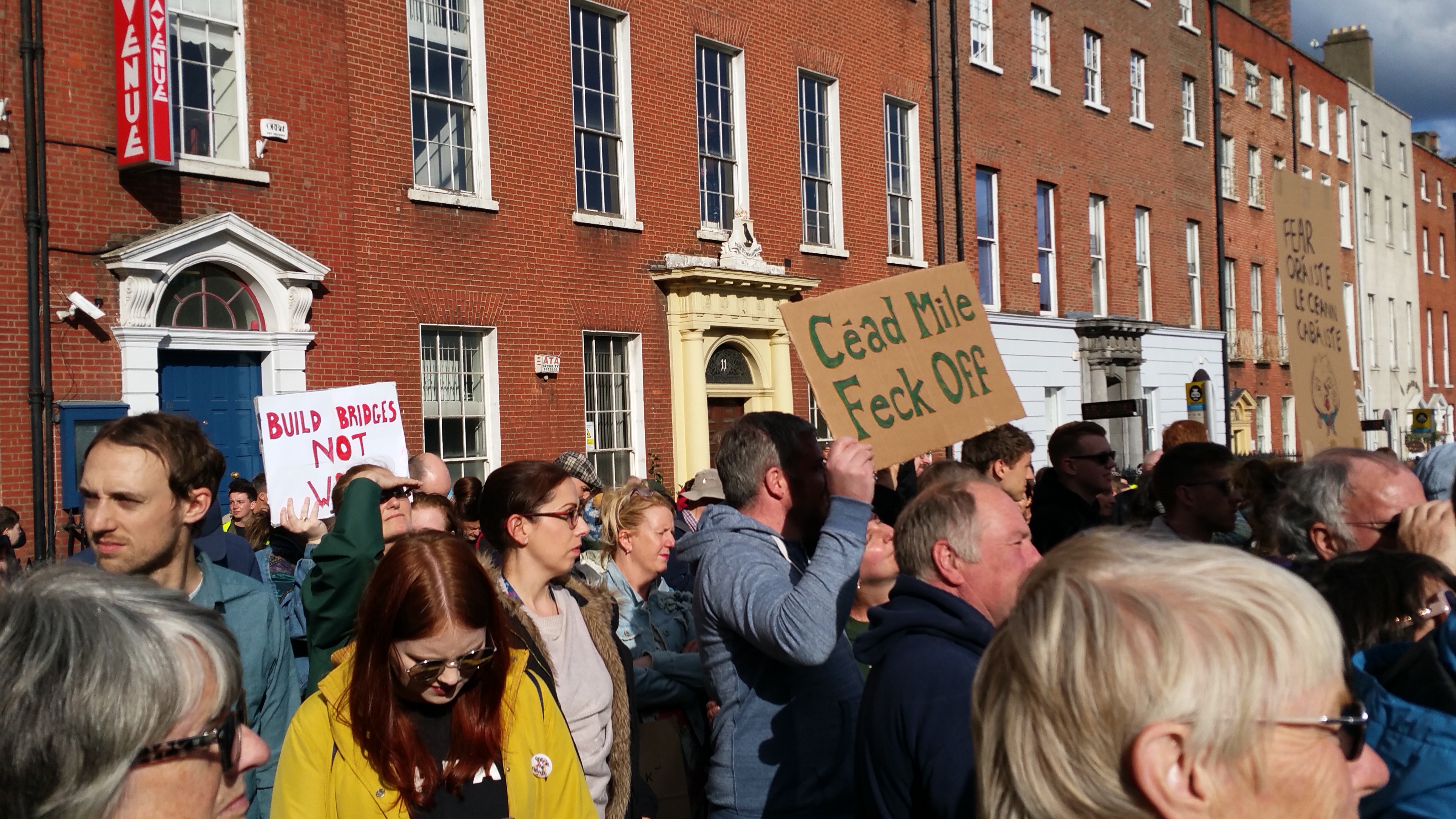
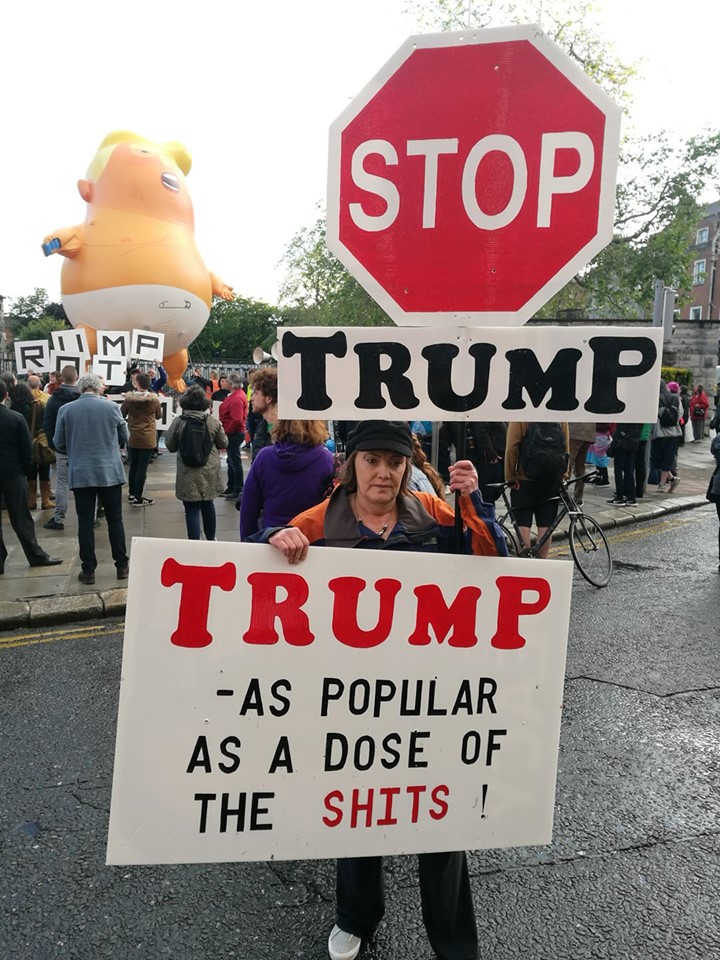




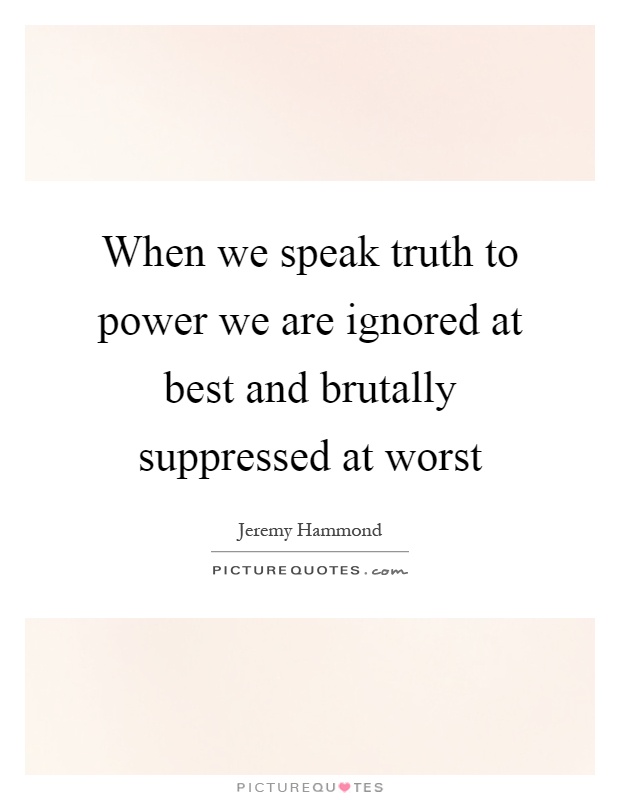
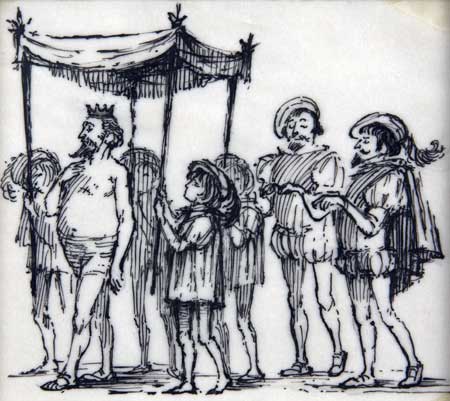
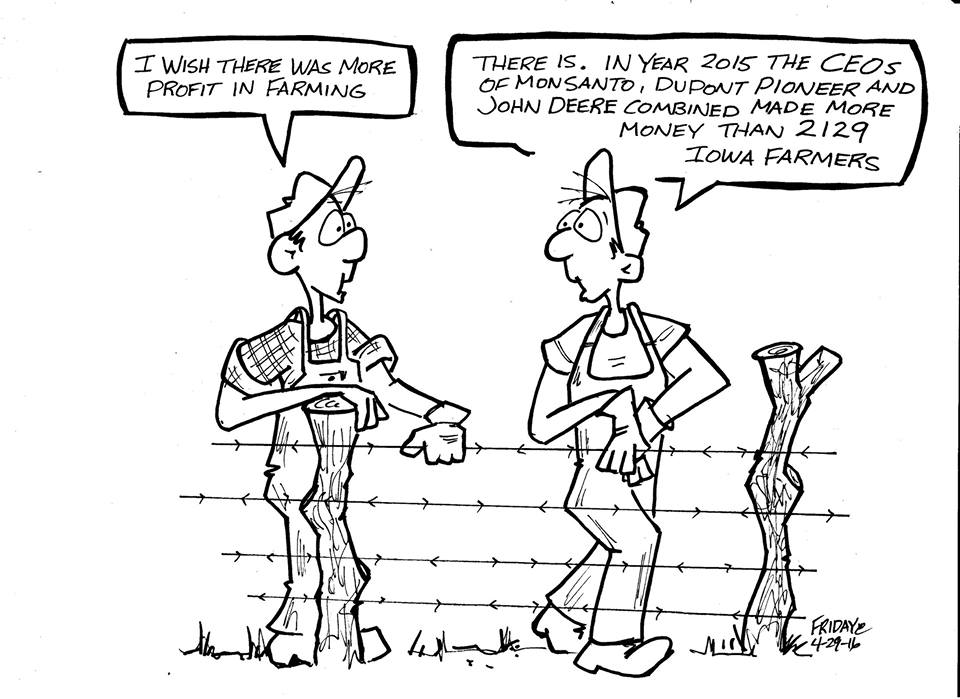
 rebelbreeze