He planned the spectacular helicopter escape from Dublin’s Mountjoy Jail and, a year later, planned another escape from there, blasting their way out with smuggled-in explosives. Before he began planning escapes, he operated early in his IRA career as commander of an armed robbery unit, ‘fund-raising’ for the Movement. But when he began robbing banks for himself and his family, the Movement sent assassins to kill him. Up Like a Bird is the story of that man, Brendan Hughes, nowhere near as celebrated as his other IRA namesake but certainly deserving of much more fame than he has received to date.
Brendan Hughes with his book outside Mountjoy Jail (Image sourced: Phoenix Magazine)
Douglas Dalby’s handling of Hughes’ reminiscences, told in Hughes’ voice, is masterly. The book reads like a thriller, hard to put down; we are driven to turn the next page to see what will happen – even when, through history, we know the eventual outcome. We know, for example, that the helicopter escape was carried out and yet, as readers, we tense as Hughes does his investigations, tense tighter as he identifies the components of the plan, moan with frustration at a delay or last-minute hitch, hold our breaths as the action takes place.
The helicopter escape was carried out on 31st October 1973 and from the prison exercise yard three high-level IRA officers were flown to freedom: Chief of Staff Séamus Twomey and senior Volunteers JB O’Hagan and Kevin Mallon. The following year, on 18th August 1974, 19 prisoners escaped, blasting their way through a gate with a small amount of smuggled gelignite. Not only had Hughes planned that operation – he himself was leading the escapers.
INSIGHTS
Apart from the excitement in reading, the book gives us an insight into the world of IRA volunteers active in Dublin and surrounding areas in the 1970s – the ‘safe-houses’ and network of active supporters, the ‘fund-raising’, stolen getaway cars, false identification documents, high-level awareness of the hunted, carrying concealed weapons, the even better-armed police ….
The Mountjoy helicopter escape revealed something even more important and enduring – the cultural bedrock within the Irish state, the sharp division between the elite and the mass. Although the majority of politicians had voted in 1972 for repressive legislation against Republicans and special no-jury courts to sentence them, a song celebrating the escape reached No.1 in the Irish singles disc charts, selling 12,000 copies in the first week despite being banned by the national broadcaster, RTÉ! Composed by Sean McGinley from Castlefin, Co. Donegal and performed by the folk and ‘rebel song’ band The Wolfe Tones1, Up and Away (the Helicopter Song) became the most-played and most-purchased disc for four weeks until nudged out by Slade’s Merry Christmas Everybody. It is tempting to think that if the escape had taken place a longer period before the approach of the festive season, that the recording might have remained at the top of the charts for months on end. The counterposing of the anger and embarrassment in elite circles, reflected in ranting of politicians, Garda sweeps and raids and media outrage on the one hand, with the delight and empathy at the lower levels revealed much of the tensions in Irish society and the opposing sympathies of different social classes.
The single that sold 12,000 copies in its first week, containing a jocular song celebrating the helicopter escape. (Image sourced: Internet)
Hughes was a maverick, revelling in the description and though for much of his career that was of value to the Provos, there came a time when it ceased to be so. A guerrilla army must have discipline, of course but it also needs volunteers who can quickly assess a situation and seize the initiative, without referring back to the command structure. The balance between both requirements must be very hard to strike — for individuals as well as for the organisation.
When he and other such activists fell out with their leaderships or “went solo”, they were shunned or worse. In Hughes’ final spell in Mountjoy jail, he was on the “non-aligned” wing of the jail, a Republican prisoner but not under Republican leadership control.
ISOLATION
Hughes says that assassins were sent to kill him – he stayed low and carried a loaded .44 Magnum. The leadership of the Republican movement does not always shoot or beat up its dissidents – more usually, it seeks to isolate them. Friends, neighbours, former comrades and even relatives will be advised to shun those no longer welcome, they and their families.
The family feeling, the communal solidarity in the movement becomes its opposite when the leadership brands its pariahs.
Cover of the book (Image credit: Siopa Gaeilge)
Hughes feels he was betrayed to the political police, the Special Branch of the Irish State. But what he says he felt the worst was the treatment of his family while he was in jail. No space on a Republican prison visitor communal transport was made available to his wife and children and cars containing former friends and acquaintances would pass them at the side of the road, even in the rain.
It seems Hughes finds that unforgivable — and no wonder.
As a postscript, Hughes surprisingly declares his support for the Good Friday Agreement, the pacification process. He had been a man of action and, as he said himself, not one for thinking through ideology or politics. But it doesn’t take any great grasp of ideology or politics to see that today it’s more or less business as before in a partitioned Ireland occupied by a foreign power.
End.
UP LIKE A BIRD, Hughes, Brendan; Dalby, Douglas (2022)
FOOTNOTES
1Named after Theobald Wolfe Tone, a leader of Irish republican revolutionary organisation the United Irishmen, died in prison in 1798.
Yes, indeed, we have been. Let us look back over the campaign of misinformation about conflict in Ireland for it has much to teach us about the mass media, about human credulity. We don’t need to go back over 800 years – just to the recent the 30-Year War.
In 1968 a civil rights campaign1 took off in the British Six-County colony in Ireland to include a number of marches and sit-ins, which was regularly met with violence from Loyalist2 mobs and the State. As part of the campaign, in 1969 a march from Belfast to Dublin was organised under the slogan “Civil Rights – North and South”. One of that march’s stops was in Lurgan, Co. Armagh, where the marchers sat at a crossroads and were instantly attacked by the armed British colonial police (then the RUC3, now the PSNI).
Some of the marchers had come from Britain to support the campaign and after being attacked in Lurgan, they bought an English newspaper to see whether the incident had been reported. An occurrence in the town had been reported alright but not what had occurred – the report told their readers that a fight between Catholics and Protestants had been broken up by the RUC, keeping the two sides apart. “There wasn’t a Protestant in sight,” commented a marcher angrily, “except those in RUC uniform …. or unless he was one of us4.”
Later that year, in August, the RUC killed four civilians, including a child, in the Divis Flats area of Belfast by firing at the area with a machine-gun mounted on an armoured car. Their claim they were returning fire from the area was widely refuted by local people but repeated in the media. The incident was not investigated until decades later when the claims of family and local witnesses were vindicated in an Ombudsman’s report.
The representation of the RUC as a force for peace between two groups in a sectarian conflict was to be a repeated media disinformation line through the ongoing conflict, as the struggle became an armed one — although to a large degree the honest broker ‘peacemaker’ cloak shifted from the colonial police on to the British Army.
British troops were sent in to the colony (by a Labour Government, in case we had illusions) in August 1969 and were initially greeted by many people in the ‘nationalist’5 community as saviours, sent to keep the sectarian RUC and Loyalist mobs (often enough amounting to the same thing) away from them. Most politicians and the media represented them as peace-keepers. For most nationalists the illusions did not last long as the Army turned their guns on them.
Although no British soldier had been killed in the Six Counties by the IRA as yet6, on 3rd July 1970 the British Army invaded the staunchly nationalist area of the Lower Falls and forced their way into homes, saying they were searching for arms. Local youths mobilised and attacked the soldiers with stones and petrol bombs7. The soldiers responded by pumping CS gas into the area and soon gun-battles between the IRA and the British Army broke out.
‘After four hours of continuous clashes, the British commander sealed off the area, which comprised 3,000 homes, and imposed a curfew which would last for 36 hours. Thousands of British troops moved into the curfew zone and carried out house-to-house searches for weapons, while coming under intermittent attack from the IRA and rioters. The searches caused much destruction, and a large amount of CS gas was fired into the area. Many residents complained of suffering abuse at the hands of the soldiers. On 5 July, the curfew was brought to an end when thousands of women and children from Anderstonstown8 marched into the curfew zone with food and other supplies for the locals.
‘During the operation, four civilians were killed by the British Army, at least 78 people were wounded and 337 were arrested. Eighteen soldiers were also wounded. Large quantities of weapons and ammunition were (allegedly – DB) captured. The British Army admitted afterwards that some of its soldiers had been involved in looting.’9
Mural on the Falls Road depicting Andersonstown women breaking the British cordon, Falls Curfew, 1970 (Source photo: Wikipedia)Cutting of unknown newspaper report displaying misrepresentation of the struggle, despite being friendly towards the women who broke the British Army siege of the Falls Road, July 1970. (Source photo: Step Back Ireland)
At the time, most of the media reported the clashes as unruly elements irrationally attacking the Army who were there to protect them and were only doing their job. However, the opinion of the nationalist community, though ignored by the media had undergone a huge shift and the first serving British soldier (of many to follow) was killed by the IRA the following year.10
Later in 1970, during riots in Derry, the Army shot two men from the nationalist area, Seamus Cusack and Desmond Beattie, claiming afterwards that they were armed, a claim local people denied. There was no investigation by the authorities, obliging the constitutionalist SDLP11 to withdraw from the colony’s parliament in protest.
On 4th December 1971, an explosion in the Catholic-owned McGurk’s Bar in Belfast killed 15 people and injured 16. Due to the bar’s ownership and location, the most logical attribution would be to Loyalists or British forces. It would be hard to pin it on the IRA – unless it could be said to have been an accidental explosion of an IRA bomb during storage or transportation. That was what the “security forces” came up with, which of course was repeated by the media. An alternative media theory was that in some manner it was a result of a feud between the Official and Provisional IRA. In order to construct that theory, the denials of the IRA had to be discounted12, despite the organisations’ track record of taking public responsibility for its actions.
The explosion had occurred in the pub’s doorway, which would have thrown doubt on the “IRA bomb in transit” story but somehow, the RUC’s forensic examination did not determine that. But even worse, the evidence of an eyewitness had to be dismissed.
‘On 6 December, however, the RUC took a witness statement from an 8-year-old boy. He said that a car had stopped outside the pub with four men inside and “a wee Union Jack stuck in the back window”. He said one left a package in the Great George’s Street doorway and ran back to the car, which sped off just moments before the package exploded. A man and a woman backed up his story, although they did not witness as much as the boy.’13
‘In March 1976 the RUC received intelligence that linked UVF member Robert Campbell and four others to the McGurk’s bombing. Campbell was arrested on 27 July 1977 and held at Castlereagh RUC base. He was interviewed seven times during 27 and 28 July. He admitted his part in the bombing but refused to name the others.Campbell’s story matches that given by the young boy witness.’14
On 29 July 1977, Campbell was charged with the 15 murders and 17 attempted murders and in September 1978 pleaded guilty to all charges (he also had a separate conviction for the murder of a Protestant delivery driver in 1976). He eventually served fifteen years in prison, being released on 9th September 1993.15
Local people searching in the rubble of McGurk’s Bar after the bombing by Loyalists killing 15 but which was blamed on the Republican armed organisations. (Photo credit: AP)
Despite the 1978 convictions and even Campbell’s confessions, the “own goal bomb” theory of responsibility lingered and relatives sought for years to have the case properly investigated, some also alleging that the RUC had colluded in helping the killers get away out of the area and in the false atrributions later, possibly even with the intention of setting the two IRA organisations at one another’s throats.
In what has become a depressingly familiar story, the relatives campaigned on in the face of police inaction and media disinterest for years, during which many of the directly-affected died through natural causes, to receive partial vindication at last in an Ombudsman’s report which laid the blame squarely on a Loyalist gang and castigated the RUC for a biased and inadequate investigation. The report was published in February 2011– it had taken the campaigners only 40 years16.
The introduction of internment without trial in August 1971 was, according to the media, a necessary measure to deal with political violence from all sides. Not one Loyalist was arrested that year, or the next and it was not until 1973 that a single Loyalist had been interned, the total by December 1975, when the measure was ended, having been 107 against 1,874 from the Nationalist community.17
The Paratroop Regiment, British Army shocktroops, were sent into the colony that year too18. Between 9th and 11th August in the Belfast area of Ballymurphy, the Paratroopers caused the deaths of 10 men and a woman and wounded many19. The Paratroopers claimed they had been shot at and were returning fire and that all their targets had been “terrorists”20. The media repeated these lies and, if reporters interviewed wounded and other witnesses, their accounts were not published. There was no investigation and, as with the deaths of many victims of RUC and British Army, there was no inquest concluded until decades later (2021 for these victims21).
The nationalist community called a demonstration in Derry for 30th January the following year to protest the massacres and against the introduction of internment. The Paratroopers were there again and they and other British Army soldiers shot down unarmed demonstrators, causing the deaths of 14 and injuring at least another 15. The Army claimed they had been returning fire from Irish Republicans and had shot only gunmen and bombers and on the whole, the media parroted their claims.
The British put their top judge, Lord Chief Justice Widgery, to hold an inquiry and in April that year his verdict upheld the Army’s version and also blamed the organisers of the march. The media of course promoted that verdict too. It was not until the extraordinarilyy long and hugely expensive Bloody Sunday Inquiry set up 1998 22 produced the Saville Report in 2010 that the British officially (and then of course also the media) accepted what all of Derry and much of Ireland already knew, that the Paras had opened fire in a non-threatening situation and selectively targeted and killed unarmed civilians23.
British soldiers shot another five unarmed people dead in the Springhill area of Belfast on July 9th, yet again as in Ballymurphy the previous year, including a priest administering the last rites but this time their tally was also an thirteen-year-old girl24. The original ‘official’ account of the shootings— that those shot were ‘gunmen’ — was almost immediately discredited, and was changed shortly after; the claim then became that those murdered were simply caught in the crossfire. Again the media covered the Army story without investigation or challenge.
In 1988 on Sunday 6th March British SAS soldiers shot dead three unarmed IRA volunteers in Gibraltar. When it was revealed that the three had been unarmed, firstly the media claimed that they had been about to trigger an explosion but some time later the British found the explosives in a car in a Spanish carpark across the border without any electronic link to the dead volunteers. When the British claimed that the Volunteers had made threatening moves, eyewitnessed testified that not only had they been unarmed when shot but had been extra-judicially executed as they lay on the ground with their hands up in surrender position. One of the eye-witnesses was Gibraltar resident Carmen Proetta, who then became a target for British media slurs, even going to the extent of suggesting that she was a sex-worker.
On Monday 7 March all eleven British national daily newspapers reported the story that a bomb had been found. Many gave detailed information about the size (mostly 500 pounds), purpose and type of the bomb as well as how it was defused. The Daily Mail suggested that the bomb might have a ‘video timing device’, while Today and the Independent mentioned ‘remote control’. The Daily Mirror told us that ‘a controlIed explosion failed to set off the bomb’ whilst the Daily Mail added ‘RAF disposal men defused it later’.25
On 28 April 1988, almost two months after the Gibraltar shootings, the ITV television channel defied British Government pressure and threats of legal action to broadcast “Death on the Rock” an episode of its current affairs series This Week, produced by Thames Television, based on investigations of three journalists and many interviews. This led to a ferocious media attack on the documentary, its programers and the IBA, the governing watchdog authority.
Documentary program maker Roger Bolton’s account of his hounding by government and media about an accurate documentary of the 1988 SAS murders of three unarmed IRA Volunteers in Gibraltar. (Image sourced: Internet).
‘Over the following weeks, newspapers repeatedly printed stories about the documentary’s witnesses, in particular Carmen Proetta, who gave an account of seeing McCann and Farrell shot without warning by soldiers who arrived in a Gibraltar Police car. Proetta subsequently sued several newspapers for libel and won substantial damages. The Sunday Times conducted its own investigation and reported that “Death on the Rock” had misrepresented the views of its witnesses; those involved later complained to other newspapers that The Sunday Times had distorted their comments.’26
A great number of situations arose during the 30 Years War in the British colony that were either unreported or misrepresented by the mass media, including “confessions” obtained through torture, RUC and British Army collusion with Loyalist murder gangs, inhumane treatment of political prisoners, Army shooting of unarmed civilians, extra-judicial executions of Republican Volunteers and blackmailing individuals for information or to carry out agent-provocateur actions.
WITHIN THE IRISH STATE
In 1969 the grave of Wolfe Tone in Bodenstown was blown up by Loyalists27 and between 1971 and 1974 there was a series of bombings in Dublin by Loyalists and British Intelligence. The bombing campaign began by aiming at symbolic structures and went on to target civilians which cost the lives of 36 civilians (and a full-term unborn child) and injured around 490, presumably to pressurise the Irish Government into increased repression of Republican paramilitaries.
In January 1971 the O’Connell Tower in Glasnevin Cemetery was damaged (not repaired finally until 2019, 47 years later)28, presumably as an attack on a prominent Irish Catholic29 icon. But in February 1971 the Wolfe Tone30 monument in Stephen’s Green was also blown up, like the blowing up of the grave, an attack on Irish Republicanism and its rebellious Protestant origins31. Bombings now aimed at civilians in Dublin followed and between 26 November 1972 and 20 January 1973, there were four paramilitary bombings in the centre of Dublin, claiming the lives of three public transport workers and injuring 185.
The first suspicion of responsibility for those bombings should naturally have fallen on the Loyalists and perhaps, by extension, on a British intelligence agency. It didn’t though; in the media and political circles, it was projected on to the IRA.
That could not have made logical sense, since such explosions could only have harmed the IRA among the Irish population. However there was another specific reason why it made even less sense, (if possible): in 1972 Leinster House32 was about to debate repressive legislation that would set up special no-jury courts to convict Republicans with the word of a police officer (at the rank of Superintendent or above) sufficient to convict of “membership of an illegal organisation”, with an automatic two-year jail sentence. The proposed legislation was being put forward by Fianna Fáil but Fine Gael and the Labour Party were mustering to vote against it and if they did, the new legislation would fall.
Scene of 1973 bombing in Sackville Place, Dublin city centre. The bombing the previous year was irrationally blamed on the IRA and the panic was used to collapse the opposition to proposed undemocratic repressive legislation, which was passed and is with us to this day. (Photo sourced: Stair na hÉireann Facebookpage)
In the midst of the horror about the bombing, the opposition crumbled and the bill went through, against protests of many human and civil rights agencies33; it became law, has sent many people to jail on dubious ‘evidence’ and is in force to this day.
The illogical focus on the IRA as the source of the 1972 and ‘73 bombings and the consequent failure to investigate them and follow up on the likely perpetrators had a horrific result in 1974: three bombs in Dublin city centre and one in Monaghan town centre killed 34 and injured around 30034, the highest number of people killed in any one day during the 30 Years War (often conveniently forgotten by the media, as for example in this report https://www.belfasttelegraph.co.uk/news/northern-ireland/army-knew-mcgurks-bar-bomb-was-placed-in-doorway-solicitor-says-35516460.html.)
Not only that, but the failure to energetically investigate the 1974 bombing meant that some of the Loyalist perpetrators were free to murder many civilians in the following years – some of the bombers were members of the infamous Glennane Gang, a Loyalist-RUC-British Intelligence group of killers responsible for up to 120 murders of civilians35.
WITHIN BRITAIN
The events in Ireland were of course being felt by the Irish diaspora in England too. Marches, pickets and public meetings protesting the RUC’s repression of marches for civil rights were held in many British cities, as they were against sending the British Army into the Six Counties, introduction of internment without trial and shooting protesters dead. Some groups on the British Left were also attending these events and occasionally organising their own. Irish solidarity was becoming a major issue for anti-imperialist solidarity in Britain and abroad, in addition to being in a sense a major domestic issue in Britain too.
The IRA began to extend Britain’s war to their homeland in a bombing campaign in 1971, at first targeting property. However, in 1974 bombs in two pubs in Birmingham killed 21 people which was difficult to understand but according to an alleged perpetrator, the warning intended by the bombers was frustrated through out-of-order public telephone boxes. The Guildford and Woolwich bombs, aimed at pubs frequented by British soldiers, killed five soldiers and two civilians overall and injured 101 people.
The horror and outrage resulting from that carnage gave the British State the environment in which they could launch a wholesale clampdown on the Irish diaspora. The Prevention of Terrorism Act was rushed through the Westminster Parliament in 1974, specifically targeting the Irish community. The Act empowered the police to raid homes, to hold suspects without access to a solicitor for up to five days and longer on special application and to summarily deport Irish people from Britain – even to their own colony. It also empowered the police to stop and question Irish people without warrant or having to show cause and thousands were stopped and questioned at ports and airports as they travelled from Ireland to Britain or vice versa, sometimes missing their flights or boat as a result. People were questioned on the street too and on Irish solidarity demonstrations.
In that atmosphere, of which the media was the main facilitator in British society, it was fairly easy for the State to frame nearly a score of innocent people on bombing charges and to sentence them to many years in jail on the flimsiest of “evidence”, later to refuse their right to appeal, later still, granting that right but denying the justice of their cases.
Judith Ward was arrested in February 1974, sentenced to life imprisonment plus 30 years in October 1974 and her conviction overturned in May 1992.
The Birmingham Six were arrested in November 1974, sentenced to jail for life in August 1975, their convictions finally overturned in March 1991.
The Guildford Four were arrested in December 1974, sentenced to imprisonment for life in October 1975, their convictions finally overturned in October 1989.
Giuseppe Conlon and the Maguire Six were arrested in December 1974, sentenced to 4, 51, 12 and 14 years in 1976, their convictions overturned in 1991. By that time Vincent and Patrick had already served their sentences and Giuseppe Conlon, father of Gerry Conlon of the Guildford Four, had died in jail.
1Patrick Maguire was only 14 at the time and Vincent only 17.
The innocent Birmingham Six at their appearance in court after being beaten up by prison warders as they arrived at the jail falsely charged with the bombings in Birmingham. The mass media played a major role in their being found guilty and in frustrating campaigns to free them which only succeeded 17 years later. (Image sourced: Internet)
The UK media in particular played a huge part in setting the atmosphere in which these unjust convictions could take place and in making the struggle of the innocent for justice difficult. Even after their acquittal, some of the media insinuated that they had been guilty and had got free through some kind of legal loopholes.
Could the media have known differently? Yes, certainly, not one of the cases would stand up to reasonable inspection. The Guildford Four were hippies living in a squat, the Birmingham Six were escorting the body of a deceased IRA man to Ireland when the bombs exploded, the Maguires were a Tory-voting woman with teenage children, Giuseppe was only in London to help his son after the latter’s arrest and Judith Ward was mentally ill, homeless and penniless37. Their ‘confessions’, obtained through torture and intimidation38, were admitted as evidence against them, although they all retracted them and declared how they had been obtained. The forensic evidence was faulty and besides recording a false positive and even though the defence team had a forensic expert to refute it during their trial, the Prosecution’s expert was the one accepted.
The February 1977 confession by an IRA unit to the Woolwich and Guildford bombing after their capture in the Balcome Street siege was not accepted, although they were able to give details of the bombing. So tortured and retracted ‘confessions’ were acceptable whereas one voluntarily given was not.
Apart from the logical doubts that should have arisen in even a light examination of the cases, the media also had access to detailed refutation of the case against the Birmingham Six. Although much has been made recently of the investigation of the case by Chris Mullin, the publication of his book Error of Judgment: The Truth About the Birmingham Pub Bombings (1985), the research for which went into the earlier 1984 ITV World in Action documentary, a detailed challenge to the convictions had been published much earlier. Only two years after the arrest of the Birmingham Six, Fathers Murray and Faul had published The Birmingham Framework39, which they had sent to British politicians and media agents. In 1982 the Irish in Britain Representation Group40 also publicly called for the freeing of the framed prisoners and continued to do so for every year thereafter. Other organisations such as the Troops Out Movement41 called for their release also and trade union branches began to support such calls.
Exposure of the case against the Birmingham Six published by Frs. Murray and Faul as early as one year after the convictions of the innocent men. (Source image: Internet)
It suited the State that the British public think the prisoners guilty and the British media played their part in that purpose. In a way, it also suited the State if the Irish community knew the prisoners were innocent since, if even the innocent could be jailed so easily, how could any Irish person be safe except by keeping his or her head down low? Irish solidarity activities declined in occurrence and in numbers attending. With few exceptions, the Irish community in Britain was cowed from 1974 until the Hunger Strikes of 1981 brought them out on the streets again, the terror broken by the spirit of solidarity and outrage.
WHY?
The above examples are only a selection of situations in Ireland during the period under discussion about which we and the world were misinformed or censored. Throughout the 30 Years’ War so many accusations against the British armed forces, including their armed colonial police, have been ignored or recorded disbelievingly by the media – in particular the British section but within the Irish state also – and repeated by media services abroad, to be picked up by other media …. and so on, and on. And likewise with accusations against British intelligence services and their domestic police force.
Why then are the current claims of the Ukrainian government published through the mass media being accepted without question on every count? Why is everything the Russian government says discounted or ignored without checking? Why are we not concerned at banning of alternative media and censorship of commentators who are not repeating the party line? Why are we not outraged at the agreed delivery of Julian Assange by the UK to the USA on charges of “spying” because he exposed their lies and murderous activities in Iraq and Afghanistan? Given our own experience over 30 years of the UK media’s dismal record of reporting on the conflict in Ireland – and its equally dismal repetition in the western media – why are we now believing without critical examination the western media reporting on the war in the Ukraine?
End.
FOOTNOTES
1The civil rights campaign in the Six Counties was in pursuance of equal rights for the Catholic minority with the Protestant majority there, in the electoral franchise, in housing and employment, along with the repeal of the repressive Special Powers Act.
2‘Loyalists’ is a term describing militants – always of Protestant community background – in various organisations — who insist on remaining within the UK. The first armed actions in the 30 Years War were by Loyalists.
3Although the Royal Ulster Constabulary was created in 1922, when Ireland was partitioned, it was in effect a continuation of the Royal Irish Constabulary, the British occupation’s gendarmerie (nation-wide semi-military police force, such as exists in Spain, Turkey, Italy, France, etc) in existence throughout all of Ireland since 1822. Although the personnel of the RIC had been mostly Catholic in background (usually with Protestant senior officers), the RUC was determinedly Protestant from the start, both in its full-time and part-time membership. However, a minority of the civil rights campaigners were also from Protestant backgrounds.
4As part of the control structures in the Six Counties, the authorities had recruited only non-Catholics into the colonial police force, which helped unionist politicians and media represent an attack on the police as a sectarian attack. Though a few Catholics have been recruited since the 1990s and Sinn Féin has been supporting recruitment drives in nationalist areas, the PSNI personnel remain overwhelmingly of Protestant background.
5A convenient term used to describe the large minority community, mostly of Catholic background, mostly of the original population but with some earlier intermarriage into the majority community, which is of mostly colonist/ settler origin.
6Ironically, the first serving British soldier killed in the Six Counties was killed by indescriminate firing by the RUC into the nationalist area of Divis Flats in Belfast. Trooper Hugh McCabe of the Queen’s Royal Irish Hussars was home on leave, staying with his family when the RUC opened fire with machine-gun on the nationalist area (this was one of the incidents that led to the barricading of “no go” areas excluding the RUC and later also the British Army). Three others were also killed by RUC bullets, including a nine-year-old boy. It took over 50 years for the families to get an acknowledgement and apology after an Ombudsman’s report. https://www.theguardian.com/uk-news/2021/may/06/ruc-erred-at-troubles-dawn-by-firing-on-flats-from-armoured-cars#:~:text=Patrick%20Rooney%2C%20nine%2C%20Hugh%20McCabe,the%20Divis%20and%20Ardoyne%20areas.
7People had learned to make those in defence against RUC and Loyalist attacks during the earlier Civil Rights period.
8A large Belfast nationalist area separated from the Falls area by unionist areas and the city centre.
11The Social and Democratic Labour Party, advocating reform through legal and constitutional methods.
12Two days after the explosion, on December 6th, both the Official and Provisional IRAs issued statements condemning the bombing and denying any involvement. Local people also denied any association between the pub and either of the armed organisations.
18Despite some time searching online I have not come across the exact date they were there by May 1971 and it may be that they had been sent there as part of plan that included the introduction of internment without trial later that year.
20The fact that one fatal victim was a mother of eight children and another, a local priest, should have alerted media to the fact that the Paras were likely lying and local people likely telling the truth.
22Likely initiated as as a payoff to the Provisionals for buying into the Peace/ Pacification Process, the other being the early release on licence of their members in jail, the inquiry lasted twelve years and cost £195 million.
23No senior Army officer or senior politician of the time has even been charged for those murders. One lower-ranking soldier was eventually charged but in July 2021, the Public Prosecution Service decided it would no longer prosecute him either.
29Daniel O’Connell, a constitutional Irish nationalist politician and Catholic, campaigned for the repeal of the anti-Catholic Penal Laws in which he was largely successful in 1869 and unsuccessfully for repeal of the Act of Union, which had transferred the internal legislation of Ireland through its Parliament to Westminster instead in 1801.
30Theobald ‘Wolfe’ Tone was an Anglican campaigner for reform of anti-Catholic legislation (only Anglicans could be elected to the Irish Parliament) who became a revolutionary Irish Republican when those attempts failed. He was a founder of the revolutionary republican United Irishmen organisation. He was captured by the British after surrender of the French naval ship on which he was travelling on 12th October 1978. Although an officer in the Army of France he was tried for treason and sentenced to be executed; on 19th September 1798 he died in prison of wounds, apparently self-inflicted to deny the State his public execution.
40The IBRG was formed late in 1981 as an independent community organisation, among the issues it took up were those of anti-Irish racism, access to resources for the community, an end to strip-searching of prisoners, freedom for the framed prisoners and British withdrawal from Ireland.
41The Troops Out Movement was founded in 1973 as a broad organisation to mobilise the British public for withdrawal of British troops from Ireland; with branches in many parts of Britain, it organised marches, pickets, public meetings and published pamphlets. The relevant Wikipedia incorrectly claims it was “an Irish Republican organisation” — though it naturally did contain Irish Republicans, it also contained British revolutionary left and social-democratic elements. Though maintaining its independence for decades, it did towards the end of the 1990s become closely linked to Provisional Sinn Féin.
(from The Treason Felony Blog le buíochas: The Weaver Street Bombing and not dealing with the past)
(Reading time: 3 mins.)
In Belfast, on 13th February 1922, some children playing in Milewater Street, at the corner of Weaver Street, off the York Road, were approached by two Special Constables and told to go and “play with their own” (Special Constables invariably being Protestant, the children were Catholics in a largely Protestant district). They joined other children in the mainly Catholic-occupied Weaver Street and played on a swing attached to a lamp-post. Ten minutes later, two men came to the North Derby Street end of Weaver Street (one eye witness claimed one Special Constable had just spoken to the same two men). They were about 20 metres away from where the children were playing. One of the men then threw a bomb into the middle of the children. As the bomb exploded, gunfire directed into Weaver Street from North Derby Street, covered the two men’s retreat.
Map showing Weaver Street running from North Derby Street to Milewater Street (which isn’t named on the map)
The explosion killed or injured Mary Johnson (13), Catherine Kennedy (14), W.J. Dempsey (13), Annie Pimley (16), John O’Hanlon (16), Elizabeth O’Hanlon (11), Murtie O’Hanlon (16), Barney Kennedy (10), John McCluskey (12), Rose Ann McNeill (13), Mary McClinton (18), Mary Kerr (6), Susanne Lavery (14), George O’Connor (16), Joseph Conway (12), Patrick Maguire (14), Kate O’Neill (14), Robert McBirney (16) and William Connolly (13). All lived in Weaver Street. Adults standing in their doorways were also badly injured.
The force of the blast threw the children up into the air and caused catastrophic injuries, maiming many of those who survived. Mary Johnson and Catherine Kennedy died immediately. Eliza O’Hanlon died the next day. Statements made in the press and in Westminster indicate that three of those injured had died by the next day, the third being O’Hanlon. By the time the inquest was held on 3rd March, a fourth girl had died from the blast. Two adults were to succumb to their injuries. Margaret Smith died on the 23rd March, while Mary Owens (who lived in nearby Shore Street) died from injuries sustained in the blast on the 6th April.
This was not the first bombing of its kind. On September 25th the previous year, a bomb had been thrown into a group of Catholic children on Milewater Street, injuring nine, including four under six years of age. One man, George Barry, died from injuries he received. The bomb had such force that two houses were wrecked. A bomb had also been thrown by loyalists into a group of school children in Herbert Street on 12th January, injuring six (the Belfast Telegraph erroneously reported it as an IRA attack). The same month, a bomb had been thrown into Weaver Street from a passing taxi.
The Belfast Telegraph claimed the 13th February bomb was one of the largest ever used in the city. It also implausibly offered justification for the bomb attack, saying shots had earlier been fired at an armoured car in Weaver Street. In retrospect, the Belfast Telegraph’s link to an attack of an armoured car merely ties the Special Constabulary closer to the bombing (the ‘Specials’, created at roughly the same time, performed the Black and Tans roles in repression and reprisals in the north).
James Craig also included a reference to the bomb in a report sent to the Colonial Secretary, Winston Churchill and read in Westminster the next day. It stated that there had been…
..the indiscriminate throwing of bombs over a wall into Weaver Street, a Sinn Fein area, which resulted in the death of two children and the wounding of fourteen others. These outrages are greatly deplored by my Government, especially the latter dastardly deed, involving the lives of children.
Craig was more concerned about a gun battle in Clones between republican forces and Special Constables travelling to Enniskillen the day before the Weaver Street bombing. Joe Devlin fumed that Craigs wording was deliberately vague and that some international press had been led to believe that the bomb was thrown by republicans.
As sectarian attacks continued through 1921 and 1922, and even after the 13th February bomb, the (relatively) safe places for Catholic families to live in that part of the York Road had shrank to the area around Weaver Street. The attacks continued to intensify in early summer. On 18th May Thomas McCaffrey from Shore Street was killed. On the night of 20th May, Thomas McShane from Jennymount Street was killed. That same night the remaining Catholic residents of Weaver Street, Milewater Street, North Derby Street, Shore Street and Jennymount Street, some one hundred and forty-eight families, were forced from their homes at gunpoint. By the 21st May 1922 the Catholic community that had established itself around Weaver Street had fled. The 1924 street directory only shows one household remaining from the 1918 directory (in comparison, nearby Seaview Street had two thirds of the same households). Houses in Weaver Street remained occupied until the 1960s as Unilever and the Associated Feed Mills bought up property around Shore Street, Weaver Street and Milewater Street eventually enclosing all but the York Road end of Milewater Street.
The view today of where Weaver Street met North Derby Street. This is more or less where the bomb was thrown from.
Today, Shore Street and Weaver Street are gone, no longer visible on the streetscape of Belfast. Patiently neglected over the decades after 1922, their former occupants were dispersed around other districts of the city. Similarly, the detail of its own particular sadness, sectarianism and savagery are now, largely, long forgotten. The memory of the violence of 1920-22, mostly unarticulated, was indelibly etched into the psyche of the Catholic residents of Belfast.
Some 20-25% of those killed in the 1920-22 conflict died in Belfast but, with few notable exceptions, little was written or said about it over the decades that followed (even today only a handful of books have been written about it). So despite what has happened since 1969, few have considered how the memory of 1920-22 influenced communities. Even fewer have considered the role an absence of public discourse around the violence of 1920-22 may have had in later outbreaks of sectarian violence in the 1930s and 1960s.
Today, the very obliteration of Weaver Street from the streetscape of Belfast, somehow elevates it as an appropriate metaphor for the eclipse of public discourse on the violence of 1920-22.
On Saturday 22nd January 2022 an event was held to commemorate the centenary year of the occupation of the Rotunda building in Dublin by 150 unemployed workers led by Liam Ó Flaithearta, a Republican and Communist and writer from Inis Mór (off the Galway Coast). The occupation took place two days after the formation of the Free State and was attacked by an anti-communist crowd while after a number of days the occupiers were forced out by the police force of the new state of the dismembered nation1. The event last week was organised by the Liam and Tom O’Flaherty Society.
The event began with a gathering at 1.30pm in North Great George’s Street, where the Manifesto had been printed in 1922.2 People then proceeded to the nearby Rotunda, site of the occupation in 1922.3
Copy of the manifesto available at the event (Photo: D.Breatnach)
Seosamh Ó Cuaig (Photo: D.Breatnach)
Seosamh Ó Cuaig from Cill Chiaráin, Carna, Conamara, opened the proceedings as Chairperson, ag cur fáilte roimh dhaoine i nGaeilge agus i mBéarla, briefly introducing the historical occasion and recounting how some companies, including Boland’s, had supplied bread, sugar and tea to the occupiers, before he introduced published historian and blogger Donal Fallon.
Fallon not only recounted the events of that occupation 100 years ago but also placed it in context of a number of other factors: the unemployment then in the State (30,000 in Dublin) and to follow through into the 1930s, the upsurge in workers’ occupations and local soviets, the reactionary nature of the government of the new state and of the hierarchy of the Catholic Church at the time, which was very supportive of the new regime and extremely hostile to any kind of socialism, along with the cultivation of a reactionary social and political attitude among sections of the population.
Donal Fallon speaking at the event (Photo: D.Breatnach)
Fallon also commented on the censorship and otherwise neglect of Liam Ó Flaithearta as an accomplished modern Irish writer and hoped for his writing to become more popularised now.
Alan O’Brien reading O’Flaherty’s Manifesto (Photo: D.Breatnach)
Alan O’Brien, Dublin poet and dramatist, was welcomed on to the stage to read the Manifesto which had been issued at the time, copies of which were available at a nearby stall. One of the aspects of that document was a call for Dublin City Council to set up public works to provide paid employment for those out of work in exchange for services to the community.
Diarmuid Breatnach, singer and blogger was invited to the stage to sing “The Red Flag” because it had been sung there during the occupation. No doubt those in the Government, Church hierarchy and generally among reactionary people at that time would have been horrified by the lyrics and would have asserted that they were foreign to Irish culture and thinking. However, as Breatnach explained, the lyrics had been composed by an Irishman (see Appendix 1), Jim Connell from Meath. Connell wrote the lyrics to the air of The White Cockade and was appalled to hear it sung to the air of Oh Tannebaum, a Christmas carol. Breatnach had never heard it sung to the White Cockade air but had been practicing it for days and hoped he would be faithful to the original air.
Diarmuid Breatnach singing The Red Flag to the air of The White Cockade
Called by the Chairperson to sing a follow-up song, Breatnach sang most of the verses of “Be Moderate”, satirical lyrics published by James Connolly in 1907 in New York. There had been no air published for the song and it has been sung to a number of airs but he would sing it to the air of A Nation Once Again, which provides a chorus:
We only want the Earth, we only want the Earth, And our demands most moderate are – We only want the Earth!
The event was later reported by RTÉ briefly in English on the Six O’Clock News and also by video on TG4’s Nuacht in Irish including interviews with Fallon an a number of participants.
End main report.
Early arrivals at the event with the plinth of Parnell monument in background centre left (Photo: D.Breatnach) Section of the crowd and media filmers at event (anti-vaccine etc march in background) (Photo: D.Breatnach)
APPENDIX 1:
THE RED FLAG: AUTHOR, LYRICS AND AIR
After the Rotunda occupation was terminated, Liam Ó Flaithearta emigrated to London, which is where the Red Flag lyrics had been composed twenty-three years earlier. The lyrics were composed by Meath man Jim Connell in London in 1889 to the air of the Scottish Jacobite march TheWhite Cockade — he was reported livid when he learned that it was being sung to the air of Oh Tannebaum, protesting: “Ye ruined me poem!”
Jim Connell was a Socialist Republican (he had taken the Fenian oath), activist and journalist who emigrated to England in 1875 after being blacklisted in Dublin for his efforts in unionising the docks in which he worked. Apparently he began to write the song lyrics on his way home from a demonstration in London city centre, on the train from Charing Cross to Honor Oak in SE London, where he lived and completed it in the house of a fellow Irishman and neighbour, Nicholas Donovan.
Photo of Jim Connell, author of The Red Flag (Photo: D.Breatnach)
The lyrics have been sung by revolutionary and social-democratic (the latter less so now) activists all over the English-speaking world but also in some other languages in the years since.
Not mentioned in the Wikipedia entry on Jim Connell is the fact that he also wrote a book, apparently a best-seller in his time, called something like “The Poacher’s Handbook“. I’ve been looking for that book for years without success (DCC Library could find no reference to it).
UNVEILING PLAQUE ON JIM CONNELL’S HOME
Today there is a plaque on the two-storey house where Connell lived until his death in 1929, having been awarded the Red Star Medal by Lenin in 1922.
Plaque on house in which Jim Connell lived in SE London when he wrote the lyrics (Photo: D.Breatnach, sorry about the shadow)
In the late 1980s a history archivist with the London Borough of Lewisham contacted the Lewisham branch of the Irish in Britain Representation Group, of which I was Secretary, to consult us about the erection of a history plaque on the house and the wording to use4. We attempted to have the words “Irish Republican” added to “Socialist” after his name on the plaque and were successful with “Irish” but not with “Republican”.
There was a handful at the unveiling at midday on a weekday, including a representative of the local Council, a couple from the Greater London Council including its Irish section, a trumpeter (who played the Oh Tannebaum air) and Gordon Brown (then just an MP). I believe this was 1989, the centenary of the song being written.
Brown’s speech did not mention Ireland once but as he finished, I jumped up on a nearby garden wall and while thanking those in attendance said that it was sad to see the country of Jim Connell’s birth omitted along with his views on Irish independence, particularly at a time when British troops were fighting to suppress a struggle for that independence.
This was during the age before mobile phones and I have no photos, sadly. So no big deal but the next edition of the Irish Post, a weekly paper for the Irish community in Britain, carried a report on the ceremony and my intervention. It was written by the columnist Dolan, who was the alter ego of the Editor, Brendan Mac Alua (long dead now) and a supporter of much of the IBRG’s activities.
I lived in Catford then, five minutes by bicycle from the site of the house and have photographed the plaque.
FENIAN CONNECTION BETWEEN LYRICS ACROSS TWO DECADES
The words and sentiment “Let cowards flinch or traitors sneer” in the Red Flag mirror some in a song celebrating Irish political prisoners, The Felons of Our Land: “While traitors shame and foes defame” and “Let cowards mock and tyrants frown”. Arthur Forrester wrote that song 20 years before Connell’s and it would be surprising indeed had Connell not consciously or unconsciously borrowed the construction and sentiment.
Arthur Forrester was himself of great interest as were his poet sisters, both raised by their Irish nationalist mother, also very interesting person and poet in her own right, in Manchester, known to Michael Davitt. Arthur was a Fenian and did time in prison for it5. He was also for a period proof-reader for the Irish Times! Frank McNally wrote an article about the song but I don’t have access to anything except the first few lines.
T-shirt worn by one of those in attendance (Photo: D.Breatnach)
APPENDIX 2:
Lyrics of The Red Flag:
The People's Flag is deepest red,It shrouded oft our martyred dead,And ere their limbs grew stiff and cold,Their hearts' blood dyed its every fold.Chorus:Then raise the scarlet standard high.Beneath its shade we'll live and die,Though cowards flinch and traitors sneer,We'll keep the red flag flying here.Look round, the Frenchman loves its blaze,The sturdy German chants its praise,In Moscow's vaults its hymns were sung,
Chicago swells the surging throng.(chorus)It waved above our infant might,When all ahead seemed dark as night;It witnessed many a deed and vow,We must not change its colour now.(chorus)It well recalls the triumphs past,It gives the hope of peace at last;The banner bright, the symbol plain,Of human right and human gain.(chorus)It suits today the weak and base,Whose minds are fixed on pelf and placeTo cringe before the rich man's frown,And haul the sacred emblem down.(chorus)With head uncovered swear we allTo bear it onward till we fall;Come dungeons dark or gallows grim,This song shall be our parting hymn.
FOOTNOTES
1Not long afterwards, the new Free State’s National Army, under the orders of Michael Collins, attacked a protest occupation by Irish Republicans of the Four Courts which began the Civil War of the State against the IRA, lasting until 1923 with over 80 executions of Republicans by the State along with many kidnappings and assassinations (such as Harry Boland’s and of course others killed in battle (excluding the shooting of surrendered prisoners, which the National Army also did on occasion). Some were even murdered AFTER the war had ended, for example Noel Lemass, his body left in the Dublin mountains.
2Possibly this was the same location which had housed the James Connolly College (raided by the Auxiliaries in 1921).
3Also the location of the first public meeting to launch the Irish Volunteers in 1913 and where much of the GPO garrison and others were briefly kept prisoner after the surrender in nearby Moore Street in 1916. And just beside it the Parnell Monument, across the street the location of the founding of the Irish Ladies Land League (where members were arrested) and diagonally in SE direction, Tom Clarke’s tobacconist and newsagent shop (occupied by the British Army during the Rising).
4The Lewisham branch of the IBRG had been founded in 1986 and founded the Lewisham Irish Centre in 1992, I think. It was a very active branch in campaigning, community and political work, ceasing to exist around 2002. The IBRG itself was founded in 1981 and was active on many issues, including anti-Irish racism, representation for the diaspora, release of the framed Irish prisoners, British withdrawal from Ireland, against anti-Traveller racism, plastic bullets and strip-searches. It was also for equality in general, being against all racism, gender discrimination and homophobia and one year shared a march with the Broadwater Farm campaign.
5 Despite the Irish diaspora having given the working class in Britain its anthem (The Red Flag), its classic novel (TheRagged-Trousered Philanthropists) and, among many social and trade union activists and leaders, two leaders of the first genuine mass workers’ movement in Britain (the Chartists — O’Brien and O’Connor), and having fought against the Blackshirts at the Battle of Cable Street, there is no BA in Irish Studies alone available in British Universities. The Irish diaspora is also the first migrant community in Britain and for centuries the largest, has made significant contribution to the arts and a huge one to rock, punk and pop music. It would seem that the British ruling class does not want its population to know in any depth about the Irish.
Socialist Republicans gathered in Dublin’s main O’Connell Street on Saturday 4th December to reaffirm their commitment that Britain has no right to be in Ireland. The event, taking place on the nearest weekend to the centenary of the signing of the Anglo-Irish Treaty, was organised by the Anti-Imperialist Action Ireland organisation and supported by other socialist Republicans including the Anti-Internment Group of Ireland.
View of the picket with the GPO at the back of the photographer (Photo: Rebel Breeze)
One of the participants sang Irish revolutionary songs, accompanying himself by guitar, his unamplified voice ringing across the street and bouncing off the General Post Office opposite, location of the headquarters of the 1916 Rising. Another singer’s voice accompanied him in some of the songs.
Despite the cold, people passing on the street stopped to look, to take photos or video and, in some cases, to applaud. Some individuals also approached the participants to talk, while gestures of approval were being made from some passing public and private transport.
(Photo: Rebel Breeze)
The event concluded with the singing in Irish of the first verse and chorus of The Soldiers’ Song, a patriotic fighting song, the air of the chorus of which was adopted as the national anthem of the Irish state (but regarded by many as the property of the unfinished national liberation struggle).
The Anglo-Irish Agreement was signed on 6th December 1921 in London by negotiators of the Irish resistance movement. What was conceded by the British ruling class fell far short of what the armed movement had been fighting for since January 1919 and led soon afterwards to civil war (1922-1923). Clearly the negotiators should have brought back the terms for approval or rejection by the Dáil (the banned Irish parliament), instead of first signing the document, which is what they did.
The Treaty offered Dominion status for Ireland as a member of the Commonwealth under the British Crown, i.e akin to that of the “white”-governed colonies such as Australia, Canada and South Africa. It also offered the British Unionists in the north of Ireland the right to secede.
(Photo: Rebel Breeze)
The subsequent debate on whether to ratify the Treaty was at times bitter. Some felt the terms were the best they were likely to get, other that they offered a base on which to build for greater gains while others still felt they were a betrayal of Ireland’s long struggle for independence and the sacrifices of two years of guerrilla struggle against state repression. The vast majority of the military organisations of the movement, the IRA and Cumann na mBan, were opposed to the Treaty terms but those in favour of signing gained a slim majority in the Dáil (64 in favour and 57 against).
The British unionists swiftly availed themselves of the terms, leading to the partition of Ireland early in 1922, six of the 32 Counties becoming a permanent British colony.
(Photo: Rebel Breeze)
Some have seen the positioning around the Treaty in most of Ireland as signifying a trend led by the native Irish capitalist class and supported by the Irish Catholic Church hierarchy of putting the brakes on the national liberation movement and elements of its social content. From that perspective, the signing of the document in London signalled the first overt move of the counterrevolution which was sealed with armed force by the new neo-colonialist state through war, repression, imprisonment, kidnappings, torture and executions, both official and unofficial.
Both states in Ireland henceforth would be socially conservative, the colonial one religiously sectarian and the Irish one with the Catholic Church hierarchy as the regime’s arm of social control. The Irish state remained for decades under-industrialised and generally under-developed with constant emigration maintaining the population at its post-Great Hunger low point until near the close of the Century (and even today has not fully recovered).
(Photo: Rebel Breeze)
Since the Anglo-Irish Treaty was signed there have been armed challenges by Irish Republicans during the Civil War of 1922-1923, during the 1930s, WWII, the “Border Campaign” of 1959-1962 and of course the more recent war of thirty years.
In addition there have strong struggles for social rights against censorship and around gender and sexuality: the right to purchase prophylactics, divorce, female equality, homosexuality, pregnancy termination and gay marriage. Struggles have also taken place around housing, wages and workers’ rights, in defence of natural resources, infrastructures and the environment.
The Six County colonial statelet remains socially conservative and sectarian religiously. Both administrations maintain no-jury special courts for dealing with some political cases.
Clearly, the Treaty left much unfinished business.
End.
A southward view of the banner and flags on the picket, the Starry Plough of the Irish Citizen Army and the Sunburst of the Fianna Éireann, with the Jim Larkin monument in the background. A LUAS tram is approaching to right of photo. (Photo: Rebel Breeze)
California has long been home to the eccentric and free spirits, so naturally the highly eccentric Irish mystic, poet and Celtic mythologist Ella Young found a home there. The first woman to hold an endowed lectureship in the English Department at the University of California at Berkley, Young left several enduring legacies on the Golden State’s literature, counterculture, and environmental movement.
Nearing old age in Ireland, Young helped spark a new age consciousness in the Bay Area. Young lived the first fifty-eight years of her life in her native land, but even before leaving for America, she traveled far from her conservative Ulster roots. Born in December 1867, in Fenagh, a townland near Ballymena, Co. Antrim, Ella was eldest of five daughters of a Presbyterian minister. The family moved to Dublin at an early age and Young graduated with a BA in History, Political Economy and Law from the Royal University of Ireland. Abandoning Christianity, Ella’s interest in the spirit world led her to join the Hermetic Society, the Dublin branch of the Theosophical Society, which sought to awaken the power and presence of Ireland’s ancient spirits. Young was greatly influenced by fellow Ulster mystical poet AE Russell, and she soon became one of his select group of protégés known as the “singing birds.”
Ella Young in Oceano, California, image in Princeton University of Art Museum.
She found her muse and published her first volume of verse in 1906, and her first work of Irish folklore, The Coming of Lugh, appeared in 1909. Young mixed with luminaries of the Celtic revival including J.M. Synge, W.B. Yeats and Maud Gonne, with whom she might have had a romantic relationship. Like other writers of her day, Ella found great spiritual riches in the West of Ireland, where Irish was still the spoken language of the locals and where she was also able to hear what she called the Music of the Faerie, the ceol sídhe.
Ella completed a master’s degree at Trinity, but she would be drawn into the revolutionary fervor then sweeping Ireland. Young’s immersion in Celtic mythology and theosophy led her to promote a spiritually inflected Irish nationalism. A friend of Patrick Pearse, Ella became a member of Sinn Féin in 1912 and a founding member of Cumann na mBan in 1914. Ella witnessed the 1916 Rising in Dublin and is alleged to have hidden ammunition under the floorboards of her home and helped two fugitive Republican prisoners to escape Dublin. An anti-Treaty Republican, she strongly opposed the Anglo–Irish Treaty and, after supporting different sides, she and her mentor Æ Russell never spoke again. Because of her anti-Treaty stance, Young was interned by the Free State in Mountjoy jail and in the North Dublin Union.
An ardent cultural Nationalist, Young fervently believed the revitalization of Irish culture could be realized through a reconnection with its Celtic mythological roots. She taught in Dublin, but she came of age as an anti-Treaty woman at a time and in a state where her gender, politics and Protestant background severely limited her career opportunities. Young left Ireland for the US In the mid-1920s, where she would spend the rest of her life. Her emigration, she claimed, had been foretold in 1914 by a Romani fortune teller.
Ella Young 1930, Edward Weston Centre for Photography
Fortunately for Ella, Celtic studies scholar William Whittingham Lyman Jr. left his Berkley lectureship in 1922 and Young was hired to fill the vacancy in 1924. Ella, however, was almost forbidden entry into the United States. During an interview in Ellis Island, Young was detained as a probable mental case when the authorities learned that she believed in the existence of fairies, elves, and pixies. However, outrage by her American readers at the ban helped her finally gain entry.
Young fell in love with Berkley, California and Berkley loved her back. Young adored the college town, especially its exotic flora, breathtaking views, and its student culture. She quickly inspired a cult-like following in California. A striking woman, Young cut a dramatic figure with a noble forehead and face that seemed to shine with an inner light. She lectured in what she considered the traditional purple robes of a Druid bard, which she called her “reciting robes,” to visually portray an authentic Irish identity. She let her shoulder-length silver hair hang free and instead of shaking hands when introduced, she raised her hands high in the ancient druid greeting. Poet Padraic Colum compared her to the ancient “women who knew the sacred places and their traditions, who knew the incantations and the cycles of stories about the Divine Powers, and who could relate them with authority and interpret them wisely. . . She speaks of Celtic times as if she were recalling them.” A gifted speaker, Ella held her listeners spellbound with the heroic myths and sagas told in her lilting Irish voice – the voice of the bard, a keeper of the ancient teachings of her ancestors.
Young was above all a gifted storyteller and children’s author. She published The Wonder-Smith and his Son (1925), The Tangle-Coated Horse (1929), and The Unicorn with Silver Shoes (1932), stories for children, inspired by themes from Celtic myth, with beautiful illustrations and written in her delicate, carefully cadenced prose. The Unicorn with Silver Shoes was nominated for the American Newbery Prize for children’s literature in 1932; all her children’s stories were repeatedly reprinted until the 1990s.
(Image sourced: Internet)
Young was a frequent guest at the home of the celebrated California poet Robinson Jeffers, who was also deeply influenced by the Celtic revival. Jeffers and Young both identified the physical and spiritual similarities between California’s Big Sur and the West of Ireland. Ella considered dramatic Point Lobos in Marin County, where she communed with the dryads of the pine trees, the sea spirits, and the great guardian Deva who hovered over the sea with shining wings, to be the center of psychic power for the entire Pacific Coast. Young also became a close friend of Virginia and Ansel Adams, the renowned photographer of California’s wilderness, who made Yosemite Valley a symbol of the state. Adams took several dramatic portraits of Young in her “reciting robes.”
Ella Young lectured that an awareness of the supernatural world in Celtic folklore and literature could bring her listeners into a closer relationship with the natural world around them. Her love for the beauty of California made her an environmentalist long before it became fashionable, and also she saw the Earth as a great living being. She forged a close friendship with Dorothy Erskine, an early California environmentalist and advocate for limiting growth. Young also founded The Fellowship of Shasta, which became involved in environmental activism, working successfully to prevent developers from building on Point Lobos and also with the Save the Redwoods League, which preserved the remaining old-growth forests of California.
An enemy of materialism and egotism, Young espoused “the natural world and our relationship to it” as an alternative to consumerism. Ella moved to a Theosophic commune in Oceano, near San Luis Obispo in the early 1930s, and became part of a community of artists and writers living on the sand dunes, known as the Dunites. Thanks to her friendship with Ansel Adams, Ella stayed with the community of artists in Taos, New Mexico, where she met Georgia O’Keeffe and Frieda Lawrence and studied Native American and Mexican myths.
Back in California, Young assembled around herself a fascinating circle of artists, writers and freethinkers. She became close friends with the Irish-born landscape painter John O’Shea and other West Coast painters. Ella also became intimate with composer Harry Partch, who set several of her poems to music. Perhaps a lesbian herself, Young befriended California pioneers of sexual liberation, such as Elsa Gidlow, the British-born lesbian poet, and Gavin Arthur, a bisexual astrologer and sexologist whom Young first met in 1920s Dublin.
Young developed cancer. In the last year of her life, she claimed that she had been in communication with the occupants of a thimble-sized spaceship which came and hovered in her garden. Ella died in her cottage on July 23rd, 1956, aged eighty-eight. She was cremated, and her ashes were scattered in a redwood grove. She left the royalties from her books to a society that protected those redwoods.
Like many Brooklyn Jews of his generation, Howard Zinn, an icon of the American left, questioned laissez fair American capitalism and American nationalist glorification of country. He was the author of “A People’s History of the United States,” a best seller which sold more than two million copies and inspired a generation of high school and college students to rethink American history. He was also a strong supporter of the civil rights movement and an opponent of the Vietnam war, as well as being a much-loved professor. Proudly, unabashedly radical, Zinn delighted in debating ideological foes, including his own college president, and in attacking conventional ideas, not the least that American history was a heroic march toward democracy.
One of the many different jacket covers for reprints of Zinn’s most famous book — this one abridged for teaching purposes (Image sourced: Internet)
Born Aug. 24, 1922, Howard Zinn grew up in Bedford Stuyvesant. His parents were Jewish immigrants who met in a factory. His father worked as a ditch digger and window cleaner during the Depression. His father and mother ran a neighborhood candy store for a brief time, barely getting by. For many years his father was in the waiter’s union and worked as a waiter for weddings and bar mitzvahs. “We moved a lot, one step ahead of the landlord,” Zinn recalled. “I lived in all of Brooklyn’s best slums.”
“NO LONGER A LIBERAL”
His parents were not intellectuals and Zinn recalled that there were no books in his home growing up. At some point his parents, knowing his interest in books, and never having heard of Charles Dickens, sent in a coupon with a dime each month to the New York Post and received one of ultimately twenty volumes of Dickens’ complete works. He became interested in fascism and began to read about its rise in Europe and to engage in political discussions and debates with some young Communists in his neighborhood. Zinn was radicalized thanks to a peaceful political rally in Times Square, where mounted police charged the marchers, hit Zinn knocked him unconscious. Zinn explained, “From that moment on, I was no longer a liberal, a believer in the self-correcting character of American democracy. . . The situation required not just a new president or new laws, but an uprooting of the old order, the introduction of a new kind of society—cooperative, peaceful, egalitarian.”
After graduating from Thomas Jefferson High School, Zinn became an apprentice shipfitter in the Brooklyn Navy Yard, where he and a few other apprentices began to discuss books and strategize about how to improve their dangerous working conditions. Excluded from the craft unions of skilled workers, they formed their own Apprentice Association. On an overnight boat trip he organized to raise money for the association, he met his future wife, Roslyn Shechter, who shared Howard’s progressive views and was also a Jewish child of immigrants. Zinn joined the Army Air Corps in 1943, eager to fight the fascists, and became a bombardier in a B-17. While in the Air Force he was disturbed by the race and class inequality among the servicemen. It wasn’t until years after the war that he questioned the necessity of the bombs that he dropped. But at the end of the war, back in New York, he deposited his medals in an envelope and wrote: “Never Again.”
View of students and faculty carrying signs during a strike by faculty and staff of Boston University, on Commonwealth Avenue, Boston, 1979. Historian Howard Zinn, then a professor at BU, is just visible in the centre foreground. (Photo by Spencer Grant/Getty Images)
“I would not deny that [WWII] had a certain moral core, but that made it easier for Americans to treat all subsequent wars with a kind of glow,” Zinn said. “Every enemy becomes Hitler.”
After the war, he went back to interview victims of the bombing, and later wrote about it in two books. His own experience and his subsequent interviews led him to conclude that the bombing had been ordered more to enhance the careers of senior officers than for any military imperative, and he later wrote about the ethics of bombing in the context of Hiroshima and Nagasaki, Tokyo and Dresden, as well as Iraq.
Zinn and Roz married in 1944. While Zinn worked various jobs after the war, they lived on meager income in a rat-infested basement apartment in Brooklyn. Their daughter Myla was born in 1947 and Jeff in 1949. They moved to new public housing in 1949 and Zinn went to New York University for his B.A in history.
Thanks to the GI Bill, which paid the tuition of veterans, Zinn went to Columbia, where he earned an MA in 1952 with a thesis about a famous coalminers’ strike in Colorado, then obtained his PhD with a dissertation about the career in Congress of Fiorello LaGuardia, the reforming mayor of New York. He studied at Columbia under Richard Hofstadter who taught Zinn that American liberals were not as liberal as they thought they were, and that the two common threads in all American history were nationalism and capitalism.
PROFESSOR ZINN
In 1956, Zinn accepted a professorship at Spelman College, a traditionally black college for women in Atlanta, Georgia. Among his students were Maria Wright Edelman, the campaigner for children’s rights, and the future novelist Alice Walker, author of The Color Purple. At Spelman, he was a mentor to and later the historian of the Student Non-Violent Co-ordinating Committee (SNCC), the radical student wing of the civil rights movement. Zinn took part in many civil rights protests, and he encouraged his students to join him in these marches, which angered Spelman’s president. Zinn angered the authorities at Spelman over his insistence that its students should not be trained to be ladies, but should be actively involved in politics. “I was fired for insubordination,” he recalled. “Which happened to be true.” Zinn moved to Boston University in 1964, where he quickly became an outspoken critic of the Vietnam War. He angered many Americans, including Boston University’s president, by traveling with the Rev. Daniel Berrigan to Hanoi to receive prisoners released by the North Vietnamese, and produced the antiwar books “Vietnam: The Logic of Withdrawal” (1967) and “Disobedience and Democracy” (1968). When Daniel Ellsberg, a previously gung-ho John F Kennedy and Lyndon B Johnson administration official, came out against the war, he gave one copy of the Pentagon Papers (officially titled United States-Vietnam Relations, 1945–1967: A Study Prepared by the Department of Defense, the government’s secret history of the war) to Zinn and his wife, Roslyn. Zinn and Noam Chomsky edited what became known as the Mike Gravel edition, published in Boston in 1971-72 by the Beacon Press.
In 1980, he published his most successful work, A People’s History of the United States, which was a highly controversial revision of American history. Instead of the usual congratulatory tone of most American history textbooks, his work concentrated on what he saw as the genocidal depredations of Christopher Columbus, the blood lust of Theodore Roosevelt and the racial failings of Abraham Lincoln. He also highlighted the revolutionary struggles of impoverished farmers, feminists, laborers and resisters of slavery and war. Bruce Springsteen said the starkest of his many albums, “Nebraska,” drew inspiration in part from Mr. Zinn’s writings.
For decades, he poured out articles attacking war and government secrecy.
When President Ronald Reagan bombed Tripoli in 1986, Zinn wrote: “There is no flag large enough to cover the shame of killing innocent people for a purpose which is unattainable.” He denounced the invasion of Iraq and also criticized President Barack Obama’s intensification of the war in Afghanistan. He was sharply attacked in Israel and by many of his fellow American Jews for saying that war was morally the equivalent of terrorism.
Howard Zinn (Photo sourced: Internet)
Mr. Zinn retired in 1988, concluding his last class early so he could join a picket line. He invited his students to join him. Zinn also wrote three plays: “Daughter of Venus,” “Marx in Soho” and “Emma,” about the life of the anarchist Emma Goldman. All have been produced. Zinn died in 2010.
Zinn always believed in standing up to injustice and fighting for oppression. He said near the end of his life, “Where progress has been made, wherever any kind of injustice has been overturned, it’s been because people acted as citizens, and not as politicians. They didn’t just moan. They worked, they acted, they organized, they rioted if necessary to bring their situation to the attention of people in power. And that’s what we have to do today.”
End.
POSTSCRIPT from Rebel Breeze:
TRUMP ATTACKS ZINN AFTER LATTER’S DEATH
“If you want to read a real history book,” Matt Damon’s character tells his therapist, played by Robin Williams, in the 1997 film “Good Will Hunting,” “read Howard Zinn’s ‘A People’s History of the United States.’ That book will knock you on your ass.”
It is very unlikely that President Donald Trump knew who Howard Zinn was before he saw the name on his teleprompter. And it is even less likely that he’s read “A People’s History of the United States.” But that didn’t stop him from saying — at the White House Conference on American History on Thursday — that today’s “left-wing rioting and mayhem are the direct result of decades of left-wing indoctrination in our schools. It’s gone on far too long. Our children are instructed from propaganda tracts, like those of Howard Zinn, that try to make students ashamed of their own history.”
On Friday morning passing pedestrians, public and private transport drivers and passengers on Dublin’s Finglas Road witnessed a funeral cortege in which trade union banners and flags were carried by some of the mourners. The hearse leading the procession, followed by a lone piper did not bear the Starry Plough-draped coffin which instead was carried on the shoulders of a rota of family, comrades and friends on the approximately one-kilometre walk from the home of Manus O’Riordan to service at the famous Glasnevin Cemetery.
A large crowd participated in the funeral procession composed of a wide cross-section of the Irish Left, from revolutionaries to radical reformers to sedate social democrats. Manus was well known in Irish left-wing circles for a number of reasons. At various times he had been an active socialist, a member of the very small but influential and very controversial B&ICO, a senior official in the major trade union SIPTU and an active senior member of the Friends of the International Brigades Ireland. This last owed much to the fact that Manus’ father had fought in Spain and the veneration in the Irish Left and much of the Irish Republican movement for the Irish volunteers who fought to defend the Spanish Republic against the fascist-military uprising led by General Franco and aided by Nazi German and Fascist Italy. Mick O’Riordan survived the Spanish Antifascist War and was General Secretary of the Communist Party of Ireland and the last time some of the mourners had walked this route was in the elder O’Riordan’s funeral in 2006.
One of a number of combined Spanish Republic and Starry Plough flags attached to lampposts along the funeral route (Photo: D.Breatnach)
The trade union banners marked Manus’ trade union work while another signalled his support for the Cuban Republic against the blockade imposed upon it by the USA. Two large flags in the red, gold and purple of the Spanish Republic of 1936-1939 were carried too, bearing the legend “Connolly Column” (in Irish and in English) to represent the Irish volunteers who fought against the military-fascist coup. Along the route, copies of a combined Spanish Republic and Starry Plough, attached high upon lampposts, fluttered or strained outwards in the breeze. Among the procession a number of Starry Plough flags flew also, the green and gold version of the Irish Citizen Army, along with a Basque and a Palestinian flag, the latter recalling the stand of the Basque country against Franco and the former, Manus’ solidarity with the struggle of the Palestinian people. At one point, the Catalan Senyera (flag) was also displayed, recalling that in the Ebro Offensive, Michael O’Riordan had been chosen to carry the Catalan flag across the Ebro river. A number of people also wore scarves of the Bohemian Football Club, with supporters among Manus’ family and friends.
Banner of SIPTU, the largest trade union in Ireland (Photo: D.Breatnach)
Banner of the Irish Transport & General Workers’ Union, precursor of SIPTU (Photo: D.Breatnach)
Though cold, the day remained sunny and most thankfully of all, rain-free. Upon reaching the cemetery, the coffin was taken into the chapel near the entrance at which non-religious or religious services may be chosen. Due to Covid19 restrictions, the service was reserved for family and close relatives only.
The rest of the crowd gathered outside and perhaps before 11 am a burst of applause heralded the approach of the President of the Irish State, Michael D. Higgins, accompanied by a senior member of the Irish armed forces in ceremonial uniform. The applause was no doubt in appreciation for Higgins’ appearance and due to his office but also certainly in approval of his decision not to attend a forthcoming British colonial state function to celebrate the centenary of the partition of Ireland in 1921. And also no doubt in sympathy to the controversy regarding his decision whipped up by sections of the British and Irish media and a handful of politicians, not only British and Unionist.
Another IT&GWU banner bearing a scene from Bloody Sunday 1913 (Photo: D.Breatnach)
There was an ex-president of a different kind present too, Jack O’Connor, who was elected General President of the SIPTU (trade union) in 2003 for three terms and in 2009, President of the Irish Congress of Trade Unions. O’Connor took a stint sharing the weight of the coffin and though no doubt he had his supporters in the crowd he had a substantial number of enemies in the trade union movement too, though this is not the place to speak of the reasons.
Among others who attended to pay their sympathies to the O’Riordan family and Manus’ partner Nancy Wallach were Minister for Finance Paschal Donohoe, Sinn Féin president Mary Lou McDonald and Sinn Féin TDs Louise O’Reilly and Sean Crowe.
Former Labour Party leader Ruairí Quinn, former Press Ombudsman and Labour TD John Horgan, Communist Party of Ireland Gen. Sec. Eugene McCartan and retired trade union leader Mick O’Reilly of Unite were also there.
(Photo: D.Breatnach)
After the service, some of the attendance repaired to the not very distant Maples Hotel in Iona Road, where food had been prepared and refreshments could be purchased. Even with the crowd by then much diminished, they were spread over two reception rooms and had to be fed in shifts.
Manus’ sister Brenda playing a piece on the harp by medieval Irish musician Turlough O’Carolan while his daughter, Jess read a poem by Charlie Donnelly, who died fighting fascism in Spain, “The Tolerance of Crows” and his son, Luke sang the “Roll Away The Stone” song celebrating workers’ leader Jim Larkin (a song often sung by Manus himself in the past.
Manus was a regular participant in the singing session of the Góilín where he sang songs, in some of which the lyrics were his translations into Spanish, Irish or English and some were of his own composition. He composed poetry too. Accordingly, a significant section of the attendance at his funeral was composed of singers and participants of the Góilín and it was strange to hear no song sung during the procession or among the crowd outside; however folk singer Radie Peat of Lankum sang Liam Weldon’s song Via Extasia and Gerry O’Reilly sang The Parting Glass before Francis Devin sang the socialist anthem The Internationale before Manus O’Riordan’s coffin draped in The Starry Plough was removed for cremation.. At least one occasion to pay respect to Manus’ memory is promised in the future and no doubt song will play an important part of the proceeding then.
Manus O’Riordan wrote and lectured copiously over the years on a number of topics and over time revised some of his opinions, never shrinking from doing so publicly and renouncing a previous position strongly held. All his assertions were backed by arguments in favour and never merely by assertion.
(Photo: D.Breatnach)Approaching the corner of the cemetery (guarded by a watchtower), with the coffin and procession just out of shot. (Photo: D.Breatnach)
Despite the numerous verbal battles in which Manus took part in speech and print, a number of them quite heated, he managed to remain on speaking terms with most people including his political enemies and had a wide range of friends and of people with whom he was on good terms. He lived an active and useful life but one cut short too soon at the age of 72.
There will be a number of groups and occasions where his absence will be keenly felt and of course by his family and his partner Nancy Wallach.
(Changed headline andtranslated from article in Publico.es by D.Breatnach)
(Reading time main text: 7 mins.)
Franco’s repression in Fregenal de la Sierra executed more than 80. Now, a second excavation seeks to recover the bodies of those who did not come to light in 2012, when the skeletons of 43 victims were recovered. The remains found indicate cruelty towards women, disrespecting them even after they were shot.
Central plaza Badajoz, probably influenced by its Moorish heritage — what the tourists are advised to see of Badajoz. (Photo credit: Stephen Colebourne via Wikipedia)
When they gave her the jacket of her son, who had just been shot, she lost her speech. She was like this for two and a half years, in silence, until she died. The father, a lifelong labourer, said on his deathbed that he bequeathed his little house to his five children. “You only have four,” one of the witnesses told him. “Until they give me the body of my son, I still have five,” replied the man. They were the mother and father of Juan Serrano García, shot in September 1936 in Fregenal de la Sierra (Badajoz1), when the rebels tricked him into returning: “They said that all those who had not committed crimes of blood, would be free of reprisals,” adds Andrés Serrano, representative of the Association of relatives of the executed from the town and Juan’s nephew.
His body was found in 2012 in a mass grave in the town’s cemetery along with 42 other bodies, although many more are still waiting in the ground. At that time, there were seven graves opened. Now, five more are uncovered to try to account for the more than 80 murdered by Franco’s troops of which there is a record. Among the bodies there is an unusually high percentage of women for the situation, points out Laura Muñoz-Encinar, archaeologist and forensic anthropologist at the Institute of Heritage Sciences (Incipit), attached to the Higher Centre for Scientific Research (CSIC), and who is participating in the exhumation.
The forced and almost physical silence of Juan’s mother testifies to the decades and decades of internal repression of the thousands of victims of the Franco regime. So much so, that Serrano learned about the story of his uncle obliquely from his mother, the political one of the family. She did not tell him directly: “An anthropologist friend wanted to interview her for a job, so I took the opportunity and told him to ask her about what happened in the Civil War. I hid in a room next to the terrace, where they were and thus I was able to hear first-hand and for the first time in my life about the execution of my uncle, the hardships my grandparents went through and the stigmatization my family suffered for being, for everyone else, ‘reds’ “, related the historical memorialist at 68 years of age.
Massacre by the fascist-military in the Bullring in Badajoz 1936, artist unknown (image sourced on Internet)
They were in a hurry to kill them
The case of Juan, a militant in the UGT2 and of socialist sympathies, assassinated at the age of 21, is just one more. In Fregenal, more than eight dozen people who were related to politics and social struggle during the Republican period were executed. Located in Badajoz, many townspeople joined “The Column of 8,000”, coming from the north of Huelva, to flee from the fascist barbarism between the air raids. The troops took Fregenal on September 18 and three days later Juan returned to the town together with another comrade. They thought that nothing would happen to them, because they had not committed any blood-crime.
“They arrived at 10:30 in the morning and at 11:15 they were both arrested. They were taken to jail, and no matter how hard my grandparents tried to intervene with some powerful people from the town to save him from being shot, on September 22 he was murdered”, relates Serrano. The same thing happened a few meters away, in those days, in the town square: “They shot about four people in the center of town; it was an exemplary shooting. They wanted to increase the fear that there was already,” he says.
That same September 22nd, Juan’s parents had already guessed the worst. They knew that their son had been detained and that the Francoists had no mercy. Their suspicions were confirmed when, a few hours later and for greater confirmation, they were given the jacket that their son had been wearing. According to Serrano, the rebel soldiers also told them that they should stop searching, that they already knew where he was, and not to bother people, referring to the people to which they had gone to ask for compassion for their young son.
The first exhumation: 43 bodies
More than 70 years later, the team to which Laura Muñoz-Encinar, the archaeologist belongs, arrived. It was 2010 and they couldn’t start the excavation for two years. After the surveys and a research project approved by the Ministry of the Presidency, they excavated seven mass graves. “There were men and women. They were from young to very advanced ages. Among the seven women we found, one of them had a full-term fetus of between 7 and 9 months,” explains the Incipit scientist.
A bullet found in the mass graves excavation in Fregenal de la Sierra this year. (Photo credit: Laura Muñoz-Encinar)
The change of central government in 20113 meant the cancellation of the funding allocation related to the investigation of what happened during the Civil War and the Dictatorship, so they had to wait nine long years until they were able to return to the town. Muñoz-Encinar explains that “During this time almost all the children of the victims, of which there were many, have died. There is only one daughter living, María Lobo Villa. The Francoists executed her mother, three uncles and a grandfather. Now, mainly, grandchildren and great-nephews and great-nieces remain. “
In that excavation they found the body of a woman buried between two men, something recurring according to the expert. Once again, and as always, they got the worst of it. This is demonstrated by what happened to Antonia Regalado Carballar, known as “La chata carrera” (“the flat racer”?-DB). A 22-year-old political activist, this woman transgressed the traditional roles of the patriarchal culture of the time. “They detained her and took her to the cemetery. There they physically and psychologically abused her, and several of them raped her. After killing her, said the undertaker, they put her in the ditch between the bodies of two men,” Muñoz-Encinar explains further. Serrano adds what the rebels who were there said, as the gravedigger recalled, “As men tempt you, there you have men for your whole life.” They haven’t found her body yet.
This type of symbolism, highly contemptuous for all victims and sexualized in the case of women, is not an isolated event. “In the current excavation we have already found a body face down. In a Judeo-Christian culture like ours, the placement of the bodies responds to a ritual of elevating the soul to heaven, that is why the bodies are placed face up and with the limbs stretched , and not doing it like that is a post-mortem humiliation”, the archaeologist explained.
Killed without trial years after the War
She herself points out that all the remains already found and those they are still looking for were civilian victims of extrajudicial repression, executed on the basis of the war party in force from 1936 to 1948. That is that, almost ten years after the end of the war, it was still possible to execute civilians without the need to bring them through a judicial procedure. That is what happened in Fregenal de la Sierra in 1946 to a party of guerrillas4. This is how Muñoz-Encinar relates it: “We know that they were fighting in the mountains, that they were pursued, until one night they entered a brothel. There they were betrayed and, after a scuffle, they were arrested. They were murdered, their bodies were exhibited in the street entrance to the cemetery and then put in a grave.” Also victims of extrajudicial repression years after the Civil War ended, the team of experts does not know if their bodies will be in the five graves they are currently studying and in which they have already found three bodies.
Human remains uncovered in 2012 excavations in Fregenal de la Sierra, Badajoz. (Photo credit: Laura Muñoz-Encinar)
End report.
COMMENT:
By Diarmuid Breatnach
The Spanish state territory holds more mass graves than any country in the world with the exception of Cambodia. Most of their occupants were killed during the Spanish Antifascist struggle with or without a military court hearing outside of conflict zones, that is to say, either in the rear areas of the fascist-military forces, i.e areas already safely conquered. In some of the areas, there had been little or no military resistance whatsoever but that did not halt the arrests and executions. And after the conclusive defeat of the Republic, the executions continued. Many victims, perhaps even the majority, had never even fired a gun in defence of the Republic but were considered enemies of the fascist State through their support for the Republic, their political ideology, social attitude or sexual orientation.
Photograph taken of massacred bodies in Badajoz before they were burned and buried (Photo sourced: Internet)
The punishment was not always a death sentence but people died also in prison due to massive overcrowding, disease, inadequate food or clean drinking water, water for washing or inadequate medical care.
Despite the frequent assertion that the 1936 military-fascist uprising against the elected Republican Government was to “restore Christian values” and was supported by most of the Spanish Catholic Church hierarchy, rape of women and girls was frequent, whether they were afterwards shot or not. This was widely attested in evidence by victims, witnesses and even some war reporters.
Those who survived or did not go to jail faced constant harassment, confiscation and theft of land, animals and produce; fines and public humiliation, in particular the women who were force-fed laxatives and then paraded in nightclothes or underclothes through the neighbourhood, sometimes to the doors of the Catholic church, unable to control their bowels as they walked.
Babies were also taken from murdered supporters of the Republic and later from working class women (who were told their baby had been stillborn) and given to childless fascist couples. Children of the “Reds5” were taunted at school and insulted by teachers.
After its sharpest form abated the repression nevertheless continued throughout the nearly four decades of the Dictatorship and it was extremely dangerous to even speak of disinterring the mass graves and reburying the victims in dignity, not to speak of honouring them as antifascist martyrs. Even after the death of Franco and the Transition to an alleged democracy, many kept silent to protect their families. Schools suppressed the history6. Murderers and torturers were not prosecuted. Thieves kept what they had taken. The ruling class consisted for the most part of supporters of the fascist-military uprising and their descendants and they thronged the civil service, military, police, judiciary, church hierarchy, media (State and private), the education system – along with many businesses and a number of political parties.
More recently, the work of generations of those keeping the historical memory alive, investigating, speaking, marking areas, even disinterring on their own initiatives, is bearing fruit. The Law of Historical Memory, passed through the Spanish Parliament under a social-democratic Government in 2007 helped for a little while but then fell into disuse under the PP Government, though it was not abolished.
Its renovation in 2020 by the PSOE-Unidas Podemos coalition has spurred more excavation bu the Law and its renovation had been preceded by the work over decades by volunteers of historical memory associations in many different parts of the State, such as the Basque Country, Catalonia, Asturias, Galicia, Andalucia and Madrid. The associations have been assisted by forensic experts working voluntarily. This work has helped create the political-social-cultural atmosphere in which in October 2019 the long-promised removal of the remains of the Dictator General Franco and the leader of the fascist Falange, Primo Rivera, took place from their fascist mausoleum in the Valle de Los Caidos7 (“Valley of the Fallen”, a fascist monument constructed with prisoner labour and a shrine for Spanish fascists).
Nevertheless the renovated Historical Memory Law, or its program posted by the Government, has been criticised by relatives and other historical memory activists, because it rules out any reparations. They are bitter that most of the known torturers, murderers and rapists died natural deaths without having faced even a trial and their accusers8 and that not only do their families hang on to their ill-gotten gains but that the State does not acknowledge its duty to the victims. The State itself, or one of its departments, is also engaged in a judicial-political struggle to recover from organisations and families some properties, including national monuments and one of them of UNESCO World Heritage status. Some local authorities face prosecution and reductions in allocation of central funds because they are holding on to commemorative signs exalting Franco or someone of his supporters.
Of course, the fascists and most varieties of the Right in the Spanish polity are angry at these events and link them to the struggle for Catalan independence as fatal to the Spanish State; they demonstrate and threaten a coup or some kind of repercussion, retired Army senior officers sign declarations and some rattle their sabres in public, the spokesperson of the Franco Foundation reminds the current King Felipe that it is entirely due to Franco that his father became monarch (which is true and Juan Carlos also swore allegiance to that regime, an oath which he never recanted).
Even some liberals are uneasy, feeling that “it’s reopening old wounds”, to which the relatives of the victims and others reply: “the wounds have never closed.”
2Unión General de Trabajadores, a general workers’ union allied to the social-democratic PSOE party. The union was outlawed by Franco and many of its supporters suffered imprisonment or even execution or murder without trial. It is one of the largest unions in the Spanish state today and the PSOE is one of the traditional parties of government.
3In that year’s General Election the right-wing Partido Popular won a landslide victory against the PSOE and the political climate changed considerably. Both the PP and the PSOE support the unionist and monarchist Spanish Constitution but the PP contains a harder Right, including supporters of the Franco regime and memory and outright fascists, some of which have split off at times to form the right-wing Ciudadanos and fascist Vox parties.
4Guerrilla struggle persisted in parts of the Spanish state after the defeat of the Republic, in some cases for decades.
5To sustain the fiction that they were fighting against “Communism”, (no doubt believed by many), those leading the fascist-military uprising constantly referred to their enemies as “Reds”. Some of course were but the Republic was also supported by Basque, Catalan and Galician nationalists, democrats, social-democrats, revolutionary socialists, anarchists, libertarians and anarcho-syndicalists. The foreign press mostly referred to them as Republicans (sometimes as “Government supporters”) and the fascist-military side as Nationalists (sometimes as “rebels”). Communists, revolutionary socialists and anarchists predominated among the foreign volunteers who joined the Republican forces through the International Brigades and other routes (for example, Orwell, a member of the Independent Labour Party, fought with the mostly Trotskyist POUM) but they also included socialist Republicans from Ireland for example along with simply dedicated antifascists.
6Indeed, writing a review of the city history this very year, the author skips from 1921 to the 1970s, missing out the entire Antifascist War and the Massare of Badajoz, in an article featuring photos of the bullring where much of the massacre took place! https://www.hoy.es/opinion/peldanos-historia-20210110005509-ntvo.html
7An event covered in detail on Spanish TV in the style of a state funeral.
8Notable exceptions were Melitón Manzanas, Commander of the Political-Social Brigade of the Guardia Civil, a notorious torturer and Nazi collaborator, assassinated by the Basque armed group ETA in San Sebastian/ Donosti in 1968 and Admiral Carrero Blanco, Franco’s nominated successor, also assassinated by ETA in Madrid in 1973. Manzanas was awarded posthumously the Medal of Civic Merit by the Aznar Government in 1998 as “a victim of terrorism”.
SEPTEMBER 8, START OF NEARLY 900 DAYS OF NAZI SIEGE
On 21st June 1941 Hitler broke Nazi Germany’s non-aggression Treaty with the Soviet Union and invaded through Poland, sending roughly 3 million personnel through, in addition to its Finnish and Romanian allies, in a three-pronged attack.
Leningrad was one of the primary objectives as it was the most industrialised next to Moscow, with numerous arms factories among its 600 factories turning out 11% of all Russia’s industrial production, along with being the port of the Russian fleet. For those reasons it was important to the Soviet Union too but there was another very important one: the Petrograd Soviet had played a key role in the 1917 February and October revolutions in Russia.
The Nazi German advance in its various Army Groups through Soviet Russia overcame most resistance fairly easily but in September the advance of Army Group North was finally halted in the Leningrad suburbs. The German and other Axis troops had air dominance and a massive artillery capability. Hitler instructed his troops not only to besiege the city but to wipe it out. The Finnish troops controlled the area to the north and the Nazis placed the División Azul (the Blue Division), the fascist Spanish unit, along the south-east1.
“The Führer has decided to erase the city of Petersburg from the face of the earth,” he wrote in a memo. “It is intended to encircle the city and level it to the ground by means of artillery bombardment using every caliber of shell, and continual bombing from the air.” The memo stressed that requests for surrender negotiations were to be ignored, since the Nazis didn’t have the desire to feed the city’s large population.2
Civilians in Leningrad worked frantically on the construction of defences, digging trenches and constructing antitank fortifications as the Red Army and partisans lost one battle after another. The town of Mga was taken, recaptured and then taken again by the Nazis, severing the city’s last rail connection. With the capture of Shlisselburg in early September, the last road was cut. The only way to supply Leningrad now was across Lake Ladoga.
IRON RING AROUND THE CITY
Artillery and air bombardment of the city began almost immediately; the city could receive supplies only by barge across the lake which could also be targeted by Luftwaffe attack. Incendiary attacks caused huge damage and destroyed vital supplies of oil and food and on September 19th Nazi aircraft dropped 2,500 high explosive and incendiary bombs.
Buildings damaged by Nazi German artillery in Leningrad during the siege (Photo credit Vsevolod Tarasevich)
The authorities evacuated around 600,000 civilians before the Nazi “iron ring” closed around the city but 2.5 million civilians still remained inside. It is said that officials had been negligent in stockpiling food, so the only way to feed the city was to bring fresh supplies across Lake Ladoga, the only open route into the city. Transport of Food and fuel was by barge until the lake froze, then by trucks and sleds – all of these frequent targets of Nazi aerial attack.
Women on the move during the siege of Leningrad, perhaps being evacuated or merely relocated from damaged buildings (Photo credit Unknown)
“By November, food shortages had seen civilian rations cut to just 250 grams of bread a day for workers. Children, the elderly and the unemployed got a scant 125 grams—the equivalent of three small slices.”3
The winter of 1941-’42 was bitterly cold and as many as 100,000 a month died of starvation. “In their desperation, people ate everything from petroleum jelly and wallpaper glue to rats, pigeons and household pets. For warmth, they burned furniture, wardrobes and even the books from their personal libraries. Theft and murder for ration cards became a constant threat, and the authorities eventually arrested over 2,000 people for cannibalism. As the famine intensified, one 12-year-old Leningrader named Tanya Savicheva recorded the dates of the deaths of all her family members in a journal. “The Savichevs are dead,” she wrote after the passing of her mother. “Everyone is dead. Only Tanya is left.””4
And yet the city held out. Another 500,000 civilians were evacuated early the following year, 1942, which reduced the city’s population to 1,000,000. As the city thawed in Spring, the survivors went out to bury the dead lining their streets and cleared bombardment rubble. Courtyard areas and parks were planted for vegetables but even so and despite the “Road of Life” across Lake Ladoga, food was short.
Young girls assembling machine guns during siege of Leningrad (image source uncertain)
A number of Red Army attempts to break through to the city failed, with very high loss of Russian soldiers. In January 1943 the Red Army won a land strip from the Nazis and its engineers built a special railway link to run through it which, by the end of the year nearly 5 million tons of food and other supplies had been delivered into Leningrad. Machinery and ammunition were soon being turned out in the factories by a workforce nearly 80% composed of women.
Trucks driving on the “Road of Life” across the ice of Lake Ladoga to bring food and material to the besieged city (Photo credit Unknown)
MUSIC OF RESISTANCE
In august 1942 it was played and broadcast towards the Nazi German lines over loudspeakers.
The Red Army finally broke the Nazi blockade on 27th January 1944 and, with the Nazi forces all over Russia in retreat, the city was free. Survivors celebrated but the death toll was huge; some had lost all their family during the siege.
Altogether an estimated 75,000 bombs were dropped on Leningrad during the period of the siege and killed many – but more died from hunger and hunger-facilitated illness.
Because of the declared intentions of Hitler and the Nazis and the effect on the civilian population of the city, many historians categorise this siege as genocide; it was also the longest siege of WWII and one of the longest in history.
“In total, the siege of Leningrad had killed an estimated 800,000 civilians—nearly as many as all the World War II deaths of the United States and the United Kingdom combined. Soviet-era censorship ensured that the more grisly details of the blockade were suppressed until the end of the 20th century, yet even while World War II was still underway, the city was hailed as a symbol of Russian determination and sacrifice.”5
Perhaps the most appropriate accolade to the resistance of Leningrad was penned by the New York Times in 1945: “There is hardly a parallel in history for the endurance of so many people over so long a time. Leningrad stood alone against the might of Germany since the beginning of the invasion. It is a city saved by its own will, and its stand will live in the annals as a kind of heroic myth.”6
Shostakovich’s Seventh Symphony performed by the Frankfurt Radio Symhony in 2019 (Russian composition, played by a German Orchestra, conducted by a Finn!) almost 1 hour 25 minutes: https://www.youtube.com/watch?v=GB3zR_X25UU
MONUMENT TO THE HEROIC DEFENDERS OF LENINGRAD AND SCULPTURAL GROUPS IN VICTORY SQUARE PETROGRAD
Sculptural group airmen and sailors in front of the Monument to the Heroic Defenders of Leningrad (image sourced: Internet)
Aerial view of the Monument to the Heroic Defenders of Leningrad and sculptural groups in Victory Square (image sourced: Internet)
Sculptural group workers building the city’s defences, front the Monument to the Heroic Defenders of Leningrad in Victory Square (image sourced: Internet)
Sculptural group snipers (one saying goodbye to a child) in front of the Monument to the Heroic Defenders of Leningrad, Victory Square (image sourced: Internet)
Sculptural group partisans (one being bid goodbye by a woman) in front of the Monument to the Heroic Defenders of Leningrad, Victory Square (image sourced: Internet)
Death, loss and resistance depicted by sculptural group in front of the Monument to the Heroic Defenders of Leningrad, Victory Square (image sourced: Internet)

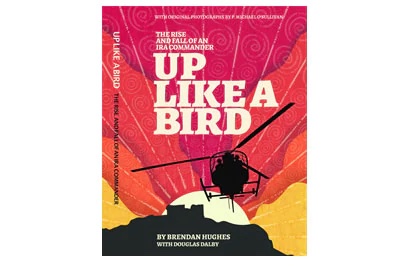


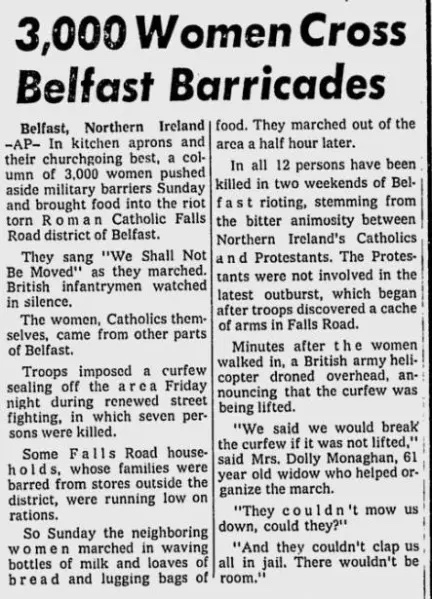
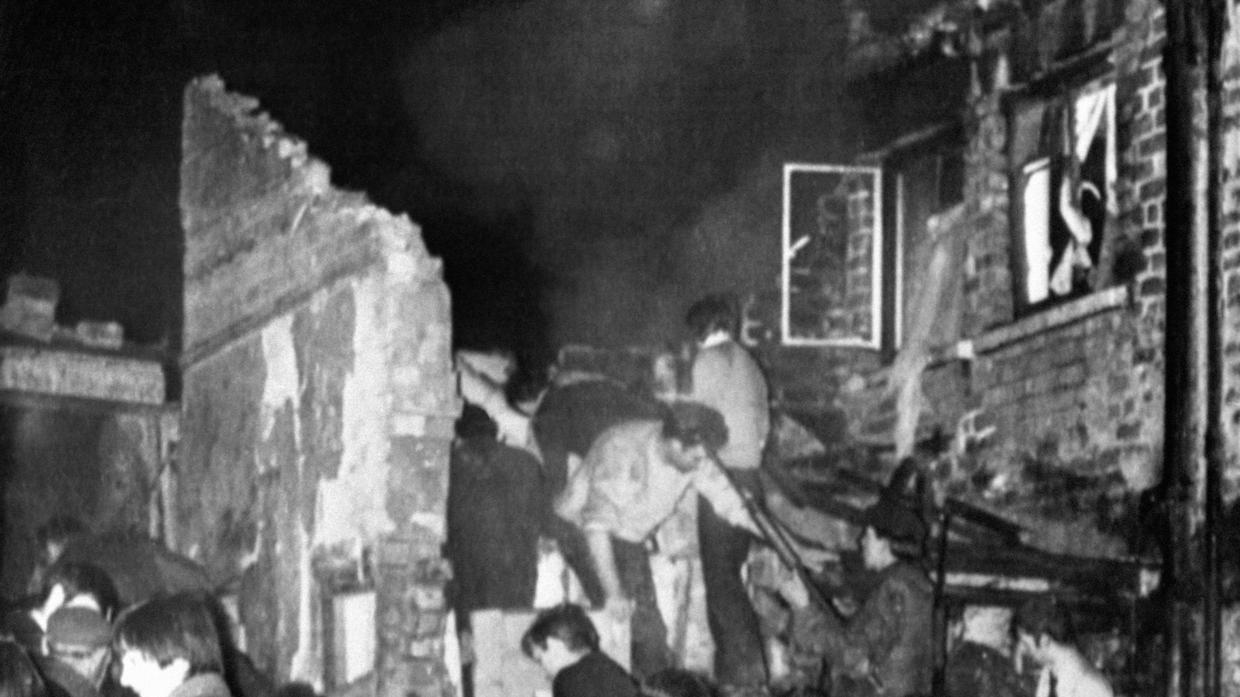
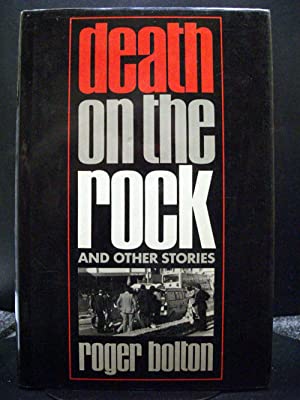
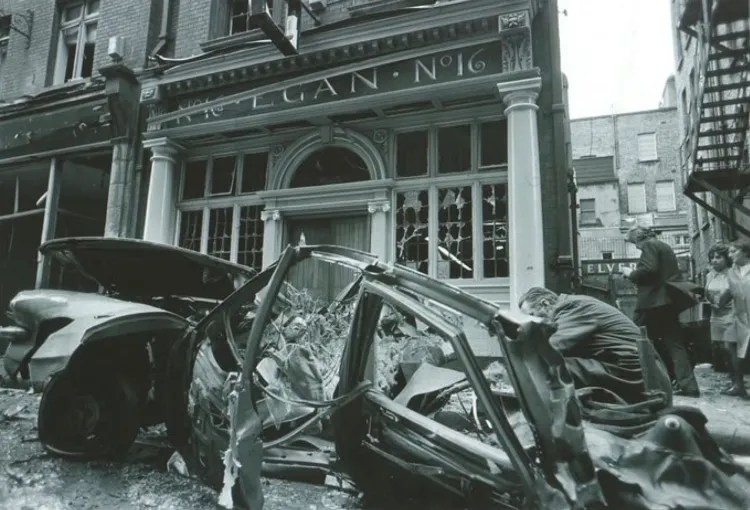
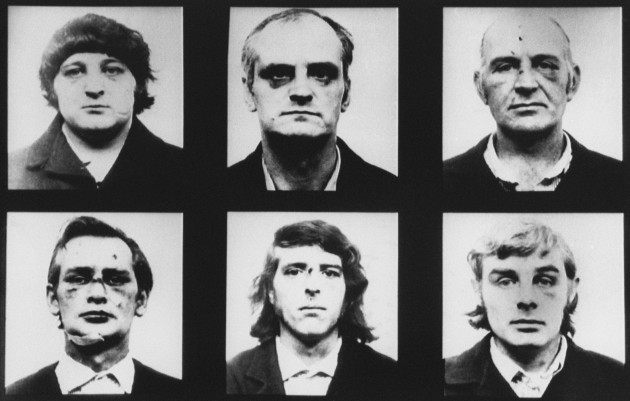


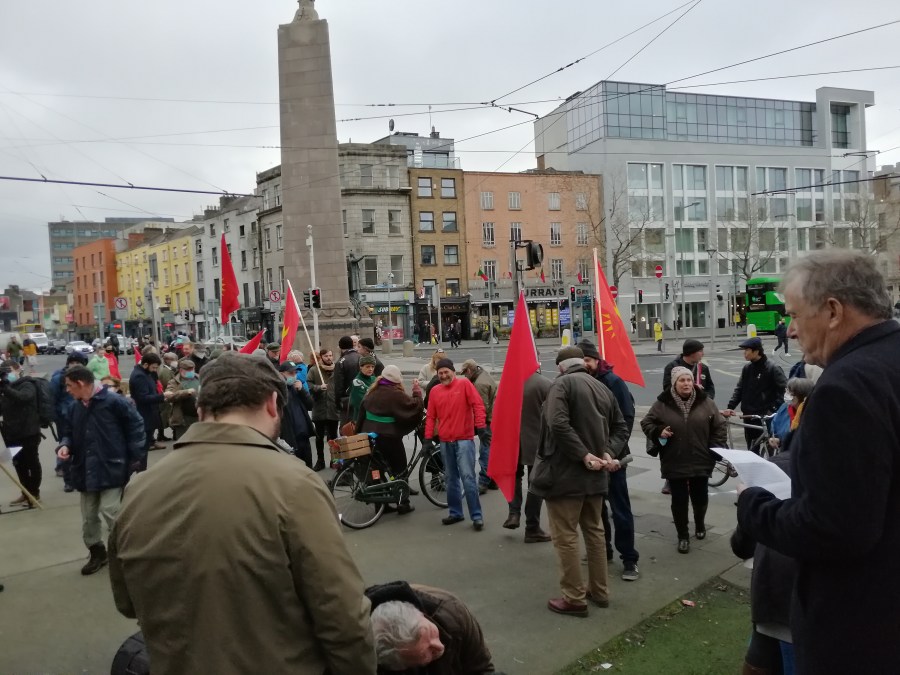
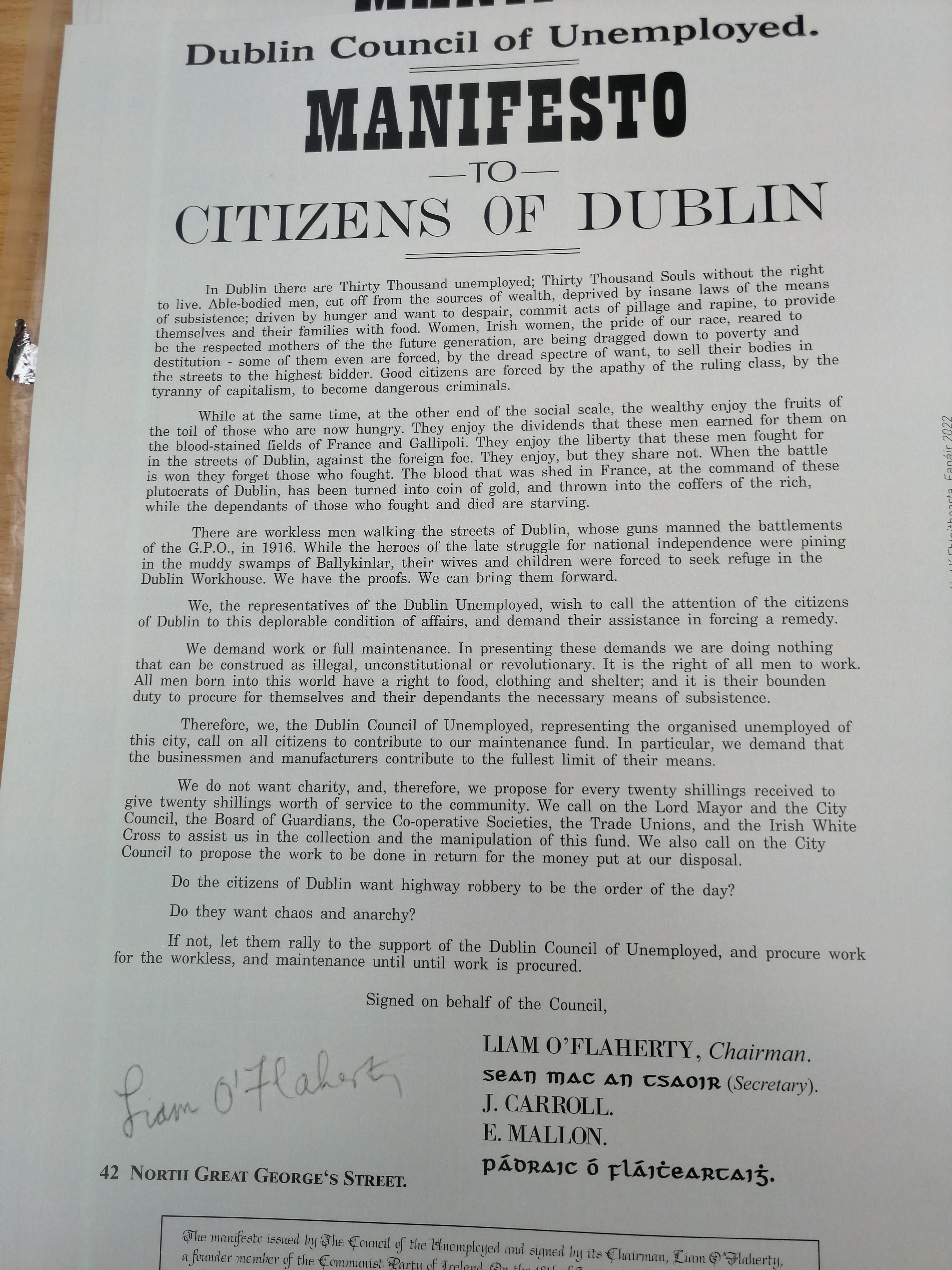
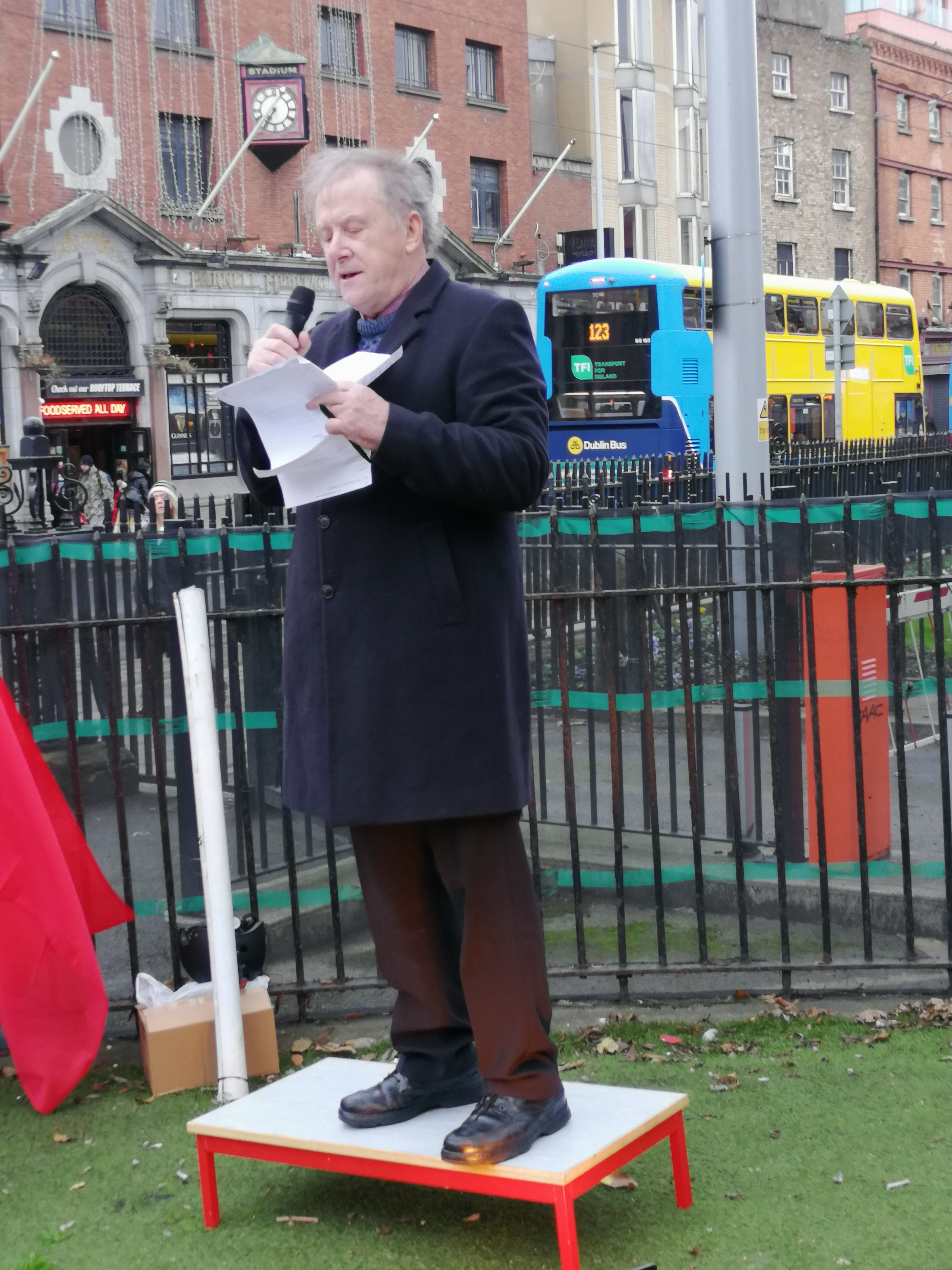
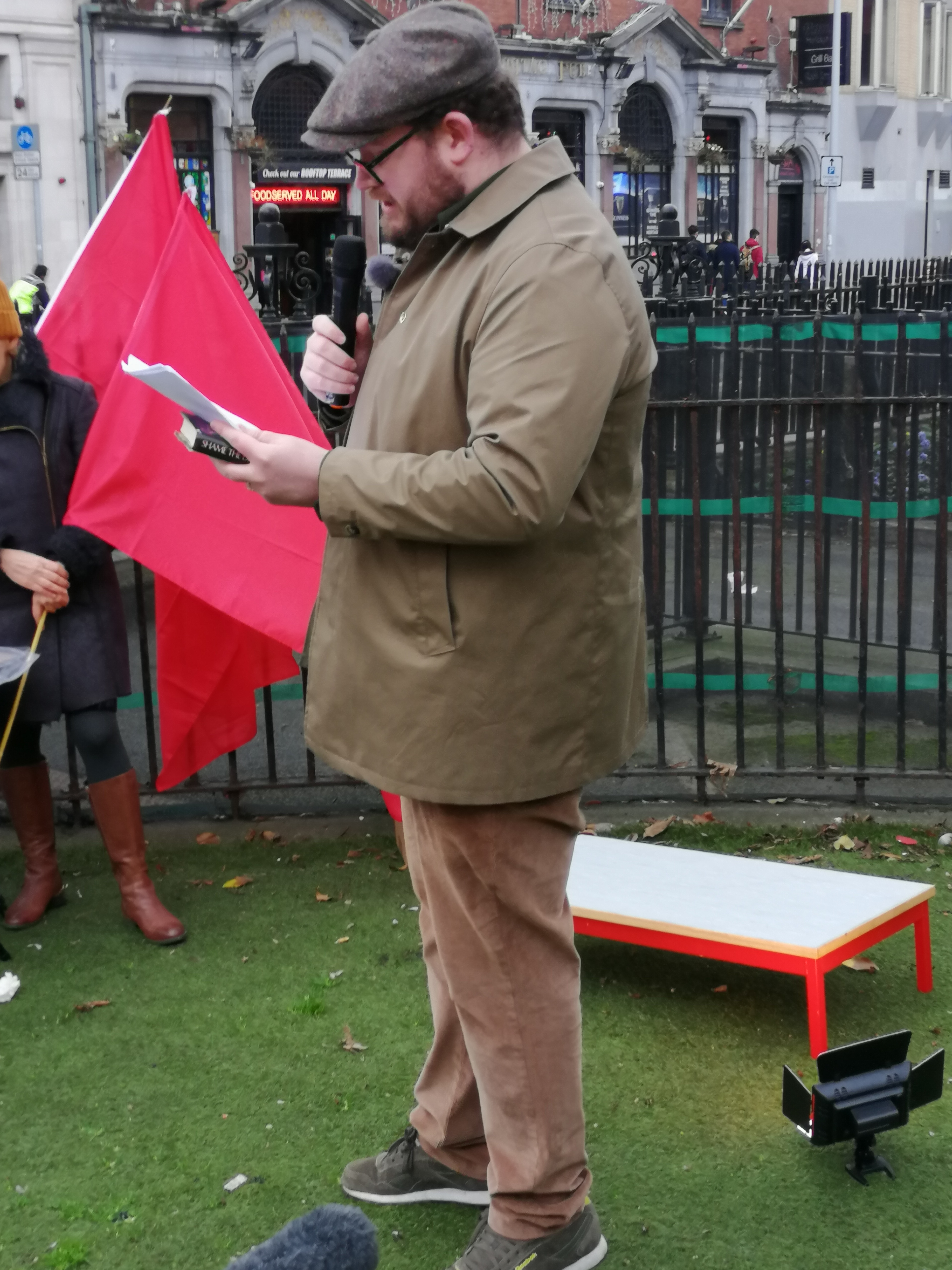
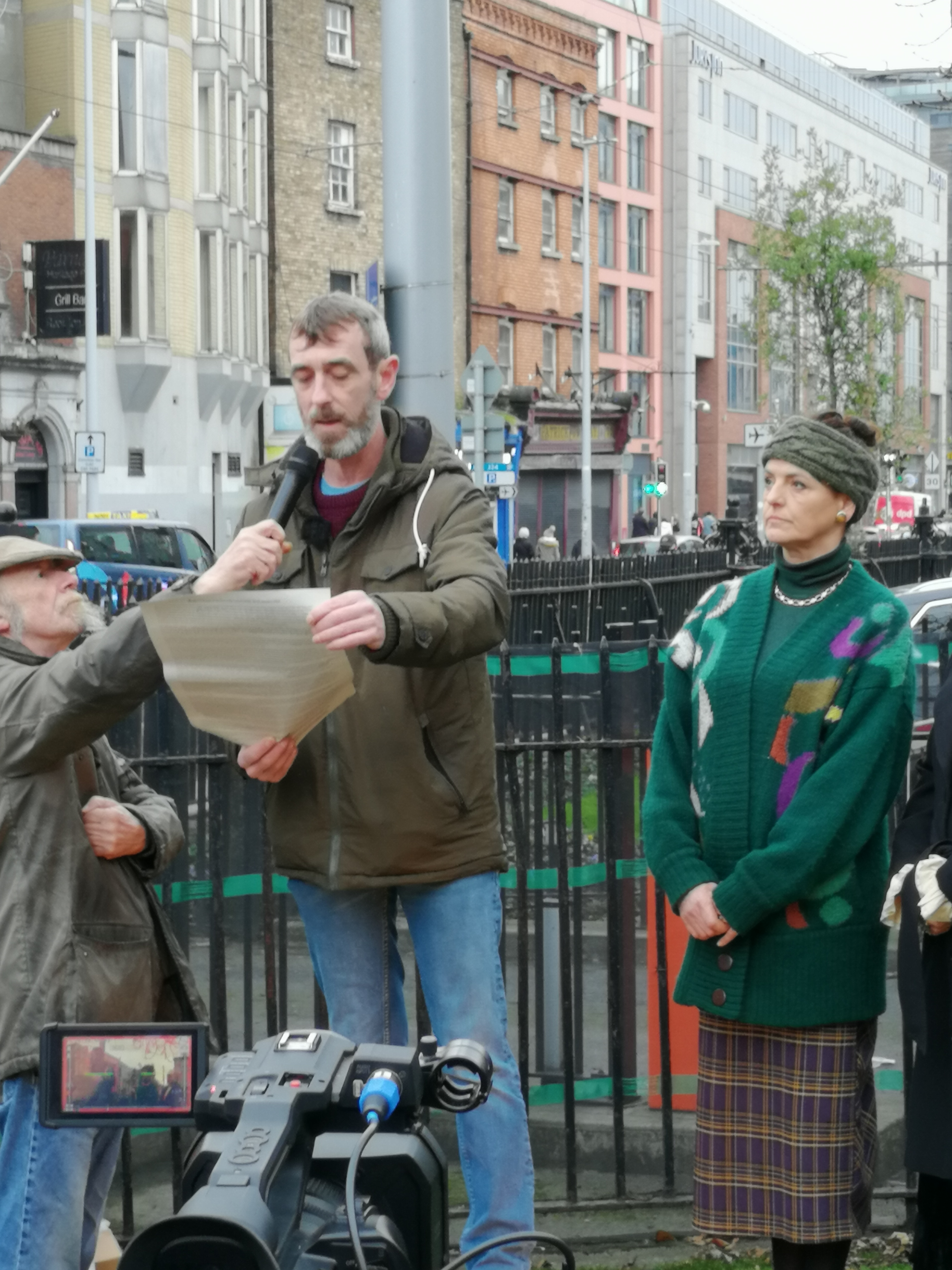
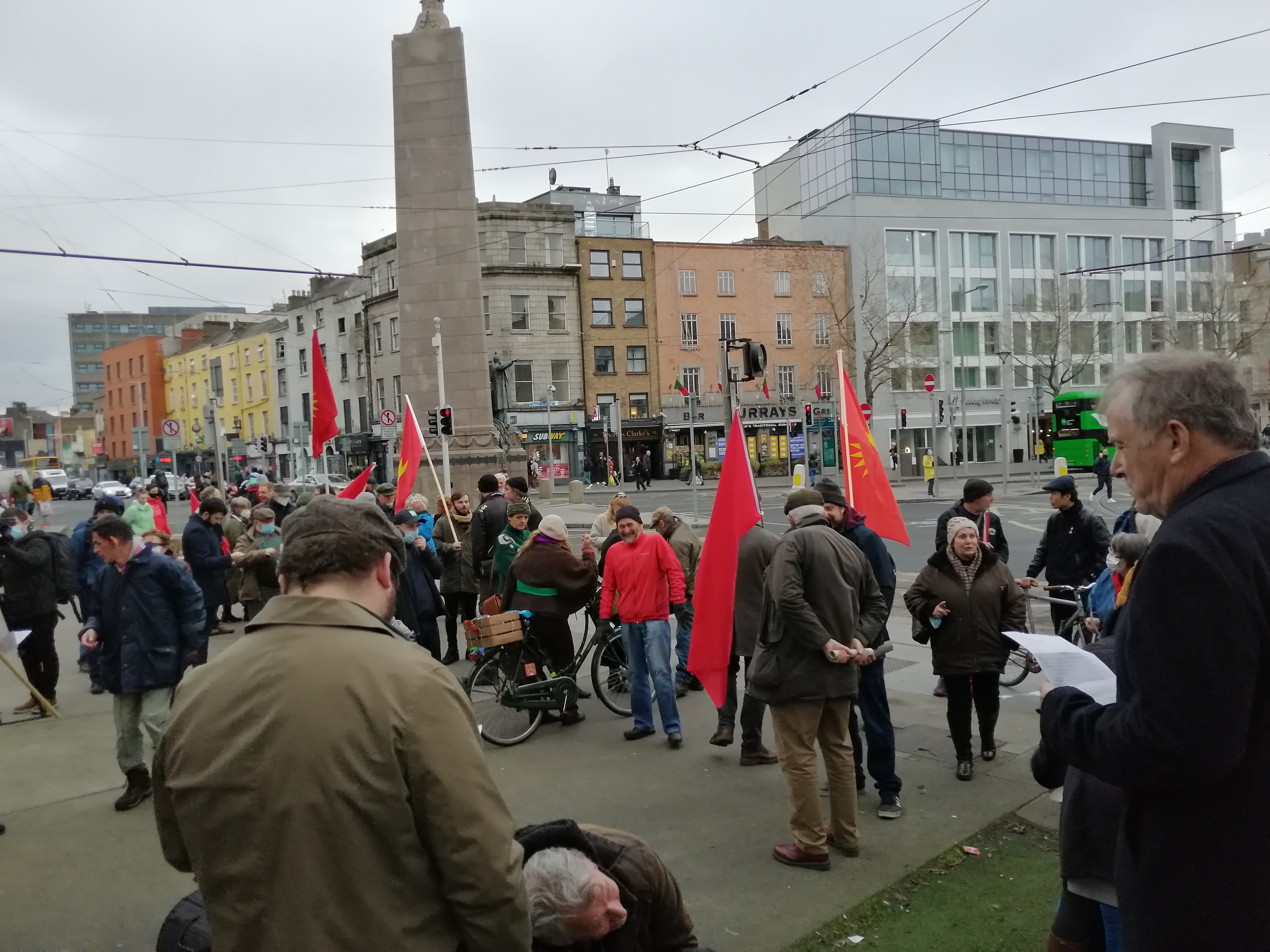
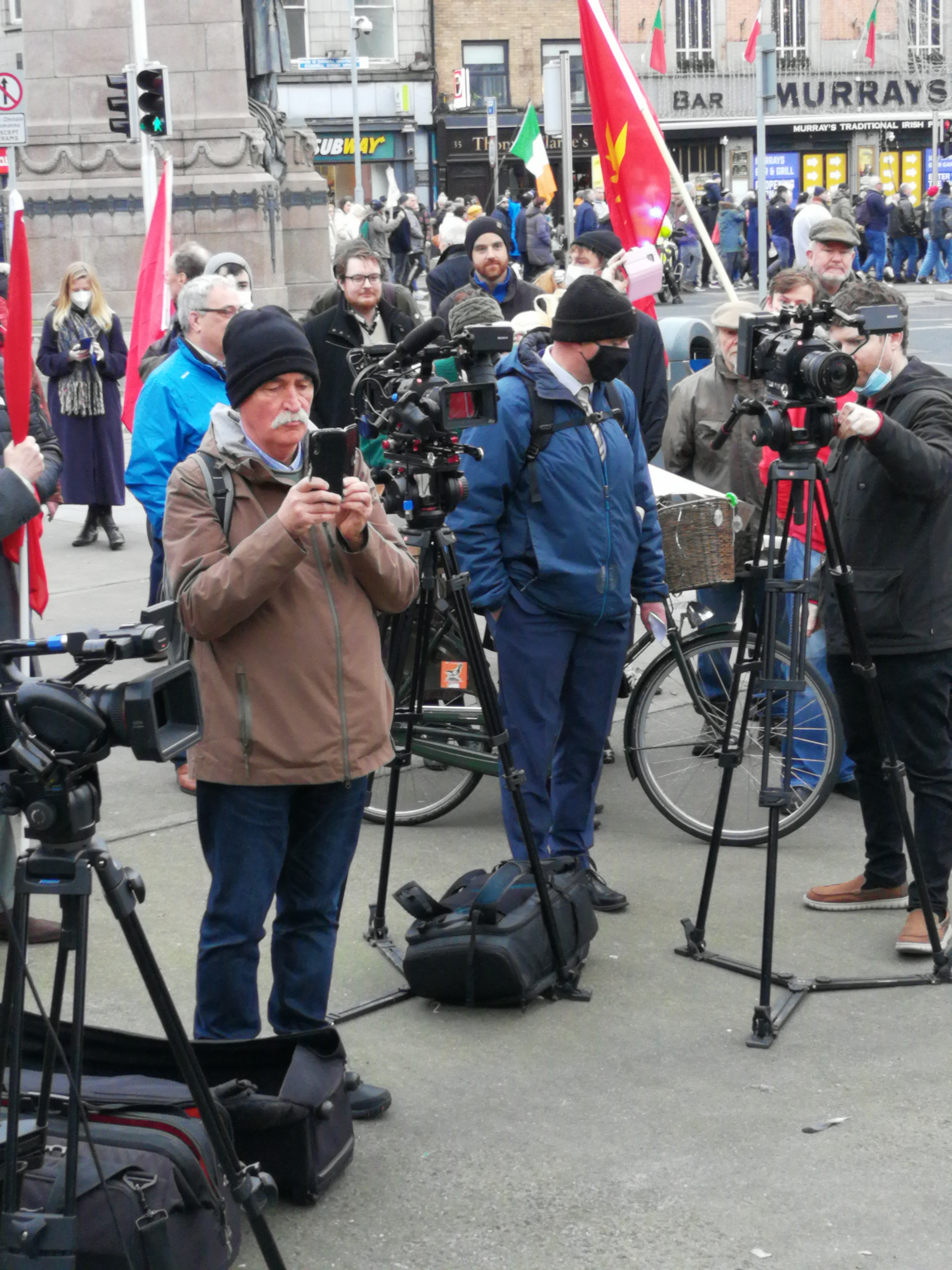
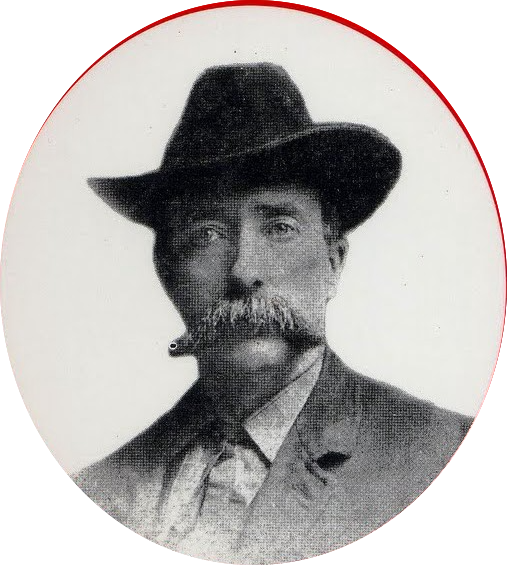
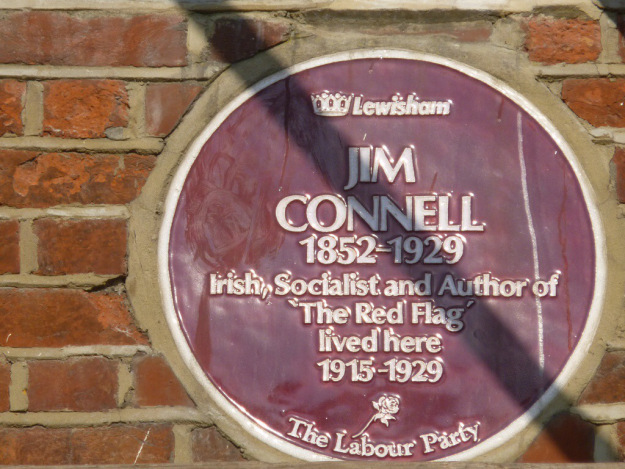
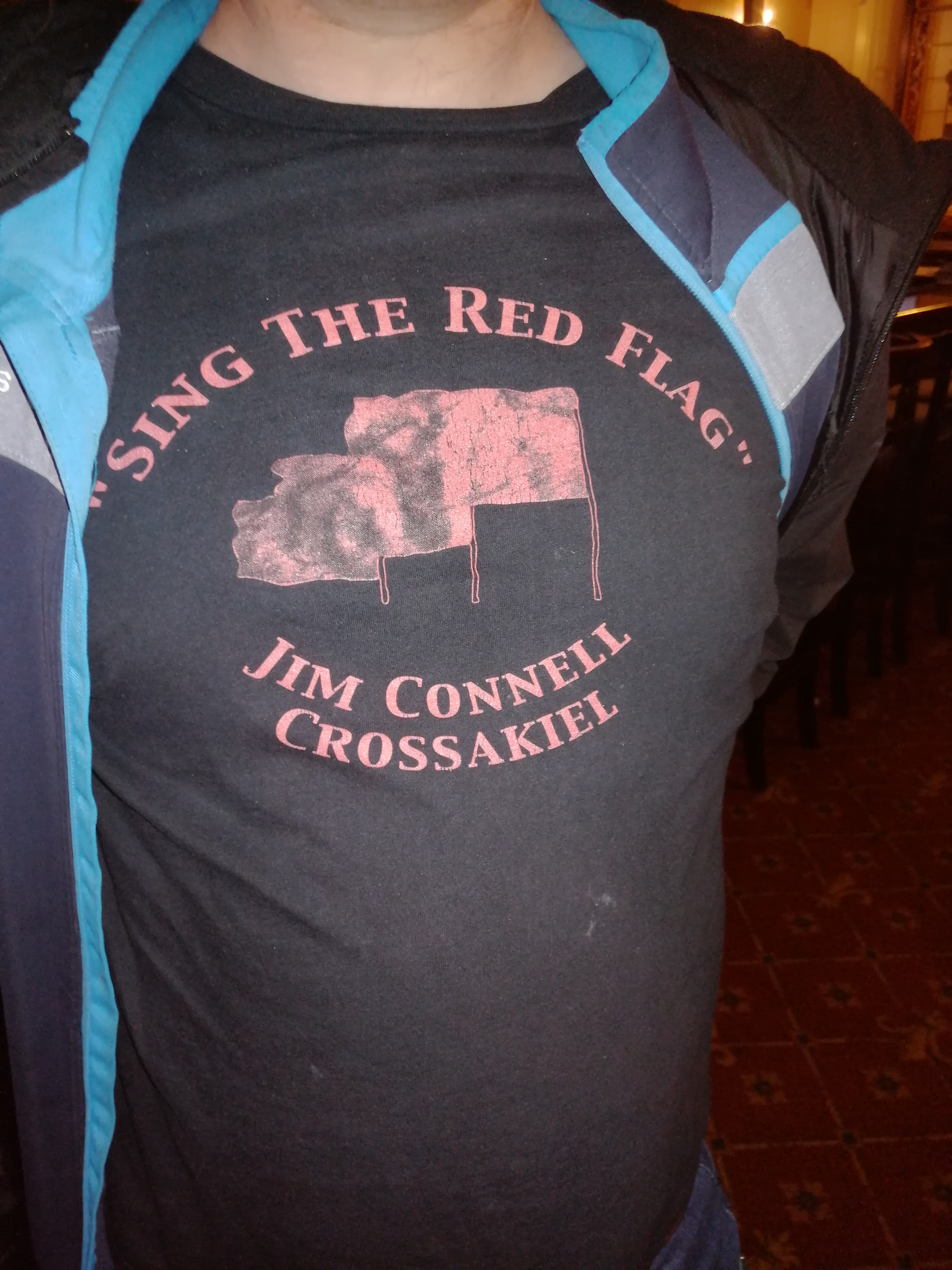
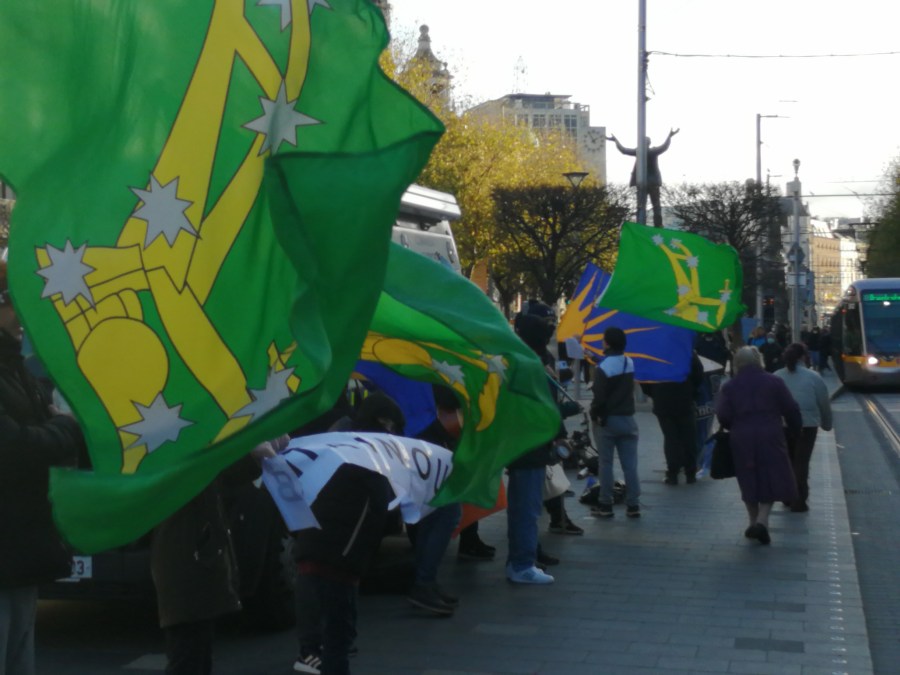
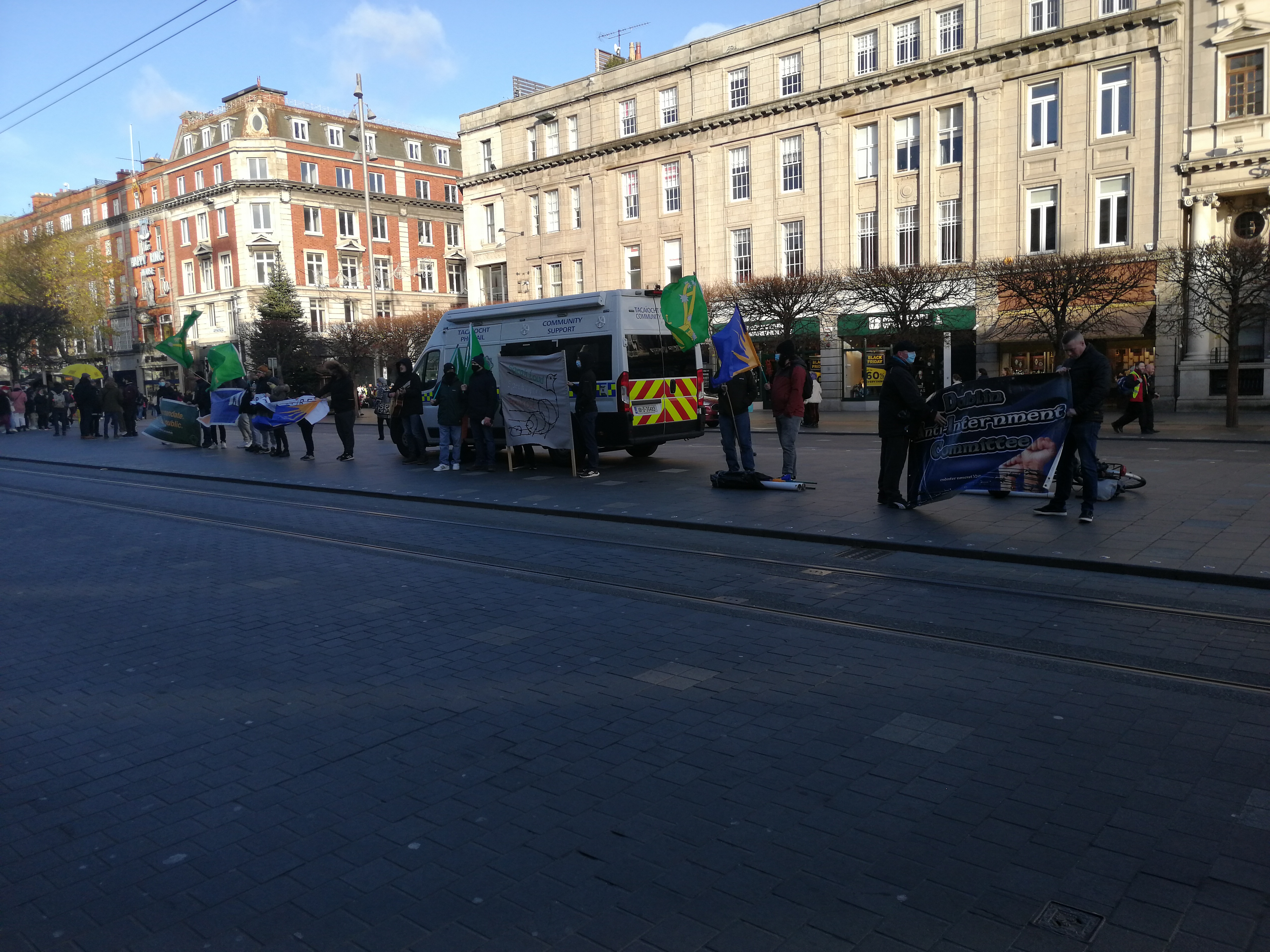
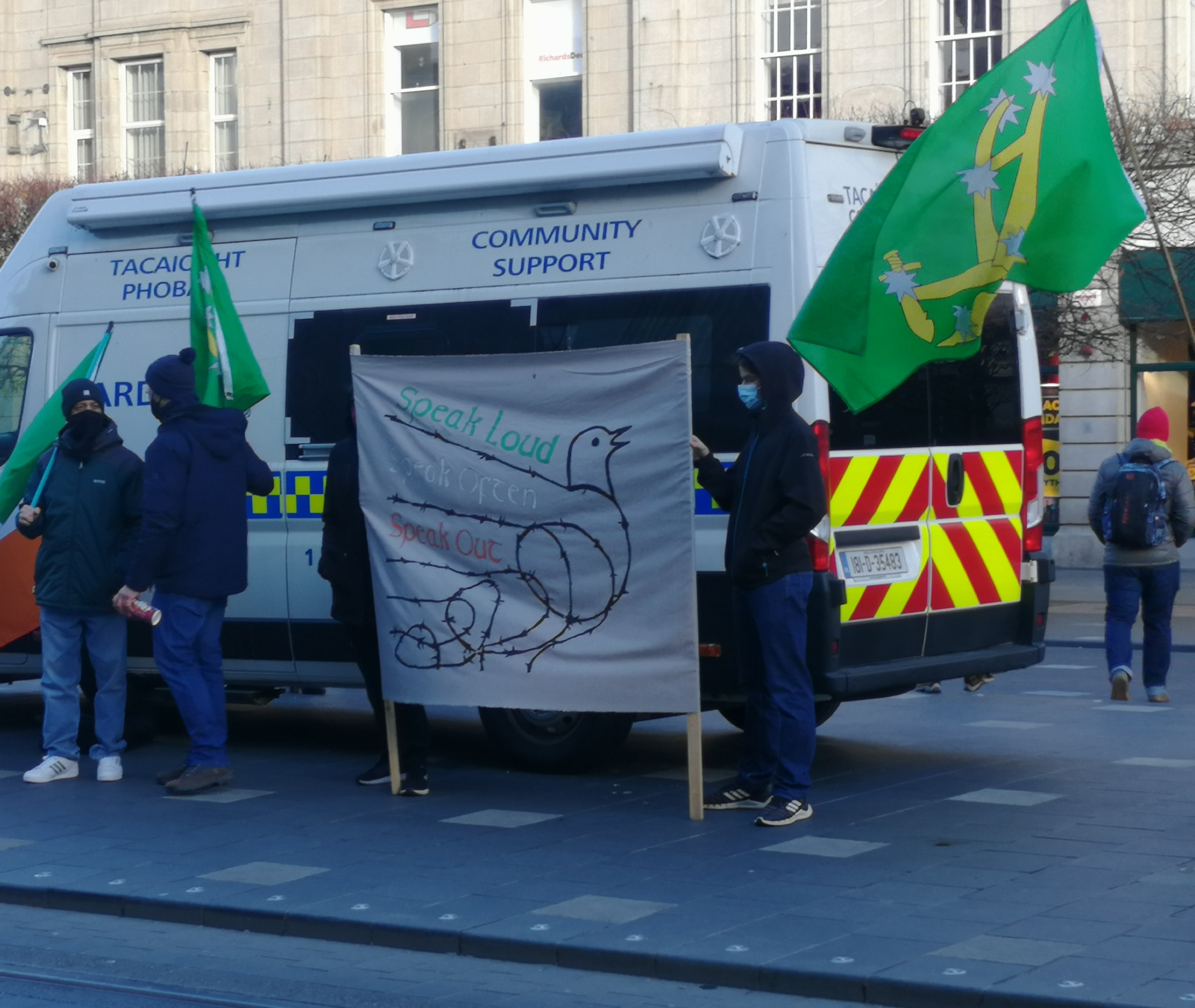
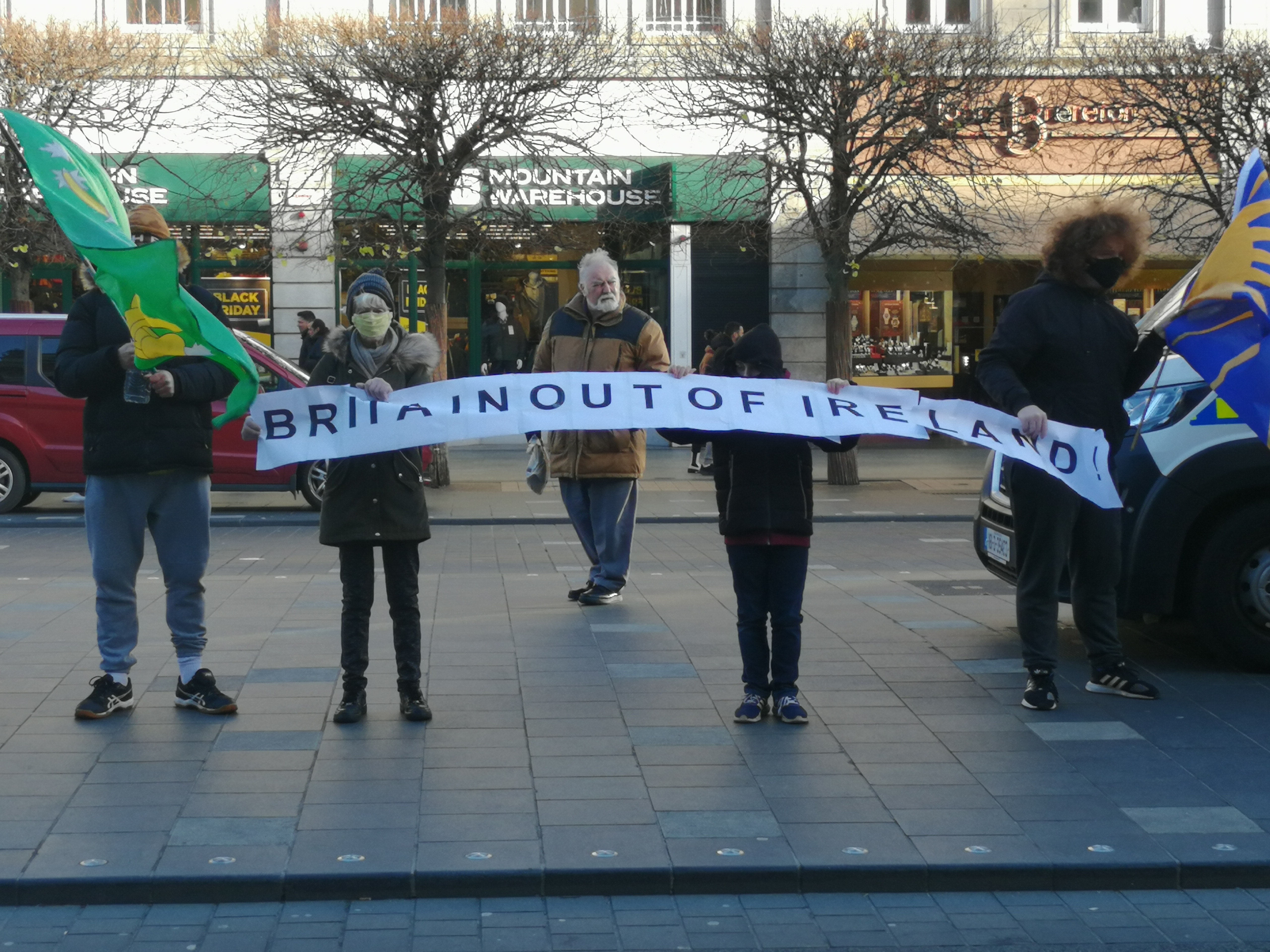
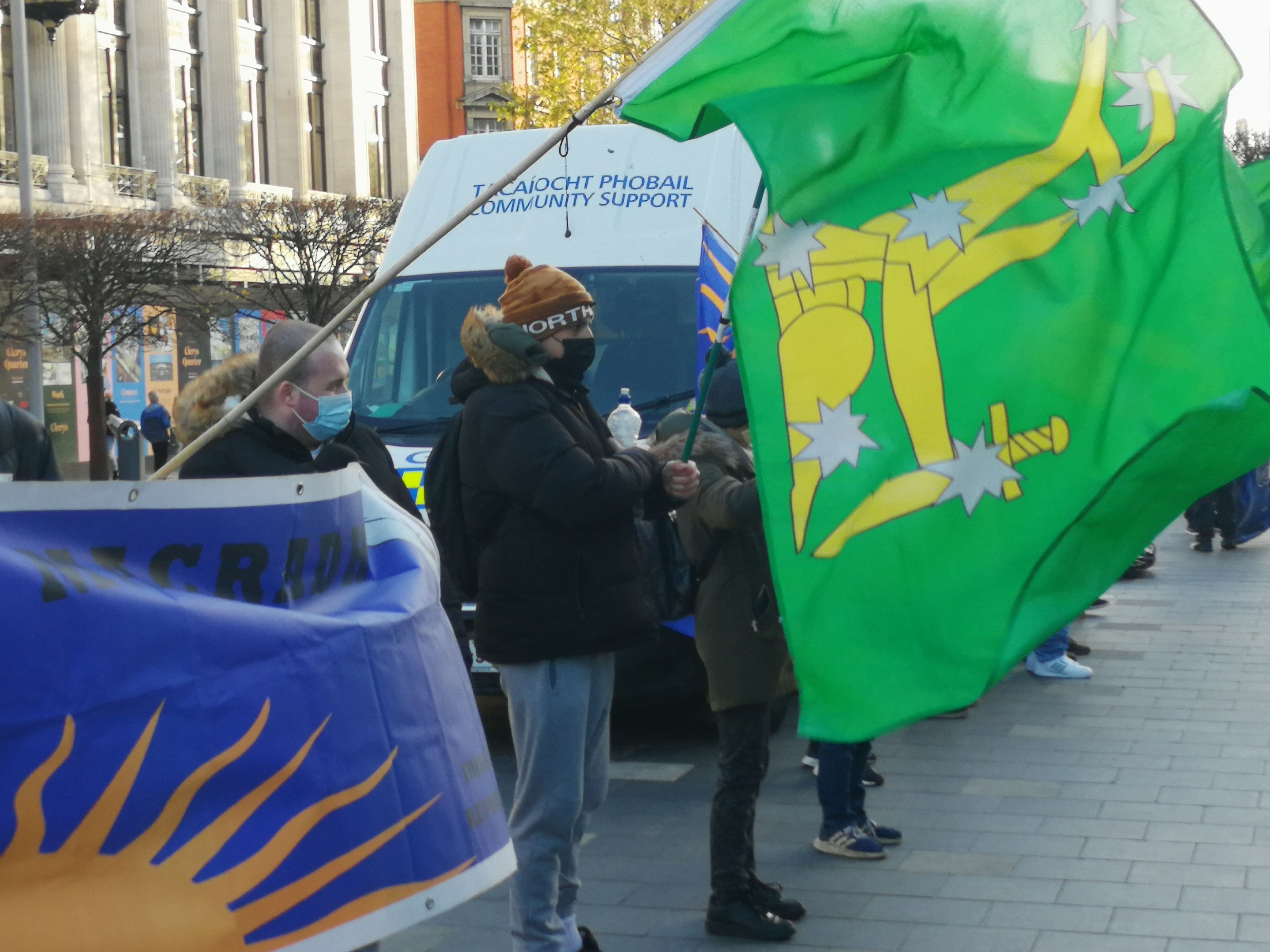
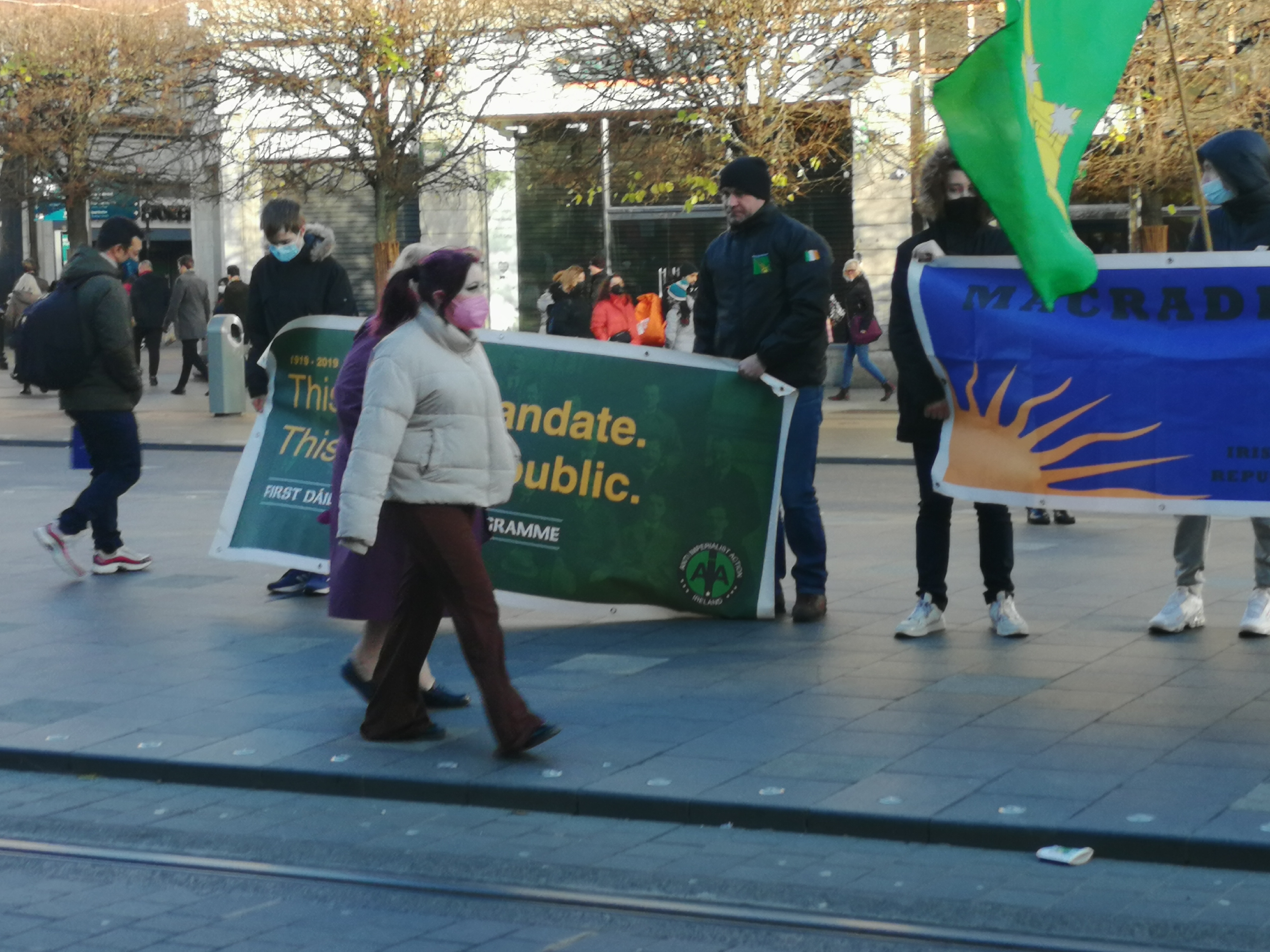
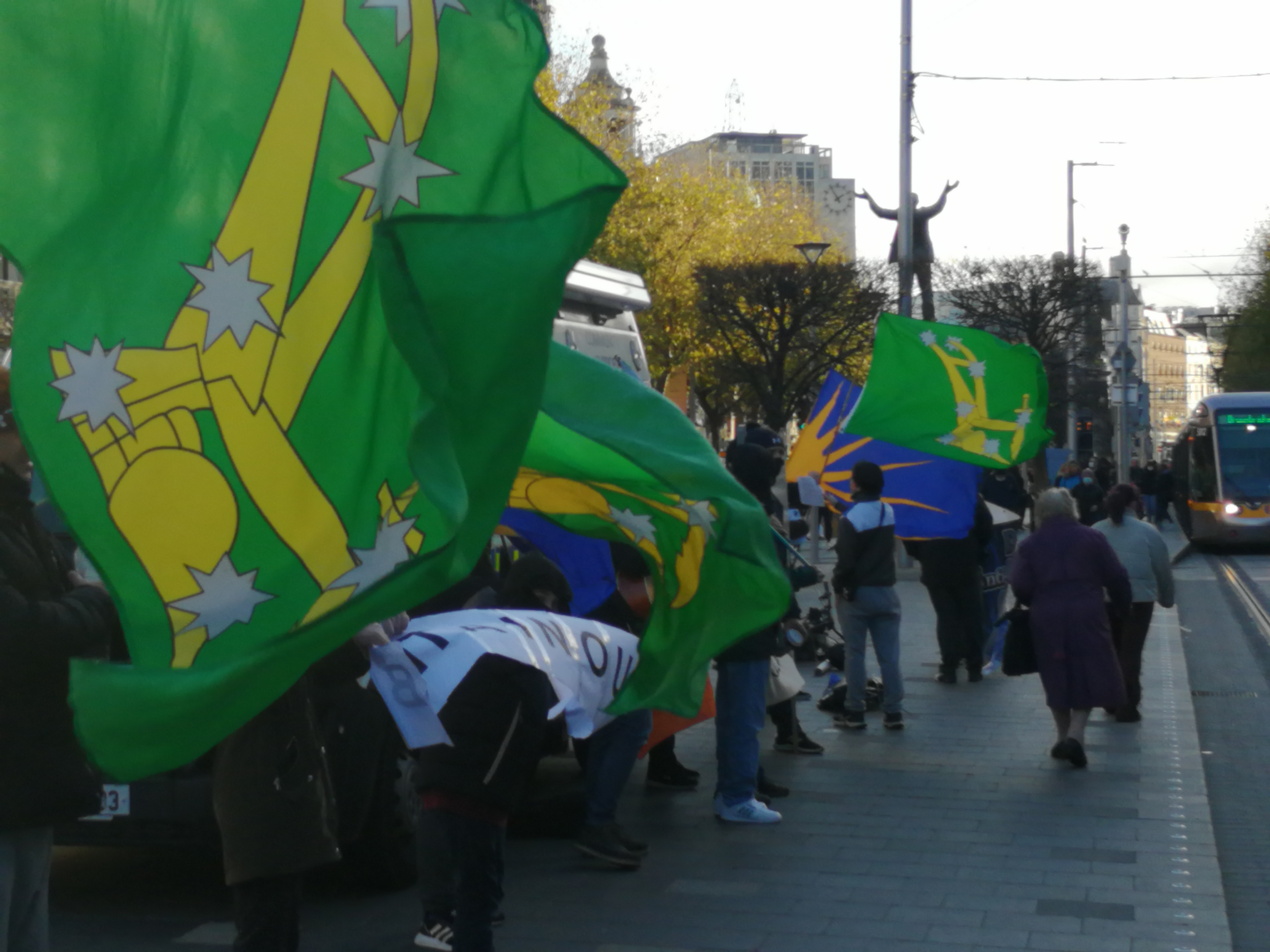


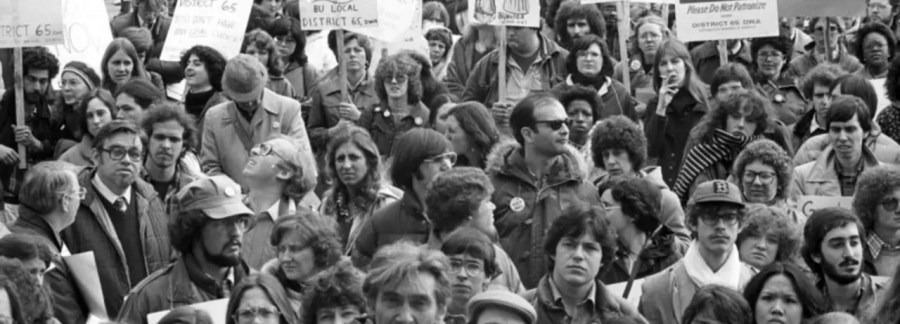


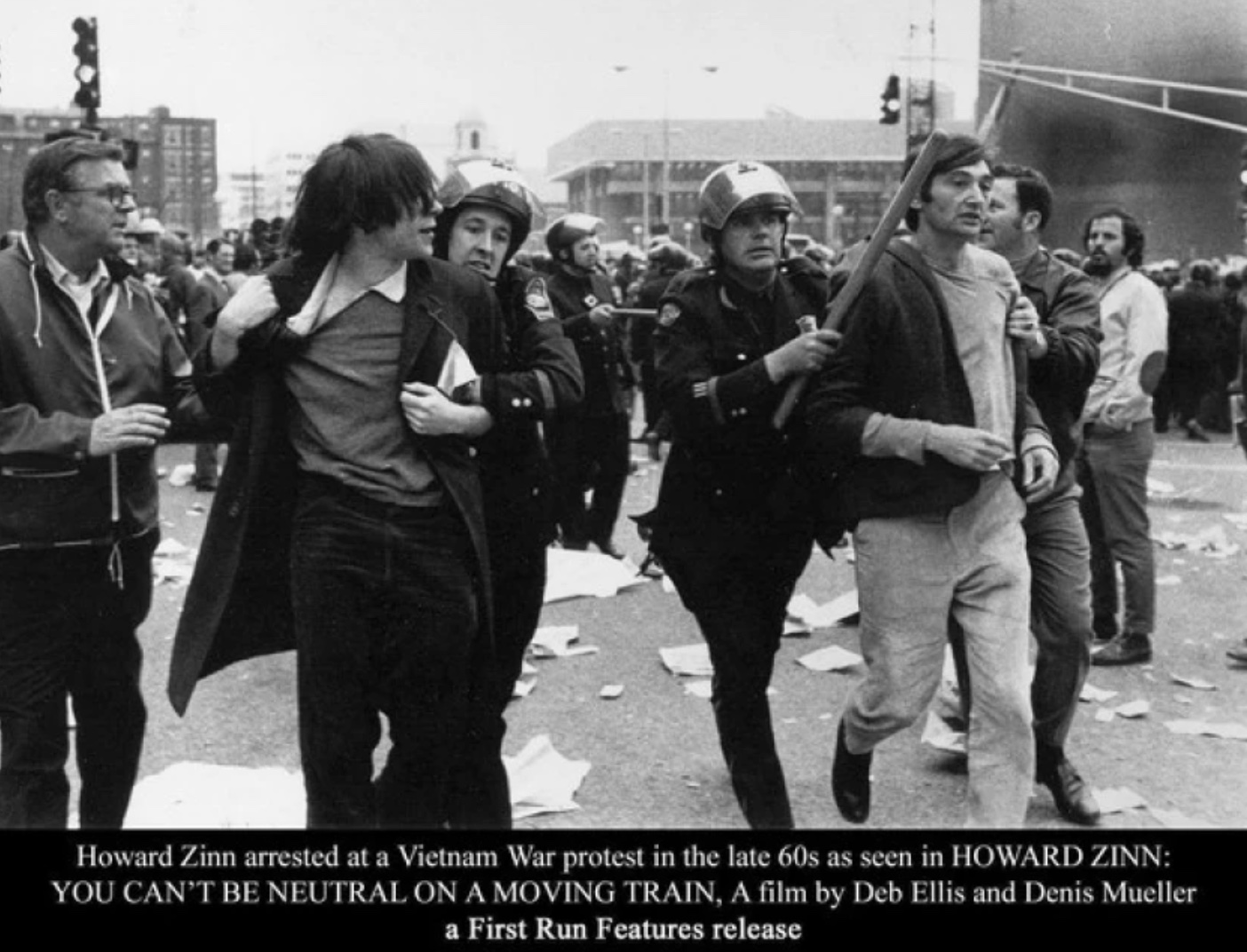


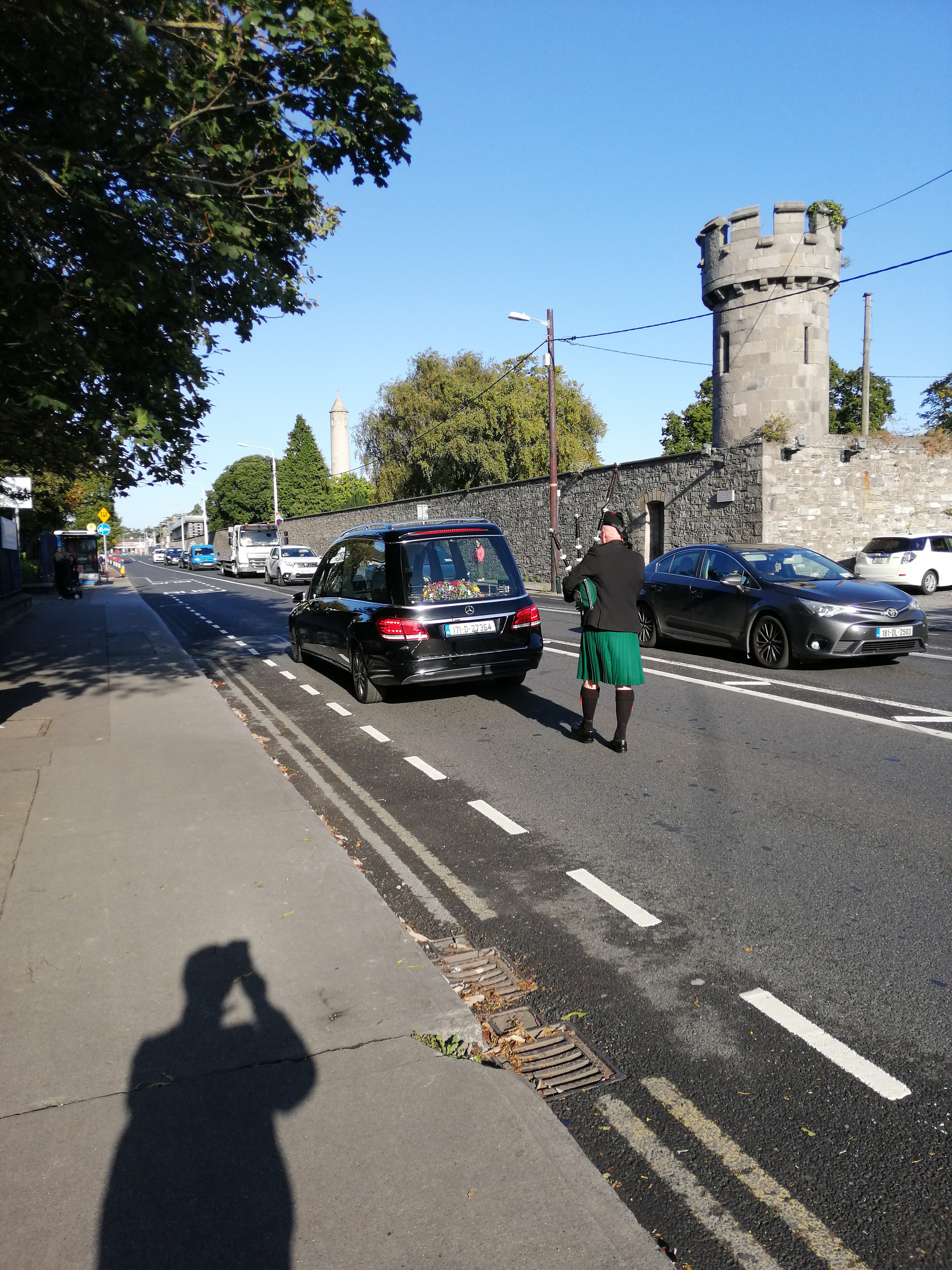
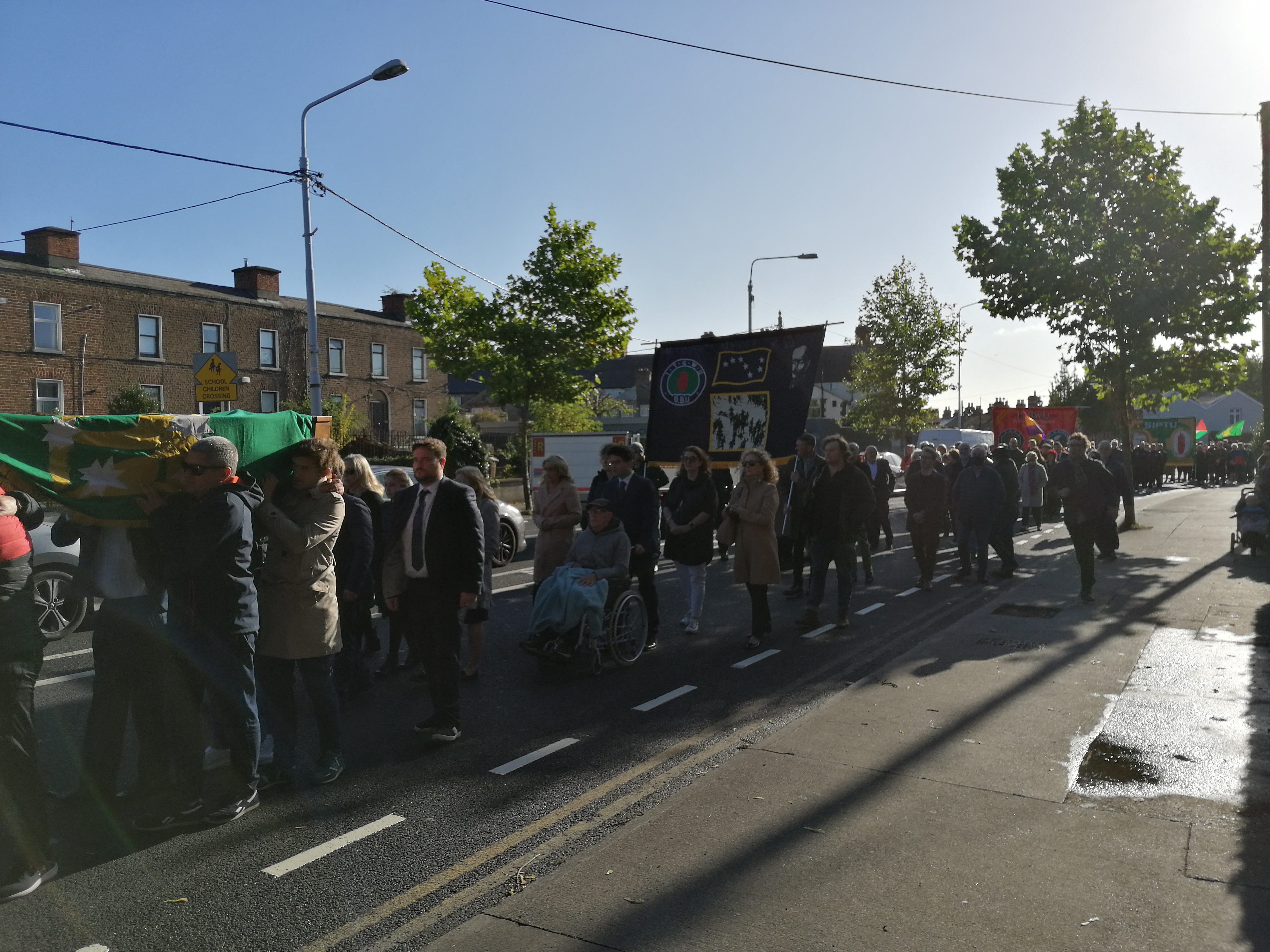







 rebelbreeze